HIGHLANDS OF BELLA VISTA HEALTH & REHAB, LLC
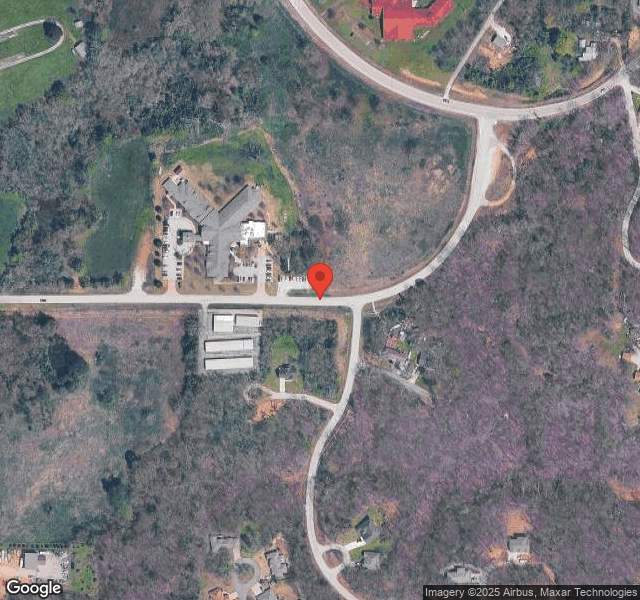
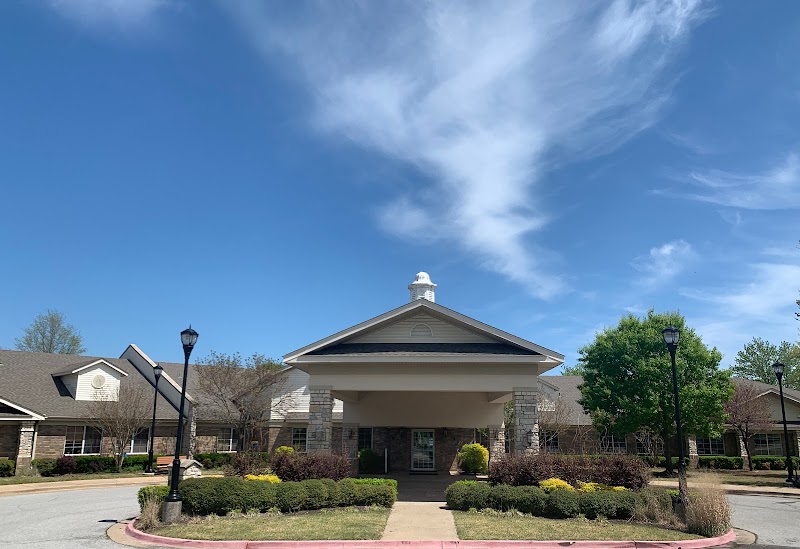
670 ROGERS ROAD, BELLA VISTA, AR 72715 (479) 876-1847
For profit - Limited Liability company 90 Beds CENTRAL ARKANSAS NURSING CENTERS Data: November 2025 1 Immediate Jeopardy citation
Trust Grade
41/100
#108 of 218 in AR
Last Inspection: November 2024

Within standard 12-15 month inspection cycle. Federal law requires annual inspections.

Overview

Highlands of Bella Vista Health & Rehab, LLC has a Trust Grade of D, indicating below average performance and some concerning issues. They rank #108 out of 218 facilities in Arkansas, placing them in the top half, and #6 out of 12 in Benton County, meaning only five local options are better. The facility is improving, having reduced identified issues from six in 2023 to two in 2024. Staffing is average with a 55% turnover rate, similar to the state average, and RN coverage is also rated as average, which suggests that while care staff may be familiar with residents, there is room for improvement. The facility has faced fines totaling $8,055, which is considered average, but there are critical concerns such as medication errors that could lead to complications for residents and failures in kitchen sanitation and food preparation practices. Overall, while there are strengths in their rankings and some aspects of care, the facility also has significant weaknesses that families should consider.

Trust Score
D
41/100
In Arkansas
#108/218
Top 49%
Safety Record
High Risk
Review needed
Inspections
Getting Better
6 → 2 violations
Staff Stability
⚠ Watch
55% turnover. Above average. Higher turnover means staff may not know residents' routines.
Penalties
○ Average
$8,055 in fines. Higher than 71% of Arkansas facilities. Some compliance issues.
Skilled Nurses
⚠ Watch
Each resident gets only 26 minutes of Registered Nurse (RN) attention daily — below average for Arkansas. Fewer RN minutes means fewer trained eyes watching for problems.
Violations
⚠ Watch
21 deficiencies on record. Higher than average. Multiple issues found across inspections.
★★★☆☆
3.0
Overall Rating
★★★☆☆
3.0
Staff Levels
★★★★☆
4.0
Care Quality
★★★☆☆
3.0
Inspection Score
Stable
2023: 6 issues
2024: 2 issues

The Good

  • 4-Star Quality Measures · Strong clinical quality outcomes
  • Full Sprinkler Coverage · Fire safety systems throughout facility
  • No fines on record

Facility shows strength in quality measures, fire safety.

The Bad

3-Star Overall Rating

Near Arkansas average (3.1)

Meets federal standards, typical of most facilities

Staff Turnover: 55%

Near Arkansas avg (46%)

Frequent staff changes - ask about care continuity

Federal Fines: $8,055

Below median ($33,413)

Minor penalties assessed

Chain: CENTRAL ARKANSAS NURSING CENTERS

Part of a multi-facility chain

Ask about local staffing decisions and management

Staff turnover is elevated (55%)

7 points above Arkansas average of 48%

The Ugly 21 deficiencies on record

1 life-threatening
Nov 2024 2 deficiencies
CONCERN (F)

Potential for Harm - no one hurt, but risky conditions existed

Menu Adequacy (Tag F0803)

Could have caused harm · This affected most or all residents

Based on observation, interviews, and facility menu and policy review, the facility failed to ensure the planned, written recipe was followed for residents who received meals from 1 of 1 kitchen. Spec...

Read full inspector narrative →
Based on observation, interviews, and facility menu and policy review, the facility failed to ensure the planned, written recipe was followed for residents who received meals from 1 of 1 kitchen. Specifically, the recipe was not followed for scrambled eggs, oatmeal, and creamy wheat cereal in accordance with the written recipe. Findings include: A review of a facility policy titled, Food Preparation, dated 05/15/2020, indicated the purpose was to conserve nutritive value, provide palatable flavor, attractive appearance and appropriate temperature of food received by residents. The procedure revealed the cook was responsible for food preparation in accordance with the menu and recipes. A review of the menu used to prepare breakfast on 11/20/2024 included egg of choice and cereal of choice. A review of the Egg 1 oz (ounce) recipe dated 02/22/2024, instructed Prepare according to package directions. A review of the Oatmeal recipe dated 10/01/2023, instructed to prepare according to package directions, omitting salt. A review of the Creamy Wheat recipe dated 10/01/2023, instructed to stir dry cereal into boiling water using wire whip until cereal begins to thicken. During an observation on 11/20/2024 at 5:45 AM, the Dietary [NAME] (Cook #1) stated breakfast was being prepared for 64 residents. [NAME] #1 turned on stove, placed two pots containing water on stove to heat, filled steam table with water, placed various sized pans into four slotted areas on steam table, and covered with four large covers. [NAME] #1 obtained two flats of raw eggs in shells, and two clear plastic bags of liquid eggs, from refrigerator, oatmeal and wheat cereal the dry storage area. Two bags of liquid eggs were placed in large pot of boiling water on top of stove, and a large fry pain was placed over the top to form a lid. No instructions were on or attached to bags. Two flats of raw eggs in shells were placed on top of the griddle on the stove. During an observation on 11/20/2024 at 6:01 AM, [NAME] #1 opened a sealed jug of margarine, unscrewed lid, pierced barrier seal with thumb and removed seal. [NAME] #1 removed lid from pans on steam table, used cooking spray on three pans, differing in size, poured an unmeasured amount of margarine, into 3 of the silver pans, added hot water to one of the pans containing margarine, and stirred in the dry wheat cereal. Cook #1 opened a box of quick oats, added the oats to a second pan containing margarine, added boiling water to the oatmeal, and vigorously stirred with a whisk to combine ingredients. [NAME] #1 placed a portion of wheat cereal into a small pan and stated 4-5 residents received enhanced cereal which was the wheat cereal with a powder added. [NAME] #1 stated the cereals would be cooked on the table while other food was being prepared. During an observation on 11/20/2024 at 6:44 AM, [NAME] #1 cut open the two bags of eggs and poured the cooked eggs into the third pan containing margarine and added an unmeasured amount of water. [NAME] #1 stated the margarine was added to provide a butter flavor to the food and was not part of the recipe. During an interview on 11/20/2024 at 12:20 PM, the Dietary Director (DD) stated [NAME] #1 was unable to read and has been told not to add things to recipes and should have followed the recipes. The DD stated the recipes for oatmeal, wheat cereal, and eggs did not call for margarine or butter, and did not know why water was added to the eggs after they were cooked. The DD stated enhanced wheat cereal was made by adding a multi mix that contained a combination of powdered milk and powdered protein.
CONCERN (F)

Potential for Harm - no one hurt, but risky conditions existed

Food Safety (Tag F0812)

Could have caused harm · This affected most or all residents

Based on observations, interviews, and facility policy review, the facility failed to maintain overall kitchen sanitation, failed to ensure food was prepared under sanitary conditions, and failed to e...

Read full inspector narrative →
Based on observations, interviews, and facility policy review, the facility failed to maintain overall kitchen sanitation, failed to ensure food was prepared under sanitary conditions, and failed to ensure hand hygiene was performed by dietary staff, in 1 of 1 kitchen. Findings include: A review of a facility policy titled, Food Preparation, dated 05/15/2020, indicated the purpose was to conserve nutritive value, provide palatable flavor, attractive appearance and appropriate temperature of food received by residents. The procedure revealed bare hands should not come in contact any foods, ready to eat or otherwise. A review of a facility policy titled, Cleaning & Sanitation, dated 09/20/2020, indicated the purpose was to ensure a clean, sanitary, and safe environment according to state and federal regulations. The procedure included the Dietary Director (DD) would develop, implement, and monitor cleaning of the kitchen and equipment. A review of the Monthly Cleaning Log for November 2024 revealed the table legs on kitchen worktables were to be cleaned during Week 3. No completion date or initials were documented. Week 4 indicated that the pipes, walls, and floor behind equipment were to be cleaned. No completion date or initials were documented. A review of the Weekly Cleaning Log for the week of 11/10/2024 through 11/16/2024 had missing entries for items that included, walls, steam table #1, table surfaces, tray line, floors, stove top and grill. A review of the Weekly Cleaning Log for the week of 11/17/2024 to 11/23/2024 had missing entries for items that included, deep fryer, floors, steam table, tray line, stovetop and grill. A review of the dietary in-service topic Kitchen Cleaning, dated 11/20/2024 revealed the summary of the in service included cleaning schedules, keeping kitchen clean is to ensure a sanitary and safe environment, and had 5 participant signatures. A review of the dietary in-service topic Hand Washing, dated 11/20/2024 revealed the summary of the in service included staff were to wash hands after touching body parts, going from dirty to clean, handling dirty utensils or equipment, during food preparation, or engaging in any activity that will contaminate hands, and had 5 participant signatures. During an observation on 11/20/2024 at 5:43 AM, a silver-colored griddle portion of stovetop had yellow orange debris from center to back of the griddle. The top edge of the silver-colored cooktop had an irregular brown/tan pour pattern of debris. The oven door had dark discoloration in splotchy, running pattern. The ledge above the door opening had gritty, brown and black buildup the width of the oven door. The fryer door had discoloration in a splotchy and running pattern. The front of a fryer, the fryer door, and leg of the standalone oven had a circular white, tan, and yellow debris. The floor in front of the fryer and around the leg of the standalone oven, had blotchy black and gray debris in various thickness. The top of the fryer contained an uncovered dark colored liquid, identified by the Dietary Director (DD) as oil, and light tan/yellow gritty debris, two fryer baskets above the oil with yellow debris. A flat pan with foil inside the rim covering the bottom of the pan, had a puddle of yellow fluid with yellow gritty debris, two silver utensils covered with wet layer and yellow gritty debris were laying on the pan above the yellow puddle of fluid. A preparation table, to the right of a refrigerator holding beverages, left of a kitchen entry door, had black and white debris on the lower shelf that contained condiments, salad dressing, honey, and syrup. The floor under and behind the preparation table, near the kitchen door, had dark gray and black debris, and the baseboard had a layer of black debris along the top edge. The front and legs of a food serving cabinet, a lower shelf and legs of a serving table, and the floor had white, black, and gray debris. During an observation on 11/20/2024 at 5:45 AM, Dietary [NAME] (Cook #1) stated breakfast was being prepared for 64 residents. Two loaves of bread, one white and one wheat, were placed on a blue meal tray, located on a preparation counter next to the toaster. The tray contained a half loaf of bread in a sealed storage bag. At 5:46 AM, a blue trashcan with an attached black lid and two black wheels, contained a gray trash bag, had white debris in a splatter and running pattern on the front and sides, and brown debris splattered and running pattern on the front and sides, was positioned next to the stove, touching the side of the stove with the handle overlapping the top of the stove. During an observation on 11/20/2024 at 6:01 AM, [NAME] #1 opened a sealed jug of margarine, unscrewed lid, pierced barrier seal with thumb and removed seal. [NAME] #1 removed lid from pans on steam table, used cooking spray on three pans, differing in size, poured an unmeasured amount of margarine into 3 of the silver pans. During a concurrent observation and interview on 11/20/2024 at 6:18 AM, [NAME] #1 completed puree sausage preparation, removed blender parts and rinsed in sink and wiped hands on shirt. No hand hygiene was performed. [NAME] #1 went to the stand-alone oven, put on oven mitts and removed a shelf, placed two pans containing mechanical soft and puree sausage, covered with foil, in the oven. [NAME] #1 stated they were nervous and moved to the sink and washed their hands. During an observation on 11/20/2024 at 6:27 AM, [NAME] #1 obtained food temperatures from the steam table, put glasses on, picked up an ink pen from the table next to binders, documented temperatures, removed and hooked glasses on top of shirt. No hand hygiene was performed, moved toward stove, wiped left hand on lower portion of shirt near hip. During a concurrent observation and interview on 11/20/2024 at 6:37 AM, Dietary Aide (DA) #2 placed 6 slices of bread into an automatic conveyor toaster, 6 slices of toast removed and stacked on a blue tray. DA #2 used a large, handled butcher type knife to cut the toast diagonally, placed toast cut side down to the back of the tray. DA #2 was asked if the tray was clean prior to placing the toast on the tray to cut it. DA #2 stated the bread was on the tray upon arrival and placed there by [NAME] #1, and believed the tray was clean at that time. DA #2 was asked if the tray was cleaned before placing toast on it. DA #2 did not respond, picked up the tray, threw the toast into the trash can, placed the tray to the dish washing area, and obtained a new tray. During an interview on 11/20/2024 at 6:39 AM, the (DD) was asked what the debris on top of the griddle was and stated it was a reaction of something that was set on top of the griddle but could not identify what was set on the griddle to cause the debris. The DD stated the trash can could be within 2 inches of the stove according to guidance. The DD cleaned the top of the griddle. The DD stated the evening dietary staff should have cleaned the kitchen before leaving. The DD stated deep cleaning was done weekly and monthly. The DD stated the kitchen did not look like it was cleaned in the last month. During an observation on 11/20/2024 at 6:03 AM, the floor and red connection line, on the serving side of the steam table, was covered in thick black and gray debris. The right side of the steam table had dried brown debris in a running pattern, and the floor between the steam table and preparation table had a layer of dark debris. There were white bowls, and two flats of raw eggs on the griddle, and the trash can handle was overlapping the top of griddle. During an interview on 11/20/2024 at 12:20 PM, the DD stated it was okay to have a trash can within 2 inches of the stove if not touching the stove and did not believe it was an infection control issue, moved the trash can from overlapping the griddle. The DD was asked to provide information about distance from stove. The DD stated [NAME] #1 should have performed hand hygiene after touching glasses, clothing or moving from one station to another. DD stated an in-service was completed earlier for cleaning and hand washing. After the in-service, DD stated she observed [NAME] #1 wiping their hand on the apron and had to bring attention to that and remind [NAME] #1 to do hand hygiene. The Administrator walked through the kitchen area and observed the debris on the wall and ceiling above the beverage refrigerator, debris on shelves, floor, baseboard, stove, fryer, and location of the trashcan, and stated the large trashcan would be replaced with a smaller one and the kitchen would be cleaned to correct concerns. On 11/20/2024 at 12:30 PM, the DD stated the guidance for a trash can being 2 inches from the stove, and the trash can was moved due to infection control concerns.
Nov 2023 4 deficiencies 1 IJ
CRITICAL (J)

Immediate Jeopardy (IJ) - the most serious Medicare violation

Deficiency F0760 (Tag F0760)

Someone could have died · This affected 1 resident

Based on observation, record review, and interview, the facility failed to ensure physician orders were followed to prevent significant medication errors which could result in complications for 1 (Res...

Read full inspector narrative →
Based on observation, record review, and interview, the facility failed to ensure physician orders were followed to prevent significant medication errors which could result in complications for 1 (Resident #10) of 1 sampled resident. These failed practices resulted in an immediate jeopardy, as defined at 42 CFR §488.301. The survey team provided the State Operations Manual Appendix Q Immediate Jeopardy template to the which Director of Nursing (DON) on 11/9/23 at 1:14 p.m. An Immediate Jeopardy removal was submitted and accepted, on 11/9/23 at 3:06 p.m. The findings are: Resident #10 had a diagnosis of type 2 diabetes mellitus and dementia. The annual Minimum Data Set (MDS) with an Assessment Reference Date (ARD) of 9/1/2023 documented the resident scored 11 on the Brief Interview for Mental Status (BIMS) and received insulin injection 7 times. Review of the lab results report dated 9/7/2023 for Resident #10, .hemoglobin A1c documented .10.5 high . A physician order with a start date of 9/28/2023 documented, .metformin hydrochloride oral tablet 1000 mg (milligrams) by mouth two times a day . A physician order with a start date of 11/8/2023 documented, .insulin glargine subcutaneous solution 100 unit/ml (milliliter) inject 24 unit subcutaneously one time a day . A physician order with a start date of 11/7/2023 documented, .NovoLog injection solution 100 unit/ml inject as per sliding scale: if 0 - 60 = 0 give oj (orange juice) and notify provider; 61 - 200 = 2; 201 - 250 = 4; 251 - 300 = 6; 301 - 350 = 8; 351 - 600 = 10 if > 400 give 8 u and notify provider . before meals and at bedtime . A review of the medication administration record dated August 1 through August 31, 2023; documented no blood sugar results and no insulin glargine was administered on August 2 or August 12 at 6:30 a.m. A review of the medication administration record dated September 1 through September 30, 2023; documented no blood sugar results and no insulin glargine was administered on September 24 at 6:30 a.m. A review of the medication administration record dated September 1 through September 30, 2023; documented no blood sugar results and no NovoLog insulin 100/mg/ml was administered on September 28th or 30th at 9:00 p.m. A review of the medication administration record dated November 1 through November 30, 2023 documented on November 7th at 12:00 p.m. a blood glucose reading of 438 with 10 units of NovoLog insulin was documented administered; at 5:00 p.m. a blood glucose reading of 360 with 10 units of Novolog insulin was documented administered; on November 8th at 8:00 a.m. a blood glucose reading of 358 with 10 units of Novolog insulin was documented administered; at 12:00 p.m. a blood glucose reading of 366 with 10 units of Novolog insulin was documented administered; at 5:00 p.m. a blood glucose reading of 433 with 10 units of Novolog insulin was documented as administered to Resident #10. On 11/8/2023 at 4:25 p.m. Licensed Practical Nurse (LPN) #3 administered metformin hcl (hydrochloric acid) 500 mg 1 tablet from a pharmacy bottle in the medication cart. The bottle documented metformin hcl 500 mg tablet. LPN #3 administered 10 units of NovoLog insulin 100 mg/ml into Resident #10 lower left quadrant after a blood glucose reading of 433. On 11/9/2023 at 9:01 a.m. LPN #2 was asked why Resident #10 was on insulin and metformin. LPN #2 revealed Resident #10 was a very brittle diabetic. LPN #2 was asked how Resident #10 metformin hcl tablets were dispensed and where did they come from? LPN #2 revealed the facility pharmacy did not accept resident's insurance, so the nurse's call in the refills and the family picks them up and brings them to the facility. LPN #2 verified Resident #10 was administered 1 metformin 500 mg tablet once a day at 8:00 a.m. and it comes from the bottle on the cart. LPN #2 clarified Resident #10 ' s metformin orders to read: metformin 1000 mg 1 tablet two times a day. LPN #2 clarified insulin glargine 24 units once a day; and clarified NovoLog flex pen insulin per sliding scale .with a blood glucose reading of over 400 - give 8 units and notify the physician. LPN #2 was asked to verify the blood glucose readings and insulin administration for August 2nd and the 12th at 6:30 a.m.; September 24th at 6:30 a.m. and September 28th and 30th at 9:00 p.m. LPN #2 revealed there was no blood glucose and no insulin documented given. LPN #2 revealed residents should be given insulin and metformin as ordered to maintain a constant blood sugar level. On 11/9/23 at 9:26 a.m. during an interview, the Director of Nursing (DON) revealed Resident #10 was on insulin and metformin due to type 2 diabetes and that the family supplied the medications. The DON verified the NovoLog insulin order for sliding scale; verified the order for insulin glargine at 6:30 a.m.; and verified the order for metformin hcl 1000 mg 1 tablet twice a day. The DON was asked to verify the blood glucose readings and insulin administration for August 2nd and the 12th at 6:30 a.m.; September 24th at 6:30 a.m. and September 28th and 30th at 9:00 p.m. The DON revealed there was no blood glucose and no insulin documented given. The DON revealed Resident #10 should receive insulin and metformin as ordered because obviously Resident #10 blood sugar is not controlled with insulin alone. The DON was asked, why should physician orders be followed and what are your expectations from the staff regarding following physician orders, insulin administration, and administration of oral diabetic medications? The DON replied, It's the physician's scope of practice to give orders and our scope of practice to follow those orders. My expectation is that the staff follow the orders as written and if there is a question, they should contact the physician for clarification. The DON was asked, how do you ensure licensed staff are administering medications per the physician orders and in accordance with current accepted professional standards of practice? The DON replied, By doing medication pass audits. The DON revealed that after two weeks the secure messages drop from the system and if it's not documented the in-progress notes, then we don't have documentation for physician notifications. A facility policy titled, Medication, General Administration of, provided by the Director of Nursing (DON) on 11/9/23 at 10:55 AM documented, .Medications must be charted immediately following the administration by the person administering the drugs. The date, time administered, dosage, etc., must be entered in the medical record and signed by the person entering the data . The Plan of Removal for Immediate jeopardy received on 11/09/23 at 2:56 PM from the Administrator included the following: Resident was assessed blood glucose was obtained, provider was notified of Metformin 500mg given BID (twice a day) instead of the ordered amount of Metformin 1000mg po BlD, order was received to draw Hgb A1C. Provider also clarified the sliding scale order for resident and the Metformin order was corrected in the Electronic Health Record to administer Metformin 500mg 2 tabs po BID to 1000m9, by the Charge Nurse and ADON (Assistant Director of Nurisng). Resident was noted to have no negative side effects at this time. All residents that receive accu-checks (blood glucose monitoring) had an accu-check completed and the provider was notified of any accu-check below 60 or above 400. Treatment was provided as ordered by the charge nurse. All residents who receive Metformin orders were verified that the physician orders and the dose on hand was accurate by the ADON. All residents with orders for sliding scale insulin and all scheduled does of insulin were double checked for accuracy with no negative findings noted by the ADON. Potential to be affected: The deficient practice has the potential to affect 12 residents that receive accu- checks, 4 residents that receive Metformin, 11 residents that receive insulin. All verified per physician orders by the ADON. Systemic Change: ln-service began immediately with Licensed staff by the DON/ADON on: Five Rights of Medication Administration and Proper documentation of physician notification and ensuring sliding scale orders are entered accurately into the Electronic Health Record and followed completely. Monitoring: All physician orders will be checked for accuracy and completeness and documentation of physician notification if indicated. Monday -Friday by the DON/Designee.
CONCERN (E)

Potential for Harm - no one hurt, but risky conditions existed

Unnecessary Medications (Tag F0759)

Could have caused harm · This affected multiple residents

Based on observation, record review and interview, the facility failed to ensure the medication error rate was less than 5%. Physician orders were not followed for 2 residents (Resident #10 and #62) o...

Read full inspector narrative →
Based on observation, record review and interview, the facility failed to ensure the medication error rate was less than 5%. Physician orders were not followed for 2 residents (Resident #10 and #62) of 5 residents observed during the medication passes resulting in medication errors. The medication error rate was 9.09 % based on administration of 33 medications opportunities with 3 errors observed. The findings are: Resident #10 had a diagnosis of type 2 diabetes mellitus and dementia. The annual Minimum Data Set (MDS) with an Assessment Reference Date (ARD) of 9/1/2023 documented the resident scored 11 on the Brief Interview for Mental Status (BIMS) and received insulin injection 7 times. A physician order with a start date of 9/28/2023 documented, .metformin hydrochloride oral tablet 1000 mg (milligrams) 1 tablet by mouth two times a day . A physician order with a start date of 11/7/2023 documented, .NovoLog injection solution 100 unit/ml inject as per sliding scale: if 0 - 60 = 0 give oj (orange juice) and notify provider; 61 - 200 = 2; 201 - 250 = 4; 251 - 300 = 6; 301 - 350 = 8; 351 - 600 = 10 if > 400 give 8 u and notify provider . before meals and at bedtime . On 11/8/2023 at 4:25 p.m. Licensed Practical Nurse (LPN) #3 administered metformin hcl (hydrochloric acid) 500 mg 1 tablet from a pharmacy bottle in the medication cart. The bottle documented metformin hcl 500 mg tablet. LPN #3 administered 10 units of NovoLog insulin 100 mg/ml into R#10 lower left quadrant after a blood glucose reading of 433. On 11/9/2023 at 9:01 a.m. LPN #2 was asked why Resident #10 was on insulin and metformin. LPN #2 revealed Resident #10 was a very brittle diabetic. LPN #2 verbally verified Resident #10 was administered 1 metformin 500 mg tablet once a day at 8:00 a.m. by LPN #2. LPN #2 clarified Resident #10 metformin orders to read: metformin 1000 mg 1 tablet two times a day. LPN #2 verbally clarified NovoLog flex pen insulin per sliding scale .with a blood glucose reading of over 400 - give 8 units and notify the physician. On 11/9/23 at 9:26 a.m. during an interview, the Director of Nursing (DON) revealed Resident #10 was on insulin and metformin due to being diabetic. The DON verbally verified the NovoLog insulin order for sliding scale; and verbally verified the order for metformin hcl 1000 mg 1 tablet twice a day. The DON revealed Resident #10 should receive insulin and metformin as ordered because obviously Resident #10 blood sugar is not controlled with insulin alone. Resident #62 had a diagnosis of disorders of bone density and structure. A physician order with a start date 9/30/23 documented . cholecalciferol oral tablet 125 mcg (micrograms) (5000 unit) give 1 tablet by mouth one time a day . On 11/08/23 09:15 AM LPN #2 administered 1 cholecalciferol 25 mcg tablet by mouth to R #62. On 11/08/23 10:48 AM, LPN #2 was asked to see the bottle of Vitamin D3 that was given to Resident #62. LPN #2 was asked if this was the correct dose to be given. LPN #2 looked at another bottle of Vitamin D3-5 and stated, this is the Vitamin D that was supposed to be given, it's 125 mcg to equal 5000 units. LPN #2 stated, It's the wrong medication I gave. LPN #2 was asked, why should the residents receive medications as ordered? LPN #2 stated, Because that's how they are ordered. On 11/9/23 09:26 PM, the DON was asked, why should physician orders be followed and what are your expectations from the staff regarding following physician orders, insulin administration, and administration of oral diabetic medications? The DON replied, It's the physician's scope of practice to give orders and our scope of practice to follow those orders. My expectation is that the staff follow the orders as written and if there is a question, they should contact the physician for clarification. The DON was asked, how do you ensure licensed staff are administering medications per the physician orders and in accordance with current accepted professional standards of practice? The DON replied, By doing medication pass audits.
CONCERN (E)

Potential for Harm - no one hurt, but risky conditions existed

Deficiency F0761 (Tag F0761)

Could have caused harm · This affected multiple residents

Based on observation, interview, and record review, the facility failed to ensure ensure expired liquid nutrition was removed and placed into an area for destruction to prevent potential administratio...

Read full inspector narrative →
Based on observation, interview, and record review, the facility failed to ensure ensure expired liquid nutrition was removed and placed into an area for destruction to prevent potential administration to residents; and failed to ensure residents medications were labeled with name to prevent potential administration to other residents; and failed to ensure a insulin was dated with an open date to ensure medications were stable / compatible for use as observed by surveyor on 2 Halls (Hall 100 and 200) of 3 Halls (100, 200, and 300) that were observed on 11/7/23. The findings are: On 11/07/23 at 2:35 p.m.,100 hall medication cart was assessed with Licensed Practical Nurse (LPN) #3 present. 1- Novolog Pen 100 unit/ml (milliliter) with no open date with a fill date of 10/3/23 for Resident #10. 1- foil package containing 1 vial of Ipratropium Bromide and Albuterol Sulfate Inhalation Solution 05. mg/3 mg (milligram) per 3 ml found in the medication cart with no name. Licensed Practical Nurse (LPN) #3 was asked how long is the Novolog Pen good for once it has been opened? LPN #3 stated, 28 days, they are all supposed to be dated when opened. LPN #3 was asked why should the insulin pen be dated when opened? LPN d#3 revealed that all insulins are supposed to be dated when opened to make sure they don't go bad, we need an open date on all our stuff. LPN #3 was asked who the Ipratropium Bromide and Albuterol Sulfate Inhalation Solution belong to. LPN #3 stated, I really don't know. On 11/7/23 at 2:53 p.m., the 200-hall medication cart was assessed with LPN #1. 3. There was an 8-ounce carton of calorie liquid nutrition with an expiration date of November 1, 2023. LPN #1 stated, Resident # 61 uses the calorie liquid nutrition. LPN #1 was asked, was the date on the 3 cartons of calorie liquid nutrition on the medication cart expired? LPN #1 stated, yes. LPN #1 was asked, why should expired calorie liquid nutrition not be left on the medication cart? LPN #1 stated, after the date on the cartons, we can't ensure the safety of the product. On 11/09/23 3:11 PM, the Director of Nursing (DON) was asked why are insulin pens dated when opened and how long are they good for after opening? The DON revealed that insulin pens were good for 28 days after opening so we don't go pass the 28 days. The DON was asked what guidelines licensed staff follow regarding how long insulin pens are good for after opening. The DON stated, It ' s a policy we just adopted for all insulins. The DON was asked, who ensures expired medications/liquid nutrition are removed from the medication carts? The DON replied, Nurses, pharmacists and nurse managers. The DON was asked, why should expired cartons of calorie liquid nutrition be removed from the medication cart and not available for resident use? The DON replied, It could make them sick. The DON was asked, why should individual packages of updraft treatments be labeled with the resident's information? The DON replied, because people are prescribed medications for a reason and residents don't need to take another residents medication because they may be allergic to it. A package insert titled, Novolog, obtained on 11/9/23 from website .https://www.accessdata.fda.gov/drugsatfda_docs/label/2015/020986s082lbl.pdf documented Store the Pen you are currently using out of the refrigerator below 86°F (30°C) for up to 28 days A facility policy titled, Medication Storage in the Facility, provided by the Director of Nursing (DON) on 11/9/23 at 1:15 P.M. documented, .medication and biologicals are stored safely, securely, and properly following manufacturer's recommendations or those of the supplier. All medications dispensed by the pharmacy are stored in the container with the pharmacy label. Outdated, contaminated, or deteriorated medications .are immediately removed from inventory .When the original seal of a manufacturer's container or vial is initially broken the container or vial with be dated. No expired medication will be administered to a resident .
CONCERN (E)

Potential for Harm - no one hurt, but risky conditions existed

Menu Adequacy (Tag F0803)

Could have caused harm · This affected multiple residents

Based on observation, record review, and interview, the facility failed to ensure that meals were prepared and served according to the planned written menu for 1 (#24) of 2 residents with a physician'...

Read full inspector narrative →
Based on observation, record review, and interview, the facility failed to ensure that meals were prepared and served according to the planned written menu for 1 (#24) of 2 residents with a physician's order for a pureed diet for one of two meals observed according to a list provided by the Director of Nursing on 11/9/23 at 2:33 PM. The findings are: On 11/06/23 at 12:07 PM, lunch trays for resident's receiving a pureed diet were observed and contained a container of apple juice, a container of snack pack pudding, pureed goulash, pureed bread and a salt and pepper packet. The resident's diet card was also on the tray and read: Puree, *Regular Diet, Apple Juice, Fortified Soup. On 11/06/23 at 12:48 PM the Dietary Manager provided a copy of the menu for the pureed, regular diet. The menu called for goulash, seasoned squash, dinner roll, margarine spread, pound cake/chilled peaches. On 11/09/23 at approximately 2:00 PM, the dietary manager was asked to review the contents of resident's meal from 11/06/23. The Dietary manager (DM) stated, There is no vegetable. Upon further examination DM identified that there was no fortified soup. DM was unable to determine the reason for the absence of the vegetable or fortified soup. DM was then asked why the resident was served a prepackaged pudding instead of a pureed cake and peaches. DM stated, I don't understand why the dessert isn't there. It seems like I can remember there being 2 pureed desserts and I worked the tray line that day. Concerning the fortified soup, the DM speculated that it had simply not been prepared. DM was asked why it was important to follow the planned menu. She stated, So they will get all of their nutrients. When asked why it was important for a dietary intervention to be provided the DM stated, Because they need the calories because they are losing weight.
Jul 2023 2 deficiencies
CONCERN (D) 📢 Someone Reported This

A family member, employee, or ombudsman was alarmed enough to file a formal complaint

Potential for Harm - no one hurt, but risky conditions existed

Deficiency F0660 (Tag F0660)

Could have caused harm · This affected 1 resident

**NOTE- TERMS IN BRACKETS HAVE BEEN EDITED TO PROTECT CONFIDENTIALITY** Based on record review and interview, the facility failed to ensure discharge instructions were provided for a Peripherally Inse...

Read full inspector narrative →
**NOTE- TERMS IN BRACKETS HAVE BEEN EDITED TO PROTECT CONFIDENTIALITY** Based on record review and interview, the facility failed to ensure discharge instructions were provided for a Peripherally Inserted Central Catheter (PICC) and the resident/caregiver received complete discharge planning goals to include needs and caregiver instruction for 1 (Resident #1) of 3 (Residents #1, #2 and #3) sampled residents. The findings are: 1. Resident #1 was admitted to the facility on [DATE] with a diagnosis of encounter for surgical aftercare following surgery on the digestive system. a. Physicians order dated 7/12/23 noted Resident #1 would discharge home on 7/15/23 with home health to follow up with skilled nursing care to include physical therapy, occupational therapy, and home health aide. b. The Nursing Discharge Instructions form dated 07/15/23 documented Resident #3 was discharged home with home health to provide therapy services, (Name) agency was to provide caregiver assistance and medical equipment (Hoyer Lift and Hospital Bed) arrangements were made. The form did not contain documentation that the PICC line was reviewed or identified with the care giver. c. On 07/26/23 at 10:05 AM, the Surveyor asked the Director of Nursing (DON) if the facility had reviewed the PICC line care with the care giver on discharge for Resident #1. She stated they had not. It had been missed.
CONCERN (D) 📢 Someone Reported This

A family member, employee, or ombudsman was alarmed enough to file a formal complaint

Potential for Harm - no one hurt, but risky conditions existed

Deficiency F0694 (Tag F0694)

Could have caused harm · This affected 1 resident

**NOTE- TERMS IN BRACKETS HAVE BEEN EDITED TO PROTECT CONFIDENTIALITY** Based on record review and interview, the facility failed to ensure Physician Orders were obtained for dressing changes and care...

Read full inspector narrative →
**NOTE- TERMS IN BRACKETS HAVE BEEN EDITED TO PROTECT CONFIDENTIALITY** Based on record review and interview, the facility failed to ensure Physician Orders were obtained for dressing changes and care for a Peripherally Inserted Central Catheter (PICC) for 1 (Resident #1) of 3 (Residents #1, #2 and #3) sampled residents. The findings are: 1. Resident #1 was admitted to the facility on [DATE] with a diagnosis of encounter for surgical aftercare following surgery on the digestive system. a. The June 2023 Medication Administration Record (MAR) reflected Resident #1 was to receive a 10 milliliter normal saline flush intravenously (IV) one time a day to flush the PICC line before and after every IV infusion for 14 days with an order date of 06/26/23. There was no documentation the flush was administered on 06/28/23 for the day shift. There was no PICC line care documented on the June 2023 MAR or Treatment Administration Record (TAR). b. The July 2023 MAR reflected Resident #1 received flushes July 1st through 10th. No saline flushes were documented for July 11th through July15th. No PICC line care was documented on the July 2023 MAR or TAR. c. On 07/26/23 at 11:21 AM, the Surveyor asked the DON if she had documentation of a dressing treatment/change on Resident #1's PICC line. She stated, No. There was no order for a dressing change.
Nov 2022 1 deficiency
CONCERN (D) 📢 Someone Reported This

A family member, employee, or ombudsman was alarmed enough to file a formal complaint

Potential for Harm - no one hurt, but risky conditions existed

Deficiency F0726 (Tag F0726)

Could have caused harm · This affected 1 resident

**NOTE- TERMS IN BRACKETS HAVE BEEN EDITED TO PROTECT CONFIDENTIALITY** Based on observation, record review, and interview the facility failed to assure that all nursing staff possessed the competenci...

Read full inspector narrative →
**NOTE- TERMS IN BRACKETS HAVE BEEN EDITED TO PROTECT CONFIDENTIALITY** Based on observation, record review, and interview the facility failed to assure that all nursing staff possessed the competencies and skill sets necessary to provide nursing and related services to safely meet the residents' needs, promoted each resident's assessments and individual plans of care, and considered the number, acuity and diagnoses of the facility's resident population to prevent unwitnessed falls that caused or could have caused serious injury for 1 (Resident #1) of 2 (R #1, R #2) sample mix residents who had unwitnessed falls in the last 30 days. 1. Resident #1 had diagnoses of Chronic Pulmonary Disease, Congestive Heart Failure (CHF), Dementia. The Minimum Data Set (MDS) with an Assessment Reference Date (ARD) of 9/22 documented the resident scored 7 (0-7 indicated severe cognitive impairment on a Brief Interview for Mental Status (BIMS), required total dependence of two people for transfers and extensive assist of two people for bed mobility. The MDS did not document the resident used side rails. a.The Care Plan initiated 04/18/22 documented, . The resident has an ADL (Activities of Daily Living) self-care performance deficit r/t (related to) impaired cognition and aggressive behaviors (verbally) during care provision secondary to progressive Dementia and Schizophrenia. Date Initiated: 04/18/2022 .TRANSFER: The resident is totally dependent on 2 staff for transferring .TRANSFER: The resident requires Mechanical Hoyer Lift with 2 staff assistance for transfers as per protocol . BED MOBILITY: The resident requires extensive assistance by 2 staff to turn and reposition in bed every 2 hours and as necessary .SIDE RAILS: half rails up as per Dr.'s (doctors) order for safety during care provision, to assist with bed mobility. Observe for injury or entrapment related to side rail use. Reposition every 2 hours w/routine care rounds and as necessary to avoid injury. Date Initiated: 04/18/2022 . The resident is High risk for falls r/t impaired mobility, cognition, behavioral disturbances, incontinence, high risk medications. Date Initiated: 04/18/2022 .The resident will not sustain serious injury through the review date. Date Initiated: 04/18/2022 . Anticipate and meet the resident's needs . Follow facility fall protocol. Date Initiated: 04/18/2022 . b.The Physician Orders documented, . COMFORT CARE ONLY. DO NOT TRANSPORT TO HOSPITAL Phone Active 06/16/2022 . c. On 11/7/22 at 1:22 PM, The Administrator provided a document titled, .Nsg (nursing) Side Rail assessment dated [DATE] documented, . c. Increased Independence Side Rails will increase independence in the following areas: .Turning side to side . Holding self to one of bed . 3. Sense of security . Prevent rolling out of bed, alleviate fear of falling from bed, establish boundaries of the bed . The Nsg Admit/Readmit/Quarterly assessment dated [DATE] documented, . page 29, 45. Side Rails . Why is the use of side rails being considered .7. Medically necessary to perform bed mobility and/or transfers .b. Physical contributing factors to side rail use .8. Incontinence or frequency of bladder 9. Incontinent of bowel . c. Medications the resident is taking that require increase safety measures 1. Diuretics . 3. Antidepressants .7. Antihypertensives .d. Side rails will increase independency in the following areas . Turning side to side 2. Moving up and down in the bed .M1. History of falling 46A. Yes . Morse Fall Score G. 75 . 46H. Total score from questions A through H. A total score of 10 or higher indicate resident is AT RISK for falling . 45 or higher. High Risk . Focus . Goal: The resident will be free of minor injury through review date, Goal: The resident will not sustain serious injury through the review date. Intervention: Anticipate and meet the resident's needs. Be sure the resident's call light is withing in reach and encourage the resident to use it for assistance as needed. The resident needs prompt response to all request for assistance . d. On 11/7/22 the Director of Nursing (DON), provided a copy of an un-witnessed fall Investigation and Accident (I and A) that documented dated 7/24/22, . This nurse was called to resident's room regarding a fall. Upon entering room noticed resident was lying on the floor. The Surveyor asked resident what had happened, and she stated that she was trying to reach for her remote and then fell. Assessment was done and noted no visible injuries. Resident stated slight pain to her right knee, no at the time. Resident was transferred on to bed using sheet transfer x4 assist- informed aides to ensure items are within residents always reach. Side rails in place to set bed boundaries for resident. Immediate Action Taken: Resident was transferred on to bed using sheet transfer x [times] 4 . The un-witnessed fall I and A that documented dated 10/30/22, . This nurse was 100 Hall nurse's station when resident walking the hall stated that somebody was on the floor. Upon entering residents room noticed resident was lying on the floor next to her bed, belly side down on top of the legs of her bedside table. Side rail was in low position. The Surveyor asked the resident what happened, and she stated she didn't know. Called for assistance from other nurses. Resident was rolled over her to the back and head to toes assessment was performed. Large knot to L (left) side of forehead was noted with small abrasion. Skin tear to R (right) upper thigh and RFA (right forearm). Bruising noted to top of L shoulder and both upper thighs. Skin tears were cleansed, pat dried, and dressing applied. Resident is alert and verbally responsive. ROM (range of motion) is WNL (Within Normal Limits). Assisted resident back to bed using sheet transfer x 3 assist. Informed the assistants to ensure both bed rails are up at all times when resident is in bed . e. The nurses progress notes documented, . 10/30/2022 15:01 . Resident currently resting in bed. Noted to s/s (signs and symptoms) of pain or discomfort at the time. Resident states that she feels a bit better but does not recall what happened. L (left) eye cannot be opened due to swelling from fall. Dressings are clean dry and intact. Call light and fluids within reach. Neuros in place. Will continue plan of care .10/31/2022 01:01 . Hot Rack Charting: Resident S/P (status post) fall with injuries Left eye dark purple discoloration with eye swollen shut Dressing to left forehead CD and I (clean, dry, and intact). Light purple discoloration to left shoulder and both upper thighs. Dressing CD and I to right thigh. VS with heart rate elevated at 93 regulars. B/P 148/68 No sx distress. No grimacing when providing care every two hours and PRN [ as needed]. Neuro checks preformed all within normal range. Encourage fluids and fluids taken Offered snack Ate 100 % [percent] of yogurt. ROM within normal limits. Bed in lowest position. Call light and fluids within reach . 11/3/2022 06:47: Administrator, DON, Hall managers and coroner aware. Coroner coming to building. All parties aware .11/3/2022 08:00 . Note Text: Resident deceased at 0617, Coroner notified at 0620, PA, DON and Admin notified at 0625. Coroner arrived at 0730, gave 5 pages of note, face sheet and med list. He requested the incident from Sunday, gave him a copy. Family was here when she passed. Funeral home notified at 0800, Order to release body to funeral home . f. On 11/7/22 at 12:55 PM, The Surveyor asked Licensed Practical Nurse (LPN) #1, Were you working on Resident #1's hall the day of her fall on 10/30/22? She said, I was one of the nurses that that assisted her back to bed. The Surveyor asked, Were her side rails up when you picked her up from the ground? She said, No. The Surveyor asked, Do you know how long she laid on the floor before she was found? She said, No. Were her side rails supposed to be up? She said, Yes g. On 11/7/22 at 12:55 PM, The Surveyor asked LPN #2, were you working on Resident #1's hall the day of her fall on 10/30/22? He said, It was around lunch time on 100 Hall. A staff member said, there is a lady on the floor. I went to the room. She was laying on top of the over bed table. She had a skin tear to her right forearm, right upper thigh, large hematoma to her left side of her forehead, bruises to left shoulder and top of thighs. Her pupils were reacting, and she was in a confused state. She always is. The Surveyor asked, how long had the side rails been down and how long had she been in the floor? He said, I don't know. h. On 11/7/22 at 1:00 PM, The Surveyor asked the DON; do you have a side rail policy? She said, No. i. On 11/7/22 at 1:10 PM, The Surveyor asked Certified Nursing Assistant (CNA) #1, Were you working on Resident #1's hall the day of her fall on 10/30/22? She said, I was not on that hall. The Surveyor asked, Do you work weekends? She said, I will pick up some extra shifts when I can. j. On 11/7/22 at 1:15 PM, The Surveyor asked CNA #2, Were you working on Resident #1's hall the day of her fall on 10/30/22? She said, I was not on that hall. The Surveyor asked, Do you work weekends? She said, I will pick up some extra shifts when I can, I work a lot of extra shifts. k. On 11/7/22 at 1:21 PM, The Surveyor asked CNA #3, Were you working on Resident #1's hall the day of her fall on 10/30/22? She said, I didn't work that day. I was supposed to, and I switched a day with someone else. She didn't show up and now I know I was supposed to get that in writing. The Surveyor asked, Do you work weekends? She said, I will pick up some extra shifts when I can, we have a lot of weekends. I sometimes work a Saturday or a Sunday. l. On 11/8/22 at 9.43 AM, The Administrator provided a copy of August, September, and October Resident Council Reports that documented, . New Concerns . Resident did not get shower .staff reported resident refused . Resident did not receive fresh water . shower schedule is inconsistent . staff don't answer call lights . staff sleeping . The Grievance Log for August, September, and October documented, . No showers . oral care .water pitcher not filled .medication timeliness . no bedrail .food tray not set up . m. On 11/8/22 at 10:05 AM, The Surveyor held a group meeting with 5 residents who reside in the facility. The Surveyor asked the group, Do you feel like you have enough staff to meet your needs? They said, the weekends are the worst. Sometimes there is one assistant per hall if that. We are not getting our showers and some of the CNAs are not nice. The Surveyor asked, Does the staff assist residents who need assistance with meals? They said, Yes, most of the time. n. On 11/8/22 at 11:20 AM, The Surveyor asked the DON Can you tell me about Resident #1's fall in July? She said, The nurse found the resident lying on her right side. She fell out of the bed reaching for her remote. Four staff used a sheet to pick resident up out of the floor. The Surveyor asked, What was your intervention for the fall? She said, to use ¼ side rails to set bed boundaries for resident. The Surveyor asked, Were they to be up at all times? She said, No, they would put them down at her mealtimes. They would push the overbed table for meals over the resident. The Surveyor asked, Can you tell me about the fall on October 30th? She said, The same thing, basically except this time when she fell, she was stomach side down. The Surveyor asked, Why were her side rails down? She said, I'm assuming they were down to get her ready for lunch because it was 11:30 AM. The Surveyor asked, Do you know how long the side rails were down? She said, No. The Surveyor asked, Do you know how long she laid on the floor? She said, No. The Surveyor asked, When staff would let the side rails down, were they told to monitor the resident to prevent falls? She said, Yes, normally they would let the side rails down, set her up for lunch with overbed table over her to get ready for the tray. The Surveyor asked, had she eaten when the fall happened? She said, No. The Surveyor asked, What was your intervention for this fall? She said, Side rails to be up while in bed. o. On 11/8/22 at 12:50 PM, The Surveyor asked the Administrator; Can you tell me about Resident #1's fall in July? He said, I was not here and was briefly informed about her fall when I started. The Surveyor asked, Can you tell me about her fall in October? He said, She fell out of bed and landed on the floor and bedside table. She came out with numerous bruising and skin tears from the fall. The Surveyor asked, Did she hit her head when she fell? He said, Yes, she had a hematoma. The Surveyor asked, Were her side rails supposed to have been up? He said, Yes. The Surveyor asked, Were they to be up all times? He said, As tolerated. The Surveyor asked, Can you tell me why you didn't investigate an un-witnessed fall? He said, We did an I and A, we did our daily stand-up meeting. It was discussed for bed rails to be up at all times. The Surveyor asked, Did you document any of these discussions? He said, No. The Surveyor asked, Do you know how long she was lying on the floor? He said, No. The Surveyor asked, Do you know how long the side rails were down prior to the fall? He said, No.
Aug 2022 12 deficiencies
CONCERN (D)

Potential for Harm - no one hurt, but risky conditions existed

Deficiency F0645 (Tag F0645)

Could have caused harm · This affected 1 resident

Based on record review and interview, the facility failed to ensure each resident in a nursing facility was screened for a mental disorder (MD) or intellectual disability (ID) prior to admission and t...

Read full inspector narrative →
Based on record review and interview, the facility failed to ensure each resident in a nursing facility was screened for a mental disorder (MD) or intellectual disability (ID) prior to admission and that individuals identified with MD or ID were evaluated and received care and services in the most integrated setting appropriate to their needs for 1 (R #19) of 26 (R #7, 22, 29, 258, 26, 46, 56, 31, 50, 38, 8, 24, 40, 19, 42, 55, 20, 49, 41, 52, 15, 209, 28, 16, 45, 23 and 42) sample selected residents according to a list provided by the Administrator on 8/11/22 at 9:05 am. The findings are: 1. Resident #19 had diagnoses of Schizoaffective disorder, Bipolar type, and Unspecified Dementia without Behavioral Disturbance. The Annual Minimum Data Set (MDS) with an Assessment Reference Date (ARD) of 8/27/21 documented a Brief Interview of Mental Status (BIMS) of 10 (7-12 indicates moderate cognitive impairment) cognitive status. The MDS also documented, Is the resident currently considered by the state level II PASRR (Pre-admission Screening and Resident Review) process to have serious mental illness and/or intellectual disability or a related condition? No . a. R #19 care plan last reviewed on 3/2/22 documented, .Focus: The resident had impaired cognitive function, memory deficits, impaired decision-making ability secondary to progressive dementia . b. R #19 did not have any documented PASARR on file. c. On 8/10/22 at 1:23 PM, the Surveyor asked the Administrator, Were you able to locate R#19's PASARR? He said, Her PASARR was done before the facility was bought by the current company and we are looking through boxed records to locate it.
CONCERN (D)

Potential for Harm - no one hurt, but risky conditions existed

Comprehensive Care Plan (Tag F0656)

Could have caused harm · This affected 1 resident

F657 §483.21(b) Comprehensive Care Plans §483.21(b)(2) A comprehensive care plan must be- (i) Developed within 7 days after completion of the comprehensive assessment. (ii) Prepared by an in...

Read full inspector narrative →
F657 §483.21(b) Comprehensive Care Plans §483.21(b)(2) A comprehensive care plan must be- (i) Developed within 7 days after completion of the comprehensive assessment. (ii) Prepared by an interdisciplinary team, that includes but is not limited to-- (A) The attending physician. (B) A registered nurse with responsibility for the resident. (C) A nurse aide with responsibility for the resident. (D) A member of food and nutrition services staff. (E) To the extent practicable, the participation of the resident and the resident's representative(s). An explanation must be included in a resident's medical record if the participation of the resident and their resident representative is determined not practicable for the development of the resident's care plan. (F) Other appropriate staff or professionals in disciplines as determined by the resident's needs or as requested by the resident. (iii)Reviewed and revised by the interdisciplinary team after each assessment, including both the comprehensive and quarterly review assessments. Based on observation, record review and interview the facility failed to revise a care plan for oxygen for 1 (Resident #209). This failed practice had the potential to affect 32 residents with physician orders for oxygen as documented on the list provided by the Minimum Data Set Coordinator (MDS) on 10/20/22 at 8:20 am. The findings are: 1. Resident #209 had diagnosis of metabolic encephalopathy. The Quarterly Minimum Data Set (MDS) with an assessment reference date (ARD) of 07/27/22 documented a Staff Assessment for Mental Status (SAMS) as short-term memory problem, long-term memory problem, and oxygen. The care plan was not revised to reflect oxygen. 2. On 10/17/22 at 11:50 a.m. R#209 was observed in bed with eyes closed oxygen concentrator running at 2 liters via nasal cannula. 3. On 10/17/22 physician orders documented, may have oxygen at 1-4 LPM(liters per minute) VIA nasal canula PRN(as needed) for Shortness of Breath. (A physician order with a start date of 02/09/22 documented .may have oxygen at 1-4 lpm (liters per minute) via nasal canula prn (as needed) for shortness of breath .
CONCERN (D)

Potential for Harm - no one hurt, but risky conditions existed

Quality of Care (Tag F0684)

Could have caused harm · This affected 1 resident

Based on observation, record review and interview, the facility failed to identify and provide needed care and services in accordance with professional standards of practice that will meet each reside...

Read full inspector narrative →
Based on observation, record review and interview, the facility failed to identify and provide needed care and services in accordance with professional standards of practice that will meet each resident's physical, mental, and psychosocial needs for 1 (R#258) of 5 (R #1, 52, 110, 209 and 258) sample selected residents according to the Matrix for Providers (802) provided by the Administrator on 8/8/2022 at 11:57 am. The findings are: 1. Resident #258 has diagnoses of Gout, unspecified and Type 2 Diabetes Mellitus with Hyperglycemia. Resident does not have a completed Minimum Data Set (MDS). a. R #258 Care plan does not document any red area to left great toe. b. R #258 has no Physician Order for redness to right great toe. c. Admit skin note documented, .Patient has some edema to lower legs, patient has MASD (Moisture Associated Skin Damage) to left buttock, barrier cream applied. Patient has tx (treatment) orders in place. No other areas of noted concern at this time . d. Progress note dated 8/9/22 at 11:56 AM documented, .Floor nurse reported to this nurse that patient has some redness to ends of his toes. Did assess and areas are blanching, not causing any pain. patient states that since toenail removal that toenails have grown back some, but redness remains. Patients NP (Nurse Practitioner) (Named) notified. Patient is not wearing socks and so nothing is rubbing on this area, causing area to worsen . e. Progress noted dated 8/9/22 at 17:59 documented, .This nurse spoke with [family member] via phone call about resident's toe. Explained that we will monitor his toes closely. Left big toe is swollen and red but blanching. No open areas. Denies pain. [family member] thanks this nurse for calling . f. On 08/08/22 at 11:28 AM, Resident #258 was sitting up in recliner call light in reach. No c/o [complaints]. Has approximately 1/16-inch facial hair. States he is not concerned with it. His daughter or someone will take care of it. He said facility is good about showers. Nails trimmed. Left great toe has reddened area to top of it. He said it had been that way a long time. No treatment orders in place. g. On 08/09/22 at 09:33 AM, Resident #258 sitting up in recliner watching television. Has no c/o. Left great toe continues to be red, blanchable and with edema noted. h. On 08/09/22 at 11:45 AM, the Surveyor and Licensed Practical Nurse (LPN) #3 entered resident's room after knocking and surveyor asked LPN #3 if LPN saw issue with resident's left toe? He said, Is that fluid in that? LPN #3 stated, yes, it is red. I will get the treatment nurse in here to look at it. The Surveyor asked, What do you think caused that? He said, I am not sure. i. On 08/09/22 at 11:50 AM, the Surveyor and LPN #4 entered resident's room after knocking and LPN #4 washed hands. LPN #4 then put on gloves from her pocket and proceeded to inspect resident's left great toe. Resident stated that his toes have been this way for a long time ever since his toenails have been stripped. The Surveyor asked LPN #4 if she sees an issue with his left great toe. She said, I think it's okay. The Surveyor asked, What do you think caused it? She said, Just what he said, it's been like that for a long time. The Surveyor asked, Has the Medical Director or Nurse Practitioner been made aware of this? She said, I can send her a text right now.
CONCERN (D)

Potential for Harm - no one hurt, but risky conditions existed

Menu Adequacy (Tag F0803)

Could have caused harm · This affected 1 resident

Based on observation, record review, and interview, the facility failed to ensure meals were prepared and served according to the planned written menu to meet the nutritional needs of the resident for...

Read full inspector narrative →
Based on observation, record review, and interview, the facility failed to ensure meals were prepared and served according to the planned written menu to meet the nutritional needs of the resident for 2 of 2 meals observed. This failed practice had the potential to affect 1 resident (Resident#14) who received a puree diet, from 1 of 1 kitchen, according to a list provided by the Dietary Supervisor on 8/09/2022. The findings are: 1. On 8/08/2022, the menu for the lunch meal documented resident who received a puree diet was to receive a #8 scoop of pureed taco meat (4 ounces) of taco meats which is equivalent to ½ cup, a #8 scoop of pureed refried beans which is equivalent to ½ cup and a #8 scoop of Mexican rice which is equivalent to ½ cup. a. On 8/08/2022 at 1:16 PM, Resident #14 was served pureed cut green beans, pureed ground beef, a packet of sour cream, a cup of magic cup, 2 cartons of nectar cranberry juice, a carton of nectar water and a bowl of pureed cheesecake. There was no pureed refried beans and pureed Mexican rice served to the resident. b. On 8/08/2022 at 1:56 PM, Dietary Employee #1 was asked the reason refried beans and Mexican rice were not served to the resident on puree diet. He stated, I don't puree those. I feel they will not liquify.
CONCERN (D)

Potential for Harm - no one hurt, but risky conditions existed

Deficiency F0805 (Tag F0805)

Could have caused harm · This affected 1 resident

Based on observation and interview, the facility failed to ensure pureed food items were blended to a smooth, lump free consistency to minimize the risk of choking or other complications for residents...

Read full inspector narrative →
Based on observation and interview, the facility failed to ensure pureed food items were blended to a smooth, lump free consistency to minimize the risk of choking or other complications for residents who required pureed diets for 1 of 3 meals observed. The failed practice had the potential to affect 1 resident who received a puree diet as documented on the Diet List provided by the Food Service Supervisor on 8/09/2022. The findings are: 1. On 8/09/2022 at 11:35 AM, The following observations were made on the steam table: a. Dietary Employee #2 placed a pan of pureed baked beans on the steam table. The consistency of the pureed baked beans was dried, lumpy and not smooth. There were pieces of bean skin still visible in the mixture. b. A pan of pureed barbeque chicken was on the steam table. The consistency was gritty and not smooth. A bowl of pureed potato salad was on the tray in the food cart. There were pieces of pimento still visible in the mixture. c. On 8/09/2022 at 11:52 PM, The Surveyor asked the Dietary Supervisor to describe the consistency of the pureed food items portioned out to serve to the resident on a puree diet. She tasted them and stated, I can still feel the skin of the beans and it was dried. I feel the texture of the chicken. You can see the bits of pimento in the pureed salad. They need to be pureed some more.
CONCERN (E)

Potential for Harm - no one hurt, but risky conditions existed

Deficiency F0561 (Tag F0561)

Could have caused harm · This affected multiple residents

Based on interview and record review, facility failed to ensure residents' preferences were accommodated and had the right to choose their schedule and make choices regarding when they bathe and not d...

Read full inspector narrative →
Based on interview and record review, facility failed to ensure residents' preferences were accommodated and had the right to choose their schedule and make choices regarding when they bathe and not develop a schedule for bathing without the input of the residents. This failed practice had the potential to effect 45 resident's dependent or requiring assistance for showers/baths per list provided by Administrator 8/10/22. The findings are: 1. On 08/08/22 during initial rounds of facility, Resident # 41 stated there are not enough staff to get showers during the day. R # 41 stated she has not had a shower in 2 weeks because she refused one Thursday when they tried to give her a shower at 9 PM and she was tired. R # 41 stated, they should not bring in any more people if they cannot take care of who they already have. R # 41 stated I know I get impatient, but I should not have to wait until 9 PM or 2 weeks to get a shower. They tell me I cannot ask for a shower when it is not my shower day. a. On 08/10/22 at 03:12 PM, R # 41, was lying in bed on left side was asked, What is your schedule for showers She said, Monday and Thursday. She was then asked, When would you like to have your showers? She said, Monday and Thursday is fine but during the day instead of the evening. She was then asked, Do you prefer showers or baths? She said, Showers is fine. 2. On 08/09/22 from 02:31 PM to 04:12 PM, the Surveyor interviewed Resident Council members due to concerns voiced during initial rounds by residents about not receiving showers and shower grievances and resident council notes. a. Resident # 19 was asked about showers/baths and stated, The nurses are trying but there is not enough of them. My showers do not always happen. I also do not like that they tell me when I must have a shower. Some days I am not dirty but other days I am and then it is not my day they tell me. b. Resident # 21 was asked about showers/baths and stated, My catheter leaks and my penis drips and I need a shower at least 2xs [times] a week. I don't get them sometimes and I have to use all my energy and wash with a rag in the bathroom myself and then I am drained the rest of the day. It wears me to a frazzle. They say these are the golden years, but they are not when you have to rely on others to help you be clean and they don't come. I wanted a shower, and it was not my shower day, so I was told they would try to fit me in but never came back. We have told them repeatedly at the resident council meetings about the shower issues everyone is having but nothing changes. They even told a man he cannot have a bath and has to have a shower because he is incontinent. That is odd because a lot of elderly are incontinent. I'm sure they have chemicals to clean the tub or is it just a hassle to them. c. Resident # 22 was asked about showers/baths and stated, It is important to me to get a shower each day. They won't let me get one each day and sometimes I don't get them on my shower days either. They also come when I am at an activity or playing a game with [husband] and they say I have to go then, or I won't get one. That's not right. d. Resident # 33 was asked about showers/baths and stated, I am scheduled for Wednesdays, and Saturdays and it is a joke trying to get a shower on Saturdays. There are never enough nurses here. I want my shower in the mornings to start my day clean but then the nurse comes when I am doing something or late in the evening and says if I don't go, I will not get one. They often come late in the evening, and I am ready for bed not a shower. e. Resident # 38 was asked about showers/baths and stated, I want a whirlpool bath, but they say I have to take a shower because I am incontinent. They tell me I will contaminate the whirlpool and they cannot clean it. I don't know why they can't clean it like a public pool that kids go to the bathroom in. I really prefer baths. f. Resident # 44 was asked about showers/baths and stated, It's rare that we get a shower twice a week. It is not really their fault because they do not have enough nurses. I have a catheter that goes down under my chair and I know it's a hassle to give me a shower, but I don't want to smell. 3. On 08/10/22 at 01:27 PM, Surveyor interviewed Licensed Practical Nurse (LPN)#3 regarding showers/baths. How often do residents receive showers/baths? The LPN stated Obviously it should be at least twice a week, but sometimes that gets neglected due to staffing issues. Unfortunately, showers get lost or put off until their next shower day. Do residents receive showers/baths on a specific schedule? The LPN stated, Yes, the system tells the Assistants which days to give which residents a shower or bath. Can residents receive showers/baths on other days and at other times? Of course, if we have enough staff. When we only have one aide on a hall, then the bath is no longer a priority. Unfortunately, that happens more than we like. Are there times of day that showers/baths should be given? The LPN stated, I see my assistants try to give them late morning and then after lunch. If you lived at the facility, would you be ok with staff coming to give your shower at 9 PM once you are in bed? Once I am in bed, I don't want to get up and take a shower. 4. On 08/10/22 at 01:41 PM, Surveyor interviewed Certified Nursing Assistant (CNA)#2 regarding showers/baths. How often do residents receive showers/baths? The CNA stated, Two times a week. Do residents receive showers/baths on a specific schedule? The CNA stated, Yes ma'am Can residents receive showers/baths on other days and at other times? The CNA stated, Yes ma'am. I just did 2 today that were not on the schedule. Do staffing shortages affect being able to receive showers/baths? The CNA stated, I think all kinds of things get in the way and effect residents not receiving showers when they want. I don't think it is necessarily staffing because department heads can help if we need. Surveyor asked, So, department heads give showers when staffing or other things get in the way? CNA stated, If need be, I can get a department head to help me. They do not necessarily give showers but can help me transfer a resident so I can give a shower. Are there times of day that showers/baths should be given? The CNA stated, Depending on the hours I am here. If I am here 7 to 3 then I give them then. If I am here 3 to 11, I give them then. I have 'til then to get them done. If you lived at the facility, would you be ok with staff coming to give your shower at 9 PM once you are in bed? The CNA stated, If it was me, yeah, because I am a night owl. If a resident was awake at night and wanted a shower then and I was working, I would give it then. 5. On 08/10/22 at 03:17 PM, Surveyor interviewed Administrator regarding showers/baths. How often do residents receive showers/baths? The Administrator stated, They are encouraged and offered a minimum of 2 times a week. Do residents receive showers/baths on a specific schedule? The Administrator stated, Yes, the system prints the list for staff of which residents are to receive their shower or bath each day. Can residents receive showers/baths on other days and at other times? The Administrator stated, Yes Can residents receive more than two baths/showers a week? Yes Have staff reported that showers are affected by staffing issues and other things that get in the way and do not happen because they are a low priority? No, I haven't Are there times of day that showers/baths should be given? The Administrator stated, Usually, 1st and 2nd shifts between 6:30 AM and 11 PM, but hopefully not that late at night. If you lived at the facility, would you be ok with staff coming to give your shower at 9 PM once you are in bed? The Administrator stated, I probably would not be. Were you aware that not receiving showers/baths and staff not listening to when residents want showers/baths has been brought up in resident council meetings for at least the past 3 months and some grievances? The Administrator stated, I was not aware until I gave you the copies of the notes. 6. On 08/08/22 at 11:57 AM, Grievances and Resident Council reports for last 3 months received from the Administrator. Surveyor reviewed the documentation. a. July grievance log documented, .07/20/22 R#44 Concern: not receiving regular showers .07/8/22 R#18 Concern: No bath/shower June grievance log documented, .06/6/22 R#44 Concern: showers . May grievance log documented, .05/26/22 R#11 Concern: Bath . b. July Resident Council report documented, .07/19/22 .residents would like time frame as to when they will receive a shower .[R#38] would like a whirlpool bath instead of a shower .Residents knew when their shower days were .07/20/22 [R#38] unable to accommodate whirlpool request - resident has become severely incontinent, so due to possible contamination of whirlpool - he has been receiving regular showers .[R#21] made aware of scheduled shower days and shift .(DON) . June Resident Council report documented, .06/14/22 .[R#19] wants to know in advance when she will get a shower. [R#22] reported she wants this too .05/18/22 Residents made aware of shower shift and days .Director of Nursing (DON) . May resident council report documented, .05/17/22 .residents report that they don't consistently receive their shower .05/18/22 Showers addressed [residents] repeatedly refuse showers without adequate notice . (DON) . 7. On 08/11/22 at 10:27 AM, Administrator came into conference room and stated facility does not have a shower policy and they follow the federal guidelines.
CONCERN (E)

Potential for Harm - no one hurt, but risky conditions existed

Deficiency F0637 (Tag F0637)

Could have caused harm · This affected multiple residents

Based on record review and interview, the facility failed to complete a Significant Change in Status Minimum Data Set (MDS) within 14 days of determining a decline in Activities of Daily Living (ADLs)...

Read full inspector narrative →
Based on record review and interview, the facility failed to complete a Significant Change in Status Minimum Data Set (MDS) within 14 days of determining a decline in Activities of Daily Living (ADLs) for 2 (Resident #10, 20) sampled residents. This failed practice had the potential to affect 65 residents in the facility as documented on the Resident Census and Conditions of Residents which was provided by the Administrator on 8/10/22 at 9:21 AM. The findings are: 1. Resident #10 had a Diagnosis of Chronic Obstructive Pulmonary Disease. The Quarterly MDS with an Assessment Reference Date (ARD) of 5/7/22 documented a score of 01 (00 - 07 indicates severe impairment) on the Brief Interview for Mental Status (BIMS). a. The Quarterly MDS with an ARD of 2/4/22 documented Resident #10 required extensive assistance from one staff member for bed mobility, transfers, and toilet use. She required limited assistance from one staff member for eating. b. There was no Significant Change in Status MDS completed in May 2022. 2. Resident #20 had diagnoses of Dementia, Diabetes, Urinary Tract Infection and Aural Vertigo. The Quarterly MDS with an ARD of 5/23/22 documented the resident scored 14 (13-15 indicates cognitively intact) on a BIMS. a. On 08/08/22 at 11:00 AM, R#20 was interviewed while sitting on her bed in her room. R#20 stated she was not getting therapy for my legs and I need it, so my legs do not get any worse since her fall. b. On 08/10/22 at 02:00 PM, during electronic record review to locate restorative or therapy notes for the last 120 days, the Surveyor found decline in Activities of Daily Living (ADLs) from Quarterly MDS 2/20/22 to Quarterly MDS 5/23/22 in all ADLs from Extensive Assistance (3)/One-person physical assist (2) to Extensive Assistance (3)/Two-person physical assist (3) in all areas except eating and locomotion on & off unit. Surveyor found no Significant Change MDS in electronic records. 3. Page 47 of the Resident Assessment Instrument (RAI) manual documented, . An SCSA (Significant Change in Status Assessment) is appropriate if there are . two or more areas of decline or two or more areas of improvement . a. The RAI Manual pages 2-7 which was provided by the MDS Coordinator documented, . Guidelines for Determining Significant Change in Resident Status . Decline in two or more of the following Overall deterioration of resident's condition; resident receives more support (e.g., in ADLs .) . 4. On 08/10/22 at 01:34 PM, the Surveyor asked the MDS Coordinator, what is a Significant Change in Status MDS? She answered, A change in 3 or more ADLs either improvement or decline that will not resolve in 14 days, admit to hospice or discontinue hospice. The Surveyor asked to review Resident #1's Quarterly MDS from 2/4/22 and 5/7/22. The Surveyor asked, should there have been a Significant Change MDS done? She answered, Hers is not a decline in self-performance. It's a decline in staff support. I don't think that will trigger a significant change. And the system didn't prompt me to do one. Let me find out if I should have done one. a. On 08/10/22 at 01:55 PM, The MDS Coordinator stated I talked to my consultant, and she said the amount of staff support does not trigger a significant change. One episode in the lookback period will change how I code it. The Surveyor asked her to provide the page from the RAI manual to support the Consultant's statement.
CONCERN (E)

Potential for Harm - no one hurt, but risky conditions existed

Deficiency F0657 (Tag F0657)

Could have caused harm · This affected multiple residents

Based on record review and interview, the facility failed to review and revise the resident care plan to meet the residents' needs to reflect the use of oxygen for 1 (Resident #10) of 5 (Resident #26,...

Read full inspector narrative →
Based on record review and interview, the facility failed to review and revise the resident care plan to meet the residents' needs to reflect the use of oxygen for 1 (Resident #10) of 5 (Resident #26, 40, 33, 28, 10) sampled residents who had a Physician's Order for oxygen, and to reflect the use of Anticoagulant medications for 1 (Resident #16) of 9 (Resident #41, 209, 17, 46, 44, 31, 27, 16, 49) sampled residents who had a Physician's Order for Anticoagulant medications. The findings are: 1. Resident #10 had a diagnosis of Chronic Obstructive Pulmonary Disease. The Quarterly MDS with an Assessment Reference Date of 5/7/22 documented a score of 01 (00 - 07 indicates severe impairment) on the Brief Interview for Mental Status (BIMS). She received oxygen while a resident. a. On 08/08/22 at 11:13 AM, Resident #10 was in her wheelchair in the Activity Room. A portable oxygen cylinder was on the back of her wheelchair. The oxygen tubing was not connected to the cylinder. b. On 08/08/22 at 12:35 PM, Resident #10 was in the dining room. The oxygen tubing was not connected to portable cylinder. c. A Physician's Order dated 10/4/21 documented, May have O2 (oxygen) @ (at) 1-4 LPM (liters per minute) via (by way of) n/c (nasal cannula) prn (as needed for] SOB (shortness of breath) . d. Resident #10's Care Plan did not document the use of oxygen. e. Section 4.7 of the RAI (Resident Assessment Instrument) Manual documented, . The care plan should be revised on an ongoing basis to reflect changes in the resident and the care that the resident is receiving . 2. Resident #16 had a diagnosis of Atrial Fibrillation. The Quarterly MDS with an ARD of 5/16/22 documented a score of 12 (8 - 12 indicates moderate impairment) on the BIMS. She received Anticoagulant Medications 7 days during the lookback period. a. A Physician's Order dated 11/19/19 documented, Xarelto Tablet 15 MG [milligrams] [Rivaroxaban] Give 1 tablet by mouth one time a day related to . atrial fibrillation. b. Resident #16's Care Plan did not document the use of Anticoagulant Medication. c. On 08/10/22 at 01:39 PM, the Surveyor asked the MDS Coordinator, what is a care plan? She answered, What guides the staff with care provision based on the resident preferences and their disease process? The Surveyor asked, Does Resident #10 have a care plan for oxygen? She answered, No, but she will in a few minutes. The Surveyor asked, should she have a care plan for oxygen? Yes. Does Resident #16 have a care plan for anticoagulant? MDS Coordinator stated, No. The Surveyor asked, should she have a care plan for anticoagulant? The MDS Coordinator stated, Yes.
CONCERN (E)

Potential for Harm - no one hurt, but risky conditions existed

Respiratory Care (Tag F0695)

Could have caused harm · This affected multiple residents

Based on observation, record review and interview, the facility failed to ensure an oxygen nasal cannula tubing was stored in accordance with professional standards of practice when not in use for 2 (...

Read full inspector narrative →
Based on observation, record review and interview, the facility failed to ensure an oxygen nasal cannula tubing was stored in accordance with professional standards of practice when not in use for 2 (Resident #10, 33) of 5 (Resident #26, 40, 33, 28, 10) sampled residents who had a physician's order for oxygen, and the facility failed to administer oxygen at the prescribed rate for 1 (Resident #33) of 5 (Resident #26, 40, 33, 28,10) sampled residents who had a physician's order for oxygen, as documented on a list provided by the Administrator on 08/10/22 at 2:48 PM. The findings are: 1. Resident #10 had a diagnosis of Chronic Obstructive Pulmonary Disease. The Quarterly Minimum Data Set (MDS) with an Assessment Reference Date of 5/7/22 documented a score of 01 (00 - 07 indicates severe impairment) on the Brief Interview for Mental Status (BIMS). She received oxygen while a resident. a. On 08/08/22 at 11:13 AM, Resident #10 was in her wheelchair (w/c) in the Activity Room. A portable oxygen cylinder was on the back of her wheelchair. The oxygen tubing was not connected to the cylinder. The end of the tubing that connects to the cylinder was hanging down, touching the back of the resident's wheelchair. The tubing was dated 08/8/22. b. On 08/09/22 at 11:52 AM, Resident #10 was in the dining room sitting in the wheelchair using portable oxygen cylinder at 2 liters. The tubing was connected to the portable cylinder and dated 8/8/22. c. On 08/10/22 at 01:39 PM, the Surveyor asked the MDS Coordinator, what is a care plan? She answered, What guides the staff with care provision based on the resident preferences and their disease process. The Surveyor asked, Does Resident #10 have a care plan for oxygen? She answered, No, but she will in a few minutes. The Surveyor asked, should she have a care plan for oxygen? Yes. d. On 08/10/22 at 02:00 PM, the Surveyor asked Licensed Practical Nurse (LPN) #1, if Oxygen is not in use, how should tubing be stored? She answered, In a plastic Ziplock bag. The Surveyor asked, what could happen if tubing is not stored correctly? She answered, It could drop on the floor. The Surveyor asked, If there is a chance that tubing is contaminated, what should you do with the tubing? She answered, Replace it. e. On 08/10/22 at 02:15 PM, the Surveyor asked CNA #1, if Oxygen is not in use, how should tubing be stored? She answered, The nurses usually do this, but I think in a plastic Ziplock bag. The Surveyor asked, what could happen if tubing is not stored correctly? She answered, It could get broken, damaged, or not work right. The Surveyor asked, if there is a chance that tubing is contaminated, what should you do with the tubing? She answered, Dispose and get new. f. On 08/10/22 at 03:30 PM, the Director of Nursing (DON) was asked, if oxygen is not in use, how should the tubing be stored? She answered, In a bag. She was asked, what could happen if the tubing is not stored in a bag? She answered, It could become soiled or be a tripping hazard. She was asked, if there is a chance the tubing is soiled, what should you do with the tubing? She answered, throw away and get new. 2. Resident #33 has diagnosis of CHRONIC OBSTRUCTIVE PULMONARY DISEASE, UNSPECIFIED and CHRONIC RESPIRATORY FAILURE, UNSPECIFIED WHETHER WITH HYPOXIA OR HYPERCAPNIA. The Minimum Data Set (MDS) with an Assessment Reference Date (ARD) of 6/11/22 documented a Brief Interview of Mental Status (BIMS) of 11 (7-12 indicates moderate cognitive impairment) cognitive status. The MDS also documented, .While a Resident .Oxygen .Yes . a. Resident #33 care plan that was last reviewed on 3/25/22 documented, .Focus: The resident has COPD (Chronic Obstructive Pulmonary Disease) and chronic respiratory failure r/t (related to) history of asthma, positive smoking history- not currently smoking .Interventions: OXYGEN SETTINGS: O2 (oxygen) via (by) NC (nasal cannula) @ 5L (liters) continuously as tolerated, may remove for ADLs (activities of daily living) as needed/desired. Humidified while on concentrator. No humidification w/ [with] portable tanks. b. Resident #33 Physician Order dated 3/25/22 documented, .O2 [oxygen] at 5L/M [liters per minute] via [by] NC [nasal cannula] continuously as tolerated, resident may remove during ADL care .every shift for to maintain sats [saturation] > 90% related to CHRONIC RESPIRATORY FAILURE, UNSPECIFIED WHETHER WITH HYPOXIA OR HYPERCAPNIA (J96.10) . c. On 08/08/22 at 11:39 AM, Resident #33 was sitting up in recliner in room O2 on at 4 liters via nasal cannula (NC). Resident states it should be at 4 or 5. Tubing on oxygen tank on w/c is laying in seat of w/c not bagged. Resident has no complaints of care. d. On 08/09/22 at 09:19 AM, Resident was up in room walking behind w/c with O2 on via NC and resident turns it on to 3L herself. Tubing for concentrator is laying over bed with no bag. Concentrator is set to 4L. e. On 08/10/22 at 02:25 PM, Resident is up in w/c sitting in activity room with O2 on via NC at 3L. The Surveyor asked LPN #3, to observe resident's oxygen and asked LPN #3, What is R #33 oxygen set at? He said, It's at 3 liters. The Surveyor asked, Do you know what the order is for? He said, I believe she came in on a high flow of 5 liters. He proceeded to check the computer and then said, Yes, it is 5 liters continuous. LPN #3 then went to resident and increased the flow rate to 5 liters. He then stated to surveyor, I believe she turns it to 3 liters herself. The Surveyor asked, What could the complications be if the oxygen is not set at the correct rate? He said, Her O2 sat is not going to be what it should be.
CONCERN (E)

Potential for Harm - no one hurt, but risky conditions existed

Deficiency F0761 (Tag F0761)

Could have caused harm · This affected multiple residents

Based on observation, record review, and interview, the facility failed to ensure that an unattended medication cart was secured, and the resident Medication Administration Record (MAR) was locked and...

Read full inspector narrative →
Based on observation, record review, and interview, the facility failed to ensure that an unattended medication cart was secured, and the resident Medication Administration Record (MAR) was locked and off screen. This failed practice had the potential to affect 34 residents who receive medications from the 100-hall medication cart, as documented on a list provided by the Administrator on 8/11/22 at 8:00 AM, and the facility failed to ensure that unlabeled medications were not stored at the bedside for 1 (Resident #19) sampled resident. This failed practice had the potential to affect all 65 residents in the facility as documented by the Resident Census and Conditions of Residents, which was provided by the Administrator on 8/10/22 at 9:21 AM. The findings are: 1. Resident #19 has diagnoses of Paroxysmal Atrial Fibrillation, Schizoaffective disorder, Bipolar type, Unspecified Dementia without behavioral disturbance, and Chronic Kidney Disease Stage 2 (mild). The Minimum Data Set (MDS) with an Assessment Reference Date (ARD) of 5/30/22 documented a Brief Interview of Mental Status (BIMS) of 10 (7-12 indicates moderate cognitive impairment) cognitive status. a. Resident #19 care plan last reviewed on 3/2/22 documented, .Focus: The resident has impaired cognitive function, memory deficits, impaired decision-making ability secondary to progressive dementia . b. Resident #19 Physician Order dated 11/24/2020 documented, .Plavix Tablet 75 MG [milligrams] (Clopidogrel Bisulfate) Give 1 tablet by mouth one time a day related to MAXILLARY FRACTURE, RIGHT SIDE, SUBSEQUENT ENCOUNTER FOR FRACTURE WITH ROUTINE HEALING (S02.40 CD) . c. Resident #19 Physician Order dated 11/24/2020 documented, .Aspirin Tablet Chewable 81 MG Give 1 tablet by mouth one time a day related to PRIMARY OSTEOARTHRITIS, RIGHT ANKLE AND FOOT (M19.071) . d. On 08/08/22 at 10:42 AM, Resident #19 was sitting up in chair in room with feet up in w/c (wheelchair). Right foot with sock on and resident states that she has a sore foot. States it started out as a small sore and now is a big wound. No bootie on foot. Resident in discomfort. Two pills noted to pill cup on bedside table. Resident does not know what they are but states she was supposed to take them this morning. Resident precedes to take the medications before surveyor can alert staff. One pill is a small round yellow pill the other is a larger round pinkish orange pill. Resident with noted bruises to bilateral hands. Resident does not know how she got them. States Maybe from my watch. She is unsure if she is on blood thinner. 2. On 08/09/22 at 08:07 AM, the medication cart on the 100 hall was unlocked med cart with keys hanging out of the lock and the MAR was open to a resident's page. There was no nurse present. (Photo) 3. On 08/09/22 at 8:09 AM, Licensed Practical Nurse (LPN) #1 exited a resident room where the door had been closed. She stated, Oh that's not good. The Surveyor asked, Is this your cart? She answered, Yes. The Surveyor asked, can you tell me what is wrong? She answered, The keys are hanging out and the MAR is open. The Surveyor asked, what could happen if the keys are hanging out? She answered, Someone could swipe them. The Surveyor asked, what could happen if the MAR is open? She answered, Someone could read it and they aren't supposed to. 4. On 08/10/22 at 10:15 AM, The Surveyor asked LPN #2, how should the medication cart be secured when not in use? She answered, Locked. Nurse keeps the keys. Cart turned toward the wall. The Surveyor asked, how should the MAR be secured when not in use? She answered, Locked and off screen. She was asked, what could happen if the cart is not secured and if the keys are in the lock when the cart is unattended? She answered, A resident could get the meds out and someone could get harmed. She was asked, what could happen if the MAR is left visible but unattended? She answered, It's a breach of privacy. 5. On 08/10/22 at 10:35 AM, the Surveyor asked Director of Nursing (DON), how should the medication cart be secured when not in use? She answered, Locked. Keys in the nurse's pocket. The Surveyor asked, how should the MAR be secured when not in use? She answered, Hidden screen or closed. The Surveyor asked, what could happen if the cart is not secured and if the keys are in the lock when the cart is unattended? She answered, Anyone could get in it. The Surveyor asked, what could happen if the MAR is left visible but unattended? She answered, It's a breach of privacy. 6. A Policy titled, Medication Storage in the Facility which was provided by the Administrator on 8/10/22 at 10:44 AM documented, . Medications and biologicals are stored safely, securely, and properly, following manufacturer's recommendations or those of supplier. The medication supply is accessible only to licensed nursing personnel, pharmacy personnel, or staff members lawfully authorized to administer medications .
CONCERN (E)

Potential for Harm - no one hurt, but risky conditions existed

QAPI Program (Tag F0867)

Could have caused harm · This affected multiple residents

F867 483.75(g) Quality assessment and assurance. §483.75(g)(2) The quality assessment and assurance committee must: (ii) Develop and implement appropriate plans of action to correct identified qu...

Read full inspector narrative →
F867 483.75(g) Quality assessment and assurance. §483.75(g)(2) The quality assessment and assurance committee must: (ii) Develop and implement appropriate plans of action to correct identified quality deficiencies. Based on observation, record review and interview the facility failed to use the Quality Assessment and Assurance to develop and implement appropriate plans of action to correct identified quality deficiencies. This failed practice had the potential to affect all 63 residents as documented on the Census and Condition provided by the Administrator on 10/17/22 at 12:57 p.m. The findings are: 1. On 10/19/22 at 9:31 a.m., the Surveyor asked the Administrator, did the facility identified the survey issues on 8/11/22 to QA&A? The Administrator replied, I think so, let me look for them. 2. On 10/19/22 at 9:48 a.m. a review of the Grievance Log for September 2022 documented a Grievance from a non-sampled resident 0n 9/15/22 regarding showers. A review of the Grievance Log for October 2022 documented two grievances from two non-sampled residents on 10/11/22 regarding showers. 3. On 10/19/22 at 10:30 a.m. a review of the Grievance forms all documented not getting showers on Saturdays, 2-3 weeks since last shower, and not receiving showers consistently. 4. On 10/19/22 at 11:30 a.m. the Administrator stated, I don't believe we QA'd the survey issues, but I will keep looking for them. The Surveyor asked the Administrator, in light of the grievance's made after your date of alleged compliance, should it have been addressed with the Quality Assessment and Assurance team? The Administrator replied, yes.
CONCERN (F)

Potential for Harm - no one hurt, but risky conditions existed

Food Safety (Tag F0812)

Could have caused harm · This affected most or all residents

Based on observation, record review and interview, the facility failed to ensure foods stored the freezer, refrigerator, and dry storage area were covered, sealed and dated to minimize the potential f...

Read full inspector narrative →
Based on observation, record review and interview, the facility failed to ensure foods stored the freezer, refrigerator, and dry storage area were covered, sealed and dated to minimize the potential for food borne illness for residents who received meals from 1 of 1 kitchen; expired dairy products and food items were promptly removed/discarded on or before the expiration or use by date to prevent the growth of bacteria; dietary staff washed their hands between dirty and clean tasks and before handling clean equipment or food items to prevent potential for cross contamination; and failed to ensure 1 of 2 ice machines was maintained in a clean and sanitary condition to prevent potential contamination of residents' beverages for residents who received meals from 1 of 1 kitchen. These failed practices had the potential to affect 65 residents who receive meals from the kitchen (total census: 65), as documented on a list provided by Dietary Supervisor. The findings are: 1. On 8/08/22 at 10:13 AM, The following observations were made in the storage room: a. There were six, 5-pound (lb.) containers of baking powder stored on a shelf in the storage. The containers had a use by date of 4/20/2022. b. There were two, 32 oz [ounce] bags of Hershey's stored on a shelf in the storage room. The bag had a use by date of 04/2022. c. An opened box of Sysco iodized salt was stored on shelf below the steam table. The box was not covered. d. An opened box of baking soda was stored in an opened zip lock bag that was on a shelf below the steam table. Both the bag and the box were not covered or sealed. e. An opened box of Cream of Wheat was stored below the steam table. The box was not covered. 2. On 8/08/22 at 10:32 AM, The following observations were made in the walk-in refrigerator: a. An opened box of white eggs was stored on a shelf in the walk-in refrigerator. The box was not covered. b. An opened box of sausage was stored on a shelf in the walk-in refrigerator. The box was not covered or sealed. c. An opened box of bacon was stored on a shelf in the walk-in refrigerator. The box was not covered or sealed. 3. On 8/08/22 at 10:36 AM, The following observations were made in the walk-in freezer: a. An opened box of pizza was stored on a shelf in the freezer. The box was not covered or sealed. b. An opened box of biscuit was stored on a shelf in the walk-in freezer. The box was not covered. c. An opened box of box of garlic bread was stored on a shelf in the walk-in freezer. The box was not covered or sealed. d. An opened box of dinner rolls was stored on a shelf in the walk-in freezer. The box was not covered or sealed. 4. On 8/08/22 at 10:39 AM, the following observations were made in the refrigerator in the nourishment on 200 Hall: a. A container of cantaloupe was stored on a shelf in the refrigerator located in the nourishment room on 200 Hall. The cantaloupe was discolored. The Surveyor asked the Dietary Supervisor to describe the appearance of the cantaloupe. She stated, They have mold on them. b. A box of Fat Boy ice cream was on a shelf in the freezer. There was no name or date when it was delivered c. Two bottles of Virgil's Root Beer were stored on a shelf in the refrigerator. There was no name or date when it was received. 5. On 8/08/22 at 11:03 AM, Dietary Employee #1 used a teaspoon to place 2 spoonfuls of beef base in a cup. Dietary Employee turned on the two-compartment sink faucet and obtained water from the sink. After obtaining water from the sink, he turned off the faucet with his bare hand. Then, picked up the clean blade and attached it to the base of the blender to be used in pureeing food items to be served to the resident on a puree diet for lunch meal. 6. On 8/08/22 at 11:28 AM, Dietary Employee #1 touched his mask and without washing his hands, he picked up a clean blade and attached it to the base of the blender to be used in pureeing food items to be served to the resident on a pureed diet for lunch. When he was ready to place food into a blender to puree, he immediately was stopped and the Surveyor asked him, what should you have done after touching dirty objects and before handling clean equipment. He stated, Washed my hands and rewash the equipment. 7. On 8/08/22 at 11:40 AM, Dietary Employee #1 took out a bag of shredded lettuce from the walk-in refrigerator and placed it on the counter. He opened the bag and without washing his hands, he removed a glove from the glove box and placed it on his right hand, which contaminated the glove. He then used the contaminated gloved hand to press shredded lettuce down into a pan to be served to the residents for lunch. 8. The facility's policy on hand washing provided by the Administrator at 2:33 PM documented under procedure Dry hands thoroughly with paper towels and then turn off faucets with a clean dry paper towel.
Understanding Severity Codes (click to expand)
Life-Threatening (Immediate Jeopardy)
J - Isolated K - Pattern L - Widespread
Actual Harm
G - Isolated H - Pattern I - Widespread
Potential for Harm
D - Isolated E - Pattern F - Widespread
No Harm (Minor)
A - Isolated B - Pattern C - Widespread

Questions to Ask on Your Visit

  • "What changes have you made since the serious inspection findings?"
  • "Why is there high staff turnover? How do you retain staff?"
  • "Can I speak with families of current residents?"
  • "What's your RN coverage like on weekends and overnight?"

Our Honest Assessment

Strengths
  • • Licensed and certified facility. Meets minimum state requirements.
Concerns
  • • Multiple safety concerns identified: 1 life-threatening violation(s). Review inspection reports carefully.
  • • 21 deficiencies on record, including 1 critical (life-threatening) violation. These warrant careful review before choosing this facility.
  • • Grade D (41/100). Below average facility with significant concerns.
  • • 55% turnover. Above average. Higher turnover means staff may not know residents' routines.
Bottom line: Trust Score of 41/100 indicates significant concerns. Thoroughly evaluate alternatives.

About This Facility

What is Highlands Of Bella Vista Health & Rehab, Llc's CMS Rating?

CMS assigns HIGHLANDS OF BELLA VISTA HEALTH & REHAB, LLC an overall rating of 3 out of 5 stars, which is considered average nationally. Within Arkansas, this rating places the facility higher than 0% of the state's 100 nursing homes. This mid-range rating indicates the facility meets federal standards but may have areas for improvement.
How is Highlands Of Bella Vista Health & Rehab, Llc Staffed?

CMS rates HIGHLANDS OF BELLA VISTA HEALTH & REHAB, LLC's staffing level at 3 out of 5 stars, which is average compared to other nursing homes. Staff turnover is 55%, which is 9 percentage points above the Arkansas average of 46%. High turnover can affect care consistency as new staff learn residents' individual needs. RN turnover specifically is 67%, which is notably high. RNs provide skilled clinical oversight, so turnover in this role can affect medical care quality.

What Have Inspectors Found at Highlands Of Bella Vista Health & Rehab, Llc?

State health inspectors documented 21 deficiencies at HIGHLANDS OF BELLA VISTA HEALTH & REHAB, LLC during 2022 to 2024. These included: 1 Immediate Jeopardy (the most serious level, indicating potential for serious harm or death) and 20 with potential for harm. Immediate Jeopardy findings are rare and represent the most serious regulatory concerns. They require immediate corrective action.
Who Owns and Operates Highlands Of Bella Vista Health & Rehab, Llc?

HIGHLANDS OF BELLA VISTA HEALTH & REHAB, LLC is owned by a for-profit company. For-profit facilities operate as businesses with obligations to shareholders or private owners. The facility is operated by CENTRAL ARKANSAS NURSING CENTERS, a chain that manages multiple nursing homes. With 90 certified beds and approximately 74 residents (about 82% occupancy), it is a smaller facility located in BELLA VISTA, Arkansas.
How Does Highlands Of Bella Vista Health & Rehab, Llc Compare to Other Arkansas Nursing Homes?

Compared to the 100 nursing homes in Arkansas, HIGHLANDS OF BELLA VISTA HEALTH & REHAB, LLC's overall rating (3 stars) is below the state average of 3.1, staff turnover (55%) is near the state average of 46%, and health inspection rating (3 stars) is at the national benchmark.

What Should Families Ask When Visiting Highlands Of Bella Vista Health & Rehab, Llc?

Based on this facility's data, families visiting should ask: "What changes have been made since the serious inspection findings, and how are you preventing similar issues?" "How do you ensure continuity of care given staff turnover, and what is your staff retention strategy?" "Can I visit during a mealtime to observe dining assistance and food quality?" "How do you handle medical emergencies, and what is your hospital transfer rate?" These questions are particularly relevant given the facility's Immediate Jeopardy citations and the facility's high staff turnover rate.

Is Highlands Of Bella Vista Health & Rehab, Llc Safe?

Based on CMS inspection data, HIGHLANDS OF BELLA VISTA HEALTH & REHAB, LLC has documented safety concerns. Inspectors have issued 1 Immediate Jeopardy citation (the most serious violation level indicating risk of serious injury or death). The facility has a 3-star overall rating and ranks #100 of 100 nursing homes in Arkansas. Families considering this facility should ask detailed questions about what corrective actions have been taken since these incidents.

Do Nurses at Highlands Of Bella Vista Health & Rehab, Llc Stick Around?

Staff turnover at HIGHLANDS OF BELLA VISTA HEALTH & REHAB, LLC is high. At 55%, the facility is 9 percentage points above the Arkansas average of 46%. Registered Nurse turnover is particularly concerning at 67%. RNs handle complex medical decisions and coordinate care — frequent RN changes can directly impact care quality. High turnover means new staff may not know residents' individual needs, medications, or preferences. It can also be disorienting for residents, especially those with dementia who rely on familiar faces. Families should ask: What is causing the turnover? What retention programs are in place? How do you ensure care continuity during staff transitions?

Was Highlands Of Bella Vista Health & Rehab, Llc Ever Fined?

HIGHLANDS OF BELLA VISTA HEALTH & REHAB, LLC has been fined $8,055 across 1 penalty action. This is below the Arkansas average of $33,159. While any fine indicates a compliance issue, fines under $50,000 are relatively common and typically reflect isolated problems that were subsequently corrected. Families should ask what specific issues led to these fines and confirm they've been resolved.

Is Highlands Of Bella Vista Health & Rehab, Llc on Any Federal Watch List?

HIGHLANDS OF BELLA VISTA HEALTH & REHAB, LLC is not on any federal watch list. The most significant is the Special Focus Facility (SFF) program, which identifies the bottom 1% of nursing homes nationally based on persistent, serious quality problems. Not being on this list means the facility has avoided the pattern of deficiencies that triggers enhanced federal oversight. This is a positive indicator, though families should still review the facility's inspection history directly.