ALCOA PINES HEALTH AND REHABILITATION
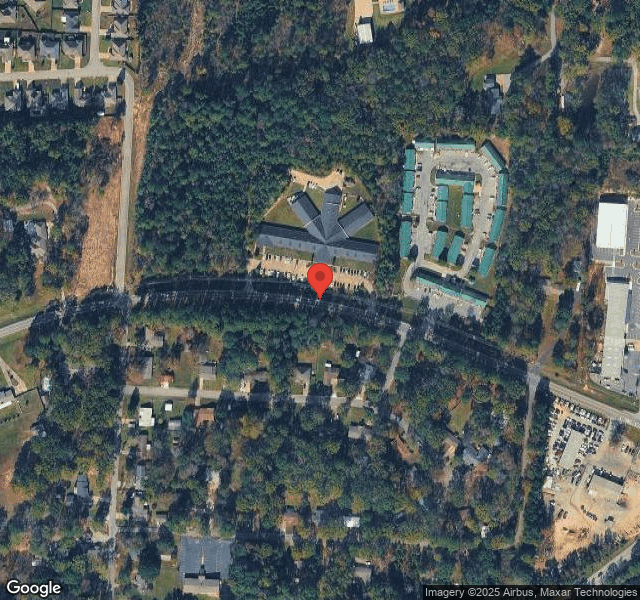
3300 ALCOA ROAD, BENTON, AR 72015 (501) 315-1700
For profit - Corporation 120 Beds ANTHONY & BRYAN ADAMS Data: November 2025
Trust Grade
43/100
#98 of 218 in AR
Last Inspection: May 2025

Inspected within the last 6 months. Data reflects current conditions.

Overview

Alcoa Pines Health and Rehabilitation has received a Trust Grade of D, indicating below average quality and some significant concerns. They rank #98 out of 218 facilities in Arkansas, placing them in the top half of the state, but they are #4 out of 6 in Saline County, meaning only one local option is better. The facility's performance is improving, with the number of issues decreasing from 9 in 2024 to 3 in 2025, but staffing remains a concern as they have a turnover rate of 74%, well above the state average of 50%. They have incurred $10,693 in fines, which is average, but specific incidents raise alarms; for instance, a resident was transferred by one staff member when the care plan required two, and dietary staff repeatedly failed to wash their hands before handling food, risking the health of residents. While the facility has average RN coverage, these ongoing issues highlight areas needing immediate attention.

Trust Score
D
43/100
In Arkansas
#98/218
Top 44%
Safety Record
Moderate
Needs review
Inspections
Getting Better
9 → 3 violations
Staff Stability
⚠ Watch
74% turnover. Very high, 26 points above average. Constant new faces learning your loved one's needs.
Penalties
○ Average
$10,693 in fines. Higher than 73% of Arkansas facilities. Some compliance issues.
Skilled Nurses
⚠ Watch
Each resident gets only 23 minutes of Registered Nurse (RN) attention daily — below average for Arkansas. Fewer RN minutes means fewer trained eyes watching for problems.
Violations
⚠ Watch
25 deficiencies on record. Higher than average. Multiple issues found across inspections.
★★★☆☆
3.0
Overall Rating
★★☆☆☆
2.0
Staff Levels
★★★☆☆
3.0
Care Quality
★★★☆☆
3.0
Inspection Score
Stable
2024: 9 issues
2025: 3 issues

The Good

  • Full Sprinkler Coverage · Fire safety systems throughout facility
  • No fines on record

Facility shows strength in fire safety.

The Bad

3-Star Overall Rating

Near Arkansas average (3.1)

Meets federal standards, typical of most facilities

Staff Turnover: 74%

27pts above Arkansas avg (46%)

Frequent staff changes - ask about care continuity

Federal Fines: $10,693

Below median ($33,413)

Minor penalties assessed

Chain: ANTHONY & BRYAN ADAMS

Part of a multi-facility chain

Ask about local staffing decisions and management

Staff turnover is very high (74%)

26 points above Arkansas average of 48%

The Ugly 25 deficiencies on record

1 actual harm
May 2025 3 deficiencies
CONCERN (D)

Potential for Harm - no one hurt, but risky conditions existed

Respiratory Care (Tag F0695)

Could have caused harm · This affected 1 resident

Based on observations, record review, interviews, and facility policy review, the facility failed to ensure a physician's order for oxygen was in place before administering oxygen to 1 (Resident #59) ...

Read full inspector narrative →
Based on observations, record review, interviews, and facility policy review, the facility failed to ensure a physician's order for oxygen was in place before administering oxygen to 1 (Resident #59) of 1 sampled resident reviewed for oxygen therapy. The findings are: 1. A review of Resident #59's admission Record indicated the resident had diagnoses which included asthma, acute and chronic respiratory failure, sleep apnea, and chronic obstructive pulmonary disease. 2. During an observation and interview on 05/27/2025 at 11:49 AM, Resident #59 was observed in their room, receiving oxygen from an oxygen concentrator at 4 liters per minute via nasal canula. Resident #59 stated they used oxygen all the time and also used their BiPap machine (A BiPap machine supplies pressurized air into the lungs). 3. A review of Resident #59's annual Minimum Data Set (MDS) with an Assessment Reference Date of 05/15/2025, indicated Resident #59 had a Brief Interview of Mental Status score of 15, which indicated the resident was cognitively intact. The MDS also indicated Resident #59 had shortness of breath, received oxygen therapy, and used a positive airway pressure machine (BiPap). 4. A review of Resident #59's Physician Orders did not reveal an order for oxygen therapy. A review of discontinued orders indicated Resident #59 ' s oxygen order had been discontinued on 02/27/2025. 5. A review of Resident #59's Medication Administration Record did not indicate the resident was receiving oxygen. There was no indication the facility was performing ongoing assessment of the resident ' s respiratory status or response to oxygen therapy. 6. A review of Resident #59's Care Plan, with a revision date of 07/17/2024, indicated the resident had altered respiratory status/difficulty breathing and to use oxygen as ordered. The care plan did not specify the type of oxygen delivery system, when to administer, flow rates, or give instructions on how staff were to monitor oxygen levels. 7. During an interview on 05/29/2025 at 9:40 AM, Licensed Practical Nurse (LPN) #6 stated the nurse on duty for the resident's hall, or the admitting nurse, was responsible for ensuring physician orders were in the electronic health record (EHR). LPN #6 also revealed she puts orders in at times, and the unit manager checks to ensure orders are in place. LPN #6 reviewed Resident #59's EHR and stated she did not see an order for oxygen. 8. During an interview on 05/30/2025 at 11:16 AM, LPN #7 indicated it was important to ensure orders were in the chart, so residents received the care the physicians wanted. She also revealed the nurse who received the order was responsible to ensure the orders were put in the EHR. 9. During an interview on 05/30/2025 at 11:20 AM, the Director of Nursing confirmed the nurse was responsible for ensuring orders were put into the EHR, and to notify the family of any new orders. She stated it was important to ensure orders were put into the EHR to ensure the residents received the care that was ordered. 10. A review of the facility's policy titled, Oxygen Administration, indicated staff were to verify there is a physician ' s order and to review the order prior to administering oxygen, monitor the resident before and while receiving oxygen and to document the rate of oxygen flow, route and the rationale for resident receiving oxygen.
CONCERN (D)

Potential for Harm - no one hurt, but risky conditions existed

Infection Control (Tag F0880)

Could have caused harm · This affected 1 resident

Based on observation, record review, interview, and facility policy review, the facility failed to provide appropriate handling and placement, to prevent possible contamination and complications, from...

Read full inspector narrative →
Based on observation, record review, interview, and facility policy review, the facility failed to provide appropriate handling and placement, to prevent possible contamination and complications, from an indwelling urinary catheter for 1 (Resident #59) of 1 sampled resident reviewed for urinary catheter. The findings are: 1. A review of Resident #59's Physicians Orders revealed diagnoses which included chronic kidney disease, urinary retention, urinary tract infection, and dysuria (painful or uncomfortable urination). Listed were orders for cranberry tablets for a urinary tract infection, dated 05/15/2025, and a medication that relaxed the muscles in the prostate/bladder for painful urination, dated 04/21/2025. 2. A review of Resident #59's May 2025 Medication Administration Record (MAR) revealed an order, dated 05/28/2025, for a urinary catheter to be inserted for two days. The MAR indicated the urinary catheter was inserted on 05/28/2025 at 1:10pm. 3. During an observation on 05/29/2025 at 7:25 AM, Resident #59 was observed sitting up in a recliner at bedside while Licensed Practical Nurse (LPN) #8 was providing urinary catheter care. Resident #59 had an indwelling urinary catheter, that the resident said had been placed during the previous night. The tubing was secured in place and attached to a urinary catheter bag, that was hung on a trashcan that had trash inside, at the resident ' s chairside. The urinary catheter bag was touching the floor, with no barrier under it to prevent contamination. 4. A review of Resident #59's annual Minimum Data Set (MDS) with an Assessment Reference Date of 05/15/2025, indicated Resident #59 had a Brief Interview of Mental Status score of 15, which indicated the resident was cognitively intact. The MDS also indicated Resident #59 was independent with toileting and was continent of bowel and bladder, transferred self to commode, and had a urinary tract infection in the past 30 days. 5. A review of Antibiotic Stewardship Notes indicated Resident #59 received antibiotics for a urinary tract infection on 09/16/2024, 09/18/2024, 10/10/2024, 03/20/2025, and 04/18/2025. 6. During an interview on 05/29/2025 at 7:28 AM, LPN #8 indicated an indwelling catheter bag should not be hung on a trash can, nor be touching the floor, due to the potential to cause an infection. LPN #8 specified that clean items should not touch dirty items. 7. During an interview on 05/30/2025 at 11:05 AM, Certified Nursing Assistant (CNA) #9 said an indwelling catheter bag should be below the bladder, so it flows, and not hanging on a trash can or the floor. 8. During an interview on 05/30/2025 at 11:12 AM, CNA #10 stated they had been trained to care for someone with an indwelling catheter, and not to hang catheter bags on a trash can or allow the bag or tubing to touch the floor. CNA #10 also stated practicing good infection control helps to prevent infections. 9. During an interview on 05/30/2025 at 11:16 AM, LPN #7 indicated indwelling catheter bags should be hung to encourage drainage, and not touch a dirty surface or the floor, to prevent a possible infection. 10. During an interview on 05/30/2025 at 11:20 AM, the Director of Nursing confirmed to prevent infection and reduce the risk of a urinary tract infection, a urinary drainage bag should be hung below the bladder and not touch the floor. 11. A review of the facility's policy, Catheter Care, with a revision date of 09/2014, indicated to prevent catheter-associated urinary tract infections, staff were to ensure the catheter tubing and drainage bag are kept off the floor.
CONCERN (E)

Potential for Harm - no one hurt, but risky conditions existed

Food Safety (Tag F0812)

Could have caused harm · This affected multiple residents

Based on observation, interview, and facility policy review, the facility failed to ensure dietary staff washed their hands between dirty and clean tasks, and before handling clean equipment for 1 of ...

Read full inspector narrative →
Based on observation, interview, and facility policy review, the facility failed to ensure dietary staff washed their hands between dirty and clean tasks, and before handling clean equipment for 1 of 1 meal observed. The findings are: 1. During an observation on 05/29/2025 at 11:55 AM, this surveyor observed Dietary Aide (DA) #3 remove cartons of shakes from a cart, by the steam table, and place them on resident trays, with his bare hands. Condiments were also placed on the trays, with DA #3 ' s bare hands, contaminating his hands. Without performing hand hygiene, DA #3 picked up glasses, filled with beverages by the rims, and placed them on the resident ' s trays, to be served for lunch. 2. During an observation on 05/29/2025 at 12:03 PM, this surveyor observed DA #2 picking up cartons of shakes from a cart by the steam table, and place them on resident trays, contaminating his hands. Without washing his hands, DA #2 picked up glasses, that contained beverages, and placed them on the resident trays, to be served for lunch. 3. During an observation on 05/29/2025 at 12:05 PM, this surveyor observed DA #4 remove a bag of cheese slices from the refrigerator and handed it to the Dietary Manager (DM). Without washing his hands, he picked up glasses that contained beverages to be served to the residents for lunch by the rims and placed them on the meal trays. 4. During an observation on 05/29/2025 at 12:34 PM, DA #3 washed his hands, after transporting an unheated food cart to the 300-hall, into the dining room. After drying his hands, he pulled up his pants, contaminating his hands in the process. DA #3 then used the same contaminated hands to pick up glasses by the rims, and placed them on the resident's trays, to be served for lunch. At 12:37 PM, DA #4 picked glasses by the rims and handed them to DA #3, who also held them by the rims, as he placed them on the resident ' s trays, to be served for lunch. 5. During an observation on 05/29/2025 at 2:08 PM, DA #5 was observed sorting tray cards. Without washing her hands, she then picked up plates and placed them on the plate warmer, with her fingers, which had long nails with polish on them, touching the insides of the plates. DA #5 was asked what she should have done after touching dirty objects, and before handling clean dishes. She stated she should have washed her hands. 6. A review of the facility policy titled, Hand Washing indicated employees should wash their hands before the beginning of shift, and any other time deemed necessary.
Mar 2024 9 deficiencies
CONCERN (D)

Potential for Harm - no one hurt, but risky conditions existed

Comprehensive Care Plan (Tag F0656)

Could have caused harm · This affected 1 resident

**NOTE- TERMS IN BRACKETS HAVE BEEN EDITED TO PROTECT CONFIDENTIALITY** Based on observation, interview, and record review, the facility failed to update the resident care plan to reflect a diagnosis ...

Read full inspector narrative →
**NOTE- TERMS IN BRACKETS HAVE BEEN EDITED TO PROTECT CONFIDENTIALITY** Based on observation, interview, and record review, the facility failed to update the resident care plan to reflect a diagnosis of Diabetes with insulin usage for one (Resident #11) sampled resident. The findings are: 1. Resident #11 had a diagnosis of Pre-Diabetes upon admission on [DATE]. a. Resident #11's Physician Orders dated 2/22/2024 included an order for a fast acting insulin prescribed to treat Diabetes. 1. Resident #11's Plan of Care did not address the resident not having a diagnosis of diabetes, nor the use of insulin by the resident. 2. On 03/19/2024 at 03:10 PM, Licensed Practical Nurse [LPN] #2 was asked, Should a diagnosis of diabetes be on a residents care plan? LPN #2 responded, Yes, in my opinion, so that the staff knows how to care for the resident and be alert to the resident's needs. At 3:15 PM, the Assistant Director of Nursing (ADON) #1 was asked the same question to which they responded, It wouldn't hurt. 3. On 03/20/2024 at 11:30 AM, the Minimum Data Set (MDS) Coordinator was asked, How often should the care plans be updated? The MDS coordinator stated, Quarterly and as needed. When asked how a change is communicated the MDS coordinator responded, There are sheets outside my door that staff fills out and puts under my door, or if I ' m here they come into office and let me know. The MDS Coordinator went on to say she checks the order recap during the day and after being off to ensure nothing is overlooked. When asked if insulin should be on a care plan, the MDS Coordinator confirmed it should be on diabetic care plan. When asked about Resident #11's insulin order the MDS Coordinator confirmed, It should have been caught during recap. I ' m putting it in there right now. 4. The facility ' s Comprehensive Person-Centered Care Plans policy received from the Administrator on 03/20/2024 at 11:37 AM documented, .Incorporate identified problem areas .reflect treatment goals, time tables and objectives . identify problem areas and their cause and developing interventions . assessments of residents are ongoing and care plans are revised as information about the resident and the residents condition changes .
CONCERN (D)

Potential for Harm - no one hurt, but risky conditions existed

Accident Prevention (Tag F0689)

Could have caused harm · This affected 1 resident

Based on observation, interview, and record review, the facility failed to ensure a wander management device was in place to decrease the potential for elopement and safety hazards for 1 (Resident #35...

Read full inspector narrative →
Based on observation, interview, and record review, the facility failed to ensure a wander management device was in place to decrease the potential for elopement and safety hazards for 1 (Resident #35) of 5 sampled residents who had devices in place. The findings are: 1. Resident #35 had diagnoses of Unspecified dementia and Anxiety. A Quarterly Minimum Data Set (MDS) with an Assessment Reference Date (ARD) of 12/19/2023 documented a Brief Interview for Mental Status (BIMS) score of 03 (00-07 indicates severely impaired). a. A note in the Electronic Health Record (EHR) dated 03/13/2024 at 17:40 (5:40 PM) documented, .Primary Care Provider Feedback .Send to ED [Emergency Department] for UA [urinalysis] and evaluate . An EHR note dated 3/14/24 at 01:24 (1:14 AM) documented, .Resting in bed with eyes closed . b. A Care Plan revised 03/14/2024 documented, .The resident is an elopement risk/wanderer related to: DEMENTIA . CHECK WANDERGUARD PLACEMENT Q [every] SHIFT WANDERGUARD TO LEFT LEG . c. A Nsg (nursing) Elopement Risk with Care Plan form documented Resident #35 had a score of 9 (9-10 indicates at risk to wander). d. On 03/18/2024 at 02:35 PM, Resident #35 was sitting in a wheelchair (w/c) in the common area with other residents. There was no wander management device visible on the resident's left or right leg or ankle. e. On 03/19/2024 at 09:15 AM, Resident #35 was sitting up in a w/c in the common area with other residents. There was no wander management device visible to left leg or ankle at this time. f. On 03/19/2024 at 11:51 AM, Resident #35 had propelled self to the front entrance in front of the door, and a staff member came and propelled the resident away from the door. There was no wander management device visible to the resident's left leg or ankle at this time. g. On 03/20/2024 at 08:41 AM, Resident #35 was lying in bed with eyes closed. There was no wander management device visible to left or right leg or ankle. h. The March 2024 electronic Medication Administration Record (eMAR) documented, .CHECK WANDERGUARD PLACEMENT Q SHIFT WANDERGUARD TO LEFT LEG . There were initials in the boxes for the day and night sections on 3/14/24 through 3/19/24. i. On 03/20/2024 at 08:43 AM, Certified Nursing Assistant (CNA) #3 entered Resident #35's room with this surveyor and was asked to look at the resident's left leg to see if there was a wander management device in place. She pulled the non-skid sock below the ankle and there was no wander guard visible. The resident's left pants leg was up, and the lower leg, from below the knee to the ankle, was visible and there was no wander management device in place. She was asked, Do you see a [named brand of wander management device] on either leg? and she stated, [Resident #35] used to have a [named brand of wander management device], but I've been off for a week, and I don't know what's happened, but no, I don't see one. j. On 03/20/2024 at 11:44 AM, Licensed Practical Nurse (LPN) #3 was asked, Were you made aware that [Resident #35] did not have a [wander management device] on [Resident #35]'s left lower leg this morning? She stated, Yes. They cut it off when [Resident #35] went to the hospital and the DON [Director of Nursing] and the ADON [Assistant Director of Nursing], [Name ADON #1], were aware because I gave it to them when they cut it off. [Resident #35] went out to the hospital last Thursday [03/14/2024]. She was asked, Who is responsible for checking this [wander management device]? She stated, We are. She was asked, Who is we? She stated, The nurses. She was asked, Do you know who put it on [Resident #35] this morning? She stated, [ADON #1 or ADON #2] because they are the ADONs and they take of those type of things. LPN #3's initials were noted on the eMAR for 03/13/2024 and 03/14/2024. k. On 03/20/24 at 12:11 PM, ADON #1 was asked, There was no [wander management device] on [Resident #35]. Where you made aware of this? He stated, That was brought to my attention this morning, and it was put on [Resident #35] this morning. He was asked, Do you know who put it on [Resident #35]? He stated, I put it on [Resident #35] myself. He was asked, Who is responsible for daily checks to ensure it's on? He stated, There is an order for nurses to check placement daily. He was asked, What could have happened with [Resident #35] since there was no [wander management device] in place? He stated, [Resident #35] could have attempted to get out of the door. He was asked, What is the purpose of a [wander management device]? He stated, It alerts us if someone attempts to open the door. The door will not open if it's close by. l. A Wandering, Unsafe Resident Policy provided by the Administrator on 03/20/2024 documented, .The facility will strive to prevent unsafe wandering while maintaining the least restrictive environment for residents who are at risk for elopement .Interventions to try to maintain safety, such as a detailed monitoring plan will be included . m. A Secure Care Installation Manual provided by the Administrator on 03/20/2024 documented, .Section 7 Standard Features . The standard mode of operations for the Exit System allows free access of the door by staff members and visitors but quietly locks the door when an infant wearing a monitored transmitter approaches the door. When the infant leaves the monitored area, the door unlocks and access is again available for staff and visitors .
CONCERN (D)

Potential for Harm - no one hurt, but risky conditions existed

Pharmacy Services (Tag F0755)

Could have caused harm · This affected 1 resident

**NOTE- TERMS IN BRACKETS HAVE BEEN EDITED TO PROTECT CONFIDENTIALITY** Based on observation, interview, and record review, the facility failed to ensure expired medication was removed from a medicati...

Read full inspector narrative →
**NOTE- TERMS IN BRACKETS HAVE BEEN EDITED TO PROTECT CONFIDENTIALITY** Based on observation, interview, and record review, the facility failed to ensure expired medication was removed from a medication cart to decrease the potential for harm and or misappropriation of property for 1 (Resident #11) of 10 sampled residents who resided on the 400 Hall. The findings are: 1. On [DATE] at 10:17 AM, Licensed Practical Nurse (LPN) #2 unlocked the medication cart for the 400 Hall. In the bottom right small drawer, there was a card that was labeled Furosemide (a diuretic given to help treat fluid retention and swelling) and there were 16 pills remaining on the card. The label documented, (expiration date) [DATE]. 2. On [DATE] at 10:26 AM, LPN #2 was asked, Can you tell me what the expiration date is for this medication? He looked at the card and stated, [DATE]. He was asked, Who checks the medication cards for expiration dates? He stated, All of us. He was asked, What is the facility's process for removing expired medication cards? He stated, We're supposed to write down the amount that's on the card on the refill tag and take it off and place the tag in a book in the med room. He was asked, Is this resident still here? He stated, Yes. 3. The [DATE] electronic Medication Administration Record (eMAR) for Resident #11 had no current order for Furosemide. 4. An Order Review Report for [DATE] to [DATE] documented, on page 5, the last order for Furosemide was on [DATE] and discontinued on [DATE]. 5. An Inservice with the Topic: Medication Cart and dated [DATE] documented, . Remove meds [medications] once discontinued . 6. A Storage of Medications policy provided by the Nurse Consultant on [DATE] documented, .Policy Interpretation and Implementation .The facility shall not use discontinued, outdated, or deteriorated drugs or biologicals. All such drugs shall be returned to the dispensing pharmacy or destroyed .
CONCERN (D)

Potential for Harm - no one hurt, but risky conditions existed

Antibiotic Stewardship (Tag F0881)

Could have caused harm · This affected 1 resident

Based on interview and record review, the facility failed to ensure an Antibiotic Stewardship Program was consistently implemented, as evidenced by an antibiotic was prescribed without a duration or e...

Read full inspector narrative →
Based on interview and record review, the facility failed to ensure an Antibiotic Stewardship Program was consistently implemented, as evidenced by an antibiotic was prescribed without a duration or end date, to decrease the potential for harm and/or antibiotic resistance for 1 (Resident #35) of 3 sampled residents who were prescribed an antibiotic. The findings are: Resident #35 had a diagnosis of Urinary tract infection (UTI). a. A Physician's order dated 03/13/2024 documented, Macrobid Oral . Give 1 capsule by mouth two times a day for Urinary Tract Infection . There was no duration or end date included in this order. b. A Nursing Order Note dated 03/13/2024 at 15:30 (3:30 PM) documented, .This dose fails a general dose range check based on drug inputs and/or the patient information provided . c. A Pharmacy MRR (Medication Regimen Review)- Antibiotic Stewardship form dated 3/14/24 documented, .Antibiotic stop date not specified .Please clarify a stop date and/or # (number) of doses. If this medication is being used chronically, please ensure that a care plan is initiated and reviewed regularly . Attending Physician / Prescribing Practitioner Response: a. Antibiotic Stewardship information has been reviewed. Continue current antibiotic as ordered . d. A Care Plan, revised 03/14/2024, documented, .03/13/2024 sent to ER (Emergency Department) - UA (urinalysis) obtained - started on abxs (antibiotics) for UTI . e. An Access Medical Clinic note dated 03/14/2024 documented, .Assessment/Plan . 2. Urinary tract infectious disease .Cont (continue) Macrobid as ordered BID (twice a day) x (times) 5 days . Resident #35 was to only receive 10 doses. f. The March 2024 electronic Medication Administration Record (eMAR) documented Resident #35 had 1 dose of Macrobid 100 mg on 03/13/2024 and 03/20/2024 and 2 doses on 03/14-03/19 for a total of 14 doses as of 03/20/2024. Resident #35 was administered 4 extra doses according to the documented plan on the Access Medical Clinic note dated 03/14/2024. g. On 03/20/2024 at 12:29 PM, the Assistant Director of Nursing (ADON) #2 was asked, Who reviews the antibiotic order for all components, such as dose, route, frequency and duration? She stated, It will be our MD (Doctor of Medicine) or APN (Advanced Practice Nurse). Our pharmacy consult will start our Antibiotic (ABT) Stewardship. She was asked, Who reviews the ABT Stewardship from the pharmacist? She stated, Me, the DON [Director of Nursing] and the Doctor. She was asked, When were you made aware of no end date to [Resident #35]'s ABT order for Macrobid? She stated, The next day. I check my dashboard daily. She added, I had reached out to [local hospital name] to get clarification, but I haven' been able to get in contact with the person who prescribe it. My second step is [APN name]. h. The facility's Antibiotic Stewardship Policy provided by the Administrator on 03/17/2024 documented, .If an antibiotic is indicated, prescribers will provide complete antibiotic orders including the following elements .Duration of treatment; (1) Start and stop date, or (2) Number of days of therapy .
CONCERN (D)

Potential for Harm - no one hurt, but risky conditions existed

Safe Environment (Tag F0921)

Could have caused harm · This affected 1 resident

Based on observation, interview, and record review, the facility failed to ensure residents were free from accidents and hazards by leaving the storage room door unsecured allowing residents access to...

Read full inspector narrative →
Based on observation, interview, and record review, the facility failed to ensure residents were free from accidents and hazards by leaving the storage room door unsecured allowing residents access to supplies that are not for human consumption. This failed practice had the possibility of affecting 14 residents with 4 (Residents #12, #21, #54, #333) sampled residents with Brief Interview for Mental Status (BIMS) scores of 11 or below; and 1 (Resident #21) sampled resident that ambulated or were self-propelled out of 22 residents the resided on the hall. The findings are: 1.On 03/17/2024 at 11:17 AM, the Surveyor observed the housekeeping door on 300 Hall was left unlocked without staff present to ensure residents did not enter the room. The following items were on shelving units inside the room: a 1 gallon glass cleaner container, a 1 gallon phosphoric bathroom cleaner, a 1 gallon liquid odor counteractant, 1 gallon germicidal detergent container, 5 gallons of floor finish, 1 spray bottle wax-base cleaner and spray-buff compound, and 1 package of 12.5 x 7.5 inch 50 count cleaning wipes. Each container ' s label documented, keep out of reach of children. 2.On 03/17/2024 at 11:21 AM, the Surveyor asked Certified Nursing Assistant (CNA) #1 if the housekeeping door should be left unlocked without staff present. CNA #1 reported they do not mess with that door. 3.On 03/20/2024 at 08:20 AM, the Surveyor asked the Housekeeping Director if the doors to the housekeeping rooms are to be unlocked without staff present. The Housekeeping Director reported the doors are always to be kept locked. The Surveyor asked the Housekeeping Director why the door should be kept locked. The Housekeeping Director confirmed the doors are to be kept locked because there are chemicals inside that residents could get to. The Surveyor asked the Housekeeping Director about the concern of residents getting into the chemicals. The Housekeeping Director confirmed that residents could swallow the chemicals, get the chemicals on their skin or in their eyes, or multiple other things. 4.On 03/20/2024 at 08:59AM, the Administrator provided a policy titled Hazardous Areas, Devices and Equipment which stated Policy Statement: All Hazardous areas, devices and equipment in the facility will be identified and addressed appropriately to ensure resident safety and mitigate accident hazards to the extent possible . Identification of Hazards: 1. A hazard is defined as anything in the environment that has the potential to cause injury or illness. Examples of environmental hazards include, but are not limited to: Open area or items that should be locked when not in use . Access to toxic chemical . Assessment and Analysis of Hazards: .Any element of the resident environment that has the potential to cause injury and that is accessible to a vulnerable resident is considered hazardous .Resident vulnerability is based on risk factors including the individual resident's functional status, medical condition, cognitive abilities, mood and health treatments (E.g. medications) . 5. On 03/20/2024 at 09:20 AM, the Administrator provided the following Material Safety Data Sheets: a. [named brand] Glass Cleaner: Keep out of reach of children, Section 2 - Hazards Information: CAUTION Do not get in eyes, on skin or on clothing, use personal protective equipment as required. Avoid release to the environment. b. [named brand] Phosphoric Bathroom Cleaner: Keep out of Reach of Children, Section 2 - Hazards Information DANGER! Acute Toxicity Irritant (skin and eye Respiratory Irritant, Corrosive to Metals, Eye Damage, Skin Corrosion/Burns. Chronic prolonged symptoms: Corrosive to eyes. Can cause severe corrosive burns and serious eye damage, Skin Corrosive to skin tissue, can cause severe corrosive burns, Inhalation spray mists are corrosive to respiratory tract ad mucous membranes, Ingestion harmful if swallowed, Ingestion can cause corrosive burns in the throat and stomach and may affect target organs, Ingestion may cause vomiting which may be harmful if it enters airways. c. [named brand] Phosphoric Bathroom Cleaner: Keep out of Reach of Children, Section 2 - Hazards Information WARNING! Irritant skin and eye, causes eye irritation, mild skin irritation, Mist may be harmful if inhaled. Harmful is swallowed do not get in eyes, on skin, or on clothing. Use personal protective equipment as required. d. [named brand] germicidal detergent: Section 2 - Hazards Identification of Eyes: extremely irritating to the eyes and may cause severe damage including blindness, Skin causes corrosive burns, exposures not promptly wash off it may lead to toxic effects similar to ingestion. Harmful if absorbed through the skin. Ingestion: ingestion can cause gastrointestinal irritation, nausea, vomiting and diarrhea and possibly death. Inhalation: mists and vapors can irritate the throat and respiratory tract. High vapor concentrations may cause central nervous system effects. Seek immediate medical attention . Section 7 - Handling and Storage: Storage: Keep out of reach of Children. e. [named brand] floor polish: Section 2 - Hazards Identification Health hazards causes mild skin irritation wash hands and exposed skin thoroughly after handling wear eye protection/face protection. If skin irritation occurs get medical advice/attention, causes serious eye irritation IF IN EYES: rinse cautiously with water for several minutes, continue rinsing. f. [named brand] waxed based cleaner: Section 2 - Hazards Identification Causes severe eye damage. Harmful if inhaled. Causes skin irritation, acutely hazardous to the aquatic environment. Keep out of waterways. Potential Health Effects: Eyes: causes irreversible eye damage. Skin: Slightly toxic and slightly irritating based on toxicity studies. Inhalation: Harmful if inhaled. Overexposure may cause upper respiratory tract irritation and symptoms similar to those from ingestion. Ingestion: Harmful if swallowed. May cause nausea, vomiting, abdominal pain, decreased blood pressure, muscle weakness and muscle spasms. Preexisting Condition: Inhalation of product may aggravate existing chronic respiratory problems such as asthma, emphysema, or bronchitis. Skin contact may aggravate existing skin disease. Chronic Health Effects: Repeated overexposure to phenoxy herbicides may cause effects to liver, kidneys, blood chemistry and gross motor function. Refer to Section 11 - Toxicological Information Eye effect: causes irreversible eye damage. Vapors and mist can cause irritation. Skin Effects: Slight irritant not a skin sensitizer; Specific Target Organ Toxicity: Liver, kidneys. g. Disposable Washcloths with Aloe: Section 2 - Hazardous Identification: Eyes: can cause irritation, Skin: May cause rash/irritation in persons with sensitive skin. Ingestion: It can cause nausea and vomiting if swallowed Inhalation: If inhalation is produced from incorrect use, may be slightly irritating to the nose, throat, and respiratory system.
CONCERN (E)

Potential for Harm - no one hurt, but risky conditions existed

Respiratory Care (Tag F0695)

Could have caused harm · This affected multiple residents

Based on observation, interview, and record review, the facility failed to provide maintenance to oxygen equipment in accordance with the facility policy for 1 (Resident #29) of 12 sampled residents w...

Read full inspector narrative →
Based on observation, interview, and record review, the facility failed to provide maintenance to oxygen equipment in accordance with the facility policy for 1 (Resident #29) of 12 sampled residents who received oxygen therapy. The findings are: 1. Resident #29 had diagnoses of Chronic obstructive pulmonary Disease (COPD) and Asthma. The Quarterly Minimum Data Set (MDS) with an Assessment Reference Date (ARD) of 12/15/2023 documented the use of oxygen. a. On 03/17/2024 at 11:53 AM, Resident #29 was receiving oxygen per concentrator via nasal cannula (NC) at 2 liters/minute (2L/M). The filter on the oxygen concentrator was visibly dusty with greyish white debris stuck on it. On 03/18/2024 at 09:22 AM, and 03/19/2024 at 03:40 PM the filter on the oxygen concentrator remained visibly dusty. b. Resident #29's Physician Order dated 10/13/2023 documented, .Oxygen 2L [liters] via NC as needed for shortness of breath/decreased O2 [oxygen] SATS [saturation] PT [patient] .Remove o2 Concentrator filter wash with mild detergent and rinse thoroughly, allow to air dry and replace Q [every] week every night shift every Wed [Wednesday] . c. Resident #29's March 2024 Medication Administration Record (MAR) documented that the oxygen concentrator filter had been cleaned on March 6th and 13th. d. On 03/20/2024 at 10:30 AM, Assistant Director of Nursing (ADON) #1 was asked to explain the procedure for oxygen use maintenance. They explained that oxygen equipment maintenance was preformed every Wednesday on night shift (11 PM to 7 AM) and included changing and dating tubing, bags, nebulizers, masks, CPAP (continuous positive airway pressure) equipment, and filters (which are cleaned with mild detergent). ADON #1 then accompanied this Surveyor to Resident #29's room and was asked to describe the filter on the oxygen concentrator. ADON #2 responded, It definitely needs to be cleaned, if not replaced, it ' s so dusty. It will be addressed. ADON #1 then removed the filter and took it to be cleaned. The facility Oxygen Administration policy received from the Nurse Consultant on 03/20/2024 at 02:14 PM documented, .Make sure they (oxygen delivery equipment) are in working order . The facility did not have a policy on oxygen equipment maintenance.
CONCERN (E)

Potential for Harm - no one hurt, but risky conditions existed

Medication Errors (Tag F0758)

Could have caused harm · This affected multiple residents

Based on interview and record review, the facility failed to ensure a psychotropic medication, used on an as needed (PRN) basis for more than 14 days, had a duration for the order, to promote or maint...

Read full inspector narrative →
Based on interview and record review, the facility failed to ensure a psychotropic medication, used on an as needed (PRN) basis for more than 14 days, had a duration for the order, to promote or maintain the highest practicable mental, physical, and psychosocial well-being for 1 (Resident #71) of 6 sampled residents who had physician's orders for psychotropic medications on a PRN basis. The findings are: Resident #71 had a diagnosis of Depression. There was no diagnosis for Anxiety documented on the diagnoses section of the Order Summary. A Quarterly Minimum Data Set (MDS) with an Assessment Reference Date (ARD) of 01/23/2024 documented the Resident had a diagnosis of Depression but the box for Anxiety was not checked. a. A Physician's order dated 12/27/2023 documented, . LORazepam Tablet 0.5 [half] MG [milligrams] Give 1 tablet by mouth every 24 hours as needed for Anxiety . and there was no duration for the order. b. A Care Plan last completed on 02/02/2024 documented, .The resident uses anti-anxiety medications . c. A Pharmacy MRR (Medication Regimen Review) -PRN (as needed) Psychotropic Meds (medications) > (greater than) 14 days form dated 1/23/24 documented, .If the attending MD (Medical Doctor) or prescribing practitioner believes that it is appropriate for the PRN order to be extended beyond 14 days, he or she MUST .indicate the duration for the PRN order . Attending Physician / Prescribing Practitioner Response: . Continue current medication regimen with no changes . d. On 03/20/2024 at 12:02 PM, Assistant Director of Nursing (ADON) #1 was asked, Who reviews the Pharmacy MRRs? He stated, The DON [Director of Nursing] and myself review them when they come. He was asked, Who reviews the provider's response to the recommendations? He stated, The same [DON and ADON #1]. He was asked, Do you know how long a PRN Psychotropic can be administered? He stated, Generally 14 days unless indicated by the doctor. He was asked, Are you familiar with the facility's policy on Psychotropic medications? He stated, Yes I am. He was asked, If the provider does not accept the pharmacist's recommendations to add a duration to a PRN psychotropic, who follows up with the provider to ensure he/she is aware that a duration is needed to be in compliance with CMS [Centers for Medicare and Medicaid Services] guidelines? He stated, [Advanced Practice Registered Nurse (APRN) name] checks them as they come in as well. She's our APRN. She reviews them and makes the determination as well. e. A Medication Regimen Reviews policy provided by the Nurse Consultant on 03/20/2024 documented, The primary purpose of this review is to help the facility maintain each resident's highest practicable level of functioning . f. An Antipsychotic Medication Use policy provided by the Nurse Consultant on 03/20/2024 documented, .Policy Statement .Antipsychotic medications will be prescribed at the lowest possible dosage for the shortest period of time and are subject to gradual dose reduction and review .PRN orders for antipsychotic medications will not be renewed beyond 14 days unless the healthcare practitioner has evaluated the resident . The duration of the PRN order will be indicated in the order .
CONCERN (E)

Potential for Harm - no one hurt, but risky conditions existed

Deficiency F0804 (Tag F0804)

Could have caused harm · This affected multiple residents

Based on observation, interview, and record review, the facility failed to ensure meals were served in a method that maintained the appearance of cold product and at temperatures that were acceptable ...

Read full inspector narrative →
Based on observation, interview, and record review, the facility failed to ensure meals were served in a method that maintained the appearance of cold product and at temperatures that were acceptable to the residents to improve palatability and encourage good nutritional intake during 1 of 1 meal observed. This failed practice had the potential to affect 16 residents who receive meal trays in their rooms on the 100 Hall, 19 residents who receive meal trays on the 200 Hall, 19 residents who receive meal trays in their room on the 300 hall, 25 residents who receive meal trays in their room on 400 Hall. The findings are: 1. Resident # 24 had diagnoses of Obesity and Type 2 diabetes mellitus with diabetic neuropathy. A Quarterly Minimum Data Set (MDS) with an Assessment Reference Date (ARD) of 12/31/2023 documented the resident had a Brief Interview of Mental Status (BIMS) score of 15 (13-15 indicates cognitively intact). a. A Physician's order dated 09/25/2023 documented a diet of Mechanical Soft texture, regular consistency. b. On 03/17/2024 at 11:45 AM, Resident #24 was asked, How are things going for you? Resident #24 stated, I know you're looking at my plate, but I did not eat my breakfast because I like fried eggs, and they brought me scrambled eggs and it was cold. I've told them I don't eat scrambled eggs. When I eat in the dining room, it comes right to you and it's hot, but when they bring it here, it's cold. 2. On 03/18/2024 at 08:01 AM, an unheated food cart that contained 25 trays for breakfast was delivered to 400 Hall by the Certified Nursing Assistant #4. At 08:21 AM, immediately after the last resident was served in their room on 400 hall, temperature of the food items on the tray used as test trays were taken and read by the Dietary Supervisor were with the following results: a. Milk - 45.3 degrees Fahrenheit. b. Ground sausage links - 91.4 degrees Fahrenheit. c. Scrambled eggs - 107 degrees Fahrenheit. d. Regular sausage links - 103 degrees Fahrenheit. 3. On 03/18/2024 at 08:04 AM, an unheated food cart that contained 16 trays for breakfast was delivered to 100 Hall by the Certified Nursing Assistant #5. At 08:25 AM, immediately after the last resident was served in their room on 100 Hall, temperature of the food items on the tray used as test trays were taken and read by the Dietary Supervisor were with the following result: a. Sausage links - 99.5 degrees Fahrenheit. 4. On 03/18/2024 at 08:26 AM, an unheated food cart that contained 19 trays for breakfast was delivered to 200 Hall by the Certified Nursing Assistant #6. At 08:35 AM, immediately after the last resident was served in their room on 200 Hall, temperature of the food items on the tray used as test trays were taken and read by the Dietary Supervisor with the following results: a. Milk - 45 degrees Fahrenheit. b. Sausage links - 112 degrees Fahrenheit. c. Scrambled eggs - 106.8 degrees Fahrenheit. d. Ground sausage links - 107 degrees Fahrenheit. e. Oatmeal - 140 degrees Fahrenheit. 5. On 03/18/2024 at 08:29 AM, an unheated food cart that contained 19 trays for breakfast was delivered to 300 Hall by the Certified Nursing Assistant #7. At 08:46 AM, immediately after the last resident was served in their room on 300 Hall, temperature of the food items on the tray used as test trays were taken and read by the Dietary Supervisor were with the following results: a. Milk - 54.8 degrees Fahrenheit. b. Sausage links - 91.4 degrees Fahrenheit.
CONCERN (F)

Potential for Harm - no one hurt, but risky conditions existed

Food Safety (Tag F0812)

Could have caused harm · This affected most or all residents

**NOTE- TERMS IN BRACKETS HAVE BEEN EDITED TO PROTECT CONFIDENTIALITY** Surveyor: [NAME], [NAME] Based on observation and interview, the facility failed to ensure dietary staff washed their hands befo...

Read full inspector narrative →
**NOTE- TERMS IN BRACKETS HAVE BEEN EDITED TO PROTECT CONFIDENTIALITY** Surveyor: [NAME], [NAME] Based on observation and interview, the facility failed to ensure dietary staff washed their hands before handling clean equipment or food items to prevent potential food borne illness for residents who received meals from 1 of 1 kitchen, and that the refrigerator temperature was maintained at 41 degrees Fahrenheit or below to prevent potential food borne illness for residents who received meals from 1 of 1 kitchen. These failed practices had the potential to affect 79 residents who received meals from the kitchen. The findings are: 1. On 03/17/2024 at 10:33 AM, the following observations were made in the kitchen: a. A step on trash can was leaning against the grill and against the hand washing sink. b. The can opened attached at the end of the food preparation counter had mixture of food, shaving metal and paper on the blade. 2. On 03/17/2024 at 10:35 AM, there was paper and various types of debris throughout the kitchen area. The storage room had a pile of debris left in the middle of the room. 3. On 03/17/2024 at 01:02 PM, the following observation was made in the 2-door refrigerator. a. An opened carton of nectar cranberry juice was on a shelf in the refrigerator; there was date on the box when it was opened. b. An opened carton of lemon favored nectar water was on a shelf in the refrigerator with no open on the box. c. An opened spout to a pitcher that contained tea was on a shelf in the refrigerator, exposing it to cross contamination. d. An opened spout to a pitcher that contained cranberry juice was on a shelf in the refrigerator, exposing it to cross contamination. 3. On 03/17/2024 at 01:27 PM, in the meat freezer there was an opened box of bacon on a shelf with no open date on the box. 4. On 03/17/2024 at 01:35 PM, Dietary Employee (DE) #2 opened the oven door and placed pans of muffins in the oven. Without washing her hands, she picked up individual paper muffin cups and placed them inside each individual muffin cup with her thumb inside the paper muffin cups. 5. On 03/17/2024 at 01:37 PM, the refrigerator temperature in the dining room on 100 Hall that contained a box of liquid coffee was 49 degrees Fahrenheit, instead of 41 degrees Fahrenheit. The box was on the shelf in the refrigerator. The manufacturer specification on the box documented, Frozen concentrated liquid coffee handling instructions: 1. Rotate stock, first in first out. 2. Store in freezer at 0 degrees Fahrenheit.3. Prior to use, separate the cartons and thaw in refrigerator while still in plastic film wrap 41 degrees Fahrenheit. 6. On 03/17/2024 at 02:03 PM, DE #3 touched her mask, then without washing her hands, she picked clean bowls to be used in serving meal at supper and placed them on the counter with her fingers inside the bowls. The Surveyor asked what she should have done after touching dirty objects, before handling clean equipment. DE #3 stated, I should have washed my hands. 7. On 03/17/2024 at 02:29 PM, DE #3 used tissue paper to dry the clean area of the dish washing machine. Without washing her hands, she removed napkins from a container under the counter and placed them on the cart beside a rack that contains clean utensils stationed by the steam table. Contaminating the napkins. The napkins are for the residents to use to wipe their mouth when eating supper meal. 8. On 03/17/2024 at 02:38 PM, DE #2 removed a bag of lettuce leaf and a bag of shredded cheese from the refrigerator and placed them on the counter. She picked up scissors and cut the bags open. She emptied lettuce leaf and shredded cheese into a pan. At 02:39 PM, DE #2 turned on the food preparation sink and rinsed tomatoes that were in a container. After raising tomatoes, she used her bare hand to turn off the faucet. Without washing her hands, she placed tomatoes on the cutting board, sliced the tomatoes, and placed them on top of the lettuce and cheese to be served to the residents at supper meal. The Surveyor asked what she should have done after touching dirty objects, before handling clean equipment. DE #2 stated, I should have washed my hands. 9. On 03/17/2024 at 02:40 PM, DE #4 picked up a metal basket and placed it on the cart that contained a rack with clean utensils, contaminating his hands. Without washing his hands, he picked up utensils by the areas that went into the mouth and placed them on the napkin and wrapped them for the residents to use to wipe their mouth as they eat their supper meal. The Surveyor asked DE #4 what he should have done after touching dirty objects, before handling clean equipment. He stated, I should have washed my hands. 10. A Facility policy on hand washing titled Employee Cleanliness and Handwashing Technique provided by the Dietary Supervisor on 03/18/2024 at 03:01 PM documented Dietary Department Employees are required to wash their hands on the occasions listed below . Before beginning shift . After handling dirty dishes . Any other time deemed necessary.
Jul 2023 2 deficiencies 1 Harm
SERIOUS (G) 📢 Someone Reported This

A family member, employee, or ombudsman was alarmed enough to file a formal complaint

Actual Harm - a resident was hurt due to facility failures

Accident Prevention (Tag F0689)

A resident was harmed · This affected 1 resident

**NOTE- TERMS IN BRACKETS HAVE BEEN EDITED TO PROTECT CONFIDENTIALITY** Based on record review and interview, the facility failed to ensure two staff members were present when transferring a resident ...

Read full inspector narrative →
**NOTE- TERMS IN BRACKETS HAVE BEEN EDITED TO PROTECT CONFIDENTIALITY** Based on record review and interview, the facility failed to ensure two staff members were present when transferring a resident who required two-person assistance to prevent accident and injury for 1 (Resident #1) of 4 sampled residents. This failed practice resulted in findings of Past non-compliance. The findings are: 1. Resident #1 was admitted on [DATE]. The Admission/ Medicare 5-Day Minimum Data Set (MDS) with an Assessment Reference Date (ARD) of 04/23/2023 documented the resident is total dependence of two+ persons for transfer. a. The closet care plan with an admit date of 04/17/23 noted Resident #1 had total dependence on staff with two+ persons physical assist with transfers. b. Review of the nursing progress note dated 07/08/2023 at 3:06 PM revealed .During shift resident complained of lower leg pain. Resident stated during transfer from shower chair to bed that she twisted leg. Mild swelling noted. Placed call to on call. Telehealth visit completed. Xray ordered. Orders carried out. Will continue to monitor . c. Review of the nursing progress note dated 07/08/2023, noted Resident #1 reported to the nurse she was transferred from the shower chair to her bed, and she twisted her leg. The resident noted the incident occurred on 7/7/23. d. Review of the nursing progress note dated 7/8/2023 at 4:54 PM noted Resident #1 was sent to the emergency room for fracture of the tibia and increased pain. e. A review of the Arkansas Department of Health and Human Services Division of Medical Services Office of Long Term Care form (DMS-762) dated 07/09/2023 noted on 7/8/2023 Resident #1 did not want to get out of bed and complained of pain in her left leg. The document noted, the resident told the nurse on 7/7/2023 that the CNA transferred her from the shower chair to the recliner and her leg twisted. On 7/8/2023 x-ray results noted a tibia/fibula fracture of the left leg. f. On 07/26/2023 at 11:24 AM, interview with Occupational Therapy Assistant #1 who stated Resident #1 was an extensive assist of two people. She stated the resident was not stable enough to transfer with one person. g. On 07/27/2023 at 10:43 AM, interview with Resident #1, who stated she was a two person assist to transfer before her injury and stated she is now transferred with a lift. She stated, the CNA stood me up by herself and my legs collapsed, and I broke my leg. h. On 07/27/2023 at 02:36 PM, interview with the Director of Nursing (DON) who confirmed Resident #1 required two people for transfers prior to her injury. i. On 07/27/2023 at 2:55 PM, interview with the Administrator who confirmed Resident #1 required 2 staff to assist her prior to her injury. j. During the investigation the facility found the care plan was not followed and inserviced staff on transfers, and following closet care plans, body audits were conducted on non-cognitive residents, verified all care plans were in place for residents who required 2 person assist with transfers. the DON/designee to monitor 4 transfers weekly for 8 weeks to ensure staff follow the closet care plan, will monitor documentation of transfer. All negative findings will be reported to Quality Assurance. k. Facility Lifting Policy signed by Certified Nursing Assistant (CNA) #1 on 12/14/12, documented, It is the policy of this facility that 2 person lifts, or the use of electronic lifts, by qualified personnel (licensed/ certified staff0 are mandatory at all times. When assisting in the lifting of residents, it is required that the 2 person lift procedure and/ or the electronic lifts be used. Every patient of this facility will be assessed and identified as to which lifting procedure is to be utilized. Licensed/ certified personnel have the responsibility to check that assessment (in the location designated by the D.O.N. or administrator) prior to lifting any patient All staff members have the responsibility of reporting all potential patient abuse/ neglect immediately to the Administrator, which necessarily includes instances where this policy is not followed .
CONCERN (D) 📢 Someone Reported This

A family member, employee, or ombudsman was alarmed enough to file a formal complaint

Potential for Harm - no one hurt, but risky conditions existed

Deficiency F0602 (Tag F0602)

Could have caused harm · This affected 1 resident

Based on record review and interview the facility failed to ensure personal funds were not misappropriated, for 3 (Resident #4, #5, #6) sampled residents with money held in a trust fund by the facilit...

Read full inspector narrative →
Based on record review and interview the facility failed to ensure personal funds were not misappropriated, for 3 (Resident #4, #5, #6) sampled residents with money held in a trust fund by the facility. The failed practice resulted in findings of past non-compliance. The findings are: 1. A review of the Arkansas Department of Health and Human Services Division of Medical Services Office of Long Term Care, form (DMS-762), dated 07/11/2023, noted Resident #6 Trust Fund account had been mishandled. a. The report noted a total of $4,262.00 was mishandled from Resident #6 Trust Fund Account. The mishandled funds were: i. On 9/30/19, check #2758 for $1,020.00 for room and board. ii. On 10/12/19, check # 2770 for $250.00 for shopping. iii. On 12/9/19 check #2814 for $1,015.00 for shopping. iv. On 3/12/20 check #2872 for $1,078.00 for room and board. v. On 8/7/20 check #2999 for $38.00 for room and board. vi. On 3/2/21 check #3166 for $574.00 for room and board. vii. On 9/30/22 check 3632 for $287.00 for room and board. b. The DMS-762 revealed two cash withdrawals totaling $689.36 were deducted from Resident #6 Trust Account, that did not go to the resident. c. The document revealed the previous Business Office Manager (BOM) posted the checks as room and board, and personal shopping, but the checks were endorsed and cashed by the former BOM. c. The document noted the amount of $4,951.36 would be reimbursed to the resident or beneficiary by 7/20/23. The resident discharged from the facility on 5/17/23. 2. A review of the DMS-762 dated 07/11/2023 noted Resident #5 Trust Fund Account had been mishandled. a. The report noted a total of $2,332.00 was mishandled from Resident #5 Trust Fund Account. The mishandled funds were: i. On 3/1/22, check #3470 for $1,350.00 for room and board. ii. On 3/7/22 check #3475 for $982.00 for room and board. b. The DMS-672 noted the two checks were written to cash and signed by the former BOM. The checks were endorsed by the BOM, indicating she received the cash from the bank. The former BOM posted in the accounting software that each of the checks was to pay room and board. c. The document noted on 12/31/2022 the facility wrote off $1,711.24 of an outstanding balance for the months of 9/2021 through 2/2022. d. Resident #5 discharged from the facility on 3/14/22. The facility reimbursed the resident or her estate on 7/14/23 for $620.76 plus interest, which is the amount of the checks minus $1,711.24 that was written off on 12/31/22. 3. A review of DMS-762 dated 07/11/2023 noted Resident #4 Trust Fund Account had been mishandled. a. The DMS-762 noted a total of $1,400.00 was mishandled from Resident #4 Trust Fund Account. The mishandled funds were for check #3232 on 5/4/21 for $1,400.00. b. The DMS-762 noted the check was written to cash and signed and endorsed by the former BOM, indicating that she received cash from the bank. She posted the check in the accounting software as a close out to the resident's account. c. The facility reimbursed the resident or the representative by 7/20/23. The resident discharged from the facility on 2/26/21. 4. The facility implemented segregation of duties which included signing checks, posting accounting transactions, and reconciling the trust account- were no longer completed by the same person. The Business Office Manager was removed from the signature card for the resident trust bank account, and the monthly resident trust reconciliation responsibility was given to the accounting department at the Administrative Service Provider. The former BOM resigned. 4. On 07/27/2023 at 2:55 PM, the Administrator stated, on July 7th the regional office did an audit. The Administrator stated some of the checks looked like they were made payable to the facility but was really made out to cash. The Administrator stated the former BOM would get the check back, white out the word, cash and insert the facility name. She would then copy those and send the copies in for reconciliation. The Administrator stated all the residents that had discrepancies on their accounts have been reimbursed.
May 2023 1 deficiency
CONCERN (E) 📢 Someone Reported This

A family member, employee, or ombudsman was alarmed enough to file a formal complaint

Potential for Harm - no one hurt, but risky conditions existed

ADL Care (Tag F0677)

Could have caused harm · This affected multiple residents

Based on interview and record review, the facility failed to ensure 1(Resident #2) of 2 (#2, and #3) sampled residents received their scheduled shower or bath. The findings are: a. On 05/15/23 at 9:34...

Read full inspector narrative →
Based on interview and record review, the facility failed to ensure 1(Resident #2) of 2 (#2, and #3) sampled residents received their scheduled shower or bath. The findings are: a. On 05/15/23 at 9:34 AM, the Surveyor asked Resident #2, How often do you get a bath or shower? She stated, I suppose to get one on Tuesday, Thursday, and Saturday, but I didn't get one Saturday because there weren't enough folks working. b. On 05/15/23 at 10:11 AM, the Director of Nursing (DON) provided a Bathing Log for Resident #2. It indicated that Resident #2 did not receive a shower on 05/06/23 and 05/13/23. c. On 05/16/23 at 11:25 AM, the Surveyor asked Certified Nursing Assistant (CNA) #1, Did you work with Resident #2 on this past Saturday? CNA #1 stated, Yes. The Surveyor asked, How often does she get a bath or shower? CNA #1 stated, Today is her shower day. The Surveyor asked, Can you tell me why she didn't get a shower or bath on Saturday? CNA #1 stated, I was working by myself with a NA [Nursing Assistant]. The Surveyor asked, Did any of the residents that you had on your hall scheduled for a shower on Saturday get their shower? CNA #1 stated, No ma'am. The Surveyor asked, Did you let the nurse know that you were not able to give any showers? She stated, Yes, she told us to do the best we could do. The nurse is fairly new too. She only works weekends. d. On 05/16/23 at 11:32 AM, the Surveyor asked Nurse Assistant #1, Did you work with Resident #2 this past Saturday? NA #1 stated, Yes ma'am. The Surveyor asked, How often does she get a bath or shower? NA #1 stated, Every other day. The Surveyor asked, Can you tell me why she didn't get a shower or bath on Saturday? NA #1 stated, Well it was only 2 people on there and we didn't know who was supposed to get a shower that day. The Surveyor asked, Did you ask the nurse who was supposed to get a shower? NA #1 stated, When I asked the nurse, she was acting confused. The Surveyor asked, Do you use the computer system to look at the residents ADL's [Activity of Daily Living]? He stated, I don't know how to use the computer system. I'm still learning. e. On 05/16/23 at 12:14 PM, the Surveyor asked NA #2, Did you work this past Saturday? NA #2 stated, Yes ma'am, I worked the 100 Halls with NA #1. He's a NA as well. The Surveyor asked, Were you able to get all your scheduled showers completed this past Saturday? NA #2 stated, No ma'am. We didn't give any showers Saturday. The Surveyor asked, Did you let the nurse know? NA #2 stated, Yes, and she was ok because we were both NAs and there wasn't enough CNAs to go in the shower with us. f. On 05/16/23 at 1:10 PM, the Surveyor asked the DON, Who is responsible for giving showers on the weekends? The DON stated, The CNAs. The Surveyor asked, Are the Nurse Assistants allowed to give showers without a CNA present? The DON stated, Normally the CNA does the shower. The Surveyor asked, Can you tell me why Resident #2 didn't get a shower on Saturday? The DON stated, No ma'am I'll have to look into it. The Surveyor asked, Can you tell me why it's important that the residents get their shower on their assigned shower days? The DON stated, It's good hygiene. It helps reduce infection, and bacteria. g. On 05/16/23 at 1:21 PM, the Surveyor asked the Administrator, Who is responsible for giving showers on the weekends? The Administrator stated, The CNAs. The Surveyor asked, Are the Nurse Assistants allowed to give showers without a CNA present? The Administrator stated, No. The Surveyor asked, Can you tell me how the residents are supposed to get their shower if there are two nurse assistants assigned to the hall, and no CNA? The Administrator stated, Another CNA is to come from another hall. The Surveyor asked, Can you tell me why Resident #2 didn't get a shower on Saturday? She stated, I can't tell you that. The Surveyor asked, Can you tell me why it's important that the residents get their shower on their assigned shower days? She stated, It's a dignity and safety concern. It's their right.
Feb 2023 2 deficiencies
CONCERN (E) 📢 Someone Reported This

A family member, employee, or ombudsman was alarmed enough to file a formal complaint

Potential for Harm - no one hurt, but risky conditions existed

Respiratory Care (Tag F0695)

Could have caused harm · This affected multiple residents

Based on observation, interview, and record review, the facility failed to ensure nebulizer masks and tubing were contained when not in use to prevent the potential spread of infection and infectious ...

Read full inspector narrative →
Based on observation, interview, and record review, the facility failed to ensure nebulizer masks and tubing were contained when not in use to prevent the potential spread of infection and infectious diseases for 3 (R #3, R #4, and R #5) of 8 (R #1, R #2, R #3, R #4, R #5, R #6, R #7, R #8) sample mix residents. The findings are: 1. Resident (R#3) had diagnoses of Chronic Obstructive Pulmonary Disease (COPD), Heart Failure, and Respiratory Failure. The 5-day Minimum Data Set (MDS) with an Assessment Reference Date (ARD) of 2/11/2023 revealed the resident scored 15 (13-15 cognitively intact) on the Brief Interview Mental Status (BIMS) required limited assist of one staff for bed mobility, transfer, dressing, toilet use, and personal hygiene. a. A Physician Order with a start date 2/9/2023 of documented . Ipratropium-Albuterol Inhalation Solution 0.5-2.5 (3) mg/3 ml 3 [milligrams/milliliters] inhale orally every 6 hours as needed . b. A Care Plan with an initiated date of 9/11/2022 documented .resident has COPD .give Aerosol or Bronchodilators as ordered . c. On 2/26/2023 at 10:39 a.m., R #3 sat on an oxygen contractor in her room. A Nebulizer machine was on top of a mini refrigerator. The Nebulizer mouthpiece and tubing laid across the nebulizer machine and were not contained or bagged. The Surveyor asked R #3, do you take updraft treatments? R #3 replied, I'm supposed to get them three times a day. The Surveyor asked R #3, do you ever refuse your updraft treatments? R #3 replied, no, but I did get it one time today. 2. Resident (R #4) had diagnoses of COPD and Respiratory Failure. The Quarterly MDS with an ARD of 1/31/2023 documented the resident scored 15 (13-15 Cognitively Intact) on the BIMS, required limited assist of one staff for bed mobility, transfer, and toilet use, and extensive assist of one staff for dressing and personal hygiene. a. A Physician Order with a start date of 7/21/2022 documented .Ipratropium-Albuterol Solution 0.5-2.5 (3) mg/3 ml 1vial inhale orally every 4 hours . b. The Care Plan with a revision date of 11/25/2022 documented, . has altered respiratory status/difficulty breathing dx (diagnosis), COPD, Pulmonary Emboli, Acute/Chronic Respiratory Failure, Pulmonary Edema .Administer Medication/puffers as ordered . c. On 2/26/2023 at 10:32 a.m., R#4 laid in bed. A nebulizer machine was on the nightstand with the nebulizer mouthpiece, and the tubing which laid across the nebulizer machine was not contained or bagged. 3. Resident (R #5) had diagnoses of Heart Failure, Respiratory Failure, and Pneumonia. The admission Minimum Data Set (MDS) with an Assessment Reference Date (ARD) of 1/14/2023 revealed the resident scored 15 (Cognitively Intact) on the Brief Interview for Mental Status (BIMS), required extensive assist of two staff for bed mobility, transfer, toilet use, and personal hygiene. a. A Physician Order with a start date of 1/21/2023 documented, .Ipratropium-Albuterol Inhalation Solution 0.5-2.5 (3) mg (milligrams) / ml (milliliters) .1 vial inhale orally four times a day . b. A Physician Order with a start date of 1/31/2023 documented, .Budesonide Inhalation Suspension 0.5 mg/2 ml .2 ml inhale orally two times a day . c. The Care Plan with an initiated date of 2/2/2023 documented, .resident has Emphysema/COPD/Respiratory Failure .give Aerosol or Bronchodilators as ordered . d. On 2/26/2023 at 9:55 a.m., R#5 laid in bed with oxygen running at 2 liters per minute via nasal cannula. A nebulizer was on the nightstand with nebulizer mask and tubing laying in an open compartment of the nebulizer machine and was not contained or bagged. 4. On 2/27/2023 at 9:22 a.m., the Surveyor asked the Assistant Director of Nursing (ADON), where are nebulizer masks and tubing supposed to be stored when not in use? The ADON replied, in a bag. The Surveyor asked the ADON, who is responsible for ensuing nebulizer masks and tubing are contained/in a bag when not in use? The ADON replied, nurses and management, we walk the halls, but not on Sundays. The Surveyor asked the ADON, why should nebulizer masks and tubing be contained/in a bag when not in use? The ADON replied, to reduce exposure to infectious pathogens. The Surveyor asked the ADON, have you/the nurses been trained on administration/storing of nebulizer masks and tubing? The ADON replied, I don't remember one since December, that's when I started. 5. On 2/27/2023 at 1:40 p.m., the Surveyor asked the Director of Nursing (DON), where are nebulizer masks and tubing supposed to be stored when not in use? The DON replied, in a bag with name and date. The Surveyor asked the DON, who is responsible for ensuing Nebulizer masks and tubing are contained/in a bag when not in use? The DON replied, nurses. The Surveyor asked the DON, why should nebulizer masks and tubing be contained/in a bag when not in use? The DON replied, infection control. The Surveyor asked the DON, have you/the nurses been trained on administration/storing of Nebulizer masks and tubing? The DON replied, yes. The Surveyor asked the DON, what are your expectations from your staff regarding following the facilities policies and procedures and the Centers for Medicare and Medicaid Services (CMS) guidelines? The DON replied, I expect them to follow them. 6. On 2/27/2023 at 1:41 p.m., the Surveyor asked the Administrator, where are nebulizer masks and tubing supposed to be stored when not in use? The Administrator replied, in a bag with name and date. The Surveyor asked the Administrator, who is responsible for ensuing nebulizer masks and tubing are contained/in a bag when not in use. The Administrator replied, nurses. The Surveyor asked the Administrator, why should nebulizer masks and tubing be contained/in a bag when not in use? The Administrator replied, infection control. The Surveyor asked the Administrator, have you/the nurses been trained on Administration/storing of Nebulizer masks and tubing? The Administrator replied, yes. The Surveyor asked the Administrator, what are your expectations from your staff regarding following the facilities policies and procedures and the CMS guidelines? The Administrator replied, I expect them to follow them. 7.A policy provided by the DON on 2/27/2023 at 10:46 a.m. documented, .Departmental (Respiratory Therapy) - Prevention of Infection .the purpose of this procedure is to guide prevention of infection associated with respiratory therapy tasks and equipment .among residents and staff .infection control considerations related to medication nebulizers .obtain equipment (i.e., administration set-up, plastic bag, gauze sponges) .after completion of therapy .removed the nebulizer container .rinse the container with fresh tap water .dry on a clean paper towel or gauze sponge .reconnect to the administration set-up when air dried .take care not to contaminate internal nebulizer tubes .wipe the mouthpiece with damp paper towel or gauze sponge .store the circuit in plastic bag, marked with date and resident's name, between uses .discard the administration set-up every seven (7) days .
CONCERN (E) 📢 Someone Reported This

A family member, employee, or ombudsman was alarmed enough to file a formal complaint

Potential for Harm - no one hurt, but risky conditions existed

Infection Control (Tag F0880)

Could have caused harm · This affected multiple residents

Based on observations, interviews, and record review, the facility failed to ensure staff implemented universal source control by wearing face masks in the facility when the county transmission rate w...

Read full inspector narrative →
Based on observations, interviews, and record review, the facility failed to ensure staff implemented universal source control by wearing face masks in the facility when the county transmission rate was high and there was a COVID-19 outbreak in the facility to prevent the transmission of COVID-19 and/or other respiratory diseases. This failed practice had the potential to affect 81 residents and staff and visitors. The findings are: a. On 2/26/2023 at 8:58 a.m. the Surveyor entered the facility and Licensed Practical Nurse (LPN) #1 walked toward the nurse's station with face mask below chin. LPN #2 was walked through the facility, then sat down behind the nurse's station with mask below chin. Certified Nursing Assistant (CNA) #1 stood in the hall on 100 Hall with mask below chin. Dietary #1 cleared tables in the dining area with no mask on. There were multiple residents that ambulated in the halls, sitting around the nurse's station, and in the dining area. b. On 2/26/2023 at 9:18 a.m., LPN #2 had mask below the chin administering medications to a resident on the 400 Hall. The Surveyor asked LPN #2, why didn't you have your mask up when the Surveyor entered the facility? LPN #2 replied, I was on the phone. The Surveyor asked LPN #2, why didn't you have your mask up while giving medications? LPN #2 replied, because my glasses keep fogging up. The Surveyor asked LPN #2, are you supposed to be wearing a mask while in the facility? LPN #2 replied, yes. The Surveyor asked LPN #2, why are you wearing masks in the facility? LPN #2 replied, because of COVID-19, I think it's because of the County Positivity Rate. c. On 2/26/2023 at 9:33 a.m., the Surveyor asked CNA #3, are you supposed to be wearing a mask while in the facility? CNA #3 replied, yes. The Surveyor asked CNA #3, why are you wearing masks in the facility? CNA #3 replied, COVID-19 restrictions-the count in the county is high. d. On 2/26/2023 at 9:44 a.m., the Surveyor asked Dietary #1, why weren't you wearing a mask when the Surveyor entered the facility? Dietary #1 replied, I got here at 6:00 a.m., and there weren't any masks. e. On 2/26/2023 at 10:18 a.m., the Surveyor asked LPN #3, why are we wearing masks in the facility? LPN #3 replied, the County Positivity Rate is high, that's why we're wearing masks. f. On 2/26/2023 at 12:01 p.m., a review of the Centers for Disease Control COVID-19 Tracker website documented the county the facility resides in was currently at a High transmission rate. g. On 2/27/2023 at 9:22 a.m., the Surveyor asked the Assistant Director of Nursing (ADON), what is the county COVID-19 transmission rate? The ADON replied, it's high dated on Thursday, I check it on Thursday and confirm before I record the information on Friday? The Surveyor asked the ADON, what was it last Friday 2/24/2023? The ADON replied, it's been high for a while, a couple of weeks, since January. The Surveyor asked the ADON, what precautions did the facility implement to decrease the transmission and the spread of COVID-19. The ADON replied, implemented masks for all staff, visitors and education and signage. The Surveyor asked the ADON, what Personal Protective Equipment (PPE) is supposed to be worn while in the facility now? The ADON replied, a surgical mask at all times, if it's an isolation room, full PPE, depending on the isolation precautions, but all times a mask. The Surveyor asked the ADON, why should face masks be worn at all times while in the facility? The ADON replied, to reduce transmissions of and spread of COVID-19? The Surveyor asked the ADON, how often is the facility testing for COVID-19? The ADON replied, we are in outbreak, so we test Tuesdays and Fridays. h. On 2/27/2023 at 1:16 p.m., the Surveyor asked CNA #4, what PPE is supposed to be worn while in the facility now? CNA #4 replied, masks, due to high community guidelines. i. On 2/27/2023 at 1:40 p.m., the Surveyor asked the Director of Nursing (DON), what is the county COVID-19 transmission rate? The DON replied, we have been in the red for weeks. The Surveyor asked the DON, what precautions did the facility implement to decrease the transmission and the spread of COVID-19? The DON replied, depends on the level .high back to the masks. The Surveyor asked the DON, what PPE is supposed to be worn while in the facility now. The DON replied, masks because that's what our policy says when in outbreak. The Surveyor asked the DON, if there are no masks at the door, where do you get them? The DON replied, at the nurses station. The Surveyor asked the DON, how often is the facility testing for COVID-19? The DON replied, two times a week. The Surveyor asked the DON, what are your expectations from your staff regarding following the facilities policies and procedures and the Centers for Medicare and Medicaid Services (CMS) guidelines? The DON replied, I expect them to follow them. j. On 2/27/2023 at 1:41 p.m., the Surveyor asked the Administrator, what is the county COVID-19 transmission rate? The Administrator replied, high. The Surveyor asked the Administrator, what precautions did the facility implement to decrease the transmission and the spread of COVID-19? The Administrator replied, facemasks. The Surveyor asked the Administrator, what PPE is supposed to be worn while in the facility now? The Administrator replied, masks, because that's what our policy says when in outbreak. The Surveyor asked the Administrator, if there are no masks at the door, where do you get them? The Administrator replied, PPE is available at the kitchen. The Surveyor asked the Administrator, how often is the facility testing for COVID-19? The Administrator replied, two times a week. The Surveyor asked the Administrator, what are your expectations from your staff regarding following the facilities policies and procedures and the CMS guidelines? The Administrator replied, I expect them to follow them. k. A policy provided by the DON on 2/27/2023 at 11:05 a.m. documented, .Coronavirus Disease (COVID-19) - Infection Prevention and Control Measures .This facility follows recommended standard and transmission-based precautions, environmental cleaning and social distancing practices to prevent the transmission of COVID-19 within the facility .to address Asymptomatic and Pre-Symptomatic transmission, universal source control is being implemented when county transmission rate is high or there is a COVID-19 outbreak in the facility .anyone entering the facility is required to have a face covering regardless of symptoms .staff should wear a facemask at all times when in the facility if county transmissibility rate is high or facility is in an outbreak status .
Feb 2023 1 deficiency
CONCERN (D) 📢 Someone Reported This

A family member, employee, or ombudsman was alarmed enough to file a formal complaint

Potential for Harm - no one hurt, but risky conditions existed

ADL Care (Tag F0677)

Could have caused harm · This affected 1 resident

Based on interview, and record review the facility failed to sure 1 (Resident #2) of 3 (Resident #1, R #2, R #3) sampled residents that depended on the staff to assist them with a shower were showered...

Read full inspector narrative →
Based on interview, and record review the facility failed to sure 1 (Resident #2) of 3 (Resident #1, R #2, R #3) sampled residents that depended on the staff to assist them with a shower were showered on their scheduled shower day. The findings are. Resident #2 had a Diagnosis of Morbid (Severe) Obesity Due to Excess Calories, and TYPE 2 DIABETES MELLITUS WITH HYPOGLYCEMIA WITHOUT COMA. A Medicare 5-Day Minimum Data Set (MDS) had an Assessment Reference Date (ARD) of 1/6/23. The resident scored 15 (13-15 indicates cognitively intact) on a Brief Interview for Mental Status (BIMS), she required extensive two plus persons physical assistance with personal hygiene, and bed mobility; total dependence with 2 plus persons for transfers. a.The Care Plan with a target completion date of 12/12/22 documented, .BATHING/SHOWERING: The resident requires extensive/dependent assistance by staff with showering @ [at] least 3x/wk [times a week] and as necessary. b. On 2/15/23 at 10:40 AM, the Surveyor asked Certified Nursing Assistant (CNA) #1, how often does Resident #2 get a shower? She stated, she gets it 3 times a week. Her days are Tuesdays, Thursdays, and Saturdays. The Surveyor asked CNA #1, can you tell me why she didn't get her scheduled shower yesterday? She stated, no, ma'am I wasn't here. c. On 2/15/23 at 10:53 AM, the Surveyor asked CNA #2, how often does Resident #2 get a shower? She stated, I was supposed to give her one yesterday, but I didn't have time. The Surveyor asked CNA #2, can you tell me why she didn't get her scheduled shower yesterday? She stated, I got sick yesterday and I had to go home. We had CNA #4, and CNA #5 left on the hall. d. On 2/15/23 at 11:05 AM, the Administrator provided Resident #2's bathing record for February 2023 which documented, .Bathing Tuesday, Thursday, Saturday, and PRN (as needed) . There was no shower or bath documented for 2/2/23, and 2/11/23. e. On 2/15/23 at 11:30 AM, the Surveyor asked CNA #3, how often does Resident #2 get a shower? She stated, it's supposed to be Tuesday, Thursday, and Saturday. That was my next one I was going to get. She stated, the Surveyor asked CNA #3 can you tell me why she didn't get her scheduled shower yesterday? She stated, to my knowledge I thought it was because of the Valentine's Day party, but she's going to get one today. f. On 2/16/23 at 10:46 AM, the Surveyor asked the Director of Nursing (DON), how often does Resident #2 get a shower? She stated, I do not, but everyone is scheduled for 3 times a week. The Surveyor asked the DON, can you tell me why she didn't get her scheduled shower Tuesday? She stated, I'll have to ask CNA #3 I'm not sure. g. On 2/16/23 at 10:55 AM, the Surveyor asked the Administrator, how often does Resident #2 get a shower? She stated, I don't know. The Surveyor asked the Administrator, can you tell me why she didn't get her scheduled shower Tuesday? She stated, no, I didn't know she didn't.
Jan 2023 7 deficiencies
CONCERN (D)

Potential for Harm - no one hurt, but risky conditions existed

Transfer Notice (Tag F0623)

Could have caused harm · This affected 1 resident

Based on interview and record review the facility failed to provide in writing the reason for the resident's transfer or discharge to the hospital in a manner that was understandable for the resident ...

Read full inspector narrative →
Based on interview and record review the facility failed to provide in writing the reason for the resident's transfer or discharge to the hospital in a manner that was understandable for the resident family or representative. The failed practice had the ability to effect 1 (Resident #72) of 27 sampled residents according to a list provided by the Administrator on 1/16/23 at 10:10 AM. The findings are: 1.Resident #72 had diagnoses of POSTPROCEDURAL INTESTINAL OBSTRUCTION, UNSPECIFIED AS TO PARTIAL VERSUS COMPLETE, malignant neoplasm of the ovary and of the brain. On the Minimum Data Set (MDS) with an Assessment Reference Date (ARD) of 1/2/23 the resident received a score of Independent on a Staff Assessment for Mental Status (SAMS). The resident required limited assistance for bed mobility, transfers, dressing, personal hygiene, and toileting. Resident required supervision with eating. a. On 1/18/23 at 8:10 AM, a review of Resident #72's medical record showed that she was transported to the hospital on 1/2/23 at 10:16 p.m. On 1/18/23 at 9:15 AM the Surveyor asked the Business Office Manager (BOM) for a copy of the transfer information provided to the family members or the resident representatives at the time of transfer. The BOM provided a BOM Facility Initiated Transfer - V 4: Based on the information provided in the Transfer, the Surveyor asked the BOM why Resident #72 was transferred to the hospital. She stated, It says right here (pointing to section 3 of the form) that we can't meet her needs. Section 3 - Reason for transfer states, The discharge or transfer is necessary for the resident's welfare and the facility cannot meet the resident's needs. The Surveyor then prompted the BOM to provide the reason which prompted the facility to decide that the resident's need could not be met. She stated, .well I'm not sure. It doesn't spell it out . The Surveyor asked if based on the information provided in this form if the family would understand why the resident was transferred to the hospital. She stated, .I guess we would have to ask the nurse that . b. On 1/19/23 at 2:18 PM, the Director of Nursing (DON) was provided a copy of the BOM Facility Initiated Transfer - V 4 for Resident #72. The Surveyor asked the DON if she could identify why the resident was sent to the hospital. After reviewing the transfer form, the DON stated, No. At approximately 2:25 PM, the DON stated, the reason she went to the hospital was written in the nurses note. The Surveyor asked for clarification, that the Transfer form is the written documentation that is provided to the family that should explain in a manner the family/representative can understand why the resident was sent to the hospital. The DON confirmed that V 4 is the form given to the family.
CONCERN (E)

Potential for Harm - no one hurt, but risky conditions existed

Resident Rights (Tag F0550)

Could have caused harm · This affected multiple residents

Based on observation and interview, the facility failed to ensure lunch was served at the same time for all Residents sitting at the same table to promote dignity and respect for 3 of 3 meals observed...

Read full inspector narrative →
Based on observation and interview, the facility failed to ensure lunch was served at the same time for all Residents sitting at the same table to promote dignity and respect for 3 of 3 meals observed in the facility. The failed practices had the potential to affect 78 Residents who received meal trays from the Kitchen (total Census: 78) as documented on a list provided by the Registered Dietitian on 1/17/2023. The findings are: a. On 1/16/23 at 12:46 PM, the staff that passed the trays did not serve all of one table before they moved to the next table of residents. One Resident sat at the table with 4 other residents and waited 10-15 minutes after the others got their tray before she was served. Two other Residents who required assistance with feeding sat at a table without a tray, with residents who were self-fed and already had their trays. b. On 1/17/23 at 7:45 AM, one Resident was served her breakfast tray while another resident that sat at the same table did not get served until 7:58 AM. c. On 1/17/23 during lunch there were 6 residents at the same table in the Dining Room. At 12:20 PM, the first Resident was served her meal. At 12:41 PM, the last Resident was served. She was the last Resident in the Dining Room to be served. It took 21 minutes for all the Residents at this table to be served. d. On 01/17/23 at 12:00 PM, during lunch there were 2 Residents at a table in the Dining Room. At 12:30 PM one Resident was served her meal; the other Resident was not served. She sat in the dining room while the other Resident ate her meal. At 12:42 PM, the second Resident received her lunch. The Surveyor asked Certified Nursing Assistant (CNA) #1 why were residents sitting at the same table not served at the same time? She stated, that's the way it came of the kitchen. At 12:46 PM, the Surveyor asked the Dietary Supervisor, why were residents sitting at the same table not served their meals at the same time? She stated, Because they bring them to the dining room without telling us.
CONCERN (E) 📢 Someone Reported This

A family member, employee, or ombudsman was alarmed enough to file a formal complaint

Potential for Harm - no one hurt, but risky conditions existed

Safe Environment (Tag F0584)

Could have caused harm · This affected multiple residents

**NOTE- TERMS IN BRACKETS HAVE BEEN EDITED TO PROTECT CONFIDENTIALITY** Based on interview, observation, and record review, the facility failed to provide services necessary to maintain a sanitary, or...

Read full inspector narrative →
**NOTE- TERMS IN BRACKETS HAVE BEEN EDITED TO PROTECT CONFIDENTIALITY** Based on interview, observation, and record review, the facility failed to provide services necessary to maintain a sanitary, orderly, and comfortable environment for 1 of 1 facility. This failed practice had the potential to affect all 78 residents who resided in the facility as documented on the Resident Census and Conditions of Residents. The findings are: 1. On 01/16/23 at 10:50 AM, the following observations were made in the Shower Room on the right side of the 300 Hall (Shower room [ROOM NUMBER]): a. There was damp, musty odor in the shower room. b. There was a dirty bath pan lying on top of the foam padding and yellow water standing in the bottom of the canvas liner of a large, padded gurney. c. An overfilled sharps container mounted on the wall with razors sticking out of the opening, preventing it from closing. d. On the right side of the wall, the floor seam had a dark green substance, that measured approximately 6 to 12 inches running up the wall. e. In the corner between the shower and the wall, there was a green cotton liner folded up. f. The floor in the bathroom was soiled with dirt. g. On an uncovered shelf that contained clean linen was a pair of used gloves turned inside out lying on the top of shelf beside linen. h. A double hamper had linen in one side and the lid was left open. i. A shelf with a dark green substance covering most of the surface was leaning against the wall behind a door. j. The toilet seat on the commode in the Shower Room was chipped and peeling. 2. On 01/16/23 at 12:00 PM, the following observations were made in the Shower room [ROOM NUMBER] on the 300 Hall: a. The floor was dirty. b. Against the baseboards and on the floor behind the laundry hamper was a thick black substance. c. A used pair of gloves was wadded up and lying on the floor behind the hamper. 3. On 01/18/23 at 9:26 AM, the following observations were made in the large Shower Room with a whirlpool bath between the 300 Hall and the 400 Hall: a. On the left side of the room there was a two-sided cart. The right side of the container was missing the canvas covering that holds the trash bag and the trash bag on the left side of the container contained soiled linen and was sitting on the floor. On the left side, the canvas covering was unsnapped and drooping onto the floor. b. In a walk-in shower stall around the corner to the left, the right side of the stall there was a soiled, wet washcloth on the floor. c. The Surveyor asked the Staffing Coordinator to turn over a shower chair that was sitting in the shower stall to expose the underside of the chair. A black, gummy substance was on the cross bars located under the padded seat, the area just above the wheel connectors, the actual connectors and on each leg. d. The metal grate covering the drain in the floor of the shower stall was dislodged and did not cover the drain opening. e. The drywall just outside of the shower stall on the left side was blemished and had areas missing. The baseboard had a ¼ to ½ inch line of dirt, dust and debris that extended approximately 2 to 3 feet. f. The Staff Coordinator informed the Surveyor that the whirlpool in the shower room was not in working order. The whirlpool tub had a black substance inside and around the jets and a black pair of pants lying on the side of the tub. A handheld shower head was lying on the bottom of the tub. A brown stain was on the bottom of the tub where the shower head was laying. g. Between the wall and the whirlpool tub was a shower stool with a pair of pants, a bra, a gait belt, a single foot peg for a wheelchair and a clothes hanger lying on it. The Surveyor asked the Staffing Coordinator if the items were clean. He stated, I believe so. h. Under the whirlpool tub, the floor at the head of the tub had a dark substance which appeared to be mold and dirt. i. On the ceiling, approximately 1 to 1½ feet from the privacy curtain track there was a stain. The area consisted of multiple dark gray areas and multiple light gray areas that looked damp/moist and had rough areas. j. The bottom two doors of a 4-door cabinet to the right of the tub had a lock on them. The top two doors of the cabinet were not locked, and the right cabinet door was open. Multiple cleaning and personal hygiene products were inside the cabinet. On top of the cabinet was an electric hair dryer, a new trash bag, a box of tissue, a makeup bag and an opened can of cola with condensation on the side of the can and a straw protruding from the top. k. A wire suction canister holder on the wall was covered with a brownish, red substance. 4. On 01/18/23 at 9:45 AM, the following observations were made in the small Shower Room located on the Hall 300: a. A cell phone was lying on top of the dirty linen hamper. b. The wall to the left of the shower stall had an area where white plaster had been applied. At the corner of the same wall were multiple areas where the drywall was chipped and/or missing. c. A mirror above the sink on the right side of the room was partially attached to the wall. Along the length of the mirror on the right side were dozens of dark gray and black circles clustered together of mold. 5. On 1/18/23 at 9:53 AM, the following observations were made in the large Bathing/Shower room on the 300 Hall and 400 Hall: a. There was an opened sharps container on the wall had multiple disposal razors protruding from the container. b. The Surveyor asked the Staffing Coordinator to turn a shower chair over so that the underside of the chair was visible. Areas of dark brown and black substances covered the pinion which attached the wheel to the chair. 6. The following observations were made in the Shower Room on the Secure Unit: a. The lid on the right side of a two-sided cart used for dirty linen and trash was opened to air. The canvas, zippered covers used to cover the trash bags were unzipped. b. A stack of 13 small trash cans were sitting in the middle of the room. The Surveyor asked the Certified Nursing Assistant (CNA) about the presence of the cans. The CNA stated, They are usually behind the door. We don't have a soiled utility room. 7. On 01/19/23 at 10:07 AM, the Surveyor asked Housekeeper #1 to identify the dark substance located on the wall in the small shower room located on the 300 Hall. Housekeeper #1 stated, .They aren't going to know I said this are they? It looks like mold . The Surveyor asked Housekeeper #1 to identify the issues in the shower room on the Secure Unit She stated, .Well that lid on that trash can, should be closed and that stack of trash cans shouldn't be in there . Housekeeper #1 was shown the sharps container in the large shower room located on the 300 Hall and 400 Hall. Housekeeper #1 stated, .That should be closed. The CNAs should have told the nurse . 8. On 01/19/23 at 10:15 AM, the Surveyor asked the CNA Staffing Coordinator to describe the sharps container located in the large shower room on the 300 Hall and 400 Hall. He stated, It is very full, overflowing actually. The Surveyor asked the Staffing Coordinator to describe the process for replacing a sharps container when it is full. He stated, .When they get close to the top, the CNA should tell the nurse. The nurse replaces the sharps container, and they are stored in a room on Station 2 until they are picked up . The Surveyor asked, What could happen if a sharp container is not changed appropriately? He stated, .Something could fall out onto the floor and a resident or staff member could hurt themselves or a resident could get something out of the top and hurt themselves . 9. On 01/19/23 at 10:20 AM, the Surveyor asked the Maintenance Director to identify the substance on the wall beside the mirror located in the small shower room on the 300 Hall. He stated, I don't think I can tell without my glasses. The Maintenance Director used his finger to rub on the area which remained present on the wall. He stated, .Well it looks like it needs to be painted . The Surveyor asked if he could provide an educated guess as to what the substance was. He stated, .Well an educated guess would be that it is mold . The Surveyor asked if he had been notified that the mirror located over the sink had come loose from its holder. He stated, No, but I fix these things all the time. The Surveyor directed the Maintenance Director's attention to the corner of the wall and asked him to describe it. He stated, You can see where I have patched the wall before. The drywall is cracked and missing. The Surveyor asked the Maintenance Director to identify the area located on the ceiling in the Shower room [ROOM NUMBER] on the 300 Hall. He stated, That is from a leak in the roof we had awhile back. I'm waiting on a quote. The Surveyor asked him to identify the discolored area on the ceiling. The Maintenance Director stated, I'm sure it is mold. The Surveyor inquired as to whether the facility had ever had the substance tested to determine the exact nature/source. He stated, If they have, I don't know about it.
CONCERN (E)

Potential for Harm - no one hurt, but risky conditions existed

Accident Prevention (Tag F0689)

Could have caused harm · This affected multiple residents

Based on observation, interview, record review the facility failed to ensure that sharps containers were monitored and emptied when full to prevent possible injury to residents. This practice had the ...

Read full inspector narrative →
Based on observation, interview, record review the facility failed to ensure that sharps containers were monitored and emptied when full to prevent possible injury to residents. This practice had the potential to affect all 78 residents who resided in facility and received showers or baths. a. 01/16/23 at 10:50 AM, a sharps container was mounted on the wall in the shower room shared by station 300 and 400. The container was overfilled with razors sticking out of the opening which prevented it from closing. b. On 1/19/23 at 10:15 AM, the Surveyor asked the Staffing Coordinator to describe the sharps container located in the large shower room which is shared by station 300 and 400. He stated, it is very full, overflowing actually. The Surveyor asked him to describe the process for replacing a sharps container when it is full. He stated, when they get close to the top, the CNA should tell the nurse. The nurse replaces the sharps container, and they are stored in a room on Station 2 until they are picked up. The Surveyor asked, what could happen if a sharps container is not changed appropriately? He stated, something could fall out onto the floor and a resident or staff member could hurt themselves or a resident could get something out of the top and hurt themselves. c. On 1/19/23 at 2:18 PM, the Surveyor asked the Director of Nursing to describe the process for replacing a full sharps container. The DON stated, what do you mean? The lid is closed and snapped shut. The Surveyor asked if the container was removed by a nurse or a CNA. The DON stated, the nurse has the key, but I think a CNA can do it. Let me think about that. The DON left the room and returned. She stated, a CNA can do it.
CONCERN (E)

Potential for Harm - no one hurt, but risky conditions existed

Deficiency F0726 (Tag F0726)

Could have caused harm · This affected multiple residents

Based on interview, observation and record review the facility failed to assure that all nursing staff possessed the competencies and skill sets necessary to provide nursing and related services to me...

Read full inspector narrative →
Based on interview, observation and record review the facility failed to assure that all nursing staff possessed the competencies and skill sets necessary to provide nursing and related services to meet the residents' needs safely and in a manner that promoted each resident's care or services. The findings are: a. On 01/16/23 at 12:45 PM, Certified Nursing Assistant (CNA) #5, left the Secure Unit. She went to the dining room, by the kitchen. She returned with a rolling trash barrel and took it back to the Secure Unit. The Surveyor entered the Secure Unit. There were 7 residents of the unit in the day room/dining room having lunch. No staff member was in the unit supervising the residents. At 12:55 PM, CNA #5 returned to the unit. b. On 01/17/23 at 3:22 PM, while in the Secure Unit, the Surveyor asked CNA #5, how many residents are you responsible for on this unit? She responded, there are 8 I take care of. The Surveyor then asked CNA #5, are you the only staff on the unit? She stated, the nurse comes back here at times. The Surveyor asked, yesterday at lunch, you left the residents alone on the unit, can you tell me why? She replied, I work by myself back here, I had to go get the barrel, then I had to go get something from the kitchen for one of the residents. The Surveyor asked, are you supposed to leave the residents unattended in the Secure Unit? CNA #5 stated, no, but if no one else is back here I still have to see about my residents. It's worse when I go to shower someone, the nurse is supposed to be back here but sometimes they don't come. c. On 01/19/23 at 10:20 AM, the Surveyor entered the Secure Unit and did not see any staff members. CNA #5 entered the neighborhood at 10:21 AM and the Surveyor asked, Is there any other staff back here? She stated, the Licensed Practical Nurse (LPN) was back here but I don't know. I just came back from break. At 10:25 AM, LPN #1 returned to Secure Unit. The Surveyor asked LPN #1, should the residents on the Secure Unit ever be left without supervision? She replied, no. The Surveyor asked LPN #1, why should they not be unsupervised? She replied, because a lot of things could happen. The Surveyor asked, what could happen? LPN #1 stated, they could have an unwitnessed fall, they wander and are exit seeking, there could be resident to resident altercations. The Surveyor asked LPN #1, what about during mealtimes? She responded no, someone could choke. d. On 01/19/23 at 10:35 AM, the Surveyor asked the Scheduling Coordinator, how many staff members are scheduled to be on the secure neighborhood? He responded, I schedule one CNA for the secure unit. The Surveyor asked, should the residents on the unit ever be without supervision? His response was, absolutely not. e. On 01/19/23 at 10:40 AM, the Surveyor asked the Director of Nursing (DON), should the residents on the Secure Unit ever be left alone on the unit without supervision? She responded, no, there should always be at least one staff member. The Surveyor asked, during mealtimes, should the residents ever be left without supervision She responded, no, the CNA and LPN should be there during meals, unless the LPN is assisting with a transfer or an emergency. The Nurse Manager is back there in her office as well.
CONCERN (E)

Potential for Harm - no one hurt, but risky conditions existed

Unnecessary Medications (Tag F0759)

Could have caused harm · This affected multiple residents

Based on observation of the 8:00 a.m. medication pass on 1/18/23, record review, and interview, the facility failed to ensure a medication error rate of 5% [percent] or less. The facility had 4 medica...

Read full inspector narrative →
Based on observation of the 8:00 a.m. medication pass on 1/18/23, record review, and interview, the facility failed to ensure a medication error rate of 5% [percent] or less. The facility had 4 medication errors in 26 opportunities, which resulted in a medication error rate of 15.38%. This failed practice had the potential to affect 38 residents who received medications from 2 (200 Hall and 400 Hall) of 4 hall medication carts, as documented on a list provided by the Administrator on 1/19/23 at 9:25AM. The findings are: 1. On 1/18/23 at 8:00 AM, LPN #4 administered medications to Resident #8. He obtained the following medications from the cart: Calcium 600 +D 1 tab, Magnesium Oxide 400 mg 1 tab, Multivitamin with Minerals 1 tab (Order is for Multivitamin only), Senna Plus 2 tabs, Flomax 0.4 mg [milligram] 1 tab, Toprol XL 50 mg 1 tab, Metformin 1000 mg 1 tab, Diltiazem 2H ER [extended release] 120 mg 1 capsule, Aldactone 25 mg 1 tab, Lasix 40 mg 1 tab, Polymycin B and (Trimethoprim) TMP eye drops 1 drop in RT [right]. Eye. (He gave a drop in both eyes), Heparin 5,000 1sp/units/ml, [milliliter] [named] Lube eye drops were not pulled from the cart Licensed Practical Nurse LPN #4 stated, I don't have any on my cart I'll have to order them. 2. On 01/18/23 at 8:16 AM, during medication pass for Resident #49, LPN ##1 did not give Quetiapine Fumarate [Seroquel] Tablet 25 mg Give 1 tablet by mouth one time a day related to unspecified dementia with behavior disturbance at 9 a.m. per order. 3. On 1/18/23 at 8:36 AM, the Director of Nursing notified the Surveyor that LPN #4 had the (Named eye drops) to give. The Surveyor immediately went to the med cart as LPN #4 was overheard saying that he had already administered the eye drops. The Surveyor asked, have you already administered the eye drops? He stated, yes. The Surveyor asked, which eye? he stated, both. The Surveyor asked, how many drops did you administer? He stated, 1. 4. A Physician's Order dated 10/27/22 documented, Polytrim Solution 10000-0.1 UNIT/ML-% (Polymyxin B-Trimethoprim) Instill 1 drop in right eye three . A Physician's Order dated 10/27/22 documented, Systane Solution 0.4-0.3 % Instill 1 drop in right eye four times a day related to DRY EYE SYNDROME OF BILATERAL LACRIMAL GLANDS (H04.123). 5. A Physician's Order dated 10/27/22 documented, Multi-Vitamin Tablet (Multiple Vitamin) Give 1 tablet by mouth one time a day for VITAMIN DEFICIENCY. 6. A Policy titled, Administering Medications documented, . 4) Medications are to be administered in accordance with prescribed orders . 10) .the individual administering the medication checks the label three (3) times . right dosage before giving the medication . 7. On 1/19/23 at 8:35 AM, the Surveyor asked LPN #4 did anyone ever train you on medication administration? He stated yes. The Surveyor asked, are you aware that you gave eye drops in both eyes? He stated, yes. The Surveyor stated the order documents right eye. LPN #4 stated, oh. in my defense the label documents give in both eyes. The Surveyor asked, how could this error have been prevented? He stated, stopped, took a deep breath, compared the MAR (Medication Administration Record) to the label. 8. On 1/19/23 at 10:40 AM, the Surveyor asked the Director of Nursing, do you expect your nurses to follow the Physician's Orders? She answered, Yes. The Surveyor asked, what could happen if the nurses don't administer medications as prescribed by the Physician? She answered, The outcome might not be positive. The Surveyor asked, what could have been done to prevent the errors? she stated, by reading the MAR.
CONCERN (E) 📢 Someone Reported This

A family member, employee, or ombudsman was alarmed enough to file a formal complaint

Potential for Harm - no one hurt, but risky conditions existed

Infection Control (Tag F0880)

Could have caused harm · This affected multiple residents

Medication Administration Based on observation and interview, the facility failed to ensure that an ice scoop was kept clean to prevent any cross contamination between residents and that staff members...

Read full inspector narrative →
Medication Administration Based on observation and interview, the facility failed to ensure that an ice scoop was kept clean to prevent any cross contamination between residents and that staff members wore their surgical masks in a manner that covered the mouth and nose. These failed practices had the potential to affect all 78 residents listed on the Daily Census list provided by the Administrator on 1/16/23 at 10:10 AM. The findings are: a. On 1/16/23 at 3:50 PM, CNA #4 dropped the ice scoop into the ice chest while she passed ice to the residents. She did not wash/sanitize her hands after she touched the resident's water pitchers. After she filled the water pitcher, she dropped the ice scoop back into the ice chest. She did not place the ice scoop into the ice scoop holder. The Surveyor asked Certified Nursing Assistant #4 to raise the lid to the ice cart. She raised the lid and stated, I'm busted, you got me. The Surveyor asked, what could happen by you putting the scoop back into the ice cart once you have handled it? She stated, contaminated. The Surveyor asked, what should you do now? She stated, take it back to the kitchen to get it decontaminated and get fresh ice. CNA #4 continued to pass ice from the contaminated ice cart. The Surveyor reported this failed practice to the Director of Nursing (DON). b. On 1/19/23 at 10:40 AM, the Surveyor asked the DON, should the ice scoop be left in the ice cart? She stated, no. The Surveyor asked, what could happen if this failed practice continued? She stated, It's Infection Control, Spread infections. Even if a resident gets in there, whatever is on their hands is now in the ice. c. On 1/17/23 at 12:30 PM, CNA #2 was in the assist dining room interacting with a resident. Her surgical mask covered covering her mouth but did not cover her nose. d. On 1/18/23 at 10:30 AM, CNA #5 was sitting in the hall of the Secure Unit. Her mask was below her nose. A resident entered the hall and was within 6 feet of the staff member she did not cover her nose. e. On 1/18/23 at 12:48 PM, CNA #2 pulled her mask away from her face and below her chin, conversed with a resident, and then returned the mask back to cover her mouth but she did not cover her nose. f. On 1/18/23 at 12:51 PM, the Surveyor asked CNA #2 if there was ever a time when it was appropriate to wear a mask positioned below her nose. She stated, no.
Understanding Severity Codes (click to expand)
Life-Threatening (Immediate Jeopardy)
J - Isolated K - Pattern L - Widespread
Actual Harm
G - Isolated H - Pattern I - Widespread
Potential for Harm
D - Isolated E - Pattern F - Widespread
No Harm (Minor)
A - Isolated B - Pattern C - Widespread

Questions to Ask on Your Visit

  • "Why is there high staff turnover? How do you retain staff?"
  • "Can I speak with families of current residents?"
  • "What's your RN coverage like on weekends and overnight?"

Our Honest Assessment

Strengths
  • • Licensed and certified facility. Meets minimum state requirements.
Concerns
  • • 25 deficiencies on record, including 1 serious (caused harm) violation. Ask about corrective actions taken.
  • • $10,693 in fines. Above average for Arkansas. Some compliance problems on record.
  • • Grade D (43/100). Below average facility with significant concerns.
  • • 74% turnover. Very high, 26 points above average. Constant new faces learning your loved one's needs.
Bottom line: Trust Score of 43/100 indicates significant concerns. Thoroughly evaluate alternatives.

About This Facility

What is Alcoa Pines's CMS Rating?

CMS assigns ALCOA PINES HEALTH AND REHABILITATION an overall rating of 3 out of 5 stars, which is considered average nationally. Within Arkansas, this rating places the facility higher than 0% of the state's 100 nursing homes. This mid-range rating indicates the facility meets federal standards but may have areas for improvement.
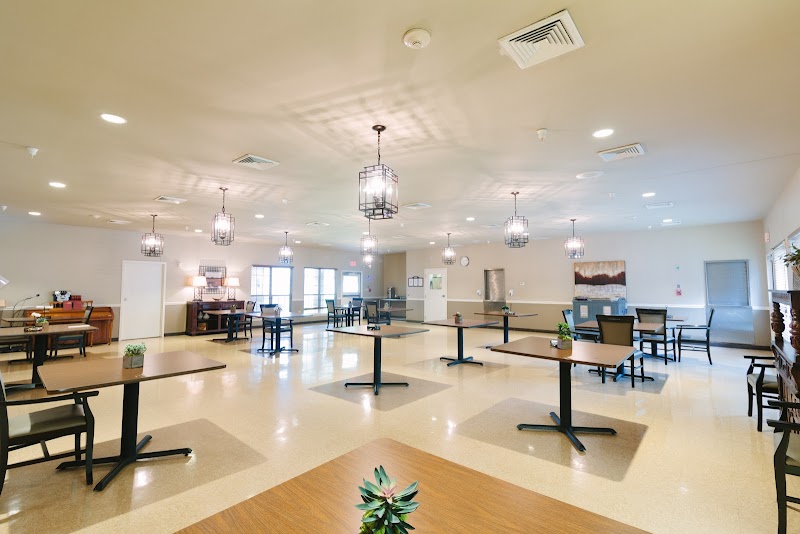
How is Alcoa Pines Staffed?

CMS rates ALCOA PINES HEALTH AND REHABILITATION's staffing level at 2 out of 5 stars, which is below average compared to other nursing homes. Staff turnover is 74%, which is 27 percentage points above the Arkansas average of 46%. High turnover can affect care consistency as new staff learn residents' individual needs.

What Have Inspectors Found at Alcoa Pines?

State health inspectors documented 25 deficiencies at ALCOA PINES HEALTH AND REHABILITATION during 2023 to 2025. These included: 1 that caused actual resident harm and 24 with potential for harm. Deficiencies causing actual harm indicate documented cases where residents experienced negative health consequences.

Who Owns and Operates Alcoa Pines?

ALCOA PINES HEALTH AND REHABILITATION is owned by a for-profit company. For-profit facilities operate as businesses with obligations to shareholders or private owners. The facility is operated by ANTHONY & BRYAN ADAMS, a chain that manages multiple nursing homes. With 120 certified beds and approximately 90 residents (about 75% occupancy), it is a mid-sized facility located in BENTON, Arkansas.
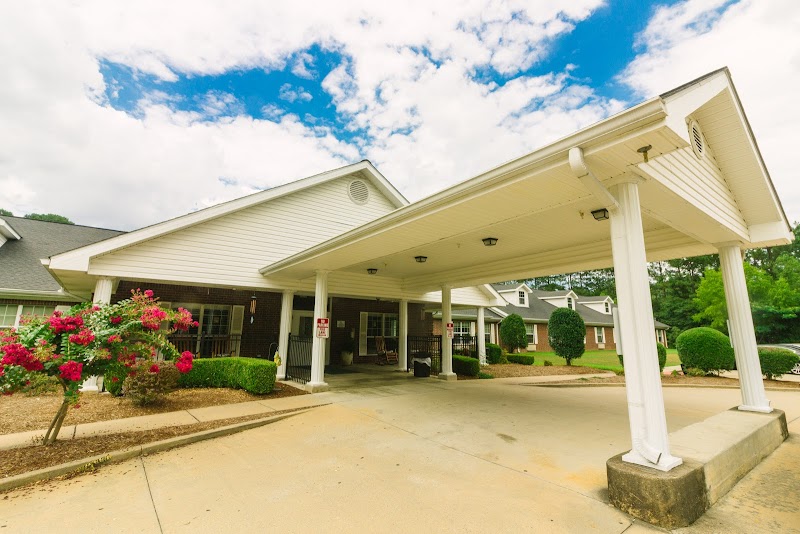
How Does Alcoa Pines Compare to Other Arkansas Nursing Homes?

Compared to the 100 nursing homes in Arkansas, ALCOA PINES HEALTH AND REHABILITATION's overall rating (3 stars) is below the state average of 3.1, staff turnover (74%) is significantly higher than the state average of 46%, and health inspection rating (3 stars) is at the national benchmark.

What Should Families Ask When Visiting Alcoa Pines?

Based on this facility's data, families visiting should ask: "How do you ensure continuity of care given staff turnover, and what is your staff retention strategy?" "Can you walk me through typical staffing levels on day, evening, and night shifts?" "Can I visit during a mealtime to observe dining assistance and food quality?" "How do you handle medical emergencies, and what is your hospital transfer rate?" These questions are particularly relevant given the facility's high staff turnover rate and the below-average staffing rating.

Is Alcoa Pines Safe?

Based on CMS inspection data, ALCOA PINES HEALTH AND REHABILITATION has a clean safety record: no substantiated abuse findings (meaning no confirmed cases of resident harm), no Immediate Jeopardy citations (the most serious violation level indicating risk of serious injury or death), and is not on the Special Focus Facility watch list (a federal program monitoring the lowest-performing 1% of nursing homes). The facility has a 3-star overall rating and ranks #100 of 100 nursing homes in Arkansas. While no facility is perfect, families should still ask about staff-to-resident ratios and recent inspection results during their visit.

Do Nurses at Alcoa Pines Stick Around?

Staff turnover at ALCOA PINES HEALTH AND REHABILITATION is high. At 74%, the facility is 27 percentage points above the Arkansas average of 46%. High turnover means new staff may not know residents' individual needs, medications, or preferences. It can also be disorienting for residents, especially those with dementia who rely on familiar faces. Families should ask: What is causing the turnover? What retention programs are in place? How do you ensure care continuity during staff transitions?

Was Alcoa Pines Ever Fined?

ALCOA PINES HEALTH AND REHABILITATION has been fined $10,693 across 2 penalty actions. This is below the Arkansas average of $33,186. While any fine indicates a compliance issue, fines under $50,000 are relatively common and typically reflect isolated problems that were subsequently corrected. Families should ask what specific issues led to these fines and confirm they've been resolved.

Is Alcoa Pines on Any Federal Watch List?

ALCOA PINES HEALTH AND REHABILITATION is not on any federal watch list. The most significant is the Special Focus Facility (SFF) program, which identifies the bottom 1% of nursing homes nationally based on persistent, serious quality problems. Not being on this list means the facility has avoided the pattern of deficiencies that triggers enhanced federal oversight. This is a positive indicator, though families should still review the facility's inspection history directly.