AMBERWOOD HEALTH AND REHABILITATION
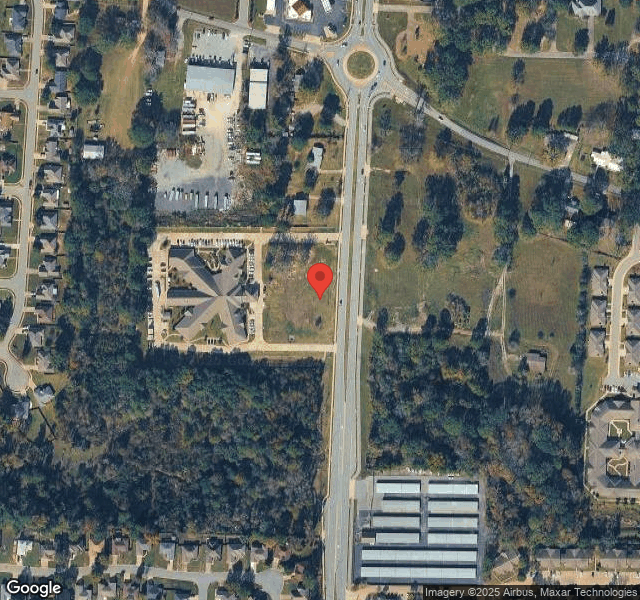

6420 ALCOA ROAD, BENTON, AR 72015 (501) 778-5401
For profit - Corporation 101 Beds ANTHONY & BRYAN ADAMS Data: November 2025 1 Immediate Jeopardy citation
Trust Grade
51/100
#99 of 218 in AR
Last Inspection: November 2024

Within standard 12-15 month inspection cycle. Federal law requires annual inspections.

Overview

Amberwood Health and Rehabilitation has a Trust Grade of C, which means it is average, sitting in the middle of the pack for nursing facilities. It ranks #99 out of 218 in Arkansas, placing it in the top half of facilities statewide, but only #5 out of 6 in Saline County, indicating that there is one local option that is better. The facility is improving, as it reduced the number of issues from 6 in 2023 to 4 in 2024. Staffing is a concern, with a rating of 2 out of 5 stars and a turnover rate of 53%, which is average for the state, meaning staff may not have as much stability as desired. Additionally, there were $7,446 in fines, which is an average amount but suggests some compliance issues. On the positive side, the facility has more RN coverage than 77% of other Arkansas facilities, which is beneficial for catching potential health problems. However, there are significant weaknesses, including a critical issue where a resident at risk of elopement did not receive adequate supervision, creating a serious safety concern. Furthermore, there have been repeated failures to maintain food safety standards, with expired items not being discarded properly, which could pose health risks to residents. Families should weigh these strengths and weaknesses carefully when considering Amberwood for their loved ones.

Trust Score
C
51/100
In Arkansas
#99/218
Top 45%
Safety Record
High Risk
Review needed
Inspections
Getting Better
6 → 4 violations
Staff Stability
⚠ Watch
53% turnover. Above average. Higher turnover means staff may not know residents' routines.
Penalties
⚠ Watch
$7,446 in fines. Higher than 94% of Arkansas facilities. Major compliance failures.
Skilled Nurses
⚠ Watch
Each resident gets only 15 minutes of Registered Nurse (RN) attention daily — below average for Arkansas. Fewer RN minutes means fewer trained eyes watching for problems.
Violations
⚠ Watch
15 deficiencies on record. Higher than average. Multiple issues found across inspections.
★★★☆☆
3.0
Overall Rating
★★☆☆☆
2.0
Staff Levels
★★★★☆
4.0
Care Quality
★★★☆☆
3.0
Inspection Score
Stable
2023: 6 issues
2024: 4 issues

The Good

  • 4-Star Quality Measures · Strong clinical quality outcomes
  • Full Sprinkler Coverage · Fire safety systems throughout facility
  • No fines on record

Facility shows strength in quality measures, fire safety.

The Bad

3-Star Overall Rating

Near Arkansas average (3.1)

Meets federal standards, typical of most facilities

Staff Turnover: 53%

Near Arkansas avg (46%)

Higher turnover may affect care consistency

Federal Fines: $7,446

Below median ($33,413)

Minor penalties assessed

Chain: ANTHONY & BRYAN ADAMS

Part of a multi-facility chain

Ask about local staffing decisions and management

The Ugly 15 deficiencies on record

1 life-threatening
Nov 2024 4 deficiencies
CONCERN (E)

Potential for Harm - no one hurt, but risky conditions existed

Deficiency F0726 (Tag F0726)

Could have caused harm · This affected multiple residents

**NOTE- TERMS IN BRACKETS HAVE BEEN EDITED TO PROTECT CONFIDENTIALITY** Based on observations, interviews, record reviews, and facility policy review, the facility failed to ensure staff followed basi...

Read full inspector narrative →
**NOTE- TERMS IN BRACKETS HAVE BEEN EDITED TO PROTECT CONFIDENTIALITY** Based on observations, interviews, record reviews, and facility policy review, the facility failed to ensure staff followed basic competencies and nursing skills when administering medication for 3 (Residents #14, #244, #245) residences observed during medication administration. The findings include: 1. A review of the quarterly Minimum Date Set (MDS) with Assessment Reference Date of [DATE] revealed Resident #14 had a Brief Interview of Mental Status score of 15 indicating the resident was cognitively intact and received scheduled pain medication regimen. a. A plan of care for Resident #14 (revision on [DATE]) revealed Resident #14 had chronic pain related knee pain, back pain, age related decline, muscle wasting and shrinkage of muscle mass, and muscle spasms. b. According to the Medication Administration Record (MAR) Resident #14 had a physician's order for lidocaine External Cream 4% apply to both knees and shoulders. c. On [DATE] at 12:05 PM, the Surveyor observed Licensed Practical Nurse (LPN) #2 apply lidocaine cream to Resident # 14's lower back and knees. 2. Resident #244 was admitted on [DATE] and did not have a completed admission MDS. a. A plan of care for Resident #244 (date initiated [DATE]) revealed Resident #244 had a nutritional problem or potential nutritional problem related to inflammation of the throat and difficulty swallowing. b. According to Medication Administration Record (MAR) Resident #244 had a physician's order for Sucralfate Suspension 1 gram (GM)/10 milliliter (ML) give 1 gram by mouth before meals and at bedtime for gastric protection. c. On [DATE] at 4:06 PM, the Surveyor observed LPN #3 add 5 ml of diphenhydramine viscous lidocaine added to water and administer to Resident #244. d. On [DATE] at 9:30 AM, the Surveyor reviewed the medication that was administered and noted the medication was expired and there was no physician's order to administer. e. On [DATE] at 9:35 AM, the Assistant Director of Nursing (ADON) stated Resident #244 brought the medication in the facility when admitted and she should have removed it. The ADON stated Resident #244 did not have a physician's order and confirmed the medication was expired. 3. Resident #245 was admitted on [DATE] and did not have a completed admission MDS. a. A plan of care for Resident #245 (date Initiated: [DATE]) revealed Resident #245 had a nutritional problem or potential nutritional problem related to type II diabetes mellites (T2DM), hypertension (HTN), gastroesophageal reflux disease (GERD), hyperlipidemia (HPLD), gout, chronic kidney disease (CKD) stage 4, chronic obstructive pulmonary disease (COPD), and irritable bowel syndrome (IBS). b. According to Medication Administration Record (MAR) Resident #245 did not have a physician's order for polyethylene glycol 17 grams (g), atorvastatin 5 milligram (mg), or metoclopramide 5 mg. Resident #245 had a physician's order for amlodipine 10 mg daily was taken at 8:00 AM, Carvedilol 12.5 mg twice daily was taken at 8:00 AM, and gabapentin 600 mg three time daily was taken at 8:00 AM and 12:00 PM. c. On [DATE] at 4:15 PM, the Surveyor observed LPN #3 administer Resident #245 atorvastatin 40 mg, amlodipine 5 mg, carvedilol 3.125 mg, polyethylene glycol 17 g added to water, gabapentin 400 mg, and metoclopramide 5 mg. d. On [DATE] at 4:20 PM, after exiting the room the Surveyor asked LPN #3 to see her MAR and noted the name on the MAR was not Resident #245. The Surveyor then stated to LPN #3 the name on the MAR does not match the name on the door. LPN #3 stated That's why I don't like to be watched I knew I was going to make a mistake. LPN #3 locked her cart and walked off. e. On [DATE] at 2:39 PM, the Director of Nursing (DON) stated a nurse should ensure he/she has the right resident, right medication, it is the right time to administer the medication, the dose is correct, and the medication is given the right route prior to administering the medication. The DON stated if these 5 things are not done a resident could get the wrong medication. The DON stated the resident's name and picture are on the MAR to further prevent an adverse outcome. f. A review of policy titled Competency of Nursing Staff noted competency in skills and techniques necessary to care for residents' needs includes but is not limited to competencies in basis nursing skill.
CONCERN (E)

Potential for Harm - no one hurt, but risky conditions existed

Unnecessary Medications (Tag F0759)

Could have caused harm · This affected multiple residents

**NOTE- TERMS IN BRACKETS HAVE BEEN EDITED TO PROTECT CONFIDENTIALITY** Based on observation, interviews, record reviews, and facility policy review, the facility failed to ensure the medication error...

Read full inspector narrative →
**NOTE- TERMS IN BRACKETS HAVE BEEN EDITED TO PROTECT CONFIDENTIALITY** Based on observation, interviews, record reviews, and facility policy review, the facility failed to ensure the medication error rate was not greater than 5%. The medication errors occurred with 3 (Resident #14, #244, #245) sampled residents observed during medication administration. The finding include: 1. A review of the quarterly Minimum Date Set (MDS) with Assessment Reference Date (ARD) of [DATE] revealed Resident #14 had a Brief Interview of Mental Status score of 15 indicating cognitively intact, and received a scheduled pain medication regimen. a. A plan of care for Resident #14 (revision on [DATE]) revealed Resident #14 had chronic pain related to r knee pain, back pain, age related decline, muscle wasting or thinning of the muscle mass, and muscle spasms. b. According to Medication Administration Record (MAR) Resident #14 had a physician's order for lidocaine External Cream 4 % apply to both knees and shoulders. c. On [DATE] at 12:05 PM, the Surveyor observed Licensed Practical Nurse (LPN) #2 apply lidocaine cream to Resident # 14's lower back and knees. 2. Resident #244 was admitted on [DATE] and did not have a completed admission MDS. a. A plan of care for Resident #244 (date initiated [DATE]) revealed Resident #244 had a nutritional problem or potential nutritional problem related to inflammation in the throat and difficulty swallowing. b. According to Medication Administration Record (MAR) Resident #244 had a physician's order for Sucralfate Suspension 1 gram (GM)/10 milliliter (ML) give 1 gram by mouth before meals and at bedtime for gastric protection. On [DATE] at 4:06 PM, the Surveyor observed LPN #3 add 5 ml of diphenhydramine viscous lidocaine added to water and administer to Resident #244. c. On [DATE] at 9:30 AM, the Surveyor reviewed the medication that was administered and noted the medication was expired and there was no physician's order to administer. d. On [DATE] at 9:35 AM, the Assistant Director of Nursing (ADON) stated Resident #244 brought the medication in the facility when admitted and she should have removed it. The ADON stated Resident #244 did not have a physician's order and confirmed the medication was expired. 3. Resident #245 was admitted on [DATE] and did not have a completed admission MDS. a. A plan of care for Resident #245 (date Initiated: [DATE]) revealed Resident #245 had a nutritional problem or potential nutritional problem related to type II diabetes mellites (T2DM), hypertension (HTN), gastroesophageal reflux disease (GERD), hyperlipidemia (HPLD), gout, chronic kidney disease (CKD) stage 4, chronic obstructive pulmonary disease (COPD) and irritable bowel syndrome (IBS). b. According to Medication Administration Record (MAR) Resident #245 did not have a physician's order for polyethylene glycol 17 grams (g), atorvastatin 5 milligram (mg), or metoclopramide 5 mg. Resident #245 had a physician's order for amlodipine 10 mg daily was taken at 8:00 AM, carvedilol 12.5 mg twice daily was taken at 8:00 AM, and gabapentin 600 mg three time daily was taken at 8 AM and 12 PM. c. On [DATE] at 4:15 PM, the Surveyor observed LPN #3 administer Resident #245 atorvastatin 40 mg, amlodipine 5 mg, Carvedilol 3.125 mg, polyethylene glycol 7 g added to water, Gabapentin 400 mg, and Metoclopramide 5 mg. d. On [DATE] at 4:20 PM, after exiting the room the Surveyor asked LPN #3 to see her MAR and noted the name on the MAR was not Resident #245. The Surveyor then stated to LPN #245 the name on the MAR does not match the name on the door. LPN #3 stated That's why I don't like to be watch I knew I was going to make a mistake. LPN #3 locked her cart and walked off. e. On [DATE] at 6:30 PM, the Surveyor was informed by the Director of Nursing (DON) the Physician was notified that Resident #245 was given the wrong medication. f. On [DATE] at 2:39 PM, the Director of Nursing (DON) stated a nurse should ensure he/she has the right resident, right medication, it is the right time to administer the medication, the dose is correct, and the medication is given the right route prior to administering the medication. The DON stated if these 5 things are not done a resident could get the wrong medication. The DON stated the resident's name and picture are on the MAR to further prevent an adverse outcome. g. A review of the policy titled Administering Medication noted Medication shall be administered in a safe and timely manner, and as prescribed. 6. The individual administering the medication must verify the resident's identity before giving the resident his/her medication. 7. The individual administering the must check the label 3 times to verify the right resident, right medication, right dose, right time and method (route) of administration before giving the medication.
CONCERN (E)

Potential for Harm - no one hurt, but risky conditions existed

Deficiency F0760 (Tag F0760)

Could have caused harm · This affected multiple residents

**NOTE- TERMS IN BRACKETS HAVE BEEN EDITED TO PROTECT CONFIDENTIALITY** Based on observations, interviews, record reviews, and facility policy review the facility failed to ensure the facility was fre...

Read full inspector narrative →
**NOTE- TERMS IN BRACKETS HAVE BEEN EDITED TO PROTECT CONFIDENTIALITY** Based on observations, interviews, record reviews, and facility policy review the facility failed to ensure the facility was free from significant medication error for 2 (Resident #244, #245) sampled residents who were administered the wrong medication during observed medication administration. The findings include: 1. Resident #244 was admitted on [DATE] and did not have a completed admission Minimum Data Set (MDS). a. A plan of care for Resident #244 (date initiated [DATE]) revealed Resident #244 had a nutritional problem or potential nutritional problem related to throat and difficulty swallowing. b. According to Medication Administration Record (MAR) Resident #244 had a physician's order for Sucralfate Suspension 1 gram (GM)/10 milliliter (ML) give 1 gram by mouth before meals and at bedtime for gastric protection. c. On [DATE] at 4:06 PM, the Surveyor observed LPN #3 add 5 ml of diphenhydramine viscous lidocaine added to water and administered to Resident #244. d. On [DATE] at 9:30 AM, the Surveyor reviewed the medication that was administered and noted the medication was expired and there was no physician's order to administer. e. On [DATE] at 9:35 AM, the Assistant Director of Nursing (ADON) stated Resident #244 brought the medication in the facility when admitted and she should have removed it. The ADON stated Resident #244 did not have a physician's order and confirmed the medication was expired. 2. Resident #245 was admitted on [DATE] and did not have a completed admission MDS. a. A plan of care for Resident #245 (date initiated: [DATE]) revealed Resident #245 had a nutritional problem or potential nutritional problem related to type II diabetes mellites (T2DM), hypertension (HTN), gastroesophageal reflux disease (GERD), hyperlipidemia (HPLD), gout, chronic kidney disease (CKD) stage 4, chronic obstructive pulmonary disease (COPD) and irritable bowel syndrome (IBS). b. According to Medication Administration Record (MAR) Resident #245 did not have a physician's order for polyethylene glycol 17 grams (g), atorvastatin 5 milligram (mg), or metoclopramide 5 mg. Resident #245 had a physician's order for amlodipine 10 mg daily was taken at 8:00 AM, Carvedilol 12.5 mg twice daily was taken at 8:00 AM, and gabapentin 600 mg three time daily was taken at 8 AM and 12 PM. c. On [DATE] at 4:15 PM, the Surveyor observed LPN #3 administer Resident #245 atorvastatin 40 mg, amlodipine 5 mg, Carvedilol 3.125 mg, polyethylene glycol 17 g added to water, Gabapentin 400 mg, and Metoclopramide 5 mg. d. On [DATE] at 4:20 PM, after exiting the room the Surveyor asked LPN #3 to see her MAR and noted the name on the MAR was not Resident #245. The Surveyor then stated to LPN #245 the name on the MAR does not match the name on the door. LPN #3 stated That's why I don't like to be watch I knew I was going to make a mistake. LPN #3 locked her cart and walked off. On [DATE] at 6:30 PM, the Director of Nursing (DON) informed the Surveyor the Physician was notified that Resident #245 was given the wrong medication and LPN #3 was sent home until Monday. e. On [DATE] at 2:39 PM, the Director of Nursing (DON) stated a nurse should ensure he/she has the right resident, right medication, it is the right time to administer the medication, the dose is correct, and the medication is given the right route prior to administering the medication. The DON stated if these 5 things are not done a resident could get the wrong medication. The DON stated the resident's name and picture are on the MAR to further prevent an adverse outcome. f. A review of policy titled Administering Medication noted Medication shall be administered in a safe and timely manner, and as prescribed. The individual administering the medication must verify the resident's identity before giving the resident his/her medication. The individual administering the must check the label 3 times to verify the right resident, right medication, right dose, right time and method (route) of administration before giving the medication.
CONCERN (E)

Potential for Harm - no one hurt, but risky conditions existed

Food Safety (Tag F0812)

Could have caused harm · This affected multiple residents

Based on observation, record review, interview, and facility policy review, the facility failed to ensure food items expired food items were promptly removed/discard by the expiration or use by dates ...

Read full inspector narrative →
Based on observation, record review, interview, and facility policy review, the facility failed to ensure food items expired food items were promptly removed/discard by the expiration or use by dates as when it was delivered, staff washed their hands, and dietary staff washed their hands and between clean tasks when contaminated. The findings are: 1. On 11/12/24 at 10:13 AM, the following observations were made in the refrigerator in the activity lounge. a. There was an opened bottle of tomatoes juice on a shelf with no received date on it. b. One turkey sandwich was inside a container on a shelf with an expiration date of 11/08/2024. 2. On 11/12/24 at 10:49 AM, Dietary Aide (DA) #1 picked up the water hose with her bare hand, used it to spray off leftover food items from the dishes, contaminating her hands. She placed dishes in the dirty racks and pushed them into the dish washing machine to wash. After the dishes stopped washing, the Dietary Aide #1 turned on the hand washing sink faucet and washed her hands. She turned off the faucet with her bare hands. Her hands contaminated and without washing his hands, she picked up clean plates with his fingers inside the plates and placed them on top of the cart to be used in serving food items to the residents for lunch 3. On 11/12/24 at 10:53 AM, DA #1 picked up the water hose with her bare hand, used it to spray off leftover food items from the dishes, contaminating her hands. She placed dishes in the dirty racks and pushed them into the dish washing machine to wash. After the dishes stopped washing, DA #1 turned on the hand washing sink faucet and washed her hands. She turned off the faucet with her bare hands her hands. With her hands contaminated and without washing her hands, she picked up clean plates with her fingers inside the plates and placed them on top of the cart to be used in serving food items to the residents for lunch. DA #1 was asked what she should you have done after touching dirty objects and before handling clean equipment she stated she should have washed her hands. 4. On 11/12/24 at 12:32 PM, Dietary Aide #1 turned on the hand washing sink and washed her hands, she removed tissue from the tissue dispenser and dried her hands. DA #1 turned off the faucet with the same tissue, contaminated the tissue papers. DA #1 then used the same tissue papers to dry her hands and without re-washing her hands, picked up clean plates and stacked the on a cart to be used in portioning food items to the residents for lunch with fingers inside the plates. 5. On 11/13/24 at 7:58 AM, DA #1 turned on the hand washing sink and washed her hands, she removed tissue from the tissue dispenser and dried her hands. DA #1 turned off the faucet with the same tissue, contaminated the tissue papers. She then, used the same tissue papers to dry her hands and without re washing her hands, DA #1 picked up clean blade and attached it to the base of the blender to be used in pureeing food items to be served to the residents for breakfast and/or lunch. 6. A review of facility policy titled, Employee Cleanliness and Hand washing Technique, not dated, provided by the Food Service Director on 11/13/2024 indicated hands should be washed before beginning and any other time deemed necessary.
Nov 2023 5 deficiencies
CONCERN (E)

Potential for Harm - no one hurt, but risky conditions existed

ADL Care (Tag F0677)

Could have caused harm · This affected multiple residents

Based on observation, record review and interview, the facility failed to ensure nailcare was regularly provided or offered, to maintain good personal hygiene, prevent infection and possible skin tear...

Read full inspector narrative →
Based on observation, record review and interview, the facility failed to ensure nailcare was regularly provided or offered, to maintain good personal hygiene, prevent infection and possible skin tears for 2 (Residents #10 and #26) of 12 (Residents #1, 10, 23, 26, 30, 49, 51, 57, 61, 71, 79, and #236) sampled residents who required staff assistance with nail care on Hall 100. This failed practice had the potential to affect 27 residents who required staff assistance for nail care as documented on a list provided by the Administrator on 11/15/23 at 09:14AM. The findings are: 1.On 11/12/23 at 10:15 AM Resident #10 was in bed. His fingernails were long and had a dark black dry substance underneath his nails. a. On 11/13/23 at 08:35 AM, Resident #10 was sitting in bed eating breakfast. His fingernails were long with a dark black substance under them. b. On 11/14/23 at 08:45AM, Resident #10 was lying in the bed with breakfast in front of him. He had some white substance in his right hand eating it. Certified Nursing Assistant (CNA) #6 was asked to observe Resident #10's nails and describe what she saw. CNA #6 stated, He has black dirt under long nails. CNA #6 was asked if the long nails with black dirt under them was an acceptable practice for a resident. CNA# 6 stated, No, It could cause an infection. c. A Care Plan dated 08/10/22 documented, . NAIL CARE PROVIDED BY STAFF. RESIDENT ALSO EDUCATED TO ALERT STAFF FOR NAIL CARE . Keep fingernails short. Date Initiated: 11/18/2019 .with a Revision date on: 05/24/2021 . d. On 11/14/23 at 03:50 PM, the Assistant Director of Nursing (ADON) provided an ADL (Activities of Daily Living) task form for Resident #10 documenting the fingernails were provided care on 11/12/23. 2. On 11/12/23 at 10:09 AM, Resident #26 was in bed. Resident #26 had ¼ inch long discolored nails cutting into her hand. A foul odor was noted from hand. a. On 11/12/23 at 03:52 PM, Resident #26 was lying in bed with ¼ inch long discolored nails with a brown substance under them. b. On 11/13/23 at 04:08 PM, Resident #26 was lying on the bed with her hands in a clenched position. Her fingernails were long, discolored and had a brown substance under them. A foul odor was noted. c. On 11/13/23 at 04:21 PM, Resident #26 was sitting in the dining room in a wheelchair with her hands in her lap clenched. Her fingernails were long and had a dark brown dried substance under them. d. A Care Plan dated 09/30/21 with a revision date of 04/30/21 documented, .Avoid scratching and keep hands and body parts from excessive moisture. Keep fingernails short . e. On 11/13/23 at 4:48 PM, CNA #4 was asked to look at Resident #26's hands and nails. CNA #4 was asked to describe Resident #26's hand and fingernails. CNA #4 stated, They are dirty, and her nails are dirty and cutting into her hand. CNA #4 was asked if the facility used hand rolls or anything to place in the resident's hands. CNA #4 stated, She needs some. f. On 11/13/23 at 4:55 PM, CNA #5 was asked who was responsible for nail care. CNA #5 stated, Everybody. CNA #5 was asked when nail care is normally done. She stated, Anytime it's needed. g. On 11/14/23 at 03:50 PM, the ADON provided an ADL (Activities of Daily Living) task form documenting Resident #26's fingernails were provided care on 11/12/23. 3. On 08/31/23 at 11:04 AM, the Director of Nursing (DON) was asked who was responsible for resident nail care. The DON stated, CNAs unless they are diabetics then nurses do them. The DON was asked how often she expects nail care to be provided. The DON said every week on Sundays and PRN (as needed) The DON was asked what Nail Care on the task form meant. She stated it is to clip and clean the nails. The DON was asked what a possible negative outcome from long dirty nails could be. The DON said they could scratch themselves and get a skin tear and get it infected. 4.On 11/15/23 at 11:27AM, the DON presented a form titled, Fingernails/Toenails, Care of, the form documented, Purpose: The purpose of this procedure are to clean the nail beds, to keep nails trimmed, and to prevent infections .Documentation The following information should be recorded in the resident's medical record: .6. If the resident refused the treatment, the reason(s) why and the intervention taken .Reporting 1. Notify the supervisor if the resident refuses care .
CONCERN (E)

Potential for Harm - no one hurt, but risky conditions existed

Deficiency F0761 (Tag F0761)

Could have caused harm · This affected multiple residents

On 11/13/23 at 08:40 AM, the centrally located medication room was observed with the Assistant Director of Nursing (ADON) in attendance. Upon inspection of the nonlocked refrigerator, the Hall 100 loc...

Read full inspector narrative →
On 11/13/23 at 08:40 AM, the centrally located medication room was observed with the Assistant Director of Nursing (ADON) in attendance. Upon inspection of the nonlocked refrigerator, the Hall 100 lock box contained a 30 milliliter bottle of Lorazepam (a schedule IV controlled substance) with 18 milliliters inside the bottle. The Surveyor reached in and opened the lock box without a key. The ADON was asked if the lock box should be locked when there is a controlled substance in the box. The ADON stated, Yes. On 11/13/23 at 08:52 AM, Licensed Practical Nurse (LPN) #1 LPN #1 was asked if the lock box containing a narcotic should be locked. LPN #1 stated, I thought I did, yes, it should be. On 11/15/23 at 11:10 AM, the Director of Nursing (DON) was asked to explain how a refrigerated narcotic should be kept safe. The DON stated, Behind a locked door and in a locked box inside the refrigerator. The DON was asked who all has a key to the locked box and medication room door. The DON stated, All four nurses with a medication cart has a key to the med room door as well as my ADON and myself. Each of the nurses have a key to their own locked medication box. There are four narcotic boxes in the refrigerator. The DON was asked how often the med carts are checked for discontinued medications and expired medications. The DON stated, Weekly, or as discontinued. The DON was asked to explain the purpose of removing expired medications. The DON stated, They are no good after thirty days and they won't be effective. On 11/15/2023 at 9:27 AM, the DON provided a facility policy for Storage of Medications which documented, .4. The facility shall not use discontinued, outdated, or deteriorated drugs or biologicals. All such drugs shall be destroyed . On 11/15/2023 at 10:46 AM, the DON provided a facility policy for Controlled Substances which documented, .3. Controlled Substances are stored in the medication room in a locked container . 4. Access to controlled medication remains locked at all times and accessed is recorded . Based on observation, interview, and record review, the facility failed to ensure controlled medications stored in the medication room were kept secured by a lock and that expired medications were removed from the 200 Hall medication cart to prevent use. These failed practices had the potential to affect all 84 residents who reside in the facility. The findings are: On 11/13/23 at 09:24 AM, the Surveyor was inspecting the medication cart on Hall 200 and discovered the following over the counter (OTC) medications which had expired: Docusate Sodium 100 milligrams (mg) stool softener with an expiration date of 9/23 and Ocular Vitamin with an expiration date of 10/23.
CONCERN (E)

Potential for Harm - no one hurt, but risky conditions existed

Deficiency F0804 (Tag F0804)

Could have caused harm · This affected multiple residents

Based on observation, record review and interview, the facility failed to ensure meals were served in a method that maintained the appearance of cold and hot foods at temperatures that were acceptable...

Read full inspector narrative →
Based on observation, record review and interview, the facility failed to ensure meals were served in a method that maintained the appearance of cold and hot foods at temperatures that were acceptable to the residents to improve palatability and encourage good nutritional intake during 1 of 1 meal observed. This failed practice had the potential to affect 20 residents who received meal trays in their rooms on the 100 Hall, 24 residents who received meal trays on the 200 Hall, 7 residents who received meal trays in their room on the 300 Hall, 21 residents who received meal trays in their room on the 400 Hall, as documented on a list provided on 11/13/2023 at 4:07 PM. The findings are: 1. On 11/12/23 at 10:35 AM, the Surveyor asked Resident #79 if his hot food stays hot and cold food stays cold. Resident #79 stated, They serve us cold food. 2. On 11/12/23 at 12:58 PM, an unheated food cart that contained 24 trays for lunch was delivered to the 200 Hall by Certified Nursing Assistant (CNA) #1. At 01:25 PM, immediately after the last resident was served on the 200 Hall, the temperature of the food items on the tray used as a test tray were taken and read by Dietary Supervisor #1 with the following results: Pureed English peas - 110 degrees Fahrenheit. b. Mashed potatoes - 108.1 degrees Fahrenheit. c. Pepper steak - 113 degrees Fahrenheit. d. Pureed pepper steaks with gravy - 111.7 degrees Fahrenheit. 3. On 11/12/23 at 01:25 PM, an unheated food cart that contained 21 trays for lunch was delivered to the 400 Hall by the CNA #2. At 01:37 PM, immediately after the last resident was served in their room on the 200 Hall, the temperature of the food items on the tray used as test tray were taken and read by the Dietary Supervisor #1 with the following results: a. Milk 52.5 - degrees Fahrenheit. b. The ice cream was melted. The Surveyor asked CNA #3 to describe the appearance of the ice cream. CNA #3 stated, It was melted.
CONCERN (E)

Potential for Harm - no one hurt, but risky conditions existed

Deficiency F0805 (Tag F0805)

Could have caused harm · This affected multiple residents

Based on observation and interview, the facility failed to ensure that pureed food items were blended to a smooth, lump free consistency to minimize the risk of choking or other complications for thos...

Read full inspector narrative →
Based on observation and interview, the facility failed to ensure that pureed food items were blended to a smooth, lump free consistency to minimize the risk of choking or other complications for those residents who required pureed diets for 1 of 1 meal observed. The failed practice had the potential to affect 3 residents who received pureed diets, as documented on the list provided Dietary Supervisor #1 on 11/13/2023 at 04:07 PM. The findings are: 1. On 11/12/23 at 11:49 AM, Dietary Employee (DE) #3 placed 4 servings of pepper steaks into a blender, added 2 more pepper steaks, broth and pureed. At 11:57 AM, DE #3 poured the pureed meat into a pan on the steam table. The consistency of the pureed pepper steaks was thick and not smooth. There were pieces of meat still visible in the mixture. 2. On 11/12/23 at 12:20 PM, DE #1 placed 3 servings of bread into a blender, added whole milk and pureed. At 12:23 PM, (DE) #1 poured the pureed bread into 3 bowls. The consistency of the pureed bread was runny. There were intact pieces of breadcrumbs in the mixture. 3. On 11/12/23 at 12:21 PM, DE #3 used a 4- ounce spoon to place 4 servings of english peas into a blender and pureed. At 12:24 PM, DE #3 poured the pureed english peas into a pan on the steam table. The consistency of the peas was lumpy and not smooth. There were pieces of peas in the mixture. 4. On 11/12/23 at 01:33 PM, the following food items: pureed pepper steak, pureed bread and pureed english peas were served to Resident #19 formed in a rounded mound. The consistency of all the pureed food items was lumpy, dried, and not smooth. The Surveyor asked the Certified Nursing Assistant (CNA) #1, who was assisting Resident #19 with her lunch meal in her room, if she could describe the consistency of the pureed food items served to the resident. CNA # 1 stated, This is the way pureed always looks. 5. On 11/13/23 at 02:30 PM, the Surveyor asked Dietary Supervisor #2 to describe the consistency of the pureed food items served to the residents who required pureed diets at the lunch meal on 11/12/23. She stated, They are not smooth like it is supposed to be. I can visibly see a little lump in all the pureed foods.
CONCERN (F)

Potential for Harm - no one hurt, but risky conditions existed

Food Safety (Tag F0812)

Could have caused harm · This affected most or all residents

**NOTE- TERMS IN BRACKETS HAVE BEEN EDITED TO PROTECT CONFIDENTIALITY** Based on observation, record review and interview, the facility failed to ensure leftover food items were discarded to maintain ...

Read full inspector narrative →
**NOTE- TERMS IN BRACKETS HAVE BEEN EDITED TO PROTECT CONFIDENTIALITY** Based on observation, record review and interview, the facility failed to ensure leftover food items were discarded to maintain food quality; foods stored in the freezer, refrigerator, and dry storage area were covered, sealed, and dated to minimize the potential for food borne illness for residents who received meals from 1 of 1 kitchen; expired dairy products and food items were promptly removed/discarded on or before the expiration or use by date to prevent the growth of bacteria; dietary staff washed their hands between dirty and clean tasks and before handling clean equipment or food items to prevent potential for cross contamination; and failed to ensure 1 of 2 ice machines and 1 of 2 ice machine holders were maintained in a clean and sanitary condition to prevent potential contamination of residents' beverages for residents who received meals from 1 of 1 kitchen. These failed practices had the potential to affect 79 residents who receive meals from the kitchen (total census: 83) as documented on a list provided by Dietary Supervisor. #1 The findings are: 1. On 11/12/2023 at 09:15 AM, the following observations were during the initial tour of the kitchen with Dietary Employee (DE) #1: a. A container that contained leftover scrambled eggs. b. A container that contained whole sausage, sausage links, resealable plastic bag of ground and resealable plastic bag of pureed meat were on counter by the steam table. The surveyor asked the Dietary Employee (DE) #1 what were in the containers and what they were for. DE #1 stated, They are leftovers from the breakfast meal. The cook saves them and uses them the next day for the pureed. 2. On 11/12/23 at 09:20 AM, the following observations were made on a shelf in the refrigerator: a. An opened box of cranberry juice was on a shelf. The box was not covered. b. Five gallons of whole milk were on a shelf in the refrigerator with an expiration date of 11/11/2023. 3. On 11/12/23 at 09:22 AM, the following observations were made on a shelf above the food preparation counter in the kitchen: a. An opened box of potato pearls. The box was not covered. There was no opened date on the box. b. An opened resealable plastic bag that contained an opened box of cream of wheat was on a shelf. The bag was not sealed, and the box was not covered. There was no date on the box to indicate when it was opened. c. Another opened box of cream wheat was on the counter. The box was not covered. There was no date of when it was opened. d. An opened bag of country style peppered gravy mix. The bag was not sealed. There was no date when the bag was opened. e. The following spices were on a rack above the food preparation counter, there were no dates when the spices were opened: a. Garlic powder. b. Montreal steak seasoning. c. Chili powder. d. Lemon pepper seasoning. e. Ground cinnamon. f. [NAME] leaves. g. Meat tenderizer. h. Poultry seasoning. 4. On 11/12/23 at 09:23 AM, the following observations were made in the walk-in refrigerator: a. An opened resealable plastic bag that contained a bag of sliced ham was on a shelf. The bags were not sealed. b. An opened resealable plastic bag that contained a bag of sliced turkey was on a shelf. The bags were not sealed. c. An opened resealable plastic bag of shredded mozzarella cheese and an opened resealable plastic bag of shredded cheddar cheese were on a shelf. Both bags of shredded cheese were not sealed. d. A bottle of soy sauce, a bottle of worcestershire sauce, and three opened containers of parmesan cheese had no date as to when opened. 5. On 11/12/23 at 09:24 AM, an opened box that contained a bag of dinner rolls was on a shelf in the freezer. The box was not covered, and the bag was not sealed. 6. On 11/12/23 at 09:26 AM, the following spices were made on a shelf in the storage room, there were no dates when the spices were opened: a. Basil. b. Onion powder. c. Lemon pepper seasoning salt. d. Rotisserie chicken seasoning. e. Oregano. f. Ground nutmeg. g. Imitation vanilla flavor. h. Thyme. i. Pure peppermint extract j. Chili powder. 7. On 11/12/23 at 09:45 AM, an opened metal ice scoop holder on the wall by the ice machine had a buildup of pink residue at the bottom of it and the ice scoop was in direct contact with the buildup. The Surveyor asked DE #2 to wipe the area where the ice scoop holder was resting on. She did so, and stated it was pink residue. The Surveyor asked how often they cleaned the scoop holder. She stated, We clean it every week. The Surveyor asked, Who uses the ice from the ice machine? She stated, We use it to fill the residents' beverages at mealtimes. 8. On 11/12/23 at 10:14 AM, DE #2 used a scraper to scrape off wet and leftover food items on the dirty side of the dish washing machine. Without washing her hands, she placed gloves on her hands, contaminating the gloves, picked up glasses by the rims and stacked them on the counter. 9. On 11/12/23 at 10:28 AM, DE #2 picked up the water hose with gloves on her hands, used it to spray leftover food from inside of the dishes, contaminating the gloves. She placed the dirty dishes in the dirty racks and pushed the racks into the dish washing machine to wash. After the dishes stopped washing, she moved to the clean side of the dishwasher area and picked up clean dishes and placed them on the utility cart to be used in serving the noon meal to the residents. The Surveyor immediately asked DE #1, What should you have done after touching dirty objects or before handling clean equipment? She stated, Changed gloves and washed my hands. 10. On 11/12/23 at 11:08 AM, five bags of diabetic source were in a box on a shelf in the clean utility on the 200 Hall, with an expiration date of 10/22/2023. 11. On 11/12/23 at 11:10 AM, the ice machine panel had a wet black and pink residue on it. The Surveyor asked Dietary Supervisor #2 to wipe the panel. She did, and the black and pink residue easily transferred to the tissue. She stated, That was black and pink residue on it. The Surveyor asked, Who uses the ice from the ice machine and how often do you clean it? She stated, That's the ice the CNAs [Certified Nursing Assistants] use for the water pitchers in the residents' rooms. We clean it every week. 12. On 11/12/23 at 11:50 PM, DE #2 turned off the sink faucet. Without washing her hands, she picked a clean blade attached it to the base of the blender to use in pureeing food items to be served to the residents on pureed diets. The Surveyor immediately asked DE #1, What should you have done after touching dirty objects and before handling clean equipment? She stated, I should have washed my hands. 13. A facility policy titled, Employee Cleanliness and Handwashing Technique, provided by Dietary Supervisor #1 on 11/13/2023 at 04:07 PM documented, .Dietary department employees are required to wash their hands on the occasions listed below: a. Before beginning shift . g. After handling dirty dishes . j. Any other time deemed necessary .
Feb 2023 1 deficiency 1 IJ
CRITICAL (J) 📢 Someone Reported This

A family member, employee, or ombudsman was alarmed enough to file a formal complaint

Immediate Jeopardy (IJ) - the most serious Medicare violation

Accident Prevention (Tag F0689)

Someone could have died · This affected 1 resident

Based on observation, interview, and record review the facility failed to provide adequate supervision to prevent elopement for 1 (Resident #1) of 3 (Resident #1, Resident #2, and Resident #3) sampled...

Read full inspector narrative →
Based on observation, interview, and record review the facility failed to provide adequate supervision to prevent elopement for 1 (Resident #1) of 3 (Resident #1, Resident #2, and Resident #3) sampled residents. This failed practice resulted in Past Immediate Jeopardy which caused or could have caused serious harm, injury, or death to 1 (Resident #1) discharged resident and 4 current residents who were identified at risk for elopement, as documented on a list provided by the Administrator on 2/23/23 at 9:00 a.m. The Administrator was informed of the Past Non-Compliance on 2/23/23 at 12:00 p.m. The findings are: 1. Resident #1 had a diagnosis of Dementia with Agitation and Cerebrovascular Accident. The admission Minimum Data Set (MDS) with an Assessment Reference Date (ARD) of 1/7/23 documented a score of 11 on the Brief Interview for Mental Status (BIMS). He required extensive assistance of one staff member for transfers, he did not walk during the lookback period, and he required extensive assistance from one staff member for locomotion. There were no documented wandering behaviors during the lookback period. a. An Elopement Assessment for Resident #1 dated 1/5/23 documented At Risk for Elopement. b. A Care Plan initiated 2/1/23 documented, The resident is an elopement risk/wanderer r/t (related to) mobility status, confusion, wandering around aimlessly. Frequently states he needs to leave and go see wife, easily redirected. short term memory loss noted. Device # Model 007438 {Named c. A Handwritten note provided by the Administrator was written on 2/23/23 at 11:05 AM and signed by the Assistant Director of Nursing (ADON) documented, On 2/16/23 it was reported that resident was asking for help to go outside to wait on his wife. At this time, resident was not able to be redirected and told this nurse, 'I know how to go outside on my own. This was new for resident and [named Electronic Monitoring System] was placed and family called. d. A Physician's Order dated 2/16/23 documented, Check [named Electronic Monitoring System] SERIAL # 007438 Function Q (every) week . every Wed (Wednesday) . e. A Physician's Order dated 2/16/23 documented, [named Electronic Monitoring System] SERIAL NUMBER 007438 to left backside of wheelchair Check placement . every shift. f. A Progress Note dated 2/21/23 at 5:00 a.m., documented, Note Text: Resident noted wandering around in this shift. Resident has not attempted leaving the facility. Resident has asked to contact spouse a few times after already spoken to her on the phone at 2330 [11:30]. After a triggered alarm system. We investigated and found out that resident was missing. ADON was notified at the time. Resident exit through 300 Hall door and local police was notified. Upon investigation resident was reported back to his previous address on file where he resided with his spouse. Spouse was contacted and made aware of incident. She agreed and asked to have him home for a few hours before figuring out how to bring him back. This nurse offered a transportation back to the facility at later time, spouse agreed stating she would like to be informed before arrival. g. An Elopement Assessment for Resident #1 dated 2/21/23 documented, High Risk for Elopement Device # Model 007438 [named Electronic Monitoring System] serial number 007438 to left backside of wheelchair Check placement Q Shift (every shift) Check [named Electronic Monitoring System] SERIAL # 007438 Function Q (every) week Date Initiated: 02/16/2023 . h. A DMS 762 written by Certified Nursing Assistant (CNA) #1 and provided by the Administrator documented, Resident was last seen at 2:15 a.m. At 3:30 a.m. nurse wanted me to check and see if Resident was in his room. He was not. At 3:45 a.m. nurse called a search . Police arrived at 4:15 a.m. Police left and came back at 4:40 a.m. stating Resident relocated outside of facility. i. A Division of Medical Services (DMS) 762 written by LPN #1 and provided by the Administrator documented, . Resident was last seen at 3:00 a.m. This nurse heard an alarm going off around 3:40 a.m. 300 Hall back door . j. A DMS 762 which was written by CNA #2 and provided by the Administrator documented, . Resident was last seen at 3:30 a.m. Nurse called for search at 3:45 a.m. We search until 4:15 a.m. when was notified upon police arrival at 4:40 a.m. that resident was located outside this facility. k. Page 3 of A DMS-7734 provided by the Administrator documented, At approximately 3:52 a.m. on 2/21/23, Licensed Practical Nurse (LPN) #1 heard alarm sounding. Immediately started identifying where alarm was sounding from. Alarm was identified as 300 Hall exit door. LPN #1 informed staff to start rounding on all residents to ensure they were in the facility and LPN #1 immediately went to check on Resident #1 relating to he is the only resident in the facility with a [named Electrical Monitoring System] in place. Resident #1 was immediately noted to be missing . LPN #1 got in his car to canvas the highway and areas close to the facility. LPN #1 stopped at gas station about a block away and gas station clerk stated someone was seen that fits the description of this resident got into a car with his wheelchair and drove off. Police found resident to be with his wife at her home . l. On 2/23/23 at 8:15 a.m., the 100 Hall exit door had a keypad, and a sign that read, Emergency Exit Button Press and Hold for 3 Seconds Alarm Will Sound Door Will Release in 15 seconds and a red button. m. On 2/23/23 at 8:25 a.m., the 200 Hall exit door had a keypad, and a sign that read, Emergency Exit Button Press and Hold for 3 Seconds Alarm Will Sound Door Will Release in 15 seconds and a red button. The Vending area also has an exit door with the same keypad, signage, and red button. n. On 2/23/23 at 8:25 a.m., the Surveyor asked LPN #3, do you usually work this hall? She answered, yes. The Surveyor asked, does anyone on this hall use a [named Electronic Monitoring System]? She answered, no. The Surveyor asked, do any residents on this hall wander or exit seek? She answered, yes. Resident #2 and Resident #3 both wander and look for the exit. The Surveyor asked, how would you document if a resident had a [named Electronic Monitoring System], wandered, or tried to exit the building? She answered, we document behaviors on the MAR, but I don't have anyone on this hall who has a [named Electronic Monitoring System]. o. On 2/23/23 at 8:35 a.m., the 300 Hall exit door had a keypad, and a sign that read, Emergency Exit Button Press and Hold for 3 Seconds Alarm Will Sound Door Will Release in 15 seconds and a red button. There was also a white mesh and red stop sign across the exit door. p. On 2/23/23 at 8:45 a.m., the Activity Room exit door had the same signage, red button, and code pad. q. On 2/23/23 at 8:47 a.m., the Dining Room door had the same keypad, signage, and red button. r. On 2/23/23 at 8:55 a.m., the 400 Hall exit door had a keypad, and a sign that read, Emergency Exit Button Press and Hold for 3 Seconds Alarm Will Sound Door Will Release in 15 seconds and a red button. s. On 2/23/23 at 9:40 a.m., the Surveyor asked the Administrator, what have you done since the incident to prevent it from happening again? She answered, Maintenance Staff checked all the exit doors - alarms and [named Electronic Monitoring Systems]. All were in working order, there is an ongoing in-service. They are doing elopement drills biweekly 2 x [times] week - did one yesterday. It has been QA'd (Quality Assurance). I have reached out to a company for an estimate to turn the sound up on the alarm on the 300 Hall or get a new one due to the shape of the hallway. You can hear it from the nurse's station, but it is not as loud. I watched the camera footage and Resident #1 was seen walking pushing his wheelchair. It took him approximately 5 minutes to get to the street. He went to the gas station on the corner which is open 24 hours. He caught a ride from the gas station. The Surveyor asked, how do the [named Electronic Monitoring Systems] work? She stated, it locks the door but due to the fire code, if you hold down on the bar for 15 seconds the door will unlock. Resident #1 read the signs at the end of the hall. The [named Electronic Monitoring System] also won't let anyone open the door from the outside. The Surveyor asked the Administrator to provide documentation of the exit door alarm and [named Electronic Monitoring System] checks, the ongoing in-service, the elopement drill documentation, and the estimate from the company for the alarm on 300 Hall. t. Page 1 from the [named Electronic Monitoring System] Book, which was provided by the Administrator on 2/23/23 at 9:40 a.m. documented, Step to Finding Sounding Alarms - Review computer at Nurses station - it tells you where alarm is! . u. On 2/23/23 at 9:45 a.m., the Administrator stated, we have a very complex [named Electronic Monitoring System]. If an alarm goes off and it is caused by a [named Electronic Monitoring System], the nurse can look at the computer monitor, and it will tell us the name of the resident and their location. The Surveyor asked, what did the monitor say the night of the incident? She answered, I am not sure about that. Let me find out. v. A Policy titled, Elopements which was provided by the Administrator on 2/23/23 at 10:00 a.m. documented, . When the resident returns to the facility, the Director of Nursing Services or Charge Nurse shall: Examine the resident for injuries . Document relevant information in the resident's medical record . w. On 2/23/23 at 10:25 a.m., Review of Resident #1's January 2023 and February 2023 Medication Administration Record (MAR) did not document any behavior monitoring. x. On 2/23/23 at 11:00 a.m., the Administrator stated, I asked the nurse about the monitor that night and he said he didn't check it. When he heard the alarm, he went to find where it was coming from. y. On 2/23/23 at 12:00 p.m., the Administrator was notified of the Past Noncompliance.
Sept 2022 5 deficiencies
CONCERN (D)

Potential for Harm - no one hurt, but risky conditions existed

Incontinence Care (Tag F0690)

Could have caused harm · This affected 1 resident

Based on observation, record review, and interview, the facility failed to ensure treatment and care for management of indwelling urinary catheter was provided in accordance with accepted standards of...

Read full inspector narrative →
Based on observation, record review, and interview, the facility failed to ensure treatment and care for management of indwelling urinary catheter was provided in accordance with accepted standards of nursing practice, by failing to ensure the urinary catheter tubing was secured to prevent potential pulling or trauma to the urinary meatus/urethra for 1 (Resident #53) of 5 (Residents R#65, R#69, R#74, and R#390). sample residents with indwelling catheters. The failed practices had the potential to affect 5 residents who had indwelling urinary catheters, according to a list provided by the Assistant Administrator on 8/31/22. The findings are: 1. Resident #53 was admitted with diagnoses of Unspecified Dementia without Behavioral Disturbances, Urinary Retention, Neuromuscular Dysfunction of Bladder, Unspecified and Benign Prostatic Hyperplasia without Lower Tract Symptoms. The admission Minimum Data Set (MDS) with Assessment Reference Date (ARD) of 7/25/22 documented resident scored 5 (0-7 indicates severe impairment) on the Brief Interview for Mental Status (BIMS) and requires supervision with eating and personal hygiene, limited assistance with dressing and extensive assistance with bed mobility, transfer, and toilet use. a. A current 7/21/22 Care Plan documented, .The resident has an indwelling Catheter placed with recent hospitalization . Monitor/document for pain/discomfort due to catheter . The resident will be/remain free from catheter-related trauma . b. The current 7/21/22 Physician's orders documented, .Foley French 18 and bulb 30 cc (cubic centimeters). c. On 08/29/22 at 12:12 PM, Resident# 53 was lying in bed with Foley Catheter in privacy bag secured to right side of bed, draining cloudy yellow urine. d. On 8/30/22 at 10:29 AM, Certified Nursing Assistants CNA #2 and CNA #3 provided catheter care to resident. When CNA #2 pulled down R#53's pants and briefs she stated, He needs to be stat locked. Foley Catheter was not secured. CNA #2 stated, We are going to let the nurse know that you need a stat lock. R#53 stated, What is that? She stated, It holds your catheter in place so it won't (will not) flop around. The Surveyor asked CNA #3 What is a potential complication of his catheter not being secured with a stat lock? She stated, It could get pulled out. e. On 08/31/22 at 08:41 AM, the Surveyor asked the ADON, Who is responsible for ensuring residents with Foley Catheters have stat locks in place? She stated, The Treatment Nurse. Surveyor asked the ADON, What is a potential negative outcome of a resident not having their Foley Catheter secured? She stated, It could be ripped out and also a possible infection. f. A policy provided by the Administrator on 8/31/22 documented, .Catheter Care, Urinary ., Purpose ., The purpose of this procedure is to prevent catheter-associated urinary tract infections ., Preparation ., 1. Review the resident's care plan to assess for any special needs of the resident ., Maintaining unobstructed urine flow ., 1. Check the resident frequently to be sure he or she is not lying on the catheter and to keep the catheter and tubing free of kinks ., changing catheters ., 2. Ensure that the catheter remains secured with a leg strap to reduce friction and movement at the insertion site . to replace the catheter .Steps in the procedure ., 18. Secure catheter utilizing a leg band ., 2001 MED-PASS, Inc. (revised September 2014)
CONCERN (D)

Potential for Harm - no one hurt, but risky conditions existed

Tube Feeding (Tag F0693)

Could have caused harm · This affected 1 resident

Based on observation, record review, and interview the facility failed to ensure a resident who is fed by enteral means received the physician ordered treatment services to potentially prevent complic...

Read full inspector narrative →
Based on observation, record review, and interview the facility failed to ensure a resident who is fed by enteral means received the physician ordered treatment services to potentially prevent complications of enteral feeding including but not limited to dehydration . for 1(R#55) of 6 (Residents #55, R#390, R#65, R#69, R#53 and R#74) sample residents who was fed by enteral means. The failed practice had the potential to affect 6 residents who were fed by enteral means (tube feedings), per list provided by the Assistant Administrator on 8/31/22. The findings are: 1. Resident #55 was admitted with diagnoses of Alzheimer's Disease with Early Onset, Dysphagia, Oropharyngeal Phase, and Gastrostomy Malfunction. The Significant Change Minimum Data Set (MDS) with Assessment Reference Date (ARD) of 7/28/22 documented resident was severely impaired according to the Staff Assessment for Mental Status (SAMS) and requires total dependence with bed mobility, transfer, dressing, eating, toilet use, and personal hygiene a. A current Physician order documented, .Enteral Feed Order every shift Vital 1.5 goal rate @ (at) 20mls/hr (milliliters per hour) via peg via kangaroo pump (23hr) (hours) . every shift Enteral Water Flush 35 ml/hour via peg via kangaroo pump . b. A current 8/3/21 Care Plan documented, . The resident requires tube feeding r/t (related to) Dysphagia, Swallowing problem. I am NPO (Nothing by Mouth) status .The resident is dependent with tube feeding and water flushes. See Medical Doctor (MD) orders for current feeding orders . c. On 8/29/22 at 02:00 PM, the resident was resting in bed with Vital 1.5 cal (calories) infusing per pump at 20 cc/hr (cubic centimeter per hour), with 30ml (milliliters) water flush every hour . HOB elevated 30 degrees. d. On 8/30/22 at 1:27P PM, R#55's kangaroo enteral water flush was infusing at 30ccs per hour. e. On 8/30/22 at 1:36 PM the Surveyor asked the ADON (Assistant Directors of Nursing) to accompany them to R55's room. The Surveyor asked the ADON, What is her [R55's] Peg tube water flush infusing at? She stated, It's at 30 milliliters an hour. I will check the physician's order . f. On 08/30/22 at 1:44 PM, the ADON stated, Her flush was at 30 cc's /hour when we walked in there. It should be at 35 cc/hr. It was off by 5cc/hr. I talked to the nurse . The Surveyor asked the ADON, What is a potential negative outcome of the water flush not being provided per the physician's orders? The ADON stated, Her becoming dehydrated . f. A policy provided by the Administrator on 8/31/22 documented, .Enteral Nutrition ., Policy Statement ., Adequate nutritional support through enteral nutrition is provided to residents as ordered ., Policy Interpretation and Implementation ., 1. The interdisciplinary team, including the dietitian, conducts a full nutritional assessment within current initial assessment timeframes to determine the clinical necessity of enteral feeding. The assessment includes ., c. A review of interventions to maintain oral intake prior to the use of a feeding tube and the resident's response to them ., 3. The Dietitian, with input from the provider and nurse: a. Estimates calorie, protein, nutrient and fluid needs; b. Determines whether the resident's current intake is adequate to meet his or her nutritional needs; c. Recommends special food formulations, and d. Calculates fluids to be provided (beyond free fluids in formula) ., 4. Enteral nutrition is ordered by the provider based on the recommendations of the dietitian. If a feeding tube is ordered, the provider and interdisciplinary team document why enteral nutrition is medically necessary ., 9. The nursing staff and provider monitor the resident for signs and symptoms of inadequate nutrition, altered hydration, hypo- or hyperglycemia, and altered electrolytes. The nursing staff and provider also monitor the resident for worsening of conditions that place the resident at risk for the above ., 11. The nurse confirms that orders for enteral nutrition are complete. Complete orders include: ., e. Volume and rate of administration; f. The volume/rate goals and recommendations for advancement toward these; and g. Instructions for flushing (solution, volume, frequency, timing and 24-hour volume) ., 2001 MED-PASS, Inc. (revised September 2018)
CONCERN (E)

Potential for Harm - no one hurt, but risky conditions existed

Resident Rights (Tag F0550)

Could have caused harm · This affected multiple residents

**NOTE- TERMS IN BRACKETS HAVE BEEN EDITED TO PROTECT CONFIDENTIALITY** [NAME] West Based on observation, interview, and record review, the facility failed to ensure staff sat with resident and did no...

Read full inspector narrative →
**NOTE- TERMS IN BRACKETS HAVE BEEN EDITED TO PROTECT CONFIDENTIALITY** [NAME] West Based on observation, interview, and record review, the facility failed to ensure staff sat with resident and did not stand over them while assisting them with eating, to promote respect and dignity for 3 of 3 sampled residents (R#20, R#392 and R#56 ) This practice had the potential to effect 12 residents who require total assistance during meals as documented on a list of residents dependent on staff for eating, provided by the Assistant Director of Nursing (ADON) on 08/31/2022 at 4:05 PM. The findings are: 1. Resident #20 had diagnoses of ALZHEIMER'S DISEASE, DEMENTIA IN OTHER DISEASES CLASSIFIED ELSEWHERE WITH BEHAVIORAL DISTURBANCE, ENCOUNTER FOR PALLIATIVE CARE, INSOMNIA NOT DUE TO A SUBSTANCE OR KNOWN PHYSIOLOGICAL CONDITION, HYPOTHYROIDISM, RECURRENT DEPRESSIVE DISORDERS, ESSENTIAL (PRIMARY) HYPERTENSION and DIZZINESS AND GIDDINESS. The admission Minimum Data Set (MDS) with Assessment Reference Date (ARD) of 06/28/2022 documented the resident scored 3 (0 to 7 suggests severe impairment.) on a Brief Interview for Mental Status (BIMS) and Resident requires one-person total assistance eating. A. The care plan initiated on 07/05/2022 documented, .The resident has an ADL (Activities of Daily Living) self-care performance deficit r/t (related to) Alzheimer's disease, Dementia progression, Weakness, Pain and requires assistance . B. On 08/30/22 at 09:01 AM, Resident #20 was fed breakfast by nurse standing beside bed. C. On 08/31/22 at 03:14 PM, The Resident Rights Document showed, .the right to be treated fairly and with the fullest measure of dignity . 2. Resident #392 had diagnoses of APHASIA FOLLOWING CEREBRAL INFARCTION, CEREBRAL INFARCTION DUE TO UNSPECIFIED OCCLUSION OR STENOSIS OF LEFT ANTERIOR CEREBRAL ARTERY, ALTERED MENTAL STATUS, MUSCLE WASTING AND ATROPHY, MULTIPLE SITES, SHORTNESS OF BREATH, BRADYCARDIA, CEREBRAL EDEMA, ANEURYSM OF CAROTID ARTERY, and UNSPECIFIED OSTEOARTHRITIS. The admission Minimum Data Set (MDS) with Assessment Reference Date of 08/20/2022 documented the resident scored 5 (0 to 7 suggests severe impairment) on a Brief Interview for Mental Status (BIMS) and required limited one-person assist with eating. A. The care plan initiated 08/18/2022 showed, The resident has an ADL (Activity of Daily Living) self-care performance deficit r/t (Related to) Cerebral Vascular Accident (CVA) effect, Aphasia, Brain tumor with craniotomy, altered mental status, COPD (Chronic obstructive pulmonary disease) with shortness of breath and requires SUPERVISION WITH SET UP for eating. B. On 08/29/2022 at 12:49 PM, the Certified Nursing Assistant (CNA) at bedside standing to feed Resident #392. 3. Resident #56 was admitted with diagnoses of Unspecified Dementia without Behavioral Disturbance, Senile Degeneration of Brain, not Elsewhere Classified and Other Recurrent Depressive Disorders. The Significant Change Minimum Data Set (MDS) with Assessment Reference Date (ARD) of 7/29/22 documented resident scored 03 (0-7 indicates severe impairment) on the Brief Interview for Mental Status (BIMS) and requires extensive assistance with bed mobility, transfer, dressing, eating, toilet use, and personal hygiene. a. On 08/29/22 at 12:39 PM Resident #56 was lying in her bed. CNA #4 standing beside her bed feeding R #56 a pureed meal. b. On 08/30/22 at 8:44 AM, R#56 was sitting in the hall with other residents. CNA #1 walked up to her picking up her spoon and fed the resident while standing beside her. The ADON was on the hall. c. On 8/30/22 at 1:10 PM the surveyor asked CNA #1 How were you helping [R#56] this morning at breakfast. He stated, I was helping her eat .getting the spoon and putting food on it and then I put it up to her mouth for her to eat . The Surveyor asked CNA #1, Where were you when you were feeding her? He stated, She was in the wheelchair, and I was standing in front of her . Surveyor asked CNA #1, Should you have been standing over her when you were feeding her? He stated, No, should be at eye level, so they can see you. 4. On 8/30/22 at 2:42 PM, the Surveyor asked the ADON (Assistant Director of Nursing), Did you observe [CNA#1] feeding [R#56] this morning? She stated, Yes. the Surveyor asked the DON, Where should [the CNA] have been while he was feeding her? She stated, He should have been sitting in a chair beside her. I educated him on that . The Surveyor asked the DON, What is a potential negative outcome of staff standing over the resident's when feeding them? She stated, They are not socializing with them and there is a possibility of them choking?
CONCERN (E)

Potential for Harm - no one hurt, but risky conditions existed

Deficiency F0804 (Tag F0804)

Could have caused harm · This affected multiple residents

Based on observation, record review, and interview, the facility failed to ensure hot foods were served hot and cold foods were served cold to maintain palatability and encourage adequate nutritional ...

Read full inspector narrative →
Based on observation, record review, and interview, the facility failed to ensure hot foods were served hot and cold foods were served cold to maintain palatability and encourage adequate nutritional intake for 1 of 1 meal observed on the 200 and 400-halls. This failed practice had the potential to affect 26 residents who ate in their room on 200 Hall and 23 residents who ate in their room on 400 Hall, according to a list provided by the Dietary Supervisor dated 8/30/022. The findings are: 1. Resident #8 had diagnoses of CEREBRAL INFARCTION, MUSCLE WASTING AND ATROPHY, UNSTEADINESS ON FEET OTHER ABNORMALITIES OF GAIT AND HEMIPLEGIA, UNSPECIFIED AFFECTING RIGHT DOMINANT SIDE APHASIA FOLLOWING CEREBRAL INFARCTION OCCLUSION AND STENOSIS OF UNSPECIFIED CAROTID Artery EPILEPSY, UNSPECIFIED, NOT INTRACTABLE, WITHOUT STATUS EPILEPTICUS ESSENTIAL (PRIMARY) HYPERTENSION GASTRO-ESOPHAGEAL REFLUX DISEASE WITHOUT ESOPHAGITIS HYPERTENSIVE CHRONIC KIDNEY DISEASE WITH STAGE 1 THROUGH STAGE 4 CHRONIC KIDNEY DISEASE, A Quarterly MDS with an ARD of 5/3/2022 documented a BIMS of 05 [00-07 severely impaired]. Section G documented Resident required Supervision with meals and set up assist. b. On 8/29/22 at 12:33 PM, Resident #8 complained food was always cold. 2. Resident #20 had diagnoses of Alzheimer's Disease and Dementia. The admission Minimum Data Set (MDS) with Assessment Reference Date (ARD) of 6/28/22 documented the resident scored 03 (0-7 indicates severely impaired), Required extensive assistance with one person assist for bed mobility, transfers, dressing, toileting, and personal hygiene. Total dependence on staff for eating. and received a regular texture diet. a. On 8/29/22 at 8:40 AM, when Registered Nurse #1 (RN) walked into the room to assist resident with eating. Resident was sleeping and her breakfast tray consisting of biscuit with gray, scrambled eggs, sausage link and a bowl of oatmeal was sitting on the bedside table by her bed untouched. Certified Nursing Assistant (CNA) #3 was asked how long the tray had been out. She stated, I don't know. Surveyor requested the temperature of the food items. The temperature of the resident's meal tray was taken and read by the Dietary Supervisor. The temperatures were as follows: a. Biscuit with gravy: 107.5 degrees Fahrenheit b. Scrambled eggs: 111.3 degrees Fahrenheit c. Sausage links: 99.3 degrees Fahrenheit, 3. On 8/30/2022 at 8:30 AM, An unheated cart with breakfast trays was delivered to 400 Hall by the lead Certified Nursing Assistant. At 8:52 AM Immediately after the last tray was served on 400 Hall, the temperatures of the food items on a test tray from the cart were checked and read by read by the Dietary Supervisor with the following results: a. Milk 57.0 degrees Fahrenheit, b. Nectar milk 58.2 degrees Fahrenheit c. Biscuit with gravy 110.3 degrees Fahrenheit d. Scrambled eggs 106.7 degrees Fahrenheit. e. Sink link 104 degrees Fahrenheit. f. Ground sausage 99.5 degrees Fahrenheit, 4. On 8/30/2 at 08:50 AM, the Surveyor asked the Dietary Supervisor what time the food cart was delivered to 400 Hall. She stated, It was 8:30 AM. The lead Certified Nursing Assistant #1 who delivered food cart to 400 Hall stated, It was delivered at 8:30 AM. 5. On 8/30/22 at 9:21 AM, Director of Nursing l stated, Housekeeping Supervisor was the one that delivered breakfast tray to the resident. She did it at 08:16 AM. 6. On 08/30/22 at 9:35 AM, the Surveyor asked the Housekeeping Supervisor, what time did you deliver breakfast tray to the resident room? She stated, I took it there at 8:16 AM. I left to go find someone to go an assist her, but something came up and I forgot.
CONCERN (F)

Potential for Harm - no one hurt, but risky conditions existed

Food Safety (Tag F0812)

Could have caused harm · This affected most or all residents

Based on observation, record review, and interview, the facility failed to ensure foods stored in the freezer and dry storage area were covered, sealed, and dated to minimize the potential for food bo...

Read full inspector narrative →
Based on observation, record review, and interview, the facility failed to ensure foods stored in the freezer and dry storage area were covered, sealed, and dated to minimize the potential for food borne illness for residents who received meals from 1 of 1 kitchen, failed to ensure 1 of 2 ice machines was maintained in a clean and sanitary condition to prevent potential contamination of residents' beverages for residents who received meals from 1 of 1 kitchen, and dietary staff failed to wash their hands before handling clean equipment. These failed practices had the potential affect 84 residents who received meals from the kitchen (total census: 92) as documented on a list provided by Dietary Supervisor. on 8/30/2022. The findings are: 1. On 8/22/22 at 11:09 AM, The following items on a shelf in the walk-in freezer had no dates indicating when they were received or when they were opened. a. A zip lock bag of breaded chicken. b. Two bags of tater tots. c. Two bags of baby baker. 2. The following items were on the counter in the kitchen: a. An opened box of grits. The box was not covered. b. An opened bag of gravy. The bag was not sealed. 3. On 8/29/22 at 12:20 PM, there was wet black residue on the interior surfaces of the ice machine in the nourishment room on 400 Hall. The Surveyor asked the Dietary Supervisor to wipe off what was on the interior surfaces of the ice machine. She did so, and the black residue easily transferred to the tissue. The Surveyor asked her to describe what was wiped off. She stated, It was black sloughed. The Surveyor asked her how often the ice machine was cleaned and who used the ice from the machine. She stated, The Maintenance Employee cleans once a week. The CNAs [Certified Nursing Assistants] use it for the water pitchers in the residents' rooms. 4. On 8/29/22 At 3:46 PM, Dietary Employee #1 touched his mask, contaminating his hands. He then pushed a cart that contained clean plates towards the warmer. Without washing his hands, he picked up the clean plates and placed them on the water with his fingers inside the plates. The Surveyor immediately asked the Dietary Employee what should you have done after touching dirty objects and before handling clean equipment? He stated, I should have washed my hands. 5. On 8/29/22 At 4:35 PM, Dietary Employee #2 took out a box of breaded squash from the freezer and placed it on the stove. He removed gloves from the glove box and placed them on his hands contaminating the gloves. Without changing the gloves and washing his hands, he removed breaded squash from the box and placed them in the basket that goes into the deep fryer which are to be served to the residents for supper meal. The Surveyor immediately asked Dietary Employee #2 what should you have done after touching dirty objects and before handling clean equipment of food items? He stated, Washed my hands. 6. The facility's policy on hand washing documented, After handling dirty dishes and after other time deemed necessary.
Understanding Severity Codes (click to expand)
Life-Threatening (Immediate Jeopardy)
J - Isolated K - Pattern L - Widespread
Actual Harm
G - Isolated H - Pattern I - Widespread
Potential for Harm
D - Isolated E - Pattern F - Widespread
No Harm (Minor)
A - Isolated B - Pattern C - Widespread

Questions to Ask on Your Visit

  • "What changes have you made since the serious inspection findings?"
  • "Can I speak with families of current residents?"
  • "What's your RN coverage like on weekends and overnight?"

Our Honest Assessment

Strengths
  • • Licensed and certified facility. Meets minimum state requirements.
Concerns
  • • Multiple safety concerns identified: 1 life-threatening violation(s). Review inspection reports carefully.
  • • 15 deficiencies on record, including 1 critical (life-threatening) violation. These warrant careful review before choosing this facility.
  • • Grade C (51/100). Below average facility with significant concerns.
Bottom line: Mixed indicators with Trust Score of 51/100. Visit in person and ask pointed questions.

About This Facility

What is Amberwood's CMS Rating?

CMS assigns AMBERWOOD HEALTH AND REHABILITATION an overall rating of 3 out of 5 stars, which is considered average nationally. Within Arkansas, this rating places the facility higher than 0% of the state's 100 nursing homes. This mid-range rating indicates the facility meets federal standards but may have areas for improvement.
How is Amberwood Staffed?

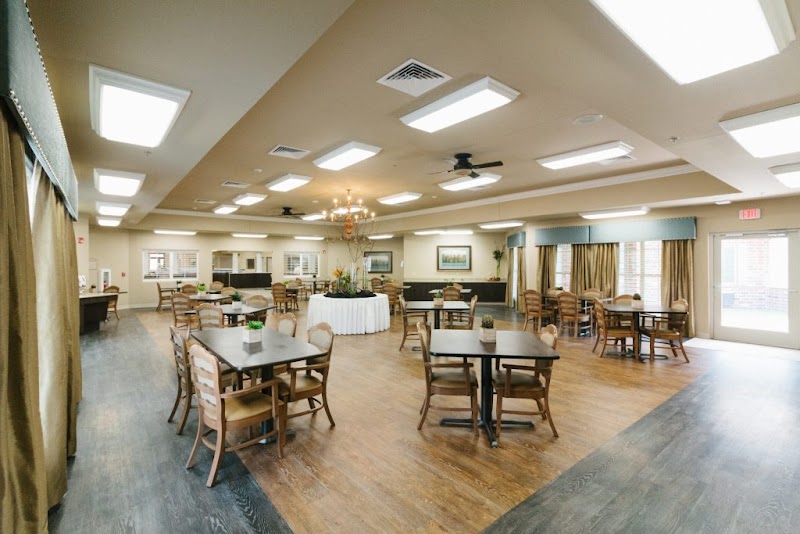
CMS rates AMBERWOOD HEALTH AND REHABILITATION's staffing level at 2 out of 5 stars, which is below average compared to other nursing homes. Staff turnover is 53%, compared to the Arkansas average of 46%.

What Have Inspectors Found at Amberwood?

State health inspectors documented 15 deficiencies at AMBERWOOD HEALTH AND REHABILITATION during 2022 to 2024. These included: 1 Immediate Jeopardy (the most serious level, indicating potential for serious harm or death) and 14 with potential for harm. Immediate Jeopardy findings are rare and represent the most serious regulatory concerns. They require immediate corrective action.
Who Owns and Operates Amberwood?

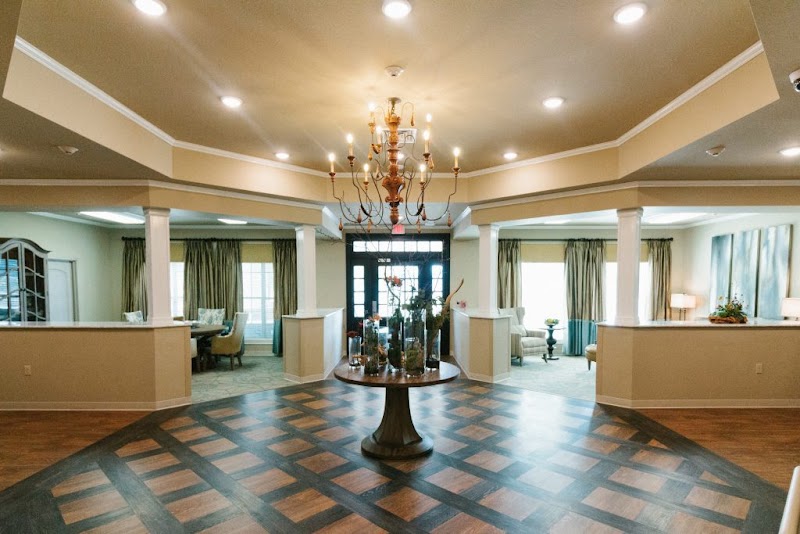
AMBERWOOD HEALTH AND REHABILITATION is owned by a for-profit company. For-profit facilities operate as businesses with obligations to shareholders or private owners. The facility is operated by ANTHONY & BRYAN ADAMS, a chain that manages multiple nursing homes. With 101 certified beds and approximately 95 residents (about 94% occupancy), it is a mid-sized facility located in BENTON, Arkansas.
How Does Amberwood Compare to Other Arkansas Nursing Homes?

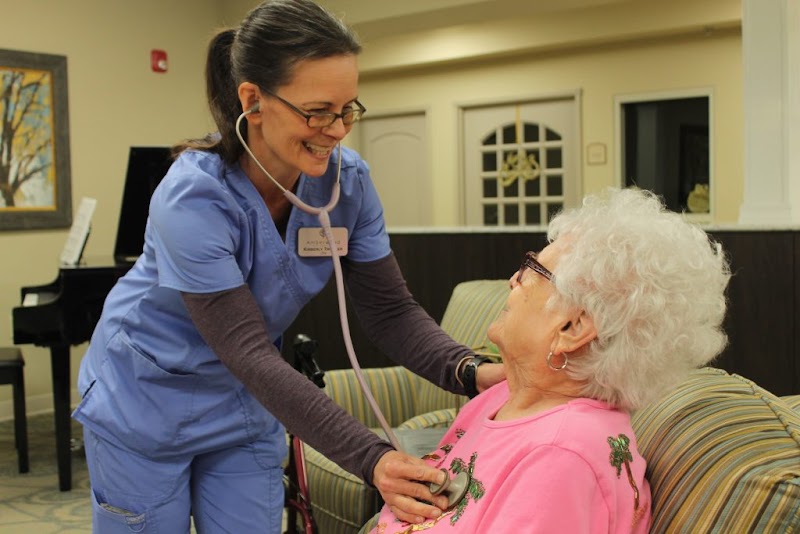
Compared to the 100 nursing homes in Arkansas, AMBERWOOD HEALTH AND REHABILITATION's overall rating (3 stars) is below the state average of 3.1, staff turnover (53%) is near the state average of 46%, and health inspection rating (3 stars) is at the national benchmark.

What Should Families Ask When Visiting Amberwood?

Based on this facility's data, families visiting should ask: "What changes have been made since the serious inspection findings, and how are you preventing similar issues?" "Can you walk me through typical staffing levels on day, evening, and night shifts?" "Can I visit during a mealtime to observe dining assistance and food quality?" "How do you handle medical emergencies, and what is your hospital transfer rate?" These questions are particularly relevant given the facility's Immediate Jeopardy citations and the below-average staffing rating.

Is Amberwood Safe?

Based on CMS inspection data, AMBERWOOD HEALTH AND REHABILITATION has documented safety concerns. Inspectors have issued 1 Immediate Jeopardy citation (the most serious violation level indicating risk of serious injury or death). The facility has a 3-star overall rating and ranks #100 of 100 nursing homes in Arkansas. Families considering this facility should ask detailed questions about what corrective actions have been taken since these incidents.

Do Nurses at Amberwood Stick Around?

AMBERWOOD HEALTH AND REHABILITATION has a staff turnover rate of 53%, which is 7 percentage points above the Arkansas average of 46%. Moderate turnover is common in nursing homes, but families should still ask about staff tenure and how the facility maintains care continuity when employees leave.

Was Amberwood Ever Fined?

AMBERWOOD HEALTH AND REHABILITATION has been fined $7,446 across 1 penalty action. This is below the Arkansas average of $33,153. While any fine indicates a compliance issue, fines under $50,000 are relatively common and typically reflect isolated problems that were subsequently corrected. Families should ask what specific issues led to these fines and confirm they've been resolved.

Is Amberwood on Any Federal Watch List?

AMBERWOOD HEALTH AND REHABILITATION is not on any federal watch list. The most significant is the Special Focus Facility (SFF) program, which identifies the bottom 1% of nursing homes nationally based on persistent, serious quality problems. Not being on this list means the facility has avoided the pattern of deficiencies that triggers enhanced federal oversight. This is a positive indicator, though families should still review the facility's inspection history directly.