HEARTLAND REHABILITATION AND CARE CENTER
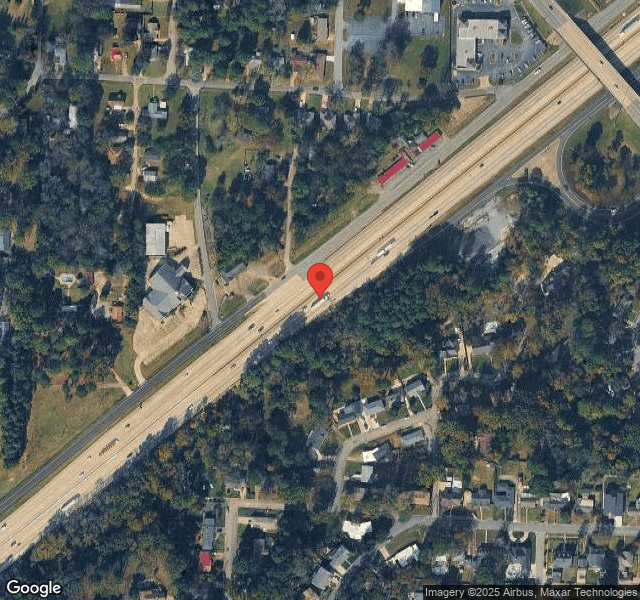

19701 INTERSTATE 30, BENTON, AR 72015 (501) 778-8200
For profit - Limited Liability company 140 Beds SOUTHERN ADMINISTRATIVE SERVICES Data: November 2025
Trust Grade
90/100
#17 of 218 in AR
Last Inspection: July 2025

Inspected within the last 6 months. Data reflects current conditions.

Overview

Heartland Rehabilitation and Care Center in Benton, Arkansas has received an excellent Trust Grade of A, indicating a high level of care and satisfaction among residents and families. It ranks #17 out of 218 facilities in the state, placing it in the top half, and #2 out of 6 in Saline County, meaning there is only one local facility rated higher. The facility is currently improving, having reduced its issues from 6 in 2024 to just 1 in 2025. Staffing is a relative strength, with a rating of 4 out of 5 stars and a turnover rate of 45%, which is slightly below the state average. While there have been no fines, recent inspections revealed some concerns, including improper food storage practices that could lead to foodborne illnesses and instances where dietary staff did not wash their hands properly before handling clean equipment. Additionally, there were safety concerns regarding unlocked mechanical rooms and bathrooms, which could pose risks to residents. Overall, while there are strengths in staffing and care quality, the facility must address these critical issues to enhance resident safety and hygiene practices.

Trust Score
A
90/100
In Arkansas
#17/218
Top 7%
Safety Record
Low Risk
No red flags
Inspections
Getting Better
6 → 1 violations
Staff Stability
⚠ Watch
45% turnover. Above average. Higher turnover means staff may not know residents' routines.
Penalties
✓ Good
No fines on record. Clean compliance history, better than most Arkansas facilities.
Skilled Nurses
⚠ Watch
Each resident gets only 29 minutes of Registered Nurse (RN) attention daily — below average for Arkansas. Fewer RN minutes means fewer trained eyes watching for problems.
Violations
⚠ Watch
11 deficiencies on record. Higher than average. Multiple issues found across inspections.
★★★★★
5.0
Overall Rating
★★★★☆
4.0
Staff Levels
★★★★☆
4.0
Care Quality
★★★★★
5.0
Inspection Score
Stable
2024: 6 issues
2025: 1 issues

The Good

  • 4-Star Staffing Rating · Above-average nurse staffing levels
  • 4-Star Quality Measures · Strong clinical quality outcomes
  • Full Sprinkler Coverage · Fire safety systems throughout facility
  • No fines on record

Facility shows strength in staffing levels, quality measures, fire safety.

The Bad

Staff Turnover: 45%

Near Arkansas avg (46%)

Higher turnover may affect care consistency

Chain: SOUTHERN ADMINISTRATIVE SERVICES

Part of a multi-facility chain

Ask about local staffing decisions and management

The Ugly 11 deficiencies on record

Jul 2025 1 deficiency
CONCERN (E)

Potential for Harm - no one hurt, but risky conditions existed

Food Safety (Tag F0812)

Could have caused harm · This affected multiple residents

Based on observation, interview, and facility policy review, the facility failed to ensure dietary staff washed their hands between dirty and clean tasks, and before handling clean equipment for one o...

Read full inspector narrative →
Based on observation, interview, and facility policy review, the facility failed to ensure dietary staff washed their hands between dirty and clean tasks, and before handling clean equipment for one of two meals observed. The findings include: During a concurrent observation and interview on 07/30/2025 at 8:51 AM, this surveyor observed Dietary Aide (DA) #1 push a cart of pitchers without gloves on, which contaminated her hands. Without washing her hands, DA #1 picked up a coffee bag and placed it into the coffee basket to prepare coffee for the residents for lunch. This surveyor asked DA #1 what she should have done after touching dirty objects and before handling clean equipment. DA #1 stated she should have washed her hands. During a concurrent observation and interview on 07/30/2025 at 9:54 AM, this surveyor observed DA #2 lift the trash can lid and throw away tissue paper without gloves on, which contaminated her hands. Without washing her hands, DA #2 picked up a bag of tea and placed it into a brew basket to brew and serve to the residents for lunch. This surveyor asked DA #2 what she should have done after touching dirty objects and before handling clean equipment. DA #2 stated she should have washed her hands. During a concurrent observation and interview on 07/30/2025 at 10:10 AM, this surveyor observed DA #1, without gloves, push a cart full of dirty dishes out of the way, which contaminated her hands. DA #1 picked up clean plates from the dish rack, placing her fingers on top of the plates where food would be placed. When she was ready to place the plates into the plate warmer, this surveyor asked DA #1 what she should have done after touching dirty objects and before handling clean equipment. DA #1 stated she should have washed her hands. During a concurrent observation and interview on 07/30/2025 at 10:30 AM, this surveyor observed DA #2 turn on the sink faucet to fill a pitcher without gloves on, then turn the water off, contaminating her hands. Without washing her hands, DA #2 picked up glasses by their rims and placed them on the counter. DA #2 then poured thickened liquid into the glasses to be served to the residents who required thickened liquid. DA #2 stated she should have washed her hands. During a concurrent observation and interview on 07/30/2025 at 12:14 PM, this surveyor observed Dietary [NAME] (DC) #3, without gloves on, pull her blouse down, contaminating her hands. Without washing her hands, DC #3 picked up a clean blade and attached it to the base of the blender to be used in pureeing food items to serve to the residents on pureed diets for lunch. DC #3 stated she should have washed her hands. A review of a facility policy titled, “Handwashing and Glove Usage in Food service,” indicated hands should be washed as often as possible, and that it was important to wash hands before starting to work, after leaving and returning to the prep area and after touching anything else such as dirty equipment and work surfaces, as often as needed during food preparation, and when changing tasks.
Apr 2024 6 deficiencies
CONCERN (D)

Potential for Harm - no one hurt, but risky conditions existed

ADL Care (Tag F0677)

Could have caused harm · This affected 1 resident

**NOTE- TERMS IN BRACKETS HAVE BEEN EDITED TO PROTECT CONFIDENTIALITY** Based on observation, interview, and record review, the facility failed to ensure residents received dental care to promote good...

Read full inspector narrative →
**NOTE- TERMS IN BRACKETS HAVE BEEN EDITED TO PROTECT CONFIDENTIALITY** Based on observation, interview, and record review, the facility failed to ensure residents received dental care to promote good hygiene and prevent nutritional and dental complications for 1 (Resident #14) sampled resident. This failed practice had the potential to affect 7 residents on 400-Hall that require complete dental assistance. The findings are: 1. Resident #14 had diagnoses of Cerebral infarction, Absence of right leg below the knee, and Type II diabetes mellitus with foot ulcer. The Quarterly Minimum Data Set [MDS] with an Assessment Reference Date [ARD] of 01/19/2024 indicated a Brief Interview for Mental Status [BIMS] score of 15 (13-15 suggest cognitively intact). Resident #14 required maximum assistance for eating, oral hygiene, dressing and personal hygiene. Resident #14 is dependent for toileting and bathing. a. On 04/22/2024 at 11:43 AM, the Surveyor observed an off white, and a blue and white, toothbrush resting on the bathroom sink behind the faucet, and the blue and white brush is above the faucet with bristles touching the porcelain. Resident #14 said that staff is responsible for brushing his/her teeth. Resident #14 was unable to identify resident's toothbrush. b. On 04/23/2024 at 09:39 AM, the Surveyor observed an off-white toothbrush resting behind the bathroom faucet, and a blue and white brush resting above the faucet with bristles touching the porcelain. The toothbrushes appear to be in the same position as yesterday. Resident said no when asked if staff assist in brushing teeth in the morning, after meals or at bedtime. Resident #14 was asked who brushes his/her teeth and he/she said, [family member] does. The Surveyor asked if [family member] comes daily and brushes his/her teeth and Resident #14 said, On weekends. c. On 04/24/2024 at 01:00 PM, Certified Nursing Assistant (CNA) #4 was asked to accompany the Surveyor to room [ROOM NUMBER]-B and assist in identifying toothbrushes. CNA #4 told the Surveyor that she sees two toothbrushes making contact with the sink and did not know which toothbrush belonged to Resident #14. The Surveyor asked what procedure was normally used to store toothbrushes and CNA #4 said the facility has plastic toothbrush holders, and they can write the residents name on it for them. CNA #4 told the Surveyor that residents should be offered assistance brushing their teeth after meals, at bedtime, and as they need or want it done. The Surveyor asked if residents family assisted her with dental care how often would that be based on when they visit. CNA #4 said [family member] visits on Sundays. d. On 04/24/2024 at 02:58 PM, the Director of Nursing (DON) was asked who is responsible for assisting residents with dental care, and how often that service should be provided. The DON said CNAs should provide dental care on a regular basis, after meals, bedtime, and as needed, but anyone that is available should assist. DON said, It is an activity of daily living [ADL], and we are here to assist with it. The DON said they did not have an activity of daily living policy but could provide an in-service. e. On 04/24/2024 at 03:21 PM, the DON provided an in-service titled Oral and Dental (dated, 04/13/2023) documenting .Oral Hygiene Importance Proper oral hygiene and dental care are vital to the health and wellbeing of the nursing home resident .Why is Oral Care Neglected? Staff not paying attention to residents' individual needs .Best Practices-Oral Care . Should be done at least twice a day .
CONCERN (D)

Potential for Harm - no one hurt, but risky conditions existed

Deficiency F0692 (Tag F0692)

Could have caused harm · This affected 1 resident

**NOTE- TERMS IN BRACKETS HAVE BEEN EDITED TO PROTECT CONFIDENTIALITY** Based on observation, interview, and record review, the facility failed to ensure ice packs were maintained in cooler bags at th...

Read full inspector narrative →
**NOTE- TERMS IN BRACKETS HAVE BEEN EDITED TO PROTECT CONFIDENTIALITY** Based on observation, interview, and record review, the facility failed to ensure ice packs were maintained in cooler bags at the bedside for residents on thickened liquids to ensure fluids were appetizing for the residents to help prevent dehydration and weight loss. This failed practice had the ability to affect two residents on 400-Hall on thickened liquids. The findings are: Resident #39 had diagnoses of Dysphagia, Chronic obstructive pulmonary disease, and Dementia. The Quarterly Minimum Data Set [MDS] with an Assessment Reference Date [ARD] of 03/30/2024 documented a Brief Interview for Mental Status [BIMS] score of 6 (0-7 suggest severe cognitive impairment). Resident #39 required set up assistance with meals. A Physician Orders (Dated, 07/20/2023) documented, .Super calorie diet Pureed texture, Nectar consistency . A Care Plan (Revised, 10/10/2023) documented, .[Resident #39] has difficulty swallowing related to dysphagia and at risk for weight loss. Ensure that resident receives nectar thickened liquids as ordered . Resident #39 had potential for nutritional deficits related to meal consumption varies . Resident #39 will receive adequate nutrition as evidenced by weight stable. (Revision on: 7-20-23) super calorie diet with pureed texture and nectar thick . On 04/22/2024 at 11:21 AM, in room [ROOM NUMBER] the Surveyor observed a blue cooler bag containing about an inch of room temperature water, 2- 4 oz thicken lemon waters, and 1- 4 oz thicken cranberry cocktails on a bedside table beside Resident 39's recliner. There is no hydration in reach of the bedside. On 04/22/2024 at 01:15 PM, Certified Nursing Assistant (CNA) #5 was overheard offering to place an unopened 4 oz container of thickened Tea in the cooler bag for later. The Surveyor asked CNA #5 to check the closed blue cooler bag and CNA confirmed there is melted water, and no ice pack. The CNA confirmed that ice packs are supposed to be checked every morning. On 04/24/2024 at 12:55 PM, the Surveyor was visiting with Resident 39 and observed 4-4 oz thickened tea, 4-40 thickened lemon waters, and 2-4 oz thickened cranberry cocktails without dates. There is about an inch of room temperature water resting in the bottom of the cooler bag, and no ice pack. Resident #39 told the surveyor he prefers his drinks to be cold, but not icy or warm. On 04/24/2024 at 02:05 PM, CNA #4 was asked to accompany the Surveyor to room [ROOM NUMBER] and check the blue cooler bag resting on a table across from Resident 39's bed. The Surveyor asked what process is used to maintain ice packs and drinks in the cooler bag. CNA #4 told the Surveyor that when staff rounds the halls everyone is supposed to check for ice packs and thickened liquids in the coolers, because residents are more likely to drink fluids if they are cool. CNA #4 reported that thickened liquids are provided by the kitchen, and occasionally if a resident does not drink what is on their tray it may go into a cooler bag. On 04/24/2024 at 02:29 PM, the Director of Nursing (DON) was asked who is responsible for maintaining the ice packs and coolers in resident rooms to maintain hydration, and the DON said Restorative is supposed to round and check them every morning after breakfast. Any staff member that opens a cooler bag and finds that it needs ice or thickened liquids is expected to fix it for the resident. The DON said they do not have a hydration policy to address thickened liquids at the bedside, and the kitchen does not put dates on the 4 oz containers, because they go by the expiration date.
CONCERN (D)

Potential for Harm - no one hurt, but risky conditions existed

Respiratory Care (Tag F0695)

Could have caused harm · This affected 1 resident

**NOTE- TERMS IN BRACKETS HAVE BEEN EDITED TO PROTECT CONFIDENTIALITY** Based on observation, interview, and record review, the facility failed to date humidifier bottles to ensure nursing staff chang...

Read full inspector narrative →
**NOTE- TERMS IN BRACKETS HAVE BEEN EDITED TO PROTECT CONFIDENTIALITY** Based on observation, interview, and record review, the facility failed to date humidifier bottles to ensure nursing staff changed humidifier bottles weekly to prevent respiratory infections. This failed practice had the potential to affect 2 residents living on 400 Hall using oxygen with humidifier bottles. The findings are: 1. Resident #59 had diagnoses of Cerebrovascular disease, Pressure ulcer of the sacral region, and Schizophrenia. The Quarterly Minimum Data Set [MDS] with an Assessment Reference Date [ARD] of 04/04/2024 indicated a Brief Interview for Mental Status score [BIMS] of 14 (13-15 indicates cognitively intact). a. A Care Plan (Revision, 03/27/2024) documented, .administer oxygen as ordered, change all disposable respiratory equipment clean/replace filter every Sunday night shift and bag and date . b. On 04/22/2024 at 11:32 AM, the Surveyor observed Resident #59 receiving 2 liters of oxygen via nasal cannula and an undated humidifier bottle. c. On 04/23/2024 at 10:20 AM, the Surveyor observed Resident #59 receiving 2 liters of oxygen via nasal cannula, with tubing dated 04/22/2024, and a humidifier bottle that is not dated. d. On 04/23/2024 at 03:13 PM, Resident #59 was receiving 2 liters of oxygen via nasal cannula using a humidifier bottle that was not dated. e. On 04/24/2024 at 02:12 PM, Licensed Practical Nurse (LPN) #1 was asked to accompany the Surveyor to room [ROOM NUMBER] and assist in checking the humidifier bottle for a date. LPN #1 removed the humidifier bottle and looked on all sides. LPN #1 told the Surveyor that it's not dated. The Surveyor asked what process was used when changing a humidifier bottle. LPN #1 confirmed that the humidifier bottle should be changed every 7 days, on Sunday, and the humidifier bottle should be dated. When the Surveyor asked why staff were expected to date humidifier bottles LPN #1 told the Surveyor to make sure the same bottle is not there over a week, or 7 days. f. On 04/24/2024 at 02:29 PM, the Director of Nursing (DON) was asked by the Surveyor to describe the process for changing out humidifier bottles on an oxygen concentrator. The DON reported that staff are expected to change humidifier bottles every 7 days, on Sunday nights. The DON was asked to provide the facility's oxygen policy. g. On 04/24/2024 at 03:59 PM, the DON provided a policy titled Oxygen Administration documenting, .Care and Use of Disposable Humidifiers: a. Change prefilled disposable humidifiers weekly .
CONCERN (E)

Potential for Harm - no one hurt, but risky conditions existed

Accident Prevention (Tag F0689)

Could have caused harm · This affected multiple residents

Based on observation, interview, and record review, the facility failed to ensure mechanical closets to the electrical and air conditioning rooms were locked to prevent residents from entering. The fa...

Read full inspector narrative →
Based on observation, interview, and record review, the facility failed to ensure mechanical closets to the electrical and air conditioning rooms were locked to prevent residents from entering. The facility failed to lock a private bathroom on 400 Hall that did not have a call light or pull cord light to allow residents to call for assistance which had the potential to affect 9 400-Hall residents that can ambulate or self-propel and failed to transfer residents in an appropriate manner to prevent falls or injuries. The findings are: 1. On 04/22/2024 at 09:59 AM, the Surveyor observed a door labeled Mechanical Room slightly ajar on the front, right hand side of 400 Hall. The Surveyor opened the door and observed air conditioning equipment, boxes on the floor, and a rolling cart of tools. The Surveyor exited the room and walked across the hall to another unlocked door labeled Mechanical Room with air conditioning and light equipment. 2. On 04/24/2024 at 01:40 PM, the Surveyor asked to speak with the Maintenance Supervisor, and he identified 400 Hall Mechanical Rooms as the air conditioning and electrical rooms. The Surveyor asked if it was their procedure to leave the mechanical room doors unlocked and/or open. The Maintenance Supervisor said that the doors are supposed to remain locked so that residents cannot get into the air conditioner or electric panels because it is hazardous. 3. On 04/24/2024 at 02:20 PM, the Surveyor spoke with the Director of Nursing (DON) and asked what the procedure was for safely maintaining mechanical or maintenance closets in the facility. The DON told the Surveyor that no maintenance or mechanical closets in the building should be left open or unlocked at any time. 4. On 04/24/2024 at 01:16 PM, the Surveyor observed a door marked Private Restroom on 400 Hall, with the door slightly ajar. The Surveyor observed a toilet on the right, sink, boxes stacked against the wall to the right of the toilet containing clear fluid in jugs, and the Surveyor noted there was no call light button or pull cord in the private bathroom. a. On 04/24/2024 at 01:46 PM, Licensed Practical Nurse (LPN) #1 was asked to accompany the Surveyor to 400 hall, and the Surveyor pointed out the open door labeled Private Restroom. LPN #1 told the Surveyor that LPN #1 did not know there was a bathroom on 400 Hall. The Surveyor asked if a 400-Hall resident fell in the bathroom what procedure how would the resident get assistance. LPN #1 said they would not be able to use a call button or pull cord because there was not one so they would not be able to call for assistance. LPN #1 confirmed the bathroom door should be kept locked. b. On 04/24/2024 at 02:25 PM, the Director of Nursing (DON) was asked what procedure residents use if they fell in a private bathroom without a pull cord or call light button. The DON told the Surveyor there is supposed to be a pull cord light in any bathroom. If a resident is on the floor, they cannot reach us, and a pull cord should be assessable standing, sitting, or lying in the floor for residents. The DON confirmed they do not have a mechanical closet, call light or bathroom policy. 3) On 02/22/2024 at 12:48 PM, Certified Nursing Assistant (CNA) #1 entered Resident #30's room. CNA #1 did not have a gait belt to use for transferring Resident #30 from wheelchair to bed. CNA #1 placed arms underneath Resident #30 s' arms then with left hand held onto back of Resident #30 s' pants as Resident #30 was lifted from the wheelchair. As CNA #1 turned to the left, Resident #30 was not close enough to the edge of the bed. CNA #1 realized this as Resident #30 was unable to be placed on the edge of the bed. CNA #1 attempted three times to place resident on the bed. With each attempt to place Resident #30 on the edge of the bed, CNA #1 would try to take a step towards the bed unsuccessfully. The third attempt Resident #30 became weak legged and assisted to the floor. After assisting Resident #30 to the floor, CNA #1 then used a cell phone to call for help. After Resident #30 was on the floor, the Surveyor saw MDS/LPN #1 exit the MDS office. Survey informed MDS/LPN #1 that CNA #1 needed help with Resident #30. CNA #2 came into room carrying a gait belt. Resident #30 was placed back into the wheelchair. CNA #30 placed the gait belt around Resident #30's waist and threaded the end through the metal teeth to secure the gait belt. Resident #30 was then transferred to the bed. A. On 04/24/2024 at 08:10 AM, the Social Worker confirmed that a gait belt was required when transferring a resident from wheelchair to bed. The gait belt is part of the uniform. B. On 04/24/2024 at 9:09 AM, CNA #2 confirmed that a gait belt was required when transferring a resident from wheelchair to bed. C. On 04/24/2024 at 9:12 AM, LPN #2 confirmed a gait belt is kept on the linen cart, that Resident #30 is a 2 person assist from the ADL sheet, and that the gait belt is used to not pull on the resident's arms. D. On 04/24/2024 at 11:00 AM, the DON provided the following: 1) Resident Transfers Inservice and Clinical Check Offs dates: 05/03/2023; 08/21/2023; 12/13/2023; and 03/23/2024. 2) Gait Belt Competency Skills Checklist which states Understand that using a gait belt improves patient safety .Using gait belts ca help prevent staff injury and provides a secure point for staff to hold onto the patient while assisting with transfers and ambulation .Applying and Using the Gait Belt: Wrap gait belt around the patient at waist level.; Pull strap through buckle and adjust so it is snug but not uncomfortable making sure o can place your hand between the patient and the belt .Position yourself on the strong side of the patient ( on the weaker side if a cane or walker will be used.); Slide your hands upwards beneath the belt.; Help the patient to a standing position. Patient should stand fully erect with shoulders back and looking forward.; Position yourself to the side and slightly behind the patient.; Assist with transfer or ambulation . 3) Transfer Activities which states .Procedure: Transfer from bed to wheelchair 1. Obtain assistance of another individual if necessary for safe transfer .Apply transfer belt snugly around the resident's waist, positioning the buckle off center. Tuck excess strap under the belt. Grasp the belt from underneath to provide support during the transfer .Hold the transfer belt from underneath straighten your hips and legs slightly and lift the client to a standing position on a count of three . E. On 04/24/2024 at 4:50 PM, the DON confirmed that a gait belt had not been used on Resident #30.
CONCERN (E)

Potential for Harm - no one hurt, but risky conditions existed

Deficiency F0804 (Tag F0804)

Could have caused harm · This affected multiple residents

Based on observation, interview, and record review, the facility failed to ensure meals were served in a method that maintained the appearance pureed food items and of hot food product and at temperat...

Read full inspector narrative →
Based on observation, interview, and record review, the facility failed to ensure meals were served in a method that maintained the appearance pureed food items and of hot food product and at temperatures that were acceptable to the residents to improve palatability and encourage good nutritional intake during 2 of 2 meals observed. This failed practice had the potential to affect 19 residents who receive meal trays in their rooms on the 100- Hall, 5 residents who receive meal trays on the 200- Hall, 4 residents who receive meal trays in their room on the 300- Hall, 14 residents who receive meal trays on 400- Hall. The findings are: 1. Resident #18 had diagnoses of End stage renal disease, Malnutrition, and Metabolic encephalopathy. The Annual Minimum Data Set (MDS) with an Assessment Reference Date (ARD) of 03/09/2024 documented that the resident scored 15 (13-15 indicates cognitively intact) on the Brief Interview for Mental Status (BIMS). The care plan with a revision date of 03/18/2024 documented, .Problem: (Resident #18) has an ADL (Activities of Daily Living) self-care performance deficit r/t (related to) old CVA (Stroke) .Approaches/Tasks: .o Eating: Resident requires set-up assistance with meals/eating . A physician's order dated 02/16/2024 documented, .[named brand of super calorie shakes] (Super calorie) diet Regular texture, Thin consistency, for add 2 shakes at lunch and dinner prefers vanilla . On 04/23/2024 at 09:27 AM, the Surveyor asked Resident #18, How is the food that you receive here at the facility? Resident #18 stated, The food is not good. The Surveyor asked Resident #18, What is specifically wrong with the food? The Resident stated, It is usually cold, and it does not taste good. 2. On 04/24/2024 at 12:26 PM, an unheated food cart that contained trays for lunch trays was delivered to the 300 -Hall, by Certified Nursing Assistant (CNA) #2. At 12:39 PM, immediately after the last resident was served in their room on 300 -hall, temperature of the food items on the tray used as test trays were taken and read by the Dietary supervisor with following result: Lasagna with meat sauce 110 degrees Fahrenheit. 3. On 04/24/2024 at 12:30 PM, an unheated food cart that contained trays for lunch trays was delivered to the 100- Hall by the CNA #3. At 12:41 PM, immediately after the last resident was served in their room on 100 Hall, temperature of the food items on the tray used as test trays were taken and read by the Dietary Supervisor with following result: Lasagna with meat sauce 111 degrees Fahrenheit. 4. On 04/25/2024 at 07:20 AM, an unheated food cart that contained trays for breakfast trays was delivered to the 400 -Hall, by the CNA #3. At 07:58 AM, immediately after the last resident was served in their room on 400 -Hall, temperature of the food items on the tray used as test trays were taken and read by the Dietary Supervisor with following result: a. Pureed scrambled eggs 105 Degrees Fahrenheit. b. Pureed sausage 102 degrees Fahrenheit. c. Pureed oatmeal 108 degrees Fahrenheit. d. Scrambled eggs 110 degrees Fahrenheit. 5. On 04/25/2024 at 07:30 AM, the following pans that contained pureed diets food items were on the steam table: a. A pan of pureed sausage. The appearance was runny. b. A pan of pureed oatmeal. The appearance was runny. c. A pan of French toast. The appearance was running. d. A pan of pureed eggs. When plated by the Dietary Supervisor to serve to the residents who required pureed diets for breakfast. All pureed food items ran together. 6. On 04/25/2024 at 07:33 AM, the Surveyor asked CNA #1, who was assisting residents in the dining room, to describe the appearance of the pureed diets served to the residents who required pureed diets for breakfast. She stated, They don't look good. They were running together. 7. On 04/25/2024 at 07:34 AM, the Surveyor asked CNA #2, who was assisting residents in the dining room, to describe the appearance of the pureed diets served to the residents who required pureed diets for breakfast. CNA #2 stated, I wouldn't eat it. They shouldn't be running together. CNA #3 stated, They ran together. 8. On 04/25/2024 at 07:36 AM, the Surveyor asked CNA #4, who was assisting residents in the dining room, to describe the appearance of the pureed diets served to the residents who required pureed diets for breakfast. CNA #2 stated, They ran together. I wouldn't eat it. 9. On 04/25/2024 at 07:55 AM, an unheated food cart that contained trays for lunch trays was delivered to the 100 -Hall, by CNA #7. At 08:09 AM, immediately after the last resident was served in their room on 100- hall, temperature of the food items on the tray used as test trays were taken and read by the Dietary supervisor with the following result: a. Scrambled eggs 110 degrees Fahrenheit. b. sausage 99 degrees Fahrenheit. 10. On 04/25/2024 at 08:15 AM, the Surveyor asked the Dietary Supervisor to describe the appearance of pureed food items served to the residents for breakfast. She stated, They could had been thickened a little.
CONCERN (F)

Potential for Harm - no one hurt, but risky conditions existed

Food Safety (Tag F0812)

Could have caused harm · This affected most or all residents

Based on observation, interview, and record review, the facility failed to ensure foods stored in the freezer and dry storage area were covered, sealed, dated, and were stored in to prevent potential ...

Read full inspector narrative →
Based on observation, interview, and record review, the facility failed to ensure foods stored in the freezer and dry storage area were covered, sealed, dated, and were stored in to prevent potential food borne illness for resident who received meals from 1 of 1 kitchen, expired food items were promptly removed from stock to prevent potential food borne illness for residents who received meal trays from 1 of 1 kitchens, and dietary staff washed their hands before handling clean equipment and food items to prevent potential food borne illness for residents. The failed practices had the potential to affect 66 residents who receive meals from the kitchen. The findings are: 1. On 04/24/2024 at 12:50 PM, the following items were noted on a shelf in the freezer, there were no dates of when the food items were received or when opened: a. An opened box of cheese omelets. The bag was not sealed or dated when opened. b. An opened box of egg patties. The box was not covered, sealed, or dated when opened. c. An opened box steak fingers. There was no open date on the box. d. An opened box of chocolate chip cookies. The box was not covered or sealed. e. An opened box of bread sticks. The box was not covered or sealed. 2. On 04/24/2024 at 12:30 PM, the following observations were made on the bread rack and on the rack in the storage room: a. There were 13 bags with 8 counts of hot dog buns in each bag on the bread rack with an expiration date of 04/24/2024. b. A bag of bread was on the bread rack with an expiration date of 04/19/2024. c. A box of tea leaves on the rack had an expiration date of 02/05/2023. d. Four of 4 -46 fluid ounce cartons of nectar lemon flavor were on the rack with an expiration date of 04/03/2024. 3. On 04/24/2024 at 04:27 PM, Dietary Employee (DE) #1 was wearing gloves on her hands when she picked up bags of sandwich buns and placed them on the counter. DE #1 untied a bag of sandwich buns that were on the counter, contaminating the gloves on her hands. Without changing gloves and washing her hands, DE #1 removed buns from the bag, placed them into a pan to be used in pureeing barbeque sandwiches to be served to the residents who required pureed diets for supper meal. At 04:30 PM, the DE #1 removed gloves from her hands. Without washing her hands, she picked a clean blade and attached it to the base of the blender to be used in pureeing food items to be served to the residents who required pureed diets. At 04:31 PM, as DE #1 was about to place diced chicken into a blender, to be ground and use in making barbeque sandwiches to be served to the residents on mechanical soft diets, the Surveyor immediately stopped DE #1 and asked, Should you have done after touching dirty objects equipment and before handling food items? DE #1 stated, I should have washed my hands. 5. A facility policy titled Handwashing and Glove Usage in Food Service documented, Food handlers must wash their hands: Before starting work .After leaving or returning to the kitchen prep area and after touching anything else such as dirty equipment and work surfaces.
Apr 2023 3 deficiencies
CONCERN (D)

Potential for Harm - no one hurt, but risky conditions existed

Deficiency F0569 (Tag F0569)

Could have caused harm · This affected 1 resident

**NOTE- TERMS IN BRACKETS HAVE BEEN EDITED TO PROTECT CONFIDENTIALITY** Based on record review and interview the facility failed to convey within 30 days the resident's funds, and a final accounting o...

Read full inspector narrative →
**NOTE- TERMS IN BRACKETS HAVE BEEN EDITED TO PROTECT CONFIDENTIALITY** Based on record review and interview the facility failed to convey within 30 days the resident's funds, and a final accounting of those funds, to the resident, or in the case of death, the individual or probate jurisdiction administering the resident's estate, in accordance with State law, upon the death of 2 Residents (#125 and #126) who had personal funds deposited with the facility. The findings are: The Review of the Trust Account Documentation provided by the Business Office Manager (BOM) on 04/04/23 at 3:00 pm revealed that Resident #125 had a trust balance of $1723.61 and Resident #126 had a trust balance of $224.13. The Record Review completed on 04/04/23 at 3:30pm revealed that Resident #125 was admitted to the facility on [DATE]. She had a Durable Power of Attorney signed and notarized on 07/23/20 on file with the facility. A document titled Record of Death stated that her date of death was 10/02/22. The Record Review completed on 04/04/23 at 3:45pm revealed that Resident #126 was admitted to the facility on [DATE]. She had a [family member] who was the responsible party during her stay at the facility. She was admitted to the hospital on [DATE]. On 02/21/22 at 13:25 [1:25] stated that the hospital notified the facility of her death. The Progress Note completed by the Social Services Director on 03/08/22 at 10:58am stated that her [family member] (responsible party) notified the facility and directed Social Services to contact her [family member] and arranged for her belongings to be picked up . On 04/05/23 at 8:45am., the Surveyor asked the BOM, How long should the facility keep a resident's funds in a trust account after the resident has discharged from the facility? The BOM stated, It should be refunded within 30 days. The Surveyor asked, Can you tell me why Resident #125 and Resident #126 have funds in a trust account? The BOM stated, I was told there is not a beneficiary on file. The Surveyor asked, If a resident has a responsible party or a durable power of attorney should they receive the funds left in the trust account when a resident passes away? The BOM stated, Yes.
CONCERN (D)

Potential for Harm - no one hurt, but risky conditions existed

Respiratory Care (Tag F0695)

Could have caused harm · This affected 1 resident

Based on Observation, Interview and Record Review the facility failed to place signage on a resident's entry way to identify the use of Oxygen by the resident, for 1 (#226) of 6 (#11, #15, #33, #57, #...

Read full inspector narrative →
Based on Observation, Interview and Record Review the facility failed to place signage on a resident's entry way to identify the use of Oxygen by the resident, for 1 (#226) of 6 (#11, #15, #33, #57, #63 and #226) sampled residents who received Supplemental Oxygen. The findings are: 1.Resident #226 had diagnoses of Malignant Neoplasm of transverse Colon, Malignant Neoplasm of Right Lung, and Malignant Neoplasm of Left Lung. The admission Minimal Data Set (MDS) with an Assessment Reference Date (ARD) of 03/27/23 documented a Brief Interview for Mental Status (BIMS) of 15 (13-15 cognitively intact), required one person assist with bathing, personal hygiene, dressing, supervision with setup only for bed mobility, transfers, walk in room and corridors, locomotion on and off unit, eating and toilet use, and received supplemental oxygen. a. The Physician's Order dated 03/18/23 documented, .Oxygen at 2 Liters Per Milliliter [LPM] via nasal cannula as needed every shift b. The Physician's Order dated 03/19/23 documented, .Change all disposable respiratory equipment and clean/replace filters every night shift every Sun [Sunday] . c. The Care Plan dated 03/20/23 documented, .Administer Oxygen as needed at 2 liters per nasal canula . Licensed Practical Nurse (LPN) to change all disposable respiratory equipment and clean/replace filter every Sunday night shift . d. On 04/03/23 at 10:34 AM., Resident #226 was sitting on the side of his bed with the Nasal Canula connected to an Oxygen Concentrator that was not running. He asked the Surveyor, Would you turn on my oxygen? It should be at 2 liters. The concentrator was not running but power switch was in the on position. The Treatment Nurse was notified, and she was able to switch the plug that the concentrator was connected to, and it powered on. There was no signage on his door or doorway indicating that Oxygen was in use and the precautions to follow on 04/04/23, 04/05/23, or 04/06/23. e. On 04/06/23 at 3:45 PM., the Surveyor asked LPN #1, Who is responsible for setting up the resident's room for a resident who requires Supplemental Oxygen? LPN #1 responded, The nurse. The Surveyor asked, What precautions are needed for a resident who requires Oxygen and how do you indicate that? LPN #1 stated, They need a No Smoking sign, Oxygen in Use Sign. The Surveyor asked, Who is responsible to make sure an Oxygen sign is in place? LPN #1 stated, All of us nurses. The Surveyor asked, What could happen if an Oxygen in use sign is not in place? LPN #1 stated, They could try to smoke and blow up. Someone could light a match. f. On 04/06/23 at 3:50 PM., the Surveyor asked the Director of Nursing (DON), Who is responsible for preparing a resident's room for Oxygen use? The DON stated, The nurses, usually the admission Nurse, but we all do it. The Surveyor asked, What precautions are needed if oxygen is used in an area? The DON stated, The area the oxygen is stored in is identified with a sign, a no smoking sign, if it's in cylinders they have to be secured so they don't tip over, has be stored off the ground. The Surveyor asked, What could happen if the precautions weren't in place? The DON stated, Someone could cause it to explode. The DON came to the Surveyor at 4:15 PM and stated, This is a Non-Smoking Facility, there are signs for no smoking at the front entrance and one going out the smoking area that indicates no Oxygen use. g. The facility policy titled, Procedure Guidelines for Administering Oxygen by Nasal Cannula, provided by the DON on 04/06/23 at 4:40 PM documented, .Post NO SMOKING signs on the patient's door and in view of the patient and visitors .
CONCERN (D)

Potential for Harm - no one hurt, but risky conditions existed

Deficiency F0698 (Tag F0698)

Could have caused harm · This affected 1 resident

**NOTE- TERMS IN BRACKETS HAVE BEEN EDITED TO PROTECT CONFIDENTIALITY** Based on observation, record review, and interview, the facility failed to ensure ongoing communication and collaboration with t...

Read full inspector narrative →
**NOTE- TERMS IN BRACKETS HAVE BEEN EDITED TO PROTECT CONFIDENTIALITY** Based on observation, record review, and interview, the facility failed to ensure ongoing communication and collaboration with the Dialysis Facility for 1 (Resident #17) reviewed for End Stage Renal Disease/Dialysis services, according to a list provided by Director of Nursing (DON) on 04/06/23. The findings are: 1. Resident #17 was admitted on [DATE] with diagnoses of End Stage Renal Disease, Anxiety Disorder, Essential Hypertension, Anemia, And Dependence On Renal Dialysis. The Medicare Minimum Data Set (MDS) with an Assessment Reference Date (ARD) of 02/02/23 documented a score of 10 (8-12 indicates moderate impairment) on the Brief Interview for Mental Status (BIMS). Resident needs extensive assist of one person with toileting and eating and is totally dependent on 2 persons for transfers. a. During a review of Resident #17's Electronic Health Record (EHR) on 04/06/23 at 3:11 PM, the Surveyor was unable to locate any lab results in the record that had been completed in the Dialysis Unit or communication of lab results that were completed in the Nursing Facility with an order date of 02/09/23, per Progress Note: Licensed Practical Nurse (LPN) notified on call Physician of Potassium level and orders received from Physician to treat low Potassium. The Surveyor was unable to locate the communication between the facility and the Dialysis Center. b. The Physician's Order with an order date of 03/27/23 documented, . DIALYSIS - 3X [times] week 0530 [5:30] M, W, F [Monday, Wednesday, Friday] @ [at] [Dialysis Center] . Review of the record showed no Dialysis communication forms, or dialysis treatment run sheets, which provide communication between the nursing facility and the dialysis facilities. c. On 04/06/23 at 2:45 PM., the Surveyor asked LPN #2, Where are the communication notes or collaboration notes that are done between the Dialysis Center and the Facility on the days Resident #17 goes to Dialysis? She replied, Here is the resident's binder for the Dialysis. The Surveyor looked in the binder and there were only 2 documents in the binder, the Face Sheet for admission to the Nursing Facility and Resident #17's Code Status Form documenting that the resident was a full code. No other information was in the file. The Surveyor asked, Is this all that is here? She stated, Well that is just her Face Sheet and code status information, it has nothing else, that does not help at all. d. On 04/06/23 at 3:00 PM., the Surveyor asked the DON for the communication notes used between the Dialysis Center and the Facility for Resident #17. The DON replied, We don't have any communication notes, I don't know what they are doing, we use to get those dialysis cards after the treatments. Those forms in the binder for her dialysis are not even the forms we would use; I don't know why they are even in there. I don't see the lab information in the EHR from the Dialysis Center, but I can get them for you. e. On 04/06/23 at 3:15 PM., the Surveyor asked the Activities Director/Transport Certified Nurse's Assistant, When a resident is taken to and from Dialysis Center, do you receive any documentation from the center regarding how the resident tolerated Dialysis for that day or care card reports? She stated, No, I take her in the front lobby and then they take her back and when I go back to get her, they have her out in the lobby ready to go and they don't give me anything. f. On 04/06/23 at 4:10 PM., a copy of Guidance titled Dialysis 42 C.F.R. 483.25(I) provided to the Surveyor stated, .The Nursing Facility will consult Lippincott Nursing Manual, 2014 10th [tenth] edition as the guide for matters relating to the provision of Dialysis services and follow Physician's Orders . The DON stated, We don't have a policy, we use the Lippincott Nursing Manual as a guide. g. On 04/07/23 at 8:45 AM., the Surveyor asked the Administrator, Who is responsible for the lab results communication and daily dialysis collaboration notes for the dialysis residents? The Administrator stated, That is going to be our new Assistant Director of Nursing we have hired. The Surveyor asked, If the Dialysis Center and the facility does not have ongoing communication and collaboration with each other, how could that affect the resident? The ADON stated, Well it is not the best interest of the resident, and their care.
Mar 2023 1 deficiency
CONCERN (D) 📢 Someone Reported This

A family member, employee, or ombudsman was alarmed enough to file a formal complaint

Potential for Harm - no one hurt, but risky conditions existed

Pressure Ulcer Prevention (Tag F0686)

Could have caused harm · This affected 1 resident

Based on observation, interview, and record review the facility failed to ensure pressure ulcers were treated according to Physician Orders. This failed practice had the potential to affect 1 (Residen...

Read full inspector narrative →
Based on observation, interview, and record review the facility failed to ensure pressure ulcers were treated according to Physician Orders. This failed practice had the potential to affect 1 (Resident #1) of 3 (#1, #2, #3) case mix residents. The findings are: 1. Resident #1 had diagnoses of Quadriplegia and Pressure Ulcer of Sacral Region. The Quarterly Minimum Data Set (MDS) with an Assessment Reference Date (ARD) of 03/07/23 documented the resident scored 15 (13-15 indicates cognitively intact) on a Brief Interview for Mental Status (BIMS), required extensive to total assistance with Activity of Daily Living (ADL)s, and had 3 Unhealed Stage 4 Pressure Ulcers. a. The Physician's Order with a revision date of 03/05/23 documented, .Coccyx: Cleanse with wound cleanser/pat dry. Apply Collagen to wound bed followed by Calcium Alginate. Cover with dry absorbent dressing. Change MWF [Monday, Wednesday, Friday] and PRN for soiling/saturation. Every 8 hours as needed for wound care . b. The Wound Care Orders dated 03/16/23 and scanned into Resident #1's Electronic Medical Record (EMR) titled, Heartland Rehabilitation and Care Center, documented in the upper left-hand corner, .fill out and send back with Resident . It further documented, . [Resident #1] Was seen on 03/16/23 . D/C [discontinue] wound vac [vacuum]. Cleanse with NS [normal saline] or wound cleanser, pat dry. R [right] and L [left] ischium: Apply Dakins wet to dry dressing and change daily and PRN Coccyx: Apply Prisma moistened with saline, cover with Silvercel and change 3xwk [3 times a week] [and] PRN [as needed]. Cover all with c [with] dry drsg [dressing] silicone foam border or gauze and tape . and was signed by a practitioner. c. The Wound Care Nurse Note with a revision date of 03/17/23 documented, .Returned from [Wound Care Clinic] Orders to discontinue wound vac therapy. Continue with current orders to coccyx. New orders to Right and Left Ischium: Cleanse with wound cleanser. Pat dry. Apply (Dakin's moistened gauze to wound bed. Cover with silicone foam or gauze and tape. Change Daily and PRN for soiling/saturation. Cover all wound with silicone foam or gauze and tape per Wound clinic APRN [Advanced Practice Registered Nurse] . d. The Wound Care Nurses Note with an effective date of 03/28/23 documented, .Order corrected to follow [Wound Clinic] order to Coccyx: Cleanse with wound cleanser/pat dry. Apply Collagen to wound bed followed by Calcium Alginate with silver. Cover with dry absorbent dressing. Change M/W/F and PRN for soiling/saturation . and was signed by LPN #1. e. On 03/28/23 at 8:35am., Resident #1 was sitting in her bed at a 45-degree angle. She was on a low air loss mattress. The Surveyor asked if she had wounds. She stated, Yes, on my bottom. The Surveyor asked if she was being turned every 2 hours. She stated, I can't turn myself, so the staff come and reposition me. f. On 03/28/23 at 1:40pm., the Surveyor asked Licensed Practical Nurse (LPN) #1 if she had any knowledge of the Physician Orders not being followed, or the wounds not being documented with the intent of seeing if they can be healed first. LPN #1 stated, No, if a wound is found it is documented and the Advanced Practical Nurse (APN) is notified. She sees them weekly, and anything treated has to be documented. The Surveyor asked if any orders are written and signed by staff claiming to be a Physician. LPN #1 stated, No. Every Wednesday we do visits using telehealth. We facetime and she looks at all the wounds. She determines the treatment and sends me a secure message with either no changes or new orders then I put the orders in the computer, and she signs off on them. She is also able to send messages to other providers if something medically is a contributing factor and needs addressed by the Primary Care Physician like edema. g. On 03/28/23 at 3:38pm., the Surveyor reviewed the Wound Clinic visit orders for Resident #1's coccyx with LPN #1 and as the Surveyor was reading the orders, LPN #1 stated, Prism is collagen. The Surveyor responded, Yes, I am aware. LPN #1 stated, I usually look things up on [search engine] if they are unfamiliar so I will know what can be used in their place. The Surveyor continued to read the orders and asked LPN #1 what Silvercel was referring to. LPN #1 stated, Calcium Alginate. The Surveyor stated, Yes but with silver, right? LPN #1 replied, Yes. The Surveyor asked LPN #1 to review the order in the EMR dated 03/05/23 and if the order for Calcium Alginate contained the use of silver and its antimicrobial properties. LPN #1 reviewed the order and stated, No. It doesn't. I guess I messed up. That wound is almost healed though. Do you want to see it? The Surveyor agreed and accompanied LPN #1 to the treatment cart. LPN #1 pushed the cart down to the room and parked it outside Resident #1's room. LPN #1 performed hand hygiene and prepared the following supplies: [Extra II wound dressing] 2x(by)2-inch, collagen 2x2 inch, a bordered 4x4 inch foam dressing, 4x4 inch gauze in a cup and sprayed it with wound cleanser. LPN #1 requested a Certified Nursing Assistant (CNA) to assist with turning her for wound care. We entered the room, and she explained the purpose to her. When Resident #1's back side was exposed, there was a dressing shaped like an upside-down U that consisted of ABD [abdominal] pads and paper tape covering both ischiums and the coccyx. LPN #1 stated, This is just on her because her catheter was leaking this morning and they had to change it. LPN #1 pulled the secondary dressing off and there were 2x2 inch gauzes on the left and right ischial wounds. The coccyx wound did not have collagen or Calcium Alginate covering the wound under the ABD pad. The coccyx wound was approximately 1.5cm [centimeters] x 1cm x 0.3cm in size. The wound bed was pink. The wound edges peri-wound were white. LPN #1 cleansed the coccyx wound with 4x4's soaked with wound cleanser, applied the 2x2 inch square of collagen over the wound, placed the 2x2 inch Calcium Alginate [Extra II wound dressing] over the collagen, and placed the 4x4 inch bordered foam dressing securing it to the skin. She then told the CNA she would have to get additional supplies from her cart outside the door to replace the other dressings. The Surveyor left the room. h. On 03/29/23 at 8:45am., LPN #1 provided a document dated 03/21/23 titled Packing Slip and stated, I thought you might want this. [Medical Equipment Supply Company] provided the supplies for [Resident #1] and it shows that they have been sending silver Calcium Alginate for her wound care. The Surveyor stated, But your order in the computer that you are going by states Calcium Alginate and when I watched you provide wound care you put [Extra II wound dressing] on the wound which does not contain silver. LPN #1 stated, Yeah, that was my mistake. That's on me. The Surveyor looked at the packing slip and asked LPN #1, When did you receive these supplies? LPN #1 replied, The date is on it, whatever it says. The Surveyor asked, Where were these supplies yesterday when wound care was provided? LPN #1 stated, In a box in the floor of my office unopened. i. On 03/30/23 at 10:35am., the Surveyor asked the Director of Nursing (DON) to look at the Physician's Order dated 03/05/23 in the EMR and was asked if Calcium Alginate contains silver. The DON stated, No, not if it is just Calcium Alginate. The Surveyor asked the DON to look at the Wound Clinic Orders from 03/16/23 and then asked if the wound care orders for Resident #1's coccyx contained silver. He stated, Yes, Silvercel. The Surveyor asked if this order should have been updated when the order was received. The DON stated, Yes, or if it was a supply issue, then it should have been clarified until supplies were available. The Surveyor asked the DON what are the properties that silver adds to the treatment. The DON stated, Antimicrobial. j. The facility policy titled, Dressing Change Guidelines, provided by the DON on 03/30/23 at 10:00am documented, .Confirm the most recent treatment order .Check TARS (Treatment Administration Record) and check chart .
Understanding Severity Codes (click to expand)
Life-Threatening (Immediate Jeopardy)
J - Isolated K - Pattern L - Widespread
Actual Harm
G - Isolated H - Pattern I - Widespread
Potential for Harm
D - Isolated E - Pattern F - Widespread
No Harm (Minor)
A - Isolated B - Pattern C - Widespread

Questions to Ask on Your Visit

  • "Can I speak with families of current residents?"
  • "What's your RN coverage like on weekends and overnight?"

Our Honest Assessment

Strengths
  • • Grade A (90/100). Above average facility, better than most options in Arkansas.
  • • No major safety red flags. No abuse findings, life-threatening violations, or SFF status.
  • • No fines on record. Clean compliance history, better than most Arkansas facilities.
Concerns
  • • 11 deficiencies on record. Higher than average. Multiple issues found across inspections.
Bottom line: Generally positive indicators. Standard due diligence and a personal visit recommended.

About This Facility

What is Heartland Rehabilitation And's CMS Rating?

CMS assigns HEARTLAND REHABILITATION AND CARE CENTER an overall rating of 5 out of 5 stars, which is considered much above average nationally. Within Arkansas, this rating places the facility higher than 99% of the state's 100 nursing homes. This rating reflects solid performance across the metrics CMS uses to evaluate nursing home quality.

How is Heartland Rehabilitation And Staffed?

CMS rates HEARTLAND REHABILITATION AND CARE CENTER's staffing level at 4 out of 5 stars, which is above average compared to other nursing homes. Staff turnover is 45%, compared to the Arkansas average of 46%. This relatively stable workforce can support continuity of care.

What Have Inspectors Found at Heartland Rehabilitation And?

State health inspectors documented 11 deficiencies at HEARTLAND REHABILITATION AND CARE CENTER during 2023 to 2025. These included: 11 with potential for harm.

Who Owns and Operates Heartland Rehabilitation And?

HEARTLAND REHABILITATION AND CARE CENTER is owned by a for-profit company. For-profit facilities operate as businesses with obligations to shareholders or private owners. The facility is operated by SOUTHERN ADMINISTRATIVE SERVICES, a chain that manages multiple nursing homes. With 140 certified beds and approximately 72 residents (about 51% occupancy), it is a mid-sized facility located in BENTON, Arkansas.

How Does Heartland Rehabilitation And Compare to Other Arkansas Nursing Homes?

Compared to the 100 nursing homes in Arkansas, HEARTLAND REHABILITATION AND CARE CENTER's overall rating (5 stars) is above the state average of 3.2, staff turnover (45%) is near the state average of 46%, and health inspection rating (5 stars) is much above the national benchmark.

What Should Families Ask When Visiting Heartland Rehabilitation And?

Based on this facility's data, families visiting should ask: "Can I visit during a mealtime to observe dining assistance and food quality?" "How do you handle medical emergencies, and what is your hospital transfer rate?" "Can I speak with family members of current residents about their experience?"

Is Heartland Rehabilitation And Safe?

Based on CMS inspection data, HEARTLAND REHABILITATION AND CARE CENTER has a clean safety record: no substantiated abuse findings (meaning no confirmed cases of resident harm), no Immediate Jeopardy citations (the most serious violation level indicating risk of serious injury or death), and is not on the Special Focus Facility watch list (a federal program monitoring the lowest-performing 1% of nursing homes). The facility has a 5-star overall rating and ranks #1 of 100 nursing homes in Arkansas. While no facility is perfect, families should still ask about staff-to-resident ratios and recent inspection results during their visit.

Do Nurses at Heartland Rehabilitation And Stick Around?

HEARTLAND REHABILITATION AND CARE CENTER has a staff turnover rate of 45%, which is about average for Arkansas nursing homes (state average: 46%). Moderate turnover is common in nursing homes, but families should still ask about staff tenure and how the facility maintains care continuity when employees leave.

Was Heartland Rehabilitation And Ever Fined?

HEARTLAND REHABILITATION AND CARE CENTER has no federal fines on record. CMS issues fines when nursing homes fail to meet care standards or don't correct problems found during inspections. The absence of fines suggests the facility has either maintained compliance or corrected any issues before penalties were assessed. This is a positive indicator, though families should still review recent inspection reports for the full picture.

Is Heartland Rehabilitation And on Any Federal Watch List?

HEARTLAND REHABILITATION AND CARE CENTER is not on any federal watch list. The most significant is the Special Focus Facility (SFF) program, which identifies the bottom 1% of nursing homes nationally based on persistent, serious quality problems. Not being on this list means the facility has avoided the pattern of deficiencies that triggers enhanced federal oversight. This is a positive indicator, though families should still review the facility's inspection history directly.