BRADFORD HOUSE NURSING AND REHAB, LLC
1202 S E 30TH STREET, BENTONVILLE, AR 72712 (479) 273-3430
For profit - Limited Liability company 97 Beds CENTRAL ARKANSAS NURSING CENTERS Data: November 2025
Trust Grade
65/100
#100 of 218 in AR
Last Inspection: May 2025

Inspected within the last 6 months. Data reflects current conditions.

Overview

Bradford House Nursing and Rehab, LLC has a Trust Grade of C+, which indicates it is slightly above average but still has room for improvement. It ranks #100 out of 218 facilities in Arkansas, placing it in the top half of nursing homes in the state, and #5 out of 12 in Benton County, meaning only four local options are better. Unfortunately, the facility is experiencing a worsening trend, with issues increasing from 4 in 2024 to 6 in 2025. Staffing is a strength, rated at 4 out of 5 stars, with a turnover rate of 49%, which is slightly below the Arkansas average. While there have been no fines recorded, there are some concerns, including instances where residents requiring two-person assistance for transfers were only helped by one staff member, leading to falls, and issues with food storage and hygiene practices in the kitchen. Overall, while there are positive aspects, families should be aware of the facility's deficiencies and recent trends.

Trust Score
C+
65/100
In Arkansas
#100/218
Top 45%
Safety Record
Low Risk
No red flags
Inspections
Getting Worse
4 → 6 violations
Staff Stability
⚠ Watch
49% turnover. Above average. Higher turnover means staff may not know residents' routines.
Penalties
✓ Good
No fines on record. Clean compliance history, better than most Arkansas facilities.
Skilled Nurses
○ Average
Each resident gets 39 minutes of Registered Nurse (RN) attention daily — about average for Arkansas. RNs are the most trained staff who monitor for health changes.
Violations
⚠ Watch
15 deficiencies on record. Higher than average. Multiple issues found across inspections.
★★★☆☆
3.0
Overall Rating
★★★★☆
4.0
Staff Levels
★★★☆☆
3.0
Care Quality
★★★☆☆
3.0
Inspection Score
Stable
2024: 4 issues
2025: 6 issues

The Good

  • 4-Star Staffing Rating · Above-average nurse staffing levels
  • Full Sprinkler Coverage · Fire safety systems throughout facility
  • No fines on record

Facility shows strength in staffing levels, fire safety.

The Bad

3-Star Overall Rating

Near Arkansas average (3.1)

Meets federal standards, typical of most facilities

Staff Turnover: 49%

Near Arkansas avg (46%)

Higher turnover may affect care consistency

Chain: CENTRAL ARKANSAS NURSING CENTERS

Part of a multi-facility chain

Ask about local staffing decisions and management

The Ugly 15 deficiencies on record

May 2025 4 deficiencies
CONCERN (D)

Potential for Harm - no one hurt, but risky conditions existed

Deficiency F0554 (Tag F0554)

Could have caused harm · This affected 1 resident

Based on observation, interview, record review, and facility policy review, the facility failed to ensure the interdisciplinary team determined it was clinically appropriate for a resident to self-adm...

Read full inspector narrative →
Based on observation, interview, record review, and facility policy review, the facility failed to ensure the interdisciplinary team determined it was clinically appropriate for a resident to self-administer medications before allowed to do so for 1 (Resident #9) of 1 resident reviewed for self-administration of medications. The findings are: The facility policy Medications, Self-Administration of dated May 1, 2016with a revision date of November 22, 2016, indicated general guidelines permit a resident to self-administer their medications if an assessment and approval had been completed by the interdisciplinary team. Review of Resident #9 ' s Medical Diagnoses report revealed Resident #9 had diagnoses which included anxiety disorder, obstructive sleep apnea, heart disease, congestive heart failure, cognitive communication deficit, and depression. Review of the quarterly Minimum Data Set with an Assessment Reference Date of 05/06/2025 revealed Resident #9 had a Brief Interview for Mental Status (BIMS) score of 11, which indicated the resident had moderate cognitive impairment. Review of Resident #9 ' s electronic health records revealed no medication self-administration assessment had been completed and Resident #9 was not care planned to self-administer medications. Review of Resident #9's Closet Care Plan did not identify the resident to be assessed to self-administer medications. Review of an Order Summary Report revealed an order, dated 03/14/2025, for a short acting inhalation nebulization medication that relaxes the airways of the lungs, to be inhaled orally, once every 8 hours. On 05/27/25 at 2:48 PM, this surveyor observed Resident #9 self-administering a nebulization treatment. This surveyor observed Registered Nurse (RN) #5 in the hallway passing medications to other residents. RN #5 was unable to continuously observe Resident #9 during the nebulization treatment from her location in the hallway. At 2:50 PM, RN # 5 was observed entering another resident ' s room and closing the door, while Resident #9 was self-administering the nebulization treatment. At 2:52 PM, RN #5 re-entered Resident #9 ' s room and removed the nebulization treatment mask from the resident. During an interview on 5/28/2025 at 3:50 PM, RN #5 stated Resident #9 received three nebulization treatments each day. RN #5 stated a nurse should remain with the resident while the treatment was being administered and until all the medication was gone. RN #5 stated she could not see Resident #9 when she went into the resident's room across the hall and closed the door. RN #5 stated she should not have left the resident unattended while resident was administering the treatment because the resident could pull the mask away from their face or the resident could get out of breath, and she would not have known. RN #5 stated the resident had not been assessed to self-administer the nebulization treatment and the resident was not capable of doing a self-administration program. RN #5 stated the facility protocol for a nurse to administer a resident ' s breathing treatment is to check the resident's peripheral oxygen saturation, then put the medication into the nebulizer, and apply the nebulizer mask to the resident's nose. RN #5 stated the nurse should stay with the resident until the treatment had completed and the medication was gone. On 05/28/2025 at 4:04 PM, the Administrator said no resident came to mind that had a self-administration program for administering their own nebulization treatment. He stated if a resident had been assessed to self-administer medications it should be in the resident's care plan. The Administrator stated the resident would need to be assessed to perform the task for the medication as ordered. On 05/28/25 at 4:13 PM, the Director of Nursing (DON) stated the facility did not have any residents assessed to self-administer their nebulization treatments. The DON stated a resident would have to be assessed to self-administer their own medication. The DON also stated the nurse must remain with the resident while the treatment was being administered. The DON stated her concerns for leaving a resident unattended while self-administering the nebulization treatments was if a resident started to cough or have excretions, the nurse would not see it, with a danger of the resident choking and aspirating. On 5/29/2025 at 8:20 AM, review of a facility training revealed N #5 received training on 02/10/2024 for nebulizer administration as well as cleaning and storage of nebulizers. On 05/30/2025 at 8:37 AM, the Medical Director stated he was not aware of any residents at the facility who were assessed to self-administer their own short acting inhalation nebulization medication treatments. The Medical Director stated he would have concerns of the resident administering the medication inappropriately, the resident not knowing how to use the equipment, the resident not getting the appropriate dose of the medications, or the resident giving themselves too much medication. On 05/30/2025 at 9:49 AM, LPN #8 stated the residents were not allowed to self-administer their own nebulization treatments. She stated, We do not have anyone on a self-administration program.
CONCERN (E) 📢 Someone Reported This

A family member, employee, or ombudsman was alarmed enough to file a formal complaint

Potential for Harm - no one hurt, but risky conditions existed

Accident Prevention (Tag F0689)

Could have caused harm · This affected multiple residents

Based on observation, record review, interview and facility policy review, the facility failed to ensure residents requiring two-person assistance for transfers were transferred by the appropriate num...

Read full inspector narrative →
Based on observation, record review, interview and facility policy review, the facility failed to ensure residents requiring two-person assistance for transfers were transferred by the appropriate number of staff to prevent falls and/or injury for 2 (Resident #36 and #178) of 4 sampled residents reviewed for falls. Specifically, Certified Nursing Assistants (CNAs) attempted to transfer residents with 1 person assistance, resulting in falls on 11/06/24 and 03/31/25. The findings include: 1. Review of Medical Diagnosis revealed Resident #178 had diagnoses of closed left femur fracture, left heel pressure ulcer, and periorbital cellulitis. a. The admission Minimum Data Set (MDS) with an Assessment Reference Date (ARD) of 09/12/24 revealed a Brief Interview for Mental Status (BIMS) score of 13, which indicated the resident was cognitively intact. The MDS indicated Resident #178 required assistance with indoor mobility, used a motorized wheelchair/scooter and walker, was dependent with eating, toileting, bathing, personal care, and dressing. The MDS also indicated the resident fell within one month prior to admission, resulting in a fracture. b. A review of Care Plan, (updated 11/06/2025) revealed Resident #178 had an actual fall with head injury. Staff were instructed to monitor, document, and report changes to the physician for the next 72 hours, and monitor for pain, bruising and changes in mental status. c. A review of nursing Progress Notes dated 11/07/2025 at 11:18 PM, indicated Resident #178's spouse stated the resident fell when a single CNA attempted to transfer them from the bed to the shower chair, indicating both the CNA and Resident #178 fell during the incident. Resident #178 told a nurse the resident's feet slipped; they lost their balance and fell. A quarter size abrasion was found on the top of Resident #178's head. The Director of Nursing (DON) and Assistant Director of Nursing (ADON) assessed the resident and Resident #178 denied pain. d. A review of a Reportable with a discovery time of 11/06/2024 at 4:30 PM, revealed the Administrator was notified Resident #178 had alleged CNA #18 attempted to transfer Resident #178 without a second staff member present, moving from the bed to the wheelchair. When Resident #178's feet started to slide, CNA #18 had to lower Resident #178 to the floor, and in the process CNA #18 went to the floor with the resident. Resident #178 scraped the top of their head. e. Facility investigation findings from the Reportable stated the facility was unable to confirm Resident #178 was lowered to the floor, but CNA #18 was called by the Administrator and admitted to transferring Resident #178 from the bed to shower chair without assistance. CNA #18 revealed Resident #178's feet slipped, and the resident fell into the shower chair, but denied Resident #178 fell to the floor. CNA #18 confirmed he was aware Resident #178 was a two-person assist and should have asked for assistance transferring the resident and was sorry. CNA #18 was terminated for not following facility policy and not reporting the witnessed fall to the charge nurse. f. Review of a witness statement, dated 11/11/2024 and provided by CNA #18, revealed the CNA offered Resident #178 a shower and the resident agreed. Resident #178 was placed in the sitting position on the side of the bed, they then grabbed the bar on the side of the bed, CNA #18 assisted resident to their feet, and had resident transfer to their chair. CNA #18 stated Resident #178 did drop their weight onto the chair. At no time did CNA #18 believe this to be a fall. g. Review of the Closet Care Plan, included in the reportable file, showed Resident #178 was a two-person assist. h. Review of CNA #18's employee file (hire date 11/28/23) showed pre-employment competency training dated 10/03/23 covered abuse and neglect, and accident and incidents, and resident demonstrated one - two - person assist gait belt transfers. Termination papers dated 11/06/24 indicate CNA #18 was terminated for not following proper level of care for transfers, dropping a resident with an open investigation. i. During an interview on 05/29/25 at 09:12 AM, the DON revealed a fall was reported to her by the charge nurse (Registered Nurse #5) that CNA #18 transferred Resident #178 and the resident fell and hit their head. The DON confirmed Resident #178 was currently being monitored for a scab on top of the head. The DON stated CNA #18 said he was trying to transfer Resident #178 by himself, and the resident was supposed to be a two-person assist. Resident #178 told a family member that the resident fell. Family reported the fall to staff. The DON said Resident #178 confirmed a fall to the floor and CNA #18 helped resident get up off the floor. CNA #18 was terminated for not following the closet care plan and not reporting the fall. The DON stated staff were expected to follow the closet care plan to see if one- or two- person assistance was needed and use a gait belt. If two-person assistance was required, they needed to make sure the resident was safe to transfer and the resident could safely complete the transfer. If they had any doubts, they should not move the resident and contact the charge nurse right away. j. During an interview on 05/29/25 at 09:33 AM, Resident #178 ' s family member revealed Resident #178 was having rehab and CNAs were instructed that Resident #178 required two-person assistance with transfers, and a gait belt had to be used with transfers. CNA #18 came in by himself to transfer Resident #178. Resident #178 told the family member the resident had fallen, then CNA #18 fell to the floor and landed on top of Resident #178. k. During an interview on 05/29/25 at 03:03 PM, the Administrator stated CNA #18 chose to transfer a resident that required two-person assistance alone, and the resident fell. Protocol was not followed. The Administrator described the abrasion on top of the resident's head as it looked fresh. The Administrator said, I go over abuse and neglect monthly, and staff are expected to look at the closet care plan and follow that process. The Administrator stated CNA #18 reported seeing physical therapy transfer Resident #178 with one-person during therapy and thought that he could do it as well. 2. A review of the admission Record, indicated the facility admitted Resident #36 on 02/26/2025 with diagnoses which included fracture of right arm, muscle wasting, anemia, unsteadiness on feet, blindness, and abnormalities of gait and mobility. a. A review of the Medication Administration Record (MAR) dated March 2025 indicated Resident #36 was taking a blood thinner to prevent blood clots. The resident started taking the blood thinner on 03/19/2025 daily, with a dose taken on the morning of 03/31/2025 when CNA #12 failed to follow the care plan of maximum two-person assistance with transfers. b. A review of Resident #36's Closet Care Plan dated 05/15/2025 indicated the resident required maximum assistance of two staff for transfers. c. A review of Resident #36's Comprehensive Care Plan dated 03/05/2025 indicated the resident required maximum assistance of two staff for transfers. d. A review of the Morse Fall Scale and Care Plan with Tasks dated 04/01/2025 indicated the resident had an impaired gait. It incorrectly indicated the resident had not fallen before, but they had fell during a transfer on 03/31/2025. The resident's score was 35. Morse Fall Scoring indicated resident was a moderate risk for falls in the range of 25-44. e. A review of Incident and Accident Report (I&A), dated 04/01/2025, revealed Resident #36 was being assisted from the bed to the wheelchair on 03/31/2025 by a single staff member when the resident took a step and fell back. CNA #12 lowered the resident to the floor. The resident suffered an abrasion to the top of the scalp and had a bruise to left forearm. CNA #12 transferred the resident without the assistance of two staff members. The report indicated the Administrator interviewed CNA #12 to establish if she knew the resident was a two-person maximum assistance and if the CNA read the closet care plan. CNA #12 stated she knew the resident was a two-person assistance and the care plan was not referenced. The I&A indicated CNA #12 neglected to follow the resident transfer plan of care. f. A review of Hospital Emergency Department Visit dated 03/31/2025 at 9:24 PM, revealed Resident #36 was taken to the Emergency Department (ED) by ambulance post fall after hitting their head. Upon arrival to the ED, the resident started vomiting. Resident #36 had complaints of nausea, vomiting, headache, and pain to right arm from previous fracture. A computed tomography (CT) scan of the head was indicated for moderate to severe trauma post fall since resident was taking an anticoagulant. Scans were negative for any acute findings. Resident #36 was discharged back to the facility. g. The following Nursing Neurological Assessments were performed: i.03/31/2025 5:15 PM, Resident alert; Change from baseline; Verbal and Non-Verbal expressions of pain; Pain rated 10. ii. 03/31/2025 5:30 PM, Resident alert; no change from baseline; Verbal and Non-Verbal expressions of pain; Pain rated 10. iii. 03/31/2025 5:45 PM, Resident alert; no change from baseline; No Verbal or Non-Verbal expressions of pain; No pain rating. iv. 03/31/2025 6:00 PM, Resident alert; no change from baseline; Verbal and Non-Verbal expressions of pain; Pain rated 10. v. 03/31/2025 6:15 PM, Resident alert; no change from baseline; No Verbal or Non-Verbal expressions of pain; No pain rating. vi. 03/31/2025 6:45 PM, Resident alert; no change from baseline; Verbal and Non-Verbal expressions of pain; Pain rated 5. vii. 03/31/2025 7:15 PM, Resident alert; no change from baseline; No Verbal or Non-Verbal expressions of pain; No pain rating. viii. 03/31/2025 7:45 PM, Resident alert; no change from baseline; Verbal and Non-Verbal expressions of pain; Pain rated 4. ix. 03/31/2025 8:15 PM, Resident alert; no change from baseline; Verbal and Non-Verbal expressions of pain; No pain rating. x. 03/31/2025 9:15 PM, Not done; Resident sent to the ER per family request. h. A review of Situation, Background, Appearance, Review and Notify (SBAR) dated 03/31/2025 at 8:00 PM, indicated the primary care provider was notified of Resident #36 ' s witnessed fall with an injury to the right side of their head; contusion to back of head and indicated the resident had pain. i. A review of Skilled Nursing Facility/Nursing Facility Hospital Transfer Form (SNF/NF) dated 03/31/2025 at 8:45 PM indicated Resident #36 had fallen and hit the back of the head and exhibited a bruise to left arm. j. A review of a concurrent Office of Long-Term Care Incident and Accident Report (I&A) dated 04/04/2025 indicated the Administrator reported CNA #12 did know that Resident #36 was a two-person assist and did not follow the care plan. He reported the allegation was substantiated and the facility terminated CNA #12 for not following the resident's care plan. k. During an interview on 05/29/2025 at 8:37 AM, the DON stated if direct care staff found a resident on the floor, they were to immediately call for help. The nurse would assess, if not injured the resident would be returned to the bed or wheelchair. They would notify the physician if there were significant changes. The nurse would talk to the CNA to find out the situation. The nurse followed the basic investigation of the incident, and they would let the DON know after the provider and family were notified. If an intervention changed, the charge nurse would let the staff know and an in-person in-service was done at that time. The closet care plan was updated. All direct care staff should look at the closet care plan before they take care of the resident. The hall managers were the ones that update the closet care plans. l. During an interview on 05/30/2025 at 8:38 AM, the Medical Director (MD) stated the facility did notify him when there was a change of condition or a fall with a resident. The MD said fall assessment should be done after each fall to assess for injuries and prevent future falls. He stated if a resident fell with complaints of pain, the facility should contact him immediately. For residents which required two-person assistance for transfers, his expectation was they had two persons assist on all transfers. The MD was aware of Resident #36 and Resident #178 falling during a transfer. He expected staff to follow the orders, and the closet care plans for the residents. He stated staff making their own decisions to transfer with one-person would be an outlier. m. During an interview on 05/30/2025 at 8:58 AM, LPN #10 stated if a CNA found a resident on the floor, they should alert the nurse, and the nurse would do an assessment. If the resident was not injured, a skin assessment would be done. Then they got assistance and help the resident to bed or wheelchair. If the resident was injured, Emergency Medical Services would be called. n. During an interview on 05/30/2025 at 9:07 AM, CNA #11 stated first and foremost the staff should check the closet care plan before providing care. CNA #11 stated staff should never lift a resident that was a two-person assist without help. o. During an interview on 05/29/2025 at 7:58 AM, Resident #36's family representative stated they were notified when the resident was dropped by CNA #12 and Resident #36 hit their head on the floor. The family representative stated the resident had a knot and bruise on the head and was sent to the emergency department. The family representative stated CNA #12 was moving the resident from the wheelchair to the bed and did not follow procedure. CNA #12 did not get a second person to help with transfer resulting in the Resident #36 getting hurt. 3. A review of facility document Incident and Accident Policy (I&A) revision date 11/22/2017, indicated all incidents or accidents occurring at the facility would be reported to the Administrator and DON, and investigated. A fall should be reported immediately, and staff would assist the injured person. The resident would be assessed for injury. If unwitnessed injury or suspected head injury, the nurse would perform neurological checks and vital signs for 72 hours. Treatment would be provided as ordered by the physician. The charge nurse would complete an I&A. The administrator would report it to the state agencies if determined to be reportable.
CONCERN (E)

Potential for Harm - no one hurt, but risky conditions existed

Food Safety (Tag F0812)

Could have caused harm · This affected multiple residents

Based on observation, interview, and facility policy review, the facility failed to ensure foods stored in the freezer, refrigerator and dry storage area were covered, expired food items were promptly...

Read full inspector narrative →
Based on observation, interview, and facility policy review, the facility failed to ensure foods stored in the freezer, refrigerator and dry storage area were covered, expired food items were promptly removed/discarded on or before the expiration or use by date, and dietary staff washed their hands between dirty and clean tasks and before handling clean equipment for 3 of 3 meals observed. The findings include: 1. On 5/27/25 at 11:07 AM, the following observations were made on a shelf in the refrigerator: a. An opened box of bacon. The box was not covered or sealed. b. An opened box of sausage. The box was not covered or sealed. The Dietary Manager (DM) stated he did not know they were supposed to be sealed. 2. On 5/27/25 at 11:12 AM, an opened box of chicken and cheese was on a shelf in the freezer. The box was not covered or sealed. The DM confirmed the finding and stated it could get freezer burned. 3. On 5/27/25 at 11:40 AM, a bag of flour tortillas was on a utility cart in the kitchen with an expiration date of 05/19/25. 4. On 5/27/25 at 11:48 AM, the area above the ice machine panel from which ice was sourced had black residue on it. During an observation and interview with the DM on 5/27/25 at 11:50 AM, he was asked if he could wipe off what was observed on the panel, who used the ice from the machine and how often he cleaned it. The DM used a rag to wipe the area. Black, wet residue easily transferred to the rag. He stated the area had black residue on it. The DM stated that ice machine was used by the CNAs (Certified Nursing Assistants) to obtain their ice to fill the water pitchers in the residents' rooms. 5. On 5/27/25 at 11:57 AM, the following observations were made on a shelf in the freezer: a. An opened box of fish. The box was not covered or sealed, exposing it to freezer burn. c. An opened box of pepperoni. The box was not covered or sealed, exposing it to freezer burn. 6. On 5/27/25 at 12:49 PM, Dietary Aide (DA)#1 was assisting with lunch meal service at the tray line. DA #1 opened the refrigerator, removed cartons of supplements, and placed them on the trays. Without washing his hands, he picked up glasses that contained beverages by the rims and placed them on the trays to be served to the residents with their lunch meal. DA #1 was asked what he should have done after touching dirty objects and before handling clean equipment food. He stated he should have washed his hands. 7. On 5/27/25 at 1:10 PM, a carton of whole milk was on a shelf in the refrigerator in the unit dining room with an expiration date of 5/17/2025. 8. On 5/27/25 at 4:13 PM, Dietary [NAME] (DC) # 2 removed a pan of fish from the oven and placed it on the counter, contaminating her hands. DC #2 then pushed a blender motor towards the edge of the counter. Without washing her hands, she attached a blade at the base of the blender to be used in pureeing food items to be served to the residents for lunch. 9. On 5/27/25 at 4:19 PM, DC #2 turned on the 3-compartment sink faucet, washed and sanitized the blender bowl, then turned off the faucet with her gloved hand, contaminating her hands. Without changing gloves and washing her hands, she used her contaminated gloved hand to attach the blade at the base of the blender to be used in pureeing food items to be served to the residents who received pureed diets. When she attempted to place food into the blender, she was stopped and asked what she should have done after touching dirty objects and before handling clean equipment and/or food. DC #2 removed her gloves and wash her hands. 10. On 5/27/25 at 4:20 PM, the DM was around food being prepared without a beard guard over his beard. During an interview on 5/28/25 at 3:57 PM, the DM was asked why it was important to wear a hair net and beard guards. He stated because hair may fall in the food and contaminate it. 11. On 5/27/25 at 4:21 PM, DA #3 turned the faucet on and washed her hands, then turned off the faucet with tissue papers. DA #3 then used the same tissue papers to dry her hands. Without rewashing her hands, she picked up plates and placed them on the rack with her fingers inside the plates. 12. On 5/27/25 at 4:44 PM, DA #3 turned on the food preparation sink and rinsed strawberries. DA #3 then turned off the faucet with her bare hands, contaminating her hands. Without washing her hands, she removed strawberries from the container and placed them on the cutting board and began to slice them to be served to the residents for supper meal. During an interview on 5/27/25 at 4:45 PM, DA #3 was asked what she should have done after touching dirty objects before handling clean equipment and or food. She stated she should have washed her hands. 13. On 5/27/25 at 4:56 PM, the DM emptied the ice from the ice machine. This surveyor observed an accumulation of black-orange residue inside the back of the ice machine. During an interview the DM was asked if he could describe the appearance of the inside of the ice machine and he stated it had black-orange dirt on it. 14. On 5/28/25 at 9:59 AM, the scoop holder on the wall by the ice machine in the main dining room had wet yellow residue all around the corner and the ice scoop was resting directly on it. The surveyor asked the DM to wipe the wet yellow residue. He did so, and wet yellow residue easily transferred to the rag. The surveyor asked the DM if he could describe what was observed inside the scoop holder, how often he cleaned the scoop holder and who used the ice from the ice machine. He stated it was a yellow residue, the CNAs use it for the water pitchers in the residents' rooms and to fill beverages served to the residents at mealtimes, and he cleaned it every week. 15. On 5/28/25 at12:50 PM, DC #4 who was serving lunch meal at the tray line, sorted tray cards and placed them on the trays, contaminating her hands. Without washing his hands, she picked up plates to be used in portioning food items to be served to the residents for lunch and placed them on the trays with his fingers touching inside of the plates. 16. A review of facility policy titled, Dress Code indicated, employees should wear a hair covering which covers all hair completely and beard guards should be used for employees with facial hair. 17. A review of the facility policy titled, Hand Washing indicated employees should wash their hands during food preparation and after engaging in other activities that contaminate the hands. 18. A review of the facility policy titled, Ice Machine indicated the exterior and inside of the ice machine should be sanitized daily.
CONCERN (F)

Potential for Harm - no one hurt, but risky conditions existed

Medical Records (Tag F0842)

Could have caused harm · This affected most or all residents

Based on observations, interviews, and policy review, it was determined that the facility failed to ensure archived medical records were stored in a secure location to safeguard resident health inform...

Read full inspector narrative →
Based on observations, interviews, and policy review, it was determined that the facility failed to ensure archived medical records were stored in a secure location to safeguard resident health information against loss or unauthorized use for 1 of 1 medical records storage system reviewed. The findings include: During an observation on 05/27/2025 by a Life Safety Code (LSC) Surveyor, archived medical records dated 2016 through 2020 stored in cardboard boxes were observed on a shelf in the maintenance department garage. The LSC surveyor reported the incident to this surveyor for investigation. The Maintenance Supervisor (MS) stated it was the practice of the maintenance staff to open the garage door, and leave it open during their workday, with no authorized personnel present at the storage facility. During an observation on 05/27/2025 from 1:35 PM through 3:31 PM, the garage door was seen open. This surveyor called out for staff around the garage; no staff were located in the area. At 2:06 PM, a truck was seen backed up to the opened garage. At 2:11 PM, an unknown male was observed walking away from the garage. Nine photographs were taken of the medical records and the truck backed up to the garage. During an observation on 05/28/2025 from 9:38 AM through 9:57 AM, the garage door was seen open. This surveyor attempted to locate staff; no staff were located in the garage. A truck was observed sitting behind the facility. Three photographs were taken of the garage and the medical records. During an interview on 05/29/2025 at 1:41 PM, the MS stated he had a garage which stored maintenance tools, beds, wheelchairs, and toilets. He indicated the door was locked, but when maintenance staff were at work, the garage door was left open, and that nothing had ever been stolen. The MS stated the white boxes had medical records in them. He stated, sometimes people, like the Business Office Manager (BOM), called the maintenance staff to put boxes of medical records in the garage. During an interview on 05/29/2025 at 2:49 PM, the Medical Records Director (MRD) stated paper medical records were uploaded and scanned to the electronic health record, then filed in the filing cabinets in her office. She stated that when a resident was discharged , their file was placed in the cabinets, which had files from 2020 to the current year. The MRD stated she had been in her current role for five months and was not aware of medical records that were stored anywhere else. During an interview on 05/29/2025 at 2:55 PM, the BOM stated she had worked there for two years, and medical records were stored only in the medical records office. The BOM stated it was a Health Insurance Portability and Accountability Act (HIPAA) issue if medical records were not properly stored and kept private. She stated, Resident financial documents would be stored in my office. During an interview on 05/29/2025 at 3:47 PM, the Administrator stated archived medical records were stored in a garage, which was always locked, with the MS having a key. He revealed the MRD or the MS would go out to get an archived medical record, if needed. The Administrator stated he had security cameras that faced the garage and could pull up video on his cell phone. During a concurrent observation and interview in the garage on 05/29/2025 at 3:57 PM with the Administrator, the garage door was found to be open with no maintenance staff present in or around the building. There were two unknown CNAs emptying biohazard containers in the garage. The Administrator confirmed the boxes on the shelf did contain residents' medical records, and stated, Medical records should not be out in the open like this. A review of the admission Packet, revision dated 12/2021, indicated the facility would preserve the privacy and confidentiality of the health information created and/or maintained at their facility. The facility would maintain the privacy of a resident's health information as required by law. The facility would not disclose the Personal Health Information (PHI) for purposes not listed in the packet without the resident's authorization. An acknowledgement of receipt of notice of privacy practices indicated the resident understood their health information was private and confidential, and the facility would protect and preserve the confidentiality of the resident's PHI.
Jan 2025 2 deficiencies
CONCERN (D) 📢 Someone Reported This

A family member, employee, or ombudsman was alarmed enough to file a formal complaint

Potential for Harm - no one hurt, but risky conditions existed

Deficiency F0605 (Tag F0605)

Could have caused harm · This affected 1 resident

Based on interviews, record review, facility document review, and facility policy review, it was determined that the facility failed to ensure a resident's antianxiety medication was not used to sedat...

Read full inspector narrative →
Based on interviews, record review, facility document review, and facility policy review, it was determined that the facility failed to ensure a resident's antianxiety medication was not used to sedate or contain the resident's movements for staff convenience when exhibiting exit seeking/wandering behaviors for 1 (Resident #3) of 1 resident reviewed for chemical restraints. Findings include: On 01/03/2025 at 11:51 AM, the Administrator stated the facility did not have a policy for chemical restraints because they did not use them. A review of the facility in-service titled Resident Rights, Civil Rights, Dignity dated 12/20/2024 showed the staff was reeducated on Resident Rights including the right to be free from restraints. A review of the admission Record, indicated the facility admitted Resident #3 with diagnoses that included dementia, malignant neoplasm of the frontal lobe (cancerous brain tumor which can cause personality changes and difficulty with concentration, communication, and controlling emotions), anxiety disorder, cognitive communication deficit, depression, muscle wasting, lack of coordination, and was unsteady on their feet. The quarterly Minimum Data Set (MDS), with an Assessment Reference Date (ARD) of 10/30/2024, revealed Resident #3 had a Brief Interview of Mental Status score of 14, which indicated the resident was cognitively intact. Resident #3 Mood Interview revealed symptoms of: A. Little interest or pleasure in doing things and B. Feeling down, depressed, or hopeless were present for several days (2-6 days of the 14-day look back period). Resident #3's Behavior symptom assessment was negative for hallucination, delusions, physical behaviors directed towards others, verbal behaviors directed towards others, other behaviors not directed towards others, rejection of care, or wandering. A review of Resident #3's care plan with revisions, as of 01/03/2025 revealed the resident used psychotropic medication for anxiety and depression. Interventions included administering psychotropic medications as ordered and monitor for side effects, consulting a pharmacist for dose reduction when appropriate, review behaviors/interventions and alternative therapies attempted. The 11/16/2024 revised goal was for the resident to be free of psychotropic drug complications which included movement disorder, gait disturbances, and cognitive/behavioral impairment with a goal date of 01/30/2025. Resident #3 was care planed for cognitive deficits, interventions included personal preferences or word search books, watching the news, bird/nature watching activities, and provide for small group activities such as the Sunshine Club and Butterfly group. The Goal revised on 11/16/2024 was to provide Resident #3 with activity opportunities that meet the resident's interest and cognitive abilities with a goal date of 1/30/2025. A review of Resident #3's Closet Care Plan revealed, no instructions for redirection, distraction, personal preferences for activities, or other alternative therapies. A review of physician's orders revealed Resident #3 had an active order for scheduled (Name Brand) antianxiety medication 1 milligram (MG) to be given by mouth three times a day for convulsions and anxiety disorder. A second as needed order of (Name Brand) antianxiety medication 0.5MG could be given every four hours for dementia and anxiety. During an interview on 01/03/2025 at 10:15 AM Licensed Practical Nurse (LPN) #1 stated, Resident #3 had brain cancer and if the resident gets in their head they want to go home, the resident will push on the doors. As soon as Resident #3 wakes up we can tell what kind of a mood they are in. We attempt to talk with the resident, offer coffee, or find the resident's friend. Some days the talking doesn't work, so yes, we give the (Name Brand) antianxiety medication for exit seeking behaviors. A review of a progress note dated 10/06/2024 at 5:06 PM as needed (Name Brand) antianxiety medication 0.5MG was given to Resident #3 after yelling fire, fire and trying to leave. No alternate therapies like redirection, distraction, or consoling were noted. A review of a progress note dated 10/09/2024 at 3:25 PM revealed, alert note wandering noted as needed (Name Brand) antianxiety medication given. No other interventions noted. A review of a progress note dated 10/20/2024 at 3:37 PM revealed, as needed (Name Brand) antianxiety medication 0.5MG was given to Resident #3 when exit seeking at the front door. No other interventions noted. A review of a progress note dated 10/21/2024 at 4:00 PM revealed, as needed (Name Brand) antianxiety medication 0.5MG was given to Resident #3 for mild agitation, wandering, and entering other resident's rooms. No other interventions noted. A review of a progress note dated 10/28/2024 at 4:00 PM revealed, as needed (Name Brand) antianxiety medication 0.5MG was given to Resident #3 when hospice nurse reported Resident #3 stated they wanted to go home and began moaning, which usually means behaviors start getting worse. No other interventions noted. A review of a progress note dated 10/30/2024 at 9:31 AM revealed, as needed (Name Brand) antianxiety medication 0.5MG was given to Resident #3 when continued stating wants to go home and this usually progresses quickly to agitation and aggression. No other interventions noted. A review of a progress note dated 11/16/2024 at 3:32 PM revealed, as needed (Name Brand) antianxiety medication 0.5MG was given to Resident #3 when they were at the front door and stated, I want to go home. No other interventions noted. A review of a progress note dated 11/17/2024 at 2:33 PM revealed, as needed (Name Brand) antianxiety medication 0.5MG was given to Resident #3 when they were at the front door looking for [pronoun] husband and wanting to push the door open. No other interventions noted. A review of a progress note dated 11/29/2024 at 1:50 PM revealed, as needed (Name Brand) antianxiety medication 0.5MG was given to Resident #3 when the resident headed towards the exit door and stated they were going home. No other interventions noted. A review of a progress note dated 11/29/2024 at 2:38 PM tilted Behavior note stated, Resident #3 was assisted away from the front door by staff for closer monitoring, but when resident continued to state she wanted to go home Resident #3 was given (Name Brand) antianxiety medication 0.5MG and assisted to her recliner where they rested. A review of a progress note dated 11/30/2024 at 8:10 AM revealed, as needed (Name Brand) antianxiety medication 0.5MG was given to Resident #3 when Resident #3 began trying to stand up, walk, and asking for spouse. No other interventions noted. A review of a progress note dated 12/01/2024 at 8:04 AM revealed, as needed (Name Brand) antianxiety medication 0.5MG was given to Resident #3 when resident began trying to stand and walk saying they were going to leave. A review of a progress note dated 12/01/2024 at 9:55 AM revealed, Resident #3's chair pad alarm was not functioning. A review of a progress note dated 12/01/2024 at 1:31 PM revealed, as needed dose of (Name Brand) antianxiety medication 0.5MG was given because Resident #3 was sitting in the wheelchair quietly. A review of a progress note dated 12/13/2024 at 2:03 PM revealed, as needed dose of (Name Brand) antianxiety medication 0.5MG was given because Resident #3 was trying to standup and walk, wandering into other resident's rooms. No other interventions noted. A review of a progress note dated 12/15/2024 at 9:00 AM revealed, as needed dose of (Name Brand) antianxiety medication 0.5MG was because Resident #3 was trying to standup and walk, wandering into other resident's rooms. No other interventions noted. A review of a progress note dated 12/22/2024 at 1:49 PM revealed, as needed dose of (Name Brand) antianxiety medication 0.5MG was given because Resident #3 was wanting to go home and wheeling close to exit doors. No other interventions noted. During an interview on 01/03/2024 at 10:26 AM, the Director of Nursing (DON) stated antianxiety behaviors should not be given for exit seeking behaviors. Non-medication interventions should be used like redirection which usually works when they are exit seeking. DON stated we try not to administer antipsychotic medication, and she expected staff to use 3 non-medication intervention prior to administering medication. During an interview on 01/03/2024 at 12:05 PM, Resident #3's family member stated the facility sometimes used redirection with Resident #3, but the facility usually gives the resident's (Name Brand) antianxiety medication and pain medication, and the resident usually goes to sleep. Resident #3's family member reported a steady decline in both cognitive and motor function for the resident over the last few months.
CONCERN (D) 📢 Someone Reported This

A family member, employee, or ombudsman was alarmed enough to file a formal complaint

Potential for Harm - no one hurt, but risky conditions existed

Assessment Accuracy (Tag F0641)

Could have caused harm · This affected 1 resident

**NOTE- TERMS IN BRACKETS HAVE BEEN EDITED TO PROTECT CONFIDENTIALITY** Based on interviews, record review, facility document review, facility policy review, it was determined that the facility failed...

Read full inspector narrative →
**NOTE- TERMS IN BRACKETS HAVE BEEN EDITED TO PROTECT CONFIDENTIALITY** Based on interviews, record review, facility document review, facility policy review, it was determined that the facility failed to accurately assess the use of a chair/bed alarm restraint on Resident #3's Quarterly Minimum Data Set (MDS) dated [DATE] for 1 (Resident #3) of 5 residents reviewed for accuracy of assessments. Findings include: On 01/03/2025 at 11:51 AM, the Administrator stated the facility did not have a policy for MDS/Assessments, the facility followed the Resident Assessment Instrument (RAI) Manual. A review of the admission Record, indicated the facility admitted Resident #3 with diagnoses that included dementia, malignant neoplasm of the frontal lobe (cancerous brain tumor which can cause personality changes and difficulty with concentration, communication, and controlling emotions), anxiety disorder, cognitive communication deficit, depression, muscle wasting, lack of coordination, and were unsteady on their feet. A review of Resident #3's care plan with revisions, as of 01/03/2025, revealed the resident had nine actual falls related to poor balance and an unsteady gait. On 09/03/2024 a chair/bed alarm restraint was added as a fall intervention. On 09/04/2024 the chair/bed alarm was added to Resident #3's care plan as a physical restraint. Interventions stated the chair/bed alarm was discussed with the resident and their family including risk and benefits, how the restraint would be used, and any concerns or issues regarding the restraint. The goal initiated 09/06/2024 and revised on 11/16/2024 stated the resident would be free of complications regarding the use of the restraint including altered mental status, isolation, and withdrawal. A review of the quarterly Minimum Data Set (MDS), with an Assessment Reference Date (ARD) of 10/30/2024, revealed Resident #3 had a Brief Interview of Mental Status score of 14, which indicated the resident was cognitively intact. Resident #3 Mood Interview revealed symptoms of: A. Little interest or pleasure in doing things and B. Feeling down, depressed, or hopeless were present for several days (2-6 days of the 14-day look back period). Resident #3's Behavior symptom assessment was negative for hallucination, delusions, physical behaviors directed towards others, verbal behaviors directed towards others, other behaviors not directed towards others, rejection of care, or wandering. Resident #3's falls assessment revealed the resident had 2 or more falls since their admission resulting in no injuries. No restraints were identified, specifically the facility representative answer under restraints to bed alarm was not used and to chair alarm was not used. During an observation of Resident #3 on 01/03/2024 at 8:12 AM, Resident #3 was in the dining room eating breakfast. The resident was sitting in a wheelchair was a pad alarm restraint in the seat and the alarm operation control hanging on the handle of the wheelchair, the alarm had a flashing light indicating active. During an observation of Resident #3 on 01/03/2024 at 9:27 AM, Resident #3 was in bed asleep. The pad alarm restraint was under the resident, the alarm operation control was hanging on the bed's quarter rail and flashing active. During a concurrent observation and interview on 01/03/2025 at 11:10 AM, the Administrator was shown Resident #3's Quarterly MDS dated [DATE]. The Administrator stated he thought the alarm restraint was identified, but stated it was not. The Administrator asked to see who signed the completion of the MDS. The Administrator stated the MDS was signed by the Former Assistant Director of Nursing who was terminated partially related to issues like the MDS discrepancy. During exit conference on 01/03/2025 at 12:30 PM, the Administrator stated an updated MDS identifying the alarm restraint had already been submitted.
Feb 2024 4 deficiencies
CONCERN (E)

Potential for Harm - no one hurt, but risky conditions existed

Safe Environment (Tag F0584)

Could have caused harm · This affected multiple residents

**NOTE- TERMS IN BRACKETS HAVE BEEN EDITED TO PROTECT CONFIDENTIALITY** Based on observation, record review and interview, the facility failed to ensure the resident's wheelchairs were in good conditi...

Read full inspector narrative →
**NOTE- TERMS IN BRACKETS HAVE BEEN EDITED TO PROTECT CONFIDENTIALITY** Based on observation, record review and interview, the facility failed to ensure the resident's wheelchairs were in good condition for 1 (Resident #30) of 1 sampled resident; and the environment was safe for 1 (Resident #69) of 1 sampled resident to ensure a safe, homelike environment. The findings are: 1. A review of Resident #30's admission Record indicated Resident #30 was admitted with a diagnosis of Metabolic encephalopathy. The admission Minimum Data Set (MDS), dated [DATE], revealed Resident #30 had a Brief Interview for Mental Status (BIMS) score of 11, (8-12 indicates moderately cognitively impaired), and required maximum assistance for transferring. On 02/21/24 at 12:13 PM, observed Resident #30 in a wheelchair. The vinyl on the right arm of the wheelchair was cracked, torn, and ripped with foam exposed. On 2/22/2024 at 2:02 PM, observed Resident #30 sitting in a wheelchair . The vinyl on the right arm of the wheelchair was cracked and torn, with foam exposed. The vinyl of the left arm of the wheelchair was torn with a hole, 1 centimeter in diameter, with foam exposed. Resident #30 was asked did you bring this wheelchair from home? Resident #30 stated, No, I think it might be therapy's, they gave it to me. Review of Resident #30's Care Plan, revised on 2/5/2024, revealed the resident had limited physical mobility related to weakness. Interventions, initiated on 1/31/2024, LOCOMOTION: The resident uses a manual wheelchair for locomotion. Review of the Maintenance Logs dated 2/1/2024 - 2/18/2024 with no documentation for R#30 wheelchair arm being torn, ripped, or needing to be replaced. Review of the Maintenance Logs dated 1/15/2024 - 1/31/2024 with no documentation for Resident #30's wheelchair arm being torn, ripped, or needing to be replaced. On 2/22/2024 at 2:13 PM, Certified Nursing Assistant (CNA) #1 was asked, what do you do if something needs to be fixed? CNA #1 stated, Do a maintenance report at the nurses station. CNA #1 was asked, when should a resident's wheelchair arms that are torn and ripped be reported? CNA #1 stated, When it started cracking and ripping. On 2/22/2024 at 2:17 PM, Physical Therapist (PT) #1 was asked, who provided Resident #30 the wheelchair? PT #1 stated, I do not know who gave it to her. On 2/22/2024 at 2:19 PM, PT #2 was interviewed via telephone. PT #2 was asked, whose wheelchair does Resident #30 have and is using? PT #2 stated, It's the facilities. PT #2 was asked, who is responsible for ensuring the arms of the resident's wheelchairs are not cracked, torn, and ripped with foam exposed? PT #2 stated, Maintenance, if we have another bariatric chair, we could switch them out. On 2/22/2024 at 2:26 PM, Maintenance #1 was asked how do staff notify you of things that need to be fixed? Maintenance #1 stated, They write it in the book. Maintenance #1 was asked, who is responsible for ensuring the wheelchair arms are not ripped and torn? Maintenance #1 stated, Normally we check the wheelchair arms, wheelchair arms should not be ripped or torn. Maintenance #1 was asked, who is responsible for reporting things like the arms of the resident's wheelchairs if they need to be fixed? Maintenance #1 stated, The nurse or CNA working on the hall should report it, sometimes I find it myself, but normally they would report it. 2. On 2/20/2024 at 11:58 am, when exiting from Resident #69's room, the Surveyor noticed the threshold between Resident #69's room and the hallway was loose. On 02/22/24 at 1:45 PM, the threshold between Resident #69's room and the hallway was still loose. On 2/22/2024, the Director of Nursing (DON) was asked if she was aware of the loose threshold at Resident #69's door. The DON said no. The DON was asked if having a loose threshold could cause any issues. The DON said that it was not good and needed to be fixed.
CONCERN (E)

Potential for Harm - no one hurt, but risky conditions existed

Deficiency F0761 (Tag F0761)

Could have caused harm · This affected multiple residents

**NOTE- TERMS IN BRACKETS HAVE BEEN EDITED TO PROTECT CONFIDENTIALITY** Based on observation and interview, the facility failed to ensure fiber-fortified therapeutic malnutrition feedings and liquid s...

Read full inspector narrative →
**NOTE- TERMS IN BRACKETS HAVE BEEN EDITED TO PROTECT CONFIDENTIALITY** Based on observation and interview, the facility failed to ensure fiber-fortified therapeutic malnutrition feedings and liquid supplements had been discarded by the expiration date. The findings are: 1. On [DATE] at 2:53 PM, during a tour of the additional Storage Room with the Director of Nursing (DON) the following observations were made: a. On bottom shelf of shelving unit there was a box of nutritional supplement with four plastic bottles with a brown colored thick liquid with an expiration date of February 1, 2024. b. On the bottom shelf of the shelving unit there was a box of 47, four-ounce sealed containers labeled Honey Water with pale yellow liquid, with an expiration date of [DATE]. c. On the bottom shelf of shelving unit there were two boxes of nutritional formula 1.4 calorie/milliliter with 12 cartons in each box. There were two cartons of the nutritional formula 1.4 calorie/milliliter sitting in front of the boxes, with an expiration date of [DATE]. The Surveyor asked the DON, What would happen if the residents were given any of the expired products? The DON replied, They would be poisoned. The contents would be altered. 2. On [DATE] at 3:53 PM, the DON stated there was no policy for Storage of Nutritional Supplements.
CONCERN (E)

Potential for Harm - no one hurt, but risky conditions existed

Food Safety (Tag F0812)

Could have caused harm · This affected multiple residents

Based on observation and interview, the facility failed to ensure food items were stored to prevent potential food borne illness as evidenced by individual milk cartons stored on top of raw meat. The ...

Read full inspector narrative →
Based on observation and interview, the facility failed to ensure food items were stored to prevent potential food borne illness as evidenced by individual milk cartons stored on top of raw meat. The findings are: On 2/20/2024 at 11:15 AM, during a kitchen tour, next to the employee entrance, the second freezer on the right, on the lower shelf was observed: a. An unopened package of 10 pounds of ground-up beef, with leaking pink, greyish thick semi-thick fluid and brown patches draining in a clear plastic tub in the bottom of the freezer. In addition, a smaller plastic tub of 8 (eight) closed cartons of milk products was stored on top of the raw meat. b. On 2/20/2024 at 11:20 AM, the Dietary Manager was asked, How and where should raw meat be stored? The Dietary Manager stated, Raw meat should be stored away from all other food and in the bottom of the freezer. The Surveyor asked, Why should milk products not be stored on top of the raw meat. The Dietary Manager responded, We should avoid cross contamination from any dripping liquids, with other items.
CONCERN (E)

Potential for Harm - no one hurt, but risky conditions existed

Deficiency F0865 (Tag F0865)

Could have caused harm · This affected multiple residents

Based on record review and interview, the facility failed to ensure the Quality Assurance and Performance Improvement program [QAPI] Committee developed and implemented appropriate plans of action to ...

Read full inspector narrative →
Based on record review and interview, the facility failed to ensure the Quality Assurance and Performance Improvement program [QAPI] Committee developed and implemented appropriate plans of action to prevent repeated deficiencies for Food Procurement, Store/Prepare/Serve and Label/Store Drugs and Biologicals. This failed practice had the potential to affect 69 residents. The findings are: 1. A Recertification survey was conducted on 11/17/2022 at the facility. During this survey, the team identified concerns with food storage and medication storage. a. A review of the facility's Plan of Correction, with a completion date of 12/9/2022 indicated the Administrator/Designee will monitor to ensure that staff are sanitizing their hands after each meal tray is delivered by observation and documentation of varying meal services on a flowsheet 5 X weekly for 4 weeks. Any negative findings will be corrected immediately, and Administrator notified. Administrator/ Designee will present all findings to the monthly/quarterly QA committee for further review and recommendations. b. A review of the facility's Plan of Correction, with a completion date of 12/9/2022 indicated the Administrator/Designee will monitor each documentation on a flow sheet 5 times per week for 4 weeks or until compliance is verified by OLTC. Any negative finding will be corrected immediately, and Administrator/Designee notified. medication cart by observation and Administrator/Designee will present all findings to the monthly/quarterly QA committee for further review and recommendations. 2. A Recertification survey was conducted on 2/9/2024 at the facility. During this survey, the team identified concerns with food and medication storage. Cross Reference F812 and F761. 3. A review of the policy titled, Quality Assessment and Assurance (QAA) and Quality Assurance and Performance Improvement (QAPI), dated 10/18/2022, specified, It is the policy of the facility to develop a QAPI plan in accordance with federal guidelines to describe how the facility will address clinical care, resident quality of life and residents' choice, based on the scope and complexity of services defined by the Facility Assessment. The plan will include effective data collections systems to identify, collect and use data relevant to the unique characteristics and needs of the facility's residents, including feedback and input from direct care staff, other staff, residents, and resident representatives, and how such information will used to monitor and identify adverse events and problems that are high risk, high volume, or problem-prone, and opportunities for improvement. 5. On 2/23/2024 at 8:47 AM, the Administrator was asked, how does the QAA Committee know when an issue arises in any department? The Administrator stated, Collecting data and interviewing staff, indicating there's an issue we need to address. The Administrator was asked how does the QAA Committee know when a deviation from performance or a negative trend is occurring? The Administrator stated, You will see a trend. The Administrator was asked how does the QAA Committee decide which issues to work on? The Administrator stated, Priority and safety, anything that's immediate safety for the residents. The Administrator was asked how long will the QAA Committee monitor an issue that has been corrected? The Administrator stated, Usually thirty days. The Administrator was asked, is the QAA Committee aware of repeated survey deficiencies? The Administrator stated, We review them with the team and monitor and see where we are at. The Administrator was asked if the Committee implement corrective action? The Administrator stated, Yes. The Administrator was asked, is the Committee monitoring to ensure corrective action has been implemented? The Administrator stated, We do daily rounds, we have startup/standup, at the end of the day we do stand down, did the interventions get put in place. The weekend supervisor makes rounds on the weekends.
Nov 2022 5 deficiencies
CONCERN (D)

Potential for Harm - no one hurt, but risky conditions existed

Deficiency F0558 (Tag F0558)

Could have caused harm · This affected 1 resident

**NOTE- TERMS IN BRACKETS HAVE BEEN EDITED TO PROTECT CONFIDENTIALITY** Based on observations, interviews, and record review, the facility failed to ensure staff consistently assisted a resident to ap...

Read full inspector narrative →
**NOTE- TERMS IN BRACKETS HAVE BEEN EDITED TO PROTECT CONFIDENTIALITY** Based on observations, interviews, and record review, the facility failed to ensure staff consistently assisted a resident to apply hearing aids for 1 (Resident #30) of 1 sampled resident reviewed for vision/hearing devices. The failed practice had the potential to negatively impact the resident's ability to hear and communicate with staff, other residents, and visitors. Findings included: Review of an admission Record revealed Resident #30 had diagnoses including Parkinson's disease and muscle weakness. Review of a quarterly Minimum Data Set (MDS), dated [DATE], revealed Resident #30 scored 10 on a Brief Interview for Mental Status (BIMS), which indicated moderate cognitive impairment. The MDS did not indicate the resident had impaired hearing or used hearing aids. Review of a Nsg. [Nursing] Admit/Readmit/Quarterly Assessment, dated 04/15/2022, revealed Resident #30's hearing was highly impaired and that the resident used hearing aids in both ears. Review of a care plan, dated as initiated 04/18/2022, revealed Resident #30 had a communication problem related to a hearing deficit. A planned intervention was for staff to ensure the left and right hearing aids were in place. During an interview on 11/14/2022 at 2:12 PM, two of Resident #30's family members were visiting the resident. They reported that staff did not always put in the resident's hearing aids. The family member stated Resident #30 needed the hearing aids. Resident #30 was observed at this time, and no hearing aids were in place in the resident's ears, nor were the hearing aids properly placed on the charger. Observations in Resident #30's room on 11/14/2022 at 2:51 PM revealed Resident #30 was still not wearing the hearing aids. The resident's family members stated the hearing aids were, not even in the charger the right way. During an interview on 11/14/2022 at 2:52 PM, Certified Nursing Assistant (CNA) #6 stated he had not assisted Resident #30 with placement of the hearing aids. He stated the resident did not want them in today. He indicated he did not ask the resident about the hearing aids today, but another staff member did. CNA #6 revealed the hearing aids would ring real loud and the staff did not know what to do about that, so left them out. During an interview on 11/14/2022 at 3:02 PM, CNA #5 stated Resident #30 did not have hearing aids in that day (11/14/2022). CNA #5 stated staff should ask the resident if they wanted the hearing aids and assist the resident with putting them in. An observation on 11/15/2022 at 1:22 PM revealed Resident #30 was not wearing the hearing aids. During an interview on 11/15/2022 at 1:23 PM, CNA #7 stated he asked Resident #30 if the resident wanted to wear the hearing aids and the resident did not want them. CNA #3 acknowledged he was not sure if Resident #30 had heard the question, since the resident was hard of hearing. During an interview on 11/17/2022, the Director of Nursing (DON) stated she expected staff to assist residents with putting in their hearing aids. She indicated staff should assist the residents with whatever they needed. During an interview on 11/17/2022 at 1:46 PM, the Administrator stated he expected staff to assist residents with placement of their hearing aids as part of the residents' daily care. According to the Administrator, the facility did not have a policy regarding care residents' hearing aids.
CONCERN (D)

Potential for Harm - no one hurt, but risky conditions existed

Medical Records (Tag F0842)

Could have caused harm · This affected 1 resident

**NOTE- TERMS IN BRACKETS HAVE BEEN EDITED TO PROTECT CONFIDENTIALITY** Based on observations and interviews, the facility failed to ensure residents' personal health information (PHI) was kept secure...

Read full inspector narrative →
**NOTE- TERMS IN BRACKETS HAVE BEEN EDITED TO PROTECT CONFIDENTIALITY** Based on observations and interviews, the facility failed to ensure residents' personal health information (PHI) was kept secure during medication administration by one (Licensed Practical Nurse [LPN] #1) of three nurses observed during a medication pass. Findings included: During a concurrent observation and interview on 11/16/2022 at 8:12 AM, LPN #1 prepared medications for a resident in room [ROOM NUMBER]. The medication cart was parked directly outside of room [ROOM NUMBER], which was across the hall from room [ROOM NUMBER]. LPN #1 took the medication cup and entered room [ROOM NUMBER]. LPN #1 left the computer screen up with the facility's electronic health record (EHR) program's Medication Administration Record (MAR) screen visible, which included the names, photos, and room numbers of the residents assigned to the care of LPN #1. During a concurrent interview and observation on 11/16/2022 at 8:32 AM, the surveyor approached the medication cart assigned to LPN #1. The cart was in the same position as previously observed, and LPN #1 was in room [ROOM NUMBER]. The surveyor observed the computer screen was open, with the facility's electronic health record program visible, including the names, photos, and room numbers of residents assigned to the care of LPN #1. LPN #1 returned to the medication cart and stated, Oh goodness, when she saw the surveyor standing by the medication cart. According to LPN #1, When I leave my cart, I'm supposed to lock it and shut the computer screen off. I'm new to this. This is my first nursing home job. During a concurrent observation and interview on 11/16/2022 at 8:48 AM, the surveyor approached the medication cart assigned to LPN #1. The surveyor noted LPN #1 was in room [ROOM NUMBER]; however, the medication cart's computer screen was visible with the facility's electronic health record program visible, which included the names, photos, and room numbers of residents assigned to the care of LPN #1. LPN #1 returned to the medication cart and acknowledged she had left the EHR visible and stated, You may as well mark me down for everything wrong today. During an interview on 11/16/2022 at 12:03 PM, the Director of Nursing stated staff should apply a screen saver on the computer or minimize the EHR before leaving the medication cart to ensure residents' records remained confidential. During an interview on 11/16/2022 at 12:12 PM, the Administrator stated the facility did not have a policy regarding protecting resident PHI, and that staff should ensure their computer screen was locked when the medication cart was unattended.
CONCERN (D)

Potential for Harm - no one hurt, but risky conditions existed

Infection Control (Tag F0880)

Could have caused harm · This affected 1 resident

Based on observation, interview, and record review, the facility failed to ensure personal protective equipment (PPE) was consistently worn while providing direct care for 1 (Resident #4) of 1 sampled...

Read full inspector narrative →
Based on observation, interview, and record review, the facility failed to ensure personal protective equipment (PPE) was consistently worn while providing direct care for 1 (Resident #4) of 1 sampled resident who had physician's orders for Contact Isolation according to a list provided by the Administrator. The findings are: Resident #4 had a diagnosis of Methicillin Resistant Staphylococcus Aureus Infection. The Quarterly Minimum Data Set (MDS) with an Assessment Reference Date (ARD) of 8/17/2022 documented the resident scored 15 (13-15 indicates cognitively intact) on a Brief Interview of Mental Status (BIMS) a. The Care Plan documented, .I have an infection of the L [left] knee joint. Date Initiated: 03/18/2022 . b. The November 2022 Physician's Orders documented, .Contact Precautions R/T [related to] MRSA [Methicillin Resistant Staphylococcus Aureus] Wound . Order Date 11/01/2022 . Clindamycin HCl [hydrochloride] Capsule 300 MG [milligram] Give 1 capsule by mouth three times a day for R [right] knee infection related to Infection and Inflammatory Reaction due to Internal Left Knee Prosthesis, Subsequent Encounter . for 62 Administrations . Order Date 11/03/2022 Contact Precautions R/T [related to] MRSA [Methicillin Resistant Staphylococcus Aureus] Wound . 11/1/2022 . c. On 11/14/22 at 11:56 AM, Licensed Practical Nurse (LPN) #3 was Resident #4 obtaining a blood glucose and the only PPE he was wearing were gloves. When he exited the room, he removed his gloves and placed them in the trash on the side of the medication cart. The glucometer was placed in the top drawer of the medication cart. The isolation signage outside the door stated, Contact Precautions. The Surveyor asked LPN #3 if Resident #4 was in isolation. He stated, She's in enhanced precautions, as long as you don't have any contact with her, you don't need to wear any PPE. The Surveyor asked what the isolation was for. He stated, She has infection in her knee. The Surveyor asked, Is it MRSA? He stated, I'm not sure, I just know it's in her knee. The Surveyor stated, The sign states contact precautions. He stated, Oh, I thought she was in enhanced precautions. The Surveyor asked, Does that mean you should be wearing PPE when entering her room? He stated, Yes, I should. d. On 11/17/2022 at 10:50 AM, the Surveyor asked the Director of Nursing (DON), What was [Resident #4's] diagnosis for her contact isolation? She stated, .I think MRSA . The Surveyor asked, With contact isolation what type of PPE is required? She stated, .With contact, gown gloves, mask . The Surveyor asked, When should it be donned? She stated, .As you enter the resident's room . The Surveyor asked, When should it be doffed? She stated, .Before I leave the room, and dispose of PPE in the room . The Surveyor asked, Should a resident in contact isolation have their own personal non emergent equipment? She stated, .Yes, they should. If the item isn't available, then they could get it for the resident and leave in the room, or if it couldn't be left then it should be cleaned and left for however many minutes are required . The Surveyor asked, Should [Resident #4] have her own glucometer to prevent cross contamination related to using the same glucometer on more than one resident? She stated, .I would give her one, should she have her own, yes. If she didn't have one, I would get her one . The Surveyor asked, Should gloves be worn outside the resident's room after checking the residents blood glucose? She stated, .They should be removed before leaving the room . The Surveyor asked, Should a glucometer be cleaned prior to returning to the medication cart draw? She stated, .Absolutely . The Surveyor asked, Should a glucometer used in a contact isolation room, be brought out of the room and placed into the medication cart without being appropriately sanitized? She stated, .No ma'am . The Surveyor asked, What is a potential outcome if items used with contact isolation residents are not appropriately sanitized prior to returning them to the medication cart? She stated, .Cross contamination . The Surveyor asked, Do you expect the facility staff to follow the policies and procedures of the facility? She stated, .Of course, I do . e. The facility policy titled, Isolation Precautions, Categories of provided by the Administrator on 11/14/2022 at 10:30 AM documented, .Transmission-based isolation precautions have been established in order to ensure that appropriate isolation techniques are implemented in this facility when necessary ., Contact ., In addition to standard Precautions, Contact Precautions must be implemented for residents known or suspected to be infected or colonized with microorganisms that can be transmitted by direct contact with the resident or indirect contact with environment surfaces or resident-care items in the resident's environment ., Examples of infections requiring Contact Precautions include, but are not limited to: ., Infections with multi-drug resistant organisms ., Gloves and Handwashing ., Wear gloves (clean, nonsterile) when entering the room ., Gown ., Wear a disposable gown upon entering the Contact Precautions room ., Resident Care Equipment ., When possible, Dedicate the use of non-critical Patient-care equipment ., To avoid sharing between patients .
CONCERN (E)

Potential for Harm - no one hurt, but risky conditions existed

Deficiency F0761 (Tag F0761)

Could have caused harm · This affected multiple residents

**NOTE- TERMS IN BRACKETS HAVE BEEN EDITED TO PROTECT CONFIDENTIALITY** Based on observations, interviews, and facility policy review, the facility failed to ensure medications were securely stored to...

Read full inspector narrative →
**NOTE- TERMS IN BRACKETS HAVE BEEN EDITED TO PROTECT CONFIDENTIALITY** Based on observations, interviews, and facility policy review, the facility failed to ensure medications were securely stored to prevent unauthorized access. Specifically, the facility: - failed to ensure two (200 Hall and 400 Hall) of three medication carts were locked when unattended. - failed to ensure one (100 Hall) of three medication carts was maintained in good repair to allow all drawers that contained medications to be closed and locked. Findings included: Review of a facility policy titled, Medication Storage in the Facility, effective 01/01/2015, revealed, Medication rooms, carts, and medication supplies are locked when not attended by persons with authorized access. 1. During a concurrent observation and interview on 11/16/2022 at 8:12 AM, Licensed Practical Nurse (LPN) #1 prepared medications for a resident in room [ROOM NUMBER]. The 200 Hall medication cart was parked directly outside room [ROOM NUMBER], which was across the hall from room [ROOM NUMBER]. LPN #1 was advised by the surveyor that since the medication pass for the resident in room [ROOM NUMBER] had already started, the surveyor would observe medication administration for the next resident who had medications due. LPN #1 took medications in a medication cup into room [ROOM NUMBER]. LPN #1 left the second drawer of the medication cart open approximately one inch, and there was a medication bubble pack sticking slightly out of the drawer. LPN #1 also left the medication cart unlocked. The medication cart was not visible to LPN #1 after she entered room [ROOM NUMBER]. LPN #1 returned to the cart and stated, The medication cart should have been locked. I forgot to lock it. I am sorry. During a concurrent interview and observation on 11/16/2022 at 8:16 AM, LPN #2 was at the 400 Hall medication cart located between rooms [ROOM NUMBERS]. LPN #2 left the cart, walked across the hall diagonally, and entered room [ROOM NUMBER], leaving the medication cart unlocked and unattended. The medication cart was not visible to LPN #2 after she entered room [ROOM NUMBER]. At 8:17 AM, LPN #2 came back to the medication cart, looked at the lock, inserted the key into the lock, locked the cart, then turned the key and unlocked the cart. LPN #2 stated that she had to go into a resident's room and should have locked the cart. During a concurrent interview and observation on 11/16/2022 at 8:32 AM, the surveyor approached the medication cart assigned to LPN #1. LPN #1 was in room [ROOM NUMBER]. The surveyor observed a medication bubble pack on top of the medication cart with medication inside the bubble pack. The medication cart was also noted to be unlocked and unattended. LPN #1 returned to the medication cart and stated, Oh goodness, when she saw the surveyor, then grabbed the medication bubble pack and put it back into the cart before the surveyor could identify the type of medication. LPN #1 stated, When I leave my cart, I am supposed to lock it and shut the computer screen off. I am new to this. This is my first nursing home job. During an interview on 11/16/2022 at 12:03 PM, the Director of Nursing (DON) stated staff should ensure the medication cart was locked when unattended. She indicated there should be no medication left on top of the cart and the medication cart drawers should all be shut. During an interview on 11/16/2022 at 12:12 PM, the Administrator stated staff should ensure that the medication cart was locked when unattended and that all medication was inside the cart before it was locked. 2. During a concurrent interview and observation on 11/16/2022 at 11:35 AM, LPN #4 positioned the 100 Hall medication cart to face room [ROOM NUMBER] before she entered the resident's room to administer medication to the resident. The second drawer of the medication cart was slightly open; however, the medication cart was locked. When LPN #4 returned to the cart, she was asked to attempt to open the second drawer of the medication cart without unlocking the cart. LPN #4 stated, It's broken. The LPN indicated she had noticed the drawer the previous day and notified the Administrator, who stated the facility would have to order a part. The LPN stated, I told [Administrator] that I was just going to turn the cart around facing the wall or the nurse's station. The surveyor observed that LPN #4 was able to open the second drawer of the medication cart while the medication cart was locked. LPN #4, who was also assigned to pass medications on the secured Dementia Unit, stated that for the unit, I take the cart with me on the unit and turn it toward the door. When asked how she ensured that confused ambulatory residents did not tamper with the medication cart, she stated, Most of my people are right at the door, not at my cart. During an interview on 11/16/2022 at 12:03 PM, the DON stated maintenance had looked at the 100 Hall medication cart and ordered parts for it. The DON stated having a medication cart with a broken drawer could allow anyone to open the cart, which could lead to loss of medication or a resident taking the wrong medication. The DON stated the staff was safeguarding the medication cart by keeping it at the nurse's station to always keep watch of the cart. The DON stated no one had provided education to the staff on how to safely secure the medication if the nurse took the medication cart down the hall and stepped into a resident's room. The DON stated she supposed the nurse could turn the medication cart around and face the wall, but the facility did not put any interventions in place to safeguard the broken medication cart. During an interview on 11/16/2022 at 12:12 PM, the Administrator stated he was notified of the broken medication cart on 11/15/2022, and maintenance attempted to fix the medication cart but had to order a part. The Administrator stated he had told staff to keep the medication cart turned around and in sight when the cart was in use. The Administrator stated he was in the process of trying to find another medication cart to use. He confirmed that no education had been provided to staff regarding the medication cart, due to there only being two nurses who worked with the 100 Hall medication cart. The Administrator stated the day shift nurse was told to notify the night shift nurse about the malfunctioning cart. The Administrator stated the nurse assigned to the cart would have to bring the cart to the doorway, facing the doorway, so the medication cart would be in the nurse's direct line of sight. The Administrator stated the facility would move all medications from the second and third drawer to an unused treatment cart until the medication cart could be fixed. During an interview on 11/16/2022 at 12:32 PM, the Maintenance Consultant reported having ordered a part for the 100 Hall medication cart after becoming aware on 11/15/2022 that the medication cart was malfunctioning.
CONCERN (E)

Potential for Harm - no one hurt, but risky conditions existed

Food Safety (Tag F0812)

Could have caused harm · This affected multiple residents

**NOTE- TERMS IN BRACKETS HAVE BEEN EDITED TO PROTECT CONFIDENTIALITY** e. Observations on 11/14/2022 at 12:42 PM revealed Certified Nursing Assistant (CNA) #5 and Licensed Practical Nurse (LPN) #4 di...

Read full inspector narrative →
**NOTE- TERMS IN BRACKETS HAVE BEEN EDITED TO PROTECT CONFIDENTIALITY** e. Observations on 11/14/2022 at 12:42 PM revealed Certified Nursing Assistant (CNA) #5 and Licensed Practical Nurse (LPN) #4 distributing meal trays to residents on the 400 Hall. CNA #5 did not wash her hands or use hand sanitizer between handling and passing meal trays to different residents or before reaching back into the tray cart to obtain the next tray. f. During an interview on 11/14/2022 at 1:15 PM, LPN #4 stated when passing meal trays, staff were to use hand sanitizer before and after each meal tray was handled. g. During an interview on 11/14/2022 at 2:16 PM, CNA #6 stated when staff passed meal trays, they were supposed to use hand sanitizer between each meal tray. h. During an interview on 11/14/2022 at 2:26 PM, CNA #7 stated he was taught to use hand sanitizer between each meal tray when meal trays were distributed to residents. i. During an interview on 11/14/2022 at 2:30 PM, CNA #5 stated she knew she was supposed to use hand sanitizer when passing meal trays. CNA #5 stated she had no excuse for why she did not use hand sanitizer and indicated by not using hand sanitizer, she could have spread germs between residents. j. During an interview on 11/16/2022 at 3:45 PM, the Administrator stated the facility did not have a policy regarding the use of hand sanitizer when distributing residents' meal trays. k. During an interview on 11/17/2022 at 12:48 PM, the Director of Nursing stated she expected staff to sanitize their hands between every meal tray. l. During a follow-up interview on 11/17/2022 at 1:46 PM, the Administrator stated he expected the staff to clean their hands with hand sanitizer between meal trays. m. The facility policy titled, Handwashing/Hand Hygiene, documented, .This facility considers hand hygiene the primary means to prevent the spread of infections . 1. All personnel shall follow the handwashing/hand hygiene procedures to help prevent the spread of infections to other personnel, residents, and visitors . Based on observation, interview, and record review, the facility failed to ensure hands were consistently sanitized, to prevent the potential for cross contamination between food trays during the lunch meal service on 2 (200 Hall and 400 Hall) of 4 (100 Hall, 200 Hall, 300 Hall and 400 Hall) halls. This failed practice had the potential to effect 30 residents who received meal trays on 200 and 400 Halls. The findings are: a. On 11/14/22 at 12:31 PM, Certified Nursing Assistant (CNA) #1 was passing meal trays on the 200 Hall. CNA #1 delivered two trays in Resident room [ROOM NUMBER]. CNA #1 did not sanitize and/or wash her hands prior to entering the tray cart, between trays, or after coming from the resident room. b. On 11/14/22 at 12:33 PM, CNA #1 removed a tray from the meal tray cart, she entered room [ROOM NUMBER], that was noted to have enhanced precaution signage outside the door with PPE [personal protective equipment] available. Without sanitizing her hands first. She placed the tray on top of residents overbed table and moved items to make room for the tray. Once the tray was set up, she exited the room. Without sanitizing her hands, she returned to the tray cart, reached for the handle and at this time the Surveyor stopped her. The Surveyor asked if she used ABHS [alcohol based hand sanitizer] before entering room [ROOM NUMBER]. She just looked at this surveyor. The Surveyor asked again, Did you use ABHS when you exited the room? She stated, No, was I supposed to. The Surveyor asked, What type of isolation is the resident in room [ROOM NUMBER] on? She stated, I don't know. CNA #1 then turned to the room, and stated Oh, enhanced precautions. The Surveyor asked, Does that mean that you are to use ABHS when entering and exiting the room? She stated, I guess. The Surveyor asked, Are you supposed to use ABHS between the trays you serve? She stated, Yes. The Surveyor asked, Did you use ABHS between the trays you were serving? She stated, No, I didn't. c. On 11/16/22 at 3:45 PM, the Surveyor asked the Administrator a policy regarding passing meal trays and hand sanitation. After searching through available policies that did not address hand sanitation with meal tray service. The Surveyor asked if the Nurse Aides (CNAs) were trained to sanitize their hands between meal trays passed. He stated, .Yes, they are . d. On 11/16/22 at 3:56 PM, the Surveyor asked the Director of Nursing (DON), Do you expect staff to sanitize their hands between trays when passing out meal trays? She stated, .Yes, I expect them to use alcohol gel between trays . The Surveyor asked, Do you expect the facility staff to follow the policies and procedures of the facility? She stated, .Of course, I do .
Understanding Severity Codes (click to expand)
Life-Threatening (Immediate Jeopardy)
J - Isolated K - Pattern L - Widespread
Actual Harm
G - Isolated H - Pattern I - Widespread
Potential for Harm
D - Isolated E - Pattern F - Widespread
No Harm (Minor)
A - Isolated B - Pattern C - Widespread

Questions to Ask on Your Visit

  • "Can I speak with families of current residents?"
  • "What's your RN coverage like on weekends and overnight?"

Our Honest Assessment

Strengths
  • • No major safety red flags. No abuse findings, life-threatening violations, or SFF status.
  • • No fines on record. Clean compliance history, better than most Arkansas facilities.
Concerns
  • • 15 deficiencies on record. Higher than average. Multiple issues found across inspections.
Bottom line: Mixed indicators with Trust Score of 65/100. Visit in person and ask pointed questions.

About This Facility

What is Bradford House Nursing And Rehab, Llc's CMS Rating?

CMS assigns BRADFORD HOUSE NURSING AND REHAB, LLC an overall rating of 3 out of 5 stars, which is considered average nationally. Within Arkansas, this rating places the facility higher than 0% of the state's 100 nursing homes. This mid-range rating indicates the facility meets federal standards but may have areas for improvement.
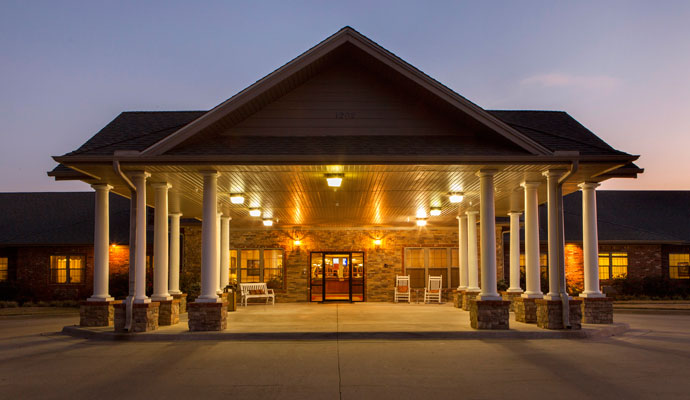
How is Bradford House Nursing And Rehab, Llc Staffed?

CMS rates BRADFORD HOUSE NURSING AND REHAB, LLC's staffing level at 4 out of 5 stars, which is above average compared to other nursing homes. Staff turnover is 49%, compared to the Arkansas average of 46%.

What Have Inspectors Found at Bradford House Nursing And Rehab, Llc?

State health inspectors documented 15 deficiencies at BRADFORD HOUSE NURSING AND REHAB, LLC during 2022 to 2025. These included: 15 with potential for harm.
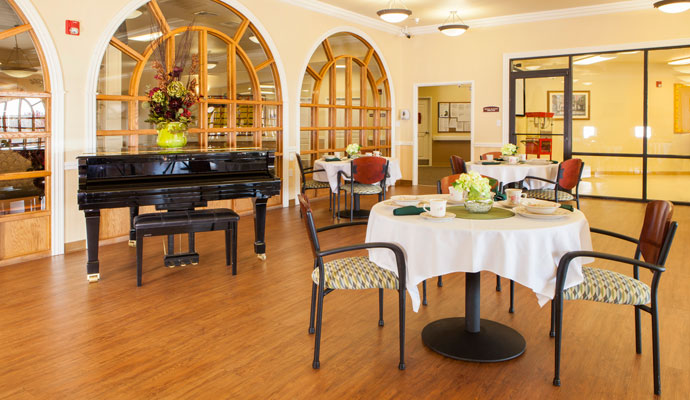
Who Owns and Operates Bradford House Nursing And Rehab, Llc?

BRADFORD HOUSE NURSING AND REHAB, LLC is owned by a for-profit company. For-profit facilities operate as businesses with obligations to shareholders or private owners. The facility is operated by CENTRAL ARKANSAS NURSING CENTERS, a chain that manages multiple nursing homes. With 97 certified beds and approximately 74 residents (about 76% occupancy), it is a smaller facility located in BENTONVILLE, Arkansas.
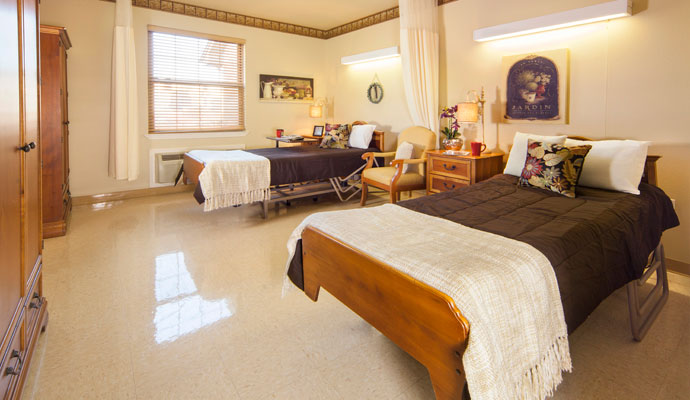
How Does Bradford House Nursing And Rehab, Llc Compare to Other Arkansas Nursing Homes?

Compared to the 100 nursing homes in Arkansas, BRADFORD HOUSE NURSING AND REHAB, LLC's overall rating (3 stars) is below the state average of 3.1, staff turnover (49%) is near the state average of 46%, and health inspection rating (3 stars) is at the national benchmark.

What Should Families Ask When Visiting Bradford House Nursing And Rehab, Llc?

Based on this facility's data, families visiting should ask: "Can I visit during a mealtime to observe dining assistance and food quality?" "How do you handle medical emergencies, and what is your hospital transfer rate?" "Can I speak with family members of current residents about their experience?"

Is Bradford House Nursing And Rehab, Llc Safe?

Based on CMS inspection data, BRADFORD HOUSE NURSING AND REHAB, LLC has a clean safety record: no substantiated abuse findings (meaning no confirmed cases of resident harm), no Immediate Jeopardy citations (the most serious violation level indicating risk of serious injury or death), and is not on the Special Focus Facility watch list (a federal program monitoring the lowest-performing 1% of nursing homes). The facility has a 3-star overall rating and ranks #100 of 100 nursing homes in Arkansas. While no facility is perfect, families should still ask about staff-to-resident ratios and recent inspection results during their visit.

Do Nurses at Bradford House Nursing And Rehab, Llc Stick Around?

BRADFORD HOUSE NURSING AND REHAB, LLC has a staff turnover rate of 49%, which is about average for Arkansas nursing homes (state average: 46%). Moderate turnover is common in nursing homes, but families should still ask about staff tenure and how the facility maintains care continuity when employees leave.

Was Bradford House Nursing And Rehab, Llc Ever Fined?

BRADFORD HOUSE NURSING AND REHAB, LLC has no federal fines on record. CMS issues fines when nursing homes fail to meet care standards or don't correct problems found during inspections. The absence of fines suggests the facility has either maintained compliance or corrected any issues before penalties were assessed. This is a positive indicator, though families should still review recent inspection reports for the full picture.

Is Bradford House Nursing And Rehab, Llc on Any Federal Watch List?

BRADFORD HOUSE NURSING AND REHAB, LLC is not on any federal watch list. The most significant is the Special Focus Facility (SFF) program, which identifies the bottom 1% of nursing homes nationally based on persistent, serious quality problems. Not being on this list means the facility has avoided the pattern of deficiencies that triggers enhanced federal oversight. This is a positive indicator, though families should still review the facility's inspection history directly.