THE BLOSSOMS AT BERRYVILLE REHAB & NURSING CENTER
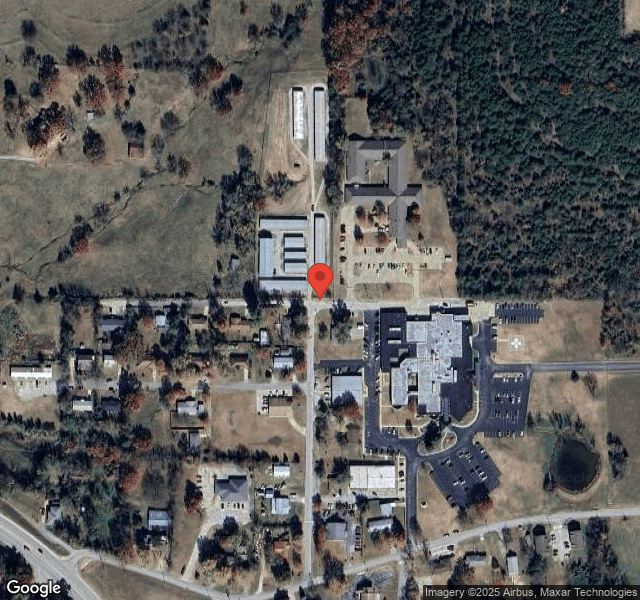
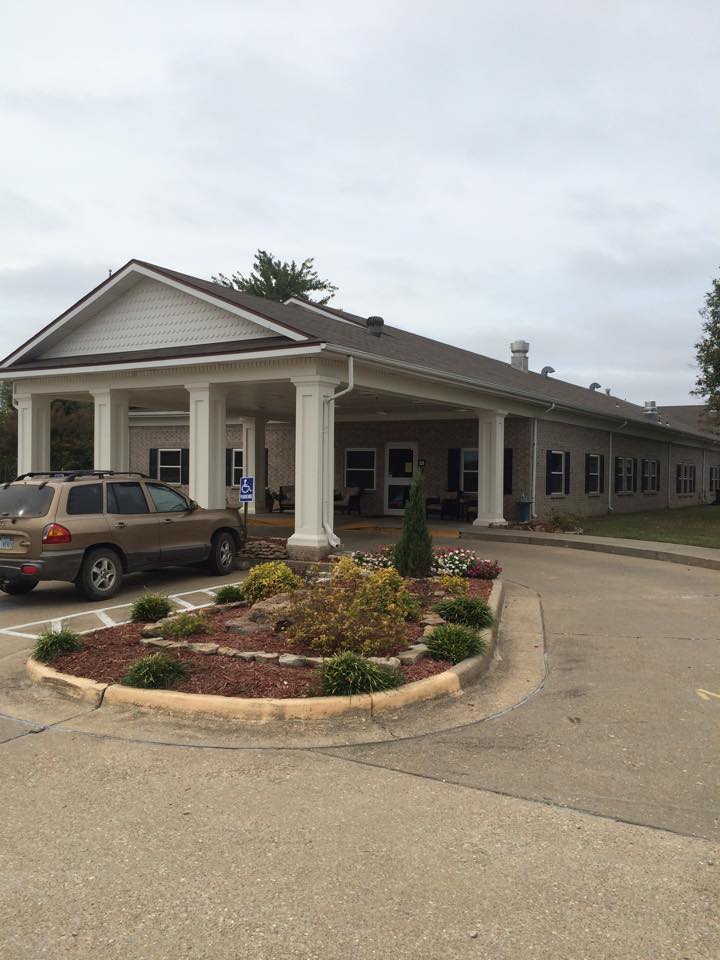
500 HAMMONS AVENUE, BERRYVILLE, AR 72616 (870) 423-6966
For profit - Limited Liability company 70 Beds THE BLOSSOMS NURSING AND REHAB CENTER Data: November 2025
Trust Grade
55/100
#124 of 218 in AR
Last Inspection: August 2024

Within standard 12-15 month inspection cycle. Federal law requires annual inspections.

Overview

The Blossoms at Berryville Rehab & Nursing Center has a Trust Grade of C, which means it is average and falls in the middle of the pack among nursing homes. It ranks #124 out of 218 facilities in Arkansas, placing it in the bottom half, but it is #1 out of 2 in Carroll County, indicating it is the best option locally. The facility is improving, having reduced its issues from 7 in 2023 to 5 in 2024. Staffing is a concern with a rating of 2 out of 5 stars and a turnover rate of 64%, which is higher than the state average; this suggests difficulty in maintaining a stable workforce. Fortunately, there have been no fines, which is a positive sign, and the RN coverage is average, providing adequate oversight. However, there are specific incidents of concern. For example, staff failed to ensure that food was properly stored and labeled, which poses a risk of foodborne illness, and on multiple occasions, there were not enough staff available to assist residents during meals, potentially compromising their care. While the facility shows some strengths, the staffing challenges and food safety issues are important considerations for families looking for a nursing home.

Trust Score
C
55/100
In Arkansas
#124/218
Bottom 44%
Safety Record
Low Risk
No red flags
Inspections
Getting Better
7 → 5 violations
Staff Stability
⚠ Watch
64% turnover. Above average. Higher turnover means staff may not know residents' routines.
Penalties
✓ Good
No fines on record. Clean compliance history, better than most Arkansas facilities.
Skilled Nurses
⚠ Watch
Each resident gets only 22 minutes of Registered Nurse (RN) attention daily — below average for Arkansas. Fewer RN minutes means fewer trained eyes watching for problems.
Violations
⚠ Watch
36 deficiencies on record. Higher than average. Multiple issues found across inspections.
★★★☆☆
3.0
Overall Rating
★★☆☆☆
2.0
Staff Levels
★★★★☆
4.0
Care Quality
★★★☆☆
3.0
Inspection Score
Stable
2023: 7 issues
2024: 5 issues

The Good

  • 4-Star Quality Measures · Strong clinical quality outcomes
  • Full Sprinkler Coverage · Fire safety systems throughout facility
  • No fines on record

Facility shows strength in quality measures, fire safety.

The Bad

3-Star Overall Rating

Near Arkansas average (3.1)

Meets federal standards, typical of most facilities

Staff Turnover: 64%

18pts above Arkansas avg (46%)

Frequent staff changes - ask about care continuity

Chain: THE BLOSSOMS NURSING AND REHAB CENT

Part of a multi-facility chain

Ask about local staffing decisions and management

Staff turnover is elevated (64%)

16 points above Arkansas average of 48%

The Ugly 36 deficiencies on record

Aug 2024 5 deficiencies
CONCERN (E)

Potential for Harm - no one hurt, but risky conditions existed

Resident Rights (Tag F0550)

Could have caused harm · This affected multiple residents

Based on observations, interviews, and record review, the facility failed to ensure residents were treated with dignity during meal service for 3 (Resident #15, #34, and #55) residents of 13 residents...

Read full inspector narrative →
Based on observations, interviews, and record review, the facility failed to ensure residents were treated with dignity during meal service for 3 (Resident #15, #34, and #55) residents of 13 residents observed during meal service. Findings include: A review of a facility policy titled, Resident Assistance with Meals, with an effective date of April 2021, indicated residents would be assisted with dignity and without staff standing over them while providing dining assistance. A review of a document titled, The Blossoms Employee Handbook, indicated the care of facility residents was guided by respect and dignity of human life. A review of the admission Record indicated the facility admitted Resident #15 with diagnoses that included difficulty swallowing, muscle weakness, and lack of coordination. The admission Minimum Data Set (MDS), with an Assessment Reference Date (ARD) of 06/03/2024, revealed Resident #15 had a Brief Interview for Mental Status (BIMS) score of 0, which indicated the resident had sever cognitive impairment and required assistance with eating. A review of Resident #15's Care Plan, dated 06/13/2024, revealed the resident had an activity of daily living (ADL) self-care performance deficit related to weakness and cognitive impairment related to dementia. Interventions included set up and supervision during meals, providing orientation focusing on abilities, and promoting meaningful interaction. A review of the admission Record indicated the facility admitted Resident #34 with a central nervous system disorder affecting movement. The signification change Minimum Data Set (MDS), with an Assessment Reference Date (ARD) of 06/15/2024, revealed Resident #34 had a BIMS score of 9, which indicated the resident had moderate cognitive impairment and required assistance with eating. A review of Resident #34's Care Plan, initiated 07/17/2024, revealed the resident had central nervous system disorder affecting movement. Interventions included monitoring for ADLs, signs and symptoms of choking, and difficulty swallowing. A review of the admission Record, indicated the facility admitted Resident #55 with diagnoses that included movement disorder and progressive disease-causing impairment of memory and mental functions. The admission Minimum Data Set (MDS), with an Assessment Reference Date (ARD) of 06/03/2024, revealed Resident #55 had a BIMs score of 0, which indicated the resident had severe cognitive impairment and was dependent on staff for eating. A review of Resident #55's Care Plan, initiated 06/11/2024, revealed the resident was at risk for altered nutritional and hydration and required extensive assistance with eating. Interventions included assisting the resident with meals. During an observation on 08/05/2024 at 1:01 PM, Resident #55 was sitting in a reclining wheelchair, on the far-right side of the first half round table, in the assisted dining room. LPN #4 was standing on the right side of Resident #55, spoon feeding the resident pureed chicken and dumplings. LPN #4 then walked to Resident #34, sitting at the second table on the right side of the dining room, stood on the right side of the resident and spoon fed Resident #34 chicken and dumplings. LPN # 4 then walked to the center dining room table where Resident # 15 was sitting in a wheelchair. LPN #4 stood on the right of Resident #15 and spoon fed resident one bite of chicken and dumplings. LPN # 4 returned to the right side of Resident #55 and spoon fed the resident another bite of food. During an interview on 08/05/2024 at 1:15 PM, Certified Nursing Assistant (CNA) #3 stated staff should be at the same level as residents, not standing when assisting with meals, to prevent intimidating residents. During an interview on 08/05/2024 at 1:30 PM, LPN #4 stated aides sit to assist residents, but the nurse is not required to sit due to the need to move from table to table to assist residents. During an interview on 08/07/2024 at 1:00 PM, the Director of Nursing (DON) stated all staff should be sitting at eye level with residents while providing assistance. There is no exception for nurses, they must provide dignity, so the residents do not feel someone is hovering or intimidating them.
CONCERN (E)

Potential for Harm - no one hurt, but risky conditions existed

ADL Care (Tag F0677)

Could have caused harm · This affected multiple residents

Based on observations, interviews, record review, and policy review, it was determined the facility failed to ensure a bath or shower for 1 (Resident #65) of 1 resident reviewed for activities of dail...

Read full inspector narrative →
Based on observations, interviews, record review, and policy review, it was determined the facility failed to ensure a bath or shower for 1 (Resident #65) of 1 resident reviewed for activities of daily living. Findings include: A review of a facility policy titled, Showering Residents, dated April 2021, indicated the purpose was to promote resident cleanliness and included a procedure only and did not address missed bathing or showers. A review of the admission Record, indicated the facility admitted Resident #65 with diagnoses that included a disorder that affected a person's ability to think, a mood disorder, anxiety disorder, pain, and dizziness. The admission Minimum Data Set (MDS), with an Assessment Reference Date (ARD) of 07/12/2024, revealed Resident #65 had Brief Interview for Mental Status (BIMS) a score of 10 which indicated the resident had moderate cognitive impairment and an assessment to determine resident's ability to shower/bathe themselves was not attempted. The accompanying Care Area Assessment (CAA) Worksheet indicated the resident may have care needs or problems with cognitive loss, mood disorder impacting loss of cognition, pain, and functional abilities. The admission Nursing Evaluation, dated 07/12/2024, indicated Resident #65's functional status for ability to transfer required 1 person to assist, a bathing preference of a shower, and required bathing assistance of 1 person. A review of Resident #65's Care Plan, initiated 07/22/2024, revealed the resident had an activity of daily living (ADL) self-care deficit related to fatigue, impaired balance, limited mobility and pain; a cognitive function or impaired thought process related to making decisions. Interventions included using simple instructions to promote independence, cue, reorient and supervise, keep the resident's routine consistent to decrease confusion. The Care Plan did not indicate Resident #65's preferences or number of staff required for assistance. A review of Order Summary, revealed Resident #65 had a disorder that affected a person's ability to think, a mood disorder, anxiety disorder, pain, and dizziness. During an interview on 08/05/2024 at 10:50 AM, Resident #65 stated it had been over a week since their last shower. During an interview on 08/05/2024 at 11:09 AM, Licensed Practical Nurse (LPN) #14, stated the Assistant Director of Nursing (ADON), the Director of Nursing (DON), and the floor nurse were responsible to ensure residents receive showers. The ADON was on maternity leave, they were running at a bare minimum and care was being provided. A review of Medication Administration Record, for July and August 2024 revealed Resident #54 had behavior monitoring, that included refusal of care every shift. There was no documentation of Resident #65 refusing care. A review of an Activity of Daily living (ADL) task titled, Shower/Bathe Self, revealed Resident #65 had a shower on 07/20/2024 at 12:55 PM and a shower on 07/30/2024 at 2:29 PM in the last 30 days. A shower sheet provided with the ADL sheet titled, Daily Shower Sheet, documented Resident #65 received a shower on 07/15/2024. Instructions at the bottom of the Daily Shower Sheet indicated the shower aides were to notify the nurse if the resident refused and all showers on the roster were to be accounted for. The Nurse on Duty was to ensure nurse assistants were completing the assigned showers. If a resident refused, the nurse was to encourage the resident and if the resident continued to refuse, staff were to initial the page as a refusal and place a note in the electronic health record as a 'Behavior Note'. The Daily Shower Sheet was provided by the Director of Nursing (DON) on 08/07/2024 at 10:05 AM. The DON stated the Daily Shower Sheet was provided to the shower aides daily and listed residents who were to receive showers on that date and was used to document who received showers and who refused. Initials on the left of the name was the nurse acknowledging a resident refused and initials on the right indicated the aide who provided the care. An R on the right indicated a resident refused. A review of the Tub/Shower Transfer tasks from 07/12/2024 through 08/06/2024, indicated Resident #65 was independent with transfer on 08/02/2024. Not Applicable was documented daily on all other dates during this time. A review of Progress Notes revealed Resident #65 refused a shower on 08/05/2024. No follow-up documentation was found. On 08/06/2024 at 3:34 PM, Resident #65 agreed to be shaved and refused a shower. Follow up documentation at 3:44 PM, the resident agreed to and received a shower. During an interview on 08/07/2024 at 12:57 PM, the DON stated Not Applicable indicated the resident refused a bath or shower and did not know why CNAs would mark Not Applicable when they can mark refused. During an interview on 08/08/2024 at 8:05 AM, CNA #15 stated when aides arrived for their shift, they receive a list of residents who are to receive showers. If a resident refused, the nurse was notified and would go speak with the resident. If the resident still refused it was documented in the electronic health record for bath/shower as refused. Not Applicable was used if staff did not get to the shower for that resident. The nurse was notified if the showers were not done. Residents' usual schedule is twice a week on days chosen by the resident. During an interview on 08/08/2024 at 8:17 AM, CNA #16 stated a list of residents was received at the beginning of the shift. Residents were asked if they wanted their shower or bath and if they refused, the nurse was notified. The nurse would then speak with the resident and if the resident refused, it was documented as a refusal in the computer. Not applicable was used if the CNA did not speak with the resident and the resident did not receive a bath or shower. The nurse received the list of residents for showers.
CONCERN (E)

Potential for Harm - no one hurt, but risky conditions existed

Infection Control (Tag F0880)

Could have caused harm · This affected multiple residents

Based on observations, interviews, record review, and facility policy review, the facility failed to ensure staff performed hand hygiene while serving meals and providing assistance to 6 (Resident #11...

Read full inspector narrative →
Based on observations, interviews, record review, and facility policy review, the facility failed to ensure staff performed hand hygiene while serving meals and providing assistance to 6 (Resident #11, #15, #25, #28, #34, and #55) of 13 residents observed, specifically, staff moved from one resident to the next while feeding the residents, and touching other high contact areas, without performing hand hygiene; and failed to ensure that enhanced barrier precautions (EBP) were worn while performing indwelling catheter care to 1(Resident #31) of 3 sampled residents who had orders for indwelling catheter. Findings include: 1. A review of a facility policy titled, Hand Hygiene, dated April 2021, indicated hand hygiene was considered the primary means in preventing the spread of infections and staff should follow handwashing and hand hygiene procedures to prevent the spread of infections to residents. a. A review of a facility policy titled, Resident Assistance with Meals, dated April 2021, indicated residents who were unable to feed themselves would be fed with attention to safety. b. During an observation on 8/05/2024 at 12:52 PM, Certified Nursing Assistant (CNA) #3 used a spoon and placed food in Resident #28's mouth. CNA #3 moved hands below the table, rubbed hands on thighs, and folded their hands on their lap. CNA #3 moved hands above the table, picked up resident's spoon and placed food in resident's mouth. No hand hygiene was performed during this observation. c. During an observation on 08/05/2024 at 12:54 PM, CNA #3 used their hand and wiped the right side of their face, scratched side of their nose, picked up a spoon and placed food in Resident # 25's mouth. CNA #3 then placed the spoon on the table, raised their hands and adjusted their glasses, and picked up the spoon and placed food in Resident # 28's mouth. This observation occurred twice. After placing food in Resident #25's mouth, CNA #3 touched their face, picked up a cup and provided Resident #55 with a drink. No hand hygiene was performed. CNA #3 wiped their fingers on Resident # 28's napkin, picked up a spoon and placed food in Resident #28's mouth. No hand hygiene was performed during the entire observation. d. During an observation on 08/05/2024 at 12:56 PM, Nursing Assistant (NA) #5 and spoon fed Resident #11 chicken and dumplings, laid spoon down, and placed their hands below the table and resided them on their lap, palms down. NA raised their hands above the table, picked up the spoon and fed Resident #11 chicken and dumplings. No hand hygiene was performed during the observation. e. During an observation on 08/05/2024 at 1:01 PM, Licensed Practical Nurse (LPN) LPN #4 was standing on the right side of Resident #55, spoon feeding the resident. LPN #4 then walked to Resident #34, and spoon fed Resident #34. LPN # 4 then walked to the center dining room table where Resident # 15 was sitting in a wheelchair, and spoon fed the resident. LPN # 4 returned to Resident #55 and spoon fed the resident. No hand hygiene was performed between feeding each resident. f. During an interview on 08/05/2024 at 1:15 PM, CNA #3 stated hand hygiene should be done when moving between residents, and after touching clothing, their face, or nose to ensure germs were not spread to the residents. CNA #3 did not sanitize because no sanitizer was available. Sanitizer was observed on the top shelf of the resident's meal cart, brought into the dining room at 12:23 PM. g. During an interview on 08/05/2024 at 1:17 PM, NA #5 stated hands should be sanitized before assisting the resident, after touching their uniform, because residents' immune systems are not like mine so they could get my germs and be ill. h. During an interview on 08/05/2024 at 1:30 PM, LPN #4 stated hand hygiene should probably be done but constantly assisting residents prohibits it. i. During an interview on 08/07/2024 at 1:00 PM, the Director of Nursing (DON) stated staff should sanitize or wash their hands between each resident when passing trays or when feeding residents, to prevent the spread of germs or bacteria that are on their hands, which could result in infection to residents. 2. A review of the admission Record, dated 12/27/2023, indicated the facility admitted Resident #31 with diagnoses that included infection and inflammatory reaction due to indwelling urethral catheter and neuromuscular disfunction of the bladder. a. During an observation of Resident #31 on 08/05/24 at 3:42 PM, Licensed Practical Nurse (LPN) #8 removed a urinary catheter and inserted a new urinary catheter without putting on a gown for EBP. b. During a subsequential interview on 08/05/24 at 4:02 PM, LPN #8 confirmed Resident #31 was on EBP, but they did not utilize a gown during the urinary catheter insertion and care per policy. c. A review of a facility policy titled, Enhanced Barrier Precautions, dated 09/21/2022, indicated, For residents for whom EBP are indicated, EBP is employed when performing the following high-contact resident care activities. Activities listed as devise care or use including urinary catheter.
CONCERN (E) 📢 Someone Reported This

A family member, employee, or ombudsman was alarmed enough to file a formal complaint

Potential for Harm - no one hurt, but risky conditions existed

Safe Environment (Tag F0921)

Could have caused harm · This affected multiple residents

Based on observations, document review and interviews the facility failed to ensure bleach wipes and disinfectant wipes were not left at bedside for 1 (Resident #42) of 1 sampled resident. The findin...

Read full inspector narrative →
Based on observations, document review and interviews the facility failed to ensure bleach wipes and disinfectant wipes were not left at bedside for 1 (Resident #42) of 1 sampled resident. The findings are: A review of a quarterly Minimum Data Set (MDS) with an Assessment Reference Date (ARD) of 07/26/2024 showed Resident #42 had a Brief Interview of Mental Status (BIMS) score of 12, which suggests moderate cognitive impairment. On 08/05/2024 at 1:24 PM, the surveyor observed a container of bleach wet wipes and disinfectant wipes sitting on Resident #42's table next to bed. On 08/05/2024 at 3:26 the surveyor observed a container of bleach wet wipes and a container of disinfectant wet wipes on Resident #42's table next to bed. On 08/06/2024 at 10:17 AM, the surveyor observed a container of bleach wet wipes and a container of disinfectant wet wipes on Resident #42's table next to bed. On 08/07/2024 at 2:09 PM, the surveyor observed a container of bleach wipes and a container of disinfectant wet wipes on Resident #42's table next to bed. On 08/07/2024 at 2:09 PM, an interview with Certified Nursing Assistant (CNA) #13 was conducted. CNA #13 opened the bleach wipe container and verified that there were wipes in the container, then opened the disinfectant wipe container and verified that there were wipes in that container as well. When asked what type of wipes these containers were, CNA #13 reported they were bleach wipes and sanitizer wipes, and that neither of the wipes should have been left in Resident #42's room. CNA #13 revealed the wipes are hazardous, and the housekeepers store them in their carts. On 08/07/2024 at 2:15 PM, an interview with Registered Nurse (RN) # 12 was conducted. RN #12 revealed that the two containers in the room were bleach wipes and disinfectant wipes and should not be in the resident's room, because they could get mixed up and used as personal wipes or mixed up and used with food. RN #12 reported they should be locked up in cabinets so residents cannot get to them. On 08/08/2024 at 2:20 PM, an interview with Director of Nurses (DON) was conducted. The DON revealed that the wipe containers in Resident #42's room were bleach wipes and disinfectant wipes, and indicated the wipes are a hazard and should not be left where a resident has access to them. They should be stored where a resident cannot have access to them such as the med cart or locked up somewhere else.
CONCERN (F)

Potential for Harm - no one hurt, but risky conditions existed

Food Safety (Tag F0812)

Could have caused harm · This affected most or all residents

Based on observations, interviews, facility document review, and facility policy review, the facility failed to ensure the following: foods stored in walk in refrigerator was stored off the ground for...

Read full inspector narrative →
Based on observations, interviews, facility document review, and facility policy review, the facility failed to ensure the following: foods stored in walk in refrigerator was stored off the ground for 1 of 1 kitchen, that beneath the dishwasher was clean for 1 of 1 kitchen, standing water in front of the refrigerator in kitchen and in walk in refrigerator with towels/sheet in floor absorbing water in 1 of 1 kitchen, drinks in the unit refrigerator was labeled, dated and covered for 1 of 3 dining rooms, foods on the unit was dated and used by expiration/best by date 1 of 3 dining rooms, resident's and employee foods not stored in the same refrigerator in 1 of 3 dining rooms and the refrigerator was clean and in sanitary condition for 1 of 3 dining rooms in order to prevent cross contamination and foodborne illnesses. These failed practices have the potential to affect 72 residents who received meals from 1 of 1 kitchen and potential to affect 72 residents who reside in facility and potential to have food in unit refrigerator. Findings included: 1. The Surveyor observed on 08/05/2024 at 10:35 AM, the walk-in refrigerator had water on the floor with towels on top of the refrigerator. There was also water standing without covering of towel on the floor. 2. The Surveyor observed on 08/05/2024 at 10:37 AM, a box of uncovered potatoes sitting on the floor in the pantry room. 3. The Surveyor observed on 08/05/2024 at 10:42 AM, the Surveyor observed underneath the dishwasher to be damp with dark brown areas observed in numerous places on the floor. It also had dark brown areas on the sheetrock. Dietary Manager (DM) #10 stated that the dishwasher was leaking, and the maintenance man fixed it the day before on 08/04/2024. 4. The surveyor observed a refrigerator in the small dining room on 300 Hall on 08/07/2024 at 7:30 AM. The refrigerator had a brown sticky substance at the bottom underneath crisper drawers. The following were observed in refrigerator: Two cups with fluid without lids. No name or dates observed. 16-ounce (oz) hazelnut creamer- no open date and expired 5/24 28 oz of barbeque sauce with no open date 24 oz sweet relish expired 6/17/24 with no open date. 20 oz mustard with no open date. 22 oz strawberry syrup with no open date 20 oz jar of cowboy candy with open date of 9/7/23 20 oz salad dressing with no open date and expired 5/16/24. 20 oz salad dressing with no open date and expired 5/11/24. 13 oz whipped topping with no lid and no open date 8 oz mustard with no open date and expired 5/25/24. 24 oz salad dressing with no open date and expired 3/16/23. 16 oz salad dressing with no open date expired 1/26/24. 9 oz green cookie icing with no open date, unable to find expiration date. No lid on the bottle. 10 oz dill relish no open date. 18 oz barbeque sauce no open date no expiration date seen on bottle. 8.4 oz sesame dipping sauce no open date expiration date unreadable ink rubbed off. 9 oz red cooking icing bottle with no lid. no open date no expiration date seen. 15 oz soy sauce with no open date and no expiration date seen. 32 oz jar of jalapeno slices no open dates, expired 6/22/24. 1 package of mozzarella cheese no open date. 9 oz package of turkey with open date of 5/17/24 with sell by date of 6-12-24. 22 oz bottle of mayonnaise no open date and expired on 6/4/24. 1 package of cheese no open date and unable to locate expiration date. 16 oz potato salad with no open date. Half of cantaloupe with no date. Package of croutons package open and no sealed with no open date. 64 oz of cranberry grape bottle with no open date. 1 apple with white fuzz on one side not bagged. 24 oz container of sour cream no open date and expired 4-29-24. Container pasta salad container sealed- expired 7-22-24. 12 count container of eggs with no open date with best by date 5/23/24. 6 count container of eggs with no open date with best by date of 3/2/224. 6 count container of eggs with no open date with best by date 4/2/24. 18 count container of eggs with no open date with best by date of 2/6/24. 24 count container of eggs with no open date with best by date of 2/13/24. 1 bottle of 64 oz of hummingbird nectar. 1 cup of dark brown fluid with saran wrap on it with no date. 1 turquoise fabric lunch bag. 16 oz of hazelnut creamer with no open date expired 05/24. 28 oz of barbeque sauce with no open date. 24 oz sweet relish with no open date expired 6/17/24. 20 oz container of mustard no open date. 22 oz container of strawberry syrup with no open date. 20 oz jar of cowboy candy with date on lid 09/07/2023. 20 oz bottle of salad dressing with no open date and expiration date of 05/16/2024. 20 oz bottle of salad dressing with no open date and expiration date of 05/11/2024. Container of potato salad with no open date. Bag of mozzarella cheese with no open date. Container of salad no open date. Half of cantaloupe with no date. Container of sour cream with no open date and expired on 4-/24-/2024. The freezer contained: A box of frozen waffles with no open date. 2 boxes of popsicles with no open date. 2 containers of ice cream with no open date. 1 bag of min ice cups with no open date. 1 cup of dark purple frozen fluid with saran wrap on top with no label or open date. 5. On 08/07/2024 at 10:55 AM, the surveyor observed a sheet/thin blanket lying on the floor in the walk in refrigerator. 6. During an interview on 08/05/2024 at 10:35 AM, DM #10 informed the surveyor the water on the floor in front of the refrigerator in kitchen and the one in walk in refrigerator, was from a leak and the maintenance man had not fixed it yet, and it had been that way since she started, which was ninety days. Also reported that the Maintenance Director was aware of it. Also stated the dishwasher was leaking, and the Maintenance Director had just fixed it the day before. 7. During an interview on 08/07/2024 at 10:55 AM, DM #10 revealed the sheet/thin blanket in the walk-in refrigerator was there to absorb the water that leaks from the top of the refrigerator and reported that Maintenance Director #9 came in on 08/06/2024 and stated that the water is from condensation leaks. DM #10 stated the floor underneath and on the wall beneath the dishwasher was not good and was old, stained, and rusted. DM #10 stated they mop every day, but the floor remains that color. DM #10 stated that it needed to be retiled. Below the dishwasher clean table needs new tiles and it was brown in color. Reported no food should be placed on the floor and it should have been put in the container bins instead. 8. During an interview on 08/07/2024 at 11:10 AM, Maintenance Director #9 revealed the floor beneath the dishwasher was concrete, plain, and dark in color, and that the wall underneath was dirty. Maintenance Director #9 reported there were no missing tiles and the floor was made that way it was just the floor exposed from being dug up over eight years ago when there was a problem there before. Reported that in the walk-in refrigerator the water was coming from the re-circulation fan. It blows the water at times and lands on the floor and is the reason the water is on the floor. Maintenance Director #9 stated they go outside every day and turns it off for about five minutes and it stops it. Maintenance Director #9 reported not being sure if this is done on the weekends and that's why it probably was like that Monday because it had not been done yet. Maintenance Director #9 stated that in the refrigerator there is a tray in the back that fills up, and that it does it more when it is humid. Reported that it is drained every two days to keep it from leaking. On 08/07/2024 at 7:42 AM, the Director of Nursing (DON) stated that the refrigerator in the small dining room on the 300 Hall was used by the residents and staff. The staff is not supposed to use it, but they do. The DON observed the food in the refrigerator and reported the foods did not have open dates on them and were not labeled. The DON observed the turkey lunch meat at bottom of the refrigerator and acknowledged it was expired, and no open date was on it; observed the two cups with no lids on them and stated they had no coverings and was not labeled or have open date on them. The DON reported that the housekeeping department was responsible for cleaning it every day, that the bottom of the refrigerator had spilled brown fluid and appeared sticky, and she was uncertain whose food was whose. At 10:20 AM, was shown the hummingbird nectar in the refrigerator and DON stated she was unsure what it was for, it was a non-food item and should not be in that refrigerator. During an interview with Housekeeping Supervisor (HSKSP) #11 on 08/07/2024 at 9:00 AM, HSKSP #11 reported that as a housekeeper on that hall and had never cleaned the refrigerator in the small dining room. At 10:32 AM, observed the hummingbird nectar bottle in the refrigerator and stated that they do not know why it was in the refrigerator or what it is for, but it should not be in that refrigerator. The bottle was removed by HSKSP #11. A review of a facility document titled, Housekeeping List, undated but received by Administrator dated 08/07/2024, did not indicate any cleaning duty of the refrigerator in the small dining room on the 300 Hall. A review of facility document titled Daytime Dishwasher Duties, undated but received on 08/06/2024 at 11:43 AM, indicated that dishwasher employees are to clean door walls and floor.
Sept 2023 7 deficiencies
CONCERN (D)

Potential for Harm - no one hurt, but risky conditions existed

Deficiency F0805 (Tag F0805)

Could have caused harm · This affected 1 resident

Based on observation and interview, the facility failed to ensure that pureed food items were blended to a smooth, palatable consistency to minimize the risk of choking or other complications for thos...

Read full inspector narrative →
Based on observation and interview, the facility failed to ensure that pureed food items were blended to a smooth, palatable consistency to minimize the risk of choking or other complications for those residents who require pureed diets for 1 of 1 meal observed. The failed practice had the ability to affect 4 residents who received pureed diets. The findings included: 09/13/2023 at 12:26 PM a pan that contained pureed bread was observed on the steam table being served to residents receiving pureed meals. The consistency of the pureed bread was soupy and very watery. On 09/14/2023 at 10:17 AM, an interview was conducted with the Dietary Manager (DM). The DM confirmed there were 4 residents in the facility currently receiving a pureed diet, and the consistency of pureed food should be a pudding like consistency.
CONCERN (E)

Potential for Harm - no one hurt, but risky conditions existed

Deficiency F0557 (Tag F0557)

Could have caused harm · This affected multiple residents

Based on observation, interview, and record review, the facility failed to ensure an indwelling urinary catheter drainage bag was concealed in a privacy bag to promote dignity and privacy for 1 (Resid...

Read full inspector narrative →
Based on observation, interview, and record review, the facility failed to ensure an indwelling urinary catheter drainage bag was concealed in a privacy bag to promote dignity and privacy for 1 (Resident #40) of 2 (Residents #40 and #46) sample mix residents who had an indwelling urinary catheter. The findings included: The following observations were made concerning Resident #40: a. On 09/11/2023 at 3:44 PM, the urinary catheter drainage bag was hooked to the side of the bed touching the floor with no privacy cover. b. On 09/12/2023 at 9:26 AM, no privacy cover was covering the catheter drainage bag. c. On 09/13/2023 at 9:42 AM, no privacy cover was covering the catheter drainage bag. During interview on 09/12/2023 at 9:26 AM, the Surveyor asked Resident #40, how do you feel about people being able to see your catheter bag that is hanging on the side of your bed? Resident #40 stated, I don't like people being able to see it. It embarrasses me. During interview on 09/14/2023 at 2:28 PM, the Assistant Director of Nursing (ADON), said a resident's catheter bag should be covered. On 09/14/2023 at 2:48 PM the Director of Nursing (DON) said, a resident's urinary catheter drainage bag should be covered to preserve the resident's dignity. Review of the facility's policy titled Resident Rights with an effective date 04/2021 and a revision date of 11/01/2022 provided by the DON on 09/15/2023 at 9:10 AM showed residents have the right to be treated with respect, kindness, and dignity.
CONCERN (E)

Potential for Harm - no one hurt, but risky conditions existed

Tube Feeding (Tag F0693)

Could have caused harm · This affected multiple residents

Based on observation, interview and record review, the facility failed to ensure enteral feeding was correctly labeled with the date, time, initials, and type of nutrition for 1of 1 (Resident #50) on ...

Read full inspector narrative →
Based on observation, interview and record review, the facility failed to ensure enteral feeding was correctly labeled with the date, time, initials, and type of nutrition for 1of 1 (Resident #50) on tube feedings. The findings included: During observation on 09/11/2023 at 3:02 PM, Resident #50 was being administered a nutrition tube feeding with an unlabeled bag. On 09/13/23 at 9:52 AM, the Surveyor observed Resident #50 being administered a nutrition tube feeding with the type of nutrition not noted on the bag, but dated 09/13/2023 0000 with the initials CA. Review of the physician's Order Summary Report with an order start date of 07/19/2023 showed, change feeding administration set daily, and label the formula container and administration set with resident's name, date, time, and nurse's initials. During interview on 09/14/2023 at 2:26 PM, the Assistant Director of Nursing (ADON) confirmed Resident #50's bag was not labeled, and it should include the date, initials, time, and type of feeding. On 09/14/2023 at 2:48 PM, the Director of Nursing (DON), said tube feeding bags should be labeled with the type of feeding formula, staff initials, date, and time. Review of the facility's policy dated 04/2021 provided by the DON on 09/14/2023 at 4:29 PM showed nutritional support through enteral feeding will be provided as ordered.
CONCERN (E)

Potential for Harm - no one hurt, but risky conditions existed

Respiratory Care (Tag F0695)

Could have caused harm · This affected multiple residents

Based on observation, interview, and record review, the facility failed to ensure oxygen was consistently administered at the flow rate ordered by the physician for 2 Residents (Resident #13 and #50),...

Read full inspector narrative →
Based on observation, interview, and record review, the facility failed to ensure oxygen was consistently administered at the flow rate ordered by the physician for 2 Residents (Resident #13 and #50), O2 tubing, and humidifier bottles were not dated for 2 Residents (Resident #40 and #50). The failed practice had the potential to affect 6 Residents (Resident #6, Resident #13, Resident #30, Resident #40 Resident #50, and Resident #259). Review of Resident #13's physician's Order Summary Report dated 09/11/2023 showed the following: a. A history of Covid-19 and Pneumonia. b. A physician's order dated 06/08/2022 showed administer oxygen at 2 LPM (liters per minute) as needed for shortness of breath. Review of Residnet #13's care plan showed asminister oxygen 2 liters per minute when needed. On 09/11/2023 at 11:58 AM, the Surveyor observed Resident # 13's oxygen setting at 1 1/2 liters per minute via nasal cannula with the tubing dated 9/10/23. On 09/12/2023 at 9:31 AM, the Surveyor observed Resident #13's oxygen setting at 1 1/2 liters per minute via nasal cannula with the tubing dated 9/10/23. On 09/13/2023 at 09:46 AM, the Surveyor observed Resident # 13's oxygen setting at 2 liters per minute via nasal cannula with tubing dated 9/10/23. On 09/13/23 at 09:46 AM, the surveyor observed Resident #13's O2 setting at 2 liters per minute via nasal cannula with tubing dated 9/10/23. During interview on 09/14/2023 at 2:26 PM, the Assistant Director of Nursing (ADON) verified Resident #13's physician's orders for oxygen showed 2 liters per minute. Review of Resident #40's physician Order Summary Report dated 09/11/2023 showed the following: a. Diagnosis of pneumonia. b. A physician's order dated 08/09/2023 showed, change oxygen tubing and humidity bottle on Sunday every week as needed. c. A physician's order dated 08/09/2023 showed oxygen 2 liters continuous via nasal cannula every shift. On 09/11/2023 at 3:53 PM, the Surveyor observed Resident #40 receiving oxygen therapy at 2 liters via nasal cannula with the date of 09/03/2023 on tubing and the humidifier bottle. On 09/12/2023 at 9:27 AM, the Surveyor observed Resident #40 receiving oxygen therapy at 2 liters via nasal cannula with the tubing and humidifier bottle dated 09/03/2023. c. On 09/13/2023 at 9:43 AM, the Surveyor observed Resident #40 receiving oxygen therapy at 2 liters via nasal cannula with tubing and humidifier bottle dated 09/12/2023. During interview on 09/14/2023 at 2:26 PM, the Assistant Director of Nursing (ADON), said oxygen tubing and the humidifier bottle are changed once a week on Sunday, and the oxygen tubing and humidifier bottle are dated at that time. During interview on 09/14/2023 at 2:48 PM, the Director of Nursing (DON), said oxygen tubing and the humidifier bottle are changed every Sunday night when needed, and the oxygen tubing and humidifier bottle are dated at that time. Review of Resident #50's physician Order Summary Report dated 09/11/2023 showed the following: a. Diagnoses of emphysema, malignancy of the esophagus and right lung and chronic obstructive pulmonary disease. b. A physician's order dated 08/09/2023 showed change all trach related tubing weekly and when needed. c. An ordered dated 07/10/2023 showed oxygen at 3L(liters) every shift. On 09/11/2023 at 10:49 AM, the Surveyor observed Resident #50's oxygen being administered at 1 1/2 liters with no date on the oxygen tubing or humidifier bottle. On 09/12/2023 at 9:10 AM, the Surveyor observed Resident #50's oxygen being administered at 2 liters with no date on the oxygen tubing or humidifier bottle. d. On 09/13/23 at 09:52 AM, the Surveyor observed Resident #50's oxygen being administered bled into the ventilator tubing at 3 liters with humidifier bottle dated 9/12, and the tubing undated. During interview on 09/13/2023 at 9:52 AM, Resident # 50 stated, They never change that oxygen tubing. They can't find any long enough to reach so they keep using the same one. During interview on 09/14/2023vat 2:26 PM, the Assistant Director of Nursing (ADON), said oxygen tubing and the humidifier bottle are changed once a week on Sunday, and the oxygen tubing and humidifier bottle are dated at that time. The surveyor asked the ADON, confirmed Resident #50's oxygen tubing was not dated. During interview on 09/14/2023 at 2:48 PM, the Director of Nursing (DON) said oxygen tubing and the humidifier bottle are changed every Sunday night when needed, and the oxygen tubing and humidifier bottle are dated at that time. Review of facility's policy titled Oxygen Administration-Resident dated 4/2023 provided by the DON on 09/14/2023 at 4:29 PM showed the following: Provide safe oxygen administration by verifying the physician's orders, and change oxygen tubing weekly, and label with the date it was changed. Based on observation, interview, and record review the facility failed to ensure the mask on the nebulizer was stored in a plastic bag to minimize the potential for infection of 1 Resident #259 of sampled residents who take breathing treatments. The findings included: Review of Resident #259's physician orders with a start date of 09/01/2023 showed administer albuterol 3 milliliters inhale orally every 4 hours. Record review of Resident #259's care plan dated 09/11/2023 showed diagnoses of emphysema and chronic obstructive pulmonary disease. During observation on 09/11/2023 at 11:07 AM, Resident #259's nebulizer mask was laying on the other bed in the resident's room. During observation on 09/12/2023 at 08:32 AM Resident #259's nebulizer mask was laying on the other bed in the resident's room. During interview on 09/14/2023 at 11:27 AM, LPN #1 confirmed that a nebulizer mask should be stored in a plastic bag between treatments. During interview on 09/14/2023 at 1:09 PM, the Director of Nursing (DON) said the process for storing a nebulizer mask is after the mask is used, it is cleaned, dried, and put in a plastic bag. Review of facility's policy titled Respiratory Therapy Guidelines provided by the DON on 09/14/2023 at 1:33 PM showed the procedure to prevent infection consist of storing the nebulizer mask in a plastic bag marked with the date and resident's name between uses.
CONCERN (E)

Potential for Harm - no one hurt, but risky conditions existed

Menu Adequacy (Tag F0803)

Could have caused harm · This affected multiple residents

Based on observation, record review, and interview, the facility failed to ensure meals were prepared and served according to the planned written menu to meet the nutritional needs of the resident for...

Read full inspector narrative →
Based on observation, record review, and interview, the facility failed to ensure meals were prepared and served according to the planned written menu to meet the nutritional needs of the resident for 1 of 1 meal observed. This failed practice had the potential to affect 53 residents who receive meals from 1 of 1 kitchen. The findings included: Review of the facility's lunch menu week 4 showed on Wednesday 09/13/2023 residents were to receive chicken parmesan (1 each - 2 ounces), spaghetti noodles (3/4 cup), squash au gratin (1/2 cup), garlic bread 1 slice, poke cake 1 piece. During observation on 09/13/2023 at 12:31 PM, DE #1 used tongs to remove an unmeasured amount of noodles onto plates during lunch service. The Surveyor asked DE #1 how do you know the noodle portions are the correct proportioned amounts when using tongs? DE #1 said there is no way to measure pasta that she is aware of. During interview on 09/14/2023 at 10:17 AM, the Dietary Manager (DM), said all food placed on the residents' plates should be measured and pasta is measured with a scoop. On 09/14/2023 at 2:58 PM a review of the facility's policy titled Food Preparation and Handling provided by the Dietary Manager on 09/14/23 at 11:17 AM showed, all food items served to residents and clients are prepared according to standardized recipes. On 09/14/2023 at 3:15 PM, a review of the facility's policy titled Standardized Recipes showed cooks/chefs are expected to use and follow the recipes provided.
CONCERN (E)

Potential for Harm - no one hurt, but risky conditions existed

Food Safety (Tag F0812)

Could have caused harm · This affected multiple residents

Based on observation, record review, and interview, the facility failed to ensure dietary staff washed their hands to decrease the potential for foodborne illness and prepared all foods on clean desig...

Read full inspector narrative →
Based on observation, record review, and interview, the facility failed to ensure dietary staff washed their hands to decrease the potential for foodborne illness and prepared all foods on clean designated food preparation surfaces for residents receiving food from 1 of 1 kitchen. The failed practices had the potential to affect 53 residents who received meals from the kitchen. The findings included: On 09/13/2023 at 9:30 AM during the lunch meal preparation Dietary Employee (DE) #1 with gloved hands, reached for the trash can located at the end of the sink pulled it away from the sink, discarded onion peels and slid it back to the sink. DE #1 removed gloves, placed new gloves on and returned to chopping onions at the cook's prep table. No handwashing was observed. On 09/13/2023 at 9:36 AM, DE #1 retrieved 2 sealed boxes that contained grilled chicken patties from the walk-in cooler. DE #1 placed both boxes on the food prep table, retrieved a folding blade pocketknife from her pocket and cut the tape strip on the top of the box. DE #1 returned the knife to her pocket, donned clean gloves, removed grilled chicken patties from the box, and placed them in a deep metal pan. No hand washing was observed. DE #1 said she keeps her personal knife for opening boxes. On 09/13/2023 at 9:53 AM, DE #1 used a folding blade pocketknife to cut bottom strips of tape from 1 box of grilled chicken patties, flattened the box, placed it to the side, and returned knife to pocket. No hand washing or knife cleaning was observed. On 09/13/2023 at 9:55 AM, DE #1 touched the trash can lid with an ungloved hand while placing soiled gloves in the trash can. DE #1 picked up a partially used box of grilled chicken patties and carried it to the walk-in cooler. No hand washing was observed. On 09/13/2023 at 11:48 AM, DE #1 placed a metal pan containing noodles on the end of the sink closest to the prep table. The pan's edge was touching the side of a bucket containing clear liquid and kitchen towels previously identified by DE #1 as water and sanitizer mixture. On 09/13/2023 at 11:52 AM, no hand washing was observed before DE #1 removed 4 chicken patties and sauce from a deep metal pan containing 60 chicken patties, sauce, and cheese. The 4 patties and sauce were placed into a blender to be pureed. On 09/13/2023 at 11:53 AM, DE #1 touched the lid of the trash can next to the sink located behind the cook's prep table with ungloved hands. DE #1 then touched hair and face. No hand washing was observed. On 09/13/2023 at 12:02 PM, DE #1 placed paper liners in 2 metal baking trays, opened a package of bread, donned clean gloves but did not wash hands, and placed bread slices on the paper lined metal trays. On 09/13/2023 at 12:05 PM, DE #1 placed a plastic measuring cup on the side of the sink closest to the cook's prep table and placed butter in a measuring cup. DE #1 then placed the butter and measuring cup into the microwave. No hand washing was observed. On 09/13/2023 at 12:17 PM, DE #1 moved the trash can located by the sink behind the cook's prep table with ungloved hands. DE #1 then placed oven mitts on hands. No hand washing was observed. On 09/13/2023 at 12:19 PM, DE #1 touched the lid of the trash can located by the sink behind the cook's prep table with oven mitts on hands and continued to be used to move hot pans during lunch meal preparation. On 09/13/2023 at 12:26 PM, DE #1with ungloved hands walked to the steam table area to begin plating lunch meals. No hand washing was observed prior to plating. On 09/13/2023 at 12:30 to 12:38 PM, DE #2 at the food service window during meal service touched her face and hair with ungloved hands and did not perform hand washing. DE #2 continued to place drinks and desserts on trays being served to the residents. On 09/13/2023 at 12:31 PM, DE #1 placed food in 1 tan colored divided plate with a visible crack in the side. The plate was placed on a serving tray and sent out. On 09/14/2023 at 10:17 AM, an interview was conducted with the Dietary Manager (DM). The DM stated her rule regarding handwashing and what she tells her staff is Wash your hands all the time. If you touch something, wash your hands. The DM said if employees are on the food service line during meal service and touch their face or hair, they need to wash their hands. The DM stated wearing gloves never takes the place of hand washing. The DM said employees could wear gloves when mixing things that were too thick for mixers, so they didn't get stuff all over their hands, but other than that they were not to wear them. The DM said no surface of the sink would be considered a clean area or should be used for food preparation. The DM said the kitchen staff have been instructed to throw away plates and trays if they are broken, and if a resident was served on a broken plate he or she could have been cut. On 09/14/2023 at 3:45 PM a review of facility's policy titled Handwashing Procedure showed hands should be washed after touching bare human parts other than clean hands and clean exposed portions of arms. During food preparation, as often as necessary to remove soil and contamination and prevent cross-contamination when changing tasks. Before putting on gloves and after removing gloves.
CONCERN (E)

Potential for Harm - no one hurt, but risky conditions existed

Infection Control (Tag F0880)

Could have caused harm · This affected multiple residents

Based on observation and interview, the facility failed to ensure an indwelling urinary catheter drainage bag did not touch the floor to prevent the risk of infection for 1 (Resident #40) of 2 (Reside...

Read full inspector narrative →
Based on observation and interview, the facility failed to ensure an indwelling urinary catheter drainage bag did not touch the floor to prevent the risk of infection for 1 (Resident #40) of 2 (Residents #40 and 46) sample mix residents who had an indwelling urinary catheter. The findings included: On 09/11/2023 at 3:44 PM, the Surveyor observed Resident #40's urinary catheter drainage bag was hooked to the side of the bed touching the floor. On 09/12/2023 at 9:26 AM, the Surveyor observed Resident #40's urinary catheter drainage bag hooked to the side of the bed with half of the bag lying on the floor. During interview on 09/14/2023 at 2:28 PM, the Assistant Director of Nursing (ADON) said a resident's urinary catheter drainage bag should not be touching the ground because the urine won't flow correctly into the bag and could cause an infection. During interview on 09/14/2023 at 2:48 PM, the Director of Nursing (DON), said a resident's urinary catheter drainage bag should be below the bladder and not touching the floor because it could cause an infection or possibly an injury if the resident is in a wheelchair.
Jun 2022 24 deficiencies
CONCERN (D)

Potential for Harm - no one hurt, but risky conditions existed

Deficiency F0578 (Tag F0578)

Could have caused harm · This affected 1 resident

Based on record review and interview, the facility failed to ensure resident decisions as to whether they desired to have, or did have, an Advanced Directive, to ensure their wishes were known regardi...

Read full inspector narrative →
Based on record review and interview, the facility failed to ensure resident decisions as to whether they desired to have, or did have, an Advanced Directive, to ensure their wishes were known regarding acceptance or rejection of any life-sustaining treatments in the event of their incapacitation for 1 (Resident #6) of 42 (Residents #1, #2, #3, #4, #5, #6, #8, #9, #10, #11, #12, #13, #14, #15, #16, #17, #18, #19, #20, #21, #22, #23, #24, #26, #28, #29, #35, #45, #48, #50, #51, #53, #55, #57, #59, #60, #63, #101, #104, #106, #201 and #301) sampled residents whose clinical records were reviewed for Advanced Directive information. This failed practice had the potential to affect all 51 residents according to the Resident Matrix provided by the Director of Nursing (DON) at 9:20 AM on 06/13/22. The findings are: Resident #6 had a diagnosis of Schizoaffective Disorder, Bipolar Type. The Quarterly Minimum Data Set (MDS) with the Assessment Reference Date of 3/14/22 documented the resident scored 9 (8-12 indicates moderately impaired) on a Brief Interview for Mental Status. a. As of 06/13/22 at 2:29 PM, Resident #6's clinical record did not contain an Advance Directive. The DON was asked if Resident #6's Advance Directive or acknowledgement of receipt of the information had been completed. She stated, I will have to look. b. The document signed by the DON at 3:00 PM on 06/13/22 received on 06/13/22 at 3:09 PM documented, [Resident #6] does not have an advanced directive. c. The facility policy and procedure provided by the MDS Coordinator on 06/15/22 at 10:15 AM documented, .It shall be the policy of this facility to comply to the fullest extent with State regulations and to inform each of its residents, physicians, family members and employees of its intent .At the time of admission, the resident and/or legal representative will be asked if he/she has signed an Advance Directive. The signed acknowledgement of the Advance Directive will be maintained in the clinical record. The facility staff will neither encourage nor discourage a resident and/ or legal representative to sign an Advanced Directive .
CONCERN (D)

Potential for Harm - no one hurt, but risky conditions existed

Deficiency F0583 (Tag F0583)

Could have caused harm · This affected 1 resident

Based on observation, record review and interview, the facility failed to ensure to ensure privacy was provided during incontinent care for 1(Resident #19) of 12 (Residents #19, #36, #50, #46, #32, #3...

Read full inspector narrative →
Based on observation, record review and interview, the facility failed to ensure to ensure privacy was provided during incontinent care for 1(Resident #19) of 12 (Residents #19, #36, #50, #46, #32, #301, #322, #1, #26, #20, #11 and #49) sampled residents who required pericare services in their rooms as documented on a list provided by the Director of Nursing (DON) on 6/14/22. The findings are: Resident #19 had diagnoses of Dementia, Other Specified Depressive Episodes, and Diverticulosis of Intestines. The admission Minimum Data Set (MDS) with an Assessment Reference Date (ARD) of 3/28/22 documented the resident scored 3 (0-7 indicates severely cognitively impaired) on a Brief Interview for Mental Status (BIMS) and required extensive assistance of two plus persons with bed mobility and transfers, extensive physical assistance of one person with toilet use, limited physical assistance of two plus persons with personal hygiene and was frequently incontinent of bowel and bladder. a. The Care Plan with a revision date of 3/28/22 documented, .I am dependent on staff for meeting my emotional, intellectual, physical, and social needs . I have an ADL [Activities of Daily Living] self-performance deficit r/t [related to] HX [history] CVA [Cerebral Vascular Accident] with right sided weakness . and diagnosis of dementia resulting in cognitive deficits . I require x1 [times one] extensive assistance with hygiene . I am frequently incontinent of bowel and bladder. Ensure I am toileted at least every two hours and as needed . I require x2 extensive assist with toileting . b. On 06/12/22 at 11:41 AM, Resident #19 was lying in bed. Certified Nursing Assistant (CNA) #3 entered Resident #19's room and stated, Do you need to be changed? He removed her blankets and her pants and stated, You've soaked through. We are going to have to change it all. He changed gloves and removed her brief. The window blinds were not closed next to her bed. CNA#3 cleaned the resident with wipes and peri foam. Then CNA #3 assisted her in turning to her right side and CNA #4 entered the room and assisted with turning the resident. They changed her linens and applied a new brief. Both aides pulled her up in bed and gave her the call light. c. On 06/13/22 at 3:35 PM, Resident #19 was asked, Did it bother you yesterday when the aides changed your brief and did not lower your window blinds? She stated, I would like for them to be shut, yes. d. On 6/13/22 at 3:49 PM, CNA#5 was asked, When should the window blinds be closed when peri care is being performed next to the window? She stated, The second we walked in there to do the peri care we should have closed them, or anytime we undress them in any way. e. On 6/13/22 at 4:01 PM, the DON was asked, Should the window blinds be closed when the staff are providing peri care? She stated, Peri care, absolutely. f. The facility policy titled, Dignity, provided by the DON on 6/14/22 at 12:34 PM documented, Purpose: To ensure residents are cared for in a manner and an environment that maintains or enhances each resident's dignity and respect in full recognition of his or her individuality .Policy Statement: Dignity means that their interactions with residents, staff will carry out activities which assist the resident to maintain and enhance his/her self-esteem and self-worth Procedure 3. Close the room door, pull the privacy curtain .
CONCERN (D)

Potential for Harm - no one hurt, but risky conditions existed

Safe Environment (Tag F0584)

Could have caused harm · This affected 1 resident

**NOTE- TERMS IN BRACKETS HAVE BEEN EDITED TO PROTECT CONFIDENTIALITY** Based on observation, record review and interview, the facility failed to ensure resident room [ROOM NUMBER] was free of urine o...

Read full inspector narrative →
**NOTE- TERMS IN BRACKETS HAVE BEEN EDITED TO PROTECT CONFIDENTIALITY** Based on observation, record review and interview, the facility failed to ensure resident room [ROOM NUMBER] was free of urine odors. This failed practice had the potential to affect all 51 residents in the facility according to the Resident Matrix provided by the Director of Nursing (DON) on 06/13/22 at 9:20 AM. The findings are: 1. On 06/12/22 at 10:47 AM, resident room [ROOM NUMBER] had a heavy odor of urine. Two urinals were in reach of a beside chair (recliner). 2. On 06/13/22 at 3:31 PM, Certified Nursing Assistant (CNA) stated the resident uses the urinal to urinate while sitting in his chair. 3. On 06/14/220 at 9:10 AM, Resident room [ROOM NUMBER] smelled strongly of urine. The urinals were in the room next to the recliner where the resident was sitting. The resident was asked if he needed assistance to get to the restroom. He stated he used the urinals while sitting in his chair. There was not any type of disposable or washable under pad beneath resident. He stated urine gets in my chair. 4. The Progress Note for the resident in room [ROOM NUMBER] documented, .Effective Date: 7/25/2021 05:51 [5:51 AM] entire room now smells like urine, and it is starting to make him feel sick . 5. On 06/16/22 at 8:05 AM, Housekeeper #2 stated she has definitely noticed a strong urine smell in room [ROOM NUMBER], said the room is cleaned every day. 6. On 06/16/22 at 8:33 AM, Housekeeper #3 was asked if the urine smell in room [ROOM NUMBER] had been reported to her or any cleaning of the chair completed. She stated. No, if it had been reported to her it would have been cleaned and sanitized and placed out in the sun. 7. On 06/16/22 at 8:45 AM, resident room [ROOM NUMBER] strong smell of urine. The urinal in the room was empty. The resident was asked if the recliner in his room is ever cleaned. He stated, No. 8. The facility policy titled, Resident Rights, provided by the DON on 06/16/22 at 9:17 AM documented, . As a resident of this facility, you have the right to a dignified existence and to communicate with individuals and representatives of choice. The facility will protect and promote your rights as designated below . Environment -The facility must provide a safe, clean, comfortable, home-life environment, allowing you the opportunity to use your personal belongings to the extent possible. The facility will provide housekeeping and maintenance service .
CONCERN (D)

Potential for Harm - no one hurt, but risky conditions existed

Deficiency F0625 (Tag F0625)

Could have caused harm · This affected 1 resident

Based on record review and interview, the facility failed to notify the resident/resident representative in writing regarding the bed hold policy at the time of transfer or discharge to assure they we...

Read full inspector narrative →
Based on record review and interview, the facility failed to notify the resident/resident representative in writing regarding the bed hold policy at the time of transfer or discharge to assure they were aware of the policy and any potential charges for 1 (Resident #21) of 15 (Residents #2, #3, #11, #15, #16, #21, #24, #28, #34, #35, #39, #41, #48, #105 and #106) sampled residents who were transferred to the hospital in the last 120 days as documented on a list provided by the Administrator on 5/18/22 at 12:08 PM. The findings are: Resident #21 had a diagnosis of Dysphagia and Gastroesophageal Reflux Disease. The Quarterly MDS with the Assessment Reference Date (ARD) of 3/14/22 documented the resident scored 5 (0-7 indicates severely cognitively impaired) on a Brief Interview for Mental Status (BIMS). a. The Progress Note with an Effective Date of 4/13/2022 05:46 (5:46 AM) documented .Type: Health Status Note . resident c/o [complains of] being weak, resident is pale, resident has coffee ground emesis . spoke with RN [Registered Nurse], said send to ER [emergency room] for eval [evaluation] . b. The Progress Note with an Effective Date of 4/25/2022 17:01 (5:01 PM) documented, .Type: Health Status Note . Resident continues to have difficulty swallowing. Unable to take her meds, eat, or drink without gagging and spiting it out. Speech therapy has been working with her with ineffective results as she has not been cooperating. POA [Power of Attorney] came to visit this afternoon and was concerned about her sister's condition and requested for her to be sent out to the ER for evaluation. Resident was transported to [Hospital] via [Ambulance] at around 1500 [3:00 PM] . c. The Progress Note dated 05/03/22 documented .Note Text: nurses report 4 days of not eating pt [patient] has known severe esophageal stricture and has now been on high dose PPI [protein pump inhibitor] since 4/13/22 without improvement in intake coffee ground emesis has not recurred since 4/13 but pt has 21# weight loss and severe lack of nutrition. Called MD [Medical Doctor], reviewed record. Attempted to call sisters twice, left voicemail. MD with initial plans to admit to [Hospital], consult [Physician] for possible dilatation of stricture and/or short-term PEG [percutaneous endoscopic gastrostomy] tube. Orders faxed for direct admit . d. Discharge return anticipated MDS with an ARD dated 04/13/22, 04/25/22 and 05/03/22 documented in block A2100 admitted to, .Acute Care Hospital . e. On 06/15/22 at 9:00 AM, the MDS Coordinator was asked how the Ombudsman was notified of the transfer/discharges. She stated, I didn't know I had to notify the Ombudsman and I do not have the Notice of Transfer/Discharge/Bed Hold, we mailed a letter, but I don't have any proof of it.
CONCERN (D)

Potential for Harm - no one hurt, but risky conditions existed

Deficiency F0661 (Tag F0661)

Could have caused harm · This affected 1 resident

Based on record review and interview, the facility failed to ensure a written discharge summary included a recapitulation of the resident's stay to provide necessary medical information for recommende...

Read full inspector narrative →
Based on record review and interview, the facility failed to ensure a written discharge summary included a recapitulation of the resident's stay to provide necessary medical information for recommended follow-up care for 1 (Resident #3) of 1 sampled resident who discharged from the facility in the past 120 days. The findings are: 1. Resident #3 had diagnoses of Chronic Obstructive Pulmonary Disease and Pneumonia. The admission Minimum Data Set (MDS) with and Assessment Reference Date of 2/13/22 documented the resident scored 13 (13-15 indicates cognitively intact) on a Brief Interview of Mental Status. a. The Progress Note dated 2/25/2022 at 4:55 PM documented, Discharge Summary Note Text: Resident Home Health: [Home Health Company] scheduled for morning of 3/1/22 for [Company] currently give CNA [Certified Nursing Assistant] assistance regularly [Orthopedics] appointment 3/1/22 at 2:50pm PCP [Primary Care Physician] follow up . [Hospital] 3/4/22 at 8:45am Resident has all needed medical equipment at home. Resident got new phone that we set up for her . b. The Progress Note dated 2/25/2022 at 12:10 PM documented, Discharge Summary Note Text: resident alert and oriented x [times] 4. Pleasant mood. No new skin issues. Surgical Incision to left lower leg. no signs of infection. edema noted to left lower leg. continent of bowel and bladder. resident can feed self after tray set up . 02 [oxygen] 90% [percent] on room air. Resident was discharged to home at approx [approximately] 1100 [11:00] am with home health services. Resident to follow up with PCP in one week. Resident took all remaining medications including 30 tabs of Norco 7.5-325 mg [milligrams] and 18 tabs of chlordiazepoxide. Resident assisted x 1 staff member via wheelchair into private vehicle c. On 06/15/22 at 11:08 AM, a documentation of the recapitulation of Resident #3's stay at the facility was requested from the Director of Nursing (DON). d. On 06/15/22 at 11:38 AM, the MDS Coordinator stated, There was not a recapitulation of [Resident #3's] stay while at the facility 2. The facility policy and procedure titled, Discharge/Transfer of a Resident Policy and Procedure, provided by the DON on 6/15/22 at 9:40 AM documented, . PURPOSE: To provide safe departure from the facility and/or to provide sufficient information for continuing or after care of the resident. The policy did not address a recapitulation of the resident's stay to be included in the Discharge Summary documentation.
CONCERN (D)

Potential for Harm - no one hurt, but risky conditions existed

ADL Care (Tag F0677)

Could have caused harm · This affected 1 resident

Based on observation, record review and interview, the facility failed to ensure facial hair was removed to promote good personal hygiene and grooming for 1 (Resident #19) of 6 (Residents #19, #36, #3...

Read full inspector narrative →
Based on observation, record review and interview, the facility failed to ensure facial hair was removed to promote good personal hygiene and grooming for 1 (Resident #19) of 6 (Residents #19, #36, #38, #23, #17 and #46) sampled female residents who required facial hair shaving. The findings are: 1. Resident #19 had diagnoses of Dementia, Other Specified Depressive Episodes, and Diverticulosis of Intestines. The admission Minimum Data Set (MDS) with an Assessment Reference Date (ARD) of 3/28/22 documented the resident scored 3 (0-7 indicates severely cognitively impaired) on a Brief Interview for Mental Status (BIMS) and required extensive assistance of two plus persons with bed mobility and transfers, extensive physical assistance of one person with toilet use, limited physical assistance of two plus persons with personal hygiene and was frequently incontinent of bowel and bladder. a. The Care Plan with a revision date of 3/28/22 documented, I am dependent on staff for meeting my emotional, intellectual, physical, and social needs . I have an ADL [Activities of Daily Living] self-performance deficit r/t [related to] HX [history] CVA [Cerebral Vascular Accident] with right sided weakness . and diagnosis of dementia resulting in cognitive deficits . I require x1 [times one] extensive assistance with hygiene and oral care . b. On 06/12/22 at 11:41 AM, Resident #19 was lying in bed. She had approximately 1/3 to 1/4 inch chin hairs and several hairs above her lips. c. On 06/13/22 at 3:35 PM, Resident #19 was asked, Does your chin hairs bother you? She stated, Yes, it does. I feel like everybody is staring at me . and began to rub her chin. d. On 6/14/22 at 9:30 AM, the DON was asked, Who is responsible for removing facial hair from the residents chin and upper lips? She stated, The shower aides or any of the aides.
CONCERN (D)

Potential for Harm - no one hurt, but risky conditions existed

Accident Prevention (Tag F0689)

Could have caused harm · This affected 1 resident

**NOTE- TERMS IN BRACKETS HAVE BEEN EDITED TO PROTECT CONFIDENTIALITY** Based on observation, record review and interview, the facility failed to ensure a transfer using a mechanical lift was conducte...

Read full inspector narrative →
**NOTE- TERMS IN BRACKETS HAVE BEEN EDITED TO PROTECT CONFIDENTIALITY** Based on observation, record review and interview, the facility failed to ensure a transfer using a mechanical lift was conducted correctly to prevent the potential for injury for 1 (Resident #2) of 5 (Residents #46, 50, 2, 36 and 1) sampled residents who was transferred using a mechanical lift. The findings are: Resident #2 had diagnoses of Unspecified Dementia without Behavioral Disturbance and Stiffness of Unspecified Joint. The Annual Minimum Data Set with an Assessment Reference Date of 4/20/22 documented the resident was severely impaired in cognitive skills for daily decision-making per a Staff Assessment of Mental Status and was totally dependent on two plus persons for transfers, had no functional limitations in upper and lower extremities, and had no mobility devices normally used. a. The Plan of Care with a revision date of 06/13/22 documented, .Focus: I have an ADL [Activities of Daily Living] self-care performance deficit r/t [related/to] DX [Diagnoses] of Dementia and weakness and decreased mobility .Intervention: TRANSFERS: I require x [times] 2 dependent assist [assistance] with Hoyer for transfers. I require x1 dependent assist with propelling my wheelchair. I am non-ambulatory . b. On 6/12/2022 at 4:15 PM, Certified Nursing Assistant (CNA) #1 and CNA #2 transferred Resident #2 from his bed to his Geri Chair using a mechanical lift. The distance from the bed to the Geri [NAME] was approximately 3 to 4 feet. The legs of the lift were not spread by CNA #1 until reaching his Geri Chair. The resident had his right hand on the cross bar of the lift during the entire transfer. Prior to removing the lift pad, CNA #1 had Resident #2 remove his right hand from the lift cross bar. After the transfer was complete, CNA #1 was asked, When did you spread the legs of the lift? She stated, Not until I pushed the legs of the lift under his chair. She was asked, When should the legs of the lift be spread? She stated, Before lifting him up off of the bed and they are to be kept spread until the transfer is complete. c. The Manufacturer Guidelines provided by the Administrator on 6/12/22 at 4:55 PM documented, .pg. [page] 9 WARNING When using an adjustable base lift, the legs MUST be in the maximum Opened/Locked position before lifting the patient . Patient's arms should be inside of the straps . d. The facility policy and procedure titled, Lift-Electric Portable Policy and Procedure, provided by the Director of Nursing on 6/13/22 at 11:50 AM did not address the position of the legs of the lift nor where to keep the residents arms during transfers.
CONCERN (D)

Potential for Harm - no one hurt, but risky conditions existed

Respiratory Care (Tag F0695)

Could have caused harm · This affected 1 resident

**NOTE- TERMS IN BRACKETS HAVE BEEN EDITED TO PROTECT CONFIDENTIALITY** Based on observation, record review and interview, the facility failed to ensure a physician's order was obtained for the admini...

Read full inspector narrative →
**NOTE- TERMS IN BRACKETS HAVE BEEN EDITED TO PROTECT CONFIDENTIALITY** Based on observation, record review and interview, the facility failed to ensure a physician's order was obtained for the administration of oxygen (O2) therapy to reduce the potential for respiratory complications for 1 (Resident #50) of 8 (Residents #50, 14, 49, 1, 9, 5, 36 and 11) sampled residents who received oxygen therapy. The findings are: 1. Resident #50 was admitted on [DATE] and had diagnoses of Acute and Chronic Respiratory Failure with Hypoxia, Chronic Obstructive Pulmonary Disease with Acute Exacerbation, Acute on Chronic Combine Systolic Congestive Heart Failure, Pneumonia, and a History of COVID-19. The admission MDS with an ARD of 5/23/22 documented the resident scored 13 (13-15 indicates cognitively intact) on a BIMS and received oxygen while a resident. a. The June 2022 Physician Orders did not address oxygen therapy. b. The Plan of Care with an initiated date of 06/13/22 did not address oxygen therapy. c. On 06/12/22 at 11:42 AM, Resident #50 was sitting on the side of the bed. An oxygen mask and tubing were sitting on bedside table, not in a bag. The oxygen concentrator was set between 2 and 2.25 liters. No date was on tubing. d. On 06/13/22 at 8:50 AM, Resident #50 was lying in bed with her eyes closed with oxygen on per nasal canula. The oxygen concentrator was set between 4 1/2 and 5 liters per minute. e. On 06/13/22 at 12:31 PM, Resident #50 was sitting up on the side of the bed with oxygen on per nasal canula at 4 1/2 liters per minute. Resident #50 was asked, Do you know what your oxygen should be on? She stated, 5. f. On 6/13/22 at 2:45 PM, the Director of Nursing (DON) and the admission Coordinator were asked, Where are the oxygen orders for [Resident #50]? The DON stated, We will look and get back with you. g. On 6/13/22 at 3:00 PM, the DON and admission Coordinator stated, There was not an order for the oxygen. h. On 6/13/22 at 3:30 PM, Licensed Practical Nurse (LPN) #1 to look at Resident #50's O2 flow rate and tell the Surveyor what the flow rate was at? She stated, 5 liters She was then asked, What should her O2 rate be at? She stated, 5 liters She was asked, Can you show [Surveyor] the order? She went to Resident #50's orders in [Facility Computer Software] and said, Oh, they just changed the order to 2 to 3 liters today. Looks like there was not an order for her O2 until today. i. On 6/14/22 at 11:00 AM, the DON was asked, Should [Resident #50] have an oxygen order prior to administering her oxygen? She stated, Yes. j. On 6/14/22 at 2:44 PM, the DON was asked, Is it important to have an order for oxygen prior to administering? She stated, Yes, because administering oxygen without a doctors order is out of the scope of nursing practice. She was asked, Is oxygen considered a medication? She stated, Yes. k. The facility policy and procedure titled, Oxygen Administration Policy and Procedure, provided by the Regional Nurse Consultant on 6/14/22 at 12:34 PM documented, .Purpose: To administer oxygen to the resident when insufficient oxygen is being carried by the blood to the tissues .Policy: Oxygen shall only be administered by physician order, except in an emergency .Procedure: 1. Check physician's order for liter low and method of administration .9. Nasal Cannula: Connect tubing to humidifier outlet and adjust liter flow as ordered .
CONCERN (E)

Potential for Harm - no one hurt, but risky conditions existed

Deficiency F0569 (Tag F0569)

Could have caused harm · This affected multiple residents

**NOTE- TERMS IN BRACKETS HAVE BEEN EDITED TO PROTECT CONFIDENTIALITY** Based on interview and record review, the facility failed to ensure residents who received Medicaid benefits were notified when ...

Read full inspector narrative →
**NOTE- TERMS IN BRACKETS HAVE BEEN EDITED TO PROTECT CONFIDENTIALITY** Based on interview and record review, the facility failed to ensure residents who received Medicaid benefits were notified when the amount in their Trust Fund account was within $200 of the Supplemental Security Income (SSI) Resource Limit, to prevent possible loss of Medicaid eligibility for 1 (Resident #24) of 2 (Residents #24 and #36) sampled residents who had a resident trust account with the facility. This failed practice had the potential to affect 29 residents who received Medicaid benefits and had resident trusts managed by the facility per Trust Transaction History provided by the Business Office Manager (BOM) on [DATE] at 4:30 PM. The findings are: 1. Resident #24 had diagnoses of Tobacco Use, Edema and Seizures. The Quarterly Minimum Data Set (MDS) with an Assessment Reference Date (ARD) of [DATE] documented the resident scored 12 (8-12 indicates moderately cognitively impaired) on a Brief Interview for Mental Status (BIMS). a. The Trust Transaction History provided by the BOM on [DATE] at 11:00 AM documented, XXX[DATE] .Closing Balance - Resident Funds $1931.56 . 2. Resident #36 had diagnoses of Hypokalemia, Obesity and Depression. The Quarterly MDS with an ARD of [DATE] documented the resident scored 15 (13-15 indicates cognitively intact) on a BIMS. a. The Trust Transaction History provided by the BOM on [DATE] at 10:57 AM documented, XXX[DATE] .Closing Balance - Resident Funds $2,959.59 . 3. On [DATE] at 1:01 PM, the Administrator was asked, How should Medicaid residents be notified if they are within $200 of or over the limit? The Administrator stated, We notify by mail if they have a representative and if they are their own responsible party, we go tell them. The Administrator was asked, When have you personally checked with the BOM of when Medicaid residents are being notified? The Administrator stated, I do not remember the last time was we spoke about that. 4. The statement received from the BOM on [DATE] at 1:12 PM stated, When we are Rep Payee, we do not send the $200.00 Medicaid within limits letter. 5. On [DATE] at 9:00 AM, while reviewing list of Resident trust to obtain above balances for citation, surveyor noted 14 residents who had been discharges and had funds remaining in their resident trust. Surveyor looked up discharge/expire dates and 9 of these residents had discharged /expired more than 30 days ago, dates ranging from [DATE] to [DATE]. a. On [DATE] at 9:20 AM, the BOM was asked, When should residents or their representatives receive their resident trust funds after discharge/expiration? The BOM replied, Umm, 30 days. The BOM was shown the list of Resident Trust balances she provided on [DATE] at 4:30 PM and was asked, What about these residents? (Pointing to residents on a copy of Trust balances.) The BOM stated, They have balances owed. Corporate leaves the money in the trust account until all balances are paid. If I sent refund requests, they will not be honored until then. The BOM left office to answer front door and upon returning she stated, I do not send the refund request until I see the account is cleared because it will just sit there, at corporate, until the account clears. The BOM was shown a copy of their policy section regarding Trust Refunds and was asked, Does the facility follow the policy stated here? ' .Refunds must be issued within 30 days of discharge . the refund from the trust account is issued by the office manager after authorization from [Business]. This should be nearly always issued in the form of a check. Keep a copy of the check for record purposes. Have the person receiving the refund sign and date a copy of the check verifying that they received the refund . The BOM replied, No, corporate does not follow that. I have worked in [State] before and we had to issue it immediately, within 3 days, so the check would get to the resident within 30 days, but here they do not do that. If private pay and they have a balance, it is not paid until clear. The BOM was asked, Are all of these residents private pay? The BOM stated, No. Some of them have balances due to Insurance not paying yet. Even if it is insurance that still owes the facility, corporate will not allow me to issue the refund of resident trust funds. A printout was requested of the 9 residents who were discharged /expired more than 30 days ago showing if their balances are private pay or insurance. b. The printout of the nine residents who were discharged /expired trust balance was provided by the BOM on [DATE] at 9:55 AM. The BOM was asked, So, none of the residents past 30 days that have not received their resident trust funds are private pay? The BOM stated, No, none are private pay. I also included an email from corporate regarding waiting payment from insurance and paying the family was an exception. The email stated, .I will make an exception this one time .family calls at least once a day to find out now about it .
CONCERN (E)

Potential for Harm - no one hurt, but risky conditions existed

Deficiency F0603 (Tag F0603)

Could have caused harm · This affected multiple residents

Based on record review and interview, the facility failed to ensure involuntary seclusion was not utilized for 1 (Resident #16) of 1 sampled resident who was placed in involuntary seclusion. The findi...

Read full inspector narrative →
Based on record review and interview, the facility failed to ensure involuntary seclusion was not utilized for 1 (Resident #16) of 1 sampled resident who was placed in involuntary seclusion. The findings are: Resident #16 had diagnoses of Anxiety Disorder and Depressive Disorder. The Quarterly Minimum Data Set with an Assessment Reference Date of 3/21/22 documented the resident scored 9 (8-12 indicates moderately cognitively impaired) on a Brief Interview for Mental Status and had verbal behavior symptoms directed toward others occurring 4-6 days during assessment period. a. On 06/15/22, during a follow up Resident Council interview, another resident was asked, When was the altercations in the dining room that you stated you have needed to break up and was there any recently? The resident stated, Yes, about a month ago. My friend and another man got into it, and he ended up being moved to the small dining room to eat by himself and then they discharged him. He just came back recently. He is doing much better this time and our Bingo group even decided that he can re-join us. b. On 06/15/22 at 9:30 AM, the Surveyor informed the Administrator while in his office, We need to view a list of reportables since January. The Administrator stated, I gave you the one. That's the only one I've had. c. On 06/15/22 at 2:00 PM, the Administrator was asked, What are things that are reportable to the Office of Long Term Care? The Administrator responded, Alleged abuse or neglect, elopement, resident to resident altercations, family member to resident altercations. He was asked, Do you have knowledge of an altercation in the main dining room approximately a month or so ago? The Administrator replied, No. He was asked, Was a male resident moved to eat in the small dining room alone? The Administrator replied, Oh, Yeah, he was cussing obscenely at staff and not at another resident. Residents at his table stated, 'I don't want to be associated with him until he gets his mouth under control'. He was asked, Was moving him to the small dining room the only intervention? The Administrator replied, Yeah. Well, we also counseled him that it's highly inappropriate to talk to anyone like that. He was asked, Was the resident discharged due to this issue and readmitted recently? The Administrator stated, No, he was not discharged or readmitted . Per the table mates' requests, we told [Resident #15] that the facility made the decision to move him and not the residents at his table. He was asked, What is the name of the resident that was moved? The Administrator replied, [Resident #15]. He is rude to all the other residents. d. On 06/15/22 at 2:25 PM, Resident #15 was asked, Do you remember being moved from eating in the main dining room to the small dining room on the 300 Hall? Resident #15 replied, Yes, of course. Resident #15 was asked, How did it make you feel for the facility to move you? Resident #15 stated, I didn't like it. It was too long. They left me in there alone for a couple of weeks. One person shouldn't have the power to do that. I didn't even get a trial. I was just gone. They think I am dumb. The facility should treat a person that has been here for 8 years better than that. I ignored it and didn't say anything, so nothing worse would happen. Resident #15 was asked, Is there anything more about it you feel I should know? Resident #15 stated, It was just wrong. e. On 6/15/2022 at 2:38 PM, the Administrator was asked, Can you tell me what constitutes isolated seclusion of a resident? He answered, Keeping someone's door shut, not allowing them to get out, or leaving them in room, and locking their wheelchair. The Administrator was asked, Would putting a resident to eat meals in the private dining room by themselves constitute isolated seclusion? He answered, That would be a gray area. He was asked to read the facility's definition of isolated seclusion in their abuse policy. Administrator was then asked, Does placing [Resident #15] in a separate dining room meet the definition of isolated seclusion? The Administrator stated, Yes. f. The facility policy and procedure titled, Abuse, Neglect, Exploitation of Resident & (and) Procedures provided by the Director of Nursing on 06/13/22 at 11:32 AM documented, .Each resident of this facility has the right to be free from .abuse, corporal punishment, involuntary seclusion . Accordingly, this facility prohibits the abuse of a resident by anyone including, but not limited to, facility staff, friends, or family . INVOLUNTARY SECLUSION Separation of resident/patient from other residents/patients, from their room against the resident's will and/or the will of the resident/patient's legal representative .
CONCERN (E)

Potential for Harm - no one hurt, but risky conditions existed

Transfer Notice (Tag F0623)

Could have caused harm · This affected multiple residents

**NOTE- TERMS IN BRACKETS HAVE BEEN EDITED TO PROTECT CONFIDENTIALITY** Based on record review and interview, the facility failed to notify the resident representative in writing of the reason for tra...

Read full inspector narrative →
**NOTE- TERMS IN BRACKETS HAVE BEEN EDITED TO PROTECT CONFIDENTIALITY** Based on record review and interview, the facility failed to notify the resident representative in writing of the reason for transfer to the hospital in a language they understand for 2 (Residents #21 and #41) of 15 (Residents #3, 35, 106, 105, 41, 15, 34, 48, 24, 16, 21, 2, 11, 28 and 39) sampled residents who were transferred to the hospital in the last 120 days. This failed practice had the potential to affect 52 residents who were transferred to the hospital in the last 120 days as documented on a list provided by the Minimum Data Set (MDS) Coordinator on 6/15/22 at 9:41 AM. The findings are: 1. Resident #21 had a diagnosis of Dysphagia and Gastroesophageal Reflux Disease. The Quarterly MDS with the Assessment Reference Date (ARD) of 3/14/22 documented the resident scored 5 (0-7 indicates severely cognitively impaired) on a Brief Interview for Mental Status (BIMS). a. The Progress Note with an Effective Date of 4/13/2022 at 5:46 AM documented, .Type: Health Status Note . resident c/o [complains of] being weak, resident is pale, resident has coffee ground emesis . spoke with RN [Registered Nurse], said send to ER [emergency room] for eval [evaluation] . b. The Progress Note with an Effective Date of 4/25/2022 5:01 PM documented, .Type: Health Status Note . Resident continues to have difficulty swallowing. Unable to take her meds, eat, or drink without gagging and spiting it out. Speech therapy has been working with her with ineffective results as she has not been cooperating. POA [Power of Attorney] came to visit this afternoon and was concerned about her sister's condition and requested for her to be sent out to the ER for evaluation. Resident was transported to [Hospital] via [Ambulance] at around 1500 [3:00 PM] . c. The Progress Note dated 05/03/22 documented, .Note Text: nurses report 4 days of not eating pt [patient] has known severe esophageal stricture and has now been on high dose PPI [protein pump inhibitor] since 4/13/22 without improvement in intake coffee ground emesis has not recurred since 4/13 but pt has 21# weight loss and severe lack of nutrition. Called MD [Medical Doctor], reviewed record. Attempted to call sisters twice, left voicemail. MD with initial plans to admit to [Hospital], consult [Physician] for possible dilatation of stricture and/or short-term PEG [percutaneous endoscopic gastrostomy] tube. Orders faxed for direct admit . d. Discharge return anticipated MDS with an ARD dated 04/13/22, 04/25/22 and 05/03/22 documented in block A2100 admitted to, .Acute Care Hospital . e. The Handwritten Statement provided by the Regional RN Consultant on 6/14/22 at 2:40 PM documented, It does not appear the SSD [Social Services Director] kept a copy of the transfer/discharge letter for [Resident #21's] discharge on [DATE]. The statement was signed by the Regional RN Consultant. f. On 06/15/22 at 9:00 AM, the MDS Coordinator was asked how the Ombudsman was notified of the transfer/discharges. She stated, I didn't know I had to notify the Ombudsman and I do not have the Notice of Transfer/Discharge/Bed Hold, we mailed a letter, but I don't have any proof of it. 2. Resident #41 had diagnoses of Chronic Kidney Disease, stage 3 A, Personal History of Transient Ischemic and Cerebral Infarction without Residual Deficits. The admission MDS with an ARD of 5/9/22 documented the resident scored 12 (8-12 indicates moderately cognitively intact) on a BIMS. a. The Progress Note dated 5/23/2022 20:16 (8:16 PM) Health Status Note documented, Note Text: called to room by CNA [Certified Nursing Assistant], CNA states resident was talking while being transferred to bed, states they were fixing to change residents brief when resident went unresponsive, no response to sternum rub, [Ambulance] notified, resident sent to [Hospital ER] for eval . b. The Handwritten Statement provided by the MDS Coordinator on 6/14/22 at 3:45 PM documented, 6/14/2022 It does not appear that the social services director at the time kept discharge letter for [Resident #41]. The statement was signed by the MDS Coordinator. 3. The facility policy and procedure titled, Discharge/Transfer of a Resident Policy and Procedure, received from the Director of Nursing on 6/15/22 at 9:40 AM documented, .Purpose: To provide safe departure from the facility and/or to provide sufficient information for continuing or after care of the resident . Procedure: Transfer: .2. Explain the transfer and the reason for the transfer to the resident and/or responsibility party . (NOTE: If an emergency transfer, the Transfer form can be completed later, but should be done as soon as possible.) .
CONCERN (E)

Potential for Harm - no one hurt, but risky conditions existed

Comprehensive Care Plan (Tag F0656)

Could have caused harm · This affected multiple residents

**NOTE- TERMS IN BRACKETS HAVE BEEN EDITED TO PROTECT CONFIDENTIALITY** Based on observation, record review and interview, the facility failed to ensure the comprehensive plan of care addressed the ca...

Read full inspector narrative →
**NOTE- TERMS IN BRACKETS HAVE BEEN EDITED TO PROTECT CONFIDENTIALITY** Based on observation, record review and interview, the facility failed to ensure the comprehensive plan of care addressed the care and monitoring required related to oxygen therapy to minimize the risk of complications for 1 (Resident #50) of 8 (Residents #50, 14, 49, 1, 9, 5, 36 and 11) sampled residents who received oxygen therapy; and failed to ensure the comprehensive plan of care addressed Activities of Daily Living (ADL) to assure the resident's needs were met and maintained and to promote continuity of care for 1 (Resident #11) of 7 (Residents #46, 26, 1, 2, 36, 22 and 11) sampled residents who were dependent on staff for ADL's. This failed practice had the potential to affect 8 residents who were receiving oxygen according to a list provided by the Director of Nursing (DON) on 6/14/2022 at 12:33 PM and 9 residents who were dependent on staff for ADL's according to a list provided by the Minimum Data Set (MDS) Coordinator on 6/15/2022 at 9:40 AM. The findings are: 1. Resident #11 was admitted on [DATE] with diagnoses of Dementia, Acute on Chronic Systolic Heart Failure, Atrial Fibrillation, Anemia, Sick Sinus Syndrome, Pulmonary Fibrosis, and Depression. An admission MDS with an Assessment Reference Date (ARD) of 03/02/2022 documented the resident scored 9 (8-12 indicates moderately cognitively impaired) on a Brief Interview for Mental Status and required limited one person physical assistance with bed mobility, transfers, dressing, toilet use, and personal hygiene. a. The Care Plan with a revision date of 03/22/22 did not address the assistance needed with activities of daily living. b. On 06/15/22 at 9:21 AM, the DON and the MDS Coordinator were asked to review Resident #11's care plan and was asked if activities of daily living was addressed on the care plan and if they should be? The MDS Coordinator and the DON both stated the activities of daily living were not addressed on the care plan and both stated they should be addressed to ensure resident received needed care. 2. Resident #50 was admitted on [DATE] and had diagnoses of Acute and Chronic Respiratory Failure with Hypoxia, Chronic Obstructive Pulmonary Disease with Acute Exacerbation, Acute on Chronic Combine Systolic Congestive Heart Failure, Pneumonia, and a History of COVID-19. The admission MDS with an ARD of 5/23/22 documented the resident scored 13 (13-15 indicates cognitively intact) on a BIMS and received Oxygen while a resident. a. The June 2022 Physician Orders did not address oxygen therapy. b. The Plan of Care with an initiated date of 06/13/22 did not address oxygen therapy. c. On 06/12/22 at 11:42 AM, Resident #50 was sitting on the side of the bed. An oxygen mask and tubing were sitting on bedside table, not in a bag. The oxygen concentrator was set between 2 and 2.25 liters. d. On 06/13/22 at 8:50 AM, Resident #50 was lying in bed with her eyes closed with oxygen on per nasal canula. The oxygen concentrator was set between 4 1/2 and 5 liters per minute. e. On 06/13/22 at 12:31 PM, Resident #50 was sitting up on the side of the bed with oxygen on per nasal canula at 4 1/2 liters per minute. Resident #50 was asked, Do you know what your oxygen should be on? She stated, 5. f. On 6/13/22 at 3:01 PM, the MDS Coordinator was asked, Were you aware that [Resident #50] was receiving oxygen? She stated, Yes. She was asked, Who is responsible for updating the care plan to include oxygen therapy? She stated, Me, I've been working on her Care Plan all last week. She was asked, How long do you have to update the care plan after admission? She stated, Fourteen days. She was asked, Should it already be updated to include oxygen therapy? She said, Yes. 3. The facility policy and procedure titled, Care Plan Policy and Procedure, provided by the DON on 6/14/22 at 12:36 PM documented, .Subject: Care Plans .Purpose: To assist with plan of care for each resident. Procedure: Care plans will be updated quarterly and within fourteen (14) days of a change of condition .
CONCERN (E)

Potential for Harm - no one hurt, but risky conditions existed

Medication Errors (Tag F0758)

Could have caused harm · This affected multiple residents

Based on record review and interview the facility failed to ensure PRN (as needed) orders for psychotropic drugs were limited to 14 days without a documented rationale of the prescribing practitioner ...

Read full inspector narrative →
Based on record review and interview the facility failed to ensure PRN (as needed) orders for psychotropic drugs were limited to 14 days without a documented rationale of the prescribing practitioner in the resident's medical record for the medication to be extended beyond 14 days and an indicated duration for 1 (Resident #35) of 6 (Residents #10, #11, #15, #18, #35 and #104) sampled residents who had an order for PRN psychotropic medications. This failed practice had the potential to affect 6 residents according to a list of residents with prn antianxiety medication orders provided by the Minimum Data Set (MDS) Coordinator on 6/15/22 at 9:41 am. The findings are: Resident #35 had diagnoses of Chronic Kidney Disease, and Major Depressive Disorder. The Quarterly MDS with an Assessment Reference Date of 5/3/22 documented the resident scored of 15 (13-15 indicates cognitively intact) on a Brief Interview for Mental Status and received antianxiety medication 2 days of the 7 day lookback period. a. The Care Plan with a revision date of 09/24/21 documented, Observe for anxiety. Offer support, encourage me to vent frustrations, fears. Reassure. Give PRN medications for anxiety as ordered. b. The Physician Orders dated 04/16/22 documented, .Ativan Tablet 0.5 MG [milligram] (Lorazepam) Give 0.5 mg by mouth every 8 hours as needed for Anxiety . c. The April, May, and June 2022 Medication Administration Record (MAR) documented Resident #35 received the Ativan 0.5 MG every 8 hours as needed for a total of 18 doses from April 16, 2022, through June 4, 2022. d. On 06/14/22 at 1:00 pm, the Director of Nursing (DON) was asked to provide a physician assessment and written rationale for the continued use of Ativan for the past 14 days. e. On 06/14/22 at 1:20 pm, the DON provided the March 2022 MAR, which documented, the order was changed or evaluated every 14 days. The DON was asked to provide the facility policy and procedure for prn psychotropic medications. f. On 06/14/22 at 2:45 pm, the DON stated, The facility does not have a policy and procedure for the prn psychotropic medications. The facility follows the regulations regarding the psychotropic meds.
CONCERN (E)

Potential for Harm - no one hurt, but risky conditions existed

Deficiency F0804 (Tag F0804)

Could have caused harm · This affected multiple residents

Based on observation and interview, the facility failed to ensure the nutritive value and palatability of pureed food was not compromised due to prolonged warming in the oven for pureed food items. Th...

Read full inspector narrative →
Based on observation and interview, the facility failed to ensure the nutritive value and palatability of pureed food was not compromised due to prolonged warming in the oven for pureed food items. This failed practice had the potential to affect 9 residents who received a pureed diet as documented on a list provided by the Director of Nursing (DON on 6/13/22. The findings are: 1. On 06/12/22 at 10:29 AM, Dietary Employee (DE) #2 was setting up the food processor to prepare to puree food. At 10:34 AM, DE #2 began pureeing seasoned broccoli. At 10:37 AM, DE #2 was asked when puree should be done for meals. DE #2 stated, .start lunch puree about now to make sure it is all done in time. At 10:57 AM, DE #2 finished the last puree item (biscuit) and placed in the oven to warm. 2. On 06/13/22 at 11:29 AM, the Dietary Manager (DM) was asked, When should puree be started? The DM stated, About now. Should be no more than 30 to 45 minutes before serving and if it's fried then it should be pureed right before. The DM was asked, What can happen to food when it is pureed too early? The DM stated, It will get crusty and non-palatable. The DM was asked, Does anything happen to the nutritional value of the food if pureed too early and is on the steam table or in the oven for more than 30 to 45 minutes? The DM stated, I don't know, but my opinion is when you have to rehydrate foods, they lose something of nutrition.
CONCERN (E)

Potential for Harm - no one hurt, but risky conditions existed

Antibiotic Stewardship (Tag F0881)

Could have caused harm · This affected multiple residents

Based on record review and interview the facility failed to ensure an Antibiotic Stewardship Program was in was developed to include a system to monitor the use of antibiotics, in order to reduce the ...

Read full inspector narrative →
Based on record review and interview the facility failed to ensure an Antibiotic Stewardship Program was in was developed to include a system to monitor the use of antibiotics, in order to reduce the risk of antibiotic-resistant infections related to inappropriate or unnecessary antibiotic use for the residents who resided in 1 of 1 facility. This failed practice had the potential to affect all 51 residents who resided in the facility as documented on the Resident Census and Conditions of Residents provided by the Director of Nursing on 6/13/22 at 9:20 AM. The findings are: 1. On 06/15/22 at 1:07 PM, Regional Nurse Consultant (RNC) was interviewed via telephone and was asked, How does the facility track and trend infections and antibiotic stewardship? She stated, Generally, we fill those out for any concern and use the [Infection Surveillance Tool] to evaluate them. We map it out and complete a monthly log and at the end of each month. We track any trends of a spread of infection. She was then asked, Do you know where the map and tracking log are kept? She stated, I do not know where maps and tracking logs are. They should be in the turquoise binder. She was told, The Administrator gave me a blueish grey binder. The RNC stated, That is the one. She was told, There are no maps or logs in it. Only individual sheets with resident info, initial concern and results and the lab reports. The RNC stated, April [2022] is the last time I saw it. The old DON kept them in the same binder. She was asked, Where are the [Infection Surveillance Tool] results? She stated, The DON has access to them. In [facility software] they come up as Infection something [Infection Surveillance Tool] 3. Not real easy to locate. She was asked, Who handles the infection tracking when the ICP [Infection Control Preventionist] is not here. She stated, Mostly it is just done monthly and waits for ICP to return. If an antibiotic is not working the charge nurses handle it. Nursing tracks it. DON is also trained and so am I. 2. The facility policy and procedure titled, Antibiotic Steward, provided by the Director of Nursing on 6/14/22 at 8:00 AM documented, .Purpose: Improving Antibiotic use in the Facility Policy: It is the Policy of this facility to improve antibiotic use by following CDC [Centers for Disease Control] Guidelines to create an environment, which promotes antibiotic stewardship. Procedure: .2. The facility will choose one or two steps (at least one every six months) to work on toward the antibiotic stewardship. These steps are expected to reduce events, prevent emergence of resistance, and lead to better outcomes .
CONCERN (E)

Potential for Harm - no one hurt, but risky conditions existed

Deficiency F0883 (Tag F0883)

Could have caused harm · This affected multiple residents

Based on record review and interview, the facility failed to ensure residents and/or representative were provided educational information regarding the risk versus benefits of declining the Influenza ...

Read full inspector narrative →
Based on record review and interview, the facility failed to ensure residents and/or representative were provided educational information regarding the risk versus benefits of declining the Influenza and Pneumonia vaccinations for 2 (Residents #49 and 301) of 2 sampled residents whose vaccinations were reviewed. This failed practice had the potential to affect all 51 residents who resided in the facility according to the Resident Census and Conditions of Residents provided by the Director of Nursing (DON) on 6/13/22 at 9:20. The findings are: 1. Resident #49 had diagnoses of Personal History of COVID-19 and Unvaccinated for COVID-19. The Quarterly Minimum Data Set (MDS) with an Assessment Reference Date (ARD) of 5/18/22 documented the resident scored 10 (8-12 indicates moderately cognitively intact) on a Brief Interview of Mental Status (BIMS) and had no infections and the Influenza vaccine was offered and declined. a. The Plan of Care Note dated 8/25/2021 documented, .[Resident #49] continues to decline COVID and flu . 2. Resident #301 had a diagnosis of Allergic Rhinitis. The admission MDS with an ARD of 5/28/22 documented her Pneumonia vaccination was up to date. a. On 6/13/22 at 3:00 PM, the Director of Nursing (DON) was asked, Do you have documented historical evidence that her [Resident #301's] Pneumonia vaccine is up to date as documented on her MDS? She stated, No, just verbal that she received it prior to her being admitted here. 3. On 6/13/22 at 3:00 PM, the DON was asked, Do you have documented evidence that educational information was provided to the residents and/or their responsible party's regarding the risk versus benefits of not receiving the flu, pneumonia or COVID vaccinations? She stated, No. 4. The facility policy and procedure titled, Influenza/Pneumococcal/Covid Resident Immunization, received from the DON on 6/13/22 at 4:52 PM documented, Purpose: Provide safe and effective immunizations for residents to help prevent seasonal illness and/or communicable illness. Policy: Influenza and pneumonia vaccines are recommended for adults = [equal] or [greater than] as well as other people with various high-risk condition. COVID vaccines are recommended for all individuals ages 5 and over. Procedure: 1. On admission the resident/responsible party will be presented with information on the influenza vaccine, the pneumococcal vaccine and the COVID Vaccine. Along with information they will be given a consent for each of the vaccines, where they may document their acceptance or refusal of each vaccine . 4. Documentation of the immunization will be in the resident record under immunizations.
CONCERN (E)

Potential for Harm - no one hurt, but risky conditions existed

Deficiency F0887 (Tag F0887)

Could have caused harm · This affected multiple residents

Based on record review and interview, the facility failed to ensure residents and/or representative were provided educational information regarding the risk versus benefits of not receiving the COVID-...

Read full inspector narrative →
Based on record review and interview, the facility failed to ensure residents and/or representative were provided educational information regarding the risk versus benefits of not receiving the COVID-19 vaccines for 2 (Residents #45 and 49) of 2 sampled residents whose COVID-19 vaccination status was reviewed. This failed practice had the potential to affect all 51 residents who resided in the facility according to the Resident Census and Conditions of Residents provided by the Director or Nursing (DON) on 9/13/22 at 9:20 AM. The findings are: 1. Resident #45 had diagnoses of Chronic Obstructive Pulmonary Disease and Unvaccinated COVID-19. The Annual Minimum Data Set (MDS) with an Assessment Reference Date (ARD) of 5/14/22 documented the resident scored 9 (8-12 indicates moderately cognitively intact) on a Brief Interview of Mental Status (BIMS). a. The Health Status Note dated 8/3/2021 documented, Resident was offered and declined the covid vaccine today. Will educate on the risk vis [versus] benefits of refusing the vaccine. 2. Resident #49 had diagnoses of Personal History of COVID-19 and Unvaccinated for COVID-19. The Quarterly MDS with an ARD of 5/18/22 documented the resident scored 10 (8-12 indicates moderately cognitively intact) on a Brief Interview of Mental Status. a. The Health Status Note dated 8/3/2021 documented, Resident was offered and declined the covid vaccine today. Will educate on the risk vis benefits of refusing the vaccine. a. The Plan of Care Note dated 8/25/2021 documented, . [Resident #49] continues to decline COVID and flu . 3. On 6/13/22 at 3:00 PM, the DON was asked, Do you have documented evidence that educational information was provided to the Residents and/or their responsible party's regarding the risk versus benefits of not receiving the flu, pneumonia or COVID vaccinations? She stated, No. 4. The Influenza/Pneumococcal/Covid Resident Immunization Policy and Procedure received from the DON on 6/13/22 at 4:52 PM documented, Purpose: Provide safe and effective immunizations for residents to help prevent seasonal illness and/or communicable illness. Policy: Influenza and pneumonia vaccines are recommended for adults = [equal] or [greater than] as well as other people with various high-risk condition. COVID vaccines are recommended for all individuals ages 5 and over. Procedure: 1. On admission the resident/responsible party will be presented with information on the influenza vaccine, the pneumococcal vaccine and the COVID Vaccine. Along with information they will be given a consent for each of the vaccines, where they may document their acceptance or refusal of each vaccine .
CONCERN (F)

Potential for Harm - no one hurt, but risky conditions existed

Deficiency F0725 (Tag F0725)

Could have caused harm · This affected most or all residents

Based on observation, record review and interview, the facility failed to ensure sufficient staff were available at all times to provide nursing and related services to meet the residents' needs safel...

Read full inspector narrative →
Based on observation, record review and interview, the facility failed to ensure sufficient staff were available at all times to provide nursing and related services to meet the residents' needs safely. This failed practice had the potential to affect all 51 residents as documented on the Resident Census and Conditions of Residents provided by the Director of Nursing (DON) on 6/13/22 at 9:20 AM. The findings are: 1. On 06/12/2022 at 1:03 PM, Certified Nursing Assistant (CNA) #3 was setting up a resident's lunch tray at the feeding assistance table and left the tray uncovered with no aide to feed the resident. 2. On 06/12/2022 at 1:04 PM, CNA #3 was setting up another resident's lunch tray at the feeding assistance table with no aide to feed resident. 3. On 06/12/2022 at 1:06 PM, the Administrator delivered another resident's lunch tray at the feeding assistance table with no aide to feed resident. 4. On 06/12/2022 at 1:07 PM, the DON set down in front of one of the residents and offered one bite and left the Dining Toom with no one at feeding assistance table to feed the 5 residents who were at the feeding assistance table. 5. On 06/12/2022 at 1:15 PM, the Administrator returned to the feeding assistance table, sat down on a stool, and began feeding 2 of the 5 residents at the feeding assistance table. 6. On 06/12/2022 at 1:27 PM, the DON returned to the Dining Room and began feeding the resident she was offering the one bite to before leaving. 7. On 06/12/22 at 10:41 AM, CNA #4 was standing by [Resident 19's] bed. Resident #19 stated, I've gone to the bathroom. CNA #4 stated, Okay, I will go get some help and be right back. 8. On 6/12/22 at 11:08 AM, the resident was asked, Did they come in to help you change your brief yet? She stated, No, not yet. They've been busy . 9. On 06/12/22 at 11:41 AM, CNA #3 entered Resident #19's room and stated, Do you need to be changed? He removed her blankets and her pants and stated, You've soaked through. We are going to have to change it all. CNA #3 changed his gloves and removed her brief. He stated that he had been very busy today and had been working twelve and sixteen hour shifts. 10. On 06/12/22 at 4:15 PM, Resident #9 was sitting in her room in a wheelchair. She asked this Surveyor to assist her to the bathroom. The Surveyor asked her what she normally does when she needs assistance and she stated, I have already pushed it and they came in and turned it off, said they were coming back, but never did. Surveyor instructed the resident to push her call light again and the resident pushed her call light. This Surveyor stepped into Hallway 500 and observe there were no staff in the hallway. This Surveyor stood in the hall and at 4:18 PM, CNA #3 entered Resident #9's room and stated, I am still looking for someone to help me. Then the light above her door went off. CNA#3 was asked. What was [Resident #9] wanting? He stated, She needs to go to the bathroom, but she is a two person assist and I've got to find somebody to help me. 11. On 06/12/22 at 4:25 PM, Resident #9, CNA #3 and CNA #4 entered the resident's room and shut the door. 12. On 6/14/22 at 2:44 PM, the DON was asked, Why do you think it took so long to assist the residents totally dependent on staff to eat on Sunday, and why do you think it takes so long for residents to receive peri care and staff not turn call lights off when they request help while waiting on another staff to help or get bed pan? She stated, Because we are so short staffed, especially on the weekends.
CONCERN (F)

Potential for Harm - no one hurt, but risky conditions existed

Food Safety (Tag F0812)

Could have caused harm · This affected most or all residents

Based on observation, record review and interview, the facility failed to ensure foods stored in the refrigerator, freezer, and dry storage area were dated and labeled of when received, opened and/or ...

Read full inspector narrative →
Based on observation, record review and interview, the facility failed to ensure foods stored in the refrigerator, freezer, and dry storage area were dated and labeled of when received, opened and/or prepared; failed to ensure foods stored in the refrigerator were sealed/closed completely to prevent potential food borne illness for residents who received meals from 1 of 1 kitchen and failed to ensure dietary staff had their hair completely covered in a hair net. These failed practices had the potential to affect all residents 51 (resident census: 51) who received meals from the kitchen as documented on a list provided by the Director of Nursing (DON) on 6/13/22. The findings are: 1. On 06/12/22 at 10:29 AM, entered the kitchen for initial tour, Dietary Employee #1 (DE) walked out of the dish washing area with no hairnet over her ponytail. DE #1 adjusted the hairnet as soon as she saw the surveyor. 2. On 06/12/22 at 10:34 AM, the following observations were made in the Dry Storage Room: a. A container with ground pepper was not dated, and the lid was open. b. On the left side of Dry Storage Room, on the second shelf was a small green bowl of cereal covered by saran wrap with the name Kathy on it and not dated. DE #2 was asked to accompany the surveyor to the Dry Storage Room. DE #2 was asked whose bowl of cereal it was on shelf. DE #2 stated it was made for a resident that went to the hospital. DE #2 was asked if it should be dated. DE #2 stated, It will be thrown away because she went to the hospital. DE #2 was asked again if it should be dated and DE #2 stated, Probably so. c. Near the entrance to the Dry Storage Room, there were potatoes in a plastic storage bin under sweet potatoes in a plastic bin, not dated. DE #2 was asked when the potatoes were received. DE #2 stated, I do not remember. DE #2 was asked if she could find a date on the bin and DE #2 stated, There is not a date. 3. On 06/12/22 at 10:54 AM, there were two half loaves of bread sitting on the prep counter to the right of the stove, they were not dated. DE #2 was asked to find a date on them. DE #2 stated there is not a reason to because they dated the bread storage bin. (The storage was located next to walk-in refrigerator/freezer). 4. On 06/12/22 at 11:03 AM, the following observations were made in the standing refrigerator next to DM office. a. A ziploc bag with 10 slices of smoked ham was not sealed/closed b. A two pound sealed package of smoked ham slices was not dated. DE #3 was asked if it should be dated and if the ziploc bag should be sealed. DE #3 stated Yes. c. In the bottom of the standing refrigerator was a sealed bag of noncooked liquid eggs in a silver rectangular pan, not dated. DE #2 was asked if she could find a date on the bag. DE #2 stated, I know there is not one. DE #2 was asked if there should be a date. DE #2 stated, I don't know. 5. On 6/12/22 at 11:11 AM, the Dietary Manager (DM) arrived and entered through the back door near the walk-in refrigerator/freezer. She introduced herself to the Surveyor. She set her purse down and put on a hairnet. Two inches of her hair was hanging out the back of the hairnet. 6. On 06/12/22 at 11:25 AM, the following observations were made in the walk-in refrigerator with the Dietary Manager: a. An open five pound bag of shredded Swiss cheese with green and white spots and patches throughout dated 3/1/22. The DM was asked how much was left in the bag. The DM stated, About 3 pounds and took the bag to throw it out. b. A metal pan of Jell-O dated 5/30 was covered in aluminum foil with a hole in foil and a whiteish film on top of the reddish colored Jell-O. The DM was asked how much she thought was in the pan. The DM stated, About 4 cups. The DM stated they had made it for one resident, and she didn't like it. c. Two one gallon jugs of milk with an expiration date of 6/4/22 where on the bottom shelf of the refrigerator near other milk. 7. On 06/12/2022 at 12:53 PM, 12:55 PM, 1:00 PM and 1:02 PM, during the lunch meal service, CNA #3 was serving meal trays to residents, he did not disinfect his hands between meal trays. 8. On 06/12/2022 during lunch meal service, the Administrator did not disinfect his hands prior to serving resident meal trays. 9. On 06/13/2022 at 11:51 AM, the DON was asked, When should staff disinfect their hands during meal service? She stated, They should disinfect their hands between each residents tray served. She was asked, What could happen if staff didn't disinfect their hands between serving each resident meals? She stated, Could cause a spread of infection. 10. On 06/13/22 at 12:15 PM, the following observations were made with the DM. The DM was asked to check the standing refrigerator to see if the smoked ham was still in the refrigerator. The DM stated the ziploc was thrown out but stated, I forgot to date the ham. The DM was asked, Should it be dated or discarded? The DM stated, It should now be discarded since I forgot to date it yesterday. 11. On 06/15/22 at 1:07 PM, Regional Nurse Consultant (RNC) was interviewed via telephone and was asked, Who is responsible for monitoring staff hand washing between giving residents trays, etc. [etcetera]? She stated, I mean charge nurses and DON but again and staff that sees them not sanitizing or washing between residents should say something to them. 12. The facility policy and procedure titled, General Food Preparation & Handling, provided by the DON on 06/16/22 at 8:45 AM documented, . Leftovers must be dated, labeled, covered . Dating, labeling, or sealing foods in storage was not addressed. 13. The facility policy and procedure titled, Kitchen Policies & Operating Procedures provided by the DON on 06/16/22 at 8:45 AM documented, .Date dry goods . Safety & Sanitation: .Cleanliness: .Restrain hair: Wear a hat (or net) and tuck hair into it. Dating, labeling, or sealing foods in storage was not addressed.
CONCERN (F)

Potential for Harm - no one hurt, but risky conditions existed

Infection Control (Tag F0880)

Could have caused harm · This affected most or all residents

**NOTE- TERMS IN BRACKETS HAVE BEEN EDITED TO PROTECT CONFIDENTIALITY** Based on observation, record review and interview, the facility failed to ensure infection control measures were consistently fo...

Read full inspector narrative →
**NOTE- TERMS IN BRACKETS HAVE BEEN EDITED TO PROTECT CONFIDENTIALITY** Based on observation, record review and interview, the facility failed to ensure infection control measures were consistently followed to prevent the spread of infection by failure to ensure staff disinfected hands between each resident while serving meal trays; and failure to ensure staff and visitors wore face mask correctly while in the facility. This failed practice had the potential to affect all 51 residents according to the Resident Census and Condition of Residents provided by the Director of Nursing on 6/13/22 at 9:20 AM. The findings are: 1. On 6/12/22 at 10:01 AM, a sign on the facility's front door documented, All visitors Must be screened upon entry & [and] all visitors Must wear a mask. 2. On 06/12/22 at 10:29 AM, entered the kitchen for initial tour, Dietary Employee #1 (DE) walked out of the dish washing area with a blue surgical mask under her chin. DE #1 adjusted the mask as soon as she saw the surveyor. DE #2 was setting up the food processor for puree and had a blue surgical mask under the nose. 3. On 6/12/2022 at 10:22 AM, Certified Nursing Assistant (CNA) #6 was at the front Nurses Station leaning forward and talking directly to two residents (approximately 6 inches from their face who were not wearing mask) with her face mask down under her chin. The Director of Nursing (DON) was standing by this CNA and did not instruct her to pull up her facemask to cover her nose and mouth. 4. On 6/12/2022 at 10:55 AM, CNA #6 was asked, How have you been instructed to wear your face mask? She stated, Covering my nose and mouth. She was asked, Were you wearing your facemask correctly when you were talking to the two residents sitting in front of the Nurses Station when we entered? She said, No, but I'm tired and upset. I had a wreck last night. 5. On 6/12/22 at 11:11 AM, the Dietary Manager (DM) arrived and entered through the back door near the walk-in refrigerator/freezer. She introduced herself to the Surveyor. She set her purse down. The DM asked the surveyor, Where do you need me to start? The DM was asked Do you need to do your screening? The DM stated, Yes, I will finish that now. At 11:16 AM, the DM exited through the dish washing area, into dining area, walking within six feet of 3 residents sitting in the Dining Room who were not wearing a mask, down hall to the screening area. 6. On 6/12/2022 at 11:51 AM, the DON was asked, How have you instructed staff to wear their face mask? She stated, Over their nose and face. 7. On 6/12/2022 at 11:55 AM, a visitor was standing in the hallway at the doorway of Resident room [ROOM NUMBER] with her face mask down under her chin talking to a surveyor. No residents were in the hallway in front of Resident room [ROOM NUMBER]. 8. On 06/12/2022 at 12:10 PM, the above visitor was inside Resident room [ROOM NUMBER] visiting with the resident, who was not wearing a mask and the resident's family who was not wearing mask for approximately 10 minutes with her face mask under her chin. 9. On 06/12/2022 between 12:28 PM and 12:50 PM, the above visitor with her facemask below her chin visited with residents at three different tables and none of the residents at all three tables were wearing mask. The visitor was approximately two to three feet from the resident's faces while visiting with them. 10. On 6/12/22 at 3:19 PM, CNA#1 and CNA#3 were standing by the 500 Hall common area with their mask pulled below their chin. They were within 6 feet of three residents who were sitting in wheelchairs. All of them pulled their mask over their nose and mouth when they saw this surveyor and walked away. 11. On 6/12/22 at 3:20 PM, a female visitor with her mask below her chin was in the 500 Hall. She was asked, Who are you? She stated, I am a church member with [Resident #17.] The visitor continued to talk to the residents with her mask pulled down below her mouth. 12. On 06/13/22 at 11:25 AM, DE #4 entered the kitchen through the back door near the walk-in refrigerator/freezer with her mask under her nose and did not raise it until she was at the hand washing sink. 13. On 06/13/22 at 11:27 AM, DE #5's mask was under her chin when she walked back from the area near the bread rack by the walk-in refrigerator. She did not raise her mask up until she was in the area with the dish washer. 14. On 06/13/22 at 11:50 AM, DE #5 entered through the back door near the walk-in refrigerator and did not have a mask on until she was at the hand washing sink. 15. On 06/13/22 at 11:58 AM, the DM was asked, Should kitchen staff have their masks covering their nose and mouth? The DM stated, Yes and No. If they are around food and dishes, they need to have it on. The Administrator had an in-service in December and told kitchen staff that in other areas of the kitchen it can be down. 16. On 06/14/22 at 9:36 AM, the surveyor and the DON were walking down the 400 Hall. Occupational Therapist #1 was in the therapy room standing over a female resident in a wheelchair with his masked pulled down below his chin. The DON was asked if she had seen the therapist with his mask down and she stated, Not till you said something. 17. On 06/13/2022 at 11:51 AM, the DON was asked, What are visitors instructed to do while in the facility? She stated, They are instructed to wear a face mask over their nose and mouth while in the facility. She was asked, What could happen if visitors and staff didn't wear face mask properly while in the facility? She stated, Could cause a spread of infection. 18. On 6/14/22 at 11:02 AM, the Administrator was asked, What is your current practice for the visitors being screened? He stated, They have to sign this form [Core Principles of COVID-19 Infection Prevention for Visitors] on their first visit and we keep them on file . 19. On 06/15/22 at 1:07 PM, Regional Nurse Consultant (RNC) was interviewed via telephone and was asked, Are you aware of a policy or in-service stating that kitchen staff do not have to wear masks at certain times? She stated, No, kitchen does not have a different policy. They handle food items. They can, just as others, remove their mask to eat or take a drink. She was asked, What about while handling clean dishes? She stated, They are no different than CNAs wearing masks in the halls without residents or laundry wearing a mask while transporting linens. She was asked, Who is responsible for IC [Infection Control] training? She stated, ICP [Infection Control Preventionist], DON, and Admin [Administration] are, but as I say to everyone, everyone in the building is responsible to ensure each other are wearing their masks appropriately. She was asked, Who is responsible for ensuring visitors are wearing theirs appropriately? She stated, That one is tricky because we do not have eyes on them at all times, but all staff are responsible for saying something to them if they see it. 20. On 06/15/22 at 2:23 PM, CNA #7 was in the hallway foyer where the 200 and 300 Halls meet conversing with 4 other staff with his face mask pulled below his bottom lip. None of the staff present instructed him to wear his mask correctly. 21. On 06/15/2022 between 4:15 and 4:25PM, the visitor who was at the facility on Sunday wearing her mask below her chin was visiting in Resident room [ROOM NUMBER] with the resident with her face mask below her chin. She was sitting in a chair next to the resident not wearing a mask. The visitor was approximately 2 to 2 1/2 feet from her face. 22. The Inservice titled, Mask Wearing & Handwashing 101, dated 4/4/22 provided by the Administrator on 06/14/22 at 10:20 AM documented, .Masks are to be worn at all times unless eating & drinking. Must cover nose & mouth completely. Masks need to be worn while performing tasks that affect Residents. If alone in office or room away from residents not performing anything that affects residents ok to take mask down .
CONCERN (F)

Potential for Harm - no one hurt, but risky conditions existed

Deficiency F0888 (Tag F0888)

Could have caused harm · This affected most or all residents

Based on observation, interview and record review, the facility failed to ensure proper documentation of COVID-19 vaccination status for all staff; failed to ensure accuracy of data entered into Natio...

Read full inspector narrative →
Based on observation, interview and record review, the facility failed to ensure proper documentation of COVID-19 vaccination status for all staff; failed to ensure accuracy of data entered into National Health Care Safety Network (NHSN); failed to ensure accuracy of COVID-19 vaccination status of staff was given to surveyors; and failed to ensure facility chosen contingency plan for unvaccinated staff was followed. The findings are: 1. On 06/14/22 at 8:00 AM, the Administrator stated, We follow the CDC [Centers for Disease Control and Prevention] guidelines for testing and all COVID-19 guidelines. 2. On 06/14/22 at 7:14 PM, Staff Vaccination Data Received and the NHSN documented the following: a. All percentage columns in NHSN site were blank. b. Data submitted shows - Y [Yes] c. Passed Quality Assurance check shows - N [No] d. COVID-19 Vaccination Status for providers list had duplications of 3 staff listed in two different categories. 3. On 06/15/22 at 9:30 AM, The Administrator was asked, Who is responsible for entering data into NHSN? The Administrator stated, I am. I enter it every Friday. 4. On 06/15/22 at 11:19 AM, the Administrator was shown the COVID Staff Vaccination for providers completed form and was asked, Is this information you entered into NHSN? The Administrator stated, It is. The surveyor stated, Staff are duplicated on the list. The Administrator stated, I wasn't sure how to list them. They have one vaccination but then got a religious exemption. The Administrator was asked, Have you received any notification that NHSN has not accepted your data? The Administrator stated, No, I have not received a call or anything by email. The surveyor informed the Administrator, There is no data in NHSN, and the Passed Quality Assurance check shows No. The Administrator stated, If I put something in wrong it flags me, and I correct it. When I am done, I get an 'it's saved'. I get other notifications from NHSN regarding their webinars. I am not sure why there is no data. The Administrator was asked, I wanted to confirm that you stated at 8:00 am yesterday when we received the entrance conference documentation that your facility follows all CDC guidelines for COVID-19 regarding, testing and COVID outbreak management. The Administrator stated, Yes we are. The Administrator was asked, Is the facility following CDC guidelines listed in the Outbreak Management that you provided us for non-vaccinated staff with exemptions, the contingency plan? The Administrator stated, Yes, we follow CDC. The Administrator was shown page 2 of the Outbreak Management (OM) received and was asked, Should staff be following the testing, N95 mask and entry screening listed here? The Administrator looked at OM and stated, We should be, but we are not doing that. They are only wearing regular masks. I guess we have not followed that part to the letter. I was just happy to get them to wear a mask. 5. On 06/15/22 at 12:58 PM, received statements from Regional Nurse Consultant and Administrator regarding receipt of NHSN alerts in incorrect email. 6. The Outbreak Management document received from the Administrator on 6/12/2022 at 5:31 p.m. documented, .Unvaccinated Staff Special Precautions and Contingency Staffing Plan . Use of NIOSH [National Institute for Occupational Safety and Health] approved N95 or equivalent for source control regardless whether they are providing direct care or otherwise interacting with residents . a. The COVID 19 Staff Vaccination Status for Providers documented Dietary Employee #5, Housekeeper #1, CNA #7 were exempted from receiving the COVID 19 Vaccine. 1) On 06/15/22 at 2:31 PM, Dietary Employee (DE) #5 was wearing a blue surgical mask and was asked, Are you aware that the facility follows the CDC guidelines for a contingency plan or additional precautions for unvaccinated staff, which includes an N95 mask? DE #5 stated, No. 2) On 06/16/22 at 10:53 AM, Housekeeper #1 was asked, Are you aware that the facility follows the CDC guidelines for a contingency plan or additional precautions for unvaccinated staff, which includes an N95 mask? Housekeeper #1 stated, No. 3) On 06/16/22 at 11:20 AM, Certified Nursing Assistant (CNA) #7 was asked, Are you aware that the facility follows the CDC guidelines for a contingency plan or additional precautions for unvaccinated staff, which includes an N95 mask? CNA #7 stated, No. (CNA raised surgical mask due to it falling below nose 4 times in 2 minutes during interview.)
MINOR (C)

Minor Issue - procedural, no safety impact

Deficiency F0568 (Tag F0568)

Minor procedural issue · This affected most or all residents

Based on interview and record review, the facility failed to ensure residents to ensure quarterly personal fund statements were provided in writing to the residents and or resident representatives wit...

Read full inspector narrative →
Based on interview and record review, the facility failed to ensure residents to ensure quarterly personal fund statements were provided in writing to the residents and or resident representatives within 30 days after the end of the quarter. This failed practice had the potential to affect 53 residents who had resident trusts managed by the facility, per Trust Transaction History 6/13/22 from Business Office Manager (BOM). The findings are: 1. On 06/13/22 at 2:24 PM, the BOM was asked regarding Personal Funds, When do residents and/or representatives receive statements? The BOM replied, Statements are sent out Annually. They are mailed from the corporate office. The BOM was asked, Do residents or representatives receive statements any more often? The BOM replied, We only send more than annually if requested. 2. On 06/14/22 at 1:01 PM, the Administrator was asked, When should residents or representatives receive statements of the resident's trust the facility manages? The Administrator stated, Whenever they ask. The Administrator was asked, When else do they receive statements? The Administrator stated, Normally, we mail them out quarterly. The Administrator was asked, When have you personally checked with the BOM of when statements are being sent out? The Administrator stated, I do not know when was the last time. Probably just when someone requested their statement.
MINOR (C)

Minor Issue - procedural, no safety impact

Deficiency F0576 (Tag F0576)

Minor procedural issue · This affected most or all residents

Based on interview, the facility failed to ensure mail was consistently provided on Saturdays to honor resident rights and prevent potential delays in receipt of mail for residents. This failed practi...

Read full inspector narrative →
Based on interview, the facility failed to ensure mail was consistently provided on Saturdays to honor resident rights and prevent potential delays in receipt of mail for residents. This failed practice had the potential to affect all 51 residents who resided in the facility as documented on the Resident Census and Conditions of Residents provided by the Director of Nursing (DON) on 6/13/22. The findings are: 1. On 06/14/22, during individual Resident Council interviews, the residents were asked, Do you receive your mail unopened and daily, including Saturdays? One of the resident council members stated, I don't get mail here. My daughter brings it to me. Another resident stated, I receive it unopened, but we only get mail on the days they decide to go to town, and they do not go every day. 2. On 06/14/22 at 1:01 PM, the Administrator was asked, When should residents receive their mail? The Administrator stated, Daily, as we get it. The Administrator was asked, Does someone get the mail daily? The Administrator stated, Not on holidays or Sundays. The Administrator was asked, What about Saturdays? The Administrator stated, Yah, we don't get it on Saturdays unless someone thinks about it. 3. The facility policy titled, Resident Rights, provided by the DON on 06/16/22 at 9:17 AM documented, .Mail - You may promptly send and receive your mail unopened and have access to writing supplies .
MINOR (C)

Minor Issue - procedural, no safety impact

Deficiency F0577 (Tag F0577)

Minor procedural issue · This affected most or all residents

Based on observation, interview and record review, the facility failed to ensure residents, resident representatives/family, and visitors had the right to examine the results of the most recent survey...

Read full inspector narrative →
Based on observation, interview and record review, the facility failed to ensure residents, resident representatives/family, and visitors had the right to examine the results of the most recent survey of the facility and the past 3 years conducted by Federal or State surveyors and any plan of correction in effect with respect to the facility without asking. The findings are: 1. On 06/13/22 at 2:43 PM, the Social Service Director (SSD) was asked to show this surveyor where the survey results binder was kept. The SSD stated she was new to the position and asked if that was the results of her resident assessments. The Surveyor explained the Annual and Complaint survey results Form 2567 needed to be accessible to all residents, family, and visitors without asking. The SSD stated she had not heard of that binder or requirement and to ask the Administrator because he probably keeps it in his drawer. 2. On 06/13/22 at 2:48 PM, the Business Office Manager (BOM) was asked where the survey result binder was kept. The BOM stated it might be in the Administrator's office but used to be somewhere up front. The Surveyor accompanied the BOM to the front entrance and the BOM began looking around. The BOM checked a black binder located in the handrail behind the table with staff and resident screening logs binders open on top. The front and back covers had no label designating contents. The binder had a 2 inch by ½ inch label in a font size difficult to read. The Surveyor checked the survey results dates enclosed. The binder was missing surveys between 12/7/2020 and 4/29/22. 3. On 06/14/22, during Resident Council, the residents were asked, Do you know where the State Inspection Survey Results are for you to review? On resident stated, No idea, but my daughter could find it for me, if I asked her. Another resident stated, No, I do not know what that is or where it is.
Understanding Severity Codes (click to expand)
Life-Threatening (Immediate Jeopardy)
J - Isolated K - Pattern L - Widespread
Actual Harm
G - Isolated H - Pattern I - Widespread
Potential for Harm
D - Isolated E - Pattern F - Widespread
No Harm (Minor)
A - Isolated B - Pattern C - Widespread

Questions to Ask on Your Visit

  • "Why is there high staff turnover? How do you retain staff?"
  • "Can I speak with families of current residents?"
  • "What's your RN coverage like on weekends and overnight?"

Our Honest Assessment

Strengths
  • • No major safety red flags. No abuse findings, life-threatening violations, or SFF status.
  • • No fines on record. Clean compliance history, better than most Arkansas facilities.
Concerns
  • • 36 deficiencies on record. Higher than average. Multiple issues found across inspections.
  • • Grade C (55/100). Below average facility with significant concerns.
  • • 64% turnover. Above average. Higher turnover means staff may not know residents' routines.
Bottom line: Mixed indicators with Trust Score of 55/100. Visit in person and ask pointed questions.

About This Facility

What is The Blossoms At Berryville Rehab & Nursing Center's CMS Rating?

CMS assigns THE BLOSSOMS AT BERRYVILLE REHAB & NURSING CENTER an overall rating of 3 out of 5 stars, which is considered average nationally. Within Arkansas, this rating places the facility higher than 0% of the state's 100 nursing homes. This mid-range rating indicates the facility meets federal standards but may have areas for improvement.
How is The Blossoms At Berryville Rehab & Nursing Center Staffed?

CMS rates THE BLOSSOMS AT BERRYVILLE REHAB & NURSING CENTER's staffing level at 2 out of 5 stars, which is below average compared to other nursing homes. Staff turnover is 64%, which is 18 percentage points above the Arkansas average of 46%. High turnover can affect care consistency as new staff learn residents' individual needs. RN turnover specifically is 62%, which is notably high. RNs provide skilled clinical oversight, so turnover in this role can affect medical care quality.

What Have Inspectors Found at The Blossoms At Berryville Rehab & Nursing Center?

State health inspectors documented 36 deficiencies at THE BLOSSOMS AT BERRYVILLE REHAB & NURSING CENTER during 2022 to 2024. These included: 33 with potential for harm and 3 minor or isolated issues.

Who Owns and Operates The Blossoms At Berryville Rehab & Nursing Center?

THE BLOSSOMS AT BERRYVILLE REHAB & NURSING CENTER is owned by a for-profit company. For-profit facilities operate as businesses with obligations to shareholders or private owners. The facility is operated by THE BLOSSOMS NURSING AND REHAB CENTER, a chain that manages multiple nursing homes. With 70 certified beds and approximately 65 residents (about 93% occupancy), it is a smaller facility located in BERRYVILLE, Arkansas.
How Does The Blossoms At Berryville Rehab & Nursing Center Compare to Other Arkansas Nursing Homes?

Compared to the 100 nursing homes in Arkansas, THE BLOSSOMS AT BERRYVILLE REHAB & NURSING CENTER's overall rating (3 stars) is below the state average of 3.1, staff turnover (64%) is significantly higher than the state average of 46%, and health inspection rating (3 stars) is at the national benchmark.

What Should Families Ask When Visiting The Blossoms At Berryville Rehab & Nursing Center?

Based on this facility's data, families visiting should ask: "How do you ensure continuity of care given staff turnover, and what is your staff retention strategy?" "Can you walk me through typical staffing levels on day, evening, and night shifts?" "Can I visit during a mealtime to observe dining assistance and food quality?" "How do you handle medical emergencies, and what is your hospital transfer rate?" These questions are particularly relevant given the facility's high staff turnover rate and the below-average staffing rating.

Is The Blossoms At Berryville Rehab & Nursing Center Safe?

Based on CMS inspection data, THE BLOSSOMS AT BERRYVILLE REHAB & NURSING CENTER has a clean safety record: no substantiated abuse findings (meaning no confirmed cases of resident harm), no Immediate Jeopardy citations (the most serious violation level indicating risk of serious injury or death), and is not on the Special Focus Facility watch list (a federal program monitoring the lowest-performing 1% of nursing homes). The facility has a 3-star overall rating and ranks #100 of 100 nursing homes in Arkansas. While no facility is perfect, families should still ask about staff-to-resident ratios and recent inspection results during their visit.

Do Nurses at The Blossoms At Berryville Rehab & Nursing Center Stick Around?

Staff turnover at THE BLOSSOMS AT BERRYVILLE REHAB & NURSING CENTER is high. At 64%, the facility is 18 percentage points above the Arkansas average of 46%. Registered Nurse turnover is particularly concerning at 62%. RNs handle complex medical decisions and coordinate care — frequent RN changes can directly impact care quality. High turnover means new staff may not know residents' individual needs, medications, or preferences. It can also be disorienting for residents, especially those with dementia who rely on familiar faces. Families should ask: What is causing the turnover? What retention programs are in place? How do you ensure care continuity during staff transitions?

Was The Blossoms At Berryville Rehab & Nursing Center Ever Fined?

THE BLOSSOMS AT BERRYVILLE REHAB & NURSING CENTER has no federal fines on record. CMS issues fines when nursing homes fail to meet care standards or don't correct problems found during inspections. The absence of fines suggests the facility has either maintained compliance or corrected any issues before penalties were assessed. This is a positive indicator, though families should still review recent inspection reports for the full picture.

Is The Blossoms At Berryville Rehab & Nursing Center on Any Federal Watch List?

THE BLOSSOMS AT BERRYVILLE REHAB & NURSING CENTER is not on any federal watch list. The most significant is the Special Focus Facility (SFF) program, which identifies the bottom 1% of nursing homes nationally based on persistent, serious quality problems. Not being on this list means the facility has avoided the pattern of deficiencies that triggers enhanced federal oversight. This is a positive indicator, though families should still review the facility's inspection history directly.