SOUTHERN TRACE REHABILITATION AND CARE CENTER
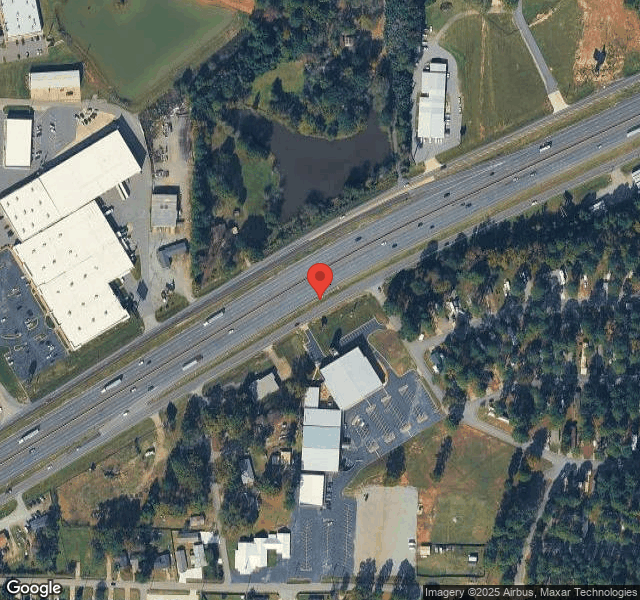
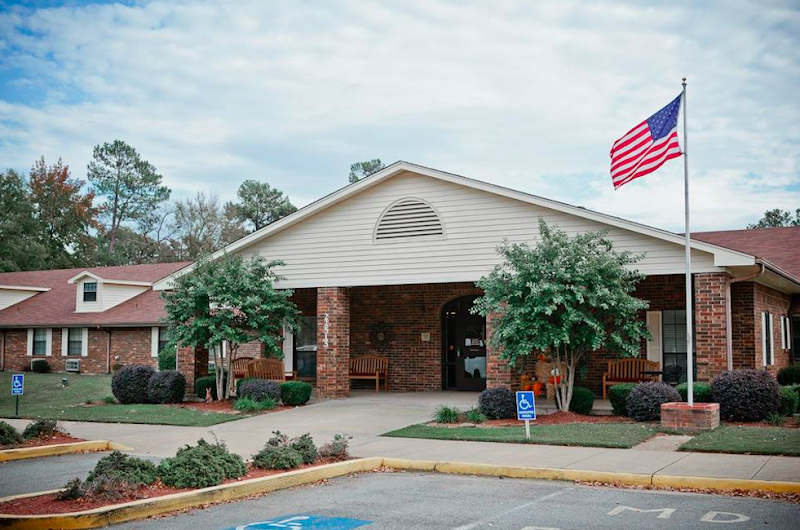
22515 I 30, BRYANT, AR 72022 (501) 847-0777
For profit - Limited Liability company 95 Beds SOUTHERN ADMINISTRATIVE SERVICES Data: November 2025
Trust Grade
20/100
#165 of 218 in AR
Last Inspection: May 2024

Within standard 12-15 month inspection cycle. Federal law requires annual inspections.

Overview

Southern Trace Rehabilitation and Care Center in Bryant, Arkansas has received a Trust Grade of F, indicating significant concerns and a poor overall rating. The facility ranks #165 out of 218 in the state, placing it in the bottom half, and #6 out of 6 in Saline County, meaning only one other local option is better. While the facility is trending towards improvement, having reduced its issues from 9 in 2024 to 1 in 2025, there are still serious concerns, including a troubling $70,850 in fines, which is higher than 97% of facilities in Arkansas. Staffing is average, with a 3/5 rating, and a 51% turnover rate, though they have average RN coverage, which helps in monitoring resident care. Specific incidents of concern include failures to prevent resident-to-resident abuse and poor food safety practices, such as staff not washing hands properly and failing to cover food, which raises the risk of foodborne illnesses for residents.

Trust Score
F
20/100
In Arkansas
#165/218
Bottom 25%
Safety Record
High Risk
Review needed
Inspections
Getting Better
9 → 1 violations
Staff Stability
⚠ Watch
51% turnover. Above average. Higher turnover means staff may not know residents' routines.
Penalties
✓ Good
$70,850 in fines. Lower than most Arkansas facilities. Relatively clean record.
Skilled Nurses
⚠ Watch
Each resident gets only 21 minutes of Registered Nurse (RN) attention daily — below average for Arkansas. Fewer RN minutes means fewer trained eyes watching for problems.
Violations
⚠ Watch
24 deficiencies on record. Higher than average. Multiple issues found across inspections.
★★☆☆☆
2.0
Overall Rating
★★★☆☆
3.0
Staff Levels
★★★☆☆
3.0
Care Quality
★★☆☆☆
2.0
Inspection Score
Stable
2024: 9 issues
2025: 1 issues

The Good

  • Full Sprinkler Coverage · Fire safety systems throughout facility
  • No fines on record

Facility shows strength in fire safety.

The Bad

2-Star Overall Rating

Below Arkansas average (3.1)

Below average - review inspection findings carefully

Staff Turnover: 51%

Near Arkansas avg (46%)

Higher turnover may affect care consistency

Federal Fines: $70,850

Well above median ($33,413)

Moderate penalties - review what triggered them

Chain: SOUTHERN ADMINISTRATIVE SERVICES

Part of a multi-facility chain

Ask about local staffing decisions and management

The Ugly 24 deficiencies on record

1 actual harm
Mar 2025 1 deficiency 1 Harm
SERIOUS (G) 📢 Someone Reported This

A family member, employee, or ombudsman was alarmed enough to file a formal complaint

Actual Harm - a resident was hurt due to facility failures

Free from Abuse/Neglect (Tag F0600)

A resident was harmed · This affected 1 resident

**NOTE- TERMS IN BRACKETS HAVE BEEN EDITED TO PROTECT CONFIDENTIALITY** Based on observations, interviews, and record review, the facility failed to ensure residents were free from resident-to-residen...

Read full inspector narrative →
**NOTE- TERMS IN BRACKETS HAVE BEEN EDITED TO PROTECT CONFIDENTIALITY** Based on observations, interviews, and record review, the facility failed to ensure residents were free from resident-to-resident abuse for 4 (Resident's #4, # 9, #13 and #14) of 14 sampled residents reviewed for abuse. The lack of effective behavior monitoring resulted in Resident #4 having resident to resident abuse that occurred on [DATE]; Resident #9 having resident to resident abuse that occurred on [DATE] and [DATE]; Resident #13 having resident to resident abuse that occurred on [DATE]; and Resident #14 having resident to resident abuse that occurred on [DATE] and [DATE]. Of these incidents, Resident #5 was the physical aggressor. The findings are: 1. A review of an Incident and Accident report dated [DATE] revealed Resident #5 shoved Resident #9 out into the hallway because Resident #9 was in Resident #5's room. The nurse caught Resident #9 to prevent a fall. 2. A review of an Incident and accident report dated [DATE] revealed Resident #5 was sitting in the dining room and struck Resident #13, who was seated at the same table. 3. A review of an Incident and Accident report dated [DATE] revealed Resident #14 was standing in front of Resident #5 talking when Resident #5 slapped Resident #14 on the arm. Resident #14 began to cry after being struck. 4. A review of the Incident and Accident report dated [DATE] revealed Resident #5 walked up to Resident #9 and struck Resident #9 in the face twice. 5. A review of the Incident and Accident report dated [DATE] revealed Resident #5 pulled Resident #14, by the wrist, off the sofa. 6. A review of an Incident and Accident report dated [DATE] revealed Resident #5 pushed Resident #4, causing the resident to fall. Resident #4 was described as crying hysterically. a. A review of OLTC [Office of Long Term Care] Incident and Accident Reports (I&A) indicated on [DATE] Certified Nursing Assistant (CNA) #1 heard Resident #4 yelling for Resident #5 to get out of my room. CNA #1 witnessed Resident #4 falling out of the doorway of Resident #4's bedroom, into the hall, landing on the resident's bottom and falling onto their back. Resident #4 stated, (Resident #5) came into my room and pushed me. Resident #4 reported pain to their tailbone. b. A review of the radiology results report dated [DATE] reflected findings L2 (lumbar disc #2) compression fracture appears acute. L1 compression deformity age unknown. Minimal anterolisthesis of L4 and L5. Impression: L2 compression fracture with age unknown, L1 compression deformity. c. A review of a skin audit report dated [DATE] at 3:23 PM, reflected Resident #4 to have a pain level of 6 on a scale of 1-10. d. A review of a skin audit report dated [DATE] at 3:27 PM identified Resident #4 to continue to complain of pain to the back, with [opioid analgesic medication name] (pain medication) given as ordered. e. A review of a Hot Rack Charting form dated [DATE] at 2:34 PM, reflected item 1. Reason for Hot Rack Charting: Physical Aggression Received [DATE]. Item 3. Narrative Note: Patient still visibly shaken when I opened the door - fearful. Gave pain pill [opioid analgesic medication name] as ordered and sat and comforted the patient. f. During an interview on [DATE] at 1:33 PM, the Minimum Data Set Coordinator (MDS)/Licensed Practical Nurse (LPN) for the Secure Unit, stated the facility did have residents that tend to hit others and that wander in/out of other resident's rooms. She stated Resident #5 had initiated several incidents. The MDS Coordinator provided this surveyor with a list of Resident #5's Physical Aggression Initiated incidents. The list showed 7 incidents in which Resident #5 had initiated physical aggression toward other residents. The MDS Coordinator said Resident #5 tried to climb over the back fence, hit staff, and they were scared [pronoun] might escalate even further. g. During an interview on [DATE] at 12:55 PM, the Administrator stated they did not have a reportable on Resident #5 for the incidents dated [DATE]; [DATE]; [DATE], or [DATE] because there were no injuries. h. During a phone interview on [DATE] at 2:04 PM, CNA #5 said, All I know is what I already provided on my witness statement, and did not provide any additional information. i. During an interview on [DATE] at 2:05 PM, CNA #3 stated that in days leading up to the incident with Resident #4, Resident #5 had not been sleeping. She had brought Resident #5 to the nurse ' s attention. She said Resident #5 had been pacing and yelling at another resident who was clueless. CNA #3 distracted Resident #5, and she thought it was the following day the incident occurred with Resident #4. CNA #3 stated she could not get Resident #5 to lay down, but that [Resident #5] would nod off on the couch. Resident #5 had done this for about three (3) days. j. During a phone interview on [DATE] at 2:07 PM, CNA #1 said, I was working over. I was watching the hall for another nurse. I thought all residents were in bed. I looked out of the door, and Resident #5 was sticking the resident's head out of the doorway. Since it was 11:00 PM, I told Resident #5 to go back to bed. Next, I heard Resident #4 yell and when I looked, Resident #4 fell out of the door and landed on Resident #4's bottom. I got in between Resident #4 and Resident #5 to protect Resident #4. Then the 200 Hall nurse yelled out, Are you alright? and I said, No. So, the 200-Hall nurse went and got the nurse, and we made sure Resident #4 was safe. And that is all I know. k. During a phone interview on [DATE] at 2:11 PM, LPN #4 said, I was on my lunch break, my nurse came and got me and told me another resident had picked Resident #4 up and thrown Resident #4, and later I was told Resident #5 had pushed Resident #4. We got an x-ray. The aggressor was taken off the hall for a while, and the family was notified. I think I talked with the son. We calmed Resident #4 down and followed the doctor's orders. l. During an interview on [DATE] at 3:00 PM, the Administrator reviewed the incident reports with this surveyor and said if there was no injury, no pain, no crying, nobody hurt, then they did not file a report with the Office of Long-Term Care. This surveyor asked if the facility conducted an investigation for the incidents, and if she had a file on the investigations. The Administrator said she was sure the incidents were discussed in Quality Assurance (QA) meetings. m. On [DATE], the Administrator provided a written form that outlined dates QA was reviewed. The form indicated QA reviewed: i. [DATE]: for [DATE] incident with Resident #5 and a female resident. Occurred at 7:32 a.m. Trigger identified: Demented female resident standing close to Resident #5 speaking in word salad. Resident #5 slapped at female resident's arm to make her move. When questioned, neither resident could recall the incident. ii. [DATE]: For [DATE] incident with Resident #5 and a female resident in [DATE], occurred 3/11 shift. Unknown trigger - Access Medical Behavioral Telehealth visit- transferred to ER for evaluation. Returned with new order for Depakote. iii. [DATE]: For [DATE] incident with Resident #5 and a female resident in November. Occurred 5:44 PM. Trigger: Resident #5 reacted to being kicked at. iv. [DATE]: For [DATE] incidents with Resident #5 and 2 different females in [DATE]. Both happened between the hours of 2:30 a.m. and 6:15 a.m. Unknown trigger - possible restlessness and not sleeping. Unit was quiet prior to both incidents. Labs were drawn; urinalysis and CBC: subtherapeutic Depakote level. v. Summary: Prior to September there was no pattern of behaviors to initiate a root cause analysis. Resident #5 is [AGE] years old with severe dementia, psychotic disturbances and Alzheimer's. Two of the incidents listed above were triggered by females in Resident #5's personal space. There was no pattern of targeting specific residents on the 200 Hall. On [DATE] there was an incident of extreme behavior that did not involve any residents. It was decided, at that moment, that [facility name] could no longer meet Resident #5's needs. Resident #5 was sent to [hospital name]. Alternate placement was found at [alternate facility name]. 7. A review of the State Operations Manual Appendix PP, F600 indicated, Willful actions include, but are not limited to, the following: hitting, slapping, punching, choking, pinching, biting, kicking, throwing objects, grabbing, shoving . The action itself was deliberate or non-accidental, not that the individual intended to inflict injury or harm . Having a mental disorder or cognitive impairment does not automatically preclude a resident from engaging in deliberate or non-accidental actions. 8. A review of Resident #5's Care Plan Report indicated Resident #5 had the potential targeted behavior related to dementia, with the following interventions listed: Administer medications as ordered date initiated [DATE], Anticipate resident's needs date initiated [DATE], Identify times of day, places, circumstances, triggers, and what de-escalates behavior - date initiated [DATE], Resident #5 has thicker accent and paces usually before behavior. Resident #5 behaviors are de-escalated by time outside and reggae music calms him date initiated [DATE], when Resident #5 becomes agitated, attempt to intervene before agitation escalates, guide away from source of distress, engage calmly in conversation, if response is aggressive, staff to walk away calmly and approach later, date initiated [DATE]. Care Plan identified Resident #5 to have a BIMS of 3. The Care Plan did not reflect any incidents this resident had during Resident #5's stay at the facility. Resident #5 exhibited aggressive behaviors toward Residents #9, #13, and #14 prior to the implementation of the behavior care plan being developed. 9. The annual Minimum Data Set (MDS) with an Assessment Reference Date (ARD) of [DATE], revealed Resident #4 had a Brief Interview for Mental Status (BIMS) score of 09 which indicated moderate cognitive impairment. Resident #4 was identified to have disorganized or incoherent thinking. The MDS does not identify Resident #4 to have behavioral symptoms. a. A review of Resident #4's physician orders dated [DATE], identified Resident #4's diagnoses as Alzheimer's disease, cerebral infraction, dementia with other behavioral disturbance, type 2 diabetes mellitus, insomnia, atherosclerotic heart disease, osteo-arthritis, low back pain, pain in arm, intervertebral disc degeneration, lumbosacral region with discogenic back pain, and a wedge compression fracture of second lumbar vertebra initial encounter for closed fracture. An order on [DATE] stated [analgesic opioid agonist medication name] 50 milligrams for other lower back pain. b. A review of Resident #4's Care Plan Report indicated Resident #4 has requested that Cardiopulmonary Resuscitation (CPR) measures be performed, resident is a very sociable person, resident has a potential for Activities of Daily Living (ADL) self-care performance deficit secondary to dementia and Alzheimer's. Resident #4 was not care planned for behaviors. 10. A review of Resident #9's Care Plan Report revealed Resident #9 was not care planned for behavior issues. a. A review of Resident #9's Medical Diagnosis report reflected the resident had diagnoses that included Alzheimer's disease, chronic kidney disease stage 3A, osteoarthritis of knee, pain to the right knee, sciatica, alcohol dependence induced persisting dementia, Wernicke's encephalopathy, and Raynaud's syndrome. b. The quarterly MDS with an ARD of [DATE], revealed Resident #9 had a BIMS score of 07 which indicated severe cognitive impairment. The MDS did not identify Resident #9 to have behavioral symptoms. 11. A review of Resident #13's physician Order Summary Report reflected the resident had diagnoses that included dementia, with other behavioral disturbances, Alzheimer's disease, anxiety disorder, chronic pain, major depressive disorder, restlessness and agitation, and insomnia. a. The quarterly MDS with an ARD of [DATE], revealed Resident #13 had a BIMS score of 03 which indicated severe cognitive impairment. The MDS identified Resident #13 to sometimes have behavioral symptoms, inattention, difficulty focusing attention, disorganized thinking, disorganized physical behavioral symptoms and verbal behavioral symptoms. 12. A review of Resident #14's Care Plan Report indicated Resident #14 had the potential to be verbally aggressive related to cognition and cognitive status. Resident will often cry when upset. Date initiated [DATE]. a. A review of Resident #14's Medical Diagnosis report reflected the resident had diagnoses that included dementia, with other behavioral disturbances, insomnia, atherosclerotic heart disease, restlessness and agitation, and palliative care. b. The significant change MDS with an ARD of [DATE], revealed Resident #14 had a BIMS score of 00, which indicated severe cognitive impairment. The MDS did not identify Resident #14 to have behavioral symptoms, inattention, difficulty focusing attention, disorganized thinking, disorganized, and altered level of consciousness, indicating behavior not exhibited.
Nov 2024 1 deficiency
CONCERN (D) 📢 Someone Reported This

A family member, employee, or ombudsman was alarmed enough to file a formal complaint

Potential for Harm - no one hurt, but risky conditions existed

Infection Control (Tag F0880)

Could have caused harm · This affected 1 resident

Based on observations, interviews and record reviews, the facility failed to ensure staff wore an isolation gown when providing care for 1 (Resident #5) of 1 (Resident #5) sampled residents that were ...

Read full inspector narrative →
Based on observations, interviews and record reviews, the facility failed to ensure staff wore an isolation gown when providing care for 1 (Resident #5) of 1 (Resident #5) sampled residents that were on contact isolation, and the facility failed to ensure a contact isolation sign was put outside the door of 1 (Resident #5) of 1 (Resident #5) sampled resident to alert the staff to apply PPE before providing care. This failed practice had the potential to spread infections throughout the facility. The findings are: A review of Resident #5's Order Summery Report revealed a diagnosis of elevated white blood cell count, sepsis, unspecified open wound to right lower leg, unstageable pressure ulcer of left heel, pressure ulcer of sacral region, bacteremia, and extended spectrum beta lactamase (ESBL). The admission Minimum Data Set (MDS) with an Assessment Reference Date (ARD) of 10/18/2024, revealed Resident #5 had a Brief Interview for Mental Status (BIMS) score of 14, which indicated the resident was cognitively intact. The MDS indicated that Resident #5 had a wound and a blood infection. A review of a physician order dated 10/28/2024 indicated Resident #5 had an unstageable pressure ulcer to her sacrum, a deep tissue injury to her left heel, and a wound vac. A review of Resident #5's care plan initiated 10/15/2024 revealed the resident had stage 3 pressure ulcer to her left buttocks, unstageable pressure ulcers to her sacrum and right buttocks, deep tissue injury to her left heel, and a surgical wound. A care plan initiated on 10/17/2024 indicated Resident #5 had a surgical wound infection of the right thigh. Intervention was to provide isolation precautions. A review of a form titled, Transmission Based (Isolation) Precautions indicated Signage that includes instructions for the use of specific PPE will be placed in a conspicuous location outside the resident's room. Contact precautions are intended to prevent transmission of pathogens that are spread by direct or indirect contact with the resident or the resident's environment. Healthcare personnel caring for residents on contact precautions wear a gown and gloves for all interactions that may involve contact with the resident or potentially contaminated areas in the resident's environment. The form indicated that gowns should be worn for residents on contact isolation. The form indicated that gowns should be worn whenever anticipating that clothing will have direct contact with a patient and potentially contaminated environmental surfaces or equipment near the patient. The form indicated that a gown should be applied upon entering the room. During an interview on 11/19/24 at 1:39 PM Resident #5 indicated having a wound vac for a long time. On 11/19/24/2024 at 1:55 PM Certified Nurse Aide (CNA) #1, and CNA #2 applied the straps to the mechanical lift and raised Resident #5 to the bed. CNA #1 and CNA #2 did not have on an isolation gown when Resident #5 was transferred with the mechanical lift. On 11/19/24 at 2:40 PM CNA#1, and CNA #2 provided incontinent care for Resident #5. There was an open area to the right side of Resident #5 buttocks. CNA #1 and CNA #2 did not have on a gown while providing incontinent care to Resident #5. There were no signs on the door indicating that Resident #5 was on precautions. There was no PPE placed near Resident #5's room. There were no trash bins in Resident #5's room to discard used isolation gowns. On 11/20/2024 at 8:25 AM, CNA #2 indicated she was not sure how long Resident #5 had been on precautions. She indicated no one informed her she had to wear a gown when she provided care for Resident #5. CNA #2 indicated that the isolation sign was not on the door yesterday, and today is the first day she has seen the sign on the door. During an interview on 11/20/2024 at 8:30 AM, the Infection Control Nurse indicated that she's been the Infection Control Nurse for 8 years. She indicated that Resident #5 was on contact isolation for ESBL in her urine. The treatment nurse indicated Resident #5 had surgical wounds, and she's not sure why the sign for contact isolation was not on the door. The Treatment Nurse indicated that Resident # 5 should not be on Enhanced Barrier Precautions because the resident was on contact isolation. The Treatment Nurse indicated she did not know when Resident #5 moved rooms, and the charge nurse that moved the resident was responsible for moving the isolation signs. During an interview on 11/20/2024 at 8:40 AM the Director of Nurse (DON) indicated Resident #5 moved to a different room on 11/15/2024. The DON indicated that Licensed Practical Nurse #3 was the nurse in charge of moving Resident #5. She indicated it was an oversite that the isolation sign wasn't moved to Resident #5's new room. During an interview on 11/20/2024 at 12:20 PM, the Treatment Nurse indicated Resident #5 had been on contact isolation since admission. The Treatment Nurse indicated that she had been going to the supply closet to get a gown when she provided wound care for Resident #5. The Treatment Nurse indicated she didn't think about the signage for contact isolation, and the PPE being nearby. On 11/20/2024 at 1:20 PM Resident #5 indicated today is the first day the staff have worn gowns when they provide care to her. During an interview on 11/20/2024 at 1:26 PM, CNA #1 indicated that the contact isolation sign was on Resident #5's door this morning. She indicated she did not see a contact isolation sign on the resident door on 11/19/2024. A review of an Infection Surveillance Monthly Report dated 10/16/2024 revealed Resident #5 had ESBL.
May 2024 8 deficiencies
CONCERN (D)

Potential for Harm - no one hurt, but risky conditions existed

Safe Environment (Tag F0584)

Could have caused harm · This affected 1 resident

Based on observation and interview, the facility failed to ensure 1 (Resident #20) sampled resident had an operational air conditioner to promote a comfortable home environment. The findings are: 1. ...

Read full inspector narrative →
Based on observation and interview, the facility failed to ensure 1 (Resident #20) sampled resident had an operational air conditioner to promote a comfortable home environment. The findings are: 1. Per the Medical Diagnoses, Resident #20 had diagnoses of cerebral palsy and epilepsy 2. Per the Quarterly Minimum Data Set with an Assessment Reference Date of 04/25/2024, Resident #20 scored a 5 (0-7 indicates severe cognitive impairment) on a Brief Interview for Mental Status. 3. On 05/28/2024 at 01:11 PM, the Surveyor observed Resident #20's air conditioner unit under the window, and noted the knob to adjust the heat to cool was broken off and sitting in the window. 4. On 05/29/2024 at 01:02 PM, the Surveyor observed Resident #20 adjusting the window blinds and touching the bottom of the window frame while waving hands. The Surveyor saw the knob to adjust the heat to cool was resting in the floor, under the window air conditioning unit. The Surveyor asked Resident #20 if the resident was having a problem with the window unit and Resident #20 waved both hands near his/her face saying, Hot, hot. 5. On 05/29/2024 at 01:04 PM, the Surveyor called Certified Nursing Assistant (CNA) #3 over and CNA #3 told the Surveyor that she sees the knob was off the air conditioner and turned and asked Resident #20 what was wrong. Resident #20 told CNA #3, Hot, hot. The Surveyor asked what process was used to report areas needing repair. CNA #3 told the Surveyor she is fairly new and was not sure but would notify maintenance right away. 6. On 05/29/2024 at 02:20 PM, the Surveyor spoke with the Maintenance Supervisor and asked what procedure staff were expected to follow to report maintenance needs in the facility. The Maintenance Supervisor said there is a maintenance binder at the nurse's station to document in, but staff tend to stop him in the halls and verbally tell him areas that need work. The Surveyor asked if he could remember all the verbal repairs that were brought to his attention, and he said, No, sometimes I forget what they said. The Surveyor asked if there were any air conditioner issues for repair that he was aware of and the Maintenance Supervisor said, No, not that I know of but it might be in the maintenance binder at the nurses desk. The Surveyor checked the maintenance binder and did not find Resident #20's room on the list. 7. On 05/30/2024 at 08:35 AM, the Surveyor spoke with Assistant Director of Nursing (ADON) #1 and ADON #2 and asked what process staff were expected to follow to report broken air conditioners, or maintenance needs. ADON #1 told the Surveyor that there was a maintenance binder at the nurses station that any staff member can use to write down things that need repaired, or staff can tell the charge nurse and the charge nurse will put it in the maintenance binder. The Surveyor asked if staff have been inserviced on how to report maintenance requests. ADON #1 told the Surveyor that she does not think there had been an inservice. ADON #2 told the Surveyor that they were pretty sure it had been discussed in monthly meetings. The Surveyor asked if staff did not follow the maintenance reporting procedure would there be any concerns. ADON #1 told the Surveyor that if there was no report made, then maintenance would not know to make a repair.
CONCERN (D)

Potential for Harm - no one hurt, but risky conditions existed

Comprehensive Care Plan (Tag F0656)

Could have caused harm · This affected 1 resident

**NOTE- TERMS IN BRACKETS HAVE BEEN EDITED TO PROTECT CONFIDENTIALITY** Based on observation, record review, and interview, the facility failed to implement a comprehensive care plan addressing diuret...

Read full inspector narrative →
**NOTE- TERMS IN BRACKETS HAVE BEEN EDITED TO PROTECT CONFIDENTIALITY** Based on observation, record review, and interview, the facility failed to implement a comprehensive care plan addressing diuretic therapy for 1 (Resident #16) sampled resident to ensure the resident received appropriate care. The findings are: 1. Review of Resident #16's Medical Diagnoses revealed diagnoses of cerebral infarction, depressive disorders, and urinary tract infection. a. The Quarterly Minimum Data Set with an Assessment Reference Date of 03/15/2024 revealed a Brief Interview for Mental Status score of 12 (8-12 indicates moderate impairment). b. A Physician Order (Dated 09/08/2020) documented, .Furosemide Tablet 40 MG (milligram) Give 1 tablet by mouth one time a day for Edema . (Furosemide is a diuretic used to treat fluid retention (edema) and swelling caused by congestive heart failure, liver disease, kidney disease, and other medical conditions.) c. On 05/30/2024 at 02:25 PM, the Surveyor spoke with the MDS Nurse and the MDS Consultant and asked if they could find where diuretics were addressed on Resident #16's care plan. The MDS Consultant told the Surveyor that she checked and could not find where diuretics were addressed on the care plan. The MDS Consultant verified diuretics were addressed on the MDS dated [DATE] and should have flowed to the care plan. The Surveyor asked why it would be important to address diuretics in Resident #16's care plan. The MDS Nurse told the Surveyor because Resident #16 was on a diuretic, and it would be important to know about labs to look for such as potassium to prevent falls. The MDS Consultant told the Surveyor that the care plan paints a picture of a resident's care needs so that the facility knows what to look for so they can provide the best care and paint the whole picture.
CONCERN (D)

Potential for Harm - no one hurt, but risky conditions existed

Deficiency F0657 (Tag F0657)

Could have caused harm · This affected 1 resident

Based on observation, record review, and interview, the facility failed to revise a care plan for 1 (Resident #57) sampled resident to reflect changes with enteral feeding. The findings include: 1. P...

Read full inspector narrative →
Based on observation, record review, and interview, the facility failed to revise a care plan for 1 (Resident #57) sampled resident to reflect changes with enteral feeding. The findings include: 1. Per an Order Summary Report, Resident #57 had diagnoses of dysphagia oropharyngeal, dysphagia oral phase, and abnormal weight loss. a. Resident #57 had a Physician ' s Order for enteral feed every shift related to abnormal weight loss. b. A Significant Change Minimum Data Set with the Assessment Reference Date of 03/03/2024 documented that Resident #57 was unable to complete the Brief Interview of Mental Status and had a feeding tube (e.g., nasogastric, or abdominal Percutaneous Endoscopic Gastrostomy (PEG). c. A review of Resident #57's Care Plan revealed the resident required tube feeding via PEG tube with bolus feeding per Medical Doctor (MD) order related to dysphagia and swallowing problem. An intervention dated 03/04/2024 instructed staff to check tube placement prior to any feeding or flushes, to check for gastric contents/residual volume as ordered per physician, and for the head of bed (HOB) elevated during tube feeding. d. On 05/28/2024 at 1:31 PM, Resident #57 was observed lying on the resident's right side, head elevated, with enteral feeding infusing. e. On 05/31/2024 at 8:30 AM, the Minimum Data Set (MDS) Nurse confirmed that the care plan had not been revised to reflect the change in the enteral feeding from bolus to continuous. The MDS Nurse voiced that the failure to revise could affect the resident care because staff was not getting the full picture and they could accidentally give the wrong feeding. f. On 05/31/24 at 8:33 AM, the Director of Nursing (DON) voiced that the care plan had not been revised and did not line up with the physician's orders. g. On 05/31/2024 at 8:37 AM, the DON stated that the facility did not have a policy on care plans.
CONCERN (E)

Potential for Harm - no one hurt, but risky conditions existed

Deficiency F0583 (Tag F0583)

Could have caused harm · This affected multiple residents

2. Per a Order Summary Report Resident #57 had diagnoses of dysphagia, pressure ulcer of sacral region, unstageable, and need for assistance with personal care. Resident #57 had a physician's order th...

Read full inspector narrative →
2. Per a Order Summary Report Resident #57 had diagnoses of dysphagia, pressure ulcer of sacral region, unstageable, and need for assistance with personal care. Resident #57 had a physician's order that instructed staff to ensure the wound vacuum was intact and functioning properly every shift. b. A Significant Change Minimum Data Set with an Assessment Reference Date of 03/03/2024 documented Resident #57 was unable to complete the Brief Interview of Mental Status. Resident #57 had an indwelling catheter, a pressure ulcer/injury, a scar over bony prominence, or a non-removable dressing/device, and a feeding tube (e.g., nasogastric, or abdominal Percutaneous Endoscopic Gastrostomy (PEG)). c. A Care Plan for Resident #57 with an initiated date of 05/28/2024, documented Resident #57 required Enhanced Barrier Precautions (EBP) related to chronic wounds, indwelling catheter, and enteral feeding. d. On 05/29/2024 at 01:50 PM, the Surveyor entered Resident #57's room and observed CNA #7 and #8 providing incontinence care to Resident #57 with the curtain open exposing the resident to his/her roommate and anyone who entered the room. e. On 05/29/2024 at 02:00 PM, CNA #7 confirmed that she was aware that the curtain should be pulled to give the resident privacy while receiving care. f. On 05/31/2024 at 08:35 AM, the Director of Nursing (DON) voiced that the curtain should be pulled, and door closed to maintain privacy of the resident while receiving care. g. On 05/31/2024 at 08:37 AM, the DON stated that the facility did not have a policy on dignity or privacy. Based on observation, record review, and interview, the facility failed to ensure privacy for 2 (Residents #21, and #57) sampled residents to promote a dignified existence. The findings are: 1. On 05/28/2024 at 10:03 AM, while observing Resident #21's room, a visitor told the Surveyor the door does not stay shut, and staff stick the curtain in the door to keep it closed. The visitor said he visits almost every day. a. On 05/29/2024 at 01:37 PM, the Surveyor observed Certified Nursing Assistant (CNA) #5 come out of Resident #21's room and pull up on the doorknob and try to get the door to close. After several failed attempts to get the door to close, CNA #5 was observed pulling A-bed's privacy curtain out into the hallway and was able to get the door to stay shut. The Surveyor asked if having a door and a usable privacy curtain was important for privacy. CNA #5 told the Surveyor that they felt that everyone should have a door that closes and a privacy curtain, so yes, you should be able to close the door. CNA #5 said, The privacy curtain is in the door, but is being used right now and it is working fine. b. On 05/29/2024 at 01:41 PM, the Surveyor knocked on the door and on entry observed the privacy curtain to A-bed had about a 4-foot area that was open, and Resident #21 was observed resting on the left side, uncovered, and wearing a brief. The Surveyor checked and made sure the resident in B-bed had no visitors and asked CNA #6 and CNA #7 if they felt the process for shutting Resident #21's door provided privacy for both residents. CNA #6, and CNA #7 said yes, because they were able to jam the curtain in the door to close it, using the curtain. CNA #6 told the Surveyor that they have had the door repaired in the past and after a while it stops working and they report it again by writing it in the maintenance binder. Both CNAs confirmed they had not reported the door not staying closed. c. On 05/30/2024 at 08:20 AM, Assistant Director of Nursing (ADON) #1 and ADON #2 were asked what the process was for maintaining a resident's privacy. ADON #2 told the Surveyor that every resident should have a privacy curtain, a door that closes and working window blinds for privacy. ADON #1 told the Surveyor staff are also trained to knock on the door and at least give the resident time to respond before opening the door. d. On 05/30/2024 at 11:25 AM, the Administrator told the Surveyor they did not have a dignity policy. e. On 05/29/2024 at 09:40 AM, the Administrator provided the Resident [NAME] of Rights documenting, .Privacy Every Resident has the right to: Considerate and respectful care. Every resident will be treated with consideration, respect and full recognition of his/her dignity and individuality. Privacy during treatment and care of personal needs. People not involved in the care of residents shall not be present without the consent of the resident during examinations and treatment .
CONCERN (E)

Potential for Harm - no one hurt, but risky conditions existed

Accident Prevention (Tag F0689)

Could have caused harm · This affected multiple residents

2. Review of an Order Summary revealed Resident #57 had diagnoses of dysphagia, pressure ulcer of sacral region unstageable, and needed assistance with personal care, and that Resident #57 had a Physi...

Read full inspector narrative →
2. Review of an Order Summary revealed Resident #57 had diagnoses of dysphagia, pressure ulcer of sacral region unstageable, and needed assistance with personal care, and that Resident #57 had a Physician's Order to ensure that wound vacuum is intact and functioning properly every shift. a. A Significant Change MDS with an ARD of 03/03/2024 revealed that Resident #57 was unable to complete the Brief Interview of Mental Status, 57 had an indwelling catheter, had a pressure ulcer/injury, a scar over bony prominence, or a non-removable dressing/device, had a feeding tube (e.g., nasogastric, or abdominal Percutaneous Endoscopic Gastrostomy (PEG)). b. A Care Plan for Resident #57, initiated 05/28/2024, revealed the resident required Enhanced Barrier Precautions (EBP) related to chronic wounds, indwelling catheter, and enteral feeding. c. On 05/29/2024 at 1:30 PM, the Surveyor observed Certified Nursing Assistant (CNA) #7 and #8 enter Resident #57's room and close the door. The Surveyor did not observe a nurse enter or exit Resident #57's room. d. On 05/29/2024 at 1:50 PM, the Surveyor entered and observed CNA #7 and #8 providing incontinence care to Resident #57. Resident #57 was lying flat in the bed, and the enteral feeding pump was beeping with a hold error displayed on the screen. e. On 05/29/2024 at 2:00 PM, CNA #7 voiced that the pump went to hold when they turned the resident. The Surveyor asked CNA #7 did you lay the resident flat before you turned him/her? CNA #7 voiced that they laid the resident flat and then turned him/her; the resident began to cough so they raised the resident's head. CNA #7 voiced that they were told not to touch the enteral feeding pump. f. On 05/31/2024 at 8:35 AM, the DON voiced that the enteral feeding pump does not automatic hold when residents are turned. The DON also confirmed that the enteral feeding pump should be placed on hold by a licensed nurse prior to laying the Resident flat to prevent aspiration. g. On 05/31/2024 at 08:37 AM, the DON stated that the facility did not have a policy on enteral feeding. The in-service on enteral feeding requested on 05/30/2024 was not provided. Based on observation, record review, and interview, the facility failed to ensure foreign substances were not left in a cup in 1 (Resident #46) sampled resident's room to prevent possible ingestion to prevent injury or harm, and failed to ensure that a licensed nurse placed an eternal feeding pump on hold prior to staff laying the resident flat for 1 (Resident #57) sampled resident. The findings are: 1. Review of Medical Diagnoses revealed Resident #46 had diagnoses of chronic obstructive pulmonary disease, epilepsy, and dementia. a. The Quarterly Minimum Data Set (MDS) with an Assessment Reference Date (ARD) of 02/27/2024 revealed a Brief Interview for Mental Status (BIMS) score of 14 (13-15 indicates cognitively intact). b. On 05/28/2024 at 02:20 PM, the Surveyor observed a cup containing a thick orange substance measuring 2 ounces sitting on the right side of the bathroom sink. The Surveyor asked Licensed Practical Nurse (LPN) #11 to identify the orange substance and asked if it was medication. LPN #11 told the Surveyor it looked like some kind of juice. The Surveyor told LPN #11 the fluid appeared very thick. LPN #11 smelled the orange fluid, and said, It looks like some kind of soap. The Surveyor asked if she had any concerns with the fluid sitting in Resident 46's bathroom and LPN #11 told the Surveyor someone could have come into the room and drank it causing harm. c. On 05/30/2024 at 11:25 AM, the Administrator told the Surveyor they do not have any policies. d. On 05/31/2024 at 9:56 AM, the Director of Nursing (DON) was asked if she could identify the liquid in the measuring glass left in Resident 46's bathroom, and she was not able to identify the fluid. The Surveyor asked if there were any concerns about an unknown substance being left in a resident's room. The DON told the Surveyor that someone could have drunk it.
CONCERN (E)

Potential for Harm - no one hurt, but risky conditions existed

Deficiency F0805 (Tag F0805)

Could have caused harm · This affected multiple residents

Based on observation and interview, the facility failed to ensure that pureed food items were blended to a smooth, lump free consistency to minimize the risk of choking or other complications for thos...

Read full inspector narrative →
Based on observation and interview, the facility failed to ensure that pureed food items were blended to a smooth, lump free consistency to minimize the risk of choking or other complications for those residents who required pureed diets for 2 of 2 meals observed. The failed practice had the potential to affect 6 residents who received pureed diets. The findings are: 1. On 05/30/2024 at 11:29 AM, Dietary Aide #20 used an 8 ounce spoon to place 8 servings of chicken dumpling into a blender, added 2 teaspoons of thickener then added 3 additional teaspoons of thickener and pureed. At 11:38 AM, the puree mixture was poured into a pan and placed in the oven. At 11:53 AM, the pan of pureed chicken and dumplings was placed on the steam table. The consistency was thick and gooey. 2. On 05/30/2024 at 12:21 PM, the Surveyor asked Certified Nursing Assistant (CNA) #7, who was assisting residents in the dinner room, to describe the consistency of food items served to the residents on pureed diets. She stirred the cake that had nectar thickened milk at the bottom of it with a fork and stated, I don't know what to say, it is just thick. 3. On 05/30/2024 at 12:24 PM, the Director of Nursing (DON) observed the food served to residents on pureed diets and stated, It is pudding thick and not smooth. It is too textured. 4. On 05/30/2024 at 12:35 PM, the Surveyor asked CNA #14 to describe the texture of the pureed food items served to the residents on pureed diets. CNA #14 mashed the cake down in the bowl, using a fork and stated, Cake is clumpy. Corn bread seems soft but is kind of crunchy. The chicken and dumplings are thick. 5. On 05/30/2024 at 12:30 PM, the Surveyor asked the Dietary Supervisor for the consistency of the food items served to the residents on pureed diets. She stated, Pureed cake doesn't look smooth. At 12:40 PM, she stated, It just thick. Pureed chicken and dumpling were thick. I would have told her not to put more thickener in there when she was adding it. 6. On 05/30/2024 at 12:42 AM, the Surveyor asked CNA #7 who was assisting a resident in the dining room with their meal to describe the consistency of the pureed food items. She stated, Pureed cake was a little thick.
CONCERN (E) 📢 Someone Reported This

A family member, employee, or ombudsman was alarmed enough to file a formal complaint

Potential for Harm - no one hurt, but risky conditions existed

Infection Control (Tag F0880)

Could have caused harm · This affected multiple residents

**NOTE- TERMS IN BRACKETS HAVE BEEN EDITED TO PROTECT CONFIDENTIALITY** Based on observation, record review, and interview, the facility failed to ensure hand hygiene was performed during incontinenc...

Read full inspector narrative →
**NOTE- TERMS IN BRACKETS HAVE BEEN EDITED TO PROTECT CONFIDENTIALITY** Based on observation, record review, and interview, the facility failed to ensure hand hygiene was performed during incontinence care to prevent cross contamination and infection for 1 (Resident #46) of 13 sampled residents that required assistance for incontinence care; ailed to ensure staff donned appropriate personal protective equipment (PPE) for 1 (Resident #57) sampled resident on enhanced barrier precautions to prevent cross contamination; and failed to provide a clean and sanitary environment. The findings are: 1. Per an Order Summary Report, Resident #46 had diagnoses of chronic obstructive pulmonary disease, epilepsy, and dementia. a. The Quarterly Minimum Data Set (MDS) with an Assessment Reference Date (ARD) of 02/27/2024 revealed a Brief Interview for Mental Status (BIMS) score of 14 (13-15 indicates cognitively intact). b. A Care Plan for Resident #46, with a revision date of 12/29/2022, indicated the resident had an Activities of Daily Living (ADL) self-care performance deficit, activity intolerance, confusion, fatigue, impaired balance, limited mobility, limited range of motion (ROM), secondary Parkinsonism, tremors, & weakness/debility. The resident required extensive assistance of x1 staff with toileting. c. On 05/28/2024 at 02:35 PM, Certified Nursing Assistant (CNA) #12 was observed removing multiple wipes with her right hand and wiping Resident #46's buttocks and perineal area 1-2 times in one direction. CNA #12 was observed using the pointer finger on the right hand to shove clean wipes back into the package, pull the resident's shirt down, pull the resident up with the draw sheet, and hand the resident a call light. No hand hygiene was observed during resident care. The Surveyor asked if CNA #12 had hand gel, and CNA #12 said, Yes. The Surveyor asked what process should have been followed when wiping the resident and before straightening residents clothing and returning clean wipes in the package. CNA #12 told the Surveyor they should have performed hand hygiene to prevent cross contamination. d. On 05/30/2024 at 08:25 PM, the Surveyor spoke with Assistant Director of Nursing (ADON) #1 and ADON #2 and asked if it was appropriate to use the same hand used to wipe a resident's buttocks and perineal area to push clean, unused wipes back into the package. ADON #1 said, No, ma'am. You're cross contaminating the clean wipes that way. Staff should keep a clean hand, and a dirty hand. The Surveyor asked what procedure staff were expected to follow after providing incontinence care before touching a resident's clean linens, clothing, call lights or room environment. ADON #2 said, Staff should remove their gloves, wash their hands or use hand sanitizer before touching anything. 2. Per an Order Summary Report, Resident #57 had diagnoses of dysphagia, pressure ulcer of sacral region, unstageable, and need for assistance with personal care. Resident #57 had a Physician's Order to ensure that the wound vacuum was intact and functioning properly every shift. a. A Significant Change MDS with an ARD of 03/03/2024 documented that Resident #57 was unable to complete the Brief Interview of Mental Status. Resident #57 had an indwelling catheter, had a pressure ulcer/injury, a scar over bony prominence, or a non-removable dressing/device, and had a feeding tube (e.g., nasogastric, or abdominal Percutaneous Endoscopic Gastrostomy (PEG)). b. A Care Plan for Resident #57, initiated 05/28/2024, documented Resident #57 required Enhanced Barrier Precautions (EBP) related to chronic wounds, indwelling catheter, and enteral feeding. c. On 05/29/2024 at 01:50 PM, the Surveyor observed CNA #7 and #8 providing incontinence care to Resident #57, who had a wound vacuum in place, indwelling catheter, wounds to the resident's person, and received enteral feed via PEG tube. Neither CNA #7 nor #8 had a gown in place. The Surveyor observed 2 clear bags placed on the floor. One contained dirty linen and the second contained dirty incontinence brief and wipes. d. On 05/29/2024 at 02:00 PM, CNA #7 confirmed knowing a gown should be worn when caring for Resident #57, but due to being in a hurry did not put on a gown. CNA #7 voiced she was aware nothing should be on the floor when providing incontinence care. e. On 05/31/2024 at 08:35 AM, the Director of Nursing (DON) confirmed that a gown and gloves should be wore when providing care to a resident with an external medical device like catheter, PEG tube, or open wounds to protect the resident from anything that may be transferred from the clothing worn by staff. The DON voiced that the bags with soiled material and linen should not be on the floor because of cross contamination. f. On 05/31/2024 at 08:37 AM, the DON stated that the facility did not have a policy on Enhance Barrier Precautions. g. On 05/31/2024 at 11:55 AM, a copy of the sign posted on the door of Resident #57's room titled Enhanced Barrier Precautions instructed wear gloves and gown for the following high-contact Resident care activities: dressing, bathing/showering, transferring, changing linens, providing hygiene, changing brief or assisting with toileting, device care or use: central line, urinary catheter, feed tube, tracheostomy, wound care: any skin opening requiring a dressing. 3. On 05/28/2024 at 09:42 AM, the Surveyor observed that room [ROOM NUMBER] had a brown substance on the floor beside the toilet and a large brown smear was observed on the bathroom wall above the trash can. a. On 05/28/2024 at 01:35 PM, room [ROOM NUMBER] had a large brown smear on the bathroom wall above the trash can and a brown substance on the floor beside the toilet and on the front of the toilet on the outside. b. On 05/29/2024 at 08:44 AM, room [ROOM NUMBER]'s toilet contained dark yellow urine with dissolving brown stool, a brown substance on the floor beside the toilet and on the front of the toilet, on the outside, and a brown substance on the wall above the trash can. c. On 05/30/2024 at 09:48 AM, the Surveyor observed a brown substance on the bathroom wall above the trash can, which had a clean trash bag inside it in room [ROOM NUMBER]. A brown substance was observed on the floor beside the toilet and on the front of the toilet on the outside. d. On 05/31/2024 at 08:20 AM, Housekeeping Staff (HS) #18 was asked, who is responsible for ensuring the resident's walls and other areas of the room are cleaned and sanitized? HS #18 said, it is my job. HS #18 was asked, why is it important to clean and sanitize the resident's room and bathroom? HS #18 said, germs, they all live close together so it is important because they can touch it and get any virus that is transmitted by urine, feces on the wall. HS #18 was asked, why would it be important to clean up the feces timely? HS #18 was asked, because another resident could touch it and get germs if they touch it. e. On 05/31/2024 at 8:30 AM, Housekeeping Supervisor #17 was asked, who is responsible for ensuring the residents walls and other areas of the room/bathroom are cleaned and sanitized? Housekeeping Supervisor #17 said, housekeepers. Housekeeping Supervisor #17 was asked, why is it important to clean and sanitize the resident's room and bathroom? Housekeeping Supervisor #17 said, infection, keep it away, to be cleaned and sanitized. A lot of them have wounds with bacteria and you don't want others to get the bacteria. Housekeeping Supervisor #17 was asked, why would it be important to get the feces cleaned up timely? Housekeeping Supervisor #17 said, smell, anything in the feces, if someone steps on it or walks on it. Make sure you have a sanitized building. Housekeeping Supervisor #17 was asked, what type of germs are transmitted through feces? Housekeeping Supervisor #17 said, MRSA, C-diff, bacteria. Housekeeping Supervisor #17 was asked, what would happen to a resident if they got into feces left on the wall? Housekeeping Supervisor #17 said, you can get anything from feces such as C-diff, MRSA, any kind of infection that is contagious. Housekeeping Supervisor #17 identified the brown substance on the wall and floor in room [ROOM NUMBER]'s bathroom as feces. f. On 05/31/2024 at 8:40 AM, HS #19 was asked who is responsible for ensuring the residents walls and other areas of the room are cleaned and sanitized? HS #19 said, housekeeping. HS #19 was asked why is it important to clean and sanitize the resident's room and bathroom? HS #19 said, because they can get germs when breathing and because of health problems. HS #19 was asked why would it be important to clean up the feces timely? HS #19 said, so it will not stay on it and the smell will not stay and it is important to get everything sanitized. HS #19 was asked, what was that on that wall you cleaned in that bathroom? HS #19 said, feces. g. On 05/31/2024 at 12:37 PM, the Administrator stated they did not have a cleaning policy.
CONCERN (F)

Potential for Harm - no one hurt, but risky conditions existed

Food Safety (Tag F0812)

Could have caused harm · This affected most or all residents

Based on observation and interview, the facility failed to ensure (1) sanitary procedures were followed when serving food to the residents to prevent a potential foodborne illnesses; failed to ensure ...

Read full inspector narrative →
Based on observation and interview, the facility failed to ensure (1) sanitary procedures were followed when serving food to the residents to prevent a potential foodborne illnesses; failed to ensure food transported to patient in the second dining room which are not adjacent to the main dining room were covered to prevent the potential for cross contamination for 7 residents who received meals in the second dining room; (2) foods stored in the freezer, refrigerator and dry storage area were covered, sealed and dated to minimize the potential for food borne illness for residents who received meals from 1 of1 kitchen; (3) glasses contained beverages were fully covered to be protected from flies or other contamination, (4) dietary staff washed their hands before handling clean equipment or food items to prevent potential food borne illness for residents who received meals from 1 of 1 kitchen. These failed practices had the potential to affect 82 residents who received meals from the kitchen (total census:87). The findings are: 1. On 05/28/2024 at 12:30 PM, the Surveyor observed the Dietary Manager transporting a plate uncovered across the hall to another dining area and placed it on the table. The resident was not present at that time. At 12:48 PM, the Surveyor asked the Dietary Manager, do you cover the plates when they are transported outside the dining room? The Dietary Manager stated, They cover the plates when they go on the cart for hall trays, when the plates are transported across the hall to the other dining room except for a while ago when I carried a plate across the hall you got me on that. 2. Per an Order Summary Report, Resident #3 had diagnoses of cerebral infarction, dementia, and type II diabetes. a. The Quarterly Minimum Data Set (MDS) with an Assessment Reference Date (ARD) of 03/11/2024 revealed Resident #3 scored 0 (0-7 indicates severe cognitive impairment) on a Brief Interview for Mental Status (BIMS) and the resident was dependent on assistance with eating, toileting, and personal hygiene. a. On 05/28/2024 at 12:53 PM, CNA #6 was observed assisting Resident #3 by wiping Resident #3's mouth with a napkin, folded the napkin with both hands and pressed the napkin onto Resident #3's lunch plate. The Surveyor did not observe any hand hygiene during the meal service. 3. Per an Order Summary Report Resident #75 had diagnoses of cerebral infarction, vascular dementia, and anxiety. a. The Quarterly MDS with an ARD of 05/09/2024 indicated Resident #75 had short and long term memory issues per a Staff Assessment for Mental Status (SAMS). Resident #75 required set up assistance for meals and was dependent for toileting, personal hygiene, bathing, and dressing. b. On 05/28/2024 at 12:54 PM, CNA #6, without using any hand hygiene, was observed using her contaminated right hand to remove a clear film off Resident #75's nectar tea, then placed fingers around the rim of the cup and offer fluids to Resident #75. CNA #6 set the nectar tea down and was observed placing two fingers from the right hand into the opening of a bag of chips and pushing the bag closer to Resident #75. No hand hygiene was observed. c. On 05/28/2024 at 12:56 PM, the Surveyor asked CNA #6 if they had any alcohol gel on her person. CNA #6 told the Surveyor, Yes, and I probably should have used it. The Surveyor asked what concerns she had after she wiped Resident #3's mouth and folding the napkin using both hands, then touching the lip on Resident #75's nectar tea while encouraging a drink, followed by placing two fingers in Resident #75's bag of chips and moving the opening closer to the resident? CNA #6 told the Surveyor she was concerned with cross contamination. 4. Per an Order Summary Report, Resident #48 had diagnoses of cachexia, Alzheimer's, and major depressive disorder. a. The Quarterly MDS with an ARD of 05/15/2024 revealed Resident #48 had short and long term memory issues per a Staff Assessment for Mental Status (SAMS). Section GG 0130 indicated the resident was dependent for eating, bathing, dressing, transfers, and personal hygiene. b. On 05/28/2024 at 12:58 PM, CNA #12 was observed assisting Resident #48 with feeding assistance. CNA #12 placed both hands on the CNA's legs then used both hands to open the spout on the resident's milk carton and placed a straw in the milk. The milk carton was hard to open, and CNA #12 had to manipulate the opening with their fingers. CNA #12 then used hand sanitizer. The Surveyor asked if there was any reason why hand sanitizer should have been used prior to opening residents' milk and placing a straw in it. CNA #12 said, Yes, there is a risk of cross contamination. CNA #12 told the Surveyor hand get should have been used prior to opening resident's milk. c. On 05/30/2024 at 08:30 AM, the Surveyor was speaking with ADON (Assistant Director of Nursing) #1 and ADON #2 and asked what procedure staff were expected to follow when assisting residents with meals to maintain good hand hygiene. ADON #2 told the Surveyor staff should sit behind the table and clean their hands before feeding residents. The ADON's were asked what procedure staff were expected to follow during resident care if staff touches their clothing or coughs into their clothing. ADON #1 said staff should have cleaned their hands or use hand sanitizer. 5. On 05/30/2024 at 09:18 AM, two sheet pans containing biscuit dough, were stacked on top of each other sitting on boxes on lower shelf. The bottom sheet pan was not covered, and biscuits were sticking to the bottom of the top pan. The top pan was sitting on top of the uncovered biscuits on the lower pan. 6. On 05/30/2024 at 09:24 AM, a can of energy drink with no name and no received date on the can, was sitting on the top shelf on the left side of the refrigerator near the door. The Dietary Manager stated, I don't know who's that is. 7. On 05/30/2024 at 09:25 AM, a pitcher of tomato juice dated 05/28/2024 was sitting on shelf on left side of the refrigerator. The lid was turned so the spout was open and ready to pour, exposing it to cross contamination. 8. On 05/30/2024 at 09:48 AM, there was light brown with spots of black debris on the seal of the milk refrigerator. The Dietary Manager stated, It should be cleaned once a week. The Surveyor asked if it looked like it had been cleaned in the last week and the Dietary Manager stated, No. The Dietary Manager stated the seal was scheduled to be changed next week. 9. On 05/30/2024 at 09:55 AM, a pitcher of coffee was sitting on top of the counter by the coffee maker and was not covered, exposing it to air and pests. Two flies were seen in the kitchen. 10. On 05/30/2024 at 09:57 AM, Dietary Aide #15 touched their beard cover without washing his hands, picked up utensils and placed them on a napkin and wrapped for the resident to use in eating their lunch meal. The Surveyor asked Dietary Aide #15, what should you have done after you touched the beard cover? Dietary Aide #15 left the area without a response. 11. The floor throughout the kitchen had stains on it. 12. On 05/30/2024 at 10:30 AM, a clear ice scoop was laying on the ice inside a blue and white ice chest in the ice machine room. 13. On 05/30/2024 at 10:42 AM, inside a refrigerator there was an open drawer that contained loose coffee filters that were not sealed. The freezer had a buildup of ice and contained no items. The refrigerator had food debris and spilled liquid that required cleaning. 14. On 05/30/2024 at 10:51 AM, the following observations were made in the refrigerator in the memory unit: a. A can of energy drink that was not labeled and undated. b. A 20 ounce open bottle of regular soda was not labeled with an open date. c. A bottle of diet green tea was not labeled and did not have a received date. d. One box of short cake on rack was not labeled with a received date or an open date. 15. On 05/30/2024 at 11:26 AM, Dietary Aide #16 entered the kitchen without head or hair covering, walked around the kitchen around the food preparation area, and bent over in front of the food preparation table where a dietary employee was cutting cornbread, opened a drawer and took out a brown apron. 16. On 05/30/2024 at 11:39 AM, Dietary Aide #16 removed containers of nectar water and milk from refrigerator and placed them on the counter. Then he removed gloves from glove box and placed them on his hands, contaminating the gloves. Without changing the gloves and washing his hands, he picked up the glasses by the rims that go into the mouth on four beverages, to be served to the residents on thickened liquids at lunch. At 12:44 PM, Dietary Aide #16 was asked by the Surveyor, What should you have done after touching the dirty object before handling clean equipment? Dietary Aide #16 stated, I should have changed my gloves and washed my hands. 17. On 05/30/2024 at 09:15 AM, the kitchen refrigerator temperature was 38 degrees Fahrenheit (F). 18. On 05/30/2024 at 09:25 AM, a pitcher of tomato juice dated 05/28/2024 was sitting on shelf on left side of the refrigerator. The lid was turned so the spout was open and ready to pour, exposing it to cross contamination. 19. On 05/30/2024 at 09:48 AM, the milk cooler was 39 degrees F. Light brown with spots of black debris was observed on the seal. The Dietary Manager stated, It should be cleaned once a week. The Surveyor asked if it looked like it had been cleaned in the last week and the Dietary Manager stated, No. The Dietary Manager stated the seal would be changed next week, already scheduled.
Aug 2023 1 deficiency
CONCERN (E) 📢 Someone Reported This

A family member, employee, or ombudsman was alarmed enough to file a formal complaint

Potential for Harm - no one hurt, but risky conditions existed

Incontinence Care (Tag F0690)

Could have caused harm · This affected multiple residents

Based on record review, observation and interview, the facility failed to provide appropriate size briefs for 3 (Residents #3, #4 and #5) of 3 sampled residents who were incontinent and used briefs. T...

Read full inspector narrative →
Based on record review, observation and interview, the facility failed to provide appropriate size briefs for 3 (Residents #3, #4 and #5) of 3 sampled residents who were incontinent and used briefs. The findings are: 1. Resident #3's Care Plan with a revision date of 09/28/20 noted Resident #3 had bladder incontinence and will remain free from skin breakdown due to incontinence and brief use. a. On 08/27/23 at 9:28 AM, Resident #3 was in the hall sitting in a Geri chair. The Surveyor noted resident had on a white brief and it was waded up under the resident's stomach on the left side. Resident #3's brief was not fastened on the right side. The brief was waded up on the left side with part of the resident's buttock cheek not covered. b. On 08/27/23 at 9:30 AM, the Surveyor asked CNA #1 if they had run out of briefs. She said yes, they do run out of briefs in the ADL (Activities of Daily Living) closest. Observed in the closet there were no large or extra-large briefs. The Surveyor asked CNA #1 what she does when this occurs. She stated she has to wait until three before the closet is restocked. The Surveyor asked if Resident #3 had extra briefs in the room. CNA #1 looked and there was none. She asked CNA #3 who went into another resident's room and got a white brief out and handed it to CNA #1. c. On 08/27/23 at 9:45 AM, the Surveyor asked CNA #3 if they had run out of extra-large briefs. She stated they do run out of extra-large briefs all the time. d. On 08/27/23 at 10:00 AM, the Surveyor asked CNA #4 if she had run out of briefs. She stated yes, we do run out of all the briefs except for small. Sometimes we have to use a smaller brief on them (residents), but I always make sure they are changed. If I can't find any, I use what I can to make it work. e. On 08/27/23 at 10:05 AM, CNA #5 stated yes, we run out of briefs. We were out of all of the briefs one day. Some of the bigger residents had to wear smaller ones. They would not have been changed if we hadn't used smaller briefs. f. On 08/27/23 at 10:30 AM, CNA #6 stated we run out every weekend. I check each room when I run out, for extra ones in other resident rooms. We have to share them. Sometimes we have to go down in size. So, I leave them open so the residents will be comfortable. g. On 08/27/23 at 9:35 AM, Registered Nurse (RN) Supervisor #1 stated if we don't have extra-large, we have to call someone to come in and get them out of storage. I don't have a key to the storage. I know the Administrator has a key. I don't know who all has one. 2. Resident #4's Care Plan with a revision date of 07/25/23 noted Resident #4 has bladder incontinence and will remain free from skin breakdown due to incontinence and brief use. a. On 08/28/23 at 9:08 AM, Resident #4 said they run out of briefs all the time. The Surveyor asked what happens when they run out. She said they use a smaller size. When they do that, it irritates my skin and sometimes it bruises me. I get very mad and upset over this. They should not run out. They used to change me at night every two hours. Now it depends on the number of briefs they have. If they don't have any, I will stay wet and won't be changed all night. I have to do without. 3. Resident #5's Care Plan with a revision date of 08/18/23 noted Resident #5 was at risk for skin integrity and was to be provided incontinent care as needed. The Care Plan did not address brief use. a. On 08/28/23 at 9:14 AM, the Surveyor asked Resident #5 if he wears briefs. He stated, Yes. The Surveyor asked how the briefs feel and if they fit him. He said they are tight. I used to get the bigger ones but not anymore. These are tight on me. 4. On 08/28/23 at 1:16 PM, the Administrator provided pages from a book. Under Urinary Incontinence Nursing and Patient Care Considerations documented, .4. Institute other interventions such as: .e. Appropriate use of incontinence aids, such as pad or diapers .
Jun 2023 8 deficiencies
CONCERN (D)

Potential for Harm - no one hurt, but risky conditions existed

Safe Environment (Tag F0921)

Could have caused harm · This affected 1 resident

Based on observation, and interview the facility failed to ensure a home like environment was provided, as evidenced by, not making a bed for 1 (Resident #10) of 20 (Residents #3, #4, #7, #8, #10, #11...

Read full inspector narrative →
Based on observation, and interview the facility failed to ensure a home like environment was provided, as evidenced by, not making a bed for 1 (Resident #10) of 20 (Residents #3, #4, #7, #8, #10, #11, #13, #20, #31, #32, #39, #48, #59, #53, #65, #67, #69, #83, #140 and #244) sampled residents. The findings are: 1. Resident #10's Care Plan with a revision date of 04/18/23 documented, [Resident #10] doesn't take naps . Request that staff place extra linens in the bed and wants them arranged in specific ways . 2. On 06/27/23 at 10:02 AM, Resident #10 was sitting in her wheelchair beside her bed looking out into the hallway. She stated, One thing that I hate about this place is that they don't make up the beds. I really hate that. The Surveyor asked, What time did you get up this morning? She stated At 8:00 AM, and I sent the Certified Nursing Assistant (CNA) down to get me some towels this morning and some clean sheets. I sent her to get them before 9:00 AM, and she still hasn't got them. If I was at home my bed wouldn't be looking like this, and it shouldn't be looking like this here. 3. On 06/27/23 at 10:08 AM, the Surveyor asked CNA #6, Can you tell me why [Resident #10's] bed is not made up? She stated, I was in the middle of going to get them and someone else's bathroom light went off. 4. On 06/30/23 at 8:55 AM, the Surveyor asked CNA #7, When should the staff make up the resident's bed? She stated, When you get them up out the bed, and before breakfast. 5. On 06/30/23 at 9:25 AM, the Surveyor asked Assistant Director of Nursing (ADON) #1, When should the staff make up the resident's bed? She stated, Well when they get out of bed, or if bed is stripped after showers. 6. On 06/30/23 at 9:35 AM, the Surveyor asked the Director of Nursing (DON), When should the staff make up the resident's bed? She stated, After they get through getting them ready. They should get it made right after their personal care. 7. On 06/30/23 at 9:45 AM, the Surveyor asked ADON #2, When should the staff make up the resident's bed? She stated, When they get out of them.
CONCERN (E)

Potential for Harm - no one hurt, but risky conditions existed

Resident Rights (Tag F0550)

Could have caused harm · This affected multiple residents

Based on observation, interview, and record review, the facility failed to provide dining assistance in a manner that protected and promoted the dignity of residents. The findings are: 1. On 06/27/23 ...

Read full inspector narrative →
Based on observation, interview, and record review, the facility failed to provide dining assistance in a manner that protected and promoted the dignity of residents. The findings are: 1. On 06/27/23 at 12:17 PM, the Surveyor observed Certified Nursing Assistant (CNA) #3 assisting four residents with dining at a C- shaped dining table. CNA #3 was standing up to assist the residents with eating, leaning over the table and the resident's trays to reach them. The Surveyor asked CNA #3 why she was standing while assisting residents with dining. She stated, I couldn't reach them sitting down. The Surveyor asked if they had received training on dining assistance and the reason it was important to sit at the same level as the resident. She stated, I knew it, but I didn't think. 2. A document titled, Eating Support: Total Feeding, provided by the Director of Nursing (DON) on 06/29/23 at 9:33 AM documented, Basic Responsibility Licensed Nurse, Nursing Assistant . Procedure . 11.Sit so you are at the same level as the resident when possible .
CONCERN (E)

Potential for Harm - no one hurt, but risky conditions existed

Comprehensive Care Plan (Tag F0656)

Could have caused harm · This affected multiple residents

**NOTE- TERMS IN BRACKETS HAVE BEEN EDITED TO PROTECT CONFIDENTIALITY** 2. On 06/27/23 at 9:15 AM, Resident #13 was coming out of Resident room [ROOM NUMBER] (not her room) dragging a call light. Resi...

Read full inspector narrative →
**NOTE- TERMS IN BRACKETS HAVE BEEN EDITED TO PROTECT CONFIDENTIALITY** 2. On 06/27/23 at 9:15 AM, Resident #13 was coming out of Resident room [ROOM NUMBER] (not her room) dragging a call light. Resident #13 was redirected to the hallway. Certified Nursing Assistant (CNA) #1 said, She tries to remove the call lights from other resident rooms. a. A Care Plan with a revision date of 04/28/23 documented, [Resident #13] is an elopement risk/wanderer r/t [related to] Impaired safety awareness, she wanders aimlessly on secure unit . Distract me from wandering by offering pleasant diversions, structured activities, food, conversation, television, book. b. An Elopement Risk assessment dated [DATE] documented the resident scored 9, a score of 5 or greater indicates the resident is High Risk for Elopement. c. On 06/27/23 at 9:47 AM, Resident #13 was in Resident room [ROOM NUMBER] with a call light dangling from her left hand, the light outside of the room was lit. d. On 06/27/23 at 9:57 AM, observed Resident #13 walking down the hallway dragging the call light from Resident room [ROOM NUMBER]. CNA #1 asked Resident #13 to return the call light. The Surveyor asked CNA #1 if the call lights were functioning. CNA #1 said, If the call light is on long enough the emergency light will go off, and the nurses will come and see what is going on. I think it starts flashing after 5 minutes. The Surveyor asked why there was no response after the 8 minutes the call light was unplugged from the wall, and what was the possible outcome. CNA #1 said, They all know [Resident #13] unplugs the call lights, someone would come. e. On 06/27/23 at 3:14 PM, Resident #13 walked into Resident room [ROOM NUMBER] (not her room) and picked up a resident's hairbrush and sunglasses. CNA #1 arrived and asked Resident #13 to return the items and Resident #13 was redirected out of the room into the hallway. f. On 06/29/23 at 9:20 AM, the Surveyor asked the Certified Activities Director about activities in the closed unit. During the interview the Activity Director said, The more confused resident activities are based on their needs at that time, especially in the unit. They can be given wash rags to fold, or a baby doll to care for. They love to care for a baby. g. On 06/29/23 at 9:32 AM, Resident #13 was in Resident room [ROOM NUMBER] (not her room) pulling on a call light cord, and the call light was on outside the door. CNA #1 observed the call light flashing in Resident room [ROOM NUMBER], and redirected Resident #13 outside the room into the hallway. h. On 06/29/23 at 9:38 AM, during an interview with CNA #1, the Surveyor asked what interventions they had tried to redirect Resident #13. CNA #1 said, Just get her out of the rooms. We have Care Plans on their doors. She is very loud. If you do not hear her then she is into something. i. On 06/29/23 at 9:44 AM, the Surveyor asked CNA #2 to show her the Closet Care Plan. It is supposed to be on the door, but she does not have one. j. On 06/29/23 at 9:45 AM, the surveyor observed Resident #13 leaving the unit and going outside into the smoking area while the fire alarm was going off. CNA #2 was observed running down the hall, going outside and quickly bringing Resident #13 back into the unit. The Surveyor asked CNA #2 if Resident #13 had ever tried to elope before. CNA #2 said, Not to my knowledge, but I am new. k. On 06/29/23 at 9:50 AM, the Surveyor asked Licensed Practical Nurse (LPN) #1 what diversion interventions from the Care Plan have been implemented to prevent wandering and elopement. LPN #1 said, I do not know how to look at the Care Plan. I brought some toys about a year ago, but I do not have time to do one on one activities and get my work done. All they really have is this hall . basically that is all there is. Occasionally someone has painted nails. l. On 06/29/23 at 10:53 AM, the Surveyor asked the DON if she expects staff to implement diversion techniques for patients that wander that are listed in the Care Plan, and if it is appropriate to just redirect a resident to the hallway. The DON said, No, in the locked down unit things change daily. If diversions are part of the Care Plan, then I would expect them to be used. The Surveyor asked what the possible outcome could be of residents leaving through the door to the smoker's area unsupervised. The DON said, They cannot leave through the outside gate. It is a safety concern, and they could fall. Based on observation, interview, and record review, the facility failed to develop a Care Plan that accurately described a resident's physical needs for 1 (Resident #244) sampled resident admitted to the facility in the past thirty days, and failed to implement interventions of a comprehensive person-centered Care Plan to provide diversional activities to prevent wandering, taking other resident belongings, and elopement for 1 (Resident #13) of 20 residents (Residents #3, #4, #7, #8, #10, #11, #13, #20, #31, #32, #39, #48, #50, #53, #65, #67, #69, #83, #140 and #244) whose Care Plans were reviewed. This failed practice had the potential to affect 87 residents who required a Care Plan according to the Resident Census and Conditions of Residents provided by the Director of Nursing (DON) on 06/30/23 at 10:40 AM. The findings are: 1. Resident #244's Care Plan with an initiated date of 06/21/23 documented, .Bed Mobility: The resident requires assistance by staff to turn and re-position in bed. Bed Mobility: The resident requires extensive assistance with bed mobility. Dressing: Requires extensive assistance with dressing. Dressing: Requires limited assistance with dressing. Dressing: The resident requires assistance of staff for dressing. Personal Hygiene: The resident requires extensive assistance with personal hygiene. Personal Hygiene: The resident requires limited assistance with personal hygiene. Personal Hygiene: The resident requires the assistance of staff with personal hygiene. Bathing: Requires extensive assistance with bathing. Bathing: The resident requires assistance of staff with bathing/showering . a. On 06/28/23 at 3:00 PM, the Surveyor asked the Minimum Data Set (MDS) Coordinator who was responsible for developing the residents Care Plans. She stated, I am. The Surveyor provided a copy of Resident #244's Care Plan and asked what the outcome was of the Care Plan displaying multiple levels of assistance required for resident care. She stated, They [the staff] wouldn't know what level of care they needed. I don't know why that's like that. Assistant Director of Nursing (ADON) #2 overheard the interview and stated, She just checked them wrong when she filled it out initially. It wouldn't matter because the aides use the Closet Care Plan. The Surveyor entered Resident #244's room and observed there was no Closet Care Plan in place. The MDS Coordinator voiced agreement that it was not posted.
CONCERN (E)

Potential for Harm - no one hurt, but risky conditions existed

ADL Care (Tag F0677)

Could have caused harm · This affected multiple residents

Based on observation, interview, and record review, the facility failed to ensure nail care was provided for 1 (Resident #244) of 36 (Residents #2, #3, #4, #7, #8, #10, #11, #13, #19, #20, #22, #24, #...

Read full inspector narrative →
Based on observation, interview, and record review, the facility failed to ensure nail care was provided for 1 (Resident #244) of 36 (Residents #2, #3, #4, #7, #8, #10, #11, #13, #19, #20, #22, #24, #26, #31, #32, #35, #37, #39, #43, #48, #50, #51, #53, #55, #56, #65, #67, #69, #73, #74, #75, #83, #140, #240, #242 and #244) sampled residents who relied on the facility for assistance with nail care as documented on a list provided by the Director of Nursing (DON) on 06/29/23 at 3:47 PM. The findings are: 1. Resident #244's Care Plan with an initiated date of 06/21/23 documented, .[Resident #244] has an ADL [activities of daily living] self-care performance deficit . [Resident #244] requires the assistance of staff with personal hygiene . 2. On 06/27/23 at 8:24 AM, the Surveyor observed Resident #244 lying in bed. The resident was not wearing socks and his feet were not covered. The resident ' s toenails were long and jagged. The left great toenail was curling under itself while the other toenails on the left foot extended 3/8th of an inch past the tips of his toes with uneven, jagged edges. The right great toe protruded horizontally from the side of the nail bed 3/8th of an inch with the other toenails extending 3/8th of an inch past the tips of his toes with uneven, jagged edges. The Surveyor asked the resident if he would like his toenails to be trimmed by staff. He stated, Yeah, if they need it. 3. On 06/27/23 at 3:16 PM, the Surveyor observed Resident #244 lying in bed with his feet exposed. The resident's nails had not been trimmed. 4. On 06/28/23 at 9:21 AM, the Surveyor observed Resident #244 lying in bed with his feet exposed. The resident's nails had not been trimmed. 5. On 06/28/23 at 2:25 PM, the Surveyor observed Resident #244 lying in bed with his feet exposed. The resident's nails had not been trimmed. A family member was present. The Surveyor asked the family member if the resident would need assistance with nail care. The family member stated, Yes, I wish they'd do them. They need to be done. 6. On 06/28/23 at 2:28 PM, the Surveyor asked Certified Nursing Assistant (CNA) #3 to accompany him to Resident #244's room. The Surveyor asked CNA #3 to observe the resident's toenails and to describe what she saw. CNA #3 stated, They're really long and curved over to the side. The Surveyor asked who was responsible for trimming the residents' toenails. She stated, [CNA #4] usually does it. 7. On 06/28/23 at 2:31 PM, the Surveyor asked Licensed Practical Nurse (LPN) #2 who was responsible for trimming the toenails of the residents who needed assistance. She stated, The Podiatrist. The Surveyor asked if aides or nurses could trim nails. She stated, No. The Surveyor asked how often the Podiatrist visited the facility. She stated, Once a month, I think. I'll go check and see if [Resident #244] is on the list to be seen. LPN #2 returned and stated, I got [Resident #244] put on the list. 8. On 06/28/23 at 2:38 PM, the Surveyor asked the Assistant Director of Nursing (ADON) #1 who was permitted to provide nail care to the residents. She stated, CNA's and nurses can cut nails. We have a CNA that only cuts nails. Whose are we talking about? The Surveyor provided a photograph of Resident #244's toenails. ADON #1 stated, Oh Lord, whose are those? 9. A document titled Foot Care: Trimming and Filing Toenails, provided by ADON #1 on 06/28/23 at 2:58 PM documented, .Basic responsibility .Licensed Nurse, Nursing Assistant . Procedure .6. Toenails are to be trimmed straight across to prevent the edges from becoming ingrown .
CONCERN (E)

Potential for Harm - no one hurt, but risky conditions existed

Quality of Care (Tag F0684)

Could have caused harm · This affected multiple residents

Based on observation, interview, and record review, the facility failed to provide a bed that properly fit for 1 (Resident #69) of 20 (Residents #3, #4, #7, #8, #10, #11, #13, #20, #31, #32, #39, #48,...

Read full inspector narrative →
Based on observation, interview, and record review, the facility failed to provide a bed that properly fit for 1 (Resident #69) of 20 (Residents #3, #4, #7, #8, #10, #11, #13, #20, #31, #32, #39, #48, #59, #53, #65, #67, #69, #83, #140 and #244) sampled residents. The findings are: 1. Resident #69's Physician Orders dated 04/11/23 documented, Left Lateral Malleolus [ankle] Stage 3 Pressure Injury: Cleanse with wound cleanser, pat dry, apply Collagen Square to wound bed with Anasept Gel then cover with dry dressing . Right Lateral Malleolus Preventative Dressing: Cleanse with wound cleanser, pat dry, apply skin prep, cover with dry dressing M [Monday],W [Wednesday], F [Friday], and as needed . 2. The 5-Day Minimum Data Set (MDS) with an Assessment Reference Date (ARD) of 05/15/23 documented the resident required extensive physical assistance of two plus persons with bed mobility. 3. On 06/27/29 at 9:01 AM, the Surveyor observed Resident #69 lying flat in bed. The resident's feet protruded from the end of the bed by six inches, with his ankles resting against the edge of the mattress. 4. On 06/27/29 at 3:07 PM, the Surveyor observed Resident #69 lying flat in bed. The resident's feet protruded from the end of the bed with his ankles resting against the edge of the mattress. 5. The Skin & Wound Evaluation dated 06/27/23 at 4:13 PM documented, .Type .Pressure .Stage .Stage 3: Full-thickness skin loss .Location .Left Lateral Malleolus .Acquired .In-House Acquired .How long has the wound been present .New . 6. On 06/28/23 at 9:14 AM, the Surveyor observed Resident #69 lying in bed with his head raised. The resident's feet protruded from the end of the bed by eight inches with his upper ankles resting against the edge of the mattress. 7. On 06/28/23 at 3:02 PM, the Assistant Director of Nursing (ADON) #1 accompanied the Surveyor to Resident #69's room. The resident was lying flat with his feet protruding from the foot of the bed. ADON #1 asked, Is he scooted up in bed? I'm not sure if we have a bed extender or if we'll have to order one. 8. On 06/29/23 at 4:00 PM, the Surveyor asked the Director of Nursing (DON) why Resident #69's legs were being allowed to protrude from the foot of the bed. The DON stated, He slides down in bed. He has a foam block that we put under his legs to offload his ankles, but he doesn't like using it. 9. On 06/29/23 at 4:07 PM, the Surveyor asked Resident #69 if he felt he needed to be moved up in bed. He stated, No. I just slide back down. The Surveyor asked if he believed a longer mattress would help. He stated, Yes, I think so. 10. On 06/30/23 at 8:46 AM, the Surveyor asked the DON how long the resident's mattress was. The DON stated, We just looked, it's seventy inches. An admission Evaluation - V 19 dated 5/11/2023 documented, .Most Recent Height .72.0 (Inches) .
CONCERN (E)

Potential for Harm - no one hurt, but risky conditions existed

Accident Prevention (Tag F0689)

Could have caused harm · This affected multiple residents

**NOTE- TERMS IN BRACKETS HAVE BEEN EDITED TO PROTECT CONFIDENTIALITY** 2. On 06/27/23 at 10:32 AM, the Surveyor observed Resident #31 smoking in the 200 Unit smoking area, and Resident #83 in a rocki...

Read full inspector narrative →
**NOTE- TERMS IN BRACKETS HAVE BEEN EDITED TO PROTECT CONFIDENTIALITY** 2. On 06/27/23 at 10:32 AM, the Surveyor observed Resident #31 smoking in the 200 Unit smoking area, and Resident #83 in a rocking chair, getting some air. 3. On 06/27/23 at 10:39 AM, Certified Nursing Assistant (CNA) #1 said, My Lord., and went back into the facility leaving this Surveyor with Resident #31 who was smoking, and Resident #83 sitting in a rocking chair. 4. On 06/27/23 at 10:40 AM, CNA #1 returned and said, A resident was screaming because another resident was trying to push their wheelchair out of the way. The Surveyor asked if she felt it was an emergency since residents were left unattended in the smoking area. CNA #1 said, I did not leave them alone. I left them with you. I only left because you were out here. The Surveyor asked what the possible consequences of leaving residents unattended were. CNA #1 said, They could figure out how to get over the fence. 5. On 06/29/23 at 11:42 AM, the Surveyor asked the DON what could be the possible outcomes of unsupervised smoking. The DON said, No, it is not appropriate to leave someone smoking outside, unsupervised. It is a safety concern and issue. I can see a concern if they fell. 6. The facility policy titled, Smoking, provided by ADON #1 on 06/29/23 at 12:00 PM documented, It is the policy of this facility to ensure a safe environment for all residents who wish to smoke outside at the facility . The policy does not address supervision while smoking. Based on observation, interview, and record review, the facility failed to follow a care planned intervention of maintaining a resident's bed at the lowest position for 1 (Resident #3) of 20 (Residents #3, #4, #7, #8, #10, #11, #13, #20, #31, #32, #39, #48, #50, #53, #65, #67, #69, #83, #140 and #244) sampled residents at risk of falls as documented on a list provided by the Director of Nursing (DON) on 06/29/23 at 3:47 PM, and failed to ensure residents received adequate supervision while smoking to prevent injury or accidents for 1 (Resident #31) of 2 (Residents #31 and #77) sampled residents who smoked according to a list provided by the DON on 06/29/23 at 3:47 PM. The findings are: 1. Resident #3 had diagnoses of Paranoid Schizophrenia, Repeated Falls, Acquired Absence of Right Leg above Knee, and Unspecified Abnormalities of Gait and Mobility. a. The Quarterly Fall Risk assessment dated [DATE] documented Resident #3 scored 14 (If the total score is 12 or greater, then the resident is considered to be at High risk for falls). b. The Care Plan with an initiated date of 01/03/19 documented, .[Resident #3] is at risk for falls r/t [related to] Right AKA [above knee amputation], Left knee contracture, Incontinence of bowel and bladder, Weakness/debility and Daily use of antipsychotic medications .non-skid sock/shoe; bed in lowest position . c. On 06/27/23 at 9:11 AM, the Surveyor observed Resident #3 lying in bed. The resident's bed was raised to the highest elevation. No staff member was present. d. On 06/27/23 at 2:45 PM, the Surveyor observed Resident #3 lying in bed. The resident's bed was raised to the highest elevation. No staff were present. e. On 06/28/23 at 9:01 AM, the Surveyor observed Resident #3 lying in bed. The resident's bed was raised to the highest elevation. No staff were present. f. On 06/28/23 at 2:42 PM, the Surveyor asked Licensed Practical Nurse (LPN) #2 if Resident #3 was bedbound. She stated, No, she gets up in her chair, but we have to help her transfer. g. On 06/28/23 at 3:01 PM, the Assistant Director of Nursing (ADON) accompanied the surveyor to Resident #3 room. The resident's bed was not in the lowest position. The Surveyor informed the ADON that there had been four observations of Resident #3's bed not set at the lowest position. She stated, Oh no., and moved to lower the bed. The Surveyor asked if residents who were documented as a high fall risk should have their beds set to the lowest position when staff were not in the room. She stated, Yes. On 06/28/23 at 8:44 AM, the Surveyor observed Resident #3 lying in bed. The resident's bed was raised to the highest elevation. No staff were present.
CONCERN (E)

Potential for Harm - no one hurt, but risky conditions existed

Room Equipment (Tag F0908)

Could have caused harm · This affected multiple residents

**NOTE- TERMS IN BRACKETS HAVE BEEN EDITED TO PROTECT CONFIDENTIALITY** Based on observation, interview, and record review, the facility failed to maintain essential resident care equipment in safe op...

Read full inspector narrative →
**NOTE- TERMS IN BRACKETS HAVE BEEN EDITED TO PROTECT CONFIDENTIALITY** Based on observation, interview, and record review, the facility failed to maintain essential resident care equipment in safe operating condition for residents residing on the 200 and 400 halls in the facility. The findings are: 1. On 06/27/23 at 8:50 AM, the Surveyor entered Resident room [ROOM NUMBER] and observed the air conditioning unit was damaged. A large crack was in the cover and the knobs to adjust the fan speed and temperature were absent. The Surveyor entered the restroom and observed the cover for the toilet reservoir resting ajar. The toilet was unable to flush with the reservoir cover in place. a. On 06/27/23 at 2:57 PM, in Resident room [ROOM NUMBER], the Surveyor observed the air conditioning controls were still absent, and the toilet was not able to flush with the reservoir cover in place. The air conditioning unit was set on high, and the resident in Bed B was lying in bed under three blankets. The Surveyor asked the resident if the room was too cold. The Resident stated, I can't turn it [the air conditioning unit] off. b. On 06/27/23 at 3:05 PM, the Assistant Director of Nursing (ADON) #1 accompanied the Surveyor to Resident room [ROOM NUMBER]. The Surveyor demonstrated the malfunction of the air conditioner and the toilet and ADON #1 used a two-way radio to page maintenance to the room. c. On 06/29/23 at 2:57 PM, observed the air conditioning unit filter. When the filter was removed from the unit, the cracked cover of the unit detached and fell to the floor, exposing wiring. The filter was caked in a black substance, and the vents that supplied air to the room contained white particulate and an additional black substance. The Surveyor immediately requested the Director of Nursing (DON) to accompany him to the room. The DON observed the filter for the air conditioning unit and stated, Yeah, that one's dirty. I'll get that taken care of right now. 2. On 06/27/23 at 9:17 AM, Resident Rooms 405, 409, 410, and 413 were missing controls to adjust air speed and temperature. The Surveyor asked Licensed Practical Nurse (LPN) #2 the reason the residents were unable to control the temperature in their rooms. LPN #2 stated, The knobs just come up missing. The residents pull them off, put them in their pockets, take them home. The Surveyor asked how the residents would be able to adjust the temperature of their rooms without controls being present. LPN #2 stated, They can call us, we can find some pliers to adjust them with. 3. On 06/27/23 at 8:30 AM, the Surveyor entered Resident room [ROOM NUMBER]. The resident in Bed A was lying in bed with a portable fan on the bedside table. The fan was on and blowing air on the resident. The front and back cover for the fan blades was coated in a black, fibrous substance. a. On 06/27/23 at 2:25 PM, in Resident room [ROOM NUMBER], the black substance was still present on the front and back cover of the fan. b. On 06/28/23 at 8:48 PM, in Resident room [ROOM NUMBER], the black substance was still present on the front and back cover of the fan. c. On 06/29/23 at 2:40 PM, the Surveyor provided a photograph of the fan to ADON #1. She stated, Oh God I'll get that out of there now. d. On 06/29/23 at 2:45 PM, the Housekeeping Manager entered Resident room [ROOM NUMBER]. The Surveyor asked the Housekeeping Manager to describe the substance coating the fan cover. The Housekeeping Manager stated, It's dust, I'll clean it and bring it right back. 4. On 06/27/23 at 8:39 AM, the Surveyor entered Resident room [ROOM NUMBER], the resident in Bed A was walking in the room and the resident in Bed B was lying in bed. The Surveyor entered the restroom and observed that one of the bolts that secured the toilet to the floor was missing. It was observed that with slight pressure the toilet would become unstable and freely swing until it struck the wall. The Surveyor asked the resident in Bed A if they were able to use the restroom in their room. The resident stated, Yes. a. On 06/27/23 at 3:03 PM, in Resident room [ROOM NUMBER], the toilet remained unsecured to the floor. b. On 06/28/23 at 9:10 AM, in Resident room [ROOM NUMBER], the toilet remained unsecured to the floor. c. On 06/28/23 at 3:05 PM, the ADON #1 accompanied the Surveyor to Resident room [ROOM NUMBER] and was shown the toilet was unsecured to the floor. She stated, Oh God, that's great., and paged maintenance to the room with a two-way radio. d. On 06/28/23 at 3:13 PM, the Administrator arrived in Resident room [ROOM NUMBER]. ADON #1 showed the Administrator the issue and stated, That's not safe. The Administrator asked ADON #1 if the residents in the room were able to utilize the toilet. ADON #1 stated, Yes, [Resident in A Bed] can. Surveyor: [NAME], [NAME] 5. On 06/27/23 at 9:06 AM, in Resident room [ROOM NUMBER], the wall was painted beige with a large white area above the right side of Bed A and there was no paint on the lower wall by the inside door, exposing sheet rock. 6. On 06/27/23 at 9:00 AM, in Resident room [ROOM NUMBER], the blinds were broken on the left and right side. The resident in Bed B said, I always get the room with the broken shade. a. On 06/27/23 at 3:13 PM, in Resident room [ROOM NUMBER], the lower right and far right blind was broken, and the end of the long pull cord had a brown substance on it and was resting on the bathroom floor. The Resident in Bed B said, One time I saw lights out there because my blinds are broken. I didn't know what was going on. b. On 06/29/23 at 1:41 PM, an interview with the Maintenance Supervisor revealed, [Company] has been contracted to repair and paint walls, and new flooring in the 200 unit. c. On 06/29/23 at 2:32 PM, the Administrator said, I signed a contract with [Company] on 06/20/23. [Company] indicated they will come in early August. They are still behind from the tornado in [City]. I told [Company] if they have a cancellation they can be accommodated on short notice. 7. On 06/28/23 at 8:52 AM, in Resident room [ROOM NUMBER] the call light system in the bathroom did not have a pull cord. a. On 06/28/23 at 11:40 AM, the Surveyor asked Certified Nursing Assistant (CNA) #2 what the process was for calling for assistance from the bathroom and asked her to demonstrate from the Resident in Bed A's bathroom. CNA #2 said, They would have to flip this switch up. The Surveyor asked if the resident is in the floor could they reach the switch to push it up. CNA #2 said, Honestly I do not know. If someone falls, they cannot reach the switch, there is not a cord hanging down for them to pull. Someone could lay in the bathroom floor a long time. b. On 06/29/23 at 11:30 AM, the Surveyor discussed the missing bathroom pull cord in Resident room [ROOM NUMBER] with the Director of Nursing (DON). The Surveyor asked if it is appropriate for residents to not have a pull cord in the bathroom. The DON said, No, it is not appropriate. Safety is a number one priority. They could have a stroke or anything in the bathroom and not be able to call for help. c. On 06/29/23 at 12:00 PM, ADON #1 said, We do not have a call light policy. d. On 06/29/23 at 1:41 PM, per an interview with the Maintenance Supervisor regarding the bathroom pull cord in Resident room [ROOM NUMBER]'s bathroom. The Maintenance Supervisor said, I will take care of that.
CONCERN (F)

Potential for Harm - no one hurt, but risky conditions existed

Food Safety (Tag F0812)

Could have caused harm · This affected most or all residents

Based on observation and interview, the facility failed to ensure sanitary procedures were followed when serving food to the residents to prevent a potential foodborne illness and dietary staff washed...

Read full inspector narrative →
Based on observation and interview, the facility failed to ensure sanitary procedures were followed when serving food to the residents to prevent a potential foodborne illness and dietary staff washed their hands before handling clean equipment or food items to prevent a potential food borne illness for residents who received meals from 1 of 1 kitchen; and food and drinks were served using sanitary practices. These failed practices had the potential to affect 85 residents who received meals from the kitchen (total census: 87), as documented on a list provided by the Dietary Supervisor on 06/29/23 at 3:45 PM. The findings are: 1. On 06/27/23 at 11:43 AM, Certified Nursing Assistant (CNA) #5 served prefilled glasses of tea and water to Residents #2, #19, #50, and #55 with her fingertips on the rim, and her palm over the liquid. The Surveyor asked CNA #5 about the procedure for safely handling liquids served to residents, and why. CNA #5 said, We are supposed to hold them toward the bottom, because if they have something on their mouth, they could give me something. 2. On 06/27/23 at 12:14 PM, CNA #6 used her right hand to move Resident #39's bowl of mashed potatoes with her fingers on the rim of the bowl and her palm hoovering over the food. The Surveyor asked about the procedure for touching bowls and cups when serving meals. CNA #6 said, Serve from the bottom. Dead cells could fall off in the bowl. It would cause cross contamination. 3. On 06/28/23 at 2:58 PM, Dietary Employee (DE) #1 picked up a pan that contained cake in the walk-in refrigerator. He removed gloves from the glove box and placed them on his hands, contaminating the gloves, without changing gloves and washing his hands, he placed his contaminated gloved hand on the slices of cake while placing them into individual plates. 4. On 06/28/23 at 3:30 PM, DE #1 closed the door to the walk-in refrigerator. Without washing his hands, he started picking up clean pans from the clean side of the dish washing machine and placed them on the rack with his fingers inside the pans. 5. On 06/28/23 at 3:33 PM, DE #1 picked up a pan that contained condiments and placed it on a rack where containers of condiments were kept. Without washing his hands, he picked up clean plates and placed them in a plate warmer with his fingers inside the plates. He picked up bowls and placed them on a rack with fingers inside the bowls. 6. On 06/28/23 at 3:34 PM, DE #2 removed a pan of chicken pot pie from the oven and placed it on the counter. She removed gloves from the glove box and placed them on her hands, contaminating the gloves. Without changing gloves and washing her hands, she used her contaminated hand to pick up a clean blade and attached it to the base of the blender to be used in pureeing food items to be served to the residents for supper. At 3:40 PM, the surveyor asked DE #2 what should you have done after touching dirty objects and before handling clean equipment. She stated, I should have washed my hands. 7. On 06/29/23 at 9:59 AM, DE #3 picked up a can of vanilla pudding and placed it on the counter and then opened the can with a can opener. Without washing her hands, she picked up clean bowls from the rack and placed them on the counter with her fingers inside the bowls to be used in portioning desserts to be served to the residents for lunch. 8. On 06/29/23 at 10:21 AM, DE #3 opened a can of peach halves. Without washing her hands, she picked up clean bowls from the rack and placed them on the counter with her fingers inside the bowls. 9. On 06/29/23 at 10:40 AM, DE #4 removed gloves from the glove box and placed them on his hands, contaminating the gloves. He used his contaminated gloved hand to hold a log of cooked meatloaf while slicing it to be used for pureed diets and mechanical soft diets. At 10:58 AM, the Surveyor asked DE #4, What should you have done after touching dirty objects and before handling clean equipment? He stated, Washed my hands. 10. The facility policy for hand washing provided by the Dietary Supervisor on 6/29/2023 at 3:45 PM documented, .When food handlers must wash their hands: .After touching anything else such as dirty equipment, work surfaces or cloths .
Apr 2022 5 deficiencies
CONCERN (D)

Potential for Harm - no one hurt, but risky conditions existed

Deficiency F0657 (Tag F0657)

Could have caused harm · This affected 1 resident

Based on observation, record review, and interview, the facility failed to ensure targeted behaviors were included on the Plan of Care for 1 (Resident #130) of 1 sampled resident with undocumented tar...

Read full inspector narrative →
Based on observation, record review, and interview, the facility failed to ensure targeted behaviors were included on the Plan of Care for 1 (Resident #130) of 1 sampled resident with undocumented targeted behavior and failed to ensure a care plan was revised and/or updated to include smoking paraphernalia/lighters were sometimes in the Resident's possession for 1 (Resident #33) of 1 resident who kept a lighter in his pocket. The findings are: 1. Resident #130 had diagnoses of Dementia with Behaviors. The admission Minimum Data Set (MDS) with an Assessment Reference Date (ARD) of 3/25/22 documented the resident was severely impaired in cognitive skills for daily decision making per a Staff Assessment for Mental Status (SAMS) and exhibited physical and verbal symptoms directed toward others and other behavioral symptoms not directed toward others for 1-3 days and rejection of care was exhibited 1 to 3 days. a. The Progress Notes dated 3/16/22 documented, The resident's risk factors for handling hot liquids is/are: Cognitive impairment or drowsiness that impacts the resident episodes of behavior which could cause injury if occurring while the resident is handling hot liquids. (Examples: impulsivity, difficulty controlling anger and/or easily angered, frustrated, or agitated and measures to minimize risk include Cup with lid or other adaptive cup to be used with hot liquids (weighted cup, 2 handled cups .) Staff assistance to be provided when handling/consuming hot liquids. Resident to drink/handle hot liquids at table only. Episodes of anxiousness and screaming at times. b. An Advanced Practice Registered Nurse (APRN) Progress Note dated 3/17/22 documented, Recent hospitalization for behaviors. Major Neurocognitive Disorder d/t [due to] Alzheimer Dementia with Behavior Disturbance. As of 4/8/2022 there was no documentation in the Plan of Care of the resident's targeted behaviors. c. On 4/8/22 at 9:05 am the MDS/Care Plan Coordinator was asked, How often are care plans updated? She stated, Every 90 days, or when ever needed. She was asked if a resident has Dementia should their targeted behaviors be included in the care plan. She stated, Yes, they should be. 2. Resident #33 had diagnoses of Schizophrenia, Gastrostomy Status, Dysphagia, and Abnormal Findings of the Lung Field. The Annual Minimum Data Set with an Assessment Reference Date of 02/10/22 documented the resident scored 07 (0-7 indicates cognition severely impaired) a Brief Interview for Mental Status. a. The Care Plan revised on 8/27/21 documented, [Resident #33] is at risk for complication r/t [related to] smoking. Provide assistance as needed. Requires staff to light cigarettes . [Resident #33] requires assistance with smoking at times . Educate him about the facility policy on smoking: locations, times, safety concerns . The Care Plan was not updated to include the resident had lighters on his person at times, and that he used the keypad code to get out of the secure unit. b. On 04/04/22 at 3:33 PM, the resident was outside in his wheelchair (w/c) and was able to open the door from outside of the secure unit, using the keypad code. c. On 04/05/22 at 01:30 PM, the resident was in his w/c at the door to the outside on the secure unit. The resident stood, opened the door by using the keypad code to get out. He had a cigarette in his hand, reached into his pocket and removed lighter and lit his cigarette. d. On 04/05/22 at 1:50 PM, the resident was in his room, coming out of the bathroom. He was asked, Where do you keep your cigarettes and lighter? He stated, My cigarettes, they keep them up there, and my lighter is in my pocket. He was asked to see the lighter, and he pulled 3 lighters out of his pocket, 2 of which was all empty, and 1 lit after several tries with a weak flame. He then pulled out another lighter from his other pocket that readily lit with a full flame. e. On 4/8/22 at 9:05 AM, the MDS/Care Plan Coordinator was asked, How often are care plans updated? She stated, Every 90 days, or when ever needed. She asked if a resident is known to keep his lighter on him at times, should this be updated on the care plan? She stated, Yes, it should.
CONCERN (D)

Potential for Harm - no one hurt, but risky conditions existed

Accident Prevention (Tag F0689)

Could have caused harm · This affected 1 resident

**NOTE- TERMS IN BRACKETS HAVE BEEN EDITED TO PROTECT CONFIDENTIALITY** Based on observation, record review and interview the facility failed to ensure supervision and monitoring was consistently done...

Read full inspector narrative →
**NOTE- TERMS IN BRACKETS HAVE BEEN EDITED TO PROTECT CONFIDENTIALITY** Based on observation, record review and interview the facility failed to ensure supervision and monitoring was consistently done when resident was outside smoking and failed to ensure the resident did not keep a lighter in his pocket for 1 (Resident #33) of 3 (Residents #11 #33 and #280) sampled residents who smoked. This failed practice had the potential to affect 5 residents in the facility who smoked according to the list provided by the Social Director on 04/05/22 at 3:04 PM. The findings are: Resident #33 had diagnoses of Schizophrenia, Gastrostomy Status, Dysphagia, and Abnormal Findings of the Lung Field. The Annual Minimum Data Set with an Assessment Reference Date of 02/10/22 documented the resident scored 07 (0-7 indicates cognition severely impaired) a Brief Interview for Mental Status. a. The Smoking assessment dated [DATE] documented, Able to light own cigarette and smoke without problems. However, staff to monitor. Safe to smoke without supervision. Able to light his own cigarettes. b. The Care Plan revised on 8/27/21 documented, [Resident #33] is at risk for complication r/t [related to] smoking. Provide assistance as needed. Requires staff to light cigarettes . [Resident #33] requires assistance with smoking at times . c. On 04/04/22 at 03:29 PM, the resident was outside smoking, holding a cigarette, dumping ashes in a waste receptacle. The resident was the only one outside smoking. The resident was alert and hard of hearing (HOH). d. On 04/05/22 at 01:30 PM, the resident was in his wheelchair (w/c) at the door to the outside on the secure unit. He opened the door by using the keypad code to get outside. He had a cigarette in his hand, reached into his pocket and removed a lighter and lit his cigarette. Staff on the hall saw the surveyor standing as the resident went out, then the staff went outside and sat with him while he smoked. e. On 04/05/22 at 1:50 PM, the resident was in his room, coming out of the bathroom. He was asked, Where do you keep your cigarettes and lighter? He stated, My cigarettes, they keep them up there, and my lighter is in my pocket. He was asked to see the lighter, and he pulled 3 lighters out of his pocket, 2 of which was all empty, and 1 lit after several tries with a weak flame. He then pulled out another lighter from his other pocket that readily lit with a full flame. f. On 04/05/22 at 1:55 PM, the Registered Nurse (RN) was asked, Where does the resident keep his cigarettes and lighter? She stated, His cigarettes are kept in [the] nurses' cart, but I don't know about the lighter. g. On 04/05/22 at 2:10 PM, the Administrator was informed about the resident's lighters. She stated, She would get them, and notify his family again that he is not to have cigarette lighters on him. h. On 04/05/22 at 2:46 PM, the Administrator brought all four lighters for the surveyor to see, and stated, I don't know where he is getting them, he doesn't go anywhere, he's on the unit. I will notify his family again and inform them again that he is not to have cigarette lighters. i. On 04/05/22 at 3:36 PM, the Assistant Director of Nursing (ADON) was asked, Has the family been counselled before about the resident's cigarette lighters? She stated, Yes, we've talked to them many times. j. The Facility's Smoking Policy provided by the ADON on 04/07/22 at 09:13 AM, documented, Any Resident that wishes to smoke while a Resident at this facility will be required to keep their lighters, matches, electronic cigarettes, as well as other smoking related items locked up.
CONCERN (E)

Potential for Harm - no one hurt, but risky conditions existed

Infection Control (Tag F0880)

Could have caused harm · This affected multiple residents

**NOTE- TERMS IN BRACKETS HAVE BEEN EDITED TO PROTECT CONFIDENTIALITY** 1. Resident #280 was admitted on [DATE] with a Cerebral Infarction due to Unspecified Occlusion or Stenosis of Left Middle Cereb...

Read full inspector narrative →
**NOTE- TERMS IN BRACKETS HAVE BEEN EDITED TO PROTECT CONFIDENTIALITY** 1. Resident #280 was admitted on [DATE] with a Cerebral Infarction due to Unspecified Occlusion or Stenosis of Left Middle Cerebral Artery, and Hemiplegia and Hemiparesis. The admission Minimum Data Set (MDS) with an Assessment Reference Date (ARD) of 04/11/22 remains in progress. a. The Nursing facility COVID-19 guidelines dated 3/15/22 documented, . 6. Resident COVID=Quarantine/Isolation . a. admission or readmission: Not having s/s [sign/symptoms] of COVID-19, full 10 days of Isolation . a. 1st test-day of admission or readmission, 2nd test- 7days after admission or readmission, and 3rd test-10days . b. The physicians order dated 3/31/21 documented, .Droplet Isolation Precautions for COVID-19 every shift until 04/07/2022 . c. On 04/04/22 at 11:42 AM, Resident #280 was in his room with his door open and a plastic drape covering over the door. There was a Personal Protective Equipment (PPE) container outside the room. There were 2 other rooms on the hallway, with plastic draping over the doors and no Infection control signage on any doorway. There were no Isolation/Quarantine signage for infection control to alert staff or visitors on the resident's status on this hall. d. On 04/04/22 at 1:34 PM, Resident #280's room had plastic covering over the doorway, and there was no Infection precaution signage, or instructions to contact the nurses, or listing of what to wear prior to entering the resident's room. Licensed Practical Nurse (LPN) #1, was asked, What needed to be worn prior to entering rooms [on this hall]? The LPN replied, A gown, gloves, a mask over your mask, and hair covering. The items in PPE container were fabric gowns in top drawer, a plastic door covering for doorway in 2nd drawer and paper bags, pull ups in the bottom drawer, and a box of gloves on top of the PPE container. LPN #1 then gave the surveyor a surgical mask to put over my KN95 [mask] to enter the room. e. On 04/04/22 at 1:50 PM, LPN #1, What is the status of this resident with the plastic covering over his doorway, and PPE bin being outside his room? She replied, Oh, he is a new admission, and he is not fully vaccinated for COVID-19, so he is on Quarantine. f. On 04/05/22 at 8:26 AM, Resident #280's had PPE container outside the door and there was no Infection precaution signage outside the room. g. On 4/06/22 at 11:30 AM, the ADON was asked, What are the guidelines regarding new admitted residents that are not fully vaccinated for COVID-19? ADON stated, They are placed on Quarantine/Isolation for full 10 days and tested, 1st test-day of admission, 2nd test -7 days after admission, and 3rd test is done 10 days after admit. She was asked, So is [Resident #280] on solation/Quarantine? She replied, He is to come off on April the 7th. She was asked, If there is no signage or instructions for staff and/or visitors not being on the door what could happen? The ADON stated, The signs should have been up for him, and the PPE should have been there. She was asked, If the signage is not there and staff or visitors just go on in what could happen? ADON replied, That is a potential to spread infection. h. On 4/06/22 at 12:00 PM, LPN #1 was asked, What is the New Admit COVID-19 guidelines in the nursing facility? She replied, They are placed on quarantine/isolation for 10 days and tested 3 times during that time. She was asked, Where is the Infection/Precautions signage for [Resident #280]? She replied, The sign had been there, but it had fallen on the floor and been put in the PPE container bin drawer. She was asked, What could happen if the signage is not there for staff and visitors to follow? She stated, Potential to transmit and spread COVID. 2. A policy titled, COVID-19 Guidelines, provided by the Business Office Manager (BOM) on 4/4/22 at 11:50 AM documented, . Physical distancing and wearing of mask for HCP: Fully vaccinated HCP should continue to wear mask while at work . 3. On 04/04/22 at 12:05 PM, Dietary Staff #2 was serving the residents' dessert of choice from a rolling cart in the Main Dining Room. Her surgical mask was pulled down below her chin with her nose and mouth exposed. She interacted with residents who were not wearing masks. a. On 04/06/22 at 09:30 AM, Dietary Staff #2 was asked, Have you had in-services about COVID-19? She answered, Yes, but not recently. She was asked, Have you had in-services about wearing a mask? She answered, Yes. She was asked, What training did you receive about wearing a mask? She answered, We are supposed to wear one when we are in the kitchen, in the hallway, or in the dining room. I have trouble breathing so sometimes I have to pull mine down. She was asked, Are you supposed to wear a mask when you serve food? She answered, Yes. She was asked, What could happen if you did not wear your mask? She answered, They could cough on me and expose me. She was asked, Are you fully vaccinated? She answered, Yes and I have had my booster. b. On 04/06/22 at 12:40 PM, the Dietary Manager was asked, Have you had in-service training on COVID-19? She answered, Yes. She was asked, Have you had in-services about wearing a mask? She answered, Yes. She was asked, What were you instructed to do in the in-service? She answered, To wear a mask and if we don't wear one, we have to be 6 feet apart. The mask has to be above the nose. She was asked, Should the staff wear a mask when serving desserts from the dessert cart? She answered, Yes. c. On 04/07/22 at 09:28 AM, the ADON asked, What is the correct way to wear a mask? She answered, Cover the nose and mouth. Based on observation, record review and interview, the facility failed to ensure a Dietary Staff member wore a surgical mask appropriately during meal service. The facility failed to ensure appropriate signage was placed on the rooms of the residents who were in quarantine/transmission-based precautions for 1 (Resident #280) of 1 sampled resident who were in quarantine/transmission-based precautions. This failed practice had the potential to affect 3 residents who were in quarantine/transmission-based precautions, as documented on a list provided by the ADON on 4/7/22 at 8:30 AM. The findings are:
CONCERN (F)

Potential for Harm - no one hurt, but risky conditions existed

Food Safety (Tag F0812)

Could have caused harm · This affected most or all residents

Based on observation and interview, the facility failed to ensure food item stored in the refrigerator were covered and sealed, the kitchen floors, storage shelves and equipment were cleaned to provid...

Read full inspector narrative →
Based on observation and interview, the facility failed to ensure food item stored in the refrigerator were covered and sealed, the kitchen floors, storage shelves and equipment were cleaned to provide a sanitary environment for food preparation, dishwasher and kitchen walls were repaired, door frames were free of rotten wood, chipped floor tiles, debris, dirt, grease, grime, rust, stains, and spills; wall tiles were replaced, and dietary staff washed their hands before handling clean equipment or food items to prevent potential food borne illness for residents who received meals from 1 of 1 kitchen. The failed practices had the potential to affect 84 residents who received meals from the kitchen (total census: 84), as documented on a list provided by Dietary Employee #1. The findings are: 1. On 4/06/22 at 1:38 PM, the following observations were made in the kitchen: a. At the entrance door to the kitchen, the door frame was rotten. The floor had green and black stains on it. The floor in front of the air condition was chipped, exposing the cement. The area had dirt and debris. b. Dietary Employee #3 touched her face. Without washing her hands, she picked clean dishes and stacked them on the plate warmer with fingers touching the interior surfaces of the plates and bowls. c. The floor in the dish washing machine room had loose food particles, and wet black and brown residue. There was water standing on the floor dishwashing machine room. Dietary Employee #4 stated, We had a leak. d. The door frames leading to the outside of the kitchen were covered with pale green, gray and white colors. The door frames were rotten, exposing the wood. The door frame was chipped exposing the metal. e. The floors under the deep fryer behind the stove, in front of the 2-door refrigerator, below the hand washing sink, under the storage shelves and below the food preparation sink, had an accumulation of caked on black greasy residue, dirt, and debris, especially in the corners and under the shelves. f. There was a wet rust encrusted floor behind the counter where the tea and juice makers were located. The metal shelf below the steam table where clean pans and bowls were stored face down had food crumbs on the shelves. The rack where clean pans were stored had rust, dirt and lint hanging down from it. g. The floors throughout the kitchen was discolored with black, green, and brown stains. The legs of the food preparation counter where the can opener was attached had rust on them. h. There were loose food particles on a tray below the counter where clean plates and food plate dividers were kept. The door frames behind the stove were rotten, the door leading to the walk-in refrigerator was chipped, exposing the cement. The wall between the walk-in refrigerator and storage room was chipped, exposing the cement. 2. On 4/06/22 at 1:41 PM, Dietary Employee #5 was wearing gloves on her hands. She picked up onions from the walk-in refrigerator, peeled off their skins and sliced the onions. She poured the sliced onions in a pot on the stove that contained chicken. She did not the rinse the onions before using before placing them in the pot of chicken. 3. On 4/06/22 at 1:43 PM, Dietary Employee #2 removed a box of bacon from the refrigerator and placed it on the counter. Without washing her hands, she placed gloves on her hands, contaminating the gloves. She removed slices of bacon from the box and placed them on the pans to be baked for the breakfast meal. 4. On 4/06/22 at 01:45 PM, Dietary Employee #3 turned on the three-compartment sink faucet and obtained water in a pitcher, she turned off the faucet with her bare hand. Without washing her hands, she then picked up clean bowls and stacked them under the food preparation counter shelf with her fingers inside the bowls. 5. On 4/06/22 at 1:57 PM, Dietary Employee #5 was wearing gloves on her hands. She turned on the food preparation sink and rinsed bell peppers. She then turned off the faucet. Without changing gloves and washing her hands, she sliced bell peppers and poured the slices peppers in a pot on the stove that contained chicken. 6. On 4/06/22 at 2:21 PM, an open box of sausage was on a shelf in the refrigerator. The box was not covered or sealed. 7. On 4/06/22 at 2:40 PM, Dietary Employee #3 used a dish towel to wipe off the utility cart. Without washing her hands, she picked up clean plates and placed them on the food cart with her fingers touching the interior surfaces of the plates. At 02:49 PM, Dietary Employee #3 was asked, What should you have done after touching dirty objects and before handling clean equipment or food items? She stated, I should have washed my hands. 8. On 4/06/22 at 4:08 PM, Dietary Employee #5 picked up a pot from the stove and put it on the dirty side of the dishwashing machine. Then she picked up the clean blade and attached it to the base of the blender. At 4:23 PM, she was asked, What should you have done after touching dirty objects and before handling clean equipment or food items? She stated, Washed my hands. 9. On 4/07/22 at 10:50 AM, Dietary Employee #6 turned on the hand washing sink faucet and washed her hands. She then turned off the faucet with her bare hands, then she picked up the clean blade and attached it to the base of the blender.
MINOR (B)

Minor Issue - procedural, no safety impact

Transfer Notice (Tag F0623)

Minor procedural issue · This affected multiple residents

Based on record review and interview, the facility failed to notify the resident/representative in writing of the reason for the transfer to the hospital and send a copy of the notice to the Ombudsman...

Read full inspector narrative →
Based on record review and interview, the facility failed to notify the resident/representative in writing of the reason for the transfer to the hospital and send a copy of the notice to the Ombudsman for 2 (Residents #47, #50) of 15 (Residents #47, 50, 27, 76, 11, 80, 78, 1, 51, 34, 65, 37, 28, 50, and 53) sampled residents who were transferred to the hospital in the last 180 days. This failed practice had the potential to affect 75 residents who were transferred to the hospital in the last 180 days, as documented on a list provided by the Assistant Director of Nursing (ADON) on 4/6/22 at 2:00 PM. The findings are: 1. Resident #47 had diagnoses of Cerebral Infarction and Metabolic Encephalopathy. The Quarterly Minimum Data Set (MDS) with an Assessment Reference Date (ARD) of 2/19/22 documented the resident scored 3 (0-7 indicates severe impairment) on the Brief Interview for Mental Status (BIMS). a. A Progress Note dated 10/11/21 documented, . [A Behavioral Unit] called and said she was accepted. Scheduled transportation . Leaving the facility at this time via van . b. A Notice of Transfer/Discharge/LOA (Leave of Absence) with Bed Hold Policy dated 10/11/21, documented, . discharged or transferred for the following reason(s): the transfer or discharge is necessary for the resident's welfare and the resident's needs cannot be met in the facility . c. A Progress Note dated 11/3/21 documented, . Change of Condition . altered mental status behavioral symptoms . seems different than usual . Primary care provider feedback: Recommendation - Send to ER [emergency room] for eval [evaluation] . d. A Notice of Transfer/Discharge/LOA with Bed Hold Policy dated 11/3/21, documented, . discharged or transferred for the following reason(s): the transfer or discharge is necessary for the resident's welfare and the resident's needs cannot be met in the facility . 2. Resident #50 had a diagnosis of Dementia with Behavioral Disturbance. The Annual MDS with an ARD of 2/28/22 documented the resident scored 1 (0-7 indicates severe impairment) on the BIMS. a. A Progress Note dated 12/31/21 documented, . leaning to the left, eyes open, pupils dilated and unresponsive to light, mouth open with food pocketed in left cheek . received order to send to ER for possible CVA [Cerebral Vascular Accident] . b. A Notice of Transfer/Discharge/LOA with Bed Hold Policy dated 12/31/21, documented, . discharged or transferred for the following reason(s): the transfer or discharge is necessary for the resident's welfare and the resident's needs cannot be met in the facility . c. A Progress Note dated 3/2/22 documented, . found resident having a seizure . monitor until EMS [Emergency Medical Service] arrived . taken to [Memorial Hospital] for further evaluation . d. A Notice of Transfer/Discharge/LOA with Bed Hold Policy dated 3/2/22, documented, . discharged or transferred for the following reason(s): the transfer or discharge is necessary for the resident's welfare and the resident's needs cannot be met in the facility . 3. On 04/04/22 at 02:03 PM, the Business Office Manager (BOM) was asked, Who completes and sends out the Notice of Transfer Discharge form to the resident representative? She answered, The nurses fill them out and then I get an alert on my computer and I mail them. She was asked, Do you also send a copy of the report to the Ombudsman? She answered, No. The Social Director does that part. 4. On 04/04/22 at 02:10 PM, the Nurse Consultant was asked, Do all of the Notice of Transfer Discharge forms give the same blanket reason for transfer? She answered, Yes, but I will make sure the nurses can go in there and add the reason for discharge from now on. 5. On 04/04/22 at 02:15 PM, the Social Director was asked, Do you send a copy of the Notice of Transfer Discharge form to the Ombudsman when a resident is sent to the hospital? She answered, I used to do these reports, but I guess I forgot about them. I haven't done that in about 2 years. 6. A Policy titled, admission Transfer Discharge provided by the ADON on 4/6/22 at 12:54 PM documented, . Before a resident/elder is discharged , the nursing facility will notify the resident/elder and if known a family member or a legal representative . The notice shall be in writing and shall include the reason for discharge . The nursing facility shall send a copy of the notice to a representative of the Office of the State Long Term Care Ombudsman .
Understanding Severity Codes (click to expand)
Life-Threatening (Immediate Jeopardy)
J - Isolated K - Pattern L - Widespread
Actual Harm
G - Isolated H - Pattern I - Widespread
Potential for Harm
D - Isolated E - Pattern F - Widespread
No Harm (Minor)
A - Isolated B - Pattern C - Widespread

Questions to Ask on Your Visit

  • "What safeguards are in place to prevent abuse and neglect?"
  • "Can I speak with families of current residents?"
  • "What's your RN coverage like on weekends and overnight?"

Our Honest Assessment

Strengths
  • • Licensed and certified facility. Meets minimum state requirements.
Concerns
  • • Multiple safety concerns identified: Federal abuse finding, 1 harm violation(s), $70,850 in fines, Payment denial on record. Review inspection reports carefully.
  • • 24 deficiencies on record, including 1 serious (caused harm) violation. Ask about corrective actions taken.
  • • $70,850 in fines. Extremely high, among the most fined facilities in Arkansas. Major compliance failures.
  • • Grade F (20/100). Below average facility with significant concerns.
Bottom line: This facility has a substantiated abuse finding. Extreme caution advised. Explore alternatives.

About This Facility

What is Southern Trace Rehabilitation And's CMS Rating?

CMS assigns SOUTHERN TRACE REHABILITATION AND CARE CENTER an overall rating of 2 out of 5 stars, which is considered below average nationally. Within Arkansas, this rating places the facility higher than 0% of the state's 100 nursing homes. A rating at this level reflects concerns identified through health inspections, staffing assessments, or quality measures that families should carefully consider.

How is Southern Trace Rehabilitation And Staffed?

CMS rates SOUTHERN TRACE REHABILITATION AND CARE CENTER's staffing level at 3 out of 5 stars, which is average compared to other nursing homes. Staff turnover is 51%, compared to the Arkansas average of 46%.

What Have Inspectors Found at Southern Trace Rehabilitation And?

State health inspectors documented 24 deficiencies at SOUTHERN TRACE REHABILITATION AND CARE CENTER during 2022 to 2025. These included: 1 that caused actual resident harm, 22 with potential for harm, and 1 minor or isolated issues. Deficiencies causing actual harm indicate documented cases where residents experienced negative health consequences.

Who Owns and Operates Southern Trace Rehabilitation And?

SOUTHERN TRACE REHABILITATION AND CARE CENTER is owned by a for-profit company. For-profit facilities operate as businesses with obligations to shareholders or private owners. The facility is operated by SOUTHERN ADMINISTRATIVE SERVICES, a chain that manages multiple nursing homes. With 95 certified beds and approximately 92 residents (about 97% occupancy), it is a smaller facility located in BRYANT, Arkansas.

How Does Southern Trace Rehabilitation And Compare to Other Arkansas Nursing Homes?

Compared to the 100 nursing homes in Arkansas, SOUTHERN TRACE REHABILITATION AND CARE CENTER's overall rating (2 stars) is below the state average of 3.1, staff turnover (51%) is near the state average of 46%, and health inspection rating (2 stars) is below the national benchmark.

What Should Families Ask When Visiting Southern Trace Rehabilitation And?

Based on this facility's data, families visiting should ask: "What safeguards and monitoring systems are in place to protect residents from abuse or neglect?" "Can I visit during a mealtime to observe dining assistance and food quality?" "How do you handle medical emergencies, and what is your hospital transfer rate?" "Can I speak with family members of current residents about their experience?" These questions are particularly relevant given the substantiated abuse finding on record.

Is Southern Trace Rehabilitation And Safe?

Based on CMS inspection data, SOUTHERN TRACE REHABILITATION AND CARE CENTER has documented safety concerns. The facility has 1 substantiated abuse finding (meaning confirmed case of resident harm by staff or other residents). The facility has a 2-star overall rating and ranks #100 of 100 nursing homes in Arkansas. Families considering this facility should ask detailed questions about what corrective actions have been taken since these incidents.

Do Nurses at Southern Trace Rehabilitation And Stick Around?

SOUTHERN TRACE REHABILITATION AND CARE CENTER has a staff turnover rate of 51%, which is about average for Arkansas nursing homes (state average: 46%). Moderate turnover is common in nursing homes, but families should still ask about staff tenure and how the facility maintains care continuity when employees leave.

Was Southern Trace Rehabilitation And Ever Fined?

SOUTHERN TRACE REHABILITATION AND CARE CENTER has been fined $70,850 across 1 penalty action. This is above the Arkansas average of $33,787. Fines in this range indicate compliance issues significant enough for CMS to impose meaningful financial consequences. Common causes include delayed correction of deficiencies, repeat violations, or care failures affecting resident safety. Families should ask facility leadership what changes have been made since these penalties.

Is Southern Trace Rehabilitation And on Any Federal Watch List?

SOUTHERN TRACE REHABILITATION AND CARE CENTER is not on any federal watch list. The most significant is the Special Focus Facility (SFF) program, which identifies the bottom 1% of nursing homes nationally based on persistent, serious quality problems. Not being on this list means the facility has avoided the pattern of deficiencies that triggers enhanced federal oversight. This is a positive indicator, though families should still review the facility's inspection history directly.