GREYSTONE NURSING AND REHAB, LLC
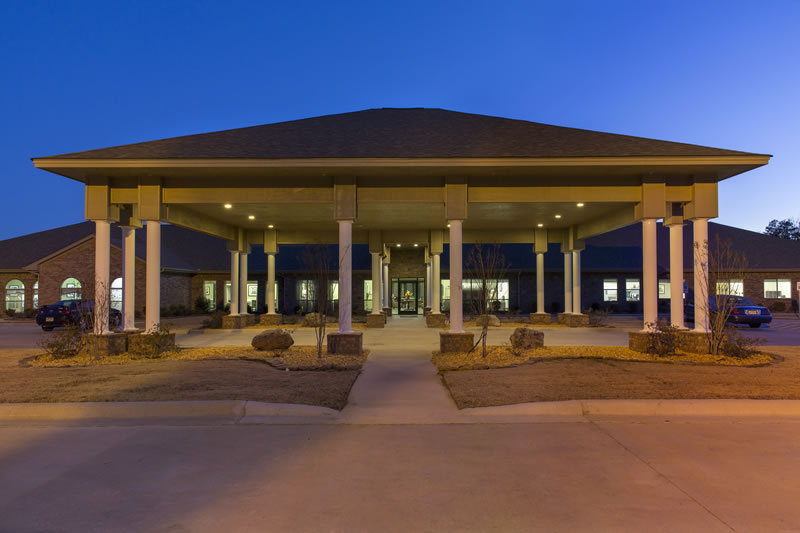
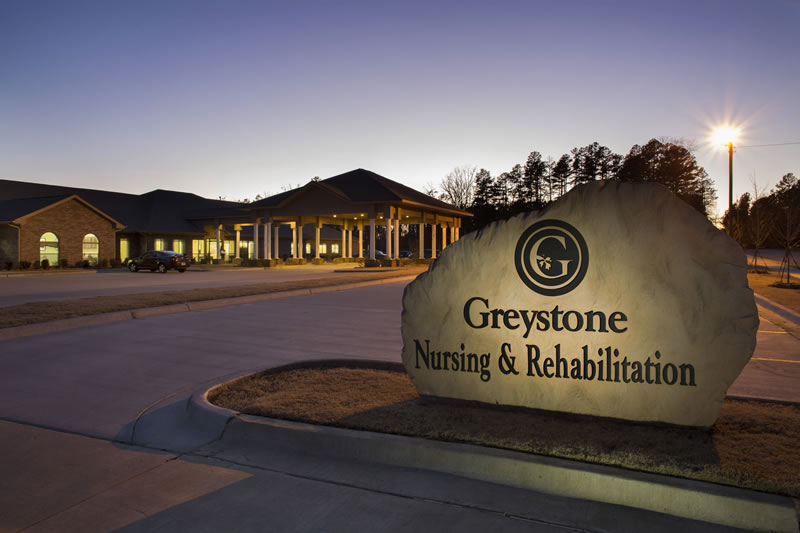
121 SPRING VALLEY ROAD, CABOT, AR 72023 (501) 605-1545
For profit - Limited Liability company 80 Beds CENTRAL ARKANSAS NURSING CENTERS Data: November 2025
Trust Grade
90/100
#15 of 218 in AR
Last Inspection: June 2024

Within standard 12-15 month inspection cycle. Federal law requires annual inspections.

Overview

Greystone Nursing and Rehab, LLC in Cabot, Arkansas, has received an excellent Trust Grade of A, indicating it is highly recommended among nursing homes. It ranks #15 out of 218 facilities in the state, placing it in the top half, and #2 out of 7 in Lonoke County, meaning only one local option is better. The facility is improving, with a reduction in issues from four in 2023 to two in 2024. Staffing is a notable strength, with a 4 out of 5-star rating and a turnover rate of 48%, which is below the state average, suggesting that many staff members stay long enough to build relationships with the residents. There have been no fines, which is a positive sign, and the facility has more RN coverage than 76% of Arkansas facilities, ensuring better oversight of resident care. However, there are some concerns to note. Recent inspections revealed issues such as dietary staff not wearing proper beard coverings while preparing food and failing to wash hands between tasks, which could lead to foodborne illnesses. Additionally, there were instances where staff did not promptly respond to resident call lights, potentially leaving residents waiting for assistance. While Greystone has many strengths, families should consider these weaknesses when making a decision.

Trust Score
A
90/100
In Arkansas
#15/218
Top 6%
Safety Record
Low Risk
No red flags
Inspections
Getting Better
4 → 2 violations
Staff Stability
⚠ Watch
48% turnover. Above average. Higher turnover means staff may not know residents' routines.
Penalties
✓ Good
No fines on record. Clean compliance history, better than most Arkansas facilities.
Skilled Nurses
○ Average
Each resident gets 34 minutes of Registered Nurse (RN) attention daily — about average for Arkansas. RNs are the most trained staff who monitor for health changes.
Violations
○ Average
6 deficiencies on record. Average for a facility this size. Mostly minor or procedural issues.
★★★★★
5.0
Overall Rating
★★★★☆
4.0
Staff Levels
★★★★★
5.0
Care Quality
★★★★☆
4.0
Inspection Score
Stable
2023: 4 issues
2024: 2 issues

The Good

  • 4-Star Staffing Rating · Above-average nurse staffing levels
  • 5-Star Quality Measures · Strong clinical quality outcomes
  • Full Sprinkler Coverage · Fire safety systems throughout facility
  • No fines on record

Facility shows strength in staffing levels, quality measures, fire safety.

The Bad

Staff Turnover: 48%

Near Arkansas avg (46%)

Higher turnover may affect care consistency

Chain: CENTRAL ARKANSAS NURSING CENTERS

Part of a multi-facility chain

Ask about local staffing decisions and management

The Ugly 6 deficiencies on record

Jun 2024 2 deficiencies
CONCERN (E)

Potential for Harm - no one hurt, but risky conditions existed

Deficiency F0558 (Tag F0558)

Could have caused harm · This affected multiple residents

2. On 06/19/2024 at 9:48 AM, observed Resident #16's call light was on. LPN #1 was sitting behind the nurse's station. a. On 06/19/2024 at 9:56 AM, observed LPN #6 walk by Resident #16's room to assi...

Read full inspector narrative →
2. On 06/19/2024 at 9:48 AM, observed Resident #16's call light was on. LPN #1 was sitting behind the nurse's station. a. On 06/19/2024 at 9:56 AM, observed LPN #6 walk by Resident #16's room to assist another resident. LPN #6 returned to the nurse's station after assisting the other resident. Resident #16's call light continued to light up, indicating a need for assistance. b. On 06/19/2024 at 9:59 AM, another staff member answered Resident #16's call light as two CNAs left the room across the hall with a sit to stand lift. 3. On 06/19/2024 at 10:00 AM, the bathroom call light came on for Resident #16's room and two minutes later, LPN #6 walked past the bathroom call light without answering it. a. On 06/19/2024 at 10:05 AM, a CNA answered the bathroom light for Resident #16's room. b. On 06/19/2024 at 2:34 PM, during an interview LPN #6 stated the call light should be answered in a timely manner, and that any staff member can answer the call light. LPN #6 stated that the resident might need to go to the restroom, and we do not want them to get up or fall. Based on observation, record review and interview, the facility failed to ensure call lights were answered in a timely manner for 2 (Resident #33 and #16) of 2 sample mix residents. The findings are: 1. On 06/18/2024 at 9:30 AM, observed Resident #33's call light turned on. a. Resident #33's Care Plan dated 05/25/2022 revealed the resident had an Activity of Daily Living (ADL) self-care performance deficit and was to be encouraged to use the bell to call for assistance. b. On 06/18/2024 at 9:38 AM, observed Licensed Practical Nurse (LPN) #1 sitting at the nurse's station. Certified Nursing Assistant (CNAs) were observed on the hallway. c. On 06/18/2024 at 9:42 AM, the Surveyor was asked by another resident for assistance to turn off a beeping noise. LPN #1 was notified that the resident needed assistance to turn a beeping noise off. After assisting the resident, observed LPN #1 return to the nurse's station without answering the call light for Resident #33. d. On 06/18/2024 at 9:44 AM, observed CNA #2 answer the call light for Resident #33. e. During an interview on 06/18/2024 at 9:45 AM, CNA #2 said call lights are usually answered within five to ten minutes. CNA #2 said usually another CNA will help, if the CNAs are busy or the nurses will assist. f. During an interview on 06/18/2024 at 9:46 AM, LPN #1 said call lights are usually answered in less than five minutes and said the nurses and other staff can assist. LPN #1confirmed call lights should not go off for fifteen minutes. g. The facility provided an Inservice Education Report dated 03/05/2024 that noted, Call Lights: Must be answered in a timely manner. Do not turn a call light off until the task the resident needs done is completed.
CONCERN (F)

Potential for Harm - no one hurt, but risky conditions existed

Food Safety (Tag F0812)

Could have caused harm · This affected most or all residents

Based on observation, record review, and interview the facility failed to ensure cross contamination did not occur during the serving of lunch trays and beard coverings were worn at all times in the k...

Read full inspector narrative →
Based on observation, record review, and interview the facility failed to ensure cross contamination did not occur during the serving of lunch trays and beard coverings were worn at all times in the kitchen. These are our findings: On 06/18/2024 at 11:40 AM, the Surveyor observed two Dietary Aides making the House Supplement. Dietary Aide # 4 was scooping ice cream into the mixer, while Dietary Aide #5 added a nutritional supplement and half and half into the mixer. Dietary Aide #5 had a full beard, including a mustache, that appeared two to three inches long and was preparing food for the residents without the use of a beard covering. The Surveyor observed Dietary Aide #5 leave, putting the half and half back into the fridge, before coming back to help Dietary Aide #4 finish the House Supplement and start the mixer. On 06/18/2024 at 12:00 PM, the Surveyor observed Dietary [NAME] #3 leaning over the steam table setting up for lunch service, when two beads of clear liquid fell off their nose and into the regular lima beans. On 06/18/2024 at 12:10 PM, the Surveyor observed lunch service, with the lima beans being plated for the residents. On 06/18/2024 at 12:30 PM, the Surveyor observed the dining room area, where residents were eating the lima beans and the rest of the lunch served. On 06/19/2024 at 1:58 PM, during an interview the Dietary Manager stated that beard restraints should be worn at all times or hair could fall into the food, its gross. The Dietary Manager then stated that bodily fluids should not be added to the food, as it is disgusting for it to happen. The Dietary Manager stated that the air conditioner was being worked on that day, and it was at least 80 degrees Fahrenheit (F) in the kitchen. On 06/20/24 at 8:25 AM, during a phone interview Dietary [NAME] #3 stated that bodily fluids should not be added into the food, as it is cross contamination like if you put your finger in the food. A review of the facility policy Dress Code stated, Food employees wear a hair covering which covers all hair completely. [NAME] guards but be used for employees with facial hair.
Apr 2023 4 deficiencies
CONCERN (D)

Potential for Harm - no one hurt, but risky conditions existed

Respiratory Care (Tag F0695)

Could have caused harm · This affected 1 resident

Based on observation, and interview, the facility failed to store nebulizer masks in a manner that would prevent contamination for 1 (Resident #54) of 8 (Residents #10, #16, #20, #23, #51, #53, #54 an...

Read full inspector narrative →
Based on observation, and interview, the facility failed to store nebulizer masks in a manner that would prevent contamination for 1 (Resident #54) of 8 (Residents #10, #16, #20, #23, #51, #53, #54 and #165) sampled residents who utilized nebulizers to receive medication in the facility as documented on a list provided by the Director of Nursing (DON) on 04/20/23 at 2:20 PM. The findings are: 1. Resident #54 had diagnoses of Dysphagia, Pharyngoesophageal Phase, Esophageal Obstruction, and Gastrostomy. The admission Minimum Data Set (MDS) with an Assessment Reference Date (ARD) of 03/22/23 documented the resident scored 15 (13-15 indicates cognitively intact) on a Brief Interview for Mental Status (BIMS) and required extensive physical assistance of 2 plus persons for bed mobility, transfer, and toilet use and used a wheelchair. a. A Care Plan with a revision date of 03/31/23 did not address nebulizer treatment. b. A Physician ' s Orders dated 04/05/23 documented, Ipratropium-Albuterol Inhalation Solution 0.5-2.5 (3) MG/3ML (Ipratropium-Albuterol) 3 ml inhale orally every 4 hours as needed . c. The April 2023 Medication Administration Record (MAR) documented, Ipratropium-Albuterol Inhalation Solution 0.5-2.5 (3) MG/3ML [milligrams per milliliter] (Ipratropium-Albuterol) 3 ml [milliliters] inhale orally every 4 hours as needed . -Order Date- 04/05/2023 . The medication was last given on 04/17/23 at 6:55 AM. d. On 04/17/23 at 10:49 AM, Resident #54 was lying in bed. A nebulizer was resting on the bedside table with the tubing and a mask attached. The nebulizer mask was lying on the bedside table without a bag covering it. The Surveyor asked Resident #54 if she used the nebulizer herself, or if staff typically handled it for her. She stated, No, they do, they give me my medicine with it. e. On 04/18/23 at 12:52 PM, Resident #54 was sitting in a chair with her eyes closed. The nebulizer mask remained on the bedside table, not in a bag. f. On 04/20/23 at 12:01 PM, the Surveyor asked Licensed Practical Nurse (LPN) #2 to explain the policy and procedure for the storage of updraft masks when not in use. She stated, They should either be stored in a bag or attached to the machine to keep them clean. g. On 04/20/23 at 12:30 PM, the Surveyor asked the DON to provide the facility's policies and procedures relating to the use and storage of nebulizers. She stated, We don't have one, we just follow the orders. h. On 04/20/23 at 12:50 PM, the Surveyor asked the DON to explain the procedure the nursing staff would be expected to follow in relation to the care of nebulizer masks when they were not in use. She stated, They should be cleaned and then stored in a bag.
CONCERN (D)

Potential for Harm - no one hurt, but risky conditions existed

Infection Control (Tag F0880)

Could have caused harm · This affected 1 resident

Based on observation, interview, and record review, the facility failed to store an oxygen nasal cannula in a clean, safe manner, allowing the nasal prongs of the cannula to touch the bathroom floor i...

Read full inspector narrative →
Based on observation, interview, and record review, the facility failed to store an oxygen nasal cannula in a clean, safe manner, allowing the nasal prongs of the cannula to touch the bathroom floor in 1 (Resident #53) of 9 (Residents #4, #10, #16, #20, #27, #51, #53, #165 and #166) sampled residents who received oxygen therapy as documented on a list provided by the Director of Nursing (DON) on 04/20/23 at 3:00 PM. The findings are: Resident #53 (R#53) had diagnoses of Chronic Respiratory Failure with Hypoxia, Chronic Diastolic (Congestive) Heart Failure (CHF), and Type II Diabetes Mellitus. The Quarterly Minimum Data Set (MDS) with an Assessment Reference Date (ARD) of 03/26/23 documented the resident scored 15 (13-15 indicates cognitively intact) on a Brief Interview for Mental Status (BIMS). a. The Physician Order dated 06/16/22 documented, Oxygen @ [at] 2 L/M [liters per minute] via NC [nasal canula] as needed . b. The Care Plan with a revision date of 12/07/22 documented, The resident has altered respiratory status/difficulty breathing . with PRN [as needed] oxygen . OXYGEN SETTINGS: O2 via nasal CANNULA @ 2L [liters] PRN [as needed]. c. On 04/18/23 at 1:58 PM, Resident #53 was lying in bed with his eyes closed. In the bathroom there was a wheelchair pushed up against the vanity. On the wheelchair was a portable oxygen tank with the oxygen tubing hanging over the top of the backrest on the wheelchair and through the space between the seat and backrest. The nasal prongs of the cannula and tubing were 2 inches from floor. d. On 04/19/23 at 11:58 AM, Resident #53 was lying in bed awake. The Surveyor asked if her wheelchair, in the bathroom, was placed there by staff. She answered, The staff puts it there to make more space in my room. The Surveyor asked if she put the oxygen on by herself, or if the staff puts in on her. She answered, The staff puts it on me and takes it off when I use the restroom, because I get short of breath. e. On 04/19/23 at 11:59 PM, Resident #53 ' s wheelchair was in the bathroom positioned against the vanity. Oxygen tubing was draped over the back of the chair and had dropped between the space between the seat and the back of the chair. The nasal prongs of the oxygen cannula were in contact with the bathroom floor. Certified Nursing Assistant (CNA) #1 and CNA #2 assisted Resident #53 into the restroom and positioned her on the toilet. CNA #1 placed the nasal prongs of the oxygen tubing from the wheelchair, which had touched the floor, inside Resident #53's nose. f. On 04/20/23 at 8:50 AM, the Surveyor asked the DON what should happen if a residents oxygen tubing with nasal prongs falls on the floor. She answered, It is dirty it should be replaced. The Surveyor asked what could happen to the resident if dirty tubing and prongs are not replaced after coming in contact with the floor. She answered, Infection can happen. g. On 04/20/23 at 8:55 AM, the Surveyor asked the Infection Preventionist (IP) what should happen if a residents oxygen tubing with nasal prongs falls on the floor. She answered, It should be replaced. The Surveyor asked what can happen if it isn't replaced. She answered, A respiratory infection.
CONCERN (E)

Potential for Harm - no one hurt, but risky conditions existed

ADL Care (Tag F0677)

Could have caused harm · This affected multiple residents

Based on observation, interview, and record review, the facility failed to provide nail care for 2 (Residents #16 and #18) of 10 (Residents #1, #4, #14, #16, #17, #18, #20, #53, #57 and #165) sampled ...

Read full inspector narrative →
Based on observation, interview, and record review, the facility failed to provide nail care for 2 (Residents #16 and #18) of 10 (Residents #1, #4, #14, #16, #17, #18, #20, #53, #57 and #165) sampled residents who required assistance with Activities of Daily Living (ADL) as documented on a list provided by the Director of Nursing (DON) on 04/20/23 at 3:13 PM. The findings are: 1. Resident #16 had diagnoses of Multiple Sclerosis, Unspecified, Osteoarthritis, and Hidradenitis Suppurativa (skin condition). The Quarterly Minimum Data Set (MDS) with an Assessment Reference Date (ARD) of 04/04/23 documented the resident scored 6 (0-7 indicates severely cognitively impaired) on a Brief Interview for Mental Status (BIMS) and required extensive physical assistance of one person with personal hygiene and was totally dependent of two plus persons physical assistance for bathing. a. A Care Plan with a revision date of 08/09/18 documented, .The resident has an ADL self-care performance deficit . Bathing/Showering: Check nail length and trim and clean on bath day and as necessary . b. A Bathing Task Schedule provided by the DON on 04/21/23 at 10:21 AM documented, .Last Revision Date: 3/29/2021 .Date Initiated: 10/3/2018 . Description: ADL - Bathing Mon [Monday], Wed [Wednesday], FRI [Friday] DAY & [and] PRN [as needed] . c. On 04/17/23 at 9:38 AM, Resident #16 was lying in bed. On the resident ' s right hand, she had three out of five fingernails 1/4 inch long beyond the tip of the finger and had a light brown substance under them. The right thumbnail was greater than 1/4 inch in length beyond the tip of the thumb. d. On 04/18/23 at 2:10 PM, Resident #16 was lying in bed, the fingernails on the right hand remained long, jagged, and uneven with a medium brown and medium orange colored substance under them. The right thumbnail remained greater than 1/4 inch in length beyond the tip of the thumb. e. On 04/19/23 at 10:45 AM, Resident #16 was lying in bed. The fingernails on the right hand remained long, jagged, and uneven. The Surveyor was unable to visualize four fingers on her left hand, as they were folded under the palm. The left thumbnail was visible with the length greater than 1/4 inch beyond the tip of the thumb. An orange and medium brown substance was under the left thumbnail and around the cuticle. 2. Resident #18 had diagnoses of Osteomyelitis, Unspecified, Chronic Kidney Disease, Stage 3, and Gout. The Annual MDS with an ARD of 01/24/23 documented the resident scored 13 (13-15 indicates cognitively intact) on a BIMS and required extensive physical assistance of one person with personal hygiene and was totally dependent of two plus persons physical assistance for bathing. a. A Bathing Task Schedule provided by the DON on 04/21/23 at 10:21 AM documented, .Last Revision Date: 12/1/2021 .Date Initiated: 1/12/2020 . Description: ADL - Bathing M [Monday], W [Wednesday], FRI [Friday] DAY & PRN . b. A Care Plan with a revision date of 01/31/23 documented, .The resident has an ADL self-care performance deficit . Check nail length and trim and clean on bath day and as necessary. c. On 04/17/23 at 8:33 AM, Resident #18 was lying in bed, the fingernails on her right hand were uneven and ¼ inches in length beyond the tip of the finger with a medium brown substance under the nails. The fingernails on her left hand were uneven and ¼ inches in length beyond the tip of the fingers with a medium brown substance under the nails. d. On 04/18/23 at 1:52 PM, Resident #18 was in lying bed. The fingernails on her right hand remained long and uneven with jagged edges with a medium brown substance under the nails. e. On 04/19/23 at 10:54 AM, Resident #18 was lying in bed. The fingernails on her left hand were more than 1/4 inch in length beyond the tip of the finger with uneven, jagged edges. The left thumbnail had pointed edges on both the right and left edges of the thumbnail. f. On 04/19/23 at 11:01 AM, the Surveyor asked Licensed Practical Nurse (LPN) #1 to look at Resident #18 ' s nails and describe what she saw. LPN #1 answered, Oh my gosh, we need to trim your nails, they are jagged and very sharp. The Surveyor asked LPN #1 to describe what she saw under the surface of the nails. She answered, It looks like a little dirt, but it doesn't look like BM [bowel movement]. g. On 04/19/23 at 11:02 AM, Certified Nursing Assistant (CNA) #3 walked into Resident #18's room and observed her fingernails with LPN #1. CNA #3 stated She just got out of the shower, but they are dirty and jaggedly looking. I will be sure and do an inservice with the shower girls, so they don't forget to check the fingernails. h. On 04/19/23 at 11:45 AM, the Surveyor asked the Administrator for the facility's nailcare policy. i. On 04/19/23 at 12:15 PM, the Administrator informed the Surveyor the facility had no policy for nail care.
CONCERN (F)

Potential for Harm - no one hurt, but risky conditions existed

Food Safety (Tag F0812)

Could have caused harm · This affected most or all residents

Based on observation and record review, the facility failed to ensure dietary staff washed their hands between dirty and clean tasks and before handling clean equipment or food items to prevent potent...

Read full inspector narrative →
Based on observation and record review, the facility failed to ensure dietary staff washed their hands between dirty and clean tasks and before handling clean equipment or food items to prevent potential food borne illness for residents who received meals from 1 of 1 kitchen. The failed practice had the potential to affect 67 residents who received meals from the kitchen (total census:68), as documented on a list provided by the Dietary Supervisor on 04/20/23 at PM. The findings are: 1. On 04/19/23 at 8:46 AM, Dietary Employee (DE) #1 picked up the water hose with his bare hand, used it to spray off leftover food items from the dishes, contaminating his hands. He placed dishes in the dirty racks and pushed them into the dish washing machine to wash. After the dishes stopped washing, DE #1 moved to the clean side in the dishwasher area and picked up a clean dishes stacked them on the cart with his fingers touching the inside of the dishes to be used in portioning food items to be served to the residents for lunch. 2. On 04/19/23 at 8:49 AM, DE #2 held the glove box and removed gloves. She placed gloves on her hands, contaminating the gloves. She then picked up utensils at the tips that goes into the mouth and placed them in a drawer for the residents on isolation to be used for eating their meals. 3. On 04/19/23 at 9:32 AM, DE #1 turned on the sink faucet and washed his hands. He then, turned off the faucet with his bare hands contaminating his hands. Without washing his hands, he picked up clean dishes and placed them on the cart to be used in portioning food items to be served to the residents for lunch. 4. On 04/19/23 at 9:41AM, DE #1 turned on the sink faucet and washed his hands. He then, turned off the faucet with his bare hands contaminating his hands. Without washing his hands, he picked up clean dishes and placed them on the cart to be used in portioning food items to be served to the residents for lunch. 5. On 04/19/23 at 9:52 AM, DE #3 picked up a pot of Italian vegetables from the stove and placed it on the counter. Without washing her hands. She attached a clean blade to the base of the blender to be used in pureeing food items to be served to the residents who received pureed diets. 6. On 04/19/23 at 10:06 AM, DE #2 washed her hands. She then pulled her blouse down contaminating her hands. She removed containers of whip topping from the refrigerator and placed them on the counter. She picked up plates from under the counter and placed them on the counter. At 10:14 AM, without washing her hands, she placed gloves on her hands, contaminating the gloves. She picked up apple pie from a rack and placed it on the counter. Holding the apple pie with her contaminated gloved hand, she cut and placed each slice of pie into individual plates to be served to the residents for lunch. 7. On 04/19/23 at 11:39 AM, DE #1 had gloves on his hands. He pushed a rack out of the way, picked up a rack that contained clean utensils and opened the door leading to the Dining Room. He placed the rack that contained utensils from the kitchen outside window counter facing the steam table inside the kitchen. He went back to the kitchen, picked up napkins and placed them on the counter. Without removing his gloves and washing his hands, he picked up utensils by the tips and wrapped them. The Surveyor immediately asked, What should you have done after touching dirty objects and before handling clean equipment? He stated, I should have removed the gloves and washed my hands. 8. The facility policy titled, Hand Washing , provided the Dietary Supervisor on 04/20/23 at 11:45 AM documented, .Purpose: To remove contamination . during food preparation, when switching between raw food and working with ready-to-eat food, before donning gloves for working with food, after engaging in other activities that contaminate the hands. after engaging in other activities that contaminate the hands .
Understanding Severity Codes (click to expand)
Life-Threatening (Immediate Jeopardy)
J - Isolated K - Pattern L - Widespread
Actual Harm
G - Isolated H - Pattern I - Widespread
Potential for Harm
D - Isolated E - Pattern F - Widespread
No Harm (Minor)
A - Isolated B - Pattern C - Widespread

Questions to Ask on Your Visit

  • "Can I speak with families of current residents?"
  • "What's your RN coverage like on weekends and overnight?"

Our Honest Assessment

Strengths
  • • Grade A (90/100). Above average facility, better than most options in Arkansas.
  • • No major safety red flags. No abuse findings, life-threatening violations, or SFF status.
  • • No fines on record. Clean compliance history, better than most Arkansas facilities.
Concerns
  • • No significant concerns identified. This facility shows no red flags across CMS ratings, staff turnover, or federal penalties.
Bottom line: Generally positive indicators. Standard due diligence and a personal visit recommended.

About This Facility

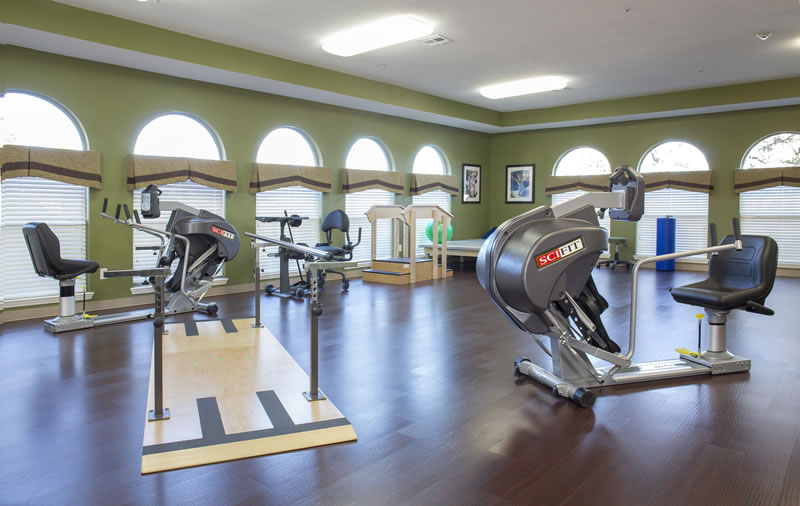
What is Greystone Nursing And Rehab, Llc's CMS Rating?

CMS assigns GREYSTONE NURSING AND REHAB, LLC an overall rating of 5 out of 5 stars, which is considered much above average nationally. Within Arkansas, this rating places the facility higher than 99% of the state's 100 nursing homes. This rating reflects solid performance across the metrics CMS uses to evaluate nursing home quality.
How is Greystone Nursing And Rehab, Llc Staffed?

CMS rates GREYSTONE NURSING AND REHAB, LLC's staffing level at 4 out of 5 stars, which is above average compared to other nursing homes. Staff turnover is 48%, compared to the Arkansas average of 46%.

What Have Inspectors Found at Greystone Nursing And Rehab, Llc?

State health inspectors documented 6 deficiencies at GREYSTONE NURSING AND REHAB, LLC during 2023 to 2024. These included: 6 with potential for harm.
Who Owns and Operates Greystone Nursing And Rehab, Llc?

GREYSTONE NURSING AND REHAB, LLC is owned by a for-profit company. For-profit facilities operate as businesses with obligations to shareholders or private owners. The facility is operated by CENTRAL ARKANSAS NURSING CENTERS, a chain that manages multiple nursing homes. With 80 certified beds and approximately 73 residents (about 91% occupancy), it is a smaller facility located in CABOT, Arkansas.
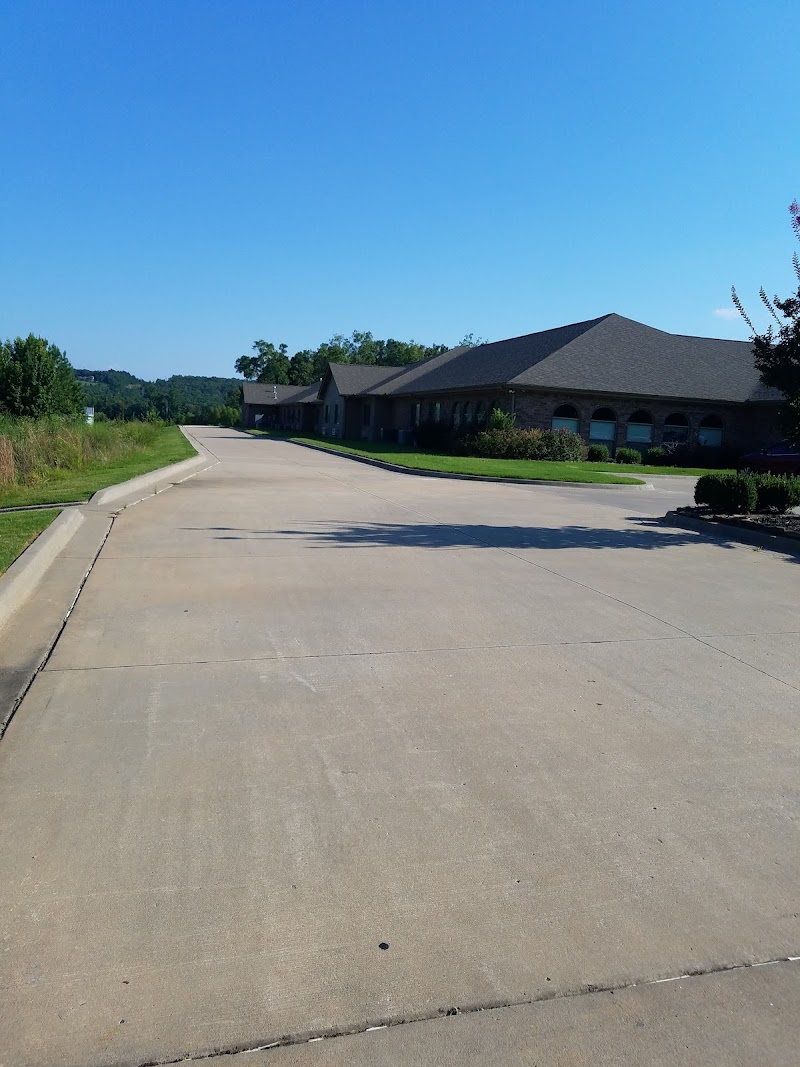
How Does Greystone Nursing And Rehab, Llc Compare to Other Arkansas Nursing Homes?

Compared to the 100 nursing homes in Arkansas, GREYSTONE NURSING AND REHAB, LLC's overall rating (5 stars) is above the state average of 3.2, staff turnover (48%) is near the state average of 46%, and health inspection rating (4 stars) is above the national benchmark.

What Should Families Ask When Visiting Greystone Nursing And Rehab, Llc?

Based on this facility's data, families visiting should ask: "Can I visit during a mealtime to observe dining assistance and food quality?" "How do you handle medical emergencies, and what is your hospital transfer rate?" "Can I speak with family members of current residents about their experience?"

Is Greystone Nursing And Rehab, Llc Safe?

Based on CMS inspection data, GREYSTONE NURSING AND REHAB, LLC has a clean safety record: no substantiated abuse findings (meaning no confirmed cases of resident harm), no Immediate Jeopardy citations (the most serious violation level indicating risk of serious injury or death), and is not on the Special Focus Facility watch list (a federal program monitoring the lowest-performing 1% of nursing homes). The facility has a 5-star overall rating and ranks #1 of 100 nursing homes in Arkansas. While no facility is perfect, families should still ask about staff-to-resident ratios and recent inspection results during their visit.

Do Nurses at Greystone Nursing And Rehab, Llc Stick Around?

GREYSTONE NURSING AND REHAB, LLC has a staff turnover rate of 48%, which is about average for Arkansas nursing homes (state average: 46%). Moderate turnover is common in nursing homes, but families should still ask about staff tenure and how the facility maintains care continuity when employees leave.

Was Greystone Nursing And Rehab, Llc Ever Fined?

GREYSTONE NURSING AND REHAB, LLC has no federal fines on record. CMS issues fines when nursing homes fail to meet care standards or don't correct problems found during inspections. The absence of fines suggests the facility has either maintained compliance or corrected any issues before penalties were assessed. This is a positive indicator, though families should still review recent inspection reports for the full picture.

Is Greystone Nursing And Rehab, Llc on Any Federal Watch List?

GREYSTONE NURSING AND REHAB, LLC is not on any federal watch list. The most significant is the Special Focus Facility (SFF) program, which identifies the bottom 1% of nursing homes nationally based on persistent, serious quality problems. Not being on this list means the facility has avoided the pattern of deficiencies that triggers enhanced federal oversight. This is a positive indicator, though families should still review the facility's inspection history directly.