SPRING CREEK HEALTH & REHAB
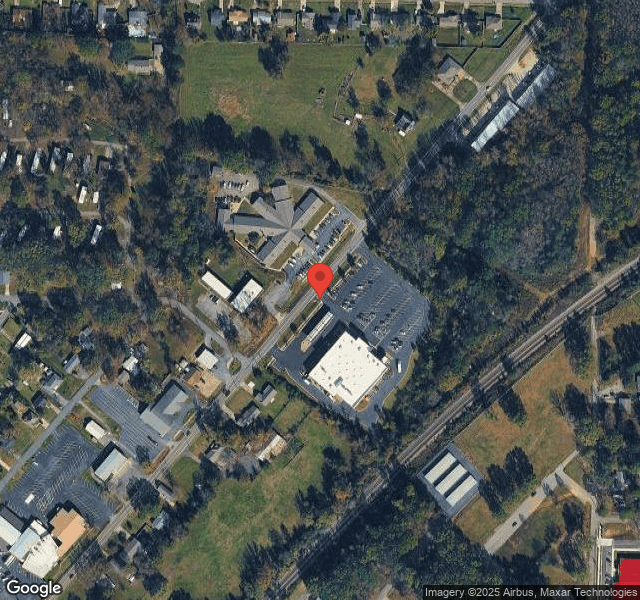
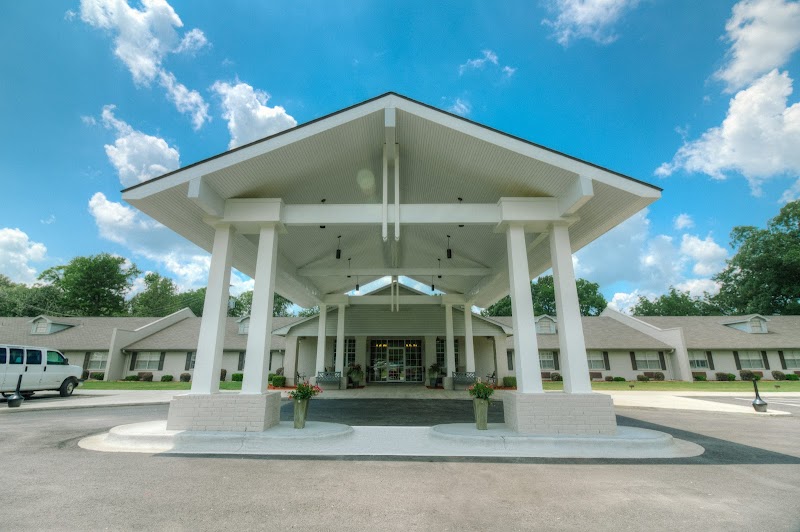
804 N 2ND ST, CABOT, AR 72023 (501) 843-3100
For profit - Corporation 109 Beds ANTHONY & BRYAN ADAMS Data: November 2025
Trust Grade
85/100
#34 of 218 in AR
Last Inspection: August 2025

Inspected within the last 6 months. Data reflects current conditions.

Overview

Spring Creek Health & Rehab in Cabot, Arkansas, has a Trust Grade of B+, which means it is above average and generally recommended for care. It ranks #34 out of 218 facilities in the state, placing it in the top half, and #3 out of 7 in Lonoke County, indicating limited better local options. The facility is improving, having reduced its issues from five in 2024 to none in 2025. While staffing receives an average rating of 3 out of 5 stars, the turnover rate is 56%, which is around the state average, suggesting some instability among staff. Importantly, there have been no fines recorded, which reflects positively on compliance. However, there are some concerning incidents noted in recent inspections. For example, food items were found uncovered and at risk of contamination, and the shower room was observed to be dirty with missing tiles. Additionally, a fall prevention measure was not consistently followed, creating potential trip hazards for residents. Overall, while Spring Creek Health & Rehab has strengths in certain areas, families should be aware of these weaknesses when considering care options for their loved ones.

Trust Score
B+
85/100
In Arkansas
#34/218
Top 15%
Safety Record
Low Risk
No red flags
Inspections
Getting Better
5 → 0 violations
Staff Stability
⚠ Watch
56% turnover. Above average. Higher turnover means staff may not know residents' routines.
Penalties
✓ Good
No fines on record. Clean compliance history, better than most Arkansas facilities.
Skilled Nurses
⚠ Watch
Each resident gets only 14 minutes of Registered Nurse (RN) attention daily — below average for Arkansas. Fewer RN minutes means fewer trained eyes watching for problems.
Violations
○ Average
6 deficiencies on record. Average for a facility this size. Mostly minor or procedural issues.
★★★★★
5.0
Overall Rating
★★★☆☆
3.0
Staff Levels
★★★★☆
4.0
Care Quality
★★★★★
5.0
Inspection Score
Stable
2024: 5 issues
2025: 0 issues

The Good

  • 4-Star Quality Measures · Strong clinical quality outcomes
  • Full Sprinkler Coverage · Fire safety systems throughout facility
  • No fines on record

Facility shows strength in quality measures, fire safety.

The Bad

Staff Turnover: 56%

Near Arkansas avg (46%)

Frequent staff changes - ask about care continuity

Chain: ANTHONY & BRYAN ADAMS

Part of a multi-facility chain

Ask about local staffing decisions and management

Staff turnover is elevated (56%)

8 points above Arkansas average of 48%

The Ugly 6 deficiencies on record

May 2024 5 deficiencies
CONCERN (D)

Potential for Harm - no one hurt, but risky conditions existed

Deficiency F0761 (Tag F0761)

Could have caused harm · This affected 1 resident

Based on observation and interview, the facility failed to ensure a medication cup with four different medications was not left on top of a medication cart and the medication cart was locked while una...

Read full inspector narrative →
Based on observation and interview, the facility failed to ensure a medication cup with four different medications was not left on top of a medication cart and the medication cart was locked while unattended on the 100 Hall. The findings are: On 05/02/24 at 09:14 AM, the Surveyor observed Licensed Practical Nurse (LPN) #3 walk away from the medication cart to add water to the liquid medications and left the cart unlocked with a cup of medication sitting on top of the cart. The medication cup included: 1. Lansoprazole (a medication to reduce the amount of acid your stomach makes) 15 milligram (mg) - 1 capsule. 2. Amlodipine (a medication to treat high blood pressure and chest pain) 5 mg - 1 tablet. 3. Citalopram Bupropion Hydrobromide (a medication to treat depression) 10 mg - 1 tablet. 4. Chewable Aspirin 81mg tablet - 1 tablet. On 05/02/24 at 09:15 AM, when LPN #3 returned to the medication cart, the Surveyor asked where the medication cup was located. LPN #3 said on top of the cart. The Surveyor asked if the cart was locked. LPN #3 stated, No. The Surveyor asked if the medication cart was unlocked, and the cup left on top of the cart while you went to get water. LPN #3 stated, Yes, I was nervous and forgot.
CONCERN (E)

Potential for Harm - no one hurt, but risky conditions existed

Safe Environment (Tag F0584)

Could have caused harm · This affected multiple residents

Based on observations and interviews, the facility failed to ensure the shower room was kept clean, and missing tiles were replaced; the 400 Hall did not have missing paint on the wall; and the furnit...

Read full inspector narrative →
Based on observations and interviews, the facility failed to ensure the shower room was kept clean, and missing tiles were replaced; the 400 Hall did not have missing paint on the wall; and the furniture in the Front Lobby and in the Dayroom on the 400 Hall was not peeling and missing material. The findings are: On 04/30/2024 at 09:13 AM, the Surveyor observed several spots of dark matter on the shower room floor and missing floor tiles around the shower drain. On 04/30/2024 at 10:27 AM, the Surveyor observed a large oval area of missing paint at the entrance of the 400 Hall. On 04/30/2024 at 01:30 PM, the Surveyor observed two couches with missing or peeling material on the hand rests and top of the cushions; the walls showed missing paint, scratches, and gouges all in the Dayroom of the 400 Hall. On 05/02/2024 at 10:35 AM, the Surveyor observed 2 armchairs and an ottoman in the front lobby with missing, cracked, and/or peeling material. On 04/30/2024 at 09:17 AM, the Surveyor asked Certified Nursing Assistant (CNA) #4, can you describe what is on the shower room floor? CNA #4 stated it looked like poop. The Surveyor asked how often the shower room was cleaned. CNA #4 stated it is supposed to be cleaned everyday by housekeeping and the CNAs have sanitizer that is supposed to be used between showers. The Surveyor asked when the shower room was usually cleaned and when was the last shower usually given. CNA #4 stated the shower rooms were usually mopped at lunch by the housekeepers and the showers were usually done by three o'clock. The Surveyor asked how long the tiles had been missing by the drain. CNA #4 stated the tiles had been missing for a long time. On 04/30/2024 at 01:48 PM, the Director of Nursing (DON) confirmed the dark spots on the shower room floor looked like feces, and said, I don't know how long the tiles have been missing, but maintenance is working on replacing them. On 04/30/2024 at 02:18 PM, the Administrator stated the missing tiles in the shower room were just brought to my attention and maintenance is taking care of it right now. It was confirmed that Housekeeping cleans the showers every day and the CNA's also have cleaner to clean the shower room.
CONCERN (E)

Potential for Harm - no one hurt, but risky conditions existed

Accident Prevention (Tag F0689)

Could have caused harm · This affected multiple residents

**NOTE- TERMS IN BRACKETS HAVE BEEN EDITED TO PROTECT CONFIDENTIALITY** Based on record review, observation and interview, the facility failed to ensure a planned fall prevention intervention was cons...

Read full inspector narrative →
**NOTE- TERMS IN BRACKETS HAVE BEEN EDITED TO PROTECT CONFIDENTIALITY** Based on record review, observation and interview, the facility failed to ensure a planned fall prevention intervention was consistently implemented to decrease the potential for fall related injuries, and the environment was as free of hazards as possible, as evidenced by a fall mat with curled up, colorful items attached to it, creating a trip/fall hazard. The findings are: 1. The Care Plan completed on 03-12-2024 shows, .1/10/24 - unwitnessed fall. Fall mat effective Date Initiated: 01/11/2024 . Colorful tape to call light Date Initiated: 02/05/2024 . 1/30/24 - Unwitnessed fall. Fall mat effective Date Initiated: 01/31/2024 . 2/10/24 - fall mat effective Date Initiated: 02/12/2024 . 2/16/24- Unwitnessed fall. Fall mat effective Date Initiated: 02/19/2024 . 2/29/24 - unwitnessed fall. Will pad the corner of dressing next to bed. Date Initiated: 02/29/2024 . Unwitnessed fall. Add bolster mattress to bed. Date Initiated: 08/17/2023 . 8/18/23 unwitnessed fall - weighted blanket while in bed. Date Initiated: 08/18/2023 . 8/24/23 - unwitnessed fall. Place fall mat in room Date Initiated: 08/25/2023 . 2. On 04-30-2024 at 12:21 PM, Resident #59 was lying in bed, a cushioned fall mat was by the bed with colorful tape curled up and not secured. 3. On 05-01-2024 at 11:21 AM, Resident #59 was lying in bed, a cushioned fall mat was by the bed with colorful tape curled up and not secured. 4. On 05-01-2024 at 9:35 PM, Resident #59 was asleep in his bed and did not have a fall mat on the floor next to the bed. 5. On 05-03-2024 at 11:56 AM, the Hospice Registered Nurse (RN) confirmed the fall mat stays on the floor at night when he is asleep. The curled up item is part of the mat and not tape. Yes, it is a trip hazard. 6. On 05-03-2024 at 11:58 AM, Licensed Practical Nurse (LPN) #2 confirmed that Resident #59's fall mat had to be on the floor by Resident #59's bed at night, and there was a possibility Resident #59 could get out of bed, and the curled up item on the floor mat is dangerous and a fall hazard. 7. On 05-03-2024 at 12:19 PM, the Administrator provided the Accidents and Incidents - Investigating and Reporting policy which states, Policy Statement: All accidents or incidents involving residents, employees, visitors, vendors, etc , occurring on our premises shall be investigated and reported to the Administrator. Policy Interpretation and Implementation: This facility is in compliance with current rules and regulations governing accidents and/[NAME] incidents involving a medical device .
CONCERN (E)

Potential for Harm - no one hurt, but risky conditions existed

Infection Control (Tag F0880)

Could have caused harm · This affected multiple residents

**NOTE- TERMS IN BRACKETS HAVE BEEN EDITED TO PROTECT CONFIDENTIALITY** 2. Resident #1's Minimum Data Set (MDS) with an Assessment Reference Date (ARD) of 03/22/2024 showed a Brief Interview for Menta...

Read full inspector narrative →
**NOTE- TERMS IN BRACKETS HAVE BEEN EDITED TO PROTECT CONFIDENTIALITY** 2. Resident #1's Minimum Data Set (MDS) with an Assessment Reference Date (ARD) of 03/22/2024 showed a Brief Interview for Mental Status (BIMS) Score of 00 which indicates severe cognitive impairment, and that the resident had an indwelling catheter. a. A review of Resident #1's diagnoses on the Physician Orders showed Hydronephrosis with renal and ureteral calculous obstruction (a condition of the urinary tract resulting in a decreased or no urine flow). b. The Physician's Order Summary showed Resident #1 had an indwelling urinary catheter. Order date was 03/21/24. c. The Care Plan with a revision date of 11/28/2023 showed the resident had an indwelling urinary catheter, and staff were to position the catheter bag and tubing below the level of the bladder and away from the entrance room door. d. On 04/30/2024 at 10:11 AM, the Surveyor observed Resident #1's indwelling urinary catheter bag touching the floor on the side of the bed next to the air conditioner. e. On 05/01/2024 at 07:56 AM, the Surveyor observed Resident #1's indwelling urinary catheter bag lying wadded up on the floor. f. On 05/02/2024 at 10:41 AM, the Surveyor asked Licensed Practical Nurse (LPN) #1, how the catheter bag should be placed beside the bed. LPN #1 stated, Hangs to gravity, in a privacy bag, beside the bed. g. On 05/02/2024 at10:57 AM, the Surveyor asked Certified Nursing Assistant (CNA) #1 how the catheter bag should be placed beside the bed. CNA #1 stated, It should be the side of the bed, on the side of the stat lock (medical tape for the stabilization of the catheter tubing) and if the catheter bag will be touching the floor, it is in a basin. h. On 05/02/2024 at 11:02 AM, the Director of Nursing (DON) confirmed that the catheter bag was on the floor. i. On 05/02/2024 at 12:40 PM, the DON said there was no policy for urinary catheters. On 05/03/2024 at 11:48 AM, a policy revised on October 2018 titled, Policies and Practices-Infection Control, was provided by the Nurse Consultant which showed, .This facility's infection control policies and practices are intended to facilitate maintaining a . sanitary . environment and to help prevent and manage transmission of diseases and infections . Based on observation, record review and interviews, the facility failed to ensure an ice chest located outside of the kitchen was insect free and an indwelling foley catheter bag was not touching the floor for 1 (Resident #1) of 1 sampled resident. The findings are: 1. On 05/02/2024 at 08:54 AM, the Surveyor observed a black oval object that had extended wings and legs lying on the ice cubes within an ice chest located outside the kitchen doors by the 300 Hall. 1a. On 05/02/2024 at 08:55 AM, the Surveyor asked Certified Nursing Assistant (CNA) #3 when was the last time the ice was passed and were all these ice chests used. CNA #3 stated the ice was passed this morning when I came in around seven twenty (7:20 AM). There is one ice chest for each hall, so they were all used. The Surveyor asked, can you describe what is in the ice in this ice chest. CNA #3 stated It looks like a bug. 1b. On 05/02/2024 at 09:02 AM, the Administrator confirmed the black object in the ice chest looked like a bug. Review of the Pest extermination information showed a contract with a (Pest Control Company Name) with an effective date of 2/2015. The agreement covers services to be rendered monthly; shall stay in effect until the said party calls our company to cancel this agreement. Service dates: 01/03/2024; 02/01/2024; 03/04/2024; 04/15/2024 monthly; on 02/15/2024 roaches in room [ROOM NUMBER] and drain flies on the 300 Hall, on 03/13/2024 roaches in the breakroom, and 04/15/2024 roaches in rooms [ROOM NUMBERS].
CONCERN (F)

Potential for Harm - no one hurt, but risky conditions existed

Food Safety (Tag F0812)

Could have caused harm · This affected most or all residents

Based on observation, record review and interview, the facility failed to ensure food items and serving utensils were properly covered or stored to prevent the potential contamination of residents' fo...

Read full inspector narrative →
Based on observation, record review and interview, the facility failed to ensure food items and serving utensils were properly covered or stored to prevent the potential contamination of residents' food and/or beverages; food items were sealed to prevent potential cross contamination or food borne illness, and dietary staff washed their hands before handling clean equipment or food items to prevent potential food borne illness for residents who received meals from 1 of 1 kitchen and food items had opened dates, received dates and expiration dates. The findings are: 1. On 04-30-2024 at 8:24 AM, 2 peach cobblers were on the back prep table uncovered and 35 biscuits on the serving line. A delivery person was going in and out the backdoor. On 05-02-2024 at 9:31 AM, the Dietary Manager confirmed a concern existed that something could get into the peach cobblers because they were not covered. 2. On 04-30-2024 at 8:25 AM, a plastic drink pitcher and 2 square serving pans for the steam table with serving side up were on the puree prep table. On 05-02-2024 at 9:31 AM, the Dietary Manager confirmed a concern existed that something could fly in and land on the pitcher and the pans because they were not covered. 3. On 05-02-2024 at 6:44 AM, after putting away food items delivered this morning, without washing her hands, the Dietary [NAME] proceeded to cook eggs. 4. On 05-02-2024 at 6:45 AM, eggs and bacon/sausage were in separate steamtable serving dishes uncovered. At 9:35 AM, the Dietary Manager confirmed the food items on the steamtable should have been covered to avoid something getting into the uncovered food. 5. On 05-02-2024 at 6:45 AM, the Dietary [NAME] placed gloves on her hands without washing her hands first, she then began to cook fried eggs. 6. On 05-02-2024 at 6:46 AM, 61 food dome covers, used for maintaining room tray food temperature during transport, were on the shelf above the steamtable with the inside face up. The Dietary Consultant confirmed that something could possibly get on the inside of the food dome covers. 7. On 05-02-2024 at 7:00 AM, a plastic storage container without a lid held serving spoons and scoops for the serving line under the puree prep table. There was not enough room between the open container and the bottom counter of the puree prep table to slide the storage container out without a hand touching the bottom of the puree prep table. The Dietary Consultant confirmed there was a need for new containers and said, I don't see how anything can get on the scoops, there is not enough room between the open container and the bottom of the puree prep table for something to get into the container and contaminate the serving spoons. 8. On 05-02-2024 at 7:05 AM, a plastic storage container without a lid used to store adaptive bowls and plates were face up. The Dietary Manager confirmed the concern of the items not covered was that something could get into the storage container and contaminate the items used for mealtimes. 9. On 05-02-2024 at 7:07 AM, the Dietary [NAME] was using a cell phone then went into the Dietary Manager's office and closed the door. When the Dietary [NAME] came out of the Dietary Manager's office, without washing her hands, the Dietary [NAME] proceeded to take food serving scoops from the storage container under the puree prep table and place them in the serving containers on the steamtable. At 9:37 AM, the Dietary Manager confirmed that hands should be washed between tasks. 10. On 05-02-2024 at 7:21 AM, the Dietary [NAME] pulled the silverware cart and bowl cart to the serving line. Without washing her hands, the Dietary [NAME] then began serving breakfast food. 11. On 05-02-2024 at 7:53 AM, the observations were made in the dry good storage room: a) No expiration or received dates written on the food storage container for the following cereals: wheat bran flakes with raisins; crispy rice cereal; ring-shaped toasted whole grain; toasted wheat flakes; and toasted flakes of corn. b) 1 opened bag with small bowl lids was on the third shelf. c) 1 box of ice cream cones contained an opened and unsealed bag with 1 cone in that was not sealed. d) 132 hamburger buns that expired on 05-01-2024. 12. On 05-03-2024 at 10:15 AM, the Surveyor asked the Dietary Manager if it was a concern for the Dietary Manager to wear a nose ring with a small heart that swung back and forth on the right side nostril; a second piercing on the left lower lip dangled and did not look properly secured. The Dietary Manager confirmed she did not normally work with the food and stayed in the office. The Dietary Manager's office was located at the back of the kitchen, where she must pass by the food serving and preparation areas. 14.On 05-03-2024 at 9:30 AM, the Administrator provided a policy titled, Employee Cleanliness and Handwashing Technique which shows: Policy Statement Dietary employees will dress appropriately and practice good hygiene. Policy Interpretation and Implementation: 1. Proper attire includes the following requirements: .Jewelry should be limited to allow for safe food preparations practices (no dangling earrings or large rings) .Dietary department employees are required to wash their hands on the occasions listed below: .j. any other time deemed necessary . 15. On 05-03-2024 at 9:30 AM, the Administrator provided a policy titled, Food Receiving and Storage which shows: Policy Statement: Foods shall be received and stored in a manner that complies with safe food handling practices. Policy Interpretation and Implementation .7. Dry foods that are stored in bins will be removed from original packaging, labeled, and dated (use by date). Such foods will be rotated using a first in - first out system.
Mar 2023 1 deficiency
CONCERN (D)

Potential for Harm - no one hurt, but risky conditions existed

Infection Control (Tag F0880)

Could have caused harm · This affected 1 resident

Based on observation and interview the facility failed to ensure that used COVID-19 testing supplies were disposed of properly to prevent the development and transmission of communicable diseases and ...

Read full inspector narrative →
Based on observation and interview the facility failed to ensure that used COVID-19 testing supplies were disposed of properly to prevent the development and transmission of communicable diseases and infections. The failed practice had the ability to affect all 80 residents who resided in facility according to the Midnight Census provided by the Administrator on 03/27/23 at 10:57 AM. The findings are: a. On 03/28/23 at 9:45 AM, there were 20 to 25 Covid test cards in an opened ziplock bag, the ends of the swabs extended past the top of the bag and prevented closure, on top of a table in the corner of the Conference Room. Each card had a swab sticking out of the top and was dated on the front indicating the test had been performed. Next to the tests was a written log of testing completed. The tests were recorded from January and February 2023. The last recorded date was 02/11/23. b. On 03/28/23 at 10:09 AM, the Surveyor asked the Administrator for documentation of the COVID-19 testing procedure utilized by the facility. The Administrator provided a copy of the COVID-19 Antigen card followed when testing. The card did not include information concerning test disposal. The Surveyor asked the Administrator for the test disposal instructions. She stated, I will get that from the DON [Director of Nursing]. c. The COVID Antigen Test Disposal instructions provided by the DON on 03/28/23 at 10:36 AM stated, .Once testing is complete, results are documented, and all testing supplies are disposed of in a biohazard bag. Supplies: completed test with swab, gloves, and test packaging . d. On 03/28/23 at 10:38 PM, the DON accompanied the Surveyor into the Conference Room and was shown the bag of completed COVID tests/swabs. The Surveyor asked the DON if it is important to dispose of used COVID tests. The DON stated, Yes. The Surveyor asked why it is important to dispose of used COVID tests. The DON stated, Infection. The Surveyor asked her to expand on her answer. The DON stated, To control, to stop the spread of germs. The DON was asked if the used testing supplies located in the Conference Room should have been disposed of. The DON stated, Yes. I did not know they were here. I'll take care of it and do some in-servicing. e. The facility policy titled, Dressings, Soiled/Contaminated, provided by the Administrator on 03/29/23 at 1:51 PM did not address the disposal of any biohazardous material other than dressings.
Understanding Severity Codes (click to expand)
Life-Threatening (Immediate Jeopardy)
J - Isolated K - Pattern L - Widespread
Actual Harm
G - Isolated H - Pattern I - Widespread
Potential for Harm
D - Isolated E - Pattern F - Widespread
No Harm (Minor)
A - Isolated B - Pattern C - Widespread

Questions to Ask on Your Visit

  • "Why is there high staff turnover? How do you retain staff?"
  • "Can I speak with families of current residents?"
  • "What's your RN coverage like on weekends and overnight?"

Our Honest Assessment

Strengths
  • • Grade B+ (85/100). Above average facility, better than most options in Arkansas.
  • • No major safety red flags. No abuse findings, life-threatening violations, or SFF status.
  • • No fines on record. Clean compliance history, better than most Arkansas facilities.
Concerns
  • • 56% turnover. Above average. Higher turnover means staff may not know residents' routines.
Bottom line: Generally positive indicators. Standard due diligence and a personal visit recommended.

About This Facility

What is Spring Creek Health & Rehab's CMS Rating?

CMS assigns SPRING CREEK HEALTH & REHAB an overall rating of 5 out of 5 stars, which is considered much above average nationally. Within Arkansas, this rating places the facility higher than 99% of the state's 100 nursing homes. This rating reflects solid performance across the metrics CMS uses to evaluate nursing home quality.

How is Spring Creek Health & Rehab Staffed?

CMS rates SPRING CREEK HEALTH & REHAB's staffing level at 3 out of 5 stars, which is average compared to other nursing homes. Staff turnover is 56%, which is 10 percentage points above the Arkansas average of 46%. High turnover can affect care consistency as new staff learn residents' individual needs.

What Have Inspectors Found at Spring Creek Health & Rehab?

State health inspectors documented 6 deficiencies at SPRING CREEK HEALTH & REHAB during 2023 to 2024. These included: 6 with potential for harm.

Who Owns and Operates Spring Creek Health & Rehab?

SPRING CREEK HEALTH & REHAB is owned by a for-profit company. For-profit facilities operate as businesses with obligations to shareholders or private owners. The facility is operated by ANTHONY & BRYAN ADAMS, a chain that manages multiple nursing homes. With 109 certified beds and approximately 87 residents (about 80% occupancy), it is a mid-sized facility located in CABOT, Arkansas.
How Does Spring Creek Health & Rehab Compare to Other Arkansas Nursing Homes?

Compared to the 100 nursing homes in Arkansas, SPRING CREEK HEALTH & REHAB's overall rating (5 stars) is above the state average of 3.2, staff turnover (56%) is near the state average of 46%, and health inspection rating (5 stars) is much above the national benchmark.

What Should Families Ask When Visiting Spring Creek Health & Rehab?

Based on this facility's data, families visiting should ask: "How do you ensure continuity of care given staff turnover, and what is your staff retention strategy?" "Can I visit during a mealtime to observe dining assistance and food quality?" "How do you handle medical emergencies, and what is your hospital transfer rate?" "Can I speak with family members of current residents about their experience?" These questions are particularly relevant given the facility's high staff turnover rate.

Is Spring Creek Health & Rehab Safe?

Based on CMS inspection data, SPRING CREEK HEALTH & REHAB has a clean safety record: no substantiated abuse findings (meaning no confirmed cases of resident harm), no Immediate Jeopardy citations (the most serious violation level indicating risk of serious injury or death), and is not on the Special Focus Facility watch list (a federal program monitoring the lowest-performing 1% of nursing homes). The facility has a 5-star overall rating and ranks #1 of 100 nursing homes in Arkansas. While no facility is perfect, families should still ask about staff-to-resident ratios and recent inspection results during their visit.

Do Nurses at Spring Creek Health & Rehab Stick Around?

Staff turnover at SPRING CREEK HEALTH & REHAB is high. At 56%, the facility is 10 percentage points above the Arkansas average of 46%. High turnover means new staff may not know residents' individual needs, medications, or preferences. It can also be disorienting for residents, especially those with dementia who rely on familiar faces. Families should ask: What is causing the turnover? What retention programs are in place? How do you ensure care continuity during staff transitions?

Was Spring Creek Health & Rehab Ever Fined?

SPRING CREEK HEALTH & REHAB has no federal fines on record. CMS issues fines when nursing homes fail to meet care standards or don't correct problems found during inspections. The absence of fines suggests the facility has either maintained compliance or corrected any issues before penalties were assessed. This is a positive indicator, though families should still review recent inspection reports for the full picture.

Is Spring Creek Health & Rehab on Any Federal Watch List?

SPRING CREEK HEALTH & REHAB is not on any federal watch list. The most significant is the Special Focus Facility (SFF) program, which identifies the bottom 1% of nursing homes nationally based on persistent, serious quality problems. Not being on this list means the facility has avoided the pattern of deficiencies that triggers enhanced federal oversight. This is a positive indicator, though families should still review the facility's inspection history directly.