SILVER OAKS HEALTH AND REHABILITATION
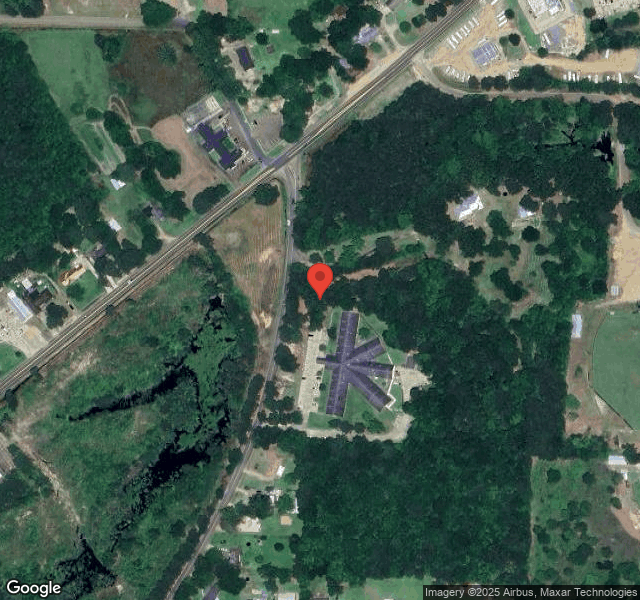
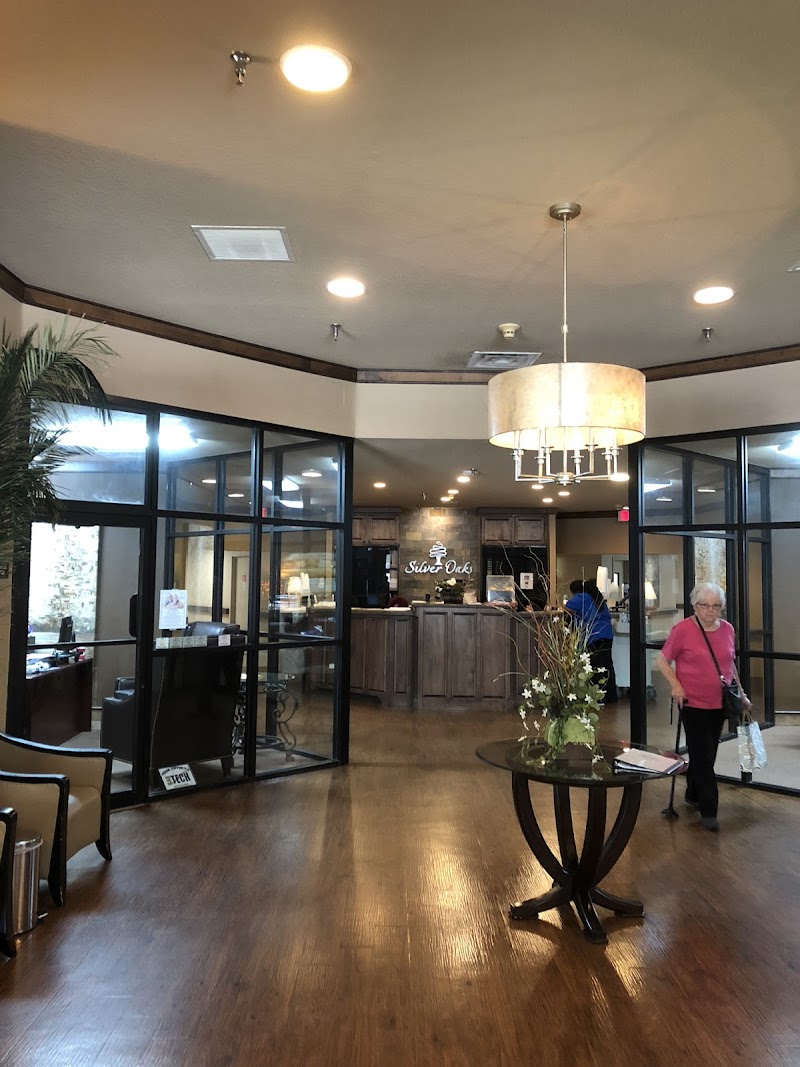
1875 OLD WIRE ROAD, CAMDEN, AR 71701 (870) 836-6831
For profit - Corporation 104 Beds ANTHONY & BRYAN ADAMS Data: November 2025
Trust Grade
75/100
#80 of 218 in AR
Last Inspection: June 2025

Inspected within the last 6 months. Data reflects current conditions.

Overview

Silver Oaks Health and Rehabilitation in Camden, Arkansas, has a Trust Grade of B, indicating it is a good choice for families, meaning it performs better than average but has room for improvement. It ranks #80 out of 218 facilities in the state, placing it in the top half, and #2 out of 3 in Ouachita County, which suggests only one local option is better. The facility's trend is improving, as the number of issues found decreased from 8 in 2024 to 4 in 2025, indicating positive changes. However, staffing is a mixed bag; while the turnover rate is relatively low at 31%, indicating stability, the facility has less RN coverage than 76% of Arkansas facilities, which could affect care quality. Notably, there have been some concerning incidents, such as failing to ensure proper food safety practices in the kitchen and not maintaining proper hand hygiene during medication administration, which highlight areas needing attention even as the facility strives to improve overall care.

Trust Score
B
75/100
In Arkansas
#80/218
Top 36%
Safety Record
Low Risk
No red flags
Inspections
Getting Better
8 → 4 violations
Staff Stability
○ Average
31% turnover. Near Arkansas's 48% average. Typical for the industry.
Penalties
✓ Good
No fines on record. Clean compliance history, better than most Arkansas facilities.
Skilled Nurses
⚠ Watch
Each resident gets only 16 minutes of Registered Nurse (RN) attention daily — below average for Arkansas. Fewer RN minutes means fewer trained eyes watching for problems.
Violations
⚠ Watch
17 deficiencies on record. Higher than average. Multiple issues found across inspections.
★★★★☆
4.0
Overall Rating
★★★☆☆
3.0
Staff Levels
★★★★★
5.0
Care Quality
★★★☆☆
3.0
Inspection Score
Stable
2024: 8 issues
2025: 4 issues

The Good

  • 5-Star Quality Measures · Strong clinical quality outcomes
  • Full Sprinkler Coverage · Fire safety systems throughout facility
  • No fines on record
  • Staff turnover below average (31%)

    17 points below Arkansas average of 48%

Facility shows strength in quality measures, fire safety.

The Bad

Staff Turnover: 31%

15pts below Arkansas avg (46%)

Typical for the industry

Chain: ANTHONY & BRYAN ADAMS

Part of a multi-facility chain

Ask about local staffing decisions and management

The Ugly 17 deficiencies on record

Jun 2025 3 deficiencies
CONCERN (D) 📢 Someone Reported This

A family member, employee, or ombudsman was alarmed enough to file a formal complaint

Potential for Harm - no one hurt, but risky conditions existed

Quality of Care (Tag F0684)

Could have caused harm · This affected 1 resident

Based on observation, interview, record review, and facility policy review, it was determined that the facility did not ensure that incontinence care was provided in a manner that promotes cleanliness...

Read full inspector narrative →
Based on observation, interview, record review, and facility policy review, it was determined that the facility did not ensure that incontinence care was provided in a manner that promotes cleanliness and/or prevent infections for 1 (Resident #39) of 3 sampled residents reviewed for activities of daily living, and the facility did not ensure standards of practice were followed for 1 (Resident #39) of 2 sampled residents reviewed that received enteral feedings. Specifically, the head of Resident #39 ' s bed was lowered while the resident received enteral nutrition. The findings include: On 06/04/25 at 2:38 PM, while observing Certified Nursing Assistant (CNA) #3 and CNA #4 provide incontinence care to Resident #39, this surveyor observed CNA #4 clean the resident by cleaning from the back to front, wiping towards the resident ' s genitals. During an interview on 06/04/25 at 2:57 PM, CNA #4 stated she wiped down while the resident was on the right side. CNA #4 was standing behind the resident therefore the direction of down was toward the resident ' s genitalia. During an interview on 06/05/25 at 10:41 AM, the Director of Nursing (DON) stated staff should wipe front to back when providing incontinence care to prevent infection. During an interview on 06/05/25 at 12:39 PM, the Administrator stated when a resident is lying lateral staff should wipe up away from the genitalia to prevent infection. A review of a Quarterly Minimum Data Set with the Assessment Reference Date of 05/09/2025, revealed Resident #39 had a Staff Assessment of Mental Status, which indicated the resident had short-term and long-term memory problems. A review of the Care Plan Report revised 06/06/2023, revealed Resident #39 had potential/actual impairment to skin integrity related to incontinence of bowel/bladder and immobility. A review of the policy titled Perineal Care revised February 2018, revealed the purpose of this procedure is to provide cleanliness and comfort to the resident, to prevent infections and skin irritation, and to observe the resident's skin condition. A review of an article sourced from the National Library of Medicine, Assisting Patients With Personal Hygiene, indicated, When cleaning the genital area of a patient .make sure to use disposable wipes and wipe from front to back when cleaning the genitals. This process prevents urinary tract infections. On 06/04/25 at 2:38 PM, this surveyor observed Certified Nursing Assistant (CNA) #3 lower the head of the Resident #39 ' s bed until the bed was flat, while the feeding pump was infusing, to provide incontinence care. On 06/04/25 at 2:55 PM, during an interview CNA #4 stated she should have gotten the nurse to turn the feeding pump off prior to lowering the head of the bed. On 06/04/25 at 3:08 PM, during an interview Licensed Practical Nurse (LPN) #2 stated when staff need to provide care to a resident on a feeding pump, they should get the nurse to place the pump on hold prior to lowering the head of the bed to prevent aspiration. On 06/05/25 at 10:37 AM, during an interview the Director of Nursing (DON) stated when staff need to provide care to a resident on a feeding pump, they should notify the nurse, so the feeding pump can be paused while care is being provided to prevent aspiration. The DON stated, You do not just lay them down. A review of the quarterly Minimum Data Set with the Assessment Reference Date of 05/09/2025, revealed Resident #39 had a Staff Assessment for Mental Status which indicated there was short-term and long-term memory loss. Resident #39 had diagnoses which included difficulty swallowing directly related to moving food or liquid from the mouth into the esophagus which required use of a feeding tube. A review of the Care Plan Report revised 01/10/2022, revealed Resident #39 required tube feedings related to a swallowing problem. A review of the policy titled Enteral Nutrition revision date of November 2018, revealed risk of aspiration may be affected by: a. diminished level of consciousness b. moderate to severe swallowing difficulties c. improper positioning of the resident during feeding d. failure to confirm placement of the tube prior to initiating the feeding A review of an article sourced from the National Library of Medicine, Enteral Tube Management, indicated, Complications of Enteral Feeding .The most serious complication of enteral feeding is inadvertent respiratory aspiration of gastric contents, causing life-threatening aspiration pneumonia. Other complications include tube clogging, tubing misconnections, and patient intolerance of enteral feeding .Reducing Risk of Aspiration .The American Association of Critical‐ Nurses recommends the following guidelines to reduce the risk for aspiration: Maintain the head of the bed at 30°-45° unless contraindicated.
CONCERN (E)

Potential for Harm - no one hurt, but risky conditions existed

Assessment Accuracy (Tag F0641)

Could have caused harm · This affected multiple residents

**NOTE- TERMS IN BRACKETS HAVE BEEN EDITED TO PROTECT CONFIDENTIALITY** Based on observations, interviews, record review and facility policy review, the facility failed to ensure Minimum Data Set (MDS...

Read full inspector narrative →
**NOTE- TERMS IN BRACKETS HAVE BEEN EDITED TO PROTECT CONFIDENTIALITY** Based on observations, interviews, record review and facility policy review, the facility failed to ensure Minimum Data Set (MDS) assessments were completed accurately for 3 (Resident #47, #10, and #87) of 5 residents reviewed for accuracy of MDS assessments. The findings include: Resident #47 Review of the annual Minimum Data Set (MDS) with an Assessment Reference Date (ARD) of 01/24/2025, indicated Resident #47 had diagnoses which included schizophrenia, anxiety, and depression. The MDS also revealed a score of 13 on the Brief Interview for Mental Status (BIMS) which indicated the resident was cognitively intact. Resident #47 received an antipsychotic medication. Further review of the MDS revealed it indicated Resident #47 did not have a serious mental illness and/or intellectual disability, or related condition. A Determination Letter, from the State Designated Professional Associates who complete preadmission screening and annual resident review (PASARR) level II assessments, dated 06/30/2020, indicated Resident #47 did not require specialized services related to their mental illness beyond the capabilities of a nursing home facility. During an interview on 06/04/2025 at 12:09 PM, the Administrator confirmed Resident #47 had a mental health diagnosis, was considered a PASARR level II by the State Designated Professional Associates, and the annual MDS dated [DATE] was coded incorrectly. The Administrator stated, The MDS should be coded correctly because it tells us what is going on with the resident, and the care that needs to be provided. During an interview on 06/04/2025 at 12:14 PM, the Director of Nursing (DON) confirmed Resident #47 had a mental health diagnosis, and the annual MDS dated [DATE] should be coded correctly to reflect that Resident #47 was considered a PASARR level II by the state PASARR process. Resident #10 Review of a quarterly MDS with an ARD of 04/25/2025, revealed Resident #10 had a BIMS score of 10, which indicated moderate cognitive impairment. Further review of the quarterly MDS indicated Resident #10 did not have a feeding tube while a resident of the facility. A review of the Care Plan Report, revised 11/01/2024, revealed Resident #10 required tube feedings related to difficulty swallowing. Further review indicated Resident #10 was on Enhanced Barrier Precautions related to wounds and feeding tube. During an interview on 06/05/25 at 10:33 AM, the DON stated that Resident #10 had a feeding tube. The DON stated that the MDS was coded inaccurately. During an interview on 06/05/25 at 12:42 PM, the Administrator stated Resident #10 had a feeding tube which was not noted on the quarterly MDS. The Administrator stated the quarterly MDS was inaccurate. Resident #87 A review of the admission Record, indicated the facility admitted Resident #87 with diagnoses that included fracture of right and left rib, lower back vertebra, and left and right lower leg. The discharge MDS, with an ARD of 03/08/2025, revealed Resident #87 had a BIMS score of 15 which indicated the resident was cognitively intact. The MDS indicated discharge assessment with return not anticipated and that Resident #5 was discharged on 03/08/2025, to a short-term general hospital. A review of Resident #87's Care Plan, revised 03/10/2025, revealed the resident wished to be discharged home. The resident needed assistance and supervision with booking appointments, performing activities of daily living, cooking, cleaning and transportation. Interventions included to arrange a discharge conference with the resident, responsible party/support person to discuss issues related to discharge plans. Other interventions included establishing a pre-discharge plan with the resident, family, and caregivers, evaluating progress and revising plan as needed. A review of Order Summary, revealed Resident #87 may discharge home with medications on 03/08/2025, may have home health for continued physical and occupational therapy and nursing services through home health and a wheelchair. A review of Nursing Discharge Summary, dated 3/10/2025, revealed Resident #87 discharged from the facility on 03/08/2025 at 11:38 AM, to home or lesser level of care with medications and personal belongings. A review of Interventional Care Plan discharge instructions, dated 3/7/2025, revealed Resident #87 would be returning to the resident ' s home address. A review of Facility Initiated Transfer, dated 3/11/2025, revealed Resident #87 was transferred or discharged to other; which indicated home, assisted living, etc. A review of Progress Notes, dated 3/8/2025, revealed Resident #87 was discharged via wheelchair to private care with family member with all belongings including medications. The resident was in stable condition. During an interview on 06/05/2025 at 10:46 AM, the Administrator indicated there were two MDS Coordinators (MDSC) that worked at the facility. One MDSC completed long term care and the other MDSC completed short term care. The Administrator stated the facility had a morning start up meeting that the MDSC attended. The meeting covered admissions, discharges, review of medications, change of conditions and any behaviors. Resident #87 was a planned discharge home. The MDS indicated the resident discharged to a short-term acute hospital. From what I see the resident did go home. There was a discrepancy. They should have put that [Resident #87] went home. During the survey, the MDSCs were not available for interview. On 06/05/25 9:20 AM, review of a policy titled Certifying Accuracy of the Resident Assessment, indicated all personnel that completes any portion of the MDS must sign and certify the accuracy of that portion of the assessment they completed.
CONCERN (E)

Potential for Harm - no one hurt, but risky conditions existed

Infection Control (Tag F0880)

Could have caused harm · This affected multiple residents

Based on observations, interviews, record reviews, and facility policy review, it was determined that the facility did not ensure proper hand hygiene was used during medication administration for 1 (R...

Read full inspector narrative →
Based on observations, interviews, record reviews, and facility policy review, it was determined that the facility did not ensure proper hand hygiene was used during medication administration for 1 (Resident #238) of 3 residents observed for medication administration, 1 (Resident #39) of 1 resident observed for proper incontinent care technique, and feeding assistance for 1 of 2 meal services observed. The findings include: On 06/02/25 at 12:30 PM, during dining observation, this surveyor observed Certified Nursing Assistant (CNA) #5 assisting residents during meal service. CNA #5 touched both residents, the table, one resident ' s wheelchair, his hair, and picked a spoon up off the floor all without washing or sanitizing his hands before assisting residents with dining. On 06/02/25 at 1:45 PM, during an interview, CNA #5 stated they did not sanitize or wash their hands after adjusting a resident's position in the wheelchair, after touching cups and utensils touched by other residents, or after touching their face or hair before assisting other residents. CNA #5 stated he did not wash or sanitize hands after picking a spoon up off the floor before assisting both residents. On 06/05/25 at 10:50 AM, during an interview, the Director of Nursing (DON) stated that staff should wash or sanitize their hands after touching the residents, tables, chairs, personal clothing, personal face or hair, and objects touched by other residents if they are assisting multiple residents during meal service. On 06/05/25 at 12:47 PM, during an interview, the Administrator stated the staff should wash or sanitize their hands after adjusting a resident's position, touching the residents, touching items that were touched by the residents, touching their face or hair, and picking a spoon up off the floor. Resident #238 A review of an admission Record revealed the facility admitted Resident #238 on 06/02/2025. A review of the Care Plan Report, with initiation date of 06/02/2025, revealed Resident #238 had limited physical mobility. On 06/04/25 at 8:05 AM, during an observation, this surveyor observed Licensed Practical Nurse (LPN) #1 handle over the counter medications, open, close, and lock the medication cart, use the mouse for the computer, remove and return keys to personal pocket, and handle medical equipment with ungloved hands prior to placing medication in Resident #238 ' s mouth using unsanitized and ungloved hands. 06/04/25 at 8:30 AM, during an interview, LPN #1 stated his hands were not clean when he placed the pills in the mouth of Resident #238. On 06/05/25 at 10:53 AM, during an interview, the DON stated the nurse should have washed or sanitized his hands prior to placing pills in the resident ' s mouth, because the computer, mouse, keys, and stock medications were considered dirty with multiple people touching those items. On 06/05/25 at 12:44 PM, during an interview, the Administrator stated the nurse should have washed his hands after touching the dirty surfaces, prior to placing the pills in the resident's mouth. Resident #39 A review of the quarterly Minimum Data Set with the Assessment Reference Date date of 05/09/2025, revealed Resident #39 had a Staff Assessment of Mental Status score of 3, indicating the resident was severely impaired, and never/rarely made decisions. A review of the Care Plan Report revealed Resident #39 was totally dependent on bed mobility and required two staff for repositioning or turning in bed every two hours and as necessary. On 06/04/25 at 2:38 PM, this surveyor observed CNA #4 and CNA #5 provide incontinence care to Resident #39. This surveyor observed CNA #5 leave the bedside during care to retrieve a clean incontinence brief without removing and/or changing gloves or performing hand hygiene. On 06/04/25 at 2:38 PM, during an interview, CNA #5 stated she did not remove her gloves but should have because it was cross contamination. On 06/05/25 at 10:41 AM, during an interview, the DON stated when staff were providing care and realized that they have forgotten an item they should stop providing care, remove gloves, sanitize hands, retrieve the item they were missing, and then reapply gloves to prevent cross contamination. On 06/05/25 at 12:39 PM, during an interview the Administrator stated when staff were providing care and realized that they had forgotten an item they should remove gloves and wash their hands. A review of the policy titled Handwashing/Hand Hygiene with a revision date of October 2023, indicated the facility considered hand hygiene the primary means to prevent the spread of healthcare-associated infections. Hand hygiene is indicated: a. immediately before touching a resident b. after touching a resident c. after touching a resident's environment d. after coming in contact with blood, body fluids, or contaminated surfaces
Mar 2025 1 deficiency
CONCERN (E) 📢 Someone Reported This

A family member, employee, or ombudsman was alarmed enough to file a formal complaint

Potential for Harm - no one hurt, but risky conditions existed

Incontinence Care (Tag F0690)

Could have caused harm · This affected multiple residents

Based on observations, interviews, record review, and facility policy review, the facility failed to ensure staff provided incontinence care in a timely manner to prevent 3 (Residents #7, #8, and #9) ...

Read full inspector narrative →
Based on observations, interviews, record review, and facility policy review, the facility failed to ensure staff provided incontinence care in a timely manner to prevent 3 (Residents #7, #8, and #9) of 3 residents sampled for incontinence care from lying in a bed or sitting in a chair saturated with urine. The findings include: 1. A review of the modification of the significant change Minimum Data Set (MDS) with the Assessment Reference Date (ARD) of 01/31/2025 revealed Resident #7 had a Brief Interview for Mental Status (BIMS) score of 10 indicating the resident had moderate cognitive impairment. a. A plan of care for Resident #7 (revision date 05/12/2021) revealed Resident #7 was incontinent of bowel and bladder. b. On 03/17/2025 at 03:50 AM, this surveyor observed Certified Nursing Assistants (CNA) #1 and #2 at the bedside providing incontinent care to Resident #7. Resident #7 had been wearing a brief; this surveyor noted a dark yellow discoloration indicating saturation of urine to the resident's draw sheet and fitted sheet. When Resident #7 was turned onto their right side, this surveyor noted the mattress was also visibly wet. c. On 03/17/2025 at 05:42 AM, during an interview, CNA #1 stated Resident #7 had been incontinent through the resident's brief and onto the draw sheet and fitted sheet. d. On 03/17/2025 at 06:07 AM, during an interview, CNA #2 stated the resident's brief, draw sheet, and fitted sheet were wet with urine. 2. A review of the quarterly MDS with an ARD of 01/24/2025 revealed Resident #8 had a BIMS score of 12 indicating the resident was moderately cognitively impaired. a. A plan of care for Resident #8 (revision date 10/12/2022) revealed Resident #8 was incontinent of bowel and bladder related to (r/t) immobility. b. On 03/17/2025 at 04:17 AM, this surveyor observed CNAs #1 and #3 at Resident #8's bedside changing visibly wet linen. c. On 03/17/2025 at 05:42 AM, during an interview CNA #1 stated the gown and linens of Resident #8 had to be changed, because they were wet. d. On 03/17/2025 at 05:48 AM, during an interview CNA #3 stated the draw sheet, gown, fitted sheet and top sheet of Resident #8 had to be changed due to being wet with urine. CNA #3 stated she did not know the resident was wet until she turned the resident. e. On 03/18/25 at 1:45 PM, during an interview Resident #8 stated not all staff members answer the call light in a timely manner, and the night shift comes in once or twice to provide care. 3. A review of the quarterly MDS with the ARD of 01/17/2025 revealed Resident #9 had a Staff Assessment of Mental Status (SAMS) score of 3 indicating short and long term memory problems. a. A plan of care for Resident #9 (revision date 01/27/2025) revealed Resident #9 had potential/actual impairment to skin integrity of the right and left buttocks r/t incontinence. b. The Order Summary Report indicated Resident #9 was to be checked for incontinence every 2 hours, and the resident ' s family member was to be notified if the resident refused care. c. On 03/17/2015 at 05:07 AM, this surveyor observed CNAs #1 and #2 assist Resident #9 up from a loveseat recliner into the wheelchair then to the restroom. This surveyor noted when Resident #9 stood up to transfer from the loveseat recliner to the wheelchair the brown cover on the resident's side of the recliner was wet. This surveyor observed the Resident's spouse who was sitting next to the resident reaching over and feel the cover, then getting up and change it. This surveyor noted when Resident #9 stood up from the wheelchair to ambulate into the restroom the wheelchair was visibly wet. This surveyor observed CNA #1 cleaning the chair while the resident was on the toilet. This surveyor observed CNA #1 and CNA #2 remove Resident #9's pajama bottoms, shirt, and brief. d. On 03/17/2025 at 06:07 AM, during an interview, CNA #2 stated Resident #9's pants and brief were wet with urine. CNA #2 stated she did not see if the recliner was wet, but I did see (gender pronoun) spouse change the chair cover. e. On 03/17/2025 at 06:10 AM, during an interview, CNA #1 stated she cleaned the wheelchair because it was wet. f. On 03/18/25 at 01:45 PM, during an interview, Licensed Practical Nurse (LPN) #4 stated staff are instructed to do rounds every two hours and as needed. LPN #4 stated it noted on the Medication Administration Record (MAR) to check Resident #9 every two hours 24 hours a day 7 days a week. g. On 03/18/2025 at 02:30 PM, during an interview, the Administrator stated staff were instructed to provide incontinence care every 2 hours (when they arrive at 11 PM and odd hours following) and as needed. The Administrator stated the bed linen being wet depended on the resident, but this is not something she would expect to happen every time. The Administrator stated if the fitted sheet was wet it could indicate that incontinence care was not performed in a timely manner, and not performing incontinence care in a timely manner could lead to skin breakdown. h. The Medication Administration Record (MAR) for Resident #9 was reviewed. It indicated that on March 17, 2025, facility staff had documented Resident #9 had been checked for incontinence at 12:00 AM, 2:00 AM, 4:00 AM, 6:00 AM, 8:00 AM, and 10:00 AM. i. On 03/18/2025 at 3:15 PM, this surveyor reviewed video footage from the morning of 03/17/2025 with the Administrator present. Four staff members were observed entering the unit on which Residents #7, #8, and #9 resided to do rounds at 12:19 AM and left the unit at 12:30 AM. Two staff members entered the unit at 1:25 AM, but did not enter the rooms of Resident #7, #8, or #9. One staff member immediately exited the unit, the other was seen entering another resident room and remaining there until 2:50 AM, when this surveyor is seen entering the unit per video. This surveyor did not observe any additional rounds performed prior to the care referenced above. The surveyor voiced observing rounds not being performed as ordered, the Administrator did not refute this finding. j. A review of policy titled, Perineal Care, revision date February 2018, noted that the purpose of this procedure is to provide cleanliness and comfort for the resident, to prevent infections, and skin irritation. k. A review of a policy titled, Activities of Daily Living (ADLs), Supporting noted that Residents who are unable to carry out activities of daily living independently will receive the services necessary to maintain good nutrition, grooming, and personal, and oral hygiene.
Apr 2024 8 deficiencies
CONCERN (D)

Potential for Harm - no one hurt, but risky conditions existed

Deficiency F0554 (Tag F0554)

Could have caused harm · This affected 1 resident

**NOTE- TERMS IN BRACKETS HAVE BEEN EDITED TO PROTECT CONFIDENTIALITY** Surveyor: [NAME], [NAME] Based on observation, interview and record review, the facility failed to evaluate and determine if a ...

Read full inspector narrative →
**NOTE- TERMS IN BRACKETS HAVE BEEN EDITED TO PROTECT CONFIDENTIALITY** Surveyor: [NAME], [NAME] Based on observation, interview and record review, the facility failed to evaluate and determine if a resident was mentally and physically able to self-administer medication for 2 (Residents #33 and #44) of 2 sampled residents who had medications left at the bedside. The findings are: 1. Resident #33 had diagnoses of Rheumatoid Arthritis and Systemic lupus. According to Quarterly Minimum Data Set (MDS) with an Assessment Reference Date (ARD) 03/27/2024, Resident #33 scored a 15 (13-15 indicates cognitively intact) on a Brief Interview for Mental Status (BIMS). a. Resident #33 had an order for Nystatin-Triamcinolone external ointment apply to breast folds every day and evening shift for yeast but there was not order for the anti-fungal powder. According to the Treatment Administration Record (TAR) the Nystatin-Triamcinolone was signed by a nurse. b. Review of Resident #33's Care Plan showed no documentation that Resident #33 self-administers medication. c. On 04/15/2024 at 11:44 AM, the Surveyor noted Antifungal powder on the bedside table and Nystatin-Triamcinolone cream in a basket next to the Resident. Resident #33 voiced that she puts the medication on reddened areas. d. On 04/15/2024 at 01:19 PM, the Surveyor asked Licensed Practical Nurse (LPN) #1 if there should be medications left at Resident #33's bedside. LPN #1 stated, no, and removed the antifungal powder and Nystatin-Triamcinolone cream from the Resident's bedside. e. On 04/18/2024 at 12:40 PM, the Surveyor asked the Director of Nursing (DON) to provide the facility's requirements for a Resident to self-administer medications. The DON stated, They are not allowed to self-administer meds. The Surveyor asked the DON to confirm that no residents self-administer medications. The DON stated, No, not to my knowledge. The Surveyor asked the DON if medications should be left at the bedside. The DON stated, no. f. On 04/18/2024 at 12:40 PM, the Surveyor was provided a policy titled Self-Administration of Medications documented 8. Self-administered medications must be stored in a safe and secure place, which is not accessible by other resident, if safe storage is not possible in the resident's room, the medications of residents permitted to self-administer will be stored on a central medication cart or in the medication room. Nursing will transfer the unopened medication to the resident when the resident requests them. 2. Resident #44 had diagnoses of Gastro-esophageal reflux disease without esophagitis (heartburn) and mild cognitive impairment of uncertain or unknown etiology (cause). a. A Physician's orders dated 09/10/2022 documented, [named brand of an antacid used to relieve heartburn, sour stomach, acid indigestion, and upset stomach associated with these symptoms] Tablet Chewable . Give 1000 mg by mouth with meals . There was no physician's order that the resident could self-administer medications. b. A Quarterly MDS with an ARD of 02/02/2024 documented a BIMS score of 15 (13-15 indicates cognitively intact). c. A Care Plan dated 02/15/2024 documented Resident #44 was at risk for impaired cognitive function or impaired thought processes and required one thought, idea, question, or command be presented at a time. There was no documentation that the resident was able to self-administer medications. d. An April electronic Medication Administration Record (eMAR) documented, [named brand antacid used to relieve heartburn, sour stomach, acid indigestion, and upset stomach associated with these symptoms] Tablet Chewable . Give 1000 mg by mouth with meals . 0800 (8:00 AM) 1200 (12:00 PM) 1700 (5:00 PM) . There were initials in the boxes for 4/15/24 at 0800 and 1200. e. A review of Resident #44's assessment section had no documentation that indicated the resident had been assessed to self-administer medications. f. On 04/15/2024 at 12:02 PM, Resident #44 was not in the room. On the bedside table there was a pill cup with one tablet labeled [named brand antacid] inside. At 12:18 PM Resident #44 was propelled to the room in a wheelchair by staff a member. The resident reported just returning from an appointment. g. On 04/15/2024 at 12:20 PM, the MDS Coordinator was asked to look in Resident #44's pill cup on the bedside table and tell this Surveyor what was in the pill cup. She looked in the pill cup and said it lools like a [named brand antacid].
CONCERN (D)

Potential for Harm - no one hurt, but risky conditions existed

Deficiency F0583 (Tag F0583)

Could have caused harm · This affected 1 resident

Based on observation, interview, record review and policy review the facility failed to ensure privacy curtains were provided for 1 (Resident #51) sampled resident residing in a semi-private room. Th...

Read full inspector narrative →
Based on observation, interview, record review and policy review the facility failed to ensure privacy curtains were provided for 1 (Resident #51) sampled resident residing in a semi-private room. The findings include: Resident #51 had diagnoses of Alzheimer's disease, major depressive disorder, and anxiety disorder. On 04/15/2024 at 01:05 PM, Resident #51 was residing in a semi-private room. There were no privacy curtains in the room. On 04/15/2024 at 01:19 PM, Certified Nursing Assistant (CNA) #3 and CNA #4 stated they did not know why the curtains were not in the Resident's room and they did not know how long they have been down or why they were taken down. On 04/15/2024 at 03:27 PM, there were no privacy curtains in Resident #51 ' s room. On 04/16/2024 at 08:38 AM, there were no privacy curtains in Resident #51 ' s room. On 04/17/2024 at 10:10 AM, there were no privacy curtains in Resident #51 ' s room. On 04/17/2024 at 10:20 AM, review of Resident #51 ' s care plan showed no documentation indicating a privacy curtain was inappropriate for use. On 04/17/2024 at 11:00 AM, Maintenance #1 and #2 stated they have no idea who took the curtains down or why, but they did not take them down. On 04/17/2024 at 11:06 AM, Registered Nurse (RN) #1 stated, I was not aware they were down, and I don't know why they aren't there. When asked what the purpose of a privacy curtain is, RN #1 stated, To protect the resident's dignity and privacy. On 04/17/2024 at 11:08 AM, CNA #5 was asked when the curtains were removed and why. CNA #5 stated, It's been a while since they were taken down to be cleaned, possibly three months ago, but they had to be cleaned. On 04/17/2024 at 11:19 AM, Maintenance was observed hanging two privacy curtains in Resident ' s room. On 04/17/2024 at 02:05 PM, the Director of Nursing (DON) was asked, What is the purpose of a privacy curtain? The DON stated, To allow privacy to the patient during care and protect their dignity. The DON was asked how long have the curtains been down in Resident #51 ' s room. The DON stated, I just found out this morning that they were down. The DON was asked if it should have taken 3 months to replace the privacy curtains. The DON stated, no. The DON was asked how the staff are providing privacy for the resident. The DON stated, They ' re not, they can't. The DON was asked if the facility had anyone care planned to not have a privacy curtain. The DON stated, Not to my knowledge. I don't know any reason why they would. A review of a facility policy titled, Dignity, dated February 2021, indicated, Policy Interpretation and Implementation, private space and property are respected at all times .The use of separate rooms, closets, or other designated spaces with a closing door are used to reduce the risk of accidental contamination .
CONCERN (E)

Potential for Harm - no one hurt, but risky conditions existed

Resident Rights (Tag F0550)

Could have caused harm · This affected multiple residents

Based on observation, interview and record review, the facility failed to treat each resident with respect and dignity and to care for each resident in a manner and in an environment that promoted the...

Read full inspector narrative →
Based on observation, interview and record review, the facility failed to treat each resident with respect and dignity and to care for each resident in a manner and in an environment that promoted the maintenance or enhancement of his or her quality of life, recognizing each resident's individuality for 1 (Resident #5) of 4 sampled residents reliant on staff for incontinence assistance. The findings are: 1. Resident #5 had diagnoses of adjustment disorder with depressed mood and morbid obesity. A Quarterly Minimum Data Set with an Assessment Reference Date of 03/29/2024 documented Resident #5 scored 15 (13-15 indicates cognitively intact) on a Brief Interview for Mental Status and always incontinent of bowel and bladder. A. On 04/15/2024 at 10:00 AM, the Surveyor observed Resident #5 lying side way on bed with feet on the floor, legs open toward the door, clearly visible from the hallway. Resident #5 was wearing a hospital gown that is just above waist exposing an incontinence brief. B. On 04/15/2024 at 10:30 AM, the Surveyor observed 3 staff members pass Resident #5's room. Two staff members looked in the Resident's room as they were passing by with no intervention. C. On 04/15/2024 at 11:20 AM, the Surveyor observed Resident #5 incontinent of stool which had spilled out of the incontinence brief onto the fitted sheet. The Surveyor reported observation to Licensed Practical Nurse (LPN) #1, who then called Certified Nursing Assistant (CNA) #7 into the Resident 's room CNA #6 later entered with a shower chair. The Surveyor observed CNA #6 and #7 perform incontinence care for Resident #5, place a shower lift pad under the Resident, and lift the Resident from the bed to the shower chair using via lift. During the transfer of Resident #5 from the bed to the shower chair, the Resident's buttocks were exposed through the hole in the shower lift pad. The privacy curtain was not pulled to give Resident #5 privacy from the Resident's roommate who was present in the room. D. On 04/15/2024 at 10:41 AM, while standing way across from the Resident #7's room, the Surveyor asked LPN #1 can you tell me what you see? LPN #1 stated, Brief visible. The Surveyor asked LPN #1 with the Resident's brief visible to anyone that walks through the hall, what issue could that be? LPN #1 stated, Invade privacy. E. On 04/15/2024 at 12:03 PM, the Surveyor asked CNA #6, When you placed Resident #5 in the shower lift pad and placed the Resident in the shower chair on the bed, what part of her body was exposed? CNA #6 stated, bottom. The Surveyor asked CNA #6, Who was in the room other you, CNA #7, and I? CNA #6 stated, The other Resident. The Surveyor asked CNA #6 if the other Resident was able to observe Resident #5's bottom. CNA #6 stated, Yes, she could. The Surveyor asked CNA #6 what issue this could potentially cause for Resident #5. CNA #6 stated, dignity. F. On 04/18/2024 at 12:40 PM, the Surveyor asked the Director of Nursing (DON) if a Resident is lying sideways in the bed uncovered facing the door and the curtain was partially pulled and the Resident's incontinence brief is visible from the hall, what issue could that cause for the Resident. The DON stated, dignity. The Surveyor asked, if staff is transferring a Resident via lift with the Resident's buttock exposed from the bed to the shower chair and the curtain is not pulled allowing privacy from a roommate, what issue could that cause the Resident? The DON stated dignity. G. On 04/18/2024 at 01:15 PM, the Surveyor was provided a policy titled Dignity that documented Each Resident shall be cared for in a manner that promotes and enhances his or her sense of well-being, level of satisfaction with life, and feelings of self-worth and self-esteem .Residents are treated with dignity and respect at all times .Staff promote, maintain and protect resident privacy, including bodily privacy during assistance with personal care and during treatment procedures.
CONCERN (E)

Potential for Harm - no one hurt, but risky conditions existed

Safe Environment (Tag F0584)

Could have caused harm · This affected multiple residents

Based on observation, interview, and record review, the facility failed to ensure that residents had a safe, clean, and/or comfortable environment for 2 (Residents #5, #15) sampled residents. The fin...

Read full inspector narrative →
Based on observation, interview, and record review, the facility failed to ensure that residents had a safe, clean, and/or comfortable environment for 2 (Residents #5, #15) sampled residents. The findings are: 1. Resident #15 had diagnoses of Alzheimer's disease and Neuromuscular dysfunction of bladder. According to a Quarterly Minimum Data Set (MDS) with an Assessment Reference Date (ARD) of 03/22/2024 Resident #15 scored a 10 (8-12 indicates moderate cognitive impairment) on Brief Interview for Mental Status (BIMS) and was frequently incontinent of bowel and bladder. a. On 04/15/2024 at 10:05 AM, the Surveyor observed Resident #15 sitting in a chair in their room. The room had a strong smell of urine. The Surveyor noted several flies crawling on and around the Resident. The Surveyor noted dirty clothes on the floor. b. On 04/15/2024 at 01:20 PM, the Surveyor observed Resident #15 sitting in a chair in their room. The room had a strong odor of urine and there were several flies on and around the Resident. c. On 04/15/2024 at 03:05 PM, the Surveyor observed Resident #15 sitting in a chair in their room. The room had a strong odor of urine and there were several flies on and around the Resident. d. On 04/16/2024 at 11:54 AM, Resident #15 was sitting in a chair in their room. The room had a strong odor of urine and there were several flies on and around. e. On 04/16/2024 at 03:15 PM, Licensed Practical Nurse (LPN) #3 was asked at the Resident's bedside to describe what was seen. LPN #3 stated, Multiple flies, more than 2 more than 3. f. On 04/16/2024 at 03:25 PM, the Surveyor asked the Director of Nursing (DON) to accompany them to Resident #15's room. Upon approaching the Resident's room, the DON stated to the Surveyor, Watch your step. The Surveyor asked the DON why they should take caution. The DON stated, [Resident #15] pees on the floor. Once at the bedside, the Surveyor asked the DON to describe what was seen. The DON stated, I see flies. The Surveyor asked how many. The DON stated, At least 6. 2. Resident #5 had diagnoses of adjustment disorder with depressed mood and Morbid obesity. a. A Quarterly Minimum Data Set (MDS) with Assessment Reference date (ARD) of 03/29/2024 documented Resident #5 scored 15 (13-15 indicates cognitively intact) on Brief Interview of Mental Status and always incontinent of bowel and bladder. b. A Significant change MDS with an ARD of 08/13/23 documented that Resident #5 required extensive assistance with bed mobility and was dependent for transfer via lift according to care plan. c. On 04/15/2024 at 12:03 PM, the Surveyor observed Certified Nursing Assistant (CNA) #6 and #7 had moved fall mat to provide care to Resident #5. The Surveyor smelled a strong smell of urine and noted that the floor was wet where the fall mat had been. The Surveyor asked what is that on the floor? CNA #7 stated, Smells like pee. d. On 04/18/2024 at 12:40 PM, the Surveyor asked the DON if a Resident's room smells like urine, there is a wet substance is noted where the fall mat had been, and a staff member states she believes it is urine is that considered cleanliness? The DON stated, No. The Surveyor asked the DON if a room smells like urine, and if there are flies on/around the Resident is that considered cleanliness? The DON stated, No. e. On 04/18/2024 at 01:15 PM, the Surveyor was provided a policy titled Homelike Environment that documented Resident are provided with a safe, clean, comfortable and homelike environment and encouraged to use their personal belongings to the extent possible. 2. The facility staff and management maximize, to the extent possible, the characteristics of the facility that reflect a personalized, homelike setting. These characteristics include a. clean, sanitary, and orderly environment; f. pleasant neutral scents;
CONCERN (E)

Potential for Harm - no one hurt, but risky conditions existed

Deficiency F0761 (Tag F0761)

Could have caused harm · This affected multiple residents

Based on observation, interview and record review, the facility failed to ensure that a narcotic box located in the refrigerator in the medication storage room was permanently affixed in 1 of 1 facili...

Read full inspector narrative →
Based on observation, interview and record review, the facility failed to ensure that a narcotic box located in the refrigerator in the medication storage room was permanently affixed in 1 of 1 facility and the facility failed to ensure expired medications in 1 of 1 medication room and in 1 medication cart (100 Hall) of 4 (100, 200, 300 and 400 Hall) medication carts. The findings are: 1. On 04/17/2024 at 02:08 PM, Licensed Practical Nurse (LPN) #3 was interviewed. She was asked to describe the process of disposing medications residents no longer need and she stated, The card is pulled out [from the medication cart], logged in a book in the med [medication] room and placed in the bin in the med room. 2. On 04/17/2023 at 02:13 PM, the 100 Hall Medication Cart was checked and there was a bottle of Cranberry 450 mg (milligrams) tablets with a best by date of 02/24 (February 2024). The nurse was asked to look at the bottle and state the expiration date. She stated, 02/24. She was asked if there were any residents taking this medication and she stated two residents on the 100 Hall took them. 3. On 04/17/2024 at 02:22 PM, LPN #3 and this Surveyor went to the medication storage room on the 100 Hall. There was a black refrigerator sitting on the floor. LPN #3 was asked if there were narcotics inside and she confirmed there were. She opened the door and picked up a metal lock box and sat it on the counter. She asked if the Surveyor needed her to unlock it and after this Surveyor stated yes, she stated she had to get the key from another nurse. At 2:28 PM she returned with keys and opened the narcotic box. The following medications were inside: a. A plastic ER (emergency) kit that was labeled Lorazepam 1 mg/ml (milligrams per milliliter) and three (3) visible syringes and 1 vial of Lorazepam 2 mg /ml were inside. b. There was a 30 ml bottle of Lorazepam with an expiration date of July 2025 for a resident and LPN #3 confirmed the resident was yet in the facility. 4. On 04/17/2024 at 02:38 PM, there was a shelf with over-the-counter pills and one shelf had two bottles of gas eliminating pills and one box was opened. Both boxes had an expiration date of 03/24 (March 2024). LPN #3 was asked to look at the boxes and state what the expiration dates were. She stated, It looks like 24 and I think that's 03. 5. On 04/17/2024 at 02:39 PM, LPN #3 was asked, Who checks the med room for expired meds? and she stated, I don't know. So, the treatment nurse orders all the stock so I'm not sure if she checks it or not. She was asked, Do you know if any residents take gas preventing pills? and she stated, Not on my hall (100 Hall). 6. A Medication Labeling and Storage policy provided by the Director of Nursing (DON) on 04/18/2024 documented, .Medication Storage .If the facility had discontinued, outdate or deteriorated medications or biologicals, the dispensing pharmacy is contacted for instructions regarding returning or destroying these items .Controlled substances .and other drugs subject to abuse are separately locked in permanently affixed compartments, except when using single unit package distribution systems in which the quantity stored is minimal and a missing dose can be readily detected .
CONCERN (E)

Potential for Harm - no one hurt, but risky conditions existed

Deficiency F0805 (Tag F0805)

Could have caused harm · This affected multiple residents

Based on observation and interview, the facility failed to ensure pureed food items were blended to a smooth, lump-free consistency to minimize the risk of choking or other complications for residents...

Read full inspector narrative →
Based on observation and interview, the facility failed to ensure pureed food items were blended to a smooth, lump-free consistency to minimize the risk of choking or other complications for residents who required pureed diets for 1 of 1 meal observed. This failed practice had the potential to affect 10 residents who received pureed diets. The findings are: 1. On 04/16/2024 at 08:29 AM, the following pureed were served to the residents on pureed diets for breakfast. a. Pureed sausage was served to the residents on pureed diets. The consistency was lumpy and not smooth. There were pieces of sausage visible in the mixture. b. Pureed biscuit was thick. Pureed eggs were not formed and were separated. 2. On 04/16/2024 at 08:31 AM, the Surveyor asked Certified Nursing Assistant (CNA) #1 to describe the consistency of the pureed foods served to the residents on pureed diets. She stated, Pureed sausage was gritty and pureed bread was thick. 3. On 04/16/2024 at 08:32 AM, the Surveyor asked CNA #2 to describe the consistency of the pureed foods served to the residents on pureed diets. She stated, Pureed sausage was gritty and pureed bread was sticky. 4. On 04/16/2024 at 08:38 AM, the Surveyor asked the Dietary Supervisor to describe the consistency of the pureed foods served to the residents who received pureed diets. She stated, Pureed sausage was gritty and pureed bread was stiff.
CONCERN (E)

Potential for Harm - no one hurt, but risky conditions existed

Infection Control (Tag F0880)

Could have caused harm · This affected multiple residents

Based on observation, interview, record review, and facility policy review, the facility failed to ensure clean linens were stored away from dirty items to prevent the spread of infection, failed to e...

Read full inspector narrative →
Based on observation, interview, record review, and facility policy review, the facility failed to ensure clean linens were stored away from dirty items to prevent the spread of infection, failed to ensure the Treatment Nurse followed the facility guidelines when performing wound care; failed to ensure a clear bag of clean linens were not placed directly on the floor before being placed on a bedside table and a resident bed; and failed to ensure hand hygiene was performed during incontinence care for 1 (Resident #15) of 3 sampled residents. The findings are: A review of a facility policy titled, Laundry and Bedding, Soiled, dated September 2022, indicated, Storage 3. Clean linen is kept separate from contaminated linen. The use of separate rooms, closets, or other designated spaces with a closing door are used to reduce the risk of accidental contamination. During an observation of the dirty side of the laundry area on 04/16/2024 at 11:40 AM, the surveyor noted a white wire shelf on the wall above the laundry chemicals, the eye wash station and a black bin tossed in the corner. This white wire shelf contained clean shoes and clean privacy curtains. During an observation of the dirty side of the laundry area on 04/16/2024 at 11:44 AM, surveyor noted a storage closet propped open with a blue barrel. The shelves in the room contain clean pillows and other linens, with green curtains hanging on a hanger which hangs from one of the shelves. During observation and interview of the clean side of the laundry on 04/16/2024 at 12:19 PM, the Surveyor noted 3 cardboard boxes and 2 white laundry baskets being stored directly on the floor below the folding table. Laundry worker #1 was asked what was being stored in the boxes. Laundry Worker #1 stated, Oh those are extra socks, towels and things for the residents. Laundry Worker #1 was asked. What is the problem with storing items in cardboard boxes? Laundry Worker #1 stated Because if it floods in here, they will get wet and molded. Laundry Worker #1 was asked what the problem is with storing these directly on the floor. Laundry worker #1 stated, Because of germs. Resident #42's Treatment Administration Record (TAR) documented: Assess Peri wound area for signs/symptoms of infection everyday shift . Notify MD (medical doctor) or APN (Advance Practice Nurse) if signs or symptoms are present and document -Order Date- 04/09/2024. Cleanse stage II pressure (ulcer) to sacrum with wound cleaner, pat dry, apply [named brand of gel wound and burn dressing], foam dressing 3 x weekly and PRN (as needed) if dislodged or soiled. every day shift every Mon, Wed, Fri for wound healing. -Order Date- 04/09/2024. Cleanse stage III pressure (ulcer) to R thigh rear with wound cleaner, pat dry, apply collagen and foam dressing 3 x weekly and PRN if dislodged or soiled. every day shift every Mon, Wed, Fri for wound healing -Order Date- 04/09/2024. Cleanse stage IV pressure (ulcer) to L BKA (below knee amputation) stump with wound cleaner, pat dry, apply collagen, cover with 4 x 4 gauze, wrap with [gauze], secure with stretch net and tape 3 x weekly and PRN if dislodged or soiled. every day shift every Mon, Wed, Fri for wound healing -Order Date-04/09/2024. Cleanse unstageable pressure (ulcer) to R heel with wound cleaner, pat dry, apply [named brand of gel wound and burn dressing] and foam dressing 3 x weekly and PRN if dislodged or soiled. every day shift every Mon, Wed, Fri for wound healing -Order Date- 04/09/2024. Cleanse unstageable pressure (ulcer) to R lateral foot with wound cleaner, pat dry, apply [named brand of gel wound and burn dressing] and foam dressing 3 x weekly and PRN if dislodged or soiled. every day shift every Mon, Wed, Fri for wound healing. Order Date-04/09/2024. Cleanse unstageable pressure (ulcer) to R outer ankle with wound cleaner, pat dry, apply [named brand of gel wound and burn dressing] and foam dressing 3 x weekly and PRN if dislodged or soiled. every day shift every Mon, Wed, Fri for wound healing -Order Date-04/09/2024. Resident #42's Minimum Data Set with an Assessment Reference Date of 04/07/2024 showed, the Resident was moderately cognitively impaired, and had 1 stage 2, 1 stage 3, 1 stage 4, and 4 unstageable pressure ulcers. On 04/17/2024 at 03:58 PM, the Treatment Nurse is observed gathering materials to perform wound care for Resident #42. The Treatment Nurse took a handful of blue gloves from the drawer on the treatment cart and put them on the keyboard section of the laptop sitting on the cart. The Treatment Nurse then put the gloves back into the drawer. The Treatment Nurse had prepared a medication cup of [named brand of gel wound and burn dressing] and had laid a packet of Collagen dressing on the top of the treatment cart prior to surveyor arriving to cart. The Treatment Nurse then walked down toward another resident's room but came back to the cart as the other resident was going home. The Treatment Nurse then came back to the treatment cart and took the handful of blue gloves from the drawer on the cart and put them on top of the keyboard of the laptop on the cart. The gloves remained on the keyboard while the Treatment Nurse gathered other supplies. The Treatment Nurse opened the drawer on the cart with bare hands. The Treatment Nurse took a stack of gauze pads out of the drawer with bare hands, sprayed them with Dermal Wound Cleanser and pushed them down into a white Styrofoam cup sitting on top of the treatment cart. The Treatment Nurse had not disinfected her hands since walking down the hall and coming back to the treatment cart. The Treatment Nurse gathered the white Styrofoam cup, a medication cup of [named brand of gel wound and burn dressing] gel, a packet of Collagen Dressing, a red bio-hazard bag, packets of gauze and 2 cotton topped applicators. All supplies were placed into the red bio-hazard bag and taken into the Resident's room and placed on Resident #42 over-the-bed table. At 04:28 PM during wound treatments, the Treatment Nurse dropped the packet of Collagen Dressing onto the floor. The Treatment Nurse then picked up the packet from the floor with her gloved hands and opened the packet, stuck her gloved fingers down into the packet, pulled out the Collagen dressing, placed it on the resident's wound, and completed the dressing of the wound. On 04/18/2024 at 12:07 PM, an interview was conducted with the Treatment Nurse. the Surveyor asked, If during your treatment of a wound you drop something what should you do? LPN Treatment Nurse stated I'm not supposed to use it. I know y'all saw me drop the Collagen packet yesterday and pick it up and use it, I was just nervous. The Surveyor asked what should have happened. The Treatment Nurse said, I should not have used it. On 04/15/2024 at 10:35 AM, the Surveyor observed Certified Nursing Assistant (CNA) #6 walk into a Resident's room carrying 3 clear bags containing linens and placed 1 clear bag on the floor just inside the door. CNA #6 walked into another Resident's room and placed 1 clear bag on the floor just inside the door. CNA #6 walked into a 3rd Resident's room and placed 1 clear bag in the room on the bed. The Surveyor observed CNA #6 walk back to the first room pick up the clear bag and place it on the bedside table. After placing the bag on the bedside table near bed B, CNA #6 removed the linens from the clear bag, made the bed, and exited the room without cleaning the bedside table. CNA #6 entered the second room picked up the clear bag that was on the floor and placed it on bed B on top of the bunched-up blanket at the foot of the bed. After placing the clear bag on the blanket, CNA #6 removed the linens from the clear bag, and made the bed using the same blanket. On 04/15/2024 at 10:45 AM, the Surveyor asked CNA #6, Where did you put those 2 clear bags you had in your hand? CNA #6 voiced that she placed the other 2 bags by the door. The Surveyor asked CNA #6, Where exactly by the door? CNA #6 stated, On the floor. The Surveyor asked CNA #6, After you removed the bag from the floor where did you place it? CNA #6 looked back into that room then stated, On the bedside table. The Surveyor asked CNA #6, What about the second room you entered, where did you place the clear bag after removing it from the floor? CNA #6 said, on the bed. The Surveyor asked CNA #6, Since the bag was initially on the floor then moved to bedside table and/or bed, what issue could that potentially cause? CNA #6 stated, cross contamination. On 04/15/2024 11:20 AM, the Surveyor observed CNA #6 enter the room with a clear bag filled with linen to provide peri-care to Resident #5 with help from CNA #7. The Surveyor observed CNA #6 clean stool from Resident #5 with wipes and discard in the trash. The fitted sheet was soiled therefore removed, but CNA #6 did not have a bag to place the soiled linen. CNA #6 removed dirty gloves and applied clean gloves without sanitizing hands. CNA #6 removed clean linen from bag, cleaned the table with wipes, placed clean linen on the bed side table, and placed soiled linen in an empty clear bag. On 04/15/2024 at 12:03 PM, the Surveyor asked CNA #6, What do you do between glove changes? CNA #6 stated, Sanitize hands. The Surveyor asked CNA #6, Did you do that when you changed your gloves while providing care to Resident #5? CNA #6 stated, no. On 04/18/2024 at 12:40 PM, the Surveyor asked the Director of Nursing (DON), If a staff member places a bag filled with linen on the floor, then on the bedside table and/or Resident's bed on top of a blanket reused, and does not clean the bed side table what potential issue could that cause? The DON stated, infection control. The Surveyor asked the DON, What should be done between glove changes? The DON stated, Hand washing/ sanitizer. The Surveyor asked the DON, Does wiping a bedside table with peri-care wipes count as sanitizing? The DON stated, no. The Surveyor asked the DON, What should be used to sanitize a table? The DON stated, purple top. On 04/18/2024 at 01:15 PM, the Surveyor was provided with the following policies: a. The Handwashing/Hand Hygiene policy showed This facility considers hand hygiene the primary means to prevent the spread of healthcare-associated infections. Indications for Hand Hygiene g. immediately after glove removal. b. A second policy titled Policies and Practices-Infection Control that documented Policy Statement This facility's infection control policies and practices are intended to facilitate maintaining a safe, sanitary and comfortable environment and to help prevent and manage transmission of disease and infection.
CONCERN (F)

Potential for Harm - no one hurt, but risky conditions existed

Food Safety (Tag F0812)

Could have caused harm · This affected most or all residents

Based on observation and interview, the facility failed to ensure food items stored in the freezer were covered and dated, failed to ensure that the kitchen vents were cleaned to provide a sanitary en...

Read full inspector narrative →
Based on observation and interview, the facility failed to ensure food items stored in the freezer were covered and dated, failed to ensure that the kitchen vents were cleaned to provide a sanitary environment for food preparation, floors, the door frames, and ceiling tiles were free of chipped, holes, paint peeling, rust, stains. dietary staff washed their hands when contaminated to decrease the potential for food borne illness for residents receiving food from 1 of 1 kitchen, dietary staff washed their hands before handling clean equipment or food items to prevent potential food borne illness for residents who received meals from 1 of 1 kitchen. The failed practices had the potential to affect 89 residents who received meals from the kitchen. The findings are: 1. On 04/15/2024 at 09:48 AM, the following food items on a shelf in the walk-in freezer did not have an open date on them: a. A box of cinnamon rolls. b. A box of dinner rolls. c. A box of biscuits. d. A box of bread sticks. 2. On 04/15/2024 at 09:57 AM, the following spices in the cabinet did not have an open date on them. a. A bottle of imitation banana extract. b. A bottle of red food color. c. A bottle of imitation almond extract. d. A gallon of garlic powder. e. A gallon of parsley flakes. 3. On 04/15/2024 at 10:28 AM, a box of spaghetti with meat sauce was in the freezer. There was no name on the box to indicate whom it belongs to, and the received date was not on the box. 4. On 04/15/2024 at 10:45 AM, the following observations were made in the storage room. a. The air vent in the storage room had rust stains on it. b. The vent had paint peeling, exposing the metal. c. A crack on the inside of the vent. d. A crack on the ceiling tile around the vent. e. Discoloration of yellow /gray stains around the vent. f. Yellow and brown looking stains on the ceiling tile. g. The floor leading to the walk-in refrigerator had gray and rust stains on it. h. The right side of the door frame leading to the walk-in refrigerator was missing, exposing the wood. i. A hole in the door frame that exposed the wood. j. Sage and gray stains on the area that was exposed. k. The left side of the door frame leading to the walk-in refrigerator was chipped, exposing the wood. The door frame also had a sage color on it. l. The ceiling tile above the food preparation counter had an accumulation of black stains on it. m. The vent above the food preparation counter where a mixer was located had lint stuck in their slats. n. The air vent above the 2-compartment (food preparation sink) had rust on it. o. There was a crack around the ceiling tile. p. The air vent above the 3-door refrigerator had black stains on it. The corners of the vent had black dust on it. 5. On 04/15/2024 at 10:58 AM, Dietary Employee (DE #1 opened the door to the kitchen and went to the dining room and immediately DE #1 returned to the kitchen. Without washing her hands, DE #1 picked up clean plates and placed them on the counter to be used in portioning dessert to be served to the residents for the noon meal with her fingers touching inside the plates. 6. On 04/15/2024 at 11:00 AM, DE #1 took out pan liners from the storage room and used them to cover pans of cake. Without washing her hands, DE #1 used it to push slices of cake from a spatula into individual plates to be served to the residents for the noon meal. 7. On 04/15/2024 at 11:08 AM, DE #2 picked a package of napkin from the storage room, opened, and placed it on the counter. DE #3 did not wash her hands when she picked up utensils by the area that went into the mouth and placed them in an individual napkin wrapped for the residents to use when eating their lunch meal. The surveyor asked DE #2 what should you have done after touching dirty objects and before handling clean equipment. DE #2 stated, I should have washed my hands. 8. On 04/15/2024 at 11:28 AM, DE #1 pushed a cart that contained pans of cake towards the steam table. Without washing her hands, DE #1 used her bare hand to pick up slices of cake and placed them in individual plates to be served to the residents for supper meal. 9. On 04/15/2024 at 11:40 AM, DE #3 removed serving utensils from the drawer and placed them on the counter. Without washing her hands, she removed a clean blade from a clean dish rack and attached it to the base of the blender to be used in pureeing food items to be served to the residents who required pureed diets. The surveyor immediately asked DE #3 what should you have done after touching dirty objects and before handling clean equipment? She stated, Washed my hands. 10. A facility policy titled, Employee Cleanliness and Handwashing Technique provided by the Dietary Supervisor on 04/16/2024 at 09:24 AM documented, under Dietary department employees are required to wash their hands on the occasions listed below. a. Before beginning shift. b. Any other time deemed necessary .
Mar 2023 5 deficiencies
CONCERN (D)

Potential for Harm - no one hurt, but risky conditions existed

Resident Rights (Tag F0550)

Could have caused harm · This affected 1 resident

Based on observation, interview, and record review, the facility failed to ensure staff sat at the resident's eye level and did not stand over them while assisting them with eating to promote dignity ...

Read full inspector narrative →
Based on observation, interview, and record review, the facility failed to ensure staff sat at the resident's eye level and did not stand over them while assisting them with eating to promote dignity and respect for 1 (Resident #74) of 8 (Residents #4, #13, #34, #35, #63, #73, #74 and #79) sampled residents who required assistance with eating in the main Dining Room. The findings are: Resident #74 had diagnoses of Dementia and Mild Protein-Calorie Malnutrition. The Significant Change Minimum Data Set (MDS) with an Assessment Reference Date (ARD) of 02/03/23 documented the resident was severely impaired in cognitive skills for daily decision-making per a Staff Assessment for Mental Status (SAMS) and required supervision of one person with eating. a. On 03/29/23 at 12:40 PM, Resident #74 was seated in her wheelchair at the dining table. Certified Nursing Assistant (CNA) #1 was standing over Resident #74 while feeding the resident. b. On 03/29/23 at 12:48 PM, CNA #1 stated, I know I am supposed to sit to feed a resident and further stated, there was not a chair available to sit in. c. On 03/29/23 at 12:52 PM, the Assistant Director of Nursing (ADON) voiced her expectation is that the CNA should sit in a chair while assisting with feeding a resident. d. The facility policy titled, Assistance with Meals , provided by the ADON on 03/29/23 at 3:45 PM documented, Residents who cannot feed themselves will be fed with attention to safety, comfort and dignity, for example: a. not standing over residents while assisting them with meals.
CONCERN (D)

Potential for Harm - no one hurt, but risky conditions existed

Deficiency F0698 (Tag F0698)

Could have caused harm · This affected 1 resident

Based on observation, record review and interview, the facility failed to establish/maintain ongoing communication and collaboration with the Dialysis Facility for 1 (Resident # 50) of 2 (Residents #3...

Read full inspector narrative →
Based on observation, record review and interview, the facility failed to establish/maintain ongoing communication and collaboration with the Dialysis Facility for 1 (Resident # 50) of 2 (Residents #38 and #50) sampled residents who received End Stage Renal Disease services. The findings are: Resident #50 had a diagnoses of Chronic Kidney Disease, Stage 5, Congestive Heart Failure, Dependent on Renal Dialysis and Type II Diabetes. The Quarterly Minimum Data Set (MDS) with an Assessment Reference Date (ARD) of 03/03/23 documented the resident scored 15 (13-15 indicates cognitively intact) on a Brief Interview for Mental Status (BIMS) and received dialysis. a. A Diet-Registered Dietician, (RD) Offsite Consultation, with an effective date of 02/09/23 contained a statement of no new labs. There was no documentation of collaboration with the dialysis facility's RD. The Electronic Medical Record (EMR) contained no documentation of Resident #50's lab results. b. A Diet - Nutrition Assessment, with an effective date of 03/07/23 under the Lab Value section in the EMR contained no documentation, and no documentation of collaboration with the dialysis facility's RD. c. A Diet-RD Onsite visit and Recommendation, with an effective date of 03/16/23 contained a statement of no new labs. There was no documentation of collaboration with the dialysis facility's RD or of Resident #50's lab results. d. The Electronic Medical Record (EMR) did not contain any dialysis communication forms or dialysis treatment run sheets to provide communication between the nursing and dialysis facilities. e. On 03/29/23 at 3:21 PM, Registered Nurse (RN) #1 stated, The dialysis communication sheets are kept in a black notebook. RN #1 attempted to locate the black notebook but was not able to. f. A Physician's Order dated 03/30/23 documented, Dialysis on Monday, Wednesday, and Friday every day shift every Monday, Wednesday, and Friday . g. On 03/30/23 at 8:34 AM, Licensed Practical Nurse (LPN) #1 stated, I don't remember the last time I received a communication form from the dialysis unit. h. On 03/30/23 at 9:09 AM, the Assistant Director of Nursing (ADON) confirmed the nursing home does not get communication forms or dialysis treatment run sheets from the dialysis unit. The ADON informed this Surveyor that the dialysis facility faxes labs to the nursing home. The labs are scanned into the resident's EMR. The ADON stated, The RD has access to the medical record and can review the labs for the nutritional assessment. i. On 03/30/23 at 9:15 AM, the Surveyor asked the ADON to review the documentation related to lab data on the RD document, Diet RD Offsite Consultation, with an effective date of 02/09/23, the document, Diet - Nutrition Assessment, with an effective date of 03/07/23, the document, Diet-RD Onsite Visit and Recommendation, with an effective date of 03/16/23 and the lab results documented in Resident #50 ' s EMR. The ADON confirmed the lab data was not in the EMR. The ADON stated, There is not a policy related to communication with dialysis center. j. On 03/30/23 at 3:00 PM, the Operational Corporate RD stated the Clinical RD completes the nutritional assessments and the nursing staff would be responsible for getting the lab results. k. The facility Dialysis Service Agreement between the dialysis facility and the nursing facility executed on 01/24/14 documented, .IV. Shared Communication Between the SNF [Skilled Nursing Facility] and Clinic. It is essential that a communication process be established between the SNF and the clinic to be used 24-hours a day. The Care of the resident receiving dialysis services must reflect ongoing communication, coordination and collaboration between the nursing home and the dialysis staff. The communication process should include how the communication will occur, who is responsible for the communication, and where the communication and responses will be documented in the medical record, including but not limited to: .Physician treatment orders, laboratory values, and vital signs; . Dialysis treatments provided and resident response . Both parties shall ensure that there is documented evidence of collaboration of care between the skilled nursing facility (SNF) and the clinic .
CONCERN (D)

Potential for Harm - no one hurt, but risky conditions existed

Deficiency F0761 (Tag F0761)

Could have caused harm · This affected 1 resident

Based on observation, and interview, the facility failed to ensure a treatment cart remained locked when not attended by nursing staff in accordance with State and Federal laws to prevent potential ac...

Read full inspector narrative →
Based on observation, and interview, the facility failed to ensure a treatment cart remained locked when not attended by nursing staff in accordance with State and Federal laws to prevent potential access by residents. This failed practice had the potential to affect 17 self-mobile residents who resided on the 100 Hall as documented on a list provided by the Assistant Director of Nursing (ADON) on 03/29/23 at 3:11 PM. The findings are: a. On 03/27/23 at 11:40 AM, on the 100 Hall a treatment cart was unattended. Drawer 3 of the main front drawers and Drawer 4 of the smaller side drawers were open and accessible. b. On 03/27/23 at 11:40 AM, the Surveyor asked Treatment Nurse/Licensed Practical Nurse (LPN) #1, Who is responsible for the treatment cart? She stated, It belongs to me. I am the treatment nurse. The Surveyor asked, Why does some of the drawers lock and some of the drawers not lock? She stated, I don't know. The Surveyor asked, How long has it been like that? She stated, Ever since I have been doing this job, about 8 months. The Surveyor asked, Does Drawer #3 have anything in it that has a warning label or warning that says external use only on it? Treatment Nurse/LPN #1 opened Drawer #3 and showed the Surveyor the following: Calamine Lotion 6 ounce (oz) bottle; Hibiclens 4 oz.; Dakins Solution 16 oz.; Betadine Solution 10% 16 oz.; Biofreeze Ointment 4 oz.; Calmoseptine Ointment 4 oz.; Hydrogen Peroxide 16 oz.; Zinc Oxide Ointment 2 oz. Drawer #4 had a large container of Sani-clothes. All of the containers had a warning label stating, external use only. c. On 03/29/23 at 2:50 PM, the Surveyor asked the Assistant Director of Nursing (ADON), Should wound care biologicals, medications, ointments be accessible to residents? She replied, No. The Surveyor asked, Should the treatment cart be locked when not in use or within sight of a staff member? She replied, Yes. The Surveyor asked, What could having biologicals, ointments or medications accessible to residents on the hall cause? She replied, The resident could get in it and take them or use them how they should not be. Safety issue. d. On 03/29/23 at 2:00 PM, the Administrator stated, I had no idea that those drawers on the treatment cart were not locking we have moved the medications/biologicals that were in those drawers around so there is nothing in them harmful till we can get it fixed or get a new cart. e. The facility policy titled, Storage of Medications, provided by the ADON on 03/29/23 at 12:44 PM documented, .Compartments including but not limited to drawers, cabinets, rooms and carts, and boxes containing drugs and biologicals shall be locked when not in use .
CONCERN (E)

Potential for Harm - no one hurt, but risky conditions existed

Assessment Accuracy (Tag F0641)

Could have caused harm · This affected multiple residents

**NOTE- TERMS IN BRACKETS HAVE BEEN EDITED TO PROTECT CONFIDENTIALITY** 2. Resident #92 had diagnoses of Influenza, Sepsis, Unspecified Organism and Bacteremia. The Discharge Return Not Anticipated MD...

Read full inspector narrative →
**NOTE- TERMS IN BRACKETS HAVE BEEN EDITED TO PROTECT CONFIDENTIALITY** 2. Resident #92 had diagnoses of Influenza, Sepsis, Unspecified Organism and Bacteremia. The Discharge Return Not Anticipated MDS with an ARD of 12/27/22 documented the resident scored 11 (8-12 indicates moderately cognitively impaired) on a BIMS and was admitted on [DATE] and discharged to an Acute hospital on [DATE]. a. A Progress Note dated 12/27/22 at 12:34 PM stated, [Facility] transportation from facility here to get resident. Patient left in stable condition with medications and O2 [oxygen] in place. Report called and given to nurse at [Facility]. b. On 03/29/23 at 10:55 AM, the Surveyor asked the ADON, Where did [Resident #92] go when he discharged from the facility? The ADON stated, He went to [Facility]? The Surveyor asked, Is that an acute care hospital? The ADON stated, No. It's a long term care facility. The Surveyor asked, Should the discharge MDS reflect where a resident is discharged to? The ADON stated, Yes. The Surveyor asked, Why is it important for the discharge MDS to show where a resident goes? The ADON stated, To show the status of that resident. The Surveyor asked, Who is responsible for discharge assessments? The ADON stated, Medicare Manager. c. On 03/29/23 at 11:05 AM, the Surveyor asked the Medicare Manager, Where did [Resident #92] go when he discharged from the facility? The Medicare Manager stated, He went to another nursing home? The Surveyor asked, Is that an acute care hospital? The Medicare Manager stated, No. The Surveyor asked, Should the discharge MDS reflect where a resident is discharged to? The Medicare Manager stated, Yes. The Surveyor asked, Why is it important for the discharge MDS to show where a resident goes? The Medicare Manager stated, To show the correct status of the resident. The Surveyor asked, Who is responsible for discharge assessments? The Medicare Manager stated, I am, and I will do a modification to fix it. d. On 03/29/23 at 11:15 AM, the Surveyor asked the DON, Where did [Resident #92] go when he discharged from the facility? The DON stated, He went to [Facility] in [City]? The Surveyor asked, Is that an acute care hospital? The DON stated, It's a long term care facility. The Surveyor asked, Should the discharge MDS reflect where a resident is discharged to? The DON stated, Yes. The Surveyor asked, Why is it important for the discharge MDS to show where a resident goes? The DON stated, To show the status and location of that resident. The Surveyor asked, Who is responsible for discharge assessments? The DON stated, Medicare Manager. The Surveyor asked, Is the Medicare Manager a Registered Nurse? The DON stated, No, she is an LPN. The Surveyor asked, Who signs the MDS for the Medicare Manager since she's an LPN? The DON stated, I do. The Surveyor asked, Who makes sure the information in the MDS is accurate? The DON stated, Me and the Medicare Manager. The Surveyor asked, Would the discharge MDS coded that [Resident #92] was discharged to an acute hospital be accurate? The DON stated, No. Based on observation, record review, and interview, the facility failed to ensure the Minimum Data Set (MDS) assessment was accurate and complete to facilitate the ability to plan and provide necessary care and services for 1 (Resident #194) of 7 (Residents #43, #48, #66, #77, #79, #92 and #194) sampled residents who were on Eliquis and failed to ensure the MDS assessment accurately reflected the resident's status for 1 (Resident #92) of 1 sampled resident who had been discharged from the facility. The findings are: 1. Resident #194 had diagnoses of Unspecified Atrial Fibrillation, Chronic Kidney Disease, Stage 4, Chronic Embolism and Thrombosis of Unspecified Vein. The admission Minimum Data Set (MDS) with an Assessment Reference Date (ARD) of 03/17/23 documented the resident scored 8 (8-12 indicates moderately cognitively impaired) on a Brief Interview for Mental Status (BIMS) and did not take an anticoagulant medication. a. The [Hospital] Transfer Forms dated 03/15/23 documented, .Take these medications: .Eliquis 5mg Tablet twice daily . b. The Physician's Order dated 03/15/23 documented, .Eliquis Oral Tablet 5 MG [milligram] (Apixaban) Give 1 tablet by mouth two times a day related to Unspecified Atrial Fibrillation . c. The Care Plan with a revision date of 03/28/23 documented, .on anticoagulant therapy r/t [related to] Atrial fibrillation . Anticoagulant medication has a black box warning of bruising and bleeding. Observe for warning and side effects of medication. Medical Doctor/Physician Assistant aware of black box warning . d. On 3/30/23 at 11:00 PM, the Surveyor asked Licensed Practical Nurse (LPN)/MDS Nurse #2, Is Eliquis considered classified as an anticoagulant when documenting on the MDS? She replied, No. The Surveyor asked, Should an admission MDS document a resident took an anticoagulant for the last 7 days prior to admission if they were admitted taking Eliquis? She replied, No, only if the resident is taking heparin or coumadin medication would we mark the MDS with the number of days the resident took it there. But we will add it to the resident's Care Plan to cover the care the resident needs when they are taking Eliquis. e. On 03/30/23 at 3:00 PM, the Surveyor asked the Director of Nursing (DON), Is Eliquis considered an anticoagulant on the MDS? She replied, Yes, it is, that is what it is used for. The Surveyor asked, What drug classification is Eliquis? She replied, It is an anticoagulant. The Surveyor asked, Was [Resident #194] admitted to the facility taking Eliquis? The DON looked at Resident #194's [Hospital] Transfer Forms and replied, Well it looks like she was taking it when she came here to the facility. The Surveyor asked, Can you look at [Resident #194's] admission MDS dated [DATE], question N04010E and tell me how it is answered? She looked at the MDS and stated, It shows Zero or no, the resident did not take an anticoagulant any of the last 7 days. The Surveyor asked, What could an inaccurate MDS cause in regard to patient care of a resident on an anticoagulant? She replied, It could effect the care the resident receives. f. On 03/30/23 at 3:11 PM, the Surveyor asked the Assistant Director of Nursing (ADON), Is Eliquis considered an anticoagulant on the MDS? She replied, Yes, it is. The Surveyor asked, Is Eliquis' drug classification, an anticoagulant? She replied, Yes. The Surveyor asked, Was [Resident #194] admitted to the facility taking Eliquis? She replied, I will have to look in her record and see. The ADON looked in Resident #194's record and stated, Yes she was. The Surveyor asked, Should the admission MDS dated [DATE], question N04010E document [Resident #194] took Eliquis in the last 7 days? She replied, Yes it should. I just did it wrong. The Surveyor asked, What could an inaccurate MDS cause in regard to patient care of a resident on an anticoagulant? She replied, It could cause the resident not to have an individualized Care Plan to take care of the resident. g. The facility policy titled, Certifying Accuracy of the Resident Assessment, provided by the ADON on 03/30/23 at 3:39 PM documented, .2. All personnel who complete any portion of the MDS assessment, tracking form, or correction request form must sign assessment certifying the accuracy of that portion of that assessment . h. The Resident Assessment Instrument manual 3.0 documented, .SECTION N: MEDICATIONS Intent: The intent of the items in this section is to record the number of days, during the last 7 days (or since admission/entry or reentry if less than 7 days) that any type of injection, insulin, and/or select medications were received by the resident . N0410: Medications Received . N0410E, Anticoagulant (e.g. [for example], warfarin, heparin, or low-molecular weight heparin): Record the number of days an anticoagulant medication was received by the resident at any time during the 7-day look-back period (or since admission/entry or reentry if less than 7 days). Do not code antiplatelet medications such as aspirin/extended release, dipyridamole, or clopidogrel here . i. A Black Box Warning regarding Eliquis stated, .premature discontinuation of any oral anticoagulant, including apixaban (Eliquis), increases the risk of thrombotic events. If anticoagulation with apixaban is discontinued for a reason other than pathological bleeding or completion of a course of therapy, consider coverage with another anticoagulant .
CONCERN (E)

Potential for Harm - no one hurt, but risky conditions existed

Deficiency F0805 (Tag F0805)

Could have caused harm · This affected multiple residents

Based on observation and interview, the facility failed to ensure pureed food items were blended to a smooth, lump-free consistency to minimize the risk of choking or other complications for residents...

Read full inspector narrative →
Based on observation and interview, the facility failed to ensure pureed food items were blended to a smooth, lump-free consistency to minimize the risk of choking or other complications for residents who required pureed diets for 2 of 2 meals observed. This failed practice had the potential to affect 7 residents who received pureed diets as documented on the Diet List provided by the Food Service Supervisor on 03/31/23. The findings are: 1. On 03/29/23 at 11:20 AM, Dietary Employee (DE) #1 placed 4 servings of fried pork chops into a blender, added 3 slices of bread, 2 cartons of milk and pureed. At 11:23, she poured the pureed pork chops into a pan. At 11:24 AM, she placed 6 more servings of fried pork chops into a blender, added 3 slices of bread, 2 cartons of milk and pureed. At 11:29 AM, she poured the pureed pork chops into the same pan, covered the pan with foil and placed it in the oven. The consistency of the pureed pork chops was thick and gritty. 2. On 03/29/23 at 11:34 AM, DE #1 placed 8 servings of cornbread into a blender, added 2 cartons of whole milk and pureed. At 11:38 PM, she poured the pureed cornbread into a pan and covered the pan with foil and placed it in a pan of hot water on the stove. The consistency of the pureed corn bread was thick and there were pieces of cornbread visible in the mixture. 3. On 03/30/23 at 9:45 AM, the Surveyor asked DE #1 to describe the consistency of the pureed food items served to the residents who received pureed diets on 03/29/23 for lunch. She stated, They could have been better, but the machine we used couldn't smooth out the foods to be like mashed potatoes consistency. They could have been pureed some more. The husks in the beans were not pureed all the way. Pureed pork chop was thick and was gritty, pureed cornbread was thick and was gritty. And pureed chocolate cake was thin and runny. 4. On 03/29/23 at 9:47 AM, the Surveyor asked the Dietary Supervisor to describe the consistency of the pureed food items served to the residents who received pureed diets on 03/29/23 for lunch. She stated, Pureed pork chop was gritty. It could have been smoother. Pureed bean kind of thick. Pureed cornbread was gritty and pureed chocolate cake was runny. 5. On 03/30/23 at 8:05 AM, the pureed bread served to the residents on pureed diets for breakfast was dry. At 9:46 AM, the Surveyor asked DE #2 to describe the pureed bread served at the breakfast meal to the residents who received pureed diets. She stated, It was dry and thick.
Understanding Severity Codes (click to expand)
Life-Threatening (Immediate Jeopardy)
J - Isolated K - Pattern L - Widespread
Actual Harm
G - Isolated H - Pattern I - Widespread
Potential for Harm
D - Isolated E - Pattern F - Widespread
No Harm (Minor)
A - Isolated B - Pattern C - Widespread

Questions to Ask on Your Visit

  • "Can I speak with families of current residents?"
  • "What's your RN coverage like on weekends and overnight?"

Our Honest Assessment

Strengths
  • • No major safety red flags. No abuse findings, life-threatening violations, or SFF status.
  • • No fines on record. Clean compliance history, better than most Arkansas facilities.
  • • 31% turnover. Below Arkansas's 48% average. Good staff retention means consistent care.
Concerns
  • • 17 deficiencies on record. Higher than average. Multiple issues found across inspections.
Bottom line: Generally positive indicators. Standard due diligence and a personal visit recommended.

About This Facility

What is Silver Oaks's CMS Rating?

CMS assigns SILVER OAKS HEALTH AND REHABILITATION an overall rating of 4 out of 5 stars, which is considered above average nationally. Within Arkansas, this rating places the facility higher than 99% of the state's 100 nursing homes. This rating reflects solid performance across the metrics CMS uses to evaluate nursing home quality.

How is Silver Oaks Staffed?

CMS rates SILVER OAKS HEALTH AND REHABILITATION's staffing level at 3 out of 5 stars, which is average compared to other nursing homes. Staff turnover is 31%, compared to the Arkansas average of 46%. This relatively stable workforce can support continuity of care.

What Have Inspectors Found at Silver Oaks?

State health inspectors documented 17 deficiencies at SILVER OAKS HEALTH AND REHABILITATION during 2023 to 2025. These included: 17 with potential for harm.

Who Owns and Operates Silver Oaks?

SILVER OAKS HEALTH AND REHABILITATION is owned by a for-profit company. For-profit facilities operate as businesses with obligations to shareholders or private owners. The facility is operated by ANTHONY & BRYAN ADAMS, a chain that manages multiple nursing homes. With 104 certified beds and approximately 88 residents (about 85% occupancy), it is a mid-sized facility located in CAMDEN, Arkansas.

How Does Silver Oaks Compare to Other Arkansas Nursing Homes?

Compared to the 100 nursing homes in Arkansas, SILVER OAKS HEALTH AND REHABILITATION's overall rating (4 stars) is above the state average of 3.1, staff turnover (31%) is significantly lower than the state average of 46%, and health inspection rating (3 stars) is at the national benchmark.

What Should Families Ask When Visiting Silver Oaks?

Based on this facility's data, families visiting should ask: "Can I visit during a mealtime to observe dining assistance and food quality?" "How do you handle medical emergencies, and what is your hospital transfer rate?" "Can I speak with family members of current residents about their experience?"

Is Silver Oaks Safe?

Based on CMS inspection data, SILVER OAKS HEALTH AND REHABILITATION has a clean safety record: no substantiated abuse findings (meaning no confirmed cases of resident harm), no Immediate Jeopardy citations (the most serious violation level indicating risk of serious injury or death), and is not on the Special Focus Facility watch list (a federal program monitoring the lowest-performing 1% of nursing homes). The facility has a 4-star overall rating and ranks #1 of 100 nursing homes in Arkansas. While no facility is perfect, families should still ask about staff-to-resident ratios and recent inspection results during their visit.

Do Nurses at Silver Oaks Stick Around?

SILVER OAKS HEALTH AND REHABILITATION has a staff turnover rate of 31%, which is about average for Arkansas nursing homes (state average: 46%). Moderate turnover is common in nursing homes, but families should still ask about staff tenure and how the facility maintains care continuity when employees leave.

Was Silver Oaks Ever Fined?

SILVER OAKS HEALTH AND REHABILITATION has no federal fines on record. CMS issues fines when nursing homes fail to meet care standards or don't correct problems found during inspections. The absence of fines suggests the facility has either maintained compliance or corrected any issues before penalties were assessed. This is a positive indicator, though families should still review recent inspection reports for the full picture.

Is Silver Oaks on Any Federal Watch List?

SILVER OAKS HEALTH AND REHABILITATION is not on any federal watch list. The most significant is the Special Focus Facility (SFF) program, which identifies the bottom 1% of nursing homes nationally based on persistent, serious quality problems. Not being on this list means the facility has avoided the pattern of deficiencies that triggers enhanced federal oversight. This is a positive indicator, though families should still review the facility's inspection history directly.