THE SPRINGS OF CAMDEN
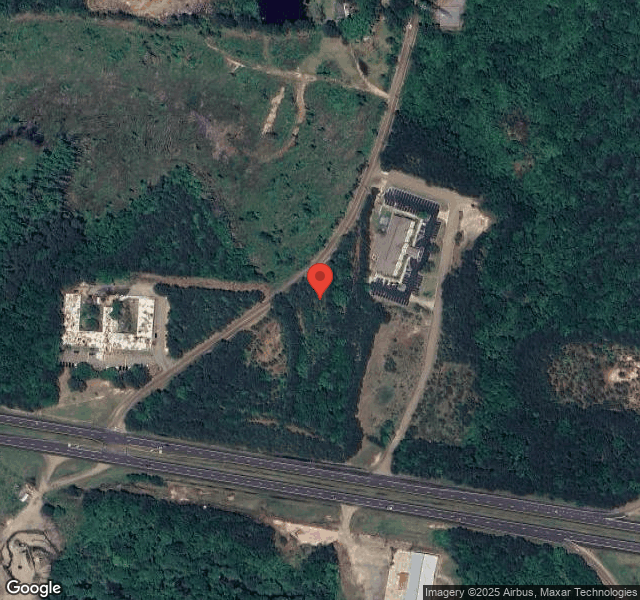
900 MAGNOLIA ROAD, CAMDEN, AR 71701 (870) 836-6833
For profit - Limited Liability company 106 Beds THE SPRINGS ARKANSAS Data: November 2025
Trust Grade
70/100
#89 of 218 in AR
Last Inspection: May 2025

Inspected within the last 6 months. Data reflects current conditions.

Overview

The Springs of Camden has a Trust Grade of B, indicating it is a good facility and a solid choice for care. It ranks #89 out of 218 nursing homes in Arkansas, placing it in the top half of facilities statewide, but it is last in its county, ranked #3 of 3 in Ouachita County. The facility is improving, with issues decreasing from 9 in 2024 to 4 in 2025. Staffing is a strength, with a rating of 4 out of 5 stars and a turnover rate of 37%, which is below the state average of 50%, suggesting that staff are stable and familiar with residents. While there are no fines, which is positive, there have been some concerns, including inadequate monitoring of food temperatures that could lead to foodborne illness for residents and cleanliness issues in the kitchen that raise hygiene concerns. Overall, while there are some areas needing improvement, the facility’s good staffing and lack of fines are significant positives.

Trust Score
B
70/100
In Arkansas
#89/218
Top 40%
Safety Record
Low Risk
No red flags
Inspections
Getting Better
9 → 4 violations
Staff Stability
○ Average
37% turnover. Near Arkansas's 48% average. Typical for the industry.
Penalties
✓ Good
No fines on record. Clean compliance history, better than most Arkansas facilities.
Skilled Nurses
⚠ Watch
Each resident gets only 19 minutes of Registered Nurse (RN) attention daily — below average for Arkansas. Fewer RN minutes means fewer trained eyes watching for problems.
Violations
⚠ Watch
26 deficiencies on record. Higher than average. Multiple issues found across inspections.
★★★★☆
4.0
Overall Rating
★★★★☆
4.0
Staff Levels
★★★☆☆
3.0
Care Quality
★★★★☆
4.0
Inspection Score
Stable
2024: 9 issues
2025: 4 issues

The Good

  • 4-Star Staffing Rating · Above-average nurse staffing levels
  • Full Sprinkler Coverage · Fire safety systems throughout facility
  • No fines on record
  • Staff turnover below average (37%)

    11 points below Arkansas average of 48%

Facility shows strength in staffing levels, fire safety.

The Bad

Staff Turnover: 37%

Near Arkansas avg (46%)

Typical for the industry

Chain: THE SPRINGS ARKANSAS

Part of a multi-facility chain

Ask about local staffing decisions and management

The Ugly 26 deficiencies on record

May 2025 4 deficiencies
CONCERN (D)

Potential for Harm - no one hurt, but risky conditions existed

Deficiency F0567 (Tag F0567)

Could have caused harm · This affected 1 resident

Based on interview, record review, and policy review, the facility failed to ensure that interest was paid on a resident trust account. This failed practice affected one (Resident #3) of three sampled...

Read full inspector narrative →
Based on interview, record review, and policy review, the facility failed to ensure that interest was paid on a resident trust account. This failed practice affected one (Resident #3) of three sampled residents, for whom the facility maintained trust accounts, per a list provided by the Business Office Manager (BOM) on 05/07/2025. The findings are: A review of Resident Statement Landscape, for Resident #3 on 01/03/2025, revealed a balance of $2,025.36, prior to the withdrawal on 01/28/2025. A review of Trial Balance dated 05/07/2025, provided by the Business Office Manager (BOM) on 05/07/2025, revealed a balance for Resident #3 of $1,141.17. A review of Resident Statement Landscape , for Resident #3 provided by the BOM on 05/07/2025, revealed that on 01/28/2025, a withdrawal was made in the amount of $1,025.00 for personal needs. During an interview on 05/08/2025 at 12:13 PM, the Business Office Manager (BOM) was asked how much money she withdrew from Resident #3 ' s account? The BOM indicated $1,025.00 was withdrawn from Resident #3 ' s account on 01/28/2025. The BOM indicated she had spoken with Resident #3 ' s Power of Attorney (POA) and asked them to come pick up the money and go spend it on Resident #3. The BOM was unable to provide proof that she had tried to contact the family after she withdrew the money. The BOM said the reason she withdrew the money was to make sure Resident #3 would be under the $2,000 limit and not lose [pronoun] Medicaid funding. Resident #3 ' s money ($1,025.00) sat in the safe at the nursing home from 01/28/2025 until 05/08/2025. The BOM was asked what amount must be deposited in an interest-bearing account for a resident on Medicaid? The BOM indicated $40.00. This surveyor then asked who had access to the safe that had Resident #3 ' s money ($1,025.00). The BOM indicated the Social Services Director and herself. The BOM indicated she did not know if the Administrator was aware that Resident #3 ' s money was in the safe. During an attempt to interview Resident #3 ' s POA, the phone number provided by the facility was found to not be a working number. During an interview on 05/08/2025 at 12:20 PM, the BOM was asked if the money ($1,025.00) out of Resident #3 account, that was in the safe, had been drawing interest since it had been withdrawn from the bank on 01/28/2025. The BOM indicated no. This surveyor asked the BOM what she should have done with the money once the POA did not pick the money up at the facility, in a timely manner? The BOM said she should have deposited it back into Resident #3 account at the bank. During an interview on 05/08/2025 at 12:25 PM, the BOM was asked, when the last quarterly statement for Resident #3 was sent out, if the $1,025.00 was included on Resident #3 balance. The BOM indicated no, because it was in the safe. During an interview on 05/08/2025 at 12:41 PM, the Administrator was asked if he knew about Resident #3 ' s money ($1,025.00) in the safe. The Administrator said, yes and no. The Administrator indicated that he had become aware of the situation, and it was getting deposited back into Resident #3 ' s bank account today. The Administrator was asked if the money ($1,025.00) in the safe was drawing interest while it was in the safe? The Administrator indicated no. The Administrator was asked what the resource limit was when the amount in the account reached $200 of the resource limit. The Administrator indicated $2,000. This surveyor asked what amount must be deposited in an interest-bearing account for a resident on Medicaid. The Administrator indicated $50.00. This surveyor then asked who all had access to the safe where Resident #3 ' s money had been kept. The Administrator indicated the BOM, the Social Services Director, and himself (Administrator). A review of Policy titled Accounting and Records of Resident Funds , provided by the Administrator on 05/08/25, indicate, Individual accounting records are made available to the resident through quarterly statements and upon request. Quarterly statements include the following information: The resident ' s balance at the beginning and ending of the statement period; The total of deposits and withdrawals by the resident for the quarter; Interest earned on the resident ' s funds .
CONCERN (D)

Potential for Harm - no one hurt, but risky conditions existed

Assessment Accuracy (Tag F0641)

Could have caused harm · This affected 1 resident

Based on record review and interview, it was determined that the facility failed to ensure the comprehensive assessment for the current and previous year accurately reflected the Pre-admission Screeni...

Read full inspector narrative →
Based on record review and interview, it was determined that the facility failed to ensure the comprehensive assessment for the current and previous year accurately reflected the Pre-admission Screening and Resident Review (PASRR) status of one (Resident #4) of two sampled residents reviewed for comprehensive assessments. The findings include: A review of the annual Minimum Data Set (MDS) with the Assessment Reference Date (ARD) of 03/13/2025, revealed Resident #4 had a Brief Interview of Mental Status (BIMS) score of 15, which indicated the resident was cognitively intact. The MDS revealed Resident #4 had active diagnoses, which included: psychotic disorder, anxiety, and depression. According to the MDS, Resident #4 was not considered by the state, level II PASRR process, to have serious mental illness and/or intellectual disability or a related condition. A review of the annual MDS with the ARD of 03/21/2024, revealed Resident #4 had a BIMS score of 15, which indicated the resident was cognitively intact. The MDS revealed Resident #4 had diagnoses, which included: psychotic disorder and depression. According to the MDS, Resident #4 was not considered by the state, level II PASRR process, to have serious mental illness and/or intellectual disability or a related condition. A review of the Care Plan Report, with a revision date of 01/31/2025, revealed Resident #4 was PASRR level II. During an interview on 05/06/2025 at 3:18 PM, the MDS Coordinator stated Resident #4 was considered by the state as PASARR level II process, to have serious mental illness and/or intellectual disability or a related condition. The MDS Coordinator stated that neither the annual MDS with the ARD of 03/13/2025, nor the annual MDS, ARD of 03/21/2024, noted Resident #4 was considered by the state as PASRR level II, which was completed 09/08/2023. The MDS Coordinator stated both comprehensive MDS assessments were inaccurate. During an interview on 05/08/2025 at 1:39 PM, the Director of Nursing (DON) stated the most recent comprehensive MDS, and the comprehensive assessment from the past year, were inaccurate.
CONCERN (E)

Potential for Harm - no one hurt, but risky conditions existed

Food Safety (Tag F0812)

Could have caused harm · This affected multiple residents

Based on observation, record review, interview, and facility policy review, the facility failed to ensure foods stored in the dry storage area were covered and sealed; expired food items were promptly...

Read full inspector narrative →
Based on observation, record review, interview, and facility policy review, the facility failed to ensure foods stored in the dry storage area were covered and sealed; expired food items were promptly removed / discarded, on or before the expiration or use by date; dietary staff washed their hands between dirty and clean tasks and before handling clean equipment; and the ice machine was maintained in a clean sanitary condition for one of one meal observed. The findings are: On 05/05/2025 at 10:09 AM, the following observations were made on a shelf above the food preparation counter: a. An opened bag of grits, the bag was not sealed. b. An open box of salt, the box was not covered. On 05/05/2025 at 10:12 AM, this surveyor observed a box of baking soda, on a shelf in the storage room, that had an expiration date of 12/18/2023. On 05/05/2025 at 10:35 AM, Dietary [NAME] (DC) #6 turned the water on and washed her hands. After washing her hands, she turned off the faucet with her hands, contaminating her clean hands. Without washing her hands again, she removed 20 slices of bread from a bread bag and broke the bread into pieces into the blender. She then added warm milk to be pureed and served to the residents on pureed diets for lunch meal. During an observation on 05/05/2025 at 10:40 AM, the ice machine panel in the kitchen, where ice formed before dropping into the ice collector, had a wet yellowish residue on it. The areas were pointed out to the Maintenance Supervisor, with the Dietary Manager present. During an interview, the Maintenance Supervisor was asked if the residue build up could be wiped off, how often he cleaned the ice machine, and who used the ice from the machine. The Dietary Manager used tissue papers and wiped the wet residue off. The wet residue easily transferred to the tissue, and she (Dietary Manager) stated the area had a dirty, rusty color from the water. The Dietary Manager stated the Certified Nursing Assistants (CNAs) used the ice machine for the water pitchers in the residents' rooms, for the beverages served to the residents, and the kitchen staff used it to fill beverages served to the residents at mealtimes. The Maintenance Supervisor stated that he cleaned the ice machine at the end of each month, and it currently had dirty yellowish residue on it. On 05/05/2025 at 10:58 AM, this surveyor observed a box that contained 14 strawberry banana yogurts on a shelf in the refrigerator, with an expiration date of 04/28/2025. The DM stated the yogurts had expired. She then removed the box of yogurts from the refrigerator and threw them away. On 05/05/2025 at 11:33 AM, DC #6 removed bags of chicken tenders from the freezer and placed them on the counter by the deep fryer. DC #6 opened a bag of chicken tenders, contaminating her hands. Without washing her hands, she removed chicken tenders from the bag and placed them in a deep fryer to be cooked and served to the residents during the lunch meal. On 05/05/2025 at 11:40 AM, DC #6 washed her hands and then turned off the faucet with her clean hands. DC #6 picked up a clean blade and attached it to the base of the blender. She then placed eight chicken tenders into the blender to grind and be served to the residents on mechanical soft diets for the lunch meal. This surveyor asked DC #6 what she should have done after she touched dirty objects, or before she handled clean equipment, and she stated she should have washed her hands. A review of facility policy titled, Quick Resources Tool, QRT Handwashing, initiated 09/01/2021, provided by the Administrator on 05/06/2025, indicated hands should be washed before starting to work with food and equipment and as often as needed, during food preparation and when changing tasks. A review of facility policy titled, Quick Resources Tool, QRT Safe storage of Food initiated 09/01/2021, provided by the Administrator on 05/06/2025, indicated, all foods will be stored wrapped or in covered containers, and arranged in a manner to prevent cross contamination . A review of facility policy titled, Ice machine and ice storage chests, initiated January 2012, provided by the Administrator on 05/06/2025, indicated to flush and clean the ice machine and dispenser after lengthy water disruptions.
MINOR (B) 📢 Someone Reported This

A family member, employee, or ombudsman was alarmed enough to file a formal complaint

Minor Issue - procedural, no safety impact

Deficiency F0804 (Tag F0804)

Minor procedural issue · This affected multiple residents

Based on observations and interviews, the facility failed to ensure hot foods were served hot and cold foods/beverages were served cold to maintain palatability and encourage adequate nutritional inta...

Read full inspector narrative →
Based on observations and interviews, the facility failed to ensure hot foods were served hot and cold foods/beverages were served cold to maintain palatability and encourage adequate nutritional intake for two meals at which food temperatures were checked. The findings are: On 05/05/2025 at 12:12 PM, the first lunch meal tray for the female unit was placed on a shelf inside the food cart, by License Practical Nurse (LPN) #1. The food cart was located by the kitchen door in the dining room. On 05/05/2025 at 12:25 PM, a cart that contained 16 lunch trays was delivered to the [NAME] Hall (Female unit) by Certified Nursing Assistant (CNA) #2. At 12:37 PM, immediately after the last resident was served in the [NAME] Hall (Female Unit) dining room, the temperatures of the food items from the test trays on the cart were checked by CNA #2, with the following results: a) Pudding: 59 degrees Fahrenheit b) Purred vegetables: 113 degrees Fahrenheit c) Pureed chicken tender: 105.2 degrees Fahrenheit d) Ground chicken tender: 98 degrees Fahrenheit e) Cut green beans: 103.8 degrees Fahrenheit During the noon service observation on 05/05/2025 at 12:53 PM, the first food tray was placed on a shelf in the food cart, for the East 1 Hall by LPN #1. On 05/05/2025 at 1:03 PM, a cart that contained 14 lunch trays was delivered to East 1 Hall, by CNA #3. At 1:12 PM, immediately after the last resident was served in their room on East 1 Hall, the temperatures of the food items from the test trays on the cart were checked by CNA #3, with the following results: a) Milk: 44 degrees Fahrenheit b) Chicken tenders: 114 degrees Fahrenheit c) Purred vegetables: 113 degrees Fahrenheit d) Mashed potatoes: 111 degrees Fahrenheit e) Pureed chicken tender: 114 degrees Fahrenheit f) Ground chicken tender: 104 degrees Fahrenheit g) Cut green beans: 107 degrees Fahrenheit On 05/05/2025 at 1:16 PM, the District Dietary Manager (DDM) stated hall-trays food temperatures should be 120 degrees Fahrenheit when they reach the residents. She explained how long the trays sat from the time they been loaded into food cart, until they were delivered to the halls, could affect the temperature. She also explained that if the plates were not heated, it would affect the temperature further. She then felt the plates with her hands and stated the plates were not warm. On 05/06/2025 at 7:34 AM, the first breakfast tray was placed on a shelf, in an unheated food cart by LPN #7, while the door remained open. The food cart stayed open as she continued loading the remaining meal trays. After placing 14 meal trays inside, she closed the food cart door. On 05/06/2025 at 7:43 AM, CNA #4 then delivered the food cart to the [NAME] Hall (Male unit). At 7:52 AM, immediately after the last resident was served in the [NAME] Hall (Male Unit) dining room, the temperatures of the food items from the test trays on the cart were checked by CNA # 4, with the following results: a) Milk: 55.9 degrees Fahrenheit b) Sausage links: 94.8 degrees Fahrenheit c) Pureed sausage: 102.8 degrees Fahrenheit. d) Pureed chicken tender: 105.2 degrees Fahrenheit e) Ground sausage with gravy: 102.2 degrees Fahrenheit f) Scrambled eggs: 107.7 degrees Fahrenheit Immediately following the temperature checks, CNA #4 stated the food should have been reheated. During an observation of the breakfast meal service on 05/06/2025 at 7:44 AM, the first breakfast meal tray for East 1 Hall was placed on a shelf, in an unheated food cart by LPN #7, while the door remained open. The food cart stayed open as she continued loading the remaining meal trays. On 05/06/2025 at 7:53 AM, an unheated food cart, that contained 14 breakfast meals, was delivered to East 1 Hall by CNA #3. On 5/06/2025 at 8:04 AM, immediately after the last resident was served in their room on East 1 Hall, the temperatures of the food items from the test trays on the cart were checked by CNA #3, with the following results: a) Milk: 45 degrees Fahrenheit b) Scrambled eggs: 113 degrees Fahrenheit Immediately following the temperature checks, CNA #3 stated the food should have been reheated. On 05/06/2025 at 8:03 AM, the first breakfast meal tray for East 2 Hall was placed on a shelf, in an unheated food cart by LPN #7, while the door remained open. The food cart stayed open as she continued loading the remaining meal trays. On 05/06/2025 at 8:11 AM, a cart that contained 13 breakfast meals was delivered to East 2 Hall by CNA #5. At 8:19 PM, immediately after the last resident was served in their room on East 2 Hall, the temperatures of the food items from the test trays on the cart were checked by CNA #8, with the following results: a) Milk: 43.7 degrees Fahrenheit b) Pureed sausage: 104.7 degrees Fahrenheit c) Pureed bread and milk: 113.6 degrees Fahrenheit d) Ground sausage with gravy: 102.2 degrees Fahrenheit e) Pureed eggs: 100.4 degrees Fahrenheit Immediately following the temperature checks, CNA #5 stated the food should have been reheated. During an interview on 05/05/2025 at 11:46 AM, Resident #15 stated the soup provided by the facility, as an option on the alternative menu, was always cold. During an interview on 05/05/2025 at 3:10 PM, Resident #1 was asked if the temperatures of their hot foods and cold foods were appropriate. Resident #1 stated the food was usually cold. The resident stated they usually ate in their room. On 05/06/2025 at 10:33 AM, two alert and oriented residents, who were present during the resident group meeting, were asked if the temperatures of the hot foods and cold foods were appropriate. Two of the five residents, who ate meals in their rooms, agreed with the following statements: a) Resident #49 indicated that their breakfast was cold sometimes. b) Resident #66 indicated that sometimes their food was cold. During an interview on 05/06/2025 at 1:44 PM, LPN #7 stated she did not know the food cart should remain closed while loading meal trays, until the Dietary Manager (DM) informed her. She stated that she had not considered that leaving the door open would cause the food temperatures to drop. During an interview with the Dietary Manager on 05/06/2025 at 1:46 PM, she stated the food cart door should be kept closed each time a meal tray was placed inside, to retain the proper temperature.
Mar 2024 9 deficiencies
CONCERN (D)

Potential for Harm - no one hurt, but risky conditions existed

Deficiency F0583 (Tag F0583)

Could have caused harm · This affected 1 resident

Based on observation, interview, and record review, the facility failed to protect the privacy of 1 (Resident #38) sampled resident by leaving medication cards face up and unattended on the medication...

Read full inspector narrative →
Based on observation, interview, and record review, the facility failed to protect the privacy of 1 (Resident #38) sampled resident by leaving medication cards face up and unattended on the medication cart on East Hall. This failed practice had the potential to affect all 74 residents that are receiving medication in the facility. The findings are: Resident #38 had diagnoses of Cerebral infarctions, Dysphagia (difficulty with swallowing), and Chronic respiratory failure with Hypoxia (decreased level of oxygen in blood). The Modified Medicare Minimum Data Set [MDS] with an Assessment Reference Date [ARD] of 02.16.2024 documented a Brief Interview for Mental Status (BIMS) score of 15 (13-15 indicates cognitively intact) in non-verbal resident. Resident #38 is dependent for tube feeding, bed mobility, transfers, toileting, bathing, dressing and personal hygiene. a. On 03/12/2024 at 09:24 AM, the Surveyor observed 2 medication cards with prednisone 20 mg (milligram), and hydrochlorothiazide 12.5 mg tablets laying on the East Hall medication cart, facing up, with Resident #38's name clearly visible. b. On 03/12/2024 at 09:26 AM, Registered Nurse [RN] #1 returned to the cart and said, Well, I left those medication cards out on my cart. The Surveyor asked RN #1 why staff are expected to put away all medications before leaving their cart. RN #1 said someone could come by and get the medications, and it also leaves patient information visible on the cart, and it is Health Insurance Portability Accountability Act [HIPAA]. The Surveyor asked RN #1 why staff are expected to protect resident information. RN #1 said patient information could be used to spread rumors, figure out someone's diagnosis, or someone could tell a family member what they saw. c. On 03/12/2024 at 03:00 PM, the Surveyor asked the Director of Nursing [DON] why it is important to protect resident information, and the DON said, It is a HIPAA violation. The Surveyor asked what concerns they would have if someone saw a resident ' s information. The DON said they can do anything with that information. d. On 03/12/2024 at 03:15 PM, the DON provided a policy titled Resident Rights documenting, .Policy Interpretation and Implementation .privacy and confidentiality . The Surveyor requested in-service documentation. e. On 03/13/2024 at 10:35 AM, the DON provided an in-service (02/22/24) titled Staff Inservice Education documenting, .Privacy a big concern during med pass-knock before entering, close door and pull curtain for meds (injections, updrafts, blood sugar etc .
CONCERN (D)

Potential for Harm - no one hurt, but risky conditions existed

Deficiency F0657 (Tag F0657)

Could have caused harm · This affected 1 resident

Based on interview and record review, the facility failed to conduct meetings about resident care planning and/or notified family representatives of any such meeting for 1 (Resident #28) sampled resid...

Read full inspector narrative →
Based on interview and record review, the facility failed to conduct meetings about resident care planning and/or notified family representatives of any such meeting for 1 (Resident #28) sampled resident. The findings are: Resident #28 had diagnoses of Neurocognitive disorder with Parkinsonism. Resident #28 scored 06 (0-7 indicates severe cognitive impairment) on a Brief Interview of Mental Status according to the Quarterly Minimum Data Set with Assessment Reference Date of 01/31/2024. Resident #28's spouse was the responsible party, power of attorney for care and finances. On 03/11/2024 at 01:30 PM, the Surveyor asked Resident #28's spouse, Are you invited to attend the care plan meetings for Resident #28? The Resident #28's spouse stated, I don't know what that is I have never been to one of those meeting. On 03/12/2024 at 03:20 PM, the Surveyor asked the Social Worker, Who does the care plan meetings? The Social Worker voiced, I do. The Surveyor asked the Social Worker, How do you notify family and/ resident the facility is planning a meeting? The Social Worker voiced, I call them. The Surveyor asked the Social Worker, How do you document the notification and/or meeting? The Social Worker voiced that she puts in a note. The Surveyor asked the Social Worker to pull up Resident #28 and provide documentation that a care plan meeting was conducted, and the Resident ' s spouse was notified. The Social Worker stated, I don't have anything I probably didn't make one for [him/her] (reference documentation). The Surveyor asked the Social Worker, What about when Resident #28 was admitted , was there a meeting? The Social Worker voiced, I don't have one for [him/her] (referencing documentation). On 03/12/2024 at 03:33 PM, the Surveyor asked the Director of Nursing (DON), How often does the facility conduct care plan meetings? The DON stated, Quarterly, on admission, and as needed. The Surveyor asked the DON to provide documentation showing that Resident #28 had a care plan meeting on admission and/or quarterly. The Social Worker in the presence of DON voiced that the Resident had not had a care plan meeting. On 03/13/2024 at 10:35 AM, a policy titled Care Plan, Comprehensive Person-Centered documented, The interdisciplinary team (IDT), in conjunction with the resident and his/her family or legal representative, develops and implements a comprehensive, person-centered care plan for each resident. Each resident's comprehensive person-centered care plan will be consistent with the resident's right to participate in the development and implementation of his or her plan of care, including the right to: a. participate in the planning process; b. identify individuals or roles to be included; c. request meetings; d. request revisions to the plan of care; e. participate in establishing the expected goals and outcomes of care; f. participate in determining the type, amount, frequency, and duration of care; g. receive the service and/or items included in the plan of care; and h. see the plan and sign it after significant changes are made.
CONCERN (D)

Potential for Harm - no one hurt, but risky conditions existed

Accident Prevention (Tag F0689)

Could have caused harm · This affected 1 resident

**NOTE- TERMS IN BRACKETS HAVE BEEN EDITED TO PROTECT CONFIDENTIALITY** Based on observation, interview, and record review, the facility failed to ensure a mechanical lift was maintained in a safe, op...

Read full inspector narrative →
**NOTE- TERMS IN BRACKETS HAVE BEEN EDITED TO PROTECT CONFIDENTIALITY** Based on observation, interview, and record review, the facility failed to ensure a mechanical lift was maintained in a safe, operational condition to prevent possible injury for 1 (Resident #22) sampled resident with the potential to affect 17 residents on East Hall requiring mechanical lift assistance. The findings are: a. On 03/11/2024 at 10:45 AM, the Surveyor observed a mechanical lift machine resting on the left side of East Hall. The Surveyor observed a missing clip on the front of the hanger bar. b. On 03/11/2024 at 01:10 PM, the Surveyor observed Certified Nursing Assistant (CNA) # 3 come out of room [ROOM NUMBER]. The Surveyor observed the mechanical lift being pulled away from room [ROOM NUMBER] A ' s ' bed through the door opening. CNA #3 confirmed she just transferred Resident #22 to his/her bed. The Surveyor asked what procedure is used for connecting the lift pad to the hanger bar. CNA #3 said she connects the lift pad to the hooks and pointed to the hanger bar. The Surveyor asked how the lift pad was connected to the front hanger bar with a missing clip. CNA said they used the outer hooks on the front and back, and they were just really careful and made sure the lift pad stayed on the front outer hook with the missing clip. The Surveyor asked if CNA #3 what the metal clip for, and CNA #3 said it helps make sure the lift pad stays on the hook. The Surveyor asked what concerns CNA #3 had about using the lift machine without a clip. CNA #3 said the lift could have leaned to the side and fallen over. c. On 03/11/2024 at 01:17 PM, the Director of Nursing [DON] was asked to accompany the Surveyor to East Hall and pointed out the lift machine outside room [ROOM NUMBER]. The Surveyor asked what the process staff is are expected to follow when the lift is missing a clip. The DON said staff should notify maintenance, administration, or the DON when equipment is not working. The Surveyor asked why the DON would want to be notified and was told so they can make sure the pads are fixed, and in proper working condition. The Surveyor asked if there are any concerns when using a mechanical lift without clips. The DON said the clips ensure the lift pad is in place, and the lift pad could come off without the clip. d. On 03/12/2024 at 02:30 PM, the DON provided a user manual titled [named] 600 REPEL-1 documenting .Using the Sling Warning .Be sure to check the sling attachments each time the sling is removed and replaced, to ensure that it is properly attached before the patient is removed from a stationary object (bed, chair, or commode) . Transferring the Patient Warning . When elevated a few inches off the surface of the stationary object (wheelchair, commode, or bed) and before moving the patient, check again to make sure that the sling is properly connected to the hooks of the hanger bar. If any attachments are not properly in place, lower the patient back onto the stationary object (wheelchair, commode, or bed) and correct this problem . Performance Maintenance Warning . After the first year of use, the hooks of the hangar bar and the mounting brackets of the boom should be inspected every three months to determine the extent of wear. If these parts become worn, replacement must be made .
CONCERN (D) 📢 Someone Reported This

A family member, employee, or ombudsman was alarmed enough to file a formal complaint

Potential for Harm - no one hurt, but risky conditions existed

Incontinence Care (Tag F0690)

Could have caused harm · This affected 1 resident

Based on observation, interview, and record review, the facility failed to ensure proper incontinence care was provided to 1 (Resident #64) of 4 sampled residents dependent on staff for incontinence c...

Read full inspector narrative →
Based on observation, interview, and record review, the facility failed to ensure proper incontinence care was provided to 1 (Resident #64) of 4 sampled residents dependent on staff for incontinence care on Co-ed [NAME] Hall. This failed practice had the potential affect 9 Residents dependents on staff for incontinence care and cause skin breakdown, poor hygiene, and/or infection. The findings are: Resident #64 had diagnoses of Alzheimer's disease and Dementia with other behavior disturbances. Resident #64 was unable to answer questions for the Brief Interview of Mental Status according to the Quarterly Minimum Data Set with Assessment Reference Date of 12/19/2023 and was always incontinent of bowel and bladder. On 03/11/24 at 01:50 PM, the Surveyor observed Certified Nursing Assistant #1 and #2 place Resident #64 on a dry incontinence pad. After incontinence care was complete, CNA #1 and #2 rolled Resident from left to right to remove incontinence brief and pad. When Resident #64 was rolled onto his left side the Surveyor observed a wet circular spot on the incontinence pad that had been dry initially. CNA #1 and #2 placed a clean incontinence brief on Resident #64 without repeating the process for urinary incontinence care. On 03/11/24 at 02:30 PM, the Surveyor asked CNA #1 and #2, Is there something you should have done prior to placing a clean incontinence brief on Resident #64 due to the wet incontinence pad? CNA #2 said, We should have performed care again and change the pad. On 03/12/2024 at 03:02 PM, the Surveyor asked the Director of Nursing (DON), If a Resident is incontinent of urine while staff are performing incontinent care, what should they do? The DON stated, They should start over, get a cloth. On 03/13/2024 at 03:15 PM, the Surveyor was provided a policy titled Perineal Care documented that The purpose of this procedure are to provide cleanliness and comfort to the resident, to prevent infections and skin irritation, and to observe the resident's skin condition.
CONCERN (E)

Potential for Harm - no one hurt, but risky conditions existed

Resident Rights (Tag F0550)

Could have caused harm · This affected multiple residents

Based on observation, interview, and record review, the facility failed to ensure that each Resident was treated with respect and dignity during meal service, in a manner that promotes maintenance or ...

Read full inspector narrative →
Based on observation, interview, and record review, the facility failed to ensure that each Resident was treated with respect and dignity during meal service, in a manner that promotes maintenance or enhancement of his/her quality of life for 4 (Resident #19 #28, #37, and #64) of 5 sampled residents that required assistance with meal service. The findings are: 1. Resident #19 was unable to answer questions for the Brief Interview of Mental Status (BIMS) according to the Quarterly Minimum Data Set (MDS) with Assessment Reference Date (ARD) of 02/02/2024. The care plan documented that Resident #19 required set-up assistance with meals/eating, verbal cues, and staff assistance at times of confusion. Resident #28 scored 06 (0-7 indicates severe cognitive impairment) on a BIMS according to the Quarterly MDS with ARD of 01/31/2024. The care plan documented Resident #28 required extensive assistance with meal /eating. Resident #37 scored 02 on a BIMS according to the Significant Change MDS with Assessment Reference Date of ARD 01/22/2024. The care plan documented that Resident #37 was independent with eating. Resident #64 was unable to answer questions for the BIMS according to the Quarterly MDS with ARD of 12/19/2023. The care plan documented that Resident #64 required set-up assistance with meals/eating. On 03/11/2024 at 12:35 PM, the Surveyor observed Certified Nursing Assistant (CNA) #1 standing while assisting Resident #64 with meal service. On 03/11/2024 at 12:40 PM, the Surveyor observed Licensed Practical Nurse (LPN) #2 standing while attempting to assist Resident #19 who declined the attempt. On 03/11/24 at 12:41 PM, the Surveyor observed LPN #1 standing while assisting Resident #37 with meal service. On 03/11/2024 at 12:57 PM, the Surveyor observed Resident #28 lying in bed with head of bed elevated. The bed was in the lowest position. The Surveyor observed CNA #2 standing while assisting Resident #28 with meal service. On 03/11/2024 at 12:45 PM, the Surveyor asked LPN #2, When staff are assisting Residents with meal service how should they position themselves? LPN #2 stated, Usually sitting. The Surveyor asked LPN #2, Why usually? LPN #2 said To be more formal. On 03/11/2024 at 12:50 PM, the Surveyor asked CNA #1, When staff are assisting Residents with meal service, how should they position themselves? CNA #1 stated, Eye level. On 03/11/2024 at 01:20 PM, the Surveyor asked CNA #2, When staff are assisting Residents with meal service, how should they position themselves? CNA #2 stated, Eye level, I was a little above eye level. On 03/12/2024 at 03:15 PM, the Surveyor was provided a policy titled Resident Rights that documented Federal and state laws guarantee certain basic rights to all residents of this facility. The rights include the resident's right to: a. a dignified existence; b. be treated with respect, kindness, and dignity.
CONCERN (E)

Potential for Harm - no one hurt, but risky conditions existed

Deficiency F0761 (Tag F0761)

Could have caused harm · This affected multiple residents

Based on observation, interview, and record review, the facility failed to ensure medications were not stored at the bedside and on top of the medication carts to prevent the potential of misappropria...

Read full inspector narrative →
Based on observation, interview, and record review, the facility failed to ensure medications were not stored at the bedside and on top of the medication carts to prevent the potential of misappropriation of resident property. This failed practice had the potential to affect 4 (Residents #15, #17, #27, #177) sampled residents and had the potential to affect 15 residents that ambulate and/or self-propel on East Hall. The findings are: 1. Resident #177 had diagnoses of Schizophrenia, Major depressive disorder, and post-polio syndrome. The admission Minimum Data Set [MDS] with an Assessment Reference Date [ARD] of 03/05/2024 documented a Brief Interview for Mental Status (BIMS) score of 11 (8-12 indicates moderate cognitive impairment). a. On 03/11/2024 at 10:30 AM, the Surveyor observed a bottle of Bicalutamide (a treatment for prostate cancer) sitting at bedside. The Surveyor asked Resident #177 if he/she takes this medication or does nursing give it to him/her. Resident #177 reported taking one every morning, and that it was obtained from [named] healthcare. b. On 03/11/2024 at 02:13 PM, the Surveyor observed a bottle of Bicalutamide sitting on the right-hand side of Resident #177's bedside table. c. On 03/11/2024 at 02:16 PM, the Surveyor asked Registered Nurse [RN] #1 to accompany the Surveyor to Resident #177's room. The Surveyor asked if any of the residents have self-administration rights and RN #1 said, No, I don't think anyone here has self-administration rights. RN #1 asked Resident #177 where he/she got the medication sitting at the bedside table. Resident #177 told RN #1 that he/she got it from [named] healthcare. RN #1 told Resident #177 that she was going to have to confiscate the bottle of medication from the bedside table and check with the doctor. The Surveyor asked what procedure staff use when residents bring medication into the facility. RN #1 told the Surveyor that they usually look and if the resident has an order for it, it was kept on the cart. RN #1 confirmed that residents need approval for self-administration rights, and to her knowledge nobody has administration rights here. d. On 03/12/2024 at 02:41 PM, the Surveyor asked the Administrator [Admin] if they have any residents that self-administer medications. The Administrator told the Surveyor they do not have anyone that self-administers medication, and that he will get a policy for the Surveyors. 2. Resident #10 had diagnoses of Chronic obstructive pulmonary disease, Dementia, and bipolar disorder. The admission MDS with an ARD of 09/04/2023 indicated a BIMS score of 12 (8-12 indicates moderate cognitive impairment). a. On 03/12/2024 at 08:16 AM, The Surveyor went to Room East 19 and observed a plastic glass and two small administration cups sitting on Resident #10's breakfast tray. The Surveyor was asking Resident #10 what was on his/her tray when Licensed Practical Nurse [LPN] #1 came into the room. The Surveyor asked LPN #1 if she could identify the medication left on Resident #10's food tray. b. On 03/12/2024 at 08:17 AM, LPN #1 told the Surveyor that the large plastic cup is named a nutritional supplement used to promote wound healing], the orange medicine is [named a nutritional supplement for increased protein needs in wound healing] and the clear medication is lactulose (A medication used to treat constipation). The Surveyor asked if Resident #10 had self-administration rights, and if it was part of their policy to leave medications at the bedside. LPN #1 told the Surveyor Resident #10 did not have self-administration rights, and they are not supposed to leave medications at the bedside. LPN #1 told the Surveyor a CNA was across the hall and asked her for a frozen pack. LPN #1 said she would normally pick up the medication and lock it in the medication cart. The Surveyor asked why staff are not to leave medication at the bedside. LPN #1 told the Surveyor that someone else could take it, or the resident could spill the medication. 3. On 03/12/2024 at 09:24 AM, the Surveyor was accompanying RN #1 down East Hall and RN #1 told the Surveyor that there were no syringes on the cart. RN #1 picked up a small medication cup of pills, locked the medication cup in the cart, and walked down East Hall leaving the Surveyor with the cart. The Surveyor observed 2 medications cards with Prednisone 20 mg and hydrochlorothiazide 12.5 mg tablets laying on the cart. a. On 03/12/2024 at 09:26 AM, RN #1 returned to the medication cart on East Hall and said, Well, I left those medication cards out on my cart. The Surveyor asked Registered Nurse [RN] #1 why staff is expected to put away all medications before leaving their cart. RN #1 told the Surveyor that someone else could come by and take the medications. RN #1 told the Surveyor that nursing is not supposed to leave medications out on the carts unsupervised. b. On 03/12/2024 at 02:57 PM, the Director of Nursing [DON] was asked if their policy allows for medication to be left at resident ' s bedside, and on medication carts unsupervised. The DON told the Surveyor that medications are not to be left at the bedside, or on medication carts unattended. The Surveyor asked why staff was encouraged to not leave medications unattended and the DON said, Its safety for the residents. The Surveyor asked if nursing has been in-serviced on not storing medications at the bedside or unattended, and the DON said, Yes, we do in-service. d. On 03/12/2024 at 03:15 PM, the DON provided a policy titled Self-Administration of Medication documenting .Policy Residents have the right to self-administer medications if the interdisciplinary team has determined that it is clinically appropriate and safe for the resident to do so. Policy Interpretation and Implementation . Any medications found at the bedside that are not authorized for self-administration are turned over to the nurse in charge for return to the family or responsible party . e. On 03/13/2024 at 08:59 AM, the DON asked for nursing medication in-service documentation. An in-service related to medications being left at the bedside were not received.
CONCERN (E)

Potential for Harm - no one hurt, but risky conditions existed

Deficiency F0804 (Tag F0804)

Could have caused harm · This affected multiple residents

Based on observation, record review, and interview the facility failed to ensure meals were served at a palatable, attractive, and safe appetizing temperature to one 1 Resident #15 of 7 Sampled Reside...

Read full inspector narrative →
Based on observation, record review, and interview the facility failed to ensure meals were served at a palatable, attractive, and safe appetizing temperature to one 1 Resident #15 of 7 Sampled Residents that eat from the kitchen on East Hall. The findings are: a. On 03/11/24 at 11:11 AM, Resident #15 complained that food is always abnormally cold from the kitchen. Resident #15 said the turnip greens from the kitchen last night tasted straight from the refrigerator. b. On 03/13/24 at 01:20 PM, Dietary #1 provided trays from East Hall. The Surveyor asked Dietary #1 if the temperatures were acceptable to serve to residents. Dietary #1 said the meat should be about 130 degrees, and she expected the cauliflower to be warmer than 116 degrees. The food temperatures were as follows: Pork loin 99.3 degrees Cauliflower 116 degrees Mashed potatoes 136 degrees c. On 03/14/24 at 10:33 AM, the Dietary #2 said the the meat and cauliflower should be about 120 degrees. Dietary #2 said hot hold food at 135 degrees. The Surveyor asked for a policy on food temperatures during service. d. 03/14/24 10:48 AM, Dietary #2 provided a policy titled QRT Food Palatability documenting, . Standard: Food will be prepared by methods that conserve nutritive value, flavor and appearance. Food will be palatable, attractive, and served at a safe and appetizing temperature . Guidelines . Proper (safe and appetizing) temperature Food should be at the appropriate temperature as determined by the type of food to ensure resident's satisfaction and minimizes the risk for scalding and burns. Dietary #2 provided a policy titled Meal Distribution documenting, . Standard: Meals are transported to the dining locations in a manner that ensures proper temperature maintenance, protects against contamination, and are delivered in a timely and accurate manner. Guidelines: . 2. All food items will be transported promptly for appropriate temperature maintenance . 4. The nursing staff will be responsible for verifying meal accuracy and the timely delivery of meals to residents/patients . 6. Proper food handling techniques to prevent contamination and temperature maintenance controls will be used for point-of-service dining.
CONCERN (E)

Potential for Harm - no one hurt, but risky conditions existed

Infection Control (Tag F0880)

Could have caused harm · This affected multiple residents

**NOTE- TERMS IN BRACKETS HAVE BEEN EDITED TO PROTECT CONFIDENTIALITY** Based on observation, record review, and interview the facility failed to ensure Droplet Precautions were followed and appropria...

Read full inspector narrative →
**NOTE- TERMS IN BRACKETS HAVE BEEN EDITED TO PROTECT CONFIDENTIALITY** Based on observation, record review, and interview the facility failed to ensure Droplet Precautions were followed and appropriate PPE was worn in COVID isolation rooms preventing the potential risk for spread of infection and cross contamination affecting all 74 residents in the facility. The facility failed to ensure food and beverages were not used on the plywood table in the laundry room to prevent cross contamination with the potential to affect 67 residents who wash their clothing at the facility, and the facility failed to follow their Legionella Water Management Programing policy by ensuring interventions were in place to prevent the spread of waterborne pathogens, and monitoring effectiveness. This failed practice had the potential to affect all 74 residents. The findings are: 1.a. On 03/11/24 02:10 PM, the Surveyor was walking down East Hall and observed the door was open to room [ROOM NUMBER]-B, and the housekeeping cart was resting outside the door. The Surveyor observed Housekeeping #1 wearing prescription eyeglasses, gloves and a surgical mask holding up a full red bag of garbage. The housekeeper placed the garbage down on the floor and stepped outside the door to room [ROOM NUMBER] and confirmed the red bag was garbage from a COVID room. The Surveyor asked Housekeeper #1 what procedure he followed putting on personal protection equipment (PPE) for a room on droplet precautions. Housekeeper #1said it was okay, and he just wears a surgical mask, and it is sturdy. The other mask fogs up my glasses. The Surveyor asked if the droplet policy allows for prescription glasses, as well as face shield or eye protection. Housekeeper #1 said not sure. Housekeeper #1 looked at the droplet precaution sign on the door and Surveyor read the sign. Housekeeper #1 stated This is the first time I ever heard this. The Surveyor asked Housekeeper #1 why staff were expected to follow PPE protocol. Housekeeper #1 said, I could catch something. 2. a. On 03/12/2024 at 09:50 AM, the Surveyor accompanied Registered Nurse [RN] #1 to room East 10 to observed feeding tube care. RN #1 was observed putting on gloves, and gown and entering the room. RN #1 had on a surgical mask prior to entering the room. On exiting room [ROOM NUMBER] the Surveyor asked RN #1 what procedure staff follow when putting on PPE. RN #1 said, I am not sure . gloves, gown, and mask. RN #1 pointed to the droplet precaution sign on the door, and told the Surveyor it said gloves, gown, N95 mask, and eye protection. The Surveyor asked if their policy allows them to use a surgical mask in place of an N95 mask, and if eye protection is optional. RN #1 said she did not know. The Surveyor observed RN #1 look through the PPE hanging on the door outside room [ROOM NUMBER]-A. RN #1 was looking through the PPE and said, I do not think we have it. I do not see face protection or eye shields in here. b. On 03/12/24 at 03:03 PM, the Surveyor interviewed the Director of Nursing [DON] and asked if staff are expected to wear face or eye protection in droplet precaution rooms, and if a surgical mask substitutes for an N95 mask. The DON said in some isolation rooms staff can wear surgical masks, but COVID rooms must wear a N95 mask, and face protection or eye shields should be worn. The Surveyor asked if personal eyeglasses substitute for eye protection. The DON said there has been some debate on that, but we still say to wear face shields. The Surveyor asked if staff including nursing, Certified Nursing Assistant [CNA], housekeeping have been in-service on isolation rooms and the DON said they have been in-serviced c. On 03/12/2024 at 03:15 PM, The DON provided a policy titled Isolation-Categories of Transmission-Based Precautions documenting .Policy Interpretation and Implementation .When a resident is placed on transmission-based precautions, appropriate notification is placed on the room entrance door and on the front of the chart so that personnel and visitors are aware of the need for and the type of precaution. A. The signage informs the staff of the type of CDC precaution(s), instructions for use of PPE, and/or instructions to see a nurse before entering the room. B. Signs and notifications comply with the resident's right to confidentiality or privacy . Droplet precautions . masks will be worn when entering the room. Gloves, gown and goggles should be worn if there is risk of spraying respiratory secretions . Any individuals who enter the room of a resident placed on airborne precautions must wear approved respiratory protection . d. On 03/12/2024 at 08:59 AM, The DON was asked for the in-service on isolation. Isolation in-service was not provided. 3. On 03/12/24 at 01:32 PM, the Surveyor reviewed a binder titled Legionella. The binder had 2 pages titled Legionella Surveillance Monitor with check next to areas of the facility. The pages in the binder stated at the bottom All HVAC drain pans are checked for standing water, all empty rooms are checked, and toilets flushed and Please report any suspicious looking water that has been standing to the Administrator or DON. a. On 03/12/24 at 01:50 PM, the Surveyor asked the Maintenance staff will you provide me with any legionella material you have? Maintenance staff (while in the administrator's office) voiced that he had given the binder to Life Safety. The Surveyor asked the Maintenance staff is that all you have on legionella? The Regional Consultant voiced to Administrator give her that diagram of the water source we have. b. On 03/12/24 at 02:09 PM, the Surveyor asked the administrator what measures do you have in place to prevent the growth and/or spread of legionella? The Administrator voiced, we are flushing the water, monitoring for any standing water and if we suspect anything we get the city to test. The Surveyor asked the Administrator can you provide me with any testing that the city has done? The Administrator stated, We have not suspected anything. c. On 03/14/24 at 03:35 PM, the Surveyor asked the Administrator how do you know if the interventions you have in place are effective? The Administrator stated, We don't have any legionella in the building. The Surveyor asked the Administrator how do you know there is not any legionella in the facility? The Administrator stated, No signs or symptoms. 4. On 03/12/24 at 02:30 PM, During a tour of the laundry room The Surveyor observed a plate, 2 cups, a tablet, a cell phone, and a clip board, a table made of plywood. a. On 03/12/24 at 02:40 PM, the Surveyor asked Housekeeping #2 is it standard practice to have personal items, food containers, and drink cups on the folding table? Housekeeping #2 stated, No we just finished eating. The Surveyor asked Housekeeping #2 how you sanitize the table. Housekeeping #2 stated, I don't know. On 03/12/24 03:02 PM, the Surveyor asked DON should there be any personal items on the folding table? Regional Consultant stated, no infection control issue. The Surveyor asked DON how do you sanitize plywood? Regional Consultant voiced, you can't it's porous. 03/12/24 01:10 PM, the Surveyor was provided a policy titled Legionella Water Management Program that documented The water management program includes the following elements: a an interdisciplinary water management team; b. a detailed description and diagram of the water system in the facility, including the following: 1. Receiving; 2. Cold water distribution, 3. Heating; 4. Hot water distribution, 5. waste. a. specific measures used to control the introduction and/or spread of legionella (e.g, temperature, disinfectants); b. the control limits or parameters that are acceptable and that are monitored; c. A diagram of where control measures are applied; d. a system to monitor control limits and the effectiveness of control measures; e. A plan for when control limits are not met and/or control measures are not effective; and f. Documentation of the program.
CONCERN (F)

Potential for Harm - no one hurt, but risky conditions existed

Food Safety (Tag F0812)

Could have caused harm · This affected most or all residents

Based on observation, interview, and record review, the facility failed to ensure that temperatures were monitored in the refrigerators and freezers to prevent cross contamination and food borne illne...

Read full inspector narrative →
Based on observation, interview, and record review, the facility failed to ensure that temperatures were monitored in the refrigerators and freezers to prevent cross contamination and food borne illness for residents who received meals from the facility kitchen. This failed practice had the potential to affect 70 residents who receive meals from the facility kitchen The findings are: 1. On 03/11/2024 at 09:23 AM, between the kitchen and pantry (hallway) is a chest freezer, the freezer was checked and did not have a thermometer in place. The freezer held frozen vegetables. 2. On 03/11/2024 at 09:25 AM, Dietary Employee [DE] #3 was asked about the dented cans in the pantry. DE #3 advised that they are putting the dented cans down on the bottom shelf that is marked for dented cans. DE #3 admitted , In the past I have used a can off the dented shelf before when we were out in the pantry, but it has been a while. Surveyor asked DE #3 if she could remember when the last time was, she used a dented can. DE #3 stated I can't remember it had been a while ago. 3. On 03/11/2024 at 09:29 AM, the standup refrigerator/freezer in the pantry was where the kitchen kept milk and mighty shakes. The temperature was 42 degrees Fahrenheit and mighty shakes were in the bottom left tray. a. On 03/11/2024 at 09:30 AM, the freezer part of the refrigerator/freezer did not have a thermometer, so the temperature was not available. The DE #3 stated that they kept vegetables in this freezer. b. On 03/11/2024 at 09:40 AM, the chest freezer in kitchen by the ice machine identified by the dietary cook [DC] as the meat freezer, did not have a thermometer in it, so the temperature was not available. 4. On 03/13/2024 at 10:03 AM, the Surveyor observed the tea maker with tea made in the container uncovered. At 10:53 AM, the tea container lid was still not on the container. When the Surveyor left kitchen at 12:20 PM, the container of tea was still uncovered. 5. a. On 03/14/2024 at 10:35 AM, the Surveyor spoke with Dietary #2 and asked why it is important to have thermometers in the refrigerators and freezers. Dietary #2 stated To make sure that refrigerators and freezers are working properly, and food is safe. b. On 03/14/2024 at 10:36 AM, the Surveyor asked Dietary #2, Are you required to have thermometers in the refrigerators and freezers? Dietary Employee stated, Yes. 6. On 03/14/2024 at 10:38 AM, the Surveyor asked Dietary #2, What are you supposed to do with dented cans? Dietary #2 stated We have a preselected area for dented cans only where they are placed. Dietary #2 was asked if they could use dented cans. Dietary #2 stated No. 7. a. On 03/14/2024 at 1:46 PM, the Surveyor spoke with the Director of Nursing [DON], and asked why it is important to have thermometers in the refrigerators and freezers? The DON stated, To make sure the refrigerator and freezer are at the right temperatures. b. The DON was asked by the Surveyor if it was okay to use a can of food that was dented. The DON stated No, it could be spoiled.
Jan 2023 13 deficiencies
CONCERN (D) 📢 Someone Reported This

A family member, employee, or ombudsman was alarmed enough to file a formal complaint

Potential for Harm - no one hurt, but risky conditions existed

Deficiency F0552 (Tag F0552)

Could have caused harm · This affected 1 resident

Based on record review and interview the facility failed to ensure that the representative for 1 (Resident #9) sampled was notified and provided education prior to the initiation of an Anti-Psychotic ...

Read full inspector narrative →
Based on record review and interview the facility failed to ensure that the representative for 1 (Resident #9) sampled was notified and provided education prior to the initiation of an Anti-Psychotic medication. The findings are: 1. Resident #9 had diagnoses of Dysphagia, Chronic Kidney Disease, Stage 3, and Malignant Neoplasm of Large Intestine. On the Minimum Data Set (MDS) with an Assessment Reference Date (ARD) of December 7, 2022, the resident received a score of 1 on the Staff Assessment for Mental Status (SAMS) which indicated modified independence. The Resident was independent with bed mobility, transfer, locomotion on and off the unit and eating, dressing and personal hygiene required supervision. Toileting required limited assistance. a. On 1/10/23 at 10:00 AM, a review of the Medical Record indicated a Physician's Order with a start date of 11/22/22 for Seroquel Tablet 100 MG [milligrams] (Quetiapine Fumarate) Give 1 tablet by mouth two times a day related to Obsessive-Compulsive Disorder, Unspecified (F42.9) The Nurses Note recorded on the same date reported, resident aware of new order. b. On 1/11/23 at 9:30 AM, the Surveyor asked the Nursing Consultant if the facility had notified the resident's family prior to the administration of the Seroquel. She stated, the note says that she told the resident and there have been times when he has served as his own person. I believe he signed himself in. Because of that she thought she was covered. A review of the resident's admission Paperwork revealed that it was signed by [wife] on 7/2/22. c. On 1/11/23 at 9:45 AM, a review of the resident's Care Plan described, The resident has impaired cognitive function r/t [related to] chronic illness and debility. The resident is able to make simple decisions. Encourage decision making by providing yes/no options and minimizing the number of options provided at one time.
CONCERN (D) 📢 Someone Reported This

A family member, employee, or ombudsman was alarmed enough to file a formal complaint

Potential for Harm - no one hurt, but risky conditions existed

Deficiency F0555 (Tag F0555)

Could have caused harm · This affected 1 resident

Based on interview and record review the facility failed to ensure that the resident's representative was contacted prior to changing insurance providers. The failed practice had the ability to affect...

Read full inspector narrative →
Based on interview and record review the facility failed to ensure that the resident's representative was contacted prior to changing insurance providers. The failed practice had the ability to affect 1 (Resident #55). The findings are: 1. On 01/10/23 at 2:26 PM, the resident's sister/responsible party reported that the facility had changed the resident's insurance coverage without her knowledge. The Representative stated, I still wouldn't know if I hadn't been contacted by [named insurance company] The Representative reported that she called the facility and spoke with the Business Office Manager (BOM) and was told that regular Medicare was more convenient. The Representative continued to describe that when she was notified by [named insurance] Company that coverage had been cancelled, she immediately changed the coverage back to the managed replacement plan. 2. On 1/12/23 at 8:30 AM, the Surveyor asked the BOM if she had changed the resident's insurance coverage. She stated, yes, when someone comes in with a managed care plan our marketing team likes us to get them switched to regular Medicare to give them more days. I did not know he had family involved. The Surveyor asked if the resident had a family member listed as a responsible party. The BOM looked in the electronic medical record and then said, Yes, there is a [named family member] listed. The Surveyor asked, why was the family not contacted concerning the change of insurance? The BOM stated, he transferred from another facility, and I guess it just slipped my mind.
CONCERN (D)

Potential for Harm - no one hurt, but risky conditions existed

Investigate Abuse (Tag F0610)

Could have caused harm · This affected 1 resident

Based on observation, interview and record review, the facility failed to investigate an injury in a timely manner and investigate for other possible injuries to 1 (Resident #40) sample selected resid...

Read full inspector narrative →
Based on observation, interview and record review, the facility failed to investigate an injury in a timely manner and investigate for other possible injuries to 1 (Resident #40) sample selected residents who was injured due to an improper transfer performed by a staff member. The findings are: 1. Resident #40 had diagnoses of Hemiplegia and Hemiparesis following cerebral infarction, Type II Diabetes Mellitus, and Cognitive Communication Deficit. On the admission Minimum Data Set (MDS) with an assessment reference date (ARD) of 10/20/22 the resident received a score of 4 (0-7 indicated severe impairment) on the Brief Interview for Mental Status (BIMS). The MDS documented the resident required limited assistance for bed mobility, transfer, and extensive assistance for toileting. a. On 01/09/23 at 06:30 PM, Resident #17, the roommate of R #40, stated on Thursday [1/5/23], during evening shift, R #40 was jerked from her wheelchair by her forearms by Certified Nursing Assistant (CNA) #7 to get R #40 into bed and R #40 screamed for a while. R #17 stated she reported this incident to Licensed Practical Nurse (LPN) #5 who stated she would inform the Director of Nursing (DON) because the Administrator was out this week. R #17 stated she heard CNA #7 tell the nurse that R #40 had a new skin tear on her arm [forearm] but stated to the nurse she did not know how she got it, but it was a new tear, which R #17 stated she knows was a lie because I witnessed her jerk R #40 up forcefully. b. On 01/09/23 at 07:00 PM, the Surveyor reported the alleged abuse to the Administrator. c. On 01/09/23 at 07:30 PM, the Surveyor asked LPN #1 when she was informed of new skin tear on R #40's forearm. LPN#1 stated R #40 has had tears since LPN #1 became the treatment nurse in November. LPN #1 stated she was informed of the bandage dated 1/6/23 in the morning meeting on 1/6/23 and was asked to look at it. d. On 01/11/23 at 03:45 PM, the Surveyor requested the initial reportable information from the Administrator. e. On 01/12/23 at 08:45 AM, the Surveyor requested the initial reportable information from the Administrator. The Administrator stated he was still waiting on a statement from LPN #5. f. On 01/12/23 at 08:50 AM, the Administrator provided documentation for notifications and beginning investigation which included the following: 1. The incident was reported to the [named] Officer, the Physician, and R #40's family. 2. CNA retraining was conducted by the Assistant Director of Nursing/ Infection Control Professional ADON/ICP on 1/6/23 documented .gait belts are to be used with resident transfers . 3. An Abuse in-service was conducted on 1/9/23. 4. A statement from Registered Nurse (RN #1) documented CNA #7 reported a skin tear during transfer from w/c [wheelchair] to bed may have hit her w/c by accident. 5. A statement from CNA #7 documented she saw a skin tear and reported it to the nurse (no specific details provided on statement). 6. A Body audit by the Treatment Nurse conducted on 1/9/23 documented bruises and scabs on arms, scabs and swelling of legs and swelling and open areas on feet. 7. R (right) elbow ST (skin tear), R lower arm ST, L (left) lower arm ST x 2, and R lower leg ST. g. On 01/12/23 at 09:12 AM, the Surveyor asked the Administrator if CNA #7 had performed an inappropriate transfer on 1/5/23, had to be retrained on appropriate transfers on 1/6/23, and if the resident was harmed by receiving a skin tear and was in pain. The Administrator stated I was out last week. I was told it was not a new skin tear. The transfer caused an old tear to reopen. The Surveyor asked if even though it was a not a new skin tear and the resident was harmed during a transfer should that have been reported. The Administrator stated yes, the nurse should have reported it. The Surveyor asked, should it have been investigated? The Administrator stated, yes. The Surveyor asked, who was responsible for reporting if the Administrator was out? The Administrator stated the DON (Director of Nursing) who was out now with COVID-19. The ADON/ICP stated, based on the information we had we thought it was an employee issue. The Surveyor asked if CNA #7 remained on shift while an investigation was started or in-service or training was performed. The Administrator stated, yes, I believe so, but I am not sure because I was out last week. h. On 01/12/23 at 11:53 AM, Consultant #2 provided a copy of an Incident and Accident (I and A) report dated 1/6/2023 at 09:29 a.m., titled Skin Concern which documented .resident received a skin tear during the prior shift. CNA #7 reported to shift nurse that while she was transferring resident from bed to wheelchair resident bumped her arm on bedside table which caused a skin tear . and .New small skin tear noted to left lower arm. Notified MD [medical doctor] and received orders . and .Gait belt training in-service and tx [treatment] in place . i. On 01/12/23 at 12:17 PM, Consultant #2 stated, A skin tear is not a reportable or abuse. We did not know of any abuse until Monday. The Surveyor asked, if a resident was hurt during an improper transfer should it be investigated? Consultant #2 stated, that would depend. j. On 01/12/23 at 01:55 PM, the Surveyor asked Consultant #2 for the measurements of the skin tear. Consultant #2 stated, normally we do not measure skin tears unless they are large or if they do not heal within 14 days. k. On 01/12/23 at 02:25 PM, the RN and Surveyor accompanied LPN #1 to R#40's room. LPN#1 measured the skin tear to left lower arm. The measurements were 3.3 cm [centimeter] length by 0.8 cm in width with wet, yellow, and white granulation. l. On 01/09/23 at 08:36 PM, the MDS Coordinator provided the policy for Abuse, Neglect, Exploitation or Misappropriation - Reporting and Investigating which documented .The individual conducting the investigation at a minimum: a. reviews the documentation and evidence .c. observes the alleged victim, including his or her interactions with staff and other residents; d. interviews the person(s) reporting the incident .h. interviews staff members (on all shifts) who have had contact with the resident during the period of the alleged incident; i. interviews the resident's roommate, family members, and visitors .L documents the investigation completely and thoroughly .
CONCERN (D)

Potential for Harm - no one hurt, but risky conditions existed

Comprehensive Care Plan (Tag F0656)

Could have caused harm · This affected 1 resident

Based on observation, interview, and record review, the facility failed to ensure pain management and pain medication side effect care areas and interventions were included in the Individualized Care ...

Read full inspector narrative →
Based on observation, interview, and record review, the facility failed to ensure pain management and pain medication side effect care areas and interventions were included in the Individualized Care Plan for 1 (Resident #40) of 18 (Resident #1, R #4, R #8, R #9, R #11, R #13, R #18, R #19, R #26, R #28, R #35, R #37, R #40, R #41, R #50, R #66, R #71, and R #73) sample selected residents who required Individualized Care Plans. The findings are: 1. Resident #40 had a diagnoses of Hemiplegia and Hemiparesis following cerebral infarction, Type II Diabetes Mellitus, and Cognitive Communication Deficit. On the admission Minimum Data Set (MDS) with an Assessment Reference Date (ARD) of 10/20/22 the resident received a score of 4 (0-7 indicated severe impairment) on the Brief Interview for Mental Status (BIMS). The MDS documented the resident required limited assistance for bed mobility, transfer, and extensive assistance for toileting. a. On 01/09/23 at 06:40 PM, R #40 was in bed with a distorted face saying oh, oh, ow, ow, oh, oh over and over. The Surveyor asked if she was in pain, R #40 responded, they tell me I am not today. b. On 01/10/22 at 08:00 PM, Review of R #40's pain assessments on the January 2023 Medication Administration Record (MAR), all shifts were marked with a '0' indicating no pain, the pain assessments when Norco pain medication was provided documented a '9' or '10' which indicated severe pain. Review of R #40's Physician Orders (PO) showed Tramadol and Norco were prescribed for pain. Reviewed of R #40's Care Plan (CP) showed no documentation or interventions for pain management, pain medication side effects, or interventions to determine when she was in pain. c. On 01/11/23 at 08:32 AM, the Surveyor asked Certified Nursing Assistant (CNA) #6 how she knew when R #40 is was in pain. CNA #6 stated, She makes sounds like that all of the time. The Surveyor asked how she knows when R #40 was in pain if she made sounds like that often. CNA #6 stated, I'm not sure. She just tells us. The Surveyor asked if pain management interventions were on her Care Plan. CNA #6 stated, I don't know. d. On 01/11/23 at 02:58 PM, the Surveyor asked the Assistant Director of Nursing/Infection Control Prevention (ADON/ICP) if pain management, effects of medications, and interventions should be on Care Plans. The ADON/ICP stated yes, they should be. The Surveyor asked the ADON/ICP to review R #40's CP for pain management, effects of pain medication, and how to determine when R #40 is in pain. The ADON/ICP reviewed R #40's CP with Consultant #1 and Consultant #2 and stated, there is nothing on pain, except for a reference during catheter care. The Surveyor asked if those should be included in R #40's CP. The ADON/ICP stated, yes. The Surveyor asked what possible negative outcomes could occur without interventions listed on the Care Plan for those areas. The ADON/ICP stated, she could be in pain. e. On 01/12/23 at 09:08 AM, Consultant #2 provided the Care Planning policy which documented, .The interdisciplinary team is responsible for the development of resident care plans . and .2. Comprehensive, resident-centered care plans are based on resident assessments and developed by an interdisciplinary team .
CONCERN (D) 📢 Someone Reported This

A family member, employee, or ombudsman was alarmed enough to file a formal complaint

Potential for Harm - no one hurt, but risky conditions existed

Deficiency F0657 (Tag F0657)

Could have caused harm · This affected 1 resident

Based on record review and interview the facility failed to ensure the resident's Comprehensive Care Plan was reviewed and revised to include the addition of an Antipsychotic medication for one of one...

Read full inspector narrative →
Based on record review and interview the facility failed to ensure the resident's Comprehensive Care Plan was reviewed and revised to include the addition of an Antipsychotic medication for one of one sampled resident (#9). The findings are: a. On 1/10/23 at 10:00 AM, a review of Resident #9's medical record showed a Physician's Order with a start date of 11/22/22 for Seroquel Tablet (Quetiapine Fumarate) 100 MG [milligrams]. Give 1 tablet by mouth two times a day related to Obsessive-Compulsive Disorder, Unspecified. b. On 1/10/23 at 10:25 AM, a review of the resident's Resident #9's Comprehensive Care Plan dated 1/3/23 showed no revision to add an anti-psychotic to the resident's medications or a plan to address possible side effects associated with the addition of a black box medication or the addition of the obsessive-compulsive disorder diagnosis. c. On 1/13/23 at 8:35 AM, the Surveyor asked the Minimum Data Set (MDS) Coordinator, are you responsible for Care Plan updates? She stated, yes. The Surveyor asked, how is a new medication order is brought to your attention? She stated, we have nurse meetings every morning and we run a new order report. I try to add them to the Care Plan right then. When asked if the inclusion of an anti-psychotic should be addressed, she stated, yes and the black box warning. d. On 1/13/23 at 8:51 AM, Consultant #2 provided a Policy and Procedure titled: Care Plans, Comprehensive Person-Centered. On page 2, section 11 the policy stated, Assessments of residents are ongoing and care plans are revised as information about the residents and the residents' conditions change.
CONCERN (D)

Potential for Harm - no one hurt, but risky conditions existed

Respiratory Care (Tag F0695)

Could have caused harm · This affected 1 resident

Based on observation, interview, and record review, the facility failed to ensure oxygen was set at the Physician ordered flow rate for 1 (Resident #41) of 2 (Resident #41 and R #71) sample selected r...

Read full inspector narrative →
Based on observation, interview, and record review, the facility failed to ensure oxygen was set at the Physician ordered flow rate for 1 (Resident #41) of 2 (Resident #41 and R #71) sample selected residents as documented by a list of residents on Oxygen provided by the Consultant #2 on 1/12/23. The findings are: 1. Resident #41 had diagnoses of Cerebral infarction due to unspecified occlusion or stenosis of bilateral cerebellar arteries, Peripheral Vascular disease, and chronic kidney disease. The Annual Minimum Data Set (MDS) with an Assessment Reference Date (ARD) of 12/16/22 documented a Brief Interview of Mental Status (BIMS) score of 14 (13-15 indicates cognitively intact). a. On 01/09/23 at 05:43 PM, R #41 was lying in bed wearing oxygen via nasal cannula at 2 liters per minutes (lpm). b. On 01/09/23 at 10:58 PM, a review of R #41's PO [physician orders] dated 6/16/2022 documented, .May have Oxygen (O2) via nasal cannula at 3 lpm as needed every shift for oxygen sats [saturation] below 92% [percent]. c. On 01/10/23 at 09:20 AM, R #41 was lying in bed coughing and wheezing with his O2 in place at 2 lpm via nasal cannula. d. On 01/10/23 at 09:23 AM, the Surveyor asked Licensed Practical Nurse (LPN) #4 how often O2 flow rates were checked. LPN #4 stated, every week. The Surveyor asked how often the lpm rate is checked. LPN #4 stated, daily. The Surveyor asked LPN #4 to accompany her to R #41's room. The Surveyor asked LPN #4 to tell her what rate the oxygen concentrator was set at. LPN #4 stated, 2 lpm. The Surveyor asked what the ordered flow rate for R #41 was. LPN #4 stated she would need to look them up. LPN#4 looked up R #41's O2 flow rate. LPN #4 stated I think I told you wrong. I think we check the rate every shift. LPN #4 located the PO and stated His oxygen is PRN [as needed], but it should be at 3 lpm. I will go adjust that now. e. On 01/10/23 at 03:23 PM, the Surveyor asked Consultant #2, how often the flow rate of the oxygen concentrators should be checked? Consultant #2 stated, at least every shift. The Surveyor asked if the response from staff that the rate be checked weekly was appropriate. The Consultant stated No ma'am. That is just the tubing, mask, and bag. f. On 01/12/23 at 09:08 AM, the Consultant provided the Oxygen Administration policy which documented, .Review the physician's orders or facility protocol for oxygen administration .
CONCERN (E)

Potential for Harm - no one hurt, but risky conditions existed

Assessment Accuracy (Tag F0641)

Could have caused harm · This affected multiple residents

**NOTE- TERMS IN BRACKETS HAVE BEEN EDITED TO PROTECT CONFIDENTIALITY** Based on interview and record review, the facility failed to ensure the Minimum Data Sets (MDS) were accurately encoded for oxyg...

Read full inspector narrative →
**NOTE- TERMS IN BRACKETS HAVE BEEN EDITED TO PROTECT CONFIDENTIALITY** Based on interview and record review, the facility failed to ensure the Minimum Data Sets (MDS) were accurately encoded for oxygen for 1 (Resident #41) of 2 (Resident #41 and R #71) sample selected residents with Physician Orders for Oxygen; and failed to ensure MDS were accurately encoded for Anticoagulants (AC) for 2 (Resident #1 and #55) of 3 (Resident #1, #11, and #55) sample selected residents with Physician Orders (PO) for Plavix. The findings are: 1. Resident #41 had a diagnosis of Cerebral infarction due to unspecified occlusion or stenosis of bilateral cerebellar arteries, Peripheral Vascular disease, and chronic kidney disease. The Annual Minimum Data Set (MDS) with an Assessment Reference Date (ARD) of 12/16/22 documented a Brief Interview of Mental Status (BIMS) score of 14 (13-15 indicates cognitively intact). a.On 01/10/23 at 02:05 PM, a review of R #41's Care Plan (CP), PO, and MDS showed oxygen usage. The Annual MDS dated [DATE] did not show oxygen usage. b. On 01/10/23 at 03:26 PM, the Surveyor asked the MDS Coordinator to pull up R #41's Annual MDS dated [DATE] and look at section O. The Surveyor asked the MDS Coordinator to pull up the documentation she used to determine what she marked in this section for oxygen. The MDS Coordinator stated she did not mark oxygen because R #41 [named] did not use oxygen in the 7-day look back period. The Surveyor asked the MDS Coordinator how she determined that information. The MDS Coordinator pulled up R #41's Medication Administration Records (MAR) and stated I use the MAR. The Surveyor asked if all 7 days were marked that R #41 used oxygen. The MDS Coordinator stated that they were marked but it is also based on his O2 [oxygen] saturation. The MDS Coordinator pulled up R #41's vitals in the electronic records and stated all but one of his O2 stats are with Oxygen via Nasal Cannula. I will complete a modification to his MDS. 2. Resident #1 had diagnoses of Diffuse traumatic brain injury, bipolar disorder, and Cognitive communication deficit. The Significant Change and Modification of Significant Change Minimum Data Set (MDS) with Assessment Reference Dates (ARD) of 11/17/22 documented a Brief Interview of Mental Status (BIMS) score of 3 (0-7 indicates severe cognitive impairment). a. On 01/09/23 at 11:21 PM, a review of R #1's electronic record showed no active, discontinued, or completed AC (anti-coagulants) medications. b. On 01/10/23 at 03:32 PM, The Surveyor asked the MDS Coordinator to pull up R #1's Significant Change and Modification of Significant Change both dated 11/17/22 and look at section N. The Surveyor stated this was regarding an AC too. The MDS Coordinator pulled up R #1's records and stated, Yup, same story with this one. I will get both modifications completed. 3. Resident #55 had diagnoses of Hemiplegia and hemiparesis following cerebral infarction affecting right dominant side, End stage renal disease, and Diabetes mellitus due to underlying condition with diabetic neuropathy. The Quarterly Minimum Data Set (MDS) with an Assessment Reference Date (ARD) of 11/25/22 documented a Brief Interview of Mental Status (BIMS) score of 15 (13-15 indicates cognitively intact). a. On 01/10/23 at 12:04 PM, a review of R #55's electronic record showed no active, discontinued, or completed AC medications. b. On 01/10/23 at 03:32 PM, the Surveyor asked the MDS Coordinator to pull up R #55's Quarterly MDS dated [DATE] and look at section N. The Surveyor then asked the MDS Coordinator if Anticoagulant (AC) was marked. The MDS Coordinator stated, Yes ma'am it is, for 7 days. The Surveyor asked what she used to determine the AC. The MDS Coordinator stated, Probably Plavix. They've talked to me about that before. I will have to modify that MDS. There were discrepancies on how I was trained between the last company and this company. The Surveyor asked what the Resident Assessment Instrument (RAI) manual stated. The MDS Coordinator stated, not to mark it. The Surveyor asked why. The MDS Coordinator stated, Because it is an Antiplatelet and not an Anticoagulant. 4. On 01/12/23 at 09:08 AM, the Surveyor received from the Consultant #2 the policy for Certifying Accuracy of the Resident Assessment which documented .Any person completing a portion of the Minimum Data Set/MDS (Resident Assessment Instrument) must sign and certify the accuracy of that portion of the assessment . and the policy for Resident Assessments which documented .10. All members of the care team, including licensed and unlicensed staff members, are asked to participate in the resident assessment process .
CONCERN (E)

Potential for Harm - no one hurt, but risky conditions existed

ADL Care (Tag F0677)

Could have caused harm · This affected multiple residents

Based on observation, interview, and record review, the facility failed to ensure Activities of Daily Living (ADL) care was provided to 1 (Resident #41) of 5 (Resident #3, R #20, R #35, R #36, and R #...

Read full inspector narrative →
Based on observation, interview, and record review, the facility failed to ensure Activities of Daily Living (ADL) care was provided to 1 (Resident #41) of 5 (Resident #3, R #20, R #35, R #36, and R #41) sample selected residents who were dependent on staff for ADL care as documented on the list provided by Consultant #1 on 1/12/23. The findings are: 1. Resident #41 had a diagnosis of Cerebral infarction due to unspecified occlusion or stenosis of bilateral cerebellar arteries, Peripheral Vascular disease, and chronic kidney disease. The Annual Minimum Data Set (MDS) with an Assessment Reference Date (ARD) of 12/16/22 documented a Brief Interview of Mental Status (BIMS) score of 14 (13-15 indicates cognitively intact) and documented R #41 required total assistance of 1 person for transfers, extensive assistance of 1 person for toileting and eating, and limited assistance of 1 person for bed mobility. a. On 01/09/23 at 05:43 PM, during initial rounds, the Surveyor asked R #41 if he was receiving his showers or bed baths. R #41 shrugged his shoulders. The Surveyor asked if he was getting his hands, hair, and nails cleaned. R #41 showed the Surveyor his right hand and his nails were clean. R #41 then took his pointer finger of his right hand and ran his nail under his contracted fingers of his left hand. R #41's nail produced a thick 1/4-inch mass of yellow/brown and white matter. R #41 responded with what sounded like no. The Surveyor asked if the staff cleaned under his contracture and R #41 shook his head side to side no. The Surveyor asked if he liked his beard. R #41 again shook his head side to side. The Surveyor asked if staff shaved it for him. R #41 shook his head side to side. The Surveyor asked if he wanted the 1/2-inch-long beard shaved off. R #41 nodded his head up and down. The Surveyor noted R #41's lips were dry and peeling. The Surveyor asked if his lips were dry, and he nodded up and down. b. On 01/10/23 at 09:20 AM, the Surveyor asked R #41 if he had a shower this morning. He shook his head from side to side and took his finger from his right hand and scraped under his left contracture hand and yellowish matter was removed. R #41 rubbed his beard with his hands and shook his head from side to side. The Surveyor asked, no shave this morning? R #41 shook head from side to side and shrugged. R #41's lips were dry and peeling. c. On 01/10/23 at 03:38 PM, the Surveyor asked Licensed Practical Nurse (LPN) #2 if the facility had shower assistants. LPN #2 stated, the Certified Nursing Assistants (CNA)s provide the showers on the 7-3 shift and the 3-11 shift does them if the 7-3 CNAs do not get them done. The Surveyor asked to speak to the CNA on the East Hall. d. On 01/10/23 at 03:45 PM, the Surveyor asked CNA #5 if she provided showers or bed baths for the residents on the East Hall. CNA #5 stated, yes ma'am. The Surveyor asked if shaving and cleaning contractured hands was part of the showering process. CNA #5 stated, yes ma'am. I do all that in the shower room before I come out. The Surveyor asked when the last time she provided a shower or bed bath for R #41. CNA #5 stated Ummm, on Sunday. It was a bed bath. The Surveyor asked if CNA #5 shaved R #41 and cleaned under his contractured hand. CNA #5 stated, no, I did a quick bed bath and didn't shave him because we were too busy. e. On 01/10/23 at 03:51 PM, the Surveyor asked Consultant #1 if shaving was part of the showering process. Consultant #1 stated, yes ma'am. The Surveyor asked Consultant #1 was cleaning under a contractured hand part of the showering process. Consultant #1 stated, yes ma'am. The Surveyor asked if being too busy was a reason to do a quick bed bath, not shave a resident and not clean under contractured fingers. Consultant #1 stated, no, you take the time to clean them well and shave them if needed. Consultant #1 provided a printout of ADL bathing tasks for Resident #41 for the last 14 days which documented five sponge baths on 1/9/23, 1/6/23, 1/4/23, 1/2/23, 12/30/22, and 12/28/22. f. On 01/12/23 at 08:27 AM, the Surveyor walked down the East Hall and R #41 waved the Surveyor to his room. R #41 had a wide smile on his face and rubbed his cheeks with his right hand. The Surveyor stated, you got a shave. R #41 smiled even bigger and pointed to his left hand and gave the Surveyor a thumbs up. The Surveyor asked, they cleaned the inside of your hand too? R #41 nodded his head up and down, smiling wide. g. On 1/13/23 at 09:53 AM, the Administrator provided the Activities of Daily Living policy which documented, .Residents who are unable to carry out activities of daily living independently will receive services necessary to maintain good nutrition, grooming, and personal and oral hygiene . and .2. Appropriate care and services will be provided for residents who are unable to carry out ADLs independently, with the consent of the resident and in accordance with the plan of care, including appropriate support and assistance with: a. hygiene (bathing, dressing, grooming, and oral care) .
CONCERN (E)

Potential for Harm - no one hurt, but risky conditions existed

Incontinence Care (Tag F0690)

Could have caused harm · This affected multiple residents

Based on observation, interview, and record review, the facility failed to ensure catheter bags were maintained in a manner to minimize the risk of contamination for 1 (Resident #50) of 4 (Resident #1...

Read full inspector narrative →
Based on observation, interview, and record review, the facility failed to ensure catheter bags were maintained in a manner to minimize the risk of contamination for 1 (Resident #50) of 4 (Resident #11, R #20, R #40, and R #50) sample selected residents with catheters and failed to ensure catheter care and catheter output was completed and documented per Physicians Orders for 1 (Resident #40) of 4 (Resident #11, R #20, R #40, and R #50) sample selected residents with catheters as documented on the list of residents with catheters provided by Consultant #2 at 9:08 AM on 1/12/23. The findings are: 1. Resident #50 had diagnoses of NEUROMUSCULAR DYSFUNCTION OF BLADDER and Diabetes Mellitus, Type II. On the Quarterly Minimum Data Set (MDS) with an Assessment Reference Date (ARD) of 11/10/22 the resident received a score of 11 (8-12 Moderately impaired) on the Brief Interview of Mental Status (BIMS). The resident required Extensive Assistance for bed mobility, transfers, locomotion on and of the unit, dressing, toileting, and personal hygiene. Resident was totally dependent for bathing and independent for eating. a. On 01/09/23 at 06:31 PM, Resident #50 was lying in bed watching TV [television]. The Resident's catheter was in a privacy bag on the floor. b. On 01/10/23 at 08:32 AM, Resident #50 was lying in bed watching TV. The Resident's catheter bag was hanging on the right side of the bed and was touching the floor. This Surveyor asked Certified Nursing Assistant (CNA) #3 if the catheter bag should be on the floor. She stated no. CNA #3 went into the room and placed it back on the side of the bed elevating the bag above the floor. c. On 01/11/23 at 10:33 AM, the Surveyor asked CNA #3, why should the catheter bag not be on the floor? CNA #3 said, because you could trip, fall, which could pull on it and pull it out. The Surveyor asked, what other reasons are there for not placing the catheter bag on the floor? CNA #3 said, for sanitary reasons, could get dirty, could get floor dirty, cause an infection. d. On 01/12/23 at 10:53 AM, the Surveyor asked CNA #4, when you enter a resident's room, and they have a catheter what should you look for? CNA #4 said, if it is in a privacy bag and that it is not tight and pulling. The Surveyor asked, where do you store the catheter bag? CNA #4 said, on the back of the wheelchair. CNA #4 pointed to the area behind the wheelchair which would position the catheter bag lower than the bladder. e. On 01/12/23 at 10:55 AM, the Surveyor asked Licensed Practical Nurse (LPN) #3, when you enter a resident's room and know they have a catheter, what do you look for? LPN #3 said, I look on the floor to see if the catheter has fallen, then I look to see if the catheter is below the bladder and attached to the bed frame. The Surveyor asked LPN #3, why do you do this? LPN #3 said, for infection control. f. On 01/12/23 at 11:10 AM, the surveyor asked the Assistant Director of Nursing (ADON), if you had a resident with a catheter what would you look for upon entrance in their room? The ADON said, I would look to see if the catheter was in a privacy bag, if the tubing was kinked, if the urine is draining, is there is any sediment, and if the catheter bag is touching the floor. The Surveyor asked the ADON, why do you do these things? The ADON said, to protect resident from infection. 2. Resident #40 had diagnoses of Hemiplegia and Hemiparesis following cerebral infarction, Type II Diabetes Mellitus, and Cognitive Communication Deficit. On the admission Minimum Data Set (MDS) with an Assessment Reference Date (ARD) of 10/20/22 the resident received a score of 4 (0-7 indicated severe impairment) on the Brief Interview for Mental Status (BIMS). The MDS documented the resident required limited assistance for bed mobility, transfer, and extensive assistance for toileting. a.A review of Progress Notes dated 1/6/2023 at 09:36 a.m. showed, Orders - Administration Note Text: Cranberry Capsule Give 450 mg [milligrams] by mouth one time a day for UTI [Urinary Tract Infection] prevention awaiting clarification and 12/11/2022 New order received per [named] Advanced Practical Nurse (APN) to repeat UA [urinalysis] C and S to ensure previous ABT [antibiotic] Macrobid was effective for UTI . b. The Physician Orders (PO) for 1/7/23 documented, .1/7/23 Cranberry Capsule Give 1000 mcg [micrograms] by mouth one time a day for UTI prevention . and .12/14/2022 Augmentin 875mg BID [2 times a day] PO x 10 days for UTI . c. On 01/11/23 at 08:05 AM, a review of R #40's January 2023 Treatment Administration Record (TAR) showed no documentation of Foley catheter care every shift and PRN [as needed] on 1/1/23 day shift, 1/1/23 night shift, 1/3/23 night shift, 1/7/23 night shift, 1/8/23 night shift, and 1/10/23 day shift. d. Review of R #40's January 2023 Medication Administration Record (MAR) showed no documentation for Foley Catheter output documented on 1/4/23 evening shift and 1/8/23 evening shift. e. On 01/11/23 at 09:19 AM, a review of Antibiotic Stewardship with the Assistant Director of Nursing/Infection Control and Preventionist (ADON/ICP) and the December 2022 log showed 8 residents in close proximity on the East Hall had Urinary Tract Infections. The ADON/ICP stated she had educated staff on peri care and foley cath [catheter] care. The ADON/ICP mentioned sometimes a resident is prone to UTIs, such as R #40 [named]. f. On 01/11/23 at 03:08 PM, the Surveyor asked the ADON/ICP what blanks meant on MARs and TARs. The ADON/ICP stated, That the task was not documented. The Surveyor asked the ADON/ICP what it meant when a task or service of care was not documented. The ADON/ICP stated, It means you can't prove you did it. The Surveyor asked the ADON/ICP to pull up R #40's MAR and TAR for her catheter care and output. The ADON/ICP reviewed R #40's MAR and TAR and stated Yes, there are blanks. The Surveyor asked if those should have been completed each shift. The ADON/ICP stated, Yes. The Surveyor asked what possible negative outcomes could occur if catheter care and catheter output were not completed. The ADON/ICP stated, That it was not cleaned, and it could cause an infection. 3. On 1/12/23 at 09:08 AM, Consultant #2 provide a policy and procedure entitled, Catheter Care, Urinary which documented, .Input/Output records 2. Maintain an accurate record of the resident's daily output, per facility policy and procedure ., .Infection Control records 2. Maintain clean technique when handling or manipulating the catheter, tubing, or drainage bag. Do not clean the periurethral area with Antiseptics to prevent catheter associated UTIs while the catheter is in place. Routine hygiene (e.g., cleansing of the metal surface during daily bathing or showering) is appropriate . and .Infection Control #2 b. Be sure the catheter tubing and drainage bag are kept off the floor .
CONCERN (E)

Potential for Harm - no one hurt, but risky conditions existed

Deficiency F0865 (Tag F0865)

Could have caused harm · This affected multiple residents

**NOTE- TERMS IN BRACKETS HAVE BEEN EDITED TO PROTECT CONFIDENTIALITY** Based on observation, interview, and record review, the facility failed to ensure the Quality Assessment and Assurance (QAA) Com...

Read full inspector narrative →
**NOTE- TERMS IN BRACKETS HAVE BEEN EDITED TO PROTECT CONFIDENTIALITY** Based on observation, interview, and record review, the facility failed to ensure the Quality Assessment and Assurance (QAA) Committee put forth good faith attempts to correct, monitor, and reassess its own quality deficiencies for proper respiratory care for residents who were on Oxygen Therapy, and for Activities of Daily Living (ADL) Care for residents who were dependent on staff's physical assistance for ADL tasks. This failed practice had the potential to affect (how many residents?) The findings are: 1. On 01/09/23 at 08:20 PM, the Administrator provided the Facility assessment dated [DATE]. (All the rest of this was not pertinent) 2. On 01/09/23 at 08:20 PM, the Administrator provided a QAPI Plan dated 2023 which documented .Guiding Principle #2: The Outcome of QAPI in our organization is to improve the quality of care and the quality of life for our residents . and .the team will thoughtfully and thoroughly consider the progress made in the last year toward achieving the designated QAPI goals and current status of measurement in meeting and sustaining the performance indicators. 3. On 01/10/23 at 11:33 AM, the Administrator provided a list of the members of the QA Committee. 4. On 01/10/23 at 11:40 AM, the Surveyor asked about Facility Assessment's date. The Administrator stated, It should be 1/10/2023. The Administrator corrected the dated and initialed the document. The Surveyor asked if it was just completed today. The Administrator stated, No, well, yes. Showed two care areas with a pattern of deficiencies: a. F677 was cited on the 2018, 2019, 2020, and 2021 annual surveys. b. F695 was cited on the 2020 and 2021 annual surveys. 6. On 01/13/23 at 09:38 AM, the Surveyor asked the Administrator how often QAA meetings were held. The Administrator stated, QAA meetings are held monthly. The Surveyor asked, what members were required to attend? The Administrator stated, Ummm, well, me [Administrator], the DON (Director of Nursing), all the Dept [Department] heads, the ADON (Assistant Director of Nursing), Dietary, Maintenance, the Housekeeping Supervisor, the Treatment Nurse, and the Medical Director. I think that is all. The Surveyor asked the Administrator, are you aware of the pattern areas of deficiencies the facility had from 2018 to 2021? The Administrator stated, Ummm, no ma'am. I am not aware of any patterns. The Surveyor asked, how long do you track a deficiency listed on the 2567 after it is received? The Administrator stated, until compliance is met. The Surveyor asked, do you check on it again at any point after compliance is met? The Administrator stated, only if we see an issue. The Surveyor asked, how do you track the progress of compliance? The Administrator stated, we do the QAA meetings and meet regularly on our PIPs (Performance Improvement Projects).
CONCERN (E)

Potential for Harm - no one hurt, but risky conditions existed

Deficiency F0888 (Tag F0888)

Could have caused harm · This affected multiple residents

Based on interview and record review, the facility failed to ensure all staff were fully vaccinated, had an approved or pending medical or religious exemption, or a temporary delay per the Center for ...

Read full inspector narrative →
Based on interview and record review, the facility failed to ensure all staff were fully vaccinated, had an approved or pending medical or religious exemption, or a temporary delay per the Center for Disease Control (CDC) per the Centers for Medicare and Medicaid Services (CMS) COVID-19 Health Care Staff Vaccination Regulations Quality, Safety and Oversight on 01/14/22 (QSO). The findings are: 1. On 01/09/23 at 08:03 PM, the Administrator provided the Assistant Director of Nursing/Infection Control & and Preventionist's (ADON/ICP) [named] Infection Prevention Certificate dated 11/28/20. 2. On 01/09/23 at 08:27 PM, the Minimum Data Set (MDS) Coordinator provided a list for the last 4 weeks that contained the names of 5 Covid-19 positive residents and 5 Covid-19 positive staff. 3. On 01/10/23 at 09:00 AM, the ADON/ICP provided the COVID-19 staff Matrix. 4. On 01/10/23 at 10:00 AM, the Surveyor asked the ADON/ICP to review the Matrix as there were 20 staff listed in the column titled Not vaccinated without exemption/delay. 5. On 01/10/23 at 03:50 PM, the Administrator provided an updated COVID-19 Matrix. 6. On 01/11/23 at 09:19 AM, a review of the staff COVID-19 Vaccination Matrix showed three staff marked as partially vaccinated. The Surveyor asked the ADON/ICP, are the 3 staff marked as partially vaccinated new hires? The ADON/ICP stated, No, they are PRN [as needed]. The Surveyor asked, do they have exemptions? The ADON/ICP stated, no. The Surveyor asked, have they worked since their 2nd [second] vaccination was due? The ADON/ICP stated, Yes, they all have. Two are PRN. [named] is my HR (Human Resource) Employee, so she definitely has. 7. On 01/11/23 at 10:01 AM, the Surveyor asked Consultant #1, if an employee is not a new hire, is partially vaccinated, and does not have an exemption, should they continue to work? Consultant #2 stated, No, we have to be regulatory compliant. Consultant #1 stated, ADON/ICP [named] is getting with HR to check documentation on exemptions. 8. On 01/11/23 at 11:05 AM, the ADON/ICP provided documentation of a COVID-19 vaccination religious exemption for the HR employee dated 12/8/22. Her first COVID-19 vaccination was 11/23/21. The ADON/ICP stated, we do not have an exemption for either Certified Nursing Assistant #1 or #2. (CNA). The ADON/ICP handed the Surveyor a paper which documented CNA #1's first COVID-19 vaccination was on 3/9/22, her hire date was 3/30/22, she went to PRN status on 12/26/22. CNA #2's 1st [first] COVID-19 vaccination was 7/26/21, her hire date was 12/1/20 and she went to PRN status on 8/10/22. 9. On 01/11/23 at 11:20 AM, the Surveyor requested payroll documentation for CNA #1 and CNA #2 from Consultant #1. 10. On 01/11/23 at 11:45 AM, Consultant #1 provided payroll documentation which documented CNA #1 worked in the facility until pay period ending 12/21/22 and CNA #2 worked in the facility until pay period ending 10/26/22. CNA #1 had worked 2,745.45 hours and CNA #2 had worked 1,280.56 hours since the facility changed ownership in April 2022. 11. On 01/13/23 at 08:56 AM, the Surveyor requested payroll documentation for the HR staff for 12/25/21 to 12/7/22. This was the time the HR staff was not fully vaccinated and did not have an approved exemption. 12. On 01/13/23 at 09:26 AM, the HR Employee stated she must have written the wrong date on the exemption form provided earlier in the week. The HR Employee handed the Surveyor a new exemption form, with wet ink, dated 12/8/21, with a different statement at the bottom for the basis of the request. HR's payroll documentation was not provided for the time period requested. 13. On 01/09/23 at 06:34 PM, the ADON/ICP provided the F888 Vaccine Policy and Contingency Plan which documented, .In accordance with the rulings and mandates from Center for Medicare and Medicaid Services (CMS) related to the COVID-19 vaccine, all eligible employees will be required to be fully vaccinated or request an exemption based on recognized medical conditions or religious beliefs, observances, or practices. The facility will offer reasonable accommodations based on recognized medical conditions or religious beliefs, observances, or practices that exempt the employee from complying with the mandate . and .Phase 2: All eligible staff must have received the necessary shots to be fully vaccinated - either two doses of [named pharmaceutical companies] or one dose of [named pharmaceutical company] - by March 14th, 2022 . and Any employee hired after Phase 1 who are eligible for the vaccine, will be required to have their first dose administered prior to providing any care, treatment, or other services . 14. On 01/09/23 at 07:54 PM, the ADON/ICP provided the policy for Coronavirus Disease (COVID-19)- Infection Prevention and Control Measures which documented, .The infection prevention and control measures that are implemented to address the SARS-CoV2 pandemic are incorporated into the facility infection prevention and control plan. These measures include: .d. Vaccinations . 15. On 01/09/23 at 08:43 PM, the (ADON/ICP) Provided the policy for Monitoring Compliance with Infection Control which documented, .The infection preventionist or designee monitors the compliance and effectiveness of our infection prevention and control policies and practices . and .The infection preventionist conducts compliance surveillance at least quarterly or at a frequency determined by the Infection Prevention and Control Committee. (IPCC) or the Quality Assurance and Performance Improvement (QAPI) committee . 16. On 01/09/23 at 08:43 PM, the ADON/ICP provided the policy for Coronavirus Disease (COVID-19)-Testing Staff which documented, .Fully vaccinated refers to the CDC definition. The current definition can be found at Interim Public Health Recommendations for Fully Vaccinated People (CDC) ., . Unvaccinated refers to the person who does not fit the definition of fully vaccinated, including people whose vaccination status is not known ., and Facility Staff includes employees, consultants, contractors, volunteers, and caregivers who provide care and services to residents on behalf of the facility, and students in the facility's nurse assistant training programs or from affiliated academic institutions .
CONCERN (F)

Potential for Harm - no one hurt, but risky conditions existed

Food Safety (Tag F0812)

Could have caused harm · This affected most or all residents

Based on observation and interview the facility failed to ensure that food was prepared under sanitary conditions; that food and equipment was stored in a manner that did not promote foodborne illness...

Read full inspector narrative →
Based on observation and interview the facility failed to ensure that food was prepared under sanitary conditions; that food and equipment was stored in a manner that did not promote foodborne illness; and resident trays were free of chips and cracks. The failed practice had the potential to effect 64 residents who received their meals from one of one kitchen according to a list provided by the Administrator on 1/12/23 10:10 AM. The findings are: a. On 1/09/23 at 5:13 PM, there was a black substance that outlined the circumference of the door on the stainless-steel front of the freezer where the rubber seal closures met the back of the unit. Multiple boxes of food had water from the condenser frozen on top of them. Areas of rust were on the shelves of the freezer. b. On 1/09/23 at 5:14 PM, the deep fryer was uncovered. The front of the appliance was covered in a greasy substance with food particles adhered to it. The top of the unit and the area surrounding the fat well was covered in a light brown substance that was shiny and contained food particles. The floor under and around the deep dryer and range was discolored with irregular areas that were black in color. c. On 1/09/23 at 5:16 PM, the walls surrounding the corner worktable were covered in food that was splattered and dried. The area extended approximately 4 feet above the worktable on two walls. d. On 1/09/23 at 5:21 PM, a one-gallon pitcher of lemonade which was 1/3 full was on the shelf in the refrigerator. The lid was turned so that the liquid was open to air and contaminants. e. On 1/09/23 at 5:23 PM, a one-gallon pitcher of sweet tea had the lid turned so that the tea was open to air and contaminates. A second one-gallon pitcher which was one half full had the lid turned so that the tea is open to air and contaminates. f. On 1/09/23 at 5:24 PM, the wall behind the freezer, refrigerator and the door to the dining room was covered in large particles of dust and debris. The particles extended over the door and the length of the wall behind the refrigerator and freezer. g. On 1/09/23 at 5:35 PM, the chest freezer which contained vegetables did not have a thermometer located on the inside. h. On 1/09/23 at 5:37 PM, a large stack of hinged, Styrofoam trays was located on top of the freezer. The original packaging was opened and the trays were exposed to air, contaminants and potential pests. i. On 1/10/23 at 10:40 AM, multiple trays were being utilized for the lunch meal. Several trays had multiple cracks and chips in the tray coating which covered the entire metal tray. On the corner and sides of the trays were areas in which the metal tray form was visible creating a sharp area which posed a potential hazard to residents or anyone handling the tray. j. On 1/10/23 at 12:20 PM, the Surveyor asked the Dietary Manager, how many trays are available for serving? She reported, that trays in question are used to serve the residents who elect to eat in their rooms, as the trays are designed to fit in the insulated cart. The Dietary Manager reported that at present she has 46 trays in the kitchen, however she feels there are multiple trays that have not been washed or returned to the kitchen from the breakfast meal. The Dietary Manager found 6 of the 46 trays were cracked, chipped or broken. k. On 1/12/23 at 1:00 PM, the Administrator provided a policy and procedure entitled, Sanitization. Number 2 stated, All utensils, counters, shelves and equipment shall be kept clean, maintained in good repair and shall be free from breaks, corrosions, open seams, cracks and chipped areas that may affect their use or proper cleaning. l. On 1/13/23 at 8:30 AM, the Surveyor asked the Dietary Manager if the kitchen utilized a cleaning schedule. She stated, we were, but we are still short (staffing). The Surveyor asked, how often is the deep fryer cleaned? She stated, usually once per week.
CONCERN (F)

Potential for Harm - no one hurt, but risky conditions existed

Room Equipment (Tag F0908)

Could have caused harm · This affected most or all residents

Based on observation and interview the facility failed to ensure that the kitchen freezer operated in a manner that was safe and minimized the possibility of food cross contamination which could resul...

Read full inspector narrative →
Based on observation and interview the facility failed to ensure that the kitchen freezer operated in a manner that was safe and minimized the possibility of food cross contamination which could result in food borne illness. The failed practice had the potential to affect the 64 residents who obtain their meals from 1 of 1 Kitchen according to a list provided by the Administrator on 1/12/23 at 10:10 AM. The findings are: a. On 1/9/23 at 5:13 PM, a 2-door freezer had rivulets of water streaming down from the condenser that was located at the top of the unit. The Dietary Manager stated, we are getting a new company on Wednesday, so I hope they will fix that. The Surveyor asked the Dietary Manager if the Maintenance Department was aware of the problem. She stated, yes, we have had this problem for about 6 months. b. On 1/10/23 at 1:00 PM, the Maintenance Worker was in the Administrator's office. The Surveyor asked if they were aware of the problems with the freezer in the kitchen. The Administrator reported that the facility had had the freezer worked on multiple times. c. On 1/12/23 at 8:55 AM, a review of the monthly Dietary Department evaluations completed by the Registered Dietitian identified the following: 7/26/22 - .Ice buildup in the meat freezer (this is an ongoing issue) 8/24/22 - .Some ice buildup in big silver freezer noted - mostly in bottom/floor noted this visit . 9/28/22 - .Some ice buildup in the big silver freezer noted - mostly in bottom/floor noted this visit . 10/28/22 - .Some ice buildup in the big silver freezer noted - mostly in bottom/floor noted this visit . 12/20/22 - .Ice buildup in big silver freezer . d. On 1/13/23 at 9:15 AM, the Administrator provided invoices for service calls related to the freezer. They were as follows: 9/16/22 - Checked reach in cooler, found the condenser coil stopped up with grease and dirt, removed the coil and cleaned it. 10/31/22 - Checked ice machine, replaced water filter and adjusted float. No service was provided for the freezer. 11/30/22 - Checked reach in freezer, found the breaker had tripped, could not find any shorts. 12/15/22 - Checked reach in cooler, found and replaced door gasket on middle door. 1/4/23 - Checked cooler, worked on the door gasket on middle door, found the right door leaking at bottom left corner. e. On 1/13/23 at 9:30 AM, the Surveyor asked the Administrator if he realized that only one invoice spoke directly of the freezer. He stated, I know they say cooler, but I promise you the freezer is the only thing we have had problems with.
Understanding Severity Codes (click to expand)
Life-Threatening (Immediate Jeopardy)
J - Isolated K - Pattern L - Widespread
Actual Harm
G - Isolated H - Pattern I - Widespread
Potential for Harm
D - Isolated E - Pattern F - Widespread
No Harm (Minor)
A - Isolated B - Pattern C - Widespread

Questions to Ask on Your Visit

  • "Can I speak with families of current residents?"
  • "What's your RN coverage like on weekends and overnight?"

Our Honest Assessment

Strengths
  • • No major safety red flags. No abuse findings, life-threatening violations, or SFF status.
  • • No fines on record. Clean compliance history, better than most Arkansas facilities.
  • • 37% turnover. Below Arkansas's 48% average. Good staff retention means consistent care.
Concerns
  • • 26 deficiencies on record. Higher than average. Multiple issues found across inspections.
Bottom line: Mixed indicators with Trust Score of 70/100. Visit in person and ask pointed questions.

About This Facility

What is The Springs Of Camden's CMS Rating?

CMS assigns THE SPRINGS OF CAMDEN an overall rating of 4 out of 5 stars, which is considered above average nationally. Within Arkansas, this rating places the facility higher than 99% of the state's 100 nursing homes. This rating reflects solid performance across the metrics CMS uses to evaluate nursing home quality.
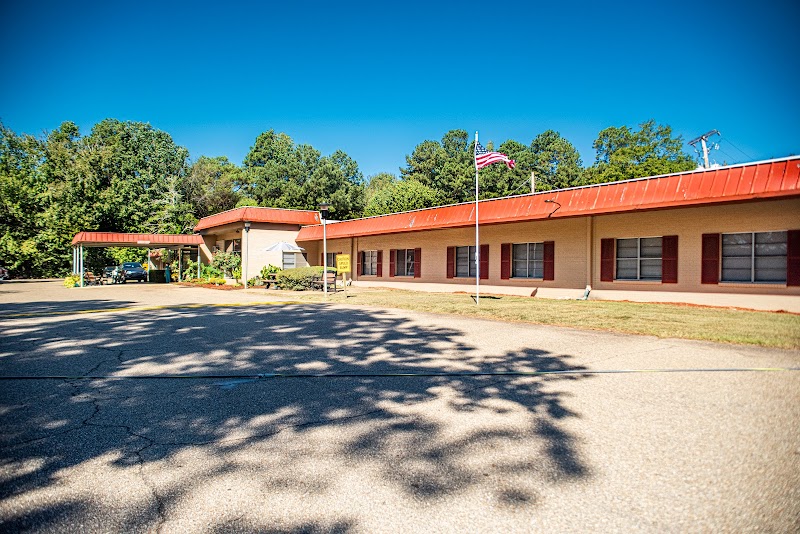
How is The Springs Of Camden Staffed?

CMS rates THE SPRINGS OF CAMDEN's staffing level at 4 out of 5 stars, which is above average compared to other nursing homes. Staff turnover is 37%, compared to the Arkansas average of 46%. This relatively stable workforce can support continuity of care. RN turnover specifically is 62%, which is notably high. RNs provide skilled clinical oversight, so turnover in this role can affect medical care quality.

What Have Inspectors Found at The Springs Of Camden?

State health inspectors documented 26 deficiencies at THE SPRINGS OF CAMDEN during 2023 to 2025. These included: 25 with potential for harm and 1 minor or isolated issues.
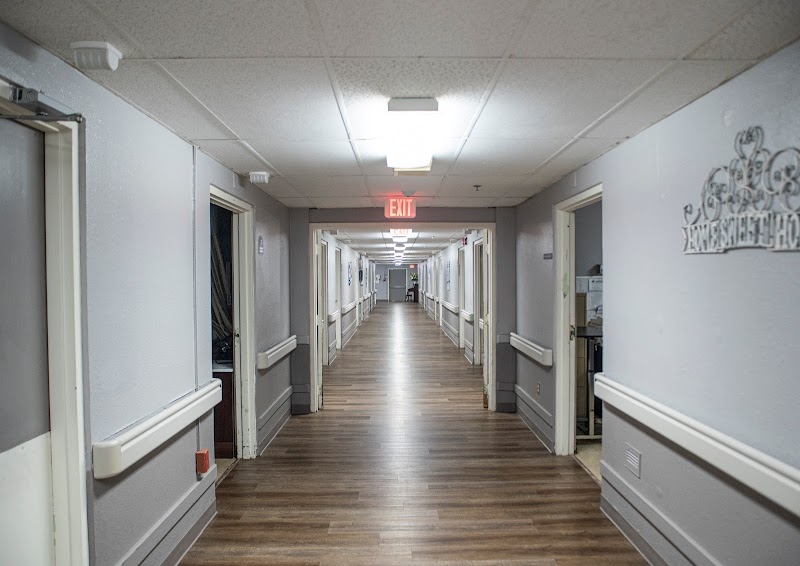
Who Owns and Operates The Springs Of Camden?

THE SPRINGS OF CAMDEN is owned by a for-profit company. For-profit facilities operate as businesses with obligations to shareholders or private owners. The facility is operated by THE SPRINGS ARKANSAS, a chain that manages multiple nursing homes. With 106 certified beds and approximately 73 residents (about 69% occupancy), it is a mid-sized facility located in CAMDEN, Arkansas.

How Does The Springs Of Camden Compare to Other Arkansas Nursing Homes?

Compared to the 100 nursing homes in Arkansas, THE SPRINGS OF CAMDEN's overall rating (4 stars) is above the state average of 3.1, staff turnover (37%) is near the state average of 46%, and health inspection rating (4 stars) is above the national benchmark.

What Should Families Ask When Visiting The Springs Of Camden?

Based on this facility's data, families visiting should ask: "Can I visit during a mealtime to observe dining assistance and food quality?" "How do you handle medical emergencies, and what is your hospital transfer rate?" "Can I speak with family members of current residents about their experience?"

Is The Springs Of Camden Safe?

Based on CMS inspection data, THE SPRINGS OF CAMDEN has a clean safety record: no substantiated abuse findings (meaning no confirmed cases of resident harm), no Immediate Jeopardy citations (the most serious violation level indicating risk of serious injury or death), and is not on the Special Focus Facility watch list (a federal program monitoring the lowest-performing 1% of nursing homes). The facility has a 4-star overall rating and ranks #1 of 100 nursing homes in Arkansas. While no facility is perfect, families should still ask about staff-to-resident ratios and recent inspection results during their visit.

Do Nurses at The Springs Of Camden Stick Around?

THE SPRINGS OF CAMDEN has a staff turnover rate of 37%, which is about average for Arkansas nursing homes (state average: 46%). Moderate turnover is common in nursing homes, but families should still ask about staff tenure and how the facility maintains care continuity when employees leave.

Was The Springs Of Camden Ever Fined?

THE SPRINGS OF CAMDEN has no federal fines on record. CMS issues fines when nursing homes fail to meet care standards or don't correct problems found during inspections. The absence of fines suggests the facility has either maintained compliance or corrected any issues before penalties were assessed. This is a positive indicator, though families should still review recent inspection reports for the full picture.

Is The Springs Of Camden on Any Federal Watch List?

THE SPRINGS OF CAMDEN is not on any federal watch list. The most significant is the Special Focus Facility (SFF) program, which identifies the bottom 1% of nursing homes nationally based on persistent, serious quality problems. Not being on this list means the facility has avoided the pattern of deficiencies that triggers enhanced federal oversight. This is a positive indicator, though families should still review the facility's inspection history directly.