CHAMBERS HEALTH AND REHABILITATION
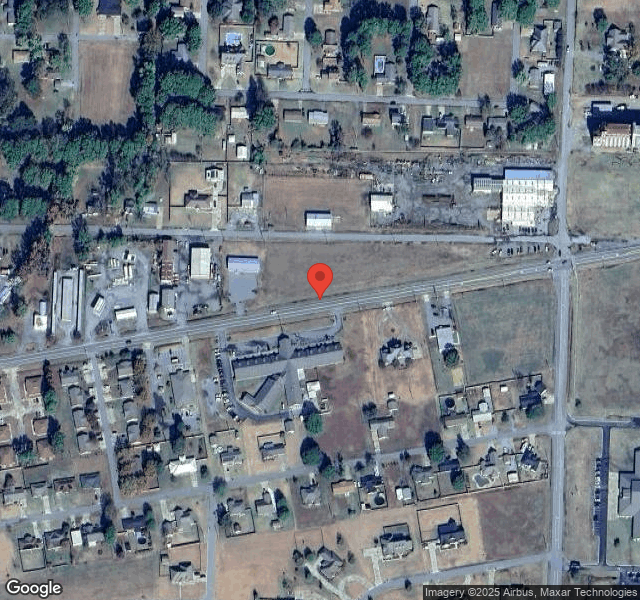

1001 EAST PARK STREET, CARLISLE, AR 72024 (870) 552-7150
For profit - Corporation 90 Beds ANTHONY & BRYAN ADAMS Data: November 2025
Trust Grade
85/100
#5 of 218 in AR
Last Inspection: August 2024

Within standard 12-15 month inspection cycle. Federal law requires annual inspections.

Overview

Chambers Health and Rehabilitation has a Trust Grade of B+, indicating it is above average and recommended for families seeking care. It ranks #5 out of 218 facilities in Arkansas, placing it in the top tier, and #1 out of 7 in Lonoke County, meaning it is the best option locally. The facility is trending positively, showing improvement as issues have decreased from 5 in 2023 to 3 in 2024. Staffing is a strength, with a good rating of 4 out of 5 stars and a turnover rate of 33%, which is lower than the state average. While there are no fines on record, some concerns were noted, including expired food items in the kitchen and unsafe hot water temperatures that could scald residents. Additionally, there was a medication error rate of 5.71%, indicating room for improvement in medication management. Overall, while there are some weaknesses, the positive aspects of staffing and rankings suggest that it is a solid choice for many families.

Trust Score
B+
85/100
In Arkansas
#5/218
Top 2%
Safety Record
Low Risk
No red flags
Inspections
Getting Better
5 → 3 violations
Staff Stability
○ Average
33% turnover. Near Arkansas's 48% average. Typical for the industry.
Penalties
✓ Good
No fines on record. Clean compliance history, better than most Arkansas facilities.
Skilled Nurses
⚠ Watch
Each resident gets only 17 minutes of Registered Nurse (RN) attention daily — below average for Arkansas. Fewer RN minutes means fewer trained eyes watching for problems.
Violations
⚠ Watch
13 deficiencies on record. Higher than average. Multiple issues found across inspections.
★★★★★
5.0
Overall Rating
★★★★☆
4.0
Staff Levels
★★★★☆
4.0
Care Quality
★★★★★
5.0
Inspection Score
Stable
2023: 5 issues
2024: 3 issues

The Good

  • 4-Star Staffing Rating · Above-average nurse staffing levels
  • 4-Star Quality Measures · Strong clinical quality outcomes
  • Full Sprinkler Coverage · Fire safety systems throughout facility
  • No fines on record
  • Staff turnover below average (33%)

    15 points below Arkansas average of 48%

Facility shows strength in staffing levels, quality measures, fire safety.

The Bad

Staff Turnover: 33%

13pts below Arkansas avg (46%)

Typical for the industry

Chain: ANTHONY & BRYAN ADAMS

Part of a multi-facility chain

Ask about local staffing decisions and management

The Ugly 13 deficiencies on record

Aug 2024 2 deficiencies
CONCERN (D)

Potential for Harm - no one hurt, but risky conditions existed

Infection Control (Tag F0880)

Could have caused harm · This affected 1 resident

Based on observation, interview, and record review, the facility failed to ensure the required personal protective equipment (PPE) was utilized by staff prior to entering a resident's room who was on ...

Read full inspector narrative →
Based on observation, interview, and record review, the facility failed to ensure the required personal protective equipment (PPE) was utilized by staff prior to entering a resident's room who was on contact and droplet precautions for 1 (Resident #153) of 1 sampled resident who was reviewed for transmission-based precautions. The findings are: A review of the July 2024 Order Summary indicated Resident #153 had a diagnosis of coronavirus disease 2019 (COVID-19) and an order for contact/droplet isolation that started on 7/26/2024 through 7/30/2024. A review of the Care Plan dated 7/26/2024 indicated Resident #153 had tested positive for COVID-19 and was to be monitored for signs and symptoms of respiratory distress and to use contact and droplet precautions. On 07/29/2024 at 11:41 AM, a droplet precautions sign on Resident #153's door indicated, .Everyone must: clean their hands, including before entering and when leaving the room. Make sure their eyes, nose and mouth are fully covered before room entry [There was a picture of a person wearing a face shield or goggles] .Remove face protection before room exit . There was also a contact precautions sign on the door with instructions. On 07/29/2024 at 12:43 PM, the Social Director was observed putting on a blue disposable gown, gloves, white mask, and retrieving a red bag from the isolation cabinet. She then took a lunch tray into Resident #153's room. The Social Director was wearing glasses but did not put on a face shield or goggles over her glasses prior to entering the room. Resident #153 was heard coughing from the doorway. There was a pair of goggles in a box on top of an isolation cabinet outside of the room. This surveyor remained in the hall. On 07/29/2024 at 1:05 PM, the Social Director was observed leaving Resident #153's room with glasses on and the PPE had been removed. She confirmed that she was familiar with Resident #153's plan of care and that the resident was in isolation because of a COVID diagnosis in the hospital and was on contact precautions. When asked if that was the only type of isolation on Resident #153's door, she stepped back to the door, looked at the signage and confirmed the resident was also on droplet precautions. She was asked what type of face protection should be worn prior to entering a resident's room who is on droplet precautions, and she stated an N-95 mask. She was asked if anything else should be worn and she stated, The face shield. Oh no. I didn't have the face shield on. She confirmed that she did not wear a face shield or goggles prior to entering the resident's room, that she was wearing personal glasses and that prior to exiting a room on droplet precautions, face protection was to be removed and disposed of in a disposable bin. When she was informed that she had stepped out of the resident's room with personal glasses on she stated, I so failed. On 08/01/2024 at 11:27 AM, the Infection Preventionist was interviewed and confirmed she was responsible for educating the staff about transmission-based precautions and that staff was in-serviced this year. She stated when a resident who is positive for COVID is admitted , the charge nurse will let everyone know, isolation is set up, and they post signage on the door regarding droplet and contact isolation. She also stated that anyone who enters the room of a resident on droplet/contact isolation precautions must follow the precautions. An Isolation-Categories of Transmission-Based Precautions policy, revised September 2022 provided by the Administrator on 08/01/2024 at 11:45 AM, was reviewed and it indicated, .Transmission-based precautions are initiated when a resident develops signs and symptoms of a transmissible infection; arrives for admission with symptoms of an infection; or has a laboratory confirmed infection; and is at risk of transmitting the infection to other residents . 5. When a resident is placed on transmission-based precautions, appropriate notification is placed on the room entrance door and on the front of the chart so that personnel and visitors are aware of the need for and the type of precautions. a. The signage informs the staff of the type of CDC [Centers for Disease Control] precaution(s), instructions for use of PPE . Droplet Precautions . masks are worn when entering the room. 4. Gloves, gown and goggles are worn if there is a risk of spraying respiratory secretions . A Coronavirus Disease (COVID-19) - Infections Prevention and Control Measures policy, dated April 2020 and provided by the Administrator on 08/01/2024 at 11:45 AM, was reviewed and indicated, .11. For a resident with known COVID-19 or symptoms of Covid-19: a. Staff don [put on] prior to entering the units or resident room gloves, isolation gown, eye protection and an N-95 or higher-level respirator if available (a facemask is an acceptable alternative .
CONCERN (E)

Potential for Harm - no one hurt, but risky conditions existed

Food Safety (Tag F0812)

Could have caused harm · This affected multiple residents

Based on observation and interview, the facility failed to ensure expired food items were promptly removed from stock to maintain freshness and prevent potential cross contamination, failed to ensure ...

Read full inspector narrative →
Based on observation and interview, the facility failed to ensure expired food items were promptly removed from stock to maintain freshness and prevent potential cross contamination, failed to ensure dietary staff practiced good hand washing to prevent potential cross contamination, and manufacturer specification was followed to maintain food quality. These failed practices had the potential to affect 47 residents who received meals from the kitchen (Total Census: 47), as stated on a list provided by the Dietary Manager on 07/30/24 at AM. The findings are: 1. On 07/29/24 at 9:30 AM, a container of grated parmesan cheese on a shelf in the 2-door refrigerator had an expiration date 6/4/2024. 2. On 07/29/24 at 9:45 AM, the following observations were made on a shelf in the kitchen storge room: a. A box of white cake mix with an expiration date of 6/24/2024. b. A container of chili powder with an expiration date of 5/28/2024. c. An opened gallon of parsley flakes with an expiration date of date of 1/24/2023 d. At 9:46 AM, an opened bottle of pancake syrup was in a container under the food preparation counter. The manufacturer specification on the bottle documented, Refrigerate after opening. 3. On 07/29/24 at 9:48 AM, Dietary Aide (DA) #1 turned on the hand washing sink and washed her hands; after washing her hands, she turned off the faucet with her bare hands, contaminating them. She then picked up a box of gloves, removed gloves and placed the gloves on her hands, contaminating the gloves in process. Without changing gloves and washing her hands, she removed slices of bread from the bread bag and placed them on the toaster. At 9:50 AM, DA #1 removed slices of bread from the toaster and placed them on the plates. She then picked up slices of ham from the plate and placed them on the bread to be served to the residents who requested a ham and cheese sandwich with their lunch meal. At 9:54 AM, DA #1 was observed to remove gloves from her hands and place them on the counter. Without washing her hands, she removed gloves from the glove box and placed them on her hands, contaminating the gloves in the process. She picked up a container of mayonnaise from the counter and opened it, then placed it on the counter. She untied the bag of bread, removed slices of bread, and placed them on the plate and spread mayonnaise on the bread to be served to the residents who requested a hamburger with their lunch meal. At 1:32 PM, the surveyor asked Dietary Aide #3 what should you have done after touching dirty objects and before handling food items or clean equipment? She stated, I should have washed my hands. 5. A review of facility policy titled, Employee Cleanliness and Handwashing Techniques, dated March 2005, provided by the Dietary Manager on 07/30/2024 at 10:17 AM, indicated, .Dietary department employees are required to wash their hands on the occasions listed below: a. Before beginning shift. b. After handling dirty dishes. c. Any other time deemed necessary .
Mar 2024 1 deficiency
CONCERN (D) 📢 Someone Reported This

A family member, employee, or ombudsman was alarmed enough to file a formal complaint

Potential for Harm - no one hurt, but risky conditions existed

Deficiency F0761 (Tag F0761)

Could have caused harm · This affected 1 resident

Based on observation, interview, and record review, the facility failed to ensure residents medication were not left at bedside for one (Resident #4) of four sampled residents. The findings are: Resid...

Read full inspector narrative →
Based on observation, interview, and record review, the facility failed to ensure residents medication were not left at bedside for one (Resident #4) of four sampled residents. The findings are: Resident #4 had diagnoses which included Hypertension and Cirrhosis of the liver. The admission Minimum Data Set [MDS] with an Assessment Reference Date [ARD] of 01/22/2024 documented a Brief Interview of Mental Status [BIMS] of 11 (7-12 indicates moderately impaired). On 03/25/2024 at 10:27 AM, Resident #4 was observed lying in bed in their room. A plastic cup of medication and plastic cup of water was observed sitting on top of a miniature refrigerator on the bedside table to the left of the resident. The cup contained 3 round white tablets, a small blue oblong tablet, a pinkish round tablet, and a red gel tablet. When the resident was asked if [he/she] had taken [his/her] medication that morning, [he/she] confirmed they had. Physician orders documented, Furosemide .Give 1 tablet by mouth one time a day related to Essential hypertension, Lactulose Oral Solution .Give two times a day related to Cirrhosis of liver, Propranolol .Give 1 tablet by mouth two times a day related to Essential hypertension, Rifaximin .Give 1 tablet by mouth two times a day related to Irritable bowel syndrome, Spironolactone .Give 1 tablet by mouth one time a day related to Essential hypertension, Thiamine .Give 1 tablet by mouth one time a day related to Vitamin deficiency. Review of the Medication Administration Record documented Furosemide, Spironolactone, Thiamine, Valsartan, Lactulose, Propranolol, and Rifaximin had all been given at 08:00 AM on 03/25/2024. On 03/25/2024 at 10:35 AM, Licensed Practical Nurse [LPN] #1 was asked if there were any residents in the facility who administered their own medications, to which she confirmed there were not. LPN#1 was then asked what the procedure was for ensuring residents take their medication and she replied, Watch them swallow it. When asked if residents medications should ever be left at bedside she confirmed they should not. On 03/25/2024 at 11:00 AM, the Director of Nursing [DON] was asked if it was acceptable to leave residents medication at bedside and she confirmed it was not. When asked what could be the outcome of leaving medications at bedside, she stated, The resident may not take them, a different resident could take them, it could cause a delay in treatment. On 03/26/2024 the facility medication administration policy documented, .Medications must be administered in accordance to with the orders including any time frames .within one hour of their prescribed time .for residents not in their rooms or otherwise unavailable to receive medication on the pass, the MAR may be flagged. After completing the medication pass, the nurse will return to the missed resident to administer the medication .
Aug 2023 3 deficiencies
CONCERN (D)

Potential for Harm - no one hurt, but risky conditions existed

Comprehensive Care Plan (Tag F0656)

Could have caused harm · This affected 1 resident

Based on record review, and interview, the facility failed to review and revise the care plan with change of resident orders for oxygen therapy for 1 (Resident #15) of 2 sampled residents (resident #1...

Read full inspector narrative →
Based on record review, and interview, the facility failed to review and revise the care plan with change of resident orders for oxygen therapy for 1 (Resident #15) of 2 sampled residents (resident #15 and #37). The findings are: A review of Resident #15 physician's orders with a start date of 7/17/23 indicated the resident to receive oxygen as needed for shortness of breath. A review of resident #15 Progress Notes dated 7/23/2023 at 6:15 pm noted the resident was in bed with oxygen on via nasal canula. A review of resident #15 Progress Notes dated 7/24/2023 at 11:52am noted the resident was in a chair with oxygen on via nasal canula. A review of resident #15 care plan revealed a care plan for altered respiratory status/difficulty breathing, but failed to include an intervention for oxygen therapy, as ordered by the physician. On 08/09/2023 at 2:30 pm the surveyor asked the (Director of Nurses), DON, if a resident has orders for oxygen should the care plan be revised to show the focus, goal and interventions related to oxygen therapy? She replied, yes, I would put it on the care plan. The surveyor asked, if a resident is in the facility and gets an order for oxygen therapy should the care plan be revised to reflect the order for the oxygen therapy? She replied, yes it should be put on the care plan for the care of the resident. On 08/10/2023 at 7:55 am the surveyor asked the (Minimum Data Sets) MDS Coordinator, when should a residents care plan be revised? She replied, as needed, quarterly and annually. The surveyor asked, if a resident has orders for oxygen should the care plan be revised to show the focus, goal and interventions related to oxygen therapy? She replied, it should be on there if it is ordered but we try to stay away from as needed orders. The surveyor asked, what could happen if the care plan is not accurate? She replied, missed care, missed communication. On 08/10/2023 at 8:05 am the surveyor asked the ADON (Assistant Director of Nursing), when should a residents care plan be revised? She replied, quarterly and as needed with any changes that come about. The surveyor asked, if a resident has orders for oxygen should the care plan be revised to show the focus, goal and interventions related to oxygen therapy? She replied, yes, it should be put on there. She further stated if the care plan is not accurate, the resident could receive inaccurate care. A review of the policy titled Care Plans, Comprehensive Person-Centered last revised December 2016 stated, the comprehensive, person-centered care plan will: b. Describe the services that are to be furnished to attain or maintain the resident's highest practicable physical, mental and psychosocial well-being . and 13. Assessment of residents are ongoing and care plans are revised as information about the residents and the residents' conditions change .
CONCERN (E)

Potential for Harm - no one hurt, but risky conditions existed

Accident Prevention (Tag F0689)

Could have caused harm · This affected multiple residents

**NOTE- TERMS IN BRACKETS HAVE BEEN EDITED TO PROTECT CONFIDENTIALITY** Based on observation, interview, and record review, the facility failed to maintain the hot water temperature in resident rooms ...

Read full inspector narrative →
**NOTE- TERMS IN BRACKETS HAVE BEEN EDITED TO PROTECT CONFIDENTIALITY** Based on observation, interview, and record review, the facility failed to maintain the hot water temperature in resident rooms at a safe temperature to prevent scalding of residents in 20 (Rooms 201-219) resident rooms on the 200 Hall in the facility. On 08/07/2023 at 9:35 AM the surveyor tested the water temperature in the bathroom in room [ROOM NUMBER]. The surveyor was unable to hold their hand in the water due to the temperature being too hot. On 08/07/2023 at 11:00 AM Maintenance #1 tested the water temperature in room [ROOM NUMBER] in the presence of the surveyor. Maintenance #1 stated the temperature was 145 degrees Fahrenheit and stated, I usually try and keep it between 110 and 115 degrees Fahrenheit. Maintenance #1 confirmed the temperature of the water was too hot and would burn the residents. On 08/09/2023 at 3:25 PM the Administrator confirmed the residents on the 200 hall were in danger of being burned due to the temperature of the water. A review of the policy titled, Water Temperatures, Safety of last revised December 2009 noted, water heaters that service resident rooms, bathrooms, common areas, and tub/shower areas shall be set to temperatures of no more than the maximum allowable temperature per state regulation .Maintenance staff is responsible for checking thermostats and temperature controls in the facility and maintaining these checks in a maintenance log .Maintenance staff shall conduct periodic tap water temperature checks .
CONCERN (E)

Potential for Harm - no one hurt, but risky conditions existed

Unnecessary Medications (Tag F0759)

Could have caused harm · This affected multiple residents

Based on observation, interview, and record review the facility medication error rate was 5.71%. The findings are: During the medication pass observation, the error rate was 5.71 %. A review of Reside...

Read full inspector narrative →
Based on observation, interview, and record review the facility medication error rate was 5.71%. The findings are: During the medication pass observation, the error rate was 5.71 %. A review of Resident #21 August physicians order noted an order for, Neurontin Capsule 400 MG three times a day related to pain in the right foot, with an order date of 9/11/20. The order further stated to be given in addition to 100mg to =500mg. A review of Resident #21 Medication Administration Record (MAR) for 8/1/23 through 8/31/23 noted the Neurontin was administered at 8:00 AM, 12:00 PM, and 4:00 PM. On 8/09/23 at 8:09 AM during an observation of medication pass, Licensed Practical Nurse (LPN) #1 administered Resident #21 Neurontin 100mg capsule. She stated, pharmacy is going to bring the 400 mg this morning. The surveyor informed LPN #1 to let her know when she gets ready to administer the 400mg of Neurontin otherwise it would be considered a missed dose. On 8/09/23 at 10:57 AM LPN #1 stated, I'm getting ready to give the Neurontin. The surveyor asked, What dose will you be giving? She stated, I guess it will be the 12-noon dose since it will be 11:00 AM. The surveyor asked, Does that mean he missed the morning dose of his Neurontin? She stated, I guess so. The surveyor asked, Can you tell me why his Neurontin wasn't ordered in enough time to receive it from the pharmacy? She stated, It was ordered on 8/07/23, but pharmacy said it was too early. On 8/09/23 at 11:01 AM LPN #1 administered Resident #21 a 100 mg capsule of Neurontin and a 300 mg capsule of Neurontin for a total of 400 mg. A review of the MAR for 8/9/23 noted Neurontin 100 mg capsule and Neurontin 400 mg capsule were given to Resident #21 for the 12:00 PM dose. On 8/10/23 at 10:15 PM a review of the emergency box usage form indicated LPN #1 pulled a Neurontin 100 mg and a Gabapentin 300 mg capsule from the emergency box on 8/09/23 at 10:53 AM. On 8/10/23 at 10:19 AM the surveyor asked LPN #1, Can you tell me what dosage of Neurontin Resident #21 takes? She stated, He takes 500 mg. He takes a 100 mg and a 400 mg to equal 500mg. The surveyor asked, can you tell me what dosage you gave Resident #21 for the 8:00 AM dosage? She stated, 100 mg. The surveyor asked, Can you tell me what dosage you gave him for the 12:00 PM dosage? She stated, I gave him 500 mg. The surveyor asked, Can you tell me why Resident #21 didn't get a 400 mg and a 100 mg for a total of 500 mg of Neurontin when you administered his 8:00 AM dose. She stated, The 400 mg I was waiting on pharmacy to deliver it, but the pharmacy didn't come until 10:20 AM. I called the doctor at 10:30, and he told me to hold the 400mg. The surveyor asked, can you tell me why you didn't call the doctor for the 8:00 AM missing dose. She stated, I was waiting on pharmacy. On 8/09/23 at 3:25 PM a phone interview was conducted with a representative of the facility Pharmacy, who stated, the medication was ordered too early and stated they would attempt to get an authorization to get it filled early. On 8/10/23 at 10:30 AM the surveyor asked the administrator, What should the nurses do before administering medication? She stated, Check the orders. The surveyor asked, What could happen if a resident doesn't receive their medication as ordered? She stated, There could be side effects based on what medication it is. On 8/10/23 at 10:37 AM the surveyor asked the Director of Nurses (DON), what should the nurses do before administering medication? She stated, Right resident, right route, right supplies, hand hygiene. The surveyor asked, What could happen if a resident doesn't receive their medication as ordered? She stated, It depends on the actual medication. A review of the facility policy titled, Administering Oral Medication, revised October 2010 noted, the purpose of this procedure is to provide guidelines for safe administration of oral medications .Verify that there is a physician's medication order for this procedure .Check the label on the medication and confirm the medication name and dose with the medication administration record (MAR) .Check the medication dose. Re-check to confirm proper dose .
May 2023 2 deficiencies
CONCERN (D) 📢 Someone Reported This

A family member, employee, or ombudsman was alarmed enough to file a formal complaint

Potential for Harm - no one hurt, but risky conditions existed

Quality of Care (Tag F0684)

Could have caused harm · This affected 1 resident

**NOTE- TERMS IN BRACKETS HAVE BEEN EDITED TO PROTECT CONFIDENTIALITY** Based on observation, interview, and record review, the facility failed to ensure identified skin concerns were reported to the ...

Read full inspector narrative →
**NOTE- TERMS IN BRACKETS HAVE BEEN EDITED TO PROTECT CONFIDENTIALITY** Based on observation, interview, and record review, the facility failed to ensure identified skin concerns were reported to the physician and treatments were ordered for 2 (Resident #1 and Resident #2) of 3 (#1, #2, #3) sampled residents who had a skin issue according to the list provided by the Nurse Consultant on 05/16/23 at 3:47pm. The findings are: 1. Resident #1 was admitted on [DATE] and had diagnoses of Acute and Chronic Respiratory Failure with Hypoxia, Gangrene and Necrosis of the lung, Chronic Obstructive Pulmonary Disease, and Dependence on Supplemental Oxygen. The Annual Minimum Data Set (MDS) with an Assessment Reference Date (ARD) of 03/16/23 documented the resident scored 10 (8-12 indicates moderately impaired) on a Brief Interview for Mental Status (BIMS), required limited assistance with bed mobility, transfers, and personal hygiene, and extensive assistance with toileting and bathing. a. The Comprehensive Care Plan with a revision date of 11/02/22 documented, .Risk for alteration in skin integrity r/t [related to] decreased mobility, occasional incontinence, PVD [Peripheral Vascular Disease], COPD .The resident will maintain clean and intact skin by the review date .Identify/document potential causative factors and eliminate/resolve where possible .Keep skin clean and dry .The resident has a chronic rash of the lower back and buttocks/groin r/t fungus .Seek medical attention if skin becomes bloody or infected . i. The Nursing Skin Audit on 03/29/23 documented, .bilat buttocks red/fragile . ii. The Nursing Skin Audit on 04/05/23 documented, .sacrum red/fragile/blanchable/flaky . iii. The Nursing Skin Audit on 04/12/23 documented, . red/blanchable skin to sacrum . iv. The Nursing Skin Audit on 04/19/23 documented, .red/blanchable sacrum-flaky . v. The Nursing Skin Audit on 04/26/23 documented, .sacrum red/blanchable and dry . vi. The Nursing Skin Audit on 05/03/23 documented, .dry flaky red/sacrum . vii. The Nursing Skin Audit on 05/10/23 documented, .dry flaky buttocks red/blanchable . b. The 05/12/23 Alert Note in the Electronic Medical Record (EMR) documented, .Skin Issue Documented on POC [Plan of Care] tx [treatment] in place . c. On 05/15/23 at 11:21 am, Resident #1 was lying in his bed watching television. The Surveyor asked if he had any skin issues. Resident #1 stated, Yeah, my butt burns like fire and itches. It's been like that. d. On 05/15/23 at 3:23 pm, Licensed Practical Nurse (LPN) #2 and Certified Nursing Assistant (CNA) #1 accompanied the Surveyor to Resident #1's room. A Body Audit was performed, and he had areas under his scrotum that were red, irritated, and moist. He also had areas on his buttocks bilaterally that were red, irritated, dry and flaky. The skin was a slightly darker pigment. The Surveyor asked CNA #1 if they put cream on residents when providing peri care. CNA #1 stated, We used to have cream that came in little packages that we could use but I haven't seen any lately. When Resident #1's care was completed, the Surveyor accompanied her to the linen cart and there was no cream on the cart. The Surveyor accompanied CNA #1 to the clean linen closet and there was no cream in the closet. The Surveyor accompanied her to the find the Director of Nursing (DON). The DON had the Surveyor accompanied her to the outside storage building and looked for the cream and it could not be found. The Surveyor asked the DON, How do the CNAs apply preventative ointments during peri care if it was unavailable to them at the time of care? The DON replied, There should be some for [Resident #1] on the treatment cart. We use something different on him. The Surveyor accompanied the DON to the treatment cart and she opened the cart and pulled out [named] Paste and stated, This is what we use on him [Resident #1]. e. On 05/15/23 at 4:00pm, the review of the EMR (Electronic Medical Record) revealed no treatment orders for Resident #1's skin condition. f. On 05/16/23 at 8:30am, the DON approached the Surveyor and explained that she had contacted the Wound Advanced Practice Registered Nurse (APRN) and had done a Telehealth appointment regarding Resident #1 and his skin breakdown. g. On 05/16/23 at 9:28am, Resident #1 was lying in his bed. Staff was assisting him in the lift to go to a whirlpool bath. The Surveyor asked Resident #1 to describe how the rash on his private areas was feeling. He stated, Burning and itching, like it has always felt. The Surveyor asked if he has told any staff about the skin problem. Resident #1 stated, A hundred times. If they would just put the medication on you every day, it would get better, but they don't. 2. Resident #2 was admitted on [DATE] and had diagnoses of Candidiasis and Candidiasis of Vulva and Vagina. The Quarterly MDS with an ARD of 03/24/23 documented the resident scored 15 (13-15 indicates cognitively intact) on a BIMS, was independent with toileting and personal hygiene and was continent of bowel and bladder. i. The Nursing Skin Audit on 04/25/23 documented, .dry peeling skin to coccyx . ii. The Nursing Skin Audit on 05/01/23 documented, .dry flaky skin on sacrum . iii. The Nursing Skin Audit on 05/08/23 documented, .peeling skin on sacrum . a. On 05/16/23 at 8:19am, Resident #2 was sitting in her wheelchair in her room. The Surveyor asked if she has any issues with her skin. Resident #2 stated, Yes, I have a rash or something on my private area that itches. The Surveyor requested assistance from staff to observe the area. CNA #2 assisted Resident #2 to stand and raise her gown. She had dry, flaky, raised, redness at her perineal area. She stated, It's in the front too. The Surveyor asked how the area feels. Resident #2 stated, It itches. b. On 05/16/23 at 8:30am, the Surveyor asked the DON to accompany her to Resident #2's room. She stood up holding onto her bed and showed the DON the area. The Surveyor asked to describe the area. Resident #2 stated, It itches and burns. The Surveyor asked, How long it has been that way? Resident #2 stated, A long time. c. On 05/16/23 at 9:40am, the Surveyor asked the DON who does the body audits. The DON stated, The Treatment Nurse usually does them, but she has had to work the floor, so the floor nurses are supposed to do them this week. The Surveyor asked the DON to explain what any nurse should do if they discover a skin issue when a body audit is performed. The DON stated, They should contact the APN [Advanced Practical Nurse] and get a treatment order. d. On 05/16/23 at 10:28am, the Surveyor asked the Administrator What should be done when a skin issue is discovered? The Administrator stated, Contact the on-call doctor or APN at minimum the DON. The Surveyor asked to explain why this is important. The Administrator stated, To see if they want to begin treatment. The Surveyor asked if that applies to all skin issues. The Administrator stated, Yes, any skin concern should be addressed. e. The facility policy titled, Care of Skin Tears, Abrasions, and Minor Breaks, was provided by the Administrator on 05/16/23 at 11:10am documented, The purpose of this procedure is to guide the prevention and treatment of abrasions, skin tears, and minor breaks in the skin .Obtain a physician's order as needed. Document physician notification in the medical record. Review the resident's care plan, current orders, and diagnoses to determine resident needs .
CONCERN (D) 📢 Someone Reported This

A family member, employee, or ombudsman was alarmed enough to file a formal complaint

Potential for Harm - no one hurt, but risky conditions existed

Respiratory Care (Tag F0695)

Could have caused harm · This affected 1 resident

**NOTE- TERMS IN BRACKETS HAVE BEEN EDITED TO PROTECT CONFIDENTIALITY** Based on observation, interview, and record review, the facility failed to ensure the oxygen tubing, nebulizer tubing, and stora...

Read full inspector narrative →
**NOTE- TERMS IN BRACKETS HAVE BEEN EDITED TO PROTECT CONFIDENTIALITY** Based on observation, interview, and record review, the facility failed to ensure the oxygen tubing, nebulizer tubing, and storage bags were changed, labeled, and dated according to the Physician Orders for 2 (Resident #1 and #2) of 3 sampled residents (#1, #2, #3) who had an order for oxygen according to the list provided by the Administrator on 05/16/23 at 12:26pm. The findings are: 1. Resident #1 was admitted on [DATE] and had diagnoses of Acute and Chronic Respiratory Failure with Hypoxia, Gangrene and Necrosis of the lung, Chronic Obstructive Pulmonary Disease, and Dependence on Supplemental Oxygen. The Annual Minimum Data Set (MDS) with an Assessment Reference Date (ARD) of 03/16/23 documented the resident scored 10 (8-12 indicates moderately impaired) on a Brief Interview for Mental Status (BIMS) and receives oxygen. a. The Physician's Order with an order date of 10/25/22 documented, .Change oxygen tubing, humidifier bottle and clean filter weekly . Change oxygen mesh bag every night shift every 4 weeks on Mon [Monday] related to Chronic Obstructive Pulmonary Disease . b. The Care Plan revised on 11/02/22 documented, .The resident has oxygen therapy r/t [related to] Respiratory illness . O2 [oxygen] via nasal prongs @ [at] 3LPM [liters per minute] Continuous. Humidified while in bed and may use portable tank to wheelchair as needed . The resident has Emphysema/COPD [Chronic Obstructive Pulmonary Disease] and lung cancer r/t Smoking; risk for respiratory complications .Give Aerosol or Bronchodilators as ordered . c. The Physician's Order with a start date of 02/10/23 documented, .Ipratropium-Albuterol Solution 0.5-2.5 (3) MG [milligrams]/3ML[milliliters] 1 vial inhale orally six times a day related to Chronic Obstructive Pulmonary Disease . d. The Physician's Order with a start date of 02/13/23 documented, .Change updraft tubing and clean filter every night shift every Mon . e. The Physician's Order with a start date of 02/23/23 documented, .Oxygen Continuous at 3LPM per NC [nasal cannula] . f. On 05/15/23 at 11:21am, Resident #1 was lying in his bed. He was wearing his oxygen mask at 3 liters per minute via nasal cannula. The date on his oxygen humidifier bottle was 05/01/23 and it was empty. The date on the bag to store his oxygen and nebulizer tubing was 02/14/23. g. On 05/15/23 at 11:26 am, Licensed Practical Nurse (LPN) #1 accompanied the Surveyor to Resident #1's room. The Surveyor asked her to look at the oxygen humidifier bottle and the date. The Surveyor asked what the date on the bottle was. LPN #1 stated, 05/01/23. The Surveyor asked how often it should be changed. LPN #1 stated, Every week on Monday nights. The Surveyor asked if there was water in the humidifier bottle. LPN #1 stated, No it's empty. The Surveyor asked why the oxygen should be humidified. LPN #1 stated, So it doesn't dry the nasal passages. The Surveyor asked how often the bags that store the tubing are changed. She stated, Monthly. The Surveyor asked why the storage bags are changed monthly. She stated, It's an infection control measure. h. On 05/15/23 at 3:23pm, Resident #1 had the nebulizer tubing placed in a bag hanging on his bedside table. The bag was dated 02/14/23. The Surveyor asked if he uses the nebulizer on a regular basis. Resident #1 stated, Every day, several times a day. i. On 05/15/23 at 4:05pm, the Surveyor asked the Director of Nursing (DON) how often the tubing and humidifier bottle on oxygen should be changed. She stated, We do it weekly on Monday nights, night shift is supposed to do it. The Surveyor asked how often the storage bags for oxygen and nebulizers should be changed. She stated, Those are done monthly. 2. Resident #2 was admitted on [DATE] and had diagnoses of Acute and Chronic Respiratory Failure with hypercapnia, Chronic Obstructive Pulmonary Disease, and Pneumonitis due to inhalation of food and vomit. The Quarterly MDS with an ARD of 03/24/23 documented the resident scored 15 (13-15 indicates cognitively intact) on a BIMS and receives oxygen. a. The Physician's Order with an order date of 06/24/22 documented, .Change updraft tubing and clean filter weekly every night shift every Mon [Monday] .Change oxygen tubing, humidifier bottle and clean filter weekly .Change oxygen mesh bag every night shift every 4 weeks on Mon . b. The Physician's Order with an order date of 02/03/23 documented, .Ipratropium-Albuterol Solution 0.5-2.5 (3) MG/3ML 1 application inhale orally four times a day related to Acute and Chronic Respiratory Failure with Hypercapnia: Chronic Obstructive Pulmonary Disease . c. The Physician's Order with an order date of 02/22/23 documented, .Oxygen at 3 LPM per NC . d. On 05/15/23 at 11:15am, Resident #2 was lying in her bed wearing her oxygen mask at 3 liters per minute via nasal cannula. There was a nebulizer on the bedside table and the tubing had no date. The bag for the nebulizer tubing was dated 02/14/23. There was no humidifier bottle on the oxygen and the tubing to the oxygen was not dated. The Surveyor asked if she wears her oxygen mask all the time. Resident #2 stated, Oh yes. I have been wheezing too. I don't know what is going on. I'm not feeling too well. The Surveyor asked if she receives breathing treatments. Resident #2 stated, Yes. I get short of breath. The Surveyor notified LPN #2 of the resident's complaint of not feeling well and wheezing. e. On 05/16/23 at 8:18am, Resident #2 was sitting in her wheelchair wearing her oxygen mask at 3 liters per minute. There was no humidifier bottle on the oxygen and the tubing was not dated. Resident #2 stated, I was having trouble breathing and I looked down and my oxygen tubing had come apart. I had to put it back together. There was extension tubing connected to allow the resident a further distance for wearing her oxygen mask. The bag hanging on the back of the wheelchair was dated 02/14/23. f. The facility policy titled Oxygen Administration, provided by the Administrator on 05/16/23 at 11:10am documented, .Review the physician's orders or facility protocol for oxygen administration. Review the resident's care plan to assess for any special needs of the resident .Be sure that there is water in the humidifying jar and that the water level is high enough that the water bubbles as oxygen flows through .Periodically re-check water level in humidifying jar .
May 2022 5 deficiencies
CONCERN (E)

Potential for Harm - no one hurt, but risky conditions existed

Deficiency F0657 (Tag F0657)

Could have caused harm · This affected multiple residents

3. Resident #37 had diagnoses of Chronic Obstructive Pulmonary Disease, Coronary Artery Disease and Atrial Fibrillation. The admission MDS with an ARD of 3/26/22 documented the resident scored 14 (13-...

Read full inspector narrative →
3. Resident #37 had diagnoses of Chronic Obstructive Pulmonary Disease, Coronary Artery Disease and Atrial Fibrillation. The admission MDS with an ARD of 3/26/22 documented the resident scored 14 (13-15 indicates cognitively intact) on a BIMS and received Oxygen therapy. a. The Physicians Order dated 3/15/22 documented, .Oxygen Continuous @ 3 LPM per NC every shift . b. The Care Plan with a revision date of 04/08/2022 did not address oxygen therapy. c. On 05/02/22 at 11:53 AM, Resident #37 was sitting up in bed with oxygen at 2.5 LPM per nasal cannula. d. On 05/03/22 at 9:02 AM, Resident #37 was lying in bed with oxygen at 2.5 LPM per nasal cannula. Resident stated he uses the oxygen all the time. e. On 05/04/22 at 2:15 PM, the MDS Coordinator was asked, Does [Resident #37] use oxygen therapy? The MDS Coordinator stated, Yes. The MDS Coordinator was asked, Does the residents Care Plan address his use of oxygen therapy? The MDS Coordinator stated, No it does not. The MDS Coordinator was asked, Should the residents Care Plan address the use of oxygen therapy? The MDS Coordinator stated, Yes it should. The MDS Coordinator was asked, Why is it important that the Care Plan addresses therapies or treatments that a resident is receiving? The MDS Coordinator stated, So everyone can understand why he is on it, what the interventions are, and to ensure continuity of care. 2. Resident #56 had diagnoses of Chronic Obstructive Pulmonary Disease (COPD) and Chronic Kidney Disease Stage 3. The 5 Day MDS with an ARD of 04/15/2022 documented the resident scored 10 (8-12 indicates severely cognitively impaired) on a BIMS and received oxygen therapy. a. The Physician's Order dated 04/11/2022 documented, .Oxygen Continuous @ [at] 3 LPM [liters per minute] per NC [nasal cannula] every shift related to Chronic Obstructive Pulmonary Disease . b. The Care Plan with a revision date of 04/21/2022 did not address oxygen therapy. c. On 05/02/22 at 12:31 PM, Resident #56 was lying in the bed with an oxygen nasal cannula on. The oxygen concentrator was on and set on 0 LPM. d. On 05/03/22 at 9:11 AM, Resident #56 was sitting up in a wheelchair in her room without oxygen on. e. On 05/03/22 at 11:22 AM, Resident #56 was sitting up in her wheelchair in her room with an oxygen nasal cannula on. The oxygen concentrator was on and set on at 3.5 LPM. f. On 05/03/22 at 11:22 AM, Licensed Practical Nurse (LPN) #1 was asked, What is the resident's oxygen concentrator set on? She said, It looks like between 3 and 3 ½. She was asked, What is it supposed to be set on? She said, I think 3. g. On 05/04/22 at 2:00 PM, the DON was asked, Should oxygen be care planned? She said, Yes. Based on observation, interview and record review, the facility failed to ensure care plans were accurate, and complete to reflect the resident's current care needs and address the services to be furnished to attain or maintain the highest practicable level of well-being for 1 (Resident #9) of 9 (Residents #9, #19, #32, #38, #39, #42, #50, #52 and #56) sampled residents who had falls in the last 3 months and 2 (Residents #37 and #56) of 10 (Residents #10, #12, #18, #23, #27, #32, #39, #55 and #56) sampled residents who received oxygen therapy. This failed practice had the potential to effect 19 residents who have had falls in the last 3 months and 13 residents who had physician's orders for oxygen as documented on lists provided by the Administrator on 5/4/2022. The findings are: 1. Resident #9 had diagnoses of Dementia, Atrial Fibrillation, and a History of Falls. The Significant Change Minimum Data Set (MDS) with an Assessment Reference Date (ARD) of 2/17/2022 documented the resident was severely impaired in cognitive skills for daily decision-making per a Staff Assessment for Mental Status (SAMS) and required extensive physical assistance of two plus persons with bed mobility, locomotion off the unit, and toilet use and had one fall since admission or prior to assessment with a major injury. a. The Care Plan with a revision date of 02/28/2022 documented, .The resident is High risk for falls . Be sure the resident's call light is within reach and encourage the resident to use it for assistance as needed. The resident needs prompt response to all requests for assistance . Ensure that the resident is wearing appropriate footwear when ambulating or mobilizing in w/c [wheelchair] as tolerated . b. On 5/3/2022 at 3:09 PM, the Director of Nursing (DON) was asked how the direct care staff new what interventions were put into place after a fall. She stated, .We usually let them know . She was asked, Who determines what interventions are put into place? She stated, .Initially the charge nurse, with immediate treatment and notifications. Then daily during morning meeting . She was asked, How often are interventions reviewed to ensure they are still appropriate for the resident? She stated, .I guess quarterly with their assessments . She was asked, Is [Resident #9] able to initiate her call light on demand? She stated, .No, she wouldn't be able to do that . She was asked, So she couldn't call for assistance if she needed it? She stated, .No . She was asked, Would that be an appropriate intervention for her? She stated, .No, it would not . She was asked, Is [Resident #9] ambulatory? She stated, .No, she is a lift, a two person transfer . She was asked, Would ensuring that she has nonslip socks or shoes be an appropriate intervention for her? She stated, .I see what you mean ., no it wouldn't be . c. On 5/4/2022 at 1:56 PM, Certified Nursing Assistant (CNA) #3 was asked to tell me how [Resident #9] is able to be mobile. She stated, .She's not, she is only mobile with the staff . She was asked, Is [Resident #9] able to put her call light on to ask for assistance? She stated, .No, she's not with it enough to do that . She was asked, With it? She stated, .You know, oriented. She doesn't know anything . She was asked, Does [Resident #9] ever put her call light on? She stated, .Not that I know of . She was asked, Is [Resident #9] able to make her needs known? She stated, .No ma'am, she just doesn't know what's going on . d. On 5/4/2022 at 2:29 PM, the MDS Care Plan Coordinator was asked how long she had been in that position. She stated, .Fifteen months . She was asked, Who is involved with determining the appropriate interventions to put into place after a fall? She stated, DON, ADON [Assistant Director of Nursing] and myself . She was asked, How often are the interventions re-evaluated to ensure they are still appropriate for a resident? She stated, with their MDS assessments, any time the nurses tell us there is a change, or with therapy updates . She was asked, How often do you reassess the fall interventions on the Care Plan? She stated, .with their MDS assessment unless there has been a change in their condition . She was asked, Should you remove interventions that are no longer appropriate for a resident? She stated, .I resolve them, as I see it on the Care Plan . She was asked, [Resident #9] had a significant change MDS February 17, 2022, should her Care Plan interventions have been reviewed and updated at that time? She stated, .Yes ma'am . She was asked, [Resident #9] has a BIMS [Brief Interview for Mental Status] or a SAMS? She stated, .She has a BIMS 99, SAMS of 1/1 . She was asked, Should the call light have been removed as an intervention? She stated, .It should have been resolved . She was asked, Is she ambulatory? She stated, .She attempts to get up, but can't. She isn't able to be self-mobile, I need to resolve that one too . She was asked, Which one? She stated, .The nonskid socks .
CONCERN (E)

Potential for Harm - no one hurt, but risky conditions existed

ADL Care (Tag F0677)

Could have caused harm · This affected multiple residents

Based on observation, interview and record review, the facility failed to ensure fingernails were cleaned and trimmed to promote good personal hygiene for 2 (Residents #10 and #40) of 18 (Residents #4...

Read full inspector narrative →
Based on observation, interview and record review, the facility failed to ensure fingernails were cleaned and trimmed to promote good personal hygiene for 2 (Residents #10 and #40) of 18 (Residents #4, #5 #8, #9, #10, #12, #18, #23, #25, #32, #37, #40, #42, #50, #52, #55, #56, and #57) sampled residents who were dependent on staff for fingernail care. This failed practice had the potential to affect 37 residents who were dependent on staff for nail care according to a list provided by the Administrator on 5/4/22 at 12:56 PM. The findings are: 1. Resident #10 had diagnoses of Heart Failure, Chronic Obstructive Pulmonary Disease, Respiratory Failure and Coronary Artery Disease. The Annual Minimum Data Set (MDS) with an Assessment Reference Date (ARD) of 2/12/22 documented the resident scored 3 (0-7 indicates severely cognitively impaired) on a Brief Interview for Mental Status (BIMS) and required extensive physical assistance of one person for personal hygiene and was totally dependent on two plus persons for bathing. a. The Care Plan with a revision date of 3/11/22 documented, . Problem: Requires Extensive to total assist [assistance] with ADLS [activities of daily living] related to COPD [Chronic Obstructive Pulmonary Disease] DX [Diagnosis] with weakness and decreased physical mobility, cognitive deficit & [and] lack of awareness of own needs at times . Goal: Will be nicely dressed and well-groomed with the assist of staff . Interventions/Tasks: . PERSONAL HYGIENE: The resident requires Assist by staff with personal hygiene and oral care . b. On 05/03/22 at 9:08 AM, Resident #10 was lying in bed. His fingernails were approximately 1/8 to 1/4 of an inch past the end of the nail bed and there was a black substance under some of the nails. The resident was asked if he liked his nails long and he stated, No. c. On 05/04/22 at 9:01 AM, Resident #10 was lying in bed. His fingernails were approximately 1/8 to 1/4 of an inch past the end of the nail bed and there was a black substance under some of the nails. d. On 05/04/22 at 9:03 AM, Registered Nurse (RN) #1 was asked, Can you describe [Resident #10's] fingernails? RN #1 stated, They are long, brittle and have debris under them. RN #1 was asked, Who is responsible for fingernail care? RN #1 stated, It ' s done when the CNA [Certified Nursing Assistant] does showers, or it is on the treatment list. RN #1 was asked, How often should nail care be done? RN #1 stated, I am not sure exactly how often, but they [residents] should get showers 3 days a week. e. On 05/04/22 at 9:54 AM, CNA #4 was asked, How much assistance does [Resident #10] require with activities of daily living? CNA #4 stated, Most of his care is total assistance. He can feed himself, but he requires supervision. He has good days and bad days, so on some days he can do a little more for himself. CNA #4 was asked, Who is responsible for nail care? CNA #4 stated, The aides doing direct care and the nurses. They should be done by whoever sees they need to be done. CNA #4 was asked Does the resident refuse care? CNA #4 stated, Yes, he will refuse sometimes to let us do some things for him. This morning he refused to be shaved but said I could shower him. CNA #4 was asked, Has he refused nail care for you? CNA #4 stated, He has not since I have been working on this hall, but I do not always work on this hall. CNA #4 was asked, Do you know if it is care planned that he refuses nail care. CNA #4 stated, I think it is documented that he refuses care at times, but I am not sure if it is care planned. f. On 05/04/22 at 2:55 PM, the Director of Nursing (DON) was asked, Who is responsible for nail care? The DON stated, Diabetic residents are done by the LPN [Licensed Practical Nurse] or treatment nurse and for nondiabetic the CNA caring for them does nail care. The DON was asked, How often should nail care be done? The DON stated, At least weekly with the shower. The DON was asked, Why is it important that a residents nails are clean and groomed? The DON stated, It can prevent skin injury and infections. 2. Resident #40 had diagnoses of Stroke, None-Alzheimer's Dementia and Depression. The Quarterly MDS with an ARD of 4/4/22 documented was severely impaired in cognitive skills for daily decision-making on the Staff Assessment for Mental Status and required extensive physical assistance of one person for personal hygiene and was totally dependent on two plus persons for bathing. a. The Care Plan with a revision date of 4/7/22 documented, .Focus: The resident has an ADL self-care performance deficit r/t [related to] Dementia, Impaired balance, Impaired memory . Goal: Will be nicely dressed and well-groomed with the assist of staff . Interventions/Tasks: .BATHING/SHOWERING: Check nail length and trim and clean on bath day and as necessary . b. On 05/03/22 at 8:38 AM, Resident #40 was sitting up in a geriatric chair looking out of the window. The resident's fingernails were approximately 1/8 to 1/4 of an inch past the end of the nail bed. There was a black substance under some of the nails. c. On 05/04/22 at 9:13 AM, Resident #40 was sitting up in a geriatric chair in her room. The resident's fingernails were approximately 1/8 to 1/4 of an inch past the end of the nail bed. There was a black substance under some of the nails. d. On 05/04/22 at 9:49 AM, CNA #4 was asked, Can you describe [Resident # 40's] fingernails? CNA #4 stated, They need to be cleaned and filed. CNA #4 was asked, How much assistance does [Resident # 40] require with ADL's? CNA #4 stated, She is total care with ADL's. CNA #4 was asked, Who is responsible for doing nail care? CNA #4 stated, The aides or the nurses. Anyone who sees that they are dirty is supposed to take care of them. CNA #4 was asked, How often should nail care be done? CNA #4 stated, Daily and as needed. CNA #4 was asked, Does [Resident # 40] refuse nail care? CNA #4 stated No, sometimes she does not want them clipped, but she does not fuss about them being filed. She likes to keep them a little long. CNA #4 was asked, Why is it important that the residents nails are kept clean and groomed? CNA #4 stated, They can have bacteria under them, and they (the resident) could scratch themselves and cause infection. 3. The facility policy titled, Fingernail/Toenails, Care of, provided by the Administrator on 5/4/22 at 1:17 PM documented, . Purpose: The purposes of this procedure are to clean the nail bed, to keep nails trimmed, and to prevent infection . General Guidelines . 1. Nail care includes daily cleaning and regular trimming .
CONCERN (E)

Potential for Harm - no one hurt, but risky conditions existed

Deficiency F0687 (Tag F0687)

Could have caused harm · This affected multiple residents

Based on observation, interview and record review, the facility failed to ensure toenail care was regularly provided to promote good foot care for 1 (Resident #5) of 18 (Residents #12, #8, #50, #52, #...

Read full inspector narrative →
Based on observation, interview and record review, the facility failed to ensure toenail care was regularly provided to promote good foot care for 1 (Resident #5) of 18 (Residents #12, #8, #50, #52, #4, #56, #25, #37, #10, #9, #55, #32, #42, #57, #18, #23, #40 and #5) sampled residents who were dependent on toenail care. This failed practice had the potential to affect 37 non-diabetic residents who required assistance with nail care according to the list provided by the Administrator on 5/1422 at 12:52 PM. The findings are: Resident #5 has diagnoses of Parkinson's, Polyneuropathy and Anxiety Disorder. The Quarterly Minimum Data Set (MDS) with an Assessment Reference Date (ARD) of 2/9/2022 documented the resident scored 13 on a Brief Interview for Mental Status (8-12 indicates moderately intact) and required extensive assistance for toileting and dressing. a. The Care Plan with a revision date of 02/17/22 documented, . The resident has an ADL [Activities of Daily Living] self-care performance deficit r/t [related to] Dementia . BATHING/SHOWERING: Check nail length and trim and clean on bath day and as necessary. Report any changes to the nurse . DRESSING: Make sure shoes are comfortable and not slippery . b. On 05/02/22 at 11:56 AM Resident #5 was sitting in the recliner. She did not have a shoe on the left foot. She complained of her left big toe hurting and she couldn't wear her shoe. Her right great toe was red, and the nail was curved down. Her toenails were approximately 1/2 inch long and curved down behind the nail bed. c. On 05/03/22 at 8:20 AM, Resident #5 was sitting in the recliner. She did not have a shoe on the left foot. She complained of her left big toe hurting and she couldn't wear her shoe. Her right great toe was red, and the nail was curved down. Her toenails were approximately 1/2 inch long and curved down behind the nail bed. She said, I think, my nails need cut. d. On 05/04/22 at 3:15 PM Resident #5 was sitting in the recliner. She did not have a shoe on the left foot. She complained of her left big toe hurting and she couldn't wear her shoe. Her right great toe was red, and the nail was curved down. Her toenails were approximately 1/2 inch long and curved down behind the nail bed. She said, I think, my nails need cut, I can't get my slides on. Registered Nurse (RN) #1 was asked, Tell me what you see on her feet? She said, They are red, her right foot has long yellow, jagged toenails. Her feet are dry. Her toenails are thickened. She was asked, Does her left foot look worse? She said, Yes, her big toe may be possibly ingrown. e. On 05/04/22 at 3:15 PM, the Director of Nursing (DON) was asked, Does her toenails need to be clipped? She said, Yes. She was asked, Who is responsible for cutting the resident ' s nails? She said, The CNA's [Certified Nursing Assistants] are for the residents and the nurses are for diabetics. f. The facility policy titled, Fingernails/Toenails, Care of, provided by the Administrator on 05/04/22 at 1:17 PM documented, . Purpose The purposes of this procedure are to be clean the nail bed, to keep nails trimmed, and need to prevent infection . General Guidelines 1. Nail care includes daily cleaning and regular trimming. 2. Proper nail care can aid in the prevention of skin problems around the nail bed .
CONCERN (E)

Potential for Harm - no one hurt, but risky conditions existed

Incontinence Care (Tag F0690)

Could have caused harm · This affected multiple residents

Based on observation, record review and interview, the facility failed to ensure a urinary catheter drainage bag and tubing were maintained in a position below the level of the bladder to prevent the ...

Read full inspector narrative →
Based on observation, record review and interview, the facility failed to ensure a urinary catheter drainage bag and tubing were maintained in a position below the level of the bladder to prevent the potential cross contamination, infection, and other complications for 1 (Resident #16) of 1 sampled resident who had an indwelling urinary catheter. This failed practice had the potential to affect 3 residents who had an indwelling urinary catheter as documented on a list provided by the Administrator on 5/4/22. The findings are: 1. Resident #16 had diagnoses of Multiple Sclerosis, Quadriplegia, Neuromuscular Dysfunction of Bladder and Urinary Tract Infection (UTI). The Annual Minimum Data Set with an Assessment Reference Date of 3/4/22 documented the resident scored 15 (13-15 indicates cognitively intact) on a Brief Interview for Mental Status and had an indwelling urinary catheter. a. The Physician's Orders dated 7/21/20 documented, Flush Supra Pubic Cath [catheter] with 60CC [cubic centimeter] Normal Saline or Sterile Water every day and evening shift .May Flush Supra Pubic Cath with 60CC Normal Saline PRN [as needed] Blockage as needed for Blockage every shift . Change s/p [supra pubic] catheter 18FR [18 French] one time a day every 14 day(s) related to Other Neuromuscular Dysfunction of Bladder . Cranberry Tablet 450 MG [milligrams] Give 1 tablet by mouth one time a day related to Urinary Tract Infection . b. The Care Plan with a revision date of 03/11/22 documented, .Problem: The resident has Suprapubic Catheter r/t [related to] Neurogenic bladder with HX [history] of recurring UTIS [urinary tract infections] .Goal: Early detection of s/s [signs and symptoms] UTI for early eval/tx [evaluation and treatment] through plan of care this quarter . Intervention: observe/record/report to MD [Medical Doctor] for s/sx [signs and symptoms] UTI: pain, burning, blood tinged urine, cloudiness, no output, deepening of urine color, increased pulse, increased temp, Urinary frequency, foul smelling urine, fever, chills, altered mental status, change in behavior, change in eating patterns . c. On 05/04/22 at 10:35 AM, Certified Nursing Assistant (CNA) #1 and #2 laid Resident #16 flat while preparing catheter care. CNA #1 removed the catheter bag from the side of the bed and sat the catheter bag on the mattress beside the resident even with the bladder. CNA #1 provided catheter care with the bag setting beside the resident. The CNAs then rolled the resident over to her right side. CNA #1 picked up the catheter bag and tubing and stretched the tubing down to the foot of the bed. The catheter bag was still setting on the mattress beside the resident, even with the bladder. After completing care, CNA #1 attached the catheter bag on the side of the bed below the resident's bladder. e. On 05/04/22 at 1:10 PM, CNA #1 was asked, When providing catheter care should the catheter bag be below the resident's bladder? She said, Yes, I thought about that after the fact. I knew I messed up. f. On 05/04/22 at 1:15 PM, the Director of Nursing (DON) was asked, When providing catheter care should the catheter bag be below the resident's bladder? She said, Yes. d. The facility policy titled, Catheter Care, Urinary, provided by the Administrator on 05/04/22 at 12:56 PM documented, .Purpose The purpose of this procedure is to prevent catheter associated urinary tract infections . Maintaining Unobstructed Urine Flow . 3. The urinary drainage bag must be held or positioned lower than the bladder at all times to prevent the urine in the tubing and drainage bag from flowing back into the urinary bladder .
CONCERN (E)

Potential for Harm - no one hurt, but risky conditions existed

Respiratory Care (Tag F0695)

Could have caused harm · This affected multiple residents

2. Resident #37 had diagnoses of Chronic Obstructive Pulmonary Disease, Coronary Artery Disease and Atrial Fibrillation. The admission MDS with an ARD of 3/26/22 documented the resident scored 14 (13-...

Read full inspector narrative →
2. Resident #37 had diagnoses of Chronic Obstructive Pulmonary Disease, Coronary Artery Disease and Atrial Fibrillation. The admission MDS with an ARD of 3/26/22 documented the resident scored 14 (13-15 indicates cognitively intact) on a BIMS and received oxygen therapy. a. The Physician's Order dated 3/15/22 documented, .Oxygen Continuous @ 3 LPM per NC every shift . b. On 05/02/22 at 11:53 AM, Resident #37 was sitting up in bed with oxygen in use at 2.5 liters per nasal cannula. c. On 05/03/22 at 9:02 AM, Resident #37 was lying in bed with oxygen at 2.5 liters per nasal cannula. Resident states he uses the oxygen all the time. d. On 05/03/22 at 11:25 PM, LPN #1 was asked to accompany the surveyor to Resident #37's room and was asked, What is [Resident # 37's] oxygen flow rate set at? LPN #1 looked at the oxygen flow rate and stated, It is set at 2.5 liters. Resident #37 stated, It is supposed to be set at 3 liters. LPN #1 was asked, What is the resident's oxygen supposed to be set at? LPN #1 stated, It is supposed to be 3 liters per minute. LPN #1 adjusted the resident's oxygen flow rate to 3 liters. LPN #1 was asked, Who is responsible for ensuring that the resident ' s oxygen is set at the correct flow rate? LPN #1 stated, The nurse on the floor. LPN #1 was asked, How often should the oxygen flow rate be checked? LPN #1 stated, It should be checked every shift. LPN #1 was asked, Should doctor's orders for the oxygen flow rate be followed? LPN #1 stated, Absolutely. Based on observation, interview and record review, the facility failed to ensure oxygen (O2) was administered at the flow rate ordered by the physician to prevent potential complications for 4 (Residents #12, #18, #37 and #56) of 10 (Residents #10, #12, #18, #23, #27, #32, #37, #39, #55 and #56) sampled residents who received oxygen therapy. The failed practice had the potential to affect 13 total residents who received oxygen therapy as documented on a list provided by the Director of Nursing (DON) on 03/04/2020 at 8:09 AM. The findings are: 1. Resident #56 had diagnoses of Chronic Obstructive Pulmonary Disease and Chronic Kidney Disease Stage 3. The 5-Day Minimum Data Set (MDS) with an Assessment Reference Date (ARD) of 04/15/2022 documented the resident scored 10 (8-12 indicates moderately cognitively impaired) on a Brief Interview for Mental Status (BIMS) and received oxygen therapy. a. The Physician's Order dated 04/11/2022 documented, . Oxygen Continuous @ [at] 3 LPM [liters per minute] per NC [Nasal Cannula] every shift related to Chronic Obstructive Pulmonary Disease . *May remove for ADL's [activities of daily living]/Care/Showers . b. On 05/02/22 at 12:31 PM, Resident #56 was lying in the bed with an oxygen nasal cannula on. The oxygen concentrator was set on 0 LPM. c. On 05/03/22 at 9:11 AM, Resident #56 was sitting up in a wheelchair in her room without oxygen on. d. On 05/03/22 at 11:22 AM, Resident #56 was sitting up in her wheelchair in her room with an oxygen nasal cannula on. The concentrator was on and set on at 3.5 LPM. e. On 05/03/22 at 11:22 AM, Licensed Practical Nurse (LPN) #1 was asked, What is the resident's oxygen concentrator set on? She said, It looks like between 3 and 3 ½. She was asked, What is it supposed to be set on? She said, I think 3. 3. Resident #12 had diagnoses of Chronic Obstructive Pulmonary Disease, Dependence on Supplemental Oxygen and Anemia. The Quarterly MDS with an ARD of 02/08/2022 documented the resident scored 10 (8-12 indicates moderately cognitively impaired] on a BIMS and received oxygen therapy a. The Physician's Order dated 11/03/21 documented .Oxygen Continuous @ 2 LPM per NC every shift related to dependence on supplemental oxygen . b. The Care Plan with an initiated date of 11/03/2021 documented, .The resident has oxygen therapy r/t [related to] CHF [congestive heart failure], Ineffective gas exchange ., Oxygen settings: O2 via nasal prongs @ 2LPM Continuous. Humidified while in room and as necessary. May use portable oxygen to back of wheelchair while out of room or facility . c. On 05/02/22 at 11:40 AM, Resident #12 was sitting up in her room in her wheelchair. Her nasal cannula was lying on her bed. The oxygen concentrator was set at 2 1/2 LPM. When the resident was questioned regarding her oxygen and how often she wore it, she reached over, picked up the Nasal Cannula and put it on her nose stating .I didn't know it was off, I usually wear it all of the time . 4. Resident #18 had diagnoses of Chronic Obstructive Pulmonary Disease, Shortness of Breath and Obstructive Sleep Apnea. The Quarterly MDS with an ARD of 3/03/2022 documented the resident scored 9 (8-12 indicates moderately cognitively impaired] on a BIMS and did not receive oxygen therapy. a. The Care Plan with a revision date of 03/02/2022 documented .Oxygen Settings: O2 via nasal prongs @ 2LPM PRN. Humidified while in room and as necessary. May use portable oxygen to back of wheelchair while out of room or facility . b. The May 2022 Physician's Orders documented .Oxygen @ 2 LPM per nasal cannula PRN [as needed] for Shortness of breath Q [every] shift Phone Active 02/03/2022 . c. On 05/02/22 at 1:01 PM, Resident #18 was sitting up in her wheelchair in her room. Her nasal cannula was laying on her shoulder. She was asked about wearing her oxygen. She took the cannula and placed it into her nares, the oxygen concentrator was setting on 2 1/2 LPM. d. On 05/03/22 at 9:27 AM, Resident #18 was sitting up in her wheelchair, her oxygen was set at 2 1/2 LPM via NC. 5. The facility policy titled, Oxygen Administration ., received from the Administrator on 5/4/2022 at 12:56 PM, documented .The purpose of this procedure is to provide guidelines or safe oxygen administration ., Adjust the oxygen delivery device so that it is comfortable for the resident and the proper flow of oxygen is being administered ., Observe the resident upon setup and periodically thereafter to be sure oxygen is being tolerated ., After completing the oxygen setup or adjustment, the following information should be recorded I the resident's medical record ., the rate of oxygen flow, route, and rationale e. On 05/04/22 at 03:04 PM, the DON was asked, Who is responsible for ensuring oxygen is set at the correct flow rate? The DON stated, The nurse taking care of the resident. The DON was asked, How often should the oxygen flow rate be checked? The DON stated, A minimum of every shift. The DON was asked, Should doctor's orders for oxygen flow rate be followed? The DON stated, Yes ma'am.
Understanding Severity Codes (click to expand)
Life-Threatening (Immediate Jeopardy)
J - Isolated K - Pattern L - Widespread
Actual Harm
G - Isolated H - Pattern I - Widespread
Potential for Harm
D - Isolated E - Pattern F - Widespread
No Harm (Minor)
A - Isolated B - Pattern C - Widespread

Questions to Ask on Your Visit

  • "Can I speak with families of current residents?"
  • "What's your RN coverage like on weekends and overnight?"

Our Honest Assessment

Strengths
  • • Grade B+ (85/100). Above average facility, better than most options in Arkansas.
  • • No major safety red flags. No abuse findings, life-threatening violations, or SFF status.
  • • No fines on record. Clean compliance history, better than most Arkansas facilities.
  • • 33% turnover. Below Arkansas's 48% average. Good staff retention means consistent care.
Concerns
  • • 13 deficiencies on record. Higher than average. Multiple issues found across inspections.
Bottom line: Generally positive indicators. Standard due diligence and a personal visit recommended.

About This Facility

What is Chambers's CMS Rating?

CMS assigns CHAMBERS HEALTH AND REHABILITATION an overall rating of 5 out of 5 stars, which is considered much above average nationally. Within Arkansas, this rating places the facility higher than 99% of the state's 100 nursing homes. This rating reflects solid performance across the metrics CMS uses to evaluate nursing home quality.

How is Chambers Staffed?

CMS rates CHAMBERS HEALTH AND REHABILITATION's staffing level at 4 out of 5 stars, which is above average compared to other nursing homes. Staff turnover is 33%, compared to the Arkansas average of 46%. This relatively stable workforce can support continuity of care.

What Have Inspectors Found at Chambers?

State health inspectors documented 13 deficiencies at CHAMBERS HEALTH AND REHABILITATION during 2022 to 2024. These included: 13 with potential for harm.

Who Owns and Operates Chambers?

CHAMBERS HEALTH AND REHABILITATION is owned by a for-profit company. For-profit facilities operate as businesses with obligations to shareholders or private owners. The facility is operated by ANTHONY & BRYAN ADAMS, a chain that manages multiple nursing homes. With 90 certified beds and approximately 51 residents (about 57% occupancy), it is a smaller facility located in CARLISLE, Arkansas.

How Does Chambers Compare to Other Arkansas Nursing Homes?

Compared to the 100 nursing homes in Arkansas, CHAMBERS HEALTH AND REHABILITATION's overall rating (5 stars) is above the state average of 3.2, staff turnover (33%) is significantly lower than the state average of 46%, and health inspection rating (5 stars) is much above the national benchmark.

What Should Families Ask When Visiting Chambers?

Based on this facility's data, families visiting should ask: "Can I visit during a mealtime to observe dining assistance and food quality?" "How do you handle medical emergencies, and what is your hospital transfer rate?" "Can I speak with family members of current residents about their experience?"

Is Chambers Safe?

Based on CMS inspection data, CHAMBERS HEALTH AND REHABILITATION has a clean safety record: no substantiated abuse findings (meaning no confirmed cases of resident harm), no Immediate Jeopardy citations (the most serious violation level indicating risk of serious injury or death), and is not on the Special Focus Facility watch list (a federal program monitoring the lowest-performing 1% of nursing homes). The facility has a 5-star overall rating and ranks #1 of 100 nursing homes in Arkansas. While no facility is perfect, families should still ask about staff-to-resident ratios and recent inspection results during their visit.

Do Nurses at Chambers Stick Around?

CHAMBERS HEALTH AND REHABILITATION has a staff turnover rate of 33%, which is about average for Arkansas nursing homes (state average: 46%). Moderate turnover is common in nursing homes, but families should still ask about staff tenure and how the facility maintains care continuity when employees leave.

Was Chambers Ever Fined?

CHAMBERS HEALTH AND REHABILITATION has no federal fines on record. CMS issues fines when nursing homes fail to meet care standards or don't correct problems found during inspections. The absence of fines suggests the facility has either maintained compliance or corrected any issues before penalties were assessed. This is a positive indicator, though families should still review recent inspection reports for the full picture.

Is Chambers on Any Federal Watch List?

CHAMBERS HEALTH AND REHABILITATION is not on any federal watch list. The most significant is the Special Focus Facility (SFF) program, which identifies the bottom 1% of nursing homes nationally based on persistent, serious quality problems. Not being on this list means the facility has avoided the pattern of deficiencies that triggers enhanced federal oversight. This is a positive indicator, though families should still review the facility's inspection history directly.