CAVE CITY NURSING HOME INC
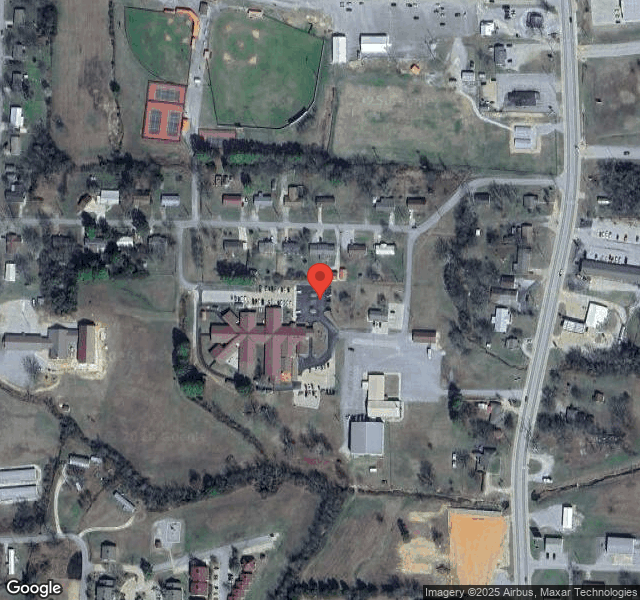

442 TAYLOR CIRCLE, CAVE CITY, AR 72521 (870) 283-5313
Non profit - Corporation 90 Beds Independent Data: November 2025
Trust Grade
90/100
#4 of 218 in AR
Last Inspection: July 2025

Inspected within the last 6 months. Data reflects current conditions.

Overview

Cave City Nursing Home Inc has received an impressive Trust Grade of A, indicating it is highly recommended and provides excellent care. It ranks #4 out of 218 facilities in Arkansas, placing it in the top tier of nursing homes in the state, and is the best option among the three facilities in Sharp County. The facility is on an improving trend, having reduced its issues from five in 2024 to just two in 2025. Staffing is a strength, with a low turnover rate of 0%, meaning residents are cared for by consistent staff, although the overall staffing rating is average at 3 out of 5 stars. On the downside, there have been some concerning findings, including a failure to ensure proper food safety practices, which could potentially affect many residents, and that medication was not administered as prescribed for one resident. Additionally, the facility did not provide necessary information about advance directives for some residents, which could hinder their ability to make informed decisions about their care.

Trust Score
A
90/100
In Arkansas
#4/218
Top 1%
Safety Record
Low Risk
No red flags
Inspections
Getting Better
5 → 2 violations
Staff Stability
○ Average
Turnover data not reported for this facility.
Penalties
✓ Good
No fines on record. Clean compliance history, better than most Arkansas facilities.
Skilled Nurses
⚠ Watch
Each resident gets only 28 minutes of Registered Nurse (RN) attention daily — below average for Arkansas. Fewer RN minutes means fewer trained eyes watching for problems.
Violations
⚠ Watch
11 deficiencies on record. Higher than average. Multiple issues found across inspections.
★★★★★
5.0
Overall Rating
★★★☆☆
3.0
Staff Levels
★★☆☆☆
2.0
Care Quality
★★★★★
5.0
Inspection Score
Stable
2024: 5 issues
2025: 2 issues

The Good

  • Full Sprinkler Coverage · Fire safety systems throughout facility
  • No fines on record

Facility shows strength in fire safety.

The Bad

No Significant Concerns Identified

This facility shows no red flags. Among Arkansas's 100 nursing homes, only 0% achieve this.

The Ugly 11 deficiencies on record

Jul 2025 2 deficiencies
CONCERN (E)

Potential for Harm - no one hurt, but risky conditions existed

Quality of Care (Tag F0684)

Could have caused harm · This affected multiple residents

Based on record review, interview, and facility policy review, the facility failed to ensure medications were administered according to physician's orders for one (Resident #40) of five residents revi...

Read full inspector narrative →
Based on record review, interview, and facility policy review, the facility failed to ensure medications were administered according to physician's orders for one (Resident #40) of five residents reviewed. The findings include: A review of Resident #40’s quarterly Minimum Data Set with an Assessment Reference Date of 06/26/2025, indicated the resident had a Brief Interview for Mental Status score of 14, which indicated Resident #40 was cognitively intact. A review of Resident #40's active Physician's Orders, as of 07/01/2025, revealed the resident had diagnoses which included post-traumatic stress disorder, osteoarthritis, and generalized anxiety disorder. The resident’s Physician’s Orders also revealed the resident had medication orders, with an order date of 04/23/2025, for one benzodiazepine tablet for generalized anxiety disorder, to be given at bedtime, and one compound opioid pain medication tablet for pain, to be given every eight hours as needed. Resident #40’s Physician’s Orders also revealed not to administer either medication within two hours of each other. A review of Resident #40’s Administration History Report, from 06/06/2025 through 06/21/2025, revealed a compound opioid pain medication was administered four times, within the restricted period, with a benzodiazepine. Below are the findings: On 06/06/2025, one benzodiazepine tablet was documented as administered by Licensed Practical Nurses (LPN) #2 at 8:00 PM, and one compound opioid pain medication tablet was documented as administered at 8:01 PM. On 06/12/2025, one benzodiazepine tablet and one compound opioid pain medication tablet were documented as administered by LPN #4 at 8:05 PM. On 06/15/2025, one benzodiazepine tablet was documented as administered at 8:13 PM, and one compound opioid pain medication tablet was documented as administered by LPN #3 at 8:14 PM. On 06/21/2025, one benzodiazepine tablet and one compound opioid pain medication tablet were documented as administered by LPN #4 at 7:19 PM. A review of Resident #40’s Psychiatric Clinic Progress Note, dated 04/23/2025, revealed for Medication safety: Instruct nursing home staff to separate administration of pain medication and [benzodiazepine] by a minimum of two hours for patient safety. A review of a Psychiatric Clinic Visit Sheet for Resident #40, dated 04/23/2025, and signed by the provider, read in part, be sure there is a two-hour window between opioid pain pill, and benzodiazepine. During a phone interview on 07/01/2025 at 9:34 AM, with LPN #1 at Resident #40's psychiatric clinic, LPN #1 confirmed the prescriber would routinely write the order as indicated with benzodiazepines and opioids. The medications were not to be administered together, which was why the prescriber ordered not to administer the medications within two hours of each other. During a phone interview on 07/02/25 at 10:02 AM, LPN #2 confirmed her initials were on Resident #40’s electronic medical record for administration of the compound opioid pain medication on 06/06/2025 at 8:00 PM. LPN #2 indicated Resident #40 often voiced complaints of pain, usually in the evening. LPN #2 confirmed the resident would receive pain medication with anxiety medication, and they were usually given at the same time, at the resident’s request. She then confirmed the facility’s expectation of the staff was to administer medications according to the physician's order and to comply with the medication administration policy. LPN #2 was asked to confirm the meaning of an order that specifically stated not to administer a medication within two hours of another medication. LPN #2 confirmed that a physician's order with those parameters would not be administered within the time period specified. She then reported that the purpose of not combining the two medications would be for complications such as oversedation, overdose, and kidney problems. LPN #2 confirmed when administering medications, she compared the medication with the physician's order to ensure the correct rights were observed. LPN #2 confirmed that if Resident #40 had an order not to administer a benzodiazepine and a compound opioid pain medication together, then they should not be administered together. During an interview on 07/02/2025 at 10:15 AM, the Medical Director confirmed he was familiar with Resident #40’s specific medication order not to administer their benzodiazepine and compound opioid pain medication at the same time, and to wait at least two hours between the administrations. The Medical Director indicated he expected staff to administer medications as written by the prescriber, and he had not been notified of a medication error with Resident #40. During an interview on 07/02/2025 at 10:20 AM, the Assistant Director of Nursing (ADON) confirmed Resident #40 often voiced complaints of pain and was medicated with as needed pain medications. The ADON confirmed the expectation of staff was to follow the Physician's Orders as written, and if the order was written as do not administer medications within two hours of each other, then they should not be administered. The ADON confirmed that the order for Resident #40, written by the practitioner, was not to administer the benzodiazepine and compound opioid pain medication within two hours of each other. She then stated the purpose of waiting between benzodiazepines and opioids was the possibility of respiratory depression. The ADON confirmed the facility’s expectation of staff was to follow the facility’s medication administration policy. During an interview on 07/02/2025 at 10:28 AM, the Director of Nursing (DON) confirmed Resident #40 occasionally had complaints of pain and was medicated with as needed medications. The DON confirmed Resident #40 had routine orders for an antianxiety medication, a benzodiazepine, and a compound opioid for pain. He then confirmed the benzodiazepine was given at 8:00 PM. The DON reported the expectation of the facility, was for staff to follow facility policies, and to administer medications as written by the provider. If orders were written not to administer two medications within two hours of each other, then they should not be administered within the restricted time. The DON reported that benzodiazepines and opioids were not given together to avoid respiratory depression. During a phone interview on 07/02/2025 at 5:04 PM, LPN #3 confirmed familiarity with Resident #40. LPN #3 had provided care and administered medications to the resident. LPN #3 confirmed Resident #40 often voiced complaints of pain and was medicated, if it was within the parameters of the physician's order. LPN #3 confirmed the pain medication that Resident #40 often received was an opioid. LPN #3 confirmed Resident #40 had physician's orders for a benzodiazepine antianxiety medication. LPN #3 confirmed the physician's orders should be administered, as written. LPN #3 stated if the order specifically was written not to give medications together, then they should not be given together. LPN #3 confirmed knowledge of the medication administration policy, and to administer medications as written. LPN #3 denied knowledge of the two-hour restriction between Resident #40’s benzodiazepine and compound opioid pain medication. A review of a facility policy, Medication Administration, with a review date of 12/02/2024, revealed medications were to be administered as ordered by the physician. Policy Explanation and Compliance Guidelines ensure that the six rights of medication administration are followed: Right Time, Compare medication with medication administration record to verify the correct time. Administer within one hour before or after the scheduled time unless otherwise ordered by the physician. Administer medication as ordered in accordance with manufacture specification. A review of the National Institute on Drug Abuse, with a review date of 11/07/2022, indicated taking opioids in combination with other central nervous system depressants like benzodiazepines increased the risk of life-threatening overdose.
MINOR (C)

Minor Issue - procedural, no safety impact

Staffing Data (Tag F0851)

Minor procedural issue · This affected most or all residents

Based on record review and interview, the facility failed to provide Provider Enhanced Reporting Payroll Based Journal (PBJ) mandatory staffing data to the Center for Medicare and Medicaid Services (C...

Read full inspector narrative →
Based on record review and interview, the facility failed to provide Provider Enhanced Reporting Payroll Based Journal (PBJ) mandatory staffing data to the Center for Medicare and Medicaid Services (CMS) for the 2nd Quarter of 2025. The findings include: Upon review of the PBJ Monthly Data Report provided by the facility, PBJ data was submitted for January 2025, February 2025, and March 2025 to the state, but not to CMS. During an interview on 06/30/2025 at 2:30 PM, the Administrator confirmed being responsible for completing the staffing reports and sending the PBJ data to the state and to CMS. When asked about the process for submitting the PBJ report, the Administrator stated, I was submitting the information in the QuickBase program monthly. I was unaware the data wasn't going to CMS due to not being trained properly and not being notified by CMS that they were not receiving the data. I didn't know until you notified me that they did not have the data. We called them after notification to see if they would take it, and they said they would not at this point. It's now fixed and will be submitted correctly for this next quarter. This surveyor requested a policy or procedure on reporting PBJ data, and the Administrator stated, “We do not have a policy or procedure regarding PBJ data and reporting.”
Apr 2024 5 deficiencies
CONCERN (D)

Potential for Harm - no one hurt, but risky conditions existed

Deficiency F0558 (Tag F0558)

Could have caused harm · This affected 1 resident

Based on observation, interview and record review, the facility failed to ensure thickened liquids kept in a cooler remained on ice/with ice packs for 1 (Resident #14) of 1 sampled resident who requir...

Read full inspector narrative →
Based on observation, interview and record review, the facility failed to ensure thickened liquids kept in a cooler remained on ice/with ice packs for 1 (Resident #14) of 1 sampled resident who required thickened liquids. The findings are: The Minimum Data Set (MDS) with an Assessment Reference Date (ARD) of 03/08/2024 documented Resident #14 scored 7 (0-7 indicates severe cognitive impairment) on a Brief Interview for Mental Status (BIMS). The Physician orders dated 04/01/2024 documented, Regular diet, Mechanical Soft texture, Nectar consistency add yogurt, applesauce and nectar thick liquids to each meal for choking. On 04/01/2024 at 10:29 AM, Resident #14 had a red and white cooler at the bedside. Thickened water was found in the cooler sitting in water/melted ice. On 04/02/2024 at 10:38 AM, the Surveyor interviewed Certified Nursing Assistant (CNA) #4 at Resident #14's bedside and asked, Should the residents thicken liquids in the cooler be kept on ice? CNA #4 stated, Yes, it should've been passed with ice water because [Resident #14] is nectar thick. On 04/02/2024 at 10:39 AM, the Surveyor interviewed Registered Nurse (RN) #1 at Resident #14's bedside and asked, Should the residents thicken liquids in the cooler be kept on ice? She stated, Yes. When asked, Why should it be kept on ice? She stated, I guess because [Resident #14] likes it cold. On 04/02/2024 at 09:06 AM, the Director of Nursing (DON) was asked, Should [Resident #14's] thickened liquids at the bedside be kept cold with ice or ice packs? She stated, Yes. When asked, Why should thickened liquids be kept cold? She stated, It helps to have them at bedside. A facility policy titled, Thickened Liquids, dated 10/04/20/2022 revealed, .Policy Explanation and Compliance Guidelines: Personal coolers and ice packs will be provided at the resident's bedside to keep thickened liquids within easy reach of the resident .
CONCERN (E)

Potential for Harm - no one hurt, but risky conditions existed

Deficiency F0578 (Tag F0578)

Could have caused harm · This affected multiple residents

**NOTE- TERMS IN BRACKETS HAVE BEEN EDITED TO PROTECT CONFIDENTIALITY** Based on interview and record review, the facility failed to ensure written information regarding the right to formulate an adva...

Read full inspector narrative →
**NOTE- TERMS IN BRACKETS HAVE BEEN EDITED TO PROTECT CONFIDENTIALITY** Based on interview and record review, the facility failed to ensure written information regarding the right to formulate an advanced directive was provided to the residents or their responsible parties, to enable them to make informed decisions regarding which measures would be provided or withheld at the end of life for 2 (Residents #8 and #45) of 3 residents reviewed for Advance Directive. The findings include: 1. Resident #45 was admitted on [DATE] with a diagnosis of Dementia. a. On 04/01/2024 at 02:31 PM, during a review of Resident #45's chart, no advance directive was located. b. On 04/02/2024 at 12:04 PM, the Facility provided a Do Not Resuscitate (DNR) order, and an order appointing guardian of the person and estate and an order for disbursement of funds. c. On 04/04/2024 at 09:01 AM, the Director of Nursing (DON) was asked, Should [Resident #45] have an advance directive located in the resident's medical chart? She stated, Yep. When asked, Why? She stated, So we know what [Resident #45's] wishes are. 2. Resident #8 was admitted on [DATE] with a diagnosis of Dementia. a. On 04/01/2024 at 02:19 PM, during a review of Resident #8's chart, an advance directive was not found. b. On 04/02/2024 at 12:08 PM, the Facility provided a DNR order and a durable Power Of Attorney (POA), but no advance directive for Resident #8. c. On 04/04/2024 at 09:01 AM, the Director of Nursing was asked, Should [Resident #8] have an advance directive located in the residents medical chart? She stated, Ya, should have it on [Resident #8's] chart. When asked, Why? She stated, So we know what [Resident #8's] wishes are.
CONCERN (E)

Potential for Harm - no one hurt, but risky conditions existed

ADL Care (Tag F0677)

Could have caused harm · This affected multiple residents

Based on observation, interview and record review, the facility failed to ensure resident fingernails were kept clean for 3 (Residents #8, #53, and #66) of 3 sampled residents, oral hygiene was being ...

Read full inspector narrative →
Based on observation, interview and record review, the facility failed to ensure resident fingernails were kept clean for 3 (Residents #8, #53, and #66) of 3 sampled residents, oral hygiene was being completed for 1 (Resident #66) of 1 sampled resident, and male residents were shaved to promote good personal hygiene for 2 (Resident #53, and #66) of 2 sampled residents. The findings are: A facility policy titled, 'Activities of Daily Living (ADLs)' dated 10/04/2022 documented, .Care and services will be provided for the following activities of daily living: 1. Bathing, dressing, grooming and oral care . A resident who is unable to carry out activities of daily living will receive the necessary services to maintain good nutrition, grooming, and personal and oral hygiene . 1. Resident #8's Care Plan dated 03/15/2019 revealed, .CNA'S [Certified Nursing Assistants] assist to keep nails clean and observe for jagged edges report prn [as needed] Nurse provide trimming due to DM [Diabetes Mellitus] . a. The Quarterly Minimum Data Set (MDS) with an Assessment Reference Date (ARD) of 12/13/2023 documented Resident #8 scored 2 (0-7 indicates severe cognitive impairment) on a Brief Interview for Mental Status (BIMS). Section GG0130. Self- Care revealed in section I. Personal hygiene: The ability to maintain personal hygiene, including combing hair, shaving, applying makeup, washing/drying face, and hands (excludes baths, showers, and oral hygiene). 05. Setup or clean-up assistance. b. On 04/01/2024 at 11:38 AM, Resident #8's fingernails were long and chipped. When asked, Do staff trim your nails or do you like them long? Resident #8 stated, I wish someone would cut them. c. On 04/02/2024 at 10:47 AM, the Surveyor interviewed CNA #5 at the Resident #8's bedside and asked, Can you describe what is under the resident's fingernails? CNA #05 stated, Looks like food under the nails. When asked, Can you describe what the resident's fingernails look like? She stated, They need to be filed and the nurse will trim them because [Resident #08] is diabetic. When asked, How often should the residents nails be cleaned, filed and trimmed? She stated, When showering and when you have extra time. The nurse trims because we can't, [Resident #8] is diabetic. d. On 04/02/2024 at10:50 AM, the Surveyor asked Registered Nurse (RN) #2, Can you describe what is under the resident's fingernails? She stated, [Resident #8] has a broken nail too, but food. When asked, Can you describe what the resident's fingernails look like? She stated, Some of them are jagged and they shouldn't be. When asked, How often should the residents nails be cleaned, filed and trimmed? She stated, A nurse has to trim the nails, CNA's clean and file them. e. On 04/04/2024 at 09:06 AM, the Surveyor asked the Director of Nursing (DON), Should [Resident #8's] fingernails be kept clean and trimmed? The DON stated, Yes. When asked, Why? She stated, To reduce the risk of infection and injury. 2. During an observation on 04/01/2024 at 10:59 AM, Resident #53 had facial hair 0.5 inches long on the face and neck, and the fingernails were 0.5 to 0.75 inches long with jagged edges and a brown substance under the nails and around the cuticle areas of both hands. a. During a concurrent observation and interview on 04/01/2024 at 03:27 PM, Resident #53 had facial hair 0.5 inches long on the face and neck, and the fingernails were 0.5 to 0.75 inches long with jagged edges and a brown substance under the nails and around the cuticle areas of both hands. b. During a third observation on 04/02/2024 at 08:28 AM, Resident #53 had facial hair 0.5 inches long on the face and neck, and the fingernails were 0.5 to 0.75 inches long with jagged edges and a brown substance under the nails and around the cuticle areas of both hands. During an interview on 04/03/2024 at 03:13 PM, CNA #1 was asked who was responsible for making sure nails were trimmed and cleaned. CNA #1 said the CNAs are, unless they are diabetic then the nurses trim them, but the CNAs still clean them. The Surveyor asked when does a resident get their nails trimmed and cleaned? CNA #1 said daily or as needed. The Surveyor asked should a resident have 0.5 inch jagged nails with a brown substance under the nails and around the cuticle area? CNA #1 replied absolutely not. CNA #1 was asked what negative outcome could occur from long jagged dirty fingernails? CNA #1 said they could scratch themselves and cause a skin tear or get an infection. The Surveyor asked when does a resident get shaved? CNA #1 said on shower days. The Surveyor asked who was responsible for making sure a resident gets shaved? CNA #1 said the CNAs are. The Surveyor asked if a resident has 0.5 inch whiskers on the face and neck and the resident doesn't want them, is this acceptable? CNA #1 said absolutely not. During an interview on 04/03/2024 at 03:18 PM, the DON was asked, who was responsible for making sure residents nails are trimmed and cleaned? The DON said, the CNAs are, unless they are diabetic then the nurses do them, but the nursing staff can clean the nails. The DON was asked, when do the residents get their nails trimmed and cleaned? The DON said they should be cleaned daily and trimmed as needed. The DON asked if a resident should have 0.5 to 0.75 inch jagged nails with brown substance under nails and around the cuticles on both hands? The DON said, absolutely not. The DON was asked what negative outcome can occur from nails being left long and jagged with a brown substance under them? The DON said they can get an infection. 3. Resident #66's Care Plan dated 10/06/2022 revealed Resident #66 had an Activity of Daily Living (ADL) self-care performance deficit related to Disease Process . Review of the Admit Diagnoses revealed . impaired balance, weakness, muscle wasting Limited x one assist . bathing/ showering: Provide assist 2 x weekly and prn give choice of AM or PM provide privacy and maintain dignity, assist with nail care keeping clean and trimmed prn - Report Resident #66 request only one shower per week Saturday - staff continue to offer x 2 week respect wishes/[Resident #66] has requested to have only one bath per week and on Saturday. a. The Quarterly MDS with an ARD of 12/28/2023 revealed, Section GG0130. Self-Care . I. Personal hygiene: The ability to maintain personal hygiene, including combing hair, shaving, applying makeup, washing/drying face, and hands (excludes baths, showers, and oral hygiene) .3. Partial/ moderate assistance . b. On 04/01/2024 at 02:56 PM, Resident #66 was lying in bed unshaven. Resident #66 stated, They won't shave it. Resident #66's fingernails had a brown/black substance underneath them. Resident #66 stated, I only get one bath every week. Resident #66 stated staff do not help the resident clean the resident's mouth. Resident #66 had a thick yellow build up in the mouth. c. On 04/02/2024 at 10:36 AM, the Surveyor interviewed CNA #4 and asked, Can you describe how the resident ' s nails appear to you? She stated, Dirty. When asked, How often should his fingernails be cleaned? She stated, At least when [he/she] gets a shower. When asked, Does the resident appear to have been recently shaved? She stated, No, it looks long, like it's been a while. When asked, Can you describe how the inside of the residents mouth looks? She stated, [Resident #66] needs oral care definitely. [The resident] has thick stuff in there. d. On 04/02/2024 at 10:42 AM, the Surveyor interviewed RN #1 and asked, Can you describe how the resident's nails appear to you? She stated, They are dirty, and need cleaned. When asked, How often should the residents nails be cleaned? She stated, Every time they are dirty and at every shower. When asked, Does the resident appear to have been recently shaved? She stated, No, [the resident] needs one. When asked, Can you describe how the inside of the residents mouth looks? She stated, [The resident] should be cleaned up, that mouth isn't clean. e. On 04/04/2024 at 09:06 AM, the Surveyor asked the DON, Should [Resident #66] fingernails be kept clean, face shaved, and oral care provided? She stated, Yes. When asked, Why? She stated, To reduce risk of infection, and should be shaved because it's [Resident #66's] choice.
CONCERN (E) 📢 Someone Reported This

A family member, employee, or ombudsman was alarmed enough to file a formal complaint

Potential for Harm - no one hurt, but risky conditions existed

Accident Prevention (Tag F0689)

Could have caused harm · This affected multiple residents

Based on observation, interview and record review, the facility failed to ensure the clothes dryers remained free of lint build-up to decrease the potential for fire and loss of laundry services in 1 ...

Read full inspector narrative →
Based on observation, interview and record review, the facility failed to ensure the clothes dryers remained free of lint build-up to decrease the potential for fire and loss of laundry services in 1 of 1 laundry room. This failed practice had the potential to affect all 78 residents due to the potential for the interruption of laundry services and due to the proximity of the laundry room. The findings are: On 04/03/2024 at 11:03 AM, the Surveyor observed all 3 dryers in the laundry room had a 0.5 inch lint buildup on their lint screens. On 04/03/2024 at 11:12 AM, Laundry Worker #1 was asked, how often do you remove the lint from the dryers? Laundry Worker #1 said, every two hours. The Surveyor asked, can you explain why the dryer lint removal log was not signed off on 04/02/2024 for the evening shift? Laundry Worker #1 said, I guess she forgot to sign it. The Surveyor asked, why is the log not signed for this morning (04/03/24)? Laundry Worker #1 said, I was going to sign them off, but I was going to lunch first. The Surveyor asked, what can happen if lint isn't removed every two hours? Laundry Worker #1 said, chance it could catch on fire. On 04/04/2024 at 8:37 AM, the Administrator was asked, how often should lint be removed from the dryers? The Administrator said, every two hours. The Surveyor asked, how is this documented to prove the lint had been removed? The Administrator said, on the log sheet. The Surveyor asked, why is it important to assure the lint is removed from dryers every two hours? The Administrator said it was to prevent a fire. A facility policy titled, Laundry and Linen Services, documented, .job description for Day Laundry . Clean lint filters on dryers every 2 hours. Document on dryer log . The Dryer Log indicates that on 04/02/2024 from 06:00 PM through midnight that all three dryers had not had lint removal checked off. On 04/03/2024 the lint removal log had not been signed off at 08:00 AM or 10:00 AM.
CONCERN (E) 📢 Someone Reported This

A family member, employee, or ombudsman was alarmed enough to file a formal complaint

Potential for Harm - no one hurt, but risky conditions existed

Infection Control (Tag F0880)

Could have caused harm · This affected multiple residents

Based on observation, interview and record review, the facility failed to ensure proper handwashing/hand sanitizing was completed during dining observation. The findings are: On 04/01/2024 at 12:06 PM...

Read full inspector narrative →
Based on observation, interview and record review, the facility failed to ensure proper handwashing/hand sanitizing was completed during dining observation. The findings are: On 04/01/2024 at 12:06 PM, the Surveyor observed Certified Nursing Assistant (CNA) #2 take a tray from a meal cart and set it up for a resident, then CNA #2 removed another tray from the cart and set it up for another resident. The CNA did not perform hand sanitation before providing either tray. During a concurrent observation on 04/01/2024 at 12:06 PM, the Surveyor observed CNA #3 removing a tray from a meal cart and setting it up for a resident. The CNA then repeated the process without performing hand sanitation for two other residents. CNA #3 then went and picked up a chair and placed it in between 2 residents and began feeding both residents without performing hand sanitization before beginning, or between feeding each resident. During an interview on 04/01/2024 at 12:52 PM, CNA #3 was asked, what should be done before serving a tray to a resident? CNA #3 said, sanitize my hands. During an interview on 04/12/2024 at 12:55 PM, CNA #4 was asked, what should be done before serving a tray to a resident? CNA #4 said, sanitize my hands. CNA #4 was asked, what should be done between passing out trays? CNA #4 said, sanitize my hands. CNA #4 was asked, what should be done after picking up a chair and setting down to start feeding a resident? CNA #4 said, sanitize my hands. CNA #4 was asked, what should be done in between feeding 2 different residents? CNA #4 said, sanitize my hands. During an interview on 04/03/2024 at 03:13 PM, the Director of Nursing (DON) was asked what should be done before and between passing trays. The DON stated, Sanitize hands. The DON was asked when feeding 2 residents what should be done in between feeding each of them? The DON said, sanitize hands. The DON was asked, why should staff sanitize their hands during meal service? The DON said, to prevent spreading germs. A facility policy titled, Hand Hygiene, dated 10/04/2022, indicated, .All staff will perform proper hand hygiene procedures to prevent the spread of infection to other personnel, residents, and visitors. This applies to all staff working in all locations within the facility .
Feb 2023 4 deficiencies
CONCERN (D)

Potential for Harm - no one hurt, but risky conditions existed

Assessment Accuracy (Tag F0641)

Could have caused harm · This affected 1 resident

Based on observation, record review, and interview, the facility failed to ensure the Minimum Data Set (MDS) was completed accurately, related to functional status for 1 (Resident #33) of 4 (Resident ...

Read full inspector narrative →
Based on observation, record review, and interview, the facility failed to ensure the Minimum Data Set (MDS) was completed accurately, related to functional status for 1 (Resident #33) of 4 (Resident #32, R #23, R #33, and R #45) sampled residents who required extensive assistance with eating. The findings are: 1.Resident #33 had a diagnosis of Moderate Protein-Calorie Malnutrition. The Annual Minimum Data Set [MDS] with an Assessment Reference Date [ARD] of 11/27/22 documented the resident scored 3 (0 - 7 Indicates Severely Impaired) on a Brief Interview for Mental Status (BIMS); required limited assistance with one person assist for eating; had a feeding tube and was on a mechanical altered diet. a. The Physician Order dated 1/12/21 documented, Regular diet Mechanical Soft texture, Nectar consistency . b. The revised Care Plan dated 5/21/21 documented, [Resident's Name] has an ADL [Activities of Daily Living] self-care performance deficit . EATING: feeding tube and oral diet as directed . current order for regular w. Mech [mechanical] soft and Nectar liquids If resi. [resident] eats more than 50% [percent] of breakfast or lunch hold bolus feeding . c. The Physician Order dated 10/26/22 documented, Enteral Feed Order two times a day give 1 can bolus (named fortified nurtrition) 1.5, May substitute [named protein supplement] 1.5 . Enteral Feed Order in the evening Run [named fortified nutrition] 1.5 Cal [calories] at 60mL/hr [milliliter/hour] for 14 hours 4pm-6am May sub with [named protein supplement] 1.5 . d. The MDS section G0110 Functional Status (H) documented, . Eating - Self- Performing (2) limited assistance; Support (2) One-person physical assist[assistance] . e. On 1/30/23 at 12:40 PM, the resident was in the dining room for meal service. A staff member was sitting beside her, spoon feeding her a regular mechanical diet for lunch. f. On 2/02/23 at 2:55 PM, the Surveyor asked the MDS Coordinator, who completes section G of the MDS? The MDS Coordinator stated, I do. The Surveyor asked, what level of assistance does Resident #33 require for eating? The MDS Coordinator stated, extensive. The Surveyor asked, the annual MDS for Resident #33, under functional status for eating, is it coded correctly? She replied, no, I will do a modification.
CONCERN (D)

Potential for Harm - no one hurt, but risky conditions existed

Deficiency F0688 (Tag F0688)

Could have caused harm · This affected 1 resident

Based on observation, record review, and interview, the facility failed to ensure palm grips was consistently utilized to prevent further decline in range of motion for 1 (Residents #45) of 5 (Residen...

Read full inspector narrative →
Based on observation, record review, and interview, the facility failed to ensure palm grips was consistently utilized to prevent further decline in range of motion for 1 (Residents #45) of 5 (Resident #19, R #45, R #32, R #33 and R #23) sample mix residents who had contractures. The findings are: 1.Resident #45 had diagnoses of Alzheimer's and Contractures. The Quarterly Minimum Data Set (MDS) with an Assessment Reference Date (ARD) of 11/20/22 documented the resident was severely impaired in cognitive skills for daily decision, required total assistance of two person assist for bathing, and extensive assistance of two-person assist for bed mobility, transfer, dressing, toilet use, and personal hygiene; had impairment to the upper extremity on one side. a. The Physician Order dated 3/8/22 documented, Ensure bilateral palm grips are in place every morning and at bedtime for contractures . b. The revised Care Plan documented, [Resident's Name] has an ADL [Activities of Daily Living] self-care performance deficit r/t [related to] . Alzheimer's . Limited Mobility, . CONTRACTURES: . Review Order Ensure Bilateral Palm Grips are in place q [every] morning and at bedtime r/t contractors report s/s [signs/symptoms] of worsening PRN [as needed] . c. On 1/30/23 at 11:48 AM and on 2/2/23 at 10:33 AM, Resident #45 sat in a [named] chair, her right hand was in fist position with no positioning device in place. d. On 2/02/23 at 10:45 AM, LPN [Licensed Practical Nurse] #1 accompanied the Surveyor to Resident #45's room. The Surveyor asked LPN #1, , does Resident #45 have any contractures? LPN #1 stated, I do not think so. The Surveyor asked, is Resident #45 able to open her right hand? LPN #1 attempted to open Resident #45's right hand and stated, no. The Surveyor asked, should Resident #45 have a positioning device in place? LPN #1 stated, I will have to look in her orders and Care Plan. LPN #1 proceeded to search into the resident's Electronic Health Record and stated, according to the Physicians Orders, yes, she should have a device in place. The Surveyor asked, who is responsible to ensure the positioning device is in place? LPN #1the Restorative Assistant. e. On 2/02/23 at 4:24 PM, the Policy on Restorative Nursing Programs was provided by the DON documented, it is the policy of this facility to provide maintenance and restorative services designed to maintain or improve a resident's abilities to the highest practicable level. Nursing personnel are trained on basic, or maintenance nursing care . This training may include, but not limited to: . Assisting residents in adjustment to their disabilities and use of any assistive devices . Residents . will receive services from restorative aides when they are assessed to have a need for restorative nursing services. These services may include: . Splint or brace assistance.
CONCERN (E)

Potential for Harm - no one hurt, but risky conditions existed

Respiratory Care (Tag F0695)

Could have caused harm · This affected multiple residents

Based on observation, record review, and interview the facility failed ensure humidified oxygen was administered at the physician prescribed rate for 1 (Resident #58) of 6 (R #4, R #17, R #24, R #58, ...

Read full inspector narrative →
Based on observation, record review, and interview the facility failed ensure humidified oxygen was administered at the physician prescribed rate for 1 (Resident #58) of 6 (R #4, R #17, R #24, R #58, R #69, R #233) sampled residents who received oxygen according to a list provided by the Director of Nursing (DON) on 2/3/23. The findings are: 1.Resident #58 had diagnoses of Chronic Obstructive Pulmonary Disease and Asthma. A Quarterly Minimum Data Set (MDS) with an Assessment Reference Date (ARD) of 1/14/23 documented the resident scored 3 (0-7 indicates severe impairment) on a Brief Interview for Mental Status (BIMS); oxygen used in the past 14 days while a resident. a. Physician Orders dated 4/8/21 documented, .02 [oxygen] at 2L[liters] via NC [nasal canula] PRN [as needed] for SOB [shortness of breath] 02 [oxygen] >90% [percent] .change 02 tubing q [every]72 hours and PRN every 72 hours .Change water on concentrator weekly on Fridays and PRN one time a day every Fri . b. Resident #58's Comprehensive Plan of Care documented, [R #58] .COPD .Revision on: 07/29/2021 .OXYGEN provide 2 lpm via NC as ordered prn .change all tubing and humidifier bottle as directed .Revision on: 10/18/2022 . c. On 01/30/23 at 11:09 AM, Resident #58 sat in a wheelchair in her room. An oxygen concentrator was, set to infuse at a rate between the 3 ½ [half] and 4 liters per minute (lpm). An empty humidifier bottle was attached by tubing to a nasal canula. The empty humidifier bottle was dated 1/6/23. The nasal canula was placed in a plastic bag and attached to the concentrator. The resident was not receiving the oxygen treatment at the time of the observation. d. On 01/30/23 at 02:55 PM, Resident #58 was lying in bed the nasal canula administered oxygen in the nose. The oxygen concentrator administered oxygen at a rate between 3 1/2 to 4 lpm. The nasal canula was attached to an empty humidifier bottle dated 1/6/23. e. On 02/02/23 at 2:31 PM, the Surveyor entered Resident #58 room with Licensed Practical Nurse (LPN) #2. The resident was lying in bed. Oxygen concentrator was not on at that time. The surveyor asked LPN #2 if Resident #58 used oxygen. She stated, yes, prn [as needed]. The Surveyor asked, what is the rate [of administration] ordered? She stated, 2 [liters per minute] (lpm) The Surveyor asked, when is the humidifier filled; should it be administered empty? She stated, it should be done weekly, they change the tubing every 3 days. No. The Surveyor asked, should it be administered between 3 1/2 and 4 lpm? She stated, no. It should be on 2. LPN #2 stated, let me check. She turned on the oxygen concentrator. The concentrator was set to administer between 3 1/2 and 4 lpm. She turned the administration rate to 2 lpm. f. On 02/03/23 at 4:02 PM, the Surveyor asked the DON, if a resident's oxygen is ordered to be administered at 2 lpm, should it be administered at 3 1/2 to 4 lpm? She stated, no. The Surveyor asked, when are the humidifiers filled? She stated, the humidifier is every 72 hours and as needed. The Surveyor asked, should it [the oxygen] be administered when the humidifier is empty? She stated, no. g. A Policy provided by the DON on 2/2/23 titled, Oxygen Administration, documented, .Oxygen is administered under orders of a physician .Change humidifier bottle when empty, every 72 hours .
CONCERN (F)

Potential for Harm - no one hurt, but risky conditions existed

Food Safety (Tag F0812)

Could have caused harm · This affected most or all residents

Based on observation and interview the facility failed to ensure that dishes and utensils were stored properly, food was covered, and hands were washed between clean and dirty tasks to minimize the ri...

Read full inspector narrative →
Based on observation and interview the facility failed to ensure that dishes and utensils were stored properly, food was covered, and hands were washed between clean and dirty tasks to minimize the risk of cross contamination. The failed practice had the potential to affect 82 residents who received their meals from 1 of 1 kitchen according to a list provided by the administrator on 2/3/23 at 8:28 AM. a. On 1/30/23 at 11:20 AM, three nested mixing bowls were stored right side up. There were two large metal pans that were right side up under the steam table. b. On 1/30/23 at 12:05 PM, the tray line was serving lunch, the insulated base and dome plate covers were stored with the inside exposed to air and contaminants. c. On 2/2/23 at 10:42 AM, there were two trays of rolls sitting on the shelf above the range. The rolls were uncovered and open to contaminants. Four full size steam table pans of strawberry cake were cooling on the worktable located toward the back of the kitchen. The cakes were uncovered and open to air and contaminates. d. On 2/2/23 at 10:45 AM, Dietary Employee (DE) #1 used a hot pad and obtained a stainless-steel bowl from the oven. DE #1 placed 10 servings of green beans in the bowl for the residents who required a pureed diet. Dietary Employee #1 used the hot pad and poured the green beans into the bowl of the [named blender]. With contaminated hands, DE #1 obtained a 1/4 steam table pan, a can of nonstick cooking spray, and applied the spray to the pan. As the green beans were blended DE #1 used the scraper in the top of the [named blender] lid and scraped the side of the bowl during processing. DE #1 placed her hand inside her pocket and obtained a marker. She wrote the date and food name on a piece of aluminum foil and then placed the foil on top of the 1/4 steam table pan to cover it. DE #1 opened the oven and placed the green beans in the oven. DE #1 took the bowl, lid, and blade of the [named blender] to the dish room. At no time during this process did DE # wash her hands. e. On 2/2/23 at 10:55 AM, DE #1 approached the oven, used her hand to open the oven door, utilized a hot pad, and removed a bowl of breaded chicken patties. The bowl of chicken patties was placed on the worktable by the base of the [named blender]. DE #1 used tongs and placed the chicken patties into the bowl. DE #1 completed this process 3 times and also completed the mechanical soft diets. When she completed the chopping process DE #1 obtained a marker and wrote the date and food name on top of a piece of aluminum foil which was used to cover the chicken. DE #1 returned the steam table pan to the oven. f. On 2/2/23 at 11:10 AM, DE #1 used a hot pad and retrieved a bowl of chicken patties from the oven to process for 10 residents who received a pureed diet. DE #1 retrieved a Styro-foam cup, opened the reach-in refrigerator and obtained a container of chicken broth base. After she added a spoon full of the base to the cup, she took the cup to the coffee maker/dispenser and added hot water. DE #1 returned to the workstation. DE #1 repeated the process of making chicken broth 3 times. When DE #1 completed the puree of the chicken, DE #1 retrieved her marker from her pocket. She wrote the date and food name on top of foil and placed it on top of the steam table pan and folded the foil around the edges. g. On 2/2/23 at 11:20 AM, Dietary Employee #1 opened the door to the walk-in refrigerator and retrieved a carton of milk. She opened the carton and poured the milk into a measuring cup. She took the cup to the microwave, opened the door, and placed the cup inside for warming. The warm milk was brought back to the workstation and was added to hot rolls which had been placed in the bowl of the [named blender]. DE #1 returned to the walk-in refrigerator for a second carton of milk. She warmed the milk a second time. She did not wash her hands prior to the return to the workstation. When puree process was completed, DE#1 retrieved her marker and wrote the date and food name on the aluminum foil which was then placed on top of the container. The Steam table pan was then returned to the oven. h. On 2/2/23 at 11:51 AM, DE #2 removed the lids of the steam table pans which contained the lunch meal. Without washing her hands, Dietary Employee #2 continued to take the temperatures of the food and served the lunch meal. i. On 2/3/23 at 8:28 AM, a policy entitled, Handwashing Guideline for Dietary Employees states: 6. Frequency of Handwashing a. After hands have touched anything unsanitary i.e. [that is] garbage, soiled utensils/equipment, dirty dishes, etc. f. While preparing food, as often as necessary to remove soil and contamination and to prevent cross contamination when changing tasks. j. After engaging in any activity that may contaminate the hands. j. On 2/3/23 at 8:40 AM, the Surveyor asked the Dietary Manager, how should dishes and pans be stored? She stated, upside down. The Surveyor then asked, when should hands be washed? Dietary Manager stated, after any task.
Understanding Severity Codes (click to expand)
Life-Threatening (Immediate Jeopardy)
J - Isolated K - Pattern L - Widespread
Actual Harm
G - Isolated H - Pattern I - Widespread
Potential for Harm
D - Isolated E - Pattern F - Widespread
No Harm (Minor)
A - Isolated B - Pattern C - Widespread

Questions to Ask on Your Visit

  • "Can I speak with families of current residents?"
  • "What's your RN coverage like on weekends and overnight?"

Our Honest Assessment

Strengths
  • • Grade A (90/100). Above average facility, better than most options in Arkansas.
  • • No major safety red flags. No abuse findings, life-threatening violations, or SFF status.
  • • No fines on record. Clean compliance history, better than most Arkansas facilities.
Concerns
  • • 11 deficiencies on record. Higher than average. Multiple issues found across inspections.
Bottom line: Generally positive indicators. Standard due diligence and a personal visit recommended.

About This Facility

What is Cave City Inc's CMS Rating?

CMS assigns CAVE CITY NURSING HOME INC an overall rating of 5 out of 5 stars, which is considered much above average nationally. Within Arkansas, this rating places the facility higher than 99% of the state's 100 nursing homes. This rating reflects solid performance across the metrics CMS uses to evaluate nursing home quality.

How is Cave City Inc Staffed?

CMS rates CAVE CITY NURSING HOME INC's staffing level at 3 out of 5 stars, which is average compared to other nursing homes.

What Have Inspectors Found at Cave City Inc?

State health inspectors documented 11 deficiencies at CAVE CITY NURSING HOME INC during 2023 to 2025. These included: 10 with potential for harm and 1 minor or isolated issues.

Who Owns and Operates Cave City Inc?

CAVE CITY NURSING HOME INC is owned by a non-profit organization. Non-profit facilities reinvest revenue into operations rather than distributing to shareholders. The facility operates independently rather than as part of a larger chain. With 90 certified beds and approximately 76 residents (about 84% occupancy), it is a smaller facility located in CAVE CITY, Arkansas.

How Does Cave City Inc Compare to Other Arkansas Nursing Homes?

Compared to the 100 nursing homes in Arkansas, CAVE CITY NURSING HOME INC's overall rating (5 stars) is above the state average of 3.2 and health inspection rating (5 stars) is much above the national benchmark.

What Should Families Ask When Visiting Cave City Inc?

Based on this facility's data, families visiting should ask: "Can I visit during a mealtime to observe dining assistance and food quality?" "How do you handle medical emergencies, and what is your hospital transfer rate?" "Can I speak with family members of current residents about their experience?"

Is Cave City Inc Safe?

Based on CMS inspection data, CAVE CITY NURSING HOME INC has a clean safety record: no substantiated abuse findings (meaning no confirmed cases of resident harm), no Immediate Jeopardy citations (the most serious violation level indicating risk of serious injury or death), and is not on the Special Focus Facility watch list (a federal program monitoring the lowest-performing 1% of nursing homes). The facility has a 5-star overall rating and ranks #1 of 100 nursing homes in Arkansas. While no facility is perfect, families should still ask about staff-to-resident ratios and recent inspection results during their visit.

Do Nurses at Cave City Inc Stick Around?

CAVE CITY NURSING HOME INC has not reported staff turnover data to CMS. Staff turnover matters because consistent caregivers learn residents' individual needs, medications, and preferences. When staff frequently change, this institutional knowledge is lost. Families should ask the facility directly about their staff retention rates and average employee tenure.

Was Cave City Inc Ever Fined?

CAVE CITY NURSING HOME INC has no federal fines on record. CMS issues fines when nursing homes fail to meet care standards or don't correct problems found during inspections. The absence of fines suggests the facility has either maintained compliance or corrected any issues before penalties were assessed. This is a positive indicator, though families should still review recent inspection reports for the full picture.

Is Cave City Inc on Any Federal Watch List?

CAVE CITY NURSING HOME INC is not on any federal watch list. The most significant is the Special Focus Facility (SFF) program, which identifies the bottom 1% of nursing homes nationally based on persistent, serious quality problems. Not being on this list means the facility has avoided the pattern of deficiencies that triggers enhanced federal oversight. This is a positive indicator, though families should still review the facility's inspection history directly.