APPLE CREEK HEALTH AND REHAB, LLC
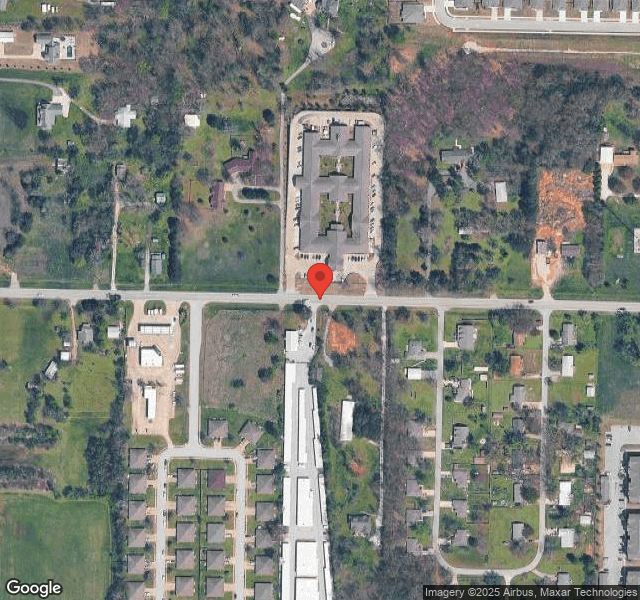

1570 W CENTERTON BLVD, CENTERTON, AR 72719 (479) 224-4817
For profit - Limited Liability company 114 Beds CENTRAL ARKANSAS NURSING CENTERS Data: November 2025 1 Immediate Jeopardy citation
Trust Grade
46/100
#139 of 218 in AR
Last Inspection: January 2025

Within standard 12-15 month inspection cycle. Federal law requires annual inspections.

Overview

Apple Creek Health and Rehab, LLC has a Trust Grade of D, indicating below-average performance with several concerns. Ranking #139 out of 218 facilities in Arkansas places it in the bottom half, and #7 out of 12 in Benton County suggests there are only a few local options that are better. The facility is showing an improving trend, with issues decreasing from 5 in 2023 to 4 in 2025. Staffing is average with a 3/5 star rating and a turnover rate of 54%, which is similar to the state average. However, there are concerning incidents: a resident suffered burns from hot coffee due to improper temperature checks, and there were failures to safely transfer residents, increasing their risk of falls. Overall, while there are some strengths, families should be aware of the significant issues that have been identified.

Trust Score
D
46/100
In Arkansas
#139/218
Bottom 37%
Safety Record
High Risk
Review needed
Inspections
Getting Better
5 → 4 violations
Staff Stability
⚠ Watch
54% turnover. Above average. Higher turnover means staff may not know residents' routines.
Penalties
⚠ Watch
$8,410 in fines. Higher than 95% of Arkansas facilities. Major compliance failures.
Skilled Nurses
⚠ Watch
Each resident gets only 18 minutes of Registered Nurse (RN) attention daily — below average for Arkansas. Fewer RN minutes means fewer trained eyes watching for problems.
Violations
⚠ Watch
11 deficiencies on record. Higher than average. Multiple issues found across inspections.
★★☆☆☆
2.0
Overall Rating
★★★☆☆
3.0
Staff Levels
★★★☆☆
3.0
Care Quality
★★☆☆☆
2.0
Inspection Score
Stable
2023: 5 issues
2025: 4 issues

The Good

  • Full Sprinkler Coverage · Fire safety systems throughout facility
  • No fines on record

Facility shows strength in fire safety.

The Bad

2-Star Overall Rating

Below Arkansas average (3.1)

Below average - review inspection findings carefully

Staff Turnover: 54%

Near Arkansas avg (46%)

Higher turnover may affect care consistency

Federal Fines: $8,410

Below median ($33,413)

Minor penalties assessed

Chain: CENTRAL ARKANSAS NURSING CENTERS

Part of a multi-facility chain

Ask about local staffing decisions and management

The Ugly 11 deficiencies on record

1 life-threatening
Jan 2025 4 deficiencies 1 IJ
CRITICAL (J) 📢 Someone Reported This

A family member, employee, or ombudsman was alarmed enough to file a formal complaint

Immediate Jeopardy (IJ) - the most serious Medicare violation

Accident Prevention (Tag F0689)

Someone could have died · This affected 1 resident

Based on observations, interviews, record review, and facility policy review, the facility failed to follow a care plan and interventions regarding hot liquids, for a resident (Resident #60) with left...

Read full inspector narrative →
Based on observations, interviews, record review, and facility policy review, the facility failed to follow a care plan and interventions regarding hot liquids, for a resident (Resident #60) with left side weakness of upper and lower extremities. The coffee had been microwaved by a facility staff member, and the temperature of the coffee was not checked prior to providing it to Resident #60, which resulted in burns to the resident's lip and chest. This failure to monitor the temperature of a hot liquid after being microwaved, placed Resident #60 at risk for serious harm, serious injury, serious impairment, or death. It was also determined the facility failed to safely transfer two residents (Resident #62 & #81) via mechanical lift to prevent falls, to ensure a gait belt was properly used for safe transfer to prevent falls for 1 resident (Resident #148), and to ensure a care planned intervention that indicated No Straws used was followed for 1 resident (Resident #300) to keep residents free from accidents and hazards. It was determined the facility's non-compliance with one or more requirements of participation had caused, or was likely to cause, serious injury, harm, impairment, or death to residents. The Immediate Jeopardy (IJ) was related to State Operations Manual, Appendix PP, 483.25 (Quality of Care) at a scope and severity of J. The IJ began on 11/28/2024 at 5:12 PM when Certified Nursing Assistant (CNA) #1 heated up coffee in a microwave for Resident #60, then placed a lid and stirring straw on the cup. Resident #60 tipped the cup up and spilled coffee, causing a burn to the resident's lip and chest. The Administrator and Registered Nurse (RN) Consultant were notified of the IJ on 01/08/2025 at 11:42 AM. A Removal Plan was requested. The Removal Plan was accepted by the State Survey Agency on 01/08/2025 at 5:04 PM. The IJ was removed on 01/09/2025 at 10:00 AM after the survey team performed onsite verification that the Removal Plan had been implemented. The findings are: 1. Review of an admission Record indicated the facility admitted Resident #60 with diagnoses that included hemiplegia and hemiparesis (muscle weakness or partial paralysis that affect arms, legs and facial muscles) following cerebral infarction (stroke) affecting left non-dominant side and vascular dementia. A quarterly Minimum Data Set (MDS) with an Assessment Reference Date (ARD) of 10/29/2024 revealed Resident #60 had a Brief Interview for Mental Status (BIMS) score of 9, which indicated the resident was moderately cognitively impaired. Review of Resident #60's Care Plan, initiated 01/24/2023, revealed the resident had an Activities of Daily Living (ADL) self-care performance deficit related to CVA (Cerebrovascular Accident - damage to the brain from interruption of blood supply) affecting left non-dominant side; required assistance with meal set up; had cognitive functional impairment; and was at risk for burns from hot liquids due to left side weakness with interventions that included temperature of liquids were not to exceed 140 degrees. Review of the Admit Readmit Quarterly Assessment with CP, dated 10/29/2024, indicated Resident #60 scored a 5 out of 12 on the Hot Liquid Risk, indicating the resident was at risk for burns from hot liquids due to left side weakness. Interventions included to use a cup with lid, temperature of liquids were not to exceed 140 degrees. Review of a Progress Notes indicated on 11/28/2024 at 5:12 PM, an Incident and Accident (I&A) note revealed Resident #60 was drinking coffee and had a lid and straw in place and tipped the cup up high spilling coffee. The resident was assessed, and triple antibiotic ointment was applied. Review of an In-service dated 11/28/2024 discussed: Absolutely Do Not microwave any food or drink for any resident. If something needs warming, take it to dietary where they can temp it. The in-service was signed by 46 staff including CNAs, Licensed Practical Nurses (LPN) and Medication Assistant Certified (MA-C). Review of the Nursing (Nsg) Skin care plan and tasks, dated 11/28/2024 at 9:38 PM, indicated Resident #60 had a skin injury and specified a bump to the left arm on 12/27/2023. Goals included maintaining intact skin by the review date with interventions that included following protocols for injury treatment; identifying and documenting cause and elimination of cause; monitoring and treatment of injury; caution during transfers; and weekly treatment and documentation. There was no reference to the burn to Resident #60's chest and lip. Review of the Progress Notes, dated 11/28/2024 at 8:06PM, revealed a Nsg Hot Rack Note, Continues on hot rack charting for coffee spill earlier in day resulting in superficial burns to face and upper torso, areas healing without adverse reactions noted, will continue to monitor. Review of the Nursing (Nsg) Weekly Skin Audit, dated 11/29/2024 at 02:38 AM, indicated Resident #60 had a Small fluid filled blister to upper inner lip. Red spot noted to right upper chest area without blisters or abnormalities. Interventions included pressure reduction mattress, w/c (wheelchair) Geri (geriatric) chair cushion, skin protectant. The note section indicated skin was clean, dry and intact without abnormalities, with small fluid filled blister to upper/inner lip from coffee spill along with redness to upper right side of chest area. Review of the Progress Note Nsg-Order Note, dated 11/29/2024 at 5:02 PM, revealed order per NP (Nurse Practitioner) to start bacitracin (an antibiotic ointment used to treat bacterial skin infections or to prevent infection of minor burns, cuts, or scrapes.) to chest. Family member notified of new order. Review of Progress Notes Nsg I&A DON Follow Up, dated 11/29/2024 at 9:28 AM, indicated During interview Resident #60 attempted to drink hot coffee through the stir straw and when realized it was too hot, spit coffee out causing a small blister to Resident #60's right lower lip and red area to right upper chest. Long Term Intervention: Staff immediately educated requiring heating food and drink for residents. Added to the Care Plan: yes, Ensure MD & Family Notification: aware. Review of Progress Notes Nsg-Hot Rack dated 11/30/2024 at 00:01 AM indicated Resident #60 continues on hot rack charting for the following: New orders for Bacitracin Ointment to right upper chest area, appropriate changes made and resident tolerating without adverse reactions noted. Review of Progress Notes Nsg-Hot Rack, dated 11/30/2024 at 12:53 PM, indicated Monitoring r/t recent incident that resulted in burns to R lower lip and small part on R chest. No blistering or increased redness noted to burns, no bleeding or warmth noted as well. Resident #60 complained that the burns were hurting, scheduled pain analgesics administered with no further complaints at this time. Treatments administered and in place as per TAR (Treatment Administration Record). Call light and fluids within reach. Review of the Nsg Weekly Skin Audit dated 11/30/2024 at 1:50 PM indicated Skin is clean, warm dry and intact. Reddened area noted to right chest from coffee spill with no increased redness, swelling or warmth. Crusting noted to bottom of R lip with no noted signs/symptoms of discharge or inflammation. Pain from burns treated with scheduled analgesics. Treatments in place for burns. No other complaints at this time. Review of Progress Notes Nsg-Hot Rack dated 12/01/2024 at 03:08 AM indicated Monitoring r/t recent incident that resulted in burns to R lower lip and small part on R chest. No blistering or increased redness noted to burns, no bleeding or warmth noted as well. Resident complained that the burns were hurting, scheduled pain analgesics administered with no further complaints at this time. Treatments administered and in place as per TAR. Call light and fluids within reach. Review of the Nsg Weekly Skin Audit dated 12/01/2024 at 10:12 AM indicated Skin clean, warm, and dry. Reddened area noted to right chest from coffee spill with no increased redness, swelling or warmth. Crusting noted to bottom of R lip with no noted s/sx of discharge or inflammation. Pain from burns treated with scheduled analgesics. Treatments in place for burns. No other complaints at this time. Review of Progress Notes Nsg-Hot Rack dated 12/01/2024 at 10:55 AM indicated Monitoring r/t recent incident that resulted in burns to lip and chest. No increased redness or blistering noted to burns. Resident denies acute pain or distress at this time. Treatments administered and in place as per TAR. Call light and fluids within reach. Review of the Nursing Weekly Skin Audit, dated 12/02/2024 at 12:30 AM, indicated a superficial red area to right side of chest. Skin clean, warm, and dry. Reddened area noted to right chest from coffee spill with no increased redness, swelling or warmth. Crusting noted to bottom of R lip with no noted signs or symptoms of discharge or inflammation. Pain from burns treated with scheduled analgesics. Treatments in place for burns. No other complaints at this time. Review of Progress Notes - Orders Administration Note, dated 12/02/2024 at 4:12 PM, revealed Bacitracin-Polymyxin External Ointment, apply to right chest burn topically every morning and at bedtime for Burn for 7 Days treatment changed. Review of Progress Notes Nsg-Hot Rack, dated 12/02/2024 at 10:27 PM, revealed Resident #60 was on Hot Rack monitoring for d/c (discontinued) of Bacitracin changed to skin prep to wound to chest from recent injury. No s/sx (signs/symptoms) infection, no c/o (compliant) discomfort at this time. Will continue to monitor and follow wound orders. Review of the Nursing Weekly Skin Audit, dated 12/09/2024 at 9:28 PM, indicated a superficial red area to right side of chest. Skin clean, warm, and dry. Reddened area noted to right chest from coffee spill with no increased redness, swelling or warmth. Crusting noted to bottom of R lip with no noted signs or symptoms of discharge or inflammation. Pain from burns treated with scheduled analgesics. Treatments in place for burns. No other complaints at this time. Review of the Nsg Weekly Skin Audit, dated 12/2/2024 at 03:16 AM, indicated Superficial red area to right side of chest. Resident had a coffee spill to lip and right upper chest no noted area to lip noted has redness to upper right side of chest area. No s/s of infection c/o (complaint of) or noted. Review of the ICP Multidisciplinary Care Conference, dated 12/19/2024, did not address hot liquids. During an interview on 01/06/2025 at 1:00 PM, Resident #60 said, I had some coffee that was brought in by my family, but it was cold. I asked (CNA #1) if she would warm it up for me. She took it and heated it up and brought it back. I took a big sip from the straw, but it was too hot, and I spit it out. It ran down my mouth and to my chest. The nurse looked at it and put some salve on it. It's all better now. During an interview on 01/08/2025 at 09:10 AM, the Administrator said, I was notified by the Director of Nursing (DON) that Resident #60 had a burn from coffee and the DON told me what happened. I went and asked the resident what happened and talked to the CNA #1. The CNA said that it was coffee that Resident #60's family had brought in, and resident had asked the CNA to heat it up. Resident #60 said that coffee was spilled and spit out causing a burn to resident's lip and upper right side of chest. I filed a report to The Office of Long Term Care (OLTC), immediately in-serviced staff to not heat up resident's items in microwave, a sign placed on the microwave in the employee breakroom and it is on agenda to be discussed in our QAPI Quality Assurance and Performance Improvement) meeting at the end of the month. During an interview on 01/09/2025 at 08:15 AM, CNA #1 said, I'm familiar with Resident #60. The resident asked me to heat up some coffee, so I took a cup to the breakroom and put it in the microwave. I put a lid on it and took a little stir straw in and put on Resident 60's bedside (bs) table. I told the resident that it was hot so to wait a few minutes before drinking it. Resident #60 started cussing me and told me to get out, that they could drink coffee whenever they wanted. Removal Plan: 1. After notification of Immediately Jeopardy on 01/08/2025 at 11:45 AM, the Administrator identified all microwaves in facility. Signage verified to still be in place above employee microwave that reads that no food/or drink to be heated for any residents using this microwave, must take to dietary where the food/drink will be temped before served. Other microwaves located in facility, one in activities which is not accessible by staff or residents and one in therapy that is also not accessible by staff or residents. 2. On 01/08/2025 at 12:45 PM, signs were posted as precaution on both microwaves located in Activity Room and Therapy Gym. Signs state that no food or drink to be heated in this microwave for any resident. All Food and Drink that needs heated must go to Dietary where it can be properly temped before served. Completed 01/08/2025. 3. On 01/08/2025, In-services initiated by Administrator/Designee, with all staff that no food or drink is to be microwaved, except for in dietary where the food/drink could be correctly temped prior to serving. To ensure compliance. All staff members will be in-serviced prior to their next scheduled workday. 4. Administrator will Monitor, all microwaves to ensure signage is in place and that no food/drink is being heated for any residents. Monitoring will be done 5x/week until compliance is verified by OLTC. All Corrections were completed on 01/09/2025 Onsite Verification: The IJ was removed on 01/09/2025 at 10:00 AM, after the survey team performed onsite verification that the Removal Plan had been implemented. Onsite verification of the Removal Plan began on 01/09/2025 at 08:00 AM when signage advising Do NOT heat food/or drink to for any residents using this microwave, must take to dietary where the food/drink will be temped before served was observed on the microwave in the employee breakroom, the microwave in the activity room and the therapy room. In-service advising of not heating Resident food/drink in microwave was initiated on 01/08/2025 with all staff members to be in-serviced prior to their next scheduled workday. On 01/09/2025 at 09:30 AM, staff working on the halls were interviewed, asking the question how do you heat up food/drinks for residents. A total of 20 staff interviews were conducted with staff from day shifts to verify training had been completed. The staff interviewed included Certified Nursing Assistants (CNA), MA-Cs, Licensed Practical Nurses (LPN), Registered Nurses, Housekeeping, Therapy, Dietary, Activity Director, Nurse Consultant. The staff interviewed verified they had been in-services on 01/08/2025 on Do NOT use microwaves to heat resident's food/drinks, must be done by Dietary so it can be temped. The following was cited at F689 at a lower severity: 2. A review of Resident # 62's diagnosis list indicated diagnoses of cachexia (wasting syndrome), pulmonary hypertension, anemia and chronic obstructive pulmonary disease. The quarterly Minimum Data Set (MDS) with an assessment reference date (ARD) of 12/04/2024 documented Resident #62 had a brief interview of mental status (BIMS) of 11, indicating a moderately impaired cognitive status, and was dependent on staff for toileting, bathing, turning, positioning, and transfers and was non-ambulatory. The MDS revealed one fall with a minor injury. Resident #62's care plan with a revision date of 06/11/2023 documented the resident required limited assistance of one staff to move between surfaces and was at risk for falls. An OLTC Incident and Accident Report (I&A), dated 12/03/2024, indicated Resident #62 had sustained a fall from a mechanical patient lift on 12/03/2024 at 3:04 PM when two certified nursing assistants (CNAs), when using the mechanical lift to weight the resident had failed to secure one of the lift sling loops to the mechanical lift, allowing resident to slide out. This fall resulted in 3 minor skin tear injuries On 01/07/2024 at 4:16 PM, Certified Nursing Assistant (CNA) #5 related how she and another CNA were using a mechanical patient lift to weigh Resident #62, and when they elevated resident and moved lift to get an accurate weight, one of the loops that secures lift pad was not secured and the resident slid out of lift pad. 3. A review of Resident #81's diagnosis list revealed diagnoses of metabolic encephalopathy, muscle weakness, and type 2 diabetes. A quarterly MDS with an ARD of 11/05/2024 indicated Resident #81 had a BIMS of 07, and resident was dependent on staff for bed mobility and transfers. Resident #81's care plan with a revision date of 07/08/2024 indicated the resident required a mechanical lift with assistance of two staff for transfers. On 11/12/2024. a facility incident reported to the office of long-term care indicated Resident #81 had sustained a fall when two CNAs attempted to transfer resident without use of a mechanical lift. Resident #81's closet care plan, included in the reportable, indicated resident required a mechanical lift with assistance of two staff for transfers. On 01/07/2024 at 8:51 AM, Resident #81 said at the time they fell, the two CNAs knew she didn't like to be transferred with the mechanical lift, so they attempted to transfer without it, after becoming weak she had fallen on her knees. 4. A review of the Order Summary indicated Resident #148 had diagnoses that included multiple falls, other abnormalities of gait and mobility, age related osteoporosis, and interstitial pulmonary disease. A review of a facility policy titled, Gait Belts, Use of, dated 05/01/2016 revealed, Policy: Gait Belts will be utilized for any resident transfers (sit to stand; stand to sit; sit to sit) or for resident ambulation that requires assistance. The discharge MDS with an ARD of 12/06/2024, revealed Resident #148 had a BIMS score of 15, indicating the resident was cognitively intact. Section GG is coded 04 (Supervision or touching assistance) for transfers. Section J reveals Resident #148 had one fall with no injury since admission/entry or reentry. Review of Resident #148's Care Plan, revised on 12/09/2024, revealed the resident had an activity of daily living performance deficit. A revision dated 12/09/2024 on the care plan revealed the resident is a high fall risk, and the resident had an actual fall with no injury on 11/13/2024 with an intervention of staff education. Review of a Morse Scale and Care Plan Tasks assessment done on 11/13/2024 revealed that Resident #148 scored a 40, which is a moderate fall risk. Review of a Nsg-Incident and Accident Note done by Administrator on 11/15/2024 revealed, Family Member reported that resident had a fall onto their bed while ambulating back from the bathroom. Family Member stated it was because the CNA was not using a gait belt. Review of a Witness Statement completed by Registered Nurse #4 on 11/13/2024 revealed, Went to investigate an allegation of reported neglect. Talked with [Resident #148] who stated that [CNA #5] helped them into the bathroom to use the toilet and they stated, the [CNA #5] is so big and strong, I always remind him that I am old and slow because he will just pick me up. Resident #148 continued stating that CNA #5 did not use a gait belt when he took them to the bathroom, and he did not use the gait belt when walking them back from the bathroom back to the wheelchair. Resident #148 stated that CNA #5 was watching television instead of paying attention to them and told them to go ahead and back up to the wheelchair. Resident then told the CNA #5 that they were losing balance and fell back into a seated position on the bed. Resident stated that they sat in a wash basin on the bed. Family Member and Resident #148 felt that CNA #5 was neglectful in care by not using a gait belt and not staying close to the resident. Family Member stated, if the resident fell the other direction, they could have had a head injury or a broken bone. Review of a Witness Statement done by CNA #5 on 11/13/2024 stated that I transferred the resident without the gait belt to the bathroom my first thought was to transfer the resident to the bathroom sitting on their wheelchair, but family refused. Family member insisted on using the walker instead. Resident walked fine to the bathroom on the way back to the wheelchair the resident got tired and sat on the side of the bed. They did not complain of pain. After the resident grasp their air, I stood the resident up and sat them in the wheelchair which was right next to the bed. Review of the Closet Care Plan reveals that Resident #148 was a one assist transfer with a gait belt for all transfers. Review of Competencies revealed that CNA #5 completed return demonstration of transfers and return demonstration of care plans on 07/22/2024. Review of Office of Long-Term Care (OLTC) Incidents and Accidents Report states Findings and Action Taken: Resident has interstitial pulmonary disorder and requires oxygen .becomes short of breath upon exertion .resident is medically stable without any acute distress and no injuries noted related to incident. The allegation is found on the basis that CNA #5 was not using a gait belt while assisting resident. Resident closet care plan required one person assisted. Review of an In-service on 11/13/2024 for Closet Care Plan, revealed, Closet care plans are in place for a reason and are to be always followed. If there is not a closet care plan in residents' closet notify the charge nurse or team lead immediately so it can be placed. Review of an In-service on 06/26/204 and 06/28 2024 on Transferring with a Gait Belt, states 9. Never chicken wing someone-gait belts should be used on all transfers whether one person or two person transfers. Review of an In-service on 09/18/2024 and 09/20/2024 on Abuse/Neglect, Transfers, Resident Rights/Dignity/Civil Rights and General, revealed the CNA #5 signed off for attending in-services. On 01/08/2025 at 1:47 PM, the Surveyor had a phone interview with Resident #148 who recounted the incident and stated that I want you to know that CNA #5 was a couple steps behind me watching television when fall occurred, they did not have a hold of me as they did not use a gait belt for transfer. On 01/08/2025 at 1:53 PM, the Surveyor attempted to call Registered Nurse #4 with no response. On 01/08/2025 at 1:55 PM, the Surveyor attempted to call CNA #4 with no response. 5. A review of Resident #300's admission Record revealed the resident had a diagnosis of dysphagia/oropharyngeal phase. On 01/06/2024 at 10:50am, straws were observed in Resident #300's drinks sitting on the over the bed table. In an interview with Resident 300's spouse, it was discussed that the closet care plan was not being followed by staff. The closet care plan was observed and indicated resident has difficulty swallowing and has orders for no straws. On 01/07/2024 at 8:42am, a drink was observed on Resident 300's over the bed table with a straw in it. On 01/07/2024 at 3:00pm, an observation was made of Resident 300's beverages on the over the bed table. All three cups had straws in them. On 01/08/2024 at 8:55am, CNA #2 stated that the closet care plan is their resource for knowing what type of care needs the resident requires. CNA #2 confirmed that Resident 300's closet care plan indicates no straws under the liquids portion of the closet care plan. CNA #2 confirmed that resident had straws in his drink on the over the bed table. CNA #2 confirmed that residents who are ordered no straws should not be given straws as it poses a choking hazard. On 01/08/2024 at 8:59am, CNA #3 confirmed that the CNA's are instructed to use the closet care plan as a resource guide to provide resident's care. CNA #3 confirmed that it's important not to give straws to residents with a diagnosis of dysphagia or difficulty swallowing, as it poses a choking hazard to them. CNA #3 stated that Resident #300 had difficulty swallowing and the speech therapist had ordered the resident to have no straws. On 01/08/2024 at 9:07am, the Assistant Dietary Manager (ADM) confirmed that the dietary staff are responsible for fixing the resident's beverages. The ADM stated that the kitchen staff provide straws, but the CNAs who assist in passing meal trays to residents are the ones that get the straws. A care plan, dated 12/26/2024, indicated that Resident #300 was ordered a pureed diet, has swallowing problems due to dysphagia, and do not use straws. Date initiated was 12/27/2024. A policy on Accidents and Hazards along with staff in-services were provided by the Administrator. It indicated that staff were educated on the importance of looking at closet care plans.
CONCERN (D)

Potential for Harm - no one hurt, but risky conditions existed

Comprehensive Assessments (Tag F0636)

Could have caused harm · This affected 1 resident

**NOTE- TERMS IN BRACKETS HAVE BEEN EDITED TO PROTECT CONFIDENTIALITY** Based on observation, interview and record review the facility failed to accurately assess a resident's dental status for one (R...

Read full inspector narrative →
**NOTE- TERMS IN BRACKETS HAVE BEEN EDITED TO PROTECT CONFIDENTIALITY** Based on observation, interview and record review the facility failed to accurately assess a resident's dental status for one (Resident #199) of two residents sampled for dental concerns. The findings are: Review of Resident #199 ' s Physicians Orders revealed diagnoses of Alzheimer's disease and nontraumatic subdural hemorrhage. Resident #199's admission Minimum Data Set (MDS) with an Assessment Reference Date (ARD) of 12/30/2024 documented a Brief Interview of Mental Status (BIMS) of 01, indicating severe cognitive impairment. The MDS indicated that resident did not have any broken or loose fitting dentures. On 01/06/2025 at 1:00 PM, Resident #199 was observed in the doorway of their room, as the resident attempted to talk the bottom plate of their dentures kept rising up from their bottom gumline in their mouth. During a concurrent observation on 01/07/225 at 9:18 AM, Resident #199 ' s dentures were noted to be rising from their gumline to the middle of their mouth. The admission assessment dated [DATE] did not indicate the resident had dentures. The inventory sheet dated 12/18/2024 indicated the resident had both upper and lower denture plates. Physician orders dated 12/17/2024 indicated a regular diet of regular consistency. On 01/08/2025 at 11:29 AM the LPN #4 LTC MDS Coordinator said she used the RAI manual to complete MDSs. She said she looked at documentation from nurses, CNAs and Physicians as well as interacting with residents to preform assessments prior to completing the MDS.
CONCERN (D)

Potential for Harm - no one hurt, but risky conditions existed

Comprehensive Care Plan (Tag F0656)

Could have caused harm · This affected 1 resident

Based on observations, record review, and interviews, it was determined that the facility failed to implement a resident's care plan to ensure visual devices were utilized for 1 (Resident #83) and to ...

Read full inspector narrative →
Based on observations, record review, and interviews, it was determined that the facility failed to implement a resident's care plan to ensure visual devices were utilized for 1 (Resident #83) and to ensure staff followed a resident's closet care plan by placing straws in the drinks of a resident with orders for no straws due to the medical diagnosis of dysphagia with difficulty swallowing for one (Resident #300) resident and failed to implement the resident care plan to ensure visual devices were utilized for one (Resident #83) resident of two residents reviewed for care plan development and implementation. The findings are: 1. Review of Resident #83 ' s Medical Diagnosis revealed diagnoses of Parkinsonism and repeated falls. The quarterly Minimum Data Set (MDS) with an Assessment Reference Date (ARD) of 10/18/2024 indicated a Brief Interview of Mental Status (BIMS) score of 02, indicating severe cognitive impairment, had a visual impairment, and wore glasses. On 01/06/2025 at 12:30 PM and 3:30 PM, Resident # 83 was observed in the day room of secure unit sitting in chair without glasses on. On 01/07/2025 at 9:45 AM and 4:00 PM Resident #83 was again observed sitting in the day room without glasses on. On 01/07/2025 Resident #83s glasses were observed in the resident ' s room on the overbed table, while the resident was in the day room Resident #83's Care Plan, review date of 11/11/2024, indicated the resident had a vision impairment, with an intervention for staff to ensure resident is wearing glasses that are clean and free from scratches, and to ensure glasses are within the resident ' s reach. Resident #83's closet care plan in his room indicated resident wears glasses 2. Review of an admission Record indicated Resident # 300 had diagnoses that included dysphagia/oropharyngeal phase. On 01/06/2024 at 10:50 AM, while making initial screenings, straws were observed in Resident #300's drinks sitting on the bedside table. In an interview with Resident # 300's spouse, it was relayed that the closet care plan was not being followed by staff. The closet care plan was observed and indicated Resident #300 had difficulty swallowing and was not to have any straws. On 01/07/2024 at 08:42 AM, a drink observed on Resident # 300's bedside table had a straw in it. On 01/07/2024 at 3:00 PM, an observation was made of Resident # 300's three beverages sitting on the bs table, all had straws in them. On 01/08/24 at 08:55 AM, Certified Nursing Assistant (CNA) # 2 stated that the closet care plan was their resource for knowing what type of care needs the resident required. CNA # 2 confirmed that Resident # 300's closet care plan indicated no straws under the liquids portion of the closet care plan. CNA # 2 confirmed that resident had straws in the drink on the bedside table and confirmed that residents who were ordered to not have straws should not be given straws as it posed a choking hazard. On 01/08/2024 at 08:59 AM, CNA # 3 confirmed that the CNA's are instructed to use the closet care plans as a resource guide to provide resident's care. CNA # 3 confirmed that it's important not to give straws to residents with a diagnosis of dysphagia or difficulty swallowing, as it poses a choking hazard to them. The CNA stated that Resident # 300 had difficulty swallowing and the speech therapist had ordered the resident to have no straws. On 01/08/2024 at 09:07 AM, the Assistant Dietary Manager (ADM), confirmed that the dietary staff are responsible for fixing the resident's beverages. The ADM stated that the kitchen staff provide straws but the CNAs who assist in passing meal trays to residents are the ones that get the straws. A care plan dated 12/26/2024 indicated that Resident # 300 was ordered a pureed diet, had swallowing problems due to dysphagia, and staff were not to provide straws. Date initiated was 12/27/2024. Policies on care plan assessment and implementation, along with staff in-services were provided by the Administrator.
CONCERN (E)

Potential for Harm - no one hurt, but risky conditions existed

Food Safety (Tag F0812)

Could have caused harm · This affected multiple residents

Based on observation, interview, and record review, the facility failed to ensure that received dates were labeled on all items, that items are not left open to air when stored, and that hand hygiene ...

Read full inspector narrative →
Based on observation, interview, and record review, the facility failed to ensure that received dates were labeled on all items, that items are not left open to air when stored, and that hand hygiene was not performed when needed for two meals observed in 1 of 1 facility kitchen. The Assistant Dietary Manager (ADM) stated that there was no facility policy they were aware of for handwashing. On 01/06/2025 at 12:10 PM, the Surveyor observed a half full bag of dry elbow pasta in a plastic bag was left unsealed. The ADM confirmed the findings. On 01/06/2025 at 12:15 PM, the Surveyor observed an unopened bag of spiral pasta with no received date. The ADM confirmed the findings. On 01/07/2025 at 11:07 AM, the ADM pureed ten bread pork chops in the food processor for lunch service. The Surveyor observed ADM ' s mask fell below their nose, they then touched the mask to adjust it. Without performing hand hygiene, the ADM added two cups of stock and three cups of water to the puree. The ADM rinsed the food processor and touched their mask to adjust it again. The ADM ran the food processor through the dishwasher, and then set up to puree scalloped potatoes without performing hand hygiene. On 01/07/2025 at 11:15 AM, the ADM pureed scalloped potatoes, adding ten scoops into the food processor. The ADM added four cups of milk and two and a half cups of water into the puree. While adding the milk the ADM touched their mask to adjust it as it fell below their nose and continued tasks without performing hand hygiene. The ADM rinsed the food processor, then touched their mask again when it fell below their nose. The ADM then ran the food processor through the dishwasher and set the purees on the serving line without performing hand hygiene. On 01/07/2025 at 11:23 AM, the ADM set up the food processer to puree vegetables, touched their mask before using a half cup scoop to add ten scoops of vegetables and juice into a smaller stainless-steel pan. The ADM pureed vegetables, set up the puree on the serving line, and set up the regular vegetables on the serving line, without performing hand hygiene. On 01/08/2025 at 11:30 AM, the Surveyor observed the ADM temping the food for lunch service. In between each item on the serving line the ADM ran the thermometer under the water and did not sanitize the device. The items on the serving line were as follows chili, baked potato, pureed chili, pureed starch, pureed vegetable, soup, salad, mixed vegetable alternate, and burger meat. On 01/08/2024 at 12:00 PM, Dietary Aide #8, standing on the serving line preparing meals for residents, touched mask to adjust it then touched glasses. Continued serving lunch on the line, did not perform hand sanitation. On 01/08/2024 at 12:02 PM, the ADM adjusted their mask and continued serving tray for lunch service without performing On 01/08/2024 at 12:05 PM, Dietary Aide #7 put on a pair of gloves without performing hand hygiene, then put frozen biscuits on three baking sheets. Surveyor observed Dietary Aide #7 finish the first task, then put the box of frozen biscuits up and put parchment paper over biscuits. They then took the baking sheets on top of an appliance. On 01/08/2024 at 12:10 PM, Dietary Aide #8 touched their mask to adjust it, then touched glasses continued serving lunch on the line, did not perform hand hygiene. On 01/08/2024 at 12:15 PM, the ADM adjusted their mask and continued serving trays for lunch service. They then were observed applying a glove on their left hand when putting a burger together. Assistant Dietary Manager then took off glove, not having performed hand hygiene. The ADM then continued to serve lunch trays. Dietary Aide #7 was then asked to make two bowls of oatmeal for lunch service. Dietary Aide #7 performed this task, without performing hand hygiene. On 01/08/2024 at 12:30 PM, the Surveyor interviewed Dietary Aide #7, who stated that hand hygiene should be performed in between tasks, if you touch food, and after changing gloves. Dietary Aide #7 then stated that they did not perform hand hygiene after changing gloves and it was a cross-contamination issue. On 01/08/2024 at 12:33 PM, the Surveyor interviewed Dietary Aide #8, who stated that hands should be wash in between tasks, after touching food, and after changing gloves. Dietary Aide #8 then stated that they had not washed hands since on the serving line and they had been touching their mask and glasses. Dietary Aide #8 stated this was an infection control issue. On 01/08/2024 at 1:56 PM, the Surveyor interviewed the ADM stated that they realized that today and yesterday they had been adjust their mask and not washing their hands. The ADM stated hand hygiene should be done as often as you can when switching stations, when working with different foods, if you have touched any food, and when you get done serving. The ADM stated that hand washing prevents the spread of germs. The ADM stated that when getting temperatures [of food] you should run the thermometer under water and then dry it with a cloth. The ADM stated that they have not been trained and usually the dietary manager is in charge of getting food temperatures, and that they plan on asking for more training as it is a cross contamination issue if the thermometer is not sanitized properly.
Dec 2023 4 deficiencies
CONCERN (D)

Potential for Harm - no one hurt, but risky conditions existed

Deficiency F0761 (Tag F0761)

Could have caused harm · This affected 1 resident

**NOTE- TERMS IN BRACKETS HAVE BEEN EDITED TO PROTECT CONFIDENTIALITY** Based on observation, interview, and record review, the facility failed to ensure expired medication were removed from the Medic...

Read full inspector narrative →
**NOTE- TERMS IN BRACKETS HAVE BEEN EDITED TO PROTECT CONFIDENTIALITY** Based on observation, interview, and record review, the facility failed to ensure expired medication were removed from the Medication Storage room [ROOM NUMBER] and the Medication Cart for the 100 and 200 Halls. The findings are: During observation of Medication Storage room [ROOM NUMBER] on 11/29/2023 at 10:27 A.M. with Licensed Practical Nurse (LPN) #2. The Surveyor observed Mucinex DM expiration date 7-2023. During observation of the Medication Cart for the 100 and 200 Halls on 11/29/23 at 11:30 A.M., there was a plastic bag with 6 blue tablets, with a name and 112 written on the front. The Surveyor asked LPN #3 if she knew what the medication was. LPN #3 stated, No, I have never seen it. On 11/29/23 at 10:33 A.M., the Surveyor asked LPN #2 what do you do with the expired medications? LPN #2 said, We take our meds [medications] to the 100/200 Hall, write in the blue book the name of the medications and quantity. The medication is then disposed of in a large, locked container. On 11/29/23 at 10:35 A.M., LPN #3 was asked, How often do you check medications in the medication room? LPN #3 said, Twice a month, at least. On 11/30/23 at 08:43 A.M., the Surveyor asked the Director of Nursing (DON) what do you do with the narcotics when they're no longer needed? The DON said we have a book of surrender, we count the quantity, then the nurse and I sign the book. The meds are then locked in a safe. I am supposed to send them to state quarterly, sometimes it is done more often, so it could be as needed. On 11/30/23 at 1:51 P.M., review of the Medication Storage In the Facility policy documented, . Expiration Dating (Beyond-use dating) C. c. Drugs dispensed in the manufacturer's original container will carry the manufacturer ' s expiration date. Once opened, these will be good to use until the manufacturer's expiration date is reached unless the medication is: 1. In a multi-dose injectable vial 2. An ophthalmic medication 3. An item for which the manufacture has specified a usable life after opening.E. The nurse will check the expiration date of each medication before administering it. F. No expired medication will be administered to a resident. G. All expired medications will be removed from the active supply and destroyed in the facility, regardless of amount remaining. The medication will be destroyed in the usual manner .
CONCERN (E)

Potential for Harm - no one hurt, but risky conditions existed

Safe Environment (Tag F0584)

Could have caused harm · This affected multiple residents

**NOTE- TERMS IN BRACKETS HAVE BEEN EDITED TO PROTECT CONFIDENTIALITY** On 11/27/23 at 11:34 PM, Resident #45 was lying in bed on a sheet with a red spot on the right side of the bed, by the foot. On ...

Read full inspector narrative →
**NOTE- TERMS IN BRACKETS HAVE BEEN EDITED TO PROTECT CONFIDENTIALITY** On 11/27/23 at 11:34 PM, Resident #45 was lying in bed on a sheet with a red spot on the right side of the bed, by the foot. On 11/28/23 at 10:18 AM, Resident #45 was lying in bed on the same dirty sheet with red spots on the lower right side part of the sheet. On 11/28/23 at 02:03 PM, Resident #45 was lying in bed, her sheet had been changed and cleaned. The Surveyor asked Resident #45 how long her sheets had been dirty. Resident #45 said, My [family member] came in today and said your sheets have been dirty for two weeks, if they can't change your sheets now, I will do it. On 11/28/23 at 2:13 PM, CNA #1 confirmed the family said the sheets were not changed for two weeks. The Surveyor asked when the sheets are changed. CNA # 1 said, At their bath time. The Surveyor asked when was Resident #45's last bath? CNA #1 said, It was on 11/24/23. On 11/28/23 at 02:31 PM, the Surveyor asked Licensed Practical Nurse (LPN) #2 when are the sheets changed? LPN #2 said always after showers, if they are asked by the resident, and when they are dirty, basically PRN [as needed]. The Surveyor asked how do you know if the sheets need to be changed? LPN #2 said, I look when I go in and out of their rooms, to give medicines. Review on The Resident Rights was provided in the admission packet documented, .The Right to Participate in Their Own Care, including the right to: . Receive adequate and appropriate medical care, nursing care, protective and support services, and personal cleanliness in a safe and clean environment . Based on observation, record review, and interview, the facility failed to ensure resident's wheelchairs was in good useable condition for 1 (Resident #74) of 1 sampled resident; and failed to ensure bed linen was maintained and in good condition for 1 (Resident #45) of 1 sampled resident. The findings are: A review of an admission Record indicated the facility admitted Resident #74 with a diagnosis that included dementia. The Quarterly Minimum Data Set (MDS) dated [DATE] revealed Resident #74 had a Brief Interview for Mental Status (BIMS) score of 6, which indicated the resident had severe cognitive impairment. The resident required partial/moderate assistance with activities of daily living (ADLs). A review of the maintenance logbook dated 9/27/2023 through 11/22/2023 revealed no work order for the replacement of Resident #74's padded wheelchair armrest. On 11/27/2023 at 11:33 AM and 01:09 PM; and on 11/28/2023 at 08:34 AM, Resident #74 was sitting in a wheelchair. The armrest pads on both sides of the wheelchair were cracked and peeling with foam exposed. On 11/28/2023 at 01:56 PM, Certified Nursing Assistant (CNA) #2 was asked where do you report things that need to be fixed? CNA #2 stated, We do a maintenance report then we take it to the maintenance office, like if a wheelchair or walker needs to be fixed, we put it on the report and turn it in. On 11/28/2023 at 02:17 PM, the Maintenance Supervisor (MS) was asked what do staff do if something needs to be fixed? The Maintenance Supervisor stated, They fill out a work order at the nurse's station and they put it in the box outside my door. On 11/28/2023 at 03:12 PM, CNA #3 was asked if Resident #74's wheelchair was a personal wheelchair, or a facility provided wheelchair. CNA #3 stated, It's a facility provided wheelchair. CNA #3 was asked to describe the wheelchair armrest on Resident #74's wheelchair. CNA #3 stated, It's worn out and cracked and maintenance should replace it. CNA #3 was asked if it had been reported to maintenance. CNA #3 stated, Not that I'm aware of. CNA #3 was asked who was responsible for reporting things that need to be fixed in the facility. CNA #3 stated, Anyone can report it with a form. On 11/28/2023 at 03:28 PM, the Director of Nursing (DON) was asked if something needs to be fixed in the facility, like a wheelchair, what is the process for reporting. The DON stated, If something is wrong, maintenance would fix it, and there should be a work order. The DON was asked if Resident #74's wheelchair was a personal or facility provided wheelchair. The DON looked at Resident #74's wheelchair, and stated, [Resident #74] has a facility provided wheelchair. The DON was asked to describe the armrest pads on Resident #74's wheelchair. The DON stated, It's cracked and rough. On 11/29/2023 at 9:43 AM, the Administrator stated the facility did not have a policy for environment.
CONCERN (E)

Potential for Harm - no one hurt, but risky conditions existed

Accident Prevention (Tag F0689)

Could have caused harm · This affected multiple residents

**NOTE- TERMS IN BRACKETS HAVE BEEN EDITED TO PROTECT CONFIDENTIALITY** Based on observation, record review, and interview, the facility failed to ensure the resident's environment was free of acciden...

Read full inspector narrative →
**NOTE- TERMS IN BRACKETS HAVE BEEN EDITED TO PROTECT CONFIDENTIALITY** Based on observation, record review, and interview, the facility failed to ensure the resident's environment was free of accident hazards as possible, as evidenced by failure to ensure potentially hazardous hygiene products were stored in a secure location on 1 (400 Hall/Secure Unit) of 4 Halls, to prevent potential access of hazardous items for 2 (Residents #49 and #82) of 2 sampled residents. The findings are: A review of the admission Record indicated the facility admitted Resident #49 with diagnosis that included dementia. The Quarterly Minimum Data Set (MDS) dated [DATE], revealed Resident #49 had a Brief Interview for Mental Status (BIMS) score of 5, which indicated the resident had severe cognitive impairment. The resident required supervision to limited assist with activities of daily living (ADLs). On 11/27/2023 at 11:24 AM, and at 01:04 PM, and again on 11/28/2023 at 03:18 PM, a package of 8 denture tablets was observed on the sink in Resident #49's bathroom and not contained. A pink basin with a clear medication cup in it with loose unlabeled powder was observed on the sink not contained. On 11/28/2023 at 03:18 PM, Certified Nursing Assistant (CNA) #3 was asked what was the powder in the basin in Resident #49's bathroom. CNA #3 stated, It's medicine powder. CNA #3 was asked how do you know it's medicine powder? CNA #3 stated, Because it comes in the medicine cup. It's for raw areas. CNA #3 used her hand and motioned under the breasts. CNA #3 was asked where should personal care items be stored when not in use. CNA #3 stated, They should be contained and not left out in the open because a resident could eat it and get sick. CNA #3 was asked who was responsible for ensuring personal care items are not left out and contained/secured. CNA #3 stated, The CNAs. A review of an admission Record indicated the facility admitted Resident #82 with a diagnosis that included Alzheimer ' s disease. The Quarterly Minimum Data Set (MDS) dated [DATE], revealed Resident #82 had a Brief Interview for Mental Status (BIMS) score of 7, which indicated the resident had severe cognitive impairment. The resident required extensive assistance with activities of daily living (ADLs). On 11/27/2023 at 11:40 AM, and at 01:08 PM, a tube of body cream and a tub of moisturizing body cream was observed on Resident #82's nightstand and not contained. and On 11/28/2023 at 03:25 PM, a tube of body cream and a tub of moisturizing body cream was observed on Resident #82's nightstand and not contained. On 11/28/2023 at 03:28 PM, the Director of Nursing (DON) was asked where are personal care items supposed to be stored when not in use on the secure unit? The DON stated, It should be secured and not left out in the open, where residents can't obtain it. The DON was asked who was responsible for ensuring personal care items were contained and secured on the secure unit. The DON stated, CNA's, the nurse, the nurse managers, anyone who sees it. On 11/29/2023 at 9:43 AM, the Administrator stated the facility did not have a policy for storage of personal/hazardous care items.
MINOR (C)

Minor Issue - procedural, no safety impact

Deficiency F0807 (Tag F0807)

Minor procedural issue · This affected most or all residents

**NOTE- TERMS IN BRACKETS HAVE BEEN EDITED TO PROTECT CONFIDENTIALITY** Based on observation, record review, and interview, the facility failed to ensure resident dietary preferences were consistently...

Read full inspector narrative →
**NOTE- TERMS IN BRACKETS HAVE BEEN EDITED TO PROTECT CONFIDENTIALITY** Based on observation, record review, and interview, the facility failed to ensure resident dietary preferences were consistently made available to promote good fluid intake for 1 (Resident #3) of 1 sampled resident. The findings are: A review of the admission Record indicated the facility admitted Resident #3 with diagnoses that included Alzheimer ' s and abnormal weight loss. The Quarterly Minimum Data Set (MDS) dated [DATE], revealed Resident #3 had a Brief Interview for Mental Status (BIMS) score of 4, which indicated the resident was severely cognitively impaired. The resident required supervision with activities of daily living (ADLs). A review of Resident #3's Physician Orders, for the month of 11/2023, revealed an order, dated 12/06/2022, regular diet. On 11/27/2023 at 12:40 PM, Resident #3 was served a lunch meal tray in the dining room. Resident #3's meal tray card documented standing orders: 4 oz. (ounces) asst. (assorted) fruit juice. Resident #3 was not provided 4 oz. of assorted fruit juice. On 11/27/2023 at 01:10 PM, Certified Nursing Assistant (CNA) #1 was asked why Resident #3 was on 4 ounces assorted fruit juice. CNA #1 stated, I don't know. CNA #1 was asked if Resident #3 received juice at lunch. CNA #1 stated, No. CNA #1 was asked who was responsible for ensuring residents receive the standing orders on the meal tray card. CNA #1 said the kitchen, but they have some new people back there, most of the time we (CNA) double check them, but I guess we didn't catch that one. On 11/27/2023 at 01:18 PM, Licensed Practical Nurse (LPN) #1 was asked why Resident #3 was receiving 4 oz of juice under the standing orders. LPN #1 said some are preferences and some are to prevent weight loss. LPN #1 was asked if Resident #3 should have received the 4 oz of assorted juice at lunch. LPN #1 stated, It should have been on the tray and that kitchen staff was responsible for sending it out, but the CNAs should be checking it too. On 11/28/2023 at 10:33 AM, Dietary Manager (DM) #1 was asked why Resident #3 was receiving 4 oz of assorted juice at meals. DM #1 stated, It's a preference, the last DM put preferences in the standing orders. DM #1 was asked why Resident #3 didn't receive 4 oz of juice at lunch on 11/27/23. DM #1 stated, I'm not sure. The DM #1 was asked who was responsible for ensuring residents receive preferences during meals. DM #1 stated, Myself and my aides, and the aides who put the meal tray in the cart and whoever passes the tray. On 11/29/2023 at 09:06 AM, the Administrator was asked why residents should be served their dietary preferences. The Administrator stated, Because they get what they want, it's residents' rights. On 11/29/2023 at 9:43 AM, the Administrator stated the facility did not have a policy for dietary preferences.
Jul 2023 1 deficiency
CONCERN (D) 📢 Someone Reported This

A family member, employee, or ombudsman was alarmed enough to file a formal complaint

Potential for Harm - no one hurt, but risky conditions existed

Accident Prevention (Tag F0689)

Could have caused harm · This affected 1 resident

**NOTE- TERMS IN BRACKETS HAVE BEEN EDITED TO PROTECT CONFIDENTIALITY** Based on record review and interview, the facility failed to ensure two staff members were present when transferring a resident ...

Read full inspector narrative →
**NOTE- TERMS IN BRACKETS HAVE BEEN EDITED TO PROTECT CONFIDENTIALITY** Based on record review and interview, the facility failed to ensure two staff members were present when transferring a resident who requires two-person assistance to prevent accidents and injury for 1 (Resident #1) of 3 (Resident #1, #2, #3) sampled residents who required two-person assistance for transferring as documented on a list provided by the Administrator on 07/06/2023 at 10:56 AM. This failed practice resulted in past non-compliance. The findings are: 1. Resident #1 was admitted on [DATE]. The Admission/ Medicare 5-Day Minimum Data Set (MDS) with an Assessment Reference Date (ARD) of 06/02/2023 documented the resident is an extensive assistance of two+ persons for transfer. a. The Nursing Admit/ Readmit/ Quarterly assessment with C/P V4 form with an effective date of 05/30/2023 documented, under section 44F, Transfers: staff to assist with transfers .two or more staff members to transfer. b. The Baseline Care Plan with an admission date of 5/10/23 documented, under the section, Functional Status: Functional Abilities and Goals - Mobility Resident #1 required Two+ persons physical assist for transfers. c. The Closet Care Plan dated 06/07/2023 documented, . Transfers: Assist of 2 . Gait Belt with All Transfers . d. The Office of Long-Term Care (OLTC) Incident and Accident Report (I&A), form DMS-7734 dated 07/01/2023 at 9:45 PM was provided by the Administrator on 07/06/2023 at 10:53 AM. Document DMS-7734 noted, on 7/1/2023 at approximately 11:30 AM Resident #1 received a skin tear during a transfer to/ from a shower chair to her right outer thigh. Resident #1 informed the nurse that the Certified Nursing Assistant (CNA) was rough when transferring her. The resident was sent to the emergency room and received sutures to the wound. The Resident stated to the Administrator she was injured and it was rough. The Resident further stated the CNA stated, let go, move your leg. The CNA confirmed the resident was transferred without assistance when the injury occurred and was informed by the Administrator that is considered neglect. e. On 07/06/2023 at 11:04 AM, the Surveyor interviewed Medical Technician #1 and asked, How many staff members are required to transfer resident #1? He stated, Two. When asked, Why should there be two? He stated, Because of her inability to bear weight. She could be unsteady, and she could go down. Also, her closet care plan and therapy coded two. The Surveyor asked, Should staff try to transfer her with one person? He stated, No, always two no matter what. The Surveyor asked, Why always two staff members? He stated, For safety. The Surveyor asked, How do you know what type of assistance the resident needs? He stated, The care plan in the closet and on PCC (Point Click Care). f. On 07/06/2023 at 11:08 AM, the Surveyor interviewed CNA #1 and asked, How many staff members are required to transfer resident #1? She stated, Two. The Surveyor asked, Why should there be two? She stated, She didn't have enough strength to do it by herself and therapy thought it best for two. The Surveyor asked, Should staff try to transfer her with one person? She stated, Never. The Surveyor asked, Why should one person not transfer her? She stated, Because the care plan says two, and the potential for falling or her getting hurt. The Surveyor asked, Does the resident transfer with a gait belt? She stated, Yes, two people with a gait belt. The Surveyor asked, How do you know what type of assistance the resident needs? She stated, From our closet care plan. g. On 07/06/2023 at 11:15 AM, the Surveyor interviewed CNA #2 and asked, How many staff members are required to transfer resident #1? She stated, Two. The Surveyor asked, Why should there be two? She stated, because she is not full weight bearing. The Surveyor asked, Should staff try to transfer her with one person? She stated, No. The Surveyor asked, Why should one person not transfer her? She stated, Because you could fall on her the resident or yourself. The Surveyor asked, Does the resident transfer with a gait belt? She stated, Yes. The Surveyor asked, How do you know what type of assistance the resident needs? She stated, It's in the care plan. h. On 07/06/2023 at 11:17 AM, the Surveyor interviewed Licensed Practical Nurse (LPN) #1 and asked, How many staff members are required to transfer resident #1? She stated, I did her assessment at admit. From what I understand she was two people. The Surveyor asked, Why should there be two people? She stated, Because she was unable to bear weight. The Surveyor asked, Should staff try to transfer her with one person? She stated, No, ma'am. The Surveyor asked, Why should one person not transfer her? She stated, It could possibly cause injury. The Surveyor asked, Does the resident transfer with a gait belt? She stated, I understood she needed a gait belt. The Surveyor asked, How do you know what type of assistance the resident needs? She stated, The closet care plan. i. On 07/06/2023 at 11:20 AM, the Surveyor interviewed LPN #2 and asked, How many staff members are required to transfer resident #1? She stated, At least two. The Surveyor asked, Why should there be two people? She stated, She is care planned for two. The Surveyor asked, Should staff try to transfer her with one person? She stated, No. The Surveyor asked, Why should one person not transfer her? She stated, It's not on her care plan and safety. The Surveyor asked, Does the resident transfer with a gait belt? She stated, Yes, they are supposed to. The Surveyor asked, How do you know what type of assistance the resident needs? She stated, You can look at their care plan in their closet. j. On 07/06/2023 at 03:34 PM, the Surveyor interviewed the Director of Nursing (DON) and asked, How is resident #1 supposed to be transferred? She stated, She is to be transferred by two people with a gait belt. The Surveyor asked, Why should she be transferred by two people with a gait belt? She stated, Because she is not strong enough to bear weight with one person, so she has to be two. The Surveyor asked, Should one staff member try to transfer her by themselves? She stated, No, one person cannot safely transfer her at this time. k. On 07/06/2023 at 03:40 PM, the Surveyor interviewed the Administrator and asked, How is resident #1 supposed to be transferred? She stated, Two person and gait belt. The Surveyor asked, Why should she be transferred by two people with a gait belt? She stated, She's weak and fearful of falling, so she is a high risk of falling because of the fear of falling. The Surveyor asked, Should one staff member try to transfer her by themselves? She stated, No, because she is a two person assist and at risk of injury because of her fear. 2. The facility took the following steps to correct the deficient practice: 1. The Administrator, DON, provider, family and police were notified of the incident. 2. The CNA was suspended during the investigation. 3. Interviews were completed with the cognitive residents on the 100 hall. 4. Skin audits were completed on the residents on the 100 hall. 5. Abuse Inservice- related to failure to follow the care plan is considered neglect. 6. Staff competency with return demonstration on transferring a resident with a gait belt, including a one- and two-person transfer.
Aug 2022 2 deficiencies
CONCERN (E)

Potential for Harm - no one hurt, but risky conditions existed

Deficiency F0805 (Tag F0805)

Could have caused harm · This affected multiple residents

**NOTE- TERMS IN BRACKETS HAVE BEEN EDITED TO PROTECT CONFIDENTIALITY** Based on observation and interview, the facility failed to ensure pureed food items were blended to a smooth, lump free consiste...

Read full inspector narrative →
**NOTE- TERMS IN BRACKETS HAVE BEEN EDITED TO PROTECT CONFIDENTIALITY** Based on observation and interview, the facility failed to ensure pureed food items were blended to a smooth, lump free consistency to minimize the risk of choking or other complications for residents who required pureed diets for 2 of 2 meals observed. The failed practice had the potential to affect 2 resident who received a puree diet as documented on the Diet List provided by the Food Service Supervisor on 8/23/22. The findings are: a. On 8/22/22 at 11:22 AM, Dietary Employee #1 placed 4 dinner rolls into a blender, added a carton of warm whole milk, and pureed them. She added another carton of whole milk and pureed. b. On 8/22/22 at 11:25 AM, she placed one dinner roll into a blender, pureed it some more. At 11:27 AM, She poured the pureed bread in a pan and placed it in the oven. The consistency of the pureed bread was thick and was not smooth. 2. On 8/22/22 at 11:59 AM, The following observations were made on the steam table: a. A pan of pureed rice was on the steam table. The consistency of pureed rice was lumpy and was not smooth. b. A pan of pureed smothered pork chops was on the steam table. The consistency pureed smothered pork was gritty and was not smooth. c. On 8/22/22 at 12:24 PM, Certified Nursing Assistant #1 and Certified Nursing Assistant #2 were asked to describe the consistency of the pureed food items served to the residents on pureed diets. They both stated, Pureed rice and pureed pork were bumpy and pureed bread was thick. d. On 8/22/22 at 4:26 PM, Dietary Employee #2 used #8 scoop to place 4 servings of chicken spaghetti into a blender, added [NAME] sauce and pureed it. She poured the pureed spaghetti in a pan and placed in the oven. The consistency of the pureed chicken spaghetti was lumpy and not smooth. There were pieces of noodles still in the mixture. e. On 8/22/22 at 4:32 PM, Dietary Employee #2 placed 5 slices of garlic bread into a blender, added a carton of whole milk and pureed. At 4:36 PM, she poured the pureed bread in a pan and placed on the steam table. The consistency was thick and not smooth. f. On 8/22/22 At 5:32 PM, Dietary Employee #3 was asked to describe the consistency of the pureed chicken spaghetti and pureed bread. She stated, Pureed chicken spaghetti and pureed bread needed to be pureed a little longer.
CONCERN (F)

Potential for Harm - no one hurt, but risky conditions existed

Food Safety (Tag F0812)

Could have caused harm · This affected most or all residents

Based on observation and interview, The facility failed to ensure food items stored in the refrigerator was covered and sealed to maintain freshness and prevent potential cross contamination; expired ...

Read full inspector narrative →
Based on observation and interview, The facility failed to ensure food items stored in the refrigerator was covered and sealed to maintain freshness and prevent potential cross contamination; expired food items were promptly removed from stock; expired food packages were promptly removed from stock and discarded to prevent potential for bacteria growth and food borne illness for residents who received meals from 1 of 1 kitchen.; leftover food items were used properly to maintain food quality for residents who received meal trays from 1 of 1 kitchen; an ice machines was maintained in a clean and sanitary condition to prevent potential contamination of residents' beverages for residents who received meals from 1 of 1 kitchen and hot food item was maintained at or above 135 degrees Fahrenheit on the steam table while awaiting service, to prevent potential food borne illness for residents who received meals from 1 of 1 kitchen; These failed practices had the potential to affect 73 residents who received meals from the kitchen total ( Census : 74), as documented on the Diet List provided by Dietary Supervisor on 8/23/2022. The findings are: 1. On 8/22/22 at 11:28 AM, Two half gallons of cultured butter milk stored on a shelf in the refrigerator had an expiration date of 8/15/22. 2. On 8/22/22 at 11:30 AM, The following observations were made in the Walk - in refrigerator: a. Two-32 oz (ounce) containers of chopped garlic in water stored on a shelf in the refrigerator had an expiration date of 4/16/22. b. An opened box of sausage was stored on a shelf in the walk - in refrigerator. The box was not covered or sealed. 3. The following leftover food bags were in an open box on a shelf in the walk-in refrigerator: a. A bag of pureed scrambled eggs. b. A bag of pureed sausage. c. A bag of pureed bread. The above food items were not reheated before being served to the residents. d. A bag of whole turkey sausage. Dietary Employee #1 was asked what do you with food items? She stated, We used them tomorrow for pureed diet. 4. There were four individual bags of peeled hard cooked eggs with 11 counts in each bag were in a box on a shelf in the walk-in refrigerator. 5. One open zip lock bag that contained sliced cheese was stored on a shelf in the refrigerator. The bag of sliced cheese was not sealed. 6. On 8/22/22 at 11:45 AM, The area above the ice machine panel had wet brown residue across it. Dietary Supervisor was asked to wipe the wet brown residue on the panel. She did so, and the wet brown substance easily transferred to the paper towel. She stated, It had wet brown dirt. She was asked, Who used the ice from the ice machine and how often do you clean ice machine. She stated, We use it to fill beverages served to the residents at meals. We clean it every week. Certified Nursing Assistants (CNA)s used it to fill water pitchers in the residents' rooms. 7. On 8/22/22 at 4:45 PM, Dietary Employee #1 checked the temperatures of the hot food items that had been placed on the serving line on the steam table in preparation for the lunch meal service. The temperatures were: a. The Chicken spaghetti's temperature was 118 degrees Fahrenheit, b. The Pureed California vegetables temperatures were 123 degrees Fahrenheit. c. The Pureed bread with milk temperature was 94 degrees Fahrenheit. 8. On 8/23/22 at 9:45 AM, Dietary Employee #2 was asked what should you have done when food items were not hot enough to be served to the residents.? She stated, Reheated them. 9. The facility's policy on usage and storage of leftover foods documented, It is suggested all mechanically altered foods (ground, mechanical soft, puree) are discarded from the steam table to help control food quality. a. On 8/11/21 at 4:17 P.M., the following observations were made in the refrigerator: a. Two pans that contained left over sausage were on a shelf in the refrigerator. b. A pan of left-over scrambled eggs was on a shelf in the refrigerator. c. A pan of leftover super cereal was on a shelf in the refrigerator. d. The Dietary Supervisor was asked, What do you with the left-over food items? She stated, We use them the next morning for the puree diet and mechanical soft diet.
Understanding Severity Codes (click to expand)
Life-Threatening (Immediate Jeopardy)
J - Isolated K - Pattern L - Widespread
Actual Harm
G - Isolated H - Pattern I - Widespread
Potential for Harm
D - Isolated E - Pattern F - Widespread
No Harm (Minor)
A - Isolated B - Pattern C - Widespread

Questions to Ask on Your Visit

  • "What changes have you made since the serious inspection findings?"
  • "Can I speak with families of current residents?"
  • "What's your RN coverage like on weekends and overnight?"

Our Honest Assessment

Strengths
  • • Licensed and certified facility. Meets minimum state requirements.
Concerns
  • • Multiple safety concerns identified: 1 life-threatening violation(s). Review inspection reports carefully.
  • • 11 deficiencies on record, including 1 critical (life-threatening) violation. These warrant careful review before choosing this facility.
  • • Grade D (46/100). Below average facility with significant concerns.
Bottom line: Trust Score of 46/100 indicates significant concerns. Thoroughly evaluate alternatives.

About This Facility

What is Apple Creek Health And Rehab, Llc's CMS Rating?

CMS assigns APPLE CREEK HEALTH AND REHAB, LLC an overall rating of 2 out of 5 stars, which is considered below average nationally. Within Arkansas, this rating places the facility higher than 0% of the state's 100 nursing homes. A rating at this level reflects concerns identified through health inspections, staffing assessments, or quality measures that families should carefully consider.
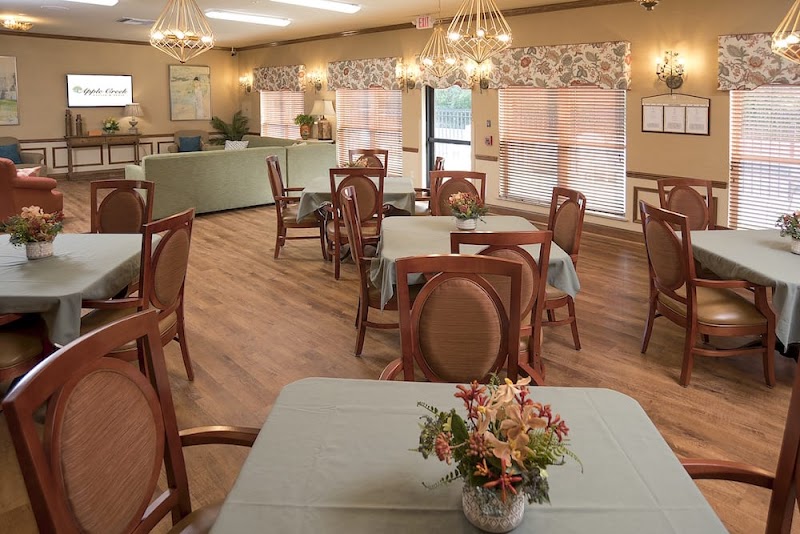
How is Apple Creek Health And Rehab, Llc Staffed?

CMS rates APPLE CREEK HEALTH AND REHAB, LLC's staffing level at 3 out of 5 stars, which is average compared to other nursing homes. Staff turnover is 54%, compared to the Arkansas average of 46%.

What Have Inspectors Found at Apple Creek Health And Rehab, Llc?

State health inspectors documented 11 deficiencies at APPLE CREEK HEALTH AND REHAB, LLC during 2022 to 2025. These included: 1 Immediate Jeopardy (the most serious level, indicating potential for serious harm or death), 9 with potential for harm, and 1 minor or isolated issues. Immediate Jeopardy findings are rare and represent the most serious regulatory concerns. They require immediate corrective action.
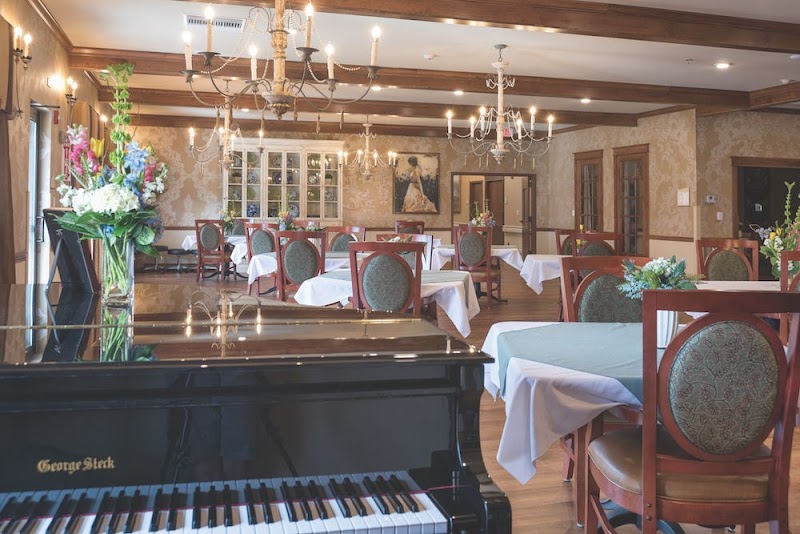
Who Owns and Operates Apple Creek Health And Rehab, Llc?

APPLE CREEK HEALTH AND REHAB, LLC is owned by a for-profit company. For-profit facilities operate as businesses with obligations to shareholders or private owners. The facility is operated by CENTRAL ARKANSAS NURSING CENTERS, a chain that manages multiple nursing homes. With 114 certified beds and approximately 96 residents (about 84% occupancy), it is a mid-sized facility located in CENTERTON, Arkansas.
How Does Apple Creek Health And Rehab, Llc Compare to Other Arkansas Nursing Homes?

Compared to the 100 nursing homes in Arkansas, APPLE CREEK HEALTH AND REHAB, LLC's overall rating (2 stars) is below the state average of 3.1, staff turnover (54%) is near the state average of 46%, and health inspection rating (2 stars) is below the national benchmark.

What Should Families Ask When Visiting Apple Creek Health And Rehab, Llc?

Based on this facility's data, families visiting should ask: "What changes have been made since the serious inspection findings, and how are you preventing similar issues?" "Can I visit during a mealtime to observe dining assistance and food quality?" "How do you handle medical emergencies, and what is your hospital transfer rate?" "Can I speak with family members of current residents about their experience?" These questions are particularly relevant given the facility's Immediate Jeopardy citations.

Is Apple Creek Health And Rehab, Llc Safe?

Based on CMS inspection data, APPLE CREEK HEALTH AND REHAB, LLC has documented safety concerns. Inspectors have issued 1 Immediate Jeopardy citation (the most serious violation level indicating risk of serious injury or death). The facility has a 2-star overall rating and ranks #100 of 100 nursing homes in Arkansas. Families considering this facility should ask detailed questions about what corrective actions have been taken since these incidents.

Do Nurses at Apple Creek Health And Rehab, Llc Stick Around?

APPLE CREEK HEALTH AND REHAB, LLC has a staff turnover rate of 54%, which is 8 percentage points above the Arkansas average of 46%. Moderate turnover is common in nursing homes, but families should still ask about staff tenure and how the facility maintains care continuity when employees leave.

Was Apple Creek Health And Rehab, Llc Ever Fined?

APPLE CREEK HEALTH AND REHAB, LLC has been fined $8,410 across 1 penalty action. This is below the Arkansas average of $33,163. While any fine indicates a compliance issue, fines under $50,000 are relatively common and typically reflect isolated problems that were subsequently corrected. Families should ask what specific issues led to these fines and confirm they've been resolved.

Is Apple Creek Health And Rehab, Llc on Any Federal Watch List?

APPLE CREEK HEALTH AND REHAB, LLC is not on any federal watch list. The most significant is the Special Focus Facility (SFF) program, which identifies the bottom 1% of nursing homes nationally based on persistent, serious quality problems. Not being on this list means the facility has avoided the pattern of deficiencies that triggers enhanced federal oversight. This is a positive indicator, though families should still review the facility's inspection history directly.