GREENHURST NURSING CENTER
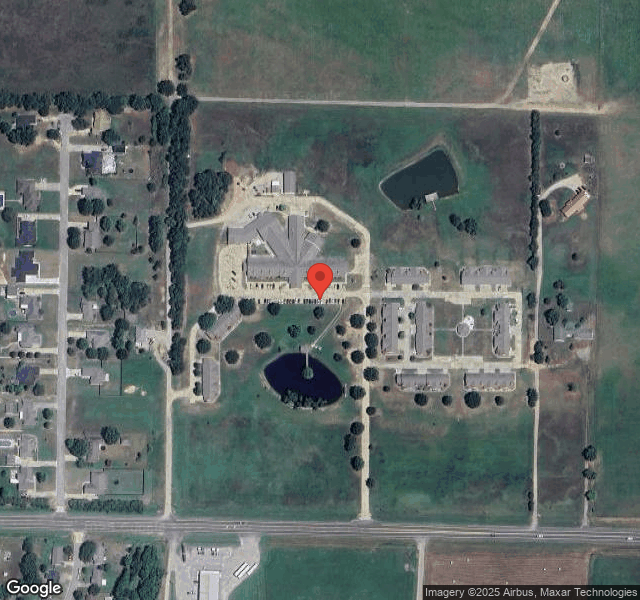

226 SKYLER DRIVE, CHARLESTON, AR 72933 (479) 965-7373
For profit - Limited Liability company 102 Beds Independent Data: November 2025
Trust Grade
90/100
#14 of 218 in AR
Last Inspection: July 2025

Inspected within the last 6 months. Data reflects current conditions.

Overview

Greenhurst Nursing Center in Charleston, Arkansas, has a Trust Grade of A, indicating it is considered excellent and highly recommended for families seeking care. It ranks #14 out of 218 facilities in Arkansas and is the top choice in Franklin County, suggesting a strong reputation among local options. The facility is improving, with reported issues decreasing from three in 2024 to two in 2025. Staffing is average, with a turnover rate of 42%, which is below the Arkansas average, but the facility has not faced any fines, reflecting good compliance with regulations. However, there were concerning incidents, including medications being left unattended and expired medications found in storage, which could pose risks to residents' health. Overall, while Greenhurst has many strengths, particularly in its rating and local standing, families should be aware of these specific areas needing improvement.

Trust Score
A
90/100
In Arkansas
#14/218
Top 6%
Safety Record
Low Risk
No red flags
Inspections
Getting Better
3 → 2 violations
Staff Stability
○ Average
42% turnover. Near Arkansas's 48% average. Typical for the industry.
Penalties
✓ Good
No fines on record. Clean compliance history, better than most Arkansas facilities.
Skilled Nurses
⚠ Watch
Each resident gets only 19 minutes of Registered Nurse (RN) attention daily — below average for Arkansas. Fewer RN minutes means fewer trained eyes watching for problems.
Violations
○ Average
10 deficiencies on record. Average for a facility this size. Mostly minor or procedural issues.
★★★★★
5.0
Overall Rating
★★★☆☆
3.0
Staff Levels
★★★☆☆
3.0
Care Quality
★★★★★
5.0
Inspection Score
Stable
2024: 3 issues
2025: 2 issues

The Good

  • Full Sprinkler Coverage · Fire safety systems throughout facility
  • No fines on record
  • Staff turnover below average (42%)

    6 points below Arkansas average of 48%

Facility shows strength in fire safety.

The Bad

Staff Turnover: 42%

Near Arkansas avg (46%)

Typical for the industry

The Ugly 10 deficiencies on record

Jul 2025 2 deficiencies
CONCERN (D)

Potential for Harm - no one hurt, but risky conditions existed

Deficiency F0582 (Tag F0582)

Could have caused harm · This affected 1 resident

Based on record review and interview, the facility failed to ensure an Advanced Beneficiary Notice (ABN) was provided within two business days and notification of their financial liability for care an...

Read full inspector narrative →
Based on record review and interview, the facility failed to ensure an Advanced Beneficiary Notice (ABN) was provided within two business days and notification of their financial liability for care and services after the Medicare coverage was discontinued for one (Resident #4) of three residents reviewed for ABN notices. The findings include: A review of Resident #4’s admission Record indicated the facility admitted the resident on 03/21/2025, with diagnoses which included vascular dementia with mild anxiety, stroke, prostate cancer, bone cancer, and personal history of transient ischemic attack. A review of Resident #4's quarterly Minimum Data Set with an Assessment Reference Date of 04/30/2024, revealed a Brief Interview for Mental Status score of 08, which indicated the resident had moderately impaired cognition. A review of Resident #4’s Care Plan, with a revision date of 03/27/2025, revealed the resident had a stroke. The resident’s Care Plan indicated a goal for Resident #4 to show improvement to maximum potential to perform activities of daily living. A review of Resident #4’s Skilled Nursing Facility Beneficiary Notification Review Forms on 07/23/2025 at 10:55 AM, revealed the form had been signed by Resident #4’s legal representative on 05/01/2025. The ABN revealed Resident #4 would be discharged on 05/01/2025. During an interview on 07/23/2025 at 11:04 AM, the Assistant Director of Nursing (ADON) stated he notified residents or residents’ legal representatives at least two days before a resident was to be discharged . The ADON reported he spoke to Resident #4’s legal representative by telephone two days before the facility was planning to discharge Resident #4 but had no documentation to verify the event. The ADON confirmed the ABN was signed on 05/01/2025, by Resident #4’s legal representative. The ADON stated it was important to notify and provide the ABN to a resident or resident representative, prior to the discharge, so home health, supplies, or referrals could be made in a timely manner. He also stated the ABN gave the information to the residents and/or resident representatives in case they wished to appeal the discharge from a skilled nursing bed. During an interview on 07/23/2025 at 11:15 AM, the Director of Nursing (DON) stated the ADON was responsible for notifying the resident or resident’s legal representative of the anticipated discharge from a skilled nursing bed and to complete the ABN. She verified the ABN was to be completed at least two days prior to the discharge. The DON verified Resident #4’s ABN was signed by their legal representative on 05/01/2025, which was the same day as the resident’s discharge from a skilled nursing bed. The DON reported Resident #4’s legal representative was notified of the anticipated discharge two days prior to the discharge via telephone by the ADON but could not provide documentation to verify the event. The DON stated when the facility notified a resident or resident’s representative by telephone the facility had a witness, and they would both sign the ABN verifying the event took place. During a phone interview on 07/23/2025 at 11:23 AM, Resident #4’s legal representative reported they were not informed via telephone or in person prior to the resident’s discharge. Resident #4’s legal representative revealed they did get informed of the discharge from a skilled nursing bed back to a long-term care bed on 05/01/2025 and the representative came to the facility and signed the ABN. The resident’s legal representative reported they were aware the discharge could have been happening soon, due to Resident #4 not participating with therapy, but was not made aware of a specific discharge date . During an interview on 07/24/2025 at 10:23 AM, the Medical Director verified the facility should notify residents and residents’ legal representatives at least two days before discharge from a skilled nursing bed. During an interview on 07/24/2025 at 11:47 AM, the Administrator stated residents and/or the resident’s legal representatives should be notified of a discharge from a skilled nursing bed and receive an ABN at least three days before the discharge, or when the facility made a determination of anticipated upcoming discharge before the discharge date . The Administrator stated the ABN made the resident or resident legal representative aware of the discharge and gave them the right to appeal the discharge if they decided to. The DON stated the facility did not have a policy related to ABNs.
CONCERN (E)

Potential for Harm - no one hurt, but risky conditions existed

Deficiency F0761 (Tag F0761)

Could have caused harm · This affected multiple residents

Based on observation, record review, and interview, it was determined that the facility did not ensure medications were stored securely while the medication cart was left unattended, for two (Hall 100...

Read full inspector narrative →
Based on observation, record review, and interview, it was determined that the facility did not ensure medications were stored securely while the medication cart was left unattended, for two (Hall 100 and Hall 200) of four medication carts. The findings include: During an observation of medication administration on 07/23/2025 at 9:07 AM, Licensed Practical Nurse (LPN) #1 left the medication cart unattended and proceeded up the hall from the 200-hall dining room to the medication storage room at the front of the facility, out of the sight of this surveyor. The medications left unattended on top of the cart included partial blister packs each of a beta-blocker used to treat high blood pressure, an alpha-blocker used to treat high blood pressure, a diuretic used to treat fluid retention, an anti-diabetic medication, a mineral supplement used to lower potassium levels, and a steroid. There was also one partial bottle each of chewable aspirin, a multi-vitamin with minerals, and a probiotic supplement. At 9:12 AM, LPN #1 returned to the medication cart and confirmed all the medications should have been placed in the medication cart, and the cart should have been locked, before the LPN left the cart. LPN #1 indicated the medications were left unattended on the top of the cart, because the surveyor was standing there with the medications. LPN #1 stated they were trained to not leave the medications out, due to residents or visitors having access to medications, stating “that’s my bad.” During an observation of medication administration on 07/23/2025 11:51 AM, a partial bottle of iron was left unattended on top of the medication cart, while LPN #2 left the cart to give medications across the hall. LPN #2 was out of eyesight of the medication cart for approximately 81 seconds. LPN #2 stated they were trained to ensure all meds were stored in the cart, and the cart was to be locked when unattended. A review of a Med Pass Observation Report, dated 07/18/2025, revealed a check mark on the “Met” column, next to “Medications are not left on top of cart…” with LPN #1’s name and signature on the report. A review of a Med Pass Observation Report, dated 07/18/2025, revealed a check mark on the “Met” column, next to “Medications are not left on top of cart…” with LPN #2’s name at the top of the report. A review of an in-service titled Controlled Substance, Medication Administration, dated 05/12/2025, revealed LPN #1 and LPN #2’s signatures of attendance. The training included medication storage, administration, and secure storage of narcotics. During an interview on 07/23/2025 at 2:08 PM, the Director of Nursing (DON) clarified the facility’s policy and expectation was that medications were not to be left on top of the medication cart, when the cart was left unattended. She confirmed medications were to be secured inside the medication cart. The DON verified LPN #1 and LPN #2 were trained on 05/12/2025, on medication administration and storage, with medication administration audits completed on 07/18/2025 that included both LPN #1 and LPN #2. During an interview on 07/24/2025 at 10:24 AM, the Medical Director confirmed the expectation was that medications should be stored securely and away from non-licensed staff when unattended. During an interview on 07/24/2025 at 11:46 AM, the Administrator confirmed the expectation was that facility staff would follow the facility policies, and medications should be stored securely away from non-licensed staff, when unattended. A review of the “Medication Storage in the Facility,” policy with an effective date of 01/01/2015, read, in part, medications were stored securely, only assessable to licensed nursing personnel or staff members lawfully authorized to administer medications.
Apr 2024 3 deficiencies
CONCERN (E)

Potential for Harm - no one hurt, but risky conditions existed

Deficiency F0761 (Tag F0761)

Could have caused harm · This affected multiple residents

**NOTE- TERMS IN BRACKETS HAVE BEEN EDITED TO PROTECT CONFIDENTIALITY** Based on observation, interview and record review, the facility failed to ensure drugs and biologicals were stored and labeled i...

Read full inspector narrative →
**NOTE- TERMS IN BRACKETS HAVE BEEN EDITED TO PROTECT CONFIDENTIALITY** Based on observation, interview and record review, the facility failed to ensure drugs and biologicals were stored and labeled in accordance with currently accepted professional principles/practices to prevent administration of medicines that had been opened and stored beyond the manufacturer's specified timeframes, and the administration of expired medications in 1 of 1 medication rooms and 2 of 4 medication carts. The findings are: On 04/15/2024 at 11: 30 AM, in Medication Storage room [ROOM NUMBER] the first upper cabinet had 13 Covid tests that all shared the same expiration date of 11/10/2023. The second upper cabinet contained 1 tube of a nonsteroidal anti-inflammatory cream with an expiration date of 06/2019 and 1 bottle of eye drops that expired 03/2022. On 04/15/2024 at 11:41 AM, the Assistant Director of Nursing (ADON) was asked what nurses do with expired prescription medications. The ADON reported the nurses will bring them to this locked medication storage room. The information, such as name of medication, strength, and quantity is recorded in the blue book. The Pharmacist comes in once a month and picks up the expired medications to destroy them. On 04/16/2024 at 12:29 PM, in a medication cart on the 300 Hall, there was a box of medication used to treat Type II diabetes that had a pen that had been opened. There was no open date on the pen or box. The manufacturer's insert for the medication documented that the pen was good for 56 days after opening. On 04/16/2024 at 02:27 PM, LPN #4 was asked how often he checks his medication cart for expired drugs. He answered, Once weekly. On 04/16/2024 at 09:48 AM, the Administer provided the Medication Storage and Labeling Guidelines which documented, .Drugs are not to be kept on hand after the expiration date which appears on the label. Outdated, contaminated, or deteriorated drugs, and those in containers which are cracked, soiled or without secure closures are to be immediately withdrawn from stock, re-ordered from the pharmacy if a current order exists for any patient, and disposed of in accordance with the procedures for drug destruction .
CONCERN (E)

Potential for Harm - no one hurt, but risky conditions existed

Infection Control (Tag F0880)

Could have caused harm · This affected multiple residents

**NOTE- TERMS IN BRACKETS HAVE BEEN EDITED TO PROTECT CONFIDENTIALITY** On 04/17/24 at 10:05 AM, the Surveyor observed a laundry cart uncovered with clean clothes. Laundry Aide #1 was putting up cloth...

Read full inspector narrative →
**NOTE- TERMS IN BRACKETS HAVE BEEN EDITED TO PROTECT CONFIDENTIALITY** On 04/17/24 at 10:05 AM, the Surveyor observed a laundry cart uncovered with clean clothes. Laundry Aide #1 was putting up clothes in room [ROOM NUMBER] and did not use hand hygiene when picking up the next residents' clothes to put up in the same room. Laundry Aide #1 then continued with the task of putting up the clean clothes. On 04/17/24 at 11:15 AM, the Surveyor asked Laundry Aide #1 should clean laundry be covered when transported to the resident's room. Laundry Aide #1 said yes, I always keep my cart covered when transporting laundry. The Surveyor asked what is the concern by not covering clean laundry when transporting. Laundry Aide #1 said well you never know what will happen down the hall, the clothes could get something splashed on them, they could get dirty. Based on record review, observation and interview, the facility failed to ensure staff performed hand hygiene to prevent the contamination of clean laundry/linens and further prevent the potential spread of infection. The findings are: Review of a facility policy titled, Infection Control, not dated, specified, [Facility] establishes and maintains an infection control program designed to provide a safe, sanitary, and comfortable environment and to help prevent the development and transmission of disease and infection. Procedure: Infection control is managed not only through basic hygiene but managed through the QA [Quality Assurance] Committee, for review of infection control tracking and trends; quarterly . Clean Linens and Clothing: Resident should have clean linens to prevent any infections. Linens should be changed and cleaned when dirty or soiled. Clothing should always be clean and look neat . Hands should be washed before handling clean linens . Clean linens and clothing should not be shaken or placed in areas that may contain environmental contamination, i.e. [that is], air conditioners, chairs, etc [etcetera]. Any linens or cloth that is contaminated needs to be rewashed . On 04/16/2024 at 10:57 AM, Laundry Aide #2 entered the laundry room on the clean side carrying a handful of plastic hangers. Laundry Aide #2 placed the plastic hangers on a bar near a sink. The hangers were not cleaned prior to hanging them up. Laundry Aide #2 did not perform hand hygiene after entering the clean side of the laundry room. Laundry Aide #2 was asked if the hangers were sanitized/cleaned prior to hanging them up. Laundry Aide #2 stated, No, I just took them out of the resident's closets and brought them here. We don't sanitize the hangers unless they are in COVID 19 rooms. Laundry Aid #2 was observed to remove a bed pad from a grey plastic container with wheels, containing clean linen, and started folding the bed pad. Laundry Aide #2 did not sanitize/wash her hands prior to folding the bed pad. Laundry Aide #2 was asked if she performed hand hygiene before folding the clean linens. Laundry Aide #2 stated, I sanitized my hands after each resident room. Laundry Aide #2 was asked if she entered from outside the facility, then opened the door to the laundry room before folding linens. Laundry Aide #2 stated, I did not wash or sanitize my hands. Laundry Aide #2 continued to fold clean linen and placing the linen on the folding table without performing hand hygiene. On 04/16/2024 at 11:02 AM Laundry Aide #1 was asked why should hand hygiene be performed before folding clean linens. Laundry Aid #1 stated, Could get germs on it or cross contaminate. On 04/16/2024 at 11:03 AM, Laundry Aide #2 was asked why should hand hygiene be performed before folding clean linens. Laundry Aide #2 stated, So no germs on the linens. On 04/17/24 09:14 AM, the Assistant Director of Nursing (ADON)/Infection Control Nurse was asked how are clean linens handled in laundry? The ADON stated, They have a folding table that is sanitized after every load. The ADON was asked should staff perform hand hygiene before handling clean linens? The ADON stated, They should wash their hands prior to touching clean linens. The ADON was asked why should hand hygiene be performed before handling clean linens? The ADON stated, Distributing germs to clean linens that are going to residents.
CONCERN (F)

Potential for Harm - no one hurt, but risky conditions existed

Staffing Data (Tag F0851)

Could have caused harm · This affected most or all residents

Based on interview and record review, the facility failed to provide mandatory staffing payroll data in a uniform format to CMS (Center for Medicare and Medicaid Services). The findings include: 1. T...

Read full inspector narrative →
Based on interview and record review, the facility failed to provide mandatory staffing payroll data in a uniform format to CMS (Center for Medicare and Medicaid Services). The findings include: 1. The data that CMS received from the facility did not include the CASPER (Certification and Survey Provider Enhanced Reporting) PBJ (Payroll Based Journal) mandatory staffing data. According to policy, the failure to not submit the mandatory data within the date range specified to the facility by CMS, constitutes a citation. a. According to CMS regulations, long-term care facilities must electronically submit to CMS complete and accurate direct care staffing information, including information for agency and contract staff, based on payroll and other verifiable and auditable data in a uniform format according to specifications established by CMS. b. The facility must electronically submit to CMS complete and accurate direct care staffing information, including the following: The category of work for each person on direct care staff (including, but not limited to, whether the individual is a registered nurse, licensed practical nurse, licensed vocational nurse, certified nursing assistant, therapist, or other type of medical personnel as specified by CMS); Resident census data; information on direct care staff turnover and tenure, and on the hours of care provided by each category of staff per resident per day (including, but not limited to, start date, end date (as applicable), and hours worked for each individual) distinguishing employee from agency and contract staff. When reporting information about direct care staff, the facility must specify whether the individual is an employee of the facility or is engaged by the facility under contract or through an agency. The facility must submit direct care staffing information in the uniform format specified by CMS. The facility must submit direct care staffing information on the schedule specified by CMS, but no less frequently than quarterly. c. On 04/18/2024 at 08:40 AM, the Administrator confirmed being responsible for completing the staffing reports and sending them into CMS. The Surveyor asked, Can you tell me a little bit about the process of submitting the PBJ report? The Administrator stated, Two reports are received. One is from our facility, and the other is for ancillary staff such as Occupational Therapy and Physical Therapy. Both reports are sent in a zip file. I then export the two files and create one zip file to submit. The Administrator was asked who was responsible for checking for accuracy. The Administrator stated, That would be my responsibility as well. The Administrator was asked if she knew when the report had been validated. The Administrator stated, Twenty four hours after upload is successful, you login and run the report and download the PBJ provider validation report and be sure to save it. It's my fault that I did not save the report and I am responsible for this deficiency.
Mar 2023 5 deficiencies
CONCERN (D)

Potential for Harm - no one hurt, but risky conditions existed

Assessment Accuracy (Tag F0641)

Could have caused harm · This affected 1 resident

**NOTE- TERMS IN BRACKETS HAVE BEEN EDITED TO PROTECT CONFIDENTIALITY** Based on observation, record review and interview, the facility failed to accurately record the Minimum Data Set (MDS) assessmen...

Read full inspector narrative →
**NOTE- TERMS IN BRACKETS HAVE BEEN EDITED TO PROTECT CONFIDENTIALITY** Based on observation, record review and interview, the facility failed to accurately record the Minimum Data Set (MDS) assessment for 2 Residents #89, #94 of 22 (#1, #4, #6, #7, #11, #14, #16, #19, #27, #34, #38, #39, #45, #50, #66, #75, #77, #78, #88, #89, #93, #94) sampled Residents whose MDS was reviewed. The findings are: 1.Resident (R) #89 was admitted to the facility on [DATE]with diagnoses of Psychotic Disturbance, Mood Disturbance, and Anxiety Disorder. A Quarterly with an Assessment Reference Date (ARD) of 12/24/22 documented R #89 was severely impaired in cognitive skills for daily decision making on a Staff Assessment of Mental Status (SAMS). Wandering behavior not exhibited documented in section E. Pressure alarms were not documented in section P of the MDS. a. A Record Review Progress Notes dated 11/28/22 at 11:21 documented, .Incident Note Text: Clarification of recent incident report. Resident did not trip over stool. As she was ambulating across the room unassisted her alarm box that was hanging at her side detached and fell to the floor, this caused resident to bend over to pick it up off the floor and when she stood back up, she lost her balance and fell back. Will replace clip alarm with ghost alarm to prevent further falls . b. On 03/13/23 at 11:13 am., R #89 was in her room, sitting in a recliner with the footrest elevated. She had a pressure alarm on the bed and in her chair. She was nonverbal. c. The Physician Orders dated 03/14/23 at 2:25 pm were reviewed and documented, Alarms - (pressure alarm to bed, and ghost alarm to chair) Active 11/28/22 .Change Wander guard as it is due to expire tomorrow on (01/23/24) one time only for 1 Day Active 02/24/23 . CHECK PLACEMENT AND BATTERY OF WANDERGUARD Q SHIFT every shift Active 03/10/22 . d. The Care Plan dated 03/14/23 at 2:52 pm was reviewed and documented, . Bed/chair alarm to alert staff that resident has gotten up, alarm does not inhibit her from getting up and ambulating Revision on: 11/18/22 . Clip alarm changed to ghost alarm Date Initiated: 11/28/22 . e. On 03/15/23 at 8:55 am., the Surveyor asked the MDS Coordinator to look at section P of the Quarterly MDS with ARD of 12/24/22 and if the bed and chair alarm documented on the care plan should be documented in that section. She stated, Yes ma'am, I made an error, I will fix it. The Surveyor asked for the facility Policy and Procedure for MDS assessments. The MDS Coordinator stated, We use the RAI [Resident Assessment Instrument manual] and provided Section P from the CMS [Center for Medical and Medicaid Services] RAI version 3.0 dated October 2019. f. The CMS RAI version 3.0 dated October 2019 documented on page P-9, .Coding instructions .Identify all alarms that were used at any time (day or night) during the 7-day-look-back period. Code the frequency of use: Code 2, used daily: if the device was used on a daily basis during the look-back period . 2. Resident #94 had a diagnosis of Senile Degenerative Brain Disease. The Significant Change MDS with an ARD of 11/28/22 under section O0100K Hospice Care was marked no. a. The Physician's Order dated (11/18/22) documented, admitted to hospice care. b. On 03/13/23 at 9:20 AM, the Surveyor asked the MDS Coordinator to review R #94's MDS Significant Change dated 11/28/22 She stated, It should have been recorded as yes and further stated, RAI manual is used for instructions in completing the assessments. c. Review of RAI version 3.0, dated October 2019, section O0100K documented, Code residents identified as being in a hospice program for terminally ill persons where an array of services is provided for the palliation and management of terminal illness and related conditions.
CONCERN (D)

Potential for Harm - no one hurt, but risky conditions existed

PASARR Coordination (Tag F0644)

Could have caused harm · This affected 1 resident

Based on record review and interview, the facility failed to refer 1 (Resident #88) sampled resident who was identified with a newly evident or possibly serious mental illness or intellectual disabili...

Read full inspector narrative →
Based on record review and interview, the facility failed to refer 1 (Resident #88) sampled resident who was identified with a newly evident or possibly serious mental illness or intellectual disability to the appropriate state-designated authority for Level II PASARR evaluation and determination. This failed practice had the potential to affect 13 residents in the facility who had a diagnosis of serious mental illness or intellectual disability as documented on a list provided by the Administrator on 03/16/23 at 8:00 AM. The findings are: 1. Resident #88 had a diagnosis of Psychotic Disorder with Delusions Due to Known Psychological Condition. The Quarterly Minimum Data Set (MDS) with an Assessment Reference Date (ARD) of 02/22/23 documented a score of 4 (0-7 indicates severe impairment) on the Brief Interview for Mental Status (BIMS). a. The Physician's Order dated 12/09/22 documented, Seroquel Tablet 25 MG [milligrams], Quetiapine Fumarate Give 0.5 tablet by mouth at bedtime related to other psychotic disorder not due to a substance or known physiological condition - d/c (discontinued) 12/29/22. b. The Physician's Order dated 12/29/22 documented, Seroquel Tablet 25 MG (Quetiapine Fumarate) Give 1 tablet by mouth at bedtime related to PSYCHOTIC disorder with delusions due to known physiological condition - d/c 01/05/23. c. The Physician's Order dated 01/05/23 documented, Quetiapine Fumarate Tablet 25 MG Give 1 tablet by mouth two times a day for Psychoses that may cause her to harm herself related to psychotic disorder with delusions due to known physiological condition -d/c 02/24/23. d. The Physician's Order dated 02/24/23 documented, Quetiapine Fumarate Tablet 50 MG Give 1 tablet by mouth two times a day for delusions/psychosis e. A review of the Electronic Medical Record on 03/13/23 at 02:41 PM, showed no documentation from State Designated Professional Associates. f. On 03/14/23 at 01:11 PM., the Surveyor asked the Director of Nursing (DON) to provide a PASARR for Resident #88. On 03/14/23 at 1:50 PM., the DON stated, It was not required to do one on her. g. On 03/14/23 at 03:13 PM., the Surveyor asked the DON, Please explain to me why R #88 did not require a PASARR? She stated, She was not on Seroquel when she was admitted . The order for Seroquel came months later. The Surveyor asked, Was a Level 2 done with the new diagnosis of Psychosis? She answered, I will have to look. That was before I was the DON. h. On 03/14/23 at 03:15 PM., The Surveyor asked the Administrator to provide the PASARR policy. He stated, I don't think we have a PASARR policy. We just follow the law. The Surveyor asked, What does the law state regarding a new mental health diagnosis? He answered, I know what you are saying. i. On 03/14/23 at 03:30 PM., The Administrator stated, We have not been able to find a State Designated Professional Associates letter for her. We think this may have gotten missed when those were waived. j. On 03/16/23 at 09:20 AM., The Surveyor asked, What should a facility do when a resident gets a new diagnosis of a severe mental illness? The DON answered, We should do a State Designated Professional Associates letter. The Surveyor asked, Why should they do that? She answered, To make sure they are appropriate for the facility.
CONCERN (D)

Potential for Harm - no one hurt, but risky conditions existed

Tube Feeding (Tag F0693)

Could have caused harm · This affected 1 resident

**NOTE- TERMS IN BRACKETS HAVE BEEN EDITED TO PROTECT CONFIDENTIALITY** Based on observation, record review and interview the facility failed to ensure proper placement of gastrostomy tube was checked...

Read full inspector narrative →
**NOTE- TERMS IN BRACKETS HAVE BEEN EDITED TO PROTECT CONFIDENTIALITY** Based on observation, record review and interview the facility failed to ensure proper placement of gastrostomy tube was checked prior to water flush and medication administration based on professional standards of care for 1 (Resident #79) of 2 (#1, #79) sampled Residents reviewed with Physician Orders for gastrostomy tube feedings. This failed practice had the potential to affect 3 residents according to a list provided by the Administrator on 03/16/23 at 8:00 AM. 1.Resident #79 was admitted to the facility on [DATE] with Diagnoses of Dysphagia following Cerebral Infarction, Disorders of Eustachian Tube, and Encounter for Attention to Gastrostomy. A Quarterly Minimum Data Set (MDS) with an Assessment Reference Date (ARD) of 12/19/22 documented Resident #79 was severely impaired in cognitive skills for daily decision making on a Staff Assessment for Mental Stats (SAMS) and required total one-person physical assistance for eating. Section K documented a Feeding tube. a. The Care Plan dated 06/10/21 documented, Check for tube placement per facility protocol .Provide feedings and flushes as ordered. See Medication Administration Record (MAR) for current orders Date Initiated: 06/10/21 . b. The Record Review of Physician Orders dated 09/05/22 documented, Check peg tube placement Q-Shift (every shift). c. On 03/15/23 at 08:02 AM., Licensed Practical Nurse (LPN) #1 administered medications in Resident #79's room. LPN #1 disconnected Resident #79's continuous tube feeding from the gastrostomy tube, attempted to flush the tube with 50 cc [cubic centimeters] of water but it would not flow, and the water ran out of the syringe on the resident's clothing and sheet. LPN #1 left the room and returned with a de clogger, opened and used it in the feeding tube. She flushed with 50 cc of water, gave medications mixed with water, flushed with another 50 cc of water after the medications were given, reconnected the continuous feeding tubing, and turned the feeding pump back on. LPN #1 did not check for feeding tube placement by auscultation after disconnecting the continuous feeding tubing and flushing with water before administering medications. d. On 03/15/23 at 9:15 AM., the Surveyor asked The Director of Nursing (DON) for a Policy and Procedure on care and de-clogging of feeding tubes including medication administration through the feeding tube. e. On 03/15/23 at 10:15 AM., the Surveyor asked the DON if placement of feeding tube should be completed before flushing with water and administering medications and why. The DON stated, It should have been done, I have retraining to do. The resident could aspirate, the feeding tube could have dislodged or perforated that could cause Peritonitis. f. On 03/15/23 at 10:43 AM., the Surveyor asked LPN #1 if placement of Resident #79's feeding tube should have been checked with auscultation of air before administering water flush and medications. LPN #1 stated, I did it this morning before medication administration, it's checked once per shift. It has always been that way since I have worked here, about a year. It is checked off on the MAR. g. The facility policy titled Gastrostomy Tube Feedings provided by the DON on 03/15/23 documented, .Check placement of tube prior to feeding a. Placement of gastrostomy tubes are checked every time it is disconnected and reattached, and prior to giving medications. d. Be sure tube is in stomach before feeding begins. Check tube position by injecting 10-5 ml [milliliters] of air and listening over the epigastric area with a stethoscope to hear air enter the stomach. You may also aspirate gastric content from the tube .
CONCERN (E)

Potential for Harm - no one hurt, but risky conditions existed

Respiratory Care (Tag F0695)

Could have caused harm · This affected multiple residents

Based on observation, record review and interview, the facility failed to provide specialized respiratory care in accordance with professional standards of practice for 1 (Resident #66) of 5 (#16, #39...

Read full inspector narrative →
Based on observation, record review and interview, the facility failed to provide specialized respiratory care in accordance with professional standards of practice for 1 (Resident #66) of 5 (#16, #39, #50, #66, #245) sampled Residents who had a Physician's Order for nebulizer treatments as documented on a list provided by the Director of Nursing on 03/16/23 at 9:55 a.m. The findings are: 1.Resident #66 had a diagnosis of Acute Respiratory Failure with Hypoxia. The Annual Minimum Data Set (MDS) with an Assessment Reference Date (ARD) of 01/12/23 documented a score of 15 (11-15 indicates cognitively intact) on the Brief Interview for Mental Status (BIMS). a. On 03/13/23 at 11:15 a.m., Resident #66 was sitting in a recliner beside the bed. A nebulizer machine with tubing and mask were lying on the bed. The tubing and mask were not stored in a bag. b. On 03/13/23 at 01:10 p.m., Resident #66 was sitting in a recliner beside the bed. A nebulizer machine with tubing and mask were lying on the bed. The tubing and mask were not stored in a bag. The Surveyor asked, Who put that mask on your bed? She answered, I did. I started getting those breathing treatments Saturday night. The Surveyor asked, Do you do your own breathing treatments? She answered, Yes. The nurses put the medicine in there and I take it off in 15 minutes when the medicine is gone. c. On 03/14/23 at 01:53 p.m., R #66 was not in the room. The nebulizer machine with tubing and mask were lying on the bed. The tubing and mask were not stored in a bag. d. On 03/14/23 at 02:00 p.m., the Surveyor asked the Director of Nursing (DON) to provide R #66's Assessment for Self-Administration of Medications. She stated, We don't have one for her. e. The facility policy titled, Nebulizer Therapy, which was provided by the Administrator on 03/14/23 at 03:30 p.m. documented, It is the policy of this facility for nebulizer treatments, once ordered, to be administered by nursing staff as directed using proper technique .Observe resident during the procedure for any change in condition .Disassemble and rinse the nebulizer with sterile or distilled water and allow to air dry .Clean after each use .Disassemble parts after every treatment .Air dry on absorbent towel .Once completely dry, store the nebulizer cup and the mouthpiece in a zip lock bag . f. The facility policy titled, Resident Self-Administration of Medication, which was provided by the Administrator on 03/14/23 at 03:30 p.m. documented, .A resident may only self-administer medications after the facility's interdisciplinary team has determined which medications may be self-administered safely .Each resident is offered the opportunity to self-administer medications, and if preferred, after an assessment by the facility's interdisciplinary team .The care plan must reflect the resident self-administration . g. A review of Physician's Order dated 03/15/23 documented, Albuterol Sulfate Inhalation Nebulization Solution 0.63 MG milligrams]/3ML [milliliter], (Albuterol Sulfate) 1 vial inhale orally [by way of] nebulizer three times a day for Wheezing for 7 Days. h. Review of the Care Plan dated 03/15/23 did not document Self-Administration of Medications. i. A review of Defined Assessments dated 03/15/23 showed no assessment for Self-Administration of Medications. j. A review of Resident #66's March 2023 Medication Administration Record (MAR) documented, Albuterol Sulfate Inhalation Nebulization Solution 0.63 MG/3ML (Albuterol Sulfate) 1 vial inhale orally via nebulizer three times a day for Wheezing for 7 Days - Start Date 03/12/23, with nurse initials on 03/12/23, 03/13/23, and 03/14/23 at 9:00 a.m., 5:00 p.m., and 8:00 p.m., and nurse initials on 03/15/23 at 9:00 a.m. k. On 03/15/23 at 11:00 a.m., the Surveyor asked Licensed Practical Nurse (LPN) #2 What do the initials on the MAR mean? She answered, It means the resident received the medication. The Surveyor asked, Does Resident #66 self-administer her medications? She answered, I watch her. The Surveyor asked, Is she assessed to self-administer her medications? She answered, I don't know. The Surveyor asked, What could happen if a resident administers their own medications when they are not assessed? She answered, There's a risk for choking, not taking them completely or getting the entire dose. Or they could throw them in the trash. The Surveyor asked, Does Resident #66 ever refuse her medications? She answered, Not that I know of. The Surveyor asked, How are you supposed to store the nebulizer mask and tubing? She answered, In a Ziplock bag with the date it was changed. The Surveyor asked, What could happen if the nebulizer mask and tubing are not stored appropriately? She answered, Bacteria. l. On 03/16/23 at 09:36 a.m., the Surveyor asked the DON, What should a facility do if a resident wants to self-administer medications? She answered The Interdisciplinary Team meets, and we discuss it. We don't do an assessment form. The nurses still administer the medications to them. We do not leave medications in the room. The Surveyor asked, What could happen if a resident is not assessed to self-administer medications? She answered, It could cause harm. They could take too much or not enough. The Surveyor asked, What is the appropriate way to store a nebulizer mask and tubing? She answered, In a bag. The Surveyor asked, What should the nurse do when a resident takes a nebulizer treatment? She answered, Stay with them. Clean it out. Rinse it and put it in a bag once it's dry. The Surveyor asked, What could happen if a nebulizer mask and tubing is stored incorrectly? She answered, It can grow all kinds of nasty critters.
CONCERN (E)

Potential for Harm - no one hurt, but risky conditions existed

Deficiency F0761 (Tag F0761)

Could have caused harm · This affected multiple residents

Based on observation, record review and interview, the facility failed to ensure medications were stored and labeled properly for 1 (Resident #38) sampled Resident on the 100 Hall, and the facility fa...

Read full inspector narrative →
Based on observation, record review and interview, the facility failed to ensure medications were stored and labeled properly for 1 (Resident #38) sampled Resident on the 100 Hall, and the facility failed to ensure a medication was not left unattended on top of the 200 Hall medication cart. This failed practice had the potential to affect 58 residents who resided on the 100 and 200 Halls, as documented on the Midnight Census Report provided by the Administrator on 03/13/23 at 11:54 AM. The Findings are: 1. Resident (R) #38 had a diagnosis of Fracture Right Radius and Ulna. The Quarterly Minimum Data Set (MDS) with an Assessment Reference Date (ARD) of 01/11/23 documented a score of 15 (11-15 indicates cognitively intact) on the Brief Interview for Mental Status (BIMS). a. The Care Plan on 03/15/23 at 1:11 PM dated 01/06/23, .desires to administer own medication when dispensed by the nurse . will maintain medicine cup and take within time frame for administration once nurse has dispensed . b. The Physician's Order on 03/15/23 at 1:12 PM, dated 01/16/23 documented, Throat Lozenges Mouth/Throat Lozenge (Throat Lozenges) Give 1 lozenge by mouth as needed for sore throat. c. On 03/13/23 at 11:51 AM, R #38 was sitting in the recliner. A box of Throat Lozenges with no pharmacy label was on the overbed table. d. On 03/13/23 at 01:28 PM, R #38 was sitting in the recliner eating lunch. A box of Throat Lozenges with no pharmacy label was on the overbed table. e. A review of the Electronic Medical Record on 03/14/23 at 8:32 AM showed no Assessment to Self-Administer Medications. f. On 03/14/23 at 08:48 AM, R #38 was in bed with eyes closed. A box of Throat Lozenges with no pharmacy label was on the overbed table. g. On 03/14/23 at 09:05 AM, a review of the pharmacy label the label on the box documented, In case of overdose, get medical help or contact Poison Control Center . h. On 03/14/23 at 10:55 AM, the Surveyor asked R #38, Are those your throat Lozenges? She answered, Yes, I have had a sore throat and I just took a cough drop while ago. The Surveyor asked, How often do you take those? She answered, I don't know how often I can take them. i. On 03/14/23 at 01:52 PM, the Surveyor asked the Director of Nursing (DON) to provide a Self-Administration of Medication Assessment for R #38. She stated, We don't have one for her. j. On 03/14/23 at 03:05 PM, the Surveyor asked the Administrator to provide the policies for Self-Administration of Medication and Medication Storage. k.The facility policy titled, Resident Self-Administration of Medication provided by the Administrator on 03/14/23 at 03:30 PM documented, .Bedside medication storage is permitted only when it does not present a risk to confused residents who wander into the other resident's rooms . l.The facility policy titled, Medication Storage provided by the Administrator on 03/14/23 at 03:30 PM documented, It is the policy of this facility to ensure all medications housed on our premises will be stored in the .medication rooms .All drugs and biologicals will be stored in locked compartments (i.e., medication carts, cabinets, drawers, refrigerators, medication rooms) . m. On 03/16/23 at 09:36 AM, the Surveyor asked the DON, What should a facility do if a resident wants to self-administer medications? She answered The Interdisciplinary Team meets, and we discuss it. We don't do an assessment form. The nurses still administer the medications to them. We do not leave medications in the room. She was The Surveyor asked, What could happen if a resident is not assessed to self-administer medications? She answered, It could cause harm. They could take too much or not enough. 2. On 03/15/23 at 8:16 AM, a bottle (17.9 ounces) of [laxative] (½ full), was sitting on the top of the medication cart unattended. a. On 03/15/23 at 8:30 PM, a review of the MATERIAL SAFETY DATA SHEET page 1. showed, .#2 Hazards Identification: WARNING! May be harmful if swallowed in amounts greater than indicated . b. On 03/15/23 at 9:50 AM, the Surveyor asked LPN #1 if the bottle of [laxative] should have been left out on top of the cart, and he stated, No ma'am. The Surveyor asked, What could have happened? He stated, A resident could have taken it. c. On 03/15/23 at 9:59 AM, the Surveyor asked the MT if a bottle of [laxative] should have been left out on top of the medication cart and he stated, No ma'am, it is a medication. The Surveyor asked, What could have happened? He stated, A resident could have gotten it and taken it. d. On 03/16/23 at 9:20 AM, the Surveyor asked the Director of Nursing (DON) if a medication should ever be left unattended/unlocked, she stated, No. The Surveyor asked, What could happen? The DON stated, A resident can get it and take it. The Surveyor asked, What could happen if a resident ingests it? She stated, Overdose on whatever it was they got, or it could interact with one of their medications. e. On 03/16/23 at 09:36 AM, the Surveyor asked the DON, How should medications be stored in a resident room? She answered, We don't store them in the resident rooms. The Surveyor asked, What could happen if a medication is not stored correctly? She answered, It could get in the hands of a resident. Also, if it needs to be stored at a certain temperature. The Surveyor asked, Should medications have a label? She answered, Yes. The Surveyor asked, What could happen if a medication does not have a label? She answered, How do you know who it belongs to or the correct dose? How can you do the five rights of medication administration?
Understanding Severity Codes (click to expand)
Life-Threatening (Immediate Jeopardy)
J - Isolated K - Pattern L - Widespread
Actual Harm
G - Isolated H - Pattern I - Widespread
Potential for Harm
D - Isolated E - Pattern F - Widespread
No Harm (Minor)
A - Isolated B - Pattern C - Widespread

Questions to Ask on Your Visit

  • "Can I speak with families of current residents?"
  • "What's your RN coverage like on weekends and overnight?"

Our Honest Assessment

Strengths
  • • Grade A (90/100). Above average facility, better than most options in Arkansas.
  • • No major safety red flags. No abuse findings, life-threatening violations, or SFF status.
  • • No fines on record. Clean compliance history, better than most Arkansas facilities.
  • • 42% turnover. Below Arkansas's 48% average. Good staff retention means consistent care.
Concerns
  • • No significant concerns identified. This facility shows no red flags across CMS ratings, staff turnover, or federal penalties.
Bottom line: Generally positive indicators. Standard due diligence and a personal visit recommended.

About This Facility

What is Greenhurst Nursing Center's CMS Rating?

CMS assigns GREENHURST NURSING CENTER an overall rating of 5 out of 5 stars, which is considered much above average nationally. Within Arkansas, this rating places the facility higher than 99% of the state's 100 nursing homes. This rating reflects solid performance across the metrics CMS uses to evaluate nursing home quality.

How is Greenhurst Nursing Center Staffed?

CMS rates GREENHURST NURSING CENTER's staffing level at 3 out of 5 stars, which is average compared to other nursing homes. Staff turnover is 42%, compared to the Arkansas average of 46%. This relatively stable workforce can support continuity of care.

What Have Inspectors Found at Greenhurst Nursing Center?

State health inspectors documented 10 deficiencies at GREENHURST NURSING CENTER during 2023 to 2025. These included: 10 with potential for harm.
Who Owns and Operates Greenhurst Nursing Center?

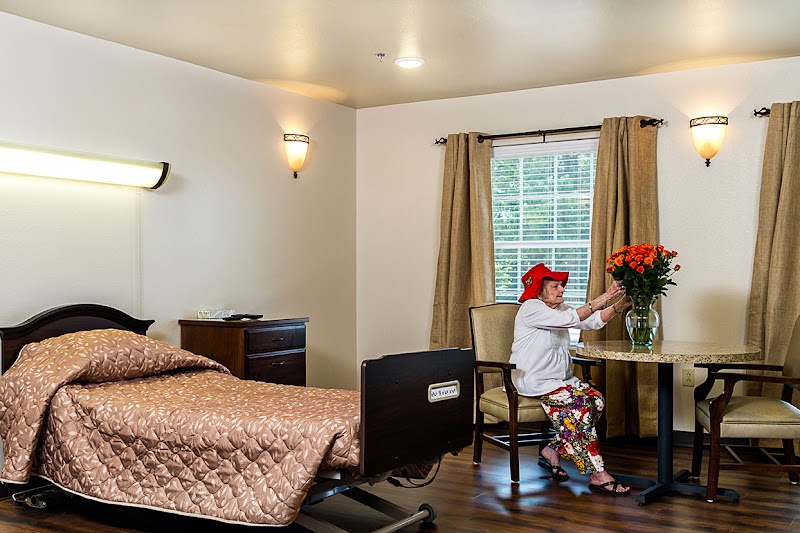
GREENHURST NURSING CENTER is owned by a for-profit company. For-profit facilities operate as businesses with obligations to shareholders or private owners. The facility operates independently rather than as part of a larger chain. With 102 certified beds and approximately 89 residents (about 87% occupancy), it is a mid-sized facility located in CHARLESTON, Arkansas.

How Does Greenhurst Nursing Center Compare to Other Arkansas Nursing Homes?

Compared to the 100 nursing homes in Arkansas, GREENHURST NURSING CENTER's overall rating (5 stars) is above the state average of 3.2, staff turnover (42%) is near the state average of 46%, and health inspection rating (5 stars) is much above the national benchmark.

What Should Families Ask When Visiting Greenhurst Nursing Center?

Based on this facility's data, families visiting should ask: "Can I visit during a mealtime to observe dining assistance and food quality?" "How do you handle medical emergencies, and what is your hospital transfer rate?" "Can I speak with family members of current residents about their experience?"

Is Greenhurst Nursing Center Safe?

Based on CMS inspection data, GREENHURST NURSING CENTER has a clean safety record: no substantiated abuse findings (meaning no confirmed cases of resident harm), no Immediate Jeopardy citations (the most serious violation level indicating risk of serious injury or death), and is not on the Special Focus Facility watch list (a federal program monitoring the lowest-performing 1% of nursing homes). The facility has a 5-star overall rating and ranks #1 of 100 nursing homes in Arkansas. While no facility is perfect, families should still ask about staff-to-resident ratios and recent inspection results during their visit.

Do Nurses at Greenhurst Nursing Center Stick Around?

GREENHURST NURSING CENTER has a staff turnover rate of 42%, which is about average for Arkansas nursing homes (state average: 46%). Moderate turnover is common in nursing homes, but families should still ask about staff tenure and how the facility maintains care continuity when employees leave.

Was Greenhurst Nursing Center Ever Fined?

GREENHURST NURSING CENTER has no federal fines on record. CMS issues fines when nursing homes fail to meet care standards or don't correct problems found during inspections. The absence of fines suggests the facility has either maintained compliance or corrected any issues before penalties were assessed. This is a positive indicator, though families should still review recent inspection reports for the full picture.

Is Greenhurst Nursing Center on Any Federal Watch List?

GREENHURST NURSING CENTER is not on any federal watch list. The most significant is the Special Focus Facility (SFF) program, which identifies the bottom 1% of nursing homes nationally based on persistent, serious quality problems. Not being on this list means the facility has avoided the pattern of deficiencies that triggers enhanced federal oversight. This is a positive indicator, though families should still review the facility's inspection history directly.