OZARK NURSING AND REHAB
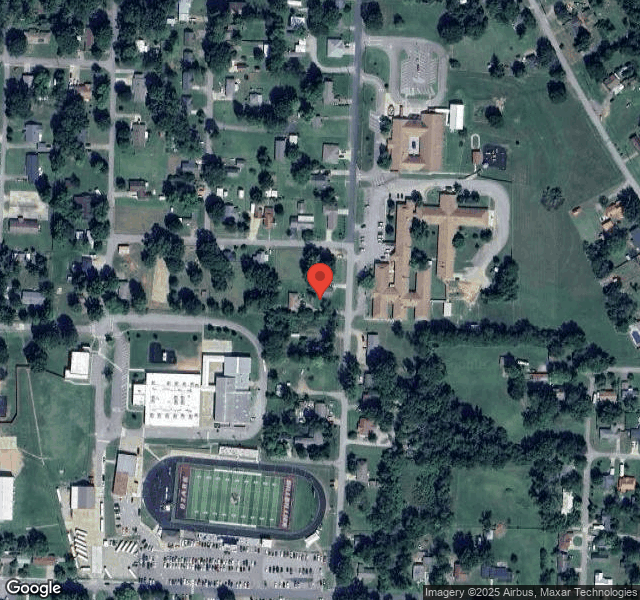
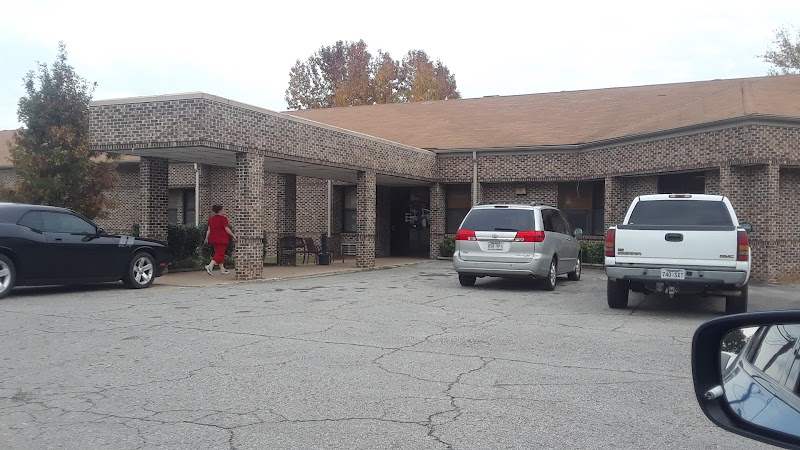
600 NORTH 12TH STREET, OZARK, AR 72949 (479) 667-4791
For profit - Limited Liability company 82 Beds SOUTHERN ADMINISTRATIVE SERVICES Data: November 2025
Trust Grade
85/100
#27 of 218 in AR
Last Inspection: August 2024

Within standard 12-15 month inspection cycle. Federal law requires annual inspections.

Overview

Ozark Nursing and Rehab has a Trust Grade of B+, which means it is above average and recommended for families considering care options. It ranks #27 out of 218 facilities in Arkansas, putting it in the top half, but is #2 out of 2 in Franklin County, indicating only one local option is better. The facility is improving, with issues decreasing from 12 in 2023 to just 1 in 2024. Staffing is a strength, with a 4/5 star rating and a low turnover rate of 32%, which is well below the state average. On the downside, there have been some concerning findings, including incidents where kitchen staff did not properly wash hands after handling dirty equipment, and a resident's urinary catheter drainage bag was not kept private, potentially compromising dignity. However, there have been no fines reported, which is a positive sign.

Trust Score
B+
85/100
In Arkansas
#27/218
Top 12%
Safety Record
Low Risk
No red flags
Inspections
Getting Better
12 → 1 violations
Staff Stability
○ Average
32% turnover. Near Arkansas's 48% average. Typical for the industry.
Penalties
✓ Good
No fines on record. Clean compliance history, better than most Arkansas facilities.
Skilled Nurses
⚠ Watch
Each resident gets only 18 minutes of Registered Nurse (RN) attention daily — below average for Arkansas. Fewer RN minutes means fewer trained eyes watching for problems.
Violations
⚠ Watch
15 deficiencies on record. Higher than average. Multiple issues found across inspections.
★★★★★
5.0
Overall Rating
★★★★☆
4.0
Staff Levels
★★★★★
5.0
Care Quality
★★★★☆
4.0
Inspection Score
Stable
2023: 12 issues
2024: 1 issues

The Good

  • 4-Star Staffing Rating · Above-average nurse staffing levels
  • 5-Star Quality Measures · Strong clinical quality outcomes
  • Full Sprinkler Coverage · Fire safety systems throughout facility
  • No fines on record
  • Staff turnover below average (32%)

    16 points below Arkansas average of 48%

Facility shows strength in staffing levels, quality measures, fire safety.

The Bad

Staff Turnover: 32%

14pts below Arkansas avg (46%)

Typical for the industry

Chain: SOUTHERN ADMINISTRATIVE SERVICES

Part of a multi-facility chain

Ask about local staffing decisions and management

The Ugly 15 deficiencies on record

Aug 2024 1 deficiency
CONCERN (F)

Potential for Harm - no one hurt, but risky conditions existed

Food Safety (Tag F0812)

Could have caused harm · This affected most or all residents

Based on observations, interviews, and facility policy review, it was determined the facility failed to ensure kitchen equipment used during meal preparation and service was kept clean and uncontamina...

Read full inspector narrative →
Based on observations, interviews, and facility policy review, it was determined the facility failed to ensure kitchen equipment used during meal preparation and service was kept clean and uncontaminated to prevent the spread of illness with the potential to effect 76 residents served from the 1 of 1 kitchen reviewed for food preparation and service. Findings include: A review of the facility's undated policy titled Handwashing and glove usage in food service, indicated Food handlers must wash hands after touching dirty equipment and work surfaces. During an observation on 08/11/2024 at 12:30 PM, [NAME] #2 touched the green pea ladle scoop to the ladle handles of the cauliflower and pureed green peas resting in the two right adjacent containers of the stem table while plating resident food. The green pea ladle was then placed back in the container of green peas and continued to be used for plating of resident food without being washed and sanitized. During an interview on 08/11/2024 at 1:00 PM, Registered Dietician (RD) #1 agreed the ladle for the green peas was considered dirty after contact with the ladle handles of the other vegetables and once placed into the food it was contaminated. During an observation on 08/13/24 at 11:00 AM, [NAME] #3 removed the bowl scrapper attachment of the food processor with the left hand and placed it on the countertop, added pork chops to the bowl for processing, then replaced the bowl scrapper with the left hand in the bowl of food without being washed and sanitized. During an interview on 08/13/24 at 11:15 AM, [NAME] #3 was initially unable to recall the incorrect handling of the bowl scrapper attachment, but acknowledged a tray was added as a barrier to the counter surface and tongs were utilized for handling of the scrapper attachment. During an interview on 08/14/24 at 2:45, the Administrator stated no written policy for washing and sanitizing food preparation equipment, utensils, or surfaces was currently in place, but provided new re-education in-service statement dated 08/13/24 conducted by RD #1 and Dietary Manager #4. Inservice for procedure stated Make sure service end does not touch handles of another scoop or other surface. Any item that will be touching food cannot be placed on a dirty surface
Jun 2023 12 deficiencies
CONCERN (D)

Potential for Harm - no one hurt, but risky conditions existed

ADL Care (Tag F0677)

Could have caused harm · This affected 1 resident

Based on observation, interview, and record review, the facility failed to provide nail care for 1 (Resident #35) of 1 sampled resident who was dependent on staff for assistance with Activities of Dai...

Read full inspector narrative →
Based on observation, interview, and record review, the facility failed to provide nail care for 1 (Resident #35) of 1 sampled resident who was dependent on staff for assistance with Activities of Daily Living (ADL). The findings are: 1. Resident #35 had diagnoses of Weakness and Need for Assistance with Personal Care. The Quarterly Minimum Data Set (MDS) with an Assessment Reference Date (ARD) of 04/18/23 documented the resident required extensive physical assistance of one person with personal hygiene and physical help with bathing. a. A Care Plan with an initiated date of 05/17/23 documented [Resident #35] has an ADL self-care performance deficit r/t [related to] debility . Personal Hygiene: [Resident #35] requires extensive assistance x [times] 1 staff with personal hygiene . b. On 06/19/23 at 11:10 AM, Resident #35 was sitting up in a wheelchair. Her fingernails were approximately 1/4 inch past her fingertips on both hands. The Surveyor asked Resident #35 if she liked them that way. Resident # 35 replied, No, but I can't cut them myself. c. On 06/21/23 at 9:31 AM, Resident #35's fingernails remained approximately 1/4 inch past her fingertips on both hands. Her thumbnails were approximately 1/2 inch in length past her fingertips. A light brown substance was underneath the nailbeds on both hands, and a medium brown substance was under both thumbnails. d. On 06/21/23 at 2:26 PM, the Surveyor accompanied Certified Nursing Assistant (CNA) #1 into Resident #35's room and asked her to describe Resident #35's fingernails. CNA #1 replied, They are not sharp, but they could be cleaned out underneath and be better. They could definitely be trimmed. They need to be filed. e. On 06/21/23 at 2:47 PM, the Surveyor asked the Director of Nursing (DON) who was responsible for resident nail care. She replied, We have a Registered Nurse (RN) responsible for that. She checks nails and oxygen. The Surveyor asked how often the RN was in the facility, and how often she checked nails. The DON replied, She is here Monday through Thursday. I usually get a sheet from her every week, but I haven't gotten one yet this week. She is supposed to check them every day. The Surveyor asked why nail care was important. The DON replied, It's nasty, hygiene, or they could scratch themselves. The Surveyor asked what could potentially happen if nail care doesn't get done. She replied, The worst is they can scratch themselves. f. On 06/21/23 at 2:34 PM, the ADON informed the Survey Team that there is no facility policy or procedure for nailcare.
CONCERN (D)

Potential for Harm - no one hurt, but risky conditions existed

Respiratory Care (Tag F0695)

Could have caused harm · This affected 1 resident

Based on observation, interview, and record review, the facility failed to adequately maintain the cleanliness of an oxygen concentrator for 1 (Resident #45) of 5 (Residents #34, #45, #51, #55 and #58...

Read full inspector narrative →
Based on observation, interview, and record review, the facility failed to adequately maintain the cleanliness of an oxygen concentrator for 1 (Resident #45) of 5 (Residents #34, #45, #51, #55 and #58) sampled residents who received supplemental oxygen in the facility per a list provided by the Minimum Data Set (MDS) Coordinator on 06/23/23 at 11:41 AM. The findings are: Resident #45 had a diagnosis of Chronic Obstructive Pulmonary Disease (COPD) with Acute Exacerbation. a. A Physicians Order dated 03/18/23 documented, .Oxygen at 2-4 LPM [liters per minute] via nasal cannula, may remove for ADLS [activities of daily living] . b. On 06/21/23 at 9:40 AM, Resident #45 was lying in bed with oxygen in place via nasal cannula. The Surveyor observed an abundance of particles and debris gathered on the concentrator, primarily on the concave edge under the flow rate meter. c. On 06/21/23 at 3:34 PM, Resident #45 was lying in bed with oxygen in place via nasal cannula. The Surveyor observed that the particles below the flow rate meter were 1/4 inch deep and was a mixture of hair, smokeless tobacco, unidentified food, and dust. The Surveyor observed smokeless tobacco resting on the resident's nightstand. d. On 06/22/23 at 7:03 AM, the Surveyor accompanied Certified Nursing Assistant (CNA) #4 into Resident #45's room. Resident #45 was lying in bed receiving oxygen via nasal cannula. A 1/4 inch mixture of hair, tobacco, unidentified food, and dust remained on the concentrator below the flow meter. The smokeless tobacco remained on the nightstand. e. On 06/23/23 at 7:33 AM, the Surveyor accompanied the Director of Nursing (DON) to Resident #45's room. The Surveyor asked the DON to look at the oxygen concentrator below the flow meter and describe what she saw. She stated, It looks like dust. The Surveyor asked if it looked like anything else was there. The DON took a tissue and wiped the concentrator a few times with the tissue and stated, It hasn't been there long because it isn't stuck to it and brushes off easily. Should it be there? No. f. The facility policy titled, Respiratory Care 42 C.F.R. 483.25 (i), provided by the Nurse Consultant on 06/23/23 at 9:55 AM documented, Policy. The facility will ensure residents that need respiratory care, including tracheostomy care and suctioning, will be provided consistent with professional standards of care .
CONCERN (D)

Potential for Harm - no one hurt, but risky conditions existed

Safe Environment (Tag F0921)

Could have caused harm · This affected 1 resident

**NOTE- TERMS IN BRACKETS HAVE BEEN EDITED TO PROTECT CONFIDENTIALITY** Based on observation, interview, and record review, the facility failed to ensure resident rooms were free of damage for 2 (room...

Read full inspector narrative →
**NOTE- TERMS IN BRACKETS HAVE BEEN EDITED TO PROTECT CONFIDENTIALITY** Based on observation, interview, and record review, the facility failed to ensure resident rooms were free of damage for 2 (rooms [ROOM NUMBERS]) rooms on the 200 Hall. The findings are: 1. On 06/19/23 at 2:10 PM, in Resident room [ROOM NUMBER], the Surveyor observed the paint was scraped off the wall on the right side of the window beside the recliner. There were scratches in the veneer wall guard pieces attached below where the paint was scraped off the wall. The Resident ' s family member was in the room and expressed she was unhappy with the condition of the resident's room. She asked the Surveyor, Can you stay long enough to get these walls painted? 2. On 06/21/23 at 11:14 AM, in Resident room [ROOM NUMBER] the paint on the wall and veneer wall guard remained damaged. The area measured 11 inches by 10 inches. 3. On 06/21/23 at 11:31 AM, the Surveyor accompanied Licensed Practical Nurse (LPN) #3 to room [ROOM NUMBER]. The Surveyor asked if maintenance was aware of the peeling paint and scratches on the veneer wall panel. LPN #3 stated, The scratches on the wall guard were here before I got here. I didn't know about the paint peeling and the scratches on the wall. The Surveyor asked if they kept a log or had work orders for room [ROOM NUMBER]. LPN #3 stated, No, but I will get this fixed. 4. On 06/20/23 at 9:55 AM, in Resident room [ROOM NUMBER], the Surveyor observed paint peeling off the wall behind the Resident ' s recliner and next to a wall outlet. The damaged area behind the resident's recliner measured 6 feet in length by 11 inches in width. 5. On 06/21/23 at 10:11 AM, Resident room [ROOM NUMBER] remained in ill repair with paint peeling and gouges on the wall behind the recliner. 6. On 06/21/23 at 2:00 PM, the Surveyor asked the Administrator who was responsible for building maintenance. She stated, We have our department meetings and do rounds in the morning. It's a big, old building. Staff comes to us and reports issues they see, and we try to get those fixed immediately. There's only one maintenance guy, and he's good but it's a big place. We've told staff to let us know if they see anything that needs to be fixed. The Surveyor asked if the facility had a policy or procedure for building maintenance. She stated, No.
CONCERN (E)

Potential for Harm - no one hurt, but risky conditions existed

Resident Rights (Tag F0550)

Could have caused harm · This affected multiple residents

Based on observation, record review, and interview, the facility failed to ensure a resident's urinary catheter drainage bag was kept in a privacy bag from view of other residents/visitors to promote ...

Read full inspector narrative →
Based on observation, record review, and interview, the facility failed to ensure a resident's urinary catheter drainage bag was kept in a privacy bag from view of other residents/visitors to promote dignity for 1 (Resident #39) of 1 sampled resident who had an indwelling catheter. This failed practice had the potential to affect 5 residents who had catheters according to a list provided by the Director of Nursing (DON) on 06/21/23 at 8:33 AM. The findings are: 1. Resident #39 had diagnoses of obstructive uropathy. The admission Minimum Data Set (MDS) with an Assessment Reference Date (ARD) of 04/08/23 documented the resident scored 6 (0-7 indicates severely cognitively impaired) on a Brief Interview for Mental Status (BIMS) and had an indwelling catheter. a. On 06/19/23 at 11:14 AM, Resident #39 was sitting up in a recliner in his room. There was a urinary catheter drainage bag sitting in a plastic wash basin on the floor next to the resident's recliner. There was no privacy bag covering the drainage bag. b. On 06/20/23 at 8:55 AM, Resident #39 was sitting up in a recliner with his eyes closed. His urinary catheter drainage bag was folded over itself and sitting directly on the floor to the left side of his recliner. There was no privacy bag covering the drainage bag. c. On 06/21/23 at 9:06 AM, Resident #39 was sitting on a bedside commode in his room. Resident #39's family member was sitting in a recliner. His urinary catheter drainage bag was hanging on the bottom rung of his walker not in a privacy bag. d. On 06/22/23 at 9:32 AM, Resident #39 was sitting up in a recliner. His catheter drainage bag was folded over itself sitting in a wash basin on the floor not in a privacy bag. e. On 06/23/23 at 7:30 AM, the Surveyor asked the DON if urinary catheter drainage bags should have privacy bags covering them. The DON answered, If you are talking about [Resident #39] then no, because there's no place to hang it on his recliner and he's not out and about from his room. It's not required in the regulations. The Surveyor clarified by asking the DON if catheter drainage bags should be covered for residents in general. The DON answered, Not as long as they are in their rooms. If they are out and about, then yes, they should have a privacy bag. It's in the thing because we don't want it on the floor. f. On 06/23/23 at 9:00 AM, the Surveyor asked Certified Nursing Assistant (CNA) #3 if urinary catheter drainage bags should have privacy bags covering them. CNA #3 answered, Yes, especially if they are in front of other people that can see it. The Surveyor asked why Resident #39's catheter drainage bag was in the plastic wash basin on the floor. CNA #3 answered, We'd rather it be in that then on the floor because we don't want it to get contaminated. g. On 06/21/23 at 8:28 AM, the DON stated, There is no policy for quality of life or dignity as it's not required. h. A review of the Catheter Care and UTI inservice speaker notes from 9/2022 provided by the MDS Coordinator on 6/22/23 at 10:14 AM revealed the staff are to use a bag cover to protect the resident's dignity.
CONCERN (E)

Potential for Harm - no one hurt, but risky conditions existed

Quality of Care (Tag F0684)

Could have caused harm · This affected multiple residents

Based on observation, interview, and record review, the facility failed to follow a Physicians Order for placement of compression stockings for 1 (Resident #61) of 10 (Residents #15, #19, #20, #26, #2...

Read full inspector narrative →
Based on observation, interview, and record review, the facility failed to follow a Physicians Order for placement of compression stockings for 1 (Resident #61) of 10 (Residents #15, #19, #20, #26, #27, #43, #46, #61, #62 and #63) sampled residents who had Physician Orders for compressions stockings. The findings are: 1. Resident #61 had diagnoses of Essential (Primary) Hypertension, Other Specified Symptoms and Signs Involving the Circulatory and Respiratory Systems and Chronic Kidney Disease, Unspecified. a. A Physicians Order dated 06/01/23 documented, Compression Stockings in place to BLE [bilateral lower extremities] during daytime; remove at HS [hour of sleep] . b. The June 2023 Medication Administration Record (MAR) documented, Compression stockings in place to BLE during daytime; remove at HS . and documented they had been applied at 6:00 AM and removed at 8:00 PM on 06/20/23 and applied at 6:00 AM on 06/21/23. c. On 06/20/23 at 12:07 PM, Resident #61 was sitting up in a chair in her room. Resident #61's ankles and feet were swollen to an extent that made it difficult to identify the transition between calf, ankle, and foot. No compression stockings were in place on the resident's legs. d. On 06/21/23 at 8:12 AM, Resident #61 was sitting on the side of her bed, both legs were swollen. No compression stockings were in place on the resident's legs. e. On 06/21/23 at 9:46 AM, observed Resident #61 being pushed down the hallway in a wheelchair to the Dining Hall. No compression stockings were in place on the resident's legs. f. On 06/21/23 at 10:17 AM, the Surveyor asked the Infection Preventionist to navigate to Resident #61's MAR and identify if it documented compression stockings were placed on the resident that morning. He stated, Shows they were. I know [Resident #61] doesn't like anything on but briefs. g. On 06/21/23 at 10:30 AM, the Surveyor asked the Infection Preventionist to accompany the Surveyor to the Dining Hall to see Resident #61. The Surveyor asked if the compression stockings were in place as documented on the MAR. He stated, No they're not on there. h. On 06/21/23 at 10:35 AM, the Surveyor asked Medication Tech #1 if they had documented that compression stockings had been placed on Resident #61. She stated, I don't remember seeing that, can I go put them on her now. The Infection Preventionist asked Medication Tech #1, You came in at 5 [AM]? Medication Tech #1 stated, Yes. The Infection Preventionist stated, You marked them put on at 6 [AM].
CONCERN (E)

Potential for Harm - no one hurt, but risky conditions existed

Incontinence Care (Tag F0690)

Could have caused harm · This affected multiple residents

Based on observation, interview, and record review, the facility failed to ensure suprapubic/indwelling catheters were free of sediment to prevent possible infection for 1 (Resident #39) of 1 sampled ...

Read full inspector narrative →
Based on observation, interview, and record review, the facility failed to ensure suprapubic/indwelling catheters were free of sediment to prevent possible infection for 1 (Resident #39) of 1 sampled resident. This failed practice had the potential to affect 5 residents according to a list provided by the Director of Nursing (DON) on 06/21/23 at 8:33 AM. The findings are: 1. Resident #39 had diagnoses of Urinary Tract Infection, Site not Specified and Benign Prostatic Hyperplasia with Lower Urinary Tract Symptoms. The admission Minimum Data Set (MDS) with an Assessment Reference Date (ARD) of 04/08/23 documented the resident scored 6 (0-7 indicates severely cognitively impaired) on a Brief Interview for Mental Status (BIMS) and had an indwelling catheter. a. A Care Plan with an initiated date of 04/04/23 documented, [Resident #39] has a foley catheter r/t [related to] obstructive uropathy . Position catheter bag and tubing below the level of bladder, secure catheter tubing to leg with applicable device . b. On 06/19/23 at 11:14 AM, Resident #39 was sitting up in a recliner in his room. The drainage bag was sitting in a plastic wash basin on the floor next to the resident's recliner. There was a dried substance on the bottom and on one side of the basin and was in contact with the catheter bag. The top of the drainage bag was folded down and over the drainage tube, restricting the flow of urine into the drainage bag. There was a tan colored residue noted on the inside of the clear catheter tubing running from Resident #39 to the catheter drainage bag. c. On 06/20/23 at 8:53 AM, Resident #39 was sitting in a recliner in his room. The catheter drainage bag was folded over and sitting on the floor next to the recliner. A wash basin was sitting beside the bag on the floor next to the resident's recliner. There was a tan colored residue noted on the inside of the clear catheter tubing running from Resident #39 to the catheter drainage bag. d. On 06/22/23 at 8:50 AM, the Surveyor asked Licensed Practical Nurse (LPN) #2 who was responsible for catheter care inservices. She answered, The CNA Supervisor takes them monthly and they are checked off. The Surveyor asked if nurses get inserviced on catheter care. She answered, No. The Surveyor asked who was responsible for changing or irrigating foley catheters. She answered, Nurses change foley catheters weekly as it pops up on the MAR [Medication Administration Record] for being changed out. We have a RN [Registered Nurse] that is assigned to do that during the day now. The Surveyor asked, How do you make sure the Care Plan for [Resident #39] is followed and interventions are implemented. LPN #2 answered, We follow up and I check him a lot as far as his urine. Ask aides a lot. You just can't assume. The Surveyor asked if she knew how often his drainage bag was supposed to be changed. She answered, Weekly, the bag is changed as it was on the MAR. I'm assuming it's still that way. e. On 06/22/23 at 10:55 AM, the Surveyor accompanied DON to Resident #39's room where he was sitting up in recliner. His foley catheter was not in dignity bag and was sitting in a wash basin on the floor. The drainage bag was dated 5/21. The Surveyor asked the DON what the date was on the catheter drainage bag. The DON answered, 5/21, but it's supposed to be changed every 4-8 weeks. They changed it from weekly to monthly so yesterday would have been the 4 week mark. f. A policy and procedure titled, Management of the Patient with an Indwelling (Self-Retaining) Catheter and Closed Drainage System from [Manual of Nursing Practice] 10th edition provided by the DON on 06/21/23 at 4:30 PM documented, .keep the drainage bag off the floor .urine should not be allowed to collect in the tubing because a free flow of urine must be maintained to prevent infection . g. An Inservice titled, Catheter Care and Urinary Tract Infections Lesson Plan and Speakers Notes, provided by the MDS Coordinator on 06/22/23 at 10:14 AM documented, .Secure Catheter tubing to upper leg to prevent catheter from being pulled out. Keep the bag below the level of the resident's bladder at all times. Use a catheter bag cover to protect the resident's dignity .
CONCERN (E)

Potential for Harm - no one hurt, but risky conditions existed

Menu Adequacy (Tag F0803)

Could have caused harm · This affected multiple residents

Based on observation, record review, and interview, the facility failed to ensure fortified food was prepared and served according to the planned written menu to meet the nutritional needs of the resi...

Read full inspector narrative →
Based on observation, record review, and interview, the facility failed to ensure fortified food was prepared and served according to the planned written menu to meet the nutritional needs of the residents for 1 of 1 meal observed. This failed practice had the potential to affect 14 residents who received fortified foods from 1 of 1 kitchen according to a list provided by the Interim Dietary Supervisor on 06/22/23 at 1:37 PM. The findings are: 1. On 06/22/23 at 1:37 PM, the menu for breakfast documented the residents who received a Super Calorie diet were to receive 1 cup of Super Cereal. 2. On 06/22/23 at 7:50 AM, a pan of Super Cereal was on the steam table with a 4-ounce spoon inside the pan. At 7:55 AM, the Surveyor asked Dietary Employee (DE) #1, How did you prepare the super calorie cereal? She stated, I used oatmeal, ½ cup of heavy cream and ½ cup of brown sugar. The Surveyor asked what size of spoon she used to serve and how many servings were given to each resident. She stated, I used a 4- ounce spoon and I gave one serving each. The Surveyor asked if she looked at the recipe. She stated, No, I did it the way I was taught by the previous Manager. 3. The facility recipe for Super Cereal provided by the Interim Dietary Supervisor on 06/22/23 at 8:05 AM documented for 15 servings to use: 2¾ cup plus 2 tablespoon of water, 2½ cup of nonfat dry milk, 1 cup plus 1 tablespoons of evaporated milk. 1. Mix water, nonfat dry milk, and evaporated milk. Bring it to boil. 2. Pour in 1¾ cup plus 2 tablespoon dry oatmeal and cook until done (Approximately 5 minutes). 3. Add 1 pound plus 1 ounce of margarine bulk, 11½ ounce of light brown sugar, 1¼ cup plus 3 tablespoon of granulated sugar, add 2¼ cup additional evaporated milk. Stir until creamy. Portion size one cup.
CONCERN (E)

Potential for Harm - no one hurt, but risky conditions existed

Deficiency F0805 (Tag F0805)

Could have caused harm · This affected multiple residents

Based on observation and interview, the facility failed to ensure pureed food items were blended to a smooth, lump-free consistency to minimize the risk of choking or other complications for residents...

Read full inspector narrative →
Based on observation and interview, the facility failed to ensure pureed food items were blended to a smooth, lump-free consistency to minimize the risk of choking or other complications for residents who required pureed diets for 2 of 2 meals observed. This failed practice had the potential to affect 8 residents who received pureed diets as documented on a list provided by the Interim Dietary Supervisor on 06/22/23 at 1:37 PM. The findings are: 1. On 06/21/23 at 9:26 AM, Dietary Employee (DE) #1 placed 8 servings of polish sausage into a blender, added broth and pureed. She poured the pureed polish sausage into a pan, covered the pan with foil, and placed it in the oven. The consistency of the pureed polish sausage was gritty and not smooth. 2. On 06/21/23 at 9:59 AM, DE #1 had gloves on her hands. She picked up a pan of corn bread and placed it on the counter. She used her contaminated gloved hands, removed 14 slices of corn bread from the pan, and placed the corn bread into a blender to be pureed and serve to the residents on pureed diets. The consistency of the pureed cornbread was thick with lumps in it and not smooth. 3. On 06/21/23 at 10:58 AM, DE #1 prepared mashed potatoes with ¼ cup of melted butter, salt, and potatoes. She placed the pan in the warmer. The consistency was thin. 4. On 06/21/23 at 11:24 AM, DE #1 used a 4-ounce spoon to place 11 servings of cabbage into a blender and pureed. She poured the pureed cabbage into a pan and placed it on the steam table. The consistency was not formed and was not smooth. It had little pieces of cabbage in it. 5. On 06/21/23 at 1:25 PM, the Surveyor asked the Interim Dietary Supervisor to describe the consistency of the pureed food items served to the residents for lunch. She stated, Pureed polish sausage was dry and chunky. Pureed cabbage was not smooth enough. Needs to be pureed a little longer and the mashed potatoes were thin. Pureed cornbread was thick with little lumps. 6. On 06/22/23 at 7:50 AM, a pan of sausage was on the steam table. The consistency was gritty and not smooth. A pan of pureed bread was on the steam table. The consistency was lumpy, thick, and not smooth. 7. On 06/22/23 at 7:55 AM, the Surveyor asked DE #1 to describe the consistency of the pureed food items served to the residents for breakfast. She stated, Pureed sausage was gritty. It's hard to get it smooth. Pureed bread with milk was thick with a little lump in it. Our blending machine is not working well.
CONCERN (E)

Potential for Harm - no one hurt, but risky conditions existed

Medical Records (Tag F0842)

Could have caused harm · This affected multiple residents

2. Resident #39 had diagnoses of Urinary Tract Infection, Site not Specified and Benign Prostatic Hyperplasia with Lower Urinary Tract Symptoms. a. A Care Plan with an initiated date of 04/04/23 docu...

Read full inspector narrative →
2. Resident #39 had diagnoses of Urinary Tract Infection, Site not Specified and Benign Prostatic Hyperplasia with Lower Urinary Tract Symptoms. a. A Care Plan with an initiated date of 04/04/23 documented, [Resident #39] has a foley catheter r/t [related to] obstructive uropathy . Position catheter bag and tubing below the level of bladder, secure catheter tubing to leg with applicable device . b. A Physicians Order dated 05/23/23 documented, Foley Cath [Catheter]: Replace Drain Bag once a month every day shift every 4 weeks on Tue [Tuesday] . c. On 06/22/23 at 9:32 AM, Resident #39's was sitting up in a recliner. His catheter drainage bag was sitting in a wash basin on the floor. The date on drainage bag was 5/21. d. On 06/22/23 at 9:35 AM, on review of the May 2023 MAR, staff documented the foley catheter drainage bag was replaced on Tuesday 05/02/23, 05/09/23 and 05/16/23. There was no documentation on 05/23/23 or 05/30/23. The June 2023 MAR documented the foley catheter drainage bag was replaced on Tuesday 06/06/23. e. On 06/22/23 at 10:55 AM, the Surveyor accompanied the Director of Nursing (DON) to Resident #39 ' s room where he was sitting up in a recliner. The catheter drainage bag was not in dignity bag and was sitting in a wash basin on the floor dated 5/21. The Surveyor asked the DON what the date was on the catheter drainage bag. The DON answered, 5/21, but it's supposed to be changed every 4-8 weeks. They changed it from weekly to monthly so yesterday would have been the 4 week mark. The DON reviewed the MAR for May and June. There was no documentation on the MAR for 5/21/23, noting the catheter drainage bag had not been changed. The last drainage bag change documented was dated 06/06/23. The DON phoned the staff who documented the catheter was changed on 06/06/23, who stated, I can't remember what day I changed the bag, but I remember doing it. It was before [Named staff] had access to the computer. She had been predating the bags and I guess she grabbed the wrong bag. The DON stated to the Surveyor, We will be doing something about this. Based on observation, interview, and record review, the facility failed to maintain accurate documentation in the health records regarding placement of compression stockings for 1 (Resident #61) of 10 (Residents #15, #19, #20, #26, #27, #43, #46, #61, #62 and #63) sampled residents who had a Physicians Order for compression stockings and replacement of foley catheter collection bags for 1 (Resident #39) of 1 sampled resident who had an indwelling catheter. The findings are: 1. Resident #61 had diagnoses of Essential (Primary) Hypertension, Other Specified Symptoms and Signs Involving the Circulatory and Respiratory Systems and Chronic Kidney Disease, Unspecified. a. A Physicians Order dated 06/01/23 documented, Compression Stockings in place to BLE [bilateral lower extremities] during daytime; remove at HS [hour of sleep] . b. The June 2023 Medication Administration Record (MAR) documented, Compression stockings in place to BLE during daytime; remove at HS . The MAR revealed staff documented they had been applied the compression stockings at 6:00 AM and removed at 8:00 PM on 06/20/23 and applied at 6:00 AM on 06/21/23. c. On 06/20/23 at 12:07 PM, Resident #61 was sitting up in a chair in her room. No compression stockings were in place on the resident's legs. d. On 06/21/23 at 8:12 AM, Resident #61 was sitting on the side of her bed. No compression stockings were in place on the resident's legs. e. On 06/21/23 at 9:46 AM, Resident #61 being pushed down the hallway in a wheelchair to the Dining Hall. No compression stockings were in place on the resident's legs. f. On 06/21/23 at 10:17 AM, the Surveyor asked the Infection Preventionist (IP) to navigate to Resident #61's MAR and identify if it documented compression stockings were placed on the resident that morning. He stated, Shows they were. I know [Resident #61] doesn't like anything on but briefs. g. On 06/21/23 at 10:30 AM, the Surveyor asked the Infection Preventionist to accompany the Surveyor to the Dining Hall to see Resident #61. The Surveyor asked if the compression stockings were in place as documented on the MAR. He stated, No they're not on there. h. On 06/21/23 at 10:35 AM, the Surveyor asked Medication Tech #1 if they had documented that compression stockings had been placed on Resident #61. She stated, I don't remember seeing that. Can I go put them on her now? The Infection Preventionist asked Medication Tech #1, You came in at 5 [AM]? She stated, Yes. The Infection Preventionist stated, You marked them put on at 6 [AM].
CONCERN (E)

Potential for Harm - no one hurt, but risky conditions existed

Infection Control (Tag F0880)

Could have caused harm · This affected multiple residents

**NOTE- TERMS IN BRACKETS HAVE BEEN EDITED TO PROTECT CONFIDENTIALITY** Based on observation, record review and interview, the facility failed to ensure an indwelling urinary catheter bag was maintain...

Read full inspector narrative →
**NOTE- TERMS IN BRACKETS HAVE BEEN EDITED TO PROTECT CONFIDENTIALITY** Based on observation, record review and interview, the facility failed to ensure an indwelling urinary catheter bag was maintained in a manner to prevent contamination for 1 (Resident #39) of 1 resident sampled for catheters. The findings are: 1. On 06/19/23 at 11:14 AM, Resident #39 was sitting in a recliner in his room. There was a urinary catheter drainage bag in a plastic wash basin on the floor next to the resident's recliner. The top of the drainage bag was folded down and over the drainage tube, restricting the flow of urine into the drainage bag. There was a dried substance on the bottom and one side of the basin which was in contact with the catheter bag. 2. On 06/20/23 at 8:55 AM, Resident #39 was sitting in a recliner with his eyes closed. The urinary catheter drainage bag was folded over itself and sitting directly on the floor to the left side of the recliner. The tubing was stretched over the end of the elevated footrest on the recliner and stretched back to the base of the chair. A plastic wash basin was on the floor next to the recliner. 3.On 06/22/23 at 9:32 AM, Resident #39 was sitting in a recliner. The urinary catheter drainage bag was folded over itself sitting on the floor. Review of Resident #39 care plan, last revised on 04/05/23 revealed a care plan for urinary catheter related to obstructive uropathy. Interventions include, position catheter bag and tubing below the level of the bladder, secure catheter tubing to leg with applicable device. Review of the Medication Administration Record (MAR) revealed Resident #39 was treated for a urinary tract infection with Bactrim DS, an antibiotic, on 04/28/23 through 05/02/23 then with Levaquin, an antibiotic on 05/02/23 through 05/8/23. 4. On 06/23/23 at 9:00 AM, an interview with Certified Nursing Assistant (CNA) #3 who stated the urinary drainage bag was in the wash basin on the floor because, We'd rather it be in that then on the floor because we don't want it to get contaminated. 5. On 06/23/23 at 7:30 AM an interview with the Director of Nurses, (DON), who stated Resident #39 does not have a privacy bag because there is no place to hang it on the recliner. She further stated the drainage bag was in the wash basin because, we don't want it on the floor. 6. A review of [NAME] 10th Edition procedure guidelines, provided by the facility on 06/21/23 at 4:30 PM in response to a request for a policy related to catheter care revealed the urine should not be allowed to collect in the tubing because a free flow of urine must be maintained to prevent infection. Keep the bag off the floor to prevent bacterial contamination.
CONCERN (F)

Potential for Harm - no one hurt, but risky conditions existed

Food Safety (Tag F0812)

Could have caused harm · This affected most or all residents

Based on observation and interview, the facility failed to ensure kitchen food items stored in the dry storage area, were covered, and sealed; the dish washing machine room ' s air vents were cleaned ...

Read full inspector narrative →
Based on observation and interview, the facility failed to ensure kitchen food items stored in the dry storage area, were covered, and sealed; the dish washing machine room ' s air vents were cleaned to provide a sanitary environment for clean dishes, and dietary staff washed their hands before handling clean equipment or food items to prevent potential food borne illness for residents who received meals from 1 of 1 kitchen. The failed practices had the potential to affect 79 residents who received meals from the kitchen (total census: 80), as documented on a list provided by the Dietary Supervisor on 06/22/23 at 1:37 PM. The findings are: 1. On 06/19/23 at 11:15 AM, on a rack in the Storage Room there were two cans of pasta sauce that had dents at their rims. The Surveyor asked the Intern Dietary Supervisor what the outcome of a dent to the rim of a can could be. She stated, Botulism. 2. On 06/19/23 at 11:26 AM, the following opened containers of spices were on a shelf in the Storage Room. a. A container of oregano. b. A container of onion powder. c. A container of white pepper. d. The Surveyor asked the Intern Dietary Supervisor if those containers should be left open. She stated, Yeah I thought they were closed, and began closing them. 3. On 06/19/23 at 11:28 AM, an opened bag of hot dog buns was on the bread rack in the storage room. The top was loosely twisted and not secured. 4. On 06/21/23 at 8:43 AM, the temperature in the walk-in refrigerator was 41 degrees Fahrenheit and Freezer temperature was 8 degrees Fahrenheit. 5. On 06/21/23 at 8:58 AM, the temperature in the milk refrigerator was 38 degrees Fahrenheit. 6. On 06/21/23 at 8:59 AM, Dietary Employee (DE) #1 was wearing gloves on her hands. She turned on the food preparation sink faucet and rinsed cabbage heads and placed them on the cutting board. She then turned off the faucet contaminating her gloves. Without changing gloves and washing her hands, she sliced the cabbage heads and placed them into three pans to be cooked and served to the residents for lunch. 7. On 06/21/23 at 9:01 AM, three air vents in the dish washing machine room had rust build up on them. Two of the 3 air vents had dirty lint hanging down from them. There was dirty black residue stuck in the slats of the air vents. 8. On 06/21/23 at 9:17 AM, DE #1 removed pans that contained polish sausage from the stove and placed them on the counter. She removed gloves from the glove box and placed them on her hands, contaminating the gloves. Without changing gloves and washing her hands, she placed 24 servings of polish sausage into a blender, ground and poured into a pan. She covered the pan with foil and placed it in the warmer to be served to the residents who received mechanical soft diets. 9. On 06/21/23 at 9:19 AM, DE #2 moved a floor fan into the dish washing machine room. Without washing her hands, she picked up clean plates from the clean side of the dish machine and placed them in the warmer to be used in portioning foods to be served to the residents for lunch. 10. On 06/21/23 at 9:23 AM, DE #1 lifted the trash can lid and threw away an emptied water gallon container into the trash. She immediately went into the freezer, picked up a box of bread sticks and placed it on the counter. She removed a zip lock bag that contained bread sticks from the Storage Room and placed it in a warmer. At 9:24 AM, she removed a container of meat sauce and emptied it into a pan. She covered the pan with foil and placed it in the oven. At 9:25 AM, when she was about to place polish sausages into a blender to puree. The Surveyor immediately stopped her and asked her what she should have done after touching dirty objects and before handing food and or clean equipment. She stated, I should have washed my hands. 11. On 06/21/23 at 9:30 AM, DE #1 was wearing gloves on her hands. She picked up a pan that contained cornbread and placed it on the counter. Without changing gloves and washing her hands, she used her contaminated gloved hand to place slices of corn bread in individual bags to be served to the residents for lunch. 12. On 06/21/23 at 9:40 AM, DE #2 used a scraper and scraped off excess water on the clean side of the dish washing machine counter and used scissors to cut open a bag of napkins. Without washing her hands, she removed napkins from the bag for residents to use in wiping their mouth when eating their lunch meal. At 10:02 AM, DE #2 still had not washed her hands. She picked clean plates and placed them in the plate warmer with her fingers inside the plates. At 10:06 AM, DE #3 picked up a clean blade and attached it to the base of the blender, to be used in pureeing food items to be served to the residents on pureed diets. The Surveyor immediately stopped DE #2 and asked her what she should have done after touching dirty objects and before handling clean equipment. She stated, I should have washed my hands. 13. On 06/21/23 at 9:59 AM, DE #1 had gloves on her hands. She picked up a pan of corn bread and placed it on the counter. She used her contaminated gloved hands to remove 14 slices of corn bread from the pan and placed the corn bread into a blender to be pureed and served to the residents on pureed diets. 14. On 06/21/23 at 10:29 AM, DE #1 was wearing gloves on her hands as she removed a log of butter from the walk-in refrigerator. She used a knife to slice a portion of it and used her contaminated gloved hand to place it in a pan on the stove to be used in preparing mashed potatoes to be served to the residents for lunch. 15. On 06/21/23 at 10:53 AM, DE #3 opened a can of sliced apples. Without washing her hands, she removed gloves from the glove box and placed them on her hands, contaminating the gloves. She attached a clean blade to the base of the blender. She used a 6-ounce spoon to place sliced apples into a blender, added brown sugar, cinnamon and juice from the apple slices and pureed them. She used a #8 scoop to place portions the pureed apple mixture into 10 bowls. 16. On 06/21/23 at 11:12 AM, DE #3 removed two cans of tomato soup from the Storage Room and placed them on the counter. She picked up clean bowls from a tray on a rack in the clean area of the dish washing machine and placed them on the counter with her fingers inside the bowls. She opened the cans of tomato soup and poured them into individual bowls. She then placed them in a warmer to be served to the residents who requested tomato soup with their meal. 17. On 06/21/23 at 11:20 AM, DE #1 turned on the food preparation sink faucet and obtained water in a pitcher and poured it inside the pans on the steam table. Without washing her hands, she picked up a clean blade and attached it to the base of the blender to be used in pureeing food items to be served to the residents on pureed diets. 18. The facility policy titled, Handwashing and Glove Usage in Food Service, provided by the Dietary Supervisor on 06/22/23 at 1:37 PM documented, .When Food Handlers must wash their hands: Before starting work . After leaving and returning to the kitchen/prep area After touching anything else such as dirty equipment, work surfaces or cloths .
MINOR (B)

Minor Issue - procedural, no safety impact

Assessment Accuracy (Tag F0641)

Minor procedural issue · This affected multiple residents

Based on record review and interview, the facility failed to ensure medications were accurately coded on the Minimum Data Set (MDS) for 1 (Resident #34) of 1 sampled resident. The findings are: 1. Res...

Read full inspector narrative →
Based on record review and interview, the facility failed to ensure medications were accurately coded on the Minimum Data Set (MDS) for 1 (Resident #34) of 1 sampled resident. The findings are: 1. Resident #34 had a diagnosis of Chronic Venous Hypertension (Idiopathic) without Complications of Bilateral Lower Extremity. The Quarterly MDS with Assessment Reference Date (ARD) of 05/09/23 documented Resident #34 received an anticoagulant for 7 days of the 7 day look back period. a. The May 2023 and the June 2023 Medication Administration Records (MAR) did not contain anticoagulant medication. b. On 06/21/23 at 2:13 PM, the Surveyor asked the MDS Coordinator, Was [Resident #34] coded for receiving 7 days of an Anticoagulant on the MDS with ARD of 05/09/23? She said, Yes. The Surveyor asked, Is it documented on the Medication Administration Record (MAR) and the Physicians Orders for an anticoagulant? The MDS Coordinator said, She doesn't have an order and it's not on the MAR. Its coded wrong. The Surveyor asked, Should the anticoagulant have been coded? She said, No. c. On 06/23/23 at 9:17 AM, the Surveyor asked the Director of Nursing (DON), If a resident is not receiving an anticoagulant, should it be coded on the MDS that the resident is receiving it? She said, No. The Surveyor asked if she expected her nurses to accurately assess and document information onto the MDS. She stated, Yes. d. On 06/21/23 at 12:34 PM, the Surveyor asked the MDS Coordinator for a policy and procedure on MDSs. The MDS Coordinator stated, I'll try to find you one. e. On 06/22/23 at 3:10 PM, the Surveyor asked the MDS Coordinator if she had located a policy and procedure on accurately coding assessments. She stated, We don't have one. We go by the Resident Assessment Instrument manual.
Mar 2022 2 deficiencies
CONCERN (D)

Potential for Harm - no one hurt, but risky conditions existed

Comprehensive Assessments (Tag F0636)

Could have caused harm · This affected 1 resident

**NOTE- TERMS IN BRACKETS HAVE BEEN EDITED TO PROTECT CONFIDENTIALITY** Based on record review and interview, the facility failed to ensure the comprehensive Minimum Data Set (MDS) assessments were co...

Read full inspector narrative →
**NOTE- TERMS IN BRACKETS HAVE BEEN EDITED TO PROTECT CONFIDENTIALITY** Based on record review and interview, the facility failed to ensure the comprehensive Minimum Data Set (MDS) assessments were completed by the 14th day after admission to identify the residents' care needs and preferences and facilitate development of a comprehensive plan of care for 2 (Residents #281 and #04) of 2 residents whose MDS were reviewed. 1. Resident #281 was admitted [DATE] with diagnoses of Malignant Melanoma of Nose, Edema, Urinary Incontinence, Age Related Osteoporosis, Chronic Kidney Disease, stage 3, Hemiplegia and Hemiparesis, and Hypertension. The admission Minimum Data Set (MDS) with an Assessment Reference Date (ARD) of 03/14/2022 documented Export Ready and has not been transmitted. b. On 3/24/22 at 2:33 pm, the MDS Coordinator was asked, Can you tell me what is wrong the MDS with an ARD of 03/14/2022? She stated, Hers is late. When asked, When does the RAI [Resident Assessment Instrument] identify the admission MDS needs to be completed? She stated, In 14 days. 2. Resident #4 had diagnoses of Acute Respiratory Failure with Hypoxia, and Acute Pulmonary Edema. The Quarterly MDS with an ARD of 03/02/2022 documented Export Ready and has not been transmitted. c. On 3/24/22 at 2:33 pm, the MDS Coordinator was asked, Can you tell me what is wrong the MDS with an ARD of 03/02/2022? She stated, It's late. When asked, When does the RAI identify the MDS needs to be completed? She stated, In 14 days.
CONCERN (E)

Potential for Harm - no one hurt, but risky conditions existed

Respiratory Care (Tag F0695)

Could have caused harm · This affected multiple residents

Based on observation, record review and interview, the facility failed to ensure humidification bottles were changed weekly for 1 (Resident [R] #13) sampled resident, oxygen tubing was dated for 5 (Re...

Read full inspector narrative →
Based on observation, record review and interview, the facility failed to ensure humidification bottles were changed weekly for 1 (Resident [R] #13) sampled resident, oxygen tubing was dated for 5 (Residents #04, #13, #26, #38, and #45) sampled residents, and storage bags were available and changed weekly for 3 (Rs #13, #26, and #38) of 10 (Rs #42, #26, #45, #65, #75, #04, #49, #38, #13, and #79) sampled residents who required oxygen use. The findings are: 1. Resident #26 had a diagnosis of Chronic Obstructive Pulmonary Disease (COPD). The Quarterly Minimum Data Set (MDS) with an Assessment Reference Date (ARD) of 01/07/2022 documented the resident was severely impaired in cognitive skills for daily decision making per the Staff Assessment for Mental Status (SAMS) and had no documented oxygen use. a. The Care Plan documented, .has diagnosis of COPD which puts him at risk for respiratory problems. Date Initiated: 06/17/2020 . Give oxygen therapy as ordered by the physician. May provide longer oxygen tubing if short tubing unavailable or at resident's request . b. The Physician Order documented, .oxygen @ [at] 2 l/m [liters per minute] via n/c [nasal cannula] prn [as needed], may titrate up to 4 l/m prn to maintain spo2 [oxygen saturation] above 92% as needed for SOB [shortness of breath] Start Date 08/23/2021 . oxygen tubing and humidifier bottle to be changed every week every night-shift every Mon [Monday] . c. On 3/21/22 at 12:32 PM, the resident was lying in the bed on his back at a 30-degree angle with his eyes closed. The resident was receiving oxygen at 2.5-3.0 liters per minute via nasal cannula. Humidification was present and dated 03/17/2022. There was no storage bag present, and the tubing was not dated. d. On 03/24/22 at 03:21 PM, Licensed Practical Nurse (LPN) #2 was at the bedside and was asked, Should the resident have a storage bag for their oxygen tubing? She stated, Yes. When asked, Why? She stated, It's for infection purposes and needs changed weekly. When asked, Should oxygen tubing be dated? She stated, Yes. When asked, Why? She stated, So, we know it's been changed weekly. 2. Resident #45 had diagnoses of Chronic Obstructive Pulmonary Disease (COPD), Acute Respiratory Failure with Hypercapnia, Acute Respiratory Failure with Hypoxia, and Pneumonia. The Medicare 5-Day MDS with an ARD of 02/04/2022 documented a score of 14 (13-15 indicates cognitively intact) on the Brief Interview for Mental Status (BIMS) and had oxygen in use while a resident. a. The Physician orders documented, .oxygen @ [at] 2 l/m [liters per minute] via n/c [nasal cannula] prn [as needed], may titrate up to 4 l/m prn to maintain spo2 [oxygen saturation] above 92% as needed for SOB Start Date 02/02/2022 oxygen tubing and humidifier bottle to be changed every week every night shift every Mon Start Date 02/07/2022 . b. The Care Plan documented, . has altered respiratory status/Difficulty Breathing r/t COPD/asthma. Date Initiated: 03/11/2022 Provide oxygen as ordered. May provide longer oxygen tubing if short tubing unavailable or at resident's request. Date Initiated: 03/17/2022 c. On 03/21/22 at 12:11 PM, the resident was sitting on the side of his bed watching television. The resident was receiving oxygen at 2.0-2.5 LPM via nasal cannula. The oxygen tubing was not dated. d. On 03/24/2022 at 03:22 PM, LPN #2 at the bedside and asked, Should oxygen tubing be dated? She stated, Yes. When asked, Why? She stated, So, we know it's been changed weekly. 3. Resident #4 had diagnoses of Acute Respiratory Failure with Hypoxia, and Acute Pulmonary Edema. The Quarterly MDS with an ARD of 11/30/2021 documented the resident scored 07 (0-7 indicates severely impaired) on the Brief Interview for Mental Status (BIMS) and received oxygen while a resident. a. The physician orders documented, . Oxygen on at 2 l/m via N/C PRN. May increase up to 4 l/m PRN (TO MAINTAIN SPO2 ABOVE 94%) as needed for shortness of breath Start Date 10/11/2020 . Check Oxygen Humidifier Bottle to ensure it is filled with Distilled Water every day shift every Wed, Fri, Sun [Wednesday, Friday, Sunday] Start Date 07/04/2019 Oxygen tubing and humidifier to be changed weekly every night shift every Mon for O2 . b. The Care Plan documented, .Oxygen Therapy as needed for shortness of breath . 9/22/21: She pulls her oxygen off herself then her SPO2 drops. She will not leave it on at times . OXYGEN SETTINGS: Per MD orders. May provide longer oxygen tubing if short tubing unavailable or at resident's request . c. On 03/21/22 at 12:15 PM, the resident was lying in bed on her back at a 30-degree angle. The resident was receiving oxygen at 2.0-2.5 LPM via nasal cannula. The oxygen tubing was not dated. d. On 03/24/2022 at 03:23 PM, LPN #2 was at the bedside and was asked, Should oxygen tubing be dated? She stated, Yes. When asked, Why? She stated, So, we know it's been changed weekly. 4. Resident #38 had a diagnosis of Chronic Obstructive Pulmonary Disease (COPD). The Quarterly MDS with an ARD of 01/24/2022 documented the resident scored 06 (0-7 indicates severely impaired) on the BIMS and received oxygen while a resident. a. The Care Plan documented, . [Resident #38] has asthma r/t [related to] COPD and receives oxygen therapy. [Resident #38] will remove her tubing from oxygen concentrator at times. She will throw the tubing in the floor at times. Date Initiated: 09/25/2018 Give nebulizer treatments and oxygen therapy as ordered . b. The physician orders documented, Oxygen on at 2 l/m via N/C PRN. May increase up to 4 l/m PRN to maintain SPO2 above 92% as needed for SOB Start Date 06/25/2019 oxygen tubing and humidifier bottle to be changed every week every night shift every Mon Start Date 10/19/2020 . c. On 03/21/22 at 12:54 PM, the resident was sitting in her wheelchair in her room eating lunch. The resident was receiving oxygen at 2 LPM via nasal cannula. The nasal cannula was not dated and there was no storage bag n the room. 5. Resident #13 had diagnosis of Chronic Respiratory Failure. A Quarterly Minimum Data Set (MDS) with an Assessment Reference Date (ARD) of 12/13/2021 documented the resident scored 15 (13-15 indicates cognitively intact) on a Brief Interview for Mental Status. a. The Physician orders documented, .oxygen tubing and humidifier bottle to be changed every week every night-shift every Monday start date 02/21/2022 . b. The March 2022 Medication Administration and Treatment Administration records had no documentation of oxygen tubing, storage bags, or humidity bottle changed. c. On 03/21/22 at 11:49 AM, the resident was not in her room. The humidity bottle and bag for storage of oxygen tubing was dated 2/23/22. d. On 03/21/22 at 1:15 pm, Resident #13 was sitting in a wheelchair in the hallway with a large roll of oxygen tubing in her lap. e. On 03/22/22 at 08:21 am, Resident #13 was lying in bed and receiving with oxygen at 2 L per NC. There was no date on the oxygen tubing. f. On 03/24/22 at 2:42 pm, LPN #1 was asked how often the oxygen tubing, humidity bottles and storage bags should be changed and why. LPN #1 stated weekly, and it is for infection control purposes. g. On 03/24/22 at 3:07 pm, the Assistant Director of Nursing (ADON) was asked how often the oxygen tubing, humidity bottles and storage bags should be changed and why. The ADON stated, Once a week and as needed. Just to prevent bacteria growth and to keep it clean. h. On 3/24/22 at 3:15 pm, LPN #1, and the ADON were asked, Is it acceptable for the tubing, storage bag, and humidity bottle not to be dated, dated with a date over a week old, or not in a bag when not in use? They all stated, No.
Understanding Severity Codes (click to expand)
Life-Threatening (Immediate Jeopardy)
J - Isolated K - Pattern L - Widespread
Actual Harm
G - Isolated H - Pattern I - Widespread
Potential for Harm
D - Isolated E - Pattern F - Widespread
No Harm (Minor)
A - Isolated B - Pattern C - Widespread

Questions to Ask on Your Visit

  • "Can I speak with families of current residents?"
  • "What's your RN coverage like on weekends and overnight?"

Our Honest Assessment

Strengths
  • • Grade B+ (85/100). Above average facility, better than most options in Arkansas.
  • • No major safety red flags. No abuse findings, life-threatening violations, or SFF status.
  • • No fines on record. Clean compliance history, better than most Arkansas facilities.
  • • 32% turnover. Below Arkansas's 48% average. Good staff retention means consistent care.
Concerns
  • • 15 deficiencies on record. Higher than average. Multiple issues found across inspections.
Bottom line: Generally positive indicators. Standard due diligence and a personal visit recommended.

About This Facility

What is Ozark Nursing And Rehab's CMS Rating?

CMS assigns OZARK NURSING AND REHAB an overall rating of 5 out of 5 stars, which is considered much above average nationally. Within Arkansas, this rating places the facility higher than 99% of the state's 100 nursing homes. This rating reflects solid performance across the metrics CMS uses to evaluate nursing home quality.

How is Ozark Nursing And Rehab Staffed?

CMS rates OZARK NURSING AND REHAB's staffing level at 4 out of 5 stars, which is above average compared to other nursing homes. Staff turnover is 32%, compared to the Arkansas average of 46%. This relatively stable workforce can support continuity of care.

What Have Inspectors Found at Ozark Nursing And Rehab?

State health inspectors documented 15 deficiencies at OZARK NURSING AND REHAB during 2022 to 2024. These included: 14 with potential for harm and 1 minor or isolated issues.

Who Owns and Operates Ozark Nursing And Rehab?

OZARK NURSING AND REHAB is owned by a for-profit company. For-profit facilities operate as businesses with obligations to shareholders or private owners. The facility is operated by SOUTHERN ADMINISTRATIVE SERVICES, a chain that manages multiple nursing homes. With 82 certified beds and approximately 83 residents (about 101% occupancy), it is a smaller facility located in OZARK, Arkansas.

How Does Ozark Nursing And Rehab Compare to Other Arkansas Nursing Homes?

Compared to the 100 nursing homes in Arkansas, OZARK NURSING AND REHAB's overall rating (5 stars) is above the state average of 3.2, staff turnover (32%) is significantly lower than the state average of 46%, and health inspection rating (4 stars) is above the national benchmark.

What Should Families Ask When Visiting Ozark Nursing And Rehab?

Based on this facility's data, families visiting should ask: "Can I visit during a mealtime to observe dining assistance and food quality?" "How do you handle medical emergencies, and what is your hospital transfer rate?" "Can I speak with family members of current residents about their experience?"

Is Ozark Nursing And Rehab Safe?

Based on CMS inspection data, OZARK NURSING AND REHAB has a clean safety record: no substantiated abuse findings (meaning no confirmed cases of resident harm), no Immediate Jeopardy citations (the most serious violation level indicating risk of serious injury or death), and is not on the Special Focus Facility watch list (a federal program monitoring the lowest-performing 1% of nursing homes). The facility has a 5-star overall rating and ranks #1 of 100 nursing homes in Arkansas. While no facility is perfect, families should still ask about staff-to-resident ratios and recent inspection results during their visit.

Do Nurses at Ozark Nursing And Rehab Stick Around?

OZARK NURSING AND REHAB has a staff turnover rate of 32%, which is about average for Arkansas nursing homes (state average: 46%). Moderate turnover is common in nursing homes, but families should still ask about staff tenure and how the facility maintains care continuity when employees leave.

Was Ozark Nursing And Rehab Ever Fined?

OZARK NURSING AND REHAB has no federal fines on record. CMS issues fines when nursing homes fail to meet care standards or don't correct problems found during inspections. The absence of fines suggests the facility has either maintained compliance or corrected any issues before penalties were assessed. This is a positive indicator, though families should still review recent inspection reports for the full picture.

Is Ozark Nursing And Rehab on Any Federal Watch List?

OZARK NURSING AND REHAB is not on any federal watch list. The most significant is the Special Focus Facility (SFF) program, which identifies the bottom 1% of nursing homes nationally based on persistent, serious quality problems. Not being on this list means the facility has avoided the pattern of deficiencies that triggers enhanced federal oversight. This is a positive indicator, though families should still review the facility's inspection history directly.