OZARK HEALTH NURSING AND REHAB CENTER
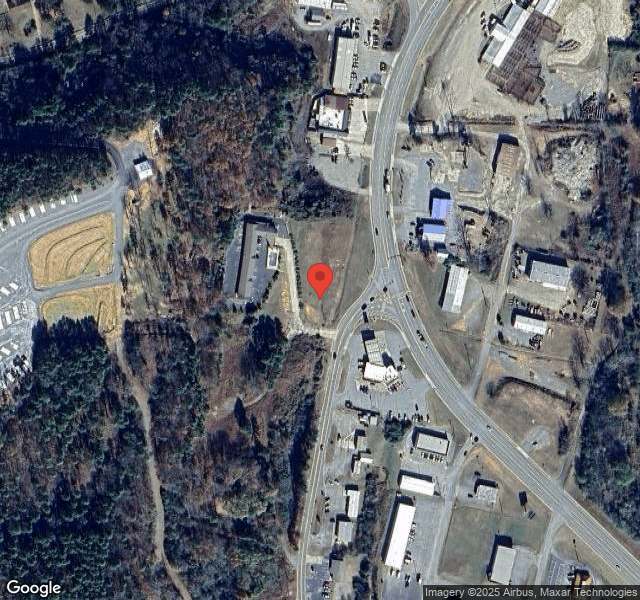
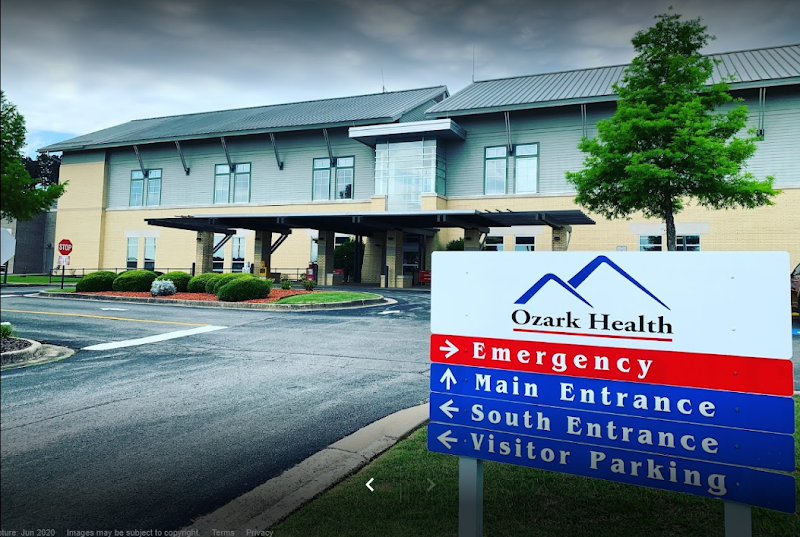
2500 HIGHWAY 65 SOUTH, CLINTON, AR 72031 (501) 745-7000
Non profit - Corporation 118 Beds Independent Data: November 2025
Trust Grade
75/100
#73 of 218 in AR
Last Inspection: April 2025

Within standard 12-15 month inspection cycle. Federal law requires annual inspections.

Overview

Ozark Health Nursing and Rehab Center has a Trust Grade of B, which means it is considered a good choice for families, indicating solid performance in care. It ranks #73 out of 218 facilities in Arkansas, placing it in the top half, and is the best option out of the two facilities in Van Buren County. The facility is improving, having reduced its issues from five in 2024 to three in 2025. Staffing is a strength here, with a 4/5 rating and a turnover rate of 32%, which is lower than the state average, suggesting that staff are experienced and familiar with residents. However, there are concerns, as recent inspections revealed incidents where staff failed to wash hands properly between tasks, increasing the risk of foodborne illness, and there were serious lapses in reporting allegations of resident abuse, highlighting areas that need improvement. Overall, while there are strengths in staffing and a good trust grade, families should be aware of these critical issues.

Trust Score
B
75/100
In Arkansas
#73/218
Top 33%
Safety Record
Low Risk
No red flags
Inspections
Getting Better
5 → 3 violations
Staff Stability
○ Average
32% turnover. Near Arkansas's 48% average. Typical for the industry.
Penalties
✓ Good
No fines on record. Clean compliance history, better than most Arkansas facilities.
Skilled Nurses
⚠ Watch
Each resident gets only 23 minutes of Registered Nurse (RN) attention daily — below average for Arkansas. Fewer RN minutes means fewer trained eyes watching for problems.
Violations
⚠ Watch
13 deficiencies on record. Higher than average. Multiple issues found across inspections.
★★★★☆
4.0
Overall Rating
★★★★☆
4.0
Staff Levels
★★★★☆
4.0
Care Quality
★★★★☆
4.0
Inspection Score
Stable
2024: 5 issues
2025: 3 issues

The Good

  • 4-Star Staffing Rating · Above-average nurse staffing levels
  • 4-Star Quality Measures · Strong clinical quality outcomes
  • Full Sprinkler Coverage · Fire safety systems throughout facility
  • No fines on record
  • Staff turnover below average (32%)

    16 points below Arkansas average of 48%

Facility shows strength in staffing levels, quality measures, fire safety.

The Bad

Staff Turnover: 32%

14pts below Arkansas avg (46%)

Typical for the industry

The Ugly 13 deficiencies on record

Apr 2025 3 deficiencies
CONCERN (D)

Potential for Harm - no one hurt, but risky conditions existed

Infection Control (Tag F0880)

Could have caused harm · This affected 1 resident

**NOTE- TERMS IN BRACKETS HAVE BEEN EDITED TO PROTECT CONFIDENTIALITY** Based on observation, record review, interviews, and facility policy review, it was determined that the facility failed to perfo...

Read full inspector narrative →
**NOTE- TERMS IN BRACKETS HAVE BEEN EDITED TO PROTECT CONFIDENTIALITY** Based on observation, record review, interviews, and facility policy review, it was determined that the facility failed to perform proper hand hygiene, don proper personal protective equipment (PPE), and follow standard infection control procedures for one (Resident #74) of three residents reviewed for isolation precautions. The findings are: A review of the admission Record noted Resident #74 was admitted to the facility on [DATE], for diagnoses which included aftercare following joint replacement surgery. The quarterly Minimum Data Set (MDS) with an Assessment Reference Date (ARD) of 03/07/2025 revealed Resident #74 had a Brief Interview for Mental Status (BIMS) score of 14 (13-15 suggest cognitively intact). A review of the Physician Order Summary revealed Resident #74 was on enhanced barrier precautions (EBP), due to the peripherally inserted central catheter (PICC) line in their right arm and an order to receive antibiotics intravenously, via PICC line for a diagnosis of osteomyelitis (infection in the bone) of the hip. A review of the Transmission-Based Precautions (Isolation Precautions) policy, last revised 05/2024, noted For residents for whom EBP are indicated, EBP is employed, and gown and gloves should be worn when performing the following high-contact resident care activities. The policy noted Device care or use (PICC line is an indwelling device). A review of the undated Medication Administering policy, effective 09/2019, noted Staff shall follow established facility infection control procedures (e.g. handwashing, antiseptic technique, gloves, isolation precautions, etc.) On 04/16/2025 at 8:00 AM, this surveyor observed Licensed Practical Nurse (LPN) #1 donning gloves in the medication room located on the 800 Hall, while she prepared the antibiotics for administration. LPN #1 retained the left glove on her hand and walked down the hall to Resident #74 ' s room, which was approximately 25 feet. LPN #1 did not perform hand hygiene and did not don a gown prior to entering Resident #74 ' s room. LPN #1 applied a glove to her right hand and cleaned the hub (the connection point where the end of the PICC line connects to the intravenous line [IV tubing] to deliver the medication) with an alcohol pad for approximately 10 seconds and allowed the hub to air dry, holding the end of the PICC line with her thumb and finger. LPN #1 then touched the hub with her left thumb multiple times. LPN #1 started to connect the IV tubing to the hub of the PICC line. LPN #1 was told she touched the hub so she cleaned the hub of the PICC line again and then connected the IV tubing to the hub of the PICC line and administered the medication. During an interview on 04/16/2025 at approximately 8:30 AM, LPN #1 stated, I was supposed to dress out for that, because the resident is on EBP. LPN #1 confirmed she wore the same glove on her left hand from the medication room to Resident #74's room and did not perform hand hygiene. LPN #1 also confirmed she did not don a gown to perform the medication administration. During an interview on 04/16/2025 at approximately 9:45 AM, the Director of Nursing (DON) confirmed Resident #74 was placed on EBP due to having a PICC line. She stated, It's especially important to be cautious with PICC lines since they go straight to the heart. An infection would be dangerous. She also confirmed hand hygiene should be completed, new gloves applied, and a gown per the EBP for direct care or use of an indwelling device such as a PICC line.
CONCERN (E)

Potential for Harm - no one hurt, but risky conditions existed

Report Alleged Abuse (Tag F0609)

Could have caused harm · This affected multiple residents

Based on observation, record review, and interview, it was determined that the facility failed to report to the Office of Long-Term Care (OLTC), an allegation of sexual abuse of one (Resident #46) by ...

Read full inspector narrative →
Based on observation, record review, and interview, it was determined that the facility failed to report to the Office of Long-Term Care (OLTC), an allegation of sexual abuse of one (Resident #46) by another (Resident #34) resident within two hours of the allegation being made. The findings are: 1. A review of an admission Record indicated Resident #34 was admitted to the facility with diagnoses that included: congestive heart failure, cognitive communication deficit, and dementia with behavioral disturbances. The quarterly Minimum Data Set (MDS) with Assessment Reference Date (ARD) of 02/15/2025, revealed Resident #34 had a Brief Interview for Mental Status (BIMS) score of 12, which indicated moderate cognitive impairment for daily decision making. Section E - Behaviors, indicated: Resident #34 did not have verbal, physical, or other behaviors symptoms directed toward others. Review of Resident #34's Care Plan initiated 08/25/2022, and revised on 01/16/2024, revealed the resident had a behavior problem related to being sexual with others. Interventions included: Resident currently taking [Name Brand Antidepressant] for depression, to encourage the resident to eat meals with spouse and to get out of the room more often. The resident is married and sometimes thinks another resident is spouse or reminds resident of spouse and resident may try to hold their hands or touch them inappropriately. The resident does not understand/remember that they have dementia or other residents do. (revised 08/10/2023). 2. A review of an admission Record indicated Resident #46 was admitted to the facility with diagnoses that included: neurocognitive disorder with Lewy bodies, vascular dementia with behavioral disturbances, and anxiety disorder. The admission MDS with an ARD of 01/22/2025, revealed Resident #46 had a BIMS score of 1, which indicated severe cognitive impairment for daily decision making. In Section E - Behaviors, indicated: Resident #46 had verbal and physical behaviors symptoms directed toward others, rejection of care and wondering. A review of Resident #46's Care Plan initiated 11/07/2023 and revised 02/09/2024, revealed the resident was at risk for elopement/wandering around building and getting turned around. Interventions included: Resident was not an exit seeker but had confusion related to dementia and wandered. The resident may get turned around and try to go through doors. The resident wore an elopement bracelet for safety. A review of an OLTC Witness Statement Form, dated 08/30/2024 and completed by the Director of Nursing (DON), indicated the resident ' s family member had come to the DON ' s office and stated that another resident had alleged Resident #34 had placed a hand down Resident #46 ' s pants in the dining room. During a phone interview on 04/15/2025 at 10:47 AM, a family member of Resident #46 stated sometime last year during a visit with the resident, another resident approached them and told the family member that Resident #34 was observed seated in the dining room in a wheelchair beside Resident #46 and was touching Resident #46 inappropriately. The family member said it was after hours, so they reported it the following Monday. The family member was informed by the DON that an investigation would be conducted. The family member said the DON later contacted them and informed the family member the investigation was completed and it was determined it did not happen. During an interview on 04/17/2025 at 9:02 AM, the Administrator stated an internal investigation was completed and the allegation was unfounded, due to negative findings during the body audit and the interviews with the cognitive witnesses. The Administrator stated she felt the internal investigation was all that was needed and felt comfortable the incident did not happen. The Administrator stated there was no documentation for the internal investigation, and no documentation in (electronic charting program). The Administrator stated the internal investigation paperwork was on her desk, but after returning from vacation, she purged her office and accidentally threw the investigation paperwork away. During an interview on 04/17/2025 at 10:06 AM, Registered Nurse (RN) #5 was asked if the abuse allegation should have been reported. She said she thought it should have been. During a phone interview on 04/17/2025 at 10:14 AM, Licensed Practical Nurse (LPN) #7 was asked if the abuse allegation should have been reported. She said based on who said it happened, when, where, and having a witness around who really cared for Resident #46, I thought it was a lie from the start, so no. During an interview on 04/17/2025 at 10:38 AM, the DON stated on August 30th, Resident #46's family member came to the DON and stated a couple weeks before, a resident told her Resident #46 was raped, and Resident #34 touched Resident #46 inappropriately. The DON said she called the Administrator, interviewed the resident who made the accusation, and the residents who were sitting at the table with Resident #46. She asked two nurses to do an exam on Resident #46. Nothing was found during the body audit and the witnesses stated it never happened. The DON was informed Resident #34 was seated at the table in the big dining room, and Resident #46 was sitting at another table in the small dining room. She stated Resident #46 was acting normal after the body audit. The DON said she contacted Resident #46's family member, and the family member was good with the outcome of the investigation. The DON said the interventions placed were to ensure Resident #34 was in a separate dining room, and time checks were placed for staff to know where the resident was at all times. The DON said staff was able to interview everyone, complete a body examination, and there was nothing to report. A witness stated Resident #46 was seated next to them and did not see anything suspicious, so she felt an internal investigation was appropriate in this situation. The DON said, anytime an allegation is made, however, everyone complains so, that is where judgment comes into play. We used our experience, investigated in a timely manner, and presented it to the Administrator. She said there was not any documentation in PCC, because witness statements were made. During a phone interview on 04/17/2025 at 11:50 AM, the Medical Director said they should investigate any allegation and come up with the conclusion to report or not.
CONCERN (E)

Potential for Harm - no one hurt, but risky conditions existed

Investigate Abuse (Tag F0610)

Could have caused harm · This affected multiple residents

**NOTE- TERMS IN BRACKETS HAVE BEEN EDITED TO PROTECT CONFIDENTIALITY** Based on observation, record review, and interview, it was determined that the facility failed to ensure evidence of an investig...

Read full inspector narrative →
**NOTE- TERMS IN BRACKETS HAVE BEEN EDITED TO PROTECT CONFIDENTIALITY** Based on observation, record review, and interview, it was determined that the facility failed to ensure evidence of an investigation for an allegation of sexual abuse was maintained after the investigation was conducted and failed to report to the Office of Long Term Care (OLTC) the results of the investigation to enable the state agency to provide the necessary oversight of the facility's efforts to investigate for two (Resident #34 and Resident #46) of two residents reviewed for abuse. The findings are: 1. A review of an admission Record indicated the facility admitted Resident #34 with diagnoses that included congestive heart failure, cognitive communication deficit, and dementia with behavioral disturbances. The quarterly Minimum Data Set (MDS) with an Assessment Reference Date (ARD) of [DATE], revealed Resident # 34 had a Brief Interview for Mental Status (BIMS) score of 12 which indicated moderate cognitive impairment for their daily decision making. In Section E - Behaviors, indicated: Resident #34 did not have verbal, physical or other behaviors symptoms directed toward others. Review of Resident #34's Care Plan initiated [DATE] and revised [DATE], revealed the resident had a behavior problem related to being sexual with others. Interventions included: Resident currently taking [name brand medication name] for depression, to encourage the resident to eat meals with spouse and to get out of the room more often. The resident is married and sometimes thinks another resident is spouse or reminds resident of spouse and resident may try to hold their hands or touch them inappropriately. The resident does not understand/remember that they have dementia or other residents do. (revised [DATE]). 2. A review of an admission Record indicated the facility admitted Resident #46 with diagnoses that included: neurocognitive disorder with Lewy bodies, vascular dementia with behavioral disturbances, and anxiety disorder. The admission MDS with an ARD of [DATE] revealed Resident #46 a BIMS score of 1 which indicated severe cognitive impairment for their daily decision making. In Section E - Behaviors, indicated: Resident #46 had verbal and physical behaviors symptoms directed toward others, rejection of care and wondering. A review of Resident # 46's Care Plan initiated [DATE] and revised [DATE], revealed the resident was at risk for an elopement/wandering around building and getting turned. Interventions included: Resident was not an exit seeker but had confusion related to dementia and wandered. The resident may get turned around and try to go through doors. The resident wore an elopement bracelet for safety. During a phone interview on [DATE] at 10:47 AM, a family member of Resident #46 said that sometime last year during a visit with Resident #46, another resident approached them and told the family member that Resident #34 was observed seated in the dining room in a wheelchair beside Resident #46 and was touching Resident #46 inappropriately. The family member said it was after hours, so they reported it the following Monday. The family member was informed by the Director of Nursing (DON), that an investigation would be conducted. The family member said the DON later contacted them and informed the family member that the investigation was completed and it was determined the incident did not happen. During an interview on [DATE] at 9:02 AM, the Administrator said she was familiar with the abuse allegation between Resident #34 and Resident #46. She was on vacation and was notified by the DON of the allegation that allegedly happened two weeks prior, from Resident #46 ' s family member. She informed the DON to start an investigation to find out what happened and complete a body audit on Resident # 46. She said that approximately 20 to 25 minutes later, she received a call back from the DON informing her that the DON had spoken with the resident who told the allegation to Resident #46's family member and that resident said they did not see anything. It had been told to that resident by another resident. The Administrator said it would be impossible for anyone to witness because Resident #46 sat in one dining room and Resident #34 sat on the opposite side of the dining room and there were two walls between each side. Resident #46 did not like to be touched and often rejected care and would scream, if touched. The Administrator said an internal investigation was completed and the allegation was unfounded, due to negative findings during the body audit and the interviews with the cognitive witnesses. She felt the internal investigation was all that was needed and felt comfortable the incident did not happen. The Administrator said there was no documentation for the internal investigation and no documentation in (electronic charting software name). The internal investigation paperwork was on her desk, and after returning from vacation, she purged her office and accidentally threw the investigation away. The Administrator said she had never seen or heard Resident #34 physically touch or verbally say anything inappropriate to another person, before or after the incident. She stated Resident #34 was friendly to others but never touched anyone in that way. [The reporting resident] dislikes Resident #34. During an interview on [DATE] at 8:48 AM, Registered Nurse (RN) #6 said she was working the day of the allegation. Around 4:30 PM the DON informed the RN of the situation and asked her to help the floor nurse complete a head-to-toe assessment, including a pubic area assessment. Resident #46 was combative during the assessment, which was normal because Resident #46 did not like to be touched. Resident #46 finally calmed down and RN #6 said the assessment was completed. No signs of abuse, scratches, bleeding or bruising were seen. RN #6 said that after the assessment, no behaviors were observed from Resident #46. RN #6 said that Resident #34 was a flirt , but she had never seen Resident #34 touch or say anything inappropriately to another resident, before or after the incident. RN #6 said some of the interventions in place were Resident #34 was to be in line of sight, and first to be served in the dining room, then moved to the resident's room. During a phone interview on [DATE] at 9:50 AM, the Ombudsman said that she was aware of one resident that touched another resident inappropriately, but that the resident no longer resided in the facility. During an interview on [DATE] at 10:06 AM, RN #5 said she was informed of the situation on that day. She spoke with a resident (who had since expired), and the resident stated it did not happen. RN #5 said the intervention was putting Resident #34 in an area where staff could always observe the resident. RN #5 said that she thought it should be reported to the OLTC. During a phone interview on [DATE] at 10:14 AM, Licensed Practical Nurse (LPN) #7 said she was working the South Hall at the time of the alleged incident and was informed to provide a witness statement. She witnessed the body audit performed on Resident #46. There were no findings, no bruising, redness, or scratches. LPN #7 said she had never seen Resident #34 inappropriately touch or say anything, before or after the incident. She stated, I would be surprised if Resident #34 did anything, due to failing health. The LPN said, checks were in place, but I am not sure if they were [DATE]-minute checks on Resident #34. LPN #7 said she thought the incident should have been a reportable to OLTC. She said based on who said it happened, when, where, and having a witness around who really cared for Resident #46, I thought it was a lie from the start. During an interview on [DATE] at 10:38 AM, the DON stated on [DATE], Resident #46's family member came to me and stated a couple weeks before, a resident told her that Resident #46 was raped, and that Resident #34 touched Resident #46 inappropriately. The DON said she called the administrator, interviewed the resident who made the accusation, and the residents who were sitting at the table with Resident #46. She asked two nurses to do an assessment on Resident #46. Nothing was found during the body audit and the witnesses stated it never happened. She was informed Resident #34 was seated at the table in the big dining room, and Resident #46 was sitting at another table in the small dining room. She stated Resident #46 was acting normal after the body audit. The DON said she contacted Resident #46's family member, and the family member was good with the outcome of the investigation. The DON said the interventions placed were to ensure Resident #34 was in a separate dining room, and time checks were placed for staff to know where resident was at all times. The DON said we were able to interview everyone, complete a body examination, and there was nothing to report. A witness stated Resident #46 was seated next to them and did not see anything suspicious, so she felt an internal investigation was appropriate in this situation. The DON said anytime an allegation is made, however, everyone complains so that is where judgment comes into play. We used our experience, investigated in a timely manner and presented it to the Administrator. She said there was not any documentation in PCC because witness statements were made. During a phone interview on [DATE] at 11:50 AM, the Medical Director said he was aware of the incident but could not remember the details. He said they should investigate any allegation and come up with the conclusion to report or not.
Jan 2024 5 deficiencies
CONCERN (D)

Potential for Harm - no one hurt, but risky conditions existed

Deficiency F0558 (Tag F0558)

Could have caused harm · This affected 1 resident

Based on observation and interview, the facility failed to ensure accommodation of needs were met by not ensuring the call light was within reach for one (Resident #8) of 16 residents (Resident #2, #3...

Read full inspector narrative →
Based on observation and interview, the facility failed to ensure accommodation of needs were met by not ensuring the call light was within reach for one (Resident #8) of 16 residents (Resident #2, #3, #5, #8, #15, #16, #22, #24, #33, #35, #40 #42, #45, #49, and #62) sampled residents. The findings are: Resident #8 has a diagnosis of TYPE 2 DIABETES MELLITUS WITH DIABETIC NEUROPATHY and ACQUIRED ABSENCE OF LEFT LEG ABOVE KNEE. On the Quarterly Minimum Data Set (MDS) with an assessment reference date (ARD) of 9/29/23, the Resident received a score of 15 on the Brief Interview for Mental Status (BIMS). On the annual MDS with an ARD of 7/05/23 the resident is an extensive assist with bed mobility, personal hygiene, transfer, dressing, and toilet use. A. On 01/08/24 at 11:39 AM, Resident #8 was observed to be lying in bed. The call light was observed to be in the top drawer of nightstand and appeared to be out of reach of the resident. The Surveyor asked Resident if he could reach the call light. Resident #8 responded that he could not reach the call light. B. On 01/08/24 at 11:45 AM, the Surveyor asked Certified Nursing Assistant (CNA) #3 where a residents call light should be located. CNA #3 stated, Next to the resident. The Surveyor asked how long the Resident has been without the call light. CNA #3 responded for about thirty minutes. C. On 01/11/24 at 2:15 PM, the Director of Nursing (DON) was asked why a Resident would need a call light within reach. The DON said so the Resident can call for assistance. D. On 01/11/24 at 10:04 AM, the Administrator provided a call light policy that states When leaving the room, place call light within easy reach of resident if in bed. If out of bed, stretch call light cord across bed so resident is able to reach it.
CONCERN (D)

Potential for Harm - no one hurt, but risky conditions existed

Infection Control (Tag F0880)

Could have caused harm · This affected 1 resident

**NOTE- TERMS IN BRACKETS HAVE BEEN EDITED TO PROTECT CONFIDENTIALITY** Based on observation, interview and record review, the facility failed to ensure Resident's catheter bag was secured and off the...

Read full inspector narrative →
**NOTE- TERMS IN BRACKETS HAVE BEEN EDITED TO PROTECT CONFIDENTIALITY** Based on observation, interview and record review, the facility failed to ensure Resident's catheter bag was secured and off the floor to prevent cross contamination for 1 of 1 sampled Resident #40 who have has a physician's order for an indwelling catheter according. The findings are: Resident #40 has a diagnosis of OBSTRUCTIVE AND REFLUX UROPATHY. On the Quarterly Minimum Data Set (MDS), dated [DATE] the resident received a score of 15 on the brief interview for mental status. On the discharge/return anticipated MDS the resident was noted to be dependent for Chair-bed transfer, sit to stand, lying to sitting and sit to lying. On 1/8/24 at 11:28 AM, the Resident #40 was observed to be sitting in his recliner. Resident's catheter bag was observed to be lying on the floor in front of the recliner, next to the Resident ' s foot. On 1/08/24 at 3:06 PM, Resident #40 ' s catheter bag was observed to be lying on the floor, just to the left side of the recliner. Resident's feet are elevated by the chair's footrest On 1/11/24 at 2:10 PM the Director of Nursing (DON) was asked where a urinary catheter bag should be located. The DON stated, It should always be below the bladder. When asked if the bag should ever be placed on the floor the DON stated, no. On 1/12/24 at 8:26 AM, Certified Nursing Assistant (CNA) # was asked where a Resident's catheter bag should be placed. CAN #4 stated, If they are in a wheelchair then underneath the seat, if they are in the bed, on the bottom of the bed frame and if they are in a recliner then I hang it on the pocket. When asked if a catheter bag should ever be put on the floor CNA #4 stated, No, absolutely not.
CONCERN (E)

Potential for Harm - no one hurt, but risky conditions existed

ADL Care (Tag F0677)

Could have caused harm · This affected multiple residents

Based on observation, interview and record review, the facility failed to ensure 2 Residents (#5 and #35) of 13 sampled residents who required assistance with hand hygiene, were assisted with hand hyg...

Read full inspector narrative →
Based on observation, interview and record review, the facility failed to ensure 2 Residents (#5 and #35) of 13 sampled residents who required assistance with hand hygiene, were assisted with hand hygiene prior to feeding self during meal to prevent contamination and illness. The findings are: Resident #5 had a diagnosis of Schizophrenia. The Quarterly Minimum Data Set (MDS)with an Assessment Reference Date of 10/11/2023 documented the Resident scored 09 (8-12 indicates moderately cognitively impaired) on a Brief Interview for Mental Status (BIMS) and required partial/moderate assistance with her Activity of Daily Living (ADL's.) The Comprehensive Plan of care included the need for assistance with ADLS with an intervention revision on: 01/23/2017 stating Resident #5 requires partial to moderate assistance of one person for personal hygiene; an intervention dated 4/25/23 indicates the resident wants staff to provide all care at times with staff to encourage and assist as needed to ensure daily needs are being met. On 01/08/24 at 9:03 AM Resident #5 was observed sitting in her wheelchair in her room, her fingernails were approximately 1/2 inch past the tips of her fingers. A dark substance, brown in color was observed under her fingernails. On 1/8/24 at 12:34 PM Resident #5 was feeding herself in the dining room. Her fingernails were proximately 1/2 inch past the tips of her fingers. A dark substance, brown in color was observed under her fingernails. On 1/9/24 at 02:35 PM Resident #5 was sitting in her wheelchair in her room, her fingernails were approximately 1/2 inch past the tips of her fingers. A dark substance, brown in color was observed under her fingernails. On 1/9/24 at 2:45 PM, the Surveyor asked Certified Nursing Assistant (CNA) #4 can you describe Resident #5 ' s fingernails. CNA #4 stated, They're long, yellow with dry skin behind her nails, and dark in color. The Surveyor asked CNA #4 when the hands should be washed for meals. CNA #4 said, stated, Before every meal and before they touch their food. The Surveyor asked, how are hands cleaned. The CNA #4 stated, With hand sanitizer. On 1-12-24 at 8:32 AM, during an interview Licensed Practical Nurse (LPN) #2, the Surveyor asked when hand hygiene should be performed. LPN #2 stated, Before and after meals, toileting, and when contaminated with bodily fluids and germs. The Surveyor asked when hands are looked at closely to know if any hand care is needed. The LPN #2 said, stated, On shower days, nails should be clipped and cleaned. Resident #35 had a diagnosis of Cerebral infarction. The Quarterly Minimum Data Set (MDS) with an Assessment Reference Date of 10-10-2023 documented set up or clean up assistance, severely impaired for daily decision making according to a Staff Assessment for Mental Status. On 1/8/2024 at 11:30 AM, Resident #35 was observed in her room, sitting up in bed fingernails are 1/2 in long with a dried dark substance under her nails, she was observed eating with her hands placing her fingers in her mouth. On 1/9/2024 at 12:46 PM, Resident #35 was observed in her room, sitting up in bed fingernails are 1/2 in long with a dried dark substance under her nails, she was observed eating with her hands licking her fingers. On 1/9/2024 at 2:34 PM, the Surveyor asked CNA #4 can you please describe what you see under Resident #35's fingernails. CNA #4 said, They're long, yellowish, jagged, and dirty. The Surveyor asked CNA #4 are the residents hands cleaned before their meals. CNA #4 said The residents hands are cleaned with hand sanitizer, before meals. On 1-10-2024 at 9:10 AM The Administrator supplied a policy on Hand Hygiene .Residents Hand Hygiene: Keeping resident's hands clean is the number one way to prevent the spread of infection. Clean their hands after using the bathroom; after sneezing, blowing their nose, or coughing; before eating; or whenever their hands are dirty .
CONCERN (E)

Potential for Harm - no one hurt, but risky conditions existed

Unnecessary Medications (Tag F0759)

Could have caused harm · This affected multiple residents

Based on observation, interviews and record review, the facility failed to ensure physician orders were followed to maintain a medication error rate of less than 5%, to prevent potential complications...

Read full inspector narrative →
Based on observation, interviews and record review, the facility failed to ensure physician orders were followed to maintain a medication error rate of less than 5%, to prevent potential complications for 2 (Resident #13 and #61) of 25 residents that could potentially receive medication observed during the medication pass. This failed practice has the potential to inhibit maximum therapeutic outcomes. The medication error rate was 8.00%, based on observations of 25 medications administered. The findings are: a. On 01/09/24 at 3:22 PM, the Surveyor observed the 4:00 PM medication pass with the Licensed Practical Nurse (LPN) #1. The LPN #1 administered Nystatin 100000 suspension 5 ml being given by mouth four times a day X 7, order written 1/4/2023. The LPN #1 failed to shake the bottle before administration as listed on the bottle, to Shake Well. b. The MAR (Medication Administration Record) documented Resident #13 was to receive Nystatin Suspension 100000 UNIT/ML Give 5 ml by mouth four times a day for 7 Days swish and swallow. c. 01/10/24 03:07 PM, in an interview with LPN #1, in response to the question, are you aware Nystatin suspension is to be shaken before administration? LPN #1, stated, I thought about shaking the bottle afterwards. The bottle indicates prior to administration to shake the bottle. Shaking the bottle mixes the suspension. d. On 01/10/24 at 8:15 AM, the Surveyor observed the 8:00 AM medication pass with LPN #1. LPN #1 administered Fluticasone Propionate Suspension 50 MCG/ACT 2 spray in each nostril to Resident #61. LPN #1 failed to shake the bottle gently before administration as listed on the bottle and the manufacture's insert. e. The MAR (Medication Administration Record) documented Resident #61 was to receive Fluticasone Propionate Suspension 50 mcg 2 spray each nostril one time a day. f. 01/10/24 03:40 PM, in an interview with the LPN #1, in response to the question, Are you aware Fluticasone nasal spray, should be shaken gently before administration? LPN #1 stated, I was not aware, but it is clearly written on the bottle, to shake gently before administration. g. On1/11/2024, at 10:59 AM, with the Director of Nurses (DON), in response to the question, is it necessary to require adequate shaking during the preparation of medications prior to each dose of the administration and what would be the outcomes of not following instructions on the medication bottle or the medication insert? The DON stated, The LPN told me about the medication error, and had not looked at the bottle for instructions, and it should be followed as indicated on the bottle on the insert. If it is not given correctly, it can cause the medication to not be delivered properly. h. On 01/10/2024, at 10: 15 AM, the DON provided a policy titled, Medication Errors (Revised 4/2017) read in part .It is the policy of [Facility] to ensure that the Residents are free of any significant medication errors and the facility is free of medication errors of 5% or greater. Medication Errors due to failure to follow Manufactures Specifications or accepted Professional Standards include Failure to Shake Well. In addition, the policy Medication Administering (Effective: 9/2019) provided by the DON on 01/11/2024 at 10:16 AM, read in part .The individual administering the medication must check the label three (3) times to verify the right medication, right dosage, right time, and right method (route) of administration before giving medication.
CONCERN (F)

Potential for Harm - no one hurt, but risky conditions existed

Food Safety (Tag F0812)

Could have caused harm · This affected most or all residents

Based on record review, observations, interview, the facility failed to ensure that hands were washed between clean and dirty task to prevent food borne illness. The failed practice had the ability to...

Read full inspector narrative →
Based on record review, observations, interview, the facility failed to ensure that hands were washed between clean and dirty task to prevent food borne illness. The failed practice had the ability to affect 35 residents who receive their meals from 1 of 1 kitchen. The findings are: A. On 01/08/24 at 12:20 PM, Dietary Aide #1 was observed to be wearing black gloves while serving trays from the steam table in the main dining room. Dietary Aide #1 was observed touching utensils, trays, plates, the counter, and a large clear trash bag of refuse during lunch service. Dietary Aide #1 continued to use contaminated gloves while using a scoop to serve homestyle French Fries. Dietary Aide #1 scooped up the french fries to serve and touched them with their right thumb to hold them into the scoop. Dietary Aide #1 continued to serve trays in the main dining room, did not switch gloves or wash hands between tasks. Dietary Aide #2, while wearing black gloves was observed putting trash in a large clear trash bag on the counter behind the serving line. Dietary Aide #1 reached into a stainless-steel bin with white bread slices, using her right hand to retrieve the bread slice. Dietary Aide #1 put the bread slice onto the tray and continued serving to main dining room. Dietary Aide #2 continued to put trash from lunch service into a large clear trash bag. Dietary Aide #1 asked Dietary Aide #2 for a white bread slice. Dietary Aide #2 used contaminated gloves to retrieve the white bread slice to hand to Dietary Aide #1. They continued to finish serving trays to the main dining room, did not switch gloves or use hand hygiene until lunch service was finished. B. On 01/10/24, Dietary Aide #3 was observed to be buttering rolls with a brush for lunch while wearing black gloves. After finishing the task and without changing gloves they continued to prepare to process mandarin oranges for puree. Dietary Aide #3 used contaminated gloved hands to put the bowl on, add the blade, retrieve utensils, and stainless-steel bins. Dietary Aide #3 removed gloves and did not wash hands then began to scoop mandarin oranges into the food processing bowl. Dietary Aide #3 pureed the mandarin oranges with thickener and used a rubber spatula to scoop it out of the food procession bowl and into stainless steel bins. Dietary Aide #3 put plastic wrap on top of the pureed mandarin oranges and moved them for service. Dietary Aide #3 took the food processing equipment to the dishwasher and then began the process to puree green peas. Dietary Aide #3 reassembled the food processing equipment and then went to get a 1/3 steam table pan of cooked green peas. Dietary Aide #3 was observed to be scooping green peas into the food processor. Dietary Aide #3 pureed the green peas and scooped them out into stainless-steel bins with a rubber spatula. Dietary Aide #3 was observed to be reassembling the food processor to finish the rest of the green peas. Before putting on the lid Dietary Aide #3 touched the top of the blade to push it down and proceeded to process the last of the green peas. Surveyor observed the left index finger touch the pureed mixture before putting the lid on. Dietary Aide #3 then pureed the green peas and scooped out the rest with a rubber spatula. Dietary Aide #3 continued to prep for the next puree and still was not observed to wash hands. C. On 01/11/2024 at 10:04 AM, the administrator provided a policy for hand hygiene. On page 1, under section A the policy states Decontaminate hands before donning gloves. Decontaminate hands after removing gloves. Decontaminate hands after contact with inanimate objects D. On 01/11/24 at 1:30 PM, the Dietary Manager was asked when hands should be washed. The Dietary Manager described hands needing to be washed upon beginning of shift, in between clean and dirty tasks, in between glove usage, and when hands appear to be soiled. The Dietary Manager was asked when do you change gloves? The Dietary Manager described that gloves should be changed in between tasks, when touching a different surface, utensils. The Dietary Manager was asked why it is important to change gloves and wash hands between clean and dirty tasks. The Dietary Manager stated, To prevent cross contamination.
Oct 2022 5 deficiencies
CONCERN (D)

Potential for Harm - no one hurt, but risky conditions existed

Deficiency F0569 (Tag F0569)

Could have caused harm · This affected 1 resident

**NOTE- TERMS IN BRACKETS HAVE BEEN EDITED TO PROTECT CONFIDENTIALITY** Based on record review and interview the facility failed to ensure resident funds were refunded promptly after discharge/death f...

Read full inspector narrative →
**NOTE- TERMS IN BRACKETS HAVE BEEN EDITED TO PROTECT CONFIDENTIALITY** Based on record review and interview the facility failed to ensure resident funds were refunded promptly after discharge/death for 11 (#104, #105, #106, #107, #108, #109, #110, #111, #112, #113, #114) sampled residents who had trust funds, as documented on a list provided by the [NAME] Coordinator on [DATE] at 8:19 AM. The findings are: 1. On [DATE] at 8:05 AM, The Surveyor asked the [NAME] Coordinator, Why are there 65 residents listed with trust accounts and only 54 residents in the facility? She answered, Some of the residents have been discharged and had received an interest payment after the account was closed out. One resident who was on the books when I took this position. Some of the residents had a balance of as little as a penny and, the people who write the checks downstairs don't know where to send it. Some of the residents had no family or representatives with whom to leave the money. 2. On [DATE] at 8:19 AM, The [NAME] Coordinator highlighted 11 residents on the list of trust account holders who were discharged but still had a balance in the trust account. 3. On [DATE] at 11:35 AM, a list of the residents with trust accounts was provided by the Administrator. The list revealed a total of 65 residents with balances in the trust account. According to the Administrator on [DATE] at 10:20 AM, the census of the facility was 54. 4. Resident #111 had a diagnosis of Encounter for other Surgical Aftercare. The Death in Facility Minimum Data Set (MDS) with an Assessment Reference Date (ARD) of [DATE] was completed on [DATE]. A Progress Note dated [DATE] documented, .Resident is now Hospice . a. The Trust-Current Account Balance sheet as of [DATE], which was provided by the [NAME] Coordinator on [DATE] at 8:19 AM documented Resident #111 had a balance of $0.01 in the trust fund. 5. Resident #112 had a diagnosis of Chronic Obstructive Pulmonary Disease. The Discharge Return Not Anticipated MDS with an ARD of [DATE] documented the resident discharged to the community. A Progress Note dated [DATE] documented, .Resident discharged with all medications . a. The Trust-Current Account Balance sheet as of [DATE], which was provided by the [NAME] Coordinator on [DATE] documented Resident #112 had a balance of $15.79 in the trust fund. 6. Resident #104 had a diagnosis of Encounter for other surgical aftercare. The Discharge Return Not Anticipated MDS with an ARD of [DATE] documented the resident discharged to the community. A Progress Note dated [DATE] documented, .discharged to home with Granddaughter . a. The Trust-Current Account Balance sheet as of [DATE], which was provided by the [NAME] Coordinator on [DATE] documented Resident #104 had a balance of $1.62 in the trust fund. 7. Resident #105 had a diagnosis of Dementia. A Death in Facility Minimum Data Set (MDS) was completed on [DATE]. There was no Progress Note to in the record to document the resident's death. a. The Trust-Current Account Balance sheet as of [DATE], which was provided by the [NAME] Coordinator on [DATE] documented Resident #105 had a balance of $0.03 in the trust fund. 8. Resident #106 had a diagnosis of Dementia. A Death in Facility MDS was completed on [DATE]. A Progress Note dated [DATE] documented, . Stayed with family till breathing ceased . a. The Trust-Current Account Balance sheet as of [DATE], which was provided by the [NAME] Coordinator on [DATE] documented Resident #106 had a balance of $0.20 in the trust fund. 9. Resident #107 had a diagnosis of Pneumonia. The Discharge Return Not Anticipated MDS with an ARD of [DATE] documented .Discharge Status .Other . A Progress Note dated [DATE] documented, .All of personal belongings were taken with resident and family . a. The Trust-Current Account Balance sheet as of [DATE], which was provided by the [NAME] Coordinator on [DATE] documented Resident #107 had a balance of $0.03 in the trust fund. 10. Resident #108 had a diagnosis of Monoplegia of upper limb. A Death in Facility MDS was completed on [DATE]. A Progress Note dated [DATE] documented, .Resident has had a decline. The resident was unable to eat, drink or take any PO (oral) meds. unable to obtain an O2 (oxygen) attempted by multiple people but last night was staying between 40's and 60's. resident on 3 LPM (liters per minute) via mask due to labored mouth breathing with short periods of Apnea. Hospice and family and provider notified, and family is at bedside . a. The Trust-Current Account Balance sheet as of [DATE], which was provided by the [NAME] Coordinator on [DATE] documented Resident #108 had a balance of $1.62 in the trust fund. 11. Resident #109 had a diagnosis of Disorientation. The Discharge Return Not Anticipated MDS with an ARD of [DATE] documented Discharge to Another Nursing Home or Swing Bed. A Progress Note dated [DATE] documented, .Note Text: Report on this resident called to [Named at Nursing Facility] at 0850. Transportation from that facility arrived at approximately 0825 . a. The Trust-Current Account Balance sheet as of [DATE], which was provided by the [NAME] Coordinator on [DATE] documented Resident #109 had a balance of $1.67 in the trust fund. 12. Resident #110 had a diagnosis of Vascular Dementia. The Death in Facility MDS was completed on [DATE]. A Progress Note dated [DATE] documented, .Coroner pronounced resident deceased . a. The Trust-Current Account Balance sheet as of [DATE], which was provided by the [NAME] Coordinator on [DATE] documented Resident #110 had a balance of $0.01 in the trust fund. 13. Resident #113 had a diagnosis of Encounter for other specified aftercare. The Discharge Return Not Anticipated MDS with an ARD of [DATE] documented, Discharge Status .Acute Care Hospital .A Progress Note dated [DATE] documented, .resident will need to go to hospital due to abnormal CT (Computed Tomography) of chest . a. The Trust-Current Account Balance sheet as of [DATE], which was provided by the [NAME] Coordinator on [DATE] documented Resident #113 had a balance of $0.02 in the trust fund. 14. Resident #114 had a diagnosis of Encounter for other Specified Aftercare. A Death in Facility MDS was completed on [DATE]. There was no Progress Note that documented the resident death. a. The Trust-Current Account Balance sheet as of [DATE], which was provided by the [NAME] Coordinator on [DATE] documented Resident #114 had a balance of $0.03 in the trust fund. 15. On [DATE] at 12:45 PM, The Surveyor asked the Administrator, to provide the form which is signed when a resident elects to open a facility managed trust account. The Administrator reported that there is not a form signed by the resident concerning the opening of a trust account, just the Beneficiary Designation Form. The Surveyor asked, What takes place when a resident has no one to name as beneficiary? She stated, .I have reached out to a consultant from another facility to discuss what their practice is . 16. On [DATE] at 1:06 PM, The Administrator reported that she was pulling the paperwork for the residents who are discharged but still have a balance in the trust account. She stated, .There is not a beneficiary notice in the ones I am pulling so far. I will also find out when they changed to this new admission Packet. 17. On [DATE] at 1:25 PM, The Administrator stated the new admission Packet was adopted by the facility on [DATE]. As a result, Resident #107 is the only resident who was admitted using the new admission Packet. The Administrator stated that she was still looking for a policy.
CONCERN (D)

Potential for Harm - no one hurt, but risky conditions existed

Transfer Notice (Tag F0623)

Could have caused harm · This affected 1 resident

**NOTE- TERMS IN BRACKETS HAVE BEEN EDITED TO PROTECT CONFIDENTIALITY** Based on record review and interview the facility failed to ensure the resident and resident's representative were notified in w...

Read full inspector narrative →
**NOTE- TERMS IN BRACKETS HAVE BEEN EDITED TO PROTECT CONFIDENTIALITY** Based on record review and interview the facility failed to ensure the resident and resident's representative were notified in writing of the reason for the transfer/discharge to the hospital in a language they could understand for 2 (Resident #14 and #28) of 6 sample selected Residents who were hospitalized from [DATE] to 10/05/2022. This failed practice had the potential to affect 26 Residents who were transferred/discharged to hospitals since 07/02/2022 according to a list provided by the Administrator on 10/20/2022 at 11:49 am. The findings are: 1. Resident #14 had diagnoses of Chronic Kidney Disease, Dementia, and Diabetes Mellitus Type I. The Minimum Data Set [MDS] with as Assessment Reference Date [ARD] 07/29/22 documented a Brief Interview Mental Status [BIMS] of 12 (Indicated Cognition Intact), required extensive assistance with activities of daily living self-performance skills with one-to-two-person physical assist. A Notice of Unplanned Transfer/Discharge and Bed Hold documented. On this date 07/16/22, the resident has been transferred/discharged to .due to Change of Condition. The Notice of transfer did not give details in language the resident or representative could understand. a. On 10/20/22 at 11:30 am, The Surveyor asked the Medical Records Clerk, Is this the only documentation that you sent out to the resident or representative? She stated, Yes, it is, I just scan them, and the Activity Director sends them out. The Administrator sends the monthly report of notices to the Ombudsman. 2. Resident #28 had a diagnosis of Metabolic Encephalopathy. On the Quarterly (MDS) with an ARD 8/26/22 showed his BIMS documented a 3. a. A Discharge Return Anticipated MDS with an ARD of 8/21/22 documented discharge to an acute care hospital. b. A Progress Note dated 8/21/22 documented, . resident is being sent [Medical Facility] for altered mental status . c. Review of Resident #28's record did not reveal a notice of transfer/discharge which would have been sent to the representative with a reason for transfer in writing.
CONCERN (E)

Potential for Harm - no one hurt, but risky conditions existed

Deficiency F0567 (Tag F0567)

Could have caused harm · This affected multiple residents

Based on record review and interview the facility failed to ensure residents had ready and reasonable access to funds managed by the facility for 1 (Resident #49) of 17 (#1, #5, #8, #11, #12, #17, #23...

Read full inspector narrative →
Based on record review and interview the facility failed to ensure residents had ready and reasonable access to funds managed by the facility for 1 (Resident #49) of 17 (#1, #5, #8, #11, #12, #17, #23, #25, #27, #31, #36, #39, #44, #47, #49, #98, and #153) sampled residents who had a trust fund managed by the facility as documented on a list provided by the Administrator on 10/18/22 at 8:10 AM. The findings are: Resident #49 had a diagnosis of RHEUMATOID ARTHRITIS. On the Minimum Data Set (MDS) with an Assessment Reference Date (ARD) of 10/3/22 the resident received a score of 15 on the Brief Interview for Mental Status (BIMS). A score of 13-15 implies that the resident is cognitively intact. a. On 10/18/22 at 9:13 AM, Resident #49 stated, I am unable to obtain money for a family birthday. I was told that I had to have a receipt. b. On 10/19/22 at 8:05 AM, The Surveyor asked the [NAME] Coordinator, Can Resident #49 access her money? She answered, She is known to ask for large sums of money .maybe $100 or $200, that is a large sum to me. She wants to gift cash to family members. When this happens, of course there is no receipt and I have told her that this could get us both into trouble when it came time to reapply for her Medicaid. c. On 10/19/22 at 2:50 PM, Resident #49 stated, I used to send my kids $100 for Christmas. I can't do that anymore. I have two children with birthdays in March and I am unable to send them money as a gift. The [NAME] Coordinator told me that Social Security changed the way they do it. A staff member goes to [Retail Store] every other week and I am allowed to purchase things that way or the billing coordinator will order things for me because that way there is a receipt. d. On 10/19/22 at approximately 3:15 PM, The Administrator reported that she was unable to locate any policies or procedures relating to trust accounts. e. On 10/20/22 at 9:30 AM, The Surveyor asked the Administrator, What expectation she had when a resident requested money? She stated, We give the requested amount. She added that she had spoken to the billing coordinator and expressed that, it is not our position to decide if its gifting or not.
CONCERN (E)

Potential for Harm - no one hurt, but risky conditions existed

Deficiency F0657 (Tag F0657)

Could have caused harm · This affected multiple residents

Based on observation, record review and interview, the facility failed to review and revise the resident care plan to meet the residents' needs for 2 (Resident # 23 and #8) of 16 (Residents #28, 54, 4...

Read full inspector narrative →
Based on observation, record review and interview, the facility failed to review and revise the resident care plan to meet the residents' needs for 2 (Resident # 23 and #8) of 16 (Residents #28, 54, 48, 44, 12, 14, 23, 39, 27, 8, 49, 54, 17, 24, 36, 153) sampled residents whose care plans were reviewed. The Findings are: 1. Resident #23 had a diagnosis of Urinary Tract Infection. The Quarterly Minimum Data Set (MDS) with an Assessment Reference Date (ARD) of 8/19/22 documented a score of 10 (8-12 indicates moderately impaired) on the Brief Interview for Mental Status (BIMS). She received oxygen, care of a PICC (Peripheral inserted central catheter) line and antibiotics while a resident. a. On 10/17/22 at 11:38AM Resident #23 was in bed with oxygen in use at 1.5 liter per minute (via nasal cannula) dated 10/17/22. A portable oxygen cylinder was on the back of her wheelchair. The PICC line was in place. An IV (intravenous) pole was at the bedside. b. On 10/18/22 at 08:15 AM, Resident #23 was in bed with Oxygen in use. PICC Line in left arm and IV pole at bedside. c. On 10/18/22 at 11:40AM, Resident #23 was in bed with Oxygen in use. PICC Line in left arm and IV pole at bedside. d. On 10/18/22 at 2:00PM, Resident #23 was in the bed with Oxygen in use. PICC Line in left arm and IV pole at bedside. e. On 10/19/22 at 1:30 PM, Resident #23 was sitting in her wheelchair in her room with portable oxygen via nasal cannula running at 1.5 liters per minute. PICC Line and IV pole noted. f. A Physician's Order dated 10/4/21 documented, May have O2 (oxygen) @ (at) 1-4 LPM (liters per minute) via (by way of) n/c (nasal cannula) prn (as needed for) SOB (shortness of breath) . g. On 10/19/22 at 11:01 AM, Review of Resident #23's Care Plan with a revised date of 12/6/19 revealed no documentation of the use of oxygen or IV antibiotics. h. A Physician's Order dated 10/14/22, showed Ceftriaxone Sodium Solution Reconstituted 1 GM (gram) use 1 gram Intravenously at bedtime for infection . i. On 10/20/21 at 5:20 PM of Section 4.7 of the RAI (Resident Assessment Instrument) Manual documented, . The care plan should be revised on an ongoing basis to reflect changes in the resident and the care that the resident is receiving . j. On 10/20/22 at 11:40 AM, the Surveyor asked the MDS Coordinator, Will you look at the Physician's Orders for Resident #23 and see if there is an order for an IV antibiotic, PICC Line management and Oxygen? She answered, Yes there is The Surveyor asked, does Resident # 23 have a care plan for IV antibiotics, PICC Line management and Oxygen? She answered, Yes she does for the PICC Line, I put it on their yesterday. The Surveyor asked, when was it ordered? She stated, 10/14/22. The Surveyor asked, should she have a Care Plan for these needs? She answered, Yes. The Surveyor asked, who is responsible for making sure It's on the care plan? She answered, Me. 2. Resident #8 had a diagnosis of Atrial Fibrillation. The Significant Change Minimum Data Set (MDS) with an Assessment Reference Date (ARD) of 7/22/22 documented a score of 8 (7-11 indicates moderate impairment) on the Brief Interview for Mental Status (BIMS). He used Anticoagulant medications 7 days during the lookback period. a. On 10/20/22 at 11:40 AM, the Surveyor asked the MDS Coordinator, Will you look at Physician's Orders for resident #8 and see if there is an order for an anticoagulant? She answered, Yes there is. The Surveyor asked, does Resident #8 have a Care Plan for an anticoagulant? She answered No. The Surveyor asked, should she have a Care Plan for anticoagulant? She answered, Yes. The Surveyor asked, who is responsible for making sure it I s on the Care Plan? She answered, Me. 3. A policy provided by the Administrator on 10/20/22 at 11:45AM Titled CARE PLAN documented, .This plan of care will be modified to reflect the care currently required/provided for the resident .
CONCERN (E)

Potential for Harm - no one hurt, but risky conditions existed

Respiratory Care (Tag F0695)

Could have caused harm · This affected multiple residents

**NOTE- TERMS IN BRACKETS HAVE BEEN EDITED TO PROTECT CONFIDENTIALITY** Based on observation, record review and interview, the facility failed to ensure oxygen signage was displayed in accordance with...

Read full inspector narrative →
**NOTE- TERMS IN BRACKETS HAVE BEEN EDITED TO PROTECT CONFIDENTIALITY** Based on observation, record review and interview, the facility failed to ensure oxygen signage was displayed in accordance with professional standards of practice when oxygen is in use for 5 (#14, #23, #36, #44, #49)of 9 (5, #8, #14, #23, #31, #36, #39, #44, #47, #49) sampled residents who had a Physician's Order for Oxygen, as documented on a list provided by the Administrator on10/20/22 at 9:40 AM. The findings are: 1. Resident # 23 had a diagnosis of Shortness of Breath. The Quarterly Minimum DATA SET (MDS) with an Assessment Reference Date of 08/19/22 documented a score of 10 (00 - 07 indicates) on the Brief Interview for Mental Status (BIMS). She received oxygen. A Physician's Order dated 10/17/22 documented, May have O2 (oxygen) @ (at) 1-4 LPM (liters per minute) via (by way of) N/C (nasal cannula) PRN (as needed for) SOB (shortness of breath) . a. On 10/17/22 at 11:38 AM, Resident # 23 was in bed with O2 [oxygen] on via N/C [Nasal Canula] @ [at] 1.5 liter per minute dated 10/17/22. There was no Oxygen in use sign on the door. b. On 10/18/22 at 8:15 AM, 11:40 AM and 2:00 PM, Resident #23 was in the bed with Oxygen in use with no sign that oxygen was in use on the door. c. On 10/19/22 Resident #23 was sitting in her wheelchair in her room with portable oxygen via nasal cannula running at 1.5 Liters per Minute without an oxygen sign on the door. 2. Resident # 44 had a diagnosis of CHRONIC OBSTRUCTIVE PULMONARY DISEASE. The Quarterly Minimum DATA SET with an Assessment Reference Date of 9/23/22 documented a score of 8 (8-12 indicates moderately impaired) on the Brief Interview for Mental Status. She received oxygen while a resident. A Care Plan documented OXYGEN: . CANNULA MAY BE PLACED IN MOUTH Due to (D/T) PAIN IN RIGHT NOSTRIL . I am on oxygen therapy, 2-3 liters per minute (LPM) via nasal cannula every shift for shortness of breath related to COPD . A Physician Order dated 9/19/22 . Oxygen at 2-3 LPM via nasal cannula for SOB. Cannula may be placed in mouth D/T pain in right nostril every shift. Diagnosis Shortness of Breath. a. On 10/17/22 at 11:39 AM, R#44 had O2 on by nasal cannula in her mouth at 2.5 LPM. There was no oxygen in use sign on door. b. On 10/18/22 at 8:45 AM, R#44 was sitting in her recliner with her oxygen on at 2.5 LPM. The Oxygen sign was not displayed on door. c. On 10/19/22 at 2:45 PM, R#44 was in bed with Oxygen On via nasal canula at 2.5 LPM with no oxygen sign posted on door. 3. Resident # 49 had a diagnosis of Shortness Of breath. The Significant Change MDS dated [DATE] documented her BIMS score is a 15 (Cognitively intact). a. On 10/17/22 at 10:48 AM, Resident #49 was in recliner with O2 on via N/C at 2 LPM. No oxygen sign on the door. b. On 10/18/22 at 11:50 AM, Resident #49 was in recliner with oxygen on at 2 LPM via nasal cannula. There was no sign about oxygen in use. c. On 10/19/22 at 2:30 PM, R# 49 was in recliner with no sign posted about oxygen in use. Oxygen in use via nasal cannula at 2 LPM. d. Care Plan documented .O2 at 2 LPM via N/C [nasal canula] q [every] 24 hours PRN [as needed] S.O.B [Shortness Of Breath] . e. On a POLICY labeled OXYGEN provided by the administrator on 10/20/22 at 9:40 AM documented .Oxygen will be delivered in a safe manner and with clean and functioning equipment f. At 10/20/22 The Surveyor asked LPN # 1, why should an oxygen in use sign be posted? She stated, Because its flammable and people need to know when it's in use. The surveyor asked LPN # 1, What could happen if it isn't posted? She stated, I'm not exactly sure. They need to be on it and that alerts staff to make sure it's on cause shoes need to be on due to static electricity. g. At 10/20/22 The Surveyor asked the Assistant Director of Nursing (ADON), Why should an oxygen in use sign be posted? She stated, First, most importantly to make sure it's in place and that no one from the public accidently smokes. The Surveyor asked the ADON, What could happen if it isn't posted? She stated, Obviously the resident could get hypoxic without oxygen so this helps alert staff and staff will not do anything they aren't supposed to do. 4. Resident #14 had diagnoses of Pulmonary Edema, Chronic Kidney Disease, Dementia, and Diabetes Mellitus Type I. The Quarterly Minimum Data Set [MDS] with as Assessment Reference Date [ARD] of 09/02/22 documented a Brief Interview of Mental Status [BIMS] of 12 (Indicated Cognition Intact), required extensive assistance with activities of daily living self-performance skills with one-to-two-person physical assist. Oxygen-Yes. a. 10/19/22 at 2:18 PM, The resident was in bed and receiving wound care. The oxygen was on at 2 LPM [Liters Per Minute] per NC [nasal cannula]. There is no signage on the door to alert that oxygen is on in the room. b. On 10/20/22 at 10:32 AM, the Resident was asleep in bed, with the O2 still on at 2LPM/NC. There was still no sign on the door that Oxygen was in use. 5. Resident #36 had diagnoses of Chronic Obstructive Pulmonary Edema, and Chronic Bronchitis. The Quarterly MDS with an ARD of 09/12/2022 documented a BIMS of 12 (Indicated Cognition Intact), required supervision to limited assistance with activities of daily living self-performance skills with one-person physical assist. Oxygen-Yes. a. On 10/18/22 at 11:09 AM, the resident was in her room sitting in the recliner with oxygen going at 2 LPM/NC. There was no sign on the door to alert Caution Oxygen in Use, or No Smoking. b. On 10/19/22 at 1:24 PM, the resident still had her oxygen on at 2LPM/NC, there's still no oxygen in use sign. c. On 10/20/22 at 12:39 PM, the resident was sitting in her recliner with oxygen still going at 2LPM/NC. There was still no sign that oxygen was in use.
Understanding Severity Codes (click to expand)
Life-Threatening (Immediate Jeopardy)
J - Isolated K - Pattern L - Widespread
Actual Harm
G - Isolated H - Pattern I - Widespread
Potential for Harm
D - Isolated E - Pattern F - Widespread
No Harm (Minor)
A - Isolated B - Pattern C - Widespread

Questions to Ask on Your Visit

  • "Can I speak with families of current residents?"
  • "What's your RN coverage like on weekends and overnight?"

Our Honest Assessment

Strengths
  • • No major safety red flags. No abuse findings, life-threatening violations, or SFF status.
  • • No fines on record. Clean compliance history, better than most Arkansas facilities.
  • • 32% turnover. Below Arkansas's 48% average. Good staff retention means consistent care.
Concerns
  • • 13 deficiencies on record. Higher than average. Multiple issues found across inspections.
Bottom line: Generally positive indicators. Standard due diligence and a personal visit recommended.

About This Facility

What is Ozark Health Nursing And Rehab Center's CMS Rating?

CMS assigns OZARK HEALTH NURSING AND REHAB CENTER an overall rating of 4 out of 5 stars, which is considered above average nationally. Within Arkansas, this rating places the facility higher than 99% of the state's 100 nursing homes. This rating reflects solid performance across the metrics CMS uses to evaluate nursing home quality.

How is Ozark Health Nursing And Rehab Center Staffed?

CMS rates OZARK HEALTH NURSING AND REHAB CENTER's staffing level at 4 out of 5 stars, which is above average compared to other nursing homes. Staff turnover is 32%, compared to the Arkansas average of 46%. This relatively stable workforce can support continuity of care.

What Have Inspectors Found at Ozark Health Nursing And Rehab Center?

State health inspectors documented 13 deficiencies at OZARK HEALTH NURSING AND REHAB CENTER during 2022 to 2025. These included: 13 with potential for harm.
Who Owns and Operates Ozark Health Nursing And Rehab Center?

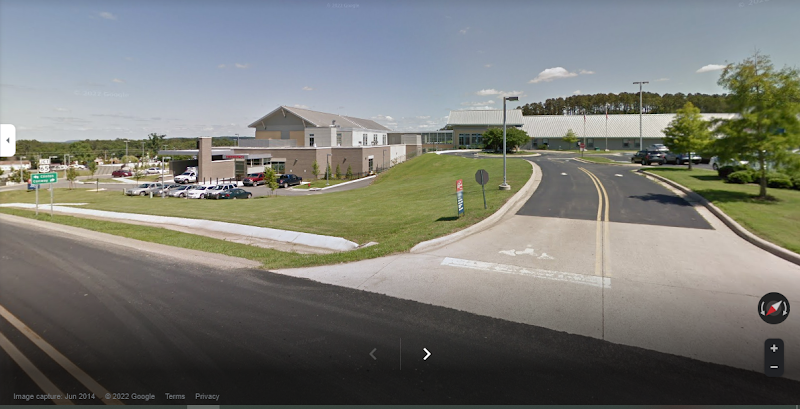
OZARK HEALTH NURSING AND REHAB CENTER is owned by a non-profit organization. Non-profit facilities reinvest revenue into operations rather than distributing to shareholders. The facility operates independently rather than as part of a larger chain. With 118 certified beds and approximately 83 residents (about 70% occupancy), it is a mid-sized facility located in CLINTON, Arkansas.
How Does Ozark Health Nursing And Rehab Center Compare to Other Arkansas Nursing Homes?

Compared to the 100 nursing homes in Arkansas, OZARK HEALTH NURSING AND REHAB CENTER's overall rating (4 stars) is above the state average of 3.1, staff turnover (32%) is significantly lower than the state average of 46%, and health inspection rating (4 stars) is above the national benchmark.

What Should Families Ask When Visiting Ozark Health Nursing And Rehab Center?

Based on this facility's data, families visiting should ask: "Can I visit during a mealtime to observe dining assistance and food quality?" "How do you handle medical emergencies, and what is your hospital transfer rate?" "Can I speak with family members of current residents about their experience?"

Is Ozark Health Nursing And Rehab Center Safe?

Based on CMS inspection data, OZARK HEALTH NURSING AND REHAB CENTER has a clean safety record: no substantiated abuse findings (meaning no confirmed cases of resident harm), no Immediate Jeopardy citations (the most serious violation level indicating risk of serious injury or death), and is not on the Special Focus Facility watch list (a federal program monitoring the lowest-performing 1% of nursing homes). The facility has a 4-star overall rating and ranks #1 of 100 nursing homes in Arkansas. While no facility is perfect, families should still ask about staff-to-resident ratios and recent inspection results during their visit.

Do Nurses at Ozark Health Nursing And Rehab Center Stick Around?

OZARK HEALTH NURSING AND REHAB CENTER has a staff turnover rate of 32%, which is about average for Arkansas nursing homes (state average: 46%). Moderate turnover is common in nursing homes, but families should still ask about staff tenure and how the facility maintains care continuity when employees leave.

Was Ozark Health Nursing And Rehab Center Ever Fined?

OZARK HEALTH NURSING AND REHAB CENTER has no federal fines on record. CMS issues fines when nursing homes fail to meet care standards or don't correct problems found during inspections. The absence of fines suggests the facility has either maintained compliance or corrected any issues before penalties were assessed. This is a positive indicator, though families should still review recent inspection reports for the full picture.

Is Ozark Health Nursing And Rehab Center on Any Federal Watch List?

OZARK HEALTH NURSING AND REHAB CENTER is not on any federal watch list. The most significant is the Special Focus Facility (SFF) program, which identifies the bottom 1% of nursing homes nationally based on persistent, serious quality problems. Not being on this list means the facility has avoided the pattern of deficiencies that triggers enhanced federal oversight. This is a positive indicator, though families should still review the facility's inspection history directly.