SUPERIOR HEALTH & REHAB, LLC
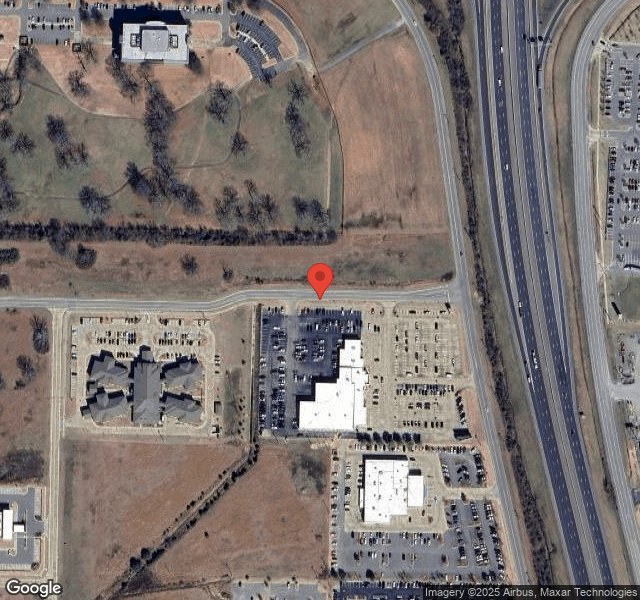
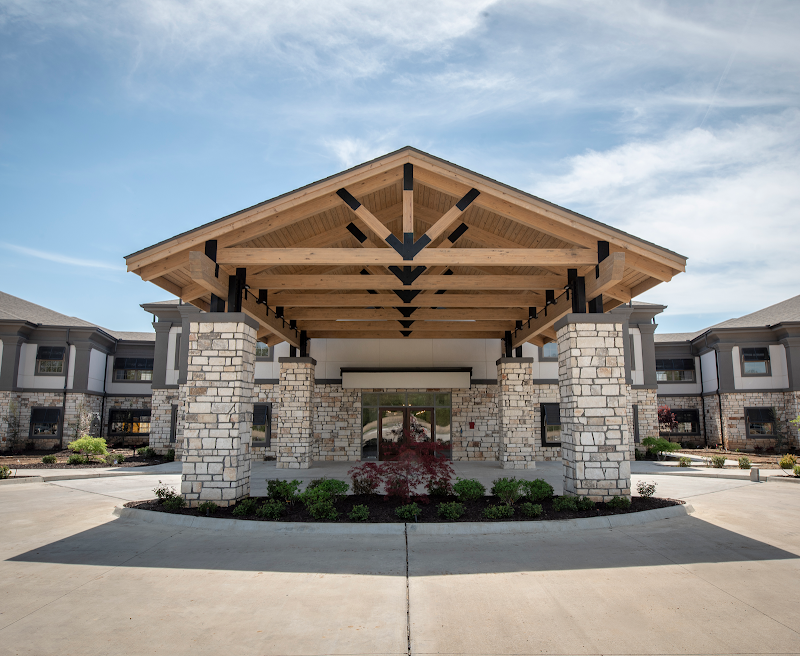
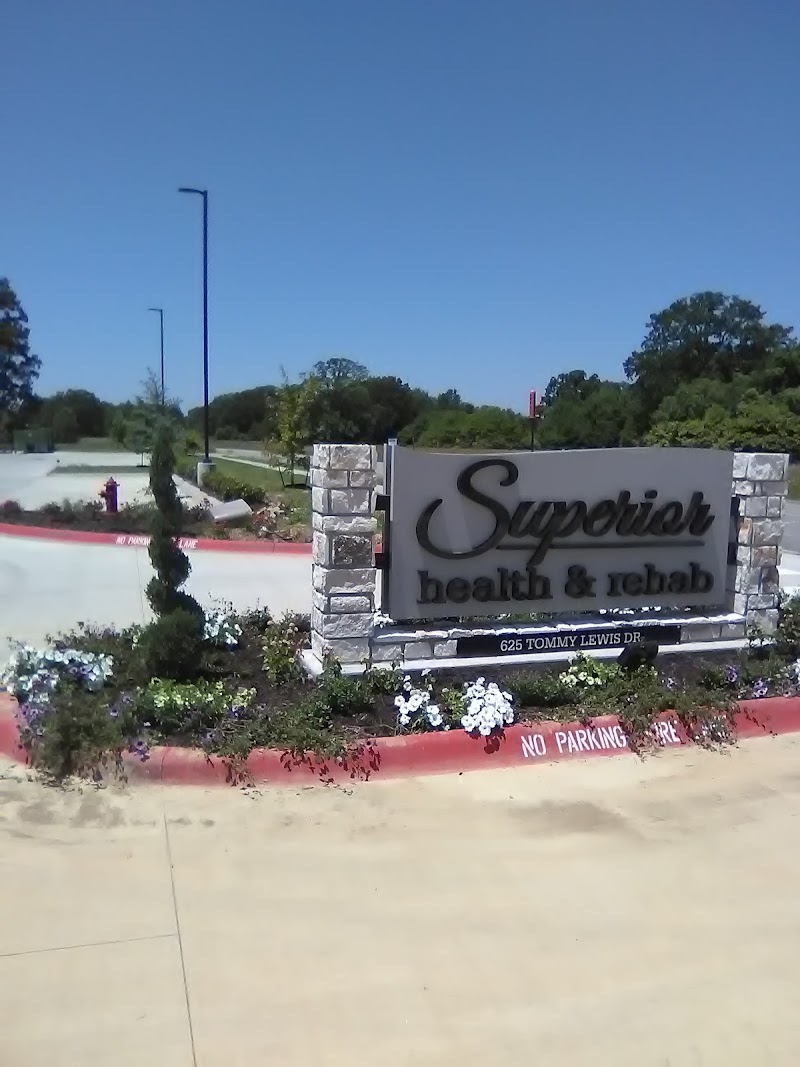
625 TOMMY LEWIS DR, CONWAY, AR 72033 (501) 585-6800
For profit - Limited Liability company 118 Beds CENTRAL ARKANSAS NURSING CENTERS Data: November 2025
Trust Grade
90/100
#36 of 218 in AR
Last Inspection: August 2025

Inspected within the last 6 months. Data reflects current conditions.

Overview

Superior Health & Rehab, LLC in Conway, Arkansas has received a Trust Grade of A, indicating it is an excellent facility that is highly recommended. It ranks #36 out of 218 nursing homes in the state, placing it in the top half, and #2 out of 6 in Faulkner County, meaning only one local facility is rated higher. The facility is improving, having reduced its number of issues from 4 in 2024 to 2 in 2025, although it still shows below-average staffing with a rating of 2 out of 5 stars and a turnover rate of 49%, which is slightly below the state average. Notably, there are no fines on record, demonstrating good compliance, and the facility has average RN coverage, which is important for catching potential health issues. However, there have been specific concerns identified during inspections, such as expired food items found in the refrigerator and instances where care plan interventions were not followed correctly, resulting in a resident falling and sustaining an injury. Overall, while there are strengths in compliance and quality ratings, families should consider the staffing levels and recent incident reports when making their decision.

Trust Score
A
90/100
In Arkansas
#36/218
Top 16%
Safety Record
Low Risk
No red flags
Inspections
Getting Better
4 → 2 violations
Staff Stability
⚠ Watch
49% turnover. Above average. Higher turnover means staff may not know residents' routines.
Penalties
✓ Good
No fines on record. Clean compliance history, better than most Arkansas facilities.
Skilled Nurses
⚠ Watch
Each resident gets only 19 minutes of Registered Nurse (RN) attention daily — below average for Arkansas. Fewer RN minutes means fewer trained eyes watching for problems.
Violations
○ Average
10 deficiencies on record. Average for a facility this size. Mostly minor or procedural issues.
★★★★★
5.0
Overall Rating
★★☆☆☆
2.0
Staff Levels
★★★★☆
4.0
Care Quality
★★★★★
5.0
Inspection Score
Stable
2024: 4 issues
2025: 2 issues

The Good

  • 4-Star Quality Measures · Strong clinical quality outcomes
  • Full Sprinkler Coverage · Fire safety systems throughout facility
  • No fines on record

Facility shows strength in quality measures, fire safety.

The Bad

Staff Turnover: 49%

Near Arkansas avg (46%)

Higher turnover may affect care consistency

Chain: CENTRAL ARKANSAS NURSING CENTERS

Part of a multi-facility chain

Ask about local staffing decisions and management

The Ugly 10 deficiencies on record

Aug 2025 2 deficiencies
CONCERN (D)

Potential for Harm - no one hurt, but risky conditions existed

Comprehensive Care Plan (Tag F0656)

Could have caused harm · This affected 1 resident

Based on record review, interview, and facility document review, the facility failed to ensure care plan interventions were consistently implemented for one (Resident #109) of four residents reviewed....

Read full inspector narrative →
Based on record review, interview, and facility document review, the facility failed to ensure care plan interventions were consistently implemented for one (Resident #109) of four residents reviewed. The findings include: A review of Resident #109’s Nursing Progress Notes on 04/23/2025 at 3:37 PM, read in part, the resident was transferred from their wheelchair to their recliner by Certified Nursing Assistant (CNA) #2. The Nursing Progress Notes also indicated Resident #109’s “legs gave out”, the resident fell backwards onto the floor and hit their head on the wheelchair. Resident #109 sustained a small abrasion to the rear left of their head. The Medical Director was notified via secure conversation on 04/23/2025 at 3:00 PM. The facilities Advance Practice Registered Nurse was in the facility at the time of the incident and assessed the abrasion with no new orders obtained. A review of Resident #109’s admission Record indicated the facility admitted the resident on 12/18/2019, with diagnoses which included acute and chronic respiratory failure, chronic right sided heart failure, muscle wasting and atrophy, type 2 diabetes with diabetic polyneuropathy, and severe obesity. A review of Resident #109’s Minimum Data Set (MDS) with an Assessment Reference Date of 02/05/2025, revealed a Brief Interview for Mental Status score of 15, which indicated the resident was cognitively intact. Resident #109’s MDS also revealed the resident required partial to moderate assistance for transfers and used a wheelchair for mobility. A review of Resident #109’s Care Plan Report, with a revision date of 02/21/2025, indicated the resident had a history of falls. Resident #109’s Care Plan Report specified interventions of a two-person assist during transfers, directed staff to encourage resident to let staff assist them to ensure safe transfers, and the resident needed prompt response to all requests for assistance. During an interview on 08/12/2025 at 1:17 PM, Medication Aide-Certified (MA-C) #3, who relayed their observation of the incident that occurred on 04/23/2025, indicated that while passing Resident #109’s room, MA-C #3 observed the resident fall. She then stated that Certified Nursing Assistant (CNA) #2 was there but could not hold the resident. MA-C #3 went to be of assistance after going for a nurse CNA #2 and MA-C #3 did not complete Resident #109’s transfer until the nurse assessed the resident. During an interview on 08/12/2025 at 1:41 PM, CNA #4 reported the closet care plan was where a CNA would look for care instructions on a resident. CNA #4 then stated fall interventions were added to the closet care plan, and the nurses kept the CNAs updated as well. During an interview on 08/12/2025 at 1:50 PM, CNA #5 reported the CNAs have face sheets and pages in the resident’s closet that help CNAs to know what care needs are. CNA #5 then stated the CNAs chart in kiosks and could have also referred to resident care plans there. CNA #5 verified if a resident had a history of falls, the bed would have been put in a low position, and interventions would have been checked to see if in place. During an interview on 08/12/2025 at 1:55 PM, CNA #6 indicated if the resident had not been seen before, if they were a new admit, or it was the staff member’s first time to work that particular hall, reviewing the face sheet or closet care plan would have been first step in providing care. The face sheet and care plan were one and the same and would have been in the resident’s closet. CNA #6 stated review of the closet care plan should be daily, because it could change daily. During an interview on 08/12/2025 at 1:58 PM, CNA #7 reported the caregivers learn about the residents through the closet care plan in the resident’s room. The CNAs would look to find interventions that are in place on the closet care plan if the resident had a history of accidents or falls. During an interview on 08/12/2025 at 2:15 PM, the Assistant Director of Nursing (ADON) indicated when residents were admitted with a history of accidents, the information would have been relayed to the nurses and CNAs during report. The appropriate interventions would be on the closet care plan like low bed position, and whatever else the resident needed. The closet care plan was completed by the admission nurse upon admission. This surveyor placed a call on 08/14/2025 to CNA # 2, there was no answer, and a message was left requesting a call back. During an interview on 08/14/2025 at 10:17 AM, the Director of Nursing (DON) reported that it was expected that all staff review the closet care plans every time they enter a room, and the closet care plan should be updated every three months. DON indicated she agreed with the termination of this staff member for non-compliance with closet care plan. During an interview on 08/14/2025 at 12:53 PM, the Administrator reported the employees must acknowledge and sign the “orientation document” indicating understanding that it was expected the care plan was to be followed, before they started to work at the facility. The Administrator reported that CNA #2 was interviewed after the incident and asked if they knew better than to transfer a resident independently when Resident #109 was a two person assist, and CNA #2 replied she did know better. The Administrator reported asking “then why did you do it?” CNA #2 indicated not knowing why. On 08/13/2025, this surveyor requested a policy regarding utilization of resident closet care plans from the Administrator. On 08/14/2025, the DON reported that no policy existed. A review of an orientation document provided by the Administrator, signed on 06/29/2023 with CNA #2’s name, read in part, that in signing this form the employee acknowledged understanding and acceptance of the disciplinary action when not following the resident’s face sheet or plan of care. A review of the Centers for Medicare and Medicaid Services (CMS) form 7734 for Resident #109 revealed that a closet Care Plan was copied by the facility after the incident on 04/23/2025, and included in the CMS 7734 documentation, under the heading of transfers: assist of two was clearly marked. Further review of CMS form 7734, confirmed through attached signed witness statements, facility documents, signed orientation on boarding document, and Resident #109’s closet care plan, Resident #109 was transferred by CNA #2 independently, which resulted in a fall. On 8/15/2025 at 9:01 AM, CNA #2 returned this surveyor’s call and confirmed that she had known the resident had a care plan for a two person assist. CNA #2 confirmed she had signed the pre-employment agreement to follow care plans and that failure to follow would result in termination. CNA #2 stated she felt pressured by Resident #109 to hurry and did not wait for help to transfer the resident.
MINOR (B)

Minor Issue - procedural, no safety impact

Resident Rights (Tag F0550)

Minor procedural issue · This affected multiple residents

**NOTE- TERMS IN BRACKETS HAVE BEEN EDITED TO PROTECT CONFIDENTIALITY** Based on observation, interview, and facility record review it was determined that the facility failed to ensure that residents ...

Read full inspector narrative →
**NOTE- TERMS IN BRACKETS HAVE BEEN EDITED TO PROTECT CONFIDENTIALITY** Based on observation, interview, and facility record review it was determined that the facility failed to ensure that residents were treated with dignity and respect for two (Resident #93 and Resident #88) of two residents observed for dignity. The findings include: Resident #93 A review of an admission Record indicated Resident #93 was admitted to the facility on [DATE] with diagnoses that included paralysis affecting one side of the body, one-sided muscle weakness, stroke, difficulty swallowing, and altered mental status. A review of an admission Minimum Data Set (MDS) with an Assessment Reference Date (ARD) of 07/09/2025, revealed Resident #93 had a Brief Interview for Mental Status (BIMS) score of 03, which indicated Resident #93 was severely cognitively impaired. The MDS also indicated Resident #93 was dependent on staff for eating. A review of a Care Plan Report indicated Resident #93 was able to feed themselves after setup, had an actual or the potential for a nutritional problem, and had a stroke that affected the right side of their body initiated 07/07/2025 and limited physical mobility initiated 07/08/2025. Resident #88 A review of an admission Record indicated Resident #88 was admitted to the facility on [DATE], with diagnoses that included major depressive disorder, abnormal weight loss, dementia, paralysis affecting one side of the body, one-sided muscle weakness, difficulty swallowing, and stroke. A review of the quarterly MDS with an ARD of 05/22/2025 revealed Resident #88 had a BIMS of 08, which indicated Resident #88 was moderately cognitively impaired. The MDS also indicated Resident #88 was dependent on staff for eating. A review of a Care Plan Report with an initiated date of 09/11/2024, indicated Resident #88 had a self-care deficit, related to one sided muscle weakness, and paralysis affecting the dominant side. The Care Plan Report also indicated Resident #88 was dependent on staff for food intake. A review of Resident #88’s active Physician’s Orders as of 08/14/2025 indicated the resident had a regular-enhanced diet with pureed texture, and honey consistency. Investigation On 08/11/2025 at 12:26 PM, Resident #93 and Resident #88 were observed during the lunch meal. A red napkin was observed under a white napkin on the table next to Resident #93 and Resident #88. CNA #1 indicated the red napkin meant the resident was a “feeder”. CNA #1 clarified a feeder” meant the resident was a feeder pointing to both Resident #93 and a tablemate Resident #88. The tray cards were reviewed while at the resident’s table, both Resident #93 and Resident #88’s meal tray cards indicated feeder in the alerts section. On 08/13/2025 a policy on treating residents with dignity and respect was requested of the Administrator. On 08/13/2025 the Activity Director reported the facility did not have a specific policy on resident dignity and respect, but the facility had the resident’s rights documented in the admission packet and the admission packet was provided to all residents on admission. The Activity Director provided a copy of the dignity in-service training presented in July 2025, that all employees were required to participate in. Certified Nursing Assistant (CNA) #1’s signature was next to her name on the dignity in-service which read in part that dignity was the quality or state of being worthy of respect, esteem, nobility and honor. An “admission Packet” with a review date of “12/21” was reviewed and read in part that the facility would promote and protect the rights of each resident. The residents had the right to be treated without discrimination regardless of their disability. Each resident had the right to be treated with consideration and respect. On 08/13/2025 at 12:53 PM, the Administrator reported all employees go through dignity training during orientation and yearly. On 08/13/2024 at 12:57 PM, the Dietary Manager (DM) while speaking with another surveyor made the statement, “they were through with the dining room service, with only the feeders left.” The DM was asked to clarify what “feeders” meant. The DM indicated feeders were in reference to the residents who had to be fed, not the aides who provided assistance with the meal. The DM indicated not being aware that labeling a resident a “feeder” was a derogatory term. The DM reported never being told not to call a resident a “feeder”. The DM reported the meal cards also labeled the residents as “feeders. The DM stated she would get right on that and get the cards changed. During a phone interview on 08/14/2025 at 9:47 AM, CNA #1 confirmed participating in the dignity training in July 2025, during the facility wide training. CNA #1 reported being a CNA for more than eight years and while working as a CNA had dignity training yearly. CNA #1 explained that when a resident was referred to as a feeder, it meant they had to be fed. CNA #1 stated, “when they are feeders, we have to assist them with feeding.” A review of CNA #1’s employee training regarding resident’s rights and agreement to comply with the Resident’s Rights Policy, revealed CNA #1’s name on the signature line. During an interview on 08/14/2025 at 10:12 AM, the Director of Nursing (DON) reported that when a resident was referred to as a feeder, it signified that the resident required feeding or extensive assistance with feeding. The DON reported labeling a resident, who required extensive assistance, as a feeder was how they had always referred to them. The DON indicated the facility expectation was for all facility staff to follow policies. The DON indicated CNA #1 should not have pointed to the residents and called them “feeders. During an interview on 08/14/2025 at 8:45 AM, the Administrator, who remarked that she understood how it must have sounded, stated she had already instituted a change in the meal tickets. The administrator stated the aide should not have pointed at the residents and referred to them as feeders.
May 2024 4 deficiencies
CONCERN (D)

Potential for Harm - no one hurt, but risky conditions existed

Assessment Accuracy (Tag F0641)

Could have caused harm · This affected 1 resident

Based on record review, observations, and interviews, it was determined that the facility failed to accurately assess the resident and code the Minimum Data Set (MDS) to reflect the use of position ch...

Read full inspector narrative →
Based on record review, observations, and interviews, it was determined that the facility failed to accurately assess the resident and code the Minimum Data Set (MDS) to reflect the use of position change alarms for 1 (Resident #54) of 1 resident reviewed for position change alarms on the MDS. Findings include: A review of the Order Summary Report, indicated the facility admitted Resident #54 with diagnoses that included Unspecified dementia, unspecified severity, without behavioral disturbance, psychotic disturbance, mood disturbance, and anxiety. The 5-day Minimum Data Set (MDS), with an Assessment Reference Date (ARD) of 04/18/2024, revealed Resident #54 had a Brief Interview of Mental Status (BIMS) score of 11 which indicated the resident had moderate cognitive impairment. Under section P, restraints and alarms were coded as not used. A review of Resident #54's Care Plan, initiated, revealed the resident was at risk for falls related to muscle wasting and atrophy, weakness, and gait abnormalities. Interventions did not include pressure change alarms. During an observation on 04/30/2024 at 11:15 AM, pressure change alarms were in place on Resident #54's bed, chair, and under the resident. During an observation on 05/01/2024 at 10:00 AM, pressure change alarms were in place on Resident #54's bed, chair, and under the resident. During an observation on 05/03/2024 at 10:32 AM, pressure change alarms were in place on Resident #54's bed, chair, and under the resident. During an interview on 05/03/2024 at 11:11 AM, the Assistant Director of Nursing (ADON) stated that when a resident is prone to be at risk for falls, they put alarms in place as an intervention. The ADON confirmed that alarms were not coded on the MDS, and that the MDS is coded to reflect the resident care. During an interview on 05/03/2024 at 12:11 PM, the MDS Coordinator confirmed that alarms were not coded on the MDS and that it would need to be modified to reflect they are in place.
CONCERN (D)

Potential for Harm - no one hurt, but risky conditions existed

Comprehensive Care Plan (Tag F0656)

Could have caused harm · This affected 1 resident

Based on record review, observations, and interviews, it was determined that the facility failed to initiate on the care plan, goals, and interventions to be in place for a resident with the use of po...

Read full inspector narrative →
Based on record review, observations, and interviews, it was determined that the facility failed to initiate on the care plan, goals, and interventions to be in place for a resident with the use of position change alarms for 1 (Resident #54) of 1 resident reviewed for position change alarms on the care plan. Findings include: A review of the Order Summary Report, indicated the facility admitted Resident #54 with diagnoses that included Unspecified dementia, unspecified severity, without behavioral disturbance, psychotic disturbance, mood disturbance, and anxiety. The 5-Day Minimum Data Set (MDS) with an Assessment Reference Date (ARD) of 04/18/2024 revealed Resident #54 had a Brief Interview of Mental Status (BIMS) score of 11 which indicated the resident had moderate cognitive impairment. Under section P, restraints and alarms were coded as not used. A review of Resident #54's Care Plan, initiated, revealed the resident was at risk for falls related to muscle wasting and atrophy, weakness, and gait abnormalities. Interventions did not include pressure change alarms. During an observation on 04/30/2024 at 11:15 AM, pressure change alarms were in place on Resident #54's bed, chair, and under the resident. During an observation on 05/01/2024 at 10:00 AM, pressure change alarms were in place on Resident #54's bed, chair, and under the resident. During an observation on 05/03/2024 at 10:32 AM, pressure change alarms were in place on Resident #54's bed, chair, and under the resident. During an interview on 05/03/2024 at 11:11 AM, the Assistant Director of Nursing (ADON) stated that when a resident is prone to be at risk for falls, they put alarms in place as an intervention. The ADON confirmed that alarms were not addressed on the care plan and confirmed that the care plan and tasks should be updated as soon as alarms are put into place. The ADON also included that it's the unit manager's responsibility to ensure the care plan is updated based on follow-up observations. During an interview on 05/03/2024 at 11:35 AM, Licensed Practical Nurse (LPN) #1 confirmed that alarms are in place at this time and have been for at least a couple months, but they were not addressed on the care plan.
CONCERN (D)

Potential for Harm - no one hurt, but risky conditions existed

Deficiency F0687 (Tag F0687)

Could have caused harm · This affected 1 resident

**NOTE- TERMS IN BRACKETS HAVE BEEN EDITED TO PROTECT CONFIDENTIALITY** Based on observations, record review, and interview, the facility failed to ensure necessary foot/toenail treatment and care was...

Read full inspector narrative →
**NOTE- TERMS IN BRACKETS HAVE BEEN EDITED TO PROTECT CONFIDENTIALITY** Based on observations, record review, and interview, the facility failed to ensure necessary foot/toenail treatment and care was provided to keep toenails trimmed and dry and to prevent flaky skin to decrease the potential for foot complications for 1 (Resident #367) of 1 sampled resident who was dependent on staff for foot/toenail care. The findings are: Resident #367 had a diagnosis of cellulitis of the left lower limb. The Nursing admission assessment dated [DATE] documented Resident #367 had a Brief Interview for Mental Status (BIMS) score on 10 (8-10 indicates moderately impaired) and required partial/moderate assistance with shower/bathing and partial/moderate assistance with putting/taking off footwear. a. On 05/01/2024 at 09:05 AM, Resident #367 was lying in bed with both feet uncovered. Dry, scaly, and flaky skin was observed on both feet. The toenails on the right foot (the second, third and fourth toes) and the toenails on the left foot (third and fifth toes), were noted to be 1/4 inch over the tip of the toes. A string from the bedspread was observed to be hung on the resident's right third toenail. b. On 05/02/2024 at 09:47 AM, Resident #367 was sitting up in a chair at the bedside. Resident #367 had on a pair of house shoes with both feet on the floor. Certified Nursing Assistant (CNA) #1 was asked to accompany the surveyor to Resident #367's room. c. On 5/02/2024 at 09:47, CNA #1 said Resident #367 had a shower on Tuesday and that she usually puts lotion on both of Resident #367's feet after a shower and do a stop and watch to notify the nurse of the condition of Resident #367's feet but stated she hasn't done it yet. CNA#1 said she told the treatment nurse on Tuesday. CNA#1 said she could have trimmed Resident #367's toenails because Resident #367 wasn't a diabetic. CNA #1 said Resident #367's toenails needed trimming. d. On 05/02/2024 at 10:28 AM, Treatment Nurse #1 described Resident #367's feet as extremely dry and scaly with concern to the left big toe tip and the right inside of the heel with a blanchable fluid filled blister under a callous. e. On 05/02/2024 at 01:52 PM, the Assistant Director of Nursing (ADON) described Resident #367's feet with a lot of dry skin, mushy heels and not much blood flow. The ADON said Resident #367's toenails on the right foot, the second, third and fourth toes and the toenails on the left foot, third and fifth toes needed to be trimmed. f. On 05/02/2024 at 01:54, the Director of Nursing (DON) said a nursing assessment was done upon admission but should have included the feet. The DON described Resident #367's feet as dry and scaly with poor blood circulation to both feet. g. On 05/02/2024 at 3:30 PM, the Administrator was asked for a policy on ADL (activities of daily living)/nail care, admission assessments, and prevention of skin breakdown on feet. The Administrator said there were no policies.
CONCERN (F)

Potential for Harm - no one hurt, but risky conditions existed

Food Safety (Tag F0812)

Could have caused harm · This affected most or all residents

Based on observation and interview, the facility failed to ensure food items were used prior to their use by date, and food items, utensils and dishes and were stored in a manner to limit cross contam...

Read full inspector narrative →
Based on observation and interview, the facility failed to ensure food items were used prior to their use by date, and food items, utensils and dishes and were stored in a manner to limit cross contamination. The findings are: On 04/30/2024 at 9:25 AM, two 5 pound bags of shredded mozzarella were observed on the top shelf of the walk-in refrigerator. One bag had a use by date of 02/14/2024 and one bag had a use by date of 03/19/2024. The second bag had a greenish spot located on the cheese that was approximately 1.5 to 2 inches wide. On 04/30/2024 at 9:27 AM, a 1/2 full, 2 pound package of sliced turkey, was located in a storage bag that was not sealed. Located on the same shelf was a bag containing a ham sandwich with a use by date of 4/29/24. When asked how food should be stored the Dietary Manager verbalized the importance of ensuring food is stored in a sealed container and used before the expiration date. On 04/30/2024 at 9:35 AM, 2 large stainless-steel bowls were observed to be nested on the bottom shelf of a rolling dish rack. A large pot was resting inside the top bowl. All three items were stored right side up. On the second shelf from the bottom there were 4 stacks of small bowls. Each stack was sitting with the top side up, exposing the inside of the bowl to contaminants. On the bottom of a rolling shelving unit, 3 large plastic pitchers were observed to be sitting right side up, along with a small pitcher which was also right side up exposing the inside of the items to contaminants. On 04/30/2024 at 9:30 AM, 3 large square containers of cereal were observed on a top shelf in the dry storage area. Each container had one corner of the lid that was not secured exposing the contents to air and contaminants. Upon observation the Dietary Manager secured the corners of the containers and the corners of the containers. On 04/30/2024 at 9:35 AM, the reach in ice cream freezer was observed to have debris on the bottom. On 05/03/2024 at 9:10 AM, 6 large plastic pitchers were observed in the refrigerator. The lids were turned to open exposing the contents to air and contaminants. The Dietary Manager said 3 of the pitchers contained house shakes and 3 contained tea. The Dietary Manager expressed that the container lids should have been turned to close. On 05/03/2024 at 9:13 AM, the reach in ice cream freezer was observed with a variety of debris (white food particles, paper, and frozen liquid) on the bottom. On 05/03/2024 at 10:01 AM, the Administrator provided a policy titled, Food Storage. The policy stated that food was stored and prepared in a clean safe sanitary manner that complies with state and federal guidelines. The procedure describes food storage as clean, organized, and free of dirt. The containers for bulk items are leak-proof, non-absorbent, sanitary and have tight fitting lids. All food not in original containers will be labeled, dated, and stored in National Sanitation Foundation approved containers.
May 2023 4 deficiencies
CONCERN (D)

Potential for Harm - no one hurt, but risky conditions existed

Deficiency F0583 (Tag F0583)

Could have caused harm · This affected 1 resident

Based on observation, and interview, the facility failed to ensure privacy and confidentiality of resident ' s personal and medical records by failure to lock the computer screens when not in use, and...

Read full inspector narrative →
Based on observation, and interview, the facility failed to ensure privacy and confidentiality of resident ' s personal and medical records by failure to lock the computer screens when not in use, and not ensuring confidential information on a notepad such as names, diagnoses, and medications were not visible to passersby. The failed practice has the potential to affect all residents who received medications on the G and H halls during the 12:00 PM medication pass. The findings are: 1. On 05/09/23 at 12:23 PM, the Surveyor observed a medication cart left unattended with a laptop resting on top. The laptop screen was unlocked, and resident names and photos were visible. A notepad with resident names, medications, and diagnoses with a line drawn through them was also on top of the cart left unattended and visible. 2. On 05/09/23 at 12:26 PM, the Surveyor asked Licensed Practical Nurse (LPN) #1 if he left his medication cart unattended on a regular basis. LPN #1 answered, No, I got called to take somebody down in the middle of med [medication] pass. The Surveyor asked if he should lock his laptop computer when he left his medication cart unattended. LPN#1 answered, Yes. The Surveyor asked what could happen if he didn't lock his laptop screen and left it unattended for others to see. LPN #1 answered, Well, I guess it could be a violation of HIPAA [Health Insurance Portability and Accountability Act]. 3. On 05/09/23 at 12:39 PM, the Surveyor asked the Director of Nursing (DON) what should happen if a nurse is passing medications and gets called away by staff to help with another resident. The DON answered, They should complete their medication pass, lock the med cart, and lock their screen before leaving to help. The Surveyor asked what could happen if they didn't do those things. The DON answered, It would be a privacy issue or a safety issue. The Surveyor asked for a copy of the facility's HIPAA policy. The DON referred the Surveyor to the Administrator. 4. A facility HIPAA Policy and Procedure titled, Confidentiality of Resident Information Policy, provided by the Administrator on 05/09/23 at 1:33 PM documented, .All information regarding the Facility's residents shall be kept confidential . In a setting where information can be read or transferred from an unattended computer monitor .
CONCERN (D)

Potential for Harm - no one hurt, but risky conditions existed

ADL Care (Tag F0677)

Could have caused harm · This affected 1 resident

Based on observation, interview, and record review, the facility failed to ensure nails were trimmed, smooth and free of jagged edges to promote good personal hygiene and grooming for 1 (Resident #351...

Read full inspector narrative →
Based on observation, interview, and record review, the facility failed to ensure nails were trimmed, smooth and free of jagged edges to promote good personal hygiene and grooming for 1 (Resident #351) of 14 (Residents #4, #14, #27, #29, #31, #39, #46, #51, #55, #64, #77, #143, #342 and #351) sampled residents who were dependent for nail care according to a list provided by the Administrator on 05/12/23 at 7:58 AM. The findings are: 1. Resident #351 had a diagnosis of Cerebral Infarction due to Unspecified Occlusion or Stenosis of Left Cerebellar Artery. The admission Minimum Data Set (MDS) with an Assessment Reference Date (ARD) of 05/04/23 documented the resident scored 9 (8-12 indicates moderately cognitively impaired) on a Brief Interview of Mental Status (BIMS) and required extensive physical assistance of one person with personal hygiene and was totally dependent on two plus persons physical assistance with bathing. a. The Care Plan with an initiated date of 04/29/23 did not address personal hygiene or nail care. b. On 05/09/23 at 12:33 PM, Resident #351 was sitting up in a wheelchair eating lunch at the bedside table. Her thumbnails and several of her fingernails extended over 1/2 inch past the tips of the fingers. The tips of the nails were jagged with a brown substance underneath the nails on both hands. c. On 05/10/23 at 1:58 PM, Resident #351 was lying in bed awake. Her thumbnails and several of her fingernails remained over 1/2 inch long past the fingertips, and jagged with a brown substance under the nails. The Surveyor asked Resident #351 if she liked her fingernails the way they were. Resident #351 answered, No and began picking the brown substance from under her nails and dropping it onto her bedside table positioned across her lap. Resident #351 looked at her nails and stated, I need to have them trimmed. Resident #351 asked if the Surveyor could move a chair into the corner of her room. The Surveyor encouraged her to push her call light. Resident #351 had difficulty pushing the call light button on her remote due to the length of her thumbnail and fingernails. After her 3rd attempt, she succeeded in pushing her call light. d. On 05/11/23 at 8:32 AM, Resident #351 was lying in bed awake watching TV. Her thumbnails and several fingernails remained over 1/2 inch long past her fingertips, with jagged edges, and a brown substance underneath them. The Surveyor asked Resident #351 if she would like to have her nails trimmed. She replied, Yes, I need to. They are long and crooked. The Surveyor asked if she had requested the staff to trim her nails. She answered, No. e. On 05/11/23 at 1:49 PM, Resident #351 returned from Physical Therapy (PT) sitting up in wheelchair with her right leg elevated. The Surveyor asked Resident #351 if she had her nails trimmed yet. She answered, No. The Surveyor asked if she had asked anyone to trim them for her. She answered, No. The Surveyor asked if she liked her nails that long. She answered, No, not really. f. On 05/11/23 at 1:53 PM, the Surveyor asked Certified Nursing Assistant (CNA) #1 if Resident #351 had asked for help trimming her nails. CNA#1 answered, No, do they need it? The Surveyor asked CNA #1 to accompany the Surveyor to Resident #351's room where she was asked to describe what she saw while looking at Resident #351's fingernails. CNA #1 replied, Oh, her nails are too long. The Surveyor asked how long she would guess the nail length was. CNA #1 answered, I don't know, a couple of centimeters maybe. g. On 05/11/23 at 1:58 PM, the Surveyor asked Licensed Practical Nurse (LPN) #1 to describe what he saw while looking at Resident #351's fingernails. He answered, Well they are long. We need to get those trimmed up. The Surveyor asked if Resident #351 had ever refused nailcare. LPN #1 answered, Uh no, not with me, but I'm only here two days a week. The Surveyor asked who was responsible for the residents nailcare. LPN #1 answered, Uh, nursing staff is if she's diabetic, the aides if she's not. h. On 05/11/23 at 2:12 PM, the Surveyor asked the Director of Nursing (DON) who was responsible for the residents nailcare. She answered, The CNAs, Restorative Care, or the Nurses. The Surveyor asked if she could provide a policy for nailcare or Activities of Daily Living (ADLs). She answered, Yes. i. On 05/11/23 at 2:28 PM, the DON informed the survey team that there was no facility policy for ADL's or Nail Care.
CONCERN (D)

Potential for Harm - no one hurt, but risky conditions existed

Deficiency F0805 (Tag F0805)

Could have caused harm · This affected 1 resident

Based on observation, and interview, the facility failed to ensure pureed food items were blended to a smooth, lump-free consistency to minimize the risk of choking or other complications for resident...

Read full inspector narrative →
Based on observation, and interview, the facility failed to ensure pureed food items were blended to a smooth, lump-free consistency to minimize the risk of choking or other complications for residents who required pureed diets for 1 of 1 meal observed. This failed practice had the potential to affect 1 resident who received a pureed diet as documented on the Diet List provided by the Dietary Supervisor on 05/09/23 at 10:24 AM. The findings are: 1. On 05/08/23 at 4:03 PM, the pureed carrots to be served to the resident on a pureed diet were in a divided plate on the food preparation counter. The consistency was not formed, it was runny. There were pieces of carrots visible in the mixture. 2. On 05/08/23 at 4:06 PM, Dietary Employee (DE) #1 placed a serving of macaroni and cheese into a blender, added 2% milk and pureed. At 4:07 PM, she poured the pureed macaroni and cheese onto a divided plate. The consistency of the pureed macaroni and cheese was lumpy and not smooth. 3. On 05/08/23 at 4:18 PM, DE #1 placed one baked pork fritter into a blender, added brown gravy and pureed. At 4:23 PM, she poured the pureed pork fritter into a pan. She covered the pan with foil and placed it in the oven. The consistency of the pureed pork fritter was gritty and thick and was not smooth. 5. On 05/08/23 at 5:28 PM, when DE #1 was about to send out a pureed tray consisting of pureed carrots, pureed pork fritters, pureed bread and pureed macaroni and cheese, the Surveyor asked the Dietary Supervisor to describe the consistency of the pureed food items to be served to the resident who was on a pureed diet. The Dietary Supervisor stated, Pureed carrots was not blended enough. It needed to be blended more. There were small pieces of carrot in it. Pureed pork fritters have crust from the outside of the of the pork fritters in it. It was not blended thoroughly. Pureed macaroni and cheese needed more blending. Pieces of noodles were not pureed enough, and pureed bread has pieces of the bread crust in it. 6. On 05/08/23 at 5:29 PM, the Surveyor asked the Assistant Dietary Supervisor to describe the consistency of the pureed food items to be served to the resident who was on a pureed diet. She stated, Pureed carrots has pieces of carrots in it. It needed to be pureed more. Pureed pork fritters have crust from the breaded meat visible in it. It needed to be pureed some more. Pureed macaroni and cheese was not blended enough. You can see pieces of noodles in it. Pureed bread was runny. Bread crust was visible in it. It needs to be smooth.
CONCERN (F)

Potential for Harm - no one hurt, but risky conditions existed

Food Safety (Tag F0812)

Could have caused harm · This affected most or all residents

Based on observation, the facility failed to ensure foods stored in the walk-in freezer were covered and sealed to minimize the potential for food borne illness for residents who received meals from 1...

Read full inspector narrative →
Based on observation, the facility failed to ensure foods stored in the walk-in freezer were covered and sealed to minimize the potential for food borne illness for residents who received meals from 1 of 1 kitchen. The failed practice had the potential to affect all residents who received meals from the kitchen (total census: 104), as documented on a list provided by Dietary Supervisor on 05/09/23 at 10:24 AM. The findings are: 1. On 05/08/23 at 4:26 PM, the following observations were made in the walk-in freezer: a. An opened box of cookies was on a shelf in the walk-in freezer. The box was not covered or sealed. b. An opened box of hamburger patties. The box was not covered or sealed. c. An opened box of dinner rolls. The box was not covered or sealed. d. An opened box of breaded okra was on a shelf in the walk-in freezer. The box was not covered or sealed. e. An opened box of pork fritters was on a shelf in the freezer. The box was not covered or sealed. f. Two opened boxes of corn on the cob were on a shelf in the freezer. The boxes were not covered or sealed. g. One opened box of sausage was on a shelf in the walk-in freezer. The box was not covered or sealed.
Understanding Severity Codes (click to expand)
Life-Threatening (Immediate Jeopardy)
J - Isolated K - Pattern L - Widespread
Actual Harm
G - Isolated H - Pattern I - Widespread
Potential for Harm
D - Isolated E - Pattern F - Widespread
No Harm (Minor)
A - Isolated B - Pattern C - Widespread

Questions to Ask on Your Visit

  • "Can I speak with families of current residents?"
  • "What's your RN coverage like on weekends and overnight?"

Our Honest Assessment

Strengths
  • • Grade A (90/100). Above average facility, better than most options in Arkansas.
  • • No major safety red flags. No abuse findings, life-threatening violations, or SFF status.
  • • No fines on record. Clean compliance history, better than most Arkansas facilities.
Concerns
  • • No significant concerns identified. This facility shows no red flags across CMS ratings, staff turnover, or federal penalties.
Bottom line: Generally positive indicators. Standard due diligence and a personal visit recommended.

About This Facility

What is Superior Health & Rehab, Llc's CMS Rating?

CMS assigns SUPERIOR HEALTH & REHAB, LLC an overall rating of 5 out of 5 stars, which is considered much above average nationally. Within Arkansas, this rating places the facility higher than 99% of the state's 100 nursing homes. This rating reflects solid performance across the metrics CMS uses to evaluate nursing home quality.

How is Superior Health & Rehab, Llc Staffed?

CMS rates SUPERIOR HEALTH & REHAB, LLC's staffing level at 2 out of 5 stars, which is below average compared to other nursing homes. Staff turnover is 49%, compared to the Arkansas average of 46%.

What Have Inspectors Found at Superior Health & Rehab, Llc?

State health inspectors documented 10 deficiencies at SUPERIOR HEALTH & REHAB, LLC during 2023 to 2025. These included: 9 with potential for harm and 1 minor or isolated issues.
Who Owns and Operates Superior Health & Rehab, Llc?

SUPERIOR HEALTH & REHAB, LLC is owned by a for-profit company. For-profit facilities operate as businesses with obligations to shareholders or private owners. The facility is operated by CENTRAL ARKANSAS NURSING CENTERS, a chain that manages multiple nursing homes. With 118 certified beds and approximately 106 residents (about 90% occupancy), it is a mid-sized facility located in CONWAY, Arkansas.
How Does Superior Health & Rehab, Llc Compare to Other Arkansas Nursing Homes?

Compared to the 100 nursing homes in Arkansas, SUPERIOR HEALTH & REHAB, LLC's overall rating (5 stars) is above the state average of 3.2, staff turnover (49%) is near the state average of 46%, and health inspection rating (5 stars) is much above the national benchmark.

What Should Families Ask When Visiting Superior Health & Rehab, Llc?

Based on this facility's data, families visiting should ask: "Can you walk me through typical staffing levels on day, evening, and night shifts?" "Can I visit during a mealtime to observe dining assistance and food quality?" "How do you handle medical emergencies, and what is your hospital transfer rate?" "Can I speak with family members of current residents about their experience?" These questions are particularly relevant given the below-average staffing rating.

Is Superior Health & Rehab, Llc Safe?

Based on CMS inspection data, SUPERIOR HEALTH & REHAB, LLC has a clean safety record: no substantiated abuse findings (meaning no confirmed cases of resident harm), no Immediate Jeopardy citations (the most serious violation level indicating risk of serious injury or death), and is not on the Special Focus Facility watch list (a federal program monitoring the lowest-performing 1% of nursing homes). The facility has a 5-star overall rating and ranks #1 of 100 nursing homes in Arkansas. While no facility is perfect, families should still ask about staff-to-resident ratios and recent inspection results during their visit.

Do Nurses at Superior Health & Rehab, Llc Stick Around?

SUPERIOR HEALTH & REHAB, LLC has a staff turnover rate of 49%, which is about average for Arkansas nursing homes (state average: 46%). Moderate turnover is common in nursing homes, but families should still ask about staff tenure and how the facility maintains care continuity when employees leave.

Was Superior Health & Rehab, Llc Ever Fined?

SUPERIOR HEALTH & REHAB, LLC has no federal fines on record. CMS issues fines when nursing homes fail to meet care standards or don't correct problems found during inspections. The absence of fines suggests the facility has either maintained compliance or corrected any issues before penalties were assessed. This is a positive indicator, though families should still review recent inspection reports for the full picture.

Is Superior Health & Rehab, Llc on Any Federal Watch List?

SUPERIOR HEALTH & REHAB, LLC is not on any federal watch list. The most significant is the Special Focus Facility (SFF) program, which identifies the bottom 1% of nursing homes nationally based on persistent, serious quality problems. Not being on this list means the facility has avoided the pattern of deficiencies that triggers enhanced federal oversight. This is a positive indicator, though families should still review the facility's inspection history directly.