NIGHTINGALE AT CROSSETT

1101 WATERWELL ROAD, CROSSETT, AR 71635 (870) 364-5721
For profit - Limited Liability company 55 Beds NIGHTINGALE Data: November 2025
Trust Grade
48/100
#158 of 218 in AR
Last Inspection: September 2024

Within standard 12-15 month inspection cycle. Federal law requires annual inspections.

Overview

Nightingale at Crossett has a Trust Grade of D, which indicates below-average care with some significant concerns. The facility ranks #158 out of 218 in Arkansas, placing it in the bottom half of nursing homes in the state, and it is the second option among two facilities in Ashley County, meaning there is only one other choice available locally. Unfortunately, the facility's trend is worsening, with issues increasing from 6 in 2023 to 11 in 2024. While staffing turnover is relatively low at 42%, which is better than the state average, the overall staffing rating is only 2 out of 5 stars. The facility has incurred $12,353 in fines, which is concerning as it is higher than 87% of Arkansas facilities, suggesting ongoing compliance issues. On the positive side, there is average RN coverage, which is important for catching potential problems. However, there have been specific incidents noted, such as expired food not being removed from a resident's cooler, and a failure to properly maintain food items, which poses a risk for foodborne illness. Additionally, the facility did not adequately assess the staffing needs of all resident units, indicating potential gaps in care. Overall, families should weigh these strengths and weaknesses carefully when considering this nursing home.

Trust Score
D
48/100
In Arkansas
#158/218
Bottom 28%
Safety Record
Low Risk
No red flags
Inspections
Getting Worse
6 → 11 violations
Staff Stability
○ Average
42% turnover. Near Arkansas's 48% average. Typical for the industry.
Penalties
✓ Good
$12,353 in fines. Lower than most Arkansas facilities. Relatively clean record.
Skilled Nurses
⚠ Watch
Each resident gets only 20 minutes of Registered Nurse (RN) attention daily — below average for Arkansas. Fewer RN minutes means fewer trained eyes watching for problems.
Violations
⚠ Watch
28 deficiencies on record. Higher than average. Multiple issues found across inspections.
★★☆☆☆
2.0
Overall Rating
★★☆☆☆
2.0
Staff Levels
★★☆☆☆
2.0
Care Quality
★★☆☆☆
2.0
Inspection Score
Stable
2023: 6 issues
2024: 11 issues

The Good

  • Full Sprinkler Coverage · Fire safety systems throughout facility
  • No fines on record
  • Staff turnover below average (42%)

    6 points below Arkansas average of 48%

Facility shows strength in fire safety.

The Bad

2-Star Overall Rating

Below Arkansas average (3.1)

Below average - review inspection findings carefully

Staff Turnover: 42%

Near Arkansas avg (46%)

Typical for the industry

Federal Fines: $12,353

Below median ($33,413)

Minor penalties assessed

Chain: NIGHTINGALE

Part of a multi-facility chain

Ask about local staffing decisions and management

The Ugly 28 deficiencies on record

Sept 2024 11 deficiencies
CONCERN (D)

Potential for Harm - no one hurt, but risky conditions existed

Resident Rights (Tag F0550)

Could have caused harm · This affected 1 resident

Based on observations, interviews, record review, and facility policy review, the facility failed ensure that 1 (Resident #25) sampled resident's dignity was maintained while receiving care. The findi...

Read full inspector narrative →
Based on observations, interviews, record review, and facility policy review, the facility failed ensure that 1 (Resident #25) sampled resident's dignity was maintained while receiving care. The findings include: Review of the annual Minimum Data Set (MDS) with the Assessment Reference Date (ARD) of 8/30/2024 revealed Resident #25 scored 4 on the Brief Interview of Mental Status indicating severe impaired cognition, and the resident was frequently incontinent of bowel and bladder. A plan of care for Resident #25 (revision date 3/07/2024) revealed Resident #25 had frequent bladder and bowel incontinence related to Alzheimer's and required staff to clean peri-area with each incontinence episode. On 09/18/24 at 9:15 AM, the Surveyor observed Certified Nursing Assistant (CNA) #7 providing Resident #25 with incontinence care with the bathroom door open and curtain unpulled in the presence of the resident's roommate. On 09/18/24 at 9:16 AM, CNA #7 stated, I know I did wrong and confirmed she did not pull that curtain to provide Resident #25 with privacy. On 09/18/24 at 11:30 AM, the Director of Nursing (DON) stated when staff are providing care, they should pull the curtain to protect the privacy and maintain the dignity of the resident. Review of facility policy undated and titled Your Rights and Protection as a Nursing Home Resident noted At a minimum, Federal law specifies that nursing homes must protect and promote the following rights of each resident. You have the right to: Be Treated with Respect: You have the right to be treated with dignity and respect.
CONCERN (D)

Potential for Harm - no one hurt, but risky conditions existed

Deficiency F0567 (Tag F0567)

Could have caused harm · This affected 1 resident

Based on observation, interview, record review, and facility policy review, the facility failed to ensure residents had access to their personal funds through the week and on weekends. The findings a...

Read full inspector narrative →
Based on observation, interview, record review, and facility policy review, the facility failed to ensure residents had access to their personal funds through the week and on weekends. The findings are: On 09/16/2024 at 10:45 AM, Resident #30 was lying in bed awake. The resident was asked if the resident had an account at the facility and the resident stated yes. The resident was asked when can money be requested, and the resident stated money could only be requested on Monday, Wednesday and Friday each week. The resident was asked what if money needed to be requested on weekends, what did the resident do and the resident stated no one was there on the weekends for the resident to request money. Resident #41 stated money had to be requested on Friday if needed for the weekend. Resident #30's census in the electronic health record was reviewed and indicated the resident's primary payer source was Medicaid. Resident #30's Order Summary Report was reviewed and indicated the resident had a diagnosis of a loss of muscle function in the lower half of the body (paraplegia). Resident #30's quarterly Minimum Data Set with an Assessment Reference Date of 06/13/2024 indicated the resident had a Brief Interview of Mental Status score of 15, which indicated cognitively intact. Resident 30's last quarterly banking statement was reviewed and indicated on 07/15/2024, a Monday, a debit in the amount of 20 dollars occurred and indicated the payee as resident petty cash. On 08/12/2024, a Monday, a debit in the amount of 80.00 dollars occurred and indicated the payee as resident petty cash. On 09/16/2024 at 11:27 AM, Resident #7 was sitting in a chair and the resident's Family Member (FM #11) was in the room sitting on the resident's bed. The resident was asked if the facility managed a bank account for the resident and FM #11 stated the resident did not have an account and the family handled the resident's personal bank account. FM #11 stated the resident did have a small amount of money in petty cash. FM #11 stated the resident could ask for the resident's money, but only on certain days and a sign was posted on the door regarding the days to request money. The resident stated the days were Monday, Wednesday, and Friday. Resident #7's quarterly Minimum Data Set 3.0 with an Assessment Reference Date of 08/03/2024 was reviewed and indicated the resident had a Brief Interview for Mental Status score of 14, which indicated cognitively intact and diagnoses of cancer and high blood pressure. On 09/16/2024 at 11:36 AM, this surveyor observed signage posted on the Social Service's (SS)s door which indicated banking hours, the 3rd (third), Monday, Wednesday and Friday, 1:00 to 3:00, and did not indicate if the hours were AM or PM. On 09/18/2024 at 3:16 PM, SS was interviewed and asked how residents requested their money on evenings after the office was closed. She stated the nurses could call her, and she could be back at the facility in five minutes. She was asked how residents requested money on weekends when the office was closed and she stated, The same. She was asked what residents did if they wanted access to their funds on Tuesday or Thursday. She stated if the residents came and asked for money, she would go ahead and give them money. She was asked if the residents could ask for their money anytime, why did the signage on the door indicate banking hours were Monday, Wednesday, and Friday. She stated, To cut down on traffic coming in all throughout the day wanting money. She stated, The month prior to changing the banking hours, it was brought it up in a resident council meeting and all the residents agreed. On 09/19/2024 at 9:50 AM, SS was asked to clarify the information posted on the signage on her door regarding the banking hours. She stated, The third of every month is when they get their money, between the first and third, and that's when most of them want their money. Monday, Wednesday and Friday, they [residents] can come between 1 [PM] and 3 [PM] and get their money. She was asked if all the residents with personal bank accounts managed by the facility were in the resident council meeting when the change in banking days was discussed and she stated, not every single one. A document titled, Your Rights and Protections as a Nursing Home Resident, not dated, and provided by the Administrator on 09/19/2024, was reviewed and indicated the resident had certain rights and protections under Federal and state law, had the right to make their own decisions, and the nursing home must allow the resident access to their bank accounts, cash, and other financial records.
CONCERN (D)

Potential for Harm - no one hurt, but risky conditions existed

PASARR Coordination (Tag F0644)

Could have caused harm · This affected 1 resident

Based on record review and interviews, the facility failed to notify the proper state authority when aware that one (Resident #5) sampled Resident had a new diagnosis of a mental disorder. The findin...

Read full inspector narrative →
Based on record review and interviews, the facility failed to notify the proper state authority when aware that one (Resident #5) sampled Resident had a new diagnosis of a mental disorder. The findings include: According to the quarterly Minimum Data Set (MDS) with the Assessment Referenced Date (ARD) of 7/11/2024 revealed Resident #5 had a Brief Interview of Mental Status (BIMS) score of 05 indicating severe cognitive impairment and had the diagnoses of bipolar disorder and depression. A plan of care for Resident #5 (revision date 11/14/2021) revealed Resident #5 used psychotropic medications related (r/t) behavior management for bipolar disorder, mood disorder, and potential for injury to self and/or others. A review of the form 787 submitted State Designated Professional Associates letter on 8/29/2022 noted Resident #5 had a diagnosis or history of mental illness but did not note the resident had bipolar disorder. On 9/17/24 at 11:35 AM, the Director of Nursing (DON) stated Resident #5 had the following mental illness/disorder: intellectual disorder, major depression, dementia, bipolar disorder, and mood disorder. The DON stated Resident #5 received the diagnosis of bipolar in 2016, and the form 787 was submitted to the State Designated Professional Associates in 2022, did not note bipolar disorder. On 09/18/24 at 11:30 AM, the DON stated the state authority was not notified of Resident #5 new diagnosis of bipolar.
CONCERN (D)

Potential for Harm - no one hurt, but risky conditions existed

ADL Care (Tag F0677)

Could have caused harm · This affected 1 resident

Based on observation, record review, and interview, the facility failed to ensure nail care was consistently provided to promote good grooming and personal hygiene for 1 (Resident #18) resident review...

Read full inspector narrative →
Based on observation, record review, and interview, the facility failed to ensure nail care was consistently provided to promote good grooming and personal hygiene for 1 (Resident #18) resident reviewed for activities of daily living (ADL) care. The findings are: Review of the Medical Diagnosis portion of Resident #18's health record had diagnoses of hemiplegia (one side paralysis) and hemiparesis (one sided muscles weakness) following cerebrovascular disease affecting left non-dominant side and type 2 diabetes mellitus. A quarterly Minimum Data Set (MDS), with an Assessment Reference Date (ARD) of 07/22/2024, revealed Resident #18 had a Brief Interview for Mental Status [BIMS] score of 3, which indicates the resident has severe cognitive impairment. Resident #18's Care Plan, initiated on 03/28/2023, indicated the resident had an ADL self-care performance deficit related to confusion, dementia, impaired balance, limited mobility, and limited range of motion, and the resident was dependent totally dependent on one staff member to provide bathing/showing on Monday, Wednesday, and Friday and resident was totally dependent on staff for personal hygiene. The care plan also indicated diabetic nail care every Tuesday. On 09/17/2024 at 9:05 AM, Resident #18 was observed lying in bed. The resident had his right hand out from under the cover. Resident had a dark brown substance under the middle, pointer, and ringer fingernails of the right hand. The nail beds around the cuticles of these fingers were discolored with a dark yellow color. Resident #18's right ring fingernail was split, and fingernails extended past the resident's fingertips. On 09/17/2024 at 2:18 PM, Resident #18 was observed lying in bed. Resident had their right hand out from under the cover. Resident's right hand had a dark brown substance under the middle, pointer, and ringer fingernails. The nail beds on residents' right hand were also discolored. Residents right ring fingernail was split, and fingernails were out past the fingertips. On 09/18/2024 at 8:37 AM, Resident #18 was observed lying in bed. Resident showed surveyor their hands. Resident #18's right pointer finger hand a dark brown substance under the fingernail. On 09/18/2024 at 10:00 AM, Certified Nursing Assistant (CNA) #10 was asked to describe what Resident #18's fingernails looked like. CNA #10 indicated it looked like bowel movement. Surveyor asked CNA #10 to describe the color. CNA #10 indicated it was dark brown, resident nails needed to be cleaned and Resident's nail on the right pointer finger was split. On 09/19/2024 at 10:08 AM, License Practical Nurse (LPN) # 6 was asked to describe how the CNA's care for a hospice resident. LPN #6 indicated that all care is completed by hospice. LPN #6 indicated that if a resident needs to be cleaned up after being changed or have nails cleaned up, the CNA's can and will do that for any resident. LPN #6 indicated that the CNA's are more than happy to step in and help care for any resident. LPN #6 was asked if a CNA can clean a hospice resident's nails. LPN #6 indicated yes. LPN #6 indicated if a Resident is diabetic, CNAs cannot trim the nails but can clean them. On 09/19/2024 at 12:52 PM, the Administrator reported the facility did not have a policy on nail care and provided a memo indicating no policy.
CONCERN (D)

Potential for Harm - no one hurt, but risky conditions existed

Tube Feeding (Tag F0693)

Could have caused harm · This affected 1 resident

Based on observation, record review, interview, and facility policy review, the facility failed to ensure a Percutaneous Endoscopic Gastrostomy (PEG) tube (a feeding tube inserted through the belly an...

Read full inspector narrative →
Based on observation, record review, interview, and facility policy review, the facility failed to ensure a Percutaneous Endoscopic Gastrostomy (PEG) tube (a feeding tube inserted through the belly and into the stomach) was checked to verify the tube was in the stomach before use for 1 (Resident #1) of 1 sampled resident reviewed for a PEG tube. The findings are: On 09/18/2024 at 8:29 AM, Licensed Practical Nurse (LPN) #6 was interviewed with concurrent observations during the 8:00 AM medication administration pass for Resident #1. There was a yellow sign with the letter EBP (Enhanced Barrier Precautions), which indicated the resident was on EBP, by the resident's name on the wall outside by the doorway. On 09/18/2024 at 8:59 AM, LPN #6 entered Resident #1's room to administer the resident's 8 AM medications. After changing a patch on the resident's left arm, LPN #6 picked up the PEG tube, connected a 60 cubic centimeter (cc) syringe, without the plunger, to the opening of the PEG tube and poured 60 milliliters (ml) of water in the tube and then unclamped it and allowed the water to flow by gravity. She administered the medications mixed in a cup of water, followed by 60 cc of water and then clamped the PEG tube. She did not check the tube for placement before giving the water or medications. She discarded the used gloves and items and sanitized her hands. On 09/18/2024 at 9:11 AM, LPN #6 was asked when she checked the resident's PEG tube placement for placement, and she stated before she administered the resident's medications. She was asked how she checked the resident's PEG tube for placement before giving the medications and she stated when she flushed the tube with water, and it flushed normally that was when she checked it. She was asked how she had been instructed to check the PEG tube for placement at the facility and she stated, Not necessarily to check for placement, but to flush the peg tube prior to and post medication administration. A review of Resident #1's medical diagnosis screen was reviewed and indicated the resident had a diagnosis of swallowing difficulties (dysphagia) and an opening in the stomach (gastrostomy status). A quarterly Minimum Data Set with an Assessment Reference Date of 06/06/2024 was reviewed and indicated the resident had a Staff Assessment for Mental Status score of 3, which indicated severely impaired and a feeding tube. A review of Resident #1's Order Summary Report was reviewed and indicated to check the tube for proper placement before each feeding, flush, or medication administration and the order was dated 07/10/2024. EBP due to PEG -tube ordered on 05/22/24 A plan of care, dated 07/30/2024, was reviewed and indicated the resident required tube feeding related to dysphagia (difficulty swallowing) and an intervention included check for tube placement and gastric contents / residual volume per facility protocol and record. EBP- the resident required enhanced barrier precautions due to gastrostomy (G) tube and an intervention included following enhanced barrier precautions when giving device care. A facility policy titled Care and Treatment of Feeding Tubes, created 06/2019 and provided by the Administrator on 09/18/2024, was reviewed and indicated the facility would utilize feeding tubes in accordance with current clinical standards of practice, with interventions to prevent complications to the extent possible. The policy indicated in accordance with the facility protocol, licensed nurses would check that the feeding tube was in the right location, such as the stomach, depending on the tube and tube placement would be verified before beginning a feeding and before administering medications. The policy did not indicate how the licensed nurses would check the feeding tube for placement On 09/18/2024, the Director of Nursing (DON) was interviewed and asked if she had any guidance on how to check the PEG tube for placement and she stated she would find out. She later stated she did not have anything else regarding the G-tube. She clarified and confirmed she did not have any information regarding how the nurses should check the PEG tube for placement. On 09/19/2024 at 9:34 AM, the DON was interviewed and asked if a skills check off was done with the nurses on checking for PEG tube placement and she stated, No. She was asked, To clarify, yesterday you stated you had not provided to the nurses at this facility any guidance on how the nurses should check the PEG tube for placement, and she confirmed she had not. A Facility Assessment, dated as approved 09/03/2024, and provided by the Administrator on 09/16/2024, was reviewed and indicated staff was trained on policies and procedures consistent with their roles and those policies and procedures required in the provision of care would be evaluated. The assessment indicated the Quality Assurance and Performance Improvement (QAPI) process would be used in the evaluation of the policies and if new or updated policies were needed, ensure the policies were developed or updated.
CONCERN (E)

Potential for Harm - no one hurt, but risky conditions existed

Incontinence Care (Tag F0690)

Could have caused harm · This affected multiple residents

Based on observation, interview, record review, and facility document review. the facility failed to ensure an indwelling catheter tube was secured to a resident's leg for 1 (Resident #41) of 1 sample...

Read full inspector narrative →
Based on observation, interview, record review, and facility document review. the facility failed to ensure an indwelling catheter tube was secured to a resident's leg for 1 (Resident #41) of 1 sampled resident who was reviewed for an indwelling catheter and failed to ensure that 1 sampled (Resident #25) resident received proper incontinence care. The findings are: 1. On 09/16/2024 at 11:05 AM, Resident #41 was observed lying in bed and a catheter bag was hooked on the right side of the bed frame in a privacy bag. Resident #41 was asked if anything was on either leg to keep the catheter in place. The resident pulled the blanket back and there was no device to secure the indwelling catheter tubing to either of the resident's legs. On 09/16/2024 at 11:20 AM, Certified Nursing Assistant (CNA) #1 was interviewed with concurrent observations and she was asked to look at Resident #41's indwelling catheter tubing and see if the tubing was secured to either of the resident's legs. CNA #1 confirmed there was no device on either leg to secure the resident's indwelling catheter tubing. She was asked who was responsible for placing a device on the resident's leg to secure the indwelling catheter tubing and she stated the nurses placed them on the residents. Resident #41's admission Minimum Data Set with an Assessment Reference Date of 07/29/2024 was reviewed and indicated the resident had a Brief Interview of Mental Status score of 12, which indicated moderately impaired and had an indwelling catheter. Resident #41's 'Order Summary Report' was reviewed an order dated 07/23/2024 indicated every shift was to verify placement of the [brand name] catheter leg band or [brand name] device. Resident #41's plan of care, dated 08/07/2024, was reviewed and did not have an intervention to indicate the indwelling catheter tubing should be secured to the resident's leg. Review of a document the procedure guidelines 21-2 exert from (Named) Manual of Nursing Practice 10th Edition, not dated, titled Catheterization of the Urinary Bladder and provided by the Administrator on 09/19/2024, indicated on page 781 the indwelling catheter should be secured to the patient's thigh using tape, strap, adhesive anchor or other securement device. 2. Review of the annual Minimum Data Set (MDS) with the Assessment Reference Date (ARD) of 8/30/2024 revealed Resident #25 scored 04 on the Brief Interview of Mental Status indicating severe impaired cognition and was frequently incontinent of bowel and bladder. A plan of care for Resident #25 (revision date 3/07/2024) revealed Resident #25 had frequent bladder and bowels incontinence related to Alzheimer's and required staff to clean perineal area with each incontinence episode. On 09/18/24 at 09:15 AM, the Surveyor observed CNA #7 stand performing care to Resident #25 and noted CNA #7 did not clean the genital area. On 09/18/24 at 09:16 AM, CNA #7 stated I know I did it wrong, and confirmed she did not clean the front of the resident. On 09/18/24 at 11:30 AM, the Director of Nursing (DON) stated when staff are providing incontinence care to a resident they should clean the genital area to prevent infection, maintain the dignity of the resident, and promote cleanliness. A policy titled Perineal Care instructed staff to remove irritating and odorous secretions, to prevent extended skin exposure to incontinence of urine/feces, and to thoroughly clean the genital area of male and female residents.
CONCERN (E)

Potential for Harm - no one hurt, but risky conditions existed

Pharmacy Services (Tag F0755)

Could have caused harm · This affected multiple residents

Based on record review, interviews, and facility policy review, the facility failed to ensure and provide pharmaceutical services which included accurate administration of all drugs and/or biologics t...

Read full inspector narrative →
Based on record review, interviews, and facility policy review, the facility failed to ensure and provide pharmaceutical services which included accurate administration of all drugs and/or biologics to 1 (Resident #11) sampled resident. The findings include: 1. A review of the Order Summary Report Resident #11 had an order for (Hydrocodone-Acetaminophen 5-325 mg), an opioid medication, as needed for pain. a. Review of a significant change Minimum Data Set (MDS) with the Assessment Reference Date (ARD) of 9/1/2024 revealed Resident #11 had a Brief Interview of Mental Status (BIMS) score of 4, indicating severe cognitive impairment. The MDS indicated Resident #11 was not taking an opioid medication. b. A plan of care for Resident #11 (revision date 9/06/2024) revealed Resident #11 had pain related to osteoarthritis (OA), and an intervention noted was administer pain medications as ordered/needed .notify medical doctor (MD)/Practitioner if not effective. c. A review of the Controlled Drug Record indicated Resident #11's opioid was signed by nursing staff as having been administered on 42 occasions between 09/03/24 and 09/17/24. There were only 14 instances of the medication being administered in Resident #11's noted on the resident's Medication Administration Record (MAR). d. On 09/18/24 at 11:25 AM, Licensed Practical Nurse (LPN) #9 stated the process for administering as needed controlled medications was check the MAR to see if it is time to give the medication, pull the medication, sign it out in the controlled drug book, and sign it off on the MAR. LPN #9 stated the electronic system used by the facility later asked if the medication was effective, but if the administration of the medication was not documented in the MAR the system does not know to ask about the effectiveness of the medication. e. On 09/18/24 at 11:30 AM, the Director of Nursing stated the process for administering an as needed controlled medication was administer the medication, check it off on the MAR, and document it in the controlled log. The DON stated all steps should be completed. The DON stated it was not noted on the significant change MDS Resident #11 was taking an opioid, and according to the MAR Resident #11 had not taken the medication during the look back period 8/18/2024-9/1/2024. The DON stated that information on the MAR was incorrect based on the controlled drug record.
CONCERN (E)

Potential for Harm - no one hurt, but risky conditions existed

Menu Adequacy (Tag F0803)

Could have caused harm · This affected multiple residents

Based on observation, record review, and interview, the facility failed to ensure meals were prepared and served according to the planned written menu to meet the nutritional needs of the residents fo...

Read full inspector narrative →
Based on observation, record review, and interview, the facility failed to ensure meals were prepared and served according to the planned written menu to meet the nutritional needs of the residents for 1 of 2 meals observed. This failed practice had the potential to affect residents who received pureed diets and residents who had mechanical soft diets from 1 of 1 kitchen according to a list provided by the Dietary Service Manager. The findings are. 1. On 09/17/2024, a facility noon menu indicated the following: residents on regular diets were to receive 4 ounces of country ranch chicken, residents on pureed diets were to receive a #8 scoop (4 ounces) of pureed country ranch chicken, and residents on mechanical soft diets were to receive a # 8 scoop (4 ounces) of ground country ranch chicken, and one-half (1/2) cup of cauliflower. 2. On 09/16/2024 at 12:52 PM, the following observations were made during the noon meal service. a. Dietary [NAME] (DC) #3 used a 3-ounce ladle to serve a single portion of mechanical soft country ranch chicken to the residents on mechanical soft diets, instead of a #8 scoop (4 ounce). b. DC #3 used a 3-ounce ladle one-third (1/3) cup to serve a single portion of cauliflower to the residents on mechanical soft diets, instead of 1/2 cup. c. DC #3 used a 3-ounce spoon to serve a single portion of pureed cauliflower to the residents on pureed diets, instead of a #8 scoop (1/2 cup). 3. On 09/16/2024 at 1:06 PM, all residents on regular diets were served one small serving of country ranch chicken. 4. On 09/16/2024 01:06 PM, all residents on regular diets were served one small serving of country ranch chicken. 5. On 09/16/2024 at 1:09 PM, the Dietary Service Manager was asked to weigh the same amount of country ranch chicken served to the residents on regular diets. She stated the ranch chicken weighed 2.9 ounces. They should have given 2 pieces each. At 1:10 PM, DC #4 confirmed 2 pieces of chicken should have been served, instead of one piece of chicken. 6. On 09/16/2024 at 1:15 PM, DC #3 was asked what size of spoon she used to serve mechanical soft meat, cauliflower and pureed cauliflower. DC #3 stated she used a 3-ounce spoon, serving a single portion of meat to each resident on mechanical soft diets. For cauliflower she used a 3-ounce spoon to serve a single portion of cauliflower to each resident on mechanical soft diets and a 3-ounce spoon to serve a single portion of pureed cauliflower to each resident on pureed diets. DC #3 stated we need more 4-ounce ladles,
CONCERN (E)

Potential for Harm - no one hurt, but risky conditions existed

Infection Control (Tag F0880)

Could have caused harm · This affected multiple residents

Based on observation, record review, interview and facility policy review, the facility failed to ensure staff followed Enhanced Barrier Precautions(EBP) for a resident with a Percutaneous Endoscopic ...

Read full inspector narrative →
Based on observation, record review, interview and facility policy review, the facility failed to ensure staff followed Enhanced Barrier Precautions(EBP) for a resident with a Percutaneous Endoscopic Gastrostomy (PEG) tube (a feeding tube inserted through the belly and into the stomach) for 1 (Resident #1) of 1 sampled resident reviewed for enhanced barrier precautions and failed to ensure that 1 sampled (Resident #25) resident received proper incontinence care. The findings are: On 09/18/2024 at 8:29 AM, Licensed Practical Nurse (LPN) #6 was interviewed with concurrent observations during the 8:00 AM medication administration pass for Resident #1. At 8:59 AM, LPN #6 entered Resident #1's room to administer Resident's 8 AM medications. Once the medications and other items were on the bedside table, she raised the resident's bed up higher. She put on a clean pair of gloves but did not put on a gown. After changing a patch on the resident's left arm, LPN #6 picked up the PEG tube, connected a 60 cubic centimeter (cc) syringe, without the plunder, to the opening of the PEG tube and poured 60 milliliters (ml) of water in the tube and then unclamped it and allowed the water to flow by gravity. She administered the medications mixed in a cup of water through the tube, followed by 60 cc of water and clamped the PEG tube. She discarded the used gloves and items and sanitized her hands. On 09/18/2024 at 9:11 AM, LPN #6 was asked when a resident was on EBP, when was personal protective equipment (PPE) put on and she stated always and before you enter the room. She was asked what PPE was required for EBP and she stated a gown, gloves and mask. She was asked if she put on a gown prior to administering the resident's medications through the PEG tube and she confirmed she did not, and the resident was not on EBP. She was asked to look at the resident's physician's orders and check if the resident had an order for EBP. She looked at the orders in the resident's electronic health record and stated, She does. She was asked to look at the resident's name by the door to see if there was an EBP sign in place and she confirmed it was. A review of Resident #1's medical diagnosis screen was reviewed and indicated the resident had diagnoses of swallowing difficulties (dysphagia) and an opening in the stomach (gastrostomy status). A quarterly Minimum Data Set with an Assessment Reference Date of 06/06/2024 was reviewed and indicated the resident had a Staff Assessment for Mental Status score of 3, which indicated severely impaired and a feeding tube. A review of Resident #1's Order Summary Report was reviewed and indicated enhanced barrier precautions due to a gastrostomy tube (G-tube) and was ordered on 05/22/2024. A plan of care, dated 07/30/2024, was reviewed and indicated the resident required enhanced barrier precautions due to a G tube and an intervention included following EBP when giving device care and signage use to identify residents. An Enhanced Barrier Precautions policy, dated March 2024, was reviewed and indicated EBPs were used as an infection prevention and control intervention to reduce the spread of multi-drug-resistant organisms to residents. The policy indicated gown and glove usage during high contact resident care activity, such as device care or use and an example was a feeding tube. According to the Annual Minimum Data Set (MDS) with the Assessment Reference Date (ARD) of 8/30/2024 revealed Resident #25 scored 04 on the Brief Interview of Mental Status indicating severe impaired cognition and was frequently incontinent of bowel and bladder. A plan of care for Resident #25 (revision date 3/07/2024) revealed Resident #25 had frequent bladder and bowels incontinence related to Alzheimer's and required staff to clean peri-area with each incontinence episode. On 09/18/24 at 09:15 AM, the Surveyor observed Certified Nursing Assistant (CNA) #7 performing incontinence care to Resident #25, but did not clean the genital area. On 09/18/24 at 09:16 AM, CNA #7 stated I know I did wrong and that she did not clean the front of the resident. On 09/18/24 at 11:30 AM, the Director of Nursing (DON) stated when staff are providing incontinence care to a resident , they should clean the genital area to prevent infection, maintain the dignity of the resident, and promote cleanliness. A policy titled Perineal Care instructed staff to promote cleanliness and prevent infection by removing irritating and odorous secretions, to prevent extended skin exposure to incontinence of urine/feces, and to clean the resident's genital area properly.
CONCERN (F)

Potential for Harm - no one hurt, but risky conditions existed

Food Safety (Tag F0812)

Could have caused harm · This affected most or all residents

Based on observation, interview, record review and facility policy review, the facility failed to ensure expired food was removed from a resident's bedside cooler for 1 (Resident #9) of 1 sampled resi...

Read full inspector narrative →
Based on observation, interview, record review and facility policy review, the facility failed to ensure expired food was removed from a resident's bedside cooler for 1 (Resident #9) of 1 sampled resident reviewed for bedside snacks; failed to ensure cake product stored in the freezer was not mushy and unpalatable, other foods were covered or sealed to decrease the potential for cross contamination; dietary staff thoroughly washed their hands and changed gloves when contaminated and before handling food and clean equipment to decrease the potential for food borne illness for residents receiving food from 1 of 1 kitchen; expired food items and spices were promptly removed/discarded on or before the expiration or use by date; hot food items were maintained at the required temperatures on the steam table to prevent potential food borne illness. These failed practices had the potential to affect residents who received meals from the kitchen (with a total census of 55), according to the list provided by the Dietary Service Manager. The findings are. 1. On 09/16/2024 at 9:40 AM, one angel food cake on a shelf in the freezer dated 08/07/2024 was not frozen solid and was mushy to touch. The Dietary Service Manager stated it is soft, Dietary [NAME] (DC) #3 stated it was taken out of the freezer yesterday and was not used. 2. On 09/16/2024 at 10:04 AM, the following observations were made in the freezer: a. An opened box of cobbler sheet dough was on a shelf. The box was not covered or sealed. b. An opened box of pepperoni was on a shelf. The box was not covered or sealed. c. An opened box of chicken fingers was on a shelf. The box was not covered or sealed. 3. On 09/16/2024 at 10:08 AM, the following observations were made on a rack in the storage room: a. An opened container of parsley flakes with an expiration date of 05/31/2024. b. An opened bottle of rubber sage with an expiration date of 08/21/2024. c. Three boxes of breakfast drink mix with an expiration date of 08/29/2024. d. Two bags of corn chips one with an expiration date of 08/31/2024 and one with an expiration date of 05/21/2024. e. Three bags of candy bars with an expiration date of 06/02/2024. 4. On 09/16/2024 at 10:44 AM, a gallon of whole milk was on a shelf in the refrigerator with an expiration date of 09/11/2024. 5. On 09/16/2024 at 10:45 AM, a box that contained 12 cartons of nutritional supplement was on a rack in the kitchen with an expiration date of 05/24/2024. 6. On 09/16/2024 at 10:51 AM, an opened box of salt was in a pan under the food preparation counter. The box was not covered. 7. On 09/16/2024 at 11:20 AM, the bottom of the deep fryer had grease built up on it. The Dietary Service Manager was asked how often they cleaned it. DC #3 stated we clean it every two weeks. The Dietary Service Manager stated it doesn't look like it has been cleaned. 8. On 09/16/2024 at 11:30 AM, DC #4 removed a pitcher of tea from the refrigerator and placed it on the counter. Without washing her hands, she picked up glasses by the rims and placed the glasses on the trays. At 11:33 AM, DC #4 turned on the food preparation sink faucet and obtained water into the glasses. She then turned off the faucet, held the glasses by the rims and placed the glasses on the tray to be served to the residents for the noon meal. 9. On 09/16/2024 at 12:00 PM, DC #3 used a rag to wipe off spilled food crumbs from the counter. Without washing her hands, she picked up a clean blade and attached it to the base of the blender to be used in pureeing food items to be served to the residents for noon meal. 10. On 09/16/2024 at 12:04 PM, Dietary Aide (DA) #5 used a rag to wipe off spilled food crumbs from the counter. Without washing her hands, she picked up clean bowls to be used in portioning desserts to be served to the residents who required pureed diets for noon meal and placed them on the counter with her fingers inside the bowl. DA #5 was asked what she should she have done after touching dirty objects and before handling clean equipment. DA #5 stated she should have washed her hands. 11. On 09/16/2024 at 12:10 PM, the temperatures of the food items on the steam table in the kitchen were checked and read by DC #3 with the following results: a. Regular country ranch chicken 111 degrees Fahrenheit, Pureed bread with milk on the grill was 105 degrees Fahrenheit. The above food items were not reheated before being served to the residents. c. On 09/17/2024 at 8:33 AM, DC #3 was asked what she should you have done when food items were not hot enough to be served to the residents, she stated I should have put it back on the grill. 12. On 09/16/2024 at 3:58 PM, DC #4 wore gloves on her hands when she picked up a spray bottle and sprayed inside a pan, contaminating the gloves. DC #4 then pulled out a drawer, removed a knife, and used it to cut 14 servings of corndogs in half. Using her gloved hands, she picked the corndogs and placed them into a blender. She ground the corndogs, poured the ground corndogs into a pan and placed the pan in the oven to be served to the residents on mechanical soft diets for supper meal. 13. On 09/16/2024 at 4:07 PM, DC #4 wore gloves on her hands when she turned on the food preparation sink faucet and obtained water into a pitcher, contaminating the gloves. Without changing gloves and washing her hands, DC #4 picked up a clean blade and attached it to the base of the blender to be used in pureeing meat for residents on pureed diets. At 4:10 PM, DC #4 placed 10 servings of corndogs into the blender with the contaminated blade, pureed the corndogs, poured the contents into a pan and placed the pan in the oven. 14. On 09/16/2024 at 4:17 PM, DC #4 wore mittens on her hands when she removed a pan of macaroni and cheese from the oven and placed it on the counter. She removed mittens from her hands and placed them on the counter. Without washing her hands, DC #4 picked up a clean blade and attached it to the base of the blender to be used in pureeing food for residents on pureed diets. At 4:21 PM, DC #4 used a 4-ounce spoon to place 11 servings of macaroni and cheese into a blender with the contaminated blade, added warm milk, pureed the macaroni and cheese, poured the contents into a pan and placed the pan in the oven. At 4:32 PM, DC #4 was asked what she should have done when going from dirty and by handling clean equipment. She stated she should wash her hands. 15. A facility policy titled, About Hand Washing not dated, and provided by the Dietary Manager indicated hands should be washed before, during and after preparing food. 16. On 09/16/2024 at 11:11 AM, Resident #9 was sitting up in high-back wheelchair with a device on the left wrist. There was a cooler on the nightstand with a four (4) ounce (oz) container of vanilla pudding and a container of non-fat yogurt. On 09/16/2024 at 11:15 AM, Certified Nursing Assistant (CNA) #1 was interviewed and with concurrent observations and she was asked who was responsible for placing food items in Resident #9's cooler. She stated the transportation aide puts the contents in the cooler every morning and the CNAs on the second (2nd) and third (3rd) shift. She stated the items in the cooler were changed out each shift. She was asked to look at the yogurt and state the expiration date indicated on the bottom of the container, and she stated, 7/16/24. Resident #9's Order Summary Report was reviewed and indicated the resident had a diagnosis of swallowing difficulties (dysphagia) and an order dated 10/12/2023 for a high calorie diet of a pudding-like (pureed) texture. A quarterly Minimum Data Set with an Assessment Reference Date of 08/23/2024, was reviewed and indicated Resident #9 had a Brief Interview of Mental Status score of 7, which indicated severely impaired and on a diet which the texture was changed (mechanically altered). Resident #9's plan of care, dated 08/19/2024, was reviewed and indicated the resident could possibly have a decrease in nutrition related to a mechanically altered diet and required fortified foods. On 09/17/2024 at 2:23 PM, CNA #2 was observed passing snacks from a cart to the residents. She was interviewed and asked where the snacks on the cart came from and she stated, The kitchen. She was asked if the yogurt came from the kitchen because there was no yogurt on the snack cart at that time and she confirmed the yogurt also came from the kitchen. A Diet, Sanitation, and Menu policy, not dated, and provided by the Administrator on 09/19/2024 was reviewed and indicated the facility would store, prepare, distribute and serve food under sanitary conditions.
CONCERN (F)

Potential for Harm - no one hurt, but risky conditions existed

Deficiency F0838 (Tag F0838)

Could have caused harm · This affected most or all residents

Based on record review and interview, the facility failed to ensure the facility assessment included pertinent information to assure the necessary care and resources were allocated to meet the needs o...

Read full inspector narrative →
Based on record review and interview, the facility failed to ensure the facility assessment included pertinent information to assure the necessary care and resources were allocated to meet the needs of the residents in 1 of 1 facility. This deficient practice had the potential to affect all residents of the facility The findings are: A review of the Facility Assessment, dated as approved 09/03/2024 and reviewed by the Quality Assurance and Assessment (QAA) committee on 09/05/2024, did not contain the following required information: a. Documentation of the member of the governing body responsible for the completion of the assessment. No name was listed to indicate who the governing body member was. b. Addressed the staffing needs of each resident unit to ensure coordination and continuity of care. The facility has an East, West, and Secure Unit and the assessment only addressed the East unit staffing needs. c. Staff training/education and competency-based skill set approach to make informed staffing decisions to ensure residents are able to maintain or attain their highest practicable physical, functional, mental, and psychosocial well-being and meet current professional standards of practice as identified through the resident assessment and plans of care. d. Health information technology resources for managing resident records and sharing information with other organizations, the implementation of downtime procedures and how residents / resident representatives can access their records upon request and obtain copies within required timeframes. e. Food and Nutrition services staff with the appropriate competencies and skills sets to carry out the functions of the food and nutrition service, taking in consideration resident assessments, individual plans of care and the number, acuity, and diagnoses of the facility's resident population. On 09/19/2024 at 1:28 PM, the Administrator was interviewed and asked who was responsible for completing the Facility Assessment and she stated it was a group effort, but she mainly did it. She was asked who reviewed the policies and procedures regarding the resident care needs, and she stated it was a group effort, including her, and the nurse consultant. She was asked when the review of the policies and procedures occurred, and she stated yearly. She was asked who the governing body member was who assisted with the completion of the facility assessment due to name was listed, and she stated she guessed it was the Regional Director of Operations (RDO). She was asked why there were no signatures for the Medical Director or the governing body member on the page titled persons responsible for completion of assessment. She stated neither had reviewed the assessment yet. The Administrator was asked if the Medical Director was a part of the QAA committee and she stated he was, but he did not attend every meeting. The Purpose Statement on the Facility Assessment indicated the assessment was to determine what resources were necessary to care for the residents competently during the day-to-day operations (including nights and weekends) and emergencies. The Facility Assessment indicated the responsibility of completing the assessment involved active involvement of nursing home leadership and management, including but not limited to a member of the governing body, the medical director, an administrator and the director of nursing.
Oct 2023 6 deficiencies
CONCERN (D)

Potential for Harm - no one hurt, but risky conditions existed

Transfer Notice (Tag F0623)

Could have caused harm · This affected 1 resident

Based on record review and interview, the facility failed to ensure written notification of transfer/discharge to the hospital was provided to the resident and/or resident's representative, and state ...

Read full inspector narrative →
Based on record review and interview, the facility failed to ensure written notification of transfer/discharge to the hospital was provided to the resident and/or resident's representative, and state ombudsman, to protect the rights of 1 resident (#56) of 4(Resident #13, #17, #32, #56) sampled residents who were went to the hospital in the last 90 days. 1.Resident #56 had a diagnosis of Heart Failure, Atherosclerotic Hearth Disease of Native Coronary Artery Without Angina Pectoris, and Rheumatoid Arthritis. The Quarterly Minimum Data Set (MDS) with an Assessment Reference Date (ARD) of 6/17/2023 documented the resident scored 11 (moderately impaired cognition) on the Brief Interview for Mental Status (BIMS), required extensive physical assistance of 1 person for bed mobility, transfers, walking in room, dressing, toilet use and personal hygiene and was occasionally incontinent. a. On 10/26/2023 at 10:04 AM, The Social Services Director (SSD), was asked, do you have a copy of the letter of notification that you send to notify the resident and resident's representative of the reason for the transfer/discharge to the hospital in a language they understand. The SSD replied, We didn't send a letter to the family or the Ombudsman, the only thing we sent is a Skilled Nursing Facility/Nursing Facility (SNF/NF) hospital transfer form. b. A Policy titled Admission, Transfer & Discharge [undated], provided by the Administrator on 10/27/23, documented, Transfer and Discharge .Documentation . Notice before transfer. Before a Resident/Elder is transferred, the nursing facility will notify the Resident/Elder, and if known, a family member or legal representative of the Resident/Elder of the transfer. The reason for the Transfer must be recorded in the Resident/Elder's medical record. Notice of Discharge. Before a Resident/Elder is discharged , the nursing facility will notify the Resident/Elder and if know, a family member or legal representative of the Resident/Elder of the discharge. This notice shall be in a language and manner understood by the recipient. This notice shall be in writing and shall include the reason for discharge. The reason for the discharge must be recorded in the Resident/Elder's medical record. The nursing facility shall send a copy of the notice to a representative of the office of the State Long-Term Care Ombudsman.
CONCERN (D)

Potential for Harm - no one hurt, but risky conditions existed

Assessment Accuracy (Tag F0641)

Could have caused harm · This affected 1 resident

Based on observation, interview, and record review the facility failed to ensure the Minimum Data Set [MDS] assessment accurately reflected a level II Preadmission Screening and Resident Review [PASAR...

Read full inspector narrative →
Based on observation, interview, and record review the facility failed to ensure the Minimum Data Set [MDS] assessment accurately reflected a level II Preadmission Screening and Resident Review [PASARR] evaluation with recommendations to facilitate the ability to plan, coordinate and provide necessary care for 1 (Resident #34) of 2 sampled residents (R#17,R#34). This failed practice had the potential to affect 13 residents who had a level II PASRR. The findings are: a. Resident #34 with a diagnoses of SCHIZOPHRENIA, UNSPECIFIED, BIPOLAR DISORDER, UNSPECIFIED, UNSPECIFIED, and PARKINSON'S DISEASE WITHOUT DYSKINESIA, WITHOUT MENTION OF FLUCTUATIONS. b. On 10/25/23 at 12:15 PM, The Surveyor observed a Level II Preadmission Screening and Resident Review [PASARR] evaluation for Resident #34 with serious mental illness, dated 04/22/2021. c. On 10/25/23 12:30 PM, The MDS nurse was asked to look at section A1500 on the most recent MDS for resident #34. The MDS nurse said, He is not a level II to my knowledge. It says 0, and he is not a level II. The MDS nurse then pulled up a letter of evaluation from the state designated authority dated 04/22/2023. The MDS nurse said, This letter shows that no services are recommended, so resident #34 does not have a level II PASRR. The surveyor asked how the MDS nurse determines if someone has a level II PASRR and the MDS nurse told the surveyor that the social worker will let her know if someone has a level II PASRR. The surveyor asked what she uses for a point of reference for the MDS, and the MDS nurse said, I do not know what you mean. The surveyor asked in what way she uses a Resident Assessment Instrument [RAI] manual and the MDS nurse said, Yes, I have a RAI manual. d. On 10/25/23 at 01:00 PM, The surveyor asked the Social Worker what her role was in the PASRR process. The social worker told the surveyor that she has the hospital initiate the PASRR to the designated state authority and the first response back will tell if the resident is level I or level II. That information is passed on during the administrative meeting. The surveyor asked who is responsible for reporting to the MDS, and why it is important that the MDS be appropriate. The social worker told the surveyor that the MDS nurse is responsible for making sure the MDS is reported correctly, and it affects a resident's level of care, and reimbursement rates. e. On 10/25/23 at 02:10 PM, The surveyor asked the Director of Nursing [DON] why it was important to document correctly to the MDS. The DON told the surveyor that the MDS tells staff everything we need to care for a resident. It tells you their diagnoses, medications, and transfer capabilities. The DON said, The MDS should be correct and truthful. f. On 10/25/2023 at 03:37 PM, the Administrator told the surveyor that she did not have any policy addressing MDS/PASRR processes.
CONCERN (D)

Potential for Harm - no one hurt, but risky conditions existed

Quality of Care (Tag F0684)

Could have caused harm · This affected 1 resident

Based on observation, interview, and record review the facility failed to ensure a resident received antibiotics as ordered by the physician. This failed practice affected 1 resident (R#32) and had th...

Read full inspector narrative →
Based on observation, interview, and record review the facility failed to ensure a resident received antibiotics as ordered by the physician. This failed practice affected 1 resident (R#32) and had the potential to affect 5 sampled residents (R#6,R#21,R#32,R#34,R#158) of 22 residents receiving antibiotics for infection over the last 3 months. The findings are: a. Resident #32 with a diagnoses of CHRONIC RESPIRATORY FAILURE, UNSPECIFIED WHETHER WITH HYPOXIA OR HYPERCAPNIA, SENILE DEGENERATION OF BRAIN, NOT ELSEWHERE CLASSIFIED, and NON-ST ELEVATION (NSTEMI) MYOCARDIAL INFARCTION. b. A Nurses Notes dated 08/21/2023 at 22:50 PM documented, Note Text: Augmentin 875-125mg [milligrams] was ordered from pharmacy on 08/21/23. Medication was not received. Physician notified medication was not available, gave a telephone order to hold medication. His nurse contacted the afterhours for the pharmacy and spoke with a representative, who stated she will let the pharmacy know to deliver the medication as soon as possible [ASAP]. c. The surveyor reviewed the September medication administration record [MAR] and it is documented resident #32 received amoxicillin-Pot Clavulanate 875-125mg 1 tablet twice a day for pneumonia on the following days: 1. On 08/22/23 Amoxicillin was held. 2. On 08/23/2023 Amoxicillin was given at 0800 (8:00 AM), 2000 (8:00 PM). 3. On 08/24/2023 Amoxicillin was given at 0800, 2000. 4. On 08/25/2023 Amoxicillin was given at 0800, 2000. 5. On 08/26/2023 Amoxicillin was given at 0800 d. On 10/27/2023 at 09:30 AM, The surveyor spoke with the Director of Nursing [DON] and asked her to look at the September 2023 MAR on resident #32. She told the surveyor she observed 3.5 doses and asked for time to investigate this further. The DON said, This would have been given. The nurses are responsible for making sure resident #32 got her medication. They would have discussed it during report, and hot rack charting. e. On 10/27/2023 at 10:00 AM, The DON brought the September MAR with dates circled that were in question, and progress notes from the 08/26/2023 night shift, and 08/27/2023 morning and night shift showing where staff documented that they knew resident #32 was getting Augmentin twice a day for 5 days. The DON told the surveyor she knew the medications were given, because staff knew they were ordered as documented in the progress notes. The surveyor asked the DON what procedure nurses follow when giving medication and the DON told the surveyor that they document the medication that was given on the MAR. The surveyor asked if the Augmentin was documented on the MAR as given twice a day, over 5 days and the DON said, No, it is not documented.
CONCERN (D)

Potential for Harm - no one hurt, but risky conditions existed

Infection Control (Tag F0880)

Could have caused harm · This affected 1 resident

**NOTE- TERMS IN BRACKETS HAVE BEEN EDITED TO PROTECT CONFIDENTIALITY** Based on observation, interview, and record review the facility failed to maintain an effective infection control program design...

Read full inspector narrative →
**NOTE- TERMS IN BRACKETS HAVE BEEN EDITED TO PROTECT CONFIDENTIALITY** Based on observation, interview, and record review the facility failed to maintain an effective infection control program designed to provide a safe, and sanitary environment by ensuring staff removed gloves between resident rooms, and performed hand hygiene after handling personal inanimate objects, and personal care items between 2 enhanced precaution rooms. This failed practice had the potential to affect 15 residents residing on rooms 19-28. The findings are: a. 10/24/23 08:56 AM Housekeeper #1 was observed going back and forth from enhanced precaution rooms [ROOM NUMBERS] wearing blue gloves without changing them. Housekeeper #1 was observed changing out toilet paper in both bathrooms, and housekeeper was observed removing a resident trashcan from room [ROOM NUMBER], emptying and changing out the liner, then returning the trashcan to the bedside. Housekeeper then returned to room [ROOM NUMBER] and changed out trashcan liners without changing gloves or performing hand hygiene. b. 10/24/23 09:00 AM Housekeeper #1 was asked her process for cleaning between enhanced precaution rooms. She told the surveyor the that she wore gloves and did not think the enhanced barrier sign pertained to her because she was not performing any or the resident care listed. The surveyor asked if the part that says everyone must wash their hands when entering and leaving the room pertained to her. Housekeeper #1 said, It might, but I do not think so because I am wearing gloves. The surveyor asked if bringing the trashcan out of the room, changing liner, and then returning it to the room without changing gloves or performing hand hygiene follows their policy and the housekeeper said, I do not know. Housekeeper #1 was asked if she knew why the rooms were on enhanced precautions. Housekeeper #1 told the surveyor a resident in room [ROOM NUMBER] had a G tube, and a resident in room [ROOM NUMBER] had a catheter. c. 10/25/23 03:20 PM the Administrator told the surveyor that they do not have an Enhanced Barrier policy but can provide standard precautions and infection control policies. The Administrator said, We are being progressive and following the Centers for Disease [CDC]'s recommendations on Multi drug resistant organisms [MDRO]. Our enhanced precautions right do not have an infection. The surveyor asked if all staff are expected to follow enhanced precautions, and how does that affect housekeeping. The Administrator said, Yes, everyone including housekeeping should follow enhanced precaution signs. The Director of Nursing [DON] said, Yes, well no . the housekeepers do not provide patient care. The surveyor told the Administrator and DON the first step on enhanced precautions is wash your hands going into rooms, and going out of rooms then asked if housekeeping was expected to follow hand washing. The administrator and DON agreed that everyone is expected to wash or sanitize their hands going into and out of rooms. The Administrator said, everyone has been in-serviced on enhanced precautions and I will provide a copy of the in-service. d. 10/25/2023 at 03:24 PM The Administrator provided the following in-service and policies: 1. Infection Control In-Service documentation (09/25/2023) Hand Hygiene . 5. After contact with inanimate objects in immediate vicinity of the patient. 6. After removing gloves . Personal Protective Equipment [PPE] .3. Remove gloves after contact with a patient and / or the surrounding environment. 4. Do not wear the same pair of gloves for the care of more than one patient. Do not wash or reuse gloves . Gown Procedure .3. Remove gown and perform hand hygiene before leaving the patients environment . Disposing of Trash . 4. Close bag and transport to designated area. 5. Wash hands. 2. Infection Control, Transmission Based Precaution Policy . Policy The goal of staff at Nightingale is to prevent the transmission of infection and multi-drug resistant organisms from person to person. The facility will determine appropriate type and duration of precautions recommended for selected infections and conditions by CDC guidelines. 3. Infection Control, Standard Precautions Policy .Principles of Standard Precautions that apply to selection and use of PPE include: .2. PPE selection and use should be used based on the type of interaction/task and the potential for exposure, regardless of a resident's suspected or confirmed infection status. To protect our residents, visitors, and staff, our facility promotes appropriate PPE use when working within the facility . Policy Content Considerations . 2. Indications for PPE use: a. Gloves should be worn when direct contact with blood, body fluids, mucous membranes, nonintact skin, or potentially contaminated surfaces or equipment is anticipated . e. 10/26/23 02:45 PM The surveyor asked the housekeeping supervisor what is expected of her department in relation to enhanced precautions. The housekeeping supervisor said, With enhanced precautions we are not providing direct resident care so we just wear out gloves. When we take our gloves off, we wash or sanitize our hands. The surveyor asked what procedure is used for hand hygiene when wearing gloves. The Housekeeping supervisor told the surveyor that gloves need to be changed before going to another room, or contact with another resident.
CONCERN (E)

Potential for Harm - no one hurt, but risky conditions existed

Safe Environment (Tag F0584)

Could have caused harm · This affected multiple residents

**NOTE- TERMS IN BRACKETS HAVE BEEN EDITED TO PROTECT CONFIDENTIALITY** Based on observation and record review the facility failed to provide a safe, comfortable, home like environment for 10 sampled ...

Read full inspector narrative →
**NOTE- TERMS IN BRACKETS HAVE BEEN EDITED TO PROTECT CONFIDENTIALITY** Based on observation and record review the facility failed to provide a safe, comfortable, home like environment for 10 sampled residents (R#1,R#6,R#7,R#12,R#21,R#25,R#28,R#32,R#50,R#158). This failed practice had the potential to affect 37 residents that are capable of ambulating or self-propelling in the facility. The findings are: a. On [DATE] at 09:25 AM, the surveyor observed the exit door located on the left wall in the dining room had a broken door frame on the bottom right-hand corner with long jagged edges pulled away from the frame. b. On [DATE] at 02:00 PM, the surveyor observed the baseboard on the right side of East Hall. The baseboard appeared to be collapsing and was bulging out in an area of about 33 inches in length with very small white debris lying in the floor. The surveyor touched the lower right wall near the baseboard and the sheetrock/plaster felt soft and mushy, and there were obvious holes with no support behind the baseboard. c. On [DATE] at 02:03 PM, the surveyor attempted to use the handrail located on the right-hand side of east hall for support, and the handrail was loose, and easily pulled away from the wall. d. On [DATE] at 02:25 PM, the surveyor asked maintenance to accompany them down east hall to discuss a wall and handrail. The Administrator walked over and told the surveyor a year ago there was some wall damage after the baseboards were removed to put down new flooring. The surveyor asked maintenance how long he has worked here, and if he has any work orders for walls, handrails, or door frames. Maintenance said, I came in August, and I do not have any work orders. e. On [DATE] at 02:30 PM, the surveyor and maintenance walked through east hall and the dining area. Maintenance looked at the bulging baseboard on east hall and said that the wall had collapsed sheetrock behind the baseboard. The surveyor observed maintenance stick his hand in the wall behind the baseboard and pull-out pieces of white material that maintenance identified as pieces of sheetrock. The surveyor grasped the right east hall handrail to bend and take a closer look at the wall and the corner of the handrail popped off the wall. Maintenance looked at the handrail and told the surveyor the screws need tightened on the handrail. f. On [DATE] at 02:33 PM, the surveyor and maintenance walked to the dining area to the left exit door. Maintenance examined the door frame and the surveyor asked why it would be important to make sure the exit door frame was free of sharp edges in the resident ' s home dining area. Maintenance said, This is considered an error. If the doorframe is not properly made or cared for it can cause accidents. g. On [DATE] at 02:10 PM, the surveyor and the Director of Nursing [DON] walked down the front end of east hall and observed about a 33-inch area of collapsed sheetrock, bulging behind the baseboard, and loose handrailing. The DON told the surveyor that residents probably would not have noticed the collapsed wall because she had not noticed it herself. The DON and surveyor walked to the dining area and observed the broken door frame of the emergency exit. The surveyor observed jagged edges had been sawed off. The surveyor asked the DON if the collapsed wall, loose handrail, and broken door frame encouraged a warm and home like environment. The DON said, probably not. The DON bend down and studied the door frame and told the surveyor she did not see the door frame prior to maintenance sawing off the jagged edges but would have been concerned for residents getting skin tears. h. On [DATE] at 11:10 AM, The Administrator said, We do not have a maintenance policy.
CONCERN (F)

Potential for Harm - no one hurt, but risky conditions existed

Food Safety (Tag F0812)

Could have caused harm · This affected most or all residents

Based on observation, record review and interview, the facility failed to ensure dented can was discarded to prevent bacteria growth food item stored in in the freezer was covered and sealed to minimi...

Read full inspector narrative →
Based on observation, record review and interview, the facility failed to ensure dented can was discarded to prevent bacteria growth food item stored in in the freezer was covered and sealed to minimize the potential for food borne illness for residents who received meals from 1 of 1 kitchen; staff washed their hands between dirty and clean tasks and before handling clean equipment or contamination; and hot food items were maintained at or above 135 degrees Fahrenheit on the steam table while awaiting service to prevent potential food borne illness for residents who received meals from 1 of 1 kitchen. These failed practices had the potential to affect 52 residents who receive meals from the kitchen (Total census: 52) as documented on a list provided by the Dietary Supervisor on 10/20/2023 at 08:36 AM. The findings are: 1. On 10/23/23 at 11:19 AM a 6.5 lbs. (pounds) can of [NAME] Peas that was dented on the side of the can. The dent was about a third of the way up on the can. It was dented with a large dent and crease on the can. 2. On 10/25/23 10:33 AM An opened box that contained a bag of corn dogs was on a shelf in the freezer. The box was not covered, and the bag was not sealed. 3. On 10/25/23 at 10:46 AM A section above the ice machine panel had wet black residue on it. The surveyor asked the Dietary Supervisor to wipe the area where the wet black residues were observed. She did, and the residues easily transferred to the paper towel. The surveyor asked the Dietary Supervisor how often you clean the ice machine and who uses the ice from the machine. She stated, The CNAs used it to fill the water pitchers in the residents' rooms. We use it to fill beverages served to the residents at mealtimes. We wiped it out every week. 4. 10/25/23 10:53 AM An opened bag that contained loose coffee filter was in an opened basket below the counter. The bag was not sealed. 5. On10/25/23 at 11:03 AM An opened bottle of seedless blackberry was on a shelf in the storage. The manufacturers specification on the bottle documented, Refrigerate after opening. 6. On 10/25/23 at 11:05 AM An opened bottle of grape jelly was on a shelf in the storage room. The manufacturers specification on the bottle documented, Refrigerate after opening. 7. On 10/25/23 at 11:06 AM Dietary Employee (DE) #1 Opened the oven door and checked on the foods. Without washing her hands, she picked up a clean blade and attached it to the base of the blender to be used in pureeing food items to be served to be residents who are on pureed diets. 8. On 10/25/23 at 11:19 AM Dietary Employee (DE) #2 turned on the stove, then placed a log of butter in a pot on the stove. Without washing her hands, she removed a pitcher that contained cranberry juice and placed it on the counter. She then picked up glasses by their rims and poured beverages to be served to the residents with their lunch meal. 9. On 10/25/23 at 11:22 AM Dietary Employee (DE) #1 picked up the water hose with her bare hand, used it to spray leftover food from inside of the blender, contaminating her hands. She placed the dirty blender in the dirty rack and pushed the rack into the dish washing machine to wash. After the dishes stopped washing, she moved to the clean side of the dishwasher area and picked up clean blade and attached it to the base of the blender. When she was ready to place food items in the blender to puree. The Surveyor asked (DE) #1 immediately what you should have done after touching dirty objects or before handling clean Equipment? She stated, I should have washed my hands. 10. On 10/25/23 at11:34 AM Dietary Employee (DE) #2 took out trays that contained glasses of beverages and placed them on the counter. Without washing her hands, she picked up glasses by their rims and poured beverages in them to serve to the residents for lunch. 11. On 10/25/23 at 12:15 PM The temperature of the mashed potatoes when checked on the by the stove. DE #3 was122 degrees Fahrenheit. The above food was not reheated before being served to the residents on pureed diets. 12. On 10/25/23 at 12:23 AM Dietary Employee (DE) #3 picked up the water hose with her bare hand, used it to spray leftover food from inside of the blender, contaminating her hands. She placed the dirty blender in the dirty rack and pushed the rack into the dish washing machine to wash. After the dishes stopped washing, she moved to the clean side of the dishwasher area and picked up clean blade and attached it to the base of the blender. When she was ready to place carrots into a blender, she was immediately stopped and was asked, What should have done after touching dirty objects and before handling clean equipment or food items? She stated, I should have washed my hands. 13. The facility's handwashing policy in food service, provided by the Dietary Supervisor on 10/27/2023 at 7:51 AM., documented when food handlers must wash their hands, .before starting work and after touching anything else such as dirty equipment, work surfaces.
Jul 2022 11 deficiencies
CONCERN (D)

Potential for Harm - no one hurt, but risky conditions existed

Pressure Ulcer Prevention (Tag F0686)

Could have caused harm · This affected 1 resident

Based on observation, record review and interview the facility failed to ensure proper infection control techniques were used during a wound treatment promote the healing of a pressure ulcer and preve...

Read full inspector narrative →
Based on observation, record review and interview the facility failed to ensure proper infection control techniques were used during a wound treatment promote the healing of a pressure ulcer and prevent an infection for 1 (Resident #7) of 3 (Resident #7, 8 and 17) Sampled Selected Residents who received pressure ulcer treatments. This failed practice had the potential to affect 3 Residents who received Pressure Ulcer Treatments according to a list provided by the Administrator on 7/20/22 at 4:15 PM. The findings are: 1. R7 had diagnoses of Hemiplegia and Hemiparesis Following Cerebral Infarction Affecting Left Non-Dominant Side, and Pressure Ulcer Of Sacral Region, Stage 4. The Quarterly Minimum Data Set (MDS) with an Assessment Reference Date (ARD) 4/22/22 documented the resident scored 12 (7 - 12 indicates moderate cognitive impairment) per a Brief Interview of Mental Status (BIMS), had one unhealed Stage II Pressure Ulcer and received Pressure Ulcer/Injury care. a. The July 2022 Physician Orders documented, .Cleanse pressure wound to the coccyx with Dakin solution. Pat dry with gauze. Apply collagen to wound base. Apply Silver alginate to wound base. Cover with ABD [abdominal] Pad and secure with tape. Every day shift AND every 1 hours as needed may reapply if bandage becomes soiled or dislodged. Other Active 5/20/22 07:00 5/19/22 . b. On 07/20/22 at 11:52 AM, Licensed Practical Nurse (LPN) #2 provided Pressure Ulcer treatment to R7 sacrum wound while the resident was in his bed. During the treatment, LPN #2 took a 4 x 4 gauze soaked in Daikin solution and rubbed back and forth across wound bed 4 times. Just prior to cutting the collagen dressing, she took a pair of surgical scissors out of her right scrub top pocket and cut the dressing, placed the scissors on top of the supplies in the Styrofoam container. After finishing the treatment, LPN #2 pulled out of the Styrofoam container the scissors were in and put them in her right scrub top pocket without cleansing them. c. On 07/20/22 at 12:08 PM, LPN #2 was asked, How did you cleansed the wound bed with a 4 x 4 gauze soaked in Daikin's? She said, I went across the wound. She was then asked, Did you go back and forth multiple times? She said, Yes. She was asked, How should you have cleansed the wound bed? She said, In a circular motion starting in the middle and working outward. She was then asked, Where was your surgical scissors you used to cut the Collagen dressing? She said, In my pocket. She was then asked, Where did you put the same scissors after the treatment was completed? She said, In my pocket? She was asked, Did you cleanse those scissors after you took them out of your pocket prior to and after cutting the dressing? She stated, I did prior to putting them into my pocket but not before using them on the dressing and did not afterwards.
CONCERN (E)

Potential for Harm - no one hurt, but risky conditions existed

Deficiency F0567 (Tag F0567)

Could have caused harm · This affected multiple residents

Based on interview and record review, the facility failed to ensure residents who had a resident trust account with the facility received monthly applicable interest deposited into the account of each...

Read full inspector narrative →
Based on interview and record review, the facility failed to ensure residents who had a resident trust account with the facility received monthly applicable interest deposited into the account of each entitled resident. This failed practice had the potential to affect 37 residents who had resident trusts managed by the facility, per Trust Transaction History 7/19/22 from Administrator. The findings are: 1. On 07/19/22 at 10:59 AM, Business Office Manager was asked (BOM) if resident trusts were in an interest-bearing account. BOM stated, Yes 2. On 07/20/22 at 10:03 AM, the BOM was asked where interest was deposited to residents. BOM stated, It isn't in an interest-bearing account. Our bank won't do interest, so we have to pay the interest out of the facility petty cash. BOM was asked, Where is it showing on their statements that the interest was deposited into their accounts? BOM stated, It is not a deposit. BOM was asked, please bring me what you have showing the interest. 3. On 07/20/22 at 10:14 AM, BOM brought a lined 6x8 piece of paper with totals for the interest that was not deposited into residents' accounts for the last year. The BOM was asked BOM for printouts verifying the amounts due to residents. 4. On 07/20/22 at 10:37 AM, Administrator was asked, Should Resident Trusts be receiving interest? Administrator stated, Yes. Administrator was asked, Should resident trusts be receiving interest monthly? Administrator stated, Yes. The Administrator was asked, Were you aware that the resident trust accounts were not receiving interest deposits since June 2021? Administrator stated, No, and it will be corrected immediately. 5. On 07/20/22 at 10:23 AM, BOM provided statement that stated, I, [BOM] deposited interest into the resident trust account on 7/20/22 for 07/21 through 6/22 and 09/7/21 for 01/20[20] through 06/21. The Administrator was asked, To clarify, does this mean no interest was deposited into resident trusts from July 2021 through July 2022 and January 2020 through June 2021? BOM stated, Yes, correct. 6. On 07/21/22 at 10:23 AM, the Administrator provided July 2021 through July 2022 Resident Trust account statements showing all residents affected by interest not being added to each resident trust on a monthly basis.
CONCERN (E)

Potential for Harm - no one hurt, but risky conditions existed

Deficiency F0569 (Tag F0569)

Could have caused harm · This affected multiple residents

Based on Interview and Record Review, the facility failed to ensure residents that received Medicaid benefits were notified when the amount in the resident's account reached $200 less than the SSI res...

Read full inspector narrative →
Based on Interview and Record Review, the facility failed to ensure residents that received Medicaid benefits were notified when the amount in the resident's account reached $200 less than the SSI resource limit for one person for 1 (Resident #34) of 3 (Resident #1, R12, & R34) sampled selected residents who had a resident trust account with the facility. This failed practice had the potential to affect 33 residents who Received Medicaid benefits and had resident trusts managed by the facility, per Trust Transaction History 07/19/22 from Administrator. The findings are: 1. On 07/19/22 at 02:15 PM, Business Office Manager (BOM) was asked for notification documents for R1, R12, & R34 regarding their balance within $200 of Medicaid limit. 2. On 07/20/22 at 08:36 AM, BOM stated, I don't have any notices, but I just left copies of the prepaid burial plan and insurance premiums where their money goes when it gets close to $2,000. 3. On 07/20/22 at 09:46 AM, received a statement from BOM of an SR [Citizens Security] works authorization for payments stating $341/mtn (month] that was signed by R34's POA but not dated. Surveyor verified against R34's year statement received and did not see any withdrawals of $341. 4. On 07/20/22 at 09:52 AM, BOM was asked if she had a dated or additional authorization verifying how to spend R #34's money when she is within $200 of or over the $2,000 Medicaid limit and the BOM stated, No I do not and [POA name] send the check directly to SR Works now. BOM was asked, So to clarify, you do not have any documentation regarding informing POA of Medicaid limit or documentation of authorization to spend funds? BOM stated, Correct. Surveyor requested statement stating such. 5. On 07/20/22 at 10:03 AM, received a copy of a statement from BOM regarding not notifying R# 34 or family regarding Medicaid limit.
CONCERN (E)

Potential for Harm - no one hurt, but risky conditions existed

Transfer Notice (Tag F0623)

Could have caused harm · This affected multiple residents

**NOTE- TERMS IN BRACKETS HAVE BEEN EDITED TO PROTECT CONFIDENTIALITY** Based on record review and interview, the facility failed to notify the Resident and Resident Representative in writing of the r...

Read full inspector narrative →
**NOTE- TERMS IN BRACKETS HAVE BEEN EDITED TO PROTECT CONFIDENTIALITY** Based on record review and interview, the facility failed to notify the Resident and Resident Representative in writing of the reason for transfer to hospital in a language they understand for 2 (Resident #18 and 27) of 8 (Resident #18, 5, 32, 15, 2, 27, 25 and 22) sampled residents who transferred to the hospital in the last 120 days. This failed practice had the potential to affect 16 residents who transferred to the hospital in the last 120 days as documented on a list provided by the Administrator on 7/20/2022 at 4:12 PM. The findings are: 1. R18 had diagnoses of Alcoholic Cirrhosis of Liver With Ascites, And Hepatic Failure, and Unspecified Without Coma. The Quarterly Minimum Data Set (MDS) with an Assessment Reference Date (ARD) of 7/2/2022 documented the resident scored 15 (a score of 13 - 15 indicates cognitively intact) on a Brief Interview of Mental Status (BIMS). a. The Progress Note dated 4/4/2022 at 10:30 AM documented, Nursing Note Text: MD [Medical Director] gave order for resident to go to ER [Emergency Room] due to large amount of edema being noted to Bilateral extremities and abdomen. Resident has a low platelet count and MD stated he was going to get ER [Emergency Room] doctor to try to get resident transferred to [Hospital #1] for treatment. ER doctor was unable to get resident transferred to [Hospital #1] due to that hospital not having an open bed. MD admitted resident to [Hospital #2] . b. The Progress Note dated 4/6/2022 at 12:00 PM documented, Social Note Text: [Hospital #2] has dc [discharge] orders in for today. No complications. Return on 4/8 @ 10 for Paracentesis . c. The Progress Note dated 4/21/2022 at 4:22 PM documented, Nursing Note Text: New order per PA [Physician Assistant] to send resident to ER [Emergency Room] for paracentesis due to jaundice, SOB [Shortness of Breath] and pain. Resident left facility via facility vehicle at this time . d. The Progress Note dated 4/22/2022 at 2:30 PM documented, Nursing Note Text: Resident returned to facility via POV [Private Own Vehicle]. To room . in stable condition. Discharge instruction in hand. e. The Progress Note dated 4/30/2022 at 4:15 PM documented, Nursing Note Text: Resident c/o [complaint of] SOB [shortness of breath] and abdominal pain at this time. Requests to be sent to [Hospital] for paracentesis, insisting he cannot wait until his appt with [Doctor] on 5/2/2022. Spoke with Dr. who was informed that resident no longer wanted to stay here and receive hospice care, resident is going home on Monday 5/2/2022. OK to send to ER for evaluation and treatment per [Doctor]. Sent by ambulance and left facility at 1640 [4:40 PM]. f. The Progress Note dated 5/1/2022 at 4:20 PM documented, Nursing Note Text: Resident returned to facility on stretcher via ambulance. New order to increase spironolactone to 100mg [milli gram] daily . g. The Notice of Transfer/discharge date d 4/4/2022, 4/21/2022 and 4/30/2022 documented, 1. Notification Provided to [R18 Responsible Party] .2d. For the following reason(s): (checked) a. The transfer or discharge is necessary for the resident. 2e. Additional Comments: LEFT BLANK . h. On 7/20/2022 at 8:30 AM, the Administrator was asked, Who is responsible for providing the Resident and their Responsible Party the Hospital Transfer/Discharge notices? She said, [Social Service Director SSD]. i. On 7/20/2022 at 8:37 AM, the SSD was asked, Are you responsible for providing the Resident and their Responsible Party the Hospital Transfer/Discharge notices for each hospital admission? She said, Yes. She was then shown the Hospital Transfer/Discharge notices for R18 and asked, Where is the reason for his hospital transfer/discharge? She said, It's not here; it only says the transfer or discharge is necessary for the resident and said the Nurses are supposed to notify the Responsible Party the reason for their discharge. She was then shown the documentation in R18 Electronic Health Record (EHR) for the hospitalization on 4/4/2022 and was asked, Did the Nurse document the reason for the transfer/discharge in a language they could understand and was it in written form? She said, No. j. On 7/20/2022 at 9:30 AM, LPN #1 was asked, What did you tell R18 Responsible Party [RP] the reason for his hospital transfer/discharge on [DATE]? She looked in Point Click Care and stated, I told him he was sent to the hospital because he had a lot of edema in both of his legs. Did you send this in writing to his RP? She said, No, just verbally over the phone. 2. R27 had diagnoses of Osteomyelitis, Unspecified, Chronic Obstructive Pulmonary Disease, Unspecified and Gastrointestinal Hemorrhage, Unspecified. The Quarterly Minimum Data Set (MDS) with an Assessment Reference Date (ARD) of 7/13/2022 documented the resident scores 8 (8 - 12 indicates moderate cognitive impairment) on a BIMS. a. The Progress Note dated 3/6/2022 at 11:19 AM documented, Nursing Note Text: Spoke with [RN at . [ER] Emergency Room, who reports resident admitted to CCU [Critical Care Unit] with UTI [Urinary Tract Infection, hypokalemia. CT [Cat Scan] of the head showed no obvious major changes such as brain bleed or major stroke. CTA of head and neck showed only 20% stenosis of carotids . b. The Progress Note dated 3/9/2022 at 12:15 PM documented, re-admission Summary Note Text: [R27] re-admitted to facility for Long Term Care to [room] on 03/09/2022 . c. The Progress Note dated 5/10/2022 at 4:18 PM documented, Nursing Note Text: Resident kept and admitted to [Hospital] under [Doctor] for infection to right great toe per [MD] IV antibiotics will be started and [Surgeon] will be consulted . d. The Progress Note dated 5/16/2022 at 2:20 PM documented, re-admission Summary Note Text: [R27] re-admitted to facility for Skilled Care and Services to include Physical Therapy, Occupational Therapy, to [Room] on 05/16/2022 . e. The Progress Note dated 5/21/2022 at 7:33 AM documented, Nursing Note Text: During report off going nurse reported that residents PICC line was missing 2 green covers that were placed the day before and both lumens were missing clear cap connector pieces that were previously present. This nurse did not remove either and it was determined that resident removed them herself. Resident is confused and cannot tell this nurse exactly what happened. MD notified and order was received to bring resident to [Hospital] to be admitted while on antibiotic . f. The Progress Note dated 5/28/2022 at 1:30 PM documented, re-admission Summary Note Text: [R27] re-admitted to facility for Long Term Care to [room] on 05/28/2022 . g. The Notice of Transfer/discharge date d 3/6/2022, 5/10/2022 and 5/21/2022 documented, 1. Notification Provided to [R27 Responsible Party] .2d. For the following reason(s): (checked) a. The transfer or discharge is necessary for the resident. 2e. Additional Comments: LEFT BLANK .
CONCERN (E)

Potential for Harm - no one hurt, but risky conditions existed

Respiratory Care (Tag F0695)

Could have caused harm · This affected multiple residents

Based on observation, record review and interview, the facility failed to ensure oxygen tubing, and humidifier bottle were dated for 1 (Resident #32). Failed to ensure oxygen tubing, was dated for 2 (...

Read full inspector narrative →
Based on observation, record review and interview, the facility failed to ensure oxygen tubing, and humidifier bottle were dated for 1 (Resident #32). Failed to ensure oxygen tubing, was dated for 2 (R#21 and R#41). Failed to ensure oxygen was at the correct flow rate to prevent potential complications for 3 (Resident R#32, R#21, and R#41) of 11 (#25, #32, #5, #20, #19, #6, #21, #15, #101, #27, #41 and #37) sampled residents with physician orders for oxygen therapy. The findings are: 1. Resident #32 had diagnoses of Chronic Obstructive Pulmonary disease, Morbid Obesity and Schizophrenia . A Quarterly Minimum Data set (MDS) with an Assessment Reference Date (ARD) of 05/26/22 documented the resident scored 15 (13-15 indicates cognitively intact) per a Brief Interview for Mental Status (BIMS); required extensive assistance for bed mobility, transfers, dressing, toilet use, and personal hygiene; and was totally dependent with bathing. a. The Physician Order dated 5/13/22 documented, Oxygen 2 LPM [Liters Per Minute] VIA NC [Nasal Cannula] As needed for shortness of breath QD [Every Day]. b. The Care Plan documented, The resident has oxygen therapy r/t [related to] Ineffective gas exchange . The resident will have no signs or symptoms of poor oxygen absorption through the review date. c. On 7/18/22 at 1:20 PM and 7/19/22 at 9:17 AM, the resident was sitting in her wheelchair in her room receiving oxygen at 3 liters via nasal cannula. The oxygen tubing and humidifier bottle were not dated. 2. Resident #21 had diagnoses of Type 2 Diabetes, Chronic Atrial Fibrillation, and Parkinson's disease . The Quarterly Minimum Date Set (MDS) with an ARD of 5/18/22 documented the resident scored 2 (1-7 indicates severe impairment) on a BIMS; required extensive assistance for bed mobility, transfer, toileting, and dressing; and required physical help with bathing activity. a. The Physician Order dated 1/22/21 documented, Oxygen 2 LPM [Liters Per Minute] VIA NC [Nasal Cannula] As needed for shortness of breath QD [Every Day]. b. On 7/18/22 at 1:06 PM, the resident was lying in bed in his room receiving oxygen at 1.5 liters via nasal cannula. The oxygen tubing was not dated. c. On 7/19/22 at 9:08 AM, the resident was lying in bed in his room receiving oxygen at 1.5 liters via nasal cannula. The oxygen tubing was not dated. 3. Resident #41 had diagnoses of Chronic Obstructive Pulmonary disease, Chronic Respiratory failure with hypoxia and Idiopathic Pulmonary fibrosis. A Quarterly MDS with an ARD of 06/15/22 documented the resident scored 13 (13-15 indicates cognitively intact) per a BIMS; required extensive assistance for bed mobility, transfers, dressing, toilet use, and personal hygiene; and needed physical help with bathing. a. The Physician Order dated 4/22/21 documented, Oxygen 2 LPM [Liters Per Minute] VIA NC [Nasal Cannula] PRN [As needed] No direction specified for order. b. On 7/18/22 at 1:18 PM and 7/19/22 at 9:18 AM, the resident was lying in bed in her room receiving oxygen at 3.5 liters via nasal cannula. The oxygen tubing was not dated. 4. On 7/21/22 at 10:40 AM, Licensed Practical Nurse (LPN) #1 was asked, What should the Oxygen setting be on for [R#32]? She stated, It should be on 2 liters. She was asked, What should the oxygen setting be for [R# 21]? She stated 2 liters. She was asked, Can you tell me what the oxygen setting should be for [R#32]? She stated, 2 liters. She was asked, Should the Humidifier bottles and tubing be dated? She stated, Yes. She was asked, When should the humidifier bottle and tubing be changed? She stated, Weekly on the night shift, all should have been changed last night.
CONCERN (E)

Potential for Harm - no one hurt, but risky conditions existed

Drug Regimen Review (Tag F0756)

Could have caused harm · This affected multiple residents

Based on record review, the facility failed to ensure the Pharmacist provided documented Monthly Medication Reviews to be placed in Resident Medical Records of 5 Sampled Mix Residents (R#6, 21, 26, 27...

Read full inspector narrative →
Based on record review, the facility failed to ensure the Pharmacist provided documented Monthly Medication Reviews to be placed in Resident Medical Records of 5 Sampled Mix Residents (R#6, 21, 26, 27 and 251). This failed practice had the potential to affect the 53 Residents who reside in the facility as documented on the Resident Census and Condition of Residents provided by the Administrator on 7/19/22 at 11:26 AM. The findings are: 1. Resident #27 had diagnoses of Alzheimer's Disease, Unspecified, Unspecified Dementia With Behavioral Disturbance, Generalized Anxiety Disorder, Unspecified Psychosis Not Due To A Substance Or Known Physiological Condition, Dementia In Other Diseases Classified Elsewhere Without Behavioral Disturbance, and Major Depressive Disorder, Single Episode, Mild. The Quarterly Minimum Date Set (MDS) with an Assessment Reference Date (ARD) of 7/13/22 documented the resident scored 8 (a score of 7 -12 indicates moderate cognitive impairment) on a Brief Interview of Mental Status (BIMS), received 7 days of Antipsychotic, and Antidepressant medications and 5 days of Anticoagulant medication in the 7-day assessment period, and received Antipsychotics on a routine basis only, and a gradual dose reduction was conducted. On 7/20/22 at 10:50 AM, the monthly medication reviews were not located in the chart. 2. Resident #251 had diagnoses of Alzheimer's Disease, Unspecified Psychosis not due to substance for known Physiological Condition, Restlessness and Agitation, Dementia with behavior disturbance and Insomnia. The Quarterly Minimum Data set (MDS) with Assessment Reference Date (ARD) dated 05/24/2022 documented the resident was moderately impaired in cognitive skills per the Staff Assessment of Mental Status (SAMS), received 7 days of Antipsychotic medications in the 7-day assessment period, and received antipsychotics on a routine basis only, and a gradual dose reduction is not indicated. On 07/20/22 at 2:59 PM, monthly medication reviews were not located in the medical record. 3. Resident #2 had diagnoses of Glaucoma, Hearing loss, and Essential Hypertension . The MDS with an ARD of 7/16/22 documented the resident scored 7 (1-7 indicates severe impairment) on a Brief Mental Assessment (BIMS) and required limited assistance for bed mobility, transfer, and toileting, dressing and activities of daily living (ADL'S) and required physical help with bathing activity. On 7/20/22 at 9:47 AM, monthly medication reviews were not located in the chart. 4. Resident #21 had diagnoses of Type 2 Diabetes, Chronic Atrial Fibrillation, and Parkinson's disease. The Quarterly MDS with an ARD of 5/18/22 documented the resident scored 2 (1-7 indicates severe impairment) on a BIMS, required extensive assistance for bed mobility, transfer, and toileting, dressing and physical help with bathing activity. On 7/20/22 at 9:59 AM, monthly medication reviews were not located in the chart. 5. Resident #26 had diagnoses of Macular Degeneration, Age-related Osteoporosis and Generalized Anxiety. The Quarterly MDS with an ARD of 5/20/22 documented the resident scored 15 (13-15 indicates cognitively intact) on a BIMS. On 7/20/22 at 10:15 AM, monthly medication reviews were not located in the chart. 6. On 7/20/22 at 10:50 AM, the monthly medication reviews were being kept in a binder in the Assistant Director of Nurses Office.
CONCERN (E)

Potential for Harm - no one hurt, but risky conditions existed

Infection Control (Tag F0880)

Could have caused harm · This affected multiple residents

**NOTE- TERMS IN BRACKETS HAVE BEEN EDITED TO PROTECT CONFIDENTIALITY** Based on observation, record review and interviews the facility failed to ensure that visitors were screened and given instructi...

Read full inspector narrative →
**NOTE- TERMS IN BRACKETS HAVE BEEN EDITED TO PROTECT CONFIDENTIALITY** Based on observation, record review and interviews the facility failed to ensure that visitors were screened and given instructions while in the building related to COVID-19 precautions, staff wore KN95 mask appropriately during outbreak mode, kept doors closed to residents in airborne isolation and donned appropriate PPE while entering isolation rooms to minimize the risk of spread of COVID-19 and other infections. The findings are: 1. On 07/18/22 at approximately 11:40 AM, during initial rounds on East Hall, Airborne precaution signs were posted on the doors of Residents' Rooms 5, 6, 7, 8 and 13 who were in Quarantine. 2. On 07/18/22 at 1:30 PM, upon entrance to the facility, this Surveyor rang the doorbell as instructed at the front door entrance three times without any staff answering door. After the third try a visitor opened the door from the inside as he was leaving. No one was present to screen the surveyor. The Surveyor took their own temperature and filled out a visitor COVID-19 screening form located on a table just upon entrance to the facility. 3. On 07/18/22 at 02:12 PM Certified Nursing Assistant (CNA) #1 entered Resident #99's room without donning PPE (Personal Protective Equipment). CNA #1 had met the resident's family member at the doorway and walked in with her when asking questions about the resident. After exiting room and entering the hallway, CNA#1 was asked, Did you notice the sign on the door which stated all staff must don PPE before entering. CNA said Yeh. The CNA was asked, Was there something you needed to do before entering the room? CNA said, Yeh. CNA began to walk away. Surveyor stated, Hold on please. CNA was asked, What did you need to do? CNA said, Put on PPE. 4. On 07/19/22 at 08:29 AM, the door to Resident room [ROOM NUMBER] was open and there were staff seen inside. There was a sign on the door that indicated the resident was in Quarantine. The resident was sitting in the room. 5. On 07/19/22 at 10:13 AM, Surveyor went to East Hall to check ISO room doors. From 10:14 AM to 10:18 AM [APT #1] Advanced Physical Therapist from a therapy company had a cart delivering donuts to residents. APT #1 went into Quarantine room without putting on PPE, came out and went to next room, and so on down the hall. Then APT#1 went into another Quarantine room without donning PPE and then into another Quarantine room without donning PPE. APT #1 got hand sanitizer from the wall near another room before turning around and heading back down the hall toward the Surveyor. APT was asked, Did you see the yellow signs on some of the doors on this hall? She stated Yes. The APT was asked, Do you know what they mean and what you should do when you see them? She stated, I should have dressed out. APT was asked, Do you know how many rooms you went into on this hall without donning PPE? She stated, A few. The APT was asked, Is there a reason a donut was not offered to the resident in room [ROOM NUMBER]? She stated, Because she has COVID-19. 6. On 07/19/22 at 10:37 AM, CNA #3 was passing snack/hydration cart to residents on the East Hall going in and out 3 resident rooms with her KN95 mask below her nose. The CNA was asked how long she has worked here and she stated, This is my 2nd week. She was asked her if she was vaccinated and she stated, No. She was asked if she was partially vaccinated and she said, No. She was asked if she had been instructed on how to wear face mask and she said, Yes. She was asked, How have you been instructed to wear your face mask? She said, Over my mouth and nose. She was asked, Is that how you are wearing it? She said, No (as she pulled up her face mask over her nose) it falls down and I forget to pull it up. 7. On 07/19/22 at 02:49 PM, Surveyor went to East Hall to talk to CNA about a resident bathing. Surveyor noted doors to three of the Airborne Isolation rooms were open. 8. On 07/19/22 at 03:00 PM, the Administrator was asked, Who is responsible for overseeing [contracted therapy agency name] staff. Administrator stated [LPTA #1] right now because Director is out on leave. LPTA #1 was asked, Should [contracted therapy staff] go into Quarantine or COVID-19 rooms without donning PPE? She stated, No, they should put on the stuff outside and then go into the room. 9. On 07/20/22 at 07:15 AM, two surveyors arrived at facility and rang the doorbell. Employee signing in service packets at a table near the BOM (Business Office Manager) office came to door and put in code to let surveyors in. Employee then stated, Make sure you take your temp as she walked away. Surveyors did not follow due to temp not taken yet. Surveyors took their own temperatures and completed screening form. Surveyor checked in-service packets on table and the last signature in each packet could not be determined. 10. On 07/20/22 at 07:45 AM, while interviewing a Certified Nursing Assistant (CNA), LPN #1 opened a door and walked 2 steps through doorway into an Isolation room and then turned around and looked at the surveyor and then walked out and don PPE and entered the room again. 11. On 07/20/22 at 02:50 PM, CNA #2, who was non-vaccinated, test positive COVID in the last 6 weeks. The CNA was wearing a surgical mask. The CNA was asked, What is the facility's policy for what mask should be worn during COVID-19 outbreak while there are positive residents in the facility? CNA looked away and then back and said, a KN95. I forgot. I'll go get one. 11. On 07/20/22 at 03:05 PM, while in ICP office reviewing antibiotic stewardship, a Maintenance Employee walked up to doorway with mask under the nose and then lowered the mask under mouth to speak to Administrator within 6 feet of the Administrator, Surveyor, and Minimum Data Set (MDS) Coordinator/previous ICP. 12. On 07/21/22 at 08:05 AM, upon arrival to facility, maintenance opened the door for two surveyors, he then turned and walked down the hall. No one else was present to screen the surveyors. The Surveyors waited and then screened themselves by taking temperature and completing Covid screening and signed into facility, before proceeding down the hall into facility. 13. The In-Service received by the Administrator on 07/18/22 at 1:45 PM dated 06/1/22 documented, Subject: COVID-19 We have positive cases in our facility. During outbreak status all staff are to wear a KN95 (NOT the regular surgical masks) unless you are working on the COVID-19 unit then you are required to wear a fitted N95 .You will wear your PPE which includes N95 fitted mask, face shield, gown, and gloves in each room & change your gown between rooms when direct care is being given . Attached to in-service: Sequence for Putting on Personal Protective Equipment (PPE) .2 Mask or Respirator .*Fit flexible band to nose bridge *Fit snug to face and below chin . 14. The In-Service received by the Administrator on 7/18/22 @ 1:45 PM dated 6/29/22 documented, Subject: Screening A staff member must come to the door and screen employees and visitors before they enter the building. The staff that is screening must ask the questions on the screening form. If a staff member or family member is symptomatic a charge nurse or department head should test the individual for COVID-19 . The screener must initial the screening form. For visitor forms initial at the bottom of the page and for staff the screener is to initial beside the person's name on the screening form . 15. The In-Service received by the Administrator on 7/18/22 at 1:45 PM dated 6/29/22 documented, Subject: Staffing during COVID-19 Outbreak. *Due to the current COVID-19 outbreak we will be in contingency status . 16. The Infection Control Policy received by the Administrator at 9:40 AM documented, Policy: Infection Control Policy: Policy: The infection control/quarantine policy is designed to provide a safe, sanitary, and comfortable environment and to help minimize the development and transmission of communicable diseases and infections .Definitions: * Source Control - wearing or use of a mask to aide in prevention of spread of respiratory secretions when breathing, sneezing, talking, or coughing .* PPE - personal protective equipment examples are gown, gloves, masks, shoe covers, shield, goggles . 17. The Infection Control/Prior and During Outbreak Policy received by the Administrator on 7/20/22 at 9:40 AM documented, .The facility is committed to providing a safe and healthy environment for residents and to minimize or prevent the spread of infection .Prevent and/or minimize spread of COVID-19 within your Facility: * A supply of PPE will be available to anyone entering a quarantine or isolation room . 18. The In-Service received by the Administrator on 7/18/22 @ 1:45 PM dated 6/27/22 documented, Subject: Outbreak Status .*We are now in outbreak status. * All staff are to wear KN95 masks at all times and test twice weekly .
CONCERN (E)

Potential for Harm - no one hurt, but risky conditions existed

Deficiency F0887 (Tag F0887)

Could have caused harm · This affected multiple residents

Based on interview and record review, facility failed to ensure COVID-19 vaccinations were provided to residents who did not sign a declination for 2 (Resident #22 & R31) of 5 (Resident #2, R12, R22, ...

Read full inspector narrative →
Based on interview and record review, facility failed to ensure COVID-19 vaccinations were provided to residents who did not sign a declination for 2 (Resident #22 & R31) of 5 (Resident #2, R12, R22, R31 & R33) sample selected residents. The findings are: 1. On 07/18/22 at 01:45 PM, Received resident COVID-19 vaccination list from Administrator. 2. On 07/19/22 at 08:30 AM, Returned resident immunization list back to Administrator due to list not containing all residents currently in facility and requested updated list. 3. On 07/19/22 at 02:26 PM, Resident COVID-19 Immunization list received from Administrator 4. On 07/19/22 at 08:15 PM, Record Review of Resident Immunizations in electronic records conducted. 5. Resident 22 had diagnoses of Alzheimer's, Cognitive Communication Deficit, Sacrococcygeal Disorder, and Acute Kidney Failure. The Sig Change Minimum Data Set (MDS) with an Assessment Reference Date (ARD) of 7/12/22 documented a SAMS (Staff Assessment of Mental Status) Summary score of 2 (indicating moderately impaired). a. R22 electronic record listed as refused. Documentation found has both consent and refusal initialed by POA. 6. Resident 31 had Diagnoses of Epilepsy, Schizophrenia, Traumatic Brain Injury, and Visual Hallucinations. The Quarterly Minimum Data Set (MDS) with an Assessment Reference Date (ARD) of 5/25/22 documented a BIMS (Brief Interview for Mental Status) Summary Score of 4 (0-7 indicates severe cognitive impairment). a. R31 electronic record listed as refused. Signed COVID-19 consent form 5/12/21 but not given and listed as refused. 7. On 07/20/22 at 10:12 AM, Received COVID-19 vaccination documents from Infection Control & Preventionist (ICP). Surveyor showed ICP R22's form and asked if she saw that both 'I have chosen to accept .' and 'I have chosen not to receive .' were mark on the form and signed by R22's POA. ICP stated, That was an error and left the conference room. Surveyor showed ICP R31's Moderna COVID-19 Vaccine Immunization Consent form which was signed by R22 on 5/12/21 and a handwritten the word 'refused' to the side in another handwriting. Then Surveyor showed ICP another page for R31 with a line next to 'chosen not to receive' and 2nd page of form not signed. 2nd page had noted that stated, see next pg. LPN-IP. ICP was asked, Do you have documentation showing the resident signed a declination for the COVID immunization? ICP stated, No. a. On 7/20/22 at 10:14 AM, ICP returned to conference room and handed surveyor the same form with the POA's initials crossed out and other initials with the word error written. ICP was asked, Whose initials are these? ICP stated, They are mine. ICP was asked, Who gave you authorization to change the POA's signed document for R22? ICP stated, It was an error, so I changed it. ICP was asked, How did you determine the 'chosen to accept' was an error and not the chosen not to receive? ICP stated, I don't know. ICP was asked, Should you change a form signed and initialed by a Resident or POA without documentation showing authorization? ICP stated, No. ICP was asked, Was this authorization documented somewhere? ICP stated, No. 8. On 07/20/22 at 10:35 AM, Administrator was asked, while in conference room Should staff change resident admission documents with noting reason and method of receiving approval for change? Administrator stated, No, but they can mark something as an error. The Administrator was asked, Should staff document how they came to know something was an error that Resident or POA signed? Administrator stated, It should be documented in the chart.
CONCERN (F)

Potential for Harm - no one hurt, but risky conditions existed

Food Safety (Tag F0812)

Could have caused harm · This affected most or all residents

Based on observation, interview, and record review, the facility failed to ensure foods stored in the refrigerators, freezers, and dry storage were consistently dated & labeled of when received, opene...

Read full inspector narrative →
Based on observation, interview, and record review, the facility failed to ensure foods stored in the refrigerators, freezers, and dry storage were consistently dated & labeled of when received, opened and/or prepared, failed to ensure foods stored in refrigerators, freezers, and shelves were sealed/closed completely, failed to ensure food products were discarded on or before expiration and/or use by date, failed to ensure foods were distributed in sanitary conditions, and failed to ensure dishes were washed in sanitary conditions reaching temperatures indicated on manufacturer's guidelines, failed to ensure accurate test strips were utilized to determine chlorine ppm (part per minute) to prevent potential food borne illness for residents who received meals from 1 of 1 kitchen in facility. These failed practices had the potential to affect 52 residents who received meals from the kitchen, as documented by list received from Administrator on 7/21/22. The findings are: 1. On 07/18/22 at 12:20 PM, the following observations were made: a. At 12:30 PM, a Jelly cup, 3 spoons, a packet of sugar, and a packet of Splenda were in the eye wash sink next to hand wash sink. Dietary Staff (DS)#1, DS#2, & DS#3 were serving lunch. DS#1 & DS#2 were wearing mask under nose while serving food. b. At 12:32 PM, on the dry storage room shelves were: 1) Twenty bowls of cereal covered in plastic wrap sitting on a tray on top of boxes in middle of floor in front of shelves were not dated. DS#2 stated, Those were made for breakfast tomorrow. 2) An open bag of corn bread mix in Ziploc no open date. 3) Ziploc of breadcrumbs dated 3/18/22 not sealed closed 4) An open bag of chicken gravy mix in a Ziploc was dated received 6/11 with no open date 5) An open box of Spanish rice dated 10/14/21 was not sealed or in a bag/container 6) A bag of instant milk was dated 7/8/20 7) There were plastic bins of cereal with one date on sticker and no open date when poured into container out of bags (6/29 frosted flakes, 6/29 rice Krispies, 6/25 & 6/29 corn flakes, 6/1 raisin bran, 6/27 cheerios) 8) A plastic container of Ham base was dated 4/6/21 c. On 7/18/22 DS#1 was asked about stickers on all items in dry storage that stated, Use by ___________. DS#1 stated, We use that sticker for all of the food and that date next to 'Use by' is the date we got it. DS #1 was asked, How do you mark the opened date? DS#2 stated, Those don't need open dates because they have expiration dates. d. On 7/18/22 at 12:39 PM, the double door freezer of the left side of freezer space contained: 1) Nine zip locks bags of meat products (fish, pork chops, chicken) all had one date and a buildup of grayish ice particles on meats. 2) A 1/2 log of bologna (not frozen) was sitting on the shelf in the freezer not dated. DS#1 was asked, When is this from? DS#1 stated, That was from last night. It is what was not used. There were two of those. I don't know where the other one is. DS#1 was asked, Should it be dated? DS#1 stated Yes, we will put yesterday's date on it. e. DS#1 was asked, What does the date on these represent? DS#1 stated, The date we got them. DS #1 was asked, How do you know the difference between zip-locks full of items the day received and bagged, and items frozen after bags were opened and items separated? DS#1 stated, It's just the date they were bagged. DS#1 was asked, Should they have received dates and opened dates? DS#1 stated, Probably, since they don't have expiration dates. f. The double door freezer of right side of freezer space contained: 1) Three Ziploc bags of French Toast sticks not dated with thick buildup of grayish ice crystals on them. DS#1 stated, I'll throw those away. We are not going to have them anymore anyway. DS #1 was asked, How often are the freezers and refrigerator's food items checked? DS#1 stated, When we can. g. At 1:01 PM, the small white refrigerator/freezer combo contained: 1) A plastic container of Beef base dated 4/6/21. 2) Three half drank plastic bottles of water, 4 full bottles of water and 3 sodas regular size in refrigerator. DS#3 was asked, Are these for residents or staff? DS#3 stated, I don't know whose they are. 3) A Styrofoam cup of frozen brown substance was not dated, covered, or labeled. DS#3 stated, What on earth is that? I will throw it out. 4) A V shaped bag of whip cream was not dated and had a yellowish tint to the cream in the bag. DS#3 was asked when it was from. DS#3 asked DS#2 and stated, I don't know when we used it last. h. The stainless three door refrigerator contained: 1) A plastic container of Ground chicken left-overs from 7/14/22 DS#3 was asked, How long do you have to use leftovers? DS#3 stated, I don't know. DS#1 stated, A few days. They looked at DS#2 and she stated, about a week or when they don't look good. 2) A Ziploc bag of shredded orange cheese was not sealed. 3) A Ziploc bag of sliced orange cheese dated received 4/25/22, bag dated 6/27/22 cheese had white patches on it. 4) A plastic wrap with over 10 slices of orange cheese was not dated. 5) A Ziploc bag of parmesan cheese was not sealed and was dated 4/25/22. 6) A Cream cheese box dated received 5/5/22 and second date 5/5/22 cream cheese had yellowish films. DS#3 stated, That would be the open date. 7) Eggs dated as received on 6/20/22. DS#3 stated, We should not order so many eggs. A lot of residents don't want them, or they want them boiled instead of scrambled for breakfast. 2. On 07/18/22 at 1:17 PM, DS#3 was washing 3 loads of dishes in dish washer and pushing them through down the wash counter to dry, while Surveyor was checking spices under prep counter. a. On 07/18/22 at 1:21 PM, DS#3 was asked if it was a high temp or low temp dish washer. DS#3 stated she didn't know. DS#3 was asked if it had a sanitizing solution for the rinse. DS#3 stated, I think so and walked over to the 2-compartment sink and pointed to sanitizing sign. Surveyor stated that was for the sanitizing rise in the sink. The dishwasher registered 80-degree Fahrenheit (F) wash and 100-degree F rinse on the 1st run. DS#3 stated, The sticker [Manufacturer's instructions] states 'must be over 130 degrees' DS#3 ran the dishwasher again which registered 80 degrees F wash and 100 degrees F rinse. DS#3 ran it a 3rd time which registered 100 degrees F wash and 110 degrees F rinse. DS#3 obtained sanitizing test strips from drawer under prep counter and the strip turned dark purple almost black when dipped into dishwasher water. Surveyor looked at strip bottle and it expired in 2020. DS#1 had maintenance come in and he stated he has been adjusting the temp of the water ever since they had a part replaced on it last week. DS#3 was asked, What they did when the dishwasher did not reach the manufacturer's instructions for the temp? DS#3 stated, We run them again to reach 130. DS#3 was asked, What if it never reaches 130? A sticker on the side of dishwasher documented wash, and rinse temp are both 120 degrees. DS#2 stated, We tell [maintenance]. The DS#3 was asked, Do you do anything else to the dishes? DS#3 stated, I rinse them with the hose in the sink before I put them in the dish washer. The DS#3 was asked, Should you be rinsing them in the sanitizing sink? DS#3 stated, I don't know. I guess we probably should. The DS#3 was asked, Have you been rinsing them in the sanitizing compartment of the sink? DS#3 stated, No, I haven't. 3. On 7/18/22 at 1:36 PM, the freezer was in the dining room. The Administrator stated the freezer was used because the new freezer was only 2 door that replaced other 3 door. The DS#3 was asked for key to lock on freezer. DS#3 stated it is unlocked and they leave it open during the day. Surveyor and Admin checked contents. Administrator locked freezer when finished and stated, This should be locked unless they are getting something out of it. 4. On 7/20/22 at 01:50 PM, the following observations were made: a. In the dry storage room there were 6 bowls of various cereals, covered with plastic wrap, not dated. b. In a small white refrigerator there were 2 cans of Coke not labeled or dated and the freezer upper section contained a can of Sprite not labeled or dated. c. The three-door stainless refrigerator contained the following: 1) A Ziploc bag of sausage patties dated 7/12/22. 2) A partial sliced orange cheese brick dated 6/27. DM stated, Those should be gone. 3) A plastic container of cherry (illegible word on sticker) dated 7/7/22. DM stated, I'll throw that out. It should be gone too. 4) One can of Coke, next to salad dressing, was not labeled or dated. DM stated, Oh, not another one. 5. On 07/20/22 at 03:35 PM, DE#4 was scooping pudding for the evening meal into bowls and had his mask under his nose. 6. On 7/20/22 at 03:39 PM, DS#4's thumbs were inside the bowls almost to bottom of bowl when carry them and picking them up. DS#4 was asked, Should your thumbs be inside the bowls when you pick them up if you are about to put resident food in them? DS#4 stated, No 7. On 7/20/22 at 04:22 PM, 3 pieces of chicken fell out of bowl onto dusty food processor base when DS#2 was attempting to put chicken into food processor. DS#2 grabbed chicken pieces that fell and put them into food processor. 8. On 7/20/22 at 05:05 PM - 05:35 PM DS#4 assisted DS#5 & DS#2 serving food with mask under his nose. 9. On 7/20/22 at 05:15 PM, [Dishwasher Company Rep] informed that facility staff did not have appropriate test strips for dish washer. Maintenance checked drawer and found no appropriate strips. 10. On 07/19/22 at 11:26 AM, Food Storage policy received from Administrator stated, .6. Dry foods that are stored in bins will be removed from original packaging, labeled, and dated (use by date) . 7. All foods that are stored in the refrigerator or freezer will be covered, labeled, and dated (use by date) .10 .wrappers of frozen foods must stay intact .13 .b. All foods belonging to residents must be labeled with the resident's name, the item, and the use by date .d. Beverages must be dated when opened and discarded after twenty-four (24) hours .e. Other opened containers must be dated and sealed or covered storage .
MINOR (C)

Minor Issue - procedural, no safety impact

Deficiency F0577 (Tag F0577)

Minor procedural issue · This affected most or all residents

Based on interview, observation, and record review, the facility failed to ensure residents, resident representatives/family, and visitors had the right to examine the results of all surveys of the fa...

Read full inspector narrative →
Based on interview, observation, and record review, the facility failed to ensure residents, resident representatives/family, and visitors had the right to examine the results of all surveys of the facility for the past 3 years conducted by Federal or State surveyors and any plan of correction in effect with respect to the facility without asking for 53 of 53 residents per the Resident Matrix provided by the Administrator on 7/19/22 at 11:26 AM. The findings are: 1. On 7/18/22 at 04:10 PM, this Surveyor was unable to locate the survey results binder in the entrance hallway. The Administrator was asked, Where the survey binder was kept? The Administrator stated it was a black binder on the table near the in-services for staff. The Administrator stated, I wonder if [R 251] took it. She collects things. The Administrator asked Social Service Director (SSD) and Infection Control & Preventionist (ICP) if they had seen binder. SSD stated, Does [R 251] have it? SSD checked R 251's room and did not find it. The Administrator checked Dietary Manger's office and conference room and did not find it. The Administrator was asked, Should the binder be accessible for residents, family, and visitors? The Administrator stated, Yes, it is usually on the table out there (pointing toward main entrance hall). ICP had a black binder in her hands. The Administrator asked, Where was it? ICP stated, It was in the cabinet in my office. The survey from 4/20/21 was the only survey in the binder. The Administrator stated, The only one missing is the complaint survey. I forgot to put it in there. The Administrator was asked, How many surveys should be in the binder? Administrator stated, The last annual survey and the last complaint survey. The Surveyor stated, The last 3 years of surveys should be included. Administrator stated, Oh. Let me get the binder updated. 2. On 7/20/22 at 07:20 AM, when entering facility, the State survey binder was checked to see if it was updated and now on the table in the front entrance near the BOM's office and it was not.
MINOR (C)

Minor Issue - procedural, no safety impact

Menu Adequacy (Tag F0803)

Minor procedural issue · This affected most or all residents

Based on observation and interview, the facility failed to ensure daily menu and updated with changes. This failed practice had the potential to affect xx residents who receive meals from the kitchen,...

Read full inspector narrative →
Based on observation and interview, the facility failed to ensure daily menu and updated with changes. This failed practice had the potential to affect xx residents who receive meals from the kitchen, as documented by a NPO (nothing by mouth) list provided by the Administrator on 7/21/22. The findings are: 1. On 07/18/22 at 12:20 PM, as surveyor entered kitchen, surveyor noted the board with plastic sleeves where menu was to be posted. Breakfast was the only sleeve that was filled. 2. On 07/18/22 at 01:35 PM, the Administrator was asked if the menu should be posted. The Administrator looked at the wall behind Surveyor and stated oh when she saw only the breakfast menu for today was posted. The Administrator was asked, What should be posted? Administrator stated, The full menu for the day should be posted. The Administrator was asked, Could that affect what residents know are their options for choices for their meals? Administrator stated, Yes, I will have them get the menu posted. 3. On 07/19/22 at 3:35 PM, the Breakfast menu was the only sleeve filled on the menu board. a. On 07/19/22 at 3:42 PM, Dietary staff (DS)#2 informed surveyor that they did not have any croissants, so the chicken salad was being served on regular white bread. DS#2 was asked, When were the residents informed of the change? DS#2 stated, It should be written on the menu out there. DS#2 went to the menu board. DS#2 was asked, Should the daily menu be posted so residents can make choices about their meals? DS#2 stated, Yes.
Understanding Severity Codes (click to expand)
Life-Threatening (Immediate Jeopardy)
J - Isolated K - Pattern L - Widespread
Actual Harm
G - Isolated H - Pattern I - Widespread
Potential for Harm
D - Isolated E - Pattern F - Widespread
No Harm (Minor)
A - Isolated B - Pattern C - Widespread

Questions to Ask on Your Visit

  • "Can I speak with families of current residents?"
  • "What's your RN coverage like on weekends and overnight?"

Our Honest Assessment

Strengths
  • • No major safety red flags. No abuse findings, life-threatening violations, or SFF status.
  • • 42% turnover. Below Arkansas's 48% average. Good staff retention means consistent care.
Concerns
  • • 28 deficiencies on record. Higher than average. Multiple issues found across inspections.
  • • $12,353 in fines. Above average for Arkansas. Some compliance problems on record.
  • • Grade D (48/100). Below average facility with significant concerns.
Bottom line: Trust Score of 48/100 indicates significant concerns. Thoroughly evaluate alternatives.

About This Facility

What is Nightingale At Crossett's CMS Rating?

CMS assigns NIGHTINGALE AT CROSSETT an overall rating of 2 out of 5 stars, which is considered below average nationally. Within Arkansas, this rating places the facility higher than 0% of the state's 100 nursing homes. A rating at this level reflects concerns identified through health inspections, staffing assessments, or quality measures that families should carefully consider.
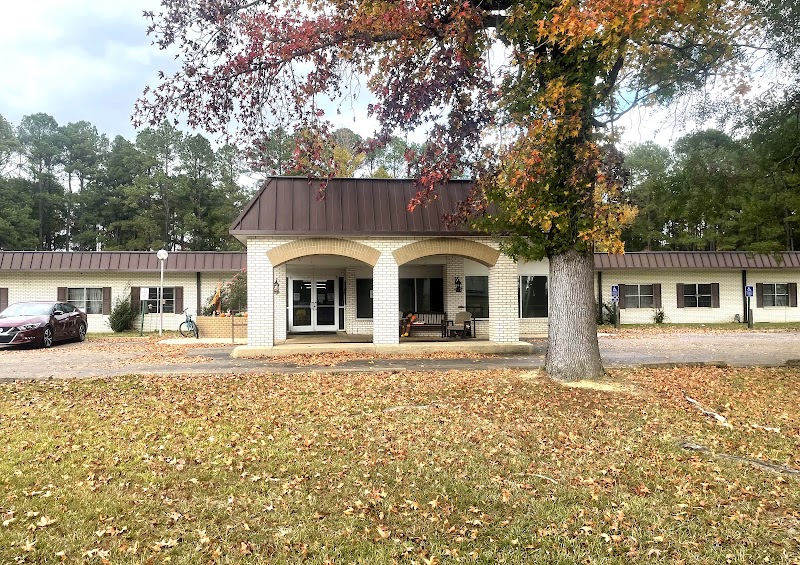
How is Nightingale At Crossett Staffed?

CMS rates NIGHTINGALE AT CROSSETT's staffing level at 2 out of 5 stars, which is below average compared to other nursing homes. Staff turnover is 42%, compared to the Arkansas average of 46%. This relatively stable workforce can support continuity of care.

What Have Inspectors Found at Nightingale At Crossett?

State health inspectors documented 28 deficiencies at NIGHTINGALE AT CROSSETT during 2022 to 2024. These included: 26 with potential for harm and 2 minor or isolated issues.

Who Owns and Operates Nightingale At Crossett?

NIGHTINGALE AT CROSSETT is owned by a for-profit company. For-profit facilities operate as businesses with obligations to shareholders or private owners. The facility is operated by NIGHTINGALE, a chain that manages multiple nursing homes. With 55 certified beds and approximately 59 residents (about 107% occupancy), it is a smaller facility located in CROSSETT, Arkansas.
How Does Nightingale At Crossett Compare to Other Arkansas Nursing Homes?

Compared to the 100 nursing homes in Arkansas, NIGHTINGALE AT CROSSETT's overall rating (2 stars) is below the state average of 3.1, staff turnover (42%) is near the state average of 46%, and health inspection rating (2 stars) is below the national benchmark.

What Should Families Ask When Visiting Nightingale At Crossett?

Based on this facility's data, families visiting should ask: "Can you walk me through typical staffing levels on day, evening, and night shifts?" "Can I visit during a mealtime to observe dining assistance and food quality?" "How do you handle medical emergencies, and what is your hospital transfer rate?" "Can I speak with family members of current residents about their experience?" These questions are particularly relevant given the below-average staffing rating.

Is Nightingale At Crossett Safe?

Based on CMS inspection data, NIGHTINGALE AT CROSSETT has a clean safety record: no substantiated abuse findings (meaning no confirmed cases of resident harm), no Immediate Jeopardy citations (the most serious violation level indicating risk of serious injury or death), and is not on the Special Focus Facility watch list (a federal program monitoring the lowest-performing 1% of nursing homes). The facility has a 2-star overall rating and ranks #100 of 100 nursing homes in Arkansas. While no facility is perfect, families should still ask about staff-to-resident ratios and recent inspection results during their visit.

Do Nurses at Nightingale At Crossett Stick Around?

NIGHTINGALE AT CROSSETT has a staff turnover rate of 42%, which is about average for Arkansas nursing homes (state average: 46%). Moderate turnover is common in nursing homes, but families should still ask about staff tenure and how the facility maintains care continuity when employees leave.

Was Nightingale At Crossett Ever Fined?

NIGHTINGALE AT CROSSETT has been fined $12,353 across 1 penalty action. This is below the Arkansas average of $33,202. While any fine indicates a compliance issue, fines under $50,000 are relatively common and typically reflect isolated problems that were subsequently corrected. Families should ask what specific issues led to these fines and confirm they've been resolved.

Is Nightingale At Crossett on Any Federal Watch List?

NIGHTINGALE AT CROSSETT is not on any federal watch list. The most significant is the Special Focus Facility (SFF) program, which identifies the bottom 1% of nursing homes nationally based on persistent, serious quality problems. Not being on this list means the facility has avoided the pattern of deficiencies that triggers enhanced federal oversight. This is a positive indicator, though families should still review the facility's inspection history directly.