DARDANELLE NURSING AND REHABILITATION CENTER,INC
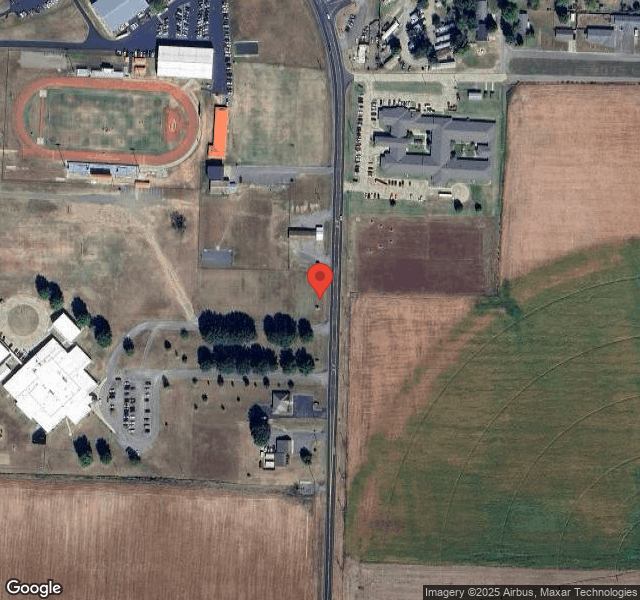

2199 STATE HWY 7 NORTH, DARDANELLE, AR 72834 (479) 229-4884
For profit - Corporation 110 Beds CENTRAL ARKANSAS NURSING CENTERS Data: November 2025 1 Immediate Jeopardy citation
Trust Grade
76/100
#8 of 218 in AR
Last Inspection: August 2024

Within standard 12-15 month inspection cycle. Federal law requires annual inspections.

Overview

Dardanelle Nursing and Rehabilitation Center in Dardanelle, Arkansas, has a Trust Grade of B, indicating it is a good choice, solidly positioned among nursing homes. It ranks #8 out of 218 facilities in the state, placing it in the top half, and is the best option in Yell County. The facility's trend is stable, with the same number of issues reported in both 2024 and 2025, but there are notable concerns, including $14,020 in fines, which is higher than 78% of Arkansas facilities. Staffing is relatively strong, with a 4 out of 5 rating and a 44% turnover rate, which is below the state average. However, there have been critical incidents, such as failing to monitor a resident at high risk for elopement and concerns about food safety and pest control that could affect residents' health and comfort.

Trust Score
B
76/100
In Arkansas
#8/218
Top 3%
Safety Record
High Risk
Review needed
Inspections
Holding Steady
1 → 1 violations
Staff Stability
○ Average
44% turnover. Near Arkansas's 48% average. Typical for the industry.
Penalties
✓ Good
$14,020 in fines. Lower than most Arkansas facilities. Relatively clean record.
Skilled Nurses
⚠ Watch
Each resident gets only 19 minutes of Registered Nurse (RN) attention daily — below average for Arkansas. Fewer RN minutes means fewer trained eyes watching for problems.
Violations
⚠ Watch
12 deficiencies on record. Higher than average. Multiple issues found across inspections.
★★★★★
5.0
Overall Rating
★★★★☆
4.0
Staff Levels
★★★★★
5.0
Care Quality
★★★★☆
4.0
Inspection Score
Stable
2024: 1 issues
2025: 1 issues

The Good

  • 4-Star Staffing Rating · Above-average nurse staffing levels
  • 5-Star Quality Measures · Strong clinical quality outcomes
  • Full Sprinkler Coverage · Fire safety systems throughout facility
  • No fines on record
  • Staff turnover below average (44%)

    4 points below Arkansas average of 48%

Facility shows strength in staffing levels, quality measures, fire safety.

The Bad

Staff Turnover: 44%

Near Arkansas avg (46%)

Typical for the industry

Federal Fines: $14,020

Below median ($33,413)

Minor penalties assessed

Chain: CENTRAL ARKANSAS NURSING CENTERS

Part of a multi-facility chain

Ask about local staffing decisions and management

The Ugly 12 deficiencies on record

1 life-threatening
Jun 2025 1 deficiency 1 IJ
CRITICAL (J) 📢 Someone Reported This

A family member, employee, or ombudsman was alarmed enough to file a formal complaint

Immediate Jeopardy (IJ) - the most serious Medicare violation

Accident Prevention (Tag F0689)

Someone could have died · This affected 1 resident

Based on record review and interview, the facility failed to monitor and supervise a resident with known high-risk elopement assessment and exit seeking behaviors to prevent elopement for 1 (Resident ...

Read full inspector narrative →
Based on record review and interview, the facility failed to monitor and supervise a resident with known high-risk elopement assessment and exit seeking behaviors to prevent elopement for 1 (Resident #4) of 6 residents reviewed for elopement. It was determined the facility's non-compliance with one or more requirements of participation had caused, or was likely to cause, serious injury, harm, impairment, or death to residents. The Immediate Jeopardy (IJ) was related to State Operations Manual, Appendix PP, 483.25 (Quality of Care) at a scope and severity of J. The Administrator was informed of the IJ on 06/25/2025 at 2:14 pm, and notified it was considered to be Past Non-Compliance (PNC). The findings include: Review of an Internal Investigation dated 03/07/2025 revealed Resident #4, on 03/07/2025 at 5:55 PM, monitored the front door for an opportunity to exit the facility. At 5:55 PM Resident #4 observed a visitor entering the front door of the facility, at that time Resident #4 used their motorized scooter to block the front door from locking and exited the building unsupervised and without staff knowledge. At 6:21 PM off duty Certified Nursing Assistant (CNA) #1 located Resident #4 on a local street (located 1.1 miles from the facility). CNA #1 reported that it was dark outside. (To reach this location, the resident would have traveled on a two-lane highway with no sidewalk on a motorized scooter to a city side street, making it approximately three blocks from a gas station.) CNA #1 discovered Resident #4, and the resident reported they were going to the gas station to get cigarettes. CNA #1 contacted the facility and spoke to the Director of Nursing (DON). She notified the DON of Resident #4's location out of the facility. CNA #1 was able to get Resident #4 into their private vehicle but left the motorized scooter. She then took Resident #4 to get cigarettes. An interview with the resident revealed they did not know the employee, but the employee knew the resident, so they got into the vehicle with CNA #1. A review of an online time and date service revealed that the sun set at 6:10 PM on 03/07/2025. An observation of an electric scooter identical to Resident #4's revealed there were no headlights or reflectors on the scooter. During an interview on 06/23/2025 at 2:18 PM, CNA #1 revealed she was driving in town when she discovered Resident #4 driving their motorized scooter on a street 1.1 miles from the facility. She revealed it was dark, and she notified the facility. CNA #1 reported she had spoken to the DON and the DON revealed that they did not know Resident #4 had left the building. CNA #1 revealed she was only able to convince Resident #4 to get in her car by telling them she would take them to buy some cigarettes. CNA #1 revealed after she bought cigarettes for Resident #4 she drove Resident #4 back to the facility. During an interview on 06/23/2025 at 12:15 PM, CNA #5 revealed Resident #4 previously made several attempts to elope from the facility, but none were successful except for the incident when CNA #1 found them in town. During an interview on 06/23/2025 at 1:55 PM, CNA #4 revealed Resident #4 previously had several attempts to elope from the facility that were not successful. During an interview on 06/23/2025 at 3:20 PM, Licensed Practical Nurse (LPN) #3 revealed she was new at the time, but since she had been employed Resident #4 had tried to get out of the facility numerous times. During an interview on 06/23/2025 at 3:45 PM, the DON revealed the cameras were reviewed, and footage revealed Resident #4 exited the building through the front door of the facility. She reported Resident #4 exited the building behind a visitor coming into the building. The DON reported that the resident had been making daily comments of wanting to go home, but the resident was not aware they did not have a home anymore. The DON revealed staff were not aware of Resident #4 being gone out of the facility, until she got a phone call from CNA #1 stating she found the resident in town. She revealed once Resident #4 returned to the facility, she assessed them and there were no injuries noted. The physician and family were notified. The DON was unsure if the police were notified. The DON revealed Resident #4 was consistently telling her they wanted to go home and would elope again as soon as staff was not looking, because Resident #4 could not smoke when they wanted to. The DON also revealed a family member would take Resident #4 out on pass about twice a month, but as soon as the family member did not come get the resident their behaviors of wanting to go home and exit seeking would start back. A discharge was arranged at that time for the safety of the resident. A family member was notified of immediate discharge. Staff monitored one on one with the resident until the family member came and picked the resident up. The DON reported an in-service was conducted about a green binder at the nurses' stations which identified residents with pictures who were risks for elopement, because it changed frequently. During an interview on 06/23/2025 at 4:00 PM, the Administrator revealed that he received a phone call from the facility at 6:26 PM requesting he come to the facility because Resident #4 had left the facility unsupervised, was found in town by an off-duty staff member and had just been returned to the facility. The Administrator revealed he arrived at the facility after Resident #4 returned to the facility. He revealed the DON assessed Resident #4 and there were no injuries. The Administrator revealed the resident kept telling him they wanted to go home, and they would elope again. The Administrator reviewed the camera footage, and reported it showed Resident #4 sat in front of the doors for approximately 3-4 minutes before a visitor came in, upon which the resident approached the door and used their electric scooter to block the door from locking and exited the building. The resident exited the building at 5:55 PM and returned to the building at 6:21 PM. The Administrator revealed Resident #4 reported they came up with the plan about 15 minutes before they exited the building. The Administrator reported when he asked the resident what would have happened if they had gotten hurt, Resident #4 reported I don't care, let me die and to call their family member to come get them because they wanted to go home. During an interview on 06/24/25 at 4:08 PM, the Assistant Administrator revealed she had returned to the facility with the Administrator at 6:26 PM. She stayed with Resident #4 and took them out to smoke. She reported the resident continued to say they wanted to go home, and the resident kept saying they would do it again as soon as someone turned their head. Resident #4 also reported they could not live there anymore because they didn't get enough cigarettes. The Assistant Administrator revealed Resident #4 had no cognitive impairment and knew what they were doing. She reported Resident #4 kept saying they were going to get cigarettes and would come back to the facility. During an interview on 06/23/2025 at 4:29 PM with CNA #2 she revealed she was assigned to Resident #4. She revealed she had picked up Resident #4's supper tray. She reported she did not see him again until after the resident returned to the facility. She revealed she assisted with packing up the resident's belongings to discharge. On 06/24/2025 at 9:14 AM a request to view camera footage was made to the Administrator but footage was only saved from 05/28/2025. During a phone interview on 06/24/2025 at 4:08 PM, Resident #4 revealed the electric scooter did not have lights on it and did not think it had reflectors on it either. Resident #4 revealed they went out the door when a visitor came in. The resident revealed they were tired of being inside of the facility, so they wanted to go out and had no plans. The resident reported they did not know the staff member who found them, but the staff member knew them, so they got in the car with the staff member. During an interview on 06/25/2025 at 8:25 AM, the Administrator revealed Resident #4 did not have a bracelet which alerted staff when the resident was trying to exit the facility. The Administrator revealed a new alarm system was ordered on 03/31/2025 and an invoice was reviewed. The new system was installed on 04/17/2025. The alarm would sound at the nurses' station when the front door opened. The alarm system could only be deactivated at the front door by the nursing staff. The nursing staff would come to the front door, look out the door, and then deactivate it. He revealed the door alarm they currently had on the front door could not be heard at the nurses' station and especially if a staff member was in a room they would not be able to hear it. He reported that due to many visitors in the evening a sign was placed at the front door asking visitors to enter and exit through the side door. He revealed the front door was locked at 6:00 PM by the charge nurse on duty. A review of a Progress note dated 02/20/2025 at 11:19 AM revealed Resident #4 was discovered attempting to open the front doors to exit the facility but was intercepted by staff. A review of Care Plan with initiation date of 05/19/2023 indicated Resident #4 was high risk to elope/wander related to active exit seeking and diagnosis of psychosis. Interventions included to distract the resident from wandering with activities, food, conversation, television and books. Resident #4 preferred to watch television and smoke. Staff were to identify patterns of wandering behaviors and de-escalate with re-direction or administer an as needed sedative. A review of quarterly Minimum Data Set with an Assessment Reference Date of 12/17/2024 revealed that Resident #4 had a Brief Interview of Mental Status score of 14, which indicates no cognitive impairment. It revealed that Resident #4 felt depressed, hopeless, and feeling down nearly every day during look back period. The MDS also revealed that the Resident felt bad about themselves or that they had let their family down nearly every day during lookback period. A review of Resident #4 ' s Medical Diagnoses revealed diagnoses of psychosis, cerebral infarction, history of suicidal behavior, history of falling, and anxiety disorder. A review of a Release of Responsibility for Leave of Absence sheet revealed that Resident #4 did not sign out prior to leaving the facility on 03/07/2025 at 5:55 PM. A review of a policy titled, Elopement and Wandering, revised 11/22/2016, revealed the facility will identify and respond promptly to elopement and wandering. Interventions will be put in place for resident's specific needs. Residents would be informed of the proper procedure to sign out of facility. Following the elopement and prior to the survey team entering the building, the facility implemented a door monitoring program, installed a secondary alarm system, in-serviced staff on elopement prevention and response, and Resident #4 was discharged from the facility. A review of door monitoring forms was conducted. The front doors were monitored on 2 shifts, 5 days a week for 4 months with no issues noted upon observation. The installation of a secondary alarm system was placed at the front door with a keypad for staff to deactivate, verified to be functional. A staff in-service was performed including a green binder, identifying residents at risk for elopement. Resident #4 was discharged from the facility on 03/07/2025, the day of elopement incident, due to resident wanting to go home and stating they would do it again.
Aug 2024 1 deficiency
CONCERN (E)

Potential for Harm - no one hurt, but risky conditions existed

Infection Control (Tag F0880)

Could have caused harm · This affected multiple residents

Based on observations, interviews, record review, facility document review, and facility policy review, the facility failed to ensure proper hand hygiene was performed and enhanced barrier precautions...

Read full inspector narrative →
Based on observations, interviews, record review, facility document review, and facility policy review, the facility failed to ensure proper hand hygiene was performed and enhanced barrier precautions were followed for 2 (Residents #7 and #68) of 2 sampled residents reviewed for enhanced barrier precautions (EBP). Findings include: The Administrator provided an article from the Centers for Disease Control (CDC) titled, Consideration for Use of Enhanced Barrier Precautions in Skilled Nursing Facilities dated 06/01/2021, which indicated residents may be placed on EBP when wounds or indwelling medical devices are present. A review of a policy titled Handwashing/Hand Hygiene, dated 11/22/2017, indicated the facility considers hand hygiene the primary way to prevent infections and that all personnel should follow the procedures for handwashing and hand hygiene. A review of the admission Record, indicated the facility admitted Resident #68 with diagnoses that included dementia, mild without behavioral disturbance, psychotic disturbance, mood disturbance, anxiety, retention of urine, and immunodeficiency due to conditions classified elsewhere. The admission Minimum Data Set (MDS), with an Assessment Reference Date (ARD) of 08/19/2024, revealed Resident #68 had a Brief Interview for Mental Status (BIMS) score of 3, which indicated the resident had severe cognitive impairment. At the time of the admission MDS, Resident #68 was frequently incontinent of urine. A review of Resident #68's Care Plan, initiated on 08/21/2024, revealed the resident has an indwelling catheter for urinary retention. Interventions included enhanced barrier precautions related to the indwelling catheter. A review of the Order Summary Report for Resident #68 revealed the Resident #68 had an order for enhanced barrier precautions with a start date of 08/16/2024 and 08/20/2024 related to indwelling urinary catheter every shift. During an observation on 08/27/2024 at 8:40 AM, the surveyor knocked on Resident #68's door, response was given resident care. Upon entering the resident's room, the privacy curtain was pulled to prevent resident from being exposed. The Director of Nursing (DON), and Certified Nursing Assistant (CNA) #5 were observed not wearing gloves or a gown while working with Resident #68. The resident was rolled to one side and CNA #5 straightened the linens under the resident, CNA #5 was on the right side of the bed and the DON was on the left side. Once CNA #5 fixed the right side of the bed, the resident was assisted to turn facing the right side, the DON then straightened the left side of the bed. The DON then moved the indwelling catheter bag, adjusted the catheter, and situated the leg band which held the catheter tubing in place. The DON then straightened Resident #68's gown and CNA #5 pulled the covers over the resident. Without sanitizing her hands, the DON then straightened items on the over-the-bed table, then moved the table closer to the resident. Once the task was completed, the DON and CNA #5 walked over to the door and sanitized their hands using the alcohol gel sanitizer dispenser prior to leaving Resident #68's room. During an interview on 08/27/2024 at 8:55 AM, CNA #5 was asked what should you have put on prior to providing catheter care on to Resident #68. CNA #5 responded, A gown and gloves. During an interview on 08/27/2024 at 8:56 AM, the DON was questioned as to what should have been done prior to providing care when dealing with an indwelling urinary catheter. The DON stated that enhanced barrier precautions should have been followed, including gowns and gloves. The DON reported that Resident #68 had recently received the indwelling urinary catheter and as soon as the catheter bag was touched, it was then she realized that enhanced barrier precautions had been forgotten. The DON confirmed that the gown signage would be on the door frame and that supplies should be within reach of those on Enhanced Barrier Precaution. A review of the admission Record, indicated the facility admitted Resident #7 with diagnoses that included: nontraumatic intracerebral hemorrhage in brain stem and gastrostomy status. The annual Minimum Data Set (MDS), with an Assessment Reference Date (ARD) of 07/24/2024, revealed Resident #7 had a memory problem per staff interview. Section K0520 Nutritional Approaches was marked as Resident #7 having a feeding tube. Resident #7 is dependent on staff for all activities of daily living. A review of Resident #7's Care Plan, initiated on 09/24/2020 and revised on 05/03/2024, revealed the resident required tube feedings related to dysphagia (difficulty swallowing), vitamin deficiencies, and was obese with body mass index of 36.0-36.9. On 7/29/2021 the resident failed a swallow study. Interventions included: enhanced barrier precautions. A review of the Order Summary Report revealed that Resident #7 had an order for enhanced barrier precautions related to gastrostomy status every shift with a start date of 04/05/2024. During an observation on 08/28/2024 at 1:40 PM, Licensed Practical Nurse (LPN) #1 was preparing to administer medications to Resident #7. LPN #1 sanitized her hands then took a bottle of Phenytoin (a seizure medication) out of the medication cart and shook the bottle to mix, she then used a syringe to draw up three milliliters (ml) of the Phenytoin solution to equal 75 milligrams (mg). LPN #1 then added the solution to a small amount of water and stirred the mixture. LPN #1 sanitized her hands with alcohol gel, LPN #1 put on an isolation gown, a pair of gloves and took a stethoscope and a towel from the top of the medication cart, knocked on Resident #7's door and entered the room. LPN #1 pulled the privacy curtain around the bed, went over to the window and closed the miniblinds with her gloves on. LPN #1 went back to Resident #7, explained what was going to be done, LPN #1 raised the resident's gown and unfastened the abdominal binder to expose the feeding tube. LPN #1 placed the towel below the tube and used a piston syringe filled with 10 ml of air, placed the tip of the syringe into the feeding tube port, placed the stethoscope on Resident #7's abdomen to auscultate/listen for the gurgle from the air being pushed into the feeding tube. Once the gurgle was heard, LPN #1 removed the syringe from the feeding tube, removed the plunger, then placed the syringe back into the feeding tube. LPN #1 flushed with 30 ml of water, once it was delivered, she added the medication mixture, then flushed with 30 ml of water after the medication was delivered. LPN #1 removed the syringe, placed it on a towel, placed the cap back on the feeding tube and placed the abdominal binder back on the resident and pulled the gown down. The syringe was then washed and left to dry. LPN #1 removed her gown and gloves and sanitized her hands before leaving the room. During an interview on 08/28/24 at 3:35 PM, the Director of Nursing (DON) indicated that LPN #1 should have sanitized her hands and put on new gloves after touching the privacy curtain, the mini blinds, and removing the abdominal binder prior to administering the medications through the tube. During an interview on 08/29/24 at 10:12 PM, LPN #1 was asked what should have been done before giving the medications through the feeding tube. LPN #1 indicated that gloves should have been changed and before putting on new gloves, her hands should have been washed or sanitized.
Jun 2023 5 deficiencies
CONCERN (D)

Potential for Harm - no one hurt, but risky conditions existed

ADL Care (Tag F0677)

Could have caused harm · This affected 1 resident

Based on observation, interview, and record review, the facility failed to ensure nail care was regularly provided to maintain good hygiene and prevent potential injuries or infections for 1 (Resident...

Read full inspector narrative →
Based on observation, interview, and record review, the facility failed to ensure nail care was regularly provided to maintain good hygiene and prevent potential injuries or infections for 1 (Resident #34) of 19 (Residents #1, #5, #6, #7, #10, #11, #12, #13, #14, #28, #31, #34, #39, #44, #49, #66, #72, #85 and #230) sampled residents who required assistance with nail care. This failed practice had the potential to affect 33 residents who required staff assistance for nail care as documented on a list provided by the Administrator on 06/13/23 at 3:45 PM. The findings are: Resident #34 had a diagnosis of Other Specified Peripheral Vascular Diseases. The Quarterly Minimum Data Set (MDS) with an Assessment Reference Date (ARD) of 03/15/23 documented the resident required extensive physical assistance of one person with personal hygiene. a. A Physicians Order dated 07/08/21 documented, Dentist, Podiatry, Optometrist and Audiological to see as indicated . b. A Care Plan with an initiated date of 07/01/21 documented, The resident has an ADL [Activities of Daily Living] self-care performance deficit r/t [related to] cognitive impairment, RA [Rheumatoid Arthritis] and Parkinson's . BATHING/SHOWERING: Check nail length and trim and clean on bath day and as necessary. Report any changes to the nurse . c. On 06/12/23 at 1:12 PM, the Surveyor accompanied the Social Worker from [Hospice] into Resident #34's room. Resident #34 was lying in bed with her bare feet exposed. The toenail on her left great toe was approximately 1/4 inch past the tip of the toe, with sharp edges, and the third toenail on her right foot was approximately 1/4 inch in length and appeared to be growing inward toward the skin on toes. The Surveyor asked Resident #34 if her toenails bothered her. Resident #34 answered, Yes, I addressed it with them last week. A Certified Nursing Assistant (CNA) from [Hospice] entered Resident #34's room at 1:15 PM. The Surveyor asked the Hospice CNA who was responsible for nail care for Resident #34. She stated, We can clean and file, but we can't trim them because she's diabetic. The Surveyor asked the Hospice CNA if a Hospice nurse saw Resident #34 and if so, how often. The Hospice CNA said, Yes, twice a week. She has nurses here that see her also. d. On 06/13/23 at 2:20 PM, the Surveyor accompanied CNA #1 into Resident #34's room where Resident #34 was lying in bed awake. The Surveyor asked CNA #1 to describe Resident #34's toenails. CNA #1 answered, Her nails look like they need to be trimmed. They are pretty long and rubbing against her skin. I will tell the nurse. The toenail on the left great toe remained approximately 1/4 inch past the tip of toe with pointed edges on each corner of the toenail, and the third toenail on right toe remained 1/4 inch long past the tip of toe and curving inward toward the skin. e. On 06/14/23 at 9:45 AM, Resident #34 was lying in bed awake. The left great toenail remained long with sharp edges and the third right toenail remained 1/4 inch long past the tip of toe and curving inward toward skin. f. On 06/13/23 at 2:48 PM, the Surveyor asked the Assistant Director of Nursing (ADON) who was responsible for toenail care. The ADON answered, Nurses do it if they are Diabetic, aides do it if not. We have a Podiatrist come in quarterly. The Surveyor asked how often nails should be checked. The ADON answered, Any time they are doing any kind of ADL's. For Diabetics once weekly. The Surveyor asked why nailcare is important and what can happen if it isn't done. The ADON answered, Ingrown nails, infection, and pain. For Diabetics it can cause ulcers. g. On 6/13/23 at 3:35 PM, the Administrator informed the Surveyor that there is no facility Policy and Procedure for nail care.
CONCERN (D)

Potential for Harm - no one hurt, but risky conditions existed

Deficiency F0806 (Tag F0806)

Could have caused harm · This affected 1 resident

Based on observation, record review, and interview, the facility failed to ensure resident food preferences were honored and foods listed as dislikes were not served to promote good nutritional intake...

Read full inspector narrative →
Based on observation, record review, and interview, the facility failed to ensure resident food preferences were honored and foods listed as dislikes were not served to promote good nutritional intake and promote resident's choices for 1 (Resident #71) of 1 sampled resident. The findings are: Resident #71 had diagnoses of Pleural Effusion and Gastroesophageal Reflux. a. On 06/14/23 at 8:35 AM, the Surveyor accompanied Nursing Assistant (NA) #1 into Resident #71's room. Resident #71's meal tray ticket documented, a regular mechanical soft diet, enhanced foods. The meal ticket noted the resident received wheat toast with a thin layer of peanut butter, scrambled eggs and 2 diced tomatoes, 4 oz [ounces]. The meal ticket noted the resident dislikes oatmeal. Resident #71's served breakfast consisted of wheat toast with a thin layer of peanut butter, scrambled eggs, 2 sliced tomatoes, oatmeal, coffee, a lemon lime soda 8 oz, and water. NA#1 encouraged Resident #71 to try the oatmeal. Resident #71 declined. b. On 06/14/23 at 8:45 AM, Licensed Practical Nurse (LPN) #1 entered Resident #71's room and asked Resident #71 to try the oatmeal. Resident #71 stated, I don't like oatmeal. LPN #1 told the Surveyor, I think she has lost her taste and that may be why she's not eating well. c. On 06/15/23 at 8:25 AM, the Surveyor accompanied Certified Nursing Assistant (CNA) #2 into Resident #71's room. The meal tray ticket documented, a regular mechanical soft diet, enhanced foods. The meal ticket noted the resident received wheat toast with a thin layer of peanut butter, scrambled eggs and 2 diced tomatoes, 4 oz. The meal ticket noted the resident dislikes: Oatmeal, Onions, Pears, Citrus. CNA #2 attempted to feed Resident #71 breakfast. Resident #71 refused to eat any of her food and said, Leave me alone. Breakfast was delivered in a styrofoam container and consisted of 1 slice of bacon, scrambled eggs, gravy and 1 slice of toast. The thin coat of peanut butter and diced tomatoes listed on the meal ticket were not served. d. On 06/15/23 at 9:40 AM, the Surveyor asked the Dietary Manager, Can you tell me why [Resident #71] didn't receive wheat toast, peanut butter, and diced tomatoes on her breakfast tray? She stated, I don't know why. I'll have to ask the cook. e. On 06/15/23 at 9:45 AM, the Surveyor asked the Cook, Dietary Employee #1, Can you tell me why [Resident #71] didn't receive wheat toast, peanut butter, and diced tomatoes on her breakfast tray? He stated, Honestly I forgot about it. I've been out, and just came back to work. I'm trying to get back in the swing of things.
CONCERN (E)

Potential for Harm - no one hurt, but risky conditions existed

Respiratory Care (Tag F0695)

Could have caused harm · This affected multiple residents

Based on observation, record review, and interview, the facility failed to ensure the oxygen tubing and water bottle were dated for 2 (Residents #5 and #14) and a humidifier water bottle was not empty...

Read full inspector narrative →
Based on observation, record review, and interview, the facility failed to ensure the oxygen tubing and water bottle were dated for 2 (Residents #5 and #14) and a humidifier water bottle was not empty for 1 (Resident #14) of 8 (Resident #5, #7, #12, #14, #28, #35 #39 and #44) sampled residents who received oxygen therapy. The findings are. 1. Resident #5 had a diagnosis of Chronic Obstructive Pulmonary Disease (COPD), Unspecified. a. The Physician Orders dated 05/02/23 documented, O2 [oxygen] at 2 L/M [liters per minute] via N.C. [nasal cannula] . change O2 tubing, clean filter and O2 cabinet, date all tubing every Wednesday night on 11-7 [11:00 PM to 7:00 AM] shift . b. A Care Plan with an initiated date of 05/04/23 documented, The resident has oxygen therapy r/t [related to] CHF [Congested Heart Failure], COPD . Change and date O2 tubing and water bottle, clean O2 cabinet and filter weekly . c. On 06/12/23 at 11:14 AM, Resident #5 was sitting in her recliner with her oxygen on at 2 liters by nasal cannula. There was not a date on the water humidifier bottle or the oxygen tubing. d. On 06/12/23 at 11:20 AM, the Surveyor asked Licensed Practical Nurse (LPN) #2, Can you tell me why [Resident #5's] oxygen tubing and humidifier water is not dated? She stated, I'm not sure, they should have put it on there. e. On 06/12/23 at 1:56 PM, Resident #5 was sitting in her recliner with her oxygen on at 2 liters by nasal cannula. There was not a date on the water humidifier bottle or the oxygen tubing. f. On 06/15/23 at 3:50 PM, the Surveyor asked the Director of Nursing (DON), Should the humidifier water bottle be dated? She stated, When they put it on there. 2. Resident #14 had a diagnosis of COPD, UNSPECIFIED. a. A Physician order dated 01/02/20 documented, O2 at 2 L/M via N.C. as needed to maintain O2 Sat [saturation] at or above 90% or shortness of breath. Monitor O2 Sat Q [every] Shift . b. A review of the care plan revised on 6/09/20 documented, The resident has COPD r/t HX. [history] Smoking . Clean O2 cabinet and filter weekly. Change and date water bottle and tubing weekly . OXYGEN SETTINGS: O2 via nasal cannula @ [at] 2L [liters] prn [as needed]. Humidified . c. On 06/12/23 at 10:58 AM, Resident #14 was in her room with oxygen on at 2 liters by nasal cannula. The oxygen water humidifier bottle and the oxygen tubing were not dated. d. On 06/13/23 at 8:20 AM, Resident #14 was in her room with O2 on at 2 liters by nasal cannula, the humidifier bottle was empty. e. On 06/13/23 at 10:22 AM, Resident #14 was in her room with O2 on at 2 liters by nasal cannula, the humidifier bottle was empty. f. On 06/13/23 at 1:01 PM, Resident #14 was not in her room. Her humidifier bottle on the oxygen concentrator was empty. g. On 06/15/23 at 3:50 PM, the Surveyor asked the DON, When should the humidifier water bottle be changed? She stated, Weekly or when it gets dry. The Surveyor asked, Why is it important that the water bottle is changed when the bottle is empty? She stated, So their nasal area doesn't dry out.
CONCERN (F)

Potential for Harm - no one hurt, but risky conditions existed

Food Safety (Tag F0812)

Could have caused harm · This affected most or all residents

Based on observation, and interview, the facility failed to ensure food stored in the freezer was sealed and dated to minimize the potential for food borne illness, failed to ensure dietary staff wash...

Read full inspector narrative →
Based on observation, and interview, the facility failed to ensure food stored in the freezer was sealed and dated to minimize the potential for food borne illness, failed to ensure dietary staff washed their hands, in the hand washing sink before handling clean equipment or food items, to prevent potential food borne illness for 74 residents who received meals from 1 of 1 kitchen and failed to ensure excessive additives were not used in pureed foods for 3 residents who received a pureed diet. The findings are. 1. On 06/12/23 at 10:19 AM, a bag with 22 cubed steaks was in the freezer not sealed and dated. 2. On 06/15/23 at 9:46 AM, Dietary Employee (DE) #1 put 9 spoons of mixed vegetables in the food processor for the residents who received pureed diets and added chicken broth and 5 spoons of thickener. 3. On 06/15/23 at 10:29 AM, DE #1 put 6 scoops of rice in the food processor for the residents who received pureed diets and added 14 ounces plus 2 teaspoon of broth and 5 scoops of thickener. 4. On 06/15/23 at 11:26 AM, DE #1 added 6 scoops of cantaloupe to the food processor. He then added 2/3 cups of milk, and a total of 8 scoops of thickener to the processor. 5. On 06/15/23 at 10:23 AM, DE #2 pulled her mask down, and wiped her nose and face with a napkin she had in her hand. She then walked over and opened one of the utensil drawers and closed it back up. She opened another utensil drawer and grabbed a grater. She picked up an orange and put it on the counter. She walked over to the sink used for food preparation and washed her hands. 6. On 06/15/23 at 2:20 PM, the Surveyor asked DE #2, Why is it important that you wash your hands after touching your face while you are the kitchen preparing meals? She stated, To keep from spreading germs, contamination. 7. On 06/16/23 at 8:30 AM, the Surveyor asked DE #1, Can you tell me why you put broth in the vegetables and rice yesterday when they both had liquid in them? He stated, I was told to always put broth or another liquid in them. The Surveyor asked, Why is it important to only put liquids and thickener in the foods only when necessary? He stated, To keep the taste.
CONCERN (F)

Potential for Harm - no one hurt, but risky conditions existed

Deficiency F0925 (Tag F0925)

Could have caused harm · This affected most or all residents

Based on observation, interview, and record review, the facility failed to ensure an effective pest control program was maintained to rid the facility of pests. The failed practice had the potential t...

Read full inspector narrative →
Based on observation, interview, and record review, the facility failed to ensure an effective pest control program was maintained to rid the facility of pests. The failed practice had the potential to affect all 74 residents who resided in the facility, as documented on the Resident Census and Conditions of Residents provided by the Director of Nursing (DON) on 06/12/23 at 2:25 PM. The findings are: 1. On 06/12/23 at 11:09 AM, on the 100 Hall, the Surveyor observed several flies on the floors, beds, tables, and TVs in each room entered. Staff were observed with fly swatters trying to kill the flies. 2. On 06/12/23 at 11:28 AM, Resident #39 was lying in bed watching television. A fly was observed on both of his eyelids, nose, chin, and on his forehead. The Surveyor asked, Are the flies bothering you? He nodded his head up and down. 3. On 06/12/23 at 12:12 PM, during observation of the lunch meal in the Dining Hall, residents and staff were observed waving away flies. 4. On 06/13/23 at 1:37 PM, the Surveyor asked the Laundry Supervisor about the flies, if this was normal for this time of the year. The Laundry Supervisor said, Yes, but they usually come in later in the summer. The Surveyor asked what they usually do for this problem. The Laundry Supervisor said, They go to [Store] and buy sticky poles to hang, and the flies stick to them and die. 5. On 06/14/23 at 3:03 PM, the Surveyor asked Resident #2 if the flies were normal for this time of the year. Resident #2 said, Oh yes, they're bad right now. The Surveyor asked how they handle the flies being so bad. Resident #2 said, Everyone has fly swatters. 6. On 06/15/23 at 9:30 AM, in the Kitchen there was a fly on the cutting board, on the inside of a clean plate, on the edge of 2 clean cooking pans, inside the sink used for food preparation, on the outside of the food processor, and flying around in the kitchen. 7. On 06/15/23 at 9:37 AM, in the Kitchen there were 5 flies on the floor, 8 flies on the counter, 6 flies in the sink, and numerous flies flying around the kitchen. 8. On 06/15/23 at 2:11 PM, the binder for the facilities Pest Control revealed the facility had hired [Pest Control Company] and the last time they were on the property was on 05/24/23. Their employee had put out [Brand] Fly Bait 16 ounces diluted in water and sprayed the exterior perimeter. 9. On 06/15/23 at 3:35 PM, the Surveyor asked the Dietary Manager, How long has the facility had problems with flies in the kitchen? She stated, We had them taken care of, then they started coming back in non-stop. 10. On 06/15/23 at 3:50 PM, the Surveyor asked the DON, What is the facility doing to keep the flies off the residents and out of the Kitchen? She stated, They've had [Pest Control Company] out here several times. We put the fly sticky poles outside, and we ordered the fly lights in the hallway. We have the blowers on the doors, and there should be one on the Kitchen door. The door blowers have been here a couple years. 11. On 06/16/23 at 10:20 AM, the Surveyor asked the Administrator what they have done to fight the fly situation. The Administrator said, We have ordered four more fly lights and they were installed last Friday. We also have a Pest Control contract with [Pest Control Company]. Besides their monthly visits, they're coming every three weeks spraying [Brand] Fly Bait and replacing the glue boards in the fly lights. We have four doors that have blowers on them when opened which stops the flies. Also, we have bought long round poles that hang outside on the patio and behind the kitchen that attract the flies and they stick to it and die. The Surveyor asked, What are you doing in the Kitchen and Dining Room. The Administrator said, A lot of the same thing. We have a fly trap light in the Kitchen and Maintenance is checking and changing the glue board weekly. The Surveyor asked, What are you doing about the Dining Room. The Administrator said I don't think we have those fly trap lights in there. We probably need to order one. 12. On 06/16/23 at 10:34 AM, the Surveyor asked the Maintenance Supervisor what his role was in trying to control the flies. The Maintenance Supervisor said he has hung the glue fly trap poles out on the three patios, behind the kitchen, and in the trees behind the kitchen, changing them out weekly. We have added four more fly trap lights and that has brought the total to nine for this facility. Also, we use a product that is called [Brand] fly bait, looks like blue crystals. We have sprinkled around the outside property and out by the dumpster. The Surveyor asked, Do you think all this has been effective? The Maintenance Supervisor said, Yes. The flies doesn't seem to be as bad as earlier this week.
Mar 2022 5 deficiencies
CONCERN (D)

Potential for Harm - no one hurt, but risky conditions existed

Assessment Accuracy (Tag F0641)

Could have caused harm · This affected 1 resident

Based on record review and interview, the facility failed to ensure the Minimum Data Set (MDS) were completed accurately for 1 (Resident #19) of 19 (Residents #13, #41, #6, #59, #85, #73, #19, #15, #4...

Read full inspector narrative →
Based on record review and interview, the facility failed to ensure the Minimum Data Set (MDS) were completed accurately for 1 (Resident #19) of 19 (Residents #13, #41, #6, #59, #85, #73, #19, #15, #44, #14, #38, #76, #64, #290, #48, #20, #72, #35, and #62) sampled resident who had physician orders for insulin. The findings are: Resident #19 had a diagnosis of Type 2 Diabetes Mellitus. The Quarterly Minimum Data Set with an Assessment Reference Date of 01/04/22 documented insulin was not given as an injection in the past 7 days. a. The December 2021 MAR documented on 08/23/21 Lantus SoloStar Solution Pen Injector 100 UNIT/ML (Insulin Glargine) Inject 32 unit subcutaneously two times a day related to Type 2 Diabetes Mellitus, and on 08/05/21 NovoLog Solution 100 unit/ml (Insulin Aspart) Inject as per sliding scale: if 150 - 200 = 5 units; 201 - 250 = 7 units; 251 - 300 = 9 units; 301 - 350 = 11 units; 351 - 400 = 13 units; 401 - 450 = 15 units; 451 - 500 = 17 units, subcutaneously before meals and at bedtime related to Type 2 Diabetes Mellitus. Insulin was administered twice daily during the month of December 2021. c. The January 2022 Medication Administration Record (MAR) documented on 08/23/21 Lantus SoloStar Solution Pen injector 100 unit/ml (milliliter) (Insulin Glargine) Inject 35 unit subcutaneously two times a day related to Type 2 Diabetes Mellitus, and on 08/05/21 Novolog Solution 100 UNIT/ML (Insulin Aspart) Inject as per sliding scale: if 150 - 200 = 5 units; 201 - 250 = 7 units; 251 - 300 = 9 units; 301 - 350 = 11 units; 351 - 400 = 13 units; 401 - 450 = 15 units; 451 - 500 = 17 units, subcutaneously before meals and at bedtime related to Type 2 Diabetes Mellitus. Insulin was administered 11 times from 1/1/2022 through 1/3/22. d. On 03/24/22 at 12:16 PM, the MDS Coordinator was asked, Does Resident #19 Quarterly MDS document insulin was administered? She stated, Oh no. She was asked, Did she receive insulin? She stated, Yes, she does. She was asked, Do we have an accurate MDS? She stated, No, I'll fix it.
CONCERN (D)

Potential for Harm - no one hurt, but risky conditions existed

Accident Prevention (Tag F0689)

Could have caused harm · This affected 1 resident

Based on observation, record review, and interview, the facility failed to ensure a mechanical lift was utilized in accordance with the manufacturer's instructions to minimize the potential for transf...

Read full inspector narrative →
Based on observation, record review, and interview, the facility failed to ensure a mechanical lift was utilized in accordance with the manufacturer's instructions to minimize the potential for transfer-related injuries for 1 (Resident #19) of 4 (Residents #20, #59, #85, and #19) sampled residents who required the use of a mechanical lift for transfers. The findings are: Resident #19 had diagnoses of Acquired Absence of right leg below the knee, and Systemic Lupus. The Quarterly Minimum Data Set with an Assessment Reference Date of 01/04/22 documented the resident scored 15 (13-15 indicates cognitively intact) on the Brief Interview for Mental Status, was totally dependent on the assistance of two-plus people for transfers. a. The Care Plan revised on 4/19/21 documented, The resident has an ADL self-care performance deficit r/t [related to] bilat BKA [bilateral below the knee amputee] . requires Mechanical Lift with x [times] 2 staff assistance for transfers (size is M [medium]/L [large], colors are purple/green). b. On 03/23/22 at 10:21 AM, Certified Nursing Assistant CNA #1 and CNA #2 used the mechanical lift to transfer the resident from the bed to an electric wheelchair. The resident was rolled from side to side placing the lift pad under her. The legs of the mechanical lift were wide open as it went under the bed the rear casters were locked on both sides when the resident was lifted from the bed. The legs unlocked and the lift was pushed to the wheelchair with legs wide open, the rear casters were locked as she was lowered to the wheelchair. c. On 03/23/22 at 10:28 PM, CNA #2 was asked, Did you lock the rear casters before you lifted her? She stated, Yes. She was asked, Did you lock the rear casters when she was being lowered into the wheelchair? She stated, Yes. d. On 03/23/22 at 11:00 PM review of the Battery Powered Patient Lift User Manual documented, .Do not lock the rear caster of the patient lift when lifting an individual. Locking the rear casters could cause the patient lift to tip and endanger the patient and assistants. e. On 03/23/22 at 11:08 AM, CNA #1 was asked, When were you last trained on the mechanical lift? She stated, It's been a while. f. On 03/23/22 at 11:12 AM, CNA #2 was asked, When were you last trained on the mechanical lift? She stated, It's been a while. She was asked, Are you aware the user's manual identified the rear casters were not to be locked? She stated, I thought about it, but I chose to lock it. She was asked, Why did you do it? She stated, Sometimes you get all flabbergasted.
CONCERN (E)

Potential for Harm - no one hurt, but risky conditions existed

Deficiency F0657 (Tag F0657)

Could have caused harm · This affected multiple residents

Based on record review and interview, the facility failed to ensure the care plan was revised to reflect monitoring for signs and symptoms of aspiration to ensure the safety at mealtimes for 1 (Reside...

Read full inspector narrative →
Based on record review and interview, the facility failed to ensure the care plan was revised to reflect monitoring for signs and symptoms of aspiration to ensure the safety at mealtimes for 1 (Resident #13) of 1 sampled resident with a Dietary Waiver. The findings are: Resident [R] #13 had diagnosis of Dysphagia. The Quarterly Minimum Data Set with an Assessment Reference Date of 12/22/21 documented the resident scored 3 (0-7 indicates severe impairment) on the Brief Interview for Mental Status and received a mechanically altered diet. a. The Care Plan dated 06/07/19 documented, the resident has a potential for nutritional problem r/t [related to] Dysphagia requiring mechanically altered diet and honey thick liquids. A revision dated 02/15/22 changed to Nectar thick liquids.May have applesauce and pudding. Small bites/sips; swallow 1x [time] after every bite; go slow; upright for all PO [oral] intake; remain upright for 30 minutes; good oral care after meals; intermittent supervision to cue for precautions. Follow instructions of good oral care after meals before use of cup. Resident has a tendency to get thin liquid (soda, coffee) and drink without slow flow cup or thickener . b. A Dietary order dated 2/14/22 documented, Regular diet Mechanical Soft texture, Nectar consistency, Supervision PRN [as needed] (encourage to eat in DR) to cue for precautions; small bites/sips; swallow 1x after every bite; go slow; upright for all PO intakes; remain upright 30 minutes after meals; good oral care. c. The Modified Barium Swallow Study by the Speech Language Pathology summary from 2/16/22 through 3/11/22 documented, .Patient continues to have Oropharyngeal Dysphasia and is at risk for aspiration with thin liquids, pt will not drink thickened liquids patient's family signed a no consent form for patient to be on thin liquids patient and family are aware of aspiration risk. Pt. and staff have been trained to use his swallowing precautions during PO intake to decrease aspiration risk. d. The Physician orders dated 3/17/22 documented, Regular diet Mechanical Soft texture, Regular consistency, Supervision PRN encourage to eat in DR [dining room] to cue for precautions; small bites/sips; swallow 1x [time] after every bite; go slow; upright for all PO [by mouth] intake; remain upright 30 minutes after meals; good oral care. e. A Progress Note dated 3/17/22 documented, Received signed diet waiver with family signature to allow resident to have regular thin liquids at this time, notified dietary, notified floor nurse. f. The Dietary Profile dated 3/23/22 documented, Regular Mechanical Soft diet with Nectar liquids and he has had a stroke affecting his right dominant side. Has been able to feed himself, but 2nd increasing seizure activity, he has not wanted to do much. Staff will set up his trays, allow him time to feed himself and offer assistance, which he often refuses. g. The resident's tray card for March 2022 documented, Alerts: encourage to eat in dining room, single bites/sips, swallow after every bite, upright 90 degrees and 30 minutes after. Supervision PRN . h. On 3/24/22 at 8:50 AM, the Speech Therapist was asked, Can you tell me about [Resident #13] swallowing? She stated, He absolutely hates thickened liquids he knows the swallowing precautions; he just won't follow them. i. On 3/24/22 at 9:52 AM, Certified Nursing Assistant (CNA) #4 was asked, Where does R#13 usually eat? She stated, Sometimes he gets up usually in his room. She was asked, Are you aware of any swallowing precautions? She stated, He's not aspirating, and he doesn't choke. j. On 03/24/22 at 9:58 AM, Licensed Practical Nurse (LPN) #2 was asked, Where does [R#13] usually eat? She stated, In his room. She was asked, Are you aware of any swallowing precautions? She stated, Nectar thick, up in bed, never seen signs of aspiration. k. On 03/24/22 at 11:13 AM, the MDS Coordinator was asked, When are care plans revised? She stated, Quarterly. She was asked, What if a dysphagia resident is now receiving thin liquids? She stated, Oh, [R #13], I updated his care plan, to identify the waiver his family signed. She was asked, What about the addressing the steps the facility is taking to make sure any aspiration is addressed promptly. She stated, Oh, I see what you mean. She was asked, Does the care plan reflect his current situation? She stated, No it doesn't.
CONCERN (E)

Potential for Harm - no one hurt, but risky conditions existed

Quality of Care (Tag F0684)

Could have caused harm · This affected multiple residents

Based on observation, record review and interview, the facility failed to ensure a Physician's Order for Knee high Compression hose were followed and documented to prevent or reduce edema for 1 (Resid...

Read full inspector narrative →
Based on observation, record review and interview, the facility failed to ensure a Physician's Order for Knee high Compression hose were followed and documented to prevent or reduce edema for 1 (Resident #64) of 1 sampled resident who had orders for Knee high Compression hose. The findings are: Resident #64 had diagnoses of Acute Embolism and Thrombosis of Unspecified Deep Veins of Right Proximal Lower Extremity, and Edema. The Quarterly Minimum Data Set (MDS) with an Assessment Reference Date of 2/21/22 documented the resident scored 8 (8-12 indicates moderately impaired) on the Brief Interview for Mental Status (BIMS), required extensive assistance of 1 person with dressing, toileting, and transfer. a. A Physician's Order dated 12/4/20 documented, .Knee High Compression hose on at 6 [6:00] am and off at hs, [hours of sleep] every morning and at bedtime related to GENERALIZED EDEMA . b. The Care plan revised on 12/01/21 documented .altered cardiovascular status related to Atrial Fibrillation, Edema, Hypertension, Atherosclerosis, . Knee high compression hose to BLE [bilateral lower extremities] as ordered . c. On 3/21/22 at 11:50 AM, the resident was sitting in a recliner, He stated he was cold. The resident was wearing diabetic socks, non-compression on bilateral feet. There was edema in the right lower extremity, noted indention around top of sock area on right lower leg. d. On 03/22/22 at 8:12 AM, the resident was sitting in a chair with the breakfast tray on the bedside table. There was pitting edema in both lower extremities around the top of the non-compression socks he was wearing. e. The March 2022 Medication Administration record (MAR) documented, Knee Compression Hose on 0600, and off HS. A check mark and staff initials on days 3/1/22 through 3/23/22 for the 0600-time frame to indicate the knee compression socks had been applied and a check mark and staff initials appeared on days 3/1/22 through 3/22/22 in the 2000 Hours of Sleep (hs) time frame to indicate the knee compression socks had been removed. f. On 3/24/22 at 8:10 am, Licensed Practical Nurse (LPN) #1 at Station 1 was asked, Who is responsible for applying the knee compression socks to residents? She stated, The Certified Nurse aides are, sometimes they wait till after the resident's shower if it's the residents shower day, they have up till 3:00pm to get them applied on the shower days. But the nurse on that hall is responsible for making sure they are on as ordered. She was asked, Who was responsible for documenting the application and removal of the compression socks on the MAR? The LPN stated, That is the nurse's responsibility, and they chart it when they assure, they are on or removed from the resident. g. On 3/24/22 at 8:15 am, LPN #1 accompanied the surveyor to Resident #64's room. The resident was lying in bed on his left side. LPN looked at the resident's socks he was wearing and stated, No, those are not his knee compression socks, those are just his regular diabetic socks. LPN #1 searched for the knee compression socks and found them in the clothes drawer. h. On 3/24/22 at 8:30 am, the Director of Nursing (DON) was asked, Who is responsible for applying the knee compression socks to residents that the Physician has ordered? The DON stated, Well the CNAs should be doing it and the nurses are to make sure they are done per the orders. She was asked, Who is responsible for charting on the MAR that the orders are followed, if the orders say on at 0600, and off HS? She stated, Well if they are not being done at that time sounds like we need to fix the MAR, but sometimes they will wait to put them on after the residents shower is done if it is their shower day. She was asked, So if the MAR shows right now on 3/24/22 at this time the knee compression socks are on the resident then should they be on or not? She replied, If the MAR shows they have been placed on the resident, then they should be on the resident already. Surveyor explained she had not observed the knee compression hose on the resident all week, but the MAR documents they have been applied at 0600 and removed HS daily all week. She was asked, What could happen to the resident if the orders are not followed? She stated, Well it could lead to swelling and other skin complications.
CONCERN (F)

Potential for Harm - no one hurt, but risky conditions existed

Food Safety (Tag F0812)

Could have caused harm · This affected most or all residents

Based on observation and interview, the facility failed to ensure food was dated and utilized prior to the expiration date and food in an open carton was placed in a sealed container. The failed pract...

Read full inspector narrative →
Based on observation and interview, the facility failed to ensure food was dated and utilized prior to the expiration date and food in an open carton was placed in a sealed container. The failed practice had the potential to affect 88 residents who received meals from 1 of 1 kitchen as documented by a resident list provided by the Administrator on 3/25/22 at 9:00 AM. The findings are: 1. On 3/21/22 at 11:00 AM, a one-gallon clear, hard plastic container was located on a shelf in the side-by-side refrigerator located in the kitchen. The container was approximately ¼ full of a peanut butter and jelly mixture. The use by date located on the top of the lid was 3/20/22. Also on the shelf was a 1-quart, white plastic container which was ¾ full of chicken salad. The use by date located on the top of the container was 3/19/22. 2. On 3/21/22 at 11:10 AM, inside the walk-in refrigerator, there was a bag of pulled chicken breast located on the second shelf on a wheeled cart. The bag contained approximately 2.5 pounds of chicken and was not dated. 3. On 3/21/22 at 11:13 AM, inside the walk-in refrigerator, a gallon size pitcher which was 1/3 full of ranch dressing was on the top shelf. The dressing had a made date of 2/25/22 and a use by date of 3/10/22. 4. On 3/21/22 at 11:15 AM, inside the walk-in freezer, a bag containing 12 tortillas was on the top shelf. The bag was not dated. 5. On 3/21/22 at 11:25 AM, in the dry storage area, 2 one-gallon containers of prepared mustard were located on the middle shelf. The use by date recorded on the labels were 11/23/21. 6. On 3/22/22 at 11:30 AM, a box of cornstarch was on a shelf, on the wall of the tray line area. The lid of the box was standing open. The box was not placed in a sealed container upon opening. 7. The policies for Dry Food Storage & Cold Storage Areas provided by the Administrator on 3/24/22 at 8:30 AM, documented, .food will be dated upon receipt and stock rotated using first-in, first-out method. Canned foods will be used within 1 year of the date delivered.store cold food until their use-by date, expiration date . 8. On 3/24/22 at 1:30 PM, the Dietary Manager was asked to describe the method in which food is stored. She stated, .we rotate, 1st in and 1st out, .in the refrigerator we put a date on the top and throw it away after three days . Concerning the storage of items after they are opened and only partially used the dietary manager stated, .we put it in another container if possible and if not, we put it in a bag and put a twist tie on it or seal it some way .
Understanding Severity Codes (click to expand)
Life-Threatening (Immediate Jeopardy)
J - Isolated K - Pattern L - Widespread
Actual Harm
G - Isolated H - Pattern I - Widespread
Potential for Harm
D - Isolated E - Pattern F - Widespread
No Harm (Minor)
A - Isolated B - Pattern C - Widespread

Questions to Ask on Your Visit

  • "What changes have you made since the serious inspection findings?"
  • "Can I speak with families of current residents?"
  • "What's your RN coverage like on weekends and overnight?"

Our Honest Assessment

Strengths
  • • 44% turnover. Below Arkansas's 48% average. Good staff retention means consistent care.
Concerns
  • • Multiple safety concerns identified: 1 life-threatening violation(s). Review inspection reports carefully.
  • • 12 deficiencies on record, including 1 critical (life-threatening) violation. These warrant careful review before choosing this facility.
  • • $14,020 in fines. Above average for Arkansas. Some compliance problems on record.
Bottom line: Generally positive indicators. Standard due diligence and a personal visit recommended.

About This Facility

What is Dardanelle,Inc's CMS Rating?

CMS assigns DARDANELLE NURSING AND REHABILITATION CENTER,INC an overall rating of 5 out of 5 stars, which is considered much above average nationally. Within Arkansas, this rating places the facility higher than 99% of the state's 100 nursing homes. This rating reflects solid performance across the metrics CMS uses to evaluate nursing home quality.

How is Dardanelle,Inc Staffed?

CMS rates DARDANELLE NURSING AND REHABILITATION CENTER,INC's staffing level at 4 out of 5 stars, which is above average compared to other nursing homes. Staff turnover is 44%, compared to the Arkansas average of 46%. This relatively stable workforce can support continuity of care.

What Have Inspectors Found at Dardanelle,Inc?

State health inspectors documented 12 deficiencies at DARDANELLE NURSING AND REHABILITATION CENTER,INC during 2022 to 2025. These included: 1 Immediate Jeopardy (the most serious level, indicating potential for serious harm or death) and 11 with potential for harm. Immediate Jeopardy findings are rare and represent the most serious regulatory concerns. They require immediate corrective action.

Who Owns and Operates Dardanelle,Inc?

DARDANELLE NURSING AND REHABILITATION CENTER,INC is owned by a for-profit company. For-profit facilities operate as businesses with obligations to shareholders or private owners. The facility is operated by CENTRAL ARKANSAS NURSING CENTERS, a chain that manages multiple nursing homes. With 110 certified beds and approximately 87 residents (about 79% occupancy), it is a mid-sized facility located in DARDANELLE, Arkansas.

How Does Dardanelle,Inc Compare to Other Arkansas Nursing Homes?

Compared to the 100 nursing homes in Arkansas, DARDANELLE NURSING AND REHABILITATION CENTER,INC's overall rating (5 stars) is above the state average of 3.2, staff turnover (44%) is near the state average of 46%, and health inspection rating (4 stars) is above the national benchmark.

What Should Families Ask When Visiting Dardanelle,Inc?

Based on this facility's data, families visiting should ask: "What changes have been made since the serious inspection findings, and how are you preventing similar issues?" "Can I visit during a mealtime to observe dining assistance and food quality?" "How do you handle medical emergencies, and what is your hospital transfer rate?" "Can I speak with family members of current residents about their experience?" These questions are particularly relevant given the facility's Immediate Jeopardy citations.

Is Dardanelle,Inc Safe?

Based on CMS inspection data, DARDANELLE NURSING AND REHABILITATION CENTER,INC has documented safety concerns. Inspectors have issued 1 Immediate Jeopardy citation (the most serious violation level indicating risk of serious injury or death). The facility has a 5-star overall rating and ranks #1 of 100 nursing homes in Arkansas. Families considering this facility should ask detailed questions about what corrective actions have been taken since these incidents.

Do Nurses at Dardanelle,Inc Stick Around?

DARDANELLE NURSING AND REHABILITATION CENTER,INC has a staff turnover rate of 44%, which is about average for Arkansas nursing homes (state average: 46%). Moderate turnover is common in nursing homes, but families should still ask about staff tenure and how the facility maintains care continuity when employees leave.

Was Dardanelle,Inc Ever Fined?

DARDANELLE NURSING AND REHABILITATION CENTER,INC has been fined $14,020 across 1 penalty action. This is below the Arkansas average of $33,219. While any fine indicates a compliance issue, fines under $50,000 are relatively common and typically reflect isolated problems that were subsequently corrected. Families should ask what specific issues led to these fines and confirm they've been resolved.

Is Dardanelle,Inc on Any Federal Watch List?

DARDANELLE NURSING AND REHABILITATION CENTER,INC is not on any federal watch list. The most significant is the Special Focus Facility (SFF) program, which identifies the bottom 1% of nursing homes nationally based on persistent, serious quality problems. Not being on this list means the facility has avoided the pattern of deficiencies that triggers enhanced federal oversight. This is a positive indicator, though families should still review the facility's inspection history directly.