CRESTPARK DEWITT, LLC
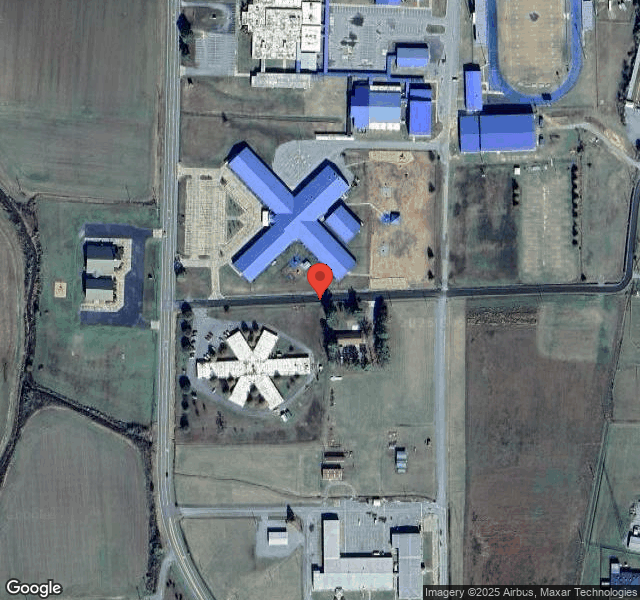

1325 LIBERTY DRIVE, DE WITT, AR 72042 (870) 946-3569
For profit - Limited Liability company 70 Beds CRESTPARK Data: November 2025
Trust Grade
38/100
#192 of 218 in AR
Last Inspection: October 2024

Within standard 12-15 month inspection cycle. Federal law requires annual inspections.

Overview

Crestpark De Witt, LLC has received a Trust Grade of F, indicating significant concerns about the facility's overall quality and care. It ranks #192 out of 218 nursing homes in Arkansas, placing it in the bottom half of state facilities, and #2 out of 3 in Arkansas County, suggesting only one local option is better. The facility's condition is worsening, with issues increasing from 6 in 2023 to 14 in 2024. Staffing is a relative strength, rated at 4 out of 5 stars, with a turnover rate of 38%, which is below the state average, meaning staff are likely to remain and build relationships with residents. However, the facility has incurred $9,438 in fines, which is concerning and higher than 80% of Arkansas facilities, indicating ongoing compliance issues. Specific incidents include a staff member not properly washing hands after handling raw meat, which raises infection risks, and a dietary helper failing to keep hair properly contained while preparing food. Additionally, the facility did not maintain adequate Legionella surveillance in its water management plan, posing potential health risks to residents. Overall, while staffing appears strong, serious concerns about hygiene and safety practices highlight the need for caution.

Trust Score
F
38/100
In Arkansas
#192/218
Bottom 12%
Safety Record
Low Risk
No red flags
Inspections
Getting Worse
6 → 14 violations
Staff Stability
○ Average
38% turnover. Near Arkansas's 48% average. Typical for the industry.
Penalties
✓ Good
$9,438 in fines. Lower than most Arkansas facilities. Relatively clean record.
Skilled Nurses
⚠ Watch
Each resident gets only 23 minutes of Registered Nurse (RN) attention daily — below average for Arkansas. Fewer RN minutes means fewer trained eyes watching for problems.
Violations
⚠ Watch
29 deficiencies on record. Higher than average. Multiple issues found across inspections.
★☆☆☆☆
1.0
Overall Rating
★★★★☆
4.0
Staff Levels
★☆☆☆☆
1.0
Care Quality
★☆☆☆☆
1.0
Inspection Score
Stable
2023: 6 issues
2024: 14 issues

The Good

  • 4-Star Staffing Rating · Above-average nurse staffing levels
  • Full Sprinkler Coverage · Fire safety systems throughout facility
  • No fines on record
  • Staff turnover below average (38%)

    10 points below Arkansas average of 48%

Facility shows strength in staffing levels, fire safety.

The Bad

1-Star Overall Rating

Below Arkansas average (3.1)

Significant quality concerns identified by CMS

Staff Turnover: 38%

Near Arkansas avg (46%)

Typical for the industry

Federal Fines: $9,438

Below median ($33,413)

Minor penalties assessed

Chain: CRESTPARK

Part of a multi-facility chain

Ask about local staffing decisions and management

The Ugly 29 deficiencies on record

Oct 2024 14 deficiencies
CONCERN (D)

Potential for Harm - no one hurt, but risky conditions existed

Deficiency F0645 (Tag F0645)

Could have caused harm · This affected 1 resident

Based on interviews, record review, and facility document review, it was determined the facility failed to coordinate with the state designated office to get a Preadmission Screening and Resident Revi...

Read full inspector narrative →
Based on interviews, record review, and facility document review, it was determined the facility failed to coordinate with the state designated office to get a Preadmission Screening and Resident Review (PASARR) evaluation for a resident to ensure the resident received designated services for 1 (Resident #19) of 1 sampled resident. Findings include: A review of the electronic health records indicated the facility admitted Resident #19 on 02/28/2023 with diagnoses that included psychotic disorder with delusions due to known psychotic disorder; bipolar disorder, current episode depressed, mild; anxiety disorder, unspecified. The quarterly Minimum Data Set (MDS) with an Assessment Reference Date (ARD) of 08/06/2023, revealed Resident #19 had a Brief Interview for Mental Status (BIMS) score of 7 which indicates the resident had sever cognitive impairment, and had diagnoses of anxiety disorder, bipolar disorder, psychotic disorder (other than schizophrenia). A review of Resident #19's Resident Plan of Care, revised 06/26/2024, revealed the resident had the potential regarding Bipolar Disorder, Psychotic Disorder) Other Than Schizophrenia). Interventions included Observe for any S/S [signs/symptoms] of drug related: (if noted report to nurse), hypotension, gait disturbance, cognitive impairment, behavioral impairment, ADL [Activities of Daily Living] decline, decline in appetite. Report to physicians any negative outcomes associated with use of drug. Administer medication as prescribed by the physician. Educate resident/family on potential risk/benefits of psychotropic drug use. Monitor for effectiveness of psychotropic drug(s) and review for changes at psychotropic committee meeting. During an interview on 10/03/2024 at 2:42 PM, the Director of Nursing (DON) indicated that she was the one responsible for ensuring admission PASARRs were completed and sent to the State Designated Professional Associate. The DON indicated that they did not have a PASARR for Resident #19. The DON indicated that they completed an initial assessment on Resident #19 before admission. The DON indicated that they did not realize they had to do a PASARR after admission.
CONCERN (D)

Potential for Harm - no one hurt, but risky conditions existed

ADL Care (Tag F0677)

Could have caused harm · This affected 1 resident

Based on observation, interview, and record review, the facility failed to ensure nail care was provided to toenails for 1 (Resident #20) sampled resident reviewed for nail care. The findings are: On...

Read full inspector narrative →
Based on observation, interview, and record review, the facility failed to ensure nail care was provided to toenails for 1 (Resident #20) sampled resident reviewed for nail care. The findings are: On 09/30/2024 at 12:25 PM, Resident #20 was observed lying in bed awake with feet exposed. The resident's great toenails on both feet were greater than a quarter inch (1/4) in length and thick. Resident #20's Physician's Orders were reviewed and indicated diagnoses of a long-term lung disease that causes difficulty breathing (chronic obstructive pulmonary disease) and lack of coordination. A physician's order dated 12/13/2016 indicated the resident may be seen by a podiatrist as needed. An annual Minimum Data Set with an Assessment Reference Date of 07/09/2024 was reviewed and indicated Resident #20 had a Brief Interview for Mental Status score of 15, which indicated cognitively intact and required partial/moderate assistance with personal hygiene. A Resident Plan of Care, dated as reviewed 07/19/2024, was reviewed and indicated Resident #20 had a self-care deficit in activities of daily living (ADLs) and required staff assistance of one person with personal hygiene. The Daily Whirlpool/Bath List sheets, provided by the Director of Nursing (DON) on 10/03/2024, were reviewed and indicated the following for Resident #20: received baths on 09/12/2024, 09/19/2024, 9/21/2024, 9/26/24, 10/1/2024; refused baths on 09/07/2024, 09/14/2024, 09/24/2024; on 09/05/2024, 3:32 Stop was documented. Resident #20's Nurse's Notes, dated 03/26/2024 through 09/28/2024, were reviewed and there was no indication nail care was refused. On 10/03/2024 at 1:33 PM, Certified Nursing Assistant (CNA) #7 was interviewed and asked when Resident #20 received a bath/shower. She stated on Tuesdays, Thursdays, and Saturdays on the evening shift, but Resident #20 had received baths on the day shift when requested. She stated the resident could bathe self, but staff washed the resident's hair and back as needed. She was asked who was responsible for nail care to the resident's hands and feet. She stated diabetic nail care was provided by the nurse, and non-diabetic nail care was provided by the CNAs. She stated CNAs did not document nail care, but they could write on the side of the bath sheet when nail care was done for residents. On 10/03/2024 at 1:24 PM, Resident #20 was observed lying in bed awake. The resident was asked if the staff provided nail care to the resident's toes. The resident stated a lady comes to the facility, but she did not do the resident's toenails. Sometimes the resident needed to go to the podiatrist because the resident has calluses on the bottom of the feet and sometimes the resident's feet hurt. On 10/03/2024 at 3:45 PM, the DON provided a typed statement which was reviewed and indicated, Nail care is provided by CNA on bath days and PRN [as needed). Diabetic nails are trimmed by license personnel only.
CONCERN (D)

Potential for Harm - no one hurt, but risky conditions existed

Respiratory Care (Tag F0695)

Could have caused harm · This affected 1 resident

Based on observation, interview, and record review, the facility failed to ensure oxygen was administered at the physician's ordered rate for 1 (Resident #20) sampled resident reviewed for oxygen (O2)...

Read full inspector narrative →
Based on observation, interview, and record review, the facility failed to ensure oxygen was administered at the physician's ordered rate for 1 (Resident #20) sampled resident reviewed for oxygen (O2) use and failed to provide a policy and procedure for respiratory care and services according to professional standards of practice. The findings are: Resident #20's Physician's Orders, were reviewed and indicated a diagnosis of a long-term lung disease that causes difficulty breathing (chronic obstructive pulmonary disease). A physician's order dated 09/23/2024 indicated oxygen 2 to 4 (2-4) liters (L) nasal cannula (NC) to keep O2 saturation (sat) above 93 percent (%). An annual Minimum Data Set with an Assessment Reference Date of 07/09/2024 was reviewed and indicated Resident #20 had a Brief Interview for Mental Status score of 15, which indicated cognitively intact, and the resident had shortness of breath/trouble breathing. A Resident Plan of Care, dated as reviewed 07/19/2024, was reviewed and indicated Resident #20 required oxygen by way of a NC at a rate of 2 to 4 liters to keep the O2 saturation greater than 93%. On 09/30/2024 at 12:25 PM, Resident #20 was lying in bed awake with nasal cannula prongs in the nose. The nasal cannula was attached to a humidifier bottle dated 09/29/2024. The oxygen concentrator was on and set at 4.5 liters per minute. On 10/01/2024 at 12:46 PM, Resident #20 was lying in bed with eyes closed with NC prongs in the nose. The nasal cannula was attached to a humidifier bottle dated 09/29/2024. The oxygen concentrator was on and set at 4.5 liters per minute. On 10/03/2024 at 1:26 PM, Registered Nurse (RN) #6 was interviewed with concurrent observation. She was asked to look at Resident #20's O2 and she confirmed the rate was at 4.5 liters per minute. She stated the resident's physician ordered oxygen rate was 2, but no more than 4 liters per minute. She stated the nurses set the rate on the O2 concentrator and this should be checked every shift. She stated the O2 setting should be checked to make sure the physician's orders were followed. She stated for a resident with COPD, if the O2 setting was too high, the resident could retain carbon dioxide (CO2) (a gas which stimulates breathing). On 10/03/2024, the Director of Nursing (DON) was asked to provide a policy for oxygen administration. At 3:45 PM, the DON provided a typed statement which was reviewed and indicated, The policy for oxygen is to administer oxygen per physician's orders and to change tubing and storage bag every week.
CONCERN (D)

Potential for Harm - no one hurt, but risky conditions existed

Pharmacy Services (Tag F0755)

Could have caused harm · This affected 1 resident

Based on observation, record review, and interview, the facility failed to accurately account for a controlled liquid narcotic, Lorazepam, after narcotic being administered to 1 (Resident #5) sampled ...

Read full inspector narrative →
Based on observation, record review, and interview, the facility failed to accurately account for a controlled liquid narcotic, Lorazepam, after narcotic being administered to 1 (Resident #5) sampled resident who was reviewed for pharmaceutical services. The findings are: On 10/02/2024 at 3:33 PM, this surveyor and Registered Nurse (RN) #2 entered the medication storage rooms. RN #2 unlocked a small refrigerator, in which the contents were observed, and a box that contained a bottle of Lorazepam 2 milligrams/milliliters (mg/ml) liquid was inside. The liquid inside the bottle was approximately at the 20 ml black line on the bottle. The manufacturer's guidelines on the bottle indicated to discard an opened bottle 90 days after being opened. There was no date on the box or bottle. On 10/01/2024 at 4:06 PM, a narcotic log was reviewed and indicated on page 92, a 30 ml bottle of Lorazepam liquid was received from the pharmacy. On 03/18/2024 at 1215 (12:15 PM), a 0.5 (ml) dose of Lorazepam was signed out of the log but was added to the balance, instead of subtracted and the balance indicated 29.75 (ml) remaining, instead of 29.25 ml. On 05/23/2024 at 1600 (4:00 PM), the balance indicated 25.25 [ml] of Lorazepam remaining in the bottle. A second narcotic log was reviewed and indicated page 32 was started on 05/28/2024, with a balance-forward of 25.25 (ml) of Lorazepam. On 09/26/2024 at 1420 (2:20 PM), the balance indicated 22.25 (ml) of Lorazepam should be in the bottle (a 2.25 ml discrepancy). On 10/01/2024 at 4:55 PM, this surveyor informed the Director of Nursing (DON) of a discrepancy in the liquid Lorazepam remaining count. She was informed the bottle indicated about 20 ml remained, and the narcotic log indicated 22.25 ml remained which was a 2.25 ml difference. She stated she would review the concern. Resident #5's Physician's Orders were reviewed and indicated a diagnosis of anxiety. An order dated 05/07/2024 indicated Lorazepam 2 mg/ml and give 0.25 ml sublingual (SL) as needed every 6 hours. Resident #5's quarterly Minimum Data Set with an Assessment Reference Date of 07/23/2024, was reviewed and indicated the resident had a Staff Assessment of Mental Status score of 3, which indicated the resident was severely cognitively impaired. On 10/02/2024 at 10:10 AM, an in-service training report on medication administration, dated 06/10/2024 and conducted by the DON, was reviewed and indicated if any discrepancies were found, the DON was to be notified. On 10/02/2024 at 11:38 AM, the DON provided a typed statement, which was reviewed and indicated during calculation of a dose in the narcotic log on 03/18/2024, a dose was added, instead of subtracted from the count and the correct remaining balance was 21.25 ml [a 1.25 ml discrepancy]. On 10/02/2024 at 1:39 PM, the DON stated the pharmacy consultant did not conduct narcotic audits but audited if the narcotic log matched the medications the nurses signed on the MAR as administered. She stated the pharmacist comes monthly but only does random narcotic counts. She stated the facility did not have a process on how the nurses performed narcotic counts, but the nurses counted the narcotics every shift. On 10/02/2024, the DON provided a copy of the Controlled Drug Count narcotic log from 03/18/2024 to 10/02/2024. The count was performed 430 times by licensed nurses during this period. There were 29 occurrences where one signature was observed instead of two signatures of licensed nurses for a shift count. On 10/02/2024 at 5:55 PM, this surveyor observed RN #2 and Licensed Practical Nurse (LPN) #3 perform a change of shift narcotic count of the medication cart used to administer medications to the 300 Hall in the medication storage room, with the DON present. During the count, LPN #3 observed the bottle of Lorazepam from the refrigerator and stated there were approximately 19 ml in the bottle. RN #2 stated the bottle was over 20 ml. LPN #3 requested to measure the contents of the bottle manually. The DON stated the contents had been measured earlier with 3 people observing the process. LPN #3 accepted the DON and RN #2's account of the amount in the Lorazepam bottle and the count continued. After the narcotic count was complete, both nurses signed the narcotic log and LPN #3 accepted the keys to the medication cart. On 10/03/2024, the DON provided a list of all the nurses who counted the bottle of Lorazepam after the discrepancy occurred on 03/18/2024 and 14 licensed nurses were listed. The Lorazepam insert, provided by the DON on 10/03/2024, was reviewed and indicated in the dosage and administration section to use only the calibrated dropper provided with the product.
CONCERN (D)

Potential for Harm - no one hurt, but risky conditions existed

Deficiency F0760 (Tag F0760)

Could have caused harm · This affected 1 resident

Based on observations, interviews, record reviews, and facility policy reviews, the facility failed to ensure the nurse checked the heart rate for 1 (Resident #10) sampled resident prior to the admini...

Read full inspector narrative →
Based on observations, interviews, record reviews, and facility policy reviews, the facility failed to ensure the nurse checked the heart rate for 1 (Resident #10) sampled resident prior to the administration of a medication used to treat a heart condition by slowing down the heart rate and making sure the heart beats stronger resulting in a significant medication error. The findings include: A review of the Physician's Orders, revealed Resident #10 had an order for Digoxin 125 microgram (MCG), and to hold the medication if pulse is less than 60 beats per minute (BPM) listen to pulse for one full minute. Review of the annual Minimum Data Set (MDS) with an Assessment Reference Date (ARD) of 9/17/2024 revealed on the Brief Interview for Mental Status (BIMS) that Resident #10 scored 11 indicating moderate cognitive impairment and had the diagnoses of heart failure and the presence of a heart assistive device. On 10/01/2024 at 04:21 PM, the Surveyor observed Registered Nurse (RN) #2 did not check the heart rate of Resident #10 prior to administering the medication Digoxin 125 MCG to Resident #10. On 10/01/2024 at 04:25 PM, during an interview RN #2 stated she had forgotten to check the resident's heart rate prior to administering the medication. On 10/03/24 at 09:00 AM, during an interview the Director of Nursing (DON) stated that according to the Physician's Orders the nurse should have checked the heart rate prior to administering the medication and the medication should have been held if the heart rate was less than 60 BPM. The DON stated administering the medication without knowing the heart rate could potentially have a negative outcome on the resident by causing a low heart rate, which is serious. A policy titled, Administering Medication, noted that medications must be administered in accordance with the physician's orders and vital signs must be checked if necessary prior to administering the medication.
CONCERN (E)

Potential for Harm - no one hurt, but risky conditions existed

Deficiency F0567 (Tag F0567)

Could have caused harm · This affected multiple residents

Based on interview and record review, the facility failed to ensure residents with a trust account had access to their personal funds after business hours and on weekends for 1 (Residents #20) sampled...

Read full inspector narrative →
Based on interview and record review, the facility failed to ensure residents with a trust account had access to their personal funds after business hours and on weekends for 1 (Residents #20) sampled resident. The findings are: On 10/02/24 at 10:30 AM, the Surveyor asked Resident #20 who handled the residents' money. Resident #20 indicated that the facility handles the residents' money. Resident #20 was asked if the resident was able to access funds on the weekend. Resident #20 indicated no; you must get your money from the business office by Friday if you want money for the weekend. On 10/03/24 at 9:55 AM, the Surveyor asked the Business Office Manager (BOM) if the residents have access to their money on weekends. The BOM indicated the residents come to the BOM office by Friday and get a check to get funds, or they will tell a nurse on the weekend and the nurse will call the BOM and she will come up here and get the funds for the resident. The BOM was asked when the last time she had to come up to the facility on the weekend to get funds for a resident. The BOM indicated she could not remember; it had been a long time. The Surveyor asked the BOM if the new residents had been informed of how to acquire funds on the weekend, either by getting funds before Friday or asking a nurse to call the BOM. The BOM indicated she was not sure. On 10/03/2024 at 2:30 PM, the Administrator indicated that they did not have a personal funds policy.
CONCERN (E)

Potential for Harm - no one hurt, but risky conditions existed

Accident Prevention (Tag F0689)

Could have caused harm · This affected multiple residents

Based on observation and interview, the facility failed to ensure potential hazardous chemicals were secured and stored behind a locked door. The findings are: On 09/30/2024 at 11:26 AM, this survey...

Read full inspector narrative →
Based on observation and interview, the facility failed to ensure potential hazardous chemicals were secured and stored behind a locked door. The findings are: On 09/30/2024 at 11:26 AM, this surveyor approached the beginning of hall 600. The door to the whirlpool room was observed open. This surveyor entered the whirlpool room and observed a 1-gallon jug of [brand name] surface disinfectant cleaner, 2 spray bottles of [brand name] surface disinfectant cleaner on an over bed table to the right of the whirlpool. There was a 1-gallon jug of tearless shampoo and body wash, 1 blue razor sitting directly on the whirlpool and 2 blue razors inside a purple basket with holes sitting directly on top of the whirlpool. On 09/30/2024 at 11:30 AM, Certified Nursing Assistant (CNA) #1 was observed passing by the whirlpool room on hall 600. She was asked if the door to the whirlpool was supposed to be open. She stated, As far as I know it's supposed to be shut. She stated CNA #4 was responsible for providing whirlpool baths to the residents on this day. On 10/03/2024 at 9:18 AM, CNA #4 was interviewed and asked who had access to the whirlpool room. She stated herself, housekeeping, maintenance, and all the CNAs. She confirmed the door to the whirlpool room should be closed and locked when not in use. She stated there were chemicals, soap, shampoo and conditioner in the whirlpool room. She stated the cleaner for the whirlpool room was a chemical used to clean the chair and whirlpool and they could be harmful to the residents. On 10/03/2024 at 3:40 PM, the Director of Nursing (DON) provided the Material Safety Data Sheet, not dated, for [brand name] surface disinfectant cleaner. The document was reviewed and indicated the chemical could cause moderate skin irritation, could be harmful if swallowed and to seek medical attention if ingested. On 10/03/2024 at 3:40 PM, the DON provided a typed statement which was reviewed but did not address if the facility had a policy on accidents and hazards and no policy was provided.
CONCERN (E)

Potential for Harm - no one hurt, but risky conditions existed

Medication Errors (Tag F0758)

Could have caused harm · This affected multiple residents

Based on record review and interview, the facility failed to ensure an as needed psychotropic medication, Lorazepam, was not continued past 14 days without a physician's documented rationale and durat...

Read full inspector narrative →
Based on record review and interview, the facility failed to ensure an as needed psychotropic medication, Lorazepam, was not continued past 14 days without a physician's documented rationale and duration for 1 (Resident #30) sampled resident reviewed for as needed (PRN) psychotropic medication. The findings are: Resident #30's Physician's Orders were reviewed and indicated a diagnosis of anxiety. An order dated 02/22/2024 indicated Ativan 1 milligram (mg) per tube every 8 hours as needed for anxiety. An annual Minimum Data Set (MDS) with an Assessment Reference Date (ARD) of 07/02/2024, was reviewed and indicated the resident had a Staff Assessment for Mental Status score of 2, which indicated the resident was moderately cognitively impaired and received an antianxiety medication. A Consultation Report dated 04/01/2024 was reviewed and indicated the resident had a PRN order for an anxiolytic, Ativan, without a stop date. The recommendation indicated if the medication could not be discontinued at the time, the documentation had to include 3 items: 1. an indication for use, 2. the anticipated or expected duration of therapy, which the provider left blank, and 3. the rationale for the extended time period, which the provider left blank. On 10/03/2024 at 2:03 PM, the Director of Nursing (DON) was interviewed and asked how and when the provider received the gradual dose reduction forms from the pharmacist for review. She stated she provided the forms to the doctors when they came every month. She stated the medical director looked at his on the second Wednesday of every month during his visits. She stated she followed up with the providers to ensure all areas of the GDR were completed. She was asked if she reached out to the provider if something was missing on the form. She stated no. She was asked if she knew the length of time a resident could take a PRN psychotropic. She said 14 days. On 10/03/2024, the DON provided a typed statement which was reviewed and indicated the facility did not have a written policy concerning GDRs. The statement indicated that after the pharmacist provided the facility with the recommendation, the doctor reviewed the information and was responsible for filling out the form and providing a rationale for the declination. The statement indicated psychotropic medications were administered per the physician orders.
CONCERN (E)

Potential for Harm - no one hurt, but risky conditions existed

Unnecessary Medications (Tag F0759)

Could have caused harm · This affected multiple residents

Based on observations, interviews, record review, and facility policy review, the facility failed to maintain a medication error rate of less than 5% to prevent complications for 2 (Residents #10 and ...

Read full inspector narrative →
Based on observations, interviews, record review, and facility policy review, the facility failed to maintain a medication error rate of less than 5% to prevent complications for 2 (Residents #10 and #15) sampled residents observed during medication pass resulting in medication errors. The findings include: 1. A review of the Physician's Orders, revealed Resident #10 had an order for Digoxin 125 microgram (MCG), and to hold the medication if pulse is less than 60 beats per minute (BPM) listen to pulse for one full minute. a. Review of the annual Minimum Data Set (MDS) with an Assessment Reference Date (ARD) of 9/17/2024 revealed on the Brief Interview for Mental Status (BIMS) that Resident #10 scored 11 indicating moderate cognitive impairment and had the diagnoses of heart failure and the presence of a heart assistive device. b. On 10/01/2024 at 04:21 PM, the Surveyor observed Registered Nurse (RN) #2 did not check the heart rate of Resident #10 prior to administering the medication Digoxin 125 MCG to Resident #10. c. On 10/01/2024 at 04:25 PM, during an interview RN #2 stated she had forgotten to check the resident's heart rate prior to administering the medication. 2. A review of the Physician's Orders revealed Resident #15 had an order for Renvela (a medication for chronic disease) 800 milligrams (MG) at 7:00 AM, 12:00 PM and 5:00 PM and to give with meals and Tylenol 650 mg give 2 tablets twice a day. a. Review of the quarterly MDS with an ARD of 7/23/2024 revealed on the BIMS that Resident #15 scored 15 indicating the resident was cognitively intact, and had diagnoses of renal insufficiency, renal failure, and end stage renal disease (ESRD). b. A review of the Resident Plan Of Care, for Resident #15 (problem date 5/06/2023) revealed Resident #15 was receiving hemodialysis. c. On 10/01/24 at 04:09 PM, the Surveyor observed RN #2 administer medications to Resident #15 while the resident sat in the common area not eating. d. On 10/02/24 at 2:23 PM, during an interview RN #2 stated Resident #15 was not eating at the time the Renvela was administered and she forgot to give Resident #15 the Tylenol. e. On 10/03/24 at 09:00 AM, during an interview the Director of Nursing (DON) stated that according to the Physician's Orders Renvela was to be given with food, evening meal was served starting at 5:00 PM, and an acceptable time to administer the medication would have been 30 minutes prior to mealtime. f. A policy titled, Administering Medication, noted medications must be administered in accordance with the physician's orders, including any required time frame. Medications must be administered within one hour of their prescribed time, unless otherwise specified.
CONCERN (E)

Potential for Harm - no one hurt, but risky conditions existed

Deficiency F0761 (Tag F0761)

Could have caused harm · This affected multiple residents

Based on observation, record review, and interview, the facility failed to consistently implement a system to accurately reconcile and dispose of a controlled liquid narcotic, Lorazepam, 90 days after...

Read full inspector narrative →
Based on observation, record review, and interview, the facility failed to consistently implement a system to accurately reconcile and dispose of a controlled liquid narcotic, Lorazepam, 90 days after the bottle was opened, according to the manufacturer's instructions on the bottle for 1 (Resident #5) sampled resident who was reviewed for disposition of Lorazepam. The findings are: On 10/01/2024 at 3:33 PM, this surveyor and Registered Nurse (RN) #2 entered the medication storage room. RN #2 unlocked a small refrigerator, in which the contents were observed, and a box with a bottle of Lorazepam 2 milligrams/milliliters (mg/ml) liquid was inside for Resident #5. The liquid inside the bottle was approximately at the 20 ml black line on the bottle. The manufacturer's guidelines on the bottle indicated to discard the bottle 90 days after being opened. There was no date on the box or bottle. On 10/01/2024 at 4:06 PM, a narcotic log was reviewed and indicated on page 92 that Resident #5 received a 30 ml bottle of Lorazepam liquid from the pharmacy. On 03/03/2024 at 0730 (7:30 AM), 0.25 ml of Lorazepam was signed out of the narcotic log, leaving a balance of 29.75 [ml]. A second narcotic log was reviewed and indicated page 32 was started on 05/28/2024 and indicated a balance forward of 25.25 [ml] of Lorazepam. On 09/26/2024 at 1420 (2:20 PM), 0.5 [ml] of Lorazepam was signed out of the narcotic log. Resident #5's Physician's Orders were reviewed and indicated an order dated 05/07/2024 for Lorazepam 2 mg/ml and give 0.25 ml sublingual (SL) as needed every 6 hours. Resident #5's quarterly Minimum Data Set with an Assessment Reference Date of 07/23/2024, was reviewed and indicated the resident had a Staff Assessment of Mental Status score of 3, which indicated the resident was severely cognitively impaired, and had special treatments from hospice care. On 10/03/2024 at 3:45 PM, the Director of Nursing (DON) was interviewed and asked what the facility's process was for removing and returning narcotics for destruction. She stated the narcotic medications were logged on a form and the nurse working on the medication cart where the medications were removed was the witness. She stated liquid medications were measured and placed in a [name brand] bag. She stated the logs were rubber banded around the medication, placed in a sealed box and sent by way of certified mail to be destroyed.
CONCERN (E)

Potential for Harm - no one hurt, but risky conditions existed

Deficiency F0883 (Tag F0883)

Could have caused harm · This affected multiple residents

Based on interviews and record review, it was determined that the facility failed to provide a pneumonia vaccine for 2 (Residents #1 and #20) of 5 residents reviewed for immunizations. Findings inclu...

Read full inspector narrative →
Based on interviews and record review, it was determined that the facility failed to provide a pneumonia vaccine for 2 (Residents #1 and #20) of 5 residents reviewed for immunizations. Findings include: A review of Resident #1's Immunizations on the resident's face sheet in the paper chart did not have information entered that the pneumonia vaccine was received. A review of Resident #20's Immunizations on the resident's face sheet in the paper chart did not have information entered that the pneumonia vaccine was received. On 10/03/2024 at 9:35 AM, the Infection Control Preventionist (IPC) was asked to provide information on the administration of the pneumococcal vaccine to Resident #1 and Resident #20. During an interview on 10/03/2024 at 12:18 PM, the IPC stated Resident #1 and Resident #20 never received the pneumococcal vaccine. The IPC provided both of the resident's shot records.
CONCERN (F)

Potential for Harm - no one hurt, but risky conditions existed

Food Safety (Tag F0812)

Could have caused harm · This affected most or all residents

Based on observations, interviews, and facility policy review, the facility failed to ensure a staff's hair was contained while preparing and serving food, and staff used proper hand hygiene while pre...

Read full inspector narrative →
Based on observations, interviews, and facility policy review, the facility failed to ensure a staff's hair was contained while preparing and serving food, and staff used proper hand hygiene while preparing and/or serving a meal. The findings include: On 10/02/24 at 9:30 AM, the Surveyor observed the Dietary [NAME] (DC) with gloved hands stop cutting raw meat, without removing the gloves and washing her hands, she grabbed a can of cooking spray and then sprayed the cooking spray on a baking pan. The Dietary [NAME] then returned to cutting raw meat without removing the gloves and washing her hands. On 10/02/24 at 9:40 AM, the Surveyor observed the Dietary Helper's hair out of the bonnet while mixing the ingredients of a pie. On 10/02/24 at 11:30 PM, the Surveyor observed the Dietary Helper's hair out of the bonnet while serving staff. On 10/02/24 at 9:50 AM, during an interview, the Dietary Manger stated the Dietary Helper was given permission to wear a hair bonnet rather than a hair net because she had a lot of hair. On 10/02/24 at 10:12 AM, during an interview, the Dietary [NAME] stated she handled raw meat, grabbed the cooking spray, and returned to handling raw meat. On 10/03/24 at 9:17 AM, during an interview, the Dietary Manger stated the Dietary [NAME] cross contaminated when she grabbed the cooking spray between handling raw meat, and when the Dietary Helper's hair was out while prepping and/or serving food she could have gotten hair in the food. A policy titled, Rules of Sanitation, noted, wear a hairnet or cap while on duty and keep your hands clean, washing them frequently.
CONCERN (F)

Potential for Harm - no one hurt, but risky conditions existed

Deficiency F0838 (Tag F0838)

Could have caused harm · This affected most or all residents

Based on record review and interview, the facility failed to ensure the facility assessment included pertinent information to assure the necessary care and resources were allocated to meet the needs o...

Read full inspector narrative →
Based on record review and interview, the facility failed to ensure the facility assessment included pertinent information to assure the necessary care and resources were allocated to meet the needs of the residents in 1 of 1 facility. This deficient practice had the potential to affect all residents of the facility. The total census was 36 residents. The findings are: A review of the Facility Assessment Tool, dated 09/12/2024, did not contain the following required information: a. Name of the governing body representative involved in the completion of the facility assessment. b. Plan to recruit and retain enough medical personnel who are adequately trained and knowledgeable in the care of residents and/or how management expectations of medical personnel. c. The facility's resources which included supplies, equipment, or other services necessary to provide for the needs of residents. d. An evaluation of any contracts, memorandums of understanding including third-party agreements for the provision of goods, services or equipment to the facility during both normal operations and emergencies. e. Heath information technology resources for managing resident records and sharing information with other organizations. f. Evaluation of the physical environment necessary to meet the needs of the residents. g. No reference to the facility-based and community-based risk assessment, utilizing an all-hazards approach/emergency preparedness plan. On 10/03/2024 at 2:42 PM, the Administrator and Administrative Assistant (AA) were interviewed with the concurrent observation concerning the facility assessment. The AA was asked who the governing body member was who was involved in completing the facility assessment. The Administrator stated, I'm the governing body. This surveyor stated to the Administrator the governing body would be someone over her. The AA stated another name of an owner of the facility as the governing body. The AA stated portions of the facility assessment were missing because they did not answer the items appropriately. The AA stated the Quality Assurance and Assessment (QAA) committee was responsible for completing the facility assessment. The Administrator stated she reviewed the facility assessment to ensure that all necessary components were in place.
CONCERN (F)

Potential for Harm - no one hurt, but risky conditions existed

Infection Control (Tag F0880)

Could have caused harm · This affected most or all residents

**NOTE- TERMS IN BRACKETS HAVE BEEN EDITED TO PROTECT CONFIDENTIALITY** Based on observations, interviews, record review, facility document review, and facility policy review, it was determined the fa...

Read full inspector narrative →
**NOTE- TERMS IN BRACKETS HAVE BEEN EDITED TO PROTECT CONFIDENTIALITY** Based on observations, interviews, record review, facility document review, and facility policy review, it was determined the facility failed to maintain Legionella surveillance for 1 of 1 water management plan. Findings include: A review of the facility's water management plan with an Annual Review Date of 09/13/2024, titled Water Management Plan, indicated Legionella was a bacteria common in water systems that causes a severe pneumonia called a serious type of pneumonia called Legionnaires Disease (LD). Legionella surveillance is one component of the facility's water management plan for reduction risk of bacteria in the facility's water system. Legionella grows best in water which is stagnate or does not have enough disinfectant and at temperatures above 59 degrees Fahrenheit or below 131 degrees Fahrenheit. Temperature control measures included hot water shall be stored at above 160 degrees Fahrenheit and progressively flushing the system for a minimum of 5 minutes. A review of a facility Water Management Plan, with an annual review date of 09/13/2024, Management Team are responsible for the implementation and oversight of the Water Management Program. They must include employees with knowledge of building water systems and how those systems relate to Legionellosis. The diagram of the facility in the Water Management Plan, does not show where water is received into the building, it does not show cold water distribution, heating, hot water distribution, and waste. Second, the map did not identify areas which encourage growth and spread of Legionella and other waterborne bacteria like storage tanks, water heaters, filters, aerators, showerheads/hoses, humidifiers, hot tubs, fountains, and medical devices Third, map did not identify situations such as presence of biofilm, sediment, water temperatures fluctuations, water pressure changes, water stagnation, and inadequate disinfection. Lastly, the diagram of where control measures are applied and a system to monitor control limits and effectiveness. During an interview on 10/02/2024 at 2:20 PM, the Maintenance Supervisor (MS) was asked to test the water temperature in room [ROOM NUMBER]. The MS tested the water temperature, and it took 8 minutes for the water temperature to reach 107 degrees Fahrenheit. The MS indicated on halls 200 and 600 the water is very slow to heat up.
Oct 2023 6 deficiencies
CONCERN (D)

Potential for Harm - no one hurt, but risky conditions existed

Medication Errors (Tag F0758)

Could have caused harm · This affected 1 resident

Based on interview and record review the facility failed to ensure 1 (Resident #37) of 4 (Resident #3 Resident #8, Resident #13,) sampled residents that were reviewed for unnecessary medication did no...

Read full inspector narrative →
Based on interview and record review the facility failed to ensure 1 (Resident #37) of 4 (Resident #3 Resident #8, Resident #13,) sampled residents that were reviewed for unnecessary medication did not receive a PRN (as needed) medication pass 14 days without justification, and an evaluation by the doctor. The findings are: A review of Resident #37's October 2023 physician order showed Ativan every 12 hours as needed for anxiety disorder with an order date of 07/25/2023. A review of Resident #37's October 2023 Medication Administration Record revealed that Resident #37 was being administered Ativan every 12 hours as needed. A review of the medical records, and the monthly pharmacy reviews did not indicate a justification of why Resident #37 should continue to be administered Ativan as needed past 14 days. On 10/19/23 at 10:07 PM, the Surveyor asked the Director of Nurse (DON), if the resident is receiving a PRN (as needed) psychotropic or antipsychotic medication(s), how is this medication monitored and how does the Interdisciplinary Team determine if the PRN medication is clinically indicated and ensure the PRN orders are consistent with PRN requirements for psychotropic and antipsychotic medications? The [NAME] stated, It should be clinically documented by the nurses why they still need the medication then followed up with the Medical Doctor as to why they are still on it and his discretion if they stay on it or if the doctor needs to try something else.
CONCERN (E)

Potential for Harm - no one hurt, but risky conditions existed

Respiratory Care (Tag F0695)

Could have caused harm · This affected multiple residents

Based on observation, interview and record review the facility failed to change oxygen (O2) tubing and continuous positive airway pressure (CPAP) tubing for 1 (Resident's #27) of 3 (Resident's #4, #5,...

Read full inspector narrative →
Based on observation, interview and record review the facility failed to change oxygen (O2) tubing and continuous positive airway pressure (CPAP) tubing for 1 (Resident's #27) of 3 (Resident's #4, #5, and #27) residents. The findings are: Review of Resident #27's physician's orders dated 10/1/23-11/15/23 showed change oxygen tubing every week and clean filters on the oxygen concentrators weekly. Review of Resident #27's Treatment Administration Record dated 10/1/23-10/31/23 showed, change oxygen tubing every week and clean filters on the oxygen concentrators weekly with no documentation noted of being performed. On 10/16/23 at 10:38 AM, the Surveyor observed Resident #27's oxygen tubing was undated. The Continuous Positive Airway Pressure [CPAP] tubing was dated 9/24/23. On 10/17/23 at 9:12 AM, the Surveyor observed oxygen tubing undated, and the CPAP tubing was dated 9/24/23. On 10/17/23 at 2:37 PM, the Surveyor observed oxygen tubing undated, and the CPAP tubing was dated 9/24/23. On 10/18/23 at 9:19 AM, the Surveyor asked, can you tell me what the date is on Resident #27's oxygen and CPAP tubing? LPN #1 stated, There is no date on the oxygen tubing and the CPAP tubing is dated 9/24/23. On 10/18/23 at 9:37 AM, the Surveyor asked the Director of Nursing (DON) should items that are changed out be dated? The DON replied, Everything should be dated.
CONCERN (E)

Potential for Harm - no one hurt, but risky conditions existed

Deficiency F0761 (Tag F0761)

Could have caused harm · This affected multiple residents

Based on observation and interview, the facility failed to ensure medications were stored in a secure location under the manufacturer's specified conditions, to ensure accuracy and quality of medicati...

Read full inspector narrative →
Based on observation and interview, the facility failed to ensure medications were stored in a secure location under the manufacturer's specified conditions, to ensure accuracy and quality of medication administration and ensure medications were secure for one of one medication rooms. The findings are: 1. On 10/18/23 at 7:49 AM, the Medication Storage Room was checked with Licensed Practical Nurse (LPN) #1. The medication storage room narcotic refrigerator contained narcotics stored in the locked refrigerator but were not in a separately locked permanently affixed box in the refrigerator. 2. On 10/18/2023 at 7:49 AM, LPN #1 was asked, should there be a locked box inside this refrigerator where you store the narcotics? LPN #1 stated, Not that I know of, we have always just stored them in this refrigerator like it is now. 3. On 10/18/2023 at 10:37 AM, the Surveyor asked the Director of Nurses (DON) can you tell me the proper way narcotics are stored in the refrigerator? The DON stated, We place them in a small mini refrigerator that is locked, and we have a thermometer in it to make sure they are kept cool. Surveyor asked, should there be a box that is locked in the refrigerator that they are put in? The DON stated, Yes, I have worked at another facility that had the box locked down in the narcotic refrigerator. Review of facility policy Controlled Substances showed controlled substances must be stored in the medication room in a locked container and separate from the container for any non-controlled medications. The container must always remain locked except when it is accessed.
CONCERN (E)

Potential for Harm - no one hurt, but risky conditions existed

Safe Environment (Tag F0921)

Could have caused harm · This affected multiple residents

**NOTE- TERMS IN BRACKETS HAVE BEEN EDITED TO PROTECT CONFIDENTIALITY** Based on observations, interview and record review the facility failed to keep Resident's rooms free and clean of pest droppings...

Read full inspector narrative →
**NOTE- TERMS IN BRACKETS HAVE BEEN EDITED TO PROTECT CONFIDENTIALITY** Based on observations, interview and record review the facility failed to keep Resident's rooms free and clean of pest droppings, dead bugs, and cobwebs to maintain a clean and homelike environment. The findings are: On 10/16/23 at 10:33 AM, the Surveyor observed droppings and cobwebs in the corners of the sliding glass door, and dirt behind the bedside table with dead bugs in front of the sliding glass door in room [ROOM NUMBER]. On 10/16/23 at 11:06 AM, the Surveyor observed a dead cricket on the floor by the sliding glass door and cobwebs around door frame with a spider in the closet of room [ROOM NUMBER]. On 10/17/23 at 8:33 AM, the Surveyor observed droppings and small black bugs behind and under the bedside table in room [ROOM NUMBER]. On 10/18/23 at 9:24 AM, the Surveyor accompanied Licensed Practical Nurse (LPN) #2 to room [ROOM NUMBER] and asked, can you describe what is on the floor under the nightstand? LPN #2 replied, That looks like bugs. On 10/18/23 at 09:43 AM, the DON confirmed the cobwebs, dead bugs, and droppings in the rooms. On 10/19/23 at 10:19 AM review of a document titled Daily Cleaning Schedule showed, move furniture and clean under beds and other furniture in room.
CONCERN (F)

Potential for Harm - no one hurt, but risky conditions existed

Deficiency F0727 (Tag F0727)

Could have caused harm · This affected most or all residents

Based on interview and record review, the facility failed to ensure a Registered Nurse (RN), was on duty for 8 consecutive hours a day seven days a week. The findings are: Review of staffing for Augus...

Read full inspector narrative →
Based on interview and record review, the facility failed to ensure a Registered Nurse (RN), was on duty for 8 consecutive hours a day seven days a week. The findings are: Review of staffing for August, September, and October 2023 for 8 consecutive hour work shifts showed the following: a. On 9/02/23 and 9/03/23, no RN was on duty. b. On 10/14/23, no RN was on duty. c. On 10/15/23, a RN was on duty from 5:59 PM until midnight for a total of 5 hours and 59 minutes. During interview on 10/17/23 at 2:51 PM, the Director of Nurses verified the findings above. .
CONCERN (F)

Potential for Harm - no one hurt, but risky conditions existed

Food Safety (Tag F0812)

Could have caused harm · This affected most or all residents

**NOTE- TERMS IN BRACKETS HAVE BEEN EDITED TO PROTECT CONFIDENTIALITY** Based on observation, interview and policy review, the facility failed to store, prepare, and serve food for residents in a safe...

Read full inspector narrative →
**NOTE- TERMS IN BRACKETS HAVE BEEN EDITED TO PROTECT CONFIDENTIALITY** Based on observation, interview and policy review, the facility failed to store, prepare, and serve food for residents in a safe and sanitary manner in 1 of 1 kitchen in the facility. The findings are: 1. On 10/17/2023 at 3:05 PM Surveyors observed red and white ice chests were being used to provide ice to residents in their rooms. The chests had a dark yellow stain on the inside where the ice made contact. The scoop used to move ice from the ice chests to drinking vessels for the residents had a dark yellow stain. 2. On 10/18/2023 at 11:04 AM, Surveyors entered the kitchen dry storage area and observed eight 111-ounce (oz) cans of cut squash with dents in the rims of the cans. 3. On 10/18/2023 at 11:05 AM, Surveyors observed four 111- oz cans of pinto beans with dents in the rims of the cans. 4. On 10/18/2023 at 11:07 AM, Surveyors observed four 48 oz cans of ham [NAME] unlabeled and undated. 5. On 10/18/2023 at 11:09 AM, Surveyors observed one 26 oz can of corned beef hash with dents in the rims of the cans. 6. On 10/18/2023 at 11:13 AM, Surveyors observed one plastic resealable bag containing three heads of Romaine lettuce in the kitchen refrigerator. The bag was on the middle shelf and was not closed. 7. On 10/18/2023 at 11:19 AM, Surveyors observed an air conditioning vent above the table used to prepare meals for residents and the rack used to hang large pots and pans. Black debris was hanging from the ceiling tiles and light fixtures surrounding the vent directly above the work surface. 8. On 10/18/2023 at 11:19 AM, Surveyors observed the steam table used to serve resident meals with water basins stained a brown color, and the water they contained was brown with floating debris. Dietary Employee (DE) #1 used a scoop to remove a portion of the water in the water basin. As DE #1 moved to discard the brown water, the scoop dripped water into a serving dish of fried potatoes that was to be served to residents. 9. On 10/18/2023 at 11:34 AM, Surveyors observed DE #2 scratching arms with bare hands, and then resume handling resident food without performing handwashing. 10. On 10/18/2023 at 11:40 AM, Surveyors observed DE #2 scratching their face with their bare hands, and then resume handling resident food without performing handwashing. 11. On 10/18/2023 at 1:55 PM the Surveyor asked the Dietary Manager to cycle the dishwasher used to wash dishes for preparing and serving resident meals three times. a. Cycle one reached a wash temperature of 88 degrees Fahrenheit and a rinse temperature of 105 degrees Fahrenheit. b. Cycle two reached a wash temperature of 91 degrees Fahrenheit and a rinse temperature of 111 degrees Fahrenheit. c. Cycle three reached a wash temperature of 99 degrees Fahrenheit and a rinse temperature of 120 degrees Fahrenheit. 12. On 10/18/2023 at 2:05 PM, Surveyors observed red and white ice chests being used to provide ice to residents in their rooms. The chests had a dark yellow stain on the inside where the ice made contact. The scoop used to move ice from the ice chests to drinking vessels for the residents had a dark yellow stain. 13. On 10/17/2023 at 3:07 PM, the Dietary Manager was interviewed. a. The Dietary Manager said the dented cans had just been delivered the previous day and confirmed that food from cans with dents on the rims or seams should not be served to residents. b. The Dietary Manager said cans stored in the kitchen should be labeled with the date the items were received in the facility, and that cans missing dates were accidentally overlooked. c. The Dietary Manager said bags containing produce should be sealed when stored in the kitchen's refrigerator. d. The Dietary Manager said Maintenance was responsible for cleaning the ceiling and both the ceiling and vent hood were very dirty and needed cleaning. e. The Dietary Manager said DE #2 was new to the facility and was not performing proper hand hygiene due to lack of experience. f. The Dietary Manager said the kitchen's dishwasher had frequent malfunctions and had required repairs and adjustments on numerous occasions but was supposed to reach 120 degrees Fahrenheit on the wash cycle. g. The Dietary Manager said the ice chests were either ran through the kitchen's dishwasher, or hand washed if they would not fit, as needed. 14. Review on 10/19/2023 at 1:30 PM of the user guide and manufacturer's recommendations for the kitchen's dishwasher, titled Auto-Chlor System A4 WaterSaver showed water supply temp should be at 120 degrees Fahrenheit minimum.
Jul 2022 9 deficiencies
CONCERN (D)

Potential for Harm - no one hurt, but risky conditions existed

PASARR Coordination (Tag F0644)

Could have caused harm · This affected 1 resident

Based on record review and interview, the facility failed to ensure Preadmission Screening and Resident Review (PASARR) was completed for 1 of 1 (Resident #25) sampled resident who required a PASARR. ...

Read full inspector narrative →
Based on record review and interview, the facility failed to ensure Preadmission Screening and Resident Review (PASARR) was completed for 1 of 1 (Resident #25) sampled resident who required a PASARR. The findings are: Resident #25 had a diagnosis of Schizoaffective Disorder, Depressive Type, Unspecified Psychosis not due to a Substance or Known, Chronic Obstructive Pulmonary Disease (COPD), Type 2 Diabetes Mellitus, Cognitive Communication Deficit and Repeated Falls. A Quarterly Minimum Data Set with an Assessment Reference Date of 06/06/22 documented the resident was severely impaired in cognitive skills for daily decision making per a Staff Assessment for Mental Status. a. On 07/13/22 at 08:00 am, the Administrator was asked if there was a PASARR for Resident #25. She presented a letter from Bock Associates dated 10/21/19 that documented, .Has been approved for 60 days of convalescent care/medical review by OLTC [Office of Long Term Care] and may enter the nursing home of his/her choice . b. On 07/15/22 at 08:50 am, the Administrator was asks if a Form 703 or 787 had been done on resident. She stated, I would swear that one was done on him upon admission. The Business Office Manager would have filled those out, but I honestly can't say we if we have one or not. I'll go look. She was asked if there was a facility policy concerning PASARR. She stated, No.
CONCERN (D)

Potential for Harm - no one hurt, but risky conditions existed

Accident Prevention (Tag F0689)

Could have caused harm · This affected 1 resident

Based on observation, interview and record review, the facility failed to ensure a transfer was not conducted by lifting under the arms to prevent the potential for injury for 1 of 1 (Resident #189) w...

Read full inspector narrative →
Based on observation, interview and record review, the facility failed to ensure a transfer was not conducted by lifting under the arms to prevent the potential for injury for 1 of 1 (Resident #189) who required a transfer. The findings are: Resident #189 had diagnoses of BiPolar Disorder, unspecified and Hypertension. On the Minimum Data Set (MDS) with an Assessment Reference Date (ARD) of 06/21/22 documented the resident was severely impaired in cognitive skills for daily decision making per a Staff Assessment for Mental Status (SAMS), was independent for bed mobility, required supervision for transfer, limited assistance for dressing and toilet use and extensive assistance with personal hygiene. a. On 07/14/22 at 9:00 AM, Registered Nurse (RN) #1 stated the resident was sitting in his recliner. The resident dropped his coloring book and attempted to retrieve it from the floor. As he moved his weight forward, toward the edge of the chair it began to tip forward. RN #1 was able to hold the chair and prevent it from falling over along with the resident. She called out to Certified Nursing Assistant (CNA) CNA #2 for help. This surveyor approached the area after the CNA entered the room. CNA #2 had a grasp of the resident by the posterior of his right arm and RN #1 had a grasp the resident's upper arms, toward the arm pit. They were utilizing the resident's arms to lift and transfer him from the recliner to his wheelchair. LPN #1 was standing behind the recliner and was asked if the facility used gait belts. She stated, I was just walking by, but yes we use gait belts. b. On 7/14/22 at approximately 11:05 AM, Licensed Practical Nurse (LPN) #1 described that she had witnessed the resident moving forward in his chair and was attempting to prevent a fall. The nurse nor the CNA had a gait belt on their person and transferred this resident using his arms. LPN #1 was asked if this the manner in which this resident is normally transferred. She stated, No. She was then asked if any resident should be transferred using their arms. She again stated, No. Nurse was then asked why using an individual's arms as a means of transfer was not best practice. She stated, You could injure them, injure their shoulders, hurt them. The Nurse was asked to identify the best way to transfer a resident and she stated, Using a gait belt. c. On 7/14/22 at 11:18 AM, CNA #2 was asked how she and other CNA's typically assist residents with transferring and she stated, We usually use a gait belt. She was asked why using a resident's arms was not the preferred method and she stated, You could hurt them, dislocate their shoulders, cause pain. d. On 7/14/22 at approximately 11:20 AM, LPN #1 was asked to identify the preferred method used to transfer a resident. She stated, We are supposed to use a gait belt. She was asked if a resident should ever be transferred using their arms to lift or move them. She stated, No. When asked why, she stated, You can cause back or should injuries. e. On 7/17/22 at 10:10 AM, the Housekeeping Supervisor provided a copy of the Safe Lifting & Movement of Residents that documented, .this facility uses appropriate techniques and devices to lift and move residents .
CONCERN (D)

Potential for Harm - no one hurt, but risky conditions existed

Deficiency F0761 (Tag F0761)

Could have caused harm · This affected 1 resident

Based on observation, record review and interview, the facility failed to ensure an insulin vial was discarded 28 days after the opened date to prevent use and possible complications for 1 (Resident #...

Read full inspector narrative →
Based on observation, record review and interview, the facility failed to ensure an insulin vial was discarded 28 days after the opened date to prevent use and possible complications for 1 (Resident # 4) of 3 (Resident # 4, #14 and # 37) residents who had orders for insulin. This failed practice had the potential to affect all 3 residents who had orders for insulin according to a list provided by the Administrator on 07/14/22 at 9:30 am. The findings are: 1. Resident # 4 had diagnosis of IDDM (Insulin Dependent Diabetes Mellitus and Type 2 Diabetes Mellitus with hyperglycemia. a. A physician order dated 01/20/2017 documented, .Humalog 100 units/ML [milliliters] Subcutaneous solution 8 units SQ [subcutaneous] tid [three times daily] before meals .Insulin, sliding scale Humalog 100 units/ML Subcutaneous solution SQ qid [four times daily] with sliding scale 301-340 (blood sugar reading) + [plus] 6 units . b. On 07/12/22 at 11:01 AM, LPN # 2 performed a finger stick blood sugar on resident # 4 with a reading of 315 mg/dl (milligrams per deciliter). LPN #2 removed a vial 10 ml vial of Humalog 100u/ml (100 units per milliliter) containing approximately half a vial of insulin from the cart. She stated the resident would receive a total of 14 units of Humalog. LPN #2 drew up 14 units of Humalog from the vial and injected it SQ to Resident #4's abdomen in the RLQ (right lower quadrant after alcohol prep to the abdomen. The Humalog vial was documented as opened on 05/31/22. LPN #2 was asked when the vial of Humalog was opened. LPN #2 stated, 05/31/22. c. On 07/13/22 at 08:30 AM, the DON was asked how long a Humalog vial is good for use after opening and she stated 28 to 30 days. She was asked, Is it acceptable to give a dose of Humalog from a vial dated opened on 05/31/22 on 07/12/22? She stated, No, that was noticed after med pass yesterday, that vial was thrown away and new vial ordered immediately. d. A manufacturer's patient insert for Humalog was reviewed and documented . 16.2 Storage and Handling Do not use after the expiration date. . must be used within 28 days or be discarded, even if they still contain HUMALOG . 2. Storage of medications Policy Interpretation and Implementation policy provided by the DON on 07/13/22 at 3:00 pm was reviewed and documented, .4. The facility shall not use discontinued, outdated, or deteriorated drugs or biologicals. All such drugs shall be returned to the dispensing pharmacy or destroyed .
CONCERN (E)

Potential for Harm - no one hurt, but risky conditions existed

Comprehensive Care Plan (Tag F0656)

Could have caused harm · This affected multiple residents

**NOTE- TERMS IN BRACKETS HAVE BEEN EDITED TO PROTECT CONFIDENTIALITY** Based on observation, record review and interview, the facility failed to ensure individualized comprehensive care plans were de...

Read full inspector narrative →
**NOTE- TERMS IN BRACKETS HAVE BEEN EDITED TO PROTECT CONFIDENTIALITY** Based on observation, record review and interview, the facility failed to ensure individualized comprehensive care plans were developed, implemented and revised to promote continuity of care for 4 (Resident #22, #27, 29 and #37) of case mix residents whose care plans were reviewed. The findings are: 1. Resident #22 had diagnoses of Chronic Atrial Fibrillation, Pacemaker [Presence of Heart Assist Device], Heart Failure, Cerebral Infarction and Essential Hypertension (HTN). A Quarterly Minimum Data Set (MDS) with an Assessment Reference Date (ARD) of 03/01/22 documented the resident scored 15 (13-15 indicates cognitively intact) on a Brief Interview of Mental Status (BIMS) and did not receive and anticoagulant. a. A Physician Order dated 07/19/21 documented, Coumadin 2 mg [milligrams] Oral Tablet, 1 PO [by mouth] MON [Monday]/WED [Wednesday]/FRI [Friday]. Dx [diagnosis]: Encounter for Prophylactic Measures . Coumadin 3 mg Oral Tablet, 1 PO TUES [Tuesday]/THURS [Thursday]/SAT [Saturday]/SUN [Sunday]. dx: Encounter for Prophylactic Measures. b. The resident's care plan, last reviewed on 5/24/22 did not document the use of a Pacemaker, the dx of Atrial Fibrillation, the use of anticoagulants or need for monthly PT (Prothrombin) with INR (International Normalized Ratio). c. On 07/14/22 at 10:45 am, Licensed Practical Nurse (LPN) # 1 was asked if the resident took Anticoagulants and she stated, Yes. d. On 07/15/22 at 08:29 am, the MDS Coordinator was asked about her duties. She stated, I do all the care plans [CP], CP meetings with families, the part of MDS section for (BIMS) and collaborate with staff to fill out the other sections of MDS and CP. The MDS Coordinator was asked what the possible complications were of not identifying the resident's health concerns upon admission. She stated, Residents could have a decline. The MDS Coordinator was asked what problems could arise if the care plans were not updated. She stated, Residents could have a decline. e. On 07/15/22 at 08:30 am, the MDS Coordinator was asked if dx of Pacemaker and Anticoagulant use as ordered by the physician should be addressed on the care plan and she stated, Yes. The MDS Coordinator was ask what the potential consequences of the omission could be and she stated, Risk for bleeding. f. On 07/15/22 at 09:46 am, the DON was asked what was the purpose of having a care plan and she stated, To make the resident's care specific for them, their equipment, diet, medication, etc. She was asks if the presence of a pacemaker and Anticoagulant as ordered by the physician should be addressed on the care plan and she stated, Yes, definitely. She was asked what the potential consequences of the omission could be and she stated, Risk of doing something wrong with the care, bleeding, monitoring the pacemaker and lab work. 2. Resident #27 had diagnoses of Muscle Weakness, Coronary atherosclerosis, Atrial Fibrillation, Calculus of Kidney, and repeated falls. A Quarterly MDS with an Assessment Reference Date (ARD) of 05/31/22 documented the resident was moderately impaired in cognitive skills for daily decision making per a staff Assessment for Mental Status (SAMS). a. On 07/11/22 at 2:30 pm, the resident was in her room in a low reclining chair, self-propelling around room. There was a bolster device on the bed and secured around the mattress with Velcro. The DON was asked what type chair the resident was in and she stated, a scoot chair. b. On 07/12/22 at 9:30 am, Resident #27 was in her room in scoot chair and the bolster device was secured to bed with Velcro. c. On 07/14/22 at 9:05 am, the DON was providing wound care. The DON was asked what type of chair the resident was sitting in. She stated, A scoot chair. It was approved because she was always leaning forward a lot, it helps prevent falling forward. When asked how long the resident had been using the chair, she said about two weeks. d. On 07/14/22 at 10:14 am, Certified Nursing Assistant (CNA) #1 and CNA #3 were providing incontinent care to the resident. They were asked why the bolster device was on the resident bed and CNA # 3 stated, It helps prevent her from falling out of bed. She hasn't fell in a while, but it helps prevent it. CNA #3 was asked how long the bolster device had been in use on the bed, she said for quite a while. e. On 07/14/22 at 11:50 am, the DON was asked if the scoot chair and bolster device was documented on the care plan and the DON stated, No, I don't see it. The DON was asked if they should be documented on the care plan? The DON stated, It should be. 3. Resident #37 had diagnoses of Type 2 Diabetes Mellitus with Hyperglycemia. A Quarterly MDS with an ARD of 07/04/22 documented the resident scored 12 (8-12 indicates moderately impaired) on a BIMS. a. A Physician Order dated 04/07/21 documented, Novolog Flexpen 100 units/ml [milliliter] Subcutaneous [SQ] Solution Sliding Scale SQ Four Times Daily [QID] with Sliding Scale 71-140=0 units, 141-180=1 unit, 181-220=2 units, 221-260-4 units, 261-300=5 units, 301-340=6 units, 341-380=7 units, 381-420=8 units, >420=10 units and CALL MD [medical doctor]. dx: Type 2 Diabetes Mellitus with Hyperglycemia. b. An order dated 04/07/21 documented, Levemir Flexpen 10 units SQ 8PM, No Hold Parameters/Per DR [doctor] dx: Type 2 Diabetes Mellitus with Hyperglycemia. c. The resident's care plan last reviewed on 7/5/22 did not address the use of insulin. d. On 07/15/22 at 08:30 am, the MDS Coordinator was asked if Insulin use should be addressed on the care plan and she stated, Yes. The MDS Coordinator was ask what the potential consequences of the omission could be and she stated, Risk for hyperglycemia or/and hypoglycemia. e. On 07/15/22 at 09:46 am, the DON was asked what is the purpose of having a care plan and she stated, To make the resident's care specific for them, their equipment, diet, medication, etc. She was asks if Insulin use should be addressed on the care plan and she stated, Yes, definitely. She was asked what the potential consequences of the omission could be and she stated, Risk of doing something wrong with the care, especially if the diabetic is brittle. 4. Resident #29 had Diagnoses of Fracture of Unspecified Part Of Neck Of Right Femur, Muscle Weakness, Cognitive Communication Deficit, and Urinary Tract Infection. a Quarterly MDS with an Assessment Reference Date (ARD) of 05/13/22 documented the resident was severely impaired in cognitive skills for daily decision making per a staff assessment for Mental Status (SAMS). a. The care plan, last reviewed on 6/14/22, documented, .problem date 10/17/22 Resident has a urinary catheter related to other: immobility while wearing and abduction pillow s/p (status post) hip repair Goal date 12/28/2021 Resident will have no signs or symptoms of UTI [Urinary Tract Infection] through next review. Resident will not develop any complications associated with catheter usage through next review. Approaches Change catheter per policy. Change drainage bag per policy. Keep catheter tubing free of kinks. Review for possible removal of catheter . b. On 07/11/22 at 3:30 pm and 07/12/22 at 10:00 am, Resident #29 was in her room. The resident did not have a foley catheter. c. On 07/14/22 at 1:30 pm, the Director of Nursing (DON) was asked, Does [Resident #29} have a Foley catheter? The DON stated, She does not have a foley catheter. The DON was asked if she has ever had one in the one and a half years that she had been employed at the facility and she stated, No. The DON looked at the care plan with problem date of 10/17/2020. The DON was asked if it should it be on the care plan and the DON stated No d. On 07/14/22 at 2:00 pm, Registered Nurse (RN) #1 was asked if Resident #29 had ever had a catheter and when assessments and care plans were to be completed and revised if needed and RN #1 said Resident #29 had a catheter for a short time during treatment with a hip abductor and the assessments and care plans should be revised and documented within 14 days of any change. She stated, I had left this position and since returning am trying to catch up and get the assessments and care plans revised. 5. The facility's Care Plan - Comprehensive Policy and Procedure, revised on October 2010 and provided by the Business Office Manager [BOM] on 07/14/22 at 12:45 pm, documented, Policy Statement .An individualized comprehensive care plan that includes measurable objective and timetables to meet the resident's medical, nursing . Policy Interpretation and Implementation . 1 .develops and maintains a comprehensive care plan for each resident . 2 .based on a thorough assessment . 3 .a. Incorporate identified problem areas; b. Incorporate [NAME] factors associated with identified problems .
CONCERN (E)

Potential for Harm - no one hurt, but risky conditions existed

Unnecessary Medications (Tag F0759)

Could have caused harm · This affected multiple residents

Based on observation of the 11:00 AM medication pass on 7/12/22 and 07/13/22, record review and interview, the facility failed to ensure a medication error rate of less than 5% was maintained to preve...

Read full inspector narrative →
Based on observation of the 11:00 AM medication pass on 7/12/22 and 07/13/22, record review and interview, the facility failed to ensure a medication error rate of less than 5% was maintained to prevent potential complications for 2 (Residents #4, and #14) of 6 residents observed during the medication pass, resulting in medication errors. This failed practice had the potential to affect 40 residents who received medications from Licensed Practical Nurse (LPN) # 2 and the Director of Nursing (DON). The error rate was 7.14 % based on observation of 28 medications administered, and a total of 2 errors detected. The findings are: 1. Resident #4 had diagnoses of IDDM (Insulin Dependent Diabetes Mellitus and Type 2 Diabetes Mellitus with hyperglycemia. a. A physician order dated 01/20/2017 documented, Humalog 100 units/ML [milliliters] Subcutaneous solution 8 units SQ [subcutaneous] tid [three times daily] before meals .Insulin, sliding scale Humalog 100 units/ML Subcutaneous solution SQ qid [four times daily] with sliding scale 301-340 (blood sugar reading) + [plus] 6 units . b. On 07/12/22 at 11:01 am, LPN # 2 performed a finger stick blood sugar on resident # 4 with a reading of 315 mg/dl (milligrams per deciliter). LPN #2 removed a vial 10 ml vial of Humalog 100u/ml (100 units per milliliter) containing approximately half a vial of insulin from the cart. She stated the resident would receive a total of 14 units of Humalog. LPN #2 drew up 14 units of Humalog from the vial and injected it SQ to Resident #4's abdomen in the RLQ (right lower quadrant after alcohol prep to the abdomen. The Humalog vial was documented as opened on 05/31/22. LPN #2 was asked when the vial of Humalog was opened. LPN #2 stated, 05/31/22. c. On 07/13/22 at 08:30 AM, the DON was asked how long is a Humalog vial good for use after opening and she stated 28 to 30 days. She was asked, Is it acceptable to give a dose of Humalog from a vial dated opened on 05/31/22 on 07/12/22? She stated, No, that was noticed after med pass yesterday, that vial was thrown away and new vial ordered immediately. d. A manufacturer's patient insert for Humalog was reviewed and documented . 16.2 Storage and Handling Do not use after the expiration date. . must be used within 28 days or be discarded, even if they still contain HUMALOG . 2. Resident # 14 had a diagnosis of Enterocolitis due to Clostridium Difficile . a. A physician order dated 03/10/22 documented, .Simethicone 80 mg [milligrams] oral tablet, chewable 2 tabs po [by mouth] . b. On 07/13/2022 at 11:41 am, the DON administered Simethicone 125 mg 2 tablets to the resident. c. On 07/13/22 at 12:20 pm, the DON was asked to read the strength of the simethicone from the bottle to the surveyor. The DON stated 125 mg. She was asked how many tablets did you give and she stated, 2 tablets. She was asked to read the order from the MAR and stated, Simethicone 80 mg 2 tablets. That was my fault, I ordered those, it was a mistake. 3. A policy and procedure for Administering medications provided by the DON on 07/13/22 at 3:00 pm was reviewed and documented .7. The individual administering the medication must check the label three (3) times to verify the right resident, right medication, right dosage, right time, and right method (route) of administration before giving the medication . 4. A Storage of medications Policy Interpretation and Implementation policy provided by the DON on 07/13/22 at 3:00 pm was reviewed and documented .4. The facility shall not use discontinued, outdated, or deteriorated drugs or biologicals. All such drugs shall be returned to the dispensing pharmacy or destroyed .
CONCERN (E)

Potential for Harm - no one hurt, but risky conditions existed

Deficiency F0760 (Tag F0760)

Could have caused harm · This affected multiple residents

Based on observation, record review and interview, the facility failed to ensure expired medications were not administered to prevent a significant medication error for 1 (Resident #4) of 3 (Resident ...

Read full inspector narrative →
Based on observation, record review and interview, the facility failed to ensure expired medications were not administered to prevent a significant medication error for 1 (Resident #4) of 3 (Resident # 4, #14 and # 37) residents who had orders for insulin. This failed practice had the potential to affect 3 residents who receive insulin according to a list provided by the Administrator on 07/14/22 at 9:30 am. The findings are: Resident #4 was had a diagnosis of IDDM (Insulin Dependent Diabetes Mellitus and Type 2 Diabetes Mellitus with hyperglycemia. a. A physician order dated 01/20/2017 documented, Humalog 100 units/ML [milliliters] Subcutaneous solution 8 units SQ [subcutaneous] tid [three times daily] before meals .Insulin, sliding scale Humalog 100 units/ML Subcutaneous solution SQ qid [four times daily] with sliding scale 301-340 (blood sugar reading) + [plus] 6 units . b. On 07/12/22 at 11:01 am, LPN # 2 performed a finger stick blood sugar on resident # 4 with a reading of 315 mg/dl (milligrams per deciliter). LPN #2 removed a vial 10 ml vial of Humalog 100u/ml (100 units per milliliter) containing approximately half a vial of insulin from the cart. She stated the resident would receive a total of 14 units of Humalog. LPN #2 drew up 14 units of Humalog from the vial and injected it SQ to Resident #4's abdomen in the RLQ (right lower quadrant after alcohol prep to the abdomen. The Humalog vial was documented as opened on 05/31/22. LPN #2 was asked when the vial of Humalog was opened. LPN #2 stated, 05/31/22. c. On 07/13/22 at 08:30 AM, the DON was asked how long is a Humalog vial good for use after opening and she stated 28 to 30 days. She was asked, Is it acceptable to give a dose of Humalog from a vial dated opened on 05/31/22 on 07/12/22? She stated, No, that was noticed after med pass yesterday, that vial was thrown away and new vial ordered immediately. d. A manufacturer's patient insert for Humalog was reviewed and documented . 16.2 Storage and Handling Do not use after the expiration date. . must be used within 28 days or be discarded, even if they still contain HUMALOG .
CONCERN (F)

Potential for Harm - no one hurt, but risky conditions existed

Food Safety (Tag F0812)

Could have caused harm · This affected most or all residents

Based on observation and interview the facility failed to ensure kitchen equipment was clean, food was stored in a manner that would prevent contamination, and food items that were expired or past the...

Read full inspector narrative →
Based on observation and interview the facility failed to ensure kitchen equipment was clean, food was stored in a manner that would prevent contamination, and food items that were expired or past the use by date were discarded to prevent the potential for foodborne illness. The failed practice had the ability to affect 40 residents who received their meals from 1 of 1 kitchen. The findings are: 1. On 7/11/22 at 10:52 AM, an uncovered tray containing 41 rolls was on top of the steam table being allowed to rise. On the worktable located in the middle of the kitchen was a round vanilla, layer cake, a large pan of cherry crisp and a large round stainless steel bowl of raw pork chops. All of these items were uncovered and open to air and contaminants. 2. On 7/11/22 at 10:55 AM, a shelving unit to the right of the second work table had a zip lock bag containing multiple previously opened bags of gravy mix and creamed potatoes. The bag was not sealed. On the same shelf, a previously opened 4-pound box of salt was opened to air and contaminants, having not been placed in a sealed bag. 3. On 7/11/22 at 11:10 AM, a large box of Mrs. Dash packets was on the shelf and had a use by date of 3/12/22. A 5-pound box of quick grits had a use by date of 12/5/21. Four containers of marshmallow fluff were the sitting on the bottom shelf of the store room. One container was only 1/2 full. The tubs containes 3 pounds of product each. Three and 1/2 pounds of marshmallow fluff had an expiration date of 5/31/21. 4. On 7/11/22 at 11/20 AM, a cardboard case of toothpicks was opened on top. Upon looking inside, the smaller box of toothpicks had been torn open exposing them to air and contaminants. The box contained 12 boxes of 1000 toothpicks. 5. On 7/11/22 at 11:24 AM, a large zip lock bag of cracker packets was not sealed closed. 6. On 7/11/22 at 11:30 AM, a cardboard box labeled coconut was on the shelf. The top of the 10-pound bag was twisted and secure on the top. However, there was a hole in the bag in the top exposing the coconut to air and contaminants. 7. On 7/11/22 at 11:33 AM, one pound, 12 ounce bags of dry vanilla pudding mix were in a in a plastic bin sitting on a shelf in the dry storage area. The bags had a use by date of 3/21//22. On the same shelf was two 5 pound boxes of Chocolate cake mix. The use by date on the cake mix was 1/5/22. Adjacent to the cake mix was a plastic tub filled with six one pound, 12 ounce bags of chocolate pudding mix. The use by date on the chocolate pudding mix was 8/23/21. 8. On 7/11/22 at 11:36 AM, a 23.3-pound box of beef fingers was in observed in the freezer. The bag in which the beef fingers was stored in was torn exposing the product to air and contaminants. The box was approximately 1/2 full. Located on the same shelf was a five-pound bag of diced chicken which was 3/4 full. The bag had been opened and the remaining product had not been placed in a sealed container. A 2.5-pound bag of sweet potato fries was open to air. The bag contained approximately 1 pound of potatoes. 9. On 7/11/22 at 11:45 AM, the stainless steel divider between the range and the deep fryer was covered in food particles and areas of liquid which has dried as it ran down the side of the range. The floor between the two pieces of equipment was covered in a film of grease and food debris. The inside of the deep fryer around the top of the oil was covered in food debris on all four sides. The stainless-steel appliances had multiple smudges and the vents on the bottom a had a thin layer of dust. 10. On 7/11/22 at 12:00 PM, a 5.5 ounce can of Prune Juice was in the nourishment refrigerator and had a use by date is 4/20/22. 11. On 7/15/22 at approximately 8:30 AM, the Administrator was asked what should take place when a food item is opened but some of the product remains in the original container and she stated, It should be placed in an air tight container and sealed. 12. On 7/15/22 at approximately 10:00 AM, the Administrator provided a policy titled, Preventing Foodborne Illness - Food Handling. C on the page with the heading, Storage states, .All stock will be moved out and new stock placed in back .
CONCERN (F)

Potential for Harm - no one hurt, but risky conditions existed

Infection Control (Tag F0880)

Could have caused harm · This affected most or all residents

Based on observation and interview, the facility failed to ensure a reusable thermometer was sanitized between uses to minimize the risk of cross contamination and spread of infection This failed prac...

Read full inspector narrative →
Based on observation and interview, the facility failed to ensure a reusable thermometer was sanitized between uses to minimize the risk of cross contamination and spread of infection This failed practice had the ability to affect 40 residents and 62 employees. The findings are: 1. On 07/14/22 at 8:20 AM, Certified Nursing Assistant (CNA) #1 was sent to the door by the Director of Nursing to assist the survey team with the screening process. CNA #1 used the handheld thermometer to measure the temperature of Surveyor #1. The uncovered end of the thermometer touched the forehead of the surveyor. The thermometer was not cleaned or sanitized after use. The CNA then proceeded to take the temperature of Surveyor #2. The uncovered end of the thermometer was placed directly on the forehead. The thermometer was not cleaned or sanitized after use. CNA then measured the temperature of Surveyor #3 placing the uncovered end of the thermometer directly on the forehead. The thermometer was not sanitized or cleaned. CNA #1 was asked if this was the same thermometer that was available when she screened into the building for work this morning. She stated, Yes. CNA #1 was asked, Was there anything available to clean or sanitize the thermometer between uses this morning as the employees were screening themselves into the building. CNA #1 stated, No. 2. On 7/14/22 at 11:00 AM, the Director of Nursing (DON) was asked about the list of employees self-screened at the front door this morning. The DON stated she arrived at the facility at 6:00 AM this morning to discover that the thermometer that was normally at the door was missing. She stated she went to her office and obtained another thermometer, took her own temperature and then placed the instrument at the front door for employee use. She stated she did not notice that a canister of wipes was not available for use until she directed CNA #1 to the door to allow for the surveyors to enter. 3. On 7/14/22 at approximately 1:15 AM, Housekeeper, #1 was asked if she came into the building through the front door this morning and she stated, Yes, my supervisor did my screening. Housekeeping staff was asked if the thermometer was placed directly on her forehead when her temperature was taken. She stated, Yes. She was asked if there was a way to clean the instrument after use and she stated, No.
CONCERN (F)

Potential for Harm - no one hurt, but risky conditions existed

Deficiency F0885 (Tag F0885)

Could have caused harm · This affected most or all residents

**NOTE- TERMS IN BRACKETS HAVE BEEN EDITED TO PROTECT CONFIDENTIALITY** Based on observation, interview, and record review, the facility failed ensure residents, their families or responsible parties ...

Read full inspector narrative →
**NOTE- TERMS IN BRACKETS HAVE BEEN EDITED TO PROTECT CONFIDENTIALITY** Based on observation, interview, and record review, the facility failed ensure residents, their families or responsible parties were informed of a change in the COVID status in the building by 5:00 P.M. the day after a resident or employee tested positive for COVID-19. The failed practice had the ability to affect all 40 residents residing in the facility. 1. On 7/13/22 at approximately 12:00 PM, the Director of Nursing (DON) was asked who was responsible for notifying the residents and families of changes in the COVID status of the building. She stated that the charge nurse was responsible for notification of the resident who was positive for the virus and their family. In relation to the other members of the resident population, she stated, The social girl is the one who makes those calls. 2. On 7/13/22 at 12:45 PM, the social services worker was in the front hallway. She presented two documents. The first document was handwritten by the social employee. On October 2020 she wrote, .Facility closed back down due to positive COVID test. Family informed of changes of R's [resident's] room by phone call . Employee was asked if she had any documentation of family notification since the beginning of the pandemic and she stated, We had a notebook that we wrote it down in but we can't find it. The second document presented by the social employee was a typed note which she had in a file located in her desk. The note was dated 12/28/21. The note documented, Today I was informed that there were 3 positive cases of Covid in the facility. All family members were contacted by self [social worker], (back hall) and [NAME] [Social/Activity Director] (front hall). Family members that did not answer received a message informing them to contact the facility . 3. On 7/13/22 at 12:50 PM, the Administrator was asked if she was aware that there was no record of resident or family notifications. She stated, I just became aware of it. [Former Social Worker] is very good about that kind of thing and I know she had a notebook. When [current social worker] took over social she mistakenly threw the notebook away.
Understanding Severity Codes (click to expand)
Life-Threatening (Immediate Jeopardy)
J - Isolated K - Pattern L - Widespread
Actual Harm
G - Isolated H - Pattern I - Widespread
Potential for Harm
D - Isolated E - Pattern F - Widespread
No Harm (Minor)
A - Isolated B - Pattern C - Widespread

Questions to Ask on Your Visit

  • "Can I speak with families of current residents?"
  • "What's your RN coverage like on weekends and overnight?"

Our Honest Assessment

Strengths
  • • No major safety red flags. No abuse findings, life-threatening violations, or SFF status.
  • • 38% turnover. Below Arkansas's 48% average. Good staff retention means consistent care.
Concerns
  • • 29 deficiencies on record. Higher than average. Multiple issues found across inspections.
  • • Grade F (38/100). Below average facility with significant concerns.
Bottom line: Trust Score of 38/100 indicates significant concerns. Thoroughly evaluate alternatives.

About This Facility

What is Crestpark Dewitt, Llc's CMS Rating?

CMS assigns CRESTPARK DEWITT, LLC an overall rating of 1 out of 5 stars, which is considered much below average nationally. Within Arkansas, this rating places the facility higher than 0% of the state's 100 nursing homes. A rating at this level reflects concerns identified through health inspections, staffing assessments, or quality measures that families should carefully consider.

How is Crestpark Dewitt, Llc Staffed?

CMS rates CRESTPARK DEWITT, LLC's staffing level at 4 out of 5 stars, which is above average compared to other nursing homes. Staff turnover is 38%, compared to the Arkansas average of 46%. This relatively stable workforce can support continuity of care. RN turnover specifically is 60%, which is notably high. RNs provide skilled clinical oversight, so turnover in this role can affect medical care quality.

What Have Inspectors Found at Crestpark Dewitt, Llc?

State health inspectors documented 29 deficiencies at CRESTPARK DEWITT, LLC during 2022 to 2024. These included: 29 with potential for harm.

Who Owns and Operates Crestpark Dewitt, Llc?

CRESTPARK DEWITT, LLC is owned by a for-profit company. For-profit facilities operate as businesses with obligations to shareholders or private owners. The facility is operated by CRESTPARK, a chain that manages multiple nursing homes. With 70 certified beds and approximately 31 residents (about 44% occupancy), it is a smaller facility located in DE WITT, Arkansas.

How Does Crestpark Dewitt, Llc Compare to Other Arkansas Nursing Homes?

Compared to the 100 nursing homes in Arkansas, CRESTPARK DEWITT, LLC's overall rating (1 stars) is below the state average of 3.1, staff turnover (38%) is near the state average of 46%, and health inspection rating (1 stars) is much below the national benchmark.

What Should Families Ask When Visiting Crestpark Dewitt, Llc?

Based on this facility's data, families visiting should ask: "Can I visit during a mealtime to observe dining assistance and food quality?" "How do you handle medical emergencies, and what is your hospital transfer rate?" "Can I speak with family members of current residents about their experience?"

Is Crestpark Dewitt, Llc Safe?

Based on CMS inspection data, CRESTPARK DEWITT, LLC has a clean safety record: no substantiated abuse findings (meaning no confirmed cases of resident harm), no Immediate Jeopardy citations (the most serious violation level indicating risk of serious injury or death), and is not on the Special Focus Facility watch list (a federal program monitoring the lowest-performing 1% of nursing homes). The facility has a 1-star overall rating and ranks #100 of 100 nursing homes in Arkansas. While no facility is perfect, families should still ask about staff-to-resident ratios and recent inspection results during their visit.

Do Nurses at Crestpark Dewitt, Llc Stick Around?

CRESTPARK DEWITT, LLC has a staff turnover rate of 38%, which is about average for Arkansas nursing homes (state average: 46%). Moderate turnover is common in nursing homes, but families should still ask about staff tenure and how the facility maintains care continuity when employees leave.

Was Crestpark Dewitt, Llc Ever Fined?

CRESTPARK DEWITT, LLC has been fined $9,438 across 2 penalty actions. This is below the Arkansas average of $33,173. While any fine indicates a compliance issue, fines under $50,000 are relatively common and typically reflect isolated problems that were subsequently corrected. Families should ask what specific issues led to these fines and confirm they've been resolved.

Is Crestpark Dewitt, Llc on Any Federal Watch List?

CRESTPARK DEWITT, LLC is not on any federal watch list. The most significant is the Special Focus Facility (SFF) program, which identifies the bottom 1% of nursing homes nationally based on persistent, serious quality problems. Not being on this list means the facility has avoided the pattern of deficiencies that triggers enhanced federal oversight. This is a positive indicator, though families should still review the facility's inspection history directly.