CRESTPARK STUTTGART, LLC
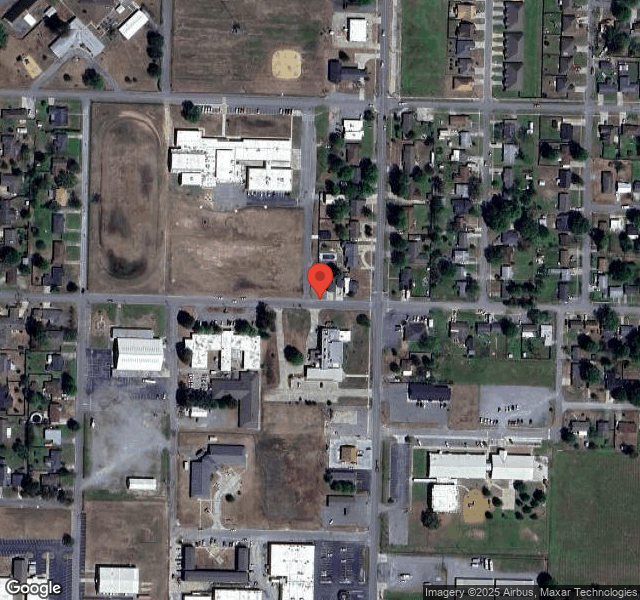
707 WEST 20TH STREET, STUTTGART, AR 72160 (870) 673-1657
For profit - Limited Liability company 100 Beds CRESTPARK Data: November 2025 2 Immediate Jeopardy citations
Trust Grade
41/100
#61 of 218 in AR
Last Inspection: March 2025

Within standard 12-15 month inspection cycle. Federal law requires annual inspections.

Overview

Crestpark Stuttgart, LLC has received a Trust Grade of D, indicating below-average conditions with some concerning issues. They rank #61 out of 218 nursing homes in Arkansas, placing them in the top half, and are the only option in Arkansas County, ranked #1 of 3. The facility is improving, having reduced its number of issues from 17 in 2024 to just 1 in 2025. Staffing is a strong point, with a 5-star rating and a turnover rate of 35%, significantly lower than the state average, but the facility has incurred $28,978 in fines, which is higher than 91% of Arkansas facilities, suggesting ongoing compliance issues. Notably, there were critical incidents, including a resident being involuntarily secluded and a failure to prevent falls that led to serious injuries, highlighting significant areas for improvement alongside their better staffing and overall star ratings.

Trust Score
D
41/100
In Arkansas
#61/218
Top 27%
Safety Record
High Risk
Review needed
Inspections
Getting Better
17 → 1 violations
Staff Stability
○ Average
35% turnover. Near Arkansas's 48% average. Typical for the industry.
Penalties
✓ Good
$28,978 in fines. Lower than most Arkansas facilities. Relatively clean record.
Skilled Nurses
⚠ Watch
Each resident gets only 28 minutes of Registered Nurse (RN) attention daily — below average for Arkansas. Fewer RN minutes means fewer trained eyes watching for problems.
Violations
⚠ Watch
34 deficiencies on record. Higher than average. Multiple issues found across inspections.
★★★★☆
4.0
Overall Rating
★★★★★
5.0
Staff Levels
★★★★★
5.0
Care Quality
★★☆☆☆
2.0
Inspection Score
Stable
2024: 17 issues
2025: 1 issues

The Good

  • 5-Star Staffing Rating · Excellent nurse staffing levels
  • 5-Star Quality Measures · Strong clinical quality outcomes
  • Full Sprinkler Coverage · Fire safety systems throughout facility
  • No fines on record
  • Staff turnover below average (35%)

    13 points below Arkansas average of 48%

Facility shows strength in staffing levels, quality measures, fire safety.

The Bad

Staff Turnover: 35%

11pts below Arkansas avg (46%)

Typical for the industry

Federal Fines: $28,978

Below median ($33,413)

Moderate penalties - review what triggered them

Chain: CRESTPARK

Part of a multi-facility chain

Ask about local staffing decisions and management

The Ugly 34 deficiencies on record

2 life-threatening
Mar 2025 1 deficiency
CONCERN (E)

Potential for Harm - no one hurt, but risky conditions existed

Infection Control (Tag F0880)

Could have caused harm · This affected multiple residents

Based on observations and interviews, the facility failed to ensure staff performed proper hand hygiene when feeding residents, affecting 4 (Resident #18, #34, #36, #39) of 4 residents observed that r...

Read full inspector narrative →
Based on observations and interviews, the facility failed to ensure staff performed proper hand hygiene when feeding residents, affecting 4 (Resident #18, #34, #36, #39) of 4 residents observed that required assistance with dining. The findings include: On 03/24/25 at 12:07 PM, Certified Nursing Assistant (CNA) #4 wiped her face with her right hand and did not perform hand hygiene before feeding Resident #18. CNA #4 then touched straws, drinks, and a geriatric chair without sanitizing or washing her hands before continuing to feed Resident #18. On 03/24/25 at 12:11 PM, CNA #4 touched the ice machine door, the handle of the ice scoop, drinking glasses, and poured tea without sanitizing or washing her hands at any time. She then returned to feed Resident #18. On 03/24/25 at 12:12 PM, CNA #2 did not perform hand hygiene between feeding Resident #34 and Resident #39. On 03/24/25 at 12:24 PM, CNA #2 took a phone out of her pocket and returned the phone to her pocket. She then resumed feeding Resident #39 without sanitizing or washing her hands. On 03/24/25 at 12:35 PM, CNA #2 pushed a cart of returned lunch trays and then returned to feed a resident without sanitizing or washing her hands. CNA #2 touched several of Resident #34's food containers, went to Resident #8 and touched the tray and Resident #8's skin and clothing, then went back to Resident #34 without sanitizing or washing her hands. On 03/24/25 at 12:39 PM, CNA #2 used her hands to open the door in the dining room which led outside. CNA #2 came back in from outside and went to Resident #34's table, touching the tray and fork without performing hand hygiene. On 03/24/25 at 12:42 PM, CNA #5 failed to sanitize or wash her hands between feeding two residents sitting at the same table. On 03/24/25 at 12:44 PM, CNA #5 threw a used cup and lid away, pushed a food cart, and then picked up a clean glass, scooped ice out of ice chest using ice scoop, obtained a clean lid, opened and placed a straw in the cup, all without performing hand hygiene at any time. She then delivered the cup to a resident. On 03/25/25 at 07:42 AM, during dining observation, CNA #6 did not perform hand hygiene between feeding Resident #36 and Resident #34. CNA #6 was drinking from a personal cup while feeding Resident #36 and Resident #34 without performing hand hygiene. On 03/26/25 at 07:40 AM, CNA #6 did not perform hand hygiene between feeding Resident #18 and Resident #26. On 03/26/25 at 07:48 AM, CNA #6 wore gloves and picked up used cloths from the tables and put them in a dirty cloth bin. Without removing the old gloves, CNA #6 went to table to feed Resident #1. Still without changing gloves or performing hand hygiene, CNA #6 went to other tables to pick up additional used cloths and took them to the dirty cloth bin. Using the same dirty gloves, CNA #6 touched geriatric chair handles, a resident's straw and eating utensils, and opened a canned drink for a different resident. CNA #6 returned to Resident #1 to continue feeding. No hand hygiene was performed during any part of this observation. On 03/27/25 at 08:38 AM, during an interview, Dietary Manager (DM) #11 stated staff should wash hands between residents when feeding residents and staff should not have cell phones nor personal drinks at the resident's table when feeding a resident. On 03/27/25 at 09:07 AM, during an interview with the Director of Nursing (DON), the DON stated staff should not have a personal beverage and/or drink a beverage at the resident's table while feeding the residents. She also stated staff should not take a cell phone from their pocket or even have a cell phone while feeding the residents. The DON verified staff should wash their hands between resident contact.
Aug 2024 2 deficiencies
CONCERN (D) 📢 Someone Reported This

A family member, employee, or ombudsman was alarmed enough to file a formal complaint

Potential for Harm - no one hurt, but risky conditions existed

Deficiency F0558 (Tag F0558)

Could have caused harm · This affected 1 resident

Based on observation, interview, and record review, the facility failed to ensure the call light was placed within reach of 3 (Residents #3, #4 and #5) of five sampled residents to enable them to call...

Read full inspector narrative →
Based on observation, interview, and record review, the facility failed to ensure the call light was placed within reach of 3 (Residents #3, #4 and #5) of five sampled residents to enable them to call for assistance when needed. The findings are: 1. Review of the Physician's Orders for August 2024 noted Resident #3 had a diagnosis of dementia. Review of the annual Minimum Data Set (MDS) with an Assessment Reference Date (ARD) of 05/30/2024 with a Brief Interview for Mental Status (BIMS) of 7 (7-12 indicates moderate cognitive impairment) noted Resident #3 ambulated in a wheelchair and required maximal assistance with toileting and supervision/touch assistance with transfers. On 08/14/2024 at 9:58 AM, Resident #3 was observed lying in bed, there was a wheelchair on the left side of the bed and the right side of bed was against the wall. The resident's call light was hanging down from wall, lying on the floor on the left side of the bedside table, out of the resident's reach. When this surveyor entered the room, Resident #3 requested to be assisted up in a wheelchair. Review of Resident #3's Care Plan with a revision date of 05/30/2024 noted the resident needed assistance with transfers and toileting and was at risk for falls with an intervention to keep the call light in reach. 2. Review of Resident #4's August 2024 Physician's Orders noted the resident had diagnoses of complete traumatic amputation of lower extremity, and unspecified weakness. Review of Resident #4's annual Minimum Data Set (MDS) with an Assessment Reference Date (ARD) of 06/27/2024 noted a Brief Interview for Mental Status (BIMS) of 12 (8-12 indicates moderate cognitive impairment), and the resident ambulated in a wheelchair, had bilateral impairment to the lower extremities, and was dependent for transfers, turning and toileting. On 08/14/2024 at 10:00 am, Resident #4 was observed lying in bed, the call light was not attached to the bed, but was lying on the floor not in the resident's reach. Review of Resident #4's Care Plan with a revision date of 06/27/2024 noted the resident was at risk for falls and to keep call light in reach. 3. Review of Resident #5's August 2024 Physician's Orders noted the resident had a diagnosis of Congestive Heart Failure. Review of Resident #5's annual Minimum Data Set (MDS) with an Assessment Reference Date (ARD) of 07/18/2024 noted a Brief Interview for Mental Status (BIMS) of 13 (13-15 indicates cognitively intact), and the resident ambulated via wheelchair and was dependent for toileting and transfers. Review of Resident #5's Care Plan with a revision date of 07/18/2024 noted the resident was to keep the call light in reach due to resident's need for assistance, risk of falls and need for incontinent care. On 08/14/2024 at 10:05 AM, Resident #5 was lying in bed. The resident ' s call light was lying on the floor and another call light was attached to a privacy curtain at the foot of the resident's bed. Neither call light was in reach of the resident. On 08/14/2024 at 3:10 PM, Certified Nursing Assistant (CNA) #1 was interviewed and confirmed it is important for the call lights to be in reach of residents so they can call for assistance when needed. On 08/14/2024 at 3:22 PM, during an interview, CNA #2 stated it was important to ensure the call light is in the resident's reach in case the resident has an emergency. On 08/15/2024 at 11:14 PM, when the Director of Nursing (DON) was asked if they had a policy or in-service for the call lights, she replied call lights are basic nursing and they did not have an in-service or specific policy on them.
CONCERN (E) 📢 Someone Reported This

A family member, employee, or ombudsman was alarmed enough to file a formal complaint

Potential for Harm - no one hurt, but risky conditions existed

Safe Environment (Tag F0921)

Could have caused harm · This affected multiple residents

**NOTE- TERMS IN BRACKETS HAVE BEEN EDITED TO PROTECT CONFIDENTIALITY** Based on observations, interview and record review the facility failed to keep heating and air ventilation clean to prevent pote...

Read full inspector narrative →
**NOTE- TERMS IN BRACKETS HAVE BEEN EDITED TO PROTECT CONFIDENTIALITY** Based on observations, interview and record review the facility failed to keep heating and air ventilation clean to prevent potential airborne sickness for all 47 residents who reside in the facility. The findings are: On 08/15/2024 between 9:40 AM, and 10:40 AM, during rounds, this surveyor observed air vents with a dark black substance coating much of the outside in resident rooms: 16, 25, 28, 30, 31, 32, 33, 34, 35, 36, 38, and in the men and women's bathrooms on the east and west halls. In addition, a dark black substance, approximately 5 inches by 3 inches, was noted on the ceiling tile directly above the vent in room [ROOM NUMBER]. On 08/15/2024 at 10:45 AM, when the Housekeeping Supervisor was asked to describe the black substance on the vents in the resident's rooms, she said it may be smoke from some wires that melted and smoked after a water pipe burst in the ceiling last December (2023). When the Housekeeping Supervisor accompanied this surveyor to the women's bathroom on the east hall and was asked to describe the vent in the center of the bathroom ceiling. She commented that it looked like dust and mold from the ceiling being wet after the leak and then. She stated it was maintenance's responsibility to clean the vents. On 08/15/2024 at 11:11 AM, the Maintenance Director accompanied this surveyor to the women's bathroom on the east hall and when asked to describe the vent, he confirmed it was mold, then commented if he cleaned it, it would just come back. He stated he could get the company that fixed the roof to come and check up in the ceiling for water. He confirmed that the Administrator was aware of the mold. On 08/15/2024 at 11:40 AM, the Administrator accompanied this surveyor to the Rooms 33, 35, and the women's bathroom on the east hall. She denied knowing about the black substance on the vents in the bathrooms and in the resident rooms. She stated she would get it taken care of right away. On 08/16/2024 at 10:30 AM, the Administrator was asked for a policy on cleaning vents. She stated they did not have one.
Jan 2024 15 deficiencies 2 IJ
CRITICAL (J)

Immediate Jeopardy (IJ) - the most serious Medicare violation

Deficiency F0603 (Tag F0603)

Someone could have died · This affected 1 resident

Based on record review and interview, the facility failed to ensure a resident remained free of involuntary seclusion by staff and to ensure all other residents were protected from further involuntary...

Read full inspector narrative →
Based on record review and interview, the facility failed to ensure a resident remained free of involuntary seclusion by staff and to ensure all other residents were protected from further involuntary seclusion for 1 of 1 (Resident #34) sampled residents who had been involuntary secluded. The Administrator was informed of the Immediate Jeopardy on 01/09/24 at 3:07 PM The failed practice had the potential to affect all 45 residents currently in the facility. The findings are: On 01/08/24 at 3:59 PM, Surveyor notified the family member by phone for a family interview. During the interview the daughter said last week on Wednesday it was reported a staff member locked him (Resident #34) in his room. The staff member was fired, and an investigation is under way. She said she has a meeting with the administrator tomorrow 1/9/24. The facility's policy titled Policy and Procedure Regarding investigation and reporting of alleged violations of federal or state laws involving mistreatment, neglect, abuse, injuries of unknown source and misappropriation of residents property provided by Administrator on 1/08/24 at 11:40 AM., showed the following: It is the policy of this facility {named} to prevent the occurrence of abuse ( verbal, mental, physical, sexual ,involuntary seclusion) . Mental Abuse: isolating a resident from social interaction . INVOLUNTARY SECLUSION is defined as separation of a resident from other residents .confinement to her/his room against the residents will . staff hold a door shut, from the opposite side of the door in order to prevent egress. A Reportable to The Office of Long-Term Care dated 12/29/24 at 3:00 PM documented, .This Staff member reported that (Certified Nursing Assistant) CNA # 2 had pushed resident to his room and held the door closed so the resident could not leave room . Cameras were reviewed by facility Registered Nurse (RN) at approximately l8:14, 6:14 PM, CNA was observed pushing resident into his room. CNA then walked away from the door. CNA was observed pushing the resident into his room and closing the door. CNA stood at the door until 18:16:19 (6:16 PM and 19 seconds). CNA then walked away from the door . At 20:53:20 (8:53 PM and 20 seconds), CNA was observed on camera pushing resident to room again and closing the door on the resident. Based upon posture and hand placement CNA was holding the door shut. CNA moved away from the door at approximately 20:53:46 (8:53 PM and 46 seconds). At approximately 20:53:56 (8:53 PM and 56 seconds), CNA is seen running across the hall to the resident's room. Pushed resident back into room and holds the door closed from 20:54:1 I TO 20:54:39 (8:54 PM and 1 second to 8:54 PM and 39 seconds). The employee was terminated. The Plan of Care dated 12/07/15 documented, .Cognitive Resident has impaired cognitive skills .short term memory problem, decision making problem. Resident #34 had diagnoses of Alzheimer's disease, Dementia, and Encephalopathy. On 1/9/2024 at 9:47 AM, interview with Resident #7. She has been a resident here for 9 years. No issues with staff. She stated, One resident will wander into this resident's room. Resident #7 said, I punch my call light and they come get her. Resident #7 said that she feels the resident wants to stay around and that she feels sorry for her. On 1/9/2024 at 9:30 AM, CNA #3 was asked if she had any knowledge of the alleged abuse of Resident #34, CNA #3 said no. The Surveyor asked what actions, if any, did you take in response to the allegation. CNA #3 stated, Report it to the charge nurse. CNA #3 was asked If she was familiar with the alleged victim and if she has noticed any changes in the alleged victim's behavior as a result of the alleged abuse. If so, describe. CNA #3 stated, I know him but never worked with him. I did hear about [named employee]. I wasn't there but they said she pulled a chair from under him, and he hit the floor. I'm not aware of any harm because I do not work down there. They turned it into the OLTC, and she got fired. No knowledge of any other abuse by this CNA. CNA #3 was asked if she had received training on abuse identification, prevention, and reporting requirements. CNA #3 said, not recently, but had received some training on abuse and aggression, but she did not know when. On 1/9/24 at 10:09 AM, (Licensed Practical Nurse) LPN#3 was asked if she had any knowledge of any alleged abuse If so, describe. LPN #3 stated, Yes, recently he asked the nurse for assistance he was at the edge of the chair. Before they moved the wheelchair, she (named x-employee) pulled the chair out and he hit the floor. He is Resident #34. They investigated where the CNA held the door, and it was on camera. Assistant Director of Nursing (ADON) does admissions and investigations and she had to talk to her, (named x employee), in the investigation. and (named X-employee) was fired. The Surveyor asked did the alleged perpetrator and/or victim exhibit any behaviors that would provoke one another? LPN #3 said it is all the hollering. It is the way she approached them. LPN #3 was asked if she had received training on abuse identification, prevention, and reporting requirements. LPN #3 stated Yes, most of the time I do it on my [Continuing Education Units] CEUs. Here we get print outs; we haven't had any together trainings since COVID. We used to have them once a month. Nurses will go in with [named employee] and do return demonstration. I do not recall any recent retraining's on aggressive residents. On 1/9/24 at 10:14 AM, CNA #4, was asked if she had any knowledge of Resident #34 being held in his room against his will? CNA stated, No. CNA #4 was asked what action she would you take if a resident reports an allegation of abuse by another resident. CNA #4 stated, I would report it to the charge nurse. CNA #4 was asked what action she would take if a resident reported an allegation of abuse by a staff member to her. CNA#4 stated, I would report it to the charge nurse. CNA #4 was asked if she had received any abuse training. CNA stated, When we get our checks, we get a packet that we read. Before COVID we would have meetings. Different pay periods, we have different packets, such as one on abuse, one on fires, one on storms. CNA #4 was asked if she could recall, when was the last training she had on abuse, and stated I'm not good with dates so I don't remember. On 1/9/24 at 10:24 AM, CNA #5 was asked if she had any knowledge of Resident #34 being held in his room against his will. CNA stated, no. CAN #5 asked what action she would take if a resident reports an allegation of abuse by a staff member to you. CNA #5 stated, I would take the concern up with the charge nurse and we will ' talk to the Administrator. CNA #5 was asked if she had received any abuse training. CNA #5 stated, yes. , CNA #5 was asked if she could remember when she received her last abuse training. CNA#5 stated, I had it when I finished my CNA classes in September 2023. The resident was asked if she had ever been in room and staff would not allow you to leave. Resident stated, no. The resident was asked if she felt comfortable reporting concerns to staff. The resident stated, No, you have to keep your mouth shut. Do you have any concerns about how they would treat you? Resident #28 said, you are asking me some hard questions and I don't know what to say. On 1/9/24 at 8:40 AM, (LPN #1) was asked if she was aware of an incident involving Resident #34. LPN stated I heard one of the CNAs pulled the door shut and held it for about 5 minutes. I heard he was banging on the door to get out. I also heard it was caught on camera and that just wasn't right. LPN #1 was asked who she heard it from, and she stated, I don't really remember; I hate to say the wrong person. LPN #1 was asked if she reported this to anyone. LPN #1 stated, I did not report it because the Administrator was already working on it so I knew she knew. On 1/9/24 at 8:48 AM, Resident # 6 was asked if the staff treated him with dignity, respect, and kindness. Resident stated, I feel an aide [named x-employee] was mean to me because she took my wheelchair and refused to give it back; I feel that was very wrong. The Resident was asked if he reported the incident to anyone and he stated, The Administrator {named}. On 1/9/24 at 9:01 AM, Resident #24, was asked if the staff treated her with dignity, respect, and kindness. Resident stated, Absolutely, I chose to live here. If they were mean, I would leave. On 1/9/24 at 9:15 AM, the CNA #1 was asked if she was aware of an incident that involved Resident #34. The CNA stated, Yes, I have. I heard [named x-employee] took him to his room and held the door. He was banging on the door, then went to the bathroom door and was banging on it. Did you report this to anyone? CNA #1 stated, No they were investigating it already. How often are you trained on abuse and neglect. CNA#1 stated, on hire. On 1/9/24 at 10:15 AM, the Administrator was asked if she was aware of an incident that involved Resident #34. The Administrator stated, yes. The Administrator was asked if she could tell me what occurred. She stated, Yes, I came in to work and the social worker told me they were watching the videos because it had been reported to her that the [named x employee] had held a door closed so a Resident could not get out of his room. I watched the videos then had the ADON watch them. I called the [named x-employee] in and got her statement. I told her what she had done was involuntary seclusion and that she was terminated and that it would be reported to the Office of Long-term care. We felt we had a finding. The Surveyor asked if she had done an in-service since the incident. The Administrator stated, no. On 1/9/24 at 10:35 AM, the social worker was asked if she was aware of an incident that involved Resident #34. She stated, Yes, [named CNA ' s]came to my office because they were upset over [named x-employee] locking Resident #34 in his room and not letting him out. I heard he was hollering and banging on the door. I told my Administrator. The Social worker was asked how often she was trained on abuse and neglect, and she stated, On hire and during some in-services. The Surveyor asked what was the Administrators response? The social worker stated, she watched the cameras and fired [named x-employee]. On 1/9/24 at 10:45 AM, the Director of Nurses (DON) was asked if she was aware of an incident that involved Resident #34. She stated, Yes, as soon as I arrived at work the Administrator told me. What do you know about the investigation? The DON stated, I know the cameras were watched and she called [named x-employee] in, and they terminated her. They did a reportable. The DON was asked how often staff were trained concerning abuse and neglect. The DON stated, yearly. The DON was asked if she had done an in-service since the incident. The DON stated, no. The following Plan of removal was accepted on 01/10/2024 at 9:10 AM. 1. Corrective Action: Certified Nursing Aide was terminated on 12/29/2023 for involuntary seclusion. 2. Identify: All residents in the facility were checked on 12/29/2023 by designated nurse with no negative findings. 3. Systemic Changes: All staff present were in-serviced on 01/09/2024 by a designated LPN. All incoming staff will be in-serviced by a designated LPN upon arriving at work on involuntary seclusion. 4. Monitor: Cameras will be reviewed 5 times per week by a designated staff to ensure no staff are holding a resident room door shut. Negative findings will be brought to the Administrator immediately. QA will follow up on findings. weekly. 5. Completion Date: 0l/09/2024
CRITICAL (J)

Immediate Jeopardy (IJ) - the most serious Medicare violation

Accident Prevention (Tag F0689)

Someone could have died · This affected 1 resident

**NOTE- TERMS IN BRACKETS HAVE BEEN EDITED TO PROTECT CONFIDENTIALITY** Based on observation, record review and interview, the facility failed to ensure an effective fall prevention program that inclu...

Read full inspector narrative →
**NOTE- TERMS IN BRACKETS HAVE BEEN EDITED TO PROTECT CONFIDENTIALITY** Based on observation, record review and interview, the facility failed to ensure an effective fall prevention program that included adequate supervision and a system for residents who were at risk for falls was developed and consistently implemented, as evidenced by:failure to ensure anti-rollbacks were consistently monitored to ensure they were in working condition to prevent falls to the extent possible and reduce the potential for further injury from falls that did occur for 1 (Resident #148) of 1 (Resident #148) sampled Resident who sustained a fracture; failed to ensure falls were thoroughly investigated for causative factors and interventions were developed and implemented based on those causative factors to decrease the potential for further falls / injuries for 2 (Residents #18 and #34) of 5 (Residents #18, #23, #34, #40 and #148) sampled residents who had falls in the past 3 months. The failed practices resulted in an Immediate Jeopardy, which caused or could have caused serious harm, injury or death to Resident #148, who experienced falls that resulted in a fracture and Residents #18 and #34, who experienced multiple falls, and had the potential to cause more than minimal harm to 5 residents who experienced falls in the past 3 months. The Administrator was informed of the Immediate Jeopardy on 01/10/2024 at 3:50 PM The findings are: Resident #148 had diagnoses of Osteoarthritis, muscle weakness (generalized), difficulty in walking, unsteadiness on feet and other abnormalities of gait and mobility. A Quarterly Minimum Data Set (MDS) with an Assessment Reference Date (ARD) of 11/30/23 documented the Resident scored a 00 (00-07 indicates severely impaired) on the Brief Interview for Mental Status (BIMS), used a wheelchair (w/c) for mobility, and required partial / moderate assistance with personal hygiene and with sit to stand, had two falls since admit / prior assessment with no injury and one fall since admit / prior assessment with a major injury. A Care Plan (CP) with a review date of 12/05/23 documented the resident was at risk for fall related injury evidenced by a previous fall. Resident #148 fell on [DATE] and sustained a left (L) hip fracture (fx). The CP was not updated to reflect interventions for monitoring / caring for a resident with a sustained fx from a fall. Resident #148 ' s Incident and Accident (I&As) Reports were reviewed and the following information was noted: On 10/07/23 at 5:10 PM, [Resident #148] was found on the floor in front of wheelchair. Intervention: OT (Occupational Therapy) will work on core strengthening. Cause of fall: may have been sitting on the edge of wheelchair. On 10/10/23 at 12:50 PM, [Resident #148] was found on floor sitting on buttocks with back against wheelchair. Intervention: OT will work on transfers. Cause of fall: blank. On 11/05/23 at 4:00 PM, [Resident #148] was found sitting upright in front of her wheelchair with a small laceration to left side of forehead. Intervention: PT [Physical Therapy] will eval. (evaluate) and treat. Cause of fall: Resident transfers self to/from bed. Obtain UA (urinalysis). Fall occurred on 11/05/23, referred to therapy on 11/06/23. PT to eval on 11/07/23. 11/8/23 orders to obtain a UA & (and) C&S (culture and sensitivity) on 11/10/23. PT orders were recommended for PT treatment 2-4 (two to four) X ' s (times) a week for up to 8 weeks. On 11/16/23 at 15:35 (3:35) PM, witnessed by hall nurse attempting to transfer from wheelchair to straight back chair. The brakes of the wheelchair were not locked, and it rolled out from under her, and she fell on the floor. Intervention: PT will work on wheelchair safety. On 11/26/23 at 1:50 AM, found sitting on the floor by the wheelchair. Intervention: Because PT and OT benefits were exhausted. Restorative will work on transfers. Cause of fall: Transferring without assistance. On 11/29/23 at 2054 [8:54] P.M., found lying on the floor. The wheelchair brakes were unlocked. Intervention: ordered x-ray of hip. (Resulted in a fracture.) Installed antiroll backs on wheelchair. Cause of fall: resident transfers self to wheelchair and the brakes are never locked. PT started treatment on 12/13/23. On 1/3/24 at 12:48 PM, found on the floor. Intervention: PT will educate on transfer safety. Cause of fall: blank. On 1/9/24 at 2:00 PM, the Director of Rehab (DOR) was asked if she felt the repetitious interventions had been effective and she stated, no. She was asked if a Resident #148 with a BIM of 00 had the ability to be educated per therapy treatment and she stated, She can respond immediately sometimes but can ' t retain 30 minutes later. On 01/09/24 at 3:29 PM Resident #148 was propelling self-down the hall. The bar to the antiroll backs on the right side was upside down causing the antiroll backs to improperly function. Licensed Practical Nurse (LPN) #1 reached down to straighten up the bar and it fell out when she pulled on it. LPN #1 and the Housekeeping Supervisor attempted to reinsert the bar but couldn't. On 1/10/24 at 9:25 AM, Certified Nursing Assistant (CNA) #2 was asked if she was familiar with the device (anti roll backs) on the wheelchair. She stated, It ' s an anti-rollback. CAN #2 was asked what the purpose of anti-roll backs were for and stated, So it doesn ' t roll back when the resident gets in or out of it. She was asked if she ever checked them for proper functioning and stated, Every day, before putting them in the wheelchair. She was asked to explain the functioning verses non-functioning and stated, If it isn't working properly, a person can fall and break something. She was asked if she had ever had an in-service on anti-roll backs and she stated, yes. On 1/10/24 at 9:35 AM, CNA #6 was asked if she was familiar with the device (anti roll backs) on the wheelchair and she stated, No, maybe can' t roll the chair backwards. CNA #6 was asked what is the purpose of an anti-roll back, and she stated, I've never had one. She was asked if she ever checked them for proper functioning and she stated, no. CAN #6 was asked to explain the functioning verses non-functioning and she stated, The resident can fall out and possibly be injured. She was asked if she'd ever had an in-service on anti-roll backs and she stated, I can't remember. On 1/10/24 at 9:40 AM, Maintenance pulled the wheelchair backwards and stated, It's still not working. Resident #18 has diagnoses of Vascular Dementia without Behavioral Disturbances, Altered Mental Status and Sciatica Right Side The Quarterly MDS with an ARD of 11/09/23 of Resident #18 documented the Resident had a BIMS of 7 (00-07 indicates severely impaired). A Care Plan with a review date of 11/14/23 documented problem of falls with the following approaches: Provide w/c for mobility, Provide Restorative Therapy to prevent decline, 09/03/23-PT will eval and tx, 09/25/23-OT to eval and tx, 10/08/23-PT will work on strengthening, 10/28/23-Vitamin D level drawn, 11/04/23- PT/OT to eval and tx as indicated, 11/06/23-Obtain UA [urinalysis] to r/o [rule out] UTI [Urinary Tract Infection], 11/21/23- OT to work on transfer safety, 11/25/23-OT to work on using urinal; Problem- Safety 11/10/23- Approaches: CNA information sheet will reflect that resident transfers self. On 01/08/24 at 10:45 AM, Resident #18 was in bed and both of his arms were purple and he complained of back pain. There was a dressing to the left arm. The Resident stated, I fell. The following Incident and Accident (I & A)'s reports regarding falls were documented for Resident #18: 09/3/23 at 0100 [1:00] AM, Resident (Res) turned on emergency call and CNA found res (Resident) sitting up against the wall, soaked in urine and bleeding on the (left) (L) side of face. Res stated legs gave out on him. Immediate Action: R [Resident] was cleaned up, [adhesive strips] applied to area cut above (L) eyebrow. Fall investigation completed and PT notified at 09/25/23 at 10 AM. Interventions: P/T will eval & [and] treat. 09/25/23 at 5:45 AM, Incident: Res attempted self-transfer and stood up to see who was at door and legs gave out. Immediate Action: No due to no injury Interventions: Fall investigation completed and PT notified 09/25/23 at 10 AM and res reminded to hit CL [call light] for assistance getting oob [out of bed] and walking. O/T will eval & treat. 10/08/23 at 1:40 PM, Incident: Another Res yelled that res was trying to turn w/c around and he got tangled in it and fell on (L) arm. Sustained an abrasion to (L)arm and skin tear to (L) arm. Immediate Action: w/c, xerofoam, drsg [dressing].(exactly how I&A documented). Interventions: Fall Investigation completed, and PT notified 10/08/23 at 1:40 PM. P/T will work on strengthening. 10/28/23 at 8 PM, Incident: LPN [Licensed Practical Nurse] noted dried blood on bed linen. Res assessed and skin tear to [right] elbow. Res informed LPN he fell earlier in bathroom. Injury documented laceration. Immediate Action: Tx [treatment] applied per protocol and ROM [range of motion] to extremities Interventions: No noted. 11/04/23 at 23:15 (11:15) PM, Incident: Resident fell exiting bathroom Immediate Action: N/A (Injury section blank) Interventions: Fall Investigation completed and PT notified 11/6/23 at 10 AM. P/T & O/T will eval and treat. 11/06/23 at 5:25 AM, Incident: staff called to Resident room and Resident stated he fell and hit (L) arm on doorway. Denied hitting head. Injury documented other and diagram shows skin tear, bruise to (L) arm and skin tear to (L) hand. Immediate Action: First aid but no documentation as to what it was. Interventions: Fall Investigation completed, and PT notified 11/06/23 at 10 AM. U/A [urinalysis] & [and] C/S [culture and sensitivity]. 11/21/23 at 20:15 [8:15] PM, Incident: Resident observed sitting in floor in hallway behind w/c by nurse. Injury section blank but diagram shows skin tear to right arm. Immediate Action: nothing documented, and first aid box not checked. Interventions: Investigation F/U (follow up) has no date when completed but noted O/T will work on transfer safety. 11/25/23 at 7:15 AM, Incident: CNA yelled for LPN noting resident on floor, lying behind w/c, adult brief partially down and urine on floor. Bleeding noted (L) arm. Injury-laceration. Immediate Action: Tx per protocol. Interventions: Fall Investigation completed, and PT notified 11/27/23 at 1:46 PM. O/T will work on using urinal. 12/05/23 at 4:35 AM, Incident: staff member knocked on resident door, called resident ' s name and resident rolled out of bed and hit back of head on dresser. Injury noted redness and small bruise to back of head. Immediate Action: N/A (Non-Available) Interventions: Fall Investigation completed, and PT notified 12/5/23 at 10 AM. O/T to work on bed mobility. 12/29/23 at 4:55 AM, Incident: CNA called nurse to room and stated pt. [patient] on floor. Pt. on buttocks and with skin tear to (L) elbow as injury. Immediate Action: No first aid needed for form. Interventions: Fall Investigation completed, and PT notified 12/29/23 and Melatonin 3 mg [milligrams]1 tab [tablet] PO [by mouth] q [every] HS [bedtime]. 01/02/24 at 11:45 AM, Incident: Resident stood out of w/c and fell on buttock. Hit back of door. Injury: section blank but diagram documents old skin tears to right arm. Immediate Action: First aid but not documented what it was. Interventions: Fall Investigation completed, and PT notified 01/03/24 at 10:30 am and P/T will eval and treat. 1/10/24 at 9:50 AM, LPN #3 was asked, How do you know what residents risk factors are for having an accident? LPN #3 said when they come in, they do a head-to-toe assessment. I know from dealing with residents every day what their risk factors are. If they have one coming in from another facility, they make it known to us what those are. She was asked, A resident with risk factors for falls, how often are they assessed and where is it documented? LPN #3 stated Every day they are assessed. I just put mine on shift report if anything changes. If there are no changes, I don't put it anywhere, just follow up as needed. She was asked, how do you know what interventions or assistance is needed to prevent falls? and she stated, We have a CNA book that has what the resident can do regarding ADLs. I refer to the resident ' s care plan and we have shift report regarding any change and sometimes it's just verbally told to me by the nurse. She was asked, if a resident has a fall and you witness this, what do you do? LPN #3 stated, I assess the resident before I move them and if assistance is needed I will help to get them either to the bed or restroom or wherever they need to go. She was asked, what do you do if a resident refuses the intervention in place? and she stated, I would tell the doctor and make a note on the Progress Note or shift report. She was asked, how did you identify that the interventions were suitable for this resident? She stated, By working with them every day, and there to assess them every day. Just knowing their diagnosis and what they are capable of doing. On 1/10/24 at 9:41 AM, CNA #3 was asked, How do you know what care a resident need? and she stated, If something is going on with resident, the CNA will tell me or the nurse. She was asked, How do you know if a resident has had a fall or other incident? and she stated, If it happens on another shift, the nurse will tell me when I come in. She was asked, How do you know what interventions are in place for a resident that may have fallen? and she stated, It will be in their charts, in their care plan. If they fall on us, the paper will say what your interventions will be, so we have to write something. She was asked, If a resident has a fall or other injury and you witness this, what do you do? and she stated, Come and report it to the charge nurse and then we fill out the witness statement and give it to the charge nurse. She was asked, What do you do if a resident refuses the intervention in place? and she stated, I would go and let the charge nurse know. Resident #34 had diagnoses of Alzheimer's Disease, and Dementia. A 5-Day MDS with an ARD of 12/06/23 documented Resident #34 had a BIMS of 01 (00-07 indicates severely impaired), used a walker and w/c for mobility, dependent for toileting, and required substantial / maximal assist for sit to stand. A Progress Note Report for Sat [Saturday], Sep [September] 30, 2023 Thru [through] Wed [Wednesday], Dec [December] 06 2023 documented, . 12/06/2023 1200 Nursing Staff admission admitted to facility from hospital with left femur fracture . Fall on 12/1/23 no injury . Fall on 12/02/23 no injury. Fall on 12/06/23 with minor injury-red area to top of head. Another fall on 12/06/23 with minor injury-abrasion . transferred to ER [Emergency Room] due to pain in my left hip. X RAYS were negative . A Medicare Nurse's Notes dated 11/20/23 documented, Admit to [Named Facility] from [Local Hospital] . PT /OT to eval. DX [Diagnosis]: (L) [Left] femur fx [fracture] . Other dx (diagnosis): Alzheimer's dementia . An Activities of Daily Living (ADL) sheet for Resident #34, dated 12/6/23, documented the resident was independent for bed mobility, but required supervision for transfers and toilet use. A Care Plan with no review date documented falls with a problem date of 12/07/23 as evidenced by reason for prior hospital stay and recent falls at facility. The approaches where a. observe for side effects of any drugs that can cause, but there were no side effects listed; b. Provide environmental adaptations, but none were listed and c. Safety measures to reduce fall risk, but none were listed. The resident fell once on 12/1 and twice on 12/6 and neither fall was care planned. The following Incident / Accident Reports are regarding Resident #34's falls: 12/1/23 at 8:40 AM, Resident sitting upright on side of bed on floor. Type of Injury: None apparent. Investigation Follow-Up dated 12/1/23 documented Recommendations / New Interventions P/T [Physical therapy] to work on strengthening. Fall Investigation dated 12/1/23 documented Physical Therapy notified of fall 12/4/23 and cause of fall was[resident] got up [without] assistance. 12/6/23 at 5:30 AM, [resident] Rt [right] side was between chair back [and] arm (chair back broken) Rt side neck against chair leg [and] throat against bottom rail of chair . Type of Injury Abrasion. Investigation Follow-Up dated 12/6/23 documented Recommendations / New Interventions Remove chair or have fixed son stated he would bring out new chair. Fall Investigation documented Physical Therapy notified of fall 12/7/23 and cause of fall was the chair back broke. 12/6/23 at 1515 [3:15] PM, resident tried to transfer himself. Landed on the left side. Abrasion on (L) temple Guarding (L) hip. Complaining of pain. Unable to do ROM [range of motion]. Type of Injury-blank. Resident was sent to hospital by EMS [Emergency Medical Services]. Investigation Follow-Up dated 12/6/23 documented Recommendations / New Interventions P/T will work on transfers. Fall Investigation dated 12/6/23 documented Physical Therapy notified of fall 12/8/23 and cause of fall was transferring without assistance. 12/7/23 at 1932 [7:32] PM, Resident was observed by CNA [Certified Nursing Assistant] [Name] to be on the floor in his room in front of his recliner on his bottom. W/c was in the doorway . w/c brakes were not locked . Type of Injury nonapparent. Investigation follow-up dated 12/7/23 documented recommendations / New Interventions: Rocking recliner taken out of room. Fall Investigation dated 12/7/23 documented Physical Therapy notified of fall 12/11/23. 12/8/23 at 8:40 AM, Staff heard resident yell Help Noticed door closed d/t [due to] isolation precautions. Opened door observed [named Resident] lying on his back in front of his recliner. Recliner legs were reclined. C/O [complain of] pain (L) hip which is normal complaint prior this fall. Type of Injury-blank. Investigation Follow-Up dated 12/8/23 documented Recommendations / New Interventions Recliner replaced w/a [with a] love seat. Fall Investigation dated 12/8/23 documented Physical Therapy notified of fall 12/11/23 and no cause of fall listed. 12/28/23 at 2:30 PM, Pat [patient] had feet on other resident ' s bed. CNA was told resident would need pulled up before could be moved. She stated, It will be fine. and pulled wheelchair before pt was properly in wheelchair. Resident landed on butt. Type of Injury None apparent. Investigation Follow-Up documented Date of Incident 12/28/23 and Recommendations / New Interventions CNA terminated. Fall Investigation dated 12/28/23 documented Physical Therapy notified of fall 1/2/24 and cause of fall as improper transfer. On 1/10/24 at 10:00 AM, the Director of Nursing (DON) was interviewed and asked to explain the procedure for the Incidences and Accidents. She stated, Whoever sees it tells the nurse, obtains a witness statement. The nurse will do an I & A report, investigation follow-up and notify the MD [Medical Doctor] and family. Complete a body audit and assess the resident. Text the DON. She was asked if an intervention is in place and another fall occurs, what is the next step and she confirmed that you find a different intervention, specific for the situation. She confirmed an in-service on falls and interventions was performed May 2023 per her logs. She was asked if putting repetitive interventions in place was their policy and procedure and have, they been effective and she stated, Probably not. Resident could sustain an injury. On 1/10/24 at 10:05 AM, the Administrator stated, We use therapy a lot and we refer for different strengthening's. She was asked, You refer to Physical therapy, Occupational therapy and restorative for strengthening and alternate between OT & PT. Did that prevent the falls before an injury occurred? She stated, No, but we depend on therapy a lot for different kinds of strengthening. The Immediate Jeopardy was removed on 01/11/24 at 11:13 AM, when the following Plan of Removal was implemented by the facility 1. Corrective Actions: Residents #148's anti-rollbacks are in working order and her Florinef was added on 1/10/2024. Resident #34 was placed on a toileting program on 1/10/2024. Resident #18's Buspar was decreased 1/10/2024. All anti-rollbacks were checked on 1/11/2024 and repaired by maintenance if needed. 2. Identify: All residents who have had multiple falls over the past 30 days have been identified and interventions reviewed. All residents with anti-rollbacks have been identified by Maintenance. 3. Systemic Changes: Administrator, Director of Nursing and nurses were trained on 1/10/12024 on not having similar interventions that are not effective by designated LPN. All nurses were trained on effective fall interventions upon arrival to work. All CNA's were trained on how anti rollbacks work and to notify Maintenance of any not working correctly. Maintenance was in-serviced on 1/10/2024 by a designated nurse on checking anti-rollbacks. The Administrator was in-serviced on 1/11/2024 on anti-rollbacks and fall interventions by an RN who is a member of the governing body. 4. Monitor: All falls will be reviewed daily x [times] 5 by Director of Nursing and Administrator to ensure interventions chosen are not similar and effective and will correct negative findings immediately. Anti-rollbacks will be checked daily x 5 to ensure they are working properly and will correct negative findings immediately. Findings will be discussed weekly at QA [Quality Assurance] meeting for effectiveness. 5. Completion Date: 1/11/2024 On 01/11/2024 at 9:39 AM, the Maintenance was asked, Have you been checking and fixing anti-rollbacks this morning? Maintenance replied, Yes I have. The Surveyor asked, You have had to fix anti-rollbacks this morning and if so, how many have you fixed? He stated, Yes, the anti-rollbacks were not tight enough. I have had to fix 4 this morning, the 4th one is in activities and will be fixed after activities. He was asked, Have you had any training on anti-rollbacks? and he stated, I had training when I started on anti-rollbacks. Surveyor asked, Have you had to train any other staff on anti-rollbacks? and he stated, No I have not. On 01/11/2024 at 2:02 PM, LPN #3 was asked, When was the last time you were trained on anti-rollbacks and how they work and how to monitor if they are functioning properly? LPN #3 stated, I have been trained on that. I do not remember the last time. On 1/11/24 at 2:02 PM, CNA #3 was asked when she was last trained on antiroll backs and she stated, Today. They are to keep them from falling. You can't roll them if the resident is not sitting in the chair. On 1/11/24 at 2:07 P.M. LPN #4 was asked if she had been trained on anti-rollbacks, and she stated no. She was asked if she knew what they were for and if she would have any idea if they were functioning properly and she stated, no. At 2:15 PM, LPN #4 came to the room and stated, I didn ' t understand what you were asking. I do know what the antiroll back is, and I was in-serviced today. It ' s the metal bar to prevent falls. A Falls and Fall Risk, Managing form, provided by the Administrator on 1/12/24 at 12:27 P.M. documented, . Policy Statement Based on previous evaluations and current data, the staff will identify interventions related to the resident's specific risks and causes to try to prevent the resident from falling and to try to minimize complications from falling . 5. If underlying causes cannot be readily identified or corrected, staff will try various interventions, based on assessment of the nature or category of falling, until falling is reduced or stopped, or until the reason for the continuation of the falling is identified as unavoidable . On 1/11/24 at 2:42 PM, the Administrator provided a copy of a form titled Complete In-Service Training Report with Personnel Attending, dated 1/10/24, and the subjects listed were I/A not having similar interventions that are not effective as previous I/A ' s, CNA to anti rollbacks work & notify Maintenance if any not working properly. Resident #2 placed on a toileting plan. Resident #3 Buspar was decreased, Resident #1 Florinef was added. It contained signatures with various titles, RNs, LPN, CNAs, and Maintenance. There was also a page of CNAs who were in-serviced by telephone. There was another form on In-Service Training Report and the subject was Antiroll backs- What it is, reason we use them which included . CNA names listed on it. The Administrator said these were completed after they reported to work at 2 PM.
CONCERN (D)

Potential for Harm - no one hurt, but risky conditions existed

Deficiency F0554 (Tag F0554)

Could have caused harm · This affected 1 resident

Based on observation, record review and interview, the facility failed to ensure medications were not self-administered without a physician order and the interdisciplinary team (IDT) assessed the resi...

Read full inspector narrative →
Based on observation, record review and interview, the facility failed to ensure medications were not self-administered without a physician order and the interdisciplinary team (IDT) assessed the resident to determine safe administration for 1 (Resident #44) of 1 (Resident #44) sampled residents who had a box of medication tablets on the bedside table. The findings are: 1. Resident #44 had a diagnosis of Alzheimer ' s disease with late onset and Gastro-Esophageal Reflux Disease without Esophagitis. a. A Care Plan with a review date of 01/02/24 had no documentation regarding self-administration of medications for this resident. b. The January 2024 Physician's Orders were reviewed on 01/08/24 at 2:58 PM and there was no order for self-administration of any medications. c. On 01/08/24 at 11:32 AM, the Resident was not in the room. There was a box of Extra Strength Gas Relief Simethicone 125 mg (milligrams) chewable tablets on the bedside table. d. On 01/10/24 at 5:19 PM, the Resident was not in the room, but there was a box of Extra Strength Gas Relief Simethicone 125 mg chewable tablets on the bedside table. e. On 01/11/24 at 3:15 PM, Licensed Practical Nurse (LPN) #3 was interviewed and she confirmed residents must have a doctor ' s order to self-administer medications. She was asked, As of today, are there any residents with doctor's orders to self-administer medications? She stated, I will say No . I also know that [Resident #44] has some Simethicone in her room too. f. On 01/12/24 at 1:12 PM, the Resident was in her room and a box of Extra Strength Gas Relief Simethicone 125 mg chewable tablets on the bedside table. The resident was asked, I noticed you have a box of Simethicone on your table. Do you take those? She stated, Yes, but only when I have to because I don't like to take a lot of medicine. She was asked, May I ask what you take them for? She stated, When I have heartburn. She was asked, Did someone here at the facility give those to you? She stated, No, my daughter bought them for me. g. On 1/12/24 at 5:24 PM, the Director of Nursing confirmed that residents should not have medications at the bedside. She also confirmed that the nurse should have reported that the resident had medication at the bedside without a Physician's order. h. A Policy on Self-Administration of Drugs, provided by the Administrator on 1/12/24 at 12:27 PM documented, . Residents in our facility who wish to self-administer their medications may do so, if it is determined that they are capable of doing so . 8. Self-administered medications must be stored in a safe and secure place, which is not accessible by other residents .
CONCERN (D)

Potential for Harm - no one hurt, but risky conditions existed

Abuse Prevention Policies (Tag F0607)

Could have caused harm · This affected 1 resident

Based on record review and interview, the facility failed to ensure the requirements of their abuse prohibition policy were followed to protect 1 of 1 (Resident # 34) sampled resident from further abu...

Read full inspector narrative →
Based on record review and interview, the facility failed to ensure the requirements of their abuse prohibition policy were followed to protect 1 of 1 (Resident # 34) sampled resident from further abuse. This failure had the potential to affect all 45 residents in the facility. On 12/29/23 at 15:52 a 7734 and a 762 report was sent to DPSQA (Department of Provider Services and Quality Assurance) stating a X-employee had involuntary secluded Resident # 34. The staff member reporting for the facility documented a founded abuse (involuntary seclusion) based off a facility camera video. The Facility documented a founded abuse and immediately terminated the X-employee. The facility failed to notify the Certified Nurse's aide registry of the founded abuse . On 1/09/24 at 2:54 PM The Surveyor asked the Administrator if she had reported (named x employee) to the CNA Registry for the abuse incident that that happened on 12/29/23. The Administrator replied I have submitted the documentation to the state (OLTC) for review and I'm waiting for a determination from the state. I thought you guys report those to the registry. The Administrator provided the facility's policy titled Policy and Procedures on 1/08/24 at 11::40 AM, regarding investigation and reporting of alleged violations of federal or state laws involving mistreatment, neglect, abuse, injuries of unknown source and misappropriation of residents property provided by Administrator on 1/08/24 at 11:40 AM., It is the policy of this facility {named} to prevent the occurrence of abuse ( verbal, mental, physical, sexual ,involuntary seclusion) . Mental Abuse: isolating a resident from social interaction .Involuntary Seclusion is defined as separation of a resident from other residents .confinement to her/his room against the residents will . staff hold a door shut, from the opposite side of the door in order to prevent egress . Protecting: 4. If there is a suspected abuse and internal investigation will take place immediately. All alleged violations will be reported to Office of Long-term Care (OLTC) and other required agencies immediately . if the alleged violation involves abuse . Summary of incident: from the 7734 form.12/29/23 at 15:52 showed the following: STAFF MEMBER REPORTED THAT CNA (named employee) HAD PUSHED RESIDENT TO HIS ROOM AND HELD THE DOOR CLOSED SO RESIDENT COULD NOT LEAVE ROOM. RESIDENT DOES HAVE DEMENTIA AND IS UNABLE TO ANSWER QUESTIONS APPROPRIATELY. CAMERAS WAS REVIEWED BY FACILITY RN. AT APPROXIMATELY l8:14 (6:14 PM), CNA WAS OBSERVED PUSHING RESIDENT INTO HIS ROOM. CNA THEN CLOSED THE DOOR. CNA STOOD AT THE DOOR UNTIL 18:16:19 (6:16 PM and 19 seconds). CNA THEN WALKED AWAY FROM DOOR. AT THIS TIME FACILITY RN WAS UNABLE TO SEE IF CNA ACTUALLY HELD THE DOOR SHUT. RESIDENT EXITED THE DOOR SHORTLY AFTERWARDS. THE CAMERAS WAS FURTHER REVIEWED TO SEE IF THIS WAS AN ISOLATED INCIDENT. AT APPROXIMATELY 20:53:20 (8:53 PM and 20 seconds), CNA WAS OBSERVED ON CAMERA PUSHING RESIDENT TO ROOM AGAIN AND CLOSING DOOR ON RESIDENT. BASED UPON POSTURE AND HAND PLACEMENT CNA WAS HOLDING THE DOOR SHUT. CNA MOVED AWAY FROM DOOR AT 20:53:46 (8:53 PM and 46 seconds) . AT APPROXIMATELY 20:53:56 (8:53 PM and 56 seconds), CNA IS SEEN RUNNING ACROSS THE HALL TO RESIDENT'S ROOM PUSHED RESIDENT BACK INTO ROOM AND HOLDS THE DOOR CLOSED FROM 20:54:1 I 20:53:46 (8:54 PM and 11 seconds). TO 20:54:39 (8:54 PM and 39 seconds). THERE WAS NO INJURIES NOTED TO RESIDENT. RESIDENT EXITED THE ROOM AT 21:00:58 (9:00 PM and 58 seconds). FACILITY RN (Registered Nurse) INTERVIEWED THE ACCUSED EMPLOYEE. CNA WAS ASKED CAN YOU EXPLAIN WHY YOU WAS HOLDING RESIDENTS DOOR CLOSED AT 18:14:36 (6:14 PM and 36 seconds)? CNA STATED, I WAS NOT HOLDING HIS DOOR. I WAS HOLDING ONTO THE BAR RAIL.' WHEN REVIEWING THE CAMERAS DURING THE FIRST OCCURRENCE FACILITY RN WAS UNABLE TO TELL IF CNA WAS HOLDING THE DOOR OR THE BAR RAIL, CNA WAS THEN ASKED, WHY WAS YOU HOLDING THE DOOR THE SECOND TIME, YOU PUSHED THE RESIDENT TO THE ROOM?' CNA STATED, HE WAS ENTERING OTHER RESIDENT'S ROOM AND BOTHERING OTHER RESIDENTS. FACILITY RN STATED TO CNA I REVIEWED THE CAMERAS AND I SAW THAT THE RESIDENT DID NOT ENTER ANOTHER RESIDENT'S ROOM, THERE WASN'T ANYBODY IN THE HALLWAY TO BOTHER. 'CNA STATED I SHOULDN'T HAVE PLACED MY HAND ON THE DOOR BUT I WAS OPENING THE DOOR AND CHECKING ON HIM TO MAKE SURE HE DIDN'T FALL. FACILITY RN STATED, IF YOU WAS WORRIED ABOUT HIM FALLING, WHY NOT LEAVE THE DOOR OPEN? CNA STATED I DON'T KNOW. I SHOULDN'T HAVE DID IT.' CNA WAS THEN TERMINATED BY ADMINISTRATOR BASED UPON WHAT WAS VIEWED ON CAMERA.
CONCERN (D)

Potential for Harm - no one hurt, but risky conditions existed

Investigate Abuse (Tag F0610)

Could have caused harm · This affected 1 resident

Based on an interview and record review, the facility failed to thoroughly prevent possible further abuse for 1 Resident (Resident #34) who was involuntarily secluded and possible abuse for all other ...

Read full inspector narrative →
Based on an interview and record review, the facility failed to thoroughly prevent possible further abuse for 1 Resident (Resident #34) who was involuntarily secluded and possible abuse for all other 44 residents who reside in the facility. The findings are: Resident # 34 was admitted to the facility with a diagnosis of Displaced intertrochanteric fracture of left femur and Alzheimer's Disease. On 01/08/24 at 3:59 PM Surveyor notified the family member by phone for a family interview. During the interview the daughter stated, last week on Wednesday it was reported a staff member locked him (Resident #34) in his room. She was fired and an investigation is under way. She also said she has a meeting with the Administrator tomorrow 1/9/24. On 01/09/24 at 8:10 AM the Administrator provided the 3 reportables that showed the following: On 12/29/23 form 7734/762 was reported to DPSQA (Division of Provider Services and Quality Assurance) documented that an x-employee was found to have involuntary secluded Resident # 34. This x-employee was terminated. On 01/12/24 at 2:50 PM the Administrator was asked concerning the investigation if there was a body audit/assessment of Resident #34, interviews with alert staff, statements from staff and did she do an in-service. The Administrator stated, No to the body audit, no to the in-service, no to the staff but yes to the alert residents. The Administrator was asked what did the facility do to prevent any further harm or potential for harm. The Administrator stated, I fired the employee. I thought that's all I had to do. The facility's policy titled POLICY AND PROCEDURES Regarding investigation and reporting of alleged violations of federal or state laws involving mistreatment, neglect, abuse, injuries of unknown source and misappropriation of residents property provided by Administrator on 1/08/24 at 11:40 AM showed the following, It is the policy of this facility {named} to prevent the occurrence of abuse ( verbal, mental, physical, sexual ,involuntary seclusion) . Mental Abuse: isolating a resident from social interaction Involuntary Seclusion is defined as separation of a resident from other residents .confinement to her/his room against the residents will . The Administrator provided the facility's policy titled POLICY AND PROCEDURES on 1/08/24 at 11::40 AM, regarding investigation and reporting of alleged violations of federal or state laws involving mistreatment, neglect, abuse, injuries of unknown source and misappropriation of residents property provided by Administrator on 1/08/24 at 11:40 AM., It is the policy of this facility {named} to prevent the occurrence of abuse ( verbal, mental, physical, sexual ,involuntary seclusion) . Mental Abuse: isolating a resident from social interaction . INVOLUNTARY SECLUSION is defined as separation of a resident from other residents .confinement to her/his room against the residents will .Protecting: 4. If there is a suspected abuse and internal investigation will take place immediately. All alleged violations will be reported to Office of Long-term Care (OLTC) and other required agencies immediately . if the alleged violation involves abuse .
CONCERN (D)

Potential for Harm - no one hurt, but risky conditions existed

Transfer Notice (Tag F0623)

Could have caused harm · This affected 1 resident

**NOTE- TERMS IN BRACKETS HAVE BEEN EDITED TO PROTECT CONFIDENTIALITY** Based on record review and interview the facility failed to ensure a residents ' s representative was notified in writing of res...

Read full inspector narrative →
**NOTE- TERMS IN BRACKETS HAVE BEEN EDITED TO PROTECT CONFIDENTIALITY** Based on record review and interview the facility failed to ensure a residents ' s representative was notified in writing of resident's transfer to the hospital and/or discharge and failed to notify the Ombudsman required for 1 (Resident #34) of 7 (Residents #6, #14, #16, #23, #34, #46 and #148) sampled residents who were transferred to the hospital in the last three months. The findings are: 1. Resident #34 had a diagnosis of Alzheimer's Disease. a. An Incident and Accident (I&A) form dated 12/6/23 at 1515 (3:15) PM documented Resident #34 tried to transfer self and landed on his left side. He had an abrasion to the (L) (left) temple and complained of (L) hip pain. The intervention was Resident #34 was transferred to the ER (Emergency Room) and PT (Physical Therapy) will work on transfers. b. The nurse's notes dated 12/6/23 at 1620 (4:20) PM documented the Physician ordered Resident #34 be transferred to the ER for evaluation due to complaints of pain in the left hip. At 1600 (4:20) PM, Resident #34 left the facility by way of EMS (Emergency Medical Services). c. On 1/10/24 at 1:01 PM, the Business Office Manager provided a list of residents who were transferred to the hospital from [DATE] to 01/03/24 which did not include Resident #34. d. On 01/11/24 at 10:05 AM, the Assistant Administrator was asked if there was documentation of notification to Resident #34 ' s representative regarding the resident being admitted to the hospital? She stated, [named Resident #34] got dropped in a crack. We didn't send it to the family or Ombudsman because he wasn't on the list that he went out. She was unable to provide documentation that the bed hold policy was sent to the family representative.
CONCERN (D)

Potential for Harm - no one hurt, but risky conditions existed

Deficiency F0625 (Tag F0625)

Could have caused harm · This affected 1 resident

**NOTE- TERMS IN BRACKETS HAVE BEEN EDITED TO PROTECT CONFIDENTIALITY** Based on interview and record review, the facility failed to ensure the bed hold policy was provided for a transfer to the hospi...

Read full inspector narrative →
**NOTE- TERMS IN BRACKETS HAVE BEEN EDITED TO PROTECT CONFIDENTIALITY** Based on interview and record review, the facility failed to ensure the bed hold policy was provided for a transfer to the hospital for 1 Resident #34. This had the potential to affect 45 residents. The findings are: 1. The nurse's notes dated 12/6/23 at 16:20 4:20 PM documented the Physician ordered Resident #34 be transferred to the ER (Emergency Room) for evaluation due to complaints of pain in the left hip. At 16:00 (4:00) PM the resident left the facility by way of EMS (Emergency Medical Services). 2. On 1/10/24 at 1:01 PM, the Business Office Manager provided a list of residents who were transferred to the hospital from [DATE] to 01/03/24 and Resident #34 was not listed. 3. 01/11/24 10:05 AM, the Assistant Administrator was asked if there was documentation of notification when Resident #34 was admitted and no documentation of bed hold policy. She stated, Resident #34 got dropped in a crack. We didn't send it to the family or Ombudsman because he wasn't on the list that he went out. 4. On 01/11/24 at 1:11 PM the Assistant Administrator stated that there was not a policy for bed hold residents.
CONCERN (D)

Potential for Harm - no one hurt, but risky conditions existed

ADL Care (Tag F0677)

Could have caused harm · This affected 1 resident

Based on observation, record review and interview, the facility failed to ensure nail care services were regularly provided to promote good personal hygiene and grooming for 1 (Resident #18) of 9 (Res...

Read full inspector narrative →
Based on observation, record review and interview, the facility failed to ensure nail care services were regularly provided to promote good personal hygiene and grooming for 1 (Resident #18) of 9 (Residents #6, #12, #18, #23, #30, #34, #35, #40 and #148) sampled residents who required assistance for nail care, as documented on a list provided by the Administrator on 1/12/24 at 12:27 pm. The findings are: 1. Resident #18 had diagnoses of Vascular Dementia without Behavioral Disturbances, Altered Mental Status. a. A Care Plan with a review date of 11/14/23 documented Resident #18 had an ADL (Activities of Daily Living) self-care deficit and needs supervision/limited assistance with personal hygiene. No nail care was addressed on the resident's care plan. b. On 01/08/24 at 10:45 AM, Resident #18 had dark substance observed underneath his fingernails. c. On 01/08/24 at 4:31 PM, Resident #18 had a dark substance observed underneath the fingernails on both hands. d. On 01/09/23 at 08:23 AM, resident #18 had a dark substance underneath his fingernails. e. On 01/12/24 at 6:55 PM, the Director of Nursing (DON) was interviewed regarding nail care for residents, and she stated, We have an aide that comes in and does their nails if they are not Diabetic. She was asked, When should nail care be performed? and she stated, As they see dirty nails or if they see they need to be trimmed. She [nail care aide] schedules them 3 to 4 days a week.
CONCERN (D)

Potential for Harm - no one hurt, but risky conditions existed

Respiratory Care (Tag F0695)

Could have caused harm · This affected 1 resident

Based on observation, record review and interview, the facility failed to ensure oxygen tubing was dated to reduce the potential for respiratory complications and failed to ensure Oxygen in Use signag...

Read full inspector narrative →
Based on observation, record review and interview, the facility failed to ensure oxygen tubing was dated to reduce the potential for respiratory complications and failed to ensure Oxygen in Use signage was in place to promote oxygen safety for 1 (Resident #23) of 1 sampled resident that had orders for oxygen therapy. This failed practice had the potential to affect 4 residents that had physician orders for oxygen therapy. The findings are: a. A Physician Order dated 10/30/22 documented, .Oxygen PRN (when necessary) 2 LPM (liters per minute) per /nasal Cannula PRN saturations . On 01/08/24 11:37 AM, Resident #23 was lying in the bed with oxygen in use at 2 liters per nasal cannula. There was no date on oxygen tubing or an Oxygen in Use sign on the door. On 01/08/24 4:50 PM, Resident #23 was lying in bed with oxygen in use at 2 liters per nasal cannula. There were no dates on the oxygen tubing or an oxygen in use sign on the door. On 01/09/24 8:41 AM, Resident #23 was lying in bed with oxygen in use at 2 Liters per minute per nasal. There were no dates on oxygen tubing or an oxygen in use sign on the door. On 01/12/24 (Certified Nurse Assistant) CNA #2 was asked if resident #23 used oxygen. CNA stated, yes The Surveyor asked CNA #2 to accompany her to Resident #23 ' s room and asked, is there a sign at the entrance to the room stating, Oxygen in Use. CNA # 2 stated, No, there is not. CNA #2 was asked, Should there be a sign on the door stating, Oxygen in Use? CNA #2 stated, Yes, there should. CNA #2 was asked if there was a date on the oxygen tubing. CNA #2 stated, No On 1/12/24 at 9:00 AM, (Licensed Practical Nurse) LPN #1 was asked to accompany Surveyor to Resident #23's room and asked, who was responsible for making sure there is an Oxygen in Use sign on the door and tubing's dated. LPN #1 stated, All nursing staff. CNAs if they see the sign is missing, they should report to the nurse. LPN #1 was asked, Why should there be a sign on the resident's door stating, Oxygen in use and oxygen tubing dated. LPN #1 stated, Because oxygen is flammable, and it lets people know the resident is on oxygen and to not use Vaseline and so we can know when to change out tubing's because they can get a respiratory infection. On 1/12/24 at 9:11 AM, the Director of Nurses (DON) was asked who was responsible for dating oxygen tubing and making sure signage of Oxygen in Use is placed at the entrance of the room. The DON stated the treatment nurse who is also the floor nurse is responsible. The DON was asked why dated tubing and Oxygen in Use sign was needed. The DON stated, So everyone will know a person is on oxygen and to let us know the tubing's have been changed out. A Policy was provided by the Administrator on 1/12/24 at 12:27 AM titled Oxygen Administration Purpose: The purpose is to provide guidelines for safe oxygen administration . equipment and supplies . necessary:4. no smoking/oxygen in Use signs.
CONCERN (D)

Potential for Harm - no one hurt, but risky conditions existed

Deficiency F0865 (Tag F0865)

Could have caused harm · This affected 1 resident

Based on record review and interview, the facility failed to ensure the Quality Assurance and Performance Improvement program (QAPI) Committee developed and implemented appropriate plans of action to ...

Read full inspector narrative →
Based on record review and interview, the facility failed to ensure the Quality Assurance and Performance Improvement program (QAPI) Committee developed and implemented appropriate plans of action to prevent repeated deficiencies with medication error rates. This failed practice had the potential to affect all 45 residents who resided in the facility. The findings are: 1. A Recertification and Complaint Survey was conducted on 01/06/2023 at the facility. During this survey, the team identified concerns with medication errors during medication observations. 2. The Plan of Correction for medication errors, with a completion date of 02/04/2023 indicated all residents were evaluated, no negative findings were found. A designated Licensed Practical Nurse (LPN) will monitor Medication Pass twice per week to ensure liquid meds are given at the correct time and will correct negative findings immediately and report to Quality Assurance (QA) weekly to ensure effectiveness. 3. A Recertification survey was conducted on 01/12/2024. During the survey the team identified concerns with medication error rates. Cross Reference F 759. 4. A policy titled, Quality Assurance and Performance Improvement, provided by the Administrator on 01/12/2024 at 5:02 PM documented, .The facility, will develop, implement, and maintain an effective, comprehensive, data driven QAPI program that focuses on indicators of the outcomes of care and quality of life . 5. On 01/12/24 at 4:23 PM, the Surveyor asked the Administrator, How does the (Quality Assurance and Assessment) QAA Committee know when an issue arises in any department? She answered, I have a sign posted where you clock in for any staff to let them know when meetings are and they can bring topics to discuss. The Surveyor asked, How does the QAA Committee know when a deviation from performance or a negative trend is occurring? She answered, From staff observation of the topic and interviewing. The Surveyor asked, How does the QAA Committee decide which issues to work on? She answered, Anything that needs improvement. The Surveyor asked, How long will the QAA Committee monitor an issue that it has been corrected? She answered, Once we see there is no longer an issue we continue to monitor periodically. You just may not monitor as often. The Surveyor asked, Is the QAA Committee aware of repeated survey deficiencies? She answered, Yes in dietary. The Surveyor asked, If aware, did the Committee implement corrective action? She answered, Yes. The Surveyor asked, Is the Committee monitoring to ensure corrective action has been implemented? She answered, yes.
CONCERN (E)

Potential for Harm - no one hurt, but risky conditions existed

Deficiency F0567 (Tag F0567)

Could have caused harm · This affected multiple residents

Based on interview and record review, the facility failed to ensure the resident trust account received interest monthly based on the balance in the account. This failed practice affected 2 Residents ...

Read full inspector narrative →
Based on interview and record review, the facility failed to ensure the resident trust account received interest monthly based on the balance in the account. This failed practice affected 2 Residents (Resident #198 and #23) of selected residents for review. This failed practice had the potential to affect all 20 trust accounts in the facility. The findings are: 1. On 01/08/2024 at 3:05 PM, Surveyor reviewed selected accounts for interest allocation. Resident #198 and Resident #23 noted to have not received interest paid to account. 2. On 1/11/2024 at 9:40 AM, Surveyor reviewed a 6-month printout of the selected accounts. It was determined that Resident #198 had not received an interest payment since 09/29/2023 and Resident #23 has not received from the review time of 07/03/2023 to present. 3. On 01/08/2024 at 3:32 PM, Surveyor asked the Administrator if Residents #198 and #23 were receiving interest on their trust accounts? The Administrator confirmed that both Residents have not received interest applied to their accounts. 4. On 01/12/2024 at 3:48 PM Administrator stated, We have no personal fund/trust account policy.
CONCERN (E)

Potential for Harm - no one hurt, but risky conditions existed

Deficiency F0657 (Tag F0657)

Could have caused harm · This affected multiple residents

Based on record review and interview, the facility failed to ensure care plans were reviewed and revised at least quarterly and / or when a resident ' s care needs changed, to include oxygen use for 1...

Read full inspector narrative →
Based on record review and interview, the facility failed to ensure care plans were reviewed and revised at least quarterly and / or when a resident ' s care needs changed, to include oxygen use for 1 Resident #23 of 4 (R #11, R #23, R #24, and R #28) sampled residents who had order for oxygen, failure to revise the plan of care to address the use of an antidepressant , an antipsychotic and falls to ensure staff were aware of the necessary care, assessments and services required for 1 sampled Resident #18 who had orders for an antidepressant and 1 Resident #20 sampled resident who had orders for an antipsychotic and 3 (Residents #18, #34 and #148) of 5 (Residents #18, #23, #34, #40 and #148) sampled residents who were at risk for falls. The findings are: 1. A Physician Order dated 10/30/22 for Resident #23 documented, .Oxygen PRN (whenever necessary) 2 LPM (liters per minute) per /nasal Cannula PRN sats(oxygen saturation ) . a. On 01/08/24 11:37 AM, Resident #23 was lying in the bed with oxygen in use at 2 liters per nasal cannula. There was no date on oxygen tubing or an Oxygen in Use sign on the door. b. On 01/08/24 4:50 PM, Resident #23 was lying in bed with oxygen in use at 2 liters per nasal cannula. There were no dates on the oxygen tubing or an Oxygen in Use sign on the door. c. On 01/09/24 8:41 AM, Resident #23 was lying in bed with oxygen in use at 2 liters per minute per nasal. There were no dates on the oxygen tubing or no an Oxygen in Use sign on the door. d. The Care Plan dated 11/10/23 with no revision date for Resident #23 had no documentation of oxygen on it. e. On 1/12/24 at 9:30 AM, MDS Coordinator (MDSC) was asked what a care plan is. The MDSC answered, The plan of care that involves the interdisciplinary team. We adjust it to make it patient centered. She was asked, how often should the care plan be reviewed and revised? She answered, With any change, or any time we add something, or if there is a change in condition or at least every quarter. She was asked to review Resident #23's care plan for oxygen. She stated, It ' s not on there, I missed it. The MDSC was asked if the oxygen should have been care planned. The MDSC stated, Yes mam. The MDSC was asked to explain the importance of oxygen being in the Care Plan. The MDSC stated, So the staff can see what all she needs to have done. So, they will know she might need oxygen. f. A Policy titled, Care Plans, Comprehensive which was provided by the Administrator on 01/12/24 at 12:27 A. M. documented, . An Individualized comprehensive care plan that includes measurable objectives and timetables to meet the residents, medical, nursing, mental and psychological needs is developed for each resident.
CONCERN (E)

Potential for Harm - no one hurt, but risky conditions existed

Unnecessary Medications (Tag F0759)

Could have caused harm · This affected multiple residents

**NOTE- TERMS IN BRACKETS HAVE BEEN EDITED TO PROTECT CONFIDENTIALITY** Surveyor: [NAME], [NAME] Based on observation of the medication pass on 01/10/24 at 12:00 noon and 01/11/24 at 8 AM, record revi...

Read full inspector narrative →
**NOTE- TERMS IN BRACKETS HAVE BEEN EDITED TO PROTECT CONFIDENTIALITY** Surveyor: [NAME], [NAME] Based on observation of the medication pass on 01/10/24 at 12:00 noon and 01/11/24 at 8 AM, record review and interview, the facility failed to ensure the medication error rate was less than 5% to prevent complications. Physician's Orders were not followed for 2 residents (Resident #14, and #148) of 6 residents whose medications were observed with 2 errors in 28 opportunities, resulting in a medication error rate of 7.14 %. The failed practice had the potential to affect all residents who received medications from the Medication Cart. The findings are: 1. Resident #148 had a diagnosis of Hypotension. a. A physician's order dated 12/08/20 documented Midodrine 5 mg oral tablet per tube. b. On 01/10/24 at 12:22 PM, Licensed Practical Nurse (LPN) #1 prepared medication consisting of Midodrine 10 mg. The medication was crushed and diluted with water. After the medication was administered, the Surveyor asked the LPN#1 if she was finished. LPN #1 stated, yes as she gathered her dirty medication cups and stacked them. The Surveyor asked LPN #1 to explain what is in the bottom of the cup. LPN #1 stated, It's some of her Midodrine. LPN #1 did not add a little water and complete the dose. LPN #1 discarded the medication cups with the partial dose in it. 2. Resident #14 had a diagnosis of anemia. a. A physicians order dated 09/26/23 documented Ferrous Sulfate 325 mg oral tablet 1 tablet po TID (three times daily). b. On 1/11/24 at 8:06 AM, LPN #2 prepared medications for administration. LPN #2 was asked how many pills he had in the medication cup. LPN #2 stated, 6 There were 7 pills to be administered. LPN # 2 failed to give the Ferrous Sulfate. On 1/12/24 at 9:00 AM LPN 1 was asked why it was important to completely give all medications ordered by the physician. LPN #1 stated, Because if they don't get their medications then they can get sick and go to the hospital. On 01/12/24 at 9:11 AM, the Director of Nurses (DON) was asked if nurses were expected to follow the Physicians orders while administering medications. The DON stated, yes. On 1/12/24 at 12:27 PM, the Administrator provided a policy titled,: Administering Medications: Medications will be administered in a safe and timely manner, and as prescribed .12. The individual administering the medication must initial the residents MAR on the appropriate line after giving each medication .15. If a drug is withheld, refused, or given at a time other than the scheduled time,the individual administering the medication shall initial and circle the MAR space provided for that drug and dose .
CONCERN (E)

Potential for Harm - no one hurt, but risky conditions existed

Deficiency F0761 (Tag F0761)

Could have caused harm · This affected multiple residents

Based on observation, record review and interview, the facility failed to ensure medications were not left in resident rooms for 1 of 1 (Resident #7) sampled residents who was observed with medication...

Read full inspector narrative →
Based on observation, record review and interview, the facility failed to ensure medications were not left in resident rooms for 1 of 1 (Resident #7) sampled residents who was observed with medication at the bedside, and failed to ensure the refrigerated narcotic medications in the medication storage room on the South Hall were stored in a permanently affixed compartment to prevent the potential of misappropriation of resident property. The findings are: 1. Resident #7 had a diagnosis of Gastroesophageal reflux disease. a. The January 2024 Physician's Orders documented, (CA. Carbonate) [Calcium Carbonate] .PO [by mouth] TID [three times a day] Give 2 tabs[tablets]= [equal] 1,000 MG [milligrams] . There is no order for self-administration of medication. b. A Care Plan with a review date of 11/07/23 had no problem or approaches listed for self-administration of medications for this Resident. c. On 01/08/24 at 11:24 AM, Resident #7 was sitting up in recliner, awake and the television (tv) was on. There was a pill cup with a pink and yellow tablet inside on the bedside table. The Resident was asked what those tablets were in the pill cup, and she said (named calcium carbonate) and she takes those for her stomach. d. On 01/10/24 at 5:17 PM, Resident #7 was sitting up in a wheelchair (w/c) with a bedside table in front of her and she was positioned in front of the television. She was eating supper and had a pill cup on the bedside table with a pink and yellow tablet in it. e. On 1/11/23 at 10:30 AM, review of Resident #7 ' s chart showed no self-administration of medication assessment. f. A Policy on Administering Medications, provided by the Administrator, on 1/12/24 at 12:27 PM, documented, . 18. Residents may self-administer their own medications only if the Attending Physician, in conjunction with the Interdisciplinary Care Planning Team, has determined that they have the decision-making capacity to do so safely . 2. On 01/11/24 at 3:15 PM, Licensed Practical Nurse (LPN) #3 and Surveyor were in the medication storage room on the South Hall. There was a refrigerator that had a lock on it. The nurse unlocked it and there was a black box sitting on the top shelf un-secured. The nurse was asked to unlock the box so the contents could be looked at and she picked the box up, removed it from the rack and sat it on the counter. She unlocked it and it contained the following meds: 1. Lorazepam 2 injectable syringes- 2 mg/1 ml (milliliter) in each vial for Resident #40 that was unopened. 2. Lorazepam 1 vial- 2 mg /ml unopened for Resident #26. 3. Stock Lorazepam 2 vials- 2 mg /1 ml, unopened and each in a clear plastic bag. a. On 1/12/24 at 5:24 PM, the Director of Nursing (DON) was interviewed, and she said the black box in the refrigerator was affixed, but the key was lost and they had to replace it and they assumed the other locks were sufficient. She then confirmed the narcotic box should've been permanently affixed in the medication storage room refrigerator because a resident could grab it. She also confirmed that the nurse should not leave medication at the resident's bedside unless it is ordered and to ensure it has been taken by that resident.
CONCERN (F)

Potential for Harm - no one hurt, but risky conditions existed

Food Safety (Tag F0812)

Could have caused harm · This affected most or all residents

Based on observation, interview and record review, the facility failed to ensure that meats were stored properly during the thawing process to prevent the potential for food borne illness for resident...

Read full inspector narrative →
Based on observation, interview and record review, the facility failed to ensure that meats were stored properly during the thawing process to prevent the potential for food borne illness for residents who received meal trays from 1 of 1 kitchen, the facility failed to ensure expired food items were promptly removed from the stock to prevent potential food borne illness for residents who received meal trays from 1 of 1 kitchen, the facility failed to ensure dented food cans were promptly removed or discarded to prevent the growth of bacteria, The facility failed to ensure interventions were in place to prevent possible cross contamination during the meal preparation to prevent potential food borne illness for residents who received meal trays from 1 of 1 kitchen. These failed practices had the potential to affect 44 residents who received meals from the kitchen. The findings are: 1. On 01/08/2024 at 10:54 AM, Surveyor observed with Dietary Manager Refrigerator #2 raw hamburger meat thawing in a pan on the shelf above a bag of raw potatoes, box of cabbage, box of cucumbers, and box of lettuce heads. Surveyor made observations of a bag of diced raw potatoes with an expiration date of 01/02/2024, and (2) 5-pound containers of cottage cheese with an expiration date of 01/03/2024. 2. On 01/08/2024 at 11:10 AM, Surveyor observed with Dietary Manager in the milk cooler a ½ gallon of buttermilk that had expired with an expiration date of 01/01/2024. 3. On 01/08/2024 at 11:13 AM, one dented can was noted on a rack in the dry storage room. (1) One gallon can of cranberry sauce noted to be on the rack with other cans. 4. On 01/10/2024 at 11:23 AM, raw chicken fried steak patties placed in deep fryer basket by Dietary Employee #1. 5. On 01/10/2024 at 11:29 AM Dietary Employee #1 had red tongs in hand and reached to grab the cooked chicken fried steak patties with the contaminated tongs but was stopped by Surveyor. 6. On 01/10/2024 at 11:29 AM, Surveyor asked the Dietary Manager, Why was DE #1 stopped at this time? Dietary Manager stated, Tongs were used to place raw chicken fried steak in the fryer and they attempted to remove them with the same tongs. 7. On 01/08/2024 at 11:10 AM, Surveyor asked the Dietary Manager, How should raw meat be stored when in the refrigerator to thaw? Dietary Manager stated, Raw meat should be stored on the bottom not over other foods? Surveyor asked, Why should raw meat not be stored over other foods? Dietary Manager replied, Its cross contamination. 8. On 01/08/2024 at 11:14 AM, the Dietary Manager was asked by the Surveyor, What is your process for dented cans? Dietary Manager stated, We set the dented cans off to the side and do not use the ones with a dent at the seam.
Jan 2023 16 deficiencies
CONCERN (D)

Potential for Harm - no one hurt, but risky conditions existed

Resident Rights (Tag F0550)

Could have caused harm · This affected 1 resident

Based on observation, and interview, the facility failed to ensure staff avoided placing signs that included residents' care information regarding personal care needs, in areas where they could be see...

Read full inspector narrative →
Based on observation, and interview, the facility failed to ensure staff avoided placing signs that included residents' care information regarding personal care needs, in areas where they could be seen by other residents or visitors, to promote dignity and respect for 1 (Resident #51) sampled resident. This failed practice had the potential to affect 60 residents as documented on the Resident Census and Conditions of Residents provided by the Minimum Data Set (MDS) Coordinator on 01/23/23 at 1:57 PM. The findings are: 1. Resident #51 had a diagnosis of Hemiplegia, Hemiparesis following a Cerebral Infarction. The admission Minimum Data Set (MDS) with an Assessment Reference Date (ARD) of 11/21/22 documented the resident scored 7 (0-7 indicates severely cognitively impaired) on a Brief Interview for Mental Status (BIMS) and required extensive physical assistance of one person with bed mobility, was totally dependent on one person physical assistance for transfer and toilet use. a. On 01/03/23 at 10:40 AM, Resident #51 was sitting in her recliner in her room. The call light was laying on the bed out of reach. Two 8X10 white signs posted on the outside of the closet doors in the room documented, BEFORE LEAVING ROOM: (underlined) (1. Place call light on the right side. 2. Elevate right arm on pillows X2 [times 2]. 3. Make sure resident has her blue leg lifter. 4. When transferring DO NOT pull on the right arm or shoulder. Always use a gait belt and support the right arm. Thanks Restoration.) b. On 01/03/23 at 10:40 AM, the resident's right arm was not on pillows, unable to locate the blue leg lifter and the call light was out of reach. The Surveyor asked Resident #51, Can you reach your call light? Resident #51 stated, No. The Surveyor asked, How would you contact someone if you needed help? Resident #51 stated, I guess I'll have to sit till someone comes and checks on me. c. On 01/04/23 at 9:08 AM, both signs were still posted and the call light lying across the bed, out of reach. Resident #51 did not have pillows under her arm and this surveyor was unable to locate a leg lifter. d. On 01/05/23 at 1:04 PM, both signs were still posted on the walls. Resident #51 was in therapy at this time. A blue leg lifter was on the bed. e. On 01/06/23 at 8:04 AM, the Surveyor asked Housekeeper #1, Do you put signs up in your personal home letting your friends and visitors know what you need done? She stated, No. The Surveyor asked, Should signs be up in the resident's room documenting what needs to be done for them? She stated, No, that's confidentiality. f. On 01/06/23 at 8:10 AM, the Surveyor asked Certified Nursing Assistant (CNA) #1, Do you put signs up in your personal home letting your friends and visitors know what you need done? She stated, No. The Surveyor asked, Should signs be up in the resident's room documenting what needs to be done for them? She stated, Yes, it's ok for signs to be up, so we know what to do. It should be behind a door hidden because that's nobody's business. g. On 01/06/23 at 8:18 AM, the Surveyor asked the Director of Nursing (DON), Do you put signs up in your personal home letting your friends and visitors know what you need done? She stated, No. The Surveyor asked, Should signs be up in the resident's room documenting what needs to be done for them? She stated, No ma'am. That's dignity. h. The facility policy titled, Quality Of Life-Dignity, provided by the Administrator on 01/05/23 at 10:43 AM documented, .Policy Statement Each resident shall be cared for in a manner that promotes and enhances quality of life, dignity, respect, and individuality . 9 . b. Signs indicating the residents clinical status or care needs shall not be openly posted in the residents room . Discreet posting of important clinical information for safety reasons is permissible (taped to the inside of the closet door) .
CONCERN (D)

Potential for Harm - no one hurt, but risky conditions existed

Deficiency F0583 (Tag F0583)

Could have caused harm · This affected 1 resident

Based on observation of the 8:00 AM Medication Pass on 01/05/23, interview, and record review, the facility failed to ensure the Medication Administration Record (MAR) binder was closed when out of th...

Read full inspector narrative →
Based on observation of the 8:00 AM Medication Pass on 01/05/23, interview, and record review, the facility failed to ensure the Medication Administration Record (MAR) binder was closed when out of the Nurse's line of sight to maintain privacy of resident medical records. This failed practice had the potential to affect 10 residents who received their medications from the [NAME] Hall Medication Cart, as documented on a list provided by the Minimum Data Set (MDS) Coordinator on 01/06/23 at 9:37 a.m. The findings are: 1. On 01/05/23 at 7:45 a.m., Licensed Practical Nurse (LPN) #2 was observed performing the 8:00 AM Medication Pass. She knocked on a resident's room door, entered the room and did not lock the cart or close the MAR binder. The medication cart was outside of the nurse's line of sight while she was in the resident's room. 3. On 01/05/23 at 8:11 AM, the Surveyor asked LPN #3, When you have finished gathering a resident's medicines and you are preparing to take the medicine into the resident's room, what should you do before entering the resident's room? LPN #3 answered, You should knock on the door and introduce yourself. The Surveyor asked, What should you do before that? LPN #3 answered, You should lock the cart. The Surveyor asked, Should you do anything else? LPN #3 answered, Yes, close the MARs book. The Surveyor asked, Why would you want to lock the cart and close the book? LPN #3 answered, Because it could be dangerous to other people, and it protects the resident's privacy. 4. On 01/05/23 at 8:17 AM, the Surveyor asked LPN #4, When you finish gathering a resident's medicines to take into the resident's room, what should you do? She answered, You should lock your cart, make sure no meds [medications] or anything harmful is not left on top of cart, then you should make sure the MARS is not exposed. The Surveyor asked, Why would you do these things? She answered, To protect privacy, cause no harm or shortages. 5. On 01/05/23 at 8:26 AM, the Surveyor asked the Director of Nursing (DON), When you have finished gathering a resident's medicines to take into resident's room, what should you do? She answered, Wear gloves, make sure it's the right patient. The Surveyor asked, What should you do after that? She answered, Lock the cart and close the MAR. The Surveyor asked, Why should you do that? She answered, Meds could be taken, and it is a dignity thing. 2. The documented titled, Our responsibility, provided by the Administrator on 01/03/23 at 11:59 AM documented, .This organization is required to maintain the privacy of your health information .
CONCERN (D)

Potential for Harm - no one hurt, but risky conditions existed

Deficiency F0604 (Tag F0604)

Could have caused harm · This affected 1 resident

Based on observation, interview, and record review, the facility failed to ensure 1 (Resident #45) of 1 sampled resident was free from physical restraints, as evidenced by her wheelchair being physica...

Read full inspector narrative →
Based on observation, interview, and record review, the facility failed to ensure 1 (Resident #45) of 1 sampled resident was free from physical restraints, as evidenced by her wheelchair being physically locked at the dining room table during lunch. This failed practice had to potential to affect 60 residents as documented on the Resident Census and Conditions of Residents provided by the Minimum Data Set (MDS) Coordinator on 01/03/23 at 1:57 PM. The findings are: 1. Resident #45 had diagnoses of Transient Ischemic Attack related to an Embolism and Alzheimer's. The Annual MDS with an Assessment Reference Date (ARD) of 10/06/22 documented the resident scored 3 (0-7 indicates severely cognitively impaired) on a Brief Interview of Mental Status (BIMS) and was independent with no set up or physical help for bed mobility and locomotion on the unit, required supervision with no set up or physical help with locomotion off the unit and did not require restraints. a. The Care Plan dated 10/07/22, did not address restraints. b. The January 2023 Physician Orders did not address restraints. c. On 01/03/23 at 12:36 PM, during lunch time in the dining room, the Surveyor observed Resident #45 sitting in a wheelchair with a doll in her lap at the lunch table. At 12:43 PM, Certified Nursing Assistant (CNA) #3 sat Resident #45's lunch tray in front of her and removed the lid and opened up the salt packet and salted her potatoes, porkchops, squash and blackeye peas. Resident #45 fed her doll than she fed herself very little. On 2 occasions staff ( CNA #3 and CNA #4) stopped and asked her if she was through eating and could they take her tray. Resident #45 stated, I'm not finished, as she attempted to roll away from the table. At 1:15 PM, CNA #3 pushed her back to the table and locked the breaks on her wheelchair. Resident #45 tried to roll away and was unable to do so. d. On 01/03/23 at 1:25 PM, the CNA #4 unlocked Resident #45's wheelchair. The Surveyor asked CNA #4, Did you unlock the wheelchair? She stated, Yes. It should be locked to keep them from falling. The Surveyor asked CNA #3, Did you lock her breaks while she was at the lunch table? CNA #3 stated, I locked it so she would set there and eat and not get up, so it won't roll with her. e. On 01/03/23 at 1:37 PM, the Surveyor asked Resident #45 to unlock her breaks and she looked at the Surveyor and did not unlock her breaks. f. On 01/04/23 at 8:00 AM, Resident #45 was at the front door upon the Surveyors' arrival. She then rolled to dining room and began eating again. g. On 01/06/23 at 8:18 AM, the Surveyor asked the Assistant Director of Nursing (ADON), Should the chair that rolls ever be locked when a resident is in it? She stated, No. The Surveyor asked, Are you aware that your staff are locking the breaks on the chairs to keep the residents from rolling away from the table? The ADON stated, No. The Surveyor asked, How do you monitor your staff to ensure this doesn't happen? She stated, We let our Certified Nurse's Aides know you aren't supposed to lock the breaks unless they can unlock them, themselves. The Surveyor asked, How do you communicate this to them? She stated, By inservice or verbally. h. On 01/06/23 at 8:51 AM, the Administrator informed this Surveyor that the facility did not have a policy on restraints.
CONCERN (D)

Potential for Harm - no one hurt, but risky conditions existed

Accident Prevention (Tag F0689)

Could have caused harm · This affected 1 resident

Based on observation of the 8:00 AM Medication Pass on 01/05/23, record review, and interview, the facility failed to ensure a Medication Cart was locked to prevent accidents when the cart was out of ...

Read full inspector narrative →
Based on observation of the 8:00 AM Medication Pass on 01/05/23, record review, and interview, the facility failed to ensure a Medication Cart was locked to prevent accidents when the cart was out of the nurse's line of sight. This failed practice had the potential to affect 10 residents who received medications from the [NAME] Hall Medication Cart as documented on a list provided by the Director of Nursing (DON) on 01/06/23 at 9:37 AM. The findings are: 1. On 01/05/23 at 7:45 a.m., Licensed Practical Nurse (LPN) #2 was observed performing the 8:00 AM Medication Pass. She knocked on a resident's room door, entered the room and did not lock the cart or close the Medication Administration Record (MAR) binder. The medication cart was outside of the nurse's line of sight while she was in the resident's room. 2. On 01/05/23 at 8:11 AM, the Surveyor asked LPN #3, When you have finished gathering a resident's medicines and you are preparing to take the medicine into resident's room, what should you do before entering the residents room? LPN #3 answered, You should knock on the door and introduce yourself. The Surveyor asked, What should you do before that? LPN #3 answered, You should lock the cart. The Surveyor asked, Should you do anything else? LPN #3 answered, Yes, close the MARs book. The Surveyor asked, Why would you want to lock the cart and close the book? LPN #3 answered, Because it could be dangerous to other people, and it protects the resident's privacy. 3. On 01/05/23 at 8:17 AM, the Surveyor asked LPN #4, When you finish gathering a resident's medicines to take into the resident's room, what should you do? She answered, You should lock your cart, make sure no meds [medications] or anything harmful is not left on top of cart, then you should make sure the MARS is not exposed. The Surveyor asked, Why would you do these things? She answered, To protect privacy, cause no harm or shortages. 4. On 01/05/23 at 8:26 AM, the Surveyor asked the DON, When you have finished gathering a resident's medicines to take into the resident's room, what should you do? She answered, Wear gloves, make sure it's the right patient. The Surveyor asked, What should you do after that? She answered, Lock the cart and close the MAR. The Surveyor asked, Why should you do that? She answered, Meds could be taken, and it is a dignity thing. 5. The facility policy titled, Administering Medications, provided by the Administrator on 01/05/23 at 10:43 AM documented, .During administration of medication, the medication cart is kept closed and locked when out of sight of the medication nurse .
CONCERN (D)

Potential for Harm - no one hurt, but risky conditions existed

Deficiency F0808 (Tag F0808)

Could have caused harm · This affected 1 resident

Based on observation, interview, and record review, the facility failed to ensure physician ordered diets were followed for 1 (Resident #29) of 6 (Residents #11, #23, #29, #32, #38 and #305) sampled r...

Read full inspector narrative →
Based on observation, interview, and record review, the facility failed to ensure physician ordered diets were followed for 1 (Resident #29) of 6 (Residents #11, #23, #29, #32, #38 and #305) sampled residents who received mechanically altered diets per the Physicians Orders Report provided by the Dietary Manager (DM) on 01/05/23 at 8:20 AM. The findings are: 1. Resident #29 had diagnoses of Diverticulitis of Small Intestine, Disorientation, Depressive Episodes and Constipation. The Quarterly Minimum Data Set (MDS) with an Assessment Reference Date (ARD) of 12/08/22 documented the resident scored 5 (0-7 indicates severely cognitively impaired) on a Brief Interview of Mental Status (BIMS) and received a mechanically altered diet. a. The Physicians Order dated 04/09/19 documented, .Diet: Mechanical MT [meal time] Ground Meat with Gravy/Sauce . b. The Care Plan dated 12/09/22 documented, .Resident is at risk for altered nutrition related to mechanical diet with ground meat with gravy/sauce . Provide diet as ordered (see physician orders) c. The Tray Card dated 01/05/23 documented, .Mechanical, Gravy, Ground meat . d. On 01/05/23 at 11:37 AM, the Surveyor observed the lunch meal service with the trays prepped by Dietary Employee (DE) #3 and DE #4. e. On 01/05/23 at 11:58 AM, Resident #29's tray card documented, .Mechanical, Gravy, Ground Meat . DE #4 did not place gravy on Resident #29's plate. As the tray cart was about to be rolled out the door, the Surveyor asked the DM what it meant when a tray card had 'mechanical gravy, ground meat' on it. The DM stated, All mechanical soft diets must have gravy with the meat to help with eating. DE #3 stopped the cart and pulled Resident #29's tray and the DM stated, That should have gravy on it. DE #3 stated, Oh darn, we did no gravy. The DM stated to DE #3 and DE #4, All mechanical foods must have gravy or sauce provided with them. f. On 01/05/23 at 4:08 PM, the Surveyor asked the Administrator, Should tray cards be followed at each meal service? The Administrator stated, Yes. The Surveyor asked, Should diet physician orders (PO) be followed for all meal service? The Administrator stated, Yes, we should be following all physician orders. The Surveyor asked, What could a possible negative outcome be if a diet PO is not followed? The Administrator stated, Well, say if the resident was just upgraded from puree to mechanical soft and we still gave them puree, then the resident could refuse to eat it. Then, the opposite if they were downgraded from mechanical to puree, the resident might not be able to safely eat it. 2. The facility policy titled, Mechanically Altered Diets provided by the Administrator on 01/05/23 at 8:48 AM, documented, .Foods will be cut, chopped, ground, or pureed to meet the individual needs of the patient . 1. A written order will be obtained from the physician . 3. The statement dated 01/05/23 provided by the Administrator on 01/05/23 at 8:48 AM and signed by the DM and Consultant Dietician documented, .[Facility] does not have a written policy on mechanically altered diet. However, the facility does provide written menus, spreadsheets for modified diets, recipes to follow in the preparation of modified diets. Dietary staff are provided training and expected to follow the written menus, spreadsheets, and recipes .
CONCERN (E)

Potential for Harm - no one hurt, but risky conditions existed

Deficiency F0561 (Tag F0561)

Could have caused harm · This affected multiple residents

Based on record review, and interview, the facility failed to ensure Physician Ordered medication with specific times were administered as ordered for 1 (Resident #13) of 1 sampled resident. The findi...

Read full inspector narrative →
Based on record review, and interview, the facility failed to ensure Physician Ordered medication with specific times were administered as ordered for 1 (Resident #13) of 1 sampled resident. The findings are: 1. Resident #13 had a diagnosis of Parkinson's Disease. The Annual Minimum Data Set (MDS) with an Assessment Reference Date (ARD) of 11/03/22 documented the resident scored 15 (13-15 indicates cognitively intact) on a Brief Interview for Mental Status (BIMS). a. The January 2023 Medication Administration Record (MAR) for the 7:00 AM and 8:00 AM medication pass documented, .Sodium Chloride, Hypertonic, Ophthalmic 5% Solution 1 GTT [drop] OU [both eyes] TID [three times per day 0800 [8:00 AM], 1200 [12:00 PM], 1600 [4:00 PM] . Cholecalciferol 1000 Intl [international] Units Oral Tablet 1 Tab [tablet] PO [by mouth] QD [every day] 8A [8:00 AM] . Vitamin B [cyanocobalamin] l2 500 MCG [micrograms] Oral Tablet 1 Tablet PO QD 8A . ELIQUIS [apixaban] 5 MG [milligrams] Oral Tablet (APIXABAN) 1 Tablet PO BID [Two times per day] 0800 and 1600 . Pramipexole 0.5 mg Oral Tablet (Mirapex) 1 tablet PO 8A-2P [2:00 PM]-8P [8:00 PM] Dx: .Parkinson's disease . Carbidopa-Levodopa 50MG-200MG oral tablet, Extended Release 1 tab PO 7A [7:00 AM]-11A [11:00 AM]-4P [4:00 PM] Dx: .Parkinson's disease . Propafenone 225 MG Oral Capsule, Extended Release 1 Capsule PO BID 0800-1600 . PEPCID [famotidine] 20 MG Oral Tablet (Famotidine) 1 Tablet PO BID 0800, 1600 . ASPIRIN 81 MG Oral Tablet, Chewable 1 Tab PO QD 8A . b. On 01/03/23 at 10:02 AM, the Surveyor entered Resident #13's room. The resident was up in a geri chair. Resident #13 stated to this Surveyor, I didn't get my medication till 9:30 AM. I'm supposed to get them at 8:00 AM. I'm not coping well this AM. c. On 01/04/23 at 9:05 AM, the Surveyor asked Resident #13 if she had received her medication this morning. Resident #13 stated, No and I need it. d. On 01/04/23 at 11:08 AM, the Surveyor asked Resident #13, Have you gotten your medicine yet? Resident #13 stated, Yes, I got them at 11:15 AM this morning. I get the last Parkinson's med [medication] at 8:00 PM and I need my medication by 8:00 AM and I'M not getting them on time when this nurse works. e. On 01/04/23 at 3:27 PM, the Surveyor asked the Administrator for Resident #13's MAR. The Surveyor reviewed the MAR. The MAR was not signed as administered for Carbidopa-Levodopa and Pramipexole for 1100 and 1400 for 01/03/23. The medications Pramipexole and Carbidopa-Levodopa were not signed off as being administered at 8:00AM on the 01/04/23. f. On 01/05/23 at 12:40 PM, the Surveyor asked Licensed Practical Nurse (LPN) #2, Did you give [Resident #13] her Parkinson's medicine? She stated, Yes. I gave it but it was late. The Surveyor asked, Can you prove to me what time you gave the morning medications? LPN #2 stated, No. The Surveyor asked, When you have blanks on the medication record and you notice it is past the time to be given, what should you do? LPN #2 stated, Circled my initials and write on back the explanation. g. On 01/06/23 at 8:18 AM, the Surveyor asked the Director of Nursing (DON), How do you monitor whether or not your nurses are documenting on the MAR that they are giving the residents their medications? She stated, Look at the MAR. The Surveyor asked, How often do you look at the MAR? The DON stated, At least once a month. The Surveyor asked, What do you do about the skips on the MAR? The DON stated, I talk to them, so it doesn't happen again. If they did give it, then they can circle it and then write on back why it wasn't signed off. h. The facility policy titled, Administering Medications, provided by the Administrator on 01/05/23 at 10:43 AM documented, .Policy Statement . Medications shall be administered in a safe and timely manner, and as prescribed. Policy Interpretation and Implementation . 3. Medications must be administered in accordance with the orders, including any required time frame . 9. Medications may not be prepared in advance and must be administered within one (1) hour of their prescribed time . 12. The individual administering the medication the resident's MAR on the appropriate line after giving each medication and before administering the next ones . 15. If a drug is withheld, refused, or given at a time other than the scheduled time, the individual administering the medication shall initial and circle the MAR space provided for that drug and dose .
CONCERN (E)

Potential for Harm - no one hurt, but risky conditions existed

Safe Environment (Tag F0584)

Could have caused harm · This affected multiple residents

**NOTE- TERMS IN BRACKETS HAVE BEEN EDITED TO PROTECT CONFIDENTIALITY** Based on observation, interview, and record review, the facility failed to ensure floor tiles were maintained and free from crac...

Read full inspector narrative →
**NOTE- TERMS IN BRACKETS HAVE BEEN EDITED TO PROTECT CONFIDENTIALITY** Based on observation, interview, and record review, the facility failed to ensure floor tiles were maintained and free from cracks and chips and the glue leaking out from under and around the floor tiles was cleaned in a timely manner to maintain a clean homelike environment. The findings are: 1. On 01/03/23 at 2:00 PM, a puddle of grey liquid was observed under the table in the Conference Room. Medical Records Employee #1 stated, That is the glue from the tiles. It does that when it rains. My mom said it's because they didn't put plastic down when they poured the concrete for this building. I use a baby wipe and clean 2 tiles a day because the lanolin keeps the glue from leaking out so much. 2. On 01/04/23 at 10:06 AM, a floor tiled in room [ROOM NUMBER]B had a wet grey liquid that had seeped up between the cracks. 3. On 01/03/23 at 7:28 PM, the floor in room [ROOM NUMBER] had uneven tiles, a wet grey liquid seeping out of the cracks between tiles. 4. On 01/03/23 at 7:38 PM, the floor in room [ROOM NUMBER] had a wet grey liquid seeping from the cracks between the tiles. 5. On 01/06/23 at 8:51 AM, the Surveyor asked the Administrator to provide a policy for care, cleaning, and maintenance of the tiled floors. She stated, We don't have a policy for that. 6. On 01/05/23 at 10:23 AM, the Surveyor asked Housekeeper #2, Do the tile floors leaks glue when it rains? Housekeeper #2 said, No, not just when it rains, it does it off and on. The Surveyor asked, Why do you think it does that? Housekeeper #2 answered, I am not sure. We wait for the glue to dry and then scrape it up. 7. On 01/05/23 at 10:33 AM, the Surveyor asked Maintenance Employee #1, Did you notice the glue coming up through the cracks of the tile on Tuesday? He answered, No, I did not see that. The Surveyor asked, Have you noticed glue coming up through the cracks of the tile at any other time? He answered, Yes. The Surveyor asked, What do you do when the glue comes up through the cracks? He answered, We have to let it dry and use a scraper to get the glue up off the floor. 8. On 01/05/23 at 10:40 AM, the Surveyor asked the Administrator, On Tuesday when we arrived, glue was seeping from the cracks of the floor tiles. Does this happen often? Were you aware of it and did you see it? She answered, Yes, I saw it and it does this when it rains. They have to wait for it to dry, then use a scraper to get it off the floor.
CONCERN (E)

Potential for Harm - no one hurt, but risky conditions existed

Incontinence Care (Tag F0690)

Could have caused harm · This affected multiple residents

Based on observation, record review, and interview, the facility failed to ensure a catheter drainage bag was maintained off the floor and in a privacy bag to prevent the risk for infection and to mai...

Read full inspector narrative →
Based on observation, record review, and interview, the facility failed to ensure a catheter drainage bag was maintained off the floor and in a privacy bag to prevent the risk for infection and to maintain resident dignity for 1 (Resident #257) of 2 (Residents #256 and #257) sampled residents who had physician orders for an indwelling catheter as documented on a list provided by the Minimum Data Set (MDS) Coordinator on 01/06/23 at 9:07 AM. The findings are: 1. Resident #257 had diagnoses of Pressure Ulcer of Sacral Region, Stage 4, and Paraplegia. The MDS with an Assessment Reference Date (ARD) of 12/19/22 documented the resident scored 15 (13-15 indicates cognitively intact) on a Brief Interview of Mental Status (BIMS) and had an indwelling catheter and an ostomy. a. The Physicians Orders dated 12/13/22 documented, .Foley catheter care Q [every] shift clean with soap and water or wet wipe Q shift . Foley catheter: 10-6 change Q month, + [plus] PRN [as needed] leakage-change monthly on the first . b. The Care Plan dated 12/12/22 documented, .Resident has a . Foley catheter present . c. On 01/03/23 at 10:39 AM, Resident #257 was lying in bed, the catheter drainage bag was not in privacy bag and was touching the floor. d. On 01/04/23 at 4:03 PM, Resident #257 was lying in bed, the catheter drainage bag was hanging from the bed and not in privacy bag. e. On 01/05/23 at 8:30 AM, the Surveyor asked Certified Nursing Assistant (CNA) #2, When you enter a room with a resident that has a catheter, what should you be looking for? She answered, Should be in a privacy bag and below the bladder. The Surveyor asked, Why should the catheter be below the bladder? She answered, So it doesn't back up into the bladder and cause an infection. f. On 01/05/23 at 8:37 AM, the Surveyor asked CNA #1, When you enter a resident's room with a resident that has a catheter, what should you be looking for? She answered, The catheter should not be on the floor, check if it's leaking, and check if it's full. The Surveyor asked, Should you be able to see the urine in the bag when you enter the room? She answered, Yes. The Surveyor asked, Have you ever heard of a privacy bag? She answered, No, I have not. g. On 01/05/23 at 8:40 AM, the Surveyor asked the Director of Nursing (DON), When you enter a resident's room that has a catheter, what should you be looking for? She answered, Look to see if the catheter is hanging from the bed frame, also a privacy bag. We do not have the privacy bags, but the privacy leaves. h. The facility policy titled, Catheter Care, Urinary, provided by the Administrator on 01/03/23 at 11:59 AM documented, .Be sure the catheter tubing and drainage bag are kept off the floor .Provide privacy .
CONCERN (E)

Potential for Harm - no one hurt, but risky conditions existed

Deficiency F0697 (Tag F0697)

Could have caused harm · This affected multiple residents

Based on observation, record review, and interview, the facility failed to ensure physician ordered pain medications with specific times were administered as ordered for 1 (Resident #19) of 25 (Reside...

Read full inspector narrative →
Based on observation, record review, and interview, the facility failed to ensure physician ordered pain medications with specific times were administered as ordered for 1 (Resident #19) of 25 (Residents #5, #8, #13, #14, #16, #17, #19, #22, #23, #29, #30, #32, #34, #37, #40, #44, #45, #51, #55, #155, #255, #256, #257, #305 and #307) sampled residents with physician orders for as needed and scheduled pain medications. The findings are: 1. Resident #19 had diagnoses of Chronic Pain, Neuropathy and Restless Leg Syndrome. The Quarterly Minimum Data Set (MDS) with an Assessment Reference Date (ARD) of 10/27/22 documented the resident scored 9 (8-12 indicates moderately cognitively impaired) on a Brief Interview for Mental Status (BIMS) and was on a scheduled pain medication regimen and received opioids 7 of the 7 day lookback period. a. The Care Plan dated 10/28/22 documented, . Pain - Related to: Osteoarthritis and Diabetic Neuropathy . Administer and monitor for effectiveness and for possible side effects from: Routine pain medication (see MAR [Medication Administration Record]) . RESIDENT HAS PRN [as needed] Narcan Spray R/T [related to] Scheduled and PRN Pain Medication . b. The Physicians Order dated 11/30/22 documented, .NORCO 325 MG [milligrams]-5 MG Oral Tablet 1 Tablet PO [by mouth] QID [Four times per day] . c. The January 2023 MAR documented, .11/30/2022: Norco [acetaminophen-hydrocodone] 325 MG -5 MG Oral Tablet 1 Tablet PO 6AM [6:00 AM]-12N [12:00 Noon]-4PM [4:00 PM]-8PM [8:00 PM] QID DX [Diagnosis]: . Other chronic pain . 0600 [6:00 AM] 1200 [12:00 PM] 1600 [4:00 PM] 2000 [8:00 PM] . 09/20/2022: Tylenol [acetaminophen] 500mg Oral Tablet 1 Tablet PO TID . 0800 [8:00 AM], 1200, 1600 . d. On 01/03/23 at 1:55 PM, Resident #19 was lying in bed. The resident complained to the Surveyor that she had not received her noon medications and that she was hurting. The resident asked the Surveyor to go get the nurse. The nurse entered the room with medications in a cup. The Surveyor asked the nurse what medication was in the medication cup. The nurse responded, It's her pain meds from 12:00 PM. I got busy and have been behind all day. e. On 01/04/23 at 1:40 PM, the Surveyor asked Resident #19, Did you receive your pain medications today? Resident #19 stated, Yes, about noon. f. On 01/05/23 at 12:30 PM, the Surveyor asked Licensed Practical Nurse (LPN) #2, Did you give the resident her noon Norco? She stated, Yes. I gave it around 2:00 PM. The Surveyor asked, Can you prove to me that what you gave at that time was a Norco? LPN #2 stated, No. The Surveyor reviewed the MAR and asked LPN #2, Is this your signature on 01/04/23 at 12 noon. LPN #2 stated, Yes. The Surveyor asked, When did you sign off the Norco on the MAR for 01/04/23? LPN #2 stated, When I gave it. The Surveyor asked, I received a copy of the MAR yesterday at 3:45 PM. The medications were not signed off the MAR at that. Had you signed off on the MAR? LPN #2 stated, Well I must have signed them off this morning. The Surveyor asked, If you signed the medication off today [01/05/23] instead of when you actually gave it [01/04/23], what should you have done. LPN #2 stated, Circled my initials and wrote on back the explanation. g. On 01/05/23 at 1:10 PM, the Surveyor asked the Director of Nursing (DON), How do you monitor if the nurses are signing out the narcotics and then documenting the medication on the MAR? The DON stated, It should show the time on the narcotic book and the MAR. The Surveyor asked, Is it ok for your nurses to sign out a narcotic and not sign it out on the MAR? She stated, No. The Surveyor asked, When a nurse realizes that they didn't sign the medication out on the MAR when they actually gave it and sign it out the next day, what should the nurse do? The DON stated, I expect them to write on back of the MAR their explanation as to why. h. The facility policy titled, Administering Medications, provided by the Administrator on 01/05/23 at 10:43 AM documented, .Policy Statement . Medications shall be administered in a safe and timely manner, and as prescribed . Policy Interpretation and Implementation . 3. Medications must be administered in accordance with the orders, including any required time frame .
CONCERN (E)

Potential for Harm - no one hurt, but risky conditions existed

Unnecessary Medications (Tag F0759)

Could have caused harm · This affected multiple residents

**NOTE- TERMS IN BRACKETS HAVE BEEN EDITED TO PROTECT CONFIDENTIALITY** Based on observation of the 4:00 PM medication pass on 01/05/23 with Licensed Practical Nurse (LPN) #1, record review, and inter...

Read full inspector narrative →
**NOTE- TERMS IN BRACKETS HAVE BEEN EDITED TO PROTECT CONFIDENTIALITY** Based on observation of the 4:00 PM medication pass on 01/05/23 with Licensed Practical Nurse (LPN) #1, record review, and interview, the facility failed to ensure a medication error rate of less than 5% was maintained. The facility had 5 medication errors in 25 opportunities, resulting in a medication error rate of 20%. This failed practice had the potential to affect 34 residents who received their medications from the South Medication Cart as documented on a list provided by the Minimum Data Set (MDS) Coordinator on 01/06/23 at 9:33 AM. The findings are: 1. On 01/05/23 at 3:30 PM, LPN #1 administered medications to Resident #34. She was given instructions by the Surveyor and obtained the following medication from the medication cart: Lasix 20mg (milligrams) 1 tab (tablet). She stated, I am not going to give the Med Pass or the UTI [Urinary Tract Infection] Stat until tonight at bedtime. She did not circle the Medication Administration Record (MAR) space provided for 1600 (4:00 PM). a. Resident #34's Physician Orders documented, .12/23/22 UTI Stat with Proantinox 30ml [milliliters] PO [by mouth] BID [Twice daily] . 12/16/22 Med Pass Program PO TID [Three times daily] 2 Cal 80ml PO TID with Med Pass . 2. On 01/05/23 at 3:35 PM, LPN #1 administered medications to Resident #17. She obtained the following medications from the medication cart: Tylenol 325mg 1 tab, Colace 100mg 1 tab. She stated, I am not going to give the [NAME] Tonic, the Protein Liquid, or the Artificial Tears until tonight at bedtime. She did not circle the MAR space provided for 1600. a. Resident #17's Physician Orders documented, .05/27/20 [NAME] Tonic . 15cc [cubic centimeters] PO AC [before meals] 7 [7:00 AM]-11 [11:00 AM]-4 [4:00 PM] . 12/16/22 Pro-T Gold Protein Liquid 30ml PO BID . 1/20/22 Artificial Tears Ophthalmic Solution 2 gtts [drops] OU [Both Eyes] BID . 3. On 01/05/23 at 3:45 PM, the Surveyor asked LPN #1, What time are [Resident #34's] Med Pass or UTI Stat ordered to be given? She answered, They are ordered for now, or 1600. The Surveyor asked, Why did you not give them? She answered, Anything that is liquid or artificial tears I give at 8:00 PM, because it's easier and they are more docile. The Surveyor asked, What time are [Resident #17's] [NAME] Tonic, Protein Liquid or Artificial Tears ordered to be given? She answered, They are ordered to be given at 1600, or now. But I always wait until bedtime to give them. 4. On 01/06/23 at 7:45 AM, the Surveyor asked LPN #3, What are the five rights of medication administration? She answered, Resident, Med [medication], Dose, Time, and I don't remember the other one. The Surveyor asked, If a medication or supplement was ordered for 4:00 PM, what time should it be given? She answered, 4:00. The Surveyor asked, If you were to give a medication ordered for 4:00 p.m. at bedtime, would that be an error? She answered, Yes. 5. On 01/06/23 at 8:00 AM, the Surveyor asked LPN #4, What are the five rights of medication administration? She answered, Resident, Date, Dose, Time, and I don't remember the other one. The Surveyor asked, If a medication or supplement was ordered for 4:00 PM, what time should it be given? She answered, We have an hour before and an hour after to give it, so between 3:00 [PM] and 5:00 [PM]. The Surveyor asked, If you were to give a medication ordered for 4:00 PM at bedtime, would that be an error? She answered, Yes. Bedtime is 8:00 PM, so that would be too late. 6. On 01/06/23 at 8:10 AM, the Surveyor asked the Director of Nursing (DON), What are the five rights of medication administration? She answered, Medication, Patient, Dose, Time and Route. The Surveyor asked, If a medication or supplement was ordered for 4:00 PM, what time should it be given? She answered, 4:00. The Surveyor asked, If you were to give a medication ordered for 4:00 PM at bedtime, would that be an error? She answered, Yes. 7. The facility policy titled, Administering Medications, provided by the Administrator on 01/05/23 at 10:43 AM documented, .Medications shall be administered in a safe and timely manner, and as prescribed .Medications must be administered in accordance with the orders, including any required time frame . If a drug is withheld, refused, or given at a time other than the scheduled time, the individual administering the medication shall initial and circle the MAR space provided for that drug and dose .
CONCERN (E)

Potential for Harm - no one hurt, but risky conditions existed

Deficiency F0804 (Tag F0804)

Could have caused harm · This affected multiple residents

Based on observation, interview, and record review, the facility failed to ensure resident preferences were followed to encourage the amount residents consume for 2 (Residents #30 and #37) of 27 (Resi...

Read full inspector narrative →
Based on observation, interview, and record review, the facility failed to ensure resident preferences were followed to encourage the amount residents consume for 2 (Residents #30 and #37) of 27 (Resident #5, #8, #11, #13, #14, #16, #17, #19, #22, #23, #28, #29, #30, #32, #34, #37, #38, #40, #44, #45, #46, #52, #54, #255, #256, #257 and #307) sampled residents whose likes and dislikes were listed on their tray cards per the list provided by the Dietary Manager (DM) on 01/06/23, and failed to ensure pureed foods were prepared to maintain nutritive value for 4 (Residents #16, #17, #37 and #255) of 4 sampled residents who received pureed diets per the list provided by the DM on 01/05/23 at 8:20 AM. The findings are: 1. On 01/03/23 at 3:31 PM, Dietary Employee (DE) #2 pureed chicken and dressing casserole. DE #2 added cold half and half from the refrigerator to the food processor. The Surveyor asked the DM, Should a cold liquid be added to a hot or warm food? The DM stated, No ma'am. Warm milk or warm stock should be added. The DM informed DE #2, as she re-pureed the casserole to make sure warm liquid was added to warm foods when pureeing. The Surveyor asked, What happens to the food after cold liquid is added? The DM stated, Then it has to go back in the oven to reheat and when you reheat it loses nutrients. a. On 01/03/23 at 4:01 PM, DE #2 pureed dinner rolls. DE #2 added cold half and half from the refrigerator to the warm rolls. The Surveyor asked the DM, Should cold half and half be added to the warm bread rolls? The DM stated, Nope, she shouldn't have. 2. On 01/05/23 at 11:37 AM, the Surveyor observed the lunch meal service with the trays prepped by DE #3 and DE #4. a. On 01/05/23 at 11:53 AM, Resident #30's tray card documented, .add tomato soup occasional . DE #4 failed to place tomato soup on the tray. As the tray cart was about to be rolled out the door, the Surveyor asked the DM what the 'tomato soup occasional' meant on Resident #30's tray card. The DM stated, We are to put tomato soup on her tray any time we have it per her son because she likes it so much. Was it not on the tray? The DM asked DE #3 to stop the cart and check Resident #30's tray. The DM looked at the tray and stated, Yes, they forgot. They should have given her the tomato soup. b. On 01/05/23 at 12:09 PM, Resident #37's tray card documented, .Dislikes .Gravy .Ham . DE #4 placed pureed ham on the plate. As the tray cart was about to be rolled out the door, the Surveyor asked the DM, If a resident has a dislike of ham and gravy, should the pureed ham be served? The DM stated, Oh my goodness. He [Resident #37] is the one we specifically pureed the chicken for. Did they not follow another one? The DM stopped the cart and stated to DE #4, He [Resident #37] is the one you pureed chicken for. 3. On 01/05/23 at 4:08 PM, the Surveyor asked the Administrator, Should tray cards be followed at each meal service? The Administrator stated, Yes. 4. The facility policy titled, Mechanically Altered Diets provided by the Administrator on 01/05/23 at 8:48 AM documented, .Foods will be cut, chopped, ground, or pureed to meet the individual needs of the patient . 5. The statement dated 01/05/23 provided by the Administrator on 01/05/23 at 8:48 AM and signed by the DM and Consultant Dietician documented, .[Facility] does not have a written policy on mechanically altered diet. However, the facility does provide written menus, spreadsheets for modified diets, recipes to follow in the preparation of modified diets. Dietary staff are provided training and expected to follow the written menus, spreadsheets, and recipes . The Surveyor could not locate documentation regarding following tray cards.
CONCERN (E)

Potential for Harm - no one hurt, but risky conditions existed

Deficiency F0805 (Tag F0805)

Could have caused harm · This affected multiple residents

Based on observation, interview, and record review, the facility failed to ensure pureed food items were blended to a smooth, lump-free, pudding-like consistency to minimize the risk of choking or oth...

Read full inspector narrative →
Based on observation, interview, and record review, the facility failed to ensure pureed food items were blended to a smooth, lump-free, pudding-like consistency to minimize the risk of choking or other complications for residents who required pureed diets. This failed practice had the potential to affect 5 residents who received pureed diets as documented on a list provided by the Dietary Manager (DM) on 01/05/23. The findings are: 1. On 01/03/23 at 3:31 PM, Dietary Employee (DE) #2 pureed chicken and dressing casserole. DE #2 poured and scraped the puree into a stainless steam table pan and informed the Surveyor it was done. The Surveyor dipped a plastic spoon into the puree and rubbed the puree between her fingers. The Surveyor asked the DM to feel the puree and asked her to describe the texture. The DM stated, It has small lumps, and it needs pureed more. The Surveyor asked the DM, What should the consistency of puree be like? The DM stated, It should be very smooth, almost like pudding. 2. On 01/03/23 at 4:01 PM, DE #2 pureed dinner rolls. DE #2 poured the bread puree into a stainless steam table pan and stated to the Surveyor it was done. The Surveyor dipped a plastic spoon into the puree and the bread puree dripped off of the spoon. The DM stated to DE #2, That needs to be thickened. It is not done. DE #2 added thickening powder to the bread mixture. 3. The facility policy titled, Mechanically Altered Diets provided by the Administrator on 01/05/23 at 8:48 AM documented, .Foods will be cut, chopped, ground, or pureed to meet the individual needs of the patient . 4. The statement dated 01/05/23 provided by the Administrator on 01/05/23 at 8:48 AM and signed by the DM and Consultant Dietician documented, .[Facility] does not have a written policy on mechanically altered diet. However, the facility does provide written menus, spreadsheets for modified diets, recipes to follow in the preparation of modified diets. Dietary staff are provided training and expected to follow the written menus, spreadsheets, and recipes .
CONCERN (E)

Potential for Harm - no one hurt, but risky conditions existed

Deficiency F0868 (Tag F0868)

Could have caused harm · This affected multiple residents

Based on interview, and record review, the facility failed to ensure all required members of the QAA (Quality Assessment and Assurance) committee attended required quarterly Quality Assessment and Ass...

Read full inspector narrative →
Based on interview, and record review, the facility failed to ensure all required members of the QAA (Quality Assessment and Assurance) committee attended required quarterly Quality Assessment and Assurance/Quality Assurance & (and) Performance Improvement (QAA/QAPI) meetings. The findings are: 1. On 01/03/23 at 11:26 AM, the Surveyor asked the Physician, Do you attend the QAA meetings? The Physician stated, No, not all of them. I just review the minutes. 2. On 01/03/23 at 11:59 AM, the Administrator provided the facility's QAPI Plan and Facility Assessment. 3. On 01/03/23 at 1:07 PM, Medical Records Employee #1 provided the QA Committee Member List. 4. On 01/05/23 at 10:46 AM, the Administrator provided the QA (Quality Assurance) meeting minutes dated October 25, 2022, November 1, 2022, November 8, 2022, November 15, 2022, November 22, 2022, and November 29, 2022. 5. The QAPI Plan titled, 2017 QAPI Plan, provided by the Administrator on 01/03/23 at 11:59 AM, had a date range on page 9 of 8/1/18 to 10/31/18 and the Facility Assessment documented, .reviewed with Quality Assessment and Assurance/Quality Assurance & Performance Improvement (QAA/QAPI) committee . on 11/12/2022. The section of each QAA meeting titled, Those in attendance, the Physician was not listed on any of the provided meetings as being in attendance. 6. On 01/06/23 at 10:30 AM, the Survey team discussed the current survey's deficiencies and the patterns of the same deficiencies of F558 in 2020 and 2021, F805 in 2018, 2020 and 2021, and F880 in 2018, 2020, and 2021. 7. On 01/06/23 at 10:45 AM, the Surveyor asked the Administrator, In order to be considered a QAA meeting, who is required to be in attendance? The Administrator stated, Well, the members of the meeting and there are multiple members. The Surveyor asked, Do you know who the actual required members are? The Administrator stated, I'll say, well, the Administrator, someone from nursing staff, someone from Dietary, and the Medical Director. I would think those are the required ones, but of course we do more than that. The Surveyor asked, Are the meetings actual QAA meetings if the required members are not there? The Administrator stated, Required members should be there at least monthly. The Surveyor asked, How often do you hold QAA meetings? The Administrator stated, Weekly. The Surveyor asked, How often are QAA meetings with required members held? The Administrator stated, It is different ones each time. I make sure they are all there at least monthly. Our Medical Director is here every Tuesday and doing rounds and he stops by at the end to see if there is anything that needs to be reviewed with him. He does not sit in the meeting. He gets a copy of the minutes for the meetings after they are typed up. The Surveyor requested the front page of QAA meeting notes which documented those staff in attendance. The Administrator stated, The DON [Director of Nursing] and Medical Director are on none of them because the meetings are at 10:00 AM on Tuesdays and he [Medical Director] comes at 9:00 AM on Tuesdays and those two never attend the meeting. They go over the minutes in her [DON] office after the meetings. The Surveyor asked, How often are QAPI Plans required to be updated/reviewed? The Administrator stated, Well, I don't know. If like whatever I am working on, you have a goal, once that goal is met you move on to the next thing. You will not keep working on one each time. For instance, falls, we have tried to get down to a percentage but have not yet reached it. The Surveyor asked if the Administrator had documentation where the QAPI Plan was reviewed or updated, as the QAPI Plan provided stated the goal would be reached in 6 months and it is dated in 2018. The Administrator stated, We review falls weekly and make changes. The QAPI Plan was not updated. I just continue to put it in the QA meeting notes. Once we do meet it, I will make a whole new QAPI plan sheet. The Surveyor asked the Administrator, Are you aware of the pattern areas of deficiencies the facility had from 2018 to 2021? The Administrator stated, Well, recently we used last year's survey and all the tags, and I have a particular nurse, well, [LPN #5], who has an Administrator license, and she checks and documents every single week to make sure those are in compliance. The Surveyor stated the current team had found three of the same pattern deficiency care areas. The Administrator stated, She [LPN #5] should have the tracking for those in her office. The Surveyor requested copies of the tracking. The Surveyor asked the Administrator for the QAA meeting where the Facility Assessment was reviewed on 11/12/22. The Administrator looked at the stack of QAA meeting minutes in front of her and stated, It must be a typo. There was not a meeting on the 12th. 8. On 01/06/23 at 11:23 AM, the Administrator provided the front page of QAA meetings for the months of October, November, and December 2022. 9. On 01/06/23 at 11:26 AM, Medical Records Employee #1 provided 6 months of weekly tracking for deficiencies documented on the facility's September 3, 2021, Recertification survey. 10. On 01/06/23 at 11:45 AM, the Surveyor reviewed the front page of the QAA meeting notes which documented those staff in attendance. The Medical Director, the Director of Nursing, and the Infection Preventionist were not listed in attendance for any QAA meeting held for the last quarter to provide meaningful participation. 11. On 01/06/23 at 12:08 PM, the Surveyor requested the QAA/QAPI policy from the Administrator. The Administrator checked two binders and could not locate a policy. a. At 12:15 PM, the Administrator asked the Surveyor if the QAPI Plan was sufficient. The Surveyor stated a policy for QAA/QAPI was a required policy. 12. On 01/06/23 at 12:24 PM, the Administrator informed the Surveyor she had called their other facilities and all of them use their QAPI Plan as their policy and procedure for QAA and QAPI. 13. The Quality Assurance and Improvement policy and procedure provided by the Administrator on 01/06/23 at 1:15 PM did not address who was required to attend the QAA committee meetings.
CONCERN (E)

Potential for Harm - no one hurt, but risky conditions existed

Infection Control (Tag F0880)

Could have caused harm · This affected multiple residents

Based on observation, and interview, the facility failed to ensure all laundry was handled, transported, and processed wearing non-contaminated personal protective equipment (PPE) to help minimize the...

Read full inspector narrative →
Based on observation, and interview, the facility failed to ensure all laundry was handled, transported, and processed wearing non-contaminated personal protective equipment (PPE) to help minimize the spread of potential contaminants. The findings are: 1. On 01/04/23 at 8:34 AM, the Surveyor accompanied Laundry Employee (LE) #1 on her rounds to retrieve laundry. LE #1 put on gloves and a visibly used, blue, disposable gown that was hanging on a thumb tack on a door on the dirty side. Upon returning to the dirty side of the laundry room, LE #1 proceeded to dump all of the bags of dirty clothes into the large, grey, wheeled cart LE #1 had used to obtain bags of laundry. LE #1 sorted soiled clothing, some covered in feces, into a white and colored load in two washers. LE #1 removed gloves and blue disposable gown. LE #1 put gloves in the trash and hung the blue disposable apron on the thumb tack. The Surveyor asked LE #1 how often the apron was used. LE #1 stated, The three of us have to share the apron between us because there are three of us and because there are not enough aprons. The Surveyor stated, To clarify, three of you use the same disposable apron? LE #1 stated, Yes ma'am. 2. On 01/04/23 at 9:12 AM, the Surveyor asked the Administrator, Should the three laundry employees be sharing the same disposable apron? The Administrator stated, No, I guess no. Is it for bleach splash protection? The Surveyor stated, During retrieval of soiled laundry, sorting of soiled laundry and potentially contaminated laundry. The Administrator stated, Any and every time they should be changing their gowns each time. That's why we have disposable ones, so they do not spread anything. We have pallets full of them [disposable aprons]. We had so many we even gave some to other facilities. The Surveyor asked, What could be a negative outcome of sharing disposable PPE? The Administrator stated, Spreading stuff to each other or to the residents when getting laundry. 3. The Managing Infections packet of infection control policies provided by the Administrator on 01/03/23 at 11:59 AM did not address procedures for laundry. 4. On 01/05/23 at 1:55 PM, the Administrator informed the Surveyor the facility did not have a laundry policy.
CONCERN (E)

Potential for Harm - no one hurt, but risky conditions existed

Antibiotic Stewardship (Tag F0881)

Could have caused harm · This affected multiple residents

Based on record review, and interview, the facility failed to ensure the facility's Antibiotic Stewardship Program was maintained to include protocols to ensure residents who required antibiotics rece...

Read full inspector narrative →
Based on record review, and interview, the facility failed to ensure the facility's Antibiotic Stewardship Program was maintained to include protocols to ensure residents who required antibiotics received the correct antibiotic to treat their infection and residents who did not require antibiotics did not receive them to prevent potential development of antibiotic-resistant organisms and facilitate each resident's ability to achieve their highest practicable level of physical well-being and failed to ensure antibiotic use was monitored for appropriateness and signs and/or symptoms of infection and effectiveness or ineffectiveness of antibiotic therapy were evaluated and documented for 3 (September, October, November 2022) of 4 months reviewed. The failed practice had the potential to affect all 60 residents who resided in the facility as documented on the Resident Census and Conditions of Residents provided by the Minimum Data Set (MDS) Coordinator on 01/03/23 at 1:57 PM. The findings are: 1. On 01/03/23 at 11:59 AM, the Antibiotic Stewardship Program logs were provided by the Director of Nursing (DON). a. The Facility Monthly Infection Control Report dated September 2022 documented , 11 of 57 residents received antibiotics during the month of September with no residents admitted on antibiotics. One resident listed on the log was prescribed Bactrim DS on 09/09/22. The Facility Antibiotic Tracking Log documented, Cx [culture] pending. No culture was provided. The Antibiotic Medication Log documented, Repeat UA [urinalysis] in 72 hours. No repeat UA result was provided. The Facility Antibiotic Tracking Log for September 2022 documented, 3 UTI's (urinary tract infections) and 4 other infections for a total of 7 infections on the South Hall. b. The Facility Monthly Infection Control Report dated October 2022 documented 13 of 56 residents received antibiotics during the month of October with 1 resident admitted on antibiotics. The Facility Antibiotic Tracking Log for October 2022 documented 8 UTI's on the South Hall during the month of October 2022. c. The Facility Monthly Infection Control Report dated November 2022 documented 12 out of 56 residents received antibiotics during the month of November with 3 residents admitted on antibiotics. There were no templates for protocols such as McGeer's Protocol to ensure appropriate antibiotic. 2. The facility policy titled, [Facility] Antibiotic Stewardship Program February 2020, provided by the Administrator on 01/03/23 at 11:59 AM documented, .The objectives of our antibiotic stewardship program are to improve the overall use of antibiotics in our facility, to protect our residents and reduce the threat of antibiotic resistance . Completeness of clinical assessment documentation at the time of the antibiotic prescription - rationale: incomplete assessment and documentation of a resident's clinical status, physical exam, or laboratory findings at the time a resident is evaluated for infection can lead to uncertainty about the rationale and/or appropriately of an antibiotic . 3. The facility policy titled, Antibiotic Stewardship, with a revised date of July 2016 provided by the Administrator on 01/03/23 at 11:59 AM documented, .Training and education of staff will emphasize the importance of antibiotic stewardship and will include how inappropriate use of antibiotics affects individual residents and the overall community . 4. The facility policy titled, Antibiotic Stewardship - Orders for Antibiotics, with a revised date of July 2016 provided by the Administrator on 01/03/23 at 11:59 AM documented, .Appropriate indications for the use of antibiotics include: criteria met for clinical definition of active infection . 5. The facility policy titled, Antibiotic Stewardship - Review and Surveillance of Antibiotic Use and Outcomes, with a revised date of July 2016 provided by the Administrator on 01/03/23 at 11:59 AM documented, .The IP [Infection Preventionist] will . identify specific situations that are not consistent with the appropriate use of antibiotics . at the conclusion of the review, the provider will be notified of the review findings . 6. On 01/03/22 at 10:10 AM, the Surveyor asked the Administrator, Who is your Infection Preventionist? She answered, Our Director of Nursing [DON]. The Surveyor asked the Administrator to provide documentation of the DON's specialized training in infection prevention and control. She provided a certificate for the NADONA (The National Association of Directors of Nursing Administration) Infection Prevention and Control Program dated 08/10/19. The Surveyor asked, How many hours per week does your DON work? She answered, She works 40 hours per week. 7. On 01/04/23 at 2:05 PM, the Surveyor asked the DON, If a resident is prescribed an antibiotic, what is your process after that point? She answered, They leave shift reports in my box, and I look at them on Monday morning. We put a red sticker on their chart, to chart for adverse reactions and chart on them every shift. We put them on the log and put what the antibiotic is for. We put the culture on the log. Sometimes there is repeat UAs, and we have to treat them again. Our Medical Director goes by the white blood count the esterase and the bacteria. If he is not sure he waits for the culture. The MDS Coordinator fills out a sheet for our antibiotic log. Tracking is filled out by the MDS Coordinator when she puts the orders in the computer. The Surveyor asked, What criteria do you use to determine if it is a true infection or not? She answered, Are you asking if I use a template? I do not know what it is called. The Surveyor asked, Do you make sure they meet the criteria of a true infection? She answered, No, well, you get an in and out UA and never a clean catch for a female. The Surveyor asked, Do you use any criteria to determine if it is a true infection? She answered, We always get the UA back before you treat. We are COVID testing twice a week. We do blood work on admission. If he sees an elevated white blood count, he does a sed rate [erythrocyte sedimentation rate]. We do not complete anything to know if it's a true infection. I'm not sure what you are asking. We go by what the Medical Director determines after running cultures. We just go by the Medical Director's dictations and the cultures and tests he is having run. Depending on what labs he will send them to the ER [Emergency Room] for further testing. The Surveyor asked, What do you do if the family wants an antibiotic, but the Medical Director does not feel the resident needs one? She answered, Review trend and review with the Medical Director. Use cranberry pills and offer more fluids. We just make sure they are all on supplements. The Surveyor asked, When you had a trend of UTI's in October on the South Hall, was any peri care training done? She answered, No. If the resident is in their right mind, we educate them on wiping from front to back. The Surveyor asked, How many in an area do you consider a trend? She answered, At least 2 or 3. The Surveyor asked, Looking at the facility map for September, how would bedfast residents obtain E-coli in their urine? She answered, When they poop it is going straight up front. It's not something we were doing. The Surveyor asked, What was the result of the culture ordered on 09/09/22, and was the antibiotic discontinued? She answered, I must have forgotten to write that down. It was not discontinued.
CONCERN (F)

Potential for Harm - no one hurt, but risky conditions existed

Food Safety (Tag F0812)

Could have caused harm · This affected most or all residents

Based on observation, interview, and record review, the facility failed to ensure foods stored in the kitchen freezer, refrigerators, and dry storage area were labeled and dated when received and/or o...

Read full inspector narrative →
Based on observation, interview, and record review, the facility failed to ensure foods stored in the kitchen freezer, refrigerators, and dry storage area were labeled and dated when received and/or opened; spices were used in a timely manner to maintain flavor and potency, foods were discarded prior to use by date, 1 of 2 ice machines was maintained in a clean and sanitary condition to prevent potential contamination of residents' beverages, and kitchen ceilings and vents were cleaned to prevent potential food borne illness for residents who received meals from 1 of 1 kitchen. These failed practices had the potential to affect 60 residents who received meal trays and beverages from the kitchen as documented on the Diet Physician's Orders Report provided by the Dietary Manager (DM) on 01/05/23. The findings are: 1. On 01/03/23 at 10:25 AM, during the tour of the kitchen with Dietary Employee (DE) #1 the following observations were made: a. At 10:26 AM, dust particles were hanging from the ceiling 1 to 1 1/2 feet on each side of the vents above the steam table, stove, and puree prep (preparation) areas. b. At 10:28 AM, the outdoor freezer unit leaked onto the top of a 3 gallon vanilla ice cream paper container dated 10/7. The light brown lid of the container was discolored dark brown and white where ice and water had soaked through the lid. The Surveyor asked, Should anything be done with this ice cream? DE #1 stated, Yes ma'am, I will be throwing it out when we are done. c. At 10:36 AM, on a shelf under the stainless prep counter in the middle of the kitchen was a loaf of raisin bread dated 10/23/22 and a ziploc bag with two slices of raisin bread that was undated. d. At 10:38 AM, the DM arrived and accompanied the Surveyor to the dry storage room. In the dry storage room was a plastic container containing approximately 1 cup of mashed potato flakes that was not dated and an open paper container, 3/4 full, of mashed potato flakes that was not sealed. The DM stated, Oh my. It's supposed to be in a bag or in here [pointing to the plastic container]. e. At 10:46 AM, the DM raised the lid of the 3 gallon ice cream container, and the brown and white stain was also on the underside of the lid. f. At 10:52 AM, the following spices were found on a shelf above the prep table in the hallway near the dry storage room: 1) A plastic container 1/2 full of Ground Cumin was dated 3/9/21. 2) A plastic container 1/4 full of Oregano was dated 12/3/20. The Surveyor asked the DM, How long are spices good for? The DM stated, They do not have a use by or expiration date, so I do not know how long they are good for. Maybe a year or two. I will look it up and find out. 3) A plastic container 1/2 full of Parsley was dated 7/21. 4) A plastic container 1/2 full of Sage with an illegible written date had a date on the delivery sticker of 10/7/14. The DM stated, That one will be thrown out no matter how long they are good for. 5) A plastic container 1/2 full of Cloves was dated 3/5/21. 6) Two plastic containers of Basil, one 1/4 full was dated 3/5/21, and one 1/2 full was dated 4/[illegible]/21. The Surveyor asked the DM to read the date. The DM stated, Four, something, twenty-one 7) A plastic container 1/2 full of Pepper was dated 12/1/20. 8) A plastic container 1/2 full of Garlic with no date. The Surveyor asked the DM to locate a date. The DM stated, No ma'am, I can't see one anywhere. g. At 11:01 AM, the Surveyor pointed to a bundle of Asparagus stalks located on a carboard box on the bottom shelf of a stainless refrigerator in the hallway near the dry storage room. The Surveyor asked, What is the issue with the asparagus? The DM stated, It is not covered, not sealed, and sitting loose in the refrigerator. It is also not dated and labeled. In the next stainless refrigerator, the Surveyor found two plastic containers of cottage cheese dated 12/6/22 with use by dates of 12/18/22. The DM stated, Oh shoot. and walked away and threw the cottage cheese containers in the trash. h. At 11:14 AM, the Surveyor asked the DM to wipe the inside of the ice machine on the 100 Hall. After the DM wiped the inside of the ice machine, the white napkin that was used had a brown substance on it. The Surveyor asked the DM to describe the brown substance. The DM stated, It looks like dust and rust. The Surveyor asked, How often is the ice machine cleaned? The DM stated, Usually once a week. It needs cleaned again. The Surveyor asked if there was a log for the ice machine cleaning. The DM stated, No ma'am, we do not have one. 2. The hand written statement provided by the DM on 01/03/23 at 1:43 PM, documented Spices do typically go bad past their exp. [expiration date], but they do lose flavor and potency. They can be left on shelf 2 years from receive date. 3. On 01/03/23 at 3:29 PM, the Surveyor asked the DM how often the kitchen was deep cleaned. The DM stated, Every two weeks major cleaning is done. The Surveyor pointed to the vents on the ceiling with dust around them and asked when the last time the vents and ceiling were cleaned. The DM stated, That has been documented several times to maintenance and they still have not done it yet. It could fall in food. The DM stated to the Surveyor, I got rid of all the spices that I could not read the dates and the ones dated over 2 years old. I also told maintenance about the ice machine and to take that apart, so I can get it cleaned. 4. The facility policy titled, Food Storage, provided by the DM on 01/05/23 at 8:20 AM, documented, .4. Plastic containers with tight-fitting covers must be used for storing cereals, cereal products, flour, sugar, dried vegetables, and broken lots of bulk foods. All containers must be legible and accurately labeled .8.c. Food should be dated as it is placed on shelves .15.e. All foods should be covered, labeled, and dated .
Understanding Severity Codes (click to expand)
Life-Threatening (Immediate Jeopardy)
J - Isolated K - Pattern L - Widespread
Actual Harm
G - Isolated H - Pattern I - Widespread
Potential for Harm
D - Isolated E - Pattern F - Widespread
No Harm (Minor)
A - Isolated B - Pattern C - Widespread

Questions to Ask on Your Visit

  • "What changes have you made since the serious inspection findings?"
  • "Can I speak with families of current residents?"
  • "What's your RN coverage like on weekends and overnight?"

Our Honest Assessment

Strengths
  • • 35% turnover. Below Arkansas's 48% average. Good staff retention means consistent care.
Concerns
  • • Multiple safety concerns identified: 2 life-threatening violation(s), $28,978 in fines. Review inspection reports carefully.
  • • 34 deficiencies on record, including 2 critical (life-threatening) violations. These warrant careful review before choosing this facility.
  • • $28,978 in fines. Higher than 94% of Arkansas facilities, suggesting repeated compliance issues.
  • • Grade D (41/100). Below average facility with significant concerns.
Bottom line: Trust Score of 41/100 indicates significant concerns. Thoroughly evaluate alternatives.

About This Facility

What is Crestpark Stuttgart, Llc's CMS Rating?

CMS assigns CRESTPARK STUTTGART, LLC an overall rating of 4 out of 5 stars, which is considered above average nationally. Within Arkansas, this rating places the facility higher than 99% of the state's 100 nursing homes. This rating reflects solid performance across the metrics CMS uses to evaluate nursing home quality.

How is Crestpark Stuttgart, Llc Staffed?

CMS rates CRESTPARK STUTTGART, LLC's staffing level at 5 out of 5 stars, which is much above average compared to other nursing homes. Staff turnover is 35%, compared to the Arkansas average of 46%. This relatively stable workforce can support continuity of care.

What Have Inspectors Found at Crestpark Stuttgart, Llc?

State health inspectors documented 34 deficiencies at CRESTPARK STUTTGART, LLC during 2023 to 2025. These included: 2 Immediate Jeopardy (the most serious level, indicating potential for serious harm or death) and 32 with potential for harm. Immediate Jeopardy findings are rare and represent the most serious regulatory concerns. They require immediate corrective action.

Who Owns and Operates Crestpark Stuttgart, Llc?

CRESTPARK STUTTGART, LLC is owned by a for-profit company. For-profit facilities operate as businesses with obligations to shareholders or private owners. The facility is operated by CRESTPARK, a chain that manages multiple nursing homes. With 100 certified beds and approximately 41 residents (about 41% occupancy), it is a mid-sized facility located in STUTTGART, Arkansas.

How Does Crestpark Stuttgart, Llc Compare to Other Arkansas Nursing Homes?

Compared to the 100 nursing homes in Arkansas, CRESTPARK STUTTGART, LLC's overall rating (4 stars) is above the state average of 3.1, staff turnover (35%) is significantly lower than the state average of 46%, and health inspection rating (2 stars) is below the national benchmark.

What Should Families Ask When Visiting Crestpark Stuttgart, Llc?

Based on this facility's data, families visiting should ask: "What changes have been made since the serious inspection findings, and how are you preventing similar issues?" "Can I visit during a mealtime to observe dining assistance and food quality?" "How do you handle medical emergencies, and what is your hospital transfer rate?" "Can I speak with family members of current residents about their experience?" These questions are particularly relevant given the facility's Immediate Jeopardy citations.

Is Crestpark Stuttgart, Llc Safe?

Based on CMS inspection data, CRESTPARK STUTTGART, LLC has documented safety concerns. Inspectors have issued 2 Immediate Jeopardy citations (the most serious violation level indicating risk of serious injury or death). The facility has a 4-star overall rating and ranks #1 of 100 nursing homes in Arkansas. Families considering this facility should ask detailed questions about what corrective actions have been taken since these incidents.

Do Nurses at Crestpark Stuttgart, Llc Stick Around?

CRESTPARK STUTTGART, LLC has a staff turnover rate of 35%, which is about average for Arkansas nursing homes (state average: 46%). Moderate turnover is common in nursing homes, but families should still ask about staff tenure and how the facility maintains care continuity when employees leave.

Was Crestpark Stuttgart, Llc Ever Fined?

CRESTPARK STUTTGART, LLC has been fined $28,978 across 2 penalty actions. This is below the Arkansas average of $33,369. While any fine indicates a compliance issue, fines under $50,000 are relatively common and typically reflect isolated problems that were subsequently corrected. Families should ask what specific issues led to these fines and confirm they've been resolved.

Is Crestpark Stuttgart, Llc on Any Federal Watch List?

CRESTPARK STUTTGART, LLC is not on any federal watch list. The most significant is the Special Focus Facility (SFF) program, which identifies the bottom 1% of nursing homes nationally based on persistent, serious quality problems. Not being on this list means the facility has avoided the pattern of deficiencies that triggers enhanced federal oversight. This is a positive indicator, though families should still review the facility's inspection history directly.