COURTYARD REHABILITATION AND HEALTH CENTER, LLC
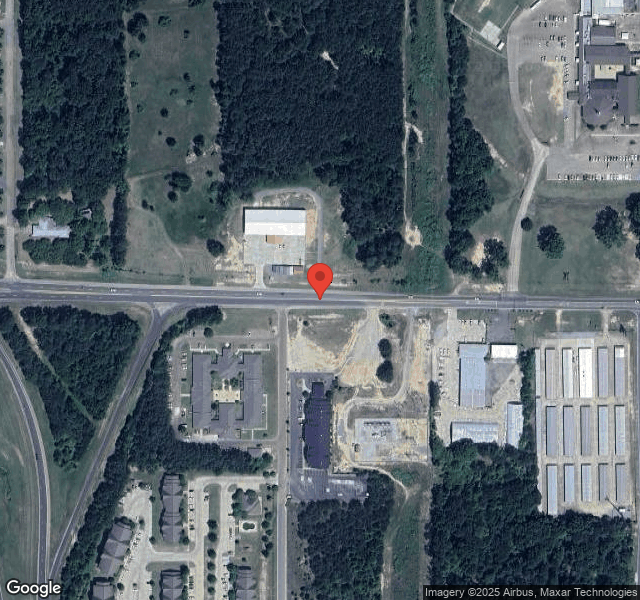

2415 W HILLSBORO, EL DORADO, AR 71730 (870) 863-5034
For profit - Limited Liability company 76 Beds SOUTHERN ADMINISTRATIVE SERVICES Data: November 2025
Trust Grade
78/100
#60 of 218 in AR
Last Inspection: August 2024

Within standard 12-15 month inspection cycle. Federal law requires annual inspections.

Overview

Courtyard Rehabilitation and Health Center in El Dorado, Arkansas, has a Trust Grade of B, indicating it is a good facility, making it a solid choice for families. It ranks #60 out of 218 in Arkansas, placing it in the top half of facilities statewide, and #2 out of 5 in Union County, meaning only one local option is better. However, the facility is worsening in terms of issues reported, increasing from 7 in 2023 to 8 in 2024. Staffing is a positive aspect, rated 4 out of 5 stars with a turnover rate of 28%, well below the state average, and they have more RN coverage than 93% of Arkansas facilities, which helps ensure better resident care. On the downside, there have been multiple concerns related to food safety practices, such as improper thawing and storage of raw meats and expired food items, which could increase the risk of foodborne illnesses for residents.

Trust Score
B
78/100
In Arkansas
#60/218
Top 27%
Safety Record
Low Risk
No red flags
Inspections
Getting Worse
7 → 8 violations
Staff Stability
✓ Good
28% annual turnover. Excellent stability, 20 points below Arkansas's 48% average. Staff who stay learn residents' needs.
Penalties
✓ Good
No fines on record. Clean compliance history, better than most Arkansas facilities.
Skilled Nurses
○ Average
Each resident gets 39 minutes of Registered Nurse (RN) attention daily — about average for Arkansas. RNs are the most trained staff who monitor for health changes.
Violations
⚠ Watch
19 deficiencies on record. Higher than average. Multiple issues found across inspections.
★★★★☆
4.0
Overall Rating
★★★★☆
4.0
Staff Levels
★★★★★
5.0
Care Quality
★★★☆☆
3.0
Inspection Score
Stable
2023: 7 issues
2024: 8 issues

The Good

  • 4-Star Staffing Rating · Above-average nurse staffing levels
  • 5-Star Quality Measures · Strong clinical quality outcomes
  • Low Staff Turnover (28%) · Staff stability means consistent care
  • Full Sprinkler Coverage · Fire safety systems throughout facility
  • No fines on record
  • Staff turnover is low (28%)

    20 points below Arkansas average of 48%

Facility shows strength in staffing levels, quality measures, staff retention, fire safety.

The Bad

Chain: SOUTHERN ADMINISTRATIVE SERVICES

Part of a multi-facility chain

Ask about local staffing decisions and management

The Ugly 19 deficiencies on record

Aug 2024 8 deficiencies
CONCERN (D)

Potential for Harm - no one hurt, but risky conditions existed

Transfer Notice (Tag F0623)

Could have caused harm · This affected 1 resident

Based on record review, interviews and the facility failed to provide notice of discharge to 1 (Resident #76) sampled resident or the resident representative. The findings include: According to a Qua...

Read full inspector narrative →
Based on record review, interviews and the facility failed to provide notice of discharge to 1 (Resident #76) sampled resident or the resident representative. The findings include: According to a Quarterly Minimum Data Set (MDS) with the Assessment Reference Date (ARD) 05/15/2024, Resident #76 had a Brief Interview of Mental Status score of 15, indicating cognitively intact and was a Medicaid recipient. A Care Plan (cancelled Date: 6/17/2024) revealed the Preadmission Screening and Resident Review identified that Resident #76 needed specialized services due to intellectual disability (ID). The specialized services would help achieve optimal functioning and recovery. A Nursing Note (dated 6/13/2024 at 12:53) noted the author spoke with the Director at behavioral facility and was able to get Resident #6 an appointment at 11. The facility notified the behavioral facility of the resident's behaviors at the facility. The behavior facility contacted a hospital and got the resident accepted there for his behaviors, and the resident was admitted . Review of the MDS with ARD of 6/13/2024 entry/discharge reporting showed discharge assessment-return not anticipated. On 08/28/24 at 12:08 PM, the Director of Nursing stated Resident #76 was threatening staff and residents, and the facility could not care for him. The DON stated the resident or resident representative was not provided with a notice of discharge.
CONCERN (D)

Potential for Harm - no one hurt, but risky conditions existed

Assessment Accuracy (Tag F0641)

Could have caused harm · This affected 1 resident

**NOTE- TERMS IN BRACKETS HAVE BEEN EDITED TO PROTECT CONFIDENTIALITY** Based on record review and interview, the facility failed to ensure an Annual Minimum Data Set (MDS) assessment was coded correc...

Read full inspector narrative →
**NOTE- TERMS IN BRACKETS HAVE BEEN EDITED TO PROTECT CONFIDENTIALITY** Based on record review and interview, the facility failed to ensure an Annual Minimum Data Set (MDS) assessment was coded correctly to document a resident had a serious mental illness and or intellectual disability or related condition requiring level II PASARR (Preadmission Screening and Resident Review) to ensure continuity of care for 1 (Resident #9) sampled residents with a diagnosis of serious mental illness. The findings are: 1. The Annual Minimum Data Set (MDS) with an Assessment Reference Date (ARD) of 11/03/2023 indicated Resident #9 had diagnoses of depression, bipolar depression, and seizure disorder and scored 11(8 - 12 indicates moderate impairment) on the Brief Interview for Mental Status (BIMS). a. The Annual Minimum Data Set (MDS) with an Assessment Reference Date (ARD) of 11/03/2023 indicated, A1500 Preadmission Screening and Resident Review .Is the resident currently considered by the state level II PASRR process to have a serious mental illness and/or intellectual disability or related condition? 0. No . b. The Care Plan with a revision date of 07/11/2024 indicated Resident #9 uses antidepressant medication related to major depression and bipolar disorder. c. On 8/27/2024 at 3:10 PM, the Surveyor requested a copy of the residents complete PASARR (Preadmission Assessment Screening and Resident Review) packet from the Director of Nursing (DON). d. On 08/27/2024 at 3:20 PM, the Surveyor received the complete PASSAR packet dated May 3rd, 2013, from the Nurse Consultant that contained a letter dated May 3, 2013, from (name of state designated authority for PASARR determination) that indicated Resident #9 did not require specialized services for their mental illness beyond the capabilities of a nursing facility. e. On 08/28/24 at 09:15 AM, during an interview the MDS Coordinator stated Resident #9 had serious mental health diagnoses requiring a level II PASARR to be completed prior to the resident's admission to the facility and the Annual MDS dated [DATE] had been coded incorrectly. f. On 08/29/24 at 08:35 AM, the DON was asked if she had a policy on accuracy of MDS Assessments. g. On 08/29/24 at 09:20 AM, the policy titled Resident/Elder Assessment and Comprehensive Care Plan Procedure indicated, .Resident/Elder assessment. It is the policy of this nursing facility to conduct and document, initially and periodically, comprehensive assessments on all Residents/Elders admitted to the nursing facility. Comprehensive assessments of Residents/Elders functional capacity are accurate, and standardized. Comprehensive assessments describe the Resident/Elder's capability to perform daily living functions and significant impairment in functional capacity to provide the nursing facility with the information necessary to develop a care plan and to provide appropriate care and services for each Resident/Elder .
CONCERN (D)

Potential for Harm - no one hurt, but risky conditions existed

Accident Prevention (Tag F0689)

Could have caused harm · This affected 1 resident

Based on observations, interviews and record review, the facility failed to ensure that staff did not lower the head of the bed while 1 sampled (Resident #8) was receiving continuous enteral feeding. ...

Read full inspector narrative →
Based on observations, interviews and record review, the facility failed to ensure that staff did not lower the head of the bed while 1 sampled (Resident #8) was receiving continuous enteral feeding. The finding include: According to Quarterly Minimum Data Set with the Assessment Reference date of 8/12/2024 Resident #8 had severely impaired cognition. Resident #8 had a feeding tube. A Care Plan (revision date 06/19/2024) revealed Resident #8 required Enhanced Barrier Precautions related to percutaneous endoscopic gastrostomy (PEG) tube. On 08/26/24 at 7:00 PM, the Surveyor observed Certified Nursing Assistant (CNA) #1 lower Resident #8's head of bed and both CNA #1 and #2 turn the resident from side to side while the enteral feeding was running. On 08/26/24 at 7:15 PM, CNA #2 confirmed the head of the bed was lowered while Resident #8's enteral feed pump was running. On 08/29/24 at 8:37 AM, the Director of Nursing (DON) stated staff should not lower the head of the bed when a resident is receiving eternal feeding They know better than that. The DON confirmed that turning a resident side to side while receiving eternal feeding could potentially cause aspiration. Review of policy titled Accident Hazards Prevention, undated, noted the facility is responsible for providing care to residents in a manner that helps promote quality of life.
CONCERN (D)

Potential for Harm - no one hurt, but risky conditions existed

Incontinence Care (Tag F0690)

Could have caused harm · This affected 1 resident

Based on observations, interviews, and record reviews, the facility failed to ensure that incontinence care was provided in a manner to promote cleanliness for 1 (Resident #8) sampled resident. The f...

Read full inspector narrative →
Based on observations, interviews, and record reviews, the facility failed to ensure that incontinence care was provided in a manner to promote cleanliness for 1 (Resident #8) sampled resident. The findings include: According to a Quarterly Minimum Data Set with the Assessment Reference date of 8/12/2024 Resident #8 had severely impaired cognition. Resident #8 was always incontinent of bowel and bladder. A Care Plan (revision date 8/19/2021) revealed Resident #8 was incontinent of bowel and bladder related to (r/t) impaired mobility, diagnosis of chronic renal failure, and requires total care for Activities of Daily Living (ADLS). On 08/26/24 at 7:00 PM, the Surveyor observed Certified Nursing Assistant (CNA) #1 and #2 provide incontinence care to Resident #8, who had been incontinent of bowel and bladder. The Surveyor observed CNA #1 not clean the genital area or buttock correctly. On 08/26/24 at 7:15 PM, CNA #1 stated a portion of the genital area was not cleaned because the resident was too contracted. CNA #1 stated not cleaning the genital area properly could cause a urinary tract infection or there could be stool remaining on the resident. Both CNA #1 and #2 stated that incontinence care was not provided correctly. On 08/29/24 at 8:43 AM, the Director of Nursing (DON) confirmed incontinence care was not provided correctly if the genital area or buttock was not cleaned properly.
CONCERN (D)

Potential for Harm - no one hurt, but risky conditions existed

Deficiency F0761 (Tag F0761)

Could have caused harm · This affected 1 resident

Based on observations, interviews, and facility policy review, the facility failed to ensure medications and/or biologicals were securely locked away. The findings include: On 08/26/24 at 6:05 PM, the...

Read full inspector narrative →
Based on observations, interviews, and facility policy review, the facility failed to ensure medications and/or biologicals were securely locked away. The findings include: On 08/26/24 at 6:05 PM, the Surveyor observed an unattended and unlocked cart with medications and cleaning solution used for treatments. On 08/28/24 at 6:21 PM, Licensed Practical Nurse #3 stated the cart should be locked. On 08/29/24 at 8:34 AM, the Director of Nursing (DON) stated she left the treatment cart unlocked and the cart should not have been unlocked. The DON stated a resident could have gotten in the treatment cart and got stuff out of there that could have been potentially harmful. A policy titled Pharmaceutical Services Policy noted Storage of drugs. All drugs and biologicals are stored in locked compartment under proper temperature controls.
CONCERN (E)

Potential for Harm - no one hurt, but risky conditions existed

Deficiency F0558 (Tag F0558)

Could have caused harm · This affected multiple residents

Based on observations, interviews and record reviews, the facility failed to ensure the call device was within reach for 2 (Resident #8 and #63) sampled residents. The findings include: 1. According ...

Read full inspector narrative →
Based on observations, interviews and record reviews, the facility failed to ensure the call device was within reach for 2 (Resident #8 and #63) sampled residents. The findings include: 1. According to Quarterly Minimum Data Set with the Assessment Reference Date 8/12/2024 Resident #8 had memory problems. Resident #8 had impairment on one side. A Care Plan (revision date 11/22/2021) revealed Resident #8 was at risk for falls due to non-ambulatory and mechanical lift. Approach/task documented keep call light within reach On 08/26/24 at 6:34 PM, the Surveyor observed Resident #8 lying in bed and the call device on floor out of the resident's reach. On 08/26/24 at 7:12 PM, the Surveyor observed Resident #8 lying in bed and the call device on floor out of the resident's reach. On 08/28/24 at 7:50 AM, the Surveyor observed Resident #8 lying in bed and the call device wrapped around the feeding pump out of the resident's reach. On 08/28/24 at 11:11 AM, the Surveyor observed Resident #8 lying in bed and the call device wrapped around the feeding pump out of reach the resident's reach. On 08/28/24 at 1:22 PM, the Surveyor observed Resident #8 lying in bed and the call device wrapped around the feeding pump out of reach the resident's reach. 2. According to Quarterly Minimum Data Set with the Assessment Reference Date 5/28/2024 Resident #63 had memory problems. Resident #63 did not have upper or lower extremities impairment. A Care Plan (revision date 8/27/2024) revealed Resident #63 was at risk for falls related to immobility and a history of falls. \On 08/26/24 at 7:42 PM, the Surveyor observed Resident #63 lying in bed and the call device clipped to the outlet on the wall out of the resident's reach. On 08/26/24 at 8:52 PM, the Surveyor observed Resident #63 lying in bed and the call device clipped to the outlet out of the resident's reach. On 08/26/24 at 8:52 PM, the Director of Nursing (DON) stated the call device was not within reach of resident #63. On 08/28/24 at 2:27 PM, Licensed Practical Nurse #3 stated that the call device was not within reach of the Resident #8. On 08/29/24 at 8:32 AM, the DON stated the call device should be within reach of the resident in case the resident needs anything they can notify the staff. The DON voiced the call device not being within reach of the resident could contribute to falls and behaviors.
CONCERN (E)

Potential for Harm - no one hurt, but risky conditions existed

Infection Control (Tag F0880)

Could have caused harm · This affected multiple residents

Based on observations, interviews, record reviews and facility policy review, the facility failed to ensure that staff used appropriate infection control measures and donned the proper Personal Protec...

Read full inspector narrative →
Based on observations, interviews, record reviews and facility policy review, the facility failed to ensure that staff used appropriate infection control measures and donned the proper Personal Protective Equipment (PPE) during high-contact care for 1 (Resident #8) sampled resident. The finding include: According to Quarterly Minimum Data Set with the Assessment Reference date of 8/12/2024, Resident #8 had severely impaired cognition. Resident #8 was incontinent of bowel and bladder and had a feeding tube. A Care Plan (revision date 06/19/2024) revealed Resident #8 required Enhanced Barrier Precautions (AEB) related to percutaneous endoscopic gastrostomy (PEG) tube. On 08/26/24 at 7:00 PM, the Surveyor observed Certified Nursing Assistant (CNA) #1 and #2 provide incontinence care to Resident #8. The Surveyor observed CNA #1 and #2 put on gloves but did not put on a gown to provide care. The Surveyor observed CNA #1 touch clean items and items commonly used by staff and/or the resident with gloved hands that had been used to wipe urine and feces. On 08/26/24 at 7:15 PM, CNA #2 stated Resident #8 had a PEG tube and was on BP. CNA #2 stated gown and gloves should be worn when care is provided to Resident #8. Both CNA #1 and #2 confirmed the bed control remote, clean wipes, clean brief, call light, and bed side table were touched with dirty gloved hands. On 08/29/24 at 08:43 AM, the Director of Nursing (DON) stated a resident with a PEG tube would be on BP and staff should don gown and gloves when providing high-contact care to prevent an immunocompromised resident from getting an infection from another resident. The DON confirmed if staff touched bed control remote, clean wipes, clean brief, call light, and bed side table were touched with dirty gloved hands it was an infection control issue. A policy titled Enhanced Barrier Precautions dated 2022 noted Enhanced barrier precautions refer to the use of gown and gloves for use during high-contact resident care activities for residents know to be colonized or infected with a [ Multi-Drug Resistant Organism] MDRO as well as those at increased risk of MDRO acquisition (e.g., residents with wounds or indwelling medical devices). 4. High-contact resident care activities include: a. dressing b. bathing c. transferring d. providing hygiene e. changing linens f. changing brief or assisting with toileting g. device care or use: central lines, urinary catheter, feeding tubes, tracheostomy/ventilator tubes h. wound care: any skin opening requiring a dressing.
CONCERN (F)

Potential for Harm - no one hurt, but risky conditions existed

Food Safety (Tag F0812)

Could have caused harm · This affected most or all residents

Based on observation, interview, and record review, the facility failed to ensure food, including raw meat, was thawed, stored, and sealed properly to prevent a potential foodborne illness; to ensure ...

Read full inspector narrative →
Based on observation, interview, and record review, the facility failed to ensure food, including raw meat, was thawed, stored, and sealed properly to prevent a potential foodborne illness; to ensure expired food items were promptly removed from stock to reduce the risk of food-borne illness; to ensure prepared foods in the refrigerator were covered to prevent a potential foodborne illness; to ensure dietary staff washed their hands upon completion of a task and before starting another task; to ensure the meat slicer was cleaned after use; to ensure utensils placed in the clean utensil drawer and ready for use were clean and free of particles. These failed practices had the potential to affect 73 residents who received meals from 1 of 1 kitchen as documented on a list provided by the Administrator on 8/27/2024. The findings are: On 8/26/24 at 6:10 PM, during the initial tour of the kitchen the surveyor observed a plastic lock bag of raw chicken sitting on a shelf in the walk-in refrigerator that was not closed. The surveyor asked [NAME] #4 if the plastic lock k bag was closed securely. [NAME] #4 stated it was not sealed. The surveyor observed two boxes of thickened tea had expired on 7/5/24 sitting on a shelf in the walk-in refrigerator. One box had an open date of 3/22/24 and the second box had not been opened. The surveyor observed a stainless-steel container of white gravy sitting on a rack in the walk-in was not covered. [NAME] #4 stated the gravy was for breakfast the following morning and it should have been covered. On 8/26/24 at 6:20 PM, the surveyor observed a bag of frozen cookies and a bag of blueberry muffins not sealed in the walk-in freezer. [NAME] #4 sealed the cookies bag and placed the blueberry muffins in a plastic lock bag. On 8/26/24 at 6:40 PM, the surveyor asked [NAME] #4 who cleans the ice machine. [NAME] #4 stated any dietary staff could clean it. [NAME] #4 opened the ice machine and wiped the inside and the drop shield without washing hands or putting on a pair of gloves before performing the task. The surveyor asked [NAME] #4 what she should have done prior to getting into the ice machine. [NAME] #4 stated that she should have washed her hands. A review of the facility policy: Food and Nutrition Services, undated, showed Item IV Personal Hygiene - 1. Directs staff to wash hands carefully with soap and water .after handling . dirty dishes. The policy was given to the Survey Team, by the Nurse Consultant on 8/28/24 at 12:55 PM. A review of facility policy: Handwashing and Glove Usage in Food Service: undated showed Introduction: According to the Center for Disease Control and Prevention (DDC) hand washing is the single most important way to stop the spread of infection. Correct hand washing procedure must be continually monitored by Food Service managers. The policy also indicates when food handlers must wash their hands; Bullet point 13 - After touching anything else such as dirty equipment, work surfaces or cloths. and gloves should be changed before beginning a different task. The policy was given to the Survey Team by the Administrator on 8/29/24 at 9:49 AM. On 8/26/25 at 6:50 PM, the surveyor observed a small piece of pinkish substance lying on a meat slicer. The surveyor asked [NAME] #4 if the meat slicer had been used during the evening meal. [NAME] #4 stated it was not used for the evening meal but had been used to slicing ham at lunch. The surveyor asked [NAME] #4 what the pinkish substance was. [NAME] #4 thought it looked like ham. A review of the policy: Food and Nutrition Services, undated, showed VI: Proper food handling, item S. All food grinders, choppers, mixers, etc. should be cleaned, sanitized, dried, and reassembled after each use. The policy was given to the Survey Team, by the Nurse Consultant on 8/28/24 at 12:55 PM. On 8/26/24 at 6:55 PM, the surveyor observed a white particle lying inside a ladle in the utensil drawer, ready for use. On 8/26/24 at 7:00 PM, the surveyor observed the dishwasher being loaded and noticed the temperature log sheet did not have any temps logged for the lunch or dinner meals. Dietary Aide (DA) #5 and [NAME] #6 were rinsing dishes and loading them into the dish racks. The surveyor asked how you know the dishes were being sanitized. [NAME] #6 said they check it by running a dish cycle then we check the temperature and the strip Part Per Million (PPM). Then we log it on the log. She said they had run the dishwasher, and it was 140 degrees, and the strip was green. The surveyor asked DA#5 and [NAME] #6 to check the PPM on the dishwasher. [NAME] #6 proceeded to run the machine and placed the strip in the water holding in the bottom of the dishwasher. The strip did not change colors. [NAME] #6 checked two strips from the bottle sitting on top of the top of the dishwasher and then retrieved a third strip from a bottle in the manager's office. All 3 strips remained white. The Administrator was notified, and informed the surveyor that he would contact the facility chemical representative to be at the facility the next morning. The Administrator informed the surveyor the dishwasher would not be used until the problem was resolved and the staff would use the three compartments sink to wash the dishes. On 8/27/24 at 7:23 AM, the chemical representative was at the facility to work on the dishwasher. The chemical representative showed the surveyor the problem. The sanitizer hose was not placed in the sanitizer bucket correctly. He informed the surveyor that this was a low-temp machine and the temp had to be at 120 degrees with the sanitizer to sanitize the dishes. On 8/27/24 at 6:11 AM, the surveyor observed food had been placed on the steam table at 6:15 AM. The food on the steam table was not covered until 6:44 AM. The surveyor interviewed staff DA#7 and asked why it is important to cover food on the steam table. DA#7 stated, to keep flies off. On 8/27/24 at 6:30 AM, the surveyor observed two rolls of frozen ground beef sitting on a rolling cart in the kitchen. At 6:53 AM, [NAME] #8 placed the two rolls of ground beef in a sink and turned on the water and left the water running over the meat. At 7:00 AM, the surveyor observed the water that had been running over the two rolls of ground beef had been turned off. At 7:22 AM, DA #7 is observed turning the water on and leaving it running over the ground beef. The meat appeared to be frozen. A review of policy Food and Nutrition Services undated showed section V item F:Frozen foods must be thawed at refrigeration temperatures of 40 degrees or below or quick-thawed as part of the cooking process. The policy was given to the Survey Team, by the Nurse Consultant on 8/28/24 at 12:55 PM. On 8/27/24 at 7:07 AM, [NAME] #9 was observed holding the plate with her thumb on the food surface of the plates. [NAME] #9 positioned the plate on the serving tray and then placed food on the food surface of the plate. [NAME] #9 picked up two more plates in this manner. The surveyor brought this to the attention of [NAME] #8. At 7:13 AM, [NAME] #9 was observed picking up a divided plate by putting three fingers in one of the divided slots on the food surface of the plate and grasping the plate. A review of policy, Food and Nutrition Services, undated, showed VI Proper Food Handling, item N. Utensils cups, glasses and dishes must be handled in such a way as to avoid touching surfaces with which food or drink will come in contact . The policy was given to the Survey Team, by the Nurse Consultant on 8/28/24 at 12:55 PM. On 8/27/24 at 10:38 AM, Surveyor observed [NAME] #9 prepare pureed spaghetti with meat sauce. Upon [NAME] #9 completing the process, the surveyor observed the pureed spaghetti with meat sauce and noted it was gritty in appearance. The surveyor asked [NAME] #9 how the pureed spaghetti looked to her. [NAME] #9 poured the pureed spaghetti into a serving container and stated, It looks good. The surveyor then asked [NAME] #8 how the pureed spaghetti appeared to her. [NAME] #8 said it looks gritty and lumpy. [NAME] #8 instructed [NAME] #9 to puree the spaghetti again. [NAME] #9 pureed the spaghetti a second time and then poured it into the serving container. [NAME] #9 asked [NAME] #8 how it looked. [NAME] #8 told her to do it again and explained to [NAME] #9 that it had to be smooth like baby food. [NAME] #9 pureed the spaghetti a third time. On 8/27/24 at 10:50 AM, [NAME] #9 was observed going from preparing the pureed spaghetti to the storage drawer that contained clean tongs and other utensils. [NAME] #9 did not wash her hands between pureeing the spaghetti and putting her hand in the drawer of clean utensil drawer and retrieving a set of tongs.
Sept 2023 7 deficiencies
CONCERN (D)

Potential for Harm - no one hurt, but risky conditions existed

Comprehensive Care Plan (Tag F0656)

Could have caused harm · This affected 1 resident

Based on observation, interview and record review, the facility failed to ensure that a residents hand roll was placed in the hand nightly as care planned. This failed practice affected 1 Resident (Re...

Read full inspector narrative →
Based on observation, interview and record review, the facility failed to ensure that a residents hand roll was placed in the hand nightly as care planned. This failed practice affected 1 Resident (Resident #62) of 5 Residents with hand roll orders. The findings included: Review of Resident #62's Medical Diagnosis form dated 01/27/2023 showed a diagnosis of cerebral infarction with paralysis affecting the left side. During an interview on 09/19/2023 at 10:50 AM, Resident #62 said his hand roll has been missing for months. The surveyor observed a sign above Resident #62's bed stating, Please put hand roll in patient's left hand at bedtime. Review of Resident #62's care plan with a revision date of 02/01/2023 showed palm roll to left hand at night. During interview on 09/20/2023 at 2:10 PM, CNA #2 said she did not know Resident #62's hand roll was missing, and it should be in his room. During interview on 09/20/2023 at 3:25 PM, the Director of Nursing (DON) said the CNA's and nurses are responsible for making sure residents wear their hand rolls and document daily on the card index. The DON said she could show this documentation on the card index but was unable to provide Resident #62's card index.
CONCERN (D)

Potential for Harm - no one hurt, but risky conditions existed

ADL Care (Tag F0677)

Could have caused harm · This affected 1 resident

Based on observation, record review and interview, the facility failed to ensure fingernails were regularly trimmed and cleaned to promote good personal hygiene and grooming for 2 (Residents #19 and #...

Read full inspector narrative →
Based on observation, record review and interview, the facility failed to ensure fingernails were regularly trimmed and cleaned to promote good personal hygiene and grooming for 2 (Residents #19 and #36) residents out of 11 (Residents #11, #19, #21, #35, #36, #37, #54, #57, #64, #78, and #133) sample mixed residents who required assistance or were dependent for nail care. The findings included: Review of Resident #19's physician's Order Summary Report dated 09/19/2023 showed diagnoses of muscle weakness (generalized) and rheumatoid arthritis Review of Resident #19's care plan with an initiated date of 08/16/2023 showed risk for impaired skin integrity. Keep nails trimmed / filed to minimize jagged edges to reduce risk for skin impairment. During observation on 09/18/2023 at 1:37 PM, Resident #19's fingernails were approximately ½ inch beyond the nailbed with black matter underneath the nail. During observation on 09/19/2203 at 9:05 AM, Resident #19's fingernails were approximately ½ inch beyond the nail bed with black matter underneath the nail. During observation of the lunch meal on 09/20/2023 Resident #19 was using fingers to pick up food from the plate. During observation on 09/20/2023 at 2:45 PM, Resident #19's fingernails were approximately ½ inch beyond nail bed with black matter underneath the nail. During interview on 09/20/2023 at 2:47 PM, Certified Nursing (CNA) #4, said Resident #19's fingernails are dirty and long. During interview on 09/20/2023 at 2:54 PM, Licensed Practical Nurse (LPN) #2 said Resident #19's fingernails are long and dirty. Review of Resident #36's physician's Order Summary Report showed diagnoses of dementia, agitation, disorientation, and muscle wasting. Review of Resident # 36's care plan with an initiated date of 01/31/2023 showed requires total assistance of 1 staff member with personal hygiene care. Review of Resident #36's quarterly Minimum Date Set Resident Assessment and Care Screening dated 08/09/2023 showed 1 person assistance for personal hygiene. During observation on 09/18/2023 at 1:35 PM, Resident #36's fingernails were approximately 1/2-inch past the nailbed with some jagged edges and dark matter beneath the nail. During observation on 09/19/2023 at 9:07 AM, Resident #36's fingernails were approximately 1/2-inch past the nailbed with jagged edges and dark matter underneath the nail. During observation on 09/20/2023 at 10:42 AM, Resident #36's fingernails were approximately 1/2-inch past the nailbed with some jagged edges and dark matter underneath the nail. During interview on 09/20/2023 at 10:29 AM, CNA #4, said Resident # 39's fingernails are dirty and long. During interview on 09/20/2023 at 10:36 AM, LPN #2 said Resident #19 's fingernails are dirty, long, and some nails are slanted with sharp corners, and some look dirty like dirt is underneath the nail.
CONCERN (E)

Potential for Harm - no one hurt, but risky conditions existed

Deficiency F0761 (Tag F0761)

Could have caused harm · This affected multiple residents

Based on observation and interview, the facility failed to ensure that refrigerated scheduled II-V controlled medications were maintained within a separately locked permanently affixed compartment in ...

Read full inspector narrative →
Based on observation and interview, the facility failed to ensure that refrigerated scheduled II-V controlled medications were maintained within a separately locked permanently affixed compartment in 1 (Hall 300) of 2 Halls (Hall 200 and 300) medication storage rooms. The findings included: On 09/19/2023 at 1:40 PM during a tour of the medication storage room on Hall 300 with LPN #3, a small plastic box with a red plastic lock numbered 83210 was discovered in the refrigerator on an open shelf. The plastic box containing two vials of Lorazepam 2.5ml (milliliters) with an expiration date of 01/2024, was not in the permanently affixed locked box located in the refrigerator. On 09/19/2023 at 1:45PM, the Surveyor asked LPN #3, how many locks are narcotics supposed to be stored under? LPN #3, said she was not sure, and the box doesn't fit inside the refrigerator lock box when there are other medicine in there. The Surveyor observed that there were no other medications in the refrigerator lock box. During interview on 09/19/2023 at 2:48 PM the DON (Director of Nursing), confirmed narcotics should be locked in a permanent lock box in the refrigerator in the medication storage room, and the portable plastic box with Lorazepam should be locked inside the refrigerator locked box. Review of facility policy provided by the DON on 09/19/2023 titled Pharmaceutical Services showed, all drugs and biologicals are stored in compartments that are locked under proper temperature controls. The separately locked and permanently affixed compartments are provided for storage of controlled Schedule II drugs.
CONCERN (E)

Potential for Harm - no one hurt, but risky conditions existed

Menu Adequacy (Tag F0803)

Could have caused harm · This affected multiple residents

Based on observation, record review and interview, the facility failed to ensure that meals were prepared and served according to the planned written menu to meet the nutritional needs of the resident...

Read full inspector narrative →
Based on observation, record review and interview, the facility failed to ensure that meals were prepared and served according to the planned written menu to meet the nutritional needs of the residents for 1 of 2 meals observed. The facility failed to meet the nutritional needs of residents by including a disliked food on the meal tray for 1 Resident (Resident #78) and failed to provide a standing order for ice cream for 1 Resident (Resident #54) to ensure their nutritional needs are meet. The findings included: Review of the facility's menu for Spring/Summer 2023 for lunch showed residents on pureed diets were to receive 2 #8 scoop (1 Cup) of a pureed soft taco, ½ cup of vegetable juice, and a #16 scoop (1/4 Cup) of pureed tortilla. Residents on mechanical soft and regular diets were to receive 2 soft tacos each. During observation on 09/18/2023 at 12:02 PM, Dietary Employee (DE) #2 served one soft taco each to the residents on regular and mechanical soft diets instead of two each per the facility's written menu. During observation on 09/18/2023 at12:09 PM, Dietary Employee (DE) #2 served pureed meat, flour tortilla, cream corn, and cake to the residents on pureed diets. There was no vegetable juice served to the residents on pureed diets for lunch as specified on the facility ' s written menu. On 09/18/2023 at 12:19 PM, the following observations were made during the noon meal service in the main dining room. a. Dietary Employee (DE) #3 served one soft taco to the residents on a regular and mechanical soft diet instead of two soft tacos each. b. Dietary Employee (DE) #3 served pureed meat, flour tortilla, cream corn, and cake to the residents on pureed diets. There was no vegetable juice served to the residents on pureed diets for lunch as specified on facility's written menu. On 09/19/23 at 7:44 AM Dietary Employee (DE) #2 said she forgot the menu said to give 2 #8 scoops of a pureed soft taco. Vegetable juice was prepared but forgot to bring them out. Review of Resident #54's meal slip dated 09/18/2023 showed a standing order for chocolate ice cream. During observation on 09/18/2023 Resident #54 did not have ice cream on the noon meal tray. During interview on 09/18/2023 at 1:15 PM, Certified Nursing Assistant (CNA) #3 said Resident #54 was not served chocolate ice cream as ordered. Review of Resident #78's meal slip dated 09/18/2023 showed corn as a food the Resident dislikes. During observation on 09/18/2023 at 12:45 PM, Resident #78 was served corn on the lunch meal tray. CNA #5 confirmed Resident #78 disliked corn.
CONCERN (E)

Potential for Harm - no one hurt, but risky conditions existed

Deficiency F0804 (Tag F0804)

Could have caused harm · This affected multiple residents

Based on observation and interview, the facility failed to ensure meals were served in a method that maintained the appearance of a cold product and at temperatures that were acceptable to the residen...

Read full inspector narrative →
Based on observation and interview, the facility failed to ensure meals were served in a method that maintained the appearance of a cold product and at temperatures that were acceptable to the residents to improve palatability and encourage good nutritional intake during 1 of 1 meal observed. The findings included: On 09/18/2023 at 11:38 AM, the surveyor asked Resident #24 how are the meals? She stated, The food is usually cold. On 09/18/2023 at 03:41 PM, the surveyor asked resident #23 how are the meals? If it was cold during breakfast, lunch, and dinner. It is cold occasionally during all meals. On 09/19/2023 at 12:03 PM an unheated food cart that contained 22 trays for lunch was delivered to 200 Hall. At 12:24 PM, immediately after the last resident was served in their room on 200 hall, temperatures of the food items on the tray used as test trays were taken and read by the Dietary Supervisor with the following results: a. Potato salad 46 degrees Fahrenheit. b. Barbeque chicken 108 degrees Fahrenheit. c. Baked beans 109 degrees Fahrenheit. On 09/19/2023 at 12:26 PM, an unheated food cart that contained 34 trays for lunch was delivered to 300 hall. At 12:33 PM immediately after the last resident was served in their room on 300 hall, temperature of the food items on the tray used as test trays were taken and read by the Dietary Employee with the following results: a. Milk 52 degrees Fahrenheit. b. Potato salad 46 degrees Fahrenheit. c. Ground barbeque chicken with sauce 109 degrees Fahrenheit. d. Baked beans 111 degrees Fahrenheit. e. Barbeque chicken115.7 degrees Fahrenheit.
CONCERN (E)

Potential for Harm - no one hurt, but risky conditions existed

Deficiency F0805 (Tag F0805)

Could have caused harm · This affected multiple residents

Based on observation and interview, the facility failed to ensure that pureed food items were blended to a smooth, lump free consistency to minimize the risk of choking or other complications for thos...

Read full inspector narrative →
Based on observation and interview, the facility failed to ensure that pureed food items were blended to a smooth, lump free consistency to minimize the risk of choking or other complications for those residents who required pureed diets for 2 of 2 meals observed. The failed practice had the potential to affect 6 residents who received pureed diets. The findings included: The following observations were made on 09/18/2023: a. At 11:39 AM, the consistency of a pan of pureed tortilla was thick and not smooth. b. Dietary Employee (DE) #3 at 3:30 PM added water to 8 servings of hot dog meat and 8 buns and blended the food. She poured the mixture into a pan covered the pan with foil and placed it on the steam table. The consistency of the pureed hot dog meat and buns was liquified and not formed. c. DE #3 at 4:48 PM, poured pureed macaroni and cheese into a pan. She covered it with foil and placed it on the steam. The consistency of the pureed macaroni and cheese was not smooth with pieces of noodles in the mixture. During interview on 09/18/2023 at 4:40 PM, Certified Nursing Assistant #1 said the consistency of the pureed hot dog with buns was too runny. Certified Nursing Assistant #2 at 4:41 PM said the consistency of the pureed hot dog with buns was liquidly. During observation on 09/19/2023 at 7:34 AM, the pureed eggs served to the residents who received pureed diets were gritty and not smooth. The pureed sausage was runny, gritty, and not smooth. The pureed bread was thick and lumpy. During interview on 09/19/2023 7:40 AM, Dietary Employee (DE) #2 said the consistency of the pureed eggs were gritty and not smooth. The pureed bread was thick and lumpy. The pureed sausage was runny and not smooth.
CONCERN (F)

Potential for Harm - no one hurt, but risky conditions existed

Food Safety (Tag F0812)

Could have caused harm · This affected most or all residents

Based on observation, interview and record review, the facility failed to ensure the facility ' s 1 of 1 ice machine was maintained in clean condition; foods stored in the storage area, refrigerator, ...

Read full inspector narrative →
Based on observation, interview and record review, the facility failed to ensure the facility ' s 1 of 1 ice machine was maintained in clean condition; foods stored in the storage area, refrigerator, and freezer were sealed, labeled, and dated; the kitchen equipment and air vents were maintained in clean condition; expired food items were promptly removed from stock and discarded; and dietary staff washed their hands before handling clean equipment or food items to prevent potential food borne illness for residents who received meals from 1 of 1 kitchen. These failed practices had the potential to affect 77 residents who received meals from the kitchen. The findings included: During observation on 09/18/2203 at 10:41 AM, the panel of the ice machine in the kitchen was covered with a wet black /pink residue. During interview on 09/18/2023 at 10:41 AM, the Dietary Supervisor said the panel of the ice machine has a pink and black residue, and she cleans it once a month. The Surveyor asked the Dietary Supervisor, Who uses the ice from the ice machine and how often do you clean it? She stated, That's the ice the CNAs (Certified Nursing Assistants) use for the water pitchers in the residents' rooms and to fill beverages served to the residents' at the mealtimes. On 09/18/2023 at 10:43 AM, the following observations were made on the food preparation counter. a. Two undated opened bags of bread. b. Rust on the legs of the counter. Three drawers facing where the drawers were missing had an accumulation of black stains. The facing of the drawers had an accumulation of caked on grease with black stains. c. Grease and dust were on the air vent above the tea and beverage makers. d. Grease and dust were on the air vent above the area by the steam table where the plate warmer was kept. On 09/18/23 at 10:44 AM, the following spices were observed on a shelf above the food preparation sink undated. a. Two containers of Garlic powder. b. One container of light chili powder. c. One container of ground mustard. d. One container of ground cinnamon. e. One container of ground cloves. f. One container of paprika. g. One container of nutmeg. h. One container of ground thyme. i. One bottle of pure vanilla extract. j. One container of Mediterranean style seasoning. k. One container of ground white pepper. l. One container of ground cumin. m. One bottle of pure lemon extract. n. One container of ground lemon pepper. o. One container of onion powder. During observation on 09/18/2023 at 10:47 AM, an opened bag of coffee filters with coffee ground was below the food preparation counter, and an opened box of filters was on a shelf below the tea, coffee, and beverage counter. During observation on 09/18/2023 at 10:54 AM, Dietary Employee (DE) #1 opened the walk-in refrigerator, took out a bottle of grape jelly and a container of chicken salad and placed them on the counter, removed gloves from the glove box, placed them on her hands. She picked up a peanut butter container, 2 bags of bread from a rack in the storage room and placed them on the counter. She untied the bags of bread with the same gloved hands, she removed slices of bread from the bag and placed them on a paper liner on the counter. She scooped a serving of chicken salad on the slices of bread and topped each slice with another slice of bread to be served to the residents. On 09/18/2023 at 10:56 AM, the following observations were made on a rack in the kitchen. a. An opened unsealed box of wafers. b. A box of cheddar style deluxe cheese sauce with an expiration date of 09/04/2023. c. A box of gluten free double chocolate brownie mix with an expiration date of 09/13/2023. d. An opened bag of gluten free baking flavor beef with an expiration date of 09/09/2023. On 09/18/2023 at 11:08 AM, the following observations were made on a shelf in the walk-in refrigerator: a. Two opened, uncovered, and unsealed boxes of sausage. b. An opened, uncovered, and undated pan of bologna c. An opened, uncovered, and unsealed box of bacon. On 09/18/2023 at 11:15 AM the following observations were made on a shelf in the walk-in freezer. a. An opened, uncovered, and unsealed box of hamburger patties. b. An opened, uncovered, and unsealed box of garlic bread. c. An opened, uncovered, and unsealed box of turkey patties. d. An opened and unsealed bag of hot dogs. e. An opened, unsealed, and uncovered box of corn on the cob. f. An opened, unsealed, and uncovered box of dinner rolls. g. A partially opened 1/3-gallon container of discolored vanilla ice cream. The Dietary Supervisor said the ice cream appeared to have thawed and refrozen. During observation on 09/18/2023 at 12:11 PM, Dietary Employee (DE) #3 pushed a cart of clean plates towards the steam table. She picked up tray cards and placed them on the trays. Without washing her hands, she picked up the plates to be used to serve residents lunch and placed them on the trays with her fingers inside the plates. During observation on 09/18/2023 at 3:32 PM Dietary Employee (DE) #3 picked up two pans of hot dogs from the stove and placed them on the counter. Without washing her hands, she picked a clean blade and attached it to the base of the blender to be used in pureeing food items. During observation on 09/18/2023 at 3:40 PM, Dietary Employee (DE) #3 used a rag to wipe off splashes of foods on the blender motor. Without washing her hands, she picked up a clean blade and attached it to the base of a blender. She picked up biscuits with her hands and placed them into the blender added milk and pureed. She poured the pureed biscuits in a pan covered with foil and placed them in the oven. During interview on 09/19/2023 at 12:58 PM, Dietary Employee (DE) #3 said she should wash her hands after touching dirty objects and before handling equipment. Review of facility's policy titled, When food handlers must wash their hands, provided by the Dietary Supervisor on 09/19/2023 at 1:27 PM showed handwashing should occur before starting work, after leaving and returning to the kitchen/prep area, and after touching anything else such as dirty equipment or engaging in other activities that contaminates the hands.
Jun 2022 4 deficiencies
CONCERN (D)

Potential for Harm - no one hurt, but risky conditions existed

Transfer Notice (Tag F0623)

Could have caused harm · This affected 1 resident

Based on record review and interview, the facility failed to notify the resident/representative of the reason for transfer/discharge to the hospital in writing in a language they understand for 2 (Res...

Read full inspector narrative →
Based on record review and interview, the facility failed to notify the resident/representative of the reason for transfer/discharge to the hospital in writing in a language they understand for 2 (Residents #31 and #45) of 7 (Residents #50, #52, #45, #30, #13, #74 and #13) sampled residents who transferred to the hospital in the last 120 days as documented on a list provided by the Admissions Registered Nurse on 6/22/22 at 1:57 PM. The findings are: 1. Resident #31 had a diagnosis of Hemiplegia and Hemiparesis following Cerebral Infarction affecting Left Non-Dominant Side. The Significant Change Minimum Data Set (MDS) with an Assessment Reference Date (ARD) of 4/21/22 documented the resident had modified independence in cognitive skills for daily decision-making per a Staff Assessment for Mental Status (SAMS). a. The Discharge Return Anticipated MDS with an ARD of 4/12/22 documented discharged to acute hospital. b. The Progress Note dated 4/12/22 documented, .Resident has been refusing meals and medications . [Medical Doctor #1] says to send resident to ER [emergency room] . c. The Notice of Transfer Discharge/LOA (leave of absence) with Bed Hold Policy dated 4/12/22 did not document the reason for transfer in writing. The form documented, .The transfer or discharge is necessary for the resident's welfare and the resident's needs cannot be met in the facility . 2. Resident #45 had a diagnosis of Cerebral Infarction. The Admission/Medicare 5 Day MDS with an ARD of 5/13/22 documented the resident scored 10 (8-12 indicates moderately cognitively impaired) on a Brief Interview for Mental Status (BIMS). a. The Discharge Return Anticipated MDS with an ARD of 5/3/22 documented discharged to acute hospital. b. The Progress Note dated 5/3/22 documented, .Situation: .Diarrhea Nausea/Vomiting . Primary Care Provider responded with the following feedback: .send to ER . c. The Notice of Transfer Discharge/LOA (leave of absence) with Bed Hold Policy dated 5/13/22 did not document the reason for transfer in writing. The form documented, .The transfer or discharge is necessary for the resident's welfare and the resident's needs cannot be met in the facility . 3. On 06/22/22 at 9:30 AM, the Administrator was asked, Who is responsible for notifying the representative of the reason for transfer to the hospital? He answered, I do that. He provided a binder that contained copies of Notices of Transfer Discharge/LOA forms that included copies of the envelopes in which the notices were mailed to the representatives. He was asked, Please show me on the forms the reason for transfer in writing? He reviewed the forms and answered, I don't guess that's on there. I just do it to help the nurses. I have never read the forms. The Nurse Consultant entered the room and stated, We call the representatives, and we document the reason for transfer in the Nurses Notes. She was asked, Do you send a copy of the Nurses Notes to the representatives? She answered, No. She was asked, Where on the form does it document the reason for discharge in writing? She answered, I have never heard of this. I am going to contact our attorney. 4. The facility policy titled, Discharge/Transfer of the Resident, provided by the Nurse Consultant on 6/22/22 at 3:10 PM documented, .Explain transfer and reason to the resident and/or representative and give copy of signed transfer or discharge notice to the resident and/or representative or person responsible for care .
CONCERN (D)

Potential for Harm - no one hurt, but risky conditions existed

ADL Care (Tag F0677)

Could have caused harm · This affected 1 resident

Based on observation, record review and interview, the facility failed to ensure fingernails were regularly trimmed and cleaned to promote good personal hygiene and grooming for 1 (Resident #3) of 24 ...

Read full inspector narrative →
Based on observation, record review and interview, the facility failed to ensure fingernails were regularly trimmed and cleaned to promote good personal hygiene and grooming for 1 (Resident #3) of 24 (Residents #3, #5, #9, #19, #13, #14, #16, #22, #23, #26, #27, #30, #31, #35, #38, #42, #45, #47, #48, #50, #52, #56, #71 and #73) sampled residents who required assistance or were dependent for nail care as documented on a list provided by the Administrator on 6/22/22 at 3:05 PM. The findings are: Resident #3 had diagnoses Cerebrovascular Accident, Muscle Wasting and Atrophy. The Quarterly Minimum Data Set with an Assessment Reference Date of 03/17/22 documented the resident had modified independence in cognitive skills for daily decision-making per a Staff Assessment for Mental Status (SAMS) and was totally dependent of one person physical assistance with personal hygiene and bathing. a. The Plan of Care with a revision date of 06/16/22 documented, .Resident has an ADL [activity of daily living] self-care performance deficit . will be clean and well groomed daily . Nail care Weekly and PRN [as needed] . Personal Hygiene: The resident requires extensive assistance with personal hygiene . a. 06/21/22 at 11:55 AM, Resident #3 was lying in bed. The fingernails on his left hand had a black substance underneath them. b. On 6/22/2022 at 11:41 am, Licensed Practical Nurse (LPN) #1 accompanied the Surveyor to Resident #3's room and was asked to look at the resident's fingernails. LPN #1 was asked what was wrong with the resident's fingernails. She stated, The ones on the left hand need cleaning, and the ones on the right hand need cutting. c. On 06/22/2022 at 2:10 PM, Certified Nursing Assistant (CNA) #5 was asked, Who is responsible for trimming the resident's nails? She stated, The CNA's unless they are diabetic, then the nurses do it. She was asked, When are nails trimmed? She stated, On bath days and when needed. d. On 06/22/22 at 2:20 PM, CNA #6 was asked, Who is responsible for trimming the resident's nails? She stated, I'm really don't know. I have only been here 3 weeks. She was asked, Did they talk to you about nail care in orientation? She stated, No they didn't go over that in training. e. On 06/22/22 at 2:25 PM, CNA #4 was asked, Who is responsible for trimming the resident's nails? She stated, If they're not diabetic, the CNA's trim their nails. She was asked, When are nails trimmed? She stated, On bath days and when needed. f. On 06/22/22 at 2:30 PM, LPN #1 was asked, Who is responsible for trimming the resident's nails? She stated, The CNA's unless they are diabetic, then the nurse or the treatment nurse does it when she does her weekly skin audit. She was asked, When are nails trimmed? She stated, On bath days and when needed.
CONCERN (E)

Potential for Harm - no one hurt, but risky conditions existed

Tube Feeding (Tag F0693)

Could have caused harm · This affected multiple residents

Based on observation, record review and interview, the facility failed to ensure enteral feedings and water flushes had a label on the formula bottle with the documented time they were hung for 1 (Res...

Read full inspector narrative →
Based on observation, record review and interview, the facility failed to ensure enteral feedings and water flushes had a label on the formula bottle with the documented time they were hung for 1 (Resident #56) of 2 (Residents #50 and #56) sampled residents who had physician orders for continuous enteral feedings. The findings are: Resident #56 had diagnoses of Gastrostomy Status and Cerebrovascular Accident (CVA). The Significant Change Minimum Data Set with an Assessment Reference Date of 05/17/2022 documented the resident had modified independence in cognitive skills for daily decision-making per a Staff Assessment for Mental Status (SAMS) and received 51% (percent) or more total calories through a feeding tube. a. The Physician's Order Dated 11/09/21 documented, .Enteral Feed Order every shift for Routine Jevity 1.5 at 65 ML [milliliters] every hour with 50 ML flush every hour . b. On 06/21/22 at 12:45 PM, Resident #56 was lying in bed with a tube feeding of Jevity 1.5 infusing at 65 ml/hr (milliliters per hour) and a water flush at 50 ml/hr. The Jevity and the water flush did not have the time they were hung on the label. c. On 06/22/22 at 9:23 AM, Resident #56 was lying in bed. A continuous feeding of Jevity 1.5 was infusing at 65ml/hr and a water flush at 50 ml/hr. The Jevity and the water flush did not have the time they were hung on the label. d. On 06/22/22 at 2:52 PM, Licensed Practical Nurse (LPN) #2 accompanied the Surveyor into Resident #56's room. LPN #2 was asked what time the formula and water flush were hung. She stated, It is not on there. She was asked, Should it be on there? She stated, Yes, it usually is, we have to put the time hung on there. This one was hung on night shift maybe around 7:00 PM or 9:00 PM yesterday.
CONCERN (F)

Potential for Harm - no one hurt, but risky conditions existed

Food Safety (Tag F0812)

Could have caused harm · This affected most or all residents

Based on observation and interview, the facility failed to ensure food items were dated; expired food items were promptly removed /discarded on or before the expiration or use by dates; dietary staff ...

Read full inspector narrative →
Based on observation and interview, the facility failed to ensure food items were dated; expired food items were promptly removed /discarded on or before the expiration or use by dates; dietary staff washed their hands before handling clean equipment or food items to prevent the potential for cross contamination; and failed to ensure meat items stored in the refrigerator were covered or sealed to minimize the potential for food borne illness for residents who received meals from 1 of 1 kitchen. These failed practices had the potential to affect 68 residents who received meals from 1 of 1 kitchen (Total Census: 70), according to the lists provided by the Dietary Supervisor dated 6/23/2022 at 1:02 PM The findings are: 1. On 6/21/2022 at 9:40 AM, during the initial tour of the kitchen with the Dietary Manager, in the refrigerator there was a plastic container with strawberries that had been opened and in the dry storage room there was a bag of yellow cake mix that had been opened. There was not a date on either of them indicating when they had been opened. The Dietary Manager was asked, Should food products have a date placed on the container or bag showing when that item was opened? The Dietary Manager stated, Yes. The Dietary Manager was asked, How do you know when food should be discarded if there is not a date indicating when it had been opened? The Dietary Manager stated, There's no way to tell when it should be thrown away. 2. On 6/21/2022 at 10:30 AM, in the pantry refrigerator located on the 200 Hall, there was 7 half pint cartons of 2% milk that had an expiration date of 6/15/2022. The Dietary Manager was asked, Who is responsible for ensuring that expired milk is discarded? The Dietary Manager stated, The hydration CNA [Certified Nursing Assistant], but she is out on sick leave so I guess that would be the dietary department. The Dietary Manager was asked, What could be the possible outcome if a resident had drunk the expired milk? The Dietary Manager stated, The residents could get sick. 3. On 6/21/2022 at 10:45 AM, CNA #1 was asked, Have you given a resident any beverages from the refrigerator located in the pantry on the 200 Hall? CNA #1 stated, No sir, not in a while. We only use that if a resident request extra milk. CNA #1 was asked, Who is responsible for checking the beverages in the 200 Hall pantry? CNA #1 stated, The dietary department. CNA #1 was asked, What should be done if you get a carton of milk out of the 200 Hall pantry for a resident? CNA #1 stated, Look at the expiration date on the milk. CNA #1 was asked, What could happen if a resident drank expired milk? CNA #1 stated, The residents could get sick. 4. On 6/21/2022 at 11:00 AM, CNA #2 was asked, Have you given a resident any beverage from the refrigerator located in the pantry on the 200 Hall? CNA #2 stated, No sir. CNA #2 was asked, Who is responsible for checking the beverages in the 200 Hall pantry? CNA #2 stated, The dietary department. CNA #2 was asked, What should be done if you get a carton of milk out of the 200 Hall pantry for a resident? CNA #2 stated, See if it's expired. CNA #2 was asked, What could happen if a resident drank expired milk? CNA #2 stated, The residents could get sick to their stomach. 5. On 6/21/2022 at 11:15 AM, CNA #3 was asked, Have you given a resident any beverages from the refrigerator located in the pantry on the 200 Hall? CNA #3 stated, No sir; the hydration CNA does that. CNA #3 was asked, Who is responsible for checking the beverages in the 200 Hall pantry? CNA #3 stated, Dietary stocks the pantry with drinks and snacks. CNA #3 was asked, What should be done if you get a carton of milk out of the 200 Hall pantry for a resident? CNA #3 stated, I don't get anything out of there. I get everything from the kitchen. CNA #3 was asked, What could happen if a resident drank expired milk? CNA #3 stated, I haven't seen anyone drink expired milk, but I guess it could cause an upset stomach.6. On 06/22/22 at 2:34 PM, the following observations were made in the walk-in refrigerator: a. A box of twelve 32 fluid ounce boxes of heavy whipping cream was stored on a shelf. The box had an expiration date of 6/21/2022. b. A box of nine 32 fluid ounce boxes of half and half was stored on a shelf. The box had an expiration date of 6/21/2022. c. A bag of gluten free bread was stored on a shelf. The bag had an expiration date of 5/6/2022. d. A box of sausage was stored on shelf. The box was not covered. 7. A bag of raisin cinnamon bread was stored on the bread rack in the storage room. The bag had an expiration date of 6/21/2022. 8. On 6/22/22 at 3:51 PM, Dietary Employee #1 was wearing gloves on her hands when she turned on the food preparation sink and rinsed a spatula. She turned off the faucet with her gloved hand and without changing gloves and washing her hands, she picked up the blade and attached it to the base of the blender to be used in pureeing food items to be served to the residents who received pureed diets for the supper meal. At 3:53 PM, she placed 4 servings of yellow cake in the blender, added milk and pureed. She picked 4 bowls and placed them on the counter with her gloved fingers touching the interior surfaces of the bowls. At 5:04 PM, Dietary Employee #1 was asked, What should you have done after touching dirty objects and before handling clean equipment? She stated, I should have changed gloves and washed my hands. 9. On 6/22/22 at 4:01 PM, Dietary Employee #2 turned on the hand washing sink and washed her hands. After washing her hands, she turned off the faucet with her bare hands and without washing her hands, she picked a clean blade and attached it at the base of the blender to be used in pureeing food items to be served to the residents who received pureed diets. At 4:59 PM, Dietary Employee #2 was asked, What should you have done after touching dirty objects and before handling clean equipment? She stated, I should have washed my hands. 10. On 6/22/22 At 4:06 PM, Dietary Employee #1 was wearing gloves on her hands when she turned on the food preparation sink faucet and rinsed a rubber spatula. She then turned off the sink faucet. Without changing gloves and washing her hands, she used her gloved hand to pick up slices of yellow cake from a metal spatula and placed them in individual bowls to be served to the residents at the supper meal. 11. On 6/22/22 At 4:30 PM, Dietary Employee #3 turned on the hand washing sink and washed her hands. After washing her hands, she used her bare hands to turn of the sink. She then dried her hands with tissue papers. She removed gloves from the box and placed them on her hands contaminating the gloves. She picked up one bag of bread from the bread rack and placed it on the counter. She took out one container of bologna from the refrigerator and placed it on the counter and turned on the stove. She did not change gloves and wash her hands after turning on the stove. She untied the bread bag, removed slices of bologna from the container and placed them on a saucepan on the stove. She then removed slices of bread from the bag and prepared grilled bologna sandwiches for the residents who requested bologna sandwich with their supper meal. At 5:01 PM, Dietary Employee #3 was asked, What should you have done after touching dirty objects and before handling clean equipment? She stated, I should have changed gloves and washed my hands. 12. On 6/23/22 at 9:54 AM, a carton of ice cream was on a shelf in the freezer. The ice cream was discolored and had icicles on it. There was no date to indicate when it was opened or received or who it belonged to. The Dietary Supervisor stated, I am throwing it away. It has no date or name on it. At 11:12 AM, the Dietary Supervisor was asked to describe the appearance of the ice cream in the freezer. She stated, It has icicles and was old. 13. The facility's police titled, Proper Hand Washing Procedure, provided by the Dietary Manager on 06/23/22 at 1:02 PM documented, .Considerer using a paper towel to create a barrier between hands and surfaces touched after hand washing (faucet and door handles) .
Understanding Severity Codes (click to expand)
Life-Threatening (Immediate Jeopardy)
J - Isolated K - Pattern L - Widespread
Actual Harm
G - Isolated H - Pattern I - Widespread
Potential for Harm
D - Isolated E - Pattern F - Widespread
No Harm (Minor)
A - Isolated B - Pattern C - Widespread

Questions to Ask on Your Visit

  • "Can I speak with families of current residents?"
  • "What's your RN coverage like on weekends and overnight?"

Our Honest Assessment

Strengths
  • • No major safety red flags. No abuse findings, life-threatening violations, or SFF status.
  • • No fines on record. Clean compliance history, better than most Arkansas facilities.
  • • 28% annual turnover. Excellent stability, 20 points below Arkansas's 48% average. Staff who stay learn residents' needs.
Concerns
  • • 19 deficiencies on record. Higher than average. Multiple issues found across inspections.
Bottom line: Generally positive indicators. Standard due diligence and a personal visit recommended.

About This Facility

What is Courtyard Rehabilitation And, Llc's CMS Rating?

CMS assigns COURTYARD REHABILITATION AND HEALTH CENTER, LLC an overall rating of 4 out of 5 stars, which is considered above average nationally. Within Arkansas, this rating places the facility higher than 99% of the state's 100 nursing homes. This rating reflects solid performance across the metrics CMS uses to evaluate nursing home quality.

How is Courtyard Rehabilitation And, Llc Staffed?

CMS rates COURTYARD REHABILITATION AND HEALTH CENTER, LLC's staffing level at 4 out of 5 stars, which is above average compared to other nursing homes. Staff turnover is 28%, compared to the Arkansas average of 46%. This relatively stable workforce can support continuity of care.

What Have Inspectors Found at Courtyard Rehabilitation And, Llc?

State health inspectors documented 19 deficiencies at COURTYARD REHABILITATION AND HEALTH CENTER, LLC during 2022 to 2024. These included: 19 with potential for harm.

Who Owns and Operates Courtyard Rehabilitation And, Llc?

COURTYARD REHABILITATION AND HEALTH CENTER, LLC is owned by a for-profit company. For-profit facilities operate as businesses with obligations to shareholders or private owners. The facility is operated by SOUTHERN ADMINISTRATIVE SERVICES, a chain that manages multiple nursing homes. With 76 certified beds and approximately 73 residents (about 96% occupancy), it is a smaller facility located in EL DORADO, Arkansas.

How Does Courtyard Rehabilitation And, Llc Compare to Other Arkansas Nursing Homes?

Compared to the 100 nursing homes in Arkansas, COURTYARD REHABILITATION AND HEALTH CENTER, LLC's overall rating (4 stars) is above the state average of 3.1, staff turnover (28%) is significantly lower than the state average of 46%, and health inspection rating (3 stars) is at the national benchmark.

What Should Families Ask When Visiting Courtyard Rehabilitation And, Llc?

Based on this facility's data, families visiting should ask: "Can I visit during a mealtime to observe dining assistance and food quality?" "How do you handle medical emergencies, and what is your hospital transfer rate?" "Can I speak with family members of current residents about their experience?"

Is Courtyard Rehabilitation And, Llc Safe?

Based on CMS inspection data, COURTYARD REHABILITATION AND HEALTH CENTER, LLC has a clean safety record: no substantiated abuse findings (meaning no confirmed cases of resident harm), no Immediate Jeopardy citations (the most serious violation level indicating risk of serious injury or death), and is not on the Special Focus Facility watch list (a federal program monitoring the lowest-performing 1% of nursing homes). The facility has a 4-star overall rating and ranks #1 of 100 nursing homes in Arkansas. While no facility is perfect, families should still ask about staff-to-resident ratios and recent inspection results during their visit.

Do Nurses at Courtyard Rehabilitation And, Llc Stick Around?

Staff at COURTYARD REHABILITATION AND HEALTH CENTER, LLC tend to stick around. With a turnover rate of 28%, the facility is 18 percentage points below the Arkansas average of 46%. Low turnover is a positive sign. It means caregivers have time to learn each resident's needs, medications, and personal preferences. Consistent staff also notice subtle changes in a resident's condition more quickly. Registered Nurse turnover is also low at 11%, meaning experienced RNs are available to handle complex medical needs.

Was Courtyard Rehabilitation And, Llc Ever Fined?

COURTYARD REHABILITATION AND HEALTH CENTER, LLC has no federal fines on record. CMS issues fines when nursing homes fail to meet care standards or don't correct problems found during inspections. The absence of fines suggests the facility has either maintained compliance or corrected any issues before penalties were assessed. This is a positive indicator, though families should still review recent inspection reports for the full picture.

Is Courtyard Rehabilitation And, Llc on Any Federal Watch List?

COURTYARD REHABILITATION AND HEALTH CENTER, LLC is not on any federal watch list. The most significant is the Special Focus Facility (SFF) program, which identifies the bottom 1% of nursing homes nationally based on persistent, serious quality problems. Not being on this list means the facility has avoided the pattern of deficiencies that triggers enhanced federal oversight. This is a positive indicator, though families should still review the facility's inspection history directly.