HUDSON MEMORIAL NURSING HOME
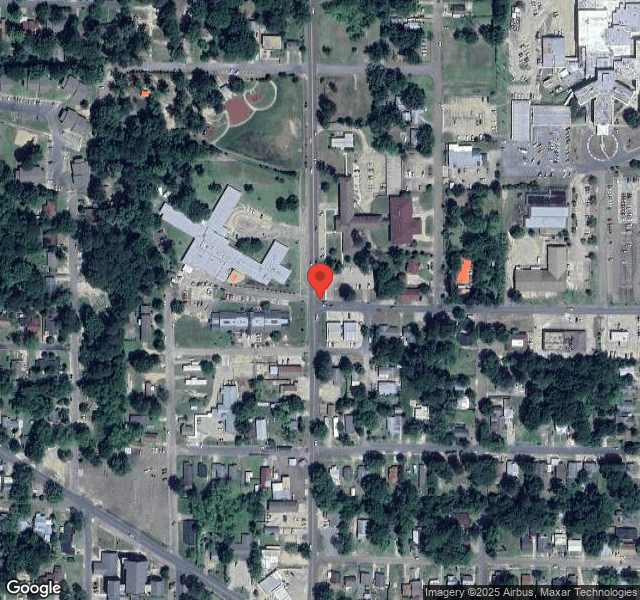

700 N. COLLEGE AVENUE, EL DORADO, AR 71730 (870) 863-8131
Government - County 108 Beds Independent Data: November 2025
Trust Grade
55/100
#109 of 218 in AR
Last Inspection: December 2024

Within standard 12-15 month inspection cycle. Federal law requires annual inspections.

Overview

Hudson Memorial Nursing Home has a Trust Grade of C, which means it is average and situated in the middle of the pack among facilities. It ranks #109 out of 218 in Arkansas, placing it in the top half, and #3 out of 5 in Union County, indicating there are only two local options that rank higher. The facility's performance is worsening, with issues increasing from 4 in 2023 to 8 in 2024. Staffing is a concern, as it has a rating of 2 out of 5 stars and a high turnover rate of 70%, much higher than the state average of 50%, which could impact resident care. However, there have been no fines, which is a positive sign, and the facility has more RN coverage than 78% of Arkansas facilities, ensuring better oversight of resident care. Some specific incidents noted in inspections included failures to properly assess care needs for residents and a medication error rate of 11.54%, which exceeds the acceptable limit of 5%. Additionally, medication storage was not properly managed, with unlabelled medications found in residents' rooms. While there are strengths in RN coverage, the facility does face significant challenges that families should consider.

Trust Score
C
55/100
In Arkansas
#109/218
Top 50%
Safety Record
Low Risk
No red flags
Inspections
Getting Worse
4 → 8 violations
Staff Stability
⚠ Watch
70% turnover. Very high, 22 points above average. Constant new faces learning your loved one's needs.
Penalties
✓ Good
No fines on record. Clean compliance history, better than most Arkansas facilities.
Skilled Nurses
⚠ Watch
Each resident gets only 28 minutes of Registered Nurse (RN) attention daily — below average for Arkansas. Fewer RN minutes means fewer trained eyes watching for problems.
Violations
⚠ Watch
14 deficiencies on record. Higher than average. Multiple issues found across inspections.
★★★☆☆
3.0
Overall Rating
★★☆☆☆
2.0
Staff Levels
★★★☆☆
3.0
Care Quality
★★★☆☆
3.0
Inspection Score
Stable
2023: 4 issues
2024: 8 issues

The Good

  • Full Sprinkler Coverage · Fire safety systems throughout facility
  • No fines on record

Facility shows strength in fire safety.

The Bad

3-Star Overall Rating

Near Arkansas average (3.1)

Meets federal standards, typical of most facilities

Staff Turnover: 70%

24pts above Arkansas avg (46%)

Frequent staff changes - ask about care continuity

Staff turnover is very high (70%)

22 points above Arkansas average of 48%

The Ugly 14 deficiencies on record

Dec 2024 8 deficiencies
CONCERN (D)

Potential for Harm - no one hurt, but risky conditions existed

Deficiency F0569 (Tag F0569)

Could have caused harm · This affected 1 resident

**NOTE- TERMS IN BRACKETS HAVE BEEN EDITED TO PROTECT CONFIDENTIALITY** Based on interview, record review, and policy review, the facility failed to convey a resident's personal funds, to the individu...

Read full inspector narrative →
**NOTE- TERMS IN BRACKETS HAVE BEEN EDITED TO PROTECT CONFIDENTIALITY** Based on interview, record review, and policy review, the facility failed to convey a resident's personal funds, to the individual or representative administering the individual's estate, within 30 days, for 1(Resident #163) sampled resident for whom the facility-maintained trust accounts, per a list provided by the Bookkeeper on [DATE] at 9:42 AM. The findings are: 1. On [DATE] at 9:42 AM, the Bookkeeper provided a document titled [Facility name] [Skilled Nursing Facility] SNF Trust Current Account Balance as of [DATE], which was reviewed and indicated a trust account for Resident #163 contained a closing balance of $1,237.24. 2. On [DATE] at 10:00 AM, review of the Record of Death indicated Resident #163 passed away on [DATE]. 3. On [DATE] at 12:00 PM, the Bookkeeper was interviewed with concurrent observations and stated the facility had four (4) days to return a resident's money from a trust account when a resident discharges or expires. The Bookkeeper stated Resident #163 expired on [DATE]. 4. On [DATE] at 12:07 PM, a review of a document titled Trust Transaction History for Resident #163 revealed interest had been paid each month and the balance as of [DATE] was $1,237.24. 5. On [DATE] at 12:29 PM, the Bookkeeper provided an undated policy titled Protection of Resident Funds Policy. The policy was reviewed and indicated upon the death of a resident who has personal funds, the facility will ensure, within 30 days, the resident ' s funds will be conveyed to the individual or probate jurisdiction administering the resident ' s estate or try to locate the responsible party or heir to the estate. 6. During the exit conference on [DATE], the Administrator stated Resident #163's stepdaughter did not want the resident's funds returned to her and the resident had no other person to contact. The Administrator was interviewed and stated she did not reach out to her governing body or the proper state authority for guidance regarding how to handle Resident #163's remaining funds.
CONCERN (D)

Potential for Harm - no one hurt, but risky conditions existed

PASARR Coordination (Tag F0644)

Could have caused harm · This affected 1 resident

Based on record review, interview, and facility document review, the facility failed to coordinate with the proper state agency to ensure a Level 2 (II) pre-admission screening and resident review (PA...

Read full inspector narrative →
Based on record review, interview, and facility document review, the facility failed to coordinate with the proper state agency to ensure a Level 2 (II) pre-admission screening and resident review (PASRR) evaluation report was obtained to determine if a resident required further services for 1 (Resident #15) sampled resident reviewed for a Level II PASRR. The findings are: On 12/17/2024 at 10:00 AM, Resident #15's electronic health record was reviewed and there was no Level II PASRR evaluation report in the resident's record. On 12/17/2024, the Administrator was asked to provide documentation for a Level II PASRR screening for this resident. At 3:26 PM, the Director of Nursing (DON) provided a document titled [outside agency name], dated 02/13/24 [02/13/2024], and indicated the resident could not be admitted until a Level II PASRR was completed. A document titled [outside agency name], dated 02/25/2014, was reviewed and indicated the resident had been approved for nursing home placement of choice. The document indicated the nursing facility must contact the outside agency and provide the resident's admission date to receive the completed PASRR evaluation. Resident #15's Order Summary Report was reviewed and indicated the resident had diagnoses of a nerve disorder caused by damage or abnormal development in the brain which affects movement and posture (cerebral palsy). A quarterly Minimum Data Set with an Assessment Reference Date of 10/23/2024 was reviewed and indicated Resident #15 had a Brief Interview for Mental Status score of 14, indicating cognitively intact, and had other behavioral symptoms, not directed towards others, such as hitting, scratching or verbal/vocal symptoms like screaming. On 12/17/2024, a review of the care plan dated 12/06/2024 indicated the resident had a communication problem related to cerebral palsy and intellectual disabilities and to engage resident in simple, structured activities that avoid overly demanding tasks. There was no PASRR information on the care plan. On 12/19/2024 at 8:40 AM, the Administrator stated she was unable to locate the Level II PASSR evaluation for Resident #15. This surveyor entered the Administrator's office later in the day to request other information and the Administrator stated she had located information from another state agency regarding Resident #15 and PASRR information. She had documents in her hand and stated there was no recommendations listed on the form. This surveyor asked if she was providing documentation for the Level II PASRR, she stated she was not and did not provide the documents to this surveyor for review. On 12/19/2024 at 12:46 PM, the DON provided a document which he stated the facility used as a guide regarding Level II PASRR screening. An undated document titled Who needs a PASRR [Level II) Screening ?????? was reviewed and indicated clients with a developmental disability, such as cerebral palsy, required a Level II PASRR. The document indicated a PASRR evaluation process, which indicated if the client is eligible for admission, the client would enter the nursing facility NF) and the NF would call the outside agency with the admission date and the outside agency would mail the Level II assessment to the NF or guardian.
CONCERN (D)

Potential for Harm - no one hurt, but risky conditions existed

Deficiency F0679 (Tag F0679)

Could have caused harm · This affected 1 resident

Based on observation, interview, record review, and facility policy review, the facility failed to ensure a resident was offered individual activities on a consistent basis for 1 (Resident #35) of 2 (...

Read full inspector narrative →
Based on observation, interview, record review, and facility policy review, the facility failed to ensure a resident was offered individual activities on a consistent basis for 1 (Resident #35) of 2 (Residents #28 and #35) sampled residents reviewed for activities. The findings are: On 12/16/2024 at 12:07 PM, Resident #35 was lying in bed with eyes closed. The resident 's eyes opened to verbal stimuli. The television (tv) was off at this time. Resident #35's Order Summary Report was reviewed and indicated diagnoses of depression and anxiety and indicated the resident needed continued care in a nursing home due to inability to live independently and the need for medication assistance, observation, and planning. A quarterly Minimum Data Set with an Assessment Reference Date of 12/13/2024, was reviewed and indicated Resident #35 had a Brief Interview for Mental Status score of 7, which indicated severely cognitively impaired. Resident #35's care plan, dated 12/16/2024, was reviewed and indicated the resident was dependent on staff for meeting emotional, intellectual, physical, and social needs related to an inability to move (immobility), physical limitations, and anxiety. Interventions were to invite the resident to scheduled activities and the resident needs one-to-one (1:1) bedside/in-room visits and activities if unable to attend out of room events. On 12/18/2024 at 10:42 AM, Resident #35 was lying supine in bed with eyes closed. There was a 10:30 AM activity in the dining area at this time. The tv was not currently on. On 12/18/2024 2:36 PM, residents were in the dining room playing bingo and Resident #35 was not in attendance. At 2:50 PM, the resident was lying in bed awake. The tv was not on currently. On 12/19/2024 at 9:53 AM, the Activity Director (AD) and Activities Assistant (AA) were interviewed. This surveyor asked the AD if she did one-on-one activities with the residents and she stated they, she and the AA, had not been doing the one-on-one activities. She stated the AA had occasionally been doing them. The AD was asked to clarify occasionally and the AA stated, I usually go by two times a week. I go in and [Resident #35's] usually asleep. If I make a tour around again and [Resident #35]'s awake, I will [do an activity with the resident]. I'm not going to wake [the resident] up to do one [an activity]. This surveyor stated upon review of the resident's documentation in the computer, an activity was last indicated on 12/06/2024. The AD stated what was in the computer was what had been done. An Individual Activities and Room Visit Program policy, not dated, was reviewed and indicated individual activities would be provided for those residents whose situation or condition prevented participation in other types of activities. The policy indicated the activities offered were reflective of the resident's individual activity interests.
CONCERN (D)

Potential for Harm - no one hurt, but risky conditions existed

Infection Control (Tag F0880)

Could have caused harm · This affected 1 resident

Based on observations, interviews, record review, and facility policy review, the facility failed to ensure staff applied the proper personal protective equipment (PPE) while providing high contact ca...

Read full inspector narrative →
Based on observations, interviews, record review, and facility policy review, the facility failed to ensure staff applied the proper personal protective equipment (PPE) while providing high contact care to 1 sampled (Resident #3) resident on enhanced barrier precautions (EBP). The findings include: A review of the quarterly Minimum Data Set (MDS) with an Assessment Reference Date (ARD) of 12/16/2024 revealed Resident #3 had a Brief Interview of Mental Status (BIMS) score of 10 indicating moderate cognitive impairment. Resident #3 was receiving dialysis. A plan of care for Resident #3 (revision date: 6/17/2022) revealed Resident #3 had chronic renal failure, a condition which involves gradual loss of kidney function, related to end stage renal disease (ESRD), a condition where the kidney reaches advanced state of loss of function. On 12/18/2024 at 9:00 AM, this surveyor observed Certified Nursing Assistant (CNA) #10 enter a resident's room. This surveyor observed an Enhanced Barrier Precautions signposted next to the exterior of the door. On 12/18/2024 at 9:10 AM, this surveyor observed CNAs #9 and #10 at the bedside of Resident #3 providing the resident with a bed bath. CNAs #9 and #10 were not wearing a gown during this observation. On 12/18/2024 at 9:30 AM, during an interview, CNA #9 stated a gown, and gloves should be worn when providing care to Resident #3. CNA #9 confirmed neither she nor CNA #10 had a gown in place during the bathing activity for Resident #3. On 12/18/2024 at10:15 AM, during an interview, Licensed Practical Nurse (LPN) #11 stated Resident #3 received dialysis, and the dressing was removed the next day. On 12/19/2024 at 11:17 AM, during an interview, the Director of Nursing (DON) stated staff should wear a gown and gloves when caring for a resident on EBP to help to protect the resident from any infection that could potentially be brought in. A review of policy titled Enhanced Barrier Precautions noted providers and staff must wear gloves and gown for the following high-contact resident care activities: dressing, bathing/showering, transferring, providing hygiene, device care, wound care (any skin opening requiring a dressing).
CONCERN (E)

Potential for Harm - no one hurt, but risky conditions existed

Unnecessary Medications (Tag F0759)

Could have caused harm · This affected multiple residents

Based on observation, record review, interview, and facility policy review, the facility failed to ensure the medication error rate was less than 5 percent (%) during the medication administration obs...

Read full inspector narrative →
Based on observation, record review, interview, and facility policy review, the facility failed to ensure the medication error rate was less than 5 percent (%) during the medication administration observation of 3 (Residents #11, #18, and #25) of 6 (Residents #11, #18, #20, #25, #35, and #54) sampled residents who received medications from 2 Licensed Practical Nurses (LPNs). 26 opportunities of medication administration were observed and 3 of the 26 medications were not administered in accordance with physician's orders, resulting in a medication error rate of 11.54%. The findings are: On 12/28/2024, LPN #4 was observed as she conducted the 8:00 AM medication pass to residents. At 8:26 AM, she obtained Resident #25's blood pressure (bp) using a manual blood pressure cuff and stated the bp was 131 over 52 (131/52). Once she gathered the medications, she entered the resident's room, administered the medications to the resident, but withheld the [medication name] (calcium channel blocker) 10 milligrams (mg) tablet. Resident #25's Order Summary Report was reviewed and indicated the resident had a diagnosis of high blood pressure (hypertension). The report indicated an order for [medication name] (calcium channel blocker) 10 mg give 1 tablet by mouth one time a day for high blood pressure. There were no parameters included on the physician's order indicating when to hold the medication. On 12/18/2024 at 8:47 AM, LPN #4 obtained Resident #18's blood pressure manually and indicated the bp was102 over 85 (102/85). At 8:58 AM, LPN #4 entered the resident's room and administered the medications to the resident but withheld the [medication name] (calcium channel blocker) 5 mg tablet. Resident #18's Order Summary Report was reviewed and indicated a diagnosis of hypertension. The report included a physician's order dated 01/03/2022 for [medication name] 5 mg give 1 tablet by mouth one time a day related to hypertension. There were no parameters included on the physician's order indicating when to hold the medication. On 12/18/2024 at 2:38 PM, LPN #4 was interviewed with concurrent observations. She was asked to review Resident #18's physician's orders, and she stated there were no parameters included on the orders to hold the blood pressure medication. She stated she recalled the physician verbally telling her to hold the blood pressure medication for a top number (systolic) below 110. LPN #4 was asked to review the physician's orders for Resident #25, and she stated there were no parameters included on the orders to hold the blood pressure medication. She stated the physician verbally told her to hold the blood pressure medication for a systolic bp below 110 and a bottom number (diastolic) below 60. She was unable to recall when she received the order from the physician and stated she has worked at the facility for three years. On 12/18/2024 at 2:26 PM, the Director of Nursing (DON) provided a copy of a document titled PRN [as needed] Medication Standing Orders which was reviewed and did not include any parameters on when to hold a resident's blood pressure medication. On 12/19/2024, LPN #6 was observed as she conducted the 8:00 AM medication pass for residents. At 8:32 AM, she gathered the 8:00 AM medications for Resident #11, entered the room, and administered the medications to the resident, but she did not have the [medication name] (anti-flatulent medication that helps relieve gas symptoms) 80 mg tablets in the cup with the other medications. The medication cup should have had 6 tablets, but only 5 tablets were inside. Resident #11's Order Summary Report was reviewed and indicated a diagnosis of a condition in which the stomach acid flows back up into the tube connecting the mouth and stomach (esophagus) called gastroesophageal reflux disease (GERD for short). The report indicated a physician's order, dated 12/04/2023, for [medication name] (anti-flatulent medication) 80 mg give 1 tablet by mouth one time a day related to GERD. On 12/19/2024 at 9:35 AM, Resident #11's electronic medication administration record (eMAR) was reviewed and indicated [medication name] (anti-flatulent medication) 80 mg give 1 tablet by mouth one time a day. The 0800 (8:00 AM) box for 12/19/2024 included a checkmark with two letters and two numbers. The follow up codes listed on the eMAR indicated the checkmark equaled (=) the medication was administered. There was no list to indicate what the letters and numbers equated. On 12/19/2024 at 9:55 AM, LPN #6 was interviewed with concurrent observations, and she stated there were 5 pills in Resident #11's medication cup. She was asked to review the resident's electronic medication administration record (eMAR) and look at the [medication name] (anti-flatulent medication) order. As she reviewed the eMAR in the computer, she stated she had missed the [medication name] (anti-flatulent medication). She stated she normally checked the medication administration record (MAR) before she goes in [the resident's room] and especially on halls which she normally does not work. She stated the MAR should be checked to make sure all the resident's medications were given. A Medication Administration policy, dated 2016 and provided by the DON, was reviewed and indicated the purpose was to safely and accurately administer physician-ordered medication to each resident. The policy indicated to remember the six rights of correct administration which included the right drug and the right dose. The policy indicated the physician's order must be followed regarding holding medications based on a vital sign parameter.
CONCERN (E)

Potential for Harm - no one hurt, but risky conditions existed

Deficiency F0761 (Tag F0761)

Could have caused harm · This affected multiple residents

Based on observations, interviews, record review, and facility policy review, the facility failed to ensure medication and/or biologics were properly stored for 2 (Resident #37 and Resident #40) sampl...

Read full inspector narrative →
Based on observations, interviews, record review, and facility policy review, the facility failed to ensure medication and/or biologics were properly stored for 2 (Resident #37 and Resident #40) sampled residents. The findings include: 1. A review of the quarterly Minimum Data Set (MDS) with an Assessment Reference Date (ARD) of 12/06/2024 revealed Resident #40 had a Brief Interview of Mental Status (BIMS) of 14 indicating cognitively intact. a. A plan of care for Resident #40 (revision date 9/18/2024) revealed Resident #40 was dependent on staff for meeting emotional, intellectual, physical, and social needs related to physical limitations. b. On 12/16/24 at 2:40 PM, this surveyor observed Resident #40 lying in bed. This surveyor noted a white cream, in an unlabeled medication cup, on the shelf next to the resident's bed. c. On 12/16/24 the Assistant Director of Nursing (ADON) stated she believed the white cream was a skin barrier cream but could not say that for certain. The ADON stated the white cream in the medication cup should not be on the shelf next to the bed because residents could come in and grab it. 2. A review of the admission Minimum Data Set (MDS) with an Assessment Reference Date (ARD) of 11/14/2024 revealed Resident #37 had a Brief Interview of Mental Status (BIMS) of 15 indicating cognitively intact. a. A plan of care for Resident #37 (revision date 11/8/2024) revealed Resident #37 was dependent on staff for meeting emotional, intellectual, physical, and social needs related to physical limitations. b. On 12/16/24 at 02:24 PM, this surveyor observed Resident #37 lying in bed and noted wound cleanser on the shelf next to the bed. c. On 12/17/24 at 9:30 AM, this surveyor observed Resident #37 lying in bed and noted wound cleanser and antifungal powder on the shelf next to resident's bed. d. On 12/17/24 at 10:00 AM, the ADON stated there was a bunch of items on the shelf next to the resident's bed that should not be there. The ADON stated anything with the label keep out of reach of children should not be out in the open. e. On 12/19/24 at 11:15 AM, the Director of Nursing (DON) stated medications should not be stored in the resident's room accessible to wandering residents. f. A review of policy titled Storage of Medications noted ensure that medications are stored in a safe, secure, and orderly manner.
CONCERN (E)

Potential for Harm - no one hurt, but risky conditions existed

Food Safety (Tag F0812)

Could have caused harm · This affected multiple residents

Based on observations, interviews, facility document review, and facility policy review, it was determined the facility failed to ensure foods were stored and prepared under sanitary conditions for re...

Read full inspector narrative →
Based on observations, interviews, facility document review, and facility policy review, it was determined the facility failed to ensure foods were stored and prepared under sanitary conditions for residents who received foods from one of one kitchen. The total census was 60. The findings are: A) On 12/16/2024 at 11:27 AM during concurrent observations and rounds with the Dietary Manager (DM) all the kitchen walls, including the ones immediately adjacent to the food prep area and above the 3-compartment sink, had brownish-gray, fine, powdery particles extending up to the ceiling. B) On 12/16/2024 at 11:43 AM, the 3-compartment sink was in use by Dietary Employee (DE) #1. DE #1 was interviewed and stated the sanitizer water temperature (temp) for the 3-compartment sink was to be 75-85 degrees Fahrenheit (F), the soapy water side was to be 180 degrees F, and the rinse should be lukewarm. C) On 12/16/2024 at 4:00 PM, DE #2 was observed using the dish machine and stated she has worked at this facility since 2018. DE #2 rinsed the cookware, placed the items into the dish machine, and started the cycle. DE #2 was interviewed and stated she did not perform water temperature checks, the day shift person did. This surveyor and DE #2 observed the instructions on the outside of the machine which indicated the wash and rinse temp is to be a minimum of 120 degrees F. DE #2 was unable to demonstrate or verbalize where the temperature gauge was located or where to test the water using the required test strips. DE #2 placed a test strip in the outside drain reservoir and did not blot the test strip prior to observing the results according to the manufacturer's instructions on the outside of the bottle. D) On 12/17/2024 at 8:53 AM, the contracted pest control representative was observed in the kitchen without a beard cover. The pest control representative's beard was observed to be a full beard and approximately 6 inches in length. E) On 12/17/2024 at 8:55 AM, DE #3 was observed using the dish machine and stated to have worked at the facility for 2 years. The test results observed at 8:55 AM, as reported by DE #3, were as follows: wash temp 104-105 degrees F, rinse temp 112-113 degrees F. DE #3 stated the minimum temperature of the wash and rinse needed to be 120 degrees F. F) On 12/17/2024 at 9:01 AM and 9:17 AM, the pest control representative was observed walking into the kitchen, past the beard covers available at the door. The beard on the representative was observed to be a full beard, approximately 6 inches in length. G) On 12/17/2024 at 9:03 AM, DE #3 was observed to use the dish machine again. DE #3 stated the wash temperature was 98 degrees F, and the rinse temperature was 110 degrees F. DE #3 was interviewed and stated when the dish machine temperatures were not in range, staff would ask the DM what to do. H) On 12/17/2024 at 9:10, DE #2 was observed using the 3-compartment sink. DE #2 was interviewed and stated the hot water tap temperature for the sink fluctuates at times. DE#2 stated sometimes the water must be boiled on the stove and poured into the sink to get the water hot enough. I) On 12/17/2024 at 10:09 AM, the DM was interviewed, and concurrent observations were made by this surveyor: a. The DM stated beard covers were available, beard covers were in their policy for anyone in the kitchen, and the vendor was managed by another person. b. A dish machine cycle was run again by DE #3 with the DM in attendance. The DM stated that maintenance turned up the temperature that goes to the dish machine. The wash temperature was stated to be 110 degrees F and rinse temperature 120 degrees F. Both DE #3 and the DM stated that the temperatures must be a minimum of 120 degrees F for both the wash and rinse cycle, per the manufacturer's instructions posted on the side of the machine. The DM stated it was important that dish machine temps were high enough to ensure the dishes were clean. Review of the manufacturer's instructions provided by the DM state operating temperature of 120F degrees is the minimum, 130-140F degrees is recommended c. A test strip was performed by the DM for sanitizer at the 3-compartment sink. The expiration date on the outside of the bottle was 6/2024. When asked, the DM stated the test strips were expired and it was important that test strips were in date so they could know the sanitization is accurate. d. For the temperatures of the 3-compartment sink, the DM stated that the rinse needed to be hot. e. The DM was asked by this surveyor to wipe the wall with a paper towel. This surveyor observed brownish-gray, fine, powdery particles which transferred to the white paper towel. The DM stated it was dust, and it is important for the walls to be clean, so dust did not float down onto the food. Upon review of the cleaning schedules provided by the DM, there is no allowance seen for cleaning all the walls to remove dust. J) On 12/17/2024 at 3:40 PM, the DM stated all employees who operate the dish machine should know how to test the dish machine temperatures and sanitizer. K) On 12/17/2024 at 5:00 PM, the DM stated the vendor would have to be called about the dish machine temperatures inaccuracy. L) The DM provided a hair covering policy, undated, titled [Facility Name] Policies and Procedures Dietary Department. The document was reviewed and indicated Facial hair on male employees must be covered.
CONCERN (F)

Potential for Harm - no one hurt, but risky conditions existed

Deficiency F0838 (Tag F0838)

Could have caused harm · This affected most or all residents

Based on document review and interviews, the facility failed to ensure the facility assessment included pertinent information to assure the necessary care and resources were allocated to meet the need...

Read full inspector narrative →
Based on document review and interviews, the facility failed to ensure the facility assessment included pertinent information to assure the necessary care and resources were allocated to meet the needs of the residents. This deficient practice had the potential to affect all residents of the facility. The total census was 60 residents. The findings are: A review of the Facility Assessment Tool, dated 07/11/2024, indicated the assessment was reviewed with the Quality Assessment and Assurance and Quality Assurance and Performance Improvement (QAA/QAPI) committee on 07/12/2024. The facility-wide assessment did not include the following: - An evaluation of what policies and procedures may be required in the provision of care and how the facility would meet the current professional standards of practice. - An evaluation of any contracts, memorandums of understanding including third-party agreements for the provision of goods, services. - Description of how the facility would evaluate their infection prevention and control program that included systems for preventing, identifying, reporting, investigating, and controlling infections. On 12/19/2024 at 11:38 AM, the Administrator was interviewed and stated an entire team contributes to the facility assessment. The Administrator was asked to provide a policy for facility assessment. She stated the facility did not have one.
Oct 2023 4 deficiencies
CONCERN (D)

Potential for Harm - no one hurt, but risky conditions existed

Deficiency F0583 (Tag F0583)

Could have caused harm · This affected 1 resident

Based on observation, interview and record review, the facility failed to ensure privacy and confidentiality was maintained for 1 Resident (Resident #2) of 6 sampled residents (Resident #2, #3, #9,#11...

Read full inspector narrative →
Based on observation, interview and record review, the facility failed to ensure privacy and confidentiality was maintained for 1 Resident (Resident #2) of 6 sampled residents (Resident #2, #3, #9,#11,#18, and #32). The findings are: During observation on 10/16/23 at 10:38 AM, Licensed Practical Nurse (LPN) #1 walked away from the medication cart with a laptop screen open with Resident #2's picture, and medical information visible on the screen. During interview on 10/16/2023 at 10:39 AM, LPN #1 said when asked what her usual process is with the computer, I usually close it down, but I forgot. It is a HIPAA (Health Insurance Portability and Accountability Act) concern. During interview on 10/18/2023 at 2:50 PM, the Director of Nurses said nurses should lock the medication cart, and make sure nothing hazardous is left on top of the cart. If the computer screen is on, it should be set to hide the screen or close the laptop because it is a HIPAA violation when resident information is not kept confidential. Review on 10/19/2023 at 8:45 AM of facility policy titled Safety and Confidentiality of the Clinical Record. with a review date of 11/01/2019 showed, the facility must safeguard clinical record information against loss, destruction, or unauthorized use.
CONCERN (D)

Potential for Harm - no one hurt, but risky conditions existed

Assessment Accuracy (Tag F0641)

Could have caused harm · This affected 1 resident

Based on observation, interview and record review, the facility failed to ensure the minimum data set [MDS] accurately reflected special treatments, procedures and programs including oxygen therapy fo...

Read full inspector narrative →
Based on observation, interview and record review, the facility failed to ensure the minimum data set [MDS] accurately reflected special treatments, procedures and programs including oxygen therapy for 1 Resident (Resident #15) of 6 sampled residents (Resident #3, #15, #19, #20, #25, and #266) with oxygen orders. This failed practice had the potential to affect 14 residents with oxygen orders. The findings are: Review of Resident #15's Order Summary Report showed a physician order dated 11/03/23 oxygen at 2 liters/minute per nasal cannula as needed to keep oxygen saturation at 90% or above. Record review of the annual MDS ( Minimum Data Set) with an assessment reference date [ARD] of 09/30/2023, and the Quarterly MDS with an ARD of 08/06/2023 section special treatments, procedures and programs did not reflect oxygen therapy. Review on 10/18/2023 at 2:00 PM of Resident #15's at vital sign records showed oxygen saturation was 81-97% from 08/30/2023-10/18/2023, while on nasal cannula. On 10/18/2023 at 2:25 PM, the MDS nurse said after looking at the nurse summary reports the oxygen should have been added to the MDS. Review on 10/19/2023 at 8:23 AM, of facility titled Resident Assessment Instrument Process with a revision date of 03/19/2023 showed, individualized care plans will be developed and updated as needed according to the data and resulting analysis.
CONCERN (D)

Potential for Harm - no one hurt, but risky conditions existed

Food Safety (Tag F0812)

Could have caused harm · This affected 1 resident

Based on observation and interview, the facility failed to ensure food on the steam table was maintained at a temperature greater than 135 degrees Fahrenheit to prevent the potential for foodborne ill...

Read full inspector narrative →
Based on observation and interview, the facility failed to ensure food on the steam table was maintained at a temperature greater than 135 degrees Fahrenheit to prevent the potential for foodborne illnesses for residents who received foods from one of one kitchen. The findings are: On 10/18/23 at 11:28 AM, the Surveyor observed Dietary Employee #1 check the temperatures of the food on the steamtable before trays were served. The following temperatures were noted and written on the kitchen log by Dietary Employee #1; smoked sausage 150.8 degrees, hash brown potatoes 140.5 degrees, cabbage 183.0 degrees, mechanical soft smoked sausage 191.5 degrees, pureed smoked sausage 136.3 degrees, pureed hash brown potatoes 126.4 degrees, and pureed cabbage 123.4 degrees. On 10/20/23 at 9:29 AM, the Dietary Manager was interviewed and asked what is the temperature of the food on the steam table supposed to be? The DM stated, At least 165 for 15 seconds. DM was asked what are staff to do when temping food and it is not at the proper temperature? DM stated, Take if off and reheat it for 15 seconds and recheck it. DM was asked how would a new employee know what to do regarding the temperatures of food? DM stated, I go over the temperatures with the new employees and the temperatures are hanging up in the closet for them to see if they need it. Review on 10/20/23 at 10:00 AM, of facility policy titled Food Storage with a revision date of March 2004 showed, Hot foods or potentially hazardous food will leave the kitchen or steam table at 140 degrees F (Fahrenheit) or above.
CONCERN (E)

Potential for Harm - no one hurt, but risky conditions existed

Respiratory Care (Tag F0695)

Could have caused harm · This affected multiple residents

Based on observation, interview and record review, the facility failed to ensure a resident was receiving oxygen at the flow rate ordered by the physician, and failed to ensure oxygen titration orders...

Read full inspector narrative →
Based on observation, interview and record review, the facility failed to ensure a resident was receiving oxygen at the flow rate ordered by the physician, and failed to ensure oxygen titration orders included a starting flow rate and maximum flow rate. This failed practice affected 1(Resident #15) of 6 sampled residents (Resident #3, #15, #19, #20, #25, and #266) with oxygen orders. The findings are: Review of a physician's order for Resident #15 dated 11/03/2022 showed oxygen ordered at 2 liters/minute per nasal cannula as needed each shift to keep oxygen saturations at 90% or above. Review of a physician's order dated 12/31/2022 showed titrate oxygen to keep saturation above 90%. Review of Resident #15's care plan with a revision date of 06/27/2023 showed oxygen setting at 2L(Liters) per min as needed to keep oxygen saturation above 90%. On 10/16/2023 at 11:23 AM and 3:15 PM, the Surveyor observed Resident #15 receiving oxygen by nasal cannula at 4 liters. On 10/17/23 at 2:16 PM, the Surveyor observed Resident #15's oxygen concentrator set on 4-4.5 liters of oxygen. On 10/18/23 at 8:26 AM, the Surveyor asked the ADON (Assistant Director of Nursing) if she can tell me how many liters of oxygen Resident #15 was on. The ADON looked at Resident #15's electronic record and stated, She is on 2 liters of oxygen. The ADON confirmed Resident #15's concentrator was set on 4 liters. The Surveyor asked the ADON if she could check the care plan to see what care was planned for titration and are there parameters for how much oxygen is ordered for Resident #15? The ADON said, Your right, the care plan says 2 liters of oxygen as needed to keep her sats at 90% or above, and there are no parameters given for the oxygen. I will contact the doctor today to see if we can get orders for increased oxygen, and I will check her sats to see if she even needs more oxygen. Review on 10/19/2023 at 8:23 AM of policy titled Oxygen Administration dated 1/10/23 showed, set the flowmeter to the rate ordered by the physician, and monitor the Resident's response to therapy with a pulse oximeter as necessary.
Jul 2022 2 deficiencies
CONCERN (D)

Potential for Harm - no one hurt, but risky conditions existed

Tube Feeding (Tag F0693)

Could have caused harm · This affected 1 resident

**NOTE- TERMS IN BRACKETS HAVE BEEN EDITED TO PROTECT CONFIDENTIALITY** Based on observation, interview and record review, the facility failed to ensure a feeding tube placement was verified before be...

Read full inspector narrative →
**NOTE- TERMS IN BRACKETS HAVE BEEN EDITED TO PROTECT CONFIDENTIALITY** Based on observation, interview and record review, the facility failed to ensure a feeding tube placement was verified before beginning a feeding in accordance with acceptable standards of practice for 1 (Resident #22) of 4 (Resident #22, 41, 43 and one non-sample) residents that have feeding tubes. The findings are: Resident #22 was admitted on [DATE] had diagnoses of Dysphagia following a Cerebral Infarction, and Nutritional Deficiency. An annual Minimum Data Set with an Assessment Reference Date of 5/8/22 documented the resident scored 3 (0-7 indicates severe impairment) on a Brief Interview for Mental Status and had a feeding tube. a. A physician order dated 5/18/22 documented, .Enteral feed five times a day related to gastrostomy status Glucerna 1.2 (give 237ml) [milliliters] . b. A physician's order dated 5/26/20 documented, .Check placement prior to administration of feeding and/or medications . c. The Care plan with a revised date of 5/29/20 documented, .Check for tube placement and gastric contents/residual volume per facility protocol and record . d. On 07/20/22 at 12:01 PM, Licensed Practical Nurse (LPN) #2 put on gloves and picked up a piston syringe and brought it into the resident's room. She put 60 ml (milliliters) of water in syringe hooked up to PEG [Percutaneous Endoscopic Gastronomy] tube and fed in by gravity. She was asked, Did you check placement? She sighed and stated, No, and I should have. She continued to let the water flow by gravity per syringe into tube. She then poured the feeding into a gravity bag and hooked up the bagged feeding to PEG tube without checking placement. e. On 7/21/22 at 10:33 AM, the Director of Nursing (DON) was asked, When do you check placement of a feeding tube? He stated, Before and after a feeding or medication administration. f. A facility policy titled Enteral Nutritional Therapy received on 7/21/22 from the DON documents . Check position of tube by: a. Listening for breath sounds at end of tube .b. Checking the length of tube for proper positioning .c. Placing stethoscope over stomach and install a small amount of air into enteral feeding tube. Listen for air to enter stomach. d. Check residual stomach contents .
CONCERN (E)

Potential for Harm - no one hurt, but risky conditions existed

Infection Control (Tag F0880)

Could have caused harm · This affected multiple residents

Based on observation, record review, and interview, the facility failed to ensure Licensed Practical Nurse (LPN) #1 and #2 washed/sanitized her hands between residents during medication pass observati...

Read full inspector narrative →
Based on observation, record review, and interview, the facility failed to ensure Licensed Practical Nurse (LPN) #1 and #2 washed/sanitized her hands between residents during medication pass observations on 2 (Primrose Hall and Marigold) 4 of halls, to prevent the potential spread of infection. The failed practices had the potential to affect 26 residents who resided on Primrose Hall and Marigold Hall and received care from licensed Practical Nurses (LPNs #1 and #2), according to the list provided by the administrator on 7/18/22. The findings are: On 7/20/22, the following observations were made during a medication pass conducted by LPN #1 and #2 on Primrose and Marigold Halls: a. On 07/20/22 at 11:14 AM, Licensed Practical Nurse (LPN) #1 was walking down the hall and came to the medication cart and started getting gloves and glucometer and supplies out of the drawer. She then put everything on top of the cart, put on her gloves and went into resident's room and proceeded to obtain blood sugar. She then came out of the resident's room, took off her gloves and disposed of them in the trash and then got on to the computer to chart. She got the insulin out, drew up what she needed, put on gloves, and then went into resident's room and administered the insulin without any hand hygiene. She then pushed the cart to the next resident's room, brought up their medications on the computer, grabbed a medication cup and opened the drawer. She was asked, Did you sanitize your hands after taking a resident's blood sugar and then giving insulin? She stated, Oh no ma'am, I got a little nervous with you watching me but normally I do. She then sanitized her hands and then proceeded to set up the resident's medications. She went into resident's room and gave the medications by handing the resident the medication cup and taking it back after she took the medications, then handed her the water cup and took it back after the resident sipped it herself. She asked the resident if she wanted her Voltaren gel and then went to med cart and got the medication tube out, put on gloves and gave her the medicine. She then took off gloves and got on the computer to chart without doing any hand hygiene. She then started setting up another resident's medications and went to that resident with a med cup and administered the medications. She then came back to the cart and got on the computer without doing any hand hygiene. b. On 07/20/22 at 11:51 AM, LPN #2 obtained blood sugar and then went to the computer to chart and put her hand on the med cart handle on the side. She opened drawer and reached in and grabbed an insulin syringe. She went to the medication room and got insulin out of fridge and drew it up. She went back to medication cart and grabbed an alcohol pad and went into the resident's room and put on gloves and gave insulin to the resident, then came back out to cart took off gloves and went to computer and charted insulin. She was asked, Did you do hand hygiene after taking blood sugar and giving insulin? She stated, I used the hand sanitizer on the side of the cart. Surveyor stated, I didn't see you do it. She stated, Well that's what I usually do. c. On 7/21/22 at 10:33 AM, the Director of Nursing (DON) was asked, When should hand hygiene be done during medication pass? He stated, Before and after each resident. Anytime doing blood sugar checks, feeding tube placement checks. I was told if it's wet and not yours do hand hygiene. In between each time going resident to resident. d. A facility policy received from the DON on 7/21/22 titled Medication Administration documents .2. Wash your hands before administering medication to any resident and between contact with other residents or duties. If soap and water are not readily available, use hand sanitizer .
Understanding Severity Codes (click to expand)
Life-Threatening (Immediate Jeopardy)
J - Isolated K - Pattern L - Widespread
Actual Harm
G - Isolated H - Pattern I - Widespread
Potential for Harm
D - Isolated E - Pattern F - Widespread
No Harm (Minor)
A - Isolated B - Pattern C - Widespread

Questions to Ask on Your Visit

  • "Why is there high staff turnover? How do you retain staff?"
  • "Can I speak with families of current residents?"
  • "What's your RN coverage like on weekends and overnight?"

Our Honest Assessment

Strengths
  • • No major safety red flags. No abuse findings, life-threatening violations, or SFF status.
  • • No fines on record. Clean compliance history, better than most Arkansas facilities.
Concerns
  • • 14 deficiencies on record. Higher than average. Multiple issues found across inspections.
  • • Grade C (55/100). Below average facility with significant concerns.
  • • 70% turnover. Very high, 22 points above average. Constant new faces learning your loved one's needs.
Bottom line: Mixed indicators with Trust Score of 55/100. Visit in person and ask pointed questions.

About This Facility

What is Hudson Memorial's CMS Rating?

CMS assigns HUDSON MEMORIAL NURSING HOME an overall rating of 3 out of 5 stars, which is considered average nationally. Within Arkansas, this rating places the facility higher than 0% of the state's 100 nursing homes. This mid-range rating indicates the facility meets federal standards but may have areas for improvement.

How is Hudson Memorial Staffed?

CMS rates HUDSON MEMORIAL NURSING HOME's staffing level at 2 out of 5 stars, which is below average compared to other nursing homes. Staff turnover is 70%, which is 24 percentage points above the Arkansas average of 46%. High turnover can affect care consistency as new staff learn residents' individual needs. RN turnover specifically is 80%, which is notably high. RNs provide skilled clinical oversight, so turnover in this role can affect medical care quality.

What Have Inspectors Found at Hudson Memorial?

State health inspectors documented 14 deficiencies at HUDSON MEMORIAL NURSING HOME during 2022 to 2024. These included: 14 with potential for harm.

Who Owns and Operates Hudson Memorial?

HUDSON MEMORIAL NURSING HOME is owned by a government entity. Government-operated facilities are typically run by state, county, or municipal agencies. The facility operates independently rather than as part of a larger chain. With 108 certified beds and approximately 57 residents (about 53% occupancy), it is a mid-sized facility located in EL DORADO, Arkansas.

How Does Hudson Memorial Compare to Other Arkansas Nursing Homes?

Compared to the 100 nursing homes in Arkansas, HUDSON MEMORIAL NURSING HOME's overall rating (3 stars) is below the state average of 3.1, staff turnover (70%) is significantly higher than the state average of 46%, and health inspection rating (3 stars) is at the national benchmark.

What Should Families Ask When Visiting Hudson Memorial?

Based on this facility's data, families visiting should ask: "How do you ensure continuity of care given staff turnover, and what is your staff retention strategy?" "Can you walk me through typical staffing levels on day, evening, and night shifts?" "Can I visit during a mealtime to observe dining assistance and food quality?" "How do you handle medical emergencies, and what is your hospital transfer rate?" These questions are particularly relevant given the facility's high staff turnover rate and the below-average staffing rating.

Is Hudson Memorial Safe?

Based on CMS inspection data, HUDSON MEMORIAL NURSING HOME has a clean safety record: no substantiated abuse findings (meaning no confirmed cases of resident harm), no Immediate Jeopardy citations (the most serious violation level indicating risk of serious injury or death), and is not on the Special Focus Facility watch list (a federal program monitoring the lowest-performing 1% of nursing homes). The facility has a 3-star overall rating and ranks #100 of 100 nursing homes in Arkansas. While no facility is perfect, families should still ask about staff-to-resident ratios and recent inspection results during their visit.

Do Nurses at Hudson Memorial Stick Around?

Staff turnover at HUDSON MEMORIAL NURSING HOME is high. At 70%, the facility is 24 percentage points above the Arkansas average of 46%. Registered Nurse turnover is particularly concerning at 80%. RNs handle complex medical decisions and coordinate care — frequent RN changes can directly impact care quality. High turnover means new staff may not know residents' individual needs, medications, or preferences. It can also be disorienting for residents, especially those with dementia who rely on familiar faces. Families should ask: What is causing the turnover? What retention programs are in place? How do you ensure care continuity during staff transitions?

Was Hudson Memorial Ever Fined?

HUDSON MEMORIAL NURSING HOME has no federal fines on record. CMS issues fines when nursing homes fail to meet care standards or don't correct problems found during inspections. The absence of fines suggests the facility has either maintained compliance or corrected any issues before penalties were assessed. This is a positive indicator, though families should still review recent inspection reports for the full picture.

Is Hudson Memorial on Any Federal Watch List?

HUDSON MEMORIAL NURSING HOME is not on any federal watch list. The most significant is the Special Focus Facility (SFF) program, which identifies the bottom 1% of nursing homes nationally based on persistent, serious quality problems. Not being on this list means the facility has avoided the pattern of deficiencies that triggers enhanced federal oversight. This is a positive indicator, though families should still review the facility's inspection history directly.