THE SPRINGS OF EL DORADO
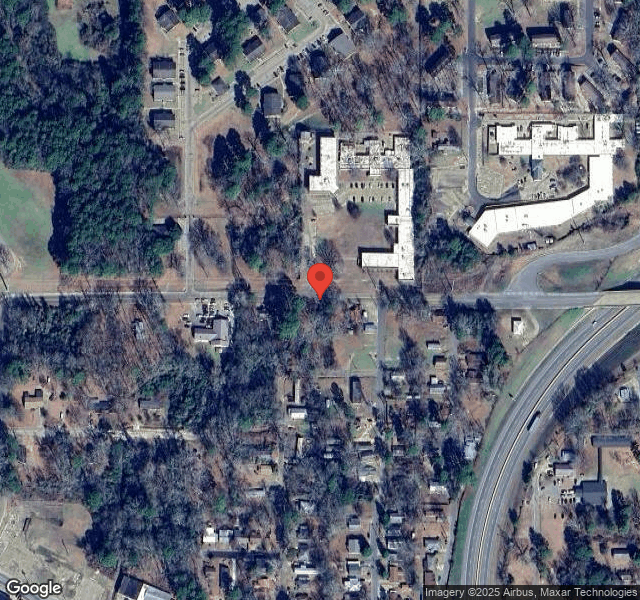
1700 EAST SHORT HILLSBORO, EL DORADO, AR 71730 (870) 862-5124
For profit - Limited Liability company 122 Beds THE SPRINGS ARKANSAS Data: November 2025 1 Immediate Jeopardy citation
Trust Grade
71/100
#45 of 218 in AR
Last Inspection: May 2025

Inspected within the last 6 months. Data reflects current conditions.

Overview

The Springs of El Dorado has received a Trust Grade of B, indicating it is a good choice, performing better than average but with room for improvement. It ranks #45 out of 218 nursing homes in Arkansas, placing it in the top half, and is the best option among the five facilities in Union County. The facility is on an improving trend, having reduced its issues from seven in 2024 to two in 2025. Staffing is rated as average with a 48% turnover, which is slightly below the state average, and while there are concerning fines totaling $15,550, the facility has more RN coverage than many others in the state, which is a positive aspect. However, there have been critical incidents, such as a resident falling out of a wheelchair during transport due to inadequate supervision and assistive devices, as well as concerns about food safety practices and improper laundry handling that could spread infections. Overall, while there are notable strengths, families should be aware of these weaknesses as they consider this facility.

Trust Score
B
71/100
In Arkansas
#45/218
Top 20%
Safety Record
High Risk
Review needed
Inspections
Getting Better
7 → 2 violations
Staff Stability
⚠ Watch
48% turnover. Above average. Higher turnover means staff may not know residents' routines.
Penalties
✓ Good
$15,550 in fines. Lower than most Arkansas facilities. Relatively clean record.
Skilled Nurses
⚠ Watch
Each resident gets only 17 minutes of Registered Nurse (RN) attention daily — below average for Arkansas. Fewer RN minutes means fewer trained eyes watching for problems.
Violations
⚠ Watch
20 deficiencies on record. Higher than average. Multiple issues found across inspections.
★★★★★
5.0
Overall Rating
★★★☆☆
3.0
Staff Levels
★★★★★
5.0
Care Quality
★★★★☆
4.0
Inspection Score
Stable
2024: 7 issues
2025: 2 issues

The Good

  • 5-Star Quality Measures · Strong clinical quality outcomes
  • Full Sprinkler Coverage · Fire safety systems throughout facility
  • No fines on record

Facility shows strength in quality measures, fire safety.

The Bad

Staff Turnover: 48%

Near Arkansas avg (46%)

Higher turnover may affect care consistency

Federal Fines: $15,550

Below median ($33,413)

Minor penalties assessed

Chain: THE SPRINGS ARKANSAS

Part of a multi-facility chain

Ask about local staffing decisions and management

The Ugly 20 deficiencies on record

1 life-threatening
May 2025 2 deficiencies
CONCERN (E) 📢 Someone Reported This

A family member, employee, or ombudsman was alarmed enough to file a formal complaint

Potential for Harm - no one hurt, but risky conditions existed

Deficiency F0628 (Tag F0628)

Could have caused harm · This affected multiple residents

**NOTE- TERMS IN BRACKETS HAVE BEEN EDITED TO PROTECT CONFIDENTIALITY** Based on interview, record review, and facility policy review, it was determined the facility failed to notify the resident, and...

Read full inspector narrative →
**NOTE- TERMS IN BRACKETS HAVE BEEN EDITED TO PROTECT CONFIDENTIALITY** Based on interview, record review, and facility policy review, it was determined the facility failed to notify the resident, and/or the resident's representative, in writing and provide written information regarding the facility's bed-hold policy when a resident was transferred to the hospital for three (Residents #40, #61, and #45) of four sampled residents, reviewed for hospitalization. 1. Review of Resident #40's Medicare-5-day Minimum Data Set (MDS) with an Assessment Reference Date (ARD) of 03/22/2025, revealed a Brief Interview for Mental Status (BIMS) score of 10 (indicated the resident had moderate cognitive impairment). Resident #40 ' s MDS also revealed the resident had active medical diagnoses which included: diabetes mellitus, non-Alzheimer ' s dementia, and respiratory failure. a. Review of Resident #40 ' s Progress Notes on 04/30/2025 at 11:12 AM, revealed on 03/14/2025 at 10:43 PM, indicated Licensed Practical Nurse (LPN) #3 was doing rounds and noticed Resident #40 sounded very congested. LPN #3 tried to wake the resident, but the resident was unarousable. LPN #3 took the resident ' s vital signs and recorded the resident ' s oxygen saturation as 50 percent. LPN #3 notified the Advanced Practice Registered Nurse (APRN), who ordered oxygen to be delivered to the resident at 2 liters per minute by nasal cannula with an updraft treatment. Resident #40 ' s oxygen saturation rose to 98 percent, but the resident was still lethargic and unable to arouse. The APRN ordered LPN #3 to send Resident #40 to the emergency room for further evaluation. b. Review of Resident #40 ' s Progress Note, on 04/30/25 at 11:17 AM, revealed LPN #4 called the hospital for and update on Resident #40 and was informed that the resident had been admitted to the hospital with a diagnosis of acute respiratory distress. c. During an interview on 04/30/2025 at 3:01 PM, with the Director of Nursing (DON), this surveyor asked for the Notice of Transfer/Bed Hold sent for Resident #40 ' s 03/14/2025 hospitalization. d. On 04/30/2025 at 3:28 PM, the Administrator notified this surveyor that no Notice of Transfer/Bed Hold for Resident #40 ' s 03/14/2025 hospitalization had been sent. e. On 05/01/2025 at 8:45 AM, the Administrator provided a policy titled Transfer or Discharge Notice which revealed the residents and representatives were to be notified, in writing, of the following information: .reason for transfer, date of transfer, location of resident . f. On 05/01/2025 at 8:45 AM, the Administrator provided a policy titled Bed-Holds and Returns which revealed, prior to transfer, resident representatives will be informed in writing of the bed-hold and return policy. g. During an interview on 05/01/2025 at 9:40 AM, the Business Office Manager (BOM) indicated they was responsible for sending Notices of Transfer/Bed Holds, the notice should be sent out within two days, and there was not Notice of Transfer/Bed Hold for Resident #40. h. During an interview on 05/01/2025 at 4:35 PM, Registered Nurse (RN) #2 indicated frontline staff did not have any role in initiating documentation that would contain the resident's appeal rights, the Ombudsman contact information, or the contact information for protection and advocacy agencies pertaining to nursing facility residents with intellectual/developmental/mental disabilities. RN# 2 added that the role of the Charge Nurse was to notify the DON when a resident was going to the hospital, and the DON was the one who would notify the BOM. i. During an interview on 05/01/2025 at 4:47 PM, this surveyor asked the DON how the BOM would be notified that a resident and/or resident's representative needed Notice of Transfer/Bed Hold. The DON indicated the Nurse transferring the resident out should do 3 things: 1) automatic discharge transfer (ADT) out, 2) computer generated change of condition, 3) and computer-generated transfer. When ADT was completed, a bed hold would be triggered. The nurse must click ADT and then the Notice of Transfer/Bed Hold. For the resident representatives that did not get the notices, the nurse must not have completed the ADT form. j. During an interview on 05/01/2025 at 4:47 PM, the DON indicated that when a resident was being transferred to the hospital, the Charge Nurse should have completed a document titled Automatic Discharge Transfer (ADT) form in the Electronic Health Record (EHR), which then prompted the BOM to provide the information listed above to the appropriate parties. The DON added the reason that Residents #45 and #61 did not receive the information listed above was because the nurses responsible did not select the ADT document to complete in the EHR. 2) A review of the MDS with an ARD of 03/05/2025, indicated Resident #45 had a BIMS score of 09 (indicating the resident had moderate cognitive impairment). The MDS also indicated Resident #45 had active diagnoses which included: cerebral palsy, schizophrenia, and unspecified intellectual disabilities. a. A review Resident #45's Medical Record revealed a document titled SNF/NF (Skilled Nursing Facility/Nursing Facility) to Hospital Transfer Form that indicated the resident was transferred to the hospital on [DATE]. b. During an interview on 05/01/2025 at 8:47AM, the Administrator indicated Resident #45 did go to the hospital on [DATE]. The facility could not provide evidence that Resident #45 and the resident's representative received complete information for the 12/30/2024 hospitalization. The missing information included: resident appeal rights, contact information for the Ombudsman, and the contact information of the agency responsible for the protection and advocacy of the residents with intellectual/developmental disabilities/mental disorder or related disabilities. 3) A review of the MDS with an ARD of 02/10/2025, indicated Resident #61 had a BIMS score of 01 (indicating the resident was severely cognitively impaired). The MDS also indicated Resident #61 had active diagnoses, which included: stroke, hemiplegia, dysphagia, and chronic pancreatitis. a. A review of Resident #61's Medical Record revealed a document titled SNF/NF to Hospital Transfer Form indicated the resident was transferred to the hospital on [DATE]. b. During an interview on 05/01/2025 at 8:47 AM, the Administrator indicated Resident #61 did go to the hospital on [DATE]. The facility could not provide evidence that Resident #61, and the resident's representative, received complete information for the 01/03/2025 hospitalization. The missing information included: resident appeal rights, contact information for the Ombudsman, and the contact information of the agency responsible for the protection and advocacy of the residents with intellectual/developmental disabilities/mental disorder or related disabilities. 4. A review of the facility ' s Transfer Policy titled Transfer or Discharge Notice, revised March 2021, indicated that when a resident was being transferred or discharged , a written notice should have been given to the resident and representative that contained: a. Appeal rights after transfer or discharge. b. Contact information of the Ombudsman, the contact information of the agency responsible for the protection and advocacy of residents with intellectual and developmental disabilities. c. Contact information of the agency responsible for the protection and advocacy of the agency responsible for residents with a mental disorder or related disabilities. d. Contact information of the state health department agency that has been designated to handle appeals of transfers and discharge notices.
CONCERN (E) 📢 Someone Reported This

A family member, employee, or ombudsman was alarmed enough to file a formal complaint

Potential for Harm - no one hurt, but risky conditions existed

Food Safety (Tag F0812)

Could have caused harm · This affected multiple residents

Based on observation, interview, record review, and facility policy review, the facility failed to ensure food items in the refrigerator, freezer and storage room were covered or sealed; one (1) of on...

Read full inspector narrative →
Based on observation, interview, record review, and facility policy review, the facility failed to ensure food items in the refrigerator, freezer and storage room were covered or sealed; one (1) of one (1) ice machine was maintained in clean and sanitary condition; dietary staff washed their hands before handling food or clean equipment; ceiling tiles, air vents, dish washer wall, kitchen door frames were free of, debris, dirt, rust, stains; baseboards were secured for one (1) of two (2) meals observed. The findings are: 1. During an observation on 04/28/2025 at 10:22 AM, an opened box of sausage patties was on a cart in the walk-in the refrigerator. The box was not covered or sealed. 2. During an observation on 04/28/2025 at 10:26 AM, an opened box of fish was observed on a shelf in the freezer. The box was not covered or sealed. 3. During an interview on 04/28/2025 at 10:29 AM, with the Dietary Manager, she was asked what the concerns of not storing food in the freezer or refrigerator properly were, and she stated it could lead to freezer burn. 4. During an observation on 04/28/2025 at 10:33 AM, one opened box of crackers was observed on a shelf in the storage room, which had a best used by date of 04/17/2025 on it. The Dietary Manager stated it had expired, and she would go ahead and throw it away. 5. During an observation on 04/28/2025 at 10:56 AM, one (1) opened box of salt was on a shelf, above the food preparation counter, the box was not covered. The Dietary Manager stated it was open, and she would put it in a sealed container. She was asked what could happen if food was left open, and she stated bugs could crawl in. 6. During an observation on 04/28/2025 at 10:59 AM, the following observation was made in the kitchen area: a. The floor between the deep fryer and the oven had an accumulation of grease built up on it. 7. During an observation, on 04/28/2025 at 11:11 AM, of the inside corners of the ice machine, in a room on the 100-hall, where ice formed before dropping into the ice collector had a wet, blackish residue on it. The areas were pointed out to the Maintenance Supervisor, with the Dietary Manager present. During an interview, the Maintenance Supervisor was asked if the residue build up could be wiped off, how often he cleaned the ice machine, and who used the ice from the machine. He used tissue papers and wiped the wet residue off. The wet residue easily transferred to the tissue. The Maintenance Director stated the area had scum from the water, which could have dripped into the ice. He stated that he had been cleaning the area once a month, but began to clean it once a week, because the dirt built up quickly. The Maintenance Director also stated he had last cleaned the area on 03/18/2025 8. During an observation on 04/28/2025 at 11:38 AM, Dietary Aide (DA) #1 used a rag to wipe up food items that spilled onto the counter. She then picked up the water hose with her bare hand and used it to spray leftover food from inside of the dishes, contaminating her hands. She placed the dirty dishes in the dirty racks and pushed the racks into the dish washing machine to wash. After the dishes stopped washing, DA #1 moved to the clean side of the dishwasher area, picked up the clean blade and attached it to the base of the blender, then used a rag to dry inside of the blender bowl. As DA #1 was about to use the blender to puree food items to be served to the residents on pureed diets, this surveyor asked DA #1 what she should have done after she touched dirty objects, or before she handled clean equipment. DA #1 stated she should have washed her hands. 9. On 04/28/2025 at 1:24 PM, the following observations were made on a shelf in the refrigerator in the Medicare wing nourishment room, on the 100 -Hall. a. One (1) unopened carton of whole milk, with an expiration date of 04/14/2025. b. One (1) unopened box of whole milk, with an expiration date of 04/16/2025. 10. A review of facility policy titled, Quick Resources Tool QRT Hand Washing indicated hands should be washed before starting work with food and before putting on gloves and as often as needed during food preparation and when changing tasks. 11. A review of facility policy titled, Quick Resources Tool QRT Food Storage reviewed indicated all foods should be stored wrapped or in covered containers and arranged in a manner to prevent cross contamination.
Mar 2024 7 deficiencies
CONCERN (D)

Potential for Harm - no one hurt, but risky conditions existed

ADL Care (Tag F0677)

Could have caused harm · This affected 1 resident

Based on observation, record review and interview, the facility failed ensure fingernails were cleaned, trimmed, smooth and free of jagged edges to promote good personal hygiene and grooming for 1 (Re...

Read full inspector narrative →
Based on observation, record review and interview, the facility failed ensure fingernails were cleaned, trimmed, smooth and free of jagged edges to promote good personal hygiene and grooming for 1 (Resident #15) of 1 sampled resident who was dependent for nail care. The findings are: 1. On 02/26/24 at 10:48 AM, Resident #15's left hand had long jagged fingernails. The right hand had long fingernails with a dark brown substance packed under the nails. 2. On 02/26/24 at 04:09 PM, Resident #15's fingernails had long jagged fingernails on both hands with a dark brown substance packed under the fingernails on the right hand. 3. On 02/27/24 at 08:57 AM, Resident #15 was sitting up in bed eating breakfast and was holding a piece of bread in his right hand. The fingernails on his right hand were long, jagged, and had a dark brown substance packed under them. The left had long jagged nails. 4. A Care Plan dated 1/18/23 documented, .I have an ADL [activities of daily living] self-care performance deficit r/t [related to] Dementia. Revision on: 01/18/2023 . I will be clean and well-groomed daily throughout the review date. Date Initiated: 01/18/2023. Revision on: 02/12/2024 .Nail Care: Check nail length and trim and clean as necessary. Date Initiated: 01/18/2023 . I am at risk for Impaired Skin Integrity. Date Initiated: 08/19/2022 Revision on: 02/16/2023 . My risk for impaired skin integrity will be minimized through plan of care Date Initiated: 08/19/2022 Revision on: 02/12/2024 .Nails trimmed Date Initiated: 03/09/2023 Revision on: 03/09/2023 . Keep nails trimmed / filed to minimize jagged edges Date Initiated: 01/18/2023 . 5. On 02/28/24 at 08:10 AM, the Surveyor accompanied Certified Nursing Assistant (CNA) #1 to Resident #15's room and was asked to describe the resident's fingernails. CNA #1 stated, It looks like food but I'm not sure and they are long and jagged. CNA #1 was asked who could trim, cut, clean and file Resident #15's nails. CNA #1 stated, CNAs can if they aren't diabetic otherwise the nurse cuts those. CNA #1 was asked when nails were to be cut, cleaned, and filed. CNA #1 stated, Every day especially during showers. CNA #1 was asked when Resident #15's shower was scheduled. CNA #1 stated, Tuesday, Thursday and Saturdays. They need to be clean to prevent infections and fungus. 6. Resident #15's Bathing task sheet documented the resident received a sponge bath on 02/24/24 and 02/27/24. 7. 02/28/24 08:19 AM, the Surveyor accompanied the Assistant Director of Nursing (ADON) to Resident #15's room and observed the resident's fingernails. The ADON stated, It's probably food. That can make him sick. 8. On 2/29/24 at 09:50 AM, the Nurse Consultant provided a policy titled, Fingernails/Toenails, Care of, which documented, .Purpose: The purposes of this procedure are to clean the nail bed, to keep nails trimmed, and to prevent infections . Nail care includes daily cleaning and regular trimming .
CONCERN (D)

Potential for Harm - no one hurt, but risky conditions existed

Respiratory Care (Tag F0695)

Could have caused harm · This affected 1 resident

Based on observation, record review and interview, the facility failed to ensure parameters were put in place to ensure the correct dosage of oxygen was administered to enable the Physician to determi...

Read full inspector narrative →
Based on observation, record review and interview, the facility failed to ensure parameters were put in place to ensure the correct dosage of oxygen was administered to enable the Physician to determine the dosage needed for 1 (Resident #27) sampled resident. The findings are: 1.On 02/26/24 at 11:24 AM, Resident #27 was lying in bed with oxygen on via nasal cannula (NC) at 2 liters per minute (LPM). a. On 02/26/24 at 04:11 PM, Resident #27 was lying in bed with oxygen on via NC at 2 LPM. b. On 02/27/24 at 09:03 AM, Resident #27 was lying in bed receiving oxygen via nasal cannula at 2 LPM. c. A Physicians Order dated 6/30/23 documented, Oxygen on at 2 liters via NC to keep sats at 90% or above, every shift for shortness of breath . d. A Care Plan with an initiated date of 4/13/22 documented, [Resident #27] uses oxygen therapy r/t [related to] SOB [shortness of breath]. Revision date 09/29/2022 .Oxygen via NC @ 2 liters to keep sats [saturations (oxygen level)] above 90% - May self-remove for ADL's [activities of daily living] Date Initiated: 09/29/202 Revision on: 12/11/202 . e. The February 2024 Medication Administration Record (MAR) did not address monitoring Resident #27's oxygen levels to allow the physician to determine the correct dosage of oxygen administration. f. On 02/29/24 at 08:45 AM, Licensed Practical Nurse (LPN) #2 was asked how do you know when to increase or decrease the oxygen on Resident #27 to keep his oxygen saturation greater than 90%. LPN #27 said they checked Resident #27's pulse ox [oximetry (an electronic device that measures the saturation of oxygen carried in your red blood cells)] weekly. LPN #2 was asked if there was an order to check the pulse oximetry. LPN #2 stated, No. LPN #2 was asked how he/she knew Resident #27's oxygen saturation was above 90% per physician's orders. LPN #2 stated, I don't know. g. On 3/01/24 at 10:43 AM, the Director of Nursing (DON) was asked to explain how she expected the nurses to determine what an oxygen flow rate should be. The DON stated that there should be an O2 [oxygen] check per shift and PRN [as needed]. The DON was asked to look at the electronic record and read the current physician's order. The DON stated, There are no parameters and should be. The DON was asked the importance of setting parameters. The DON stated, To alert the nurses and doctor the need to increase or decrease the amount of oxygen needed. h. On 2/29/24 at 09:50 AM, the DON provided a policy titled, Oxygen Administration, which documented, The purpose of this procedure is to provide guidelines for safe oxygen administration . Preparation .Review the Physicians order . Assessment Before administering oxygen, and while the resident is receiving oxygen therapy, assess, for the following: .oxygen saturation .
CONCERN (E) 📢 Someone Reported This

A family member, employee, or ombudsman was alarmed enough to file a formal complaint

Potential for Harm - no one hurt, but risky conditions existed

Accident Prevention (Tag F0689)

Could have caused harm · This affected multiple residents

Based on observation, record review and interview, the facility failed to ensure residents on the secured unit were supervised while smoking to decrease the potential for injury for 2 (Residents #37 a...

Read full inspector narrative →
Based on observation, record review and interview, the facility failed to ensure residents on the secured unit were supervised while smoking to decrease the potential for injury for 2 (Residents #37 and #71) of 2 sampled residents who were smoking without supervision. The findings are: 1. Resident #37 had diagnoses of Alcohol-Induced Persisting Dementia. A Quarterly Minimum Data Set (MDS) with an Assessment Reference Date (ARD) of 11/23/23 documented the resident scored 14 (13-15 cognitively intact) on a Brief Interview for Mental Status (BIMS). a. A Care Plan with a revision date of 12/13/23 documented, .I smoke cigarettes and am at risk for injury . Resident requires supervision with smoking . b. A Smoking Safety Screen dated 12/07/23 documented, .Category: safe to smoke with supervision . c. On 2/27/24 at 3:25 PM, Certified Nursing Assistant (CNA) #2 opened the door to the smoking area on the secured unit, gave Resident #37 and one male resident a cigarette, lit it with a lighter and allowed those two residents and another male resident who did not have cigarette, to go outside to the smoking area. CNA #2 re-entered the building leaving 2 residents smoking and a third resident just sitting, and all were unattended in the smoking area. 2. Resident #71 had diagnoses of Suicidal Ideations, Seizures or Convulsions and Bipolar Disease. A Quarterly MDS with an ARD of 12/06/23 documented resident #71 had a BIMS score of 15. a. A Care Plan with a revision date of 01/03/24 documented, . I smoke cigarettes . Resident requires supervision with smoking . b. A Smoking Safety Screen dated 1/11/24 documented, .Category: safe to smoke with supervision . c. On 2/27/24 at 3:26 PM, CNA #2 left the smoking area, went down the hall and returned with Resident #71 following her to the smoking area. At 3:27 PM, CNA #2 gave Resident #71 a cigarette, lit it with a lighter, allowed Resident #71 to go out to the smoking area with 3 other residents, 2 who were smoking, and she re-entered the building. There was a female resident sitting in a wheelchair and CNA #2 propelled this resident down the hall, away from the smoking area, leaving 4 residents, 3 of whom were smoking cigarettes. No residents were wearing smoking aprons. At 3:38 PM, CNA #2 did go to the door and looked outside, where Resident #37 was the only resident outside, yet smoking a lit cigarette, as the other residents came in on their own. CNA #2 then went back down the hallway, leaving Resident #37 unattended. At 3:39 PM, Resident #37 finished smoking, placed the used cigarette in the smoking receptacle and re-entered the building. d. On 2/27/24 at 3:44 PM, CNA #2 was asked if she was familiar with [Resident #37]'s plan of care. CNA #2 stated, No ma'am I'm not. The Surveyor asked if [Resident #37] was able to smoke without supervision. CNA #2 stated, Yes, [Resident #37] is. CNA #2 was asked if the other residents were able to smoke without supervision. CNA #2 stated, It's usually two people back here and one would be out with the resident's that smoke, and the other one would stay in here. It's usually two CNAs back here and sometimes the other CNA is late. CNA #2 confirmed that if a resident's clothing caught fire with no staff there, that the resident could burn holes in their clothing or burn up. e. On 2/28/24 at 11:40 AM, the Director of Nursing (DON) confirmed residents on the secured unit were not allowed to smoke without supervision. f. A Smoking Policy provided by the Director of Operations on 2/26/24 documented, .Purpose To permit residents who smoke the right to do so within the limits designated by the smoking policy to ensure safety and comfort for the smokers and for the others in the environment . g. A Smoking Procedure admission Packet provided by the Director of Operations on 2/26/24 documented, .Resident's will be supervised while smoking at the facility during designated smoking times .
CONCERN (E)

Potential for Harm - no one hurt, but risky conditions existed

Unnecessary Medications (Tag F0759)

Could have caused harm · This affected multiple residents

Based on observation, record review and interview, the facility failed to ensure physicians orders were followed to maintain a medication error rate of less than 5% to prevent potential complications ...

Read full inspector narrative →
Based on observation, record review and interview, the facility failed to ensure physicians orders were followed to maintain a medication error rate of less than 5% to prevent potential complications for 1 (Residents #45) of 5 sampled residents. The findings are: 1.Resident # 45 had diagnoses of Allergic Rhinitis, Osteoarthritis and Hypertension. a. A Physician Order dated 12/08/21 documented, Aspirin EC [Enteric Coated] Tablet Delayed Release 81 MG [milligram] (Aspirin) Give 1 tablet by mouth one time a day . Do Not Crush . b. A Physician Order dated 02/08/22 documented, [Nasal Allergy Spray] Suspension 2 sprays in both nostrils one-time a day . c. The Medication Administration Record (MAR) documented, [Nasal Allergy Spray] Suspension . 2 spray in both nostrils one time a day . wait one minute between sprays in same nostril . c. On 2/27/24 at 09:10 AM, Licensed Practical Nurse (LPN) #1 gave medications to Resident # 45, then signed them off. LPN #1 failed to give the Aspirin EC Tablet. LPN #1 gave [Nasal Allergy Spray] 2 sprays to each nostril. LPN #1 failed to wait 1 minute between sprays to same nostril. According to the Medication Administration Record (MAR) the Aspirin was not signed off after the medication pass by LPN #1. d. On 2/29/24 at 11:15 AM, LPN# 1 was asked if she was aware of any medications that she did not give. LPN #1 stated, I didn't give the aspirin. I got nervous and put the bottle back up. LPN #1 was asked how long she should wait between squirts of [Nasal Allergy Spray] in the same nostril. LPN #1 stated, One minute. LPN #1 stated, But I didn't wait one minute. I squirted it back to back. e. On 3/1/24 at 10:39 AM, the Director of Nursing (DON) was asked how she expected the nurses to conduct a medication pass. The DON stated, By the rights of medication administration. The DON was asked to explain why a physician's order should be followed. The DON stated, They should be followed because it's in the best interest of the resident and the plan of care. f. On 2/29/24 at 09:52AM, a policy provided by the Nurse Consultant titled, Administering Medications documented, .Medications are administered in a safe and timely manner, and as prescribed . Medication administration times are determined by resident need and benefit, not staff convenience. Factors that are considered include: a. enhancing optimal therapeutic effect of the medication; b. preventing potential medication or food interactions; .Medications are administered within one (1) hour of their prescribed time, unless otherwise specified (for example, before and after meal orders) .The individual administering the medication checks the label THREE (3) times to verify .right dosage, right method of administration before giving the medication .
CONCERN (E)

Potential for Harm - no one hurt, but risky conditions existed

Deficiency F0761 (Tag F0761)

Could have caused harm · This affected multiple residents

Based on observation and interview, the facility failed to ensure the refrigerated narcotic medications were stored in a permanently affixed compartment to prevent the potential of misappropriation of...

Read full inspector narrative →
Based on observation and interview, the facility failed to ensure the refrigerated narcotic medications were stored in a permanently affixed compartment to prevent the potential of misappropriation of resident property. The findings are: 1. On 2/27/24 at 3:40 PM, the Medication room was inspected with the Licensed Practical Nurse (LPN) #3. Inside the refrigerator was a locked narcotic box containing narcotics, but it was not permanently affixed. 2. The narcotic box contained Lorazepam 30 milliliters. 3. On 02/27/24 At 03:43 PM, LPN #3 was asked what the process was for securing refrigerated narcotics. LPN # 3 stated, It must be locked up behind two locks. LPN # 3 was asked, Who has a key to the refrigerator? LPN #3 stated, I do. LPN #3 was asked, How should the box be kept, and can anyone take it currently? LPN #3 stated, It is usually attached to the inside of the refrigerator. Yes, they could take it. 4. On 03/01/24 at 11:57 AM, the Director of Nursing (DON) was asked what the process was for securing refrigerated narcotics. The DON stated, It's double locked in the refrigerator. The Surveyor asked, How should the box be stored in the refrigerator? The DON replied, Glued or chained in the refrigerator. The Surveyor asked, What could happen if it is not secured? The DON stated, It could be taken. 5. On 2/29/24 at 09:52 AM, a policy provided by the Administrator titled, Storage of Medications documented, .The facility stores all drugs and biologicals in a safe, secure, and orderly manner .Schedule 2-5 controlled medications are stored in separately locked, permanently affixed compartments .
CONCERN (F)

Potential for Harm - no one hurt, but risky conditions existed

Food Safety (Tag F0812)

Could have caused harm · This affected most or all residents

Based on observation, record review and interview, the facility failed to ensure dented cans were discarded to prevent bacteria growth; food items had opened and/or received dates; shelves were clean ...

Read full inspector narrative →
Based on observation, record review and interview, the facility failed to ensure dented cans were discarded to prevent bacteria growth; food items had opened and/or received dates; shelves were clean of debris; and contaminated pan covers were not placed on food to be served. These practices had the potential to affect 80 (total census 81) residents who resided in the facility. The findings are: 1. On 2/26/2024 at 11:30 AM, one 50 ounce can of Tomato Soup did not have received date and had a dent near the seal. The Surveyor asked the Dietary Manager, why should dented cans not be used? The Dietary Manager confirmed dented cans bent at rim may not be safe, may be contaminated. 2. On 2/27/2024 at 12:00 PM, the following spices on the spice shelf were opened and did not have an open date: Parsley Flakes - 11 ounces; Chopped Onions 3 pounds; Ground Cumin Seed 15 ounces; Poppy Seeds 2.37 ounces; Mild Chili Powder 16 ounces; Ground Nutmeg 16 ounces; Taco Season 21 ounces; Italian Seasoning 7 ounces; [NAME] Leaf 6 ounces; Ground Mustard 14 ounces; Leaf Basil 5.5 ounces; Ground Mustard 14 ounces; Onion Powder 19 ounces; Leaf Thyme 6 ounces; Ground Cinnamon 15 ounces; Paprika 16 ounces; Fine Ground Sage 8 ounces; Chicken Base 16 ounces; Original Creole Seasoning. The Surveyor asked the Dietary Manager what should have been done when the spice containers were opened. The Dietary Manager confirmed the open date should have been written on the container. 4. On 2/28/2024 at 10:38 AM, the Dietary Manager picked up a pan cover that had the handle facing upward and placed the pan cover on top of the beef stew that was to be served for lunch. The Surveyor asked why would you not want to lay the lid handle side up and return the lid to the pan containing food. The Dietary Manager confirmed there was different stuff on the stove and could contaminate the food. 3. On 2/28/2024 at 12:02 PM, the shelf where the seasoning was kept had debris on. The Dietary Manager cleaned the shelving prior to returning seasoning containers. The Surveyor asked the Dietary Manager why do you want shelving units containing food items to be free from debris. The Dietary Manager confirmed we don't want bacteria or cross-contamination to occur. On 2/29/2024 at 8:35 AM, the Surveyor asked Dietary Manager why you want to date food items when they are opened. The Dietary Manager confirmed so we know when it was first opened. 5. 2/29/2024 at 10:50 AM, the Nurse Consultant provided a policy titled, Quick Resource Tool: Cleaning and Sanitizing and Proper Hair Restraints, which documented, Standard: Food contact surfaces are properly cleaned and sanitized before and after use, in order to help prevent food-borne illness and minimize bacterial growth . with Guidelines .1. Food contact surfaces (i.e. countertops and other food preparation areas) are washed and sanitized before use 5. Non-food contact surfaces are washed with soapy water per frequency identified on the facility cleaning schedule - or as visually necessary. These are then wiped down with sanitizer solution . 6. 2/29/2024 at 10:50 AM, the Nurse Consultant provided a policy titled, Quick Resource Tool: Safe Storage of Food, which documented, Standard: All time/Temperature Control for Safety (TCS) foods, frozen and refrigerated, will be appropriately stored in accordance with guidelines of the FDA Food Code.5. All foods will be stored wrapped or in covered containers, labeled and dated, and arranged in a manner to prevent cross contamination. 9. All packaged and canned food items will be kept clean, dry, and properly sealed . 10. Storage areas will be neat, arranged for easy identification, and date marked as appropriate .
CONCERN (F)

Potential for Harm - no one hurt, but risky conditions existed

Infection Control (Tag F0880)

Could have caused harm · This affected most or all residents

**NOTE- TERMS IN BRACKETS HAVE BEEN EDITED TO PROTECT CONFIDENTIALITY** Based on record review and interview, the facility failed to ensure that resident laundry was transported in a way to prevent th...

Read full inspector narrative →
**NOTE- TERMS IN BRACKETS HAVE BEEN EDITED TO PROTECT CONFIDENTIALITY** Based on record review and interview, the facility failed to ensure that resident laundry was transported in a way to prevent the spread of infection. This failed practice had the potential to affect 81 residents residing in the facility. The findings are: 1. On 02/26/24 at 3:43 PM, Laundry Worker #1 was putting clothes away in room [ROOM NUMBER]. The laundry cart was sitting outside in the hall, uncovered, with clean clothing laying on it. 2. On 02/29/24 at 2:35 PM, the Housekeeping Supervisor [HS] was asked, How is clean laundry supposed to be transported back to a resident's room? The HS stated, The laundry is supposed to be on a cart and covered with a sheet. 3. On 02/29/24 at 3:06 PM, the Director of Nursing [DON] was asked, How is resident laundry supposed to be transported back to a resident's room? The DON stated, Residents clean laundry is supposed to be on a cart and covered. 4. Laundry Worker (LW) #1 was asked how resident's clean laundry is supposed to be transported back to the resident ' s room. LW #1 stated, That she puts it in a rolling basket and takes it back to the residents room. LW #1 was asked if there was anything else she did when she transported the basket back to the hall. LW #1 stated I sanitize my hands before and after I go into and out of a resident's room, and cover the basket with a clean sheet, so the clothes are covered.
Dec 2022 11 deficiencies 1 IJ
CRITICAL (J)

Immediate Jeopardy (IJ) - the most serious Medicare violation

Accident Prevention (Tag F0689)

Someone could have died · This affected 1 resident

**NOTE- TERMS IN BRACKETS HAVE BEEN EDITED TO PROTECT CONFIDENTIALITY** Based on record review and interview, the facility failed to provide adequate supervision and assistive devices to prevent accid...

Read full inspector narrative →
**NOTE- TERMS IN BRACKETS HAVE BEEN EDITED TO PROTECT CONFIDENTIALITY** Based on record review and interview, the facility failed to provide adequate supervision and assistive devices to prevent accidents for 1 (Resident #52) of 1 sampled resident who fell during transport in the facility van. This failed practice resulted in Immediate Jeopardy, which caused or could have caused serious harm, injury, or death to Resident #52 who fell out of the wheelchair in the facility van during transport on 11/22/22. The failed practice had the potential to affect all 63 residents who resided in the facility as documented on the Daily Census Report provided by the Administrator on 12/27/22 at 10:27 a.m. The Administrator was notified of the Immediate Jeopardy on 12/27/22 at 3:50 PM. The findings are: 1. Resident #52 had diagnoses of Functional Quadriplegia, Pressure Ulcer Right Buttock Stage 4, Acquired Absence of Left Leg, and Acquired Absence of Right Leg. The Quarterly Minimum Data Set (MDS) with an Assessment Reference Date (ARD) of 12/03/22 documented the resident scored 14 (13-15 indicates cognitively intact) on a Brief Interview for Mental Status (BIMS) and required extensive physical assistance from two staff members for transfers and had impaired range of motion on both sides of the lower extremities. He had one fall with no injury since the last assessment. He had one stage 4 pressure ulcer that was not present on admission. a. The Physician's Order dated 2/18/22 documented, .Send resident to the wound care center for evaluation of wounds and treat as indicated . b. The Care Plan dated 10/28/22 documented, .I have a stage IV (4) pressure ulcer to my right hip . c. The Nursing I&A (Incident and Accident) Note dated 11/22/22 documented, .Wound clinic reported to facility that they were informing us that resident just had a fall while on our facility van. And they were sending resident to ER [Emergency Room] to get checked out. Upon return to facility resident stated that when van came to a stop at wound clinic parking lot, he started feeling himself sliding down in his wheelchair, so he tried repositioning himself while van driver was headed back to help him and fell forward out of the wheelchair. He states he hit his head on the back of front passenger side. Staff from the medical building assisted getting the resident up, then wound clinic sent me to the ER to get checked out. Immediate Intervention (to prevent reoccurrence): Changed wheelchair out and added non-skid pad to w/c [wheelchair] seat. Immediate Intervention: Driver and medical building staff including a doctor assessed resident then got him up from van floor. Wound clinic called ambulance and had resident sent to ER for evaluation. Neuro checks will be continued at facility since resident states he hit his head on seat. CT [computerized tomography] of head and spine, clear. X-ray of left shoulder mild AC [Acromioclavicular] joint arthropathy, no fracture . d. The One on One Inservice dated 11/22/22 documented, .Anytime an incident happen on the van notify DON [Director of Nursing] and Administrator immediately. Do not attempt to get resident up just call ambulance for assistance . The document was signed by the DON and the Van Driver. e. On 12/27/22 at 10:30 a.m., Resident #52 reported to the Surveyor that he was in the van going to the wound clinic and the driver put on the breaks and he slid forward out of the chair. He stated he injured his shoulder. He stated he was not strapped into the chair. f. On 12/27/22 at 2:40 p.m., the Administrator was asked to provide the last 4 reportables. A Review of the last 4 reportables did not reveal a reportable that documented an incident with Resident #52 on 11/22/22. g. The OLTC (Office of Long Term Care) Witness Statement Form provided by the Administrator on 12/27/22 at 5:53 p.m. and signed by the Van Driver documented, .11/22/22 .Transporting resident to wound care. At wound care van stop as I was stopping resident said he was falling out of chair. Got off van open side door. Resident sitting in floor. Resident states he hit his head. Stop first person I seen to help with putting him back in chair. Couldn't get resident back in chair. I went to get the Wound Clinic Nurse from wound care to assist me. Myself, Wound Clinic Nurse and Doctor put him into chair. Wound Clinic Nurse and I went in to building to wound clinic. h. The Medical Record provided by the Administrator on 12/27/22 at 3:50 PM documented, .Fall from non-moving wheelchair - Pain in left shoulder Pain . i. The Incident and Accident Report (I&A) dated 11/22/22, provided by the DON on 12/28/22 at 9:05 a.m. documented, .Wound clinic reported to facility that they were informing us that resident just had a fall while on our facility van and they were sending him to the ER to get checked out . He states he hit his head . j. The Transportation Policy and Procedure Staff Acknowledgement Form dated 7/15/22 and signed by the Van Driver and provided by the DON on 12/28/22 at 11:55 a.m. documented, .By signing below, I agree to abide by the policies and procedures set forth in the facility transport manual . Review of transport policy and procedure manual . Ensuring resident is buckled properly in transport vehicle . reporting any problems or unusual occurrences to administrator . handling of resident injuries during a transport . k. On 12/27/22 at 2:50 p.m., the Surveyor asked the Administrator, Did you do a reportable on the incident that occurred with [Resident #52] in the van on November 22nd? She answered, No. It was a fall with no injury. There was no reason to do a reportable. He went to the emergency room after it happened, and we added Dycem to the wheelchair when he came back. l. On 12/27/22 at 3:15 p.m., the Surveyor asked the Administrator to provide the investigation documentation about the incident for Resident #52's fall in the van, any staff in-service training that was done after the incident, and name of all witnesses. She stated the Van Driver was the only witness. m. On 12/27/22 at 3:29 p.m., the Surveyor asked the Administrator to provide a policy for the transport van and the use of seat belts, a policy for reporting incidents, and policy for conducting investigations. n. On 12/27/22 at 3:39 p.m., during a telephone interview with the Advance Practice Nurse (APN) at the Wound Care Center, the Surveyor asked the APN, Are you aware of an incident on 11/22/22 that involved [Resident #53] falling in the facility van? She stated, No one here was a witness to the incident. The van driver called to say she needed help. It happened in the van. We didn't take him to an exam room. He told the staff he was dizzy, and we sent him to the ER. o. As of 12/27/22 at 5:45 p.m., the Administrator had not provided a policy for reporting incidents or a policy for conducting investigations. p. On 12/28/22 at 9:05 a.m., the Surveyor asked the DON if the Van Driver was present. She stated, She was actually the backup van driver. Our full time van driver was on vacation that week. q. On 12/28/22 at 9:11 a.m., the Surveyor asked the Van Driver, Do you remember the day when [Resident #52] fell in the van? She answered, Yes. I was driving and we had made it to the clinic. I parked and he said he was sliding. He was trying to reposition himself in the chair. He had gained weight and he was uncomfortable in that chair. The Surveyor asked, Did he have any kind of seatbelt in use? She answered, Yes. He had a shoulder strap, and it also went across his waist. He doesn't have any legs and he is top heavy. The Surveyor asked, Did you see him fall? She answered, No. I opened the van door, and he was sitting on his bottom. The Surveyor asked, Did he fall over the seatbelt, or did he slide under the seatbelt? She answered, I am not real sure. The straps were not fastened when I opened the door to the van. The Surveyor asked, What happened after he fell? She answered, I saw a doctor coming out of the building and I asked him to help me. We couldn't get him back in the chair, so the doctor stayed with the patient, and I went in the building to get the guy from the wound clinic to come help. All three of us got him up in the chair. The Surveyor asked, Did you notify anyone when it happened? She answered, I talked to the DON. I told her I had a doctor here with us. The Surveyor asked, Prior to the day that happened, had you had any training on van transports? She answered, I've been trained quite frequently in the eight to nine months I have been here. The Surveyor asked, Do you know what the facility policy says about incidents in the van? She answered, It says to call the facility. The Surveyor asked, What does the policy say about moving the resident if they fall? She answered, I'm not sure. r. On 12/28/22 at 9:20 a.m., the Surveyor asked the DON, When were you notified about [Resident #52's] fall in the van? She answered, First the wound clinic called to let us know. Later the van driver called. The Surveyor asked, What was the van driver advised to do? She answered, She said the first person she saw was a doctor. Then she got an employee of the wound clinic to come help. It took three people to get him up in the chair. That's why I did that one on one training with her. s. On 12/28/22 at 11:30 a.m. the Surveyor asked the DON, Did anyone check to see if the resident was strapped in correctly to prevent the fall? She answered, Maintenance did. The Surveyor asked, What did the facility do about the chair, was it the right size for the resident? She answered, On the day of the incident, he told me that his chair was too little, and I immediately ordered a larger chair and some Dycem for the seat. The Surveyor asked, Did anyone investigate why he was not wearing a seatbelt? She answered, When he returned to the facility, we asked him if he was strapped in, and he said he was. He told me the reason he fell was because of the chair. The Surveyor asked, Did you inservice any other van drivers on 11/22/22? She answered, I didn't. I didn't think it was an issue with transfers. I thought it was just that one driver. The Surveyor asked, Did you check the straps on the van? She answered, I did not. t. A handwritten document provided by the Administrator on 12/28/22 at 11:50 a.m. documented, This is documentation of the conversation we had with the resident when he returned to the facility on [DATE]. We did not do an official investigation that day. u. The facility policy titled, Transportation Policy and Procedure Manual - [Facility Name], provided by the Administrator on 12/27/22 at 3:53 p.m. documented, .If a resident fall occurs at any time during transport, call administrator for further guidance. Do not move the resident or transport resident yourself . If you accomplish any of the above listed items, call your DON (Director of Nursing), ADON (Assistant Director of Nursing), or Administrator immediately . 2. The Immediate Jeopardy was removed on 12/27/22 at 5:40 p.m., when the facility implemented the following Plan of Removal: Step #1: Corrective Action: A. Upon notification to the facility on [DATE], the facility administrator, per surveyor's directive ceased all facility van transports and began immediate in-service regarding staff education and performance competencies to demonstrate safe van transports. The facility van driver was previously educated on 11/22/2022 at the time of the incident by facility administrator. B. Upon notification to the facility on [DATE], the facility administrator reported the alleged incident to the office of long term care utilizing 7734 reporting form. The incident had been previously investigated on 11/22/2022 and determined per resident interview that the resident had fallen out of the wheelchair while adjusting himself unrelated to the van securement system. C. Resident #52 was immediately assessed on 11/22/2022 by medical provider. Resident #52 was provided with a new wheelchair and nonskid pad was added to the wheelchair seat on 11/22/2022. Step #2: identification of others with the potential to be affected: A. On 12/27/2022, the facility administrator initiated an in-service regarding staff education and performance competencies to demonstrate safe van transports. The facility has not had any alleged van incidents since the date of the alleged deficient practice on 11/22/2022. B. On 12/27/2022, the facility administrator began reviewing incidents 11/22/22-current to verify all incidents that met the regulatory requirements for reporting were investigated and reported per regulations. Step 3: To ensure deficient practice does not occur: A. On 12/27/2022, the facility administrator initiated an in-service regarding staff education and performance competencies to demonstrate safe van transports. B. On 12/27/2022, the facility administrator initiated an in-service on the procedure for reporting and investigating incidents. Step 4: Monitoring: A. Beginning 12/27/2022, the facility administrator will review incidents 5x [times] weekly until compliance verified by OLTC during morning stand up to verify all incidents that meet the regulatory requirements for reporting are investigated and reported per regulations. B. Beginning 12/27/2022, the facility maintenance director will observe staff securing residents in the facility van to ensure competency 3x weekly until compliance verified by OLTC. Monitoring will be documented on monitoring calendar and negative findings will be corrected immediately by Administrator/designee. Step 5: QA [Quality Assurance]: Administrator/designee will present findings to the monthly QA committee x1 quarter for further review and recommendations.
CONCERN (D)

Potential for Harm - no one hurt, but risky conditions existed

Deficiency F0558 (Tag F0558)

Could have caused harm · This affected 1 resident

**NOTE- TERMS IN BRACKETS HAVE BEEN EDITED TO PROTECT CONFIDENTIALITY** Based on observation, interview, and record review, the facility failed to ensure a water pitcher was provided to ensure water w...

Read full inspector narrative →
**NOTE- TERMS IN BRACKETS HAVE BEEN EDITED TO PROTECT CONFIDENTIALITY** Based on observation, interview, and record review, the facility failed to ensure a water pitcher was provided to ensure water was assessable at the bedside to prevent the potential for dehydration for 1 (Resident #170) of 3 (Residents #61, #170 and #171) sampled residents who were recently admitted to the facility according to the list provided by the Business Office Manager on 12/30/2022 at 10:34 AM, and 1 (Resident #170) of 1 sampled resident who had a Urinary Tract Infection (UTI) on admission according to the list provided by the Director of Nursing (DON) on 12/30/2022 at 11:10 AM. The findings are: 1. Resident #170 was admitted to the nursing facility on 11/10/2022 and had diagnoses of Urinary Tract Infection and Edema. The Medicare 5 day Minimum Data Set (MDS) with an Assessment Reference Date (ARD) of 12/26/22 documented the resident scored 11 (8-12 indicates moderately cognitively impaired) a Brief Interview Mental Status (BIMS) and requires total assistance of one person with eating and drinking. a. The Plan of Care with an initiated date of 12/19/22 documented, .Resident has a Urinary Tract Infection . Encourage adequate fluid intake . b. On 12/27/22 at 11:30 AM, Resident #170 was sitting on the bedside in her room, alert oriented, well groomed, and swelling in her lower extremities (LE's). Resident #170 stated, She has had that a long time. The resident had no water pitcher in her room. The Surveyor asked, Where is your water pitcher? Resident #170 stated, I don't have one. The Surveyor asked, Have you had one since you've been here? She stated, No. The Surveyor asked, How long have you been here? Resident #170 stated, A few days now. c. On 12/28/22 at 10:34 AM, Resident #170 still had no water pitcher. She stated, I've been here for a few days now. The Surveyor asked the Assistant Director of Nursing (ADON) at this time if Resident #170 could get a water pitcher. She stated, I will get her one. d. On 12/30/2022 at 11:20 AM, the Surveyor asked Licensed Practical Nurse (LPN) #2, How soon should a resident have a water pitcher in their room if they were admitted on [DATE]? She stated, They should be given one the same day.
CONCERN (D)

Potential for Harm - no one hurt, but risky conditions existed

Assessment Accuracy (Tag F0641)

Could have caused harm · This affected 1 resident

Based on record review and interview, the facility failed to ensure the Minimum Data Set (MDS) assessment was accurate to facilitate the ability to plan and provide necessary care and services for 1 (...

Read full inspector narrative →
Based on record review and interview, the facility failed to ensure the Minimum Data Set (MDS) assessment was accurate to facilitate the ability to plan and provide necessary care and services for 1 (Resident #3) of 14 (Residents #1, #3, #6, #24, #26, #27, #29, #33, #49, #52, #55, #61, #67 and #171) sampled residents whose MDS were reviewed. The findings are: 1. The RAI (Resident Assessment Instrument) Manual documented, .Section 1 .The RAI process has multiple regulatory requirements . the assessment accurately reflects the resident status . (Resident Assessment Instrument Manual Minimum Data Set 3.0 Resident Assessment Instrument Manual V1.17.1 October 2019) 2. Resident #3 had a diagnosis of Schizoaffective Disorder, Bipolar Type, Bipolar Disorder, Current Episode Manic without Psychotic Features, Moderate, and Unspecified Convulsion. The Quarterly MDS with an Assessment Reference Date (ARD) of 10/14/22 documented the resident scored 7 (0-7 indicates severely cognitively impaired) on a Brief Interview for Mental Status (BIMS) and was totally dependent of two plus persons physical assistance for bed mobility, transfers, and did not use antianxiety medications during the 7 day look back period. a. The Care Plan dated 10/28/20 documented, .uses psychotropic medications R/T [related to] Bipolar disorder, Anxiety, and Schizoaffective disorder . b. The Physician's Order dated 8/18/22 documented, Clonazepam Tablet Disintegrating 0.25 MG [milligrams] Give 1 tablet by mouth two times a day related to UNSPECIFIED CONVULSIONS . c. The facility policy titled, MDS Completion and Submission Timeframes, provided by the Administrator on 12/29/22 at 1:20 PM did not address the deficient practice. d. On 12/29/22 at 9:30 AM, the Surveyor asked the Minimum Data Set Coordinator (MDSC), What type of antianxiety medication was [Resident #3] receiving? She looked in Resident #3's medical record and stated, She's on Clonazepam. The Surveyor asked her to check her medication record for October for documentation of Resident #3's clonazepam. She reviewed the resident's medication record and stated, Yes she received it. The Surveyor asked, Should it have been captured on her Minimum Data Set? She stated, No, it's used for a convulsant. The surveyor then showed her information from the Resident Assessment Instrument Manual Minimum Data Set 3.0 Resident Assessment Instrument Manual V1.17.1 October 2019 Page .472, Code medications in Item N0410 according to the medication's therapeutic category and/or pharmacological classification, not how it is used. For example, although oxazepam may be prescribed for use as a hypnotic, it is categorized as an antianxiety medication. Therefore, in this section, it would be coded as an antianxiety medication and not as a hypnotic. Medications that have more than one therapeutic category and/or pharmacological classification should be coded in all categories/classifications assigned to the medication, regardless of how it is being used. For example, prochlorperazine is dually classified as an antipsychotic and an antiemetic. Therefore, in this section, it would be coded as an antipsychotic, regardless of how it is used . The MDSC stated, I'll have to read up on this and get back to you. e. On 12/29/22 at 10:44 AM, the MDSC stated, You are correct. I should have coded the clonazepam on the MDS as an antianxiety. I have submitted a modification.
CONCERN (D)

Potential for Harm - no one hurt, but risky conditions existed

Deficiency F0655 (Tag F0655)

Could have caused harm · This affected 1 resident

**NOTE- TERMS IN BRACKETS HAVE BEEN EDITED TO PROTECT CONFIDENTIALITY** Based on observation, interview, and record review, the facility failed to ensure the baseline care plan was completed within 48...

Read full inspector narrative →
**NOTE- TERMS IN BRACKETS HAVE BEEN EDITED TO PROTECT CONFIDENTIALITY** Based on observation, interview, and record review, the facility failed to ensure the baseline care plan was completed within 48 hours of admission for 1 (Resident #61) of 1 sampled resident whose baseline care plan was reviewed. The failed practice had the potential to affect all 63 residents who resided in the facility according to the Census and Conditions of Residents provided by the Administrator on 12/27/22 at 1:00 PM. The findings are: 1. Resident #61 had diagnoses of Unspecified Dementia with other Behavioral Disturbance, and Early Onset Alzheimer's Disease. The Quarterly Minimum Data Set (MDS) with an Assessment Reference Date (ARD) of 11/11/22 documented the resident scored 7 (0-7 indicates severely cognitively impaired) on a Brief Interview for Mental Status (BIMS) and required supervision for bed mobility and transfers, limited physical assistance with dressing, toilet use, and personal hygiene and set up assistance only with eating. a. The Resident Assessment Instrument (RAI) §483.21(b)(1) documented, .The facility must develop and implement a comprehensive person-centered care plan for each resident, consistent with the resident rights set forth at §483.10(c)(2) and §483.10(c)(3), that includes measurable objectives and timeframes to meet a resident's medical, nursing, and mental and psychosocial needs that are identified in the comprehensive assessment . b. Resident #61's Medical Record documented the resident was admitted on [DATE]. c. On 12/29/22 at 10:40 AM, the Surveyor asked the Administrator to provide a baseline care plan for Resident #61. At 10:48 AM, the Director of Nursing (DON) presented this surveyor with a copy of a comprehensive care plan with an initiated of 11/29/22. The DON stated, We didn't have a baseline care plan. I asked and this is what she gave me. The Surveyor asked the DON to clarify that there was no baseline care plan. At 10:55 AM, the DON returned and said, That is correct, we do not have a baseline care plan. d. The facility policy titled, Care Plans - Baseline, provided by the MDS Coordinator on 12/29/22 at 1:45 PM documented, .A baseline plan of care to meet the resident's immediate health and safety needs is developed for each resident within forty-eight (48) hours of admission .
CONCERN (D)

Potential for Harm - no one hurt, but risky conditions existed

Comprehensive Care Plan (Tag F0656)

Could have caused harm · This affected 1 resident

**NOTE- TERMS IN BRACKETS HAVE BEEN EDITED TO PROTECT CONFIDENTIALITY** Based on record review and interview, the facility failed to complete a comprehensive care plan within 21 days of admission for ...

Read full inspector narrative →
**NOTE- TERMS IN BRACKETS HAVE BEEN EDITED TO PROTECT CONFIDENTIALITY** Based on record review and interview, the facility failed to complete a comprehensive care plan within 21 days of admission for 1 (Resident #61) of 1 sampled resident whose care plans was reviewed. The failed practice had the potential to affect all 63 residents who resided in the facility according to the Census and Conditions of Residents provided by the Administrator on 12/27/22 at 1:00 PM. The findings are: 1. Resident #61 had diagnoses of Unspecified Dementia with other Behavioral Disturbance, and Early Onset Alzheimer's Disease. The Quarterly Minimum Data Set (MDS) with an Assessment Reference Date (ARD) of 11/11/22 documented the resident scored 7 (0-7 indicates severely cognitively impaired) on a Brief Interview for Mental Status (BIMS) and required supervision for bed mobility and transfers, limited physical assistance with dressing, toilet use, and personal hygiene and set up assistance only with eating. a. Resident #61's Medical Record documented the resident was admitted on [DATE]. b. On 12/29/22 at 10:40 AM, the Surveyor asked the Administrator to provide a baseline care plan for Resident #61. At 10:48 AM, the Director of Nursing (DON) presented this surveyor with a copy of a comprehensive care plan with an initiated of 11/29/22. The DON stated, We didn't have a baseline care plan. I asked and this is what she gave me. The Surveyor asked the DON to clarify that there was no baseline care plan. At 10:55 AM, the DON returned and said, That is correct, we do not have a baseline care plan. c. On 12/30/22 at 9:10 AM, the Surveyor asked the MDS Coordinator when the comprehensive care plan was to be completed. She stated, It should be completed by 21 days. The Surveyor asked, If a resident has an admission date of 11/4/22, when should the comprehensive care plan be completed? She asked, Is this a full admission? The Surveyor repeated the question concerning an admission into the facility that took place on 11/4/22. The MDS Coordinator stated, Their care plan should be completed by 11/24/22. d. The facility policy titled, Care Plans, Comprehensive Person-Centered, provided by the MDS Coordinator on 12/30/22 at 9:20 AM documented, .Policy Interpretation and Implementation . 2. The comprehensive, person-centered care plan is developed within seven (7)days of the completion of the required MDS assessment (Admission, Annual or Significant Change in Status), and no more than 21 days after admission .
CONCERN (D)

Potential for Harm - no one hurt, but risky conditions existed

Deficiency F0657 (Tag F0657)

Could have caused harm · This affected 1 resident

Based on observation, interview, and record review, the facility failed to review and revise the care plan to include oxygen and a recent diagnosis of Pneumonia for 1 (Resident #171) of 3 (Residents #...

Read full inspector narrative →
Based on observation, interview, and record review, the facility failed to review and revise the care plan to include oxygen and a recent diagnosis of Pneumonia for 1 (Resident #171) of 3 (Residents #6, #171 and #221) sampled residents who received oxygen. This failed practice had the potential to affect 6 residents in the facility who had physician orders for oxygen according to a list provided by the Administrator on 12/30/22 at 10:24 AM. The findings are 1. Resident #171 had diagnoses of Pneumonia and Cerebrovascular Accident. The admission Minimum Data Set (MDS) with an Assessment Reference Date (ARD) of 12/12/22 documented the resident scored 13 (13-15 indicates cognitively intact) on a Brief Interview Mental Status (BIMS) and did not receive oxygen therapy. a. The Physician's Order dated 12/15/22 documented, .O2 [oxygen] at 2L [liters] via N/C [nasal cannula] . b. On 12/27/22 at 11:37 AM, Resident #171 was lying in bed, asleep, O2 in place at 3 LPM/NC (liters per minute). c. As of 12/29/22 at 3:10 PM, the Plan of Care dated 12/02/2022, had not been revised or updated to address the diagnosis of pneumonia or oxygen therapy. d. On 12/30/2022 at 9:23 AM, the Surveyor asked the MDS Coordinator, Should oxygen be addressed on a care plan if the resident is receiving oxygen? She stated, Yes. The Surveyor asked, Do you see it on her Care Plan? She stated, No, but I will get it on there.
CONCERN (E)

Potential for Harm - no one hurt, but risky conditions existed

Tube Feeding (Tag F0693)

Could have caused harm · This affected multiple residents

Based on observation, record review, and interview, the facility failed to ensure a label was placed on the formula bottle to identify the type of formula the resident was receiving for 1 (Resident #6...

Read full inspector narrative →
Based on observation, record review, and interview, the facility failed to ensure a label was placed on the formula bottle to identify the type of formula the resident was receiving for 1 (Resident #6) of 3 (Residents #6, #26 and #171) sampled residents who received continuous enteral feedings according to the list provided by the Administrator on 12/30/2022 at 10:24 AM. The findings are: 1. Resident #6 had diagnoses of Gastrostomy Status and Cerebrovascular Accident (CVA). The Quarterly Minimum Data Set (MDS) with an Assessment Reference Date (ARD) of 11/19/22 documented the resident was severely impaired in cognitive skills for daily decision-making per a Staff Assessment for Mental Status (SAMS) and received tube feedings. a. The Plan of Care dated 12/01/22 documented, .NPO [Nothing by mouth], She receives all nutrition/hydration via PEG [Percutaneous Endoscopic Gastrostomy] Tube . b. The Physician's Order dated 12/27/22 documented, .Enteral Feed Order every 24 hours *JEVITY 1.5 - Infuse 35 ml/hr [milliliters/hour] attempt to increase by 5mls q [every] 12h [hours] until reaches 50 ml/hr. Flush with 50 ml/hr ***MONITOR CLOSELY FOR FLUID OVERLOAD*** Start date 5/4/22 . c. On 12/27/22 at 11:20 AM, Resident #6 was lying in bed, asleep receiving a tube feeding via a pump. The feeding bag did not have a label to specify the formula or the rate it was to be delivered. d. On 12/27/22 at 2:25 PM, Resident #6 was lying in bed, receiving a tube feeding. The feeding bag remained not labeled. e. On 12/30/2022 at 11:20 AM, the Surveyor asked Licensed Practical Nurse (LPN) #2, Should an enteral feeding bag have a label and type of formula on it? She stated, Yes, it should.
CONCERN (E)

Potential for Harm - no one hurt, but risky conditions existed

Respiratory Care (Tag F0695)

Could have caused harm · This affected multiple residents

Based on observation, record review, and interview, the facility failed to administer oxygen at the correct flow rate for 1 (Resident #171) of 3 (Residents #6, #171 and #221) sampled residents who had...

Read full inspector narrative →
Based on observation, record review, and interview, the facility failed to administer oxygen at the correct flow rate for 1 (Resident #171) of 3 (Residents #6, #171 and #221) sampled residents who had physician orders for oxygen. This failed practice had the potential to affect 6 residents who had a physician's order for oxygen according to a list provided by the Administrator on 12/30/2022 at 10:24 AM. The findings are: 1. Resident #171 had diagnoses of Pneumonia and Cerebrovascular Accident. The admission Minimum Data Set (MDS) with an Assessment Reference Date (ARD) of 12/12/22 documented the resident scored 13 (13-15 indicates cognitively intact) on a Brief Interview Mental Status (BIMS) and did not receive oxygen therapy. a. The Plan of Care dated 12/02/2022, did not address oxygen therapy. b. The Physician's Order dated 12/15/22 documented, .O2 [oxygen] at 2L [liters] via N/C [nasal cannula] . c. On 12/27/22 at 11:37 AM, Resident #171 was lying in bed, asleep, O2 in place at 3 LPM/NC (liters per minute). c. On 12/30/2022 at 11:20 AM, the Surveyor asked Licensed Practical Nurse (LPN) #2, What can be done to ensure that the oxygen setting stays at the ordered rate? She stated, Do frequent checks.
CONCERN (E)

Potential for Harm - no one hurt, but risky conditions existed

Menu Adequacy (Tag F0803)

Could have caused harm · This affected multiple residents

Based on observation, record review, and interview, the facility failed to ensure the written menu was followed to ensure the nutritional needs of the residents were met. The failed practice had the a...

Read full inspector narrative →
Based on observation, record review, and interview, the facility failed to ensure the written menu was followed to ensure the nutritional needs of the residents were met. The failed practice had the ability to effect 3 sampled residents who had physician orders for a pureed diet as documented on a list provided by the Administrator on 12/29/22 at 1:20 PM. The findings are: 1. The [Facility] Menu Extension, provided by the Dietary Manager on 12/27/22 at 11:00 AM documented the residents with a physician's order for a pureed diet were to receive Pureed Lasagna, two #8 scoops, one 2 ounce extra sauce, 4 ounces of pureed [NAME] Beans and a #16 scoop of pureed Dinner Roll and Lemon Pudding. 2. On 12/27/22 at 12:10 PM, a pureed lunch tray being filled on the tray line contained pureed Lasagna and pureed [NAME] Beans. The Lemon Pudding was in a bowl. 3. On 12/28/22 at 11:30 AM, the Lunch Menu for the residents who had physician orders for a pureed diet documented they were to receive a #10 scoop of Roast Beef, a #8 scoop of Noodles Au Gratin, #8 scoop of pureed Cauliflower, #8 scoop of Mandarin Oranges and a #16 scoop of pureed Dinner Roll. 4. On 12/28/22 at 11:55 AM, a pureed lunch tray contained pureed Roast Beef, pureed Noodles Au Gratin, and pureed Cauliflower. A separate bowl contained fruit. 5. On 12/29/22 at approximately 10:45 AM, the Dietary Manager (DM) was shown a pureed tray that was served for lunch on 12/28/22. The Surveyor asked the DM to identify the items on the tray. She identified pureed roast beef, pureed noodles, and pureed cauliflower. The Surveyor asked the DM to identify the bread. She stated, Well that must be it. See that looks like a piece of bread on top. The Surveyor asked what the concern would be if there was a piece of bread on the tray that was large enough to identify as bread. She stated, Then they could choke. Because the bread could not readily be identified Dietary Aide #1 was asked if she prepared pureed bread for the lunch meal. She stated, I guess I forgot. To the DM, she stated, You know I said something to you about that. Concerning the lunch meal on Tuesday 12/27/22, she said, I guess I forgot that too. The Surveyor asked for clarification concerning the use of bread crumbs as a substitution for pureed bread. Dietary Aide #1 obtained a plastic container that was sitting on a shelf above the steam table. The DM described that the bread crumbs were sprinkled on top of other pureed items. The Surveyor asked the DM what could take place when bread crumbs were added to an item that had already been pureed to the correct consistency. She stated, It could mess up the texture. She continued to discuss how she felt the addition of the bread crumbs worked better for their residents. The Surveyor asked the DM what should take place if a menu requirement did not work well within the facility. She stated, I should talk to my dietitian and get it changed.
CONCERN (F)

Potential for Harm - no one hurt, but risky conditions existed

Food Safety (Tag F0812)

Could have caused harm · This affected most or all residents

Based on observation and interview, the facility failed to ensure dietary staff washed their hands between clean and dirty tasks, foods were utilized prior to their use by dates, containers were seale...

Read full inspector narrative →
Based on observation and interview, the facility failed to ensure dietary staff washed their hands between clean and dirty tasks, foods were utilized prior to their use by dates, containers were sealed to prevent the potential for food borne illness for residents who received meals from 1 of 1 kitchen and the kitchen and equipment was cleaned to prevent cross contamination. These failed practices had the potential to affect 62 residents (Total Census: 63) who obtained their meals from 1 of 1 kitchen according to a list provided by the Administrator on 12/29/22 at 1:18 PM. The findings are: 1. On 12/27/22 at 10:32 AM, the following observations were made in the Dry Storage Area: a. On a shelf was a 25 pound box of graham cracker crumbs was on a shelf. Upon opening the box, the bag of graham cracker crumbs was opened to air and contaminants. b. Located in the same area was a one pound, 8 ounce bag of Fried Onions with a use by date of 12/13/21. c. In the same area was a five pound container of baking powder with a use by date 12/17/20. d. On a rolling cart, there was a clear plastic bin. The top of the bin was covered in a white film of dust and was opened approximately 1 inch allowing for the entrance of air and contaminants. 2. On 12/27/22 at 11:27 AM, the sink and cabinet unit adjacent to the deep fryer was covered in dust, grime, food particles and areas of rust. The floor and wall had areas of grime, and what appeared to be dried food debris/spills. The floor next to and under the deep fryer was discolored with broken tile. The side and front of the deep fryer was covered with a greasy film, in which dust and food particles had adhered. The top of the deep fryer was covered with a large baking tray which was covered in a greasy film that contained multiple food particles. 3. On 12/27/22 at 11:29 AM, on a shelf in the kitchen was one pound containers of Onion Powder, Ground Cinnamon, Garlic Powder and Paprika. The top of each container was opened exposing the contents to air and contaminants. 4. On 12/27/22 at 12:01 PM, the hood suspended over the dishwasher loading and unloading area was covered in a layer of grime and dust. 5. On 12/27/22 at 12:03 PM, Dietary Employee (DE) #2 opened the kitchen door, obtained the chain that is used to secure the door open and hooked the chain to the wall. DE #2 then retrieved an insulated cart and positioned the cart for loading. DE #2 did not wash her hands prior to serving on the tray line. 6. On 12/27/22 at 12:09 PM, DE #1 was serving the tray line when her cell phone began ringing in her pocket. DE #1 used her hand to silence the phone through the cloth of her pocket. DE #1 did not wash her hands after contact with clothing and continued to serve the tray line. 7. On 12/27/22 at 12:21 PM, DE #1 left the tray line. She obtained hot pads, opened the oven door, and retrieved a pan of lasagna from the oven. DE #1 removed the aluminum foil from the top of the pan and proceeded to carry the pan to the steam table. Without washing her hands, she continued to serve the tray line. 8. The facility policy titled, Hand Washing, provided by the Administrator on 12/29/22 at 1:30 PM documented, .Employees shall keep their hands and exposed portions of arms clean. 1. When to wash hands: Immediately before engaging in food preparation including working with exposed food, clean equipment, or service utensils and: After touching any part of the body or clothing other than clean hands or clean exposed portions of arms. After handling soiled equipment or utensils. During food preparations, as often as necessary to remove soil and contamination and to prevent cross contamination when changing tasks .
CONCERN (F)

Potential for Harm - no one hurt, but risky conditions existed

Deficiency F0885 (Tag F0885)

Could have caused harm · This affected most or all residents

Based on record review and interview, the facility failed to notify residents, their representatives, and families of those residing in facilities by 5:00 p.m. the next calendar day following the occu...

Read full inspector narrative →
Based on record review and interview, the facility failed to notify residents, their representatives, and families of those residing in facilities by 5:00 p.m. the next calendar day following the occurrence of a single confirmed infection of COVID-19 for 4 (Residents #1, #3, #36 and #52) sampled residents whose records were reviewed. The findings are: 1. The Center for Clinical Standards and Quality/Quality, Safety & Oversight Group Interim Final Rule Updating Requirements for Notification of Confirmed and Suspected COVID-19 Cases Among Residents and Staff in Nursing Homes dated 05/06/2020 documented, .COVID-19 Reporting. The facility must . (3) Inform residents, their representatives, and families of those residing in facilities by 5 p.m. the next calendar day following the occurrence of either a single confirmed infection of COVID-19, or three or more residents or staff with new-onset of respiratory symptoms occurring within 72 hours of each other . 2. The list of the most recent COVID positive residents and staff provided by the Administrator on 12/29/22 at 1:40 PM documented: Positive Residents on 09/12/22, 09/15/22, 10/25/22 and Positive Staff on 09/08/22, 09/09/22, 09/19/22 and 09/20/22. 3. The facility's [Communication Software] messages for Resident #52 documented notifications on 09/09/22 and 09/12/22. There were no notifications for 09/15/22, 09/19/22, 09/20/22 or 10/25/22. Resident #52's Progress Notes did not reveal documentation of any notifications. 4. The facility's [Communication Software] messages for Resident #3 documented notifications on 09/12/22 and 09/9/22. There were no notifications for 09/15/22, 09/19/22, 09/20/22 or 10/25/22. Resident #3's Progress Notes did not reveal documentation of any notifications. 5. The facility's [Communication Software] messages for Resident #1 documented the last notification was on 08/02/22. Resident #1's Progress Notes did not reveal documentation of any notifications. 6. The facility's [Communication Software] messages for Resident #36 documented notifications on 09/09/22 and 09/12/22. There were no notifications for 09/15/22, 09/19/22, 09/20/22 or 10/25/22. Resident #36's Progress Notes did not reveal documentation of any notifications. 7. On 12/29/22 at 2:30 PM, the Surveyor asked the Administrator to please look at Resident #3's [Communication Software] notifications. Does she have a notification from 10/25/22? She answered, I don't see it at all. The Surveyor asked, Does she have one from 09/15/22? She answered, No. I see one for 9/12 and 9/9, but I know I did them. The Surveyor asked, Do you only use [Communication Software] or do you ever call or use another method? She answered, We just use [Communication Software]. The Surveyor asked, Is there a report that you can run or a log that you keep when you send out those notifications? She answered, I will check about the report. I don't keep a log. The Surveyor asked, Do you have a staff member who is the relative of a resident who may have received the notifications? She answered, No. 8. On 12/30/22 at 8:10 AM, the Surveyor asked the Administrator if she was able to pull a report from [Communication Software]. She stated, No. The Surveyor asked, How is [Resident #1] notified of any covid positive residents or staff members? She answered, When she had a phone, she got the [Communication Software] notifications, but now that she does not have a phone that works, I'm not sure. 9. On 12/30/22 at 8:20 AM, the Surveyor asked Resident #1 (who is self-responsible), How are you notified of any covid positive residents or positive staff members? She answered, The Infection Control nurse puts a sign on the entry doors that lets visitors know there has been a positive result and that we need to wear masks. 10. On 12/30/22 at 8:37 AM, Resident #52's responsible party/family member was contacted by phone. The Surveyor asked, Does the facility notify you when there is a positive COVID in the building? He answered, Yes. I get phone calls. The Surveyor asked, Do you recall when the last time you got a phone call about positive covid? He answered, It's been a while. I'm not sure when it was. The Surveyor asked, Could it have been October? He answered I'm just not sure. It's been a while. 11. On 12/30/22 at 8:41 AM, the Surveyor attempted to contact Resident #3's responsible party/family member. The call could not be completed as dialed. 12. On 12/30/22 at 8:51 AM, the Surveyor asked Resident #36, (who is self-responsible), How are you notified when there is a positive covid result in the building? He answered, The nurse comes in and tells me. The Surveyor asked, Do you ever get a phone call or a text message? He answered, No. The nurse tells me. The Surveyor asked, Does the nurse tell you the day of the positive result? He answered, As far as I know. 13. On 12/30/22 at 9:20 AM, the Administrator stated, I did not notify on 10/25/22 because the way I read the guidance, you only have to notify if there are 3 or more. 14. On 12/30/22 at 9:26 AM, the Administrator provided print outs dated 9/12/22 and 9/9/22 of the [Communication Software] notifications that were sent to the families. The Surveyor asked, Do you have a print out of the notifications that went out on 9/15 and 9/19 and 9/20? She stated, No, I grouped them all together. The Surveyor asked, Please explain to me why you did not send out notifications of the 2 residents who were admitted with covid on 10/25/22? She answered, We don't have to notify families if we admit a positive resident, or if there are less than 3 positives. The Surveyor asked the Administrator to provide the guidance. 15. The guidance provided by the Administrator on 12/30/22 at 10:00 AM documented, .The facility must . Inform residents, their representatives, and families of those residing in facilities by 5 p.m. the next calendar day following the occurrence of either a single confirmed infection of COVID-19, or three or more residents or staff with new-onset of respiratory symptoms occurring within 72 hours of each other . The Surveyor asked, Would the two residents who were admitted with covid not count as a confirmed infection? She answered, They didn't test positive here. The Surveyor asked, Did you treat them as confirmed positive when they admitted ? She answered, Yes.
Understanding Severity Codes (click to expand)
Life-Threatening (Immediate Jeopardy)
J - Isolated K - Pattern L - Widespread
Actual Harm
G - Isolated H - Pattern I - Widespread
Potential for Harm
D - Isolated E - Pattern F - Widespread
No Harm (Minor)
A - Isolated B - Pattern C - Widespread

Questions to Ask on Your Visit

  • "What changes have you made since the serious inspection findings?"
  • "Can I speak with families of current residents?"
  • "What's your RN coverage like on weekends and overnight?"

Our Honest Assessment

Strengths
  • • Licensed and certified facility. Meets minimum state requirements.
Concerns
  • • Multiple safety concerns identified: 1 life-threatening violation(s). Review inspection reports carefully.
  • • 20 deficiencies on record, including 1 critical (life-threatening) violation. These warrant careful review before choosing this facility.
  • • $15,550 in fines. Above average for Arkansas. Some compliance problems on record.
Bottom line: Mixed indicators with Trust Score of 71/100. Visit in person and ask pointed questions.

About This Facility

What is The Springs Of El Dorado's CMS Rating?

CMS assigns THE SPRINGS OF EL DORADO an overall rating of 5 out of 5 stars, which is considered much above average nationally. Within Arkansas, this rating places the facility higher than 99% of the state's 100 nursing homes. This rating reflects solid performance across the metrics CMS uses to evaluate nursing home quality.
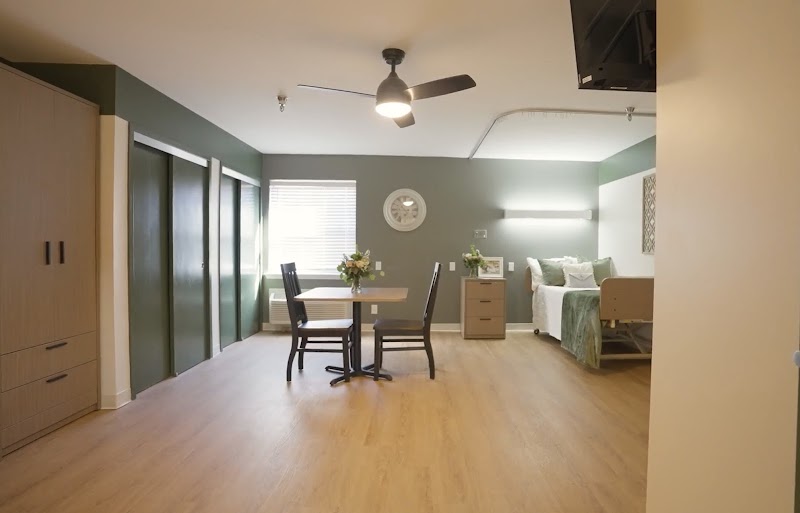
How is The Springs Of El Dorado Staffed?

CMS rates THE SPRINGS OF EL DORADO's staffing level at 3 out of 5 stars, which is average compared to other nursing homes. Staff turnover is 48%, compared to the Arkansas average of 46%. RN turnover specifically is 60%, which is notably high. RNs provide skilled clinical oversight, so turnover in this role can affect medical care quality.

What Have Inspectors Found at The Springs Of El Dorado?

State health inspectors documented 20 deficiencies at THE SPRINGS OF EL DORADO during 2022 to 2025. These included: 1 Immediate Jeopardy (the most serious level, indicating potential for serious harm or death) and 19 with potential for harm. Immediate Jeopardy findings are rare and represent the most serious regulatory concerns. They require immediate corrective action.
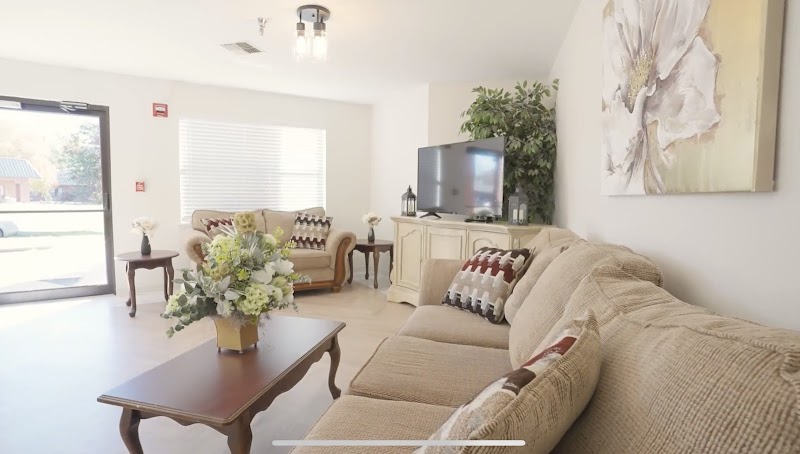
Who Owns and Operates The Springs Of El Dorado?

THE SPRINGS OF EL DORADO is owned by a for-profit company. For-profit facilities operate as businesses with obligations to shareholders or private owners. The facility is operated by THE SPRINGS ARKANSAS, a chain that manages multiple nursing homes. With 122 certified beds and approximately 81 residents (about 66% occupancy), it is a mid-sized facility located in EL DORADO, Arkansas.
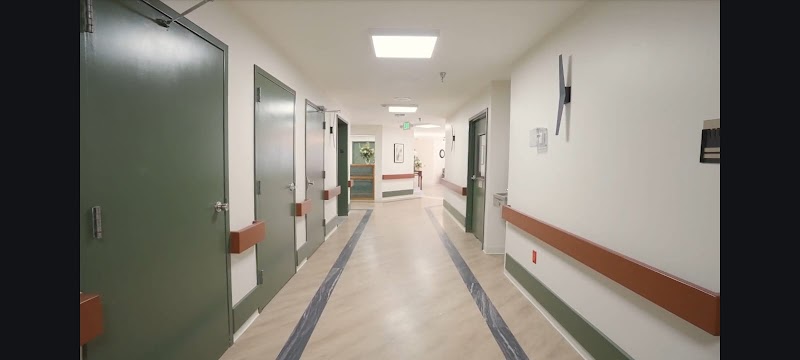
How Does The Springs Of El Dorado Compare to Other Arkansas Nursing Homes?

Compared to the 100 nursing homes in Arkansas, THE SPRINGS OF EL DORADO's overall rating (5 stars) is above the state average of 3.2, staff turnover (48%) is near the state average of 46%, and health inspection rating (4 stars) is above the national benchmark.

What Should Families Ask When Visiting The Springs Of El Dorado?

Based on this facility's data, families visiting should ask: "What changes have been made since the serious inspection findings, and how are you preventing similar issues?" "Can I visit during a mealtime to observe dining assistance and food quality?" "How do you handle medical emergencies, and what is your hospital transfer rate?" "Can I speak with family members of current residents about their experience?" These questions are particularly relevant given the facility's Immediate Jeopardy citations.

Is The Springs Of El Dorado Safe?

Based on CMS inspection data, THE SPRINGS OF EL DORADO has documented safety concerns. Inspectors have issued 1 Immediate Jeopardy citation (the most serious violation level indicating risk of serious injury or death). The facility has a 5-star overall rating and ranks #1 of 100 nursing homes in Arkansas. Families considering this facility should ask detailed questions about what corrective actions have been taken since these incidents.

Do Nurses at The Springs Of El Dorado Stick Around?

THE SPRINGS OF EL DORADO has a staff turnover rate of 48%, which is about average for Arkansas nursing homes (state average: 46%). Moderate turnover is common in nursing homes, but families should still ask about staff tenure and how the facility maintains care continuity when employees leave.

Was The Springs Of El Dorado Ever Fined?

THE SPRINGS OF EL DORADO has been fined $15,550 across 1 penalty action. This is below the Arkansas average of $33,234. While any fine indicates a compliance issue, fines under $50,000 are relatively common and typically reflect isolated problems that were subsequently corrected. Families should ask what specific issues led to these fines and confirm they've been resolved.

Is The Springs Of El Dorado on Any Federal Watch List?

THE SPRINGS OF EL DORADO is not on any federal watch list. The most significant is the Special Focus Facility (SFF) program, which identifies the bottom 1% of nursing homes nationally based on persistent, serious quality problems. Not being on this list means the facility has avoided the pattern of deficiencies that triggers enhanced federal oversight. This is a positive indicator, though families should still review the facility's inspection history directly.