LEGACY HEALTH AND REHABILITATION CENTER
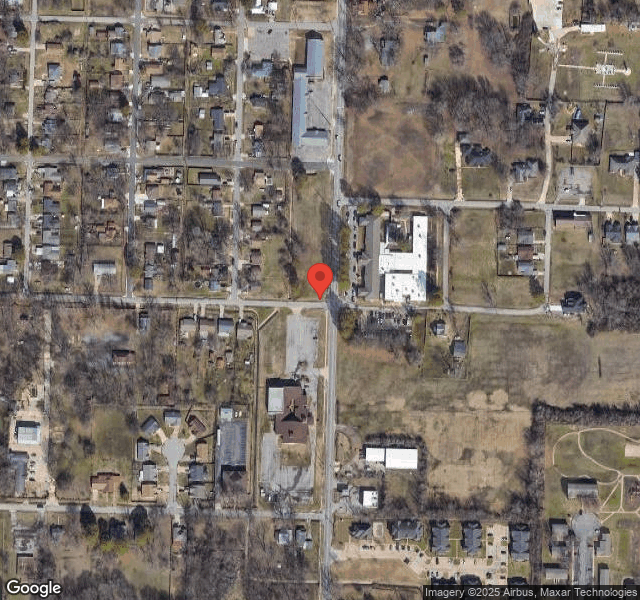
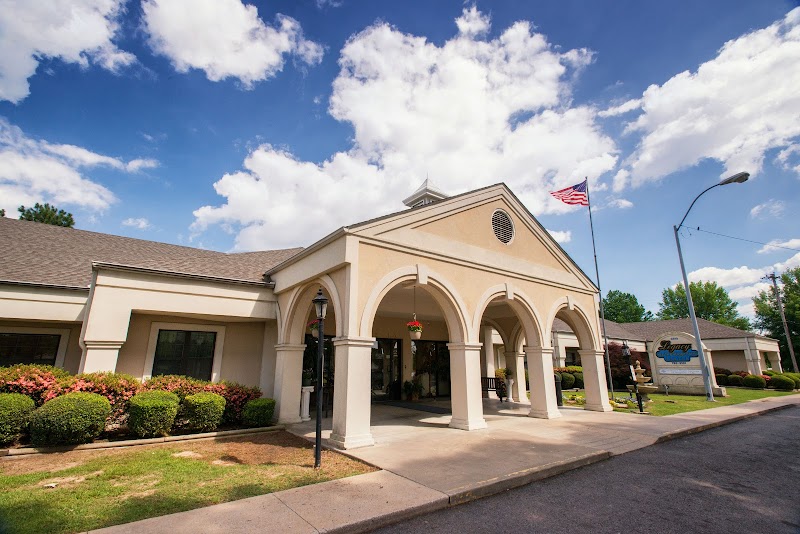
3310 NORTH 50TH STREET, FORT SMITH, AR 72904 (479) 783-3101
For profit - Limited Liability company 115 Beds NHS MANAGEMENT Data: November 2025 2 Immediate Jeopardy citations
Trust Grade
11/100
#200 of 218 in AR
Last Inspection: January 2025

Within standard 12-15 month inspection cycle. Federal law requires annual inspections.

Overview

Legacy Health and Rehabilitation Center has received a Trust Grade of F, indicating significant concerns about the quality of care provided. They rank #200 out of 218 nursing homes in Arkansas, placing them in the bottom half of facilities in the state, and #6 out of 8 in Sebastian County, meaning only two local options are worse. While the facility's performance is improving, with reported issues decreasing from 12 in 2024 to 8 in 2025, it still has a concerning number of fines totaling $31,271, which is higher than 90% of Arkansas facilities. Staffing is average with a 3/5 rating and a turnover rate of 51%, which is in line with the state average. However, there are serious weaknesses, including two critical incidents where residents were placed at significant risk, such as a malfunctioning power strip that posed a fire hazard and a resident who fell due to a missing bed alarm, leading to an ankle fracture. The kitchen also had cleanliness issues that could affect food safety for residents. Overall, while there are some strengths, the facility has considerable areas that need improvement.

Trust Score
F
11/100
In Arkansas
#200/218
Bottom 9%
Safety Record
High Risk
Review needed
Inspections
Getting Better
12 → 8 violations
Staff Stability
⚠ Watch
51% turnover. Above average. Higher turnover means staff may not know residents' routines.
Penalties
✓ Good
$31,271 in fines. Lower than most Arkansas facilities. Relatively clean record.
Skilled Nurses
⚠ Watch
Each resident gets only 17 minutes of Registered Nurse (RN) attention daily — below average for Arkansas. Fewer RN minutes means fewer trained eyes watching for problems.
Violations
⚠ Watch
39 deficiencies on record. Higher than average. Multiple issues found across inspections.
★☆☆☆☆
1.0
Overall Rating
★★★☆☆
3.0
Staff Levels
★★☆☆☆
2.0
Care Quality
★☆☆☆☆
1.0
Inspection Score
Stable
2024: 12 issues
2025: 8 issues

The Good

  • Full Sprinkler Coverage · Fire safety systems throughout facility
  • No fines on record

Facility shows strength in fire safety.

The Bad

1-Star Overall Rating

Below Arkansas average (3.1)

Significant quality concerns identified by CMS

Staff Turnover: 51%

Near Arkansas avg (46%)

Higher turnover may affect care consistency

Federal Fines: $31,271

Below median ($33,413)

Moderate penalties - review what triggered them

Chain: NHS MANAGEMENT

Part of a multi-facility chain

Ask about local staffing decisions and management

The Ugly 39 deficiencies on record

2 life-threatening
Jan 2025 8 deficiencies
CONCERN (D) 📢 Someone Reported This

A family member, employee, or ombudsman was alarmed enough to file a formal complaint

Potential for Harm - no one hurt, but risky conditions existed

Deficiency F0602 (Tag F0602)

Could have caused harm · This affected 1 resident

Based on observations, interviews, record review, facility document review, and facility policy review, it was determined the facility failed to ensure a resident was not exploited for money from a st...

Read full inspector narrative →
Based on observations, interviews, record review, facility document review, and facility policy review, it was determined the facility failed to ensure a resident was not exploited for money from a staff member for 1 (Resident #42) of 10 residents reviewed for abuse. Specifically, the staff member accepted money from the resident for personal favors and borrowed money from the resident. The findings include: A review of a facility policy titled, Abuse, Neglect, Misappropriation of Resident/Guest Property, Suspicious Injuries of Unknown Source, Exploitation, dated 05/01/2023, indicated, All of our resident/guest(s) have the right to be free from abuse, neglect, exploitation, and misappropriation of resident/guest property. Exploitation is defined as taking advantage of a resident/guest for personal gain through use of manipulation, intimidation, threats, or coercion. An example is monetary assistance provided to staff after informing resident/guest that they are in a financial crisis, gifts to staff by resident/guest(s) based on staff persuasion. A review of the Employee Handbook, contained the Code of Conduct Guidelines which indicated, Employees should always conduct themselves in a manner that will protect the interests and safety of fellow employees, residents, and the facility ensuring orderly operations and the best possible work environment. Employee should Report abuse, neglect, misappropriation/handling of resident property or other concerns to the abuse coordinator, or Administrator. The Behavior Guidelines stated, Type A Violations will result in disciplinary actions up to and including immediate discharge without prior warning. 8. Inappropriate behavior with the public, residents or staff. 12. Abuse, destruction or waste of company, resident or employee property. 17. Resident abuse. 21. Failure to report any observed abusive and/or negligent conduct through designated reporting channels. A review of CNA #17's employee file revealed CNA #17 acknowledged the Abuse, Neglect, Misappropriation of resident property, injuries of unknown source was reviewed and a copy provided at the time of orientation. The Employee Handbook Acknowledgement was torn from the back of the handbook and was present in the employee file signed. CNA #17 was hired in 08/2023. On 10/09/2024, CNA #17 received a verbal warning from the Director of Nursing (DON) listed as a Type A Violation with the offense cited as Violation of Company Policy (specify) and Other: Failure to report allegation of Abuse, the Description of Infraction was listed as On 10/08/2024 you failed to report an allegation of Abuse to the Abuse coordinator who is the Administrator. The Plan for Improvement was Any allegations to be reported to the Admin [Administrator]/Abuse Coordinator immediately. It was signed and dated by both CNA #17 and the DON on 10/09/2024. CNA #17 remained an active employee. A review of the Face Sheet, indicated the facility admitted Resident #42 with diagnoses that included cerebrovascular disease, repeated falls, hemiplegia and hemiparesis, chronic obstructive pulmonary disease, paroxysmal atrial fibrillation, anxiety disorder, and depression. The quarterly Minimum Data Set (MDS) with an Assessment Reference Date (ARD) of 11/27/2024 revealed Resident #42 had a Brief Interview of Mental Status score of 15 which indicated the resident was cognitively intact. A review of Resident #42's Care Plan, revised 01/24/2025, revealed the resident had a potential for impaired cognition/decision making ability related to a past CVA (cerebral vascular accident) which required staff to anticipate their needs. During an interview on 01/29/2025 at 3:44 PM, Resident #42 stated Certified Nursing Assistant (CNA) #17 had taken them to town in her private vehicle so Resident #42 could get a manicure. Resident #42 reported, when this occurred the resident would give CNA #17 $20 [dollars] for gas money. After one occasion, CNA #17 asked to borrow some money from Resident #42 stating she had an issue at home and was attempting to get custody of her children which required a drug test. Resident #42 stated $40 cash was loaned to CNA #17. Resident #42 stated they had received a back check from federal benefits and CNA #17 was aware the money was available. Resident #42 stated the resident had loaned money a second time to CNA #17 in the amount of $30 cash, CNA #17 borrowed a total of $70.00 dollars from Resident #42. Resident #42 stated, CNA #17 would no longer drive the resident to get a manicure and when Resident #42 attempted to get the money, CNA #17 stated she did not have it. Resident #42 reported the plan was to use the money owed to call a cab for transportation to the nail salon. A review of an Incident and Accidents (I&A) report for Resident #42 contained a written statement dated 01/13/2025 from CNA #17 indicated that she had taken Resident #42 to the nail salon on three occasions by private vehicle. On two occasions CNA #17 accepted $20.00, but not on the third occasion. CNA #17 stated she had discussed her situation regarding her children and a hair follicle drug test to obtain custody but denied borrowing money from the resident. CNA #17 stated she did tell Resident #42 she couldn't take her to the nail salon following the third occasion. During an interview on 01/29/2025 at 4:11 PM, the Financial Specialist Assistant (FSA) stated she was the employee who handled the resident trust accounts. FSA stated Resident #42's federal benefits check was deposited in the resident trust account every month, then the resident would come and withdraw her balance after expenses in cash. It was usually the standard $40.00, except for one occurrence. On 08/26/2024, a deposit of $1916.00 was deposited for Resident #42, after a back balance was settled with the facility and a petty cash settlement for a manicure, a balance of $1605.24 remained and Resident #42 withdrew the full amount on 09/16/2024. A review of an I&A report for Resident #42 contained an in-service titled, You cannot accept gifts or money from resident/guests. This is policy and doing so is a breach of the Code of Conduct. You may not take resident's money to go to the store or buy something for them with their money. There are only 2 people allowed to do that (activities & social) dated 01/09/2025 and signed by 58 employees. A second in-service titled, Misappropriation of resident/guest property on 01/09/2025 was signed by 55 employees. During an interview on 01/29/2025 at 3:56 PM, the Director of Nursing (DON) stated, Resident #42 was their own legal representative and could sign out of the facility, but it was not the facility's policy to take a resident out in an employee's private vehicle or accept money from them. The DON stated CNA #17 reported to her they no longer took the resident for manicures because the resident was missing showers. The DON stated an investigation was completed and no other residents reported any money issues with CNA #17, but CNA #17 admitted to taking gas money from Resident #42 however, denied borrowing money. The DON stated CNA #17 was terminated from the facility for taking money from Resident #42 and not following company policy. A review of CNA #17's employee file revealed she was terminated on 01/13/2025 for a Type A Violation, Description of Infraction was #8 Inappropriate behavior with the public, residents, or staff. Using a personal vehicle to take resident to nail appointments. Accepting tip from resident. It was signed and dated by CNA #17, the DON, and the Administrator on 01/13/2025.
CONCERN (D) 📢 Someone Reported This

A family member, employee, or ombudsman was alarmed enough to file a formal complaint

Potential for Harm - no one hurt, but risky conditions existed

Accident Prevention (Tag F0689)

Could have caused harm · This affected 1 resident

Based on observation, interview, and record review, it was determined that the facility failed to ensure residents were free from accidents and hazards for 1 (Resident #68) of 6 sampled residents revi...

Read full inspector narrative →
Based on observation, interview, and record review, it was determined that the facility failed to ensure residents were free from accidents and hazards for 1 (Resident #68) of 6 sampled residents reviewed for accidents and hazards, by not ensuring cleaning agents were kept locked up and out of the resident's reach. The findings include: A review of the facility's policy titled, I&A Policy dated 11/10/2014, indicated the facility was to remain as free of accidents and hazards as possible. The quarterly Minimum Data Set (MDS), with an Assessment Reference Date (ARD) of 12/05/2024 revealed, Resident #68 had a Brief Interview for Mental Status (BIMS) score of 0, which indicated the resident had severe cognitive impairment. Resident #68's care plan dated 12/04/2025 indicated Resident #68 required partial/moderate assistance with daily living activities, was unable to walk 10 feet without partial/moderate assistance, and was able to self-propel a manual wheelchair for independent mobility. The resident required supervision or touching assistance for meals. Review of an email from the regional ombudsman, dated 12/17/2024, indicated staff reported Resident #68 ingested a liquid cleaning agent. Review of the facility's internal investigation report confirmed Resident #68 was found by Certified Nursing Assistant (CNA) #14 in the resident's room with an open bottle of cleaning agent up to their mouth and appeared to be drinking from it. CNA #14 intervened and took the bottle of cleaner from resident #68's hand and then reported the incident to Registered Nurse (RN) #13. Resident #68 was assessed and transferred to the hospital emergency department for evaluation and treatment. The facility initiated an in-service to all staff titled, Any cleaning liquid or cleaning product labelled Keep out of Reach of Children must be kept locked and out of resident's reach for their safety. A review of the hospital records dated 12/16/2024 indicated Resident #68 was seen at the hospital because staff believed the resident may have ingested a cleaning agent left in the resident's room by family. A physical exam was performed, which indicated the resident did not have any coughing, choking, shortness of breath, abdominal pain, nausea, or vomiting. Resident #68 was transferred back to the facility and monitored by staff; anti-nausea medication was prescribed if the resident began showing symptoms. Review of Resident #68's progress notes indicated, the resident did not develop gastrointestinal pain or discomfort from ingesting the cleaning agent. During an interview on 01/28/2025 at 2:39 PM Licensed Practical Nurse (LPN) #16 confirmed, Resident #68 was found drinking from an open bottle of cleaning agent in their room. LPN #16 wasn't sure what the date was but stated it was about a month or so ago. LPN #16 was not sure who left the cleaning agent in the resident's room. LPN #16 stated Resident #68 had a family member that visited often, and they could have left it. During an interview on 01/29/2025 at 1:29 PM, the Housekeeping Supervisor (HS) acknowledged the incident and indicated that the housekeeping staff used a similar type of cleaner in the mop buckets as the one found in the resident's room. The HS did not believe the housekeepers left chemicals in the resident's room, because the one found was much smaller than what was kept in the supply closet. The HS gave this surveyor a tour of the cleaning closets and only a very large bottle of the cleaning agent was observed in the closet. During an interview on 01/29/2025 at 2:51 PM, Licensed Practical Nurse (LPN) #8 acknowledged the incident occurred but was not working when it happened. LPN #8 remembered the in-service that instructed to keep chemicals locked up and away from residents. LPN #8 did not know how the cleaning agent got left in the resident's room but stated, Anybody that knows the resident knows not to leave liquids laying around because [resident] will try to drink it. During an interview on 01/29/2025 at 3:01 PM, Registered Nurse (RN) #13 confirmed, a CNA had intervened and reported the incident. RN #13 assessed the resident and called for an ambulance to transport the resident to the hospital emergency department for evaluation and treatment. Resident #68 did not show any signs or symptoms of ingestion, and the bottle of cleaning agent had a very small amount missing. RN #13 also confirmed the resident was known for behaviors of taking beverages and attempting to drink them. During an interview on 01/30/25 at 8:59 AM, Housekeeping Technician (HT) #20 indicated housekeepers use the same type of cleaning chemical in the mop buckets which was found in the Resident #68's room. HT #20 confirmed leaving a cleaning agent in a resident's room or unlocked would be considered an accident and hazard. During an interview on 01/30/25 at 9:37 AM, Resident #68's family representative confirmed notification had been given of the incident and the resident had been transferred to the hospital for ingesting a cleaning agent but did not get ill from the ingestion. Resident #68's representative denied bringing cleaning agents to the facility and stated, Lord no. Anybody that knows [resident] knows that [pronoun] will pick anything up and try to drink it. During an interview with CNA #22 on 01/31/2025 at 2:50 PM, the CNA indicated that the cleaner was most likely left by staff on the evening shift because the staff on that shift had mentioned that resident rooms were cleaned on the evening shifts and supplies were brought from home (by staff). A review of the facility's staff in-service dated 12/17/2024 indicated, Do not keep or place any of your personal belongings in resident's rooms.
CONCERN (D)

Potential for Harm - no one hurt, but risky conditions existed

Pharmacy Services (Tag F0755)

Could have caused harm · This affected 1 resident

Based on observations, interviews, record review, facility document review and facility policy review, it was determined that the facility failed to ensure an accurate account of a controlled medicati...

Read full inspector narrative →
Based on observations, interviews, record review, facility document review and facility policy review, it was determined that the facility failed to ensure an accurate account of a controlled medication for 1 of 3 medication carts reviewed for controlled medication reconciliation. Findings include: A review of a facility pharmacy policy book titled, Policy and Procedure Manual for Nursing Facilities contained a policy titled, Medication Administration Procedures Controlled Medication Administration Policy 7.1, dated April 2020 indicated, medication included in the Drug Enforcement Administration (DEA) classification as controlled substances are subject to special handling, storage, disposal and recordkeeping in the facility in accordance with federal and state law regulations. When a controlled medication is to be administered, the licensed nurse removing the medication immediately enters the following information on the controlled drug record, A. Date and time of removal, B. Amount removed, C. Signature. A review of the Physician Order Report, indicated Resident #107 had an active order for (Brand Name antianxiety medication) 0.5 milligram (mg) scheduled every eight hours to be administered at 9:00 AM, 5:00 PM, and 1:00 AM. During a concurrent observation and interview on 01/29/2025 at 1:41 PM, Licensed Practical Nurse (LPN) #9 removed Resident #107 ' s (brand name antianxiety medication) card from the locked box of the medication cart and revealed a count of 63 tablets. The controlled medication book was open to the corresponding controlled medication page labeled 24. The reconciliation count in the controlled medication book was 64 and the last entry was on 01/29/2025 at 1:00 AM, about 12-hour prior. LPN #9 immediately stated, I forgot to sign out the dose I gave. LPN #9 stated she administered the controlled medication at 9:00 AM, almost 5 hours prior and the reason it should be signed out immediately was to keep an accurate count of controlled medications in the facility. During an interview on 01/29/2025 at 2:52 PM, the Director of Nursing (DON) stated, the nurses should sign a controlled medication out in the controlled medication book at the time of administration.
CONCERN (D)

Potential for Harm - no one hurt, but risky conditions existed

Deficiency F0808 (Tag F0808)

Could have caused harm · This affected 1 resident

Based on observations, interviews, record review, and facility document review, it was determined the facility failed to serve and offer double portions as ordered for 1 (Resident #73) of 1 resident r...

Read full inspector narrative →
Based on observations, interviews, record review, and facility document review, it was determined the facility failed to serve and offer double portions as ordered for 1 (Resident #73) of 1 resident reviewed for therapeutic diet. The findings include: A review of a facility's, admission Agreement, dated 11/2016, indicated, E. Dietary Services. The Facility maintains a food service program monitored by a registered dietician. The Facility shall provide you regular meals and will use its best efforts to provide you with therapeutic diets and snacks prescribed by your attending physician. A review of the Face Sheet, indicated the facility admitted Resident #73 with diagnoses which included Huntington ' s disease, major depressive disorder, nausea with vomiting, disease of salivary glands, and pain. The quarterly Minimum Data Set (MDS) with an Assessment Reference Date (ARD) of 01/13/2025 revealed Resident #73 had a Brief Interview for Mental Status (BIMS) score of 9 which indicated the resident had moderate cognitive impairment. Resident #73 was recorded as a weight of 88 pounds (lbs). Resident #73 was identified with weight loss of 5% or more in the last month or loss of 10% or more in the last 6 months and not on a physician-prescribed weight loss regimen. Which is defined in the Centers for Medicare & Medicaid Services (CMS) Resident Assessment Instrument (RAI) 3.0 Manual Page K-8 as a significant weight loss. No swallowing disorders were identified. A review of a dietary physician order started 10/10/2024 revealed Resident #73 had a Regular diet order with pureed consistency and special instructions Double Portions. A review of a flowsheet titled, Vitals, revealed Resident #73 consumed 76-100% of the breakfast meal on 01/30/2025 at 7:15 AM. During an observation on 01/30/2025 at 8:17 AM, Resident #73 was eating breakfast with the assistance of Certified Nursing Assistant (CNA) #29 and the meal card on the resident's plate indicated the resident should be receiving double portions. Double portions were not observed. During an interview on 01/30/2025 at 8:27 AM, CNA #29 stated, Resident #73 was not served double portions. CNA #29 stated she let the resident tell her if the resident wanted more and the resident did not. CNA #29 stated Resident #73 had a supplemental shake prior to breakfast. During an interview on 01/30/2025 at 3:14 PM, Licensed Practical Nurse (LPN) #8 stated, Resident #73 was ordered a regular, pureed diet with double portions and supplement shakes. LPN # 8 stated because the resident moved around a lot and burned calories the resident had lost weight. The CNA should have gotten the other portions and offered them, we are required to serve what is ordered and it is up to the resident if they choose to eat it. LPN #8 utilized the Electronic Health Record (EHR) and reported Resident #73's current weight was 76 lbs. During an interview on 01/30/2025 at 11:30 AM, the Dietary Manager (DM) #1 stated she was also the cook for breakfast and prepared Resident #73's breakfast tray. DM #1 reviewed Resident #73's meal card and stated double portions should be served but had not served double portions to Resident #73 as ordered. DM #1 stated she was not aware if Resident #73 had a weight loss or not, but it was important the residents were served what was ordered because it was ordered for a reason. During an interview on 01/31/2025 at 8:15 AM, the Director of Nursing (DON) stated, if double portions were ordered by the physician they should be served. It was important because it may be an intervention or a resident request. The DON stated the CNA should have returned to the kitchen and obtained another plate to equal double portions, not offering double portions could lead to weight loss.
CONCERN (E) 📢 Someone Reported This

A family member, employee, or ombudsman was alarmed enough to file a formal complaint

Potential for Harm - no one hurt, but risky conditions existed

Free from Abuse/Neglect (Tag F0600)

Could have caused harm · This affected multiple residents

Based on observation, interview, and record review, it was determined that the facility failed to keep residents free from abuse and neglect for 2 residents (Residents #68 and #84) who received physic...

Read full inspector narrative →
Based on observation, interview, and record review, it was determined that the facility failed to keep residents free from abuse and neglect for 2 residents (Residents #68 and #84) who received physical abuse from another resident. The findings include: A review of a policy titled, Abuse, Neglect, Misappropriation of Resident/Guest Property, Suspicious Injuries of Unknown Source, Exploitation, stated, residents have the right to be free from abuse, neglect, exploitation, and misappropriation of property. An in-service on Abuse/Neglect/Misappropriation to all staff was provided dated 10/16/2024 specifically keeping residents free from resident-to-resident abuse where a cognitive resident intentionally and willfully hits another resident. The quarterly Minimum Data Set (MDS) with an Assessment Reference Date (ARD) of 12/25/2024 revealed Resident #68 had a Brief Interview for Mental Status (BIMS) score of 0, which indicated the resident had severe cognitive impairment. A review of an Incident and Accident report dated 11/11/2024 at 2:30 PM, revealed Resident #68 was hit on the side of the head when another resident (Resident #109) walked past and stated to Resident #68 to move out of the way. Certified Nursing Assistant (CNA) #22 separated the residents and reported the incident to the nurse. Registered Nurse (RN) #13 assessed Resident #68 and no injuries were noted. An in-service on abuse, neglect, and misappropriation, specifically resident-to-resident abuse where a cognitive resident intentionally and willfully hits another resident, was initiated on 11/11/2024 along with a copy of the facility's policy and procedures on abuse. Witness statements were collected, Resident #109 was placed on 1:1 supervision with staff. The quarterly MDS with an ARD of 11/25/2024 revealed Resident #84 had a BIMS score of 15, which indicated the resident was cognitively intact. A review of an Incident and Accident report dated 11/24/2025 at 8:20 PM, revealed Resident #84 was hit on the leg while outside on smoke break by Resident #109. Resident #109 became upset because the resident ' s cigarette was not lit first. The residents were separated, and Resident #109 was placed on 1:1 supervision. A body audit was done on Resident #84 with no negative findings. The police and physician were notified, and witness statements were collected. The quarterly MDS with an ARD of 09/10/2024 revealed Resident #109 had a BIMS score of 15, which indicated the resident was cognitively intact. Resident #109's care plan dated 10/29/2024 indicated, Resident #109 had the potential for behaviors of aggression and agitation towards others, and staff were to monitor the resident while awake. Listed interventions were 1:1 staff supervision, approach resident in a calm manner, do not argue with resident, and reach out to family for their input. On 01/28/2025 at 12:20 PM, during an interview CNA #23 indicated she had witnessed resident-to-resident aggressions, but none that had caused injuries. CNA #23 stated any resident-to-resident aggression is reported to the charge nurse at the time the incident occurred. On 01/28/2025 at 12:35 PM, during an interview, CNA #22 confirmed she had witnessed the resident-to-resident aggression and reported it to the nurse. CNA #22 also confirmed that the aggressor was no longer in the facility and stated that the resident who was hit did not sustain any injuries. On 01/28/2025 at 2:35 PM, during an interview, Licensed Practical Nurse (LPN) #16 confirmed resident-to-resident aggression had happened and when it did, the residents were immediately separated and the charge nurse, administration, physician, and family were all notified. The severity of the incident determined the interventions taken. The aggressor may be placed on 1:1 supervision, lab work may be ordered, or the resident may require a psychiatric evaluation. On 01/31/2025 at 2:10 PM, during an interview the Administrator stated that when the resident-to-resident interactions occurred the residents were separated, body audits performed, police, family, and the physician were notified, and an investigation was initiated. Staff and resident interviews were conducted. The Administrator confirmed the aggressor was cognitive and did hit other residents. When the incidents occurred, residents were separated, and interventions were put in place. On 01/31/2025 at 2:21 PM, during an interview the Director of Nursing (DON) stated, when resident-to-resident aggressions occurred, the staff intervened by separation and resident redirection. The Administrator was notified and was also the facility's Abuse Coordinator. The DON confirmed Resident #109 hit Resident #68 and Resident #84 but did not remember Resident #109's cognition. The DON confirmed the aggressor was transferred to a facility which conducted psychiatric interventions to decrease behaviors.
CONCERN (E)

Potential for Harm - no one hurt, but risky conditions existed

Menu Adequacy (Tag F0803)

Could have caused harm · This affected multiple residents

Based on observation, record review, and interview, the facility failed to ensure meals were prepared and served according to the planned written menu to meet the nutritional needs of the residents fo...

Read full inspector narrative →
Based on observation, record review, and interview, the facility failed to ensure meals were prepared and served according to the planned written menu to meet the nutritional needs of the residents for 1 of 1 meal observed. The findings are: 1. The 01/27/2025 lunch menu documented the residents who required pureed diets were to receive 3 ounces of pureed breaded pork patty, 4 ounces (1/2 cup) of pureed vegetables, 2 ounces of gravy, and 2 ounces of pureed dinner roll. 2. A facility recipe titled, recipe for pureed Breaded Pork Patty not dated and provided by the Dietary Manager on 01/28/2025 indicated; .Notes: 1. For pureed measure desired # (number) of servings into food processor. Blend until smooth and add broth or gravy if product needs thinning . a. On 01/27/2025 at 11:37 AM, Dietary [NAME] (DC) #11 placed 7 servings of breaded fried pork into a blender, added 2 cups of water from the food preparation sink, instead of broth or gravy. At 11:40 AM, DC #11 was interviewed and was asked how much water she added to the meat, and she estimated it was about 3/4 cup. When DC #11 was asked to measure the amount of water precisely, DC #11 removed the pork patties from the blender, poured the water into a measuring cup and confirmed she had used 2 cups of water. DC #11 then placed the 7 servings of fried breaded pork patties into the blender, added 2 cups of water and continued pureeing it. On 01/28/2025 at 12:09 PM, DC #11 was interviewed and asked how fried breaded pork patties pureed with water would taste, and she stated it will taste bland. 3. On 01/27/2025 at 12:46 PM, the following observations were made during the noon meal service: a. Dietary [NAME] (DC) #11 used a #20 scoop, equivalent to 1.5 ounces, to serve 2 servings of pureed cut green beans, totaling 1/3 cup, to each resident who received pureed alternative cut green beans, instead of using a number #8 scoop, which is equivalent to 1/2 cup. b. There was no gravy served to the residents who required pureed diets with their meal. c. There was no pureed bread served to the residents who required pureed diets. There were no substitutions served in place of the dinner roll. d. On 01/27/2025 at 1:06 PM, DC #11 was interviewed and asked what scoop size she had used to serve the pureed cut greens, and how many servings she gave to each resident who received pureed cut green beans. She stated she used a #20 scoop which is equivalent to 1.5 ounces and gave 2 servings of pureed cut green beans each, totaling 1/3 cup, instead of 1/2 cup. DC #11 was asked the reason residents on pureed diets did not receive gravy and a pureed dinner roll. She stated she was unaware they were supposed to receive gravy, and she forgot to fix pureed dinner rolls.
CONCERN (E)

Potential for Harm - no one hurt, but risky conditions existed

Food Safety (Tag F0812)

Could have caused harm · This affected multiple residents

Based on observation, interview, and facility policy review, the facility failed to ensure food items in the refrigerator, freezer and storage room were covered or sealed; 1 of 2 ice machines was main...

Read full inspector narrative →
Based on observation, interview, and facility policy review, the facility failed to ensure food items in the refrigerator, freezer and storage room were covered or sealed; 1 of 2 ice machines was maintained in clean and sanitary condition; dietary staff washed their hands before handling food or clean equipment; ceiling tiles, air vents, dish washer wall, kitchen door frames were free of, debris, dirt, rust, stains; baseboards were secured; and hot food items were maintained at temperature of 135 degrees or above for 2 of 2 meals observed. The findings are: 1. On 01/27/2025 at 11:28 AM, an observation of the inside back panel of the ice machine in the kitchen as well as the area where ice formed before dropping into the ice collector had wet pink residue on it. The areas were pointed out to the Dietary Manager (DM) #1 and during an interview she was asked if the residue build up could be wiped off, how often she cleans the ice machine, and who used the ice from the machine. She used tissue papers and wiped the wet pink residue off. The wet pink residue easily transferred to the tissue, and she confirmed there was wet pink residue in the area. DM #1 instructed Dietary Aide (DA) #10 to use tissue papers and wipe down the inside back panel of the ice machine. When DA #10 did, a black residue easily transferred to the tissue paper. DM #1 stated the maintenance man cleaned it once a month. The kitchen staff used it to fill beverages served to the residents at mealtimes and CNAs [Certified Nursing Assistants] used it for the water pitchers in the residents' rooms. 2. On 01/27/2025 at 11:45 AM, the following observations were made in the freezer: a. An opened box of vegetable blend was on a shelf in the freezer. The box was not covered or sealed. b. An opened box of cookies was on a shelf in the freezer. The box was not covered or sealed. c. An opened box of hamburger patties was on a shelf in the freezer. The box was not covered or sealed. d. An open box of dinner rolls was on a shelf in the refrigerator. The box was not covered or sealed. 3. On 01/27/2025 at 11:51 AM, an opened bag of coffee was on a counter where the coffee machine was located. The opened coffee bag was pointed out to Dietary Manager #1, and she confirmed that the coffee bag should not have been left out and should have been kept in a sealed bag. 4. On 01/27/2025 at 11:54 PM, an opened box of sausage was on a shelf in the refrigerator. The box was not covered or sealed. 5. On 01/27/2025 at 12:12 PM, the temperatures of the food items when checked and read on the steam table by the DC #11 were: a. Breaded fried pork steak - 119 degrees Fahrenheit. b. Ground breaded fried pork steak - 125 degrees Fahrenheit. c. Macaroni and cheese - 126 degrees Fahrenheit. d. Pureed cut green - 116 degrees Fahrenheit. The above food items were not reheated before being served to the residents. 6. On 01/27/2025 at 12:15 PM, the following observations were made in the kitchen areas: a. The wall above the door frames leading to the outside; the wall between the door leading to the outside; the hand washing sink; the wall above the thermostat leading to the dishwashing machine room; and above the rack by the walk-in refrigerator where storage containers were kept had cobwebs hanging down from them. b. The door behind the rack by the walk-in refrigerator where clean containers were kept had sage color stains on it. c. The wall by the janitor's closet leading to the storage room and the walls in the dishwashing machine room were chipped and exposed the concrete. d. The door frames leading to the dining room, outside, janitor's closet, storage room, and dishwashing machine were chipped, the chipped areas were covered with rust. e. The wooden shelves where clean pans were kept had loose food crumbs on them. f. The (brand name) countertop covering above the counter where clean pans were kept was chipped which exposed the wood. g. The baseboard below the dishwashing machine had sage residue on it. h. The floor tiles in the dishwashing machine were missing; the areas where tiles were missing were covered with black dirt. There was loose salt, pepper, pink sugar and regular sugar packets on it. i. The floor between the ice machine and the 2-compartment sink had a wet accumulation of black residue on it. The pipes attached to the ice machine had black stains on them. The wall above this area had brown stripes of residue on it. 7. On 01/27/2025 at 12:25 PM, the following observations were made in the storage room: a. A bottle of lemon juice, on a rack in the storage room, was opened and partially used. Dietary Manager #1 was interviewed and was asked what she used the lemon juice for, and she stated kitchen staff use it when baking various desserts and that she was unaware it needed to be stored in the refrigerator after being opened. The manufacturer specification on the bottle indicated to refrigerate after opening. b. An opened box of chicken fried steak was on a shelf in the storage room freezer. c. An opened bag of chips was on a shelf in the freezer. The bag was not sealed. 8. On 01/28/2025 at 11:27 PM, DC #11 picked up a box of mashed potato flakes, emptied it into a pan of hot water on the stove, and mixed it with a whisk, contaminating her hands in the process. Without washing her hands, DC #11 picked up a clean blade and attached it to the base of the blender to be used in pureeing food items to be served to the residents on pureed diets for lunch. DC #11 was interviewed and was asked what she should have done after touching dirty objects and before handling clean equipment and stated she should have washed her hands. 9. On 01/28/2025 at 11:58 AM, Dietary [NAME] (DC) #12 was wearing gloves on his hands when he removed a block of butter from the refrigerator and placed it on the counter, in the process, his gloved hands were contaminated. DC #12 then unwrapped the butter, picked up a knife, cut a piece, and placed it on the noodles in a pan on the steamtable mixing it before serving it to the residents. DC #12 was interviewed and was asked what he should have done after touching dirty objects and before handling clean equipment and he stated he should have removed the gloves and washed his hands. 10. A review of facility policy titled, Handwashing Guidelines, initiated 1/2002, provided by Dietary Manager #1 on 01/28/2025 indicated, hands should wash every time an employ enters the kitchen, at the beginning of the shift, their hands before starting work, and after touching anything unsanitary.
CONCERN (E)

Potential for Harm - no one hurt, but risky conditions existed

Infection Control (Tag F0880)

Could have caused harm · This affected multiple residents

Based on observations, interviews, record review, facility document review, and facility policy review, the facility failed to ensure (1) hand hygiene was performed between residents during medication...

Read full inspector narrative →
Based on observations, interviews, record review, facility document review, and facility policy review, the facility failed to ensure (1) hand hygiene was performed between residents during medication administration observation for Resident #21; (2) clean personal protective equipment (PPE) was used during medication administration for Resident #17 who was on enhanced barrier precautions (EBP); (3) transmission based precautions (TBP) were posted outside a secure unit when a parasitic infestation was identified; (4) and provide re-education to staff when infection trends were identified during a review of the facility's infection control practices. The findings include: 1. A review of a facility pharmacy policy book titled, Policy and Procedure Manual for Nursing Facilities contained a policy titled, Medication Administration, Medication Administration-General Guidelines Policy 6.2, dated April 2020 indicated 6. Cleanse hands with antimicrobial soap and water or facility approved hand sanitizer before handling medication and before and after direct contact with resident. A review of a facility policy titled, Hand Hygiene, dated 06/11/2020, indicated, Hand hygiene continues to be the primary means of preventing the transmission of infection. Hand Hygiene is required upon and after coming into contact with a resident/guest intact skin. During an observation on 01/29/2025 at 8:05 AM, Licensed Practical Nurse (LPN) #18 administered oral medications to Resident #5 and left the room without performing hand hygiene. LPN #18 returned to the medication cart and prepared insulin for an unidentified resident. LPN #18 entered the resident's room and administered the insulin without performing hand hygiene. LPN #18 returned to the medication cart without performing hand hygiene and prepared insulin for Resident #21. LPN #18 entered Resident #21's room and administered two insulin injections without performing hand hygiene. During an interview on 01/29/2025 at 8:15 AM, LPN #18 was asked about infection control practices. LPN #18 stated he forgot to perform hand hygiene between residents. 2. A review of the facility's policy titled, Enhanced Barrier Precautions, dated 04/29/2024 indicated, Multi drug-resistant organisms (MDRO) transmission is common in [Long-term Care] LTC, contributing to substantial resident morbidity and mortality. Enhanced barrier precautions are approach to the use of PPE as a strategy to decrease transmission of CDC [Centers for Disease Control] targeted MDROs when contact precautions do not apply. EBP are indicated for residents with indwelling medical devices including feeding tubes and PPE should be utilized during high contact care. During a concurrent observation and interview on 01/29/2025 at 11:50 AM, LPN #18 entered Resident #17's room and donned personal protective equipment (PPE) including a gown and gloves for enhanced barrier precaution (EBP) related to Resident #17's feeding tube. An extra gown fell on the floor, LPN #18 picked up the now dirty gown and placed it on top of a dresser in the resident's room. After LPN #18 administered Resident #17's medication he took off the PPE, threw it away, and returned to the cart. LPN #18 retrieved Resident #17's sliding scale insulin, then donned PPE including the dirty gown from the dresser. Resident #17's insulin was administered in their exposed abdomen while wearing the dirty gown which touched the resident's bed and linens. Resident #17 had a percutaneous endoscopic gastrostomy (PEG) tube which was the access for feedings/medication administration and a colostomy present on their abdomen. LPN #18 stated, this is the gown I dropped on the floor, I should not have done that when he was informed he was wearing the dirty gown. During an interview on 01/29/2025 at 2:52 PM, the Director of Nursing (DON) stated hand hygiene should performed when going in between residents and providing care. PPE should be put on prior to direct resident care, we use it with anyone who has an open area from a line or device with a compromised immune system. A gown on the floor would be considered dirty and should be thrown away and not used. 3. A review of a facility policy titled Scabies and Lice with an effective date of May 11, 2017, was reviewed and read in part, to prevent the spread of scabies and lice. Process 1. A) implement contact precaution, B) change the resident ' s linen daily for seven days, use water soluble and red bags for all laundry .General lice information, head lice are transmitted through personal contact and by objects such as hats, combs, and brushes ., sources of infestation, hats, clothing, or bedding should be cleaned through laundering. Combs and brushes should be disinfected with germicidal solution and hot water then soak for 15 minutes in isopropyl alcohol. A review of Resident #36 's Quarterly Minimum Data Set (MDS) with an Assessment Reference Date of 11/13/2024 revealed, Resident #36 had a Brief Interview for Mental Status (BIMS) score of 15 which indicated the resident was cognitively intact. A review of Resident #36 ' s Care Plan revised on 01/20/2025 revealed Resident #36 had diagnoses of schizoaffective disorder, bipolar, major depressive disorder, mental disorder, and cognitive communication deficit. Interventions included assistance of one staff with all activities of daily living, provide simple cues, prompts and reminders as needed, encourage safe decisions, encourage to keep focused on task or subject at hand, use reminders, prompts or cues to keep on task and when attention wanders guide her gently back to what she is doing. A review of a Prescription Order for Resident #36 with a received and start date of 01/27/2025 revealed (Name Brand) solution one application, one time. The order was received on 01/29/2025 after LPN #25 was questioned regarding the physician' s order for treatment Resident #36 received on 01/27/2025. On 01/27/2025 at 12:32 PM during initial rounds on the secure unit, Resident #36 was observed with haircare being performed by CNA #24 with a nit comb. CNA #24 was asked if resident #36 had head lice and the response was yes. No signage for Transmission Based Precautions was observed either in the secure unit or on the door to enter the secure unit. No Personal Protective Equipment (PPE) was available on entry to the secure unit. 01/27/2025 12:35 PM 10 residents and 2 staff members were observed in the dining room. Resident #36 was without any type of hair covering, ambulatory, and moving freely through the room with the other residents. 01/27/2025 at 01:01 PM Resident #36 was observed without any hair covering, sitting in the dining room at the table with 2 other residents. A review of Resident #36's progress notes revealed a documented late entry dated 01/29/2025 at 10:31 AM for 1/27/2025 that read in part, resident head was itching, when checked by staff live head lice were present. During an interview on 01/29/2025 at 10:01 AM LPN #25, reported the first resident was infested with head lice and treated on Friday 01/24/2025. Resident #36 was found to have live head lice on Monday 1/27/2024. LPN #25 confirmed the whole unit should have been placed on isolation when the first resident was identified 01/24/2025. LPN #25 stated there were no precautions put into place initially when the first resident was identified on 01/24/2025. LPN #25 reported all the residents who resided on the secure unit were being treated, but none were identified as being infested with head lice, they were being treated as a precaution. LPN #25 stated the residents, and the staff were wearing hair coverings. LPN #25 confirmed transmission-based precautions were put into place on 01/29/2025, five days after the initial case. During an interview on 01/29/2025 at 10:11 AM the Infection Preventionist (IP) identified head lice as being considered transmission-based precautions because it can be transferred from person to person. The IP reported the whole secure unit should have been placed on isolation due to the identified infestation of head lice. The IP reported the first resident was identified on Friday 01/24/2025 and was treated. Resident #36 was identified on Monday 01/27/2025 and treated. The IP was asked to explain the facility policy regarding head lice. The IP denied knowing what the facility policy was regarding residents identified as infested with head lice. The IP indicated no precautions had been taken for the residents ' laundry or personal items due to the outbreak, but the laundry should have been isolated and personal items that would not be able to be laundered should have been bagged for isolation. The IP confirmed responsibility for ensuring precautions were taken to prevent the spread of head lice was hers. On 01/29/2025 at 01:19 PM, the secure unit residents were observed being treated for head lice. LPN #25 confirmed the secure unit residents were being treated, but there were no further confirmed cases. The staff and residents were observed wearing hair coverings. There was PPE available at the entry of the secure unit, with instructions on the door to contact the nurse for further information. 4. A review of a facility policy titled Infection Prevention and Control Program Overview with an effective date of September 14, 2020, was reviewed and read in part, the goals of the infection prevention and control program are to reduce the risk of infection to residents by breaking the chain of infection, preventing development and transmission of communicable diseases. To monitor the occurrence of and implement control measures including isolation if necessary. To identify and correct problems related to infection control practices. To provide a safe, comfortable and sanitary environment. II A. There should be ongoing monitoring and preventative measures in place to prevent the spread of infections. Preventing the spread of infections would be accomplished by using standard precautions, barriers, and treatments. Staff education to focus on the risk of infection and decreasing the risk for prevention of infection. B. Systems should be in place to identify an increase in infections as well as trends or outbreaks. D. Staff Education, staff should be trained during new staff orientation and retrained as needed according to the incidence of infections. III A. The DON is ultimately responsible for the Infection Prevention and Control Program. A review of a facility policy titled Antibiotic Stewardship Program with an effective date of September 1, 2017 was reviewed and read in part, to educate and follow protocol for appropriate treatment of infections During an interview on 01/29/2025 at 10:11 AM the IP reviewed the infection control tracking and trending logs. The IP identified trends that involved wounds, urinary tract infections and respiratory infections. The analysis was documented weekly. A Weekly Infection Analysis form dated 8/26-9/1/24 (08/26/2024-09/01/2024) was reviewed by the IP, who identified 4 urinary tract infections, 2 skin, 1 mouth, and 1 conjunctival infection recorded for the week with no re-education reported in the log. A Weekly Infection Analysis form dated 10/10-10/20/24 (10/10/2024-10/20/2024) was reviewed by the Infection Preventionist, who identified 6 wound infections, 3 urinary tract infections, 3 respiratory infections and 2 other infections recorded for the week with no re-education reported in the log. A Weekly Infection Analysis form dated 12/12-12/22/24 (12/12/2024-12/22/2024) was reviewed by the Infection Preventionist, who identified 3 urinary tract infections, 3 respiratory infections, 1 skin, 1 mouth and 1 conjunctival infection recorded for the week with no re-education reported in the log. A Weekly Infection Analysis form dated 1/6-1/12/2025 (01/06/2025-01/12/2025) was reviewed by the Infection Preventionist, who identified 2 urinary tract infections, 8 respiratory infections and 1 wound infection recorded for the week with no re-education reported in the log. During an interview on 01/29/2025 at 10:11 AM the Infection Preventionist confirmed the tracking and trending of the infections identified as being a trend and denied having provided any re-education to staff for the identified trends in infections. The Infection Preventionist was asked if re-education should have been provided when the trend was identified. The Infection Preventionist confirmed retraining should have been provided to staff related to what the concern had identified.
Mar 2024 12 deficiencies
CONCERN (D)

Potential for Harm - no one hurt, but risky conditions existed

Deficiency F0657 (Tag F0657)

Could have caused harm · This affected 1 resident

Based on observation, interview, and record review, the facility failed to ensure a resident individualized care plan was updated to ensure appropriate care was received for 1 (Resident #78) of 1 samp...

Read full inspector narrative →
Based on observation, interview, and record review, the facility failed to ensure a resident individualized care plan was updated to ensure appropriate care was received for 1 (Resident #78) of 1 sampled resident who had no order for any type of nail care to be provided, and no care plan interventions regarding a device related to contracture. This failed practice had the potential to affect 94 residents The findings are: 1. On 03/18/2024 at 11:31 AM, the Surveyor observed Resident (R) #78 had fingernails 1/3 to 1/2 inch long with a brown substance underneath them. a. On 03/19/2024 at 09:34 AM, the Surveyor observed R #78 had fingernails 1/3 to 1/2 inch long with a brown substance underneath them. b. On 03/20/2024 at 02:57 PM, the care plan for R #78 did not document a need for nail care. c. On 03/20/2024 at 04:19 PM, the Surveyor asked Certified Nursing Assistant (CNA) #6, Who is responsible for trimming a resident's fingernails? CNA #6 stated, The CNAs are unless they are diabetic, then the nurses do. The Surveyor asked, How often do the residents get their nails trimmed? CNA #6 stated, On their bath days, or when they are needed. The Surveyor asked, Should there be brown substance under a resident ' s nails.? CNA #6 stated, No there should not, that is nasty. d. On 03/21/2024 at 09:50 AM, the Surveyor asked Licensed Practical Nurse (LPN) #2, How often should a residents nails be trimmed? LPN #2 stated, When the resident asks you to, or when the staff notice they are growing out. Some of the residents have it on their medical chart when to trim them. The Surveyor asked, Who can trim nails? LPN #2 stated, The CNA is, if the resident is not diabetic, and the nurse trims the nails if the resident is diabetic. The Surveyor asked, Should there be brown substance under a resident ' s nails? LPN #2 stated, No, there should not, and if there is the staff should clean them immediately. 2. On 03/18/2024 at 11:31 AM, the Surveyor observed R#78 ' s left hand with fingers bent underneath. The Surveyor asked R #78 if he/she could stretch their fingers out. R #78 stated, I can't anymore. The Surveyor asked, Do you have a splint for your hand? R #78 stated, No I don't. The Surveyor asked, Do staff place a carrot (a therapeutic device used to prevent the fingers from curling into the palm) or a roll in your hand? R #78 stated, No ma'am. a. On 03/19/2024 at 09:34 AM, the Surveyor observed R#78 with their left hand resting on stomach and fingers bent underneath. No type of device was present in hand. b. On 03/21/2024 at 10:52 AM, the Surveyor asked CNA #9, What should a Resident have in place for a hand contracture? CNA #9 confirmed, Carrot, wash cloth, or something to try to keep the hand open. The Surveyor asked, Do you work with R #78 on restorative? CNA #9 stated, No, I have never received orders to work with [him/her]. CNA #9 confirmed that R #78 ' s left hand was contracted. c. On 03/20/2024 at 03:00 PM, the care plan for R #78 did not document the need for a device for contractures. d. On 03/21/2024 at 10:44 AM, the Minimum Data Set (MDS) Coordinator was asked, Who is responsible for care planning for all interventions? The MDS Coordinator stated, The nurses are, and myself. The MDS Coordinator was asked, Should all care areas be care planned? They confirmed they should be. e. On 03/21/2024 at 11:02 AM, the Assistant Director of Nurses (ADON) was asked, What should a resident with a hand contracture have in place? The ADON stated, Occupational therapy will look at them, and then we receive orders for a brace or splint. If we don't have order, we use a hand roll. The ADON was asked, Does R #78 have an order for a splint or brace for their contracted hand? The ADON stated, No there is no order. The ADON observed R #78 ' s hand and was asked to describe what they saw. The ADON stated, [The resident ' s] left hand is contracted. The Surveyor asked, Who is responsible for care planning a splint, so staff is aware? The ADON stated, Nurses or MD ' s (medical doctor) chart on the care plan. 5. A policy titled Nursing Management Manual documented, .Purpose .Person centered plans of care are developed by the interdisciplinary team, to coordinate and communicate care approaches and goals of the resident/guest, consistent with the resident/guest(s) rights .Standard: according to federal regulations, the facility develops a comprehensive person centered plan of care for each resident/guest that includes measurable objectives and timetables to meet a resident/guest (s) medical, nursing and mental/psychosocial needs that are identified in the comprehensive assessment and based upon the resident/guest(s) goals and preferences, potential for future discharge .
CONCERN (D)

Potential for Harm - no one hurt, but risky conditions existed

Deficiency F0688 (Tag F0688)

Could have caused harm · This affected 1 resident

**NOTE- TERMS IN BRACKETS HAVE BEEN EDITED TO PROTECT CONFIDENTIALITY** Based on observation, interview, and record review, the facility failed to ensure services were provided to minimize the potenti...

Read full inspector narrative →
**NOTE- TERMS IN BRACKETS HAVE BEEN EDITED TO PROTECT CONFIDENTIALITY** Based on observation, interview, and record review, the facility failed to ensure services were provided to minimize the potential for further decline in range of motion for 1 (Resident #78) of 11 residents who had contractures with limited range of motion. The findings are: 1. On 03/18/2024 at 11:31 am, the Surveyor observed Resident (R) #78 ' s left hand with fingers bent underneath. The Surveyor asked R #78 if he/she could stretch their fingers out, and R#78 stated, I can't anymore. The Surveyor asked the resident, Do you have a splint for your hand? R #78 stated, No I don't. The Surveyor asked, Do staff place a carrot (a device used to prevent the fingers from pressing into the palm) or a roll in your hand? R #78 stated, No ma'am. 2. On 03/19/2024 at 09:34 am, the Surveyor observed R #78 with their left hand resting on their stomach and fingers bent underneath. No type of device present in hand. 3. On 03/21/2024 at 10:52 am, Certified Nursing Assistant (CNA) #9 was asked, What should a resident have in place for a hand contracture? CNA #9 stated, Carrot, wash cloth, or something to try to keep the hand open. The Surveyor asked, Do you work with R #78 on restorative therapy? CNA #9 stated, No, I have never received orders to work with [him/her]. CNA #9 confirmed the resident ' s left hand was contracted. 4. On 03/21/2024 at 11:02 am, the Assistant Director of Nurses (ADON) was asked, What should a resident with a hand contracture have in place? The ADON stated, Occupational therapy will look at them and then we receive orders for a brace or splint. If we don't have order, we use a hand roll. The Surveyor asked, Does R#78 have any order for a splint or brace for their contracted hand? The ADON stated, No, there is no order. The ADON confirmed the resident ' s left hand was contracted. 5. On 03/21/2024 at 12:1, the Surveyor received a policy titled, Nursing Procedure [NAME] which documented, Purpose: Certain positioning devices are useful for maintaining proper body alignment of a resident while in bed or a chair. Protective devices provide comfort for the resident and protect a bone prominence from pressure .Process: g) cones and Hand Rolls a cone may be used in a hand to help decrease spasticity and wrist flexion. The hardness of the cone maintains the hand in a more open position and inhibits some spasticity. A soft cone or rolled washcloth may tend to increase the grasping response .
CONCERN (E) 📢 Someone Reported This

A family member, employee, or ombudsman was alarmed enough to file a formal complaint

Potential for Harm - no one hurt, but risky conditions existed

Resident Rights (Tag F0550)

Could have caused harm · This affected multiple residents

According to observation, interview, and record review, the facility failed to ensure the dignity of 3 (Resident #61, #72, and #304) sampled residents by not pulling the curtain or closing the door, l...

Read full inspector narrative →
According to observation, interview, and record review, the facility failed to ensure the dignity of 3 (Resident #61, #72, and #304) sampled residents by not pulling the curtain or closing the door, leaving them exposed for any visitors to see from the hallway. The findings are: 1. Resident #72 had diagnoses of Parkinson's without fluctuations and Dementia without behavioral disturbances. The Minimum Data Set (MDS) with an Assessment Reference Date (ARD) of 02/19/2024 revealed the resident received a score of 3 (0-7 indicates severe cognitive impairment) on the Brief Interview for Mental Status (BIMS), and that the resident is dependent for transfers. A. On 03/19/2024 at 08:52 AM, the Surveyor observed the shower room door open with Resident #72 sitting fully naked in a shower chair, curtain and door not pulled. Resident #72 was fully visible from the hallway. B. On 03/20/2024 at 09:30 AM, the Surveyor asked Certified Nursing Assistant (CNA) #4, When transferring Resident #72 yesterday to the shower, should the curtain have been pulled and the door closed? CNA #4 said, Yes it should have been. The Surveyor asked why this could be an issue. CNA #4 said, For the resident's privacy. C. On 03/20/2024 at 09:32 AM, the Surveyor asked CNA #3, When transferring Resident #72 yesterday to the shower, should the curtain have been pulled and the door closed? CNA #3 said, Yes it should have been. The Surveyor asked why this could be an issue. CNA #4 said, Dignity. 2. Resident #304 had diagnoses of Alzheimer's disease early onset, Generalized anxiety disorder, and Depression. According to the MDS with an ARD 01/31/2024 revealed the resident scored a 4 BIMS. 3. Resident #61 had a diagnosis of Dementia with unspecified severity with agitation and a history of falling. The MDS with an ARD of 01/15/2024 revealed the resident scored a 3 BIMS and that the resident is an independent/supervision with transfers. A. On 03/19/2024 at 02:39 PM, the Surveyor observed two CNA's changing Resident #61 and Resident #304 in the resident women's bathroom for the secure unit. The Surveyor observed CNA #2 changing Resident #61 in the right stall with the door open. Surveyor observed that CNA #2 was changing Resident #61's clothes, while CNA #2 was pulling up teal-colored pants on Resident #61 the surveyor observed that you can see the resident naked and fully visible from the hall, as the main door was left opened to the resident's women bathroom as well. The Surveyor observed CNA #2 pulling a pink shirt with flowers over Resident #61's head. Surveyor observed that CNA #1 was changing Resident #304 in the left most stall with the door open as they began to walk out of the room when finished with care. CNA #1 was telling CNA #2 that Resident #304 also had a bowel movement that required clothes to be changed. B. On 03/19/2024 at 02:45 PM, the Surveyor asked CNA #1, Should the door have been closed to the bathroom and stalls while residents were undressed? The CNA said, Well, there is not much room in there to work in but yes, I should have. The Surveyor asked CNA #1, Why is that an issue for the resident? CNA #1 said, Well like I said, there is not much room in this bathroom to work with, but yes, for privacy. C. On 03/19/2024 at 02:48 PM, the Surveyor asked CNA #2, Should the door have been closed to the bathroom and stalls while residents were undressed? CNA #2 said, Yes, they should have been. The Surveyor asked, Why is that an issue for the resident? CNA #2 said, For their privacy. D. On 03/21/2024 at 08:30 AM, the Surveyor asked the Director of Nursing (DON), When transferring residents or providing care should the curtain be pulled, and the door closed? The DON said, Yes it should be pulled closed. The Surveyor asked the DON why this is an issue for the residents. DON said, For their privacy and dignity. E. On 03/20/2024 at 04:45 PM, the Administrator provided a policy titled Federal Rights of Resident/Guest(s) that states (e) Respect and dignity: The resident/guest has a right to be treated with respect and dignity.
CONCERN (E) 📢 Someone Reported This

A family member, employee, or ombudsman was alarmed enough to file a formal complaint

Potential for Harm - no one hurt, but risky conditions existed

Comprehensive Care Plan (Tag F0656)

Could have caused harm · This affected multiple residents

**NOTE- TERMS IN BRACKETS HAVE BEEN EDITED TO PROTECT CONFIDENTIALITY** Based on observation, interview, and record review, the facility failed to ensure care plan interventions were implemented for 1...

Read full inspector narrative →
**NOTE- TERMS IN BRACKETS HAVE BEEN EDITED TO PROTECT CONFIDENTIALITY** Based on observation, interview, and record review, the facility failed to ensure care plan interventions were implemented for 1 (Resident #36) of 1 sampled resident who were at risk for falls, to prevent falls and possible injury. The findings are: A review of a Face Sheet indicated Resident #36 had a diagnosis of dementia. The annual Minimum Data Set (MDS), dated [DATE], revealed Resident #36 had a Staff Assessment for Mental Status (SAMS) score of 1, which indicated a memory problem. Review of Resident #36's Care Plan. reviewed 02/09/2023, revealed the resident had potential for falls. Interventions included: encourage clutter free environment and path to bathroom, initiated 12/17/2022; encourage use of handrails/appropriate assistive devices, initiated 12/17/2022; wear non-slip footwear while out of bed, initiated 12/17/2022. The resident was at risk for poor safety awareness. Interventions included: place resident in area where frequent observation is possible, initiated 03/06/2019. On 03/18/2024 at 11:46 AM, Resident #36 observed sitting in a chair alone in the room. Resident #36 attempted to get up out of the chair by lifting bottom and scooting toward the front of the chair. Resident # 36 ' s chair is stuck on the fall mat on the side of the A bed. A fall mat was observed on the floor in front of the B bed. Resident #36 had regular socks on. On 03/18/2024 at 01:39 PM, Resident #36 was observed alone in their room in the chair. The chair was observed on the fall mat near the bed. Resident #36 was unable to move self in the chair while on the fall mat. On 03/18/2024 at 02:29 PM, Resident # 36 was observed in their room alone and sitting on the edge of the chair in the doorway of room. Resident #36 was unable to self-propel/ambulate in the chair. Resident #36 had regular socks on. On 03/19/2024 at 02:48 PM, Resident # 36 was observed sitting in a chair in room alone. The chair is next to the resident ' s bed, on the fall mat, and the brake is locked on the right wheel. Resident #36 was not able to ambulate in the chair. On 03/19/2024 at 02:51 PM, Certified Nursing Assistant (CNA) #10 was asked why Resident #17 ' s brake was locked on their chair. CNA #10 stated, We can't leave it locked. CNA #10 was asked if locking Resident #17 brake would be considered a restraint. CNA #10 stated, Yes, it's a restraint. On 03/19/2024 at 02:52 PM, CNA #11 stated, I locked it when I changed her earlier, I forgot to unlock it. CNA #11 stated, We are short staffed every day, I was in a hurry. CNA #11 was asked how long the facility had been short staffed. CNA #11 stated, it's been going on for quite a while, night shift comes in to help day shift. CNA #10 stated, We have 21 residents on this hall, there's a lot of lifts, we don't even have time to chart. CNA #10 was asked, Do you have a shower team or do you do your own shower? CNA#10 stated, We do our own, we had 7 showers today and 5 on the other days. On 03/19/2024 at 04:30 PM, Resident #36 was observed alone in room sitting in a chair going around in circles. On 03/20/2024 at 06:25 AM, Resident #36 was observed in a chair at the nurses ' station with eyes closed. On 03/20/2024 at 01:38 PM, Resident #36 was observed alone in room sitting up in a chair with eyes closed. The brake on the right side of Resident #36's chair is locked. On 03/20/2024 at 01:45 PM, the Director of Nursing (DON) was asked, Is Resident #36 supposed to be left alone in the room? The DON stated, I will find out. The DON was asked, Why is the locked brake on Resident #36 ' s chair considered a restraint? The DON stated, Because she can't move. The DON stated, The resident could not move being left on the fall mat, nothing will roll on the fall mat. On 03/21/2024 at 09:39 AM, CNA #10 was asked, What are the fall interventions for Resident # 36? CNA #10 stated, Use a gait belt to transfer, 2 person assist, fall mat, and they just told us we are to remove the fall mats off the floor when she is in the chair. CNA #10 was asked, Is Resident #36 supposed to be observed at all times? CNA #10 stated, I always left her in her room, she can't defend herself. CNA #10 was asked, Is Resident #36 supposed to wear special footwear? CNA #10 stated, No, special socks. CNA #10 was asked, Why should resident ' s care plan be followed and interventions implemented for residents at high risk for falls? CNA #10 stated, For their safety. On 03/21/2024 at 10:04 AM, Licensed Practical Nurse (LPN) #3 was asked, What are the fall interventions for Resident #36? LPN #3 stated, Fall mat at bedside while in the bed, wheelchair brakes have to be unlocked so she can move around, non-skid socks, and out so we can observe her. LPN #3 was asked, How do you know how to take care of Resident #36? LPN stated, The care plan, any special needs pop up on the Medication Administration Record (MAR), and in report. LPN #3 was asked, Why is Resident #36 supposed to be supervised? LPN #3 stated, Because she will get hung on stuff and it prevents the chair from moving, and it scoots her closer to the edge of the chair. LPN #3 was asked, Why is Resident #36 supposed to have non-skid socks on while up in the chair? LPN #3 stated, It helps to grip the floor and helps to move. LPN #3 was asked, Why should resident ' s care plan be followed, and interventions implemented for residents at high risk for falls? LPN #3 stated, To maintain a safe environment.
CONCERN (E)

Potential for Harm - no one hurt, but risky conditions existed

ADL Care (Tag F0677)

Could have caused harm · This affected multiple residents

Based on observation, interview, and record review, the facility failed to ensure that 1 (Resident #78) of 17 residents who reside on the hall had nails cleaned and trimmed to promote good hygiene, cl...

Read full inspector narrative →
Based on observation, interview, and record review, the facility failed to ensure that 1 (Resident #78) of 17 residents who reside on the hall had nails cleaned and trimmed to promote good hygiene, cleanliness, and a sense of well being, and that 1 (Resident #41) of 29 residents who reside on the hall had facial hair removed. The findings are: A. On 03/18/2024 at 11:31AM, the Surveyor observed Resident #78 to have 1/3 to ½ inch long fingernails on both hands, with a dark brown substance under the nails. The Surveyor asked R #78, Do you like your nails this long? Resident #78 stated, Just my thumb on this left hand, so I can scratch with it, the rest of them need cleaned and trimmed. 1. On 03/19/2024 at 09:34 AM, Resident #78 had long 1/3 to1/2, inch nails on both hands with a brown substance under the nails of both hands. 2. On 03/20/2024 at 04:19 PM, Certified Nursing Assistant (CNA) #6, Who is responsible for trimming a resident's fingernails? CNA #6 confirmed, The CNAs are, unless they are diabetic, then the nurses do. CNA #6 was asked, How often do the residents get their nails trimmed? CNA #6 stated, On their bath days or when they are needed. CNA #6 was asked, Should there be brown substance under a resident nails? The CNA stated, No there should not, that is nasty. 3. On 03/21/2024 at 09:50 AM, Licensed Practical Nurse (LPN) #2 was asked, How often should a residents nails be trimmed? LPN #2 stated, When the resident asks you to, or when the staff notice they are growing out. Some of the residents have it on their medical chart when to trim them. The LPN was asked, Who can trim nails? LPN #2 stated, The CNA is, if the resident is not diabetic, and the nurse trims the nails if the resident is diabetic. LPN #2 was asked, Should there be brown substance under a resident nails? LPN #2 confirmed there should not be and if there is, the staff should clean them immediately. B. On 03/18/2024 at 01:51 PM, the Surveyor observed Resident #41to have ¼ to ½ inch chin hair. 1. On 03/19/2024 at 09:42 AM, Resident #41 had ¼ to 1/2 inch chin hair. 2. On 03/20/2024 at 04:14 PM, CNA #8, was asked, Why should a female resident be free of facial hair? CNA #8 stated, Self-esteem and self-appearance. The CNA was asked, How often should a female have facial hair removed? CNA #8 stated, On shower days. The Surveyor took CNA #8 into Resident #41 ' s room to observe the resident ' s facial hair, and then the Surveyor and CNA stepped out of room. The Surveyor asked CNA #8 to describe what the facial hair looked like. CNA #8 confirmed, She has a mini beard and mustache. 3. On 03/21/2024 at 09:50 AM, LPN #2 was asked, Why should a female resident be free of facial hair? LPN #2 stated, Dignity. The LPN was asked, How often should a female facial hair be trimmed? LPN#2 stated, On shower days. 4. On 03/20/2024 at 04:45 PM, the Surveyor received policy titled Nursing Procedure Manual that documented, .Purpose: Good hygiene, and grooming help prevent the spread of infection and promote the resident feelings of self-worth and dignity .Standard .shaving daily or as needed .Process .Female residents may prefer to have underarms and legs shaved frequently. Facial hair should be tended to as needed .e) Nail care is a part of grooming. Female residents may prefer to use nail polish .
CONCERN (E)

Potential for Harm - no one hurt, but risky conditions existed

Accident Prevention (Tag F0689)

Could have caused harm · This affected multiple residents

Based on observation, interview, and record review, the facility failed to ensure residents at risk for falls were supervised and fall prevention interventions were implemented for 1 (Resident #36) of...

Read full inspector narrative →
Based on observation, interview, and record review, the facility failed to ensure residents at risk for falls were supervised and fall prevention interventions were implemented for 1 (Resident #36) of 1 sampled residents, to prevent falls and possible serious injury; failed to ensure 3 of 3 clothes dryers remained free of lint build-up to decrease the potential for fire and loss of laundry services for 1 of 1 laundry room; and failed to ensure the safety of a resident by transferring 2 (Residents #87 and #304 ) sampled residents without a gait belt. The findings are: 1. A review of a Face Sheet indicated Resident #36 had a diagnosis of Dementia. a. The Annual Minimum Data Set (MDS) with an Assessment Reference Date (ARD) of 01/23/2024 revealed Resident #36 had a Staff Assessment for Mental Status (SAMS) score of 1, which indicated a memory problem. b. Resident #36's Care Plan with a review date 02/09/2023 revealed the resident had a potential for falls. Interventions included: encourage clutter free environment and path to bathroom, initiated 12/17/2022; encourage use of handrails/appropriate assistive devices, initiated 12/17/2022; wear non-slip footwear while out of bed, initiated 12/17/2022. The resident was at risk for poor safety awareness. Interventions included: place resident in area where frequent observation is possible, initiated 03/06/2019. c. On 03/18/2024 at 11:46 AM, Resident #36 was observed sitting in an adjustable chair alone in their room. Resident #36 attempted to get up out of the chair by lifting bottom and scooting toward the front of the chair. Resident #36 ' s chair is stuck on the fall mat on the side of the A bed. A fall mat was observed on the floor in front of the B bed. Resident #36 had regular socks on. d. On 03/18/2024 at 01:39 PM, Resident #36 was observed alone in their room in an adjustable chair. The chair was sitting on the fall mat near the bed. Resident #36 was unable to move the chair while on the fall mat. e. On 03/18/2024 at 02:29 PM, Resident #36 was observed alone in their room and sitting on the edge of the chair in the doorway of room. Resident #36 was unable to self-propel in the chair. Resident #36 had regular socks on. f. On 03/19/2024 at 02:48 PM, Resident #36 was observed sitting in an adjustable chair in their room alone. The chair is next to the resident ' s bed, on the fall mat, and the brake is locked on the right wheel. Resident #36 was not able to in the chair. g. On 03/19/2024 at 02:51 PM, Certified Nursing Assistant (CNA) #10 was asked why Resident #17 ' s brake was locked on their chair. CNA #10 stated, We can't leave it locked. CNA #10 was asked if locking Resident #17 brake would be considered a restraint. CNA #10 stated, Yes, it's a restraint. h. On 03/19/2024 at 02:52 PM, CNA #11 stated, I locked it when I changed [him/her] earlier, I forgot to unlock it. CNA #11 stated, We are short staffed every day, I was in a hurry. CNA #11 was asked how long the facility had been short staffed. CNA #11 stated, It's been going on for quite a while, night shift comes in to help day shift. CNA #10 stated, We have 21 residents on this hall, there's a lot of lifts, we don't even have time to chart. CNA #10 was asked, Do you have a shower team, or do you do your own showers? CNA#10 stated, We do our own, we had 7 showers today and 5 on the other days. i. On 03/19/2024 at 04:30 PM, Resident #36 was observed alone in their room sitting in an adjustable chair going around in circles. j. On 03/20/2024 at 06:25 AM, Resident #36 was observed in a chair at the nurses ' station with eyes closed. k. On 03/20/2024 at 01:38 PM, Resident #36 was observed alone in room sitting up in an adjustable chair with eyes closed. The brake on the right side of Resident #36 ' s chair was locked. l. On 03/20/2024 at 01:45 PM, the Director of Nursing (DON) was asked, Is Resident #36 supposed to be left alone in their room? The DON stated, I will find out. The DON was asked, Why is the locked brake on Resident #36 adjustable chair considered a restraint? The DON stated, Because [he/she] can't move the resident could not move being left on the fall mat, nothing will roll on the fall mat. m. On 03/21/2024 at 09:39 AM, CNA #10 was asked, What are the fall interventions for Resident # 36? CNA #10 stated, Use a gait belt to transfer, 2 person assist, fall mat, and they just told us we are to remove the fall mats off the floor when [he/she] is in the chair. CNA #10 was asked, Is Resident #36 supposed to be observed at all times? CNA #10 stated, I always left [the resident in their] room, [he/she] can't defend [his/herself]. CNA #10 was asked, Is Resident #36 supposed to wear special footwear? CNA #10 stated, No, special socks. CNA #10 was asked, Why should residents care plan be followed, and interventions implemented for at high risk for falls? CNA #10 stated, For their safety. n. On 03/21/2024 at 10:04 AM, Licensed Practical Nurse (LPN) #3 was asked, What are the fall interventions for Resident # 36? LPN #3 stated, Fall mat at bedside while in the bed, wheelchair brakes have to be unlocked so [he/she] can move around, non-skid socks, and out so we can observe [him/her]. LPN #3 was asked, How do you know how to take care of Resident #36? LPN #3 stated, The care plan, any special needs pop up on the Medication Administration Record (MAR), and in report. LPN #3 was asked, Why is Resident #36 supposed to be supervised? LPN #3 stated, Because [he/she] will get hung on stuff and it prevents the chair from moving, and it scoots [him/her] closer to the edge of the chair. LPN #3 was asked, Why is Resident #36 supposed to have non-skid socks on while up in the chair? LPN #3 stated, It helps to grip the floor and helps to move. LPN #3 was asked, Why should residents care plan be followed, and interventions implemented for at high risk for falls? LPN #3 stated, To maintain safe environment. 2. On 03/19/2024 at 02:25 PM, during the Infection Control tour of the Laundry Department, the following observations were made: a. There were 3 electric dryers in the clean area of the laundry room on the outside the facility. The Surveyor opened the bottom drawer to Dryer #1. The Surveyor observed 1.0 cm lint build up on the lint screen and a ball of lint on the floor inside the dryer in a ball the size of a soccer ball. The Surveyor opened the lint trap for Dryer #2 and identified 0.5 cm of lint-on-lint trap. The Surveyor opened the bottom drawer of Dryer #3 to find 0.5 cm of lint-on-lint trap and 4 popcorn size balls of lint in the bottom of dryer. The Surveyor asked the Laundry Aide #1, How often are the lint traps cleaned out? Laundry Aide #1 stated, Every 4 hours, or every other load give or take. The Surveyor asked, Have you cleaned it out today? Laundry Aide #1 stated, I have not yet I just came in this afternoon. b. On 03/20/2024 at 04:02 PM, the Surveyor asked the Administrator, How often should the dryer lint trap be cleaned? The Assistant Administrator stated, Our policy states every 2 hours. c. On 03/20/2024 at 08:57 AM, the Assistant Administrator provided a copy of the Lint Filter Cleaning Log from the 03/16/2024-03/20/2024 at 07:00 AM that documented the lint trap had been cleaned every 2 hours. d. On 03/20/2024 at 08:57 AM, the Assistant Administrator provided a policy titled, Laundry-Cleaning outside of dryers that documented, .Every 2 hours, clean the filter and filter area. Check burner area for lint build up. Wipe all areas that are easily accessible . 3. Resident #87 had diagnoses of Autistic disorder and Intellectual disabilities. The Significant Change MDS with a ARD of 02/16/2024 documented the resident scored 3 (indicates severe impairment) on a Staff Assessment for Mental Status (SAMS), and was a maximal assistance dependent with two people assist for transfers. a. The Care Plan for Resident #87 documented, .Potential for falls .start date 1/31/2024 .care plan goal . I don't want to fall x 90 days .Intervention .Staff to check resident during rounds . b. On 03/21/2024 at 09:30 AM, the resident was observed sitting on the floor at the front nurse's station by his wheelchair. Registered Nurse (RN) #1 and #2 were assessing the resident. The Surveyor observed CNA #3 and #5 place their hands in the resident arm pits on each side. They lifted the resident from the floor into the chair. The Administrator was standing at the nurse's station and observed the incident. c. On 03/21/2024 at 09:35 AM, RN #1 was asked, How did the staff lift the resident from the floor? RN #1 said, They picked him up. The Surveyor asked, What should the staff use when lifting a resident? RN #1 stated, We should probably use a gait belt. d. On 03/21/2024 at 09:38 AM, the Administrator was asked, Did the staff use a gait belt when lifting the resident from the floor? The Administrator stated, No. 4. Resident #304 had diagnoses of Alzheimer's disease early onset, Generalized anxiety disorder, and Depression. According to the MDS with an ARD of 01/31/2024 revealed the resident scored a 4 (0-7 indicates severe impaired cognition) on the Brief Interview for Mental Status (BIMS). a. On 03/19/2024 at 02:45 PM, the Surveyor observed CNA #1 walking with Resident #304 by hand with no gait belt in use. Resident #304 lost their footing and fell backwards. CNA #1 caught the resident from behind, while another CNA held the Resident #304 ' s hands while the CNA #1 helped Resident #304 up. CNA #1 then attempted to walk Resident #304 with the other CNA behind them. Resident #304 kept having trouble with footing and almost fell again. CNA #1 instructed the CNA walking behind Resident #304 to hold onto their upper arms while they go get Resident #304's walker; no gait belt was in use. Both CNAs then helped Resident #304 to sit on their rolling walker. CNA #1 took Resident #304 to their room, then proceeded to wrap their arms around Resident #304's chest and asked the resident to hold on. The Surveyor observed the transfer being made with no gait belt. Resident #304's legs were shaking, and their arms lifted up completely vertical during the transfer. b. On 03/19/2024 at 02:58 PM, the Surveyor asked CNA #1, Should any safety devices be in use while transferring? CNA #1 said, Yes, because they could fall or get hurt. c. On 03/21/2024 at 08:40 AM, the Surveyor asked the Director of Nursing (DON), Should any safety devices be in use while transferring residents? The DON said, Yes, they should be in use. The Surveyor asked, Why could this be an issue with the residents? The DON said, They could get injured. The Surveyor asked DON about the level of transfer for Resident #304. The DON said that right now the resident is charted as independent but had a recent change with the resident being added on hospice, and the transfers can change from day to day. d. On 03/21/2024 at 09:00 AM, a policy titled Ambulation Belt/Gait Belt provided by the DON documented, Process: 1. Apply the belt around the residents waist snugly enough to eliminate the possibility of sliding up on the ribs, 3. The belt should be used during ambulation to stabilize the resident, by grasping the belt firmly in the middle of the resident's back.
CONCERN (E)

Potential for Harm - no one hurt, but risky conditions existed

Incontinence Care (Tag F0690)

Could have caused harm · This affected multiple residents

**NOTE- TERMS IN BRACKETS HAVE BEEN EDITED TO PROTECT CONFIDENTIALITY** Based on observation, interview, and record review, the facility failed to ensure a securement device was used for residents wit...

Read full inspector narrative →
**NOTE- TERMS IN BRACKETS HAVE BEEN EDITED TO PROTECT CONFIDENTIALITY** Based on observation, interview, and record review, the facility failed to ensure a securement device was used for residents with urinary inswelling catheters in place for 1 (Resident #68) of 5 sampled residents who had a catheter The findings are: 1. Resident (R) #68 had a diagnosis of Neuromuscular dysfunction of bladder, unspecified. The Minimum Data Set with an Assessment Reference Date of 01/01/2024 documented a Brief Interview for Mental Status score of 14 (13-15 indicates cognitively intact). 2. A Physician ' s Order with an Order Date of 01/25/2024 documented, (Indwelling) catheter may use leg band . 3. On 03/18/2024 at 02:11 PM, the Surveyor observed that R #68 did not have any securement device to hold their indwelling catheter tubing in place to prevent tubing from being pulled and causing trauma. 4. On 03/19/2024 at 09:40 AM, the Surveyor observed that R #68 did not have a securement device to hold their inswelling catheter tubing in place. 5. On 03/21/2024 at 08:32 AM, the Surveyor asked Licensed Practical Nurse (LPN) #1, How should a catheter be secured to prevent pulling? LPN #1 stated, A leg strap. The Surveyor asked, Who is responsible for making sure an indwelling security device is on the resident? LPN#1 stated, Myself, the nurses, and the aides should be looking and come and tell the nurses. 6. On 03/21/2024 at 08:36 AM, the Surveyor interviewed Certified Nursing Assistant (CNA) #5, How should a indwelling catheter be secured? CNA #5 stated, By a leg strap. The Surveyor asked, Who is responsible for making sure an indwelling catheter security device is on the resident? CNA #5 stated, The CNAs or the nurses. 7. On 03/21/2024 at 08:50 AM, the Surveyor asked the Director of Nurses (DON), How should a catheter be secured? The DON stated, By using a [named brand of securement device] or coil hook and securing it to the bed. The Surveyor asked, Who is responsible for making sure a resident with a [urinary catheter] has this in place? The DON stated, The charge nurse. 8. On 03/20/2024 at 04:45 PM, a policy titled Nursing Procedure [NAME] .Urinary Catheter Care was provided. It documented, .Secure the catheter with a leg band or loop to the bed sheet in a comfortable position for the resident/guest .
CONCERN (E) 📢 Someone Reported This

A family member, employee, or ombudsman was alarmed enough to file a formal complaint

Potential for Harm - no one hurt, but risky conditions existed

Deficiency F0726 (Tag F0726)

Could have caused harm · This affected multiple residents

Based on observations, interview, and record review, the facility failed to (1) ensure medications were readily available at all times for 1 (Resident #28) of 1 sampled resident, who was on scheduled ...

Read full inspector narrative →
Based on observations, interview, and record review, the facility failed to (1) ensure medications were readily available at all times for 1 (Resident #28) of 1 sampled resident, who was on scheduled pain medication, to prevent possible increase in pain or further decline in status, (2) ensure that staff performed hand hygiene while providing incontinence care for 1 (Resident #32) sampled resident, (3) ensure that staff utilized adjustable chairs in a manner that avoided causing a restraint for 1 (Resident #36) sampled resident, (4) ensure that privacy was maintained while providing bathing and incontinence care for 3 (Residents #61, #72, and #304) sampled residents, and (5) ensure that safety devices were utilized while lifting and transferring for 2 (Residents #87 and #304) sampled residents. The findings are: Resident #28 had diagnoses of Chronic pain and Dementia. The Quarterly Minimum Data Set (MDS) with an Assessment Reference Date (ARD) of 03/07/2024 documented a Brief Interview for Mental Status (BIMS) score of 10 (8-12 indicates moderate cognitive impairment). Resident #28's Physician Orders documented an order, dated 02/02/2024, for Lyrica (a medication that can treat nerve and muscle pain) 150 milligram (mg), one capsule twice daily for pain. Resident 28's Care Plan, initiated 09/27/2022, revealed the resident will not have unrelieved pain times (x) 90 days as evidenced by (AEB) no moaning, groaning, or facial grimaces. Interventions included coordinating with physician to manage pain medication for optimum control of pain. The Approved Emergency Medication List 2024 dated 2024, revealed no Lyrica in the emergency kit. A nursing Progress Notes, dated 03/15/2024 at 03:44 PM, revealed scheduled for 03/15/2024 04:00 PM, needs new script (rx), doctor (name) aware per day shift nurse. Resident #28's Medication Administration Record (MAR) dated March 2024, revealed Lyrica was administered to Resident #28 on 03/15/2024 at 08:00 AM, 03/16/2024 at 08:00 AM and at 04:00 PM, on 03/17/2024 at 08:00 AM and at 04:00 PM. Lyrica was not administered on 03/18/2024 at 08:00 AM or at 04:00 PM. On 03/20/2024 at 10:37 AM, in the medication cart for South East and East Hall a bubble card for, Resident #28 was found that was labeled, Lyrica 150 mg give 1 tablet twice a day (BID) . The bubble card documented a 0 balance, with the last dose given 3/15/2024 at 08:00 AM. Registered Nurse (RN) #1 stated, We've ordered it and it didn't come in, and I called the pharmacy and they said they were waiting on a script. I asked if they had called/faxed the doctor, this was the day before yesterday I think, it might have been yesterday, they said no, they we're waiting on us to contact the doctor, I asked them if the send out request for that, for the script, and they said yes they would do that, so they were going to send it to the doctor, and I talked to the Assistant Director of Nursing (ADON) and she was going to contact the doctor too. RN #1 stated, [The resident] has not complained of pain or asked for pain meds. RN #1 was asked what do you normally do if you run out of meds for a resident? RN #1 stated, Normally call the pharmacy, normally we don't call the doctor for scripts. I would think the pharmacy would be responsible for it. RN #1 was asked, Have you been trained on ordering medications when the script runs out? RN #1 stated, I had 3 days of training, and I had to learn it on my own because they were shorthanded. RN #1 was asked, How long have you worked here? RN #1 stated, I started February 5, I left for vacation, and came back on the 25th. On 03/20/2024 at 12:00 PM, the Director of Nursing (DON) stated, We don't have it (Lyrica) in the E-kit. The DON was asked, Is there any documentation that the nurse contacted the pharmacy or physician about being out of Resident #28 ' s Lyrica? The DON stated, I was just made aware of this, the ADON said she called the doctor yesterday. The DON was asked, What about the resident not receiving the scheduled medication? The DON said, [His/her] pain had not increased and [he/she] had PRN Norco. On 03/20/2024 at 02:02 PM, RN #1 was asked, On 03/19/2024 did you document that you administered Lyrica to Resident #28? RN #1 stated, I accidentally checked it. RN #1 was asked, Did you take the Lyrica from the ER box? RN #1 stated, I didn't check the ER box, I gave the last dose of Lyrica on March 15th, which made it zero. RN #1 was asked, What does a check mark on the MAR mean? RN #1 stated, I assume it was given. After assessing the Narcotic book with RN #1, the nurse marked the date of 3/15/2024 at 04:00 PM instead of 03/14/2024 at 04:00 PM. RN #1 was asked, How do you ensure medication/narcotics are documented for accurate counts? RN #1 stated, Sign out in the (narcotic) book, each shift counts, oncoming and outgoing, and if there are any discrepancies, we look into it. RN #1 was asked, Why should medications/narcotic records be accurate when documenting administration of the medications? RN #1 stated, To show the resident is getting the correct medication, the right dose, follow the 5 rights, right resident, right medication, right dosage, right time, and right route. RN #1 was asked, Why should the doctor be notified if a resident runs out of medication, and they need more? RN #1 stated, So they know they are out and need more. RN #1 was asked, Who is responsible for ensuring the doctor is notified? RN #1 stated, I'm not sure, everywhere I've worked it's always been me. On 03/20/2024 at 03:12 PM, the ADON was asked to explain the situation regarding Resident #28's Lyrica 150 mg BID that ran out on March 15, 2024. The ADON stated, The night nurse showed me the empty card when I took over and did the count yesterday morning, I called the on-call for doctor (name), I never got a call from on-call, so I called doctor (name), and I had to leave a voicemail because he didn't answer. I called a second time with no answer, then I called Doctor (name he's our medical director, and he said I could go ahead and call the Lyrica to the pharmacy under him, because I'm an agent under him. The ADON was asked, Why did it take 5 days before someone said anything or ordered the meds? The ADON stated, That's the first I had heard about it, doesn't make any sense to me. The ADON was asked, Why should the nurse contact the physician when a resident runs out of medication or needs a new script? The ADON stated, So the resident doesn't run out. That tells me they weren't paying attention to what they were giving or paying attention to the MAR. The ADON was asked, How do you ensure medications/narcotics are documented for accurate counts? The ADON stated, Nurses count each shift and any discrepancies we contact unit manager. The ADON was asked, Why should medication/narcotic records be accurate when documenting administration of the medications? The ADON stated, So you know the resident got the medication and it's not diverted. A Face Sheet indicated the facility admitted Resident #32 with diagnoses of Hemiplegia and Dementia. The Quarterly MDS with an ARD of 03/15/2024, revealed Resident #32 had a BIMS score of 15 (13-15 indicates cognitively intact). The resident required partial/moderate assistance for toileting and was always incontinent of bowel and bladder. Resident #32's Care Plan, reviewed 12/06/2022, revealed the resident was incontinent of bowel and bladder. Interventions included perineal care after each incontinent episode, initiated 05/15/2018; disposable brief program, initiated 05/15/2018. A facility policy titled, Hand Hygiene, dated June 11, 2020, specified, To provide guidelines to employees for proper and appropriate hand washing techniques that will aide in the prevention of the transmission of infections. Hand washing should be performed between procedures with the resident/guest(s) based upon the principle that all blood, body fluids, secretions, excretions (except swear), non-intact skin, and mucus membranes may contain transmissible infectious agents. If hands are not visible soiled, use an alcohol-based hand sanitizer for routinely decontaminating hands in all clinical situations other than those listed under Handwashing above. Hand hygiene continues to be the primary means of preventing the transmission of infection. The following is a list of some situations that require hand hygiene: when hands are visibly soiled (hand washing with soap and water); before and after direct resident/guest contact (for which hand hygiene is indicated by acceptable professional practice). Before and after assisting a resident/guest with personal care (e.g. oral care, bathing). After contact with a resident/guest(s) mucous membranes and body fluids or excretions. After handling soiled or used linens, dressings, bedpans, catheters, and urinals. After handling soiled equipment or utensils. After removing gloves or aprons. Consistent us by staff of proper hygienic practices and techniques is critical to preventing the spread of infections. On 03/21/2024 at 11:04 AM, Certified Nursing Assistants (CNA) #10 and #11 entered Resident #32 ' s room. CNA #10 and CNA #11 did not perform hand hygiene. Both CNAs applied gloves. CNA #11 moved Resident #32 ' s bed away from the wall and positioned him/herself between the bed and wall. CNA #11 did not perform hand hygiene and did not change gloves. CNA #10 pulled the privacy curtain with gloved hands. CNA #10 did not change gloves and did not perform hand hygiene. CNA #10 obtained two plastic bags and placed at the head of Resident #32 bed and near Resident #32 ' s head. CNA #10 obtained a package of premoistened wipes from the nightstand and placed them on Resident #32 ' s bed. CNA #10 performed incontinence care, during which they did not change gloves and did not perform hand hygiene. CNA #10 picked up the premoistened wipe package with both gloved hands, placed the package on the nightstand. CNA #11 rolled Resident #32 toward the wall. CNA #11 placed a clean brief under the dirty brief and under Resident #32, then removed the dirty brief using the same dirty gloves. CNA #10 stated, I'm in a rush, I need to slow down. Using the same dirty gloves, CNA #11 obtained the package of premoistened wipes from the nightstand, placed on the bed, and using the left hand, held the premoistened package of wipes, while removing wipes from the package using the right hand. CNA #10 continued performing incontinence care, during which they did not change dirty gloves and did not perform hand hygiene. CNA #10 placed the package of premoistened wipes in a basket on the nightstand. The CNAs rolled Resident #32 toward CNA #10, with Resident #32 ' s face near the plastic bags with the dirty brief and wipes. CNA #10 removed a package of skin protectant from the basket using the same dirty gloves used to provide incontinence care, then opened the package of skin protectant, squeezed the package with the left hand, and placed the skin protectant into the right hand. CNA #10 applied skin protectant to Resident #32 genitals and in between both legs on the front side. CNA #10 removed their used gloves and placed into the trash, then stated, I forgot to change gloves, you are supposed to change gloves when doing perineal care. e. On 03/21/2024 at 12:03 PM, CNA #10 was asked, When should hand hygiene be performed? CNA #10 stated, Before, during, and after care. CNA #10 was asked, When should gloves be changed when doing perineal care? CNA #10 stated, Before, during, and after. CNA #10 was asked, Why should hand hygiene/gloves be changed during perineal care? CNA #10 stated, To keep from transferring germs. f. On 03/21/2024 at 12:05 PM, the ADON was asked, When should hand hygiene be performed? The ADON stated, Anytime you enter or leave the room, before providing care, when you complete care for a resident, when gloves become soiled. You should sanitize before putting clean gloves on. The ADON was asked, When should gloves be changed when doing perineal care? The ADON stated, Change gloves before going to a different area and if they become soiled. The ADON was asked, Why should hand hygiene/glove changes be performed during perineal care? The ADON stated, To prevent infection, to prevent the staff from giving anything to a resident or transferring anything from a resident. g. On 03/21/2024 at 12:16 PM, the DON was asked, When should hand hygiene be performed? The DON stated, Prior to entering the room, in between tasks, when visibly soiled and dirty. The DON was asked, When should gloves be changed when doing perineal care? The DON stated, When visibly soiled. The DON was asked, Why should hand hygiene/glove changes be performed during perineal care? The DON stated, To prevent infection. 3. A Face Sheet indicated Resident #36 had a diagnosis of Dementia. a. The Annual MDS with an ARD of 01/23/2024, revealed Resident #36 had a Staff Assessment for Mental Status (SAMS) score of 1, which indicated a memory problem. b. Resident #36's Care Plan, reviewed 02/09/2023, revealed the resident had a potential for falls. Interventions included: encourage clutter free environment and path to bathroom, initiated 12/17/2022; encourage use of handrails/appropriate assistive devices, initiated 12/17/2022; wear non-slip footwear while out of bed, initiated 12/17/2022. The resident was at risk for poor safety awareness. Interventions included: place resident in area where frequent observation is possible, initiated 03/06/2019. c. On 03/18/2024 at 11:46 AM, Resident #36 was observed sitting in an adjustable chair alone in their room. Resident #36 attempted to get up from the chair by lifting bottom and scooting toward the front of the chair. Resident # 36 ' s chair is stuck on the fall mat on the side of the A bed. A fall mat was observed on the floor in front of the B bed. Resident #36 had regular socks on. d. On 03/18/2024 at 01:39 PM, Resident #36 was observed alone in their room seated in an adjustable chair. The chair was sitting on the fall mat near the bed. Resident #36 was unable to move self in the chair while on the fall mat. e. On 03/18/2024 at 02:29 PM, Resident #36 was observed alone in their room, sitting on the edge of their chair in the doorway of room. Resident #36 was unable to self-propel in the chair. Resident #36 had regular socks on. f. On 03/19/2024 at 02:48 PM, Resident #36 was observed sitting in a chair in their room alone. The chair was next to the resident ' s bed, on the fall mat, and the brake was locked on the right wheel. Resident #36 was not able to self-propel the chair. g. On 03/19/2024 at 02:51 PM, Certified Nursing Assistant (CNA) #10 was asked why Resident #36 ' s brake was locked on their chair. CNA #10 stated, We can't leave it locked. CNA #10 asked CNA #11 if she had locked Resident #36 brake. CNA #10 was asked if locking Resident #36 brake would be considered a restraint. CNA #10 stated, Yes, it's a restraint. h. On 03/19/2024 at 02:52 PM, CNA #11 stated, I locked it when I changed [him/her] earlier, I forgot to unlock it. CNA #11 stated, We are short staffed every day, I was in a hurry. CNA #11 was asked how long the facility has been short staffed. CNA #11 stated, It's been going on for quite a while, night shift comes in to help day shift. CNA #10 stated, We have 21 residents on this hall, there's a lot of lifts, we don't even have time to chart. CNA #10 was asked, Do you have a shower team, or do you do your own showers? CNA#10 stated, We do our own, we had 7 showers today and 5 on the other days. i. On 03/19/2024 at 04:30 PM, Resident #36 was observed alone in their room sitting in a chair going around in circles. j. On 03/20/2024 at 06:25 AM, Resident #36 was observed in their chair at the nurses ' station with eyes closed. k. On 03/20/2024 at 01:38 PM, Resident #36 was observed alone in their room sitting up in a chair with eyes closed. The brake on the right side of Resident # 36 chair is locked. l. On 03/20/2024 at 01:45 PM, the Director of Nursing (DON) was asked, Is Resident # 36 supposed to be left alone in the room? The DON stated, I will find out. The DON was asked, Why is the locked brake on Resident #36 chair considered a restraint? The DON stated, Because she can't move. The DON stated, The resident could not move being left on the fall mat, nothing will roll on the fall mat. m. On 03/21/2024 at 09:39 AM, CNA #10 was asked, What are the fall interventions for Resident #36? CNA #10 stated, Use a gait belt to transfer, 2 person assist, fall mat, and they just told us we are to remove the fall mats off the floor when [he/she] is in the chair. CNA #10 was asked, Is Resident #36 supposed to be observed at all times? CNA #10 stated, I always left [the resident in their] room, [he/she] can't defend [his/herself]. CNA #10 was asked, Is Resident #36 supposed to wear special footwear? CNA #10 stated, No, special socks. CNA #10 was asked, Why should residents care plan be followed, and interventions implemented for at high risk for falls? CNA #10 stated, For their safety. n. On 03/21/2024 at 10:04 AM, Licensed Practical Nurse (LPN) #3 was asked, What are the fall interventions for Resident #36? LPN #3 stated, Fall mat at bedside while in the bed, wheelchair brakes have to be unlocked so she can move around, non-skid socks, and out so we can observe [him/her]. LPN #3 was asked, How do you know how to take care of Resident #36? LPN stated, The care plan, any special needs pop up on the Medication Administration Record (MAR), and in report. LPN #3 was asked, Why is Resident #36 supposed to be supervised? LPN #3 stated, Because [he/she] will get hung on stuff and it prevents the chair from moving, and it scoots [him/her] closer to the edge of the chair. LPN #3 was asked, Why is Resident #36 supposed to have non-skid socks on while up in their chair? LPN #3 stated, It helps to grip the floor and helps to move. LPN #3 was asked, Why should residents care plan be followed, and interventions implemented for at high risk for falls? LPN #3 stated, To maintain safe environment. 4. Resident #72 had diagnoses of Parkinson's without fluctuations and Dementia without behavioral disturbances. The MDS with an ARD of 02/19/2024 revealed the resident received a score of 3 (0-7 indicates severe cognitive impairment) on the BIMS. The MDS with an ARD of 02/19/2024 on section GG documented that the resident is dependent for transfers. a. On 03/19/2024 at 08:52 AM, the Surveyor observed the door open with Resident #72 sitting fully naked in a shower chair, with the curtain and door not closed. Resident #72 was fully visible from the hallway. b. On 03/20/2024 at 09:30 AM, the Surveyor asked CNA #4, When transferring Resident #72 yesterday to the shower, should the curtain have been pulled and the door closed? CNA #4 said, Yes it should have been. The Surveyor asked why this could be an issue. CNA #4 said, For the resident's privacy. c. On 3/20/2024 at 09:32 AM, the Surveyor asked CNA #3, When transferring Resident #72 yesterday to the shower, should the curtain have been pulled and the door closed? CNA #3 said, Yes it should have been. The Surveyor asked why this could be an issue. CNA #3 said, Dignity. 5. Resident #87 had diagnoses of Autistic disorder and Intellectual disabilities. The Significant Change MDS with an ARD of 02/16/2024 documented the resident scored 3 (3 indicates severely impairment) on a (SAMS) and was a maximal assistance dependent with two people assist for transfers. The Care Plan documented, .Potential for falls .start date 01/31/2024 .care plan goal .I don't want to fall x 90 days .Intervention .Staff to check resident during rounds . On 03/21/2024 at 09:30 AM, the resident was observed sitting on the floor at the front nurse's station by his/her wheelchair. Observed Certified Nursing Assistant (CNA) #3 and #5 place their hands in the resident arm pits on each side. They lifted the resident from the floor into the chair. The Administrator was standing at the nurse's station observing the incident. On 03/21/2024 at 09:35 AM, the Surveyor asked RN #1, How did the staff lift the resident from the floor? RN #1 said, They picked him up. The Surveyor asked, What should the staff use when lifting a resident? RN #1 stated, We should probably use a gait belt. On 03/21/2024 at 09:38 AM, the Surveyor asked the Administrator, Did the staff use a gait belt when lifting the resident from the floor? They replied, No. Resident #61 had a diagnosis of dementia with unspecified severity with agitation and a history of falling. The MDS with an ARD of 01/15/2024 revealed the resident scored a 3 on the BIMS, and that the resident is an independent/supervision with transfers. Resident #304 had diagnoses of Alzheimer's disease early onset, Generalized anxiety disorder, and Depression. According to the MDS with an ARD 01/31/2024 revealed the resident scored a 4 on the BIMS. On 03/19/2024 at 2:45 PM, the Surveyor observed CNA #1 walking with Resident #304 with no gait belt in use. Resident #304 lost their footing and fell backwards. CNA #1 caught him/her from behind, while another CNA held Resident #304 hands while CNA #1 helped stand Resident #304 up. CNA #1 then attempted to walk Resident #304 with the other CNA behind them. Resident #304 continued having trouble with footing and almost fell again. Both CNAs then helped Resident #304 to sit on their rolling walker with basket. CNA #1 took Resident #304 to their room, parked the rolling walker at the end of the bed, locking both brakes, then proceeded to wrap their arms around Resident #304's chest and asked the resident to hold on. Surveyor observed the transfer occur with no gait belt. Resident #304's legs were shaky, and their arms lifted up completely vertical during the transfer. b. On 03/19/2024 at 02:58 PM, the Surveyor asked CNA #1, Should any safety devices be in use while transferring? CNA #1 said, Yes, because they could fall or get hurt. c. On 03/21/2024 at 08:40 AM, the Surveyor asked the DON, Should any safety devices be in use while transferring residents? The DON said, Yes, they should be in use. The Surveyor asked why could this be an issue with the residents. The DON said, They could get injured. The Surveyor asked the DON about the level of transfer for Resident #304. The DON said that right now [Resident #304] is charted as independent but had a recent change with the resident being added on hospice, and the transfers can change from day to day. d. On 03/19/2024 at 02:39 PM, the Surveyor observed two CNA's changing Resident #61 and Resident #304 in the resident women's bathroom for the secure unit. The Surveyor observed CNA #2 changing Resident #61 in the right stall with the door opened. Surveyor observed that CNA #2 was changing Resident #61's clothes, while CNA #2 was pulling up teal-colored pants on Resident #61 the surveyor observed that you can see the resident naked and fully visible from the hall, as the main door was left opened to the resident's women bathroom as well. The Surveyor observed CNA #2 pulling a pink shirt with flowers over Resident #61's head. Surveyor observed that CNA #1 was changing Resident #304 in the left most stall with the door open as they began to walk out of the room when finished with care. CNA #1 was telling CNA #2 that Resident #304 also had a bowel movement that required clothes to be changed. e. On 03/19/2024 at 02:45 PM, the Surveyor asked CNA #1, Should the door have been closed to the bathroom and stalls while residents were undressed? The CNA said, Well, there is not much room in there to work in but yes, I should have. The Surveyor asked CNA #1, Why is that an issue for the resident? CNA #1 said, Well like I said, there is not much room in this bathroom to work with, but yes, for privacy. f. On 03/19/2024 at 02:48 PM, the Surveyor asked CNA #2, Should the door have been closed to the bathroom and stalls while residents were undressed? CNA #2 said, Yes, they should have been. The Surveyor asked, Why is that an issue for the resident? CNA #2 said, For their privacy. g. On 03/21/2024 at 08:30 AM, the Surveyor asked the DON, When transferring residents or providing care should the curtain be pulled and the door closed? The DON said, Yes it should be pulled closed. The Surveyor asked the DON why this is an issue for the residents. The DON said, For their privacy and dignity. h. On 03/20/2024 at 04:45 PM, the Administrator provided a policy titled Federal Rights of Resident/Guest(s) that states (e) Respect and dignity: The resident/guest has a right to be treated with respect and dignity.
CONCERN (E) 📢 Someone Reported This

A family member, employee, or ombudsman was alarmed enough to file a formal complaint

Potential for Harm - no one hurt, but risky conditions existed

Pharmacy Services (Tag F0755)

Could have caused harm · This affected multiple residents

Based on observation, interview, and record review, the facility failed to ensure medications were readily available at all times for 1 (Resident #28) of 1 sampled resident, who was on scheduled pain ...

Read full inspector narrative →
Based on observation, interview, and record review, the facility failed to ensure medications were readily available at all times for 1 (Resident #28) of 1 sampled resident, who was on scheduled pain medication, to prevent possible increase in pain or further decline in status. The findings are: A Face Sheet indicated the facility admitted Resident #28 with diagnoses of Chronic pain and Dementia. The Quarterly Minimum Data Set (MDS) with an Assessment Reference Date (ARD) of 03/07/2024 revealed Resident #28 had a Brief Interview for Mental Status (BIMS) score of 10, which indicated the resident had moderate cognitive impairment. A review of Resident #28's Physician Orders, for the month of 03/2024, revealed an order, dated 02/02/2024, for Lyrica (a medication given for pain) 150 milligram (mg), one capsule twice daily for pain. Review of Resident 28's Care Plan, initiated 09/27/2022, revealed the resident will not have unrelieved pain times (x) 90 days as evidenced by (AEB) no moaning, groaning, or facial grimaces. Interventions included coordinate with physician to manage pain medication for optimum control of pain, initiated 09/27/2022. A review of the Approved Emergency Medication List 2024 dated 2024, revealed no Lyrica in the emergency kit. A review of a nursing Progress Notes, dated 03/15/2024 at 03:44 PM, revealed scheduled for 03/15/2024 04:00 PM, needs new script (rx), doctor (name) aware per day shift nurse. A review of Resident #28 ' s Medication Administration Record dated March 2024 revealed Lyrica was administered to Resident #28 on 03/15/2024 at 08:00 AM, 03/16/2024 at 08:00 AM and at 04:00 PM, on 03/17/2024 at 08:00 AM and at 04:00 PM. Lyrica was not administered on 03/18/2024 at 08:00 AM or at 04:00 PM. On 03/20/2024 at 10:37 AM, a bubble card was observed for Lyrica 150 mg give 1 tablet twice a day (BID) with a zero balance with a last dose given 3/15/2024 at 08:00 AM. It documented the card was for Resident #28. RN #1 stated, We've ordered it and it didn't come in, and I called the pharmacy and they said they were waiting on a script. I asked if they had called/faxed the doctor, this was day before yesterday I think, it might have been yesterday, they said no, they we're waiting on us to contact the doctor, I asked them if the send out request for that, for the script, and they said yes they would do that, so they were going to send it to the doctor, and I talked to the Assistant Director of Nursing (ADON) and she was going to contact the doctor too. RN #1 stated, [Resident #28] has not complained of pain or asked for pain meds. RN #1 was asked, What do you normally do if you run out of meds for a resident? RN #1 stated, Normally call the pharmacy, normally we don't call the doctor for scripts. I would think the pharmacy would be responsible for it. RN #1 was asked, Have you been trained on ordering medications when the script runs out? RN #1 stated, I had 3 days of training, and I had to learn it on my own because they were shorthanded. RN #1 was asked, How long have you worked here? RN #1 stated, I started February 5, I left for vacation, and came back on the 25th. On 03/20/2024 at 12:00 PM, the Director of Nursing (DON) stated, We don't have it (Lyrica) in the E-kit. The DON was asked, Is there any documentation that the nurse/nurses contacted the pharmacy or physician about being out of Resident #28 ' s Lyrica? The DON stated, The ADON (Assistant Director of Nurses) said she called the doctor yesterday. The DON was asked, What about the resident not receiving the scheduled medication? The DON said, [His/her] pain had not increased and [he/she] had PRN Norco. On 03/20/2024 at 02:02 PM, RN #1 was asked, On 03/19/2024 did you document that you administered Lyrica to Resident #28? RN #1 stated, I accidentally checked it. RN #1 was asked, Did you take the Lyrica from the ER box? RN #1 stated, I didn't check the ER box, I gave the last dose of Lyrica on March 15th, which made it zero. RN #1 was asked, What does a check mark on the MAR mean? RN #1 stated, I assume it was given. After assessing the Narcotic book with RN #1, the nurse marked the date of 03/15/2024 at 04:00 PM instead of 3/14/2024 at 04:00 PM. RN #1 was asked, How do you ensure medication/narcotics are documented for accurate counts? RN #1 stated, Sign out in the (narcotic) book, each shift counts, oncoming and outgoing, and if there are any discrepancies, we look into it. RN #1 was asked, Why should medications/narcotic records be accurate when documenting administration of the medications? RN #1 stated, To show the resident is getting the correct medication, the right dose, follow the 5 rights, right resident, right medication, right dosage, right time, and right route. RN #1 was asked why should the doctor be notified if a resident runs out of medication, and they need more? RN #1 stated, So they know they are out and need more. RN #1 was asked who is responsible for ensuring the doctor is notified. RN #1 stated, I'm not sure, everywhere I've worked it's always been me. On 03/20/2024 at 03:12 PM, the ADON was asked to elaborate about Resident #28's Lyrica 150 mg BID that ran out on March 15, 2024. The ADON stated, The night nurse showed me the empty card when I took over and did the count yesterday morning, I called the on-call for doctor (name), I never got a call from on-call, so I called doctor (name), and I had to leave a voicemail because he didn't answer. I called a second time with no answer, then I called Doctor (name he's our medical director, and he said I could go ahead and call the Lyrica to the pharmacy under him, because I'm an agent under him. The ADON was asked, Why did it take 5 days before someone said anything or ordered the meds. The ADON stated, That's the first I had heard about it, doesn't make any sense to me. The ADON was asked, Why should the nurse contact the physician when a resident runs out of medication or needs a new script? The ADON stated, So the resident doesn't run out. That tells me they weren't paying attention to what they were giving or paying attention to the MAR. The ADON was asked, How do you ensure medications/narcotics are documented for accurate counts? The ADON stated, Nurses count each shift and any discrepancies we contact unit manager. The ADON was asked, Why should medication/narcotic records be accurate when documenting administration of the medications? The ADON stated, So you know the resident got the medication and it's not diverted.
CONCERN (E)

Potential for Harm - no one hurt, but risky conditions existed

Infection Control (Tag F0880)

Could have caused harm · This affected multiple residents

Based on observation, interview, and record review, the facility failed to ensure staff washed and/or sanitized their hands during meal service in the facility's dining room to prevent cross-contamina...

Read full inspector narrative →
Based on observation, interview, and record review, the facility failed to ensure staff washed and/or sanitized their hands during meal service in the facility's dining room to prevent cross-contamination which had the potential to affect the 23 residents residing in the dining area, that the laundry workers handled resident garments in a manner that avoided contamination, and that The findings are: 1. On 03/18/2024 at 12:19 PM, the Surveyor observed a Registered nurse (RN) get a soft drink out of the vending machine for a resident. The RN then picked up a tray to deliver to a resident at a table, then while going back to get another tray placed his/her hands in their pocket. The RN then touched his/her face before picking up another tray to deliver to a resident without sanitizing their hands. a. On 03/18/2024 at 12:32 PM, the Surveyor observed a Certified Nursing Assistant (CNA) pick up a chair, move it over to the table, move their hair away from their face, and begin feeding a resident without sanitizing hands. b. On 03/18/2024 at 12:32 PM, the Surveyor observed a CNA sit down to feed a resident. After feeding a few bites, the CNA removed a cell phone from her pocket and used it while feeding the resident without ever sanitizing hands. c. On 03/18/2024 at 12:39 PM, the Surveyor observed a CNA sitting between 2 residents feeding them. The CNA did not sanitize hands in between feeding each of them a bite. 5. On 03/21/2024 at 10:48 AM, RN #2 was asked, What should happen after passing out a tray, and before passing out another tray? RN #2 replied, Wash your hands. The Surveyor asked, What should happen after passing out trays before starting to feed a resident? RN #2 replied, Wash your hands. The Surveyor asked, What could the outcome be for not sanitizing/washing hands in between residents? RN #2 replied, Cross contamination. d. On 03/21/2024 at 10:53 AM, CNA #5 was asked, What should occur when sitting in between 2 residents and feeding them both? CNA #5 stated, Sanitize your hands. The Surveyor asked, What can occur from not sanitizing your hands in between feeding 2 residents? CNA #5 stated, Pass infections or bacteria to them both. e. On 03/21/2024 at 10:58 AM, CNA #10 was asked, What should happen before starting to feed a resident? CNA #10 stated, Sanitize your hands. The Surveyor asked, Should a staff member be on their phone while feeding a resident? CNA #10 stated, No, but I play music for them. The CNA was asked, Should a staff member sanitize their hands after touching the phone before starting to feed again? CNA #10 confirmed they should. The Surveyor asked, What can occur from not sanitizing hands? CNA #10 stated, Spread germs. 2. On 03/19/2024 at 03:57 PM, the Surveyor observed a laundry worker folding clean sheets. The sheets were touching the ground and he/she was folding them by holding them against their uniform. a. On 03/19/2024 at 04:00 PM, the Surveyor observed laundry worker pick up a white sweatshirt off the floor and place it in the clean clothes basket. b. On 03/19/2024 at 04:07 PM, the Surveyor asked the Laundry Aide, Can you explain how the proper way to fold laundry? The Laundry Aide stated, Just fold it. The Laundry Aide was asked, Is it proper for the sheets to touch the ground and your uniform? The Laundry Aide stated, No, but it is hard for them not to. The Surveyor asked, Can you explain what you should do with a clean clothing item that falls on the floor? The Laundry Aide stated, Place it in the dirty barrel to be rewashed. c. On 02/21/2024 at 10:52 AM, a policy was provided titled Infection Prevention and Control Manual that documented, .Hand Hygiene .Before and after assisting a resident/guest with meals . d. On 11/08/2023 at 09:32 AM, the Infection Preventionist (IP) was asked, What should happen between passing out trays from one resident to another? The IP replied, Wash your hands. The IP was asked, What should happen after passing trays before starting to feed a resident? The IP stated, Wash your hands. e. On 11/08/2023 at 11:30 AM, the (Director of Nurses) DON provided a policy titled Handwashing/Hand Hygiene that documented, Purpose: this facility considers hand hygiene the primary means to prevent the spread of infections. 1. All personnel shall follow the handwashing/hand hygiene procedures to help prevent the spread of infections to other personnel, residents, and visitors . 3. A Face Sheet indicated the facility admitted Resident #32 with diagnoses of Hemiplegia and Dementia. The Quarterly Minimum Data Set (MDS) with an Assessment Reference Date (ARD) of 03/15/2024 revealed Resident #32 had a Brief Interview for Mental Status (BIMS) score of 15 (13-15 indicates cognitively intact. The resident required partial/moderate assistance for toileting and was always incontinent of bowel and bladder. Resident #32's Care Plan, reviewed 12/06/2022, revealed the resident was incontinent of bowel and bladder. Interventions included peri care after each incontinent episode, initiated 05/15/2018; disposable brief program, initiated 05/15/2018. On 03/21/2024 at 11:04 AM, CNA #10 and CNA #11 entered Resident #32 ' s room. CNA #10 and CNA #11 did not perform hand hygiene. The CNAs applied gloves. CNA #11 moved Resident #32 ' s bed away from the wall and positioned self between the bed and wall. CNA #11 did not perform hand hygiene and did not change gloves. CNA #10 pulled the privacy curtain with gloved hands. CNA #10 did not change gloves and did not perform hand hygiene. CNA #10 obtained two plastic bags and placed at the head of Resident #32 ' s bed and near Resident #32 ' s head. CNA #10 obtained a package of premoistened wipes from the nightstand and placed them on Resident #32 ' s bed. CNA #10 performed incontinence care, during which they did not change gloves and did not perform hand hygiene. CNA #10 picked up the premoistened wipe package with both gloved hands, placed the package on the nightstand. CNA #11 rolled Resident #32 toward the wall. CNA #11 placed a clean brief under the dirty brief and under Resident #32, then removed the dirty brief using the same dirty gloves. CNA #10 stated, I'm in a rush, I need to slow down. Using the same dirty gloves, CNA #11 obtained the package of premoistened wipes from the nightstand, placed on the bed, and using the left hand, held the premoistened package of wipes, while removing wipes from the package using the right hand. CNA #10 continued performing incontinence care, during which they did not change dirty gloves and did not perform hand hygiene. CNA #10 removed a package of skin protectant from the basket using the same dirty gloves. CNA #10 opened the package of skin protectant, squeezed the package with the left hand, and placed the skin protectant into the right hand. CNA #10 applied skin protectant to Resident #32 ' s genitals and in between both legs on the anterior side. CNA #10 removed the used gloves and placed into the trash, then stated, I forgot to change gloves, you are supposed to change gloves when doing perineal care. On 03/21/2024 at 12:03 PM, CNA #10 was asked, When should hand hygiene be performed? CNA #10 stated, Before, during, and after care. CNA #10 was asked, When should gloves be changed when doing perineal care? CNA #10 stated, Before, during, and after. CNA #10 was asked, Why should hand hygiene / change gloves be performed during perineal care? CNA #10 stated, To keep from transferring germs. On 03/21/2024 at 12:05 PM, the Assistant Director of Nursing (ADON) was asked, When should hand hygiene be performed? The ADON stated, Anytime you enter or leave the room, before providing care, when you complete care for a resident, when gloves become soiled. You should sanitize before putting clean gloves on. The ADON was asked, When should gloves be changed when doing perineal care? The ADON stated, Change gloves before going to a different area and if they become soiled. The ADON was asked, Why should hand hygiene/changing gloves be performed during perineal care? The ADON stated, To prevent infection, to prevent the staff from giving anything to a resident or transferring anything from a resident. On 03/21/2024 at 12:16 PM, the DON was asked, When should hand hygiene be performed? The DON stated, Prior to entering the room, in between tasks, when visibly soiled and dirty. The DON was asked, When should gloves be changed when doing perineal care? The DON stated, When visibly soiled. The DON was asked, Why should hand hygiene/changing gloves be performed during perineal care? The DON stated, To prevent infection. A facility policy titled, Hand Hygiene, dated June 11, 2020, specified, To provide guidelines to employees for proper and appropriate hand washing techniques that will aid in the prevention of the transmission of infections. Hand washing should be performed between procedures with the resident/guest(s) based upon the principle that all blood, body fluids, secretions, excretions (except swear), non-intact skin, and mucus membranes may contain transmissible infectious agents. If hands are not visible soiled, use an alcohol-based hand sanitizer for routinely decontaminating hands in all clinical situations other than those listed under Handwashing above. Hand hygiene continues to be the primary means of preventing the transmission of infection. The following is a list of some situations that require hand hygiene: when hands are visibly soiled (hand washing with soap and water); before and after direct resident/guest contact (for which hand hygiene is indicated by acceptable professional practice). Before and after assisting a resident/guest with personal care (e.g. oral care, bathing). After contact with a resident/guest(s) mucous membranes and body fluids or excretions. After handling soiled or used linens, dressings, bedpans, catheters, and urinals. After handling soiled equipment or utensils. After removing gloves or aprons. Consistent us by staff of proper hygienic practices and techniques is critical to preventing the spread of infections.
CONCERN (E) 📢 Someone Reported This

A family member, employee, or ombudsman was alarmed enough to file a formal complaint

Potential for Harm - no one hurt, but risky conditions existed

Safe Environment (Tag F0921)

Could have caused harm · This affected multiple residents

**NOTE- TERMS IN BRACKETS HAVE BEEN EDITED TO PROTECT CONFIDENTIALITY** According to record review, observations, and interview the facility failed to ensure that a clean, safe, comfortable homelike e...

Read full inspector narrative →
**NOTE- TERMS IN BRACKETS HAVE BEEN EDITED TO PROTECT CONFIDENTIALITY** According to record review, observations, and interview the facility failed to ensure that a clean, safe, comfortable homelike environment was provided in rooms [ROOM NUMBER], the Resident Bathroom in the secure unit, the Dayroom/Dining Room in the secure unit, and for 1 (Resident #50) sampled resident. The findings are: On 03/20/2024 at 04:05 PM, the Surveyor did environmental rounds with Maintenance. These are the findings: In room [ROOM NUMBER] the Surveyor observed on several ceiling tiles brown areas that were round with irregular borders. On Side B where the bed was against the wall there were varying vertical stripes of stripped paint exposing cinder block. The damage ran the length of the bed. When Maintenance saw the area, he/she said that it was a rather large area that has not been reported. In room [ROOM NUMBER] the Surveyor observed on Side A in between the bed and nightstand a horizontal rectangular area that is missing paint and two nails are exposed from chipped drywall. The area has chipped paint and raised areas throughout. Surveyor observed above the head of the bed on Side A are five screws that are out of the wall about an inch or more. On Side B next to the nightstand is a patched area with scuff marks throughout it, paint is chipped in the large area and there are raised bulbous areas. On the ceiling on side a above the window is a darker brown area that is rounded with irregular borders, the darkest area appears to be in the middle. Throughout the room several tiles have brown areas that are brown with irregular borders. Surveyor brought Maintenance in and he said that it was painted yesterday, but the room was horrible. On the Secure Unit in the Resident Bathroom, both toilet seats sit in askew positions, the back of the right one, the tank lid is not secured correctly. On the right most stall the door does not close and the handle is pushed inwards. The door to the bathroom on the bottom has large gouges in it with chipped paint exposing splintering wood and paint peeling. On the Secure Unit the Dayroom/Dining Room the entrance has a scuffed area with chipped paint, while the entrance area on the right-hand side has a gouged area with chipped paint exposing drywall. Above a table has a large horizontal mark that runs the length of the wall where the paint is chipped and scuffed exposing drywall. A locker in the dining area back left corner has a rust-colored brown area on the floor. The Surveyor observed the cabinet door being opened by staff; the right most upper cabinet is the bottom hinge is completely off the cabinet facing. The other cabinet doors are loose and coming from the cabinet facing. On 03/20/24 at 4:05 PM, the Surveyor asked maintenance how they keep track of what repairs are needed. Maintenance said that they increased the number of logbooks, but that Administration would prefer if the staff would put it into the computer. On 03/18/2024 at 01:00 PM, Resident #50 was observed lying in bed on a mattress with the vinyl torn and ripped with plastic hanging from underneath the mattress. On 03/20/2024 at 07:41 PM, Review of the Equipment or Building Repair Requisition Form, dated 01/08/2024 through 03/14/2024, revealed no repair form for the above environmental concerns. On 03/21/2024 at 08:21 AM, a review of documents titled Supplier Invoice, dated 11/21/2023, 12/20/2023, 01/23/2024, and 02/27/2024, documented a total of 10 sets of headboards and footboards had been ordered. On 03/21/2024 at 08:25 AM, a review of Supplier Invoice dated 12/21/2023 documented a total of 4 dressers had been ordered. On 03/21/2024 at 09:06 AM, a 4-drawer dresser observed in room [ROOM NUMBER] exposing staples approximately 1 inch in length protruding outward in each corner of the top drawer. The footboard vinyl in room [ROOM NUMBER] was observed to be hard, sharp, and peeling, protruding outward approximately 0.5 inches. The finish on a nightstand in room [ROOM NUMBER] B was observed to be worn and in need of repair. On 03/21/2024 at 09:39 AM, Certified Nursing Assistant (CNA) #10 was asked, What do you do if something in the facility needs to be fixed? CNA #10 stated, Fill out the form at the nurses ' station for maintenance. CNA #10 was asked, Have you reported anything that needs repair on the South Hall this week? CNA #10 stated, No. CNA #10 was asked to describe the 4-drawer dresser, footboard, and the nightstand in room [ROOM NUMBER]. CNA #10 stated, There are nails sticking out on the dresser that are sharp and dangerous, if people would report this stuff when it happens, it wouldn't be so bad. I should have reported it, it's been like that. The vinyl is peeling, sharp, and pointed on the footboard, and it could scratch someone, the nightstand, the paint is peeling, it needs to be replaced. On 03/21/2024 at 10:04 AM, Licensed Practical Nurse (LPN) #3 was asked, what do you do if something in the facility needs to be fixed? LPN #3 stated, In the computer, we can click on an icon, and it creates a work order. LPN #3 was asked, Have you reported anything that needs repair on the South Hall this week? LPN #3 stated, No, not on South Hall. LPN #3 was asked to describe the 4-drawer dresser, footboard, and the nightstand in room [ROOM NUMBER] B. LPN #3 stated, The dresser is a safety issue, the nails can cause injury. The foot board has hard, pointed, vinyl peeling and sticking out, that's another issue that could cause injury. The nightstand finish is worn, I wouldn't have that in my house. LPN #3 was asked to describe the mattress in room [ROOM NUMBER] A. LPN #3 stated, It is torn in multiple placed on the bottom, exposing the inside, it should be replaced. LPN #3 was asked, Who is supposed to report things that need repair, and should these things have been reported? LPN #3 stated, Any staff could report, we are all responsible, and yes, it should have been reported. On 03/21/2024 at 10:30 AM, Maintenance was asked, How do staff notify maintenance if something needs to be repaired? Maintenance stated, We have maintenance logs at the nurses ' stations, and they can go to the icon in the computer. I have only been here 4 days, and before I got here, they did everything verbally. Maintenance was asked, Has there been anything reported for repairs on the South Hall? Maintenance stated, No. Maintenance was asked to measure the staples protruding out of the dresser drawer from room [ROOM NUMBER] B. Maintenance stated, They are 1 inch and that could cause an injury.
CONCERN (E) 📢 Someone Reported This

A family member, employee, or ombudsman was alarmed enough to file a formal complaint

Potential for Harm - no one hurt, but risky conditions existed

Deficiency F0947 (Tag F0947)

Could have caused harm · This affected multiple residents

Based on interview and record review, the facility failed to ensure Dementia in-service training was provided in the past year. The findings are: 1. On 03/21/2024 at 8:20 AM, the Surveyor reviewed in-...

Read full inspector narrative →
Based on interview and record review, the facility failed to ensure Dementia in-service training was provided in the past year. The findings are: 1. On 03/21/2024 at 8:20 AM, the Surveyor reviewed in-services and competency training for the past year and did not locate a Dementia in-service. The Surveyor requested the Dementia In-Service. 2. On 03/21/2024 at 9:00 AM, the LPN #2 stated We looked through all the in-services and could not find one for Dementia. 3. On 03/31/2024 at 9:00 AM, LPN #2 indicated that she had just taken this position over and was trying to get everything in order but was unsure if staff had dementia training prior to her taking this position. .
Jun 2023 1 deficiency
CONCERN (E) 📢 Someone Reported This

A family member, employee, or ombudsman was alarmed enough to file a formal complaint

Potential for Harm - no one hurt, but risky conditions existed

Safe Environment (Tag F0921)

Could have caused harm · This affected multiple residents

Based on observation and interview, the facility failed to ensure that 1 of 20 rooms on the secure unit was free of clutter to prevent the potential for injury, and to provide a homelike environment. ...

Read full inspector narrative →
Based on observation and interview, the facility failed to ensure that 1 of 20 rooms on the secure unit was free of clutter to prevent the potential for injury, and to provide a homelike environment. The findings are: a. On 06/20/23 at 12:30 PM, there were 20 boxes and 3 containers of clothes lined up in the middle of Room N12. b. On 06/21/23 at 9:00 AM, there were 20 boxes and 3 containers of clothes lined up in the middle of Room N12. c. On 06/21/23 at 12:20 PM, the Surveyor asked Nursing Assistant (NA) #1, How long have those boxes been in Room N12? NA #1 stated, Since I've been here. I've been here 2 weeks. The Surveyor asked, Why is it important that the rooms are free of clutter? NA #1 stated, Fall hazards. d. On 06/21/23 at 12:30 PM, the Surveyor asked Licensed Practical Nurse (LPN) #1, Why is it important that the rooms are free of clutter? LPN #1 stated, Prevent falls, and injury. e. On 06/21/23 at 12:35 PM, the Surveyor asked the Director of Nursing (DON), How long have those boxes been in Room N12? The DON stated, Far as I know they have been here, and I've been here since October. She will not allow them to be moved out. The Surveyor asked, Is that a homelike environment? The DON stated, No. The Surveyor asked, Why is it important that the rooms are free of clutter? The DON stated, Trip hazards, and falls. f. On 06/21/23 at 12:41 PM, the Surveyor asked the Administrator, How long have those boxes been in Room N12? The Administrator stated, I didn't know that there were any boxes in her room. The Administrator walked down to Room N12. The Surveyor asked, Why is it important that the rooms are free of clutter? The Administrator stated, For accidents and stuff, and they're on her side of the room. I didn't know there were any boxes in her room. The Surveyor asked, Are the residents provided a homelike environment? The Administrator stated, I don't know if she'll let us move them. I've only been here 3 months. g. On 06/21/23 at 1:40 PM, the Surveyor asked Certified Nursing Assistant (CNA) #2, How long have those boxes been in Room N12? CNA #2 stated, Since I've been in this hall, a few months. The Surveyor asked, Why is it important that the rooms are free of clutter? CNA #2 stated, I don't know.
Jun 2023 1 deficiency
CONCERN (E) 📢 Someone Reported This

A family member, employee, or ombudsman was alarmed enough to file a formal complaint

Potential for Harm - no one hurt, but risky conditions existed

Quality of Care (Tag F0684)

Could have caused harm · This affected multiple residents

Based on interview and record review, the facility failed to ensure 2 (Resident #2, and Resident #4) of 4 (#1, #2, #3, and #4) sampled residents who received wound care as ordered. The findings are: 1...

Read full inspector narrative →
Based on interview and record review, the facility failed to ensure 2 (Resident #2, and Resident #4) of 4 (#1, #2, #3, and #4) sampled residents who received wound care as ordered. The findings are: 1. Resident #2 had diagnoses of Osteomyelitis of Vertebra, Sacral and Sacrococcygeal Region, and Type 2 Diabetes Mellitus with Hyperglycemia. The Quarterly Minimum Data Set (MDS) with an Assessment Reference Date (ARD) of 03/22/23 indicated Resident #2 had a stage 4 pressure ulcer. a. The Care Plan with a start date of 07/05/22 documented, Provide treatment as ordered by physician .Skin audit per schedule . b. The Grievance Form dated 05/05/23 documented, .Residents state bandages are not being changed per orders, or are without orders .Wound care will be supervised by the Director of Nursing (DON) to make sure treatments are completed properly and in a correct order . c. Resident #2's May 2023 Treatment Administration Records documented, .Stage 4 to sacrum with ¼ Dakin's solution, pat dry, paint periwound with betadine and allow to air dry [dry], pack with (named dressing) and apply silicone dressing daily. Order date 01/18/23. Discontinuation date: 05/04/23. The letter N' was documented on 5/01/23 at 5:00 PM indicating the treatment was not completed . Sacrum stage 4 wash with wound cleanser, paint macerated area with betadine, apply calcium alginate to wound, cover with (named dressing) and bordered dressing daily. Order date 05/04/23. Start date 05/04/23. Discontinuation date 05/12/23. The letter N' was documented on 05/04/23 at 5:00 PM indicating the treatment was not completed . Sacrum stage 4 wash with wound cleanser/NS [normal saline], paint macerated area with betadine, skin prep to periwound skin. Pack with (named dressing), cover with silver calcium alginate, (named dressing) and foam drsg [dressings] daily. Order date 05/12/23. Start date 05/14/23. The letter N' was documented on 05/23/23 at 5:00 PM indicating the treatment was not completed. d. On 06/02/23 at 10:32 AM, the Surveyor asked Resident #2, Do you receive all of your wound care treatments as ordered? Resident #2 stated, I am now, but when they didn't have a nurse, I didn't get them like I was supposed to. I never get them on the weekends. They have a hard time keeping staff. 2. Resident #4 had a diagnosis of Type 2 Diabetes Mellitus with Diabetic Chronic Kidney Disease. The Quarterly MDS with an ARD of 04/17/23 indicated that Resident #2 had a Diabetic foot ulcer. Resident #4 documented a score of 10 which indicated (8-12 indicates moderately cognitively impaired) on the Brief Interview for Mental Status (BIMS). a. Resident #4's May 2023 Treatment Administration Records documented, .Diabetic Ulcer to left great toe. Change drsg Daily, clean with wound cleanser/NS (normal saline), (named dressing) to callous, cover with gauze, wrap with (named dressing) and secure with tape. Order date 04/27/23. Start date 04/27/23. Discontinuation date 05/24/23. The letter N' was documented on 05/01/23, 05/09/23, 05/12/23, 05/13/23, 23, 05/14/23, 05/20/23, 05/21/23, 05/22/23, 05/23/23 and 5/24/23 at 5:00 PM indicating the treatment was not completed. b. On 06/01/23 at 10:28 AM, the Surveyor asked Resident #4, Do you receive all of your wound care treatments as ordered? Resident #4 stated, At one time I was only getting them a couple times a week, but I was supposed to be getting treatment every day. The Surveyor asked, Did they inform you why you weren't getting your treatments? Resident #4 stated, They didn't have a wound nurse, and they can't keep anybody. I don't ever get my treatments on the weekends. I don't get treatments anymore I have a cast now. c. On 06/01/23 at 10:41 AM, the Surveyor asked Registered Nurse (RN) #1, What does the letter N mean on the treatment records? RN #1 stated, They didn't do the treatment. d. On 06/01/23 at 1:00 PM, the Surveyor asked the DON, What residents is the grievance dated 05/05/23 referring to? The DON stated, Resident #2, and Resident #4. e. On 06/02/23 at 9:25 AM, the Surveyor asked the DON, Can you tell me what residents the grievance dated 05/05/23 was referring to? She stated, Resident #2, and Resident #4. The Surveyor asked, Did the residents have treatments that were not completed? The DON stated, Yes, that's when the treatment nurse was acting up. Right before she quit. The Surveyor asked, How did you monitor the residents to ensure they were receiving their ordered treatments? The DON stated, I just looked at the treatments. f. On 06/02/23 at 10:15 AM, the Surveyor asked the DON, What does the letter N mean on the treatment records? The DON stated, It means they did not get their treatment.
Mar 2023 1 deficiency
CONCERN (E) 📢 Someone Reported This

A family member, employee, or ombudsman was alarmed enough to file a formal complaint

Potential for Harm - no one hurt, but risky conditions existed

Deficiency F0726 (Tag F0726)

Could have caused harm · This affected multiple residents

**NOTE- TERMS IN BRACKETS HAVE BEEN EDITED TO PROTECT CONFIDENTIALITY** Based on observation, record review and interview the facility failed to ensure that physicians orders for wound care were follo...

Read full inspector narrative →
**NOTE- TERMS IN BRACKETS HAVE BEEN EDITED TO PROTECT CONFIDENTIALITY** Based on observation, record review and interview the facility failed to ensure that physicians orders for wound care were followed for 1 (R #2) of 4 (R #1, #2, #5, #6) sample mix residents, and that there were physician orders for oxygen administration and Continuous Positive Airway Pressure (C-PAP) for 1 (R #4) of 2 (R #3, #4) sample mix residents. The findings are: 1. Resident #2 was admitted on [DATE] with a diagnosis of Type 2 Diabetes. The Medicare 5-Day Minimum Data Set (MDS) with an Assessment Reference Date (ARD) of 02/14/23 documented a score of 4 (indicates severely cognitively impaired) on the Brief Interview for Mental Status (BIMS). a. (Named Hospital) paperwork dated 02/03/23 documented, . Wound exam: Open wounds to elbow, no pain, no odor, no drainage, covered with dry black eschar. Open wounds to bilateral buttocks, tender to touch, no odor, no drainage, skin sloughing . Assessment/ Plan: Unstageable pressure ulcer to right elbow, present on admission. Please keep dry and offload Stage III pressure ulcers to bilateral buttocks, present on admission . Physical exam: . Skin: Comments: Couple of dry ulcers right elbow and stage III sacral ulcers. Both present on admission . b. The Wound Assessment Note date 02/08/23 documented, .Has stage 2 shearing to buttocks measuring 10 X 7.5 X 0.2 scattered open areas with islands of epitheal tissue throughout wound. New treatment order wash with wound cleanser, apply calcium alginate and cover with bordered dressing Q [every] M/W/F [Monday, Wednesday, and Friday] . Right elbow wound 1 closest to elbow measures 1.5 X 1.5 and is eschar covered. Wound 2 measures 2.5 X 2 and is eschar covered . New TX [treatment] apply skin prep and leave open to air . c. The Physician Order dated 02/08/23 documented, . Buttock Shearing Stage II wash with wound cleanser, apply calcium alginate and cover with bordered dressing as needed . Buttock Shearing Stage II wash with wound cleanser, apply calcium alginate and cover with bordered dressing Q M/W/F Right Elbow Wound 1 unstageable apply skin prep daily and leave open to air . Right Elbow Wound 2 unstageable apply skin prep daily and leave open to air . d. The Treatment Administration Record (TAR) with a start date of 02/08/23 documented, Treatment administered to stage two buttock shearing completed on 02/15/23, treatment to right elbow wound one (1) unstageable completed on 02/11/23 and 02/15/23, and treatment to right elbow wound two (2) completed on 02/11/23 and 02/15/23. e. The Care Plan dated 02/09/23 documented, . Potential for skin breakdown Monitor nutritional intake . keep linens and clothing as free of wrinkles as possible . inspect skin for changes daily . utilize pressure reducing mattress . utilized pressure reducing cushion while up in chair . provide incontinent care after each episode . skin audit per schedule . f. The Medicare 5-Day MDS with an ARD of 02/14/23 documented, . Section M-Skin Conditions . M0210: Resident has 1+ unhealed PU/injuries . Yes . M0300B1: Stage 2 pressure ulcers: number present . 1 . M0300B2: Stage 2 pressure ulcers: number at admit/ reentry .1 . M0300F1: Unstaged slough/ eschar: number present .2 . M0300F2: Unstaged slough/ eschar: number at admit/ reentry .2 . M1200: Skin/ ulcer/ injury treat: pressure ulcer/ injury care . checked . M1200G: Skin/ ulcer/ injury treat: application of dressings . checked . M1200H: Skin/ ulcer/ injury treat: apply ointments/ meds . g. On 03/09/23 at 01:04 PM., the Surveyor asked Licensed Practical Nurse (LPN) #1, If a Physician's Order documents a dressing change every Monday, Wednesday and Friday should it have been marked on the TAR as completed or not administered? She stated, It should be done and marked completed. The Surveyor asked, If Physician's Orders document a treatment to be done daily should it have been marked completed or marked not administered? She stated, It should also have been done and marked completed. The Surveyor asked, Can you tell me why Resident #2 shows daily wound care to her bilateral elbows not completed except for on Saturday 02/11/23 and Wednesday 02/15/23? She stated, I never saw the treatment orders for her. The Surveyor asked, Can you tell me why the treatment to her buttocks that was ordered Monday, Wednesday and Friday are marked not completed except for when it was completed on Wednesday 02/15/23? She stated, I didn't see that order either. It should've been done. h. On 03/09/23 at 01:15 PM., the Surveyor asked the Treatment Nurse, If a Physician's Order documents a dressing change every Monday, Wednesday and Friday should it have been marked on the TAR as completed or not administered? She stated, It should be completed on the days it is ordered to be done and should be done. Even PRN [as needed] if needed. The Surveyor asked, If Physician's Orders document a treatment to be done daily should it have been marked completed or marked not administered? She stated, Completed because that's the order. The Surveyor asked, Can you tell me why Resident #2 shows daily wound care to her bilateral elbows not completed except for on Saturday 02/11/23 and Wednesday 02/15/23? She stated, No, it should've been done. The Surveyor asked, Can you tell me why the treatment to her buttocks that was ordered Monday, Wednesday and Friday are marked not completed except for when it was completed on Wednesday 02/15/23? She stated, No, it should've been done by me, or the nurse those days. I started full time here on February 20th. I did work on 02/01, 02/03, 02/08, 02/09, 02/15 and 02/17 though on like a PRN type basis until I started full time. i. On 03/09/23 at 01:27 PM., the Surveyor asked the Director of Nursing (DON), If a Physician's Order documents a dressing change every Monday, Wednesday and Friday should it have been marked on the TAR as completed or not administered? She stated, It should've been completed. The Surveyor asked, Why? She stated, Because it's a doctors order and for healing it has to be changed and observed. The Surveyor asked, If Physician's Orders document a treatment to be done daily should it have been marked completed or marked not administered? She stated, It should be completed daily. The Surveyor asked, Can you tell me why Resident #2 shows daily wound care to her bilateral elbows not completed except for on Saturday 02/11/23 and Wednesday 02/15/23? She stated, It should've been completed and marked on the TAR or in the nurse's notes The Surveyor asked, Can you tell me why the treatment to her buttocks that was ordered Monday, Wednesday and Friday are marked not completed except for when it was completed on Wednesday 02/15/23? She stated, No, the order should be followed. j. The facility policy titled, Nursing Procedures Manual: Dressings-Clean provided by the DON on 03/09/23 at 2:19 PM, documented, . Purpose: To provide guidelines for the care of wounds and soiled dressings, to decrease the potential for nosocomial infections. Each wounds site should be treated individually. Standard: Physician's Orders should specify type of wound, frequency of change, type of dressing or products to be used . 2. Resident #4 was admitted on [DATE] with a diagnosis of Sleep Apnea. The Quarterly MDS with an ARD of 01/28/23 documented a score of 15 (indicates cognitively intact) on the BIMS. a. The Care Plan dated 07/16/22 documented, .Resident requires a C-PAP at night or while asleep . Order C-PAP accessories as needed . Staff will change out tubing and ensure filters are fresh weekly and cleaned/changed as needed in between changings . after tubing is used, clean and let air dry them put in plastic bag until next use. Ensure BIPAP is cleaned after every use . Occasionally refuses to wear C-PAP . Receiving oxygen therapy . Provide with humidification . observe for changes in symptoms that may indicate worsening respiratory status, notify provider of change . Ensure that supply is always available . change tubing per protocol . Administer oxygen therapy as ordered . b. The Quarterly MDS with an ARD of 01/28/23 documented, . Section O- Special Treatments, Procedures, and Programs . O0100C2: Treatment: oxygen therapy . while a resident . yes . c. The Physician's Orders dated 02/25/23 do not indicate an order for oxygen therapy, or use of C-PAP at night. d. On 03/06/23 at 12:31 PM., Resident #4 was sitting up in bed at a ninety-degree angle with four liters of oxygen running through a nasal cannula with humidification. The C-PAP machine was at bedside in a storage bag. The Surveyor interviewed Resident #4 and asked, How often do you wear oxygen? She stated, I can't go without it. e. On 03/09/23 at 1:27 PM., the Surveyor asked the DON, How may liters of oxygen does Resident #4 receive? She stated, Either two to four or two to five. The Surveyor asked, Does she use her oxygen daily? She stated, Continuously except during her shower. The Surveyor asked, Does she wear her C-PAP at night? She stated, Every night. The Surveyor asked, Can you tell me where C-PAP and oxygen use are documented? She stated, In the Medication Administration Record (MAR). f. On 03/09/23 at 1:37 PM., the Surveyor asked Licensed Practical Nurse (LPN) #1, How many liters of oxygen does Resident #4 receive? She stated, The order is two to four liters daily. The Surveyor asked, Does she use her oxygen daily? She stated, Yes. The Surveyor asked, Does she wear her C-PAP at night? She stated, Yes, ma'am. The Surveyor asked, Can you tell me where C-PAP and oxygen use is documented? She stated, In her MAR. g. The facility policy titled, Oxygen Administration provided by the DON on 03/09/23 at 2:19 PM documented, . Standard: Oxygen should be administered under orders of the attending physician . Process: 1. Obtain physician's orders for the rate of flow and route of administration of oxygen . h. The facility policy titled, Continuous Positive Airway Pressure (C-PAP) Administration provided by the DON on 03/09/23 at 2:19 PM documented, .Standard: C-PAP should be administered under order of the attending physician . Process: 1. Obtain physician's orders for the rate of flow/ pressure setting for C-PAP and the frequency of usage .
Dec 2022 14 deficiencies
CONCERN (D)

Potential for Harm - no one hurt, but risky conditions existed

Deficiency F0558 (Tag F0558)

Could have caused harm · This affected 1 resident

**NOTE- TERMS IN BRACKETS HAVE BEEN EDITED TO PROTECT CONFIDENTIALITY** Based on observation, record review and interview the facility failed to ensure the call light was placed within reach to meet t...

Read full inspector narrative →
**NOTE- TERMS IN BRACKETS HAVE BEEN EDITED TO PROTECT CONFIDENTIALITY** Based on observation, record review and interview the facility failed to ensure the call light was placed within reach to meet the needs of 1 (Resident #248) of 17 (Residents #7, R #15, R# 21, R #24, R #54, R #55, R #57, R #63, R #67, R #72, R #74, R #79, R #80, R #85, #247, R #248, R #249) sample residents reviewed. This failed practice had the potential to affect 71 residents according to a list provided by the Director of Nursing (DON) on 12/29/22 at 5:05 pm. The findings are: 1. Resident #248 was admitted to the facility on [DATE] with Diagnoses of Acute Respiratory Failure with hypoxia, Hypertensive Heart Disease with Heart Failure, Acute on Chronic Diastolic Congestive Heart Failure, and Pneumonia due to other gram-negative bacteria. An admission Minimum Data Set (MDS) was in progress. a. On 12/27/22 at 11:08 am, Resident #248 was in room, the call light was hanging from the wall at the end of the bed. It was not in reach of the resident. b. On 12/27/22 at 11:30 am, the Surveyor asked Certified Nursing Assistant (CNA) #7 if it was acceptable for a resident to not have call light in reach. CNA #7 stated, no ma'am. c. On 12/28/22 at 3:06 pm, the facility policy and procedure on answering the call light was reviewed and documented, .g. Place the call light within reach of the resident before leaving room and anticipate other needs of the resident .
CONCERN (D)

Potential for Harm - no one hurt, but risky conditions existed

Comprehensive Care Plan (Tag F0656)

Could have caused harm · This affected 1 resident

**NOTE- TERMS IN BRACKETS HAVE BEEN EDITED TO PROTECT CONFIDENTIALITY** Based on observation, interview, and record review, the facility failed to ensure Care Plan interventions were implemented and f...

Read full inspector narrative →
**NOTE- TERMS IN BRACKETS HAVE BEEN EDITED TO PROTECT CONFIDENTIALITY** Based on observation, interview, and record review, the facility failed to ensure Care Plan interventions were implemented and followed to maintain nutritional status and help prevent significant weight loss and failed to ensure the responsible party was notified of weight loss for 1 (Resident #55) of 4 (Resident #54, R #55, R #63, and R #79) sample residents with excessive weight loss per the Resident Matrix provided by the Director of Nursing (DON) 12/27/22 and corrected on 12/30/22. The findings are: 1. Resident #55 was admitted to the facility on [DATE] with diagnoses of Alzheimer's, Dementia, Bipolar disorder, and Cognitive communication deficit. The Quarterly Minimum Data Set (MDS) with an Assessment Reference Date (ARD) of 10/18/22 documented the Brief Interview for Mental Status (BIMS) score of 0 (0-7 severely cognitively impaired) and required supervision, oversight, encouragement, or cueing for eating. a. On 12/27/22 at 12:28 PM, Certified Nursing Assistant (CNA) #2 delivered the lunch tray to R #55 CNA #2 left the tray on R #55's bedside table, uncovered the lid over the main plate, and asked if R #55 wanted the door closed. R #55 stated, Yes. CNA #2 closed the door and left the room. b. On 12/27/22 at 12:31 PM, R #55 exited her room and asked CNA #2 for [named sweetener]. R #55 obtained [named sweetener] from CNA #2 and went back to her room. R #55 closed her door. c. On 12/27/22 at 12:46 PM, R #55 opened her door and brought her meal tray out to the tray cart. The bread roll was wrapped in plastic, the bowl of thick white food [super soup] was covered with a lid, the chocolate pudding was 1/2 eaten, and the main meal foods were lumped together and approximately 1/4 eaten. The Surveyor asked if R #55 liked her meal, and she shrugged her shoulders. d. On 12/28/22 at 08:09 AM, the Surveyor knocked on R #55's door and entered to find her picking at a cinnamon roll and had eaten about ½ [half] of it. R #55 had consumed all her enhanced shake. The milk and OJ [orange juice] cartons were not opened. e. On 12/28/22 at 08:44 AM, the Surveyor asked CNA #2 if R #55 drank orange juice and milk. CNA #2 stated, No. The Surveyor asked if the cartons of milk and orange juice were opened for R #55 to drink. CNA #2 stated, No, we used to open them for her to drink, she would not drink them, because she doesn't drink orange juice or milk. She likes to drink [named protein supplement] and coffee and the nurse also gives her [named protein supplement] when passing medicine. Licensed Practical Nurse (LPN) #1 stated, I give [named protein supplement] when I am passing meds in the morning and around Midafternoon. The CNAs also give her [R #55] [named protein supplement] and she will ask for it. f. On 12/28/22 at 09:44 AM, the Surveyor reviewed R #55's weights. On 11/18/2022, the resident weighed 112 lbs [pounds] and on 12/22/2022, the resident weighed 105 pounds which is a -6.25 % [percent] weight loss in one month. On 05/26/2022, the resident weighed 117 lbs and on 12/22/2022, the resident weighed 105 pounds which is a -10.26 % weight loss in 6 months. g. On 12/28/22 at 05:30 PM, R #55's meal was served by CNA #4 who took the lid off the main plate but left the plastic wrap around the dinner roll and the lids on all bowls and beverages. Surveyor asked R #55 if CNA #4 could unwrap and uncover everything for her. R #55 stated, Yes, thank you. CNA #4 asked, Is it ok to undo them? I don't want to get in trouble for not allowing her to be independent. The Surveyor stated, Yes, for this meal please. CNA #4 unwrapped the roll, uncovered the bowl, uncovered 3 beverages, and took the seal off the cup of butter. CNA #4 asked why the Surveyor had her open everything. The Surveyor stated R #55's documentation showed she was losing weight and the Surveyor had observed R #55 throwing away all foods and beverages that were not uncovered or unwrapped and wanted to see if unwrapping and uncovering them would prompt her to consume more. CNA #4 stated she had never thought of doing that and was glad the surveyors were here and had an outsider option to try. h. On 12/28/22 at 05:45 PM, R #55 had eaten all her roll with butter, 1/2 of the food on her main plate, 1/2 of two beverages and all the water. R #55 stood and stated she needed to go get some more water. i. On 12/29/22 at 02:04 PM, review of R #55's Care Plan (CP) for the category of Nutrition Significant Weight Loss . showed, observe for changes in appetite .Provide with food/beverage preferences .Provide set up assistance as needed (opening packages, cutting food, seasoning food, identifying food) .Offer alternate if meal is refused or less than 50% of meal consumed .Evaluate eating area .Provide cueing and prompting .Observe resident while eating meals snacks and foods for any intolerance to the food served .Super soup at lunch [lunch] and dinner .Super cereal at breakfast . [named protein supplement] plus 3x [times] daily between meals j. On 12/30/22 at 08:15 AM, the Surveyor asked CNA #3 how much R #55 ate. CNA #3 stated, I don't know. She feeds herself and brings her tray out when she finishes. The Surveyor asked to see her tray. CNA #3 pulled the meal tray from the dirty food cart. R #55 ate [named] cereal without drinking the milk, ate a little bite of biscuit, left the [named protein supplement], and did not eat the eggs. CNA #3, stated, We try to offer something else when she doesn't eat. She likes pancakes with syrup. The Surveyor asked CNA #3, Did you try to get her pancakes. CNA #3 stated, No. The Surveyor asked CNA #5 to see if R #55 will eat pancakes with syrup. CNA #5 asked R #55 and she stated, Yes and with coffee too. k. On 12/30/22 at 08:22 AM, the Surveyor asked the DON to weigh R #55. The DON instructed CNA #5 to weigh R #55. R #55's weight registered at 92.8 lbs, which indicated that R #55 continued to lose weight. l. On 12/30/22 at 08:40 AM, a Pancake and coffee was delivered to the resident. R #55 went out to smoke with CNA #3. m. On 12/30/22 at 10:19 AM, R #55 stated, I ate a bite of the pancake. This is the second plate I had this morning. I ate oatmeal, cherries, and I drank coffee. I put milk in my coffee. I am full. n. On 12/29/22 at 02:49 PM, the Surveyor asked the Dietary Manager (DM) if interventions were put in place for R #55. The DM stated, we give her [named protein supplement], super cercal, and high cal [calorie] Soup. I visited her 2 months ago and I asked her what she likes to eat. She told me she doesn't want anything. o. On 12/29/22 at 05:05 PM, the DON provided the policy for Nutrition Management which documented .the facility strives to maintain acceptable parameters of nutritional status, such as body weight, protein levels . and Resident/Guest are provided a therapeutic diet, as ordered . p. On 12/30/22 at 11:32 AM, Medical Records staff provided lab final reports for R #55 from 7/7/22 and 8/8/22. The Surveyor asked, were there any other labs since 8/8/22? Medical Records staff stated R #55 had refused. The Surveyor asked if the facility had documentation of the refusals. Medical Records staff stated, We can get something that says that. q. On 12/30/22 at 11:46 AM, the Surveyor requested the documentation of family notification, Physician notification, Weight loss Interdisciplinary Team (IDT) meetings, and Physician or Advance Practice Registered Nurse (APRN) notes from the Administrator regarding R #55's weight loss. r. On 12/30/22 at 12:12 PM, the DON provided the Surveyor an email dated 12/30/2022 12:00 PM notifying Adult Protective Service (APS) worker [named] of Resident #55's weight loss. The Surveyor asked the DON, Was this just sent today? DON stated, Yes. The Surveyor asked, Were there any other notifications to APS? The DON stated, Not that I know of. The DON provided the Surveyor a chart Note dated 12/21/22 3:31 PM, Dr [named] prescribed Remeron, a chart Note dated 10/1/22, R #55 .requires lots of encouragement at mealtimes ., a chart Note dated 11/22/22, .offer one can of ensure plus three times .refused by resident., and a chart Note dated 10/24/22, [named] Hospice .did not pick her up at this time . s. On 12/30/22 at 11:05 AM, the Surveyor asked the DON, Who is involved in monitoring resident's weights? The DON stated, ADON (Assistant Director of Nursing) and the Dietary Supervisor. I am new here; I am just learning. The Surveyor asked, Do you have routine meetings to discuss changes in resident's weights? The DON stated, Yes. We meet weekly. The Surveyor asked, Who is responsible for following up on the RD (Registered Dietitian's) recommendations? The DON stated, The Medical Record person. She is the one that puts orders in from the doctor. The Surveyor asked, Was the MD aware of the weight loss? She stated, No let me check the chart. She stated, She is APS. She doesn't have family. The Surveyor asked, Has [Resident #55] lost weight? The DON stated, I don't know. The Surveyor asked, Has she lost a significant amount of weight? The DON stated I don't know. I have seen one weight list. The Surveyor asked, has Resident #55 been to the hospital? The DON stated, No, not since April of this year. The Surveyor asked, were you aware of all the interventions written on the Plan of Care? The DON stated, No, but I will pay more attention to it. The CNA,'s supposed to offer snacks, encourage them when they are eating and ask them if they want something else and provide it for them. t. On a12/30/22 at 11:30 AM, the Surveyor asked the ADON, Who is involved in monitoring resident's weights? The ADON stated, [named] Dietary Supervisor. She keeps track of who is on weekly weight. She gives the list to Certified Nursing Assistants who does the weekly weight. The Surveyor asked, Do you have routine meetings to discuss changes in resident's weights? The ADON stated, Yes. We have weekly subcommittee weight meeting. The Surveyor asked, Who is responsible for following up on the interventions on the Plan of Care? She stated, In subcommittee we review and update any Care Plans that need updating or add in interventions. The Surveyor asked, was the Doctor aware of the weight loss?) She stated, Yes, I scheduled for [named] physician see her for weight loss. The Surveyor asked, Has [Resident #55] lost weight? The ADON stated, Yes. That's why she is on weekly weight The Surveyor asked the DON, Has she lost a significant amount of weight? The ADON stated, In June: 116, July: 115, August: 113, October: 106, November: 112, December first and 8th, 11th, December 15th and the 22nd: 105 and today: 93 yes that's a very significant loss. The Surveyor asked Has the resident been to the hospital? The ADON stated, Last time was in April of this year to [named hospital] on the 14th. The Surveyor asked the ADON if she was aware of all the interventions written on the Plan of Care. The ADON stated, We served [named protein supplement] on the 15th of December 3 times daily with all meals. [named protein supplement] plus 3 times daily between each meal and the nurses are responsible for that. The CNA s are supposed to let the nurse know if she eats less 50% or less and they supposed to ask her if she wants something else. The Doctor was aware of her weight loss. He was here 11/9/2022 and 12/21/2022 and that's when we added her to weight lost. u. On 12/30/22 at 12:15 PM, the Surveyor asked the Administrator, Who is involved in monitoring resident's weights? The Administrator stated, The nursing team and the Dietary Supervisor. The Surveyor asked, Do you have routine meetings to discuss changes in resident's weights? She stated, Yes. At least meet weekly. The Surveyor asked, Who is responsible for following up on the interventions written on the Plan of Care? The Administrator stated, The nursing team The Surveyor asked, Has [Resident #55] lost a significant amount of weight? The Administrator stated, Up until today I did not know. I looked at her chart today. It looks like she tries to lose weight. I only went back to October. She also smokes. The doctor put her on Remeron on December 21, 2022, to stimulate her appetite The Surveyor asked, if she was aware of all the interventions written on the Plan of Care? The Administrator stated, The CNAs should encourage and offer alternative. v. On 12/30/22 at 12:35 PM, the Surveyor asked the Medical Records LPN, Who is involved in monitoring resident's weights? The Medical Records LPN stated, The ADON and the Dietary Manager. The Surveyor asked, Do you have routine meetings to discuss changes in resident's weights? The Medical Record LPN stated, Yes. A Weekly meeting. The Surveyor asked, Who is responsible for following on the interventions written on the Plan of Care? The Medical Record LPN stated, I believe [named], the ADON. The Surveyor asked, Has [Resident #55] lost weight? The Medical Records LPN stated, I didn't know that till just now. We did not have our meeting yesterday. The Surveyor asked, has the resident been to the hospital recently? The Medical Records LPN stated, Not recently.
CONCERN (D)

Potential for Harm - no one hurt, but risky conditions existed

Accident Prevention (Tag F0689)

Could have caused harm · This affected 1 resident

**NOTE- TERMS IN BRACKETS HAVE BEEN EDITED TO PROTECT CONFIDENTIALITY** Based on observation, record review and interview the facility failed to ensure medications were consumed and not left unattende...

Read full inspector narrative →
**NOTE- TERMS IN BRACKETS HAVE BEEN EDITED TO PROTECT CONFIDENTIALITY** Based on observation, record review and interview the facility failed to ensure medications were consumed and not left unattended for 1 (Resident #248) sample residents. This failed practice had the potential to affect 95 residents according to a resident census list provided by the Director of Nursing (DON) on 12/27/22 at 10:14 AM. The findings are: 1. Resident #248 was admitted to the facility on [DATE] with Diagnoses of Acute Respiratory Failure with hypoxia, Hypertensive Heart Disease with Heart Failure, Acute on Chronic Diastolic Congestive Heart Failure, and Pneumonia due to other gram-negative bacteria. An admission Minimum Data Set (MDS) was in progress. a. On 12/27/22 at 11:30 AM, the Surveyor observed a cup of medication with five pills in it on the resident's bedside table. It was left unattended by a nurse. The call light was activated after being located at the end of the bed hanging from the wall. b. On 12/27 at 11:38 AM, Certified Nursing Assistant (CNA) #7 responded to the call light. The Surveyor asked if it was appropriate for the cup of pills to be left unattended on the bedside table. CNA #7 stated No ma'am that's the nurse, let me get her. c. On 12/27/22 at 11:38 AM, Licensed Practical Nurse (LPN) #5 removed the cup of medications from the table and stated, the medications were the AM medications, but they weren't hers. The medications in the cup were Amlodipine, Lisinopril, Plavix, Finasteride, and Metoprolol. The Assistant Director of Nursing (ADON) said, the resident had just gotten to facility. 2. The facility policy and procedure General Dose Preparation and Medication Administration was reviewed and documented .5. During medication administration, facility staff should take all measures required by facility policy and applicable law, including, but not limited to the following. 5.9 Observe the resident's consumption of the medications .
CONCERN (D)

Potential for Harm - no one hurt, but risky conditions existed

Menu Adequacy (Tag F0803)

Could have caused harm · This affected 1 resident

Based on observation, record review and interview, the facility failed to ensure meals were prepared and served in accordance with the planned, written menu to meet the nutritional needs of the reside...

Read full inspector narrative →
Based on observation, record review and interview, the facility failed to ensure meals were prepared and served in accordance with the planned, written menu to meet the nutritional needs of the residents for 1 of 2 meals observed. The failed practices had the potential to affect 63 residents who received regular diets from the kitchen (total census: 95), according to a list provided by the Dietary Supervisor on 12/29/2022. The findings are: a. On 12/27/2022 at 3:22 PM, the menu for lunch documented the residents on regular diets received 3 ounces [oz] of glazed ham. b. On 12/27/2022 at 12:09 PM, Dietary Employee #1 served a small, dried piece of ham to the residents on regular diets. c. On 12/27/2022 at 1:23 PM, The Surveyor asked the Dietary Supervisor to weigh the same amount of meat served to the residents. The slice of ham weighed 1.5 ounce, instead of 3 ounces as specified on the menu.
CONCERN (E)

Potential for Harm - no one hurt, but risky conditions existed

Resident Rights (Tag F0550)

Could have caused harm · This affected multiple residents

Based on observation, record review and interview, the facility failed to ensure staff did not stand over residents while they assisted with meals and failed to ensure staff did not allow a resident t...

Read full inspector narrative →
Based on observation, record review and interview, the facility failed to ensure staff did not stand over residents while they assisted with meals and failed to ensure staff did not allow a resident to eat food that had been touched by another resident which failed to promote resident's dignity for 1 (Resident #69) of 3 (Resident #33, #69, #85) sampled residents who required assistance with meals and received their meal trays in the unit dining room. This failed practice had the potential to affect 19 residents who required assistance with eating as documented on a list provided by the Director of Nursing (DON). The findings are: 1. Resident #69 had diagnoses of Hypertension and Chronic Kidney disease. The Quarterly Minimum Data Set with an Assessment Reference Date of 1/1/2022 documented the resident scored 0 (0-7 indicates severely cognitively impaired) on a Brief Interview Mental Status (BIMS) and required limited assistance of one person assistance with eating. a. The Care Plan dated 5/28/2020 documented, .Provide visual encouragement. b. On 12/27/22 at 12:39 PM, Resident #69 was sitting in a chair in the unit dining room. Certified Nursing Assistant (CNA) #2 was standing next to the table feeding the resident. c. On 12/30/22 at 10:23 AM, the Surveyor asked Certified Nursing Assistant #2, should you be standing over a resident while feeding the resident? She stated, sometimes I have to if I am trying to reach the resident. d. On 12/30/22 at 10:25 AM, the Surveyor asked the Director of Nursing (DON), should staff sit down and be eye level with the resident while feeding them? She stated, yes, staff should never stand over a resident while feeding them, they have to sit at eye level, and they all know that. e. On 12/28/22 at 5:33 PM, A male non-sample selected resident was wandering around in the dining room and day room grabbing and touching other residents' food, cups, and trays. CNA #6 and CNA #4 redirected the resident repeatedly while they attempted to deliver trays to residents on the secure unit and provided feeding assistance. At 5:38 PM, the non-sample selected resident knocked over two beverages that belonged to a female resident that was sitting in the day room eating, and she screamed at him, What are you trying to do, kill me? The female resident threw a chocolate pudding cup at the male resident. The cup did not touch the resident but landed on the floor. As CNA #6 attempted to clean up the spills, the male non-sample selected resident touched and ate the Salisbury steak and green beans from another male non-sample selected resident's plate. CNA #4 attempted to redirect him from across the room but did not stop feeding resident #69. f. On 12/28/2022 at 5:44 PM, CNA #6 told the non-sample selected resident, whose food had been touched, to eat his meal. No attempt was made by the staff to obtain a new meal tray for the resident whose food items had been touched by another resident. g. On 12/28/2022 at 5:45 PM, when the resident was about to eat the food, the Surveyor stopped him and asked CNA #6 if he should let the resident eat food that had been touched by the other resident. She stated, No he should not. The Surveyor asked, should a new tray have been ordered for him. CNA #6 stated, Yes. The Surveyor asked, why was that not done? CNA #6 stated, there's a lot going on.
CONCERN (E)

Potential for Harm - no one hurt, but risky conditions existed

Safe Environment (Tag F0584)

Could have caused harm · This affected multiple residents

Based on observation, interview, and record review, the facility failed to ensure a homelike environment was provided for residents living on the North Hall secure unit. The findings are: 1. On 12/27/...

Read full inspector narrative →
Based on observation, interview, and record review, the facility failed to ensure a homelike environment was provided for residents living on the North Hall secure unit. The findings are: 1. On 12/27/22 at 10:40 AM, the covering of the middle arm rest and dual cup holder of a brown couch in the secure unit day room was torn. [NAME] and internal insulation of the couch were visible. The wood in the area for the two cup holders had jagged non-smooth edges. 2. On 12/28/22 at 8:02 AM, the brown couch in the secure unit day room had an additional tear in the covering on the front side of the couch. 3. On 12/28/22 at 5:12 PM, the Surveyor asked Certified Nursing Assistant (CNA) #4, How long has the couch been in that condition? CNA #4 stated, At least a couple of months. They've known about it and haven't done anything because these folks are rough on stuff. The Surveyor asked, has it been reported to Maintenance? CNA #4 stated, I'm sure he knows because staff see it every day. 4. On 12/29/22 at 9:11 AM, the Surveyor accompanied the Maintenance Supervisor (MS) to the North Hall secure unit. The Surveyor asked if the MS had any furniture repair orders for the secure unit. The MS stated, headboards and footboards, yes. They have been ordered. The Surveyor asked, has any other furniture been reported to you that needs repair? The MS stated, not that I can remember. The Surveyor showed the MS the couch in the secure unit day room. The Surveyor asked the MS to describe it. The MS stated, It is torn, and pieces of the material are missing. The Surveyor asked, Were you informed of that? The MS stated no. The Surveyor asked the MS if they could review his logbook. The Surveyor accompanied the MS to the nurses' station and reviewed the Maintenance logbook which did not document the couch needing to be repaired. The Surveyor asked, How often is furniture checked, fixed, and or replaced? The MS stated, When I am told. I do not go on that hallway enough. The Surveyor asked, How do staff inform you of repair needs? The MS stated, In this book. The Surveyor asked, Do you consider the sofa in the secure unit a home like environment? The MS stated, No, not really. It should be nice and comfortable. They could get splinters from it. 5. On 12/29/22 at 5:05 PM, the Director of Nursing (DON) provided the policy, Resident Environmental Quality which documented .The facility should be designed, constructed, equipped, and maintained to protect the health and safety of residents, personnel, and the public .The facility must provide each resident with Functional furniture appropriate to the resident's needs .
CONCERN (E)

Potential for Harm - no one hurt, but risky conditions existed

ADL Care (Tag F0677)

Could have caused harm · This affected multiple residents

**NOTE- TERMS IN BRACKETS HAVE BEEN EDITED TO PROTECT CONFIDENTIALITY** Based on observation, interview, and record review, the facility failed to ensure assistance with Activities of Daily Living (AD...

Read full inspector narrative →
**NOTE- TERMS IN BRACKETS HAVE BEEN EDITED TO PROTECT CONFIDENTIALITY** Based on observation, interview, and record review, the facility failed to ensure assistance with Activities of Daily Living (ADL) was provided to 1 (Resident #9) of 13 (Residents #2, R #7, R #9, R #44, R #59, R #60, R #61, R #74, R #79, R #80, R #81, R #85, and R #248) sample residents who were dependent on staff for ADL care per the ADL Care List provided by the Director of Nursing (DON) on 12/29/22. The findings are: 1. Resident #9 was admitted to the facility on [DATE] with diagnoses of Rheumatoid arthritis, Disorders of the skin, and Allergic Rhinitis. The Quarterly Minimum Data Set (MDS) with an Assessment Reference Date (ARD) of 12/03/22 documented the Brief Interview for Mental Status (BIMS) score of 15 (13-15 indicates cognitively intact) and required full staff performance, total dependance, for Bed mobility, Transfer, Toilet use, Bathing, and one-person physical assistance for eating. a. On 12/27/22 at 11:44 AM, during initial rounds, R #9 informed the Surveyor, I'm not getting lotion on my hands often enough. The Surveyor observed R #9's hands were dry and scaly, pieces of white, dry skin flaked off. b. On 12/28/22 at 10:11 AM, the Surveyor asked R #9 if she had received lotion for her hands and arms. R #9 stated, I just got a shower and they forgot again to put it on after. The Surveyor observed 1/4-inch dry sloughs of skin on hands and forearms. c. On 12/28/22 at 03:50 PM, a review of R #9's Care Plan under the section Actual Contractures showed, .Observe for skin condition during care rounds .Monitor hands for redness or irritation . and under the section Skin, .Inspect skin for changes daily .Assess changes in skin status . d. On 12/28/22 at 03:55 PM, a review R #9's shower schedule documented, R #9 had received showers on 12/28/22, 12/26/22, 12/24/22, 12/21/22, 12/19/22 and seven additional showers in the month of December. e. On 12/28/22 at 05:51 PM, the Surveyor asked R#9 if she received lotion for her hands and arms. R #9 stated, No, they never seem to remember. f. On 12/29/22 at 08:58 AM, the Surveyor asked Certified Nursing Assistant CNA #8 if she typically worked on the South Hall. CNA #8 stated, Yes, I only work this hall. The Surveyor asked CNA #8 to look at R #9's Care Plan (CP) and if R #9's skin was supposed to be checked each shift. CNA #8 stated, Yes, it is. The Surveyor asked, Have you seen her hands today? CNA #8 stated, not yet. The Surveyor accompanied CNA #8 to R #9's room to look at her skin. The Surveyor asked CNA #8 to describe R #9's hands. CNA #8 stated, They are very dry and scaly. The Surveyor asked, What should be done for her? CNA #8 stated, Lotion should be applied. The Surveyor asked, Does it look like lotions have been applied regularly? CNA #8 stated, No The Surveyor asked, Should lotion be applied after a shower? CNA #8 stated, Yes, definitely. The Surveyor asked, Would applying lotion be part of checking R #9's [named] skin condition during care rounds, as documented on her Care Plan? CNA #8stated, Yes it should be. R #9 stated to CNA #9, My lotion is in that drawer. g. On 12/29/22 at 05:05 PM, the DON provided the policy for Hygiene and Grooming which documented .Good hygiene and grooming help prevent the spread of infection and promote the resident's feelings of self-worth and dignity . and .P.M. Care Should Include: .e) Apply lotion as needed .
CONCERN (E)

Potential for Harm - no one hurt, but risky conditions existed

Respiratory Care (Tag F0695)

Could have caused harm · This affected multiple residents

**NOTE- TERMS IN BRACKETS HAVE BEEN EDITED TO PROTECT CONFIDENTIALITY** Based on observation, record review and interview the facility failed to ensure oxygen was administered at the physician ordered...

Read full inspector narrative →
**NOTE- TERMS IN BRACKETS HAVE BEEN EDITED TO PROTECT CONFIDENTIALITY** Based on observation, record review and interview the facility failed to ensure oxygen was administered at the physician ordered flow rate for 1 (Resident #248) and Physician Orders were documented for 1 (Resident #80) of 9 (Resident #24, R #54, R #57, R #63, R #72, R #74, R #79, R #247, R #248) sample residents who received oxygen. This failed practice had the potential to affect 22 residents according to the Oxygen list provided by the Director of Nursing (DON) on 12/29/22 at 5:05 pm. The findings are: 1. Resident #80 was readmitted on [DATE] from a hospital stay. A Medicare 5-day Minimum Data Set (MDS) with an Assessment Reference Date (ARD) of 12/30/22 documented a 15 (13-15 indicated cognitively intact) on a Brief Interview for Mental Status (BIMS), Section O had no documentation of oxygen use. Resident #80 was not documented on the list of residents receiving Oxygen Therapy provided by the DON on 12/29/22 at 5:05 PM. a. On 12/27/22 at 12:05 PM, Resident #80 was in his room with oxygen via nasal cannula (NC). The concentrator flow rate was between 3.5 and 4 LPM (liters per minute). b. On 12/28/22 at 09:01 AM, Resident #80 was in his room with oxygen on 3 LPM via nasal cannula. c. On 12/30/22 at 09:13 AM, Resident #80 was in his room in a wheelchair. The Oxygen concentrator was running at 3 LPM via nasal cannula. d. On 12/30/22 at 10:00 AM, Resident #80 was in the Northeast hallway, with portable oxygen at 3 LPM via nasal cannula. The Surveyor asked Resident #80, how long he had been on oxygen. He stated he had been on oxygen since he had been back from the hospital mid-December. The Surveyor asked LPN #4 for a copy of the hospital discharge paperwork. She stated the facility Physician was in the facility and wrote an order for oxygen at 2-4 LPM and had intended for Resident #80 to be on the oxygen from the readmission date of 12/14/22. e. On 12/30/22 at 10:24 AM, LPN #4 provided hospital paperwork dated 12/14/22 that documented, history of present illness .Now on 4L/ Plan: extubated weaning oxygen Improving on 4 L of oxygen. History of presenting Illness/Hospital Course: Patient required intubation, status post extubation remains on baseline 3 to 4 L oxygen . There were no discharge instructions for oxygen or flow rate documented on the paperwork provided. The Surveyor asked LPN #4 if any discharge instructions were available that documented oxygen flow rate. LPN #4 stated No. 2. Resident #248 was admitted to the facility on [DATE] with Diagnoses of Acute Respiratory Failure with hypoxia, Hypertensive Heart Disease with Heart Failure, Acute on Chronic Diastolic Congestive Heart Failure, and Pneumonia due to other gram-negative bacteria. An admission MDS was in progress. a. On 12/27/22 at 11:33 AM, during initial rounds, Resident #248 appeared confused, had on Oxygen at 5 LPM (liters per minute) with the nasal prongs on the resident's left cheek. LPN #3 was called to the resident's room and asked for the ordered oxygen flow rate for Resident #248. CNA #7 came into the room and returned the nasal prongs to the correct position in the nares. The Surveyor asked LPN #5 to check the oxygen saturation, it was 81% [percent], Resident #248 was sent to the hospital. b. On 12/27/22 at 11:59 AM, a review of the Progress Note dated 12/27/22 at 11:59 AM documented, .Called to room by staff. Resident with SPO2 (oxygen saturation) in 60-70's. O2 (oxygen) cannula not in correct position-corrected and SPO2 came up to 81% with O2 a 2L/M (liters per minute) increased to 4L/M and SPO2 up to 88-89% but then started dropping back into 70's. Stated I can't breathe .order received to send to ER [Emergency Room] for evaluation at 12:18 PM EMS [Emergency Medical Services] placed the resident on nonrebreather at 15 L/M and SPO2 up to 95% as resident left facility. c. On 12/28/22 at 10:30 AM, review of the physician order dated 12/22/22 documented .oxygen at 2-4L [liters] MIN [minute] per nasal cannula PRN (as needed) for shortness of breath . 3. On 12/30/22 at 10:33 AM, review of the Facility policy on Oxygen Administration documented, .Standard .Oxygen must be administered under orders of the attending physician, except in the case of an emergency. Process: 1. Obtain Physician's Order for the rate of flow and route of administration of oxygen .
CONCERN (E)

Potential for Harm - no one hurt, but risky conditions existed

Deficiency F0697 (Tag F0697)

Could have caused harm · This affected multiple residents

Based on interview and record review the facility failed to ensure pain management consistent with professional standards of practice was provided to meet the needs of 1 (Resident #9) of 6 (Resident #...

Read full inspector narrative →
Based on interview and record review the facility failed to ensure pain management consistent with professional standards of practice was provided to meet the needs of 1 (Resident #9) of 6 (Resident #9, #24, #57, #61, #63 and #81) sample residents reviewed who had Physician Orders for regularly scheduled pain medication. This failed practice had the potential to affect 21 residents according to a list provided by the Director of Nursing (DON) on 12/29/22 at 5:05 PM. The findings are: 1. Resident #9 was admitted to facility on 06/15/11 with Diagnoses of Rheumatoid Arthritis and Cerebrovascular Accident. A Quarterly Minimum Data Set (MDS) with an Assessment Reference Date (ARD) of 12/03/22 documented the resident scored a 15 (13-15 Indicates Cognitively Intact) on a Brief Interview for Mental Status (BIMS), Section J documented, .been on scheduled pain regimen and received PRN [as needed] pain medication . Pain interview questions were blank. a. On 12/27/22 at 11:44 AM, Resident #9 said to the Surveyor. The nurse told me this morning that I was out of my pain pills. I'm hurting. They said they didn't know when they would get them in. They gave me named [Over the Counter Medication] but it doesn't work. b. On 12/28/22 at 5:50 PM, review of Resident #9 Physician Orders with start date of 08/06/20 documented, .Oxycodone Hydrochloride (HCL) ER [extended release] 10 MG [milligram] tablet give one tablet by mouth three times daily . c. On 12/28/22 at 5:50 PM, review of the Narcotic Log page 98 documented, Oxycodone 10 MG 1 PO (by mouth) tid (three times a day) . The balance on 12/26/22 at 8:00 PM dose sign out documented a balance of 0 (zero). No doses were signed out on 12/27/22. Twenty-one (21) tablets were signed in on the Narcotic Log on 12/28/22 and a dose signed out as given at 6:00 AM. d. On 12/29/22 at 11:00 AM, review of the December 2022 Medication Administration Record (MAR) and Narcotic Sign Out Log documented no oxycodone, ordered three times a day, was given on 12/27/22. The records were reviewed with the DON and Licensed Practical Nurse (LPN) #1. The Surveyor asked the DON why the resident did not receive her pain medication on 12/27/22. The DON said the Resident's insurance company only paid for 7 days of medication at a time. It had been a problem in the past. The Surveyor asked if it was acceptable for Resident #9 to not receive her regular scheduled pain medication for an entire day? The DON said, No ma'am, let's look and see if any medication was given from the emergency kit. There were no medications signed out from the emergency kit on 12/27/22. This was verified with the DON. e. On 12/29/22 at 3:35 PM, the Surveyor asked LPN #2 to explain what had happened with Resident #9's pain medication and why resident didn't receive it on 12/27/22. LPN #2 said the last dose that she had given the resident was on 12/26/22 at 8:00 PM. LPN #3 had told her the resident received a new prescription and it was sent to the Pharmacy. LPN #2 stated, On 12/27/22 when I came to work the balance was still 0 (zero), I called the Pharmacy, they said they had two prescriptions. One prescription was for three times a day, the other was for every 8 hours routinely, which is the same to me. They said it was too early to fill the medication. They transferred me to the Pharmacist, and he said they would send in emergency back up and change order. It didn't come in the emergency medications that night. The resident was ok. The Surveyor asked the DON and LPN #2, if the insurance wouldn't pay for the medication will the facility pay for it? The DON stated, We are working on that now. f. There was no documentation located in the Record that indicated the physician had been notified that the resident had not received pain medication or an order to use medication from the emergency kit. 2. The facility policy and procedure on Providing Pharmacy Products and Services from Pharmacy documented, .Procedure 6.1 Check inventory levels of all medications .Prioritize the resident's needs and place orders accordingly .FACILITY STAFF SHOULD NOTIFY PHARMACY IF THE REFILL IS A NECESSITY .
CONCERN (E)

Potential for Harm - no one hurt, but risky conditions existed

Pharmacy Services (Tag F0755)

Could have caused harm · This affected multiple residents

Based on interview and record review the facility failed to ensure Pharmacy Services were provided to meet the needs of 1 (Resident #9) of 6 (Resident #9, #24, #57, #61, #63 and #81) sample residents ...

Read full inspector narrative →
Based on interview and record review the facility failed to ensure Pharmacy Services were provided to meet the needs of 1 (Resident #9) of 6 (Resident #9, #24, #57, #61, #63 and #81) sample residents reviewed who had Physician Orders for regularly scheduled pain medication. This failed practice had the potential to affect 21 residents according to a list provided by the Director of Nursing (DON) on 12/29/22 at 5:05 PM. The findings are: 1. Resident #9 was admitted to facility on 06/15/11 with Diagnoses of Rheumatoid Arthritis and Cerebrovascular Accident. A Quarterly Minimum Data Set (MDS) with an Assessment Reference Date (ARD) of 12/03/22 documented the resident scored a 15 (13-15 Indicates Cognitively Intact) on a Brief Interview for Mental Status (BIMS), Section J documented .been on scheduled pain regimen and received PRN [As needed] pain medication . Pain interview questions were blank. a. On 12/27/22 at 11:44 AM, Resident #9 said to the Surveyor. The nurse told me this morning that I was out of my pain pills. I'm hurting. They said they didn't know when they would get them in. They gave me [Over the Counter Pain Medication] , but it doesn't work. b. On 12/28/22 at 5:50 PM, a review of Resident #9 Physician Orders with start date of 08/06/20 documented .Oxycodone HCL [hydrochloride] ER [Extended Release] 10 mg [milligram] tablet give one tablet by mouth three times daily . c. On 12/28/22 at 5:50 PM, review of the Narcotic Log, page 98, documented, Oxycodone 10 mg 1 po (by mouth) tid (three times a day) . Balance on 12/26/22 at 8:00 PM dose sign out documented a balance of 0 (zero). No doses were signed out on 12/27/22. Twenty-one (21) tablets were signed in on the Narcotic Log on 12/28/22 and a dose signed out as given at 6:00 AM. d. On 12/29/22 at 11:00 AM, review of the December 2022 Medication Administration Record (MAR) and Narcotic Sign Out Log documented no Oxycodone, ordered three times a day, was given on 12/27/22. The records were reviewed with the Director of Nursing DON and Licensed Practical Nurse (LPN) #1. The Surveyor asked the DON why the resident did not receive her pain medication on 12/27/22. The DON said the Resident's insurance company only paid for 7 days of medication at a time. It had been a problem in the past. The Surveyor asked, was it acceptable for Resident #9 to not receive her regular scheduled pain medication for an entire day? The DON said, no ma'am, let's look and see if any medication was given from the emergency kit. There were no emergency kit medications signed out on 12/27/22 for any resident. This was verified by the DON. e. On 12/29/22 at 3:35 PM, the Surveyor asked LPN #2 to explain what had happened with Resident #9's pain medication and why she didn't receive it on 12/27/22. LPN #2 said the last dose that she had given the resident was on 12/26/22 at 8:00 PM. LPN #3 had told her the resident received a new prescription and it was sent to the Pharmacy. LPN #2 stated, On 12/27/22 when I came to work the balance was still 0 (zero), I called the pharmacy, they said they had two prescriptions. One prescription was for three times a day, the other was for every 8 hours routinely, which is the same to me. They said it was too early to fill the medication. They transferred me to the Pharmacist, and he said they would send in emergency back up and change the order. It didn't come in the emergency medications that night. The resident was ok. The Surveyor asked the DON and LPN #2, if the insurance company did not pay for the medication will the facility pay for it? The DON stated, We are working on that now. f. There was no documentation located in the Record that indicated the physician had been notified that the resident had not received pain medication and there was no alternate order to use medication from the emergency kit. 2. The facility policy and procedure on Providing Pharmacy Products and Services provided by the Pharmacy documented .Procedure 6.1 Check inventory levels of all medications .Prioritize the resident's needs and place orders accordingly .FACILITY STAFF SHOULD NOTIFY PHARMACY IF THE REFILL IS A NECESSITY .
CONCERN (E)

Potential for Harm - no one hurt, but risky conditions existed

Deficiency F0804 (Tag F0804)

Could have caused harm · This affected multiple residents

Based on observation and interview, the facility failed to ensure food was prepared by methods that maintained nutritive value, the appearance and encourage good nutritional intake for the residents w...

Read full inspector narrative →
Based on observation and interview, the facility failed to ensure food was prepared by methods that maintained nutritive value, the appearance and encourage good nutritional intake for the residents who received pureed diets from 1 of 1 kitchen residents for 1 of 2 meals observed The failed practice had the potential to affect 6 residents who required pureed diets, 63 residents who received regular diet and 21 residents who received mechanical soft diets according to lists provided by the Dietary Supervisor on 12/29/2022. At 3:22 PM. The findings are: 1. On 12/27/22 at 9:56 AM, a pan of regular scalloped potatoes, a pan of turnip greens, a pan of ham slices, a pan of pureed ham, a pan of ground ham, a pan of pureed turnip greens, a pan of pureed scalloped potatoes, and a pan of pureed spaghetti were in the oven baking at the temperature of 350 degrees Fahrenheit. The Surveyor asked Dietary Employee # when did you she cook the lunch meal? She stated, I cooked at 9:00 AM and placed them in the oven at 9:30 AM. The Surveyor asked, at what temperature did you set the oven? She stated, at 350 degrees Fahrenheit. 2. On 12/28/22 at 11:52 AM, The following observations were on the steam table: a. A pan of slices of ham was dry. b. A pan of ground ham was burnt., c. A pan of pureed ham was dry. d. A pan of scalloped potatoes was dry. e. A pan of turnip greens was discolored., f. A pan of pureed scalloped potatoes had burnt looking edges. g. A pan of pureed turnip greens was discolored. 3. On 12/27/22 at 12:22 PM, Residents on mechanical soft diets were served ground meat with burned edges. 4. On 12/27/22 at 12:38 PM, the Surveyor asked Certified Nursing Assistant #1, who was assisting residents in the dining room, to describe the appearance of the food items served to the residents for lunch. He stated, They don't look appetizing. The ground meat was burnt. 5. On 2/27/22 at 1:02 PM, the Surveyor asked Dietary Employee #1 to describe the appearance of the food items served to the residents at the lunch. She stated, ground ham was dark and dried up because it was cooked too long. Pureed ham was dried because it was in the oven too long. Scalloped potatoes were cooked too long around the edges. Slices of ham were too dried. Pureed bread and pureed greens were dried because they were in the oven too long.
CONCERN (E)

Potential for Harm - no one hurt, but risky conditions existed

Deficiency F0805 (Tag F0805)

Could have caused harm · This affected multiple residents

Based on observation, record review, and interview, the facility failed to ensure pureed food items were blended to a smooth, lump-free consistency to minimize the risk of choking or other complicatio...

Read full inspector narrative →
Based on observation, record review, and interview, the facility failed to ensure pureed food items were blended to a smooth, lump-free consistency to minimize the risk of choking or other complications for residents who required pureed diets for 2 of 2 meals observed. This failed practice had the potential to affect 5 residents who received pureed diets, as documented on a list provided by the Dietary Supervisor on 12/28/2022. The findings are: 1. On 12/28/2022 at 11:52 AM, the following were on the steam table: a. A pan of pureed ham, the consistency of the pureed ham was more of mechanical soft and was not smooth. b. A pureed container of mixed vegetables, the consistency of the pureed mixed vegetables was lumpy and not smooth. There were pieces of carrots visible in the mixture. 2. On 2/27/22 at 1:46 PM, Dietary Employee (DE) #3 used #6 scoop and placed 8 servings of rice with chicken into a blender, added broth and pureed. At 1:52 PM, Dietary Employee #3 poured the pureed rice with chicken into a pan, covered the pan with foil, and placed it in the oven. The consistency of the pureed rice with chicken was lumpy and was not smooth. There were pieces of rice visible in the mixture.
CONCERN (E)

Potential for Harm - no one hurt, but risky conditions existed

Deficiency F0883 (Tag F0883)

Could have caused harm · This affected multiple residents

Based on interview and record review, the facility failed to ensure pneumococcal immunizations were administered to eligible residents and immunization records were tracked timely for 3 (Resident #44,...

Read full inspector narrative →
Based on interview and record review, the facility failed to ensure pneumococcal immunizations were administered to eligible residents and immunization records were tracked timely for 3 (Resident #44, R #78, and R #81) of 5 (Resident #44, R #57, R #60, R #78 and R #81) sample selected residents who had signed consents for the pneumococcal vaccine to help protect against pneumococcal bacteria which can cause serious infections and is potentially fatal. The findings are: 1. On 12/29/22 at 11:38 AM, the Director of Nursing (DON) provided the Surveyor with a Pneumococcal Vaccination Status List. 2. On 12/30/22 at 08:05 AM, the Surveyor requested Pneumonia consents and declinations for R #44, R #57, R # 60, R #78, and R #81 from the Administrator. 3. On 12/30/22 at 12:55 PM, the Assistant Director of Nursing (ADON) provided the declinations and consents. The ADON stated, there were three consents who had not received vaccinations yet and those are on me. I have not done them yet. The Surveyor reviewed the Pneumococcal consents and found the following: a. Resident #44 had diagnoses of Morbid obesity, Epilepsy, and Hypothyroidism and had a signed Pneumococcal consent dated 12/16/22. b. Resident #78 had diagnosis of Type 2 Diabetes Mellitus and Chronic diastolic (Congestive) Heart Failure and had a signed Pneumococcal consent dated 8/30/22. c. Resident #81 had diagnoses of Bipolar Disorder, Paranoid schizophrenia, and Chronic viral hepatitis C and had a signed Pneumococcal consent dated 10/10/22. 4. On 12/30/22 at 01:06 PM, the Surveyor asked the ADON, What is an acceptable time frame for a resident to wait that has signed a consent or whose representative has signed a consent? The ADON stated, I have not been told I have a specific time frame. I try to do them every week. The Surveyor asked, Are Influenza and Pneumococcal vaccinations kept onsite? The ADON stated, Yes, we usually have Flu [influenza] and [Pneumococcal] vaccinations here. 5. On 12/30/22 at 01:15 PM, the Surveyor asked the Administrator, If a resident or representative has signed a consent, what is an acceptable time for the resident to wait to receive the vaccination? The Administrator stated, I would think you would want to give it as quickly as possible. 6. On 12/27/22 at 10:36 AM, the Administrator provided the Inoculations policy which documented, .Purpose: One of the leading causes of death in persons ages 65 and over is Pneumonia and Influenza .The Centers for Disease Control and Prevention recommend that individuals over the age of 65 years or with high-risk conditions have: .a Pneumococcal vaccine per current guidelines or as ordered by physician .
CONCERN (F)

Potential for Harm - no one hurt, but risky conditions existed

Food Safety (Tag F0812)

Could have caused harm · This affected most or all residents

Based on observation and interview, the facility failed to ensure food items stored in the freezer were covered, sealed, and dated; kitchen vents were cleaned to provide a sanitary environment for foo...

Read full inspector narrative →
Based on observation and interview, the facility failed to ensure food items stored in the freezer were covered, sealed, and dated; kitchen vents were cleaned to provide a sanitary environment for food preparation; floors, dish washer, kitchen walls, door frames and baseboards were free of rotten wood; chipped floor tiles were free of debris, dirt, grease, grime, rust, stains, and spills; ceiling tiles were replaced and in a sanitary condition; and dietary staff washed their hands before they handled clean equipment or food items to prevent potential food borne illness for residents who received meals from 1 of 1 kitchen. The failed practices had the potential to affect 89 residents who received meals from the kitchen (total census: 95), as documented on a list provided by the Dietary Supervisor on 12/29/22 at 3:22 PM The findings are: 1. On 12/27/22 at 10:25 AM, an opened box of cod was stored in the freezer. The box was not covered or sealed. 2. On 12/27/22 at 10:28 AM, the floor to the deep fryer cabinet and the 4 pallets had accumulation of grease build up on them. The Surveyor immediately asked the Dietary Supervisor, how often do you clean the cabinet? She stated, We clean it once a month. 3. On 12/27/22 at 10:33 AM, the following were in the dish washing machine room and the food preparation area: a. The paint on the wall in the dish washing room was peeling and exposed the cement. b. The wall below the dish washing machine and above the dirty side of the dish washing machine had black discoloration on them. c. The wooden shelves where clean pans were stored face down had a silver/gray residue on them. d. The wall below the 2-compartment sink was discolored with a black/sage residue. e. The ceiling tiles above the area where tray covers were stored and above the metal hook where saucepans, whisks, and spatulas were stored were chipped. 4. On 12/27/22 at 10:59 AM, the following were in the refrigerator or freezer in the unit on (Northeast Hall): a. A cup of [named] strawberry shake with a straw in it had no name or received date on the cup. b. A bag of [named] raisin cinnamon bread had no received date or opened date on the bag. c. 4 bowls of pudding and 3 bowls of peaches had no storage date. 5.The bottom of the pillar attached to the wooden shelves which contained spices was rotted off. 6. On 12/27/22 at 11:17 AM, Dietary Employee (DE) #1 picked up a box of gloves and placed it on the counter. She removed gloves from the box and placed them on her hands and contaminated the gloves. She picked up each dinner roll with her contaminated, gloved hand and bagged them to be served to the residents. 7. On 12/27/22 at 12:23 PM, DE #2 opened the walk-in refrigerator door and removed a block of cheese slices and placed it on the counter. She removed a marker from her pocket and used it to write the date on the cheese wrapper. She opened a box of crackers and placed it on the counter, which contaminated the gloves, and removed the crackers from the box and placed them on the counter. She removed the slices of cheese from the bag and placed them on top of the crackers to make cheese crackers to be served to the residents. The Surveyor immediately asked, What should you have done after touching dirty objects and before handling clean equipment or food items? She stated, Washed my hands. 8. On 12/27/22 at 1:58 PM, DE #4 picked up 4 bags of bread and placed them on the counter. She removed gloves from the box and placed them on her hands, which contaminated the gloves. She unwrapped the bread bags and removed the slices of bread from the bag and placed them in individual bags to be served to the residents. 9. On 12/27/22 at 2:02 PM, DE #4 had gloves on her hands. She picked up a bottle of [named] cooking spray and sprayed inside a pan. She used her contaminated gloved hands, removed slices of bread from the bread bag, and placed the bread in a pan to be pureed and served to the residents on pureed diets. 10. On 12/28/22 at 7:15 AM, DE #5 was on the tray line assisting with breakfast. She picked up condiments and cartons of beverages and placed them on the trays. She did not wash her hands, she picked up beverages by the rims and placed them on the trays to be served to the residents. The Surveyor immediately asked DE #5, what should you do after touching dirty objects and before handling clean equipment? She stated, Wash my hands. 11. The facility policy for Hand Washing provided by DE #4 documented hands should be washed, After hands have touched anything unsanitary, i.e., garbage, soiled utensils or equipment, dirty dishes, etc.
Dec 2022 1 deficiency 1 IJ
CRITICAL (J) 📢 Someone Reported This

A family member, employee, or ombudsman was alarmed enough to file a formal complaint

Immediate Jeopardy (IJ) - the most serious Medicare violation

Accident Prevention (Tag F0689)

Someone could have died · This affected 1 resident

**NOTE- TERMS IN BRACKETS HAVE BEEN EDITED TO PROTECT CONFIDENTIALITY** Based on record review and interview the facility failed to ensure Care Plan interventions were in place to prevent a fall for 1...

Read full inspector narrative →
**NOTE- TERMS IN BRACKETS HAVE BEEN EDITED TO PROTECT CONFIDENTIALITY** Based on record review and interview the facility failed to ensure Care Plan interventions were in place to prevent a fall for 1 (Resident #1) of 1 (R #1) sampled resident. The failed practice resulted in past non-compliance at the level of Immediate Jeopardy, which caused or could have caused serious harm, injury, or death for Resident #1, who was at risk for falls and was left without the bed alarm that was Care Planned. This failed practice had the potential to cause more than minimal harm to 1 resident who was at risk for falls and had a fall that resulted in an ankle fracture as documented on a list provided by the Medical Records Clerk on 12/16/22. The Administrator was informed of the past immediate jeopardy condition on 12/15/22 at 12:21 PM. The Findings are: 1. R #1 had Diagnoses of Urinary Tract Infection, Alzheimer's Disease, Anxiety, and Hypertension, admission MDS (Minimum Data Set) with an ARD (Assessment reference Date of 11/29/22 documented a BIMs (Brief Interview for Mental Status score of 4 (Severely cognitively impaired), required extensive assist with bed mobility, transfers, dressing, and personal hygiene, toileting, and bathing. a. R#1 was discharged from facility per discharge list provided by the Director of Nursing (DON) on 12/14/22. b. A Nurse's note dated 12/2/2022 documented, 2:51 PM Resident (R #1) got herself out of her bed, lost balance and fell to floor. Able to do ROM (Range of Motion) within Resident's usual range. No apparent injuries. Assisted back to bed. Notified Dr. (Doctor) [name] with orders for neuro checks x72 hrs [hours]. Daughter [named] notified. The electronic charting was signed by Licensed Practical Nurse (LPN) #1. c. A Nurse's note dated 12/2/22 at 11:24 PM documented, .Resident's [R #1] daughter here at 3:30 PM asked for Tylenol and ice pack for resident [R#1] states resident is C/O (complaining of) pain to right lower leg. Upon examining right lower leg large, raised area noted, no discoloration or heat noted from area, but resident screamed out in pain with light palpitation. Dr. [name] notified new order received to send to ER [Emergency Room] via [by way of] EMS [Emergency Medical Service]. EMS notified here at 4:05 PM for transport. Resident in severe pain, EMTs [Emergency Medical Technician] applied splint to leg before transfer to gurney resident was combative due to pain. Resident left facility at 4:25 PM Daughter to meet at hospital. d. On 12/15/22 at 8:28 AM, the Surveyor asked LPN #1, Tell me about [R #1's] fall on 12/2/22. LPN #1 stated she was working on 12/2/22 when an assistant, not sure which one, came and told me that they found [R #1] on the floor. It was just before the end of my shift when she fell. I went immediately to assess her. She thought she was ambulatory, but she wasn't well she wasn't safe. She was confused and was yelling 'get me up', 'get me up'. She told me she was trying to walk to the bed side commode and fell. I assessed her range of motion and her vital signs. She was fine. We assisted her back to bed, and she didn't complain of anything bothering her. I asked her if her hips were hurting, and she said no. She calmed down and wasn't yelling after we got her back in bed. I notified the doctor and he ordered neuro checks every 15 minutes. I can't remember if I or [LPN #2] notified her daughter. It was change of shift, so I gave report to [LPN #2], who works the second shift. The Surveyor asked LPN #1, How often do you do neuro checks after an unwitnessed fall? She stated, We do them every 15 min [minutes] for 4 hours then every 30 minutes for 4 hours then every hour for four hours. She stated, [R#1] was usually confused and hollers sometimes . I was off a few days. When I returned, I found out she was in the hospital with a fractured ankle. e. On 12/15/22 at 9:08 AM, the Director of Nursing (DON) stated, We don't have the neuro check documentation for [R #1]. The Surveyor asked the DON, What is a potential negative outcome if the neuro checks are not completed/documented when a physician has ordered them for a resident after a fall? The DON stated, If something was going on they couldn't watch it. f. On 12/15/22 at 9:17 AM, R #1's Care Plan dated 11/29/22 was reviewed. The Care Plan documented, .At risk for falls .Tab alarm while in bed .tab alarm while in chair .PT (Physical Therapy) for eval .Night light .Nonskid footwear . g. On 12/15/22 at 9:45 AM, the Surveyor asked LPN #1, Was [R #1's] bed alarm sounding when she fell? LPN #1 stated, No, we don't use alarms. The Surveyor asked, Was she wearing nonskid socks? LPN #1 stated, She had socks on, but I can't tell you if they were nonskid or not. h. On 12/15/22 at 9:47 AM, the Surveyor asked the DON, Did [R #1] have a bed/chair alarm? She stated, I don't know why that is on her care plan. We don't use alarms. i. On 12/15/22 at 9:47 AM, the DON stated, We use the Incident policy as our fall policy. We don't have fall Assessment's in our computer system. When she was asked for R #1's Fall Assessment and the facility's fall policy. j. An I&A (Incident and Accident) report provided by the DON dated 12/2/22 documented, R #1 .Immediate Post-Incident Action: FALL MAT NEXT TO BED . k. Nursing Management Manual policy provided by the DON on 12/15/22, titled: Incidents and Accidents documents, .when an accident occurs, prompt response and reporting occur. Process: assess resident . Access neurological signs, notify family, Notify physician. Remember, fractures in the elderly, .cannot readily be detected visually. Frequently, the elderly does not experience pain .Interventions should be documented in the nurse's notes .initiate investigation . l. The [named] hospital document received from the DON on 12/15/22 documented, 12/2/22 .R #1 .closed fracture of right lower leg . m. On 12/15/22 at 10:57 AM, The Surveyor asked CNA #1 (Certified Nursing Assistant) who was working the South Hall on 12/2/22, Will you tell me about [R #1's] fall on December 2nd [second]? CNA #1 stated, She was down on the floor. I think she had Dementia because she was talking about a plane crash. The nurse came in and made sure she was okay, and we put her to bed. The Surveyor asked CNA #1,, Did you see anything unusual? She stated, Nothing we could see. n. On 12/15/22 at 11:44 AM, the Surveyor asked the DON, Should the bed alarm have been in place for [R #1] since it was care planned? She stated, No, because it is considered a restraint and we don't use them. o. On 12/15/22 at 11:44 AM, the Surveyor asked the DON, Should the neuro checks been done since they were ordered by the physician after [R #1] was found on the floor? She stated, Yes. p. On 12/15/22 at 12:20 PM, the Surveyor asked the Administrator, Who is responsible for ensuring the Care Plan interventions are correct and being followed? The Administrator stated, The Care Unit Manager and the nursing sub committees discuss those throughout the week.
Dec 2022 1 deficiency 1 IJ (1 affecting multiple)
CRITICAL (K) 📢 Someone Reported This

A family member, employee, or ombudsman was alarmed enough to file a formal complaint

Immediate Jeopardy (IJ) - the most serious Medicare violation

Accident Prevention (Tag F0689)

Someone could have died · This affected multiple residents

**NOTE- TERMS IN BRACKETS HAVE BEEN EDITED TO PROTECT CONFIDENTIALITY** Based on observation, record review, and interview, the facility failed to ensure the resident environment was as free of accide...

Read full inspector narrative →
**NOTE- TERMS IN BRACKETS HAVE BEEN EDITED TO PROTECT CONFIDENTIALITY** Based on observation, record review, and interview, the facility failed to ensure the resident environment was as free of accident fire hazards as possible, as evidenced by failure to immediately remove electrical power strips and extension cords that were improperly used in the facility before and after an incident where a power strip malfunctioned. This failed practice resulted in noncompliance at the level of Immediate Jeopardy that had the potential to cause serious injury, harm, or death to all 94 residents residing in the facility according to a Resident Census List provided by the Director of Nursing (DON) on 12/1/22. The Administrator was informed of the Immediate Jeopardy condition on 12/1/22 at 5:25 PM. The findings are: 1. During a facility tour on 12/1/22 between 11:25 AM and 12:45 PM, The Surveyor asked the Maintenance Director (MD) to enter each resident room and identify if there was an electrical power strip or electrical extension cord in the room and if he could identify what was plugged into it. The following observations were made: a. At 11:28 AM in [named] resident room the MD stated, There is an extension cord with a [oxygen] concentrator. The extension cord with an oxygen concentrator was plugged into the power strip that was plugged into an electrical outlet. b. At 11:30 AM in [named] resident room the MD stated, a power strip with a bed. the resident's bed was plugged into an electrical power strip that was plugged into an electrical outlet. c. At 11:31 AM in [named] resident room the MD stated, A power strip with a [electric] wheelchair charge box .a power strip with a bed and phone charger .I try not to overload them [power strips]. The resident bed and phone charger were plugged into an electrical power strip that was plugged into an electrical outlet. d. At 11:35 AM in [named] resident room the MD stated, A power strip with a concentrator, C-Pap machine, phone charger and updraft machine. An oxygen concentrator, Continuous Positive Airway Pressure (C-Pap) machine, phone charger and an [oxygen] updraft machine was plugged into a power strip that was plugged into an electrical outlet. e. At 11:36 AM in [named] resident room the MD stated, A big one [power strip] oxygen concentrator, humidifier, updraft, C-pap, they have one plugged up from this big one to another one to go to that one .I guarantee you I didn't put it like that .they have her bed plugged in . A large power strip with an oxygen concentrator, humidifier, updraft, C-pap, and a second power strip was plugged into the first one and a third plugged into the second power strip. The third power strip had a small refrigerator and a tablet charger plugged into it; a power strip with a resident bed plugged into it. The power strips were plugged into an electrical outlet. f. At 11:40 AM in [named] resident room the MD stated, Power strip with phone charger, cooler, fan. An electrical power strip with a phone charger, small refrigerator cooler and a fan were plugged into the power strip that was plugged into an electrical outlet. g. At 11:41 AM in [named] resident room the MD stated, Power strip with phone charger, bed, tablet charger. A phone charger, resident bed, and tablet charger were plugged into an electrical power strip that was plugged into and electrical outlet. h. At 11:43 AM in [named] resident room the MD stated, Power strip with [phone] charger and bed. A phone charger and resident bed were plugged into an electrical power strip that was plugged into an electrical outlet. i. At 11:44 AM in [named] resident room the MD stated, Power strip with o2 [oxygen] concentrator and refrigerator. An oxygen concentrator and small refrigerator were plugged into an electrical power strip that was plugged into an electrical outlet. j. At 11:45 AM, Certified Nursing Assistant (CNA) #1 approached the MD and stated, .I wanted to say something about the extension cords .I didn't think she should have one plugged into another one . The MD stated, You should have said something, that is a fire hazard. Next time, say something. k. At 11:53 AM in [Named] resident room the MD stated, a breathing machine .not safe .exposed wire . An oxygen updraft machine with exposed wire connectors connected the original power cord coming from the machine to another piece of power cord. The machine was not connected to a power source at the time and the MD removed it from the resident room. l. At 12:01 PM in [Named] resident room the MD stated, Power strip with o2 concentrator, fan, refrigerator An oxygen concentrator, fan and small refrigerator were plugged into an electrical power strip that was plugged into an electrical outlet. m. At 12:08 PM in [Named] resident room the MD stated, That shouldn't be here .a regular extension cord with a TV. A small brown regular household extension cord without a ground prong with a tv plugged into it. The extension cord was plugged into an electrical outlet. n. At 12:28 PM in [Named] resident room the MD stated, A brown extension cord with the ground cut off .there is a clock and a power strip plugged in the extension cord with a phone charger. A small brown regular household extension cord with the ground plug removed-a clock and a power strip plugged in, the power strip had a phone charger plugged into it. The extension cord was plugged into an electrical outlet until the MD unplugged it from the outlet. p. At 12:37 PM in [Named] resident room the MD stated, Power strip and bed. A small refrigerator and a resident bed were plugged into an electrical power strip that was plugged into an electrical outlet. q. At 12:42 PM in [Named] resident room the MD stated, Power strip going into the other, into the wall, computer modem, bed, not that is the mattress, and a power strip, it has a charger, bed, computer charger. There was a power strip plugged into an electrical outlet with a computer modem, low air loss mattress, and 2nd [second] power strip. The 2nd power strip had a phone charger, resident bed, and computer charger plugged into it. r. At 12:46 PM, the MD stated, .Extension cords shouldn't be in play, and we found 2-3 power strips plugged into each other .concentrators shouldn't be in a power strip because they pull a lot .or anything like a C-Pap . The Surveyor asked if any kind of medical equipment should be plugged into an electrical power strip or extension cord. He stated, I do know that that can be an issue. 2. On 12/1/22 at 12:53 PM, the Surveyor asked the MD if knew of any incidents that occurred with power strips. He stated, .got a call the fire alarm went off .a power strip that faulted and all they had in it was a TV [television] .I came and did an inspection on that hallway and reported it to The Administrator. The Surveyor asked when this occurred. He stated, Maybe 2 weeks ago. 3. On 12/1/22 at 3:12 PM, The Surveyor asked The Administrator, What the policy is for the use of extension cords and power strips in the facility? She stated, .We are not supposed to use them. We have .has 4 plugs on them, an adapter rather than extension cords .I haven't done an audit, but I will . The Surveyor asked, Was there an incident with a power strip? She stated, .We had a spark .Maintenance came in and handled it. I asked him if it was an approved plug, he said he thought so, if any resident was harmed, if there was smoke, he said everything was cleared The Surveyor asked, Should power strips be plugged into another power strip for use? She stated, absolutely not. The Surveyor asked if medical equipment such as an oxygen concentrator, should be plugged into a power strip. She stated, no The Surveyor asked if a non-grounded extension cord be used. She stated, no. The Surveyor asked the Administrator, Do you have any documentation about the incident with the power strip? She stated, I don't know, I'll have to look. I don't think I did a soft file on it. The Surveyor asked the Administrator for a policy and procedure for the use of electrical power cords and electrical extension cords. 4. On 12/1/22 at 3:30 PM, the Surveyor asked the Administrator, When did the incident with the power strip occur? She stated, .Saturday October 29th, the strip itself is what sparked. It only had a television plugged into it, so we threw it away. About 3:30 in the afternoon, He [Maintenance] checked the plug, he said it was fine. It was on the secure unit, no one was in the room. We put up the window, there was not smoke, but you could smell a plasticky smell so the windows were opened. The resident across the hall smelled it and alerted the staff . 5. On 12/1/11 at 3:39 PM, the Surveyor asked the MD, Just to clarify, did the power strip catch on fire, spark, smell? If the alarm went off, did the fire department come? He stated, .It was heating up the plastic of the power strip. A nurse called me to let me know, I could hear the alarm in the background. The fire department did come and cleared it before I got here .I came in and checked the room and every other room [on that hall] to make sure everything was ok .to make sure that nothing else was happening and the residents were safe and that there was no other reoccurrence in another room . 6. On 12/1/22 at 6:08 PM, The Administrator handed The Surveyor a document and stated, This is the only policy I could find. It is old. The Policy documented, .Electrical Equipment .Power Cords/Extension Cords .To verify National Health Service (NHS) Facilities utilize power cords and extension cords per Centers for Medicare and Medicaid Services (CMS) and adopted National Fire Protection Association (NFPA) requirements . The Surveyor asked the Administrator if the facility had any other policy or resident instruction at admit that addressed the use of power strips or extension cords. She stated she would look. The Immediate Jeopardy was removed on 12/1/22 when the facility implemented the following Plan of Removal: POC Legacy: 1. On 12/1/22, upon learning of the IJ facility in-serviced all staff present how to properly utilize power strips for residents in the facility. 2. Facility will in-service all other nursing staff prior to the start of their shift how to properly utilize power strips for residents in the facility. 3. Facility will immediately audit patient room to ensure there is no unsafe utilization of power strips and remove any possible hazards immediately. 4. Facility will have all hazardous power strip situations removed by 7:00pm. 5. Administrator/designee will monitor for any hazardous power strip situations daily in each resident room for at least 7 days, and then weekly thereafter.
Understanding Severity Codes (click to expand)
Life-Threatening (Immediate Jeopardy)
J - Isolated K - Pattern L - Widespread
Actual Harm
G - Isolated H - Pattern I - Widespread
Potential for Harm
D - Isolated E - Pattern F - Widespread
No Harm (Minor)
A - Isolated B - Pattern C - Widespread

Questions to Ask on Your Visit

  • "What changes have you made since the serious inspection findings?"
  • "Can I speak with families of current residents?"
  • "What's your RN coverage like on weekends and overnight?"

Our Honest Assessment

Strengths
  • • Licensed and certified facility. Meets minimum state requirements.
Concerns
  • • Multiple safety concerns identified: 2 life-threatening violation(s), $31,271 in fines. Review inspection reports carefully.
  • • 39 deficiencies on record, including 2 critical (life-threatening) violations. These warrant careful review before choosing this facility.
  • • $31,271 in fines. Higher than 94% of Arkansas facilities, suggesting repeated compliance issues.
  • • Grade F (11/100). Below average facility with significant concerns.
Bottom line: Trust Score of 11/100 indicates significant concerns. Thoroughly evaluate alternatives.

About This Facility

What is Legacy Center's CMS Rating?

CMS assigns LEGACY HEALTH AND REHABILITATION CENTER an overall rating of 1 out of 5 stars, which is considered much below average nationally. Within Arkansas, this rating places the facility higher than 0% of the state's 100 nursing homes. A rating at this level reflects concerns identified through health inspections, staffing assessments, or quality measures that families should carefully consider.

How is Legacy Center Staffed?

CMS rates LEGACY HEALTH AND REHABILITATION CENTER's staffing level at 3 out of 5 stars, which is average compared to other nursing homes. Staff turnover is 51%, compared to the Arkansas average of 46%.

What Have Inspectors Found at Legacy Center?

State health inspectors documented 39 deficiencies at LEGACY HEALTH AND REHABILITATION CENTER during 2022 to 2025. These included: 2 Immediate Jeopardy (the most serious level, indicating potential for serious harm or death) and 37 with potential for harm. Immediate Jeopardy findings are rare and represent the most serious regulatory concerns. They require immediate corrective action.

Who Owns and Operates Legacy Center?

LEGACY HEALTH AND REHABILITATION CENTER is owned by a for-profit company. For-profit facilities operate as businesses with obligations to shareholders or private owners. The facility is operated by NHS MANAGEMENT, a chain that manages multiple nursing homes. With 115 certified beds and approximately 107 residents (about 93% occupancy), it is a mid-sized facility located in FORT SMITH, Arkansas.

How Does Legacy Center Compare to Other Arkansas Nursing Homes?

Compared to the 100 nursing homes in Arkansas, LEGACY HEALTH AND REHABILITATION CENTER's overall rating (1 stars) is below the state average of 3.1, staff turnover (51%) is near the state average of 46%, and health inspection rating (1 stars) is much below the national benchmark.

What Should Families Ask When Visiting Legacy Center?

Based on this facility's data, families visiting should ask: "What changes have been made since the serious inspection findings, and how are you preventing similar issues?" "Can I visit during a mealtime to observe dining assistance and food quality?" "How do you handle medical emergencies, and what is your hospital transfer rate?" "Can I speak with family members of current residents about their experience?" These questions are particularly relevant given the facility's Immediate Jeopardy citations.

Is Legacy Center Safe?

Based on CMS inspection data, LEGACY HEALTH AND REHABILITATION CENTER has documented safety concerns. Inspectors have issued 2 Immediate Jeopardy citations (the most serious violation level indicating risk of serious injury or death). The facility has a 1-star overall rating and ranks #100 of 100 nursing homes in Arkansas. Families considering this facility should ask detailed questions about what corrective actions have been taken since these incidents.

Do Nurses at Legacy Center Stick Around?

LEGACY HEALTH AND REHABILITATION CENTER has a staff turnover rate of 51%, which is 5 percentage points above the Arkansas average of 46%. Moderate turnover is common in nursing homes, but families should still ask about staff tenure and how the facility maintains care continuity when employees leave.

Was Legacy Center Ever Fined?

LEGACY HEALTH AND REHABILITATION CENTER has been fined $31,271 across 1 penalty action. This is below the Arkansas average of $33,392. While any fine indicates a compliance issue, fines under $50,000 are relatively common and typically reflect isolated problems that were subsequently corrected. Families should ask what specific issues led to these fines and confirm they've been resolved.

Is Legacy Center on Any Federal Watch List?

LEGACY HEALTH AND REHABILITATION CENTER is not on any federal watch list. The most significant is the Special Focus Facility (SFF) program, which identifies the bottom 1% of nursing homes nationally based on persistent, serious quality problems. Not being on this list means the facility has avoided the pattern of deficiencies that triggers enhanced federal oversight. This is a positive indicator, though families should still review the facility's inspection history directly.