METHODIST HEALTH AND REHAB
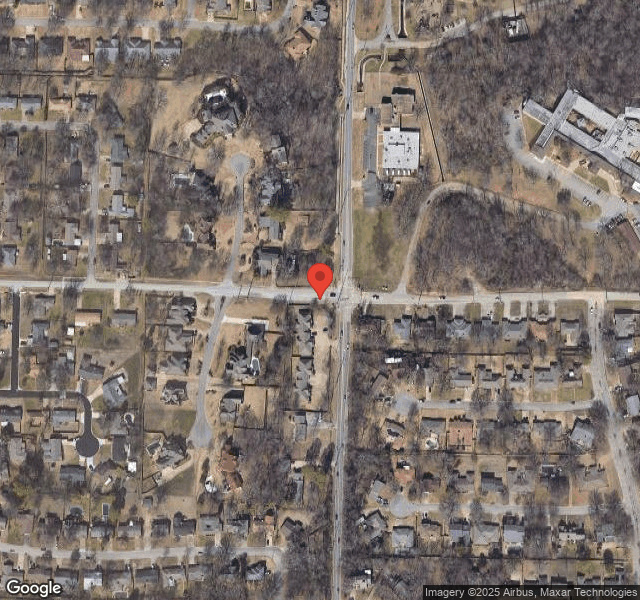
7425 EUPER LANE, FORT SMITH, AR 72903 (479) 452-1611
Non profit - Corporation 145 Beds Independent Data: November 2025
Trust Grade
60/100
#112 of 218 in AR
Last Inspection: October 2024

Within standard 12-15 month inspection cycle. Federal law requires annual inspections.

Overview

Methodist Health and Rehab in Fort Smith, Arkansas has a Trust Grade of C+, which means it is slightly above average but still has notable room for improvement. It ranks #112 out of 218 facilities in the state, placing it in the bottom half, and #5 of 8 in Sebastian County, indicating that there are better local options available. The facility is currently improving, with a decrease in reported issues from 7 in 2023 to 6 in 2024. Staffing is rated at 3 out of 5 stars, with a turnover rate of 46%, which is slightly better than the state average, suggesting some staff stability, but it has concerning RN coverage that is less than 96% of other facilities in Arkansas. While there have been no fines reported, some recent inspections raised concerns about food handling practices. For example, dietary staff failed to wash their hands after cleaning food carts, and food items were not stored properly, which could lead to potential foodborne illnesses. Additionally, mealtime scheduling has been inconsistent, with residents reporting delays in receiving their meals, which could affect their overall satisfaction and health. Overall, while there are strengths in staffing stability and no fines, families should be aware of the concerning food safety practices and the need for improved meal service reliability.

Trust Score
C+
60/100
In Arkansas
#112/218
Bottom 49%
Safety Record
Low Risk
No red flags
Inspections
Getting Better
7 → 6 violations
Staff Stability
⚠ Watch
46% turnover. Above average. Higher turnover means staff may not know residents' routines.
Penalties
✓ Good
No fines on record. Clean compliance history, better than most Arkansas facilities.
Skilled Nurses
⚠ Watch
Each resident gets only 13 minutes of Registered Nurse (RN) attention daily — below average for Arkansas. Fewer RN minutes means fewer trained eyes watching for problems.
Violations
⚠ Watch
24 deficiencies on record. Higher than average. Multiple issues found across inspections.
★★★☆☆
3.0
Overall Rating
★★★☆☆
3.0
Staff Levels
★★★☆☆
3.0
Care Quality
★★★☆☆
3.0
Inspection Score
Stable
2023: 7 issues
2024: 6 issues

The Good

  • Full Sprinkler Coverage · Fire safety systems throughout facility
  • No fines on record

Facility shows strength in fire safety.

The Bad

3-Star Overall Rating

Near Arkansas average (3.1)

Meets federal standards, typical of most facilities

Staff Turnover: 46%

Near Arkansas avg (46%)

Higher turnover may affect care consistency

The Ugly 24 deficiencies on record

Oct 2024 6 deficiencies
CONCERN (D) 📢 Someone Reported This

A family member, employee, or ombudsman was alarmed enough to file a formal complaint

Potential for Harm - no one hurt, but risky conditions existed

Quality of Care (Tag F0684)

Could have caused harm · This affected 1 resident

Based on interview, record review, facility document review, and facility policy review, it was determined the facility failed to ensure administration of correct medication to correct resident for 1 ...

Read full inspector narrative →
Based on interview, record review, facility document review, and facility policy review, it was determined the facility failed to ensure administration of correct medication to correct resident for 1 (Resident #76) of 1 sample mix residents for medication administration. The findings are: Review of Resident #76's Care Plan with an initiated date of 04/28/2024 noted the resident had an allergy to statin medications. Review of Resident #76's Medication Administration Records (MAR) dated June 2024 noted, the physician ordered the following medications: Amlodipine 5 (milligrams) mg for high blood pressure Fenofibrate 54mg for high cholesterol Aricept 5mg for dementia Melatonin 6mg for insomnia Namenda XR Extended Release (ER) 24- hour (HR) 28mg (memantine) for dementia Fenofibrate 54mg for cholesterol due to the allergy to statins. Review of the Medication Error Report dated June 1, 2024, revealed Certified Medication Assistant (CMA) #13 reported that both Resident #76 and Resident #47's medication were taken to the secured unit dining room where both residents had their dinner trays. Both residents take their medications better crushed and with their meal. CMA #13 labeled each medication cup with first names of each resident. CMA #13 called Resident #76 by first name; Resident #76 responded. CMA #13 gave Resident #76 a bite of the medication. Resident #76 had already swallowed the medication. CMA #13 then immediately realized the medications were mixed up and Resident #76 received Resident #47 medication. CMA #13 notified the nurse who then called the chain of command. CMA #13 checked Resident #76 blood pressure which was 140/80. The medications that Resident #76 received were: Atorvastatin 20 mg Amlodipine 5mg Buspirone 7.5mg Aricept 10mg Hydralazine Melatonin 6mg Mirtazapine 7.5mg Namenda 10mg Resident #76 was given a lower dose than prescribed by the physician, Namenda XR ER 24HR 28MG (memantine). Review of the Resident #47 Physician Orders with a start date of 5/1/2024 noted: Atorvastatin 20 mg Amlodipine 5mg Buspirone 7.5mg Aricept 10mg Hydralazine 100mg Melatonin 6mg Mirtazapine 7.5mg Namenda 10mg. On 10/23/2024 at 10:03AM, during an interview with the Assistant Director of Nursing (ADON), ADON confirmed, when Resident #76 was given the wrong medication, the vital signs were monitored. When the blood pressure dropped Resident #76 was then sent to the Emergency Room. CMA #13 received one on one training. During an interview with the Director of Nursing (DON) on 10/23/2024 at 10:10AM, DON confirmed, the CMA #13 pulled Resident #47 and Resident #76's medications at the same time. Both residents receive crushed medications. Some of the medications were the same for each resident. CMA #13 received counseling with action plan of one-on-one training with four weeks of supervised medication pass (June 14, 22, 25 and July 5, 2024) and 30 days of probation. During an interview with DON on 10/23/2024 at 4:19PM, she confirmed not all staff that administered medication were provided in-service training at that time. CMA #13 did not follow protocol. A skill check off was completed with other medication technicians and nurses. During an interview with CMA #13 on 10/23/2024 at 4:10PM, she confirmed Resident #76 was provided the wrong medication. CMA #13 was rushing to get the medications to Resident #76 and Resident #47 before they ate. CMA #13 carried both residents initialed medication cups into the secured unit dining room, in the same hand. CMA # 13 grabbed the spoon from Resident #47's cup and gave Resident #76 the medicine. CMA #13 knew Resident #47 had lots of blood pressure medications. CMA #13 took Resident #76's blood pressure while the nurse contacted the chain of command. Resident #76 and Resident #47 prefer their medications during mealtime. CMA #13 stated medications need to be pulled for one resident at time, so a medication error is not made, to ensure the right medication is given to the right resident and do the five rights of medication administration. After my one-on-one training, I was watched for four weeks, and I am on probation for three months. During an interview with CMA #14 on 10/24/2024 at 8:55AM, she confirmed they (the staff) are to ensure residents receive correct medication by asking their name and birthday. Only one medication at a time should be pulled so you don't get them mixed up or make a medication error. During an interview with CMA #15 on 10/24/2024 at 8:57AM, she confirmed they are to ensure residents receive correct medication and compare medication cards to the Medication Administration Record. Only one medication at a time is pulled so you do not make a mistake, a medication error or give the wrong medication to the wrong resident. During an interview with Licensed Practicing Nurse #16 on 10/24/2024 at 9:35AM, she confirmed they are to ensure residents receive correct medication, verify the resident's medication orders against the Medication Administration Record, and verify name and date of birth by asking resident. Only one medication at a time should be pulled so you do not get them mixed up and to decrease the risk of a medication error. During an interview with Licensed Practicing Nurse #17 on 10/24/2024 at 9:40AM, he confirmed they are to ensure residents receive correct medication, double check the resident ' s Medication Administration Record against the medication card. Check the name, date of birth and picture against the Medication Administration Record. Only one medication at a time is pulled so you do not make a medication error. Review of the facility policy and procedure titled Medication Administration with a revision date of 5/29/2024 noted, check Electronic Medication Administration Record and verify resident, greet and identify the resident. Do not crush or manipulate extended-release medications.
CONCERN (D)

Potential for Harm - no one hurt, but risky conditions existed

Deficiency F0805 (Tag F0805)

Could have caused harm · This affected 1 resident

Based on observation and interview, the facility failed to ensure pureed food items were blended to a smooth, lump-free consistency to minimize the risk of choking or other complications for residents...

Read full inspector narrative →
Based on observation and interview, the facility failed to ensure pureed food items were blended to a smooth, lump-free consistency to minimize the risk of choking or other complications for residents who required pureed diets for 1 of 2 meals observed. The findings are: 1. On 10/22/24 at 11:58 AM, the following observations were made on the steam table: a. A pan of pureed, English peas had a soupy consistency and was gritty. b. A pan of gravy was lumpy and was not smooth 2. On 10/23/24 at 1:36 PM, during and interview the Dietary Manager stated the pureed English peas were a little thin, it is gritty because of the skin, it is hard to puree the skin and they should have pureed it a little longer. She further stated the gravy had been chunky. 3. On 10/23/24 at 1:36 PM, the Food and Beverage director stated the pureed English peas were a little thin, it is gritty because of the skin, it is hard to puree the skin and they should have pureed it a little longer.
CONCERN (E)

Potential for Harm - no one hurt, but risky conditions existed

Deficiency F0578 (Tag F0578)

Could have caused harm · This affected multiple residents

Based on interview, and record review the facility failed to formulate an advance directive or have an acknowledgement of an advance directive on file for 2 (Resident # 108, Resident #10) of 8 sampled...

Read full inspector narrative →
Based on interview, and record review the facility failed to formulate an advance directive or have an acknowledgement of an advance directive on file for 2 (Resident # 108, Resident #10) of 8 sampled residents. The findings are: 1. Review of an Order Summary Report indicated, Resident #108 had a diagnosis of personal history of Transient Ischemic Attack. A review of Resident #108's electronic medical record revealed, there was not an advance directive or an acknowledgement of an advance directive on file. On 10/22/24 at 2:28 PM, the Admissions Director indicated Resident #108 did not have an advance directive, or an acknowledgement of an advance directive on file. He indicated that the advance directive should be formulated or acknowledged upon admission. Review of Resident #10 ' s quarterly Minimum Data Set with an Assessment Reference Data 08/29/2024 revealed a Brief Interview for Mental Status (BIMS) of 6 with medical diagnoses of dementia, Alzheimer's disease and post-traumatic stress disorder. On 10/22/24 at 10:38 AM, Resident #10's electronic medical records contained a Physician ' s Order for Life Sustaining Treatment form without any acknowledgement of advance directive information or option provided to the Resident's Representative On 10/22/24 at 1:27PM, Admissions Director and Administrator stated, the resident representative took the admissions packet home to read and fill out. Resident Representative failed to sign the Advance Directive Acknowledgment form. On 10/24/24 12:12PM, Admissions Director confirmed that the Advance Directive was overlooked. A Policy for Advance Directives and Do Not Resuscitate (DNR), reviewed and revised 3/6/2023 and 5/29/2024 showed an Advance Directive is a written, signed and witnessed instruction, which state your choices about medical treatment recognized under state law relating to the health care when the individual is incapacitated. Each competent person has the right to make their own health care decisions. Decisions are to be informed, reasonable choices that include the right to refuse or discontinue life-sustaining treatment. On admission, the facility representative will determine whether the resident has an Advance Directive and advise the responsible party of their right to establish one. The facility Social Service Department will identify the primary decision-maker. A BIMS of 7 or lower does not have the ability to establish an advance directive.
CONCERN (E)

Potential for Harm - no one hurt, but risky conditions existed

Safe Environment (Tag F0584)

Could have caused harm · This affected multiple residents

**NOTE- TERMS IN BRACKETS HAVE BEEN EDITED TO PROTECT CONFIDENTIALITY** Based on observation and interview, the facility failed to ensure 2 (room [ROOM NUMBER], and room [ROOM NUMBER]) rooms were clea...

Read full inspector narrative →
**NOTE- TERMS IN BRACKETS HAVE BEEN EDITED TO PROTECT CONFIDENTIALITY** Based on observation and interview, the facility failed to ensure 2 (room [ROOM NUMBER], and room [ROOM NUMBER]) rooms were clean to maintain a homelike environment. The findings are: 1. On 10/21/24 at 11:30 AM, trash was observed behind the nightstand in room [ROOM NUMBER]. There was a white cup, an ice cream lid, peanuts, peanut container, pencils, and paper behind the nightstand. On 10/21/24 at 12:30 PM, trash was observed behind the nightstand in room [ROOM NUMBER]. There was a white cup, an ice cream lid, peanuts, peanut container, pencils, and paper behind the nightstand. On 10/21/24 at 2:15 PM, trash was observed behind the nightstand in room [ROOM NUMBER]. There was a white cup, an ice cream lid, peanuts, peanut container, pencils, and paper behind the nightstand. On 10/21/24 at 2:18 PM, Housekeeper #11 indicated there was trash, tissue, and other things behind the nightstand in room [ROOM NUMBER]. Housekeeper #11 indicated that rooms should be cleaned every day, and as needed. On 10/21/24 at 2:19 PM, Housekeeper #12 indicated, there was trash behind the nightstand in room [ROOM NUMBER]. Housekeeper #12 indicated that rooms should be cleaned every day, and whenever dirty. 2. During an observation on 10/21/2024 at 1:56 PM, a black pedestal fan was sitting at bedside in room [ROOM NUMBER] B. Gray/beige, fuzzy-like particles were noted on the fan blades and the fan protective cover. The pedestal base of the fan had large white/beige splatters of an unknown substance on the surface. During an observation on 10/22/2024 at 10:24 AM, a black pedestal fan was sitting at bedside of room [ROOM NUMBER] B. Gray/beige, fuzzy-like particles were noted on the fan blades and the fan protective cover. The pedestal base of the fan had large white/beige splatters of an unknown substance on the surface. During a concurrent observation and interview on 10/23/2024 at 4:20 PM, after being shown the pedestal fan in room [ROOM NUMBER] B, the Administrator confirmed the fan was uncleaned and it was important for the fan to be clean because those particles could be breathed in and could cause a respiratory infection. During a concurrent observation and interview on 10/23/2024 at 4:20 PM, after being shown the pedestal fan in room [ROOM NUMBER] B, the Infection Preventionist (IP) confirmed the fan was not clean and took the fan apart and confirmed that the fan would be cleaned. The IP stated that the particles could lead to respiratory issues. On 10/24/24 at 8:30 AM, Administrator stated the facility did not have a policy for fan use or fan cleaning.
CONCERN (E)

Potential for Harm - no one hurt, but risky conditions existed

Menu Adequacy (Tag F0803)

Could have caused harm · This affected multiple residents

Based on observation, record review, and interview, the facility failed to ensure meals were prepared and served according to the planned written menu to meet the nutritional needs of the residents fo...

Read full inspector narrative →
Based on observation, record review, and interview, the facility failed to ensure meals were prepared and served according to the planned written menu to meet the nutritional needs of the residents for 2 of 2 meals observed. The findings are: 1. The menu for the lunch meal indicated the residents who received pureed diets were to receive 4 ounces (1/2 cup) of pureed shredded lettuce salad and two #8 scoops (1 cup) of chicken and dumpling. a. On 10/22/24 at 12:48 PM, Dietary Aide (DA) #4 used one #8 scoop (1/2 cup) to serve a single portion of pureed chicken and dumpling to the residents on pureed diets, instead of two #8 scoops which was equivalent to 1 cup. b. There was no pureed salad served to the residents on pureed diets for lunch, instead of 4 ounces (1/2 cup) of pureed salad. c. On 10/22/24 at 5:10 PM, DA #5 stated, a replacement should have been given for the pureed salad. d. On 10/22/24 at 5:23 PM, Food and Beverage Director also stated, something else should have been given to the residents in place of the salad. 2. The menu for the supper meal indicated the residents who received pureed diets were to receive 6 ounce (3/4 cup) of pureed baked potato soup. a. On 10/22/24 at 5:07 PM, Dietary Aide (DA) #5 used a 4-ounce spoon to serve a single portion of pureed chicken and dumpling to the residents on pureed diets. During an interview, DA #5 stated that the spoon used was 4 ounces. 3. During an observation on 10/22/24 5:02 PM, the Executive Chef used a knife to dice breaded fried fish, to be served to the residents on mechanical soft diets. He poured diced fish into a pan and placed it on the steam table. When interviewed the Executive Chef stated they do not grind fish, rather they use a knife to chop it. On 10/22/24 at 5:03 PM, the Food and Beverage Director stated mechanical soft diets were supposed to have ground fish and not chopped fish. The physician order will specify if they were supposed to receive chopped meat. On 10/22/24 at 5:22 PM, Dietary Aide (DA) #8 was asked about the size of the breaded fish served to the residents on mechanical soft diets she stated it was 1 to 2 square centimeters (0.39-0.79 inches). DA #8 picked up a crunch piece of the breaded fish and stated, the crunch piece of the breaded fish might be difficult to chew for someone on mechanical diet. On 10/22/24 at 5:23 PM, the Executive Chef and Food and Beverage Director confirmed the size of diced, breaded, fried fish served to the residents on mechanical soft diets were 1 to 2 square centimeters and had crunchy pieces.
CONCERN (F)

Potential for Harm - no one hurt, but risky conditions existed

Food Safety (Tag F0812)

Could have caused harm · This affected most or all residents

Based on observation, interview, record review, and facility policy review, the facility failed to ensure foods were covered or sealed in the freezer and or refrigerator; dietary staff thoroughly wash...

Read full inspector narrative →
Based on observation, interview, record review, and facility policy review, the facility failed to ensure foods were covered or sealed in the freezer and or refrigerator; dietary staff thoroughly washed their hands and changed gloves when contaminated and dietary staff and visitors wear hair restraints when in the kitchen. The findings: 1. On 10/22/24 at 11:12 AM, Dietary Aide (DA) #1 used a rag to clean the top of the food cart and then pushed it to the clean side of the dish washing machine. Without washing her hands, she picked up plates and bowls to be used in portioning the lunch meal and placed them on the cart, using her fingers inside the bowls and plates. During an interview DA #1 stated she should have washed her hands. 2. On10/22/24 at 11:13 AM, DA #9, who was in the dish washing machine room, had hair on his chin with no beard restraint. 3. On 10/22/24 at 11:16 AM, DA #2 picked up cartons of ice cream from the refrigerator and placed them on the cart near the refrigerator. Without washing his hands, he picked up glasses by their rims and placed them on the cart to be used in serving beverages to the residents for lunch. 4. On 10/22/24 at 10:22 AM, an opened box of dinner rolls were on a shelf in the freezer. The box was not covered or sealed. 5. On 10/22/24 at 10:31 AM, the following observations were made on a shelf in the freezer: a. An opened box of pizza dough. The box was not covered or sealed. b. An opened bag of dumplings, the bag had no opened date. c. An opened bag of hamburger buns. The bag was not sealed. 6. On 10/22/24 at 11:39 AM, Dietary Aide (DA) #3 was wearing gloves on her hands when she wiped off spilled oil around the deep fryer with a rag, contaminating the gloves. DA #3 removed fries from the bag and placed them in the deep fryer basket to be cooked and served to the residents for lunch. At 11:42 AM, the DA #3, picked up tray cards and placed them on the counter. However, with the same contaminated gloves, DA #3 picked up the plates and placed them on the counter, touching the inside with the contaminated gloves, which would be used for plating food. At 11:43 AM, DA #3 used the same gloved hand to push grilled cheese down on the grill. DA#3, when interviewed, stated she should have changed gloves and washed her hands. 7. On 10/22/24 at 11:46 AM, an opened bottle of soy sauce, dated 8/31/2024, was on a shelf below the food preparation counter. Some of the sauce had already been partially used. The manufacturer's specification on the bottle indicated to refrigerator after opening. 8. On 10/22/24 at 12:06 PM, Dietary Aide (DA) #2 was on the tray line in the kitchenette, opposite the main dining room, serving lunch meal, DA #2 picked tray cards and placed them on the counter, used a pan to write the date on the tray card and pulled his sleeves up. Without washing hands, DA #2 picked up bowls to be used in portioning food items to be served to the residents for lunch and placed them on the counter with his fingers inside the bowls. At 1:15 PM, DA #2 stated he should have washed his hands. 9. On 10/22/24 at 12:09 PM, DC #3 wiped gloved hands on her apron. Without changing gloves and washing her hands, DC #3 removed cantaloupe and honey dew from the refrigerator and placed them on the cutting board. She sliced them and arranged the pieces on the plates to be served to the residents who asked for it. DC #3, when interviewed, stated she should have washed her hands. 10. On 10/22/24 at12:05 PM, Dietary Aide #4, assisting with lunch meal service, picked up condiments, cartons of milk, shakes, cans of soda and placed them on the trays. Without washing hands, DA #4 picked up glasses that contained beverages by their rims and placed them on the meal trays to be served to the residents for lunch. DA #4, when interviewed, stated she should have washed her hands. 11. On 10/22/24 at 12:10 PM, Dietary Aide #5 was on the tray line in the kitchen serving lunch meal, picked up tray cards and placed them on the trays, contaminating her hands. Without washing her hands, DA #5 picked up bowls to be used in portioning soup and placed them on the counter with fingers inside of them. DA #5, when interviewed, stated she should have washed her hands. 12. On 10/22/24 at 12:16 PM, Dietary [NAME] (DC) #3 was wearing gloves on her hands when she removed strawberries from the original container and placed them on the cutting board. After slicing the strawberries, she arranged them on the plate. While holding the glove box, she took gloves from the box and put them on, contaminating them in the process. Without washing her hands, DC #3 picked up sliced strawberries and placed them on the plate to be served to the resident who asked for it. DC #3 did not rinse strawberries before processing them for consumption. DC #3, when interviewed, stated she should have washed her hands. 13. On 10/22/24 at 12:30 PM, Dietary Aide (DA) #6, while holding the glove box, took gloves from the box and put them on, contaminating them in the process. Without washing her hands, DA #6 picked up the diced tomatoes from the refrigerator and sprinkled them on top of the plated salad to be served to the residents who asked for it. DA #6, when interviewed, stated she should have washed her. 14. On 10/22/24 at 12:35 PM, DA #6 turned on the sink faucet and washed her hands. After, washing her hands, she turned off the faucet, used a tissue to wipe off the water around the sink. Without rewashing her hands, DA #6 then put on new gloves and picked up pans, placing them on the counter using her contaminated gloved fingers. DA #6 removed fried chicken tenders from the deep fryer basket and placed them on the cutting board and began slicing them. DA #6, when interviewed, stated she should have washed her hands. 15. On 10/22/24 at 4:07 PM, DA #6 had gloves on her hands when she washed the blender bowl and blade in the 3-compartment sink. After washing them, she removed the gloves that had been saturated with water and threw them away. Placed new gloves on her hands, contaminating them. Without changing gloves and washing her hands, DA #6 picked up a clean blade and attached it to the base of the blender to be used in pureeing food items, to be served to the residents who required pureed diets for supper. At 4:08 PM, when DA #6 was ready to put beans into the blender. The surveyor immediately interviewed DA #6 who stated she should have washed her hands. 16. On 10/22/24 at 4:20 PM, Dietary Aide (DA) # 7 lifted a trash and threw away tissue paper. Without washing her hands, DA #7, Picked up glasses by their rims and poured beverages to be served to the residents for supper. DA #7, when interviewed, stated she should have washed her hands. 17. On 10/23/24 at 1:30 PM, Dietary [NAME] (DC #10 had hair on his chin was around the food preparation counter with no beard restraint. 18. On 10/23/24 at 1:40 PM, there were two visitors with long hair and long beards in the kitchen. One wore a hat with hair handing out and had no beard restraint. The second visitor with long hair also had no restraints on his hair or beard. 19. A facility policy titled, Hand Washing and Glove use initiated 5/1/2019, and provided by Food and Beverage Director indicated, hands should be washed before beginning work and when in contact with unsanitary surfaces.
Aug 2023 7 deficiencies
CONCERN (D)

Potential for Harm - no one hurt, but risky conditions existed

Deficiency F0583 (Tag F0583)

Could have caused harm · This affected 1 resident

Based on observation, interview, and record review the facility failed to ensure that privacy was maintained during incontinent care for 1 (Resident #105) of 18 (Resident #3, #9, #17, #18, #33, #44, #...

Read full inspector narrative →
Based on observation, interview, and record review the facility failed to ensure that privacy was maintained during incontinent care for 1 (Resident #105) of 18 (Resident #3, #9, #17, #18, #33, #44, #63, #64, #70, #74, #81, #86, #88, #90, #93, #103, #105, and #110) sampled residents that depended on staff to provide incontinent care. The findings are: On 8/01/23 at 10:57 AM the door opened to Resident #105 room. Observed Resident #105 roommate exiting the room in his wheelchair. Resident #105 was turned to the wall and his buttocks was exposed. Certified Nurse Aide (CNA) #4, and CNA #2 were in the room providing incontinent care. On 8/01/23 at 1:33 PM the surveyor asked CNA #2 can you tell me why the privacy curtain was not pulled while you were providing incontinent care for Resident #105? She stated, Honestly it was a mistake. The surveyor asked, should the privacy curtain be pulled so that Resident #105 was not exposed during incontinent care? She stated, Yes. On 8/01/23 at 1:49 PM the surveyor asked CNA #4, can you tell me why the privacy curtain was not pulled while you were providing incontinent care for Resident #105? She stated, I didn't know that Resident #8 was going to come out the room. The surveyor asked, should the privacy curtain be pulled so that Resident #105 was not exposed during incontinent care? She stated, Yes. On 8/03/23 at 3:56 PM the surveyor asked the Assistant Administrator, What should the staff do to maintain privacy for residents while providing care? She stated, pull the curtain and shut the door. The surveyor asked, if the staff is providing incontinent care when should they pull the privacy curtain? She stated, before they begin the incontinent care. On 8/04/23 at 9:37 AM the surveyor asked the Director of Nurse (DON), what should the staff do to maintain privacy for residents while providing care? She stated, close the curtains all the way around, close the blinds, and close the door. The surveyor asked, if the staff is providing incontinent care when should they pull the privacy curtain? She stated, before they provide care. On 8/04/23 at 7:56 AM the Assistant Administrator provided a policy titled, Privacy and Dignity. It documented, Purpose: To provide guidelines for ensuring the facility protects and promotes resident privacy and treats each resident with respect and dignity as well as cares for each resident in a manner that maintains or enhances resident's quality of life .Always pull privacy curtain in your semi-private rooms when providing care
CONCERN (D)

Potential for Harm - no one hurt, but risky conditions existed

Quality of Care (Tag F0684)

Could have caused harm · This affected 1 resident

Based on observation, and interview the facility failed to ensure 1 (Resident #70) of 1 sampled resident that depended on staff for positioning was properly positioned in bed. The findings are: Resid...

Read full inspector narrative →
Based on observation, and interview the facility failed to ensure 1 (Resident #70) of 1 sampled resident that depended on staff for positioning was properly positioned in bed. The findings are: Resident #70 had a diagnosis of Alzheimer's disease, and vascular dementia. A Quarterly Minimum Data Set (MDS) with an Assessment Reference Date (ARD) of 7/25/23 documented that his cognitive skills for decision making were extremely impaired. He required extensive 2-plus persons physical assistance for bed mobility. A review of a care plan for Resident #70, last revised on 2/10/23 revealed the resident requires total assistance by 1 staff member to turn and reposition while in bed and may require assistance of two staff members to move up into bed. On 7/31/23 at 11:43 AM Resident #70 was in bed. His head was against the wall on the left side. On 8/04/23 at 8:49 AM the surveyor asked Certified Nurse Assistant (CNA) #2, Can you tell me how the staff keep Resident #70 head from leaning on the wall? She stated, we have a couple of pillows to help sit him up. We have one pillow under his head, and one against the window. He tends to lean towards the wall. The surveyor asked, what could happen if a resident's head is positioned on the wall? She stated, I'm pretty sure it could cause a pressure sore. On 8/04/23 at 9:39 AM the surveyor asked the Director of Nurses (DON), Can you tell me how the staff keep Resident #70 head from leaning on the wall? She stated, they should be repositioning him, and using pillows. His head should not be on the wall. The surveyor asked, what could happen if a resident's head is positioned on the wall? She stated, Skin breakdown, and head injuries, especially if he was having involuntary movement. On 8/04/23 at 10:05 AM observed Resident #70 in bed with a pillow under his head. He did not have a pillow between the wall and his head. His bed was pushed against the wall.
CONCERN (D)

Potential for Harm - no one hurt, but risky conditions existed

Incontinence Care (Tag F0690)

Could have caused harm · This affected 1 resident

Based on observation, interview, and record review the facility failed to ensure a catheter was secured to prevent the potential for trauma for 1 (Resident #3) of 4 (Resident #3, #17, #18, and #70) sa...

Read full inspector narrative →
Based on observation, interview, and record review the facility failed to ensure a catheter was secured to prevent the potential for trauma for 1 (Resident #3) of 4 (Resident #3, #17, #18, and #70) sampled residents. The findings are: Resident #3 had a diagnosis of neuromuscular dysfunction of the bladder. A review of a care plan, last revised on 1/20/23 noted a goal that the resident will be/remain free from catheter-related trauma through review date. On 8/03/23 at 8:18 AM Certified Nurse Aide (CNA) #1 provided catheter care for Resident #3. There was no anchor, or strap securing the catheter, to keep the catheter from pulling. On 8/03/23 at 8:19 AM the surveyor asked CNA #1, How do you ensure the catheter is secure, and is not pulled. She stated, The nurses sometimes have a Velcro type strap they put on. On 8/03/23 at 4:06 PM the surveyor asked the Assistant Administrator How is Resident #3 catheter securely anchored to prevent excessive tension on her catheter? She stated, leg strap, and further stated she was not sure why there was no anchor attached to the catheter to prevent tension. On 8/04/23 at 8:48 AM the surveyor asked CNA #2, How is Resident #3 catheter securely anchored to prevent excessive tension on her catheter? She stated, Like a leg band. I have her catheter on one side of the bed. Can you tell me why she didn't have anything anchored to the catheter to prevent the catheter from pulling? She stated, To be honest I didn't know about that. On 8/04/23 at 9:41 AM the surveyor asked the Director of Nurse, How is Resident #3 catheter securely anchored to prevent excessive tension on the catheter? She stated, There should be a leg band. The surveyor asked, can you tell me why she didn't have an anchor attached to her catheter to prevent tension on 8/03/23? She stated, I assume when they changed the catheter, they forgot to replace it. A review of the facility policy titled, Catheter Care, last revised on 3/3/20 noted, properly secure indwelling catheters after insertion to prevent movement and urethral traction.
CONCERN (D)

Potential for Harm - no one hurt, but risky conditions existed

Medication Errors (Tag F0758)

Could have caused harm · This affected 1 resident

Based on interview and record review the facility failed to ensure a PRN (as needed) medication was reviewed every 14 days for 1 (Resident # 110) of 3 (Resident #26, #103, and 110) sampled residents. ...

Read full inspector narrative →
Based on interview and record review the facility failed to ensure a PRN (as needed) medication was reviewed every 14 days for 1 (Resident # 110) of 3 (Resident #26, #103, and 110) sampled residents. The findings are: A review of the mediation records indicated that Resident #110 had an order for Hydroxyzine HCl (an antihistamine) Tablet 10 MG Give 1 tablet by mouth every 4 hours as needed for anxiety. The Hydroxyzine was ordered 5/22/23. A review of Resident #110 Medication Regimen Review for February 2023 through July 2023 did not indicate that the PRN Hydroxyzine was reviewed and failed to reveal a rationale to indicate why she needed to continue the medication. On 8/02/23 03:28 PM the surveyor asked LPN #1, When was the last time did Resident #110 received her prn hydroxyzine? She stated, she hasn't gotten it this month so far. On 8/02/23 at 03:36 PM the surveyor asked Registered Nurse (RN) #1, How often is Resident #110 Hydroxyzine renewed? She stated, I would have to ask my DON I'm new and not sure of policy. On 8/3/23 at 4:00 PM the surveyor asked the Assistant Administrator, How often is as needed anxiety medication continued, reduced, discontinued, or otherwise modified? She stated, I'm assuming 14 days. The surveyor asked, Can you tell me why the PRN Hydroxyzine 10mg wasn't reviewed and renewed every 14 days? She stated, No I can't. On 8/4/23 at 9:38 AM the surveyor asked the Director of Nurses (DON), How often is as needed anxiety medication continued, reduced, discontinued, or otherwise modified? She stated it should be every 14 days unless otherwise specified. The surveyor asked, Can you tell me why Resident #110 PRN Hydroxyzine 10mg wasn't reviewed and renewed every 14 days? She stated, I just assume it got missed. Review of the facility policy titled, Medication-Unnecessary Medications, last updated 3/4/20 noted, Pharmacy consultant review monthly and prn.
CONCERN (E)

Potential for Harm - no one hurt, but risky conditions existed

ADL Care (Tag F0677)

Could have caused harm · This affected multiple residents

Based on observation, interview and record review the facility failed to ensure nail care was provided to two (Resident #18, #75) of 23 sampled residents (Resident #34, #17, #81, #37, #9, #26, #3, #98...

Read full inspector narrative →
Based on observation, interview and record review the facility failed to ensure nail care was provided to two (Resident #18, #75) of 23 sampled residents (Resident #34, #17, #81, #37, #9, #26, #3, #98, #93, #110, #8, #83, #86, #64, #74, #103, #5, #88, #70, #96, #44, #63) who are dependent for nail care according to a list provided by Licensed Practical Nurse (LPN) #4 on 3/3/23 at 2:42 PM. The findings are: 1. Resident #18 admission Minimum Data Set (MDS) noted the resident requires extensive assistance with personal hygiene. a. On 7/31/23 at 12:37 PM, Resident #18 family member stated the resident was concerned about his fingernails, and stated they needed to be cleaned. She continued to describe how the resident's nails were observed to have dirt underneath them. b. On 7/31/23 at 12:50 PM observed Resident #18 in bed with his hands on top of the blanket. Observed resident's nails to be approximately 1/4 inch beyond the fingertip. Several nails contained a blackish, brown substance underneath them. The Resident stated, yeah I need to get that out of there. c. On 8/3/23 at 9:45 AM a review of the electronic medical record revealed a physician's order, with an order date of 7/31/23: noting the nurse to assess and complete finger/toenail care if needed every week, due to anticoagulant use and an order with an order date of 7/31/23 for the nurse to assess and complete finger/toenail care if needed for anticoagulant use. 2. On 08/02/23 at 12:45 PM observed Resident #75 sitting in the dining room. All the Resident's nails contained a blackish/brown substance underneath them. The Resident stated, yeah, I need to get them to clean that out. b. On 8/3/23 at 10:00 AM a review of the electronic medical record revealed a physician's order, with an order date of 5/19/23 for the nurse to assess and complete finger/toenail care if needed every week for diabetes mellitus and an order, with an order date of 5/19/23 for the nurse to assess and complete finger/toenail care if needed for Diabetes Mellitus. 3. On 08/03/23 at 3:20 PM the surveyor asked the Director of Nursing (DON) when a resident's nails should be cleaned. She stated, nails should be cleaned every day. They are supposed to be trimmed on shower days and residents who are Diabetic are checked weekly. 4. On 8/3/23 at 3:25 PM Licensed Practical Nurse (LPN) #4 reported that the facility does not have a policy specific to nail care. 5. On 8/4/23 at 9:20 AM the surveyor asked Certified Nursing Assistant (CNA) #3 when a resident's nails should be cleaned and/or clipped. CNA#3 stated, they should be cleaned daily. If they are diabetic, then we have to tell the nurses. We can file or shape the nails, and the same with toes, we just can't clip them.
CONCERN (E)

Potential for Harm - no one hurt, but risky conditions existed

Deficiency F0761 (Tag F0761)

Could have caused harm · This affected multiple residents

**NOTE- TERMS IN BRACKETS HAVE BEEN EDITED TO PROTECT CONFIDENTIALITY** Based on observations, interviews, and record review, the facility failed to ensure that medications were dated when opened, fai...

Read full inspector narrative →
**NOTE- TERMS IN BRACKETS HAVE BEEN EDITED TO PROTECT CONFIDENTIALITY** Based on observations, interviews, and record review, the facility failed to ensure that medications were dated when opened, failed to ensure resident names were on an opened and used insulin pen, and failed to discard expired medication in 3 of 5 medication carts in the facility. The findings include: 1. On [DATE] at 09:14 a.m. observed the medication cart on the 200 hall with a vial of Levemir 100 units/mL (milliliter) vial noted without an opened date on the vial or packaging for Resident #9. Observed an opened and used Ozempic injection pen with no open date noted on the pen or packaging. 2. On [DATE] at 09:23 a.m. the surveyor asked Licensed Practical Nurse (LPN) #1, are insulin vials supposed to be labeled with an open date when opened, and why? Licensed Practical Nurse (LPN) #1 responded, It should have an open and an expiration date, so we know the expiration date, the receive date does not always match up when it was removed from the refrigerator. The surveyor asked, who is responsible for ensuring the insulin vials are dated? LPN #1 responded, The ADON [Assistant Director of Nurses] checks the dates daily and we check the dates before administration. 3. On [DATE] at 09:45 a.m. observed the North [NAME] medication cart and medication storage room. A tube of Refresh P.M. ointment was opened with no open date noted on the tube or packaging for Resident #5. A Novolog Flex Pen Syringe noted ER (emergency) Kit with an open date of [DATE] and was not labeled with a name on the syringe or packaging. 4. On [DATE] at 10:01 a.m., the Surveyor asked LPN #2, is eye ointment to be dated upon opening and who is responsible for dating the tube upon opening? LPN #2 stated, Yes, I'm pretty sure. First person to use it and with an expiration date. 5. On [DATE] at 10:12 a.m., observed a Novolog insulin vial with an expiration date of [DATE] for Resident #26 on [NAME] medication cart. On [DATE] at 10:16 a.m. the surveyor asked LPN #3, who is responsible for ensuring the dates are checked on insulin vials and removed from the medication cart when expired? LPN # 3 stated, the nurse is responsible. The surveyor asked, What is the reason for pulling the medication off the cart when expired? LPN # 3 responded, To make sure you do not give and expired drug. On [DATE] at 1:29 pm the surveyor asked LPN #3 did you administer this morning's dose of Novolog insulin? LPN #3 responded Yes. The surveyor asked, did you use the vial that was in the drawer of the medication cart? LPN #3 responded, Yes, I thought it was the open date not the expiration date. On [DATE] at 2:24 pm the surveyor asked the Director of Nurses (DON) how many days is Novolog and Levemir insulin usable once opened? The DON replied, 28 days for Novolog. 28 days for Levemir I think but I will double check. The surveyor asked, is insulin supposed to be dated when opened and why? The DON replied, yes, so we know the use by date and know when to order more. The surveyor asked the DON should a Novolog Flex Pen have a resident's name on it and how many days is it good for? The DON replied, yes, I will look and see how many days the pen is good for. The surveyor asked who is responsible for dating the insulin after the initial opening? The DON replied, it should be the nurse. The surveyor asked who is responsible for ensuring medications are stored and disposed of properly? The DON replied, the charge nurse. The surveyor asked the DON, is the eye gel tube supposed to have an open date? The DON replied, yes. A package insert provided by the Assistant Administrator on [DATE] at 7:56 a.m. recommended Ozempic pen can be stored for 56 days at a controlled room temperature, or in a refrigerator after opened. A package insert provided by the Assistant Administrator on [DATE] at 7:56 a.m. noted Levemir injection, after vials have been opened, can be stored in the refrigerator or at room temperature and also noted the vials should be thrown away after 42 days, even if they still have insulin left in them. A package insert provided by the Assistant Administrator on [DATE] at 7:56 a.m. noted Novolog Flex Pen should be thrown away after 28 days even if it still has insulin left in it. A package insert provided by the Assistant Administrator on [DATE] at 7:56 a.m. noted throw away all opened Novolog vials after 28 days, even if they still have insulin left in them. A policy provided by the Director of Nursing (DON) on [DATE] at 3:46 p.m. documented .Medication Storage .to provide guidelines to ensure all medications housed on premises will be stored in the medication rooms according to manufacturer's guidelines and sufficient to ensure proper sanitation, temperature, light, ventilation, moisture control, segregation, and security .scope of responsibility: nursing .unused medications: the pharmacy and all medication rooms are routinely inspected by the DON .or designee for discontinued, outdated, defective, or deteriorated medications with worn, illegible, or missing labels .those medications are destroyed in accordance with our guidelines for medication destruction .
CONCERN (F)

Potential for Harm - no one hurt, but risky conditions existed

Food Safety (Tag F0812)

Could have caused harm · This affected most or all residents

**NOTE- TERMS IN BRACKETS HAVE BEEN EDITED TO PROTECT CONFIDENTIALITY** Based on observation and interview, the facility failed to ensure foods stored in the refrigerator, and dry storage area were co...

Read full inspector narrative →
**NOTE- TERMS IN BRACKETS HAVE BEEN EDITED TO PROTECT CONFIDENTIALITY** Based on observation and interview, the facility failed to ensure foods stored in the refrigerator, and dry storage area were covered, sealed and dated to minimize the potential for food borne illness for residents who received meals from 1 of 1 kitchen, failed to ensure foods were dated the day received to assure first in, first out usage to prevent potential for food bone illness, expired food items were promptly removed from stock to prevent potential food borne illness for residents who received meal trays from I of I kitchen, dietary staff washed their hands before handling clean equipment or food items to prevent potential food borne illness for residents who received meals from 1 of 1 kitchen, failed to ensure 2 of 4 ice machines were maintained in clean and sanitary condition to prevent contamination of airborne particles. These failed practices had the potential to affect 112 residents who received meals from the kitchen and 20 residents who received ice from the ice machine on [NAME] Hall (total census:113) as documented on a list provided by the Assistant Dietary Supervisor on 08/04/2023 at 08:01 a.m. The findings are: 1. 07/31/23 at 11:19 a.m., initial tour of the kitchen was led by the Assistant Dietary supervisor. The following observations were made in the freezer: a. An opened but tied off bag of long [NAME] doughnuts in box with no open date. b. An opened bag of waffles not closed with no open date. c. An opened bag of wheat rolls not closed with no open date. d. An open box of Chicken enchiladas with no open date. e. An open box of garlic bread with no open date f. An open box of angel cakes with no open date 2. On 7/31/2023 at 11:25 a.m., the following observations were made in the walk-in refrigerator. All the following dressings were open with no open date. a. 2 of 2 containers of mayonnaise. b. 1 ranch dressing. c. 1 Caesar dressing. d. 2 thousand Island dressing e. 1 Bar-B-Que sauce. f. catalina dressing. 3. On 7/31/2023 at 11:30 a.m., the following observations were made in the dry storage area. a. 17 individual servings of mini wheat cereal with an expiration date of 07/15/23. b. A flat box containing 14 individual cans of tomato soup did not have a received date upon observation. Dietary Supervisor wrote 07/30/23 on boxes and stated Oh those were received yesterday that is why I carry this marker. As he showed it to the surveyors 4. On 08/02/23 at 10:28 AM, the following observations were made on a shelf above the food preparation counter. a. Two of the 2 boxes of cornstarch were on a shelf; the boxes were not covered. b. Two of the 2 boxes of baking soda were on a shelf, the boxes were not covered. c. An opened bag of fruit punch was on a shelf, the bag was not sealed. d. An opened bag of coconut flakes was on a shelf, the bag did not have a date of when it was opened or received. e. A container of baking powder was on a shelf, the container had no opening date. f. A container of ground oregano was on a shelf, the container did not have a date of when it was opened or received. g. A container of thyme leaves, was not dated. h. A container of rosemary, was not dated. 5. On 08/03/2023 at 10:36 AM, an opened bottle of cranberry juice was on a shelf in the refrigerator that had an expiration date of 4/22/2023. 6. On 08/02/23 at 10:44 AM The following observations were made in the walk-in refrigerator. a. Four bags of white bread, the bags were not dated. b. Two bags of wheat bread, the bags were not dated. c. Two bags of hoagies, the bags were not dated. d. Three bags of brand name wheat bread, the bags were not dated. e. One bag of hamburger buns, the bag was not dated. f. Four and ¼ packages of hot buns, the bags were not dated. g. One bag of great value wheat bread with love, the bag was not dated. h. Two packages of marble rye bread, the packages had no date when received. 7. On 08/02/23 at 10:51 AM observed a bag of bagels on a shelf, the bag had no received date on it. 8. On 08/02/23 at 10:54 AM, the following observations were made on a shelf below the food preparation counter in the kitchen. a. An opened box of cream wheat, the box was not covered. b. 2 opened boxes of kosher salts, the boxes were not covered. c. A 1.3 gallon of balsamic vinegar, the gallon did not have a date of when it was opened or received. d. A bag of [NAME] rice, there was no date when received or opened on the bag. 9. On 08/02/23 at 11:09 AM the ice machine in the kitchen had accumulation of pink/black slimy around the area where ice formed before dropping to the ice collector. The surveyor asked the Assistant Dietary Supervisor to wipe the pink/black residue around the area where the ice formed. She did so, pink/black slimy residue easily transferred to the tissue. The surveyor asked the Dietary Supervisor, how often do you clean the ice machine and who uses the ice from the ice machine? We use it to fill beverages served to the residents at meals. The maintenance man cleans it. 10. On 08/02/23 at 11:13 PM, 12 boxes of salt were on a shelf in the storage room, the boxes had no received date on the boxes. 11. On 08/02/23 at11:17 AM Dietary Employee (DE) #1 pushed a cart that contained clean dishes towards the open cabinet by the ice machine where clean dishes were being stored. Without washing her hands, she picked up clean dishes and placed them on the shelf with her fingers touching the inside of the plates and bowls. On 08/4/2023 at 09:08 AM, the surveyor asked the DE #1 what you should have done after touching dirty objects and before handling clean equipment? She stated, Washed my hands. 12. On 08/02/23 at11:22 AM DE #2 had gloves on her hands when she washed the blender bowl and blade in the 3-compartment sink. After washing them, she removed the gloves that had been saturated with water and threw them away. Without washing her hands, she picked up a clean blade and attached it to the base of the blender to be used in pureeing food items to be served to the residents who required pureed diets for lunch. At 11:24 AM When she was ready to put baked chicken breasts into the blender. The surveyor immediately asked the DE #2 what you should have done after touching dirty objects and before handling clean equipment? She stated, Washed my hands. 13. On 08/02/23 at 11:29 AM DE #3 had gloves on hands when she pushed a cart out of the way. Without washing her hands, she picked up plates to be used in plating dessert and placed them on the trays with her gloved fingers inside the plates. On 08/04/2023 at 09:08 AM, the surveyor asked her what you should have done after touching dirty objects and before handling clean equipment? She stated, Washed my hands. 14. On 08/02/23 at 11:47 AM DE #1 washed blender bowl and blade in the 3-compartment sink. After washing the blender bowl and the blade, she picked the blade and attached it to the base of the blender to be used in pureeing food items to be served to the residents who received pureed diets. The employee did not wash her hands before she picked up the blade and attached it to the base of the blender. 15. On 08/02/23 at 11:48 AM DE #4 had gloves on her hands when she opened the refrigerator and removed a bag of French fries. Without changing gloves and washing her hands, she removed two boiled eggs from a container on a pan of ice and placed them in bowl to be served to the residents who requested boiled eggs with their lunch meal. When the bowl that contained boiled eggs was placed on the shelf attached to the steam table. The surveyor immediately asked DE #4 what you should have done after touching dirty objects and before handling clean equipment? She stated, Washed my hands. 16. On 08/02/23 at 01:31 PM. a container of cottage cheese on a shelf in the refrigerator in the clean utility room on Northwest Hall had expiration date of 7/31/2023. 17. On 08/02/23 at 01:34 PM, the following observations were made in the clean utility room on [NAME] Hall. a. The plastic panel on the right-side corner of the ice machine, close to the ice had slimy pink residue on it. The surveyor asked the Assistant Dietary Supervisor to wipe the pink residue. She did so, pink slimy residue easily transferred to the tissue. The surveyor asked the Assistant Dietary Supervisor, How often do you clean the ice machine and who uses the ice from the ice machine? She stated, That's the ice the CNAs [Certified Nursing Assistants] use for the water pitchers in the residents' rooms. The maintenance man cleans it. On 08/03/23 at 02:50 PM The surveyor asked the Maintenance Supervisor how often do clean the ice machines? He stated, We clean it every 6 months according to the manufacture suggestion. The light comes on automatically when it's dirty. b. A box of lasagna was in the freezer; the box had no received date. 18. The facility policy titled, Hand washing and glove use. Provided the Dietary Supervisor on 08/08/2023 at 08:01 AM, documented. a. Hand washing is a priority for infection control. b. Hands must be washed prior to beginning work, when following contact with any unsanitary surface and opening c. Gloves may be used when working with food to avoid contact with hands. Gloves must be worn when touching any ready to eat food.
May 2022 11 deficiencies
CONCERN (D)

Potential for Harm - no one hurt, but risky conditions existed

Pressure Ulcer Prevention (Tag F0686)

Could have caused harm · This affected 1 resident

Based on observation, record review and interview, the facility failed to ensure proper infection control technique was utilized during wound treatment by staff not changing gloves; allowing soiled dr...

Read full inspector narrative →
Based on observation, record review and interview, the facility failed to ensure proper infection control technique was utilized during wound treatment by staff not changing gloves; allowing soiled dressings to come in contact with the bed linens and the resident's recliner; not sanitizing the top of the Treatment Cart after placing soiled scissors on it and not sanitizing the scissors before placing them in the Treatment Cart to prevent cross contamination and the potential spread of infection for 1 (Resident #74) of 6 (Residents #10, 41, 45, 74, 80, and 90) sampled resident who had pressure ulcers. The findings are: 1. Resident #74 had diagnoses of Atherosclerotic Heart Disease of Native Coronary Artery without Angina Pectoris, Heart Failure, Unspecified, and Prediabetes. The admission Minimum Data Set with an Assessment Reference Date of 4/4/22 documented the resident scored 8 (8-12 indicates moderately cognitively impaired) on a Brief Interview for Mental Status and had one Stage II Pressure Ulcer (PU) present upon admission/readmission; one unstageable PU present upon admission/readmission; and had a pressure relieving device for her bed/chair and received pressure ulcer/injury care. b. The Plan of Care with a revision date of 04/07/22 documented, .The resident has pressure injury and potential for pressure injury development . Cleanse Stage II PUI to sacrum with wound cleanser, pat dry, spray peri wound with non-sting barrier spray/protectant and allow to air dry, apply thin layer of Skintegrity Hydrogel topically to wound bed, apply silver alginate (cut to size) and cover with silicone sacral dressing . c. The Physician's Orders dated 04/29/2022 documented, .Cleanse Stage II PUI [Pressure Ulcer Injury] to sacrum with Nexodyn (per manufacturer's guidelines), spray peri [perineal] wound with non-sting barrier spray/protectant and allow to air dry, apply calcium alginate (cut to size) topically to wound bed and cover with island dressing of appropriate size .Cleanse unstageable PUI to mid thoracic spine with NEXODYN (per manufacturer guidelines), spray peri wound with non-sting barrier spray/protectant and allow to air dry, apply 2mm [millimeter] Santyl (nickel thick) to wound bed, apply Xeroform (cut to size) topically and cover with transparent dressing . d. On 05/12/22 at 8:50 AM, Licensed Practical Nurse (LPN) #4 performed a dressing change to Resident #74's mid thoracic spine. LPN #4 did not sanitize the top of treatment cart before setting up wound care supplies or the scissors he pulled out of the top drawer. LPN #4 placed on top of the cart scissors, Tegaderm Transparent Dressing, Santyl tube, 4 x 4 gauze directly on top of the un-sanitized Treatment Cart. LPN #4 dropped the scissors on the floor. He sanitized scissors, then laid them on top of the un-sanitized cart. He opened a Xeroform package and laid it on top of Treatment Cart. He then cut the Xeroform with the scissors taken on top of the un-sanitized Treatment Cart. He then squeezed Santyl ointment on top of the xeroform and spread with a sterile cotton applicator. LPN #4 then picked up all treatment supplies and entered Resident #74's room. He placed all the supplies directly on top of the resident's un-sanitized bedside table. LPN #4 went into the resident's bathroom and washed his hands with soap and water and donned gloves. He removed the old dressing (that was not dated) and placed them inside of his gloves, removed his gloves and placed them directly on top of residents bedding. After washing his hands again, he donned new gloves and performed the dressing change. During the dressing change LPN #4 laid the bottle of Nexodyn on top of residents bedding next to the soiled gloves. After using the barrier spray, LPN #4 laid the bottle on top of the residents overbed table. After the dressing change was complete LPN #4 removed his gloves and again placed the soiled gloves on the residents bedding next to bottle of Nexodyn spray. After repositioning the resident, LPN #4 took the soiled gloves and the bottle of Nexodyn off of the residents bedding and laid them in Resident #74's recliner seat. Before leaving the room LPN #4 pushed the resident's bed against the window and pushed her overbed table next to her bed and did not sanitize the top of the bedside table. He picked up the soiled gloves and the bottle of Nexodyn off of the resident's recliner and placed the bottle of Nexodyn and barrier spray into his right scrub top pocket and tossed the soiled gloves into the biohazard bag on side of Treatment Cart. After washing his hands in the resident's bathroom LPN #4 took the bottle of Nexodyn and Barrier spray out of his pocket and placed them on top of the Treatment Cart. He then cleansed both bottles and the top of Treatment Cart with sanitizer wipes. e. On 05/12/22 at 9:24 AM, LPN #4 was asked, Are you through? He said, Yes. He was asked, Where did you place your gloves you used for the dressing change, the used dressing and the bottle of Nexodyn? He said, On top of her bed. He was asked, Is that where you should have placed those items? He said, Since they were soiled items it would not be proper to put them in a regular trash bag. They should go into a biohazard bag. He was asked, Should you have taken a biohazard bag in there? He said, I didn't know if I could take in a biohazard bag. He was asked, What is the potential when not disposing of soiled dressings and supplies used for dressing changes properly and not sanitizing soiled scissors before placing into the Treatment Cart drawer? He said, Could possibly cause cross contamination and spread of infection.
CONCERN (D)

Potential for Harm - no one hurt, but risky conditions existed

Deficiency F0688 (Tag F0688)

Could have caused harm · This affected 1 resident

Based on observation, record review and interview the facility failed to ensure interventions were developed, care planned, and implemented to address contractures and positioning devices to prevent f...

Read full inspector narrative →
Based on observation, record review and interview the facility failed to ensure interventions were developed, care planned, and implemented to address contractures and positioning devices to prevent further potential decline in range of motion (ROM) for 1 (Resident #63) of 5 (Resident #39, 45, 58, 63 and 83) sampled residents who had hand contractures. This failed practice had the potential to affect 11 Residents with contractures according to a list provided by the Director of Nurses on 5/13/22 at 8:49 AM. The findings are: Resident #63 had diagnoses of Hemiplegia and Hemiparesis Following Cerebral Infarction Affecting Right Dominant Side. The Annual Minimum Data Set with an Assessment Reference Date of 3/31/22 documented the resident scored 14 (13-15 indicates cognitively intact) on a Brief Interview of Mental Status and had Range of Motion (ROM) impairment on one side of the upper and lower extremities. a. The Care Plan with a revision date of 04/05/22 documented, .Hemiplegia and Hemiparesis to right dominant side . Range of Motion to ALL extremities two times weekly with 2 pound weight . The Care Plan did not address hand roll or splint. b. On 05/09/22 at 12:20 PM, Resident #63 was lying bed watching TV. Her right hand was contracted and did not have a rolled washcloth/carrot or hand splint in place. c. On 5/10/22 at 1:36 PM, Resident #63 was lying in bed. Her right hand was contracted and did not have a hand roll or hand splint in place. d. On 5/10/22 at 1:45 PM, Licensed Practical Nurse (LPN) #2 was asked, Does [Resident 63] have a contracture in her right hand? She looked and stated, When she first came her hand was not drawn up like this, so we didn't put in interventions to prevent the development of a contracture. But now it looks like we need to address it with something to prevent further development of the contracture or at least prevent it from worsening.
CONCERN (E)

Potential for Harm - no one hurt, but risky conditions existed

ADL Care (Tag F0677)

Could have caused harm · This affected multiple residents

3. Resident #40 had diagnoses of Chronic Kidney Disease Stage 3 with Heart Failure, Chronic Obstructive Pulmonary Disease, and Osteoarthritis. The Quarterly MDS with an ARD of 3/17/22 documented the r...

Read full inspector narrative →
3. Resident #40 had diagnoses of Chronic Kidney Disease Stage 3 with Heart Failure, Chronic Obstructive Pulmonary Disease, and Osteoarthritis. The Quarterly MDS with an ARD of 3/17/22 documented the resident scored 9 (8-12 indicates moderately cognitively impaired) on a BIMS and required extensive physical assistance of 1 person for personal hygiene and bathing activity itself did not occur or family and/or non-facility staff provided care 100% of the time for that activity over the entire 7-day lookback period. a. The Care Plan with an initiated date of 01/07/22 documented, .The resident has an ADL [activities of daily living] self-care performance deficit . BATHING/SHOWERING: Check nail length and trim and clean on bath day and as necessary . b. On 05/09/22 at 12:13 PM, Resident #40 was sitting in a recliner in his room. His fingernails were approximately 1/2 inch long and jagged. Resident #40 was asked, Do you like them [fingernails] that long? He said, No, they look like weapons and look at this one. They break off and get hung on stuff. c. On 05/10/22 at 11:20 AM, Resident #40 was sitting in a recliner in his room. His fingernails were approximately 1/2 inch long and jagged. d. On 05/10/22 at 2:21 PM, LPN #1 was asked, Does his fingernails need trimmed and cleaned? She said, Yes, I'll go do it now. 4. Resident #357 had diagnoses of Chronic Obstructive Pulmonary Disease (COPD), Absence of Kidney, and Heart Disease. The admission MDS with an ARD of 5/6/22 documented the resident scored 15 (13-15 indicates cognitively intact) on a BIMS and required extensive physical assistance of 1 person for personal hygiene and physical help limited to transfer only of two plus persons with bathing. a. The Care Plan with an initiated date of 05/09/22 documented, .The resident has an ADL self-care performance deficit BATHING/SHOWERING: Check nail length and trim and clean on bath day and as necessary . b. On 05/09/22 at 1:31 PM, Resident #357 was sitting in the recliner. Her fingernails were approximately 1/4 inch long and jagged with a brown substance under them. c. On 05/10/22 at 11:27 AM, Resident #357 was sitting in the recliner. Her fingernails were approximately 1/4 inch long and jagged with a brown substance under them. d. On 05/10/22 at 12:58 PM, Resident #357 was sitting in the recliner. Her fingernails were approximately 1/4 inch long and jagged with a brown substance under them. e. On 05/10/22 at 2:21 PM, LPN #1 was asked, Does her fingernails need trimmed and cleaned? She said, Yes, I'll go do it now. 5. The facility policy titled, Finger Nail Care, provided by the Administrator on 5/12/2022 at 11:45 AM documented, .The hands and nails are frequently the source of infection especially if dirt is allowed to collect under the nails. Nails must be cleaned regularly. Long irregular nails on a confused or irritated resident can be a source of scratches causing further infection. Special care is needed for the diabetic resident who does not heal rapidly and who develops infections very easily ., Diabetics and residents receiving anticoagulants must have a doctor's order for nail care and the procedure must be done by licensed personnel only . Based on observation, interview and record review, the facility failed to ensure fingernails were regularly trimmed and cleaned to promote good personal hygiene and grooming for 4 (Residents #21, #40, #45 and #357) of 20 (Residents #4, #9, #10, #12, #21, #31, #36, #39, #45, #47, #49, #60, #71, #73, #79, #81, #91, #92, #94 and #107) residents who required assistance with nail care according to a list provided by the Administrator on 5/12/2022 at 11:08 AM. The findings are: 1. Resident #21 had a diagnosis of Diabetes Mellitus. A Significant Change Minimum Data Set (MDS) with an Assessment Reference Date (ARD) of 2/28/2022 documented the resident scored 12 (8-12 indicates moderately cognitively impaired) on a Brief Interview for Mental Status (BIMS) and required limited physical assistance of two plus persons with personal hygiene and was totally dependent on two plus persons physical assistance with bathing. a. The Care Plan with a revision date of 03/01/22 documented . BATHING/SHOWERING: Check nail length and clean on bath day and as necessary. Report any changes to the nurse. CNAs [Certified Nursing Assistants] do NOT cut resident's nails . b. The Physician's Order dated 11/27/20 documented, .Nurse to assess and complete finger/toenail care if needed every two weeks for diabetes mellitus one time a day every 2 weeks on Mon [Monday] . c. On 05/09/22 at 1:45 PM, Resident #21 stated, .My nails need to be cut . The nails of both hands extended 1/4 inch past the end of his fingers, were jagged and had brown debris under all of the nails. d. On 05/10/22 at 12:41 PM, Resident #21 was up in the Main Dining Room eating lunch. Resident #21 stated he had a shower this am, and his nails were clean but still long and jagged. Resident #21 stated, .[Licensed Practical Nurse (LPN) #6], the nurse, is supposed to cut them today . e. On 05/11/22 at 10:42 AM, the Treatment Nurse was asked, Who is responsible for the diabetic nail care? The Treatment Nurse stated, .The Charge Nurses are responsible for diabetic nail care, unless an issue pops up, then they will get me or the ADON [Assistant Director of Nursing]. We will get involved with the treatment . f. On 05/11/22 at 2:42 PM, Resident #21 was up in the Dining Room for an activity. His fingernail on both hands were jagged and extended ¼ inch past the end of his fingers. g. On 05/12/22 at 10:53 AM, Resident #21's nails were observed with the Director of Nursing (DON) Resident #21 stated, .They were cut yesterday or today . The DON ran her finger over the nails of his right hand and stated, .they could use a little more trim, they're still a little long . 2. Resident #45 had a diagnosis of Diabetes Mellitus Type 2. The Significant Change MDS with an ARD of 5/02/2022 documented the resident had modified independence in cognitive skills for daily decision-making per a Staff Assessment for Mental Status (SAMS) and required extensive physical assistance of one person with personal hygiene and was totally dependent on one person's physical assistance with bathing. a. The Care Plan with an initiated date of 04/12/19 documented, .BATHING/SHOWERING: Check nail length and clean on bath day and as necessary. Report any changes to the nurse. CNAs do NOT cut resident's nails . b. The Physician's Order dated 04/09/22 documented, .Nurse to assess and complete finger/toenail care if needed every two weeks for diabetes mellitus . c. The May 2022 Treatment Administration Record (TAR) documented Resident #45 had nail care on 5/7/22, 2 days prior to the first observation of the resident ' s long jagged nails. d. On 05/09/22 at 1:04 PM, Resident #45 was while dozing in her wheelchair. Her fingernails were 1/8 to 1/4 inch past the end of her fingers and had brown debris under the nails. The fingernails of her left hand, middle and ring finger were 1/4 inch long, yellow, dry, and jagged with brown debris under them. e. On 05/10/22 at 9:11 AM, Resident #45 was resting in bed. The fingernail of the left index finger was approximately 3/16 of an inch long from the end of the finger with brown debris under the nails. The middle and ring finger were 1/4 inch long, yellow, dry, and jagged with brown debris under them. f. On 05/10/22 at 3:28 PM, Resident #45 was asked if she preferred her nails to be left long. She stated, .No, they need to be cut . She was asked, Have you scratched yourself with them? She stated, .No . She was asked, Have you said anything to the staff about wanting your nails cut? She stated, .I don't think so, I don't remember . g. On 05/12/22 at 10:32 AM, the DON was asked to describe Resident #45's fingernails. She stated, .They are definitely unclean, some are long and jagged . The DON was asked, Should nail care be provided to residents who require assistance? She stated, .Yes . She was asked, Who is responsible for diabetic nail care? She stated, .The charge nurses are . She was asked, According to the documentation on Resident #45's TAR, nail care was provided on 5/7/2022. Does it look like her nail care was provided 2 days prior to our entry on 5/9/2022? She stated, .No, if it looked like this on Monday, it couldn't have been provided on Saturday .
CONCERN (E)

Potential for Harm - no one hurt, but risky conditions existed

Deficiency F0687 (Tag F0687)

Could have caused harm · This affected multiple residents

Based on observation, interview and record review, the facility failed to ensure toenail care was regularly provided to promote good foot care for 2 (Residents #39 and 357) of 18 (Residents #12, #8, #...

Read full inspector narrative →
Based on observation, interview and record review, the facility failed to ensure toenail care was regularly provided to promote good foot care for 2 (Residents #39 and 357) of 18 (Residents #12, #8, #50, #52, #4, #56, #25, #37, #10, #9, #55, #32, #42, #57, #18, #23, #40 and #5) sampled residents who were dependent on toenail care. The findings are: 1. Resident #357 had diagnoses of Chronic Obstructive Pulmonary Disease (COPD), Absence of Kidney, and Heart Disease. The admission Minimum Data Set (MDS) with an Assessment Reference Date of 5/6/22 documented the resident scored 15 (13-15 indicates cognitively intact) on a Brief Interview for Mental Status and required extensive physical assistance of 1 person for personal hygiene and physical help limited to transfer only of two plus persons with bathing. a. On 05/09/22 at 1:31 PM, Resident #357 was sitting in the recliner. She did not have a shoe on the left foot. The foot was wrapped with Coban tape. She stated, I had surgery on that foot due to it being broken. Her toenails were approximately 1/2 inch long and jagged. b. 05/10/22 08:27 AM, the Care Plan with an initiated date of 05/09/22 documented, .The resident has an ADL [Activities of Daily Living] self-care performance deficit . BATHING/SHOWERING: Check nail length and trim and clean on bath day and as necessary. Report any changes to the nurse. Date Initiated: 05/09/2022 . c. On 05/10/22 at 11:27 AM, Resident #357 was sitting in the recliner. She did not have a shoe on the left foot. Her toenails were approximately 1/2 inch long and jagged Resident #357 was asked, Do you like your toenails that long? She said, No, I can't reach them. I have to be careful with that foot. d. On 05/10/22 at 12:58 PM, Resident #357 was sitting in the recliner. She did not have a shoe on the left foot. Her toenails were approximately 1/2 inch long and jagged. e. On 05/10/22 at 2:21 PM, Licensed Practical Nurse (LPN) #1 was asked, Does her toenails need trimmed and cleaned? She said, Yes, I'll go do it now. 2. Resident #39 had diagnoses of Diabetes Mellitus Type 2 and Cerebral Infarction. The Quarterly MDS with an ARD of 3/17/22 documented the resident was severely impaired in cognitive skills for daily decision-making per a Staff Assessment Mental Status (SAMS) and required extensive physical assistance of two plus persons for personal hygiene and bathing activity itself did not occur or family and/or non-facility staff provided care 100% of the time for that activity over the entire 7-day lookback period. a. The Plan of Care with an initiated date of 3/31/21 documented, .The resident has an ADL self-care performance . Bathing/Showering: Check nail length and clean on bath days and as necessary . CNA's do NOT cut resident's nails . b. On 05/9/22 at 1: 00 PM, Resident #39 was lying in bed with eyes closed. His toenails were approximately 1/16 of an inch past the pad of the toes and were thick and jagged c. On 5/10/22 at 1:55 PM, Resident #39 was sitting up in a Geri chair with his lower extremities on the footrest. LPN #2 was asked to look at the resident's toenails. She removed both left and right nonskid socks and stated, His toenails are long and jagged and need to be addressed. d. On 5/11/22 12:45 PM, Resident #39 was sitting up in a Geri chair with his lower extremities on the footrest during treatment to his left medial foot. His left and right toenails were approximately 1/8 to 1/16 inch past pad of the toes, thick and discolored. LPN #4 stated, I only do toenails if needed. I know [LPN #2] came and got my clippers and was going to do his toenails yesterday, but I guess she didn't get to his toenails. They need to be trimmed. If the nurses or I are unable to address their toenails, we get with Podiatry or the Wound Care Specialist to do them. This is the first time I am aware of his toenails.
CONCERN (E)

Potential for Harm - no one hurt, but risky conditions existed

Respiratory Care (Tag F0695)

Could have caused harm · This affected multiple residents

5. Resident #61 had diagnoses of Unspecified Dementia without Behavioral Disturbance, Chronic Diastolic (Congestive) Heart Failure and Orthostatic Hypotension. The MDS with an ARD of 3/31/22 documente...

Read full inspector narrative →
5. Resident #61 had diagnoses of Unspecified Dementia without Behavioral Disturbance, Chronic Diastolic (Congestive) Heart Failure and Orthostatic Hypotension. The MDS with an ARD of 3/31/22 documented the resident scored 4 (0-7 indicates severely cognitively impaired) on a BIMS and received oxygen therapy. a. The Physician's Order dated 01/02/22 documented, .O2 at 2 liters/minute via nasal cannula AS NEEDED . b. The Care Plan with a revision date of 04/29/22 documented, . The resident has Congestive Heart Failure . OXYGEN SETTINGS: O2 at 2 liters/minute via nasal cannula .Date Initiated: 01/14/2022 . The Care Plan does not address placing the oxygen tubing in a bag or other closed container. c. On 5/9/22 at 12:21 PM, Resident #61 was lying in bed. An oxygen concentrator was sitting beside the bed on 2 liters. The nasal cannula and tubing were draped across the bedside table not in a bag. d. On 5/10/22 at 8:30 AM, Resident #61 was in her room. The nasal canula lying on the table not in a bag, hooked around the base of the resident's phone. Resident #61 stated she had her oxygen on during the night and took it off in the morning. f. On 05/12/22 at 9:00 AM, Resident #61 in her room. The nasal canula and tubing was wound in a small circle laying on top of concentrator not in a bag. Resident describes wearing her oxygen during the night but can't say who put the canula on top of the machine. h. On 05/12/22 at 9:05 AM, LPN #5 was asked how oxygen tubing should be stored. She stated, .Well technically it should be stored in a bag 6. The facility policy titled, Oxygen-Therapy, provided by the Administrator on 05/12/22 at 11:08 AM documented, .Policy: Oxygen is administered to residents who need it, consistent with professional standards of practice, the comprehensive person-centered care plans, and the residents' goals and preferences ., Oxygen is administered under orders of a physician, except in the case of an emergency ., The resident's care plan shall identify the interventions for oxygen therapy, based upon the resident's assessment and orders, such as, but not limited to: c. Equipment setting for the prescribed flow rates . 4. Infection control measures include: a. Follow manufacturer recommendations for the frequency of cleaning equipment filters. b. Change oxygen tubing, humidifier bottle, and mask/cannula weekly and as needed if it becomes soiled or contaminated. Replace sterile water for humidification if it runs out . 3. Resident #81 had diagnoses of Type II Diabetes Mellitus, Congestive Heart Failure, and Morbid Obesity. The admission MDS with an ARD of 4/14/2022 documented the resident scored 14 (13-15 indicates cognitively intact) on a BIMS and received oxygen therapy. a. The Physician's Order dated 05/03/21 documented, .O2 at 2 liters/minute via nasal cannula AS NEEDED . b. The Care Plan with a revision date of 04/15/22 documented, .OXYGEN SETTINGS: 2 LPM [liters per minute] via NC prn [as needed] . c. On 05/09/22 at 12:56 PM, Resident #81 was lying in the bed with oxygen on 3 LPM via NC. d. On 05/10/22 at 12:58 PM, Resident #81 was lying in the bed with oxygen on at 3 LPM via NC. e. On 05/10/22 at 2:58 PM, LPN #1 was asked, What is her oxygen set on? She said, It's on 3 liters. 4. Resident #357 had diagnoses of Chronic Obstructive Pulmonary Disease (COPD), Absence of Kidney, and Heart Disease. The admission MDS with an ARD of 5/6/22 documented the resident scored 15 (13-15 indicates cognitively intact) on a BIMS and received oxygen therapy. a. The Physician's Order dated 05/03/22 documented, .*O2 at 2 liters/minute via nasal cannula AS NEEDED . b. The Care Plan with an initiated date of 05/09/22 documented, . The resident has shortness of breath (SOB) r/t COPD Date . OXYGEN SETTINGS: O2 at 2 liters/minute via nasal cannula AS NEEDED . c. On 05/09/22 at 1:26 PM, Resident #357 was sitting in the recliner. She had oxygen on at 2.5 liters/minute via NC. d. On 05/10/22 at 11:27 AM, Resident #357 was sitting in the recliner. She had oxygen on at 2.5 liters/minute via NC. e. On 05/10/22 at 12:58 PM, Resident #357 was sitting in the recliner. She had oxygen on at 2.5 liters/minute via NC. f. On 05/10/22 at 12:58 PM, LPN #1 was asked, What is her oxygen set on? She said, It's between 2 and 2.5 liters. 2. Resident #36 had diagnoses of Shortness of Breath, Congestive Heart Failure and Chronic Respiratory Failure with Hypoxia. The Quarterly MDS with an ARD of 3/17/2022 documented the resident scored 10 (8-12 indicates moderately cognitively intact) on a BIMS and received oxygen therapy. a. The Physician's Order dated 01/15/21 documented .O2 at 3 liters/minute via nasal cannula AS NEEDED for SOB . b. The Care Plan with a revision date of 12/29/21 documented .The resident has oxygen therapy r/t Diastolic (Congestive) Heart Failure and Chronic Respiratory Failure with Hypoxia . Check 02 flow rate routinely and adjust if necessary to meet ordered flow rate . c. On 05/09/22 at 1:11 PM, Resident #36 was resting in bed with oxygen via nasal cannula, the oxygen concentrator was set at 2 1/2 l/m (liters per minute) the resident was asked if she wore her oxygen all of the time, she stated, .Yes . d. On 05/10/22 at 8:33 AM, Resident #36 was resting in bed with oxygen at 2 1/2 l/m (liters per minute) via nasal cannula. e. On 05/10/22 at 1:43 PM, LPN #5 was asked to review the settings on the oxygen concentrator. She squatted down and stated, .It's set at 2 1/2 l/m . She reached over and adjusted the setting to 3 liters/minute. She was asked, What is the prescribed setting for this resident? She stated, .It should be at 3 l/m . She was asked, How often are the settings monitored for accuracy of delivered rate? She stated, .We check it every shift . She was asked, Have you checked hers for today? She stated, .No, I haven't . Based on observation, interview and record review, the facility failed to ensure oxygen tubing was stored in a bag when not in use for 1 (Resident #61); oxygen storage bags were changed weekly for 1 (Resident #63) and failed to ensure oxygen was administered at the flow rate ordered by the physician to prevent potential complications for 4 (Residents #36, #81, #63 and #357) of 17 sampled residents (#12, #21, #36, #40, #60, #61, #63, #74, #79, #80, #81, #92, #93, #94, #107, #357 and #358) who received oxygen therapy. These failed practices had the potential to effect 23 residents who received oxygen therapy according to a list provided by the Administrator on 5/12/2022 at 11:08AM. The findings are: 1. Resident #63 had diagnoses of Atrial Fibrillation, Shortness of Breath and Unspecified Asthma. The Annual Minimum Data Set (MDS) with Assessment Reference Date (ARD) of 3/31/22 documented the resident scored 14 (13-15 indicates cognitively intact) on a Brief Interview for Mental Status (BIMS) and received oxygen therapy. a. The Physician's Orders dated 04/23/21 documented .O2 [Oxygen] at 2 liters/minute via [by] nasal cannula Continuous for SOB [shortness of breath] . 1) Wash external filter weekly, if applicable 2) Change humidifier bottle weekly 3) Change O2 tubing weekly . b. The Plan of Care with a revision date of 04/05/22 documented, .Focus: The resident has oxygen therapy r/t [related to] SOB . Interventions: OXYGEN SETTINGS: O2 at 2 liters/minute via nasal cannula CONTINUOUS for SOB . c. On 05/09/22 at 12:20 PM, Resident #63 was lying in bed watching TV (television). She had on O2 running at 3 l/m (liter per minute) via nasal cannula. The O2 cannula storage bag was dated 4/7/22. d. On 5/10/22 at 1:36 PM, Resident #63 was lying in bed with O2 at 2 1/2 l/m. The O2 cannula storage bag was dated 4/7/22 and there was no humidifier bottle was attached to the oxygen concentrator. e. On 5/10/22 at 1:45 PM, Licensed Practical Nurse (LPN) #2 was asked, What is [Resident #63's] O2 set at? She stated, 2 1/2, but she should be at 2. She immediately adjusted it to 2 liters. She was asked, What is the date is on her O2 tubing bag? She stated, 4/7 and she needs a new one. She was asked, Should she have a humidifier attached to the tubing? She stated, I'm not sure, I'll check. She was asked, How often and which shift is responsible for changing the O2 tubing/bag? She said, Weekly the 11-7 [11:00 p.m. - 7:00 a.m.] shift does it on Wednesday. She was asked, What could be the problem if the O2 tubing/bag are not changed out weekly? She stated, Could cause infection.
CONCERN (E)

Potential for Harm - no one hurt, but risky conditions existed

Deficiency F0760 (Tag F0760)

Could have caused harm · This affected multiple residents

Based on interview and record review, the facility failed to ensure physician orders for sliding scale insulin administration were followed to prevent significant medication errors which could result ...

Read full inspector narrative →
Based on interview and record review, the facility failed to ensure physician orders for sliding scale insulin administration were followed to prevent significant medication errors which could result in complications for 1 (Resident #21) of 1 sampled residents who had physician's orders for sliding scale Novolog insulin according to a list provided by the Director of Nursing (DON) on 5/11/2022 at 8:41 AM. The findings are: Resident #21 had a diagnosis of Diabetes Mellitus. A Significant Change Minimum Data Set with an Assessment Reference Date of 2/28/2022 documented the resident scored 12 (8-12 indicates moderately cognitively impaired) on a Brief Interview for Mental Status and received insulin injections seven of the seven day lookback period a. The Physician's Order dated 11/26/21 documented .Novolog Solution 100 Unit/ml [milliliter] (Insulin Aspart) ., **DAW** [dispense as written] Inject as per sliding scale: if 0 - 140 = 0 units;141 - 180 = 2 units;181 - 210 = 3 units;211 - 250 = 5 units;251 - 290 = 6 units;291 - 350 = 7 units;351 - 400 = 8 units;401 - 450 = 11 units;451+ Notify Physician, subcutaneously four times a day ., (before meals and at bedtime) . b. The Care Plan with a revision date of 03/30/22 documented .The resident has Diabetes Mellitus . Administer insulin as ordered by physician . Blood glucose as ordered by physician Date Initiated: 09/02/2019 . Diabetes medication as ordered by doctor. Monitor/document for side effects and effectiveness c. The May 2022 Medication Administration Record (MAR) documented, . NovoLog Solution 100 UNIT/ML (Insulin Aspart) **DAW** Inject as per sliding scale: if 0 - 140 = 0 units; 141 - 180 = 2 units; 181 - 210 = 3 units; 211 - 250 = 5 units; 251 - 290 = 6 units; 291 - 350 = 7 units; 351 - 400 = 8 units; 401 - 450 = 11 units; 451+ Notify Physician, subcutaneously four times a day related to Type 2 Diabetes Mellitus with other Diabetic Neurological Complication (before meals and at bedtime) . On 05/03/22, 05/04/22, and 05/09/22 a 4 (4=Vitals Outside of Parameters for Administration) was documented in the 8:00 PM with no Insulin administered by nursing staff. d. The EMAR (Electronic Medication Administration Record) provided by the DON on 05/11/22 at 8:23 AM, documented the following: 1) On 4/26/2022, LPN #3 documented at 8:11 PM, 5 units Novolog insulin given for the blood glucose level documented in the 1800 [6:00 PM] time slot as .216 . and the 2000 [8:00 PM] time slot had .216 . with no insulin given according to the physician ordered sliding scale. The glucometer reading prior to this reading was 146, the next documented glucometer reading was 137. 2) On 4/27/2022, LPN #3 documented at 8:20 PM 5 units Novolog insulin given, for the blood glucose level documented in the 2000 time slot as .231 . The 1800 time slot had .231 . documented with no insulin given according to the physician ordered parameters of the sliding scale. The glucometer reading prior to this reading was 166, the next documented glucometer reading was 152. 3) On 4/28/2022, LPN #3 documented at 8:27 PM 5 units Novolog insulin given for the blood glucose level documented in the 1800 time slot of .231 . The 2000 time slot had .231 . documented with no insulin given according to the physician ordered parameters of the sliding scale. The glucometer reading prior to this reading was 198, the next documented glucometer reading was 144. 4) On 4/29/2022, LPN #3 documented at 9:02 PM 3 units Novolog insulin given, for the blood glucose level documented in the 1800 time slot of .181 . The 2000 time slot had .181 . documented with no insulin given according to the physician ordered parameters of the sliding scale. The glucometer reading prior to this reading was 166, the next documented glucometer reading was 191. 5) On 5/3/2022, LPN #3 documented at 8:02 PM 3 units Novolog insulin given for the blood glucose level documented in the 1800 time slot of .183 . The 2000 time slot had .183 . documented with no insulin given according to the physician ordered parameters of the sliding scale. The glucometer reading prior to this reading was 159, the next documented glucometer reading was 194. 6) On 5/4/2022, LPN #3 documented at 8:42PM 3 units Novolog insulin given for the blood glucose level documented in the 1800 time slot of .188 . The 2000 time slot had .188 . documented with no insulin given according to the physician ordered parameters of the sliding scale. The glucometer reading prior to this reading was 147, the next documented glucometer reading was 158. 7) On 5/6/2022 LPN #3 documented at 8:22 PM a glucometer reading of .140 . This was documented for the 1800 and 2000 glucometer checks with .4 . The glucometer reading prior to this reading was 118, the next documented glucometer reading was 179. 8) On 5/9/2022 LPN #3 documented at 7:14 PM 3 units Novolog insulin given for the blood glucose level documented in the 1800 time slot of .206 . The 2000 time slot had .206 . documented at 1916 [7:16 PM] with no insulin given according to the physician ordered parameters of the sliding scale. The blood sugar was documented as being checked and insulin given at 19:16 on the 1800 time slot. The time slot for 2000 was documented as 4, no insulin given with a reading of .206 . The glucometer reading prior to this reading was 187, the next documented glucometer reading was 137. e. On 5/10/2022 at 3:45 PM the DON stated, .I know why the 4 was documented. I interviewed the nurse [LPN (Licensed Practical Nurse) #3] and she said she didn't give it because the times were too close together . The DON was asked, Were the blood sugars not taken at all? She stated, .According to her, the times were too close together and she didn't want to give insulin close together . The DON was asked, So she didn't take the blood sugar reading as ordered by the physician? She stated, .No she did not . The DON was asked, Do you expect licensed staff to follow physician's orders and administer medications as ordered? She stated, .Of course I do . The DON was asked, Do you expect staff to follow the policies and procedures of the facility? She stated, .Yes, I do . f. On 5/10/2022 at 3:50 PM, LPN #3 was asked to explain the situation with Resident #21's Novolog insulin and why she had documented 4 on the MAR. LPN #3 stated, .Well, normally I check his blood sugar at 1700 [5:00 PM], he's normally good. I think I just got lax; I just didn't do it . LPN #3 was asked, For the times on the MAR where you have documented a 4, does that mean you didn't check the blood sugar and administer the Novolog insulin as ordered by the physician? LPN #3 stated, .Yes, I guess I just got too busy . LPN #3 was asked, Did you not have enough staff? LPN #3 stated, .No, we usually have good staff. I just got busy . LPN #3 was asked, Did you say anything to the DON? LPN#3 stated, .No, I didn't. I don't understand why they were one right after the other, I know what I did wasn't right, I just got lax . LPN #3 was asked, What could potentially happen to a diabetic resident who doesn't receive their insulin as ordered, or their blood sugar checked as ordered by the physician? She stated, .They could have a high or low blood sugar, it could go either way . LPN #3 was asked, In order to know if a residents blood sugar was high or low, you would have to check their blood sugar with a glucometer, correct? She stated, .Yes, ma'am, I would have to check it to know what it was . LPN #3 was asked, If you didn't check the resident's glucose, you would have no idea if the resident was trending high or low and no idea how to treat them? She stated, .That's correct, I wouldn't know if I didn't check their glucose . g. The facility policy titled Medication Administration provided by the DON on 5/11/22 at 8:23 AM documented, . Purpose: To provide guidelines for the safe administration of medications through the following routes of administration: Oral, Injection, Inhalations, Updraft, Peg Tube, Eye Ointment and Eye drops . 7. Administer all medications and treatments within required guidelines .
CONCERN (E)

Potential for Harm - no one hurt, but risky conditions existed

Menu Adequacy (Tag F0803)

Could have caused harm · This affected multiple residents

Based on observation, record review and interview, the facility failed to ensure meals were prepared and served in accordance with the planned, written menu to meet residents' nutritional needs for 1 ...

Read full inspector narrative →
Based on observation, record review and interview, the facility failed to ensure meals were prepared and served in accordance with the planned, written menu to meet residents' nutritional needs for 1 of 2 meals observed. The failed practice had the potential to affect 95 residents (Total Census 103) who received meal trays from 1 of 1 kitchen according to the list provided by the Dietary Supervisor on 5/10/2022 at 11:58 AM. The findings are: 1. The facility's extensions Monday Week 2 Lunch Menu for 5/9/2022 posted in the kitchen documented the residents were to receive 3 oz (ounces) of [NAME] Orange Chicken Breast each and ½ cup of Rice. a. On 5/9/2022 at 2:20 PM, 30 residents were served one piece of small baked chicken breast. b. On 5/09/22 at 2:21 PM, Dietary Employee #4 was asked to weigh the same amount of meat used for pureed and mechanical soft diets and served to other residents who received regular diets. She did so, and it was 1.5 oz. She was asked how many residents on regular diets were served one small size piece of chicken. She stated, Thirty residents.
CONCERN (E)

Potential for Harm - no one hurt, but risky conditions existed

Deficiency F0805 (Tag F0805)

Could have caused harm · This affected multiple residents

Based on observation and interview, the facility failed to ensure pureed food items were blended to smooth, lump-free consistency to minimize the risk of choking or other complications and improve pal...

Read full inspector narrative →
Based on observation and interview, the facility failed to ensure pureed food items were blended to smooth, lump-free consistency to minimize the risk of choking or other complications and improve palatability for residents who required a pureed diet for 1 of 1 meal observed. This failed practice had the potential to affect 4 residents who received pureed diets, according to the list provided by the Dietary Supervisor on 5/10/2022 at 11:58 AM. The findings are: 1. The following observations were made during the lunch meal preparation and on the steam table: a. On 5/9/2022 at 11:28 AM, Dietary Employee #1 placed 4 servings of Quiche into a blender, added sauce, and pureed the items. At 11:29 AM, he poured the pureed Quiche into a pan and placed the pan on the steam table. The consistency of the pureed Quiche was not smooth. There were pieces of spinach intact in the mixture. b. On 5/09/2022 at 11:31 AM, Dietary Employee #2 placed 7 small pieces of baked chicken breast into a blender, added [NAME] sweet orange sauce and pureed, he poured the pureed chicken into a pan and placed on the steamtable. He covered the pan with foil and placed it on the steamtable to be served to the residents on pureed diets. The consistency was not smooth. It was lumpy and there were pieces of chicken visible in the mixture. c. On 5/09/2022 at 11:42 AM, Dietary Employee #3 used a 4 oz spoon to place 5 servings of broccoli into a blender, added small amount water and pureed. At 11:46 AM, he poured the pureed broccoli into a pan, covered with foil, and placed on the steamtable to be served to the residents on pureed diets for lunch. The consistency was not smooth. It was lumpy. Pieces of broccoli stems were visible in the mixture. d. On 5/09/22 at 11:47 AM, Dietary Employee #1 used a #8 scoop to place 4 servings of rice into a blender, added warm milk and pureed. At 11:51 AM, he added more milk and pureed. At 11:55 AM, he poured the pureed rice into a pan, covered the pan of the pureed rice with foil and placed it on the steamtable to be served to the residents who received pureed diets. The consistency was not smooth. It was lumpy and there were pieces of rice visible in the mixture. e. On 5/09/22 at 12:39 PM, Certified Nursing Assistant #1 who was assisting residents in the Dining Room was asked to describe the consistency of the pureed food items served to the residents on pureed diets. She stated, Pureed rice has pieces of rice, pureed chicken has chunks of meat in it, pureed broccoli has stems of broccoli and pureed carrots has pieces of carrot in it. You can see it. f. On 5/09/22 at 2:12 PM, Dietary Employee #4 was asked to describe the consistency of the pureed food served to the residents for lunch. She stated, Pureed rice was not pureed. It was gritty and you can see rice in it. Pureed broccoli. You can see broccoli stems. Pureed chicken needs to be pureed longer. It has chunks of chicken in it and pureed carrot cake has pieces of carrots in it. g. On 5/10/22 07:48 AM, a pan of pureed sausage on the steamtable was not smooth. Pieces of sausage was still visible in the mixture.
CONCERN (E)

Potential for Harm - no one hurt, but risky conditions existed

Infection Control (Tag F0880)

Could have caused harm · This affected multiple residents

Based on observation, record review and interview, the facility failed to ensure implementation of proper infection prevention and control practices to prevent the development and transmission of COVI...

Read full inspector narrative →
Based on observation, record review and interview, the facility failed to ensure implementation of proper infection prevention and control practices to prevent the development and transmission of COVID-19 and other communicable diseases and infections by staff not wearing a face mask to cover the mouth and nose. The findings are: 1. On 05/10/22 at 1:05 PM, Certified Nursing Assistants (CNA) #2 and #3 were standing in front of the serving table. CNA #2 had his mask off and holding it in his hands and CNA #3 was standing with his mask down on his chin. CNAs #2 and #3 were talking to each with their mask off with 3 residents sitting approximately 3 feet away. CNA #2 and #3 were asked, Are you supposed to wear your mask to cover your nose? CNA #2 said, Did you see that? The surveyor said, Yes. CNA #3 was asked, Is your mask still below your nose? CNA #3 said, Not now as he pulled it up. CNA #3 was asked, Did you have your mask covering your nose? CNA # 3 said, No.
CONCERN (F)

Potential for Harm - no one hurt, but risky conditions existed

Deficiency F0809 (Tag F0809)

Could have caused harm · This affected most or all residents

Based on observation, record review and interview, the facility failed to ensure residents' meals were consistently served at regularly scheduled times to provide residents with a dependable eating sc...

Read full inspector narrative →
Based on observation, record review and interview, the facility failed to ensure residents' meals were consistently served at regularly scheduled times to provide residents with a dependable eating schedule for 1 of 1 meal service observed. The failed practice had the potential to affect 102 residents who received meals from the kitchen (total census:103), according to the list provided by the Dietary Employee #4 on 5/10/2022 at 11:58 AM. The findings are: 1. The facility mealtimes, documented on a form provided by the Dietary Employee #4 on 5/10/2022 at 11:58 AM were 7:00 AM for breakfast, 11:30 AM for lunch, and 4:30 PM for supper. 2. On 05/09/22 at 1:15 PM, Resident #357 stated, The food is always late at night. It can be 7 [7:00 PM] or 8 [8:00 PM] before we get trays. It's late every day. I get hungry waiting on the food. 3. On 05/09/22 at 12:30 PM, Resident #58 was in her room and stated, .I'm hungry, where's my food . Resident #58's tray was served at 1:14 PM. 4. On 5/10/2022 at 8:42 AM, Resident #58 was asked if she was still waiting for her breakfast. She stated, .Yes, and I'm hungry . No trays were observed on the hall. 5. On 05/10/22 at 10:26 AM, Dietary Employee #4 was asked what time the last tray was sent out. She stated, We start at 7:00 AM and the last tray went out at 9:30 AM. Sometimes it's from 7:00 AM to 9:45 AM. Dietary Employee #4 was asked why the lunch meal on 5/9/2022 and breakfast meal on 5/10/2022 took over 2 hours to be served to all the residents in the facility. Dietary Employee #4 stated, We have 3 new dietary staff that just started. I am the only one serving. We need someone to be serving from the steamtable in the kitchen. 6. On 5/10/22 at 11:00 AM, the Resident Council met in the activity room. When asked if the food is delivered hot, the group replied, Most of the time. The Council President stated, If you eat in your room, you are really taking the chance that your food will be late and cold. When asked about mealtimes, specifically the late delivery times for trays on the hall, the council president described, This is an ongoing problem that we have been talking about for a long time. I even talked to the manager. When you want to eat in your room you are really taking a chance. The group reported that breakfast has historically been delivered as late at 11:00 AM.
CONCERN (F)

Potential for Harm - no one hurt, but risky conditions existed

Food Safety (Tag F0812)

Could have caused harm · This affected most or all residents

Based on observation and interview, the facility failed to ensure Dietary Staff washed their hands and changed gloves between dirty and clean tasks and before handling clean equipment or food items; f...

Read full inspector narrative →
Based on observation and interview, the facility failed to ensure Dietary Staff washed their hands and changed gloves between dirty and clean tasks and before handling clean equipment or food items; failed to ensure food items stored in the freezer or refrigerator were sealed or covered; failed to ensure expired food items were promptly removed/discarded on or before the expiration or use by dates; hot foods were maintained at or above 135 degrees Fahrenheit on the steam table while awaiting service, to prevent potential food borne illness for residents who received meals from 1 of 1 kitchens and failed to ensure 1 (Clean Utility Room on [NAME] Hall) of 5 ice machines were maintained in clean and sanitary condition to decrease the potential for food borne illness for residents who received meals from 1 of 1 kitchen. These failed practices had the potential to affect 102 residents who received ice on [NAME] Hall and 102 residents who received meals from the kitchen (total census:103), according to the list provided by the Dietary Supervisor on 5/10/2022 at 11:58 AM. The findings are: 1. On 5/09/22 at 11:15 AM, the following observations were made in the walk-in freezer: a. One open box of biscuit dough was stored on a shelf in the walk-in freezer. The box of biscuit dough was not covered or sealed. b. One open box of baked biscuits was stored on a shelf in the walk-in freezer. The box of baked biscuits was not covered or sealed. c. One open box of bread sticks was stored on a shelf in the walk-in freezer. The box of bread sticks was not covered or sealed. d. One open box of cinnamon rolls was stored on a shelf in the walk-in freezer. The box was not covered or sealed. e. One open bag of chicken was stored on a shelf in the walk-in freezer. The box was not covered or sealed. 2. On 5/09/22 at 11:21 AM, the following observations were made in the walk-in refrigerator: a. One box of heavy cream was stored on a shelf in the walk-in refrigerator. The box was not completely closed. b. There were three open bags of flour tortilla on a shelf in the walk-in refrigerator. The bags were not sealed. c. One open pan of leftover mashed potatoes was stored on a shelf in the walk-in refrigerator. The pan was not covered. d. One pan of quiche was stored on a shelf in the walk-in refrigerator. The pan was not covered. 3. On 5/09/22 at 11:30 AM, the following observations were made in the two door refrigerator: a. One open ziplock bag that contained slices of ham was stored on a shelf refrigerator. The bag was not sealed. b. One open box of bacon was stored on a shelf in the refrigerator. The box was not covered or sealed. c. One open container of cheese was stored on a shelf in the refrigerator. The container was not covered. 4. On 5/09/22 at 11:35 AM, the following observations were made in the one door freezer: a. One open bag of breaded chicken was stored on a shelf in the freezer. The bag of breaded chicken was not sealed. b. One open box of hot dogs was stored on a shelf in the freezer. The box was not covered or sealed. 5. On 5/09/22 at 12:04 PM, the temperature of the food items when read and tested on the steamtable by Dietary Employee #2 was: Pureed broccoli 122.5 degrees Fahrenheit. The pureed broccoli was not reheated before being served to the residents on pureed diets for lunch meal. On 5/10/2022 at 3:12 PM, Dietary Employee #4 was asked, What should you have done when the food items were not hot enough to be served to the residents? She stated, I should pull it out and reheat it to 165 degrees Fahrenheit. 6. On 5/09/22 at 12:27 PM, Dietary Employee #2 turned on the sink faucet and washed a blender bowl and blade. He then turned off the faucet. Without washing his hands, he picked a clean blade and attached it to the base of the blender to be used in pureeing food items to be served to the residents who received pureed diets for lunch. 7. On 05/09/22 at 12:44 PM, Dietary Employee #5 was wearing gloves on her hands. She picked up a container of chicken salad from the cooler and placed it on the counter by the steamtable. At 12:46 PM, she removed slices of bread from the bread bag and placed them on a plate. She used a spoon to place chicken salad on a slice of bread to be served to the resident who had requested a chicken salad sandwich with their lunch meal. At 12:48 PM, without washing her hands, she picked up a paper plate from the cabinet below the steam table and placed it on the counter. With her contaminated gloved hands, she then used the same gloved hand to pick up the chicken salad sandwich from a paper plate and placed it on a regular plate to be serve to the resident who requested a chicken salad sandwich. 8. On 5/09/22 at 2:01 PM, Dietary Employee #2 was on the tray line serving the lunch meal with gloves on his hands. He picked up tray cards and placed them on the trays, contaminating the gloves. Without changing gloves and washing his hands, he picked up plates and placed them on the trays with gloved hands touching the interior surfaces of the plates. 9. On 5/09/22 at 2:04 PM, Dietary Employee #2 was asked to check the temperature of the hot food items served from the steamtable that were on the cart by the kitchen window and on the counter to be delivered to the residents who received their meal trays in their rooms for lunch meal service, the temperatures were: a. Quiche - 98.2 degrees Fahrenheit. b. Baked chicken breast - 105 Degrees Fahrenheit. c. [NAME] - 112.6 degrees Fahrenheit. The above food items were not reheated before being served to the residents. 10. On 5/10/22 at 7:45 AM, Dietary Employee #4 was on the tray line serving the breakfast meal. With gloves on she picked up tray cards and placed them on the counter contaminating her gloves. Without changing gloves and washing her hands, she removed slices of bread from the bread bag and placed them on a toaster. She then, used her contaminated gloved hand to remove slices of bread from the toaster and placed them on the plates to be served to the residents who asked for toast. 11. On 5/10/22 at 7:53 AM, Dietary Employee #3 placed a beard net on contaminating his hands. Without washing his hand, he pulled gloves from the glove box and placed them on his hands contaminating the gloves. He picked up clean plates with his contaminated gloved fingers touching the interior surfaces of the plates and placed them on the counter to be served to the residents for breakfast meal. At 10:04 AM, Dietary Employee #3 was asked, What should you have done after touching dirty objects and before handling clean equipment? He stated, Washed hands. 12. On 5/10/22 at 10:51 AM, the following observations were made in the refrigerator in the Clean Utility Room on the [NAME] Hall: a. Five cartons of jello was stored on a shelf in the refrigerator with an expiration date of 4/27/2022. b. A 46 fluid ounce container of nectar orange juice was stored on a shelf in the refrigerator with an expiration date of 5/6/202. 13. The inside right corner of the ice machine panel in the Clean Utility Room on [NAME] Hall had wet rust across its surface that easily wiped off when Dietary Employee #4 wiped it with a tissue. Dietary Employee #4 was asked, Who uses the ice from the ice machine. She stated, That's the ice the CNAs [Certified Nursing Assistants] use for the water pitchers in the residents' rooms. At 11:02 AM, the Housekeeping Supervisor was asked, How often do you clean the ice machine? She stated, Once a week. 14. The facility policy titled, Hand Hygiene, provided by Dietary Employee #4 on 05/11/22 at 11:58 AM documented, . Hand hygiene is the single most important procedure for preventing cross infection and to prevent the spread of germs to patients from the hands of healthcare workers. Hand hygiene should be practiced at key points in time when in the direct patient care areas to disrupt the transmission of germs to patients including: Before putting on and after removing disposable gloves . After contact with contaminated surfaces (even if gloves are worn) .
Understanding Severity Codes (click to expand)
Life-Threatening (Immediate Jeopardy)
J - Isolated K - Pattern L - Widespread
Actual Harm
G - Isolated H - Pattern I - Widespread
Potential for Harm
D - Isolated E - Pattern F - Widespread
No Harm (Minor)
A - Isolated B - Pattern C - Widespread

Questions to Ask on Your Visit

  • "Can I speak with families of current residents?"
  • "What's your RN coverage like on weekends and overnight?"

Our Honest Assessment

Strengths
  • • No major safety red flags. No abuse findings, life-threatening violations, or SFF status.
  • • No fines on record. Clean compliance history, better than most Arkansas facilities.
Concerns
  • • 24 deficiencies on record. Higher than average. Multiple issues found across inspections.
Bottom line: Mixed indicators with Trust Score of 60/100. Visit in person and ask pointed questions.

About This Facility

What is Methodist Health And Rehab's CMS Rating?

CMS assigns METHODIST HEALTH AND REHAB an overall rating of 3 out of 5 stars, which is considered average nationally. Within Arkansas, this rating places the facility higher than 0% of the state's 100 nursing homes. This mid-range rating indicates the facility meets federal standards but may have areas for improvement.

How is Methodist Health And Rehab Staffed?

CMS rates METHODIST HEALTH AND REHAB's staffing level at 3 out of 5 stars, which is average compared to other nursing homes. Staff turnover is 46%, compared to the Arkansas average of 46%.

What Have Inspectors Found at Methodist Health And Rehab?

State health inspectors documented 24 deficiencies at METHODIST HEALTH AND REHAB during 2022 to 2024. These included: 24 with potential for harm.

Who Owns and Operates Methodist Health And Rehab?

METHODIST HEALTH AND REHAB is owned by a non-profit organization. Non-profit facilities reinvest revenue into operations rather than distributing to shareholders. The facility operates independently rather than as part of a larger chain. With 145 certified beds and approximately 123 residents (about 85% occupancy), it is a mid-sized facility located in FORT SMITH, Arkansas.

How Does Methodist Health And Rehab Compare to Other Arkansas Nursing Homes?

Compared to the 100 nursing homes in Arkansas, METHODIST HEALTH AND REHAB's overall rating (3 stars) is below the state average of 3.1, staff turnover (46%) is near the state average of 46%, and health inspection rating (3 stars) is at the national benchmark.

What Should Families Ask When Visiting Methodist Health And Rehab?

Based on this facility's data, families visiting should ask: "Can I visit during a mealtime to observe dining assistance and food quality?" "How do you handle medical emergencies, and what is your hospital transfer rate?" "Can I speak with family members of current residents about their experience?"

Is Methodist Health And Rehab Safe?

Based on CMS inspection data, METHODIST HEALTH AND REHAB has a clean safety record: no substantiated abuse findings (meaning no confirmed cases of resident harm), no Immediate Jeopardy citations (the most serious violation level indicating risk of serious injury or death), and is not on the Special Focus Facility watch list (a federal program monitoring the lowest-performing 1% of nursing homes). The facility has a 3-star overall rating and ranks #100 of 100 nursing homes in Arkansas. While no facility is perfect, families should still ask about staff-to-resident ratios and recent inspection results during their visit.

Do Nurses at Methodist Health And Rehab Stick Around?

METHODIST HEALTH AND REHAB has a staff turnover rate of 46%, which is about average for Arkansas nursing homes (state average: 46%). Moderate turnover is common in nursing homes, but families should still ask about staff tenure and how the facility maintains care continuity when employees leave.

Was Methodist Health And Rehab Ever Fined?

METHODIST HEALTH AND REHAB has no federal fines on record. CMS issues fines when nursing homes fail to meet care standards or don't correct problems found during inspections. The absence of fines suggests the facility has either maintained compliance or corrected any issues before penalties were assessed. This is a positive indicator, though families should still review recent inspection reports for the full picture.

Is Methodist Health And Rehab on Any Federal Watch List?

METHODIST HEALTH AND REHAB is not on any federal watch list. The most significant is the Special Focus Facility (SFF) program, which identifies the bottom 1% of nursing homes nationally based on persistent, serious quality problems. Not being on this list means the facility has avoided the pattern of deficiencies that triggers enhanced federal oversight. This is a positive indicator, though families should still review the facility's inspection history directly.