THE BLOSSOMS AT FORT SMITH REHAB & NURSING CENTER
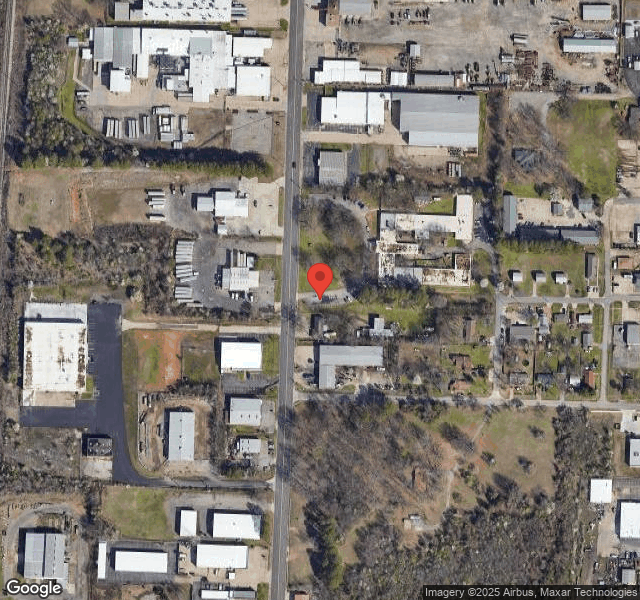
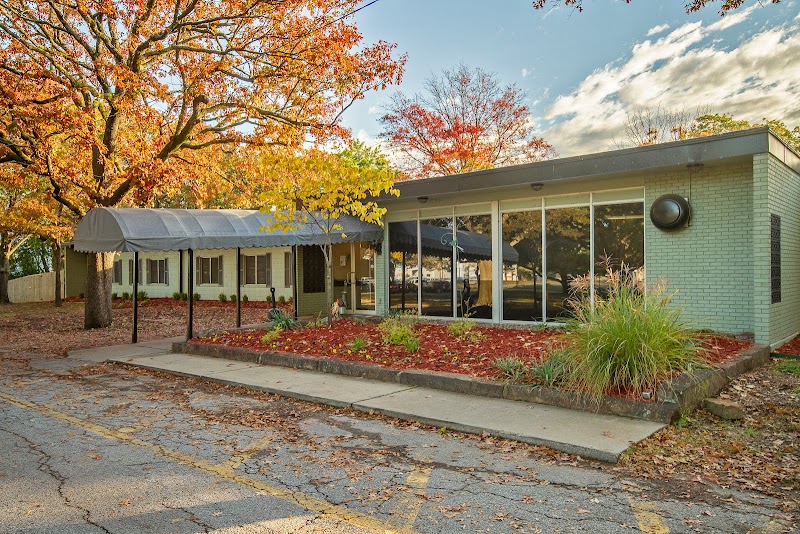
5301 WHEELER AVENUE, FORT SMITH, AR 72901 (479) 646-3454
For profit - Limited Liability company 110 Beds THE BLOSSOMS NURSING AND REHAB CENTER Data: November 2025
Trust Grade
35/100
#208 of 218 in AR
Last Inspection: May 2024

Within standard 12-15 month inspection cycle. Federal law requires annual inspections.

Overview

The Blossoms at Fort Smith Rehab & Nursing Center has received a Trust Grade of F, indicating significant concerns regarding care and safety. With a state ranking of #208 out of 218 facilities in Arkansas, they are in the bottom half of all nursing homes, and they rank last in Sebastian County. The facility's trend is stable, with 9 issues reported in both 2024 and 2025, but they have a concerning record of 37 total deficiencies, including one serious incident where staff failed to ensure safe laundry transport techniques, potentially putting a resident at risk. Although there are no fines recorded, which is a positive aspect, staffing is rated below average, with a turnover rate of 55%, and they have been criticized for not providing trauma-informed care for three residents who are trauma survivors. On a positive note, the facility has good quality measures, scoring 4 out of 5, but families should weigh these strengths against the significant weaknesses.

Trust Score
F
35/100
In Arkansas
#208/218
Bottom 5%
Safety Record
Moderate
Needs review
Inspections
Holding Steady
9 → 9 violations
Staff Stability
⚠ Watch
55% turnover. Above average. Higher turnover means staff may not know residents' routines.
Penalties
✓ Good
No fines on record. Clean compliance history, better than most Arkansas facilities.
Skilled Nurses
⚠ Watch
Each resident gets only 17 minutes of Registered Nurse (RN) attention daily — below average for Arkansas. Fewer RN minutes means fewer trained eyes watching for problems.
Violations
⚠ Watch
37 deficiencies on record. Higher than average. Multiple issues found across inspections.
★☆☆☆☆
1.0
Overall Rating
★★☆☆☆
2.0
Staff Levels
★★★★☆
4.0
Care Quality
★☆☆☆☆
1.0
Inspection Score
Stable
2024: 9 issues
2025: 9 issues

The Good

  • 4-Star Quality Measures · Strong clinical quality outcomes
  • Full Sprinkler Coverage · Fire safety systems throughout facility
  • No fines on record

Facility shows strength in quality measures, fire safety.

The Bad

1-Star Overall Rating

Below Arkansas average (3.1)

Significant quality concerns identified by CMS

Staff Turnover: 55%

Near Arkansas avg (46%)

Higher turnover may affect care consistency

Chain: THE BLOSSOMS NURSING AND REHAB CENT

Part of a multi-facility chain

Ask about local staffing decisions and management

The Ugly 37 deficiencies on record

1 actual harm
Apr 2025 2 deficiencies
CONCERN (D) 📢 Someone Reported This

A family member, employee, or ombudsman was alarmed enough to file a formal complaint

Potential for Harm - no one hurt, but risky conditions existed

PASARR Coordination (Tag F0644)

Could have caused harm · This affected 1 resident

**NOTE- TERMS IN BRACKETS HAVE BEEN EDITED TO PROTECT CONFIDENTIALITY** Based on record review and interview, the facility failed to coordinate with the State Designated Authority. Specifically, the f...

Read full inspector narrative →
**NOTE- TERMS IN BRACKETS HAVE BEEN EDITED TO PROTECT CONFIDENTIALITY** Based on record review and interview, the facility failed to coordinate with the State Designated Authority. Specifically, the facility failed to notify the State Designated Authority when one (Resident #3) of one sampled resident was admitted on [DATE] and failed to request the level II PASARR (Pre-admission Screening and Resident Review) to ensure Resident #3 was receiving all recommended care and services. The findings include: A review of the resident ' s Medical Diagnosis revealed Resident #3 had diagnoses that included catatonic schizophrenia, anxiety, and alcohol abuse. A review of the quarterly Minimum Data Set (MDS) with an Assessment Reference Date (ARD) of 01/21/2025, Section A1600 and 1805 revealed resident was admitted from a Psychiatric facility on 01/15/2025. The Staff Assessment for Mental Status (SAMS) revealed Resident #3 had long and short-term memory problems, and Section C1000 revealed Resident #3's cognitive skills for daily decision making were severely impaired. Section E0900 revealed daily wandering behaviors. The Administrator provided a letter from the State Designated Authority, dated 01/08/2025, which approved nursing home placement, and requested to be contacted on admission for the PASARR II evaluation. The Administrator revealed that the hospital initiated the PASARR. During an interview with the Minimum Data Set (MDS) nurse on 04/15/2025 at 03:27 PM, the MDS nurse stated the facility did not get Resident #3's PASARR II evaluation, and that the Social Director was responsible for getting the evaluation. The MDS Nurse provided a copy of the forms 703, 780, and 787 the facility filled out, but did not submit on admission, and indicated there was no related policies or procedures on the matter. On 04/15/2025 at 03:30 PM, the Administrator stated the facility did not have a PASARR II evaluation on Resident #3 and knew they should have had an evaluation to see if Resident #3 had any recommended services. When asked the process for getting a PASARR II evaluation, the Administrator stated the Nurse Consultant told him the social director should have contacted the State Designated Authority on admission for the evaluation. On 04/15/2025 at 03:45 PM, the MDS Nurse stated Resident #3 did not qualify for PASARR II. On 04/15/2025 at 04:07 PM, this surveyor spoke with the State Designated Authority and confirmed Resident #3 was a PASARR II resident, and when [Resident #3] was ready for discharge from the current hospitalization, the facility would be contacted for a resident review, and the facility would not have the PASARR II evaluation, as it was revealed the facility contacted the State Designated Authority for the first time today and asked for the evaluation. On 04/16/2025 at 11:28 AM, the Social Director stated she had not been involved in obtaining the PASARR II evaluation but found out yesterday she was supposed to call for the evaluation. The Social Director said Admissions, the MDS nurse, or the Business Office Manager (BOM) should have been responsible for getting the PASARR II evaluation upon admission. On 04/16/2025 at 11:35 AM, the BOM said Admissions should have gotten a copy of the PASARR II evaluation on new admissions, because it let the facility know if a resident required special services. On 04/16/2025 at 11:38 AM, Admissions said she was responsible for finding out if a new resident had a PASARR II, but she was trained that the BOM was responsible for getting a copy of the PASARR II evaluation.
CONCERN (D) 📢 Someone Reported This

A family member, employee, or ombudsman was alarmed enough to file a formal complaint

Potential for Harm - no one hurt, but risky conditions existed

Social Worker (Tag F0850)

Could have caused harm · This affected 1 resident

Based on interviews, the facility failed to hire a certified Social Worker with a bachelor ' s degree in social work or a Human Services-related field and at least one year of supervised social work e...

Read full inspector narrative →
Based on interviews, the facility failed to hire a certified Social Worker with a bachelor ' s degree in social work or a Human Services-related field and at least one year of supervised social work experience in a healthcare setting when the number of beds in the facility exceeded 120. The findings are: During an interview on 04/16/2025 at 11:42 AM, the Administrator indicated that the facility had one hundred and thirty (130) physical beds, and one hundred and seven (107) residents. The Administrator indicated that the facility should have a certified Social Worker if there were more than one hundred and twenty (120) beds. The Administrator indicated that the Social Worker was not certified. The Administrator also indicated that the facility increased to over one hundred and twenty (120) beds in July 2024. During an interview on 04/16/25 at 11:50 AM, the Social Services staff member indicated that she had been employed at the facility for two and a half years. The Social Services staff member indicated that she did not have formal education or certification in social work. The Social Services staff member indicated that the facility should have had a certified social worker if they had more than one hundred and twenty (120) beds. The Social Services staff member indicated the Administrator had a degree in social work, and to her understanding, she could work under the Administrator's degree. The Social Service staff indicated that the facility has had more than one hundred and twenty (120) beds since July 2024. During an interview on 04/16/25 at 12:45 PM, the Administrator indicated that the facility did not have a policy for staffing a social worker.
Mar 2025 1 deficiency
CONCERN (E) 📢 Someone Reported This

A family member, employee, or ombudsman was alarmed enough to file a formal complaint

Potential for Harm - no one hurt, but risky conditions existed

Report Alleged Abuse (Tag F0609)

Could have caused harm · This affected multiple residents

Based on interviews, record review, facility document review, and facility policy review, it was determined that the facility failed to ensure staff reported allegations of verbal abuse to the Adminis...

Read full inspector narrative →
Based on interviews, record review, facility document review, and facility policy review, it was determined that the facility failed to ensure staff reported allegations of verbal abuse to the Administrator within two hours of the allegation being made for 2 (Residents #2 and #3) of 3 sampled residents reviewed for abuse and/or neglect. The findings include: 1. A review of a facility policy titled, Abuse, Neglect, and exploitation revised on 12/2022 indicated, We are committed to the safety and well-being of all our residents. We believe that the resident has the right to be free from verbal abuse .The facility's goal is to prevent abuse through annual and ongoing in-service of staff .The facility has developed policies and procedures which provide essential components to an abuse prevention and intervention program. 1. Screening of potential hires .2. Training staff annually and on an ongoing basis in interventions, reporting detection, and prevention. 6. Protection for individuals from abuse during investigation of allegations. 7. Reporting/Response-assurance that incidents are reported, corrective actions are taken, and preventative measures are put into place .Reporting: All complaints, concerns or suspicions of abuse should be immediately reported to the Administrator .1. All personnel must immediately report suspected cases of abuse to the administrator. In the Administrators absence, suspected abuse should be reported to the Director of Nursing (DON) and immediate supervisor .2. Staff are trained upon hire during orientation . on the policy regarding reporting abuse, the types of abuse ., Types of Abuse: 1. Verbal abuse-Includes the use of oral, written or gestured communication, or sounds, to residents within hearing distance, regardless of age, ability to comprehend, or disability. 2. A review of the admission Record indicated the facility admitted Resident #2 with diagnoses that included Alzheimer's disease, dementia, malignant neoplasm of brain, anxiety disorder, dysphagia, and cognitive communication deficit. The annual Minimum Data Set (MDS), with an Assessment Reference Date (ARD) of 03/05/2025, revealed Resident #2 had a Brief Interview for Mental Status (BIMS) score of 2, which indicated the resident had severe cognitive impairment. Section GG was reviewed and indicated the resident required maximum to total assist with toileting and hygiene. A review of Resident #2's Care Plan Report with a revision date of 05/18/2023, revealed the resident's history indicated resident had experienced serious trauma in [Resident #2's] lifetime. Specifically, trauma related to abuse. Resident #2 had a self-care deficit and was a Hospice resident with a terminal diagnosis. Interventions included assistance from 1-2 staff for daily care, and using simple short instructions. A review of Order Summary Report, as of 03/14/2025 revealed Resident #2 resided on the Secure Unit and was monitored for pain and medication side effects. 3. A review of the admission Record indicated the facility admitted Resident #3 with diagnoses that included dementia, cognitive communication deficit, lack of coordination, history of falls, muscle weakness, and abnormal gait and mobility. The quarterly MDS, with an ARD of 01/15/2025, revealed Resident #3 had a BIMS score of 8, which indicated the resident had moderate cognitive impairment. Section GG was reviewed and indicated resident #3 required oversight to moderate assistance from staff for daily care. A review of Resident #3's Care Plan Report with an initiated date of 10/07/2020, indicated the resident had a history of self-harmful behavior, had experienced trauma in [Resident #3's] lifetime, had an ADL [activities of daily living] self-care deficit, with assist of one for bathing, and is on the secure unit for safety. 4. During a phone interview on 03/17/2025 at 12:57 PM, CNA #3 was asked how long the CNA had been employed with the facility. CNA #3 responded approximately six or seven months. CNA #3 was asked to recount the incident that occurred on 01/29/2025 over to 01/30/2025 on the 11:00 PM-7:00 AM shift. CNA #3 stated, at around 12:00 AM, thinking a bug was seen on Resident #3's bed, Licensed Practical Nurse (LPN) #2 was notified. CNA #3 stated Resident #3 had to have a shower, but before Resident #3 could be given a shower, Resident #2 had to be taken to the toilet. Resident #3 was taken to the shower afterward. CNA #3 stated that Resident #3 was crying, because the resident had been gotten up in the middle of the night and was upset. CNA #3 stated Resident #3 was crying while in the shower. CNA #3 stated their [CNA's] voice was never raised to either one and they didn't jerk a wheelchair. CNA #3 denied any knowledge of why an allegation would have been made without cause. CNA #3 remarked that both CNA #3 and LPN #1 were arguing in front of resident #3. CNA #3 stated, That's when LPN #1 asked me if I needed to leave, and I said yes. CNA #3 denied using profanity in the presence of or to a resident. At no time during the shift did I raise my voice or curse at any of the residents. CNA #3 was asked if yelling at a resident was considered abuse. CNA #3 stating she didn't yell at anyone. CNA #3 was asked again if yelling or speaking loudly to a resident could be considered abuse? Again CNA #3 redirected and denied yelling or speaking loud to a resident. When asked if she had abuse training while in CNA classes, she stated yes, she did. CNA #3 denied having any type of abuse training, after being informed that the employee file had been reviewed and indicated the training for abuse had been documented to have occurred during orientation and again in November. CNA #3 began saying loudly Ok, yes, I had training! Just write it down, I had training alright! It doesn't matter anyway! They'll just say what they want! I ain't got time for this! CNA #3 hung up at that time. CNA #3's employee record was reviewed, and it revealed CNA #3 had abuse maltreatment training during orientation 07/2024. Facility in-service trainings were reviewed and indicated CNA #3 had retraining on abuse and neglect on 11/01/2024, 11/15/2024 and 01/07/2025 with CNA #3's signature indicating understanding of training. During a phone interview on 03/17/2025 at 2:34 PM, LPN #1 was asked how long she had been employed by the facility? LPN #1 responded over 10 years and had a total of 30 years of experience as a nurse. LPN #1 was asked to recount the incident that occurred on the night of 01/29/2025 going into 01/30/2025 on the 11:00 PM-7:00 AM shift, with Resident #2 and Resident #3. LPN #1 stated, I was called by LPN #2 from my station to check on a concern on the Secure Unit. When I got to the women's Secure Unit, I was walking past the shower and could here CNA #3 yelling loudly from inside. CNA #3 was yelling loudly to whomever was in the shower. LPN #1 denied being able to recall what was said, or if it was understandable, just that it was loud enough to hear through the door. LPN #1 entered the shower and saw that it was Resident #3. LPN #1 was asked if she removed CNA #3 from the resident. I went in and told CNA #3 she needed to calm down. Then LPN #1 stated I asked if she needed to go home? CNA #3 responded, Yes I do., and left. LPN #1 was unsure of the time that CNA #3 left the premises. I went back to the hall to check on LPN #2. And that's when she told me about the incident between CNA #3 and Resident #2. LPN #1 was asked to clarify the statement. LPN #1 confirmed that prior to notifying the Assistant Director of Nursing (ADON) of the incident that occurred between CNA #3 and Resident #3, LPN #1 had been made aware of an incident between CNA #3 and Resident #2 by LPN #2. LPN #1 stated, Yes. LPN #1 was asked if the incident with Resident #2 had been reported to the Assistant Director of Nursing (ADON) when the incident with Resident #3 had been reported. LPN #1 stated, No, I forgot, that's on me, it's my bad. LPN #1 recalled talking with the ADON on the phone, and couldn't recall the conversation, but thought they also discussed the incident with CNA #3. LPN #1 reported that it was several hours later when the ADON was contacted. LPN #1 indicated I got sidetracked and forgot. She was out of the building, and I forgot. CNA #3 was out of the building, so I didn't worry about it. LPN #1 was asked when allegations of abuse should be reported. LPN #1 stated, Immediately, I did not report the allegation to the Administrator immediately. LPN #1 was asked if yelling at a resident would be considered abuse. LPN #1 stated, It wasn't nice, [CNA #3] shouldn't have done it. LPN #1 was asked if yelling at a resident would be considered verbal abuse. LPN #1 responded, I guess it would, yes. LPN #1 was asked when the last time she had abuse/neglect training was. LPN #1 stated, Prior to the incident abuse/neglect training, 30 years in long term care I've had lots of training. With my years of experience and training, I know I should have reported the incident immediately. LPN #1's abuse training was reviewed for the last 5 months; retraining was indicated for the following dates: 11/15/2024, 11/18/2024, 01/07/2025, 01/26/2025, 01/28/2025, 02/07/2025, 02/24/2025 and 02/28/2025. Employee Disciplinary Action reports dated 01/31/2025 and 03/04/2025 were reviewed and indicated that on 01/30/2025 and 02/28/2025, LPN #1 was disciplined for failure to report an allegation of abuse immediately. During an interview on 03/17/2025 at 3:23 PM, the ADON was asked to recount the incidents with Residents #2 and #3 that occurred on the night of 01/29/2025 going into 01/30/2025. The ADON recalled being contacted after midnight, maybe around 1:00 AM. LPN #1 informed the ADON that CNA #3 was raising her voice at Resident #3, and that LPN #1 stated she had already sent her packing. The next day the ADON realized there was more to the story. The ADON was asked when she became aware that there was another resident involved. The ADON stated, When I came in, LPN #2 had provided a witness statement to the DON. The ADON was asked if LPN #1 had a habit of not reporting incidents of abuse. The ADON stated, Not really, she calls us all the time. This was a failure to report. I recall that LPN #1 reported at the initial phone call, that CNA#3 was talking loudly. I found out about the incident with Resident #2 that next morning. The ADON was asked when allegations of abuse should be reported. The ADON stated, Immediately, usually to the Administrator, but [LPN #1] called me. I didn't call the Administrator at that time. The ADON was asked when staff were expected to report allegations of abuse. The ADON stated, Immediately, we're constantly in-servicing. During a phone interview on 03/18/2025 at 9:02 AM, LPN #2 was asked to recount the incidents that occurred on 01/29/2025 to 01/30/2025 at around midnight. LPN #2 stated she saw CNA #3 grab Resident #2's wheelchair and rammed it into the toilet area with Resident #2 in the wheelchair. LPN #2 was asked what type of reaction Resident #2 had to this action. LPN #2 stated, Resident #2 started crying. LPN #2 stated then CNA #3 was overheard talking loudly to Resident #2 saying, pull your own [expletive] pants down. When Resident #2 was finished in the restroom, CNA #3 brought Resident #2 out and sat the resident next to the nurse's station. CNA #3 then brought Resident #3 out to the shower. LPN #2 stated the conversation could be heard, and Resident #3 could be heard crying. LPN #2 indicated being able to hear CNA #3 yelling at Resident #3. LPN #2 called for LPN #1. LPN #1 confronted CNA #3 at that time. CNA #3 left the facility. LPN #2 was asked about her nursing experience. LPN #2 stated that she had 7 years of nursing experience. LPN #2 was asked when her last abuse training had been completed. LPN #2 was unsure of the date of the last abuse training. LPN #2 was asked if she knew how to identify suspected abuse. LPN #2 responded Yes. LPN #2 was asked if a staff member yelling at a resident was considered abuse. LPN #2 responded, Yes, in my opinion, verbal abuse. LPN #2 was asked if CNA #3 was separated from Resident #2 when LPN #2 witnessed the incident with Resident #2's wheelchair and CNA #3 yelling at Resident #2. LPN #2 stated No. LPN #2 was asked why she did not stop CNA #3 when she first heard her yelling at Resident #2. LPN #2 responded, It was the first time I dealt with anything like that, I was kind of in shock. LPN #2 was asked how long Resident #2 had been sitting at the nurse's station before CNA #3 brought Resident #3 to the shower. LPN #2 stated, It was only a couple of minutes. LPN #2 was asked if she notified the Administrator or her supervisor of the incident. LPN #2 stated I was instructed to write a statement by LPN #1, who stated she would call the ADON. LPN #2 was asked if an alleged perpetrator should be removed from the facility to protect the residents, according to the abuse training that was provided by the facility. LPN #2 responded Yes. LPN #2 was asked, if CNA #3 had of been stopped or removed after the incident with Resident #2, would the incident with Resident #3 have occurred. LPN #2 responded, Probably not, that's why I went and got help. LPN #2 was asked if Resident #3 protected by the facility. LPN #2 responded, No ma'am. LPN #2's employee records were reviewed and indicated LPN #2 received abuse/maltreatment training on 01/26/2025, 01/28/2025, 02/7/2025 and 02/28/2025. During an interview on 03/18/2025 at 10:37 AM, the Director of Nursing (DON) stated she had been with the facility for 3 weeks but had 15 years of other nursing experience. The DON was asked to name the types of about, as outlined in the facility policy. The DON stated, verbal, sexual, financial, and injury of unknown origin. The DON was asked when suspected abuse should be reported. She stated immediately, it should be reported it to the charge nurse, and up the chain of command. The DON was asked what the procedure was for when abuse is suspected. The DON's response was to keep the resident safe, separate the alleged perpetrator and the resident. The DON was asked if abuse was witnessed, and if the alleged perpetrator wasn't removed, if that would protect the resident. The DON responded, No. The DON was asked if employees were expected to follow the facility policy. She responded, I expect it. If staff witness abuse, the DON stated she would expect the nurse to protect the resident. The DON stated yelling at a resident was a form of abuse, and she would expect it to be reported immediately and remove the staff immediately. During an interview on 03/18/2025 at 11:03 AM, the Administrator was asked what was considered abuse. The Administrator responded, according to the facility policy abuse/neglect, anything done with willful intent against the resident, the willful intent of injury was considered abuse. The Administrator was asked when abuse should be reported. The Administrator stated that abuse should be reported immediately upon any allegation. The Administrator was asked if yelling at a resident would be considered abuse. The Administrator stated, yelling at a resident to me is abuse. The Administrator was asked if facility staff witnessed another staff member yelling or screaming at a resident and using profanities would be considered abuse. The Administrator stated, Yes, and they should report the incident. The Administrator was asked if a staff member witnessed abuse what would be the process for protecting the residents. The Administrator stated, To protect, then report, make sure the resident is safe, get the staff member away from the resident. The Administrator was asked if a staff member didn't remove the perpetrator when abuse was witnessed, was that behavior protecting the resident. He responded No.
Jan 2025 6 deficiencies 1 Harm
SERIOUS (G) 📢 Someone Reported This

A family member, employee, or ombudsman was alarmed enough to file a formal complaint

Actual Harm - a resident was hurt due to facility failures

Accident Prevention (Tag F0689)

A resident was harmed · This affected 1 resident

Based on interviews, record review, facility document review, and facility policy review, it was determined that the facility failed to ensure staff used safe laundry transport techniques to prevent a...

Read full inspector narrative →
Based on interviews, record review, facility document review, and facility policy review, it was determined that the facility failed to ensure staff used safe laundry transport techniques to prevent accidents for 1 (Resident #1) of 11 residents reviewed for accidents and hazards. Findings include: A review of a facility policy titled, Resident Rights, dated 11/01/2022, indicated residents have a right to a safe environment. A review of Resident #1's admission Record, indicated the facility admitted Resident #1 with diagnoses which included generalized anxiety disorder, psychosis, schizophrenia, abnormal gait and mobility, abnormal auditory perception, lack of coordination, cognitive communication, and a history of falls. The quarterly Minimum Data Set (MDS), with an Assessment Reference Date (ARD) of 12/02/2024, revealed Resident #1 had a Brief Interview of Mental Status (BIMS) score of 9 which indicated the resident was had moderate cognitive impairment. A review of Resident # 1's Care Plan, revisions as of 01/06/2025, revealed the resident was at risk for falls. Interventions included anticipating the resident's needs. Resident #1 was at risk for abnormal bleeding related to antiplatelet therapy. Interventions included protecting Resident #1's skin from accidental injuries. A progress note dated 10/23/2024 at 1:44 PM, revealed Resident #1 was walking to the bathroom with their head down while laundry staff was coming through the laundry entrance with a laundry cart. The resident ran into the cart and fell backwards onto the floor. Resident #1 complained of pain in the head and assessment revealed blood to the back of the resident's head. The provider was notified, and the resident was sent to the emergency room. A review of Resident #1 ' s Incident and Accident (I&A) Report dated 10/23/2024 indicated Resident #1 was ambulating to the bathroom when laundry person with a laundry cart was moving from the laundry to the nurses' station and the resident ran into the laundry cart. Resident #1 fell back striking her head on the ground. Resident #1 was sent to the emergency room for evaluation and treatment. It was found Resident #1sustained a hematoma. Immediate action taken by the facility was, instructed staff to be aware of residents at all times and make path to bathrooms free of carts and persons. During an interview on 01/07/2025 at 4:07 PM, the Laundry Tech #2 stated she was entering the women's locked unit from the laundry area and pushing the cart from behind. The Laundry Tech #2 stated she believed Resident #1 was walking towards the bathrooms and they collided. Laundry Tech #2 stated the cart was very tall and hard to see around, so she should have been on the side where she could have seen any residents in the path. During an interview on 01/08/2025 at 1:08 PM, the Housekeeping & Laundry Supervisor (H&L Supervisor) stated during transportation to prevent hitting the residents with the cart laundry techs should stand in front of the carts so any residents in the path can be seen. During an interview on 01/08/2025 at 2:41 PM, the Administrator stated to prevent accidents during transport of laundry carts the techs should stand in front of the cart to see everything in their path like residents. The Administrator stated yes, they are preventable accidents with education and training.
CONCERN (D) 📢 Someone Reported This

A family member, employee, or ombudsman was alarmed enough to file a formal complaint

Potential for Harm - no one hurt, but risky conditions existed

Deficiency F0567 (Tag F0567)

Could have caused harm · This affected 1 resident

Based on interviews, record review, facility document review, facility policy review, it was determined that the facility failed to obtain written authorization to manage personal funds, ensure a resi...

Read full inspector narrative →
Based on interviews, record review, facility document review, facility policy review, it was determined that the facility failed to obtain written authorization to manage personal funds, ensure a resident was aware of process to access personal funds, and had knowledge of facility charges for 1 (Resident #8) of 5 residents reviewed for personal funds. Findings include: A review of a facility policy titled, Resident Rights, dated 11/01/2022, indicated residents had a right to manage their own funds or choose to have the facility manager funds. A review of the admission Record, indicated the facility admitted Resident #8 on 08/26/2024 with diagnoses that included injury at C7 level of the cervical spine, functional quadriplegia, depression, and panic disorder. Resident #8 was their own Power of Attorney (POA) and made their own decisions. The annual Minimum Data Set (MDS), with an Assessment Reference Date (ARD) of 09/05/2024, revealed Resident #3 had a Brief Interview of Mental Status (BIMS) score of 15, which indicated the resident was cognitively intact. During an interview on 01/06/2025 at 2:30 PM, Resident #8 stated they were unaware if the facility was managing money for them or not. No one had talked to the resident about it, Resident #8 did not know how to access their funds, or if there was a balance. Resident #8 stated they had received two haircuts since being in the facility but did not know the cost or who paid for it. The resident stated they thought they were to get $40 a month to spend but had never seen any money or any account information. During an interview on 01/08/2025 at 11:11 AM, the Business Office Manager (BOM) was unable to find an authorization to manage personal funds for Resident #8. The BOM stated she had spoken to the resident's brother at one time, but agreed Resident #8 was their own Power of Attorney and made their own decisions. During a concurrent observation and interview on 01/08/2025 at 1:20 PM, the BOM stated herself and the Social Services Director went to Resident #8's room and obtained an authorization to manager funds, explained how the resident could access their personal funds, and a current balance was provided.
CONCERN (D) 📢 Someone Reported This

A family member, employee, or ombudsman was alarmed enough to file a formal complaint

Potential for Harm - no one hurt, but risky conditions existed

Quality of Care (Tag F0684)

Could have caused harm · This affected 1 resident

Based on observations, interviews, record review, facility document review, and facility policy review, it was determined that the facility failed to provide perineal care during a soiled brief change...

Read full inspector narrative →
Based on observations, interviews, record review, facility document review, and facility policy review, it was determined that the facility failed to provide perineal care during a soiled brief change for 1 (Resident #10), and failed to ensure physician orders were followed for medication administration, specifically not crushing and administering iron tablets labeled DO NOT CRUSH for 1 (Resident #7) of 11 residents reviewed for Quality of Care. Findings include: 1. A review of a facility policy titled, Resident Rights, dated 11/01/2022, indicated residents have a right to a dignified existence and be treated with respect, kindness, and dignity. A review of Resident #10's admission Record, indicated the facility admitted Resident #10 with diagnoses that included intellectual disabilities, mental disorder due to know physiological condition, psychosis, schizophrenia, anxiety, and lack of coordination. The quarterly Minimum Data Set (MDS), with an Assessment Reference Date (ARD) of 01/02/2025, revealed Resident #10 had a Staff Assessment of Mental Status (SAMS) score of 3 which indicated the resident had severe cognitive impairment. Assessment of Resident #10's toileting hygiene shows the resident required partial to moderate assistance. A review of Resident #10's Care Plan with revisions up to 01/06/2025, revealed the resident a history of trauma related to childhood abuse/mistreatment/abusive foster care/involuntary seclusion, homelessness living without food/medicine/shelter, living through depravation and now needing to be under Adult Protective Services (APS). Interventions included providing culturally competent, sensitive trauma-informed care in accordance with personal standards accounting for Resident #10's experiences and preferences to eliminate or mitigate triggers which may cause re-traumatization. Resident #10 had an Activities of Daily Living (ADL) self-care deficit interventions included extensive assistance of one staff member with toileting to check for incontinence, change brief, and perform peri care assistance every two hours and as needed. During an observation on 01/06/2025 at 4:30 PM, neither two stalled bathrooms on locked women's unit had toilet paper or paper towels. Both bathrooms had signs on the paper towel dispenser which stated, NO PAPER TOWELS. During a concurrent observation and interview on 01/06/2025 at 4:50 PM, Resident #10 walked into the bathroom while Certified Nursing Assistant #3 retrieved a new white brief from the nurses' station. CNA #3 entered a stall in the bathroom after Resident #10 only carrying a brief. A few minutes later Resident #10 left the stall and the bathroom followed by CNA #3 who was carrying a clear plastic bag with a small white article inside. No water was run in the bathroom and no toilet was flushed. CNA #3 went to a small hallway across from the women's unit shower room and came back without the clear plastic bag. CNA #3 stated due to residents using too much toilet paper and paper towels the toilets got clogged, so paper products were not available in either women's bathroom for their use. CNA #3 stated peri care should be performed when changing residents brief to ensure residents don't get infections and their skin is clean. CNA #3 stated she forgot and that was my bad. A review of the facility's Certified Nursing Assistant Competency Skills Check-off for CNA #3 revealed, an orientation period from 10/06/2024-10/09/2024 signed off by both CNA#3 and her preceptor for demonstrating knowledge related to: hand washing policy and procedures, knowledge of infection control system, performs nursing care based on resident's needs, verbalized the importance of acting as a resident advocate, was competent in resident rights, personal centered care, cultural competency, and basic nurse aide skills of toileting assistance and perineal care/incontinence care. The competency skills check off packet was signed off by CNA #3's Unit Manager as completed on 10/09/2024. During an interview on 01/08/2025 at 1:48 PM, the Director of Nursing (DON) stated she had no idea who made the decision not to have paper products available to residents in the women's lock unit bathroom and was unaware it was happening. DON stated the facility has angel rounds and each supervisor has a different area they round on, so a member of management would have been rounding through the women's unit routinely. DON stated perineal care should be performed when a resident is changed from a soiled brief to a clean one for infection control management and hand hygiene should also be performed. The DON stated the residents on the locked units were there because they lack the ability to make good rational decisions. The DON wanted to know if the CNA went back to perform proper perineal care after they were questioned by the surveyor and the DON was informed no. 2. A review of facility policy titled Medication Administration with revision date of 11/25/2022 revealed the following: Medications must be administered in accordance with the orders. A review of the Resident #7 ' s admission Record indicated the facility initially admitted Resident #7 on 05-28-2015 with current diagnosis of Metachromatic Leukodystrophy, gastrostomy status and dysphagia. The quarterly Minimum Data Set (MDS), with an Assessment Reference Date (ARD) of 10/30/2024, revealed Resident #7 had a Staff Assessment of Mental Status (SAMS) score of 1 which indicated the resident was severely cognitively impaired. Resident #9 required a feeding tube for nutrition, medications, and fluids. A review of Resident #7 ' s care plan with initiated date of 1-6-17 revealed the resident has need for feeding tube for nutrition and hydration. Resident #7 is at risk for malnutrition, dehydration and complications. Interventions included to check residual per physician orders and notify physician of any problems and to check placement prior to medication administration and flushes by auscultation and aspiration. A review of Resident # 7 ' s physician orders with active date of 12/24/24 revealed that Resident #7 was to receive Iron Oral Tablet 325 (65 Fe) MG (Ferrous Sulfate) Give 1 tablet via PEG-Tube one time a day for iron supplement Do not crush. (Percutaneous endoscopic gastrostomy is a surgery to place a feeding tube (PEG tube). PEG tubes allow you to get nutrition through your stomach.) A review of Resident # 7 ' s January 2025 medication administration record (MAR), revealed Resident #7 was to receive Iron Oral 325 (65 Fe) MG (Ferrous Sulfate) Give 1 tablet via PEG-Tube one time a day for iron supplement Do not crush. A review of December 2024/January 2025 Medication Administration Record (MAR) revealed Iron tab had been administered at total of 22 doses. During an interview on 01/07/2025 at 1:54 pm, Licensed Practical Nurse #1 reported that he used liquid Iron previously for Resident 7 but has run out. He reported he held the Iron that morning because Iron is not crushable. Reported that there was not a physician order for liquid Iron but substituted it and gave 7.5ml he thought to equal the dose ordered. During an interview on 01/07/2025 at 3:13 pm, Director of Nursing (DON) revealed that there is no liquid iron in the building. She reported the nurses had to have been crushing the Iron and giving it to Resident 7. She revealed that Iron should not be crushed because it is enteric coated. Revealed that if you crush an enteric coated medication, it could be all released at one time. Also, Iron should not be crushed because it could cause a Gastrointestinal bleed.
CONCERN (D) 📢 Someone Reported This

A family member, employee, or ombudsman was alarmed enough to file a formal complaint

Potential for Harm - no one hurt, but risky conditions existed

Tube Feeding (Tag F0693)

Could have caused harm · This affected 1 resident

Based on observations, interviews, record reviews, and review of facility policy, the facility failed to provide appropriate treatment and services to prevent complications from enteral feedings for 2...

Read full inspector narrative →
Based on observations, interviews, record reviews, and review of facility policy, the facility failed to provide appropriate treatment and services to prevent complications from enteral feedings for 2 of 3 residents (Resident #7 and Resident #9) reviewed for tube feeding. Specifically, the facility failed to appropriately check tube placement prior to administering flushes and/or medications for Resident #7 and Resident #9. The findings include: A review of facility policy titled Enteral Feeding with revision date of 11/25/2022 revealed the following, Check enteral tube placement prior to each feeding and administration of medication and if resident is not alert and able to voice symptoms of bloating, nausea or abdominal pain then nurse is to monitor gastric residual volume prior to administration of feeding or medication. A review of the Resident #7's admission Record indicated the facility initially admitted Resident #7 on 05-28-2015 with current diagnosis of metachromatic leukodystrophy, gastrostomy status, and dysphagia. A review of Resident's #9's admission Record indicated the facility initially admitted Resident #9 on 11-04-2014 with a diagnoses of Huntington Disease, gastronomy status, and dysphagia. The quarterly Minimum Data Set (MDS), with an Assessment Reference Date (ARD) of 10/30/2024, revealed Resident #7 had a Staff Assessment of Mental Status (SAMS) score of 1 which indicated the resident had memory problem and severely cognitively impaired. Resident #7 required a feeding tube for nutrition and fluids. The quarterly MDS with ARD date of 10-16-2024 revealed that Resident #9 is in a vegetative state/no discernible consciousness and requires all nutrition and fluids through a feeding tube. A review of Resident #7's care plan with initiated date of 1-6-17 revealed the resident has need for feeding tube for nutrition and hydration. Resident #7 is at risk for malnutrition, dehydration and complications. Interventions included to check residual per physician orders and notify physician of any problems and to check placement prior to medication administration and flushes by auscultation and aspiration. A review of Resident #9's care plan with initiated date of 11-07-2014 revealed that Resident # 9 has need for PEG tube placement and requires staff assist with feedings/flushes per orders. Interventions included that PEG tube feedings/flushes are per physician orders. A review of Resident #7's physician orders with active date of 12/24/24. Revealed that GT/PEG tube placement to be checked every shift. A review of Resident # 7's January 2025 medication administration record (MAR), revealed Resident #7 was to have Gastronomy Tube (GT)/PEG tube placement checked every shift. A review of Resident #9's January 2025 MAR revealed that staff is to check PEG tube place every shift. During an observation on 01/07/2025 at 9:54 am, a surveyor observed Licensed Practical Nurse (LPN) #1 administering Resident #9 water through PEG tube without checking placement prior. After flushing LPN #1 realized he had not checked placement of PEG tube and then checked placement after flushing of water was completed. LPN #1 dropped stethoscope on floor and then hung back up on PEG tube pole without cleaning. During an observation on 01/07/2025 at 10:09 am, a surveyor observed LPN #1 used the same stethoscope that had not been cleaned, to check for air movement in the stomach of Resident #9 but did not aspirate gastric residual for placement check. PEG tube was clogged and instead of using tube clamp was bending tube together to stop flow of liquids. PEG tube plunged numerous times but due to being clogged had to milk tube to try and get it unclogged in order to administer medication/fluid through the PEG tube. After medications were administered LPN #1 then aspirated residual of PEG tube. During an interview on 01/07/2025 at 1:35 pm with Registered Nurse (RN) #2 revealed that PEG tubes should be checked for placement every shift and prior to medication administration through the PEG tube. She revealed it should be done several times a day. During an interview on 01/07/2025 at 1:54 pm, Licensed Practical Nurse (LPN) #1 revealed that the facility's policy is to check placement prior to medications through a PEG tube and prior to PEG tube feedings. He also revealed that the methods of verifying PEG tube placement is by auscultation and aspiration. He revealed that he did not verify placement by aspiration on Resident #7 and Resident #9 on 01/07/2025 while giving medicine via PEG tube. During an interview on 01/07/2025 at 3:13 pm, the Director of Nursing (DON) revealed that it is important to check placement of a PEG to prior to medication administration or PEG tube feedings because you want to make sure it is in the stomach and not going into other organs.
CONCERN (E) 📢 Someone Reported This

A family member, employee, or ombudsman was alarmed enough to file a formal complaint

Potential for Harm - no one hurt, but risky conditions existed

Resident Rights (Tag F0550)

Could have caused harm · This affected multiple residents

Based on observations, interviews, record review, facility document review, and facility policy review, it was determined that the facility failed to maintain dignity by supplying toilet paper and pap...

Read full inspector narrative →
Based on observations, interviews, record review, facility document review, and facility policy review, it was determined that the facility failed to maintain dignity by supplying toilet paper and paper towels for 1 (Resident #10) of 1 resident reviewed for resident rights with the potential to affect all 24 residents residing on the women's secured unit. Findings include: A review of a facility policy titled, Resident Rights, dated 11/01/2022, indicated residents had a right to a dignified existence and be treated with respect, kindness, and dignity. During an observation on 01/06/2025 at 4:30 PM, neither of two stalled bathrooms on the locked women's unit had toilet paper or paper towels available. Both bathrooms had signs on the paper towel dispenser which stated, NO PAPER TOWELS. A review of Resident #10's admission Record, indicated the facility admitted Resident #10 with diagnoses that included intellectual disabilities, mental disorder due to know physiological condition, psychosis, schizophrenia, and anxiety. The quarterly Minimum Data Set (MDS), with an Assessment Reference Date (ARD) of 01/02/2025, revealed Resident #10 had a Staff Assessment of Mental Status (SAMS) score of 3 which indicated the resident was had severe cognitive impairment. Assessment of Resident #10's toileting hygiene shows the resident required partial to moderate assistance. A review of Resident #10's Care Plan with revisions up to 01/06/2025, revealed the resident a history of trauma related to childhood abuse/mistreatment/abusive foster care/involuntary seclusion, homelessness living without food/medicine/shelter, living through depravation and now needing to be under Adult Protective Services (APS). Interventions included providing culturally competent, sensitive trauma-informed care in accordance with personal standards accounting for Resident #10's experiences and preferences to eliminate or mitigate triggers which may cause re-traumatization. Resident #10 had an Activities of Daily Living (ADL) self-care deficit interventions included extensive assistance of one staff member with toileting to check for incontinence, change brief, and perform peri care assistance every two hours and as needed. During a concurrent observation and interview on 01/06/2025 at 4:50 PM, Resident #10 walked into the bathroom while Certified Nursing Assistant #3 retrieved a new white brief from the nurses' station. CNA #3 entered a stall in the bathroom after Resident #10 only carrying a brief. A few minutes later Resident #10 left the stall and the bathroom followed by CNA #3 who was carrying a clear plastic bag with a small white article inside. No water was run in the bathroom and no toilet was flushed. CNA #3 went to a small hallway across from the women's unit shower room and came back without the clear plastic bag. CNA #3 stated due to residents using too much toilet paper and paper towels the toilets got clogged, so paper products were not available in either women's bathroom for their use. CNA #3 stated perineal care should be performed when changing residents brief to ensure residents don't get infections and their skin is clean. CNA #3 stated she forgot and that was my bad. During an observation on 01/06/2025 at 4:52 PM, on the women's secure unit an unidentified female resident who was ambulatory was seen using the bathroom. CNA #3 and another staff member were outside the bathroom, no offer of toilet paper or paper towels were made. During an observation on 01/07/2025 at 8:45 AM, an unidentified female resident of the women's secure unit was seen in a wheelchair taking herself to the bathroom. No toilet paper or paper towels were provided or accessible to the resident for hygiene use. A review of the facility's Certified Nursing Assistant Competency Skills Check-off for CNA #3 revealed, an orientation period from 10/06/2024-10/09/2024 signed off by both CNA#3 and her preceptor for demonstrating knowledge related to: hand washing policy and procedures, performs nursing care based on resident's needs, verbalized the importance of acting as a resident advocate, was competent in resident rights, personal centered care, and cultural competency. The competency skills check off packet was signed off by CNA #3's Unit Manager as completed on 10/09/2024. During an interview on 01/08/2025 at 1:48 PM, the Director of Nursing (DON) stated she had no idea who made the decision not to have paper products available to residents in the women's lock unit bathroom and was unaware it was happening. The DON stated the facility has angel rounds and each supervisor has a different area they round on, so a member of management would have been rounding through the women's unit routinely. The DON stated the residents on the locked units were there because they lack the ability to make good rational decisions. The DON stated the facility had immediately addressed the issue and she was mortified when she found out. A review of an in-service provided to staff on 01/07/2025 stated, Residents should have toilet paper and paper towels available to them at all times! and was signed by 40 staff members on 01/08/2025. During an interview on 01/08/2025 at 2:41 PM, the Administrator stated he was unaware the women's secure unit bathrooms were not providing toilet paper and paper towels to the residents. The Administrator stated the pipes were no excuse. The Administrator stated, few things make me mad, but I was mad. He stated he contacted the facility's former DON and when informed she was aware, the Administrator asked her, Why would you do that? The Administrator acknowledged it was the same plumbing throughout the facility and no other unit had quit supplying toilet paper.
CONCERN (E) 📢 Someone Reported This

A family member, employee, or ombudsman was alarmed enough to file a formal complaint

Potential for Harm - no one hurt, but risky conditions existed

Safe Environment (Tag F0584)

Could have caused harm · This affected multiple residents

**NOTE- TERMS IN BRACKETS HAVE BEEN EDITED TO PROTECT CONFIDENTIALITY** Based on observations, interviews, record review, facility document review, and facility policy review, it was determined that t...

Read full inspector narrative →
**NOTE- TERMS IN BRACKETS HAVE BEEN EDITED TO PROTECT CONFIDENTIALITY** Based on observations, interviews, record review, facility document review, and facility policy review, it was determined that the facility failed to ensure safe wheelchair transport techniques were used for 1 resident (Resident #6) and cigarettes were stored out of residents access for 1 resident (Resident #11) of 11 residents reviewed; the facility failed to ensure the women's secure unit shower was clean, sanitary, and decluttered; failed to repair broken tile in the doorway of room [ROOM NUMBER]; and the facility failed to ensure an employee's cigarettes were not securely stored away from residents of the 200 Hall and 300 Hall for 4 halls reviewed; and failed to provide adequate number of fitted sheets for resident beds in the men's secured unit when reviewed for a safe, clean, comfortable, homelike environment. Findings include: 1. A review of a facility policy titled, Resident Rights, dated 11/01/2022, indicated residents had a right to a safe, clean, homelike environment including but not limited to treatment and supports for daily living safely. On 01/07/2025 the Director of Nursing (DON) stated the facility had no policy or procedure for wheelchair transportation. A review of the admission Record, indicated the facility admitted Resident #6 on 08/01/2024 with diagnoses that included Parkinson's disease with dyskinesia (uncontrolled, involuntary muscle movements), dementia, anxiety, depression, schizophrenia, post-traumatic stress disorder (PTSD), muscle weakness, abnormal gait and mobility, lack of coordination, and cognitive communication deficit. The quarterly Minimum Data Set (MDS), with an Assessment Reference Date (ARD) of 11/05/2024, revealed Resident #6 had a Staff Assessment of Mental Status (SAMS) score of 2 which indicated the resident was had moderate cognitive impairment. Resident #6 is non ambulatory and requires a wheelchair for mobility assistance. During an observation on 01/06/2024 at 3:28 PM, Certified Nursing Assistant (CNA) #4 was pushing Resident #6 in a wheelchair out of the resident's room towards the TV common area. CNA #4 had a clear bag with a white article inside, as CNA #4 approached the dirty laundry and trash receptacles he gave Resident #6's wheelchair a push forward then let go of the wheelchair handles. CNA #4 then lifted the lid off the receptacles and placed the plastic bag inside. CNA #4 then caught and turned the wheelchair handles towards the left just before Resident #6's right foot hit a door frame. Resident #6 was then taken to the common area to watch TV. A review of Resident #6's Care Plan with revision up to 01/06/2025, revealed the resident had experienced trauma in their life, specifically related to diagnosis of serious illness leading to the inability to care for themselves independently. Interventions included provide a culturally competent, sensitive trauma-informed care in accordance with professional standards accounting for the person's experience and preferences to eliminate or mitigate triggers which may cause re-traumatization of the resident. Resident #6 used an anti-anxiety medication related to diagnoses of anxiety, schizophrenia, PTSD, and dementia. Interventions included monitoring the resident for safety. Due to the anti-anxiety medications Resident #6 was at increased risk of confusion, loss of balance, falls such as broken hips and legs. Resident #6 is at risk for falls related to confusion, Parkinson's, schizophrenia, dementia, balance/gait problems, weakness, PTSD, lack of coordination, psychoactive drug use, and being unaware of safety needs. Interventions included anticipating resident's needs, and staff assistance with transfers. Resident #6 was at risk for mood and behavioral problems related to confusion, Parkinson's, schizophrenia, dementia, and anxiety. Interventions included caregivers should provide opportunities for positive interaction and attention. During an interview on 01/07/2025 at 3:18 PM, CNA #4 stated he remembered getting Resident #6 cleaned up and taking them to watch TV, but did not remember letting go of the wheelchair. CNA #4 stated he was in a rush due to other resident needing assistance. CNA #4 stated he was a bigger guy therefore he got pulled to other area to help. CNA #4 stated he was preoccupied at the time but apologized stating he usually comes to a complete stop. A review of the Certified Nursing Assistant Competency Skills Check-Off signed by CNA #4 on 10/24/2024 revealed CNA #4 met expectation for care areas: Performs nursing care consistent with resident's needs, resident's rights and the facility's responsibilities, person centered care, wheelchair locomotion, fall prevention, and specific knowledge of Parkinson's disease. The checkoff was not signed by a preceptor or unit manager, but the DON was named as the department head/supervisor. During an interview on 01/08/2025 at 1:48 PM, the DON stated safety precautions during wheelchair transport would be to assure the resident's feet are up and their extremities are inside the wheelchair and no clothing or other articles could get caught. The DON responded no; the CNA transporting should not let go of the wheelchair their hands should remain on it. The DON stated the CNA could run into a wall and cause an injury or hit another resident bystander. During an interview on 01/08/2025 at 2:41 PM, the Administrator stated during wheelchair transport of a resident he would not want to see a resident being pulled backwards. The Administrator responded yes; I would expect the CNA to always have control of the wheelchair. In response to CNA #4 response of helping in other area the Administrator stated, we are short nurse on the floor and use agency to cover, but we are never short CNA's. 2. A review of a policy titled, Resident Smoking, revised on 06/03/2023, indicated Smoking was not permitted inside the facility, and all smoking materials were to be kept by the facility in a secure location. Smoking for residents, staff, and visitors was only allowed outside 15 feet away from doorways, windows, or a vent system. Residents will have no smoking materials in their possession, Resident smoking materials will be labeled to keep an accurate inventory of each resident's supplies. All smoking materials will be kept in the facility's smoking cart/receptacle and secured. All residents will be under supervision while smoking. Residents must remain within eyesight of the smoking monitor, no more than 8-10 feet away. During a concurrent interview and observation on 01/07/2025 at 8:38 AM, Resident #11 was coming out of their room located on the men's secure unit in a wheelchair with a cigarette in their mouth. Licensed Practical Nurse (LPN) #5 was standing by the medication cart and also observed Resident #11 with the cigarettes. LPN #5 stated she was unaware of how the resident was getting the cigarettes, but it has been occurring lately. LPN #5 stated Resident #11 denies having a lighter, but I didn't do a body search. A review of the admission Record, indicated the facility admitted Resident #11 on 11/01/2024 with diagnoses that included dementia, depression, muscle spasms, and neuropathy (weakness, numbness, and pain from nerve damage usually of the hands and feet). The admission Minimum Data Set (MDS), with an Assessment Reference Date (ARD) of 11/08/2024, revealed Resident #11 had a Brief Interview of Mental Status (BIMS) score of 9 which indicated the resident was had moderate cognitive impairment. Resident #11 was identified as not a current tobacco user. A review of Resident #11's smoking assessment dated [DATE] at 1:56 AM indicated, Resident does not use smoking/tobacco/nicotine products. A review of Resident #11's care plan does not identify smoking, or any safety precautions related to smoking. During an interview on 01/07/2025 at 9:01 AM, Resident #11 stated the cigarette was left over from last night's smoke break. Resident #11 stated the CNA was not watching so they brought it in with them. Resident #11 denied having a lighter and stated they would never smoke it inside. During an interview on 01/08/205 at 1:48 PM, the DON stated she was made aware of the cigarette Resident #11 had and the staff was unaware how the resident was getting the cigarettes, but thought family might be bringing them in. The DON stated staff had looked in Resident #11's room but could not find any cigarettes. The DON stated residents are not supposed to have access to cigarettes because it could be a safety and hazard issue. She denied knowing the procedure or location of where cigarettes are kept between smoke breaks because she was new to the facility. The DON ' s start date was 07/07/2024 as the MDS nurse and 08/17/2024 in her current position. During an interview on 01/08/2024 at 2:41 PM, the Administrator stated the facility had 4 or 5 smoke breaks a day and the facility oversaw storing all cigarettes at the nurses' station. The Administrator stated the family will bring in cigarettes to residents and they must remind them the facility must keep them. 3. During a concurrent observation and interview on 01/06/2025 at 4:58 PM, CNA #3 opened the women's secured unit shower room door. Two plastic tubs sitting on the back left floor had standing water in them, a black substance just above the bottom tile trim covered four tiles wide and up to the second cinder block high, a non-rolling shower chair had a stack on clean linens in it. The larger rolling shower chair had rust at the bottom, two bedside commodes were against the right wall, and one had personal hygiene products on the lid as well as a wet used towels, a luffa was on the floor in the corner under it. The other bedside commode which was rusted was sitting next to the rolling shower chair. A linen basket was in the front right corner with wet dirty linens falling out. The floor had dark colored scum covering it. When asked about the black substance on the wall, CNA #3 stated, I would call it mold. During an interview on 01/07/2025 at 8:43 AM, Housekeeping Assistant Supervisor (Housekeeping AS) stated a housekeeper was assigned to the women's secure unit every day from 8am-4pm. Their duties included cleaning, sweeping, mopping, and dusting in the two dining rooms, and down the hall including all resident rooms, both bathrooms, and the shower room. The housekeeper will also address anything which might come up during the day. Housekeeping cleans the shower with the mop and wipes down all surfaces. The blue cleaner is for the floor and the pink is for all surfaces including the tiled walls. Showers are cleaned once a day and all problems are reported to the Housekeeping & Laundry Supervisor (H&L Supervisor) who answers to the Administrator. The housekeeper fills out a paper at the end of their shift and identifies any issues. The Housekeeping AS reported no issues with the shower lately, but stated he had looked in there this morning and it needed to be swept. During a follow-up interview and observation on 01/07/2025 at 8:53 AM with the Housekeeping AS the 01/06/2025 check sheet was provided. No notes or issues identified on the sheet pertaining to the shower room which was turned in at the end of the housekeepers 01/06/2025 shift at 4:00 PM. The Housekeeping AS and the surveyor entered the women's secure unit shower room, the black substance on the wall was less than the previous day but still present. The wet used towels were still on the bedside commode lid and a used dirty glove was in the floor. The floor was still grimy with a dark colored substance and two bedside commodes were still present. The Housekeeping AS stated the substance on the wall was definitely black and looked like mold to him. Housekeeping AS stated he would not personally take a shower in there. During an interview on 01/08/2025 at 1:08 PM, the H&L Supervisor stated he had been to inspect the women's secure unit shower room. He was then shown the pictures from the 01/06/2025 4:58 PM observation and stated, the black area on the wall was not as bad today as in the picture. He observed missing tiles on the wall and the discoloration behind it, the shower chair had orange rings on it, and the wet towels were still present. The H&L Supervisor stated he would not take a shower in there and it was not a fair condition for the residents to live in. He stated they planned to take the shower chair apart tomorrow and clean it. A review of a job description for Director of Housekeeping signed on 11/21/2024 by the H&L Supervisor indicated, his responsibilities are for daily operation of the housekeeping department including staffing, supply ordering, and supervision, and the delegation of responsibilities and assigned duties in accordance with current state and federal regulation to maintain residents' rooms in a safe, comfortable, and maintained in an attractive manner. Supervises housekeeping personnel and schedules adequate coverage and assist with all aspects of cleaning and maintaining the facility's interior and grounds. During an interview on 01/08/2025 at 1:48 PM, the Director of Nursing (DON) stated the facility had angel rounds and each supervisor had a different area they round on, so a member of management would have been rounding through the women's unit routinely. During an interview on 01/08/2025 at 2:41 PM, the Administrator was shown pictures from the 01/06/2025 at 4:58 PM observation of women's secure unit shower room and stated the black area back wall looks like mold. The Administrator stated, No, I would not take a shower in there. During a concurrent observation and interview on 01/07/2025 at 8:59 AM, review of the 01/06/2025 housekeeping check sheet revealed room [ROOM NUMBER] was deep cleaned, but the comments stated the floor tiles were still broken. Housekeeping AS stated he was familiar with the room because it was his grandmother's room. He stated the floor tiles in the doorway had been broken and the facility process was to go tell the maintenance director or text him which had been done. Observations revealed all but one partial tile stretching the width of the doorway were broken down to the sub floor. Housekeeping AS stated he had personally told the Maintenance Director about the tile, but they could only work on it at night because the residents would walk on it. During an interview on 01/08/2025 at 1:08 PM, the H&L Supervisor stated any issues are placed into a logbook, maintenance has one at every nurse's station. We are supposed to log it in there and maintenance will check it then a paper report will come back to the person reporting it. He believed the process was being utilized, but right now the maintenance department is overloaded. The H&L Supervisor was surprised to hear he was the only one to acknowledge a maintenance logbook but admitted he had not received one back since he started in December. During an interview on 01/06/2025 at 5:18 PM, the Maintenance Director stated we learned of issue either through in person communication, a text message, or in a communication application utilized by the department heads. The Maintenance Director stated if you use paper, it gets put back and not always on the top of the pile, so he doesn't use a paper system, and it works good for the facility. The Maintenance Director stated some updating projects have been put on hold because of budget issues. He denied any current work orders in the women's unit. A review of a job description titles Maintenance Director, and signed by the Maintenance Director on 10/24/2024 indicated, responsibilities for planning, organizing, developing, and directing the overall operation of the maintenance department in accordance with current local, state, and federal regulations and to ensure the facility is well-maintained in a safe and comfortable manner. Completes carpentry and other building repairs within the scope of expertise, makes electrical and plumbing repairs within the scope of expertise, coordinates maintenance services and activities with other related departments, and reviews and develops a plan of correction for maintenance deficiencies noted during survey inspections. During an interview on 01/08/2025 at 1:48 PM, DON stated she report any maintenance issues to the Administrator or Maintenance Director. She stated, I know he is supposed to have a program, but I do not know the official process. During an interview on 01/08/2025 at 2:41 PM, the Administrator stated he was unaware the Maintenance Director did not use a paper tracking system and stated we need to tighten things up for closed communication. 4. During an observation on 01/07/2025 at 3:14 PM, a green pack of cigarettes was seen while walking past Resident #4's door. Resident #4 is a dependent, nonverbal resident and a nonsmoker. The pack of cigarettes was visible and accessible to resident ambulation in the hallway. Surveyor waited in doorway until staff was present to alert them hazard. During a concurrent interview and observation on 01/07/2025 at 3:18 PM, CNA #4 stated Resident #4 was bed bound and not a smoker. He retrieved the pack of cigarettes and stated it was a big no-no. CNA #4 suggested the pack could have fallen out of a first shift employee's pocket. CNA #4 left with the pack of cigarettes and stated he would turn them in. During an interview on 01/08/2025 at 1:48 PM, the DON stated yes, they did find out the pack of cigarettes in Resident #4's room belonged to a CNA and had fallen out of their pocket. The DON stated residents should not have access to cigarettes as it could be an accident or hazard. During an interview on 01/08/202 at 2:41 PM, the Administrator stated he was made aware of the pack of cigarettes in Resident #4's room and belonged to an employee who lost them out of their pocket. The Administrator stated residents should not have access to them. 5. During an observation on 01/06/2025 at 2:21 PM, Resident #6 had no fitted sheet on the bed, a folded flat sheet and blanket were on the mattress. During a concurrent interview and observation on 01/06/2025 at 2:30 PM, Resident #8 had no fitted sheet on the bed, a folded flat sheet and a blanket were on the mattress. Resident #8 stated they didn't believe the facility had fitted sheets and they put the blanket down to catch the water. Resident #8 explained they received a shower this morning and got dried off with only one little towel. During an interview on 01/08/2025 at 12:31 PM, H&L Supervisor stated a new facility wide linen count was completed in the middle of December which resulted in him placing two orders for towels, washcloths, fitted sheets, and bariatric sheets. Another order for towels, washcloths, and sheets was placed today (01/08/2025). During an interview on 01/08/2025 at 1:48 PM, when asked about CNAs on the men's unit yesterday unable to make beds due to lack of linens, the DON stated, Yes, that is an occurrence that has happened before. The DON stated it was about a month ago and they ordered new linens then too. During an interview on 01/08/2025 at 2:30 PM, CNA #6 stated earlier today the facility ran out of fitted sheets and she had to use flat sheets to make one or two beds.
Sept 2024 3 deficiencies
CONCERN (D) 📢 Someone Reported This

A family member, employee, or ombudsman was alarmed enough to file a formal complaint

Potential for Harm - no one hurt, but risky conditions existed

Deficiency F0558 (Tag F0558)

Could have caused harm · This affected 1 resident

Based on observations, interview, and policy review, it was determined the facility failed to ensure residents had reasonable accommodation of needs by not ensuring the residents call lights were with...

Read full inspector narrative →
Based on observations, interview, and policy review, it was determined the facility failed to ensure residents had reasonable accommodation of needs by not ensuring the residents call lights were within reach for 1 (Resident #6) sampled resident. The findings are: Review of the Medical Diagnosis portion of Resident #6's electronic health record revealed a diagnosis of hemiplegia, indicating paralysis on one side of the resident's body. Review of a 5-day Minimum Data Set with an Assessment Reference Date of 09/06/2024, Section GG, revealed Resident #6 had impaired function on one side of their body, utilized a wheelchair, and in the category Indoor mobility(ambulation) an assessment of Not Applicable was documented. On 9/17/2024 at 4:14 pm, while in Resident #6's room, the call light was observed behind the chair that the resident was sitting in, out of reach of the resident. On 9/18/2024 at 5:10 am, while in Resident #6's room, the call light was observed beside the resident's bed and under the wheel of the bedside table, out of reach of the resident. On 9/18/2024 at 5:27 am, while in Resident #15's room, call light was observed in the floor, up against the wall between the two resident's beds, out of reach of the resident. On 9/19/2024 at 7:40 am, Certified Nursing Assistant (CNA) #1 confirmed that the last thing staff should do before leaving a resident's room is make sure their call light is in reach because they may need something or have an emergency. On 9/19/2024 at 7:55 am, CNA #2 confirmed that the last thing staff should do before exiting a resident's room is make sure their call light is within reach because if they have an emergency and can ' t reach their button, the resident could become upset and could suffer harm. On 9/19/2024 at 8:30 am, Licensed Practical Nurse (LPN) #1 stated that residents should always have their call lights in reach when staff exit the room because they need to push it when they need or want something. If they have an emergency, they would need to get staff to respond quickly or it could cause them harm. On 9/19/2024 at 8:44 am, the Administrator provided an in-service that was issued to staff on 2/21/2024 that pertained to ensuring the residents had their call light within reach prior to staff leaving the resident's room. The facility was unable to provide a policy specifically related to call lights.
CONCERN (D) 📢 Someone Reported This

A family member, employee, or ombudsman was alarmed enough to file a formal complaint

Potential for Harm - no one hurt, but risky conditions existed

ADL Care (Tag F0677)

Could have caused harm · This affected 1 resident

Based on observations, interviews, and record reviews, it was determined the facility failed to ensure 1 (Resident #13) of 4 sampled residents reviewed for activities of daily living (ADL) care was ke...

Read full inspector narrative →
Based on observations, interviews, and record reviews, it was determined the facility failed to ensure 1 (Resident #13) of 4 sampled residents reviewed for activities of daily living (ADL) care was kept clean and dry. The findings are: A review of an Order Summary Report, indicated Resident #13 had a diagnosis of neuromuscular dysfunction of the bladder. The quarterly Minimum Data Set with an Assessment Reference Date (ARD) of 7/25/2024 revealed Resident #13 had a Brief Interview for Mental Status (BIMS) score of 09, which indicated the resident had moderate cognitive impairment and had occasional urinary incontinence. Review of Resident #13's, Care Plan, revised 7/29/2023, revealed Resident #13 was frequently incontinent of bladder and wore disposable briefs. Resident #13 required extensive assistance times one staff with toileting, check for incontinence, change brief, and provide care assistance every two hours and as needed. On 9/18/24 at 5:37 AM, Certified Nurse Aide (CNA) #4 removed the blanket from Resident #13 and placed it on the floor. Resident #13's brief, pad, and sheet were soaked with urine. On 9/18/24 at 5:39 AM, Resident #14 indicated that the staff hasn't checked on Resident #13 all night. Resident #14 indicated that no one checks on them at night. On 9/18/24 at 5:58 PM, CNA #5 came into Resident #13's room and finished providing incontinent care. Resident #13's skin was red on his lower abdomen, and on his inner thighs. On 9/18/24 at 6:00 AM, CNA #5 indicated that he changed Resident #13 at the beginning of his shift, and that his shift started at 11:00 PM, and he changed Resident #13 at approximately 12:00 AM. CNA #5 also indicated that Resident #13 should be checked on for incontinence every 2 hours. On 9/18/24 at 6:02 AM, CNA #4 indicated Resident #13 should be checked for incontinence every 2 hours. This morning was her first time checking on Resident #13 during her shift. She wasn't sure if CNA #5 had checked on him during the night.
CONCERN (E) 📢 Someone Reported This

A family member, employee, or ombudsman was alarmed enough to file a formal complaint

Potential for Harm - no one hurt, but risky conditions existed

Accident Prevention (Tag F0689)

Could have caused harm · This affected multiple residents

Based on observation, interview, and policy review, it was determined the facility failed to ensure an accident/hazard free environment, as evidenced by not keeping doors locked on rooms containing ch...

Read full inspector narrative →
Based on observation, interview, and policy review, it was determined the facility failed to ensure an accident/hazard free environment, as evidenced by not keeping doors locked on rooms containing chemicals and hazards. The findings are: On 9/18/2024 at 5:30 am, observed the facilities hopper room door on the 300 Hall was not completely closed. When the door was pushed open, there were chemicals, sharps containers (a puncture-resistant waste container for sharp objects) that were overflowing with used razors, and the hopper had a brown substance covering the inside. The room had a foul odor. On 9/18/2024 at 5:37 am, observed the shower room door on the Administration Hall was not closed completely. When the door was pushed open, there were chemicals and razors inside. The chemicals included: rinse free body wash, deodorant, anti-perspirant, shaving cream, body oil, and skin protectant. The anti-perspirant contained alcohol, the skin protectant had a warning to contact poison control right away if ingested. All chemicals had a label with a warning to keep out of reach of children. On 9/19/2024 at 7:57 am, CNA #2 stated that hopper and shower room doors should always be closed and locked to keep residents from getting into chemicals and sharps containers. CNA #2 confirmed that if residents ingested chemicals or got ahold of sharps that they could suffer injuries. On 9/19/2024 at 8:33 am, LPN #3 confirmed that hopper room doors and shower room doors should always be shut and locked to keep resident ' s from accessing the room and getting into chemicals. LPN #3 confirmed that nurse ' s store full sharps containers in the hopper room and they are stored there until medical waste company picks them up. LPN #3 also confirmed that sharps containers should not be overflowing because they are supposed to be closed off. On 9/19/2024 at 8:22 am, the Administrator provided a policy on Accidents and Hazards which indicated the facility strives to ensure the environment is free from hazards. On 9/19/2024 at 8:44 am, the Administrator provided in-services dated 4/17/2024 and 5/10/2024, regarding all doors with locks must be shut completely.
May 2024 6 deficiencies
CONCERN (D)

Potential for Harm - no one hurt, but risky conditions existed

Free from Abuse/Neglect (Tag F0600)

Could have caused harm · This affected 1 resident

Based on interviews and record review, the facility failed to protect the resident's right to be free from physical abuse by another resident for 1 (Resident #83) of 1 resident reviewed for abuse. Spe...

Read full inspector narrative →
Based on interviews and record review, the facility failed to protect the resident's right to be free from physical abuse by another resident for 1 (Resident #83) of 1 resident reviewed for abuse. Specifically, the facility failed to protect Resident #83 from a resident with known behaviors, Resident #19, which resulted in Resident #83 being hit by Resident #19 hard enough in the back of the head to move Resident #83 out of their wheelchair. Findings include: A review of the admission Record indicated the facility admitted Resident #83 with diagnoses that included cerebral infarction, vascular dementia, other speech, and language deficits following other cerebrovascular disease, lack of coordination, cognitive communication deficit, and amnesia. The quarterly Minimum Data Set (MDS) with an Assessment Reference Date (ARD) of 03/01/2024 revealed Resident #83 had a Staff Assessment of Mental Status (SAMS) score of 2, which indicated the resident was moderately cognitively impaired for daily decision making. Resident #83 used a wheelchair for ambulation, required setup/cleanup assistance with eating and was dependent on staff for oral hygiene, toileting hygiene, bathing, dressing, and personal hygiene. A review of Resident #83's Care Plan, revised 05/19/2023, revealed the resident had a history of trauma that included trauma related to confusion and dementia. Interventions included staff providing trauma-informed care to eliminate or mitigate triggers that may cause re-traumatization. Resident #83 has impaired cognitive function or impaired though processes. Interventions indicate to cue, reorient, and supervise as needed. Resident #83 had the potential for communication problems. Interventions include anticipate and meet needs. Ensure/Provide a safe environment. Resident #83 used antianxiety medications related to anxiousness. Interventions included to monitor for safety. Review of a SBAR (Situation Background Appearance Review and Notify) Communication Form, dated 02/26/2024, revealed Resident #83 was observed and being evaluated for Other change in condition after another resident, Resident #19 slapped Resident #83 on the back of Resident #83's head. Review of a Progress Notes New, dated 02/26/2024 at 1:15 PM, revealed that [Resident #19] was walking through the dining room and slapped another resident [Resident #83] in the back of his/her head, hard enough that it made the resident [Resident #83] lift his bottom out of his wheelchair .staff intervened before anyone else got hit. The Resident that slapped the Resident in the back of his head was put on a one on one. Notified DON [Director of Nursing]. Review of a Privileged and Confidential document, dated 02/26/2024 at 1:06 PM, revealed Resident #83 was sitting in their wheelchair in the dining room when another resident slapped Resident #83 on the back of Resident #83's head, hard enough that Resident #83's bottom lifted out of the wheelchair. A review of eINTERACT Change in Condition Evaluation V5 dated 02/27/2024 at 10:23 AM revealed Resident #19 slapped Resident #83 on the back of Resident #83's head. Responses to evaluation status for skin and pain were answered as Not clinically applicable to the change in condition being reported. A review of the admission Record, indicated the facility admitted Resident #19 with diagnoses that included cerebral infarction, vascular dementia with agitation, bipolar disorder, delirium, aphasia, restlessness, and agitation. The annual Minimum Data Set (MDS) with an Assessment Reference Date (ARD) of 02/27/2024 revealed Resident #19 had a Brief Interview for Mental Status (BIMS) score of 3, which indicated the resident had severe cognitive impairment. Section E, - Behavior revealed physical behavioral symptoms directed toward others such as hitting, kicking, and pushing occurred 1 to 3 days during the review period. Resident #19's behaviors put others at significant risk for physical injury and change in behavior such as behavior status worsened during the review period. A review of Resident #19's Care Plan, revised 07/26/2022, revealed the resident hads the potential for behavior problem related to hitting, kicking, and pushing others when upset. Interventions included to intervene as necessary to protect the rights and safety of others refer to psychiatry as needed: monitor/record occurrence of target behavior symptoms including violence/aggression towards others. A review of Progress Notes New, dated 02/26/2024 at 9:50 AM, for Resident #19, revealed a Late Entry Situation: The Change in Conditions .are/were: Behavioral symptoms A review of Progress Notes Type: eINTERACT SBAR Summary for Providers, with an effective date of 02/26/2024 at 9:50 AM, revealed Resident #19 had a change in condition identified as behavioral symptoms. A review of Progress Note New with an effective date 02/26/2024 at 1:03 PM, indicated Resident #19 was walking through the dining room and slapped Resident #83 in the back of Resident #83's head, hard enough that it made the resident lift their bottom out of their wheelchair. A review of Progress Note, dated 2/27/2024 at 1:01 PM, revealed Resident #19 status as one on one meaning one staff member was assigned to the resident for observation. A review of Progress Note dated 02/27/2024 at 1:55 PM, revealed Resident #19 required care for behaviors and aggression. Review of a Progress Note with effective date of 04/02/2024 indicated Resident #19 was readmitted from senior care with the same negative behaviors .trying to go into another resident room .does not respond to redirecting .becomes angry .threatens . A review of Privileged and Confidential, untitled document, dated 02/26/2024 at 12:49 PM, revealed Resident #19, was walking through the dining room and slapped another resident in the back of their head, hard enough that it made the resident lift their bottom out of their wheelchair. On 05/22/2024 at 3:32 PM, the Director of Nursing (DON) and Administrator were asked when the DON was notified of the resident-to-resident altercation involving Resident #19 and Resident #83. The DON responded, This was not abuse. Resident #19 has a BIMS of 3 and there was no injury so Resident #19 hadn't known what they were doing. The surveyor asked, There was contact between the residents, correct? The DON stated, If we thought this was abuse it would have been reported. The Administrator stated, We would do a reportable, that is obvious we do them, we gave you a stack. The DON stated that body audits were done, and the residents separated, If there is no red place, we do an I&A (incident and accident) and we don't do a reportable. The surveyor asked how notification is made regarding incidents involving residents. The DON stated staff notifies the DON when it happens and if there is no injury an I&A is done. The surveyor asked if one resident willfully striking another resident, could this be considered abuse. The DON stated, I feel this is not abuse. No one had any marks. If I thought this was abuse, I would have done a reportable. The DON was asked to clarify the statement that one resident willfully striking another is not abuse. The DON stated, They bump each other all day long. If I reported every bump into each other, I would be reporting 20 a day. The surveyor relayed that the documentation on the event indicated Resident #19 was walking through the dining room and slapped Resident #83 hard enough that the resident was lifted up in the wheelchair. The DON stated, That is exaggerated. If the resident was not seated all the way or leaning, could have been trying to stand up. So, you are saying that if I tap the Administrator like this, (the DON tapped the side of Administrator's head) that is abuse? There were no marks. Male residents walk by each other all the time and tap each other on the head. Is that abuse? The surveyor was unable to continue due to the interview taking on an adversarial tone.
CONCERN (D)

Potential for Harm - no one hurt, but risky conditions existed

Accident Prevention (Tag F0689)

Could have caused harm · This affected 1 resident

Based on observations, interviews, record review, and facility document review, it was determined the facility failed to ensure supervision of a cognitively impaired resident at risk for choking for 1...

Read full inspector narrative →
Based on observations, interviews, record review, and facility document review, it was determined the facility failed to ensure supervision of a cognitively impaired resident at risk for choking for 1 (Resident #91) of 2 residents observed during in room meal service. Findings include: A review of the admission Record, indicated the facility admitted Resident #91 with diagnoses that included early onset Alzheimer's Disease, mild protein-calorie malnutrition, psychosis, dementia unspecified severity, depression, lack of coordination, cognitive communication deficit, need for assistance with personal care. The Annual Minimum Data Set (MDS), with an Assessment Reference Date (ARD) of 02/15/2024, revealed Resident #91 had a Brief Interview for Mental Status (BIMS) score of 1 which indicated the Resident had severe cognitive impairment. Resident rarely had feelings of social isolation, did not refuse care, requires set up and clean up assistance with eating, oral hygiene, toileting, and bathing, and had no swallowing or nutritional deficits. A review of Resident #91's Care Plan, revised 03/30/2023, revealed Resident had a potential for nutritional problem. Interventions included general diet, pureed texture; monitor/document/report to MD (Medical Director) PRN (as needed) for s/sx (signs/symptoms) of dysphagia (difficulty swallowing): pocketing, choking, coughing, drooling, holding food in mouth, several attempts at swallowing, refusing to eat, appears concerned during meals; prefers food to be in bowls; need food and fluids offered. Revised 08/10/2023 revealed the resident had an ADL (Activities of Daily Living) self-care performance deficit r/t (related to) dementia and requires set up and supervision with eating. A review of Order Summary Report, revealed Resident #91 had a dietary order for general diet, pureed texture, thin liquids consistency, small bowls for each meal; ST to treat . treatment to include dysphagia therapeutic exercises, therapeutic activities until 07/31/2024. A review of the Speech Therapy SLP (Speech Language Pathologist) Evaluation and Plan of Treatment, dated 05/16/2024, indicated the SLP evaluated and began treatment for Resident #91, per a physician referral to assess/treat dysphagia and swallow function. The evaluation indicated diagnoses of Alzheimer's disease with early onset and dysphagia, pharyngeal phase. Prior level of functioning (PLOF) indicated Swallowing Abilities = Min/Close Supervision. Patient behaviors are documented as reduced recognition of routine/tasks. Strategies during oral intake included alteration of liquids/solids, alteration of tastes and temperatures, upright posture during meals and for greater than 30 minutes after meals. Treatment approaches of swallowing dysfunction and/or oral function for feeding, eval (evaluation) of oral and pharyngeal swallow function. Goals, with a target date of 05/30/2024, included, .increase ability to initiate .swallowing to within functional limits (WFL) to facilitate ability to consume intake with decreased supervision of caregivers; increase ability to safely swallow .demonstrate increased sensory responses .to enhance patient's ability to safely swallow without sighs/symptoms of dysphagia .and, improve functional swallowing abilities .from max (maximum) to min-mod (minimum-moderate) impairment level .target date 07/12/2024. Precautions/Contraindications are listed as confusion and swallow precautions in place on 05/15, 5/16, 5/20, and 05/21/2024. SLP evaluation on 5/22/2024 at 10:12 AM, documented changes of, Supervision for intake: Current Value changed from Close Sup to Occ Sup. During an observation on 05/20/2024 at 1:31 PM, Resident #91 served meal in room, food in bowls. Staff did not remain in the Resident's room. During an observation on 05/20/2024 at 1:58 PM, Resident #91 was alone in room, stood up from chair, picked up fork from a bowl and scraped the bottom of the bowl making a scratching sound, placed fork in mouth, then back into bowl, sat back down in chair. Resident # 91 repeated this action several times. Picked up tray card and placed it on top of dresser, walked to bed, and laid down. A review of Resident #91's tray card (paper on tray with meal), documented, . Adap.Equip (Adaptive Equipment): All food in Bowls . During an observation on 05/21/2024 at 08:29 AM, Certified Nursing Assistant (CNA) #7 placed food on Resident #91's overbed table and told Resident to get up to eat. CNA #7 left the room and continued passing trays. At 08:33 AM, Resident #91 stood up from bed and stood between brown chair and overbed table, picked up spoon and began to eat the meal. During an observation and interview on 05/21/2024 at 08:40 AM, CNA #8 was asked to enter Resident #91's room and identify what meal bowls contained. CNA #8 was familiar with the Resident and was not aware this Resident required monitoring or assistance. CNA was aware of the Resident standing using the fork and spoon to scrape bowls but did not know if that indicated a need for additional food. During an interview on 05/22/2024 at 9:16 AM, the Director of Nursing (DON) stated the resident should not be left in the room alone if they have dysphagia due to possible choking. During an interview on 05/22/2024 at 10:00 AM, SLP #20 indicated Resident #91 is receiving services at this time and will provide initial assessment and notes. During an interview on 05/22/2024 at 11:30 AM, SLP #20 stated Resident #91 was eating less and a CNA notified their nurse, who notified therapy. Evaluation and Plan of Care are Communicated from therapy, it goes to a nurse, and then to the CNAs. Clarification of assessment changes dated 05/22/2024 at 10:14 AM, Supervision for intake: Current Value changed from Close Sup to Occ Sup Resident #91 needed 1:1 supervision with meals and now needs occasional supervision. The Resident should be in the dining room for observation. The staff are not required to sit with the Resident for the entire meal but be able to look over to ensure there are no issues with intake, as Resident #91 has difficulty recognizing food on the plate. When food is in bowls Resident does much better at recognizing it as food to be eaten and ensuring there are no swallowing difficulties or choking. The resident should not be alone in their room.
CONCERN (D)

Potential for Harm - no one hurt, but risky conditions existed

Deficiency F0761 (Tag F0761)

Could have caused harm · This affected 1 resident

Based on observations, interviews, record review, facility document review, and facility policy review, it was determined that the facility failed to ensure prescribed medications remain with the nurs...

Read full inspector narrative →
Based on observations, interviews, record review, facility document review, and facility policy review, it was determined that the facility failed to ensure prescribed medications remain with the nurse for a Resident who is not assessed to self-administer medications for 1 (Resident #31) of 1 Resident reviewed for medications left at the bedside. Findings include: A review of a facility policy titled, Label/Store Drugs and Biologicals, dated 12/26/2022, indicated, Medication will not be stored in a Resident room unless the Resident has been approved for self-administration of medication. If approved, the Resident will be provided with a lockbox to safely store medications. Residents will not order and store medications without the DON (Director of Nursing) approval. A review of the Order Summary Report, indicated the facility admitted Resident #31 with diagnosis that included Chronic Obstructive Pulmonary Disease. The quarterly Minimum Data Set (MDS), with an Assessment Reference Date (ARD) of 02/22/2024, revealed Resident #31 had a Brief Interview of Mental Status (BIMS) score of 12 which indicated the Resident was cognitively intact. A review of Resident #31's Care Plan, revised, revealed the Resident has asthma. Interventions included giving medications as ordered. Monitor/document side effects and effectiveness on 12/22/2023. A review of Order Summary Report, revealed Resident #31 had an order for (named) Inhalation Aerosol Powder Breath Activated (Albuterol Sulfate) 2 puff inhale orally every 6 hours as needed for wheezing/COPD (Chronic Obstructive Pulmonary Disease) .wait at least 1 min between puffs During an observation on 05/20/2024 at 1:51 PM, Surveyor observed an albuterol inhaler on the bedside table of Resident #31 with Resident #31's name on it. During an observation on 05/20/2024 at 4:32 PM, Surveyor observed a second time the same albuterol inhaler on the bedside table of Resident #31 with Resident #31's name on it. During a concurrent observation and interview on 05/20/2024 at 4:35 PM, Registered Nurse (RN) #19 confirmed there was an Albuterol Inhaler on Resident #31's bedside table and the name on it was Resident #31's. The Surveyor asked, What is your facilities policy on self-administration of medications? RN #19 stated, Some Residents are care planned to self-administer medications, I am unsure if Resident #31 is care planned to self-administer medications. RN #19 confirmed that it is important that they are assessed to self-administer, and care planned because they can take too much of the medications. During an interview on 05/23/2024 at 1:34 PM, the Director of Nursing (DON) confirmed there are no residents in the facility assessed to self-administer medications and specifically Resident #31 is not assessed to self-administer medications. The DON added that it is important for the medications to stay at the nurse's station with the nurses for the safety of the Residents.
CONCERN (E)

Potential for Harm - no one hurt, but risky conditions existed

Resident Rights (Tag F0550)

Could have caused harm · This affected multiple residents

**NOTE- TERMS IN BRACKETS HAVE BEEN EDITED TO PROTECT CONFIDENTIALITY** Based on observation, record review, and interview it was determined the facility failed to ensure a Resident who was lying in b...

Read full inspector narrative →
**NOTE- TERMS IN BRACKETS HAVE BEEN EDITED TO PROTECT CONFIDENTIALITY** Based on observation, record review, and interview it was determined the facility failed to ensure a Resident who was lying in bed wearing only a brief, and a Resident who was receiving a brief change with perineal care, were not visually exposed from the hall in order to maintain dignity and privacy for 2 (Resident #7 and Resident #88) of 2 sampled residents reviewed who required total assistance. The findings include: 1. Resident #7 had diagnoses (dx) of Cerebral Palsy, Calorie Malnutrition. The Quarterly Minimum Data Set (MDS) with an Assessment Reference Date (ARD) of 4/10/2024 documented the resident was severely impaired in cognitive skills for daily decision making per a Staff Assessment for Mental Status (SAMS). On 05/20/24 12:03 PM during initial rounds, Resident #7 was observed lying in bed on back, fully uncovered with only a brief on. The Resident's door was open to the hallway and the privacy curtain was not pulled closed. On 05/20/24 3:55 PM, Resident #7 was observed lying in bed on back fully uncovered, wearing only a brief. Certified Nursing Assistant (CNA) #9 walked past the Resident's room, looked in and continued down the hallway. On 05/20/24 3:56 PM, the nurse consultant walked past Resident's room, briefly paused, and looked in the room. Resident #7 was uncovered, only wearing a brief. The nurse consultant continued down the hallway looking in each room. On 05/20/24 3:58 PM, Certified Nursing Assistant (CNA) #1 was observed standing in doorway of room [ROOM NUMBER], across the hall from Resident #7. CNA #1 looked in Resident # 7's room then turned around and went back into another room. On 05/20/24 3:59 PM, the Surveyor observed the nurse consultant walk back up the hallway, look in Resident #7's room again for a moment, then continue toward the end of the hallway and stopped at the nurses' station. A staff member left the nurses' station and walked to Resident #7's room, paused before entering, entered and immediately pulled the privacy curtain. On 05/20/24 4:01 PM, the surveyor entered the room and the Business Office Manager (BOM) identified herself. The BOM said I pulled the privacy curtain, (Resident's name) always kicks the covers off. I put the covers back on to promote the Resident's dignity. On 05/23/24 9:47 AM, Registered Nurse (RN) #18 was asked if you observed a Resident in bed wearing only a brief, what would you do? RN #18 said I would cover the Resident up, put on a gown or ask the aid to take care of the situation for privacy and dignity. On 05/23/24 10:30 AM, the Director of Nurses (DON) asked if you observed a Resident in bed wearing only a brief, what would you do? The DON said, if you are talking about (Resident's name), that Resident is care planned to not use covers and Resident is scared to have the curtain pulled. The Surveyor asks How do you know Resident is scared to have the curtain pulled when Resident is nonverbal? The DON said, the Resident starts screaming when the curtain is pulled. For other residents, unless its care is planned differently, I would cover the Resident up or pull the privacy curtain to promote dignity. Review of Resident #7's Plan of Care saved on 5/20/24 at 12:42 PM did not mention Resident #7 preference to be uncovered or have the privacy curtain pulled. 2. A review of the admission Record, indicated the facility admitted Resident #88 with diagnoses that included Signs and symptoms involving cognitive functions and awareness, arthritis, osteoarthritis, weakness, lack of coordination unsteadiness on fee, reduced mobility problems related to life management difficulty. The annual Minimum Data Set (MDS), with an Assessment Reference Date (ARD) of 04/26/2024, revealed Resident #88 had a Staff Assessment of Mental Status (SAMS) score of 3 which indicated the resident had severe cognitive impairment. Resident #88 was dependent on staff for all activities of daily living (ADL), including toileting transfer and hygiene. A review of Resident #88's Care Plan, revised, revealed the resident has an ADL self-performance deficit related to confusion and dementia. Resident #88 is incontinent of bladder and always incontinent of bowel and wears disposable briefs. Interventions included, requires extensive assistance of 1 staff to check for incontinence, change brief, and perform peri care assistance. During an observation on 05/21/2024 at 9:24 AM, Certified Nursing Assistant (CNA) #7 and CNA #8 had removed Resident #88's clothing and brief, performing peri care. CNA #10 knocked on door, opened without response stepped into room, immediately exited room, leaving the door open. CNA #8 stated CNA #10 just left the door so there is no privacy. CNA #7 replied, I know. CNA #8 closed the door. During an interview on 05/21/2024 at 9:33 AM, CNA #10 indicated the door was not pulled closed due to forgetfulness and should have closed the door to provide privacy. On 05/22/2024 at 12:41 PM, the DON provided a document stating, We do not have a policy on peri care. During an interview on 05/23/2024 at 2:19 PM, RN #12 stated staff should be providing privacy, closing shades, pulling curtains, and closing doors when providing care that exposes a resident.
CONCERN (E)

Potential for Harm - no one hurt, but risky conditions existed

Infection Control (Tag F0880)

Could have caused harm · This affected multiple residents

Based on observations, interviews, and record review, it was determined that the facility failed to ensure proper hand hygiene was performed during perineal care for 1 (Resident#88) of 1 Resident revi...

Read full inspector narrative →
Based on observations, interviews, and record review, it was determined that the facility failed to ensure proper hand hygiene was performed during perineal care for 1 (Resident#88) of 1 Resident reviewed for perineal care; and to ensure proper hand hygiene was performed during medication pass, and meal and beverage service. Findings include: A review of a facility policy titled, Policies and Procedures, with a revised date 11/03/2022, indicated, . 7. Prevention of Infection a. Important facets of infection prevention: (3) educating staff and ensuring that they adhere to proper techniques and procedures . (7) following established general .guidelines such as those of the Centers for Disease Control (CDC) . A review of the facility's document titled, Staff In-Service Sheet, dated 05/22/2024, indicated the information provided was when performing peri-care . you must put sanitizer in a med cup to use in between dirty glove change to clean gloves. The signatures included CNA #7 and CNA #8. A review of the facility document titled, Handwashing, dated 10/31/2023, contained signatures for Certified Nursing Assistant (CAN) #7 and CNA #8. A review of the facility document titled, Staff In-Service Sheet, dated 05/16/2024, indicated the information provided was Handwashing - going in and out of room use hand sanitizer. Use soap & water if hands are soiled ., that contained signatures of CNA #7 and CNA #8. This Inservice contained an attachment from the Center for Disease Control (CDC) titled, Handwashing in Communities: Clean Hands Save Lives. Page 4 of the attachment, Hand Hygiene and Healthcare Settings indicates, . Alcohol-based hand sanitizers effectively reduce the number of germs that may be on the hands of healthcare workers. Healthcare personnel often clean their hands more than 7 times an hour. A review of the admission Record, indicated the facility admitted Resident #88 with diagnoses that included signs and symptoms involving cognitive functions and awareness, arthritis, osteoarthritis, weakness, lack of coordination unsteadiness on fee, reduced mobility problems related to life management difficulty. The annual Minimum Data Set (MDS), with an Assessment Reference Date (ARD) of 04/26/2024, revealed Resident#88 had a Staff Assessment of Mental Status (SAMS) score of 3 which indicated the Resident had severe cognitive impairment. Resident #88 was dependent on staff for all activities of daily living (ADL), including toileting transfer and hygiene. A review of Resident #88's Care Plan, revised, revealed the Resident has an Activities of Daily Living (ADL) self-performance deficit related to confusion and dementia. Resident #88 is incontinent of bladder and always incontinent of bowel and wears disposable briefs. Interventions included, requires extensive assistance of 1 staff to check for incontinence, change brief, and perform peri care assistance. During an observation on 05/21/2024 at 9:24 AM, CNA #7 and CNA #8 entered Resident #88's room to perform a brief change and provide perineal care. Gloves were placed on by CNAs, without hand hygiene. CNAs removed Resident's soiled brief and clothing. CNAs changed gloves and did not perform hand hygiene. CNA #7 closed the Resident's room door and did not perform hand hygiene or change gloves after touching door. The CNAs did not perform hand hygiene or change gloves when moving from dirty to clean tasks. During an interview on 05/21/2024 at 9:38 AM, CNA #7 stated they should be sanitized before gloving and when changing gloves, but we do not have any sanitizer in the rooms and would have to leave the room and the Resident unattended. CNA #7 stated they were told by the facility; individual sanitizer could not be carried in their pockets. On 05/21/2024 at 9:40 AM, CNA #7 and CNA #8 asked Registered Nurse (RN) #12 how they were supposed to sanitize during care without sanitizer in the room. RN #12 responded, You use the ones in the hallway. CNAs pointed out that would require them to leave the Resident several times during care to exit the room. RN #12 indicated an answer would be obtained. During an interview on 05/22/2024 at 8:55 AM, the Director of Nursing (DON) and RN #12 were asked about staff performing hand hygiene during peri care. The DON stated sanitizers were not in the resident rooms because residents would drink them and corporate does not allow small bottles of sanitizer due to cross contamination. RN #12 stated in services were started on performing hand hygiene. The DON stated staff will be taking in a medication cup of hand sanitizer to use in the room and must wrap it in a glove to dispose of it, so residents do not have access to it. During an observation of meal and beverage service on 05/20/2024 at 1:12 PM, CNA #7, #8, and #9 were providing meals and beverages without hand hygiene or the use of gloves. CNA #7 spilled tea on the beverage cart, while pouring tea for a resident, placed 1 packet of powdered sweetener into the cup. A portion of sweetener missed the cup and was sprinkled onto the top of the cart, in the spilled tea. CNA used a white plastic spoon to stir sweetener and tea. CNA #7 then placed the spoon on top of the cart in the spilled fluid and powdered sweetener. At 1:13 PM, CNA #7 poured coffee into a cup and splashed onto the top of the beverage cart. CNA #7 added 1 packet of sugar granules to the cup. A portion of the sugar missed the cup and was sprinkled onto the top of the cart, in the spilled tea, coffee, and sweetener. CNA #7 picked up a second white plastic spoon and stirred the coffee, laid the spoon on top of the beverage cart in the spilled fluids. CNA #7 did not clean the top of the beverage cart during the beverage pass to residents on 100 hall. CNA #7 did not perform hand hygiene upon entry or exit of resident rooms during the beverage pass. During observation on 05/20/2024 at 1:14 PM, CNA #8 did not perform hand hygiene upon entry or exit of resident rooms, while providing meal trays on 100-hall. During observation on 05/20/2024 at 1:41 PM in the 100-hall dining room, CNA #7, #8, and CNA #9 opened resident milk cartons, with ungloved hands, touching the area where residents place their mouth to drink. CNA #9 opened a carton of milk, using an ungloved hand, touching the area where resident places mouth to drink. CNA #9 put index finger of right hand inside carton to fully pull open, at top of carton indicated by OPEN and outlined arrow. Resident placed mouth directly on the carton, drank all the milk. No straw was provided or used. During an interview on 05/21/2024 at 2:56 PM, Surveyor asked CNA #8, if hands should be sanitized during meal service, when serving trays and beverages, to residents who choose to eat in their rooms and to residents served in the dining room. CNA #8 stated hands should be sanitized all the time when going in and out of rooms, and when serving in the dining room to prevent contamination. Surveyor asked CNA #8 if the beverage cart should be kept clean, spoons used to stir coffee and tea should be left on the top of the beverage cart, laying in spilled artificial sweetener, sugar, creamer, coffee, and tea, and then reused to serve beverages to other residents. CNA #8 stated it should be clean, and the utensils should be cleaned and put in a cup not laid on the cart to prevent cross contamination. Surveyor asked CNA #8 if the CNAs hands should be touching the opening of a milk carton or placing a finger in the carton to fully extend the opening, where a resident's mouth touches it, to drink the milk. CNA #8 stated if it is necessary to touch the area, gloves should be worn so there is no contamination of the milk. On 05/21/2024 at 2:43 PM, Surveyor asked CNA #7 if hands should be sanitized during meal service, when serving trays and beverages, to residents who choose to eat in their rooms and to residents served in the dining room. CNA stated, We were told every 3rd tray sanitize or wash. Surveyor asked CNA #8 if they performed hand sanitation during meal and beverage service. CNA #8 stated they did not, and it should be done, because you do not know if someone has something that we do not know about and spread it. Surveyor asked CNA #8 if the beverage cart should be kept clean, spoons used to stir coffee and tea should be left on the top of the beverage cart, laying in spilled artificial sweetener, sugar, creamer, coffee, and tea, and reused to serve beverages to residents. CNA #8 stated it should have been wiped and not left on the cart due to cross contamination. Surveyor asked CNA #8 if the CNAs hands should be touching the opening of a milk carton or placing a finger in the carton to fully extend the opening, where a resident's mouth touches it, to drink the milk. CNA #8 stated a fork should be used to open the carton and wearing gloves to touch the area. During an interview on 05/22/2024 at 9:34 AM, the DON stated to prevent infection, staff should be sanitizing hands before serving resident trays, immediately cleaning the top of the beverage cart if coffee, tea, or condiments are spilled, and opening milk cartons using a fork, not fingers. On 05/20/24 at 1:05 PM Certified Nursing Assistants (CNA) #1, #2, #3, and #4 were observed removing a tray from the tray cart without sanitizing hands before pulling tray. CNA's #1, #2, #3, and #4 set up the tray and opened condiments, milk cartons, and returned to tray cart to obtain a tray for another resident. Surveyor observed CNA #1 and CNA #3 open milk cartons with their fingers touching the top of carton where a resident would drink from. Each CNA went down the hall with tray cart to pass trays to the residents who were in their rooms after serving in dining room. CAN #1, # 2, #3, and #4 removed a tray from the cart without sanitizing hands and took the tray into the Resident's room, set the tray up opened the Resident's condiments, and opened the milk carton with their hands, pulling it open touching the top where the Resident would drink from with their hands, then came out of Resident's room and obtained another tray without sanitizing hands. On 5/20/24 at 1:23 PM, Surveyor asked CNA #1, what could you have done differently before beginning to pass trays? CNA 1 replied, sanitize my hands. What could you have done differently in between passing trays to different residents? CNA# 1 replied, sanitize my hands. Can you explain the proper way to open a milk carton. CNA#1 replied, pull back with both hands and squeeze the outside of the top so it pulls away, and creates an opening for them to drink from. The Surveyor asked should someone's finger ever touch the inside of the carton where the resident drinks from? CNA#1 replied, no it shouldn't. Can you explain the importance of sanitizing your hands CNA #1 replied, to prevent spreading germs. On 5/20/24 at 1:25 PM, Surveyor asked CAN #2, what could you have done differently before beginning to pass trays and open condiments? CNA #2 replied, sanitize my hands. What could you have done differently between passing trays from one resident to another? CNA #2 replied, sanitize my hands.
CONCERN (F)

Potential for Harm - no one hurt, but risky conditions existed

Food Safety (Tag F0812)

Could have caused harm · This affected most or all residents

**NOTE- TERMS IN BRACKETS HAVE BEEN EDITED TO PROTECT CONFIDENTIALITY** Based on observation and interview, the facility failed to ensure food items stored in the freezer were covered or sealed to pre...

Read full inspector narrative →
**NOTE- TERMS IN BRACKETS HAVE BEEN EDITED TO PROTECT CONFIDENTIALITY** Based on observation and interview, the facility failed to ensure food items stored in the freezer were covered or sealed to prevent potential freezer burn; expired food items were promptly removed/discarded by the expiration or use by dates; one of 2 ice scoops and 1 of 2 ice machines were maintained in clean and sanitary condition to prevent food and beverages contamination; staff washed hands prior to clean tasks and before handling clean equipment or food items to minimize the potential for contaminating food items; and cold food items were maintained at or low 41 degrees Fahrenheit while awaiting service to prevent potential food borne illness for residents who received meals from 1 of 1 kitchen. This failed practice had the potential to affect 104 residents who received meals from the kitchen. The findings are: 1. On 05/22/24 at 9:15 AM, the following observations were made on a shelf in the refrigerator. a. A gallon of 2 % milk with an expiration of 05/19/2024. b. Two of 2 gallons of 2 % milk in the milk crate had expiration date of 05/16/2024. 2. On 05/22/24 at 9:18 AM, an opened box of French toast was on a shelf in the walk-in freezer. The box was not covered, and the bag was not sealed. 3. On 05/22/24 at 9:27 AM, the ice scoop on the right side of the ice machine has brown/black corroded water standing in it. The ice scoop was touching the residue. The surveyor asked the Dietary Supervisor to describe what was found in the ice scoop holder. She stated, It was a brown standing water gunk goo. The surveyor asked the Dietary Supervisor how often the ice machine is cleaned and who uses the ice from the machine? She stated, We use it to fill the beverages served to the residents at mealtimes. We clean it daily. 4. On 05/22/24 at 9:55 AM, Dietary [NAME] #13 wore gloves on her hands, when she picked up a can of peach halves and placed it on the counter. Without washing her hands, she picked up a clean blade and attached it to the base of the blender to be used in pureeing food items to be served to the residents on pureed diets. The surveyor asked Dietary [NAME] #13, what should you have done after dirty objects and before handling clean equipment? She stated, I should have washed my hands. 5. On 05/22/24 at 10:10 AM, Dietary [NAME] #14 lifted a metal rack meant for holding individual snack bags and set it on the counter between the and the steam table. Taking off the [NAME] papers covering the pans of cornbread, disposed of them in the trash, then grabbed gloves from the box, she donned them, contaminating them. Finally, she picked up the cornbread and packed them into separate bags. 6. On 05/22/24 at 10:44 AM, Dietary Aide #15 touched his beard cover and without washing his hands, he picked up a clean bade and attached it to the base of the blender to be used in pureeing food items to be served to the residents on pureed diets. 7. On 05/22/24 at 11:12 AM, Dietary Aide #15 pushed a plate warmer towards the clean area of the dish washing machine, without washing her hands. He picked up plates and placed them on the plate warmer to be used in portioning lunch meal to be served to the residents. 8. On 05/22/24 at 12:31 PM, the temperatures of the food item when tested and read by the Dietary [NAME] #14 were pureed corn bread with milk 112 degrees The above food item was not reheated before being served to the residents on pureed diets. 9. On 5/22/24 at 1:36 PM, the temperatures of the cold food items were tested and read by the Dietary Supervisor as follows: a. Cottage cheese 50 degrees Fahrenheit. b. Turkey with cheese sandwiches 55 degrees Fahrenheit. c. Turkey salad with cheese 60 degrees Fahrenheit. The surveyor asked the Dietary Supervisor how you should serve the cold foods? She stated, Put them on ice or in the refrigerator before serving them. 10. On 05/22/24 at 3:33 PM, the inside top panel of the ice machine had wet black residue on it. The surveyor asked the Dietary District Manager to wipe the wet-colored substances found on the panel. He did with tissue paper. The wet black substances easily transferred on the tissue papers. The surveyor asked the Dietary Manager who uses ice from the ice machine and how often the ice machine has been cleaned. She stated, We clean it biweekly. We use it to fill beverages served to the resident at mealtimes. 11. A facility policy titled Hand washing under when to wash hands documented, When entering the kitchen at the start of a shift. Before donning disposable gloves for working with food and after gloves are removed and after engaging in other activities that contaminate the hands.
Apr 2023 7 deficiencies
CONCERN (D)

Potential for Harm - no one hurt, but risky conditions existed

Deficiency F0661 (Tag F0661)

Could have caused harm · This affected 1 resident

Based on record review, and interview, the facility failed to ensure a written Discharge Summary was completed to include a recapitulation of the resident's stay with a concise summary of the stay and...

Read full inspector narrative →
Based on record review, and interview, the facility failed to ensure a written Discharge Summary was completed to include a recapitulation of the resident's stay with a concise summary of the stay and course of treatment for 1 (Resident #114) of 1 sampled resident who was discharged in the past 120 days, as documented on a list provided by the Director of Nursing (DON) on 04/26/23 at 12:03 PM. The findings are: 1. Resident #114 had diagnoses of Encephalopathy, Other Pulmonary Embolism, Intervertebral Disc Disorders with Radiculopathy. The Discharge Return Not Anticipated Minimum Data Set (MDS) with an Assessment Reference Date (ARD) of 02/12/23 documented the resident scored 7 (0-7 indicates severely cognitively impaired) on a Brief Interview for Mental Status (BIMS) and was discharged to the community. 2. The Discharge Planning Review dated 02/14/23 at 9:16 AM, contained no recapitulation of Resident #114's stay at the facility. 3. On 04/26/23 at 4:05 PM, the Surveyor asked the DON, Whose responsibility is it to complete the Discharge Summary? The DON stated, Social does it at the time of discharge. The Surveyor asked, Should a recapitulation of the resident's stay be included in the Discharge Summary? The DON stated, Yes it should. The Surveyor asked, Why is important to include a recapitulation of the resident's stay in the Discharge Summary? The DON stated, It shows the treatment and medications while the resident was here. 4. On 04/26/23 at 4:15 PM, the Surveyor asked the Assistant Director of Nursing (ADON), Who is responsible for completing the Discharge Summary at the time of discharge? The ADON stated, The Social Service Director is. The Surveyor asked, Should the recapitulation of the resident's stay be completed with the discharge? The ADON stated, Yes. The Surveyor asked, Why is it important to complete the recapitulation of the resident's stay when a resident discharges? The ADON stated, It gives the reason for the stay, the treatment during the stay, and the disposition at the time of discharge. 5. On 04/26/23 at 4:25 PM, the Surveyor asked the Social Services Director (SSD), Are you responsible for the Discharge Summary? The SSD stated, Yes. The Surveyor asked, Should a recapitulation of the resident's stay be completed at the time of discharge? The SSD stated, Yes it should. The Surveyor asked, Can you tell me if a recapitulation of stay was completed for [Resident #114]? The SSD stated, Looks like I missed that one, but most of the information is asked during discharge.
CONCERN (D)

Potential for Harm - no one hurt, but risky conditions existed

Incontinence Care (Tag F0690)

Could have caused harm · This affected 1 resident

Based on observation, interview, and record review, the facility failed to ensure the Physician was notified when 1 (Resident #35) of 1 sampled resident who had a catheter with pus-like drainage comin...

Read full inspector narrative →
Based on observation, interview, and record review, the facility failed to ensure the Physician was notified when 1 (Resident #35) of 1 sampled resident who had a catheter with pus-like drainage coming from the catheter insertion site. The findings are: Resident #35 had a diagnosis of Neuromuscular Dysfunction of Bladder, Unspecified. A Medicare 5 Day Minimum Data Set (MDS) with an Assessment Reference Date (ARD) of 04/15/23 documented the resident scored 12 (8-12 indicates moderately cognitively impaired) on a Brief Interview of Mental Status (BIMS) and had an indwelling catheter. a. A Care Plan with a revision date of 10/28/21 did not address Resident #35's indwelling catheter. b. An After Visit Summary from [Hospital] dated 04/10/23 documented, c. A Physicians Order dated 04/10/23 documented, Change Foley Catheter System . PRN [as needed] based on clinical indications such as infection, obstruction, or when compromised . d. A Physicians Order dated 04/26/23 documented, .U/A C&S [Urinalysis with culture and sensitivity] . e. On 04/26/23 at 9:00 AM, the Surveyor asked Licensed Practical Nurse (LPN) #1, What time will the staff complete catheter care for [Resident #35]? She stated, I already did it. The Surveyor informed her that the Surveyor needed to see Resident #35's catheter. She stated, You can come in the bathroom, he's on the toilet now. I'm going to let you know that the tip of his penis is big. He went to an appointment on Monday. He hasn't complained of any pain. f. On 04/26/23 at 9:05 AM, Resident #35 was sitting on the toilet. His catheter was draining clear yellow urine. A pus-like drainage was observed coming from the tip of his penis. The Surveyor asked LPN #1, How long has [Resident #35] had the drainage coming from his penis? She stated, He's had that approximately one week. He went to the Urologist Monday. The Surveyor asked, Did you document about the drainage coming from his penis? She stated, Honestly I did not, honestly I should have. The Surveyor asked, Did you inform the doctor that he had drainage coming from the tip of his penis? She stated, No, I didn't call him. g. On 04/26/23 at 3:15 PM, the Surveyor asked the Director of Nursing (DON), Can you tell me how long [Resident #35] has been having a pus-like drainage coming from the tip of his penis? She stated, I didn't know anything about that. I will have to look into it. h. On 04/26/23 at 3:25 PM, the Surveyor asked the Assistant Director of Nursing (ADON), Can you tell me how long [Resident #35] has been having a pus-like drainage coming from the tip of his penis? She stated, This is my first-time hearing about it. i. On 04/26/23 at 3:45 PM, the ADON stated, We ordered a UA for [Resident #35]. j. On 04/27/23 at 8:30 AM, the Surveyor asked the ADON, Did you do a stat UA for [Resident #35]? She stated, The culture and sensitivity takes 72 hours. k. The facility policy titled, Urinary Catheter Care, provided by the ADON on 04/27/23 at 12:35 PM documented, .Complications . Observe for other signs and symptoms of urinary tract infection or urinary retention. Report findings to the physician or supervisor immediately . Reporting . Report other information in accordance with facility policy and professional standards of practice.
CONCERN (E)

Potential for Harm - no one hurt, but risky conditions existed

Assessment Accuracy (Tag F0641)

Could have caused harm · This affected multiple residents

**NOTE- TERMS IN BRACKETS HAVE BEEN EDITED TO PROTECT CONFIDENTIALITY** Based on interview, and record review, the facility failed to ensure the Minimum Data Set (MDS) assessments accurately reflected...

Read full inspector narrative →
**NOTE- TERMS IN BRACKETS HAVE BEEN EDITED TO PROTECT CONFIDENTIALITY** Based on interview, and record review, the facility failed to ensure the Minimum Data Set (MDS) assessments accurately reflected the resident's status at the time of assessment for 2 (Residents #15 and #28) of 31 (Residents #1, # 6, #15, #16, #18, #20, #23, #24, #26, #28, #33, #35, #38, #42, #48, #50, #51, #58, #63, #66, #71, #85, #91, #95, #96, #97, #103, #105, #113, #114 and #165) sampled residents whose MDS was reviewed. The findings are: 1. Resident #15 was admitted on [DATE] and had diagnoses of Severe Protein-Calorie Malnutrition, Hypomagnesemia, and Vitamin Deficiency. The Modification of Significant Change/Medicare 5 Day MDS with an Assessment Reference Date (ARD) of 03/18/23 documented the resident scored 10 (8-12 indicates moderately cognitively impaired) on a Brief Interview for Mental Status (BIMS) and required supervision with set up assistance for eating. a. The Electronic Medical Record on 09/12/22 indicated, the resident weighed 131.0 lbs [pounds]. On 03/14/23, the resident weighed 102.6 pounds, a 21.68% weight loss. b. A Weight Note dated 03/14/23 at 17:03 (5:03 PM) documented, Note Text: Weight Warning: Value: 102.6 Vital Date: 2023-03-14 MDS: -10% change over 180 day(s) [21.4%, 28.0] .readmit from hosp [hospital], continue weekly weights, md [Medical Doctor] aware . c. The Modification of Significant Change/Medicare 5 Day MDS with an ARD of 03/18/23 documented in Section K - Swallowing/Nutritional Status at K0300 Weight Loss of 5% or more in the last month or loss of 10% or more in last 6 months indicated, .0. No or unknown . d. On 04/26/23 at 3:30 PM, the Surveyor asked the MDS Coordinator to look at Resident #15's Electronic Medical Record (EMR) at the weights and the Modification of Significant Change/Medicare 5 Day MDS with an ARD of 03/18/23 in Section K - Swallowing/Nutritional Status at K0300 Weight Loss of 5% or more in the last month or loss of 10% or more in last 6 months. The Surveyor asked if she was the one who completed this MDS. She stated, Yes. The Surveyor asked what she documented in this section. She responded, I put no. The Surveyor asked how she calculated the weight loss to answer this question. She stated, I usually look at the weights and there is a column that indicates weight loss that is triggered when the weight is put in. The Surveyor and the MDS Coordinator looked at the weights in the EMR and there were no indicators triggered for weight loss in this section. The Surveyor asked the MDS Coordinator to look at the tool in the Resident Assessment Instrument [RAI] Manual on how to calculate the weight loss for this question on the MDS. The RAI Manual instructions documented, .5% WEIGHT LOSS IN 30 DAYS Start with the resident's weight closest to 30 days ago and multiply it by .95 (or 95%). The resulting figure represents a 5% loss from the weight 30 days ago. If the resident's current weight is equal to or less than the resulting figure, the resident has lost more than 5% body weight. 10% WEIGHT LOSS IN 180 DAYS Start with the resident's weight closest to 180 days ago and multiply it by .90 (or 90%). The resulting figure represents a 10% loss from the weight 180 days ago. If the resident's current weight is equal to or less than the resulting figure, the resident has lost 10% or more body weight . The Surveyor asked, Do you calculate the weights using the math instructions given here in the RAI Manual? She replied, No. I usually look for the indicator on the weights screen. The Surveyor asked her to look in the Progress Notes at the Weight Note dated 03/14/23 and asked, Can you tell me if the resident had a documented weight loss 3 days prior to the ARD of the MDS completed on 03/18/23? The MDS Coordinator looked at the notes and replied, Yes, it says greater than 10% in a hundred and eighty days. I usually do 3 months. The Surveyor asked her to look at the question and clarify what the MDS is asking on Section K - Swallowing/Nutritional Status at K0300 Weight Loss. She stated, Weight Loss of 5% or more in the last month or loss of 10% or more in last 6 months. The Surveyor asked if calculating the weights for 3 month weight loss is accurate for this question. She replied, No. I did it wrong. 2. Resident #28 was re-admitted on [DATE] and had diagnoses of Right Femur Fracture and Displacement of Internal Fixation Device of Right Femur. The admission MDS with an ARD of 04/03/23 documented the resident scored 8 (8-12 indicates moderately cognitively impaired) on a BIMS and required extensive physical assistance of one person with bed mobility and transfers and supervision with set up help only for locomotion on and off the unit. a. An Incident Report dated 01/09/23 at 11:22 AM documented, .Nursing Description: Alerted by [former staff member] that resident had a fall outside. Upon arrival outside to pt [patient] she is lying on the ground, states she got dizzy and fell when she was coming back inside from supervised smoke break, hit her head and has pain to her right hip area. Nickel sized raised area noted to right side of head, small abrasion to right arm, and right leg noted to be shorter than the left and foot rotated in. EMS [Emergency Medical Services/Ambulance] notified and resident left for [Hospital] ER [Emergency Room] at 1150 [11:50 AM] via EMS. Resident was wearing shoes and using her walker at time of fall . b. A Nurses Note dated 01/09/23 at 1609 (4:09 PM) documented, .Res [Resident] admitted to [Facility Name] Hospital with RT [Right] Hip FX [Fracture] . c. The Discharge Return Anticipated MDS with ARD of 01/09/23 documented, .Section J1800 . Has the resident had any falls since admission/entry or reentry or the prior assessment (OBRA [Omnibus Budget Reconciliation Act] or Scheduled PPS [Prospective Payment System]), whichever is more recent? 1. Yes . Section J1900 . C. Number of falls since admission or Prior assessment - Major injury 1. One . d. The admission /Medicare 5 Day with an ARD of 04/03/23 documented, .Section J1700 Fall History on Admission/Entry or Reentry question . B. Did the resident have a fall any time in the last 2-6 months prior to admission/entry or reentry? . 0. No . C. Did the resident have any fracture related to a fall in the 6 months prior to admission/entry or reentry? . 0. No . e. On 04/26/23 at 3:30 PM, the Surveyor asked the MDS Coordinator to look at Resident #28's EMR at the Admission/Medicare 5 Day MDS with an ARD of 04/03/23 at Section J1700 Fall History on Admission/Entry or Reentry question B. Did the resident have a fall any time in the last 2-6 months prior to admission/entry or reentry. The Surveyor asked if Resident #28 had had a fall in the last 2-6 months. The MDS Coordinator replied, Yes, that must have been a clicking error. Typically, we don't code it if it has been captured on a previous MDS. This one should have been marked yes because it was an admission MDS. 3. The facility policy titled, Coordination/Certification of Assessments , provided by the Assistant Director of Nursing (ADON) on 04/26/23 at 4:27 PM documented, Policy Statement .all individuals who complete a portion of the assessment will sign and certify to the accuracy of the portion of the assessment he or she completed . Policy Interpretation and Implementation . 5. All information recorded within the MDS Assessment must reflect the resident's status at the time of the Assessment Reference Date (ARD) .
CONCERN (E)

Potential for Harm - no one hurt, but risky conditions existed

Comprehensive Care Plan (Tag F0656)

Could have caused harm · This affected multiple residents

**NOTE- TERMS IN BRACKETS HAVE BEEN EDITED TO PROTECT CONFIDENTIALITY** Based on observation, record review, and interview, the facility failed to ensure a comprehensive person centered Care Plan incl...

Read full inspector narrative →
**NOTE- TERMS IN BRACKETS HAVE BEEN EDITED TO PROTECT CONFIDENTIALITY** Based on observation, record review, and interview, the facility failed to ensure a comprehensive person centered Care Plan included measurable objectives and timeframes to meet the residents' psychosocial needs to include trauma informed care and the residents' goals, desired outcomes, and preferences for 3 (Residents #24, #91 and #96) of 27 (Residents #1, # 6, #15, #16, #20, #23, #24, #26, #27, #28, #33, #35, #38, #42, #50, #58, #63, #66, #71, #72, #85, #91, #95, #96, #103, #105 and #165) sampled residents with positive responses to trauma informed assessments as documented on a list provided by the Social Services Director on 04/27/23 at 8:10 AM. The findings are: 1. Resident #24 had diagnoses of Dementia in Other Diseases Classified Elsewhere with Behavioral Disturbance and Agitation and Delusional Disorders. The Quarterly Minimum Data Set (MDS) with an Assessment Reference Date (ARD) of 01/26/23 documented the resident was severely impaired in cognitive skills for daily decision-making per a Staff Assessment for Mental Status (SAMS). a. A Trauma Informed Care assessment dated [DATE] indicated positive responses to: .History of abuse and/or neglect . Needing Adult Protective Services .; .Factors that increase the resident's vulnerability .; History of substance use/abuse .; Psychiatric history and/or present mental health diagnosis .; Depressive illness . The form contained areas to delineate details of trauma, reasons for Adult Protective Services (APS), vulnerabilities, types of substance abuse/use, or type of life-threatening illness and/or injury, these areas were all left blank. The form stated, Any symptomology (yes answers) should be addressed in the care plan. b. As of 04/24/23 at 2:57 PM, the Comprehensive Care Plan did not contain Focus/Goals or Interventions to include trauma histories or potential triggers for the positive responses indicated on the Trauma Informed assessment dated [DATE]. 2. Resident #91 had diagnoses of Dementia in Other Diseases Classified Elsewhere with Behavioral Disturbance and Agitation and Delusional Disorders. The Annual MDS with an ARD of 02/23/23 documented the resident scored 13 (13-15 indicates cognitively intact) on a Brief Interview for Mental Status (BIMS). a. A Trauma Informed assessment dated [DATE] indicated positive responses to: .History of abuse and/or neglect, violence . Needing Adult Protective Services . Life-threatening illness and/or injury .; Exposure to any form of trauma .; Factors that increase the resident's vulnerability .; .Psychiatric history and/or present mental health diagnosis; and Depressive illness . The form contained areas to delineate details of trauma, type of violence, reasons for APS, vulnerabilities, or type of life-threatening illness and/or injury, these areas were all left blank. The form stated, Any symptomology (yes answers) should be addressed in the care plan. b. As of 04/24/23 at 3:40 PM, the Comprehensive Care Plan did not contain Focus/Goals or Interventions to include trauma histories or potential triggers for the positive responses indicated on the Trauma Informed assessment dated [DATE]. 3. Resident #96 had diagnoses of Dementia in Other Diseases Classified Elsewhere with Behavioral Disturbance and Agitation and Delusional Disorders. The Annual MDS with an ARD of 03/13/23 documented the resident was severely impaired cognitive skills for daily decision-making per a SAMS. a. A Trauma Informed assessment dated [DATE] indicated positive responses to: .Exposure to any form of trauma .; Factors that increase the resident's vulnerability .; Depressive illness . The form contained areas to delineate details of the exposure to trauma, vulnerabilities, or type of depressive illness, these areas were all left blank. The form stated, Any symptomology (yes answers) should be addressed in the care plan. b. As of 04/25/23 at 1:27 PM, the Comprehensive Care Plan did not contain Focus/Goals or Interventions to include trauma histories or potential triggers for the positive responses indicated on the Trauma Informed assessment dated [DATE]. 4. On 04/26/23 at 3:35 PM, the Surveyor asked the Social Services Director (SSD), Who is responsible for obtaining the Trauma Informed Questionnaire? The SSD stated, I am. The Surveyor asked, How often are these done? The SSD stated, Those are quarterly I believe. The Surveyor asked, When there is a positive response to history of trauma, what is the next step? The SSD stated, Depending on what else transpires. If there is a concern, I would talk to nursing. I coordinate the team health, so if there was something that indicated there, I would make a referral to them as well. The Surveyor asked, So if a resident said yes to history of prior trauma, do you ask what type of trauma? The SSD stated, I do. The Surveyor asked, Where do you put that information? The SSD stated, It would go into the comments if there was something specific to make. Most of the time when I ask that, I have never asked it where it was something that was recent, not that that matters. The Surveyor asked, If there is not a response in the comments, what does that mean? The SSD stated, Either they didn't answer or declined to answer. The Surveyor asked, How do you determine potential triggers for residents with history of trauma? The SSD stated, Um .I guess just using some insight of what they are telling me, body language type responses, whether they tense up or if asking the question seems to trigger. The Surveyor asked, Should positive trauma responses and potential triggers be care planned? The SSD stated, Yes. The Surveyor asked, Who is responsible for care planning positive trauma indicators? The SSD stated, That is probably me. I'm new to this position, so a lot of it I am learning as we go. The Surveyor asked, How long have you been here in this position? The SSD stated, In the building 5 years, but Activity Director until Christmas 2022, then this role. The Surveyor asked, How do you address the psychosocial needs for residents with a trauma history? For example, [Resident #96's] Trauma Informed Care Assessment indicated 'yes' to history of trauma, but the area to delineate specific trauma is not filled in. What is her trauma? The SSD stated, I can't answer that question. So sometimes, like she is not consistently verbal, I just have to look back at notes and see if there was trauma indicated in hospital records or anything like that. The Surveyor asked, Do you discuss positive trauma in Care Plan Meetings with family? The SSD stated, I can't honestly say that there is honestly anything that I can think of where we have discussed any of that in a Care Plan Meeting. Um, maybe with a couple of them. The Surveyor asked, Who was interviewed to respond to the nonverbal's questionnaire? The SSD stated, Again, a lot of times, if there is family, we could reach out to family or looking in hospital records to see if there was anything. A lot of times, specifically homelessness will be listed, or alcohol abuse will be listed. The Surveyor asked, When a resident responds yes to history of substance abuse, who determines type and extent, for example heroin use versus other types of drugs? The SSD stated, I have not ever pursued specifics on that. The Surveyor asked, What is the facility's process for notifying the Physician of a resident's history of substance abuse? The SSD stated, I don't have the answer to that. The Surveyor asked, Have you ever notified a Physician of a positive response to alcohol or substance use/abuse? The SSD stated, I have not personally, no. The Surveyor asked, Is there a reason why you are not care planning these residents with positive responses? The SSD stated, Nope, apparently, I have missed that. The Surveyor pointed out to the SSD that the last line of the facility document specifically states to care plan all positive responses. The SSD stated, Oh, I guess I missed that. My hope is to be more specifically educated in all of the things. 5. On 04/25/23 at 3:50 PM, the Surveyor asked the Director of Nursing (DON), Who is responsible for assessing type or types of trauma and potential triggers? The DON stated, Our SSD. The Surveyor asked, Who is responsible for care planning traumas and potential triggers? The DON stated, Social. 6. The facility policy titled, Trauma Informed Care, provided by the Assistant Director of Nursing (ADON) on 04/26/23 at 4:00 PM documented, .Policy Interpretation and Implementation . The Social Worker or designee will interview the resident and/or responsible party to obtain information to identify if the resident has had post or current trauma . If the Social Service Evaluation deems the resident to have some type of trauma (current or past,) the Social Service department will create a plan of care to assist the resident in managing his or her trauma . 7. On 04/27/23 at 12:40 PM, the Surveyor asked the SSD, Are you interviewing residents and/or family for Trauma Informed Care information, or filling out the facility document based on information located in the chart or from hospital records? The SSD stated, It depends on the resident. The one I am looking at now has Alzheimer's.
CONCERN (E)

Potential for Harm - no one hurt, but risky conditions existed

Deficiency F0657 (Tag F0657)

Could have caused harm · This affected multiple residents

Based on interview, and record review the facility failed to ensure the Care Plan was revised for 2 (Residents #35 and #95) of (30) (Resident #1, #6, #15, #16, #18, #20, #23, #24, #26, #28, #33, #35, ...

Read full inspector narrative →
Based on interview, and record review the facility failed to ensure the Care Plan was revised for 2 (Residents #35 and #95) of (30) (Resident #1, #6, #15, #16, #18, #20, #23, #24, #26, #28, #33, #35, #38, #42, #48, #50, #51, #58, #63, #66, #71, #85, #91, #95, #96, #97, #103, #105, #113 and #114) sampled residents who was required to have a Care Plan. The findings are: 1. Resident #35 had a diagnosis of Neuromuscular Dysfunction of Bladder, Unspecified. The Medicare 5 Day Minimum Data Set (MDS) with an Assessment Reference Date (ARD) of 04/15/23 documented the resident scored 12 (8-12 indicates moderately cognitively impaired) on a Brief Interview for Mental Status (BIMS) and required extensive one-person physical assistance with toilet use, and personal hygiene, was occasionally incontinent of bowel and had an indwelling catheter. a. A Care Plan with a revision date of 09/20/22 did not address Resident #35's indwelling catheter. b. A Hospital Record dated 4/05/23 - 4/10/23 documented, .urinary retention, Foley catheter was placed on 4/9 [04/09/23] . c. On 04/27/23 at 2:32 PM, the Surveyor asked the MDS Coordinator, How long has [Resident #35] had a catheter? She stated, I believe when he returned on 4/10/23. The Surveyor asked, Can you tell me why the catheter was not care planned? She looked in the electronic records, then she stated, It looks like I may have missed it. She looked in the electronic record again, then she stated, No. I don't see it in here. 2. Resident #95 had a diagnosis of Vascular Dementia, Unspecified Severity, with Agitation, and Dementia in Other Diseases Classified Elsewhere, Unspecified Severity, with Other Behavioral Disturbance. The Quarterly MDS with an ARD of 02/18/23 documented the resident scored 3 (0-7 indicates severely cognitively impaired) on a BIMS and required limited one-person physical assistance with eating. a. A Care Plan with an initiated date of 07/06/22 documented, .[Resident #95] is able to feed self at mealtime with x [times] 1 staff setup assist and supervision . b. A Physicians Order dated 02/06/23 documented, .General diet. Pureed texture, Thin liquids consistency for nutrition . c. On 04/27/23 at 3:58 PM, the Surveyor asked the MDS Coordinator, Can you tell me what [Resident #95] is coded on the MDS for eating? She stated, Eating assistance with one person. The Surveyor asked, Can you tell me what is care planned for [Resident #95's] eating skills? She stated, Set up assistance with supervision. The Surveyor asked, Can you tell me why the Care Plan wasn't updated when [Resident #95] had a change in how much assistance he required with eating and drinking? She stated, I don't know why that wasn't updated.
CONCERN (F)

Potential for Harm - no one hurt, but risky conditions existed

Deficiency F0699 (Tag F0699)

Could have caused harm · This affected most or all residents

**NOTE- TERMS IN BRACKETS HAVE BEEN EDITED TO PROTECT CONFIDENTIALITY** Based on observation, record review, and interview, the facility failed to ensure residents who were trauma survivors received c...

Read full inspector narrative →
**NOTE- TERMS IN BRACKETS HAVE BEEN EDITED TO PROTECT CONFIDENTIALITY** Based on observation, record review, and interview, the facility failed to ensure residents who were trauma survivors received culturally competent, trauma-informed care in accordance with professional standards of practice and accounting for residents' experiences and preference in order to eliminate or mitigate triggers that may cause recurring traumatization for 3 (Residents #24, #91 and #96) sampled residents of 27 (Residents #1, # 6, #15, #16, #20, #23, #24, #26, #27, #28, #33, #35, #38, #42, #50, #58, #63, #66, #71, #72, #85, #91, #95, #96, #103, #105 and #165) sampled residents with positive responses to trauma informed care assessments. The findings are: 1. Resident #24 had diagnoses of Dementia in Other Diseases Classified Elsewhere with Behavioral Disturbance and Agitation and Delusional Disorders. The Quarterly Minimum Data Set (MDS) with an Assessment Reference Date (ARD) of 01/26/23 documented the resident was severely impaired in cognitive skills for daily decision-making per a Staff Assessment for Mental Status (SAMS). a. A Trauma Informed Care assessment dated [DATE] indicated positive responses. The form contained areas to delineate details specific to positive responses that were not completed. Type(s) of trauma experienced were not enumerated. Potential triggers were not identified to prevent recurring traumatization. b. As of 04/24/23 at 2:57 PM, the Comprehensive Care Plan did not contain Focus/Goals or Interventions to include trauma histories or potential triggers for the positive responses indicated on the Trauma Informed assessment dated [DATE]. 2. Resident #91 had diagnoses of Dementia in Other Diseases Classified Elsewhere with Behavioral Disturbance and Agitation and Delusional Disorders. The Annual MDS with an ARD of 02/23/23 documented the resident scored 13 (13-15 indicates cognitively intact) on a Brief Interview for Mental Status (BIMS). a. A Trauma Informed assessment dated [DATE] indicated positive responses. The form contained areas to delineate details specific to positive responses that were not completed. Type(s) of trauma experienced were not enumerated, Potential triggers were not identified to prevent recurring traumatization. b. As of 04/24/23 at 3:40 PM, the Comprehensive Care Plan did not contain Focus/Goals or Interventions to include trauma histories or potential triggers for the positive responses indicated on the Trauma Informed assessment dated [DATE]. 3. Resident #96 had diagnoses of Dementia in Other Diseases Classified Elsewhere with Behavioral Disturbance and Agitation and Delusional Disorders. The Annual MDS with an ARD of 03/13/23 documented the resident was severely impaired cognitive skills for daily decision-making per a SAMS. a. A Trauma Informed assessment dated [DATE] indicated positive responses. The form contained areas to delineate details specific to positive responses that were not completed. Type(s) of trauma experienced were not enumerated. Potential triggers were not identified to prevent recurring traumatization. b. As of 04/25/23 at 1:27 PM, the Comprehensive Care Plan did not contain Focus/Goals or Interventions to include trauma histories or potential triggers for the positive responses indicated on the Trauma Informed assessment dated [DATE]. 4. On 4/26/23 at 3:35 PM, the Surveyor asked the Social Services Director (SSD), Who is responsible for obtaining the Trauma Informed Questionnaire? The SSD stated, I am. The Surveyor asked, How often are these done? The SSD stated, Those are quarterly I believe. The Surveyor asked, When there is a positive response to history of trauma, what is the next step? The SSD stated, Depending on what else transpires, if there is a concern, I would talk to nursing. The Surveyor asked, So if a resident said yes to a positive history of prior trauma, do you ask what type of trauma? The SSD stated, It would go into the comments if there was something specific to make. Most of the time when I ask that, I have never asked it where it was something that was not recent. The Surveyor asked, If there is not a response in the comments, what does that mean? The SSD stated, Either they didn't answer or declined to answer. The Surveyor asked, Do you ask family members about prior resident trauma? The SSD stated, No. The Surveyor asked, How do you determine potential triggers for residents with a history of trauma? The SSD stated, Um .I guess just using some insight of what they are telling me, body language type responses, whether they tense up or if asking the question seems to trigger. The Surveyor asked, Should positive trauma responses and potential triggers be care planned? The SSD stated, Yes. The Surveyor asked, Who is responsible for care planning positive trauma indicators? The SSD stated, That is probably me. The Surveyor asked, How long have you been here in this position? The SSD stated, In the building 5 years, but Activity Director until Christmas 2022, then this role. The Surveyor asked, How do you address the psychosocial needs for residents with a trauma history? For example, [Resident #96's] Trauma Informed Care Assessment indicated 'yes' to history of trauma, but the area to delineate specific trauma is not filled in. What is her trauma? The SSD stated, I can't answer that question. So sometimes, like she is not consistently verbal. I just have to look back at notes and see if there was trauma indicated in hospital records or anything like that. The Surveyor asked, Do you discuss positive trauma responses in Care Plan Meetings with family? The SSD stated, No. I can't honestly say that there is anything that I can think of where we have discussed any of that in a Care Plan Meeting The Surveyor asked, Who was interviewed to respond to the nonverbal's questionnaire? The SSD stated, Again, a lot of times, looking in hospital records to see if there was anything, specifically homelessness will be listed, or alcohol abuse will be listed. The Surveyor asked, When a resident responds yes to history of substance abuse, who determines type and extent, for example heroin use versus other types of drugs? The SSD stated, I have never pursued specifics on that. The Surveyor asked, What is the facility process for notifying the Physician of a resident's history of substance abuse? The SSD stated, I don't have the answer to that. The Surveyor asked, Have you ever notified a Physician of a positive response to alcohol or substance use/abuse? The SSD stated, I have not personally, no. The Surveyor asked, Is there a reason why you are not care planning these residents with positive responses? The SSD stated, Nope, apparently, I have missed that. The Surveyor pointed out to the SSD that the last line of the facility document specifically states to care plan all positive responses. The SSD stated, Oh, I guess I missed that. 5. On 04/25/23 at 3:50 PM, the Surveyor asked the Director of Nursing (DON), Who is responsible for assessing type or types of trauma and potential triggers? The DON stated, Our SSD. 6. The facility policy titled, Trauma Informed Care, provided by the Assistant Director of Nursing (ADON) on 04/26/23 at 4:00 PM documented, .Policy Interpretation and Implementation . The Social Worker or designee will interview the resident and/or responsible party to obtain information to identify if the resident has had post or current trauma . If the Social Service Evaluation deems the resident to have some type of trauma (current or past,) the Social Service department will create a plan of care to assist the resident in managing his or her trauma . The facility staff may utilize modalities such as a psychologist and a psychiatrist to help the resident manage his or her trauma with consent of the resident . 7. On 04/27/23 at 12:40 PM, the Surveyor asked the SSD, Are you interviewing residents and/or family for Trauma Informed Care information, or filling out the facility document based on information located in the chart or from hospital records? The SSD stated, It depends on the resident. The one I am looking at now has Alzheimer's.
CONCERN (F)

Potential for Harm - no one hurt, but risky conditions existed

Food Safety (Tag F0812)

Could have caused harm · This affected most or all residents

Based on observation, record review, and interview, the facility failed to ensure hall trays were transported on food carts in a manner to prevent the potential for cross contamination for 50 resident...

Read full inspector narrative →
Based on observation, record review, and interview, the facility failed to ensure hall trays were transported on food carts in a manner to prevent the potential for cross contamination for 50 residents who received meals on the 100 Hall, 16 residents who received meals on the 200 Hall and 35 residents who received meal trays on the 300 Hall; foods stored in the freezer, refrigerator and dry storage area were covered, sealed and dated to minimize the potential for food borne illness for residents who received meals from 1 of 1 kitchen; and dietary staff washed their hands before handling clean equipment or food items. These failed practices had the potential to affect 104 residents who received meals from the kitchen (total census: 109) as documented on a list provided by Dietary Supervisor on 04/27/23 at 12:49 PM. The findings are. 1. On 04/24/23 at 12:40 PM, a food delivery cart sitting between the 200 Hall and the 300 Hall contained meal trays for delivery to the locked Memory Unit. There were bowls of fruit, side dishes, and desserts exposed to air during transport with lids too small to cover the foods and protect them from exposure to prevent potential cross-contamination adequately and completely. 2. On 04/25/23 at 1:10 PM, a food delivery cart sitting between the 200 Hall and the 300 Hall contained meal trays for delivery to the 200 Hall and the 300 Hall. There were bowls of fruit, side dishes, and desserts exposed to air during transport with lids too small to cover foods and protect from exposure to prevent potential cross-contamination adequately and completely.3. On 04/26/23 at 8:31 AM, an opened box of sausage was on a shelf in the walk-in refrigerator. The box was not covered or sealed. 4. On 04/26/23 at 8:32 AM, an opened box of carrots was on a shelf in the walk-in freezer. The box was not covered or sealed. 5. On 04/26/23 at 8:35 AM, the following were on a shelf in the Storage Room. a. An opened box of thickener was not covered or sealed. b. An opened box of cocoa powder was not covered or sealed. 6. On 04/26/23 at 10:20 AM, Dietary Employee (DE) #1 removed logs of hams from the walk-in refrigerator and placed them on the counter. She turned on the hand washing sink and washed her hands. She removed tissue papers from the dispenser and dried her hands and used them to turn off the faucet. She then used the same tissue papers to dry her hands again. Contaminating her hands. She picked up logs of ham and placed them on the cutting board and used a knife to open the bags of ham. Without changing gloves and washing her hands, she removed logs of ham from the bags and placed them into a pan. At 10:26 AM, DE #1 turned on the hand washing sink faucet and washed her hands. She removed tissue papers from the dispenser and dried her hands and used them to turn off the faucet. She then used the same tissue papers to dry her hands again, contaminating her hands. She removed gloves from the glove box and placed them on her hands, contaminating the gloves. Without washing the cutting board and changing gloves, she placed ham on the cutting broad and cut it to be prepared and served to the residents for lunch. 7. On 04/26/23 at 11:00 AM DE #2 turned on the hand washing sink faucet and washed her hands. She removed tissue and dried her hands and used them to turn off the faucet. She then, used the same tissue papers to dry her hands again, contaminating her hands. She picked up a glove box, removed gloves from the box placed them on her hands, contaminating the gloves. She picked up clean bowls with her gloved fingers inside the bowls and placed them on the trays to be used in portioning desserts to be served to the residents for lunch. At 1:18 PM, the Surveyor asked DE #2 what should you have done after touching dirty objects and before handling clean equipment or food items. She stated, I should have washed my hands. 8. On 04/26/23 at 11:22 AM, DE #3 removed a bag of bread from the storage room and placed it on the counter. He removed a ziplock bag that contained slices of cheese and placed it on the counter. He picked up a box of gloves from the shelf below the food preparation counter, removed gloves and placed them on his hands, contaminating the gloves. Without washing his hands and changing gloves, he untied the bread bag and used his contaminated gloved hand to remove slices of bread and placed them on the tray. He unzipped the ziplock bag that contained slices of cheese, removed slices of cheese with his contaminated hand and placed them on top of the slices of bread to be used in making grilled cheese sandwiches to be served to the residents who asked for grill cheese sandwich with their meal. 9. On 04/26/23 at 11:30 AM, DE #3 removed a container of tossed salad from the refrigerator and placed it on the counter. Without washing his hands, he removed gloves from the glove box and placed them on his hands, contaminating the gloves. He removed the lid from the container and used his contaminated gloved hand to remove tossed salad and placed the salad into a bowl to be served to the residents who requested a salad for the lunch meal. He covered the salad bowl with plastic wrap and placed it on a shelf in the walk-in refrigerator. 10. On 04/26/23 at 11:37 AM, DE #2 turned on the hand washing sink faucet and washed her hands. She removed tissue and dried her hands and used them to turn off the faucet. She picked up a glove box, removed gloves from the box and placed them on her hands, contaminating the gloves. She picked up clean bowls with her gloved fingers inside the bowls and placed them on the trays to be used in portioning desserts to be served to the residents for lunch. 11. On 04/26/23 at 11:50 AM, DE #3 removed a pan that contained chicken soup and placed it on the stove. He removed a box of hamburger patties from the walk-in refrigerator and placed it on the counter. He picked up a pan and placed it on the counter. He picked a box of gloves, removed gloves, and placed them on his hands, contaminating the gloves. Without changing gloves and washing his hands, he removed hamburger patties from the bag and placed them on the pan and placed the pan in the oven. 12. On 04/26/23 at 12:30 PM, DE #1 turned on the hand washing sink faucet and washed her hands. She removed tissue and dried her hands and used them to turn off the faucet. She then, used the same tissue papers to dry her hands again, contaminating her hands. She removed gloves from the box and placed them on her hands contaminating the gloves. She picked up a clean blade and attached it to the base of the blender to be used in pureeing food items to be served to the residents who received pureed diets. When she was ready to place food items into the blender. The Surveyor immediately stopped her and asked what she should have done after touching dirty objects and before handling clean equipment. She stated, Washed my hands. 13. The facility policy titled, Hand Washing, provided by the Dietary Supervisor on 04/27/23 at 9:20 PM documented, Policy: Employees will wash hands as frequently as needed throughout the day using proper hand washing procedures . Procedure: Hands and exposed portions of arms . should be washed immediately before engaging in food preparation . 1. When to wash hands: a. When entering the kitchen at the start of shift . g. During food preparation, as often as necessary to remove soil or contamination and to prevent cross contamination when changing tasks . j. After engaging in other activities that contaminate the hands .
Mar 2023 1 deficiency
CONCERN (D) 📢 Someone Reported This

A family member, employee, or ombudsman was alarmed enough to file a formal complaint

Potential for Harm - no one hurt, but risky conditions existed

Report Alleged Abuse (Tag F0609)

Could have caused harm · This affected 1 resident

Based on record review and interview the facility failed to report an incident that resulted in serious bodily injury to the Office of Long-Term Care (OLTC) within 2 hours for 1 (Resident #1) of 1 res...

Read full inspector narrative →
Based on record review and interview the facility failed to report an incident that resulted in serious bodily injury to the Office of Long-Term Care (OLTC) within 2 hours for 1 (Resident #1) of 1 resident reviewed. The findings are: 1. The Plan of Care with an initiated date of 1/3/23 revealed Resident #1 sits/lays on the floor at times per his choice. 2. The Coroner's Office report dated 3/18/23 noted the bed remote was in Resident #1's hand, with residents' neck around the bottom bar of the bed. Resident #1 was unresponsive. The cause of death was noted as positional asphyxia due to his neck positioned between the bottom rails of his mechanical bed. 3. The Crime Laboratory Medical Examiner Consultation dated 3/20/23 revealed the resident was found in the prone position with his neck positioned between the bottom bed rails of the mechanical bed, the bed was in the lowest position, and the bed remote was in Resident #1 hand. The report stated the death was the result of positional asphyxia with a likely mechanical component. 4. An interview was conducted on 3/28/23 at 1:12 PM with the Administrator who stated the facility started to complete a report, but after a meeting with everyone, it was decided not to complete one. The Administrator stated the coroner signed off on the Death Critical pathway and thought it was cardiac related, and further stated the Detective told the family there was no redness around the neck and that it was a possible heart attack, stroke or seizure. 5. The Incident and Accident report dated 3/29/23 at 11:00 AM noted Resident #1 was found on 3/18/23 in his room with his head under the bed between the base and mattress frame with no signs of life. The detective reported on initial investigation, the incident looked like an accident, and the incident could have been a heart attack, stroke, or seizure and further stated the resident would be sent to the crime lab for an autopsy. 6. The facility policy titled, Abuse, Neglect, and Exploitation revealed, .Reporting .2. Staff are trained upon hire during orientation, then annually, on the policy regarding reporting abuse, the types of abuse, detecting abuse, and the recognition of signs and symptoms of abuse which include, but are not limited to, the following: .b. unexplained injuries . 3. The facility will report all alleged violations involving mistreatment, neglect or abuse to the Office of Long-Term Care, Family, Police, and MD. Suspicion or allegation of abuse shall be reported immediately, but no later than 2 hours after forming the suspicion, if the events that cause the suspicion result in serious bodily injury, or not later than 24 hours if the events that cause the suspicion do not result in serious bodily injury . 4. The facility will investigate all allegations or suspicions of abuse. The final report it'll be completed and sent to the respective agencies. The procedure for investigation, result, and corrective actions must be included in the report .
Mar 2023 3 deficiencies
CONCERN (E) 📢 Someone Reported This

A family member, employee, or ombudsman was alarmed enough to file a formal complaint

Potential for Harm - no one hurt, but risky conditions existed

Quality of Care (Tag F0684)

Could have caused harm · This affected multiple residents

**NOTE- TERMS IN BRACKETS HAVE BEEN EDITED TO PROTECT CONFIDENTIALITY** Based on record review and interview, the facility failed to ensure services were provided in accordance with professional stand...

Read full inspector narrative →
**NOTE- TERMS IN BRACKETS HAVE BEEN EDITED TO PROTECT CONFIDENTIALITY** Based on record review and interview, the facility failed to ensure services were provided in accordance with professional standards of practice as evidenced by failure to ensure the physician was notified and interventions were in place for 4 (Resident #2, #3, #7, and #9) of 11 (R #1, #2, #3, #4, #5, #6, #7, #8, #9, #10, and #11) sampled residents who had abrasions and skin rashes to prevent possible infection and deterioration in skin integrity. The findings are: 1.Resident (R) #2 had diagnoses of Diabetes, Dementia, and Schizophrenia. The Quarterly Minimum Data Set (MDS) with Assessment Reference Date (ARD) of 11/28/2023 documented the resident scored 4 (0-7 severely impaired) on the BIMS, required supervision for bed mobility, transfer, eating, and toilet use; required limited assist of one staff for dressing; and required extensive assist of one staff for personal hygiene, and had no skin problems. a. The Care Plan with a revision date of 03/19/20 documented, R #2 has Diabetes Mellitus .check all body for breaks in skin and treat promptly as ordered by the Physician . monitor/document/report PRN [as needed] any s/sx [signs/symptoms] of infection to any open areas . redness, pain, heat, swelling or pus formation . b. The Care Plan with a revision date of 09/18/20 documented, .R #2 has the potential for impairment to skin integrity . monitor/document location, size, and treatment of skin injury .report abnormalities, failure to heal, s/sx of infection, maceration, etc. [etcetera] to MD [Medical Doctor] .follow facility protocols for treatment of injury . c. The Weekly Skin Check dated 02/28/23 at 10:18 a.m. documented, .no loss of skin integrity . no new loss of skin integrity . d. The February 2023 Physician Orders did not document any active skin treatments to the hands or wrists. e. On 02/28/23 at 12:17 p.m., R #2 was sitting in the room. There was a red, raised rash with open areas to the right and left hand, in between the fingers and the palm, extending onto the wrists of both arms. f. On 03/01/23 at 10:31 a.m., the Surveyor asked Licensed Practical Nurse LPN #4 to describe the rash on R #2's hands, especially the right hand. LPN #4 replied, It's a red rash, scattered raised areas/patches. The cuticle around the pinkie on the right hand is red and swollen. The Surveyor asked LPN #4, What has been done for the rash? LPN #4 replied, We usually put cream on him. The Surveyor asked LPN #4, Who is responsible for notifying the physician of resident skin issues/rashes? LPN #4 replied, I usually tell the Treatment Nurse. The Surveyor asked LPN #4, Have you said anything about the rash to anyone? LPN #4 replied, I haven't this week. The Surveyor asked LPN #4, What do you usually do if there is a change of condition with a resident [a new rash]? LPN #4 replied, I text the Physician and I notify the Treatment Nurse. The Surveyor asked LPN #4, Why wasn't the Physician notified of R #4's rash? LPN #4 replied, I don't know. The Surveyor asked LPN #4, Who is responsible for assessing the resident's skin? LPN #4 replied, That would be me. 2. Resident #3 was admitted to the facility on [DATE] with diagnoses of Malignant Neoplasm of the Bladder, Chronic Kidney Disease, and infection of incontinent External Stoma of Urinary Tract. The MDS was in progress and was not required at the time. a. The Physician Order with a start date of 02/24/23 documented, .Weekly skin audit one time a day every Fri [Friday] for skin integrity . The Physician's Orders did not address any active skin treatment. b. The Weekly Skin Check dated 02/24/23 at 3:58 p.m. documented no loss of skin integrity and no new loss of skin integrity. c. The Progress Note dated 02/25/23 at 8:03 a.m. documented, .2 small abrasions noted to abdomen area on both sides of suprapubic catheter . d. The Baseline Care Plan with a date of 02/25/23 did not address any current skin integrity issues or a history of skin integrity issues. e. On 02/28/23 at 10:08 a.m., R #3 was sitting up in his wheelchair in his room. The Surveyor asked R #3, Do you have any rashes or bug bites on you? R #3 raised the front of shirt up. The Surveyor asked R #3, What is the rash? R #3 replied, I don't know. The Surveyor asked R #3, Is the rash being treated? R #3 replied, I don't know. The Surveyor asked R #3, How long have you had the rash? R #3 replied, I don't know. The Surveyor asked R #3, Does the rash itch? R #3 replied, Yes. R #3 had a scattered, red rash, with white pustules to the upper chest, and a red, scattered rash to the upper back. An abrasion to the left lower abdomen approximately 3 centimeters in length, peri wound is red, with no dressing applied. An abrasion to the right lower abdomen approximately 2 centimeters in length, is red and open, with no dressing applied. f. On 03/01/23 at 9:25 a.m., the Surveyor asked Licensed Practical Nurse (LPN) #1 to describe the rash on R #3's back and chest. LPN #1 replied, Scattered rash to the chest and back, erythema, and pustules. The Surveyor asked LPN #1, What was done about it? LPN #1 replied, That would be the Treatment Nurse. The Surveyor asked LPN #1 to describe the abrasions to R #3's lower abdomen. LPN #1 replied, An abrasion with redness to the peri wound with scabbing. The Surveyor asked LPN #1, What was done about it? LPN #1 replied, That would be the Treatment Nurse. The Surveyor asked LPN #1, What do you do if a resident admits with abrasions and a rash? LPN #1 replied, Notify physician and see if we can get orders. The Surveyor asked LPN #1, Who is responsible for notifying the physician if a resident has abrasion and a rash? LPN #1 replied, The nurses in general, but the admitting nurse. The Surveyor asked LPN #1, Why wasn't the Physician notified? LPN #1 replied, I do not know. The Surveyor asked LPN #1, Why wasn't R #3's abrasions and rash treated? LPN #1 replied, I don't know. The Surveyor asked LPN #1, Have you been trained on notifying the Physician when a resident has a change of condition? LPN #1 replied, Yes. The Surveyor asked LPN #1, Who is responsible for assessing resident's skin? LPN #1 replied, The nurse in general. g. On 03/01/23 at 9:43 a.m., the Surveyor asked LPN #2 to describe the rash on R #3's back and chest. LPN #2 replied, Pustules at times, all trunk and back. The Surveyor asked LPN #2, What was done about it? LPN #2 replied, I can't tell you. The Surveyor asked LPN #2 to describe the abrasions to R #3's lower abdomen. LPN #2 replied, Shallow, red, minimum drainage. The Surveyor asked LPN #2, What was done about it? LPN #2 replied, I put zinc oxide and hadn't written the order yet. The Surveyor asked LPN #2, Do you normally provide treatment without an order? LPN #2 replied, No. The Surveyor asked LPN #2, What do you do if a resident admits with a rash and abrasions? LPN #2 replied, Call the doctor for orders. The Surveyor asked LPN #2, Who is responsible for notifying the physician if a resident has a rash and abrasions? LPN #2 replied, The nurse that admitted , the nurses in general. The Surveyor asked LPN #2, Why wasn't the Physician notified? LPN #2 replied, I'm not aware. The Surveyor asked LPN #2, Why wasn't R #3's rash and abrasions treated? LPN #2 replied, I don't know. The Surveyor asked LPN #2, Who is responsible for assessing the resident's skin? LPN #2 replied, The nurse upon admission. 3. Resident (R #7) had diagnoses of Diabetes and Chronic Kidney Disease. The Significant Change MDS with an ARD of 11/30/22 documented the resident scored 14 (13-15 cognitively intact) on the BIMS, required extensive assist of two staff for bed mobility, dressing, and toilet use; was total dependent on two staff for transfers; required extensive assist of one staff for personal hygiene; and had no skin problems. a. A Physician Order with a start date of 09/15/22 documented, .weekly skin review every evening shift every Thu [Thursday] for skin integrity . The Physician's Orders did not address any active skin treatment. b. The Care Plan with a revision date of 09/26/22 documented, .R #7 has the potential for impairment to skin integrity . monitor/document location, size and treatment of skin injury . report abnormalities, failure to heal, s/sx [signs/symptoms] of infection, macerations, etc [etcetera]. to MD [Medical Doctor] . weekly treatment documentation to include measurement of each area of skin breakdown's, width, length, depth, type of tissue and exudate and any other notable changes or observations . c. The Care Plan with a revision date of 09/28/22 documented, .R #7 has Diabetes Mellitus . check all of body for breaks in skin and treat promptly as ordered by doctor . monitor/document/report PRN any s/sx of infection to any open areas . redness, pain, heat, swelling or pus formation . d. The Weekly Skin Check dated 02/24/23 at 3:48 p.m. documented no loss of skin integrity and no new loss of skin integrity. e. On 02/28/23 at 12:52 p.m. R #7 was sitting in the Dining Room. R #7 had a red, raised scattered rash, to the bilateral hands and forearms. f. On 03/01/23 at 10:19 a.m., the Surveyor asked LPN #5 to describe the rash to R #7's hands and forearms, but R #7 was asleep. The Surveyor asked LPN #5, Are you aware of the rash on R #7 hands and forearms? LPN #5 replied, Yes. The Surveyor asked LPN #5, Was the Physician notified? LPN #5 replied, I don't know. The Surveyor asked LPN #5, What is being done about R #5's rash? LPN #5 replied, Nothing at this time. The Surveyor asked LPN #5, Who is responsible for notifying the Physician of a residents change of condition/rash? LPN #5 replied, 'The nurse, the Treatment Nurse. The Surveyor asked LPN #5, Who is responsible for assessing resident's skin? LPN #5 replied, The Treatment Nurse. 4. Resident (R #9) had diagnoses of Chronic Obstructive Pulmonary Disease and Dementia. The Quarterly MDS with an ARD of 02/02/23 documented the resident scored 12 (8-12 moderately impaired) on the BIMS, required total assistance of two staff for bed mobility, transfer, toilet use, and personal hygiene; and total assistance of one staff for dressing; and had no skin problems. a. The Care Plan with a revision date of 09/25/22 documented, .R #9 has the potential for impairment to skin integrity . follow facility protocols for treatment of injury . monitor/document location, size and treatment of skin injury . report abnormalities, failure to heal, s/sx of infection, macerations, etc. to MD . weekly treatment documentation to include measurement of each area of skin breakdown's width, length, depth, type of tissue and exudate and any other notable changes or observations . b. The Care Plan with a revision date of 11/17/22 documented, .R #9 has Peripheral Artery Disease (PVD) and is at increased risk of skin integrity issues . observe for redness and/or increased warmth to skin . notify MD for any condition changes . c. The February 2023 Physician's Orders addressed no active skin treatment. d. The weekly skin check dated 02/28/23 at 3:50 p.m. documented no loss of skin integrity and no new loss of skin integrity. e. On 02/28/23 at 11:07 a.m., R #9 was lying in bed. A scattered red, raised rash was on R #9's right inner arm. The Surveyor asked R #9, Do you have any rashes or bug bites on you and if so, where? R #9 raised her right arm and replied, Yes. The Surveyor asked R #9, Does the rash itch? R #9 replied, Yes. The Surveyor asked R #9, Is the facility treating it? R #9 replied, They put lotion on my legs. The Surveyor asked R #9, How long have you had the rash? R #9 replied, I've had this for months. f. On 03/01/23 at 9:58 a.m., the Surveyor asked LPN #5 to describe the rash on R #9's right arm. LPN #5 replied, Red, dried, healed scabs, 3 in nature. The Surveyor asked, What has been done about R #9's rash? LPN #5 replied, We've had a few people treated . We have issues with skin integrity in this building, the management, and doctors, they won't do anything. We were told maybe we bring it in. The Surveyor asked, Who is responsible for notifying the physician regarding residents' rashes? LPN #5 replied, The nurse, the Treatment Nurse. All skin assessments go through the wound nurse then the MD. The Surveyor asked LPN #5, Why wasn't the Physician notified about the resident's rash? LPN #5 replied, The Physician was notified, but they didn't treat them, I had a list of residents that needed to be treated and I was told that's how their skin is. g. On 03/01/23 at 12:48 p.m., the Surveyor asked the Director of Nursing (DON), Why wasn't residents with abrasions and rashes treated? The DON replied, I can't answer that. The Surveyor asked, Who is responsible for assessing the residents skin? The DON replied, The receiving nurse. The Surveyor asked, What is your expectations from your staff regarding following the facilities policy and procedures and the Centers for Medicare and Medicaid (CMS) guidelines? The DON replied, I expect it to a T. h. On 03/01/23 at 1:11 p.m., the Surveyor asked the Administrator, What is your expectations from your staff regarding following the facilities policy and procedures and the CMS guidelines? The Administrator replied, I expect it to be followed. 5.The facility policy titled, Wound and Pressure Ulcer Management Policy, provided by the Assistant Director of Nursing (ADON) on 03/01/23 at 1:44 p.m. documented, .The organization is committed to providing a comprehensive wound management program to promote the resident's highest level of functioning . Any resident with a wound receives treatment and services consistent with the resident's goal of treatment . A commitment to the wound management program is demonstrated by implementation of processes founded on accepted standards of practice, research-driven clinical guidelines, and interdisciplinary involvement . Clinical policies and procedures are written with understanding that professional nursing judgment remains at the center of the delivery of good resident care . Discussion with the attending physician, resident, and family includes notification of any skin impairment identified on admission . Orders are verified or obtained as needed . Assessments and interventions implemented are documented in the resident record .
CONCERN (E) 📢 Someone Reported This

A family member, employee, or ombudsman was alarmed enough to file a formal complaint

Potential for Harm - no one hurt, but risky conditions existed

Incontinence Care (Tag F0690)

Could have caused harm · This affected multiple residents

**NOTE- TERMS IN BRACKETS HAVE BEEN EDITED TO PROTECT CONFIDENTIALITY** Based on observation, interview, and record review, the facility failed to ensure residents with indwelling suprapubic/indwellin...

Read full inspector narrative →
**NOTE- TERMS IN BRACKETS HAVE BEEN EDITED TO PROTECT CONFIDENTIALITY** Based on observation, interview, and record review, the facility failed to ensure residents with indwelling suprapubic/indwelling foley catheters received care and treatment in accordance with professional standards of nursing practice for 2 (R #3 and R #6) of 11 (R #1, #2, #3, #4, #5, #6, #7, #8, #9, #10, and #11) sample mix resident as evidenced by failure to ensure the indwelling foley catheter drainage bag and tubing was contained and off the floor for R #6; and failed to ensure the physician was notified and new orders were obtained for R #3 who admitted with a leaking suprapubic indwelling catheter; to prevent cross contamination and possible infections. The findings are: 1.Resident (R) #3 was admitted to the facility on [DATE] with diagnoses of Malignant Neoplasm of the Bladder, Chronic Kidney Disease, and infection of incontinent external stoma of urinary tract with the Minimum Data Set (MDS) in progress and not required at the time. The Baseline Care Plan dated 2/24/2023 documented R #3 required set-up help only for bed mobility and eating; required one person to physically assist with transfer, dressing, toilet use, and personal hygiene; and had an indwelling suprapubic catheter. a. A Physician Order with an order date of 02/27/23 documented, .suprapubic catheter size 18 FR (French) . b. A Physician Order with a start date of 02/27/23 documented, .s/p [suprapubic] catheter care every shift . c. A Care Plan with a revision date of 02/27/23 documented, .R #3 requires suprapubic catheter secondary to urinary retention .monitor/record/report to MD (Physician) for s/sx [signs/symptoms] UTI [Urinary Tract Infection] . d. A Progress Note by Licensed Practical Nurse (LPN) #3 dated 02/24/23 at 10:54 p.m. documented, .resident received by this nurse at shift change at 2:45 pm--has suprapubic with leakage noted . e. On 02/28/23 at 10:08 a.m. R #3 was sitting up in a wheelchair in his room. The Surveyor asked R #3, Do you have any rashes or bug bites on you? R #3 raised the front of his shirt up. R #3 had a suprapubic indwelling catheter to the right lower abdomen. The suprapubic indwelling catheter stoma area was red, swollen, with white/yellow mucous drainage. There was no dressing in place. f. On 03/01/23 at 9:25 a.m., the Surveyor asked LPN #1 to describe the area around R #3 suprapubic indwelling catheter stoma. LPN #1 stated, Erythema noted, purulent yellow drainage. The Surveyor asked, Why is there not a dressing to the stoma area? LPN #1 replied, I don't know, it's supposed to be done nightly, all residents who have pegs, there should be general standing order, they all have dressings. The Surveyor asked, What do you do if a resident admits with abrasions and a leaking suprapubic indwelling catheter? LPN #1 replied, Notify Physician and see if we can get orders. The Surveyor asked, Who is responsible for notifying the Physician if a resident has abrasion and a leaking suprapubic indwelling catheter? LPN #1 replied, The nurses in general, but the admitting nurse. The Surveyor asked, Why wasn't the physician notified? LPN #1 replied, I do not know. The Surveyor asked, Are suprapubic indwelling catheters supposed to have dressings? LPN #1 replied, It's not policy, but it's best practice. The Surveyor asked, Why wasn't R #3 abrasions and leaking suprapubic indwelling catheter treated? LPN #1 replied, I don't know. The Surveyor asked, Have you been trained on notifying the physician when a resident has a change of condition? LPN #1 replied, Yes. The Surveyor asked LPN #1, Who is responsible for assessing resident's skin? LPN #1 replied, The nurse in general. g. On 03/01/23 at 9:41 a.m., the Surveyor asked LPN#1, Why should residents foley catheter bags not be on the floor. LPN #1 replied, To prevent leakage or damage to the bag. The Surveyor asked, Who is responsible for ensuring residents foley catheter bags are not on the floor? LPN #1 replied, Nursing staff. h. On 03/01/23 at 9:43 a.m., the Surveyor asked LPN #2 to describe the area around R #3 suprapubic indwelling catheter stoma. LPN #2 replied, Red with yellow purulent drainage. The Surveyor asked, Why is there not a dressing to the stoma area? LPN #2 replied, I can't answer that. The Surveyor asked, Is there supposed to be a dressing? LPN #2 replied, Yes, I'm pretty sure. The Surveyor asked, What do you do if a resident admits with abrasions and a leaking suprapubic indwelling catheter? LPN #2 replied, Call the doctor for orders. The Surveyor asked, Who is responsible for notifying the Physician if a resident has abrasion and a leaking suprapubic indwelling catheter? LPN #2 replied, The nurse that admitted the resident, the nurses in general. The Surveyor asked, Why wasn't the Physician notified? LPN #2 replied, I'm not aware. The Surveyor asked, Why wasn't R #3 abrasions and leaking suprapubic indwelling catheter treated? LPN #2 replied, I can't answer that. The Surveyor asked, Who is responsible for assessing residents' skin? LPN #2 replied, The nurse upon admission. i. On 03/01/23 at 12:55 p.m., the Surveyor asked LPN #2, Why should residents foley catheter bags not be on the floor? LPN #2 replied, It's an infection control issue. The Surveyor asked LPN #2, Who is responsible for ensuring residents foley catheter bags are not on the floor? LPN #2 replied, All nursing staff. The Surveyor asked LPN #2, Have staff been trained on foley catheter care? LPN #2 replied, yes. j. On 03/01/23 at 12:56 p.m., the Surveyor asked the Director of Nursing (DON), Why should residents foley catheter bags not be on the floor? The DON replied, It's because of infection control. The Surveyor, Who is responsible for ensuring residents foley catheter bags are not on the floor? The DON replied, All nursing staff. The Surveyor asked, Have staff been trained on foley catheter care? The DON replied, yes. 2. Resident (R) #6 had diagnoses of Neuromuscular Dysfunction of the Bladder and Quadriplegia. The Quarterly Minimum Data Set (MDS) with an Assessment Reference Date (ARD) of 01/17/23 documented the resident scored 15 (13-15 cognitively intact) on the Brief Interview for Mental Status (BIMS), was totally dependent on two staff for bed mobility, transfer, dressing, and personal hygiene; was total dependent on one staff for toilet use; and had an indwelling urinary catheter and a colostomy. a. The Physician Order with a start date of 09/10/22 documented, .foley catheter size 20 fr [French] 10 cc [cubic centimeters] bulb . b. The Care Plan with a revision date of 09/23/22 documented, .R #6 has a need for foley catheter r/t [related to] Quadriplegia, Neurogenic Bladder .position catheter bag and tubing below the level of the bladder . c. On 02/28/23 at 10:21 a.m., R #6 sat in a motorized wheelchair in his room with an indwelling urinary catheter bag on the floor in front of R #6's motorized wheelchair. Certified Nursing Assistant (CNA) #1 was bent over in front of R #6 putting on the left shoe. The Surveyor asked CNA #1, Is that foley bag supposed to be in the floor? CNA #1 replied, no, I've got to attach it under the chair. CNA #1 continued to put R #6 left shoe on and did not remove the foley catheter bag off the floor. d. On 02/28/23 at 10:30 a.m., the Surveyor asked CNA #1, Where are foley catheter bags supposed to be positioned when providing care to the resident? CNA #1 replied, When in the lift, I hook it to the lift, and while in the chair, I put it in his lap. I have to fix the legs of the chair before I hook it to his chair. The Surveyor, Why was R #6 foley catheter bag on the floor? CNA #1 replied, It was in his lap and fell in the floor. The Surveyor asked, Why should foley catheter bags not be on the floor? CNA #1 replied, Cross contamination. The Surveyor asked, Have you been trained on foley catheter care? CNA #1 replied, yes. 3. The facility policy titled Urinary Catheter Care provided by the Assistant Director of Nursing (ADON) on 03/01/23 at 1:44 p.m. documented, The purpose of this procedure is to monitor the care of urinary catheters. the urinary drainage bag must be held or positioned lower than the bladder at all times .use standard precautions when handling or manipulating the drainage system .observe the resident for complications associated with urinary catheters .observe for other signs and symptoms of urinary tract infection or urinary retention .report findings to the physician or supervisor immediately .report other information in accordance with facility policy and professional standards of practice.
CONCERN (E) 📢 Someone Reported This

A family member, employee, or ombudsman was alarmed enough to file a formal complaint

Potential for Harm - no one hurt, but risky conditions existed

Respiratory Care (Tag F0695)

Could have caused harm · This affected multiple residents

Based on observation, record review, and interview, the facility failed to ensure oxygen was consistently administered at the flow rate ordered by the physician to minimize the potential for hypoxia o...

Read full inspector narrative →
Based on observation, record review, and interview, the facility failed to ensure oxygen was consistently administered at the flow rate ordered by the physician to minimize the potential for hypoxia or other respiratory complications for 2 (Residents #10 and #11) of 11 (R #1, #2, #3, #4, #5, #6, #7, #8, #9, #10, and #11) sampled residents who had Physician's Orders for oxygen (O2) therapy on Hall 300; and the facility failed to ensure nebulizer masks/mouthpiece/tubing was contained when not in use to prevent the potential for other respiratory complications for 2 (Resident #10 and #11) of 11 (R #1, #2, #3, #4, #5, #6, #7, #8, #9, #10, and #11) sampled residents who had orders for updraft treatments on Hall 300 according to the lists provided by the Director of Nursing (DON) on 3/1/2023 at 1:40 p.m. The findings are: 1. Resident (R) #10 had diagnoses of Chronic Obstructive Pulmonary Disease (COPD) and dependence on supplemental oxygen. The Quarterly Minimum Data Set (MDS) with an Assessment Reference Date (ARD) of 2/2/2023 documented the resident scored 15 (13-15 cognitively intact) on the Brief Interview Mental Status (BIMS), required supervision for bed mobility, transfer, dressing, eating, and toilet use, and required limited assist of one staff for personal hygiene, and received oxygen therapy while a resident. a. A Physician Order with a start date of 11/01/22 documented, .Ipratropium-Albuterol Solution 0.5-2.5 (3) mg [milligrams]/3 ml [milliliters] 3mg/3ml inhale orally every 4 hours as needed . b. A Care Plan with a revision date of 11/21/22 documented, .R #10 has COPD .has need for oxygen therapy PRN [as needed] .oxygen settings 02 via nasal cannula @ [at] 2 l/min [liters/minute] . c. A Physician Order with a start date of 02/09/23 documented, .02 [oxygen] at 2 l/min via n/c [nasal cannula] as needed . d. On 02/28/23 at 10:59 a.m., R #10 was lying in bed with oxygen on and running between 3.5 lpm and 4 lpm via nasal cannula. A nebulizer mask with tubing was lying on top of the mini refrigerator and was not contained. e. A Review of R #10 Medical Administration Record/Treatment Administration Record (MAR/TAR) on 02/28/23 at 9:07 p.m., did not document the use of oxygen therapy or the use of updraft therapy. f. On 03/01/23 at 9:20 a.m., R #10 was lying in bed with oxygen on and running between 3.5 lpm and 4 lpm via nasal cannula. A nebulizer mask with tubing was lying on top of the mini refrigerator and not contained. The Surveyor asked (LPN #1, What rate is R #10 oxygen running at? LPN #1 replied, 4 lpm via nasal cannula. The Surveyor asked LPN #1, What is it supposed to be running at? LPN #1 replied, I'd have to look at the order. The Surveyor asked LPN #1, Who is responsible for ensuring residents oxygen is running at the Physician Ordered rate? LPN #1 replied, The nurse. The Surveyor asked LPN #1, Why should residents' oxygen be administered at the physician ordered rate? LPN #1 replied, Because that is the safe rate the resident should have, they could have COPD. The Surveyor asked LPN #1, Where is R #10 nebulizer mask and tubing stored? LPN #1 replied, On top of the refrigerator. The Surveyor asked LPN #1, How should nebulizer masks and tubing be stored when not in use? LPN #1 replied, In a bag and dated. The Surveyor asked LPN #1, Why should nebulizer masks and tubing be contained when not in use? LPN #1 replied, For cleanliness purpose and to identify whose equipment it is. The Surveyor asked LPN #1, Who is responsible for ensuring nebulizer masks and tubing are contained when not in use? LPN #1 replied, The nurse. g. On 03/01/23 at 12:40 p.m., the Surveyor asked the Director of Nursing (DON), Who is responsible for ensuring residents oxygen is running at the Physician Ordered rate? The DON replied, The nurse. The Surveyor asked the DON, Why should residents' oxygen be running at the Physician Ordered rate? The DON replied, Because it's an order, in case they have COPD. The Surveyor asked the DON, How are nebulizer masks/tubing supposed to be stored when not in use? The DON replied, In a bag. h. On 03/01/23 at 12:41 p.m., the Surveyor asked the Administrator, Who is responsible for ensuring residents oxygen is running at the physician ordered rate? The Administrator replied, I'm not a nurse. The Surveyor asked the Administrator, Why should residents' oxygen be running at the physician ordered rate? The Administrator replied, I'm not a nurse. The Surveyor asked the Administrator, How are nebulizer masks/tubing supposed to be stored when not in use? The Administrator replied, I'm not a nurse. 2. Resident (R #11) had diagnoses of Chronic Obstructive Pulmonary Disease (COPD), Heart Failure, and Respiratory Failure. The (MDS) with an (ARD) of 2/17/2023 documented the resident scored 15 (13-15 cognitively intact) on the (BIMS), required limited assist of one staff for bed mobility, transfer, toilet use, and personal hygiene, and supervision for dressing and eating; and received oxygen therapy while a resident. a. A Physician Order with a start date of 2/11/2023 documented, .02 at 3 l/min via nasal cannula as needed . b. A Care Plan with a revision date of 2/27/2023 documented, .R #11 has oxygen therapy .oxygen settings .02 via nasal cannula at 3 l/min as needed . c. On 2/28/2023 at 10:39 a.m. R #11 was lying in bed with oxygen on and running at 4 l/min via nasal cannula. d. A Review of R #11 Medication Administration Record (MAR) and Treatment Administration Record (TAR) on 2/28/2023 at 9:48 p.m. did not document the use of oxygen therapy. e. On 3/1/2023 at 9:36 a.m., R #11 was lying in bed with oxygen on and running at 1.5 l/min via nasal cannula. A nebulizer mouthpiece/tubing was on R #11 overbed table and not contained. f. On 3/1/2023 at 9:37 a.m., the Surveyor asked Licensed Practical Nurse (LPN) #1, What is R #11 oxygen running at? LPN #1 replied, 1.5 l/min via nasal cannula. The Surveyor asked LPN #1, What is R #11 oxygen supposed to be running at? LPN #1 replied, I'd have to look at the order. The Surveyor asked LPN #1, Who is responsible for ensuring residents oxygen is running at the physician ordered rate? LPN #1 replied, The nurse. The Surveyor asked LPN #1, Why should residents' oxygen be running at the physician ordered rate? LPN #1 replied, Because it's an order. The Surveyor asked LPN #1, How are nebulizer tubing/masks supposed to be stored when not in use? LPN #1 replied, In a bag. 3. The facility policy titled, Oxygen Administration-Resident, provided by the Assistant Director of Nursing (ADON) on 03/01/23 at 1:44 p.m. documented, .The purpose of this procedure is to provide guidelines for safe oxygen administration . Preparation 1. Verify that there is a Physician's Order for this procedure . 2. Review the Resident's Care Plan to assess any special needs of the resident . Documentation After completing the oxygen setup or adjustment, record the use of the oxygen therapy in the resident's medical record and/or MAR or TAR . 4. The facility policy titled, Administering Medications through a Small Volume (Handheld Nebulizer), provided by the ADON on 03/01/23 at 1:44 p.m. documented, .the purpose of this procedure is to safely and aseptically administer aerosolized particles of medication into the resident's airway . Preparation 1. Assemble equipment and supplies on the resident's overbed table . 2. When treatment is complete, turn off the nebulizer and disconnect T-piece, mouthpiece and medication cup .rinse and disinfect the nebulizer equipment . 3. When equipment is completely dry .store in a plastic bag with the resident's name and the date on it . Documentation The following information should be recorded in the resident's medical record. 1. The name, title and initials of the person administering the treatment. 2. The date, time and length of treatment. 3. The type and amount of medication administered. 4. The resident tolerance of the treatment. 5. The adverse effects of the medication and/or treatment .and physician notification, if applicable .
Dec 2022 1 deficiency
MINOR (B) 📢 Someone Reported This

A family member, employee, or ombudsman was alarmed enough to file a formal complaint

Minor Issue - procedural, no safety impact

Assessment Accuracy (Tag F0641)

Minor procedural issue · This affected multiple residents

Based on record review and interview, the facility failed to ensure smoking assessments were completed for 1 (Resident #1) of 1 sampled resident who was admitted as a non-smoker and then started smoki...

Read full inspector narrative →
Based on record review and interview, the facility failed to ensure smoking assessments were completed for 1 (Resident #1) of 1 sampled resident who was admitted as a non-smoker and then started smoking, to determine if the resident could smoke safely without the available levels of support and supervision. The findings are: Resident #1 had a diagnosis of Malignant Neoplasm of Base of Tongue. The admission Minimum Data Set (MDS) with an Assessment Reference Date (ARD) of 9/1/2022 documented the resident scored 15 (13-15 indicates cognitively intact) on a Brief Interview for Mental Status (BIMS) and required supervision for bed mobility, transfer, walking in room and corridor and used tobacco. a. The Admission/readmission Nursing Evaluations Packet dated 8/26/2022 documented, .Section VI . Smoking/Nicotine/Devices . Evaluation . Does resident use smoking/tobacco/nicotine products? b. No . b. The Baseline Care Plan with a signed date of 8/26/2022 did not document the resident smoked. c. On 12/8/2022 at 11:00 a.m., the Surveyor asked the Administrator, Should there have been a smoking assessment for [Resident #1] after he was admitted and started smoking? The Administrator stated, Yes. d. On 12/8/2022 at 11:39 a.m., the Surveyor asked the Assistant Director of Nursing (ADON), Should there have been a smoking assessment for [Resident #1] after he was admitted and started smoking? The ADON stated, Yes. e. On 12/8/2022 at 11:57 a.m., the Surveyor asked the Director of Nursing (DON), Should there have been a smoking assessment for [Resident #1] after he was admitted and started smoking? The DON stated, Yes. The Surveyor asked, Who is responsible for those assessments? The DON stated, The nurse that caught him smoking the first time. The Surveyor asked, What are your expectations from your staff for following the facility policy and procedures and the Centers for Medicare and Medicaid Services (CMS) guidelines? The DON stated, I expect them to follow them to a 'T'. f. On 12/8/2022 at 12:09 p.m., the Surveyor asked the Administrator, What are your expectations from your staff for following the facility policy and procedures and the CMS guidelines? The Administrator stated, Follow them per the guidelines. g. The facility policy titled, Resident Smoking, provided by the DON on 12/8/2022 at 11:21 a.m. documented, .This facility shall establish and maintain safe resident smoking practices . 7. The staff shall consult with the Attending Physician and the Director of Nursing Services to determine if safety restrictions need to be placed on a resident's smoking privileges based on the Smoking Assessment .
Dec 2021 7 deficiencies
CONCERN (D)

Potential for Harm - no one hurt, but risky conditions existed

Resident Rights (Tag F0550)

Could have caused harm · This affected 1 resident

Based on observation, record review and interview, the facility failed to ensure staff sat at a resident's eye level while assisting with a meal to promote dignity for 1 (Resident #101) of 4 (Resident...

Read full inspector narrative →
Based on observation, record review and interview, the facility failed to ensure staff sat at a resident's eye level while assisting with a meal to promote dignity for 1 (Resident #101) of 4 (Residents #52, #83, #85 and #101) sampled residents who resided on the Secured Men's Unit and required assistance with eating. This failed practice had the potential to affect 6 residents on the Secured Men's Unit who required assistance with meals, as documented on a list provided by the Assistant Director of Nursing (ADON) on 12/02/2021 at 3:50 PM. The findings are: Resident #101 had diagnoses of Alzheimer Disease, Dementia with Behavioral Disturbances, Paranoid Personality Disorder, Violent Behavior and Anxiety Disorder. The Quarterly Minimum Data Set with an Assessment Reference Date of 11/02/21 documented the resident scored 2 (0-7 indicates severely cognitively impaired) on a Brief Interview for Mental Status; and required supervision and setup with eating. a. On 11/29/21 at 12:50 PM, Resident #101 was lying in bed, with the head of bed elevated at approximately 30 degrees. Certified Nursing Assistant (CNA) #1 was standing at the bedside assisting the resident with his meal, holding the utensil to feed the resident. b. On 11/29/21 at 12:55 PM, CNA #1 was asked, How long has this resident required assistance with his meals? CNA #1 stated, Just every now and then. If I see he is not making an effort, I will come in and encourage him or feed him. c. On 12/02/21 at 12:47 PM, Resident #101 was lying in bed with the head of bed elevated at approximately 30 degrees. CNA #2 was standing at the bedside assisting the resident with his meal. d. On 12/02/21 at 12:50 PM, CNA #1 was asked, Should you be standing up when feeding the resident? CNA #1 stated, It depends on his [Resident #101] mood. He does not like people hovering over him. Sometimes, I take in a chair. e. On 12/02/21 at 1:05 PM, CNA #2 was asked, Should you be standing when feeding residents? CNA #2 stated, No. f. On 12/02/21 at 1:07 PM, Licensed Practical Nurse (LPN) #1 was asked, Should CNAs or other staff be standing when feeding residents? LPN # stated, I don't know of any protocol that they can or cannot stand to feed residents. g. On 12/02/21 at 1:21 PM, the ADON was asked, Should staff be standing when feeding residents? The ADON stated, No. The ADON was asked, Why? The ADON stated, Because it is a dignity issue, you don't stand over someone, you need to be at eye level. The ADON was asked, Do you go over that with the CNAs? The ADON stated, We do, but you know, you can't hold their hands at all times. The ADON was asked, A nurse did not know if standing when assisting with meals was an issue; do you educate your nurses on that? The ADON stated, Yes, however, I have a lot of hospital nurses now, and long-term care is new to them. h. A facility policy and procedure titled, Resident Assistance with Meals, provided by the Director of Nursing on 12/02/21 at 2:58 PM documented, .Residents who cannot feed themselves will be fed with attention to safety, comfort and dignity, for example: Not standing over residents while assisting them with meals .
CONCERN (D)

Potential for Harm - no one hurt, but risky conditions existed

Deficiency F0558 (Tag F0558)

Could have caused harm · This affected 1 resident

Based on observation, record review and interview, the facility failed to ensure a cognitively intact resident was provided with access to the adjoining bathroom, to accommodate his needs and assist h...

Read full inspector narrative →
Based on observation, record review and interview, the facility failed to ensure a cognitively intact resident was provided with access to the adjoining bathroom, to accommodate his needs and assist him with improving or maintaining his current level of independence with toileting for 1 (Resident #104) of 2 (Residents #55 and #104) sampled residents whose bathrooms were padlocked. This failed practice had the potential to affect 3 residents whose bathrooms were padlocked, according to a list provided by the Assistant Director of Nursing (ADON) on 12/02/21. The findings are: Resident #104 had a diagnosis of Chronic Obstructive Pulmonary Disease. A Quarterly Minimum Data Set with an Assessment Reference Date of 11/08/2021 documented the resident scored 14 (13-15 indicates cognitively intact) on a Brief Interview for Mental Status; did not exhibit any behavioral symptoms; required limited physical assistance of 1 person with toilet use and personal hygiene; had an indwelling urinary catheter; and was continent of bowel. a. The Care Plan with a revision date of 06/14/21 documented, .has an ADL [activities of daily living] self-care performance deficit . is continent of bowel and requires staff limited assistance x [times] one with toileting . b. On 11/29/21 at 12:50 PM, Resident #104 was in his room sitting in a wheelchair. A padlock was observed on a door in the resident's room. He was asked if the door was to a bathroom. He replied, Yes, and having access to that bathroom would really make things easier for me. c. On 12/01/21 at 1:30 PM, Resident #104 was in the hallway self-propelling his wheelchair. He was asked where he was going. He replied, Down the hall to the bathroom. d. On 12/02/21 at 8:31 AM, the Director of Nursing (DON) was asked to accompany the surveyor to Resident #104's room. Upon arrival to the room, the DON was asked why the bathroom door had a padlock on it. She replied, Because there's a woman on the other side. She was asked if residents should be placed in a situation where they are unable to access the bathroom in their room due to a resident of the opposite sex also having access to that bathroom. She replied, No. They were in these rooms when I started here. e. On 12/02/21 at 8:40 AM, the Maintenance Director measured the distance from Resident #104's room door to the closest bathroom door down the hall. He stated the distance was, 16.4 feet. f. On 12/02/21 at 1:00 PM, the Administrator stated, All of our rooms don't have a bathroom. Many of the residents have to use a communal bathroom in the hall due to the age of the building. I don't know why this is any different. The ADON stated, His wheelchair won't fit in that bathroom anyway.
CONCERN (D)

Potential for Harm - no one hurt, but risky conditions existed

Deficiency F0692 (Tag F0692)

Could have caused harm · This affected 1 resident

Based on interview and record review, the facility failed to ensure interventions were promptly implemented after continued weight loss was identified to attain or maintain acceptable nutritional stat...

Read full inspector narrative →
Based on interview and record review, the facility failed to ensure interventions were promptly implemented after continued weight loss was identified to attain or maintain acceptable nutritional status for 1 (Resident #52) of 4 (Residents #8, #52, #70 and #83) sampled residents who were at risk for weight loss. The findings are: Resident #52 had diagnoses of Protein Calorie Malnutrition, Diabetes Mellitus and Alzheimer's Disease. A Quarterly Minimum Data Set with an Assessment Reference Date of 09/28/21 documented the resident had modified independence in cognitive skills for daily decision making per a Staff Assessment for Mental Status; required set-up and supervision for meals; and did not have a weight loss of 5% or more in the past month or 10% or more in the past 6 months. a. The November 2021 Physician Orders documented, Glucerna with meals for Dietary Supplement .Order Date 08/31/21 . Med Pass 2.0 four times a day for weight loss. Give 90 ml [milliliters] PO [by mouth] .Order Date 11/05/21 . 5. General diet, puree texture, thin liquids consistency . Order Date 11/05/21 . b. The Care Plan with a revision date of 11/19/21 documented, .has the potential for nutritional / hydration problems . Goal: .will maintain adequate nutritional status by maintaining a stable weight . Intervention/Task: .10/16/20 - Dietary to assess food preferences d/t [due to] weight loss . 10/2/20 - add ice cream to lunch and dinner d/t weight loss . 3/2/21 - Increase Med Pass to 60 cc [cubic centimeters] PO [by mouth] TID [3 times daily] d/t weight loss . 6/3/21 - Increase Med Pass to 60 cc QID [4 times daily] d/t weight loss . 6/10/21 - Add super donut to breakfast d/t weight loss . 11/5/21 - Increase med pass to 90cc QID d/t weight loss . RD [Registered Dietician] to evaluate and make diet change recommendations PRN [as needed] . 11/8/21 - Glucerna with meals per orders . c. The weight list in the resident's electronic health record documented the following weights (the facility's interventions were obtained from the Plan of Care and Physician Orders as per paragraphs a., and b. above): 6/01/2021 - 141.6 pounds (the Med Pass supplement was increased on 6/3/21). 6/09/2021 - 138.6 (super donut added 6/10/21 - no further significant weight loss until August 2021). 6/15/2021 - 140.8 6/22/2021 - 145.0 6/29/2021 - 146.0 7/07/2021 - 143.8 7/15/2021 - 144.8 7/21/2021 - 150.6 8/16/2021 - 136.6 (Glucerna with meals, added 8/31/21.) 9/28/2021 - 135.6 10/8/2021 - 135.4 10/14/2021 - 133.4 10/21/2021 - 138.4 10/28/2021 - 127.0 (no documentation of any new nutritional interventions until 11/5/21) 11/5/2021 - 124.2 (Med Pass supplement increased 11/5/21; Glucerna added to care plan 11/8/21). 11/11/2021 - 122.4 11/24/21 - 121.2 12/02/21 - 123.3 This indicated the resident experienced an 18.3-pound weight loss (12.9%) in the last 6 months; 9.07% in the past 3 months; and 0.7% in the past month; however, the resident gained 2.1 pounds in the past week. d. On 12/02/21 at 3:04 PM, the ADON was asked what interventions for weight loss had been put into place for Resident #52. She replied, On 06/03/21, Med Pass was increased from 60ml three times a day to four times a day. On 06/10/21, a super donut was added at breakfast. On 08/31/21, the Med Pass was discontinued and Glucerna was added with each meal. On 09/28/21, speech therapy evaluated the resident. On 11/05/21, Med Pass was ordered again, to give 90ml four times a day and another Speech Therapy eval [evaluation] was ordered. She replied, Oh yeah, for sure. She was asked is it important to put interventions in place when a resident is a risk for weight loss. She replied, Well, for his overall nutrition and quality of life. Plus, for some that's going to fall, you want more meat on his bones to protect him if he does fall. e. A facility policy titled, Resident Weights, provided by the ADON on 12/02/21 at 4:15 PM, documented, .4. The Dietician will review residents monthly to follow individual weight trends over time. Negative trends will be evaluated by the treatment team whether the criteria for significant weight change has been met . f. A facility policy titled, Nutrition at Risk Program, provided by the ADON on 12/02/21 at 4:15 PM, documented, .Residents discussed in the meeting may include . 10% weight change in 6 months . Supplement Usage: Food and fortified foods should be tried first. Supplement preference is between meals . RD [Registered Dietician] to re-evaluate resident need of supplement on an ongoing basis .
CONCERN (D)

Potential for Harm - no one hurt, but risky conditions existed

Respiratory Care (Tag F0695)

Could have caused harm · This affected 1 resident

Based on observation, record review and interview, the facility failed to ensure oxygen was administered at the physician-ordered flow rate and by the physician-ordered method to reduce the potential ...

Read full inspector narrative →
Based on observation, record review and interview, the facility failed to ensure oxygen was administered at the physician-ordered flow rate and by the physician-ordered method to reduce the potential for respiratory complications for 1 (Resident #33) of 5 (Residents #1, #3, #31, #33 and #41) sampled residents who had physician orders for oxygen therapy. This failed practice had the potential to affect 11 residents who had physician orders for oxygen, as documented on a list provided by the Director of Nursing (DON) on 12/02/21 at 2:46 PM. The findings are: 1. Resident #33 had diagnoses of Acute on Chronic Combined Systolic (Congestive) and Diastolic (Congestive) Heart Failure (CHF), Obstructive Sleep Apnea, Obesity with Alveolar Hypoventilation and Chronic Respiratory Failure with Hypoxia. The Quarterly Minimum Data Set with an Assessment Reference Date of 09/13/21 documented the resident scored 15 (13-15 indicates cognitively intact) on a Brief Interview for Mental Status; was totally dependent on two-plus persons for transferring; required extensive assistance of two-plus persons for bed mobility; and received oxygen therapy while a resident. a. The Care Plan with a revision date of 09/24/21 documented, .[Resident] has need for oxygen therapy PRN [as needed] r/t [related to] CHF, sleep apnea . Intervention . Oxygen Settings: O2 [oxygen] via nasal cannula @ [at] 4 LPM [liters per minute] PRN for Shortness of breath . b. A Physician's Order dated 09/24/21 documented, .oxygen @ 4 L/min [liters per minute] via nasal cannula PRN for shortness of breath as needed . c. On 12/01/21 at 7:55 AM, Resident #33 was lying in bed with oxygen at 2.5 liters per minute per mask. Resident #33 was asked how long he had been wearing the mask. Resident #33 replied, Oh for the last 3 days in the mornings since I just don't feel like I am getting enough oxygen. They changed out my concentrator and I use the mask since the nasal cannula makes my nose bleed without the humidifier bottle on it. d. On 12/01/21 at 1:33 PM, Licensed Practical Nurse (LPN) #2 was asked, How long has [Resident #33] been wearing the simple mask? She replied, He likes to do that sometimes to relieve the pressure of the cannula from around his ears. He changes back and forth a lot. We don't have any of the humidifiers for the oxygen concentrators right now due to the ones we got are defective. We have placed an order for more that will work. e. On 12/02/21 at 2:00 PM, Registered Nurse (RN) #1 was asked if she could look and see what the orders for oxygen were for Resident #33. RN #1 looked in the system and stated, It shows he is to have oxygen at 4 liters nasal cannula. RN #1 was asked if she saw an order for him to use a simple mask for oxygen in the system. She stated No, only for the nasal cannula. RN #1 was asked who was responsible for setting up the oxygen per the physician's orders. She replied, The nurses are. f. On 12/02/21 at 2:11 PM, the DON was asked to check the orders for Resident #33's oxygen. The DON replied, It shows he is to get oxygen 4 liters by nasal cannula. The DON was asked if there was an order for him to receive oxygen by a simple mask at 2.5 liters. She replied, No, I don't see one, only for the 4 liters nasal cannula. It is on the care plan that he likes to use the mask, but I don't see an order. g. On 12/02/21 at 2:15 PM, the DON was asked who was responsible for setting up the oxygen per the physician's orders for the residents. She replied, That would be the nurses. h. A facility policy and procedure titled, Oxygen Administration-Resident, provided by the DON on 12/02/21 at 2:15 PM documented, .Preparation 1. Verify that there is a physician's order for the procedure. Review the physician's orders or facility protocol for oxygen administration . 3. Assemble the equipment and supplies as needed .
CONCERN (D)

Potential for Harm - no one hurt, but risky conditions existed

Medication Errors (Tag F0758)

Could have caused harm · This affected 1 resident

Based on record review and interview, the facility failed to ensure a resident receiving the Antipsychotic medication, Seroquel received gradual dose reduction (GDR) attempts in the absence of a physi...

Read full inspector narrative →
Based on record review and interview, the facility failed to ensure a resident receiving the Antipsychotic medication, Seroquel received gradual dose reduction (GDR) attempts in the absence of a physician's documented evaluation of the specific risks versus benefits of continuing the medication without a GDR attempt, in order to taper the resident to the smallest effective dose and minimize the potential for adverse drug effects for 1 (Resident #52) of 5 (Residents #14, #52, #67, #70, #101) sampled residents who had physician orders for Seroquel. The findings are: Resident #52 had diagnoses of Alzheimer's Disease, Vascular Dementia and Delirium. A Quarterly Minimum Data Set with an Assessment Reference Date of 09/28/21 documented the resident had modified independence in cognitive skills for daily decision making per a Staff Assessment for Mental Status; and received antipsychotics on 7 of the last 7 days. a. A Physician's Order dated 02/25/21 documented, .Seroquel Tablet 50 MG [milligrams] Give 1 tablet by mouth two times a day . b. The Care Plan with a review date of 10/13/21 documented, . uses psychotropic medication r/t [related to] Confusion, Exit Seeking, Alzheimer's, Dementia, Agitation, Urinates in floor . Seroquel DC'd [discontinued] 5/19/20. Failed GDR medication orders reviewed on 2/25/21 with new Seroquel order received . c. On 12/02/21 at 1:20 PM, the Assistant Director of Nursing was asked to provide documentation from the Pharmacy Consultant regarding dose reductions on Seroquel. She stated, He has not had a reduction since the medication was started in February. She was asked if there is documentation from the Physician in the clinical record to indicate that a dose reduction was contraindicated. She replied, No. d. On 12/02/21 at 3:48 PM, the DON was asked how often gradual dose reductions should be done. She replied, Every 6 months. She was asked if any gradual dose reductions had been attempted on this resident this year. She replied, No. She was asked if she could provide any documentation from the physician as to why a gradual dose reduction was contraindicated. She replied, No. She was asked why gradual dose reductions were important. She replied, The medication may not be needed. It may be something that we could get them off of. It could be something that they don't need to take. e. The Centers for Medicare and Medicaid Services (CMS) guidance at F758 documented, .Within the first year in which a resident is admitted on a psychotropic medication or after the prescribing practitioner has initiated a psychotropic medication, the facility must attempt a GDR in two separate quarters (with at least one month between the attempts), unless clinically contraindicated. After the first year, a GDR must be attempted annually, unless clinically contraindicated .
CONCERN (D)

Potential for Harm - no one hurt, but risky conditions existed

Infection Control (Tag F0880)

Could have caused harm · This affected 1 resident

Based on observation, record review and interview, the facility failed to ensure Personal Protective Equipment (PPE) was removed by staff prior to exiting the room of a resident on quarantine to preve...

Read full inspector narrative →
Based on observation, record review and interview, the facility failed to ensure Personal Protective Equipment (PPE) was removed by staff prior to exiting the room of a resident on quarantine to prevent the potential spread of infection to other residents on 1 (Men's Secure Unit) of 4 (North Wing, Northeast Wing, South Wing and Southeast Wing) halls. The findings are: 1. On 12/02/21 at 12:43 PM, Certified Nursing Assistant (CNA) #3 was in a room on the Men's Secure Unit, feeding a resident who was on quarantine. After feeding the resident, CNA #3 left the resident's room, still wearing her gown or gloves while carrying the food tray to the dining room. CNA #3 placed the tray in the dirty cart in the dining room where other residents were eating, then turned around and began to remove her gloves to reenter the resident's room. 2. On 12/02/21 at 12:50 PM, CNA #3 was asked, Should you have left this quarantine room with your gown and gloves on? CNA #3 stated, Oh, did I still have them on? The Surveyor stated, Yes, you did, and took your gloves off while returning to the room after you placed the tray in the bin. CNA #3 stated, Well, he [resident] doesn't have COVID; he just returned from the hospital. 3. On 12/02/21 at 12:56 PM, Licensed Practical Nurse (LPN) #1 was asked, Should staff leave a quarantine room with their PPE still on? LPN #1, stated, No. 4. On 12/02/21 at 1:25 PM, the Assistant Director of Nursing (ADON) was asked, Should a CNA leave a quarantine room without removing her gown and gloves? The ADON stated, The gown needs to be either hung before exiting the room if she is to reenter or discarded before exiting the room. I know who you are talking about; he [resident] is a readmit and is in the yellow zone. We quarantine new admits and readmits to monitor for COVID. The ADON was asked, Have you educated your staff on this? The ADON stated, Yes. They know better. The ADON was asked, Should she have left the room without removing the gloves? The ADON stated, Gloves don't go in the hallway worn, ever, period. 5. On 12/02/21 at 2:09 PM the ADON provided a two-page document titled, COVID-19 PPE Guidelines which documented, .YELLOW-ZONE . New or Readmit . mask . gown, gloves-during direct resident care . a new gown should be used with each resident encounter unless extended use or shortage exists . the gown may be hung in the resident room and used for the shift . 6. On 12/02/21 at 4:30 PM, the ADON provided a two-page document titled, Use Personal Protective Equipment (PPE) When Caring for Patients with Confirmed or Suspected COVID-19, which documented, Doffing [removing] .Remove gloves .remove gown .HCP [Health Care Personnel] may now exit patient room . The ADON stated, This is what we use for training. We have it laminated, and I made you a copy. The ADON was asked, This is what you use for training and in-service for your staff? The ADON stated, Yes, they [staff] know to remove PPE before leaving the resident rooms.
CONCERN (F)

Potential for Harm - no one hurt, but risky conditions existed

Food Safety (Tag F0812)

Could have caused harm · This affected most or all residents

Based on observation and interview, the facility failed to ensure dietary staff kept their hair covered while in the kitchen; food stored in the freezer was tightly resealed after opening; leftovers w...

Read full inspector narrative →
Based on observation and interview, the facility failed to ensure dietary staff kept their hair covered while in the kitchen; food stored in the freezer was tightly resealed after opening; leftovers were promptly discarded when beyond their safe date for use; food in nourishment refrigerators was dated and labeled; and kitchen equipment and floors were maintained in clean condition to minimize the potential for food borne illness for residents who received food from 1 of 1 kitchen and 4 (300 Hall, North 200 Hall, South 100 Hall and Southeast 100 Hall) of 4 nourishment rooms and refrigerators observed. These failed practices had the potential to affect 98 residents who received meals from the kitchen (and 98 residents who received snacks, supplements, or beverages from the refrigerators in the nourishment rooms), as documented on a list provided by the Dietary Manager on 12/02/21. The findings are: 1. On 11/29/21 at 12:14 PM, during initial rounds of the kitchen, the following observations were made: a. The Dietary Manager (DM) was wearing a cap that did not securely contain and cover all of her hair. Her hair was braided, pulled through the back of the cap, and tied in a ponytail. Approximately 2 inches of braided hair was sticking out of the half-circle closure at the back of the cap. The DM stated, I probably should have my hair in a net. The DM retrieved a net and applied it to the braided ponytail portion of hair coming from the back of the cap. b. There were two dietary personnel, one serving food and another entering the kitchen, without their hair appropriately covered. The DM directed all kitchen staff to fix the hair nets to cover all portions of their hair, stating, These hair nets are difficult to use; they ride up the back of our heads. 2. On 11/29/21 at 12:23 PM, in the walk-in refrigerator, on the second shelf was a gallon-size zip lock bag half full of a light yellow thick food item with a use by date of 11/23 handwritten on the bag. The DM was asked, What is this? The DM stated, They are scrambled eggs that I didn't see when I checked the refrigerator today. The DM was asked, Should they be used? The DM stated, No. They should not be served. 3. On 11/29/21 at 12:30 PM, a bin containing 6 individually packed Super Donuts was in the walk-in refrigerator. There was no date on the bin or individually-wrapped donuts that indicated the date opened, date removed from the freezer, or the date of expiration. The DM was asked What are these? The DM stated, It looks like they discarded the original bin. It had a sticker, and now it is missing. The DM was asked, How would you know these donuts were safe to serve? The DM stated, We go through them very quickly. They were frozen and pulled out, but there is no excuse for not having a date. 4. On 11/29/21 at 12:40 PM, on a table near the dry storage area were numerous cardboard boxes containing various bread items. One box contained 2 flats of biscuits (24 biscuits to a flat); one box contained 11 full loaves and one half loaf of cinnamon bread, one box contained 1 loaf of white bread, and one box contained one 12-pack of hamburger buns. There were no dates on the boxes or individual packages indicating the dates received or opened. The DM was asked, Should these boxes have dates to indicate when opened or pulled from the freezer? The DM stated, Yes, they are supposed to have open dates. The DM was asked, Why should these bread products be dated? The DM stated, Because we would need to know the date; they should have dated them. The DM was asked, How would staff know these bread products are safe to serve? The DM stated, We would not know. Definitely been neglectful in our dates. 5. On 12/01/21 at 10:50 AM, during follow-up rounds of the kitchen, the following observations were made: a. The DM was wearing a cap that did not securely cover her hair. Her hair was fixed in a bun, and the 4-inch bun was sticking out of the half-circle closure at the back of the cap she had on. Two inches of hair below the bottom edge of the hat were uncovered. When the surveyor asked if her hair should be covered, the DM stated, I thought this was acceptable as long as the hair wasn't touching the shoulders. I can put a hair net on to cover all the hair. b. On the top shelf of a 3-shelf white cart were nine pitchers of peach drink mix. There was grimy, blackish, and green debris on the shelves and on the legs of the cart. When asked to describe what she saw, the DM stated, Some of it is stains. The DM was asked if the cart was clean, and the DM stated, No. When asked how often the cart was cleaned, the DM stated, Twice a week. We take the carts outside and spray it with the hose. It's just been hectic lately. c. There was sticky yellowish residue on the underside of the juice dispenser below the nozzles. The DM was asked how often the machine was cleaned and she stated, It should be done daily. It looks like it's been a while. d. The lid of a large square bulk container of cocoa on a shelf in the dry storage area had an unidentified brownish substance on it. The DM stated, It's dirty. I can just get a clean lid. We have a lot of them. e. There was a plate warmer with food crumbs on the lower rim and a grimy substance near the stored clean plates. The DM was asked how often the plate warmer was cleaned and she stated, Obviously not enough. f. There was approximately six inches of the floor surrounding the deep fryer covered with gritty, blackish residue. g. A worktable located between the deep fryer and serving line had a sticky blackish matter on the bottom shelf. When the DM was asked to describe what she saw, she stated, It looks like spills that have built up. h. The top of the convection oven was covered with tiny translucent particles. i. The base and holder of the tabletop can opener had a gummy, black matter on them. j. The fan covering in the walk-in refrigerator had sticky grayish debris on it. The DM was asked how often the covering was cleaned and she stated, I don't clean it. I will have to get maintenance to clean it. When asked to describe what she saw, the DM stated, It's black and dust. k. There was a previously opened box of beef patties that was not tightly resealed, exposing 24 patties to freezer air. When asked how the food should be stored in the freezer, the DM stated, They should be closed up. She probably just got some out for lunch. 6. On 12/01/21 at 11:34 AM, there was sub sandwich with no date in the residents' refrigerator located at the 300 Hall Nurses Station. 7. On 12/01/21 at 11:39 AM, four cartons of orange milkshakes with no thaw date were in the residents' refrigerator in the Nourishment Room on North 200 Hall. On the underside of the opening flap of the milkshakes, the manufacturer's instructions documented, .Store Frozen. Thaw at or below 40 F. Use thawed product within 14 days . 8. On 12/01/21 at 11:43 AM, there was a round container of an unidentified food, a rectangular container of sliced summer sausage, and a biscuit wrapped in foil with no dates or labels in the residents' refrigerator located in the Nourishment Room on South 100 Hall. 9. On 12/01/21 at 11:47 AM, there was a rectangular container of an unidentified food with no date or label in the residents' refrigerator located in the Nourishment Room on the South East 100 Hall.
Understanding Severity Codes (click to expand)
Life-Threatening (Immediate Jeopardy)
J - Isolated K - Pattern L - Widespread
Actual Harm
G - Isolated H - Pattern I - Widespread
Potential for Harm
D - Isolated E - Pattern F - Widespread
No Harm (Minor)
A - Isolated B - Pattern C - Widespread

Questions to Ask on Your Visit

  • "Can I speak with families of current residents?"
  • "What's your RN coverage like on weekends and overnight?"

Our Honest Assessment

Strengths
  • • No fines on record. Clean compliance history, better than most Arkansas facilities.
Concerns
  • • 37 deficiencies on record, including 1 serious (caused harm) violation. Ask about corrective actions taken.
  • • Grade F (35/100). Below average facility with significant concerns.
Bottom line: Trust Score of 35/100 indicates significant concerns. Thoroughly evaluate alternatives.

About This Facility

What is The Blossoms At Fort Smith Rehab & Nursing Center's CMS Rating?

CMS assigns THE BLOSSOMS AT FORT SMITH REHAB & NURSING CENTER an overall rating of 1 out of 5 stars, which is considered much below average nationally. Within Arkansas, this rating places the facility higher than 0% of the state's 100 nursing homes. A rating at this level reflects concerns identified through health inspections, staffing assessments, or quality measures that families should carefully consider.

How is The Blossoms At Fort Smith Rehab & Nursing Center Staffed?

CMS rates THE BLOSSOMS AT FORT SMITH REHAB & NURSING CENTER's staffing level at 2 out of 5 stars, which is below average compared to other nursing homes. Staff turnover is 55%, compared to the Arkansas average of 46%.

What Have Inspectors Found at The Blossoms At Fort Smith Rehab & Nursing Center?

State health inspectors documented 37 deficiencies at THE BLOSSOMS AT FORT SMITH REHAB & NURSING CENTER during 2021 to 2025. These included: 1 that caused actual resident harm, 35 with potential for harm, and 1 minor or isolated issues. Deficiencies causing actual harm indicate documented cases where residents experienced negative health consequences.
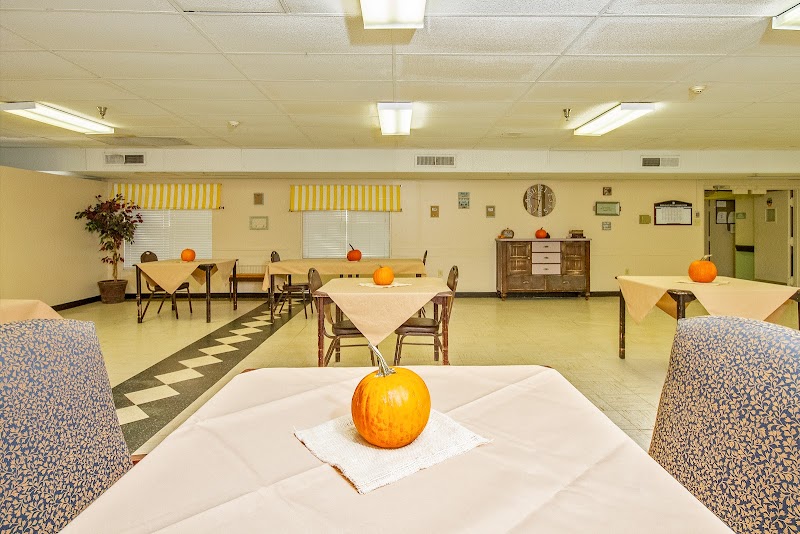
Who Owns and Operates The Blossoms At Fort Smith Rehab & Nursing Center?

THE BLOSSOMS AT FORT SMITH REHAB & NURSING CENTER is owned by a for-profit company. For-profit facilities operate as businesses with obligations to shareholders or private owners. The facility is operated by THE BLOSSOMS NURSING AND REHAB CENTER, a chain that manages multiple nursing homes. With 110 certified beds and approximately 112 residents (about 102% occupancy), it is a mid-sized facility located in FORT SMITH, Arkansas.
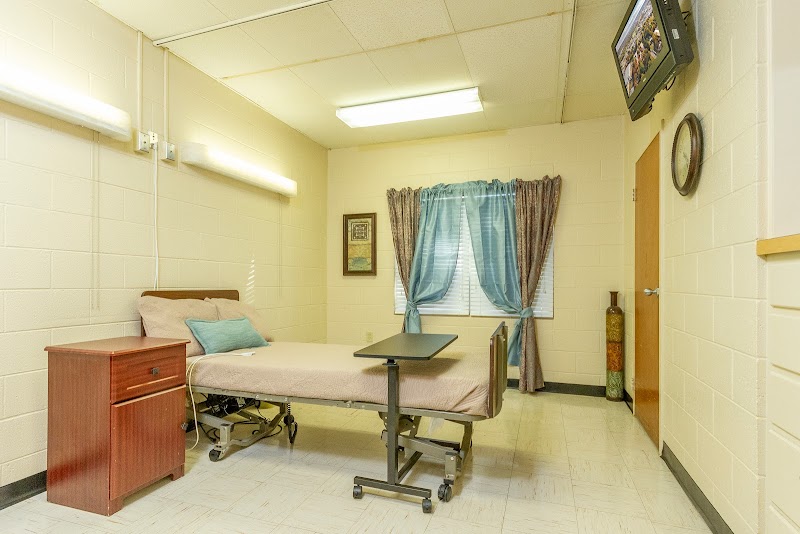
How Does The Blossoms At Fort Smith Rehab & Nursing Center Compare to Other Arkansas Nursing Homes?

Compared to the 100 nursing homes in Arkansas, THE BLOSSOMS AT FORT SMITH REHAB & NURSING CENTER's overall rating (1 stars) is below the state average of 3.1, staff turnover (55%) is near the state average of 46%, and health inspection rating (1 stars) is much below the national benchmark.

What Should Families Ask When Visiting The Blossoms At Fort Smith Rehab & Nursing Center?

Based on this facility's data, families visiting should ask: "Can you walk me through typical staffing levels on day, evening, and night shifts?" "Can I visit during a mealtime to observe dining assistance and food quality?" "How do you handle medical emergencies, and what is your hospital transfer rate?" "Can I speak with family members of current residents about their experience?" These questions are particularly relevant given the below-average staffing rating.

Is The Blossoms At Fort Smith Rehab & Nursing Center Safe?

Based on CMS inspection data, THE BLOSSOMS AT FORT SMITH REHAB & NURSING CENTER has a clean safety record: no substantiated abuse findings (meaning no confirmed cases of resident harm), no Immediate Jeopardy citations (the most serious violation level indicating risk of serious injury or death), and is not on the Special Focus Facility watch list (a federal program monitoring the lowest-performing 1% of nursing homes). The facility has a 1-star overall rating and ranks #100 of 100 nursing homes in Arkansas. While no facility is perfect, families should still ask about staff-to-resident ratios and recent inspection results during their visit.

Do Nurses at The Blossoms At Fort Smith Rehab & Nursing Center Stick Around?

THE BLOSSOMS AT FORT SMITH REHAB & NURSING CENTER has a staff turnover rate of 55%, which is 9 percentage points above the Arkansas average of 46%. Moderate turnover is common in nursing homes, but families should still ask about staff tenure and how the facility maintains care continuity when employees leave.

Was The Blossoms At Fort Smith Rehab & Nursing Center Ever Fined?

THE BLOSSOMS AT FORT SMITH REHAB & NURSING CENTER has no federal fines on record. CMS issues fines when nursing homes fail to meet care standards or don't correct problems found during inspections. The absence of fines suggests the facility has either maintained compliance or corrected any issues before penalties were assessed. This is a positive indicator, though families should still review recent inspection reports for the full picture.

Is The Blossoms At Fort Smith Rehab & Nursing Center on Any Federal Watch List?

THE BLOSSOMS AT FORT SMITH REHAB & NURSING CENTER is not on any federal watch list. The most significant is the Special Focus Facility (SFF) program, which identifies the bottom 1% of nursing homes nationally based on persistent, serious quality problems. Not being on this list means the facility has avoided the pattern of deficiencies that triggers enhanced federal oversight. This is a positive indicator, though families should still review the facility's inspection history directly.