NIGHTINGALE AT GLENWOOD
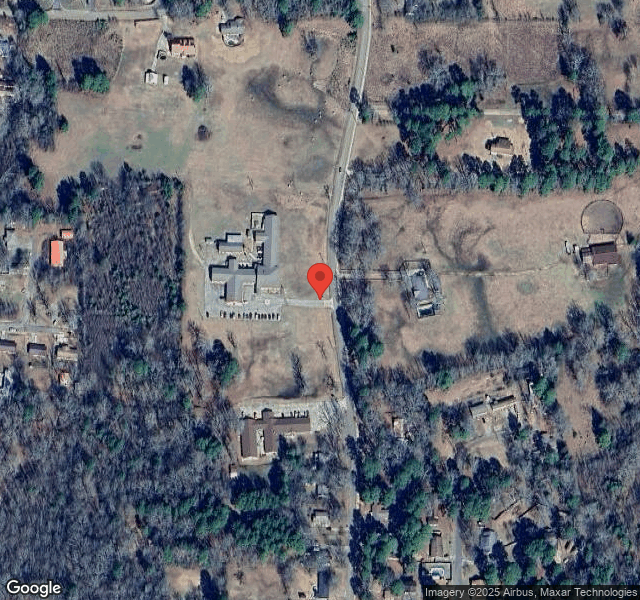

615 MOUNTAIN VIEW ROAD, GLENWOOD, AR 71943 (870) 356-3953
For profit - Limited Liability company 42 Beds NIGHTINGALE Data: November 2025
Trust Grade
93/100
#25 of 218 in AR
Last Inspection: August 2024

Within standard 12-15 month inspection cycle. Federal law requires annual inspections.

Overview

Nightingale at Glenwood has an excellent Trust Grade of A, indicating that it is highly recommended and performs well compared to other facilities. It ranks #25 out of 218 in Arkansas, placing it in the top half, and is the best option among the two nursing homes in Pike County. The facility is improving, having decreased from three issues in 2023 to two in 2024. Staffing is generally strong, with a 4 out of 5 star rating and a turnover rate of 25%, which is significantly lower than the state average. Notably, there have been no fines reported, and the facility has more RN coverage than 99% of Arkansas facilities, ensuring high-quality care. However, there are some concerns, including failures to properly label and date food items, which could lead to foodborne illnesses, and a failure to follow physician's orders regarding oxygen therapy for a resident. While these incidents pose potential risks, they are not life-threatening and are reflective of areas that need improvement rather than critical failures. Overall, Nightingale at Glenwood has many strengths but must address these specific issues to enhance resident safety further.

Trust Score
A
93/100
In Arkansas
#25/218
Top 11%
Safety Record
Low Risk
No red flags
Inspections
Getting Better
3 → 2 violations
Staff Stability
✓ Good
25% annual turnover. Excellent stability, 23 points below Arkansas's 48% average. Staff who stay learn residents' needs.
Penalties
✓ Good
No fines on record. Clean compliance history, better than most Arkansas facilities.
Skilled Nurses
✓ Good
Each resident gets 59 minutes of Registered Nurse (RN) attention daily — more than average for Arkansas. RNs are trained to catch health problems early.
Violations
⚠ Watch
11 deficiencies on record. Higher than average. Multiple issues found across inspections.
★★★★★
5.0
Overall Rating
★★★★☆
4.0
Staff Levels
★★★★★
5.0
Care Quality
★★★★★
5.0
Inspection Score
Stable
2023: 3 issues
2024: 2 issues

The Good

  • 4-Star Staffing Rating · Above-average nurse staffing levels
  • 5-Star Quality Measures · Strong clinical quality outcomes
  • Low Staff Turnover (25%) · Staff stability means consistent care
  • Full Sprinkler Coverage · Fire safety systems throughout facility
  • No fines on record
  • Staff turnover is low (25%)

    23 points below Arkansas average of 48%

Facility shows strength in staffing levels, quality measures, staff retention, fire safety.

The Bad

Chain: NIGHTINGALE

Part of a multi-facility chain

Ask about local staffing decisions and management

The Ugly 11 deficiencies on record

Aug 2024 2 deficiencies
CONCERN (D)

Potential for Harm - no one hurt, but risky conditions existed

Assessment Accuracy (Tag F0641)

Could have caused harm · This affected 1 resident

**NOTE- TERMS IN BRACKETS HAVE BEEN EDITED TO PROTECT CONFIDENTIALITY** Based on record review and interview, the facility failed to ensure an Annual Minimum Data (MDS) Assessment was coded correctly ...

Read full inspector narrative →
**NOTE- TERMS IN BRACKETS HAVE BEEN EDITED TO PROTECT CONFIDENTIALITY** Based on record review and interview, the facility failed to ensure an Annual Minimum Data (MDS) Assessment was coded correctly to document a resident had a serious mental illness and or intellectual disability or related condition requiring level II Preadmission Screening and Resident Review (PASARR) to ensure continuity of care for 1 (Resident #22) sampled resident with a diagnosis of serious mental illness. The findings are: 1.The Annual Minimum Data Set (MDS) with an Assessment Reference Date (ARD) of 2/8/2024 documented the resident had diagnoses of depression, anxiety, and bipolar disorder, and scored 15 (13-15 indicates cognitively intact) on the Brief Interview for Mental Status (BIMS). The Annual MDS also indicated on 1500 Preadmission Screening and Resident Review the following: .Is the resident currently considered by the state level II PASRR process to have a serious mental illness and/or intellectual disability or related condition? 0. No . a. The Care Plan with a revision date of 2/22/2023 indicated Resident #22 had a mood problem related to depression, and anxiety and staff should observe the resident for any signs or symptoms of depression, anxiety, or sadness and report to the medical doctor as needed. b. On 08/06/2024 at 10:50 AM, the Surveyor requested a copy of the Resident #22's complete PASARR (Preadmission Assessment Screening and Resident Review) packet from the Registered Nurse Consultant. c. On 08/06/2024 at 10:54 AM, review of the complete PASSAR packet dated April 8th, 2021, received from the Registered Nurse Consultant, contained a letter dated April 8, 2021, from [State Designated Professional Associates] indicated Resident #22 did not require specialized services for their mental illness beyond the capabilities of a nursing facility. d. On 08/06/2024 at 11:20 AM, during an interview the MDS Coordinator stated Resident #22 did require a PASARR Level 2 and that the Annual MDS assessment dated [DATE] had been coded incorrectly. e. On 08/07/2024 at 1:45 PM, the Administrator was asked if the facility had a policy on accuracy of MDS assessments. f. On 08/07/2024 at 1:58 PM, the Administrator stated the facility did not have a policy on accuracy of MDS assessments but followed the federal RAI (Resident Assessment Instrument) manual.
CONCERN (D)

Potential for Harm - no one hurt, but risky conditions existed

Accident Prevention (Tag F0689)

Could have caused harm · This affected 1 resident

Based on observation, interview, and record reviews, the facility failed to ensure a transfer with a gait belt was done properly for 1 (Resident #8) sampled resident. This failed practice had the pote...

Read full inspector narrative →
Based on observation, interview, and record reviews, the facility failed to ensure a transfer with a gait belt was done properly for 1 (Resident #8) sampled resident. This failed practice had the potential to cause injury to the resident. The findings are: A review of the annual Minimum Data Set (MDS) with an Assessment Reference Date (ARD) 07/17/2024 revealed Resident #8 scored 5 on the Brief Interview of Mental Status which indicated severe cognitive impairment. Resident #8 required supervision or touching assistance chair/bed-to-chair transfer. A review of Resident #8's Care Plan (date initiated 08/05/2024) revealed the resident required extensive assistance by staff to move between surfaces. On 08/05/24 at 11:10 AM, the Surveyor observed Certified Nursing Assistant (CNA) #1 and CNA #3 place a gait belt around Resident #8's waistline. CNA #1 placed her left forearm under the resident's left arm pit and grabbed the back of the resident's pants with the right hand. On 08/05/24 at 11:15 AM, Certified Nursing Assistant (CNA) #1 confirmed she did not grab the gait belt to transfer despite being trained to do so. CNA #1 confirmed that she placed her forearm under the resident's armpit and grabbed the resident's pants to transfer from one surface to another. On 08/08/24 at 9:27 AM, the Director of Nursing (DON) voiced that staff should place hands on the gait when transferring, and staff should not put lower forearm under the resident's armpit or grab pants. The DON confirmed if staff placed their forearm under the resident's armpit and/or grabbed the resident's pants it was not a proper transfer it and could hurt the resident.
Jul 2023 3 deficiencies
CONCERN (E)

Potential for Harm - no one hurt, but risky conditions existed

Respiratory Care (Tag F0695)

Could have caused harm · This affected multiple residents

Based on observation, interview and record review the facility failed to follow physician's orders for oxygen therapy and failed to change the oxygen tubing as ordered for 1 (resident #13) of three (R...

Read full inspector narrative →
Based on observation, interview and record review the facility failed to follow physician's orders for oxygen therapy and failed to change the oxygen tubing as ordered for 1 (resident #13) of three (Resident #8, #12 and #13) sampled residents who received supplemental oxygen. The failure had the potential to affect all 10 residents in the facility who received supplemental oxygen. The findings are: Resident #13 had a diagnosis of congestive heart failure (CHF) and obstructive sleep apnea. The Quarterly Minimum Data Set (MDS) with as assessment reference date (ARD) of 4/11/23 documented a brief interview of mental status (BIMS) of 13 (13-15 indicates cognitively intact), the Resident had shortness of breath upon exertion and when lying flat at rest and uses oxygen. On 07/03/23 at 11:06 AM Resident #13 was lying in bed with (named) ventilator on via face mask which was connected to oxygen. The oxygen tubing connecting the oxygen concentrator to the (named) ventilator was not dated. The oxygen was set to deliver 0.5 liter per minute. Resident #13 stated the oxygen should be set on 2 liters. Review of the Physician Order dated 04/26/22 noted oxygen tubing to be changed weekly on Thursday. Staff to date, initial and bag the tubing. The concentrator filter and (named) ventilator to be cleaned weekly. Review of the Physician Order dated 5/29/23, noted oxygen at 2 liters per minute by nasal cannula as needed for shortness of breath. Review of the care plan with a revision date of 1/21/20 noted: change oxygen tubing weekly on Thursday. Date, initial and bag. d. On 7/03/2023 the Surveyor asked Licensed Practical Nurse (LPN) #1 if she knew what Resident #13's oxygen should be set on. LPN #1 responded that she wasn't sure, but she could check. After checking the order LPN #1 stated it should be set on 2 liters. LPN #1 then accompanied the surveyor to Resident #13's room looked at the setting and said that's not right, and adjusted oxygen to correct setting. The Procedure Guidelines 12-12 for administering oxygen did not document the timing for changing and dating oxygen supplies. The document noted to set the flow rate at the prescribed liters per minute.
CONCERN (E)

Potential for Harm - no one hurt, but risky conditions existed

Deficiency F0925 (Tag F0925)

Could have caused harm · This affected multiple residents

Based on observation, interview and record review, the facility failed to ensure the kitchen was free of pests to prevent potential cross contamination or bacteria growth. The failed practice had the ...

Read full inspector narrative →
Based on observation, interview and record review, the facility failed to ensure the kitchen was free of pests to prevent potential cross contamination or bacteria growth. The failed practice had the potential to affect all 40 residents who received food from the facility kitchen, according to the list provided by the Dietary Manager on 7/07/2023 at 08:30 AM. The findings are: 1. On 7/03/2023 at 10:05 AM during the initial kitchen tour, observed two lifeless houseflies on a tray in the refrigerator which contained six individual servings of mandarin oranges and three individual servings of pineapple. 2. On 07/03/2023 at 10:28 AM three houseflies were observed flying in the air in the kitchen and four houseflies were sitting on the outside of a pan which was on a pan- rack by the stove. 3. On 7/05/2023 at 11:23 AM two houseflies were observed flying in the kitchen. 4. On 07/06/2023 at 3:00 PM the Business Office Manager was asked for invoices for pest control treatment. Pest control had treated the facility on June 2, 2023, and July 5, 2023. 5. The Pest Control Program policy obtained from the Administrator on 07/07/2023 at 8:57 AM documented, .Facility will maintain a report system of issues that may arise in between scheduled visits with the outside pest service and treat as indicated . 6. On 07/07/2023 at 10:10 AM the Surveyor asked Dietary worker #1 was asked, Have you seen flies in the kitchen? Dietary worker #1 replied, Yes, just a few here and there, we have sprayed but they are still around. The Surveyor asked, What do you do when you see flies in the kitchen? Dietary worker #1 responded, I try to keep everything covered until they can get someone else in here to spray. 7. On 07/07/2023 at 10:15 AM the Surveyor asked the Dietary Manager, Have you noticed flies in the kitchen? The Dietary Manager responded, Yes, I Have seen a few. The Surveyor asked, What do you do when you see a fly? The Dietary Manager stated, I keep everything covered and use a fly swatter if they are not in an area where food it being prepared, then disinfect the area.
CONCERN (F)

Potential for Harm - no one hurt, but risky conditions existed

Food Safety (Tag F0812)

Could have caused harm · This affected most or all residents

Based on observation, interview and record review, the facility failed to ensure food items received and stored in the refrigerator, freezer and dry storage were dated with received date and use by da...

Read full inspector narrative →
Based on observation, interview and record review, the facility failed to ensure food items received and stored in the refrigerator, freezer and dry storage were dated with received date and use by date and expired food items were promptly removed/discarded by the expiration date to prevent potential food borne illnesses for residents who receive meals from the facility kitchen. These failed practices had the potential to affect all 40 residents who received meals from the facility kitchen according to a list provide by the Dietary Manager on 07/07/2023 at 8:40 AM. The findings are: 1. On 7/03/2023 at 10:00 AM the following observations were made in the upright freezer in the kitchen: a. Five bags of frozen broccoli with no received or expiration date. b. One bag of frozen greens with no received or expiration date. c. One single serving of chocolate ice-cream in a covered dessert cup without an opened or expiration date. d. A quart tub of rainbow sherbet with no received date or expiration date. 2. On 07/03/2023 at 10:05 AM the following observations were made in the upright large refrigerator in the kitchen: a. Four green salads covered with clear wrap with no prepared or use by date. b. A quart container of applesauce with no open or expiration date. c. A quart container of sour cream with no open or expiration date. d. Six covered individual servings of mandarin oranges with no prepared or expiration date. e. Three covered individual servings of pineapple chunks with no prepared or expiration date. f. Two 36 oz containers of cranberry cocktail that had expired. g. A gallon container of Italian dressing that had expired. h. A gallon container of ranch dressing that had expired. i. A ½ gallon container of imitation vanilla flavoring that had expired. j. Dietary worker #1 was gathering expired items as they were found by the surveyor and throwing them in the trash. 3. On 7/03/2023 at 10:15 AM Observed, on metal shelf, located next to the disinfection sink: a. An undated open box containing five individually wrapped fudge round snack cakes. 4. On 07/03/2023 at 10:17 AM the following observations were made in the refrigerator located in the dry storage area: a. A head of cabbage not bagged sitting in a bowl on the bottom shelf with no received or use by date. b. A cardboard box containing 7 loose cucumbers with no received or use by date. c. A cardboard box containing five bell peppers with no received or use by date. d. A plastic bag of salad with no received or use by date. 5. On 07/03/2023 at 10:20 AM observed the following on a shelf behind the door in the dry storage area: a. Three open containers of decorative cake sanding sugar without an open or expiration date. 6. On 07/07/2023 at 10:15 AM the Dietary Manager was asked, Can you tell me the procedure you use when you receive food from the supplier? They Dietary Manager stated, We date the packages of when it is received, rotate items so the older items are used first. We put the refrigerated and frozen items up first then work on the dry items. 7. The food storage policy obtained from the Dietary Manager on 07/07/2023 documented, .All food not labeled with an expiration date will be discarded according the guidelines .All food will be labeled with a use by date when opened and stored in the appropriate manner.
Apr 2022 6 deficiencies
CONCERN (D)

Potential for Harm - no one hurt, but risky conditions existed

PASARR Coordination (Tag F0644)

Could have caused harm · This affected 1 resident

Based on record review and interviews, the facility failed to ensure a referral was made to the appropriate state designated authority for a level II Pre-admission Screening and Resident Review (PASAR...

Read full inspector narrative →
Based on record review and interviews, the facility failed to ensure a referral was made to the appropriate state designated authority for a level II Pre-admission Screening and Resident Review (PASARR) evaluation after a resident was identified after admission with newly evident or possibly serious Mental Diagnosis, Intellectual Disability, or related disorder for 1 (Resident #37) of 5 (Resident #15, 28, 37, and 43) sampled residents who had mental health diagnosis after admission. This failed practice had the potential to affect 7 residents who had mental health diagnosis after admission according to a list provided by the Administrator on 4/28/22 at 9:15 AM. The findings are: Resident #37 had diagnoses of Bipolar Disorder, Major Depressive Disorder, Anoxic Brain Damage and Generalized Anxiety Disorder. The Annual Minimum Data Set (MDS) with an Assessment Reference Date (ARD) of 3/22/22 documented that the resident scored 14 (a score of 13 - 15 indicates cognitively intact) on the Brief Interview of Mental Status (BIMS), scored a 3 on the Resident Mood Interview, had no documented behaviors and received an Antianxiety, and Antidepressant medication for 7 days out of the 7 days look back period. a. The Care Plan last reviewed on 4/11/22 did not address her Mental Diagnoses of Bipolar Disorder, Major Depressive Disorder or Generalized Anxiety Disorders. b. On 04/27/22 at 9:15 AM, there was no PASARR II in Resident #37's Electronic Health Record (EHR) or in the binder containing other resident PASARR's. c. On 04/27/22 at 9:30 AM, the Director of Nursing (DON), was asked, Do you have a PASARR on [Resident #37]? The DON stated, I will look and see. d. On 04/27/22 at 10:30 AM, the DON stated, Resident #37 does not have a PASARR. The resident was admitted to the facility in 2019 and wasn't given those mental diagnoses until 2021 and since she did not go out and return with those diagnoses, I was under the understanding when that happens, they didn't need a PASARR. e. On 4/28/22 at 9:15 AM, the DON was asked if Resident #37 was diagnosed with those Mental Disorders after she was admitted . She stated, Yes, Major Depressive and Bipolar Disorders The DON was asked, Why is it important that a resident with mental health diagnosis have a PASARR completed? The DON stated, To make sure the resident is safe in the facility and to see if the resident might require other services that may need to be provided by the facility or outside of the facility.
CONCERN (D)

Potential for Harm - no one hurt, but risky conditions existed

Deficiency F0657 (Tag F0657)

Could have caused harm · This affected 1 resident

Based on record review and interviews the facility failed to ensure the care plan was revised to reflect new mental health diagnoses to assure appropriate treatment and goals for 1 (Resident #37) of 4...

Read full inspector narrative →
Based on record review and interviews the facility failed to ensure the care plan was revised to reflect new mental health diagnoses to assure appropriate treatment and goals for 1 (Resident #37) of 4 (#15, 28, 37 and 43) Sample residents who had a psychiatric diagnosis since admission. This failed practice had the potential to affect 7 residents with a psychiatric diagnosis since admission according to a list provided by the Administrator on 4/28/22. The findings are: 1. Resident #37 had diagnoses of Bipolar Disorder, Major Depressive Disorder, Anoxic Brain Damage and Generalized Anxiety Disorder. The Annual Minimum Data Set (MDS) with an Assessment Reference Date (ARD) of 3/22/22 documented the resident scored 14 (13 - 15 indicates cognitively intact) on the Brief Interview of Mental Status (BIMS), scored a 3 on the Resident Mood Interview, had no documented behaviors and received an Antianxiety, and Antidepressant medication for 7 days out of the 7 days look back period. a. The Care Plan last reviewed on 4/11/22 did not address the resident's Mental Diagnoses of Bipolar Disorder, Major Depressive Disorder or Generalized Anxiety Disorders. She received the diagnosis on 1/19/21, which was acquired from her diagnosis list in the PCC and was confirmed by the interview date in the MDS. b. On 4/27/22 at 10:02 AM, the Director of Nursing (DON) was asked, Who is responsible for updating the Plan of Care [POC] She stated, The Minimum Data Set [MDS] Coordinator. c. On 4/27/22 at 10:05 AM, the MDS Coordinator was asked, Did you update Resident #37's POC when she was diagnosed with Bipolar and Major Depressive Disorder on 1/19/21? She stated, I'll look. At 10:11 AM, she returned and stated, I did not update her POC with those newly diagnosed mental disorders, I'll do it today.
CONCERN (D)

Potential for Harm - no one hurt, but risky conditions existed

Tube Feeding (Tag F0693)

Could have caused harm · This affected 1 resident

Based on observation, interview, and record review the facility failed to ensure the placement of the Percutaneous Endoscopy Gastrostomy (PEG) tube by auscultation of the resident's peg tube before ad...

Read full inspector narrative →
Based on observation, interview, and record review the facility failed to ensure the placement of the Percutaneous Endoscopy Gastrostomy (PEG) tube by auscultation of the resident's peg tube before administering medication for 1 (Resident #36) of 1 sampled resident who received medications through a tube feeding. This failed practice had the potential to affect 2 Residents receiving medications per PEG according to a list provided by the Director of Nursing (DON) on 4/27/22 at 2:45 PM. The sample mix of residents that receive medication, Feedings, and water for hydration per peg tube in the facility according to a list provided by the Director of Nursing (DON) on 04/20/22 with the potential to affect 4 residents that had a PEG. The findings are: Resident #36 had diagnoses of History of Traumatic Brain Injury, Functional Quadriplegia and Dysphagia, and Oropharyngeal phase and Percutaneous Endoscopic Gastrostomy (PEG). The Annual Minimum Data Set (MDS) with an Assessment Reference Date (ARD) of 3/25/22 documented the resident was severely impaired in cognitive skills for daily decision making on the Staff Assessment for Mental Status (SAMS), was totally dependent on the assistance of 1 person for eating and received 51% or more calories and 501cc/day or more fluid intake via the PEG tube. a. The April 2022 Physician Orders documented, . 2.0 50 ML/HR [milliliters/hour] FROM 6A-5A [6:00 a.m. to 5:00 a.m.] every day and evening shift related to Dysphagia, Oropharyngeal Phase .Start Date: 5/25/21 .Check Peg Placement Via [By] Aspiration and Auscultation .Start Date: 8/31/18 . b. The Plan of Care last revised on 4/10/19 documented, .The resident requires tube feeding . Interventions: Check placement via auscultation and aspiration per physician order . c. On 4/26/22 at 1:57PM during the 2 PM med pass, Registered Nurse (RN #1) prepared medications for administration via the feeding tube. Prior to administering medications per PEG she turned off the pump, disconnected the tube, placed a 60 cubic centimeter [cc] syringe into the gastric port of the feeding tube, pulled the plunger back to approximately 20 cc without any gastric contents. She did not check tube feeding placement by auscultating prior to administering medications. She poured approximately 30 cc water into the port and the contents would not flow via gravity. Using the plunger, she pushed slightly to aid the flow of the contents. After the water was almost infused, she poured the contents of the medications mixed with water and poured into the syringe. Again, she had to use the plunger and pushed slightly to aid the flow of the medications followed by 30 cc of additional water. After the water and medications completely infused, she reconnected the tubing and turned back on the pump. d. The Medication Administration/Feeding Tube Policy and Procedure provided by the DON on 4/27/22 at 9:38 AM documented, .Policy: It is a policy of this facility to utilize feeding tubes in accordance with current clinical standards of practice when administering medications, to safely administer ordered medications via feeding tube, and to prevent occlusion of feeding tube to the extent possible. Procedure: .9. Verify tube placement: * Instill 10 - 20 cc of air into the tube while simultaneously auscultating over the left upper quadrant of the abdomen with a stethoscope to validate air movement in the stomach. * Aspirate 2 - 10 cc of gastric contents and re-install . e. On 04/27/22 at 10:00 PM, the DON was asked about the Medication Administration per PEG after it was reviewed, What is the procedure for checking placement of the PEG prior to administering medications? She said, Verify tube placement by instilling 10 - 20 cc of air into the tube while auscultating over the abdomen with a stethoscope to ensure the feeding tube is in the stomach. f. On 4/28/22 at 9:00 AM, the DON was asked, Is the RN working today so I may interview her about not auscultating to check for tube feeding placement. She stated, No, she is camping and does not have phone service, but I called her yesterday at 5:36 PM and questioned her about what you had observed and she told me she did not check placement by auscultating. Said, she forgot due to a hectic morning with the fire drill and another resident falling during her med pass that afternoon.
CONCERN (E)

Potential for Harm - no one hurt, but risky conditions existed

Respiratory Care (Tag F0695)

Could have caused harm · This affected multiple residents

Based on observations, record review, and interview, the facility failed to ensure oxygen was administered at the prescribed flow rate for 2 (Resident #15 and #42) of 5 (Resident #8, 13, 15, 21 and 42...

Read full inspector narrative →
Based on observations, record review, and interview, the facility failed to ensure oxygen was administered at the prescribed flow rate for 2 (Resident #15 and #42) of 5 (Resident #8, 13, 15, 21 and 42) sampled residents who were receiving oxygen. This failed practice had the potential to affect 10 residents who were receiving oxygen according to a list provided by the Administrator on 4/27/22 at 1:53 pm. The findings are: 1. Resident #15 had diagnoses of Chronic Obstructive Pulmonary Disease (COPD), Personal History of COVID-19, Type II Diabetes Mellitus (DMII), and anxiety disorder. The Quarterly Minimum Data Set (MDS) with an Assessment Reference Date (ARD) of 2/18/22 documented on a Brief Interview of Mental Status (BIMS) the resident scored a 15 (13-15 indicates cognitively intact); was short of breath [SOB] with exertion, at rest and while lying flat and received oxygen therapy while a resident. a. The Revised Plan of Care dated 10/10/18 documented, .The resident has oxygen therapy r/t [related to] SOB [shortness of breath] .Interventions .OXYGEN SETTINGS: O2 [oxygen] per [according to] physician order . b. The April 2022 Physician Orders documented, .Oxygen 2 LPM [Liters Per Minute] VIA [by] NC [nasal canula] as needed for Shortness of Breath QD [Every Day] Start Date: 12/23/20 . c. On 04/25/22 at 12:45 PM, the resident was lying in bed with his Head of Bed [HOB] up at approximately 30 degrees and receiving O2 at 1 1/2 Liters Per Minute (LPM). The resident was asked, Do you know what your O2 setting should be at? He stated, It should be set at 2 Liters. d. On 04/26/22 at 10:27 AM, the resident was lying in bed with his HOB (head of bed) up approximately 30 degrees and receiving O2 at 1 1/2 LPM. e. On 04/27/22 at 11:03 AM, the resident was lying in bed and his O2 was at 1 1/2 L; no s/sx of sob; Resident asked, Is my oxygen not at 2 liters? He was informed, No. I will notify your nurse. f. On 04/27/22 at 11:07 AM, the Registered Nurse RN #1 was asked what was his O2 set on? She stated, When I get at eye level, it is at 1 1/2, it should be at 2 and increased it to 2L 2. Resident #42 had diagnoses of Personal History of COVID-19, Chronic Congestive Heart Failure, Generalized Anxiety Disorder and Type 2 Diabetes Mellitus. The Quarterly Minimum Data Set (MDS) with an Assessment Reference Date of 4/13/22 documented the resident had a score of 13 (13 - 15 indicates cognitively intact) on a Brief Interview of Mental Status, had shortness of breath with exertion, at rest and while lying flat; and received oxygen therapy while a resident. a. The April 2022 Physician Orders documented, .O2 [oxygen] @ [at] 2 LPM [liters per minute] PER [by] N/C [nasal canula] as needed for S.O.B. [shortness of breath] . Start Date: 05/29/2018 . b. The Resident Plan of Care [POC} last revised on 1/21/20 documented, .The resident has oxygen therapy r/t [related to] Dx [Diagnoses] Respiratory Disorder, CHF [Congestive Heart Failure] .Interventions: OXYGEN SETTINGS: O2 per Physician order . c. On 04/25/22 at 12:15 PM, Resident #42 was lying in bed receiving oxygen at 1 liter. The resident was asked, Do you wear your oxygen all the time? She stated, Yes, most all the time, it helps with my anxiety or panic attacks. She was asked, Do you know what your oxygen should be set on? She stated, I believe it should be set at 2. d. On 04/26/22 at 09:40 AM, the resident was lying in bed receiving O2 at 1 liter. e. On 04/26/22 at 10:58 AM, the resident was lying in bed on back; head of bed [hob] at approximately 15 degrees; receiving o2 at 1Lpm. f. On 04/26/22 at 1:22 PM, during Med Pass the resident was lying in bed receiving o2 at 1 1/2 L. Registered Nurse (RN) #1 was asked what the oxygen setting was at. She stated, 1 1/2 should be at 2 and raised it to 2. 3. On 4/27/22 at 1:53 PM, The Oxygen Management Policy and Procedure was received by the Administrator documented, Policy: It is the policy of this facility to require a physician's order for administering oxygen Procedure/Protocol: .4. Connect the nasal cannula to the bubble humidifier and turn flow meter to the appropriate flow as ordered by the physician .
CONCERN (F)

Potential for Harm - no one hurt, but risky conditions existed

Food Safety (Tag F0812)

Could have caused harm · This affected most or all residents

Based on observation, record review, and interview, the facility failed to ensure foods stored in the refrigerators and freezer were dated & labeled of when received, opened and/or prepared; foods sto...

Read full inspector narrative →
Based on observation, record review, and interview, the facility failed to ensure foods stored in the refrigerators and freezer were dated & labeled of when received, opened and/or prepared; foods stored in refrigerators and shelves were sealed/closed completely; and internal temperature of refrigerators were 41 degrees or lower to prevent potential food borne illness for residents who received meals from 1 of 1 kitchen in facility. These failed practices had the potential to affect 45 residents who received meals from the kitchen, as documented by list of 1 resident NPO (nothing by mouth) 4/28/22 received from Director of Nursing (DON). The findings are: 1. On 04/25/22, during initial tour of kitchen with Dietary Manager (DM), the following observations were made: a. At 12:08 PM, the refrigerator near the dishware storage area contained a plastic bag of carrots that was not dated when received. b. At 12:15 PM, the freezer in the main kitchen contained a bag of frozen chocolate chip cookies not dated when received. DM stated, They were from this weekend so it's ok, I'll date them. c. At 12:23 PM, on the wall perpendicular to the back of the stove, there was an unsealed and undated bag of cereal. At 12:24 PM, there were pepper and onion powder tops open on spice canisters on a shelf. e. At 12:29 PM, the temperature of the refrigerator located near the stove and steam table registered at 50 degrees F. DM stated, It has been opened often during serving of lunch. The refrigerator contained 5 chicken salad sandwiches not labeled/dated. DM stated, They are for alternate for lunch today. f. At 12:33 PM., in the dry storage room, there was a white round container of Milk powder with a lid dated received 3/1/21 had no use by or expiration date able to be read. g. At 12:36 PM, the refrigerator in dry storage room contained 1 bag of salad with lettuce that had brown spots, and 2-3 tablespoons of brown liquid in bottom of an unopened bag that was not dated. The chest freezer in the dry storage room contained 2 bags of tater tots and 1 bag of carrots that were not dated. In the dry storage room, 5 loaves of sliced wheat bread dated received 3/15/22 with no use by date. DM was asked how long bread is good for once thawed. DM stated, the wheat bread lasts 3-4 weeks. 2. On 04/28/22 at 1:01 PM, a temperature check in the refrigerator near stove and steam table after lunch meal was completed. The temperature gauge on 2nd shelf read 55 degrees, gauge hanging from rack in middle read 54 degrees and the gauge attached to roof of refrigerator in middle read 58 degrees. DM was asked about the temperature readings. DM stated that old fridge has fluctuated and is the reason the facility received the new fridge (pointing to the one near hand washing station). a. At 1:23 PM, The DM provided a copy of the temperature log for the refrigerator that was located near the stove and steam table. The log showed 33 out of 55 (60%) temperatures taken twice daily, for the month of April 2022 were over 41 degrees internal temperature. 3. On 4/25/22 at 2:30 PM, a Food Receiving and Storage Policy stated, .6. Dry foods that are stored in bins will be removed from original packaging, labeled, and dated (use by date) ., 7. All foods stored in the refrigerator or freezer will be covered, labeled, and dated (use by date) .and 8. Refrigerated foods must be stored below 41 degrees F unless otherwise specified by law .
MINOR (B)

Minor Issue - procedural, no safety impact

Deficiency F0577 (Tag F0577)

Minor procedural issue · This affected multiple residents

Based on interview, observation, and record review, the facility failed to ensure residents and resident representatives/family had the right to examine the results of the most recent survey of the fa...

Read full inspector narrative →
Based on interview, observation, and record review, the facility failed to ensure residents and resident representatives/family had the right to examine the results of the most recent survey of the facility and past 3 years conducted by Federal or State surveyors and any plan of correction in effect with respect to the facility without asking for 5 of 5 (Resident 1, R2, R6, R42, & R247) sample selected residents. The findings are: 1. Resident #1 with a Minimum Data Set (MDS) with an Assessment Reference Date (ARD) of 4/19/22 documented the resident had a score of 8 (8-12 indicates moderately cognitively impaired) on the Brief Interview for Mental Status (BIMS). a. On 04/27/22 at 12:45 PM, Resident #1 was asked if he wished to be able to see survey results without asking, and if he knew where to find them. R#1 replied, Yes, I would like to know. That would be interesting. I know where they are, but I cannot remember right now. 2. Resident #2 with a Minimum Data Set (MDS) with an Assessment Reference Date (ARD) of 1/24/22 documented the resident had a score of 15 (13-15 indicates intact cognitive response) on the Brief Interview for Mental Status (BIMS). a. On 04/27/22 at 11:05 AM, she was asked if she wished to be able to see survey results without asking and if she knew where to find the results. R#2 replied, If it affects me, then yes, I would. and Not sure, but could ask. 3. Resident #6 with a Minimum Data Set (MDS) with an Assessment Reference Date (ARD) of 2/2/22 documented the resident had a score of 6 (0-7 indicates severely cognitively impaired) on the Brief Interview for Mental Status (BIMS). a. On 04/27/22 at 11:00 AM, R#6 was asked if he wished to be able to see survey results without asking and if he knew where to find the results. R#6 replied Yeah, I would. It could be important. and No, I do not know where. 4. Resident #42 with a Minimum Data Set (MDS) with an Assessment Reference Date (ARD) of 4/13/22 documented the resident had a score of 13 (13-15 indicates intact cognitive response) on the Brief Interview for Mental Status (BIMS). a. On 04/27/22 at 11:10 AM, R #42 was asked if she wished to be able to see survey results without asking and if she knew where to find the results. R#42 replied, Yes, please. That is important and I will need it read to me because I cannot read. I do not know where and would need help finding it. She was asked if she would like that the Social Service Director (SSD) to be informed and for staff to read her the survey results. b. On 04/27/22 at 1:21 PM, the SSD was informed, that R#42 would like to have survey results read to her. SSD stated she would note that. 5. Resident #247 with a Minimum Data Set (MDS) with an Assessment Reference Date (ARD) of 4/20/22 documented the resident had a score of 3 indicating severely impaired in cognitive skills for daily decision-making per the Staff Assessment for Mental Status (SAMS). a. On 04/27/22 at 12:41 PM, R#247's husband was asked if he wished to be able to see survey results without asking and if he knew where to find the results. R#247's husband replied Yes, that would be good to know. and I don't remember being told where to see that. 6. On 04/25/22 at 11:52 AM, it was a survey binder next to staffing log on front entry table. It consisted of surveys from 10/10/19 through 4/27/17 per pink tabs between copies of CMS 2567s with coordinating dates on letters regarding 2567 results. 7. On 04/27/22 at 10:45 AM, the Business Office Manager (BOM) was asked who updates the survey binder. The BOM stated she wasn't sure and texted the Administrator to meet surveyors. During the meeting, the Administrator was asked who was responsible for keeping survey binder up to date. Administrator stated, It's me. The Administrator was asked, What should be in binder? Administrator stated, the 2567s. the Administrator was asked, What period should be in binder? Administrator stated, I'm not sure, but I think 18 months of them.
Understanding Severity Codes (click to expand)
Life-Threatening (Immediate Jeopardy)
J - Isolated K - Pattern L - Widespread
Actual Harm
G - Isolated H - Pattern I - Widespread
Potential for Harm
D - Isolated E - Pattern F - Widespread
No Harm (Minor)
A - Isolated B - Pattern C - Widespread

Questions to Ask on Your Visit

  • "Can I speak with families of current residents?"
  • "What's your RN coverage like on weekends and overnight?"

Our Honest Assessment

Strengths
  • • Grade A (93/100). Above average facility, better than most options in Arkansas.
  • • No major safety red flags. No abuse findings, life-threatening violations, or SFF status.
  • • No fines on record. Clean compliance history, better than most Arkansas facilities.
  • • 25% annual turnover. Excellent stability, 23 points below Arkansas's 48% average. Staff who stay learn residents' needs.
Concerns
  • • 11 deficiencies on record. Higher than average. Multiple issues found across inspections.
Bottom line: Generally positive indicators. Standard due diligence and a personal visit recommended.

About This Facility

What is Nightingale At Glenwood's CMS Rating?

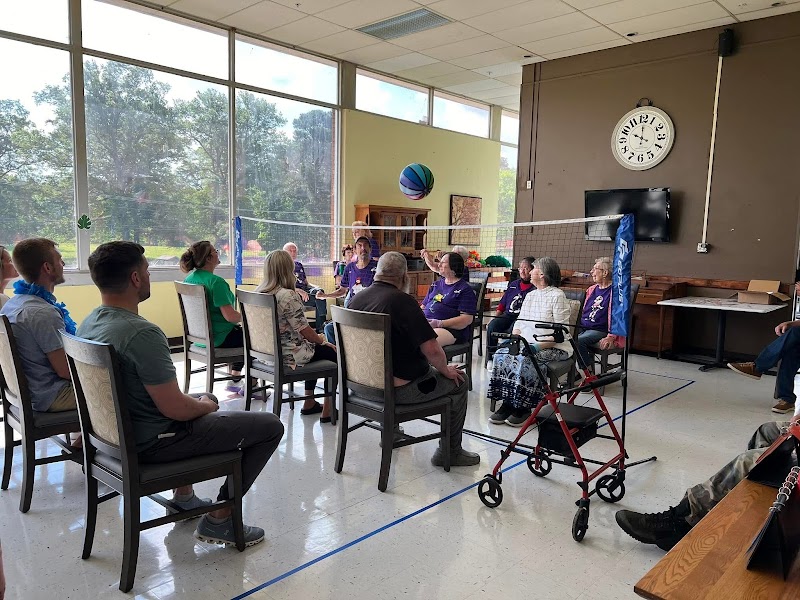
CMS assigns NIGHTINGALE AT GLENWOOD an overall rating of 5 out of 5 stars, which is considered much above average nationally. Within Arkansas, this rating places the facility higher than 99% of the state's 100 nursing homes. This rating reflects solid performance across the metrics CMS uses to evaluate nursing home quality.
How is Nightingale At Glenwood Staffed?

CMS rates NIGHTINGALE AT GLENWOOD's staffing level at 4 out of 5 stars, which is above average compared to other nursing homes. Staff turnover is 25%, compared to the Arkansas average of 46%. This relatively stable workforce can support continuity of care.

What Have Inspectors Found at Nightingale At Glenwood?

State health inspectors documented 11 deficiencies at NIGHTINGALE AT GLENWOOD during 2022 to 2024. These included: 10 with potential for harm and 1 minor or isolated issues.
Who Owns and Operates Nightingale At Glenwood?

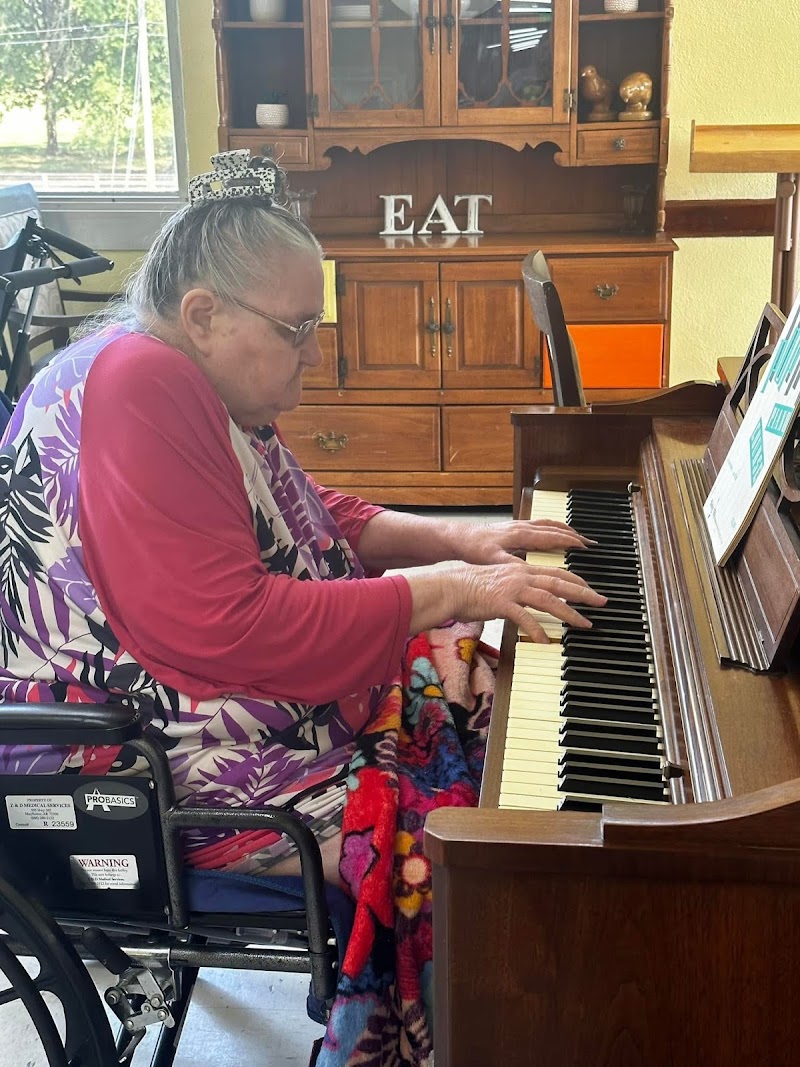
NIGHTINGALE AT GLENWOOD is owned by a for-profit company. For-profit facilities operate as businesses with obligations to shareholders or private owners. The facility is operated by NIGHTINGALE, a chain that manages multiple nursing homes. With 42 certified beds and approximately 47 residents (about 112% occupancy), it is a smaller facility located in GLENWOOD, Arkansas.
How Does Nightingale At Glenwood Compare to Other Arkansas Nursing Homes?

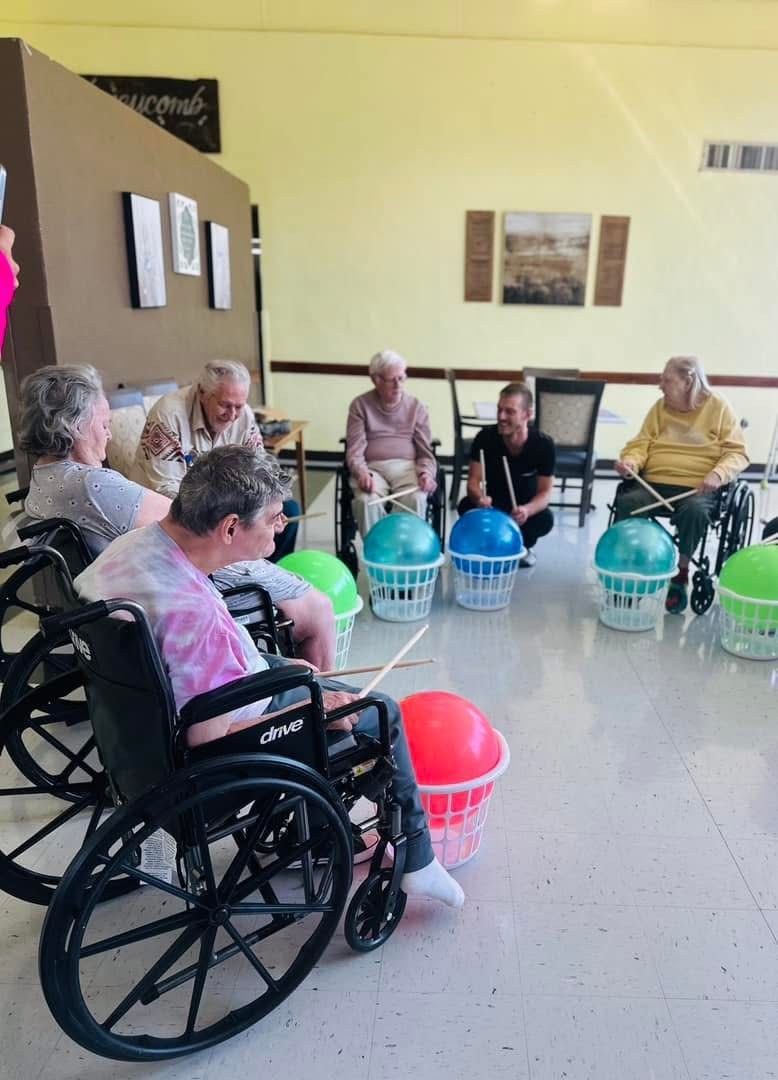
Compared to the 100 nursing homes in Arkansas, NIGHTINGALE AT GLENWOOD's overall rating (5 stars) is above the state average of 3.2, staff turnover (25%) is significantly lower than the state average of 46%, and health inspection rating (5 stars) is much above the national benchmark.

What Should Families Ask When Visiting Nightingale At Glenwood?

Based on this facility's data, families visiting should ask: "Can I visit during a mealtime to observe dining assistance and food quality?" "How do you handle medical emergencies, and what is your hospital transfer rate?" "Can I speak with family members of current residents about their experience?"

Is Nightingale At Glenwood Safe?

Based on CMS inspection data, NIGHTINGALE AT GLENWOOD has a clean safety record: no substantiated abuse findings (meaning no confirmed cases of resident harm), no Immediate Jeopardy citations (the most serious violation level indicating risk of serious injury or death), and is not on the Special Focus Facility watch list (a federal program monitoring the lowest-performing 1% of nursing homes). The facility has a 5-star overall rating and ranks #1 of 100 nursing homes in Arkansas. While no facility is perfect, families should still ask about staff-to-resident ratios and recent inspection results during their visit.

Do Nurses at Nightingale At Glenwood Stick Around?

Staff at NIGHTINGALE AT GLENWOOD tend to stick around. With a turnover rate of 25%, the facility is 21 percentage points below the Arkansas average of 46%. Low turnover is a positive sign. It means caregivers have time to learn each resident's needs, medications, and personal preferences. Consistent staff also notice subtle changes in a resident's condition more quickly. Registered Nurse turnover is also low at 10%, meaning experienced RNs are available to handle complex medical needs.

Was Nightingale At Glenwood Ever Fined?

NIGHTINGALE AT GLENWOOD has no federal fines on record. CMS issues fines when nursing homes fail to meet care standards or don't correct problems found during inspections. The absence of fines suggests the facility has either maintained compliance or corrected any issues before penalties were assessed. This is a positive indicator, though families should still review recent inspection reports for the full picture.

Is Nightingale At Glenwood on Any Federal Watch List?

NIGHTINGALE AT GLENWOOD is not on any federal watch list. The most significant is the Special Focus Facility (SFF) program, which identifies the bottom 1% of nursing homes nationally based on persistent, serious quality problems. Not being on this list means the facility has avoided the pattern of deficiencies that triggers enhanced federal oversight. This is a positive indicator, though families should still review the facility's inspection history directly.