GREENBRIER NURSING AND REHABILITATION CENTER
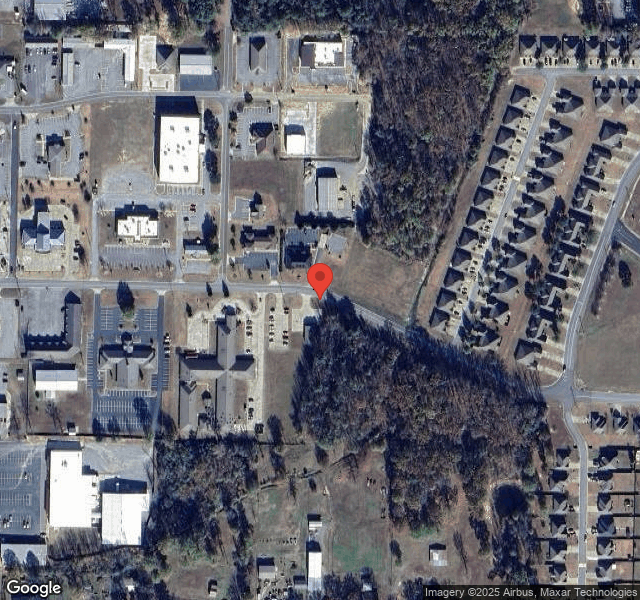
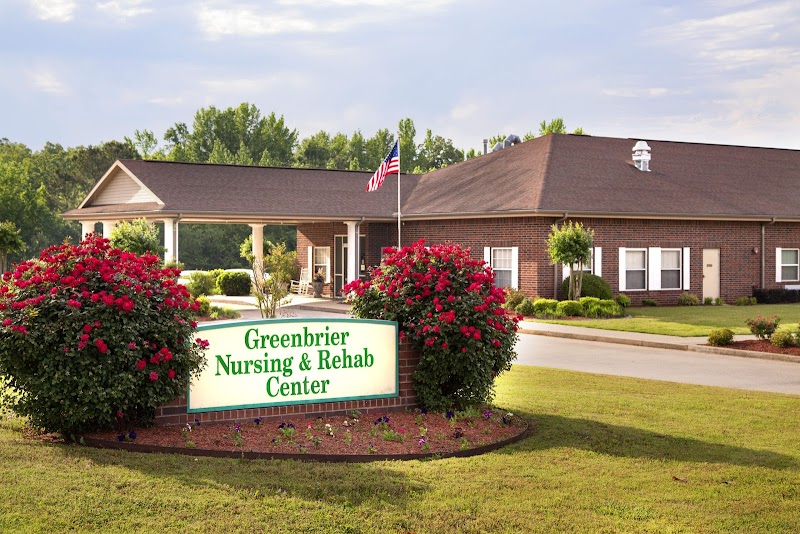
#16 WILSON FARM ROAD, GREENBRIER, AR 72058 (501) 679-0860
For profit - Corporation 90 Beds CENTRAL ARKANSAS NURSING CENTERS Data: November 2025
Trust Grade
85/100
#13 of 218 in AR
Last Inspection: September 2024

Within standard 12-15 month inspection cycle. Federal law requires annual inspections.

Overview

Greenbrier Nursing and Rehabilitation Center has a Trust Grade of B+, which means it is above average and recommended for families considering options. It ranks #13 out of 218 facilities in Arkansas, placing it in the top half, and is the best option among 6 local facilities in Faulkner County. However, the facility is experiencing a worsening trend, with issues increasing from 5 in 2023 to 6 in 2024. Staffing is generally a strength here, with a 4/5 rating and a 45% turnover rate, which is below the state average, indicating that many staff members remain long-term. Notably, the facility has not incurred any fines, which is a positive sign, but there are some concerns related to food safety, such as expired milk being served and staff not properly washing hands, which could pose health risks. Additionally, medications were not securely stored, creating potential safety issues. Overall, while the facility has many strengths, these specific incidents highlight areas that need improvement.

Trust Score
B+
85/100
In Arkansas
#13/218
Top 5%
Safety Record
Low Risk
No red flags
Inspections
Getting Worse
5 → 6 violations
Staff Stability
⚠ Watch
45% turnover. Above average. Higher turnover means staff may not know residents' routines.
Penalties
✓ Good
No fines on record. Clean compliance history, better than most Arkansas facilities.
Skilled Nurses
⚠ Watch
Each resident gets only 27 minutes of Registered Nurse (RN) attention daily — below average for Arkansas. Fewer RN minutes means fewer trained eyes watching for problems.
Violations
⚠ Watch
15 deficiencies on record. Higher than average. Multiple issues found across inspections.
★★★★★
5.0
Overall Rating
★★★★☆
4.0
Staff Levels
★★★★★
5.0
Care Quality
★★★★☆
4.0
Inspection Score
Stable
2023: 5 issues
2024: 6 issues

The Good

  • 4-Star Staffing Rating · Above-average nurse staffing levels
  • 5-Star Quality Measures · Strong clinical quality outcomes
  • Full Sprinkler Coverage · Fire safety systems throughout facility
  • No fines on record

Facility shows strength in staffing levels, quality measures, fire safety.

The Bad

Staff Turnover: 45%

Near Arkansas avg (46%)

Higher turnover may affect care consistency

Chain: CENTRAL ARKANSAS NURSING CENTERS

Part of a multi-facility chain

Ask about local staffing decisions and management

The Ugly 15 deficiencies on record

Sept 2024 6 deficiencies
CONCERN (D)

Potential for Harm - no one hurt, but risky conditions existed

Resident Rights (Tag F0550)

Could have caused harm · This affected 1 resident

Based on observations, record review, and interviews, it was determined the facility failed to provide an environment that promoted maintenance or enhancement of the resident's quality of life by not ...

Read full inspector narrative →
Based on observations, record review, and interviews, it was determined the facility failed to provide an environment that promoted maintenance or enhancement of the resident's quality of life by not dressing the resident in clean clothes after showering/bathing and not dressing the resident in clean clothes daily for 1 (Resident #45) of 1 resident reviewed for resident rights. The findings are: The annual Minimum Data Set (MDS), with an Assessment Reference Date (ARD) of 06/20/2024, revealed Resident #45 had a Brief Interview for Mental Status (BIMS) score of 3 which indicated the resident had severe cognitive impairment. Further review indicated the resident had a diagnosis of Alzheimer's disease and required setup assistance for upper body dressing. A review of Resident #45's care plan, revised on 07/19/2021, revealed the resident had an activity of daily living (ADL) self-care deficit related to Alzheimer's, confusion, and dementia. Interventions included providing assistance of one staff for bathing and dressing. On 09/09/2024 at 11:44 AM, during a concurrent observation and interview, Resident #45's family member stated the resident had been seen wearing the same clothes for several days in between showers. Resident #45 was wearing a blue plaid shirt and dark pants, and the family member stated it was the same outfit the resident had been wearing since last Thursday (09/05/2024). On 09/10/2024 at 09:08 AM, Resident #45 was wearing the same clothing as 9/9/24. A record review of completed tasks records showed the resident received shower at 2:00 PM 09/09/2024. During a concurrent observation and interview on 09/11/2024 at 09:11 AM, Resident #45's family member stated the resident was wearing the same clothes as 9/9/2024. Resident #45 was wearing a blue plaid shirt and dark pants which appeared to be the same as 09/09/2024 and 09/10/2024. The family member confirmed the resident only had one blue plaid shirt. During an interview on 09/11/2024 at 09:40 AM, Certified Nursing Assistant (CNA) #13 stated resident's clothes were to be changed every day before breakfast. During an interview on 09/11/2024 at 9:52 AM, CNA #10 stated she was the staff member that completed Resident #45's shower just before 2:30 PM on 9/9/2024. CNA #10 stated residents are dressed in clean clothes after a shower. CNA #10 then stated, when she was done giving Resident #45 a shower, she realized she forgot to grab a clean shirt to take to the shower room but did put clean pants on the resident. CNA #10 stated she could have used the call light to ask for another staff member to bring her a shirt for the resident or put a clean shirt on the resident when she took the resident back to their room. During an interview on 9/11/2024 at 10:15 AM, the Director of Nursing (DON) stated staff should change resident's clothing daily and after a shower or bath. The DON was unsure of a facility policy regarding changing residents' clothing.
CONCERN (D)

Potential for Harm - no one hurt, but risky conditions existed

Assessment Accuracy (Tag F0641)

Could have caused harm · This affected 1 resident

Based on observations, interviews, record review, and facility policy review, it was determined the facility failed to ensure a Minimum Data Set (MDS) assessment was accurately completed for 1 (Reside...

Read full inspector narrative →
Based on observations, interviews, record review, and facility policy review, it was determined the facility failed to ensure a Minimum Data Set (MDS) assessment was accurately completed for 1 (Resident #50) of 18 sampled residents who were reviewed for MDS assessment accuracy. Specifically, the facility failed to ensure information regarding a resident's tobacco use was accurately completed. Findings include: A review of the admission Record, indicated the facility admitted Resident #50 with diagnoses that included nicotine dependence, cigarettes, with other nicotine-induced disorders and heart disease. The admission MDS, with an Assessment Reference Date (ARD) of 04/11/2024, revealed Resident #50 had a Brief Interview for Mental Status (BIMS) score of 15 which indicated the resident was cognitively intact. Section J1300 indicated Resident #50 was not a tobacco user. A review of Resident #50's care plan, with a revised date of 07/15/2024, revealed no focus, goal or interventions for tobacco use. A review of the Nsg [Nursing] Smoking Assessment and Care Plan, dated 04/05/2024, revealed Resident #50 used traditional tobacco products and was able to manage ashes, was provided cigarettes and matches/lighter from others. The outcome of the assessment indicated Resident #50 could smoke with supervision and was signed by Licensed Practical Nurse (LPN) #14 on 04/05/2024. A review of the Nsg Smoking Assessment and Care Plan, dated 07/11/2024, revealed Resident #50 used traditional tobacco products and was able to manage ashes, was not provided cigarettes and matches/lighter from others. The outcome of the assessment indicated Resident #50 could smoke with supervision and was signed by the MDS Coordinator on 07/22/2024. During an observation on 09/10/2024 at 1:40 PM, Certified Nursing Assistant (CNA) #15 assisted Resident #50 and two other residents outside the building to the smoking area. At 1:46 PM, CNA #15 assisted Resident #50 with lighting the cigarette. During an interview on 09/10/2024 at 2:24 PM LPN #14 stated an assessment, that included tobacco use, was filled out as part of the initial nursing assessment on Resident #50's admission and should have been filled out completely. LPN #14 stated an email was sent to notify the MDS Coordinator of smokers and the tobacco use would be added to the MDS. LPN #14 stated Resident #50's use of tobacco should be reflected on the MDS. During an interview on 09/10/2024 at 2:39 PM, the MDS Coordinator stated the smoking assessment was done the first time a resident goes out to smoke and the assessment is reviewed by the MDS Coordinator, placed on the MDS and then placed on the care plan by the Care Plan Coordinator. The MDS Coordinator stated the MDS should contain information on tobacco use by Resident # 50 however, and verified that it was not documented on the MDS. During an interview on 09/10/2024 at 2:54, the Director of Nursing (DON) stated the admission nurse is expected to complete the initial assessment which is used by the MDS Coordinator to complete the MDS . During an interview on 09/10/2024 at 3:53 PM, the Administrator stated the facility follows the MDS RAI manual for MDS, and there was not a separate policy and procedure.
CONCERN (D)

Potential for Harm - no one hurt, but risky conditions existed

Comprehensive Care Plan (Tag F0656)

Could have caused harm · This affected 1 resident

Based on observations, interviews, record review, and facility policy review, it was determined the facility failed to ensure a care plan was accurately completed for 1 (Resident #50) of 18 sampled re...

Read full inspector narrative →
Based on observations, interviews, record review, and facility policy review, it was determined the facility failed to ensure a care plan was accurately completed for 1 (Resident #50) of 18 sampled residents who were reviewed for a comprehensive care plan. Specifically, the facility failed to ensure information regarding a resident's tobacco use was accurately documented. Findings include: Review of the admission Record, indicated the facility admitted Resident #50 with diagnoses that included nicotine dependence, cigarettes, with other nicotine-induced disorders and heart disease. The admission Minimum Data Set (MDS), with an Assessment Reference Date (ARD) of 04/11/2024, revealed Resident #50 had a Brief Interview for Mental Status (BIMS) score of 15 which indicated the resident was cognitively intact. Section J1300 indicated Resident #50 was not a tobacco user. Review of Resident #50's care plan, with a revised date of 07/15/2024, revealed no focus, goal or interventions for tobacco use. Review of the Nsg [Nursing] Smoking Assessment and Care Plan, dated 04/05/2024, revealed Resident #50 used traditional tobacco products and was able to manage ashes, was provided cigarettes and matches/lighter from others. The Care Plan section of the assessment was left blank. The outcome of the assessment indicated Resident #50 could smoke with supervision and was signed by Licensed Practical Nurse (LPN) #14 on 04/05/2024. Review of the Nsg Smoking Assessment and Care Plan, dated 07/11/2024, revealed Resident #50 used traditional tobacco products and was able to manage ashes, was not provided cigarettes and matches/lighter from others. The Care Plan section of the assessment was left blank. The outcome of the assessment indicated Resident #50 could smoke with supervision and was signed by the MDS Coordinator on 07/22/2024. During an observation on 09/10/2024 at 1:40 PM, Certified Nursing Assistant (CNA) #15 assisted Resident #50 and two other residents outside the building to the smoking area. At 1:46 PM, CNA #15 handed Resident #50 a cigarette and assisted Resident #50 with lighting the cigarette. Resident #50 finished their cigarette and placed it in a cigarette disposal container on the table. During an interview on 09/10/2024 at 2:24 PM, LPN #14 stated, an assessment, that included tobacco use, was filled out as part of the initial nursing assessment on Resident #50's admission and should have been filled out completely and did not know why it was not. LPN #14 stated an email was sent to notify the MDS Coordinator of smokers and the tobacco use would be added to the resident's care plan. LPN #14 stated, Resident #50's use of tobacco should be reflected on the care plan. During an interview on 09/10/2024 at 2:39 PM, the MDS Coordinator stated, the smoking assessment was done the first time a resident goes out to smoke and the assessment was reviewed by the MDS Coordinator, placed on the MDS and then placed on the care plan by the Care Plan (CP) Coordinator. During an interview on 09/10/2024 at 2:48 PM, the CP Coordinator stated the care plan was completed by looking at the assessment. CP Coordinator stated the tobacco use was addressed on the care plan and provided a care plan with an initiation date of 09/10/2024. The CP Coordinator stated that if tobacco use were not on the care plan, a resident would not have proper supervision, and staff would not use proper procedure putting a smoking apron on Resident #50. The resident's care plan was updated to reflect smoking during the interview. After the interview with the CP Coordinator, an additional review of Resident #50's Care Plan Revision, with an initiated date of 08/07/2024, revealed focus of smoking that included Resident #50 as a safe smoker and did not attend afternoon smoking break. Interventions/tasks included Resident #50 being oriented to smoking areas and procedures, requesting materials that included cigarettes and an apron, prior to smoking, demonstrate ability to hold smoking device while smoking, and will verbalize where smoking materials will be used. A review of Resident #50's care plan Changes Since Last Review, dated 09/10/2024 indicated the original care plan item listed as Resident wishes to smoke . was created on 09/10/2024 by the Care Plan (CP) Coordinator, however, was back dated to reflect the date of 08/07/2024 as noted on the resident's care plan. During an interview on 09/10/2024 at 2:54, the Director of Nursing (DON) stated the admission nurse was expected to complete the initial assessment which was used by the CP Coordinator to complete an accurate care plan. During an interview on 09/10/2024 at 3:53 PM, the Administrator stated the facility follows the MDS RAI manual for care plans, and there was not a separate policy and procedure.
CONCERN (E)

Potential for Harm - no one hurt, but risky conditions existed

Deficiency F0761 (Tag F0761)

Could have caused harm · This affected multiple residents

Based on observations, interviews, and facility policy review, it was determined that the facility failed to ensure medication on 2 of 2 medications carts and 1 of 1 treatment cart had medications saf...

Read full inspector narrative →
Based on observations, interviews, and facility policy review, it was determined that the facility failed to ensure medication on 2 of 2 medications carts and 1 of 1 treatment cart had medications safely secured and 1 of 1 medication room had medications safely secured for 3 carts and 1 medication room reviewed for medication storage. Findings include: Review of a facility policy titled, Medication Storage in the Facility, revised in January 2018, indicated medications should be stored safely and securely with access limited to licensed personnel and pharmacy staff. During an observation on 09/10/2024 at 4:57 AM, the 500-Hall medication room, located directly behind the nurse's desk, had the door propped open by a trash can in the doorway. A sign on the door stated, Medication Room, as well as a sign on the door indicating Door to be closed at all times. LPN (Licensed Practical Nurse) #5 was sitting at the nurse's desk, along with Certified Nursing Assistant (CNA) #13 standing at the kiosk, located to the left of the nurse's desk. At 5:20 AM, LPN #5 had prepared medication for Resident #54 from the medication cart, located in front of the nurse's desk. After preparing the medication, she left Resident #54's thyroid medication bubble pack, with medication still inside, on top of the medication cart, left the medication cart unlocked, and walked down the hall to provide the medication to the resident. CNA #13, an unlicensed person, was left unattended at the nurse's station with access to 500-Hall medication room, which was still propped open by a trash can. LPN #5 was not in direct line of sight to the medication room or the medication bubble pack once she entered a resident's room. During an interview on 09/10/2024 at 5:35 AM, LPN #5 stated the medication room was left unsecured, and the medication cart was left unsecured. LPN #5 stated this could lead to all kinds of horrible things, someone could steal medications, or a resident could ingest them. During a concurrent observation and interview on 09/10/2024 at 5:44 AM, a treatment cart was found unsecured at the main nurse's station. LPN #7 walked over to the treatment cart, locked the cart, then got her keys out to unlock the treatment cart. LPN #7 stated there were prescriptions and medicated creams in the cart which could be ingested by a resident and the cart should be locked when unattended During a concurrent observation and interview on 09/10/2024 at 7:23 AM, LPN #6 left the 100/200-Hall medication cart unsecured and unattended on the 100-Hall while in a resident room. LPN #6 was not in line of sight of the medication cart after entering the resident's room. LPN #6 stated the medication cart was left unsecured when LPN #6 observed it upon returning to the hallway and it should have been locked. A resident was sitting in a wheelchair directly next to the unsecured medication cart, waiting for medication, during the observation
CONCERN (E)

Potential for Harm - no one hurt, but risky conditions existed

Food Safety (Tag F0812)

Could have caused harm · This affected multiple residents

Based on observation and interview the facility failed to ensure food products were discarded on or before the expiration date, food preparation surfaces are sanitized between use, and staff properly ...

Read full inspector narrative →
Based on observation and interview the facility failed to ensure food products were discarded on or before the expiration date, food preparation surfaces are sanitized between use, and staff properly washed hands with soap and water to prevent cross-contamination effecting 74 of 74 residents who reside within the facility and receive foods or services from the kitchen. The findings include: During an observation and interview on 09/09/2024 at 1:00 PM, the Dietary Manager walked outside of the facility to where the dumpsters were located, and she opened the gate for the dumpsters. Upon re-entering the kitchen and without washing her hands, the Dietary Manager opened the ice machine lid and touched parts of the inside of the ice machine. This ice machine was used by kitchen staff to provide beverages for all residents. The Dietary Manager stated her hands should have been washed between going outside and coming inside and touching clean supplies. During a concurrent observation and interview on 09/09/2024 at 2:00 PM, Dietary Aide #1 wiped down the kitchen countertop with a washcloth. Without changing her gloves or washing her hands, Dietary Aide #1 picked up a tray of clean cups and placed the tray on the line to be used for facility meal service. Dietary Aide #1 stated her hands should have been washed and gloves changed after touching dirty equipment and before touching clean dishes. During a concurrent observation and interview on 09/11/2024 at 10:30 AM, there were two storage containers of breakfast cereal to be used for residents during meal services in the dry food storage area. One container containing breakfast cereal had expiration date of 8/12/2024 and the other had expiration date of 9/1/2024. The Dietary Manager stated that foods should be discarded past their expiration date. During a concurrent observation and interview on 09/11/2024 at 10:40 AM, Dietary Aide #3 wet a dry washcloth with tap water and wiped down the kitchen countertop with the washcloth. Without changing her gloves or washing her hands, Dietary Aide #3 grabbed a clean container to put puree vegetables in from the steam table for the resident's lunch. Dietary Aide #3 stated her hands should have been washed and gloves should have been changed after wiping surfaces and before touching clean equipment or utensils. Dietary Aide #3 and Dietary Manager stated that the surfaces were wiped down with a washcloth that was wet with water and did not have any sanitizing solution on the washcloth. Dietary Aide #3 and Dietary Manager stated that preparation surfaces were sanitized every evening. Dietary Aide #3 stated that preparation surfaces should have been sanitized between all tasks using the appropriate cleaner and allowing for dry times to prevent cross contamination and preventable infections. During a concurrent interview and observation on 09/11/2024 at 12:00 PM, Dietary Aide #4 put on gloves and prepared cheeseburger plates. Dietary Aide #4 walked away from preparing plates and went into the storage room and removed a loaf of bread from the bread rack. Without changing gloves or washing hands, Dietary Aide #4 continued preparing cheeseburger plates for resident's meal service. Dietary Aide #4 stated her gloves should have been changed, and hand hygiene should have been performed after touching dirty surfaces or materials and before touching clean food items. During a concurrent interview and observation on 09/11/2024 at 1:00 PM, Dietary Aide #2 placed a suction plate lifter, suction cup down, on the outside lid of the plate warmer and then placed additional plates in plate warmer. Without sanitizing the suction cup plate lifter, Dietary Aide #2 placed the suction plate lifter into center of plate and placed plate on tray to be used for resident meal service. Dietary Aide #2 stated the suction plate lifter should be stored on a clean surface or sanitized if stored on dirty surface before using suction plate lifter on clean plates for meal service.
CONCERN (E)

Potential for Harm - no one hurt, but risky conditions existed

Infection Control (Tag F0880)

Could have caused harm · This affected multiple residents

Based on observations, interviews, record review, facility document review, facility policy review, it was determined that the facility failed to ensure aseptic technique was maintained during Periphe...

Read full inspector narrative →
Based on observations, interviews, record review, facility document review, facility policy review, it was determined that the facility failed to ensure aseptic technique was maintained during Peripherally Inserted Central Catheter (PICC) line Intravenous (IV) medication administration 1 (Resident #14) of 6 residents observed during medication administration. The facility also failed to initiate and or follow Enhanced Barrier Precautions (EBP) for 3 residents (Resident #14, #24, and #53) of 9 residents reviewed for infection control. Findings include: 1. Review of a facility policy titled, Handwashing/Hand Hygiene, dated 11/22/2017, indicated hand hygiene was the primary means to prevent the spread of infections and should not be replaced with the use of gloves. Integration of hand hygiene with glove use is recognized as best practice for preventing healthcare-associated infections. 2. Review of an undated facility policy titled, Infusion Therapy/Medication Administration indicated, hand hygiene should be performed after identifying the resident and explaining the procedure. An aseptic technique should be maintained, and the PICC lines needless connector hub should be thoroughly cleaned with alcohol and allowed to dry. 3. Review of the facility's untitled April 2024 in-service, dated 04/15/2024, indicated residents with medical devices were at high risk for infection and should be placed on EBP for their protection. EBP requires staff to wear a gown and gloves for direct resident care. 4. Review of the facility's June 2024 in-service titled, Steps to Take When Placing a Resident in Enhanced Barrier Precaution, dated 06/04/2024, indicated a resident with a PICC line was a reason for placing a resident on EBP. 5. Review of an admission Record, indicated the facility admitted Resident #14 with diagnoses that included infection and inflammatory reaction due to other cardiac and vascular devices, implants and grafts and severe sepsis with septic shock. a. Review of Resident #14's Order Summary Report indicated Resident #14 was receiving two IV antibiotics for an infection related to complications post implanted cardiac pacemaker. Resident #14 also had a physician's order for EBP related to the PICC line, which was ordered on 08/09/2024, as part of aftercare following surgery of the circulatory system. b. Review of Resident #14's care plan, dated on 09/12/2024, revealed the resident was at risk for MDRO (Multi Drug Resistant Organism) a bacterial infection. Interventions included utilizing EBP to keep Resident #14 infection free. c. During an observation on 09/10/2024 at 5:23 AM, Licensed Practical Nurse (LPN) #5 did not perform hand hygiene but put gloves on at the 500-Hall nurses' station prior to medication preparation at the 500-Hall nurses' medication cart. LPN #5 then carried a medication cup of pills and applesauce, and IV medication supplies to Resident #14 room. With the same pair of gloves LPN #5 turned on the light, moved the bedside table, helped the resident out of bed, touched the IV pump, threw away an old exposed IV tubing set, primed and prepared the new IV tubing set, opened a normal saline flush, took the protective plastic cover off the new IV tubing set, opened two alcohol pads with her teeth, and used the alcohol pads to gently wipe the end of the PICC line's needles connector hub with one single motion. She then flushed the PICC line with the normal saline flush and connected the new IV tubing set to the needless connector hub for IV antibiotic administration. LPN #5 did not perform hand hygiene in the room, replace contaminated gloves with new ones, put on a gown as part of EBP, or maintain aseptic technique for the PICC line. d. During an interview on 09/10/2024 at 5:35 AM, the LPN #5 stated they did not perform good hand hygiene during the observation, and they knew better. LPN # 5 also stated alcohol pads should not be opened with the teeth for hygiene purposes. e. During an interview on 09/11/2024 at 1:11 PM, Infection Preventionist (IP) #8 stated residents with a PICC line should be placed in EBP for infection control. IP #8 stated the facility's June 2024 in-services addressed this and provided the surveyor with a copy. IP #8 stated staff should perform hand hygiene prior to putting on Personal Protective Equipment (PPE) when entering the resident's room. IP #8 stated a nurse should not use the teeth to open alcohol pads, because the mouth is dirty, and they were contaminating the alcohol pad. f. During an interview on 09/11/2024 at 2:16 PM, the Director of Nursing (DON) was shown the June in-service Steps to Take When Placing a Resident in Enhanced Barrier Precaution, and acknowledged it was the facility's current practice to which staff referred to for guidance. DON stated PICC lines were to be placed in EBP and alcohol pads should not be opened with a nurse's mouth due to infection risk. 6. Review of Enhanced Barrier Precautions [EBP] in Nursing Homes from the Centers for Medicare and Medicaid Services (CMS) indicated, EBP are used in conjunction with standard precautions and expand the use of PPE [personal protective equipment] to putting on of gown and gloves during high-contact resident care activities that provide opportunities for transfer of MDROs to staff hands and cloth. EBP are indicated for residents with any of the following: Infection or colonization with a CDC-targeted MDRO when Contact Precautions do not otherwise apply; or Wounds and/or indwelling medical devices even if the resident is not known to be infected or colonized with a MDRO. Chronic wounds include, but are not limited to, pressure ulcers, diabetic foot ulcers, unhealed surgical wounds, and venous stasis ulcers. 7. Review of a Quarterly Minimum Data Set (MDS), with an Assessment Reference Date (ARD) of 06/28/2024, revealed Resident #24 had a Brief Interview for Mental Status (BIMS) score of 0, which indicated the resident had severe cognitive impairment. Further review indicated Resident #24 had diagnoses of peripheral vascular disease, below the knee amputation, diabetes mellitus, paralysis of half of the body, and multiple sclerosis. a. Review of Resident #24's care plan, revised on 05/25/2023, revealed the resident had a problem with skin integrity related to cognition, diabetes and a right below knee amputation. Interventions included the resident was to receive any treatment to skin issues per physician's order. The care plan did not indicate the resident had a pressure ulcer to the resident's right foot. b. Review of Resident #24's Clinical Physician's Orders, indicated the resident had a treatment order to treat a diabetic injury with a start date of 08/23/2024. There were no orders for enhanced barrier precautions (EBP) for Resident #24. c. During an observation on 09/09/2024 at 11:30 AM, there was no sign or indication to staff that Resident #24 was on EBP. d. During an observation on 09/09/2024 at 1:30 PM, there was no sign or indication to staff that Resident #24 was on EBP. Licensed Practical Nurse (LPN) #12, wearing only gloves was in the process of assessing Resident #24's diabetic foot ulcer to the left foot, on the second toe. Upon observation, redness and swelling were noted to the area surrounding the ulcer which was partially scabbed with scant drainage noted. 8. Review of a Quarterly Minimum Data Set (MDS), with an Assessment Reference Date (ARD) of 06/06/2024, revealed Resident #53 had a Brief Interview for Mental Status (BIMS) score of 3 which indicated the resident had severe cognitive impairment. Resident #53 had a diagnosis of diabetes mellitus. a. Review of Resident #53's care plan, revised on 04/30/2024, revealed the resident had an unstageable pressure injury to the left buttock. Interventions included reviewing physician's orders for the current treatment plan. Further review indicated the resident had potential/actual skin impairment which had an intervention to follow the facility protocol for treatment of injury. The care plan did not indicate the resident had a pressure ulcer to the resident's right foot. b. Review of Resident #53's Clinical Physician's Orders, indicated the resident had an order to treat a diabetic injury to the bottom of their right foot. There were no orders for enhanced barrier precautions (EBP) or for a pressure ulcer treatment to the buttocks for Resident #53. c. During an observation on 09/09/2024 at 11:45 AM, there was no sign or indication to staff that Resident #53 was on EBP. d. During an interview on 09/09/24 at 3:50 PM, the Administrator stated the facility did not have a policy on enhanced barrier precautions and they followed the CMS guidelines. e. During an interview on 09/10/24 at 9:10 AM, Licensed Practical Nurse (LPN) #12 stated EBP was for residents with stage 3 or 4 pressure ulcers, catheters, and peripherally inserted central catheter (PICC) lines. f. During an interview on 09/10/24 at 9:32 AM, Certified Nursing Assistant (CNA) #9 stated the facility places the residents on enhanced barrier precautions for an open sore, catheter, and indwelling equipment. g. During an interview on 09/10/24 at 10:45 AM, Infection Preventionist (IP) #8 stated EBP was used for residents that have indwelling devices such as indwelling urinary catheters and PICC lines and EBP was also used for chronic wounds, which were stage 3 and stage 4 pressure ulcers only. h. During an interview on 09/10/24 at 11:19 AM, the Director of Nursing (DON) stated residents were placed on enhanced barrier precautions for indwelling urinary catheters, PICC lines, and certain stages of pressure ulcers. i. Upon review of the facility's in-services, an in-service titled, Enhanced Barrier Precautions, dated 04/30/2024, stated, Identify the resident: A. They have [an indwelling urinary] catheter B. They have a new colostomy C. infection or colonization of a CDC [Centers for Disease Control and Prevention] targeted multi drug resistant organism (when normal contact isolation does not apply) D. Chronic wounds (not shorter lasting wounds like skin breaks or tears) for instance pressure ulcers, diabetic foot ulcers, unhealed surgical wounds and venous stasis ulcers E. indwelling medical devices include central lines, feeding tubes or tracheostomies (not a an IV or a PICC line).
Aug 2023 5 deficiencies
CONCERN (D)

Potential for Harm - no one hurt, but risky conditions existed

Safe Environment (Tag F0584)

Could have caused harm · This affected 1 resident

Based on observation, interview, and record review, the facility failed to ensure floors and bedside tables were clean for 1 (Resident #7) of 19 (Residents #3, #7, #10, #12, #14, #18, #20, #29 #33, #3...

Read full inspector narrative →
Based on observation, interview, and record review, the facility failed to ensure floors and bedside tables were clean for 1 (Resident #7) of 19 (Residents #3, #7, #10, #12, #14, #18, #20, #29 #33, #37, #40, #41, #49, #53, #54, #57, #60, #61 and #568) sampled residents. The findings are: a. On 08/21/23 at 1:01 PM, Resident #7 was lying in bed. A clear liquid measuring half the length of the bed was on the floor under Resident #7's bed. b. On 08/21/23 at 4:14 PM, Resident #7 was lying in bed with the bedside table across the bed. Smeared across half of the surface of the bedside table was a sticky, clear substance. The large amount of clear liquid remained on the floor under the bed. c. On 08/22/23 at 10:48 AM, Resident #7 was lying in bed. The bedside table was across the bed and the same sticky, clear substance remained on over half of the surface of the tabletop with Resident #7's personal belongings sitting on top of the smeared surface. The clear liquid remained under the bed. The liquid now measured less than half the length of the bed. d. On 08/22/23 at 3:43 PM, the Surveyor accompanied Nurses Aid (NA) #1 to Resident #7's room. The Surveyor asked NA #1 to describe what was seen on Resident #7's bedside table. NA #1 answered, Looks like it needs to be cleaned. The Surveyor asked NA #1 to describe what was on the floor under the bed. NA #1 answered, It looks like something wet. The Surveyor asked who was responsible for cleaning bedside tables. NA #1 answered, CNAs [Certified Nursing Assistants] are responsible for cleaning beside tables. Housekeeping is responsible for cleaning the floors. e. On 08/22/23 at 3:48 PM, the Surveyor accompanied the Director of Nursing (DON) to Resident #7's room and asked her to describe what was seen on the bedside table. The DON answered, A sticky substance. The Surveyor asked who was responsible for cleaning bedside tables. The DON answered, The CNA's The Surveyor asked how often bedside tables should be cleaned. The DON answered, Daily or as needed. The Surveyor asked if Resident #7's table and floor looked like a homelike environment. The DON answered, No, it needs to be cleaned and reorganized. She likes her personal belongings on her bedside table. The Surveyor asked who was responsible for cleaning or mopping under Resident #7's bed. The DON answered, Housekeeping. They are also responsible for emptying trash. f. A facility policy titled, Housekeeping, provided by the Administrator on 08/23/23 at 11:27 AM documented, .Housekeeping services are planned, operated and maintained to provide a safe and sanitary environment . 2. Housekeeping staff will strive to keep the facility free from offensive odors, accumulations of dirt, rubbish, dust, and safety hazards . 4. Walls and floors shall be cleaned during periods when the least amount of food is exposed, such as between meals . 5. Floors will be cleaned regularly .
CONCERN (D)

Potential for Harm - no one hurt, but risky conditions existed

ADL Care (Tag F0677)

Could have caused harm · This affected 1 resident

Based on observation, record review and interview, the facility failed to ensure nail care was regularly provided for 1 (Resident #7) of 5 (Residents #3, #7, #10, #49 and #54) sampled residents on the...

Read full inspector narrative →
Based on observation, record review and interview, the facility failed to ensure nail care was regularly provided for 1 (Resident #7) of 5 (Residents #3, #7, #10, #49 and #54) sampled residents on the 100 Hall. The findings are: a. A Care Plan with a revision date of 07/05/23 noted Resident #7 had an ADL (Activities of Daily Living) self-care performance deficit related to impaired mobility and required extensive assistance for personal hygiene needs. b. On 08/21/23 at 1:01 PM, Resident #7 was lying in bed. Her fingernails extended approximately ¼ to ½ inch past the fingertips with a brown substance underneath them. Resident #7 stated, My nails are in horrible shape. I used to have beautiful nails. When you can't see to do them yourself, you can't help it. The Surveyor asked if she liked her nails the way they were. Resident #7 answered, No, they need cutting. They are sharp. c. On 08/22/23 at 10:48 AM and 3:15 PM, Resident #7's fingernails remained approximately ¼ to ½ inch past the tips of her fingers with a brown substance under them. d. On 08/22/23 at 3:42 PM, the Surveyor accompanied Nurses Aid (NA) #1 to Resident #7's room and asked her to describe Resident #7's fingernails. NA #1 answered, They need to be cleaned, they are dirty. They need to be filed too. The Surveyor asked who was responsible for Resident #7's nail care. NA #1 answered, The CNAs [Certified Nursing Assistants]. The Surveyor asked how often resident fingernails are checked. NA #1 answered, Probably a couple times a week, usually when I'm touching her. e. On 08/22/23 at 3:48 PM, the Surveyor accompanied the Director of Nursing (DON) to Resident #7's room. The Surveyor asked the DON to describe Resident #7's fingernails. The DON answered, She's been eating Cheetos, she needs to get some wipes and clean them up. Resident #7 stated, They are too long, they need to be trimmed. The Surveyor asked the DON who was responsible for nail care. The DON answered, If diabetic, the nurses, if not, the CNA's. The Surveyor asked the DON how often fingernails were checked or cleaned. The DON answered, In the showers, twice a week. The DON stated, Staff is not doing them. The Surveyor asked what the facility policy was for nailcare. The DON answered, We do nailcare in the shower twice a week and as needed. f. On 08/23/23 at 11:27 AM, the Administrator informed the Surveyor there was no facility policy for nail care.
CONCERN (D)

Potential for Harm - no one hurt, but risky conditions existed

Infection Control (Tag F0880)

Could have caused harm · This affected 1 resident

Based on observation, interview, and record review, the facility failed to ensure dental/oral care products were stored in a sanitary manner to prevent the potential for infection for 1 (Resident #37)...

Read full inspector narrative →
Based on observation, interview, and record review, the facility failed to ensure dental/oral care products were stored in a sanitary manner to prevent the potential for infection for 1 (Resident #37) of 1 sampled resident on the 300 Hall. a. On 08/21/23 at 11:37 AM, sitting on the back of Resident #37's bathroom sink were 2 unlabeled denture cups. A denture toothbrush and a tube toothpaste were lying on the back of sink behind the handles of the sink. The toothbrush was uncovered, and the bristles of the toothbrush were touching the sink. The toothpaste did not have a lid on it. b. On 08/22/23 at 9:53 AM, sitting on the back of Resident #37's bathroom sink was 2 unlabeled denture cups. A denture toothbrush and a tube toothpaste were lying on the back of sink behind the handles. The toothbrush was uncovered, and the bristles were touching the sink. The toothpaste did not have a lid on it. c. On 08/23/23 at 1:45 PM, sitting on the back of Resident #37's bathroom sink were 2 unlabeled denture cups. A denture toothbrush and a tube of toothpaste were lying on the back of the sink behind the handles. The toothbrush was uncovered, and the bristles of the toothbrush were touching the sink. The tube of toothpaste did not have a lid on it. d. On 08/24/23 at 9:35 AM, sitting on the back of Resident #37's bathroom sink were 2 unlabeled denture cups. A denture toothbrush and a tube of toothpaste were lying on the back of the sink behind the handles. The toothbrush was uncovered, and the bristles of the toothbrush were touching the sink. The tube of toothpaste did not have a lid on it. e. The Care Plan with a revision date of 08/14/23 noted Resident #37 had dentures and was to be monitored for signs/symptoms for pain to her gums and palate, ulcers/lesions in her mouth, debris in her mouth, cracked/bleeding lips improper denture fit and was to be provided set-up/supervision/hand under hand assistance as needed for mouth/oral care. f. On 08/24/23 at 2:40 PM, the Surveyor asked Certified Nursing Assistant (CNA) #2 if she provided care to Resident #37. CNA #2 stated, Yes. The Surveyor asked, Can [Resident #37] assist with oral care? CNA #2 stated, No. We have to do everything. Take the dentures out, clean them and give them back to her. The Surveyor asked if Resident #37 refused care. CNA #2 stated, No. She lets us provide her care. The Surveyor asked, What is the facilities procedure for storing the residents' personal items such as toothbrushes? CNA #2 stated, We have started putting toothbrushes in ziplock bags with the residents name on them. Denture cups go in the bathroom with the residents name on them. The Surveyor accompanied CNA #2 to Resident #37's bathroom and asked, Is [Resident #37's] toothbrush stored correctly? CNA #2 stated, No ma'am. The toothbrush is not even in a bag. The Surveyor asked, Is there anything written on either of the denture cups to identify who they belong to? CNA #2 stated, No, there is no name on either and we are supposed to write the name on them. The toothpaste and toothbrush are supposed to be in a bag in the resident's drawer. g. On 08/24/23 at 3:20 PM, the Surveyor asked Licensed Practical Nurse (LPN) #2, How much assistance does [Resident #37] need with her ADLs? LPN #2 stated, She is extensive assistance of two people. The Surveyor asked, What is the procedure for storing the residents' personal items such as a toothbrush? LPN #2 stated, I am sure we have a container to put the toothbrush in and we should make sure the toothpaste has the cap on it. The Surveyor asked, Should the denture cup have the residents' name on it? LPN # stated, Yes. It should be labeled. The Surveyor asked, Why is it important that dental supplies are stored correctly? LPN #2 stated, Infection control and so there is no confusion of what belongs to who if there are two residents in the room. It is important even if there is just one resident for infection control reasons. h. On 08/24/23 at 3:30 PM, the Surveyor asked the Director of Nursing (DON), What is the facilities procedure for storing residents' personal items such as their toothbrush? The DON stated, The toothbrush should be in a container with her name on it. If she has dentures the cup should be labeled with her name. The Surveyor asked, Why is it important that dental supplies are stored correctly? The DON stated, For good hygiene, so as not sharing germs or cross contamination with personal items.
CONCERN (E)

Potential for Harm - no one hurt, but risky conditions existed

Respiratory Care (Tag F0695)

Could have caused harm · This affected multiple residents

Based on observation, interview, and record review, the facility failed to ensure Physician Orders for oxygen were followed for 1 (Resident #49) and all oxygen tubing, humidifier bottles and oxygen ba...

Read full inspector narrative →
Based on observation, interview, and record review, the facility failed to ensure Physician Orders for oxygen were followed for 1 (Resident #49) and all oxygen tubing, humidifier bottles and oxygen bags were dated for 2 (Residents #49 and #568) of 3 (Residents #12, #49 and #568) sampled residents who had Physician Orders for oxygen therapy on the 100 Hall and the 300 Hall. The findings are: 1. Resident #49's Physician Orders dated 04/30/23 noted the resident was to receive Oxygen (O2) at 2 liters per minute via nasal cannula every shift and the O2 tubing was to be changed and dated every Saturday on day shift. a. A Care Plan with an initiated date of 05/18/21 noted Resident #49 received O2 therapy at 2 liters per minute via nasal cannula and the O2 tubing was to be changed and dated every Saturday. b. On 08/21/23 at 11:40 AM, Resident #49 was lying in bed receiving O2 via nasal cannula at 1 liter per minute. c. On 08/22/23 at 10:50 AM, Resident #49 was lying in bed receiving O2 via nasal cannula at 1 liter per minute. The humidifier bottle on the concentrator was not dated. d. On 08/23/23 at 10:08 AM, Resident #49 was lying in bed receiving O2 via nasal cannula at 1 liter per minute. The humidifier bottle was not dated. e. On 08/23/23 at 2:14 PM, the Surveyor observed Resident #49 lying in bed receiving O2 via nasal cannula at 1 liter per minute. f. On 08/23/23 at 2:15 PM, the Surveyor accompanied Licensed Practical Nurse (LPN) #1 into Resident #49's room. Resident #49 was lying in bed receiving O2 via nasal cannula. The Surveyor asked LPN #1 to read the flow meter setting. LPN #1 pulled the concentrator from behind the privacy curtain and answered, It's set on one liter. She's supposed to be on two liters. That can happen if the concentrator is pushed up against the wall or something. The Surveyor asked how often Resident #49's flow meter settings were checked. LPN #1 answered, I check them every time I come in here. I checked it this morning when I got here. I checked when I gave medications, and I checked again after medications. The Surveyor asked who was responsible for checking oxygen flow meter settings. LPN #1 answered, Me. She's always been on two. Her order says two. The Surveyor asked how often filters on the concentrator get changed. LPN #1 answered, Weekly or monthly. All of them get changed on Saturdays. The Surveyor asked LPN #1 to read the date on the humidifier bottle. LPN #1 answered, The only date I see is on the tubing and the bag. LPN #1 turned the dial on the flow meter up to 5 Liters and back down to 2 Liters and stated, Something is going on with this concentrator. The yellow light is on, and it should be green. The Surveyor asked how often oxygen saturation was checked for Resident #49. LPN #1 answered, We don't check oxygen saturation unless they [residents] are symptomatic or there is something wrong. g. On 08/23/23 at 2:25 PM, the Surveyor asked the Director of Nursing (DON) how often oxygen flow rates and oxygen saturations for residents were checked. The DON answered, Nurses check when they come in daily or when they are doing medications. The Surveyor asked who was responsible for checking oxygen flow rates on concentrators and making sure filters are changed, and tubing is dated. The DON answered, The charge nurses are responsible for checking concentrators and oxygen saturation. Those concentrators change when you move them. The nurses check them frequently. The Surveyor asked the DON where oxygen saturations are documented. The DON answered, On weight and vital sign areas. They may not chart them unless they are having symptoms. Vital signs are done weekly including the sats [saturations]. 2. Resident #568's Physician Orders dated 08/18/21 noted the resident was to receive O2 at 2 liters per minute via nasal cannula as needed for Shortness of Breath or pulse oximetry under 90% on room air and to change and date O2 tubing, every Saturday on day shift. a. A Physicians Order dated 08/21/23 noted Resident #568 was to receive O2 at 2 liters per minute via nasal cannula every shift. b. On 08/21/23 at 12:18 PM, Resident #568's O2 tubing humidifier bottle, and oxygen bag were not dated. c. On 08/22/23 at 10:06 AM, Resident #568 was sitting up in a wheelchair in her room. There was no date on the oxygen tubing, humidifier bottle, or oxygen bag. d. On 08/23/23 at 3:10 PM, Resident #568 was lying in bed with humidified oxygen at 2 liters per nasal cannula. There was no date on the oxygen tubing, humidifier bottle, or oxygen bag. e. On 08/23/23 at 3:15 PM, the Surveyor accompanied Licensed Practical Nurse, (LPN #2) to Resident #568's room. The Surveyor asked LPN #2 to look at the oxygen equipment for Resident #568. The Surveyor, Can you tell me what the date is on the oxygen tubing, bottle and bag? LPN #2 stated, I didn't see anything. The Surveyor asked, Who is responsible for dating the tubing? LPN #2 replied, The nurses are. The Surveyor asked, How often should the tubing be changed and dated? LPN #2 stated, Every Saturday. 3. On 08/24/23 at 10:45 AM, a facility policy titled, Oxygen Safety, provided by the Administrator documented, .Procedure: 1. Oxygen therapy is administered to the resident only upon the written order of a licensed physician . The policy does not address oxygen concentrators, humidifier bottles or the dating of oxygen therapy supplies.
CONCERN (F)

Potential for Harm - no one hurt, but risky conditions existed

Food Safety (Tag F0812)

Could have caused harm · This affected most or all residents

Based on observation, interview, and record review the facility failed to ensure milk and refrigerated foods were not stored and served to residents beyond the expiration or use by date and food and b...

Read full inspector narrative →
Based on observation, interview, and record review the facility failed to ensure milk and refrigerated foods were not stored and served to residents beyond the expiration or use by date and food and beverages were served in a sanitary manner to prevent cross contamination for 1 (Resident #51) of 5 (Residents #40, #51, #57, #60 and #61) sampled residents who eat in the 400 Hall Dining Room. The failed practices had the potential to affect 67 residents who received meals from the kitchen (total census: 67) as documented on a list provided by the Administrator on 08/24/23 at 4:15 PM and 10 residents who eat in the 400 Hall Dining Room as documented on a list provided by the Administrator on 08/24/23 at 10:35 AM. The findings are: 1. On 08/21/2023 at 10:31 AM, the Surveyor observed 6 half-pint cartons of 1% milk with an expiration date of 08/16/23 in the cooler. The Surveyor asked Dietary Employee (DE) #1 what the process was for putting milk on the breakfast trays, and who was responsible for serving milk to the residents. DE #1 said, The dishwasher puts milk on the trays. DE #2 verified the 1% milk cartons were picked up off the top of the case of milk and served to residents for breakfast this morning. DE #2 said, I did not check the date on the milk. It is the milkman's responsibility to check the dates on the milk. 2. On 08/21/23 at 10:35 AM, DE #3 walked to the refrigerator and the Surveyor pointed out a container of pickles with an opened date of 8/23, and a use by date of 8/18. DE #3 said, I will remove the milk and pickles, and it is everyone in dietary's responsibility to check use by dates. 3. On 08/21/23 at 10:36 AM, the Surveyor asked DE #2 and DE #3 about possible consequences for residents being served out of date milk and food. DE #2 said, Residents could get sick, and Dietary #3 said, Bacteria would be a concern. 4. On 08/23/23 at 8:16 AM, the Surveyor observed staff providing meal set up for residents in the 400 Hall Dining Room. Nurses Aid (NA) #2 was observed picking up a cup of water, and a bowl of cereal by the rim with palms resting above the food and drink for Resident #51. The Surveyor asked NA #2 what the procedure for passing out food was. NA #2 said, Nobody has ever really shown me that. The Surveyor asked what concerns could come from resting fingers on the rim of a resident cups and bowls, and palms resting over drinks or food items. NA #2 said, I guess I could have germs on my hands that could fall into it. Germs would be a concern and could make someone sick. CNA #1 said, They do not always drink from straws. 5. On 08/24/23 at 11:50 AM, the Surveyor asked the Director of Nursing (DON) if Nurses Aides are trained on food service, and if staff is expected to serve meals in a sanitary manner. The DON said, Yes, NAs and CNAs are trained to serve meals. Well, I know they have some training in meals, but I do not know exactly what they are taught. During the interview the DON said, We do not have a policy for the serving of meals. Food and drinks should be handled carefully on the outside of the containers. If we touch a serving container inappropriately, or it is out of date we should replace that item. 6. On 08/24/23 at 4:15 PM, the Administrator said, Everyone in the building eats from the kitchen. 7. On 08/25/23 at 8:20 AM, the facility policy titled, Nourishment Storage Area, provided by the Dietary Manager stated, The facility will ensure the areas where nourishments and snacks are stored for the residents outside of the Food and Nutrition Services department are maintained according to the local/state and federal guidelines. Procedure: .Food is covered, labeled and dated appropriately. Food is rotated and/or discarded according to facility guidelines . 8. On 08/25/23 at 9:15 AM, DE #3 stated, We do not have a serving policy.
May 2022 4 deficiencies
CONCERN (D)

Potential for Harm - no one hurt, but risky conditions existed

Comprehensive Care Plan (Tag F0656)

Could have caused harm · This affected 1 resident

**NOTE- TERMS IN BRACKETS HAVE BEEN EDITED TO PROTECT CONFIDENTIALITY** Based on record review and interview, the facility failed to ensure a comprehensive, person-centered care plan was developed to ...

Read full inspector narrative →
**NOTE- TERMS IN BRACKETS HAVE BEEN EDITED TO PROTECT CONFIDENTIALITY** Based on record review and interview, the facility failed to ensure a comprehensive, person-centered care plan was developed to address the necessary care and monitoring related to the administration of psychotropic medications, to enable staff to determine the effectiveness of the medication and promptly identify any potential adverse effects for 1 (Resident #35) of 5 (Residents #20, #22, #29, #30, and #35) sampled residents who were reviewed for unnecessary medications. These failed practices had the potential to affect 36 residents who had physician's orders for Antidepressants according to lists provided by the Administrator on 05/05/2022. The findings are: 1. Resident #35 was admitted on [DATE] and had diagnoses of Depression and Dementia. The admission Minimum Data Set with an Assessment Reference Date of 03/18/2022 and indicated Depression in Section I and indicated she received an antidepressant 7 days a week in Section J. a. A Physician's Order dated 03/12/2022 documented .Duloxetine Hydrochloride capsule delayed release particles 30 milligrams give 1 capsule by mouth in the morning for Depression . b. The Care Plan with a completion date of 03/29/2022 did not address the resident's diagnosis of DEPRESSION, the behavioral symptoms exhibited by the resident, or the Black Box warnings related to the administration of Duloxetine. c. On 05/04/2022 at 1:15 p.m., Registered Nurse (RN) #1 was asked, Is her antidepressant medication on the care plan? She stated, I haven't had a chance to get to it. I've been working the floor. d. On 05/04/2022 at 1:36 p.m., the Director of Nursing (DON) was asked, How many days has [RN #1] worked the floor? She stated, She is scheduled to work 3 days a week on care plans. Sometimes she works the floor, but I'll usually schedule her another day to make up for it. We've been averaging 68-72 residents since COVID-19 so she should have been able to get that done. It's not like she's doing 68 a day.
CONCERN (D)

Potential for Harm - no one hurt, but risky conditions existed

Respiratory Care (Tag F0695)

Could have caused harm · This affected 1 resident

Based on observation, interview, and record review the facility failed to ensure C-PAP (Continuous Positive Airway Pressure) mask and tubing, Trilogy (both a pressure and volume control ventilator for...

Read full inspector narrative →
Based on observation, interview, and record review the facility failed to ensure C-PAP (Continuous Positive Airway Pressure) mask and tubing, Trilogy (both a pressure and volume control ventilator for invasive and noninvasive ventilation) was stored in a bag or other closed container when not in use to prevent potential contamination or infection or prevent complications for 2 (Resident #1 and #23) of 3 resident who had order for C-PAP and Trilogy. This failed practice had the potential to affect 1 resident who had C-PAP, and 2 residents who had order for Trilogy according to a list provided by Director of Nursing. The Findings are: 1. Resident #1 had diagnosis of Chronic Obstructive Pulmonary Disease (COPD), Acute Respiratory Failure with Hypercapnia, and Obstructive Sleep Apnea. The admission Minimum Data Set (MDS) with an Assessment Reference Date of (ARD) of 01/26/22 documented the resident scored 14 (13-15 indicates cognitively intact) on a Brief Interview of Mental Status, required extensive assistance with activities of daily living and used a Trilogy at night. a. A Physicians order dated 04/04/22 documented, .Trilogy machine at bedtime r/t [related to] COPD . b. The Plan of Care with a revision date of 04/04/22 documented, .Trilogy machine at bedtime r/t COPD . c. On 05/02/22 at 11:09 AM, the Trilogy mask was on the floor and the oxygen was running at 3 l/m (liters per minute). d. On 05/03/22 at 12:25 PM, the Trilogy mask was on the floor. e. On 05/04/22 at 10:12 AM, the Trilogy mask was on the floor. The resident was asked, Do you have a bag to put it in? She stated, I don't think so. f. On 05/05/22 at 08:32 AM, the Trilogy mask was on the floor. Registered Nurse (RN) #1 was asked, How are masks supposed to be stored? She stated, In a bag. I was told that you found it on the floor yesterday. I will order her a new one today. The RN was asked, Did she wear it last night? She stated, Yes g. On 05/05/22 at 10:02 AM, the Director of Nursing (DON) was asked, How should the C-PAP and Trilogy masks be stored? She stated, They should be stored in a bag. The Surveyor stated, I have seen it on the bedside table every day, it is lying open to air with her headphones lying on top. The DON stated, We are supposed to make rounds every morning and make sure they are picked up and put up. 2. Resident #23 had a diagnosis Obstructive Sleep Apnea. The Quarterly Minimum Data Set with an Assessment Reference Date of 02/22/22 documented the resident scored 5 (0-5 indicates cognitively intact) on the BIMS and required extensive assistance of 2 persons for activities of daily living. a. On 05/02/22 at 11:12 AM, the C-PAP mask was on the bedside table open to air. b. On 05/03/22 at 08:22 AM, the C-PAP mask was on the bedside table open to air. c. On 05/04/22 at 10:12 AM, the C-PAP mask was on the bedside table open to air. d. On 05/05/22 at 08:18 AM, the C-PAP mask was on the bedside table. RN #1 was asked, How are mask supposed to be stored? She stated, In a bag. I was told that you found it on the floor yesterday, I will order her a new one today. The RN#1 was asked, Did she wear it last night? She stated, Yes e. On 05/05/22 at 10:02 AM, the Director of Nursing (DON) was asked, How should the C-PAP and Trilogy masks be stored? She stated, They should be stored in a bag, and if you are talking about [Resident #23], I was told you ask her. I called the nurse from last night and she said she dropped the bag in the floor and forgot to replace it. 3. On 05/05/22 at 12:40 PM, the DON was asked about a policy, and she stated, We have no policy for storage.
CONCERN (E)

Potential for Harm - no one hurt, but risky conditions existed

Deficiency F0805 (Tag F0805)

Could have caused harm · This affected multiple residents

Based on observation and interview, the facility failed to ensure pureed food items were blended to a smooth, lump-free consistency to minimize the risk of choking or other complications for residents...

Read full inspector narrative →
Based on observation and interview, the facility failed to ensure pureed food items were blended to a smooth, lump-free consistency to minimize the risk of choking or other complications for residents who required pureed diets for 2 of 2 meals observed. This failed practice had the potential to affect 2 residents who received pureed diets, as documented on the Diet List provided by the Dietary Employee #2 on 05/06/22. The findings are: 1. On 05/04/22 at 11:41 AM, The following observations were made during the meal service. a. A pan of pureed beef country fried steak was on the steam table to be served to the residents on pureed diets. The consistency of the pureed beef country fried steak was lumpy, dried and was not smooth and there were pieces of meat visible in the mixture. b. On 05/04/22 at 12:47 PM, the pureed beef country fried steak that was served to the residents on pureed diets and was dry and lumpy. Certified Nursing Assistant (CNA) #19 was asked to describe the consistency of the pureed beef country fried steak that was served to the residents on pureed diets for lunch. She did and stated, It was dried and lumpy. 2. On 05/05/22 at 9:55 AM, Dietary Employee #5 placed 6 small pieces of ham into a blender. She added two more bigger pieces of ham, added juice from the meat, pureed them, and poured the pureed ham into a pan with pieces of skin on the ham still intact. She covered the pan with foil and placed it in oven. 3. On 05/05/22 at 10:08 AM, Dietary Employee #5 placed 2 servings of cornbread into a blender, added whole milk and pureed. At 10:11 AM, she poured the pureed cornbread into a pan, covered the pan with foil, and placed it in the oven. The consistency of the pureed cornbread was thick and gritty. 4. On 05/05/22 at 12:18 PM, Dietary Employee #5 was asked to describe the consistency of the pureed food items prepared and served to the residents that were on pureed diets. She stated, Pureed ham has pieces of ham skin in it. That's how we were taught to pureed it. Pureed cornbread is gritty and thick. 5. On 05/05/22 at 12:21 PM, CNA #1 was asked to describe the consistency of the pureed ham served to the resident on pureed diets. She stated, It was lumpy. 6. On 05/05/22 at 12:30 PM, Dietary Employee #3 was asked to describe the consistency of the pureed ham, pureed beans and pureed cornbread served to the residents on pureed diets. She stated, Pureed beans has little pieces of beans in it. Pureed ham has skins of ham in it and pureed cornbread is gritty and thick. It's always like this when you put it in the oven. I don't like it.
CONCERN (F)

Potential for Harm - no one hurt, but risky conditions existed

Food Safety (Tag F0812)

Could have caused harm · This affected most or all residents

**NOTE- TERMS IN BRACKETS HAVE BEEN EDITED TO PROTECT CONFIDENTIALITY** Based on observation and interview, the facility failed to ensure dietary staff washed their hands and changed gloves between di...

Read full inspector narrative →
**NOTE- TERMS IN BRACKETS HAVE BEEN EDITED TO PROTECT CONFIDENTIALITY** Based on observation and interview, the facility failed to ensure dietary staff washed their hands and changed gloves between dirty and clean tasks and before handling clean equipment and expired food items were promptly removed /discarded on or before the expiration or use by dates to minimize the potential for food borne illnesses in 1 of 1 kitchen. This failed practice had the potential to affect 70 residents who received meal trays according to a list provided by the Director of Nursing (DON) on 05/06/22. The findings are 1. On 05/02/22 at 11:03 AM, Dietary Employee #2 lifted a trash can lid and threw away tissue papers. Contaminated her hands. She pulled gloves from the glove box and placed them on her hands, contaminating the gloves in the process. She picked up a tea bag with the same gloved hand and gave it to Dietary Employee #3. Dietary Employee #3 picked up a pitcher and placed it inside the sink. She turned on the faucet and filled the pitcher with hot water. She placed the bag of tea in the pitcher, stirred it with a spoon, then let it set to brew before serving it to the residents who requested tea with their lunch meal. 2. On 05/04/22 at 11:00 AM, a surveyor knocked at the kitchen door. Dietary Employee #1 who was wearing gloves on his hands opened the door to let the surveyor in. Using the same contaminated gloves, he picked up a carton of nectar thickened dairy and poured it into the glasses. Without changing gloves and washing his hands, he pulled out the saran wrap with his contaminated gloved hands and covered the glasses that contained beverages to be served to the residents for the lunch meal. He removed a marker from the counter and wrote dates on the wraps. He then picked up more glasses by their rims and poured beverages, pulled out the saran wrap and covered glasses that contained beverages. 3. On 05/04/22 at 11:09 AM, Dietary Employee #1 lifted the trash can lid and [NAME] away tissue papers. Without washing his hands, he put on some new gloves, picked up glasses by their rims, placed them on the counter and poured beverages to be served to the residents for lunch. 4. On 05/04/22 at 11:10 AM, Dietary Employee #4 washed her hands and dried them, with tissue papers. She lifted trash can lid and threw away the tissue papers. She removed a gallon of whole milk, squeezed bottle of chocolate syrup, strawberry syrup and a carton of thickened nectar dairy juice and placed them on the counter. Without washing her hands, she picked up the glasses by their rims and poured beverages to be served to the residents who received thickened liquids for lunch. At 11:13 AM, Dietary Employee #4 was asked, What should you have done after touching dirty objects and before handling clean equipment? She stated, I should have washed my hands. 5. On 05/04/22 at 11:15 AM, Dietary Employee #3 washed her hands and dried them with tissue papers. She lifted the trash can lid and threw away the tissue papers. She picked up a tissue and used it to wipe off the counter. Without washing her hands, she pulled gloves from the glove box and put them on. She picked up utensils by their tips and wrapped them in individual napkins for the residents to use for lunch. 6. On 05/04/22 at 11:21 AM, Dietary Employee #2 was wearing gloves on her hands. She took out a bag of bread from the storage room, untied and placed it on the counter. She adjusted the oven knob, and without changing gloves and washing her hands, removed slices of bread from the bag and placed them on the saucepan on the stove to make a grill cheese sandwich for a resident who requested a grilled cheese sandwich for lunch. On 05/05/22 at 12:30 PM, She was asked, What should you have done after touching dirty objects and before handling clean equipment? She stated, Washed my hands. 7. On 05/04/22 at 11:47 AM, Dietary Employee #3 took out a plate and placed it on the counter. She took out a bag of hamburger buns and packages of ketchup from the storage room and placed on the counter. Without washing her hands, she untied the bag, removed the buns from the bag with bare hands, and placed them on the plates to be used for cheeseburgers to be served to the residents who requested cheeseburgers for lunch. 8. On 05/04/22 at 11:51 AM, Dietary Employee #1 was wearing gloves on his hands. He lifted the trash a can lid and threw away a piece of wrap. He went to the walk -in refrigerator, took out one lemon and placed it on the counter. He did not change gloves, wash his hands, or rinse off the lemon before he sliced it. He placed the slices of lemon in a container and placed the container on the counter by the steam table. 9. On 05/04/22 at 12:05 PM, Dietary Employee #1 was on the tray line in the kitchen assisting with the lunch. He picked up tray condiments and supplements and placed them on the trays. Without changing gloves and washing his hands, he picked up beverage glasses by their rims and placed on the meal trays to be served to the residents. 10. On 05/05/22 at 9:23 AM, the following observations were made in the cabinet in the unit dining room on 400 Hall: a. Two boxes of raisins stored inside the cabinet in the unit dining room on 400 Hall, had an expiration date of 03/17/22. b. A bag of Tostitos in the cabinet had an expiration date of 04/05/22. c. A box of cherries in the cabinet had an expiration date of 04/24/22. 11. On 05/05/22 at 10:10 AM, Dietary Employee #5 used a rag to wipe off spilled food items on the counter. Without washing her hands, she used her bare hands to attach a clean blade to the base of the blender to be used in pureeing food items to be served to the residents for lunch. On 05/05/22 at 12:18 PM, she was asked, What should have done after touching dirty objects and before handling clean equipment? She stated, I should have washed my hands. 12. The facility policy on hand washing under purpose documented, To remove contamination after, entering the kitchen. Before donning gloves for working with food, after engaging in other activities that contaminate the hands. Paper towels will be disposed of in covered hands - free trashcan receptacles.
Understanding Severity Codes (click to expand)
Life-Threatening (Immediate Jeopardy)
J - Isolated K - Pattern L - Widespread
Actual Harm
G - Isolated H - Pattern I - Widespread
Potential for Harm
D - Isolated E - Pattern F - Widespread
No Harm (Minor)
A - Isolated B - Pattern C - Widespread

Questions to Ask on Your Visit

  • "Can I speak with families of current residents?"
  • "What's your RN coverage like on weekends and overnight?"

Our Honest Assessment

Strengths
  • • Grade B+ (85/100). Above average facility, better than most options in Arkansas.
  • • No major safety red flags. No abuse findings, life-threatening violations, or SFF status.
  • • No fines on record. Clean compliance history, better than most Arkansas facilities.
Concerns
  • • 15 deficiencies on record. Higher than average. Multiple issues found across inspections.
Bottom line: Generally positive indicators. Standard due diligence and a personal visit recommended.

About This Facility

What is Greenbrier's CMS Rating?

CMS assigns GREENBRIER NURSING AND REHABILITATION CENTER an overall rating of 5 out of 5 stars, which is considered much above average nationally. Within Arkansas, this rating places the facility higher than 99% of the state's 100 nursing homes. This rating reflects solid performance across the metrics CMS uses to evaluate nursing home quality.

How is Greenbrier Staffed?

CMS rates GREENBRIER NURSING AND REHABILITATION CENTER's staffing level at 4 out of 5 stars, which is above average compared to other nursing homes. Staff turnover is 45%, compared to the Arkansas average of 46%. This relatively stable workforce can support continuity of care.

What Have Inspectors Found at Greenbrier?

State health inspectors documented 15 deficiencies at GREENBRIER NURSING AND REHABILITATION CENTER during 2022 to 2024. These included: 15 with potential for harm.

Who Owns and Operates Greenbrier?

GREENBRIER NURSING AND REHABILITATION CENTER is owned by a for-profit company. For-profit facilities operate as businesses with obligations to shareholders or private owners. The facility is operated by CENTRAL ARKANSAS NURSING CENTERS, a chain that manages multiple nursing homes. With 90 certified beds and approximately 79 residents (about 88% occupancy), it is a smaller facility located in GREENBRIER, Arkansas.

How Does Greenbrier Compare to Other Arkansas Nursing Homes?

Compared to the 100 nursing homes in Arkansas, GREENBRIER NURSING AND REHABILITATION CENTER's overall rating (5 stars) is above the state average of 3.2, staff turnover (45%) is near the state average of 46%, and health inspection rating (4 stars) is above the national benchmark.

What Should Families Ask When Visiting Greenbrier?

Based on this facility's data, families visiting should ask: "Can I visit during a mealtime to observe dining assistance and food quality?" "How do you handle medical emergencies, and what is your hospital transfer rate?" "Can I speak with family members of current residents about their experience?"

Is Greenbrier Safe?

Based on CMS inspection data, GREENBRIER NURSING AND REHABILITATION CENTER has a clean safety record: no substantiated abuse findings (meaning no confirmed cases of resident harm), no Immediate Jeopardy citations (the most serious violation level indicating risk of serious injury or death), and is not on the Special Focus Facility watch list (a federal program monitoring the lowest-performing 1% of nursing homes). The facility has a 5-star overall rating and ranks #1 of 100 nursing homes in Arkansas. While no facility is perfect, families should still ask about staff-to-resident ratios and recent inspection results during their visit.

Do Nurses at Greenbrier Stick Around?

GREENBRIER NURSING AND REHABILITATION CENTER has a staff turnover rate of 45%, which is about average for Arkansas nursing homes (state average: 46%). Moderate turnover is common in nursing homes, but families should still ask about staff tenure and how the facility maintains care continuity when employees leave.

Was Greenbrier Ever Fined?

GREENBRIER NURSING AND REHABILITATION CENTER has no federal fines on record. CMS issues fines when nursing homes fail to meet care standards or don't correct problems found during inspections. The absence of fines suggests the facility has either maintained compliance or corrected any issues before penalties were assessed. This is a positive indicator, though families should still review recent inspection reports for the full picture.

Is Greenbrier on Any Federal Watch List?

GREENBRIER NURSING AND REHABILITATION CENTER is not on any federal watch list. The most significant is the Special Focus Facility (SFF) program, which identifies the bottom 1% of nursing homes nationally based on persistent, serious quality problems. Not being on this list means the facility has avoided the pattern of deficiencies that triggers enhanced federal oversight. This is a positive indicator, though families should still review the facility's inspection history directly.