PINK BUD HOME FOR THE GOLDEN YEARS
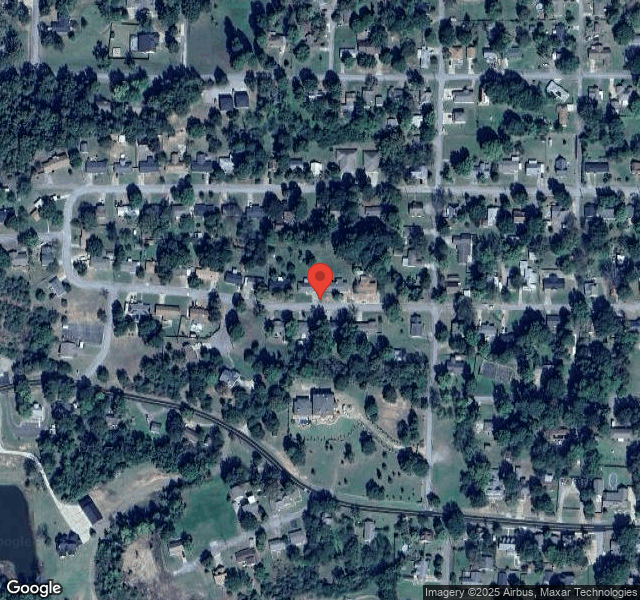
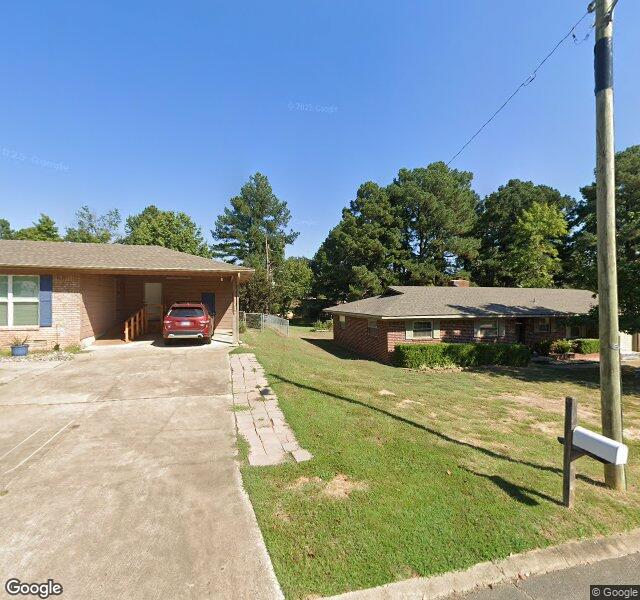
400 SO COKER, GREENWOOD, AR 72936 (479) 996-4125
For profit - Corporation 110 Beds Independent Data: November 2025 2 Immediate Jeopardy citations
Trust Grade
0/100
#203 of 218 in AR
Last Inspection: May 2025

Inspected within the last 6 months. Data reflects current conditions.

Overview

Pink Bud Home for the Golden Years in Greenwood, Arkansas, has received a Trust Grade of F, indicating significant concerns about its care and operations. Ranking #203 out of 218 facilities in the state places it in the bottom half, and it is #7 out of 8 in Sebastian County, meaning there is only one local option that is better. The facility's trend is stable, with 7 issues reported consistently over the past two years. While staffing is a relative strength with a rating of 4 out of 5 stars, the turnover rate is concerning at 64%, which is higher than the state average. Unfortunately, the facility has accumulated fines totaling $43,940, which is higher than 95% of Arkansas facilities, indicating serious compliance issues. Specific incidents of concern include failures to promptly report and investigate allegations of abuse involving a resident, which could potentially affect all residents. Additionally, the facility did not properly secure narcotics and allowed expired medications to remain in the medication room. Overall, while staffing appears to be stable, the critical deficiencies in care and safety raise significant red flags for families considering this nursing home.

Trust Score
F
0/100
In Arkansas
#203/218
Bottom 7%
Safety Record
High Risk
Review needed
Inspections
Holding Steady
7 → 7 violations
Staff Stability
⚠ Watch
64% turnover. Above average. Higher turnover means staff may not know residents' routines.
Penalties
⚠ Watch
$43,940 in fines. Higher than 91% of Arkansas facilities. Major compliance failures.
Skilled Nurses
⚠ Watch
Each resident gets only 22 minutes of Registered Nurse (RN) attention daily — below average for Arkansas. Fewer RN minutes means fewer trained eyes watching for problems.
Violations
⚠ Watch
17 deficiencies on record. Higher than average. Multiple issues found across inspections.
★☆☆☆☆
1.0
Overall Rating
★★★★☆
4.0
Staff Levels
★★☆☆☆
2.0
Care Quality
★☆☆☆☆
1.0
Inspection Score
Stable
2024: 7 issues
2025: 7 issues

The Good

  • 4-Star Staffing Rating · Above-average nurse staffing levels
  • Full Sprinkler Coverage · Fire safety systems throughout facility
  • No fines on record

Facility shows strength in staffing levels, fire safety.

The Bad

1-Star Overall Rating

Below Arkansas average (3.1)

Significant quality concerns identified by CMS

Staff Turnover: 64%

17pts above Arkansas avg (46%)

Frequent staff changes - ask about care continuity

Federal Fines: $43,940

Above median ($33,413)

Moderate penalties - review what triggered them

Staff turnover is elevated (64%)

16 points above Arkansas average of 48%

The Ugly 17 deficiencies on record

2 life-threatening
May 2025 7 deficiencies 2 IJ (2 facility-wide)
CRITICAL (L) 📢 Someone Reported This

A family member, employee, or ombudsman was alarmed enough to file a formal complaint

Immediate Jeopardy (IJ) - the most serious Medicare violation

Report Alleged Abuse (Tag F0609)

Someone could have died · This affected most or all residents

⚠️ Facility-wide issue

**NOTE- TERMS IN BRACKETS HAVE BEEN EDITED TO PROTECT CONFIDENTIALITY** Based on interview, record review, and facility document review the facility failed to ensure an allegation of abuse was reporte...

Read full inspector narrative →
**NOTE- TERMS IN BRACKETS HAVE BEEN EDITED TO PROTECT CONFIDENTIALITY** Based on interview, record review, and facility document review the facility failed to ensure an allegation of abuse was reported immediately to the appropriate authorities, which include the state agency, but not later than two hours after the allegation was made for two incidents with Resident #12. This failed practice had protentional to affect all residents residing in the facility. It was determined the facility ' s non-compliance with one or more requirements of participation had caused, or was likely to cause, serious injury, harm, impairment, or death to residents. The Immediate Jeopardy (IJ) situation was related to State Operation Manual, Appendix PP, 483.12 at a scope and severity of L . The IJ began on 01/07/2025 after review of a record provided by the Administrator regarding Certified Nursing Assistant (CNA) #13 being rough with Resident #12. The Administrator presented the two-page record as her investigation into an allegation of a staff member being rough with Resident #12 as the complete investigation. This was never reported through the State Agency/Office Long Term Care (OLTC) reporting portal. The Administrator was notified of the Immediate Jeopardy (IJ) on 05/20/25 at 3:49 PM. A Removal Plan was requested. An IJ removal plan must include all the actions the facility has taken or will take to immediately address the noncompliance that resulted in or made serious injury, serious harm, serious impairment or death likely. On 05/21/25 at 5:20 PM an acceptable Immediate Jeopardy removal plan was accepted in accordance with Appendix Q. The findings are: A review of the facility ' s undated Abuse/Neglect Policy and Procedures presented to the surveyors on 04/21/2025 stated in section VII Reporting/Response Reports will be filed in all alleged violations and substantiated incidents to the state agency and all other agencies as required and take all necessary corrective action depending on the result of the investigation. A review of facility in-service training dated 02/15/2024 at 01:30 PM and 01/23/2025 at 01:30 PM, revealed staff, including the Administrator and Assistant Director of Nursing (ADON) were trained on Abuse and Neglect and Resident Rights. The Administrator and ADON signed the signature page to acknowledge their training. The in-service training included the types of abuse, identifying abuse, and prevention of abuse. Investigation of abuse and reporting the results to the proper authorities using the proper forms required by the state, and the protection of residents. The training instructed the suspected/alleged employee will be clocked out immediately and the Administrator, Director of Nursing (DON), family, and physician will be notified of the incident, and all reports will be filed in all alleged violations and substantiated incidents to the state agency and all other agencies as required. Resident #12 ' s Care Plan dated October 27, 2024, identified Resident #12 to need assistance of one staff with transfers with the sit to stand lift, dressing, toilet use, personal hygiene and bathing. Resident #12 is non-ambulatory with walking. Resident #12 ' s Care Plan did not identify the resident to make false allegations. Resident #12 ' s Minimum Data Set (MDS) with Assessment Reference Date (ARD) of 01/28/2025, identified the resident to have a Brief Interview for Mental Status score of 14, which indicated Resident #12 had intact cognition. Resident #12 ' s Physician Orders dated 04/1/2025 thru 05/31/2025 revealed the resident to have diagnoses of Parkinsons Disease, chronic pain, anxiety disorder, atrial fibrillation, overactive bladder, depression, vitamin D deficiency, and dementia. During an interview on 04/24/25 at 7:33 AM, Resident #12 reported some girl beat the (explicit) out of me. Her name was something simple like [Certified Nurse Assistant (CNA) #2]. I told someone and [Registered Nurse (RN) #4] said she would not be in my room anymore. On 04/24/25 at 8:01 AM, RN #4 stated it was Resident #12 ' s preference CNA #2 did not return to Resident #12 ' s room because she was rough. RN #4 said she instructed CNA #2 not to go back into Resident #12 ' s room and she had reassigned CNA #2 to work on another hallway. RN #4 stated she reported the incident to the ADON because the DON was not working at the time. During a follow-up interview on 05/19/2025 at 3:52 PM, RN #4 said the incident happened on April 10, 2025. During review of a Nurse ' s Note 7-3 PRN dated 04/10/2025, RN #4 documented Resident #12 was alert and orientated to person, place and time. The resident was able to voice needs. The resident transferred per staff with a sit to stand lift, was mobile in a wheelchair propelled by staff, preferred meals in their room, fed self, and had a fair appetite. The record did not contain a body audit or a resident interview concerning the report of the allegation. On 04/24/2025, at 9:09 AM, the ADON said Resident #12 stated CNA #2 got rough with the resident. The ADON stated she did not complete any paperwork because she was not at the facility. The ADON said she reported the allegation to the Administrator and DON the day following the allegation. The ADON said if a resident said staff had been rough with them, staff needed to do a body audit to make sure they don ' t have something wrong with them and the roughness didn ' t cause a problem. The ADON said she did not know if the allegation was reported. During an interview on 05/19/2025 at 4:16 PM, the DON told the survey team the ADON had a log-in for the state reporting portal for submission of allegations of abuse. During an interview on 05/20/2025 at 8:00 AM, the Administrator provided a list of those employees with access to the state reporting portal, which included the ADON. A review of the facility ' s OLTC Incident and Accident Report (Form 7734) revealed the allegation was reported on 04/24/2025, fourteen days after the allegation. During an interview on 04/24/2025 at 9:30 AM Certified Nursing Assistant Supervisor (CNA Supervisor) stated, she was unfamiliar with the incident involving Resident #12 and CNA #2 but was aware of an incident involving Resident #12 and CNA #13. CNA Supervisor removed CNA #13 from working with Resident #12 following an allegation of CNA #13 being rough with Resident #12. CNA #13 was reassigned by CNA Supervisor to work another hall, allowing her to work with other residents the same day. CNA Supervisor said Resident #12 did not want the CNA Supervisor to tell anyone the CNA had been rough with Resident #12. The CNA Supervisor said she did not know if she ever reported to her supervisor about the incident involving CNA #13. CNA Supervisor stated Resident #12 was a [NAME] about us telling what (Resident #12) had said because (Resident #12) feels somebody will be mean. The CNA Supervisor said CNA #13 should have been written up and the nurse should have investigated. CNA Supervisor stated, I don ' t think I wrote her up, I think I just moved her off that hall. On 05/19/2025 at 2:15 PM, the Administrator provided a two-page investigation of the incident involving CNA #13 and Resident #12. One page was a half-page statement made by the CNA Supervisor which stated CNA #13 had been rough with Resident #12. The other half of the page was a written statement made by the Administrator which stated Resident #12 did not remember anything about this and no CNAs had witnessed any abuse or roughness with the conclusion that no injury was noted. The second page of the record was an Employee Warning Record stating Verbally in-serviced (CNA #13) on not being rough with residents. (CNA #13) was told to not go into the room with (Resident #12) and she denied being rough. She was moved to North Hall but was told if she had to work East to not go in (Resident #12 ' s) room. The surveyor asked the Administrator if she had reported this allegation or had any other information regarding this incident. The Administrator said she had not reported the allegation of abuse to the mandatory authorities. The Administrator said the two pages she had given the surveyors were the full report she had done in this investigation. This had not been reported to any authorities or the State Agency/OLTC. No body audit or Nurse assessment was completed for Resident #12. A review of the facility undated Resident Rights document states Each and every resident in this facility has the right to: #12. Be free of verbal, mental, physical, and sexual abuse. Onsite Verification: The IJ was removed on 05/22/2025 at 11:00 AM, after the survey team performed onsite verification that the Removal Plan had been implemented. Onsite verification of the Removal Plan began on 05/22/2025 at 8:15 AM with no negative findings regarding the Removal Plan. The survey team verified the Plan of Removal in reviewing the facility in-service training for all staff on reporting abuse and neglect to the Administrator, the DON and Office of Long-Term Care, ensuring all incidents are reported properly and to ensure resident ' s safety. Of the fifty-five residents currently residing in the facility forty-three residents were interviewed regarding abuse, and eleven residents unable to verbalize abuse received body audits. One resident was out of the facility. The DON had been appointed to monitor, investigate and report allegations of abuse and the monitoring tool for documenting and reporting of allegations began on 05/20/2025. The DON was appointed as the Abuse and Neglect Coordinator with all corrections completed on 05/21/2025. A total of ten staff interviews were conducted with staff from all shifts to verify training had been completed. The staff interviewed included the Housekeeping Supervisor, a Housekeeper, a laundry worker, a Nursing Assistant, a Dietary cook, a Medication Assistant Coordinator, a Certified Nursing Assistant, a Licensed Practical Nurse, the Administrator and the Director of Nursing. The staff interviewed verified they had been trained on reporting of abuse. A review of in-service sheets provided indicated sixty-four of seventy-eight employees had been provided training. One staff member was in the hospital and the others are not allowed to return to work until they have been trained.
CRITICAL (L) 📢 Someone Reported This

A family member, employee, or ombudsman was alarmed enough to file a formal complaint

Immediate Jeopardy (IJ) - the most serious Medicare violation

Investigate Abuse (Tag F0610)

Someone could have died · This affected most or all residents

⚠️ Facility-wide issue

**NOTE- TERMS IN BRACKETS HAVE BEEN EDITED TO PROTECT CONFIDENTIALITY** Based on interview, record review, and facility document review, the facility failed to thoroughly investigate two allegations o...

Read full inspector narrative →
**NOTE- TERMS IN BRACKETS HAVE BEEN EDITED TO PROTECT CONFIDENTIALITY** Based on interview, record review, and facility document review, the facility failed to thoroughly investigate two allegations of abuse for Resident #12 and failed to prevent potential abuse or maltreatment of all residents by removing the alleged perpetrator during an on-going investigation. Specifically, no evidence of a resident statement, accused statement, assessment of the resident, bedside staff interviews, and a police report were completed for review and the accused was allowed to continue working with residents in the facility immediately following both allegations. It was determined the facility ' s non-compliance with one or more requirements of participation had caused, or was likely to cause, serious injury, harm, impairment, or death to residents. The Immediate Jeopardy (IJ) situation was related to State Operation Manual, Appendix PP, 483.12 at a scope and severity of L . The IJ began on 01/07/2025 after review of a record provided by the Administrator regarding Certified Nursing Assistant (CNA) #13 being rough with Resident #12. The Administrator presented the two-page record as her investigation into an allegation of a staff member being rough with Resident #12 as the complete investigation. This was never reported through the State Agency/Office Long Term Care (OLTC) reporting portal. The Administrator was notified of the IJ on 5/20/25 at 3:46 PM. A Removal Plan was requested. An IJ removal plan must include all the actions the facility has taken or will take to immediately address the noncompliance that resulted in or made serious injury, serious harm, serious impairment or death likely. On 05/21/2025 at 5:20 PM an acceptable Immediate Jeopardy removal plan was accepted in accordance with Appendix Q. The findings are: 1. A review of the facility ' s undated Abuse/Neglect Policy and Procedures presented to the surveyors on 04/21/2025 stated in section V Investigation: The Administrator or Designee will investigate all types of incidents and identify the staff member responsible for the initial reporting of alleged violation(s) and a report of the results will be reported to the proper authorities using the proper forms required by the state. 2. A review of facility in-service training dated 02/15/2024 at 1:30 PM and 01/23/2025 at 1:30 PM, revealed staff, including the Administrator and Assistant Director of Nursing (ADON), were trained on Abuse and Neglect and Resident Rights. The Administrator and ADON signed the signature page to acknowledge their training. The in-service training included types of abuse, identifying abuse, and prevention of abuse. Investigation of abuse and reporting the results to the proper authorities using the proper forms required by the state, and the protection of residents. The training instructed the suspected/alleged employee will be clocked out immediately and the Administrator, Director of Nursing (DON), family and physician will be notified of the incident, and all reports will be filed in all alleged violations and substantiated incidents to the state agency and all other agencies as required. Section III of the training instructs staff to encourage family members, staff and residents to report concerns, incidents, and grievances without the fear of retribution. Supervision of staff will be on-going to identify inappropriate behavior, such as .rough handling, . 3. Resident #12 ' s Care Plan, dated October 27, 2024, identified Resident #12 needed assistance of one staff with transfers with the sit to stand lift, dressing, toilet use, personal hygiene and bathing. Resident #12 was non-ambulatory with walking. Resident #12 ' s Care Plan did not identify the resident to make false allegations. 4. Resident #12 ' s Minimum Data Set (MDS) with Assessment Reference Date (ARD) of 1/28/2025, identified resident to have a Brief Interview for Mental Status of 14, which indicated Resident #12 had intact cognition. 5. Resident #12 ' s Physician Orders dated 4/1/2025 thru 5/31/2025 identifies resident to have diagnoses of Parkinsons disease, chronic pain, anxiety disorder, atrial fibrillation, overactive bladder, depression, vitamin D deficiency, dementia. 6. During an interview on 04/24/25 at 7:33 AM, Resident #12 reported some girl beat the (explicit) out of me. Her name was something simple like [Certified Nurse Assistant (CNA) #2]. I told someone and [Registered Nurse (RN) #4] said she would not be in my room anymore. a. On 04/24/25 at 8:01 AM, Registered Nurse (RN) #4 stated it was Resident #12 ' s preference CNA #2 did not return to Resident #12 ' s room because she was rough. RN #4 said she instructed CNA #2 not to go back into Resident #12 ' s room and she had reassigned CNA #2 to work on another hallway. RN #4 stated she reported the incident to the ADON because the DON was not working at the time. During a follow-up interview on 5/19/2025 at 3:52 PM, RN #4 said the incident happened on April 10, 2025. b. During record review of a Nurse ' s Note 7-3 PRN, dated 04/10/2025, RN #4 documented Resident #12 was alert and orientated to person, place and time. Resident #12 was able to voice their needs. Resident transferred per staff with a sit to stand lift, was mobile in a wheelchair, propelled by staff, preferred meals in room their room, fed self, and had a fair appetite. The record does not contain a body audit or a resident interview concerning the report of the allegation. c. During an interview on 05/19/2025 at 3:52 PM, RN #4 stated she reported the incident to her superior, the ADON. RN #4 stated she did not feel like due diligence was done. RN #4 stated she interviewed staff and other residents, since no one had a problem, she allowed CNA #2 to continue work. She stated she was not the abuse coordinator; she would let a superior complete them. It should have been brought to the Administrator and DON attention. The facility did not have any record of the investigation; there was not a body audit or assessment documented in the medical record. d. During an interview on 04/24/2025, at 9:09 AM, the ADON said Resident #12 stated CNA #2 got rough with Resident #12. The ADON stated she did not complete any paperwork because she was not at the facility. The ADON said she reported the allegation to the Administrator and DON the following day. The ADON said if a resident said staff had been rough with them, staff needed to do a body audit to make sure the resident don ' t have something wrong with them and the roughness didn ' t cause a problem. The ADON said she did not know if the allegation was investigated and she did not do a body audit, and one should have been conducted to make sure they don ' t have something wrong with them and the roughness didn ' t cause a problem e. A review of the facility ' s OLTC Incident and Accident Report (Form 7734) revealed the investigation was completed on 04/24/2025, fourteen days after the allegation on 04/10/2025. 7. During an interview on 04/24/2025 at 9:30 AM, the Certified Nursing Assistant Supervisor (CNA Supervisor) stated, she was unfamiliar with the incident involving Resident #12 and CNA #2 but was aware of an incident involving Resident #12 and CNA #13. The CNA Supervisor removed CNA #13 from working with Resident #12 following an allegation of CNA #13 being rough with Resident #12. CNA #13 was reassigned by the CNA Supervisor to work another hall, allowing her to work with other residents the same day. The CNA Supervisor said Resident #12 did not want the CNA Supervisor to tell anyone the CNA had been rough with Resident #12. The CNA Supervisor said she did not know if she ever reported to her supervisor about the incident involving CNA #13. The CNA Supervisor stated Resident #12 was a [NAME] about us telling what (Resident #12) has said because (Resident #12) feels somebody will be mean. The CNA Supervisor said CNA #13 should have been written up and the nurse should have investigated. CNA Supervisor stated, I don ' t think I wrote her up, I think I just moved her off that hall. This allegation was not investigated or reported to the appropriate authorities or the State Agency/OLTC. 8. On 05/19/2025 at 2:15 PM, the Administrator provided a two-page investigation of the incident involving CNA #13 and Resident #12. One page was a statement made by the CNA Supervisor which stated CNA #13 had been rough with Resident #12. The other half of the page was a written statement by the Administrator stating Resident #12 did not remember anything about this and no CNAs had witnessed any abuse or roughness with the conclusion that no injury was noted. The second page of the record was an Employee Warning Record stating Verbally in-serviced (CNA #13) on not being rough with residents. (CNA #13) was told to not go into the room with (Resident #12) and she denied being rough. She was moved to North Hall but was told if she had to work East to not go in (Resident #12) room. The Administrator stated she had not reported this allegation or had any other documentation regarding this incident. The Administrator said she had not reported the allegation of abuse to the mandatory authorities. The Administrator said the two pages she had given the surveyors were the full report she had done in this investigation. This had not been thoroughly investigated or reported to any authorities or the State Agency/OLTC. There was no body audit or Nurse assessment completed for Resident #12. 9. On 05/19/2025 at 4:16 PM, during an interview on 05/19/2025 at 4:16 PM the DON stated the ADON is who the staff reported incidents to when the DON was not in the building, but the ADON could have called her at any time. Resident #12 had never made any abuse accusation before, and accusation should be investigated when the report is made. The DON stated she goes to the source of the accusations, the staff being accused, and everyone including kitchen staff, CNAs, Nurses. The first step is to make sure the resident is ok. Separate the accused, they should go home until the investigation is done. The DON stated she usually does the reportables, but the ADON had a login. She used to be the DON here so she would have known the time frames. The DON stated ADON was one of the staff who have access to the State Reporting system and could have input the allegation of abuse. 10. On 05/19/2025, at 4:55 PM, the Administrator stated the facility did not have an abuse coordinator, but the highest-ranking person in the building was responsible for the investigation. 11. A review of the facility ' s undated Resident Rights document revealed, Each and every resident in this facility has the right to: #12. Be free of verbal, mental, physical, and sexual abuse. Onsite Verification: The IJ was removed on 05/22/2025 at 11:00 AM, after the survey team performed onsite verification that the Removal Plan had been implemented. Onsite verification of the Removal Plan began on 05/22/2025 at 8:15 AM with no negative findings regarding the Removal Plan. The survey team verified the Plan of Removal in reviewing the facility in-service training for all staff on reporting abuse and neglect to the Administrator, the DON and Office of Long-Term Care, ensuring all incidents are reported properly and to ensure resident ' s safety. Of the Fifty-five residents currently residing in the facility forty-three residents were interviewed and the eleven residents were interviewed regarding abuse, and resident ' s unable to verbalize abuse received body audits. One resident was out of the facility. The DON had been appointed to monitor, investigate and report allegations of abuse and the monitoring tool for documenting and reporting of allegations began on 05/20/2025. The DON was appointed as the Abuse and Neglect Coordinator with all corrections completed on 05/21/2025. A total of ten staff interviews were conducted with staff from all shifts to verify training had been completed. The staff interviewed included the Housekeeping Supervisor, a Housekeeper, a laundry worker, a Nursing Assistant, a Dietary cook, a Medication Assistant Coordinator, a Certified Nursing Assistant, a Licensed Practical Nurse, the Administrator and the Director of Nursing. The staff interviewed verified they had been trained on reporting of abuse. A review of in-service sheets provided indicated sixty-four of seventy-eight employees had been provided training. One staff member was in the hospital and the others are not allowed to return to work until they have been trained.
CONCERN (D)

Potential for Harm - no one hurt, but risky conditions existed

Deficiency F0554 (Tag F0554)

Could have caused harm · This affected 1 resident

Based on observation, record review, interview, and facility policy review, the facility failed to ensure that one (Resident #16) of one resident sampled for self-administration of medications did not...

Read full inspector narrative →
Based on observation, record review, interview, and facility policy review, the facility failed to ensure that one (Resident #16) of one resident sampled for self-administration of medications did not self-administer nasal spray without the interdisciplinary team determining the practice was clinically appropriate. The findings include: A review of Physician Orders, dated 04/01/2025, revealed Resident #16 had diagnoses which included seizure disorders, depression, and atrial fibrillation. A review of the quarterly Minimum Data Set (MDS) with an Assessment Reference Date (ARD) of 11/20/2024, revealed Resident #16 had a Brief Interview for Mental Status (BIMS) score of 12, which indicated moderate cognitive impairment. Section B0200/B0300 indicated Resident #16 was moderately hearing impaired and had a hearing aid. A review of Physician Orders, dated 02/24/2025, revealed Resident #16 received nasal spray, two (2) sprays, twice a day, for allergic rhinitis symptoms. A review of a Care Plan, dated 03/10/2025, revealed Resident #16 received nasal spray, two (2) sprays, twice a day, for allergic rhinitis symptoms. On 04/22/2025 at 4:15 PM, this surveyor observed Medication Aide- Certified (MA-C) #1 handing Resident #16 their prescribed nasal spray. After Resident #16 sprayed once in each nostril, MA-C #1 instructed Resident #16 to spray each nostril one more time. On 04/22/2025 at 4:17 PM, MA-C #1 stated she was not sure if Resident #16 had been assessed to safely self-administer medication. MA-C #1 said that she did not know if there was a reason Resident #16 should not administer their own nasal spray. MA-C #1 revealed Resident #16 was sometimes resistant to taking nasal spray but might take it when allowed to give it themselves. During an interview with the Administrator on 04/22/2025 at 4:25 PM, the Administrator was asked if any residents had self-administration rights. After reviewing facility records, the Administrator stated that no residents had self-administration rights. The Administrator provided a copy of a policy titled Self-Administration of Medication, that revealed the Director of Nursing (DON) or Assistant Director of Nursing (ADON) must provide a mini mental assessment where residents scored at least 75%, the Medical Director had to agree with self-administration, and the resident had to demonstrate they were capable of giving themselves their medication. The Administrator reiterated that no residents had self-administration rights at this time. The DON, ADON, and staff had stand up meetings daily, along with other opportunities for staff to discuss and determine if a resident was safe for self-administration, after completing a mini assessment. On 04/23/2025 at 8:53 AM, the DON said the process to determine if a resident had self-administration rights was for the DON or ADON do a mini mental assessment. Nursing and MA-Cs were expected to follow medication administration rights when giving a resident nasal spray. The DON stated a nurse or MA-C should have administered the nasal spray, because Resident #16 did not have self-administration rights. The DON said it was not appropriate for residents to administer their own medication, including nasal spray, without rights, because they might not do it appropriately.
CONCERN (D)

Potential for Harm - no one hurt, but risky conditions existed

Abuse Prevention Policies (Tag F0607)

Could have caused harm · This affected 1 resident

Based on observations, interviews, and record reviews, the facility failed to ensure the Facility Abuse and Neglect policy was implemented to include reporting of abuse allegations for one (Resident #...

Read full inspector narrative →
Based on observations, interviews, and record reviews, the facility failed to ensure the Facility Abuse and Neglect policy was implemented to include reporting of abuse allegations for one (Resident #12) of three sampled residents, reviewed for abuse allegations. The findings are: A review of the facility Abuse / Neglect Policy and Procedures revealed, [Facility Name] will follow these written policies and procedures to ensure that incidents, including suspected abuse/neglect of residents, accidents, deaths from violence and unusual occurrences are reported and documented, as required by all applicable state and federal laws and these regulations. Item D, Reporting Suspected Abuse/Neglect part three (3) indicated [Facility] personnel, including but not limited to, licensed nurses, nursing assistants, physicians, social workers, mental health professional and other employees in the facility who have reasonable cause to suspect that a resident has been subjected to conditions or circumstances which have or could have resulted in abuse/neglect are required to immediately notify the Administrator. A review of the Face Sheet indicated Resident #12 was admitted to the facility with diagnoses that included: Parkinson's Disease, other chronic pain, and anxiety disorder. A review of Resident #12's Care Plan dated 10/27/2024, with a review date of 01/08/2025, identified Resident #12 needed transfer assistant of one (1) staff sit to stand lift, Resident #12 needed assist of one (1) with dressing, toilet use, personal hygiene and bathing, Resident #12 was non-ambulatory with walking. A review of Resident #12 ' s Minimum Data Set (MDS) with an Assessment Reference Date (ARD) of 01/28/2025, indicated the resident had a Brief Interview for Mental Status (BIMS) score of 14, which indicated intact cognition. A review of Resident #12 ' s Nurse's Notes revealed on 04/08/2025 the resident's right index and left ring finger were noted to be red and edematous. Resident #12 reported I woke up this morning with it hurting, denies any injury. A review of the Nurse's Notes revealed, on 04/11/2025, Resident #12 complained of pain and swelling in their hand, the Physician ordered labs to rule out gout, followed by an X-ray. A review of the (name of imaging provider) Radiology Interpretation with an exam date of 04/11/2025 revealed an impression of Questionable acute fracture along the base of the right fourth metacarpal .Erosive osteoarthritis changes in the .joint spaces. On 04/11/2025 at 3:00 PM, a Physician Telephone Order: Right hand X-ray due to swelling; Put in Splint. On 04/11/2025 at 11:00 PM, a Nurse ' s Note: Splint placed to right index finger, The nurse asked if the resident bumped it into something or fell and resident stated no, [pronoun] did not. No signs or symptoms of pain or discomfort noted. On 04/15/2025 at 12:50 PM, a Nurse ' s Note: Resident #12 noted with increased anxiety. Requesting more (Sedative used to treat anxiety) every day around 12:00 PM - 2:00 PM. Faxed Primary Care Physician. New order noted to discontinue current (sedative used to treat anxiety) order and start (sedative used to treat anxiety) 0.5 milligram twice a day. Notified family. On 04/17/2025, the Body Audit note indicated swelling related to a fracture to the right index finger. During an interview on 04/23/2025 at 3:00 PM, the Administrator revealed they had not reported the incident as abuse, because Resident #12 and the PCP (Primary Care Physician) initially thought it was gout. Then the PCP ordered the x-ray, and it showed a questionable fracture. The Administrator said they had not completed an Incident & Accident (I&A) report on the resident ' s finger either. During a phone interview on 04/23/2025 at 3:27 PM, the PCP revealed he was informed of Resident #12 ' s finger swelling and said the resident thought it was their gout flaring up. The PCP ordered lab work to determine if it was gout causing the swelling. The PCP said the lab work ruled out gout as a cause for the swelling. The PCP then ordered an X-ray on 04/11/2025. The X-ray revealed a questionable fracture. During an interview with Resident #12, on 04/24/2025 at 7:33 AM, Resident #12 said [pronoun] finger might have gotten hurt when that girl tried to beat the (expletive) out of me. Her name started with an A, a simple name like (CNA #2). I told somebody about her beating me up. (RN #4) knows because she told me that girl would not be back in my room anymore. I could not tell you if she used the lift or not. I do not know. You know it has been a couple of weeks ago and I forgot. On 04/24/2025 at 8:01 AM, this surveyor interviewed RN #4. RN #4 said Resident #12 complained on one occasion about CNA #2, saying CNA #2 had gotten Resident #12 up to go to the bathroom, then put Resident #12 in their chair. Resident #12 said, she got rough with me. RN #4 said this occurred sometime between 04/07/2025 and 04/10/2025, a couple weeks ago. RN #4 said the day Resident #12 complained about CNA #2 being rough with Resident #12, RN #4 told CNA #2 not to go back in Resident #12 ' s room and RN #4 told Resident #12 that CNA #2 would not be back in resident's room. RN #4 said, I honored Resident #12 ' s preference that CNA #2 not come back in [pronoun] room . RN #4 stated, I believe I reported it to the Assistant Director of Nursing (ADON), that is who I am to report to if the Director of Nursing (DON) is not here, I go to the ADON. The DON was off, so I told ADON about Resident #12 making the statement that CNA #2 had been rough with Resident #12. I informed ADON of the resident ' s preferences. On 04/24/2025 at 8:37 AM, during an interview, another of Resident #12 ' s family members said the facility reported the resident's finger fracture to them. They said it was late, and they were the only one of the three [family members] who took calls that late. During an interview on 04/24/2025 at 9:09 AM, the ADON said she had heard that someone had been rough with Resident #12. The ADON said she spoke with Resident #12 about the pain in the resident ' s hand and the resident did not remember doing anything to it and did not know what happened. The ADON said, at first, the facility staff thought it was gout. The doctor ordered lab work, and gout was ruled out. Resident #12 continued to have pain, so the doctor ordered an x-ray and that was when they found out it was possibly fractured. The ADON said we let the doctor know and he said to splint it. The ADON said We really don't know what caused the fracture. The ADON said she reported the findings to the doctor, the Administrator and the DON but she did not chart this anywhere. The ADON said she did visit with Resident #12 about their finger, but the resident did not know what happened. It was swollen and had pain in it. The ADON said Resident #12 did not say a staff member did it. The ADON said she did not really remember what night or evening Resident #12 said a staff member did it. The ADON said she did not do a body audit of Resident #12 when the resident said somebody had been rough with [pronoun] and said it was before the finger issue, it seemed like it was three or four days before. The ADON said she did not know if the allegation was investigated. During an interview with the Administrator on 04/24/2025 at 2:10 PM, the Administrator stated they had not been informed of the allegation involving a CNA being rough with Resident #12 until today. Today, they told me that (Resident #12) had told one of the nurses that (CNA #2) had been rough with (Resident #12). The nurse did not find any injuries and they went on. The Administrator said they (staff) should have reported it to her the day the resident said someone had been rough with (the resident). I would have gone and investigated it myself, along with them to find out for sure what happened. I will have our investigator do the investigation and make the report to the Office of Long-Term Care as soon as we are done talking since I found out about the allegation. During an interview on 04/24/2025 at 3:00 PM, the DON said she found out today (04/24/2025) that Resident #12 had said a staff member had been rough with the resident. The DON said she did not have any knowledge of a CNA being rough with Resident #12, but she thought the ADON had known. The DON said she did a visual assessment and interviewed Resident #12 on 04/24/2025, when she found out about the allegation. The DON said the facility was investigating and reporting the allegation today, 04/24/2025. The DON said the ADON was doing the investigation. The DON said she had informed the police about the alleged abuse today at 2:22 PM, and that the police officer went and talked to Resident #12. The DON said she gave CNA #2 ' s information to the officer. During an interview on 04/24/2025 at 3:39 PM, CNA #2 said she had worked at [Facility Name] from 02/14/2025 - until about a week and half ago. CNA #2 said, Resident #12 said I was rough with [pronoun] and the nurse told me I could not go back in Resident #12 ' s room, and said Resident #12 does not want you in (the resident's) room anymore because you were too rough with the resident ' s stand lift. During an interview with the ADON on 04/25/2025 at 9:00 AM, the ADON said Resident #12 told her about a CNA being rough with them on 04/08/2025 or 04/09/2025, sometime late in the afternoon between 1:30 PM and 2:00 PM, because the ADON got off at 2:30 PM. The ADON said, Resident #12 called me to come in the resident's room and reported that a CNA had been rough with (the resident) . The ADON said RN #4 was passing by and stopped by Resident #12 ' s room and told me that she knew about it. The ADON said RN #4 told the ADON that RN #4 had talked to the CNA and instructed the CNA not to go back in Resident #12 ' s room. The ADON stated the CNA was CNA #2, a fairly new aide. The ADON said she could not remember if she reported the allegation to the Administrator or not, but that she did not remember talking to the administrator or DON. The ADON said she did not assess the resident. On 04/25/2025 at 9:15 AM, RN #4 reported being on East Hall, it had to be the 7th, 8th, or 10th before lunch, between 8:00 - 9:00 AM. RN #4 said she reported the allegation to the ADON immediately. RN #4 said she walked to the ADON ' s office at the end of East Hall and told the ADON in the ADON's office. RN #4 said she told the ADON that Resident #12 had a complaint. RN #4 said she and the ADON both went to Resident #12 ' s room and talked to the resident. RN #4 said she did assess the resident but did not document the assessment. RN #4 said Resident #12 was upset and that Resident #12 stated CNA #2 had taken the resident to the bathroom and then put the resident back in [pronoun] chair and was rough with the resident. RN #4 said she did not report the allegation to the administrator or DON. RN #4 said she did not send CNA #2 home but instructed her to continue working but not to go in Resident #12 ' s room. RN #4 said she did not send CNA #2 home because she had never witnessed CNA #2 being rough with any resident and that she was very gentle with everyone. On 04/25/2025 at 10:00 AM the Medical Director reported being familiar with Resident #12 and the family. He was made aware of allegations of abuse a week or so ago, but spoke with the Administrator this morning, indicating Resident #12 complained that a staff member was rough with the resident. I expect when there is an allegation of abuse the appropriate parties will be informed and investigated, which is what was done. The Medical Director reviewed the right-hand x-ray from 04/11/2025 and stated it indicated osteoarthritis.
CONCERN (D)

Potential for Harm - no one hurt, but risky conditions existed

Infection Control (Tag F0880)

Could have caused harm · This affected 1 resident

Based on observation, record review, interview and facility policy review, the facility failed to follow Enhanced Barrier Precautions (EBP) for one (Resident #4) of one resident, with an open wound, o...

Read full inspector narrative →
Based on observation, record review, interview and facility policy review, the facility failed to follow Enhanced Barrier Precautions (EBP) for one (Resident #4) of one resident, with an open wound, observed for EBP. Specifically, staff did not wear a gown during wound care of a stage II, open moisture associated, pressure wound on the coccyx, with a leaking catheter. The findings include: A review of the quarterly Minimum Data Set (MDS) with an Assessment Reference Date (ARD) of 04/24/2025 indicated Resident #4 had diagnoses that included cerebral palsy, seizure disorder, and depression, with short and long-term memory problems and moderately impaired cognitive decision making. Section H indicated Resident #4 had a catheter in place. Section M indicated Resident #4 had an unhealed pressure ulcer/injury moisture associated and required a pressure reducing device. A review of the Medication Administration Record (MAR) , dated 04/23/2025, revealed Resident #4 had a stage II pressure ulcer to the buttocks, with orders to: cleanse the wound, apply collagen, and cover. On 04/23/2025 at 5:10 PM, this surveyor observed Certified Nursing Assistant (CNA) #8 and CNA #9 approach Resident #4, at the bedside, and reposition the resident onto the resident ' s left side while the Director of Nursing (DON) removed the resident ' s coccyx dressing. None of the three staff members had donned a gown before beginning this high contact activity. The DON described the resident ' s wound as an open stage II wound, and stated it was a moisture related wound, and not a pressure ulcer. CNAs #8 and #9 stated that the catheter foley was leaking, and the padding under the resident was soaked. The DON stated that the Medical Director (MD) had mentioned there may have been something growing in Resident #4's urine. The DON was asked if staff should have followed EBP and worn gloves and gowns during wound care. The DON stated they forgot. CNAs #8 and #9 agreed they should have put on gowns during wound care. The DON confirmed Resident #4's catheter was leaking and their gloves encountered the saturated padding under Resident #4. The DON, CNA #8, and CNA #9 agreed that staff could introduce infection to Resident #4, and staff could carry infection to other residents. The DON confirmed EBP signage was in place on Resident #4's door, and Personal Protection Equipment (PPE) could be found at the nurse ' s station. On 04/23/2025 at 5:30 PM, the Administrator stated she expected staff to gown and glove anytime they provided personal care for a resident on EBP. Staff had masks that were stored in a bag, and PPE could be found in the supply closets. The Administrator confirmed that not wearing PPE, during personal care for a resident with a wound and leaking catheter, could have introduced infection to the resident, and infection could be spread to others. This surveyor requested the EBP policy/protocol, and in-service documentation on EBP. On 04/25/2025 at 10:00 AM, the Medical Director said that his expectation was that staff would follow EBP to prevent the spread of infection. A review of a policy titled Enhanced Barrier Precautions, reviewed on 08/01/2023, revealed EBP reduced the risk of transmitting multidrug resistant organisms (MDROs). During EBP, gowns and gloves are worn during high contact resident care including wound care, dressing changes, and changing briefs. Open wounds are generally larger than stage one (I) and require a dressing change. The care plan should reflect the changes in care needs, and EBP signage should be placed outside the door identifying the room as resident requires high care contact. PPE should be in carts or containers in easy to locate areas near the resident's door. A trash can should be placed near the room exit to discard gowns and provide alcohol gel outside the door. A review of an in-service titled Implementing the use of EBP, revealed EBP is used to reduce the risk of spreading multidrug resistant organisms (MRDOs) and involves the use of wearing gowns and gloves during high contact resident care including open wound care.
CONCERN (E)

Potential for Harm - no one hurt, but risky conditions existed

Deficiency F0761 (Tag F0761)

Could have caused harm · This affected multiple residents

**NOTE- TERMS IN BRACKETS HAVE BEEN EDITED TO PROTECT CONFIDENTIALITY** Based on observation, record review, interview, and facility policy review, the facility failed to ensure the refrigerated narco...

Read full inspector narrative →
**NOTE- TERMS IN BRACKETS HAVE BEEN EDITED TO PROTECT CONFIDENTIALITY** Based on observation, record review, interview, and facility policy review, the facility failed to ensure the refrigerated narcotic box was permanently affixed in the North medication room, and failed to ensure expired anti-angina medication was not stored in the North medication room. The findings include: On [DATE] at 7:41 AM, Licensed Practical Nurse (LPN) #7 was accompanied to the North Hall medication room by this surveyor. LPN #7 was asked to open the narcotic box. This surveyor observed LPN #7 open a small, unlocked white refrigerator. She reached in and pulled out a small locked black box. LPN #7 placed the unaffixed narcotic box on the cabinet and opened it. The box contained three (3) boxes of multidose anti-anxiety medication. LPN #7 revealed the narcotic box had never been affixed in the refrigerator. LPN #7 stated she had no concerns related to storage, because the medication room door and narcotic box were locked, and medications were counted each shift. LPN #7 revealed that night shift would call off the page numbers and day shift nurses named off the count and compared it to the book. On [DATE] at 8:28 AM, the Director of Nursing (DON) was asked the process, for storing narcotics in the refrigerator. The DON stated refrigerated narcotics were stored in a locked box in the refrigerator, behind a locked medication room door. The DON revealed that the narcotic box had been removeable ever since the DON came to work here over two years ago. This surveyor requested a medication storage policy and nurse in-services on medication storage. The DON stated she would need to get the requested information. On [DATE] at 9:38 AM, LPN #7 unlocked a black tackle-style box that was located in the upper cabinet above the narcotic refrigerator. The box contained a bottle of anti-angina medication. LPN #7 stated the anti-angina medication was left in the old emergency kit (E-Kit), and it should have been disposed of when the E-kit was changed out. LPN #7 revealed someone could have accidentally administered the medication and pointed out that it had expired in March of 2025. On [DATE] at 10:00 AM, the DON said the anti-angina medication should not have been left in the old E-Kit, to prevent someone from giving it to a resident, and revealed the nursing staff was responsible for medication storage. On [DATE] at 10:51 AM, the Administrator stated the narcotic box was behind a locked door, and the box was locked. She revealed the nursing staff counted the narcotics, with each shift change. If the narcotic box was removed, it would be noticed as soon as the nurse count between the next shift, and only one nurse had a key to the room and the narcotic box. The Administrator stated the expired anti-angina medication should not have been left in the former E-Kit tackle-style box, and someone must have accidentally left it. The Administrator confirmed there was a risk that someone could have given it [expired anti-angina medication] to a resident. The nursing staff was responsible for medication storage. A review of a policy titled Storage revealed medications that required refrigeration should be kept in a locked drug room, or in a locked box in the refrigerator, if the refrigerator was not in a locked drug room. Discontinued medication will be stored in a central area for destruction. The policy did not address the need for the narcotic box to be permanently affixed.
CONCERN (E)

Potential for Harm - no one hurt, but risky conditions existed

Food Safety (Tag F0812)

Could have caused harm · This affected multiple residents

Based on observations, interviews, and facility policy review, it was determined that the facility failed to ensure dietary staff washed their hands and changed their gloves, before handling food item...

Read full inspector narrative →
Based on observations, interviews, and facility policy review, it was determined that the facility failed to ensure dietary staff washed their hands and changed their gloves, before handling food items, in one of one kitchen. This failed practice had the potential to affect all residents residing in the facility who receive food from the kitchen. The findings include: Review of a facility policy titled, Hand Washing, dated 2010, indicated, Clean hands and exposed portions of arms (or surrogate prosthetic devices) immediately before engaging in food preparation including working with exposed food. [When to Wash Hands]: After touching bare human body parts other than clean hands and clean, exposed portions of arms. After handling soiled equipment or utensils. During food preparations, as often as necessary to remove soil and contamination and to prevent cross contamination when changing tasks. After engaging in other activities that contaminate the hands. During a concurrent observation and interview on 04/21/2025 at 11:44 AM, this surveyor observed Dietary Employee (DE) #11 in the back dining room [East dining], standing at the steam table. This surveyor observed that DE #11 had gloves on and was scooping out a portion of the lunch meal onto a plate. DE #11, then took the plate to a resident and sat it on the table. DE #11 came back to the steam table, picked up a plate and tray card, contaminating her hands, then without changing gloves or washing hands, got the scoop and started to scoop out another meal. DE #11 walked around the steam table, picked up a cup of tea and silverware, and took it to a resident. This surveyor observed DE #11 touch a resident on the shoulder, then with the same contaminated gloves on and without washing their hands or removing their gloves, DE #11 came back to the steam table and began to prepare another plate of food. This surveyor asked DE #11 what she should have done, after going between the steam table making resident meals and the residents. DE #11 said, I should have taken my gloves off and washed my hands. DE #11 stated, she had been in-serviced on handwashing. Handwashing is important, so you do not spread germs and get the residents sick. During a concurrent observation and interview on 04/21/2025 at 11:54 AM, this surveyor observed DE #10 in the main kitchen area, at the steam table, serving lunch. This surveyor observed DE #10, with gloves on, take hamburger buns out of the microwave, still in the package. DE #11 took the hamburger buns out of the package and placed the buns in a container on the steam table, without changing gloves or washing hands. DE #10 opened the hamburger bun wrapper and started taking the buns out. DE #10 stated he did have the same gloves on when he took the buns (that were in the package) out of the microwave. When asked if the hamburger buns were touched by the same gloves, DE #10 indicated yes. DE #10 stated that the gloves should have been taken off, and he should have washed his hands and put new gloves on. DE #10 indicated that handwashing was important to prevent the spread of germs. During an interview on 04/22/2025 at 12:33 PM, the Assistant Dietary Manager (ADM) indicated that handwashing should have been done before any kind of food preparation. The ADM stated, If I drop something and have to pick it up, like off the floor, hands should be re-washed. If gloves are contaminated, we should take them off, wash hands, and put new gloves on. If cooking with raw meat, wash hands and put on gloves. Put whatever meat you are using into product for seasoning, place food on baking sheet, or wherever it is supposed to go. Change gloves and wash hands. Remove food from cooking area. Add to appropriate area, wash hands, and put on clean gloves. Washing your hands is important, to try a stop the spread of germs, so no one gets sick. During an interview on 04/22/2025 at 3:58 PM, the Dietary Manager (DM) indicated, When serving the residents, servers must wash their hands and put on gloves. If staff touched anything other than the scoops or anything on the kitchen side, that could possibly be contaminated, staff should wash their hands and put on new gloves. Dietary staff must wash their hands with soap and warm water for at least 20 seconds and dry their hands. Good hand hygiene is important to prevent the spread of germs that might cause any kind of infection.
Feb 2024 7 deficiencies
CONCERN (D)

Potential for Harm - no one hurt, but risky conditions existed

Safe Environment (Tag F0921)

Could have caused harm · This affected 1 resident

Based on observation, interview and record review, the facility failed to store cleaning chemicals appropriately to prevent access by residents. The findings are: On 02/05/24 at 11:35 AM, a 32-ounce s...

Read full inspector narrative →
Based on observation, interview and record review, the facility failed to store cleaning chemicals appropriately to prevent access by residents. The findings are: On 02/05/24 at 11:35 AM, a 32-ounce spray bottle of non-acid disinfectant bathroom cleaner spray was sitting in the sink in a shared bathroom between Rooms N6 and N8. The bottle was labeled, Keep out of reach of children, Caution . On 02/05/24 at 11:42 AM, Certified Nursing Assistant (CNA) #3 and Licensed Practical Nurse (LPN) # 2 accompanied the Surveyor to the shared bathroom between rooms N6 and N8. They were asked should the disinfectant be in the bathroom, they both shook their heads no. When asked why the disinfectant should not be in the bathroom, LPN #2 stated, It's a hazard and a resident could drink it. The Safety Data Sheet for the disinfectant bathroom cleaner documented, .serious eye damage/eye irritation .cause eye irritation .wash hands and any exposed skin thoroughly after handling .if in eyes: rinse cautiously with water for several minutes .if eye irritation persists get medical attention .may be harmful if swallowed .may cause skin irritation .inhalation of vapors or mist may cause respiratory irritation .keep out of reach of children .precautionary statements .hazards to humans and domestic animals .CAUTION. Causes moderate eye irritation. Harmful if absorbed through the skin. Avoid contact with eyes, skin, clothing. Wash thoroughly with soap and water after handling .Storage: Store in cool, dry area inaccessible to children .FIRST AID MEASURES .eye contact: rinse cautiously with water for several minutes .if eye irritation persists get medical attention .skin contact .wash with soap and water .if skin irritation occurs get medical attention .inhalation: Remove victim to fresh air and keep at rest in a position comfortable for breathing .call poison control for breathing. Call poison control or physician if you feel unwell. Storage conditions: Keep out of reach of children .Eye/Face protection: wear splash goggles .skin/body protection: wear rubber or other chemical resistant gloves .
CONCERN (E)

Potential for Harm - no one hurt, but risky conditions existed

Resident Rights (Tag F0550)

Could have caused harm · This affected multiple residents

Based on observation, interview and record review, the facility failed to ensure residents were provided with privacy bags for indwelling catheter drainage bags; and residents were provided privacy du...

Read full inspector narrative →
Based on observation, interview and record review, the facility failed to ensure residents were provided with privacy bags for indwelling catheter drainage bags; and residents were provided privacy during showers to promote resident rights and dignity for 2 (Residents #5 and # 41). The findings are: 1. Resident #5's Care Plan dated 2/13/2023 listed diagnoses of Cerebral Palsy, Intellectual Disability, Overactive Bladder, Retention of Urine, Indwelling Cather. a. The Quarterly Minimum Data Set (MDS) with an Assessment Reference Date (ARD) of 11/17/2023 documented the resident was moderately impaired in cognitive skills for daily decision-making per a Staff Assessment for Mental Status (SAMS) and had an indwelling catheter. b. The Physicians Orders from 01/01/24 through 02/29/24 noted the resident had an indwelling catheter. Change monthly and as needed if occluded or dislodged. Give routine catheter care every shift as per policy and procedure. Check for patency and drainage every shift. c. On 02/05/24 at 11:02 AM, Resident #5 was lying in bed, a catheter bag was attached to the bed frame, there was no privacy bag on the catheter bag. d. On 02/05/24 at 11:35 PM, Resident #5 was sitting in a wheelchair in the dining room, no privacy bag was on the catheter bag. e. On 02/06/24 at 03:30 PM, Resident #5 was sitting in a wheelchair, there was no privacy bag on the catheter bag attached to the wheelchair. f. On 02/08/24 at 2:20 PM, the Surveyor asked Licensed Practical Nurse (LPN) #1 and the Director of Nursing (DON), Are you aware that [Resident #5], does not have a privacy bag for her catheter? LPN #1 responded, A privacy bag was put on the catheter bag. The DON responded, I placed the privacy bag on 2/5/24, after lunch, but the bag does not stay on, as the velcro and latch is not secure. g. On 02/09/24 at 08:53 AM, the Surveyor asked the DON, Why is it important to provide a privacy bag for a resident with an indwelling catheter. The DON stated, It provides privacy and dignity for the resident. The Surveyor asked, How can the facility ensure that the privacy bag remains on the catheter bag? The DON responded, I have requested new bags, as some are homemade and donated. The latches are hard to button and the velcro may not stick. 2. Resident #41's Face Sheet revealed Resident #41 was admitted to the facility with a diagnosis of sepsis. a. The Quarterly MDS with an ARD of 11/17/2023 revealed Resident #41 had a Brief Interview for Mental Status (BIMS) score of 12 (8-12 indicates moderately cognitively impaired) and was dependent on staff for showers/bathing. b. Resident #41's Care Plan, revised on 11/17/2023, revealed the resident had activities of daily living (ADL) self-care deficit. Interventions included bathing total assistance x 1; provide only the amount of assistance/supervision that is needed. c. A document titled, Resident's Rights, provided by the Administrator on 02/05/2024 at 11:40 AM revealed, Each and every resident in this facility has the right to: .10. Be treated courteously, fairly, and with the fullest measure of dignity.15. Be treated with consideration and respect for their personal privacy . d. On 02/06/24 at 09:33 AM, Resident # 41 was draped with only a shower blanket sitting in the Whirlpool Room. The Whirlpool Room door was left open and there were no staff present. e. On 02/06/24 at 09:34 AM, Certified Nursing Assistant (CNA) #3 appeared from around the hall corner and was asked who the resident was. CNA #3 stated, I don't know, I am shift key. CNA #3 was asked what shift key was. CNA #3 stated, Agency. f. On 02/06/24 at 09:34 AM, CNA #7 was in the hall and was asked who the resident was in the shower room. CNA #7 stated, [Resident #41]. g. On 02/08/24 at 1:30 PM, Resident # 41 was asked how many showers were received every week. Resident #41 stated, Two, every Tuesday and Friday. Resident #41 said that sometimes staff would open the other shower door letting the cold air blow across while being in the shower. h. On 02/08/24 at 1:38 PM, CNA #6 was asked, how do you ensure residents are provided with privacy and their dignity is maintained during showers? CNA #6 stated, Close the door and shut the curtain. CNA #6 was asked why should residents be provided with privacy during showers? CNA #6 stated, For their dignity and respect. CNA #6 was asked how do you ensure residents are safe during showers? CNA #6 stated, Stay with them. CNA #6 was asked how do you maintain a resident's dignity during showers? CNA #6 stated, Make sure they are covered up. CNA #6 was asked have you been trained on how to maintain a resident's privacy and dignity during showers? CNA #6 stated, Yes. i. On 02/08/24 at 1:42 PM, CNA #1 was asked how do you ensure residents are provided with privacy and their dignity is maintained during showers? CNA #1 stated, Make sure the curtain is pulled and the door is closed. CNA #1 was asked, why should residents be provided with privacy during showers? CNA #1 stated, Because that is their right. CNA #1 was asked how do you ensure residents are safe during showers? CNA #1 stated, Never leave their side, use the call light if you need help. CNA #1 was asked how do you maintain a resident's dignity during showers? CNA #1 stated, Keep them covered. CNA #1 was asked have you been trained on how to maintain resident's privacy and dignity during showers? CNA #1 stated, Yes. j. On 02/09/24 at 8:31 AM, the Director of Nursing (DON) was asked, how do you ensure residents are provided with privacy, safety, and their dignity is maintained during showers? The DON stated, If I see it, I will tell them to close or pull the curtain or cover them with a bath blanket. One on one education, and we have in-services.
CONCERN (E)

Potential for Harm - no one hurt, but risky conditions existed

Quality of Care (Tag F0684)

Could have caused harm · This affected multiple residents

**NOTE- TERMS IN BRACKETS HAVE BEEN EDITED TO PROTECT CONFIDENTIALITY** 2. Resident #9 had a diagnosis of psoriasis. The Annual MDS with an Assessment Reference Date (ARD) of 12/22/2023 documented Re...

Read full inspector narrative →
**NOTE- TERMS IN BRACKETS HAVE BEEN EDITED TO PROTECT CONFIDENTIALITY** 2. Resident #9 had a diagnosis of psoriasis. The Annual MDS with an Assessment Reference Date (ARD) of 12/22/2023 documented Resident #9 had a BIMS score of 9 (8-12 indicates moderately cognitively impaired). On 02/05/2024 at 11:30 AM, Resident #9 was speaking to a staff member and asking for medication for psoriasis. Resident #9 stated, I need my medicine for my psoriasis. It was sent from the [Pharmacy] a long time ago, but I've never gotten it. The staff member told Resident #9, if you would let the nurse know when you wanted it, they would apply it for you. Resident #9 replied, I want to apply the cream because it is in a private area, and I don't want anyone else to do it. Resident #9's Physicians Order dated 01/22/2024 documented, .Mix Ketoconazole Cream 2% and Desonide 0.05% 1:1 [one to one] ratio and apply to groin BID [twice daily] x 14 days then prn [as needed] . Resident #9's Care Plan dated 01/22/2024 documented, .Ketoconazole cream 2% and Desonide 0.05% 1:1 ratio and apply to groin BID x 14 days then prn . Resident #9's January 2024 Treatment Administration Record (TAR) documented the only date the treatment was signed off as being done was January 22, 2024, unable to determine which shift. Resident #9's February 2024 TAR documented the treatment was signed off as being done on the 3:00 PM to 11:00 PM shift on February 1st, 3rd, and 4th. On 02/08/24 at 01:12 PM, LPN #4 was asked, How do you ensure orders are followed and communicated to other shifts? LPN #4 said it was reported during shift change. LPN #4 was then asked to look in Resident #9's TAR and see if Resident #9's treatment was given as ordered. LPN #4 stated Resident #9 had already received 14 days of treatment and it was just PRN. The Surveyor asked LPN #4 to look at the order dated 01/22/2024. LPN #4 then noticed the order for 14 day treatment before being changed to PRN. When asked how orders are put into the computer to print out on the MAR (Medication Administration Record) or the TAR, LPN #4 said the medical records person is responsible for inputting orders into the computer. On 02/08/2024 at 1:30 PM, Medical Records, LPN #3, was asked to describe the process used to enter physician orders in the computer. LPN #3 stated, The nurses drop the order off, I collect them and put them in the computer. When asked how an order is entered in the computer that is going to extend into the next month under a certain time frame, LPN #3 said she does not enter orders that have a certain time frame, but she does put the PRN orders in. When asked how short-term orders are handled if they are to continue from one month to the next, LPN #3 said the nurses are responsible for carrying over short term or timed orders. LPN #3 was asked when new orders for the next month are printed. LPN #3 said it was the first of the month, and night shift nurses are responsible for comparing, reconciling, and ensuring orders are brought forward if needed. On 02/09/24 at 10:00 AM, the DON was asked, How do you ensure physician orders are followed? The DON stated, Every morning I go to each nurses station and get a verbal report on any new orders or falls etcetera. The Surveyor asked if the nurses used a report book to communicate information between shifts. The DON confirmed they did. Based on observation, record review, and interview, the facility failed to ensure residents received care and services that was resident centered in accordance with the resident's preferences and goals for care, as evidenced by failure to ensure residents with injuries to skin, received treatment, the family and physician were notified, orders were obtained to prevent further deterioration or possible infection, and to ensure residents received skin treatments according to the physician orders for 2 (Residents #14 and #9) of 2 sampled residents. The findings are: 1. Resident #14's Face Sheet revealed the facility admitted Resident #14 with a diagnosis of dementia. The Annual Minimum Data Set (MDS) dated [DATE], revealed Resident #14 had a Brief Interview for Mental Status (BIMS) score of 14, which indicated the resident was cognitively intact and required substantial/maximum assistance for showering/bathing. Resident #14's Physician Orders dated 2/8/2024, did not document an order for skin treatment to the left lower leg. Resident #14's Skin Audit dated 2/3/2024 documented skin warm, dry, intact, no breakdown noted. Review of the 2023 Incident and Accident Reports dated 10/2/2023 through 1/17/2024, revealed the last incident for Resident #14 was on 10/27/2023. Review of the facility's Standing House and PRN (as needed) Orders revealed no standing orders for wound/skin injury care. On 2/8/2024 at 1:10 PM, Resident #14 was sitting in a wheelchair near the Nurse's Station on the East Hall. An undated band aid with a dried, red substance, was on Resident #14's lower left shin. Resident #14 was asked what happened and why was there a band aid on the left lower leg. Resident #14 stated, I got nicked when they shaved my legs in the shower, it was bleeding. On 2/8/2024 at 1:12 PM, the Assistant Director of Nursing (ADON) was asked about the band aid. The ADON stated, I don't know., then the ADON pulled the band aid off Resident #14's left lower leg, exposing 3 small red areas. The ADON was asked when Resident #14 last had a shower. The ADON stated, I'm not sure, but [Resident #14] was talking about getting her legs shaved on Monday, 2/5/2024. The ADON confirmed after looking, there was no Incident & Accident (I & A) Report for Resident #14. On 2/8/2024 at 1:15 PM, the Infection Control Preventionist (ICP) was asked if there was an I & A for Resident #14. The ICP stated, There was nothing reported on [Resident #14's] left lower leg. The ICP was asked what the process was for reporting injuries to a resident. The ICP stated, If it's the Certified Nursing Assistants [CNAs], they report to the nurse, the nurse makes a treatment plan, they notify the family and physician, and initiate a treatment. On 2/8/2024 at 2:10 PM, Licensed Practical Nurse (LPN) #1 was asked if it had been reported about Resident #14's left lower leg. LPN #1 stated, No, I was here Monday, and [CNA #5] gave [Resident #14] a shower, but it was not reported. I remember a CNA asking for a band aid or two but didn't say why or report anything. LPN #1 was asked what the process was for reporting injuries to residents. LPN #1 stated, The CNA reports to the nurse, I assess the patient, then notify the doctor, and treatment depends on what they order, notify family, the ADON, the Director of Nursing (DON), sometimes the Administrator. We have an incident sheet, an accident or incident report we fill out, we do an intervention on the back, try to find the root cause, we have the CNA's look at it and sign they understand. We chart on the back for 72 hours. LPN #1 was asked, why incidents should be reported? LPN #1 stated, Because there is a risk of infection if open, wound care has to be implemented and we need to do an assessment and find the root cause, and for safety. LPN #1 was asked, why is documentation important? LPN #1 stated, If you don't document, it didn't happen. LPN #1 confirmed staff had been trained on reporting of injury to residents. On 2/8/2024 at 2:30 PM, CNA #5 was asked, did you shower Resident #14 this week? CNA #14 stated, Yes, it was Monday 2/5/2024. CNA #5 was asked, was there a band aid to Resident #14's left lower leg when you gave the shower on Monday? CNA #5 stated, No, I put the band aid on Resident #14's left lower leg that I got from [LPN #1]. CNA #5 was asked, why did you put a band aid on Resident #14's left lower leg? CNA #5 stated, Because [Resident #14] asked me to shave her legs. I didn't feel comfortable. I asked [LPN #1] and she said I had to. [Resident #14] had some scabs, and I went around the scabs and [Resident #14] said I missed a spot. [Resident #14] insisted I shave it, and it took the scabs off and nicked it and it bled, it wouldn't stop. After the shower, I asked the nurse for a couple of band aides and I told the nurse the resident was bleeding, but the nurse didn't ask any questions and didn't look at it. [LPN #1] gave me the band aides and left. CNA #5 was asked what did you say to the nurse? CNA #5 stated, I nicked [Resident #14], and she is bleeding, I need one or two band aides, and the nurse brought them to the shower room. On 2/9/2024 at 8:31 AM, the DON was asked if the CNAs assess injuries to residents' skin and provide treatment as needed? The DON stated, I don't think CNAs are supposed to assess or provide treatment, that is out of their scope of practice. The DON was asked what is the process for staff when a resident receives a skin injury? The DON stated, The CNA should report to the charge nurse, and the charge nurse should assess it, the nurse notifies the doctor and gets a treatment order, then they do the I & A. The DON was asked why should staff be trained in providing care and treatment for skin injuries. The DON stated, So the injury doesn't get worse. The DON was asked why should injuries, even minute, be reported? The DON stated, Because it could turn into something bigger, like infection. On 2/9/2024 at 9:10 AM, the Infection Control Preventionist (ICP) was asked if the facility had standing orders for skin injury/wound care. The ICP stated, There are no standing orders for wound care or minor skin injuries, they would have to call the doctor or wound care for that.
CONCERN (E)

Potential for Harm - no one hurt, but risky conditions existed

Incontinence Care (Tag F0690)

Could have caused harm · This affected multiple residents

**NOTE- TERMS IN BRACKETS HAVE BEEN EDITED TO PROTECT CONFIDENTIALITY** Based on observation, interview and record review, the facility failed to ensure residents with indwelling catheters were provid...

Read full inspector narrative →
**NOTE- TERMS IN BRACKETS HAVE BEEN EDITED TO PROTECT CONFIDENTIALITY** Based on observation, interview and record review, the facility failed to ensure residents with indwelling catheters were provided appropriate service and care to prevent potential infection and contamination for 2 (Residents #58, and #161) of 2 sampled residents. The findings are: 1. The Care Plan dated 12/15/23 noted Resident #58 had diagnoses of Chronic Kidney Disease, Stage 5 and Retention of Urine. The admission Minimum Data Set (MDS) with an Assessment Reference Date (ARD) of 12/14/2023 documented the resident scored 10 (8-12 indicates moderately cognitively impaired) on a Brief Interview for Mental Status (BIMS) and had an indwelling catheter. The Physicians Orders from 01/01/24 through 02/29/24 noted Resident #58 was to receive catheter care every shift and to check for placement, patency, and drainage every shift and catheter care every shift. On 02/05/24 at 2:15 PM, Resident #58 was lying in a low bed, with the indwelling catheter bag lying on the floor. On 02/06/24 at 11:52 AM, Resident #58 was lying in bed, with the indwelling catheter bag lying on the floor. On 02/06/24 at 02:31 PM, Resident #58 was lying in bed with the indwelling catheter bag lying on the floor. On 02/06/24 at 04:13 PM, Resident #58 was sitting on the edge of the bed, and the indwelling catheter bag was lying flat on the floor. On 02/06/24 at 04:28 PM, the Surveyor asked Registered Nurse (RN) #1, and Certified Nursing Assistant (CNA) #2, Are you aware that the indwelling catheter bag is lying on the floor? RN #1 replied, That could be a contamination issue. RN #1 then instructed CNA #2 to move the bag up and off the floor. On 02/07/23 at 11:45 AM, the Surveyor asked the Director of Nursing (DON), Are you aware [Resident #58's] indwelling catheter bag had been laying on the floor? The DON stated, We will work toward a solution to keep her [Indwelling Catheter Brand] bag from laying on the floor to prevent infection. 2. Resident #161's Face Sheet indicated the facility admitted the resident with diagnoses of kidney disease and retention of urine. The admission Minimum Data Set (MDS) dated [DATE], revealed Resident #161 had a Brief Interview for Mental Status (BIMS) of 9, which indicated the resident had moderate cognitive impairment. A review of the Resident's Rights revealed, Each and every resident in this facility has the right to: .8. receive adequate and appropriate health care and protective support services . Resident #161's Physician Orders from 1/23/2024 through 3/23/2024, revealed an order dated 1/23/2024 to change catheter monthly and as needed; check for placement, patency, and drainage every shift and catheter care every shift. Resident #161's Care Plan dated 2/5/2024, revealed the resident was at risk for urinary tract infections due to the use of indwelling catheters for urine retention. Keep catheter tubing free of kinks and drainage bag below level of bladder. On 02/06/2024 at 09:28 AM, Resident #161 was lying in bed. The indwelling catheter drainage bag was in a privacy bag touching the floor. On 02/06/2024 at 10:02 AM, Resident # 161 was lying in bed. The indwelling catheter drainage bag was in a privacy bag touching the floor. On 2/8/2024 at 8:45 AM, Resident #161 was lying in a low bed and the bed was against the wall. The indwelling catheter drainage bag was between the wall and the bed on the floor with the tubing curled and kinked. The indwelling catheter drainage bag was in a privacy bag sitting on the floor between the wall and Resident #161's bed. On 2/8/2024 at 8:47 AM, Licensed Practical Nurse (LPN) #3 was asked, why should residents indwelling catheter drainage bags be off the floor. LPN #3 stated, I don't know what you could do, because of safety. [Resident #161] has to be in a low bed. On 2/8/2024 at 8:52 AM, Certified Nursing Assistant (CNA) #4 was asked how do you ensure residents indwelling catheter drainage bags are off the floor? CNA #4 stated, We hang them from the bed frame or from the wheelchair. CNA #4 was asked why should the indwelling catheter drainage bags be off the floor? CNA #4 stated, Because it could leak, it could be a slip hazard, and it's a cross contamination issue. CNA #4 was asked what type of training did you receive on how to handle resident indwelling catheter bags and tubing during care. CNA #4 stated, We had training upon hire, we do yearly check offs, and we have in-services. On 2/8/2024 at 9:04 AM, LPN #1 was asked why should the indwelling catheter drainage bags be off the floor? LPN #1 stated, Cross contamination, it's a higher risk for infection. LPN #1 was asked what interventions are used to ensure the residents indwelling catheter drainage bags are contained and not touching the floor? LPN #1 stated, We do in-services, nurses hold staff accountable, the Director of Nursing [DON], the ADON [Assistant Director of Nursing] make rounds and monitor, and we have extra catheter bag covers. LPN #1 was asked how does the indwelling catheter drainage bag cover protect the bags from cross contamination? LPN #1 stated, We've always thought that was an extra barrier. On 2/8/2024 at 9:18 AM, the Infection Control Preventionist (ICP) was asked what interventions were used to ensure residents indwelling catheter drainage bags were contained and not touching the floor? The ICP stated, We put them in the dignity bag and make sure the tubing is looped and not shoved in a bag. The ICP was asked why the indwelling catheter drainage bags should be contained and off the floor? The ICP stated, To prevent cross contamination. On 2/9/2024 at 8:31 AM, the Director of Nursing (DON) was asked why should resident's indwelling catheter drainage bags/tubing should be free of kinks, secured properly, and off the floor at all times? The DON stated, Kinks so it won't back up, and I know the floor thing is to prevent contamination. The Skills Procedures in the Long Term Care Facility Nursing Assistant Training Curriculum, Revised July 2006), documented, .36. Urinary Catheter and Tubing Care: l.Make sure the catheter tubing is secured (not pulling on meatus) and draining properly .
CONCERN (E)

Potential for Harm - no one hurt, but risky conditions existed

Deficiency F0726 (Tag F0726)

Could have caused harm · This affected multiple residents

**NOTE- TERMS IN BRACKETS HAVE BEEN EDITED TO PROTECT CONFIDENTIALITY** 3. Resident #56's Face Sheet documented the resident had a diagnosis of Dementia. On 02/07/24 at 10:23 AM at 09:15 AM, the Surve...

Read full inspector narrative →
**NOTE- TERMS IN BRACKETS HAVE BEEN EDITED TO PROTECT CONFIDENTIALITY** 3. Resident #56's Face Sheet documented the resident had a diagnosis of Dementia. On 02/07/24 at 10:23 AM at 09:15 AM, the Surveyor asked CNA #1, Are you aware [Resident #56's] nails are jagged with edges? CNA #1 responded, I cannot answer this question because I am going to school for Social Services. Why should the nails be clipped? CNA #1 replied, I will let the nurse know. Resident #56 stated, My nails need trimmed. On 02/07/24 at 9:30 AM, the Surveyor asked LPN #1, Are you aware that [Resident #56's] nails had not been trimmed and are jagged? LPN #1 stated, I will follow up to ensure it is clipped and filed. Based on observations, record review, and interview, the facility failed to ensure licensed staff demonstrated competency with necessary care, treatment, and services required as evidenced by: failure to ensure residents with skin injuries were assessed and treatment obtained; licensed staff knew the resident being cared for and did not leave residents unattended during care; and staff knew about nail care for 3 (Residents #14, #41, and #56) of 3 sampled residents. The findings are: 1. Resident #14's Face Sheet revealed the resident was admitted with a diagnosis of dementia. The Annual Minimum Data Set (MDS) dated [DATE], revealed Resident #14 had a Brief Interview for Mental Status (BIMS) score of 14, which indicated the resident was cognitively intact. The resident required substantial/maximum assistance for showering/bathing. Resident #14's Physician Orders dated 2/8/2024 did not document an order for skin treatment to the left lower leg. Resident #14's Skin Audit dated 2/3/2024 documented skin warm, dry, intact, no breakdown noted. A facility in-service dated 12/28/2023 titled, Is it allergies or Something else. Review of I & A [Incident and Accident] Reporting revealed Licensed Practical Nurse (LPN) #1 and Certified Nursing Assistant (CNA) #5 were present and signed the in-service. The 2023 Incident and Accident Report, dated 10/2/2023 through 1/17/2024, revealed the last incident for Resident #14 was on 10/27/2023. A facility in-service dated 8/24/2023, with one of the topics titled, I & A Reporting, revealed LPN #1 and CNA #5 were present and signed the in-service. Review of the facility's Job Description for Nurse's Assistant revealed, .PERFORMANCE REQUIREMENTS Responsibility for: .Performing duties in accordance with established methods and techniques and in conformance with recognized standards . Review of CNA #5's, Nursing Assistant task Performance Record and the Employee Orientation Check List, did not contain documentation on assessing a residents' skin or applying treatment to wounds. Review of the facility's Job Description for Licensed Practical Nurse Job revealed, JOB SUMMARY .Observes and reports symptoms and conditions of residents . Maintains records reflecting residents condition, medication, and treatments . Assists in maintaining a physical, social, and psychological environment which will be conductive to the best interest and welfare of residents . PERFORMANCE REQUIREMENTS .Applying dressings, binders, ointments, powders, and other aids as prescribed by professional nurse or physician. Administering first-aid during emergencies . Review of LPN #1's LPN, CNA, & Nurse Aide Competency form dated 10/3/2023, revealed LPN #1 reviewed the policy related to skin and wound care, skin tear prevention and management, report to nurse, changes in skin condition, loose missing or soiled dressings. Review of LPN #1's CHECKLIS'T FOR ORIENTION [Orientation] OF LPN & RN [Registered Nurse] dated 2/15/2020, revealed LPN #1 received training on incident reports, checking and assisting CNAs, and contacting the physician. Review of the facility's, Standing House and PRN [as needed] Orders, not dated, revealed no standing orders for wound/skin injury care. On 2/8/2024 at 1:10 PM, Resident #14 was sitting in a wheelchair near the nurse's station on the East Hall. An undated band aid with a dried, red substance was observed on Resident #14's lower left shin. Resident #14 was asked what happened and why was there a band aid on the left lower leg. Resident #14 stated, I got nicked when they shaved my legs in the shower, it was bleeding. On 2/8/2024 at 1:12 PM, the Assistant Director of Nursing (ADON) was asked about the band aid. The ADON stated, I don't know., then the ADON pulled the band aid off Resident #14's left lower leg, exposing 3 small red areas. The ADON was asked when Resident #14 last had a shower. The ADON stated, I'm not sure, but [Resident #14] was talking about getting her legs shaved on Monday, 2/5/2024. The ADON confirmed after looking, there was no Incident & Accident (I & A) Report for Resident #14. On 2/8/2024 at 1:15 PM, the Infection Control Preventionist (ICP) was asked if there was an I & A for Resident #14. The ICP stated, There was nothing reported on [Resident #14's] left lower leg. The ICP was asked what the process was for reporting injuries to a resident. The ICP stated, If it's the Certified Nursing Assistants [CNAs], they report to the nurse, the nurse makes a treatment plan, they notify the family and physician, and initiate a treatment. On 2/8/2024 at 2:10 PM, Licensed Practical Nurse (LPN) #1 was asked if it had been reported about Resident #14's left lower leg. LPN #1 stated, No, I was here Monday, and [CNA #5] gave [Resident #14] a shower, but it was not reported. I remember a CNA asking for a band aid or two but didn't say why or report anything. LPN #1 was asked what the process was for reporting injuries to residents. LPN #1 stated, The CNA reports to the nurse, I assess the patient, then notify the doctor, and treatment depends on what they order, notify family, the ADON, the Director of Nursing (DON), sometimes the Administrator. We have an incident sheet, an accident or incident report we fill out, we do an intervention on the back, try to find the root cause, we have the CNA's look at it and sign they understand. We chart on the back for 72 hours. LPN #1 was asked why incidents should be reported? LPN #1 stated, Because there is a risk of infection if open, wound care has to be implemented and we need to do an assessment and find the root cause, and for safety. LPN #1 was asked, why is documentation important? LPN #1 stated, If you don't document, it didn't happen. LPN #1 confirmed staff had been trained on reporting of injury to residents. On 2/8/2024 at 2:30 PM, CNA #5 was asked, did you shower Resident #14 this week? CNA #14 stated, Yes, it was Monday 2/5/2024. CNA #5 was asked was there a band aid to Resident #14's left lower leg when you gave the shower on Monday? CNA #5 stated, No, I put the band aid on Resident #14's left lower leg that I got from [LPN #1]. CNA #5 was asked why did you put a band aid on Resident #14's left lower leg? CNA #5 stated, Because [Resident #14] asked me to shave her legs. I didn't feel comfortable. I asked [LPN #1] and she said I had to. [Resident #14] had some scabs, and I went around the scabs and [Resident #14] said I missed a spot. [Resident #14] insisted I shave it, and it took the scabs off and nicked it and it bled, it wouldn't stop. After the shower, I asked the nurse for a couple of band aides and I told the nurse the resident was bleeding, but the nurse didn't ask any questions and didn't look at it. [LPN #1] gave me the band aides and left. CNA #5 was asked what did you say to the nurse? CNA #5 stated, I nicked [Resident #14], and she is bleeding, I need one or two band aides, and the nurse brought them to the shower room. On 2/9/2024 at 8:31 AM, the DON was asked if the CNAs assess injuries to residents' skin and provide treatment as needed? The DON stated, I don't think CNAs are supposed to assess or provide treatment, that is out of their scope of practice. The DON was asked what is the process for staff when a resident receives a skin injury? The DON stated, The CNA should report to the charge nurse, and the charge nurse should assess it, the nurse notifies the doctor and gets a treatment order, then they do the I & A. The DON was asked why should staff be trained in providing care and treatment for skin injuries. The DON stated, So the injury doesn't get worse. The DON was asked why should injuries, even minute, be reported? The DON stated, Because it could turn into something bigger, like infection. On 2/9/2024 at 9:10 AM, the Infection Control Preventionist (ICP) was asked if the facility had standing orders for skin injury/wound care. The ICP stated, There are no standing orders for wound care or minor skin injuries, they would have to call the doctor or wound care for that. 2. Resident #41's Face Sheet revealed the resident was admitted to the facility with a diagnosis of sepsis. The Quarterly MDS dated [DATE] revealed Resident #41 had a BIMS score of 12, which indicated the resident had moderate cognitive impairment. The resident was dependent on staff for shower/bathing. Resident #41's Care Plan, revised on 11/17/2023, revealed the resident had an activity of daily living (ADL) self-care deficit. Interventions included bathing total assistance x 1; provide only the amount of assistance/supervision that is needed. A review of the Resident's Rights undated, revealed, .Each and every resident in this facility has the right to: .10. Be treated courteously, fairly, and with the fullest measure of dignity . 15. Be treated with consideration and respect for their personal privacy . On 02/06/24 at 09:33 AM, Resident #41 was draped with only a shower blanket sitting in the whirlpool room. The whirlpool room door was left open and there were no staff present. On 02/06/24 at 09:34 AM, CNA #3 appeared from around the hall corner and was asked who is this resident? CNA #3 stated, I don't know, I am shift key. CNA #3 was asked what shift key was. CNA #3 stated, Agency.' On 02/06/24 at 09:34 AM, CNA #7 was found in the hall and was asked who the resident in the shower room was. CNA #7 stated, [Resident #41]. On 2/7/2024 at 3:33 PM, LPN #2 was asked for the skills check off list for CNA #3. LPN #2 stated, We don't do check offs for agency staff, they do their own. We wrote [CNA #3] up and called the agency and told them that was unacceptable. We couldn't believe [CNA #3] said that they didn't know who that resident was, and to leave the door open, you just don't do that. On 2/8/2024 at 1:30 PM, Resident #41 was asked how many showers are received every week. Resident #41 stated, Two, every Tuesday and Friday. Resident #41 reported that sometimes staff would open the other shower door letting the cold air blow across while being in the shower. On 2/8/2024 at 1:38 PM, CNA #6 was asked how do you ensure residents are provided with privacy and their dignity is maintained during showers? CNA #6 stated, Close the door and shut the curtain. CNA #6 was asked why should residents be provided with privacy during showers? CNA #6 stated, For their dignity and respect. CNA #6 was asked how do you ensure residents are safe during showers? CNA #6 stated, Stay with them. CNA #6 was asked how do you maintain a resident's dignity during showers? CNA #6 stated, Make sure they are covered up. CNA #6 was asked; have you been trained on how to maintain resident's privacy and dignity during showers? CNA #6 stated, Yes. On 2/8/2024 at 1:42 PM, CNA #1 was asked how do you ensure residents are provided with privacy and their dignity is maintained during showers? CNA #1 stated, Make sure the curtain is pulled and the door is closed. CNA #1 was asked why should residents be provided with privacy during showers? CNA #1 stated, Because that is their right. CNA #1 was asked how do you ensure residents are safe during showers? CNA #1 stated, Never leave their side, use the call light if you need help. CNA #1 was asked how do you maintain a resident's dignity during showers? CNA #1 stated, Keep them covered. CNA #1 was asked; have you been trained on how to maintain resident's privacy and dignity during showers? CNA #1 stated, Yes. On 2/9/2024 at 8:31 AM, the DON was asked how shift-key (agency) staff were orientated and know how to care for the resident, based on the resident's needs, goals, and preferences? The DON stated, I do believe they have a packet when they hire in. They have a partner they stay with on each hall. The DON was asked why should staff know who the resident is they are providing care to? The DON stated, You are supposed to know your patient.
CONCERN (E)

Potential for Harm - no one hurt, but risky conditions existed

Food Safety (Tag F0812)

Could have caused harm · This affected multiple residents

**NOTE- TERMS IN BRACKETS HAVE BEEN EDITED TO PROTECT CONFIDENTIALITY** Based on observation, interview, and record review the facility failed to ensure sanitary procedures were followed to prevent th...

Read full inspector narrative →
**NOTE- TERMS IN BRACKETS HAVE BEEN EDITED TO PROTECT CONFIDENTIALITY** Based on observation, interview, and record review the facility failed to ensure sanitary procedures were followed to prevent the spread of germs while serving meals. The findings are: On 02/05/24 at 11:52 AM, in the North Hall Dining Room Dietary Employee (DE) #1 was wearing blue gloves while passing trays to residents. DE #1 kept the same gloves on during the meal service. DE #1 was observed picking up beverages with gloved hands and stabilizing the straw between the fingers of a gloved hand. Observed DE #1 touching the beverage cart, backs of wheelchairs and food cart then continued to pass meal trays all without changing gloves or performing hand hygiene. 02/05/24 12:03 PM, observed DE #1 walk to dirty dish window from the dining room, while still wearing the same gloves. He raised the metal window cover and placed drinking cups inside window and then lowered metal divider. DE #1 then proceeded through the door into the kitchen while wearing the same blue gloves and closed the door. On 02/06/24 at 11:43 AM, DE #1 was observed passing meal trays in the North Dining Room, passing drinks while touching the straws, all while wearing blue gloves. Without removing gloves or performing hand hygiene, DE #1 began loading a meal cart with meals served down the hall to the residents who eat in their rooms. On 02/06/24 at 11:49 AM, DE #1 pushed the meal cart down the north hall a few yards, came back to the dining room and went to the dirty dish window. He lifted the metal cover, placed a pitcher and several beverage glasses inside the window without changing gloves or performing hand hygiene. DE #1 then pushed a beverage cart into the kitchen while wearing the same blue gloves. Surveyor: [NAME], [NAME] On 02/06/24 at 11:29 AM, DE #1 was serving lunch to the residents in the dining room. After serving drinks, DE #1 touched his nose with his gloved hand and continued to serve drinks to the residents, then proceeded to the serving table to serve residents. He continued to serve residents then moved used glasses and continued to serve residents lunch trays and remove their plates from the trays. While serving trays, DE #1 touched his upper front scrub pants and went to a resident and pulled up her clothes protector and continued to serve residents. He then pulled saran wrap and covered the rim of glasses of tea. On 02/07/24 at 11:45 AM, the Surveyor asked DE #1, Are you aware that during serving, cleaning up dishes, touching your nose and clothes that gloves are to be changed? In response, DE #1 stated, It causes germs and cross contamination when gloves are not changed properly. The policy titled, Bare Hand Contact with Food and Use of Plastic Gloves read in part, Policy: Plastic gloves will be worn when handling food directly with hands to ensure that bacteria are not transferred from the food handlers' hands to the food product being served. Bare hand contact with food is prohibited . 6. Remember gloves are just like hands. They get soiled. Anytime a contaminated surface is touched, the gloves must be changed. ·After coughing or sneezing into hands, using a handkerchief or tissue, using tobacco or touching hair or face. ·After handling garbage or garbage cans ·After handling soiled trays or dishes ·After handling anything soiled ·After handling boxes, crates or packages ·After picking up any item off the floor, ·Anytime you touch any contaminated surface .
CONCERN (E)

Potential for Harm - no one hurt, but risky conditions existed

Infection Control (Tag F0880)

Could have caused harm · This affected multiple residents

On 02/06/24 at 11:29 AM, DE #1 was serving lunch to the residents in the dining room. After serving drinks, DE #1 touched his nose with his gloved hand and continued to serve drinks to the residents, ...

Read full inspector narrative →
On 02/06/24 at 11:29 AM, DE #1 was serving lunch to the residents in the dining room. After serving drinks, DE #1 touched his nose with his gloved hand and continued to serve drinks to the residents, then proceeded to the serving table to serve residents. He continued to serve residents then moved used glasses and continued to serve residents lunch trays and remove their plates from the trays. While serving trays, DE #1 touched his upper front scrub pants and went to a resident and pulled up her clothes protector and continued to serve residents. He then pulled saran wrap and covered the rim of glasses of tea. On 02/07/24 at 11:45 AM, the Surveyor asked DE #1, Are you aware that during serving, cleaning up dishes, touching your nose and clothes that gloves are to be changed? In response, DE #1 stated, It causes germs and cross contamination when gloves are not changed properly. The policy titled, Bare Hand Contact with Food and Use of Plastic Gloves read in part, Policy: Plastic gloves will be worn when handling food directly with hands to ensure that bacteria are not transferred from the food handlers' hands to the food product being served. Bare hand contact with food is prohibited . 6. Remember gloves are just like hands. They get soiled. Anytime a contaminated surface is touched, the gloves must be changed. ·After coughing or sneezing into hands, using a handkerchief or tissue, using tobacco or touching hair or face. ·After handling garbage or garbage cans ·After handling soiled trays or dishes ·After handling anything soiled ·After handling boxes, crates or packages ·After picking up any item off the floor, ·Anytime you touch any contaminated surface . Based on observation, interview, and record review the facility failed to ensure sanitary procedures were followed to prevent the spread of germs while serving meals. The findings are: On 02/05/24 at 11:52 AM, in the North Hall Dining Room Dietary Employee (DE) #1 was wearing blue gloves while passing trays to residents. DE #1 kept the same gloves on during the meal service. DE #1 was observed picking up beverages with gloved hands and stabilizing the straw between the fingers of a gloved hand. Observed DE #1 touching the beverage cart, backs of wheelchairs and food cart then continued to pass meal trays all without changing gloves or performing hand hygiene. 02/05/24 12:03 PM, observed DE #1 walk to dirty dish window from the dining room, while still wearing the same gloves. He raised the metal window cover and placed drinking cups inside window and then lowered metal divider. DE #1 then proceeded through the door into the kitchen while wearing the same blue gloves and closed the door. On 02/06/24 at 11:43 AM, DE #1 was observed passing meal trays in the North Dining Room, passing drinks while touching the straws, all while wearing blue gloves. Without removing gloves or performing hand hygiene, DE #1 began loading a meal cart with meals served down the hall to the residents who eat in their rooms. On 02/06/24 at 11:49 AM, DE #1 pushed the meal cart down the north hall a few yards, came back to the dining room and went to the dirty dish window. He lifted the metal cover, placed a pitcher and several beverage glasses inside the window without changing gloves or performing hand hygiene. DE #1 then pushed a beverage cart into the kitchen while wearing the same blue gloves.
Nov 2022 3 deficiencies
CONCERN (D)

Potential for Harm - no one hurt, but risky conditions existed

Assessment Accuracy (Tag F0641)

Could have caused harm · This affected 1 resident

**NOTE- TERMS IN BRACKETS HAVE BEEN EDITED TO PROTECT CONFIDENTIALITY** Based on observations, interviews, record review, and facility policy review, the facility failed to ensure the Minimum Data Set...

Read full inspector narrative →
**NOTE- TERMS IN BRACKETS HAVE BEEN EDITED TO PROTECT CONFIDENTIALITY** Based on observations, interviews, record review, and facility policy review, the facility failed to ensure the Minimum Data Set (MDS) accurately reflected tobacco use for 1 (Resident 48) of 15 residents reviewed for MDS accuracy. Findings included: A review of the facility's undated policy, titled, Care Plan and Documentation, revealed the RN [Registered Nurse] assessment coordinator and Director of Nursing will review MDS for accuracy of coding and care plans. A review of Resident #48's face sheet revealed Resident #48 had diagnoses that included depression, anxiety, and peripheral vascular disease. On 11/14/2022 at 10:31 AM, Resident #48 was observed sitting in a wheelchair in the resident's room, with an open can of smokeless tobacco on the bedside table. Resident #48 stated the resident dipped tobacco daily and kept smokeless tobacco in his/her room. On 11/16/2022 at 2:22 PM, Resident #48 was observed sitting in a wheelchair in the resident's room with an open smokeless tobacco can sitting on the bedside table. A review of physician's notes, dated 01/07/2022 and 02/04/2022, revealed Resident #48 used smokeless tobacco. A review of Resident #48's Resident Plan of Care, dated 02/11/2022, revealed the resident could use tobacco and have a spit cup at the bedside. The facility developed interventions that included assisting the resident with the spit cup, keeping the resident's face and chest clean, and changing the spit cup daily. However, a review of Resident #48's annual MDS, dated [DATE], indicated the resident did not use tobacco. Further review revealed the resident had a Brief Interview for Mental Status (BIMS, a structured evaluation for cognition) score of 11, which indicated moderate cognitive impairment. During an interview on 11/17/2022 at 8:56 AM, Licensed Practical Nurse (LPN) #4 stated Resident #48 dipped tobacco several times throughout the day. LPN #4 stated the resident used a can of smokeless tobacco per day. During an interview on 11/17/2022 at 9:10 AM, MDS Coordinator #1 revealed Resident #48 used smokeless tobacco all the time and would rather do that than eat. She stated that since Resident #48 used smokeless tobacco, tobacco use should have been coded on the MDS. MDS Coordinator #1 indicated she usually followed the Resident Assessment Instrument (RAI) manual and expected MDS assessments to be coded accurately. During an interview on 11/17/2022 at 9:14 AM, the Director of Nursing (DON) stated Resident #48 had dipped tobacco every day for months. She indicated the RAI manual should be followed and expected MDS assessments to be coded accurately. During an interview on 11/17/2022 at 9:19 AM, the Administrator also stated that Resident #48 used smokeless tobacco daily. She indicated the resident's MDS assessment should have been coded for tobacco use. She also stated the RAI manual should be followed and expected MDS assessments to be coded accurately.
CONCERN (D)

Potential for Harm - no one hurt, but risky conditions existed

Deficiency F0657 (Tag F0657)

Could have caused harm · This affected 1 resident

**NOTE- TERMS IN BRACKETS HAVE BEEN EDITED TO PROTECT CONFIDENTIALITY** Based on record review, interview, and facility policy review, the facility failed to update the accident/falls care plans with ...

Read full inspector narrative →
**NOTE- TERMS IN BRACKETS HAVE BEEN EDITED TO PROTECT CONFIDENTIALITY** Based on record review, interview, and facility policy review, the facility failed to update the accident/falls care plans with additional interventions after a fall occurred for 1 (Resident #54) of 2 residents reviewed for falls. Findings included: A review of an undated policy titled, Care Plan and Documentation, revealed, Care Plans are formulated on admission and updated quarterly. The policy indicated, All changes are added with new orders and change of conditions. A review of Resident #54's face sheet revealed the resident had diagnoses of dementia, hypertension, peripheral vascular disease, and depression. A review of the admission Minimum Data Set (MDS), dated [DATE], revealed Resident #54 had a Brief Interview for Mental Status (BIMS, a structured evaluation for cognition) score of 7, which indicated the resident had severe cognitive impairment. The MDS indicated the resident was independent with bed mobility, transferring, and walking in their bedroom and hallway. Further review of the MDS revealed the resident was not steady, but able to stabilize without human assistance and had no range-of-motion limitations. According to the MDS, Resident #54 utilized a walker and a wheelchair for mobility and was receiving physical therapy. Continued review of the MDS revealed the facility was unable to determine whether the resident had any falls during the month to six months prior to admission. A review of the Resident Plan of Care for Resident #54, dated 05/17/2022, revealed the resident was at risk for a fall-related injury. The facility developed interventions that included using a fall risk screen to identify risk factors, reporting falls to the responsible party and medical doctor, reporting any side effects associated with the resident's medication use, keeping the room free of clutter, providing/monitoring the use of adaptive devices (wheelchair, walker, and cane), and reminding the resident and reinforcing safety awareness. A review of Nurse's Notes dated 05/30/2022, revealed Resident #54 attempted to assist his/her spouse to the bathroom and fell. The resident was transferred to the emergency department for an evaluation of right hip/leg pain. A review of an Accident or Incident Report revealed on 05/30/2022 at 7:30 PM, Resident #54 was found on the floor after attempting to help his/her spouse to the bathroom. The resident was noted to have severe right leg and hip pain. Further review revealed Intervention was written on the back of the report and interventions listed included telling the resident to use the call bell and educating the resident to let the staff assist his/her spouse. Further review of Resident #54's care plan revealed the care plan did not reflect any updated problems/risks or approaches/interventions following the resident's fall on 05/30/2022. During an interview with Licensed Practical Nurse (LPN) #2 on 11/15/2022 at 2:36 PM, she stated she listed two interventions on the back of Resident #54's incident report. She stated she normally would update the care plan with the interventions from the incident report and stated the interventions should have been on the care plan. During an interview with the Director of Nursing on 11/17/2022 at 9:19 AM, she stated any new interventions should be added to the care plan after a fall. During an interview with the Administrator on 11/17/2022 at 9:25 AM, she stated she would expect any fall to be investigated and would expect for updated interventions to be implemented immediately and added to the care plan.
CONCERN (D)

Potential for Harm - no one hurt, but risky conditions existed

Accident Prevention (Tag F0689)

Could have caused harm · This affected 1 resident

**NOTE- TERMS IN BRACKETS HAVE BEEN EDITED TO PROTECT CONFIDENTIALITY** Based on interviews, record review, document review, and facility policy review, the facility failed to ensure the environment r...

Read full inspector narrative →
**NOTE- TERMS IN BRACKETS HAVE BEEN EDITED TO PROTECT CONFIDENTIALITY** Based on interviews, record review, document review, and facility policy review, the facility failed to ensure the environment remained free of accident hazards for 1 (Resident #54) of 2 residents reviewed for falls. Specifically, staff believed Resident #54 tripped over something resulting in a fall on 05/30/2022; however, the facility failed to identify, evaluate, and analyze the fall hazard/risk factor. Findings included: A review of an undated facility policy titled, Incident Reports, revealed, An incident report must be completed on all incidents. Investigation will be done to determine manner of incident. A review of Resident #54's face sheet revealed the resident had diagnoses including dementia, hypertension, peripheral vascular disease, and depression. A review of the admission Minimum Data Set (MDS), dated [DATE], revealed Resident #54 had a Brief Interview for Mental Status (BIMS, a structured evaluation for cognition) score of 7, which indicated the resident had severe cognitive impairment. The MDS indicated the resident was independent with bed mobility, transferring, and walking in their bedroom and hallway. Further review of the MDS revealed the resident was not steady, but able to stabilize without human assistance and had no range-of-motion limitations. According to the MDS, Resident #54 utilized a walker and a wheelchair for mobility and was receiving physical therapy. Continued review of the MDS revealed the facility was unable to determine whether the resident had any falls during the month to six months prior to admission. A review of the Resident Plan of Care for Resident #54, dated 05/17/2022, revealed the resident was at risk for a fall-related injury. Interventions in meeting the goal of not sustaining a fall-related injury included using the fall risk screen to identify risk factors, reporting falls to the responsible party and medical doctor, reporting any side effects associated with the resident's medication use, keeping the room free of clutter, providing/monitoring the use of adaptive devices (wheelchair, walker, and cane), and reminding the resident and reinforcing safety awareness. A review of an undated Fall Risk Assessment revealed Resident #54 was always disoriented times two, had balance issues while standing, had balance issues while walking, had decreased muscular coordination, and required the use of assistive devices (cane, wheelchair, walker, and furniture). The assessment indicated the resident received one to two (antihypertensive, antianxiety, antidepressant) medications currently and/or within the last seven days. Further review revealed Resident #54 scored an eight on the fall risk assessment. A score of ten or above indicated a high risk for falls. During an interview with Certified Nursing Assistant (CNA) #1 on 11/15/2022 at 3:42 PM, she stated Resident #54 was pleasantly confused. CNA #1 stated upon admission, Resident #54 was able to walk on his/her own and attempted to assist his/her spouse. According to CNA #1, the resident did not use the call bell. A review of Nurse's Notes dated 05/30/2022, revealed Resident #54 attempted to assist his/her spouse to the bathroom and fell. The resident was transferred to the emergency department for an evaluation of right hip/leg pain. A review of an Accident or Incident Report revealed on 05/30/2022 at 7:30 PM, Resident #54 was found on the floor after attempting to help his/her spouse to the bathroom. The resident was noted to have severe right leg and hip pain. The report indicated that Emergency Medical Technicians (EMTs) transferred the resident from the floor to a gurney and transported the resident to the emergency department for x-rays. Further review revealed Intervention was written on the back of the report and included telling the resident to use the call bell and educating the resident to let the staff assist his/her spouse. A review of Nurse's Notes dated 06/02/2022, revealed Resident #54 was re-admitted to the facility following a hospital stay. The resident had a closed hip fracture, and surgery was not performed per resident choice. During an interview with Licensed Practical Nurse (LPN) #3 on 11/15/2022 at 4:31 PM, she stated on the evening of 05/30/2022, she was walking down the hall when a call bell sounded. Resident #54's spouse had used the call bell and was yelling for staff. The spouse stated Resident #54 was attempting to assist him/her to the bathroom. LPN #2 stated she found Resident #54 on the floor. Resident #54 was complaining of right leg and hip pain and was awake but confused. LPN #3 also stated Resident #54 did not use the call bell much. According to LPN #3, she completed an incident report and sent the resident to the hospital. During an interview on 11/15/2022 at 2:36 PM, Licensed Practical Nurse (LPN) #2, the Personnel Director, stated when a resident fell, she received the incident report and followed up on the fall. She stated if there was an unwitnessed fall with injury, she was supposed to complete an investigation, but did not complete one for Resident #54. LPN #2 stated she believed Resident #54 tripped over something resulting in the fall on 05/30/2022; however, she did not investigate to determine the root cause of the fall. LPN #2 further stated the only witness to the fall was the resident's spouse, who had since passed away. During an interview with the Director of Nursing on 11/17/2022 at 9:19 AM, she stated all falls should be investigated. During an interview with the Administrator on 11/17/2022 at 9:25 AM, she stated she expected any fall to be investigated.
Understanding Severity Codes (click to expand)
Life-Threatening (Immediate Jeopardy)
J - Isolated K - Pattern L - Widespread
Actual Harm
G - Isolated H - Pattern I - Widespread
Potential for Harm
D - Isolated E - Pattern F - Widespread
No Harm (Minor)
A - Isolated B - Pattern C - Widespread

Questions to Ask on Your Visit

  • "What changes have you made since the serious inspection findings?"
  • "Why is there high staff turnover? How do you retain staff?"
  • "Can I speak with families of current residents?"
  • "What's your RN coverage like on weekends and overnight?"

Our Honest Assessment

Strengths
  • • Licensed and certified facility. Meets minimum state requirements.
Concerns
  • • Multiple safety concerns identified: 2 life-threatening violation(s), Special Focus Facility, $43,940 in fines. Review inspection reports carefully.
  • • 17 deficiencies on record, including 2 critical (life-threatening) violations. These warrant careful review before choosing this facility.
  • • $43,940 in fines. Higher than 94% of Arkansas facilities, suggesting repeated compliance issues.
  • • Grade F (0/100). Below average facility with significant concerns.
Bottom line: This facility is on CMS's Special Focus list for poor performance. Consider alternatives strongly.

About This Facility

What is Pink Bud Home For The Golden Years's CMS Rating?

CMS assigns PINK BUD HOME FOR THE GOLDEN YEARS an overall rating of 1 out of 5 stars, which is considered much below average nationally. Within Arkansas, this rating places the facility higher than 0% of the state's 100 nursing homes. A rating at this level reflects concerns identified through health inspections, staffing assessments, or quality measures that families should carefully consider.
How is Pink Bud Home For The Golden Years Staffed?

CMS rates PINK BUD HOME FOR THE GOLDEN YEARS's staffing level at 4 out of 5 stars, which is above average compared to other nursing homes. Staff turnover is 64%, which is 17 percentage points above the Arkansas average of 46%. High turnover can affect care consistency as new staff learn residents' individual needs.

What Have Inspectors Found at Pink Bud Home For The Golden Years?

State health inspectors documented 17 deficiencies at PINK BUD HOME FOR THE GOLDEN YEARS during 2022 to 2025. These included: 2 Immediate Jeopardy (the most serious level, indicating potential for serious harm or death) and 15 with potential for harm. Immediate Jeopardy findings are rare and represent the most serious regulatory concerns. They require immediate corrective action.
Who Owns and Operates Pink Bud Home For The Golden Years?

PINK BUD HOME FOR THE GOLDEN YEARS is owned by a for-profit company. For-profit facilities operate as businesses with obligations to shareholders or private owners. The facility operates independently rather than as part of a larger chain. With 110 certified beds and approximately 57 residents (about 52% occupancy), it is a mid-sized facility located in GREENWOOD, Arkansas.
How Does Pink Bud Home For The Golden Years Compare to Other Arkansas Nursing Homes?

Compared to the 100 nursing homes in Arkansas, PINK BUD HOME FOR THE GOLDEN YEARS's overall rating (1 stars) is below the state average of 3.1, staff turnover (64%) is significantly higher than the state average of 46%, and health inspection rating (1 stars) is much below the national benchmark.

What Should Families Ask When Visiting Pink Bud Home For The Golden Years?

Based on this facility's data, families visiting should ask: "What changes have been made since the serious inspection findings, and how are you preventing similar issues?" "How do you ensure continuity of care given staff turnover, and what is your staff retention strategy?" "Can I visit during a mealtime to observe dining assistance and food quality?" "How do you handle medical emergencies, and what is your hospital transfer rate?" These questions are particularly relevant given the facility's Immediate Jeopardy citations and the facility's high staff turnover rate.

Is Pink Bud Home For The Golden Years Safe?

Based on CMS inspection data, PINK BUD HOME FOR THE GOLDEN YEARS has documented safety concerns. Inspectors have issued 2 Immediate Jeopardy citations (the most serious violation level indicating risk of serious injury or death). The facility is currently on the Special Focus Facility watch list (a federal program monitoring the lowest-performing 1% of nursing homes nationwide). The facility has a 1-star overall rating and ranks #100 of 100 nursing homes in Arkansas. Families considering this facility should ask detailed questions about what corrective actions have been taken since these incidents.

Do Nurses at Pink Bud Home For The Golden Years Stick Around?

Staff turnover at PINK BUD HOME FOR THE GOLDEN YEARS is high. At 64%, the facility is 17 percentage points above the Arkansas average of 46%. High turnover means new staff may not know residents' individual needs, medications, or preferences. It can also be disorienting for residents, especially those with dementia who rely on familiar faces. Families should ask: What is causing the turnover? What retention programs are in place? How do you ensure care continuity during staff transitions?

Was Pink Bud Home For The Golden Years Ever Fined?

PINK BUD HOME FOR THE GOLDEN YEARS has been fined $43,940 across 1 penalty action. The Arkansas average is $33,518. While any fine indicates a compliance issue, fines under $50,000 are relatively common and typically reflect isolated problems that were subsequently corrected. Families should ask what specific issues led to these fines and confirm they've been resolved.

Is Pink Bud Home For The Golden Years on Any Federal Watch List?

PINK BUD HOME FOR THE GOLDEN YEARS is currently an SFF Candidate, meaning CMS has identified it as potentially qualifying for the Special Focus Facility watch list. SFF Candidates have a history of serious deficiencies but haven't yet reached the threshold for full SFF designation. The facility is being monitored more closely — if problems continue, it may be added to the official watch list. Families should ask what the facility is doing to address the issues that led to this status.