WOODBRIAR NURSING HOME
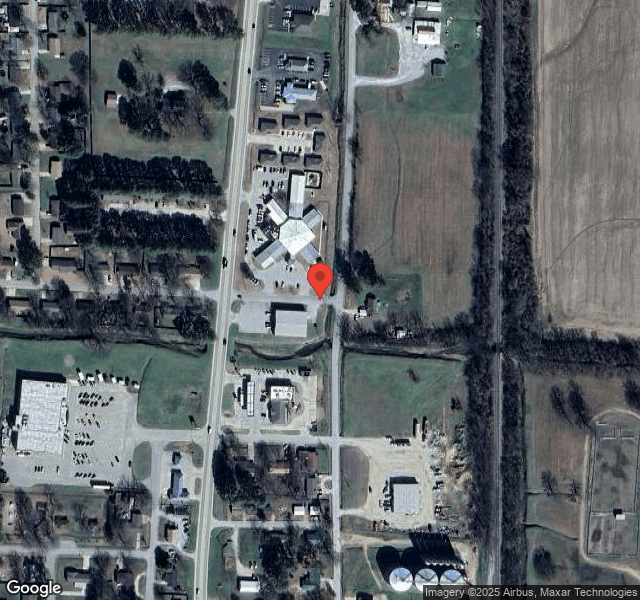
204 CATHERINE ST, HARRISBURG, AR 72432 (870) 578-2483
For profit - Corporation 62 Beds Independent Data: November 2025
Trust Grade
78/100
#97 of 218 in AR
Last Inspection: October 2024

Within standard 12-15 month inspection cycle. Federal law requires annual inspections.

Overview

Woodbriar Nursing Home in Harrisburg, Arkansas has received a Trust Grade of B, indicating it is a good option for families seeking care, though not without some concerns. Ranking #97 out of 218 facilities in Arkansas places it in the top half, and it is the top facility in Poinsett County. The facility is improving, with a decrease in reported issues from five in 2023 to three in 2024, but it still has some significant weaknesses, including $16,467 in fines, which is higher than 89% of Arkansas facilities. Staffing is a concern, with a low rating of 2 out of 5 stars, but a very low turnover rate of 0% suggests that the staff is stable and familiar with the residents. Specific incidents raised by inspectors included failures in food safety, oxygen therapy not being administered correctly for two residents, and potential infection risks due to improper handling of food items near clean linens, highlighting the need for better adherence to protocols to ensure resident safety.

Trust Score
B
78/100
In Arkansas
#97/218
Top 44%
Safety Record
Low Risk
No red flags
Inspections
Getting Better
5 → 3 violations
Staff Stability
○ Average
Turnover data not reported for this facility.
Penalties
○ Average
$16,467 in fines. Higher than 66% of Arkansas facilities. Some compliance issues.
Skilled Nurses
⚠ Watch
Each resident gets only 21 minutes of Registered Nurse (RN) attention daily — below average for Arkansas. Fewer RN minutes means fewer trained eyes watching for problems.
Violations
⚠ Watch
12 deficiencies on record. Higher than average. Multiple issues found across inspections.
★★★★☆
4.0
Overall Rating
★★☆☆☆
2.0
Staff Levels
★☆☆☆☆
1.0
Care Quality
★★★★★
5.0
Inspection Score
Stable
2023: 5 issues
2024: 3 issues

The Good

  • Full Sprinkler Coverage · Fire safety systems throughout facility
  • No fines on record

Facility shows strength in fire safety.

The Bad

Federal Fines: $16,467

Below median ($33,413)

Minor penalties assessed

The Ugly 12 deficiencies on record

Oct 2024 3 deficiencies
CONCERN (D)

Potential for Harm - no one hurt, but risky conditions existed

Comprehensive Care Plan (Tag F0656)

Could have caused harm · This affected 1 resident

Based on observation, interview, and record review, the facility failed to document and complete a person-centered care plan to facilitate the ability to plan and provide necessary care and services f...

Read full inspector narrative →
Based on observation, interview, and record review, the facility failed to document and complete a person-centered care plan to facilitate the ability to plan and provide necessary care and services for 1 (Residents #38) sampled resident whose care plan was reviewed. The findings are: 1. A review of an admission Record indicated the facility admitted Resident #38 with diagnoses of cerebral infarction (stroke), hypertension (high blood pressure), and congestive heart failure (a condition in which a person heart doesn't pump correctly). The quarterly Minimum Data Set (MDS) with an Assessment Reference Date (ARD) of 8/13/2024 revealed Resident #38 had a Brief Interview Mental Status (BIMS) score of 03, which indicated the resident had severe cognitive impairment. In Section N part N0415 subpart E Anticoagulant (blood thinner) revealed that it was marked as given within the last 7 days of ARD period. Review of Resident #38's Care Plan, with completed update on 10/9/2024, revealed the resident did not have anticoagulants nor the medication Eliquis (Blood thinner) care planned. During an interview 10/09/2024 9:00 AM, MDS Coordinator stated there wasn't anything care planned involving anticoagulants or Eliquis.
CONCERN (D)

Potential for Harm - no one hurt, but risky conditions existed

Deficiency F0728 (Tag F0728)

Could have caused harm · This affected 1 resident

Based on interviews, employee record review, and document review, it was determined the facility failed to ensure five Nursing Assistants (NA) completed competency training and failed to complete the ...

Read full inspector narrative →
Based on interviews, employee record review, and document review, it was determined the facility failed to ensure five Nursing Assistants (NA) completed competency training and failed to complete the certification testing within 120 days from completion of their initial training. The findings are: Reviewed employee records of all reported full-time Nursing Assistants (NA) employed at the facility on10/09/2024 at 1:30 PM, all five NAs were hired within the last three months, and each had not yet completed the certification process. The only records provided were the certificates stating the completion of the initial 90-hour training. There were no records showing competencies from the initial training, nor any from the facility in which they were employed. During an interview on 10/09/2024 at 2:40 PM, the Human Resources/Social Services (HR/Social) confirmed the facility has five NAs which have not completed the requirements for certification. Records provided by the facility indicate the following are NAs awaiting testing certification and dates of completion of initial 90 hours of Nursing Assistant training: NA #1 completed on 11/21/2023, NA #2 completed on 12/21/2023, NA #3 completed on 04/08/2024, NA #4 completed on 05/02/2024, and NA #5 completed on 02/06/2024. HR/Social confirmed the facility cannot provide documentation of the training the NAs completed during their initial 90-hour training and cannot provide documentation of competencies for work duties assigned such as transfers, isolation precautions, use of mechanical lift, nail care, or showers. HR/Social stated, We do not request the proof of skills completed from the training facilities because if they pass, we know they had to complete all necessary training to pass, and we don't go through a check off list of skills here once they start. They just follow another CNA for a week or so and train with them. HR/Social stated she was told the NAs had one year to test from competition of their initial training to pass the test. During an interview on 10/10/2024 at 9:30 AM, the Administrator confirmed the facility was under the impression NAs have one year to test from the date of completing their initial training. The Administrator also confirmed the facility does not have a training protocol or policy regarding training and/or certification of NAs, and the facility assigned the NAs to a CNA to assist with training, but they do not document a skills check off list for these employees. The Administrator stated, We provide continued training and random monitoring of the NAs/CNAs to ensure good care is provided to the residents, but as far as documentation of initial skills training, I don't think we have that to provide.
MINOR (C)

Minor Issue - procedural, no safety impact

Deficiency F0848 (Tag F0848)

Minor procedural issue · This affected most or all residents

Based on record review and interview, the facility failed to include the selection of a neutral arbitrator to be agreed upon by both parties and for the selection of a venue convenient to both parties...

Read full inspector narrative →
Based on record review and interview, the facility failed to include the selection of a neutral arbitrator to be agreed upon by both parties and for the selection of a venue convenient to both parties in the Arbitration Agreement. The findings are: 1. On 10/07/2024 at 10:30 AM, the facility's Arbitration Agreement was received from the Administrator as part of the admission packet. 2. During an interview on 10/09/2024 at 9:30 AM, the Human Resource(HR)/Social said during admission she defined an arbitration as if a dispute comes up, it would be handled by an arbitrator instead of going to court. She explains the arbitration agreement after the resident/representative read the agreement, then she asks the questions on the 3rd page to make sure the resident/representative understands before signing. HR/Social said the agreement doesn't include the selection of a neutral arbitrator would be agreed upon by both parties and that the selection of a venue would be convenient to both parties. 3. During an interview on 10/10/2024 at 9:44 AM, the Administrator said there is a paragraph stating the dispute would be resolved under NAF's (National Arbitration Forum rules. The agreement does not specially say the agreement provides for the selection of a neutral arbitrator agreed upon by both parties or that the agreement provides for the selection of a venue that is convenient to both parties.
Aug 2023 5 deficiencies
CONCERN (D)

Potential for Harm - no one hurt, but risky conditions existed

Resident Rights (Tag F0550)

Could have caused harm · This affected 1 resident

**NOTE- TERMS IN BRACKETS HAVE BEEN EDITED TO PROTECT CONFIDENTIALITY** Based on observation, interview, and record review the facility failed to treat each resident with respect, dignity, and to care...

Read full inspector narrative →
**NOTE- TERMS IN BRACKETS HAVE BEEN EDITED TO PROTECT CONFIDENTIALITY** Based on observation, interview, and record review the facility failed to treat each resident with respect, dignity, and to care for residents in a manner to protect their right to a dignified existence and privacy. This failed practice affected 1 (Resident #16) of 3 (Resident #9, #16, #63), residents and had the potential to affect 10 residents residing on 100 Hall. The findings are: 1. During facility observations on 08/14/23 at 11:29 AM, Resident #16 pointed to her bathroom and said, They locked the bathroom door, and gave my roommate a bedside commode. If I want to use the bathroom, I must go down the hallway. It's a good bathroom. They said the bathroom was too small and we might get hurt. Can you help me get my door unlocked? Certified Nursing Assistant [CNA] #2 walked in and said, I could hear through the door, we locked her bathroom door. When she calls, we take her to the bathroom up front. Resident #16 said, They let my roommate use a bedside commode, but told me I could not use one. I do not understand. CNA #2 left without responding to the resident ' s comment. 2. During facility observations on 08/14/23 at 2:02 PM, CNA #2 was sitting at a table outside of (named) room. This Surveyor was standing 38.5 feet away and heard CNA #2 give a full report to another staff member. CNA #2 said, Resident #16 will fall if she goes to the bathroom, so they have locked the door. She calls and is taken to the larger bathroom upfront in a wheelchair, where she can pull herself up. If she goes to her bathroom she will fall and bust, her face. She has fallen several times. 3. During an interview on 08/14/23 at 2:28 PM, this Surveyor asked CNA #2 about the process for taking Resident #16 to the bathroom. CNA #2 said, The bathroom door is locked. She has fallen many times because she loses her balance. She tries to toilet herself. The nurses told us to lock the bathroom and take her up front to assist her in the bigger bathroom. We asked her to use the call light and we will take her up front in a wheelchair to use the bathroom. Surveyor asked if resident uses the call light and CNA #2 said, yes. CNA #2 said, She cannot use a bedside commode. CNA #2 was asked if she is familiar with resident rights. CNA #2 said, Yes, we have regular in-service and training when we are hired. CNA #2 was asked if there are any negative consequences of locking resident and her roommate out of the bathroom, and not allowing a bedside commode. CNA #2 pointed to room [ROOM NUMBER] and said, No, if she uses this bathroom here, she will fall and bust her face. In the front bathroom she can use the bars in there and pull herself up. 4. During an interview on 08/16/23 at 10:03 AM, the Surveyor asked the Physical Therapy Assistant, [PTA] if staff requested recommendations on safe toileting for Resident #16. The PTA said, I don't know I honestly do not think so. The PTA provided Resident #16's Therapy Evaluation and report showing resident Precautions: Fall Risk. 5. During an interview on 08/16/23 at 2:33 PM, The Surveyor asked LPN #1 if she was familiar with Resident #16. LPN #1 said, She is pretty new. The Surveyor asked about the resident ' s process for toileting. LPN #1 said, She is supposed to use the call light, and I think she can go to the bathroom. She has had a couple of falls. The Surveyor asked LPN #1 how she knows the procedure to provide care for resident #16, including toileting. LPN #1 pulled up the Care Plan and said, I go by the Care Plan. It says encourage to use call light, and extensive 1 person toileting assistance. The Surveyor asked if there were instructions indicating Resident #16's bathroom was to be locked, or she could not use the bathroom in her room. LPN #1 said, No, there is not. 6. On 08/17/23 at 01:50 PM The Surveyor spoke with the ADON and asked the facility ' s procedure for determining safe toileting. The ADON said, It is different for every resident. We must take a lot of things into consideration. During the interview the ADON said, It is never okay to lock the resident ' s bathroom. If they have a roommate someone might want to change clothing in there if they are not comfortable with the privacy curtain. 7. A review of a document provided by Administrator Your Rights and Protections as a Nursing Home Resident on 08/17/23 2:40 PM showed, You have the right to be informed, make your own decisions, and have your personal information kept private. You have the right to be Treated with Respect: You have the right to be treated with dignity and respect, as well as make your own schedule and participate in activities you choose. You have the right decide when you go to bed, rise in the morning, and eat your meals. 8. A review of the Confidentiality in the Workplace Policy provided by the Business Office Manager (BOM) on 08/18/23 at 09:09 AM showed, Purpose: Ensure that sensitive and personal information about residents is not shared with other residents by staff members .
CONCERN (D)

Potential for Harm - no one hurt, but risky conditions existed

Deficiency F0583 (Tag F0583)

Could have caused harm · This affected 1 resident

Based on observation, interview, and record review the facility failed to secure confidential and private medical information on an open laptop. This failed practice had the potential to affect all 13...

Read full inspector narrative →
Based on observation, interview, and record review the facility failed to secure confidential and private medical information on an open laptop. This failed practice had the potential to affect all 13 residents residing on 200 Hall according to a census of 200 Hall received from the Administrator [Admin] on 08/14/2023 at 11:20 AM. The findings are: 1. On 08/16/23 at 2:26 PM, during facility rounds on 200 Hall, the Surveyor observed an open laptop, sitting on a small table. The laptop was open with the 200-Hall Census, in clear view of anyone walking in the 200 Hallway. 2. On 08/16/23 at 2:27 PM, Registered Nurse [RN] #1 came out of a resident room. The Surveyor asked RN #1 if it was appropriate for a computer to be left on with resident information pulled up, and visible to anyone in the hallway. RN #1 said, No, it is absolutely not appropriate. The Surveyor observed RN #1 lock the computer screen. During the interview RN #1 said, The screen should be off or locked. Anyone, like yourself, could see medical information on any resident we have. It is Health Insurance Portability and Accountability Act [HIPAA] violation. 3. On 08/17/23 at 1:50 PM, in an interview with the Assistant Director of Nursing [ADON], the Surveyor asked if it was appropriate for resident information to be left pulled up on an open laptop in the hallway. The ADON said, Absolutely not, the laptop should have been closed down or minimized. If someone was charting, they need to stay with the laptop. During the interview the ADON said, It creates a potential for information to be out for others to see. It could be considered a breach of information. 4. A policy titled Confidentiality in the Workplace, provided by the Business Office Manager [BOM] On 08/18/23 at 9:09 AM showed, Purpose: Ensure that sensitive and personal information about residents is not shared with other residents by staff members . 3. A resident's record is a legal document and, as such, it must be kept confidential and used only for the documentation of information .
CONCERN (D)

Potential for Harm - no one hurt, but risky conditions existed

ADL Care (Tag F0677)

Could have caused harm · This affected 1 resident

**NOTE- TERMS IN BRACKETS HAVE BEEN EDITED TO PROTECT CONFIDENTIALITY** Based on observation, interview, and record review the facility failed to ensure fingernails were clean, groomed, and free from ...

Read full inspector narrative →
**NOTE- TERMS IN BRACKETS HAVE BEEN EDITED TO PROTECT CONFIDENTIALITY** Based on observation, interview, and record review the facility failed to ensure fingernails were clean, groomed, and free from chipped nail polish to promote good personal hygiene and grooming for 1 (Resident #51) of 7 (Resident #4, #20, #37, #39, #46, #51 and #59) sampled residents that were dependent on staff for fingernail care on the Special Care Unit. This failed practice had the potential to affect 16 residents that lived on the Special Care Unit and were dependent on staff for nail care according to a list provided by the Administrator on 8/18/23 at 8:40AM. The findings are: 1. Resident #51 had a diagnosis of Alzheimer's Dementia, Anxiety, and Osteoarthritis. The Quarterly Minimum Data Set (MDS) with an Assessment Reference Date (ARD) of 6/2/23 documented that she scored 1 (0-7 indicates severe impairment) on the Brief Interview for Mental Status (BIMS), required extensive assistance with dressing, toileting, personal hygiene, limited assistance with bed mobility, transfer, and supervision with eating. a. On 08/14/23 at 2:16 PM, Resident #51 was sitting up in the Day/Dining Room in her wheelchair. The residents' fingernails were ungroomed extending approximately 1/8 to 1/4 of an inch past the end of the nail bed. The pink nail polish was chipped and peeling and there was approximately 1/4 inch of growth with no polish on the nail. b. On 08/15/23 at 9:27 AM, Resident #51 was sitting in the Day/Dining Room in her wheelchair. The residents' fingernails were ungroomed extending approximately 1/8 to 1/4 of an inch past the end of the nail bed. The pink nail polish was chipped and peeling and there was approximately 1/4 inch of growth with no polish on the nail. c. On 08/16/23 at 9:21 AM, Resident #51 is sitting in her wheelchair in the Therapy Room. The residents' fingernails were ungroomed extending approximately 1/8 to 1/4 of an inch past the end of the nail bed. The pink nail polish was chipped and peeling and there was approximately 1/4 inch of growth with no polish on the nail. d. On 08/17/23 7:30 AM, Resident #51 was sitting up in the Day/Dining Room eating breakfast. The residents' fingernails were ungroomed extending approximately 1/8 to 1/4 of an inch past the end of the nail bed. The pink nail polish was chipped and peeling and there was approximately 1/4 inch of growth with no polish on the nail. e. On 8/17/2023 at 12:55PM, Resident #51 was sitting in the day/dining room. The Surveyor asked Licensed Practical Nurse (LPN) #2 to examine the resident ' s fingernails and describe them to the Surveyor. LPN #2 stated, They need to be cut, cleaned, and the nail polish taken off. They need to be trimmed, smoother, and the polish redone. The Surveyor asked Who was responsible for doing nail care on the residents and how often nail can should be done. LPN #2 stated, If the resident is not a diabetic then anyone can do the nails. The nurses do the diabetic nails. The Treatment Nurse helps with the nails and the aides let the nurses know if they have a resident who they are not comfortable doing the nails. LPN #2 stated, Nail care is done every Sunday. [NAME] and Polish is done every Monday and residents can get a manicure done at that time if they would like one. If the resident is sleeping when that is being done, we do not disturb them. The Surveyor asked if Resident #51 refused nail care. LPN # stated, She has in the past. She had long nails in the past and likes to keep them long. If a resident refuses to have their nails done, we cannot do them. The Surveyor asked, Why should the residents nails be neat and groomed? LPN #2 stated, It could be a dignity issue. We can get her nails done today. f. In an interview on 08/17/23 at 1:00 PM the Surveyor asked Certified Nurse's Aide (CNA) #3, How much assistance does Resident #51 need with her activities of daily living? CNA #3 stated, She is limited with most activities. Transfers are extensive assistance. On the days she is more confused she requires more help. How much assistance does Resident #51 need with nail care? CNA #3 stated, She is used to having long nails. She does not like them cut. She will yell and cuss at times if we try to do her nails. The Surveyor asked, Will she let staff paint her nails? CNA #3 stated, She loves to have her nails polished. She is very picky on how her nails are done. The Surveyor asked, Who is responsible for doing nail care, if the CNA ' s put nail polish on, and how often nail care should be done? CNA #3 stated, The CNA's do the nails if the resident is not diabetic, yes we paint them, and we do nail care on Sundays. Sometimes if she is asleep, we do not do them. The Surveyor asked CNA to look at Resident #51's nails. After CNA #3 looked at her nails, the surveyor asked CNA #3 if Resident #51 nails need to be groomed. CNA #3 stated, Yes. They need to be cleaned and polished. g. In an interview with CNA #4 on 08/17/23 at 1:10PM, the Surveyor asked, How much assistance does Resident #51 need with her activities of daily living? CNA #4 stated, She is dependent for everything. Since she went to the hospital and came back, she has been more confused and so needs more help with care. The Surveyor asked, Will she let you do nail care and who is responsible for nail care? CNA #4 stated, Some days she will, but some days she will not. The aides are responsible for doing the nail care. The Surveyor asked, Will Resident #51 let you paint her nails? CNA #4 stated, Sometimes she will and sometimes she does not. Just like sometimes she will let us clean them and sometimes she does not. The Surveyor asked, How often should nail care be done? CNA #4 stated, Nail care is done every Sunday because we do not do showers on Sunday, and we have more time to do the nails. It should be done throughout the week if it is needed. h. In an interview with the Assistant Director of Nursing (ADON) On 08/18/23 at 09:20 AM, the Surveyor asked how much assistance Resident #51 needed with ADL's. The ADON stated, One person can do her. She sometimes needs a little more help with the transfer if her leg is hurting her. The Surveyor asked, Does she need assistance with nail care? The ADON stated, Staff would need to assist her with her nails. I think if I gave her an orange stick, she could do that herself The Surveyor asked, Does the resident refuse care? The ADON stated, At times she refuses care and at times she requires a lot of prompting. The Surveyor asked, Does she refuse nail care? The ADON stated, Basically it is the same for nail care. It all depends on the day. Sometimes you have to walk away and come back later and try later. The Surveyor asked, Who is responsible for nail care and how often should nail care be done? The ADON stated, The CNAs are responsible as long as the resident is not a diabetic. If the resident is a diabetic the treatment nurse is responsible for making sure it is done. Nails should be looked at on shower day to see if they need to be done. They should be looked at least three times a week. If the patient is diabetic the aides are to let the treatment Nurse know if nails need to be clipped or receive any care. The Surveyor asked, Do the aides paint the residents' nails? The ADON stated, Yes they do on the Unit, and we do [NAME] and Polish on Mondays outside the unit, but the residents on the unit are welcome to come to that. This is in addition to nail care with the showers. i. A review of the Care Plan with a revision date of 03/13/23 showed, .Problem: The resident has an ADL self-care performance deficit .Goal: The resident will show no decline in current level of function through the review date . Approaches: .PERSONAL HYGIENE: The resident requires extensive assist x 1 with personal hygiene and oral care . j. A review of the policy titled, Nails (Finger and Toe), Care of with an effective date of 2001, provided by the Administrator showed, Responsibility: The following individuals may have responsibility for care of fingernails and toenails specific to state professional licensing requirements. RN, LPN/LVN, CAN. Purpose: The purpose of fingernail and toenail is to: Provide cleanliness, prevent spread of infection, comfort the resident, prevent skin problems .
CONCERN (E)

Potential for Harm - no one hurt, but risky conditions existed

Respiratory Care (Tag F0695)

Could have caused harm · This affected multiple residents

Based on observation, interview, and record review the facility failed to ensure residents received oxygen therapy at the physician ordered flow rate. This failed practice affected 2 (Resident #17, #1...

Read full inspector narrative →
Based on observation, interview, and record review the facility failed to ensure residents received oxygen therapy at the physician ordered flow rate. This failed practice affected 2 (Resident #17, #19) of 3 (Resident #17, #19, #34) sampled residents, residing on the 200 Hall who had orders for oxygen, according to a list provided by the Administrator on 08/17/2023 at 10:48 AM. The findings are: 1.The following observations were made of Resident #17: a. On 08/14/23 at 3:09 PM Resident #17 was sitting in her room in her wheelchair. Her oxygen was set at 1.5 liters per minute. b. On 08/16/23 at 8:42 AM Resident #17 was sitting at bedside in a wheelchair, with oxygen off. Concentrator on and set on 1.5 liters, nasal cannula in a bag dated, 08/13/23. I usually have that oxygen on. The Surveyor asked if she puts oxygen on and off by herself. No, the nurse or Certified Nursing Assistant [CNA] puts it on me. I cough a lot and need it since I had pneumonia. c. On 08/16/23 at 10:10 AM Resident #17 was sitting in a wheelchair resting with her eyes closed, Oxygen on at 1-1.5 liters per minute. 2. In an interview on 08/16/23 at 08:55 AM while CNA #1 assisted the resident, the Surveyor asked if CNA #1 usually assisted in putting the oxygen on the resident. CNA #1 said, Yes, sometimes I do. She said, Correct me if I am wrong but I think she is supposed to wear oxygen all the time. It is set on 1.5 liters [L], maybe 2 L. It looks like 1.5 L. 3. In an interview on 08/16/23 at 11:37 AM, the Surveyor asked Licensed Practical Nurse [LPN] #1 to verify the amount of oxygen resident #17 was receiving. LPN #1 said, It is about 1.5-2 liters usually. Oh, it is a little under that. Let me fix it right now. The Surveyor observed LPN #1 adjust concentrator to 2 liters. The Surveyor asked what flow rate was ordered for Resident #17. LPN #1 said, She mostly uses it at night. She feels like she cannot breathe when laying down. If it is not set on enough oxygen, then it needs to be fixed, because it is not what the doctor ordered. 4. A review of Physician ' s Orders dated 8/12/2022 showed, Oxygen 2-4LPM per nasal cannula PRN (as needed) for SOB (shortness of breath), CP (chest pain), saturation <92%, or maintenance of medical condition. 5. A review of the Care Plan initiated on 01/27/23 showed, The resident has oxygen, resident will have no s/sx (signs/symptoms) of poor oxygen absorption through the review date.OXYGEN SETTINGS: Oxygen 2-4LPM per nasal cannula PRN for SOB, CP, saturation <92%, or maintenance of medical condition . 6. The following observations were made of Resident #19: a. 08/14/23 11:45 AM, Resident #19 was laying down wearing oxygen. Resident #19 said, I am unsure of how many liters of oxygen I wear. The oxygen tubing and humidifier bottle were dated 08/13/23, and oxygen set to 1-1.5 liters. The concentrator was pressed between the bed frame and the outer wall. b. 08/16/23 8:58 AM, Resident #19 was lying in bed, with her eyes covered. Oxygen was set to 1-1.5 liters, tubing and humidifier bottle were dated 08/13/23. c. 08/16/23 at 2:28 PM, Resident #19 ' s oxygen concentrator set on 1-1.5 liters. The Surveyor asked Registered Nurse [RN] #1 to read off the amount of oxygen on resident #19. RN #1 said, 2 liters. The Surveyor asked RN #1 if she could check it from eye level, and observed concentrator is hard to read. Concentrator pressed between the bed frame and outer wall. RN #1 said, It is slightly under 2 liters, maybe 1.5 liters. I will have to go read the doctor ' s orders. 7. In an interview with the Assistant Director of Nursing [ADON] on 08/17/23 at 1:50 PM, the Surveyor asked who was responsible for ensuring the residents were administered oxygen at the correct flow rate. The ADON said, The nurse on the floor is responsible for oxygen, and we check on Sundays when the tubing and humidifier bottles are changed. The ADON said, If the oxygen level is too low then they are not getting what they need. Their level may be too low. Certified Nursing Assistants [CNA]'s have no reason to handle the oxygen or tubing. They should get a nurse. 8. A review of the Physician Orders dated 12/16/20 showed, Pulse Ox (oxygen saturation) BID (twice a day) d/t (due/to) PRN (as needed) oxygen use. Oxygen 2-4 liters per nasal cannula PRN for SOB, CP, saturation <92%, or maintenance of medical condition every shift. 9. A review of the Care Plan dated 07/01/22 showed, The resident has oxygen therapy @ 2-4 LPM PRN, the resident will have no signs or symptoms of poor oxygen absorption through the review date, .Monitor for signs or symptoms of respiratory distress and report to MD PRN: Respirations, Pulse oximetry, Increased heart rate (Tachycardia) . 10. 08/17/23 at 12:30 PM The Administrator provided a procedure titled Oxygen Administration Procedure 15 that showed, . Procedure includes to check physician's order for liter flow and method of administration .
CONCERN (E)

Potential for Harm - no one hurt, but risky conditions existed

Infection Control (Tag F0880)

Could have caused harm · This affected multiple residents

Based on observation, interview and policy and procedure review, the facility failed to prevent the potential for infection and cross contamination in the facility laundry processing area as evidenced...

Read full inspector narrative →
Based on observation, interview and policy and procedure review, the facility failed to prevent the potential for infection and cross contamination in the facility laundry processing area as evidenced by staff placing half consumed food and drinks on the laundry folding table next to clean, folded resident linens. This failed practice had the potential to effect 18 (Resident #1, #3, #4, #5, #8, #16, #17, #19, #20, #26, #34, #37, #39, #40, #46, #51, #54 and #59) sampled residents, and 62 residents who have their laundry done in the facility based on a list provided by the Administrator on 08/18/23 at 8:41 AM. The findings are: a. During a facility tour of the Laundry Room on 08/17/23 at 1:58 PM, the Surveyor observed a soft drink in a plastic bottle sitting on top of the folding counter surface next to a stack of clean, pink folded transfer pads. There was a clear, plastic cup half full of a brown colored liquid covered with a plastic lid with an exposed straw sitting near the right corner end of the stainless-steel countertop. There were 2 containers of salsa in Styrofoam cups with plastic lids stacked on the countertop, and a plastic bag containing tortilla chips sitting next to the salsa on the right corner of the laundry folding counter. There were visible crumbs and smears on the countertop, and a small amount of condensation from the drinks that had dripped onto the surface of the stainless-steel folding counter. b. In an interview with the Housekeeping/Laundry Supervisor 08/17/23 at 2:10 PM, the Surveyor asked if food and drinks should be on the laundry folding counter. The Housekeeping/Laundry Supervisor answered, Well the girl that just left should have cleaned this up but left it here. The Surveyor asked why food and drinks should not be placed on the laundry counter with resident laundry. The Housekeeping/Laundry Supervisor answered, contamination. This will be cleaned up right away. c. In an interview with the Administrator at 08/17/23 02:31 PM, the Surveyor asked the Administrator if food and drinks should be placed on the laundry folding counter. The Administrator answered and confirmed, No, they should not. The Surveyor asked the Administrator why food and drinks should not be on the laundry folding counter. The Administrator answered, Well, it could be an infection control issue or an issue with staff getting chemicals in it. d. A Review of the policy titled, Infection Prevention and Control Manual, Environmental Services/Housekeeping/Laundry provided by the Administrator On 08/17/23 at 3:00 PM, showed, Purpose, All potentially contaminated linen to be handled with appropriate measures to prevent cross-transmission .
May 2022 4 deficiencies
CONCERN (E)

Potential for Harm - no one hurt, but risky conditions existed

Infection Control (Tag F0880)

Could have caused harm · This affected multiple residents

Based on observation, record review and interview, the facility failed to ensure the appropriate PPE (Personal Protective Equipment) was worn for a resident who was on contact isolation for 1 (Residen...

Read full inspector narrative →
Based on observation, record review and interview, the facility failed to ensure the appropriate PPE (Personal Protective Equipment) was worn for a resident who was on contact isolation for 1 (Resident #33) of 1 sampled resident who was on TBP (Transmission Based Precautions) and failed to ensure staff did not remove their face mask when talking within three feet of 1 (Resident #33) of 9 (Residents #33, #159, #58, #11, #7, #50, #42, #56 and #28) sampled residents who resided on the Secured Unit (500 Hall) as documented on the Census by Hall provided by the Administrator on 5/2/22. The findings are: 1. Resident #33 had a diagnosis of Extended Spectrum Beta Lactamase (ESBL) of Urine, Urinary Tract Infection (UTI), Dementia, Anxiety Disorder, Bipolar Disorder and Urogenital implants. a. The Physician's Order dated 4/28/22 documented, .Place resident in isolation from 4/28/22 -[through] 5/4/22 since refuses catheter . b. The Care Plan with a revision date of 5/5/22 documented, .Resident refuses to stay in room and has adamantly refused a [urinary catheter]. Unable to remember that he is in isolation for uti with esbl+. Velcro release stop sign placed across doorway to remind resident that he is in isolation. c. On 05/02/22 at 1:08 PM, Resident #33 left his isolation room and walked to the Dining Room and stood at the door, six feet from other residents. Certified Nursing Assistant (CNA) #1 walked him back to his room and stated, You are on isolation, you will have to come back to your room. CNA #1 entered Resident #33's room only wearing her mask for PPE. Resident #33 sat in his recliner and stated, Will you hand me my trash can. CNA#1 handed him his trash can and wrote a message on his communication board and then left the room at 1:11 pm. d. On 05/02/22 at 1:11 PM, CNA #1 was asked, Is [Resident #33] on isolation? She stated, I am not sure. I am new. I have only been back here two days. She was asked, What type of isolation is he on? She stated, Droplet. I believe. CNA #3, who also was standing in the hall, stated, That's just what I was about to say, you need to dress out before you go into his room. CNA #1 then went into the hall bathroom and washed her hands with the bathroom door open. When she returned to the hallway she was asked, When you see this cart with PPE outside of the resident's room what does that mean? She stated, They are on isolation. She was asked, What PPE should you wear before entering [Resident #33's] room? She stated, Face mask, gown, gloves, goggles (while she was looking at the sign on the door with pictures of the PPE to be worn while in Resident #33's room). She was asked, What is a potential complication of you going into his room without wearing the appropriate PPE? She stated, I could get what he has. She was asked, Were you trained on isolation when you started at this facility? She stated, Yes, [CNA#2] taught me. e. On 05/02/22 at 1:19 PM, CNA #2 was asked, What type of isolation is [Resident #33] on? She stated, Droplet I think for ESBL . She was asked, What type of PPE is required when entering his room? She stated, Mask, gown, gloves. She was asked, Do you train the CNAs? She stated, Yes, different stuff like isolation . f. On 05/02/22 at 1:24 PM, CNA#2 returned and stated, He has ESBL in urine. He is on contact isolation not droplet . 2. On 05/02/22 at 2:52 PM, the Director of Nursing (DON) was down the hall and observed CNA #5 pull her mask down while she was within three feet of Resident #33's face and was talking to him. The DON was asked, Is it acceptable practice for staff to have their mask down? She stated, No. The DON was asked, What type of isolation is [Resident #33] on? She stated, Contact. She was asked, What type of PPE should be worn when entering his room? She stated, Gown, mask, gloves. She was asked, Is it an acceptable practice for your staff to enter his room while the only PPE they were wearing was a mask? She stated, No, it is not . 3. On 05/05/22 at 12:56 PM, CNA #5 was asked, When should you wear your mask when you are at the facility? She stated, All the time. She was asked, If there is a resident who cannot hear you when you are talking to him what have you been instructed to do? She stated, We use a dry erase board for [Resident #33] to communicate, but the housekeeping cart was between me and him and I could not access his dry erase board. He reads lips, so I just pulled my mask down to ask him . CNA#5 was asked, How far from [Resident #33] where you when you pulled your mask down? She stated, Four or five feet, the housekeeping cart was between us . She was asked, What is a potential complication of pulling your mask down to talk to a resident? She stated, Infection .COVID exposure . 4. The facility policy titled, Isolation Precautions (Transmission Based), provided by the DON on 05/03/22 at 12:53 PM documented, .Contact Precautions These precautions are to be used in addition to standard precautions for residents known or suspected to be infected or colonized with microorganisms transmitted by-direct contact with the resident, such as hand to skin contact or indirect contact, such as touching environmental surfaces or items in the resident's environment . 5. The facility policy titled, Staff Mask Wearing, provided by the Administrator on 05/06/22 at 10:36 AM documented, Staff are to wear a mask in the facility . The Administrator stated, We have been required to wear mask since 3/30/2020 .
CONCERN (F)

Potential for Harm - no one hurt, but risky conditions existed

Food Safety (Tag F0812)

Could have caused harm · This affected most or all residents

Based on observation and interview, the facility failed to ensure food items in the refrigerator were dated when pulled from the freezer and placed in the refrigerator to ensure they were used within ...

Read full inspector narrative →
Based on observation and interview, the facility failed to ensure food items in the refrigerator were dated when pulled from the freezer and placed in the refrigerator to ensure they were used within 14 days once thawed and failed to ensure equipment was maintained in clean condition and failed to ensure 1 (500 Hall) of 2 ice machines was regularly cleaned to prevent potential food borne illness for residents who received meals from 1 of 1 kitchen. The failed practices had the potential to affect 63 (total census: 66) residents who receive meals from the kitchen and 18 residents who received ice from the 500 hall ice machine based on a list provided by the Dietary Employee #1 on 05/05/22. The findings are: 1. On 05/02/22 at 11:50 AM, the following observations were made in the kitchen area: a. On the second shelf of a two-door refrigerator located in the Storeroom, was a box containing 40 four ounce Chocolate nutritional milkshakes and 13 four ounce strawberry nutritional shakes with a received by date of 4/7/22. The manufacturer's guidelines for safe food handling documented on the side of each individual shake, .Use within 14 days once thawed . Dietary Employee #2 was asked how long the shakes had been thawed and he said, I don't see a pull date, so I don't know for sure how long they have been out of the freezer. He was asked, What could happen if the shakes were used past the recommended 14 days of thawing? Dietary Employee #2 said, They could be bad. b. The fan guard of the two-door refrigerator containing the nutritional shakes had blackish, gritty specks on it. Dietary Employee #2 was asked what the specks were. He said, It's some sort of dirt. 2. On 05/02/22 at 12:27 PM, the 500 Hall ice machine had a brownish jelly like substance on the top of a cube of ice and on the water plate where the ice cubes are formed. There was a black slimy debris on the splash curtain above the ice cubes. Dietary Employee #1 was asked to describe what she saw. She said, It's dirty. Maintenance cleans its. I'm not sure when it was cleaned. a. On 05/04/22 at 8:29 AM, the Maintenance Director was asked to describe what he saw inside of the 500 Hall ice machine. He said, I cleaned it Monday. I still see some brown, and black stuff. I can't remember what it's called. The Maintenance Director was asked if he was responsible for cleaning the ice machines. He said, It's usually quarterly. That's what I used to do with mine. I've only been here since the end of February. b. The facility policy titled, Cleaning Instructions: Ice Machine and Equipment provided by the Maintenance Director on 05/04/22 at 8:33 AM documented, .The ice machine and equipment . will be cleaned on a regular basis to maintain a clean, sanitary condition . Change to cleaning schedule of facility ice machines: 03-07-2021. The cleaning schedule for facility ice machine is being changed effective today to monthly. This is to be done by the maintenance staff and logged in the Maintenance book . c. On 05/04/22 at 8:35 AM, the Maintenance Director was asked for the maintenance log for cleaning the ice machine. The Maintenance Director provided a document titled, Ice Machine Check and documented 03/22 500 hall ice machine. The Maintenance Director was asked if March was the last time the ice machine was cleaned and the Maintenance Director said, Yes. It looks like it. The Administrator stated, I think he meant to say it was cleaned in April, but it wasn't documented. She reminded the Maintenance Director to document each time the ice machine was cleaned. 3. On 05/04/22 at 8:15 AM, in the kitchen there was a white oscillating cooling fan blowing toward the food prep table behind the stove. The fan was covered with grayish, translucent particles. Dietary Employee #2 was asked what the particles were. He said, It's dust. I will take care of that right now.
MINOR (B)

Minor Issue - procedural, no safety impact

Comprehensive Assessments (Tag F0636)

Minor procedural issue · This affected multiple residents

Based on record review and interview, the facility failed to ensure a Minimum Data Set (MDS) Discharge assessment was encoded correctly for 1 (Resident #59) of 2 (Resident #59 and #60) sampled who wer...

Read full inspector narrative →
Based on record review and interview, the facility failed to ensure a Minimum Data Set (MDS) Discharge assessment was encoded correctly for 1 (Resident #59) of 2 (Resident #59 and #60) sampled who were discharged from the facility in the past 3 months. The findings are: Resident #59 had a diagnosis of Hypertension, Diabetes Mellitus, Hyperlipidemia, Cerebrovascular Accident, Hemiparesis, Seizures and Depression. The Quarterly MDS with an Assessment Reference Date of 2/22/22 documented the resident scored 14 (13-15 indicates cognitively intact) on a Brief Interview for Mental Status. a. As of 5/4/22 at 3:06 PM, the most recent MDS available in the resident's clinical record was a Discharge MDS with an ARD of 4/13/22. Section A2100. Discharge Status was coded 03 Acute Hospital. b. On 05/04/22 at 3:21 PM, the Director of Nursing (DON) was asked, Who is responsible for completing the discharge MDS? She said, The MDS Coordinator, but she is gone for the day. The DON was asked to verify if the [Resident #59] was discharged to the hospital on 4/13/22 per MDS. The DON said, It's acute hospital. The Administrator stated, That is not correct. We will have to get her to change that. The resident left the facility AMA [Against Medical Advice] with his family. c. On 05/05/22 at 8:21 AM, the MDS Coordinator was asked if [Resident #59's] discharge MDS should have been coded as discharged to the hospital. The MDS Coordinator said, No, it should have been to home. I've corrected it and resubmitted.
MINOR (C)

Minor Issue - procedural, no safety impact

Deficiency F0568 (Tag F0568)

Minor procedural issue · This affected most or all residents

Based on interview and record review, the facility failed to ensure proper bookkeeping techniques were followed to accurately reconcile individual resident funds for 22 of 22 (Residents #2, 3, 4, 6, 7...

Read full inspector narrative →
Based on interview and record review, the facility failed to ensure proper bookkeeping techniques were followed to accurately reconcile individual resident funds for 22 of 22 (Residents #2, 3, 4, 6, 7, 9, 11, 15, 20, 24, 25, 28, 33, 37, 38, 40, 41, 42, 49, 56, 58 and 60) sample residents who had trust funds managed by the facility. This failed practice had the potential to affect 56 residents who had their personal trust funds managed by the facility, according to a list received from the business office manager on 5/5/22. The findings are: 1. The March 1, 2022 to March 31, 2022 Trust Fund Report provided by the Business Office Manager on 05/5/22 at 12:36 PM documented an ending balance of $44,467.66. The April 2022 statement had not yet been received and facility trust Current Account Balance as of 04/05/22 was $40,123.71. 2. On 05/5/22 at 1:06 PM, the BOM listed on post-it notes an on-hand petty cash balance of $225.04. 3. On 05/5/22 at 1:22 PM, the BOM was asked to provide documentation of the last reconciliation performed of the trust bank statement and resident trust account. I have one for February. I do not have one for March. The Office Manager from our sister facility is working on it for me. I was not aware it was something that had to be done.
Understanding Severity Codes (click to expand)
Life-Threatening (Immediate Jeopardy)
J - Isolated K - Pattern L - Widespread
Actual Harm
G - Isolated H - Pattern I - Widespread
Potential for Harm
D - Isolated E - Pattern F - Widespread
No Harm (Minor)
A - Isolated B - Pattern C - Widespread

Questions to Ask on Your Visit

  • "Can I speak with families of current residents?"
  • "What's your RN coverage like on weekends and overnight?"

Our Honest Assessment

Strengths
  • • No major safety red flags. No abuse findings, life-threatening violations, or SFF status.
Concerns
  • • 12 deficiencies on record. Higher than average. Multiple issues found across inspections.
  • • $16,467 in fines. Above average for Arkansas. Some compliance problems on record.
Bottom line: Generally positive indicators. Standard due diligence and a personal visit recommended.

About This Facility

What is Woodbriar's CMS Rating?

CMS assigns WOODBRIAR NURSING HOME an overall rating of 4 out of 5 stars, which is considered above average nationally. Within Arkansas, this rating places the facility higher than 99% of the state's 100 nursing homes. This rating reflects solid performance across the metrics CMS uses to evaluate nursing home quality.

How is Woodbriar Staffed?

CMS rates WOODBRIAR NURSING HOME's staffing level at 2 out of 5 stars, which is below average compared to other nursing homes.

What Have Inspectors Found at Woodbriar?

State health inspectors documented 12 deficiencies at WOODBRIAR NURSING HOME during 2022 to 2024. These included: 9 with potential for harm and 3 minor or isolated issues.

Who Owns and Operates Woodbriar?

WOODBRIAR NURSING HOME is owned by a for-profit company. For-profit facilities operate as businesses with obligations to shareholders or private owners. The facility operates independently rather than as part of a larger chain. With 62 certified beds and approximately 61 residents (about 98% occupancy), it is a smaller facility located in HARRISBURG, Arkansas.

How Does Woodbriar Compare to Other Arkansas Nursing Homes?

Compared to the 100 nursing homes in Arkansas, WOODBRIAR NURSING HOME's overall rating (4 stars) is above the state average of 3.1 and health inspection rating (5 stars) is much above the national benchmark.

What Should Families Ask When Visiting Woodbriar?

Based on this facility's data, families visiting should ask: "Can you walk me through typical staffing levels on day, evening, and night shifts?" "Can I visit during a mealtime to observe dining assistance and food quality?" "How do you handle medical emergencies, and what is your hospital transfer rate?" "Can I speak with family members of current residents about their experience?" These questions are particularly relevant given the below-average staffing rating.

Is Woodbriar Safe?

Based on CMS inspection data, WOODBRIAR NURSING HOME has a clean safety record: no substantiated abuse findings (meaning no confirmed cases of resident harm), no Immediate Jeopardy citations (the most serious violation level indicating risk of serious injury or death), and is not on the Special Focus Facility watch list (a federal program monitoring the lowest-performing 1% of nursing homes). The facility has a 4-star overall rating and ranks #1 of 100 nursing homes in Arkansas. While no facility is perfect, families should still ask about staff-to-resident ratios and recent inspection results during their visit.

Do Nurses at Woodbriar Stick Around?

WOODBRIAR NURSING HOME has not reported staff turnover data to CMS. Staff turnover matters because consistent caregivers learn residents' individual needs, medications, and preferences. When staff frequently change, this institutional knowledge is lost. Families should ask the facility directly about their staff retention rates and average employee tenure.

Was Woodbriar Ever Fined?

WOODBRIAR NURSING HOME has been fined $16,467 across 4 penalty actions. This is below the Arkansas average of $33,244. While any fine indicates a compliance issue, fines under $50,000 are relatively common and typically reflect isolated problems that were subsequently corrected. Families should ask what specific issues led to these fines and confirm they've been resolved.

Is Woodbriar on Any Federal Watch List?

WOODBRIAR NURSING HOME is not on any federal watch list. The most significant is the Special Focus Facility (SFF) program, which identifies the bottom 1% of nursing homes nationally based on persistent, serious quality problems. Not being on this list means the facility has avoided the pattern of deficiencies that triggers enhanced federal oversight. This is a positive indicator, though families should still review the facility's inspection history directly.