THREE RIVERS HEALTH AND REHABILITATION CENTER
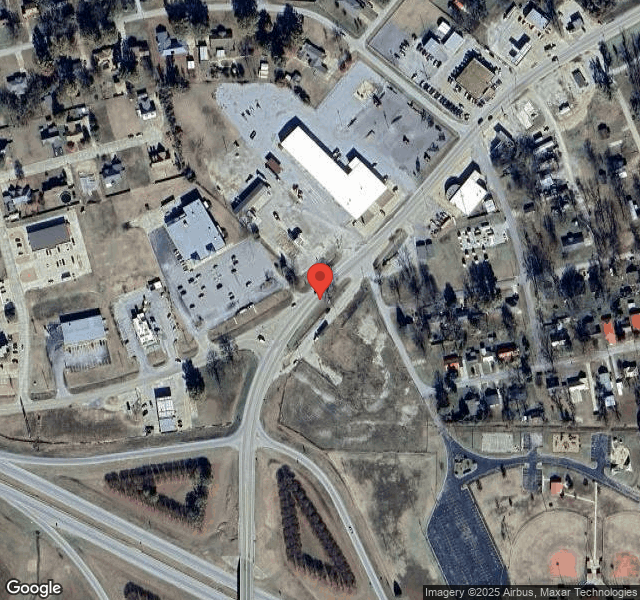
33904 HIGHWAY 63 E, MARKED TREE, AR 72365 (870) 358-2432
For profit - Limited Liability company 110 Beds SOUTHERN ADMINISTRATIVE SERVICES Data: November 2025 2 Immediate Jeopardy citations
Trust Grade
26/100
#180 of 218 in AR
Last Inspection: August 2024

Within standard 12-15 month inspection cycle. Federal law requires annual inspections.

Overview

Three Rivers Health and Rehabilitation Center in Marked Tree, Arkansas has received a Trust Grade of F, indicating significant concerns about the facility. Ranking #180 out of 218 in Arkansas places it in the bottom half of nursing homes in the state, and it is the second of two options in Poinsett County. While the facility has shown improvement from 11 issues in 2023 to 4 in 2024, it still has a concerning history with $37,106 in fines, which is higher than 93% of Arkansas facilities, suggesting ongoing compliance problems. Staffing is a relative strength, with a 3/5 rating and a turnover rate of 42%, which is below the state average. However, there have been critical incidents, such as residents experiencing foodborne illness due to improper food handling, and a resident being injured in a wheelchair during transport because it was not secured properly, highlighting serious safety concerns that families should consider.

Trust Score
F
26/100
In Arkansas
#180/218
Bottom 18%
Safety Record
High Risk
Review needed
Inspections
Getting Better
11 → 4 violations
Staff Stability
○ Average
42% turnover. Near Arkansas's 48% average. Typical for the industry.
Penalties
○ Average
$37,106 in fines. Higher than 68% of Arkansas facilities. Some compliance issues.
Skilled Nurses
⚠ Watch
Each resident gets only 24 minutes of Registered Nurse (RN) attention daily — below average for Arkansas. Fewer RN minutes means fewer trained eyes watching for problems.
Violations
⚠ Watch
18 deficiencies on record. Higher than average. Multiple issues found across inspections.
★★☆☆☆
2.0
Overall Rating
★★★☆☆
3.0
Staff Levels
★★★★☆
4.0
Care Quality
★★☆☆☆
2.0
Inspection Score
Stable
2023: 11 issues
2024: 4 issues

The Good

  • 4-Star Quality Measures · Strong clinical quality outcomes
  • Full Sprinkler Coverage · Fire safety systems throughout facility
  • No fines on record
  • Staff turnover below average (42%)

    6 points below Arkansas average of 48%

Facility shows strength in quality measures, fire safety.

The Bad

2-Star Overall Rating

Below Arkansas average (3.1)

Below average - review inspection findings carefully

Staff Turnover: 42%

Near Arkansas avg (46%)

Typical for the industry

Federal Fines: $37,106

Above median ($33,413)

Moderate penalties - review what triggered them

Chain: SOUTHERN ADMINISTRATIVE SERVICES

Part of a multi-facility chain

Ask about local staffing decisions and management

The Ugly 18 deficiencies on record

2 life-threatening
Aug 2024 4 deficiencies
CONCERN (E)

Potential for Harm - no one hurt, but risky conditions existed

ADL Care (Tag F0677)

Could have caused harm · This affected multiple residents

Based on observation, record review, and interview, the facility failed to ensure residents who required assistance with activities of daily living were regularly provided with the necessary assistanc...

Read full inspector narrative →
Based on observation, record review, and interview, the facility failed to ensure residents who required assistance with activities of daily living were regularly provided with the necessary assistance to maintain good hygiene and grooming for two (Residents #69 and #88) of two sampled residents. The findings are: 1. A review of the Order Summary revealed Resident #69 had diagnoses of dementia, depressive episodes, anxiety, and chronic kidney disease. A review of the quarterly Minimum Data Set (MDS) with an Assessment of Reference Date (ARD) of 06/27/2024 revealed Resident #69 scored a 3 (severe cognitive impairment) on the Brief Interview Mental Status (BIMS). A review of the Care Plan, initiated on 03/01/2023 revealed Resident #69 required assistance of two staff with bathing and used a shower bed. A review of the Bath Task revealed Resident #69 from 7/31/2024 to 8/26/2024 received a bed bath only. A review of the Behavior Monitoring Task sheet revealed that for Resident #69 from 07/30/2024 to 08/28/2024, no behaviors were charted. On 08/28/2024 at 3:05 PM, the Nurse Consultant stated the facility did not have a policy for activities of daily living. On 08/26/2024 at 11:23 AM, the Surveyor observed Resident #69 in bed, hair was greasy, sticking to the pillowcase and facial hair was observed to be curling on each corner of their chin. On 08/27/2024 at 10:00 AM, the Surveyor observed Resident #69 in bed, hair had not been washed, and resident had not been shaved. On 08/28/2024 at 10:45 AM, the Surveyor observed Resident #69 in bed, hair was greasy, and the resident had not been shaved. On 08/28/2024 at 10:45 AM, during an interview, Certified Nursing Assistant (CNA) #4 stated Resident #69's facial hair was long and needed shaved. CNA #4 stated that Hospice gave a complete bed bath yesterday and must have missed the facial hair as they usually get it. CNA #4 stated that Resident #69's hair is greasy, stringy, and long that it needs to be trimmed in the beauty shop. CNA #4 stated it would not feel good to have greasy hair or long facial hair. CNA #4 stated that baths are important to ensure they get the care they need. On 08/28/2024 at 10:52 AM, during an interview, Licensed Practical Nurse (LPN) #6 stated Resident #69 normally gets a complete bed bath with Hospice including a shower cap. LPN #6 stated that Resident #69 needs shaved, hospice usually get its and hair is oily, stringy, and long. LPN #6 stated that nobody would want to feel unclean with greasy hair or facial hair. LPN #6 stated that baths are important to make sure they are clean and presentable and if they go without baths, they end up with skin conditions like yeast, need them to be well taken care. 2. A review of the Order Summary revealed Resident #88 had diagnoses of type two diabetes, need for assistance with personal care, and dementia. A review of the Significant Change MDS with an ARD 07/29/2024 revealed Resident #88 scored a 2 (severe cognitive impairment) on the BIMS. A review of the Care Plan, initiated on 08/24/23 revealed Resident #88 was dependent for bathing; required assistance of two staff with bathing; and used a shower bed. A review of the Bathing Task sheet revealed that Resident #88 from 07/31/2024 to 08/28/2024, had only bed baths except one shower given on 08/05/2024. A review of the Behavior Monitoring sheets revealed that Resident #88 had no behaviors from 07/31/2024 to 08/28/2024. On 08/26/2024 at 11:37 AM, the Surveyor observed Resident #88 in bed, both hands had thick fingernails with a yellow brown substance around them, two of the nails on the left hand are longer and jagged. On 08/27/2024 at 10:05 AM, the Surveyor observed Resident #88 in bed, nails have not been trimmed or cleaned. On 08/28/2024 at 11:00 AM, the Surveyor observed Resident #88 in bed, nails have not been trimmed or cleaned. On 08/26/2024 at 12:15 PM, during an interview CNA #4 stated currently they have 13 to 14 baths to do in a day. CNA #4 then stated that usually only two CNAs work back there with all 27 residents, and some of the baths require two people to give them. CNA #4 stated that there is not a bathhouse on the unit, and they coordinate with other halls to be able to give baths, it is difficult to be able to get them done in a timely manner with the behaviors back here. On 08/28/2024 at 1:30 PM, during an interview with CNA #4 and CNA #5, CNA #4 stated Resident #88 had a dark substance under and around their nails and were jagged, long, and thick. CNA #4 stated that Resident #88 was diabetic, and the nurses do the nail care. CNA #5 stated that long nails can cause scratches and infections. On 08/28/2024 at 1:43 PM, during an interview Registered Nurse (RN) #7 stated Resident #88 ' s fingernails were long, dirty and jagged. RN #7 stated they need trimmed, for hygiene and bacteria and contamination, they could scratch themselves causing a sore or could put it in mouth or eyes could cause infections. On 08/28/2024 at 2:45 PM, during an interview the Director of Nursing (DON) stated that activity of daily living is important as they should be well groomed it is their right and without baths, they can get skin issues or infections.
CONCERN (E)

Potential for Harm - no one hurt, but risky conditions existed

Deficiency F0687 (Tag F0687)

Could have caused harm · This affected multiple residents

Based on observation, record review, and interview, the facility failed to ensure residents who required assistance with foot care were regularly provided with the necessary assistance to maintain goo...

Read full inspector narrative →
Based on observation, record review, and interview, the facility failed to ensure residents who required assistance with foot care were regularly provided with the necessary assistance to maintain good hygiene and grooming, as evidenced by failure to ensure toenails were kept clean and trimmed for one (Resident #88) of one sampled resident. The findings are: A review of the Order Summary revealed Resident #88 had diagnoses of type two diabetes, need for assistance with personal care, and dementia. A review of the Order Summary reveals no standing order for podiatry. A review of the Significant Change Minimum Data Set (MDS) with an Assessment of Reference Date (ARD) of 07/29/2024 revealed Resident #88 scored a 2 (severe cognitive impairment) on the Brief Interview Mental Status (BIMS). A review of the Care Plan, initiated on 08/24/23revealed Resident #88 was dependent for bathing; required assistance of two staff with bathing; and used a shower bed. A review of the Bathing Task sheet revealed Resident #88 from 07/31/2024 to 08/28/2024, charted only bed baths except one shower given on 08/05/2024. A review of the Behavior Monitoring sheet revealed Resident #88 had no behaviors from 07/31/2024 to 08/28/2024. On 08/28/2024 at 03:05 PM, the Nurse Consultant stated there was no foot care policy. On 08/26/2024 at 11:37 AM, the Surveyor observed Resident #88 was lying in bed with legs contracted, a drawsheet bunched up underneath, Resident #88 was moving their feet a lot. Surveyor observed the resident ' s toenails were long, thick, and jagged. On 08/27/2024 at 10:05 AM, the Surveyor observed Resident #88 in bed, toenails had not been trimmed. On 08/28/2024 at 11:00 AM, the Surveyor observed Resident #88 in bed, toenails had not been trimmed. On 08/28/2024 at 1:30 PM, during an interview with Certified Nursing Assistant (CNA) #4 and CNA #5, CNA #4 stated Resident #88's feet were dry and scaly, and the toenails were long and jagged. CNA #4 stated the nails had been reported over a month ago for podiatry. CNA #5 then stated Resident #88 was diabetic, and the nurse is supposed to do the nail care. On 08/28/2024 at 1:43 PM, Registered Nurse (RN) #7 stated that Resident #88's toenails are a little long and jagged, they do need trimmed for hygiene reasons and to prevent infections, normally the treatment nurse does the diabetic nail care in house, and that they can trim the resident's toenails today. On 08/28/2024 at 2:00 PM, during an interview Licensed Practical Nurse (LPN) #6 stated Resident #88 gets diabetic nail care in house normally and that they had been added recently to the podiatry caseload.
CONCERN (E)

Potential for Harm - no one hurt, but risky conditions existed

Accident Prevention (Tag F0689)

Could have caused harm · This affected multiple residents

Based on observation, interview, and record review, the facility failed to ensure an accident/hazard free environment was provided for 2 (Residents #6 and #64) of 2 sampled residents. The findings ar...

Read full inspector narrative →
Based on observation, interview, and record review, the facility failed to ensure an accident/hazard free environment was provided for 2 (Residents #6 and #64) of 2 sampled residents. The findings are: 1. Review of a facility policy titled; Accident Hazards Prevention indicated, The environment will be free from accident hazards as is possible. A review of the admission Record, indicated the facility admitted Resident #6 with a diagnosis of heart disease that included dementia. A review of the annual Minimum Data Set (MDS) with an Assessment Reference Date (ARD) of 05/31/2024 revealed the resident had a Brief Interview for Mental Status (BIMS) of 2, which indicated the resident had severe cognitive impairment for their daily decision making. Review of Resident #6's Care Plan, initiated on 02/28/2023 and revised on 06/04/2024, revealed the resident was at risk for falls. Interventions included maintaining a low bed and placing a fall mat at the bed the right side of the bed (initiated 05/30/2024). On 08/26/2024 at 11:10 AM, Resident #6 was observed resting in bed. The bed was in a low position without a fall mat. On 08/26/2024 at 2:00 PM, Resident #6 was observed receiving care by Certified Nursing Assistant (CNA) #1 and Certified Nursing Assistant #2. After the care, they left the room. Both CNAs were asked if a fall mat was beside the bed, and they said it was not. During an interview on 08/26/2024 at 2:15 PM, Licensed Practical Nurse (LPN) #3 stated there should be a fall mat on the right side of the bed so that if the resident rolled off the bed, they would not fall on the floor. During an interview on 08/26/2024 at 3:30 PM, the Director of Nursing (DON) stated Resident #6 should have a fall mat down at all times to prevent injury if they rolled out of the bed. 2. A review of the admission Record indicated the facility admitted Resident #64 with a diagnosis of dementia that included dysuria (pain or discomfort while urinating). A review of the admission MDS with an ARD of 04/10/2024 revealed the resident had a BIMS score of 13, which indicated the resident was independent for their daily decision making. Review of Resident #64's Care Plan initiated on 03/29/2024 indicated the resident had impaired cognitive function related to dementia. Interventions included cueing, reorienting, and supervising the resident as needed. On 08/26/2024 at 11:30 AM, a tube of hemorrhoidal ointment was observed in Resident #64's bathroom. The instructions on the tube included to keep out of the reach of children. During an interview on 08/26/2024 at 3:30 PM, LPN #3 said hemorrhoidal ointment should not be left in a resident's bathroom. During an interview on 08/26/2024 at 4:00PM the Director of Nursing stated that Resident #64 should not have a tube of hemorrhoidal ointment in their bathroom.
CONCERN (F)

Potential for Harm - no one hurt, but risky conditions existed

Food Safety (Tag F0812)

Could have caused harm · This affected most or all residents

Based on observations, interview, and record review the facility failed to ensure hand hygiene was performed properly in one of one kitchen. The findings are: On 08/27/2024 at 10:45 AM, Dietary Aide ...

Read full inspector narrative →
Based on observations, interview, and record review the facility failed to ensure hand hygiene was performed properly in one of one kitchen. The findings are: On 08/27/2024 at 10:45 AM, Dietary Aide #8 donned gloves to remove the middle blade of the food processor, Dietary Aide #8 then added the pureed spaghetti to a medium rectangular steam table pan with gloves still on. Dietary Aide #8 then proceeded to put the food processor back together, she took off her gloves and did not wash hands. She then added the rest of the regular spaghetti into the food processor from a medium rectangular steam table pan. Dietary Aide #8 was observed pouring the puree spaghetti into the same steam table pan with the rest of the pureed spaghetti. Dietary Aide #8 then cleaned the area up to puree green beans. The Surveyor observed Dietary Aide #8 putting the food processor back together and put on a glove on the left hand. The Surveyor then observed seven 4-ounce scoops were added in the food processor, the Dietary Aide #8 then removed the glove with no handwashing and ran the food processor. After running the food processor Dietary Aide #8 poured the pureed green beans into a medium rectangular steam table pan. Dietary Aide #8 then added the rest of the regular green beans left in the pan into the reassembled food processor. The Surveyor observed the Dietary Aide #8 run the food processor and add the puree green beans into the same steam table pan with the rest of the pureed green beans. Dietary Aide #8 then cleaned up the preparation table and the food processor and washed her hands. On 08/27/2024 at 12:00 PM, the Surveyor observed Dietary Aide #9 put on gloves then take off his gloves, he did not wash his hands. Dietary Aide #9 proceeded to put on oven mitts and pull-out garlic bread, he took off the oven mitts and put on gloves. He put the garlic bread in a steam table pan and covered it with cling wrap. The Surveyor observed Dietary Aide #9 add both pans to the steam table serving line, and then proceeded to wash his hands. On 08/28/2024 at 3:00 PM, during an interview the Dietary Manager stated that you wash hands in between tasks, changing gloves, when pureeing, you cannot wash your hands enough. The Dietary Manager stated it is important to wash hands to prevent food borne illness. On 08/29/2024 at 8:45 AM, during an interview Dietary Aide #8 stated that you wash hands as soon as you finish puree, when you start something again, and anytime you touch something, you wash hands. Dietary Aide #8 stated it is important to wash hands to prevent disease or infection. On 08/29/2024 at 8:47 AM, during an interview Dietary Aide #9 stated that you wash hands anytime you are handling food from one place to another. I always try to wash my hands. Dietary Aide #9 stated you wash your hands as you do not want to spread bacteria, infection and prevent cross contamination of food. A review of the facility policy, Handwashing and Glove Usage in Food Service, states that Objectives: 1. Understand the importance of handwashing in prevention of illness; 2. Identify when hands need to be washed.
Aug 2023 10 deficiencies 1 IJ
CRITICAL (J)

Immediate Jeopardy (IJ) - the most serious Medicare violation

Food Safety (Tag F0812)

Someone could have died · This affected 1 resident

Based on observation, interview, and record review the facility failed to ensure food items were maintained at acceptable temperature, failed to ensure employees washed hands between clean and dirty t...

Read full inspector narrative →
Based on observation, interview, and record review the facility failed to ensure food items were maintained at acceptable temperature, failed to ensure employees washed hands between clean and dirty tasks and failed to obtain foods served to residents were from an approved source to prevent food borne illness. The failed practice resulted in 6 (Resident #11, #21, #30, #38, #50 and #87) residents experiencing food borne illness symptoms and had the ability to affect 93 residents who receive meals from 1 of 1 kitchen according to a list provided by the Director of Nursing on 08/17/2023 at 11:00 AM. The findings included: The situation resulted in a finding of Immediate Jeopardy. The facility's Regional [NAME] President and the Director of Nursing were notified of the findings of Immediate Jeopardy on 08/14/2023 at 3:23 PM. Observations on 08/14/2023 showed the following: a. At 10:45 AM, 3 Hoagie Rolls dated 07/31/2023 and 12 Hamburger buns dated 08/03/2023 were on top of a stack of bread racks in the kitchen. b. At 10:47 AM, fourteen, 5 Gallon containers of water with no use by date or received date on the bottom shelf in the dry storage area of the kitchen. c. At 10:48 AM, Dietary Aide #1 used a paper towel with a dark colored substance to wipe along the seal underneath the top of the ice machine. During observation on 08/14/2023 at 10:50 AM of the walk-in refrigerator/freezer. The temperature was 54 degrees Fahrenheit. Inside was a rolling cart filled with trays of cheesecake and pie. A Dietary Aide removed the tray of desserts from the walk-in refrigerator/freezer. When the Surveyor exited the walk-in refrigerator/freezer, the rolling cart of cheesecake and pie had ice cubes sprinkled over the top of the covered bowls. Some portions of desserts were in Styrofoam bowls with unsecure lids. During observation on 08/14/2023 at 11:04 AM with Dietary Aide #1 of an outside refrigerated trailer located at the back of the facility showed the following: a. No thermometer was found inside or outside of the trailer to monitor the temperature of the refrigerator. b. A noise was heard from the refrigerator motor on the outside of the trailer and the fans located inside the trailer showed no movement. c. The Surveyor requested a thermometer. Dietary Aide #1 obtained a thermometer from the kitchen and temperatures were as follows: 1. A large plastic bowl of milk sitting on top of three plastic milk crates had a temperature of 60 degrees Fahrenheit. 2. The second plastic crate had multiple ½ gallon containers of buttermilk had a temperature of 42 degrees Fahrenheit. 3.Three fourths way into the trailer were multiple containers of thickened sweet tea. The temperature was 50 degrees Fahrenheit. 4. On the left side of the trailer was a ½ steam table pan which contained 9 turkey and cheese sandwiches. The thermometer was inserted into the middle of the sandwich, between the bread and meat, and the temperature was 62 degrees Fahrenheit. 5. Eight single serving containers of yogurt were observed in a ½ steam table pan. The temperature was 60 degrees Fahrenheit. Also observed in the trailer, where multiple raw vegetables, a large roast, a box of hamburger meat, large plastic bag containing sliced cheese, a large plastic bag containing deli turkey and multiple cases of food products still in their case. On 8/14/23 at 11:43 AM, observed facility employees entering a room at the end of the building by the refrigerated trailer that had an Electric Room sign. When the employee returned to the trailer, the motor to the trailer came on. During observation on 08/14/2023 showed the following: a. At 11:23 AM, observed Dietary Aide #2 with gloved hands assembled a loaf of bread, a large zip lock plastic bag containing a large block of sliced cheese and a cutting board. With the same gloves, Dietary Aide #2 took the bag of bread and pulled 12 slices out of the bag, Dietary Aide #2 placed the slices on the cutting board and with the same gloves retrieved the bag of cheese, opened it, and reached in to obtain multiple slices. One cheese slice was placed on each stack of bread. With the same contaminated gloved hands, Dietary Aide #2 opened a large plastic bag and took out sliced turkey. With the same gloves, Dietary Aide #2 placed each sandwich into a plastic bag. b. Dietary Aide #2 at 11:30 AM placed an individual packet of mayonnaise on top of the bread contaminating the bread. c. A large plastic container of bacon was brought in from the refrigerated trailer at 11:45 AM. The Surveyor asked Dietary Employee #4 to take the temperature of the bacon. Dietary Aide #3 brought a thermometer from the steam table, and the temperature was 69 degrees Fahrenheit. Dietary Manager (DM) stated zeroing the thermometer was necessary. She obtained a cup of ice water and inserted the thermometer. After the process was completed, the DM handed the thermometer to Dietary Aide #3. Dietary Aide #3 inserted the thermometer into the bacon and the temperature was 78 degrees. The DM instructed Dietary Employee #4 to dispose of the bacon and wash the large plastic container. d. At 12:05 PM, kitchen staff performed no hand hygiene prior to putting food on serving trays, touching rolling trays and putting on gloves. e. Flies were landing on serving bowels sitting on the serving line. On 8/14/23 at 12:10 PM observed Dietary Aide #1 with a ½ gallon of buttermilk that was brought in from the refrigerated trailer to be used in the meal preparation. The Surveyor notified the Dietary Manager, and asked if it was safe to use milk that had a temperature of 60 degrees. The milk was not served after the surveyor's intervention. During observation of the dining room on 08/14/2023 at 12:27 PM, Certified Nursing Assistant (CNA) #9 touched Resident #38's meat and gravy ungloved and failed to replace the meal tray. During interview on 08/14/2023 at 12:28 PM, the Surveyor asked CNA #9, what are you supposed to do after touching food on a resident's meal tray? CNA #9 replied, get another tray. At 12:36 PM, CNA #9 was asked, why didn't you get Resident #38 a new tray after touching the meat? CNA #9 replied, I'm trying to get the dining room trays passed out so we can do the hall trays. During observation on 08/14/2023 of the kitchen/serving line showed the following: Dietary Aide #1 at 2:26 PM poured water from melted ice out of a bowl containing a serving of cheesecake and placed the bowl on a tray to be served to a resident. The Surveyor asked Aide #1 if the dessert is servable as it had been sitting in water from the melted ice. Dietary Aide #1 removed the bowl from the tray and asked a coworker to remove the desserts which had water standing in the bowl. Dietary Aide #1 was asked why some portions were in Styrofoam bowls. She stated, we don't have enough bowls to serve everyone. The dessert had been in the walk-in refrigerator, and had ice placed around them to keep them cool. On 8/14/23 at 12:29 PM observed 2 sandwiches which were made with ingredients from the refrigerated trailer were placed on a tray to be served. The Surveyor asked the DM if the sandwiches which were made from ingredients from the disabled trailer should be served to the residents. The sandwiches were removed from the tray and discarded after surveyor intervention. Review of the temperature log for the refrigerated trailer on 08/14/2023 at 12:50 PM provided by the DM showed no recordings for the current date. The DM reported that Dietary Aide #3 took the morning temperature. During interview with Dietary Aide #3, she said she failed to record the temperature this morning. DM said she checked the trailer this AM at 8:50 AM, and the temperature was 36.2 degrees Fahrenheit. The Surveyor accompanied DM to the outside refrigerated trailer and the temperature was 42.8 degrees Fahrenheit. On 08/15/2023 at 2:17 PM three sampled residents (Resident #87, Resident #11, and Resident #30) reported gastric symptoms on the weekend continuing through Monday on 08/14/2023. Certified Nursing Assistant CNA #6 and #7 confirmed all 3 residents experienced diarrhea. During interview on 08/14/2023 at 3:04 PM with Resident # 38 said diarrhea started about three days ago. Resident # 21 at 3:05 PM said stomach cramping and diarrhea since Friday. The Surveyor asked Resident #50 at 3:07 PM have you had any stomach problems like diarrhea or stomach cramping in the past few days? Resident #50 replied, yes, diarrhea, you can ask them at the nurses station. During interview on 08/14/2023 at 5:40 PM with Dietary Manager (DM) she said she had reported the issues with the walk-in refrigerator a month ago and got yelled at by the corporate maintenance guy for calling someone to get the refrigerator repaired on Sunday. During interview with the DM on 08/16/23 at 1:40 PM, the DM said first time she experienced problems with the walk-in refrigerator was June 19th. The Surveyor asked when the Okra served during the lunch meal on 08/14/2023 was brought to the facility. The DM said she was informed on Friday (08/11/2023) that a family was bringing Okra to the facility on Monday (08/14/2023). The Okra was brought to the facility, and it was cooked that morning. The DM said she wasn't sure if it had been in someone's house or out of a garden. The Surveyor asked the DM if she was aware of what the facility policy said concerning food brought in from the outside. DM thought for a minute and then stated, I'm going to say I'll check. Review on 08/15/2023 at 2:39 PM of the facility's policy titled Food and Nutrition Services undated showed the following: 1. To prevent contamination of food products and prevent foodborne illness. a. Obtain food only from approved sources. b. Maintain storage of perishable foods at 41degrees F (Fahrenheit) or below. c. Fruits, vegetables, dairy products, meat, and poultry must be stored at temperatures between 33-45 degrees F. d. All meat salads, cream-filled pastries and other potentially hazardous foods shall be prepared from chilled products and refrigerated below 41 degrees F immediately after preparation. Review of the facility's policy titled Infection Prevention and Control Program provided by the Administrator in Training (AIT) on 08/16/2023 at 12:54 PM showed, all staff working in all locations will perform proper hand hygiene procedures to prevent the spread of infection to other personnel, residents, and visitors. Plan of Removal for Immediate Jeopardy received on 08/15/2023 from the Director of Nursing included the following: l. On 08/14/2023 at approximately 11:15 AM a temporary cooler was noted to not be functioning properly. 2. Maintenance noted temporary cooler plugged into GFCI (ground fault circuit interrupters) outlet and breaker was thrown. 3. Maintenance installed a standard outlet to prevent reoccurrence, completing replacement at 2:30 PM. 4. Dietary manager ensured all food items from cooler met temperature prior to serving. 5. All food in the temporary cooler removed and placed in dumpster. 6. The Dietary Manager ensured no items from temporary cooler to be served to residents. 7. Temporary cooler will not be used to store cold food until the temperature is restored and held in appropriate range. 8. Dietary manager obtained needed food items for supper today from local grocery store. 9. Dietary manager will obtain cold food items from local grocery store as needed until permanent cooler repaired. 10. Dietary manager contacted wholesale food supplier to replace all lost food from temporary cooler. 11. Dietary manager contacted Registered Dietician. 12. Dietary manager immediately initiated in-service for dietary staff to temp items from cooler to ensure meets proper storage temp of no greater than 41 degrees Fahrenheit prior to preparing. 13. All items pulled from the temporary cooler will be temperature monitored to ensure not greater than 41 degrees prior to preparing. 14. The Director of Nursing reviewed all resident charts and conducted interviews with nurses to determine any residents with nausea/vomiting/diarrhea over the weekend. All residents identified as having any signs and symptoms received an assessment and Medical Doctor notification. 15. Director of Nursing immediately initiated in-service on foodborne illness. 16. Medical Director and Advanced Practice Nurse (APN) were notified. The APN made in person visits as warranted, new orders processed. 17. All residents will be monitored for signs and symptoms of food borne illness every shift for 72 hours or until no further negative findings. Any negative findings will be addressed immediately. 18. Permanent cooler scheduled for repair on 08/15/2023.
CONCERN (D)

Potential for Harm - no one hurt, but risky conditions existed

Notification of Changes (Tag F0580)

Could have caused harm · This affected 1 resident

Based on observation, interview, and record review, the facility failed to ensure residents representatives/responsible party was notified of changes in condition for 1 (Resident #51) of 1 sampled res...

Read full inspector narrative →
Based on observation, interview, and record review, the facility failed to ensure residents representatives/responsible party was notified of changes in condition for 1 (Resident #51) of 1 sampled resident. The findings Included: Review of Resident #51's physician orders with a start date of 08/07/2023 showed Resident #51 is in contact isolation. Review of Resident #51's progress notes with an effective date range of 01/01/2023 to 08/17/2023 showed no documentation of family notification of Resident being in isolation. On 08/16/2023 at 1:53 PM Resident #51's family members (responsible party) were observed visiting and not wearing personal protective equipment. The Surveyor asked the family members if they were contacted about Resident #51 being in isolation? The family members said no and did not know about the urinary tract infection. During interview on 08/17/2023 at 9:07 AM, Licensed Practical Nurse (LPN) #3 confirmed if a resident has a change of condition the family or emergency contact is notified. Review of the facility's policy titled Notification of Change provided by the Administrator In Training (AIT) on 08/16/2023 at 12:54 PM showed, the nursing facility will immediately inform the resident and consult with the resident's physician when a significant change occurs, and notify the resident's legal representative or a designated contact person.
CONCERN (D)

Potential for Harm - no one hurt, but risky conditions existed

Deficiency F0582 (Tag F0582)

Could have caused harm · This affected 1 resident

Based on interview and record review, that facility failed to ensure that a resident and/or their representative was provided notification of their discharge and the possibility of appeal 2 days prior...

Read full inspector narrative →
Based on interview and record review, that facility failed to ensure that a resident and/or their representative was provided notification of their discharge and the possibility of appeal 2 days prior to discharge from skilled services for 1 of 1(Resident #27) sampled resident. The findings included: Review of Resident #27's physician Order Summary Report showed diagnoses of heart failure, and Chronic Obstructive Pulmonary Disease. Review of Resident #27's Quarterly Minimum Data Set (MDS) with an assessment reference date (ARD) of 05/16/2023 showed the Resident requires extensive assistance with bed mobility, dressing, toileting, and personal hygiene. Review on 08/16/2023 at 11:33 AM of Resident #27's notification documents showed the following: a. Notice of Medicare Non-Coverage showed the effective date coverage of current skilled nursing services will end on 03/14/2023. b. Skilled Nursing Facility Advance Beneficiary Notice of Non-coverage (SNG ABN) noted, beginning on 3/15/2023, you may have to pay out of pocket for care if you do not have other insurance that may cover these costs. Option 3 was selected and showed, I don't want the care listed above. I understand that I'm not responsible for paying, and I can't appeal to see if Medicare would pay signed by Resident #27 and dated 3/13/2023. During interview on 08/17/2023 at approximately 3:00 PM, the Minimum Data Set Coordinator confirmed a resident/representative should receive two days notice when being discharged from a skilled stay.
CONCERN (E)

Potential for Harm - no one hurt, but risky conditions existed

Resident Rights (Tag F0550)

Could have caused harm · This affected multiple residents

Based on observation, interview, and record review, the facility failed to maintain privacy for 1 of 1 (Resident #8) sampled resident and failed to ensure residents dignity was maintained for 2 (Resid...

Read full inspector narrative →
Based on observation, interview, and record review, the facility failed to maintain privacy for 1 of 1 (Resident #8) sampled resident and failed to ensure residents dignity was maintained for 2 (Resident #37 and Resident #81) of 2 sampled residents. The findings included: On 08/14/2023 at 11:27 AM during observation of Resident #8, Licensed Practical Nurse (LPN) #2 performed a blood glucose check and did not pull the privacy curtain and left the door open. Resident #8 was exposed and could be seen from the hallway. During interview on 08/17/2023 at 9:28 AM, the Surveyor asked LPN #3 how do you maintain a resident's dignity when performing a blood glucose check procedure? LPN #3 said to maintain a resident's privacy the curtains should be pulled, and the door closed. On 08/17/2023 at 10:30 AM during an interview with the Assistant Director of Nursing (ADON) she said privacy curtains are pulled and doors are closed when performing blood glucose checks on a resident to provide dignity and privacy. Review of the Summary of Resident's [NAME] of Rights provided by the Director of Nursing (DON) on 08/15/2023 at 10:47AM showed, the facility must ensure every resident will be treated with respect and full recognition of his/her dignity and individuality and privacy during treatment and care of personal needs. During an interview on 08/16/2023 8:00 AM Resident #37 said these briefs remain open and not taped shut because shut it cuts into the upper legs and groin area. Resident #37 said the facility is not buying bariatric briefs. The Surveyor asked, has a company come and fitted you for a proper size brief? Resident #37 said, No. During interview on 08/16/2023 at 8:34 AM CNA #5 said, the residents are not getting fitted for the proper size briefs and thinks the facility has not ordered bariatric briefs since August of 2022. On 08/16/2023 at 9:40 AM during an interview with the Assistant Director of Nursing (ADON) said she does not think a company fits residents for the proper size briefs. During interview on 08/16/2023 at 10:18 AM the Nurse Consultant said the Director of Nursing (DON) determines the brief size by the residents height and weight, and a size chart. The Surveyor asked is the resident's size documented.? The Nurse Consultant stated,I do not know. During interview and observation on 08/16/2023 at 10:47AM, the Surveyor asked the DON is Resident #37 wearing the correct size brief for her height and weight? The DON said, Yes, she is. The DON, and CNA #5 compared two different briefs and one appeared larger than the other. The DON said, I will order the correct size on Friday. During an interview on 08/18/2023 at 10:00 AM with Resident #81 she said she was dissatisfied with the briefs offered. Resident #81 said she no longer is offered the largest white briefs and is provided a smaller brief that is short in the stride and too tight in the waist and legs. She continued to describe how the briefs are not as absorbent, and at night she frequently lays in urine. Resident #81 said she was told the briefs were unavailable for purchase and that the corporation refused to allow the briefs to be ordered. During an interview on 8/18/2023 at 10:10 AM the ADON described how the white brief had been removed from the formulary for a short time but had recently been made available again.
CONCERN (E)

Potential for Harm - no one hurt, but risky conditions existed

Safe Environment (Tag F0584)

Could have caused harm · This affected multiple residents

**NOTE- TERMS IN BRACKETS HAVE BEEN EDITED TO PROTECT CONFIDENTIALITY** Based on observation and interview, the facility failed to ensure that a safe, clean, and homelike environment was provided for ...

Read full inspector narrative →
**NOTE- TERMS IN BRACKETS HAVE BEEN EDITED TO PROTECT CONFIDENTIALITY** Based on observation and interview, the facility failed to ensure that a safe, clean, and homelike environment was provided for all 94 residents who reside in the facility according to the census & condition which was provided by the Director of Nursing on 08/14/2023 at 1:05 PM. The findings included: The following observations were made on 08/16/2023: On 300 Hall a baseboard was sticking out from the wall, and dead insects were at the end of the hall. The window seal had dead insects and spider webs, and the light fixture had no cover over the fixture. In the dining room, there were flies and 3 insect bait traps. In room [ROOM NUMBER] at 9:32 AM a baseboard was sticking out with a sharp pointed edge around the air conditioner. Outside room [ROOM NUMBER] at 9:34 AM in the hall a plug-in had a cover that was broken and protruding out. In room [ROOM NUMBER] at 9:35 AM the air conditioner cover was taped to stay on, and the tape was covered with dirt and dead flies. The trash can had a hole. Under the sink was a hole in the wall with the baseboard peeled from the floor, exposing approximately 6. The bathroom door had a hole approximately 2 centimeters in diameter. room [ROOM NUMBER] at 9:42 AM had a strong odor of urine. During observation on 08/17/2023 at 2:08 PM in the kitchen were 3 ant baits one on the floor, one in a corner and two on each side of the air conditioner. During interview with LPN #4, she confirmed if the residents on the locked unit had touched or ingested the bait they might become sick. During interview on 08/17/2023 at 3:41 PM, the Surveyor confirmed with the Maintenance Director the ant baits were out for a week and a half in the kitchen on the secured unit. The following observations were made on 08/14/2023: Resident #1's isolation room at 11:10 AM had wet towels under and beside the hall air conditioner, and behind the door into room. In the hallway from Resident #51's room, had light fixtures full of bugs, spiderwebs along the corners of the ceilings, wires exposed on the exit door to the outside, and a brown dried substance on the wall. On Hall 400 across from room [ROOM NUMBER] at 2:23 PM an outlet cover was pulled away from the wall. At 2:53 PM there were dead insects in a light fixture on the wall, and spider webs around the light fixture on the ceiling. A brown dried substance was observed on the wall in the hall outside room [ROOM NUMBER]. The following observations were made on 08/15/2023: At 9:06 AM a dark brown dried substance was on the wall outside of room [ROOM NUMBER]. Inside a light fixture on the wall between rooms [ROOM NUMBERS] had dried dead insects. The exit door at the end of Hall 400 had exposed wires. The personal protective equipment (PPE) cart in front of room [ROOM NUMBER] had black and brown dried pieces/substances (dirt and dust) on the drawers, handles and sides. At 09:12 AM the air conditioner at the end of Hall 400 was running with a large pool of water on the floor under the air conditioner flowing into room [ROOM NUMBER] without a wet floor sign. The electrical cord was in the water on the floor and plugged into the wall next to the air conditioner. Resident #33 entered room [ROOM NUMBER] with the water flowing into the room at 9:39 AM. During interview on 08/15/2023 at 10:03 AM Maintenance #1, said the air conditioner at the end of Hall 400 does not have a thermostat. He said the water should be dripping out of the back of the air conditioner. Maintenance #1 confirmed water on the floor could be considered a hazard and there should be a wet floor sign. During interview on 08/17/2023 at 10:39 AM Housekeeper (HK) #2 said the resident's rooms are cleaned every day, and the light fixtures, handrails and pictures are cleaned throughout the facility and residents ' rooms, and cobwebs are removed. HK #2 said needed repairs are reported to maintenance by listing what is needing repaired in a book. During interview on 08/17/2023 at 1:01 PM, the Housekeeping (HK) Supervisor said there is not a set schedule for employees to clean the facility and residents rooms, but cleaning is performed every day. The Surveyor asked, when are spiderwebs, light fixtures, and walls cleaned? The HK Supervisor said, they are cleaned as needed. HK Supervisor confirmed residents should be provided with a clean, homelike environment. On 08/17/23 at 1:52 PM, environmental rounds were made with Maintenance #1, and the following was confirmed in room [ROOM NUMBER]: a. Hole in the trash can. b. Taped air conditioner cover to block the gap to keep mosquitos out. c. A 2.5-inch hole at the bottom of the bathroom door. d. Cacked flooring tile under the sink about 6-7 inches long. e. During interview, Maintenance #1 said these repairs were not reported in the maintenance log? On 08/17/2023 Maintenance #1 confirmed the loose faucet in the bathroom of room [ROOM NUMBER], and the repair was not on the repair list. Review of facility's policy provided by the Administrator In Training (AIT) on 08/16/2023 at 12:54 PM titled Housekeeping and Maintenance undated showed, all rooms and every part of the building exterior and interior, food areas and bath and toilet areas will be kept clean.
CONCERN (E)

Potential for Harm - no one hurt, but risky conditions existed

Quality of Care (Tag F0684)

Could have caused harm · This affected multiple residents

Based on observation, interview and record review, the facility failed to ensure staff assessed, reported, and notified the physician for residents who had skin tears/wounds to prevent infection and p...

Read full inspector narrative →
Based on observation, interview and record review, the facility failed to ensure staff assessed, reported, and notified the physician for residents who had skin tears/wounds to prevent infection and possible injury for 2 residents (Resident #8, and Resident #38) of 2 sampled residents. Finding included: Review of Resident # 8's Physician's Order Summary Report dated 08/16/2023 showed diagnoses of type 2 diabetes mellitus and malnutrition. On 08/14/2023 at 11:37 AM during observation Resident #8 had a bandage on the left hand with curled edges and a dark dried substance under the bandage and on the top of the Resident's left hand. There was no marked date on the bandage indicating when the bandage was placed on the resident's left hand. The surveyor asked Resident #8 what happened to your hand? Resident #8 stated I got a scratch a couple of days ago and they put a bandage on it. During observation on 08/14/2023 at 2:27 PM Resident #8 had a bandage on the left hand with the edges curled and a dark, dried substance under the bandage. The was no date on the bandage. On 08/15/2023 at 9:52 AM Resident # 8 was observed ambulating with a bandage to the left hand with curled edges and a dark dried substance underneath and on top of the bandage. There was no date on the bandage. On 08/15/2023 at 2:58 PM Resident #8 was observed with a bandage to the left hand with curled edges and a dark dried substance underneath and on top of the bandage. There was no date on the bandage. On 08/16/2023 at 10:30 AM Resident #8 was observed with a bandage to the left hand with curled edges and a dark dried substance underneath and on the top of Resident's #8 left hand. There is no date on the bandage. During an interview on 08/16/2023 at 10:37 AM, the Surveyor asked Licensed Practical Nurse (LPN) #2 who put the bandage on Resident #8's left hand, and what are the treatment orders? LPN #2 stated I'm unaware, and there are no orders for a bandage. The Surveyor asked when was the last time Resident #8's left hand assessed? LPN #2 replied, I don't know. Review of Resident #8's Body Audit dated 08/15/2023 at 6:00 AM showed skin condition clear. Review of the facility's Incidents by Incident Type list dated 04/15/2023 to 08/15/2023 provided by the Director of Nursing (DON) on 08/15/2023 at 3:36 PM did not document any incidents for Resident #8. Review of an Incident & Accident report dated 08/16/2023 provided by The Administrator in Training (AIT) on 08/16/2023 at 12:54 AM showed Resident #8 was assessed to have bandage on left hand, and Resident stated, I scratched it somewhere. Review of Resident #38's Body Audit dated 08/08/2023 showed skin condition clear. On 08/14/2023 at 11:49 AM Resident #38 was observed with a bandage on the left lateral forearm, and the bandage was not dated, and no order for wound care. On 08/14/2023 at 12:12 PM Resident #38 was observed with a bandage on the left lateral forearm, and the bandage was not dated. On 08/14/2023 at 4:32 PM Resident #38 was observed with a bandage on the left lateral forearm with no date and dried dark substance showing through the bandage. On 08/16/2023 at 10:34 AM Resident #38 was observed with a bandage on the left lateral forearm with a dark dried substance showing through the bandage, and no date on the bandage. The Surveyor asked Resident #38 what happened to your arm? Resident #38 stated, It happened when I fell. The Surveyor asked, has the bandage been changed since it was put on your arm? Resident #38 stated, no. On 8/16/2023 at 12:54 PM, the Administrator In Training (AIT) provided Resident #38's Incident and Accident (I & A) dated 08/07/2023 at 10:31 AM and 08/14/2023 at 6:19 AM, showed on 08/07/2023 Resident #38 fell against the bed transferring from bed to wheelchair, and no injuries observed post incident. On 08/14/2023 Resident #38 was on the floor with no injuries observed post incident. During an interview on 08/16/2023 at 9:21 AM, the Surveyor asked Registered Nurse (RN) #1 what are you supposed to do if a resident receives a skin tear? RN #1 said obtain a treatment order from the Advanced Practice Nurse (APN) put the order in, administer the treatment, and notify the family. The Surveyor asked RN #1 does the facility have standing orders? RN #1 said no. The Surveyor asked RN #1 where are skin treatments documented? RN #1 said in skin and wound assessments, progress notes, and in the treatment administration record. RN #1 was asked, where are treatment orders documented? RN #1 said in the orders. During an interview on 08/16/2023 at 10:37 AM, the Surveyor asked Licensed Practical Nurse (LPN) #2 what are you supposed to do if a resident receives a skin tear? LPN #2 said assess, treat, document, notify the DON, the doctor, or the APN, and get an order. On 08/16/2023 at 12:54 PM, Administrator in Training (AIT) stated, We don't have a policy on I & A's or skin treatments, we follow the federal guidelines for guidance.
CONCERN (E)

Potential for Harm - no one hurt, but risky conditions existed

Deficiency F0692 (Tag F0692)

Could have caused harm · This affected multiple residents

Based on observation, interview, and record review, the facility failed to ensure residents on special diets who required assistance for eating and hydration, received care and services to prevent the...

Read full inspector narrative →
Based on observation, interview, and record review, the facility failed to ensure residents on special diets who required assistance for eating and hydration, received care and services to prevent the potential of dehydration and possible infections for 1 (Resident #51) of 1 sampled resident who had orders for thickened liquids. Review of Resident # 51's physician's Order Summary Report with an active order date of 08/17/202023 showed diagnoses of atrial fibrillation, dehydration, and extended spectrum beta lactamase (ESBL) in the urine, and a mechanical soft diet with nectar consistency. During observation on 08/14/2023 at 2:33 PM Resident #51was lying in bed with no liquids at the bedside. Family was at bedside. During observation on 08/15/2023 at 9:12 AM. Resident #51 had no source of hydration available, and no cup at bedside. During observation on 08/15/2023at 2:50 PM Resident #51 lying in bed with family at bedside. There were no cups or fluids available at the bedside. On 08/16/2023 at 2:01 PM Resident #51 was observed with 1 ounce of thickened brown substance in cup on the bedside table with a straw in it. During observation on 08/17/2023 at 09:39 AM, a water pitcher with 700 cc's (cubic centimeters) of clear liquid was observed on Resident #51's bedside table. During interview on 08/17/2023 at 9:44 AM, the Surveyor asked Licensed Practical Nurse (LPN) #3 what type of liquids is Resident #51 ordered to receive? LPN #3 replied, thickened liquids. LPN #3 confirmed there was a water pitcher of thin liquids on Resident #51's overbed table and did not remove the pitcher from the room. During interview on 08/18/2023 at 11:56 AM the Director of Nursing (DON) said, snacks, hydration, and ice are passed out to the residents at 10:00 AM, 2:00 PM, and bedtime. The Surveyor asked, how do you know how much fluid intake Resident #51 is receiving? The [NAME] stated, we go by the meal ticket, but it doesn't include the fluid intake.
CONCERN (E)

Potential for Harm - no one hurt, but risky conditions existed

Deficiency F0761 (Tag F0761)

Could have caused harm · This affected multiple residents

Based on observation, interview, and record review, the facility failed to ensure drugs and biologicals were stored in accordance with the facility's policy and procedure, currently accepted professi...

Read full inspector narrative →
Based on observation, interview, and record review, the facility failed to ensure drugs and biologicals were stored in accordance with the facility's policy and procedure, currently accepted professional principles, and disposed of in accordance with manufacturer's instructions to prevent potential administration of medicines that had been opened and stored beyond the manufacturer's specified timeframes. The findings included: On 08/14/2023 at 2:13 PM a container of barrier cream was on back of the toilet in Resident #38's bathroom. During observation on 08/16/2023 at 11:06 AM of the 300 Medication Cart with Licensed Practical Nurse (LPN) #4, the following was found: 1. One opened tube of Clotrimazole & Betamethasone Dipropionate Cream USP 1% (0.05%) with a partial label and no full name. 2. One Albuterol Sulfate Inhaler Aerosol (Proair) HFA 90 mcg (micrograms) with a fill date of 08/28/2022 and an open date on package of 8/2023/2022 for Resident #34. 3. One opened bottle of dry eye drops undated and no name with an expiration date of 12/2022. 4. One Albuterol Sulfate Inhaler Aerosol HFA 90 mcg inhaler undated and a fill date of 7/8/2023 for Resident #76. During observation on 08/16/2023 at 11:28 AM a room in the secured unit had a plastic 3 drawer container with bottles of glue, medicated powders, bottles of mouthwash, and multiple vials of insulin. The unlocked medication cart and unlocked refrigerator contained multiple insulin pens, eye drops, and multiple vials of insulin were left in the room. Registered Nurse (RN) #1 and Licensed Practical Nurse (LPN) #4 left the room to assist Resident #63 and left the medication room open and unlocked, leaving access to the residents and visitors. When LPN #4 returned to the open and unlocked medication room the Surveyor asked, is the medication room supposed to be locked when no one is here? LPN #4 replied, No one told me about it. The Surveyor asked, have you had any training? LPN #4 replied, We get two or three days of orientation. During observation on 08/16/2023 at 1:20 PM of the Central Medication Room located on Hall 400 with LPN #1 the following was found: 1. 75 syringes of Heparin with a filled date of 7/26/2023. 2. 3 syringes of Heparin expired on 11/11/2022. 3. 16 syringes of Heparin expired on 12/21/2021. 4. 21 10 ml (milliliters) of Saline Flush expired on 5/13/2023. 5. 1-bag of 0.9% Normal Saline 1000 cc (cubic centimeters) with a torn off label. During observation on 08/16/2023 at 1:42 PM with LPN #1 the 100 Hall Medication Cart the following was found: A bag containing 2 unopened vials of Ceftriaxone. 1 opened 1 gram vial of Xylocaine undated LPN #1 stated, it was discontinued on Monday, and they should have been pulled it from the cart. A plastic bag containing 1 vial of cyanocobalamin 1000 mcg and 1 vial of medroxyprogesterone Depo-Provera 150 mg. (milligram). At 1:55 PM, LPN #1 confirmed the medications should be in its own bag. During observation on 08/17/2023 at 1:52 PM the door of the medication room on the secure unit of 300 Hall was left open with no nurse present. Certified Nursing Assistant (CNA) #8 was approximately 20 feet from the medication room sitting in a chair, and residents were ambulating in the hall. In the medication room was a plastic 3 drawer container with bottles of glue, medicated powders, and bottles of mouthwash, and a refrigerator containing multiple insulin pens and vials of insulin, and eye drops was unlocked and accessible. On 08/17/2023 at 1:53 PM Registered Nurse (RN) #1 approached the medication room and stated, CNA #8 was watching the med room. The Surveyor asked RN #1 is CNA #8 licensed to watch the medication room? RN #1 stated, CNA #8 is a Certified Nursing Assistant. The Surveyor asked, is CNA #8 licensed to watch the medication room? RN #1 did not answer. On 08/17/2023 at 2:17 PM the Assistant Director of Nursing (ADON) stated, the CNAs are not licensed to do anything with the medication room. Review of the facility's policy titled Medication Storage In The Facility provided by the Administrator in Training (AIT) on 8/16/2023 at 12:54 PM showed the following: Medications and biologicals are stored safely, securely, and properly, following manufacturer's recommendations or those of the supplier .the medication supply is accessible only to licensed nursing personnel, pharmacy personnel, or staff members lawfully authorized to administer medications .all medications dispensed by the pharmacy are stored in the container with the pharmacy label .outdated, contaminated, or deteriorated medications and those in containers that are cracked, soiled, or without secure closures are immediately removed .disposed of according to procedures for medication disposal .medication storage conditions are monitored on a monthly basis by the consultant pharmacist or pharmacy designee and corrective action taken if problems are identified expiration dates .when the original seal of a manufacturer's container or vial is initially broken, the container or vial will be dated .all expired medications will be removed from the active supply and destroyed .
CONCERN (E)

Potential for Harm - no one hurt, but risky conditions existed

QAPI Program (Tag F0867)

Could have caused harm · This affected multiple residents

Based on record review and interview, the facility failed to ensure the Quality Assurance and Performance Improvement program (QAPI) Committee developed and implemented appropriate plans of action to ...

Read full inspector narrative →
Based on record review and interview, the facility failed to ensure the Quality Assurance and Performance Improvement program (QAPI) Committee developed and implemented appropriate plans of action to prevent repeated deficiencies with medication storage. These failed practices had the potential to affect all 94 residents who resided in the facility as identified on the Resident Census and Condition which was provided by the Director of Nursing on 8/14/23 at 1:05 PM. The findings are: 1. An annual survey was completed on 06/9/2022. During the survey, the team identified concerns with storage of drugs and biologicals. 2. Review of the facility's plan of Correction, with a completion date of 07/8/2022 described the Director of Nursing (DON) /Designee as monitoring 3 times a week for 4 weeks. Facility observed the residents that reside on the hall where LPN #1 failed to store drugs appropriately; observed med carts to be locked; in-serviced all nurses to maintain all medications to remain secured from residents and locking med carts when not in use or in possession of nurse responsible for cart. DON will monitor medication carts to ensure medications are secured and stored per policy to ensure failed practice does not occur. Negative findings will be reported weekly. 3. The QAPI Plan noted it provides guidance for the quality improvement program. The documented focus areas will include all systems that affect resident and family satisfaction, quality of care and services provided, and all areas that affect the quality of life for personal living and working in our organization.
CONCERN (E)

Potential for Harm - no one hurt, but risky conditions existed

Deficiency F0925 (Tag F0925)

Could have caused harm · This affected multiple residents

**NOTE- TERMS IN BRACKETS HAVE BEEN EDITED TO PROTECT CONFIDENTIALITY** Based on observation, interview and record review, the facility failed to ensure the facility was free of pests and insects to p...

Read full inspector narrative →
**NOTE- TERMS IN BRACKETS HAVE BEEN EDITED TO PROTECT CONFIDENTIALITY** Based on observation, interview and record review, the facility failed to ensure the facility was free of pests and insects to prevent potential for the spread of infectious disease or injury to residents who reside in the facility. This failed practice had the potential to affect 94 residents according to the census and condition provided by the Director of Nursing (DON) on 08/14/2023 at 1:00 PM. The findings included: On 08/14/2023 the following was observed: At 11:30 AM the hallway outside of Resident #51's room was full of bugs, spiderwebs along the corners of the ceilings, and the light fixture was full of bugs. During mealtime at 12:05 PM, flies were flying around food being served and landing on bowels sitting on the serving line. At 2:14 PM, flies and gnats were observed flying in Hall 400 and in a resident's room. At 2:21 PM five flies were observed flying in room [ROOM NUMBER] bathroom, and a sticky fly insect trap with flies was on top of paper towel holder in room [ROOM NUMBER] ' s bathroom. Resident #51's family member was sitting in a chair in the room with a fly swatter in hand at 2:33 PM, and said these flies are bad. At 2:53 PM, dead insects/bugs were observed in a light fixture on the wall. Spider webs were around a light fixture in the ceiling. On 08/15/23 the following was observed: At 9:06 AM, dead dried insects were inside a light fixture on the wall between rooms [ROOM NUMBERS]. In the hallway between rooms [ROOM NUMBERS] spiderwebs were around a light fixture on the ceiling At 9:12 AM, flies and gnats were flying in 400 Hall. During an interview on 08/17/23 at 10:39 AM, Housekeeper (HK) #2 said the facility and resident ' s rooms are cleaned daily. She said the hallways walls are spot checked and the light fixtures, handrails, pictures, and cobwebs are cleaned. The surveyor asked HK #2 to describe the light fixtures in hall 400. HK #2 said there looks like food is on the wall and the light fixture has dead bugs in it and cobwebs. During interview on 08/17/2023 at 1:01 PM, the Housekeeping (HK) Supervisor said there is not a set schedule for employees to clean the facility and resident's rooms, but cleaning is performed every day. The Surveyor asked, light fixtures, and walls cleaned? The HK Supervisor said, they are cleaned as needed. The Surveyor asked how long has the facility had a pest control problem? The HK Supervisor said, ants appear often, spiders sometime, and the flies are bad in the summer. During interview on 08/17/23 at 1:42 PM Maintenance #1 said environmental rounds are one time a month, and the traps outside from pest control are checked. During an interview on 08/17/23 at 1:01 PM the Housekeeping Supervisor (HK) said the facility does have ants that appear often, flies are bad in the summer, and sometimes there are spiders. During interview on 08/17/23 at 1:42 PM, Maintenance #1 said, pest control comes every month, if it's bad enough, they will come out more often. The Surveyor asked has the pest control company been notified the pest control is not effective? Maintenance #1 said no the flies are terrible this time of year. Review of facility's policy provided by the Administrator In Training (AIT) on 08/16/23 at 12:54 Housekeeping and Maintenance undated showed, all rooms and every part of the building exterior and interior, food areas and bath and toilet areas will be kept clean.
Apr 2023 1 deficiency 1 IJ
CRITICAL (J) 📢 Someone Reported This

A family member, employee, or ombudsman was alarmed enough to file a formal complaint

Immediate Jeopardy (IJ) - the most serious Medicare violation

Accident Prevention (Tag F0689)

Someone could have died · This affected 1 resident

Based on observation, record review, and interview, the facility failed to ensure the Van Driver safely transported a resident sitting in a wheelchair in the facility's van to prevent potential injury...

Read full inspector narrative →
Based on observation, record review, and interview, the facility failed to ensure the Van Driver safely transported a resident sitting in a wheelchair in the facility's van to prevent potential injury for 1 (Resident #1) of 13 residents who required transport in a wheelchair on the facility van in the past 2 weeks. This failed practice resulted in Immediate Jeopardy, which caused or could have caused serious harm, injury or death to Resident #1, who flipped over backwards in the wheelchair when the van accelerated out of a parking lot after failure to secure front wheels of wheelchair to J-hooks and had the potential to cause more than minimal harm to 13 residents who required wheelchairs during transport in the facility van in the past 2 weeks, as identified by the Administrator on 04/17/23 at 2:26 pm The Administrator and the Regional [NAME] President (RVP) were informed of the Immediate Jeopardy on 04/12/23 at 4:22 pm and the Plan of Removal was accepted on 04/12/23 at 5:26 pm. The findings are: 1. Resident #1 was admitted to facility on 10/20/21 with a diagnosis of COVID-19. The Quarterly Minimum Data Set (MDS) with Assessment Reference Date (ARD) of 01/31/21 documented resident scored 15 (13-15 indicates cognitively intact) on the Brief Interview Mental Status (BIMS) required limited assistance with bed mobility, transfers, required extensive assistance with toilet use, independent with locomotion on and off the unit with the use of wheelchair for mobility. a. The Care Plan with an initiation date of 01/17/23 documented, Resident #1 has an ADL [Activity of Daily Living] self-care performance deficit . Resident #1 has limited physical mobility . LOCOMOTION: Resident #1 is independent with locomotion in w/c [wheelchair] . b. On 04/12/23 at 3:20 pm., the Surveyor asked the Director of Nursing (DON), Where was the resident going when the incident occurred? The DON stated, He went to the Imaging Center for a CT (Computed Tomography) Scan, and it happened as they were leaving. They called an ambulance, but he refused to go to the ER [Emergency Room] because he has kidney stones and wanted to go to his Urology Appointment. When he was at Urology Appointment, he started having more pain and they called an ambulance, and he went to the ER then. c. On 04/12/23 at 3:28 pm., the facility provided a copy of Van Driver #1's witness statement which documented, .I loaded the resident into the van for his following appointment at Urology. After strapping the back straps to the wheelchair and putting the seatbelt on, I walked around to the right side of the van to strap the front straps but noticed a blue truck was parked too close to the van. I got into the van to back it up so that I would have enough room to strap the right side in but at this time the fire truck was pulling into the Imaging Center. Trying to make sure I got out of the fire truck's way; I pulled off not realizing that I forgot to strap the front straps. Pulling out the parking lot of the Imaging Center, I went up the hill and heard the straps retract and the resident flipped back in wheelchair, his feet in the air and back on the floor of the van. I immediately pull over to the [Medical Facility] parking lot to get out the van, opened the back of van to access the situation. I asked the resident if he was hurt, and he said his back hurt, but he was ok and was just a little uncomfortable because of how he was positioned. I immediately called 911 at 9:22 am followed by [Facility name] . d. On 04/12/23 at 3:40 pm., the Surveyor asked the Administrator, Who did Van Driver #1 speak to when she called the facility? The Administrator stated, I believe she spoke to Licensed Practical Nurse (LPN) #1. e. On 04/12/23 at 3:44 pm., the Surveyor asked the Assistant Director of Nursing (ADON), Where did the incident occur? ADON stated, At the Imaging Center. The resident had an appointment at the Imaging Center at 9:15am for a CT Scan then was going to his Urology Appointment. f. On 04/12/23 at 3:47 pm., the Surveyor asked LPN #1, Did you receive the phone call from Van Driver #1 when she called the facility? LPN #1 stated, Yes, I did. The Surveyor asked, What did she say when she called? LPN #1 stated, She stated we were in the van and the van hit a bump and the wheelchair went backwards and I called an ambulance. Then I asked her if the resident was ok, and alert and she said yes he seemed to be ok. g. On 04/12/23 at 4:03 pm., the facility provided a copy of Van Driver #1's competencies. Her last competency checkoff was completed on 03/16/22. The last correct lift operation/properly securing residents competency completed by the mobility company was completed on 08/23/22. h. On 04/12/23 at 4:12 pm., the RVP stated, I had her show me step by step a reenactment of what happened and there was no wavering from her witness statement in her demonstration. i. On 04/13/23 at 11:57 am., the facility emailed a copy of Resident #1's imaging results completed at the Emergency Room. The Magnetic Resonance Imaging (MRI) of the cervical spine without contrast completed on 04/12/23 documented, .There is increased signa; within the superior endplates of C4, C7 and T1 suggesting the presence of fractures involving the superior endplates with associated minimal loss of vertebral body height .The known C2 and C3 fractures are better evaluated on CT imaging .C3-C4 There is a small anterior epidural hematoma measuring 2 mm [millimeters] in width behind C3 vertebral body resulting in a mild to moderate canal stenosis The CT Scan of Cervical Spine without contrast completed on 04/12/23 documented, .Fractures of the right and left posterior C2 ring involving the posterior lamina. Fractures through the base of the C3 spinous process. Fracture of C4 superior endplate. Anterior wedging of C4 with approximately 20% [percent] vertebral body height loss .This favors hemorrhage/hematoma and increased density when compared to the CSF [Cerebrospinal Fluid] spaces of the heat CT. Epidural hematoma is not excluded on this examination .1. Nondisplaced fractures of the C2 lamina. 2. Mildly displaced fracture through the base of the C3 spinous process. 3. Compression fracture of C4 superior endplate with 20 % vertebral body height loss .Age-indeterminate C7 superior endplate compression deformity. 4. Increased density of the CSF space within the cervical spinal canal concerning for hemorrhage/hematoma MRI is recommended for further characterization . j. On 04/17/23 at 2:13 pm., the Administrator, the RVP, and the Surveyor went out to the van where the incident had occurred. It was a [named make and model] van that had a manual lift in the back. The back rises to open with a manual lift inside. Both sides of the door opened toward the back of the van. The Surveyor asked the Administrator, In Van Driver #1's witness statement, she stated there was a vehicle parked on the right side of the van and she was not able to open the door, why did she not go to the left side of the van to open that side door to secure the front wheels of the wheelchair? The Administrator stated, I do not know. k. The facility policy titled, Transportation Program Safety policy and Procedures, provided by the Administrator on 04/12/23 at 4:03pm documented, .Compliance with the Company Transportation program safety policies and procedures is not optional. Policy, Responsibility and Scope. It is the policy of [Facility name] to eliminate vehicular accidents, reduce injuries and mitigate associated insurance loss costs .Employees are required to immediately report all accidents and moving violations that occur during work-related activities, provided they are driving a company owned .3. Load and unload residents on level ground where both rear and side access areas are not obstructed .If you are loading a resident in a wheelchair into the vehicle using a manual ramp then .3. Apply parking brake .10. Lock both wheelchair brakes once the non-ambulatory resident is positioned in place inside the wheelchair cabin. 11. Install and attach rear retractable J-hooks to the wheelchair frame as instructed. 12. Install and attach front retractable J-hooks to the wheelchair frame as instructed. 13. Test to ensure that the retractable J-hooks have firm tension, and the wheelchair is free from any movement. 14. Install, adjust and secure lap and should restraint around resident as instructed . The Immediate Jeopardy Plan of Removal provided by the Administrator on 04/12/23 at 5:26pm reads as follow: 1. On 04/12/23 at 10:14am, the Administrator was notified of the van incident where the resident was not secured properly prior to van transport and the resident's wheelchair tipped over backwards. Resident refused ER transport at that time, but later agreed to go to ER for evaluation where he remains at this time. Tests pending. 2. Van Driver was suspended pending investigation. 3. Van where incident occurred was taken out of service until van inspection can be completed. 4. Customer Choice Mobility contacted with van inspection and training for van drivers scheduled for Friday 04/14/23. 5. Reviewed employee records to ensure all van drivers have been trained on safe transport. 6. All Van Drivers will receive a new training and check off prior to their next transport. 7. Immediately started in-service on abuse and neglect. 8. Incident accident report completed. 9. Every transport will be monitored by a second trained person prior to leaving facility to ensure resident is secured properly x4 weeks. 10. Implemented a log for van drivers to complete prior to each transport to sign off that they have secured the two front and the two back straps securely prior to removing van from park position.
Jun 2022 3 deficiencies
CONCERN (D)

Potential for Harm - no one hurt, but risky conditions existed

Pressure Ulcer Prevention (Tag F0686)

Could have caused harm · This affected 1 resident

**NOTE- TERMS IN BRACKETS HAVE BEEN EDITED TO PROTECT CONFIDENTIALITY** Surveyor: [NAME], [NAME] A. Based on observation, record review and interview, the facility failed to ensure infection control p...

Read full inspector narrative →
**NOTE- TERMS IN BRACKETS HAVE BEEN EDITED TO PROTECT CONFIDENTIALITY** Surveyor: [NAME], [NAME] A. Based on observation, record review and interview, the facility failed to ensure infection control practices were maintained during a stage 4 pressure ulcer dressing change for 1 (resident #47) of 2 (Resident #47, 58 and 2) final sample residents who had pressure ulcers. The findings are: Resident #47 had diagnosis of Stage 4 pressure ulcer and Diabetes Mellitus type 2. A Significant change Minimum Data Set with an Assessment Reference Date of 4/19/2022 documented the resident scored 09 [09-12 indicated moderately cognitively impaired] on a Brief Interview for Mental Status, was at risk for developing pressure ulcers and had one stage 4 pressure ulcer. a. The Care Plan documented, I will maintain or have improvement in my skin integrity . I need wound care as ordered by my physician . Start Date 3/21/22 b. The June 2022 Physician's Orders documented.6/6/2022-Cleanse stage 4 to sacrum with wc [wound cleanser], pat dry, apply ca [calcium] alginate [AG] to wound bed and lightly pack in undermining. Cover with bordered gauze change QD [every day] and PRN [as needed] . c. On 06/07/22 at 02:22 PM, RN [Registered Nurse]#1 was providing wound care to resident ' s sacrum. RN #1 opened the sterile gloves, pulled the side panels to open, they fell shut, RN#1 used her bare hands to push the flaps open, touching the inside of the sterile glove package insert holding the sterile gloves. RN #1 pushed the inside of the sterile glove insert down with enough force for the sides to stay down. RN #1 picked up the left hand sterile glove with her right hand placing her fingers inside the cuff and pulled the glove onto her left hand, then repeated the process with her right hand. RN#1 turned to the resident, explained that she would be removing the soiled dressing and proceeded to remove the soiled dressing, placing it in the trash bag at the foot of the resident ' s bed. She changed into gloves that she pulled from her pocket, sprayed the 4x4 gauze pads with wound cleanser, picked up several gauze pads and wiped the sacral wound. She repeated this step 4 times, each time wiping the wound and placing the soiled 4x4 into the trash bag at the foot of the bed. Without changing her gloves, she picked up the new clean dressing, placed it on the sacral wound, then picked up the island dressing, again without changing her gloves, and covered the sacral wound. RN #1 was asked, At what point after removing the soiled dressing, and changing your gloves, when cleaning the sacral wound, would your gloves be considered soiled? She stated, They weren't dirty. After you removed the dressing, changed your gloves and started to clean the wound, when would your gloves be considered soiled? She stated, Oh, I see what you mean. I should have changed my gloves after cleaning the wound and I didn't. She was asked, Did you touch the wound with the gloves you were cleaning the it with? She stated, It is possible, I could have touched it while I was cleaning it. She was asked, Should you have changed your gloves before placing the clean dressing on the sacral wound? She stated, Yes, I should have changed my gloves, before I placed the clean dressing. She was asked, What could potentially happen if soiled gloves are worn while placing a clean dressing on a wound? She stated, Cross contamination or it could cause an infection . d. On 06/08/22 at 09:46 AM, the Director of Nursing (DON) was asked, At what time, during the process of cleaning a wound, are gloves considered soiled? She stated, After you finish cleaning the wound. She was asked, What is the purpose of maintaining infection control during a dressing change? She stated, Prevention of infection. She was asked, During a dressing change would you expect infection control to be maintained for the resident? She stated, Yes, ma'am. She was asked, What is a potential complication when there is a break in infection control practice? She stated, Delay of wound healing. She was asked, Does that put the resident at risk for infection or contamination. She stated, Yes. She was asked, Do you expect the facility staff to follow the policies of the facility? She stated, Yes. She was asked, Does maintaining Infection control during a dressing change promote healing for [Resident #47]? She stated, Yes. e. On 06/08/22 at 10:57 AM, a Dressing Change, Clean Policy and Procedure . without a review date documented, .Purpose: To protect wound ., To prevent Irritation ., To prevent infection and spread of infection ., To promote healing .Procedure: .cleanse wound with prescribed solution ., Remove and Dispose of gloves in plastic bag . perform hand hygiene . Put on third pair of disposable gloves . Apply prescribed medication if ordered .
CONCERN (D)

Potential for Harm - no one hurt, but risky conditions existed

Deficiency F0761 (Tag F0761)

Could have caused harm · This affected 1 resident

Based on observation, interview and record review the facility failed to store drugs and biologicals in the locked compartment on the medication cart with limited access for 1 of 4 medications carts. ...

Read full inspector narrative →
Based on observation, interview and record review the facility failed to store drugs and biologicals in the locked compartment on the medication cart with limited access for 1 of 4 medications carts. The findings are: 1. On 06/06/22 08:43 AM, Licensed Practical Nurse (LPN) #1 walked away from the medication cart up the hall to the medication storage room to retrieve a bottle of Iron, leaving 3 partially filled cards of medication laying on top of the cart. They were Mobic 7.5 mg (milligrams), Neurontin 300mg, and Bethanicol 10 mg. LPN #1 was asked if any medication should be left on top of the cart when the cart is left unattended? She stated, No, but you were here . The LPN was asked, Do you usually have someone guarding your cart when you leave it unattended? She stated, No, I would put all of the meds in the cart and lock it. The LPN was asked, Do you have confused residents on this hall? She stated, Yes, I do The LPN was asked, Is it your facility policy to ensure all of the medications are secure when you leave your cart? She stated, Yes, I'm sure it is. She was asked, How far did you go when you left the cart? She stated, To the med room, I needed to get some iron. She was asked, Is that at the end of the hall? She stated, Yes. 2. On 06/08/22 at 10:13 AM, the DON [Director of Nursing] was asked, Explain how medications are secured on the medication cart? She stated, Well, they are supposed to keep the cart locked, the narcotics are locked separate. The DON was asked, Are medications to be left on top of the cart when unattended? She stated, That does not go with our policy. The DON was asked, Who is responsible for securing medications on the medication cart? She stated, The nurse passing meds. The DON was asked, The charge nurse? She stated, Yes. The DON was asked, When a nurse leaves the medication cart unattended, do you expect all medications to be secure? She stated, Yes. The DON was asked, What could be a potential outcome if medications are left out on the medication cart and left unattended? She stated, That somebody could pick them up. The DON was asked, Somebody being a resident? She stated, Resident, visitor or employee. The DON was asked, Do you have confused self-mobile residents on 100 hall? She stated, Yes, we do have. The DON was asked, Is it possible for confused, self-mobile residents to access medications left out on top of the medication cart, unsecure and unattended? She stated, Yes, ma'am. The DON was asked, What would be a potential outcome, if a resident took medications not intended for them, or in excess of the recommended dose due to having access to medications left on the medication cart, unattended? She stated, Cause harm. The DON was asked, Do you expect your staff to follow the policies of the facility? She stated, Yes, ma'am. 3. On 06/07/2022 at 1:39 PM a Medication storage Policy and Procedure without a review date, was received from the DON. It documented, .Purpose: to properly secure medications and biologicals according to CMS Guidelines ., Medications and biologicals will be maintained in a secured location only accessible to designated staff .
CONCERN (E)

Potential for Harm - no one hurt, but risky conditions existed

Garbage Disposal (Tag F0814)

Could have caused harm · This affected multiple residents

Based on observation and interview, the facility failed to ensure trash was properly contained within 2 of 2 outside dumpsters to minimize the potential for pest infestation. This failed practice had ...

Read full inspector narrative →
Based on observation and interview, the facility failed to ensure trash was properly contained within 2 of 2 outside dumpsters to minimize the potential for pest infestation. This failed practice had the potential to affect all 96 residents who resided in the facility as documented on the Resident Census and Conditions of Residents provided by the director of nursing on 6/5/22. The findings are: 1. On 6/5/22 at 10:49 AM, the lids were open on two outdoor trash dumpsters. The was trash including a used adult brief on the surrounding ground, and flies swarming the dumpsters. 2. On 6/7/22 at 10:31 AM, the maintenance director was asked if he was asked if he is responsible for ensuring trash was contained in the dumpsters and the area was clean. The maintenance director replied, Yes. I try to keep the lids closed and the area clean. I monitor it several times throughout the day. He was asked if he was aware the dumpsters were open with trash on the ground on Sunday, the maintenance director said, No. 3. On 6/7/22 at 1:41 PM, the Disposal of Garbage Policy and Procedure provided by the Director of Nursing, documented, . 5. Outside dumpsters provided by garbage pickup services will be kept closed and the surrounding area will be kept free of litter .
Understanding Severity Codes (click to expand)
Life-Threatening (Immediate Jeopardy)
J - Isolated K - Pattern L - Widespread
Actual Harm
G - Isolated H - Pattern I - Widespread
Potential for Harm
D - Isolated E - Pattern F - Widespread
No Harm (Minor)
A - Isolated B - Pattern C - Widespread

Questions to Ask on Your Visit

  • "What changes have you made since the serious inspection findings?"
  • "Can I speak with families of current residents?"
  • "What's your RN coverage like on weekends and overnight?"

Our Honest Assessment

Strengths
  • • 42% turnover. Below Arkansas's 48% average. Good staff retention means consistent care.
Concerns
  • • Multiple safety concerns identified: 2 life-threatening violation(s), $37,106 in fines. Review inspection reports carefully.
  • • 18 deficiencies on record, including 2 critical (life-threatening) violations. These warrant careful review before choosing this facility.
  • • $37,106 in fines. Higher than 94% of Arkansas facilities, suggesting repeated compliance issues.
  • • Grade F (26/100). Below average facility with significant concerns.
Bottom line: Trust Score of 26/100 indicates significant concerns. Thoroughly evaluate alternatives.

About This Facility

What is Three Rivers Center's CMS Rating?

CMS assigns THREE RIVERS HEALTH AND REHABILITATION CENTER an overall rating of 2 out of 5 stars, which is considered below average nationally. Within Arkansas, this rating places the facility higher than 0% of the state's 100 nursing homes. A rating at this level reflects concerns identified through health inspections, staffing assessments, or quality measures that families should carefully consider.

How is Three Rivers Center Staffed?

CMS rates THREE RIVERS HEALTH AND REHABILITATION CENTER's staffing level at 3 out of 5 stars, which is average compared to other nursing homes. Staff turnover is 42%, compared to the Arkansas average of 46%. This relatively stable workforce can support continuity of care.

What Have Inspectors Found at Three Rivers Center?

State health inspectors documented 18 deficiencies at THREE RIVERS HEALTH AND REHABILITATION CENTER during 2022 to 2024. These included: 2 Immediate Jeopardy (the most serious level, indicating potential for serious harm or death) and 16 with potential for harm. Immediate Jeopardy findings are rare and represent the most serious regulatory concerns. They require immediate corrective action.

Who Owns and Operates Three Rivers Center?

THREE RIVERS HEALTH AND REHABILITATION CENTER is owned by a for-profit company. For-profit facilities operate as businesses with obligations to shareholders or private owners. The facility is operated by SOUTHERN ADMINISTRATIVE SERVICES, a chain that manages multiple nursing homes. With 110 certified beds and approximately 93 residents (about 85% occupancy), it is a mid-sized facility located in MARKED TREE, Arkansas.

How Does Three Rivers Center Compare to Other Arkansas Nursing Homes?

Compared to the 100 nursing homes in Arkansas, THREE RIVERS HEALTH AND REHABILITATION CENTER's overall rating (2 stars) is below the state average of 3.1, staff turnover (42%) is near the state average of 46%, and health inspection rating (2 stars) is below the national benchmark.

What Should Families Ask When Visiting Three Rivers Center?

Based on this facility's data, families visiting should ask: "What changes have been made since the serious inspection findings, and how are you preventing similar issues?" "Can I visit during a mealtime to observe dining assistance and food quality?" "How do you handle medical emergencies, and what is your hospital transfer rate?" "Can I speak with family members of current residents about their experience?" These questions are particularly relevant given the facility's Immediate Jeopardy citations.

Is Three Rivers Center Safe?

Based on CMS inspection data, THREE RIVERS HEALTH AND REHABILITATION CENTER has documented safety concerns. Inspectors have issued 2 Immediate Jeopardy citations (the most serious violation level indicating risk of serious injury or death). The facility has a 2-star overall rating and ranks #100 of 100 nursing homes in Arkansas. Families considering this facility should ask detailed questions about what corrective actions have been taken since these incidents.

Do Nurses at Three Rivers Center Stick Around?

THREE RIVERS HEALTH AND REHABILITATION CENTER has a staff turnover rate of 42%, which is about average for Arkansas nursing homes (state average: 46%). Moderate turnover is common in nursing homes, but families should still ask about staff tenure and how the facility maintains care continuity when employees leave.

Was Three Rivers Center Ever Fined?

THREE RIVERS HEALTH AND REHABILITATION CENTER has been fined $37,106 across 2 penalty actions. The Arkansas average is $33,450. While any fine indicates a compliance issue, fines under $50,000 are relatively common and typically reflect isolated problems that were subsequently corrected. Families should ask what specific issues led to these fines and confirm they've been resolved.

Is Three Rivers Center on Any Federal Watch List?

THREE RIVERS HEALTH AND REHABILITATION CENTER is not on any federal watch list. The most significant is the Special Focus Facility (SFF) program, which identifies the bottom 1% of nursing homes nationally based on persistent, serious quality problems. Not being on this list means the facility has avoided the pattern of deficiencies that triggers enhanced federal oversight. This is a positive indicator, though families should still review the facility's inspection history directly.