THE SPRINGS OF GREERS FERRY
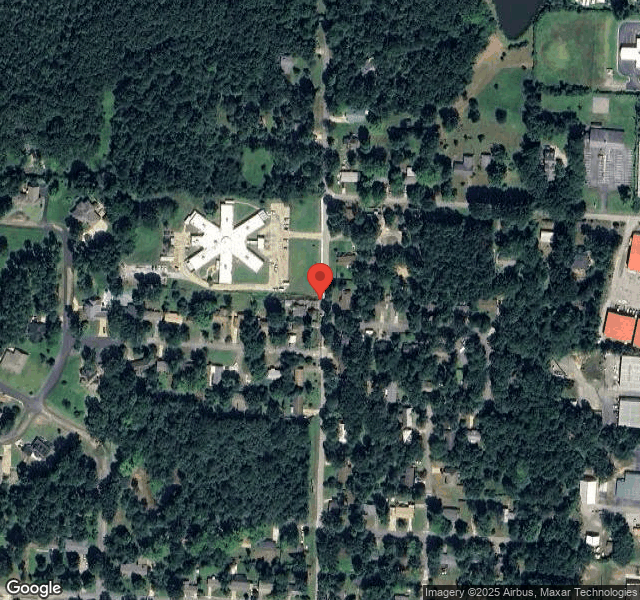
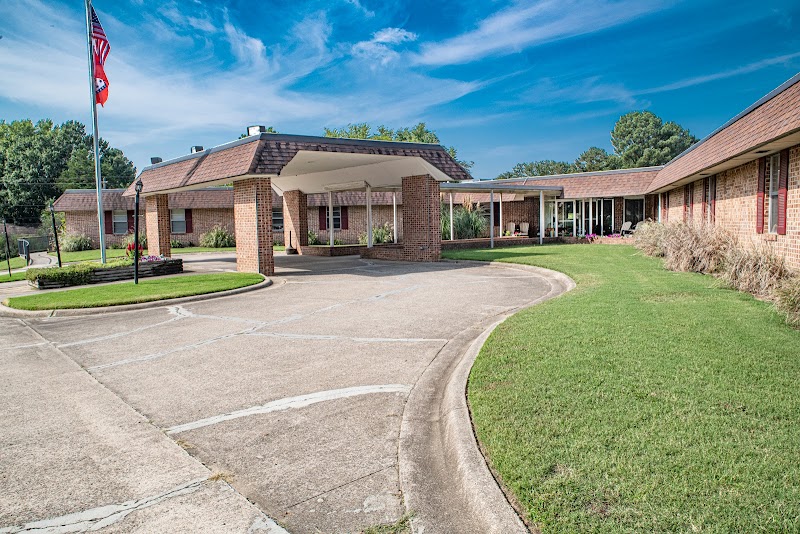
1040 WEDDING FORD ROAD, HEBER SPRINGS, AR 72543 (501) 362-8137
For profit - Corporation 140 Beds THE SPRINGS ARKANSAS Data: November 2025
Trust Grade
50/100
#177 of 218 in AR
Last Inspection: August 2024

Within standard 12-15 month inspection cycle. Federal law requires annual inspections.

Overview

The Springs of Greers Ferry has a Trust Grade of C, which means it is average compared to other facilities. It ranks #177 out of 218 in Arkansas, placing it in the bottom half of the state's nursing homes, and #2 out of 2 in Cleburne County, indicating that only one local option is available. The facility is showing an improving trend, with the number of issues found decreasing from 12 in 2023 to 6 in 2024. Staffing is rated average with a turnover rate of 51%, which is around the state average. Although there have been no fines recorded, the facility has had concerning inspection findings, including failures to maintain kitchen cleanliness and proper food storage, which could pose health risks to residents. Overall, while there are some strengths such as an improving trend and no fines, the facility still has significant weaknesses that families should consider.

Trust Score
C
50/100
In Arkansas
#177/218
Bottom 19%
Safety Record
Low Risk
No red flags
Inspections
Getting Better
12 → 6 violations
Staff Stability
⚠ Watch
51% turnover. Above average. Higher turnover means staff may not know residents' routines.
Penalties
✓ Good
No fines on record. Clean compliance history, better than most Arkansas facilities.
Skilled Nurses
⚠ Watch
Each resident gets only 20 minutes of Registered Nurse (RN) attention daily — below average for Arkansas. Fewer RN minutes means fewer trained eyes watching for problems.
Violations
⚠ Watch
30 deficiencies on record. Higher than average. Multiple issues found across inspections.
★★☆☆☆
2.0
Overall Rating
★★★☆☆
3.0
Staff Levels
★★★☆☆
3.0
Care Quality
★★☆☆☆
2.0
Inspection Score
Stable
2023: 12 issues
2024: 6 issues

The Good

  • Full Sprinkler Coverage · Fire safety systems throughout facility
  • No fines on record

Facility shows strength in fire safety.

The Bad

2-Star Overall Rating

Below Arkansas average (3.1)

Below average - review inspection findings carefully

Staff Turnover: 51%

Near Arkansas avg (46%)

Higher turnover may affect care consistency

Chain: THE SPRINGS ARKANSAS

Part of a multi-facility chain

Ask about local staffing decisions and management

The Ugly 30 deficiencies on record

Aug 2024 6 deficiencies
CONCERN (D)

Potential for Harm - no one hurt, but risky conditions existed

Deficiency F0558 (Tag F0558)

Could have caused harm · This affected 1 resident

Based on observation, record review, and interview, the facility failed to ensure the menu card was followed to accommodate one (Resident #61) sampled resident. The findings are: A review of the Ord...

Read full inspector narrative →
Based on observation, record review, and interview, the facility failed to ensure the menu card was followed to accommodate one (Resident #61) sampled resident. The findings are: A review of the Order Summary, revealed Resident #61 had diagnoses of dementia, underweight, abnormal weight loss, anorexia, and malnutrition. A review of the Order Summary, revealed Resident #61 had an order for regular enhanced food, mechanical soft texture, thin consistency, with snacks three times a day in between meals, ice cream twice a day, high calorie juice every morning, and enhanced pudding three times a day with meals. A review of the Quarterly Minimum Data Set (MDS) with an Assessment Reference Date (ARD) of 06/28/2024, revealed Resident #61 scored an 11 (moderately cognitively impaired) on a Brief Interview for Mental Status (BIMS). On 08/12/2024 at 1:20 PM, the Surveyor observed Resident #61's lunch tray being set up. Chocolate ice cream, peach yogurt, and dessert were in bowls sitting on the tray around the plate that contained ground ham, cauliflower, scalloped potatoes and a slice of bread. Resident #61 immediately began to eat the container of chocolate ice cream. Resident #61 then ate the peach yogurt, and afterwards ate the dessert that was in a separate bowl. Resident #61 tried a couple bites of ground ham, cauliflower and the scalloped potatoes that were on the plate, only to grimace. Resident #61 did not touch the plate again except to pick up the bread to eat it. On 08/12/2024 at 1:50 PM, during an interview, Certified Nursing Assistant (CNA) #7 confirmed Resident #61's lunch card stated to put food in bowls. CNA #7 stated it could help the Resident #61 eat more of their lunch by picking up a bowl instead. On 08/15/2024 at 9:26 AM, during an interview, the Speech Therapist stated they had been working at the facility for a month. Then stated that the bowls were incorporated for the resident either by the previous speech therapist or nursing. The Speech Therapist stated that typically nursing or therapy would add it to make it easier for the resident to eat and hold it close to them so they will eat more. The Speech Therapist stated sometimes the resident does and sometimes the resident does not get all food in bowls at meals. On 08/15/2024 at 09:33 AM, during an interview, the Administrator stated it is important to follow menu orders on a lunch card as the doctor, or therapy has ordered it for the resident, so they will eat and get nutrition. On 08/15/2024 at 09:41 AM, during an interview, the Dietary Manager stated the process to ensure menu cards are followed is that we have somebody that is certified at the window, or I (the Dietary will watch the trays as they go out. The person at the window is supposed to follow what the menu card says. The Dietary Manager stated for Resident #61 that it is a nursing suggestion, from the staff that work on the secure unit regularly, to put the food in bowls so they will eat more at meals, as of right now the resident does not have good intake, they eat like a bird all day. A review of the facility policy titled, Accommodation of Needs stated, .Our facility's environment and staff behaviors are directed toward assisting the resident in maintaining and/or achieving safe independent functioning, dignity, and well-being .
CONCERN (E)

Potential for Harm - no one hurt, but risky conditions existed

Resident Rights (Tag F0550)

Could have caused harm · This affected multiple residents

Based on observation, record review, and interview the facility failed to ensure dignity was maintained during lunch service in the dining room as evidenced by staff members not sitting with residents...

Read full inspector narrative →
Based on observation, record review, and interview the facility failed to ensure dignity was maintained during lunch service in the dining room as evidenced by staff members not sitting with residents to help them with lunch for two sampled residents, (Resident #45 and Resident #70). These are our findings: 1. A review of the Order Summary revealed Resident #45 had diagnoses of dementia and stroke with weakness on the right dominant side. A review of the Annual Minimum Data Set (MDS) with an Assessment Reference Date (ARD) of 08/08/2024 revealed Resident #45 was given the Staff Assessment for Mental Status (SAMS) which indicated a memory problem for long term and short-term memory. A review of the Care Plan revealed Resident #45 required supervision with eating and required set-up assistance only with eating. 2. A review of the Order Summary revealed Resident #70 had a diagnosis Alzheimer's disease. A review of the Quarterly MDS with an ARD of 07/14/2024 revealed Resident #70 was given the SAMS, which indicated a memory problem for long term and short-term memory. A review of the Care Plan revealed Resident #70 required supervision with set-up assistance with meals/eating. On 08/12/2024 at 1:40 PM, the Surveyor observed Resident #45 and Resident #70 being set up with their lunch meal by Certified Nursing Assistant (CNA) #5 and CNA #6. On 08/12/2024 at 1:42 PM, the Surveyor observed CNA #5 standing next to Resident #70 encouraging the resident to eat lunch. CNA #5 proceeded to bend over and feed Resident #70 a couple bites of scalloped potatoes. CNA #6 was standing next to Resident #45 and was offering the resident verbal encouragement to eat lunch. CNA #6 proceeded to bend over and help Resident #45 with holding their fork. On 08/12/2024 at 1:45 PM, the Surveyor observed CNA #5 and CNA #6 still standing next to Resident #70 and Resident #45. CNA #5 was helping Resident #70 with lunch by offering bites of food. CNA #6 was still offering verbal encouragement to Resident #45. On 08/12/2024 at 1:50 PM, during an interview, CNA #5 and CNA #6 stated that when feeding a resident, you are to sit down next to them. CNA #5 stated that is to keep them from feeling intimidated by the staff members. CNA #6 asked what to do if there are no chairs available to sit next to residents during lunch. CNA #5 stated they should have gone to find chairs instead of standing next to the residents while they ate lunch. On 08/15/2024 at 8:36 AM, during an interview, the Director of Nursing (DON) stated when feeding residents, you sit down next to them to make sure a homelike environment is established. The DON stated that you would not stand over a resident as it is intimidating and not homelike. A review of the facility policy Resident Rights revealed, .Employes shall treat all residents with kindness, respect, and dignity .
CONCERN (E)

Potential for Harm - no one hurt, but risky conditions existed

Menu Adequacy (Tag F0803)

Could have caused harm · This affected multiple residents

Based on observation, record review, and interview, the facility failed to ensure meals were prepared and served according to the planned written menu to meet the nutritional needs of the residents fo...

Read full inspector narrative →
Based on observation, record review, and interview, the facility failed to ensure meals were prepared and served according to the planned written menu to meet the nutritional needs of the residents for 1 of 1 meal observed. This failed practice had the potential to affect 8 residents who received regular diets from 1 of 1 kitchen according to a list provided by the Dietary Manager on 8/12/24. The findings are: 1. On 8/12/24, a facility noon meal menu indicated all residents were to receive 3 ounces of ham. Residents on pureed diets were to receive ½ cup of pureed scalloped potatoes. 2. A facility titled recipe for baked ham initiated on 4/25/2024 indicated for 85 residents, the serving size 3 ounces. For 85 residents use a 22 1/8 pound ham, slice ham into 4 ounce slices, place the ham in a roasting pan, single stacked, add water, and cover the pan with foil. Serve: 3 ounces meat. 3. On 8/12/24 at 12:07 PM, Dietary [NAME] (DC) #1 used a #8 scoop (equivalent to 1/2 cup) to place 6 servings of scalloped potatoes into a blender and pureed, instead of total of 10 servings since 2 residents were to receive pureed doubled portions. 4. On 8/12/24 at 12:16 AM, DC #1 placed 10 small servings of sliced ham into a blender, added its juice and pureed. She poured it into a pan and placed it on the steam table. 5. On 8/12/24 at 1:53 PM, all residents were served small portions of sliced ham. 6. On 8/12/24 at1:55 PM, the Dietary Manager was informed about the portion of ham served to the residents for the noon meal and she asked for the meat to be weighed. She did, and stated, It weighed 1.5 ounces and that wasn't enough. 7. On 8/13/24 at 10:31 AM, DC #1 was asked how many pounds of ham she had prepared for the lunch meal and if she looked at the recipe to see how much to prepare for the noon meal on 8/12/2024. DC #1 confirmed, she made a 10 pound ham and did not look at the recipe. 8. On 8/13/24 at 1:30 PM, during a meeting of the Resident Council, Resident #41 reported that during the last year the portion sizes of meal items were noticeably smaller. The other 3 (Residents #53, #20, and #16) members present verbalized agreement with the assessment that the food portions served were remarkably smaller.
CONCERN (E)

Potential for Harm - no one hurt, but risky conditions existed

Deficiency F0805 (Tag F0805)

Could have caused harm · This affected multiple residents

Based on observation, and interview, the facility failed to ensure pureed food items were blended to a smooth, lump free consistency to minimize the risk of choking or other complications for those re...

Read full inspector narrative →
Based on observation, and interview, the facility failed to ensure pureed food items were blended to a smooth, lump free consistency to minimize the risk of choking or other complications for those residents who required pureed diets for 2 of 2 meals observed. The failed practice had the potential to affect 8 residents who received pureed diets. The findings are. 1. On 8/12/24 at 12:16 AM, Dietary [NAME] (DC) #1 placed 10 servings of sliced ham into a blender, added its juice and pureed. She poured it into a pan. And placed it on the steam table. The consistency was thick. 2. On 8/12/24 at 12:07 PM, DC #1 used a #8 scoop (equivalent to 1/2 cup) to place 6 servings of scalloped potatoes into a blender and pureed, the consistency was runny. 3. On 8/12/24 at 1:23 PM, DC #1, who prepared the noon meal, was asked to describe the consistency of the pureed ham and pureed scalloped potatoes served to the residents on pureed diets. DC #1 stated the pureed scalloped potatoes were thin and she should have pureed the ham longer to get the right consistency. 4. On 8/13/24 at 7:35 AM, during the breakfast meal service, the following food items were served to the residents on pureed diets: a. Pureed bread. The appearance was too thick. b. The pureed grits were runny. 5. On 8/13/24 at 7:36 AM, Certified Nursing Assistant (CNA) #3 was assisting residents in the dining room with their breakfast meal. She was asked to describe the consistency of the pureed bread and pureed grits served to the residents who required pureed diets. She stated, Pureed bread was thick and pureed grits was thin. 6. On 8/13/24 at 7:40 AM, Dietary [NAME] (DC) #1, who was still serving the breakfast meal was asked to describe the appearance of the pureed bread and pureed grits served to the residents who required pureed diets. DC #1 stated, Pureed bread was thick and pureed grits were thin. 7. A facility policy titled, Pureed Diet no initiated date, provided by the Dietary Manager on 8/13/2024 indicated under how to check the texture is to make sure food is smooth with no lumps; there is no separate thin liquid; food should sit in a pile on the fork; food holds its shape on the spoon; and food is not sticky. A pureed diet is recommended to ensure residents who have problems with swallowing difficulty do not choke.
CONCERN (E)

Potential for Harm - no one hurt, but risky conditions existed

Infection Control (Tag F0880)

Could have caused harm · This affected multiple residents

Based on record review, observations, and interviews, the facility failed to ensure infection control measures, including hand hygiene were implemented during tracheostomy care for 1 (Resident #9) of ...

Read full inspector narrative →
Based on record review, observations, and interviews, the facility failed to ensure infection control measures, including hand hygiene were implemented during tracheostomy care for 1 (Resident #9) of 1 sampled resident to prevent potential infection and or the spread of infections. The findings are: 1. Review of a facility policy provided by the Director of Nursing (DON) titled, Suctioning the Lower Airway (Endotracheal or Tracheostomy Tube) with a revision date of October 2010, stated that the nurse should apply sterile gloves and observe sterile technique while suctioning. A review of an admission Record indicated the facility admitted Resident #9 with a diagnosis of quadriplegia with abnormalities of breathing with a tracheostomy. On 08/13/24 at 2:04 PM, Licensed Practical Nurse (LPN) #9 was observed performing tracheostomy care on Resident #9. While performing care she washed her hands, gloved and put on her gown. Resident was on Enhanced Barrier Precautions. Before suctioning, LPN #9 started out with a sterile field, with her sterile hand she removed the resident's outer cap to the trach and placed it onto the sterile field contaminating the sterile field. With her contaminated hand, she picked up the suction catheter and inserted it into the resident's airway. After she completed suctioning, she used the same hand to replace the cap and touched the inner cannula of the trach. On 08/13/2024 at 2:25 PM, during an interview Licensed Practical Nurse (LPN) #9 stated she should not have laid the cap on the sterile field because it contaminated the sterile field, and she should have changed gloves after removing the outer cap. On 08/14/24 at 3:10 PM, during an interview the Director of Nursing (DON) stated LPN #9 should have not laid the cap on the sterile field because it contaminated the sterile field, and she should have changed gloves after removing the outer cap.
CONCERN (F)

Potential for Harm - no one hurt, but risky conditions existed

Food Safety (Tag F0812)

Could have caused harm · This affected most or all residents

Based on observation, interview, and facility policy review, the facility failed to ensure kitchen ceiling tiles were cleaned to provide a sanitary environment for food preparation; and the ice machin...

Read full inspector narrative →
Based on observation, interview, and facility policy review, the facility failed to ensure kitchen ceiling tiles were cleaned to provide a sanitary environment for food preparation; and the ice machine on the 400 Hall was maintained in a clean and sanitary condition to prevent food and beverage contamination in 1 of 1 kitchen; expired food items were promptly removed/discarded on or before the expiration or use by date to prevent the growth of bacteria; leftover food items were used in a manner to maintain food quality; and dietary staff washed their hands before handling clean equipment or food items to prevent potential food borne illness for residents who received meals from 1 of 1 kitchen. These failed practices had the potential to affect 82 residents who received meals from the kitchen (total census:82), as documented on a list provided by the Dietary Manager on 8/12/2024. The findings are: 1. On 8/12/24 at 10:34 AM, the following observations were made in the kitchen: a. The ceiling air vent slats between the steamtable and stove had dust on them. The ceiling tiles by the vent hood were peeling paint, exposing the cement. The area exposed had black stains on it. b. The ceiling tiles in the kitchen had dust on them. c. The ceiling air vent panels between the 2 door refrigerator had rust on them. d. The ceiling air vent panels around the food preparation counter and the stove had rust on them. 2. On 8/12/24 at 10:35 AM, the deep fryer was covered in greasy food particles. The Dietary Manager was asked when they clean the deep fryer. She stated, Every week. They used it on Friday, and it should have been cleaned. 3. On 8/12/24 at 10:36 AM, Dietary [NAME] (DC) #1 was wearing gloves on her hands when she picked up a bag of bread from the counter and untied it, contaminating the gloves. Without washing her hands and changing gloves, DC #1 used her contaminated gloved hand to remove slices of bread and place them on the pan liner on the counter. She then removed the lid from a container of peanut butter and a bottle of grape jelly that were on the counter and spread the peanut butter and jelly on the bread to be served to the residents who requested a peanut butter and jelly sandwich with their lunch. 4. On 8/12/24 at 10:54 AM, the following observations were made on a shelf in the refrigerator in the kitchen: a. Four packages of boiled eggs in an open box had an expiration date of 7/20/2024. b. A 15 pound box of bacon, the manufacturer's specification on the box indicated, Use by/freeze by 7/20/2024. There was no date indicated on the box when it was pulled out of the freezer or opened. The Dietary Manager stated they pulled it out over the weekend to be used on Monday, so it will be easy to pull apart. We have the received date on it, but no opened date. c. There were 2 opened bottles of lemon juice, the manufacturer's specification on the bottles indicated, Use by 6/7/2024. c. There were 2 opened bottles of lemon juice, the manufacturer's specification on the bottles indicated, Use by 6/7/2024. d. A zip top bag containing leftover sausages. Dietary [NAME] (DA) #1 was asked what the sausages were for. DC #1 stated, We used them the next day for the mechanical soft diets. 5. On 8/12/24 at 10:54 AM, the following observations were made on a shelf in the refrigerator in the kitchen: 6. On 8/12/24 at 11:42 AM, DC #1 removed 2 cartons of 2% milk from the milk refrigerator in the storage room and emptied them into a bowl, contaminating her hands. Without washing her hands, DC #1 picked up a clean blade and attached it to the base of the blender to be used in pureeing food items to be served to the residents on pureed diets for noon meal. DC #1 was interviewed on what she should have done after touching dirty objects and before handling clean equipment, DC #1 stated, I should have washed my hands. 7. On 8/12/24 at 12:40 PM, the following observations were made on a shelf in the kitchen storage room freezer: a. An opened box of pizza. The box was not covered or sealed. b. An opened box of chicken fried steak. The box was not covered or sealed. 9. On 8/12/24 at 1:20 PM, Dietary Aide (DA) #2 turned on the hand washing sink and washed her hands. Using her bare hands to turn off the faucet, contaminating her hands, before drying her hands with tissue paper. She removed a bottle of grape jelly from the refrigerator and placed it on the counter, removed a bag of bread from the bread rack in the kitchen storage room and placed it on the counter. Without washing her hands, she removed gloves from the glove box and placed them on her hands, contaminating the gloves. She used her contaminated gloved hand to remove slices of bread from the bread bag and placed them on the pan liner on the counter. She removed the lid from a bottle of grape jelly and the lid from a container of peanut butter and spread them on the bread to be served to the residents who requested peanut butter with their lunch. DA #2 was asked what she should have done after touching dirty objects and before handling food items. DA #2 stated, I should have washed my hands. 10. On 8/12/24 at 1:49 PM, the ice machine on the 400 Hall had wet grayish residue collected on the corners and around the area where ice touched before dropping into the ice collector. It was pointed out to the Dietary Manager and asked if the residue build up could be wiped off. She used tissue paper and wiped it off. The wet grayish residue easily transferred to the tissue. The Dietary Manager was asked who used the ice from the ice machine and how often they cleaned it. She stated that it was cleaned weekly, and they use it in the kitchen to fill beverages served to the residents at mealtimes. 11. A facility policy titled, Food & Nutrition Services Handwashing, initiated 9/1/2021, indicated hand washing should be done before starting to work with food, utensils, or equipment and as often as needed during food preparation and when changing tasks.
Jul 2023 8 deficiencies
CONCERN (D)

Potential for Harm - no one hurt, but risky conditions existed

Resident Rights (Tag F0550)

Could have caused harm · This affected 1 resident

Based on observation, record review, and interview, the facility failed to ensure an indwelling urinary catheter drainage bag was concealed in a privacy bag when visible from open door to room and whe...

Read full inspector narrative →
Based on observation, record review, and interview, the facility failed to ensure an indwelling urinary catheter drainage bag was concealed in a privacy bag when visible from open door to room and when in common areas to promote dignity and maintain privacy for 1 (Resident # 63) of 5 (Residents #11, #25, #36, #55, and #63) sampled residents who had an indwelling urinary catheter. This failed practice had the potential to affect 6 residents who had indwelling urinary catheters as documented on list provided by the Director of Nursing (DON) on 07/04/23 at 2:40 PM. The findings are: 1. Resident #63 had a diagnosis of Type II Diabetes Mellitus and Urine Retention. a. On 07/04/23 at 9:18 AM, the Surveyor observed Resident #63 lying in the bed. The catheter bag was hanging on the side of the bed, not in a privacy bag. There was approximately 450 cc (cubic centimeters) of yellow urine in the bag. The resident's door was open to the hallway. b. On 07/04/23 at 1:10 PM, the Surveyor observed Resident #63 lying in bed. The catheter bag was hanging on the side of the bed, not in a privacy bag. The resident's door was open to the hallway. c. On 07/04/23 at 1:31 PM, the Care Plan does not address keeping the catheter bag in a privacy bag. d. On 07/04/23 at 1:38 PM, the Surveyor asked the Director of Nursing (DON), Should the resident's catheter bag be in a privacy bag? She said, Yes. The Surveyor asked, Why? She said, Because of dignity. e. The facility policy titled, Catheter Care, Urinary, provided by the DON on 07/04/23 at 2:40 PM, did not address providing a privacy bag.
CONCERN (D)

Potential for Harm - no one hurt, but risky conditions existed

Deficiency F0657 (Tag F0657)

Could have caused harm · This affected 1 resident

Based on record review and interview, the facility failed to develop and implement a Chronic Viral Hepatitis C plan of care for 1 (Resident #47) of 2 (Residents #18 and #47) sampled residents who had ...

Read full inspector narrative →
Based on record review and interview, the facility failed to develop and implement a Chronic Viral Hepatitis C plan of care for 1 (Resident #47) of 2 (Residents #18 and #47) sampled residents who had a diagnosis of Chronic Viral Hepatitis C as documented on a list provided by the Administrator on 07/05/23 at 3:40 PM. The findings are: 1. Resident #47 had a diagnosis of Chronic Viral Hepatitis C. a. A review of Resident #47's medical records documented he was diagnosed with Chronic Viral Hepatitis C on 11/23/22. b. The Care Plan with an initiated date of 07/15/21 and a revision date of 06/06/23 did not address interventions and care related to Chronic Viral Hepatitis C. c. On 07/05/23 at 1:05 PM, during an interview with the MDS Coordinator she was unable to find a Care Plan section that addressed this resident's diagnosis of Chronic Viral Hepatitis C. The MDS Coordinator stated, It must not have ever been carried over [from the MDS]. d. The facility policy titled, Care Plans, Comprehensive Person Centered, provided by the Administrator on 07/05/23 at 3:55 PM documented, Policy Statement A comprehensive, person-centered care plan that includes measurable objectives and timetables to meet the resident's physical, psychosocial and functional needs is developed and implemented for each resident .
CONCERN (E) 📢 Someone Reported This

A family member, employee, or ombudsman was alarmed enough to file a formal complaint

Potential for Harm - no one hurt, but risky conditions existed

ADL Care (Tag F0677)

Could have caused harm · This affected multiple residents

Based on observation, record review, and interview, the facility failed to ensure facial hair was removed regularly to maintain good grooming for 1 (Resident #63) of 20 (Residents #1, #6, #7, #10, #11...

Read full inspector narrative →
Based on observation, record review, and interview, the facility failed to ensure facial hair was removed regularly to maintain good grooming for 1 (Resident #63) of 20 (Residents #1, #6, #7, #10, #11, #25, #30, #31, #33, #39, #40, #47, #49, #55, #59, #60, #63, #64, #66 and #67) sampled residents who were dependent on staff for shaving and failed to ensure fingernails were regularly trimmed when needed to maintain good grooming for 2 (Residents #11 and #63) of 30 (Residents #1, #6, #7, #10, #11, #12, #18, #22, #25, #26, #30, #31, #32, #33, #36, #38, #39, #40, #47, #49, #55, #58, #59, #60, #61, #63, #64, #66, #67 and #321) sampled residents who were dependent on staff for nail care. The findings are: 1. Resident #11 had a diagnosis of Quadriplegia and Parkinson's Disease. The Annual Minimum Data Set (MDS) with an Assessment Reference Date of 04/19/23 documented the resident was totally dependent on two plus persons for personal hygiene and bathing. a. On 07/03/23 at 10:22 AM, Resident #11 was lying in bed with sharp and jagged fingernails on both hands. The Surveyor asked Resident #11 if his fingernails needed to be trimmed and filed. He said, Yes, I can't do it. b. On 07/03/23 at 3:06 PM, Resident #11 was lying in bed with sharp and jagged fingernails on both hands. c. On 07/03/23 at 2:35 PM, the Care Plan documented, .I am total dependence of 1-2 staff with all my ADL's [Activities of Daily Living] due to my quadriplegia and immobility . Date Initiated: 03/05/2018 Revision on: 01/20/2021 . Nail Care: I am total dependence on 1 staff for nail care. Please clean, trim and file nails on bath days and PRN [as needed]. Date Initiated: 04/23/2020 Revision on: 04/12/2022 . d. On 07/04/23 at 10:06 AM, Restorative Aide (RA) #1 was in Resident #11's room doing stretches with the resident's left arm and hand. The resident was lying in bed and continued to have sharp and jagged fingernails on both hands. The Surveyor asked RA #1 if Resident #11 ever refused care. She said, No. e. On 07/04/23 at 1:11 PM, the Surveyor asked Licensed Practical Nurse (LPN) #1 if Resident #11 had sharp jagged fingernails. She said, Yes. The Surveyor asked what could happen with fingernails that are jagged and sharp. She said, They could get a skin tear. 2. Resident #63 had a diagnosis of Type II Diabetes Mellitus. The admission MDS with an ARD of 04/05/23 documented the resident required extensive physical assistance of one person with personal hygiene and was totally dependent on two plus persons for bathing. a. On 07/03/23 at 10:49 AM, Resident #63 was lying in the bed. He had facial whiskers approximately 1/2 inch long and his fingernails were approximately 3/4 inch long, thick, and jagged. b. On 07/03/23 at 2:19 PM, Resident #63 was up in a shower chair by the Nurses Station. The resident was not clean shaven, and his fingernails were approximately 3/4 inch long, thick, and jagged. c. On 07/04/23 at 9:03 AM, Resident #63 was lying in bed, his fingernails were approximately 3/4 inch long, thick, and jagged. The resident was clean shaven, and his chin was very red. d. The Care Plan documented, I have an ADL self-care performance deficit r/t [related to] weakness. Date Initiated: 03/30/2023 Revision on: 04/05/2023 . Nail Care: Check nail length and trim and clean as necessary. Date Initiated: 04/05/2023 . Personal Hygiene: The resident requires extensive assistance with personal hygiene . e. On 07/04/23 at 1:11 PM, the Surveyor asked LPN #1 if Resident #63 had sharp jagged fingernails. She said, Yes. The Surveyor asked what could happen with fingernails that are jagged and sharp. She said, They could get a skin tear. His right first fingernail is cracked. The Surveyor asked if he prefers to be clean shaven. She said, Yes. 3. On 07/04/23 at 3:49 PM, the Administrator provided the following policies: a. A policy titled, Fingernails/Toenails Care, documented, Purpose The purposes of this procedure are to clean the nail bed, to keep nails trimmed, and to prevent infections . 4. Trimmed and smooth nails prevent the resident from accidentally scratching and injuring his or her skin . Reporting 1. Notify the supervisor if the resident refuses the care . b. A policy titled, Shaving the Resident, documented, .Purpose The purpose of this procedure is to promote cleanliness and to provide skin care . Documentation The following information should be recorded in the resident's medical record: l. The date and time that the procedure was performed .
CONCERN (E)

Potential for Harm - no one hurt, but risky conditions existed

Accident Prevention (Tag F0689)

Could have caused harm · This affected multiple residents

Based on observation and interview, the facility failed to ensure 2 of 2 clothes dryers remained free of lint build-up to decrease the potential for fire and loss of laundry services for 1 of 1 laundr...

Read full inspector narrative →
Based on observation and interview, the facility failed to ensure 2 of 2 clothes dryers remained free of lint build-up to decrease the potential for fire and loss of laundry services for 1 of 1 laundry room. This failed practice had the potential to affect all 67 residents due to the potential for the interruption of laundry services and the potential for fire due to the proximity of the laundry room according to the Resident Census and Conditions of Residents form dated 07/03/23. The findings are: 1. On 07/04/23 at 2:00 PM, during the Infection Control tour of the Laundry Department with the Environmental Director (ED), the following observations were made: a. There were 3 electric dryers in the clean area of the laundry room on the 400 Hall. Dryer #2 did not work and was not in use. The ED opened the bottom drawer to Dryer #1. The Surveyor observed lint hanging off the lint filter approximately 1/4 inch thick. The Surveyor asked her to look on top of the lint trap around the electrical wiring. The Surveyor then asked, What do you see there? She said, Lint. The Surveyor asked, What can happen with that around the wiring? She said, A fire hazard. I was told we are not supposed to touch that. Maintenance is supposed to clean that monthly. She then opened the lint trap for Dryer #3. The Surveyor asked her to look on top of the lint trap around the electrical wiring. The Surveyor asked, What do you see there? She said, Lint. The Surveyor asked, How often do you clean the lint off of the filters? She said, Every 2 hours. b. On 07/04/23 at 2:46 PM, the ED presented the Surveyor with a copy of the Dryer Lint Clean Schedule that documented, .July 2023 . 4 . 6 [6:00] am, 8 [8:00] am, 10 [10:00] am, 12 [12:00] pm, and 2 [2:00] pm ., and was initialed as being completed. A copy of the Quarterly Dryer Maintenance schedule documented, .6/3/23 . Remove all Lint/Dirt From Top to Bottom of Motors . A copy of the Manufacture Guidelines documented, . Clean any lint from the lint compartment and screen daily to maintain proper airflow and avoid overheating . Remove lint and debris from inside the exhaust duct monthly to maintain proper airflow and avoid overheating . c. On 07/04/23 at 3:20 PM, the Surveyor asked the Administrator, Should there be lint around the wiring in the dryers? She said, No. The Surveyor asked, Why? She said, It could be a fire hazard.
CONCERN (E) 📢 Someone Reported This

A family member, employee, or ombudsman was alarmed enough to file a formal complaint

Potential for Harm - no one hurt, but risky conditions existed

Deficiency F0725 (Tag F0725)

Could have caused harm · This affected multiple residents

Based on observation, record review and interview, the facility failed to ensure sufficient qualified nursing staff were available at all times to provide nursing and related services to meet the resi...

Read full inspector narrative →
Based on observation, record review and interview, the facility failed to ensure sufficient qualified nursing staff were available at all times to provide nursing and related services to meet the residents' needs safely. This failed practice had the potential to affect 67 residents who resided in the facility according to the Census and Conditions of Residents provided by the Administrator on 07/03/23. The findings are: 1. On 07/03/23 the Payroll Based Journal Staffing Data Report - CASPER Report for January 1 to March 31, 2023, provided by the Centers for Medicare and Medicaid Services (CMS) revealed One Star Staffing Rating was Triggered (Triggered = Star Staffing Rating Equals 1) and an Excessively Low Weekend Staffing was Triggered (Triggered = Submitted Weekend Staffing data is excessively low). 2. Resident #25 had a diagnosis of Quadriplegia. The Quarterly Minimum Data Set (MDS) with an Assessment Reference Date (ARD) of 05/07/23 documented the resident was cognitively intact and required extensive physical assistance of two plus persons for bed mobility and dressing, extensive physical assistance of one person for personal hygiene and was totally dependent on staff of on one to two plus persons for transfers and toilet use. a. On 07/04/23 at 8:52 AM, the Surveyor asked Resident #25, Does the facility have enough staff to care for the residents? He said, No, if they are on another hall and helping someone, they cannot come help us. The weekends are worse. They call in and don't show up, sometimes there are just two aides to take care of everybody. b. 07/05/23 11:51 AM, the Care Plan with a revision date of 01/12/23 documented, . I have ADL [activities of daily living] self-care performance deficits AEB [as evidence by] need for extensive to total dependence of 1-2 staff form [for] most ADLs r/t [related to] quadriplegia . 3. Resident #59 had a diagnosis of Hemiplegia. The Quarterly Minimum Data Set (MDS) with an Assessment Reference Date (ARD) of 06/17/23 documented the resident was cognitively intact and required extensive physical assistance of one person for bed mobility, transfers, dressing toilet use and personal hygiene. a. On 07/04/23 at 9:43 AM, Resident #59 said they do not have enough help on the weekends. A minute turns into 30 minutes and then into an hour. b. On 07/05/23 at 12:51 PM, the Care Plan documented, .I have ADL self-care performance deficits AEB need for extensive assistance of 1-2 staff for ADLs r/t recent stroke with hemiplegia/hemiparesis to left nondominant side . 4. On 07/04/23 at 9:10 AM, Licensed Practical Nurse (LPN) #1 stated she does not work nights but is aware that nights, both weekend and weekdays, are typically hard to staff. To her knowledge, there are always two nurses in the facility until 11:00 PM, then often one until the day shift comes in. Sometimes the day shift nurse would come in early to help out in the mornings. She thinks they try to have two to three Certified Nursing Assistances (CNAs) in the building on night shift. Sometimes in the mornings there are resident complaints about being left in urine or feces too long. It's more common than it should be, but not every day, and not the same resident. Management has started a referral program for CNA new hires, and she was aware of one new nurse currently in orientation who was hired for nights. 5. On 07/04/23 at 9:22 AM, CNA #1 stated she was not aware of any short staffing currently, but there was a shortage in April that has been corrected. Management started a Referral Program for CNAs and word of mouth to bring in more qualified staff and she believes it is helping. The typical number of staff per shift is six to ten, including nurses and was not aware of any residents who are being left in urine or feces for extended periods of time. 6. On 07/04/23 at 9:34 AM, the Director of Nursing (DON) stated she feels there are no current short staffing issues. Typical staff count is eight to ten for the 6A-6P (6:00 AM-6:00 PM) shift and four to five for the 6P-6A (6:00 PM-6:00 AM), this includes two nurses and four CNAs. She does not feel like any resident is constantly being left in urine or feces for extended periods of time, but if some are occasionally left longer than desirable, it would usually be during the night or after an activity. 7. On 07/04/23 at 10:08 AM, the January through June 2023 Resident Grievance Log provided by the Administrator documented, .1/27/2023 Resident was not showered . call light response time . 02/22/2023 not enough help during 2nd shifts . 02/24/2023 answering call light . 3/10/2023 Call lights not answered timely . 3/13/2023 Wants assistance with shower . 4/5/2023 Wants hair washed . 5/10/23 .having issues getting call lights answered timely . 5/11/23 Resident states she was left on toilet . 5/30/23 .Requested shower . 6/01/2023 Family concerned about resident not being toileted frequently enough . 6/1/23 Resident wants a shower . 6/16/2023 Wants a shower . 6/16/2023 Frequency of showers, shaving . 6/18/2023 Answering call light in a timely manner . 6/21/2023 Answering call light in a timely manner . 6/23/2023 Needs toenails trimmed . 6/27/2023 Call light response . 8. On 07/05/23 at 9:23 AM, the Nursing Staff Log provided by the DON documented, 2/18/23 .census of 64 . 3rd shift 6p-6A 3 unlicensed staff . 2/23/23 3rd shift 2 unlicensed staff . 2/25/23 3rd shift 2 unlicensed staff . 3/1/23 3rd shift 2 unlicensed staff . 3/2/23 3rd shift 2 unlicensed staff . 3/5/23 3rd shift 2 unlicensed staff . 3/13/23 3rd shift 2 unlicensed staff . 3/14/23 3rd shift 2 unlicensed staff . 3/17/23 3rd shift 2 unlicensed staff . 3/18/23 3rd shift 2 unlicensed staff . 4/4/23 3rd shift 2 unlicensed staff . 4/8/23 3rd shift 2 unlicensed staff . 4/14/23 3rd shift 2 unlicensed staff . 5/18/23 3rd shift 2 unlicensed staff . 5/20/23 3rd shift 2 unlicensed staff . 5/21/23 3rd shift 2 unlicensed staff . 5/22/23 3rd shift 2 unlicensed staff . 5/23/23 3rd shift 2 unlicensed staff . 5/26/23 3rd shift 2 unlicensed staff . 5/28/23 3rd shift 2 unlicensed staff . 9. On 07/05/23 at 9:28 AM, the Surveyor asked the DON, Do you have enough staff to meet the needs of the residents? She said, I am going to be honest with you. We had 25 staff members leave after I started. The Surveyor asked, Are the residents getting showers, nail care and shaved as they should? She said, Most of them. The Surveyor asked, The residents are complaining they do not have enough staff on weekends, and they have to wait a long time for call lights to be answered, is that true? She said, They have two nurses on 6p to 6a. There are always two nurses, either myself or the ADON [Assistant Director of Nursing], who works on night shift and two aides. We are working on the call ins. 10. 07/05/23 10:09 AM, during a Resident Council meeting with 4 residents, the Surveyor asked, Do you get the help you need without having to wait a long time? The residents said, Except for the weekends. You are lucky if you see anybody. It takes over 30 minutes to get a call light answered and by that time it is too late.
CONCERN (E)

Potential for Harm - no one hurt, but risky conditions existed

Menu Adequacy (Tag F0803)

Could have caused harm · This affected multiple residents

Based on observation, record review, and interview, the facility failed to ensure meals were prepared and served according to the planned written menu to meet the nutritional needs of the residents fo...

Read full inspector narrative →
Based on observation, record review, and interview, the facility failed to ensure meals were prepared and served according to the planned written menu to meet the nutritional needs of the residents for 1 of 1 meal observed. This failed practice had the potential to affect 4 residents who received pureed diets and 12 residents who received mechanical soft diets (total census: 67) according to a list provided by the Dietary Supervisor on 07/03/23. The findings are: 1. On 07/03/23, the menu for the lunch meal showed residents who received mechanical soft diets were to receive a #10 scoop (3 ounces) of ground cheeseburger and residents who received pureed diets were to receive a #6 scoop (6 ounces) of pureed cheeseburger on bun, #12 scoop (1/3 cup) of pureed soft cooked vegetables and and a #12 scoop of pureed peas in place of a relish plate. a. On 07/03/23 at 11:38 AM, Dietary Employee (DE) #1 placed 7 servings of hamburger patties into a blender, added a small beef broth and ground. At 11:41 AM, he poured the ground hamburger patties into a pan and placed it on the steam table to be served to 12 residents who required mechanical soft diets. At 12:55 PM, he used a #10 scoop to serve half of a portion of ground hamburger meat to the residents on mechanical soft diets, instead of a full serving of #10 scoop as specified on the menu. b. On 07/03/23 at 11:47 AM, DE #1 placed 7 servings of hamburger patties into a blender, added beef broth and pureed. At 11:52 AM, he poured the pureed beef patties into a pan and placed them on the steam table. At 1:01 PM, he used a #10 scoop to serve half of a portion of pureed hamburger patties to the residents on pureed diets, instead of full serving of #10 scoop as specified on the menu. There were no buns and cheese included in the pureed meat served to the residents on pureed diets for lunch. The menu specified for each resident on a pureed diet to receive a #6 scoop of pureed cheeseburger. c. On 07/03/23 at 12:00 PM, DE #1 used a 4 ounce spoon to place 4 servings of cauliflower into a blender and puree. At 12:04 PM, he poured the pureed cauliflower into a pan and placed it on the steam table. At 1:01 PM, he used a #8 scoop (1/2 cup) and gave 1/2 half scoop to each resident, which is equivalent to 1/4 cup to be served to 4 residents on pureed diets. The menu specified a #12 scoop (1/3) cup of pureed soft, cooked vegetables each. The menu also specified for the residents on pureed diets to receive a #12 scoop of pureed peas, in place of a relish plate. There were no pureed peas prepared and served to the residents on pureed diets. d. On 07/03/23 at 1:12 PM, the Surveyor asked DE #1 the reason the residents on pureed diets did not receive bread and peas. He stated, I gave them cauliflower and mashed potatoes. He was informed that the menu for the pureed diets called for cauliflower and peas. The Surveyor asked if he looked at the menu before preparing the lunch meal. He stated, I looked at the other menu. The Surveyor asked how many residents were on mechanical soft diets. He stated, We have 13 residents. The Surveyor asked how many servings of hamburger patties he prepared for the residents on mechanical soft diets. He stated, I did 7 servings. The Surveyor asked if 7 servings would be enough for 13 residents. He stated, I should have used 13 hamburger patties, instead of 7 servings. The Surveyor asked what scoop sizes he used to serve puree food items and ground meat. He stated, I used a #10 scoop to serve pureed meat and ground meat. A #8 scoop to served pureed cauliflower and mashed potatoes. The portions were small. The portions were not to the rims of the scoops.
CONCERN (E)

Potential for Harm - no one hurt, but risky conditions existed

Deficiency F0883 (Tag F0883)

Could have caused harm · This affected multiple residents

Based on record review and interview, the facility failed to develop and implement procedures to ensure the resident's medical record included documentation the resident either received the pneumococc...

Read full inspector narrative →
Based on record review and interview, the facility failed to develop and implement procedures to ensure the resident's medical record included documentation the resident either received the pneumococcal and influenza vaccine(s) or did not receive the vaccine(s) due to medical contraindications, previous vaccination, or refusal for 2 (Residents #64 and #67) of 5 (Residents #1, #36, #64, #66 and #67) sampled residents. The findings are: 1. Resident #64 had diagnoses of Diabetes Mellitus, Acute Upper Respiratory Infection, and Muscle Weakness (Generalized). The admission Minimum Data Set (MDS) with an Assessment Reference Date (ARD) of 05/05/23 documented the resident scored 14 (13-15 indicates cognitively intact) on a Brief Interview for Mental Status (BIMS). The section of the MDS regarding if the resident was up to date on the Pneumococcal Vaccine or had received Influenza Vaccine contained no documentation. a. On 07/05/23 at 3:28 PM, Resident #64's medical record documented the resident received a Pneumococcal Vaccination on 04/10/22 and did not contain documentation the resident received or refused the Influenza Vaccination. 2. Resident #67 had diagnoses of Sepsis due to Streptococcus Pneumoniae and Pneumonia. The admission Minimum Data Set (MDS) with an Assessment Reference Date (ARD) of 06/20/23 documented the resident scored 14 (13-15 indicates cognitively intact) on a Brief Interview for Mental Status (BIMS). The section of the MDS regarding if the resident was up to date on the Pneumococcal Vaccine or had received Influenza Vaccine contained no documentation. a. On 07/05/23 at 3:34 PM, Resident #67's medical record did not contain documentation the resident received or refused the Pneumococcal or Influenza Vaccinations. 3. On 07/05/23 at 4:05 PM, the Director of Nursing (DON) stated the facility currently does not have a system in place to document resident immunizations in their records. 4. On 07/05/23 at 4:12 PM, the facility policy titled Vaccination of Residents documented, .3. All new residents shall be assessed for current vaccination status upon admission.5. If vaccines are refused, the refusal shall be documented in the resident's medical record. 6. If the resident receives a vaccine, at least the following information shall be documented in the resident's medical record: a. Site of administration; b. Date of administration; c. Lot number of the vaccine; d. Expiration date; e. Name of person administering the vaccine .
CONCERN (F)

Potential for Harm - no one hurt, but risky conditions existed

Food Safety (Tag F0812)

Could have caused harm · This affected most or all residents

Based on observation, record review, and interview, the facility failed to ensure foods stored in the freezer and refrigerator were covered, sealed and dated to minimize the potential for food borne i...

Read full inspector narrative →
Based on observation, record review, and interview, the facility failed to ensure foods stored in the freezer and refrigerator were covered, sealed and dated to minimize the potential for food borne illness for residents who received meals from 1 of 1 kitchen; and expired food items were promptly removed from stock to prevent potential food borne illness for residents who received meals from 1 of 1 kitchen; dietary staff washed their hands and changed gloves before handling food items to prevent the potential for cross contamination for residents who received meals from 1 of 1 kitchen. These failed practices had the potential to affect 67 residents who received meals from the Kitchen (Total Census: 67), according to the list provided by the Dietary Supervisor on 07/04/23 a PM. The findings are: 1. On 07/03/23 at 9:16 AM, the following observations were made in the refrigerator in the kitchen. a. An opened box of bacon was not covered or sealed. b. An opened box of sausage was not covered or sealed. 2. On 07/03/23 at 9:18 AM, the following observations made in the freezer in the kitchen. a. An opened box of dinner rolls was not covered or sealed. b. An opened box of loose pancakes was not covered or sealed. 3. On 07/03/23 at 9:36 AM, 20 cartons of chocolate milk inside a milk crate in the freezer had an expiration date of 07/02/2023. 4. On 07/03/23 at 9:52 AM, the ceiling tile above the steam table had black stains at the edges of the area where paint was chipped and paint peeling exposing the board. There were black stains on the air vents of the vent hood. 5. On 07/03/23 at 9:57 AM, Dietary Employee (DE) #1 opened the refrigerator and removed a bulk of lettuce and tomatoes from the refrigerator and placed them in a colander inside the food preparation sink. He wore gloves on his hands when he turned on the food preparation sink faucet and rinsed the lettuce and tomatoes. After rinsing the lettuce and tomatoes, he turned off the sink faucet with his gloved hand, removed colander that contained lettuce and tomatoes from the sink and placed it on the counter. He removed the gloves from his hands and threw them away. Without washing his hands, he removed gloves from the glove box and placed them on his hands, contaminating the gloves. He removed the lettuce from the colander and placed it on the cutting board. He cut the lettuce and placed it into a pan. He then used the same gloved hand to spread the lettuce out in the pan. At 10:05 AM, he cut the tomatoes and placed them into a pan. At 10:40 AM, DE #1 placed the pans that contained the lettuce and tomatoes on a shelf in the refrigerator to be served to the residents for lunch. 6. On 07/03/23 at 10:21 AM, DE #2 placed a pan of cake on the counter. Without washing her hands, she placed gloves on her hands, contaminating the gloves. Without changing the gloves and washing her hands. She picked up slices of cake and placed them in individual bowls to be served to the residents for lunch. 7. On 07/03/23 at 10:25 AM, DE #1 wore mittens on his hands when he removed a pan of hamburger patties from the oven and placed it on the counter. He removed mittens from his hands and placed them on the counter. Without washing his hands, he picked up a pan from under the counter and placed it on the steam table with his fingers inside the pan. At 10:27 AM, he transferred hamburger patties into the pan and placed it on the steam table to be served to the residents for lunch. 8. On 07/03/23 at 10:30 AM, DE #1 wore mittens on his hands when he removed a pan that contained hamburger patties from the oven and placed it on the counter. He removed the mittens and placed them on the counter. He used a tong to transfer hamburger patties into a pan on the steam table. At 10:33 AM, he placed gloves on his hands, contaminating the gloves. He picked up two onions and placed them on the cutting board. He removed the skins from the onions and without rinsing the onions, he sliced the onions and placed them in a pan. He covered the pan with plastic wrap. At 10:40 AM, DE #1 placed it on a shelf in the refrigerator to be served to the residents for lunch. 9. On 07/03/23 at 10:49 AM, DE #2 moved a box of plastic wrap on the counter. Without washing her hands, she attached a clean blade to the base of the blender and placed 5 servings of cake in the blender and pureed. 10. On 07/03/23 at 11:02 AM, DE #1 wore gloves on his hands. He used scissors to open a bag that contained tater tots, contaminating the gloves in the process. He poured the tarter tots into a deep fryer basket and placed it in the oil to fry. After the tater tots were done, he picked up deep fryer basket that contained the tater tots from the oil and placed it on the hook attached to the deep fryer to drain. Without changing gloves and washing his hands, he picked up the basket of tarter tots and used his contaminated gloved hand to push the tater tots inside the basket into a pan to be served to the residents for lunch. At 11:07 AM, without washing his hands, he placed new gloves on his hands, contaminating the gloves. He unzipped a bag that contained slices of cheese and used his contaminated gloved hands to remove slices of cheese and place them in a pan. He covered the pan with plastic wrap and placed it on a shelf in the refrigerator to be served to the residents for lunch. 11. On 07/03/23 at 11:28 AM, DE #1 turned on the food preparation sink faucet and obtained water into a pot and placed it on the stove and turned on the stove. He removed a can of diced tomatoes from a rack in the Storage Room and placed it on the counter. At 11:32 AM, without washing his hands, he placed gloves on his hands, contaminating the gloves. He picked up a container of beef base from the spice rack and opened it. He removed a teaspoon full of beef base from the container with a plastic spoon, used his contaminated gloved hand to push it down into the pot of water on the stove to be used in pureeing hamburger patties to be served to the residents on pureed diets. At 11:34 AM, he removed the gloves from his hands and threw them away. Without washing his hands, he removed gloves from the glove box and placed them on his hands, contaminating the gloves. He picked up a clean blade and attached it to the base of the blender to be used in grounding meat items to be served to the residents on mechanical soft diets. At 1:12 PM, the Surveyor asked DE #1 what he should have done after touching dirty objects and before handling clean equipment and food items. He stated, I should have washed my hands. 12. The facility policy on Hand Washing, provided by the Dietary Supervisor on 07/04/23 at 10:23 AM documented, .Wash your hands as often as possible. It is important to wash your hands: Before starting to work with food, utensils, or equipment. Before putting on gloves . After handling soiled utensils and equipment . As often as needed during food preparation and when changing tasks.
May 2023 1 deficiency
CONCERN (E) 📢 Someone Reported This

A family member, employee, or ombudsman was alarmed enough to file a formal complaint

Potential for Harm - no one hurt, but risky conditions existed

Accident Prevention (Tag F0689)

Could have caused harm · This affected multiple residents

**NOTE- TERMS IN BRACKETS HAVE BEEN EDITED TO PROTECT CONFIDENTIALITY** Based on observation, interview, and record review, the facility failed to ensure cleaning chemicals, [named] cloth wipes, and p...

Read full inspector narrative →
**NOTE- TERMS IN BRACKETS HAVE BEEN EDITED TO PROTECT CONFIDENTIALITY** Based on observation, interview, and record review, the facility failed to ensure cleaning chemicals, [named] cloth wipes, and perineal cleaning items were contained on 300 Hall (secure unit); failed to ensure normal saline was contained when not in use; and failed to ensure staff used gait belts and two staff for 1 (Resident #1) of 4 (#1, #2, #3, #4) sampled residents who required two staff for transfers. The findings are: 1. On 05/30/23 at 9:11 a.m., observations were made in the Secure Unit (300 Hall) Dining Room. The cabinets above and below the sink had metal latches that contained no locks. The cabinet above the sink contained [named] perineal cleansers. The top cabinet to the right of the sink contained a container of [named] Germicidal Wipes. The cabinet below the sink contained a spray bottle with a yellow liquid disinfecting spray. The cabinets and hazardous materials were not locked. a. On 05/30/23 at 9:13 a.m., the Surveyor asked Certified Nursing Assistant (CNA) #1, When do you put locks on the cabinets doors? CNA #1 replied, I haven't seen any locks on those doors since I've been here. 2. On 05/30/23 at 10:38 a.m., a bottle of 0.9 % [percent] Sodium Chloride (normal saline) was on the treatment cart in the hallway of 300 Hall. There was no staff present. a. On 05/30/23 at 10:41 a.m., the Surveyor asked Registered Nurse (RN) #1, Why should normal saline not be left out and not contained? RN #1 replied, So the residents won't get into it. b. On 05/30/23 at 10:43 a.m., RN #1 pushed the treatment cart to the Nurse's Station and walked away, leaving the bottle of normal saline on top of the treatment cart. There was no staff present. c. On 05/30/23 at 10:45 a.m., the Surveyor asked RN #1, What is the normal saline used for? RN #1 replied, I use normal saline for wounds, and I did not put it in the drawer. 3. Resident #1 had a diagnosis of Hemiplegia, Hemiparesis, Multiple Sclerosis, and Abnormality of gait and mobility. The Quarterly Minimum Data Set (MDS) with an Assessment Reference Date (ARD) of 03/17/23 documented the resident scored 15 (13-15 cognitively intact) on the Brief Interview for Mental Status (BIMS), required extensive assist of two staff for bed mobility, transfers, walk in room, walk in corridor, and toilet use. a. The Care Plan with a revision date of 01/13/23 documented, .I have ADL (Activities of Daily Living) self-care performance deficits .transfers .resident requires extensive assistance of 2 staff with transfers . b. The Fall assessment dated [DATE] documented, .Resident's score is a 13 which indicates that he is a high risk for falls at this time . c. On 05/30/23 at 9:44 a.m., the Surveyor asked Resident #1, Tell me about the fall you had recently. Resident #1 stated, I did fall when they didn't use a gait belt on May 12, 2023, the x-ray didn't show anything. The CNA was putting me to bed from my wheelchair, the fall mat was under the bed and my foot hit the fall mat when I went to pivot and we both went down, I landed on my left side. The CNA hit the floor with the right knee, and they didn't use a gait belt. d. On 05/30/23 at 2:56 p.m., the Surveyor asked Resident #1, How many assistants were transferring you when you had your fall on 05/12/23? Resident #1 replied, 1 CNA. The Surveyor asked, Did they use a gait belt during the transfer? Resident #1 replied, No. 4. On 05/30/23 at 3:08 p.m., the Surveyor asked CNA #2, How many staff does it take to transfer Resident #1? CNA #2 replied, 2 person assist. The Surveyor asked, When are gait belts used? CNA #2 replied, Anytime you transfer someone. The Surveyor asked Why are gait belts utilized? CNA #2 replied, To prevent hurting the resident and make it easy on the resident. The Surveyor asked, Where is normal saline stored when not in use and why? CNA #2 replied, In the Medication Room or the treatment cart. The Surveyor asked, Where are peri-care products stored when not in use? CNA #2 replied, In the closet on 400/500 Hall or the Supply Closet. The Surveyor asked, Where are [named wipes] stored when not in use? CNA #2 replied, Locked up. The Surveyor asked, Where are cleaning supplies/sprays stored when not in use? CNA #2 replied, Behind locked doors. The Surveyor asked, Who is responsible for ensuring these items are not left out? CNA #2 replied, Everyone. 5. On 05/30/23 at 3:20 p.m., the Surveyor asked Licensed Practical Nurse (LPN) #1, When are gait belts used? LPN #1 replied, Whenever you transfer somebody. The Surveyor asked, Why are gait belts utilized? LPN #1 replied, So you can hold onto them and not get under the residents' arms. The Surveyor asked, Where is normal saline stored when not in use and why? LPN #1 replied, In the Medication Room because residents could get a hold of it. The Surveyor asked, Where are peri-care products stored when not in use? LPN #1 replied, In a locked room on the hall and because we don't want a resident to get a hold of it. The Surveyor asked, Where are [named wipes] stored when not in use? LPN #1 replied, Locked up because that's got stuff you don't want residents to get a hold of. The Surveyor asked Where are cleaning supplies/sprays stored when not in use? LPN #1 replied, Locked up so residents don't get a hold of it. The Surveyor asked, Who is responsible for ensuring these items are not left out? LPN #1 replied, Everybody. 6. On 05/30/23 at 4:13 p.m., the Surveyor asked the Director of Nursing (DON), How many staff does it take to transfer Resident #1? The DON replied, I thought Resident #1 was a one person assist. The Surveyor asked, When are gait belts used? The DON replied, Only transferring anyone who needs assistance. The Surveyor asked, Why are gait belts utilized? The DON replied, To keep residents from having I and A's (incidents and accidents) and for safety. The Surveyor asked, Who was the CNA performing the transfer on Resident #1 on 05/12/23? The DON replied, CNA #3. The Surveyor asked, Was CNA #3 using a gait belt during the transfer of Resident #1 on 05/12/23? The DON replied, No. The Surveyor asked, Where is normal saline stored when not in use and why? The DON replied, Locked up, so residents don't get them. The Surveyor asked, Where are peri-care products stored when not in use? The DON replied, Locked up so the residents don't get it. The Surveyor asked the DON, Where are [named] wipes stored when not in use? The DON replied, Locked up so no residents get it. The Surveyor asked Where are cleaning supplies/sprays stored when not in use? The DON replied, Locked up, away from residents. The Surveyor asked, Who is responsible for ensuring these items are not left out? The DON replied, All staff. The Surveyor asked, What are your expectations from your staff regarding following the facilities policies and procedures and the Centers for Medicare and Medicaid Services (CMS) guidelines related to the concerns found during this survey? The DON replied, I expect them to use a gait belt and follow policy and procedures. 7. On 05/30/23 at 4:43 p.m., The Surveyor asked the Administrator, How many staff does it take to transfer Resident #1? The Administrator replied, I'd have to look. The Surveyor asked, When are gait belts used? The Administrator replied, When they are called for by their Plan of Care. The Surveyor asked, Why are gait belts utilized? The Administrator replied, For safety and proper transfers. The Surveyor asked, Who was the CNA's performing the transfer on Resident #1 on 05/12/23? The Administrator replied, CNA #3. The Surveyor asked, was CNA #3 using a gait belt during the transfer of Resident #1 on 05/12/23? The Administrator replied, I don't know. The Surveyor asked, Where is normal saline stored when not in use and why? The Administrator replied, Locked up out of reach of residents because it's a safety concern. The Surveyor asked, Where are peri-care products stored when not in use and why? The Administrator replied, Locked up so residents don't get it. The Surveyor asked, Where are [named] wipes stored when not in use and why? The Administrator replied, Locked up so residents don't get it. The Surveyor asked, Where are cleaning supplies/sprays stored when not in use? The Administrator replied, Locked up. The Surveyor asked, Who is responsible for ensuring these items are not left out? The Administrator replied, Everyone. The Surveyor asked, What are your expectations from your staff regarding following the facilities policies and procedures and the CMS guidelines related to the concerns found during this survey? The Administrator replied, We expect them to follow them. 8. The facility policy titled, Hazardous Areas, Devices and Equipment, provided by the Administrator on 05/30/23 at 3:36 p.m. documented, .all hazardous areas, devices and equipment in the facility will be identified and addressed appropriately to ensure resident safety and mitigate accident hazards to the extent possible .a hazard is defined as anything in the environment that has the potential to cause injury or illness .examples of environmental hazards include, but not limited to the following .access to toxic chemicals .disabled locks, latches, or alarms . 9. The facility policy titled, Storage of Medications, provided by the Administrator on 05/30/23 at 3:36 p.m. documented, .the facility stores all drugs and biologicals in a safe, secure, and orderly manner .drugs and biologicals used in the facility are stored in locked compartments under proper temperature, light and humidity controls .the nursing staff is responsible for maintaining medication storage and preparation areas in a clean, safe, and sanitary manner .compartments (including, but not limited to, drawers, cabinets, rooms, refrigerators, carts, and boxes) containing drugs and biologicals are locked when not in use . 10. The Safety Data Sheet (SDS) titled, Peri fresh, provided by the Administrator on 05/30/23 at 4:06 p.m. documented, .irritating if placed in eyes, or if ingested .flush eyes with water for 15 minutes .if ingested drink large amounts of water .call physician . 11. The Safety Data Sheet titled, Super Sani-Cloth Germicidal Wipe, provided by the Administrator on 05/30/23 at 4:06 p.m. documented, .causes serious eye irritation .wear protective gloves/protective clothing/eye protection/face protection .store locked up .may be harmful if swallowed .may be harmful if inhaled .
May 2023 3 deficiencies
CONCERN (E) 📢 Someone Reported This

A family member, employee, or ombudsman was alarmed enough to file a formal complaint

Potential for Harm - no one hurt, but risky conditions existed

Deficiency F0557 (Tag F0557)

Could have caused harm · This affected multiple residents

**NOTE- TERMS IN BRACKETS HAVE BEEN EDITED TO PROTECT CONFIDENTIALITY** Based on observation, interview, and record review, the facility failed to ensure the residents were treated with dignity and re...

Read full inspector narrative →
**NOTE- TERMS IN BRACKETS HAVE BEEN EDITED TO PROTECT CONFIDENTIALITY** Based on observation, interview, and record review, the facility failed to ensure the residents were treated with dignity and respect as evidenced by failure to provide the residents with privacy, failure to ensure residents of the opposite sex did not share or have access to the same bathroom and failure to ensure residents did not expose themselves to other residents while using the shared bathroom for 2 (Residents #1 and #2) of 7 (#1, #2, #3, #4, #5, #6, #7) sampled residents. The findings are: 1. Resident #1 had diagnoses of Schizophrenia, Muscle Wasting and Atrophy, and Post-Traumatic Stress Disorder. The admission Minimum Data Set (MDS) with an Assessment Reference Date (ARD) of 03/10/23 documented the resident scored 5 (0-7 severe impairment) on the Brief Interview for Mental Status (BIMS), required extensive assist of two persons for bed mobility, and had impairments on both sides to upper extremities, and was admitted to [named] room. a. Review of Resident #1 Care Plan for limited physical mobility initiated on 12/2/22, last revised on 4/6/23 revealed the resident is unable to ambulate. b. Review of Resident #1 Care Plan for history of trauma that affects the resident negatively initiated on 3/10/23 revealed the resident is triggered by being in a room with the door closed and being touched without consent. c. On 05/23/23 at 8:58 a.m., Resident #1 was lying in her bed. The Surveyor asked, When did the facility move you to this room? Resident #1 replied, Last week I got moved. The Surveyor asked, Did a male resident expose himself when you were on the 500 Hall? Resident #1 replied, Resident #2 did use the bathroom, and the door came open when using the bathroom. I can't walk, so I was lying in bed. The Surveyor asked, How many times did that happen? Resident #1 replied, One time that I remember. 2. Resident #2 had diagnoses of Hypertension, Emphysema, and Chronic Obstructive Pulmonary Disease. The admission MDS with an ARD of 04/26/23 revealed that Resident #2 was admitted to the facility on [DATE] to [named] room, documented a score of 14 a BIMS. a. On 05/22/23 at 5:47 a.m., the Surveyor asked the Nursing Assistant (NA) #1, Did Resident #1 and Resident #2 share a bathroom on 500 Hall? NA #1 replied, The residents' rooms were next to each other, but Resident #1 is a [named electric] lift. The Surveyor asked, When did Resident #1 switch halls? NA #1 replied, About a month ago. b. On 05/22/23 at 10:45 a.m., the Surveyor asked Licensed Practical Nurse (LPN) #2, Why should residents of the opposite sex, not married, not have access to the same bathroom? LPN #2 replied, It's dignity. c. On 05/22/23 at 10:52 a.m., the Surveyor asked Certified Nursing Assistant (CNA) #1, Why should residents of the opposite sex, not married, not have access to the same bathroom? CNA #1 replied, A dignity thing. d. On 05/22/23 at 4:03 p.m., a telephone interview was conducted with LPN #1. The Surveyor asked LPN #1 to elaborate on the situation regarding Resident #1 and Resident #2 having an adjoining bathroom. LPN #1 replied, Resident #1 is bed bound, and was lying in bed, and Resident #2 was in the bathroom using the bathroom, and the door opened, Resident #2 exposed self to Resident #1 while Resident #1 was in the bed. The Surveyor asked, Was this reported to anyone? LPN #1 replied, I mentioned it to the DON and to the Corporate Nurse Manager. The Surveyor asked, When was Resident #1 moved to a different room? LPN #1 replied, Just in the past 2 weeks. e. On 05/23/23 at 11:44 a.m., the Surveyor asked the Social Services Director (SSD), Who is responsible for assigning residents rooms when they admit? The SSD replied, The team, the Administrator, the Director of Nursing (DON), the Assistant Director of Nursing (ADON), when Resident #1 came in, Resident #1 was placed on 500 Hall for skilled, for therapy. The Surveyor asked, Why was Resident #1 and Resident #2 assigned a room with an adjoining bathroom? The SSD replied, I think the justification was because Resident #1 didn't use the bathroom, but Resident #2 could. The Surveyor asked, When was Resident #1 moved from 500 Hall to 100 Hall? The SSD replied, Last week. The Surveyor asked, Why was Resident #1 moved to 100 Hall? The SSD replied, Resident #1 is going long term care, and we use 500 Hall for skilled. The Surveyor asked, Why should female and male residents not have adjoining bathrooms? The SSD replied, Because male and female are different sexes. The Surveyor asked, How are residents dignity/rights protected if Resident #1 and Resident #2 are sharing an adjoining bathroom? The SSD replied, The justification was Resident #1 didn't use the bathroom, but Resident #2 did have access to Resident #1's room. f. On 05/23/23 at 12:24 p.m., the Surveyor asked the DON, Who is responsible for assigning residents rooms when they admit? The DON replied, The interdisciplinary team (IDT). The Surveyor asked, Why was Resident #1 and Resident #2 assigned a room with an adjoining bathroom? The DON replied, Because Resident #1 doesn't toilet. The Surveyor asked, When was Resident #1 moved from 500 Hall to 100 Hall? The DON replied, Last week or in the last 2 weeks. The Surveyor asked, Why was Resident #1 moved to 100 Hall? The DON replied, Resident #1 was moved to 600 Hall because of long term care, then from 600 Hall to 100 Hall because of complaints about the roommate. The Surveyor asked, What are your expectations from your staff regarding following the facilities policy and procedures and the Centers for Medicare and Medicaid Services (CMS) guidelines? The DON replied, We expect them to follow all policies and procedures. g. On 05/23/23 at 12:25 p.m., the Surveyor asked the Administrator, Who is responsible for assigning residents rooms when they admit? The Administrator replied, IDT. The Surveyor asked, Why was Resident #1 and Resident #2 assigned a room with an adjoining bathroom? The Administrator replied, Because Resident #1 didn't utilize the bathroom. The Surveyor asked, When was Resident #1 moved from 500 Hall to 100 Hall? The Administrator replied, From 500 Hall to 600 Hall and then to 100 Hall on 05/16/23. The Surveyor asked, How are residents dignity/rights protected if Resident #1 and Resident #2 are sharing an adjoining bathroom? The Administrator replied, Ensure the doors are properly closed. The Surveyor asked, What are your expectations from your staff regarding following the facilities policy and procedures and the CMS guidelines? The Administrator replied, We expect them to follow all policies and procedures.
CONCERN (E) 📢 Someone Reported This

A family member, employee, or ombudsman was alarmed enough to file a formal complaint

Potential for Harm - no one hurt, but risky conditions existed

Quality of Care (Tag F0684)

Could have caused harm · This affected multiple residents

Based on observation, interview, and record review, the facility failed to provide pain medication for 1 (Resident #1) of 7 (#1, #2, #3, #4, #5, #6, #7) sampled residents; failed to provide a physicia...

Read full inspector narrative →
Based on observation, interview, and record review, the facility failed to provide pain medication for 1 (Resident #1) of 7 (#1, #2, #3, #4, #5, #6, #7) sampled residents; failed to provide a physician ordered lotion for 1 (Resident #2) of 7 (#1, #2, #3, #4, #5, #6, #7) sampled residents, and failed to provide wound treatment for 1 (Resident #3) of 7 (#1, #2, #3, #4, #5, #6, #7) sampled residents The findings are: 1. Resident #1 had diagnoses of Schizophrenia, Muscle Wasting and Atrophy, and Post-Traumatic Stress Disorder. The admission Minimum Data Set (MDS) with an Assessment Reference Date (ARD) of 03/10/23 documented the resident scored 5 (0-7 severe impairment) on the Brief Interview for Mental Status (BIMS), had pain or hurting in the last five days, experienced pain almost constantly, and rated pain at a 10 on a numeric rating scale - with 10 being the worst. a. The Progress Note dated 03/03/23 at 1800 documented, .1730 - - arrived via fac (facility) van with staff CNA [Certified Nursing Assistant] . b. The Progress Note dated 03/03/23 at 1924 documented, .When this nurse entered resident's room, resident glared at this nurse. Resident stated: Someone is about to get hurt if I don't get a [Expletive] pain pill. This nurse apologized, but this nurse was advised by pharmacy via telephone that they will be here on 10 pm run with medications, including pain medication. When this nurse asked resident if I could look at her belly, resident stated You can leave me alone! I don't play well with others. This nurse then advised to resident that we had some paperwork that needed to be signed, and resident refused. Why should I do anything for you? This nurse left resident's room . There is no documentation that the nurse notified the physician. There is no documentation that the resident was administered pain medication. c. The Progress Note dated 03/04/23 at 1200 AM documented, .Resident's medications arrived from pharmacy at 2345pm. Resident received a Percocet 5/325mg at 0000 am per resident request . d. The Physician Order with a start date of 03/04/23 documented, .Percocet oral tablet 5-325 mg [milligram] [Oxycodone w/(with) Acetaminophen] Give 1 tablet by mouth every 6 hours needed . e. The Care Plan with a revision date of 04/06/23 documented, .I have potential for pain r/t surgical wound on abdomen, neuropathy, ovarian cyst, and bilat (bilateral) shoulder muscle wasting .administer analgesia Percocet as per orders . anticipate the resident's need for pain relief and respond to complaint(s) of pain .notify physician if interventions are unsuccessful or if current complaint is a significant change from residents past experience of pain . f. The Narcotic Medication Book page 116 documented, .Oxycodone/APAP 5/325 mg received 12 tablets from the Pharmacy on 03/03/23 at 2345 .Oxycodone/APAP 5/325 mg 1 tablet was administered to Resident #1 on 03/04/23 at 0000 . g. On 05/23/23 at 8:58 a.m., Resident #1 was lying in her bed. The Surveyor asked, Have you ever had to wait for your pain medication? Resident #1 replied, Yes, that's happened multiple times. The Surveyor asked, Do you remember when you first admitted to facility and the nurse told you your medication would be delivered from the pharmacy later? Resident #1 replied, Yes, I had to wait for hours, it was hurting so bad, me and that nurse got into it, she doesn't work here anymore. The Surveyor asked, Did the nurse call the doctor and get you something else for pain? Resident #1 replied, I don't know. The Surveyor asked, Did the nurse give you anything else for pain? Resident #1 replied, No. h. On 05/23/23 at 10:38 a.m., the Surveyor asked Licensed Practical Nurse (LPN) #2, What do you do if a resident complains of pain and the pain medication hasn't been delivered from the pharmacy? LPN #2 replied, Ask the nurse practitioner if she'll sign a script to pull from the E-kit [emergency kit]. The Surveyor asked, Does the facility have an E-kit and is it utilized? LPN #2 replied, Yes we do, but we must contact the nurse practitioner if it's narcotics. The Surveyor asked, Why wasn't the E-kit utilized on 03/03/23 when Resident #1 admitted from the hospital and complained of pain? LPN #2 replied, I wasn't here, I don't know. The Surveyor asked, Who is responsible for obtaining residents medications, especially pain medications when they ask for them? LPN #2 replied, The nurses. The Surveyor asked, Why should residents' medications be available as ordered? LPN #2 replied, They obviously need it, and if they are in pain, so we treat it immediately. i. On 05/23/23 at 12:08 p.m., the Surveyor asked the Director of Nursing (DON), What do you do if a resident complains of pain and the pain medication hasn't been delivered from the pharmacy? The DON replied, Pull from the E-kit. The Surveyor asked, Does the facility have an E-kit and is it utilized? The DON replied, Yes. The Surveyor asked, Why wasn't the E-kit utilized on 03/03/23 when Resident #1 admitted from the hospital and complained of pain? The DON replied, I wasn't here then. The Surveyor asked, Was the Physician notified on 03/03/23 when Resident #1 complained of pain for a one-time order for pain medications because the pain medications weren't here? The DON replied, I was not here. The Surveyor asked, Who is responsible for obtaining residents medications, especially pain medications when they ask for them? The DON replied, The nurses. The Surveyor asked, Why should residents' medications be available as ordered? The DON replied, Because it's for their needs, as needed. 2. Resident #2 had diagnoses of Hypertension, Emphysema, and Chronic Obstructive Pulmonary Disease. The admission MDS with an ARD of 04/26/23 had a score of 14(13-15 indicates cognitively intact) on a BIMS. a. The Care Plan with a revision date of 04/24/23 documented, .I am at risk for impaired skin integrity . assist resident to keep skin clean and dry . b. The Progress Note dated 05/11/23 at 14:56 documented, .physician rounded this am, new order for [named] lotion at HS (hour of sleep) on feet . There is no physician order and no documentation this treatment was started nor administered. c. Resident #2's May 2023 Medication Administration Record (MAR) and the Treatment Administration Record (TAR) did not document the administration of [named] lotion to feet at HS. The progress notes did not document the administration of [named] lotion to feet at HS. 3. Resident #3 had diagnoses of repeated falls, Alzheimer's Disease, and Dementia. The return anticipated MDS with an ARD of 05/13/23 reveled the resident scored 3 (severely impaired) on the Staff Assessment for Mental Status (SAMS), a. On 05/22/23 at 5:38 am, Resident #3 was sitting in his wheelchair in the Dining Room. The [NAMED] dressing on his left forearm had peeling edges and a date of 05/17/23. b. On 05/22/23 at 5:41 a.m., the Surveyor asked Nursing Assistant (NA) #1, What happened to Resident #3's arm? NA #1 replied, Resident # 3 had a fall and broke a hip about a week ago. c. On 05/23/23 at 6:39 a.m., a review of Resident #3's Physician Orders did not document an order for dressing change to the left forearm. A review of the May 2023 Medication Administration Record (MAR) and the Treatment Administration Record (TAR) did not document an order or administration of a treatment to Resident #3's left forearm, and a review of Resident #3's Progress Notes did not document any treatment administration or refusal of treatment to Resident #3's left forearm. d. On 05/23/23 at 9:13 a.m., the Surveyor asked Registered Nurse (RN) #1, Who is responsible for wound/treatment care? RN #1 replied, Licensed Practical Nurse (LPN) #3. The Surveyor asked, Did you apply a dressing to Resident #3 today? RN #1 replied, Yes. The Surveyor asked, What kind of wound is on Resident #3's left forearm? RN #1 replied, I don't know. The Surveyor asked, When was an order obtained for Resident #3's dressing on the left forearm? RN #1 replied, I don't know. The Surveyor asked, Why wasn't the dressing to Resident #3's left forearm changed since 05/17/23? RN #1 replied, I don't know, if it comes up on my TAR, I do the dressing. The Surveyor asked, Why should wounds and treatments be assessed and changed (dressing), performed on a consistent basis? RN #1 replied, To monitor wounds to see if they are healing. e. On 05/23/23 at 9:18 a.m., the Surveyor asked LPN #3, Who is responsible for wound and treatment care? LPN #3 replied, I am. The Surveyor asked, What kind of wound is on Resident #3's left forearm? LPN #3 replied, Skin tear. The Surveyor asked, When was an order obtained for Resident #3's dressing on the left forearm? LPN #3 replied, Resident #3 did that when Resident #3 broke a hip, Resident #3 should have had an order. The Surveyor asked LPN #3, Why was an order not obtained for Resident #3 dressing to the left forearm? LPN #3 replied, We have standing orders and the nurses know. The Surveyor asked LPN #3, Why should wounds and treatments be assessed and changed (dressing), performed on a consistent basis? LPN #3 replied, To ensure no infection and to ensure its heeling. The Surveyor asked LPN #3, Were you here yesterday doing dressing changes? LPN #3 replied, I was sick yesterday, LPN #4 did wounds yesterday, and if no one is available, nurses are responsible for their own. f. On 05/23/23 at 9:36 a.m., the Surveyor asked LPN #4, Who is responsible for wound and treatment care? LPN #4 replied, LPN #3. The Surveyor asked, What kind of wound is on Resident #3's left forearm? LPN #4 replied, Skin tear. The Surveyor asked, Where are the wound/treatment orders located? LPN #4 replied, On the MAR and TAR. The Surveyor asked, Why should wounds and treatments be assessed and changed (dressing), performed on a consistent basis? LPN #4 replied, For healing purposes. The Surveyor asked, Why wasn't the dressing to Resident #3's left forearm not changed since 05/17/23? LPN #4 replied, I don't know, we document refused and it shows in progress notes. g. On 05/23/23 at 12:08 p.m., the Surveyor asked the DON, Who is responsible for wound and treatment care? The DON replied, All the nurses and the treatment nurse during the week. The Surveyor asked, Why should wounds and treatments be assessed and changed (dressing), performed on a consistent basis? The DON replied, To heal. The Surveyor asked, Why wasn't the dressing to Resident #3 left forearm not changed since 05/17/23? The DON replied, I don't know. The Surveyor asked, What are your expectations from your staff regarding following the facilities policy and procedures and the Centers for Medicare and Medicaid Services (CMS) guidelines? The DON replied, We expect them to follow all policies and procedures. h. On 05/23/23 at 12:25 p.m., the Surveyor asked the Administrator, What are your expectations from your staff regarding following the facilities policy and procedures and the CMS guidelines? The Administrator replied, We expect them to follow all policies and procedures. i. The facility policy titled, Wound Care, was provided by the Administrator on 05/23/23 at 11:28 a.m. documented, .the purpose of this procedure is to provide guidelines for the care of wounds to promote healing .verify that there is a Physician's Order for this procedure .review the care plan .notify the supervisor if the resident refuses the wound care .report other information in accordance with facility policy and professional standards of practice .
CONCERN (E) 📢 Someone Reported This

A family member, employee, or ombudsman was alarmed enough to file a formal complaint

Potential for Harm - no one hurt, but risky conditions existed

Accident Prevention (Tag F0689)

Could have caused harm · This affected multiple residents

Based on observation, interview, and record review, the facility failed to ensure the environment was free of safety hazards by failing to repair a broken grab bar in the bathroom for 1 (Resident #3) ...

Read full inspector narrative →
Based on observation, interview, and record review, the facility failed to ensure the environment was free of safety hazards by failing to repair a broken grab bar in the bathroom for 1 (Resident #3) of 7 (#1, #2, #3, #4, #5, #6, #7) sampled residents. The findings are: 1. Resident #3 had diagnoses repeated falls, Alzheimer's Disease, and Dementia. The return anticipated MDS with an ARD of 05/13/23 reveled the resident scored 3 (severely impaired) on the Staff Assessment for Mental Status (SAMS), required extensive assist for bed mobility, dressing, toilet use, and personal hygiene; had an impairment to one side to the lower extremity. a. The Progress Note dated 05/13/23 documented, Nsg (nursing) I and A (incident and accident) note .nurse called to resident room where resident was laying in floor in front of toilet .grab bar in bathroom was not connected to wall .staff in-serviced on resident not using restroom until bar in bathroom is fixed by maintenance .placed order in maintenance log .alerted staff for residents to not use restroom until grab bars were fixed . b. On 05/22/23 at 5:41 a.m., a grab bar in Resident #3's bathroom was pulled away from the wall with screws sticking out at 6 inches. There was a sign on the bathroom door in that read, Out of order. c. On 05/23/23 at 11:19 a.m., the Surveyor asked Licensed Practical Nurse (LPN) #2, What do you do if something needs to be fixed? LPN #2 replied, We tell Maintenance, we don't write it down. d. On 05/23/23 at 11:22 a.m., the Surveyor asked Maintenance Staff, What do you do if something needs to be fixed? Maintenance Staff replied, Write it in the Maintenance Book. The Surveyor asked, When was Resident #3's grab bar in the bathroom fixed? Maintenance Staff replied, May 14th, I went in after you left yesterday and it had come out, I fixed it again. The Surveyor asked, Who is responsible for ensuring the facility is free of hazards? Maintenance Staff replied, Me, all staff. e. On 05/23/23 at 12:30 p.m., the Surveyor asked the Director of Nursing (DON), What do you do if something needs to be fixed? The DON replied, Tell Maintenance. The Surveyor asked the DON, Who is responsible for ensuring the facility is free of hazards? The DON replied, Everyone. The Surveyor asked, What are your expectations from your staff regarding following the facilities policy and procedures and the Centers for Medicare and Medicaid Services (CMS) guidelines? The DON replied, We expect them to follow all policies and procedures. f. On 05/23/23 at 12:31 p.m., the Surveyor asked the Administrator, What do you do if something needs to be fixed? The Administrator replied, Notify Maintenance, verbally and with the book. The Surveyor asked, Who is responsible for ensuring the facility is free of hazards? The Administrator replied, Everyone. The Surveyor asked, What are your expectations from your staff regarding following the facilities policy and procedures and the CMS guidelines?' The Administrator replied, We expect them to follow all policies and procedures.
Dec 2022 2 deficiencies
CONCERN (E) 📢 Someone Reported This

A family member, employee, or ombudsman was alarmed enough to file a formal complaint

Potential for Harm - no one hurt, but risky conditions existed

Safe Environment (Tag F0584)

Could have caused harm · This affected multiple residents

Based on observation, record review and interview, the facility failed to ensure a safe, clean, comfortable, homelike environment as evidenced by failure to ensure shower room floor and walls were fre...

Read full inspector narrative →
Based on observation, record review and interview, the facility failed to ensure a safe, clean, comfortable, homelike environment as evidenced by failure to ensure shower room floor and walls were free of black/pinkish substances; and failed to ensure meal trays were disposed of in a timely manner to prevent the possibility of sickness and/or infection. These failed practices had the potential to affect all residents who received showers and all residents who received meal trays according to a list provided by the Administrator on 12/20/2022 at 1:02 p.m. The findings are: 1. During a tour of the facility on 12/19/2022 the Surveyor observed the following: a. At 7:27 a.m., the shower room on Hall 500 had a pinkish/black substance in the tile cracks of the walls and floor. b. On 12/19/2022 at 7:30 a.m., the shower room on Hall 600 had a pinkish/blackish substance in the tile cracks of the walls and floor. 2. The Surveyor interviewed the following staff regarding the shower rooms: a.On 12/19/22 at 06:38 a.m., The Surveyor asked CNA #4, have you seen any mold in this building? CNA #4 stated, check the bathrooms/shower rooms. b. On 12/19/2022 at 7:30 a.m., the Surveyor asked Housekeeper (HK) #1, what is that pink and black substance in the cracks of the walls and floor. HK #1 stated, I can't say exactly what that is. The Surveyor asked HK #1, how often are shower rooms cleaned? HK #1 stated, I do them as scheduled, at least once a day. The Surveyor asked HK #1, what do you use on the shower walls/floor tiles? HK #1 stated, we use this Peroxide Multi Surface Cleaner Disinfectant. c. On 12/20/22 at 10:17 a.m., the Surveyor asked CNA #5, who is responsible for ensuring there is no pink/black substance in the tile cracks of the floors/walls of the shower rooms? CNA #5 stated, housekeeping; and CNA's, we do sanitize the chairs, I do the floors and whatever was used after resident's showers. The Surveyor asked CNA #5, have staff been trained on cleaning shower rooms? CNA #5 stated, as far as sanitizing goes. d. On 12/20/2022 at 10:44 a.m., The Surveyor asked HKS #2, who is responsible for ensuring there is no pink/black substance in the tile cracks of the walls/floors of the shower rooms. HKS #2 stated, housekeeping and maintenance. The Surveyor asked HKS #2, how often are shower rooms cleaned? HKS #2 stated, shower rooms are cleaned twice a day. The Surveyor asked HKS #2, tell me how the shower rooms are cleaned? HKS #2 stated, spray the room down with peroxide cleaner, take the mats up, spray and clean them off, and mop floors and exit. The Surveyor asked HKS #2, have staff been trained on cleaning shower rooms? HKS #2 stated, yes. The Surveyor asked HKS #2, what are your expectations from your staff regarding following the facilities policy and procedures and following the Centers for Medicare and Medicaid Services (CMS) guidelines? HKS #2 stated, I expect them to follow them to the fullest extent with no short cuts, done the right way all the time. e. On 12/20/2022 at 12:28 p.m., the Surveyor asked the Director of Nursing (DON), who is responsible for ensuring there is no pink/black substance in the tile cracks of the walls/floors of the shower rooms? The DON stated, housekeeping and the CNAs disinfect between the residents. The Surveyor asked the DON, how often are shower rooms cleaned? The DON stated, two times a day, disinfecting in between showers. f. On 12/20/22 at t1:02 p.m., the Surveyor asked the Administrator, who is responsible for ensuring there is no pink/black substance in the tile cracks of the walls/floors of the shower rooms? The Administrator stated, housekeeping. The Surveyor asked the Administrator, how often are shower rooms cleaned? The Administrator stated, housekeeping cleans them two times a day and CNAs disinfect between residents. The Surveyor asked the Administrator, have staff been trained on cleaning shower rooms. The Administrator stated, yes. The Surveyor asked the Administrator, what are your expectations from your staff regarding following the facilities policy and procedures and following the CMS guidelines? The Administrator stated, I expect them to follow policy and procedures and the guidelines. 3. A policy provided by the Administrator on 12/19/2022 at 12:44 p.m., via email, documented .Homelike environment .Residents are provided with a safe, clean, comfortable, and homelike environment .The facility staff and management maximize, to the extent possible, the characteristics of the facility that reflect a personalized, homelike setting .These characteristics include .clean, sanitary, and orderly environment . 4. During a tour of the facility on 12/19/22, the Surveyor observed the following: a. At 6:17 a.m., a meal tray top was on the outside of [named] room. b. At 6:19 a.m., Licensed Practical Nurse (LPN) #2 was standing inside [named] room with the door open. A meal tray with food was on the bedside table over the bed. c. At 6:25 a.m., a used tray with food was in [named] room on the bedside table. d. At 6:59 a.m., a used tray with food was on the bedside table in [named] rooms. 5. The Surveyor interviewed the following staff regarding used meal trays: a.On 12/19/22 at 6:19 a.m., the Surveyor asked LPN #2, what is that tray of food in resident's room on the bedside table. LPN #2 stated, that's a supper tray. The Surveyor asked LPN #2, why is it still in his room? LPN #2 stated, I don't know. The Surveyor asked LPN #2, who is supposed to pick them up? LPN #2 stated, the Certified Nursing Assistants (CNAs). A picture was taken. b. On 12/19/2022 at 6:38 a.m., the Surveyor asked CNA #4, have you found meal trays from the meals before? CNA #4 stated, yes. c. On 12/20/2022 at 10:17 a.m., the Surveyor asked CNA #5, when should residents meal trays be picked up? CNA #5 stated, when they are finished-within a couple of hours. The Surveyor asked CNA #5, why should meal trays not be left in the residents' rooms? CNA #5 stated, because they wouldn't/food be any good anymore. The Surveyor asked CNA #5, who is responsible for ensuring residents meal trays are picked up? CNA #5 stated, anyone, but usually the CNA's. The Surveyor asked CNA #5, where should meal trays be taken after a resident is finished with the meal tray? CNA #5 stated, back to the dining room. The Surveyor asked CNA #5, have staff been trained on picking up meal trays? CNA #5 stated, yes. d. On 12/20/2022 at 10:44 a.m., the Surveyor asked Housekeeping Supervisor (HKS) #2, when should residents meal trays be picked up. HKS #2 stated, when they are done eating. The Surveyor asked HKS #2, why should meal trays not be left in the residents' rooms? HKS #2 stated, it causes bugs, and they could get something that makes them sick. The Surveyor asked HKS #2, who is responsible for ensuring residents meal trays are picked up? HKS #2 stated, the CNAs. The Surveyor asked HKS #2, where should meal trays be taken after a resident is finished with the meal tray? HKS #2 stated, to the hall cart, then back to dietary. The Surveyor asked HKS #2, have staff been trained on picking up meal trays? HKS #2 stated, yes. e. On 12/20/2022 at 12:28 p.m., the Surveyor asked the Director of Nursing (DON), when should residents meal trays be picked up? The DON stated, when they are finished with their meal. The Surveyor asked the DON, why should meal trays not be left in the residents' rooms? The DON stated, pest control, the food is only good for a certain time. The Surveyor asked the DON, who is responsible for ensuring residents meal trays are picked up? The DON stated, direct care staff. The Surveyor asked the DON, where should meal trays be taken after a resident is finished with the meal tray? The DON stated, put on the tray cart and take to the dining room. The Surveyor asked the DON, have staff been trained on picking up meal trays? The DON stated, yes. The DON stated, yes. The Surveyor asked the DON, what are your expectations from your staff regarding following the facilities policy and procedures and following the CMS guidelines? The DON stated, the expectation is they follow the guidelines and the policy and procedures. f. On 12/20/2022 at 1:02 p.m., the Surveyor asked the Administrator, when should residents meal trays be picked up? The Administrator stated, when done eating. The Surveyor asked the Administrator, why should meal trays not be left in the residents' rooms? The Administrator stated, to make sure they aren't eating bad food. The Surveyor asked the Administrator, who is responsible for ensuring residents meal trays are picked up? The Administrator stated, CNA's. The Surveyor asked the Administrator, where should meal trays be taken after a resident is finished with the meal tray? The Administrator stated, to the dining room. The Surveyor asked the Administrator, have staff been trained on picking up meal trays? The Administrator stated, yes. The Surveyor asked the Administrator, what are your expectations from your staff regarding following the facilities policy and procedures and following the CMS guidelines? The Administrator stated, I expect them to follow policy and procedures and the guidelines. 6. A policy provided by the Administrator on 12/19/2022 at 12:44 p.m., via email, documented, .Assisting the resident with In-Room Meals .the purpose of this procedure is to provide appropriate assistance for residents who choose to receive meals in their rooms remove the tray when the resident has finished his or her meal .
CONCERN (E) 📢 Someone Reported This

A family member, employee, or ombudsman was alarmed enough to file a formal complaint

Potential for Harm - no one hurt, but risky conditions existed

Quality of Care (Tag F0684)

Could have caused harm · This affected multiple residents

Based on observation, interview and record review the facility failed to ensure staff performed incontinent care on 3 (R #1, R #2, R #3) of 3 (R #1, R #2, R #3) sampled residents who were dependent on...

Read full inspector narrative →
Based on observation, interview and record review the facility failed to ensure staff performed incontinent care on 3 (R #1, R #2, R #3) of 3 (R #1, R #2, R #3) sampled residents who were dependent on staff for incontinent care, to prevent skin breakdown and possible infections; the facility also failed to ensure resident's call lights were in reach for 1 (R #1) of 3 ( R #1, R #2, R #3) sampled residents who was dependent on staff for activities of daily living (ADL's); these failed practices had the potential to affect 37 residents who were dependent on staff for incontinent care and 37 residents who were able to use a call light according to the lists provided by the Administrator on 12/20/2022 at 1:02 p.m. The findings are: 1. Resident (R #1) had diagnoses of Urinary Tract Infection, Hemiplegia, Hemiparesis, and Sepsis. The 5-day Minimum Data Set (MDS) with an Assessment Reference Date (ARD) of 12/10/2022 documented the resident scored 14 (13-15 Cognitively Intact) on the Brief Interview for Mental Status (BIMS), required extensive assist for bed mobility, dressing, toilet use, and personal hygiene, was total dependent on staff for transfers, and was always incontinent of bladder and had a colostomy. a. On 12/19/2022 at 7:04 a.m., R #1 was in room lying in bed the call light was on the nightstand approximately four feet out of reach. R #1 stated, my colostomy bag needs to be changed and I'm wet and need to be changed. I didn't have my call light all night long. The Surveyor asked R#1, can you reach your call light? R #1 stated, there's no way I can reach it, and no one came in at all last night. b. On 12/19/2022 at 7:12 a.m., R #1's colostomy bag is was inflated with feces. c. On 12/19/2022 at 7:13 a.m., R #1 stated to Certified Nursing Assistant (CNA) #2, I have not been changed all night and my colostomy bag wasn't emptied all night. d. On 12/19/2022 at 7:18 a.m., CNA #1 and CNA #2 removed R #1 pants. R #1's brief, draw sheet, and mattress were soaked in urine. The Surveyor asked CNA #1 and CNA #2, should R #1's brief, sheet, and mattress be soaked and wet. CNA #1 and CNA #2 both replied, no. The Surveyor asked CNA #1 and CNA #2, who is responsible for ensuring residents are clean and dry? CNA #1 and CNA #2 both stated, we are. e. On 12/19/2022 at 6:28 a.m., the Surveyor asked CNA #3, what kind of condition were the residents found in this morning? CNA #3 stated, some were wet. 2. R #2 had diagnosis of overactive bladder, transient ischemic attack (TIA), and muscle weakness. The Quarterly MDS with an ARD of 11/3/2022 documented the resident scored 8 (8-12 moderately impaired) on the BIMS, required extensive assist for bed mobility, dressing, toilet use, and personal hygiene, and was frequently incontinent of bladder. a. On 12/19/2022 at 6:31 a.m., R #2 was sitting in room in a wheelchair and stated, there wasn't anybody here, I was wet. The Surveyor asked R #2, were you wet last night? R #2 stated, yes I was because no one showed up, and I felt like I was alone, and I felt wet because I was. b. On 12/19/2022 at 6:36 a.m., the Surveyor asked CNA #4, have you come in and found your residents soaked and wet? CNA #4 stated, yes, sometimes, yes here recently. 3. R #3 had diagnoses of heart failure, dementia, and respiratory failure. The Quarterly MDS with an ARD of 9/21/2022 documented the resident scored 13 on the BIMS, required extensive assist for bed mobility, dressing, toilet use, and personal hygiene, and was totally dependent on staff for transfers, and was always incontinent of bowel and bladder. a. On 12/19/2022 at 6:52 a.m., R #3 was in room lying in bed. There was a strong urine odor coming from the room. b. On 12/19/2022 at 6:56 a.m., Licensed Practical Nurse (LPN) #1 checked R #3's brief. R#3's brief was soaked with urine. The draw sheet under R #3 was wet down to the mattress. The Surveyor asked LPN #1, who is responsible for ensuring residents are dry? LPN #1 stated, CNA's. The Surveyor asked LPN #1, how often do they do rounds? LPN #1 stated, every two hours. 4. On 12/20/2022 at 10:17 a.m., the Surveyor asked CNA #5, why should residents have call lights in reach? CNA #5 stated, to get help when needed. The Surveyor asked CNA #5, who is responsible for ensuring residents have call lights? CNA #5 stated, everyone. The Surveyor asked CNA #5, who is responsible for ensuring residents are clean and dry at all times/at night? CNA #5 stated, CNA's. The Surveyor asked CNA #5, how often is incontinent care provided to residents? CNA #5 stated, every two hours and as needed (PRN). The Surveyor asked CNA #5, have staff been trained on providing incontinent care to residents, and how often? CNA #5 stated, yes, at least five or six times. 5. On 12/20/2022 at 12:28 p.m., the Surveyor asked the Director of Nursing (DON), why should residents not be left in urine-soaked briefs and bedding? The DON stated, skin breakdown, dignity issues, potential for infection. The Surveyor asked the DON, why should residents have call lights in reach? The DON stated, so they can call when they need assistance. The Surveyor asked the DON, who is responsible for ensuring residents have call lights. The DON stated, all of us. The Surveyor asked the DON, who is responsible for ensuring residents are clean and dry at all times/at night? The DON stated, CNA's and nurses, direct care staff. The Surveyor asked the DON, have staff been trained on providing incontinent care to residents? The DON stated, yes. The Surveyor asked the DON, how often is incontinent care provided to residents? The DON stated, every two hours and PRN. The Surveyor asked the DON, what are your expectations from your staff regarding following the facility policies and procedures and the Centers for Medicare and Medicaid Services (CMS) guidelines. The DON stated, the expectation is they follow the guidelines and the policy and procedures. 6. On 12/20/2022 at 1:02 p.m., the Surveyor asked the Administrator, why should residents not be left in urine-soaked briefs and bedding? The Administrator stated, infection issues. The Surveyor asked the Administrator, why should residents have call lights in reach? The Administrator stated, to have a way to notify staff. The Surveyor asked the Administrator, who is responsible for ensuring residents have call lights? The Administrator stated, CNA's, nurses, everybody. The Surveyor asked the Administrator, who is responsible for ensuring residents are clean and dry at all times/at night? The Administrator stated, CNA's and nurses. The Surveyor asked the Administrator, have staff been trained on providing incontinent care to residents? The Administrator stated, yes. The Surveyor asked the Administrator, how often is incontinent care provided to residents? The Administrator stated, PRN and every two hours. The Surveyor asked the Administrator, what are your expectations from your staff regarding following the facility policies and procedures and the CMS guidelines? The Administrator stated, expect them to follow policy and procedures and the guidelines. 7. A policy provided by the Administrator on 12/19/2022 at 12:44 p.m. via email, documented, Activities of Daily Living (ADLs), Supporting .Residents will be provided with care, treatment, and services as appropriate to maintain or improve their ability to carry out activities of daily living .Residents who are unable to carry out activities of daily living independently will receive the services necessary to maintain good nutrition, grooming and personal and oral hygiene . 8. A policy provide by the Administrator on 12/19/2022 at 12:44 p.m., via email, documented, .Answering the Call Light .the purpose of this procedure is to ensure timely responses to the resident's requests and needs .when the resident is in bed or confined to a chair .be sure the call light is within easy reach of the resident .
Apr 2022 10 deficiencies
CONCERN (D)

Potential for Harm - no one hurt, but risky conditions existed

Transfer Notice (Tag F0623)

Could have caused harm · This affected 1 resident

Based on record review and interview, the facility failed to notify the resident/representative or Power of Attorney (POA) in writing of the resident's transfer/ discharge to the hospital as required ...

Read full inspector narrative →
Based on record review and interview, the facility failed to notify the resident/representative or Power of Attorney (POA) in writing of the resident's transfer/ discharge to the hospital as required for 4 (Residents (R) #47, #32, #02, and #30) sampled residents who had been transferred and/or discharged in the past 5 months. This failed practice had the potential to effect 11 residents who had transferred/discharged in the past 5 months based on a list provided by the Business Office Manager (BOM) on 04/01/2022. The findings are: 1. Resident #47 had diagnoses of Metabolic Encephalopathy, Chronic Obstructive Pulmonary Disease (COPD), and Seizures. The Significant Change Minimum Data Set (MDS) with an Assessment Reference Date (ARD) of 03/15/2022 documented the resident scored 05 (0-7 indicates severely impaired) on the Brief Interview for Mental Status (BIMS). a. A Progress note dated 02/12/2022 at 10:47 AM documented, . Nature/Description of Incident: Nurse was passing meds on 600 hall when notified by CNA that resident was on the floor upon entering room resident was noted to be sitting on the floor both legs stretched out with her back against her bed. EMS [Emergency Medical Service] notified of needing transport to ER [Emergency Room]. On call provider Notified (Who/When) . b. On 03/29/22 at 12:57 PM, resident had a discharge return anticipated MDS with an ARD of 02/12/2022. 2. Resident #32 had a diagnosis of History of Falling. The admission MDS with an ARD of 02/21/2022 documented the resident scored 04 (00-07 indicates severely impaired) on the BIMS. a. On 03/28/22 at 11:21 AM, the resident's son was asked, Has your mother been to the hospital or emergency room recently? He stated, Yes. She fell and bruised her forehead falling out of her wheelchair. He was asked, Did the facility send you notification of the transfer? He stated, No notification by mail. b. On 03/29/22 at 10:22 AM, there was no documentation in the resident's electronic chart of a transfer notice. 3. Resident #2 had a diagnosis of History of Falling. The Quarterly MDS with an ARD of 01/02/2022 documented the resident was severely impaired in cognitive skills for daily decision making per the Staff Assessment for Mental Status (SAMS). The hospital record in the electronic health record documented the resident was sent to [Medical Center] on 01/17/22 for an unwitnessed fall, hip pain, impacted stool in intestine. There was no transfer located on the electronic chart. 4. Resident #30 had diagnoses of Acute Respiratory Failure with Hypoxia and Hypercapnia, and Chronic Diastolic (Congestive) Heart Failure. The Quarterly MDS with an ARD of 02/17/2022 documented the resident scored 15 (13-15 indicates cognitively intact) on the BIMS. a. The resident has a MDS with a discharge return anticipated dated 11/26/2021 . b. A progress note dated 11/26/2021 at 13:34 documented, . went to res room to eval cont. passing out with standing, .send to ER for eval, family notified . 5. On 03/31/22 at 12:19 PM, the Director of Nursing (DON) was asked about the transfer notices. The DON entered the conference room and stated, About those bed hold and transfer notices no, I don't have those. 6. On 03/31/22 at 01:51 PM, the Business Office Manager (BOM) was asked, Do you have transfer and notices for resident's #47, #32, #02 and #30? She stated, I was not aware I had to do them when we sent to the ER (emergency room). She was asked, Can you tell me who is responsible to send them? She stated, Me, I was only doing discharge, not transfer.
CONCERN (D)

Potential for Harm - no one hurt, but risky conditions existed

Deficiency F0645 (Tag F0645)

Could have caused harm · This affected 1 resident

**NOTE- TERMS IN BRACKETS HAVE BEEN EDITED TO PROTECT CONFIDENTIALITY** Based on record review and interview, the facility failed to ensure a Preadmission Screening and Resident Review (PASARR) was co...

Read full inspector narrative →
**NOTE- TERMS IN BRACKETS HAVE BEEN EDITED TO PROTECT CONFIDENTIALITY** Based on record review and interview, the facility failed to ensure a Preadmission Screening and Resident Review (PASARR) was completed prior to admission to ensure the resident received the needed care and services in the most appropriate setting for 1 (Resident #30) of 4 (Residents #42, #47, #40, and #30) sampled residents whose records were reviewed for PASARR screening information according to a list provided by the Director of Nursing (DON) on 04/01/2022. The findings are: 1. Resident #30 was admitted on [DATE] with diagnoses of Schizophrenia and Severe Intellectual Disabilities. The Quarterly Minimum Data Set with an assessment reference date of 02/17/2022 documented the resident scored 15 (13-15 indicates cognitively intact) on the Brief Interview for Mental Status. a. On 03/29/22 at 01:23 PM, record review of resident's information documented no PASARR II or [State Designated Professional Associates] letter located on the electronic chart. b. On 03/31/22 at 03:48 PM, the Nurse Consultant was asked, Were you able to find the resident's PASARR II or [State Designated Professional Associates] letter? She stated, We called [State Designated Professional Associates] and they have nothing in the system for her, and we have nothing for her either. c. On 04/01/22 at 01:39 PM, the Director of Nursing (DON) was asked, When do you evaluate a resident for a PASARR level I? She stated, On admission. When asked, When you identify a resident with mental illness what is your [State Designated Professional Associates] [State Designated Professional Associates] process at that time? She stated, I know after the seven hundred (700) series returns it gives us info we need to return to [State Designated Professional Associates]. The DON was asked, Does [Resident #30] have a mental illness? She stated, Yes, she also has Schizophrenia and Severe Intellectual Disabilities. d. The [State Designated Professional Associates] Requirement policy provided by the Nurse Consultant on 03/31/22 at 04:10 PM, documented, . The Facility is required by State and Federal Regulation and strives to ensure that residents are screened prior to admission to determine if they have a major mental illness or developmental disability. The screen also determines if placement in the facility is appropriate. If either is present the facility arranges for a level 2 screen to determine whether there is a need for special services. Guidelines: 1. Determine if the Resident has had the MI/MR Level 1 screen as required, and that it is filed in the resident medical record or SSD office. 2. Review the Level 1 screen at least quarterly and ensure that it accurately reflects resident's current status. 3. Ensure that the appropriate state designated agency is contacted for any resident requiring a Level 2 MI/MR screen upon preadmission, annually, or upon learning of a MI/MR diagnosis which was previously unknown or undetermined .
CONCERN (E)

Potential for Harm - no one hurt, but risky conditions existed

Deficiency F0568 (Tag F0568)

Could have caused harm · This affected multiple residents

Based on observation, record review and interview the facility failed to ensure the quarterly statements, detailing trust account activity for residents and/or their representatives was provided to pr...

Read full inspector narrative →
Based on observation, record review and interview the facility failed to ensure the quarterly statements, detailing trust account activity for residents and/or their representatives was provided to promote resident rights. The failed practice had the potential to effect 44 residents whose funds were managed by the facility according to a list provided by the Administrator on 4/3/22. The findings are: 1. On 03/29/22 at 10:27 AM, the Business Office Manager (BOM) was asked for a list of residents who have a trust account. The BOM provided a list of 44 residents who currently have a trust account maintained by the facility. Three names were selected from the list and a request was made for a copy of the last quarterly statement. The BOM stated, .I'm just going to go ahead and tell on myself . I don't have them . I guess I just forgot . a. On 3/29/22 at 11:45 AM, the BOM provided the last statement prepared for Resident #49. The statement was dated 6/30/21. The BOM provided the last statement prepared for Resident #15. The statement was dated 3/24/21. The BOM provided the last statement prepared for Resident #7. The statement was dated 6/30/21. 2. On 4/1/22 at 12:35 PM, the Administrator was asked how often statements were to be provided for resident and or their representatives with trust accounts. The Administrator replied, Those are supposed to go out quarterly. The Administrator was also asked if he was aware of when the residents last received a trust account statement. He stated, I believe those went out the second day you were here. He was asked, if it was about the date prior to the beginning of this survey he stated, I'm not sure, I wasn't here.
CONCERN (E)

Potential for Harm - no one hurt, but risky conditions existed

Deficiency F0694 (Tag F0694)

Could have caused harm · This affected multiple residents

Based on observation, record review, and interviews the facility failed to ensure parenteral fluids, Peripherally Inserted Central Catheter (PICC) line were administered consistent with professional s...

Read full inspector narrative →
Based on observation, record review, and interviews the facility failed to ensure parenteral fluids, Peripherally Inserted Central Catheter (PICC) line were administered consistent with professional standards of practice to promote efficacy in medication administration and prevent potential complications for 1 (Resident #152) of 1 resident who had orders for PICC line antibiotic therapy. The findings are: Resident (R) #152 had diagnoses of Methicillin Susceptible Staphylococcus Aureus (MSSA) Infection, Bacteremia, Cerebral Infarction, and Anxiety Disorder. The admission Minimum Data Set with an Assessment Reference Date of 3/24/22 documented the resident scored 15 (13-15 indicates cognitively intact) on a Brief Interview for Mental Status; required one-person physical assist for bathing, and personal hygiene. a. A Physician Order dated 3/8/22 documented, Cefazolin in Sodium Chloride Solution 2-0.9 GM [grams]/[per]100 ML [milliliter]-% [percent] Use 100 ml intravenously every 8 hours related to Methicillin Susceptible Staphylococcus Aureus Infection as the Cause of Diseases classified elsewhere until 04/08/2022 . Infuse over 30 minutes. Flush with 5 cc [cubic centimeter] NS [normal saline] before and after administration of ABT [Antibiotic] . Flush PICC Line with 5cc of Sodium Chloride Q [every] shift. b. A Plan of Care dated 3/17/22 documented, The resident is receiving Medications/Fluids via PICC line access r/t [related to] MSSA/Bacteremia .The resident will not have any complications related to IV [intravenous] therapy . c. On 3/30/22 at 2:24 PM, Licensed Practical Nurse (LPN) #2 washed her hands and applied gloves and spiked R #152's bag of Cefazolin 2.0-9GM/100ml antibiotic infusion solution. The LPN hung the antibiotic bag, with the tubing attached, on the infusion pole hook. The antibiotic drained down approximated 6 inches from the bag and into the filter. LPN #2 started squeezing the tubing and stated, I don't know why that's got air in it. It [antibiotic solution] won't come down [the tubing]. The surveyor observed the rolling clamp near the end of the tubing was clamped. The nurse continued to squeeze and strip the tubing in downward strokes and stated, It's got bubbles in it. The surveyor pointed to the locked rolling clamp. The LPN unclamped the roller and the antibiotic began to fill the tubing. LPN #2 immediately clamped the tubing and started squeezing the tubing again in downward strokes. At 2:34 PM LPN #6 entered the room and was talking to the R #152. LPN #2 was observed continuing to try to get the antibiotic to come down the tubing with the infusion tubing roller locked. LPN #2 and LPN #6 were asked to look at the tubing, that was half filled with the antibiotic solution. LPN #6 then stated, It has air in it . let's unclamp this (holding the roller on the tubing). LPN #2 stated, I just clamped that up so it wouldn't go all the way down. LPN #6 stated, Let it come down to the end of the tubing then clamp it. LPN #2 opened the rolling clamp and allowed the antibiotic solution to prime to the end of the tubing. Then LPN #2 removed R#152's right arm PICC line cap, cleaned the area and screwed the antibiotic tubing to the PICC line and started the infusion per pump. LPN #2 was asked, Is the antibiotic running? LPN #2 stated, Yes. The Surveyor pointed to the 10 ml syringe of Normal Saline lying on the bedside table. LPN #2 was asked, When do you use that [the normal saline flush]. LPN #2 stated, I thought I did. I am sorry. What should I do? LPN #6 stated, You can stop the antibiotic and flush the line then start it back. LPN #2 stopped the infusion. Washed her hands and applied gloves and attached the 10-cc syringe of normal Saline to the resident's right arm PICC line and flushed the PICC line with 5 ml of Normal Saline and then reconnected the Cefazolin, antibiotic infusion, and started the infusion pump again. LPN #2 stated, I know I didn't do good. d. On 3/30/22 at 2:49 PM, the Director of Nursing (DON) was asked, Please walk me through the facility's process to be used for administering R#152's antibiotic. The DON stated, Verify the resident and the medication on the MAR (Medication Administration Record) .Remove the PICC line hub and cleanse it and flush the PICC line per the physician's orders. Spike the IV tubing into the antibiotic bag . prime the tubing. The DON was asked, Please explain how the nurse should prime the tubing. The DON stated, You use the rolling clamp open and close it to adjust the flow until the fluid is all the way down to the end of the tubing. The DON was asked, Have you watched LPN #2 administer an antibiotic infusion? She stated, I have not. e. The March 2022 Medication Administration Record (MAR) documented R #152 received Cefazolin antibiotic infusion every eight hours starting on March 17th, 2022, with LPN #2 documented administering the 2:00 pm scheduled doses on the following dates: 3/21/22, 3/22/22, 3/24/22, 3/29/22 and 3/30/22. f. A policy on Infusion Therapy Administration procedure provided by the Administrator on 3/31/22 at 7:30 AM documented, .5. wipe rubber stopper of infusion therapy solution container with alcohol swab. remove plastic cover from spike. Push spike firmly into rubber stopper. Hang container on IV pole .Prime tubing to prevent entrapment of air .Unclamp tubing and allow fluid to flow through. Clamp tubing . Connect tubing to infusion therapy product insertion device . g. On 3/31/22 at 8:36 AM, LPN #2, was asked, Have you had PICC line training? She stated, No. She was asked, What type of line is a PICC line? She stated, Intravenous. She was asked, Is a PICC line a central line? She stated, Ya. The LPN was asked, Should you, as an LPN without training be administering medications through a central line? She stated, We've been doing it. LPN #2 was asked, Prior to me watching you yesterday how have you been priming the tubing? She stated, The same way, but I would get the medicine all the way down. Sometimes I would have to get help. She was asked, To your knowledge have you ever administered the antibiotic without getting all of the air out of the tubing? The nurse stated, No. h. On 3/31/22 at 8:38 AM, the DON was asked, Were you able to find the PICC line training on LPN #2? She stated, No. The DON was asked, Should an LPN who has no PICC line training be delegated to administer an antibiotic through a PICC line? She stated, No. The DON was asked, Who is responsible for ensuring the LPN assigned to administer an antibiotic through a central line is appropriate for that duty? The DON stated, Her Supervisor. The DON was asked, Who is her [LPN #2]'s Supervisor? The DON stated she was the supervisor. i. On 3/31/22 at 8:47 AM, LPN #6 was asked, Are you PICC line certified? She stated, No, but I want to get some certifications . j. On 3/31/22 at 9:00 AM, the DON was asked to provide a list of the nurses who have administered R#152's antibiotic through the PICC line. On 3/31/22 at 12:38 PM, the DON provided a list titled, List of LPN which administered IV antibiotic on [R152] that documented four LPNs (LPN #2, LPN #3, LPN #4, and LPN #5) that had No certification for PICC line infusion.
CONCERN (E)

Potential for Harm - no one hurt, but risky conditions existed

Respiratory Care (Tag F0695)

Could have caused harm · This affected multiple residents

**NOTE- TERMS IN BRACKETS HAVE BEEN EDITED TO PROTECT CONFIDENTIALITY** Based on observation, record review and interview, the facility failed to ensure physician orders for oxygen administration were...

Read full inspector narrative →
**NOTE- TERMS IN BRACKETS HAVE BEEN EDITED TO PROTECT CONFIDENTIALITY** Based on observation, record review and interview, the facility failed to ensure physician orders for oxygen administration were followed, and respiratory supplies were properly stored for 2 (Residents #29, and #35) of 3 (Residents #3, #29, and #35) sampled residents. The facility also failed to ensure appropriate emergency supplies were at the bedside to promote prompt emergency care for a resident who had a tracheostomy for 1 (Resident #6) of 1 sampled resident who had a tracheostomy. The findings are: 1. Resident #35 diagnoses of Coronavirus (COVID-19), Chronic Obstructive Pulmonary Disease (COPD) Dependence on Respirator (Ventilator) Status, and Dependence on Supplemental Oxygen. The Quarterly Minimum Data Set (MDS) with an Assessment Reference Date (ARD) of 02/24/2022 documented the resident scored 15 (13-15 indicates cognitively intact) on the Brief Interview for Mental Status (BIMS) and received oxygen while a resident. a. The Physician orders dated 8/22/21 documented, . Change O2 [oxygen] tubing weekly on Sundays every night shift . O2 with humidification @ [at] 4LPM [liters per minute] via nasal cannula . continuous O2 with humidification @ 3 lpm via nasal cannula throughout waking hours. Resident wears trilogy at nighttime . b. The Care Plan revised on 11/29/21 documented, .The resident has Coronary Artery Disease (CAD) . OXYGEN SETTINGS: O2 via nasal cannula @ 2 LPM PRN [as needed] if SPO2 [oxygen saturation] level is less than 90% on RA. [room air], O2 @ 6 LPM via face mask if SPO2% is less than 90% on RA and nasal cannula has failed . I use a Trilogy machine at nighttime . c. The March 2022 Medication Administration Record (MAR) documented the resident's oxygen saturation never drop below 90%. d. On 03/28/22 at 11:34 AM, the resident was not present in her room. The Oxygen concentrator was running at four (4) liters per minute (LPM) with nasal cannula lying on her bed and not in the storage bag provided. e. On 03/28/22 at 11:45 AM, the resident was wheeled back to her room by the staff. Resident removed portable O2 tubing, and staff placed it in the storage bag on the wheelchair, and resident went and picked up oxygen tubing lying on her bed and placed it back on her face in the presence of Licensed Practical Nurse (LPN) #7. f. On 03/28/22 at 11:45 AM, LPN #07 was asked, With the residents tubing lying on her bed, should you have allowed her to put it back on? She stated, I really didn't notice it honestly. The LPN was asked, Should you have changed the tubing? She stated, If it hit the floor. yes ma'am. g. On 03/29/22 at 02:08 PM, the resident was not present in her room. The Oxygen tubing was lying on the floor and the oxygen concentrator was set on 4.0-4.5 LPM. h. On 03/30/22 at 08:53 AM, the resident was asked, Do you know why you are receiving oxygen? She stated, I have COPD and can't breathe without it. When asked, Do staff replace your tubing if it has been on the floor or left on your bed? She stated, They usually replace it once a week. I leave it on the bed all the time. 2. Resident #29 diagnoses of Chronic Obstructive Pulmonary Disease (COPD,) Emphysema, Acute and Chronic Respiratory Failure with Hypoxia and Hypercapnia. The Quarterly MDS with an ARD of 02/12/2022 documented the resident scored 12 (8-12 indicated moderately impaired) on the BIMS and received oxygen while a resident. a. The Physician orders dated 11/22/21 documented, .nurse to ensure trilogy is applied QHS. [every bedtime] . Continuous Oxygen with humidification @ 3LPM via NC . Res may remove ad lib [when needed] .change updraft tubing q week on Sunday . b. The Care Plan revised on 11/17/21 documented, .The resident has Emphysema/COPD . OXYGEN SETTINGS: O2 via nasal cannula @ 2L (SPECIFY FREQ) . The resident has altered respiratory status/difficulty breathing r/t [related to] dx [diagnosis] of COPD with acute exacerbation, emphysema, acute and chronic respiratory failure with hypoxia . Oxygen bled into trilogy at 1LPM at bedtime OXYGEN SETTINGS: O2 via nasal cannula @ 2-4L continuously . c. On 03/28/22 at 12:05 PM, the resident was not present in his room. The oxygen concentrator was running at 2.5-3.0 LPM and the nasal cannula was lying on the resident's bed. The resident's Trilogy mask was lying on the head of his bed not in a storage bag. Trilogy oxygen concentrator running at 3.5 LPM. d. On 03/28/22 at 01:53 PM, the resident was lying in bed with his eyes closed and the Trilogy mask on his face. The oxygen tubing was draped over his walker. Certified Nursing Assistant (CNA) #3 was asked, Should the resident's oxygen tubing and Trilogy mask be kept in a storage bag? She stated, Yes. e. On 03/28/22 at 02:22 PM, LPN #3 was asked, Should the resident's oxygen tubing and Trilogy mask be kept in a storage bag when not in use? She stated, Yes. She was asked, Why? She stated, Infection control. She was asked, Should his Trilogy mask be cleaned if not properly stored before the resident puts it back on his face? She stated, Yes. She was asked, Why? She stated, Infection Control. f. On 03/29/22 at 01:46 PM, the resident was lying in the bed with Trilogy mask on and eyes closed. The Trilogy machine was set on 3.0-3.5 LPM. g. On 03/30/22 at 09:02 AM, the resident was asked, Do you know why you are receiving oxygen? He stated, Yes, I have COPD. He was asked, Do you know how many liters you are to be receiving? He stated, Not sure I think three (3). He was asked, Do the staff change your tubing when it has been on the floor, or you have left it on your bed or walker? He stated, No. 3. The Oxygen policy provided by the Nurse Consultant on 03/31/22 at 04:10 PM, documented, Oxygen Management Policy: It is the policy of this facility to require a physician's order for administering oxygen. Oxygen tubing must be kept off the floor (if applicable) and nasal cannula shall be changed every week and when needed . 4. The Respiratory Management policy provided by the Nurse Consultant on 03/31/22 at 04:10 PM documented, Bi PAP/CPAP/TRILOGY Policy: It is the policy of this facility to set up, initiate, adjust, monitor, and evaluate the effectiveness of Bi-level Positive Pressure (BiPAP) (Trilogy) and Continuous Positive Airway Pressure (CPAP) systems and be delivered by home care systems. Protocol: . 3. Residents may require supplemental oxygen with these systems per Physician orders Maintenance: The BiPAP/ CPAP/ Trilogy circuit should be cleaned weekly or when soiled . j. On 04/01/22 at 01:39 PM, the Director of Nursing (DON) was asked, If a resident has oxygen tubing lying on the floor or lying on their bed and not in the storage bag should the tubing be changed? She stated, Yes. When asked, Should physician orders for oxygen liters be followed? She stated, Yes. When asked, Should the oxygen liters that are bled into the trilogy machine be followed? She stated, Yes. 5. Resident #6 had diagnoses of Tracheostomy status and colostomy status. The quarterly MDS with ARD of 1/18/22 documented the resident scored 15 (13-15 indicates cognitively intake) on the BIMS. a. The March 2022 Physician orders documented, Suction inner tracheostomy catheter with 14F suction catheter prn [as needed] for increased secretions . original start date 7/19/19. b. The Care Plan revised on 6/11/21 documented, I am unable to care for my tracheostomy r/t [related to] quadriplegia and immobility. I am at risk for: respiratory infection, dyspnea . Assess lung sounds as needed, Suction trach per resident request and prn, Tx [treatment] nurse to change inner cannula and split sponge Q [every] day as ordered . c. On 03/28/22 at 12:04 PM, Resident #6 was lying in a hospital bed with a tracheostomy. A Suction machine was at the bed side. There was no canula or AMBU (Artificial Manual Breathing Unit) in the room. d. On 03/28/22 at 12:05 PM, Licensed Practical Nurse (LPN) #1 was asked, Does he [R #6] have a canula and an AMBU bag in his room? She stated, An extra should be in here . not very good organization in here . I don't see them . as she was going through his cabinet. LPN #1 left the room and stated, .I will go see if we have any. e. On 3/28/22 at 12:12 PM, LPN #1 returned to R#6's room. She was holding an AMBU and stated, I got this off of the crash cart . She was asked, When should an AMBU bag and an extra canula be in the resident's room who has a tracheostomy? She stated, It should be at his bedside. f. On 3/28/22 at 3:13 PM, the Director of Nursing (DON) was asked, What should a resident with a tracheostomy have at their bedside? She stated, A suction machine, emergency trach obturator, and a trach collar. The DON was asked, Why didn't [R #6] have those things at his bedside? She stated, Not a reason. The DON was asked, What is a potential complication of those items not being at the bedside of a resident who has a tracheostomy? She stated, Not having an airway. Not being able to breathe. The DON was asked, Is it an acceptable facility/nursing practice that your resident who has a tracheostomy did not have emergency items at his bedside? The DON stated, No. The DON was asked, How long has [R #6] had his tracheostomy? She stated she wasn't sure, but that he has had it since she started working at the facility in December of 2020. g. A policy titled, Tracheostomy Care provided by the DON on 3/29/22 at 9:43 AM, documented, The facility will ensure that a resident who requires respiratory care including tracheostomy care .is provided such care consistent with professional standards of practice .All residents with a trach should have . emergency supplies at bedside . extra canula .
CONCERN (E)

Potential for Harm - no one hurt, but risky conditions existed

Deficiency F0726 (Tag F0726)

Could have caused harm · This affected multiple residents

Based on observations, record reviews and interviews the facility failed to ensure the licensed practical nurses (LPN) had the specific competencies and skill sets necessary to care for and administer...

Read full inspector narrative →
Based on observations, record reviews and interviews the facility failed to ensure the licensed practical nurses (LPN) had the specific competencies and skill sets necessary to care for and administer medications via a Peripherally Inserted Central Catheter (PICC) to assure the efficacy of complete administration of antibiotics for 1 (Resident #152) of 1 sampled resident who received medication via a PICC line. The findings are: Resident (R) #152 had diagnoses of Methicillin Susceptible Staphylococcus Aureus (MSSA) Infection, Bacteremia, Cerebral Infarction, and Anxiety Disorder. The admission Minimum Data Set with an Assessment Reference Date of 3/24/22 documented the resident scored 15 (13-15 indicates cognitively intact) on a Brief Interview for Mental Status; required one-person physical assist for bathing, and personal hygiene and had a Medically Complex Condition. a. A Physician Order dated 3/8/22 documented, Cefazolin in Sodium Chloride Solution 2-0.9 GM/100 ML-% [gram/milliliter] Use 100 ml intravenously every 8 hours related to Methicillin Susceptible Staphylococcus Aureus Infection as the Cause of Diseases classified elsewhere until 04/08/2022 . Infuse over 30 minutes. Flush with 5 cc [cubic centimeter] NS [normal saline] before and after administration of ABT [Antibiotic] . Flush PICC Line with 5cc of Sodium Chloride Q [every] shift. b. A Plan of Care dated 3/17/22 documented, The Resident is receiving Medications/Fluids via PICC line access r/t [related to] MSSA/Bacteremia .The resident will not have any complications related to IV [intravenous] therapy . c. On 3/30/22 at 2:24 PM, Licensed Practical Nurse (LPN) #2 washed her hands and applied gloves and spiked R #152's bag of Cefazolin 2.0-9GM/100ml antibiotic infusion solution. The LPN hung the antibiotic bag, with the tubing attached, on the infusion pole hook. The antibiotic drained down approximated 6 inches from the bag and into the filter. LPN #2 started squeezing the tubing and stated, I don't know why that's got air in it. It [antibiotic solution] won't come down [the tubing]. The surveyor observed the rolling clamp near the end of the tubing was clamped. The nurse continued to squeeze and strip the tubing in downward strokes and stated, It's got bubbles in it. The surveyor pointed to the locked rolling clamp. The LPN unclamped the roller and the antibiotic began to fill the tubing. LPN #2 immediately clamped the tubing and started squeezing the tubing again in downward strokes. At 2:34 PM LPN #6 entered the room and was talking to the R #152. LPN #2 was observed continuing to try to get the antibiotic to come down the tubing with the infusion tubing roller locked. The surveyor asked LPN #2 and LPN #6 to look at the tubing, that was half filled with the antibiotic solution. LPN #6 then stated, It has air in it .let's unclamp this (holding the roller on the tubing). LPN #2 stated, I just clamped that up so it wouldn't go all the way down. LPN #6 stated, Let it come down to the end of the tubing then clamp it. LPN #2 opened the rolling clamp and allowed the antibiotic solution to prime to the end of the tubing. Then LPN #2 removed R#152's right arm PICC line cap, cleaned the area and screwed the antibiotic tubing to the PICC line and started the infusion per pump. LPN #2 was asked, Is the antibiotic running? LPN #2 stated, Yes. The Surveyor pointed to the 10 ml syringe of Normal Saline lying on the bedside table. LPN #2 was asked, When do you use that [the normal saline flush]. LPN #2 stated, I thought I did. I am sorry. What should I do? LPN #6 stated, You can stop the antibiotic and flush the line then start it back. LPN #2 stopped the infusion. Washed her hands and applied gloves and attached the 10-cc syringe of normal Saline to the resident's right arm PICC line and flushed the PICC line with 5 ml of Normal Saline and then reconnected the Cefazolin, antibiotic infusion, and started the infusion pump again. LPN #2 stated, I know I didn't do good. d. On 3/30/22 at 2:49 PM, the Director of Nursing (DON) was asked, Please walk me through the facility's process to be used for administering R#152's antibiotic. The DON stated, Verify the resident and the medication on the MAR (Medication Administration Record) .Remove the PICC line hub and cleanse it and flush the PICC line per the physician's orders. Spike the IV tubing into the antibiotic bag .prime the tubing. The DON was asked, Please explain how the nurse should prime the tubing. The DON stated, You use the rolling clamp open and close it to adjust the flow until the fluid is all the way down to the end of the tubing. The DON was asked, Have you watched LPN #2 administer an antibiotic infusion? She stated, I have not. e. The March 2022 Medication Administration Record (MAR) documented R #152 received his Cefazolin antibiotic infusion every eight hours starting on March 17th, 2022, with LPN #2 documented administering the 2:00 pm scheduled doses on the following dates: 3/21/22, 3/22/22, 3/24/22, 3/29/22 and 3/30/22. f. A policy on Infusion Therapy Administration procedure provided by the Administrator on 3/31/22 at 7:30 AM documented, .5. wipe rubber stopper of infusion therapy solution container with alcohol swab. remove plastic cover from spike. Push spike firmly into rubber stopper. Hang container on IV pole .Prime tubing to prevent entrapment of air .Unclamp tubing and allow fluid to flow through. Clamp tubing . Connect tubing to infusion therapy product insertion device . g. On 3/31/22 at 8:36 AM, LPN #2, was asked, Have you had PICC line training? She stated, No. She was asked, What type of line is a PICC line? She stated, Intravenous. She was asked, Is a PICC line a central line? She stated, Ya. The LPN was asked, Should you, as an LPN without training be administering medications through a central line? She stated, We've been doing it. LPN #2 was asked, Prior to me watching you yesterday how have you been priming the tubing? She stated, The same way, but I would get the medicine all the way down. Sometimes I would have to get help. She was asked, To your knowledge have you ever administered the antibiotic without getting all of the air out of the tubing? The nurse stated, No. h. On 3/31/22 at 8:38 AM, the DON was asked, Were you able to find the PICC line training on LPN #2? She stated, No. The DON was asked, Should an LPN who has no PICC line training be delegated to administer an antibiotic through a PICC line? She stated, No. The DON was asked, Who is responsible for ensuring the LPN assigned to administer an antibiotic through a central line is appropriate for that duty? The DON stated, Her Supervisor. The DON was asked, Who is her [LPN #2]'s Supervisor? The DON stated she was the supervisor. i. On 3/31/22 at 8:47 AM, LPN #6 was asked, Are you PICC line certified? She stated, No, but I want to get some certifications . j. On 3/31/22 at 9:00 AM, the DON was asked to provide a list of the nurses who have administered R#152's antibiotic through the PICC line. On 3/31/22 at 12:38 PM, the DON provided a list titled, List of LPN which administered IV antibiotic on [R152] that documented four LPNs (LPN #2, LPN #3, LPN #4, and LPN #5) that had No certification for PICC line infusion.
CONCERN (E)

Potential for Harm - no one hurt, but risky conditions existed

Infection Control (Tag F0880)

Could have caused harm · This affected multiple residents

**NOTE- TERMS IN BRACKETS HAVE BEEN EDITED TO PROTECT CONFIDENTIALITY** Based on observation, record review and interview, the facility failed to ensure a resident on Transmission Based-Precautions (T...

Read full inspector narrative →
**NOTE- TERMS IN BRACKETS HAVE BEEN EDITED TO PROTECT CONFIDENTIALITY** Based on observation, record review and interview, the facility failed to ensure a resident on Transmission Based-Precautions (TBP) wore a mask during physical therapy in the hallway, the isolation cart was properly stocked with personal protective equipment (PPE), red and yellow containers were in the quarantine room for disposal of materials for 1 (Resident #201) of 1 sampled resident on quarantine and staff wore KN95 face masks to cover their mouth and nose to prevent the potential spread of Coronavirus (COVID-19) during a facility outbreak in 1 of 1 facility. The findings are: 1. Resident #201 was admitted on [DATE] with a diagnosis of Sepsis. The admission Minimum Data Set (MDS) with an Assessment Reference Date (ARD) of 03/23/2022 documented the resident scored 10 (8-12 indicates moderately impaired) on the Brief Interview for Mental Status (BIMS). a. The March 2022 Physician order had no documentation of quarantine status. b. On 03/28/22 at 11:11 AM, the Physical Therapy (PT) Coordinator wheeled the resident back into her room. The PT Coordinator was asked, Should you wear a gown into the resident's room? She stated, Yes. She was asked if the resident should be wearing a mask while in the hallway. She stated, Yes, that truly is my fault, I thought she was off quarantine today, but today is day thirteen (13). c. On 03/28/22 at 11:13 AM, the Infection Preventionist was asked, Should the resident have a mask on when she is outside of her room? She stated, Yes she should at all times. She was asked, Should the isolation cart be stocked with gowns, and masks? She stated, Yes. She was asked, Should there be red and yellow trash bins in her room? She stated, Yes. d. On 03/30/22 at 10:53 AM, the resident was being assisted with walking in the hallway with a rolling-walker by the physical therapy employee with no mask on. On the entrance to the resident's room documented she was on quarantine with a sign on her door documenting, QUARANTINE STOP ATTENTION STAFF REQUIRED PPE [personal protective equipment]: GOWN GLOVES MEDICAL MASK FACE SHIELD OR GOGGLES. The Isolation cart located outside of the resident's room only contained gloves and white trash bags. There were no red or yellow trash bins in the resident's room. There were gowns hanging on the back of the resident's door. 2. The Infection Control Policy provide by the Nurse Consultant on 04/01/22 at 04:10 PM, documented, .The infection control/quarantine policy is designed to provide a safe, sanitary, and comfortable environment and to help minimize the development and transmission of communicable diseases and infections . 2. The Infection Control Program includes the following components but are not limited to: . 3. Standard and transmission-based precautions to be followed to prevent spread of infections .
CONCERN (F)

Potential for Harm - no one hurt, but risky conditions existed

Food Safety (Tag F0812)

Could have caused harm · This affected most or all residents

Based on observation and interview, the facility failed to ensure food items were removed from stock by their expiration date, food items which were opened were secured in a container that was sealed,...

Read full inspector narrative →
Based on observation and interview, the facility failed to ensure food items were removed from stock by their expiration date, food items which were opened were secured in a container that was sealed, equipment was clean, staff checked the temperature of food on the steamtable prior to it being served, and staff washed their hands between clean and dirty tasks to prevent potential food borne illnesses in 1 of 1 facility. The findings are: 1. On 3/28/22 at 10:30 AM, a gallon container of ranch dressing was located on the top shelf of the refrigerator. The container was approximately ½ full. The container had a use by date of 11/13/21. a. On 3/28/22 10:35 AM, a box of sliced, smoked ham was located on the top shelf of the middle refrigerator. There were 3 unopened packages in the box, containing 3 pounds of ham slices each. The use by dates on the bags were 3/11/22. Located next to the ham was a box containing sliced turkey. The box of turkey contained 10 unopened, 1-pound packages of Turkey. The turkey had a use by date of 3/21/22. b. On 3/28/22 at 10:40 AM, a 2-quart container of brown gravy was on the middle shelf of the middle refrigerator. The container contained 1.75 quarts of gravy and had a use by date of 3/24/22. c. On 3/28/22 at 10:45 AM, a large bag of sausage patties was observed on the top shelf of the refrigerator. The sausage patties had been placed in the walk-in refrigerator to thaw on 3/18/22. d. On 3/28/22 at 10:48 AM, a bag of liquid scrambled eggs was on the middle shelf. The eggs were dated 3/21/22. Located on the same shelf was a zip lock bag containing 10 boiled eggs. The boiled egg bag was dated 3/24/22. e. On 3/28/22 at 10:50 AM, four bags of Tuscan Blend Vegetables were on a shelf in the freezer. The bags were not dated. f. On 3/28/22 at 10:53 AM, the bread rack in the dry storage area. Three packages of hot dog buns, containing 8 buns each with use by dates of 3/19/22. There were also 3 packages of hamburger buns, containing 12 buns each with use by dates of 3/26/22. g. On 3/38/22 at 10:55 AM, a 2.5-pound bag of Cocoa was located on the middle shelf of the dry storage area. The original bag was open and had not been placed in a sealed bag. h. On 3/28/22 at 10:57 AM, an opened box of powdered sugar was located on a shelf in the dry storage area. The box had not been placed in a sealed container. i. On 3/28/22 at 11:00 AM, a 20-ounce container of onion powder and a 20-ounce container of garlic powder were on a shelf in the kitchen. The lids on both containers had not been closed and were open to air and contaminants. j. On 3/28/22 at 11:45 AM, Dietary Aide #2 placed 4 servings of dessert in the bowl of the Robo coup. The Aide touched the pan containing the dessert, the tray cart, the milk fridge and then placed her contaminated finger on the inside of the milk carton as she opened it. She then pureed the mixture. Just prior to lifting the lid of the Robo coup the employee washed her hands. She obtained a paper towel and dried her hands. The Aide continued to hold the paper towel in her hand and as she picked up the dessert bowls the soiled paper towel went into the bowl. The Aide lifted the lid of the Robo coup to add strawberries. The spatula that was used to scrape the sides of the bowl was laid on the counter on top of the same paper towel that was used to dry her hands. The bowls were filled with the pureed mixture. She did not wash her hands prior to filling the bowls. And before applying plastic wrap to the bowls. k. On 3/28/22 at 11:40 AM, as the tray line was about to begin, the surveyor requested to see the temperature log for the noon meal. Dietary Employee #1 stated, That would be a good idea to take the temperatures . Dietary Employee #1 obtained a digital thermometer from a rolling cabinet. She cleaned the thermometer and inserted it into the meat mixture. She stated, .this isn't working . Dietary Employees initially were perplexed as to how to continue. The Director of Nursing was informed about the lack of a thermometer. She obtained one from the Dietary Managers office. The food in the steam table was all up to temperature. l. On 3/28/22 at 12:10 PM, Dietary Aide #2 placed her unwashed thumb into each lid as she covered the plates. Dietary Employee #3, who was at the head of the tray line setting up the trays, left the line to obtain a box of cracker packets. Employee #3 picked up the box, lifted the lid and removed the crackers from the box. The employee did wash her hands prior to his returning to the tray line. m. On 3/28/22 at 12:30 PM, a 2-compartment deep fryer was sitting on top of the counter, next to the range. On top of the deep fryer, toward the back was the control panel. The panel, temperature control and a second control knob were covered in a gummy substance which contained food particles in varying shades of brown. The actual top cover had multiple spots, drips of liquid and food particles. The toaster on a cart in the back of the room was covered in breadcrumbs on top and underneath the toaster.
CONCERN (F)

Potential for Harm - no one hurt, but risky conditions existed

Deficiency F0885 (Tag F0885)

Could have caused harm · This affected most or all residents

**NOTE- TERMS IN BRACKETS HAVE BEEN EDITED TO PROTECT CONFIDENTIALITY** Based on observation, record review and interview the facility failed to inform the residents and/or representatives of a change...

Read full inspector narrative →
**NOTE- TERMS IN BRACKETS HAVE BEEN EDITED TO PROTECT CONFIDENTIALITY** Based on observation, record review and interview the facility failed to inform the residents and/or representatives of a change in the COVID status of the facility by 5:00 PM on the next calendar day after a positive test result was identified to prevent further transmission of COVID-19 in 1 of 1 facility. The failed practice had the potential to affect all 56 residents according to the Resident Census and Condition of Resident form dated 3/29/22. The findings are: Resident (R) #201 had diagnoses of Chronic Pain, essential Hypertension and Reflux Disease. On the Minimum Data Set, dated [DATE] the resident received a score of 10 (8 - 12 moderate impairment) on the Brief Interview for Mental Status. (BIMS). The resident requires extensive assistance with bed mobility, transfers, toileting, and meals. a. On 3/29/22 at approximately 9:00 AM, the Administrator reported that R #201 had been discharged to the hospital on the previous evening and while at the hospital had tested positive for COVID-19. A review of the electronic medical record on 3/29/22 and 3/30/22 documented the last notification completed using the [Electronic call system] was completed on 1/31/22. b. On 3/30/22 at 1:00 PM, the Administrator was asked who is responsible for activating the [Electronic call system], when the facility has a resident or employee test positive for COVID-19. The Administrator states, .that would be me I guess, although I haven't had to do that since I've been here . He was asked when the system should be activated and he stated, .within 24 hours of a positive test .
CONCERN (F)

Potential for Harm - no one hurt, but risky conditions existed

Deficiency F0886 (Tag F0886)

Could have caused harm · This affected most or all residents

**NOTE- TERMS IN BRACKETS HAVE BEEN EDITED TO PROTECT CONFIDENTIALITY** Based on record review and interview, the facility failed to ensure staff were tested for COVID 19 according to their Level of C...

Read full inspector narrative →
**NOTE- TERMS IN BRACKETS HAVE BEEN EDITED TO PROTECT CONFIDENTIALITY** Based on record review and interview, the facility failed to ensure staff were tested for COVID 19 according to their Level of Community Transmission and Outbreak testing to prevent transmission of COVID 19. The findings are: 1. On 03/31/2022 at 01:55 PM, the Infection Preventionist (IP) was asked, Are you in Outbreak? She stated, Yes, there was a positive that was in the building. We are in outbreak now. Tuesday and Fridays [testing is done] for 14 days. If no positives, then we go back to county rate. 2. On 03/31/22 at 03:31 PM the County Level Latest Data for Arkansas, Date generated for Monday March 28, 2022, documented, .Cleburne County . Level of Community Transmission . moderate . KEY: Level of Community Transmission . Moderate (Yellow) .Minimum testing Frequency of Unvaccinated Staff . Once a week . Do we know what the county level was prior to this date? If it was blue there would be no 3. On 04/01/22 at 02:57 pm, the Director of Nursing was asked, What is the level of Community Transmission? She stated, 3-4%. She was asked, When staff are not fully vaccinated how often are they being tested? She stated, According to the county rate. I believe it is once a month. 4. A list of residents who tested positive since 2/14/2022 was received on 4/1/2022 from the Infection Preventionist documented Resident #32 tested positive on 2/14/2022 and a non-case mix resident tested positive on 3/28/2022. 5. On 04/01/22 at 03:13 pm, the COVID-19 staff testing Point of Care tests from 02/14/22 through 03/31/22 were received and reviewed. The Business Office Manager did not have a test listed, Certified Nursing Assistant (CNA) #1 did not have a test listed, the Maintenance Supervisor was tested on [DATE], the IP was tested on [DATE], 02/18/22, and 03/29/22.
Understanding Severity Codes (click to expand)
Life-Threatening (Immediate Jeopardy)
J - Isolated K - Pattern L - Widespread
Actual Harm
G - Isolated H - Pattern I - Widespread
Potential for Harm
D - Isolated E - Pattern F - Widespread
No Harm (Minor)
A - Isolated B - Pattern C - Widespread

Questions to Ask on Your Visit

  • "Can I speak with families of current residents?"
  • "What's your RN coverage like on weekends and overnight?"

Our Honest Assessment

Strengths
  • • No major safety red flags. No abuse findings, life-threatening violations, or SFF status.
  • • No fines on record. Clean compliance history, better than most Arkansas facilities.
Concerns
  • • 30 deficiencies on record. Higher than average. Multiple issues found across inspections.
  • • Grade C (50/100). Below average facility with significant concerns.
Bottom line: Mixed indicators with Trust Score of 50/100. Visit in person and ask pointed questions.

About This Facility

What is The Springs Of Greers Ferry's CMS Rating?

CMS assigns THE SPRINGS OF GREERS FERRY an overall rating of 2 out of 5 stars, which is considered below average nationally. Within Arkansas, this rating places the facility higher than 0% of the state's 100 nursing homes. A rating at this level reflects concerns identified through health inspections, staffing assessments, or quality measures that families should carefully consider.
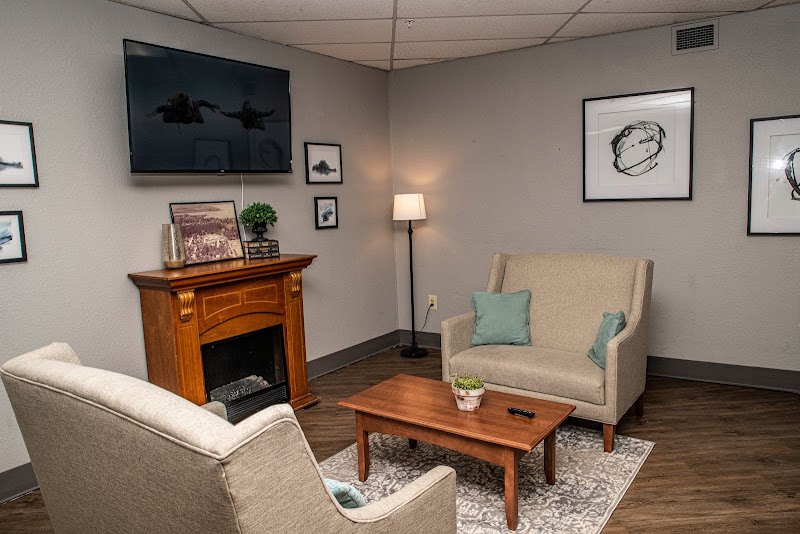
How is The Springs Of Greers Ferry Staffed?

CMS rates THE SPRINGS OF GREERS FERRY's staffing level at 3 out of 5 stars, which is average compared to other nursing homes. Staff turnover is 51%, compared to the Arkansas average of 46%. RN turnover specifically is 56%, which is notably high. RNs provide skilled clinical oversight, so turnover in this role can affect medical care quality.

What Have Inspectors Found at The Springs Of Greers Ferry?

State health inspectors documented 30 deficiencies at THE SPRINGS OF GREERS FERRY during 2022 to 2024. These included: 30 with potential for harm.

Who Owns and Operates The Springs Of Greers Ferry?

THE SPRINGS OF GREERS FERRY is owned by a for-profit company. For-profit facilities operate as businesses with obligations to shareholders or private owners. The facility is operated by THE SPRINGS ARKANSAS, a chain that manages multiple nursing homes. With 140 certified beds and approximately 83 residents (about 59% occupancy), it is a mid-sized facility located in HEBER SPRINGS, Arkansas.
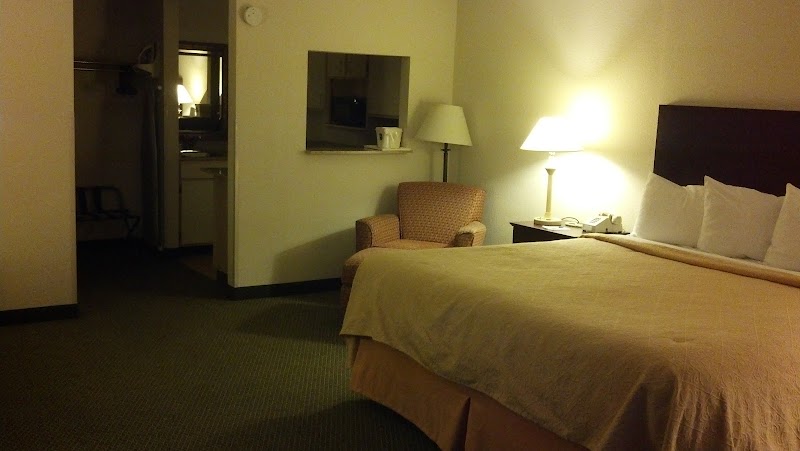
How Does The Springs Of Greers Ferry Compare to Other Arkansas Nursing Homes?

Compared to the 100 nursing homes in Arkansas, THE SPRINGS OF GREERS FERRY's overall rating (2 stars) is below the state average of 3.1, staff turnover (51%) is near the state average of 46%, and health inspection rating (2 stars) is below the national benchmark.

What Should Families Ask When Visiting The Springs Of Greers Ferry?

Based on this facility's data, families visiting should ask: "Can I visit during a mealtime to observe dining assistance and food quality?" "How do you handle medical emergencies, and what is your hospital transfer rate?" "Can I speak with family members of current residents about their experience?"

Is The Springs Of Greers Ferry Safe?

Based on CMS inspection data, THE SPRINGS OF GREERS FERRY has a clean safety record: no substantiated abuse findings (meaning no confirmed cases of resident harm), no Immediate Jeopardy citations (the most serious violation level indicating risk of serious injury or death), and is not on the Special Focus Facility watch list (a federal program monitoring the lowest-performing 1% of nursing homes). The facility has a 2-star overall rating and ranks #100 of 100 nursing homes in Arkansas. While no facility is perfect, families should still ask about staff-to-resident ratios and recent inspection results during their visit.

Do Nurses at The Springs Of Greers Ferry Stick Around?

THE SPRINGS OF GREERS FERRY has a staff turnover rate of 51%, which is 5 percentage points above the Arkansas average of 46%. Moderate turnover is common in nursing homes, but families should still ask about staff tenure and how the facility maintains care continuity when employees leave.

Was The Springs Of Greers Ferry Ever Fined?

THE SPRINGS OF GREERS FERRY has no federal fines on record. CMS issues fines when nursing homes fail to meet care standards or don't correct problems found during inspections. The absence of fines suggests the facility has either maintained compliance or corrected any issues before penalties were assessed. This is a positive indicator, though families should still review recent inspection reports for the full picture.

Is The Springs Of Greers Ferry on Any Federal Watch List?

THE SPRINGS OF GREERS FERRY is not on any federal watch list. The most significant is the Special Focus Facility (SFF) program, which identifies the bottom 1% of nursing homes nationally based on persistent, serious quality problems. Not being on this list means the facility has avoided the pattern of deficiencies that triggers enhanced federal oversight. This is a positive indicator, though families should still review the facility's inspection history directly.