WOODLAND HILLS HEALTHCARE AND REHABILITATION
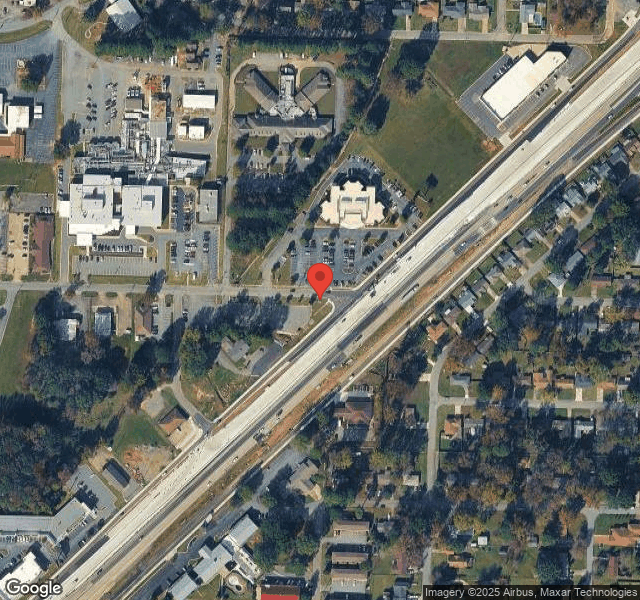
1320 WEST BRADEN STREET, JACKSONVILLE, AR 72076 (501) 241-2191
For profit - Limited Liability company 120 Beds JAMES & JUDY LINCOLN Data: November 2025
Trust Grade
35/100
#218 of 218 in AR
Last Inspection: December 2024

Within standard 12-15 month inspection cycle. Federal law requires annual inspections.

Overview

Woodland Hills Healthcare and Rehabilitation has received a Trust Grade of F, indicating significant concerns about the quality of care. Ranking #218 out of 218 facilities in Arkansas, this means it is at the bottom of the state's nursing home options, and #23 out of 23 in Pulaski County suggests there are no local facilities performing worse. Although the facility's trend is improving, with issues decreasing from 13 to 12 over the past year, there are still serious weaknesses, including 35 identified concerns that could potentially harm residents. Staffing is relatively strong with a 4/5 rating, but the turnover rate is at 55%, which is average. Notably, there were specific incidents where the facility failed to maintain proper food safety standards, did not follow the planned meal menu, and had issues with weekend staffing shortages, raising concerns about resident care. Overall, while there are staffing strengths, the low trust grade and various deficiencies are significant red flags for families considering this home.

Trust Score
F
35/100
In Arkansas
#218/218
Bottom 1%
Safety Record
Low Risk
No red flags
Inspections
Getting Better
13 → 12 violations
Staff Stability
⚠ Watch
55% turnover. Above average. Higher turnover means staff may not know residents' routines.
Penalties
✓ Good
No fines on record. Clean compliance history, better than most Arkansas facilities.
Skilled Nurses
○ Average
Each resident gets 41 minutes of Registered Nurse (RN) attention daily — about average for Arkansas. RNs are the most trained staff who monitor for health changes.
Violations
⚠ Watch
35 deficiencies on record. Higher than average. Multiple issues found across inspections.
★☆☆☆☆
1.0
Overall Rating
★★★★☆
4.0
Staff Levels
★☆☆☆☆
1.0
Care Quality
★★☆☆☆
2.0
Inspection Score
Stable
2023: 13 issues
2024: 12 issues

The Good

  • 4-Star Staffing Rating · Above-average nurse staffing levels
  • Full Sprinkler Coverage · Fire safety systems throughout facility
  • No fines on record

Facility shows strength in staffing levels, fire safety.

The Bad

1-Star Overall Rating

Below Arkansas average (3.1)

Significant quality concerns identified by CMS

Staff Turnover: 55%

Near Arkansas avg (46%)

Frequent staff changes - ask about care continuity

Chain: JAMES & JUDY LINCOLN

Part of a multi-facility chain

Ask about local staffing decisions and management

Staff turnover is elevated (55%)

7 points above Arkansas average of 48%

The Ugly 35 deficiencies on record

Dec 2024 10 deficiencies
CONCERN (D)

Potential for Harm - no one hurt, but risky conditions existed

Resident Rights (Tag F0550)

Could have caused harm · This affected 1 resident

Based on observations, record review, and interviews, it was determined the facility failed to provide snacks that were previously offered and appropriate for residents with diabetes, therefore failin...

Read full inspector narrative →
Based on observations, record review, and interviews, it was determined the facility failed to provide snacks that were previously offered and appropriate for residents with diabetes, therefore failing to accommodate their needs, which affected the resident's quality of life for 1 (Resident #34) of 1 resident reviewed. Specifically, the facility failed to ensure Resident #34, a resident with type I diabetes, was provided snacks, other than high sugar/simple carbohydrates. The findings are: Upon review of the admission Record, the facility admitted Resident #34 on 05/10/24 with an admitting diagnosis of type I diabetes. Upon review of the quarterly Minimum Data Set (MDS) with an Assessment Reference Date (ARD) of 11/26/2024, Resident #15 was assessed with a Brief Interview for Mental Status (BIMS) score of 15, (BIMS score 13-15 indicates cognitively intact). Per section GG of this MDS, the resident required supervision for ambulation and the use of a rolling walker. Resident #34 required minimal assistance with Activities of Daily Living (ADLs). On 12/15/24 at approximately 11:20 AM, this surveyor observed Resident #34 in the resident ' s room with spouse. During an interview, Resident #34 stated, I'm a type I diabetic, and have an issue with the snacks that are offered are all high sugar content. I realize they don't have to serve all our meals as diabetic meals, but I need at least a decent snack when my sugar drops, and I'm not the only one here with diabetes. On 12/16/24 at 9:20 AM, an interview was conducted with the Administrator, regarding snacks offered for residents with diabetes. The Administrator stated the facility offered peanut butter with crackers, fresh fruit, and small blocks of cheese such as cheddar cheese with crackers. When asked about anything sugar free such as sugar free pudding or unsweetened apple sauce, the Administrator stated, We will at times, especially if someone requests them. On 12/18/24 at 10:50 AM, Resident #34 was in the hall requesting to speak to someone. The resident's hands were shaking. Resident #34 stated, I just came from the kitchen asking for some peanut butter and crackers. I was told there was not any. I asked them what they had to offer because my blood sugar was too low, and they told me we can give you a snack cake or a fruit cup. I explained to them I prefer something with some protein in it, or a complex carbohydrate, but they said they did not have any cheese or peanut butter. This is the second time I have asked for it in the last few months, and they did not have any then either. I was told that was supposed to be one of our choices, so I do not understand why they would not have any. On 12/18/24 at 11:15 AM, during a concurrent observation of the kitchen area and interview, the Dietary Manager stated they were out of peanut butter and cheese but could give a snack cake. The Dietary Manager also stated they could order peanut butter and have in, possibly by the end of the week. This surveyor requested invoices for the facility's orders since mid-October. Upon review of the invoices, there was no peanut butter or peanut butter crackers ordered on any of their [vendor name] invoices from 10/22/24 through 12/13/24.
CONCERN (D)

Potential for Harm - no one hurt, but risky conditions existed

Deficiency F0554 (Tag F0554)

Could have caused harm · This affected 1 resident

Based on observation, record review, interview, and facility policy review, the facility failed to ensure a resident without self-administration rights was not self-administering an inhaler and updraf...

Read full inspector narrative →
Based on observation, record review, interview, and facility policy review, the facility failed to ensure a resident without self-administration rights was not self-administering an inhaler and updraft without approval or staff presence to prevent improper usage, storage, and misappropriation of resident's own medication affecting 1 sampled (Resident #351) resident of 1 sampled. The findings include: a. A review of Resident #351 ' s Physician Orders dated 12/03/2024, revealed an order for inhaled nebulizer 1 vial every 4 hours as needed for shortness of breath or wheezing. b. A review of Resident #351 ' s Care Plan dated 12/03/2024, revealed Resident #351 was shown to have flare ups that caused the resident to become short of breath related to chronic obstructive pulmonary disease (COPD) diagnosis and being a current smoker. As needed medications were available for times of anxiousness. c. On 12/15/2024 at 11:15 AM, an inhaler was observed resting on the overbed table of Resident #351. Resident #351 stated, I was told I could keep the medication on person for when I need it. d. On 12/15/2024 at 3:30 PM, Resident #351 was observed alone, sitting in the resident ' s room, holding an updraft mask to [pronoun] face with fumes coming from the mask, and an inhaler remained in reach at the bedside. Licensed Practical Nurse (LPN) #1 stated LPN #2 gave Resident #351 the updraft medication. LPN #1 revealed Resident #351 would need to complete an assessment before the inhaler or updraft medication could be returned for self-administration. e. During an interview with the Director of Nursing (DON) on 12/15/2024 at 3:33 PM, the DON stated a nurse, or respiratory therapist was supposed to stay in the room until treatment was complete and there needed to be an order to have medication at bedside and an assessment completed to ensure residents were capable. The DON stated there had been no in-service on self-administration, updraft, and medical administration. The DON was asked to provide a policy on self-administration and a list of residents with self-administration rights. f. On 12/15/2024 at 4:24 PM, the DON provided a census report with a message stating they had no residents with self-administration rights. The DON also provided a policy titled Medications, Self-Administration, Self-Storage, Leave at Bedside. It revealed any resident wanting to self-administer must be assessed by a licensed nurse or respiratory therapist. It required a physician's order for any medication to be kept at the bedside. The medication administration record (MAR) would display the medications and whether they were self-administered. The care plan would inform staff where the medication was to be kept. The resident's current self-administration status would be shown on the physician's order sheet. g. On 12/16/2024 at 8:45 AM, the Storage of Medications guidelines were provided and revealed all medications must be stored at or near the nurse's station and locked away. The medication must be stored in a cabinet, drawer, or cart. They must have a specific contained spot for medication to prevent it from being used by someone else. h. On 12/16/2024 at 3:03 PM, after review, there were no orders or indication if an updraft needed to be administered by the resident or staff.
CONCERN (D)

Potential for Harm - no one hurt, but risky conditions existed

Deficiency F0645 (Tag F0645)

Could have caused harm · This affected 1 resident

**NOTE- TERMS IN BRACKETS HAVE BEEN EDITED TO PROTECT CONFIDENTIALITY** Based on interview and record review, the facility failed to complete a Level 1 Preadmission Screening and Resident Review (PASR...

Read full inspector narrative →
**NOTE- TERMS IN BRACKETS HAVE BEEN EDITED TO PROTECT CONFIDENTIALITY** Based on interview and record review, the facility failed to complete a Level 1 Preadmission Screening and Resident Review (PASRR) for 1 (Resident #15) of 1 resident reviewed for PASRR. The findings are: Upon review of the admission Record, Resident #15 was admitted to the facility on [DATE] with a primary diagnosis of diabetes mellitus II with unspecified complications. Resident #15 also had a diagnosis of bipolar disorder, severe, with psychotic features and panic episodes. Upon review of the Minimum Data Set (MDS) with an Assessment Reference Date (ARD) of 06/14/2024, Resident #15 was assessed with a Brief Interview for Mental Status (BIMS) score of 14, (BIMS score 13-15 indicates cognitively intact). Per section GG of this MDS, the resident required extensive assistance and was dependent on staff for transfers, dressing, and bathing. They required set-up assistance for meals. Upon review of Resident #15's scanned documents, a Level 1 Preadmission Screening and Resident Review was not found. On 12/18/24 at 12:45 PM, during an interview with the Social Services Director (SSD), the SSD confirmed there was not a PASRR pre-screening determination within the chart and stated she would call [the contracted company name] to get a copy. On 12/18/24 at 1:36 PM, the Social Services Director notified this surveyor she had spoken with [the contracted company name] and the resident was considered a PASRR I, but the facility could not provide documentation regarding this status.
CONCERN (D)

Potential for Harm - no one hurt, but risky conditions existed

Deficiency F0661 (Tag F0661)

Could have caused harm · This affected 1 resident

Based on observation, record review, interview, and facility policy review, the facility failed to ensure a recapitulation, or summary, of stay upon discharge affecting 1of 1 sampled (Resident #49) re...

Read full inspector narrative →
Based on observation, record review, interview, and facility policy review, the facility failed to ensure a recapitulation, or summary, of stay upon discharge affecting 1of 1 sampled (Resident #49) resident to ensure sufficient information was given for safe care on discharge. Findings include: a. On 12/18/2024 at 11:00 AM, a review of Resident #49's medical record revealed, a 10/16/2024 discharge summary that revealed resident went home with medications. b. On 12/18/2024 at 11:06 AM, the Social Services Director (SSD) was asked who was responsible for the discharge summary for Resident #49. The SSD printed the Post Discharge Plan of Care and Discharging a Resident from Facility form and stated she filled those out and nursing was responsible for the discharge summary. The SSD confirmed that her documentation did not include medication reconciliation or a summary of Resident #49's care. c. On 12/18/2024 at 11:09 AM, the SSD was asked if there was a discharge summary for Resident #49. The SSD stated, Nursing did not put one in. d. On 12/18/2024 at 11:30 AM, Licensed Practical Nurse (LPN) #11 was asked who was responsible for Resident #49's discharge summary, and what should be documented. LPN #11 revealed nursing is responsible, and it should be where they went, who picked them up, medications and belongings returned. This surveyor asked LPN #11 if there should be a summary of the residents stay including reconciliation of medications. LPN #11 stated that she did not know. LPN #11 was asked for a copy of the discharge summary she put in the computer on discharge. e. On 12/18/2024 at 11:32 AM, LPN #11 provided Resident #49's discharge summary stating discharged home with meds, and a second discharge summary revealing that Resident #49 went home via ambulance. Meds and belongings went with resident. LPN #11 was asked if there was a summary of the resident ' s stay and medication reconciliation. LPN #11 left to check with administration. f. On 12/18/2024 at 11:38 AM, during an interview with the Director of Nursing (DON) and the Administrator, it was confirmed the two discharge summary notes were all that was documented for Resident #49's discharge. This surveyor asked if there should have been a summary or recapitulation of Resident #49's care. The DON was not sure. The DON and Administrator stated they would review the regulation. This surveyor requested the facility ' s discharge policy. g. On 12/18/2024 at 12:33 PM, a review of a policy titled Discharge/Transfer of Resident revealed sufficient information was given to the resident on discharge so that it is safe for the resident ' s aftercare.
CONCERN (E)

Potential for Harm - no one hurt, but risky conditions existed

Accident Prevention (Tag F0689)

Could have caused harm · This affected multiple residents

Based on observations, interviews, and facility policy review, the facility failed to ensure shower rooms were locked to ensure residents were prevented from having access to equipment or substances t...

Read full inspector narrative →
Based on observations, interviews, and facility policy review, the facility failed to ensure shower rooms were locked to ensure residents were prevented from having access to equipment or substances that could result in accidents or injuries. The facility failed to ensure the personal care storeroom, and treatment/oxygen room remained locked to prevent resident access to razors, scissors, and chemicals to reduce the risk for injury. This failed practice had the potential to cause harm to cognitive impaired residents if entry was gained. The facility failed to ensure the resident environment remains as free of accidents hazards as is possible. Findings Include: 1.On 12/15/2024 at 10:14 AM, the surveyor observed the shower room door unlocked and not closed. The surveyor noted shampoo, body wash, soap and razors inside. 2. On 12/16/2024 at 12:25 PM, the surveyor interviewed Certified Nursing Assistant (CNA) # 3 regarding the shower door open and not locked. CNA #3 confirmed the shower door is supposed to be locked, and stated If a resident gets in the shower room, they can hurt themselves or get locked in. 3. On 12/17/2024 at 9:30 AM, the surveyor noted the shower room door on 100 hall was unlocked. The surveyor interviewed the Director of Nursing (DON) regarding shower door unlocked. The DON confirmed the shower door was supposed to be locked and stated that risks included, a resident could fall in shower room or get into unlocked cabinet where supplies are stored. 4. On 12/15/24 at 10:25 AM, the surveyor observed an unlocked door titled Treatment and Oxygen on the right of the hallway between 2 nursing stations that revealed an unlocked, open box containing keys to doors in the facility including showers, water heater access, and the laundry room. There were 5 bottles of hydrogen peroxide, 3 bottles of iodine, and 4 bottles of 70% isopropyl alcohol located in the cabinet. A bottle of hydrogen peroxide was resting on the left side of the sink. The neighboring door titled storeroom was ajar and contained tall metal cabinets across from each other with medical supplies including hypodermic needles, and a third door marked Personal care (beauty shop) was unlocked. 5. On 12/15/24 at 10:29 AM, upon entering the Personal Care room observed various hair appliances with tangled cords hanging from a table and spread out across the floor. The top of the table contained hair creme, conditioner, shampoo and a container of shaving cream that stated, keep out of reach of children. The sink had an open razor resting on the right side of the cold-water valve. To the right of the sink was a brown plastic container with a small lidless green container of edging gel stating, keep out of reach of children, and a lidless bottle of hair conditioner resting on top. To the left of the sink was a small white wire rack containing cleaning spray, chlorine disinfectant spray, glass cleaner, and a neutralizing cleaner stating to keep out of reach of children, instructions on washing the eyes when contact is made, and instructions on calling poison control. The counter to the left of the sink held several open bottles of shampoos, and a container of fluid with combs soaking. In the left-hand corner was a brown top cabinet with black handled scissors, and two pair of clippers resting near the front edge with the cords dangling from the right side to the floor. A green shelf was noted hanging on the wall with lamp base, fan, and a lampshade resting on top nearly reaching the ceiling. On exiting the personal care room, Licensed Practical Nurse (LPN) #2 stated the door did not shut to the storeroom and there were things in there as well as the personal care room, that needed to be seen. 6. On 12/16/2024 at 8:45 AM, the Administrator provided a policy titled Medications, Storage of, revealing Resident medications should be locked in a medication room, medication cart, or in a locked cabinet. 7. On 12/17/2024 at 8:44 AM, the Director of Nursing (DON) accompanied surveyors down the hallway near the 400-hall nursing station. The DON confirmed that the treatment and oxygen, storeroom and personal care doors should be locked to keep residents out. The DON was able to open the unlocked treatment and oxygen room door and revealed that the open key box should be locked to prevent unauthorized access, and noted hydrogen peroxide was at the sink, and the cabinet held alcohol, iodine, and peroxide that she would not want residents to have access too because they could ingest it. The DON confirmed that the door was not staying shut and was not locked to the storeroom, and she would not want residents to have access because they could harm themselves with the supplies that are stored there. Syringes, unopened needles, tube feeding, new sharps container, and boxes of supplies were observed in the storeroom. The DON accompanied surveyors into the personal care room and confirmed that residents should not have access to razors, scissors, cords should not rest in the floor that could be tripped on, the lampshade should not rest against the ceiling, and the cleaning chemicals were at risk of residents ingesting them when the door is left unlocked. The surveyor requested policies. 8. On 12/17/2024 at 9:20 AM, the DON revealed that the facility did not have any policies that address doors not being locked, or razors. The DON was checking to see if any policy addressed chemicals not being secured from residents. 9. On 12/17/24 at 11:36 AM, the DON provided a policy titled Beautician / Barber Services revealing chemicals are to be stored to prevent accidental ingestion or misuse. 10. On 12/17/24 at 4:10 PM, during an interview, the DON revealed the facility did not have any other policy addressing cleaning supply storage. 11. On 12/15/24 at 10:28 AM, a medication cart (med-cart) was observed to be unlocked located just outside the dining room, in the hallway across from the nurse's station for hall 300/400. LPN #2 was behind the nurse's station gathering the resident's smoking items. LPN #2 left the nurse's station and walked up the hallway into an office adjacent to the 100/200 hall nurse's station. The Med-cart was not in her line of site due to her turning and walking away from the nurse's station and her going into an office. Affixed to the left side of the cart was a red sharp's container with the lid of the container missing the safety flap, exposing the used/contaminated needles, syringes, lancets, and other used winged type blood draw devices and tubing. b. On 12/15/24 at 10:30 AM, LPN #2 came back to the nurse's station and went outside with the residents for their smoke break, without locking/securing the Med-cart. c. On 12/15/24 at 10:36 AM, LPN #2 came back inside the building and walked behind the nurse's station. Surveyor asked LPN #2 to come to the medication cart. LPN #2 said she saw the Med-cart unlocked at 10:30 AM. LPN #2 identified the following items inside the drawers of the unlocked/unsecured Med-cart: 1. Numerous Hypodermic needles. 2. Numerous Individual packages of antiseptic wipes 3. Numerous Individual packages of bleach wipes. 4. Numerous Insulin Syringes. d. On 12/15/24, at 11:00 a.m., LPN #2 visually looked inside red Sharp's container affixed to the Med-cart on the left side. LPN #2 said I can see used needles, used lancets, used winged type blood draw needles with tubing and a razor. LPN #2 said anybody could stick their hand in there and get stuck with one of the items and be exposed to any blood born pathogen on the item. LPN #2 said she did not know what the reddish-brown substance smear on the top of the container was or the dried reddish-brown substance running down the outside of the container was. e. On 12/15/24 at 11:38 AM, the Assistant Director of Nursing (ADON) identified the following items inside the drawers of the med-cart: 1. Numerous hypodermic needles. 2. Numerous Individual packages of antiseptic wipes. 3. Numerous Individual bleach wipes. 4. A pair of nail clippers were in the top drawer. 5. Numerous Insulin Syringes. 6. Numerous safety syringes. f. On 12/15/24 at 11:40 AM, the ADON said her concerns with the Sharps container not having a lid was someone could get stuck with any of those items in there and get anything from Hepatitis to a Human immunodeficiency virus (HIV), or any other blood borne pathogen infection that was on it. The ADON said she was not sure who all has keys to the Med-cart, and this was the only place she has ever seen this cart. g. On 12/18/24 at 3:10 PM, the Director of Nursing (DON) provided a copy of the Storage Policy for Sharps. The policy stated The Occupational Safety and Health Administration (OSHA) has several guidelines for storing sharps, including: 1. Container type - Containers must be closable. 2. Container placement - Must be in a secure place. 3. Container maintenance - Must be replaced regularly. 4. Container handling - Containers should be closed immediately before removing or replacing. h. On 12/18/24 at 3:10 PM, the DON provided a copy of the Injection (Intradermal) policy and the Injection (Subcutaneous) Policy. These policies provided directions for insertion of needles: (Intradermal) policy. The policy guidelines: item 3: Slow injection will reduce discomfort. 5: cleanse site with antiseptic. 8. Position syringe so needle is almost parallel with resident's skin. 9. Insert needle bevel up; the bevel of the needle should be visible through the skin. 13. Access injection site for bleeding. (Subcutaneous) policy. The policy guidelines: item 2. Preferred sites for injection are listed. 8. Expel air from syringe. 9. Aspirate by pulling back on plunger gently. 12. Access area for bleeding.
CONCERN (E)

Potential for Harm - no one hurt, but risky conditions existed

Deficiency F0761 (Tag F0761)

Could have caused harm · This affected multiple residents

**NOTE- TERMS IN BRACKETS HAVE BEEN EDITED TO PROTECT CONFIDENTIALITY** Based on observations, interviews, and facility policy review, the facility failed to ensure all drugs and biologicals were stor...

Read full inspector narrative →
**NOTE- TERMS IN BRACKETS HAVE BEEN EDITED TO PROTECT CONFIDENTIALITY** Based on observations, interviews, and facility policy review, the facility failed to ensure all drugs and biologicals were stored in a locked compartment and permit only authorized personnel to have access for one of one medication cart. The findings are: 1. On [DATE] at 10:28 AM, a medication cart (med-cart) was observed to be unlocked, located just outside the dining room, in the hallway across from the nurse's station for hall 300/400. Licensed Practical Nurse (LPN) #2 was behind the nurse's station gathering the resident's smoking items. LPN #2 left the nurse's station and walked up the hallway into an office adjacent to the 100/200 hall nurse's station. The medication cart was not in her line of site due to her turning and walking away from the nurse's station and her going into an office. 2. On [DATE] at 10:29 AM, the surveyor opened the top drawer of the medication cart and observed medications in the drawer. 3. On [DATE] at 10:30 AM, LPN #2 came back to the nurse's station and went outside with the residents for their smoke break, without locking/securing the med-cart. 4. At 10:36 AM, LPN #2 came back inside the building and walked behind the nurse's station. The surveyor asked LPN #2 to come to the medication cart. LPN #2 said she had noticed the cart was unlocked at 10:30 AM, when she picked up the resident's smoking box. The surveyor asked LPN #2 to identify the medications in the cart and identify the number of pills or tablets in each container. 5. On [DATE], at 10:43 AM, LPN #2 identified the following items and counts: a. Aspirin 325 microgram (mcg), expiration date of Apr/2025 - 91 pills. With WARNING: if nausea and vomiting occur, consult a doctor. Allergy alert: Aspirin may cause a severe allergic reaction, which may include facial swelling, shock hives, asthma (wheezing). Stomach Bleeding WARNING: This product contains a non-steroidal anti-inflammatory drug (NSAID), which may cause severe stomach bleeding. The chance is higher if you are age [AGE] or older, if you take other drugs containing prescription or non-prescription NSAIDs (aspirin, ibuprofen, naproxen, or others) have 3 or more alcoholic drinks every day while using this product; take more or for a longer time than directed. b. Vitamin D3, 125 mcg microgram (5000 International Unit [IU]), expiration date 11/2025, - 50 tablets. Directions to consult your healthcare provider prior to taking high dose vitamin D supplements. Adults take one (1) table with any meal or as directed by a healthcare provider. Do not exceed recommended dosage. WARNING: consult a healthcare provide if taking any medication, have a medical condition (especially hypercalcemia, kidney disease or hypercalcemia, kidney disease or hyperparathyroidism) or are planning a medical procedure. Do not take with other supplements that contain vitamin D, such as multivitamins. Keep out of reach of children. Do not use if product appears to be tampered with or seal is broken. c. Vitamin D3 1250 mcg (50,000 IU), 5 tablets. Directions: adults take one (1) tablet weekly with any meal or as directed by a healthcare provider. Not intended for daily use. Warning: Consult a healthcare provider prior to use if on medications, have a medical condition or planning a medical procedure. Not intended for individuals with liver, kidney or bone disease, calcium disorder or malignancies, unless under the direct supervision of a physician. d. Thiamin Vitamin B-1, 100 milligrams (mg), expiration date 11/2025, - 22 tablets. Instructions to ask your health professional before use if taking other medications. e. Vitamin E 90 mg (200 IU) expiration date 06/2024; 95 soft gels. WARNING: consult your doctor before use. Keep out of reach of children. Do not use if seal under cap is broken or missing. f. Quercetin 500 mg, expiration date 02/2026, 60 capsules. WARNING: Consult your doctor before use if you have any medical condition. Keep out of reach of children. Do not use if seal under cap is broken or missing. g. Non-steroidal anti-inflammatory Tablets 200 mg, expiration date 07/2025, 13 tablets. WARNINGS: Allergy alert: Non-steroidal anti-inflammatory may cause severe allergic reaction. Symptoms may include hives, facial swelling, asthma (wheezing), shock, skin reddening, rash, blisters. If allergy occurs seek medical help right away. STOMACH BLEEDING WARNING: contains an NSAID, which may cause severe stomach bleeding .if taking other drugs for blood thinning (anticoagulant) or steroid drug. HEART ATTACH AND STROKE WARNING: NSAIDs, except aspirin, increase the risk of heart attack, heart failure, and stroke. These can be fatal. h. Stool Softener docusate sodium 100 mg stool softener laxative - 55 soft gels, DRUG FACTS: stop use and ask a doctor if you have rectal bleeding or fail to have a bowel movement after use of a laxative. i. Allergy Relief Loratadine 10 mg Tablets Antihistamine, 24 hour non-drowsy - expiration date 02/2025: 4 tablets. WARNING: Do not use if have ever had an allergic reaction to this product or any of its ingredients. j. Vitamin B-12, 500 mcg, expiration date 03/2026, -7 tablets, take one tablet daily. k. Ferrous Sulfate, 325 mcg, expiration date 07/2026, 19 tablets, WARNING: Accidental overdose of iron containing products is a leading cause of fatal poisoning in children under 6. Keep this product out of reach of children. In case of accidental overdose, call a doctor or poison control center immediately. DRUG INTERACTION PRECAUTION: Since oral iron products interfere with absorption of oral tetracycline antibiotics, these products should not be taken within 2 hours of each other. l. One-Daily Multi-Vitamin with Minerals expiration date 12/2025, -69 tablets. WARNING: Accidental overdose of iron containing products is a leading cause of fatal poisoning in children under 6. Keep this product out of reach of children. In case of accidental overdose, call a doctor or Poison Control Center immediately. m. Vitamin D3 25 mcg (1000IU), expiration date 09/2024, - 58 ½ tablets, Keep out of reach of children. n. Cetirizine HCI Tablets, USP 10 mg, Antihistamine, expiration date 10/2025, - 88 tablets, WARNINGS: Do not use if you have an allergic reaction to this product. Ask your doctor before using if you have liver or kidney disease, using sedatives or tranquilizers. o. Antiemetic 12.5 mg Antiemetic, expiration date 09/2024, 12.5 mg - 98 tablets. WARNINGS: Do not use this product, unless directed by a physician if you have glaucoma, a breathing problem such as emphysema or chronic bronchitis, trouble urinating due to an enlarged prostate gland. p. Fish Oil 1000 mg Omega-3 300 mg, 4 soft gels, WARNING: Consult a healthcare provider prior to use if . taking medications, including blood thinners, have a medical condition or are planning a medical procedure. Keep out of reach of children. q. Stool Softener docusate sodium 100 mg stool softener laxative, expiration date 06/2024 - 12 soft gels, DRUG FACTS: do not exceed recommended dose. r. Vitamin D3 50 mcg (2000 IU), expiration date 10/1024, 100 soft gels. Keep out of reach of children, s. Laxative .5 mg, stimulant laxative enteric coated tablets, expiration date 9/2024, 71 tablets, WARNINGS: Do not use if you cannot swallow without chewing. Keep out of reach of children. In case of overdose, get medical help or contact a Poison Control Center right away. t. Vitamin B-12 1000 mcg; 82 1/2 tablets total, 23 were pink round tablets, 59 1/2 were pink oblong tablets, 2 of the tablets were breaking down in bottle, u. Chewable Gas Relief Tablets Simethicone 80 mg, expiration date 05/2025 - 89 tablets, v. Folic Acid 1000 mcg, expiration date 11/2025, 76 tablets, WARNING: High potency Folic Acid may mask certain Vitamin B-12 deficiency symptoms. Before taking high potency of Folic Acid consult your physician. w. Zinc 50 mg, expiration date 04/2025, 78 tablets, Keep out of reach of children. x. Tube of Clotrimazole & Betamethasone Dipropionate Cream - Resident label attached Resident #37, LPN #2 said this medication has been discontinued. For Topical use only. Expiration date 06/2025. y. A short acting bronchodilator inhaler 3mg/5ml, 85 inhalers with no name. z. Anti-fungal Powder with Miconazole Nitrate 2%, WARNING: For external use only. - 2 bottles. aa. Vitamin B-12 500 mcg; - bottle shows 100 tablets came in the bottle but the actual count is 131 tablets. Expiration date 03/2026, bb. Calcium 600+D5 mcg, expiration date 06/2024, 54 tablets, cc. Aspirin 325 microgram (mg), expiration date of 02/2025 - approx. 1/2 bottle. With a WARNING: if nausea and vomiting occur, consult a doctor. Allergy alert: Aspirin may cause a severe allergic reaction, which may include facial swelling, shock hives, asthma (wheezing). Stomach Bleeding WARNING: This product contains a non-steroidal anti-inflammatory drug (NSAID), which may cause severe stomach bleeding. The chance is higher if you are age [AGE] or older, if you take other drugs containing prescription or non-prescription NSAIDs (aspirin, Non-steroidal anti-inflammatory or others) have 3 or more alcoholic drinks every day while using this product; take more or for a longer time than directed. 6. On [DATE] at 11:38 AM, the Director of Nursing (DON) asked if the Assistant Director of Nursing (ADON) could count the remainder of items in the cart. LPN #2 stopped identifying medications and the ADON identified the remainder of the medication and other items in the med-cart: a. Acetaminophen 500 mg, expiration date 7/2025, 99 tablets, WARNINGS: Liver warning - Severe liver damage may occur if you take more than 8 tablets in a 24-hour period. Allergy alert: may cause severe skin reaction. b. Vitamin D3 50 mcg (2000 IU), expiration date 10/1026, 97 soft gels. Keep out of reach of children. c. Fish Oil 500 mg, expiration date 09/2024, 117 soft gels, No lid. The bottle of fish oil was sitting in the med-cart drawer without a lid. 12 soft gels and the lid were lying in the bottom of the drawer. d. Antihistamine Injection 25 MG/ML with a resident name - Resident #8, - 2 vials of 1 ml each. Expiration date of [DATE]. e. Cinnamon 1000 mg, 179 capsules, expiration date 03/2025, WARNING: If you take a prescription medication or have any medical condition, consult a physician before using this product. f. A short acting bronchodilator unit dose vials .5 mg & 3 mg*/3 ml. identified as Resident #8 - 5 vials and a discharged resident - 20 vials. g. Mucus Relief 600 mg extended-release bi-layer tablets; 30 tablets, WARNINGS: Ask a doctor before use if you have persistent or chronic cough such as occurs with smoking, asthma, chronic bronchitis, or emphysema, cough accompanied by too much phlegm, in case of an overdose, get medical help or contact a Poison Control Center right away. h. A short acting bronchodilator nebulizer liquid medication, 25 vials for a discharged resident. i. Mucus Relief 400 mg, expiration date 08/2024, 80 tablets. WARNINGS: Ask doctor before use if you have persistent or chronic cough, asthma, chronic bronchitis, or emphysema. In case of overdose get medical help or contact Poison Control Center right away. A second bottle with 87 tablets, expiration date 08/2024. j. Gas Relief - Simethicone 80 mg, expiration date 09/2024, WARNINGS: In case of overdose, get medical help or contact a Poison Control Center right away. k. Antihistamine HCI 50 mg, expiration date 04/2025, 97 capsules, WARNINGS: Ask doctor before use if you have a breathing problem such as emphysema or chronic bronchitis, glaucoma, trouble urinating due to an enlarged prostate gland. l. Acetaminophen 500 mg tablets, 07/2025, 100 tablets; WARNING Liver warning. Severe liver damage may occur if you take more than 4000 mg of acetaminophen in 24 hrs. Contains allergy alerts. m. Heartburn Relief, Famotidine tablets, 10 mg, 34 pills, WARNING: Allergy alert: Do not use if you are allergic to famotidine or other acid reducers. Expiration date 02/2024. n. Antihistamine Injection 25 mg/ml, expiration date [DATE], 1 vial. A second vial belonging to Resident #38. o. Nicotine Transdermal System Patch, 14 mg. note: If swallowed, get medical help, or contact a Poison Control Center. p. Triple antibiotic ointment .1 oz. WARNING: For external use only, ADON confirmed approximately ¼ of the tube was remaining in tube. q. Regular strength antacid & Anti-gas liquid. ADON confirmed it is ½ bottle of a 12 oz bottle. WARNING: Ask a doctor before us if you have kidney disease or a magnesium-restricted diet. r. An antibiotic Injection 750 mg 100ML/HR, Quantity 600 of 600, Unopened, expired [DATE], belonging to a resident - 1 large bag flush saline 11 syringes, Bag of IV Primary set/sigma set up, 4 kits. s. There were numerous unidentified loose pills in the bottom of the drawers of the Med-cart. There was a total of 73 whole pills/tablets and 22 half pills/tablets scattered loose in the Med-cart. ADON said she would need to send these to the Pharmacy for identification. 7. On [DATE] at 10:36 AM, LPN #2 stated the facility did not use this cart anymore because they had moved all the resident's medications to the other halls where the residents from 400 hall moved. LPN #2 could not tell the surveyor who unlocked the cart or how long it had been unlocked but she had noticed it unlocked when she was gathering the resident's smoking items. LPN #2 said she was concerned with the residents having access to these medications because some, like the aspirin, could cause internal bleeding. LPN #2 stated if a resident got into these and overdosed it would be bad or if they fell the bleeding could be significant or if a resident got something they were allergic to it would be bad. 8. On [DATE] at 10:38 AM, RN #5 stated she had not been in the cart today and did not know it was unlocked because they never use that cart. 9. On [DATE] at 11:38 AM, the Assistant Director of Nursing (ADON) said she did not know how long this cart had not been in use, but it had not been used since she started here, and she had only been here a couple weeks. The ADON said the cart should be locked at all times due to the medications in the cart, because if a resident got in the cart and took some of these medications, or was allergic to them, it would be bad. The ADON said if they took too much acetaminophen it could be toxic to their liver, and we would send them to hospital emergency room. The ADON said if a resident got into the aspirin, it could cause significant bleeding. 10. On [DATE] at 12:10 PM, the Director of Nursing (DON) said if a resident had gotten into the cart and took the aspirin the resident could sustain a brain bleed, the acetaminophen could cause liver failure, the stool softener could cause excessive diarrhea, the vitamins could cause a number of different issues, the meclizine could be deadly and too much of anything could cause major injuries. The DON said she did not know who all had keys to the cart, but she did not have a key to this cart. 11. On [DATE] at 3:00 PM, the DON said she did not know how long it had been left unlocked. The DON said RN #6 reported to her on [DATE], the cart was locked. 12. On [DATE] at 3:00 PM, RN #6 said she had not gone to the cart today and she did not work yesterday. RN #6 said the last day she worked was the 8th, and the 6th, before that and that day she noticed it locked. 13. On [DATE] at 3:10 PM, the Administrator said the cart had last been accessed when they moved the residents off 400 hall, to the other two halls, and all the resident's medications had been moved. The Administrator said that move took place back in June and July. The Administrator said Pharmacy Services checks things like the med-carts being secured when they come but they would not have been checking that cart since June or July because they were not using that cart. The Administrator said the only person he knew to have a key was the DON but that some other nurses must have a key to the cart. The Administrator said his concern with the cart being unlocked was a fear of someone accessing the cart that should not and accessing the medications because a myriad of things could happen; like aspirin could cause an internal bleed out. 14. On [DATE] at 8:45 AM, the Administrator provided a copy of the Medication Storage Policy. The guidelines items: I. All medications for residents must be stored at or near the nurse's station in a locked cabinet, a locked medicine room, or one or more locked mobile medication carts. II. No discontinued, outdated, or deteriorated drugs or biologicals may be retained for use. All such drugs must be returned to the issuing Pharmacy or destroyed in accordance with established guidelines. III. Drugs must be stored in an orderly manner in cabinets, drawers, or carts. IV. An unattended medication cart must remain locked, at all times. In the event the nurse is distracted from the task of passing medications by some unforeseen occurrence, the cart must be locked before leaving it. Or secured in a locked medication room.
CONCERN (E)

Potential for Harm - no one hurt, but risky conditions existed

Food Safety (Tag F0812)

Could have caused harm · This affected multiple residents

Based on observation and interview, the facility failed to ensure kitchen vents were cleaned to provide a sanitary environment for food preparation; that floors, dish washer and kitchen walls, door an...

Read full inspector narrative →
Based on observation and interview, the facility failed to ensure kitchen vents were cleaned to provide a sanitary environment for food preparation; that floors, dish washer and kitchen walls, door and frames were free of rotten wood, chipped floor tiles, debris, dirt, grease, rust, stains, wall tiles were replaced; food items stored in the refrigerator were covered or sealed; expired food items were promptly removed from stock; ice machine and ice scoop holder were maintained in clean and sanitary condition; dietary staff washed their hands before handling clean equipment or food items and hot food items were maintained at or above 135 degrees Fahrenheit on the steam table while awaiting service for 1 of 2 meals observed. The Findings are: 1. On 12/15/2024 at 10:17 AM, the following observations were made in the walk-in refrigerator: a. An opened box of sausage on a shelf. The box was not covered or sealed. b. An opened box of bacon. The box was not covered or sealed. c. Unopened 21-pound box of white bread dated 12/13/2024 was on a cart. The manufacturer speciation on the box indicated to avoid refrigeration, as it tends to stale the product 2. On 12/15/2024 at 10:31 AM, inside the back wall of the ice machine and the ice machine panel in the kitchen had buildup of wet black residue on them. The surveyor asked Dietary [NAME] (DC) #1 if she could wipe the area where wet black residue was observed. She did so, accumulation of black residue easily transferred to the white rag. The surveyor asked Dietary [NAME] (DC) #1 if she could describe what she saw on the back wall of the ice machine, where ice cubes were resting and the panel, where ice touches before dropping into the ice, collect. She stated it was wet, black residue. DC #1was interviewed and was asked how often the ice machine was cleaned and who used the ice from the ice machine. She stated it was cleaned once a week. The kitchen staff used it to fill beverages served to the residents at mealtimes. The Certified Nursing Assistants (CNA) used it to fill the water pitchers in the residents' rooms. 3. On 12/15/2024 at 10:34 AM, the scoop holder attached to the body of the ice machine had wet black residue at the bottom of it and the ice scoop was resting directly on it. DC #1 was interviewed and was asked if she could wipe the wet black residue at the bottom of the scoop holder and if she could describe what she saw at the bottom of the scoop holder, how often does she clean the scoop holder. She stated it had been cleaned daily. DC #1 took it to washing machine. When the wash cycle finished, DA #2 removed the scoop holder, and the stains were gone. 4. On 12/15/2024 at 10:58 AM, the following observations were made in the kitchen: a. There were serval gaps observed throughout the kitchen floor. The areas that had gaps had multiple stains on them. b. The wall by the Janitor's closet was chipped, exposing the concrete. c. The ceiling air vent, above the ice machine and beverages machine, had accumulation of greasy dirt on it. d. The wall below the ice machine and behind them had buildup of greasy dirt on them. e. The Fluorescent light covers, close to the door leading to the dining room had dirty lint on it. f. Air vent around the Janitor closet and wall above the janitor's closet had black and grayish spots on them. g. Both sides of the oven were covered in rust. A knob was missing at the middle of the stove. One knob was loose, and the area exposed had buildup of greasy white film on it. The floor drainage by the oven had accumulation of dirt in it. Dietary Supervisor stated it doesn't work. h. The walls leading to the walk-in refrigerator were chipped, exposing the cement. i. The edges of the deep fryer had grease build up hanging down from them. j. The walls by the 3-compartment sink had peeling paint exposing the cement. k. The air vent and ceiling tiles around the vent hood had grease dirt, sage color, and rust build up on it. l. The ceiling tiles, above the counter close to the steam table, had water damage in 4 different areas. m. The wall above the hand washing sink had peeling paint, exposing the cement. n. The pipe attached behind the oven, and deep fryer had black and brown greasy stains on it 5. On 12.15/2024 at 11:07 AM, the following observations were made in the storage room. a. Thirty -two cartons of nectar thickened cranberry cocktail on a shelf in the storage room had expiration date of 12/13/2024. b. A container of ground nutmeg on the spice rack had best use by 09/26/2024. 6. On 12/15/24 at 11:42 AM, the following observations were made in the dish washing machine: a. One vent in the dish washing machine had buildup of greasy stains in them b. The ceiling panels in the dish washing machine had rust on them. c. The wall of the dish machine had two of two bottom door frames in the dish washing machine leading to the dining room were missing, exposing the metal. d. The wall in the dish machine room had sage color. e. The ceiling vent in the dish washing machine had buildup of greasy dirt on it. f. The door frames leading to the dining room from the dish washing machine had rust on them. g. The wall on the dirty side of the dish washing machine was chipped, exposing the cement. 7. On 12/15/2024 at 11:50 AM, Dietary Aide (DA) #2 picked up a pitcher turned on the sink faucet and poured beverages in each glass to be served to the residents for supper. Dietary Aid was interviewed and was asked what she should have done after touching dirty and before handling clean equipment; she stated she should have washed her hands. 8. On 12/15/24 at 12:12 PM, Food temperatures on the steam table when checked and read by DC #1 were: a. Pureed cut green beans, 120 degrees Fahrenheit. b. gravy, 120 degrees Fahrenheit. c. Pureed bread with milk, 100 degrees Fahrenheit. d. Fortified mashed potatoes, 121 degrees Fahrenheit. e. Brussel sprouts, 125 degrees Fahrenheit. The above food items were not reheated before being served to the residents for supper meal. 9. A review of facility policy titled, Hand washing not dated and provided by the Dietary Supervisor indicated hands should be washed when entering the kitchen at the start of a shift and after engaging in other activities contaminating the hands.
CONCERN (E)

Potential for Harm - no one hurt, but risky conditions existed

Infection Control (Tag F0880)

Could have caused harm · This affected multiple residents

Based on observations, record review, and interviews, the facility failed to provide a safe and sanitary environment for residents. In addition, the facility failed to clean and sanitize equipment suc...

Read full inspector narrative →
Based on observations, record review, and interviews, the facility failed to provide a safe and sanitary environment for residents. In addition, the facility failed to clean and sanitize equipment such as shower beds/chairs, electric clippers used to cut facial hair, wheelchairs, walkers, and lift equipment. These findings have the potential to affect all 52 residents. The findings are: On 12/15/24 at approximately 10:15 AM, observed a medication cart labeled 400 hall nurse , with a sharps container attached to the side with a reddish-brown substance dried on the outside. On 12/15/24 at 10:30 AM, observed the beauty shop was unlocked and observed the trash can was overflowing with a pile of plastic and hair. What appeared to be a long dark hair extension/weave resting on top of the trash can. There was a large pile of different colored hair laying in the sink approximately 2 inches deep along with a red paddle brush, yellow comb, and black hairbrush, all with hair in the bristles. There were baskets containing attachments and other hairbrushes/combs, all covered in hair. The countertops were dirty and dusty, and other equipment such as electric trimmers and clippers covered in hair of many different textures and colors. There was no disinfectant solution or disinfectant wipes present used to disinfect supplies or equipment. On 12/15/24 at approximately 12:00 PM, the surveyor observed the 100-hall shower room was unlocked. The room had a foul musty odor, also smelled like urine. The shower floor was covered with a black and brown substance and had a slippery residue without moisture present. The shower heads were laying in the floor. The shower bed and shower chairs present had black and brown marks down the sides of the white plastic frame. The stretchy mesh portion (the area a resident would sit or lay on) showed areas of discoloration of black and brown spots. The countertop and sink had dust, hair, and other unknown substances. There were several used toothbrushes sitting in a cup next to the sink. On 12/15/24 at 11:00, the surveyor observed the resident rooms on 100 hall. The rooms smelled like a bleach type odor, that was strongest in the bathrooms. An unknown substance was in the toilet bowl. The floors appeared to be clean in areas, but several areas had sticky substances within the grout and on the tile. The bathroom floor bullnose area (functional area where the tile floor extends up the wall) was darker with what appeared to be dirt and hair. On 12/15/24 at approximately 12:45 PM, the surveyor observed the supplemental snack room, close to the nurse ' s station, for 100 and 200 halls. When the surveyor stepped inside, the countertops were noted to have a thick layer of dirt and dust present. The sink was not draining and had a slimy residue around the drain with water standing. When the refrigerator was opened, there was a tray of drinks and snacks for the residents on the bottom shelf. Inside the door, several opened drinks were noted including an opened can of lemon lime drink, an opened bottle of muscle milk, an opened bottle of water, and an opened energy drink. On 12/15/24 at 1:20 PM, the surveyor observed the bathrooms on 100 hall. The bathrooms appeared to have dust and hair covering the safety bar, and portions of the countertops. The walls and floor were dirty with hair and dust, and the trash was overflowing with paper towels. On 12/16/24 at 9:26 AM, the surveyor observed the supplemental snack room near the 100 and 200 nurse ' s station. Inside the refrigerator, there was a tray with snacks and drinks for the residents. The refrigerator had several opened drinks in the door including: a clear cup with a red liquid, an opened water bottle, and an unopened energy drink can. On 12/16/24 at 9:45 AM, the Director of Nursing (DON) was interviewed, regarding the refrigerator contents. The DON confirmed the drinks in the refrigerator were employees ' drinks and they used that refrigerator to keep their food and drink items. The surveyor walked with the DON and CNA #4 to the beauty shop to discuss equipment used by the staff to shave residents. CNA #4 stated they used two different clippers located in the beauty shop for longer facial hair to remove or trim. CNA #4 stated, Just last week I used them, a black one and a smaller white one on a resident to trim their beard up. The surveyor pointed to the clippers and asked CNA #4 if these were the ones she had used, and she stated, Yes, the black one and the white one. Upon inspection of both, many different colors and textures of hair were noted on the clippers. When asked about their process of cleaning the clippers before and after using, CNA #4 confirmed they were not cleaning either before or after but said they should have been cleaned. On 12/17/24 at approximately 12:30 PM, the surveyor observed both the 100 hall and the 300 hall lifts were soiled with a deep layer (approximately 0.5 inch) of dust, and other unknown substances. Several large (approximately 12 to 20) dark stains were also noted on the carpet on 100 hall. Several residents ' rooms were noted to have staining along the wall, dust and hair in the corners of the rooms and under the beds. On 12/17/24 at 10:20 AM, the surveyor walked with the Administrator to the shower room on 100 hall. The door was unlocked again, and it appeared the room had been cleaned some since the first observation, but the shower floor continued to have a black substance on the tile and in the grout. The room continued to have a foul odor and was musty. During an interview with the Administrator, at that time regarding housekeeping issues, he confirmed they were working with their housekeeping staff and issues with areas within the facility which required deep cleaning. The Administrator stated steps were being taken to improve the cleanliness of the facility included: 1. Hiring additional staff to ensure adequate staffing. 2. Administration and managers more closely monitor the cleaning process. 3. Create a more team-like environment for employees to work together. On 12/17/24 at 9:20 AM, when asked for an infection control policy that addressed housekeeping, the DON stated there was not a policy they could provide specific to these concerns.
CONCERN (E)

Potential for Harm - no one hurt, but risky conditions existed

Deficiency F0919 (Tag F0919)

Could have caused harm · This affected multiple residents

Based on observation, interview, and facility policy review, the facility failed to ensure residents had a functioning call light system that would alarm, light up, and could be reset by staff, or a w...

Read full inspector narrative →
Based on observation, interview, and facility policy review, the facility failed to ensure residents had a functioning call light system that would alarm, light up, and could be reset by staff, or a way to contact staff to ensure needs were met for 2 of 2 sampled (Resident #7, and Resident #30) residents. The findings include: 1. A review of an in-service training report, dated 11/18/2024, revealed staff were instructed to answer call lights in a timely manner. 2. On 12/15/2024 at 2:38 PM, Resident #7 stated the call light is not working. The call light button was pushed and did not light up outside the door for Resident #30, but Resident #7's call light functioned. Certified Nursing Assistant (CNA) #9 pressed Resident #30's call light and the call light was not lighting up above the door, and no alarm was heard. CNA #9 revealed that she would attempt to fix the call light because if she does not try nobody else will do it. CNA #9 confirmed in an emergency or if resident #30 needed something the resident would not be able to use the call light. 3. On 12/15/2024 at 11:50 PM, the surveyor observed Resident #30 resting quietly, with call light resting on Resident #30's chest, and Resident #7 was sitting in a recliner with call light in reach. Resident #7 confirmed they do not have a bell or way to reach staff. The call light control panel was hanging down by 2 red, and 2 white wires. The red bulbs on the panel were lit up. The reset button was pushed, and the lights stayed on the panel, and the light did not work outside Resident #7 and Resident #30's door. CNA #10 walked in and stated that she was asked to check on Resident #30 and Resident #7 frequently and make sure they were not playing with the wires hanging from the wall or needed anything. They cannot get to the panel. 4. On 12/16/2024 at 9:16 AM, Resident #30 was moved to a room with functioning call lights, and the call light control panel was back in the wall. 5. During an interview with the Director of Nursing (DON) on 12/17/24 at 4:00 PM, the DON was asked the process for identifying call lights that do not work. The DON revealed that during the daytime hours staff called the Maintenance Director and told him when something was not working. After hours staff called the DON or mainly the Administrator and they will let the Maintenance Director know call lights are not working so he can fix them. The surveyor asked when maintenance reports were filled out. The DON stated staff call the Administrator for the most part. The DON said that staff called Sunday night and said that Resident #30's call light was out, and she bought a bell for Resident #30 ' s room, and as soon as the nurse found out, they started monitoring the room and documenting. Resident #30 did not have a bell when she was seen at midnight. The surveyor asked when Resident #30 received the bell. The DON revealed that she did not have a bell at that time but brought them in the next morning. The DON confirmed that there was a concern that Resident #30 might not get their needs meet during the time they did not have a functioning call light. The surveyor requested a call light policy, Resident #30 ' s monitoring log, and any maintenance reports they might have. 6. On 12/17/2024 at 04:19 PM, the Administrator provided a Monitoring Log for Resident #7 and Resident #30 showing that nursing knew the call light did not work at 1245 AM, with one-hour checks, and revealed a bell was given to resident at 7:45 AM. A review of Maintenance Request Log Sheets, dated 09/21/2024-12/02/2024, from the nurse ' s station revealed no reports of broken or non-functioning call lights were provided to maintenance. 7. On 12/18/2024 at 12:33 PM, a review of a policy titled Call Light, Use Of, revealing bedside call lights should light up above the door/and or sound above the door and light up at the nurse's station. Staff must turn the call light off at the control panel where the alarm originated from. Defective call lights should be reported to the charge nurse and reported to maintenance immediately and logged in the maintenance log. The Call light system should be checked regularly. 8. On 12/18/2024 at 3:10 PM, the Maintenance Director was asked the process for reporting broken call lights and things that needed to be repaired and stated, Honestly, most people just tell me in the hallway. The surveyor asked if repairs ever got overlooked because they were not documented. The Maintenance Director confirmed that he had sometimes forgotten what he was told since it is not written down.
CONCERN (F)

Potential for Harm - no one hurt, but risky conditions existed

Deficiency F0838 (Tag F0838)

Could have caused harm · This affected most or all residents

**NOTE- TERMS IN BRACKETS HAVE BEEN EDITED TO PROTECT CONFIDENTIALITY** Surveyor: [NAME], [NAME] Based on document review and interviews, the facility failed to ensure the necessary care, and resource...

Read full inspector narrative →
**NOTE- TERMS IN BRACKETS HAVE BEEN EDITED TO PROTECT CONFIDENTIALITY** Surveyor: [NAME], [NAME] Based on document review and interviews, the facility failed to ensure the necessary care, and resources were allocated to meet the needs of the residents. The facility failed to ensure the amount of hours worked by the Infection Preventionist, based on the facility and resident population, was addressed in the Facility Assessment in order to meet resident needs. This deficient practice had the potential to affect all residents of the facility. The total census was 52 residents. 1. On 12/17/2024 at 3:30 PM, this surveyor interviewed the Administrator regarding low weekend staffing. The Administrator was aware of low weekend staffing for Certified Nursing Assistants for the weekend for the 4th quarter. Several call-ins for the weekend with no replacement found. The Administrator had hired 3 weekend only staff to rectify the problem. 2. On 12/18/2024 at 8:24 AM, this surveyor noted the Facility Assessment Tool Staffing Plan indicated the Staffing plan for Direct care staff revealed, 1:x6 Direct Care ratio Days, 1:x9 Direct Care ratio Evenings, 1:x14 Direct Care ratio Nights. 3. On 12/17/24 at 1:20 PM, the Administer was asked about the availability of the Infection Preventionist (IP) for interview. He stated, she is only part time, and I'm not sure when I can get her in here, but I could try to get her on the phone. Later that day the Administrator stated, I can get her here on Wednesday (12/18/24) by 11:00 AM. 4. Upon review of the attendance/time clock data for the IP, the hours worked in the last 3 months varied, and the average number of hours worked per week were approximately 8.25. Typically ranging from 5-10 hours per week. 5. Upon review of the State Operations Manual regarding the specifications/regulation regarding an Infection Preventionist ' s working part time, the regulation stated the following: IP hours of work per week can vary based on the facility and its resident population. Therefore, the amount of time required to fulfill the role must be at least part-time and should be determined by the facility assessment, conducted according to §483.70(e). 6. Upon review of the Facility Assessment, the Infection Preventionist was not included in the staff, and it does not address the minimum amount of working hours needed for the IP specific to the facility ' s current census or resident needs. 7. On 12/18/24 at 11:23 AM, the Infection Preventionist was interviewed regarding her position and duties. When asked when she worked at the facility, the IP stated, I work part time here, typically on the weekends. She confirmed her average hours she worked for [Facility name] were under 10 hours a week, and that her main focus was the antibiotic stewardship and tracking and trending. 8. On 12/18/24 at 11:45 AM, the administrator was interviewed regarding the IP and the Facility Assessment. The Administrator confirmed the Facility Assessment did not include the IP and did not discuss the minimum working hours the facility would require for the IP to work related to their current census and specific needs.
May 2024 2 deficiencies
CONCERN (E) 📢 Someone Reported This

A family member, employee, or ombudsman was alarmed enough to file a formal complaint

Potential for Harm - no one hurt, but risky conditions existed

ADL Care (Tag F0677)

Could have caused harm · This affected multiple residents

Based on observation, interview, and record review, the facility failed to provide consistent bathing and personal hygiene for 4 (Residents #1, #3, #4, and #5) dependent residents to maintain hygiene,...

Read full inspector narrative →
Based on observation, interview, and record review, the facility failed to provide consistent bathing and personal hygiene for 4 (Residents #1, #3, #4, and #5) dependent residents to maintain hygiene, prevent infection and possible skin issues. The findings are: 1. Review of Medical Diagnoses revealed Resident #1 had diagnoses of neoplasm of uncertain behavior of the brain, contracture of muscle multiple sites, and dementia. a. An Annual Minimum Data Set (MDS) with an Assessment Reference Date (ARD) of 04/20/2024 documented Resident #1 had a Brief Interview of Mental Status (BIMS) score of 08 (08-12 indicates moderately impaired mental status) and dependent for bathing. b. Resident #1's Care Plan with a revision date of 04/23/2023 documented, .BATHING/SHOWERING: The resident requires assistance by (1-2) staff with bathing/showering 3 times weekly and as necessary . c. Resident #1's Monthly Summary dated 05/11/2024 documented Resident #1 was dependent for bathing. d. On 05/23/2024, Resident #1's Task Sheet documented Resident #1 was to have a shower every Monday, Wednesday, and Friday. Documentation showed Resident #1 received a shower only 5 days in May with an 11 day span in-between. 2. Review of Medical Diagnoses revealed Resident #3 had diagnoses of fibromyalgia, diabetes, and impaired motility. a. The Annual MDS with an ARD of 02/17/2024 documented a BIMS of 15 (13-15 indicates cognitively intact) and that the resident was dependent for bathing. b. On 05/22/2024 at 10:30 AM, Resident #3 was in the resident's room. Resident #3 stated, .I haven't had a bath in two weeks .I feel like I've been abandoned. c. Resident #3's Care Plan with a revision date of 02/17/2023 documented, .BATHING/SHOWERING: The resident requires assistance by 2 staff with bathing/showering 3 times weekly and as necessary . d. Resident #3's Monthly Summary dated 04/23/2024 documented Resident #3 was dependent for bathing. e. On 05/23/2024, Resident #3's Task Sheet documented Resident #3 was to receive a shower every Monday, Wednesday, and Friday. Four showers were documented as given in May of 2024, with the last shower documented as given on Monday 05/06/2024. 3. Review of Medical Diagnoses revealed Resident #4 had diagnoses of dementia and muscle wasting and atrophy. a. The admission MDS with an ARD of 04/18/2024 documented a BIMS of 01 (0-7 indicates severely cognitively impaired) and was dependent for bathing. b. On 05/22/2024 at 10:17 AM, Resident #4 was in the resident's room and had whisker growth of 1/4 inch on the chin and cheeks. c. Resident #4's Care Plan with an initiation date of 04/19/2024 documented, . BATHING/SHOWERING: The resident requires assistance by (1-2) staff with showering 3 times weekly and as necessary . d. Resident #4's Monthly Summary dated 05/20/2024 documented, Resident #4 is dependent for bathing. e. On 05/23/2024, Resident #4's Task Sheet only documented 2 bathes for May 2024. 4. Resident #5 had diagnoses of Parkinson's Disease and Atherosclerotic Heart Disease. The Quarterly MDS with an ARD of 04/03/2024 documented a BIMS of 05 (0-7 indicates severely cognitively impaired) and was dependent for bathing. a. On 05/22/2024 at 10:15 AM, Resident #5 was lying in bed, there were 1/4 inch whiskers on the resident's chin and cheeks. When asked if the resident would like a shave, Resident #5 stated, Yes, but I'm just not able to do it anymore. b. Resident #5's Care Plan with a revision date of 01/02/2023 documented, .The resident has an ADL self-care performance deficit r/t Pain, Parkinson, Neuropathy, Dementia, and the disease process . PERSONAL HYGIENE: The resident requires assistance by (1) staff with personal hygiene and oral care . c. Resident #5's Monthly Summary dated 05/18/2024 documented Resident #5 was dependent for bathing and ADLs. 5. Review of Resident Council Meeting Minutes documented resident concerns, during February, April, and May of 2024, about not receiving baths/showers. 6. Review of the Grievances for January, February and April of 2024, documented concerns from family and residents about not receiving a bath/shower. 7. On 05/22/2024 at 12:45 PM, during an interview with Certified Nursing Assistant (CNA) #1, the Surveyor asked if they have enough time to get all their work and baths done. CNA #1 stated, This week has been good, usually don't have enough time to get all our baths done. 8. On 05/23/2024 at 3:25 PM, the Director of Nursing (DON) provided a facility policy titled, Giving a Bedbath which documented, .The purposes of this procedure are to promote cleanliness, provide comfort to the resident and to observe the condition of the residents skin .
CONCERN (E) 📢 Someone Reported This

A family member, employee, or ombudsman was alarmed enough to file a formal complaint

Potential for Harm - no one hurt, but risky conditions existed

Deficiency F0804 (Tag F0804)

Could have caused harm · This affected multiple residents

Based on observation, interview, and record review, the facility failed to maintain a safe and palatable food temperature for trays served to residents who receive meals in their room. The findings a...

Read full inspector narrative →
Based on observation, interview, and record review, the facility failed to maintain a safe and palatable food temperature for trays served to residents who receive meals in their room. The findings are: On 05/22/2024 at 11:50 AM, the temperatures of the food items on the steam table prior to lunch service were checked by the dietary staff. The following temperatures were documented: Regular and Mechanical Soft: Lasagna - 175 degrees Fahrenheit Tossed Salad - 40 degrees Fahrenheit. Garlic Bread - 160 degrees Fahrenheit Cheesecake - 40 degrees Fahrenheit Pureed: Lasagna - 170 degrees Fahrenheit Greens - 170 degrees Fahrenheit Garlic Bread - 170 degrees Fahrenheit Cheesecake - 40 degrees Fahrenheit On 05/22/2024 at 12:15 PM, during the lunch meal service, lunch trays were observed being loaded onto an open sided cart to transport to the residents on the 300 Hall who eat meals in their room. At 12:30 PM, the Dietary Manager accompanied this Surveyor down the 300 Hall, to check the temperatures on the last tray to be delivered to the 300 Hall. The temperatures were as follows: Pureed Lasagna - 102 degrees Fahrenheit Pureed Greens - 90 degrees Fahrenheit Pureed Bread - 90 degrees Fahrenheit. Pureed Cheesecake - 41 degrees Fahrenheit After checking the temperatures, the Dietary Manager commented that she thought that the food was going to be out of temperature range. Review of the Resident Council Minutes documented resident concerns with food being served cold at the February, March, and April 2024 meetings. On 05/23/2024 at 3:25 PM, while talking with the Director of Nursing (DON), the DON stated they were aware of the resident's concerns about food temperatures and had been working to resolve this issue. The facility Food Safety Policy and Procedure documented, .Note: The U.S. Department of Health and Human Services Food Code uses 41 Degrees Fahrenheit for cold food and 135 degrees Fahrenheit for hot foods .
Nov 2023 12 deficiencies
CONCERN (D)

Potential for Harm - no one hurt, but risky conditions existed

Deficiency F0558 (Tag F0558)

Could have caused harm · This affected 1 resident

Based on observation, record review and interview, the facility failed to ensure call lights were placed within resident's reach to allow resident to request assistance to accommodate their individual...

Read full inspector narrative →
Based on observation, record review and interview, the facility failed to ensure call lights were placed within resident's reach to allow resident to request assistance to accommodate their individual care needs for 1 (Residents #32) of 4 sampled residents (Resident #6, #27, #29, #32) who were dependent on staff for assistance. This failed practice had the potential to affect 10 residents on 300 hall who were cognitive enough to use a call light. The findings are: 1. Resident #32 had diagnoses of hemiplegia, affecting the left nondominant side and need for assistance with personal care. A Quarterly Minimum Data Set [QMDS] with an Assessment Reference Date [ARD] of 09/13/23 documented the resident scored 13 (13-15 indicates cognitively intact) on a Brief Interview for Mental Status [BIMS]. a. On 11/20/23 at 9:50 am, the surveyor asked Resident #32 if the call light was within reach. The Resident stated, I don't even know where it is. The surveyor asked how do you get help when you need it? Resident #32 stated, I just holler at someone, I holler until somebody comes in here. Observation showed the call light cord was visible on the left side of the bed, between the draw sheet and the fitted sheet of the bed. The surveyor stated it's under the draw sheet and asked the Resident if it could be reached. Resident stated, Well I'm paralyzed on my left side, so I couldn't reach it anyway. b. On 11/20/23 at 9:56 am, the surveyor asked Certified Nurse Aide [CNA] #1 if resident was cognitive enough to use a call light. The CNA stated, yes. The surveyor asked CNA #1 to verify Resident #32's call light was located. The CNA found the call light between the draw sheet and the fitted sheet behind the Resident's back. The CNA stated, I didn't know it was there. c. A care plan documented The resident has limited physical mobility r/t left side paralysis . The resident is at risk for falls r/t [related to] incontinence, medications, seizures, left side hemiparesis depression and the disease process .Be sure the resident's call light is within reach and encourage the resident to use it for assistance as needed. The resident needs prompt response to all requests for assistance . e. On 11/22/23 at 9:10 am, the surveyor asked Licensed Practical Nurse [LPN] #3 can Resident #32 push the call light if assistance is needed? The LPN stated, She has before. The surveyor asked where should resident's call lights be placed? The LPN stated, Definitely within reach. Sometimes we place them in their laps if the resident requests it. The surveyor asked LPN #3 why is it important for resident's call light to be within reach? The LPN stated, So they can call us when they need assistance. f. On 11/22/23 at 9:30 am, the surveyor asked the Director of Nursing (DON) is Resident #32 cognitive enough to use the call light? DON stated, yes. The surveyor asked how does Resident #32 let someone know when assistance is needed? The DON stated, She would push her call light. The DON was asked how important it is for the resident to be able to reach their call lights? DON stated, Very important.! That is how they let us know assistance is needed. g. On 11/22/23 at 9:37 am, the DON provided a copy of the facility policy titled Answering the Call Light that documented the purpose of this procedure is to respond to the resident's requests and needs .5. When the resident is in bed or confined to a chair be sure the call light is within easy reach of the resident .
CONCERN (D)

Potential for Harm - no one hurt, but risky conditions existed

ADL Care (Tag F0677)

Could have caused harm · This affected 1 resident

Based on observation, record review and interview, the facility failed to ensure fingernails were clean and trimmed to promote good grooming and hygiene for 1 (Resident #26) of 6 (Resident #6, #26, #2...

Read full inspector narrative →
Based on observation, record review and interview, the facility failed to ensure fingernails were clean and trimmed to promote good grooming and hygiene for 1 (Resident #26) of 6 (Resident #6, #26, #27, #29, #32, and #47) sampled residents who were dependent on staff for nail care. This failed practice had the potential to affect 16 residents who were dependent on staff for nail care residing on 300 Hall. The findings are: 1. Resident #26 had the diagnosis of chronic kidney disease, Stage 3 and dementia, with mood disturbance and major depressive disorder. A Quarterly Minimum Data Set [MDS] with Assessment Reference Date [ARD] 11/12/23 documented . Self-Care .E. Shower/bathe self: 04. Supervision or touching assistance - Helper provides verbal cues and/or touching/steadying and/or contact guard assistance as resident completes activity. Assistance may be provided throughout the activity or intermittently . a. On 11/20/23 at 10:55 am, Resident #26's fingernails were approximately 1/4 longer than the fingertips on all fingers, both hands. There was brown substance under the right thumb, pointer, and middle fingernails. There was brown substance under the thumbnail of left hand. The surveyor asked Resident #26 how often do you get a shower? Resident #26 stated, Probably every other day. The surveyor asked do you like your fingernails to be long? Resident #26 stated, The girls usually trim them for me when I take a shower. I guess they need a good trim. b. On 11/20/23 at 11:06 am, the surveyor asked Licensed Practical Nurse [LPN] # if Resident #26 was diabetic. LPN #2 stated, No the residents should get nails cut on shower days. The LPN looked at Resident #26's nails and stated, Oh, resident's nails need to be cut. I'll make sure that is done today. c. On 11/22/23 at 9:21 am, the Director of Nursing (DON) was interviewed. How often do residents get their nails cut or trimmed? The DON stated, As needed, when they ask, or with showers, unless the resident refuses, then we will try again. The surveyor asked does Resident #26 ever refuse showers or nail care? The DON stated, no. The surveyor asks why do resident's nails need to be clean, trimmed or cut? The DON stated, To prevent skin tears or infection control. d. A care plan with revision date of 02/10/23 documented, The resident has an ADL (Activity of Daily Living) self-care performance deficit r/t [related to] Dementia and the disease process .bathing /showering BATHING/SHOWERING: Check nail length and trim and clean on bath day and as necessary. Bathing/showering. The resident requires assistance by (1) staff with bathing/showering 3 times weekly and as necessary . e. A facility policy provided by the Director of Nursing [DON] on 11/22/23 at 9:37 am titled Nails, Care of Fingers and Toes showed provide cleanliness, comfort, prevent spread of infection .
CONCERN (D)

Potential for Harm - no one hurt, but risky conditions existed

Quality of Care (Tag F0684)

Could have caused harm · This affected 1 resident

**NOTE- TERMS IN BRACKETS HAVE BEEN EDITED TO PROTECT CONFIDENTIALITY** Based on observation, record review and interview, the facility failed to ensure a resident required to wear a compression sleev...

Read full inspector narrative →
**NOTE- TERMS IN BRACKETS HAVE BEEN EDITED TO PROTECT CONFIDENTIALITY** Based on observation, record review and interview, the facility failed to ensure a resident required to wear a compression sleeve and glove received care and treatment in accordance with the physician's plan of care, for (Resident #6) of 1 case mix resident who had Lymphedema. The findings are: Resident #6 had diagnoses of: Personal history of malignant neoplasm of breast, Lymphedema, not elsewhere classified, and Chronic Obstructive Pulmonary Disease (COPD) A Minimum Data Set (MDS) documented a Brief Interview for Mental Status (BIMS) score of 11 (8-12 moderately impaired cognition) requiring extensive assistance with 2 persons assist with bed mobility, transfers, and toileting. a. A physician's order dated 8/16/23 documented, Right Arm/Fingers - Check fingers for discoloration, capillary refill, cool/cold to touch, check for tightness of wrap and placement, if wrap has fallen down, pullback up. If any of the above present, contact the TX (treatment) nurse or Lymphedema clinic. b. A physician's order dated 2/9/23 documented, Right Arm Compression Wrap - Check to ensure proper placement, adjust as needed to ensure there are no gaps in the wrap, every shift related to Lymphedema. c. A care plan initiated 2/10/23 documented, Chronic right arm Lymphedema See MAR (Medication Administration Record)/TAR (Treatment Authorization Record) for treatments and progress. d. A care plan initiated 2/6/23 documented, .Follow up with MD regarding wrap . and Notify nurse if: Increasing shortness of breath; escalating edema . e. On 11/20/23 at 9:57 PM, Resident #6 stated, I need my glove and my sleeve for my right arm. I've been asking for 2 days The surveyor asked when the last time staff was asked to put the glove and sleeve on. Resident #6 responded, last night. The Surveyor asked if staff usually put them on when asked, and how they responded when asked. Resident #6 stated, No, they just make excuses. The Surveyor asked Resident #6 if she was able to put the sleeve and glove on or take them off by herself. Resident # 6 answered, No, I have to have help. The Surveyor observed the glove and sleeve sitting on bedside table across from the resident's bed in a corner. f. On 11/20/23 at 3:36 PM, the Surveyor asked Resident #6 if anyone had come to put the sleeve and glove on her right arm? Resident # 6 stated, no. The Surveyor observed the glove and sleeve in the same position on the bedside table in the corner. g. On 11/21/23 at 8:09 AM, Resident #6's was lying in bed awake. sleeve and glove were on the Resident's right arm. The Surveyor asked Resident #6 when the sleeve and glove had been put on her right arm. Resident #6 stated, Last night, they were supposed to come back some time and adjust it, but they never did. My hand was really swollen, and it was hard to get it on. h. On 11/21/23 at 3:10 PM, the Surveyor asked Resident #6 if staff had come in to assess or adjust her sleeve, glove, and wrap on her right arm? Resident # 6 stated No. They are supposed to be doing something with it tomorrow. i. On 11/21/23 at 3:40 PM, the Surveyor reviewed the November MAR/TAR for Resident #6 which documented, .Right Arm Compression Wrap - Check to ensure proper placement, adjust as needed to ensure there are no gaps in the wrap. every shift related to Lymphedema. Start Date 02/09/2023 7:00 am . There were no initials documented for day shift on [DATE], and 12. There were no initials documented for evening shift on [DATE], 8, 12, 13, and 20. There were no initials documented for night shift on [DATE], 7, 9, 12, 13, and 16. Reviewed, .Right Arm/Fingers - Check fingers for discoloration, capillary refill, cool/cold to touch, check for tightness of wrap and placement, if wrap has fallen down, pullback up. If any of the above present, contact the TX [treatment] nurse or Lymphedema clinic. Review of every shift related to Lymphedema no initials documented for day shift on Nov. 5, 11 and 12. There were no initials documented for evening shift for Nov. 2, 7, 8, 12, 13, and 20. There were no initials documented for night shift for [DATE], 7, 9, 12, 13, and 16. j. A Skin/Wound Nursing Progress Note dated 11/20/2023 at 5:03 PM, documented, Compression equipment added to right hand and arm again today. Increased swelling noted in the right hand. k. A Skin/Wound Nursing Progress Note dated 11/20/2023 at 10:36 AM documented, Resident continues to remove compression sleeve within a few hours of being put on. l. On 1/22/23 10:12 AM, the Surveyor asked Licensed Practical Nurse (LPN) #2 how often the compression sleeve and glove should be checked and adjusted for Resident # 6. LPN #2 stated, Every day, the treatment nurse adjusts it. The Surveyor asked LPN #2 who was responsible for checking the sleeve and glove, and why that was important? LPN #2 answered, The treatment nurse, [LPN #3 name]. The Surveyor asked LPN #2 why that was important. LPN #2 stated, for circulation. The Surveyor asked LPN #2 what could happen if the glove and sleeve were not checked? LPN #2 stated, harm, cut off circulation. The Surveyor asked LPN #2 if the resident was able to put the sleeve and glove on and off without assistance. LPN #2 answered, Oh, no she can't. m. On 11/22/23 at 10:34 AM, the Surveyor asked the Director of Nursing (DON) how often the sleeve and glove was checked for Resident #6. The DON stated, Every day, the treatment nurse is supposed to check that every day. But the resident sometimes removes it herself, and other nurses on other shifts are supposed to check her fingers, and capillary refill. She is supposed to wear it at all times, except for bathing. The Surveyor asked the DON what could happen if not checked? The DON stated, It can cause increased swelling and skin irritation. The Surveyor asked the DON if Resident #6 was able to put the sleeve and glove on and off without assistance. The DON stated, She can't put it on by herself, but she can take it off by herself. The Surveyor asked if any nurse could put the sleeve on and take it off. The DON stated, Technically yes, the nurses have had training. The Surveyor asked who did training? The DON said the therapist from the Lymphedema Clinic came out [DATE]. The Surveyor asked do you have any documentation of the nurses that had the training? The DON said no, but both the treatment nurse and myself were trained. I have other nurses that are knowledgeable in putting it on and taking it off, but they have not had the training as she pulled out an educational handout. The Surveyor asked if the nurses had access to the handout. The DON answered, Not yet, I haven't made copies of it. n. On 11/21/23 at 2:10 PM, the DON provided documentation entitled, Resident Rights which documented under accommodation of need, .You have the right as a resident to receive services with reasonable accommodations to individual needs and preferences .
CONCERN (E)

Potential for Harm - no one hurt, but risky conditions existed

Safe Environment (Tag F0584)

Could have caused harm · This affected multiple residents

**NOTE- TERMS IN BRACKETS HAVE BEEN EDITED TO PROTECT CONFIDENTIALITY** Based on observations, record review and interviews, the facility failed to provide a safe, clean, comfortable, and homelike env...

Read full inspector narrative →
**NOTE- TERMS IN BRACKETS HAVE BEEN EDITED TO PROTECT CONFIDENTIALITY** Based on observations, record review and interviews, the facility failed to provide a safe, clean, comfortable, and homelike environment for Residents in Room #'s 311-B, 405-A & B, and 414-A. This failed practice had the potential to affect all 47 residents. The findings are: 2. On 11/20/23 at 11:09 AM, the Surveyor observed room [ROOM NUMBER] bathroom. There was a Blue Geri chair stored in the bathroom. The toilet had large amounts of toilet paper floating in the water, and there were brown streaks, and specks of debris visible on the sides of toilet bowl. 2a. On 11/21/23 at 8:36 AM, the Surveyor observed room [ROOM NUMBER]-B bathroom The bathroom smelled of old urine, and the toilet bowl had brown specks, and streaks of brown debris visible on the surface of the bowl. The water in the toilet bowl was cloudy and there was a liquid substance on the floor in front of the toilet, on the toilet seat, and 2 drops of liquid were on the surface of the blue Geri chair seat that was in the bathroom. 2b. On 11/21/23 at 9:38 AM, the Surveyor asked the housekeeper to describe room [ROOM NUMBER]-B ' s bathroom. The housekeeper stated No I haven't gotten to it. Her toilet is clogged. I wrote it in the maintenance book last night. The Surveyor asked if the HK cleaned the bathroom last night or today. The HK answered, no. 3. On 11/20/23 at 9:59 PM, during observation of room [ROOM NUMBER]-B, the wall to the left upon entrance was scraped above the baseboard the entire length of the wall. The scrape was down to the white sheetrock in places, with beige wall paint peeling, and cracks visible in the white sheetrock underneath. The Surveyor asked Resident in the room if she liked the way the walls looked in her room. Resident replied, No. I would fix it if that was in my house. 3a. On 11/21/23 at 8:14 AM, the Surveyor asked the Resident in room [ROOM NUMBER]-B if anyone had been in to address the areas in the room that needed to be repaired and painted? The Resident answered, no. The Surveyor measured the area just inside the door on the lower left wall to be 4 feet and 4 inches long, and 2 inches wide. 3b. On 11/21/23 at 2:20 PM, the Surveyor checked the Maintenance log at the central nurses ' desk. There was no staff documentation for room [ROOM NUMBER] maintenance/repair needs related to the wall repairs and painting. 4. On 11/20/23 at 10:52 AM, the Surveyor observed a hole in the wall by the head of the bed in room [ROOM NUMBER]-A. 4A. On 11/20/23 at 12:52 PM, the Surveyor observed a large hole in the wall by the head of the bed in room [ROOM NUMBER]-A. 4B. On 11/21/23 at 8:27 AM, the Surveyor observed a large hole in the wall by the head of the bed in room [ROOM NUMBER]-A. 4C. On 11/21/23 at 08:32 AM, during observation of room [ROOM NUMBER]-A maintenance stated, There is a hole in the wall. Maintenance measured the hole and stated, It's 6 1/4 inches x 8 1/2 inches. The Surveyor asked, does this look homelike to you? Maintenance stated, no. 4D. On 11/21/23 at 8:36 AM, the Surveyor asked the Administrator if the room looked homelike. The Administrator stated, No. It probably happened when they got the resident up this morning. It looks like the bed slid over and hit the wall. 4E. On 11/21/23 at 2:20 PM, the Surveyor observed documentation in the Maintenance logbook. No sheet had been filled out for the hole in the wall for room [ROOM NUMBER]-A. The Resident Rights provided by the Administrator on 11/21/23 at 2:10 PM showed, .The facility must provide a safe, clean comfortable, home-like environment, allowing you the opportunity to use your personal belongings to the extent possible .
CONCERN (E)

Potential for Harm - no one hurt, but risky conditions existed

Respiratory Care (Tag F0695)

Could have caused harm · This affected multiple residents

**NOTE- TERMS IN BRACKETS HAVE BEEN EDITED TO PROTECT CONFIDENTIALITY** Based on observation, interview and record review, the facility failed to provide care to maintain oxygen equipment to ensure cl...

Read full inspector narrative →
**NOTE- TERMS IN BRACKETS HAVE BEEN EDITED TO PROTECT CONFIDENTIALITY** Based on observation, interview and record review, the facility failed to provide care to maintain oxygen equipment to ensure cleanliness and minimize risk of cross contamination or infection for 2 sampled residents (R #6 and R #29) on hall 300. The findings are: 1. Resident #6 had diagnosis of Chronic Obstructive Pulmonary Disease (COPD). A Quarterly Minimum Data Set (QMDS) dated [DATE] documented a Brief Interview of Mental Status (BIMS) score of 11 (8-12 moderately impaired cognition) requiring extensive assistance with 2-person support for bed mobility, transfers and toileting. a. A physicians order dated 9/22/23 documented, 02 [oxygen] 2LPM [liters per minute] /NC [nasal cannula] for shortness of breath hypoxia 02 2LPM/NC for c/ [complaints of] shortness of breath or 02 Sat below 90%. b. A Care Plan initiated 9/22/22 documented, .The resident has prn [when needed] oxygen therapy r/t [related to] ineffective gas exchange, shortness of breath . and .oxygen settings, O2 via nasal cannula at 2L when needed for shortness of breath humidified . c. On 11/20/23 at 9:57 AM, Resident #6's was receiving O2 at 2 Liters via nasal cannula (n/c). There was one nasal prong in the right nostril. The other was on the right cheek. The tubing is not dated. There was a clear bag hanging from concentrator with a date of 10/23/23. There was no humidifier bottle in place. There was a peak flow meter on the night stand uncontained and open to air. The mouthpiece was not dated and there was a clear plastic bag sitting next to the peak flow meter on the nightstand. d. On 11/21/23 at 08:09 AM, Resident #6 was receiving O2 at 2Liters via n/c. There was no humidifier bottle in place. There was one nasal prong in the right nostril, and one resting on the septum between the nostrils. The tubing remained undated. The clear plastic bag hanging from the concentrator remained darted 10/23/23. The peak flow meter on the nightstand remained uncontained and open to air. The mouthpiece was not dated and there was an open plastic bag sitting next to the flow meter on the nightstand was dated 10/23/23 and marked as nebulizer. e. On 11/21/23 at 3:38 PM, Resident #6 was receiving O2 at 2L via n/c. There was no humidifier bottle in place, but the O2 tubing remained undated, and the peak flow meter remained uncontained and open to air with an undated mouthpiece and tubing. f. On 11/22/23 at 10:07 AM, the Surveyor asked Licensed Practical Nurse (LPN) #2 who was responsible for checking nasal prong placement, oxygen tubing, concentrator for cleanliness and flow rate. LPN #2 stated, We all are. The Surveyor asked if tubing should be dated and if Resident #6 was supposed to have a humidifier. The LPN #2 stated, That is on me because it was on the floor yesterday and I changed it out and didn't date it. The Surveyor asked LPN #2 if Resident #6 should have a humidifier with her oxygen. LPN #2 answered, No she is on 2, anything above 3 we have to humidify. The Surveyor asked LPN #2 if peak flow meters should be contained and bagged, mouthpieces dated, and why that was important? The LPN #2 answered, Yes, for cleanliness. g. On 11/22/23 at 10:17 AM, the Surveyor asked the Director of Nursing (DON) who was responsible for monitoring oxygen equipment, tubing, and peak flow meters to make sure they are clean, dated, and contained from open air? The DON said all nurses. The Surveyor asked the DON why that was important. The DON stated, To make sure they are getting the correct oxygen, and our machines are cleaned, and tubing is clean and that they are in a bag to make sure that they are not dirty. Any time they fall on the floor, they need to be changed. The Surveyor asked the DON how often oxygen tubing should be checked and dated. The DON stated, At least weekly. The Surveyor asked is that important even when the oxygen was not in use? The DON stated, yes. The Surveyor asked the DON what could happen if that was not done? The DON answered, It can cause an infection to the resident, or they may not get the correct flow of oxygen they need. 2. Resident #29 had a diagnosis of Chronic Obstructive Pulmonary Disease (COPD), A Minimum Data Set (MDS) with an Assessment Review ate (ARD) of 07/24/23 documented a Brief Interview for Mental Status (BIMS) score of 8 (moderately impaired cognition) requiring extensive assistance with 2-person support for bed mobility, transfers, and toileting. a. A Physicians order dated 10/30/22 documented, O2 sat parameters notify MD (Medical Doctor) if O2 sat less than 92% every day shift . A physician's order dated 10/9/22 documented, .Oxygen 2L/NC PRN as needed for shortness of breath. b. A Care Plan initiated 2/1/22 documented, .The resident has oxygen therapy prn r/t CHF, COPD, and shortness of breath .and .Change 02 tubing / cannula every Sunday on night shift .Date Initiated: 03/14/2021, and .oxygen settings: O2 via nasal prongs at 2-3L prn. Humidified as needed . Date Initiated: 02/01/2022. c. On 11/20/23 at 10:02 AM, Resident #29' s was turned off. The oxygen tubing was in a clear bag. The tubing was not dated. The Bag was dated 11/6/23. The Surveyor asked Resident #29 if he used oxygen. Resident #29 stated, I use it most of the time. They come in and put a thing on my finger. I need it most of the time. I'm fine if I'm lying down. d. On 11/21/23 at 8:15 Resident #29's oxygen concentrator was next to bed turned off. The tubing was in a clear bag dated 11/6/23. The tubing was not dated. e. The Surveyor reviewed November 2023 MAR/TAR for Resident #29 which documented, .Change O2 tubing/cannula every night shift every Sunday-Start Date 03/14/2021 2300 . There were initials documenting the tubing had been changed on 11/5/23. There were no initials documenting the tubing had been changed on 11/12/23. There were initials documenting the tubing had been changed 11/19/23. f. On 11/21/23 at 3:35 PM, Resident #29's oxygen concentrator remained off. Tubing remained undated in bag dated 11/6/23. There was dust and debris visible on the front of the concentrator. g. On 11/22/23 at 10:10 AM, the Surveyor asked LPN #2 who is responsible for checking oxygen tubing and equipment for cleanliness? LPN#2 answered, night shift. The Surveyor asked LPN #2 if the concentrator looked clean. LPN #2 answered, Yeah, that could be cleaned up as she wiped it with a wet paper towel. The filters could be rinsed. as she pulled the filter out and began rinsing it out in the bathroom sink and replacing it. The Surveyor asked LPN #2 if the tubing should be dated, and why that was important. LPN #2 stated When we use it yes, so we know how old it is. The Surveyor asked LPN #2 to read the date on the tubing. LPN #2 stated, 11/6/23. The Surveyor asked LPN #2 how often tubing should be changed and when the last time Resident #29 ' s tubing was changed. LPN #2 stated 11/6/23 its right here on the tubing because he doesn't use it all the time. The Surveyor asked LPN #2 when the last time Resident #29 used oxygen. LPN #2 stated, I haven't seen him for a few days, so I don't know. His sat [oxygen saturation] is 96% on room air. The Surveyor asked LPN#2 if the tubing should have been changed earlier. LPN #2 stated, If they were going to use it, they needed to change it. The Surveyor asked why it was important to change the tubing on a regular basis. LPN #2 stated, To keep it clean. h. On 11/21/23 at 3:17 PM, the Director of Nursing (DON) provided documentation entitled, Oxygen Administration that documented under care and use, .8. change humidifier and tubing per cleaning guidelines . and .4. Attach mask or cannula tubing to humidifier . and under nasal cannula: .Place prongs of cannula into the resident's nares .Adjust the plastic slide to hold the cannula in place .and .At regular intervals, check and clean oxygen equipment, masks, tubing, and cannulas . and .When oxygen therapy is discontinued, dispose of all disposable equipment properly .
CONCERN (E)

Potential for Harm - no one hurt, but risky conditions existed

Deficiency F0726 (Tag F0726)

Could have caused harm · This affected multiple residents

**NOTE- TERMS IN BRACKETS HAVE BEEN EDITED TO PROTECT CONFIDENTIALITY** Based on observation, record review, and interview, the facility failed to ensure licensed nurses demonstrated competency with n...

Read full inspector narrative →
**NOTE- TERMS IN BRACKETS HAVE BEEN EDITED TO PROTECT CONFIDENTIALITY** Based on observation, record review, and interview, the facility failed to ensure licensed nurses demonstrated competency with necessary care, treatment, safety, and services required by each resident, as evidenced by: 1. On 11/21/23 at 8:21 AM, the Surveyor observed LPN #1 administer morning medications on hall 400. LPN #1 donned gloves, opened the medication cart drawers, and pulled out medications to give to resident in room [ROOM NUMBER]-B. LPN #1 popped the tablets from the blister pack into a medication cup sitting on top of the cart for resident in room [ROOM NUMBER]-B and dropped a pill onto the surface of the cart, picked it up, and placed it in the medication cup. The Surveyor asked LPN #1 if she had sanitized the cart prior to administering the medications. LPN #1 stated answered, No, I was feeling nauseous this morning and sick to my stomach. The Surveyor asked LPN #1 if she always wore gloves when administering medications as she wasn't wearing them yesterday. LPN #1 stated I have gout and arthritis in my fingers, and it helps me grip them, so they don't go flying. 1a. On 11/21/23 11:03 AM, the Surveyor observed LPN #1 to room [ROOM NUMBER]-A to administer regular insulin and medications. The Surveyor observed LPN #1 don gloves and gather supplies to check glucose. LPN #1 cleaned the glucometer and doffed gloves. LPN #1 donned another pair of gloves, dropped the lancet on the floor in the hallway, picked the lancet up from the floor, and threw it into needle container on the medication cart in hall 400. LPN #1 opened the medication cart drawer to get another lancet with the same gloves and proceeded into the resident ' s room to check glucose without changing gloves. LPN #1 then left the room and charted on the laptop, opened the medication cart drawer, opened insulin syringe package, handled insulin, and drew it up with the same gloves. 2a. LPN #1 was attempting to draw up 2 units of insulin, and stated, I can't get it to bubble up and threw the syringe into the needle container on the side of the medication cart in hallway 400. LPN #1 opened another insulin syringe package with the same gloves and attempted to draw up 2 units of insulin. LPN #1 was unsuccessful as she was not injecting air into the vial prior to drawing up the insulin. LPN #1 stated, Well I can't get it. What should I do? 2b. On 11/21/23 at 11:20 AM, the Surveyor observed LPN #1 coming from a resident's room. LPN #1 removed gloves, and charted. LPN #1 did not sanitize or wash hands and proceeded to remove a medication pill from the medication cart drawer, and then stopped and donned new gloves. 3. On 11/21/23 at 10:26 AM, The Surveyor observed LPN #1 reach in all pockets to retrieve keys to the medication cart. LPN #1 stated, Well if I can find my keys I will. LPN#1 asked LPN #2, do you have my keys? LPN #2 stated, no. LPN #1 looked toward the medication cart parked by the dining room and stated, Oh, I found them. The Surveyor then observed LPN #1 walk over to the medication cart and pick up the keys that were laying on the ledge between the dining area and hall 400 where the cart was parked. 3A. On 11/21/23 at 1:40 PM, the Surveyor asked the Director of Nursing [DON], should a set of keys for the medication cart be out of a nurse's possession? The DON stated, No, they should be in their pocket or in a drawer at the nurse's station. 3B. On 11/22/23 at 9:06 AM, the Surveyor asked LPN #1, should a set of medication cart keys be left out and unattended? LPN #1 stated, No, they should not be. The Surveyor asked, where should the keys be? LPN #1 stated, The nurse should have them. A document provided by the Administrator on 11/21/23 at 3:17 PM titled, Medications, Storage of showed, .The key to the .mobile medication cart is the responsibility of the person authorized to handle and administer medications .
CONCERN (E)

Potential for Harm - no one hurt, but risky conditions existed

Deficiency F0761 (Tag F0761)

Could have caused harm · This affected multiple residents

Based on observation and interview the facility failed to ensure the refrigerated narcotic medications were stored in a permanently affixed container to prevent the potential of misappropriation of re...

Read full inspector narrative →
Based on observation and interview the facility failed to ensure the refrigerated narcotic medications were stored in a permanently affixed container to prevent the potential of misappropriation of resident property. This failed practice had the potential to affect all 47 residents. The facility also failed to ensure insulin bottles were dated after opening, and that insulin vials past expiration date of opening were discarded and removed from medication cart. This failed practice had the potential to affect 8 residents. The findings are: 1. On 11/21/23 at 9:39 AM, the Surveyor accompanied the Director of Nursing (DON) to the medication storage room and observed an unsecured narcotics box inside the locked refrigerator. The box contained: 2-30 milliliter [mL] bottles of Lorazepam; 1-2 mL vial of Lorazepam; 3 Single-dose 2 mL syringes of Lorazepam. 1A. On 11/21/23 at 01:40 PM, the Surveyor asked the DON, was the narcotic box attached to the refrigerator? The DON stated, No. The Surveyor asked, how should the narcotic box be stored in the refrigerator? The DON stated, I guess it should be attached to the refrigerator. 2. On 11/21/23 at 9:52 AM, with Licensed Practical Nurse (LPN) #2 the Surveyor observed the drawers of the medication cart for hall 100., There was an opened multi-dose vial of Regular Insulin that had no open date The Surveyor asked the LPN #2 how long regular insulin was good to use after open date. LPN #2 answered, 28 days, as she looked it up on the reference list on the med cart, The Surveyor asked if the insulin vial should be dated and initialed when opened? LPN #2 answered, Yes it should be dated when opened by whoever the nurse is that opens it. 2a. On 11/21/23 at 9:55 AM, with LPN #1 the Surveyor observed the medication cart for hall 400. There was an opened multi-dose vial of Lantus Insulin with an open date of 10/19/23. The Surveyor asked LPN #1 if the insulin had expired according to the open date written on the multi-dose vial. LPN #1 stated, I don't give insulin. The Surveyor asked LPN #1 who gives insulin? LPN #1 answered, The night nurse. The Surveyor asked the LPN #1 if the insulin was past the date that it could be used. LPN #1 stated, I don't know, is it? The Surveyor asked what the facility policy was on expired medications. LPN #1 answered, I would say yes. LPN #1 looked up the expiration date for open Lantus and stated, It is past the 28 days it can be used, but she gets it at night at 2000. On 11/21/23 at 11:39 PM, the Director of Nursing (DON) provided documentation entitled, Medications, Storage of which documented, .11. No discontinued, outdated, or deteriorated drugs or biologicals may be retained for use. All such drugs must be returned to the issuing Pharmacy or destroyed in accordance with established guidelines . and .7. mobile medication cart is the responsibility of the person authorized to handle and administer medications .
CONCERN (E)

Potential for Harm - no one hurt, but risky conditions existed

Food Safety (Tag F0812)

Could have caused harm · This affected multiple residents

Based on observation and interview, the facility failed to ensure that food was used prior to the use by date and that food was stored properly including the date of arrival into the facility to minim...

Read full inspector narrative →
Based on observation and interview, the facility failed to ensure that food was used prior to the use by date and that food was stored properly including the date of arrival into the facility to minimize potential for food borne illness. The failed practice had the ability to affect 65 residents who receive their meals from one of one kitchen. The findings are: On 11/20/23 at 10:20 AM, a clear plastic, 1 quart container of chocolate pudding which was observed on the top shelf of the walk-in refrigerator had a use by date of 11/09/23. A 5-pound container of sour cream which was observed on one of the middle shelves had a use by date of 9/19/23. A second container of sour cream located on the same shelf had a use by date of 10/28/23. Dietary Manager stated, I'm not sure how this happened, it seems like we just got this stuff. On 11/20/23 at 10:26 AM, a box was observed on the middle shelf of the dry storage area. The box contained approximately 85 individuals 1-ounce containers of dry cereal. The box contained no date of entry or use by date. The bottom shelf contained a 1-gallon plastic container of soy sauce. The use by date was 10/7/21. On 11/21/23 at 02:15 PM, the refrigerator located in the nourishment room behind the central nurses ' station was observed to contain three, 8-ounce containers of nutritional supplement. The use by date on the cartons was 8/8/23. On a shelf in the door of the refrigerator 32 ounce container of butternut squash soup had a use by date of 9/28/23. On 11/22/23 at 10:31 AM, the administrator provided a policy for food storage. The policy described how all stock should be rotated with each new order received. Rotating stock is essential to assure the freshness and highest quality of all foods.
CONCERN (E)

Potential for Harm - no one hurt, but risky conditions existed

Deficiency F0847 (Tag F0847)

Could have caused harm · This affected multiple residents

Based on interview the facility failed to ensure that the facilities binding arbitration agreement was written in a language/manner that could be understood by the resident/representative, that signat...

Read full inspector narrative →
Based on interview the facility failed to ensure that the facilities binding arbitration agreement was written in a language/manner that could be understood by the resident/representative, that signatures were provided attesting to the fact that the resident/representative understood the agreement, that the resident had 30 days to resend the agreement. The failed practice had the ability to affect all 47 residents who currently reside in the facility. The findings are: On 11/21/23 at 3:04 PM, Admissions Director (AD) reports that in October 2023 the facility added two lines at the bottom of the admission agreement that allows the resident or their representative to agree to sign or decline the Arbitration. In October, 2023 the corporate office emailed the AD a two page document entitled, Purpose of Arbitration Agreements. The surveyor asked the AD, prior to October, 2023 the residents who were admitted signed the admission agreement which included a section, Arbitration, which stated, by signing this admission agreement, the Facility, Resident, Responsible party, and Guarantor agree that any dispute between the Parties including, but not limited to, any services rendered prior to the date this admission Agreement was signed Reference was made to the legal language used in section f. The Surveyor asked the AD if she was of the belief that the language used was one that the residents or their representatives could understand. She stated, No, I even have a hard time. The attention of the AD was then called to the information in section f. which describes the resident as having 21 days to rescind the agreement and the conflicting information presented in the Purpose Handout which provides 30 days to rescind their signature. The Surveyor asked which one would be upheld in a dispute the AD stated, The admission agreement (21 days) because it is a contract. On 11/22/23 at 07:55 AM, the Administrator was asked to discuss the language in the admission agreement in which the arbitration was a part of was in a language that could be understood by a resident or their representative. The Administrator said she didn't feel there would be an understanding unless a staff member was there to explain. The Administrator referred to the Purpose of Arbitration Agreements document that was added to the admission packet in October of this year. The document in question does not have a place for the resident/representative to sign or date so there is no way to confirm they received the document. The Surveyor asked how long a resident has to rescind their signature? The administrator pointed out that the original document says 21 days and the new additional pages provides 30 days. She also reported that she was taught that an arbitration could be cancelled at any time. The Surveyor asked the Administrator if agreeing to the arbitration portion of the admission agreement was at any time a requirement for admission? She stated, .Not that I am aware of .let ' s talk to the admission director . On 11/22/23 at 8:10 AM the AD was asked what actions needed to be taken if a resident/representative wanted to refuse the arbitration prior to the addition of the October document. The AD described how the section could be crossed out but agreed that crossing out the section on the document would not render it void. The Surveyor asked how many residents had ever refused to sign the admission agreement containing the arbitration portion? She stated, I have never had anyone not sign it. On 11/22/23 at 9:20 the Administrator reported that the facility has no policy pertaining to arbitration agreements.
CONCERN (E)

Potential for Harm - no one hurt, but risky conditions existed

Deficiency F0848 (Tag F0848)

Could have caused harm · This affected multiple residents

Based on interview and record review, the facility failed to ensure the arbitration documentation includes the selection of a neutral arbitrator and a location that is convenient for all. The failed p...

Read full inspector narrative →
Based on interview and record review, the facility failed to ensure the arbitration documentation includes the selection of a neutral arbitrator and a location that is convenient for all. The failed practice had the ability to affect all 47 residents who currently reside in the facility. The findings are: On 11/21/23 at 2:00 PM, a review of the facility arbitration agreement revealed that the facility admission agreement, section f. pertains to Arbitration. On 11/21/23 at 3:04 PM, the admission Director (AD) was asked to identify the language in section f. of the admission agreement that describes the process for selecting an arbitrator and the location where the arbitration will take place. After examination the AD stated, I don't see that in there. On 11/22/23 at 7:55 AM, the Surveyor asked the Administrator to locate in section f. of the admission agreement where it describes how an arbitrator, and a location is chosen. The Administrator stated, It ' s in the new part .I didn't see it in the admission agreement. On 11/22/23 at 9:20 AM the Administrator reported that the facility has no policy pertaining to arbitration agreements.
CONCERN (E)

Potential for Harm - no one hurt, but risky conditions existed

Deficiency F0865 (Tag F0865)

Could have caused harm · This affected multiple residents

**NOTE- TERMS IN BRACKETS HAVE BEEN EDITED TO PROTECT CONFIDENTIALITY** Based on record review and interview, the facility failed to ensure the Quality Assurance and Performance Improvement program [Q...

Read full inspector narrative →
**NOTE- TERMS IN BRACKETS HAVE BEEN EDITED TO PROTECT CONFIDENTIALITY** Based on record review and interview, the facility failed to ensure the Quality Assurance and Performance Improvement program [QAPI] Committee developed and implemented appropriate plans of action to prevent repeated deficiencies for (F584) providing a homelike environment, (F677) providing nail care for resident dependent on staff, (F812) Sanitation and (F880) Infection Control. These failed practices had the potential to affect 47 residents. The findings are: 1. A Recertification survey was conducted on 11/22/23. During this survey, F584 was cited for facility failure to provide a safe, clean, comfortable, and homelike environment for Residents in room [ROOM NUMBER]B, #414A, #405A and #405B. A review of the facility's Plan of Correction [POC], for the recertification survey completed on 12/1/22 with a correction date of 12/31/22 indicated: Step #1: Corrective Action: the Maintenance Director observed/checked the following as identified by survey to ensure a safe, clean, and comfortable environment that enhances the resident ' s quality of life: A. Staff began repairing the hole in Resident #44's wall. B. Staff began repairing the gouges in the walls of Residents #1, #2, #4, #10, #12, #14, #19, #21, #40, #43, #46 and #48. All repairs were completed by 12/9/2022. Step #2: Identification of others with the potential of being affected: On 12/1/2022, the Administrator/Designee Maintenance Director used the census for 100 & 400 hall to identify 35 residents having potential to be affected and reviewed the following to ensure a safe, clean and comfortable environment that enhances the residents quality of life: A. All other rooms were inspected for unrepaired holes with any negative findings corrected. B. All other rooms were inspected for unrepaired gouges with any negative findings corrected. Step #3: To ensure deficient practice does not recur: On 12/1/2022 the Nurse Consultant in-serviced the new Maintenance Director on the following to ensure a safe, clean and comfortable environment that enhances the residents quality of life: A. All walls should be inspected monthly for holes needing repair, with all repairs to be completed in a timely manner. B. All walls should be inspected monthly for gouges needing repair, with all repairs to be completed in a timely manner. Step #4: Monitoring: Administrator/designee will monitor and record on monitoring sheet the following to ensure a safe, clean and comfortable environment that enhances the residents quality of life: A. Resident rooms will be observed to be free of holes in the walls 3 times weekly for 8 weeks or until compliance is verified by OLTC [Office of Long-Term Care]. B. Resident rooms will be observed to be free of gouges in the walls 3 times weekly for 8 weeks or until compliance is verified by OLTC. Any negative findings will be corrected immediately, and the Administrator will be notified. Step #5: QA [Quality Assurance]: Administrator/Designee will present all findings to the monthly QA committee for further review and recommendations. 2. A Recertification survey was conducted on 11/22/23 at the facility. During this survey, F677 was cited for facility failure to ensure fingernails were clean and trimmed to promote good grooming and hygiene for 1 (Resident #26) who was dependent on staff for nail care. A review of the facility' s POC, for the recertification survey completed on 12/1/22 with a correction date of 12/31/22 indicated: Step #1 Corrective Action: On 12/1/2022, upon notification of deficient practices, the DON [Director of Nurses] observed/checked to ensure the following as identified by survey to maintain good personal hygiene: A. Resident # 44 was offered and received nail care and shaving. Step #2 Identification of others with the potential of being affected: On 12/1/2022, DON through review of ADLs [Activities of Daily Living], identified all residents with the potential of being affected by the deficient practice to ensure the following to maintain good personal hygiene: A. Nail care and shaving was offered to all residents in need of these services and was completed on those residents in agreement. Any negative findings were addressed immediately, and notification was made to Administrator. Step #3 To ensure deficient practice does not recur: On 12/1/2022, the DON in-serviced staff to ensure the following to maintain good personal hygiene: A. CNAs [Certified Nurse Aid] in-service on providing nail care and shaving on shower days and PRN [as needed] and to report all refusals of care to the charge nurse. B. LPNs [Licensed Practical Nurse] in-service on ensuring nail care and shaving is completed on residents and that all resident refusals of care are charted, and care planned. Step #4 Monitoring: DON/designee will monitor and record on monitoring sheet to ensure the following to maintain good personal hygiene and prevent odors: A. 5 Five residents will be observed for appropriate nail care and shaving per resident care plan or documented refusals 3 times weekly for 8 weeks or until compliance is verified by OLTC. Any negative findings will be corrected immediately, and the Administrator will be notified. Step #5 QA: Administrator/Designee will present all findings to the monthly QA committee for further review and recommendations. 3. A Recertification survey was conducted on 11/22/23 at the facility. During this survey, F812 was cited for facility failure to ensure that food was used prior to the use by date and that food was stored properly including the date of arrival into the facility to minimize potential for food borne illness. A review of the facility' s POC, for the recertification survey completed on 12/1/22 with a correction date of 12/31/22 indicated: Step #1 Corrective Action: On 11/28/2022, upon notification of deficient practices, the Dietary Manager observed/checked to ensure the following as identified by survey to prevent potential food borne illness for residents who receive meals from the kitchen: A. All items identified as being stored on the floor, undated, unlabeled, or expired during inspection of dry food storage areas or stored in refrigerator/freezer were discarded immediately. B. All identified chipped dishes were immediately discarded. Step #2 Identification of others with the potential of being affected: On 11/29/2022 the dietary manager used tray cards/census to identify 47 residents who receive their meals from the kitchen and could be affected and ensured the following steps were taken to prevent potential food borne illness for residents who receive meals from the kitchen: A. On 11/29/2022, Dietary Manager inventoried all dry food storage and refrigerator/freezer areas for undated, uncovered, unlabeled and expired items with all negative findings corrected immediately through disposal. B. On 11/29/2022, Dietary Manager inventoried all dishes for chips or cracks with any negative findings corrected immediately through disposal. Step #3 To ensure deficient practice does not recur: The Administrator ensured the following to prevent potential food borne illness for residents who receive meals from the kitchen: A. On 11/29/2022, the Dietary Manager in-serviced all dietary staff that food items must be stored off the floor, covered, dated upon opening, labeled, and not expired. B. On 11/29/2022, the Dietary Manager in-serviced all dietary staff on removing all chipped or cracked dishes from use immediately when discovered. Step #4 Monitoring: Dietary Manager/designee will monitor and record on monitoring sheets to ensure the following in order to prevent potential food borne illness for residents who receive meals from the kitchen: A. Food storage areas will be monitored for items stored on the floor, uncovered, undated, unlabeled, and expired items 3 times weekly for 8 weeks or until compliance is verified by OLTC. B. Dishes will be inspected for chips and cracks 3 times weekly for 8 weeks or until compliance is verified by OLTC Any negative findings will be corrected immediately, and Administrator will be notified. Step #5 QA: Dietary Manager/Designee will present all findings to the monthly QA committee for further review and recommendations. 4. A Recertification survey was conducted on 11/22/23 at the facility. During this survey, F880, Infection Prevention and Control, was cited for facility failure to implement appropriate infection control procedures to prevent cross contamination. A review of the facility's Plan of Correction, for the recertification survey completed on 12/1/22 with a correction date of 12/31/22 indicated: Step #1 Corrective Action: On 11/28/2022, upon notification of deficient practices, the DON observed/checked to ensure the following as identified by survey to prevent the potential spread of infection: A. An isolation sign was immediately hung on the door of Resident #203 Step #2 Identification of others with the potential of being affected: On 11/28/2022, the Administrator, through order review, identified 47 residents with the potential to be affected by the failed practices and checked to ensure the following to prevent the potential spread of infection: A. All resident charts were reviewed for isolation orders and were verified to have the appropriate signage on the door with no negative findings. Step #3 To ensure deficient practice does not recur: On 11/29/2022, the DON in-serviced all nursing staff to ensure the following to prevent the potential spread of infection: A. Whenever an order for isolation is received, the charge nurse receiving the order is responsible for the initiation of isolation procedures, including the posting of appropriate isolation signage. Step #4 Monitoring: DON/Designee will monitor through observation and record on monitoring sheets to ensure the following to prevent the potential spread of infection: A. Proper isolation signage will be observed for 5 residents with isolation orders 3 times weekly for 8 weeks or until compliance is verified by OLTC. Any negative findings will be corrected immediately, and the Administrator will be notified. Step #5 QA: DON/Designee will present all findings to the monthly QA committee for further review and recommendations. 5. On 11/22/23 at 10:33 am, the Surveyor asked the Administrator, how does the Quality Assessment and Assurance [QAA] Committee know when an issue arises in any department? The Administrator stated, We have stand up meetings daily. If there are any issues or concerns, they are brought up in the meetings.The Surveyor asked, how does the QAA Committee know when a deviation from performance or a negative trend is occurring? The Administrator stated, I will reevaluate the plan, get with the medical director and we will come up with new plan. We will monitor that and if that doesn't work, we will continue to reevaluate the concerns until we find a solution. The Surveyor asked, how does the QAA Committee decide which issues to work on? The Administrator stated, In stand up, we discuss problems or concerns within each department, and if needed we will do a PIP Performance Improvement Plan on it. The Surveyor asked, how long will the QAA Committee monitor an issue that has been corrected? The Administrator stated, Until it is corrected properly, and the committee is 100% sure it's working. The Surveyor asked, is the QAA Committee aware of repeated survey deficiencies? The Administrator stated, Not that I'm aware of. 6. A policy titled, Policy and Procedure: QAPI, provided by the Administrator on 11/20/23 at 12:50 am documented, .Procedure: 3. Systems are in place to monitor care and services .facility systems include tracking, investigating and monitoring Adverse Events that must be investigated every time they occur and action plans implemented to prevent recurrences. 4 .The facility conducts PIPs [Performance Improvement Plan] to examine and improve care or services in areas that the facility identifies as needing attention .
CONCERN (E)

Potential for Harm - no one hurt, but risky conditions existed

Infection Control (Tag F0880)

Could have caused harm · This affected multiple residents

**NOTE- TERMS IN BRACKETS HAVE BEEN EDITED TO PROTECT CONFIDENTIALITY** Based on observation and interview, the facility failed to ensure standard infection control precautions were demonstrated durin...

Read full inspector narrative →
**NOTE- TERMS IN BRACKETS HAVE BEEN EDITED TO PROTECT CONFIDENTIALITY** Based on observation and interview, the facility failed to ensure standard infection control precautions were demonstrated during medication administration to prevent the possible transmission of communicable diseases and infections. This failed practice had the potential to affect 16 residents receiving medications on hall 400. Findings included: a. On 11/21/23 at 8:21 AM, the Surveyor observed Licensed Practical Nurse (LPN) #1 administer morning medications on hall 400. The LPN #1 donned gloves, opened the medication cart drawers, and removed medications for the resident in room [ROOM NUMBER]-B. As LPN #1 was removing the tablets from the medication blister pack into a medication cup sitting on top of cart, the LPN #1 dropped a medication tablet onto the surface of the cart, picked it up, and placed it in the medication cup. The Surveyor asked the LPN #1 if the cart had been sanitized prior to administering medications. The LPN #1 answered, no. The Surveyor asked LPN #1 what the issue was with placing the pill that had dropped onto the cart into the cup with the other pills. LPN #1 answered, bacteria spread. b. On 11/21/23 at11:03 AM, the Surveyor observed LPN #1 don gloves and gather supplies to check a resident ' s blood glucose. LPN #1 dropped the lancet on the floor in the hallway. LPN #1 picked the lancet up from the floor and threw it into the needle container. LPN #1 then opened medication cart drawer to get another lancet with the same gloves, proceeded into the room, and checked the resident ' s blood glucose without changing gloves. The LPN #1 left the room, charted on the laptop, opened the medication cart drawer, removed, and opened an insulin syringe, handled insulin, and drew it up while wearing the same gloves. The LPN #1 administred an insulin injection to the resident in room [ROOM NUMBER]-A, removed the dirty gloves, and charted on the laptop computer. The LPN #1 did not sanitize or wash hands before removing a medication from the medication cart drawer. There was no sanitizer on the medication cart, or in the drawers. c. On 11/21/23 at 11:37 AM, the Surveyor asked LPN #1 if gloves should have been changed after dropping the lancet on the floor, checking resident's glucose, drawing up the insulin, and giving it to the resident. LPN #1 stated, yes. The Surveyor asked what could happen if gloves weren't changed, and hands weren't washed, or sanitized after procedures before opening medication cart and removing medications to administer? LPN #1 stated, Bacteria spread, same as before. d. On 11/21/23 at 3:28 PM, the Director of Nursing (DON) provided documentation entitled .Universal Precautions (Standard) which documented, Basic Responsibility: All Nursing Staff under the direction of a licensed nurse . Under section Purpose, .To follow the most current recommendations of the Centers for Disease Control regarding: 1. Blood and 2. Body Fluids . and Universal precautions are to supplement rather than replace infection control guidelines, such as hand washing and the use of gloves to prevent cross-microbial contamination of hands .
Jun 2023 1 deficiency
CONCERN (E) 📢 Someone Reported This

A family member, employee, or ombudsman was alarmed enough to file a formal complaint

Potential for Harm - no one hurt, but risky conditions existed

Accident Prevention (Tag F0689)

Could have caused harm · This affected multiple residents

Based on observation, record review, and interview, the facility failed to ensure medications, razors and shaving supplies were stored and contained to prevent potential accidental ingestion and or ot...

Read full inspector narrative →
Based on observation, record review, and interview, the facility failed to ensure medications, razors and shaving supplies were stored and contained to prevent potential accidental ingestion and or other injuries to cognitively impaired residents who were able to ambulate by any means on Hall 100, Hall 300, and Hall 400. This failed practice had the potential to affect 5 cognitively impaired residents on the 100 Hall, 6 cognitively impaired residents on the 300Hall; and 5 cognitively impaired residents on the 400 Hall, who could ambulate by any means according to the Daily Census list provided by the Assistant Administrator Intern on 06/01/23 at 11:07 AM. The findings are: 1. On 05/31/23 at 11:12 AM, a shower room at the end of 400 Hall was open and unlocked. There were two bottles of Hibiclens sitting on the top shelf of the cabinet from the shower doorway not locked up or contained. At the end of 400 Hall prior to the shower room, an opened package containing 2 razors and a can of shaving cream was on top of the table not locked up or contained. 2. On 06/01/23 at 8:46 AM, the Surveyor asked Certified Nursing Assistant (CNA) #1, Where are razors, shaving cream and Hibiclens supposed to be stored when not in use? CNA #1 replied, Locked up. The Surveyor asked why should razors, shaving cream, and Hibiclens be contained when not in use. CNA #1 replied, Because a resident could cut themselves, or eat the shaving cream, or get in their eyes. The Surveyor asked, Are shower rooms supposed to be left opened/unlocked when not in use and why? CNA #1 replied, No, so residents won't get in there. The Surveyor asked who was responsible for ensuring razors, Hibiclens, and shaving cream were contained when not in use. CNA #1 replied, CNAs. The Surveyor asked who was responsible for ensuring shower rooms were not left opened/unlocked when not in use. CNA #1 replied, Everybody. 3. On 06/01/23 at 9:03 AM, the Surveyor asked CNA #2, Where are razors, shaving cream and Hibiclens supposed to be stored when not in use? CNA #2 replied, Locked up in the cabinets in the shower rooms. The Surveyor asked why should razors, shaving cream, and Hibiclens be contained when not in use. CNA #2 replied, To protect the residents from harming themselves. The Surveyor asked, Are shower rooms supposed to be left opened/unlocked when not in use and why? CNA #2 replied, No, a resident could go in there. The Surveyor asked who was responsible for ensuring razors, Hibiclens, and shaving cream were contained when not in use. CNA #2 replied, Everybody. The Surveyor asked who was responsible for ensuring shower rooms were not left opened/unlocked when not in use. CNA #2 replied, Everybody. 4. On 06/01/23 at 9:31 AM, the Surveyor asked Registered Nurse (RN) #1, Where are razors, shaving cream and Hibiclens supposed to be stored when not in use? RN #1 replied, In a locked cabinet. The Surveyor asked why should razors, shaving cream, and Hibiclens be contained when not in use. RN #1 replied, For safety. The Surveyor asked, Are shower rooms supposed to be left opened/unlocked when not in use and why? RN #1 replied, No, so residents can't go in there. The Surveyor asked who was responsible for ensuring razors, Hibiclens, and shaving cream were contained when not in use. RN #1 replied, All staff. The Surveyor asked who was responsible for ensuring shower rooms are not left opened/unlocked when not in use. RN #1 replied, All staff. 5. On 06/01/23 at 11:03 AM, the Surveyor asked the Administrator, Where are razors, shaving cream and Hibiclens supposed to be stored when not in use? The Administrator replied, Locked. The Surveyor asked why should razors, shaving cream, and Hibiclens be contained when not in use. The Administrator replied, Safety. The Surveyor asked if shower rooms were supposed to be left open/unlocked when not in use and why. The Administrator replied, No, residents are not supposed to be in there unaccompanied. The Surveyor asked who was responsible for ensuring razors, Hibiclens, and shaving cream were contained when not in use. The Administrator replied, Me. The Surveyor asked who was responsible for ensuring shower rooms were not left opened/unlocked when not in use. The Administrator replied, All staff. 6. A Shaving Cream Material Safety Data Sheet (MSDS) provided by the Assistant Administrator Intern on 06/01/2023 at 10:23 AM documented, .Section 4. First-Aid . Eye Contact: Flush eyes with large amounts of water for at least 15 minutes . If irritation persists, seek medical attention. Skin Contact: If irritation develops, wash area with water. Get medical attention if irritation persists. Inhalation: Remove victim to fresh air and keep at rest in a position comfortable for breathing. Seek medical attention if discomfort continues or if you feel unwell. Ingestion: Never give anything by mouth to an unconscious person. Consult a physician if necessary . 7. A Hibiclens Material Safety Data Sheet provided by the Assistant Administrator Intern on 06/01/23 at 10:39 AM documented, . II. TOXICOLOGICAL INFORMATION Inhalation: The vapor has anesthetic properties and when inhaled at concentrations above the occupational exposure limit, it may cause headache, fatigue, dizziness, incoordination, and loss of consciousness. Skin Contact: Repeated or prolonged skin contact may cause irritation in sensitive individuals. Eye Contact: Liquid splashes may cause eye irritation . 8. A facility policy titled, Medications, Storage Of , provided by the Administrator on 06/01/23 at 11:00 AM documented, .All medications for residents must be stored at or near the nurse's station in a locked cabinet, a locked medicine room, or one or more locked mobile medication carts . 3. All external use drugs in liquid, tablet, capsule, or powder form must be kept in a separate area in the medicine cabinet, medicine room, or mobile medication cart. 4. All poisonous substances and other hazardous compounds . must be kept in a separate locked container away from medications and may not be accessible to residents .
Dec 2022 10 deficiencies
CONCERN (D)

Potential for Harm - no one hurt, but risky conditions existed

Report Alleged Abuse (Tag F0609)

Could have caused harm · This affected 1 resident

**NOTE- TERMS IN BRACKETS HAVE BEEN EDITED TO PROTECT CONFIDENTIALITY** Based on observations, interviews, record review, and facility policy review, the facility failed to ensure an allegation of abu...

Read full inspector narrative →
**NOTE- TERMS IN BRACKETS HAVE BEEN EDITED TO PROTECT CONFIDENTIALITY** Based on observations, interviews, record review, and facility policy review, the facility failed to ensure an allegation of abuse was reported to the state survey agency (SSA) within the required timeframe for 1 (Resident #23) of 1 sampled resident reviewed for abuse. Specifically, the facility received a report of alleged abuse involving Resident #23 on 11/27/2022 but failed to report the allegation to the SSA until 11/29/2022. Additionally, the facility failed to ensure its abuse reporting policy and procedure addressed the federally required timeframes for reporting allegations of abuse. Findings included: A review of an admission Record revealed Resident #23 had diagnoses including generalized anxiety disorder, need for assistance with personal care, muscle wasting and atrophy, cognitive communication deficit, Parkinson's disease, and pain. Review of a quarterly Minimum Data Set (MDS), dated [DATE], revealed Resident #23 scored 7 on a Brief Interview for Mental Status (BIMS), which indicated severe cognitive impairment. The MDS indicated the resident required extensive physical assistance of two or more people for bed mobility. A review of Progress Notes in the Resident #23's electronic health record (EHR) revealed an Incident Note dated 11/27/2022 at 2:43 PM. The note indicated that certified nursing assistant (CNA) notified Licensed Practical Nurse (LPN) #7 that Resident #23 complained about one of the night CNAs and the resident had a bruise to the right arm. The note indicated the LPN spoke with the resident, who stated, when the young man turned me, he pushed me over and didn't move the pillow. I told him to move the pillow and he didn't, then as he was holding me over, I yelled you're pinching me, move the pillow. The resident further stated the night CNA stated, stop I'm not pinching you. The resident pointed to the bruise on the right arm and stated, This is what he did. The nurse noted a small 0.5 centimeter (cm) bruise to the resident's right forearm. The note indicated LPN #7 notified the Administrator and Assistant Director of Nursing (ADON) and completed an incident report. The note indicated the resident had not voiced complaints of pain or discomfort but did request that the male CNA not return to the room and voiced a preference for a female. On 11/29/2022 at 8:39 AM, the surveyor approached Social Services Director/Manager with Administrative Duties (SSD/MAD), who had informed the surveyor on 11/28/2022 that she was the Acting Administrator but did not have a nursing home administrator's license. Before the surveyor could request documentation related to Resident #23's abuse allegation, the SSD/MAD stated the facility had to complete a reportable for a resident on the 100 Hall because she had found a note related to Resident #23. The SSD/MAD stated an investigation had been initiated on the evening of 11/28/2022 and statements had been obtained from the nurse who reported the abuse, as well as the CNA in question, Nursing Assistant (NA) #10. The SSD/MAD stated the facility educated LPN #7 on reporting abuse and informed the LPN she needed to call the SSD and the Director of Nursing (DON) instead of texting to notify them of allegations of abuse. The SSD/MAD stated LPN #7 did fill out an incident report regarding the allegation. The SSD/MAD stated the facility found the note in the EHR yesterday (11/28/2022). The SSD stated the allegation of abuse should have been reported to the SSA by 11:00 AM on the following day after the allegation was received. The SSD stated the police came out on 11/28/2022 to start an investigation. During a phone interview on 11/29/2022 at 9:25 AM, LPN #7 stated that on 11/27/2022, two CNAs told LPN #7 that Resident #23 reported that a night shift aide, NA #10, went into the resident's room the previous evening to change the resident (provide incontinence care) and did not move a pillow out from under the resident's arm. The resident told NA#10 to stop and that he was pinching the resident. NA #10 told the resident he was not pinching the resident. LPN #7 stated she interviewed the resident, who repeated the story of NA #10 turning the resident over in bed and pinching the resident's arm. LPN #7 stated she assessed the resident, who had a 1.5 cm bruise on the resident's right arm that was purple and appeared fairly fresh. LPN #7 stated the resident was not fearful of staff but stated NA #10 was just too rough. The resident wanted a female CNA and did not want NA #10 in the room again. LPN #7 stated she wrote the incident up in the EHR and filled out a witness statement on a blank piece of paper. LPN #7 stated she sent a text message to the Administrator (SSD/MAD) and the ADON. She stated she did not know the DON's number because the DON had just started working at the facility. LPN #7 stated neither the SSD nor the ADON responded to the text message to give her further instructions. LPN #7 stated she thought the SSD and ADON would complete a follow-up investigation on the alleged abuse. LPN #7 stated the SSD was the acting Administrator, so she placed the handwritten witness statement underneath the door to the Administrator's office but was not aware at that time that the SSD was still located in her own office, not the Administrator's office. She stated none of the facility staff, including the SSD, had contacted her regarding the incident. During a concurrent document review and interview on 11/29/2022 at 12:53 PM, the SSD/MAD brought in the reportable related to Resident #23's abuse allegation, which indicated it was faxed to the SSA on 11/29/2022 at 10:43 AM. There were numerous errors on the document that had been faxed, which included that the alleged incident occurred on 11/07/2022 instead of 11/27/2022. The report was completed on a Division of Medical Services [DMS]-762 form, which was not the correct form designated by the SSA for an initial abuse report. During a follow-up interview on 11/29/2022 at 2:47 PM, the SSD/MAD stated she had received a call from the SSA informing her of the correct form that needed to be completed and faxed to the SSA. During an interview on 11/29/2022 at 3:19 PM, when asked about abuse reporting, Registered Nurse (RN) #12 stated she should report allegations of abuse to the DON, then the SA, and possibly the abuse hotline. RN #12 stated she also had to report to the Administrator but gave the ADON's name. During an interview on 11/29/2022 at 3:27 PM, LPN #13 stated allegations of abuse should be reported to the DON, ADON, and Administrator. LPN #13 stated he was made aware yesterday of the incident that occurred over the weekend, and he had to assist with asking residents if they had been abused. LPN #13 stated he spoke with Resident #23, and the resident stated the night shift CNA was rough with the resident, which resulted in pinching the resident's arm. LPN #13 stated the resident pointed to the arm but there was no bruising that the LPN noticed. During an interview on 11/29/2022 at 3:44 PM, the ADON stated allegations of abuse were reported to the Administrator and provided the SSD/MAD's name. The ADON stated LPN #7 notified her on 11/27/2022, in the afternoon, via text message that LPN #7 had to do an incident report about a staff member being rough with a resident. I said okay. The ADON stated she did not ask LPN #7 for any additional information because she did not think it was bad. The ADON stated, I thought if it was really bad, she would have called me, like they're supposed to call us. The ADON stated she should have asked LPN #7 for additional information. The ADON stated the SSD/MAD found the handwritten note on 11/28/2022, on the floor of the Administrator's office. During an interview on 11/30/2022 at 9:32 AM, LPN #11 stated allegations of abuse should be reported to the DON and the Administrator. The LPN named the SSD/MAD as the facility's Administrator. During a concurrent observation and interview on 11/30/2022 at 2:18 PM, Resident #23 was lying in bed, with the head of the bed raised approximately 30 degrees. The resident stated the alleged abuse occurred a few days ago and pointed to their right forearm and stated, He pinched me. There was no bruising noted to the resident's arm. The resident stated the CNA pushed the resident over on the right side when the resident had a pillow propped underneath the right arm. The resident told the CNA that he was hurting the resident, and the CNA said, No, I'm not. The resident stated, He was just rough with me when he moved me. The resident stated they reported the incident to the CNA on the next shift and to the nurse. The resident stated the night shift CNA no longer worked with the resident and that the CNA had never hurt the resident before. The resident reported feeling safe in the facility. During an interview on 11/30/2022 at 3:34 PM, the DON stated staff should report allegations of abuse to the Administrator and the DON. The DON stated if an allegation was reported to her, she reported it to the Administrator immediately. The DON stated she did not know what the policy was at the facility regarding reporting to the SSA because she had only been employed for approximately two weeks but believed the Administrator was responsible for reporting the allegation to the SSA. The DON stated she would assist by calling the police, completing body audits, completing witness forms, educating staff, and doing any disciplinary actions. The DON stated that on 11/28/2022, she was completing a 24-hour report in the EHR and found the incident report for Resident #23. The DON stated she called LPN #7 and got a witness statement and that the SSD/MAD interviewed Resident #23. During an interview on 12/01/2022 at 5:27 AM, CNA #19 stated allegations of abuse were to be reported to the charge nurse. During an interview on 12/01/2022 at 5:39 AM, CNA #20 stated allegations of abuse were reported to the charge nurse, then the Administrator, then the SSA if the charge nurse or Administrator did not report the allegation. During an interview on 12/01/2022 at 5:46 AM, LPN #21 stated allegations of abuse were reported to the DON or Administrator. During an interview on 12/01/2022 at 8:04 AM, the SSD/MAD stated she had been the Manager with Administrative Duties since September 2022. The SSD stated she had no formal training regarding administrative duties. The SSD stated staff should report allegations of abuse to the Administrator, who in turn had to notify the SSA by 11:00 AM the following day. The SSD stated she did not know if there were any other requirements if the alleged abuse resulted in injury, and if an injury did occur, she was not aware of how to contact the SSA. The SSD stated she was notified of the allegation of abuse that occurred on 11/27/2022 after the DON found the progress note in the resident's EHR. Review of a facility policy titled, Abuse, Neglect, Exploitation of Resident & [and] Procedures, effective 11/22/2017, revealed, 3. The Shift Supervisor or Charge Nurse is identified as responsible for immediate initiation of the reporting process. 4. The Administrator and Director of Nursing are responsible for investigating and reporting. They are also ultimately responsible for the following as they relate to abuse, neglect, and/or misappropriation of property standards and procedures: - Implementation - Ongoing monitoring - Reporting - Investigating - Tracking and Trending. The policy also indicated, Notify the appropriate State agency(s) as per the State requirement. The policy did not address the federal requirement that allegations involving abuse, neglect, exploitation or mistreatment, including injuries of unknown source and misappropriation of resident property were to be reported immediately, but not less than 2 hours after the allegation was made, if the events that caused the allegation involved abuse or resulted in serious bodily injury, or not later than 24 hours if the events did not involve abuse nor cause serious bodily injury.
CONCERN (D)

Potential for Harm - no one hurt, but risky conditions existed

ADL Care (Tag F0677)

Could have caused harm · This affected 1 resident

**NOTE- TERMS IN BRACKETS HAVE BEEN EDITED TO PROTECT CONFIDENTIALITY** Based on observations, interviews, record review, and facility policy review, the facility failed to ensure a resident who requi...

Read full inspector narrative →
**NOTE- TERMS IN BRACKETS HAVE BEEN EDITED TO PROTECT CONFIDENTIALITY** Based on observations, interviews, record review, and facility policy review, the facility failed to ensure a resident who required extensive assistance with personal hygiene was regularly offered trimming or shaving of facial hair and trimming of nails to maintain good grooming and hygiene for 1 (Resident #44) of 2 sampled residents reviewed for activities of daily living (ADLs). Findings included: Review of a facility policy titled, Chapter 9 Personal Care, dated January 2014, revealed the purpose of Care of Fingernails/Toenails was, to clean the nail bed, keep nails trimmed, and to prevent infections. According to the policy, Nail care includes daily cleaning, filing and/or regular trimming. Proper nail care can aid in skin problem around the nail bed. Additionally, the policy indicated the purpose of Shaving the Resident was to promote cleanliness and to provide skin care. Review of an admission Record revealed Resident #44 had diagnoses that included unspecified dementia, major depressive disorder, lack of coordination, muscle weakness, and need for assistance with personal care. Review of a quarterly Minimum Data Set (MDS), dated [DATE], revealed Resident #44 had a Brief Interview for Mental Status (BIMS) score of 7, which indicated severe cognitive impairment. The MDS indicated the resident required extensive assistance with personal hygiene. Review of a care plan, dated as initiated 02/02/2021, revealed Resident #44 had an activities of daily living (ADL) self-care performance deficit. Interventions included checking the resident's nail length and trimming and cleaning the nails on the resident's bath day and as necessary. The care plan indicated the resident required assistance of one to two staff members for personal hygiene. During a concurrent observation and interview on 11/28/2022 at 10:31 AM, Resident #44 was lying in bed with the head of the bed elevated approximately 30 degrees. The resident had facial hair on both sides of the chin, approximately 1/4 inch long. The resident stated they wanted to be shaved and that their family member used to shave them but had not visited the facility in a while. The resident's nails were approximately 1/2 to 1 inch long with brown debris visible underneath them. The resident stated, I don't like long nails. The resident stated a staff member used to trim them, but the resident did not believe that staff member was still employed at the facility. The resident stated the staff were supposed to trim the resident's nails when the resident received a shower. The resident indicated they had chosen not to take showers recently but felt the facility should still trim the resident's nails. During a concurrent observation and interview on 11/29/2022 at 10:31 AM, Resident #44's facial hair and fingernails remained as previously described. The resident stated no staff member had offered to trim the resident's nails or shave the facial hair. The resident stated they would still like the care to be completed. During an interview on 11/29/2022 at 10:31 AM, Certified Nursing Assistant (CNA) #8 and CNA #9 both stated that CNAs were responsible for providing nail care and shaving Resident #44. CNA #8 stated she did not have a list of residents who were diabetic and was not sure for whom she could provide nail care. CNA #8 stated, It would be easier if we had a list. CNA #9 stated they had not gotten to Resident 44 to offer nail care or shaving assistance that day. During a concurrent observation and interview on 11/29/2022 at 10:56 AM, CNA #8 and CNA #9 entered Resident #44's room, and both stated the resident's nails were too long and acknowledged there was debris underneath the resident's nails. CNA #8 stated the resident's facial hair was lengthy. The resident informed the CNAs about wanting the nails and facial hair trimmed. As both CNAs exited the resident's room, CNA #9 stated, We have people to change, and both CNAs went into another resident's room. A review of ADL - Personal Hygiene task documentation revealed that from 10/31/2022 through 11/29/2022, for the question, Personal Hygiene: Support Provided - How resident maintains personal hygiene, including combing hair, brushing teeth, shaving, applying makeup, washing/drying face and hands, staff responded, One person physical assist on 11/27/2022 at 12:23 AM and 11/29/2022 at 12:13 AM; and Two person physical assist on 11/27/2022 at 2:04 PM and 6:56 PM; 11/28/2022 at 3:52 AM, 1:25 PM, and 3:07 PM; and 11/29/2022 at 9:14 AM. Review of Nail Care task documentation revealed that from 10/31/2022 through 11/29/2022, for the question, Task Completed? CNA #9 indicated, Yes, on 11/28/2022 at 1:25 PM and on 11/29/2022 at 9:14 AM. During an interview on 11/29/2022 at 11:10 AM, CNA #9 was shown the task screen where she had documented she provided nail care to the resident on 11/28/2022 and 11/29/2022. CNA #9 stated she did not provide nail care for Resident #44 but documented that she did provide nail care because she was going to get to it. CNA #9 then walked away from the surveyor, ending the interview. During an interview on 11/29/2022 at 3:19 PM, Registered Nurse (RN) #12 stated that if Resident #44 had a diabetes diagnosis, the nurses would provide nail care, and the CNA should shave the resident. During an interview on 11/29/2022 at 3:27 PM, Licensed Practical Nurse (LPN) #13 stated nail care for Resident #44 was to be completed by the podiatrist and that the CNAs were responsible for shaving the resident. During an interview on 11/29/2022 at 3:44 PM, the Assistant Director of Nursing (ADON) stated the CNAs were responsible for Resident #44's shaving and nail care because the resident did not have a diagnosis of diabetes. The ADON also stated staff should not document a task had been completed when it had not been completed. The ADON stated she expected staff to provide nail care and shave the resident and if they did not, they should be telling the nurse why the care had not been provided. During an interview on 11/20/2022 at 9:32 AM, LPN #11 stated all staff were responsible for ensuring Resident #44 received nail care and was shaved; however, CNAs were supposed to provide the care. LPN #11 stated the resident was not diabetic, so the task would not have to be completed by a nurse. During an interview on 11/30/2022 at 3:34 PM, the Director of Nursing (DON) stated that since she was new to the facility, she was not sure who was responsible for providing Resident #44 with nail care and shaving but it should be a CNA responsibility. The DON stated she expected staff to immediately take care of a resident who had long facial hair. The DON also stated staff should not document a task was completed when it was not. During an interview on 12/01/2022 at 8:04 AM, the Social Service Director/Manager with Administrative Duties (SSD/MAD) stated CNAs were responsible for providing nail care and shaving Resident #44. The SSD/MAD stated she expected staff to clean residents' nails any time they were dirty, and staff should make observations of the resident every shift to see if the resident's nails needed to be trimmed or cleaned.
CONCERN (D)

Potential for Harm - no one hurt, but risky conditions existed

Medication Errors (Tag F0758)

Could have caused harm · This affected 1 resident

**NOTE- TERMS IN BRACKETS HAVE BEEN EDITED TO PROTECT CONFIDENTIALITY** Based on record review, interview, and facility policy review, the facility failed to ensure a monitoring for side effects of ps...

Read full inspector narrative →
**NOTE- TERMS IN BRACKETS HAVE BEEN EDITED TO PROTECT CONFIDENTIALITY** Based on record review, interview, and facility policy review, the facility failed to ensure a monitoring for side effects of psychoactive medications was consistently provided and documented for 1 (Resident #4) of 4 sampled residents reviewed for psychoactive medications. Findings included: Review of a facility policy titled, Depression, dated 01/2014, revealed, The staff and physician will monitor the resident carefully for side effects specific to each class of medication as well as interactions between antidepressants and other classes of medications. Review of an admission Record revealed Resident #4 had diagnoses including other recurrent depressive disorders and insomnia (trouble falling or staying asleep). A review of an annual Minimum Data Set (MDS), dated [DATE], revealed Resident #4 had a Brief Interview for Mental Status (BIMS) score of 15, which indicated the resident was cognitively intact. The MDS indicated the resident received an antidepressant medication on seven days during the seven-day assessment period. Additionally, the MDS indicated the resident had a score of 2 on the Resident Mood Interview (PHQ-9), which indicated minimal depression. Review of a care plan, dated as reviewed/revised 10/25/2022, revealed Resident #4 used antidepressant medication. The goal was for the resident to be free from discomfort or adverse reactions related to antidepressant therapy. Interventions included to monitor/document side effects and effectiveness every shift. Review of an Order Summary Report revealed Resident #4 had a physician's order dated 08/05/2022 for Wellbutrin XL (an antidepressant) 150 milligrams (mg) daily for other recurrent depressive disorders. Review of the Resident #4's electronic health record revealed no documentation of monitoring for side effects of the antidepressant medication. During an interview on 11/29/2022 at 10:40 AM, the Director of Nursing (DON) stated the resident had not been monitored for side effects of the antidepressant medication, Wellbutrin. She stated the resident should have been being monitored for side effects of the medication. During an interview on 11/29/2022 at 2:55 PM, the DON stated the resident's care plan had not been followed to monitor for side effects of the antidepressant medication. During an interview on 11/30/2022 at 11:44 AM, the Social Services Director (SSD)/Manager with Administrative Duties (MAD) was informed of the above findings. She stated she expected residents who received antidepressant medication to be monitored for side effects of the medication. During a telephone interview on 11/30/2022 at 1:24 PM, the Consultant Pharmacist stated all residents who received psychotropic medications must be monitored for side effects. He stated he monitored the resident for side effects by reviewing nurses' notes every month.
CONCERN (E)

Potential for Harm - no one hurt, but risky conditions existed

Deficiency F0553 (Tag F0553)

Could have caused harm · This affected multiple residents

**NOTE- TERMS IN BRACKETS HAVE BEEN EDITED TO PROTECT CONFIDENTIALITY** Based on record review, interviews, and facility policy review, the facility failed to ensure 3 (Residents #4, #21, and #40) of ...

Read full inspector narrative →
**NOTE- TERMS IN BRACKETS HAVE BEEN EDITED TO PROTECT CONFIDENTIALITY** Based on record review, interviews, and facility policy review, the facility failed to ensure 3 (Residents #4, #21, and #40) of 3 sampled residents reviewed for care plan participation were invited to attend care plan conferences to afford the residents the opportunity to participate in planning their care. Findings included: Review of an undated facility policy titled, Woodland Hills Policy and Procedure for Care Plans, revealed, Residents and their representatives will play an active role in the development of goals and implementation of the residents' Comprehensive Care Plan. Further review of the policy revealed 4. The Interdisciplinary Team will review the plan of care at CCP [comprehensive care plan] meeting with the resident and his/her representative. 5. The resident and/or representative will be offered a Care Plan Summary during the Admission, Annual, and/or Significant Change Care Plan review meetings and upon request. 1. A review of an admission Record revealed Resident #4 had diagnoses including recurrent depressive disorder, diabetes mellitus, and chronic obstructive pulmonary disease (a disease of the respiratory system characterized by persistent symptoms such as shortness of breath and cough). A review of an annual Minimum Data Set (MDS), dated [DATE], revealed Resident #4 had a Brief Interview for Mental Status score of 15, which indicated the resident was cognitively intact. The MDS indicated the resident required extensive assistance or was dependent upon staff for most activities of daily living (ADLs). Review of a care plan, dated as reviewed/revised 10/25/2022, revealed Resident #4 was care planned for problems including an ADL self-care performance deficit, diabetes mellitus, use of antidepressant medication, and risk for pain. The care plan problems included goals and interventions for the resident's care. Review of care conference signature pages dated 01/24/2022, 04/20/2022, 07/27/2022, and 10/25/2022 revealed the resident had not signed the forms as having attended the conferences. During an interview on 11/28/2022 at 10:05 AM, Resident #4 denied having been invited to attend the care plan conferences. 2. A review of an admission Record revealed Resident #21 had diagnoses which included diabetes mellitus without complications, neuropathy (a nerve disorder that can cause numbness, weakness, and pain in the hands and/or feet), and essential hypertension (high blood pressure). A review of an admission Minimum Data Set (MDS), dated [DATE], revealed the resident had a Brief Interview for Mental Status (BIMS) score of 12, which indicated moderate cognitive impairment. The MDS indicated the resident required assistance or was dependent upon staff for most activities of daily living (ADLs). Review of a care plan, dated 11/22/2022, revealed Resident #21 was care planned for problems including an ADL self-care performance deficit, diabetes mellitus, and pain medication therapy. The care plan problems included goals and interventions for the resident's care. Review of a care conference signature page dated 11/15/2022 revealed the resident had not signed the form as having attended the conference. During an interview on 11/28/2022 at 10:37 AM, Resident #21 denied having been invited to attend the care plan conference and stated they would like to have participated. During an interview on 11/30/2022 at 7:24 AM, the Social Services Director (SSD) stated Resident #21 had not been invited to participate in the care conference. During an interview on 11/30/22 at 8:23 AM, the Minimum Data Set (MDS) Coordinator stated Resident #21 was not present at the care plan conference on 11/15/2022. 3. A review of an admission Record revealed Resident #40 had diagnoses which included cerebral infarction (stroke), hemiplegia (paralysis on one side of the body) affecting the left nondominant side, and diabetes mellitus type II. Review of a quarterly Minimum Data Set (MDS), dated [DATE], revealed the resident had a Brief Interview for Mental Status (BIMS) score of 15, which indicated the resident was cognitively intact. The MDS indicated the resident required assistance with most activities of daily living (ADLs). Review of a care plan, dated as reviewed/revised 10/12/2022, revealed Resident #40 was care planned for an ADL self-care performance deficit and a diagnosis of diabetes mellitus. The care plan problems included goals and interventions for the resident's care. Review of care conference signature pages dated 04/07/2022, 07/19/2022, and 10/28/2022 revealed the resident had not signed the forms as having attended the conferences. During an interview on 11/28/2022 at 10:15 AM, Resident #40 stated they were not aware of ever having had a care plan conference. During an interview on 11/29/22 at 2:52 PM, the MDS Coordinator stated it was the Social Services Director's (SSD's) responsibility to schedule the care plan conferences and to invite residents and families to attend. During an interview on 11/29/2022 at 3:10 PM, the SSD stated a letter was sent to the residents' families to invite them to the care conferences. During a follow-up interview on 11/30/2022 at 7:32 AM, the SSD stated no residents or resident representatives (RR) were invited to care conferences in October 2022. She stated she would expect the resident and RR to be invited to the care conferences. During an interview on 11/30/2022 at 8:21 AM, the MDS Coordinator stated no residents/RR had been present at care plan conferences in October 2022. During an interview on 11/30/2022 at 10:22 AM, the above findings regarding Residents #4, #21, and #40 not being invited to participate in their care plan conferences were reviewed with the Director of Nursing. She stated she expected the residents and/or resident representatives to be invited to participate in their care plan conferences.
CONCERN (E)

Potential for Harm - no one hurt, but risky conditions existed

Safe Environment (Tag F0584)

Could have caused harm · This affected multiple residents

**NOTE- TERMS IN BRACKETS HAVE BEEN EDITED TO PROTECT CONFIDENTIALITY** Based on observations, interviews, record review, and facility policy review, the facility failed to ensure walls in residents' ...

Read full inspector narrative →
**NOTE- TERMS IN BRACKETS HAVE BEEN EDITED TO PROTECT CONFIDENTIALITY** Based on observations, interviews, record review, and facility policy review, the facility failed to ensure walls in residents' rooms were maintained in good repair in order to provide a clean and homelike environment for residents who resided on 2 (100 Hall and 400 Hall) of 3 halls observed. Findings included: Review of an undated facility policy titled, Resident Rights, revealed, The facility must provide a safe, clean, comfortable, home-life environment, allowing you the opportunity to use your personal belongings to the extent possible. The facility will provide housekeeping and maintenance services. 1. Review of an admission Record revealed the facility admitted Resident #44 on 01/15/2021. Review of a quarterly Minimum Data Set (MDS), dated [DATE], revealed Resident #44 had a Brief Interview for Mental Status (BIMS) score of 7, which indicated the resident was severely cognitively impaired. During a concurrent observation and interview on 11/28/2022 at 10:31 AM, Resident #44, who resided on the 100 Hall, was lying in bed with the head of the bed elevated approximately 30 degrees. The resident's bed was positioned diagonally at a 45-degree angle from the corner of the room. To the right of the head of the bed, there was a large hole measuring approximately 6 to 8 inches high by 4 to 5 inches wide, where the drywall was missing. Resident #44 denied knowing what caused the hole. The resident indicated the facility had said they would repair the hold but had not done so. The resident stated the hole had been there a long time and they were afraid something was going to crawl out of the hole. During a concurrent observation and interview on 11/29/2022 at 10:56 AM, Certified Nursing Assistant (CNA) #8 was in Resident #44's room and stated she had been employed at the facility for approximately five months. The CNA indicated the hole in the resident's wall had been there ever since she was first employed with the facility. CNA #8 stated the hole was caused by the resident's bed hitting the wall. CNA #8 revealed she had told numerous nurses about the hole, as well as maintenance; however, the facility did not currently have a Maintenance Director. During an interview on 11/29/2022 at 3:19 PM, Registered Nurse (RN) #12 stated she had worked with Resident #44 but denied having noticed the large hole in the wall of the resident's room. During a concurrent observation and interview on 11/29/2022 at 3:37 PM, Licensed Practical Nurse (LPN) #13, who had provided care to Resident #44 and was assigned to the resident that day, stated he was not aware of a hole in the wall of the resident's room. At this time, the surveyor and LPN #13 went into Resident #44's room, and LPN #13 observed the hole in the wall and asked the resident how long the hole had been there. The resident stated it was there when the resident was admitted to the facility. LPN #13 stated he would report it to maintenance, but they currently did not have anyone working in maintenance. LPN #13 stated Floor Tech (FT) #14 was kind of covering for maintenance. During an interview on 11/29/2022 at 3:44 PM, the Assistant Director of Nursing (ADON) stated she had not noticed the large hole in the wall of Resident #44's room, and the facility had not had a Maintenance Director since September or October 2022. The ADON stated the Social Service Director (SSD)/Manager with Administrative Duties (MAD) had addressed some of the concerns and the SSD had spoken with Consultant (CST) #16 about other concerns. During a concurrent observation, interview, and document review on 11/29/2022 at 4:03 PM, FT #14 stated he had not noticed the hole in the wall of Resident #44's room, and nobody had reported the hole to him. At this time, the surveyor and FT #14 went into Resident #44's room, and FT #14 acknowledged the hole in the wall. The resident told FT #14 they were scared something was going to crawl out of the wall. FT #14 stated the Maintenance Director left a few weeks ago and left numerous tasks incomplete. FT #14 stated he was doing the best he could trying to fix things. FT #14 stated staff were to fill out a maintenance form at the nurse's desk and the Maintenance Director would check it every day, but nobody checks it now. FT #14 showed the surveyor where the maintenance book was located, and the blank pages staff were to fill out if there was a concern. The maintenance book was reviewed, and there were entries dated from October and November 2022 that were not marked as completed. The entries dated back to January 2022 were reviewed, and there were none indicating holes in the walls of resident rooms. During an interview on 11/30/2022 at 9:32 AM, LPN #11 stated she noticed the hole in Resident #44's room approximately Friday, 11/25/2022. She stated, I honestly forgot to report it. During an interview on 11/30/2022 at 3:34 PM, the Director of Nursing (DON), who had been employed as the DON for approximately two weeks, stated she was not aware of the hole in Resident #44's wall and that would expect staff to report it to maintenance and make a ticket for it. She stated since the facility did not have a Maintenance Director, the facility should have contacted a third party to have the hole fixed. She stated staff should fill out a maintenance ticket at the nurse's desk, and she had been notifying housekeeping of maintenance concerns. She indicated housekeeping, can do whatever they can to the best of their ability with what they have. During a follow-up interview on 12/01/2022 at 8:04 AM, the SSD/MAD stated she had been the MAD at the facility since September 2022. The SSD/MAD stated the previous Maintenance Director had been working on fixing the walls in residents' rooms She revealed the facility did not currently have a Maintenance Director but stated one had been hired. The SSD stated the holes in the walls were caused by the residents' beds hitting the wall, which damaged the sheetrock, and acknowledged the holes needed to be addressed. The SSD stated that if staff had a maintenance concern, they were to put it in the maintenance book at the nurse's station. The SSD stated the Administrator should look at the maintenance book and address any issues, but staff had been bringing concerns to her verbally and she had not looked at the maintenance book. During a concurrent observation and interview on 12/01/2022 at 8:58 AM, the SSD/MAD and the surveyor entered the resident's room to observe the hole in the wall. The hole had been covered up by moving the nightstand near the hole and covering the hole with the resident's belongings. The SSD stated the staff probably moved the belongings to make the resident feel safe. The resident told the SSD, I'm scared something might crawl out. 2. Observations on the 400 Hall on 11/30/2022 from 4:08 PM to 4:39 PM revealed the following: - The wall in Resident #48's room had several gouges under the television (TV). On the wall to the right of the resident's bed, there was a hole in the drywall measuring approximately 4 by (x) 4 inches, surrounded by multiple gouged areas. Several smaller gouged areas were noted in the wall at the head of the bed. - The wall in Resident #46's room had two deep gouges, approximately 8 x 3 inches and 7 x 1.5 inches at the head of the bed. - The wall on the right side of the bed in Resident #3's room had an area approximately 6 x 8 inches that had been patched with spackle but had not been painted. - The wall at the head of the bed in Resident #1's room had two gouged areas measuring approximately 7 x 3 inches each, which exposed bare drywall. - The wall under the TV in Resident #10's room had small, gouged areas and black marring. - The wall under the TV in Resident #14's room had gouged areas and black marring. The wall at and to the left of the head of the bed also had small, gouged areas. - The wall under the TV in Resident #19's room had two gouged areas in the drywall, measuring approximately 12 x 36 inches. The drywall at the head of the bed had a gouged area that measured approximately 8 x 9 inches. - The wall under the TV on the door side of Resident #39's room had gouged/grooved areas. A deep hole, approximately 7 x 4 inches, and other small, gouged areas were present on the wall to the right side of the bed. There were several small gouged/grooved areas in the drywall at the head of the bed. - The wall to the right of the bed in Resident #2's room had marring and three gouged areas, approximately 9 x 4 inches, 6 x 4 inches, and 5 x 3 inches. Two deep gouges, approximately 9 x 1.5 inches and 1 x 7 inches were present on the wall at the head of the bed. Additionally, gouges and black marring were present on the wall under the TV near the floor. - The wall at the head of the bed in Resident #4's room had a deep hole near the floor that measured approximately 8 x 7 inches. Smaller gouged areas with exposed drywall were noted on the wall at the head of the bed and on the wall near the floor to the left of the air conditioner. - The wall at the head of the bed in Resident #40's room had a gouged/grooved area, approximately 26 x 10 inches, and a hole in the drywall measuring approximately 18 x 10 inches. On the door side of the room, there was gouging and black marring on the wall near the floor under the TV. - The wall above the receptacle by the head of the bed in Resident #21's room had a hole, approximately 4 x 2 inches, and there was black marring on the wall under the TV. - The wall in Resident #43's room had small gouges and black marring near the floor under the TV. - The wall behind the recliner in Resident #12's room had two gouged areas. On the door side of the room, small gouges, black marring, and holes were present on the wall where a TV had been mounted and near the floor. On 12/01/2022 at 9:01 AM, the Social Services Director (SSD)/Manager with Administrative Duties (MAD) was provided with a list that described the wall damage observed by the surveyor in resident rooms on the 400 Hall. During an interview on 12/01/2022 at 10:52 AM, the SSD/MAD stated she had reviewed the list of wall issues on the 400 Hall and did not have any questions.
CONCERN (E)

Potential for Harm - no one hurt, but risky conditions existed

Infection Control (Tag F0880)

Could have caused harm · This affected multiple residents

Based on observation, record review, interviews, and facility policy review, it was determined that the facility failed to ensure an effective infection control program was implemented to prevent the ...

Read full inspector narrative →
Based on observation, record review, interviews, and facility policy review, it was determined that the facility failed to ensure an effective infection control program was implemented to prevent the potential spread of influenza. Specifically, the facility failed to ensure proper signage was posted on residents' doors to indicate which personal protective equipment (PPE) should be in utilized in the rooms of 7 (Residents #8, #26, #203, #42, #5, #32, and #6) of 2 residents reviewed for isolation precautions. Findings included: Review of a facility policy titled, Chapter 21 Managing Infections, dated 01/2014, revealed, Droplet Precautions In addition to Standard Precautions, implement Droplet Precautions for an individual documented or suspected to be infected with microorganisms transmitted by droplets (large-particle droplets larger than 5 microns in size that can be generated by the individual coughing, sneezing, talking, or by the performance of such procedures as suctioning). The policy included a list of infections that required droplet precautions, and influenza was on the list. A review of a facility policy titled, Isolation - Initiating Transmission-Based Precautions, dated 11/28/2016, revealed that when transmission-based precautions were implemented, the Infection Control Coordinator (or designee) was to, b) Post the appropriate notice on the room entrance door that visitors must first see a nurse to obtain additional information about the situation before entering the room. Review of a facility policy titled, Isolation Precautions - All Departments, effective 01/2021, revealed, Any resident suspected or diagnosed as having a communicable disease shall be placed in the appropriate type of isolation as delineated in these policies and procedures. The Supervision Policy section of the policy indicated, The charge nurse of each unit shall be responsible for carrying out all functions of the isolation precautions as directed by the Infection Control Coordinator and the policies and procedures of this facility. The Isolation Procedure section indicated, 3. The isolation room is easily identified with an appropriate isolation sign which is posted outside the door by the Infection Control Coordinator or the Nurse Supervisor. The Posting of Isolation Signs section indicated, 2. Our isolation signs have been designed to give information about isolation precautions for the category as well as specific communicable diseases. Review of a Nasopharyngeal Swab laboratory result indicated Resident #8 was positive for Influenza Type A on 11/23/2022. Review of a Nasopharyngeal Swab laboratory result indicated Resident #26 was positive for Influenza Type A on 11/23/2022. Review of an Order Summary Report indicated Resident #26 had a physician's order dated 11/23/2022 for respiratory isolation. Review of a Nasopharyngeal Swab laboratory result indicated Resident #203 was positive for Influenza Type A on 11/23/2022. Review of an Order Summary Report revealed Resident #203 had a physician's order dated 11/23/2022 for respiratory isolation. Review of a Nasopharyngeal Swab laboratory result indicated Resident #42 was positive for Influenza Type A on 11/21/2022. Review of an Order Summary Report indicated Resident #42 did not have a physician's order for respiratory isolation. A review of a Nasopharyngeal Swab laboratory result indicated Resident #5 was positive for Influenza Type A on 11/21/2022. Review of an Order Summary Report indicated Resident #5 had a physician's order dated 11/23/2022 for the resident to be on respiratory isolation. A review of a Nasopharyngeal Swab laboratory result indicated Resident #32 was positive for Influenza Type A on 11/21/2022. Review of an Order Summary Report indicated Resident #32 had a physician's order on 11/23/2022 for the resident to be on respiratory isolation. A review of a Nasopharyngeal Swab laboratory result indicated Resident #6 was positive for Influenza Type A on 11/21/2022. A review of an Order Summary Report indicated Resident #6 had a physician's order on 11/23/2022 for the resident to be on respiratory isolation. During a concurrent observation and interview on 11/28/2022 at 10:00 AM, the Director of Nursing (DON) walked down 100 Hall with isolation precaution signs for resident rooms. She stated Residents #8, #26, #42, #5, #32, and #6 were all positive for influenza Type A. The DON did not include Resident #203 as a resident who was positive for influenza Type A. None of the resident rooms had any isolation precaution signs on the doors to alert staff and/or visitors of what precautions to take before entering the resident's room. The DON stated she had tasked the evening shift nurse from the previous day to put the isolation signs up on the doors, but it had not been completed, and it was on the DON's agenda to complete today. During a concurrent observation and interview on 11/28/2022 at 10:14 AM, Registered Nurse (RN) #6 donned PPE outside of Resident #203's door. RN #6 stated the resident was positive for influenza Type A. RN #6 stated all the residents on isolation precautions on 100 Hall had influenza. RN #6 acknowledged there was no signage posted on the resident's door and stated she did not realize there was not any signage but there should be. She stated she would notify the DON. During an interview on 11/28/2022 at 10:26 AM, Certified Nursing Assistant (CNA) #1 stated she was in the process of putting up isolation signs, and the signs should have been on the door already to alert the staff of what PPE should be worn before entering the room. During an interview on 11/28/2022 at 10:43 AM, Housekeeper (HSK) #2 stated there should be signs on the resident's door to alert staff of what PPE to wear when a resident was on isolation precautions. During an interview on 11/28/2022 at 10:48 AM, HSK #3 stated there should be a sign on the resident's door that alerted staff what PPE to wear before entering the room of a resident on isolation precautions. During an interview on 11/29/2022 at 3:19 PM, RN #12 stated there should be signs on the doors for residents on isolation, to alert staff what PPE to wear before entering a resident's room. During an interview on 11/29/2022 at 3:27 PM, Licensed Practical Nurse (LPN) #13 stated there should be a sign on the resident's door that alerted staff what PPE to wear before entering the room of a resident on isolation precautions. During an interview on 11/29/2022 at 3:44 PM, the Assistant Director of Nursing (ADON)/Infection Preventionist (IP) stated isolation precaution signs should be posted on the doors for residents on isolation precautions, and she did not know why there were no signs posted on 11/28/2022. The ADON stated as soon as a staff member received a physician's order for a resident to be on isolation, the nurse should put a PPE bin outside the resident's door and put an isolation precaution sign on the door. During an interview on 11/30/2022 at 9:32 AM, LPN #11 stated there should be a sign on the resident's door that alerted staff of what PPE to wear before entering the room of a resident on isolation precautions. LPN #11 stated the DON had told her to put the isolation precaution signs up on the residents' doors on Friday, 11/25/2022. She stated she was in the middle of doing orders and I put the signs down and just forgot to put them up. During a follow-up interview on 11/30/2022 at 10:17 AM, the ADON/IP stated a staff member had tested positive for influenza on 11/14/2022, and the first resident case was on 11/19/2022. The ADON stated there were 11 residents who had tested positive for influenza and two staff members, including the initial positive from 11/14/2022. The ADON stated the last resident who tested positive was Resident #26, who tested positive on 11/23/2022. During a follow-up interview on 11/30/2022 at 3:34 PM, the DON stated residents who were positive for influenza should be placed on droplet precautions, and staff and/or visitors were made aware of the type of isolation a resident was on by looking at the sign posted on the door. During an interview on 12/01/2022 at 8:04 AM, the Social Service Director (SSD)/Manager with Administrative Duties (MAD) stated staff and visitors knew what type of isolation precautions a resident was on by looking at the signs posted on the resident's door to check with a nurse before entering. She stated, Some visitors would not know they needed to mask up and all of that. That's why the signs should be on the doors.
CONCERN (F)

Potential for Harm - no one hurt, but risky conditions existed

Menu Adequacy (Tag F0803)

Could have caused harm · This affected most or all residents

**NOTE- TERMS IN BRACKETS HAVE BEEN EDITED TO PROTECT CONFIDENTIALITY** Based on interviews, record review, and facility menu and policy review, the facility failed to ensure the planned, written menu...

Read full inspector narrative →
**NOTE- TERMS IN BRACKETS HAVE BEEN EDITED TO PROTECT CONFIDENTIALITY** Based on interviews, record review, and facility menu and policy review, the facility failed to ensure the planned, written menu was followed for residents who received meals from 1 of 1 kitchen. Specifically, the facility failed to provide milk with breakfast and/or dinner as per the menu for five days. This affected all 47 residents who resided in the facility and had a physician's order for a regular diet. Findings included: Review of a facility policy titled, Menu Substitution, dated 2019, revealed, Kitchen staff will consult with the director of food and nutrition services or designee on any needed menu substitutions. Review of a Diet Type Report, dated 12/01/2022, revealed all 47 residents were to be served a regular diet. Review of the facility's menu for a regular diet from 11/24/2022 through 11/28/2022 revealed milk was to be served to residents for breakfast and dinner each day. During an interview on 11/28/2022 at 9:05 AM, [NAME] #4 stated the facility had not had any milk since 11/24/2022. She stated the Administrator was aware there was no milk. During an interview on 11/28/2022 at 10:36 AM, Resident #21 stated they were supposed to receive milk with meals but had not received it for four to five days. Review of an admission Minimum Data Set (MDS) dated [DATE] revealed the resident had a Brief Interview for Mental Status (BIMS) score of 12, which indicated moderate cognitive impairment. During an interview on 11/28/2022 at 11:00 AM, Resident #46 stated they were supposed to be served milk for breakfast but had not received any milk for several days. Review of a quarterly MDS dated [DATE] revealed the resident had a BIMS score of 14, which indicated the resident was cognitively intact. During an interview on 11/28/2022 at 11:27 AM, Resident #36 stated they did not get any milk. Review of a quarterly MDS dated [DATE] revealed the resident scored 15 on a BIMS, indicating the resident was cognitively intact. During an interview on 11/28/2022 at 3:21 PM, [NAME] #4 stated milk had not been purchased at a grocery store earlier that day because there was not enough money to buy the milk along with the hamburger buns and instant coffee which were purchased. On 11/28/2022 at 3:38 PM, the Social Services Director (SSD)/Manager with Administrative Duties (MAD) was interviewed. She stated she had been made aware the facility was out of milk earlier that day. She stated she did not know there had been no milk since 11/24/2022. She stated milk would be purchased that afternoon. The SSD/MAD stated milk should be available to serve to the residents as indicated on the menu. During an interview on 11/30/2022 at 12:23 PM, [NAME] #4 stated all residents in the facility were to be served milk with breakfast and dinner daily. She stated the residents were not served milk from 11/24/2022 through breakfast on 11/28/2022. During a telephone interview on 11/30/2022 at 3:07 PM, the Consultant Registered Dietitian stated she was not aware there was no milk at the facility from 11/24/2022 through 11/28/2022. She stated the menu should be followed to serve milk to the residents at breakfast and dinner, depending on the residents' preferences and allergies.
CONCERN (F)

Potential for Harm - no one hurt, but risky conditions existed

Food Safety (Tag F0812)

Could have caused harm · This affected most or all residents

Based on observations, interviews, and facility policy review, the facility failed to food was stored properly and dishes were maintained in clean condition and in good repair in 1 of 1 facility kitch...

Read full inspector narrative →
Based on observations, interviews, and facility policy review, the facility failed to food was stored properly and dishes were maintained in clean condition and in good repair in 1 of 1 facility kitchen. Specifically, the facility: - failed to ensure food stored in the walk-in refrigerator was labeled, dated, and stored off of the floor. - failed to ensure dishes and pans were allowed to air dry before stacking/storing. - failed to ensure plates used to serve resident meals were free of chips/cracks. The failed practices had the potential to affect all 47 residents who resided in the facility and received meals from the kitchen. Findings included: 1. Observations in the walk-in refrigerator on 11/28/2022 from 8:51 AM to 9:01 AM revealed the following: - A plate of salad was not dated. - Four trays of covered Styrofoam bowls were not labeled or dated as to their contents. - A cardboard box of chilled salad was stored on the floor. - Four bowls of lemon meringue pie were not dated. - A plastic container of peas and potatoes was not dated. - A plastic container of an undetermined type of meat was not labeled or dated. - An opened plastic bag of pancakes was not dated. - A plastic container of creamy cole slaw was dated 11/08/2022. - A plastic container of an undetermined food item had a label with an illegible date and contents. During an interview on 11/28/2022 at 3:21 PM, [NAME] #4 was shown the above observations. She stated all food should be dated and labeled in the walk-in refrigerator and leftover food should be destroyed after three days. During an interview on 11/30/2022 at 2:26 PM, the Social Services Director (SSD)/Manager with Administrative Duties (MAD) stated she could not find any dietary policies/procedures related to the above observations. During a telephone interview on 11/30/2022 at 3:07 PM, the Consultant Registered Dietitian stated she consulted at the facility one day per month for eight hours. She stated she checked the refrigerator for compliance with food storage. The dietician stated opened and/or leftover food should be dated and labeled, leftover food should be kept for a maximum of 72 hours, and food should not be stored on the floor of the walk-in refrigerator. During an interview on 12/01/2022 at 7:44 AM, the SSD/MAD stated she expected dietary staff to date and label food in the refrigerator. 2. A review of a facility policy titled, Washing Pots and Pans, dated 05/2015, indicated staff were to, Air dry pots and pans. Observations during the initial tour of the kitchen on 11/28/2022 revealed the following: - At 8:48 AM, thermal bowls were stacked/stored wet on the shelving to the right of the convection oven. - At 8:49 AM, different sizes of stainless-steel pans were stacked/stored wet. During an interview on 11/28/2022 at 3:21 PM, [NAME] #4 was shown the above observations. She stated bowls and pans should not be stacked/stored wet. During a telephone interview on 11/30/2022 at 3:07 PM, the Consultant Registered Dietitian stated bowls and pots/pans should not be stacked/stored wet. 3. Observations on 11/28/2022 at 9:14 AM revealed 11 of 47 glass plates used for breakfast had large chips under the rims of the plates. During an interview on 11/28/2022 at 3:21 PM, [NAME] #4 stated chipped dinnerware should not be used. During an interview on 11/30/2022 at 2:26 PM, the Social Services Director (SSD)/Manager with Administrative Duties (MAD) stated she could not find any dietary policies/procedures related to the above observations. During a telephone interview on 11/30/2022 at 3:07 PM, the Consultant Registered Dietitian stated glass plates with large chips missing from the rims should not be used to serve residents. During an interview on 12/01/2022 at 7:44 AM, the SSD/MAD stated the chipped plates need to be replaced.
CONCERN (F)

Potential for Harm - no one hurt, but risky conditions existed

Administration (Tag F0835)

Could have caused harm · This affected most or all residents

Based on interviews, record review, and facility policy and document review, it was determined the facility's administration failed to ensure the staff member acting as the administrator was knowledge...

Read full inspector narrative →
Based on interviews, record review, and facility policy and document review, it was determined the facility's administration failed to ensure the staff member acting as the administrator was knowledgeable regarding abuse reporting requirements, which resulted in failure to immediately report an allegation of abuse to the state survey agency (SSA) for 1 (Resident #23) of 1 resident reviewed for abuse. Additionally, the facility's administration failed to ensure a reliable system of addressing maintenance concerns was in place during a period when no maintenance staff were employed. The failed practices had the potential to affect all 47 residents who resided in the facility. Findings included: Review of the facility's Job Description for the administrator position revealed, The primary purpose of your job position is to direct the day to day functions of the facility in accordance with current Federal, State and local standards, guidelines, and regulations that govern the Long Term Care Facility to assure that the highest degree of quality care can be provided to our residents at all times. 1. Review of a facility policy titled, Abuse, Neglect, Exploitation of Resident & [and] Procedures, effective 11/22/2017, revealed, 3. The Shift Supervisor or Charge Nurse is identified as responsible for immediate initiation of the reporting process. 4. The Administrator and Director of Nursing are responsible for investigating and reporting. The policy also indicated, 4. Notify the appropriate State agency(s) as per the State requirement. The policy did not address the two-hour reporting timeframe mandated by the federal regulations. During the survey conducted from 11/28/2022 through 12/01/2022, it was determined that the facility failed to report an allegation of staff-to-resident physical abuse to the SSA within two hours after the allegation was made for Resident #23 and that the Social Services Director/Manager with Administrative Duties (SSD/MAD), who was functioning as the facility's Administrator, was not aware of the two-hour reporting requirement for allegations involving abuse. Refer to F609 for further details. During an interview on 12/01/2022 at 8:04 AM, the SSD/MAD stated she had been the Manager with Administrative Duties at the facility since September 2022. The SSD revealed she had no formal training regarding an Administrator's duties. The SSD indicated staff should report allegations of abuse to the Administrator, and the Administrator had to notify the SSA by 11:00 AM the following day. The SSD/MAD stated she had not completed an abuse allegation report to the SSA for approximately 10 years prior to reporting Resident #23's allegation. During a telephone interview on 11/30/2022 at 2:35 PM, Consultant (CST) #16 stated the SSD/MAD was the current manager with administrative duties and that the SSD/MAD had received training over the years with oversight by previous administrators. CST #16 was asked to provide documentation of any form of training provided to SSD/MAD to ensure that she was aware of the duties of the administrator position. At the time of exit on 12/01/2022, no training had been provided. 2. Observations on 11/28/2022, 11/29/2022, and 11/30/2022 revealed multiple resident rooms with damaged drywall. Refer to tag F584 for further details. During an interview on 11/29/2022 at 10:56 AM, Certified Nursing Assistant (CNA) #8 stated the facility did not have a maintenance director. During an interview on 11/29/2022 at 3:37 PM, Licensed Practical Nurse (LPN) #13 stated he would normally report a hole in the wall of a resident's room to maintenance staff, but the facility currently did not have anyone working in maintenance. LPN #13 stated Floor Technician (FT) #14 was kind of covering for maintenance. During an interview on 11/29/2022 at 4:04 PM, FT #14 stated the Maintenance Director left a few weeks ago and left numerous tasks incomplete. FT #14 stated he was doing the best he could trying to fix things. FT #14 stated staff were supposed to fill out a maintenance form at the nurse's desk, and the former Maintenance Director would check it every day, but, nobody checks it now. FT #14 showed the surveyor where the maintenance book was kept and the blank pages staff were to fill out if there was a concern. The maintenance book was reviewed, and there were entries dated in October and November 2022 that were not marked as completed. The entries dated back to January 2022 were reviewed, and there were no entries indicating holes in resident room walls. During an interview on 11/30/2022 at 3:34 PM, the Director of Nursing (DON), who had been employed as the DON for approximately two weeks, stated the facility did not have a maintenance director and that the facility should have contacted a third party to repair the wall damage. According to the DON, staff should fill out a maintenance ticket at the nurse's desk, and she had been notifying housekeeping of maintenance concerns. The DON stated housekeeping, can do whatever they can to the best of their ability with what they have. During an interview on 12/01/2022 at 8:04 AM, the Social Services Director/Manager with Administrative Duties (SSD/MAD), who was functioning in the Administrator role, stated the previous maintenance director had been repairing walls in residents' rooms. She confirmed the facility did not currently have a maintenance director, but one had been hired. The SSD/MAD stated if staff had a maintenance concern, they were supposed to document the concern in the maintenance book at the nurse's station. The SSD/MAD stated the Administrator should look at the maintenance book and address any issues; however, the staff had been bringing concerns to her verbally and she had not looked at the maintenance book.
CONCERN (F)

Potential for Harm - no one hurt, but risky conditions existed

Deficiency F0837 (Tag F0837)

Could have caused harm · This affected most or all residents

**NOTE- TERMS IN BRACKETS HAVE BEEN EDITED TO PROTECT CONFIDENTIALITY** Based on interviews and facility document review, the facility's governing body failed to employ a licensed facility administrat...

Read full inspector narrative →
**NOTE- TERMS IN BRACKETS HAVE BEEN EDITED TO PROTECT CONFIDENTIALITY** Based on interviews and facility document review, the facility's governing body failed to employ a licensed facility administrator to be responsible for managing the facility for the period of September 2022 through 12/01/2022. This deficient practice had the potential to affect all 47 residents residing in the facility. Findings included: Review of the facility's Job Description for the administrator position revealed, The primary purpose of your job position is to direct the day to day functions of the facility in accordance with current Federal, State and local standards, guidelines, and regulations that govern the Long Term Care Facility to assure that the highest degree of quality care can be provided to our residents at all times. During an interview on 11/28/2022 at 8:35 AM, when the survey team entered the facility, the Social Services Director/Manager with Administrative Duties (SSD/MAD) stated she was the Acting Administrator, and the facility was operating on Consultant (CST) #16's administrator license. A copy of CST #16's nursing home administrator license was requested. During an interview on 11/28/2022 at 3:30 PM, a copy of CST #16's nursing home administrator license was again requested from the SSD/MAD. During an interview on 11/29/2022 at 9:35 AM, a copy of CST #16's nursing home administrator license was requested again from the SSD/MAD. SSD/MAD stated CST #16 should have arrived at the facility yesterday, 11/28/2022; however, he did not show up. SSD/MAD stated CST #16 sent a copy of a license for an administrator the facility was in the process of hiring but did not send CST #16's license. SSD/MAD stated there was another recertification survey at a sister facility in a different area of the state, and CST #16 would not be present during the current survey. During a telephone interview on 11/30/2022 at 2:35 PM, CST #16 stated he did not have an Arkansas administrator's license but did have a Missouri administrator's license. He stated CST #17, another consultant, had previously used CST #17's license at the facility. CST #16 stated the company operated off of prior acknowledgement from experience I had in the past that we could have a manager with administrative duties while we were searching for a new administrator. That's how I was told to write it. CST #16 stated CST #17 was the facility's administrator on record until Monday, 11/28/2022, when CST #17's license was moved to another facility within the state. CST #16 stated he did not know who the current administrator of record was or whose administrator's license the facility was operating under. CST #16 stated the SSD/MAD was the current manager with administrative duties. CST #16 stated the SSD/MAD had received training over the years with oversight by previous administrators. CST #16 was asked to provide documentation of any form of training provided to SSD/MAD to ensure that she was aware of what her duties were as the manager with administrative duties. At the time of exit on 12/01/2022, no training had been provided. During an interview on 11/30/2022 at 4:19 PM, the SSD/MAD stated she was unaware that CST #16 did not have an Arkansas nursing home administrator's license. She stated CST #17 was at the facility approximately three weeks ago for a meeting, but she was aware of nothing else. She stated the previous administrator left the facility in September 2022, and CST #17 was the administrator prior to that. During a follow-up interview on 12/01/2022 at 8:04 AM, the SSD/MAD stated she had been the Manager with Administrative Duties since September 2022. She stated the previous administrator left the faciity on [DATE]. The SSD/MAD stated she was told she would be the MAD for only a few weeks and had not received any formal training regarding the job duties of the MAD. The SSD/MAD stated the facility did not have a policy related to a governing body.
Understanding Severity Codes (click to expand)
Life-Threatening (Immediate Jeopardy)
J - Isolated K - Pattern L - Widespread
Actual Harm
G - Isolated H - Pattern I - Widespread
Potential for Harm
D - Isolated E - Pattern F - Widespread
No Harm (Minor)
A - Isolated B - Pattern C - Widespread

Questions to Ask on Your Visit

  • "Why is there high staff turnover? How do you retain staff?"
  • "Can I speak with families of current residents?"
  • "What's your RN coverage like on weekends and overnight?"

Our Honest Assessment

Strengths
  • • No major safety red flags. No abuse findings, life-threatening violations, or SFF status.
  • • No fines on record. Clean compliance history, better than most Arkansas facilities.
Concerns
  • • 35 deficiencies on record. Higher than average. Multiple issues found across inspections.
  • • Grade F (35/100). Below average facility with significant concerns.
  • • 55% turnover. Above average. Higher turnover means staff may not know residents' routines.
Bottom line: Trust Score of 35/100 indicates significant concerns. Thoroughly evaluate alternatives.

About This Facility

What is Woodland Hills Healthcare And Rehabilitation's CMS Rating?

CMS assigns WOODLAND HILLS HEALTHCARE AND REHABILITATION an overall rating of 1 out of 5 stars, which is considered much below average nationally. Within Arkansas, this rating places the facility higher than 0% of the state's 100 nursing homes. A rating at this level reflects concerns identified through health inspections, staffing assessments, or quality measures that families should carefully consider.
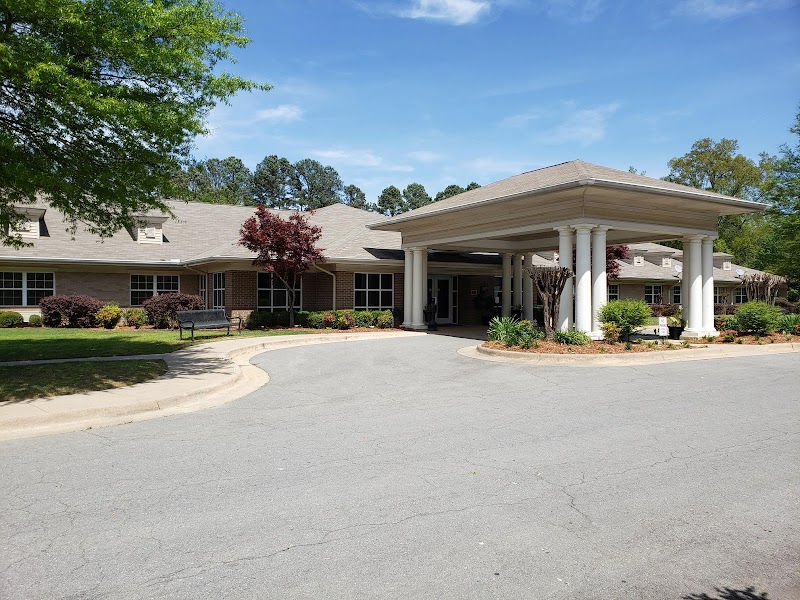
How is Woodland Hills Healthcare And Rehabilitation Staffed?

CMS rates WOODLAND HILLS HEALTHCARE AND REHABILITATION's staffing level at 4 out of 5 stars, which is above average compared to other nursing homes. Staff turnover is 55%, which is 9 percentage points above the Arkansas average of 46%. High turnover can affect care consistency as new staff learn residents' individual needs. RN turnover specifically is 83%, which is notably high. RNs provide skilled clinical oversight, so turnover in this role can affect medical care quality.

What Have Inspectors Found at Woodland Hills Healthcare And Rehabilitation?

State health inspectors documented 35 deficiencies at WOODLAND HILLS HEALTHCARE AND REHABILITATION during 2022 to 2024. These included: 35 with potential for harm.
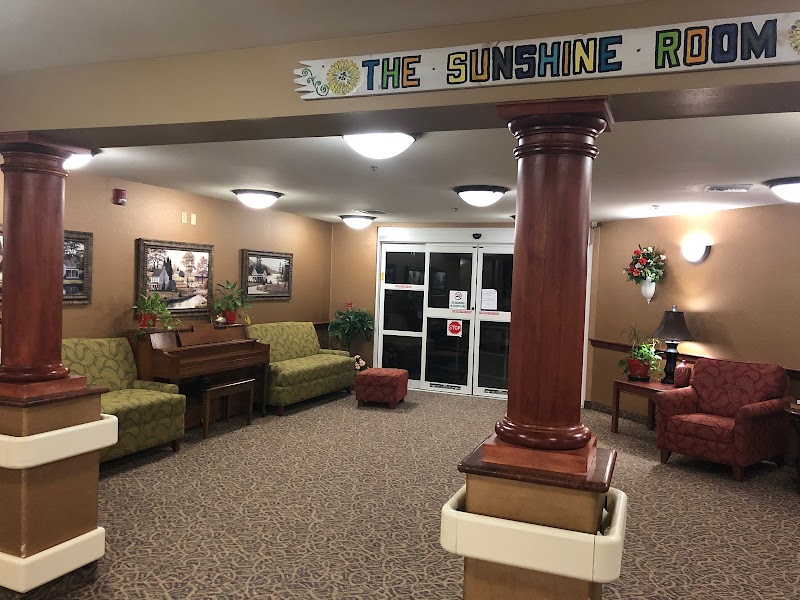
Who Owns and Operates Woodland Hills Healthcare And Rehabilitation?

WOODLAND HILLS HEALTHCARE AND REHABILITATION is owned by a for-profit company. For-profit facilities operate as businesses with obligations to shareholders or private owners. The facility is operated by JAMES & JUDY LINCOLN, a chain that manages multiple nursing homes. With 120 certified beds and approximately 50 residents (about 42% occupancy), it is a mid-sized facility located in JACKSONVILLE, Arkansas.
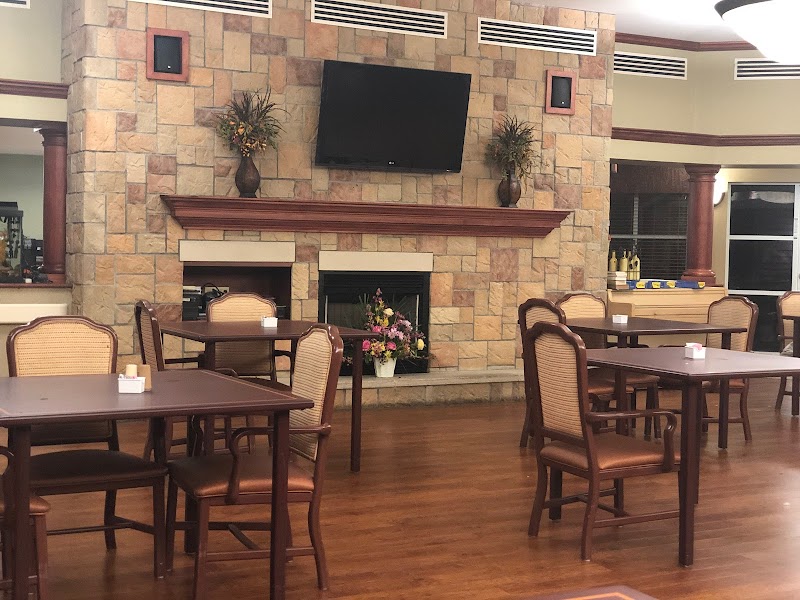
How Does Woodland Hills Healthcare And Rehabilitation Compare to Other Arkansas Nursing Homes?

Compared to the 100 nursing homes in Arkansas, WOODLAND HILLS HEALTHCARE AND REHABILITATION's overall rating (1 stars) is below the state average of 3.1, staff turnover (55%) is near the state average of 46%, and health inspection rating (2 stars) is below the national benchmark.

What Should Families Ask When Visiting Woodland Hills Healthcare And Rehabilitation?

Based on this facility's data, families visiting should ask: "How do you ensure continuity of care given staff turnover, and what is your staff retention strategy?" "Can I visit during a mealtime to observe dining assistance and food quality?" "How do you handle medical emergencies, and what is your hospital transfer rate?" "Can I speak with family members of current residents about their experience?" These questions are particularly relevant given the facility's high staff turnover rate.

Is Woodland Hills Healthcare And Rehabilitation Safe?

Based on CMS inspection data, WOODLAND HILLS HEALTHCARE AND REHABILITATION has a clean safety record: no substantiated abuse findings (meaning no confirmed cases of resident harm), no Immediate Jeopardy citations (the most serious violation level indicating risk of serious injury or death), and is not on the Special Focus Facility watch list (a federal program monitoring the lowest-performing 1% of nursing homes). The facility has a 1-star overall rating and ranks #100 of 100 nursing homes in Arkansas. While no facility is perfect, families should still ask about staff-to-resident ratios and recent inspection results during their visit.

Do Nurses at Woodland Hills Healthcare And Rehabilitation Stick Around?

Staff turnover at WOODLAND HILLS HEALTHCARE AND REHABILITATION is high. At 55%, the facility is 9 percentage points above the Arkansas average of 46%. Registered Nurse turnover is particularly concerning at 83%. RNs handle complex medical decisions and coordinate care — frequent RN changes can directly impact care quality. High turnover means new staff may not know residents' individual needs, medications, or preferences. It can also be disorienting for residents, especially those with dementia who rely on familiar faces. Families should ask: What is causing the turnover? What retention programs are in place? How do you ensure care continuity during staff transitions?

Was Woodland Hills Healthcare And Rehabilitation Ever Fined?

WOODLAND HILLS HEALTHCARE AND REHABILITATION has no federal fines on record. CMS issues fines when nursing homes fail to meet care standards or don't correct problems found during inspections. The absence of fines suggests the facility has either maintained compliance or corrected any issues before penalties were assessed. This is a positive indicator, though families should still review recent inspection reports for the full picture.

Is Woodland Hills Healthcare And Rehabilitation on Any Federal Watch List?

WOODLAND HILLS HEALTHCARE AND REHABILITATION is not on any federal watch list. The most significant is the Special Focus Facility (SFF) program, which identifies the bottom 1% of nursing homes nationally based on persistent, serious quality problems. Not being on this list means the facility has avoided the pattern of deficiencies that triggers enhanced federal oversight. This is a positive indicator, though families should still review the facility's inspection history directly.