THE SPRINGS OF CHENAL
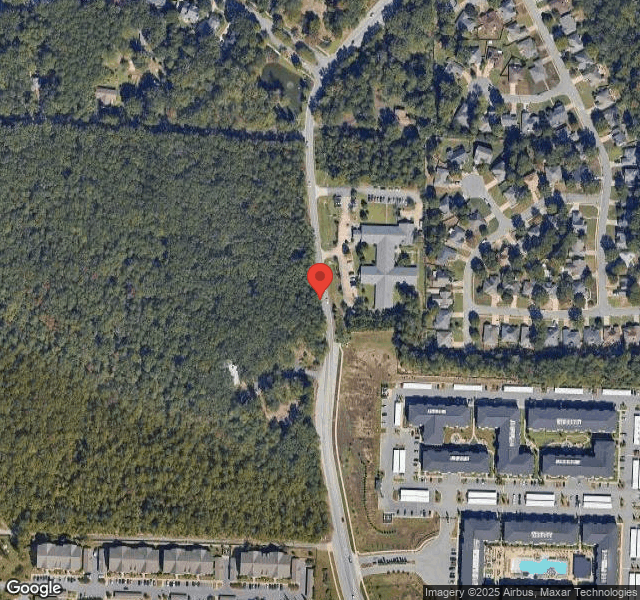
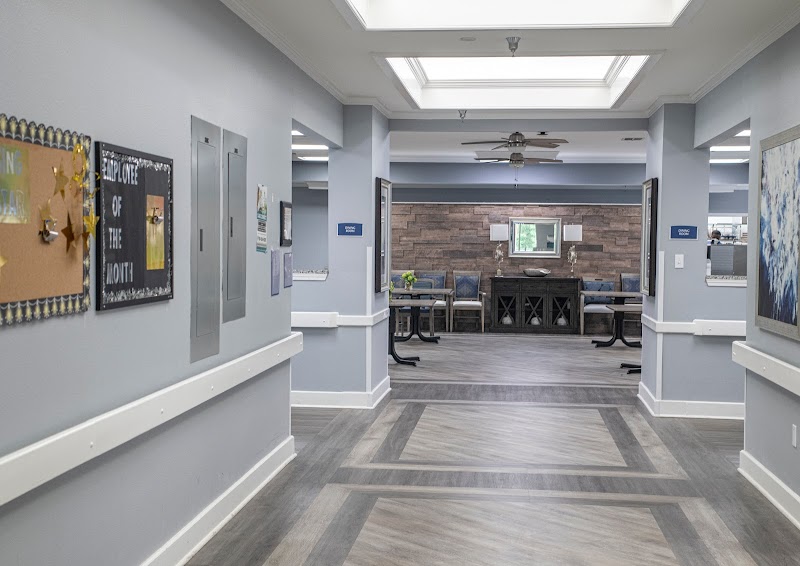
3115 S BOWMAN ROAD, LITTLE ROCK, AR 72211 (501) 228-4848
For profit - Limited Liability company 70 Beds THE SPRINGS ARKANSAS Data: November 2025
Trust Grade
75/100
#44 of 218 in AR
Last Inspection: July 2024

Within standard 12-15 month inspection cycle. Federal law requires annual inspections.

Overview

The Springs of Chenal in Little Rock, Arkansas, has a Trust Grade of B, indicating it is a good choice among nursing homes, although it is not the very best option. It ranks #44 out of 218 facilities in the state, placing it in the top half for Arkansas, and #4 out of 23 in Pulaski County, meaning only three local options are better. The facility is improving, with the number of issues decreasing from 5 in 2024 to just 1 in 2025. However, staffing is a concern, with a low rating of 2 out of 5 stars and a high turnover rate of 75%, which is above the state average. Importantly, there have been no fines reported, which is a positive sign. Specific incidents include a staff member failing to wash their hands before handling food and expired food items not being removed promptly, raising potential health risks for residents. While the home shows strengths in its overall and quality measures ratings, the staffing situation and food safety practices need attention.

Trust Score
B
75/100
In Arkansas
#44/218
Top 20%
Safety Record
Low Risk
No red flags
Inspections
Getting Better
5 → 1 violations
Staff Stability
⚠ Watch
75% turnover. Very high, 27 points above average. Constant new faces learning your loved one's needs.
Penalties
✓ Good
No fines on record. Clean compliance history, better than most Arkansas facilities.
Skilled Nurses
⚠ Watch
Each resident gets only 22 minutes of Registered Nurse (RN) attention daily — below average for Arkansas. Fewer RN minutes means fewer trained eyes watching for problems.
Violations
⚠ Watch
16 deficiencies on record. Higher than average. Multiple issues found across inspections.
★★★★★
5.0
Overall Rating
★★☆☆☆
2.0
Staff Levels
★★★★★
5.0
Care Quality
★★★★☆
4.0
Inspection Score
Stable
2024: 5 issues
2025: 1 issues

The Good

  • 5-Star Quality Measures · Strong clinical quality outcomes
  • Full Sprinkler Coverage · Fire safety systems throughout facility
  • No fines on record

Facility shows strength in quality measures, fire safety.

The Bad

Staff Turnover: 75%

29pts above Arkansas avg (46%)

Frequent staff changes - ask about care continuity

Chain: THE SPRINGS ARKANSAS

Part of a multi-facility chain

Ask about local staffing decisions and management

Staff turnover is very high (75%)

27 points above Arkansas average of 48%

The Ugly 16 deficiencies on record

Feb 2025 1 deficiency
CONCERN (D) 📢 Someone Reported This

A family member, employee, or ombudsman was alarmed enough to file a formal complaint

Potential for Harm - no one hurt, but risky conditions existed

Infection Control (Tag F0880)

Could have caused harm · This affected 1 resident

Based on observation, record review, interviews, and facility policy review the facility failed to ensure staff donned the proper Personal Protective Equipment (PPE) while providing care to 1 (Residen...

Read full inspector narrative →
Based on observation, record review, interviews, and facility policy review the facility failed to ensure staff donned the proper Personal Protective Equipment (PPE) while providing care to 1 (Resident #7) on Enhance Barrier Precautions of 3 sampled residents selected for a complaint against the facility for quality of care/treatment. The findings include: A review of the quarterly Minimum Data Set (MDS) with an Assessment Reference Date (ARD) of 01/15/2025, revealed Resident #7 had a Brief Interview of Mental Status (BIMS) score of 00 indication of severely impaired cognition. A review of the Plan of Care for Resident #7 with a revision date of 10/21/2024, revealed Resident #7 required enteral tube feeding related to dysphagia and was care planned for enhanced barrier precautions (EBP). On 02/11/2025 at 2:00 PM, this surveyor observed Licensed Practical Nurse (LPN) #3 stop Resident #7 ' s continuous enteral feeding and disconnect the feeding pump from the Percutaneous Endoscopic Gastrostomy (PEG) tube without a gown in place. On 02/11/2025 at 2:07 PM, this surveyor observed Certified Nursing Assistant (CNA) #1 and CNA #2 transfer Resident #7 from the bed to the Geri-chair without gowns in place. On 02/11/2025 at 2:20 PM, this surveyor observed LPN #3 reconnect the enteral feeding pump to Resident #7's PEG tube while in the common area without a gown in place. On 02/11/2025 at 2:30PM, this surveyor observed CNA #1 and CNA #2 transfer Resident #7 back to bed without gowns in place. On 02/11/2025 at 2:37 PM, this surveyor observed CNA #1 and LPN #3 provide incontinence care to Resident #7 without gowns in place. On 02/11/2025 at 2:57 PM, during an interview, CNA #1 stated she was not familiar with Enhanced Barrier Precautions (EBP) and did not have a gown in place during transfers or while providing care to Resident #7. On 02/11/2025 at 2:59 PM, during an interview, LPN #3 stated she did not have a gown in place while disconnecting or reconnecting the feeding pump from Resident #7's PEG tube. LPN #3 stated the purpose of EBP was for precautionary measure to prevent transferring bacteria. On 02/11/2025 at 3:00 PM, during an interview, the Director of Nursing (DON) stated staff should wear gown and gloves when providing care to a resident on EBP to protect the resident from microorganisms, germs, or anything the resident could be susceptible to. A policy titled Enhanced Barrier Precautions (copy right date 2024) noted Enhanced Barrier Precaution refer to an infection control intervention designed to reduce transmission of multidrug-resistant organisms that employs targeted gown, and glove[s] use during high contact resident care activities. High contact resident care activities include: dressing, bathing, transferring, providing hygiene, changing linen, changing briefs, device care or use: central line, urinary catheter, feeding tubes, tracheostomy/ventilator tubes, wound care: any skin opening requiring a dressing.
Dec 2024 1 deficiency
CONCERN (D) 📢 Someone Reported This

A family member, employee, or ombudsman was alarmed enough to file a formal complaint

Potential for Harm - no one hurt, but risky conditions existed

Deficiency F0655 (Tag F0655)

Could have caused harm · This affected 1 resident

**NOTE- TERMS IN BRACKETS HAVE BEEN EDITED TO PROTECT CONFIDENTIALITY** Based on record review and interview, the facility failed to ensure a baseline care plan was developed and implemented to meet a...

Read full inspector narrative →
**NOTE- TERMS IN BRACKETS HAVE BEEN EDITED TO PROTECT CONFIDENTIALITY** Based on record review and interview, the facility failed to ensure a baseline care plan was developed and implemented to meet a resident's needs for 1 (Resident #4) of 3 sampled residents reviewed for Respiratory/Tracheostomy (Trach) care. The findings are: A review of a Medical Diagnosis sheet indicated Resident #4 had diagnoses of malignant neoplasm of the larynx and acquired absence of larynx. The admission Minimum Data Set (MDS), with an assessment reference date (ARD) of 09/22/2024, revealed Resident #4 scored 15 (cognitively intact) on a Brief Interview for Mental Status (BIMS). Section O revealed oxygen use: No, Suctioning: Yes, and Trach care: Yes. The baseline Care Plan did not address the resident having a trach. A review of the Progress Notes, Note Text Type: Orders with Administration revealed an order, effective 09/27/24 11:16, to clean the crust off the surgical incision on the neck with 50/50 saline and hydrogen peroxide. Gently wash with soap and water, pat dry, and apply double antibacterial ointment or petroleum jelly to keep it moist. During an interview, on 12/04/2024 at 10:24 AM, the Assistant Director of Nursing (ADON) confirmed she was familiar with Resident #4 and the resident was admitted with a [NAME] tube (a flexible silicone tube that helps keep the airway open after a laryngectomy [surgery that involves removing part or all of the larynx or voice box]). The ADON said that upon admission, Resident #4 had swelling around the trach site and physician orders to clean the surgical incision. She confirmed the baseline care plan should include that the resident had a trach. During an interview, on 12/04/2024 at 10:30 AM, the Director of Nursing (DON) confirmed the baseline care plan should have addressed the presence of the trach and include use and interventions. During an interview, on 12/04/2024 at 10:35 AM, the Treatment Nurse (TN) confirmed that he had been following physician orders to clean the crust off the surgical incision on the neck with 50/50 saline and hydrogen peroxide, gently wash with soap and water, pat dry, and apply double antibacterial ointment or petroleum jelly to keep it moist. Review of a facility policy titled Care Plans - Baseline revised March 2022 indicated A baseline plan of care to meet the resident's immediate health and safety needs is developed for each resident within forty-eight (48) hours of admission. 1. The baseline care plan includes instructions needed to provide effective, person-centered care of the resident that meet professional standards of quality care
Jul 2024 4 deficiencies
CONCERN (D)

Potential for Harm - no one hurt, but risky conditions existed

Deficiency F0578 (Tag F0578)

Could have caused harm · This affected 1 resident

**NOTE- TERMS IN BRACKETS HAVE BEEN EDITED TO PROTECT CONFIDENTIALITY** Based on record review and interview, the facility failed to ensure the residents' decisions as to whether they desired to have,...

Read full inspector narrative →
**NOTE- TERMS IN BRACKETS HAVE BEEN EDITED TO PROTECT CONFIDENTIALITY** Based on record review and interview, the facility failed to ensure the residents' decisions as to whether they desired to have, or not have, an advanced directive, were documented in a prominent part of the clinical record to ensure their wishes were known regarding acceptance or rejection of any life-sustaining treatments in the event of their incapacitation for 1 (Resident #154) of 1 sampled resident whose clinical records were reviewed for advanced directive information. The findings are: 1. Review of the July Order Summary Report noted Resident #154 was admitted on [DATE] with diagnoses of diabetes mellitus, heart failure, and peripheral vascular disease. a. On 07/23/2024 at 8:03 AM, the Surveyor reviewed Resident #154's electronic record and was unable to locate any information for the resident on whether the resident had formulated an advanced directive or not. b. On 07/23/2024 at 12:55 PM, the Director of Nursing (DON) was asked for a copy of Resident #154's advanced directive information. c. On 07/23/2024 at 1:15 PM, the Director of Nursing (DON) came to the surveyor and stated, I cannot find any advanced directive information on this resident. I talked with admissions, and (Resident #154) has been gone from the facility over 30 days, so we are going to get one (new advanced directive information) done now. The DON was asked, Should the advance directive information be gotten when the resident is first admitted ? The DON stated, Yes. The DON was asked, Why is it important that the advanced directive information is gotten when the resident is first admitted ? The DON stated, It is part of the admission paperwork and consent to treat and code status is all vital information we should get when the resident is first admitted . d. On 07/23/2024 at 3:55 PM, the policy titled Advance Directives provided by the Director of Nursing (DON) indicated, Policy Statement: Advanced directives will be respected in accordance with state law and facility policy .Policy Interpretation and Implementation: 6. Prior to or on admission of a resident, the social services director or designee will inquire of the resident, his/her family members and/or his or her legal representative, about the existence of any written advanced directive .7. Information about whether or not the resident has executed an advanced directive shall be displayed prominently in the medical record .
CONCERN (D)

Potential for Harm - no one hurt, but risky conditions existed

Deficiency F0582 (Tag F0582)

Could have caused harm · This affected 1 resident

Based on interview, and record review, the facility failed to ensure an Advanced Beneficiary Notice (ABN) was provided, as required, to allow the resident and/or the resident representative family, de...

Read full inspector narrative →
Based on interview, and record review, the facility failed to ensure an Advanced Beneficiary Notice (ABN) was provided, as required, to allow the resident and/or the resident representative family, decide if the resident wishes to continue receiving skilled services that may not be paid for by Medicare; and of their financial liability for care and services after the Medicare coverage was discontinued for 1 (Resident #3) sampled resident. The findings are: 1. Review of Resident #3's PPS (Prospective Payment System) Part A Discharge (End of Stay) Minimum Data Set (MDS) with an Assessment Reference Date (ARD) of 07/02/2024, indicated Resident #3 scored 12 (8-12 indicates moderately cognitively impaired) on the Brief Interview for Mental Status (BIMS). a. A review of the Physician Order Summary Report indicated Resident #3 had diagnoses of pneumonitis, acute kidney failure, hypertension, major depressive disorder, anoxic brain damage, type II diabetes mellitus, and dysphagia following cerebral infarction. b. Resident #3 Care Plan with a revision date of 06/13/2024 noted Resident #3 had an alteration in neurological status related to disease process anoxic brain damage, with a goal for the resident to show improvement to maximum potential with mobility and cognition. c. On 07/23/2024 at 10:29 AM, the Administrative Consultant (AC) returned the completed SNF (Skilled Nursing Facility) Beneficiary Notification Review forms to the surveyor. The AC stated, We did not send the Advanced Beneficiary Notice (ABN) to Resident #3, or Resident #3's care conference person. We should have, but we didn't. d. On 07/23/2024 at 1:20 PM, the surveyor conducted an interview with the Social Director (SD). The SD was asked who sends out the Advanced Beneficiary Notice (ABN) when a residents Medicare days are ending. The SD stated, I do. The surveyor asked if an ABN was sent out to Resident #3 and Resident #3's designated care conference person. The SD stated, No, The Interdisciplinary Team (IDT) did not notify me that I needed to send it. The surveyor asked the SD how she is notified. The SD stated, During the Medicare, or IDT meeting on Tuesday, they notify me who is coming off Medicare or who isn't skill-able anymore. I found out he was going to long-term care, but I wasn't given a date as to when. On 07/02/2024, the IDT said Resident #3 wasn't skill-able but nothing about sending an ABN. The surveyor asked the SD why it is important to send the ABN to a resident. The SD stated, It lets them know the last covered day of Medicare so the resident can file an appeal to stop the discharge. We set up a Care Plan meeting and Resident #3 went Long-Term Care. The surveyor asked if the family and resident attended. The SD stated, No, the meeting was held on a phone call to the care conference person. The resident was not on the call. This phone meeting took place on 07/03/2024. Resident #3 was already on Medicaid, and we informed the resident's care conference person of the change from Medicare to Medicaid payment for Resident #3's stay. The surveyor asked why Resident #3 was discharged from Part A Medicare services. The SD stated, The IDT team said they did not have any skill-able need.
CONCERN (E)

Potential for Harm - no one hurt, but risky conditions existed

Menu Adequacy (Tag F0803)

Could have caused harm · This affected multiple residents

Based on observation, record review, and interview, the facility failed to ensure meals were prepared and served according to the planned written quantified recipe and menu to meet the nutritional nee...

Read full inspector narrative →
Based on observation, record review, and interview, the facility failed to ensure meals were prepared and served according to the planned written quantified recipe and menu to meet the nutritional needs of the residents for 2 of 2 meals observed. The findings are: 1. On 07/24/2024 at 7:40 AM, the surveyor asked Dietary [NAME] #1, who was on the tray line serving the breakfast meal, how he prepared the fortified cereal for the residents receiving fortified foods, he stated, I added about one fourth quart of butter and two cups of brown sugar. 2. On 07/25/2024 at 8:50 AM, the District Dietary Manager, Food Supervisor #2, and Dietary [NAME] #4 were interviewed by the surveyor. When asked what foods were served to the residents on fortified oatmeal on 07/24/2024 for breakfast they indicated they were served oatmeal prepared by Dietary [NAME] #1. When shown the recipe for fortified oatmeal provided by the facility that documented for 6 servings: whole milk 1 quart 2 cups, cereal 2 cups, margarine 1/4 lb., brown sugar 1/2 cup, granulated sugar 1/2 cup, whole milk 1/2 cup. The District Dietary Manager, Food Supervisor #2, and Dietary [NAME] #4 confirmed that the recipe for fortified oatmeal was not followed. 3. On 07/25/2024 at 9:00 AM, District Dietary Manager, Food Supervisor #2, and Dietary [NAME] #4 were interviewed by Surveyor. When asked what fortified foods were provided to the residents on a fortified diet for lunch on 07/24/2024. Dietary [NAME] #4 stated, We normally provide fortified potatoes, but yesterday we didn't. I put two sugar packs on the trays for the residents on the fortified diet. When asked why fortified foods were not provided to the residents on fortified diets, she stated, I didn't even think about it. Food Supervisor #2 stated, We usually always have fortified potatoes. The Menu provided by Food Supervisor #2 documented fortified cheesy noodles for residents on fortified diet for lunch on 07/24/2024.
CONCERN (F)

Potential for Harm - no one hurt, but risky conditions existed

Food Safety (Tag F0812)

Could have caused harm · This affected most or all residents

Based on observation, record review, and interview, the facility failed to ensure foods in the freezer and storage room were covered, sealed and dated to maintain freshness and prevent potential cross...

Read full inspector narrative →
Based on observation, record review, and interview, the facility failed to ensure foods in the freezer and storage room were covered, sealed and dated to maintain freshness and prevent potential cross contamination; and expired food items foods were promptly removed from stock to maintain freshness and prevent potential cross contamination; dietary staff practiced good hand washing techniques to prevent potential cross contamination of food and clean dishes. The findings are: 1. On 07/24/2024 at 7:41 AM, Dietary [NAME] #1, on the tray line serving the breakfast meal, picked up tray cards and placed them on a tray. Without washing his hands, he picked up the breakfast plates, and with his fingers inside the plate he placed breakfast food on the plate. 2. On 07/24/2024 at 7:50 AM, the following observations were made on the spice rack: a. Rubbed sage with an expiration date of 06/07/2023. b. Ground cayenne pepper with an expiration date of 07/18/2024. 3. On 07/24/2024 at 8:00 AM, on a stand in the walk in freezer, the following observations were observed: a. An opened bag of mixed vegetables with no open date. b. An opened bag of chicken fingers with no open date. 4. On 07/24/2024 at 8:04 AM, the following observations were made on bread rack: a. A bag that contained one hot dog bun with received date of 07/19/2024, did not have opened date. b. A bag that contained two hamburger buns with a received date of 07/19/2024, with no opened date. 5. 07/24/2024 at 8:07 AM, the following observations were made on storage area: a. opened gallon container of soy sauce; the manufacturer specification noted, refrigerate after opening. 6. On 07/24/2024 at 8:25 AM, an unidentified gray item was observed in a sugar container. The surveyor showed the item to Food Supervisor #2 who used a spoon to scoop it out. 7. On 07/24/2024 at 9:27 AM, Dietary Aid #3 lifted the plate warmer and placed clean plates on it, then pushed the lid down. Without washing her hands, she cleaned up clean plates with her fingers inside of them and placed them in the plate warmer. 8. On 07/24/2024 at 9:32 AM, the following observations were made on a shelf in the refrigerator locked in the Med Room: a. A bottle of vanilla protein drink. There was no name on the bottle to identify who it belonged to and no received by date. b. Two cartons of fruit yogurt smoothie had no name or received by date. c. A peach sports drink had no name or received by date on it. d. A bottle of thickened water with no name or no received by date. e. Two cans of prune juice with no name or received by date. f. One bottle of fruit punch with no name or no received by date. Licensed Practical Nurse (LPN) #5 said all the food items in the Med (Medication) Room refrigerator belonged to residents. 9. On 07/24/2024 at 9:38 AM, the following items were observed in the freezer located in the Medication Room: a. There was no temperature gauge in the Medication Room freezer. b. All frozen food items in the freezer were frozen solid. c. Two boxes of chicken broccoli alfredo meals with no name or received by date. d. Three boxes of chocolate ice cream with no name or no received by date. e. One bag of microwaveable turnovers with noted freezer burns. The surveyor asked the Food Supervisor to describe the appearance of the food item, he stated It is freezer burnt. f. Two cartons of cherry and lemon Italian ice with no name or received by date. 10. On 07/24/2024 at 9:48 AM, Dietary [NAME] #4 while wearing gloves, picked up a pan of cake and placed the pan on the counter. Without changing gloves, she began removing cake from the pan and placed the cake on a tray, before icing to serve to the residents for lunch. 11. On 07/24/2024 at 11:04 AM, Dietary [NAME] #1 opened the refrigerator door and took out a bottle of 1% milk and placed it on food preparation counter contaminating his hands. Without washing his hands, he removed two slices of bread and placed them in a blender. Then he unzipped a zip top bag that contained loose gloves, he removed gloves and placed them on his contaminated hands, contaminating the gloves. Without replacing his gloves or washing his hands he added two more slices of bread to the blender and added 1% milk to puree. 12. On 07/24/2024 at 11:12 AM, Dietary [NAME] #1 used a rag to wipe up spilled bread puree from the food preparation area. Without washing his hands, he attached the blade to the base of the blender to be used to puree food for the residents who require puree diet. As he was ready to pour food into the blender, the surveyor immediately stopped Dietary [NAME] #1 and asked what he should have done before handling food items. He stated, Wash my hands and rewash the blender. He then removed the blender and rewashed the blender and washed his hands. 13. On 07/24/2024 at 11:30 AM, Dietary [NAME] #1 used his bare hands to pick up bowls to be used in portioning pureed desert, with his fingers inside of the bowls. 14. On 07/25/2024 at 8:08 AM, Food Supervisor #2, and the District Dietary Manager, called Dietary [NAME] #1 for an interview conducted by the surveyor. The surveyor asked Dietary [NAME] #1 what the steps to hand hygiene were after washing one's hands. He stated, I wash them to get the soap off, then dry them, and turn off the faucet with the paper towel. When asked if it was appropriate to dry hands with a paper towel, turn off the faucet with paper towel, and use same paper towel to again dry hands before throwing the paper towel away, he stated, no. 15. On 07/25/2024 at 8:15 AM, review of the facility provided hand washing policy titled, Hand Washing stated, .2. How to wash your hands: -Wet your hands, -Apply soap, -Rub your hands for 10 seconds, -Rinse your hands for 10 seconds, -Turn off water with clean paper towels, -Dry your hands, -Keep your hands clean. Food Supervisor #2 and the District Dietary Manager stated that the hand washing policy is contradictory in nature and will be revised. 16. On 07/25/2024 at 8:33 AM, the District Dietary Manager provided the Surveyor with a revised facility hand washing policy and stated that will replace the previous hand washing policy.
Jul 2023 1 deficiency
CONCERN (F)

Potential for Harm - no one hurt, but risky conditions existed

Food Safety (Tag F0812)

Could have caused harm · This affected most or all residents

Based on observation and interview, the facility failed to ensure expired beverage/food items were promptly removed from stock to prevent potential food borne illness for residents who received meal t...

Read full inspector narrative →
Based on observation and interview, the facility failed to ensure expired beverage/food items were promptly removed from stock to prevent potential food borne illness for residents who received meal trays from 1 of 1 kitchen; dietary staff washed their hands and changed gloves before handling food items to prevent the potential for cross contamination for residents who received meals from 1 of 1 kitchen and hot food items on the steamtable were maintained at a temperature at or above 135 degrees Fahrenheit while awaiting service, to prevent potential food borne illness for residents who received meals from 1 of 1 kitchen. These failed practices had the potential to affect 40 residents who received meals from the Kitchen (Total Census: 40), according to the list provided by the Dietary Supervisor on 07/17/23 at 3:40 PM. The findings are: 1. On 07/18/23 at 8:21 AM, a can of cocoa on a shelf above the food preparation counter had an expiration date of 03/20/22. 2. On 07/18/23 at 9:19 AM, Dietary Employee (DE) #1 turned off the 3-compartment sink faucet. With her bare hands, scratched her head, contaminating her hands. Without washing her hands, she removed clean dishes, and placed them on the trays to be used in portioning food items to be served to the residents for lunch with her fingers inside the plates. 3. On 07/18/23 at 9:44 AM, DE #1 lifted the plate warmer lid, contaminating her hands. Without washing her hands, she picked clean plates and placed them in the plate warmer with her fingers touching the inside of the plates. 4. On 07/18/23 at 9: 49 AM, DE #2 washed the blender bowl in the 3-compartment sink. After washing the bowl, she turned off the faucet with her bare hands, contaminating them. She then, sanitized the bowl, then picked up a clean blade that was on the clean side of the dishes and attached it to the base of the blender to be used in pureeing food items to serve to the residents on regular diets. 5. On 07/18/23 at 11:10 AM, DE #2 turned on the 3-compartment sink faucet and washed the blender bowl, then sanitized it. Without washing her hands, she picked a clean blade and attached it to the base of the blender to be used in pureeing food items to be served to the residents on pureed diets for lunch meal. 6. On 07/18/23 at 11:14 AM, DE #1 pushed a cart that contained two trays with glasses of ice towards the counter attached to the steam table. At 11:15 AM, DE #1 opened the refrigerator and took out a pitcher of punch and placed it on the counter. Without washing her hands, she picked up glasses from the tray by the rims and placed them on the counter and poured punch in them. She placed the glasses back on the trays, covered them with a lid and placed them in the refrigerator to be served to the residents for the lunch meal. At 12:06 PM, the Surveyor asked, What should you have done after touching dirty objects and before handling clean equipment? She stated, I should have washed my hands. 7. On 07/18/23 at 11:23 PM, DE #2 turned on the 3-compartment sink faucet and washed the blender bowl, then sanitized it. Without washing her hands, she picked up a clean blade and attached it to the base of the blender to be used in grounding meat products to be served to the residents on mechanical soft diets. At 1:18 PM, the Surveyor asked, What should you have done after touching dirty objects and before handling clean equipment? She stated, I should have washed my hands. 8. On 07/18/23 at 11:48 AM, DE #2 placed 2 dinner rolls into a blender. When she was about ready to pour a carton of milk that had been sitting on the counter since 11:35 AM on the dinner rolls to puree, the Surveyor asked for the temperature of the milk to be checked. She did so, and stated, It is 50 degrees Fahrenheit. I will use another milk. 9. On 07/18/23 at 12:07 PM, the temperatures of the food items on the steam table when checked and read by DE #2 were as follows: a. Pureed broccoli - 127 degrees Fahrenheit. b. Pureed rolls with milk - 89 degrees Fahrenheit. The above food items were not reheated before being served to the residents on a puree diet. At 1:18 PM, the Surveyor asked DE #2, What would you do, if food items were not hot enough on the steam table? She stated, Take them out and reheat them. 10. The facility policy titled, Hand Washing , provided by the Dietary Supervisor on 07/19/23 at 11:38 AM documented, Policy: Staff will wash hands and exposed portions of their arms. Purpose: To remove contamination after entering the kitchen, touching bare human body parts ., handling soiled utensils or equipment, during food preparation . before donning gloves for working with food, and after engaging in their activities that contaminates the hands . Procedure: 1. Rinse hands under clean, running warm water. 2. Apply soap. 3. Rub together vigorously for approximately 20 seconds. 4. Rinse thoroughly under clean, running warm water. 5. Shut off the water faucet without contaminating clean hands (i.e., by using a paper towel) .
May 2022 9 deficiencies
CONCERN (D)

Potential for Harm - no one hurt, but risky conditions existed

Comprehensive Care Plan (Tag F0656)

Could have caused harm · This affected 1 resident

Based on record review and interviews the facility failed to ensure care plans were updated for 1 (Resident #6) of 5 (Resident #6, 35, 37, 39 and 241) sampled residents who had orders for updraft trea...

Read full inspector narrative →
Based on record review and interviews the facility failed to ensure care plans were updated for 1 (Resident #6) of 5 (Resident #6, 35, 37, 39 and 241) sampled residents who had orders for updraft treatments and 1 (Resident #24) of 8 (Resident #6 22, 31, 35, 36, 37, 39 and 241) residents who received oxygen. This failed practice had potential to affect 10 residents who had physician orders for oxygen according to a list provided by the Administrator on 4/21/22 at 8:53 AM. The findings are: 1. Resident #6 had diagnoses of Unspecified Abnormalities of Breathing, COVID-19, Type 2 Diabetes Mellitus, Pneumonia and Acute Pulmonary Edema. The Quarterly Minimum Data Set (MDS) with an Assessment Reference Date (ARD) of 1/18/22 documented the Resident scored 5 (0-7 indicates severe cognitive impairment) on a Brief Interview of Mental Status (BIMS). a. The April 2022 Physician Orders documented, .Albuterol Sulfate Nebulization Solution (2.5 MG/3ML) [milligrams/milliliters] 0.083% 3 ml inhale orally via nebulizer two times a day for SOB [Shortness of Breath] related to Unspecified Abnormalities of Breathing, Dysphagia, Oral Phase . Start Date: 05/18/2021 . b. The Resident Plan of Care revised on 4/20/22 did not address the updraft nebulizer respiratory treatment. c. On 04/18/22 at 06:28 PM, Resident #6 was lying in bed, and her on the top drawer of her bed side table, not bagged. d. On 04/19/22 at 10:57 AM, Resident #6 was lying in bed and the Updraft Nebulizer mask was on the top drawer of her bed side table, not bagged. The Resident was asked, Do you get breathing treatments? She stated, Yes. She was asked, How often? She stated, All the time. The resident was asked, Do you give them to yourself? She stated No, the nurses do. e. On 04/20/22 at 11:05 AM, the Director of Nursing (DON) was asked while looking at a photo of Resident #6's unbagged Updraft Nebulizer Mask, Should her Updraft Nebulizer Mask be stored like this? She stated, No. She was asked, How should it be stored? She stated, It should be bagged and dated. She was asked, What might the outcome be being stored like this? She stated, Cross Contamination and possible URI [Upper Respiratory Infection]. She was asked, Should her Updraft Nebulizer Mask be care planned? She stated, Yes. 2. Resident #24 had a diagnosis of Malnutrition and Pressure Ulcer. The Quarterly MDS with an ARD of 3/14/22 documented the resident scored 13 (13-15 indicates cognitively intact); on a Brief Interview for Mental Status (BIMS). a. 04/18/22 at 06:33 PM, the resident was lying in the bed on her back with oxygen on at 6 liters per minute (lpm) via nasal cannula. The was no humidifier attached to the concentrator. b. 04/19/22 at 10:12 PM, the resident was lying in the bed on her back with oxygen on at 6 lpm via nasal cannula. The was no humidifier attached to the concentrator. c. 04/19/22 at 12:41 PM, the resident was lying in the bed on her back with oxygen on at 6 lpm via nasal cannula. The was no humidifier attached to the concentrator. d. 04/20/22 at 10:00 AM, The Director of Nursing (DON) was asked, Should oxygen be care planned? She said, Yes.
CONCERN (D)

Potential for Harm - no one hurt, but risky conditions existed

Incontinence Care (Tag F0690)

Could have caused harm · This affected 1 resident

Based on observation, record review, and interview, the facility failed to ensure residents were thoroughly cleansed when performing incontinent care for in accordance with accepted standards of nursi...

Read full inspector narrative →
Based on observation, record review, and interview, the facility failed to ensure residents were thoroughly cleansed when performing incontinent care for in accordance with accepted standards of nursing practice for 1 (Residents #37) of 9 (Residents #3, #13, # 14, # 18, #24, # 29, # 31, # 37 and #93) sample residents who were dependent on staff for incontinent care, according to a list provided by the Administrator on 04/21/22. The findings are: Resident #37 had diagnoses of Vascular Dementia, Percutaneous Endoscopic Gastrostomy (PEG) and Dysphagia. The Quarterly Minimum Data Set with an Assessment Reference Date of 3/3/22 documented the resident was severely impaired in cognitive skills for daily decision making on the Staff Assessment for Mental Status (SAMS) required extensive assistance of 2 plus people for toilet use and required extensive assistance of one person for personal hygiene a. On 04/20/22 at 08:35 AM, Licensed Practical Nurse#1 (LPN) entered the resident's room and noticed the resident had had a bowel movement. LPN # 1 called for Certified Nursing Assistant (CNA) #1 to come assist with changing the resident. LPN # 1 removed the covers off of the resident and wiped down the resident's right side of the peri area using a wipe. She discarded the wipe in the clear bag at the foot of the bed. She said to the CNA, I am going to let you come over here and do this. I don't want to do anything wrong. The CNA walked to the resident's right side and wiped down the right side of the peri area. He discarded the wipe in the clear trash bag. He did this 2 times using a new wipe and each time discarded it in the trash bag. He used a wipe and wiped down the left side of the peri area. He discarded the wipe in the clear trash bag. He did this 2 times using a new wipe each time discarding in the trash bag. He spread the labia apart and wiped down the center and discarded the wipe. There was brown loose feces still on the wipe. They rolled the resident over to her left side. He cleaned each side of buttock area with one wipe and discarded the wipe. He placed a brief under the resident buttock area and rolled her back on her back. LPN # 1 pulled the brief up on the left side and fastened the brief. The CNA pulled up the brief on the resident's right side. He was fastening the brief when he was asked to stop. He was asked to please use a wipe and go down the middle of the resident's labia. He removed the brief and there was loose brown feces on the wipe. He discarded the wipe and retrieved a clean one. He did this 5 times until the resident was clean. The CNA was asked, Was the resident clean as you were putting the brief on the resident? He said, No. b. On 04/20/22 at 10:00 AM, the Director of Nursing (DON) was asked, When providing incontinent care, should all areas of the resident be thoroughly cleansed? She said, Yes. c. The Perineal Care policy provided by the Administrator on 04/20/22 at 10:51 AM documented, . Purpose 1. To promote cleanliness and prevent infection. 2. To remove irritating and odorous secretions. 3. To prevent extended skin exposure to incontinence of urine/feces .
CONCERN (E)

Potential for Harm - no one hurt, but risky conditions existed

Transfer Notice (Tag F0623)

Could have caused harm · This affected multiple residents

**NOTE- TERMS IN BRACKETS HAVE BEEN EDITED TO PROTECT CONFIDENTIALITY** Based on record review and interview, the facility failed to notify the resident representative in writing of the reason for tra...

Read full inspector narrative →
**NOTE- TERMS IN BRACKETS HAVE BEEN EDITED TO PROTECT CONFIDENTIALITY** Based on record review and interview, the facility failed to notify the resident representative in writing of the reason for transfer to hospital for 3 (Resident #31, 13, and 17) of 10 (Resident #31, 13, 17, 24, 40, 23, 11, 38, 93, and 37) sampled residents who transferred to the hospital in the last 6 months. The findings are: 1. Resident (R) #31 had diagnoses of Atrial Fibrillation, Chronic Respiratory Failure and Heart Failure. The admission Minimum Data Set (MDS) with the Assessment Reference Date (ARD) of 3/14/22 documented a score of 4 (0-7 indicates severe impairment) on the Brief Interview for Mental Status (BIMS). a. A Progress Note dated 3/4/22 documented, . Nursing observations, evaluation, and recommendations are Resident observed sweating. Vital signs reported and were abnormal. Resident blood pressure elevated, increased heart rate. Bilateral lung sounds sounded [NAME] drums. ADON [Assistant Director of Nursing] notified. MD [Medical Doctor] notified and ordered to send resident out to ER [emergency room] . b. A Notice of Transfer/Bed hold User Defined Assessment (UDA) documented, . Date of Notice: 3/4/22 . To: Hospital . the following reason: The transfer or discharge is necessary for the resident . The UDA form did not document a reason for the transfer to the hospital. c. A Policy titled, Transfer and Discharge provided by the Administrator on 4/20/22 at 1:03 PM documented, . the Social Services Director/Designee will notify the resident and the resident's representative in writing in a language and manner they understand . d. On 04/20/22 at 07:49 AM, the Administrator stated, We QA'd [Quality Assurance] that in February [2022] we realized that no one was assigned to that task. e. A Performance Improvement Plan (PIP), provided by the Administrator on 4/20/22 at 9:22 AM documented, Start sending bed hold notifications for hospital discharge . To ensure that all bed hold notifications are being sent to residents/family when a resident discharges to the hospital . The PIP did not include notifying the resident's representative in writing of the reason for transfer to hospital in a language they understand. f. On 04/20/22 at 10:36 AM, the Administrator was asked to provide a copy of the Notice of Transfer/Discharge that would have been sent to Resident #31's representative with the reason for transfer in writing and in a language they understand. He stated, The UDA form was built by our Corporate and the reason for discharge is a blanket statement that is the same on all of the forms. We will start today filling in a specific reason for discharge. 2. R#13 had diagnoses Other Sequelae of Cerebral Infarction, Other Cerebral Infarction, encounter for Attention to Gastrostomy, Encephalopathy, Dysphagia following other Cerebrovascular Disease, Persistent Vegetative State and Mild Protein-Calorie Malnutrition. The Annual Minimum Data Set (MDS) with an Assessment Reference Date (ARD) of 2/9/22 documented the resident was Comatose, most Recent Admission/Entry or Reentry into this Facility was 3/9/21; Type of Entry: Reentry from an Acute hospital. a. A Progress Note dated 01/26/22 at 1:00 PM documented, Late Entry: Note Text: Resident throwing up approx. 120 ml [milliliters] of bright red blood, skin cool to touch and diaphoretic. Resident alert. BS [blood sugar] 150. An on-call APRN [Advanced Practice Registered Nurse] was notified. N.O. [New Order] send resident to ER for eval [evaluation]/treatment. The Responsible party was notified, and they requested that the resident be sent to [Medical Center]. The Resident was transported to [Medical Center] via [by] [emergency medical personnel]. b. A Progress Note dated 3/20/22 at 19:28 (7:28 PM) documented, Note Text: Witness resident projectile vomiting. This nurse noticed that the Resident's abdomen was distended and that he was in distress. Transfer by [emergency medical personnel] to [hospital]. Notified wife, daughter . c. On 4/20/22 at 11:00 AM, the Administrator was asked, Do you have written documentation given to his Responsible Party for the reason for resident's hospitalization on 1/26/22 and 3/20/22? He said, I will check. d. A Notice of Transfer/Bed hold User Defined Assessment (UDA) was received from the Administrator on 4/20/22 at 11:38 AM and signed by the Social Director on 3/22/22 documented, . Date of Notice: 3/20/22 . To: Hospital . For the following reason: The transfer or discharge is necessary for the resident (checked) The safety of individuals in the facility is endangered due to the resident (checked) . The UDA form did not document a reason for the transfer to the hospital. e. On 4/20/22 at 11:40 AM, the Administrator was asked, Do you have the Notice of Transfer/Bed hold for his hospitalization for 1/26/22? He said, No. He was then asked, Do you have written documentation for the reason for transfer to the hospital on 1/26/22 and 3/20/22? He said, No, didn't know we needed to do this until yesterday. This will be added to the Transfer/Bed hold form. 3. Resident #17 had diagnoses of Hemiplegia and Hemiparesis following unspecified Cerebrovascular Disease affecting Left Non-Dominant side, Dependence on Renal Dialysis, and Acute Kidney Failure. The Annual MDS with an ARD of 2/22/22 documented the resident had a score of 14 (13 - 15 indicates cognitively intact) on the BIMS. a. The Progress Note dated 10/21/21 at 8:00 PM documented, Note Text: resident requested to go to [Medical Center] for left upper extremity swelling. spoke with DON [Director of Nursing] and provider and a stat [immediate] lue [left upper extremity] x-ray was suggested before transporting out to the emergency room. Resident refused stat x-ray and demanded to be sent out to [Medical Center #1]. DON/APRN notified. Resident sent out for evaluation. b. The INTERACT (Interventions to reduce Acute Care Transfers) and the SBAR (Situation, background, assessment and recommendation) Summary for Providers dated 12/6/2021 documented, Situation: The Change in Condition/s reported on this CIC (Change in Condition) Evaluation are/were: Stroke/CVA [Cerebral Vascular Accident]/TIA [Transient Ischemic Accident]/new neurological signs at the time of evaluation. - SEND RESIDENT OUT FOR OBSERVATION AND EVALUATION c. On 1/3/22 at 2:57 PM, Progress Note documented, Note Text: SEND TO [Medical Center #2] ER [Emergency Room] FOR EVAL [evaluation] OF LEFT ARM R/T [related to] swelling one time only related to acute embolism and thrombosis of superficial veins of left upper extremity for 1 day send to [Medical Center #2] ER for eval of left arm r/t swelling . [APRN] @ facility with new order: send res. [resident] to [Medical Center #2] ER [emergency room] for eval of left arm r/t [related to] swelling. notified res. guardian . d. On 4/20/22 at 11:00 AM, the Administrator was asked, Do you have written documentation given to his Responsible Party for the reason for the resident's hospitalization on 10/21/21, 12/6/21 and 1/3/22? He said, I will check. e. A Notice of Transfer/Bed-hold User Defined Assessment (UDA) received from the Administrator on 4/20/22 at 11:38 AM and was signed by the Social Director on 10/21/22 documented, . Date of Notice: 10/21/22 . To: Hospital . For the following reason: The transfer or discharge is necessary for the resident (checked) . The UDA form did not document a reason for the transfer to the hospital. f. On 4/20/22 at 11:40 AM, the Administrator was asked, Do you have the Notice of Transfer/Bed-hold for his hospitalization for 12/6/21 and 1/3/22? He said, No. He was then asked, Do you have written documentation for the reason for transfer to the hospital on [DATE], 12/6/2,1 and 1/3/22? He said, No, didn't know we needed to do this until yesterday. This will be added to the Transfer/Bed-hold form.
CONCERN (E)

Potential for Harm - no one hurt, but risky conditions existed

Quality of Care (Tag F0684)

Could have caused harm · This affected multiple residents

**NOTE- TERMS IN BRACKETS HAVE BEEN EDITED TO PROTECT CONFIDENTIALITY** Based on record review and interviews, the facility failed to ensure Clonidine was to be given according to Physician Orders for...

Read full inspector narrative →
**NOTE- TERMS IN BRACKETS HAVE BEEN EDITED TO PROTECT CONFIDENTIALITY** Based on record review and interviews, the facility failed to ensure Clonidine was to be given according to Physician Orders for 1 (Resident #17) of 4 (Resident #11, #17, #37 and #241) Sample Selected Residents. These failed practices had the potential to affect 6 Residents who received Clonidine according to a list provided by the Administrator on 4/21/22 at 12:35 PM. The findings are: Resident (R)17 had diagnoses Hypertension, Peripheral Vascular Disease, The Annual Minimum Data Set (MDS) with an Assessment Reference Date (ARD) of 2/22/22 documented the resident scored 14 (13 - 15 indicates cognitively intact), on a Brief Interview for Mental Status. a. The April 2022 Physician Orders documented, .Clonidine HCL [Hydrochloride] Oral Tablet 0.1 MG [milligram] Give 0.1 mg by mouth .every 4 (four) hours as needed for High Blood Pressure (Systolic [greater than] 160 Diastolic [greater than] 90.) Start Date: 4/20/2022 . The DON clarified the order and stated that she read the order as either/both. b. The February 2022 Medication Administration Record (MAR) documented, .Blood Pressure 2/4/22 AM 174/81, PM 174/81; 2/18/22 AM 173/77, PM 178/78; 2/19/22 AM 178/78; 2/21/22 155/92 . The February 2022 MAR documented NO Clonidine HCL was administered. c. The March [DATE] documented, .Blood Pressure 3/15/22 AM 190/96; PM 187/89; 3/18/22 AM 182/70; 3/21/22 PM 178/98 . The March 2022 MAR documented NO Clonidine HCL was administered for the above out of parameters of Blood Pressure readings. d. The April 2022 MAR documented, Blood Pressure 4/5/22 AM 178/88; 4/7/22 AM 177/87; 4/9/22 AM 181/95, PM 181/95; 4/12/22 AM 188/88, PM 188/88; 4/14/22 PM 170/76; 4/15/22 AM 170/76; 4/16/22 PM 186/73; 4/17/22 AM 186/73 . The April 2022 MAR documented NO Clonidine HCL administered. e. On 4/20/22 at 3:00 PM, the Director of Nursing (DON) was shown the resident's Clonidine order and then shown his February, March and April 2022 MARS blood pressure readings and Clonidine given. She was asked, How do you interpret his Clonidine orders? She said, He should get the Clonidine if his blood pressure is greater than 160 Systolic and/or greater than 90 Diastolic. She was then shown all of the Blood Pressure readings on each MARS where the Systolic was greater than 160 or the Diastolic was greater than 90 and then shown each MAR and shown where the Clonidine was given or not given. She was asked, Did he get Clonidine when his Blood Pressure was greater than 160 Systolic and/or greater than 90 Diastolic? She said, Not each time. She was asked, What could the outcome be if he is not given this medication as ordered? She said, It could cause him to have a Stroke, he has a history of Strokes.
CONCERN (E)

Potential for Harm - no one hurt, but risky conditions existed

Tube Feeding (Tag F0693)

Could have caused harm · This affected multiple residents

Based on observation, record review, and interview, the facility failed to ensure medications and water flushes for a Percutaneous Endoscopies Gastrostomy (PEG) were administered via gravity and hand ...

Read full inspector narrative →
Based on observation, record review, and interview, the facility failed to ensure medications and water flushes for a Percutaneous Endoscopies Gastrostomy (PEG) were administered via gravity and hand hygiene and other sanitary conditions were completed to prevent potential infections for 1 (Resident #37) and the bag of formula and water flush were labeled correctly for 3 (Resident #13, #37, #291) of 4 Resident (#7, #13, #37 and #291) sampled residents who had a PEG tube. The findings are: 1. Resident (R) 291 had a diagnosis of Dysphagia Following Cerebral Infarction, Malnutrition (protein or calorie) or at risk for malnutrition. The Quarterly Minimum Data Set (MDS) with an assessment reference date (ARD) of 01/26/2022 documented the resident was severely impaired in cognitive skills for daily decision making per the Staff Assessment for Mental Status (SAMS), was totally dependent on the assistant of one person for eating, received 51% or more calories and 501 milliliters of fluid per day via peg tube. a. A Care Plan dated 7/31/2021 documented, . requires tube feeding r/t [related to] dysphagia .The resident is dependent with tube feeding and water flushes. See MD [Medical Doctor] orders for current feeding orders . b. A Physicians Order date 3/21/2022 documented, Enteral Feed Order every shift Jevity 1.5 at 50cc [cubic centimeters]/ [per] hr [hour] x [times] 23 hours with 40cc/hr [hour] water flushes. May substitute Vital 1.5. c. On 04/19/22 at 12:01 PM, Resident #291 was lying in bed with around 500 milliliters of liquid infusing by peg tube. The bag containing formula was identified as Jevity with a date of 04/18/2022. The formula bag did not identify contents properly, there was no time indicating when the formula started, and no flow rate the formula was to infuse at. d. On 4/21/2022 at 10:22 am, Licensed Practical Nurse (LPN)#1 was asked, When hanging formula for a resident receiving feedings by peg tube what information do you write on the bag? LPN #1 stated, You have to put the date, the time, the resident's name, the name of the formula, and the rate on the bag with formula. e. On 4/21/2022 at 10:30 am, the Director of Nursing (DON) was asked, When hanging formula for a resident receiving feedings by peg tube what information do you write on the bag? The DON stated, Resident's name, the current date the bag was hung, the time formula started, the infusion rate, and the kind of formula, f. On 4/21/2022 at 10:35 am, the DON was asked, If any of the information is missing from the bag containing the formula what should the nurse do? The DON stated, The bag should be removed, and a new bag should be hung containing the correct information because you don't know what formula is in the bag. 3. Resident #37 had diagnoses of Vascular Dementia, Percutaneous Endoscopic Gastrostomy (PEG) and Dysphagia. The Quarterly Minimum Data Set with an Assessment Reference Date of 3/3/22 documented the resident severely impaired in cognitive skills for daily decision making on the Staff Assessment for Mental Status (SAMS), was totally dependent on the assistance of 1 person for eating and received 51% or more calories and 501cc/day or more fluid intake via the PEG tube. a. On 04/18/22 at 06:27 PM, a bag of Jevity formula was hanging and dated 4/18/22. There was not a label with what type of Jevity, the rate or the start time of the feeding. b. On 04/19/22 at 09:58 AM, a bag of Jevity hanging dated 04/18/22 but had 04/19/22 written over it. There was not a label with what type of Jevity, the rate or the start time of the feeding. c. The April 2022 Physician Orders documented, . Change enteral tubing/spike set and syringe daily every night shift every Sun [Sunday] for Change, Date, And Initial All Tubing .Enteral Feed Order every shift VITAL 1.5 TO CONTINUOUSLY RUN @ 50ML/HR [milliliters per hour] WITH H2O [water] Flush 40ml/hr [hour] . Flush Feeding Tube with 100 cc of water per tube q [every] 3 HOURS May use gravity or slow push every shift related to . May use Osmolyte 1.5 in place of Vital 1.5 . Phone Active 04/14/2022 . d. On 04/20/22 at 08:15 AM, Licensed Practical Nurse (LPN) #1 prepared medications for Administration. She didn't wash or sanitize her hands before she donned on her gloves. LPN#1 disconnected the feeding tube from the pump to the resident. She did not turn off the pump or put it on hold. She did not cap the end of the feeding tube. She placed the feeding tube over the pole of the feeding pump. The feeding tube was dripping formula to the floor. She placed a 60 cc syringe into the gastric port of the feeding tube. She pulled the plunger back to approximately 20 cc without any gastric contents. The LPN pushed the air back into the syringe in the gastric port. She pulled the plunger out of the syringe. She poured 60 cc water into the syringe. The contents would not flow via slow gravity. She then grabbed the plunger and inserted into the syringe. She pushed the water through the syringe with the plunger. She removed the plunger. She picked up the contents of the crushed medication mixed with water and poured into the syringe. The contents would not flow via slow gravity. She then picked up the plunger and inserted into the syringe. She pushed the medications through the syringe with the plunger. She removed the plunger. She poured 60 cc water into the syringe. The contents would not flow via slow gravity. She then picked up the plunger and inserted into the syringe. She pushed the water through the syringe with the plunger. She removed the plunger. She never changed gloves, washed hands, or sanitized hands. She reattached the feeding tube to the gastric port with the formula dripping. e. On 04/20/22 at 10:00 AM, the DON received a photo of the bag with Jevity dated 4/18/22 written on it. The DON was asked, Is that an appropriate label? She said, No. She was asked, What is ordered for her feeding? She read from the physician orders, Vital if not available can use Osmolyte., She was asked, Is the Jevity ordered? She said, No, I don't know why they used that. The DON received another picture of a bag with Jevity dated 4/19/22 written on the bag. The DON was asked, Does it look like they wrote over the 18 to make it a 19? She said, Yes, that bag should have been changed out last night. 4. The Medication Administration . Enteral Tube Medication Administration policy provided by the DON on 04/20/22 at 01:27 PM, documented, . The facility assures the safe and effective administration of enteral formulas and medications. Selection of enteral formulas, routes and methods of administration, and the decision to administer medications via enteral tubes are based on nursing assessment of the resident's condition, in consultation with the physician . Procedures 1. Enteral formulas, equipment, route of administration and rate of flow are selected based on a Nursing Assessment of the residents' condition and need with physician . A policy documented, Care and Treatment of Feeding Tubes documented, . Policy It is a policy of this facility to utilize feeding tubes in accordance with current clinical standards of practice, with interventions to prevent complications to the extent possible . Procedure/Protocol: 1. Feeding tubes will be utilized according to physician's orders, which typically include; the kind of feeding and its caloric value, volume, duration, mechanism of administration, and frequency of flush . 6. In accordance with facility protocol, licensed nurses will monitor and check that the feeding tube is in the right location (e.g., stomach or small intestine, depending on the tube): a. Tube placement will be verified before beginning a feeding and before administering medications . 2. Resident #13 had diagnoses Other Sequelae of Cerebral Infarction, Other Cerebral Infarction, encounter for Attention to Gastrostomy, Encephalopathy, Dysphagia Following other Cerebrovascular Disease, Persistent Vegetative State and Mild Protein-Calorie Malnutrition. The Annual Minimum Data Set (MDS) with an Assessment Reference Date (ARD) 2/9/22 documented the resident was totally dependent on one person for eating, received 51% (percent) or more total calories and 501 cc (cubic centimeter)/day or more average fluid intake/day by tube feeding. a. The April 2022 Physician Orders documented, .Enteral Feed Order every shift related to Dysphagia following other Cerebrovascular Disease . Glucerna 1.5 to run @ [at] 70 cc/hr. [cubic centimeters per hour] via pump continuous. May disconnect prn [as needed] for ADL's, medications, flushes, etc. b. On 4/18/22 at 6:25 PM, R13 Tube Feeding (TF) bag was not labeled (with contents), nor dated or timed when hung. c. On 04/19/22 at 02:37 PM, R13 Tube Feeding bag was not labeled/dated/time. d. On 04/20/22 at 11:12 AM, the Director of Nursing (DON) was asked after showing her the pictures of TF bag, Can you tell by these pictures what is in his TF bag? She stated, No. She was asked, What should this bag look like? She stated, It should have what the feeding is, and date and time it was hung. She was asked, What could the consequences be if none of this was done? She stated, It may have the wrong formula in it, and you can't tell if it is not dated or timed if the correct amount has infused.
CONCERN (E)

Potential for Harm - no one hurt, but risky conditions existed

Respiratory Care (Tag F0695)

Could have caused harm · This affected multiple residents

**NOTE- TERMS IN BRACKETS HAVE BEEN EDITED TO PROTECT CONFIDENTIALITY** Based on observations, record review, and interview, the facility failed to ensure oxygen was ordered and administered at the pr...

Read full inspector narrative →
**NOTE- TERMS IN BRACKETS HAVE BEEN EDITED TO PROTECT CONFIDENTIALITY** Based on observations, record review, and interview, the facility failed to ensure oxygen was ordered and administered at the prescribed flow rate for 1 (Resident #24) of 9 (Residents #6, #22, #24, #31, #35, #36, #37, #39 and #241) sampled residents who received oxygen and failed to ensure a nebulizer mask was stored in a closed bag or container when not in use to prevent potential cross contamination for 2 (Residents #37 and #6) of 5 (Residents #6, #35, #37, #39 and #241) sampled residents who used updraft treatments and failed to ensure infection control practices were completed during the administration of an updraft treatment via a tracheostomy to prevent potential contamination for 1 of 1 (Resident #37) sampled resident who had a tracheostomy. The findings are: 1. Resident #24 had diagnoses of Malnutrition and Pressure Ulcer. The Quarterly Minimum Data Set (MDS) with an Assessment Reference Date (ARD) of 3/14/22 documented the resident scored 13 (13-15 indicates cognitively intact) on a Brief Interview for Mental Status (BIMS) had no documented oxygen therapy. a. On 04/18/22 at 06:33 PM, the resident was lying in the bed on her back with oxygen on at 6 liters per minute (lpm) via nasal cannula. The was no humidifier attached to the concentrator. b. On 04/19/22 at 10:12 AM and at 12:41 PM, the resident was lying in the bed on her back with oxygen on at 6 lpm via nasal cannula. The was no humidifier attached to the concentrator c. On 04/20/22 at 10:00 AM, the Director of Nursing (DON) was shown a picture of the oxygen setting dated 04/18/2022 and was asked, What is that set on? She said, It's close to 6. She was asked, What is her order for oxygen? She said, I don't see one. She was asked, Should you have an order for oxygen administration? She said, Absolutely. d. An Oxygen Management policy provided by the Administrator on 04/20/22 at 10:51 AM documented, . It is the policy of this facility to require physician's order for administering oxygen. Oxygen tubing must be kept off the floor. Humidifier (if applicable) and nasal cannula shall be changed every week and when needed . Procedure/Protocol: 1. Verify order in the patient's medical record . 2. Resident #37 was admitted to the facility on [DATE] and had diagnoses of Vascular Dementia, Percutaneous Endoscopic Gastrostomy (PEG) and Dysphagia. The Quartley Minimum Data Set with an Assessment Reference Date of 3/3/22 documented the resident scored 3 (3 indicates severe cognitively impairment) on the Staff Assessment for Mental Status (SAMS) and required total dependent assist of 1 person for eating. a. 04/18/22 06:25 PM The Surveyor observed the oxygen concentrator set on 4 LPM. The humidifier was not dated. b. 04/19/22 09:58 AM The Surveyor observed the oxygen concentrator set on 4 LPM. The humidifier was not dated. c. 04/19/22 12:57 PM The Surveyor observed the oxygen concentrator set on 4 LPM. The humidifier was not dated. d. 04/19/22 01:19 PM The physician orders documented, . Oxygen AT 4L VIA TRACH COLLAR every shift for SOB(Shortness of Breath) VIA TRACH COLLAR . please apply humidified oxygen to trach . e. 04/20/22 10:00 AM The Surveyor showed the DON a picture of the humidifier not dated on 04/18/2022 and ask, should that be dated? She said, Yes. 3. Resident #6 had diagnoses to include Unspecified Abnormalities of Breathing, COVID-19, Type 2 Diabetes Mellitus, Pneumonia and Acute Pulmonary Edema. The Quarterly Minimum Data Set (MDS) with an Assessment Reference Date (ARD) of 1/18/22 documented the resident scored 5 (0-7 indicates severely impaired in cognitive skills) on the Brief Interview of Mental, was totally dependent on the assistance of two plus people for bed mobility and transfer and had no documentation of oxygen use. a. The April 2022 Physician Orders documented, .Albuterol Sulfate Nebulization Solution (2.5 MG/3ML) [milligrams/milliliters] 0.083 % [percent] 3 ml inhale orally via nebulizer two times a day for SOB [Shortness of Breath] related to Unspecified Abnormalities of Breathing, Dysphagia, Oral Phase . Order Date: 05/17/2021. Start Date: 05/18/2021 . b. On 4/18/22 at 6:28 PM, Resident #6 was lying in bed. UDN The Updraft Nebulizer mask was on the top drawer of her bed side table not bagged. c. On 04/19/22 at 10:57 AM, Resident #6's Updraft Nebulizer mask was on the top drawer of her bed side table not bagged. The resident was asked, Do you get breathing treatments? She stated, Yes. Asked, How often? She said, All the time. Asked, Do you give them to yourself? She stated No, the nurses do. d. On 4/20/22 at11:05 AM, the Director of Nurses (DON) was asked, Should her updraft treatment mask be stored like this? She stated, No. She was asked, How should it be stored? She said, It should be bagged and dated. She was asked, What might the outcome be being stored like this? She said, Cross Contamination and possible URI [Upper Respiratory Infection]. She was asked, Should her updraft treatment be care planned? She said, Yes.
CONCERN (E)

Potential for Harm - no one hurt, but risky conditions existed

Deficiency F0761 (Tag F0761)

Could have caused harm · This affected multiple residents

**NOTE- TERMS IN BRACKETS HAVE BEEN EDITED TO PROTECT CONFIDENTIALITY** Based on observation, interview and record review, the facility failed to ensure that items were labeled and stored accordance w...

Read full inspector narrative →
**NOTE- TERMS IN BRACKETS HAVE BEEN EDITED TO PROTECT CONFIDENTIALITY** Based on observation, interview and record review, the facility failed to ensure that items were labeled and stored accordance with state law and accepted principles of pharmacy laws and regulations; and failed to ensure medication was properly labeled to prevent administration to multiple residents. The findings are: 1. On 04/18/22 at 6:22 AM. A syringe filled with heparin was on an overbed table in room [ROOM NUMBER]-A. The resident was lying in the bed while receiving Intravenous (IV) therapy. Licensed Practical Nurse (LPN) #1 was asked What do you see sitting on the overbed table? She said, A Heparin flush. LPN#1 was asked, Should it be left unattended? She said, No. 2. On 04/19/22 at 2:03 PM, the 300 Hall medication cart was checked with LPN #2. There were 3 bottles in total. One of the was Timolol eye drops that was not labeled, and the other two bottles were Neomycin ear drops that also were not labeled. 3. On 04/20/22 at 1:00 AM, the Director of Nursing (DON) was asked, Should medications have labels on them? She said, Yes. She was asked why, and she said, So you can't administer to the wrong person. Should a Heparin flush be left unattended in a resident's room? She said, No. 4. The Medication Storage in the Facility policy provided by the Administrator on 04/20/22 documented, . Policy Medications and biologicals are stored safely, securely, and properly following manufacturer's recommendations . The medication supply is accessible only to licensed nursing personnel . 7. Medications labeled for individual resident are stored separately .
CONCERN (E)

Potential for Harm - no one hurt, but risky conditions existed

Menu Adequacy (Tag F0803)

Could have caused harm · This affected multiple residents

Based on observation, record review and interview, the facility failed to ensure meals were prepared and served in accordance with the planned written menu to meet the nutritional needs of the residen...

Read full inspector narrative →
Based on observation, record review and interview, the facility failed to ensure meals were prepared and served in accordance with the planned written menu to meet the nutritional needs of the residents for 2 of 2 meals observed. These failed practices had the potential to affect 33 residents who received regular diets and 6 residents who received mechanical soft diets from the kitchen, according to a list provided by the Dietary Supervisor on 4/21/2022 at 10 AM. The findings are: 1. The menu extension on Monday 4/18/2022 specified for the residents on regular diets were to receive 4 ounces of smothered and covered pork chop for dinner at the supper meal. a. On 4/18/2022 at 6:18 PM, residents on regular diets were served a small amount of pork chops. Dietary Employee #2 was asked to weigh the same amount of pork chop served to the residents for supper meal. He did so, and it weighed at 2.4 oz [ounces]. 2. The menu extension on Thursday 2/21/2022 specified the residents on mechanical soft diets were to receive ground fried chicken for lunch. a. On 4/21/2022 at 9:54 AM, Dietary Employee #3 placed 6 ½ servings of boiled chicken breast into a blender, ground and poured it into a pan. She covered the pan with foil and placed in the oven to be served to those residents that were on mechanical soft diets. The menu specified for the residents on mechanical soft diets to receive ground fried chicken. b. On 4/21/22 at 12:32 PM, Dietary Employee #3 was asked the reason mechanical ground boiled chicken was prepared for the residents and not fried chicken, which was stated in the menu. She stated, I was told to use boiled chicken.
CONCERN (F)

Potential for Harm - no one hurt, but risky conditions existed

Food Safety (Tag F0812)

Could have caused harm · This affected most or all residents

Based on observation and interview, the facility failed to ensure hot foods were maintained at or above 135 degrees Fahrenheit (F) on the steam table while awaiting service and dietary staff washed th...

Read full inspector narrative →
Based on observation and interview, the facility failed to ensure hot foods were maintained at or above 135 degrees Fahrenheit (F) on the steam table while awaiting service and dietary staff washed their hands before handling clean equipment or food items to prevent potential food borne illness for residents who received meals from 1 of 1 kitchen. The failed practices had the potential to affect 40 residents who received meals from the kitchen (total census: 41), as documented on a list provided by Dietary Employee #1. The findings are: 1. On 4/18/22 at 6:18 PM, the temperature of the food items was checked and read by Dietary Employee#1. The temperatures were: Turnip greens were 120 degrees F and pork chops were 110 degrees F. 2. On 4/18/22 at 6:22 PM, Dietary Employee #2 was in the dish washing machine area, wearing gloves. He picked up the water hose, used it to spray off leftover food items from the dishes contaminating the gloves he was wearing. He placed dishes in the dirty racks and pushed them into the dish washing machine to wash while wearing the same contaminated gloves. Dietary Employee #2 then moved to the clean side in the dishwasher area and without changing gloves, picked up clean dishes from the dish rack and stacked them on the clean rack. At 7:06 PM, Dietary Employee #2 was asked, What should you have done after touching dirty equipment and before handling clean equipment? He stated, I should have changed gloves and washed my hands. 3. On 4/18/22 at 6:37 AM, in the freezer there was an Open box of sausage patties and hamburger patties were on a shelf in the freezer that were not covered or sealed. 4. The policy on Hand Washing provided by the Food Service Supervisor on 4/19/22 documented, During food preparation, as often as necessary to remove soil and contamination and to prevent cross contamination when changing tasks. After engaging in any other activity that contaminates the hands.
Understanding Severity Codes (click to expand)
Life-Threatening (Immediate Jeopardy)
J - Isolated K - Pattern L - Widespread
Actual Harm
G - Isolated H - Pattern I - Widespread
Potential for Harm
D - Isolated E - Pattern F - Widespread
No Harm (Minor)
A - Isolated B - Pattern C - Widespread

Questions to Ask on Your Visit

  • "Why is there high staff turnover? How do you retain staff?"
  • "Can I speak with families of current residents?"
  • "What's your RN coverage like on weekends and overnight?"

Our Honest Assessment

Strengths
  • • No major safety red flags. No abuse findings, life-threatening violations, or SFF status.
  • • No fines on record. Clean compliance history, better than most Arkansas facilities.
Concerns
  • • 16 deficiencies on record. Higher than average. Multiple issues found across inspections.
  • • 75% turnover. Very high, 27 points above average. Constant new faces learning your loved one's needs.
Bottom line: Generally positive indicators. Standard due diligence and a personal visit recommended.

About This Facility

What is The Springs Of Chenal's CMS Rating?

CMS assigns THE SPRINGS OF CHENAL an overall rating of 5 out of 5 stars, which is considered much above average nationally. Within Arkansas, this rating places the facility higher than 99% of the state's 100 nursing homes. This rating reflects solid performance across the metrics CMS uses to evaluate nursing home quality.

How is The Springs Of Chenal Staffed?

CMS rates THE SPRINGS OF CHENAL's staffing level at 2 out of 5 stars, which is below average compared to other nursing homes. Staff turnover is 75%, which is 29 percentage points above the Arkansas average of 46%. High turnover can affect care consistency as new staff learn residents' individual needs. RN turnover specifically is 67%, which is notably high. RNs provide skilled clinical oversight, so turnover in this role can affect medical care quality.

What Have Inspectors Found at The Springs Of Chenal?

State health inspectors documented 16 deficiencies at THE SPRINGS OF CHENAL during 2022 to 2025. These included: 16 with potential for harm.
Who Owns and Operates The Springs Of Chenal?

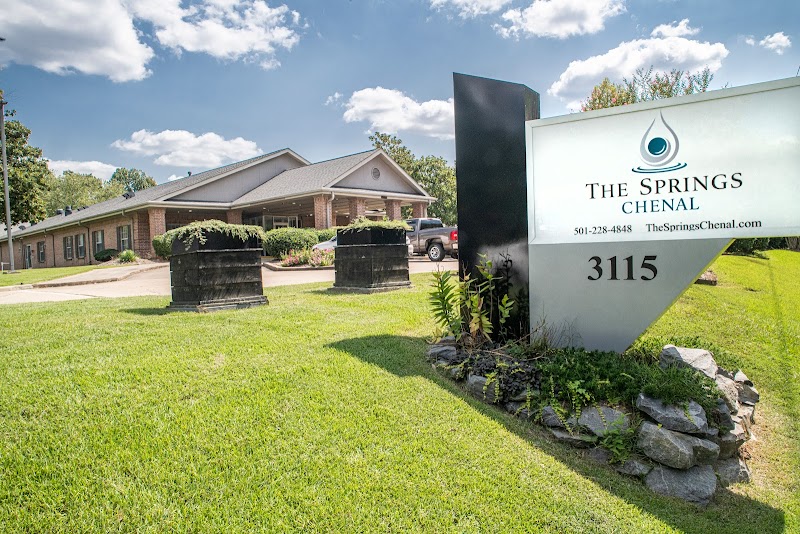
THE SPRINGS OF CHENAL is owned by a for-profit company. For-profit facilities operate as businesses with obligations to shareholders or private owners. The facility is operated by THE SPRINGS ARKANSAS, a chain that manages multiple nursing homes. With 70 certified beds and approximately 48 residents (about 69% occupancy), it is a smaller facility located in LITTLE ROCK, Arkansas.
How Does The Springs Of Chenal Compare to Other Arkansas Nursing Homes?

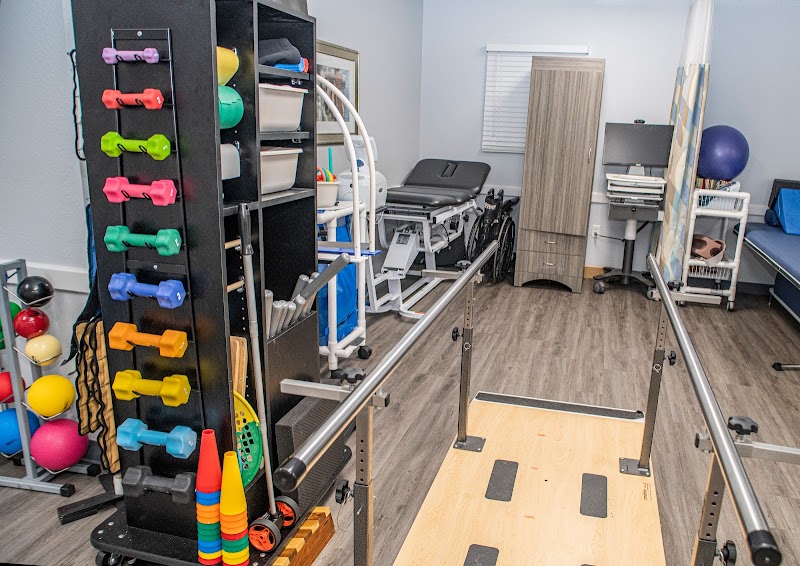
Compared to the 100 nursing homes in Arkansas, THE SPRINGS OF CHENAL's overall rating (5 stars) is above the state average of 3.2, staff turnover (75%) is significantly higher than the state average of 46%, and health inspection rating (4 stars) is above the national benchmark.

What Should Families Ask When Visiting The Springs Of Chenal?

Based on this facility's data, families visiting should ask: "How do you ensure continuity of care given staff turnover, and what is your staff retention strategy?" "Can you walk me through typical staffing levels on day, evening, and night shifts?" "Can I visit during a mealtime to observe dining assistance and food quality?" "How do you handle medical emergencies, and what is your hospital transfer rate?" These questions are particularly relevant given the facility's high staff turnover rate and the below-average staffing rating.

Is The Springs Of Chenal Safe?

Based on CMS inspection data, THE SPRINGS OF CHENAL has a clean safety record: no substantiated abuse findings (meaning no confirmed cases of resident harm), no Immediate Jeopardy citations (the most serious violation level indicating risk of serious injury or death), and is not on the Special Focus Facility watch list (a federal program monitoring the lowest-performing 1% of nursing homes). The facility has a 5-star overall rating and ranks #1 of 100 nursing homes in Arkansas. While no facility is perfect, families should still ask about staff-to-resident ratios and recent inspection results during their visit.

Do Nurses at The Springs Of Chenal Stick Around?

Staff turnover at THE SPRINGS OF CHENAL is high. At 75%, the facility is 29 percentage points above the Arkansas average of 46%. Registered Nurse turnover is particularly concerning at 67%. RNs handle complex medical decisions and coordinate care — frequent RN changes can directly impact care quality. High turnover means new staff may not know residents' individual needs, medications, or preferences. It can also be disorienting for residents, especially those with dementia who rely on familiar faces. Families should ask: What is causing the turnover? What retention programs are in place? How do you ensure care continuity during staff transitions?

Was The Springs Of Chenal Ever Fined?

THE SPRINGS OF CHENAL has no federal fines on record. CMS issues fines when nursing homes fail to meet care standards or don't correct problems found during inspections. The absence of fines suggests the facility has either maintained compliance or corrected any issues before penalties were assessed. This is a positive indicator, though families should still review recent inspection reports for the full picture.

Is The Springs Of Chenal on Any Federal Watch List?

THE SPRINGS OF CHENAL is not on any federal watch list. The most significant is the Special Focus Facility (SFF) program, which identifies the bottom 1% of nursing homes nationally based on persistent, serious quality problems. Not being on this list means the facility has avoided the pattern of deficiencies that triggers enhanced federal oversight. This is a positive indicator, though families should still review the facility's inspection history directly.