LAKE VILLAGE REHABILITATION AND CARE CENTER
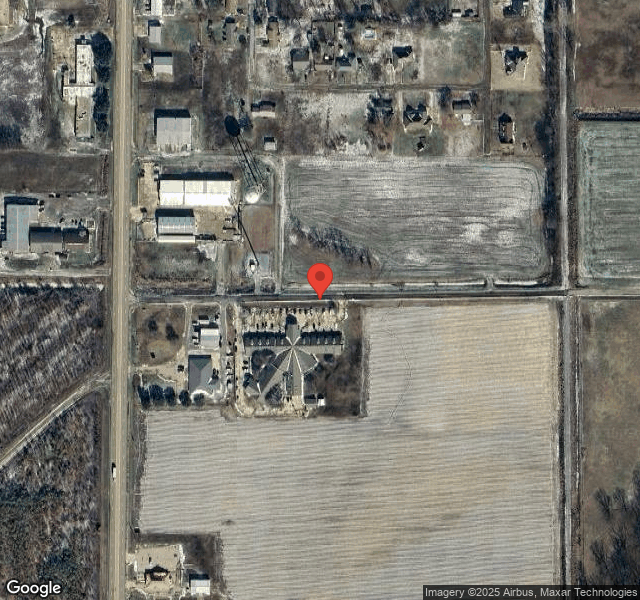
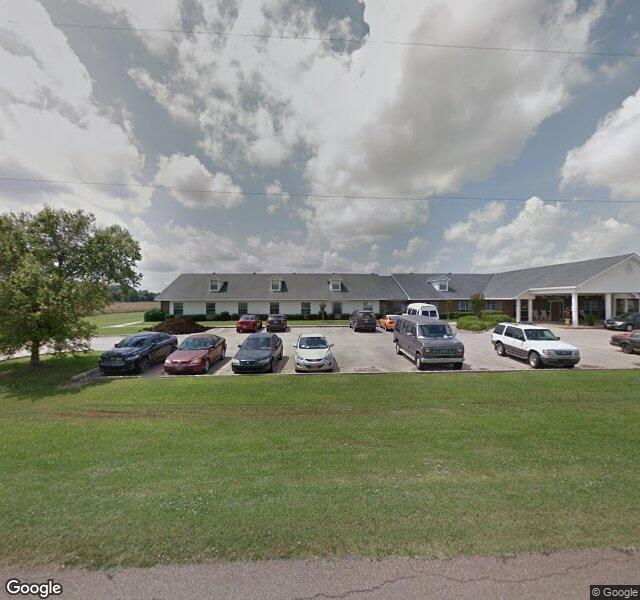
903 BORGOGNONI DRIVE, LAKE VILLAGE, AR 71653 (870) 265-5337
For profit - Limited Liability company 102 Beds SOUTHERN ADMINISTRATIVE SERVICES Data: November 2025
Trust Grade
65/100
#111 of 218 in AR
Last Inspection: September 2024

Within standard 12-15 month inspection cycle. Federal law requires annual inspections.

Overview

Lake Village Rehabilitation and Care Center has a Trust Grade of C+, which means it is considered decent and slightly above average compared to other facilities. It ranks #111 out of 218 nursing homes in Arkansas, placing it in the bottom half, but it is the top facility in Chicot County. Unfortunately, the trend is worsening, with the number of issues increasing from 5 in 2023 to 7 in 2024. Staffing is a strength, scoring 4 out of 5 stars with a turnover rate of 30%, which is well below the state average. The facility has not incurred any fines, which is a positive sign, and it boasts more registered nurse coverage than 84% of Arkansas facilities. However, there are notable concerns regarding food safety practices. Recent inspections found that the facility failed to date food items properly, which could lead to potential contamination. For example, spices were found without proper labeling, and dented cans were not removed from circulation, risking the health of residents who received meals from the kitchen. These issues highlight a need for improvement in food handling procedures, despite the overall decent rating of the facility.

Trust Score
C+
65/100
In Arkansas
#111/218
Top 50%
Safety Record
Low Risk
No red flags
Inspections
Getting Worse
5 → 7 violations
Staff Stability
○ Average
30% turnover. Near Arkansas's 48% average. Typical for the industry.
Penalties
✓ Good
No fines on record. Clean compliance history, better than most Arkansas facilities.
Skilled Nurses
⚠ Watch
Each resident gets only 29 minutes of Registered Nurse (RN) attention daily — below average for Arkansas. Fewer RN minutes means fewer trained eyes watching for problems.
Violations
⚠ Watch
14 deficiencies on record. Higher than average. Multiple issues found across inspections.
★★★☆☆
3.0
Overall Rating
★★★★☆
4.0
Staff Levels
★★★★☆
4.0
Care Quality
★★★☆☆
3.0
Inspection Score
Stable
2023: 5 issues
2024: 7 issues

The Good

  • 4-Star Staffing Rating · Above-average nurse staffing levels
  • 4-Star Quality Measures · Strong clinical quality outcomes
  • Full Sprinkler Coverage · Fire safety systems throughout facility
  • No fines on record
  • Staff turnover below average (30%)

    18 points below Arkansas average of 48%

Facility shows strength in staffing levels, quality measures, fire safety.

The Bad

3-Star Overall Rating

Near Arkansas average (3.1)

Meets federal standards, typical of most facilities

Staff Turnover: 30%

15pts below Arkansas avg (46%)

Typical for the industry

Chain: SOUTHERN ADMINISTRATIVE SERVICES

Part of a multi-facility chain

Ask about local staffing decisions and management

The Ugly 14 deficiencies on record

Sept 2024 7 deficiencies
CONCERN (D)

Potential for Harm - no one hurt, but risky conditions existed

Deficiency F0569 (Tag F0569)

Could have caused harm · This affected 1 resident

**NOTE- TERMS IN BRACKETS HAVE BEEN EDITED TO PROTECT CONFIDENTIALITY** Based on interview, record review, and policy review, the facility failed to convey a resident's personal funds to the individua...

Read full inspector narrative →
**NOTE- TERMS IN BRACKETS HAVE BEEN EDITED TO PROTECT CONFIDENTIALITY** Based on interview, record review, and policy review, the facility failed to convey a resident's personal funds to the individual or representative administering the individual's estate within 30 days for 1 (Resident #164) of 3 sampled residents for whom the facility-maintained trust accounts per a list provided by the Business Office Manager (BOM) on [DATE] at 3:00 PM. The findings are: l. Review of the Mortician's Receipt-Record of Death indicated that Resident #164 passed away on [DATE]. 2. A document titled Lake Village Rehabilitation and Care Center Trust-Current Account Balance As of [DATE] documented that a trust account for Resident #164 contained a closing balance of $145.21. 3. On [DATE] at 3:00 PM the Surveyor asked the Business Office Manager (BOM) how long the facility has to return the resident money from trust accounts when a resident passes away or discharges. The BOM indicated one month. 4. On [DATE] at 10:15AM, the Surveyor asked the BOM to identify the date Resident #164 had expired. The BOM verified that Resident #164 passed away on [DATE]. 5. The BOM was asked if they had a policy regarding resident trust accounts. The BOM indicated the facility follows DHS guidelines. 6. A document titled Management of Resident and Elder Trust Accounts was provided by the BOM on [DATE] at 11:15 AM. The document did not address the return of resident funds upon resident discharge or death.
CONCERN (D)

Potential for Harm - no one hurt, but risky conditions existed

Safe Environment (Tag F0584)

Could have caused harm · This affected 1 resident

Based on observation, interview and record review, the facility failed to ensure a resident was able to self-hydrate by consistently keeping fluids in reach for 1 (Resident #28) of 1 sampled resident ...

Read full inspector narrative →
Based on observation, interview and record review, the facility failed to ensure a resident was able to self-hydrate by consistently keeping fluids in reach for 1 (Resident #28) of 1 sampled resident reviewed for accommodation of needs. The findings are: Resident #48 had diagnoses of arthritis in multiple joints (poly osteoarthritis) and the loss of cushioning between the disc in the back (intervertebral disc degeneration) indicated on an Order Summary dated 09/06/2024. A quarterly Minimum Data Set with an Assessment Reference Date of 07/15/2024 was reviewed and indicated Resident #48 had a Brief Interview for Mental Status score of 11, which indicated moderate cognitive impairment and required setup and/or clean up assistance with eating, as the resident had the ability to bring food and/or liquids to the mouth once the meal was placed before the resident. A Care Plan dated 08/19/2024 was reviewed and indicated Resident #48 was at risk for falls and had poly osteoarthritis. Interventions included keeping the resident's personal items within reach and encouraging adequate nutrition and hydration. On 09/03/2024 at 10:53 AM, Resident #48 was observed lying in bed on the resident's back with the head of bed (hob) slightly elevated. The resident was reaching both hands towards a water pitcher on the bedside (bs) table to the left of the resident. Resident #48 was asked if the resident was attempting to drink some water and the resident did confirm that was the intent. There was no cup on the bs table and no straw in the cup. On 09/04/2024 at 8:34 AM, Resident #48 was observed lying in bed on the resident's back and the bs table was positioned in front of the nightstand to the left of the resident's bed and out of the resident's reach. There was a water pitcher and a foam cup on the bs table. On 09/04/2024 at 2:02 PM, Resident #48 was observed lying in bed on the resident's back with the hob up and a wedge cushion to the resident's right side. A water pitcher, with a straw inside, was on the bs table which was positioned to the left of the bed and out of the resident's reach. On 09/05/2024 at 3:30 PM, Resident #48 was observed lying in bed with eyes closed. A water pitcher was on the nightstand to the left of the resident's bed and out of reach. On 09/06/2024 at 12:11 PM, Resident #48 was lying in bed with eyes closed. A water pitcher was on the nightstand to the left of the resident's bed and out of reach. On 09/06/2024 at 12:25 PM, Certified Nursing Assistant (CNA) #5 was interviewed and she was asked if Resident #48 could get a drink of water and she stated the resident could if the water was placed in front of the resident. She stated the resident required a cup and was unable to pick up the water pitcher because the resident would waste the water. CNA #5 was asked where the resident's water pitcher was at that time and she stated, Right there, as she pointed to the nightstand and confirmed it was out of the resident's reach. She stated the resident would try to reach up to get it and get some water and waste it. She confirmed there was no cup in the room for the resident to use and confirmed the CNAs were responsible for placing the cup in the room for the resident's use. CNA #5 confirmed that when the cup was in the room, the CNAs would pour the water in the cup for the resident. On 09/06/2024 at 2:55 PM, the Director of Nursing provided a document which was reviewed and indicated the facility did not have a policy regarding the accommodation of a resident's need for items to be within reach.
CONCERN (D)

Potential for Harm - no one hurt, but risky conditions existed

Deficiency F0657 (Tag F0657)

Could have caused harm · This affected 1 resident

Based on record review and interview, the facility failed to revise the care plan of 1 (Resident #52) sampled resident after the quarterly assessment was completed. The findings include: Review of the...

Read full inspector narrative →
Based on record review and interview, the facility failed to revise the care plan of 1 (Resident #52) sampled resident after the quarterly assessment was completed. The findings include: Review of the quarterly Minimum Data Set (MDS) with the Assessment Reference Date of 7/07/2024 revealed Resident #52 score 5 on a Brief Interview for Mental Status, indicating severely impaired cognition. Resident #52 had a diagnosis of Schizophrenia and depression. Resident #52 was taking an antipsychotic and antidepressant. A Care Plan (revision date 05/21/2024) revealed Resident #52 used an antidepressant medication, but did not reference the use of an antipsychotic medication. A review of the Physician Order portion of Resident #53's electronic health record revealed an order for an antipsychotic intended to treat Schizophrenia, with a start date of 6/27/2024. On 9/06/2024 at 11:33 AM, the Director of Nursing confirmed the care plan did not address Resident #52 taking an antipsychotic medication. On 9/06/2024 at 11:33 AM, the Director of Nursing provided documentation that the facility did not have a resident care plan policy.
CONCERN (D)

Potential for Harm - no one hurt, but risky conditions existed

Incontinence Care (Tag F0690)

Could have caused harm · This affected 1 resident

Based on observations, interviews, and record reviews the facility failed to ensure that 1 (Resident #35) of 2 sampled resident with an indwelling urinary catheter received proper catheter care. The ...

Read full inspector narrative →
Based on observations, interviews, and record reviews the facility failed to ensure that 1 (Resident #35) of 2 sampled resident with an indwelling urinary catheter received proper catheter care. The findings include: According to the admission Minimum Data Set (MDS) with the Assessment Reference Date of 8/04/2024, Resident #35 had a Brief Interview for Mental Status score of 03, indicating severe cognitive impairment, and that Resident #35 had an indwelling catheter. A Care Plan (revision date 8/06/2024) revealed Resident #35 had a urinary catheter related to urinary retention, overactive bladder, and benign prostatic hyperplasia (BPH). On 09/03/24 at 02:00 PM, the Surveyor observed Resident #35 sitting in a wheelchair with catheter collection bag hooked to the back of wheelchair. The collection bag was not positioned below the level of the resident ' s bladder to facilitate the flow of urine. On 09/04/24 at 08:44 AM, the Surveyor observed Resident #35 sitting in a wheelchair in the common area. The Surveyor noted that catheter tubing was wrapped around the resident's right ankle with the tubing touching the floor. On 09/04/24 at 11:00 AM, the Surveyor observed Resident #35 sitting in a wheelchair with catheter tubing draped over the wheelchair lock. The Surveyor noted the tubing was almost full of urine due to the kinking of the tubing. On 09/04/24 at 11:53 AM, the Surveyor observed Resident #35 sitting in a wheelchair with catheter tubing draped over the wheelchair lock. The Surveyor noted the tubing was almost full of urine due to the kinking of the tubing. On 09/06/24 at 10:50 AM, the Assistant Director of Nursing stated that the facility did not have a policy on catheter care the facility follows the Lippincott Manual of Nursing.
CONCERN (D)

Potential for Harm - no one hurt, but risky conditions existed

Infection Control (Tag F0880)

Could have caused harm · This affected 1 resident

Based on observation, interview, record review, the facility failed to ensure a glucometer was cleansed after being used to check a fingerstick blood sugar for 1 (Resident #2) of 1 sampled resident wh...

Read full inspector narrative →
Based on observation, interview, record review, the facility failed to ensure a glucometer was cleansed after being used to check a fingerstick blood sugar for 1 (Resident #2) of 1 sampled resident who was reviewed for glucometer checks. On 09/05/2024 at 4:36 PM, Licensed Practical Nurse (LPN #2) was observed gathering a glucometer machine and other items. She sanitized her hands, put on a clean pair of gloves, took the items to Resident #2's room and placed them on the bedside table. She informed the resident she was about to check the resident's blood sugar. She cleansed the ring finger of the resident's left hand, performed other steps and collected a blood sample from Resident #2's finger using the test strip in the glucometer machine. After the results were displayed on the glucometer machine, LPN #2 discarded the used items, placed hand sanitizer in her hands, rubbed her hands together and picked up the glucometer machine. She rubbed her hands over the front and back of the glucometer machine for less than five seconds and placed the glucometer machine in the top right drawer in the medication cart. On 09/05/2024 at 4:43 PM, LPN #2 was interviewed and asked what she did with the glucometer machine. She opened the medication cart, and the glucometer machine was observed in a basket in the top drawer. She was asked did she cleanse the machine and she stated, What I do is use [brand-name] sanitizer, and I rub my hands. Then I rub it on the glucometer [machine], and I put it back in the drawer. LPN #2 was asked if this was how she was instructed to cleanse the glucometer machine and she confirmed it was not. She stated no one [at the facility] instructed her on how the glucometer machine should be cleansed. On 09/05/2024, the Director of Nursing provided the manufacture's guidelines for the glucometer machine. The guidelines were reviewed, and a section titled Cleaning and Disinfecting Procedures for the Meter indicated in the disinfection instructions on page 43, the meter was to be disinfected between patient uses by wiping it with a [brand-name] towelette or EPA-registered disinfecting wipe in between tests. Page 44 of the guidelines indicated in step five if the [brand-name] towelette was used, it should remain wet for two minutes. For other wipes, the surface of the meter was to remain wet for the contact time listed on the other wipe's instructions.
CONCERN (E)

Potential for Harm - no one hurt, but risky conditions existed

Unnecessary Medications (Tag F0759)

Could have caused harm · This affected multiple residents

Based on observation, interview, record review, and policy review, the facility failed to ensure the medication error rate was less than five percent (%). 31 opportunities of medication administration...

Read full inspector narrative →
Based on observation, interview, record review, and policy review, the facility failed to ensure the medication error rate was less than five percent (%). 31 opportunities of medication administration were observed and 2 of the 31 medications were not administered in accordance with physician's orders, resulting in a medication error rate of 6.45%. The findings are: On 09/05/2024 at 8:26 AM, Registered Nurse (RN) #3 was observed retrieving Resident #53's medication from the medication cart for the 8:00 AM medication pass. She retrieved a box of Famotidine tablets, 10 milligrams (mg) strength, removed two tablets from the box and placed them in a pill cup. Once she gathered the medication, she administered the medication to Resident #53. Resident #53's Order Summary dated 09/05/2024 was reviewed and indicated an order for Famotidine 20 mg tablets and give two by mouth one time a day for 40 mg daily. On 09/05/2024 at 4:24 PM, (RN) #3 was interviewed and asked to look at the box of Famotidine she used to administer medication from to Resident #53. She was asked what the strength of the medication was displayed on the box, and she stated, 10 mg. She was asked to look at Resident #53's medication orders in the electronic health record (EHR) and state what the strength of the medication on the order was and she stated, 20 mg. RN #3 confirmed the dose on the order was 40 mg, but she administered 20 mg to the resident. On 09/06/2024 at 8:29 AM, Licensed Practical Nurse (LPN) #4 was observed retrieving Resident #28's medication from the medication cart for the 8:00 AM med pass. She removed a bottle of Fluticasone 50 micrograms (mcg) nasal spray and placed the bottle on top of the med cart. Once she removed all the meds for Resident #28 from the medication cart, she took the meds to the resident's room and placed them on the bedside table. With gloved hands, she administered two sprays of Fluticasone nasal spray in each of the resident's nostrils. Resident #28's Order Summary dated 09/03/2024 was reviewed and indicated an order for Fluticasone Nasal Suspension, one spray in each nostril every morning and a bedtime. On 09/06/2024 at 9:21 AM, LPN #4 was interviewed, and she confirmed she administered two sprays of Fluticasone in each of Resident #28's nostrils during the 8 AM med pass. She was asked to look at Resident #28's medication orders in the EHR and state what the instructions for the Fluticasone nasal spray were. She confirmed the order was for one spray in each nostril. She was asked what should be done before administering meds to the resident and she stated, Double check the order and read it. LPN #4 stated the reason for double checking the order was to make sure the right dose was being given to the resident. On 09/06/2024 at 9:51 AM, a Specific Medication Administration Procedures policy, revised January 2018 and provided by the Assistant Director of Nursing on 09/06/2024, was reviewed and indicated before removing the medication package/container from the cart/drawer, the medication administration record (MAR) orders were to be checked. The policy indicated before removing the medication from the container, the label should be checked against the MAR.
CONCERN (F)

Potential for Harm - no one hurt, but risky conditions existed

Food Safety (Tag F0812)

Could have caused harm · This affected most or all residents

Based on observation, record review and interview, the facility failed to ensure foods in the pantry were dated to maintain freshness and prevent potential cross contamination. This failed practice ha...

Read full inspector narrative →
Based on observation, record review and interview, the facility failed to ensure foods in the pantry were dated to maintain freshness and prevent potential cross contamination. This failed practice had the potential to affect 52 residents who received meals from the kitchen according to the list provided by the Director of Nursing (DON) dated 09/03/2024 (Total Census 55). The findings are: 1. On 09/05/2024 at 9:06 AM, a shelf above the food processer next to the stove had bottles of spices. A container of onion powder with a build-up dried matter on the open, and a container of salt with the lid open were found on the shelf. The Dietary Manager (DM) was asked how spices are supposed to be stored. The DM indicated that the lids are supposed to be closed. 2. On 09/05/2024 at 9:14 AM, the following observations were made in the dry storage panty: a. One 20 liter clear dry storage container with a blue lid with a label indicating corn meal was observed to the left upon entry into the pantry. No date indicating when it was placed in the container, or a date of when it should be used by, was on the container. The DM was asked how much corn meal was left in the container and indicated about 15 quarts were left. b. One 1 gallon jug that had no markings on it or date of when opened. The DM indicated it was white vinegar, and indicated about 2 ounces were left in the jug. 3. On 09/05/2024 at 9:21 AM, the following observation was made in the walk-in cooler: a. One 48-ounce glass jar of grape jelly had been opened, with no open date. The DM was asked how much grape jelly was in the jar. The DM indicated about 3 ounces were left in the jar. 4. A Document titled Food and Nutrition Services was provided by the Director of Nursing (DON) on 09/03/2024 at 1:20 PM. The document did not address putting a date of when a food item it opened or proper closer of food items.
Oct 2023 2 deficiencies
CONCERN (D)

Potential for Harm - no one hurt, but risky conditions existed

Comprehensive Care Plan (Tag F0656)

Could have caused harm · This affected 1 resident

Based on observation, interview, and record review, the facility failed to ensure the Comprehensive Care Plan addressed the use of an anticoagulant for 1 (Resident #45) of 1 sampled resident. The find...

Read full inspector narrative →
Based on observation, interview, and record review, the facility failed to ensure the Comprehensive Care Plan addressed the use of an anticoagulant for 1 (Resident #45) of 1 sampled resident. The findings are: Resident #45: 1. A Physicians Order dated 09/15/23 noted Resident #45 was to receive Apixaban 5 milligrams two times a day for an anticoagulant. 2. The Care Plan, last reviewed on 9/25/23, did not address anticoagulant use and/or precautions. 3. On 10/04/23 at 3:20 PM, LPN #1 confirmed she did not find anticoagulants on Resident #45's Care Plan.
CONCERN (F)

Potential for Harm - no one hurt, but risky conditions existed

Food Safety (Tag F0812)

Could have caused harm · This affected most or all residents

Based on observation, interview, and record review, the facility failed to remove dented cans from food circulation; label and date leftover food items in the refrigerator; and date opened spice conta...

Read full inspector narrative →
Based on observation, interview, and record review, the facility failed to remove dented cans from food circulation; label and date leftover food items in the refrigerator; and date opened spice containers to ensure food is used or discarded prior to the use by date. The failed practices had the ability to affect 42 residents (Resident Census: 44), who received meals from the kitchen. The findings are: 1. On 10/02/23 at 10:47 AM, the following spices were on a shelf in the kitchen and did not have an opened date: i) Whole Celery Seed ii) Ground Allspice iii) Mediterranean Style Ground Oregano iv) Ground Cinnamon v) Salt vi) Rubbed Sage vii) Celery Salt viii) Ground [NAME] Pepper ix) Ground Ginger x) Dill Weed a. The Surveyor asked Dietary Employee (DE) #2 if there was an opened date on the spices. DE #2 said, I cannot find a date written on these. b. On 10/02/23 at 10:50 AM, the Surveyor asked DE #2 if a 'use by date' was on the unlabeled spices. DE #2 stated No, I usually date the bottle and keep mine for a year. 2. On 10/02/23 at 11:00 AM, observed in the cooler square containers covered with plastic wrap without a date or label on them. a. On 10/02/23 at 11:00 AM, the Surveyor asked DE #2 what was in the square containers covered with plastic wrap. DE #2 said, It's something pureed. One looks like meat. DE #1 stated the containers contained mashed potatoes, green beans, meat, ground chicken, boiled eggs, and pureed meat from today. DE #1 stated that the unlabeled food was from yesterday and today. The Surveyor asked DE #1 if the containers should have a date and label on them. DE #1 stated, Yes, it supposed to be dated. 3. On 10/02/23 at 11:10 AM, observed a metal rack with a #15 can of mandarin oranges with a dent on the bottom, and three cans of cream of mushroom soup with small dents on the top. b. On 10/02/23 at 11:20 AM, the Surveyor asked DE #1 what do you do when you receive a dented can. DE #1 said, Sometimes we use dented cans if we need them. Sometimes it may be bruised when you open them. 4. A facility policy titled, Food and Nutrition Services, provided by the Director of Nursing (DON) on 10/05/23 at 2:00 PM stated: Purpose: To prevent contamination of food products and therefore prevent foodborne illness.I. Director of Food Service Responsibilities .A. Provide safe food services for patients and employees .F. Provide for the proper receipt and storage of all food supplies.V. Food Storage A. Upon arrival, all food will be inspected for damage . VI. Proper Food Handling .B. Foods coming from broken packages or swollen cans or food with an abnormal appearance or odor will not be served .K. Leftovers must be dated, labeled, covered, cooled and stored (within ½ hour) in a refrigerator, not at room temperature .
Feb 2023 3 deficiencies
CONCERN (D) 📢 Someone Reported This

A family member, employee, or ombudsman was alarmed enough to file a formal complaint

Potential for Harm - no one hurt, but risky conditions existed

ADL Care (Tag F0677)

Could have caused harm · This affected 1 resident

Based on observation, record review, and interview, the facility failed to ensure oral care was performed to keep the lips moist and free of dry skin to promote good oral hygiene for 1 (Resident #1) o...

Read full inspector narrative →
Based on observation, record review, and interview, the facility failed to ensure oral care was performed to keep the lips moist and free of dry skin to promote good oral hygiene for 1 (Resident #1) of 2 (Resident #1 and #3) sampled residents who were dependent for oral care. The findings are: 1. Resident #1 had diagnoses of Spastic Quadriplegic Cerebral Palsy, Profound Intellectual Disabilities, and Lack of Coordination. The Medicare-5 Day/Discharge Return Anticipated (modification) Minimum Data Set (MDS) with an Assessment Reference Date (ARD) of 01/29/23 documented the resident was severely impaired in cognitive skills for daily decision-making per a Staff Assessment for Mental Status (SAMS) and was totally dependent of one person for personal hygiene and received 51% or more of her calories through a feeding tube. a. The Plan of Care with a revision date of 12/06/22 documented, .Problem .has an ADL [activities of daily living] self-care performance deficit related to spastic quadriplegic cerebral palsy, profound intellectual disabilities, muscle wasting and atrophy, stiffness to right and left knee, ankle, hip, and foot, and lack of coordination . Goal . will be clean and well groomed daily . Approaches/Task . Personal Hygiene/oral care: .is totally dependent on staff for personal hygiene and oral care . Oral/Dental Care . Provide mouth care/oral care as per ADL personal hygiene . b. On 02/21/23 at 3:37 PM, Resident #1 was lying in her bed on her back with her eyes opened. The skin on her lips was dry and she had a white build up at the corners of her mouth. c. On 02/21/23 at 3:44 PM, the Surveyor asked Certified Nursing Assistant (CNA) #1, who was at the residents' bedside, What do the residents' lips look like to you? She stated, They look dry. The Surveyor asked, How should the resident's lips look? She stated, Lubricated. The Surveyor asked, How often is she provided with oral care? She stated, I really don't know. I work PRN [as needed] and usually on 100 [Hall]. d. On 02/21/23 at 3:50 PM, the Surveyor asked Registered Nurse (RN) #1, who was at the residents' bedside, What do the residents' lips look like to you? She stated, They could use a little moisture. The Surveyor asked, How should the residents' lips look? She stated, Moist. The Surveyor asked, How often is she provided with oral care? She stated, I'm not sure, but she was showered yesterday. e. On 02/23/23 at 9:46 AM, the Surveyor asked the Director of Nursing (DON), How often is the resident provided with oral care? She stated, Daily and any time they have to suction her. They should do it after that. f. The facility In-Service titled, Resident Mouth & Nail Care - When & Why, dated 02/23/23, and provided by Licensed Practical Nurse (LPN) #1 on 02/23/23 at 2:08 PM documented, .Why is mouth care important? Mouth care is important because it prevents infections, plaque, bleeding gums, mouth sores, and cavities . When should I give mouth care? Mouth care should be given in the morning, after each meal, and before bed each night. The person may need more frequent or hourly mouth care if his mouth is in poor condition . What items will I need to perform mouth care? . Water-based lip balm or moisturizer . How do I brush the person's teeth? . Dry around his mouth. Apply water-based lip balm or moisturizer to his lips to avoid cracking and dryness .
CONCERN (D) 📢 Someone Reported This

A family member, employee, or ombudsman was alarmed enough to file a formal complaint

Potential for Harm - no one hurt, but risky conditions existed

Deficiency F0688 (Tag F0688)

Could have caused harm · This affected 1 resident

**NOTE- TERMS IN BRACKETS HAVE BEEN EDITED TO PROTECT CONFIDENTIALITY** Based on observation, record review, and interview, the facility failed to ensure [NAME] guards were applied to prevent further ...

Read full inspector narrative →
**NOTE- TERMS IN BRACKETS HAVE BEEN EDITED TO PROTECT CONFIDENTIALITY** Based on observation, record review, and interview, the facility failed to ensure [NAME] guards were applied to prevent further decline in Range of Motion (ROM) and a wedge to bilateral hips was in place while in bed to promote a more neutral position for 1 (Resident #1) of 2 (Residents #1 and #2) sampled residents who had Physician Orders for splints and 1 (Resident #1) of 1 sampled resident who required the use of wedges for positioning. The findings are: 1. Resident #1 had diagnoses of Spastic Quadriplegic Cerebral Palsy, Profound Intellectual Disabilities, and Lack of Coordination. The Medicare-5 Day/Discharge Return Anticipated (modification) Minimum Data Set (MDS) with an Assessment Reference Date (ARD) of 01/29/23 documented the resident was severely impaired in cognitive skills for daily decision-making per a Staff Assessment for Mental Status (SAMS) and was totally dependent on two plus persons for bed mobility, transfer, dressing, toilet use and bathing and had functional limitation in range of motion to both upper and lower extremities on both sides. a. The Plan of Care with a revision date of 12/06/22 documented, .is at risk for Impaired Skin Integrity related to nail fungus, spastic quadriplegic cerebral palsy, profound intellectual disabilities, muscle wasting and atrophy, stiffness to right and left knee, ankle, hip, and foot, and lack of coordination . [Resident #1] is to have palmar guards to bilateral hands placed daily . [Resident #1] is to have wedge cushions to support bilateral hips while in bed . b. The February 2023 Physician's Order documented, .OT [Occupational Therapy] Clarification: OT to treat 5x [times] a week x 1 week to educated staff on demonstration/performance of correct PROM [Passive Range of Motion]/positioning/donning & [and] doffing of [NAME] guards to maintain joint and skin integrity while ADLs [activities of daily living] and bed positioning are performed in a pain free effort . Start Date 01/27/2023 . OT Clarification: OT to treat 5 x week x 1 week to educate/train staff to demonstrate/perform correct PROM/positioning/donning and doffing of [NAME] guards to maintain joint mobility and skin integrity while ADLs and bed positioning are performed in a pain free effort for patient . Start Date 02/02/2023 . c. The Physical Therapy Treatment Encounter Note(s) provided by the Administrator on 02/24/23 at 9:57 AM documented, .Date of Service 2/2/2023 . Skilled intervention focused on bed mobility training to increase functional skills. Proper positioning with use of positioning wedges at hips to position hips in proper alignment positioning . Skilled Instruction . Patient and Caregiver Training: Proper positioning . Date of Service 2/3/2023 . Skilled intervention focused on bed mobility training to increase functional skills. Proper positioning with use of positioning wedges at hips to position hips in proper alignment positioning . Skilled Instruction . Patient and Caregiver Training: Proper positioning . Date of Service 2/6/2023 . Skilled interventions focused on bed mobility training to increase functional skills. Proper positioning while in bed with head elevated and use of positioning wedging and pillows with positioning B hips to bring to proper alignment positioning and pillows with BLE to keep pressure sores from forming and off heels . Skilled Instruction . Patient and Caregiver Training: Education and training with CNA staff on multiple shifts for proper positioning and ROM . Date of Service 2/7/2023 . Skilled interventions focused on bed mobility training to increase functional skills. Proper positioning while in bed with head elevated and use of positioning wedging and pillows with positioning B hips to bring to proper alignment positioning and pillows with BLE to keep pressure sores from forming and off heels . Skilled Instruction . Patient and Caregiver Training: Education and training with staff with proper positioning and ROM . Date of Service 2/8/2023 . Skilled interventions focused on bed mobility training to increase functional skills. Proper positioning while in bed with head elevated and use of positioning wedging and pillows with positioning B hips to bring to proper alignment positioning and pillows with BLE to keep pressure sores from forming and off heels . Skilled Instruction . Patient and Caregiver Training: Education and training with CNA staff on multiple shifts for proper positioning and ROM . d. On 02/21/23 at 3:37 PM, Resident #1 was lying in her bed on her back with her blanket pulled up above her waist. The residents' hands were contracted with no devices present. e. On 02/21/23 at 3:44 PM, the Surveyor asked Certified Nursing Assistant (CNA) #1, who was at the residents' bedside, Should the resident have a device in her hands? She stated, Most definitely yes, and the therapy lady told us two weeks ago. [CNA #1 pulled back the residents' blanket.] She is also supposed to have a pillow under each of her legs [No pillow was under the residents' legs]. f. On 02/21/23 at 3:50 PM the Surveyor asked Registered Nurse (RN) #1, who was at the residents' bedside, Should the resident have a device in her hands? She stated, Normally she wears bracing, therapy does it and we will start braces Thursday. The Surveyor asked RN #1 to pull back the blankets on the bed and asked, Should the resident have pillows under her legs? She stated, Under her feet. I don't know about her legs [No pillows were under the residents' feet]. The Surveyor asked, Can you tell me why she should have pillows under her feet? She stated, I'm not sure if it's for positioning or to prevent pressure. g. On 02/23/23 at 9:46 AM the Surveyor asked the Director of Nursing (DON), Should the resident have a device in her hands? She stated, She does for so long, it's not continuous. The Surveyor asked, Should the resident have wedges under her hips while she is in bed? She stated, Yes, she should.
CONCERN (D) 📢 Someone Reported This

A family member, employee, or ombudsman was alarmed enough to file a formal complaint

Potential for Harm - no one hurt, but risky conditions existed

Deficiency F0726 (Tag F0726)

Could have caused harm · This affected 1 resident

**NOTE- TERMS IN BRACKETS HAVE BEEN EDITED TO PROTECT CONFIDENTIALITY** Based on observation, record review, and interview, the facility failed to ensure Physician's Orders for an in and out catheteri...

Read full inspector narrative →
**NOTE- TERMS IN BRACKETS HAVE BEEN EDITED TO PROTECT CONFIDENTIALITY** Based on observation, record review, and interview, the facility failed to ensure Physician's Orders for an in and out catheterizations were followed for 1 (Resident #2) of 1 sampled resident who had Physician's Orders for an in and out catheterization. The findings are: 1. Resident #2 was admitted to the facility on [DATE] with a diagnosis of Retention of Urine. The Quarterly Minimum Data Set (MDS) with an Assessment Reference Date of 01/02/2023 documented the resident scored 12 (8-12 indicates moderately cognitively impaired) on a Brief Interview for Mental Status (BIMS). a. The Plan of Care with a revision date of 06/23/22 documented, .has an ADL [activities of daily living] self-care performance deficit . [Resident #2] requires extensive assistance of (#1 staff) with toileting . b. The Urogynecology Clinic order dated 02/03/23 documented, .Self-cath 2-3 times daily w [with]/14 french catheters . c. The February 2023 Physician's Orders documented, In & Out catheter after voiding two times a day for urinary retention for 3 Days Administration Nurses to complete . Start Date 02/06/2023 . In and out catheterization of bladder for residual urine BID [two times daily] x [times] 4 days. Send results with patient to follow up appointment 2/13/2023. two times a day every 4 day (s) for documentation of effectiveness of current therapy until 02/09/2023 23:59 [11:59 PM] Start Date 02/09/2023 . d. The Verbal Physician's Order dated 02/09/23 documented, .In and out catheterization of bladder for residual urine BID x 4 days. Send results with patient to follow up appointment 2/13/2023 . e. The February 2023 Medication Administration Record documented, .In & Out catheter after voiding two times a day for urinary retention for 3 Days Administration Nurses to complete. Start Date 02/06/2023 . 02/06/2023 0800 [8:00 AM] op [output] 250 . 02/06/2023 1700 op X . 02/07/2023 0800 op 25 . 02/07/2023 1700 [5:00 PM] op 210 . 02/08/2023 0800 op 200 . 02/08/2023 1700 op 150 . In and out catheterization of bladder for residual urine BID x 4 days. Send results with patient to follow up appointment 2/13/2023. Two times a day every 4 day(s) for documentation of effectiveness of current therapy until 02/09/2023 23:59 Start Date 02/09/2023 . 02/09/2023 (no output was documented). f. The Nursing Progress Notes documented catheterizations on: 02/06/2023 at 18:34 [6:34 PM] . refused .; 02/07/2023 at 09:21 [9:21 AM] . 25 cc [cubic centimeters] .; 02/07/2023 at 18:36 . 210 ml [milliliters] .; 02/09/2023 at 13:33 [1:33 PM] . 150 cc .; 02/09/2023 at 13:22 [1:22 PM] . 250 ml .; 02/10/2023 at 20:45 [8:45 PM] . 125 ml . g. On 02/23/23 at 9:46 AM, the Surveyor asked the Director of Nursing (DON), Do staff follow Physician Orders written by outside Specialist? She stated, Yes, we have to follow up with it and verify it is something we can do. We call the Nurse Practitioner and the Medical Doctor to make sure and we speak with the specialty clinic. The Surveyor asked, Should the orders from [Hospital] Urogynecology Clinic have been followed for the resident with in and out catheterizations two to three times a day from the order date of 02/03/23 through 02/13/23 when she had her follow-up appointment? She stated, Yes, the order was entered incorrectly. The resident had left the faciity on [DATE] for a family funeral and was gone for the weekend, so we started on that Monday 02/06/23.
Jul 2022 2 deficiencies
CONCERN (F)

Potential for Harm - no one hurt, but risky conditions existed

Food Safety (Tag F0812)

Could have caused harm · This affected most or all residents

Based on observation and interview, the facility failed to ensure food items stored in the freezer or dry storage areas were sealed or covered, failed to ensure Dietary Staff washed their hands and ch...

Read full inspector narrative →
Based on observation and interview, the facility failed to ensure food items stored in the freezer or dry storage areas were sealed or covered, failed to ensure Dietary Staff washed their hands and changed gloves between dirty and clean tasks and before handling clean equipment or food items; failed to ensure expired food items were promptly removed / discarded on or before the expiration or use by dates; floors in the dish washer and kitchen, walls, door frames and baseboards were free of debris, and ceiling vents were maintained in clean, intact condition and proper working order to provide a sanitary area for food preparation and prevent potential food borne illness for residents who received meals from 1 of 1 kitchen and hot foods were maintained at or above 135 degrees Fahrenheit on the steam table while awaiting service and cold food was maintained at or below 41 degrees Fahrenheit. The failed practices had the potential to affect 47 residents who received meals from the kitchen (total census: 52), as documented on a list provided by Dietary Employee and the findings are: 1. On 7/06/22 at 3:00 PM, the following observations were made going into the walk-in refrigerator, freezer and around the dry storage area were. a. The base board leading to the walk-in refrigerator was loose from the wall. b. An opened box of beef steak was stored on a shelf in the freezer. The box was not covered or sealed. c. An opened box of Sysco Classic Iodized Salt was stored on a shelf above the food preparation counter. The box was not covered. 2. On 7/06/22 at 3:07 PM, the following observations made in the kitchen were: a. The air vent above steam table had greasy looking dirt and lint particles stuck to the ceiling. At 4:45 PM, Dietary Employee #2 was to describe the appearance of the greasy lint on the ceiling tiles above the steam table. She stated, The lint was brown and loose. b. There was a black encrusted ceiling vent with brown, dusty lint hanging from the vent slats above the bread rack and the door leading to the toilet. c. The wall frame by the food preparation counter next to the oven was missing exposing the concrete. The area that was missing was covered with black residue. d. The wall above and below the food preparation counter were discolored with black stains. 3. On 7/06/22 at 3:16 PM, the following observations were made going to the dish washing room were: a. On the entering door to the dish washing machine, the door frames had rust stains on them. The left side door frame was rotten, and remaining frames consisted of rotted wood. b. The floor behind the dish washing machine had accumulation of caked on black greasy residue, dirt, and debris, especially in the corners. The door frames leading to the dish washing room had rust on them. The left side wood was rotted out. 4. On 7/06/22 at 3:20 PM, An opened box of cornstarch was stored on a shelf in the kitchen. The box was not covered or sealed. 5. On 7/06/22 at 3:21 PM, one half gallon of chocolate milk in the refrigerator had an expiration date of 7/5/2022. 6. On 7/06/22 at 4:18 PM, Dietary Employee #1 removed mittens from her hands and placed them on the counter. Without washing her hands, she picked up a clean blade and attached it to the base of the blender to be used in pureeing food items to serve to the residents who required pureed diets. At 4:19 PM, she used a #8 scoop to place 15 servings of Philly steak into a blender to be ground. She poured the pureed ground meat in a pan and placed in the oven 7. On 7/06/22 at 4:20 PM, Dietary Employee #1 turned on sink faucet and rinsed a spatula. She then turned off the faucet. Without washing her hands, she picked up a clean blade and attached it to the base of the blender. As she was ready to put food item into the blender, she immediately was stopped and was asked, what should you have done after touching dirty objects and before handling clean equipment? She stated, I should have washed my hands. She took the blender and blade and rewashed them. 8. On 7/06/22 at 4:27 PM, Employee #1 used a rag to wipe off spilled food particles from the counter. Without washing her hands, she picked up a clean blade and attached it to the base of the blender to be used in pureeing food items to be served to the residents on pureed diets. She immediately was asked What should you have done after touching dirty objects and before handling clean equipment? She stated, I should have washed my hands. I will rewash them. 9. On 7/06/22 at 4:51 PM, the temperatures of the food items when tested and read on the on the cold side of the steam table for cold food items and on the steam table for hot food items by Employee #1 were: Regular broccoli salad on a pan of ice: 96 degrees Fahrenheit. Employee #1 stated, I just made it at 3:00 PM and put it in the refrigerator. The Pureed broccoli was 130 degrees Fahrenheit. 10. The facility's policy on hand washing under personal hygiene documented, Wash hands after handling dirty dishes.
MINOR (B)

Minor Issue - procedural, no safety impact

Deficiency F0578 (Tag F0578)

Minor procedural issue · This affected multiple residents

**NOTE- TERMS IN BRACKETS HAVE BEEN EDITED TO PROTECT CONFIDENTIALITY** Based on interview and record review, the facility failed ensure an advance directive was available in the medical record for 2 ...

Read full inspector narrative →
**NOTE- TERMS IN BRACKETS HAVE BEEN EDITED TO PROTECT CONFIDENTIALITY** Based on interview and record review, the facility failed ensure an advance directive was available in the medical record for 2 (Resident #43 and #1) of 15 (Res #1, #2, #9, #10, #14, #15, #17, #20, #21, #30, #31, #33, #43, #48, and #251) sampled residents whose records were reviewed for an advance directive. The findings are: 1. Res #43 was admitted on [DATE] with a diagnosis of Parkinson's Disease, Unsteadiness on Feet, Repeated Falls, Mild Intellectual Disabilities, and Other Abnormalities Of Gait And Mobility. A Quarterly Minimum Data (MDS) with an Assessment Reference Date (ARD) of 6/1/22 documented the resident scored 04 (00-07 indicates severely impaired) on the Brief Interview for Mental Status, required limited one-persons physical assist with bed mobility, and extensive one-person physical assistance with transfers. a. On 7/06/22 at 8:48 AM, there was no advance directive in the medical records. b. On 7/06/22 at 10:25 AM, the Social Services Director was asked, Does [Resident #43] have an advance directive? She stated, I don't think he has one. c. On 7/07/22 at 8:58 AM the Social Service Director was asked, Did you locate the advance directive for [Resident #43]? She stated, No, I talked to his sister, and she said she would come by here to complete one. 2. Res #1 was admitted on [DATE] with a diagnosis of Chronic Obstructive Pulmonary Disease, Unspecified, and Other Pulmonary Embolism with Acute Cor Pulmonale. A Quarterly Minimum Data (MDS) with an Assessment Reference Date (ARD) of 3/30/22 documented the resident scored 08 (8-12 indicates moderately impaired) on the Brief Interview for Mental Status, required extensive two plus persons physical assist with bed mobility, and total two plus persons physical assistance with transfers. a. On 7/06/22 at 9:51 AM, there was no advance directive in the clinical record. b. On 7/06/22 at 10:34 AM the Social Services Director was asked, Does [Resident #1] have an advance directive? She stated, No she does not have one she just has a POA [power of attorney]. c. On 7/07/22 at 9:02 AM, the Social Service Director was asked, Did you locate the advance directive for [Resident #1]? She stated, No, I called her family about getting one for her. 3. On 7/07/22 at 11:21 AM, the Administrator was asked, When should an advance directive be formulated? She stated, Upon admission.
Understanding Severity Codes (click to expand)
Life-Threatening (Immediate Jeopardy)
J - Isolated K - Pattern L - Widespread
Actual Harm
G - Isolated H - Pattern I - Widespread
Potential for Harm
D - Isolated E - Pattern F - Widespread
No Harm (Minor)
A - Isolated B - Pattern C - Widespread

Questions to Ask on Your Visit

  • "Can I speak with families of current residents?"
  • "What's your RN coverage like on weekends and overnight?"

Our Honest Assessment

Strengths
  • • No major safety red flags. No abuse findings, life-threatening violations, or SFF status.
  • • No fines on record. Clean compliance history, better than most Arkansas facilities.
  • • 30% turnover. Below Arkansas's 48% average. Good staff retention means consistent care.
Concerns
  • • 14 deficiencies on record. Higher than average. Multiple issues found across inspections.
Bottom line: Mixed indicators with Trust Score of 65/100. Visit in person and ask pointed questions.

About This Facility

What is Lake Village Rehabilitation And's CMS Rating?

CMS assigns LAKE VILLAGE REHABILITATION AND CARE CENTER an overall rating of 3 out of 5 stars, which is considered average nationally. Within Arkansas, this rating places the facility higher than 0% of the state's 100 nursing homes. This mid-range rating indicates the facility meets federal standards but may have areas for improvement.

How is Lake Village Rehabilitation And Staffed?

CMS rates LAKE VILLAGE REHABILITATION AND CARE CENTER's staffing level at 4 out of 5 stars, which is above average compared to other nursing homes. Staff turnover is 30%, compared to the Arkansas average of 46%. This relatively stable workforce can support continuity of care.

What Have Inspectors Found at Lake Village Rehabilitation And?

State health inspectors documented 14 deficiencies at LAKE VILLAGE REHABILITATION AND CARE CENTER during 2022 to 2024. These included: 13 with potential for harm and 1 minor or isolated issues.

Who Owns and Operates Lake Village Rehabilitation And?

LAKE VILLAGE REHABILITATION AND CARE CENTER is owned by a for-profit company. For-profit facilities operate as businesses with obligations to shareholders or private owners. The facility is operated by SOUTHERN ADMINISTRATIVE SERVICES, a chain that manages multiple nursing homes. With 102 certified beds and approximately 64 residents (about 63% occupancy), it is a mid-sized facility located in LAKE VILLAGE, Arkansas.

How Does Lake Village Rehabilitation And Compare to Other Arkansas Nursing Homes?

Compared to the 100 nursing homes in Arkansas, LAKE VILLAGE REHABILITATION AND CARE CENTER's overall rating (3 stars) is below the state average of 3.1, staff turnover (30%) is significantly lower than the state average of 46%, and health inspection rating (3 stars) is at the national benchmark.

What Should Families Ask When Visiting Lake Village Rehabilitation And?

Based on this facility's data, families visiting should ask: "Can I visit during a mealtime to observe dining assistance and food quality?" "How do you handle medical emergencies, and what is your hospital transfer rate?" "Can I speak with family members of current residents about their experience?"

Is Lake Village Rehabilitation And Safe?

Based on CMS inspection data, LAKE VILLAGE REHABILITATION AND CARE CENTER has a clean safety record: no substantiated abuse findings (meaning no confirmed cases of resident harm), no Immediate Jeopardy citations (the most serious violation level indicating risk of serious injury or death), and is not on the Special Focus Facility watch list (a federal program monitoring the lowest-performing 1% of nursing homes). The facility has a 3-star overall rating and ranks #100 of 100 nursing homes in Arkansas. While no facility is perfect, families should still ask about staff-to-resident ratios and recent inspection results during their visit.

Do Nurses at Lake Village Rehabilitation And Stick Around?

LAKE VILLAGE REHABILITATION AND CARE CENTER has a staff turnover rate of 30%, which is about average for Arkansas nursing homes (state average: 46%). Moderate turnover is common in nursing homes, but families should still ask about staff tenure and how the facility maintains care continuity when employees leave.

Was Lake Village Rehabilitation And Ever Fined?

LAKE VILLAGE REHABILITATION AND CARE CENTER has no federal fines on record. CMS issues fines when nursing homes fail to meet care standards or don't correct problems found during inspections. The absence of fines suggests the facility has either maintained compliance or corrected any issues before penalties were assessed. This is a positive indicator, though families should still review recent inspection reports for the full picture.

Is Lake Village Rehabilitation And on Any Federal Watch List?

LAKE VILLAGE REHABILITATION AND CARE CENTER is not on any federal watch list. The most significant is the Special Focus Facility (SFF) program, which identifies the bottom 1% of nursing homes nationally based on persistent, serious quality problems. Not being on this list means the facility has avoided the pattern of deficiencies that triggers enhanced federal oversight. This is a positive indicator, though families should still review the facility's inspection history directly.