COLONEL GLENN HEALTH AND REHAB, LLC
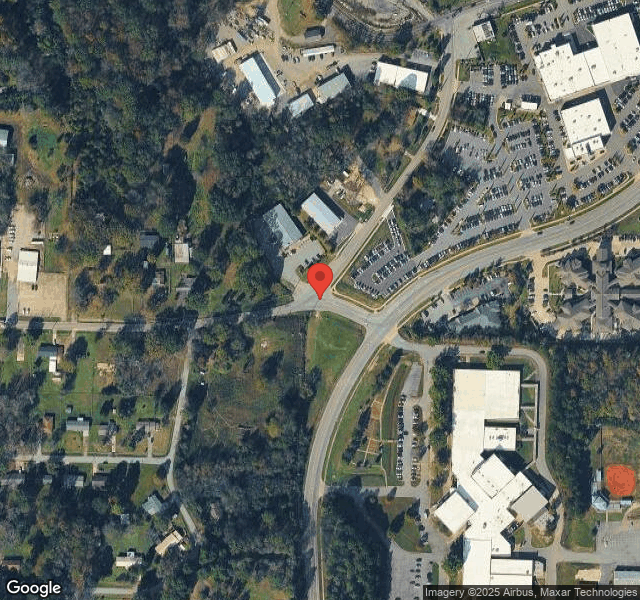

13700 DAVID O DODD ROAD, LITTLE ROCK, AR 72210 (501) 907-8200
For profit - Limited Liability company 120 Beds CENTRAL ARKANSAS NURSING CENTERS Data: November 2025
Trust Grade
65/100
#59 of 218 in AR
Last Inspection: April 2025

Within standard 12-15 month inspection cycle. Federal law requires annual inspections.

Overview

Colonel Glenn Health and Rehab, LLC in Little Rock, Arkansas has a Trust Grade of C+, indicating it is slightly above average, but not exceptional. It ranks #59 out of 218 facilities in the state, placing it in the top half, and #6 out of 23 in Pulaski County, meaning it has a few better local options. The facility is showing signs of improvement, with reported issues decreasing from 8 in 2024 to 6 in 2025. However, staffing is a concern with a 62% turnover rate, which is higher than the state average, suggesting challenges in retaining staff who know the residents well. While the facility has not incurred any fines, there are notable concerns regarding food safety practices, including failure to maintain proper hygiene and ensure food items are stored correctly, which could pose health risks to residents.

Trust Score
C+
65/100
In Arkansas
#59/218
Top 27%
Safety Record
Low Risk
No red flags
Inspections
Getting Better
8 → 6 violations
Staff Stability
⚠ Watch
62% turnover. Above average. Higher turnover means staff may not know residents' routines.
Penalties
✓ Good
No fines on record. Clean compliance history, better than most Arkansas facilities.
Skilled Nurses
⚠ Watch
Each resident gets only 16 minutes of Registered Nurse (RN) attention daily — below average for Arkansas. Fewer RN minutes means fewer trained eyes watching for problems.
Violations
⚠ Watch
31 deficiencies on record. Higher than average. Multiple issues found across inspections.
★★★★☆
4.0
Overall Rating
★★★☆☆
3.0
Staff Levels
★★★★★
5.0
Care Quality
★★★☆☆
3.0
Inspection Score
Stable
2024: 8 issues
2025: 6 issues

The Good

  • 5-Star Quality Measures · Strong clinical quality outcomes
  • Full Sprinkler Coverage · Fire safety systems throughout facility
  • No fines on record

Facility shows strength in quality measures, fire safety.

The Bad

Staff Turnover: 62%

16pts above Arkansas avg (46%)

Frequent staff changes - ask about care continuity

Chain: CENTRAL ARKANSAS NURSING CENTERS

Part of a multi-facility chain

Ask about local staffing decisions and management

Staff turnover is elevated (62%)

14 points above Arkansas average of 48%

The Ugly 31 deficiencies on record

Apr 2025 6 deficiencies
CONCERN (D)

Potential for Harm - no one hurt, but risky conditions existed

Deficiency F0657 (Tag F0657)

Could have caused harm · This affected 1 resident

**NOTE- TERMS IN BRACKETS HAVE BEEN EDITED TO PROTECT CONFIDENTIALITY** Based on facility record review and interview, it was determined that the facility failed to update resident care plans to revea...

Read full inspector narrative →
**NOTE- TERMS IN BRACKETS HAVE BEEN EDITED TO PROTECT CONFIDENTIALITY** Based on facility record review and interview, it was determined that the facility failed to update resident care plans to reveal an accurate code status (Full Code status changed to a Do Not Resuscitate (DNR) status) for 1 (Resident #5) of 2 residents sampled for revisions or updates to the care plan. The findings are: Review of Resident #5 ' s admission Record face sheet revealed Resident #5 ' s admission date was [DATE], and that Resident #5 ' s code status was Full Code. Review of Resident #5 ' s Hospice admission Record, completed on [DATE] revealed Resident #5 ' s code status had been changed to Universal Do Not Resuscitate (DNR), instructing providers not to do CPR (cardiopulmonary resuscitation) if a patient's breathing stops or if the patient's heart stops beating. Review of Resident #5 ' s Care Plan, initiated on [DATE], revealed Resident #5 ' s code status was Full Code (Full code indicates cardiopulmonary resuscitation (CPR) is requested if the resident has no heartbeat and is not breathing). Interventions included to check to make sure that full code status was listed as resident's code status on the resident's profile face sheet, to review code status with the resident or responsible party annually or as needed. The Care Plan had not been updated to display the current, accurate code status for Resident #5. On [DATE] at 3:16 PM, during an interview, the Director of Nursing (DON) stated Care Plans should be updated any time there was a change for a resident and quarterly. A delay in care would be the outcome for the wrong care plan. On [DATE] at 3:04 PM, during an interview the Minimum Data Set Coordinator (MDS) stated she normally updates Care Plans when the MDS was done or when the resident had a change in condition or order.
CONCERN (D)

Potential for Harm - no one hurt, but risky conditions existed

Quality of Care (Tag F0684)

Could have caused harm · This affected 1 resident

Based on observation, interview, record review, and facility document review, the facility failed to implement fall prevention interventions for 1 resident (Resident #58) of 3 residents reviewed for f...

Read full inspector narrative →
Based on observation, interview, record review, and facility document review, the facility failed to implement fall prevention interventions for 1 resident (Resident #58) of 3 residents reviewed for fall prevention. The findings include: A review of the admission Record, indicated the facility admitted Resident #58 with diagnoses that included spastic diplegic cerebral palsy which primarily affects the legs with stiffness and difficulty with walking, abnormality of gait and mobility, communication deficit, anxiety disorder, and muscle wasting and atrophy (muscle shrinking). The quarterly Minimum Data Set (MDS) assessment, with an assessment reference date (ARD) of 03/08/2025, revealed Resident #58 had a Brief Interview of Mental Status (BIMS) of 5 which indicated the resident had severe cognitive impairment. The MDS revealed the resident had two or more falls since the prior assessment and required moderate assistance with toileting hygiene, sit to stand, and toilet transfer. An intervention for transfer indicated the resident required extensive assistance by one staff to move between surfaces. The MDS also indicated the resident was chairfast and could not bear own weight or must be assisted into wheelchair. The functional section indicated that the resident was able to understand reminders and ask for assistance. A review of Resident #58's Care Plan Report, revealed the resident had high risk for falls related to history of falls and weak gait. An intervention dated 07/05/2024, indicated staff should attempt to determine possible cause of falls and record root causes. A review of Residents #58's Care Plan Report, revealed the resident had 13 actual falls on 07/05/2024, 08/12/2024, 09/06/2024, 11/18/2024, 11/25/2024, 12/24/2024, 01/02/2025, 01/09/2025, 02/02/2025, 02/13/2025, 02/19/2025, and 03/21/2025. An intervention dated 10/19/2022 indicated fall mat to the left at side of bed. An intervention dated 01/09/2025 indicated the resident's bathroom door to be closed. An intervention dated 03/21/2025 indicated toileting checks every one hour. An intervention dated 02/24/2023 indicated urinal within reach to left side of bed. An intervention dated 02/03/2025 indicated sensor alarm applied to bathroom door. During an observation on 04/21/25 at 10:20 AM, Resident #58 was sitting in a wheelchair watching television. The bathroom door was open, and a mesh stop sign was across the bathroom door entry. Resident #58 indicated the staff do not want me to walk in the bathroom without the assistance of staff so they put the stop sign in place to remind me to ask for assistance when going into the bathroom. The resident stated, I have had some falls. The bed was in low position and no fall mats were present in the room. An observation on 04/23/25 at 7:51 AM, revealed Resident #58 was not in the resident's room. A mesh stop sign was in place across the entry of the bathroom; the bathroom door was open. The bed was in low position and no fall mats were present in the room. An observation on 04/23/25 at 9:35 AM, revealed Resident #58 was in resident's room. There were no fall mats in the room, nor in the bathroom. A mesh stop sign was across the bathroom door; the bathroom door was open. The resident was sitting in a wheelchair and had on non-skid shoes. On 04/23/2025 at 9:30 AM, during an interview Resident #58's family member reported Resident #58 has had some falls, and the facility placed a mesh stop sign up across the bathroom door because the resident usually falls when trying to use the bathroom without assistance. During an interview on 04/23/25 9:53 AM, with Licensed Practical Nurse (LPN) #5 she reported the facility did not have bed or chair alarms. LPN #5 explained Resident #58 had an alarm on the wall to the left when walking into the resident's bathroom. She indicated the alarm was present so when the resident walked through the door the alarm would sound, and the staff would know to come assist the resident. LPN #5 walked in front of the alarm on the wall several times with no alarm sounding. The LPN verified there was no sensor alarm on the resident's bathroom door and the alarm on the wall was not working and therefore was not doing what it was supposed to do. LPN #5 verified there were no fall mats in the resident's room. The LPN stated the bathroom door must remain open for the resident to view the stop sign so the resident would be prompted to seek assistance. During an interview on 04/23/25 at 9:53 AM, Registered Nurse (RN) #6 was present with LPN #5 in Resident #5's room and verified the alarm on the left side of the wall, inside the resident's bathroom was not working. RN #6 verified there were not any fall mats in the resident's room and the bathroom door was open. During an interview on 04/23/25 at 12:00 PM, Certified Nursing Assistant (CNA) #7 reported he usually works Hall C from Monday to Friday, 7:00 AM to 3:00 PM. He verified there was not an alarm on Resident #58's bathroom door but reported there was an alarm on the left side of the wall just inside the resident's bathroom. CNA #7 indicated that the alarm did not work but he checked on the resident at least every hour while he was working. The CNA verified there were no fall mats in the resident's room and the mesh stop sign was to remind the resident to ask for assistance before going to the bathroom. On 04/23/25 at 3:05 PM, an interview with the Director of Nursing (DON) revealed that Resident #58 has had several falls over the past year. She indicated the interventions related to the resident's Care Plan should be followed to keep the resident safe. The DON reported that the department heads have a daily meeting to discuss resident needs, and a root cause analysis of Resident #58's falls had been discussed but there was no documentation as to the results. The DON indicated, per the resident's interventions for high risk of falls, in the resident's room there should be fall mats on the floor, a mesh stop sign should be across the bathroom entryway, there should be an alarm on the door that does alarm when the resident walks in front of the sensor and the bathroom door should be closed. On 04/24/25 at 8:02 AM, during an interview inside Resident #58's room, Social revealed she was familiar with the resident and attended the care plan meetings for the resident. Social verified there were no fall mats in room, a mesh stop sign was attached only to the right side of the door entry and the bathroom door was partially open. Social verified the alarm did not work by verbalization and by walking in front of the alarm with no sound resulting. She verified the resident's urinal was in the bathroom in a plastic bag near the toilet. On 04/24/25 at 8:12 AM, during an interview, the Administrator reported that the alarm in Resident #58's bathroom did work, but the staff turned it off and on each time the resident was in and out of the room. She reported to her knowledge the resident has had at least 10 falls over the past year. She reported there were no fall mats in the room because they were causing the resident to be unsteady. She verified the resident's urinal was in a bag next to the toilet in the bathroom.
CONCERN (D)

Potential for Harm - no one hurt, but risky conditions existed

Incontinence Care (Tag F0690)

Could have caused harm · This affected 1 resident

**NOTE- TERMS IN BRACKETS HAVE BEEN EDITED TO PROTECT CONFIDENTIALITY** Based on observation, record review, interview, and facility policy review, the facility failed to ensure a urinary catheter dra...

Read full inspector narrative →
**NOTE- TERMS IN BRACKETS HAVE BEEN EDITED TO PROTECT CONFIDENTIALITY** Based on observation, record review, interview, and facility policy review, the facility failed to ensure a urinary catheter drainage bag was not directly touching the floor for 1 (Resident #216) of 1 sampled resident reviewed for urinary catheter care. The findings are: Review of the admission Record revealed Resident #216 was admitted to the facility on [DATE] with diagnoses which included chronic kidney disease (a condition where the kidneys are damaged and cannot filter blood properly). Review of the Order Summary Report revealed [brand name] catheter: 16 French (FR) with 10 cubic centimeters (cc) balloon every night shift starting on the 15th and ending every month with an order date of 04/19/2025. Review of a Nursing Baseline Care Plan with a signed date of 04/18/2025, revealed for bowel and bladder, Resident #216 had an indwelling catheter. On 04/21/2025 at 2:13 PM, Resident #216 was observed lying in bed with eyes closed. On the right side of the bed, there was a urinary catheter drainage bag observed, and the bottom of the drainage bag was directly on the floor on the right side of the bed. There was a green spout on the collection chamber of the urinary drainage bag directly touching the floor. On 04/21/2025 at 4:15 PM, Resident #216 was observed lying in bed on back with the head of bed slightly elevated. The bottom of a urinary drainage bag was observed directly touching the floor. On 04/22/2025 at 2:34 PM, Resident #216 was lying in bed with the head of bed elevated. A urinary drainage bag was hooked inside the bend of a bed rail and the bottom of the bag was directly touching the floor. On 04/23/2025 at 11:05 AM, Resident #216 was lying in bed with the head of bed elevated. A urinary drainage bag was hooked on the lower part of the bed frame and the bottom of the drainage bag was directly on the floor. On 04/23/2025 at 2:34 PM, Certified Nursing Assistant (CNA) #10 and this surveyor entered Resident #216's room, and the bed was elevated and not in the lowest position. CNA #10 lowered the bed down to the lowest position and at 2:37 PM, the bottom of the urinary drainage bag was observed directly on the floor. CNA #10 was interviewed and stated the urinary drainage bag should not be on the floor. On 04/23/2025 at 2:39 PM, CNA #11 was interviewed and stated the urinary drainage bag should not be on the floor for sanitary purposes due to possible contamination. CNA #11 stated the CNA or the nurse was responsible for ensuring the urinary drainage bag was off the floor. On 04/23/2025 at 4:34 PM, the Director of Nursing (DON) was interviewed and stated the urinary drainage bag should be positioned under the bed in a privacy bag and not on the floor. She stated the urinary drainage bag should be positioned off the floor for infection prevention and the CNAs and nurses were responsible for ensuring the urinary drainage bag was not on the floor. Review of a Perineal/Catheter Care policy dated as revised 11/22/2016, revealed for catheter care, extra tubing should be in a coiled position and (drainage bag below the bladder level) with privacy covering. Review of an Infection Prevention and Control Program policy dated 11/22/2017, revealed standard precautions shall be used when caring for residents at all times regardless of their suspected or confirmed infection status.
CONCERN (E)

Potential for Harm - no one hurt, but risky conditions existed

MDS Data Transmission (Tag F0640)

Could have caused harm · This affected multiple residents

**NOTE- TERMS IN BRACKETS HAVE BEEN EDITED TO PROTECT CONFIDENTIALITY** Based on record review and interview, the facility failed to ensure minimum data set (MDS) assessments were transmitted after co...

Read full inspector narrative →
**NOTE- TERMS IN BRACKETS HAVE BEEN EDITED TO PROTECT CONFIDENTIALITY** Based on record review and interview, the facility failed to ensure minimum data set (MDS) assessments were transmitted after completion for 8 (Residents #4, #32, #47, #49, #55, #58, #76, #88) of 8 sampled residents reviewed for resident assessments. The findings are: On 04/23/25, the following issues were identified: 1. A review of Resident #4's quarterly Minimum Data Set (MDS) with an Assessment Reference Date (ARD) of 03/10/2025, status indicated Export Ready but had not been sent. The Completed MDS was dated 03/24/2025, and the Batch Accepted date was 04/24/2025. 2. A review of Resident #32 ' s record revealed that Resident #32 ' s quarterly MDS assessment completed on 03/10/2025 status indicated ready to export. 4. A review of Resident #47 ' s record revealed that Resident #47 ' s quarterly MDS assessment completed on 03/17/2025 status indicated ready to export. 5. On 04/24/2025 a review of Resident #49's MDS assessment history screen revealed a quarterly assessment dated [DATE], status was Export Ready, but the assessment was never added to a batch to be submitted. Review of the MDS screen revealed the last assessment accepted was an admission with an ARD of 12/10/2024. 6. On 04/24/2025, a review of Resident #55's MDS assessment history screen revealed an annual MDS dated [DATE], status was Export Ready, but the assessment was never added to a batch to be submitted. Review of the MDS screen revealed the last MDS accepted was a quarterly MDS with an ARD of 12/13/2024. 7. A review of Resident #58's quarterly MDS with an ARD of 03/08/2025, status indicated Export Ready but had not been sent. The completed MDS was dated 03/22/2025, and the Batch Number 1068 accepted date was 04/24/2025. 8. Review of Resident #76 ' s quarterly MDS with an ARD of 03/16/2025, signed as completed on 03/30/2025, revealed it should have been submitted 04/13/2025, an entry MDS with an ARD of 03/12/2025 not signed by the registered nurse, revealed it should have been submitted 03/26/2025 and a discharge return anticipated MDS with an ARD of 03/09/25, signed as completed on 03/23/25, revealed it should have been submitted 04/06/2025. 9. A review of Resident #88's MDS screen revealed the quarterly MDS with an ARD of 03/18/2025, status was Export Ready and had not been transmitted. Review of the assessment history screen revealed the quarterly assessment dated [DATE], was never added to a batch to be submitted. On 04/24/2025 at 3:04 PM, the MDS Coordinator was interviewed and stated she completed the MDS assessments for the facility. She stated she used the resident assessment instrument (RAI) version 3.0 dated October 2024, to complete the assessments and the time frame for submitting an MDS after completion was 7 days. She reviewed Resident #55's annual MDS with an ARD of 03/13/2025, in the electronic health record and stated the assessment was not submitted because of not being selected with the batch to be submitted. She stated the reason Resident #49's quarterly MDS with an ARD of 03/12/2025, was not submitted was the same answer as Resident #55, it had not been selected with the batch to be submitted. Review of the Centers for Medicare and Medicaid Services (CMS) Resident Assessment Instrument (RAI) version 3.0 manual required assessment summary provided by the Director of Nursing (DON) on 04/24/2025, revealed the transmission date should not be later than the Care Plan completion date plus 14 calendar days for an admission, annual, significant change in status, and significant correction to prior comprehensive MDS assessment. The transmission date should not be later than the MDS completion date plus 14 calendar days for a quarterly, significant correction to prior quarterly, discharge assessment-return and return not anticipated MDS assessment. On 04/24/2025 at 4:56 PM, the DON was asked who was responsible for ensuring that MDS reports were submitted in a timely manner. The DON responded that she was. On 04/24/2025 at 4:59 PM, the MDS Coordinator was asked who was responsible for submitting the MDS in a timely manner, she asked if she could confirm and get back to this surveyor. At 5:00 PM, the MDS Coordinator confirmed she was responsible.
CONCERN (E)

Potential for Harm - no one hurt, but risky conditions existed

Menu Adequacy (Tag F0803)

Could have caused harm · This affected multiple residents

Based on observation, record review, interview, policy review, and the review of the menu, the facility failed to ensure meals were prepared and served according to the planned written menu to meet th...

Read full inspector narrative →
Based on observation, record review, interview, policy review, and the review of the menu, the facility failed to ensure meals were prepared and served according to the planned written menu to meet the nutritional needs of the residents during 1 of 2 meals observed being prepared in the kitchen. The findings are: 1. A review of the 4/22/2025 Breakfast Meal Menu indicated the residents on a regular diet and the residents on a mechanically soft diet were to receive 3/4 cup of cereal, residents on pureed diets were to receive a #8 scoop (1/2 cup) of cereal, and residents on enhanced diets were to receive 1 cup of cereal. a. During an observation of the breakfast meal in the kitchen on 4/22/25 at 7:35 AM, the Dietary [NAME] (DC) #1 used a 4-ounce (oz.) ladle spoon (1/2 cup) to serve a single portion of regular oatmeal to the residents on regular diets and residents on mechanical soft diets, instead of 3/4 cup as specified on the menu. b. During an interview on 4/22/25 at 8:00 AM, DC #1 stated she looked at the menu but did not know why she had used a 4 oz. ladle spoon (1/2 cup) to serve a serving of oatmeal to the residents on regular and mechanical soft diets, instead of 3/4 cup as specified on the menu. c. During an observation on 4/22/25 at 7:37 AM, DC #1 used a 3 oz. ladle spoon (3/8 cup) to serve a single portion of pureed oatmeal to the residents on pureed diets, instead of a #8 scoop (1/2 cup) of pureed cereal as specified on the menu. d. During an observation on 4/22/25 at 7:42 AM, DC #1 used a 4 oz. ladle spoon (1/2 cup) to serve a single portion of super cereal to the residents on enhanced food diets, instead of 1 cup as specified on the menu. 2. During an interview on 4/22/25 at 8:00 AM, DC #1 stated she used 3 oz. ladle spoon (3/8 cup) to serve a serving of oatmeal to the residents on pureed diets, instead of a #8 scoop as specified on the menu. DC #1 stated she looked at the menu but did not know why she had used 3 oz. ladle spoon (1/2 cup) to serve a serving of enhanced oatmeal to the residents on enhanced diets, instead of 1 cup as specified on the menu. 3. During an interview on 4/22/25 at 8:00 AM, DC #1 stated she looked at the menu but did not know why she had used a 4 oz. ladle spoon (1/2 cup) to serve a serving of enhanced oatmeal to the residents on enhanced diets, instead of 1 cup as specified on the menu. DC #1 stated if a resident was not receiving the right portions as specified on the menu it could cause weight loss. 4. During an interview on 4/22/25 at 8:30 AM, the Dietary Manager stated if a resident was not receiving the right portions as specified on the menu it could cause weight loss. 5. A review of facility policy titled, Portion Control indicated staff should serve portions according to the menu spreadsheet.
CONCERN (E)

Potential for Harm - no one hurt, but risky conditions existed

Food Safety (Tag F0812)

Could have caused harm · This affected multiple residents

Based on observation, record review, interview, and facility policy review, the facility failed to ensure expired food items were promptly removed / discarded on or before the expiration or use by dat...

Read full inspector narrative →
Based on observation, record review, interview, and facility policy review, the facility failed to ensure expired food items were promptly removed / discarded on or before the expiration or use by date; Dietary staff washed their hands between dirty and clean tasks and before handling clean equipment; Cold food items were at 41 degrees Fahrenheit or below on ice while awaiting service for 2 of 2 meals observed; ensure meals were served at a safe and appetizing temperature to prevent possible food born illnesses for 1 (Resident #84) of 1 sampled resident. The findings include: 1.On 4/21/25 at 9:28 AM, the following observation was made in the walk-in refrigerator: A carton of half and half was on a shelf with an expiration date of 4/20/2025. 2. On 4/21/25 at 9:50 AM, the following observations were made in the first storage room: A box of cheese peanut butter crackers that contained 80 counts of crackers were on a shelf with an expiration date of 02/01/2025. A box of saltine crackers on a shelf had an expiration date of 02/01/2025. 3. On 4/21/25 at 10:25 AM, the following observations were made in the second storage room: Nine coffee bags were on a shelf with an expiration date of 10/12/2024. Ten boxes of unsweetened milk were on a shelf with an expiration date of 4/17/2025. During an interview on 4/22/25 at 8:30 AM, the Dietary Manager stated the food items were expired and would be discarded. 4. On 4/21/25 at 11:19 AM, a carton of melted vanilla ice cream was on a shelf in the freezer. During an interview with the Dietary Manager, she was asked if the ice cream had melted. She stated it was thawed, and she could not understand why someone would put thawed ice cream back in the freezer to refreeze. 5. On 4/21/25 at 12:28 PM, Dietary [NAME] (DC) #2 touched his hair bead and without washing his hands, he picked up slices of bacon and placed them on the saucepan to be cooked. During an interview with DC #2 he was asked what he should have done after touching dirty objects and before handling clean equipment. DC #2 stated he should have washed his hands. 6. On 4/21/25 at 12:47 PM, second floor food temperatures on the steam table when taken and read by the Dietary [NAME] (DC) #3 were: Turkey sandwich on ice 47 degrees Fahrenheit. Ham and cheese salad 49.8 degrees. During an interview with the Dietary aide (DA) #4, she was asked if a glass of house shake on the tray on the shelf over the steam table was ready to be served to the residents. She stated yes. DA #4 was asked if she would mind checking the temperature. DC #3 checked the temperature and stated it was 63 degrees Fahrenheit and that it was warm to the touch. DA #4 stated she would throw it away and make a new one. During an interview on 4/22/25 at 8:30 AM the Dietary Manager was asked what a safe temperature for the cold food was to be held at prior to serving, and she stated the food temperature was not in the safe range for serving to residents and the quality of food would not be at its highest. 7. A review of facility policy titled, Handwashing and glove usage in food service reviewed indicated hands should be washed before starting work, after leaving and returning to the kitchen prep area and after touching anything else such as dirty equipment and work surfaces. 8. A review of the admission Record, indicated the facility admitted Resident #84 with diagnoses that included dementia (disease affecting memory) with mood disturbance and depressive disorder. The quarterly Minimum Data Set (MDS), with an Assessment Reference Date (ARD) of 02/09/2025, revealed Resident #84 had a Staff Interview for Mental Status (SAMS) score, which indicated the resident had severe cognitive impairment. Resident #84 was totally dependent on staff for eating, transfers and bed mobility. Review of Resident #84's Care Plan, revised on 01/28/2025, revealed the resident had an activities of daily living (ADL) self-care performance deficit related to dementia. Interventions included Resident #84 was dependent on staff for eating and to give a house shake with all meals. A review of Resident #84's physician ' s orders, revealed Resident #84 had a Regular-Enhanced diet; Pureed texture. A review of an Activity of Daily living task - Eating & Percentage, revealed Resident #84 had eaten between 0% to 50 % most meals from 03/26/2025 and 04/24/225. During an observation on 04/21/2025 at 9:59 AM, Resident # 84's breakfast tray was sitting on an overbed table at the end of the resident's bed. Breakfast service began at 7:30 AM, per facility schedule, and trays were taken down each hall one at a time to resident rooms. Resident #84 was in bed with eyes closed, the tray card indicated pureed regular diet with enhanced foods, and written on tray card in marker was super cereal and milk. The utensils on the tray were not open, items on the breakfast tray had not been uncovered, and the milk was unopened. During a concurrent observation and interview on 04/21/2025 at 1:05 PM, a Certified Nursing Assistant (CNA) took a lunch tray into Resident #84's room then came out without the tray. At 1:10 PM, a female, who identified herself as a family friend, and later was identified as a family paid care giver (PCG) #8 reported she came in every day around 10 o'clock to feed the resident. PCG #8 stated Resident #84 ate well for her because the resident knew her as she had been a family friend for a long time. PCG #8 reported she had a staff member heat the breakfast tray prior to feeding it to Resident #84. PCG #8 then stated, due to Resident #84 recently eating 90% of the breakfast tray, she was going to wait to feed the resident lunch. On 04/22/25 at 8:36 AM, a breakfast tray, which was served between 7:30 AM and 8:00 AM, was again observed sitting on an overbed table at the end of Resident #84's bed, the resident was in bed with eyes closed. On 04/22/2025 at 10:51 AM, PCG #8 arrived at the facility and was observed transferring Resident #84 into a Geri chair without assistance of facility staff. PCG # 8 reported she was going to feed Resident #84 breakfast, turned on Resident #84's call light, and when CNA#9 arrived, asked her to heat up the breakfast tray. CNA #9 took the breakfast tray and left the room. On 04/22/2025 at 10:55 AM, CNA #9, who had worked at the facility for two weeks, stated it was in Resident 84 ' s Care Plan to leave breakfast in the resident's room at breakfast so PCG #8 could feed the resident when she arrived. When asked how Resident #84 ' s trays were warmed, CNA #9 replied they were warmed up either in the microwave in the pantry or taken to kitchen to be put in the warmer. On 04/22/2025 at 11:15 AM, Dietary Cook/Dietary Manager Assistant (DC/DMA) #1 was asked how resident's trays that are sent to the floor are reheated. She stated that there were microwaves on each floor. When asked if items are brought to the kitchen to be reheated, she replied no, but the kitchen could prepare something fresh if needed. On 04/24/2025 at 10:13 AM, DC/DMA #1 accompanied this surveyor to Resident #84's room and was asked to check the temperatures of the food items on Resident #84's breakfast tray using her digital thermometer. The results were: oatmeal-92 degrees Fahrenheit; pancake-75.2 degrees Fahrenheit; sausage 79.9 degrees Fahrenheit; eggs-78.4 degrees Fahrenheit; and house shake which contained milk products- 63.1 degrees Fahrenheit. DC/DMA #1 stated, A lot of stuff could happen if food is consumed outside of safe temperature range and in the danger zone. It would be better to make it fresh. When asked how the food could be heated, she replied, by using the microwave in the break room. When asked how the temperature would be checked prior to serving, DC/CMA #1 stated, I don't guess it could be, it would be better to have something fresh made when the caregiver arrives. At this time the Director of Nursing (DON) came into Resident #84's room. She related that Resident #84's family member had requested food be left in room so PCG #8 could feed the resident when she arrived. The DON confirmed food could be unsafe to feed to residents after sitting for an extended period. The DON went on to say the food could be heated. When asked how the temperature would be checked to ensure it was reheated to the proper temperature, she agreed the CNAs had no way to check the temperature of the food if microwaved to ensure it was at an acceptable range. The DON was asked if there was documentation that Resident #84 ' s family member had requested trays be left in the resident's room. She stated, no and that it had been a conversation she had with the family member and she related it to staff in the morning stand up meeting. The DON also agreed this should have been placed in Resident #84's Care Plan. On 04/24/25 at 12.52 PM, Resident #84's family member was contacted via telephone. The family member reported the facility ' s policy was unknown but that the family member did not want Resident #84 taken to the dining room at mealtimes due to having to get up so early and being distracted from eating by other residents. Resident #84 ' s family member stated the facility had not, to the family member ' s knowledge, attempted to feed Resident #84 in the room, and the family member had been told if Resident #84 was dependent on staff for eating the resident would have to be fed in the dining room so the family member had instructed the facility to leave the tray in the room so the PCG #8 would be able to feed the resident when she arrived. A review of nutritional services facility policies titled, Holding Foods dated 03/27/2012, and Resident Dining Services dated 12/16/2006, indicated foods would be held at proper temperatures to avoid bacterial growth, and remain palatable. Temperatures must meet or exceed 140 degrees Fahrenheit for hot foods and at or below 41 degrees Fahrenheit for cold foods. The facility will have a process in place to ensure residents receive meals in a timely manner with appropriate assistance.
Feb 2024 8 deficiencies
CONCERN (D)

Potential for Harm - no one hurt, but risky conditions existed

Deficiency F0688 (Tag F0688)

Could have caused harm · This affected 1 resident

Based on observation, record review and interview the facility failed to ensure that 1 (Resident #76) of 2 sampled residents on 2 C had a hand roll as care planned for an intervention. The findings ar...

Read full inspector narrative →
Based on observation, record review and interview the facility failed to ensure that 1 (Resident #76) of 2 sampled residents on 2 C had a hand roll as care planned for an intervention. The findings are: 1. Resident #76 had diagnoses of Cerebrovascular accident (CVA), Polyneuropathy, Type 2 Diabetes Mellitus. The Quarterly Minimum Data Set [MDS] with an Assessment Reference Date [ARD] of 01-17-2024 indicates a Brief Interview for Mental Status [BIMS] of 15 (13-15 indicates cognitively intact). a. During observations while speaking with Resident #76 had limited mobility with right hand contracture with no hand roll in place to maintain, improve or prevent avoidable decline in range of motion. b. On 02/12/2204 at 10:58 AM, Resident had a closet care plan listing a right-hand roll, but it was not in place. The Surveyor was unable to locate a care plan or orders for a hand roll. The Surveyor asked Resident #76 if they used a hand roll, who stated, I used to have one but I haven't in about a month, I'm not sure where it is. c. 02/14/2024 at 11:45 AM, observed Resident #76 without hand roll. Resident was asked Do you have your handroll today? Resident stated No, I haven't had it in over a month, I don't know what happened to it. d. 02/14/2024 at 12:20 PM, during interview the Surveyor asked the Minimum Data Set (MDS) Coordinator, Who is responsible for the closet care plan? The MDS Coordinator stated, Everyone gets a closet care plan. Surveyor asked, Who is responsible for putting it on the closet care plan? The MDS Coordinator stated, The admission nurse usually does that, and I am the one who puts it in the care plan, I'm going to do that right now and it will be fixed. The Surveyor asked, Who is responsible for making sure it's on the care plan and followed through? The MDS Coordinator stated, All the staff, the nurses, myself, and it will be fixed right now. e. On 2/16/2024 at 11:20 AM, the Nurse Consultant brought the facility policy for care planning, The Resident Assessment Instrument (RAI), which documented the MDS Coordinator is required to sign and date the care area assessment summary after it had been reviewed to certify completion of the comprehensive assessment. Facilities have 7 days after completing the RAI assessment to develop or revise the residents care plan. The 7-day requirement for completion or modification of the care plan applies to the admission.
CONCERN (D)

Potential for Harm - no one hurt, but risky conditions existed

Accident Prevention (Tag F0689)

Could have caused harm · This affected 1 resident

Based on observation, record review and interview, the facility failed to ensure an accident/hazard free environment was provided for 1 Resident (#10) resident in the case mix. This failed practice ha...

Read full inspector narrative →
Based on observation, record review and interview, the facility failed to ensure an accident/hazard free environment was provided for 1 Resident (#10) resident in the case mix. This failed practice had the potential to affect 7 ambulatory residents who resided on hall 1-D. The findings are: 1. Resident #10 has Diagnoses: EDEMA, CHRONIC KIDNEY DISEASE. On the Quarterly Minimum Data Set (MDS) with an assessment reference date (ARD) of January 26, 2024, the resident received a score of 13 (Cognition is intact) on the brief interview for mental status (BIMS). a. On 2/12/24 at 12:02 PM, the Surveyor noted a bottle of rubbing alcohol sitting on the floor beside Resident #10 ' s room. When asked if she used the rubbing alcohol Resident #10 stated, Yes, I put it on my legs and then I put the Vaseline on my legs to keep them well. b. On 2/12/2024 at 12:05 PM, the Surveyor interviewed Licensed Practical Nurse (LPN) #1 and asked if a resident could keep rubbing alcohol at their bedside or beside their chair, LPN #1 stated No, it is not permissible. They can ingest it. LPN #1 was informed of the rubbing alcohol at Resident #10 ' s bedside and immediately went and removed the bottle, stating We have to watch her because she has a lot of family and friends who will bring her things. c. On 02/15/2024 at 02:00 PM, the Administrator was asked what is your policy for residents who have rubbing alcohol in the room. The Administrator said If they have it, they have it put up in their closets. If we see it, we take it out of their room. If we are aware of it, we would ask the doctor if they could have it and get it on their Medication Administration Record MAR. The Surveyor asked, what is your policy for family and friends bringing rubbing alcohol to their resident? The Administrator stated We asked them not to bring it. The Surveyor asked, what could be a potential negative outcome to a resident? The Administrator stated, Some demented resident could drink it, spill it, get it in their eyes and they could get sick. d. On 02/15/2023 at 2:57 PM, the Safety Data Sheet provided by the Administrator documented, Danger! Flammable liquid. May form explosive peroxides. May cause respiratory and digestive tract irritation. Causes eye irritation. May cause skin irritation. May cause central nervous system depression. Target Organs: Eyes, skin, respiratory system, central nervous system. Potential Health Effects . Chronic: Prolonged or repeated skin contact may cause defatting and dermatitis. May cause allergic skin reaction in some individuals .Section 4 .Section 16.
CONCERN (D)

Potential for Harm - no one hurt, but risky conditions existed

Incontinence Care (Tag F0690)

Could have caused harm · This affected 1 resident

Based on observations, interviews and record review, the facility failed to ensure that 1 (Resident #39) resident received proper incontinence care. This failed practice had the potential to cause ski...

Read full inspector narrative →
Based on observations, interviews and record review, the facility failed to ensure that 1 (Resident #39) resident received proper incontinence care. This failed practice had the potential to cause skin breakdown, poor hygiene, and/or infection. This failed practice had the potential to affect 4 Residents on 2B hall dependent on staff to provided incontinence care. The findings are: 1. Resident #39 had a diagnosis of memory deficit following cerebral infarction. According to a Quarterly Minimum Data Set (MDS) with Assessment Reference Date of 10/11/23 documented that Resident #39 was unable to complete the Brief Interview of Mental Status (BIMS), and Resident #39 was always incontinent of bowel/bladder. a. On 02/12 /2024 at 10:22 AM, Resident #39 was sitting up in Geri-chair, wearing jeans that were visibly soiled and room had an odor. b. On 02/12/2024 11:00 AM, the Surveyor observed 3 Certified Nursing Assistant (CNA) ' s enter Resident #39 ' s room with a lift and linens in a clear bag. CNA #1 operated the Hoyer lift while CNA #2 set up for perineal care then when prompted by CNA #1 to pull Resident #39 back to ensure the resident ' s feet did not hit the lift. Once Resident #39 was place in bed, Surveyor observed the resident ' s jeans were wet. CNA #1 with gloved hands pulled jeans to knees and rolled Resident #39 onto left side and performed incontinent care. CNA #1 changed gloves and without sanitizing hands applied clean gloves, then walked around to the other side of bed. CNA #1 removed jeans entirely and placed in clear bag at foot of bed. CNA #1 change gloves and without sanitizing hands applied clean gloves. CNA #1 removed peri-wash from nightstand squirted on Resident's perineal area and performed incontinent care. CNA #1 changed gloves and without sanitizing hands applied clean gloves. CNA #1 and CNA #2 assisted Resident #39 onto the right side. Surveyor observed body fluid on lift pad. CNA #1 pulled incontinence brief and soiled lift pad out and placed it in a clear bag at the foot of bed. CNA #1 changed gloves and without sanitizing hands applied clean gloves. CNA #1 proceeded to provide incontinent care while CNA #2 held Resident #39 in place. CNA #1 removed soiled gloves and without sanitizing hands applied clean gloves. CNA #1 placed clean brief under Resident #39 then CNA #1 and #2 rolled Resident onto their back. CNA #1 continued incontinent care CNA #1 with same gloves attached clean brief with the help of CNA #2. Both CNA #1 and #2 applied clean jeans. The Surveyor exited the room and waited for CNA #1 and #2 to exit Resident's room. c. CNA #1 and CNA #2 exited Resident's room with clear bag in hand, place in hampers, and washed their hands. d. On 02/12/2024 at 11:10 AM, Surveyor asked CNA #1 what should you do between glove change? CNA #1 stated Wash hands. Surveyor asked CNA #1, did you do that? CNA stated, No ma'am. f. On 02/14/2024 at 02:00 PM, a policy was provided to the Surveyor titled Perineal/Incontinence Care that documented Female: with gloved hands gently open labia with one hand using the other hand to gently cleanse. Repeat until complete cleansing is achieved. Do not use washcloth/wipe more than one time, then turn and discard.
CONCERN (E)

Potential for Harm - no one hurt, but risky conditions existed

Deficiency F0558 (Tag F0558)

Could have caused harm · This affected multiple residents

Based on record review and interview, the facility failed to ensure that a call light was in reach for 1 Resident #3 of 4 sampled residents (Residents #69; #86; #91) who utilize the call light on unit...

Read full inspector narrative →
Based on record review and interview, the facility failed to ensure that a call light was in reach for 1 Resident #3 of 4 sampled residents (Residents #69; #86; #91) who utilize the call light on unit 1-D. The facility failed to ensure that call lights located in the resident's bathroom were equipped with a device that would enable them to reach the call light should they fall for 1 Resident #34 who resides on unit 1-B and 2 Residents #86 and #399 sampled residents who reside on unit 1-D. The findings are: 1) Resident #3 has a diagnosis of shortness of breath, genetic causes of short stature, and glaucoma. On the Quarterly Minimum Data Set (MDS) with an Assessment Reference Date (ARD) of December 23, 2023. The resident received a score of 15 (Cognitively Intact) on the Brief Interview for Mental Status (BIMS). a) On 02/12/2024 10:54 AM, Resident #3 stated Sometimes I have a hard time getting my call button when it falls to the floor. It doesn't stay clipped. I have to beat on the table to get them. The Resident's call light was noted to be lying on the floor. b) On 02/13/2024 11:22 AM, the surveyor made observations of Resident #3 ' s call light lying on the floor. The Surveyor pushed the button to alert the staff. Certified Nursing Assistant (CNA) #4 came into the room to check Resident #3. The Surveyor asked CNA #4 where the call light should be. The CNA stated, Within reach of the resident. CNA #4 was asked why should the call light be in reach of the resident. CNA #4 stated So they can call us. 2. Resident #86 has a diagnosis Diabetes mellitus, Glaucoma, and Cerebral infarction. On the quarterly MDS with an ARD of 12/6/23 the resident received a score of 9 (8-12 indicates moderate cognitive impairment) on the BIMS. a. On 02/12/2024 at 10:50 AM, Resident #86 ' s bathroom was observed to not have a string extending from the call light. Resident #86, was ambulating freely around the room. The Surveyor asked if the resident utilized the bathroom. Resident #86 stated, All the time. Resident #86 was asked if they would be able to reach the call light if a fall occurred in the bathroom. Resident #86 stated, I would do my best to sit up and reach it, but I would rather have a string. 3. Resident #399 had diagnoses of Hypertension, Diabetes mellitus, and Acquired absence of right leg below knee. On the quarterly MDS with an ARD of 10/27/23 the resident received a score of 13 (13-15 indicates cognitively intact) on the BIMS. a. On 02/12/2024 at 11:24 AM, Resident #399 ' s bathroom was observed to not have a string extending from the call light. Resident #399 stated that despite having had a stroke they could still use the bathroom and that the staff helped with transfers to the toilet. At 1:25 PM, the Resident was asked if they could reach the call light if a fall occurred from the toilet. Resident #399 stated, I would do my best, but since I can't use my right side, it would be hard. I really need a string. 4. Resident #34 had diagnoses of Diabetes mellitus with diabetic Polyneuropathy and Orthopedic aftercare following surgical amputation. On the quarterly MDS with an ARD of 12/13/23 the resident received a score of 15 on the BIMS. a. On the On 02/12/2024 on 12:19 PM, Resident #34's bathroom was observed to not have a string extending from the call light. Resident #34 was asked if they utilized the bathroom. The Resident stated, Yes, I use it in the daytime. Resident #3 described wearing a brief at night due to their prosthesis being removed and it being too hard for the staff to assist with transfers to the bathroom. When asked about the ability to reach the call light if a fall occurred in the bathroom the Resident stated, It would take some time for me to get over there. My string broke about 2 or 3 months ago and I told the maintenance man. I still don't have one. 5. On 2/12/2024 at 3:35 PM, a Maintenance Director was asked how he was made aware of maintenance issues in the facility. He reported that requests for maintenance forms were at each nurses' station. The Maintenance Director was asked if a resident could reach the call light button if they were to fall. He stated, I think some of them could, but not all of them. Some of them would have to have a string. 6. On 2/13/2024 at approximately 1:49 PM, CNA #5 was asked residents could reach their call light in their bathroom if it didn't have a pull string. CNA #5 stated, I think it would be hard. I mean they really need a string. 7. On 2/14/2024 at approximately 11:30 AM, the Administrator was asked if a resident could reach the call light if they were to fall in their bathroom if the call light device did not have a string which extended down the wall. The Administrator stated, I bet I could. 8. On 2/16/2024 at 8:30 AM, the Assistant Administrator (AA) was asked if the facility had a policy concerning call lights. AA reported that he would ask the Administrator upon their return. No policy was available.
CONCERN (E) 📢 Someone Reported This

A family member, employee, or ombudsman was alarmed enough to file a formal complaint

Potential for Harm - no one hurt, but risky conditions existed

Assessment Accuracy (Tag F0641)

Could have caused harm · This affected multiple residents

Based on observation, record review, and interview, the facility failed to accurately assess the Minimum Data Set [MDS] accurately reflected on Section J1800, any falls since Admission/Entry or Reentr...

Read full inspector narrative →
Based on observation, record review, and interview, the facility failed to accurately assess the Minimum Data Set [MDS] accurately reflected on Section J1800, any falls since Admission/Entry or Reentry or Prior Assessment, a history of falls affecting 1 sampled (Resident #68) of 4 residents with falls on 2A. The facility failed to update the Minimum Data Set [MDS] with a discharge with anticipation to return in a timely manner for 1 (Resident #32) of 46 residents discharged in the last 120 days. The findings are: 1. Resident #68 with a diagnosis of ALZHEIMER ' S DISEASE, Dementia, CHRONIC OBSTRUCTIVE PULMONARY DISEASE and OBSTRUCTIVE AND REFLUX UROPATHY. The Quarterly Minimum Data Set [MDS] with an Assessment Reference Date [ARD] of 07/21/2023 shows a Brief Interview for Mental Status (BIMS) of 99 (99 means unable to complete the interview). Resident #68 required extensive one person assistance for bed mobility, transfers dressing, eating, toileting and personal hygiene. a. A Care Plan (Revised, 01/05/2024) for Resident #68 documented, .The resident is High risk for falls r/t past medical history of falls, multiple dx noted in chart .1/19/23 Actual fall without injury .01/20/23 Actual fall without injury .01/20/23 Actual fall without injury .01/29/23 Actual fall without injury .02/17/23 Actual fall without injury . 02/18/23- Actual fall without injury .3/3/23- Actual fall without injury .3/10/23- Actual fall without injury .3/17/23- Actual fall with right femur fracture .08/14/23 - Actual fall without injury .09/12/23 Actual fall with injury .12/2/23: actual fall with no injury . b. On 02/14/2024 at 09:06 PM, The Surveyor reviewed the 04/20/2023, 07/21/2023, and 10/21/2023 Quarterly Minimum Data Set [MDS] and Section J1800. Any Falls Since Admission/Entry or Reentry or Prior Assessment (OBRA or Scheduled PPS), whichever is more recent is answered 0 (0 means no falls). c. 02/15/2024 10:09 AM, the Surveyor asked the MDS Coordinator to check section J1800, on the Quarterly Minimum Data Set [MDS] with an Assessment Reference Date [ARD] of 10/21/2023 and see if Resident #68 had been coded for falls. The MDS Coordinator said, I did not code it right. The Surveyor asked what she meant by saying it was not coded right and the MDS Coordinator said it meant she answered 0 no falls. The MDS nurse was asked why it was important to code correctly to the MDS, and if miscoding could affect resident care. The MDS nurse said it is important for accuracy but did not affect care because resident #68's falls were in the care plan anyway. d. 02/15/2024 10:15 AM, the Surveyor asked the Administrator if staff were expected to chart accurately to the MDS, and she yes, because we get accurate information. The Surveyor asked if coding incorrectly to the MDS could affect resident care and the Administrator said that it can affect resident care when MDS information is not accurate. The Surveyor asked for an MDS policy and the Administrator said they use the Resident Assessment Instrument [RAI] manual and would bring section J1800 to the surveyor. e. On 02/15/2024 10:30 AM, the Nursing Consultant provided section J1800 of the Resident Assessment Instrument [RAI] manual titled J1800: Any Falls Since Admission/Entry or Reentry or Prior Assessment (OBRA or Scheduled PPS), whichever is more recent documenting, . Planning for Care identification of residents who are at high risk of falling is a top priority for care planning. A previous fall is the most important predictor of risk for future falls .A fall should stimulate evaluation of the resident's need for rehabilitation, ambulation aids, modification of the physical environment, or additional monitoring . Steps for Assessment .2. If this is not the first assessment/entry or reentry (A0310E=1), the review period is from the day after the ARD of the last MDS assessment to the ARD of the current assessment. 3. Review all available sources for any fall since the last assessment, no matter whether it occurred while out in the community, in an acute hospital, or in the nursing home. Include medical records generated in any health care setting since last assessment. 4. Review nursing home incident reports, fall logs and the medical record (physician, nursing, therapy, and nursing assistant notes). 5. Ask the resident and family about falls during the look-back period. Resident and family reports of falls should be captured here whether or not these incidents are documented in the medical record . Code 1, yes: If the resident has fallen since the last assessment. Continue to Number of Falls Since Admission/Entry or Prior Assessment (OBRA or Schedule PPS) . 2. Resident #32 with a diagnosis of Metabolic encephalopathy, CVA and chronic kidney disease. The Quarterly Minimum Data Set [MDS] with an Assessment Reference Date [ARD] of 9/26/2023 a Brief Interview of Mental Status score of 03( 0-3 indicates severe cognitive impairment). Per closed record review MDS 120 days overdue. The Surveyor reviewed the MDS records and Nursing Notes and did not find discharge information. a. On 02/15/2024 9:15 AM, during interview LPN #3 said Resident #32 ' s skin beginning to mottle. If she had been with Hospice, we wouldn't have sent her to the hospital. She was very sick. LPN #3 referred to a nursing progress note she had written on 12/1/2023 describing the Resident's condition. She also described how the e-interact assessment on 12/2/2023 was never finished. add. b. On 02/15/2024 at 02:20 PM, the Surveyor asked the MDS coordinator concerning Resident #32 transfer on 12/3/2024. She stated she does not remember her she doesn't believe she was working with her at that time. She did look up Residents in electronic health record to answer questions. The surveyor asked, What is MDS process when someone is transferred or discharged ? MDS replied Well, if they go to the emergency room (ER) we do a discharge with anticipated return form. The surveyor asked, Was that done? MDS stated No it was not done. The surveyor asked, If they do not return what is the process?. MDS stated, If it's before midnight we do a discharge not anticipating a return form, but if it's after midnight we don't, we don't need to do anything. c. 02/16/2024 at 09:41 AM, Surveyor requested RAI policy with a discharge anticipating the return Nurse consultant provided the copy. d. On 02/16/2024 at 09:41 AM, the Nurse Consultant provided a policy titled Death in Facility Tracking Record OBRA Discharge Assessments Documenting, .10 OBRA Discharge Assessment-Return Anticipated. Must be completed when the resident is discharged from the facility and the resident is expected to return to the facility within 30 days. Must be completed within 14 days after the discharge date + 14 calendar days .
CONCERN (E)

Potential for Harm - no one hurt, but risky conditions existed

Respiratory Care (Tag F0695)

Could have caused harm · This affected multiple residents

Based on observation, record review, and interview, the facility failed to ensure oxygen was administered at the flow rate ordered by the physician to reduce the potential for respiratory complication...

Read full inspector narrative →
Based on observation, record review, and interview, the facility failed to ensure oxygen was administered at the flow rate ordered by the physician to reduce the potential for respiratory complications for 2 (Resident #33, and #73) of 5 sampled residents. The facility failed to store oxygen tubing appropriately when not in use to prevent possible respiratory complications for 1(Resident #27) of 5 sampled residents. This failed practice had the potential to affect 15 residents that had physicians' orders for Oxygen as documented on a list provided by the Director of Nursing on 02/15/24 at 3:50 PM. The findings are: 1. Resident #33 had diagnoses of Pulmonary fibrosis, Chronic obstructive pulmonary disease, and Heart failure. The Annual Minimum Data Set (MDS) with an Assessment Reference Date (ARD) of 1/14/24 documented that the resident scored 7 (0-7 indicates severe impairment) on the Brief Interview for Mental Status (BIMS) and received oxygen therapy. a. The physician's order dated 8/3/23 documented, .O2 (Oxygen) at 3L/M(Liters per Minute) via NC (Nasal Cannula) continuously. May remove for ADLs (Activities of Daily Living). every shift related to Chronic obstructive pulmonary disease, unspecified . b. The care plan with a revision date of 1/11/24 documented, .Focus: (Resident #33) has oxygen therapy r/t (related to) emphysema, Pulmonary fibrosis, COPD (Chronic Obstructive Pulmonary Disease), and Mucopurulent chronic bronchitis .Goal: Resident will have no s/sx (signs or symptoms) of poor oxygen absorption .Interventions/Tasks: . OXYGEN SETTINGS: O2 (Oxygen at) 3 L/M (liters per minute) via nasal prongs . c. The care plan with a revision date of 1/11/23 documented, .Focus: Resident has Asthma r/t emphysema, Pulmonary fibrosis, COPD, and chronic bronchitis .Goal: (Resident #33) will remain free of complications of Asthma .Interventions/Tasks: .o Give nebulizer treatments and oxygen therapy as ordered. OXYGEN SETTINGS: O2 via nasal prongs @ 3LPM . d. On 02/12/2024 at 10:21 AM, Resident #33 was sitting up in recliner with oxygen in use between 2.0 and 2.5 liters per nasal cannula. e. On 02/12/2024 at 02:50 PM, Resident #33 was sitting up in recliner with oxygen in use between 2.0 to 2.5 liters per nasal cannula. Resident #33 said she uses her oxygen all the time. Also said she sleeps in her recliner because it is easier to breathe that way. f. On 02/13/2024 at 08:56 AM, Resident #33 was sitting up in recliner with eyes closed. Oxygen was in use between 2.0 and 2.5 liters per nasal cannula. g. On 02/14/2024 at 10:16 AM, Resident #33 was sitting up in recliner with eyes closed. Oxygen was in use between 2.0 and 2.5 liters per nasal cannula. h. On 02/15/2024 at 08:20 AM, Resident #33 was sitting up in recliner watching television. Oxygen was in use at 2.0 and 2.5 liters per nasal cannula. i. On 2/15/2023 at 10:10 am, the Surveyor asked Licensed Practical Nurse (LPN) #4 to accompany her to Resident #33's room. Upon entering the room LPN #4 was asked, What is (Resident #33's) oxygen flow rate set at? LPN #4 looked at Resident #33 oxygen concentrator and flow rate and stated, It is set at 2.5 liters. LPN #4 was asked, What should (Resident #33's) Oxygen flow rate be set at? LPN #4 stated, It should be set at 3 liters. LPN #4 was asked, Who is responsible for ensuring oxygen is set at the correct rate? LPN #4 stated, The Nurse. LPN #4 was asked, How often should the oxygen flow rate be checked? LPN #4 stated, I usually check the rate by noon, but I check it at least twice a shift. LPN #4 was asked, Does Resident #33 alter her oxygen flow rate? LPN #4 stated, no. She would not but her family might. LPN #4 was asked, Should doctor's orders for oxygen flow rate be followed? LPN #4 stated, yes. LPN #4 was asked, why is it important that the oxygen is set at the correct flow rate? It is important because it helps improve her breathing. LPN #4 was asked, If a resident is altering their oxygen flow rate should the doctor be notified? LPN #4 stated, yes. 2. Resident #73 had diagnoses of COPD Acute on chronic respiratory failure with hypoxia, and Heart failure. The Quarterly MDS with an ARD of 1/4/24 documented that the resident scored 15 (13-15 indicates cognitively intact) on the Brief Interview for Mental Status (BIMS) and used oxygen therapy. a. A physician's order dated 11/8/23 documented, .O2 (Oxygen) at 3 LPM via nasal cannula for SOB (Shortness of Breath) and / or pulse ox (Oximetry) less than 90% every shift related to Acute and chronic respiratory failure with hypoxia and Chronic obstructive pulmonary disease with (acute) exacerbation. b. The care plan with a revision date of 12/29/23 documented, .Focus: (Resident #73) has oxygen therapy r/t(related to) COPD . Goal: o (Resident #73) will have no s/sx (signs or symptoms) of poor oxygen absorption .Interventions/Tasks: . OXYGEN SETTINGS: O2 via nasal prongs @ 3LPM c. On 02/12/2024 at 10:37 AM, Resident #73 was sitting up in bed watching television and knitting. Oxygen was in use at 2 liters per nasal cannula. d. On 02/13/2024 at 08:59 AM, Resident #73 was lying in bed with eyes closed. Oxygen was in use at 2 liters per nasal cannula. e. On 02/13/2024 at 10:33 AM, Resident #73 was sitting up in bed. Oxygen was in use at 2 liters per nasal cannula. f. On 02/14/2024 at 01:00 PM, Resident #73 was sitting up in wheelchair in room with oxygen in use at 2 liters per nasal cannula. g. On 2/14/2024 at 1:45 PM, LPN #1 was asked by the Surveyor to accompany her to Resident #73's room. Upon entering room LPN #1 was asked, What flow rate is (Resident #73's) oxygen set at? LPN #1 looked at Resident #73 oxygen concentrator and the flow rate and stated, It is set at 2 liters. The Surveyor and LPN #1 then exited the room and LPN #1 was asked, What should (Resident #73's) oxygen flow rate be set at? LPN #1 stated, I will have to look at the record to be sure. LPN #1 looked at Resident #73's electronic record and stated, It should be set at 3 liters. I will get that changed right now. LPN #1 was asked, Who is responsible for ensuring the oxygen is set at the correct flow rate? LPN #1 stated, It would be the nurse. LPN #1 was asked, How often should the oxygen flow rate be checked? LPN #1 stated, Once a shift. LPN #1 was asked, Does (Resident #73) alter her oxygen flow rate herself? LPN #1 stated, Yes. LPN #1 was asked, Is it care planned that the Resident alters her oxygen flow rate? LPN #1 stated, I am not sure. LPN #1 looked at Resident #73 electronic record and stated, It is not care planned that she alters the rate. LPN #1 was asked, Should doctors order for oxygen flow rate be followed? LPN #1 stated, Yes, the orders should always be followed. LPN #1 was asked, Why is it important that the doctor's orders for oxygen flow rate are followed? LPN #1 stated, If the resident has COPD the flow rate should not go over a certain amount. Oxygen is a medication and as nurses we should not alter without a doctor's order. LPN #1 was asked, If a resident is altering the flow rate of their oxygen should the doctor be notified? LPN #1 stated, Yes, the doctor should be notified. LPN #1 was asked, Has Resident #73's doctor been notified that she alters her oxygen flow rate? LPN #1 stated, Not that I know of. I would have to go through the progress notes to see if he has been notified. h. On 12/14/2024 at 2:00 PM, the Surveyor reviewed Resident #73's nursing progress notes for 1/15/24 to 2/14/24 and there was no documentation that the doctor had been notified regarding the resident altering her oxygen flow rate. i. On 2/15/2024 at 2:40 PM, the Surveyor asked the Director of Nursing (DON), Who is responsible for ensuring that a resident's oxygen is set at the correct flow rate? The DON stated, The nurses are responsible. The DON was asked, How often should the nurse check to ensure the oxygen is at the correct flow rate? The DON stated, Every time that they go into the residents room. The DON was asked, Should doctor's orders for oxygen flow rate be followed? The DON stated, Yes. The DON was asked, Why is it important that the oxygen is set at the rate ordered by the doctor? The DON stated, Because the doctor has assessed the resident, they know what flow rate is safe for the resident. The DON was asked, Should the doctor be notified if a resident is adjusting the flow rate of their oxygen? The DON stated, Yes, the nurses should call the doctor and let him know. I was not aware that (Resident #73) changed the flow rate. j. On 2/15/2024 at 3:45 PM, the policy title Oxygen Safety provided by the Administrator documented, .Policy: The facility will properly handle oxygen and other flammable gases. Procedure: 1. Oxygen therapy is administered to the resident only upon the written order of a licensed physician . 3. Resident #27 had a diagnosis of acute respiratory failure with Hypoxia and COPD. Resident 27 has an order for oxygen continuous at 3 liters via nasal cannula. According to the order oxygen tubing was to be changed every Sunday night on 11-7 shift and dated. Quarterly MDS with ARD of 11/14/23 documented that Resident scored 15 (13-15 cognitively intact) on a BIM and used oxygen therapy while a Resident. a. On 02/12/2024 at 10:56 AM, the Surveyor observed Resident #27 sitting on the side of bed with feet on the floor. Resident #27 had oxygen in place via nasal cannula from concentrator at 3 liters. There was a wheelchair next to Resident's bed with a portable oxygen tank attached and tubing bundled up in the seat of the wheelchair uncovered. b. On 02/12/2024 at 10:56 AM, Resident #27 said she uses the chair and oxygen when she travels with family and goes to the dining room. c. On 02/13/2024 at 10:46 AM, the Surveyor observed Resident #27 was in the restroom with oxygen noted in place via nasal cannula from to the concentrator. There was oxygen tubing bundle in seat of wheelchair uncovered. d. On 02/14/2024 at 10:41 AM, the Surveyor observed Resident #27 sitting on side of bed with Surveyor observed oxygen tubing bundled up in the wheelchair uncovered. e. On 02/14/2024 at 11:56 AM, Surveyor observed Resident #27 in wheelchair being pushed by family with oxygen being delivered via nasal cannula from portable oxygen tank attached to wheelchair. f. On 02/14/2024 at 11:56 AM, Surveyor asked Resident #27 is that new oxygen tubing you have on? Resident #27 stated, yes ma'am. Surveyor asked Resident #27 was it changed today? Resident #27 stated, No, not today. Surveyor asked Resident #27 when was the tubing changed? Resident #27 stated Christmas when I was last in the chair. g. On 02/14/2024 at 12:55 PM, the Surveyor asked LPN #2, what is the proper way to store oxygen that is not in use? LPN #2 stated In a plastic with the date that the tubing was changed. h. On 02/14/2024 01:00 PM, the Surveyor asked Administrator, what is the proper way to store oxygen tubing when not in use? Administrator stated, In a bag on the back of a chair.
CONCERN (E)

Potential for Harm - no one hurt, but risky conditions existed

Deficiency F0919 (Tag F0919)

Could have caused harm · This affected multiple residents

Based on record review and interview, the facility failed to ensure that a call light was in reach for 1 Resident #3 of 4 sampled residents (Residents #69; #86; #91) who utilize the call light on unit...

Read full inspector narrative →
Based on record review and interview, the facility failed to ensure that a call light was in reach for 1 Resident #3 of 4 sampled residents (Residents #69; #86; #91) who utilize the call light on unit 1-D. The facility failed to ensure that call lights located in the resident's bathroom were equipped with a device that would enable them to reach the call light should they fall for 1 Resident #34 who resides on unit 1-B and 2 Residents #86 and #399 sampled residents who reside on unit 1-D. The findings are: 1) Resident #3 has a diagnosis of shortness of breath, genetic causes of short stature, and glaucoma. On the Quarterly Minimum Data Set (MDS) with an Assessment Reference Date (ARD) of December 23, 2023. The resident received a score of 15 (Cognitively Intact) on the Brief Interview for Mental Status (BIMS). a) On 02/12/2024 10:54 AM, Resident #3 stated Sometimes I have a hard time getting my call button when it falls to the floor. It doesn't stay clipped. I have to beat on the table to get them. The Resident's call light was noted to be lying on the floor. b) On 02/13/2024 11:22 AM, the surveyor made observations of Resident #3 ' s call light lying on the floor. The Surveyor pushed the button to alert the staff. Certified Nursing Assistant (CNA) #4 came into the room to check Resident #3. The Surveyor asked CNA #4 where the call light should be. The CNA stated, Within reach of the resident. CNA #4 was asked why should the call light be in reach of the resident. CNA #4 stated So they can call us. 2. Resident #86 has a diagnosis Diabetes mellitus, Glaucoma, and Cerebral infarction. On the quarterly MDS with an ARD of 12/6/23 the resident received a score of 9 (8-12 indicates moderate cognitive impairment) on the BIMS. a. On 02/12/2024 at 10:50 AM, Resident #86 ' s bathroom was observed to not have a string extending from the call light. Resident #86, was ambulating freely around the room. The Surveyor asked if the resident utilized the bathroom. Resident #86 stated, All the time. Resident #86 was asked if they would be able to reach the call light if a fall occurred in the bathroom. Resident #86 stated, I would do my best to sit up and reach it, but I would rather have a string. 3. Resident #399 had diagnoses of Hypertension, Diabetes mellitus, and Acquired absence of right leg below knee. On the quarterly MDS with an ARD of 10/27/23 the resident received a score of 13 (13-15 indicates cognitively intact) on the BIMS. a. On 02/12/2024 at 11:24 AM, Resident #399 ' s bathroom was observed to not have a string extending from the call light. Resident #399 stated that despite having had a stroke they could still use the bathroom and that the staff helped with transfers to the toilet. At 1:25 PM, the Resident was asked if they could reach the call light if a fall occurred from the toilet. Resident #399 stated, I would do my best, but since I can't use my right side, it would be hard. I really need a string. 4. Resident #34 had diagnoses of Diabetes mellitus with diabetic Polyneuropathy and Orthopedic aftercare following surgical amputation. On the quarterly MDS with an ARD of 12/13/23 the resident received a score of 15 on the BIMS. a. On the On 02/12/2024 on 12:19 PM, Resident #34's bathroom was observed to not have a string extending from the call light. Resident #34 was asked if they utilized the bathroom. The Resident stated, Yes, I use it in the daytime. Resident #3 described wearing a brief at night due to their prosthesis being removed and it being too hard for the staff to assist with transfers to the bathroom. When asked about the ability to reach the call light if a fall occurred in the bathroom the Resident stated, It would take some time for me to get over there. My string broke about 2 or 3 months ago and I told the maintenance man. I still don't have one. 5. On 2/12/2024 at 3:35 PM, a Maintenance Director was asked how he was made aware of maintenance issues in the facility. He reported that requests for maintenance forms were at each nurses' station. The Maintenance Director was asked if a resident could reach the call light button if they were to fall. He stated, I think some of them could, but not all of them. Some of them would have to have a string. 6. On 2/13/2024 at approximately 1:49 PM, CNA #5 was asked residents could reach their call light in their bathroom if it didn't have a pull string. CNA #5 stated, I think it would be hard. I mean they really need a string. 7. On 2/14/2024 at approximately 11:30 AM, the Administrator was asked if a resident could reach the call light if they were to fall in their bathroom if the call light device did not have a string which extended down the wall. The Administrator stated, I bet I could. 8. On 2/16/2024 at 8:30 AM, the Assistant Administrator (AA) was asked if the facility had a policy concerning call lights. AA reported that he would ask the Administrator upon their return. No policy was available.
CONCERN (F)

Potential for Harm - no one hurt, but risky conditions existed

Food Safety (Tag F0812)

Could have caused harm · This affected most or all residents

Based on observation and interview, the facility failed to ensure food items stored in the refrigerator and storage area were covered or sealed to maintain freshness and prevent potential cross contam...

Read full inspector narrative →
Based on observation and interview, the facility failed to ensure food items stored in the refrigerator and storage area were covered or sealed to maintain freshness and prevent potential cross contamination of food and beverages, that expired food items were promptly remove/discarded by the expiration or use by dates, that kitchen vents and ceiling tiles were cleaned to provide a sanitary environment for food preparation, and that baseboards were not missing and were free of chips, debris, rust, and dirt, that 1 of 2 ice scoop ice machines was maintained in clean and sanitary condition to prevent food and beverages contamination, that staff washed hands before handling clean equipment or food items to minimize the potential for contaminating food items for residents who received meals from 1 of 1 kitchen, and that hot food items were maintained at or above 135 degrees Fahrenheit while awaiting service to prevent potential food borne illness for residents who received meals from 1 of 1 kitchen. This failed practice had the potential to affect 94 residents who received food from the kitchen. The findings are. 1. On 2/12/2024 09:40 AM, the ice machine panel in a room leading to the kitchen had wet, black residue on it. The surveyor asked the Dietary Supervisor to wipe the panel of the inside of the ice machine. She used a tissue to wipe the panel inside of the ice machine which had a black substance on it that had easily transferred from the ice machine onto the tissue. The surveyor asked Dietary Supervisor to describe the residue found inside the ice machine that showed on the tissue. Who uses the ice machine from the machine and how often do you clean it? She stated, It has black dirt, we use it to fill beverages served to the residents at mealtimes. That's the ice the CNAs (Certified Nursing Assistants) use to fill the water pitchers in the resident's rooms. 2. On 02/12/2024 at 09:49 AM, the following observations were made in the kitchen: a. An open box of sausage on a shelf in the refrigerator. The box was not covered or completely sealed. b. Two of 2 opened boxes of bacon were on a shelf in the refrigerator. The boxes were not covered or sealed. c. An open box of chocolate chip cookies was on a shelf in the refrigerator. The box was not covered or sealed. d. An opened gallon of coleslaw dressing was on a shelf in the refrigerator. There was no date when opened on the gallon. e. A bottle of chocolate syrup, bottle of grape jelly, gallon of soy sauce, brown and seasoning sauce on a shelf in the refrigerator were opened with no opening date on them. f. A container of strawberry filling was on a shelf in the refrigerator with an expiration date of 1/16/2024. g. An opened plastic bag that contained hot dogs was on shelf in the refrigerator. The bag was not sealed. 3. On 02/12/2024 at 09:59 AM, the following observations were made in the walk-in freezer: a. An opened box of sugar cookies. The box was not covered or sealed. b. An opened box of scones was on a shelf in the freezer. The box was not covered or sealed. c. An opened box of pepperoni was on shelf in the freezer. The box was not covered or sealed. d. An opened box of sausage links was on a shelf in the freezer. The box was not covered or sealed. e. An opened box of diced sausage was on a shelf in the freezer. The box was not covered or sealed. 4. 02/12/2024 10:07 AM, the following observations were made on the shelf in the storage room, there were no dates of when the species were opened. a. A container of onion powder, no open date on the container. b. A container of grated Parmesan cheese, no open date on it. c. A container of black pepper, no open date on it. d. A plastic bag that contained potato flakes, no open or received date. 5. 02/12/2024 10:19 AM, the following observations were made on a shelf above the food preparation counter, there were no dates of when the spices were opened: a. A container of jerk, no open date. b. Poultry seasonings, no open date. c, Montreal seasoning, no open date d. Ground mustard, no open date. e. Chicken seasoning, no open date. f. Rotisserie chicken seasoning, no open date. g. An open bottle of lemon juice was on a shelf above the food preparation counter. Some of the juice had been used from it. The manufacturer's instructions on the bottle specified to refrigerator after opening. The surveyor asked the Dietary Employee (DE) #1, what do you use lemon juice for? DE #1 said We use it to cook and to clean grill. 6. On 02/12/2024 10:30 AM the following observations were made in the emergency storage room: a. Two of 2 unopened boxes that contained 8 counts each of 32 fluid ounces of Ensure plus on a shelf had an expiration date of 09/2021. b. Two of 2 unopened boxes that contained 8 counts each of 32 fluid ounces of Ensure plus on a shelf had an expiration date of 01/26/2024. c. Three of 3 unopened boxes that contained 8 counts each of 32 fluid ounces of thick and easy nectar milk were on a shelf with an expiration date of 9/17/2023. d. An unopened box that contained 8 counts of nectar milk on a shelf had an expiration date of 12/24/2023. e. An unopened box of silk almond milk on a shelf had an expiration date of 02/11/2024. f. Three of 3 unopened cartons that contained 96 counts each of 4 ounces of grape juice had an expiration date of 11/03/2023. g. An unopened carton that contained 96 counts each of 4 ounce apple juice on a shelf had an expiration date of 09/14/2023. h. Two of 2 unopened cartons that contained 96 counts each of 4 ounce cans of orange juice on a shelf had an expiration date of 10/10/2023. i. Unopened carton that contained 24 counts of 8 fluid ounce each of Pivot 1.5 cal, was on shelf with an expiration date of 09/01/2023. J. Two of 2 cartons that contained 24 counts each of 8 fluid ounce nutritional supplement were on a shelf with an expiration date of 01/01/2024. k. Two of 2 unopened cartons that contained 24 counts each of 8 fluid ounce nutritional supplement 1.5 calorie were on shelf with expiration date of 09/01/2023. Two other cartons of nutritional supplement 1.5 calorie had an expiration date of 10/01/2023. l. A carton that contained 12 counts of unopened 46 fluid ounce cans of vegetable drink was on shelf with an expiration date of 11/24/22. m. Unopened carton that contained cranberry juice was on a shelf with expiration date of 11/24/22. Four of 4 unopened containers of peanut butter were on shelf with an expiration date of 04/06/2023. n. 02/14/2024 08:30 AM, the air vent in the food preparation area had rust and grayish stains on it. 7. On 02/14/2024 at 11:57 AM, the following observations were made in the kitchen: a. Three of the 3 air vents in the dish room had rust on them. b. There were greasy lint's on the ceiling tiles around the vents. The ceiling tile had stains on it. c. There were missing baseboards on the right side of the wall in the dish washing machine. The area where the tiles were missing, exposes the concert. d. The left side wall leading to the dish washing machine was chipped, exposing the metal. The air vent by the steam table, between the milk refrigerator and the steam table, between the stove and food preparation sink, by the upright refrigerator, by the grill, by the mechanical room, by the door leading to the storage room, between the walk-in refrigerator and walk-in freezer, above the shelf of food preparation sink where bags of buns and bread were kept had built up rust deposit. There was dust on the ceiling tiles around the vents. e. The air vent above the hand washing sink had rust on it. The ceiling tile by the air vent was chipped exposing the concert. The area that was chipped had stain on it. There was black dust around the ceiling tile. f. The ceiling tile above the walk-in freezer had brown/black stains on it. There was a hole in the ceiling tile that had fiber hanging out from it. The ceiling tile was cracked and was loose. 8. On 2/14/2024 at 12:08 PM, Dietary Employee (DE) #2 picked up a container of peanut butter, a bottle of grape jelly from the storage room and placed them on the counter. He untied a bag of bread, picked up gloves and placed them on his hands contaminating the gloves in the process. Without changing gloves and washing his hands, he used his contaminated gloved hands to remove slices of bread from the bag and placed them on a pan liner laid on the counter. Before DE #2 spread peanut butter on the bread. The surveyor asked DE #2 what should you have done after touching dirty objects and before handling food items? DE #2 stated, I should have washed my hands. 9. On 02/14/2024 at 12:10 PM, DE #3 picked up the water hose with his bare hand, used it to spray leftover food from inside of the dishes, contaminating his hands. He placed the dirty dishes in the dirty racks and pushed the racks into the dish washing machine to wash. After the dishes stopped washing, he moved to the clean side of the dishwasher area and picked up the clean pan and placed them on the clean rack to be used in cooking foods items to be served to the residents for supper meal with his fingers inside the pan. The Surveyor asked him what you should have done after touching dirty objects or before handling clean Equipment? DE #3 stated, I should have washed my hands. 10. On 02/14/2024 at 01:11 PM, the temperatures of the food items when checked and read by the DE #2 were with the following results: a. Broccoli with cheese 128 degrees Fahrenheit. b. Pureed steak 133 degrees Fahrenheit. c. Pasta 131 degrees Fahrenheit. d. The above food items were not reheated before being served to the residents. The surveyor asked DE #2, What should do when food items are not hot enough on the steam table. DE #2 stated, I should have reheated them. 11. A facility policy titled . Hand Washing provided the Dietary Surveyor on 02/16/2024 at 04:13 PM documented, To remove contamination after, handling soiled utensils or equipment, during food preparation, before donning gloves for working with food and after engaging in other activities that contaminates the hands.
Dec 2023 2 deficiencies
CONCERN (D) 📢 Someone Reported This

A family member, employee, or ombudsman was alarmed enough to file a formal complaint

Potential for Harm - no one hurt, but risky conditions existed

Infection Control (Tag F0880)

Could have caused harm · This affected 1 resident

Based on observations, interviews and record reviews, the facility failed to ensure the connector for an internal feeding was stored properly for Resident #5. The finding are: 1. Resident #5 had a di...

Read full inspector narrative →
Based on observations, interviews and record reviews, the facility failed to ensure the connector for an internal feeding was stored properly for Resident #5. The finding are: 1. Resident #5 had a diagnosis of encounter for attention to gastrostomy and had an order for enteral feeding at 82 ml (milliliter)/hour, flush 30 ml every 1 hour. According to care plan Resident is totally dependent on staff for eating via tube feeding and is receiving nothing by mouth. a. On 12/27/23 at 11:00 AM, the Surveyor observed Resident #5 lying flat in bed with enteral feeding off and disconnected from the Resident. The end connection of tubing was lying on floor. b. On 12/27/23 at 11:15 AM, the Surveyor overheard Licensed Practical Nurse (LPN) #2 ask Certified Nursing Assistant (CNA) #1 Who unplugged him? c. On 12/27/23 at 11:16 AM, the Surveyor asked LPN #2 are you Resident #5 nurse? LPN #2 stated yes. The Surveyor asked LPN #2 did you unplug his feeding? LPN #2 stated, no. d. On 12/28/23 at 8:48 AM, the Surveyor asked the Director of Nursing is it standard practice for a Certified Nursing Assistant to unplug enteral feeding? The DON stated no. The Surveyor asked the DON who should unplug feeding? DON stated, The nurse.
CONCERN (E) 📢 Someone Reported This

A family member, employee, or ombudsman was alarmed enough to file a formal complaint

Potential for Harm - no one hurt, but risky conditions existed

Resident Rights (Tag F0550)

Could have caused harm · This affected multiple residents

Based on observations, interviews and record reviews, the facility failed to treat each resident with respect and dignity and care for each resident in a manner and in an environment that promotes mai...

Read full inspector narrative →
Based on observations, interviews and record reviews, the facility failed to treat each resident with respect and dignity and care for each resident in a manner and in an environment that promotes maintenance or enhancement of his or her quality of life, recognizing each resident's individuality for the following Residents (#3, #6, #7). The findings are: 1. Resident #3 had a diagnosis of dementia in other disease classified elsewhere, and quarterly minimum data set with assessment reference date 09/29/23 Resident had a BIMS of 5. According to Care Plan the resident has an ADL (Activities of Daily Living) self-care performance deficit related to history of Cerebrovascular Accident, Dementia, vision deficit, COPD (Chronic Obstructive Pulmonary Disease), contractures to left hand fingers and left knee, and Malaise (general discomfort) Resident required extensive assistance by 1 staff for dressing. A. On 12/28/23 at 8:30 AM, the Surveyor observed Resident #3 sitting in the day room with a hospital gown on with blanket covering her lower extremities. B. On 12/28/23 at 8:35 AM, the Surveyor asked LPN #1 with Resident sitting in day area with hospital gowns in place what issue could that be? Licensed Practical Nurse (LPN) #1 stated A dignity issue. C. On 12/28/23 at 8:48 AM, the Surveyor asked DON with Resident sitting in day area with a hospital gown in place what issue could that be? The DON stated dignity. The Surveyor asked the (Director of Nursing) DON should Residents be sitting in the day room with a hospital gown on? The DON stated, They should not have. 2. Resident #6 had a diagnosis of cerebral palsy, and quarterly minimum data set with assessment reference date 09/21/23 Resident had a (Brief Interview for Mental Health) BIMS of 7. According to Care Plan The resident has an) ADL self-care performance deficit related to limited mobility, cerebral palsy. Resident #4 was totally dependent on 2 staff for dressing. A. On 12/28/23 at 8:30 AM, the Surveyor observed Resident #6 sitting in the day room with a hospital gown on with a blanket covering up to shoulders. B. On 12/28/23 at 8:35 AM, the Surveyor asked LPN #1 with Resident sitting in day area with a hospital gown on what issue could that be? LPN #1 stated A dignity issue. C. On 12/28/23 at 8:48 AM, the Surveyor asked the DON with Resident sitting in day area with a hospital gown in place what issue could that be? The DON stated dignity. The Surveyor asked the DON should the Residents be sitting in the day room with a hospital gown on? The DON stated, They should not have. 3. Resident #7 had a diagnosis of Cerebral Infarction, and according to annual minimum data set with assessment reference date 11/26/23 Resident had a BIMS of 10. According to Care Plan The resident has an ADL self-care performance deficit related to weakness, decreased mobility, age, diagnosis of Cerebrovascular accident. Resident required extensive assistance by 1 staff for dressing. A. On 12/28/23 at 8:30 AM, the Surveyor observed Resident #7 sitting in day room with a hospital gown on with no covering noted to lower extremities. B. On 12/28/23 at 8:35 AM, the Surveyor asked LPN #1 with Resident sitting in the day area with a hospital gown in place what issue could that be? LPN #1 stated A dignity issue. C. On 12/28/23 at 8:48 AM, the Surveyor asked the DON with Resident sitting in day area with a hospital gown on what issue could that be? The DON stated dignity. The Surveyor asked the DON should the Residents be sitting in the day room with a hospital gown on? The DON stated, They should not have. D. On 12/28/23 at 9:54 AM, the Surveyor asked Resident #7 are you okay with wearing that gown that you have on in the day area? Resident #7 stated I don't like wearing gowns. E. On 12/28/23 at 12:10 PM, the Administrator provided Surveyor with Resident Rights which stated that each Resident has the right to be treated with consideration, respect, and full recognition of dignity and individuality.
Oct 2023 2 deficiencies
CONCERN (D) 📢 Someone Reported This

A family member, employee, or ombudsman was alarmed enough to file a formal complaint

Potential for Harm - no one hurt, but risky conditions existed

Notification of Changes (Tag F0580)

Could have caused harm · This affected 1 resident

Based on record review and interview, the facility failed to ensure the Resident and/or Responsible Party was notified of medication changes related to diabetic medications for 1 (Resident #2) of 5 (R...

Read full inspector narrative →
Based on record review and interview, the facility failed to ensure the Resident and/or Responsible Party was notified of medication changes related to diabetic medications for 1 (Resident #2) of 5 (Residents #1, #2, #3, #4 and #5) sampled residents. The findings are: A Physicians Progress Note dated 09/19/23 noted Resident #2 was to have the Aspart insulin discontinued and was to continue Glargine Insulin 12 units every morning. A Physicians Order Recap Report noted Resident #2 was to receive Aspart Insulin per sliding scale every morning and at bedtime, Order Date 05/01/23 End Date 09/19/23. A review of the Progress Notes with an effective date range of 09/18/23 to 10/19/23 did not contain documentation that the family was notified. On 10/18/23 at 9:04 AM, the Surveyor asked the Assistant Director of Nursing (ADON), When you entered the physician order to discontinue [Resident #2's] short acting insulin on 09/19/23 who did you contact to inform of the change in her medication? She stated, We would've notified her [family member] to just let her know the doctor discontinued the short acting and blood sugars with them, but still monitoring her blood sugars when we give her the long acting. The Surveyor asked, Can you show me where it is documented that the family was contacted? She stated, I must've created the order, but her nurse, [Licensed Practical Nurse (LPN) #1], confirmed it so she would've called. On 10/18/23 at 9:09 AM, LPN #1 stated, I called her daughter, and she didn't answer. It would ring to leave a message. I called back again to confirm it. She's hard to get a hold of sometimes. If she doesn't answer, I call the second person. The Surveyor asked, Can you show me where it is documented that contact was made with the family? She stated, I don't see it. I don't know where that note went. On 10/18/23 at 3:24 PM, the Surveyor asked the Administrator, If a resident has a change in medication should their responsible party be notified? She stated, Yes. The Surveyor asked, Where would that documentation be located? She stated, In the chart. A facility policy titled, Change of Condition or Status revised 11/22/16, provided by the Administrator on 10/18/23 at 3:24 PM documented, .This facility, specifically, the DON, Charge Nurse, or designee, will promptly notify the resident, the physician, and the resident's legal representative or responsible party (defined as the resident's interested family member or other individual so designated by the resident) when: .c. There is a need to alter the resident's treatment significantly, defined as a need to discontinue an existing form of treatment due to adverse circumstances, or to commence a new form of treatment . Documentation 1. The DON, Charge Nurse or designee will record any changes in the resident's medical condition or status in the resident's medical record, along with all nursing actions, including resident assessments, physician contacts, and responsible party contacts . Document the following in the resident's medical record . v. Notification of legal representative or responsible party .
CONCERN (D) 📢 Someone Reported This

A family member, employee, or ombudsman was alarmed enough to file a formal complaint

Potential for Harm - no one hurt, but risky conditions existed

Grievances (Tag F0585)

Could have caused harm · This affected 1 resident

Based on record review, and interview, the facility failed to ensure the Resident Representative with concerns and complaints regarding discontinued medication notification were allowed to be voiced t...

Read full inspector narrative →
Based on record review, and interview, the facility failed to ensure the Resident Representative with concerns and complaints regarding discontinued medication notification were allowed to be voiced through grievances as part of the process of Resident Rights for 1 (Resident #2) of 5 (Residents #1, #2, #3, #4 and #5) sampled residents. The findings are: A Physicians Order Recap Report noted Resident #2 was to receive Aspart Insulin per sliding scale every morning and at bedtime, Order Date 05/01/23 End Date 09/19/23. On 10/18/23 at 8:59 AM, in an interview the Social Services Director said Resident #2's family called to complain the residents blood sugar was high, and insulin was discontinued without the family being notified. The Social Services Director confirmed a grievance was not completed. The October 2023 Grievance Log did not show a grievance from Resident #2's family. On 10/18/23 at 3:24 PM, the Administrator confirmed a complaint from the family about not receiving notification about a discontinued medication should be filed on the grievance log. A facility policy titled, Grievance Policy and Procedure dated 11/22/16 documented, .1. The Facility will designate a Grievance Officer to oversee the grievance process, including but not limited to receiving and tracking grievances, investigating grievances and maintaining confidentiality . 3. Grievances may be filed orally or written and submitted to any member of the facility staff . 5. The facility will make all efforts to resolve the grievance promptly. The expected timeframe for resolution of grievances is 5 business days . 7. Written grievances will include the date the grievance was received, a summary of statement of grievance, steps taken to investigate the grievance, a summary of findings, confirmation statement of grievance, corrective action and date the written decisions was issued .
Dec 2022 13 deficiencies
CONCERN (D)

Potential for Harm - no one hurt, but risky conditions existed

Deficiency F0637 (Tag F0637)

Could have caused harm · This affected 1 resident

Based on record review and interview, the facility failed to complete a Significant Change in Status (SCSA) Minimum Data Set for 1 (Resident #9) of 25 (Residents #1, #3, #9, #16, #17, #21, #25, #29, #...

Read full inspector narrative →
Based on record review and interview, the facility failed to complete a Significant Change in Status (SCSA) Minimum Data Set for 1 (Resident #9) of 25 (Residents #1, #3, #9, #16, #17, #21, #25, #29, #35, #45, #46, #49, #58, #63, #67, #70, #73, #76, #82, #89, #92, #94, #98, #115 and #116,) sampled residents whose MDS was reviewed. The findings are: 1. Resident #9 had a diagnosis of Cerebral Infarction. The Annual Minimum Data Set (MDS) with an Assessment Reference Date (ARD) of 11/25/22 documented the resident scored 12 (12-15 indicates cognitively intact) on a Brief Interview for Mental Status (BIMS) and required total physical assistance of one staff member for eating and extensive physical assistance of one staff member for toilet use. a. The Quarterly MDS with an ARD of 8/26/22 documented the resident required supervision and set up help for eating and limited physical assistance of one staff member for toilet use. b. On 12/20/22 01:24 PM, the Surveyor asked MDS Coordinator #1, Did [Resident #9] experience a decline in eating and toilet use? She answered, Yes. The Surveyor asked, Should a Significant Change in Status have been done? She answered, Let me check on that. The Surveyor asked, If there was a decline in 2 or more areas that did not resolve itself, should a Significant Change in Status MDS have been done? She answered, Yes. 2. The Long-Term Care Facility Resident Assessment Instrument (RAI) 3.0 User's Manual Version 1.17.1 documented, .A significant change is a major decline or improvement in a resident's status that: 1. Will not normally resolve itself without intervention by staff or by implementing standard disease-related clinical interventions, the decline is not considered self-limiting; 2. Impacts more than one area of the resident's health status; and 3. Requires interdisciplinary review and/or revision of the care plan. An SCSA is appropriate when: There is a determination that a significant change (either improvement or decline) in a resident's condition from his/her baseline has occurred as indicated by comparison of the resident's current status to the most recent comprehensive assessment and any subsequent Quarterly assessments .
CONCERN (D)

Potential for Harm - no one hurt, but risky conditions existed

Assessment Accuracy (Tag F0641)

Could have caused harm · This affected 1 resident

Based on observation, record review, and interview, the facility failed to identify residents positioning needs for two (Residents #73 and #35) of 10 (Residents #1, #9, #14, #17, #18, #35, #58, #73, #...

Read full inspector narrative →
Based on observation, record review, and interview, the facility failed to identify residents positioning needs for two (Residents #73 and #35) of 10 (Residents #1, #9, #14, #17, #18, #35, #58, #73, #94, and #104) sampled residents who had limited range of motion and/or contractures as documented on a list provided by the Administrator on 12/21/22. The findings are: 1. Resident #73 had diagnoses of Parkinson Disease and Muscle Wasting, and Atrophy not elsewhere classified, Multiple Sites. The Quarterly Minimum Data Set (MDS) with an Assessment Reference Date (ARD) of 11/06/22 documented the resident scored 9 (8-12 indicates moderately cognitively intact) on a Brief Interview for Mental Status (BIMS) and had no impairment to the upper or lower extremities, received occupational and physical therapy from 10/05/22 to 10/28/22 and did not have passive or active range of motion (ROM) or require splint or brace assistance in the last 7 calendar days. a. On 12/19/22 at 1:41 PM, Resident #73 was sitting in his room in a Geri chair with feet elevated. He had bilateral contractures of hands and did not have a splint or hand roll to either hand. b. On 12/20/22 at 11:50 AM, Resident #73 was sitting in the Dayroom on the second floor watching television. He did not have splints or hand rolls in either hand. c. On 12/20/22 at 11:52 PM, the Director of Rehabilitation (DOR) was talking with Resident #73. The Surveyor asked the DOR, Has [Resident #73] had any therapy on his hands? She responded, Yes, we were previously working with him until his days ran out. We just got him approved so we are going to begin working with him again. The Surveyor asked, Does [Resident #73] have any splints or hand rolls She stated, Yes, he has them, they are in his drawer in his room. The Surveyor asked, After a resident receives therapy, what measures are in place to prevent them from digressing? She stated, We teach the restorative aide what exercises they need to do on residents and, if needed, how to apply splints. 2. Resident #35 had a diagnosis of Cerebral Vascular Accident (CVA). The Quarterly MDS with an ARD of 10/03/22 documented the resident scored 10 (8-12 indicates moderately cognitively intact) on a BIMS and had no impairment to the upper or lower extremities and did not have passive or active ROM or require splint or brace assistance in the last 7 calendar days. a. The Care Plan with a revision date of 2/16/21 documented, .has a restorative nursing program need r/t [related to] ROM and snacks . Encourage resident to follow RNA [Restorative Nursing Assistant] service plan/FMP [ Functional Maintenance Program] and accommodate resident schedule . Monitor residents progress through out RNA services/FMP . Refer to PT/OT/ST [Physical Therapy, Occupational Therapy, and Speech Therapy] for evaluation as needed . Resident has a function maintenance program of: ROM and Pleasure snacks . has limited physical mobility r/t muscle weakness secondary to CVA and Dementia . Monitor/document/report PRN [as needed] any s/sx [signs/symptoms] of immobility: contractures forming or worsening, thrombus formation, skin-breakdown, fall related injury . b. On 12/19/22 at 1:08 PM, Resident #35 was lying in bed, his right hand was contracted into a fist with his thumb between the middle two fingers and did not have a hand roll or splint present. c. On 12/20/22 at 9:23 AM, Resident #35 was lying in bed with right hand contracted into a fist with no splint of hand roll present.
CONCERN (D)

Potential for Harm - no one hurt, but risky conditions existed

Deficiency F0657 (Tag F0657)

Could have caused harm · This affected 1 resident

Based on record review and interview, the facility failed to revise the resident Care Plan to meet the residents' needs for 1 (Resident #82) of 24 (Residents #3, #9, #11, #16, #17, #21, #25, #29, #35,...

Read full inspector narrative →
Based on record review and interview, the facility failed to revise the resident Care Plan to meet the residents' needs for 1 (Resident #82) of 24 (Residents #3, #9, #11, #16, #17, #21, #25, #29, #35, #45, #46, #49, #58, #63, #67, #70, #73, #76, #82, #89, #92, #94, #98 and #115) sampled residents whose Care Plans were reviewed. The findings are: 1. Resident #82 had diagnoses of Chronic Obstructive Pulmonary Disease (COPD) and Pneumonia Unspecified. The Quarterly Minimum Data Set (MDS) with an Assessment Reference Date (ARD) of 10/29/22 documented the resident scored 15 (13-15 indicates cognitively intact) on a Brief Interview for Mental Status (BIMS) and did not receive oxygen therapy. a. The Care Plan with a revision date of 03/11/22 documented, .The resident has Emphysema/COPD . Give aerosol or bronchodilators as ordered . The Care Plan did not address oxygen therapy. b. The Physicians Order dated 12/15/22 documented, .O2 [oxygen] @ [at] 2L [liters] per nasal cannula prn [as needed] sob [shortness of breath] or to keep sats [saturations] above 92 as needed for sob, or sats below 92% . c. On 12/19/22 at 11:19 AM, the Oxygen Concentrator was running @ 2 LPM (liters per minute) but the oxygen was not on the resident. The tubing and humidified water was dated 12/4/22 and there was no sign on the door indicating oxygen was in use. d. On 12/21/22 at 10:50 AM, the Surveyor asked the MDS Coordinator/Licensed Practical Nurse (LPN) #4, Should a resident that had oxygen ordered for shortness of breath be care planned? LPN #4 stated Yes. The Surveyor asked, Does [Resident #82] have her oxygen care planned? LPN #4 stated, No. The Surveyor asked, Why is it important for this to be care planned? LPN #4 stated, So you can look for the amount of liters and know what to look for such as shortness of breath, skin color and any changes in the resident. e. On 12/21/22 at 10:36 AM, the Surveyor asked the Director of Nursing (DON), Should a resident that had oxygen ordered for shortness of breath be care planned? She stated, Yes, absolutely. The Surveyor asked, Why is it important for this to be care planned? She stated, Its a guide for staff to know how to handle the resident. f. The Long-Term Care Facility Resident Assessment Instrument (RAI) 3.0 User's Manual Version Section 4.7 documented, .The care plan should be revised on an ongoing basis to reflect changes in the resident and the care that the resident is receiving .
CONCERN (D)

Potential for Harm - no one hurt, but risky conditions existed

Deficiency F0757 (Tag F0757)

Could have caused harm · This affected 1 resident

Based on observation and record review, the facility failed to ensure the diagnosis for the medication was relevant to the class of the medication ordered to minimize the potential for complications f...

Read full inspector narrative →
Based on observation and record review, the facility failed to ensure the diagnosis for the medication was relevant to the class of the medication ordered to minimize the potential for complications for 1 (Resident #16) of 3 (Residents #16, #29 and #35) sampled residents who had Physician Orders for Seroquel. The findings are: Resident #16 had diagnoses of Alzheimer Disease, Unspecified and Other Recurrent Depressive Disorders. The admission Minimum Data Set (MDS) with an Assessment Reference Date (ARD) of 11/24/22 documented the resident scored 15 (13-15 indicates cognitively intact) on a Brief Interview for Mental Status (BIMS) and received antipsychotic medications 7 days of the 7 day lookback period. a. The Physician's Order dated 11/11/22 documented, .Seroquel tablet 25 mg [milligrams] give one tablet by mouth two times a day related to Alzheimer disease, unspecified . b. The Pharmacy MRR [Medication Regimen Review] - Antipsychotics dated 11/16/22 documented, .Antipsychotics recommendation: Unnecessary Psychotropic Medications . Med. [medication] Antipsychotic: Seroquel Tablet 25 mg 1 tablet . two times a day . Original: start date: 11/11/2022 . Diagnosis: .Alzheimer's Disease, Unspecified . As of 12/21/22, there was no documentation on the MRR by the Consultant Pharmacist, the Physician, or the Director of Nursing (DON)/Designated RN (Registered Nurse) with the correct diagnosis or recommendations. c. On 12/21/22 at 10:50 A.M., the Surveyor asked the MDS Coordinator, Licensed Practical Nurse (LPN) #4, What is your process for following up on MRR's? LPN #4 said, As soon as I receive the recommendation from the pharmacy, I get it to the Nurse Practitioner [NP] to follow up on it. Then I follow up on any new orders. The Surveyor asked, What is the facility's turnaround time, as this document has been here since 11/11/22? LPN #4 said, We have two Nurse Practitioners, one is on vacation, the other is covering, and it is still here. I will get it to her tomorrow.
CONCERN (E)

Potential for Harm - no one hurt, but risky conditions existed

MDS Data Transmission (Tag F0640)

Could have caused harm · This affected multiple residents

Based on record review and interview, the facility failed to transmit the Minimum Data Set (MDS) within 14 days of the Completion Date for 2 (Residents #53 and #80) of 3 (Residents #14, #53 and #80) s...

Read full inspector narrative →
Based on record review and interview, the facility failed to transmit the Minimum Data Set (MDS) within 14 days of the Completion Date for 2 (Residents #53 and #80) of 3 (Residents #14, #53 and #80) sampled residents whose MDS were reviewed for timely transmission. The findings are: 1. On 12/20/22 at 12:45 PM, Resident #53's MDS list was reviewed. A DRA (Discharge Return Anticipated)/End of PPS (Prospective Payment System) MDS was dated 7/15/22 and with a completion date of 7/21/22, did not document that it was transmitted. 2. On 12/20/22 at 12:55 PM, Resident #80's MDS list was reviewed. A DRNA (Discharge Return Not Anticipated) MDS was dated 7/11/22 and with a completion date of 7/21/22, did not document that it was transmitted. 3. On 12/20/22 at 01:13 PM, the Surveyor asked MDS Coordinator #1, When was [Resident #53's] DRA/End of PPS dated 7/15/22 transmitted? She answered, She went to the hospital and was expected back. It was not transmitted. The Surveyor asked, When was [Resident #80's] DRNA dated 7/11/22 transmitted? She answered, It was not. The Surveyor asked, Should it have been? She answered, Yes. The Surveyor asked, Should all MDSs be transmitted? She answered, If it calls for it. We don't always transmit the 5 day if they are on some insurances. The Surveyor asked, Should you transmit the discharge MDS? She answered, Yes. 4. The Long-Term Care Facility Resident Assessment Instrument 3.0 User's Manual Version 1.17.1 documented, .The MDS must be transmitted (submitted and accepted into the QIES [Quality Improvement and Evaluation System] ASAP [Assessment and Submission and Processing] system) electronically no later than 14 calendar days after the MDS completion date .
CONCERN (E)

Potential for Harm - no one hurt, but risky conditions existed

ADL Care (Tag F0677)

Could have caused harm · This affected multiple residents

Based on observation, record review, and interview, the facility failed to provide nail care for a resident who was unable to carry out Activities of Daily Living (ADL) to maintain good grooming and p...

Read full inspector narrative →
Based on observation, record review, and interview, the facility failed to provide nail care for a resident who was unable to carry out Activities of Daily Living (ADL) to maintain good grooming and personal hygiene for 1 (Resident #49) of 7 (Residents #9, #14, #45, #46, #49, #70 and #98,) sampled residents on 1A and 1B halls who were dependent or required assistance with nail care as documented on a list provided by the Administrator on 12/21/22 at 8:47 a.m. The findings are: 1. Resident #49 had a diagnosis of Diabetes Mellitus. The Quarterly Minimum Data Set (MDS) with an Assessment Reference Date (ARD) of 11/22/22 documented the resident scored 12 (12-15 indicates cognitively intact) on a Brief Interview for Mental Status (BIMS) and required limited physical assistance from one staff member for personal hygiene. a. The Care Plan dated 6/29/22 documented, .PERSONAL HYGIENE: The resident requires total dependence by (1) staff with personal hygiene and oral care . b. On 12/19/22 at 10:53 AM, Resident #49 was lying in bed watching TV. Her fingernails were approximately 1/3 inch past the fingertips and a brown substance was under the index fingernail. She stated, They need trimming bad. I've requested it several times. c. On 12/19/22 at 3:15 PM, Resident #49 was lying in bed watching TV. Her fingernails were approximately 1/3 inch past the fingertips and a brown substance was under the index fingernail. She stated, They still have not cut my nails. d. On 12/21/22 at 8:03 AM, Resident #49 stated, They still have not cut my nails. e. On 12/21/22 at 8:42 AM, the Surveyor asked Certified Nursing Assistant (CNA) #1, Who is responsible for resident fingernail care? She answered, The CNAs are responsible for the ones who are not diabetic, and the nurses, typically the treatment nurse, are responsible for the diabetic nails. We do them on an as needed basis but at least once a week. f. On 12/21/22 at 3:11 PM, the Surveyor asked the Director of Nursing (DON), Who is responsible for resident fingernail care? She answered, We all are. But the aides are supposed to do them on the resident shower days. Or if they are diabetic, the nurses do them. The Surveyor asked, When are the fingernails cut? She answered, Usually on the shower days. But anytime they need it. The Surveyor asked, How do you monitor to make sure nails are cut? She answered, I make rounds and my lead aides also make rounds and report to me. Not every day but maybe once a week. g. The facility policy titled, Nails, Care of (Finger and Toe), provided by the Administrator on 12/21/22 at 1:25 PM documented, .Trim and clean nails, file smoothly . The policy does not address when or how often nail care is to be provided.
CONCERN (E)

Potential for Harm - no one hurt, but risky conditions existed

Quality of Care (Tag F0684)

Could have caused harm · This affected multiple residents

Based on observation, record review, and interview, the facility failed to provide care and services to address residents positioning needs for two (Residents #73 and #35) of 10 (Residents #1, #9, #14...

Read full inspector narrative →
Based on observation, record review, and interview, the facility failed to provide care and services to address residents positioning needs for two (Residents #73 and #35) of 10 (Residents #1, #9, #14, #17, #18, #35, #58, #73, #94, and #104) sampled residents who had limited Range of motion and/or contractures as documented on a list provided by the Administrator on 12/21/22. The findings are: 1. Resident #73 had a diagnosis of Parkinson Disease and Muscle Wasting, and Atrophy not elsewhere classified, Multiple Sites. The Quarterly Minimum Data Set (MDS) with an Assessment Reference Date (ARD) of 11/06/22 documented the resident scored 9 (8-12 indicates moderately cognitively intact) on a Brief Interview for Mental Status (BIMS) and had no impairment to the upper or lower extremities, received occupational and physical therapy from 10/05/22 to 10/28/22 and did not have passive or active range of motion (ROM) or require splint or brace assistance in the last 7 calendar days. a. On 12/19/22 at 1:41 PM, Resident #73 was sitting in his room in a Geri chair with feet elevated. He had bilateral contractures of hands and did not have a splint or hand roll to either hand. b. On 12/20/22 at 11:50 AM, Resident #73 was sitting in the Dayroom on the second floor watching television. He did not have splints or hand rolls in either hand. c. On 12/20/22 at 11:52 PM, the Director of Rehabilitation (DOR) was talking with Resident #73. The Surveyor asked the DOR, Has [Resident #73] had any therapy on his hands? She responded, Yes, we were previously working with him until his days ran out. We just got him approved so we are going to begin working with him again. The Surveyor asked, Does [Resident #73] have any splints or hand rolls She stated, Yes, he has them, they are in his drawer in his room. The Surveyor asked, After a resident receives therapy, what measures are in place to prevent them from digressing? She stated, We teach the restorative aide what exercises they need to do on residents and, if needed, how to apply splints. 2. Resident #35 had a diagnosis of Cerebral Vascular Accident (CVA). The Quarterly MDS with an ARD of 10/03/22 documented the resident scored 10 (8-12 indicates moderately cognitively intact) on a BIMS and had no impairment to the upper or lower extremities and did not have passive or active ROM or require splint or brace assistance in the last 7 calendar days. a. The Care Plan with a revision date of 2/16/21 documented, .has a restorative nursing program need r/t [related to] ROM and snacks . Encourage resident to follow RNA [Restorative Nursing Assistant] service plan/FMP [ Functional Maintenance Program] and accommodate resident schedule . Monitor residents progress through out RNA services/FMP . Refer to PT/OT/ST [Physical Therapy, Occupational Therapy, and Speech Therapy] for evaluation as needed . Resident has a function maintenance program of: ROM and Pleasure snacks . has limited physical mobility r/t muscle weakness secondary to CVA and Dementia . Monitor/document/report PRN [as needed] any s/sx [signs/symptoms] of immobility: contractures forming or worsening, thrombus formation, skin-breakdown, fall related injury . b. On 12/19/22 at 1:08 PM, Resident #35 was lying bed with the side rails up on both sides of the bed. There was a fall mat on the left side of his bed and the bed was in a raised position. Resident #35 was to the left of the bed leaning against the siderail with his head off the bed. His right hand was contracted into a fist with his thumb between the middle two fingers, he did not have a hand roll or splint present. c. On 12/20/22 at 9:23 AM, Resident #35 was lying in bed with right hand contracted into a fist with no splint of hand roll present.
CONCERN (E)

Potential for Harm - no one hurt, but risky conditions existed

Incontinence Care (Tag F0690)

Could have caused harm · This affected multiple residents

3. Resident #73 had a diagnosis of Parkinson ' s Disease. His Quarterly MDS with an ARDS of 11/06/22 documented the resident scored 9 (8-12 indicates moderately cognitively impaired) on a BIMS and had...

Read full inspector narrative →
3. Resident #73 had a diagnosis of Parkinson ' s Disease. His Quarterly MDS with an ARDS of 11/06/22 documented the resident scored 9 (8-12 indicates moderately cognitively impaired) on a BIMS and had an indwelling catheter. a. The Care Plan with a revision date of 08/25/22 documented, .has Indwelling Catheter: r/t Stage IV to sacrum . CATHETER: Change catheter q [every] month on the 15th and prn [as needed]. 16FR/10cc . Monitor and document intake and output as per facility policy . Monitor for s/sx [signs and symptoms] of discomfort on urination and frequency . Monitor/document for pain/discomfort due to catheter . b. The Physician's Orders dated 11/11/22 documented, .Foley cath: (specify: 16/FR 30cc balloon) change every night shift starting on the 15th and ending on the 16th every month . c. On 12/20/22 at 11:50 AM, Resident #73 was in the second-floor day room in a Geri chair with his feet elevated on the footrest. His Foley catheter tubing was through his pant leg and then trailed up the outside of his pants with the catheter bag lying in the Geri chair beside him. The urine in the tubing was dark yellow and there was a moderate amount of whitish sediment noted. d. On 12/20/22 at 11:55 AM, the Surveyor accompanied LPN #4 to the dayroom where Resident #73 was sitting and the Surveyor asked, Do you see anything wrong with [Resident #73]? She replied, Yes, that catheter bag should not be there. I will get some gloves and move it. The Surveyor asked, Why should it not be there? She responded, Because it needs to be below the bladder in order to drain and not back up. 4. The facility policy titled, Catheter Care, Urinary, provided by the Administrator on 12/21/22 at 8:47 AM, did not contain information specific to the maintenance of the indwelling catheter. 2. Resident #76 had diagnoses of Obstructive and Reflux Uropathy, Unspecified and Chronic Kidney Disease, Stage 3. The Quarterly MDS with an ARD of 11/29/22 documented the resident scored 15 (13-15 indicates cognitively intact) on a BIMS and had an indwelling catheter. a. The Physician Orders dated 11/26/22 documented, .Suprapubic cath [catheter]: (specify: 16/FR [French] 10cc [cubic centimeters] balloon) change every night shift starting on the 2nd and ending on the 3rd every month . b. The Care Plan with an initiated date of 11/25/22 documented, . has Suprapubic Catheter r/t [related to] OBSTRUCTIVE AND REFLUX UROPATHY . c. On 12/21/22 at 2:36 PM, the Surveyor asked LPN #2, Where is [Resident #76's] catheter bag located? As LPN #2 walked to his bed she said, He has a bad habit of laying his catheter beside him in bed, he does this all the time. The Surveyor asked, What could happen with keeping the catheter at the same level of his bladder? LPN #2 said, It could cause the urine to back up and cause an infection. The Surveyor asked, How do they ensure the catheter stays at a lower position than his bladder? LPN #2 said, They have to watch him and look for his catheter every time they go in his room. The Surveyor asked, Do all the CNAs and other nurses know to look for this every time they enter his room? LPN #2 said she thought so. The Surveyor asked, What are ways they could handle this better? LPN #2 said, I could put it in his care plan to check his catheter every 30 minutes or do an in service. I will get started on this. Based on observation, record review, and interview, the facility failed to ensure a urinary catheter drainage bag was maintained in a privacy bag to maintain privacy and dignity for 1 (Resident #70); failed to ensure the urinary catheter drainage bag was kept off the floor to prevent the potential for infection for 1 (Resident #70) and failed to ensure the catheter drainage bag was maintained below the level of the bladder to prevent the potential for infection for 2 (Residents #73 and #76) of 6 (Residents #9, #16, #70, #73, #76 and #94) sampled residents who had a urinary catheters. The findings are: 1. Resident #70 had a diagnosis of Unspecified Symptoms and Signs Involving the Genitourinary System. The Quarterly Minimum Data Set (MDS) with an Assessment Reference Date (ARD) of 9/21/22 documented the resident scored 6 (0-7 indicates severely cognitively impaired) on a Brief Interview for Mental Status (BIMS) and had an indwelling catheter. a. The Physician Orders dated 1/11/22 documented, .Foley cath [catheter]: (specify: 18/FR [French] 10 balloon) change every night shift starting on the 15th and ending on the 15th every month . b. The Care Plan with a revision date of 04/03/22 documented, .The resident has Indwelling Catheter . Check tubing for kinks each shift . c. On 12/19/22 at 11:35 AM, Resident #70 was lying in bed. The catheter drainage bag that contained urine was hanging from the side of the bed, not in a privacy bag, visible from the hallway. d. On 12/20/22 at 3:36 PM, Resident #70 was lying in bed. The catheter bag that contained urine was hanging from the side of the bed, not in a privacy bag, visible from the hallway. The bag was touching the floor. e. On 12/20/22 at 3:36 PM, the Surveyor asked Licensed Practical Nurse (LPN) #3, Should the catheter bag be touching the floor? She answered, No. The Surveyor asked, Should it be in some sort of privacy bag? She answered, Yes, it's still on his chair. They forgot to take it off the chair. The Surveyor asked, What could happen if the bag touches the floor? She answered, Infection. The Surveyor asked, What could happen if the urine in the drainage bag is visible from the hallway? She answered, That's dignity. f. On 12/21/22 at 8:42 AM, the Surveyor asked Certified Nursing Assistant (CNA) #1, Where should the catheter drainage bag be kept? She answered, It should always be in a privacy bag whether the resident is in bed or in the chair. The Surveyor asked, Should the drainage bag be touching the floor? She answered, No. Never. That could cause an infection. g. On 12/21/22 at 10:34 AM, the Surveyor asked the Director of Nursing (DON), What is the procedure for the storage of a catheter bag? She answered, It should be below the level of the bladder, in a privacy bag. The Surveyor asked, Should it be on the floor? She answered, No. The Administrator stated, We have trained the staff over and over about this.
CONCERN (E)

Potential for Harm - no one hurt, but risky conditions existed

Deficiency F0692 (Tag F0692)

Could have caused harm · This affected multiple residents

Based on observation, record review, and interview, the facility failed to ensure fluids were readily accessible to promote adequate hydration for 3 (Residents #70, #73 and #94) of 30 (Residents #1, #...

Read full inspector narrative →
Based on observation, record review, and interview, the facility failed to ensure fluids were readily accessible to promote adequate hydration for 3 (Residents #70, #73 and #94) of 30 (Residents #1, #3, #9, #14, #16, #17, #18, #21, #25, #29, #33, #35, #41, #45, #46, #49, #58, #63, #64, #66, #67, #70, #73, #76, #82, #89, #92, #94, #98 and #105) sampled residents. The findings are: 1. Resident #73 had diagnoses of Parkinson ' s Disease and Acute Kidney Failure. The Quarterly Minimum Data Set (MDS) with an Assessment Reference Date (ARD) of 11/06/22 documented the resident scored 9 (8-12 indicates moderately cognitively intact) on a Brief Interview for Mental Status (BIMS) and required physical assistance of one person with eating and was on a mechanically altered diet. a. The Care Plan dated 08/03/22 documented, .[Resident #73] has a potential fluid deficit r/t [related to] history of Osteomyelitis . Educate the resident/family/caregivers on importance of fluid intake . Invite the resident to activities that promote additional fluid intake. Offer drinks during one-to-one visits. Ensure that all beverages offered comply with diet/fluid restrictions and consistency requirements . Monitor/document/report PRN [as needed] any s/sx [signs and/or symptoms] of dehydration: decreased or no urine output, concentrated urine, strong odor, tenting skin, cracked lips, furrowed tongue, new onset confusion, dizziness on sitting/standing, increased pulse, headache, fatigue/weakness, dizziness, fever, thirst, recent/sudden weight loss, dry/sunken eyes . Monitor and document intake and output as per facility policy . b. The Physician's orders dated 11/11/22 documented, .Intake and Output every shift . c. On 12/20/22 at 11:50 AM, Resident #73 was sitting in the Dayroom on the second floor, in a Geri chair watching television. His lips were extremely dry, cracked, and peeling. No fluids were observed in the resident's area. d. On 12/20/22 at 11:53 AM, the Surveyor asked Licensed Practical Nurse (LPN) #6, Is [Resident #73] on fluid restriction or does he require a special consistency for fluids? She responded No. He drinks fluids really well, if offered he will suck the whole cup down without stopping. 2. Resident #94 had diagnoses of Diabetes Mellitus and Pressure Ulcer of Sacral Region. The admission MDS with an ARD of 10/31/22 documented the resident scored 15 (13-15 indicates cognitively intact) on a BIMS and required supervision and setup help with eating. a. The Care Plan dated 11/03/2022 documented, .Encourage good nutrition and hydration in order to promote healthier skin . b. On 12/19/22 at 12:25 PM, Resident #94 was lying in bed. There was no water pitcher or glass on the overbed table or the bedside table. c. On 12/20/22 at 8:52 AM, Resident #94 did not have a water pitcher or glass at the bedside. d. On 12/20/22 at 1:02 PM, Resident #94 was in bed, his lunch tray had just been served. The only fluids on his tray were an 8 oz. Shasta soda. No other fluids observed available to him, no water pitcher. e. On 12/19/22 at 12:35 PM, the Surveyor asked Certified Nursing Assistant (CNA) #2, Does [Resident #94] have a water pitcher? She replied, He used to, but he kept spilling it and it would make a big mess.3. Resident #70 had a diagnosis of Unspecified Symptoms and Signs Involving the Genitourinary System. The Quarterly MDS with an ARD of 09/21/22 documented the resident scored 6 (0-7 indicates severely cognitively impaired) on a BIMS and received a mechanically altered diet while a resident. a. The Care Plan with a revision date of 12/03/21 documented, .The resident has potential for fluid deficit r/t poor intake . Encourage the resident to drink fluids of choice: (2 hours) . b. The Physician's Order dated 7/29/22 documented, .Regular diet, Pureed texture, Regular consistency - super cereal with breakfast . c. On 12/19/22 11:35 AM, there was no water pitcher in Resident #70's room. d. On 12/19/22 at 3:23 PM, there was no water pitcher in Resident #70's room. e. On 12/20/22 at 9:10 AM, there was no water pitcher in Resident #70's room. f. On 12/21/22 at 8:00 AM, there was no water pitcher in Resident #70's room. g. On 12/21/22 at 8:20 AM, the Surveyor asked CNA #3, Where is [Resident #70's] water pitcher? She answered, It's not here. The Surveyor asked, Should he have one? She answered, Yes, he should. h. On 12/21/22 at 08:42 AM, the Surveyor asked CNA #1, Is [Resident #70] NPO [nothing by mouth]? She answered, No. He eats and drinks everything. The Surveyor asked, Should he have a water pitcher in his room? She answered, Yes, everyone should have one. 4. The facility policy titled, Ice Passing of, provided by the Administrator on 12/21/22 at 1:25 PM documented, .Equipment and Supplies . 5. Water pitcher and cup . Procedure .4. Pick up water pitcher and empty contents . fill the water pitcher one half full with tap water and ice . 7. Return the water pitcher to the patient's bedside stand . 8. Place the water pitcher within easy reach of the patient. Offer the patient a cup of water .
CONCERN (E)

Potential for Harm - no one hurt, but risky conditions existed

Respiratory Care (Tag F0695)

Could have caused harm · This affected multiple residents

Based on observation, record review and interview, the facility failed to ensure an oxygen nasal cannula tubing was stored in accordance with professional standards of practice when not in use for 2 (...

Read full inspector narrative →
Based on observation, record review and interview, the facility failed to ensure an oxygen nasal cannula tubing was stored in accordance with professional standards of practice when not in use for 2 (Residents #82 and #63); failed to ensure Oxygen in Use signs were posted on the doors of 2 (Residents #46 and #82) and tubing was changed out per physicians orders for 2 (Residents #63 and #82) of 6 (Residents #16, #46, #63, #64, #70 and #82) sampled residents who had a physician's order for oxygen. The findings are: 1.Resident #82 had diagnoses of Chronic Obstructive Pulmonary Disease (COPD) and Pneumonia Unspecified. The Quarterly Minimum Data Set (MDS) with an Assessment Reference Date (ARD) of 10/29/22 documented the resident scored 15 (13-15 indicates cognitively intact) on a Brief Interview for Mental Status (BIMS) and did not receive oxygen therapy while a resident. a. The Physicians Orders dated 12/15/22 documented, .O2 [oxygen] @ [at] 2L [liters] per nasal cannula prn [as needed] sob [shortness of breath] or to keep sats [saturations] above 92 as needed for sob, or sats below 92% . b. The Care Plan with a revision date of 03/11/22 documented, .The resident has Emphysema/COPD . Give aerosol or bronchodilators as ordered. Monitor/document any side effects and effectiveness . Monitor for difficulty breathing (Dyspnea) on exertion. Remind resident not to push beyond endurance . The Care Plan did not address oxygen therapy. c. On 12/19/22 at 11:19 AM, Resident #82 was in her room. The oxygen concentrator was running at 2 LPM (liters per minute). Resident #82 was not wearing the oxygen. The tubing and the humidified water were dated 12/4/22. There was no Oxygen In Use sign on the resident's door. 2. Resident #63 had diagnoses of Post Covid and Congestive Heart Failure (CHF) and Shortness of Breath. The Quarterly MDS with an ARD of 11/10/22 documented the resident scored 10 (8-12 indicates moderately cognitively impaired) on a BIMS and received oxygen therapy while a resident. a. The December 2022 Physician's Orders documented, .O2 at 2 L/M [liters per minute] via NC [nasal cannula] every shift related to SHORTNESS OF BREATH . Order date 03/24/2022 . Change O2 tubing, clean filter and O2 cabinet, date all tubing every Sunday night on 11-7 [11:00 PM to 7:00 AM] shift every night shift every Sun [Sunday] for maintenance . Order Date 07/05/2020 . b. The Care Plan documented, .The resident has oxygen therapy r/t [related to] CHF, Asthma and SOB . The resident will have no s/sx [signs and/or symptoms] of poor oxygen absorption through the review date . For residents who should be ambulatory, provide extension tubing or portable oxygen apparatus . c. On 12/20/22 at 2:45 PM, the Surveyor asked Licensed Practical Nurse (LPN) #1 to walk with her to check the oxygen and nasal cannulas on Residents #82 and #63. The nasal cannulas were not on the residents and the tubing was curled up on the floor and around the bedrail. On 12/19/22 and again the morning of the 20th, both Residents #82 and #63 oxygen tubing's were dated 12/4/22 and the prefilled humidified sterile water was empty. The Surveyor asked, Should a resident who has physician orders to be on oxygen, should the tubing be on the floor? LPN #1 stated, No. The Surveyor asked, What could happen when a patient who has orders to have oxygen does not receive a clean tubing with humidified water? She stated, They could get an infection and the nostrils could become dry. The Surveyor asked, Isn't it a professional standard of practice to post No Smoking signs wherever oxygen is administered? She stated, Yes. 3. On 12/21/22 at 10:36 AM, the Surveyor asked the Director of Nursing (DON), How do you monitor to make sure the oxygen cannulas are being changed, filters are changed/cleaned, and oxygen signs are posted on the doors of the rooms who are receiving oxygen? She stated, We don't change the filters, [Company Name] Medical does it for us. As far as monitoring we call [Company Name] Medical Supply daily. 4. On 12/21/22 at 8:30 AM, the Surveyor asked for a policy on maintaining oxygen and apparatus. 5 The facility policy titled, Oxygen, Portable, provided by the Administrator on 12/21/22 at 8:50 AM did not address oxygen use and changing out the nasal cannula and cleaning filters. 6. On 12/21/22 at 9:10 AM, the Surveyor asked the Administrator specifically for a Policy concerning oxygen use and changing out the nasal cannula and cleaning filters. The Administrator stated, We don't have one. We don't mess with the filters, [Company Name] Medical supply does all that once a month.7. Resident #46 had a diagnosis of Pulmonary Fibrosis. The Quarterly MDS with an ARD of 10/15/22 documented the resident scored 14 (13-15 indicates cognitively intact) on a BIMS and received oxygen therapy while a resident. a. The Care Plan dated 01/27/22 documented, .The resident has asthma r/t panlobular emphysema, pulmonary fibrosis, copd (chronic obstructive pulmonary disease), and mucopurulent chronic bronchitis . O2 via nasal prongs @ 3LPM . b. The Physician's Order dated 03/24/22 documented, .O2 at 3L/M via nc every shift related to CHRONIC OBSTRUCTIVE PULMONARY DISEASE, UNSPECIFIED . c. On 12/19/22 at 10:41 AM, Resident #46 was sitting in a recliner with oxygen in use by nasal cannula at 3 liters per minute. She did not have an Oxygen In Use sign on the door. d. On 12/19/22 at 3:17 PM, Resident #46 was sitting in a recliner with oxygen in use by nasal cannula at 3 liters per minute. She did not have an Oxygen In Use sign on the door. e. On 12/20/22 at 8:54 AM, Resident #46 was sitting in a recliner with oxygen in use by nasal cannula at 3 liters per minute. She did not have an Oxygen In Use sign on the door. f. On 12/21/22 at 8:42 AM, the Surveyor asked Certified Nursing Assistant (CNA) #1, Should residents have an oxygen sign on their door if they have oxygen in the room? CNA #1 stated, Yes. That identifies to us who is on oxygen. g. On 12/21/22 at 8:51 AM, Resident #46 was sitting in a recliner with oxygen in use by nasal cannula at 3 liters per minute. She did not have an Oxygen In Use sign on the door.
CONCERN (E)

Potential for Harm - no one hurt, but risky conditions existed

Deficiency F0761 (Tag F0761)

Could have caused harm · This affected multiple residents

Based on observation, record review, and interview, the facility failed to ensure medications were locked in a secured cart and not left in a resident's room to prevent accidental ingestion by ambulat...

Read full inspector narrative →
Based on observation, record review, and interview, the facility failed to ensure medications were locked in a secured cart and not left in a resident's room to prevent accidental ingestion by ambulatory residents and/or residents who were independently mobile for 3 (Resident #58, #66 and #82) of 3 sampled residents. This failed practice had the potential to affect 7 residents who were ambulatory with or without a device who resided on 2A and 2B Halls as documented on a list provided by the Administrator on 12/21/22 at 8:47 AM. The findings are: 1.Resident #82 had diagnoses of Chronic Obstructive Pulmonary Disease and Pneumonia Unspecified. A Quarterly Minimum Data Set (MDS) with an Assessment Reference Date (ARD) of 10/29/22 documented the resident scored 15 (13-15 indicates cognitively intact) on a Brief Interview for Mental Status (BIMS). a. On 12/19/22 at 11:19AM, there were two vials of Ipratropium-Albuterol Solution on the bedside table in Resident #82's room. There was no nurse present. b. On 12/20/22 at 8:00 AM, one vial of Ipratropium-Albuterol Solution 0.5-2.5 (3) MG/3ML was lying on the bedside table in Resident #82's room. There was no nurse present. 2. Resident #66 had diagnoses of Congestive Heart Failure and Paroxysmal Atrial Fibrillation. The Quarterly MDS with an ARD of 11/08/22 documented the resident scored 15 (13-15 indicates cognitively intact) on a BIMS. a. On 12/19/22 at 11:04 AM, Fluticasone nose spray, Refresh Tears, Healthy Eyes Supervision and Diclofenac Gel 1% were in Resident #66 ' s bathroom. There was no nurse present. b. On 12/20/22 at 9:25 AM, Resident #66 was sitting on the side of the bed eating breakfast. Fluticasone nose spray, Refresh Tears, Healthy Eyes Supervision and Diclofenac Gel 1% were in the resident's bathroom. There was no nurse present. 3.Resident #58 had a diagnosis of Cerebrovascular Disease, Unspecified, Dysphagia Following Cerebral Infarction, and Acute Kidney Failure, Unspecified. The Quarterly Minimum Data Set MDS with an Assessment Reference Date ARD of 11/9/22 documented the resident was severely impaired in cognitive skills for daily decision-making per a Staff Assessment for Mental Status (SAMS). a. On 12/19/22 at 12:03 PM, an unidentified whitish gray cream was sitting on Resident #58's bedside table. 4. On 12/20/22 at 2:45 PM, the Surveyor asked Licensed Practical Nurse (LPN) #1 to walk with her to check Residents #82's, #66's and #58's room. There were medications found on the bedside table in Resident #82's and #58's room. The Surveyor asked, Do any of your residents have an order for self-administration of their own medications and an assessment to administer their own medication? LPN #1 stated, No. The Surveyor asked, What could happen by medications being left in the residents' room without a nurse present? LPN #1 stated, Someone else could get the medication that didn ' t have a physician's order for it and have possible interactions. 5. On 12/21/22 at 10:36 AM, the Surveyor asked the Director of Nursing (DON), Should medications be left unattended by a licensed nurse in a resident's room? She responded, No. The Surveyor asked, What could happen if a resident got a hold of it? She stated, Another resident could get them. The Surveyor asked, How do you monitor to make sure medications are not left unsecured? The DON stated, I don't. I usually in-service my nurses and med [medication] technicians. They know not to leave them at bedside. 6. On 12/21/22 at 11:10 AM, the Surveyor asked the Treatment Nurse, What was the cream left at [Resident #58's] bedside? She stated, I'm not exactly sure. I had to mix up two creams, pretty sure it was two kinds of barrier creme. She's not on anything anymore. 7. The facility policy titled, Medication Storage in the Facility provided by the DON on 12/21/22 at 11:23 AM documented, Medications and biologicals are stored safely, securely, and properly, following manufacturer's recommendations or those of the supplier. The medication supply is accessible only to licensed nursing personnel, pharmacy personnel, or staff members lawfully authorized to administer mediations . B. Only licensed nurses, pharmacy personnel, and those lawfully authorized to administer medications (such as medication aides) permitted to access medications- Medication rooms, carts, and medication supplies are locked when not attended by persons with authorized access .
CONCERN (E)

Potential for Harm - no one hurt, but risky conditions existed

Deficiency F0800 (Tag F0800)

Could have caused harm · This affected multiple residents

**NOTE- TERMS IN BRACKETS HAVE BEEN EDITED TO PROTECT CONFIDENTIALITY** Based on observation, record review, and interview, the facility failed to ensure the menu was followed for two meals observed f...

Read full inspector narrative →
**NOTE- TERMS IN BRACKETS HAVE BEEN EDITED TO PROTECT CONFIDENTIALITY** Based on observation, record review, and interview, the facility failed to ensure the menu was followed for two meals observed for 8 (Residents #1, #18, #25, #35 #66, #67 and #70 this is only seven) who had a physician ' s order for a mechanical soft and/or an enhanced or pureed diet to ensure nutritional wellbeing. The findings are: 1. On 12/19/22 at 11: 25 AM, the lunch menu documented the residents were to receive Baked Ham, [NAME] Beans, Greens, Cornbread, [NAME] (Margarine) Spread, Buttermilk Pie, and Coffee and/or Tea. The residents who required a mechanical soft diet were to receive the same items, except they were to receive ground Ham. 2. On 12/19/22 at 11:28 AM, the Surveyor asked Dietary Aide (DA) #5 to identify the enhanced menu item for the day. He stated, It's mashed potatoes, but I don't have any. 3. On 12/19/22 at approximately 1:00 PM, DA #2 reported that he had utilized all of the white beans that had been prepared for the noon meal. The Dietary Manager instructed the DAs to prepare lunch salads as a substitute for the residents who were to receive a regular diet. 4. On 12/19/22 at 1:14 PM, Resident #67 who received a mechanical soft diet was eating her lunch in the Dining Room. The resident's tray contained ground ham, turnip greens, cornbread, iced cake, pudding, 2% milk and iced tea. DA #1 was asked to identify the white bean substitute for the residents who receive a mechanical soft diet. DA #1 stated, I guess there isn't one. 5. On 12/20/22 at 12:45 PM, the lunch menu for residents who were on a pureed diet documented the residents were to receive Meatloaf/pureed, mashed potatoes/gravy, pureed green beans, pureed bread, [NAME] spread, pureed pln [plain] yel [yellow] cake, coffee/tea. 6. On 12/20/22 at 12:57 PM, a pureed lunch tray in the first floor Dining Room contained pureed meatloaf and pureed green beans, applesauce, pudding, pureed cake, ensure and 2% milk. 7. On 12/20/22 at 1:00 PM, the Surveyor asked the Dietary Manager about the absence of the pureed bread. She stated, I asked him [DA #5] earlier and he told me there wasn't any. He said he forgot. 8. On 12/21/22 at 2:10 PM, the Surveyor asked the Administrator if the facility had a dietary policy concerning following the menu. She stated, No, that's just what we are supposed to do. 9. On 12/21/22 at 2:20 PM, the Surveyor asked the Dietary Manager to discuss why it is important to follow the menu. She stated, For the calories for one, to know if you need to adjust to meet their needs.
CONCERN (F)

Potential for Harm - no one hurt, but risky conditions existed

Food Safety (Tag F0812)

Could have caused harm · This affected most or all residents

**NOTE- TERMS IN BRACKETS HAVE BEEN EDITED TO PROTECT CONFIDENTIALITY** Surveyor: [NAME], [NAME] Based on observation and interview, the facility failed to ensure food items were promptly removed and/...

Read full inspector narrative →
**NOTE- TERMS IN BRACKETS HAVE BEEN EDITED TO PROTECT CONFIDENTIALITY** Surveyor: [NAME], [NAME] Based on observation and interview, the facility failed to ensure food items were promptly removed and/or discarded on or before the expiration or use by date to prevent the growth of bacteria; failed to ensure food items were dated, covered or sealed to prevent cross contamination for residents who received meals from 1 of 1 kitchen; failed to ensure two jars of jelly were stored in the refrigerator after opening to prevent potential for spoilage; failed to ensure the deep fryer, cooking utensils, appliances and a food rack were maintained in clean condition to prevent potential food borne illness for residents who received meals from 1 of 1 kitchen; failed to ensure there was not a broken/missing tile at the entrance of the dish room; failed to ensure proper handling of plates to prevent the potential for food borne illness; failed to ensure dietary staff washed their hands between dirty and clean tasks and before handling clean equipment or food items to prevent potential for cross contamination and food borne illness for residents who received meals from 1 of 1 kitchen and failed to ensure dietary staff secured facial hair in a hairnet when preparing food. The failed practices had the potential to affect 110 residents who received their meals from one of one kitchen according to a list provided by the Director of Nursing (DON) on 12/21/22 at 11:26 AM. The findings are: 1. On 12/19/22 at 11:35 AM, the following were in the walk-in refrigerator: a. Two 5-pound containers of cottage cheese had a use by date of 7/19/22 printed on the lid. b. One 5-pound container of sour cream and a second container of sour cream that contained approximately 2.5 pounds second had use by dates of 10/23/22. 2. On 12/19/22 at 11:40 AM, the following were in the kitchen on a shelf above a sink and work area: a. Eight packages of 12 count hot dog buns had a use by date of 10/19/22. b. Six packages of 12 count Hamburger buns had a use by date of 11/8/22. c. One bag of 6 Hoagie buns, had a use by date of 9/28/22. d. One ziplock bag of 6 Hoagie buns, was not dated. e. One ziplock bag of 5 Hoagie buns, was not dated. f. One 8 count bag of dog buns, had a use by date of 10/31/22. 3. On 12/19/22 at 11:43 AM, the following were in the Dry Storage Area: a. One opened 36 ounce box of rice pilaf. The Dietary Manager was shown the box and the Surveyor asked, What should have taken place once the box was opened? She stated, It should have been put in a bag and dated. b. There was a large clear plastic tub contained multiple large ziplock bags of pasta products. The following were in the tub: i) One ziplock bag contained a 160 ounce bag of elbow macaroni that was half full and was not sealed. ii) One ziplock bag contained a two pound package of spaghetti that was half full and was not sealed. iii) One 160 ounce bag of penne pasta, in its original bag, had the corner of the bag ripped open. The bag was not sealed or dated. c. One 10 pound box of graham cracker crumbs was not dated. d. One opened 48 ounce jar of grape jelly, approximately 1/3 full, the jar of jelly stated, Refrigerate after opening. e. One opened 1 pound, 5-ounce box of corn flake crumbs, approximately 2/3's full, was not sealed. 4. The following were on a shelf/spice rack in the kitchen: a. One opened 13-ounce container of ground oregano not covered or sealed. b. One opened 13-ounce container of paprika, not covered or sealed. c. One opened 48-ounce jar of jelly. The jar of jelly stated, Refrigerate after opening. 5. On 12/19/22 at 11:55 AM, the top of the deep fryer contained multiple food particles in a variety of colors. Two wire baskets were sitting on a baking sheet over the well of oil. The baking sheet was covered in oil soaked paper towels that contained multiple food particles. The floor in and around the deep fryer was coated in a greasy film and dirt. 6. On 12/19/22 at 11:58 AM, a rack that contained trays of cake was adjacent to the tray line. The rack was covered with a clear plastic covering with zippers running the length of each side. The plastic was cloudy with a greasy film and dust particles and a dried liquid. The white cloth that runs the length of the cover was discolored and dark brown in some areas especially around the bottom. 7. On 12/19/22 at 12:05 PM, Dietary Employee (DE) #1 came to the serving line with gloved hands. He pulled up his scrub pants with his gloved hands and did not replace the gloves or wash his hands. DE #1 continued his tasks on the tray line. DE #1 opened the milk cooler and obtained milk, he placed rolled flatware on the resident trays. He unzipped and held the plastic cover which covered the rack while he held the plated desserts and placed lids over the desserts that he had placed on the trays. DE #1 never washed his hands between any of the dirty and clean tasks. 8. On 12/19/22 at 12:10 PM, DE #2 opened the refrigerator door and removed a salad. DE #2 did not wash his hands and proceeded to place meal trays on top of the steam table, gather utensils and fill plates. 9. On 12/19/22 at 12:16 PM, DE #2 who was at the head of the serving line held a stack of 7 plates against his person. The edge of each plate was pressed against his clothing which contaminating the dish prior to it being placed on the base warmer. 10. On 12/19/22 at 12:19 PM, DE #2 held a stack of 4 plates against his person. The edge of each plate was pressed against his clothing which contaminated the dish prior to it being placed on the base warmer. 11. On 12/19/22 at 12:27 PM, DE #1 returned to the kitchen after he delivered a meal cart. When he entered the kitchen, he took his gloved hand and pulled his mask away from his face. He walked to the back of the kitchen where he obtained new gloves but did not wash his hands. With the clean gloves on, he DE #1 obtained the next insolated cart and returned to the tray line. He did not change his gloves or wash his hands between the clean and dirty tasks. 12. On 12/19/22 at 12:30 PM, DE #2 held a plastic dome lid against his clothing prior to placing the lid over the piece of cake being served for lunch. 13. On 12/19/22 at 12:40 PM, DE #1 returned to the kitchen after he delivered a cart. DE #1 walked to the back of the kitchen, changed his gloves, but did not wash his hands. DE #1 continued to serve on the lunch line. 14. On 12/19/22 at 12:44 PM, an area of broken/missing tile was missing from the floor in the entrance to the dish room. The depressed area was filled with gray standing water and food particles. 15. On 12/20/22 at 11:37 AM, DE #5 pureed the green beans for the lunch meal. DE #5 requested that the Dietary Manager retrieve the bowl, blade and lid of the Robo-coupe and take them to the dish room. DE #4 initially placed the items in a dish rack. He picked up each item and transferred them to the two-compartment sink where he washed them with his gloved hands. He walked back to the dishwasher and used the sprayer to rinse the items until they were free of soap. DE #4 shook the items to remove excess water. He handed the wet Robo-couple components back to the Dietary Manager. During the entire process of washing and returning the items to service, DE #4 continued to wear the same gloves. When he returned the items to the Dietary Manager one glove was partially hanging from DE #4's hand as it had become torn in the process. The items were not dried, handed back to the Dietary Manager who returned the items DE #5 who pureed the next lunch item. 16. On 12/20/22 at approximately 12:00 PM, DE #3 entered the kitchen to begin his shift. He applied a hair net to his head but left his beard uncovered. 17. On 12/20/22 at approximately 12:15 PM, DE #1 left the tray line to obtain an insulated cart with gloved hands. His hands were not washed, and gloves were not changed before he continued to serve the lunch meal. DE #1 placed his thumbs inside each domed lid before he placed the lid over the lunch plate. 18. On 12/20/22 at approximately 12:20 PM, the Dietary Manager returned to the tray line after she delivered an insulated cart. She placed plastic lids over the dessert plates. She did not wash her hands before she returned to the serving line. 19. On 12/20/22 at 12:27 PM, the suction device designed to pick up hot plates was on top of the wheeled cart that contained plates. The red part of the device which should be placed in the palm of the hand and gripped with the thumb and fingers was covered with food particles which were adhered to the apparatus. 20. The facility policy titled, Handwashing/Hand Hygiene provided by the Administrator on 12/21/22 at 8:47 AM documented, .This facility considers hand hygiene the primary means to prevent the spread of infections. 1. All personnel shall follow the handwashing/hand hygiene procedures to help prevent the spread of infections to other personnel, residents and visitors. The policy did not address hand hygiene/cross contamination in the dietary department. The surveyor asked the Administrator if there was a policy specific to hand hygiene/cross contamination in the dietary department. She stated, No. 21. On 12/21/22 at 2:25 PM, the Surveyor asked the Dietary Manager, What should take place between a clean and dirty task? She stated, You should wash your hands. The Surveyor asked, What should take place between discarding dirty gloves and replacing them with new ones? She stated, You have to go on and wash your hands. The Surveyor asked, Why it is important to hold plates and other utensils away from your body/clothing when working in the kitchen? She stated, Your clothes might be infected with things. I'm not just talking about germs. I'm talking about pork or something else that someone might have an allergy too.
Understanding Severity Codes (click to expand)
Life-Threatening (Immediate Jeopardy)
J - Isolated K - Pattern L - Widespread
Actual Harm
G - Isolated H - Pattern I - Widespread
Potential for Harm
D - Isolated E - Pattern F - Widespread
No Harm (Minor)
A - Isolated B - Pattern C - Widespread

Questions to Ask on Your Visit

  • "Why is there high staff turnover? How do you retain staff?"
  • "Can I speak with families of current residents?"
  • "What's your RN coverage like on weekends and overnight?"

Our Honest Assessment

Strengths
  • • No major safety red flags. No abuse findings, life-threatening violations, or SFF status.
  • • No fines on record. Clean compliance history, better than most Arkansas facilities.
Concerns
  • • 31 deficiencies on record. Higher than average. Multiple issues found across inspections.
  • • 62% turnover. Above average. Higher turnover means staff may not know residents' routines.
Bottom line: Mixed indicators with Trust Score of 65/100. Visit in person and ask pointed questions.

About This Facility

What is Colonel Glenn Health And Rehab, Llc's CMS Rating?

CMS assigns COLONEL GLENN HEALTH AND REHAB, LLC an overall rating of 4 out of 5 stars, which is considered above average nationally. Within Arkansas, this rating places the facility higher than 99% of the state's 100 nursing homes. This rating reflects solid performance across the metrics CMS uses to evaluate nursing home quality.

How is Colonel Glenn Health And Rehab, Llc Staffed?

CMS rates COLONEL GLENN HEALTH AND REHAB, LLC's staffing level at 3 out of 5 stars, which is average compared to other nursing homes. Staff turnover is 62%, which is 16 percentage points above the Arkansas average of 46%. High turnover can affect care consistency as new staff learn residents' individual needs. RN turnover specifically is 64%, which is notably high. RNs provide skilled clinical oversight, so turnover in this role can affect medical care quality.

What Have Inspectors Found at Colonel Glenn Health And Rehab, Llc?

State health inspectors documented 31 deficiencies at COLONEL GLENN HEALTH AND REHAB, LLC during 2022 to 2025. These included: 31 with potential for harm.

Who Owns and Operates Colonel Glenn Health And Rehab, Llc?

COLONEL GLENN HEALTH AND REHAB, LLC is owned by a for-profit company. For-profit facilities operate as businesses with obligations to shareholders or private owners. The facility is operated by CENTRAL ARKANSAS NURSING CENTERS, a chain that manages multiple nursing homes. With 120 certified beds and approximately 109 residents (about 91% occupancy), it is a mid-sized facility located in LITTLE ROCK, Arkansas.

How Does Colonel Glenn Health And Rehab, Llc Compare to Other Arkansas Nursing Homes?

Compared to the 100 nursing homes in Arkansas, COLONEL GLENN HEALTH AND REHAB, LLC's overall rating (4 stars) is above the state average of 3.1, staff turnover (62%) is significantly higher than the state average of 46%, and health inspection rating (3 stars) is at the national benchmark.

What Should Families Ask When Visiting Colonel Glenn Health And Rehab, Llc?

Based on this facility's data, families visiting should ask: "How do you ensure continuity of care given staff turnover, and what is your staff retention strategy?" "Can I visit during a mealtime to observe dining assistance and food quality?" "How do you handle medical emergencies, and what is your hospital transfer rate?" "Can I speak with family members of current residents about their experience?" These questions are particularly relevant given the facility's high staff turnover rate.

Is Colonel Glenn Health And Rehab, Llc Safe?

Based on CMS inspection data, COLONEL GLENN HEALTH AND REHAB, LLC has a clean safety record: no substantiated abuse findings (meaning no confirmed cases of resident harm), no Immediate Jeopardy citations (the most serious violation level indicating risk of serious injury or death), and is not on the Special Focus Facility watch list (a federal program monitoring the lowest-performing 1% of nursing homes). The facility has a 4-star overall rating and ranks #1 of 100 nursing homes in Arkansas. While no facility is perfect, families should still ask about staff-to-resident ratios and recent inspection results during their visit.

Do Nurses at Colonel Glenn Health And Rehab, Llc Stick Around?

Staff turnover at COLONEL GLENN HEALTH AND REHAB, LLC is high. At 62%, the facility is 16 percentage points above the Arkansas average of 46%. Registered Nurse turnover is particularly concerning at 64%. RNs handle complex medical decisions and coordinate care — frequent RN changes can directly impact care quality. High turnover means new staff may not know residents' individual needs, medications, or preferences. It can also be disorienting for residents, especially those with dementia who rely on familiar faces. Families should ask: What is causing the turnover? What retention programs are in place? How do you ensure care continuity during staff transitions?

Was Colonel Glenn Health And Rehab, Llc Ever Fined?

COLONEL GLENN HEALTH AND REHAB, LLC has no federal fines on record. CMS issues fines when nursing homes fail to meet care standards or don't correct problems found during inspections. The absence of fines suggests the facility has either maintained compliance or corrected any issues before penalties were assessed. This is a positive indicator, though families should still review recent inspection reports for the full picture.

Is Colonel Glenn Health And Rehab, Llc on Any Federal Watch List?

COLONEL GLENN HEALTH AND REHAB, LLC is not on any federal watch list. The most significant is the Special Focus Facility (SFF) program, which identifies the bottom 1% of nursing homes nationally based on persistent, serious quality problems. Not being on this list means the facility has avoided the pattern of deficiencies that triggers enhanced federal oversight. This is a positive indicator, though families should still review the facility's inspection history directly.