COTTAGE LANE HEALTH AND REHAB OF LITTLE ROCK
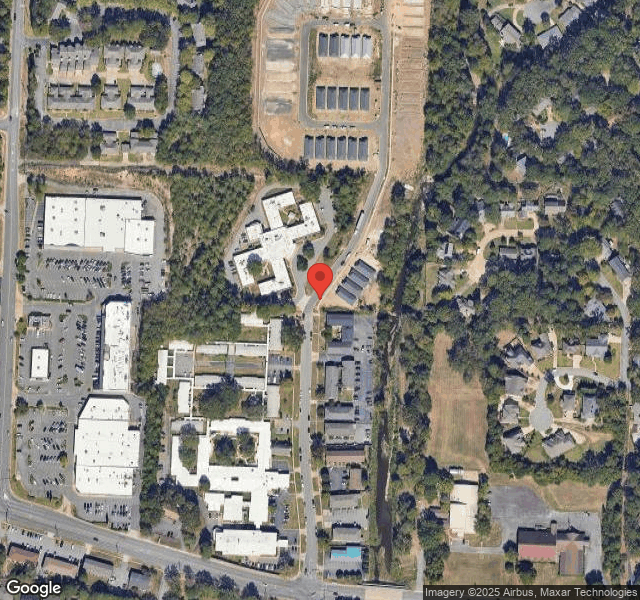

800 BROOKSIDE DRIVE, LITTLE ROCK, AR 72205 (501) 224-3940
For profit - Limited Liability company 143 Beds Independent Data: November 2025 1 Immediate Jeopardy citation
Trust Grade
0/100
#190 of 218 in AR
Last Inspection: November 2024

Within standard 12-15 month inspection cycle. Federal law requires annual inspections.

Overview

Cottage Lane Health and Rehab of Little Rock has received a Trust Grade of F, indicating significant concerns about the facility's quality of care. It ranks #190 out of 218 nursing homes in Arkansas, placing it in the bottom half overall, and #18 out of 23 in Pulaski County, suggesting limited local options are better. The facility is on an improving trend, reducing the number of reported issues from 5 in 2024 to 4 in 2025, but still faces serious staffing challenges with a high turnover rate of 65%, significantly above the state average. While RN coverage is average, the facility has incurred $33,400 in fines, which is concerning and higher than 88% of Arkansas facilities, indicating potential compliance problems. Specific incidents include a failure to protect residents from emotional and physical abuse, as well as inadequate supervision of a resident at risk for elopement, raising serious safety and care quality concerns.

Trust Score
F
0/100
In Arkansas
#190/218
Bottom 13%
Safety Record
High Risk
Review needed
Inspections
Getting Better
5 → 4 violations
Staff Stability
⚠ Watch
65% turnover. Above average. Higher turnover means staff may not know residents' routines.
Penalties
⚠ Watch
$33,400 in fines. Higher than 92% of Arkansas facilities. Major compliance failures.
Skilled Nurses
⚠ Watch
Each resident gets only 20 minutes of Registered Nurse (RN) attention daily — below average for Arkansas. Fewer RN minutes means fewer trained eyes watching for problems.
Violations
⚠ Watch
42 deficiencies on record. Higher than average. Multiple issues found across inspections.
★☆☆☆☆
1.0
Overall Rating
★★★☆☆
3.0
Staff Levels
★★★☆☆
3.0
Care Quality
★☆☆☆☆
1.0
Inspection Score
Stable
2024: 5 issues
2025: 4 issues

The Good

  • Full Sprinkler Coverage · Fire safety systems throughout facility
  • No fines on record

Facility shows strength in fire safety.

The Bad

1-Star Overall Rating

Below Arkansas average (3.1)

Significant quality concerns identified by CMS

Staff Turnover: 65%

19pts above Arkansas avg (46%)

Frequent staff changes - ask about care continuity

Federal Fines: $33,400

Below median ($33,413)

Moderate penalties - review what triggered them

Staff turnover is elevated (65%)

17 points above Arkansas average of 48%

The Ugly 42 deficiencies on record

1 life-threatening 1 actual harm
Sept 2025 1 deficiency 1 Harm
SERIOUS (G) 📢 Someone Reported This

A family member, employee, or ombudsman was alarmed enough to file a formal complaint

Actual Harm - a resident was hurt due to facility failures

Accident Prevention (Tag F0689)

A resident was harmed · This affected 1 resident

Based on observations, interviews, record review, and facility document review, the facility failed to ensure a resident who was at risk for elopement was adequately supervised in order to prevent the...

Read full inspector narrative →
Based on observations, interviews, record review, and facility document review, the facility failed to ensure a resident who was at risk for elopement was adequately supervised in order to prevent the resident eloping from the secure unit for one (Resident #2) of three residents reviewed for accidents and supervision. The failed practice resulted in past noncompliance at the level of harm, which had the likelihood of causing more than minimal harm to Resident #2, who resided on the secure unit. The Administrator was notified of the past harm situation on 09/12/2025 at 3:50 PM. The findings include: A review of the quarterly Minimum Data Set (MDS) with an Assessment Reference Date of 05/15/2025, revealed Resident #2 had a Brief Interview for Mental Status score of 11which indicated the resident had moderate cognitive impairment. The MDS also indicated Resident #2 had active diagnoses which included non-Alzheimer's dementia, psychotic disorder, schizophrenia, and Parkinsonism. A review of Resident #2's Care Plan, with an initiation date of 02/12/2025, had interventions related to preventing elopement, which included having the resident on the secure neighborhood, with a goal of having no episodes of elopement. A form titled “NSG (Nursing)-Elopement Risk with Care Plan”, dated 04/09/2025 at 2:24 PM, indicated the resident had a score of 13, which was “High Risk”. The form indicated Resident #2 was ambulatory, had a history of wandering, and had medical diagnoses of dementia /cognitive impairment and a diagnosis impacting gait/mobility or strength. No care plan interventions were delineated on the Care Plan section of the form. A review of the form titled “OLTC (Office of Long-Term Care) Witness Statement Form” dated 05/18/2025 at 7:00 AM, with signature of Certified Nursing Assistant (CNA) #3, indicated on 05/17/2025 at approximately 11:30 AM, Resident #2 was wandering the halls, asking to leave, and wanted cigarettes. A review of the form titled “OLTC Witness Statement Form”, dated 05/19/2025 at 11:04 AM, with signature of CNA # 2, indicated on 05/17/2025 she could not locate Resident #2 at 4:50 PM, and the resident was last seen during rounds on the unit at 4:00 PM. A review of the Excerpt of Disaster Plan – Elopement, indicated if the missing resident was not found following an expedient search to call 911, and coordinate with public safety agencies in searching for the missing resident. A review of the Emergency Medical Services (EMS) run sheet report, dated 05/17/2025, indicated bystanders observed Resident #2 staggering and confused. Bystanders notified EMS at 4:44 PM. EMS was on the scene at 5:29 PM, near a business location approximately 0.7 miles from the facility, with Resident #2 lying in the grass, accompanied by local Police Department and Fire Department personnel. The EMS report also indicated Resident #2 stated to have escaped the facility because of being paranoid. Resident #2 was released after LPN (Licensed Practical Nurse) #1 signed a Refusal of Treatment at 5:50 PM. During an interview on 09/09/2025 at 10:47 AM, LPN #1 indicated when the resident was thought to be missing just before 5:00 PM on 05/17/2025, staff were instructed to search for the resident but were unable to locate Resident #2 in the secure unit, or anywhere in the facility or facility grounds. LPN #1 left the facility in her private vehicle to begin looking for Resident #2. LPN #1 indicated she was made aware of Resident #2's location because she received a phone call from a CNA that saw the resident with EMS. LPN #1 found Resident #2 in the care of EMS, signed the Refusal of Treatment and EMS assisted Resident #2 to the passenger side of LPN#1's personal vehicle. LPN #1 made the first attempt to contact the Director of Nursing (DON) when in route back to the facility. LPN #1 indicated Resident #2 did not have the capacity to enter a code into a keypad to exit the facility, and it was more likely that the resident exited through a facility door that did not close completely. During an additional interview on 09/12/2025 at 12:41 PM, LPN #1 indicated she made the decision to take the resident out of the care of EMS and did not attempt to contact the provider or Administrator at that time. LPN #1 indicated the only assessment concern for Resident #2 was the resident's temperature was up “just a bit” because it was hot that day, and she was trying to get Resident #2 back to the facility. A review of a website for local weather indicated the temperature on the afternoon of 05/17/2025 was 87 degrees Fahrenheit (F) at 4:53 PM, and 87 degrees F at 5:53 PM. A review of a Progress Note, effective date 05/18/2025 at 10:49 AM, indicated Resident #2's physician was notified of the elopement incident on 05/17/2025 at 6:00 PM. A review of the DMS (Division of Medical Services) form 762 indicated Resident #2 had skin tears to both hands noted upon return to the facility. A review of the Treatment Administration Record (TAR) for May 2025, indicated Resident #2 received treatment on 05/19/2025, for the skin tears to both hands, including cleansing, applying medicated gauze, and covering with a dry dressing three times a week, until healed. During an interview on 09/12/2025 at 1:20 PM, the DON indicated LPN #1 did attempt to contact her, but they did not communicate until Resident #2 and LPN #1 were back in the facility. CORRECTIVE ACTION: The facility provided the following evidence of corrective actions that were initiated after the 05/17/2025 incident, but prior to entrance of surveyors for the survey: During an interview with CNA #2 on 09/09/2025 at 4:44 PM, it was indicated the immediate action taken on 05/17/2025 at 4:50 PM was: 1. The nurse was notified, doors were checked, and a unit and facility search began. During an interview on 09/09/2025 at 10:47 AM, LPN #1 indicated Resident #2 was put on one-to-one monitoring upon return to the facility. Other immediate actions by the nursing staff included: 1. A body audit was completed on 05/17/2025 at 5:50 PM for Resident #2. 2. An Elopement Risk assessment with Care Plan was completed on 05/17/2025 at 10:12 PM, for Resident #2, as well as all other residents in the facility During an interview at 09/09/2025 at 11:28 AM, the Maintenance Director indicated he came up the night of the incident and checked all doors, checked all alarms on the doors and changed all the codes for the doors. The Maintenance Director also indicated that since there was nothing wrong with the doors, Resident #2 must have followed another person out of the door. The facility provided timecard sheets to demonstrate the presence of the Maintenance Director at 8:00 PM on 05/17/2025 until 8:17 PM. During an interview on 09/09/2025 at 12:48 PM, the DON indicated the Root Cause Analysis (RCA) Elopement Protocol and Root Cause Analysis, done between 05/17/2025 and 05/19/2025, revealed the only feasible way Resident #2 could have gotten out was the resident knew the codes to the door(s). The interventions implemented were as follows: 1. The process was changed immediately when taking Resident #2 out of the unit – the door was to be opened first, then Resident #2 would be taken through the door. This process change did not allow Resident #2 the opportunity to see the code being used. 2. Doors on the secure unit were monitored three times per week, for June 2025 and July 2025, then weekly, to ensure the doors were locked and the alarms were functioning correctly. 3. Keypad covers were installed on 05/19/2025 to decrease visibility of the code entry 4. In-services to all staff on elopement policy and procedure began 05/17/2025 with a completion date of 05/19/2025. Education included in the training was to ensure doors are secure, not to allow residents to view the keypads when codes were entered, not to use exit doors on the secure unit unless it was an emergency.: Interviews with staff were conducted to verify they were in serviced on how to prevent elopement and the correct process if a resident eloped. Staff interviewed were as follows: LPN #1, CNA #2, CNA #3, RN #4, CNA #5, LPN #6, Med Tech #7, LPN #8, Housekeeping #9, LPN #10, and CNA #11. These interviews were conducted with staff that worked on all shifts.
Jan 2025 3 deficiencies 1 IJ
CRITICAL (J) 📢 Someone Reported This

A family member, employee, or ombudsman was alarmed enough to file a formal complaint

Immediate Jeopardy (IJ) - the most serious Medicare violation

Free from Abuse/Neglect (Tag F0600)

Someone could have died · This affected 1 resident

**NOTE- TERMS IN BRACKETS HAVE BEEN EDITED TO PROTECT CONFIDENTIALITY** Based on observations, interviews, record review, and facility policy review, the facility failed to ensure residents were free ...

Read full inspector narrative →
**NOTE- TERMS IN BRACKETS HAVE BEEN EDITED TO PROTECT CONFIDENTIALITY** Based on observations, interviews, record review, and facility policy review, the facility failed to ensure residents were free from abuse for 2 (Residents #3 and #5) of 3 sampled residents reviewed for abuse. Specifically, the facility failed to ensure Resident #3 and #5 were free from emotional and physical abuse. It was determined the facility's non-compliance with one or more requirements of participation had caused, or was likely to cause, serious injury, harm, impairment, or death to the residents. The Immediate Jeopardy (IJ) was related to the State Operations Manual, Appendix PP, §483.12 (Freedom from Abuse, Neglect, and Exploitation) at a scope and severity of J. The IJ began on 12/30/2024 at 10:40 PM, when Licensed Practical Nurse (LPN) #3 made loud and aggressive statements while standing over Resident #5. At 10:45 PM, LPN # 3 was seen going into Resident #5's room and then coming out, wheeling Resident #5 out of the room in a wheelchair with a blood-soaked towel held to the resident ' s face. LPN #3 took Resident #5 up to the nurses cart on 400 Hall and was heard telling Resident #5 to Hold your [explicit language] head back, while the towel was held up to Resident #5's face. On 12/31/2024 at 12:35 AM, LPN #2 was sent by the Director of Nursing (DON) to check on Resident #5, and Resident #5 was found to be unresponsive to stimuli. The Administrator was informed of the alleged abuse on 12/30/2024 at 11:22 PM by the DON. The Administrator completed an OLTC Incident and Accident (I&A) Report on 12/31/2024 at 12:23 AM. The report indicated that the alleged abuse occurred on 12/30/2024 and indicated that LPN #3 was heard speaking loud and aggressively while standing over Resident #5. The Administrator, Chief Nursing Officer, and LPN Nursing Consultant were notified of the IJ on 01/02/2025 at 5:44 PM. A Removal Plan was requested. The Removal Plan was accepted by the State Survey Agency on 01/08/2025 at 4:05 PM. These are the findings: A review of the undated facility policy titled Prevention and Prohibition of Abuse, indicted Each resident has the right to be free from abuse, corporal punishment, and involuntary seclusion. Residents must not be subjected to abuse by anyone, including, but not limited to, facility staff, other residents, consultants or volunteers, staff or other agencies serving the resident, family members or legal guardians, friends, or other individuals. The significant change Minimum Data Set (MDS), with an Assessment Reference Date (ARD) of 12/04/2024, revealed Resident #5 had a Brief Interview for Mental Status [BIMS] score of 1, which indicated Resident #5 had significant cognitive impairment. A review of Resident #5's care plan, initiated on 02/13/2023, revealed the resident had an Activity of Daily Living (ADL) self-care performance deficit with poor safety awareness. Interventions included that the resident could perform most ADL function with 1 person assist; had the potential to be physically aggressive related to dementia and schizoaffective disorder, was aggressive and hit at other residents on 12/20/2024. Interventions included When the resident becomes agitated: intervene before agitation escalates; If response is aggressive, staff to walk calmly away and approach later. Resident #5 had a diagnosis of post-traumatic stress disorder, and a review of the resident ' s care plan revealed it did not address this diagnosis. A review of a Progress Note, dated 12/30/2024 at 10:44 PM, indicated Resident #5 was sitting on the side of the bed with nose bleeding, area was cleaned, pressure was applied, and blood pressure was 148/82, bleeding stopped with head tilted and pressure applied. A review of an incident and accident (I&A) Progress Note, dated 12/30/2024 at 11:50 PM indicated Resident #5 was found unresponsive to commands with dried blood to nose and inside mouth, was not rousable with sternum rub (painful stimulus applied with closed fist used to firmly rub the bone in the center of the chest) and blood pressure of 68/40. A review of a Progress Note, dated 12/31/2024 at 12:38 AM, indicated LPN #2 entered Resident #5's room, Resident #5 was in a sitting position, unresponsive to commands, dried blood to nose and inside of mouth. At this time this LPN #2 continued to try and awaken the resident via sternum rub and calling out with no success. An ambulance was called due to Resident #5 ' s reduced level of consciousness. A review of hospital records, dated 12/31/2024, indicated Resident #5 was unresponsive and had a scalp hematoma. Principal problem was identified as physical assault. A review of [hospital name] conversations, dated 12/31/2024 at 10:19 AM, indicated dried blood was observed in mouth, on tongue, and left nostril, and a hematoma was discovered on the left side of Resident #5 ' s scalp, remained unresponsive to all stimuli until 10:00 . A review of [hospital name] history and physical (H&P) dated 12/31/2024 at 08:21 AM, indicated dried blood was observed on tongue and back of oropharynx (middle of the throat above the voice box); pupils were pinpoint and non-reactive. A review of the ED to Hosp-admission hospital records indicated the chief complaint was listed as altered mental status and the Final Diagnoses, included physical assault and confusion. A review of intensive care unit (ICU) records dated 01/01/2025 indicated assessment for Resident #5 revealed indications of verbal and physical abuse, and scalp hematoma. A review of a computed tomography (CT) scan, dated 12/31/2024 at 02:03 AM, revealed Resident #5 had a scalp hematoma. A review of page 32 of Licensed Practical Nurse (LPN) #3's personnel file revealed LPN #3 signed a document titled Working Together to Prevent Abuse Brochure Acknowledgement on 03/04/2024. Also noted in the file on page 38, LPN #3 signed a document titled Resident Rights, it indicates that every resident has the right to Be free of verbal, psychological, physical, and sexual abuse. During an interview on 01/01/2025 at 3:45 PM, Certified Nursing Assistant (CNA) #6 indicated on 12/30/24 at 10:40 PM he was passing Resident #5's room and saw LPN #3 standing over Resident #5 speaking loudly and aggressively. CNA #6 indicated that on 12/30/2024 at 10:45 PM he saw LPN #3 get up from the nurses station and go to Resident #5's room, then he observed LPN #3 wheeling Resident #5 up to the nurses cart out by the nurses station on 400 Hall. CNA #6 indicated that he heard LPN #3 yelling at Resident #5 saying Hold your [explicit language] head back and observed Resident #5 with a towel up to his face with blood on the towel. CNA #6 indicated that Resident #5 looked at him in the eyes and he knew something was wrong. CNA #6 indicated that Resident #5 had the look of fear in his eyes. CNA #6 was asked if Resident #5 had fallen out of the bed. CNA #6 indicated that he had not. CNA #6 was asked if Resident #5 had a history of nose bleeds. CNA #6 indicted Resident #5 had never had a nosebleed while he was working. During an interview with the DON on 01/02/2025 at 10:13 AM, the DON was asked if Resident #5 had fallen out of bed and indicated that she had asked all the staff working that night and they all indicated that Resident #5 had not fallen out of bed. The DON verified Resident #5 did not have a history of nose bleeds. On 01/02/2025 at 11:13 AM, the DON indicated that she was notified by phone on 12/30/2024 at 11:00 PM, of the alleged abuse. The DON indicated that she tried to call LPN #3, but he didn't answer so she called the Administrator. The DON indicated that she and the Administrator spoke to LPN #3 by phone. The DON indicated that she asked him what happened to Resident #5. LPN #3 indicated that Resident #5 attempted to get out of bed three different times and LPN #3 went to put him back in bed and Resident #5 was sitting on the edge of the bed and LPN #3 noticed his nose was bleeding, so LPN #3 put Resident #5 in a wheelchair and took Resident #5 up to the nurses station on 400 Hall. LPN #3 indicated that he [LPN #3] had a towel up to Resident #5's nose due to the blood and told Resident #5 to keep his head back to stop the bleeding. The DON indicated that she asked LPN #3 why Resident #5's nose was bleeding. LPN #3 indicated that Resident #5's blood pressure was up. LPN #3 indicated Resident #5 ' s blood pressure was 130/87. A Police Department Incident Report, report generation date of 01/02/2025 at 12:39 PM, indicated the police department received a call from the facility on 12/31/2024 at 01:19 AM. The type of call was identified as Battery, and the narrative read, Officers were dispatched to the listed address due to a battery. Upon arrival, officers made contact with the Director of Nurse on the phone (DON named) who stated she needs to make a police report on an incident that occurred where a nurse (named LPN #3) allegedly punched an elderly resident (named Resident #5). Both [LPN #3] and [Resident #5] was not on scene (sic). Officers attempted to make contact with [Resident #5] at [named Hospital] with negative results as he was sedated and asleep for hours. [DON] was given the incident report number. Resident #5's Medication Administration Record (MAR) for December 2024 Indicated that on 12/30/2024 at 5:00 PM, Resident #5 did not receive his Midodrine (Midodrine is used to treat low blood pressure). The MAR had a documented BP for Resident #5 as 130/70. Removal Plan 12/30/2024 at 11:30 p.m., Licensed Practical Nurse (LPN) #3 was suspended via phone pending further investigation of alleged abuse. 12/31/2024 at 6:00 p.m., Licensed Practical Nurse was terminated via phone and did not return to work. 12/31/2024 at 12:57 a.m., Resident #5 was transferred to emergency room (ER) upon assessment from Night Nurse and Director of Nursing. 12/31/2024 at 12:30 a.m., In-service/Education started for all staff on Abuse to prevent serious harm, serious injury, serious impairment or death. Completion date 01/03/2025. If education is not provided via phone or in person, staff will be educated on Abuse Policy and Procedures prior to the start of their shift by In-service and education on Abuse Policy and Procedure, the types of abuse and when to report. Follow up is completed by verifying employee signatures to in-service document and compare to Employee Roster, as well as staff interviews. 12/31/2024 at 1:00 a.m., all 21 residents on 400 hall secured unit were assessed by the night nurse, due to alleged abuse with no negative findings, and was verified with follow up by the Director of Nursing/Chief Nursing Officer. The night nurse and two 3/11 shift Certified Nursing Assistants (CNA's) were verified no other residents witnessed the incident. 12/31/2024 Director of Nursing/Designee will begin assessing other 64 residents per census roster for needs of mental health services with follow up from Psychosocial Services with completion date of 01/03/2025. 12/31/2024 Body Audits on remaining 20 residents on 400 hall secured unit completed by treatment nurse with no negative findings. Treatment Nurse/Designee will complete other 64 residents body audits per census roster by 01/03/2025. Onsite Verification: The IJ was removed on 01/08/2025 at 4:05 PM after the survey team performed onsite verification that the Removal Plan had been implemented. Onsite verification of the Removal Plan began on 01/03/2025 at 5:05 PM when the facility began educating staff on abuse. Termination of employment documentation for LPN #3 indicated last date worked was 12/30/2024, suspended on 12/30/2024, and terminated by telephone on 12/31/2024. Metro EMS Ambulance Patient Care Record for Resident #5 indicated the Incident #24-107185, date 12/30/2024 at 00:28 AM. Completed body audits for 28 of 28 100-Hall residents; Completed body audits for 25 of 25 200-Hall residents; Completed body audits for 15 of 15 300-Hall residents; Completed body audits for 21 of 21 400-Hall residents. OLTC Witness Statement from DON stating 400 Hall residents were assessed due to abuse allegation with no negative findings on 12/31/2024. A total of 17 staff interviews were conducted with staff from all shifts to verify training had been completed. The staff interviewed included Certified Nursing Assistants, Medication Aide certified, Licensed Practical Nurses, and Housekeeping. The staff interviewed verified they had been trained on abuse, neglect and misappropriation of property. [Those staff who were not physically present to receive the in-services were messaged via telephone, with the in-service information provided and the employee acknowledging receipt and voicing understanding. The following was cited at F600 at a lower severity: A facility policy titled, PP Abuse Prevention indicated To provide a safe environment for all residents free of abuse. An admission Record indicated the facility admitted Resident #3 with schizoaffective disorder. The admission Minimum Data Set (MDS), with an Assessment Reference Date (ARD) of 10/25/2024 revealed Resident #3 had a Brief Interview for Mental Status (BIMS) score of 7 which indicated the resident had significant cognitive impairment. Review of Resident #3 Care Plan, initiated 10/23/2024, revealed the resident at risk for alteration psychosocial wellbeing related to living in skilled facility for long term care. No interventions in place at the time of review. An OLTC Incident and Accident Report (I&A) dated 12/18/2024 revealed LPN #2 stated that CNA #1 confirmed that they popped the resident on the butt trying to get her to go the bathroom. LPN #2 revealed that they heard ouch with each of four swats. LPN #2 stated from the sound, it was not a clap that was heard. A witness statement from LPN #2 was included and read, This nurse was sitting at nurse ' s station .when [Resident #3] was screaming ouch, ouch from the swats from aide [CNA #1] x4 times. This nurse then asked aide if she hit resident. She [CNA #1] stated, No I was popping her on the butt. During interview on 12/30/2024 at 1:50pm, Resident #3 stated that they (indicating CNA #1) hit me on the butt and I hit them back first. During an interview on 12/30/2024 at 2:01pm, Human Resources (HR) stated CNA #1 was no longer with us. During an interview on 12/30/2024 at 8:18am, LPN #2 indicated that CNA #1 wasn't very welcoming with the residents. LPN #2 noticed that CNA #1 didn't like to repeat herself. LPN #2 reported sitting at nurses station, when CNA #1 went into Resident #3 room, then heard loud smacking sounds and CNA #1 saying, Get up and go to the bathroom. LPN #2 heard Resident #3 say ow, ow, ow with each hit. LPN#1 got the wound care nurse and informed CNA #1 that they had to leave. LPN#2 verbalized that they did not see Resident #3 being struck but heard her being struck. During an interview on 12/31/2024 at 9:24am, CNA #1 said they clapped their hands like it was time to get up, stating that Resident #3 and CNA #1 had a good relationship. CNA #1 pulled covers back, patted them on their booty, and told Resident #3 time to get up and go to the bathroom, to which Resident #3 told the CNA to not do that. CNA #1 then took care of other resident in room. LPN #2 asked if they had hit Resident #3, to which CNA #1 stated, No I clapped my hands like I always do, I don't hit residents. During an interview on 12/31/2024 at 11:52am, the DON stated that they were reported to by LPN #2 regarding the incident. A full body assessment and body audit was done on Resident #3 and their roommate during that time. The DON reported the incident to the Administrator, provider, and family. I heard from LPN #2 loud [NAME] were heard at the nurses station. LPN #2 asked if CNA #1 hit Resident #3 and that CNA #1 stated that they clapped her hand but patted her buttocks.
CONCERN (D) 📢 Someone Reported This

A family member, employee, or ombudsman was alarmed enough to file a formal complaint

Potential for Harm - no one hurt, but risky conditions existed

Report Alleged Abuse (Tag F0609)

Could have caused harm · This affected 1 resident

Based on interview, record review, and facility policy review, it was determined the facility failed to report an alleged violation involving abuse to the proper state agency within the allotted time ...

Read full inspector narrative →
Based on interview, record review, and facility policy review, it was determined the facility failed to report an alleged violation involving abuse to the proper state agency within the allotted time frame for 1 (Resident #3) of 1 sampled resident reviewed for abuse allegations. The findings are: Review of a facility policy titled Prevention and Prohibition of Abuse indicated The facility administrator or designee shall complete a report to be made to the mandated state agency and may also be made to the local law enforcement agency after corporate approval or immediately if the abuse constitutes an emergency. Administrator or designee will have 5 working days from the initial report of abuse to complete SIMS (Statewide Incident Management System) report. Immediately means as soon as possible, in the absence of a shorter State time frame requirement, but not later than 2 hours after the allegation is made, if the events that cause the allegation involve abuse or result in serious bodily injury, or not later than 24 hours if the events that cause the allegation do not involve abuse and do not result in serious bodily injury. A review of an admission Record indicated the facility admitted Resident #3 with a diagnosis of schizoaffective disorder (combination of symptoms that affect a person's emotional state and a disorder that affects a person's ability to think, feel, and behave clearly). A review of the admission Minimum Data Set (MDS), with an Assessment Reference Date (ARD) of 10/25/2024, revealed Resident #3 had a Brief Interview for Mental Status (BIMS) score of 07, which indicated the resident had severe cognitive impairment. A review of Resident #3 ' s Reportable, dated 12/18/2024, indicated Nurse was at nurse ' s station and heard a popping noise that they thought was a slap. Upon entering the resident's room, Certified Nursing Assistant (CNA) #1 was getting resident up to go use the bathroom. Licensed Practical Nurse (LPN) #2 asked CNA #1 if they hit the resident. CNA #1 answered back that she ' popped resident on the butt with the back of the hand ' trying to get her to go to the bathroom. LPN #2 dismissed CNA #1 from the room, assessment of resident completed with no negative findings. Resident stable with no distress noted. CNA #1 immediately suspended with investigation started. During an interview with the Administrator on 12/31/2024 at 12:05pm, the Administrator was familiar with Resident #3 ' s care and confirmed knowledge of alleged abuse on 12/18/2024. The Director of Nurses (DON) notified the Administrator of the alleged abuse. The Administrator confirmed the incident and accident was on 12/18/2024 at 6:00AM but notification was sent in on 12/19/2024 at 10:58AM. A body audit and assessment of Resident was completed, and the employee was suspended. The Administrator confirmed a representative and the attending practitioner were both notified. The Administrator confirmed the abuse was reported to the Office of Long-Term Care. The Administrator confirmed that an investigation had been completed and was awaiting notice from the Office of Long-Term Care. The Administrator confirmed the employee was suspended and removed from facility for their actions and to protect the alleged victim from further abuse during the investigation process. The results of the investigation were founded, and the staff member was terminated. The Administrator revealed there were no warning signs to facility to indicate prior to the incident and the facility tried to send in the reportable within a timely manner but had difficulty.
CONCERN (D) 📢 Someone Reported This

A family member, employee, or ombudsman was alarmed enough to file a formal complaint

Potential for Harm - no one hurt, but risky conditions existed

Comprehensive Care Plan (Tag F0656)

Could have caused harm · This affected 1 resident

**NOTE- TERMS IN BRACKETS HAVE BEEN EDITED TO PROTECT CONFIDENTIALITY** Based on interview, record review, and policy review, the facility failed to develop a comprehensive care plan for one (Resident...

Read full inspector narrative →
**NOTE- TERMS IN BRACKETS HAVE BEEN EDITED TO PROTECT CONFIDENTIALITY** Based on interview, record review, and policy review, the facility failed to develop a comprehensive care plan for one (Resident #5) of one resident reviewed for care plans, specifically that a resident ' s post-traumatic stress disorder diagnosis was addressed in the resident ' s care plan. The findings are: Resident #5 had diagnoses including schizoaffective disorder bipolar type, nightmare disorder, post-traumatic stress disorder, and type 2 diabetes mellitus without complications. A review of the significant change in status Minimum Data Set (MDS) with an assessment reference date (ARD) of 12/04/2024, revealed the resident received a score of 1 (severely impaired) on the Brief Interview for Mental Status (BIMS). The resident required moderate assistance with bed mobility and transfers. The resident required substantial assistance with personal hygiene and dressing. A review of Resident # 5's care plan, initiated on 02/13/2023, revealed the resident had an Activity of Daily Living (ADL) self-care performance deficit with poor safety awareness: interventions included the resident could perform most ADL functions with 1 person assist; had the potential to be physically aggressive related to dementia and schizoaffective disorder, was aggressive and hit at other residents on 12/20/2024: interventions included When the resident becomes agitated: intervene before agitation escalates; If response is aggressive, staff to walk calmly away and approach later. Resident #5 has a diagnosis of Post-Traumatic Stress Disorder, and a review of the care plan did not address this diagnosis. A review of Resident #5 ' s admission Record indicated that the resident was admitted to the facility on [DATE] with diagnoses of schizoaffective disorder bipolar type, post-traumatic stress disorder, nightmare disorder, and pseudobulbar affect (a condition characterized by episodes of sudden uncontrollable and inappropriate laughing or crying). On 01/03/2025 at 2:42 PM, Licensed Practical Nurse (LPN) #13 was asked who was responsible for completing resident care plans. LPN #13 indicated that she was responsible for completing the care plans. LPN #13 was asked if the care plan should address the goals, preferences, needs and strengths of Resident #5. LPN #13 indicated that it should. LPN #13 was asked what Resident #5's mental health diagnoses were. LPN #13 indicated schizoaffective, major depressive disorder (MDD), dementia, and pseudobulbar affect (a condition characterized by episodes of sudden uncontrollable and inappropriate laughing or crying). LPN #13 was asked how active diagnoses are identified for the care plan. LPN #13 indicated the physician would give the orders on medications they [physician] let us know the diagnoses, upon admission with their paperwork and any physician they see and diagnosis they coordinate with us [facility]. LPN #13 was asked if the care plan described corresponding interventions for care that account for Resident #5's experiences and preferences to eliminate or mitigate triggers that may cause re-traumatization's? LPN #13 indicated that would be a question for the physician. On 01/03/2025 at 3:01 PM, the Director of Nursing (DON) was asked who was responsible for completing the care plans. The DON indicated LPN #13. The DON was asked how the active diagnoses are identified for the care plan. The DON indicated you look in the care plan. On 01/03/2025 at 3:12 PM, the Administrator was asked why it was important for the care plan to reflect Resident #5's goals, preferences, needs, strengths and interventions for care. The Administrator indicated so staff would know and understand how to provide proper care for the resident. The Administrator was asked what the policy and procedure for completing the care plan was. The Administrator indicated it meets their needs assessment in the time frame and completed upon admission within 48 hours and person-centered care based on RAI, reviewed with resident Inter-Disciplinary Team (IDT) team and responsible party and updated quarterly and as needed. A review of the facility's undated policy titled Care Plan Policy and Procedure, provided by the Administrator on 01/03/2025, indicated Each resident's care plan will remain current and inform staff of resident's needs, strengths, goals, and approaches It is the policy of this facility to utilize an advanced care planning approach to review and determine patient centered care plans.
Nov 2024 4 deficiencies
CONCERN (D)

Potential for Harm - no one hurt, but risky conditions existed

Deficiency F0761 (Tag F0761)

Could have caused harm · This affected 1 resident

Based on observation, interview, record review, and facility policy review, the facility failed to ensure a bottle of acid reducer liquid medication was properly stored in the refrigerator, per the ph...

Read full inspector narrative →
Based on observation, interview, record review, and facility policy review, the facility failed to ensure a bottle of acid reducer liquid medication was properly stored in the refrigerator, per the pharmacy instructions on the bottle, for 1 (Resident #33) of 1 sampled resident whose medication was in the 100-hall medication cart. The findings are: On 11/19/2024 at 3:18 PM, this surveyor reviewed the contents inside the 100-hall medication cart with Registered Nurse (RN) #1. A drawer on the right side of the 100-hall medication cart contained a bottle of acid reducer 2 milligrams per milliliter (mg/ml) liquid for Resident #33 with instructions to give 10 ml (20 mg) by percutaneous endoscopic gastrotomy (PEG) (a tube inserted through a surgical opening in the abdominal wall leading into the stomach). The bottle of acid reducer had a blue sticker which indicated to refrigerate the medication and contained approximately 210 ml to 240 ml of liquid. The bottle was not cold and did not have any condensation on the outside. Resident #33's electronic Medication Administration Record (eMAR) was reviewed and indicated the medication was last administered on 11/19/2024 at 0630 (6:30 AM), by RN #1. On 11/19/2024 at 3:26 PM, RN #1 was interviewed with concurrent observations. She stated the resident did receive the liquid acid reducer around 6:00 AM each morning. She stated the stickers on the bottle of acid reducer indicated to shake well and refrigerate. She confirmed the bottle of acid reducer liquid should have been stored in the refrigerator. A Medication Storage Policy and Procedure, not dated and provided by the Director of Nursing (DON) on 11/21/2024, was reviewed and indicated the purpose was to properly secure medications and biologicals according to the Centers for Medicare and Medicaid Services (CMS) guidelines. The procedure indicated designated personnel would perform weekly and as needed review of medication storage areas and carts for compliance of policy.
CONCERN (D) 📢 Someone Reported This

A family member, employee, or ombudsman was alarmed enough to file a formal complaint

Potential for Harm - no one hurt, but risky conditions existed

Menu Adequacy (Tag F0803)

Could have caused harm · This affected 1 resident

Based on observation, record review, and interview, the facility failed to ensure meals were prepared and served according to the planned, written menu to ensure that nutritionally balanced meals were...

Read full inspector narrative →
Based on observation, record review, and interview, the facility failed to ensure meals were prepared and served according to the planned, written menu to ensure that nutritionally balanced meals were provided for the residents for 1of 1 meal observed. The findings are: 1. On 11/19/2024, the menu for the supper meal revealed residents on pureed diets were to receive two #8 scoops (1 cup) of pureed chili. a. On 11/19/24 at 5:13 PM, Dietary [NAME] (DC) #2 used a #8 scoop (1/2 cup) to serve a single portion of pureed chili to all the residents on pureed diets, instead of 2 #8 scoop s (1 cup). b. On 11/19/24 at 5:40 PM, DC #2 was asked, during an interview, what scoop size he had used when serving pureed chili to the residents who required pureed diets. DC #2 stated he used the gray scoop (#8), which was equivalent to 1/2 cup, to give a single serving of pureed chili to each resident. When asked if he had looked at the menu. DC #2 confirmed he had not.
CONCERN (F)

Potential for Harm - no one hurt, but risky conditions existed

Food Safety (Tag F0812)

Could have caused harm · This affected most or all residents

Based on observation, interview and record review, the facility failed to ensure foods stored in the dry storage areas were covered, sealed and dated; 1 of 2 ice machines were maintained in clean and ...

Read full inspector narrative →
Based on observation, interview and record review, the facility failed to ensure foods stored in the dry storage areas were covered, sealed and dated; 1 of 2 ice machines were maintained in clean and sanitary condition; the kitchen light fixtures were covered; ceiling tiles and door frames were maintained in good repair and were free of chips, stains and rust; baseboards were secured and were maintained in clean sanitary conditions, and dietary staff washed their hands before handling clean equipment or food items for 2 of 2 meals observed. The findings are: 1. On 11/19/24 at 2:34 PM, the following observations were made in the kitchen: a. An opened box of salt was on the food counter. The box was not covered. b. An opened box of mashed potatoes was on the counter. The box was not fully covered. c. An opened bag of grits was in a basket on the counter. The bag had no opened date on it. 2. On 11/19/24 at 2:38 PM, Dietary [NAME] (DC) #2 pushed a cart toward the counter that contained bowls to be used in portioning dessert to be served to the residents for supper. He picked up gloves and placed them on his hands, contaminating the gloves in the process. On 11/18/24 at 11:55 AM, he used his contaminated glove to pick up slices of frosted vanilla cake in the bowls to be served to the residents for supper. DC #2 was asked what he should have done after touching dirty objects and before handling clean equipment, DC #2 stated he should have washed his hands. 3. On 11/18/24 at 2:40 PM, the following observations were made in the kitchen: a. The outside of a black utility cart, where 2 baskets of condiments were kept, had stains all over it. There were loose food crumbs inside of the baskets. The Dietary Manager (DM) was interviewed and was asked how often the kitchen should be cleaned. He stated the kitchen staff were supposed to clean it every shift. b. Five (5) of eight (8) leg supports of the food preparation counter had accumulation of grease stains on them. There was an accumulation of dry food crumbs on the floor under food preparation counter. c. One of 2 drip pans above the deep fryer had accumulation of grease build up hanging down from it. One vent had buildup of greasy stains in them d. The ceiling tile above the plate warmer, by the steam table, was cracked. e. Six (6) of six (6) fluorescent lights in the kitchen did not have a covering over them. f. Two (2) of two (2) bottom door frames leading to the storage room were missing, exposing the metal, g. The baseboards throughout the storage room were missing and the door frames leading to the dining room from the dish washing machine had rust on them. h. One (1) ceiling tile in the storage room was loose and had ten (10) areas with water damage. i. The floor in front of a 3-door freezer in the storage room was chipped exposing the cement. Floor in front of the storage rack was chipped exposing the cement. j. The floor in front of the hand washing sink was chipped exposing the cement k. The ceiling tiles above the refrigerator had water damage in six (6) different areas. l. The bottom of the door frames leading to the rest room were rotten, exposing the concrete. 4. On 11/18/24 at 2:45 PM, the following observations were made on a rack in the storage room. a. An opened gallon of barbeque sauce. The manufacture ' s specification on the gallon indicated to refrigerate after opening. b. An opened of gallon of stir fry sauce. The manufacture ' s specification on the gallon indicated to refrigerate after opening. 5. On 11/18/24 at 3:06 PM, two (2) of two (2) air vents in the dish washing room had brown -yellow stains on them. The Dietary Manager (DM) stated the two air vents were dirty and needed to be cleaned. 6. On 11/18/24 at 3:17 PM, the ice machine, on the hall leading to the laundry, had wet black residue on the panel where ice touched before dropping into the ice collector. The surveyor asked the Dietary Manager if DM could wipe the wet black residue on the ice machine panel. He did so, and the wet black substance easily transferred to the paper towel, and he stated it had a black dirt. The DM was asked who uses the ice from the ice machine and how often he cleans the ice machine. He stated Certified Nursing Assistants (CNA)s used it to fill the water pitchers for the residents' rooms and the kitchen staff used it to fill beverages served to the residents at mealtimes. The maintenance man cleans the ice machine once a month. 7. On 11/19/ 24 at 4:10 PM, Dietary [NAME] (DC) #2 used a scissor to open a bag of shredded lettuce. As he opened it, he emptied it into a pan and poured shredded cheese on it. DC #2 picked up gloves and placed them on his hands, contaminating the gloves in the process. On 11/19/24 at 4:11 AM, he used his contaminated gloved hands to mix it. DC #2 when he was asked what he should have done after touching dirty objects, and before handling clean equipment, DC #2 stated he should have washed his hands. On 11/19/24 at 4:12 PM DC #2 placed the pan of salad on a shelf in the refrigerator. 8. On 11/20/24 at 11:16 AM, Dietary [NAME] (DC) #3 turned on the food preparation sink and rinsed the blender blade with hot water. However, DC #3 did not apply soap when washing the blade or sanitized it properly. DC #3 then attached the blade, which was not thoroughly washed at the base of the blender to be used in pureeing food items to be served to the residents who required pureed diets. As DC #3 prepared to place food items into the blender. DC #3 was asked what she should you have done after touching dirty objects and before handling clean equipment, she stated she should have washed her hands. 9. On 11/20/24 at 3:09 PM, DC #2 removed a pan of tuna salad from the freezer and placed it on the counter. DC #2 then picked up a bag of bread from the bread rack and placed it on the counter, contaminating his hands, further contaminating the gloves, using his contaminated gloved hand, DC #2 removed slices of bread from the bag as he was ready to put them into the blender. DC #2 was interviewed and asked what he should have done after touching dirty objects and before handling clean equipment, he stated he should have washed his hands. 10. A review of facility policy titled, Hand Hygiene Policy and Procedure not dated, and provided by the Dietary Manager on 11/21/2024 indicated hands should be washed prior to food preparation, before and after eating or handling food.
CONCERN (F)

Potential for Harm - no one hurt, but risky conditions existed

Deficiency F0838 (Tag F0838)

Could have caused harm · This affected most or all residents

Based on record review and interview, the facility failed to ensure the facility assessment included pertinent information to assure the necessary care and resources were allocated to meet the needs o...

Read full inspector narrative →
Based on record review and interview, the facility failed to ensure the facility assessment included pertinent information to assure the necessary care and resources were allocated to meet the needs of the residents in 1 of 1 facility. This deficient practice had the potential to affect all residents of the facility. The total census was 81 residents. The findings are: The Facility Assessment 2024, dated as completed 05/15/2024, was reviewed and did not contain the following required information: -The involvement of the medical director, director of nursing and direct care staff (these signatures were missing on the review page dated 08/22/2024). -Staffing plan which addressed staffing needs for each resident unit and each shift. -The facilities resources including all personnel (management, direct care staff and volunteers) which included employees and contracted employees along with their education and competencies. On 11/21/2024 at 1:26 PM, the Administrator was interviewed and stated this was the first facility assessment she had completed. She stated a member of the governing body, and the Director of Nursing (DON) assisted her with completing the facility assessment. The Administrator stated she did not speak with the medical director during the completion of the facility assessment. She stated the purpose of the facility assessment was to provide overall quality of care for the residents. A Facility Assessment Tool Policy and Procedure, not dated and provided by the Administrator on 11/21/2024, was reviewed and indicated the intent of the facility assessment was for the facility to evaluate its resident population and identify the resources needed to provide the necessary person-centered care and services the residents required.
Mar 2024 1 deficiency
CONCERN (E) 📢 Someone Reported This

A family member, employee, or ombudsman was alarmed enough to file a formal complaint

Potential for Harm - no one hurt, but risky conditions existed

Deficiency F0569 (Tag F0569)

Could have caused harm · This affected multiple residents

**NOTE- TERMS IN BRACKETS HAVE BEEN EDITED TO PROTECT CONFIDENTIALITY** Based on record review and interview, the facility failed to convey funds within 30 days and send conveyed funds to the individu...

Read full inspector narrative →
**NOTE- TERMS IN BRACKETS HAVE BEEN EDITED TO PROTECT CONFIDENTIALITY** Based on record review and interview, the facility failed to convey funds within 30 days and send conveyed funds to the individual or probate jurisdiction administering the resident's estate for 7 ( Residents #5, #6, #7, #8, #9, #10, and #11) of 7 case mix residents reviewed for personal funds. 1. Resident #5 was admitted to facility on [DATE] and expired on [DATE]. A review of the resident #5'spersonal funds account managed by the facility revealed on [DATE] at 10:27 AM the resident's personal fund had a balance of $6,124.80. Resident #5 is receiving a social security check each month which is deposited into the resident trust fund even thought Resident #5 expired on [DATE]. 2. Resident #6 was admitted to the facility on [DATE] and expired on [DATE]. A review of the resident #6's personal funds account managed by the facility revealed on [DATE] at 12:25 PM that the residents' personal fund has a balance of $1,425.87. Resident #5 expired 14 months ago. 3. Resident #7 was admitted to the facility on [DATE] and expired on [DATE]. A review of the resident #7's personal funds account managed by the facility revealed on [DATE] at 1:07 PM the residents' personal fund has a balance of $953.55. Resident #7 expired 18 months ago. 4. Resident #8 was admitted to the facility on [DATE] and was discharged to the hospital on [DATE]. A review of resident #8's personal funds account managed by the facility revealed on [DATE] at 12:02 PM the resident ' s personal fund has a balance of $3,882.06. Resident #8 was discharged 16 months ago to the hospital and did not return. 5. Resident #9 was admitted to the facility on [DATE] and was discharged to another nursing facility on [DATE]. A review of the resident #9's personal funds account managed by the facility revealed on [DATE] at 11:45 AM that the resident's personal fund has a balance of $2,065.56. Resident #9 was discharged 10 months ago to another facility. 6. Resident #10 was admitted to the facility on [DATE] and was discharged to another nursing facility on [DATE]. A review of the resident #10's personal funds account managed by the facility revealed on [DATE] at 11:36 AM that the resident's personal fund has a balance of $4,185.00. Resident #10 was discharged 7 months ago to another facility. 7. Resident #11 was admitted to the facility on [DATE] and expired on [DATE]. A review of the resident #11's personal funds account managed by the facility revealed on [DATE] at 2:21 PM that the resident's personal fund has a balance of $1,221.04. Resident #11 expired 3 months ago. 8. On [DATE] at 10:15 AM, the Business office manager (BOM) was asked if she had contacted the social security office when these residents expired. She said yes, she had. Surveyor asked her to show the documentation where she had notified the social security office on the expired residents facility managed personal funds. She said, I messed up and I didn't do it. There was no documentation that the residents, families, or beneficiaries had been notified of the funds in the resident's accounts. There was no documentation that the social security office had been notified of the overpayment in the resident personal accounts. 9. On [DATE] at 1:18 PM, the administrator presented to the surveyor the facilities policy on personal funds.This facility manages resident personal funds as requested and in accordance with all applicable law . 10. On [DATE] at 6:00 PM, after reviewing the facility policy it does not address the requirement. 11. On [DATE] at 1:18 PM, the Administrator stated the funds should have been addressed and returned to the residents social security office or beneficiaries. .
Dec 2023 16 deficiencies
CONCERN (D)

Potential for Harm - no one hurt, but risky conditions existed

Deficiency F0574 (Tag F0574)

Could have caused harm · This affected 1 resident

Based on interviews, the facility failed to ensure residents were informed of who the Ombudsman is, what the Ombudsman does and where the Ombudsman's contact information is located in the facility. Th...

Read full inspector narrative →
Based on interviews, the facility failed to ensure residents were informed of who the Ombudsman is, what the Ombudsman does and where the Ombudsman's contact information is located in the facility. The findings are: 1. On 12/13/23 at 10:30 AM, during a Resident Council Meeting the Surveyor asked Residents #50, #64, #70 and #82 if they knew how to contact their Ombudsman. All 4 residents stated, No. what is an Ombudsman. 2. On 12/13/23 at 10:30 AM, the Surveyor asked the 4 Residents if anyone ever explained to them what an Ombudsman does or where to find their information. All 4 residents shook their heads no, and stated, We have never heard of this person. 3. On 12/15/23 at 9:47 AM, the Surveyor asked the Administrator who was responsible for informing the residents who their Ombudsman is. The Administrator stated our Activities Director, Myself, the Director of Nursing, and the Social Worker. The Surveyor asked who educates the residents to let them know what the Ombudsman does, and where the poster with their contact information is located. The Administrator stated the Activity Director, the Administrator, the Director of Nursing or Social Worker.
CONCERN (D)

Potential for Harm - no one hurt, but risky conditions existed

Deficiency F0577 (Tag F0577)

Could have caused harm · This affected 1 resident

Based on observation, interview, and record review, the facility failed to ensure residents, resident representatives/family, and visitors had the right to examine the results of the most recent surve...

Read full inspector narrative →
Based on observation, interview, and record review, the facility failed to ensure residents, resident representatives/family, and visitors had the right to examine the results of the most recent survey conducted by Federal or State surveyors and any plan of correction in effect with respect to the facility without asking. The findings are: 1. On 12/13/23 at 10:50 AM, the Surveyor was unable to locate the most recent survey results in the facility. 2. On 12/13/23 at 10:45 AM, during a resident council meeting, the Surveyor asked Residents #50, #64, #70, and #82), if they had seen the survey results in a binder posted anywhere in the facility. The four residents in attendance stated they had not been told about or had seen any survey results. The Surveyor asked the group if those results would be important to them. The 4 residents said it would be nice to see sometime. 3. On 12/13/23 at 11:00AM, the Surveyor asked the girl sitting at the front desk. Where is your Survey Binder located. The front desk lady replied, I have no idea I have never seen it. I would try in the Administrator's office. 4. On 12/15/23 at 9:50 AM, the Surveyor asked the Administrator where the survey results were located in the facility. The Administrator stated it is right here on the side of this desk in the white binder. It usually hangs on a chain on the wall over there, but the chain broke. The Surveyor asked when and how do you educate the residents, families, and visitors where the binder is located. The Administrator stated the residents are told when they move in. The Surveyor asked who informs them. The Administrator stated the Social Worker, or Myself or the Director of Nursing.
CONCERN (D)

Potential for Harm - no one hurt, but risky conditions existed

Deficiency F0578 (Tag F0578)

Could have caused harm · This affected 1 resident

**NOTE- TERMS IN BRACKETS HAVE BEEN EDITED TO PROTECT CONFIDENTIALITY** Based on interview, and record review, the facility failed to ensure 1 (Resident #89) of 1 sampled resident had an Advance Direc...

Read full inspector narrative →
**NOTE- TERMS IN BRACKETS HAVE BEEN EDITED TO PROTECT CONFIDENTIALITY** Based on interview, and record review, the facility failed to ensure 1 (Resident #89) of 1 sampled resident had an Advance Directive readily available in their clinical record. The findings are: On [DATE] at 09:06 AM, a Do Not Resuscitate (DNR)/Cardiopulmonary Resuscitation (CPR) Instructions signed by the Resident #89 on [DATE] showed, I want CPR. There was no Advance Directive located in Resident #89's records. On [DATE] at 11:30 AM, the Surveyor requested the Advance Directive for Resident #89 from the Administrator. On [DATE] at 03:20 PM, the Surveyor requested the Advance Directive for Resident #89 from the Director of Nursing (DON). On [DATE] 03:39 PM, the Social Services Director (SSD) provided the Surveyor with a copy of Resident #89's Advance Directive signed by the resident on [DATE] that showed, I do not choose to formulate or issue any Advance Directive at this time. On [DATE] at 03:40 PM, the SSD confirmed a copy of the Advance Directive was not always available in Resident #89's electronic chart. On [DATE] at 03:26 PM, the Surveyor asked the Marketing Director when is the advanced directive offered? The Marketing Director stated during admission. The Surveyor asked if every resident should have an advance directive or the opportunity to refuse. The Marketing Director said yes. The Surveyor asked how the Advance Directive should be available. The Marketing Director stated it should always be available in the residents' electronic charts. On [DATE] at 03:30 PM, the Marketing Director confirmed an Advance Directive was not always available in Resident #89's electronic chart. A Policy titled, Advance Directives Policy and Procedure, provided by the Administrator on [DATE] at 2:21 PM showed, .3. The resident's advance directives will be recorded in the resident clinical record .
CONCERN (D)

Potential for Harm - no one hurt, but risky conditions existed

Deficiency F0657 (Tag F0657)

Could have caused harm · This affected 1 resident

Based on observation, interview, and record review, the facility failed to ensure residents' individualized care plans were updated to ensure appropriate care was received for 1 (Resident #75) of 1 sa...

Read full inspector narrative →
Based on observation, interview, and record review, the facility failed to ensure residents' individualized care plans were updated to ensure appropriate care was received for 1 (Resident #75) of 1 sampled resident who had a new service or level of care ordered or provided. The findings are: 1. On 12/14/23 at 10:04 AM, Resident #75 was lying in bed. A fall mat was across the room from the resident's bed. 2. On 12/14/23 at 2:30 PM, Resident #75 was lying in bed. A fall mat was across the room from the resident bed. 3. On 12/14/23 at 2:57 PM, Resident #75's Care Plan did not address Resident #75was to use a fall mat. 4. On 12/14/23 at 3:49 PM, the Surveyor asked the Minimum Data Set (MDS) Coordinator how do you know when to care plan an intervention? The MDS Coordinator said, when it is discussed in the morning meeting, or the IDT (Interdisciplinary Team) meeting or when I review orders. The Surveyor asked who is responsible for care planning an intervention? The MDS Coordinator said, I am. The Surveyor asked if a resident has an intervention in place should it be care planned. The MDS Coordinator said, yes it should. 5. On 12/14/23 at 3:54 PM, a policy provided by the Director of Nursing (DON) titled, Care Plan Policy and Procedure, documented, . Policy: Each resident's care plan will remain current and inform staff of resident's needs, strengths, goals and approaches. Procedure: .2. A Comprehensive Person-Centered Care Plan will be completed according to the RAI [Resident Assessment Instrument] manual upon admission, significant change, Annual and as needed. a. It is the policy of this facility to utilize an advanced care planning approach to review and determine patient centered care plans based on the following areas; .x. Fall Risk xi. Services furnished to attain and maintain the resident's highest practicable physical, mental and psychosocial well-being xii. The resident individual goals. 3. The Resident's care plan will be updated quarterly and as needed .
CONCERN (D)

Potential for Harm - no one hurt, but risky conditions existed

Pressure Ulcer Prevention (Tag F0686)

Could have caused harm · This affected 1 resident

**NOTE- TERMS IN BRACKETS HAVE BEEN EDITED TO PROTECT CONFIDENTIALITY** Based on observation, record review and interview, the facility failed to ensure physician's orders were followed for wound care...

Read full inspector narrative →
**NOTE- TERMS IN BRACKETS HAVE BEEN EDITED TO PROTECT CONFIDENTIALITY** Based on observation, record review and interview, the facility failed to ensure physician's orders were followed for wound care for 1 (Resident #79) of 4 (Residents #2, #14, #45 and #79) sampled residents with orders for wound care. The findings are: 1. Resident #79 had a diagnosis of Vascular Dementia and Type 2 Diabetes Mellitus. a. A Physician's order with an order date of 11/27/23 instructed the Resident's wounds to be cleansed with (Brand Name) broad spectrum wound care solution. b. A Care Plan with a completion date of 11/06/23 documented the Resident had an abscess to his left inner buttock and an unstageable pressure ulcer to his sacrum. c. On 12/13/23 at 3:29 PM, the Treatment Nurse was observed performing the Resident #79's dressing change. She used (Brand Name) Wound Cleanser instead of (Brand Name) broad spectrum wound care solution on both wounds. d. On 12/14/23 at 3:18 PM, the Treatment Nurse stated the resident's order changed today [12/14/23] to use wound cleanser instead of the (Brand Name) broad spectrum wound care solution. She was asked, When did the physician change his order to wound cleanser on his wounds? She stated, I think he came Tuesday. The APN [Advanced Practice Nurse], [Name], gave me the order. She was asked, Did they write the order down somewhere or how did you get the order? She stated, She just told me. She was asked, What did the APN say to you regarding the order? She stated, She said we're gonna change the cleanser to wound cleanser and stop using the [(Brand Name) broad spectrum wound care solution]. The Surveyor stated, So that I get clarification on what you are saying, you stated they came on Tuesday and gave you an order to change from using [(Brand Name) broad spectrum wound care solution] to the wound cleanser, but when I looked at the orders yesterday and today, it still reads to use [(Brand Name) broad spectrum wound care solution] on the wound. e. On 12/15/23 at 1:55 PM, during an interview the Director of Nursing (DON) confirmed that the nurse should review the resident's orders before providing care to a wound. She also confirmed if a resident's order is changed, it needs to be entered in the EMR (electronic medical record) right when it is changed. She then confirmed that a treatment error could occur, that could either cause the wound to get better or worse if the change in a treatment order is not entered in the Resident's EMR.
CONCERN (D)

Potential for Harm - no one hurt, but risky conditions existed

Infection Control (Tag F0880)

Could have caused harm · This affected 1 resident

Based on observation, interview, and record review, the facility failed to ensure staff had on appropriate Personal Protective Equipment (PPE) for 2 (Residents #19 and #39) of 5 (Residents #14 #40, #1...

Read full inspector narrative →
Based on observation, interview, and record review, the facility failed to ensure staff had on appropriate Personal Protective Equipment (PPE) for 2 (Residents #19 and #39) of 5 (Residents #14 #40, #19, #39 and #352) sampled residents who were on contact isolation. The findings are: 1. On 12/11/23 at 11:31 AM, Residents #19 and #39 had a sign on the door that documented, Droplet Precautions. Observed Certified Nurse Assistant (CNA) #1 enter Resident #19 and #39's room without donning a gown or gloves and then provide care to both residents and change their linens with no isolation gown or gloves on. On 12/11/23 at 11:37 AM, the Surveyor asked CNA #1, If a resident is on droplet isolation what should you wear in the room when you're providing care? He stated, Gloves and a gown. On 12/11/23 at 11:45 AM, the Surveyor asked Licensed Practical Nurse (LPN) #1, If a resident is on droplet isolation what should you wear in the room when you are providing care? She stated, Gown and gloves. On 12/13/23 at 10:55 AM, the Surveyor asked the Director of Nursing (DON), If a resident is on droplet isolation what should you wear in the room when you are providing care? She stated, Gown, mask and gloves.
CONCERN (D)

Potential for Harm - no one hurt, but risky conditions existed

Deficiency F0883 (Tag F0883)

Could have caused harm · This affected 1 resident

Based on record review and interview, the facility failed to ensure pneumococcal immunizations were administered to eligible residents and the immunization records were updated in the electronic medic...

Read full inspector narrative →
Based on record review and interview, the facility failed to ensure pneumococcal immunizations were administered to eligible residents and the immunization records were updated in the electronic medical record (EMR) for 1 (Resident #75) of 5 (Residents #1, #45, #60, #75 and #92) sampled residents. The findings are: 1. On 12/12/23 at 4:05 PM, Resident #75's EMR was reviewed and there was no documentation that he received a Pneumonia immunization or if the Resident's Representative consented or declined the immunization. a. On 12/15/23 at 8:58 AM, a review of the Resident #75's EMR documented no allergies. b. On 12/15/23 at 9:32 AM, the Director of Nursing (DON) was asked for a declination form for the pneumonia vaccine for Resident #75. c. On 12/15/23 at 11:36 AM, the Administrator brought a Consent To Participation In Immunization Programs form dated 6/20/22 documenting, .I recognize that pneumonia and influenza, together, is the sixth leading cause of death in Arkansas . I, therefore, agree to participate voluntarily in the Facility's immunization programs . There was a title and name in the Patient Representative Signature space. d. On 12/15/23 at 12:40 PM, the DON stated, I have looked through all the books for that time frame when they were giving the pneumonia shots, and I couldn't find anything. e. A facility policy titled, Pneumonia Vaccine Policy And Procedure, provided by the Administrator on 12/15/23 at 1:51 PM documented, .Procedure: .2. Obtain consent for vaccination . 5. Update patient immunization record to indicate administration of vaccine .
CONCERN (E)

Potential for Harm - no one hurt, but risky conditions existed

Deficiency F0554 (Tag F0554)

Could have caused harm · This affected multiple residents

Based on observation, record review and interview, the facility failed to ensure a resident was assessed and deemed safe for self-administration for 1 (Resident #86) of 1 sampled resident on the 400 H...

Read full inspector narrative →
Based on observation, record review and interview, the facility failed to ensure a resident was assessed and deemed safe for self-administration for 1 (Resident #86) of 1 sampled resident on the 400 Hall whose medication was left at the bedside. This failed practice had the potential to affect 20 residents who resided on the 400 Hall. The findings are: Resident #86 had diagnoses of chronic kidney disease, dementia, hypertension, and depression. a. The Quarterly Minimum Data Set (MDS) with an Assessment Reference Date (ARD) of 08/30/2023 documented the resident scored 03 (00-07 indicates severely cognitively impaired) on a Brief Interview for Mental Status (BIMS). b. On 12/11/2023 at 10:55 a.m., 11:49 a.m., and 1:15 p.m., observed Resident #86 lying in his bed with 6 pills in a medicine cup on his bedside table. c. On 12/14/2023 at 10:00 a.m., the Surveyor asked Licensed Practical Nurse (LPN) #1 what is the proper way for a nurse to give a resident their medication. LPN (#1) said stay with them while they take their medicine. The Surveyor asked if they refuse to take their medication, what do you do. LPN (#1) said try to be positive with them to take them. If they don ' t take them, I take them back to cart and try again later. The Surveyor asked should medications be left on a bedside table in a resident room. LPN (#1) said absolutely not. d. On 12/14/2023 at 10:45 a.m., the Director of Nursing (DON) was asked what is the proper way for a nurse to administer medication to a resident? The DON said the nurse should take the medication in the room and stay with them until the resident takes them. e. On 12/14/2023 at 11:00 a.m., a review of Resident #86's electronic health records revealed no physicians order to self-administer medications, no assessment to self-administer medications and no care plan to self-administer medications. f. On 12/14/23 at 11:23 a.m., a review of Resident #86's chart revealed no order from the Medical Doctor or Advanced Practice Registered Nurse (APRN) for Resident #86 to self-administer his medications. g. On 12/15/2023 at 9:07 a.m., the DON stated, There is no self-administration of medication assessment on [Resident #86].
CONCERN (E)

Potential for Harm - no one hurt, but risky conditions existed

Deficiency F0558 (Tag F0558)

Could have caused harm · This affected multiple residents

Based on observation, record review and interview, the facility failed to ensure the bathroom sink was in working order to ensure access to running water to perform activities of daily living (ADLs) f...

Read full inspector narrative →
Based on observation, record review and interview, the facility failed to ensure the bathroom sink was in working order to ensure access to running water to perform activities of daily living (ADLs) for 1 (Resident #86) of 20 residents who resided on the 400 Hall. The findings are: Resident #86 had diagnoses of chronic kidney disease, and dementia. The Quarterly Minimum Data Set with an Assessment Reference Date of 08/30/23 documented the resident scored 3 (0-7 indicates severely cognitively impaired) on a Brief Interview for Mental Status (BIMS) and was independent with all ADLs. a. On 10/14/15 at 10:07 a.m., observed in Resident #86's bathroom there were no knobs on his sink to turn on his water. b. On 10/14/23 at 10:07 a.m., the Surveyor asked Resident #86 how long the sink has been like this. Resident #86 replied I really don't know, but it has been a while. I go into another resident room and brush my teeth. c. On 10/14/23 at 10:18 a.m., the Surveyor asked Maintenance Supervisor if he was aware there was no way for Resident #86 to get water from his sink in his bathroom. Maintenance Supervisor replied no ma'am no one has informed me that there was a problem with his sink, or I would have fixed it. d. On 10/14/23 at 10:20 a.m., the Surveyor asked Licensed Practical Nurse (LPN) #1 should a resident have access to water in his bathroom sink. LPN #1 replied yes, they should. The Surveyor asked if she was aware that Resident #86 did not have access to his water in his bathroom. LPN #1 replied no, I didn't know the knobs were not on the sink.
CONCERN (E)

Potential for Harm - no one hurt, but risky conditions existed

Safe Environment (Tag F0584)

Could have caused harm · This affected multiple residents

**NOTE- TERMS IN BRACKETS HAVE BEEN EDITED TO PROTECT CONFIDENTIALITY** Based on observation and interview, the facility failed to ensure 4 rooms on the 100 Hall were clean and maintained a homelike e...

Read full inspector narrative →
**NOTE- TERMS IN BRACKETS HAVE BEEN EDITED TO PROTECT CONFIDENTIALITY** Based on observation and interview, the facility failed to ensure 4 rooms on the 100 Hall were clean and maintained a homelike environment, and staff changed gloves when cleaning resident rooms. The findings are: On 12/11/23 at 11:09 AM, Resident room [ROOM NUMBER], the blind to left side of the double window were missing 4 of the slats. On 12/11/23 at 11:15 AM, the bathroom floor, toilet, and tub in the shared bathroom in Resident Rooms 117/116 had brown stains on them. On 12/11/23 at 11:24 AM, in Resident room [ROOM NUMBER], the bathroom floor and the toilet had brown stains on them. On 12/11/23 at 11:30 AM, in Resident room [ROOM NUMBER], the toilet and bathtub had brown stains on them. On 12/13/23 at 9:59 AM, the Surveyor asked Housekeeper #1, Can you tell me what's on the toilet, and floor in room [ROOM NUMBER]? He stated, It's dirty. On 12/13/23 at 10:14 AM, Housekeeper #1 went into Resident room [ROOM NUMBER] and wiped the yellowish/brownish stains off the toilet. He walked out of the room with the paper towels he wiped the toilet with and stated, It wasn't stained. He continued to clean the bathroom without changing gloves. On 12/13/23 at 10:14 AM, without changing his gloves, Housekeeper #1 went into Resident room [ROOM NUMBER]. He grabbed the privacy curtains and sprayed them. On 12/13/23 at 11:15 AM, in Resident room [ROOM NUMBER], the blind to left side of the double window was missing 4 of the slats. On 12/13/23 at 11:30 AM, the bathroom floor, toilet, and tub in the shared bathroom in Resident Rooms 117/116 had brown stains on them. On 12/15/23 at 11:22 AM, during an interview Housekeeper #2 was asked, How often should the bathroom be cleaned? She stated, I do them daily, but if it's not bad it can skip a day. She confirmed that the floors and toilets should be clean. She was asked, What should you do with your gloves after you finish cleaning a resident's bathroom? She stated, I should discard them before I leave out of the room. On 12/15/23 at 11:37 AM, the Surveyor asked the Maintenance Supervisor, Can you tell me why rooms [ROOM NUMBERS] blinds have slats missing? He stated, I'm waiting on some to come in now. We ' ve already ordered them.
CONCERN (E)

Potential for Harm - no one hurt, but risky conditions existed

ADL Care (Tag F0677)

Could have caused harm · This affected multiple residents

Based on observation, interview and record review, the facility failed to ensure 3 (Residents #1 #75, and #92) of 3 sampled residents who were dependent on staff for nail care to promote good hygiene ...

Read full inspector narrative →
Based on observation, interview and record review, the facility failed to ensure 3 (Residents #1 #75, and #92) of 3 sampled residents who were dependent on staff for nail care to promote good hygiene and cleanliness. The findings are: 1. On 12/11/2023 at 10:48 AM, observed Resident #75 in his room with fingernails ½ inch past the fingertip on both hands with a dark brown substance under the nails. a. On 12/11/2023 at 02:51 PM, observed Resident #75 in his room with fingernails ½ inch past the fingertip on both hands with a brown substance under the nails on both hands. b. On 12/12/2023 at 9:45 AM, observed Resident #75 in his room sitting on the side of the bed. The Surveyor asked to see his hands. He had fingernails ½ inch past the fingertip on both hands with a brown substance under the nails. The Surveyor asked if the facility staff clean and cut his nails. Resident #75 stated, Nope. 2. On 12/11/23 at 11:12 AM, observed Resident #92 in his room. with fingernails ½ inch past the fingertip with a brown substance under the nails on both hands. a. On 12/12/23 at 11:38 AM, observed Resident #92 up in a chair in the hallway by the nurses' station with fingernails ½ inch past the fingertip with a brown substance under the nails on both hands. b. On 12/14/23 at 10:46 AM, observed Resident #92 in the hallway with fingernails ½ inch past the fingertip with a brown substance under the nails on both hands. c. On 12/14/2023 at 2:14 PM, the Surveyor asked Certified Nursing Assistant (CNA) #1 how often should the residents receive nail care? CNA #1 stated, Everyday. The Surveyor asked who is responsible for making sure nail care is done. CNA #1 replied The CNAs are. The Surveyor asked should a brown substance be under the resident's nails. CNA #1 replied, No it should not. d. On 12/14/2023 at 2:16 PM, the Surveyor asked CNA #2 how often do the residents receive nail care? CNA #2 stated, Daily or every shift. The Surveyor asked who is responsible for making sure nail care is provided to the residents. CNA #2 stated, We are. The Surveyor asked should a brown substance be under the resident's nails. CNA #2 stated, No it shouldn't. 3. Resident #1 had a diagnosis of dementia in other diseases classified elsewhere, unspecified severity, with other behavioral disturbance. A Quarterly Minimum Data Set (MDS) with an Assessment Reference Date (ARD) of 11/21/23 documented the resident had short and long-term memory problems and was dependent on staff for personal hygiene. a. The Care Plan with a revision date of 06/13/20 indicated Resident #1's nails should be cleaned, and trimmed during bathing, and that she likes getting her nails done. b. On 12/11/23 at 11:00 AM, Medication Tech #1 moved the blanket back on Resident #1. Her nails were 1/2 inch past the fingertips with a brown substance under her nails. c. On 12/15/23 at 11:43 AM, the Surveyor asked CNA #1, Who's responsible for trimming [Resident #1's] nails? He stated, I am, but we have been short staffed, and I haven't been able to get to them this week. I've been out on the floor. He was asked, How does [Resident #1's] nails look to you? He confirmed that her nails were dirty.
CONCERN (E)

Potential for Harm - no one hurt, but risky conditions existed

Accident Prevention (Tag F0689)

Could have caused harm · This affected multiple residents

Based on observation, record review and interview, the facility failed to ensure an intervention for a fall was implemented for 1 (Resident #19) of 1 sampled resident with a major injury in the last 3...

Read full inspector narrative →
Based on observation, record review and interview, the facility failed to ensure an intervention for a fall was implemented for 1 (Resident #19) of 1 sampled resident with a major injury in the last 30 days, and razors were removed from the bathroom for 1 (Resident #78) of 2 (Residents #77 and #78) sampled residents on the 100 Hall. The findings are: 1. An Incident Report dated 12/2/23 at 12:00 pm noted Resident #19 fell out of his bed and broke his left wrist. a. A Late Entry Progress Note dated 12/02/23 at 12:00 pm, noted Long-term/Care Planned Intervention: Bolster Mattress. b. On 12/12/2323 at 3:51 pm, observed Resident #19 lying in bed with no bolster mattress on bed. c. On 12/13/23 at 8:37 am, observed Resident #19 lying in bed with no bolster mattress on bed. d. On 12/14/23 at 9:29 am, observed Resident #19 lying in bed with no bolster mattress on bed. e. On 12/14/23 at 10:19 am, the Surveyor asked Licensed Practical Nurse (LPN) #1 if a resident has an incident happen how do you know what the intervention is. LPN #1 said if it happens on my shift, and I do the incident report then I put whatever the intervention is in place. If it happens on another shift, it is given to me in report, or a department head will inform me. The Surveyor asked if the resident has an intervention for a bolster mattress to be on the bed, should it be on the bed. LPN #1 said yes it should. The Surveyor accompanied LPN #1 to Resident #19's room. The Surveyor asked can you please tell me if this resident has a bolster in place. LPN #1 said no he doesn't, but I will get one on his bed right now. f. On 12/14/23 at 10:55 am, the Surveyor asked the Director of Nursing (DON) if a resident has an intervention for a bolster mattress on the bed, what should be done. The DON said it should be placed on the bed immediately. g. On 12/15/23 at 10:22 am, DON provided a policy titled, Fall Protocol, which documented, Purpose: To identify residents at risk for falls, initiate, preventative approaches, and provide appropriate strategies and interventions .2. Resident #78 had diagnoses of suicidal ideation and unspecified dementia, mild, with mood disturbance. a. A Care Plan initiated on 7/17/23 documented, .[Resident name] has an ADL [activities of daily living] self-care performance deficit r/t [related to] periods of forgetfulness/disorientation secondary to history of Dementia Date Initiated: 07/21/2023 Revision on: 08/08/2023 . [Resident name] has an increased risk for suicidal ideation/plan/threat/gesture d/t [due to] had a plan in past to cut his throat Date Initiated: 07/14/2023 Revision on: 07/17/2023 . Be alert to any signs that the resident may be actively initiating a suicidal plan . requesting items to that could be used for self harm . b. On 12/12/23 at 9:13 am, Resident #78 was resting quietly in bed. He had facial hair on his cheeks, chin, and neck. He was asked, When was the last time you had a shave? Resident #78 stated, I asked them for a razor two days ago and they gave it to me. Resident #78 was asked, Do you shave yourself? Resident #78 stated, Yes. c. On 12/13/23 at 12:37 pm, Resident #78 was resting in bed awake. He was asked, Did you get a shave? Resident #78 stated, Yes. Resident #78 was asked, Did a staff member shave you? Resident #78 stated, No. I shaved myself. He was asked, How did you shave yourself? Resident #78 stated, They gave me a razor. He was asked, Do you have any razors now? Resident #78 stated, Yes, in the bathroom. The Surveyor knocked on the bathroom door and then opened it and observed three blue razors and a can of shaving cream on the sink. The resident had facial hair on his chin and neck but none on his cheeks. d. On 12/15/23 at 11:25 am, the Surveyor knocked and then entered Resident #78's bathroom from the adjoining room and observed 3 blue razors on the residents sink and none of them had a protective cover over the blade. e. On 12/15/23 at 11:42 am, during an interview, Certified Nursing Assistant (CNA) #1 stated residents get shaved on their shower days. He also confirmed no razors should be left in the residents' bathrooms because they could cut themselves. f. On 12/15/23 at 2:00 am, during an interview, the DON was confirmed no razors should be left in Residents' bathrooms because other residents could get them and cause harm to themselves. She also confirmed that all the staff are responsible for ensuring razors are removed from the residents' bathroom.
CONCERN (E)

Potential for Harm - no one hurt, but risky conditions existed

Deficiency F0692 (Tag F0692)

Could have caused harm · This affected multiple residents

Based on observation, interview, and record review, the facility failed to ensure fluids were readily accessible to promote adequate hydration for 3 (Residents #39, #75 and #352) sampled residents and...

Read full inspector narrative →
Based on observation, interview, and record review, the facility failed to ensure fluids were readily accessible to promote adequate hydration for 3 (Residents #39, #75 and #352) sampled residents and interventions were promptly implemented after continued weight loss was identified to attain or maintain acceptable nutritional status for 1 (Resident #92) of 2 (Residents #92 and #352) with weight loss. The findings are: 1. Resident #39, the physician orders documented Resident #39 had diagnoses of dementia, major depressive disorder, and anxiety disorder. The Quarterly Minimum Data Set (MDS) with an Assessment Reference Date (ARD) of 10/08/2023 documented a Brief Interview of Mental Status (BIMS) score of 04, (0-7 indicates severe cognitive impairment) and required no supervision or assistance with meals. a. On 12/11/23 at 11:40 AM, 1:14PM, 1:59PM, and 2:56 PM, Resident #39 did not have fluids at the bedside. b. On 12/12/23 at 10:14 PM, there was not a water pitcher, or fluids in Resident #39's room. c. On 12/14/23 at 10:33 AM, the Surveyor asked Certified Nursing Assistant (CNA) #1 how often do you pass water. CNA #1 replied every shift. The Surveyor asked what type of device do you put the water in? CNA #1 replied they each have their own water pitcher. The Surveyor accompanied CNA #1 to Resident #39's room and asked CNA #1, can you show me his water pitcher? CNA #1 said he doesn't have one. The Surveyor asked what about a cup. CNA #1 replied he doesn't have one or any water. The Surveyor asked if a resident should have water. CNA #1 replied yes, they should. 2. Resident #75 had diagnoses of dementia, and unspecified lack of coordination. The MDS with an ARD of 09/06/2023 documented a BIMS score of 06, (0-7 indicates severe cognitive impairment) and required no supervision or assistance with meals. a. On 12/11/23 at 10:49 am and 2:51 pm, Resident #75 had no water or liquids in his room. b. On 12/13/23 at 9:17 am, surveyor observed Resident #75 had no liquids or water in his room. c. On 12/14/23 at 8:36 am, surveyor observed Resident #75 had no water or liquids in his room. 3. Resident #352 had diagnoses of cognitive social or emotional deficit following a Cerebral Infarction, Covid -19, communication deficit, muscle wasting and atrophy, and vascular dementia with moderate agitation. The Quarterly Minimum Data Set (MDS) with an Assessment Review Date (ARD) of 11/24/2023 documented a Brief Interview of Mental Status (BIMS) score of 00, (a score of 0-7 indicates severe cognitive impairment). Resident #352 and required to be fed her meals. a. On 12/11/23 at 10:31 am, and 2:34 pm, observed Resident #352 with no water or any liquid in her room. On 12/14/23 at 10:55 am, the Surveyor asked the Director of Nursing (DON) what is your protocol for residents to receive water? The DON replied every two hours the resident should be offered water. The Surveyor asked so should there be water in their room. The DON replied yes there should be. The Surveyor asked how often water is delivered to the resident rooms water. The DON replied we pass water every shift and we refill it as needed. On 12/14/23 at 1:47 pm, the DON provided a policy titled, Hydration Policy and Procedure which documented, Purpose: To assure that the resident receives the adequate amount of fluid based on individual needs to prevent hydration .Procedure: .2. C.N.A. will offer fluid to the resident at mid-morning, mid-afternoon, and at bedtime . 1. Resident #92, the physician orders noted diagnoses of dementia, vitamin B deficiency and vitamin D deficiency. The admission Minimum Data Set (MDS) with an Assessment Reference Date (ARD) of 08/07/23 documented Resident #92's weight was 202 pounds. A Significant Change in Status MDS with and ARD of 11/26/23 documented Resident #92 weighed 152 pounds. A 24.75% weight loss in less than 6 months. A Physicians Order dated 07/31/23 noted Resident #92 was to be weighed monthly. A Physicians Order dated 08/18/23 noted Resident #92 was to receive nutritional supplement two times a day. Monitor and evaluate any weight loss. Monitor and record food intake at each meal. Offer substitutes as requested or indicated, such as finger foods and shakes. Weigh weekly until weight is stabilized/or as directed. A Care Plan with a revision date of 08/31/23 noted Resident #92 had unplanned/unexpected weight loss and was to be given supplements as ordered. A Care Plan with a revision date of 09/28/23 noted Resident #92 was at risk for significant weight loss. Was to be assisted with meals as he allowed. Large portions with lunch and dinner A Physicians Order dated 11/27/23 noted Resident #92 was to receive a regular mechanically soft diet, large portions for nutrition. The December 2023 Medication Administration Record (MAR) revealed Resident #92 was to receive snacks between meals and a nutritional supplement 2 times a day. Review of the Dietary Snack Summary provided by LPN #1 on 12/15/23 at 1:05 pm, for December 1 - 14, 2023 revealed Resident #92 consumed 0 of the snack 7 days for the 10:00 snack 5 days for the 2:00 PM snack with no documentation on 2 days. Review of the MAR provided by the DON on 12/15/23 at 1:40 pm revealed Resident #92 consumed 0 to 100% of the nutritional supplement offered at 8:00 am and 8:00 pm. On 12/12/19 at 12:45 pm, Resident #92 was in the dining area and was being fed by staff. Resident #92 ate 35% of his lunch. There was no nutritional supplement on his tray. On 12/12/19 in the afternoon, Resident #92 did not receive an afternoon snack. On 12/13/23 at 10:03 am, Resident #92 was sitting up in a chair by the nurse's station and he had a few (4) cheese puffs on his bedside table by his chair. He was not eating them or being encouraged by staff to eat them. No nutritional drink was offered. On 12/13/23 at 12:53 am, observed Resident #92 being fed his lunch in the dining area by staff. He had large portions; no nutritional supplement and he ate 50% of his lunch. In the afternoon at 2:13 pm, observed Resident #92 sitting in a chair at the nurse's station, no nutrition supplement or snack was given. On 12/14/23 at 9:57 am, observed Resident #92 sitting in a chair at the nurse's desk. He was eating a cookie and had another one on his lap. No nutritional supplement was given.
CONCERN (E)

Potential for Harm - no one hurt, but risky conditions existed

Medication Errors (Tag F0758)

Could have caused harm · This affected multiple residents

Based on interview and record review, the facility failed to ensure as needed antipsychotic and antianxiety medications were discontinued or reevaluated for use after 14 days for 1 (Resident #92) of 2...

Read full inspector narrative →
Based on interview and record review, the facility failed to ensure as needed antipsychotic and antianxiety medications were discontinued or reevaluated for use after 14 days for 1 (Resident #92) of 2 sampled residents who were reviewed for unnecessary medication. The findings are: A review of Resident #92 record indicated he had a diagnosis of unspecified psychosis, muscle wasting and atrophy, cognitive community deficit, unspecified dementia, insomnia, anxiety disorder, and alcohol abuse. A significant change Minimum Data Set (MDS) with an Assessment Reference Date of 12/7/2023 documented Resident #92 was severely cognitively impaired per a Staff Assessment for Mental Status. Resident #92's active Physician Orders as of 12/12/2023 documented the resident had the following: a. Lorazepam 0.5 milligrams IM (intramuscular) every 4 hours as needed. b. Lorazepam 0.5 milligrams every 6 hours as needed. Order Date 11/23/23. c. Haloperidol 5 milligrams IM every 4 hours as needed. Order Date 11/23/23. d. Haloperidol 2.5 milligrams every 6 hours as needed. On 12/14/23 at 11:02 am, the Surveyor asked the Director of Nursing (DON) what the protocol was for a resident taking PRN (as needed) antipsychotic or antianxiety medications. The DON said after 14 days the PRN should be discontinued or rescheduled. The Surveyor asked how do you determine which of those to do? DON said, we look to see if they have been receiving the medication and we contact the APN (Advanced Practice Nurse) or MD (Medical Doctor) and tell them if they have been receiving the medication or not and they determine what to do. On 12/15/23 at 11:42 AM, the Surveyor asked the Director of Nursing (DON) if the resident is receiving an antidepressant and an antiseizure medication, should they have a diagnosis to support the medication. The DON replied, yes, they should. The Surveyor asked who monitors your physician orders to assure that each medication has a diagnosis to support it. The DON replied, I monitor it, the nurse, and the Unit Manager. The Surveyor asked what your process is when medications are ordered without a diagnosis to support it? The DON replied, they notify the APRN (Advanced Practice Registered Nurse), or doctor and try to get it scheduled or discontinued or change the medication in general.
CONCERN (E)

Potential for Harm - no one hurt, but risky conditions existed

Deficiency F0919 (Tag F0919)

Could have caused harm · This affected multiple residents

**NOTE- TERMS IN BRACKETS HAVE BEEN EDITED TO PROTECT CONFIDENTIALITY** Based on observations, interviews, and record review, the facility failed to ensure a call light was accessible to 3 (Residents ...

Read full inspector narrative →
**NOTE- TERMS IN BRACKETS HAVE BEEN EDITED TO PROTECT CONFIDENTIALITY** Based on observations, interviews, and record review, the facility failed to ensure a call light was accessible to 3 (Residents #28, #59, and #89) of 11 (Residents #14, #22, #28, #39, #59, #60, #75, #86, #89, #90, and #92) sampled residents and the call light was in working order for 2 (Rooms 415-B and 303-B) of 2 rooms. The findings are: Resident #28 1. Resident #28's diagnoses showed mild vascular dementia with behavioral disturbance, cerebral infarction, muscle wasting, fracture of T5-T6 vertebra. The Quarterly Minimum Data Set (MDS) with an Assessment Reference Date (ARD) of 11/14/23 showed a Brief Interview for Mental Status (BIMS) of 8 (8-12 indicates moderate cognitive impairment) and required partial and/or moderate assistance with toileting and personal hygiene. 1a. The Care Plan showed Resident #28 is at risk for falls and to be sure the resident's call light is within reach and is to be encouraged to use it for assistance and prompt response to all requests for assistance. 1b. On 12/11/23 at 02:34 PM, observed Resident #28's call light on the floor. 1c. On 12/12/23 at 10:00 AM, observed Resident #28's call light on the floor. 1d. On 12/13/23 at 09:20 AM, observed Resident #28's call light on the floor and out of the reach of the resident. 1e. On 12/13/23 at 09:35 AM, Resident #28's call light on the floor. 1f. On 12/12/23 at 02:34 PM, the Surveyor asked Resident #28, Do you use your call light? Resident #28 stated, Yes, when I have it. The Surveyor asked if he/she knew where it was. Resident #28 stated, No. 1g. On 12/13/23 at 02:34 PM, the Surveyor asked Resident #28, Can you reach your call light? Resident #28 stated, No. 1h. On 12/13/23 at 09:38 AM, the Surveyor accompanied Licensed Practical Nurse (LPN) #1 to Resident #28's room and asked where is the resident's call light? LPN #1 stated, It is on the floor. The Surveyor asked if the resident was able to reach it. LPN #1 confirmed the call light was out of reach. Resident #59 2. Resident #59's diagnoses showed vascular dementia with other behavioral disturbance and hemiplegia affecting the left nondominant side. The MDS with an ARD of 10/17/23 showed a BIMS of 5 (a score of 0-7 indicates severe cognitive impairment) and required partial or moderate assistance with oral and personal hygiene and substantial/maximal assistance with toileting hygiene. 2a. The Care Plan with a revision date of 05/10/21 showed the resident had an activities of daily living (ADL) self-care performance deficit and was to be encouraged to use the call light for assistance. 2b. The Care Plan with a revision date of 07/07/23 showed d Resident #56 was at risk for falls and was to have a working and reachable call light. Be sure the call light was to be within reach and he was to be encouraged to use it for assistance as needed with prompt response to all requests for assistance. 2c. On 12/12/23 at 09:58 AM, Resident #59's call light was clipped to a cord on the wall out of reach of the resident. 2d. On 12/12/23 at 09:57 AM, Resident #59's call light was clipped to a cord on the wall out of reach of the resident. 2e. On 12/13/23 at 08:59 AM, Resident #59's call light was clipped to a cord on the wall out of reach of resident. 2f. On 12/13/23 at 09:04 AM, the Surveyor asked Certified Nursing Assistant (CNA) #2, Can you tell me where Resident #59's call light is located? CNA #2 stated, On the floor. The Surveyor asked, How would the resident be able to call for assistance? CNA #2 stated, The resident wouldn't. The Surveyor asked, Where should it be placed? CNA #2 stated, By the resident. 2g. On 12/13/23 at 09:09 AM, the Surveyor asked LPN #1, How should a resident be left when in bed? LPN #1 stated, They should have a call light in reach. The Surveyor asked, Is Resident #59's call light in reach? LPN #1 confirmed the call light was not in reach. Resident #89 3. Resident #89's diagnoses showed hypertension, chronic obstructive pulmonary disease (COPD), muscle wasting and lack of coordination. The Quarterly MDS with an ARD of 9/21/23 showed a BIMS of 15 (13-15 indicates cognitively intact) and required extensive assistance with toilet use and personal hygiene. 3a. The Care Plan showed the resident is at risk of falls. Be sure the call light is within reach and encourage the resident to use it for assistance as needed with prompt response to all requests for assistance. 3b. On 12/11/23 at 09:38 AM, observed Resident #89's call light lying at the end of the bed on the floor. 3c. On 12/12/23 at 09:01 AM, observed Resident #89's call light lying on the floor at the end of the bed. 3d. On 12/12/13 at 11:45 AM, observed Resident #89's call light lying on the floor at the end of the bed. 3e. On 12/14/23 at 10:30 AM, the Surveyor asked LPN #2, Is Resident #89's call light in reach for the resident? LPN #2 confirmed the call light was not in reach. 3f. On 12/15/23 at 08:52 AM, the Surveyor asked CNA #3, What is your process when you lay a resident down or put them up in the chair in their room? CNA #3 stated, Put the bed in the lowest position and leave a call light in reach. room [ROOM NUMBER]-B 4. On 12/13/23 at 09:35 AM, room [ROOM NUMBER]-B's call light was activated above the door. The Surveyor asked LPN #1, Does room [ROOM NUMBER]-B's light above the door come on by itself? LPN #1 stated The light is broken. It comes on all the time without it being pushed. The Surveyor asked has it been reported to maintenance. LPN #1 stated, I'm sure it has. The Surveyor asked for the Maintenance Log. LPN #1 stated, I don't even think I have one back here. 4a. On 12/13/23 at 09:44 AM, LPN #1 notified Maintenance that room [ROOM NUMBER]-B's call light was coming on randomly. 4b. On 12/13/23 at 09:46 AM, the Surveyor asked the Administrator if there was a Maintenance Logbook on 400 Hall. The Administrator asked LPN #1, who stated, No. The Administrator stated it is probably on 300 Hall. I know there was one here once, but it probably got moved. The Surveyor asked should there be a Maintenance Logbook at each Nurse's station. The Administrator stated, Yes, I'm going to get one to put back here. 4c. On 12/14/23 at 01:57 PM, the Surveyor accompanied LPN #1 to room [ROOM NUMBER]-B. LPN #1 activated the call light for room [ROOM NUMBER]-B with success. LPN #1 showed the Surveyor a Maintenance Logbook located at the nurse's station for 400 Hall. room [ROOM NUMBER]-B 5. On 12/15/23 at 08:54 AM, the call light be activated above room [ROOM NUMBER]-B with no audible sound from the nurse's station. 5a. On 12/15/23 at 08:54 AM, the Surveyor asked CNA #3, Does the call light sound at the nurse's station when activated? CNA #3 stated, No it doesn't. It's supposed to, but it doesn't. 5b. On 12/15/23 at 08:57 AM, the Surveyor requested CNA #3 to activate the call light. The Surveyor then accompanied Maintenance to the 300 Hall nurse's station. The Surveyor asked Maintenance, Were you aware the call light was not working properly? Maintenance stated, No. 5c. On 12/15/23 at 08:58 AM, Maintenance confirmed there was no sound when the call light was activated. 5d. On 12/15/23 at 08:59 AM, the Surveyor reviewed the 300 Hall Maintenance Logbook. There was no requisition noted for a broken call light. 5e. On 12/14/23 at 10:57 AM, the Surveyor asked the Director of Nursing (DON), Where should a call light be placed when a resident is in bed or up in a chair in their room? The DON stated, It should be within reach. The Surveyor asked, Is Resident 89's call light in reach? The DON confirmed the call light was not in reach. The Surveyor asked, Should a call light above the door activate intermittently on its own? The DON stated, No. The Surveyor asked when a call light is activated should it sound at the nurse's station. The DON stated, Yes. The Surveyor asked, Should a maintenance logbook be available at each nurse's station? The DON stated, Yes. 6. A policy titled, Call Light, Use of Policy and Procedure provided by the Administrator on 12/14/23 at 2:21 PM showed, . 7. When providing care to residents be sure to position the call light conveniently for the resident to use . 9. Notify the maintenance department and enter defective call light location(s) in the maintenance log, if the [there] is any noted concern with the call system. 10. Be sure to position the call light conveniently for the resident to use .
CONCERN (F)

Potential for Harm - no one hurt, but risky conditions existed

Food Safety (Tag F0812)

Could have caused harm · This affected most or all residents

Based on observation, interview and record review, the facility failed to ensure food stored in the freezer was covered or sealed to prevent potential contamination or freezer burn; 1 of 2 ice machine...

Read full inspector narrative →
Based on observation, interview and record review, the facility failed to ensure food stored in the freezer was covered or sealed to prevent potential contamination or freezer burn; 1 of 2 ice machines was maintained in clean and sanitary condition to prevent potential contamination of resident beverages; the kitchen wall and door frames were maintained in good repair and were free of chips, paint peeling, stains and rust; baseboards were secured and were maintained in clean sanitary conditions; and dietary staff washed their hands before handling clean equipment or food items to prevent potential food borne illness for residents who received meals from 1 of 1 kitchen. The failed practices had the potential to affect 86 residents who received meal trays from the kitchen, (total census of (88), as identified on a list provided by the Dietary Supervisor on 12/15/2023 at 12:01 PM. The findings are. 1. On 12/11/23 at 9:30 AM, the counters in the kitchen had crumbs on them. The floors were dirty and had crumbs on them. The food cart had standing water in it and the outside of it was dirty. A package of cheese was not sealed. The refrigerator had crumbs at the bottom. A resealable plastic bag with 2 pork fritters had a 'use by date' of 10/23/23. In the dry storage there was a backpack hanging on the food storage shelf. 2. On 12/13/23 at 08:17 AM, the following observations were made on a shelf in the freezer: a. An opened bag of diner rolls. The bag was not covered or sealed. b. An opened box of bread sticks. The box was not covered or sealed. c. An opened box of cookies. The box was not covered or sealed. 3. On 12/13/23 at 08:21 AM, the following observations were made on a shelf in the refrigerator: a. An opened box of turkey sausage. The box was not covered or sealed. 4. On 12/13/23 at 08:28 AM, the following observations were made in the 3 door refrigerator: a. There were 2 opened boxes of bacon at the bottom of the refrigerator. The boxes were not covered or sealed. 5. On 12/13/23 at 08:44 AM, the following observations were made in the kitchen areas: a. The door frames leading to the Kitchen, Janitor's Closet, Dish Washing Machine room, the first and second dining rooms from the dish washing room, and the storage room were chipped exposing the metal. b. The dish washing floor was chipped in 3 different areas exposing the concrete. Two tiles were missing in the dish washing machine room. The areas where tiles were missing or chipped had milky water standing on them. c. The dish washing floor leading to the storage room was rusty. The walls throughout the kitchen had paint peeling, spillage stains and the cement was exposed. d. The baseboards throughout the kitchen were missing, the door frames leading to the room where the hand washing sink was located were loose from the walls. e. The ceiling tiles in the storage room were loose and had 3 areas with water damage. f. The right side of the hand washing sink had brown stains on it. g. The bottom of the door frames leading to the storage room were rotten. h. The ceiling tiles in the area where the hand washing sink was located had stains on them. i. The outside of a black utility cart, where condiments were kept, had stains all over it. There were loose food crumbs inside of it. j. The floors and the edges of the food preparation counter had an accumulation of loose food crumbs and grease. k. All 8 leg supports of the food preparation counter had stains on them. l. The bottom of the food preparation counter where the scale was kept had loose black residue on it. m. On 12/15/23 at 12:54 PM, the Surveyor asked the Dietary Supervisor how often the kitchen should be cleaned. She stated, They are supposed to clean it every shift. 6. On 12/13/23 at 8:50 AM, one unopened clear bag on the bread rack in a room leading to the storage room contained 8 hamburger buns, there was a bug crawling inside the bag. The Surveyor asked the Dietary Supervisor what was crawling inside the bag. She stated, That was a gnat, and the bag has not been opened. 7. On 12/13/23 at 09:05 AM, there was a big clump of wet black residue inside the ice machine spout where ice empties into the reservoir. The Surveyor asked Dietary Employee (DE) #1 to wipe the wet black residue inside the ice machine opening. She did so, and the wet black substance easily transferred to the paper towel. The Dietary Supervisor stated, It had a black nasty residue. She was asked, Who uses the ice from the ice machine and how often do you clean ice machine? She stated, That's the ice Certified Nursing Assistants [CNAs] use for the water pitchers in the residents' rooms. We use it to fill beverages served to the residents at mealtimes. Clean it every week. 8. On 12/13/23 at 10:51 AM, DE #3 was wearing gloves on her hands when she turned on the food preparation sink and rinsed tomatoes. She turned off the sink faucet, contaminating the gloves in the process. Without changing gloves, and washing her hands, she removed tomatoes from the pan and placed them on the cutting board. She cut the tomatoes and placed them in a pan to be served to the residents for the noon meal. The Surveyor asked the DE #3 what should you have done after touching dirty objects and before handling clean equipment? DE #3 stated, I should change gloves and wash my hands. 9. On 12/13/23 at 11:03 AM, the following observations were made during the noon and supper meal preparations: a. DE #2 picked up the water hose with his bare hand, used it to spray off leftover food items from the dishes contaminating his hands, and placed the dishes in the dirty racks and pushed them into the dish washing machine to wash. After the dishes stopped washing, DE #2 moved to the clean side in dishwasher area and without washing his hands picked up a clean blade and attached it to the base of the blender to be used to puree food items to be served to the residents for the noon meal. At 11:05 AM, when DE #2 was ready to place meat items into the blender to ground, the Surveyor immediately asked DE #2 what should you have done after touching dirty equipment/objects and before handling clean equipment? DE #2 stated, I should have washed my hands. 10. On 12/13/23 at 11:37 AM, DE #2 pulled his pants up and then pushed a food cart out of the way. At 11:41 AM, he removed a saucepan from a clean rack and placed it on the stove. He picked up gloves and placed them on his hands, contaminating the gloves in the process. At 11:44 AM, he unzipped the bag that contained the slices of bread and used his contaminated gloved hands to remove slices of bread and placed them on a to go plate. He also opened the refrigerator door, removed an unzipped bag that contained slices of cheese and used his contaminated gloved hands to remove slices of cheese and placed the cheese on top of the bread. He then turned on the stove, used the same hands to pick up slices of bread and cheese and placed them on the pan to be grilled and served to the residents who requested a grill sandwich with their lunch meal. The Surveyor asked immediately, What should you have done after touching dirty objects and before handling clean equipment or food items? He stated, I should have changed gloves and washed my hands. 11. On 12/13/23 at12:25 PM, DE #4 was on the tray line assisting with the lunch meal. He picked up packages of condiments and cartons of supplements and placed them on the trays. Without washing his hands, he picked up glasses that contained beverages by their rims and placed them on the trays to be served to the residents for lunch. On 12/14/23 at 12:32 PM, the Surveyor asked DE #4 what he should have done after touching dirty objects and before handling clean equipment? He stated, I should have picked them up from the bottom. 12. A facility policy titled, Hand Hygiene Policy And Procedure documented, .Procedure: Hand Hygiene will be performed via utilizing hand sanitizer or hand washing in the following situations: .g. Before and after eating or handling food (hand washing with soap and water); .t. After handling soiled equipment or utensils; u. After handling soiled dietary equipment or resident dishes . 13. A facility policy titled, Cleaning Instructions: Counter Space Policy And Procedure, provided by the Administrator on 12/15/23 at 12:31 PM documented, Policy: Counter space will be wiped and sanitized prior to and following food preparation and meal service and as needed. Procedure: 1. Spills will be wiped up as needed using a clean cloth and warm water. 2. To sanitize: · Remove small appliances and other items from the counter. · Wipe off debris. · Use sanitizing and wipe with a clean cloth. · Wipe the outer surfaces of small appliances. · Allow countertops and small appliances to air dry .
Feb 2023 1 deficiency
CONCERN (E) 📢 Someone Reported This

A family member, employee, or ombudsman was alarmed enough to file a formal complaint

Potential for Harm - no one hurt, but risky conditions existed

Deficiency F0558 (Tag F0558)

Could have caused harm · This affected multiple residents

Based on observation, record review, and interview, the facility failed to ensure call lights were accessible to 4 (Residents #2, #3, #4 and #5) of 4 sampled residents. This failed practice had the po...

Read full inspector narrative →
Based on observation, record review, and interview, the facility failed to ensure call lights were accessible to 4 (Residents #2, #3, #4 and #5) of 4 sampled residents. This failed practice had the potential to affect all 92 residents who resided in the facility according to the Census provided by the Administrator on 02/06/23. The findings are: 1. On 02/06/23 at 9:25 AM to 11:00 AM, the call lights in Residents #2, #3, #4 and #5 were lying on the floor out of reach of the residents. 2. Resident #2 had a diagnosis of Type 2 Diabetes Mellitus with Hypoglycemia and Hemiplegia and Hemiplegia and Hemiparesis following Cerebral Infarction affecting Right Dominant Side. The Annual Minimum Data Set (MDS) with an Assessment Reference Date (ARD) of 11/11/22 documented the resident was severely impaired in cognitive skills for daily decision-making per a Staff Assessment for Mental Status Staff Assessment for Metal Status (SAMS) and was totally dependent on two plus persons for transfers and one person for bed mobility, bathing, personal hygiene and locomotion on and off the unit. a. The Care Plan with a revision date of 11/11/22 documented, .[Resident #2] unable to verbalize needs, can use call light at times, and does respond with a nod for yes or no at times and gestures, and is at risk for inability to communicate . Keep call light in reach . b. On 02/06/23 at 10:00 AM, 12:37 PM, 3:10 PM and 4:12 PM, Resident #2 was lying in bed. A paddle call light was lying on the foot of the bed out of reach. 3. Resident #4 had a diagnosis of Osteoarthritis. The Annual MDS with an ARD of 10/03/22 documented the resident scored 15 (13-15 indicates cognitively intact) on a BIMS and was totally dependent on two plus persons for transfers, locomotion off the unit and toileting, and required extensive physical assistance of two plus persons for bed mobility and personal hygiene. a. The Care Plan with a revision date of 10/06/21 documented, .Be sure the resident's call light is within reach and encourage the resident to use it for assistance as needed. The resident needs prompt response to all requests for assistance . b. On 02/06/23 at 2:30 PM, Resident #4 was lying in bed. Her call light was under her bed on the floor. The Surveyor asked, Can you reach your call light? Resident #3 stated, It doesn't work. The Surveyor asked, How do you get assistance when you need it? Resident #3 stated, I just holler. The call light to the other bed in the room was lying under the bed. 4. Resident #5 had a diagnosis of Muscle Wasting and Atrophy. The Annual MDS with an ARD of 10/13/22 documented the resident scored 15 (13-15 indicates cognitively intact) on a BIMS and required supervision of one person with dressing and personal hygiene. a. The Care Plan with a revision date of 11/09/21 documented, .Be sure the resident's call light is within reach and encourage the resident to use it for assistance as needed. The resident needs prompt response to all requests for assistance . b. On 02/06/23 at 3:14 PM, Resident #5 was sitting in a wheelchair in his room. The call light was lying on the floor at the foot of the bed. The Surveyor asked him if he could reach his call light. He replied, It don't matter, they don't pay attention to it anyways. 5. Resident #3 had a diagnosis of Cerebrovascular Disease, Unspecified. The Quarterly MDS with an ARD of 10/03/22 documented the resident scored 15 (13-15 indicates cognitively intact) on a BIMS and was totally dependent on two plus persons for transfers and toilet use, one person for dressing, bathing and personal hygiene, required extensive physical assistance of one person with dressing and personal hygiene and had limited mobility of upper and lower extremities in one side. a. The Care Plan with a revision date of 12/09/19 documented, .Some days he will blast music rather than use call light for assistance . b. On 02/07/23 at 10:05 AM, Resident #3 was resting in bed with his eyes closed. The call light was hanging approximately 2 foot down from the bed frame from the left bedrail. At 10:12 AM, Resident #3 was awake. The Surveyor asked, Can you reach your call light? Resident #3 replied, It don't work. The Surveyor then pressed the call light and went to the hall and observed the call light did not work. The Surveyor asked, How long has the light not worked? Resident #3 replied, A long time. He then motioned to his urinal, which was across the room, and he was unable to reach. c. On 02/07/23 at 10:14 AM, the Surveyor asked Licensed Practical Nurse (LPN) #1, How long has [Resident #3's] call light been broken? LPN #1 responded, It was working yesterday. I saw it on several times. LPN #1 accompanied the Surveyor to Resident #3's room and stood in the hallway as the Surveyor pressed the call light. It did not work. LPN #1 then asked two staff members, who were passing in the hallway, about the call light. Both confirmed the light had been working.
Sept 2022 16 deficiencies
CONCERN (D)

Potential for Harm - no one hurt, but risky conditions existed

Grievances (Tag F0585)

Could have caused harm · This affected 1 resident

Based on interview and record review, the facility failed to ensure prompt efforts were made to resolve resident grievances for 1 of 1 (Resident #2) who filed a grievance with the facility. This faile...

Read full inspector narrative →
Based on interview and record review, the facility failed to ensure prompt efforts were made to resolve resident grievances for 1 of 1 (Resident #2) who filed a grievance with the facility. This failed practice had the potential to affect 53 residents who filed grievances in the last 3 months, since July 5th, per the Grievance Lists received from Administrator 09/27/22. The findings are: 1. Resident #2 had Diagnoses of Major Depressive Disorder, Dementia, & Disease of Upper Respiratory Tract. The Quarterly MDS (Minimum Data Set) with an ARD (Assessment Reference Date) of 7/13/22 documented a BIMS (Brief Interview for Mental Status) of 15 (13-15 indicated cognitively intact). a. On 09/27/22 at 09:34 AM, during the initial screening of residents, R#2 reported to the Surveyor she had $17.00 in a drawer in her room, and it went missing last month. She stated she had reported it but could not remember to whom. R#2 stated she had heard nothing else from it. 2. On 09/27/22 at 12:35 PM, the Director of Nursing (DON) was informed of the resident's missing money ($17.00) The Administrator was not in her office at the time. 3. On 09/27/22 at 01:50 PM, The Surveyor received a grievance from Administrator dated 7/7/22 documented, R #2 reported $17.00 missing from room. Actions documented .1. SSD looked in room with restorative aid and didn't find anything. 2. admission packets states the NH [Nursing Home] isn't responsible for missing or stolen items. 3. R #2 was encouraged to put her $ in the lockbox . Form does not have signature or date from R #2 or date or signature of receipt by facility representative or who documented the actions. 4. On 09/28/22 at 08:15 AM, the Surveyor received a grievance from the Administrator dated 9/27/22 for the same instance as 7/7/22. Follow up actions were documented as, .Facility replaced the $17.00 and she (R #2) stated to put it in her trust fund. The Resident was told who to report any issues to at the time it happens and not to wait . 5. On 09/28/22 at 08:25 AM, the Administrator provided a resident trust Transaction History for R #2 that documented, .9/27/22 Deposit $17.00 .
CONCERN (D)

Potential for Harm - no one hurt, but risky conditions existed

Deficiency F0760 (Tag F0760)

Could have caused harm · This affected 1 resident

Based on observation, interview, and record review the facility failed to ensure that an enteric coated medication with Do Not Crush orders wasn't crushed prior to administration for one resident (#29...

Read full inspector narrative →
Based on observation, interview, and record review the facility failed to ensure that an enteric coated medication with Do Not Crush orders wasn't crushed prior to administration for one resident (#29) of 3 (#2, #29 and #63) final sample residents who had physician's orders for Metoprolol ER [extended release] tablets according to a list provided by the DON [director of nursing]. 1. Resident #29 had diagnosis of Hypertension. An admission Minimum Data Set (MDS) with an Assessment Reference Date (ARD) of 7/25/2022 that documented a Brief Interview for Mental Status (BIMS) of 03 [00-07 indicated cognitively impaired]. The September Physician's orders documented .Metoprolol Succinate ER Tablet Extended Release 24 Hour 25 MG Give 75 mg by mouth two times a day related to Essential Hypertension ., Do Not Crush ., 8/22/2022 ., The Resident's Care Plan documented .has hypertension related to (r/t) CHF, Date Initiated: 07/14/2022 Revision on: 07/14/2022 . Give anti-hypertensive medications as ordered. Monitor for side effects such as orthostatic hypotension and increased heart rate (Tachycardia) and effectiveness. Date Initiated: 07/14/2022 . a. On 9/27/2022 at 08:27 AM, Resident #29's Nursing Assistant/Certified Medication Technician (CNA/CMT) #1 administered Metoprolol ER 25 mg [milligrams] (3) tabs after crushing them and putting them along with his other medications into pudding. b. On 09/27/2022 at 01:56 PM, an interview was conducted with CNA#1. The Surveyor asked her to review the order for Resident #29's Metoprolol 25 mg. The card was pulled, and his medication orders were reviewed. It stated, 3 tablets (75mg) by mouth twice daily for Hypertension *Do Not Crush*. The Surveyor asked, does the label state 'do not crush? She stated, yes, it does but, it says crush meds right here, pointing to the computer screen for the resident. The Surveyor asked, if a medication is Enteric coated or Extended release, should they be crushed? She stated, no, they should be crushed. The Surveyor asked, Has the physician given permission for this medication to be crushed? She said, not that I know of. c. Blood pressures were reviewed and showed a low of 116/66 and a high of 134/82 from 8/27/2022 through 9/27/2022 d. On 09/28/2022 at 11:12 AM, The DON stated Physician stated the resident wasn't receiving the Metoprolol for his blood pressure, it didn't matter if it was crushed. The Surveyor asked, why does the order read Do Not Crush? She stated, .I don't know, but the doctor is aware and stated it wasn't a problem . e. On 9/28/2022 at 1:25 PM, the DON provided a statement signed by the physician that stated, Resident has been receiving this ER [extended release] medication twice daily. It has been administered as crushed without concern. f. On 9/28/2022 at 1:25 PM, a Progress Note was provided by the DON, it documented, .9/27/2022 17:32 Nsg [nursing]-Order Note Note Text: Resident has order in place for Metoprolol Succinate ER Tablet Extended Release 24 hr [hour] medication to be administered as 3 tabs each of 25 mg [milligram] ER tab to total 75 mg dose. Medication is currently being administered two times daily. This nurse contacted Physician to advise that nurse has administered this medication crushed to resident on more than one occasion . g. On 9/28/2022 at 1:25 PM, The DON provided a Medication Administration, General Guidelines Policy and Procedure it documented, Purpose, to provide preparation and general guidelines related to medication administration ., Policy ., medications are administered as prescribed in accordance with good nursing principles and practices and only by persons legally authorized to do so. Personnel authorized to administer medication do so only after they have been properly oriented to the medication management system in the facility. The medications without unnecessary interruptions ., Eight Rights-Right resident, right drug, right dose, right route, right time, right reason, right documentation, and right response are applied for each medication being administered ., Prior to administration, the medication and dosage schedule on the resident's electronic medication administration record (MAR) are compared with the medication label. If the label and MAR are different and the container is not flagged indicating a change in directions or if there is any other reason to question the dosage or directions, the physician's orders are checked for the correct dosage schedule ., The physician is contacted for a new order before changing the dosage form ., Medications are administered in accordance with written orders of the prescriber . h. On 9/29/2022 at 01:30 PM, a package insert for Toprol-XL {metoprolol ER] showed, on page 15 in highlighted area, .Toprol-XL tablets are scored and can be divided; however, the whole or half tablet should be swallowed whole and not chewed or crushed . i. On 09/29/2022 at 02:01 PM, the DON was interviewed and asked the following: Explain the purpose of an extended release medication. She stated, is usually given one time a day and releases over an extended period of time. The Surveyor asked, was the order for R #29's Metoprolol 25 mg written as Do Not Crush? She stated, the directions in his order did say Do not Crush. The Surveyor asked, with Do Not Crush in the order, would you expect for the person administering the medications not to crush the medications? She stated, that is correct. The Surveyor asked, do you expect your staff to follow the policies and procedures of the facility? She stated, I Do.
CONCERN (D)

Potential for Harm - no one hurt, but risky conditions existed

Deficiency F0804 (Tag F0804)

Could have caused harm · This affected 1 resident

Based on observation, record review, and interview, the facility failed to ensure meals were served at temperatures that were acceptable to the residents to improve palatability and encourage good nut...

Read full inspector narrative →
Based on observation, record review, and interview, the facility failed to ensure meals were served at temperatures that were acceptable to the residents to improve palatability and encourage good nutritional intake during 1 of 1 meal observed. The failed practice had the potential to affect 14 residents who received their meal trays from the dining room on 400 Hall of 1 of 4 Halls 100 hall, 200 Hall and 300 Hall. The Findings are: 1. On 9/28/22 at 1:12 PM, An unheated cart that contained 14 trays for lunch was delivered to the main 400 Hall by Dietary Employee #2. At 1:31 PM immediately after the last tray was served to the residents room on 400 Hall, the temperatures of the food items used from a test tray that was sitting on top of the food cart were checked and read by the Dietary Supervisor with the following results: a. Regular vegetable blend 113 degrees Fahrenheit b. Fries 88 degrees Fahrenheit c. Ground chicken ranch 112 degrees Fahrenheit. d. Ice cream was melting e. The Dietary Supervisor stated, Ice cream was melting. 2. On 9/29/22 at 12:03 PM, The Surveyor asked Certified Nursing Assistant (CNA) #1 why the lunch tray was on top of the food cart. He stated, I put the tray on the table, and the resident got up and left the dining room. I have not removed the lid on the tray, so I put the tray on top of the cart to go and bring the resident back.
CONCERN (D)

Potential for Harm - no one hurt, but risky conditions existed

Deficiency F0805 (Tag F0805)

Could have caused harm · This affected 1 resident

Based on observation and interview, the facility failed to ensure pureed food items were blended to a smooth, lump-free consistency to minimize the risk of choking or other complications for residents...

Read full inspector narrative →
Based on observation and interview, the facility failed to ensure pureed food items were blended to a smooth, lump-free consistency to minimize the risk of choking or other complications for residents who required pureed diets for meals observed. This failed practice had the potential to affect 7 residents who received pureed diets, as documented on the Diet List provided by the Dietary Supervisor on 9/29/22. The findings are: a. On 9/28/22 at 11:03 AM, Dietary Employee #2 used a 4 oz spoon to place 10 servings of diced chicken into a blender. At 11:06 AM, he used an 8 oz [ounce] spoon to add chicken broth to the diced chicken and pureed. On 9/28/22 at 11:15 AM, he poured the pureed chicken into a pan covered with a piece of saran wrap and left it on the counter. At 9/28/22 he placed the pan of pureed chicken in the warmer. The consistency of the pureed chicken was thick, gritty and was not smooth. b. On 9/28/22 at 11:45 AM, Dietary Employee #2 used a 4 oz spoon to place 7 servings of noodles into a blender, added chicken broth and pureed. At 11:52 AM, he poured the purred noodles into a pan. He covered the pan with a piece of saran wrap and placed it in a warmer. The consistency of the pureed noodles was thick and not smooth. There were pieces of noodles in the mixture. c. On 9/28/22 at 11:58 AM, Dietary Employee #2 used a 4 oz spoon to place 7 servings of vegetables that consisted of broccoli, cauliflower, and carrots into a blender and pureed. At 12:01 PM, he poured the pureed vegetable blend into a pan. The consistency of the pureed vegetables was thick not smooth. There were pieces of broccoli in the mixture.
CONCERN (E)

Potential for Harm - no one hurt, but risky conditions existed

Resident Rights (Tag F0550)

Could have caused harm · This affected multiple residents

Based on observation, record review, and interview, the facility failed to ensure dignity was maintained by staff while assisting with the lunch meal for 1 (Resident #52) of 6 sampled Residents (#19, ...

Read full inspector narrative →
Based on observation, record review, and interview, the facility failed to ensure dignity was maintained by staff while assisting with the lunch meal for 1 (Resident #52) of 6 sampled Residents (#19, #52, #72, #75, #83, #91), who required assistance with meals, according to the list given by the Nurse Consultant on 09/29/22 at 3:30 PM, and failed to ensure that dignity was maintained to not expose unclothed body areas when providing incontinent care for 1 (Resident #75) of 18 (#8, #19, #25, #29, #32, #34, #38, #52, #56, #59, #60, #63, #75, #83, #84, #88, #91, #93) sampled residents that were dependent for incontinent care according to the list provided by the Infection Control & Preventionist on 09/29/22 at 3:31 PM. The findings are: 1. Resident #52 had diagnoses of Cerebral Infarct with Hemiplegia, and Hemiparesis Affecting Right Dominant Side, Dysphagia, and Extrapyramidal and Movement Disorders. The Quarterly Minimum Data Set [MDS] with an Assessment Reference Date [ARD] of 08/17/22 documented a Brief Interview Mental Status (BIMS) of 03 (indicated cognition severely impaired), required extensive to total assistance with activities of daily living self-performance skills, with one-to-two-person physical assist. Eating-Total assist of one person. a. On 09/29/22 from 12:55 to 01:02 PM, Resident #52 sat at the assist table in a Geri Chair during lunch. CNA #3 assisted Resident #52 with eating. CNA #3 was standing to feed Resident #52. b. On 09/29/22 at 2:49 PM-2:59 PM, the Surveyor asked three CNA's, When assisting Residents to eat should you stand or sit? At 2:49 PM CNA #4 stated, Sit looking into their eyes, eye to eye contact with them. At 2:50 PM CNA #5 stated, Seated. At 2:59 PM CNA #6 stated, Seated, providing eye contact with them. 2. Resident #75 had diagnoses of Bowel and Bladder Incontinence and Alzheimer Dementia. The Quarterly MDS with an ARD of 09/07/22 documented a Staff Interview Mental Status [SAMS] of 3 (indicated cognition severely impaired), required extensive to total assistance with activities of daily living self-performance skills with one-to-two-person physical assist. a. On 09/26/22 at 12:15 PM, The door to Resident #75's room was completely open with CNA#5 removing R #75's brief. The curtain was drawn between R #75 and their roommate but not between R #75 and the open door. The Surveyor asked CNA #5, as she exited the room, Should you have pulled the curtain and closed the door? CNA#5 stated, Yes, I guess I should have. b. On 09/28/22 at 3:52 PM, the Facility's Quality of Life-Dignity Policy from the Director of Nursing [DON] documented, Each Resident shall be cared for in a manner that promotes and enhances quality of life, dignity, respect and individuality. Staff shall promote, maintain and protect resident privacy, including bodily privacy during assistance with personal care and during treatment procedures.
CONCERN (E)

Potential for Harm - no one hurt, but risky conditions existed

Deficiency F0569 (Tag F0569)

Could have caused harm · This affected multiple residents

Based on Interview and Record Review, the facility failed to ensure residents who received Medicaid benefits were notified when the amount in the resident's trust account reached $200 less than the Su...

Read full inspector narrative →
Based on Interview and Record Review, the facility failed to ensure residents who received Medicaid benefits were notified when the amount in the resident's trust account reached $200 less than the Supplemental Security Income (SSI) resource limit for 9 (Resident #37, R#35, R#38, R#94, R#41, R#89, R#5, R#20, & R#66) sampled selected residents who had a resident trust account with the facility. This failed practice had the potential to affect 59 residents that received Medicaid benefits and had resident trusts managed by the facility, per Trust Transaction History 9/26/22 received from Business Office Manager (BOM). The findings are: 1. On 09/27/22 at 02:12 PM, The BOM provided the Surveyor with resident trust balances and August 2022 reconciliation. 2. On 09/28/22 at 10:38 AM, The Surveyor requested the Medicaid $200 notification letters from the BOM for Residents #5, #20, #35, #37, #38, #41, #66, #89, #94. 3. On 09/28/22 at 10:58 AM, The Surveyor received three letters (R#37, R#38, R#89) from BOM. Surveyor asked Should these have been signed? BOM stated Yes, they should have been signed. The Surveyor asked, Do you keep a record of mailing these out? BOM stated Not that I know of. The Surveyor asked, Do residents who are their own person sign a copy when receiving the letters? The BOM stated, I am not sure. The Surveyor asked, Who sends the notifications out? The BOM stated I think I will. I'm not sure yet. 4. On 09/29/22 at 05:14 PM, The Surveyor asked the Administrator, What could be the outcome if a resident or resident representative was not informed that they were within $200 or over the $2,000 Medicaid limit? The Administrator stated, It could cause them to be disqualified from Medicaid and be required to private pay the facility. 5. On 09/28/22 at 01:50 PM, The Surveyor received the Patient Trust policy with a post-it notes on top that documented, This has not to be re-formatted to the new form. That's why CAS is listed with line through it. DON 1318 9/28/22. Policy does not mention notification of Medicaid residents nearing or exceeding SSI resource limit.
CONCERN (E)

Potential for Harm - no one hurt, but risky conditions existed

Deficiency F0583 (Tag F0583)

Could have caused harm · This affected multiple residents

Based on observation, record review, and interview, the facility failed to ensure that the privacy curtain at the entrance into the doorway of the room was hung appropriately to allow for full privacy...

Read full inspector narrative →
Based on observation, record review, and interview, the facility failed to ensure that the privacy curtain at the entrance into the doorway of the room was hung appropriately to allow for full privacy and not hanging by one hook near the bed for 1 of 1 (Resident #44) sample selected residents. This failed practice had the potential to affect 92 Residents that were residing in the facility according to the Resident Census and Condition dated 09/27/2022 at 08:36 AM. The findings are: 1. Resident #44 had diagnoses of Chronic Obstructive Pulmonary Disease [COPD], Diabetes Mellitus II, Morbid Obesity, and Myocardial Infarct. The Quarterly Minimum Data Set [MDS] with an Assessment Reference Date [ARD] of 08/11/2022 documented a Brief Interview Mental Status (BIMS) of 14 (indicated cognition intact), was dependent in activities of daily living self-performance skills. a. On 09/27/22 at 12:47 AM, the privacy curtain on the resident's side of the room was hanging by 1 hook. This did not provide full Resident Privacy. b. On 09/27/22 at 10:40 AM, the privacy curtain was hanging by 1 hook. c. On 09/28/22 at 10:58 AM, the privacy curtain was hanging by 1 hook. d. On 09/28/22 at 3:40 PM, The Surveyor spoke to Maintenance and informed about the privacy curtain hanging by 1 hook. He stated, I will check it. It should not be hanging by 1 hook. e. The Facility's Quality of Life Policy received from the Director of Nursing on 09/28/22 at 3:52 PM documented, Staff shall promote, maintain and protect resident privacy .
CONCERN (E)

Potential for Harm - no one hurt, but risky conditions existed

Safe Environment (Tag F0584)

Could have caused harm · This affected multiple residents

**NOTE- TERMS IN BRACKETS HAVE BEEN EDITED TO PROTECT CONFIDENTIALITY** Based on observation, interview, and record review the facility failed to ensure that thermostats were consistently set at a com...

Read full inspector narrative →
**NOTE- TERMS IN BRACKETS HAVE BEEN EDITED TO PROTECT CONFIDENTIALITY** Based on observation, interview, and record review the facility failed to ensure that thermostats were consistently set at a comfortable level, between 71-81 degrees for residents on 100, 200, and 300 halls. This failed practice had the potential to effect 92 residents according to a censes by halls received 9/26/22. 1.The following observations/temperatures were made and noted on 09/28/22: a. At 10:41 AM of 300 hall, back end. The thermostat read 60 degrees at the wall unit. b. At 10:43 AM, the 300-hall front end of the hall temperature read 69 degrees at the thermostat. c. At 10:45 AM, on the 100-hall front end thermostat read 70 degrees. d. At 10:46 AM, the100 hall back-end thermostat read 70 degrees. e. At 10:47 AM, the thermostat across from the MDS [Minimum Data Set] office read 68 degrees. f. At 10:49 AM, the 200-hall next to room [ROOM NUMBER] thermostat read 68 degrees. g. At 10:50 AM, the 200-hall front end the thermostat read 70 degrees. 2. On 09/28/22 at 10:50 AM, The Surveyor asked LPN #1, who was responsible for setting the temperature on the thermostats? She stated, the maintenance man. the Surveyor asked, Is he the only one who changes the temperatures? She stated, yes, he has the key. 3. On 09/28/22 at 10:57 AM, The Surveyor asked the BOM, is it always this cold in this area, next to her office? She stated, yes, it's always cold up here. The thermostat read 68 degrees. 4. On 9/28/2022 at 3:30 PM, The Surveyor asked the Maintenance Supervisor to review the thermostat temperatures. He stated, I done fixed them, they were set way too cold. Who has access to the thermostats? He stated, me and the nurses do. They have a key. Who would turn the thermostat down so low? He stated, I don't know, but someone came through and turned them all down. What should the temperature be turned to? He stated, it should be between 71 and 81 degrees. The Surveyor asked, Do the residents have their own units in their rooms? He stated, no, the temperature in their rooms is set from the thermostat out in the hall. If it's cold in the hall, then it would be cold in a resident's room? He stated, Yes ma'am, it would be cold in their room if it was turned down. The Surveyor asked to get an ambient temperature of the area on 300 hall that was set at 60 degrees at 10:41 AM. The ambient temperature for the wall directly under the thermostat read 65 degrees and the thermostat read 66 degrees. 5. On 09/29/22 from 10-11:00 AM, the Surveyor conducted Resident Council interviews. The Surveyor asked Residents #21, R#48, R#80 & R#86 How is the temperature in your room and how does staff respond when you have said anything to them? R #80 responded, It's always freezing' in here. Then when it gets cold outside, it's baking' in here. The nurses say the Maintenance is in control of it, so they tell me I have to use more blankets. R #48 responded, It's an ice box. I have gotten used to it. The staff complain about how cold it is too. R #86 responded, It is always very cold. I have to use 2 blankets and a bedcover. Sometimes I even have to wear a jacket sitting in bed. R #21 responded, Yes, all the time I am freezing to death. The nurses just bring me another blanket. 6. On 09/29/22 at 02:18 PM, The Surveyor asked the Administrator, what is the regulation temperature setting for residents' comfort? She stated, with the age of this building and life safety code, I believe it is within 10 degrees of the outside temperature. What was the outside temperature yesterday? She stated, somewhere in the 70's. The Surveyor asked, Should staff turn the temperature above or below the regulation temperature setting for staff comfort? She stated, .No, we live in their house, we work in their house . The Surveyor asked, Do the residents on 100, 200 and 300 halls have individual room units to adjust for their comfort? She stated, I do not believe so. Who is responsible for ensuring the thermostats are set consistently at the appropriate temperature? She stated, that would be maintenance. Does anyone else have a key to the thermostat boxes? She stated, I might have one. Is anyone else supposed to change the temperature? She stated, no, maybe the DON might need to change it, but usually they are set, and should be left alone.
CONCERN (E)

Potential for Harm - no one hurt, but risky conditions existed

Report Alleged Abuse (Tag F0609)

Could have caused harm · This affected multiple residents

Based on interview and record review the facility failed to ensure an allegation of abuse was reported to the Office of Long-Term Care (OLTC) in a timely manner for 1 (Resident) of 1 (Residents #145) ...

Read full inspector narrative →
Based on interview and record review the facility failed to ensure an allegation of abuse was reported to the Office of Long-Term Care (OLTC) in a timely manner for 1 (Resident) of 1 (Residents #145) sampled resident. The findings are: 1. Resident #145 had a Diagnoses of Unspecified Dementia with Behavioral Disturbance, Type 2 Diabetes, Unspecified Sequela of Cerebral Infarct . The admission Minimum Data Set (MDS) with an Assessment Reference Date (ARD) of 8/1/22 documented the resident scored 00 (0-7 indicates severely cognitively impaired) on a Brief Interview for Mental Status (BIMS) and required limited one-person physical assistance with dressing, toileting, and eating and ambulating. Required extensive assistance with personal hygiene and bed mobility . a. The Care Plan with an initiation date of 7/28/22 documented, Resident #145 has a behavior at times such as refusing care .Staff to de-escalate behavior by resident specific intervention of RESIDENT HAS BEEN RESPONSIVE TO CALM TONE, DISTRACTION TECHNIQUES . b. The Incident Report dated 7/29/22 documented, .At approximately 6:30 PM 7/29/22 the Social Director was notified by Resident #21, Resident stated a couple of nights ago she witnessed a nurse slap Resident #145. She stated that Resident #74 saw the incident. c. The Witness Statement completed by the Social Worker on behalf of Certified Nursing Assistant (CNA) #2 dated 7/29/22 time unknown documented, She never witnessed staff slapping a resident. d. The Witness Statement completed by the social worker on behalf of Licensed Practical Nurse (LPN) #2 dated 7/29/22 at 6:30 PM documented, She stated she took a carton of cigarettes out of the resident's room and the resident became mad. e. On 9/29/22 at 12:52 PM, the Surveyor asked the Administrator, When you are made aware of an allegation of abuse when should it be reported to Office of Long-Term Care? She stated, I sent the 7734 in within 2 hours, then the completed 672 within 5 days. The Surveyor asked, Can you tell me why an allegation of abuse wasn't reported to OLTC until 9/28/22? She stated, The day this happened the previous Administrator and Director of Nurses (DON) walked out. Our Corporate office had to send people in to assume responsibilities. I wasn't transferred here until 8/15/22. I believe it probably fell thru the cracks. e. The facility policy titled, Abuse, Neglect, and Maltreatment Investigation and Reporting, provided by the Director of Nurses on 9/28/22 at 1:25 PM documented, Abuse and Prohibition of Abuse .Reporting/Response ., The facility employee or agent, who becomes aware of abuse or neglect, including injuries of unknown source or alleged misappropriation of resident property, shall immediately report the matter to the facility administrator or director of nurses , the administrator or designee will notify the regional Director and Corporate Nurse ., The facility administrator or designee shall complete a report to be made to the mandated state agency according to state guidelines upon notification of an alleged abuse ., Such reports may also be made to the local law enforcement agency after receiving corporate approval at immediately if the abuse constitutes an emergency situation ., form DMS-762 according to the Arkansas DHS [Department of Human Services] ., Immediately means as soon as possible. In the absence of a shorter state time frame requirement, but not later than 2 hours after the allegation is made, if the events that cause the allegation involve abuse or result in serious bodily injury, or not later than 24 hours if the events that cause the allegation do not involve abuse and do not result in serious bodily injury ., The administrator ore designee will notify the resident's representative of the matter. Follow up contact must be made with the resident and resident representative regarding outcome, prevention, and resolution ., All employees are required by law to report any suspected abuse or neglect. Any employee who knows or has reason to believe that abuse occurred and does not immediately report will face possible termination. Any employee who knowingly makes a false allegation of abuse will face possible termination .
CONCERN (E)

Potential for Harm - no one hurt, but risky conditions existed

Investigate Abuse (Tag F0610)

Could have caused harm · This affected multiple residents

Based on interview and record review, the facility failed to ensure an allegation of abuse was thoroughly investigated interventions for 1 (Resident #145) of 1 (Resident #145) sampled resident. 1. Re...

Read full inspector narrative →
Based on interview and record review, the facility failed to ensure an allegation of abuse was thoroughly investigated interventions for 1 (Resident #145) of 1 (Resident #145) sampled resident. 1. Resident #145 had diagnoses of Unspecified Dementia with Behavioral Disturbance, Type 2 Diabetes, Unspecified Sequela of Cerebral Infarct . The admission Minimum Data Set (MDS) with an Assessment Reference Date (ARD) of 8/1/22 documented the resident scored 00 (0-7 indicates severely cognitively impaired) on a Brief Interview for Mental Status (BIMS) and required limited one-person physical assistance with dressing, toileting, and eating and ambulating. Required extensive assistance with personal hygiene and bed mobility . The Care Plan with an initiation date of 7/28/22 documented, .Resident #145] has a behavior at times such as refusing care .Staff to de-escalate behavior by resident specific intervention of RESIDENT HAS BEEN RESPONSIVE TO CALM TONE, DISTRACTION TECHNIQUES . The Incident Report dated 7/29/22 documented, .At approximately 6:30 pm 7/29/22 the Social Director was notified by Resident #21, Resident stated a couple of nights ado she witnessed a nurse slap Resident #145. She stated that Resident #74 saw the incident The Witness Statement completed by the Social Worker on behalf of Certified Nursing Assistant (CNA) #2 dated 7/29/22 time unknown documented, She never witnessed staff slapping a resident. The Witness Statement completed by the social worker on behalf of Licensed Practical Nurse (LPN) #2 dated 7/29/22 at 6:30 PM documented, She stated she took a carton of cigarettes out of the resident's room and the resident became mad. a. On 9/29/22 at 2:30 PM, The Surveyor asked the Social Worker, why she completed the witness statements instead of the staff members? She stated, I just did them, that's what I usually do. The Surveyor asked, did you witness the event? She stated well no. The Surveyor asked, then shouldn't the actual witness write out what happened related to that event? She stated, I guess so, I was in serviced yesterday on the proper way to complete the forms. The Surveyor asked, who did you give the incident report to? She stated, the previous administrator and I told her it was reportable. The Surveyor asked, Did you hear anything more about this particular incident report? She stated, No, I didn't, the previous Administrator and the previous Director of Nursing (DON) walked out, and the new people walked in that day or the next, I'm not sure. b. On 9/29/22 at 1:25 PM, The Surveyor asked the DON, Did you conduct any interviews with any residents related to the alleged abuse and identify the circumstances of what occurred following the alleged abuse? She stated, I didn't, my first day was 9/15/22. c. On 9/29/22 at 2:52 PM, The Surveyor asked the Administrator, When you are made aware of an allegation of abuse what should be done? She stated, The staff member is suspended pending an investigation, witness statements are gathered, interventions to prevent a repeat incident are implemented. When you receive an allegation of abuse, when should it be reported to Office of Long-Term Care? She stated, I send the 7734 in within 2 hours, then the completed 672 within 5 days. d. On 9/29/22 at 5:00 PM, The Surveyor asked the MDS Coordinator, Was the care plan revised after the incident with [Resident #145]?' She stated, I didn't know anything about an incident, so I would have to say no. The Surveyor asked, so you were not made aware of the incident? She stated, No ma'am, I did make several revisions to his care plan, because of his falls. The facility policy titled, Abuse, Neglect, and Maltreatment Investigation and Reporting, provided by the Director of Nurses on 9/28/22 at 1:25 PM documented, Abuse and Prohibition of Abuse .Reporting/Response ., The facility employee or agent, who becomes aware of abuse or neglect, including injuries of unknown source or alleged misappropriation of resident property, shall immediately report the matter to the facility administrator or director of nurses , the administrator or designee will notify the regional Director and Corporate Nurse ., The facility administrator or designee shall complete a report to be made to the mandated state agency according to state guidelines upon notification of an alleged abuse ., Such reports may also be made to the local law enforcement agency after receiving corporate approval at immediately if the abuse constitutes an emergency situation ., form DMS-762 according to the Arkansas DHS [Department of Human Services] ., Immediately means as soon as possible. In the absence of a shorter state time frame requirement, but not later than 2 hours after the allegation is made, if the events that cause the allegation involve abuse or result in serious bodily injury, or not later than 24 hours if the events that cause the allegation do not involve abuse and do not result in serious bodily injury ., The administrator ore designee will notify the resident's representative of the matter. Follow up contact must be made with the resident and resident representative regarding outcome, prevention, and resolution ., All employees are required by law to report any suspected abuse or neglect. Any employee who knows or has reason to believe that abuse occurred and does not immediately report will face possible termination. Any employee who knowingly makes a false allegation of abuse will face possible termination .
CONCERN (E)

Potential for Harm - no one hurt, but risky conditions existed

PASARR Coordination (Tag F0644)

Could have caused harm · This affected multiple residents

Based on interview and record review, facility failed to ensure the Level II PASRR (Preadmission Screening and Resident Review) evaluation process was completed in accordance with the State PASRR proc...

Read full inspector narrative →
Based on interview and record review, facility failed to ensure the Level II PASRR (Preadmission Screening and Resident Review) evaluation process was completed in accordance with the State PASRR process for 3 (Resident #25, R#34 and R#80) of 6 (R#8, R25, R#34, R#48, R#80, and R#94) sample selected residents who require a Level II PASRR per the list provided by the Nurse Consultant 9/29/22 at 4:33 PM, to ensure the residents received appropriate care and services. The findings are: 1. Resident #25 had a Diagnosis of unspecified Psychosis not due to a substance not known physiological condition. a. On 09/26/22 at 01:54 PM, there was no PASRR II in the electronic medical record. 2. Resident #34 had a diagnosis of unspecified focal traumatic brain injury with loss of consciousness and post-traumatic stress disorder. a. On 09/26/22 at 10:33 PM, there was a 90-day State Designated Professional Associates letter dated 4/25/22 in the electronic medical record. 3. Resident #80 had a diagnosis of schizoaffective disorder. a. On 09/26/22 at 10:39 PM, there was no PASRR II in the electronic medical record. 4. On 09/27/22 at 01:50 PM, The Surveyor asked the Director of Nursing (DON) and the Administrator for PASRRs for R #25, R #34, and R #80. 5. On 09/28/22 at 08:23 AM, the Administrator provided the email addressed to State Designated Professional Associates that requested the PASRR/State Designated Professional Associatesfor R #25, R #34 and R #80. 6. On 09/28/22 at 01:25 PM, the DON stated the facility had no policy for PASRRs. 7. On 09/29/22 at 10:21 AM, the Administrator provided an email response from State Designated Professional Associates that documented the following: a. [R #25] .Need original and most recent admit date s to be able to send packet. We never received those which is why the packets were never sent . b. [R #34] .attached . and a copy of PASRR/LEVEL II dated 7/15/22 documenting R #34 was .EXEMPT due to severe illness .You MUST contact State Designated Professional Associates with the client's admission date in order to complete the application process . and a copy of a State Designated Professional Associates letter documented .The above name client was exempted for severe illness with a 90-day medical review. His/her orders to State Designated Professional Associates need to complete the review . Administrator also provided copy of Fax attempt to State Designated Professional Associates dated 7/15. It is on the same page as the top of the State Designated Professional Associates letter dated 07/20/22. c. [R #80] .We need the date of transfer to your facility. We still show client is at Facility. Also, your facility will have to pay a reprint fee for the level II packet or else you can try to get it from the facility she was transferred from . and a State Designated Professional Associates Level 1 approval letter dated 3/7/2019 for Facility. 8. On 09/29/22 at 03:02 PM, Requested copy of follow up with State Designated Professional Associates for R #34 to complete process. a. On 09/29/22 at 03:22 PM, Received copy of Fax attempt to State Designated Professional Associates (dated 9/27) from Administrator. 9. On 09/29/22 at 05:00 PM, The Surveyor asked the DON what the outcome could be if the facility does not complete the Level II PASRR process or have the documentation in a resident's file. The DON stated, It basically means they should not be in long term care. I don't have a lot of experience with PASRRs, but I know they have to do with mental health and compatibility or lack thereof. The Surveyor asked, Should the PASRR process be completed timely? DON stated, Yes, it should.
CONCERN (E)

Potential for Harm - no one hurt, but risky conditions existed

Respiratory Care (Tag F0695)

Could have caused harm · This affected multiple residents

Based on observation, record review, and interview. the facility failed to ensure that the mask for the [Bi-Level Positive Airway Pressure] Bi-Pap machine was covered to prevent contamination and/or i...

Read full inspector narrative →
Based on observation, record review, and interview. the facility failed to ensure that the mask for the [Bi-Level Positive Airway Pressure] Bi-Pap machine was covered to prevent contamination and/or infectious pathogen accumulation on the face mask to prevent the potential for respiratory infection or air born illnesses for 1 of 1 (Resident #44) who used a Trilogy machine. The findings are. 1. Resident #44 had diagnoses of Chronic Obstructive Pulmonary Disease [COPD], Diabetes Mellitus II, Morbid Obesity, and Myocardial Infarct. The Quarterly Minimum Data Set [MDS] with an Assessment Reference Date [ARD] of 08/11/2022 documented a Brief Interview Mental Status (BIMS) of 14 (indicated cognition intact), was dependent in activities of daily living self-performance skills. a. On 09/26/22 at 02:13 PM, The mask for the Trilogy machine was on the nightstand, uncovered. The Resident was asked, Do you use your Bi-Pap machine every night? He stated, Yes, I try to. b. On 09/28/22 at 10:55 AM, The resident was in bed with his eyes closed, lying on his back. The mask was uncovered and face up on bedside stand. c. On 09/29/22 from 2:49 PM to 2:59 PM, The Surveyor asked three staff members. How should a face mask for any respiratory equipment be stored? i. At 2:49 PM Certified Nursing Assistant (CNA) #4 stated, All masks should be stored in a plastic bag when not in use. ii. At 2:50 PM CNA # 5 stated, In a Zip-lock bag. iii. At 2:51 PM Licensed Practical Nurse (LPN) #3 stated, The mask should be in a plastic bag. d. LPN #1 was asked, Does the resident use his (Named) machine? She stated, It is ordered at HS [hours of sleep], and PRN [as needed]. He uses it at night and sometimes he puts it on during the day. e. A Physician's order dated 08/01/22 documented, (Named) at HS and prn per home settings. Resident may remove per self for Activity of Daily Living (ADL)'s.
CONCERN (E)

Potential for Harm - no one hurt, but risky conditions existed

Deficiency F0883 (Tag F0883)

Could have caused harm · This affected multiple residents

Based on interview and record review, the Facility failed to ensure influenza and pneumococcal immunizations were administered to eligible residents and immunization records were documented completely...

Read full inspector narrative →
Based on interview and record review, the Facility failed to ensure influenza and pneumococcal immunizations were administered to eligible residents and immunization records were documented completely in the electronic system for 4 (Resident #49, R#62, R#93 & R#94) of 5 (R#18, R#49, R#62, R#93 & R#94) sample selected residents. The findings are: 1. On 09/28/22 at 10:07 AM, The surveyor reviewed five residents Immunization Records and found the following: a. R #49 had no signed Flu or Pneumococcal declinations. b. R #62 had Flu & Pneumococcal a signed consent dated 5/25/22 but no immunizations recorded in the electronic records. c. R #93 had no signed Flu & Pneumococcal declinations. d. R #94 had Pneumococcal signed consent 8/6/2020 but no immunization recorded in electronic records. 2. On 09/27/22 at 10:08 AM, The Administrator provided unsigned declinations for R #48 and R #93 and stated R #94 was too young for a Pneumococcal vaccination. The Surveyor asked if R #94's physician documented that in her records. Administrator stated she was not sure. 3. On 09/28/22 at 11:51 AM, The Infection Control & Preventionist (ICP) informed the Surveyor, the new company sent her the new admission form which had a declination for pneumococcal now and she would be calling the families to obtain consent or declinations but did not have declinations for the resident's the Surveyor had requested. 4. On 09/29/22 at 4:56 PM, The Surveyor asked the ICP what could occur or be the outcome if a resident did not receive their influenza or pneumococcal vaccinations if requested. The ICP stated, The worst could be death. Or they could end up very, very sick and end up in the hospital. It could also decrease their lifespan. 5. On 09/26/22 at 11:40 AM, The Surveyor received the Pneumococcal Vaccine policy that stated 1. Prior to or upon admission, residents will be assessed for eligibility to receive the pneumococcal vaccine series, and when indicated, will be offered the vaccine series within 30 days of admission to the facility unless medically contraindicated . 6. On 09/26/22 at 11:40 AM, The surveyor received the Influenza Vaccine policy that stated, 1. Between October 1st and March 31st each year. The influenza vaccine shall be offered to residents and employees, unless the vaccine is medically contraindicated . 7. On 09/28/22 at 11:59 AM, The Surveyor received new company Influenza and Pneumococcal declination forms from ICP for R #49 and R #93.
CONCERN (F)

Potential for Harm - no one hurt, but risky conditions existed

Food Safety (Tag F0812)

Could have caused harm · This affected most or all residents

**NOTE- TERMS IN BRACKETS HAVE BEEN EDITED TO PROTECT CONFIDENTIALITY** Based on observation and interview, the facility failed to ensure the kitchen and dry storage area floors and walls were clean a...

Read full inspector narrative →
**NOTE- TERMS IN BRACKETS HAVE BEEN EDITED TO PROTECT CONFIDENTIALITY** Based on observation and interview, the facility failed to ensure the kitchen and dry storage area floors and walls were clean and sanitary; failed to keep kitchen vents clean to provide a clean and sanitary environment for food preparation and prevent potential food borne illness for residents who received meals from 1 of 1 kitchen; failed to ensure food items stored in the refrigerator and dry goods area were sealed, labeled and dated; failed to ensure the dish washer and kitchen walls, door frames and baseboards were free of debris, dirt, grease, grime, and stains; failed to ensure ceiling vents, and a floor drain were maintained in clean, intact condition and proper working order to provide a sanitary area for food preparation and prevent potential food borne illness for residents who received meals from 1 of 1 kitchen and dietary staff washed their hands before handling clean equipment or food items; expired food items were promptly removed/discarded by the expiration or use by dates, and foods were dated when received to assure first in first out usage to prevent potential for food bone illness. The failed practices had the potential to affect 92 residents who received meals from the kitchen (total census: 92), as documented on a list provided by Dietary Manager on 9/29/2022 at 1:36 PM. The findings are: 1. On 9/26/2022 at 12:29 PM, The Surveyor asked the Dietary Manager (DM) to wipe inside along the tray ridge inside of the ice machine. She wiped the area with a white napkin and removed and had 4 blotches the size of a pen cap of pinkish substance. The Surveyor asked the DM to describe the contents within the tray and she stated, Some pink substance. 2. On 9/26/2022 at 12:36 PM, the standing refrigerator/freezer combo unit on 300 hall contained the following: a. [NAME] liquid pooled at the bottom of the freezer side of unit b. Smoothie from [restaurant] tropical Smoothie Cafe dated 9/8/2022 with no name on it and a styrofoam cup with green substance in it with no date or name. The DM stated, I have no idea if kitchen or the Certified Nursing Assistants (CNA)s are responsible for this. c. Dark brown banana on top of refrigerator d. Open can of peach soda no date or name e. Half sandwich with whitish brown film in fold over plastic bag with no date or name f. Open can of purple drink with no date or name g. Ziploc bag that contained sliced hard-boiled eggs with brownish spots and crackers with no name or date h. Vanilla shakes with no date i. A red drink with no date j. Apple juice with no date 3. On 9/26/2022 at 12:47 PM, the standing refrigerator/freezer combo unit on 100 hall contained the following: a. A plastic container covered by paper towel with a tablespoon of pasta and sauce sitting on top of unit with no name or date. b. 4 ice cream sandwiches with no name or date c. 3 strawberry popsicles covered in ice crystals with no name or date d. 2 blueberry yogurts that expired on 9/22/2022 e. 5 apple juice cartons with no date f. A drink from [restaurant] with no name or date. g. Cesar dressing expired 9/23/2022 with [NAME] written on it h. One open bag of shredded lettuce. The Surveyor asked Dietary Supervisor to describe. She stated, The lettuce is sitting in brown liquid. i. Styrofoam container from [restaurant] with no name or date j. Styrofoam cup with brown liquid with no name or date k. Cake slice in plastic container with no name or date l. Open cheese sauce with no name or date 3. On 9/26/2022 at 12:59 PM, the standing refrigerator between halls 200 & 400, that the CNA stated was used to store the resident's personal foods contained following: a. [restaurant] cup with no name or date b. Plastic container containing unknown food no name or date c. Plastic cup with unknown dark liquid no name or date d. Plastic container of pinwheel wraps no name or date 4. On 9/27/2022 at 11:40 AM, A policy titled, Foods Brought by Family/Visitors received from the Administrator documented .6.Containers will be labeled with the resident's name, the item, and the use by date . 5. On 9/28/2022 at 8:53 AM, The following observations were made in the kitchen: a. The wall behind the steamer was covered with gray matter. The two air vents in the dish room were covered with rust. b. There was a strong foul odor permeating from the dish washing machine room. The areas around the drain had an accumulation of leftover food particles. Dietary Employee #1 stated, I believe it was around the drain. It is full. 6. On 9/28/2022 at 9:26 AM, The following observations were made in the freezer: a. An opened box of garlic bread with the box not covered or sealed. b. An opened box of corndogs was not covered or sealed. 7. On 9/28/2022 at 9:42 AM, The ice machine on 300 Hall had a wet black residue on the section where the ice formed before dropping in the ice collector. The Surveyor asked the Dietary Manager to wipe the residue on the section where the ice formed. She did, and the wet, black residue easily transferred to the tissue. The Surveyor asked the DM to describe the contents within the ice machine. She stated, There were black residue. The Surveyor asked, Who used the ice from the ice machine and how often do you clean the ice machine? She stated, The Maintenance Employee cleans it every month. At 12:13 PM, She stated, CNAs [Certified Nursing Assistants] use it for the water pitchers in the residents' rooms. We use it to fill beverages served to the residents at mealtimes. 8. On 9/28/2022 at 11:53 AM, Dietary Employee #2 picked up the water hose with his bare hand, used it to spray off leftover food items from the blender bowl, blade and lid contaminating his hands; he placed them in the dirty rack and pushed them into the dish washing machine to wash. After the dish rack stopped washing, Dietary Employee #2 moved to the clean side in dishwasher area and without washing his hands picked up a clean blade from the dish rack and attached it to the base of the blender to be used in pureeing food items to be served to the residents who received pureed diets. When he was about to put food items into the blender to puree, the Surveyor immediately stopped him and asked him, what should you have done after touching dirty objects and before handling clean equipment? He stated, I should have washed my hands. 9. The hand washing policy provided by the Dietary Manager on 9/29/2022 at 01:36 PM documented, After engaging in other activities that contaminate the hands.
MINOR (B)

Minor Issue - procedural, no safety impact

Deficiency F0582 (Tag F0582)

Minor procedural issue · This affected multiple residents

Based on interview and record review, the facility failed to ensure required notices were provided to resident/resident representatives when Medicare Part A services were no longer covered for 1 (Resi...

Read full inspector narrative →
Based on interview and record review, the facility failed to ensure required notices were provided to resident/resident representatives when Medicare Part A services were no longer covered for 1 (Resident #72) of 2 (R#72 & R#141) sample selected residents. The findings are: 1. On 09/26/22 at 03:37 PM, per SNF (Skilled Nursing Facility) Beneficiary Notification Review, the facility had no resident's d/c [discharged ] to community and all remained in facility. 2. On 09/27/22 at 08:00 AM, The Surveyor asked the Administrator to complete Form CMS 20052 for two residents. 3. On 09/27/22 at 08:30 AM, The Administrator returned forms. The Surveyor asked for the supporting documentation for R#72. The Administrator stated, We are unable to find if these were done. This was between MDS [Minimum Data Set] employees. Almost everyone here is new from the last 60 days. The Administrator documented this on Form CMS 20052 for R#72 CANNOT FIND WAS BETWEEN MDS EMPLOYEES and the Administrator signed statement. 4. On 09/28/22 at 01:25 PM, the Director of Nursing (DON) stated facility had no policy for Beneficiary Notifications.
MINOR (B)

Minor Issue - procedural, no safety impact

Transfer Notice (Tag F0623)

Minor procedural issue · This affected multiple residents

Based on interview and record review the facility failed to consistently ensure that the resident or their representative were notified in writing of a transfer to the hospital for 4 (#19, #52, #60 an...

Read full inspector narrative →
Based on interview and record review the facility failed to consistently ensure that the resident or their representative were notified in writing of a transfer to the hospital for 4 (#19, #52, #60 and #84) final sample residents who had hospitalizations in the last 120 days. The findings are: 1. Resident #19 had diagnoses of Chronic Respiratory Failure, Sepsis, Hypotension, Neuromuscular Dysfunction of Bladder and Disorder of Urea Cycle Metabolism. The Quarterly MDS (Minimum Data Set) with an ARD (Assessment Reference Date) of 7/13/22 documented a BIMS (Brief Interview for Mental Status) of 15 (13-15 indicated cognitively intact). a. An electronic record review of hospitalizations documented Resident #19 was hospitalized on 9/19, 8/30, 8/12, 7/25 and 6/9/22. b. On 09/28/22 at 02:53 PM, The Surveyor requested bed hold and transfer notifications from the Director of Nursing (DON) and the Administrator for R#19. c. On 09/28/22 at 03:29 PM, The Surveyor received the Facility Initiated Transfer form from the Administrator for hospitalizations on 9/19, 8/30, 8/12, 7/25 & 6/9/22. All forms list bed hold policy. All forms document reason for transfer as The transfer/discharge was necessary for the resident. d. On 09/29/22 at 08:06 AM, The Surveyor requested the Transfer letter/notification that was given to resident or sent to resident representative from Director of Nursing (DON). 2. Resident #52 had diagnoses of Cerebral Infarct with Hemiplegia, and Hemiparesis Affecting Right Dominant Side, Dysphagia, and Extrapyramidal and Movement Disorders. The Quarterly MDS with an ARD of 08/17/22 documented a BIMS of 03 (indicated cognition severely impaired), required extensive to total assistance with activities of daily living self-performance skills, with one-to-two-person physical assist. Eating-Total assist of one person. a. On 09/28/22 at 11:40 AM, record review showed, there was no transfer letter to accompany a hospitalization visit for the resident on 06/05/22. The facility was asked for the transfer letter in a language the resident and representative could understand. b. On 09/29/22 at 9:45 AM, A Facility Initiate Transfer was presented, no transfer letter of discharge to hospital in language understandable to resident and representative. 3. Resident #84 had diagnosis of Hemiplegia, Hemi paresis, and Cerebrovascular disease. His Quarterly MDS with an ARD of 9/14/2022 documented a BIMS of 03 [00-07 indicated cognitively impaired]. The Physician's orders were reviewed. The Resident's Care Plan was reviewed. a. Resident #84 had the following hospital admissions: 9/8/2022 Medicaid Hospital Unpaid Leave, 8/26/2022 Medicaid Hospital Unpaid Leave, 8/16/2022 Medicaid Hospital Unpaid Leave, 8/8/2022 Medicaid Hospital Unpaid Leave, and 7/13/2022 Medicaid Hospital Paid Leave. b. On 09/29/22 at 10:06 AM, the Surveyor requested documentation of notification of transfer to the hospital from the Administrator. 4. On 09/29/22 at 12:10 PM, the Administrator stated letters had been sent, but the facility didn't have evidence to provide to surveyors for proof of notification. 5. On 09/29/22 at 01:22 PM, The Administrator stated .there are no copies of the letters sent out to the families. I finally got a hold of the previous DON and there are no copies .
Understanding Severity Codes (click to expand)
Life-Threatening (Immediate Jeopardy)
J - Isolated K - Pattern L - Widespread
Actual Harm
G - Isolated H - Pattern I - Widespread
Potential for Harm
D - Isolated E - Pattern F - Widespread
No Harm (Minor)
A - Isolated B - Pattern C - Widespread

Questions to Ask on Your Visit

  • "What changes have you made since the serious inspection findings?"
  • "What safeguards are in place to prevent abuse and neglect?"
  • "Why is there high staff turnover? How do you retain staff?"
  • "Can I speak with families of current residents?"
  • "What's your RN coverage like on weekends and overnight?"

Our Honest Assessment

Strengths
  • • Licensed and certified facility. Meets minimum state requirements.
Concerns
  • • Multiple safety concerns identified: Federal abuse finding, 1 life-threatening violation(s), 1 harm violation(s), $33,400 in fines. Review inspection reports carefully.
  • • 42 deficiencies on record, including 1 critical (life-threatening) violation. These warrant careful review before choosing this facility.
  • • $33,400 in fines. Higher than 94% of Arkansas facilities, suggesting repeated compliance issues.
  • • Grade F (0/100). Below average facility with significant concerns.
Bottom line: This facility has a substantiated abuse finding. Extreme caution advised. Explore alternatives.

About This Facility

What is Cottage Lane Health And Rehab Of Little Rock's CMS Rating?

CMS assigns COTTAGE LANE HEALTH AND REHAB OF LITTLE ROCK an overall rating of 1 out of 5 stars, which is considered much below average nationally. Within Arkansas, this rating places the facility higher than 0% of the state's 100 nursing homes. A rating at this level reflects concerns identified through health inspections, staffing assessments, or quality measures that families should carefully consider.
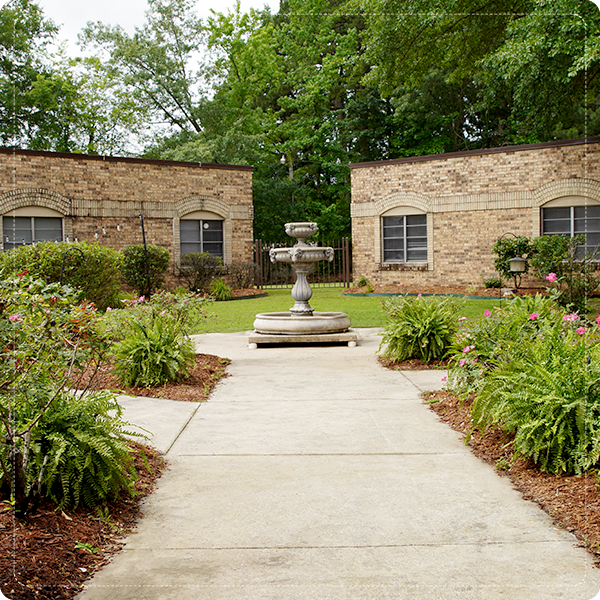
How is Cottage Lane Health And Rehab Of Little Rock Staffed?

CMS rates COTTAGE LANE HEALTH AND REHAB OF LITTLE ROCK's staffing level at 3 out of 5 stars, which is average compared to other nursing homes. Staff turnover is 65%, which is 19 percentage points above the Arkansas average of 46%. High turnover can affect care consistency as new staff learn residents' individual needs.

What Have Inspectors Found at Cottage Lane Health And Rehab Of Little Rock?

State health inspectors documented 42 deficiencies at COTTAGE LANE HEALTH AND REHAB OF LITTLE ROCK during 2022 to 2025. These included: 1 Immediate Jeopardy (the most serious level, indicating potential for serious harm or death), 1 that caused actual resident harm, 38 with potential for harm, and 2 minor or isolated issues. Immediate Jeopardy findings are rare and represent the most serious regulatory concerns. They require immediate corrective action.

Who Owns and Operates Cottage Lane Health And Rehab Of Little Rock?

COTTAGE LANE HEALTH AND REHAB OF LITTLE ROCK is owned by a for-profit company. For-profit facilities operate as businesses with obligations to shareholders or private owners. The facility operates independently rather than as part of a larger chain. With 143 certified beds and approximately 82 residents (about 57% occupancy), it is a mid-sized facility located in LITTLE ROCK, Arkansas.

How Does Cottage Lane Health And Rehab Of Little Rock Compare to Other Arkansas Nursing Homes?

Compared to the 100 nursing homes in Arkansas, COTTAGE LANE HEALTH AND REHAB OF LITTLE ROCK's overall rating (1 stars) is below the state average of 3.1, staff turnover (65%) is significantly higher than the state average of 46%, and health inspection rating (1 stars) is much below the national benchmark.

What Should Families Ask When Visiting Cottage Lane Health And Rehab Of Little Rock?

Based on this facility's data, families visiting should ask: "What changes have been made since the serious inspection findings, and how are you preventing similar issues?" "What safeguards and monitoring systems are in place to protect residents from abuse or neglect?" "How do you ensure continuity of care given staff turnover, and what is your staff retention strategy?" "Can I visit during a mealtime to observe dining assistance and food quality?" These questions are particularly relevant given the facility's Immediate Jeopardy citations, the substantiated abuse finding on record, and the facility's high staff turnover rate.

Is Cottage Lane Health And Rehab Of Little Rock Safe?

Based on CMS inspection data, COTTAGE LANE HEALTH AND REHAB OF LITTLE ROCK has documented safety concerns. The facility has 1 substantiated abuse finding (meaning confirmed case of resident harm by staff or other residents). Inspectors have issued 1 Immediate Jeopardy citation (the most serious violation level indicating risk of serious injury or death). The facility has a 1-star overall rating and ranks #100 of 100 nursing homes in Arkansas. Families considering this facility should ask detailed questions about what corrective actions have been taken since these incidents.

Do Nurses at Cottage Lane Health And Rehab Of Little Rock Stick Around?

Staff turnover at COTTAGE LANE HEALTH AND REHAB OF LITTLE ROCK is high. At 65%, the facility is 19 percentage points above the Arkansas average of 46%. High turnover means new staff may not know residents' individual needs, medications, or preferences. It can also be disorienting for residents, especially those with dementia who rely on familiar faces. Families should ask: What is causing the turnover? What retention programs are in place? How do you ensure care continuity during staff transitions?

Was Cottage Lane Health And Rehab Of Little Rock Ever Fined?

COTTAGE LANE HEALTH AND REHAB OF LITTLE ROCK has been fined $33,400 across 2 penalty actions. This is below the Arkansas average of $33,413. While any fine indicates a compliance issue, fines under $50,000 are relatively common and typically reflect isolated problems that were subsequently corrected. Families should ask what specific issues led to these fines and confirm they've been resolved.

Is Cottage Lane Health And Rehab Of Little Rock on Any Federal Watch List?

COTTAGE LANE HEALTH AND REHAB OF LITTLE ROCK is not on any federal watch list. The most significant is the Special Focus Facility (SFF) program, which identifies the bottom 1% of nursing homes nationally based on persistent, serious quality problems. Not being on this list means the facility has avoided the pattern of deficiencies that triggers enhanced federal oversight. This is a positive indicator, though families should still review the facility's inspection history directly.