Hickory Heights Health And Rehab, Llc
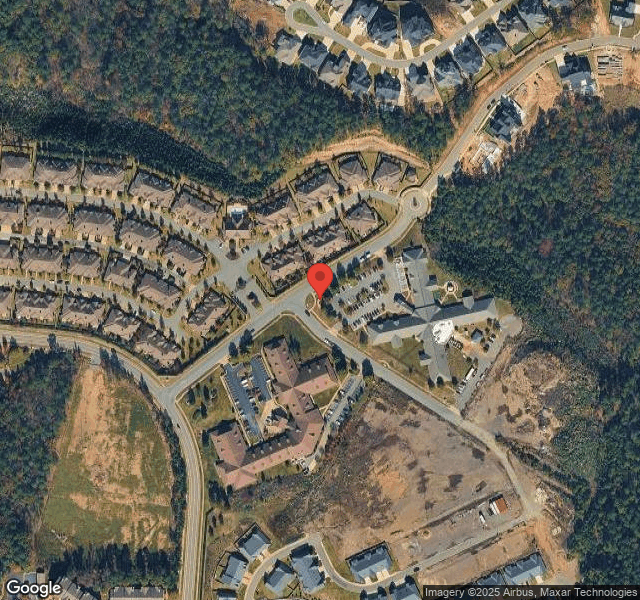

#3 CHENAL HEIGHTS DRIVE, LITTLE ROCK, AR 72223 (501) 830-2273
For profit - Limited Liability company 110 Beds CENTRAL ARKANSAS NURSING CENTERS Data: November 2025
Trust Grade
60/100
#110 of 218 in AR
Last Inspection: August 2025

Inspected within the last 6 months. Data reflects current conditions.

Overview

Hickory Heights Health and Rehab in Little Rock, Arkansas, has a Trust Grade of C+, which means it is slightly above average but not outstanding. It ranks #110 out of 218 facilities in the state, placing it in the bottom half, and #8 out of 23 in Pulaski County, indicating that only a few local options are better. The facility is improving, with issues dropping significantly from 11 in 2024 to just 1 in 2025. Staffing is a relative strength with a 4 out of 5 rating, though the 53% turnover rate is around the state average, suggesting some instability. While the facility has no fines on record, there are concerns noted during inspections, including improper food storage practices that could lead to cross-contamination and potential foodborne illnesses, affecting many residents who receive meals from the kitchen. Overall, families should weigh the facility's strengths in staffing and recent improvements against the identified concerns in food safety practices.

Trust Score
C+
60/100
In Arkansas
#110/218
Top 50%
Safety Record
Low Risk
No red flags
Inspections
Getting Better
11 → 1 violations
Staff Stability
⚠ Watch
53% turnover. Above average. Higher turnover means staff may not know residents' routines.
Penalties
✓ Good
No fines on record. Clean compliance history, better than most Arkansas facilities.
Skilled Nurses
⚠ Watch
Each resident gets only 27 minutes of Registered Nurse (RN) attention daily — below average for Arkansas. Fewer RN minutes means fewer trained eyes watching for problems.
Violations
⚠ Watch
23 deficiencies on record. Higher than average. Multiple issues found across inspections.
★★★☆☆
3.0
Overall Rating
★★★★☆
4.0
Staff Levels
★★★★☆
4.0
Care Quality
★★★☆☆
3.0
Inspection Score
Stable
2024: 11 issues
2025: 1 issues

The Good

  • 4-Star Staffing Rating · Above-average nurse staffing levels
  • 4-Star Quality Measures · Strong clinical quality outcomes
  • Full Sprinkler Coverage · Fire safety systems throughout facility
  • No fines on record

Facility shows strength in staffing levels, quality measures, fire safety.

The Bad

3-Star Overall Rating

Near Arkansas average (3.1)

Meets federal standards, typical of most facilities

Staff Turnover: 53%

Near Arkansas avg (46%)

Higher turnover may affect care consistency

Chain: CENTRAL ARKANSAS NURSING CENTERS

Part of a multi-facility chain

Ask about local staffing decisions and management

The Ugly 23 deficiencies on record

Aug 2025 1 deficiency
CONCERN (F)

Potential for Harm - no one hurt, but risky conditions existed

Food Safety (Tag F0812)

Could have caused harm · This affected most or all residents

Based on observation, interview, and facility policy review, the facility failed to ensure proper storage of meats to prevent cross contamination, that stored foods were properly covered, and expired ...

Read full inspector narrative →
Based on observation, interview, and facility policy review, the facility failed to ensure proper storage of meats to prevent cross contamination, that stored foods were properly covered, and expired food items were promptly removed and discarded on or before the expiration or use by date, for one of one kitchen observed. The findings include: During a tour of the freezer on 08/04/2025 at 11:05 AM, this surveyor and the Dietary Manager (DM) observed the following: a. One box of frozen beef patties and one box of fish fillets, both unsealed and open. b. A metal container on a shelf with multiple bags of chopped greens. This surveyor observed an undated, open bag with two beef patties and an open bag with two pork chops stored in the same metal container. The metal container had a “7/5/25” discard date. The DM stated, “They (raw meats and vegetables) shouldn’t be stored together” and “The meats should have been thrown in the trash.” This surveyor observed the DM throw all food items from the metal container in the trash. c. Two boxes of chicken and four boxes of pork were stored on the shelves above the greens. During a tour of the refrigerator on 08/04/2025, this surveyor and the DM observed the following: a. One bag of block cheese on a shelf, unsealed with no discard date b. One box of scrambled egg mix on the lower shelf, with a box of turkey on the shelf above During a tour of the dry storage area on 08/04/2025 the following observations were made: a. Three bags of 8.6-ounce drink mix bags on a shelf, unsealed and without a use by date b. One dented 115-ounce can of ketchup on a storage rack. The DM stated, “Dented cans can have metal shavings and become contaminated.” During a tour of the cooking area on 08/04/2025, this surveyor and the DM observed the following: a. Two seasoning containers were stored on the shelf in the kitchen area;the lids were open and unsealed. The DM stated, “Bugs could get inside them.” A review of a facility operations policy titled, Cold Storage Areas,” indicated store cold foods until their “use-by” date or expiration date. The policy also indicated to store raw foods on bottom shelves in case of leakage. A review of a facility operations policy titled, “Dry Food Storage,” indicated opened food items would be labeled with contents and opened dates as well as stored in clean, dry, and sealed containers.
May 2024 9 deficiencies
CONCERN (D)

Potential for Harm - no one hurt, but risky conditions existed

Deficiency F0688 (Tag F0688)

Could have caused harm · This affected 1 resident

Based on observations, interviews, and record review the facility failed to ensure resident with limited range of motion (ROM) received care and services to prevent any further decrease in ROM for one...

Read full inspector narrative →
Based on observations, interviews, and record review the facility failed to ensure resident with limited range of motion (ROM) received care and services to prevent any further decrease in ROM for one (Resident #19) who was reviewed for position/mobility. The findings are: On 4/30/24 at 9:56 AM, observed Resident #19 lying in bed with left hand contracted and no device in place. On 4/30/24 at 3:10 PM, observed Resident #19 up in chair with contracted left hand and no device in place. On 5/1/24 at 12:34 PM, observed Resident #19 up in dining room in chair with left hand contracted and no device in place. Resident #19's Care Plan identifies Resident #19 to have an ADL (Activity Daily Living) self-care performance deficit related to cardiovascular accident with hemiplegia Date Initiated: 12/23/2019. Resident #19 has impaired cognitive function BIMS (Brief Mental Status Score) score related to cardiovascular accident and schizophrenia. Date Initiated: 03/28/2024. MDS (Minimum Data Set) dated March 28, 2024, reflects Resident has a BIMS of 03. BIM scores of 00 - 07 Severely Impaired. During an interview on 5/1/24 at 12:37 PM, the Director of Physical Therapy said no I am not aware Resident #19 has a hand contracture. The surveyor asked can you look and see if there are any notes for Resident #19 regarding a hand splint or device. The Director of Physical Therapy looked and informed the surveyor that there were no notes for Resident #19. The surveyor asked should a resident with a hand contracture have a device or a hand roll in place. The Director of Physical Therapy said ideally yes, they should. On 5/1/24 at 2:04 PM, surveyor asked the Director of Nursing (DON), where you aware that Resident #19 had a contracted left hand. The DON said, yes I am. The surveyor asked should there be something in the Resident's left hand to help with the mobility of the left hand. The DON said yes, a hand roll. The DON placed a dry cotton tip applicator in Resident #19's contracted hand and twisted it and then pulled it out. The surveyor asked can you describe what the cotton tip applicator smells like? The DON said foul smelling nasty, and white with some tan on it. During an interview on 5/2/24 at 11:10 AM, License Practical Nurse (LPN)#4 confirmed, everyone who takes care of the Resident can place a hand roll in their hand. The surveyor asked who is responsible for making sure the contracted hand is cleaned. LPN #4 confirmed, the CNAs are. The surveyor asked why is it important to assure a roll/splint is applied. LPN #4 confirmed to combat constriction. On 5/2/24 at 11:14 AM, surveyor asked the DON who is responsible for making sure that a hand roll/splint is placed. The DON said nurses or restorative is. Why is it important to have a hand roll/splint in place. The DON confirmed, to help with mobility of hand. On 5/2/24 at 11:56 AM, Restorative Aide (RA) was asked, are you aware of Resident #19, RA confirmed, yes, I am. Are you aware that Resident #19 has a left contracted hand. RA confirmed, yes, I am. Last week the restorative nurse and the MDS nurse and I all met to go over all contractures. The surveyor ask, did you discuss Resident #19, the RA confirmed, yes, we did. The surveyor asked what was the outcome of the discussion. RA said nothing, I guess. The surveyor asked was Resident #19 placed on restorative, RA said no. The surveyor asked was Resident #19 referred to therapy for a splint. RA said I don't know. The restorative nurse handles that. On 5/2/24 at 12:01 PM, surveyor asked Restorative Nurse, RN (RN#2), are you familiar with Resident #19.? RN #2 said yes, I am. Are you aware that Resident #19 has a contracted left hand. Yes, I am. The surveyor asked are you aware Resident #19 does not have a hand roll/or splint in place. RN #2 said yes, we used to attempt to place a hand roll in the hand but Resident #19 often wouldn't allow us to place it in the hand because it hurt. Are you still attempting to place it in the Resident's hand. RN #2 said no I guess we just quit trying. Has the resident been referred to therapy for the contracture. RN #2 said, I just got permission to get referral for therapy to evaluate. On 5/2/24 at 12:56 PM, a nurse consultant was asked for contracture policy. The nurse consultant confirmed, facility does not have a policy for contractures.
CONCERN (D)

Potential for Harm - no one hurt, but risky conditions existed

Safe Environment (Tag F0921)

Could have caused harm · This affected 1 resident

Based on observations and record review the facility failed to provide a safe, functional, sanitary, and comfortable environment for residents, staff, and the public. The findings are: On 04/30/24 at...

Read full inspector narrative →
Based on observations and record review the facility failed to provide a safe, functional, sanitary, and comfortable environment for residents, staff, and the public. The findings are: On 04/30/24 at 10:01 PM, observation rounds were made on the men's secured unit. The entire length of the wall, 15 feet, has peeling paint and gouged areas of drywall approximately 7 from the floor. The walls of the dining room, of the men's secured unit, has several areas with the paint chipping off and holes in the drywall of the walls. A large hole is in the drywall near the window where a resident dining table sits and where residents eat their meals. This hole measures 4 1/2 X 2; there is a second large hole beside a second dining table where the residents eat their meals which measures 6 X 4; on the wall where the med-room window is located is a large area of peeling paint just under the med-room window. This is a central area where the residents gather and sit for activities and meals. This area measures 23 X 17 in diameter; another area of dry wall has been gashed out measuring 2X 1.25 which is hanging from the wall, this is within reach of all residents. On 05/02/24 at 02:14 PM, the surveyor and Maintenance Director made observations in the Men's secured unit. The Maintenance Director measured the areas and stated The wall looks awful and needs to be painted. It has been this way since I started two months ago. We are doing a total repaint of the walls. The surveyor asked the maintenance director if he had a work order book. The Maintenance Director stated yes and pulled a 3- ring binder from the wall pocket near the Med-room window. The surveyor asked the Maintenance Director if he had work orders on any of the areas identified in the dining room. The Maintenance Director stated, No. The surveyor asked the Maintenance Director what caused these problems. The Maintenance Director stated, The residents peel the paint off the walls and the wheelchairs.
CONCERN (E)

Potential for Harm - no one hurt, but risky conditions existed

Resident Rights (Tag F0550)

Could have caused harm · This affected multiple residents

Based on observation, interview and record review, the facility failed to ensure dignity was maintained for 2 (Residents #10 and #90) and privacy was maintained for 1 Resident #90 when caring for the ...

Read full inspector narrative →
Based on observation, interview and record review, the facility failed to ensure dignity was maintained for 2 (Residents #10 and #90) and privacy was maintained for 1 Resident #90 when caring for the Residents. The findings are: Resident #10 had a diagnosis of Spastic Quadriplegic Cerebral Palsy as documented on an Order Summary. An Annual Minimum Data Set (MDS) with an Assessment Reference Date (ARD) of 1/19/24 documented the resident had a Brief Interview for Mental Status (BIMS) score of 15 (13-15= cognitively intact), had functional limitation in range of motion on both sides in upper and lower extremities and was dependent for upper and lower body dressing. A Care Plan, last dated 4/25/24, documented Resident #10 had an Activities of Daily Living (ADL) self-care performance deficit related to diagnosis process and contractures and was dependent on staff for personal hygiene. On 04/30/24 at 12:07 PM, Certified Nursing Assistant (CNA) #3 was in Resident #10's room and Resident had been put back to bed after receiving a shower. Resident #10 was in bed, awake and the privacy curtain was positioned behind the head of the bed and the privacy curtain of the roommate was pulled closed. At 12:11 PM, CNA #3 removed the top sheet from the Resident, exposing the entire front side of the Resident's body. CNA #3 placed a white substance on her gloved hands and rubbed in on the Resident's chest area and legs. She rolled Resident #10 on the left side and removed a blue lift pad. Resident #10's back, buttocks and legs were exposed. At 12:14 PM, CNA #3 pulled the sheet down completely, and exposed Resident #10's back, bottom, and legs. CNA #3 said she was applying lotion to Resident. Without changing gloves, she applied a white cream to Resident #10's left and right buttocks. CNA #3 said it was barrier cream. She rolled the sheets under the Resident, towards the left side and then rolled Resident on Resident's back. Resident #10's front body was naked and exposed to both surveyors. At 12:18 PM, CNA #3 applied a condom catheter to Resident #10 and the Resident's chest, private area, and legs were exposed. At 12:21 PM, she tied the strings on a gown and placed the gown over the Resident's head and pulled the top sheet off the Resident, exposing the Resident's private area and legs and then she pulled the gown down over the Resident. She pulled the top flat sheet over the Resident and began cleaning up the area. On 5/02/24 at 2:29 PM, CNA #3 was interviewed, and she had Resident #10's front body exposed while she was placing cream on the Resident's body. When CNA #3 was asked how she should have applied the cream to the Resident, she confirmed she should have placed the bath blanket on and rolled it down as she was working, to only expose the portion of the body that needed cream to provide privacy. Resident #90 has a medical diagnosis of Hemiplegia, Affecting Right Dominant Side, Personal History of Transient Ischemic Attack (TIA), and Cerebral Infarction Without Residual Deficits, Chronic Systolic (congestive) Heart Failure, Cerebral Infarction, Frontal Lobe and Executive Function Deficit Following Nontraumatic Intracerebral Hemorrhage, Shortness of Breath. A Quarterly Minimum Data Set [MDS] with an Assessment Reference Date [ARD] of 11/02/2023 documented a Brief Interview Mental Status [BIMS] of 00, (unable to complete screening). On 4/30/2024 at 10:33 AM, the surveyor observed Registered Nurse (RN) #1, administering a tube feeding to Resident #90. The surveyor walked past Resident #90's room with the door open and observed Resident's abdomen exposed. On 5/02/2024 at 9:52 AM, the surveyor asked RN #1 what is important when providing personal care, tube feeding, etc. to protect a Resident's privacy and promote dignity? RN #1 stated to be sure to close the door and pull the privacy curtain. RN was asked what the outcome could be if the door was left open or curtain was not pulled. RN stated that people passing by in the hallway could see the resident. On 5/02/2024 at 9:57 AM, the Director of Nursing (DON), was asked what is important to do when providing personal care, tube feedings, etc. to protect a resident's privacy and promote dignity? DON said staff need to close the resident's door and pull the privacy curtain. The surveyor asked the DON what the outcome could be if the door was left open or the curtain was not pulled? DON said people passing by in the hallway would be able to see the resident. On 5/03/24 at 12:40 PM the Administrator said the facility does not have a policy on dignity when he was asked to provide one.
CONCERN (E)

Potential for Harm - no one hurt, but risky conditions existed

ADL Care (Tag F0677)

Could have caused harm · This affected multiple residents

**NOTE- TERMS IN BRACKETS HAVE BEEN EDITED TO PROTECT CONFIDENTIALITY** Based on observation, interview, record review, and facility policy review, it was determined the facility failed to ensure pers...

Read full inspector narrative →
**NOTE- TERMS IN BRACKETS HAVE BEEN EDITED TO PROTECT CONFIDENTIALITY** Based on observation, interview, record review, and facility policy review, it was determined the facility failed to ensure personal hygiene as related to proper nail care was provided for 3 of 3 Residents (Resident #2, #42, #73) reviewed for activities of daily living. A. Resident #2's Care Plan identifies Resident #2 to have an ADL (Activity of Daily Living) self-care performance deficit r/t Dementia, Limited Mobility, weakness Date Initiated: 03/13/2023. Intervention/task: Personal Hygiene: substantial/max. Date Initiated: 12/07/2023. B. Resident #2 has impaired cognitive function BIMS (Brief Interview for Mental Status) score related to dementia. Date Initiated: 03/13/2023. C. MDS (Minimum Data Set) dated March 07, 2024, reflects Resident's has a BIMS of 3. BIM scores of 00 - 07 Severely Impaired. The findings are: 1. On 04/30/24 at 02:20 PM, Resident #2's fingernails were partially painted, long, chipped, with dark brown substance under the nails, and brown substances smeared over and around the fingernails. On 05/01/24 at 08:36 AM, Resident #2's fingernails were partially painted, long, chipped, with dark brown substance under the nails, and brown substances smeared over and around the fingernails. On 05/01/24 at 08:43 AM, Resident #2's fingernails were partially painted, long with dark brown substance under the nails, and brown substances smeared over and around the fingernails. On 5/2/24 at 1:23 PM, Resident #2's fingernails were partially painted, long, chipped, with dark brown substance under the nails, and brown substances smeared over and around the fingernails. On 4/30/24 at 9:43 AM, observed Resident #42's nails with jagged edges and brown substance under nails on both hands. Resident had ½ inch nails on some fingers with chipped polish. On 4/30/24 at 3:47 PM, observed Resident #42 with ½ inch nails with chipped polish and jagged edges with brown substance under nails. On 5/1/24 at 12:07 PM, observed Resident #42 with ½ inch nails with chipped polish and jagged edges with brown substance under nails. Resident #42's Care Plan identifies Resident #42 to have an ADL self-care performance deficit related to dementia, Schizophrenia, wandering, behaviors Date Initiated: 08/11/2021. Resident #2 has impaired cognitive function with a BIMS score related to dementia. Date Initiated: 04/26/2024. MDS dated [DATE], reflects resident has a BIMS of 03. BIM scores of 00 - 07 Severely Impaired. On 4/30/24 at 9:05 AM, observed Resident #73 lying on bed with ½ inch thumb nails and brown substance under nails on both hands and chipped polish on thumb nails. On 4/30/24 at 11:13 AM, observed Resident #73 in chair in dining room after receiving her shower with ½ inch thumb nails with chipped nail polish and brown substance under nails on both hands. On 4/30/24 at 2:1, observed Resident #73 up in dining area with ½ inch thumb nails with chipped nail polish and brown substance under nails on both hands. On 5/1/24 at 11:06 AM, observed Resident #73 sitting on side of bed with ½ inch thumb nails with chipped polish and brown substance under nails on both hands. Resident #73's Care Plan identifies Resident #73 to have an ADL self-care performance deficit related to cognitive status/ limited mobility Date Initiated: 12/01/2021. Intervention/tasks: praise all self-care revised: 2/23/24. Resident #73 has impaired cognitive function AEB BIMs score r/t dementia. Date Initiated: 02/20/2024. MDS dated [DATE], reflects resident has a BIMS of 03. BIMS scores of 00 - 07 Severely Impaired. C. On 5/2/24 at 11:07 AM, certified nursing assistant (CNA) #2 was asked, who is responsible for making sure nails are trimmed, and cleaned. CNA#2 confirmed, the CNA's are unless they are diabetic then the nurses do them. When do you provide nail care. CNA#2 confirmed on resident shower days and if we notice them dirty we do them as needed. What can occur from nails being left jagged. CNA#2 confirmed, they can cut themselves with them. What can occur from brown substance being left under their nails. CNA#2 confirmed, infection. D. On 5/2/24 at 11:11 AM,, Licensed Practical Nurse (LPN)#4 was asked, who is responsible for making sure nails are trimmed, and cleaned. LPN#4 confirmed, the CNA's are unless they are diabetic then the nurses do them. When is nail care provided. LPN#4 confirmed, as needed. What can occur from nails being left long and jagged. LPN #4 confirmed, skin tears. What can occur from nails being left with brown substance under them. LPN #4 confirmed, it can cause an infection. E. On 5/2/24 at 11:17 AM, Director of Nursing (DON) was asked who is responsible for making sure residents nails are trimmed and cleaned. DON confirmed, the CNAs are. When is nail care provided. DON confirmed on bath days. What can occur from nails being left long and jagged. DON confirmed, skin tears. What can occur from brown substance being left under nails. DON confirmed infection. Who should be monitoring the nails to assure these tasks are being performed. The DON confirmed the nurses and myself. On 5/2/24 at 12:56 PM, nurse consultant was asked for policy for nail care, nurse consultant confirmed the facility does not have a policy for nail care.
CONCERN (E)

Potential for Harm - no one hurt, but risky conditions existed

Unnecessary Medications (Tag F0759)

Could have caused harm · This affected multiple residents

Based on observation, interview and record review, the facility failed to ensure a medication error rate of less than 5%. Observations revealed there were 5 of 26 medications not administered in accor...

Read full inspector narrative →
Based on observation, interview and record review, the facility failed to ensure a medication error rate of less than 5%. Observations revealed there were 5 of 26 medications not administered in accordance with physician's orders for 3 (Residents #3, #10 and #35) of 4 residents, resulting in a medication error rate of 19.23%. The findings are: 1. Resident #10 had a diagnosis of Spastic Quadriplegic Cerebral Palsy. a. An Annual Minimum Data Set (MDS) with an Assessment Reference Date (ARD) of 1/19/24 documented the resident had a Brief Interview for Mental Status (BIMS) score of 15 (13-15= cognitively intact) and had functional limitation in range of motion on both sides in upper and lower extremities. b. An Order Summary documented resident #10 had the following medication orders: 1. 1. Polyethylene Glycol Powder 34 gram by mouth one time a day 2. Senna Tablet 8.6 mg (milligrams) give 2 tablets by mouth one time a day. c. On 5/2/24 at 09:07 AM, Licensed Practical Nurse (LPN) #2 was at the 300-hall medication cart and was observed preparing medications for Resident #10. She took out a bottle of Polyethylene Glycol) and poured 17 grams of powder into the top and then poured the powder in a cup, poured about 6 ounces of water in the cup with the powder and mixed them together. She opened a bottle of Senna-Plus and poured 1 capsule in the top and then placed it in the cup with other medications she was preparing. At 9:15 AM, she poured the pills in Resident #10's mouth and then administered the cup of water mixed with Clear-lax and to the Resident. d. An electronic Medication Administration Record (MAR) documented on 5/2/24 at 0800 (8:00 AM) resident #10 was administered Polyethylene Glycol Powder 34 grams by mouth and Senna Tablet 8.6 MG 2 tablets by mouth. e. On 5/2/24 at 11:26 AM LPN #3 was interviewed, and she confirmed she only poured one cap (1 cap = 17 gm) of Clear Lax and administered it to Resident #10 during the morning medication pass. She then confirmed that she only administered one capsule of the Senna-Plus to Resident. She was asked to look at the medication administration record to state what the orders were for Clear Lax and Senna. At 11:27 AM LPN #3 looked at the MAR for Resident #10 and she stated, The Senna is to give two tablets, but [Resident #10] doesn't want two, [resident #10] wants one. This surveyor stated, The order shows 2 tablets, and you signed off that two tablets were given. She was asked if the order should have been called to the doctor for clarification and she stated, I guess. She confirmed that the MAR documented 2 tablets given. She confirmed the Clear Lax dose ordered was 34 grams. She confirmed she should have read the order before she prepared Resident #10's medication and she stated the reason was, Just in case something changes. On 5/2/24 at 08:25 AM, surveyor observed LPN #1 administer a 1000 mg tablet of Omega 3 fish oil tablet to Resident #35. The order reads, Fish Oil 2000 mg by mouth related to vitamin deficiency. On 5/2/24 at 8:32 AM, LPN #1 confirmed there were 7 pills in the medication cup and 2 sets of eye drops to be given. On 5/2/24 at 8:32 AM, surveyor observed order for Vitamin D3 25 mg (1000ut) give 2 tablets daily related to vitamin deficiency. These tablets were not given to Resident #35. On 5/2/24 at 8:40 AM, surveyor observed LPN #1 administer medication to Resident #3. LPN #1 confirmed there were 5 tablets in the medication cup. On 5/2/24 at 8:40 AM, surveyor observed order for Loratadline 10mg oral tablet, 1 tablet by mouth daily for allergies that LPN #1 did not administer to Resident #3. On 5/2/24 at 10:10 AM, surveyor asked LPN #1, when administering medication what should the nurse do to assure that all the medication is given, and the right amount is given. LPN#1 confirmed, look at your MAR and compare your medication to the order and the Resident. Can you look at your orders for the 0800 AM medication pass and tell me how many of the fish oil tablets the order states to give. LPN #1 confirmed, it says 2, but I only gave 1. Do you remember us counting the pills to confirm how many were in the cup? LPN #1 confirmed, yes there were 7 for this Resident. Can you look at your orders and tell me how many pills you should have given at your 0800 AM medication pass. LPN #1 confirmed looks like 10. Do you see which medication you did not give. LPN #1 confirmed, I only gave 1 fish oil, but I am still missing 2 tablets. Do you remember giving Vitamin D3, 2 tablets. LPN confirmed, no I forgot to give those. On 5/2/24 at 10:18 AM, surveyor asked LPN #1, when administering medication to Resident #3 do you remember how many pills we confirmed were in the cup. LPN #1 confirmed yes 5. Can you count your pills to be given at 0800 for Resident #3 and tell me how many should have been given. LPN #1 confirmed, it should have been 6. Can you look at your orders and confirm what medication you missed. LPN #1 confirmed, yes, the brand antihistamine, I forgot to give it. Can you tell me why it is important for a resident to get the medication that is ordered for them. LPN #1 confirmed, it is important because they need them for their diagnosis and the doctor ordered them, so I am responsible for giving them. They will get sicker if they are not given. On 5/2/24 at 11:13 AM, the nurse consultant informed surveyor they did not have a policy for medication administration.
CONCERN (E)

Potential for Harm - no one hurt, but risky conditions existed

Menu Adequacy (Tag F0803)

Could have caused harm · This affected multiple residents

Based on observation, record review, and interview, the facility failed to ensure that meals were prepared and served according to the planned written menu to meet the nutritional needs of the residen...

Read full inspector narrative →
Based on observation, record review, and interview, the facility failed to ensure that meals were prepared and served according to the planned written menu to meet the nutritional needs of the residents for 1 of 1 meal observed. This failed practice had the potential to affect 9 residents who received pureed diets from 1 of 1 kitchen, according to a list provided by the Administrator on 04/30/2024 at 11:05 AM The findings are: 1. The menu for lunch documented that the residents who received pureed diets were to receive 2 #8 scoops (1 cup) of spaghetti with meat sauce, a #16 scoop (1/4 cup) of pureed bread, and a #8 scoop (1/2 cup) of pureed vegetable blend. 2. On 04/30 /2024 at 012:43 PM, the following observations were made during the noon meal service. a. On 04/30/24 at12:43 PM Dietary Employee (DE) #3 used a #8 scoop (1/2 cup) to serve a single portion of pureed spaghetti to 5 residents who are on a regular puree diet, instead of 2 #8 scoops (1 cup) and served 2#8 scoops of pureed spaghetti to 4 residents who are on double portion diets, instead of 4#8 scoops (2 cups) for being on double portion diets. c. On 04/30/24 at 01:31 PM 6 residents who required pureed diets did not receive pureed bread with their lunch meal. All residents on pureed diets were served pureed cut green beans, instead of pureed vegetables blend per the written menu. Vegetable blend consisted of other vegetables. On 05/01/24 at 11:08 AM The surveyor asked the Dietary supervisor the reason pureed cut green beans was used for the pureed vegetable, instead of vegetable blend. He stated, They should have use vegetable blend as stated on the menu because vegetable blend is a mixture of other vegetables. d. On 04/30/23 at 01:35 PM 6 bowls of pureed bread were on the counter in the kitchen. The surveyor asked the Dietary Employee (DE) #3 the reason pureed bread was not served to other residents. DE #3 stated, I forgot. The surveyor asked Dietary Employee (DE) #3 how many servings of pureed spaghetti she gave to each resident on pureed diets and what scoop size was used. (DE) #3 stated, I used #8 scoop (1/2 cup) and I gave one serving each to 7 residents on a regular pureed diets, and gave a serving of 2#8 scoops each to 2 residents on double portion. The surveyor asked the Dietary Employee (DE) #3 if she read the menu. DE #3 stated, I looked at it, I should have given 2#8 scoops to the ones on regular puree diets 4 #8 scoops the ones on double portion. 3. On 05/01/24 at 11:08 AM The surveyor asked the Dietary supervisor the reason the cut green beans were used for the pureed vegetable, instead of vegetable blend. He stated, They should have use vegetable blend as stated on the menu because vegetable blend is a mixture of other vegetables.
CONCERN (E)

Potential for Harm - no one hurt, but risky conditions existed

Deficiency F0805 (Tag F0805)

Could have caused harm · This affected multiple residents

Based on observation and interview, the facility failed to ensure that pureed food items were blended to a smooth, lump free consistency to minimize the risk of choking or other complications for thos...

Read full inspector narrative →
Based on observation and interview, the facility failed to ensure that pureed food items were blended to a smooth, lump free consistency to minimize the risk of choking or other complications for those residents who required pureed diets for 2 of 2 meals observed. The failed practice had the potential to affect 9 residents who received pureed diets, as documented on the list provided by the Administrator on 05/01/2024 at 11:05 AM The findings are: 1. On 04/30/24 11:46 AM Dietary Employee (DE) #3 used #8 scoop to place 13 servings of cut green beans into a blender and pureed. At 11:49 AM Dietary Employee (DE) #3 poured the pureed cut green beans into a pan, added thickener, and stirred it with a spoon. The consistency was thick. 2. On 04/30/24 at 12:26 PM Dietary Employee (DE) #3 used #6 scoop to place 10 servings spaghetti with meat sauce into a blender and pureed. At 12:29 AM Dietary Employee (DE) #3 poured the pureed spaghetti with meat sauce into a pan and placed it on the steam table. The consistency was chunky. There were pieces of noodles and meat visible in the mixture. 3. On 04/30/24 at 12:33 PM Dietary Employee (DE) #4 placed 13 servings of bread sticks into a blender, added 3 cartons of whole milk and pureed. Dietary Employee (DE) #4 used a #16 scoop to portion pureed bread sticks into 9 individual bowls. The consistency was lumpy and thick. 4. On 04/30/24 at 01:45 PM The surveyor asked the Dietary Employee (DE) #4 to describe the consistency of the pureed food items served to the residents on pureed diets. (DE) #4 stated, Pureed spaghetti was more of mechanical soft, it was thick. You are seeing noodles and meat. It was supposed to be pudding consistency. Pureed bread was thick and had lumps in it. I should have added more milk to make it smoother. Pureed cut green beans were thick. 5. On 04/30/24 at 02:05 PM The surveyor asked the Certified Nursing Assistant #1 to describe the consistency of the pureed spaghetti served to the residents on pureed diets. She stated, It was more of mechanical soft. 6. On 04/30/24 at 02:06 PM The surveyor asked the license Practical nurse #2 to describe the consistency of the pureed spaghetti served to the residents on pureed diets. She stated, It has lumps. 7. On 04/30/24 at 08:10 AM during the breakfast meal service. Pureed sausage was served to the residents on pureed diets from a pan of pureed sausage located on the steam table. The consistency of the pureed sausage was gritty. The surveyor asked the Dietary Employee (DE) #6 to describe the consistency of the pureed sausage prepared and served to the residents on pureed diets. DE #6 stated, It was gritty.
CONCERN (E)

Potential for Harm - no one hurt, but risky conditions existed

Infection Control (Tag F0880)

Could have caused harm · This affected multiple residents

Based on observation, interview and record review, the facility failed to ensure staff performed hand hygiene between changing gloves and before leaving a room after assisting with care for 1 (Residen...

Read full inspector narrative →
Based on observation, interview and record review, the facility failed to ensure staff performed hand hygiene between changing gloves and before leaving a room after assisting with care for 1 (Resident #10) of 1 sampled resident who was reviewed for infection control; failed to ensure staff performed hand hygiene before and between passing meal trays to residents and before and between administering medications to residents. The findings are: 1. Resident #10 had a diagnosis of Spastic Quadriplegic Cerebral Palsy as documented on an Order Summary. a. An Annual Minimum Data Set (MDS) with an Assessment Reference Date (ARD) of 1/19/24 documented the resident had a Brief Interview for Mental Status (BIMS) score of 15 (13-15 cognitively intact), had functional limitation in range of motion on both sides in upper and lower extremities and was dependent for upper and lower body dressing. b. A Care Plan, last dated 4/25/24, documented Resident #10 had an Activities of Daily Living (ADL) self-care performance deficit related to diagnosis process and contractures and was dependent on staff for personal hygiene. c. On 04/30/24 at 12:07 PM, Certified Nursing Assistant (CNA) #3 was in Resident #10's room and resident had been put back to bed after receiving a shower. With bare hands, CNA #3 opened the plastic and removed the catheter bag. She hooked the bag to the right side of the bed and placed the tubing on the bed. CNA #3 opened the Resident's top drawer, took out a pair of gloves and without sanitizing her hands, she put on the gloves and used a large white towel to remove the excess water from Resident #3's hair and then placed the towel in a clear plastic bag that was sitting on top of the bedside table. At 12:11 PM, CNA #3 placed a white substance on her gloved hands and rubbed the Resident's chest area and legs. She rolled Resident #10 on the left side and removed a blue lift pad. Without changing gloves, CNA #3 placed a white substance on her gloved hands and rubbed the Resident's back and then pulled the sheet over the Resident. At 12:14 PM, she pulled the sheet down completely and applied lotion to the Resident. Without changing gloves, she applied a white cream to Resident #10's left and right buttocks and she stated it was barrier cream. She rolled the sheets under the Resident, towards the left side and rolled Resident #10 on Resident's back. She picked up the end of the catheter tubing and connected a condom catheter to the end, as she held the bag and tubing next to her clothing. At 12:18 PM, CNA #3 applied the condom catheter to Resident #10. CNA #3 opened the top drawer on the nightstand with the same gloved hands, removed deodorant, removed the top and placed deodorant under Resident #10's arms. She removed her gloves and left the room without sanitizing her hands. She returned to the room with a gown. She reached into the top drawer of the chest of drawers, retrieved a new pair of gloves and put them on without sanitizing her hands. After she placed the gown on the Resident, she placed the top sheet over the Resident and began cleaning up the area. d. On 5/02/24 at 2:29 PM, CNA #3 was interviewed, and she said she had only been working at the facility for 4 months. She confirmed she should have washed or sanitized her hands when she changed gloves and before she left the room. 2. On 4/30/24 at 1:24 PM, observed Licensed Practical Nurse (LPN) go to tray cart and remove tray and take to a resident. Assisted with her food items and open condiments and then returned to food cart to remove another tray without sanitizing hands. After passing and assisting the resident with food items, condiments, and utensils nurse then returned to food cart to remove another tray and take to another resident without sanitizing hands. a. On 4/30/24 at 1:46 PM, LPN#1, was asked, what should you do before starting to serve resident trays. LPN#1 said, sanitize my hands. What should you do after serving a resident tray before you remove another tray from the cart. LPN#1 confirmed, sanitize my hands. What can occur from not sanitizing hands in between passing trays to residents. LPN#1 confirmed, cross contamination. b. On 5/2/24 at 11:21 AM, the Director of Nursing (DON) was asked what should occur before starting to pass trays. [NAME] confirmed, sanitize hands. What should occur after passing a tray and before passing another tray. [NAME] confirmed, sanitize hands. Why is it important to sanitize your hands in between passing resident trays. [NAME] confirmed, to prevent contamination. 3. On 5/2/24 at 08:26 AM, LPN#1 administered medication to a resident without sanitizing hands before beginning to do medication pass. 4. On 5/2/24 at 08:40 AM, LPN#1 administered medication to another resident without sanitizing hands after administering medication to another resident previously. a. On 5/2/24 at 8:52 AM, LPN#1 was asked, what should you do before administering medication. LPN#1 said, sanitize my hands. What should you do after giving medication to a resident and before giving medication to another resident. DON#1 said, sanitize my hands. Why is it important to sanitize your hands before and after giving medication to another resident. LPN#1 said, to prevent cross contamination. b. On 5/2/24 at 11:11:18 AM, the DON was asked what should a nurse do before passing medication. The DON said, sanitize their hands. What should a nurse do after administering medication to a resident. DON said, sanitize their hands. Why is it important to sanitize hands in between passing medication to residents. The DON said, to prevent spread of infections. c. A Handwashing / Hand Hygiene policy provided by the Administrator on 5/1/24 documented, . This facility considers hand hygiene the primary means to prevent the spread of infection. 1. All personnel shall follow the handwashing / hand hygiene procedures to help prevent the spread of infections to other personnel, residents, and visitors . 4. An alcohol-based hand rub may be used if no visible soiling. 5. Hand hygiene is the final step after removing and disposing of personal protective equipment. 6. The use of gloves does not replace hand washing / hand hygiene. Integration of glove use along with routine hand hygiene is recognized as the best practice for preventing healthcare-associated infections .
CONCERN (F)

Potential for Harm - no one hurt, but risky conditions existed

Food Safety (Tag F0812)

Could have caused harm · This affected most or all residents

**NOTE- TERMS IN BRACKETS HAVE BEEN EDITED TO PROTECT CONFIDENTIALITY** Based on observation, record review, and interview, the facility failed to ensure opened food items in the walk-in refrigerator ...

Read full inspector narrative →
**NOTE- TERMS IN BRACKETS HAVE BEEN EDITED TO PROTECT CONFIDENTIALITY** Based on observation, record review, and interview, the facility failed to ensure opened food items in the walk-in refrigerator and walk-in freezer were covered , sealed, and dated to maintain freshness and prevent potential cross-contamination, and lemon juice was stored in the dry storage area in accordance with the manufacturer's instructions for residents who receive meal from 1 of 1 kitchen, failed to ensure dietary staff practiced good and washing techniques to prevent potential cross-contamination of food and clean dishes, failed to ensure hot food items were maintained at the required temperatures on the steam table while awaiting service to prevent potential food borne illness for the residents who received meals from 1 of 1 kitchen. These failed practices had the potential to affect 103 residents who received meals from the Kitchen. The findings are: 1. On 04/30/24 at 08:46 AM, the following observations were made in the walk-in refrigerator. a. The temperature of the walk-in refrigerator was 55 degrees Fahrenheit. The surveyor asked the Dietary Supervisor to check the temperature of the milk in a gallon on a shelf and temperature of milk in a carton. The temperature of each milk was 53 degrees Fahrenheit. The Dietary Supervisor stated, They have been going in and out of the refrigerator. b. There were opened boxes of sausage stored on a shelf in the refrigerator. The boxes were not covered or sealed. 2. On 04/30/24 at 08:50 AM, the following boxes of food items stored on a shelf in the walk-in freezer were not covered or sealed. a. An opened box of hoagie buns. The box was not covered or sealed. b. An opened box of cod fish. The box was not covered or sealed. c. An opened box of chicken tender. The box was not covered or sealed. d. An opened box of turkey patties. e. An opened box pork chop. The box was not covered or sealed. f. An open box of bread sticks. The box was not covered or sealed. g. An opened box of biscuits. The box was not covered or sealed. 3. 04/30/24 09:13 AM, Dietary Employee (DE) #1 picked up the water hose with his bare hand, used it to spray leftover food from inside of the dishes, contaminating his hands. DE #1 placed the dirty dishes in the dirty racks and pushed the racks into the dish washing machine to wash. After the dishes stopped washing, he moved to the clean side of the dishwasher area and picked up clean dishes and placed them on the clean rack to be used in serving lunch meal to the residents. The Surveyor asked DE #1 immediately what should you have done after touching dirty objects or before handling clean equipment? DE #1, stated, I should have washed my hands. On 04/30/24 at 09: 23 AM, an opened bottle of lemon juice was on a shelf in the storage room. Some of the juice has been used. The manufacturer's specification documented, Refrigerate after opening. At 03:40 PM The surveyor asked DE #5 what was lemon juice used for. DE #5 stated, They used it to make icing for cake. On 05/01/24 at 08:30 AM, the surveyor asked Dietary Supervisor what you use lemon juice for. He stated, They will use it on salad. He was asked how you store an opened lemon juice. He stated, It is supposed to be refrigerated once open. 4. On 04/30/24 at 09:46 AM, Dietary Employee (DE) #2 wiped his hands on his shirt. Without washing his hands, he picked up clean eating utensils, by the end of the utensils that would go into the mouth and wrapped them in individual napkins for the residents to use at their lunch meal. The Surveyor asked him immediately what should you have done after touching dirty objects or before handling clean equipment? DE #2 stated, I should have washed my hands. 5. On 04/30/24 at 11:19 AM, DE #3 was wearing gloves on her hands when she turned off the food preparation sink faucet. Without changing gloves and washing her hands, she picked up a clean blade, and attached it to the base of the blender to be used in pureeing food items to be served to the residents on pureed diets for their lunch meal. As she was about to scoop vegetables to puree, the surveyor immediately stopped and asked DE #3 what should you have done after touching dirty objects or before handling clean equipment? DE #3 stated, Removed the gloves and wash my hands. 6. On 04/30/24 at 11:33 PM, DE #2 turned on the hand washing sink faucet, washed his hands. After washing his hands, he turned off the faucet with his bare hands, contaminating his hands. Then used his contaminated hands to pick up cups by their rims and placed them on the counter by the steam table to be used in serving beverages to the residents with their lunch meal. The Surveyor asked DE #2 what should you have done after touching dirty objects or before handling clean equipment? DE #2, stated, Washed my hands. 7. On 04/30/24 at 12:23 PM, DE #4 made grilled cheese sandwiches for the residents who requested a [NAME] cheese sandwich with their lunch meal by taking slices of bread from the original bag, using her gloved hand that she had turned the stove on with. She placed slices of cheese on the slices of bread using her contaminated gloved hand to touch the bread and cheese. The surveyor immediately asked the (DE) #4 what should you have done after touching dirty objects and before handling clean equipment? (DE) #4 stated, I should have removed the gloves and wash my hands. 8. On 04/30/24 at 12:31 PM Dietary Employee (DE) #2 picked the tray cards and cartons of beverages and placed them on the trays. Without washing his hands, he began picking up plates for the residents' lunch, with his fingers touching the interior surfaces of the plates. 9. On 04/30/24 at 12:49 PM The Dietary Supervisor checked the temperatures of the hot food items that had been placed on the serving line on the steam table in preparation for the lunch meal service. The temperatures were: a. Pureed cut green beans 123 degrees Fahrenheit. b. Mashed potatoes 132.3 degrees Fahrenheit. The above food items were not reheated before being served to the resident for lunch meal. At 01:55 PM The surveyor asked the Dietary Employee what should you do when hot food items are not at the required temperature before serving them to the residents? He stated, Immediately reheat it. 10. On 04/30/24 at 12:59 PM, DE #1 took a food cart to the dining room, walked back into the kitchen. Without washing his hands, he picked up cups by the rims and poured tea to be served to the residents with their lunch meal. The surveyor immediately asked DE #1 what should you have done after touching dirty objects and before handling clean equipment? DE #1 stated, I should have washed my hands. 11. A facility policy titled . Hand Washing/ staff will wash hands and expose portions of their arms provided by the Dietary Supervisor on 05/01/2024 at 07:50 AM documented, To remove contamination after entering the kitchen handling soiled utensils or equipment during food preparation, before donning gloves for working with food, and after engaging in other activities that contaminate the hands. 12. On 05/01/24 01:55 PM. the surveyor asked the Dietary Manager what should you do when hot food items are not at the required temperature before serving them to the residents? He stated, Immediately reheat it.
Jan 2024 2 deficiencies
CONCERN (D) 📢 Someone Reported This

A family member, employee, or ombudsman was alarmed enough to file a formal complaint

Potential for Harm - no one hurt, but risky conditions existed

Deficiency F0625 (Tag F0625)

Could have caused harm · This affected 1 resident

Based on record review and interview, the facility failed to notify resident representatives or Power of Attorney (POA) in writing of the bed hold policy upon a resident's transfer to the hospital and...

Read full inspector narrative →
Based on record review and interview, the facility failed to notify resident representatives or Power of Attorney (POA) in writing of the bed hold policy upon a resident's transfer to the hospital and/or discharge as required for 1 Resident (Resident #4) of 1 sampled Resident who was transferred and/or discharged from August 03, 2023, through August 07, 2023. The findings are: Nursing progress note dated 08/03/2023 at 11:31 showed that Resident #4 was sent to the hospital for seizure activity. Review of Resident #4's Minimum Data Set (MDS) showed the resident was discharged Return Anticipated with an Assessment Reference Date (ARD) of 08/03/2023, and an entry with an ARD of 08/07/2023. Review of Resident #4's hospital paperwork form Named Facility dated 08/03/2023 at 2:59 PM noted the resident was admitted . Nursing admission Summary progress note date 08/07/2023 at 4:30 PM showed the Resident admitted back to the facility. During an interview with the Business Office Manager on 01/04/2023 at 2:06 PM, she confirmed that a Bed Hold Notice was not sent to the POA. During an interview with the Director of Nursing on 01/04/2023 at 3:24 PM she confirmed that a Bed Hold Notice should have been sent to the POA.
CONCERN (E) 📢 Someone Reported This

A family member, employee, or ombudsman was alarmed enough to file a formal complaint

Potential for Harm - no one hurt, but risky conditions existed

Deficiency F0657 (Tag F0657)

Could have caused harm · This affected multiple residents

Based on record review and interview, the facility failed to ensure the plan of care was revised to reflect the current needs of the resident and updated to include fall interventions and injuries for...

Read full inspector narrative →
Based on record review and interview, the facility failed to ensure the plan of care was revised to reflect the current needs of the resident and updated to include fall interventions and injuries for 2 Residents (Resident #4, and #7) sample mix residents. Review of Resident #4's Care plan dated 03/13/2023 documented, .high risk for falls r/t Incontinence, requires staff assist with ADL; 04/19/23- actual fall without injury; 04/21/23 - actual fall without injury; 05/30/23 - actual fall without injury; Anticipate and meet the resident's needs, bolster on bed related to (r/t) history (hx) of multiple falls; On 06/04/23 it notes - actual fall without injury; 08/12/23- actual fall without injury; 11/26/23- actual fall without injury. Interventions/ Tasks *fall interventions* 04/19/23- fall mat; 04/21/23- air mattress changed to concave mattress; 05/30/23 - apply [named supply] to mattress; 06/04/23- place w/c in bathroom when not in use; 08/12/23- UAC&S; 11/26/26- PT eval, change w/c . Review of Resident #4's Nursing Incident and Accident Note documented, . Incident Description: [Certified Nursing Assistant] CNA came to on duty nurse and reported that resident was heard calling for help. When entering the room resident was observed on the floor by CNA. On duty nurse entered the room and observed resident with glasses on, lying face down on the floor with right arm folded under body. Some bruising to forehead and appears to be a hematoma. Resident stated that she was walking to the restroom. Immediate Intervention: body audit completed, vs, contacted on [Advanced Practice Registered Nurse] APRN, contacted family, sent to ER per family request . Review of Resident #4's Encounter Summary from [Named Facility] dated 11/26/2023 noted reason for visit fall and ankle pain. Encounter details noted sprain of right ankle, contusion of scalp, fall from bed .The history is provided by the patient and the [Emergency Medical Service] EMS personnel. Fall The accident occurred less than 1 hour ago. Fall occurred: fall from bed. She fell from a height of 3 to 5 ft. There was no blood loss. The point of impact was the head. The pain is present in the head. The pain is at a severity of 4/10. The pain is mild. There was no entrapment after the fall. There was no drug use involved in the accident. There was no alcohol use involved in the accident. Associated symptoms include headaches . Miscellaneous Notes: [Emergency Department] ED Triage Note - [nurses name] - 11/26/2023 10:07 PM [Central Standard Time] CST: [Patient] Pt from [Named Nursing Facility] due to falling while getting out of bed. Pt reports falling and hitting her forehead and twisting her R ankle. Pt has a small knot on forehead and c/o pain on R ankle . Review of Resident #7 care plan dated 12/18/2023 noted on 10/05/23- actual fall without injury; 12/16/23- actual fall without injury; 12/24/23 - actual fall without injury; Continue interventions on the at-risk plan. Fall Interventions 10/05/23- hang do not forget sign on walker;12/16/23- non-skid socks; 12/24/23 - ophthalmology appt to assess vision; For no apparent acute injury, determine and address causative factors of the fall; Monitor/document /report PRN x 72h to MD for [signs and symptoms]s/sx: Pain, bruises, Change in mental status, New onset: confusion, sleepiness, inability to maintain posture, agitation; Neuro-checks per facility policy. Review of Resident #07 Incident and Accident Notes documented falls on 12/24/2023; 12/16/2023; 10/05/2023; 06/22/2023; 03/23/2023; 03/15/2023; 03/02/2023; 02/16/2023; 02/02/2023; 01/02/2023 and 01/01/2023. On 02/16/2023 it is noted that resident had knot noted to the right center of her forehead and scrap on the top of her scalp. On 01/02/2023 she was noted with a hematoma to the back of her head, and on 01/01/2023 she reported she hit her head. During an interview with the Director of Nursing (DON) on 01/04/2023 at 3:24 PM, she confirmed all falls, and any fall related injuries should be documented on the resident ' s care plan.
Mar 2023 11 deficiencies
CONCERN (E)

Potential for Harm - no one hurt, but risky conditions existed

Deficiency F0558 (Tag F0558)

Could have caused harm · This affected multiple residents

Based on observation, interview, and record review, the facility failed to ensure the call light was within reach for 2 (Residents #20 and #164) of 12 (Residents #5, #15, #20, #21, #22, #31, #55, #58,...

Read full inspector narrative →
Based on observation, interview, and record review, the facility failed to ensure the call light was within reach for 2 (Residents #20 and #164) of 12 (Residents #5, #15, #20, #21, #22, #31, #55, #58, #68, #70, #78 and #164) sampled resident who were able to use their call lights. The findings are: 1. Resident #20 had diagnoses of Hemiplegia and Hemiparesis following Unspecified Cerebrovascular Disease affecting Unspecified Side and Schizoaffective Disorder, Depressive Type. The Annual Minimum Data Set (MDS) with an Assessment Reference Date of 01/21/23 documented the resident scored 3 (0-7 indicates severely cognitively impaired) on a Brief Interview of Mental Status (BIMS) and was totally dependent on two plus persons physical assistance for bed mobility, transfers, toilet use and personal hygiene. a. The Care Plan with a revision date of 01/25/23 documented, .Ensure/provide a safe environment: Call light in reach . Place items within easy reach and orient to placement . b. An Incident Report dated 03/09/23 documented, .Nursing Description: This nurse was called to the resident's room and observed resident laying on her right side on top of her bedside table legs bedside her bed. Her left leg was up in the air. Resident appears to have slid sideways off of her bed. Assessed for injuries and none noted . Assisted by staff back onto the bed . Immediate Intervention: Resident lifted by staff back on to the bed. Assessed for injuries and none noted . Educate staff to get resident up for all meals . c. An X-Ray report dated 03/09/23 documented, .IMPRESSION: Spiral fractures of the mid tibial and fibular shafts . d. On 03/22/23 at 1:15 PM, Resident #20 was in bed moving around. Her left leg was wrapped up to her knee. She had bolsters on her bed, and a fall mat to the right side of her bed. The Surveyor asked, What happened to your leg? She stated, I fell. The Surveyor asked, Has anyone ever hit you? She stated, No, but I need my diaper changed. The Surveyor asked, Are you ready to get up? She stated, Yes, I'm ready. The Surveyor asked, Do you know how to use your call light? She stated, Yes, but I don't know where it's at. Can you look in that second drawer and get that diaper and change me. The call light was draped around the low air mattress pump at the end of the bed. e. On 03/22/23 at 1:20 PM, the Surveyor asked Certified Nursing Assistant (CNA) #2, Can you tell me why [Resident #20] is not sitting up in her wheelchair for lunch? She stated, We've been ripping and running. I'm going to pass her tray last because I have to feed her. The Surveyor asked, Can you tell me why [Resident #20's] call light is not within reach? She stated, She throws everything, and there's no clip on it. f. On 03/23/23 at 3:43 PM, the Surveyor asked the Administrator, Should [Resident #20's] call light be within reach at all times? He stated, Yes ma'am. The Surveyor asked, Why is it important the call light is within reach at all times? He stated, It's a safety feature, and in case she needs anything. 2. Resident #164 had diagnoses of Acute and Chronic Respiratory Failure with Hypoxia, Hypertension, Iron Deficiency Anemia, and Type 2 Diabetes Mellitus without Complications. The admission MDS with an ARD of 3/15/23 documented the resident scored 8 (8-12 indicates moderately cognitively impaired) on a BIMS and required limited physical assistance of one person with mobility, transfers, locomotion on and off the unit, toilet use and personal hygiene. a. On 03/20/23 at 2:08 PM, Resident #164 was sitting in a wheelchair in her room with her arms propped up on pillows. Resident #164 had an empty water pitcher and stated, I would like more ice water. Resident #164's call light was wrapped around the left bedrail, three feet behind her wheelchair, out of reach. The Surveyor informed Resident #164 she would need to use her call light. Resident#164 stated she couldn't reach it. b. On 03/21/23 at 8:50 AM, Resident #164 was sitting in her wheelchair eating breakfast. Her call light cord was wrapped around the left bedrail, four feet behind the resident. c. On 03/21/23 at 3:00 PM, Licensed Practical Nurse (LPN) #2 accompanied the Surveyor to Resident #164's room. The call light cord was wrapped around the left bedrail. The Surveyor asked LPN #2 how often the call light was checked. LPN #2 answered, Every 2 hours. The Surveyor asked when she's out of bed, should it be with her. LPN #2 answered, Yes ma'am. d. On 03/23/23 at 8:19 AM, Resident #164 was lying in bed with the call light tied to left bedrail hanging four inches from floor. Resident #164 stated, I need some cereal or something. The Surveyor informed Resident #164 to use her call light. Resident #164 stated, I can't reach it. e. On 03/23/23 at 8:20 AM, LPN #3 accompanied the Surveyor to Resident #164's room. The Surveyor asked LPN #3 if the call light was within Resident #164's reach. LPN #3 answered, It probably could be closer. Here, let me unwrap it. That will damage the cord too. The Surveyor accompanied LPN #3 to the hallway and asked her what could happen if the call light is not within reach. She replied, She could need something and not be able to get help. The Surveyor asked how often it should be checked. LPN #3 stated, It should be checked all the time.
CONCERN (E)

Potential for Harm - no one hurt, but risky conditions existed

Safe Environment (Tag F0584)

Could have caused harm · This affected multiple residents

**NOTE- TERMS IN BRACKETS HAVE BEEN EDITED TO PROTECT CONFIDENTIALITY** Based on observation, and interview, the facility failed to ensure doors were maintained in good condition in 1 (room [ROOM NUMB...

Read full inspector narrative →
**NOTE- TERMS IN BRACKETS HAVE BEEN EDITED TO PROTECT CONFIDENTIALITY** Based on observation, and interview, the facility failed to ensure doors were maintained in good condition in 1 (room [ROOM NUMBER]) of 5 (Rooms #301, #303, #304, #306 and #317) resident rooms and failed to ensure a broken towel rack was repaired in 1 (room [ROOM NUMBER]) of 5 (Rooms #301, #303, #304, #306 and #317) resident rooms. The findings are: 1. On 03/20/23 at 12:07 PM, 03/21/23 at 9:48 AM, 03/21/23 at 1:40 PM and 03/22/23 at 11:09 AM, a hole with splintered wood and jagged edges was on the inside of the bathroom door in Resident room [ROOM NUMBER]. a. On 03/22/23 at 2:30 PM, the Assistant Administrator and Facility Consultant were shown the bathroom door and they both confirmed there was a hole in the door that needed to be repaired. 2. On 03/21/23 at 8:22 AM and 03/21/23 at 1:36 PM, and 03/22/23 at 11:09 AM, Resident room [ROOM NUMBER] had a broken towel rack in the bathroom. a. On 03/22/23 at 2:37 PM, the Assistant Administrator and Facility Consultant were shown the towel rack in Resident room [ROOM NUMBER] and they both confirmed it was broken and needed to be repaired or removed. 3. On 03/22/23 at 2:30 PM, the Assistant Administrator stated, The Maintenance Department makes twice daily rounds on the units, and the units have a Maintenance Log that the staff can document any concerns. Maintenance items are also discussed in the daily Quality Assurance meeting. There is no policy related to maintenance requests. 4. On 03/23/22 at 10:31 AM, the Maintenance Director revealed staff members with maintenance concerns can page him to report the concern. The Maintenance Director stated, There is not a work order log for the staff to complete, but maintenance items are discussed in the morning meetings at 9:30.
CONCERN (E)

Potential for Harm - no one hurt, but risky conditions existed

Respiratory Care (Tag F0695)

Could have caused harm · This affected multiple residents

Based on observation, record review, and interview, the facility failed to ensure oxygen was consistently administered at the flow rate ordered by the Physician to minimize the potential for hypoxia o...

Read full inspector narrative →
Based on observation, record review, and interview, the facility failed to ensure oxygen was consistently administered at the flow rate ordered by the Physician to minimize the potential for hypoxia or other respiratory complications for 3 (Residents #21, #47 and #164) of 11 (Residents #20, #21, #31, #47, #55, #76 #84, #90, #102, #163 and #164) sampled residents who had Physician's Orders for oxygen therapy, and failed to ensure a nasal cannula was stored in a bag or other closed container when not in use to prevent potential contamination or infection for 1 (Resident #164) of 11 (Residents #20, #21, #31, #47, #55, #76, #84, #90, #102, #163 and #164) sampled residents who required oxygen therapy. The failed practices had the potential to affect 20 residents who had Physician's Orders for oxygen therapy according to a list provided by the Assistant Administrator on 03/23/23 at 10:52 AM. The findings are: 1. Resident #21 had a diagnosis of Chronic Systolic Congestive Heart Failure and Viral Pneumonia. The Minimum Data Set (MDS) with an Assessment Reference Date (ARD) of 01/19/23 documented the resident scored 12 (8-12 indicates moderately cognitively intact) on a Brief Interview for Mental Status (BIMS) and received oxygen therapy. a. The Physician ' s Order dated 01/19/23 documented, .O2 [oxygen] at 2L [liters] via NC [nasal cannula] PRN [as needed] every shift . b. The Care Plan with a revision date of 01/23/23 documented, .Oxygen Settings: oxygen per MD [Medical Doctor] orders . c. On 03/20/23 at 12:06 PM, Resident #21 was lying in bed with eyes closed receiving oxygen at 5 liters per minute via nasal cannula. d. On 03/21/23 at 8:48 AM, Resident #21 was awake and lying in bed receiving oxygen at 4.5 liters per minute via nasal cannula. e. On 03/21/23 at 2:56 PM, Licensed Practical Nurse (LPN) #2 accompanied the Surveyor to Resident #21 ' s room. Resident #21 was lying in bed with eyes closed. The Surveyor asked LPN #2 what the O2 setting was. LPN #2 answered, Two liters. The Surveyor asked why Resident #21 was on O2. LPN #2 answered, For shortness of breath. The Surveyor asked how often the setting is checked. LPN #2 answered, In the morning when I come on shift, and the afternoon. The Surveyor asked LPN #2 when her shift started, and if the O2 was set at the correct rate this morning. The LPN#2 replied, A little after 6:00 AM, and yes it was correct. 2. Resident #47 had a diagnosis of End Stage Renal Disease (ESRD) and Hypoxemia. The Significant Change in Status MDS with an ARD of 03/06/23 documented the resident scored 3 (0-7 indicates severely cognitively intact on a BIMS and did not receive had oxygen therapy. a. The Care Plan with a revision date of 02/13/23 documented, .Oxygen Settings: O2 via nasal cannula as ordered . b. A Physicians Order dated 03/17/23 documented, .O2 at 2 L/M [liters per minute] via for dyspnea as needed . c. On 03/20/23 at 11:40 AM, Resident #47 was lying in bed with eyes closed receiving oxygen at 3 liters via nasal cannula. d. On 03/21/23 at 8:52 AM, Resident #47 was lying in bed with eyes closed receiving oxygen at 2.5 liters via nasal cannula. 3. Resident #164 had a diagnosis of Acute and Chronic Respiratory Failure with Hypoxia. The MDS with an ARD of 03/15/23 documented the resident scored 8 (8-12 indicates moderately cognitively impaired) on a BIMS and received oxygen therapy. a. A Physicians Order dated 03/13/23 documented, .O2 at 2 L/M via NC. May remove for ADL's [activities of daily living] every shift for shortness of breath . b. The Baseline Care Plan dated 03/09/23 documented oxygen therapy while a resident. c. On 03/20/23 at 2:08 PM, Resident #164 was sitting up in her wheelchair in her room receiving oxygen at 2.5 liters via nasal cannula. d. On 03/21/23 at 8:50 AM, Resident #164 was sitting in her wheelchair eating breakfast receiving Oxygen at 2.5 liters via nasal cannula. e. On 03/21/23 at 3:00 PM, LPN #2 accompanied the Surveyor to Resident #164 ' s room. The Resident #164 was out of her room at therapy and the oxygen concentrator was running with the nasal cannula tubing lying over the top of the concentrator. The Surveyor asked LPN #2 what the O2 was set at. She answered, Two liters 4. On 03/21/23 at 3:04 PM, the Surveyor asked the Director of Nursing (DON) how often oxygen flow rate is checked. The DON answered, Throughout the shift. When they are in and out of the room, they should make sure they are at what the order says. It is on the MAR [Medication Administration Record]. The Surveyor asked what the outcome could be if oxygen is set at the wrong rate. The DON answered, They can desat [desaturation] for one. The Surveyor asked what can happen if it's set too high. The DON answered, It's still gonna burn them out. 5. The facility policy titled, Oxygen Safety, provided by the Assistant Administrator on 03/22/23 at 3:51 PM documented, .1. Oxygen therapy is administered to the resident only upon the written order of a licensed physician . 6. On 03/24/23 at 9:17 AM, the Assistant Administrator stated the facility did not have a policy regarding oxygen storage.
CONCERN (E) 📢 Someone Reported This

A family member, employee, or ombudsman was alarmed enough to file a formal complaint

Potential for Harm - no one hurt, but risky conditions existed

Menu Adequacy (Tag F0803)

Could have caused harm · This affected multiple residents

**NOTE- TERMS IN BRACKETS HAVE BEEN EDITED TO PROTECT CONFIDENTIALITY** Based on observation, record review, and interview, the facility failed to ensure meals were prepared and served according to th...

Read full inspector narrative →
**NOTE- TERMS IN BRACKETS HAVE BEEN EDITED TO PROTECT CONFIDENTIALITY** Based on observation, record review, and interview, the facility failed to ensure meals were prepared and served according to the planned written menu to meet the nutritional needs of the residents for 2 of 2 meals observed. This failed practice had the potential to affect 8 residents who received pureed diets from 1 of 1 kitchen according to the list provided by the Dietary Supervisor on 03/21/23 at 11:42 AM. The findings are: 1. The Lunch Menu documented residents who were on pureed diets were to receive 6 ounces pureed chicken and dumplings and a #8 scoop of pureed cornbread. 2. On 3/20/23 11:23 AM, Dietary Employee (DE) #1 used a 6-ounce spoon to place 4 servings of chicken and dumplings into a blender, added beef broth and pureed. The pureed chicken and dumplings for 8 residents should have contained a total of 8 servings to ensure each resident on a pureed diet received the amount of chicken and dumplings indicated on the menu. At 11:28 AM, DE #1 poured the pureed chicken and dumpling into a pan and placed it in the oven to be served to 8 residents who required a pureed diet. On 03/21/23 at 1:05 PM, Dietary Employee #1 was asked, How many residents do you have on a pureed diet? He stated, Four servings. I messed up. 3. On 03/20/23 at 12:22 PM, DE #2 placed 8 slices of bread into a blender, added milk and pureed. At 12:26 AM, DE #2 used a #16 scoop (1/4 cup) to portion pureed bread into 6 individual bowls for serving. The 03/20/23 lunch menu documented a #8 scoop (1/2 cup) as the serving utensil for pureed corn bread, a difference of 2 ounces. There was no pureed cornbread prepared for the residents on pureed diets. 4. The Supper Menu documented residents who were on pureed diets were to receive ½ cup of tomato juice and residents on mechanical soft diets were to receive one [NAME] sandwich each. 5. On 03/20/23 at 4:05 PM, DE #4 placed 17 servings of corn beef (2 slices per serving) into a blender and stated we have 17 residents on mechanical soft diets. He ground the meat item and poured the content into a pan to be served to 25 residents who received mechanical soft diets 6. On 03/20/23 at 5:33 PM Residents on pureed diets were served pureed baked beans, pureed corn beef sandwich, mashed potatoes, pureed bread, and pureed desert. There was no tomato juice served to 7 residents on pureed diets. Mashed potatoes were served to the residents on pureed diets, instead of tomato juice. On 03/21/23 at 1:00 PM, DE #4 was asked the reason mashed potatoes were served to the residents on pureed diets. He stated, We always give them mashed potatoes. We also gave them pureed corn beef sandwich, pureed baked beans, pureed bread, and pureed dessert. 7. On 03/21/23 at 1:06 PM, the Surveyor asked DE #5, What type of beverages did you give to the residents on pureed diets? He stated, Regular milk, water, and tea. The Surveyor asked if he gave tomato juice to the residents on pureed diets. He stated, I only gave [100% vegetable juice] to one resident. She has [100% vegetable juice] on her tray card.
CONCERN (E) 📢 Someone Reported This

A family member, employee, or ombudsman was alarmed enough to file a formal complaint

Potential for Harm - no one hurt, but risky conditions existed

Deficiency F0804 (Tag F0804)

Could have caused harm · This affected multiple residents

Based observation, record review, and interview, the facility failed to ensure hot foods were served hot and cold foods/beverages were served cold to maintain palatability and encourage adequate nutri...

Read full inspector narrative →
Based observation, record review, and interview, the facility failed to ensure hot foods were served hot and cold foods/beverages were served cold to maintain palatability and encourage adequate nutritional intake for 2 of 2 meals. This failed practice had the potential to affect 22 residents who received meal trays on the 100 Hall, 20 residents who received meal trays on the 200 Hall, 31 residents who received meal trays on the 300 Hall, and 33 residents who received meal trays on the 400 Hall according to the list provided by the Dietary Supervisor on 03/21/23 at 11:45 AM. The findings are: 1. A Resident Council Meeting dated 01/24/23 provided by the Assistant Administrator on 03/21/23 at 7:45 AM documented, .Concern description . Food is always cold, and we can't eat cold food. 2. The February 2023 Grievance Log provided by the Assistant Administrator on 03/21/23 at 7:45 AM documented a grievance reported on 02/14/23 by Resident #24, .4. doesn't like warm tea and wants ice in drinks . 3. On 03/20/23 at 11:55 AM, the Surveyor asked Resident #22, Do you have issues with food temperature or food served? She stated, The food is sloppy. It is cold most of the time. Last night I had to send it back because it was so cold. 4. On 03/20/23 at 12:37 AM, an unheated food cart that contained 20 lunch trays was delivered to the 200 Hall by the Dietary Employee (DE) #3. At 12:55 PM, immediately after the last resident tray was served the on 200 Hall, the temperatures of the food items on the tray, used as a test tray, on the cart were checked by the Dietary Supervisor with the following results: a. Pureed chicken and dumpling - 114 Degrees Fahrenheit. b. Pureed cut green beans - 112 Degrees Fahrenheit. c. Pureed bread with milk - 80 Degrees Fahrenheit, 5. On 03/20/23 at 12:43 PM, an unheated food cart that contained 31 lunch trays was delivered to the 300 Hall by DE #3. At 1:05 PM, immediately after the last resident tray was served on the 300 Hall, the temperatures of the food items on the tray, used as a test tray, on the cart were checked by the Dietary Supervisor with the following results: a. Pureed cut green beans - 102 Degrees Fahrenheit. 6. On 03/20/23 at 12:51 PM, an unheated food cart that contained 18 lunch trays was delivered to the 400 Hall by DE #3. At 1:09 PM, immediately after the last resident tray was served on the 400 Hall, the temperatures of the food items on the tray, used as a test tray, on the cart were checked by the Dietary Supervisor with the following results: a. Chicken and dumplings - 100 Degrees Fahrenheit. b. Pureed cut green beans - 92 Degrees Fahrenheit. 7. On 03/20/23 at 1:04 PM, an unheated food cart that contained 22 lunch trays was delivered to the 100 Hall by DE #3. At 1:22 PM, immediately after the last resident tray was served on the 100 Hall, the temperatures of the food items on the tray, used as a test tray, on the cart were checked by the Dietary Supervisor with the following results: a. Chicken and dumplings - 112 Degrees Fahrenheit. b. Cut green beans - 99 Degrees Fahrenheit. 8. On 03/21/23 at 7:15 AM, an unheated food cart that contained 20 breakfast trays was delivered to the 200 Hall by DE #3. At 7:42 AM, immediately after the last resident tray was served on the 200 Hall, the temperatures of the food items on the tray, used as a test tray, on the cart were checked by the Dietary Supervisor with the following results: a. Milk - 51 Degrees Fahrenheit. b. French toast - 105 Degrees Fahrenheit. c. Sausage - 104 Degrees Fahrenheit. d. Ground sausage with gravy - 113 Degrees Fahrenheit. 9. 03/21/23 at 7:26 AM, an unheated food cart that contained 31 breakfast trays was delivered to the 300 Hall by DE #3. At 7:38 AM, immediately after the last resident tray was served on the 300 Hall, the temperatures of the food items on the tray, used as a test tray, on the cart were checked by the Dietary Supervisor with the following results: a. Milk - 44 Degrees Fahrenheit. b. Sausage - 109 Degrees Fahrenheit, 10. On 03/21/23 at 7:40 AM an unheated cart that contained 18 breakfast trays was delivered to the 400 Hall by DE #3. At 7:53 AM, immediately after the last resident tray was served on the 400 Hall, the temperatures of the food items on the tray, used as a test tray, on the cart were checked by the Dietary Supervisor with the following results: a. Milk - 48 Degrees Fahrenheit. b. Sausage - 109 Degrees Fahrenheit. c. Scrambled eggs - 114 Degrees Fahrenheit. 11. On 03/21/23 at 7:49 AM, an unheated food cart that contained 20 lunch trays was delivered to the 100 Hall by DE #3. At 8:04 AM, immediately after the last resident tray was served on the 100 Hall, the temperatures of the food items on the tray, used as a test tray, on the cart were checked by the Dietary Supervisor with the following results: a. Milk - 49 Degrees Fahrenheit. b. Scrambled eggs - 112 Degrees Fahrenheit. c. Ground sausage with gravy - 112 Degrees Fahrenheit. 12. On 03/21/23 at 8:02 AM, an unheated food cart that contained 15 breakfast trays was delivered to the 400 Front Hall by DE #3. At 8:13 AM, immediately after the last resident tray was served on 400 Front Hall, the temperatures of the food items on the tray, used as a test tray, on the cart were checked by the Dietary Supervisor with the following result: a. Milk - 45 Degrees Fahrenheit.
CONCERN (E) 📢 Someone Reported This

A family member, employee, or ombudsman was alarmed enough to file a formal complaint

Potential for Harm - no one hurt, but risky conditions existed

Deficiency F0805 (Tag F0805)

Could have caused harm · This affected multiple residents

**NOTE- TERMS IN BRACKETS HAVE BEEN EDITED TO PROTECT CONFIDENTIALITY** Based on observation, and interview, the facility failed to ensure pureed food items were blended to a smooth, lump-free consist...

Read full inspector narrative →
**NOTE- TERMS IN BRACKETS HAVE BEEN EDITED TO PROTECT CONFIDENTIALITY** Based on observation, and interview, the facility failed to ensure pureed food items were blended to a smooth, lump-free consistency to minimize the risk of choking or other complications for residents who required pureed diets for 2 of 2 meals observed. This failed practice had the potential to affect 8 residents who received pureed diets as documented on the Diet List provided by the Food Service Supervisor on 03/21/23 at 11:45 AM. The findings are: 1. On 03/20/23 at 11:23 AM, Dietary Employee (DE) #1 pureed chicken and dumplings to be served to the residents for lunch who were on a pureed diet. The consistency of the pureed chicken and dumplings was lumpy and thick. 2. On 03/20/23 at 12:22, DE #1 pureed bread to be served to the residents on pureed diets. The consistency of the pureed bread was lumpy. There were pieces of bread visible in the mixture. At 1:23 PM, the Surveyor asked the Dietary Supervisor to describe the consistency of the pureed food items served to the residents on pureed diets. She stated, They needed to be pureed longer to make it easy to eat. 3. On 03/20/23 at 5:45 PM, a pan of pureed [NAME] sandwiches was on the steam table. The consistency of the pureed sandwiches was lumpy.
CONCERN (E)

Potential for Harm - no one hurt, but risky conditions existed

Infection Control (Tag F0880)

Could have caused harm · This affected multiple residents

Based on observation, interview, and record review, the facility failed to ensure laundered linens and personal clothing were kept free from possible contamination and failed to ensure the dirty and c...

Read full inspector narrative →
Based on observation, interview, and record review, the facility failed to ensure laundered linens and personal clothing were kept free from possible contamination and failed to ensure the dirty and clean areas of the laundry area had a separational barrier to help prevent the potential of cross contamination and spread of infection for 119 residents whose linens were laundered by the facility and 89 residents whose personal clothing was laundered by the facility as documented on the laundry list provided by the Assistant Administrator on 03/23/23. The findings are: 1. On 03/22/23 at 1:31 PM, the Surveyor accompanied the Housekeeping and Laundry Supervisor (Supervisor) into the clean side of the main laundry room located off of the 400 Hall. Upon entering, Laundry Employee (LE) #1 was leaning over the clean laundry folding table eating food with an open beverage next to the food. LE #1 grabbed the food and beverage and ran through the dryer area and out of the Surveyor's sight. The Surveyor asked the Supervisor if food and beverages should be consumed in the clean area of the laundry room. The Supervisor replied, No. LE #1 returned to the clean laundry area and the Surveyor asked her name. LE #1 said, What I do, what I do. The Supervisor said, Tell her your name. The Surveyor asked LE #1 if food and beverages should be consumed in the clean area of the laundry room. LE #1 again repeated What I do, what I do. The Surveyor turned and observed LE #2 sitting on the side of a clean laundry cart leaning against clean clothing on hangers. The Surveyor asked if he should be sitting on the clean laundry cart. LE #2 did not reply and stood up. The Surveyor asked the Supervisor if LE #2 should be sitting on the clean linen rack leaning against clean clothing. The Supervisor stated, No ma'am. The Surveyor asked the Supervisor what could happen to the clean clothing. The Supervisor answered that they could be contaminated. 2. On 03/22/23 at 1:50 PM, the Surveyor accompanied the Supervisor to the 100 Hall clean utility linen room. A half full bottle of [carbonated soft drink] was on the counter next to the sink, next to the racks of clean linens. The Surveyor accompanied the Supervisor to the 400 Hall clean utility linen room. A Certified Nursing Assistant (CNA) was sitting in a chair using her cell phone. A half full beverage bottle with a torn label was sitting on the counter next to sink, next to the racks of clean linens. The Surveyor asked the Supervisor if staff should be taking a break in the clean utility room. The Supervisor replied, No ma'am. They have a breakroom. The Surveyor accompanied the Supervisor to the 200 Hall clean utility linen room. A ¼ full bottle of [carbonated soft drink] was on the counter next to the sink, next to the racks of clean linens. The Surveyor asked the Supervisor if food and beverages should be consumed in the clean utility linen rooms. The Supervisor stated, No ma'am. 3. On 03/22/23 at 1:58 PM, the Surveyor asked the Director of Nursing (DON) if staff should be in the clean laundry areas eating and taking breaks. The DON replied, No, we have a breakroom. They are not supposed to do that. The Surveyor asked what that can do to the clean laundry. The DON answered, It can contaminate it. 4. On 03/22/23 at 2:05 PM, the Surveyor asked the Infection Control and Preventionist (ICP) if staff should be eating in the clean linen areas of the laundry rooms. The ICP replied, No we have a breakroom. The Surveyor asked if staff should be sitting on the clean linen carts, leaning up against the clean clothes hanging up. The ICP replied, No. The Surveyor asked if staff should be taking breaks in clean utility linen rooms. The ICP replied, No. The Surveyor asked what could happen to linens if they do. The ICP answered, They can be contaminated. 5. On 03/22/23 at 2:14 PM, the Surveyor asked the Assistant Administrator how long he had worked at the facility. He replied, April 6th will be 2 years. The Surveyor asked if there had been any changes to the laundry room since the last survey in regard to infection control. He replied, We haven't changed policies or anything affecting infection control. The Surveyor asked if there should be a separation between the clean and dirty sides of the laundry. He stated Yes, and that there was a door separating the areas. The Surveyor accompanied the Assistant Administrator to the main laundry room and asked if there had ever been a separation between the clean and dirty sides of the laundry room. He stated he had not seen one since he had worked at facility. He turned to the Housekeeping and Laundry Supervisor, and she stated she had worked at the facility 9 years and there had never been a wall or curtain. 6. The facility policy titled, Laundry, provided by the Assistant Administrator on 03/23/23 at 3:51 PM documented, .Laundry services shall be provided by facility in accordance with state and federal regulations .
CONCERN (E)

Potential for Harm - no one hurt, but risky conditions existed

Deficiency F0883 (Tag F0883)

Could have caused harm · This affected multiple residents

Based on interview, and record review, the facility failed to ensure Pneumococcal immunizations were administered to eligible residents and failed to ensure Influenza and Pneumococcal immunization rec...

Read full inspector narrative →
Based on interview, and record review, the facility failed to ensure Pneumococcal immunizations were administered to eligible residents and failed to ensure Influenza and Pneumococcal immunization records were accurate for 3 (Residents #22, #68 and #84) of 5 (Residents #21, #22, #68, #84 and #105) sampled residents to help protect against pneumococcal bacteria and influenza which can cause serious infections and are potentially fatal. This failed practice had the potential to affect 107 residents as documented on the list of residents eligible for immunizations and not receiving hospice services provided by the Assistant Administrator on 03/23/23. The findings are: 1. Resident #22 had a diagnosis of Chronic Obstructive Pulmonary Disease. The Quarterly Minimum Data Set (MDS) with an Assessment Reference Date (ARD) of 01/19/23 documented the resident scored 15 (13-15 indicates cognitively intact) on a Brief Interview of Mental Status (BIMS) and received an Influenza Vaccine on 11/01/22 and was up to date on the Pneumococcal Vaccine. a. In the Electronic Record, under the immunization tab, there was no documentation of the administration of a Pneumococcal Vaccine. The Electronic Record contained a Pneumococcal consent form signed on 07/18/22 and a Physicians Order for a Pneumococcal Vaccine dated 01/13/23. 2. Resident #68 had diagnoses of Quadriplegia and Type 2 Diabetes Mellitus. The admission MDS with an ARD of 03/01/23 documented the resident was moderately impaired in cognitive skills for daily decision-making per a Staff Assessment of Mental Status (SAMS) and received an Influenza Vaccine outside of the facility and was up to date on the Pneumococcal Vaccine. a. In the Electronic Record, under the immunization tab, there was no documentation of an Influenza or Pneumococcal Vaccination. The Electronic Record contained an Influenza and Pneumococcal consent form signed on 02/22/23 and a Physicians Order for an Influenza and Pneumococcal Vaccine dated 02/23/23. 3. Resident #84 had a diagnosis of Respiratory Failure with Hypoxia. The Significant Change MDS with an ARD of 12/23/22 documented the resident scored 1 (0-7 indicates severely cognitively impaired) on a BIMS and received an Influenza Vaccine on 11/07/22 and was up to date on the Pneumococcal Vaccine. a. In the Electronic Record, under the immunization tab, the Pneumococcal Vaccination was not documented. The Electronic Record contained a Pneumococcal consent form signed on 07/07/21, and a Physicians Order for the Pneumococcal Vaccine dated 08/02/21. 4. On 03/22/23 at 10:53 AM, the Surveyor asked the Infection Control and Preventionist (ICP) how she kept track of the immunizations the residents need. The ICP answered, I'm a spreadsheet person. It helps to have it all, and she pointed to a COVID-19 and Influenza spreadsheet. The Surveyor asked if there were any other immunizations she needed to track. The ICP answered, Covid, Flu [Influenza], and Pneumo [Pneumococcal]. The Surveyor asked where the Pneumococcal Vaccines were tracked. She answered, I was adding a new slot in there. Pneumo is gonna be added there. It is in a folder and eventually it will be added. It's currently in a folder if I can find my folder amongst my folders. It will be put into the spreadsheet once I get all the information. The Surveyor asked how she knows when the residents are due for vaccines. The ICP stated she uses the Center for Disease Control (CDC) tab which tells her what they have had and what they are recommending. a. On 03/22/23 at 11:04 PM, the Surveyor asked the ICP to pull up Resident #68's Influenza and Pneumococcal vaccination documentation. The ICP paused. The Surveyor asked if she saw any vaccine information. The ICP replied, No ma'am, I do not. The Surveyor asked how she would know if he was due for an Influenza or Pneumococcal vaccination. She said, I go between [Immunization Information System] and [Facility Computer Software] electronic records. The Surveyor asked how she would know when his vaccines were complete and when was he admitted . The ICP answered, He admitted on 2/23. She paused and did not finish answering. The Surveyor asked how long after admission should a resident receive their pneumococcal vaccine. The ICP answered, Only if they are over 65. The Surveyor asked if there was a reason for a resident under 65 to receive a Pneumococcal Vaccine. The ICP replied, Yes, being in this setting. The Surveyor asked if Resident #68 was in this setting. The ICP replied, Yes ma'am. The Surveyor asked how soon after signing a consent should a resident receive a Pneumococcal Vaccine. She replied, As soon as possible. Usually within the week I am able to get them [from the pharmacy]. b. On 03/22/23 at 11:11 AM, the Surveyor asked the ICP to pull up Resident #84's Pneumococcal Vaccine documentation. The ICP stated, It's not in there. Let me look in my file. The Surveyor asked if Resident #84 was due. She replied, Yes ma'am. c. On 03/22/23 at 11:21 AM, the Surveyor asked the ICP to pull up Resident #22's Pneumococcal Vaccine documentation. The ICP stated, I think she is one of the ones in my folder that I need to order. I know I haven't given her Pneumo yet. The Surveyor asked if she was due for a vaccine. The ICP answered, Yes. I do know we have some that need them. 5. On 03/22/23 at 11:26 AM, the Surveyor asked the Director of Nursing (DON) where immunizations are tracked. The DON replied, In [Facility Computer Software] electronic records chart and IP [Infection Preventionist] has some copies of them. The Surveyor asked how often the immunizations are checked. She stated It depends on what vaccine they are getting. We place them in their chart when they are admitted . The Surveyor asked how soon immunizations should be put in the resident's chart. The DON stated, Shortly after admission. The Surveyor asked the timeframe for a resident receiving the Pneumococcal immunization. The DON replied, If it is due, it normally doesn't take long. The DON said the pharmacy can deliver it the next day. The Surveyor asked to clarify if that would be within 48 hours. The DON stated, Yes ma'am. The Surveyor asked if all immunizations should be documented accurately. The DON responded, Yeah. The Surveyor asked what immunizations are required for facilities to document. She replied, Covid, Flu and Pneumo. The Surveyor asked if a resident has been in the facility for four weeks, should the immunizations be documented. The DON stated, Yes, it should be. We can look up all vaccinations in [Immunization Information System] or we can contact the families. The Surveyor asked who was responsible for resident's vaccinations to be administered and complete. The DON stated I am. 6. The facility policy titled, Immunizations Influenza, Pneumococcal and COVID-19, provided by the Administrator on 03/20/23 at 10:40 AM documented, .The Facility will offer its residents influenza, pneumococcal . immunizations in accordance with the following procedure .1. Each resident will be offered an influenza immunization October 1 through March 31 annually . 2. Each resident will be offered a pneumococcal immunization . 7. The resident's medical record includes documentation that indicates, at a minimum: .(B) Each dose of the immunizations administered to the resident (C) If the resident did not receive an immunization due to medical contraindications or refusal .
CONCERN (E)

Potential for Harm - no one hurt, but risky conditions existed

Deficiency F0887 (Tag F0887)

Could have caused harm · This affected multiple residents

Based on interview, and record review, the facility failed to ensure COVID-19 immunizations were administered to eligible residents and the immunization records were accurate for 3 (Residents #21, #68...

Read full inspector narrative →
Based on interview, and record review, the facility failed to ensure COVID-19 immunizations were administered to eligible residents and the immunization records were accurate for 3 (Residents #21, #68 and #105) of 5 (Residents #21, #22, #68, #84 and #105) sampled residents to help protect against COVID-19 disease which can cause serious illness and is potentially fatal. The findings are: 1. Resident #21 had a diagnosis of Type II Diabetes Mellitus with Hyperglycemia. The admission Minimum Data Set (MDS) with an Assessment Reference Date (ARD) of 01/19/23 documented the resident scored 13 (13-15 indicates cognitively intact) on a Brief Interview of Mental Status (BIMS). a. In the Electronic Records, under the immunizations tab, Resident #21 received one COVID-19 vaccine on 02/22/21. The electronic chart contained a blank COVID-19 form. No refusal was found. 2. Resident #68 had diagnoses of Quadriplegia and Type 2 Diabetes Mellitus. The admission MDS with an ARD of 03/01/23 documented the resident was moderately impaired in cognitive skills for daily decision-making per a Staff Assessment of Mental Status (SAMS). a. In the Electronic Records, under the immunization tab, there was no documentation of a COVID-19 vaccination given or a refusal of the vaccination. 3. Resident #105 had a diagnosis of Vascular Dementia. The admission MDS with an ARD of 02/02/23 documented the resident scored 5 (0-7 indicates severely cognitively impaired) on a BIMS. a. In the Electronic Records, under the immunization tab, there was a blank COVID-19 form. There was no documentation of a COVID-19 vaccination given or a refusal of the vaccination. 4. On 03/22/23 at 10:53 AM, the Surveyor asked the Infection Control and Preventionist (ICP) how she kept track of the immunizations the residents need. The ICP answered I'm a spreadsheet person. It helps to have it all and she pointed to a COVID-19 and Influenza spreadsheet. The Surveyor asked how she knows when the residents are due for vaccines. The ICP stated she uses the Center for Disease Control [CDC] tab which tells her what they have had and what they are recommending. a. On 03/22/23 at 11:01 AM, the Surveyor asked the ICP to pull up Resident #21's immunization documentation for COVID-19. She looked through the electronic records. The Surveyor asked where the COVID-19 immunization or refusal should be documented. The ICP answered, Here under his immunization tab. It's a historical one documented 2/22/21. The Surveyor asked how she knew when he was due for a second dose. The ICP answered, For the second dose, he wasn't interested. The Surveyor asked if it was documented anywhere. She reviewed the electronic records and said, I'm not finding it. I'm not actually finding a note. The Surveyor asked if it should it be documented. The ICP said, Yes ma'am. b. On 03/22/23 at 11:04 AM, the Surveyor asked the ICP to pull up Resident #68's vaccination documentation for COVID-19. The ICP paused and the Surveyor asked if she saw any vaccine information. The ICP replied, No ma'am, I do not. The Surveyor asked how she would know if he was due for a COVID-19 vaccination. She said, I go between [Immunization Information System] and [Facility Computer Software] electronic records. The Surveyor asked how she would know when his COVID-19 vaccines were complete and when was he admitted . The ICP The answered, He was admitted 2/23. She paused and did not finish answering. c. On 03/22/23 at 11:13 AM, the Surveyor asked the ICP to pull up Resident #105's COVID-19 vaccination documentation. The ICP stated, I don't have anything in there for his Covid. The Surveyor asked if she had a consent or refusal. She answered, I have neither, not that I am seeing. The Surveyor asked how she knew if he wanted or needed a COVID-19 vaccine. The ICP stated, Well a consent (she paused) or (paused again) I'll try to see where else I might have it. 5. On 03/22/23 at 11:26 AM, the Surveyor asked the Director of Nursing (DON) where immunizations are tracked. The DON replied, In [Facility Computer Software] electronic records chart and IP [Infection Preventionist] has some copies of them. The Surveyor asked how often the immunizations are checked. She stated It depends on what vaccine they are getting. We place them in their chart when they are admitted . The Surveyor asked how soon immunizations should be put in the resident's chart. The DON stated, Shortly after admission. The Surveyor asked the timeframe for a resident receiving the COVID-19 vaccine. The DON stated, If we have them here, we give them. If not, we wait for the pharmacy to deliver. The Surveyor asked if all immunizations should be documented accurately. The DON replied, Yeah. The Surveyor asked what immunizations are required for facilities to document. She replied, Covid, flu [Influenza], and pneumo [Pneumococcal]. The Surveyor asked if a resident has been in the facility for four weeks, should the immunizations be documented. The DON stated, Yes, it should be. We can look up all vaccinations in [Immunization Information System] or we can contact the families. The Surveyor asked who is responsible for resident's vaccinations to be administered and complete. The DON stated I am. 6. The facility policy titled, Immunizations Influenza, Pneumococcal and COVID-19, provided by the Administrator on 03/20/23 at 10:40 AM documented, .The Facility will offer its residents .COVID-19 immunizations in accordance with the following procedure .3. Each resident will be offered the COVID-19 immunization .7. The resident's medical record includes documentation that indicates, at a minimum: .(B) Each dose of the immunizations administered to the resident (C) If the resident did not receive an immunization due to medical contraindications or refusal .
CONCERN (E)

Potential for Harm - no one hurt, but risky conditions existed

Safe Environment (Tag F0921)

Could have caused harm · This affected multiple residents

**NOTE- TERMS IN BRACKETS HAVE BEEN EDITED TO PROTECT CONFIDENTIALITY** Based on observation, and interviews, the facility failed to ensure resident personal hygiene items and wash basins were stored ...

Read full inspector narrative →
**NOTE- TERMS IN BRACKETS HAVE BEEN EDITED TO PROTECT CONFIDENTIALITY** Based on observation, and interviews, the facility failed to ensure resident personal hygiene items and wash basins were stored in a sanitary manner for 3 (Rooms 301, 303, 304) of 5 (Rooms 301, 303, 304, 306 and 317) resident bathrooms observed. The findings are: 1. The following were in the shared bathroom in room [ROOM NUMBER] on 03/20/23 at 11:16 AM, 03/21/23 at 8:02 AM, 03/21/23 at 12:45 PM, and 03/22/23 at 11:02 AM: a. On each observation, a sign stating, Enhanced Barrier Precautions was on the resident room door. In the bathroom, a wash basin was in a plastic bag hanging on a hook, there was not a label on the bag or basin. One wash basin, with a folded paper towel inside it was in the seat of the chair in the bathroom, and 3 wash basins were stacked on the back of the toilet. The wash basins were not labeled and not stored in a bag or storage container. 2. The following were in the shared bathroom in room [ROOM NUMBER] on 03/20/23 at 1:24 PM, 03/21/23 at 8:09 AM, 03/21/23 at 12:55 PM and 03/22/23 at 11:04 AM: a. On each observation, a sign stating, Enhanced Barrier Precautions was on the resident room door. In the bathroom an emesis basin was on the sink, and 2 urinals were hanging from the grab bar. They were not labeled and not in a storage container. 3. The following were in the shared bathroom in room [ROOM NUMBER] on 03/21/23 at 8:22 AM, 03/21/23 at 1:36 PM and 03/23/23 at 11:09 AM: a. On each observation, a wash basin was on the floor. The wash basin was not labeled or stored in bag or storage container. A red toothbrush and toothpaste were lying on the back of the toilet on a washcloth, not labeled and not in a bag or storage container. Two bottles of liquid in spray bottle (the name of the contents in the bottles were unreadable), and a bottle of oral rinse were observed on the back of the toilet not labeled. 4. On 03/22/23 at 2:15 PM, Certified Nursing Assistant (CNA) #3 stated, Each resident should have their own wash basin and when it is used, it should be rinsed out, dried, and placed in a plastic bag. She further stated the residents name should be on the wash basin. 5. On 03/22/23 at 2:20 PM, the Infection Control Preventionist (ICP) stated, The 'Enhanced Barrier Precautions' sign is placed on any resident's door who has a wound, indwelling catheter, or other tube or opening due an increased risk of a multi drug resistant organism. She further stated it does not mean the resident has an active infection. The ICP was shown the wash basins in room [ROOM NUMBER] and confirmed the wash basins should be labeled with the resident's name and bagged. The ICP confirmed staff make rounds to all the resident rooms 2 times per day. 6. On 03/22/23 at 2:40 PM, the Director of Nursing (DON) stated, The wash basins should be wash, dried, labeled and placed in a bag and hung on the hook in the resident bathroom. The DON stated, The staff know what they are supposed to do, they have been trained. 7. On 03/23/23 at 10:15 AM, the DON confirmed the facility does not have a policy related to storage of resident personal care items. The DON stated, The Department Heads make rounds 2 times per day to ensure the room is in order, the residents have water, and their needs are met.
CONCERN (F) 📢 Someone Reported This

A family member, employee, or ombudsman was alarmed enough to file a formal complaint

Potential for Harm - no one hurt, but risky conditions existed

Food Safety (Tag F0812)

Could have caused harm · This affected most or all residents

Based on observation, record review, and interview, the facility failed to ensure foods stored in the freezer and dry storage area were covered, sealed, and dated to minimize the potential for food bo...

Read full inspector narrative →
Based on observation, record review, and interview, the facility failed to ensure foods stored in the freezer and dry storage area were covered, sealed, and dated to minimize the potential for food borne illness for residents who received meals from 1 of 1 kitchen; failed to ensure the ice machine and ice scoop holder were free of debris and maintained in clean and sanitary condition to prevent potential growth of harmful bacteria that could be transferred to the residents' food, failed to ensure opened food items in the freezer and storage area were covered and dated to maintain freshness and prevent potential cross contamination, failed to ensure dietary employees washed their hands or changed gloves before handling food items to minimize the potential for food borne illnesses and failed to ensure ceiling air vents were free of debris, stains, rust and dirt. These failed practices had the potential to affect 114 residents who received meals from the kitchen (total census: 119) as documented on a list provided by Dietary Supervisor on 03/21/23. The findings are: 1. On 03/20/23 at 10:53 AM, the following food items were on a shelf in the walk-in freezer: a. An opened box of hamburger patties was not covered or sealed. b. An opened box of chicken tenders was not covered or sealed. 2. On 3/20/23 at 11:01 AM, the ice scoop holder on the left side of the ice machine had a wet corroded brown residue settled at the bottom of the scoop holder. The ice scoop was resting directly against the residue. The Surveyor asked the Dietary Supervisor to wipe the residue at the bottom of the scoop holder. She did so, and the wet brown corroded residue easily transferred to the paper towel. The Surveyor asked how often the scoop holder was cleaned and who uses the ice from the ice machine. She stated, I don't know I just started here 7 days ago. 3. On 03/20/23 at 11:04 AM, there was black residue on the interior surfaces of the ice machine. The Surveyor asked the Dietary Supervisor to wipe the residue off the panel of the ice machine. The black residue easily transferred to the paper towel. The Surveyor asked how often the ice machine was cleaned and who uses the ice from the ice machine. She stated, I clean it twice week. 4. On 03/20/23 at 11:22 AM, Dietary Employee (DE) #1 turned on the hand washing sink faucet and washed his hands. After washing his hands, he turned off the faucet with his bare hands. He lifted the lid to the trash can and threw away the paper towel, contaminating his hands. He picked up a clean blade and attached it to the blender to be used in pureeing food items to be served to the residents on pureed diets. The Surveyor immediately asked him what he should have done after touching dirty objects and before handling clean equipment. He stated, I should have washed my hands. 5. On 03/20/23 at 11:31 AM, DE #1 lifted the trash can lid and threw way tissue paper. He then, picked up a rag and used it to wipe off spilled food on the counter. Without washing his hands, he picked up a clean blade and attached it to the base of the blender to be used in pureeing food items to be served to the residents for lunch. 6. On 03/20/23 at 12:05 PM, DE #1 turned on the hand washing sink faucet and washed his hands. After washing his hands, he turned off the faucet with his bare hands. He lifted the trash can lid and threw away paper towels, contaminating his hands. He placed gloves on his hands, contaminating the gloves. He picked up slices of cornbread and placed them in a pan to be served to the residents for lunch. 7. On 03/20/23 at 1:45 PM, the following ceiling air vents in the kitchen had black greasy stains, rust, and dirt on them a. Ceiling air vent in the dish washing machine room. b. Ceiling air vent between the hand washing sink and the 3-compartment sink. c. Ceiling air vent by the door leading to the walk-in freezer. d. Ceiling air vent above the steam table. e. Ceiling air vent by the food preparation counter. f. Ceiling air vent above the late warmer. 8. On 03/20/23 at 2:34 PM, the Surveyor asked License Practical Nurse (LPN) #1 who uses the ice from the ice machine in the lobby by the kitchen door. She stated, That's the ice the CNAs [Certified Nursing Assistants] use for the water pitchers in the residents' rooms and to fill beverages served to the residents at mealtimes. At 2:36 PM, the Surveyor asked Certified Nursing Assistant (CNA) #1 who uses the ice from the ice machine in the lobby by the kitchen door. She stated, That's the ice the CNAs use for the water pitchers in the residents' rooms. 9. On 03/20/23 at 4:00 PM, DE #4 washed his hands, he then lifted the trash can lid and threw away the paper. He used his contaminated hand to remove gloves from the glove box and placed them on his hands, contaminating the gloves. Without washing his hands and changing gloves, he proceeded by using his contaminated gloved hand to pick up grilled corn beef cheese sandwiches from the grill and placed them in a pan to be served to the residents for supper. The Surveyor asked DE #4, What should you have done after touching dirty objects and before handing clean equipment? He stated, I should have washed my hands before putting gloves on. 10. The facility policy titled, Handwashing/Hand Hygiene, provided by the Assistant Administrator on 03/21/23 at 7:45 AM documented, .Vigorously lather hands with soap and rub them together, creating friction to all surfaces. For at least 20 seconds under a moderate stream of running water, at a comfortable temperature. Dry hands thoroughly with paper towels and the then turn off faucets with a clean dry paper towel. Discard towels into trash .
Understanding Severity Codes (click to expand)
Life-Threatening (Immediate Jeopardy)
J - Isolated K - Pattern L - Widespread
Actual Harm
G - Isolated H - Pattern I - Widespread
Potential for Harm
D - Isolated E - Pattern F - Widespread
No Harm (Minor)
A - Isolated B - Pattern C - Widespread

Questions to Ask on Your Visit

  • "Can I speak with families of current residents?"
  • "What's your RN coverage like on weekends and overnight?"

Our Honest Assessment

Strengths
  • • No major safety red flags. No abuse findings, life-threatening violations, or SFF status.
  • • No fines on record. Clean compliance history, better than most Arkansas facilities.
Concerns
  • • 23 deficiencies on record. Higher than average. Multiple issues found across inspections.
Bottom line: Mixed indicators with Trust Score of 60/100. Visit in person and ask pointed questions.

About This Facility

What is Hickory Heights Health And Rehab, Llc's CMS Rating?

CMS assigns Hickory Heights Health And Rehab, Llc an overall rating of 3 out of 5 stars, which is considered average nationally. Within Arkansas, this rating places the facility higher than 0% of the state's 100 nursing homes. This mid-range rating indicates the facility meets federal standards but may have areas for improvement.

How is Hickory Heights Health And Rehab, Llc Staffed?
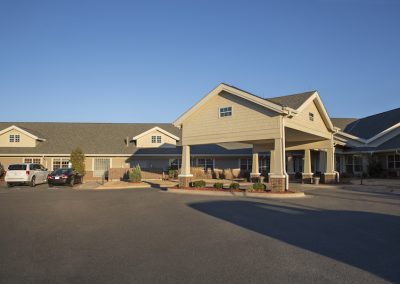
CMS rates Hickory Heights Health And Rehab, Llc's staffing level at 4 out of 5 stars, which is above average compared to other nursing homes. Staff turnover is 53%, compared to the Arkansas average of 46%.

What Have Inspectors Found at Hickory Heights Health And Rehab, Llc?

State health inspectors documented 23 deficiencies at Hickory Heights Health And Rehab, Llc during 2023 to 2025. These included: 23 with potential for harm.

Who Owns and Operates Hickory Heights Health And Rehab, Llc?

Hickory Heights Health And Rehab, Llc is owned by a for-profit company. For-profit facilities operate as businesses with obligations to shareholders or private owners. The facility is operated by CENTRAL ARKANSAS NURSING CENTERS, a chain that manages multiple nursing homes. With 110 certified beds and approximately 97 residents (about 88% occupancy), it is a mid-sized facility located in LITTLE ROCK, Arkansas.

How Does Hickory Heights Health And Rehab, Llc Compare to Other Arkansas Nursing Homes?

Compared to the 100 nursing homes in Arkansas, Hickory Heights Health And Rehab, Llc's overall rating (3 stars) is below the state average of 3.1, staff turnover (53%) is near the state average of 46%, and health inspection rating (3 stars) is at the national benchmark.

What Should Families Ask When Visiting Hickory Heights Health And Rehab, Llc?

Based on this facility's data, families visiting should ask: "Can I visit during a mealtime to observe dining assistance and food quality?" "How do you handle medical emergencies, and what is your hospital transfer rate?" "Can I speak with family members of current residents about their experience?"

Is Hickory Heights Health And Rehab, Llc Safe?

Based on CMS inspection data, Hickory Heights Health And Rehab, Llc has a clean safety record: no substantiated abuse findings (meaning no confirmed cases of resident harm), no Immediate Jeopardy citations (the most serious violation level indicating risk of serious injury or death), and is not on the Special Focus Facility watch list (a federal program monitoring the lowest-performing 1% of nursing homes). The facility has a 3-star overall rating and ranks #100 of 100 nursing homes in Arkansas. While no facility is perfect, families should still ask about staff-to-resident ratios and recent inspection results during their visit.

Do Nurses at Hickory Heights Health And Rehab, Llc Stick Around?

Hickory Heights Health And Rehab, Llc has a staff turnover rate of 53%, which is 7 percentage points above the Arkansas average of 46%. Moderate turnover is common in nursing homes, but families should still ask about staff tenure and how the facility maintains care continuity when employees leave.

Was Hickory Heights Health And Rehab, Llc Ever Fined?

Hickory Heights Health And Rehab, Llc has no federal fines on record. CMS issues fines when nursing homes fail to meet care standards or don't correct problems found during inspections. The absence of fines suggests the facility has either maintained compliance or corrected any issues before penalties were assessed. This is a positive indicator, though families should still review recent inspection reports for the full picture.

Is Hickory Heights Health And Rehab, Llc on Any Federal Watch List?

Hickory Heights Health And Rehab, Llc is not on any federal watch list. The most significant is the Special Focus Facility (SFF) program, which identifies the bottom 1% of nursing homes nationally based on persistent, serious quality problems. Not being on this list means the facility has avoided the pattern of deficiencies that triggers enhanced federal oversight. This is a positive indicator, though families should still review the facility's inspection history directly.