NURSING AND REHABILITATION CENTER AT GOOD SHEPHERD
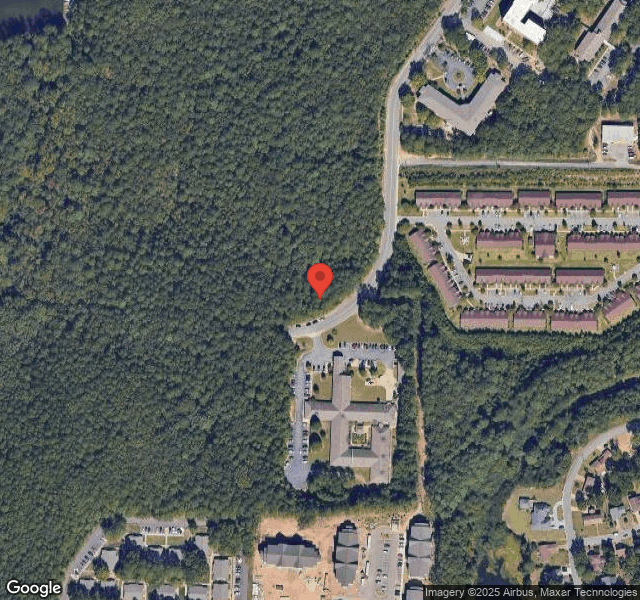
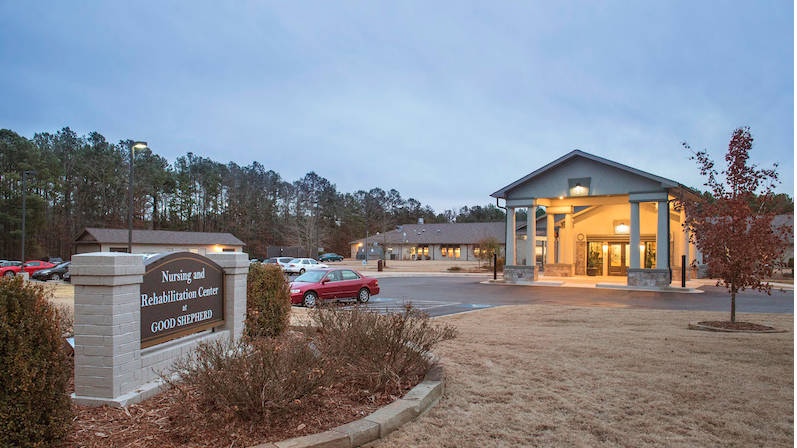
3001 ALDERSGATE ROAD, LITTLE ROCK, AR 72205 (501) 217-9774
For profit - Limited Liability company 120 Beds CENTRAL ARKANSAS NURSING CENTERS Data: November 2025
Trust Grade
45/100
#159 of 218 in AR
Last Inspection: October 2024

Within standard 12-15 month inspection cycle. Federal law requires annual inspections.

Overview

The Nursing and Rehabilitation Center at Good Shepherd has a Trust Grade of D, which indicates below average performance and some concerns regarding care quality. It ranks #159 out of 218 facilities in Arkansas, placing it in the bottom half, and #13 out of 23 in Pulaski County, meaning there are only a few local options that are better. The facility is showing an improving trend, with the number of issues found decreasing from 20 in 2023 to 9 in 2024. Staffing is a concern, with a rating of 2 out of 5 stars and a high turnover rate of 62%, which is significantly above the state average of 50%, indicating instability among caregivers. While there have been no fines recorded, which is a positive sign, RN coverage is below average, as it ranks lower than 89% of other Arkansas facilities, suggesting that residents may not receive adequate oversight. Specific incidents raised include failures to properly assess facility needs for resident care, issues with food safety practices, and a lack of hand hygiene among staff, which raises concerns about infection prevention. Overall, while there are some strengths like the absence of fines, significant weaknesses in staffing and care practices may lead families to consider other options.

Trust Score
D
45/100
In Arkansas
#159/218
Bottom 28%
Safety Record
Low Risk
No red flags
Inspections
Getting Better
20 → 9 violations
Staff Stability
⚠ Watch
62% turnover. Above average. Higher turnover means staff may not know residents' routines.
Penalties
✓ Good
No fines on record. Clean compliance history, better than most Arkansas facilities.
Skilled Nurses
⚠ Watch
Each resident gets only 12 minutes of Registered Nurse (RN) attention daily — below average for Arkansas. Fewer RN minutes means fewer trained eyes watching for problems.
Violations
⚠ Watch
35 deficiencies on record. Higher than average. Multiple issues found across inspections.
★★☆☆☆
2.0
Overall Rating
★★☆☆☆
2.0
Staff Levels
★★★★★
5.0
Care Quality
★☆☆☆☆
1.0
Inspection Score
Stable
2023: 20 issues
2024: 9 issues

The Good

  • 5-Star Quality Measures · Strong clinical quality outcomes
  • Full Sprinkler Coverage · Fire safety systems throughout facility
  • No fines on record

Facility shows strength in quality measures, fire safety.

The Bad

2-Star Overall Rating

Below Arkansas average (3.1)

Below average - review inspection findings carefully

Staff Turnover: 62%

16pts above Arkansas avg (46%)

Frequent staff changes - ask about care continuity

Chain: CENTRAL ARKANSAS NURSING CENTERS

Part of a multi-facility chain

Ask about local staffing decisions and management

Staff turnover is elevated (62%)

14 points above Arkansas average of 48%

The Ugly 35 deficiencies on record

Oct 2024 9 deficiencies
CONCERN (D)

Potential for Harm - no one hurt, but risky conditions existed

Resident Rights (Tag F0550)

Could have caused harm · This affected 1 resident

Based on observations, interviews, record review, facility document review, and facility policy review, it was determined the facility failed to provide dignity regarding cleaning the resident after m...

Read full inspector narrative →
Based on observations, interviews, record review, facility document review, and facility policy review, it was determined the facility failed to provide dignity regarding cleaning the resident after meals for one (Resident #72) of one resident reviewed for resident rights regarding dignity. Findings include: A review of a facility policy titled, Resident Rights, revised on 11/22/2016, indicated residents would receive adequate and appropriate nursing care and personal cleanliness in a safe and clean environment. A review of the admission Record, indicated the facility admitted Resident #72 with diagnoses that included Alzheimer's disease with late onset and chronic pain. The quarterly Minimum Data Set (MDS), with an Assessment Reference Date (ARD) of 07/19/2024, revealed Resident #72 required set up or clean up assistance with eating and supervision and touching assistance with personal hygiene and upper body dressing. A review of Resident #72's Care Plan, initiated on 01/19/2023, revealed the resident had an Activity of Daily Living (ADL) self-care performance deficit. Intervention included that the resident required extensive assistance of one staff member for personal hygiene and oral care. During an observation on 09/30/2024 at 10:29 AM, Resident #72 was noted to have a large dropping of oatmeal on the top sheet of the bed and the resident's shirt was covered with food particles. During an observation on 09/30/2024 at 1:49 PM, Resident #72 was noted to have a large dropping of oatmeal on the top sheet of the bed and shirt was covered with food particles. During an observation on 10/01/2024 at 8:46 AM, Resident #72 was in bed, sitting up eating breakfast. Oatmeal was noted on the resident's shirt. At 1:01 PM, Resident #72 was in bed, wearing a shirt which had oatmeal droppings. The top sheet of the bed was stained with a yellowish/beige liquid. At 2:10 PM, Resident #72 was assisted by staff to change bed linens and the resident's clothing. During an interview on 10/01/2024 at 2:15 PM, Licensed Practical Nurse, (LPN) #9 confirmed that Resident #72 had oatmeal on the top sheet of the bed and food particles on the resident's shirt. LPN #9 confirmed that Resident #72 required assistance and needed to be cleaned after meals. During an interview on 10/01/2024 at 2:20 PM, the Director of Nursing (DON) confirmed Resident #72 should have been cleaned after breakfast and that linens should have been changed at that time.
CONCERN (D)

Potential for Harm - no one hurt, but risky conditions existed

Respiratory Care (Tag F0695)

Could have caused harm · This affected 1 resident

Based on observations, interviews, record review, facility document review, and facility policy review, it was determined the facility failed to ensure an oxygen concentrator was clean, set at the cor...

Read full inspector narrative →
Based on observations, interviews, record review, facility document review, and facility policy review, it was determined the facility failed to ensure an oxygen concentrator was clean, set at the correct rate for delivery, and the tubing was dated appropriately for 1 (Resident #25) of 1 sampled resident reviewed for oxygen therapy. Findings include: A review of a facility policy titled, Oxygen Safety, revised on 11/22/2016, indicated oxygen therapy is to be administered to the resident per physician orders and that it must be tagged, or properly labeled. There was no policy regarding oxygen concentrators provided. A review of the admission Record, indicated the facility admitted Resident #25 with diagnoses that included acute respiratory failure with hypoxia. The 5-day Minimum Data Set (MDS), with an Assessment Reference Date (ARD) of 07/23/2024, revealed Resident #25 required oxygen therapy. A review of Resident #25's care plan, initiated on 07/18/2024, revealed the resident had oxygen therapy. Interventions included to give the medications as ordered by the physician, monitor and document side effects and effectiveness and to monitor for signs and symptoms of respiratory distress. A review of the Order Summary Report, revealed Resident #25 had an order for oxygen at 3 liters per minute (LPM) via nasal cannula as needed for shortness of breath, comfort or pulse oximetry reading of less than ninety percent, and an order to change oxygen tubing, clean filter, and oxygen cabinet, and to date all tubing every Sunday night on the eleven to seven shift for maintenance. A review of Medication Administration Record (MAR), revealed Resident #25's oxygen tubing change, cleaning of oxygen cabinet, and tubing being dated, had been initialed as being completed on 09/01/2024, 09/08/2024, 09/15/2024, 09/22/2024 and 09/29/2024. During an observation on 09/30/2024 at 10:53 AM, Resident #25 was receiving oxygen at a rate of 2.5 LPM via nasal cannula. The oxygen concentrator (cabinet) had undetermined particles and dust located on the machine. The oxygen tubing was dated 08/12/2024 and the humidified water bottle was dated 08/12/2024. During an observation on 10/01/2024 at 09:29 AM, Resident #25 was receiving oxygen at a rate of 2.5 LPM via nasal cannula. The oxygen concentrator (cabinet) continued to have debris noted on the machine. The humidifier water bottle and oxygen tubing were dated 08/12/2024. During an interview on 10/01/2024 at 9:35 AM, Licensed Practical Nurse (LPN) #9 confirmed that the oxygen tubing and water bottle were dated 08/12/2024 and that the oxygen concentrator (cabinet) was dirty with debris and that the oxygen rate was set at 2.5 LPM. LPN #9 stated that the resident had been placed on the oxygen on the previous Friday and that the bottle that was on the concentrator had not been opened and that is why it was used. During observation on 10/03/2024 at 3:10 PM, upon arrival to Resident #25's room, the oxygen concentrator rate was set at 1.5 LPM. The oxygen concentrator had been cleaned with new tubing and humidified water bottle dated 10/01/2024. During an interview on 10/03/2024 at 3:15 PM, LPN #9 confirmed that the rate of oxygen on the oxygen concentrator was set on 1.5 LPM. LPN #9 confirmed that rate should be at 3 LPM. During an interview on 10/03/2024 at 3:21 PM, as the Director of Nursing (DON) and this surveyor were about to enter the room of Resident #25, LPN #9 was leaving the room and stated that the oxygen rate on the concentrator had just been adjusted. During an interview on 10/03/2024 at 3:23 PM, the DON confirmed the oxygen had not been set at the rate of 3 LPM for Resident #25 and that resident's oxygen saturation would need to be checked. The DON checked Resident #25's pulse oximetry which was at 98 percent.
CONCERN (E)

Potential for Harm - no one hurt, but risky conditions existed

Deficiency F0558 (Tag F0558)

Could have caused harm · This affected multiple residents

Based on observation, interview, and in-service review, it was determined that the facility failed to ensure resident's call lights were in reach for 5 (Residents #13, #24, #51, #80, and #96) of 25 sa...

Read full inspector narrative →
Based on observation, interview, and in-service review, it was determined that the facility failed to ensure resident's call lights were in reach for 5 (Residents #13, #24, #51, #80, and #96) of 25 sampled residents. The findings are: 1. On 9/30/2024 at 9:52 am, observed Resident #80's call light was not in reach. Resident was sitting in a chair in front of the dresser and the call light was located under the right side of the bedframe. a. At 11:18 am, Resident #96's call light was not in reach. The call light was located on the left side of the bed with the button dangling right above the floor. b. At 12:30 pm, Resident #13's call light was not in reach. The call light was tied to the left side handrail that was pushed up against the wall and the button was hanging below the handrail where it was not visible. 2. On 10/01/2024 at 8:59 am, observed Resident #24's and Resident #51's call lights were not in reach. Resident #24's call light was tied to the left side of the handrail with the button dangling below the handrail, not visible to the resident. Resident #51's call light was hanging through the right side handrail dangling above the floor, out of reach of the resident. At 9:04 am, observed Resident #80's call light was not in reach. The call light was hanging below the left side of the bedframe. At 9:07 am, observed Resident #13's call light was not in reach. The cord was wrapped around the left side of the handrail with the button hanging below the handrail, not visible to the resident. At 9:11 am, observed Resident #96's call light not in reach. The call light was hanging over the handrail and dangling just above the floor where the resident could not reach it. On 10/02/2024 at 8:24 am, Certified Nursing Assistant (CNA) #5 confirmed that residents are to have their call lights where they can reach them in case they have a need or an emergency. On 10/02/2024 at 8:46 am, CNA #5 stated that the last thing that is done before leaving a resident's room is checking to ensure the call light is in the resident's reach in case they want or need something. CNA #5 stated that if the resident had an emergency and couldn't reach their call light, the resident may suffer harm. On 10/03/2024 at 8:10 am, Licensed Practical Nurse (LPN) #8 confirmed that the residents should have their call lights before exiting their rooms because they may want or need something that they aren't able to get themselves. LPN #8 confirmed that emergencies can happen, and the residents need their call lights in reach. On 10/04/2024 at 8:08 am, observed Resident #51's call light on the nightstand. CNA #6 was asked where the resident's call light was located. CNA #6 confirmed that it was not where it was supposed to be. CNA #6 was asked if the resident could reach it on the nightstand. CNA #6 confirmed that the resident would not be able too. CNA #6 confirmed that if the resident choked or had an emergency that it would be very harmful if the resident didn't have their call light. The Administrator provided in-services dated 11/17/2023, 4/11/2024, and 6/28/2024 that were issued to staff regarding call lights and confirmed that the facility did not have a policy specific to call lights.
CONCERN (E) 📢 Someone Reported This

A family member, employee, or ombudsman was alarmed enough to file a formal complaint

Potential for Harm - no one hurt, but risky conditions existed

Safe Environment (Tag F0584)

Could have caused harm · This affected multiple residents

**NOTE- TERMS IN BRACKETS HAVE BEEN EDITED TO PROTECT CONFIDENTIALITY** Based on observations, interviews, and facility document review, it was determined that the facility failed to clean and sanitiz...

Read full inspector narrative →
**NOTE- TERMS IN BRACKETS HAVE BEEN EDITED TO PROTECT CONFIDENTIALITY** Based on observations, interviews, and facility document review, it was determined that the facility failed to clean and sanitize the shower room on 500 Hall which was reviewed for environmental concerns. Findings include: A review of a facility policy titled, Resident Rights, revised on 11/22/2016, indicated the resident would receive adequate and appropriate care to include personal cleanliness in a safe and clean environment. During an observation on 10/01/2024 at 8:30 AM, the spa/shower room on the 500 hall was noted to have large scrape marks along the shower room stalls, an unidentified brownish/black residue was noted along the edges of each shower room stall where the floor meets the walls, there was unidentified brownish substance stain on the tiled walls and the sink area was cluttered with supplies. During an interview on 10/01/2024 at 2:15 PM, the Director of Nursing (DON) confirmed that there was a black/brown substance noted along the edges of the shower stalls, brown substances splattered on the walls of the shower stalls and that the shower room needed to be cleaned. During an interview on 10/01/2024 at 2:18 PM, the Housekeeping Supervisor confirmed there was a black-brown substance noted along the edges of the shower stalls, brown substances splattered on the walls of the shower stalls and that the shower room needed to be cleaned. The housekeeping supervisor stated that someone would be cleaning the shower room later in the afternoon. During an interview on 10/02/24 at 3:00 PM, the Administrator showed the surveyor pictures of the shower room on the 500 hall and stated that the room had been cleaned. During an observation on 10/3/2024 07:55 AM, the shower room on 500 hall was noted to have new white [NAME] over some of the shower stall edges. Some stalls were still noted to have the same brownish-black residue, and the shower room stalls were still with brown-black substances on the walls.
CONCERN (E)

Potential for Harm - no one hurt, but risky conditions existed

Assessment Accuracy (Tag F0641)

Could have caused harm · This affected multiple residents

Based on observation, interviews, record review, and facility policy review, the facility failed to ensure the Minimum Data Set (MDS) assessment was accurately completed for 2 (Resident #88, and Resid...

Read full inspector narrative →
Based on observation, interviews, record review, and facility policy review, the facility failed to ensure the Minimum Data Set (MDS) assessment was accurately completed for 2 (Resident #88, and Resident #30) of 25 residents reviewed for MDS accuracy. Specifically, the facility failed to ensure information regarding the resident's medication regimen was accurately completed for Resident #30 and failed to ensure information regarding a fall with major injury was accurately completed for Resident #88. Findings include: On 10/03/2024 at 11:05 AM, the nurse consultant stated the facility did not have a policy for the Minimum Data Set (MDS) and that the facility uses the Resident Assessment Instrument (RAI) manual. 1. A review of the admission Record indicated the facility admitted Resident #88 with diagnoses that included polyneuropathy (damage to multiple nerves outside of the brain and central nervous system), muscle weakness, lack of coordination, muscle wasting and atrophy, chronic pain, and scoliosis. The annual Minimum Data Set (MDS), with an Assessment Reference Date (ARD) of 09/20/2024, revealed Resident #88 had one fall with no major injury. A review of the care plan initiated 06/27/2024 indicated Resident #88 had an actual fall with serious injury with no interventions to prevent reoccurrence and a care plan initiated 06/16/2023 stating Resident #88 was at increased risk for falls due to gait instability and weakness and falls prior to hospitalization with no interventions listed to prevent fall from occurring or reoccurring. Care plan was updated on 06/26/2024 for shower bed for showers as tolerated related to leaning and was changed to a mechanical lift for transfers on 07/01/2024. A review of the CMS-802 facility roster matrix was supplied on 09/30/2024 and failed to include a fall with major injury for Resident #88. A review of the incident and accident report dated 06/26/2024 was supplied by the Director of Nursing on 10/02/2024 for Resident #88 for a witnessed fall on 06/26/2024 at 12:00 PM. A review of hospital records for 06/26/2024, x-ray reports indicated that Resident #88 had a closed fracture of proximal end of left tibia. 2. A review of the admission Record for Resident #30 indicated the facility admitted Resident #30 with diagnoses that included specified depressive episodes and schizoaffective disorder, depressive type. The quarterly MDS with an ARD of 07/16/2024, indicated that Resident #30 was not currently taking an antidepressant medication. A review of the Order Summary Report for Resident #30 indicated that the resident was currently receiving an antidepressant, which was ordered on 04/15/2024. A review of the care plan, initiated 04/11/2024, indicated Resident #30 used antidepressant medication. During an interview on 10/03/2024 at 12:35 PM, Long Term Care (LTC) MDS Coordinator confirmed the long-term care MDSs were completed by the LTC MDS Coordinator. She confirmed that training had been completed but that it was difficult to understand and that as the coordinator, needed more training. Confirmation was given that the MDS had been coded incorrectly, because Resident #88 had a fall that resulted in significant injury. The LTC MDS Coordinator confirmed that Resident #30 was taking an antidepressant and that it was missed when the MDS was completed. When the LTC MDS Coordinator was asked what could occur if assessments were not completed accurately. She stated that it could cause a deficit in the residents' care. During an interview on 10/04/2024 at 8:40 AM, the Director of Nursing (DON) confirmed Resident #88's MDS should have included the fall with major injury. The DON stated the Skilled Nursing Facility (SNF) MDS Coordinator assists when questions need to be answered or when something is not understood and the use of the RAI manual. During an interview on 10/04/2024 at 9:06 AM, the Administrator stated the MDS should indicate if the resident had a fall with major injury.
CONCERN (E) 📢 Someone Reported This

A family member, employee, or ombudsman was alarmed enough to file a formal complaint

Potential for Harm - no one hurt, but risky conditions existed

Comprehensive Care Plan (Tag F0656)

Could have caused harm · This affected multiple residents

5. A review of the admission Record indicated the facility admitted Resident #30 with diagnoses that included atherosclerotic heart disease of native coronary artery without angina pectoris and acute ...

Read full inspector narrative →
5. A review of the admission Record indicated the facility admitted Resident #30 with diagnoses that included atherosclerotic heart disease of native coronary artery without angina pectoris and acute absence of right leg below the knee. The quarterly Minimum Data Set (MDS), with an Assessment Reference Date (ARD) of 07/16/2024, revealed Resident #30 was not taking an anticoagulant but was marked for taking an antiplatelet with the indication noted. A review of Resident #30's care plan, revised 04/11/2024, revealed the resident was on anticoagulant and/or antiplatelet therapy, aspirin (ASA) and (anticoagulant x 14 days). Intervention included: administer anticoagulant medications as ordered by physician. Monitor for side effects and effectiveness every shift. A review of the Order Summary Report, revealed Resident #30 had an order for aspirin one time a day. There were no other orders for antiplatelets, or anticoagulants noted. A review of the medication administration record (MAR), revealed Resident #30 had been receiving aspirin once a day and no other anticoagulant or antiplatelet. During an interview on 10/03/2024 at 12:35 PM, Long Term Care (LTC) MDS Coordinator confirmed the care plans for long-term care residents were completed by the LTC MDS Coordinator. Confirmation was given that the care plan was not accurate with the wounds for Resident #72 and the anticoagulant needed to come off from the care plan on Resident #30, as the medication course had been completed. During an interview on 10/04/2024 at 8:40 AM, the Director of Nursing (DON) confirmed Resident #72's care plan should have included the current wounds with the proper classification and Resident #30's should have had the anticoagulant resolved from the care plan. Based on observations, interviews, record review, facility document review, it was determined the facility failed to update and/or revise the resident's care plan for 5 (Residents #7, #36, #91, #30, and #72) of 25 residents reviewed for comprehensive care planning. Specifically, the facility failed to include unnecessary medications for Resident #30, change in wound care status for Resident #72, and falls for Resident #7, #36, and #91. Findings include: On 10/03/2024 at 11:05 AM, the nurse consultant stated the facility did not have a policy for care plans and the facility followed the Resident Assessment Instrument (RAI) manual. 1. A review of the admission Record, indicated the facility admitted Resident #7 with diagnoses that included dementia, cognitive communication deficit, age related osteoporosis, muscle wasting and atrophy, and glaucoma. The quarterly Minimum Data Set (MDS), with an Assessment Reference Date (ARD) of 08/16/2024, revealed Resident #7 had a Brief Interview for Mental Status (BIMS) score of 4 which indicated the resident was had moderate cognitive impairment. Resident #7 required maximal assistance for mobility and has had two falls since the last assessment. A review of Resident #7's care plan revised on 07/23/2024, indicated the resident was a high risk for falls due to weakness and the resident had a fall on 07/22/2024 without injury. The facility developed interventions to include staff to follow facility fall protocol. There were no interventions initiated after 2018. Further review indicated the resident had limited physical mobility; however, the resident was weight bearing. The facility also indicated Resident #7 had an Activity of Daily Living (ADL) self-care performance deficit related to cognitive deficit, weakness, and impaired mobility. A review of Nsg [Nursing] [Named] Fall Scale and Care Plan with Tasks with an effective date of 02/14/2024 indicated Resident #7 was a high risk for falling and the resident overestimates or forgets limits. There were no new interventions listed. A review of Un-witnessed Fall incident and accident (I&A) report indicated on 05/22/2024 at 4:15 AM, indicated Resident #7 had an unwitnessed fall in the resident's room and was found lying on the floor between the bed and the wall in the left lateral position. The resident's upper body was slightly under the bed. The resident could not state what happened. The immediate action taken was to continue to make sure the bed was in the lowest position and locked. There was no other information provided regarding the fall, including witness statements or investigation regarding the fall. A review of Nsg [Nursing] [Named] Fall Scale and Care Plan with Tasks with an effective date of 05/24/2024 indicated Resident #7 was a high risk for falling and the resident overestimates or forgets limits. There were no new interventions listed. A review of Un-witnessed Fall incident and accident (I&A) report indicated on 07/22/2024 at 6:35 PM, indicated Resident #7 had a fall in their room and was found on the floor, lying in front of their wheelchair next to the resident's bed. Their legs were extended out in front of the resident and their arms were to the side of the resident. The resident requested assistance to bed. There was no other information provided regarding the fall, including witness statements or investigation regarding the fall. A review of Nsg [Nursing] [Named] Fall Scale and Care Plan with Tasks with an effective date of 07/22/2024 indicated the resident was a high risk for falling and the resident overestimates or forgets limits. There were no new interventions listed. During an interview on 10/03/2024 at 3:30 PM, Licensed Practical Nurse (LPN) #12 stated Resident #7 had dementia, and a mechanical lift was needed for all transfers. LPN #12 stated Resident #7 was in their room when the fall occurred and there were no injuries. LPN #12 could not recall the official interventions in place at that time but could recall Resident #7 had a fall mat in place. When a resident has a fall, staff were to fill out an I & A in the computer, notify the DON (Director of Nursing) and family, notify the doctor, chart how it happened, how they found the resident, complete neurological checks, monitor vital signs, assess for injuries and if injuries are present, staff notify the doctor. Staff make sure an intervention is put in place and documented in the I & A under risk management in the electronic health record 2. A review of the admission Record, indicated the facility admitted Resident #36 on 10/10/2019 with diagnoses that included acute respiratory failure, severe speech and language deficits due to a stroke, partial paralysis, traumatic brain injury, dementia, post-traumatic stress disorder (PTSD), visuospatial deficit, and spatial neglect. The quarterly Minimum Data Set (MDS), with an Assessment Reference Date (ARD) of 09/12/2024, revealed Resident #36 had a Brief Interview for Mental Status (BIMS) score of 11 which indicated Resident #36 had moderate cognitive impairment. Resident #36 required partial to moderate assistance for mobility and had no falls since the prior assessment. A review of Resident #36's care plan revised on 03/06/2024, indicated the resident was at an increased risk for falls due to gait instability, weakness, impaired mobility, and noncompliance with call light use. The resident had a fall on 01/26/2024 without injury. The facility developed interventions to include, attempt to maintain bed in low position and to remind to call for transfer assistance, to encourage non-skid socks, non-skid strips on bathroom floor, remind frequently to call for assistance, remind resident to call for assistance. Further review indicated the resident had another fall that was initiated on 05/17/2024 and to initiate neurological checks. No other interventions were indicated. The facility also indicated the resident had an Activity of Daily Living (ADL) self-care performance deficit related to cognitive deficit, weakness, and impaired mobility as well as the resident having a stroke that resulted in paralysis to the left non-dominant side. During an interview on 10/03/2024 at 3:25 PM, with LPN #14, she stated the Long Term Care (LTC) Coordinator was responsible for updating the resident's care plan. Staff bring the I & A to attention of the LTC Coordinator when anything changes with a resident. During an Interview on 10/04/2024 at 10:25 AM, the Director of Nursing (DON) stated Resident #36's fall interventions included anti-roll backs for the wheelchair, fall mat, non-skid socks, and padding the bottom bed rail. Resident #36's last fall was on 09/26/2024, which resulted in an abrasion on the left ankle. The DON stated the resident's care plan did not include some of the fall interventions and there should be an intervention after each fall and interventions should be reviewed to see what is working and what is not. During an interview on 10/04/2024 at12:44 PM, the LTC MDS Coordinator stated the resident's care plan should be updated when there is a change in condition, new orders, medication reduction, or if the resident falls. At this time, the LTC MDS Coordinator reviewed Resident #36's care plan and stated the care plan was not updated to reflect the most recent fall because they were on vacation until the end of September and still catching up from being off work. 3. A review of the admission Record, indicated the facility admitted Resident #91 with diagnoses that included rheumatoid arthritis, one sided paralysis following stroke to the left non-dominant side, necrosis of unspecified bone, anxiety and depression. The annual Minimum Data Set (MDS), with an Assessment Reference Date (ARD) of 09/27/2024, revealed Resident #91 had a Brief Interview for Mental Status (BIMS) score of 14 which indicated the resident was cognitively intact. Resident #91 used a wheelchair for mobility and had a fall with major injury since the prior assessment. A review of Resident #91's care plan revised on 07/11/2024, indicated the resident was at increased risk for falls due to weakness and paralysis and had a fall without injury on 07/03/2024. The facility developed interventions to include a pommel cushion to the wheelchair, which was initiated on 07/03/2024. Further review of the care plan indicated the care plan was updated on 09/09/2024 to indicate the resident had a fall with no injury and to continue interventions on the at-risk plan. There was no indication what the at-risk plan was. The facility also indicated Resident #91 had an Activity of Daily Living (ADL) self-care performance deficit related to a stroke with residual left paralysis. A review of Nsg [Nursing] [Named] Fall Scale and Care Plan with Tasks with an effective date of 07/03/2024, indicated the resident was a high risk for falling and the resident overestimates or forgets limit and the intervention was to add a pommel cushion to the wheelchair. This form was completed by LPN #14. A review of Nsg [Nursing] [Named] Fall Scale and Care Plan with Tasks with an effective date of 09/04/2024, indicated the resident was a high risk for falling and the resident overestimates or forgets limits and the intervention was to lower the wheelchair seat. This form was completed by the Director of Nursing (DON). This form was completed prior to Resident #91's fall on 09/06/2024 and is linked to the resident's care plan, which was not updated until 09/09/2024 A review of Progress Notes indicated on 09/06/2024 at 2:43 PM, LPN #14 indicated there was a new order for an x-ray to Resident #91's left shoulder, left humerus, left elbow, left wrist, and left hand related to pain. There were no progress notes indicating Resident #91 had a fall that day or within the month. A review of Un-witnessed Fall incident and accident (I&A) report indicated on 06/26/2024 at 5:15 PM, LPN #15 indicated Resident #91 had an unwitnessed fall from their wheelchair and was discovered against the wall, lying on their left side by a CNA. Resident #91 stated they were trying to lean over in their wheelchair to fix a shoe and stated they knew they should not have leaned over. The resident complained of pain and rated it an 8 out of 10, and denied any new pain related to the fall. Other information included that Resident #91 overestimated their abilities. There was no other information provided regarding the fall, including witness statements or investigation regarding the fall. During an interview on 10/03/2024 at 3:25 PM, with LPN #14, she stated the Long Term Care Coordinator (LTC Coord) was responsible for updating the resident's care plan. Staff bring the I & A to the attention of the LTC Coordinator when anything changes with a resident. During an interview on 10/04/2024 at 10:25 AM, the Director of Nursing (DON) stated the interventions of a drop seat and pommel cushion were in place when the resident fell. The DON stated it was appropriate to keep the resident from falling. The DON stated she was not aware the cushion did not fit the resident's wheelchair. 4. A review of the admission Record, indicated the facility admitted Resident #72 with diagnoses that included Alzheimer's Disease with late onset, peripheral vascular disease (PVD) and polyneuropathy (damage to multiple nerves outside of the brain and central nervous system). No active diagnosis of leprosy. The quarterly Minimum Data Set (MDS), with an Assessment Reference Date (ARD) of 07/19/2024, revealed Resident #72 was at risk of developing pressure ulcers and Resident #72 had one or more unhealed pressure ulcers/injuries. A review of Resident #72's care plan, revised on 07/28/2024, revealed the resident had a pressure ulcer or potential for pressure ulcer development related to immobility. Resident #72 had a deep tissue injury (DTI) to the bottom of left foot, healed; DTI to right lateral heel, healed, DTI to left heel, resolved, a DTI to right heel that was unstageable and an unstageable to the medial aspect of the right second toe. Interventions included using a pressure relieving device for bilateral heels, a pressure relieving mattress and to utilize a foot cradle when in bed. The care plan updated 09/26/2024 also indicated Resident #72 had the potential to skin integrity related to leprosy, polyneuropathy and PVD with a history of ulcerations. Documentation on care plan included: 09/26/2024 - red, moist area under left abdominal fold; 09/17/2024 - Stage 3 Pressure Injury (PI) to right heel; 09/23/2024-Stage 3 PI to right ankle and 09/23/2024 - Skin tear (ST) to right shin. A review of Order Summary Report, revealed Resident #72 had treatment orders as follows: - Cleanse right shin with wound cleanser, apply moisture enhancing gel, cover with foam border dressing, change every Monday, Wednesday and Friday and as needed. - Cleanse Stage 3 PI to right heel with wound cleanser, apply moisture enhancing gel, cover with border dressing every Monday, Wednesday and Friday and as needed. - Paint DTI to tip of right big toe with iodine and leave open to air every day. - Right lateral malleolus, cleanse with wound cleanser, pat dry, apply moisture enhancing gel, apply anti-biotic, cover with protective dressing three times a week, and as needed. A review of the Skin & [and] Wound Evaluation V7.0 reports for 09/26/2024 indicated that Resident #72 had: - An in-house acquired DTI to the right shin measuring 3.3 centimeters (cm) x 1.7 cm x 0.1 cm. - An in-house acquired (09/13/2024) Stage 3 pressure injury to the right lateral malleolus measuring 0.8 cm x 0.9 cm x 0.2 cm. - An in-house acquired (06/20/24) Stage 3 pressure injury to the right heel measuring 2.0 cm x 2.0 cm x 0.2 cm. - An in-house acquired DTI to the right dorsum-first digit (hallux-tip) measuring 0.7 cm x 0.7 cm x 0.1 cm. During an interview on 09/30/2024 at 2:32 PM, the Treatment Nurse verified that Resident #72 had four wounds being treated which included the right outer ankle, right outer heel, the right great toe and the right shin. The Treatment Nurse stated all the wounds were caused by pressure and were acquired in the facility and that hospice would be bringing an air mattress for Resident #72. The Treatment Nurse stated that the Wound Advanced Practice Nurse had made rounds on 09/30/2024 and that changes in orders had been made.
CONCERN (E)

Potential for Harm - no one hurt, but risky conditions existed

Menu Adequacy (Tag F0803)

Could have caused harm · This affected multiple residents

Based on observation, record review, and interview, the facility failed to ensure meals were prepared and served according to the planned written menu to ensure nutritionally balanced meals were provi...

Read full inspector narrative →
Based on observation, record review, and interview, the facility failed to ensure meals were prepared and served according to the planned written menu to ensure nutritionally balanced meals were provided for the residents for 2 of 2 meals observed. The findings are. 1. On 9/30/2024, the noon meal menu indicated residents on pureed diets were to receive 8 ounces of pureed pizza, this was the resident's choice for the meal of the month. 2. On 9/30/2024 at 12:30 PM, Dietary [NAME] (DC) #3 used a #8 scoop, which is equivalent to 4 ounces, to serve a single portion of pureed pizza to the residents who received pureed diets. Instead of 8 ounces of pureed pizza. 3. On 9/30/2024 at 1:19 PM, when asked during an interview the Dietary Manager stated this was residents' choice for the meal of the month. The residents on pureed diets were to receive 8 ounces of pureed pizza. 4. On 10/1/2024, the breakfast menu indicated residents on pureed diets were to receive pureed hot cereal. On 10/01/24 at 7:45 AM, the residents on pureed diets were served regular oatmeal, instead of pureed oatmeal. The Dietary Manager confirmed the residents on pureed diets received regular oatmeal. Dietary [NAME] #3 stated it was her mistake for serving regular oatmeal, instead of pureed oatmeal.
CONCERN (E)

Potential for Harm - no one hurt, but risky conditions existed

Food Safety (Tag F0812)

Could have caused harm · This affected multiple residents

Based on observation and interview, the facility failed to ensure foods stored in the refrigerator and freezer were dated to ensure first in and first out; expired dairy products were promptly removed...

Read full inspector narrative →
Based on observation and interview, the facility failed to ensure foods stored in the refrigerator and freezer were dated to ensure first in and first out; expired dairy products were promptly removed/discarded on or before the expiration or use by date, to prevent the potential for foodborne illnesses; manufacturer's instructions were followed to prevent potential for food spoilage and or bacteria growth; dietary staff washed their hands before handling clean equipment or food items to prevent potential food borne illness for residents who received meals from 1 of 1 kitchen, and hot food items were maintained at 135 degrees Fahrenheit or above on the steam table while awaiting service to prevent potential food borne illness for 1 of 1 meals observed. The findings are: 1. On 9/30/24 at 10:03 AM, an opened bottle of Worcestershire sauce was on the rack. The manufacturer specification on the bottle indicated, Refrigerate after opening. 2. On 9/30/24 at 10:15 AM, Dietary Aide (DA) #1 picked up the water hose with his gloved hand and used it to spray off leftover food from inside of the dishes, contaminating his gloves in the process. He placed the dirty dishes in the dirty racks and pushed the racks into the dish washing machine to wash. After the dishes stopped washing, he placed new gloves on his hands, contaminating the gloves, he moved to the clean side of the dishwasher area and picked up clean dishes and placed them on the clean counter to be used in serving noon meal to the residents. DA #1 stated he should have washed his hands. 3. On 9/30/24 at 10:42 AM, the following observations were made on a shelf in the refrigerator in the medication room for the 100, 200, 300, 400 Halls to the front 700 Halls: - One undated and unlabeled box of country chicken dinner. - One undated and unlabeled jar of peanut butter. - One undated and unlabeled sugar free dipping sauce. On 09/30/24 10:50 AM, the following observations were made in the freezer in the medication room for the 100, 200, 300, 400 Halls to the front 700 Hall: - One carton of nutritional drink with expiration date of 2/26/2023. - An opened and undated box of homemade ice cream. The ice cream was discolored and had ice cycles on it. Licensed Practical Nurse (LPN) #2 stated it looked like it started melting and was stuck back in the freezer. 4. On 9/30/24 at 10:59 AM, the following observations were made on a shelf in the refrigerator in the medication room for the 400, 500, and 600 Halls, to the front of 700 Hall: - One container of nectar thickened apple juice with an expiration date of 8/20/2024. - One bottle of yellow mustard with an expiration date of 6/5/2024. 5. On 9/30/24 at 12:16 PM, the temperatures of the food on the steam table in the kitchen were checked and read by Dietary [NAME] (DC) #3 with the following results: - Mashed potatoes - 120 degrees Fahrenheit. - Pureed vegetable blend - 120 degrees Fahrenheit. - Gravy - 115 degrees Fahrenheit. - Cheese sticks - 119 degrees Fahrenheit, the first pan on the steam table.
CONCERN (F)

Potential for Harm - no one hurt, but risky conditions existed

Deficiency F0838 (Tag F0838)

Could have caused harm · This affected most or all residents

Based on record review and interview, the facility failed to ensure the facility assessment included pertinent information to assure the necessary care and resources were allocated to meet the needs o...

Read full inspector narrative →
Based on record review and interview, the facility failed to ensure the facility assessment included pertinent information to assure the necessary care and resources were allocated to meet the needs of the residents in 1 of 1 facility. This deficient practice had the potential to affect all residents of the facility. The total census was 100 residents. The findings are: A review of the Comprehensive Facility Assessment, dated November 2017, did not contain the following required information: - The physical environment, equipment, services, and other physical plant considerations that are necessary to care for this population. - The care required by the resident population, using evidence-based, data-driven methods that consider an evaluation of diseases, conditions, physical and behavioral health needs, cognitive status, acuity of the resident population consistent with resident assessments to help the facility understand the potential implications regarding the intensity of care and services needed. - Staffing's plan is to evaluate of the overall number of facility staff needed to ensure available and sufficient number of qualified staff are available to meet each resident's needs based on the facility census and address staffing needs for each resident unit, each shift, and to include weekend and emergencies to ensure coordination and continuity of care - Competency-based skill set approach to make informed staffing decisions to ensure there are a sufficient number of staff to ensure residents are able to maintain or attain their highest practicable physical, functional, mental, and psychosocial well-being and meet current professional standards of practice as identified through the resident assessments and plans of care - Plan to recruit and retain enough medical personnel who are adequately trained and knowledgeable in the care of residents and/or how management expectations of medical personnel. - The facility's resources including all buildings and/or other physical structures and vehicles, medical and non-medical equipment necessary to provide for the needs of residents, services provided (physical therapy, pharmacy, behavioral health, etc.), and all personnel, (management, direct care staff, and volunteers) which include employees and contracted employees along with their education and competencies - Heath information technology resources for managing resident records and sharing information with other organizations. - A contingency plan for events that do not require the activation of the facility emergency plan but have the potential to impact resident care, such as the availability of direct care nurse staffing or other resources needed for care of residents. On 10/04/2024 at 12:45 PM, an interview with the Administrator was completed. The interview revealed that overall, the facility assessment was not completed, and the facility would work on the facility assessment to make it more accurate.
Nov 2023 16 deficiencies
CONCERN (E)

Potential for Harm - no one hurt, but risky conditions existed

Deficiency F0557 (Tag F0557)

Could have caused harm · This affected multiple residents

Based on observation, interview, and record review, the facility failed to ensure a suprapubic urinary catheter drainage bag was concealed in a privacy bag when visible to promote dignity and privacy....

Read full inspector narrative →
Based on observation, interview, and record review, the facility failed to ensure a suprapubic urinary catheter drainage bag was concealed in a privacy bag when visible to promote dignity and privacy. This failed practice had the potential to affect Resident #81 sample mixed resident with a urinary catheter according to a list of residents with catheters provided by the Administrator on 11/17/23 at 9:10 AM. The findings are, Resident #81's diagnosis showed neuromuscular dysfunction of bladder, unspecified. The Minimum Data Set [MDS] with an Assessment Reference Date [ARD] of 8/30/23 showed a, .Brief Interview for Mental Status [BIMS] score of 15 [a score of 13-15 points indicates cognitive intactness] .resident has an indwelling urinary catheter (including suprapubic) . The care plan dated 9/16/23 showed, Focus: Resident has Suprapubic Catheter related to [r/t] neuromuscular dysfunction of bladder. Interventions: Position catheter bag and tubing below the level of the bladder and away from entrance room door. On 11/13/23 at 11:25 AM, the Surveyor observed Resident # 81 in the hallway with a suprapubic catheter bag attached below an electric wheelchair with no dignity bag or cover in place. On 11/14/23 at 12:52 PM, the Surveyor observed a resident in the dining room with a suprapubic catheter bag hanging under electric wheelchair with no dignity bag or cover. On 11/14/23 at 1:38 PM, the Surveyor observed the resident by the door of the room with a suprapubic catheter bag hanging under the electric wheelchair with no dignity bag or cover. On 11/14/23 at 1:38 PM, the Surveyor asked Resident #81, How do you feel about your catheter bag being visible? The resident said, I would like it covered up. On 11/15/23 at 11:44 AM, the Surveyor asked Licensed Practical Nurse [LPN] #5, how should a resident's indwelling catheter bag be contained while the resident is out of the room? LPN #5 said, the bag should be in a privacy bag, or it should be a bag with a leaf cover. On 11/15/23 at 12:18 PM, the Surveyor asked the Director of Nursing [DON], how should an indwelling catheter bag be contained when a resident is out of the room? The DON said, it should be in a privacy bag or have a fig leaf over it. A policy titled Resident Rights provided by the Administrator on 11/15/23 at 12:57 PM showed, each and every resident in this facility has the right, .to be treated with consideration, respect and full recognitions of dignity and individuality .
CONCERN (E)

Potential for Harm - no one hurt, but risky conditions existed

Deficiency F0558 (Tag F0558)

Could have caused harm · This affected multiple residents

Based on observation, interview, and record review the facility failed to ensure call lights were in reach to ensure a safe environment for 2 Residents [Resident #30 and #59] out of 23 Residents [Resi...

Read full inspector narrative →
Based on observation, interview, and record review the facility failed to ensure call lights were in reach to ensure a safe environment for 2 Residents [Resident #30 and #59] out of 23 Residents [Residents #4, #9, #15, #17, #26, #30, #36, #39, #40, #59, #60, #68, #71, #74, #77, #84, #98, #100, #103, #106, #108, #110, and #221] sample mixed residents from a list of Residents able to use call lights provided by the Administrator on 11/17/23 at 9:10 AM. The findings are, 1. Resident #30 Minimum Data Set [MDS] with an Assessment Reference Date [ARD] of 9/4/23 showed, .a Brief Interview for Mental Status [BIMS] score of 4 [0-7 points suggest severe cognitive impairment] . 1A. The care plan dated 10/27/23 showed, be sure the resident's call light is within reach and encourage the resident to use it for assistance as needed. 1B. On 11/13/23 at 11:45 AM, the Surveyor observed Resident #30's call light on the floor. 1C. On 11/14/23 at 09:51 AM, the Surveyor observed the Resident #30's call light on the floor. 1D. On 11/14/23 at 02:31 PM, the Surveyor observed the call light on the floor. 2. Resident #59's Minimum Data Set [MDS] with an Assessment Reference Date [ARD] of 9/2/23 showed, .a Brief Interview for Mental Status [BIM] score of 03 [0-7 points suggest severe cognitive impairment] . 2A. The care plan dated 9/16/23 showed, ensure call light is within reach with each round. 2B. On 11/13/23 at 2:23 PM, the Surveyor observed Resident #59's press call light hanging on the overhead bed light out of reach. 2C. On 11/14/23 at 8:36 AM, the Surveyor observed the press call light hanging on the overhead light out of reach. 2D. On 11/14/23 at 01:23 PM, the Surveyor observed the press call light hanging on the overhead light out of reach. 2E. On 11/15/23 at 11:23 AM, the Surveyor asked Certified Nursing Aid [CNA] #3, What is the process when a resident is assisted to bed or left in a room alone? CNA #3 said, when we assist a resident to bed or into a chair, we place the call light in reach. The Surveyor asked, should a call light be in reach at all times? CNA #3 said, yes. 2F. On 11/15/23 at 11:28 AM, the Surveyor asked CNA #4, What is the process when a resident is assisted to bed or left in a room alone? CNA #4 said, make sure the resident is properly placed so they don't fall or struggle and make sure the call light is within reach. The Surveyor asked, should a resident always have a call within reach? CNA #4 said, yes. 2G. On 11/15/23 at 12:18 PM, the Surveyor asked the Director of Nursing [DON], When a resident is assisted to bed or a chair, how should the call light be left? The DON said, it should be within reach, preferably clipped somewhere to stay in place. Is it acceptable for a call light to be out of reach? The DON said, no.
CONCERN (E)

Potential for Harm - no one hurt, but risky conditions existed

Deficiency F0578 (Tag F0578)

Could have caused harm · This affected multiple residents

**NOTE- TERMS IN BRACKETS HAVE BEEN EDITED TO PROTECT CONFIDENTIALITY** Based on interview, and record review the facility failed to ensure 2 Residents (Resident #108, and Resident #4) of 4 Residents ...

Read full inspector narrative →
**NOTE- TERMS IN BRACKETS HAVE BEEN EDITED TO PROTECT CONFIDENTIALITY** Based on interview, and record review the facility failed to ensure 2 Residents (Resident #108, and Resident #4) of 4 Residents (Resident #4, Resident #100, Resident #108, and Resident #221) sampled residents who were reviewed for advance directive had an advance directive readily available in their clinical record. The findings are: 1. On [DATE] at 3:30 PM Resident #108 clinical record was reviewed. There was no advance directive in the clinical record. On [DATE] at 2:30 PM the surveyor asked the administrator, When should an advance directive be formulated? She stated, Upon admission if they are with it, and they go over it with social. She was asked, Should an advance directive be in the residents clinical record, or documentation that information concerning an advance directive was provided? She stated, Yes. She was asked, Can you tell me why Resident #108 doesn't have an advance directive in the clinical record? She stated, They have started the audit and we're doing an in-service. On [DATE] at 12:17 PM the administrator provided a form titled, Advance Directives. It documented, .Prior to, or upon admission, a representative of the social services department or designee will provide resident with written information concerning the resident's right under state law to accept or refuse medical or surgical treatment and the resident's right to prepare an advance directive. Such information will include a written description of our facility's policies to implement advance directives and applicable state law . 2. After reviewing Resident #4's electronic record, it showed no completed advance directive on file. On [DATE] at 11:26 AM, the Surveyor requested a copy of Resident #4's Advance Directive from the Director of Nursing [DON]. On [DATE] at 1:52 PM, the DON brought the Surveyor a Capacity Verification and Do Not Resuscitate [DNR]/Cardiopulmonary Resuscitation [CPR] Instructions. The DON said, the resident came back in 2017 and I guess they did not fill out an Advance Directive, and this is the only documentation available. On [DATE] at 3:05 PM, the Surveyor asked the Social Services Director [SSD] who is responsible for completing advance directives upon admission? The SSD stated, me . The SSD stated, I was told when I took this position that an advance directive had to be filled out by the person it is for. If the resident has no capacity, then I don't ask them to sign the form. If they have capacity, then I ask them. The Surveyor asked, do you have the resident/family/Power of Attorney [POA] sign anything that an advanced directive was offered or explained? The SSD stated, I have a form that they can sign to continue the physician's order or to formulate an advanced directive. There is not a form to sign refusing to formulate an advance directive. The Surveyor asked, why do you think it is important to have an advance directive formulated? The SSD stated, Besides the code status, it lets us know the resident's prolonged wishes.
CONCERN (E)

Potential for Harm - no one hurt, but risky conditions existed

Safe Environment (Tag F0584)

Could have caused harm · This affected multiple residents

**NOTE- TERMS IN BRACKETS HAVE BEEN EDITED TO PROTECT CONFIDENTIALITY** Based on observation, interview, and record review the facility failed to maintain resident rooms in good repair [rooms [ROOM NU...

Read full inspector narrative →
**NOTE- TERMS IN BRACKETS HAVE BEEN EDITED TO PROTECT CONFIDENTIALITY** Based on observation, interview, and record review the facility failed to maintain resident rooms in good repair [rooms [ROOM NUMBERS]] of 12 rooms on 400 hall, failed to maintain resident rooms in good repair for 1 (room [ROOM NUMBER]) of 8 rooms on 500 Hall. The findings are, 1. On 11/13/23 at 9:39 AM, the Surveyor observed what looked like scribble marks on the commode rim in room [ROOM NUMBER]'s bathroom. 1A. On 11/13/23 at 2:48 PM, the Surveyor observed no change to the commode. 1B. On 11/14/23 at 8:57 AM, the Surveyor observed no change to the commode. 1C. On 11/15/23 at 3:40 PM, the Surveyor accompanied Maintenance to rooms [ROOM NUMBERS]. As we entered room [ROOM NUMBER] Maintenance said that ' s all fresh, we just painted it last month (indicated the gouges and missing paint on the wall). The Surveyor asked were you aware of the marks on the floor? Maintenance stated, No, all of this is new. The Surveyor accompanied Maintenance to room [ROOM NUMBER] and asked, were you aware of the marks on the commode? Maintenance stated, No. I believe it will come off with some elbow grease though (proceeded to wet a piece of toilet paper and scrub at the marks). Maintenance stated, I will get all of this taken care of. The Surveyor asked, does any of this look homelike to you? Maintenance stated, No. 2. On 11/13/23 at 10:05 AM, the Surveyor observed several small gouges in the wall with paint peeling and black marks on the floor approximately 5 feet long and a foot wide in room [ROOM NUMBER]. 2A. On 11/13/23 at 2:57 PM, the Surveyor observed no change to the wall or floor. 2B. On 11/14/23 at 10:14 AM, the Surveyor observed no change to the wall or floor. 2C. On 11/13/2023 at 8:51 AM, the Surveyor observed a wall beside A bed in room [ROOM NUMBER] with damage measuring 24 inches by 26 inches. The damaged section of the wall surrounded an electrical outlet. There were pieces of drywall missing from the wall, and white debris was observed on the floor. The adjoining wall had a section of wallpaper that had peeled away from the wall that measured 60 inches by 6 inches. 3. On 11/13/2023 at 03:21 PM, the damage to the wall and peeling wallpaper were unchanged. Debris from the damage to the wall remained on the floor beside the A bed. 3A. On 11/14/2023 at 09:14 AM the damage to the wall and peeling wallpaper were unchanged. 3B. On 11/15/2023 at 3:54 PM, Maintenance stated, Yes, it's been like that since [named Resident] moved in. [named Resident] doesn't like me in there, so I'll have to fix it when he's out of the room. 3C. On 11/16/2023 at 9:45 AM, the Administrator stated, Yes, I'm aware of that now, we're already working on getting it fixed. 3D. On 11/16/2023 at 10:49 AM, the Administrator provided a Policy titled, Maintenance. It documented, .buildings will be maintained in a clean, orderly condition, in good repair .
CONCERN (E)

Potential for Harm - no one hurt, but risky conditions existed

Comprehensive Assessments (Tag F0636)

Could have caused harm · This affected multiple residents

**NOTE- TERMS IN BRACKETS HAVE BEEN EDITED TO PROTECT CONFIDENTIALITY** Based on interview and record review, the facility failed to ensure either a Death or Discharge Minimum Data Set (MDS) was perfo...

Read full inspector narrative →
**NOTE- TERMS IN BRACKETS HAVE BEEN EDITED TO PROTECT CONFIDENTIALITY** Based on interview and record review, the facility failed to ensure either a Death or Discharge Minimum Data Set (MDS) was performed for 2 (Residents #2 and #87) sampled residents identified as having MDS records over 120 days old. The findings are: 1. Progress Notes for Resident (R) #2 documented the resident expired in the facility on [DATE]. The MDS section of R#2's chart documented the required Death-MDS was 116 days overdue. 2. Progress Notes for R #87 documented the resident being discharged from the facility on [DATE]. The MDS section of R #87's chart documented the Discharge, Return Not Anticipated-MDS was 113 days overdue. 3. On [DATE] at 3:54 PM, the MDS Coordinator, LTC (Long Term Care) was asked to locate the Death-MDS for R #2 and the Discharge, Return Not Anticipated-MDS for R #87 and voiced that neither were in the resident's charts. The MDS Coordinator, LTC stated that R #2 and R #87 were residents in the facility prior to their assuming the position of MDS Coordinator, and that their predecessor had failed to perform the Death-MDS for R #2 and the Discharge, Return Not Anticipated-MDS for R #87. 4. On [DATE] at 9:31 AM, the Assistant Director of Nursing (ADON) confirmed that the Death-MDS for R #2 and the Discharge, Return Not Anticipated-MDS for R #87 should have been performed upon R #2 and R #87 leaving the facility. The ADON stated that the MDS Coordinator, LTC had been instructed to correct the error. 5. On [DATE] at 10:21 AM, the Director of Nursing (DON) confirmed that the Death-MDS for R #2 and the Discharge, Return Not Anticipated-MDS for R #87 should have been performed upon R #2 and R #87 leaving the facility.
CONCERN (E)

Potential for Harm - no one hurt, but risky conditions existed

ADL Care (Tag F0677)

Could have caused harm · This affected multiple residents

Based on observation, record review, and interview, the facility failed to ensure fingernails were regularly trimmed and cleaned to promote good personal hygiene and grooming. for 2 [Resident #4 and #...

Read full inspector narrative →
Based on observation, record review, and interview, the facility failed to ensure fingernails were regularly trimmed and cleaned to promote good personal hygiene and grooming. for 2 [Resident #4 and #77] Residents of 23 [Residents #4, #9, #15, #17, #26, #30, #36, ##9, #40, #59, #60, #68, #71, #74, #77, #84, #98, #100, #103, #106, #108, #110, and #221] sample mixed residents from a list of residents provided by the Administrator on 11/17/23 at 9:10 am who require assistance with nail care. The findings are: 1. Resident #4's MDS with an ARD of 9/4/23 showed a BIMS (Basic Interview for Mental Status) of 4 [0-7 points suggest severe cognitive impairment] and needs extensive assistance with personal hygiene with one-person physical assistance. 1A. The care plan with a date of 9/14/23 showed, Focus: The resident has actual impairment to skin integrity of the R side of trunk 05/05/18. Goal: The resident will maintain or develop clean and intact skin by the review date. Interventions: The resident needs their nails kept short to reduce risk of scratching or injury from picking at skin. Avoid scratching and keep hands and body parts from excessive moisture. Keep fingernails short. 1B. On 11/13/23 at 9:34 AM, the Surveyor observed Resident #4's fingernails approximately 1/2 inch long with jagged edges and dark matter underneath. 1C. On 11/14/23 at 8:31 AM, the Surveyor observed resident's fingernails approximately 1/2 in long with jagged edges and black matter underneath. 1D. On 11/14/23 at 1:04 PM, the Surveyor observed resident's fingernails approximately 1/2 inch long with jagged edges and dark matter underneath. 1E. On 11/15/23 at 11:21 AM, the Surveyor asked CNA (Certified Nursing Assistant) #3, Could you describe Resident #'4's fingernails? CNA #3 stated, They are long with sharp corners, and they look dirty underneath, maybe some food residue. The Surveyor asked who is responsible for nail care and how often the resident's nails cleaned and trimmed? CNA #3 said their nails are trimmed and cleaned every other day on their shower day and the 7-3 aide is responsible since they give them their showers. 1F. On 11/15/23 at 11:48 AM, the Surveyor asked LPN (Licensed Practical Nurse) #5, can you describe the resident's fingernails? LPN #5 stated, They are long with some sharp edges and a little dirty underneath. The Surveyor asked, who is responsible for nail care and how often are the resident's nails cleaned and trimmed? LPN #5 stated, They are cleaned and, if needed, trimmed on shower days. The aides clean and trim them unless they are diabetic, then the nurse does it. 2. On 11/13/2023 at 9:45 AM, the Surveyor observed Resident #77 with 1/2-inch nails on both hands with dark brown substance under nails. 2A. On 11/14/2023 at 8:51 AM, the Surveyor observed Resident #77 with long 1/2 inch nails on both hands with brown substance under nails on both hands. 2B. On 11/15/2023 at 8:11 AM, the Surveyor observed Resident #77 with long ½ inch nails on both hands with brown substance under the nails. The Surveyor asked the Resident, does the facility staff clean and cut your nails and resident stated, not very often. 2C. On 11/15/2023 at 9:54 AM, the Surveyor interviewed CNA #1. The Surveyor asked how often the residents receive nail care? CNA #1 stated On their shower days. The Surveyor asked who is responsible for making sure nail care is done. CNA #1 stated The CNAs are. The Surveyor asked should brown substance be under the resident's nails? CNA #1 stated No it should not. 2D. On 11/15/2023 at 10:01 AM, The Surveyor asked CNA #2, how often do residents receive nail care CNA #2 stated, On their shower days. The Surveyor asked who is responsible for making sure nail care is provided to the residents. CNA #2 stated, We are. Should brown substance be under the resident's nails. CNA #2 stated, No it shouldn't. 2E. On 11/15/23 at 10:17 AM, The Surveyor interviewed the Director of Nursing (DON), and asked how often is nail care provided to residents? The DON stated, On their shower days. The Surveyor asked who is responsible for making sure that nail care is done? The DON stated, Nursing is. The Surveyor asked should brown substance be under a resident ' s nails? The DON said a resident ' s nails should not.
CONCERN (E)

Potential for Harm - no one hurt, but risky conditions existed

Deficiency F0679 (Tag F0679)

Could have caused harm · This affected multiple residents

Based on observation, interview, and record review, the facility failed to ensure an ongoing schedule of activities was provided to meet the needs of 16 Residents (Residents #15, #26, #30, #36, #40, #...

Read full inspector narrative →
Based on observation, interview, and record review, the facility failed to ensure an ongoing schedule of activities was provided to meet the needs of 16 Residents (Residents #15, #26, #30, #36, #40, #53, #68, #71, #77, #98, #100, #103, #108, #110, #116, and #221) of 24 sampled residents. The findings are: On 11/17/2023 at 10:42 AM, the Administrator was asked to provide the activity records for the month of October 2023. The Administrator produced documents titled Event Calendar Report. The Event Calendar Report for October 2023 for Resident #15 documented that the Resident had been invited to one event for the month of October. The Event Description was for a medical appointment on 10/6/23. The Event Calendar Report for October 2023 for Resident #40 documented that the Resident had been invited to three events for the month of October. The Event Description was 1 on 1 activities, including music therapy, tactile therapy, aroma therapy, cards, games, and socializing. The resident was invited on 10/5/23, 10/12/23 and 10/19/23. The Event Calendar Report for October 2023 for Resident #100 documented that the Resident had been invited to one event for the month of October. The Event Description was for a medical appointment on 10/9/23. Event Calendar Reports for 13 (Residents #26, #30, #36, #53, #68, #71, #77, #98, #103, #108, #110, #116, and #221) sampled residents were not provided. The Administrator confirmed that no additional documentation was available. On 11/17/2023 at 11:50 AM, the Assistant Director of Nursing stated, Yes, the residents need to be invited to more activities .I'd like to see them involved in something at least weekly, if not more frequently. On 11/17/2023 at 11:58 AM, the Administrator stated, Yeah, we've got work to do on Activities the residents need to be invited to every activity. On 11/15/2023 at 12:57 PM, the Administrator provided a document titled, Resident Rights. It documented, Participate in activities of the facility and social, religious and community groups unless medically contraindicated .Be provided a schedule of daily activities that allows flexibility in what the resident will do and when the resident will do it. On 11/17/2023 at 11:07 AM, the Administrator provided a Policy and Procedure titled, Activity Program. It documented, .The facility will provide an ongoing program supporting residents in their choice of activities, both facility sponsored and individual activities, designed to meet the interests of and support the physical, mental, and psychosocial well-being of each resident, and encouraging both independence and interaction in the community.
CONCERN (E)

Potential for Harm - no one hurt, but risky conditions existed

Quality of Care (Tag F0684)

Could have caused harm · This affected multiple residents

Based on observation, interview, and record review the facility failed to obtain a physician's order to administer oxygen for 1 [Resident #15] resident out of 11 [Resident's #15, #36, #53, #59, #60, #...

Read full inspector narrative →
Based on observation, interview, and record review the facility failed to obtain a physician's order to administer oxygen for 1 [Resident #15] resident out of 11 [Resident's #15, #36, #53, #59, #60, #74, #77, #98, #100, #110, and #221] sample mix residents on oxygen. The facility failed to complete a Neurological Assessment after an unwitnessed fall, for 1 [Resident #30] resident of 6 [Residents #30, #74, #77, #84, #98, #103] sample mixed residents who had an unwitnessed fall in the past 3 month The facility failed to follow a physician's order, for 1 [Resident #74] resident out of 11 [Resident's #15, #36, #53, #59, #60, #74, #77, #98, #100, #110, #221] sample mix residents who receive oxygen. The findings are: 1. Resident #15 diagnosis showed heart failure. The Minimum Data Set [MDS] with an Assessment Reference Date [ARD] of 10/16/23 showed .a Brief Interview of Mental Status [BIMS] score of 15 [a score of 13-15 points indicates cognitive intactness] . Resident received oxygen while a resident . 1A. Review of Resident #15's Physician's Order Summary Report dated 11/13/23 showed no order for oxygen. 1B. Review of Resident #15's care plan dated 10/27/23 showed, Focus: The resident has oxygen therapy related to [r/t] shortness of breath on exertion and while lying flat. Resident has had a previous right lobectomy. Goal: The resident will have no signs or symptoms [s/sx] of poor oxygen absorption through the review date. Intervention: Give medications as ordered by physician. Monitor/document side effects and effectiveness. 1C. On 11/13/23 at 1:53 PM, the Surveyor observed Resident #15 receiving 0.5 Liters [L] of oxygen [O2] via nasal cannula [NC]. 1D. On 11/14/23 at 8:39 AM, the Surveyor observed the resident receiving 2L of oxygen via NC. 1E. On 11/14/23 at 1:30 PM, the Surveyor asked LPN [Licensed Practical Nurse] #1, can you show me the order for Resident #15's oxygen? LPN #1 stated, No, I can't. He doesn't have an oxygen order. It looks like he had one and it was discontinued on October 26th before he moved to this hall. The Surveyor asked, is an order required to administer oxygen? LPN #1 said yes. 1F. On 11/15/23 at 12:18 PM, the Surveyor asked the Director of Nurses [DON], should a resident receiving oxygen have a physician's order? The DON said yes. The Surveyor asked who is responsible for ensuring an order is being followed and that the order is being followed? The DON said the nurse is responsible and they should verify the settings every shift. 2. The MDS with an ARD of 10/15/23 for Resident #30 showed a, .BIMS score of 04 [0-7 points suggests severe cognitive impairment]. Dependent for chair/bed-to-chair transfer: The ability to transfer to and from a bed to a chair (or wheelchair) . 2A. Resident #30's care plan showed, Focus: The resident is at increased risk for falls due to gait instability and weakness -10/23/23-fall without injury-self transfer -11/13/23-fall without injury Goal: The resident will be free of falls through the review date. Interventions: encourage to call for transfer assistance. non-skid socks. Be sure the resident's call light is within reach and encourage the resident to use it for assistance as needed. The resident needs a prompt response to all requests for assistance. Follow facility fall protocol. 2B. Resident #30 ' s progress note dated 10/23/23, .14:45 Incident Description: Certified Nursing Assistant [CNA] was doing morning rounds and found resident on floor in between bed and wheelchair. Resident stated she was trying to get back in bed from wheelchair. Immediate Intervention: Resident was assessed. No signs and symptoms of distress or injuries present. Resident was transferred back onto bed with 2-person assistance. Vitals: 97.5 74 18 153/66 . 2C. Resident #30's progress notes dated 11/12/23, .23:08 No new injuries or bruises noted from I&A fall. Neuro checks .10:18 This nurse called to residents' room by aide. Upon arrival resident noted on the floor beside bed, sitting upright with legs extended outward. No visible injuries noted. Immediate Intervention: Resident assessed, assisted back into bed, vital signs and pain measurement taken, non-slip socks applied, and call light placed into resident's hand. Appropriate parties notified. Vitals: *see neuros . 2D. Review of the neurological assessments started on 10/23/23 and 11/12/23 were within normal limits, but not complete. 2E. On 11/16/23 at 8:50 AM, the DON brought the neurological assessments, dated 10/23/23 and 11/12/23, for Resident # 30 and stated, This one isn't complete yet because they are still ongoing (indicated 11/12/23). 2F. On 11/16/23 at 3:36 PM, the Surveyor asked the DON, when are neurological assessments started when a resident falls? The DON stated, They should be started immediately. The Surveyor asked, how long should the neurological assessments last? The DON said they last 72 hours. The Surveyor asked who records the information for the assessments? The DON stated, Sometimes the nurses write them down and give them to an administrative nurse to enter in the computer and some of the nurses enter their own. The Surveyor asked, should these assessments be complete? The DON said yes. 2G. A Policy titled, Incident and Accident Policy revised on; 11/22/17 provided by the Administrator on 11/16/23 at 10:55 AM showed, .If there is an unwitnessed injury or a suspected head injury, the nurse will perform and document neurological checks and vital signs for 72 hours . 3. Resident #74's diagnosis showed respiratory disorders in diseases classified elsewhere. The MDS with an ARD of 10/11/2023 showed, .BIMS of 07 [0-7 points suggests severe cognitive impairment] .resident is on intermittent oxygen therapy . 3A. Resident # 74's care plan showed, the resident has altered respiratory status/difficulty breathing r/t shortness of breath while lying flat. Oxygen [O2] settings: O2 via nasal cannula @ 1-2 liters [L] as needed for shortness of breath [sob]/comfort as tolerated. 3B. Resident #74's physician's Order Summary showed, O2 at 1-2 L/minute [M] via nasal cannula as needed for sob/comfort phone active order date: 10/14/2023, start date: 10/14/2023. 3C. On 11/13/23 at 10:34 AM, the Surveyor observed Resident #74 receiving 2 ½ L of O2 via a nasal cannula. 3D. On 11/15/23 at 8:16 AM, the Surveyor observed the resident receiving 2 ½ L of O2 via nasal cannula. 3E. On 11/15/23 at 11:41 AM, the Surveyor observed the resident receiving 2 ½ L of O2 via nasal cannula. 3F. On 11/15/23 at 11:44 AM, the Surveyor asked LPN (Licensed Practical Nurse) #5, what is Resident #74's oxygen concentrator set on? LPN #5 stated, 2 1/2 liters. The Surveyor asked, can you tell me the resident's order for oxygen? LPN #5 stated, The order shows 1-2 liters. 3G. On 11/15/23 at 12:18 PM, the Surveyor asked the DON, how does the staff know what the resident's oxygen settings are to be set on? The DON stated, The nurse should check the oxygen settings at least every shift, if not more often. If the resident is known to change the settings it should be added to the care plan.
CONCERN (E)

Potential for Harm - no one hurt, but risky conditions existed

Accident Prevention (Tag F0689)

Could have caused harm · This affected multiple residents

**NOTE- TERMS IN BRACKETS HAVE BEEN EDITED TO PROTECT CONFIDENTIALITY** Based on observation, record review and interview, the facility failed to ensure resident medication was not left at the beside....

Read full inspector narrative →
**NOTE- TERMS IN BRACKETS HAVE BEEN EDITED TO PROTECT CONFIDENTIALITY** Based on observation, record review and interview, the facility failed to ensure resident medication was not left at the beside. for 1 Resident #110 out of 24 sampled residents, and the facility failed to provide the proper trash can for the disposal of cigarette butts in the smoking area. This had the potential to affect 115 residents provided by the Administrator from the census list on 11/13/23. The facility failed to post alerts that oxygen was being administered for 4 (Residents #15, #60, #100, #221) of 12 (Residents #15, #36, #53, #59, #60, #74, #77, #98, #100, #104, #110, and #221) sampled residents that had orders for supplemental oxygen. The facility failed to secure a maintenance access hatch in 1 room [ROOM NUMBER] of 8 rooms on 500 Hall. The facility failed to ensure that outside food intended to be served to residents was dated properly in 1 of 2 medication storage room refrigerators. The findings are: 1. On 11/13/2023 at 10:27 AM, the surveyor entered resident #110 room and observed a cup with 3 oval blue pills and one smaller light blue oval pill in the cup. The Surveyor asked the resident what is this? Resident stated, The nurse left them there for me to take, I normally only take one but she left 4 today. The Surveyor asked resident #110 do you normally give yourself your medication? The Resident replied, Sometimes if they leave it for me, I give it to myself. 1A. On 11/15/2023 at 10:30 AM, the Surveyor interviewed Licensed Practical Nurse (LPN) #4. The Surveyor asked, how should medications be given to a resident? LPN #4 said by the nurse. The Surveyor asked should medications be left at bedside in a cup? LPN #4 stated No ma'am, the nurse should stay with them and make sure they take them. To your knowledge has anyone been assessed by the Inter Disciplinary Team to self- administer medications? LPN #4 stated, Not that I am aware of. 1B. On 11/15/23 at 11:18 AM, The Director of Nurses (DON) was interviewed and asked, how should medications be given to the residents? DON stated According to the MD orders. The Surveyor asked should medications be left at the bedside in a cup for a resident to administer themselves when they want to? The DON stated absolutely not. The Surveyor asked has anyone on hall 700 been assessed by the Inter Disciplinary Team and approved to self- administer their own medications. The DON, stated No not that I am aware of. 1C. On 11/15/23 at 12:17 PM, a policy was received from the Administrator titled Medication, General Administration of. The policy showed, 9. Self- administration of drugs is permitted when approved by the interdisciplinary team and with a physician's order . 2. On 11/14/23 at 2:04 PM, the Surveyor observed the smoking area only had gray plastic trash can with a plastic bag liner. 2A. On 11/15/23 at 11:11 AM, the Surveyor observed the smoking area with only a gray plastic trash can with a plastic bag liner. 2B. On 11/15/23 at 11:17 AM, the Surveyor interviewed Resident #81. The Surveyor asked, where do you dispose of your cigarette butts when you go to the smoking area? Resident #81 stated In that gray trash can that is out there that's the only thing we got. 2C. On 11/15/23 at 11:21 AM, the Surveyor interviewed Certified Nursing Assistant (CNA) #3 and asked can you show me where the residents dispose of their cigarette butts? CNA #3 stated In that gray trash can right there. The Surveyor asked could this be a hazard? CNA #3 stated Yes ma'am it could catch on fire. 2D. On 11/15/23 at 11:33 AM, the Surveyor interviewed DON, and asked, what type of trash can should there be in the smoking area? The DON stated, The metal smoking trash cans. 2E. On 11/15/223 at 12:17 PM, received a policy from the Administrator titled Smoking Policy and Procedure. Policy: It is the facility's intention to maximize its ability to provide a safe environment to all residents admitted to the facility, including residents who smoke or use electronic cigarettes, as well as visitors and staff. Procedure .3. Designated smoking areas include ashtrays made of noncombustible material and safe design. Metal containers with self-closing covers into which ashtrays can be emptied are also readily available . 3A. Resident #15 had a physician's order that documented, [Oxygen] at 2 [liters per minute] via [nasal cannula] continuously. 3B. Resident #60 had a physician's order that documented, [Oxygen] at 2 [liters per minute] via [nasal cannula]. 3C. Resident #100 had a physician's order that documented, [Oxygen] at 3 [liters per minute] via [nasal cannula]. 3D. Resident #221 had a physician's order that documented, [Oxygen] at 2 [liters per minute] via [nasal cannula]. 3E. On 11/15/2023 at 1:26 PM, the Assistant Director of Nursing (ADON) provided a list of residents in the facility that were receiving supplemental oxygen. 3F. On 11/15/2023 at 9:11 AM, during interview Licensed Practical Nurse (LPN) #2 stated, Yes, any room where oxygen being administered needs to have a sign on the door I didn't realize there were rooms that weren't marked .it's for safety. 3G. On 11/15/2023 at 9:31 AM, the Assistant Director of Nursing (ADON) stated, Yes, those rooms should be marked .it was my understanding they had been. 3H. On 11/15/2023 at 12:17 PM, the Administrator provided a policy titled Oxygen Safety. It documented, .Prior to administering oxygen, Oxygen in Use sign must be posted on the outside of the room entrance door . 4. On 11/13/2023 at 9:47 AM, an unlocked and opened maintenance access hatch was observed above the A bed in room [ROOM NUMBER]. Readily visible was a yellow, fibrous material that appeared to be fiberglass insulation and a large, vertical pipe with 2 ball valves installed. Resident #68 confirmed that she could. 4A. On 11/13/2023 at 3:24 PM, the maintenance access hatch remained unlocked and opened in room [ROOM NUMBER] 4B. On 11/14/2023 at 9:16 AM, the maintenance access hatch remained unlocked and opened in room [ROOM NUMBER]. 4C. On 11/15/2023 at 12:51 PM, Maintenance stated, Yeah that's the drain for the sprinkler system. Should it be locked? I don't think we have a key for it, it's never been locked. Maintenance was asked if opening the ball valves on the pipe would drain the water from the sprinkler system that would be used in response to a fire in the facility? Maintenance stated, Yeah, I guess we should put a lock on it. 4D. On 11/15/2023 at 12:58 PM, the Administrator stated, No, that's not good .Yeah, we're going to get that fixed right now. 4E. On 11/16/2023 at 09:43 AM. the Director of Nursing stated, Oh yes, that's a safety issue. 4F. On 11/16/2023 at 10:49 AM, the Administrator provided a Policy titled Maintenance. It documented, .Buildings, grounds, and parking areas will be maintained in a clean, orderly condition, in good repair, and be monitored for possible hazards . 5. On 11/15/2023 at 11:31 AM, a refrigerator located in the Medication Room at the intersection of 100 Hall and 200 Hall contained resident medications, food items, opened bag of grapes, an opened clear plastic container of watermelon chunks, and an opened white plastic container of cottage cheese. None of the food items were labeled with a date. 5A. On 11/15/2023 at 11:35 AM, the Surveyor asked Licensed Practical Nurse (LPN) #2 who the food items in the refrigerator belonged to. LPN #2 stated, It's for the residents. LPN #2 was asked if the food items were dated. LPN#2 stated, No I don't see dates on any of it. LPN #2 was asked how outside food items should be labeled when brought into the facility. LPN#2 stated, Yeah they should have the resident and the date it's brought in on it. 5B. On 11/15/2023 at 9:31 AM, the Assistant Director of Nursing (ADON) stated, Yes, it should have a name and date on it, I've cleaned it out before. 5C. On 11/15/2023 at 9:43 AM, the Director of Nursing (DON) stated, Yes, I know [ADON] has had to deal with that that ' s a safety issue. 5D. On 11/13/2023 at 9:30 AM, the Administrator provided a document titled, Use and Storage of Foods Brought to Residents by Family/Others. It documented, .Any outside food must be stored in covered containers and labeled with the resident's name and the date the food was bought into the facility .
CONCERN (E)

Potential for Harm - no one hurt, but risky conditions existed

Respiratory Care (Tag F0695)

Could have caused harm · This affected multiple residents

Based on observation, interview, and record review the facility failed to follow physician orders for 5 (Resident #74, Resident #98, Resident #100, Resident #110, and Resident #221) of 12 (Resident #1...

Read full inspector narrative →
Based on observation, interview, and record review the facility failed to follow physician orders for 5 (Resident #74, Resident #98, Resident #100, Resident #110, and Resident #221) of 12 (Resident #15, Resident #36, Resident #53, Resident #59, Resident #60, Resident #68, Resident #74, Resident #77 Resident #98, Resident #100, Resident #110, and Resident #221) sampled residents who had an order for oxygen, and failed to ensure a Continuous Positive Airway Pressure [CPAP] mask was contained. This failed practice had the ability to affect 1 Resident #74 of 3 Residents (Residents #26, #60, #74) sample mixed residents that use a CPAP from a list provided by the Administrator on 11/16/23 at 11:24 AM. The findings are: 1. Resident #74's diagnosis showed sleep apnea, unspecified; other sleep apnea. Minimum Data Set [MDS] with an Assessment Reference Date [ARD] of 10/11/2023 showed, .Brief Interview for Mental Status [BIMS] of 07 [0-7 points suggests severe cognitive impairment] .resident uses a CPAP . 1A. Resident #74's care plan showed, the resident has altered respiratory status/difficulty breathing related to [r/t] Sleep Apnea, shortness of breath while lying flat. CPAP settings: Titrated pressure: cmH2O via nasal pillow, nose mask or full-face mask. Personal Machine Ensure Placement at night [QHS] and remove every morning [QAM]. 1B. Resident #74's physician's Order Summary showed CPAP settings: ensure placement at bedtime and remove every morning. The order date was 09/01/2023 with a start date of 09/01/2023. The following observations were made concerning Resident #74: 1C. On 11/13/23 10:34 AM, the CPAP mask was lying on the bedside table and not contained. 1D. On 11/14/23 at 08:29 AM, the CPAP mask was lying across the bed not contained. 1E. On 11/14/23 at 01:17 PM, the CPAP mask was lying across the bed not contained. 1F. On 11/15/23 at 08:16 AM, the CPAP mask was lying across the bed not contained. 1G. On 11/15/23 at 11:41 AM, the CPAP mask was laying under the pillow and not contained. 1H. On 11/15/23 at 11:44 AM, the Surveyor asked Licensed Practical Nurse [LPN] #5, can you tell me where Resident # 74's CPAP mask is? LPN #5 stated, Under the pillow. The Surveyor asked, when the mask is removed what should be done with the mask? LPN #5 stated, It should be put in a dated bag. 1I. On 11/15/23 at 12:18 PM, the Surveyor asked the Director of Nursing [DON], what is the process for removing a CPAP mask? The DON stated, First, there should be an order to follow. After removing the mask, it should be rinsed, allowed to air dry, and then stored in a plastic bag. 1J. The Surveyor requested a CPAP storage policy and the DON stated, We don't have a policy, we follow the physician's orders. 2. Resident #98 had a diagnosis of Chronic Respiratory Failure with Hypoxia, and Chronic Obstructive Pulmonary Disorder. On the admission Minimum Data Set (MDS) assessment reference date (ARD) on 11/03/23 the resident received a score of 11 (08-12 indicated moderately cognitively intact) on the Brief Interview for Mental Status (BIMS). The following observations were made concerning Resident #98. 2A. On 11/13/23 at 10:59 AM, the Surveyor observed the oxygen tubing dated 11/5/23 and the water bottle was dated 11/5/23 and surveyor observed there was no water in the bottle. 2B. On 11/13/23 at 02:22 PM, the Surveyor observed the oxygen tubing was dated 11/5/23 and water bottle was dated 11/5/23 and no water in bottle. 2C. On 11/14/23 at 3:09 PM, the Surveyor observed the oxygen tubing and water bottle both dated 11/5/23, and water bottle empty. 2D. On 11/13/23 at 02:22 PM, the Surveyor reviewed record and noted order for tubing and water containers to be changed every Sunday night. 2E. On 11/14/23 at 4:04 PM, the Surveyor asked LPN #3 to look at date on tubing and water bottle. The Surveyor asked, can you repeat the date on tubing and water bottle. LPN#3 stated,11/5/23. The Surveyor asked how often should the tubing and water container be changed? LPN #3 stated, I think it is every 72 hours, not really sure. The Surveyor asked should there be water in the container? LPN #3 stated, Yes there should be. The Surveyor asked who is responsible for changing out the tubing and water? LPN #3 stated The nurse is. 2F. On 11/14/23 at 4:14 PM, surveyor interviewed Director of Nurses (DON), and asked how often is the tubing and water changed? The DON said on Sunday. The Surveyor asked who is responsible for changing out tubing and water? The DON stated, The nurse on duty. The Surveyor asked should there be water in the water bottle/ The DON stated replied Yes, there should. 3. Resident #100 had a diagnosis of respiratory virus The 5-Day Minimum Data Set (MDS) with Assessment Reference Date (ARD) of 11/05/23 documented the resident scored 14 (13-15 indicates cognitively intact) on a Brief Interview for Mental Status (BIMs). 3A. Resident #100 ' s November 2023 physician order documented, .O2 (Oxygen) at 3 PM via nasal cannula . 3B. On 11/13/23 at 2:36 PM, Resident #100 ' s oxygen tubing was laying on recliner, uncovered. The water bottle attached to humidifier was dated 11/06/23. 3C. On 11/14/23 at 2:07 PM Resident #100 ' s oxygen tubing was laying on recliner, uncovered. The water bottle attached to humidifier was dated 11/06/23. 3D. On 11/14/23 at 2:08 PM, the Surveyor asked Resident #100, When was the last time you had on your oxygen? He stated, About 3 days ago. The Surveyor asked, do you have a bag to store your oxygen tubing in? He stated, No. 4. Resident #110 documentation showed a diagnosis of Acute/Chronic Respiratory Failure with hypoxia, other Emphysema, Chronic Obstructive Pulmonary Disorder with acute exacerbation, Respiratory Disorders in diseases classified elsewhere. On admission the Minimum Data Set (MDS) assessment reference date (ARD) on 9/22/23. The resident received a score of 9(8-12 moderately cognitively intact) on the Brief Interview for Mental Status (BIMS). 4A. On 11/13/23 at 10:27 AM, the Surveyor observed Resident #110 ' s oxygen concentrator in her room against the wall unplugged with oxygen tubing wrapped in a circle, and a water container on it. There was no date on the tubing and no date on the water. 4B. On 11/13/23 at 1:58 PM, the Surveyor observed Resident #110 ' s oxygen concentrator in the same place, unplugged and oxygen tubing wrapped in a circle. 4C. On 11/14/23 at 2:47 PM, the Surveyor observed Resident #110 ' s concentrator in same place, unplugged and oxygen tubing wrapped up in circle. Date of 11/12/23 on water bottle. No date on oxygen tubing. 4D. On 11/14/23 3:00 PM according to record review, the Medical Doctor ' s order for Resident #110, showed oxygen at 4 liters via nasal cannula continuously. 4E. On 11/14/23 at 3:47 PM, during interview concerning Resident #110's oxygen, LPN #3 said the resident ' s oxygen concentrator is across the room from the resident, not plugged in, tubing not dated, or in a bag. The Surveyor asked how often should the oxygen tubing be changed and dated? LPN #3 stated Every Sunday night or 7 days. The Surveyor asked who is responsible for changing out oxygen tubing and water bottle? LPN #3 stated The nurse is. 4F. On 11/14/23 at 4:04 PM, the surveyor interviewed the DON, and asked should a residents oxygen tubing be dated? The DON stated, Yes it should. The Surveyor asked should oxygen tubing be placed in a bag? The DON stated Yes, it should. The Surveyor asked how often is tubing changed and dated? The DON stated, Every week on Sunday night. The Surveyor asked who is responsible for changing the oxygen tubing and water bottle? The DON stated, The nurse on duty. 5. Resident #221 had a diagnosis of chronic respiratory failure and hypoxia. The 5-Day Minimum Data Set (MDS) with Assessment Reference Date (ARD) of 11/08/23 documented the resident scored 14 (13-15 indicates cognitively intact) on a Brief Interview for Mental Status (BIMs). 5A. Resident #221's November 2023 physician order documented, .O2 (Oxygen) at 2 L/M via nasal cannula as needed for SOB (Shortness of breath)/comfort/as tolerated /pulse ox <90% as tolerated . 5B. On 11/13/23 at 9:25 AM, Resident #221's oxygen tubing was in a drawer on nightstand. The tubing was not in a bag. 5C. On 11/14/23 at 1:47 PM, Resident #221's oxygen tubing was draped over the oxygen concentrator. 5D. On 11/14/23 at 1:48 PM, the Surveyor asked Resident #221, when was the last time you had on your oxygen? She stated, I had it on this morning. The Surveyor asked do you have a bag to put your oxygen tubing in when you're not using it? She stated, No I don't have a bag to put it in. 5E. On 11/16/23 at 10:44 AM, the surveyor asked Licensed Practical Nurse (LPN) #6, where should oxygen tubing be stored when it's not in use? She stated, In the holder, or a bag. The Surveyor asked, can you tell me why Resident #100's and Resident #221's oxygen tubing was not stored in a bag when it was not in use on 11/13/23, and why a storage bag was not in their room? She stated, They should change the tubing and the bags out on Sundays. 5F. On 11/16/23 at 10:49 AM, the surveyor asked the Director of Nurse (DON), where should oxygen tubing be stored when it's not in use? She stated, In a bag. The Surveyor asked can you tell me why Resident #100 ' s and Resident #221' s oxygen tubing was not stored in a bag when it was not in use on 11/13/23, and why there was not a storage bag in their room? She stated, I'm not sure, I'll look into it.
CONCERN (E)

Potential for Harm - no one hurt, but risky conditions existed

Menu Adequacy (Tag F0803)

Could have caused harm · This affected multiple residents

Based on observation, record review and interview, the facility failed to ensure meals were prepared and served in accordance with the planned written menu to meet the nutritional needs of the residen...

Read full inspector narrative →
Based on observation, record review and interview, the facility failed to ensure meals were prepared and served in accordance with the planned written menu to meet the nutritional needs of the residents for 1 of 1 meal observed. On11/14/23 at 07:38 AM, the following observations were made during breakfast meal service. a. The residents on pureed diets were served pureed sausage, pureed bread, pureed eggs, pureed oatmeal, juice, and milk. There was no pureed pear or pureed french toast served to them. b. The residents on regular and mechanical soft diets were not served fruits. c. On11/14/23 at 8:05 AM Dietary Employee (DE) #1 used a #16 scoop (1/4) cup inside a pan of pureed oatmeal on the steam table to serve a single portion of pureed oatmeal to the residents on pureed diets. The surveyor asked DE #1 who prepared and served breakfast meal what scoop size he used to serve pureed oatmeal and how many servings he gave to each resident on pureed diets. DE #1 stated, I used #16 scoop, and I gave one serving each. The surveyor asked DE #1 how he prepared super cereal and who received enhanced foods. DE #1 stated, All the resident on enhanced foods. I used one can of evaporated milk, and a ½ bag of 32 ounces of brown sugar.
CONCERN (E)

Potential for Harm - no one hurt, but risky conditions existed

Deficiency F0804 (Tag F0804)

Could have caused harm · This affected multiple residents

Based on observation, record review and interview, the facility failed to ensure meals were served in a method that maintained the appearance of cold and hot foods at temperatures that were acceptable...

Read full inspector narrative →
Based on observation, record review and interview, the facility failed to ensure meals were served in a method that maintained the appearance of cold and hot foods at temperatures that were acceptable to residents to improve palatability and encourage good nutritional intake during 2 of 2 meal observed. This failed practice had the potential to affect 20 residents who receive meal trays in their rooms on the 100 and 200 Hall, 6 residents who receive meal trays on the 300 hall, 15 residents who receive meal trays in their room on the 400 hall, 10 residents who receive meal trays in their room on 500 Hall, 20 residents who receive meal trays in their room on the 700 hall, as documented on a list 1 provided by the Dietary Supervisor on 11/15/23 at 10:47 AM. The findings are: 1. On 11/13/23 at 11:37 AM, Resident #92 said the food could be improved. I eat breakfast in my room then lunch and dinner in the dining room. Sometimes it's cold and sometimes it's hot. 3. On 11/14/23 at 07:32 AM, the Surveyor asked the Dietary Supervisor what time the unheated food cart was delivered to the 700 hall and how many breakfast trays were in the cart. She stated, I delivered it at 7:10 AM, 20 trays. At 7:57 AM immediately after the last resident was served in their room on hall, temperature of the food items on the tray used as test trays were taken and read by the Dietary Supervisor with the following results: a. Milk 60 degrees Fahrenheit. b. Sausage 65 degrees Fahrenheit. c. Scrambled eggs 80 degrees Fahrenheit. 4. On 11/15/23 at 7:32 AM, an unheated food cart that contained 20 trays for breakfast trays for 100, 200 and 300 halls was delivered by the Certified Nursing Assistant #12. On 11/15/23 at 7:56 AM immediately after the last resident was served in their room on 200 hall, temperature of the food items on the tray used as test trays were taken by the Dietary Supervisor and was read by the Certified Nursing Assistant #7 with the following results: a. Milk 60 degrees Fahrenheit. b. [NAME] 99 degrees Fahrenheit. c. Hash browns 98 degrees Fahrenheit. d. Oatmeal 100 degrees Fahrenheit. e. Scrambled eggs 98 degrees Fahrenheit. 5. On 11/15/23 at 7:53 AM, an unheated food cart that contained 15 trays for breakfast trays for 400 hall was delivered by Certified Nursing Assistant #13. At 8:03 AM, immediately after the last resident was served in their room on 400 hall, temperature of the food items on the tray used as test trays were taken by the Dietary Supervisor and was read by Certified Nursing Assistant #9 with the following results: a. Milk 59 degrees Fahrenheit. b. Sausage links 80 degrees Fahrenheit. c. Scrambled eggs 77 degrees Fahrenheit. 6. On 11/15/23 at 8:02 AM, an unheated food cart that contained 10 trays for breakfast trays for 500 hall was delivered by the Certified Nursing Assistant #13. At 8:22 AM, immediately after the last resident was served in their room on 500 hall, temperature of the food items on the tray used as test trays were taken by the Dietary Supervisor and was read by Certified Nursing Assistant #3 with the following results: a. Milk 60 degrees Fahrenheit. b. Ground sausage with gravy 90 degrees Fahrenheit. c. Scrambled eggs 85 degrees Fahrenheit. .
CONCERN (E)

Potential for Harm - no one hurt, but risky conditions existed

Deficiency F0805 (Tag F0805)

Could have caused harm · This affected multiple residents

Based on observation and interview, the facility failed to ensure pureed food items were blended to a smooth, lump-free consistency to minimize the risk of choking or other complications for residents...

Read full inspector narrative →
Based on observation and interview, the facility failed to ensure pureed food items were blended to a smooth, lump-free consistency to minimize the risk of choking or other complications for residents who required pureed diets for 3 of 3 meals observed. This failed practice had the potential to affect 11 residents who received pureed diets. The findings are. 1. 11/13/23 8:01 AM, the following observations were made in the dining room during the breakfast meal service. a. The consistency of the pureed sausage served to the residents on pureed diets was lumpy and not smooth. There were pieces of intact meat in the mixture. b. The consistency of the pureed bread served to the residents on pureed diets was thick and not smooth. There were pieces of breadcrumbs intact in the mixture. c. The pureed eggs served to the residents on pureed diets were thick and not smooth. d. The consistency of the oatmeal served to the residents on pureed diets was regular consistency. e. On 11/14/23 at 8:11 AM, the surveyor asked the Dietary Employee to describe the consistency of the pureed foods served to the residents on pureed diets. She stated, Pureed sausage was not smooth, pureed bread has lumps, and pureed oatmeal has lumps. 2. On 11/14/23 at 12:49 PM, the residents on pureed diets were served the following food items for lunch: a. Pureed pork chops were lumpy and was not smooth. b. Pureed squash was lumpy and not smooth. c. Pureed blackeye peas were lumpy and not smooth. There were pieces of peas skins visible in the mixture. Pureed bread was lumpy and not smooth. d. On 11/14/23 at 12:50 PM, the surveyor asked Certified Nursing Assistant #8 who was assisting a resident in the dining room to describe the consistency of the pureed foods served to the residents on pureed diets. She stated, Pureed pork chops was more like mechanical soft diets. 3. On 11/15/23 at 7:31 The following food items were served to the residents for breakfast. a. Pureed sausage was served to the residents on pureed diets. The consistency was lumpy and not smooth. b. Pureed oatmeal was served to the residents on pureed diets. The consistency was lumpy and not smooth. c. Pureed bread was served to the residents on pureed. The consistency was lumpy, thick and not smooth. d. On 11/15/23 at 08:29 AM, the surveyor asked Dietary Employee #4 to describe the consistency of pureed food items served to the residents at the breakfast meal. She stated, Pureed sausage, pureed eggs, pureed oatmeal and pureed bread have lumps. e. On 11/15/23 at 8:31 AM, the surveyor asked the Certified Nursing Assistant #10 who was assisting a resident with meal to describe the consistency of the pureed foods served to the residents who receive pureed diets. She stated, Pureed bread was thick. 4. On 11/15/23 at 11:14 AM, Dietary Employee #3 placed 11 chicken fried steaks into a blender, ground added chicken broth and pureed. At 11:29 AM, she poured the pureed meat into a pan. She covered the pan with foil and placed it in the oven. The consistency of pureed pork chops was lumpy and not smooth. The surveyor asked Dietary Employee #3 to describe the consistency of the pureed meat stated, I can see the lumps.
CONCERN (E)

Potential for Harm - no one hurt, but risky conditions existed

Deficiency F0868 (Tag F0868)

Could have caused harm · This affected multiple residents

Based on interview and record review, the facility failed to ensure all required members of the QAA committee attended required quarterly Quality Assessment and Assurance/Quality Assurance & Performan...

Read full inspector narrative →
Based on interview and record review, the facility failed to ensure all required members of the QAA committee attended required quarterly Quality Assessment and Assurance/Quality Assurance & Performance Improvement (QAA/QAPI) meetings. The findings are: On 11/16/23 at 10:55 AM, the Surveyor asked the Administrator, In order to be considered a QAA meeting, who is required to be in attendance? The Administrator stated, Well, the Department Head directors, Medical Director and APN along with the Therapy Team. The Surveyor asked, How often do you hold QAA meetings? The Administrator stated, I have only been here for five weeks but they should be held quarterly. surveyor asked, can you provide me a copy of the sign in attendance sheets for those meetings. The Administrator stated, I don't know where they are but I will call and find out. After calling the previous Administrator the current Administrator informed the surveyor that they had no sign in sheets, and had not held quarterly QAPI meetings this entire year. The Surveyor asked if the Administrator had documentation where the QAPI Plan was reviewed or updated, as the QAPI Plan stated The Administrator stated, No I don't. On 11/16/23 at 12:48 PM, the Surveyor requested the QAA/QAPI policy from the Administrator. The Administrator provided a policy titled Quality Assessment and Assurance (QAA) and Quality Assurance and Performance Improvement (QAPI) . Policy: It is the policy of the facility to develop a Qapi plan in accordance with federal guidelines that describe how the facility will address clinical care, resident quality of life and residents' choice, based on the scope and complexity of services defined by the Facility Assessment. The plan will include effective data collections systems to identify, collect and use data relevant to the unique characteristics and needs of the facility's residents, including feedback and input from direct care staff, other staff, residents, and resident representatives, and how such information will be used to monitor and identify adverse events and problems that are high risk, high volume, or problem-prone, and opportunities for improvement .
CONCERN (E)

Potential for Harm - no one hurt, but risky conditions existed

Infection Control (Tag F0880)

Could have caused harm · This affected multiple residents

Based on observation, interview, and record review the facility failed to ensure staff had on appropriate Personal Protective Equipment (PPE) for 1 (Resident #84) of 2 (Resident #40, and Resident #84)...

Read full inspector narrative →
Based on observation, interview, and record review the facility failed to ensure staff had on appropriate Personal Protective Equipment (PPE) for 1 (Resident #84) of 2 (Resident #40, and Resident #84) sampled residents that were on contact isolation, and failed to ensure a nasal cannula [NC] found on the floor was discarded for1 [Resident #59] resident of 11 [Resident's #15, #36, #53, #59, #60, #74, #77, #98, #100, #110, #221] sample mixed residents that receive oxygen. The findings are: 1. On 11/13/23 at 10:11 AM Resident #84 had a sign on his door that documented, Contact Precautions. Certified Nurse Aide (CNA) #10 was standing beside Resident #84 bed. She was leaned over toward him with her uniform touching the sheets on the bed. She did not have on an isolation gown. 1A. On 11/15/23 at 2:25 PM the surveyor asked CNA #8, If a resident is on contact isolation what should you wear in the room when you're providing care? She stated, gloves and the gown. She was asked, Why is it important that you wear the appropriate PPE when you are providing care to a resident that's on isolation? She stated, You don't want to bring anything in there room, and you don't want to take anything home to your family. 1B. On 11/15/23 at 2:31 PM the surveyor asked CNA #11, If a resident is on contact isolation what should you wear in the room when you're providing care? She stated, gloves and a gown. She was asked, Why is it important that you wear the appropriate PPE when you're providing care to a resident that's on isolation? She stated, So you won't come in direct contact. 1C. On 11/15/23 at 2:35 PM the surveyor asked Licensed Practical Nurse (LPN) #2, If a resident is on contact isolation what should you wear in the room when you are providing care? She stated, Gown, gloves, and foot covers. She was asked, Why is it important that you wear the appropriate PPE when you are providing care to a resident that's on isolation? She stated, So you won't spread to other residents. 1D. On 11/15/23 at 2:35 PM the surveyor asked the Director of Nurse (DON), If a resident is on contact isolation what should you wear in the room when you are providing care? She stated, Gown and gloves She was asked, Why is it important that you wear the appropriate PPE when you are providing care to a resident that's on isolation? She stated, To prevent the spread of infections. 1E. On 11/15/23 at 4:05 PM the surveyor asked the Infection Control nurse, Why is Resident #84 on isolation? She stated, He has Methicillin Resistant staphloccus aureus (MRSA), a type of bacteria, in his wound. 1F. On 11/15/23 at 4:07 PM the treatment nurse provided a form titled, Microbiology Print Request .Wound Culture and Smear . It indicated that Resident #84 had MRSA. 1G. On 11/16/23 at 9:00 AM the ADON (Assistant Director of Nurse) provided a form titled, Infection Prevention and Control Program. It documented, .Facility will utilize standard and transmission based precautions to prevent the spread of infections Contact precautions must be implemented for residents known or suspected to be infected or colonized with microorganisms that can be transmitted by direct contact with the resident or indirect contact with environmental surfaces or resident-care items in the resident's environment .Wear a disposable gown upon entering the Contact Precautions room . 2. Resident #59's diagnosis showed acute respiratory failure with hypoxia. The Minimum Data Set [MDS] with an Assessment Reference Date [ARD] of 9/2/23 showed, .a Brief Interview for Mental Status [BIM] score of 03 [0-7 points suggests severe cognitive impairment] . 2A. The Physician's Order Summary Report showed, oxygen [O2] at 2 liters [L]/minute [M] via NC. 2B. On 11/14/23 at 08:36 AM, the Surveyor observed Resident #59's NC lying on the floor. The Surveyor marked the tubing. 2C. On 11/14/23 at 01:22 PM, the Surveyor observed the same marked NC was in use on the resident. 2D. On 11/14/23 at 02:37 PM, the Surveyor observed the same NC was in use on the resident. 2E. On 11/15/23 at 08:30 AM, the Surveyor observed the same marked NC was in use. 2F. On 11/14/23 at 02:39 PM, the Surveyor asked LPN #1, Does Resident #59 pull the NC off? LPN #1 stated, Yes, all the time. The Surveyor asked, Does the CNA put it back on or does the nurse? LPN #1 stated, They come and get me to put it on. The Surveyor asked, If the NC is found in the floor do you put a new one on and throw the other one away? LPN #1 stated, Of course, I would never put a NC on a resident that had been in the floor. 2G. On 11/15/23 at 12:18 PM, the Surveyor asked the Director of Nursing [DON], What should the process of replacing a NC be after finding it on the floor? The DON stated, It has to be thrown away and replaced with a new one. If the resident is known to pull a cannula off, then it should be care planned. The Surveyor asked, Should a NC that has been on the floor be placed back on a resident? The DON stated, No, it should be thrown away.
CONCERN (F)

Potential for Harm - no one hurt, but risky conditions existed

Food Safety (Tag F0812)

Could have caused harm · This affected most or all residents

Based on observation and interview, the facility failed to ensure dairy product stored in the refrigerator was sealed to prevent potential for cross contamination; kitchen vents were cleaned to provid...

Read full inspector narrative →
Based on observation and interview, the facility failed to ensure dairy product stored in the refrigerator was sealed to prevent potential for cross contamination; kitchen vents were cleaned to provide a sanitary environment for food preparation, floors, dish washer door frames, kitchen walls, door frames and baseboards were free of rotten wood, chipped floor tiles, debris, dirt, grease, grime, rust, stains, and spills; wall tiles were replaced, kitchen sink was free of utility tape on it; 2 of 2 ice machines were maintained in clean and sanitary condition to prevent potential for bacteria growth for residents who received meals from 1 of 1 kitchen. The failed practices had the potential to affect 3 residents who received crushed ice in the front dining room and one resident who received crushed ice from the ice machine by the kitchen door, 109 residents who received meals from the kitchen (total census: 115), as documented on a list provided by Dietary Supervisor on 11/15/2023 at 10:47 AM. The findings are: 1. On 11/13/23 08:03 AM the following observations were made in the kitchen area. a. The entrance door to the kitchen door frames were chipped exposing the metal. The areas that were chipped are covered in rust. The wall above the steam table was chipped exposing the cement. The area had dirt and debris. The hand washing sink had utility tape around it. The surveyor asked the Dietary Supervisor the reason utility tape was around the sink. She stated, It had a crack on it. b. The ceiling air vent panels located between the counter where the tea and coffee makers were and the food preparation counter by the steam table were rust stains on them. c. The baseboard below the hand washing sink was missing exposing the concert. d. The door facing leading to the walk-in refrigerator was rusty. e. The left side of the door frame had sage discoloration on it. f. The frame was chipped. The area that was chipped had rust and sage color on them. g. The gap in front of the door leading to the walk-in refrigerator had rust build up on it. h. The right side of the door frame floor leading to the walk-in refrigerator had accumulations of sage discoloration on it. i. The walk-in refrigerator floor covering was loose and was raised up. j. The wall between two cabinets where clean dishes were stored had paint peeling off, exposing the cement. There were holes in the wall close to the areas where paint had peeled off. k. The floor of the freezer was rusty. l. The door leading to the janitor's closet was chipped, exposing the metal. The door frames were chipped. The areas that were chipped were covered in rust. m. The door tiles leading to the outside were broken. There were chips of broken tiles on the floor mixed with sawdust shading from the door frame. n. The door facing was rusty and had a hole in it. o. The bottom of the door frame was rotten. The area where the frame was rotted out had a buildup of sawdust on it. There was a gap from the area where the floor was broken that extended to the outside, that could allow any pest to crawl into the kitchen. p. The ceiling air vent panels above the stove and the food preparation counter had rust on them. The air vent panels above the plate warmer had rust on them. q. The air vent above the milk refrigerator has rust on it. The bottom of the metal rack in the storage room where containers that contained boxes of dry cereal had rust. r. The legs of the metal racks in the storage room where containers that contained bags of chips, pudding and rice were kept had rust stains on them. s. The metal rack from the bottom to the 3 racks where canned goods were stored had rust. The legs of the metal rack were rusty. t. On 11/13/23 at 01:09 PM, observed Certified Nursing Assistant (CNA) #5 resting her hand on her cheek then taking a tray to resident without sanitizing hands. CNA #5 came back sanitized hands then scratched her chin and got a tray for another resident without hand sanitizing. CNA #5 sanitized hands after passing tray and slapped her head scarf, then got another tray without sanitizing after touching head scarf. u. On 11/15/23 at 12:48 PM observed male Dietary employee #5 and #6 in kitchen with their beard nets down while they were in area where food was being prepared and served during meal service.
Jan 2023 1 deficiency
CONCERN (D) 📢 Someone Reported This

A family member, employee, or ombudsman was alarmed enough to file a formal complaint

Potential for Harm - no one hurt, but risky conditions existed

Deficiency F0553 (Tag F0553)

Could have caused harm · This affected 1 resident

Based on interview, and record review, the facility failed to ensure a care plan meeting was conducted and documented for 1 (Resident #1) of 3 (Residents #1, #2 and #3) sampled residents and their fam...

Read full inspector narrative →
Based on interview, and record review, the facility failed to ensure a care plan meeting was conducted and documented for 1 (Resident #1) of 3 (Residents #1, #2 and #3) sampled residents and their family to discuss the best interest for the care of the resident. The findings are. Resident #1 had a diagnosis of Type 2 Diabetes Mellitus with Unspecified Diabetic Retinopathy without Macular Edema. The Significant Change Minimum Data Set (MDS) with Assessment Reference Date (ARD) of 10/26/22 documented the resident scored 7 (0-7 indicates severely cognitively impaired) on a Brief Interview for Mental Status (BIMS) and was frequently incontinent of bowel and bladder. a. On 01/17/23 at 8:30 AM, the electronic records contained no documentation of a care plan meeting being held. b. On 01/17/23 at 11:06 AM, Family Member #1 stated, I have never had a care plan meeting with the facility. They won't even tell me who is her doctor. The Surveyor asked, Do you know who the Care Plan Coordinator is at [Facility #1]? She stated, They have never had a care plan meeting with me. I don't even know the person who does the care plan meeting. c. On 01/18/23 at 1:16 PM, the Surveyor asked the Long-Term Care Coordinator, How often are care plan meetings held? She stated, They are supposed to be held every 3 months. The Surveyor asked, How many care plan meetings has [Resident #1] had since she's been here? She stated, I've had one with them. The Surveyor asked, Who's responsible for scheduling the residents care plan meeting? She stated, I am. The Surveyor asked, What staff are part of the care plan meetings? She stated, Just me and the family. The Surveyor asked, When was [Resident #1's] last care plan meeting? She stated, Sometime in November, but I don't have the documentation. The Surveyor asked, Should the care plan meeting be documented? She stated, Yes ma'am. The Surveyor asked, Can you tell me why you didn't document the last care plan meeting? She stated, I'm not good about putting the records in the computer, and it's a deficiency of mine that I've been working on. d. On 01/18/23 at 1:35 PM, the surveyor asked the Director of Nursing (DON), How often are care plan meetings held? She stated, I believe the MDS Coordinators, they try every 3 months or every quarter. The surveyor asked, How many care plan meetings has [Resident #1] had since she's been here with her family present? She stated, I'll have to look at the documentation. The Surveyor asked, Who's responsible for scheduling the residents care plan meeting? She stated, Long Term Care Coordinator. The Surveyor asked, What staff are part of the care plan meetings? She stated, Long Term Care Coordinator. The Surveyor asked, Should the care plan meeting be documented? She stated, Yes.
Jan 2023 3 deficiencies
CONCERN (D) 📢 Someone Reported This

A family member, employee, or ombudsman was alarmed enough to file a formal complaint

Potential for Harm - no one hurt, but risky conditions existed

Deficiency F0602 (Tag F0602)

Could have caused harm · This affected 1 resident

**NOTE- TERMS IN BRACKETS HAVE BEEN EDITED TO PROTECT CONFIDENTIALITY** Based on interview, and record review, the facility failed to secure resident's belongings to prevent loss while out of the faci...

Read full inspector narrative →
**NOTE- TERMS IN BRACKETS HAVE BEEN EDITED TO PROTECT CONFIDENTIALITY** Based on interview, and record review, the facility failed to secure resident's belongings to prevent loss while out of the facility for 1 (Resident #1) of 3 (Residents #1, #2 and #3) sampled residents. The findings are: 1. Resident #1 had a diagnosis of Cerebral Infarction. The admission Minimum Data Set (MDS) with an Assessment Reference Date (ARD) of 12/05/22 documented the resident scored 8 (8-12 indicates moderately cognitively impaired) on a Brief Interview of Mental Status (BIMS), her ability to hear was highly impaired and she wore hearing aids. Resident #1 was sent to the hospital on [DATE] and did not return to facility. a. The Grievance Logs for September 2022, October 2022, November 2022, and December 2022 indicated no loss of property was reported. b. Resident #1's Inventory of Personal Effects dated 11/30/22 documented, .1 pair of blue new balance shoes . 1 set of hearing aids with charger . and 1 leg brace for right leg . c. The Resident Transfer Form with an Effective Date of 12/13/2022 at 5:08 PM did not document hearing aids or shoes were sent with the resident. d. On 01/11/23 at 12:07 PM, the Surveyor asked the Administrator Are you aware of [Resident #1's] missing items? He stated, Yes, I knew the daughter had called the transportation coordinator about the hearing aids, shoes and a phone. We looked for the items but were unable to locate. Just about everyone in the building looked and we could not find them, we never heard back from the daughter, so we were not aware the items were still missing. e. On 01/11/23 at 12:15 PM, the Surveyor asked the Transportation Coordinator about the missing items. She confirmed she had spoken with Resident #1's daughter. The Surveyor asked, Did you call [Resident #1's] daughter back when you were unable to locate the items? She stated No. f. On 01/11/23 at 12:28 PM, the Surveyor asked the Social Director, Did you do an inventory of [Resident #1's] belongings when she was discharged from the facility? He stated, No, I was off on vacation when she discharged from the facility. If I remember correctly, she was sent to the hospital and ended up discharging home on hospice. The Surveyor asked, Do you normally inventory the resident's belongings when they are discharged home? He stated, No, usually the family picks up the belonging and if they are missing something, they let the facility know so the items can be located. g. On 01/11/23 at 2:10 PM, the Surveyor asked the Administrator, Did you fill out a grievance form on [Resident #1's] missing items? He answered, No, it was assumed they had been sent to the hospital with the resident when she was transported to the hospital. I can fill out one now if I need to. The resident was sent to the hospital with a return to our facility anticipated, but she ended up being discharged home on hospice. The Surveyor asked, Have you attempted to resolve this issue? He responded, The daughter never called back so I thought the items had been found at the hospital. h. On 01/12/23 at 9:15 AM, the Administrator came into the Conference Room and handed this Surveyor a Grievance/Complaint Form he had filled out and a Witness Statement from the Transportation Coordinator concerning the interaction with Resident #1's daughter.
CONCERN (D) 📢 Someone Reported This

A family member, employee, or ombudsman was alarmed enough to file a formal complaint

Potential for Harm - no one hurt, but risky conditions existed

Report Alleged Abuse (Tag F0609)

Could have caused harm · This affected 1 resident

**NOTE- TERMS IN BRACKETS HAVE BEEN EDITED TO PROTECT CONFIDENTIALITY** Based on observation, interview and record review the facility failed to ensure an incident of loss of resident property was rep...

Read full inspector narrative →
**NOTE- TERMS IN BRACKETS HAVE BEEN EDITED TO PROTECT CONFIDENTIALITY** Based on observation, interview and record review the facility failed to ensure an incident of loss of resident property was reported appropriately for 1 (Resident #1) of 3 (Residents #1, #2 and #3) sampled residents. The findings are: 1. Resident #1 had a diagnosis of Cerebral Infarction. The admission Minimum Data Set (MDS) with an Assessment Reference Date (ARD) of 12/05/22 documented the resident scored 8 (8-12 indicates moderately cognitively impaired) on a Brief Interview of Mental Status (BIMS), her ability to hear was highly impaired and she wore hearing aids. Resident #1 was sent to the hospital on [DATE] and did not return to facility. a. The Grievance Logs for September 2022, October 2022, November 2022, and December 2022 indicated no loss of property was reported. b. Resident #1's Inventory of Personal Effects dated 11/30/22 documented, .1 pair of blue new balance shoes . 1 set of hearing aids with charger . and 1 leg brace for right leg . c. The Resident Transfer Form with an Effective Date of 12/13/2022 at 5:08 PM did not document hearing aids or shoes were sent with the resident. d. On 01/11/23 at 12:07 PM, the Surveyor asked the Administrator Are you aware of [Resident #1's] missing items? He stated, Yes, I knew the daughter had called the transportation coordinator about the hearing aids, shoes and a phone. We looked for the items but were unable to locate. Just about everyone in the building looked and we could not find them, we never heard back from the daughter, so we were not aware the items were still missing. e. On 01/11/23 at 12:15 PM, the Surveyor asked the Transportation Coordinator about the missing items. She confirmed she had spoken with Resident #1's daughter. The Surveyor asked, Did you call [Resident #1's] daughter back when you were unable to locate the items? She stated No. f. On 01/11/23 at 12:28 PM, the Surveyor asked the Social Director, Did you do an inventory of [Resident #1's] belongings when she was discharged from the facility? He stated, No, I was off on vacation when she discharged from the facility. If I remember correctly, she was sent to the hospital and ended up discharging home on hospice. The Surveyor asked, Do you normally inventory the resident's belongings when they are discharged home? He stated, No, usually the family picks up the belonging and if they are missing something, they let the facility know so the items can be located. g. On 01/11/23 at 2:10 PM, the Surveyor asked the Administrator, Did you fill out a grievance form on [Resident #1's] missing items? He answered, No, it was assumed they had been sent to the hospital with the resident when she was transported to the hospital. I can fill out one now if I need to. The resident was sent to the hospital with a return to our facility anticipated, but she ended up being discharged home on hospice. The Surveyor asked, Have you attempted to resolve this issue? He responded, The daughter never called back so I thought the items had been found at the hospital. h. On 01/12/23 at 9:15 AM, the Administrator came into the Conference Room and handed this Surveyor a Grievance/Complaint Form he had filled out and a Witness Statement from the Transportation Coordinator concerning the interaction with Resident #1's daughter.
CONCERN (D) 📢 Someone Reported This

A family member, employee, or ombudsman was alarmed enough to file a formal complaint

Potential for Harm - no one hurt, but risky conditions existed

Investigate Abuse (Tag F0610)

Could have caused harm · This affected 1 resident

**NOTE- TERMS IN BRACKETS HAVE BEEN EDITED TO PROTECT CONFIDENTIALITY** Based on interview, and record review, the facility failed to investigate an incident of loss of resident property for 1 (Reside...

Read full inspector narrative →
**NOTE- TERMS IN BRACKETS HAVE BEEN EDITED TO PROTECT CONFIDENTIALITY** Based on interview, and record review, the facility failed to investigate an incident of loss of resident property for 1 (Resident #1) of 3 (Residents #1, #2 and #3) sampled residents. The findings are: 1. Resident #1 had a diagnosis of Cerebral Infarction. The admission Minimum Data Set (MDS) with an Assessment Reference Date (ARD) of 12/05/22 documented the resident scored 8 (8-12 indicates moderately cognitively impaired) on a Brief Interview of Mental Status (BIMS), her ability to hear was highly impaired and she wore hearing aids. Resident #1 was sent to the hospital on [DATE] and did not return to facility. a. The Grievance Logs for September 2022, October 2022, November 2022, and December 2022 indicated no loss of property was reported. b. Resident #1's Inventory of Personal Effects dated 11/30/22 documented, .1 pair of blue new balance shoes . 1 set of hearing aids with charger . and 1 leg brace for right leg . c. The Resident Transfer Form with an Effective Date of 12/13/2022 at 5:08 PM did not document hearing aids or shoes were sent with the resident. d. On 01/11/23 at 12:07 PM, the Surveyor asked the Administrator, Are you aware of [Resident #1's] missing items? He stated, Yes, I knew the daughter had called the transportation coordinator about the hearing aids, shoes and a phone. We looked for the items but were unable to locate. Just about everyone in the building looked and we could not find them, we never heard back from the daughter, so we were not aware the items were still missing. e. On 01/11/23 at 12:15 PM, the Surveyor asked the Transportation Coordinator about the missing items. She confirmed she had spoken with Resident #1's daughter. The Surveyor asked, Did you call [Resident #1's] daughter back when you were unable to locate the items? She stated No. f. On 01/11/23 at 12:28 PM, the Surveyor asked the Social Director, Did you do an inventory of [Resident #1's] belongings when she was discharged from the facility? He stated, No, I was off on vacation when she discharged from the facility. If I remember correctly, she was sent to the hospital and ended up discharging home on hospice. The Surveyor asked, Do you normally inventory the resident's belongings when they are discharged home? He stated, No, usually the family picks up the belonging and if they are missing something, they let the facility know so the items can be located. g. On 01/11/23 at 2:10 PM, the Surveyor asked the Administrator, Did you fill out a grievance form on [Resident #1's] missing items? He answered, No, it was assumed they had been sent to the hospital with the resident when she was transported to the hospital. I can fill out one now if I need to. The resident was sent to the hospital with a return to our facility anticipated, but she ended up being discharged home on hospice. The Surveyor asked, Have you attempted to resolve this issue? He responded, The daughter never called back so I thought the items had been found at the hospital. h. On 01/12/23 at 9:15 AM, the Administrator came into the Conference Room and handed this Surveyor a Grievance/Complaint Form he had filled out and a Witness Statement from the Transportation Coordinator concerning the interaction with Resident #1's daughter.
Sept 2022 6 deficiencies
CONCERN (D)

Potential for Harm - no one hurt, but risky conditions existed

Incontinence Care (Tag F0690)

Could have caused harm · This affected 1 resident

Based on observation, record review, and interview, the facility failed to ensure an indwelling catheter bag and tubing were maintained below the level of the bladder to prevent complications for 1 (R...

Read full inspector narrative →
Based on observation, record review, and interview, the facility failed to ensure an indwelling catheter bag and tubing were maintained below the level of the bladder to prevent complications for 1 (Resident #34) of 4 (Residents # 34, #59, #91, #38) sampled residents who had an indwelling catheter. The findings are: 1. Resident #34 had a diagnosis of Retention of Urine. The Quarterly Minimum Data Set (MDS) with an Assessment Reference Date (ARD) of 6/10/22 documented a score of 3 (0-7 indicates severe impairment) of the Brief Interview for Mental Status (BIMS). She had an indwelling catheter. 2. On 08/29/22 at 10:38 AM, Resident #34 was sitting in a wheelchair. An indwelling catheter drainage bag was hanging from the left side of her wheelchair under the arm rest. The tubing was above the level of the bladder. 3. A Physicians Order dated 12/16/21 documented, . Change Suprapubic Catheter, 24 Fr (French), 30ml (milliliter) bulb every night shift every 4 weeks on Sun (Sunday) ._ 4. A Care Plan dated 04/15/22 documented, .SUPRAPUBIC CATHETER: The resident has 24Fr, 30 ml bulb. Position catheter bag and tubing below the level of the bladder and away from entrance room door . 5. A Policy titled, Catheter (Indwelling), Insertion and Removal of (Female and Male), which was provided by the Administrator on 8/31/22 at 10:04 AM documented, . Secure urinary drainage bag below the level of the bladder AND KEEP OFF THE FLOOR AT ALL TIMES. Coil extra tubing and secure . 6. On 08/31/22 at 10:40 AM, The Surveyor asked the Certified Nursing Assistant (CNA) #1, how is a catheter drainage bag supposed to be placed when in a chair? She answered, In a privacy bag under the chair. The Surveyor asked the CNA, how about the tubing? She answered, Placed in the pants leg and going down. The Surveyor asked the CNA, would it be appropriate for the drainage bag and tubing to be above the waist? She answered, No. The Surveyor asked the CNA, what could happen if the bag and tubing isn't placed appropriately? She answered, it can get snatched out or anything. 7. On 08/31/22 at 10:50 AM, The Surveyor asked the Licensed Practical Nurse (LPN#1), how is a catheter drainage bag supposed to be placed when the resident is in a chair? She answered, In a privacy bag and hang it somewhere where it's not going to get caught on the wheel. The Surveyor asked LPN #1, how about the tubing? She answered, way from the wheelchair, out of the bottom of the pants leg, come up under the wheelchair. The Surveyor asked LPN #1, would it be appropriate for the drainage bag and tubing to be above the waist? She answered, No. The Surveyor asked LPN #1, What could happen if the bag and tubing isn't placed appropriately? If placed above the bladder it can drain back in the bladder and cause an infection . 8. On 08/31/22 at 11:00 AM, the Surveyor asked the Director of Nursing (DON), how is a catheter drainage bag supposed to be placed when in a chair? She answered, A spot on back of the wheelchair. the Surveyor asked the DON, How about the tubing? She answered, Below the waist. Would it be appropriate for the drainage bag and tubing to be above the waist? She answered, No. the Surveyor asked the DON, What could happen if the bag and tubing isn't placed appropriately? The DON answered, Urine Drainage.
CONCERN (E)

Potential for Harm - no one hurt, but risky conditions existed

Deficiency F0657 (Tag F0657)

Could have caused harm · This affected multiple residents

Based on observation, record review, and interview, the facility failed to ensure the Plan of Care was revised and/or updated to include contractures, and interventions to be implemented to prevent fu...

Read full inspector narrative →
Based on observation, record review, and interview, the facility failed to ensure the Plan of Care was revised and/or updated to include contractures, and interventions to be implemented to prevent further decline in range of motion for 4 (Resident #8, #38, #46, #75) of 12 sampled Residents (#3, #8, #27, #36-#38, #44, #46, #48, #52, #75, #81), with contractures. The findings are: 1. Resident #8 had diagnoses of Cerebrovascular Accident, with Hemiparesis to the Left Side, and Contracture of the Left hand. The admission Minimum Data Set (MDS) with an Assessment Reference Date (ARD) of 06/04/22 documented, a Brief Interview Mental Status (BIMS) of 06 (indicated cognition severely impaired), required extensive assistance with activities of daily living self-performance skills with one-to-two-person physical assist. a. On 09/01/22 at 10:44 AM, The Plan of Care dated 08/26/2022 does not address the Resident's contracture, or interventions to prevent further decline in range of motion. 2. Resident #38 had diagnoses of Cerebrovascular Accident, Management of Gastrostomy Tube, and Contracture of Right Hand. The Quarterly Minimum Data Set (MDS) with an Assessment Reference Date [ARD] of 06/15/22 documented a Staff Interview Mental Status [SAMS] of 03 (indicated cognition severely impaired), required extensive to total assistance for activities of daily living self-performance skills with one-to-two-person physical assist. a. On 08/31/22, R #38's right hand was contracted, fingernails were elongated 1/4 inches over the end of the fingers, were dirty, and were pressing into the palm of the hand. The treatment nurse cleaned the inside of the contracted hand, there was no open area from the nails. b. On 08/31/22 at 9:35 AM, Resident #38's contracted right hand was shown to the Assistant Director of Nursing (ADON), and she agreed the resident needed something in the hand to prevent further contractures. She stated, she could use a towel roll or a hand roll. c. On 09/01/22 at 10:47 AM, The Care Plan dated 07/11/22 did not address the resident's contracture or include interventions to be implemented to prevent further decline in range of motion. 3. Resident #46 had diagnoses of Contractures, Dementia, Muscle Wasting and Atrophy, and Weakness. The Annual Minimum Data Set (MDS) with an Assessment Reference Date (ARD) of 06/06/22 documented a Brief Interview Mental Status of 13 (indicated cognition intact), required extensive to total assistance for activities of daily living self-performance skills with one-to-two-person physical assist. a. On 08/31/22 at 2:50 PM, the Surveyor asked the MDS Coordinator, should care plans be updated to include contractures, and interventions added to be implemented to prevent further decline in range of motion? She stated, Yes, it should, that was an oversight on my part. I will add it to the care plan. b. 09/01/22 at 10:40 AM, The Plan of Care dated 07/18/22 did not address contractures, or include interventions to prevent further decline in range of motion . 4. Resident #75 had diagnoses of Cerebral Infarction, Unspecified and Polyneuropathy, Unspecified. The Minimum Data Set (MDS) with an Assessment Date of 6/30/22 documented a Brief Interview of Mental Status (BIMS) of 13 (13-15 indicates cognitively intact) cognitively status. The MDS also documented, .Code for limitation that interfered with daily functions or placed resident at risk of injury .Upper extremity (shoulder, elbow, wrist, hand) .Impairment on one side . a. On 09/01/22 at 09:09 AM, there were no Physicians Orders or Care Plans related to r/t contractures for R#75. b. On 08/29/22 at 11:45 AM, Resident #75 was lying in bed on right side with eyes closed. Left hand noted to be contracted with no hand roll. Call light was in reach for right hand. c. On 08/29/22 at 1:12 PM, the lunch tray was delivered and resident was awake and sitting up in bed. When surveyor entered room, the tray was not setup. The Surveyor asked the resident if he was going to eat his lunch or if the staff would assist him, he said, They will help me. Left hand noted with contracture. No hand roll. d. On 08/31/22 at 08:19 AM, Resident was lying in bed on back in bed, Head of Bed (HOB) was at 90 degrees. Breakfast tray on bedside table was in front of resident and resident was eating. Licensed Practical Nurse (LPN) and surveyor entered room to give meds. No flies noted in room. The Resident is clean and well groomed. Left hand with contracture and no hand roll. e. On 09/01/22 at 09:00 AM, Resident was lying in bed on back HOB is at 90 degrees. Certified Nursing Assistant (CNA)#5 at bedside assisting resident with breakfast meal. The Resident's left hand was noted with contracture and no hand roll. The Surveyor asked the Resident, Can you straighten your fingers out on your left hand? He said, No. The Surveyor asked CNA #5, Does staff use any device for resident's hand? She said, Yes, we use a towel or something like that sometimes. The Surveyor asked CNA #5, Do you know why there is nothing there today? She said, Well, it isn't an everyday thing.
CONCERN (E)

Potential for Harm - no one hurt, but risky conditions existed

ADL Care (Tag F0677)

Could have caused harm · This affected multiple residents

Based on observation, record review, and interview, the facility failed to ensure that nails were cleaned for 1 (Resident #38), and failed to ensure that fingernails were trimmed to promote good perso...

Read full inspector narrative →
Based on observation, record review, and interview, the facility failed to ensure that nails were cleaned for 1 (Resident #38), and failed to ensure that fingernails were trimmed to promote good personal hygiene and cleanliness for 2 (Resident #36 and #46) of 13 sampled Residents (#3, #8 ,#27, #34, #36-#38, #44, #46, #48, #52, #75, #81), who were dependent for nailcare according to the list given by the Director of Nursing [DON] on 09/01/22 at 11:50 AM. The findings are: 1. Resident #38 had diagnoses of Cerebrovascular Accident, Management of Gastrostomy Tube, and Contracture of Right Hand. The Quarterly Minimum Data Set [MDS] with an Assessment Reference Date [ARD] of 06/15/22 documented a Staff Interview Mental Status [SAMS] of 03 (indicated cognition severely impaired), required extensive to total assistance for activities of daily living self-performance skills with one-to-two-person physical assist. a. On 08/31/22 at 8:50 AM, the Resident was in bed with eyes closed. The resident's fingernails were observed elongated 1/4 inches over the end of the fingers and were dirty with a black substance underneath them. The Resident's right hand was contracted, and the fingernails were pressing into the palm of the hand. The treatment nurse cleaned the inside of the hand, there were no broken skin areas from the pressure of the nails. The treatment nurse was asked do you think her fingernails need cutting and cleaning. She stated, Yes, they do, if they are diabetic the nurses cut them, if not diabetic the Certified Nursing Assistants (CNA)'s cut them. b. On 08/31/22 at 9:35 AM, the Assistant Director of Nursing (ADON) was shown the resident's fingernails. The Surveyor asked the ADON, do you think her fingernails are long and need cleaning? She stated, Yes, they are. The resident's contracted hand was also shown to the ADON, and she agrees the resident need something in the and to prevent further contractures. She stated, she could use a towel roll or a hand roll. b. The Plan of Care dated, 07/11/2022 documented, The resident has an ADL [Activity of Daily Living] self-care performance deficit. 2. Resident #46 had diagnoses of Need for Assistance with Personal Care, Dementia, Muscle Wasting and Atrophy, and Weakness. The Annual Minimum Data Set [MDS] with an Assessment Reference Date [ARD] of 06/06/2022 documented a Brief Interview Mental Status of 13 (indicated cognition intact), required extensive to total assistance for activities of daily living self-performance skills with one-to-two-person physical assist. a. On 08/29/22 at 10:29 AM, The resident's left hand has a contracture, there is no device in it to prevent further contracture. The resident's nails on the left hand are greater than 1/4 inch over the end of the fingers, and presses against the inside of the hand. No irritation was observed. b. On 08/31/22 at 08:37 AM, The resident's fingernails were still long extending greater than 1/4 inch over the end of the fingers. The resident has a contracture on the left hand and her fingernails touches the inside of the hand. c. On 08/31/22 at 09:35 AM, The resident's fingernails were also shown to the Assistant Director of Nursing (ADON), and agrees they need trimming. The ADON asked the resident do you want your nails cut? The resident stated, Yes. When asked do you think she would benefit from a device in her to prevent further contracture to the left hand? She stated, Yes, and asked the resident if I was to place a roll or something in your hand will you keep it there.? The resident stated, Yes. d. On 09/01/22 from 11:09 AM. to 11:20 AM, The Surveyor asked several CNAs when they cut and clean a resident's fingernails. 1. On 9/1/22 at 11:09 AM, The Surveyor asked Certified Nursing Assistant (CNA)#6, When should you clean and cut a resident's fingernails? He said, Anytime I notice they are long and dirty. 2. On 9/1/22 at 11:12 AM, The Surveyor asked CNA #4, When should you clean and cut a resident's fingernails? She said, Shower days normally or if they have gotten too long. 3. On 9/1/22 at 11:20 AM, The Surveyor asked CNA #7, When should you clean and cut a resident's fingernails? She said, I try to do it each shower day or at least file them down, so they aren't sharp. d. The Plan of Care dated 7/18/22 documented, PERSONAL HYGIENE/ORAL CARE: The resident is mostly dependent on 1 staff for personal hygiene and oral care. e. On 09/01/22 the Director of Nursing (DON) stated, There was no policy for Nail Care.
CONCERN (E)

Potential for Harm - no one hurt, but risky conditions existed

Quality of Care (Tag F0684)

Could have caused harm · This affected multiple residents

1. On 9/1/22 at 11:09 AM, The Surveyor asked Certified Nursing Assistant (CNA)#6, What can you do to prevent further contractures to a resident's hands? He answered, We have hand rolls we can use or i...

Read full inspector narrative →
1. On 9/1/22 at 11:09 AM, The Surveyor asked Certified Nursing Assistant (CNA)#6, What can you do to prevent further contractures to a resident's hands? He answered, We have hand rolls we can use or if you can't find a roll you can always use a washcloth or a towel. 2. On 9/1/22 at 11:12 AM, The Surveyor asked CNA#4, , What can you do to prevent further contractures to a resident's hands? She answered, Hand rolls. Sometimes I roll a towel if I don't have a hand roll. I massage their hands. 3. On 9/1/22 at 11:20 AM, The Surveyor asked CNA#7, What can you do to prevent further contractures to a resident's hands? She said, I get a towel and roll it up and put it in their hand. f. The Plan of Care did not address the resident's contracture, or interventions to prevent further decline in range of motion. g. On 08/31/22 at 2:50 PM, The Surveyor asked the Licensed Practical Nurse (LPN) #2 and the Minimum Data Set (MDS) Coordinator, should the Plan of Care address the Residents contractures? She stated, Yes. When asked why the contractures were not addressed in the Plan of Care? She stated, That was, but I will take care of that now. 4. R #75 had diagnoses of Cerebral Infarction, Unspecified and Polyneuropathy, Unspecified. The Minimum Data Set (MDS) with an Assessment Date of 6/30/22 documented a Brief Interview of Mental Status (BIMS) of 13 (13-15 indicates cognitively intact) cognitively status. The MDS also documented, .Code for limitation that interfered with daily functions or placed resident at risk of injury .Upper extremity (shoulder, elbow, wrist, hand) .Impairment on one side . a. On 09/01/22 at 09:09 AM, Record review done for Physician Order and Care Plan with no records found for contractures for R#75. b. On 08/29/22 at 11:45 AM, Resident #75 was lying in bed on right side with eyes closed. Left hand noted to be contracted with no hand roll. Call light in reach for right hand. c. On 08/29/22 at 1:12 PM, the lunch tray was delivered, and resident awake and sitting up in bed. When surveyor entered room tray was not setup. The Surveyor asked the resident if he was going to eat his lunch or if the staff would assist him, he said, They will help me. Left hand noted with contracture. No hand rolls. d. On 08/31/22 at 08:19 AM, Resident was lying in bed on back in bed HOB is at 90 degrees. Breakfast tray on bedside table in front of resident and resident eating. LPN and surveyor entered room to give meds. (Grooming and fly information not relevant.) Left hand with contracture no hand roll. e. On 09/01/22 at 09:00 AM, Resident was lying in bed on back HOB is at 90 degrees. CNA at bedside assisting resident with breakfast meal. Resident left hand noted with contracture and no hand roll. The Surveyor asked the resident, Can you straighten your fingers out on your left hand? He said, No. CNA #5 is asked, Does staff use any device for resident's hand? She said, Yes, we use a towel or something like that sometimes. The Surveyor asked the resident, Do you know why there is nothing there today? She said, Well, it isn't an everyday thing. Based on observation, record review, and interview, the facility failed to ensure that a device was placed in the hand to prevent further contracture and a decline in range of motion for 4 (resident #8, #38, #46, #75) of 12 sampled Residents (#3, #8, #27, #36-#38, #44, #46, #48, #52, #75, #81) with contractures of the hands. The findings are: 1. Resident #8 had diagnoses of Cerebrovascular Accident, with Hemiparesis to the Left Side, and Contracture of the Let hand. The admission Minimum Data Set (MDS) with an Assessment Reference Date (ARD) of 06/04/22 documented, a Brief Interview of Mental Status (BIMS) of 06 (indicated cognition severely impaired), required extensive assistance with activities of daily living self-performance skills with one-to-two-person physical assist. a. On 08/29/22 at 11:48 PM, The resident had a contracture to the left hand, there was no device in the hand to prevent further decline in range of motion. b. On 08/30/22 at 3:53 PM, The resident was in bed, lying on her back, Head of Bed [HOB] up, well groomed, cheerful, left arm lying next to her left side, with no device in it. The resident can take her right hand and open a portion of the hand. c. On 08/31/22 at 9:48 AM, the Assistant Director of Nursing (ADON) was informed of the resident's hand and asked if she could benefit from a device in it? She stated, Yes, she could, I will get them to place either a hand roll or towel roll in her hand. d. On 09/01/22 at 12:38 PM, The Resident's Plan of Care did not address contracture or interventions put in place to prevent further decline in range of motion. 2. Resident #38 had diagnoses of Cerebrovascular Accident, Management of Gastrostomy Tube, and Contracture of Right Hand. The Quarterly Minimum Data Set [MDS] with an Assessment Reference Date [ARD] of 06/15/2022 documented a Staff Interview Mental Status [SAMS] of 03 (indicated cognition severely impaired), required extensive to total assistance for activities of daily living self-performance skills with one-to-two-person physical assist. a. On 08/31/22 the resident's right hand was contracted, and fingernails were elongated 1/4 inches over the end of the fingers, were dirty, and were pressing into the palm of the hand. The treatment nurse cleaned the inside of the hand, there were no open areas from the nails. 3. Resident #46 had diagnoses of Contractures, Dementia, Muscle Wasting and Atrophy, and Weakness . The Annual Minimum Data Set [MDS] with an Assessment Reference Date [ARD] of 06/06/2022 documented a Brief Interview Mental Status of 13 (indicated cognition intact), required extensive to total assistance for activities of daily living self-performance skills with one-to-two-person physical assist. a. On 08/29/22 at 10:29 PM, the resident's left hand had a contracture, there was no device in it to prevent further contracture and/or decline in range of motion [ROM]. The resident's fingernails on the left hand were long, greater than 1/4 inch over the end of the fingers, and pressed against the inside of the hand. No irritation was observed. b. On 08/30/22 at 3:50 PM, The resident was in bed with eyes closed. The left contracted hand had no device in it to prevent further decline in ROM. c. On 08/31/22 at 08:37 AM, the resident was in bed alert and oriented. The resident had a contracture on the left hand and her fingernails were touching the inside of the hand. d. On 08/31/22 at 09:35 AM, the Resident was lying in bed with HOB (head of bed) up. There was no device in the left hand to prevent further contracture. The Assistant Director of Nursing [ADON] was informed and observed the resident's left-hand contracture. When The Surveyor asked the ADON, do you think she would benefit from a device in her hand to prevent further contracture to the left hand? She stated, Yes, and asked the resident if I was to place a roll or something in your hand will you keep it there? The resident stated, Yes. e. The Surveyor asked three direct care staff members about contracture prevention and received the following responses:
CONCERN (E)

Potential for Harm - no one hurt, but risky conditions existed

Deficiency F0805 (Tag F0805)

Could have caused harm · This affected multiple residents

Based on observation and interview, the facility failed to ensure pureed food items were blended to a smooth, lump-free consistency to minimize the risk of choking or other complications for residents...

Read full inspector narrative →
Based on observation and interview, the facility failed to ensure pureed food items were blended to a smooth, lump-free consistency to minimize the risk of choking or other complications for residents who required pureed diets for 2 of 2 meals observed. This failed practice had the potential to affect 9 residents who received pureed diets, as documented on the Diet List provided by the Dietary Supervisor on 9/1/2022. The findings are: 1. On 8/29/22 at 10:40 AM, Dietary Employee #1 placed flour tortillas into the blender, added water, 3 tablespoons of thickener and pureed. She poured the pureed bread into a pan. She covered the pan with foil and placed it in the oven. The consistency of the pureed bread was not smooth. It was lumpy and there were pieces of bread visible in the mixture. a. On 9/01/22 at 8:23 AM, the Surveyor asked Dietary Employee #1 Dietary Employee #1 was asked about the pureed flour tortilla. He stated, It was too thick. I used thickener. Pureed meat was too shiny, too much thickener. 2. On 8/29/22 at 10:54 PM, The following food items were observed on the steam table: a. A Pan of pureed rice was on the steam table. The consistency of the pureed rice was lumpy not smooth. b. A pan of meat was on the steam table. The consistency of the pureed meat was gritty not smooth. There were pieces of meat visible in the mixture. 3. On 8/31/22 at 11:03 AM, Dietary Employee #2 placed 9 servings of cornbread into a blender, added 2 cartons of whole milk, 2 tablespoons of thickener, one teaspoon plus ½ teaspoon of thickener and pureed. At 11:31 AM Dietary Employee #2 poured the pureed cornbread into a pan and placed it on the steam table. The consistency was too thick and sticky. 4. On 8/31/22 at 11:38 AM, Dietary Employee #2 used a 6 Oz (ounce) spoon to place 9 servings of ham and pinto beans with its juice into a blender, added 2 teaspoons of thickener and pureed. At 11:44 AM she poured the pureed ham and beans into a pan and placed on the steam table to serve to the residents who required pureed meals for lunch. The consistency of the pureed ham and beans was lumpy not smooth. There were pieces of meat, beans, and red pepper visible in the mixture. 5. On 8/31/22 at 12:27 PM, Dietary Employee #2 was asked the Surveyor asked Dietary Employee #2 to describe the consistency of the pureed ham and bean and pureed cornbread. She stated, Pureed ham and bean was chunky and pureed cornbread was too thick. 6. On 8/31/22 at 12:28 PM, Nine bowls of pureed peach cobbler to be served to the residents were on the counter. There were pieces of crust visible in the mixture. The Dietary Supervisor stated, The blender was not that good.
CONCERN (F)

Potential for Harm - no one hurt, but risky conditions existed

Food Safety (Tag F0812)

Could have caused harm · This affected most or all residents

14. On 08/29/22 at 12:08 PM, during the Noon Meal service in the main dining room, an unnamed staff member was passing out drinks of choice without sanitizing her hands. She touched the top of the rim...

Read full inspector narrative →
14. On 08/29/22 at 12:08 PM, during the Noon Meal service in the main dining room, an unnamed staff member was passing out drinks of choice without sanitizing her hands. She touched the top of the rim of the glasses. 15. On 08/29/22 at 01:14 PM, while passing trays from the cart on the 400 Hall, Certified Nursing Assistant (CNA) #2 was taking trays from the meal cart, entering resident rooms, setting up trays, and placing the plate cover lids from the trays back on the cart with trays that had not been served. The staff member never sanitized her hands. 16. A policy titled Resident Dining Services, provided by the Administrator on 8/31/22 at 10:42 AM documented, .Soiled trays will not be returned to carts until all trays have been passed . 17. A policy titled Handwashing/Hand Hygiene provided by the Administrator on 8/31/22 at 1:38 PM documented, . This facility considers hand hygiene the primary means to prevent the spread of infections .In most situations, the preferred method of hand hygiene is with alcohol-based hand rub. If hands are not visibly soiled, use an alcohol- based hand rub containing 60-95% ethanol or isopropanol. 18. On 08/29/22 at 01:27 PM, the Surveyor asked CNA#2, what are you supposed to do before and after you pass and set up a tray? She answered, Sanitize hands or wash them. The Surveyor asked the CNA, why? She answered, To keep down germs. 19. On 08/29/22 at 01:35 PM, The Surveyor asked CNA #3, would it be appropriate to return a lid to the cart if there are trays that haven't been passed out yet? He answered, I would think that would cause cross contamination. 20. On 08/31/22 at 03:00 PM, the Surveyor asked the Director of Nursing (DON), when glasses are passed in the dining room, how should you place your hands on the glasses? She answered, Around the cup. the Surveyor asked the DON, why? She answered, To prevent spills. the Surveyor asked the DON, what should you do before and after getting a tray off the cart? She answered, Wash or sanitize your hands. the Surveyor asked the DON, why? She answered, To prevent the spread of germs. the Surveyor asked the DON, where should the lid of the tray be placed once you take it into the room? She answered, Put it outside the room to know the tray was passed out. the Surveyor asked the DON, is it ever ok to put the lid back onto the cart before all trays are removed from the cart? She answered, No. Based on observation and interview, the facility failed to ensure dietary staff washed their hands before handling clean equipment or food items; and failed to ensure food items stored in the refrigerator / freezer and dry goods area were sealed, labeled, and dated; expired food items were promptly removed/ discarded by the expiration or use by dates, and foods were dated as when received to assure first in first out usage to prevent potential for food bone illness and hot foods were maintained at or above 135 degrees Fahrenheit on the steam table while awaiting service, to prevent potential food borne illness for residents who received meals from 1 of 1 kitchen. The failed practices had the potential to affect 98 residents who received meals from the kitchen (total census:106 ), as documented on a list provided by Dietary Employee and the facility failed to ensure that staff members sanitized their hands to prevent spread of infection during the noon meal service on 08/29/22, failed to ensure that a staff member did not place her fingers and thumbs on the rim of the glasses, failed to ensure that a staff member appropriately stored plate cover lids that had been removed from resident rooms. These failed practices had the potential to affect 26 residents who received a tray in the main dining room as documented on a list provided by the Director of Nursing (DON) on 08/31/22 at 10:16 AM and had the potential to affect 9 residents who received a tray from the 400-hall cart as documented by a list provided by the Administrator on 08/31/22 at 10:14 AM. The finding are: 1. On 8/29/22 at 10:09 AM Dietary Employee #1 opened the kitchen door for surveyor to come. He removed gloves from the glove box and placed them on his hands, contaminating his hands Without changing gloves and washing his hands, he untied the bag of flour tortilla, removed flour tortilla from the bag and placed them on the cutting board. He picked a knife and cut flour tortilla in triangles. He then, picked cut flour tortilla and placed them inside 2 deep fryer baskets on top of the deep fryer to fry and served to the residents for lunch meal. 2. On 8/29/22 at 10:11 AM The can opener attached at the end of the counter had shavings of metal on the blade. 3. On 8/29/22 at 10:14 AM The ice machine had accumulation of wet, grayish-black residue on the metal sections where the ice is formed before dropping it in the ice collector. The Dietary Supervisor was asked to wipe the residue on the metal sections with a tissue She did, and the grayish-black colored residue easily transferred to the tissue. She was asked to describe the contents within the ice machine. She stated, It looked like mold. She was asked how often do you clean the ice machine and who uses the ice from the ice machine? She stated, I guess is once a month. We use it in the kitchen to fill beverages served to the residents at mealtimes The CNAs [Certified Nursing Assistants] use it for the water pitchers in the residents' rooms, and to fill beverages served to the residents at mealtime. 4. On 8/29/2022 at 10:17 AM The following food items were stored on a shelf in the refrigerator: a. Two half gallons of hiland almond milk stored on a shelf in the milk refrigerator had an expiration date of 8/27/2022. b. Two cartons of 2 % milk stored on a shelf in the milk refrigerator had an expiration date of 8/24/2022. 5. On 8/29/22 at 10:19 AM The following observations were made on the bread rack in the kitchen: a. A bag of hoagie stored on the bread rack had sage color. b. A bag of gluten classic bread stored on the bread rack had sage discoloration on it. Dietary Supervisor stated, It was mold. c. One open bag of Hawaiian bread was stored on the bread. The bag was not sealed. 6. On 8/29/22 at 10:20 AM One open box of sausage was stored on a shelf in the refrigerator. The box was not covered. 7. On 8/29/22 at 10:32 AM 13 -16 0z boxes of baking soda stored on a shelf in the storage room had expiration date of 6/24/2022 8. On 8/29/22 at 10:36 AM The following leftover pureed food items were stored on a shelf in the 2-door refrigerator: a. A pan of leftover pureed cheesy eggs. b. A pan of regular pureed eggs. c. A pan of pureed sausage. d. There was no temperature gauge in the beverage refrigerator. e. The Dietary Supervisor was asked to check the internal temperature of milk. Which she did and stated, It was 60 degrees Fahrenheit. 8. On 8/29/22 at 10:56 AM A bag of Tostitos crispy crunch chip was stored on the counter by the steam table The bag had expiration date of 8/23/2022. 9. On 8/31/22 at 11:16 AM Dietary Employee #3 picked up the water hose with her bare hand, used it to spray off leftover food items from the dishes contaminating her hands. Placed dishes in the dirty racks and pushed them into the dish washing machine to wash and while the dishes were washing. Dietary Employee, she moved to the clean side in dishwasher area. Dietary Employee #3 used a scraper to scrape off wet and leftover food items on the dirty side of the dish washing machine. Without washing his hands, she picked up dishes and stacked them on the counter with her fingers inside the plates. She was asked, What should you have done after touching dirty objects and before handling clean equipment? and without washing her hands picked up clean blade and attached it to the base of the blender to be used in pureeing food items to be served to the residents on pureed diets for lunch. At 12:23 PM Dietary Employee #3 was asked what should have done after touching dirty objects and before handling clean equipment. She stated, I should have washed my hands. 10. On 8/31/22 at 11:47 AM Dietary Employee #4 took out a packet of cold turkey, packet of honey ham and a cheese log and placed them on the cutting. She picked up a bag of bread from the bread rack and placed it on the counter. She removed gloves from the glove box and placed them on her hands, contaminating the gloves. Without changing gloves and washing her hands, she opened the packet of turkey, removed slices of turkey from the packet and placed them on the slices of bread on the cutting board, removed slices of cheese and placed them on top of the turkey slices to be served to the residents who requested for cheese and turkey sandwich with their lunch meal. Dietary Employee #4 was asked what should have done after touching dirty objects and before handling clean equipment. She stated, I should have washed my hands. 11. On 8/31/22 at 12:00 PM Dietary Employee #5 opened the refrigerator and took out cartons of nectar beverages and placed them on the counter. Without washing his hands, he picked up glasses by the rims and poured beverages in them. He placed the glasses on a shelf in the refrigerator to be served to the residents for the lunch meal. Dietary Employee was asked, What should you have done after touching dirty objects and before handling clean equipment? He stated, I should have washed my hands. 12. On 8/31/at 12:24 PM The temperature of the food item when tested and read on the steamtable by Dietary Employee #2 were with the following results: a. Pureed corn bread 127 degrees Fahrenheit. b. BBQ chicken 111 degrees Fahrenheit. c. The above food items were not reheated before being served to the residents for lunch. 13. The facility's policy for hand washing documented, When food handlers must wash their hands before starting work and after touching anything else such as dirty equipment and work surface.
Understanding Severity Codes (click to expand)
Life-Threatening (Immediate Jeopardy)
J - Isolated K - Pattern L - Widespread
Actual Harm
G - Isolated H - Pattern I - Widespread
Potential for Harm
D - Isolated E - Pattern F - Widespread
No Harm (Minor)
A - Isolated B - Pattern C - Widespread

Questions to Ask on Your Visit

  • "Why is there high staff turnover? How do you retain staff?"
  • "Can I speak with families of current residents?"
  • "What's your RN coverage like on weekends and overnight?"

Our Honest Assessment

Strengths
  • • No major safety red flags. No abuse findings, life-threatening violations, or SFF status.
  • • No fines on record. Clean compliance history, better than most Arkansas facilities.
Concerns
  • • 35 deficiencies on record. Higher than average. Multiple issues found across inspections.
  • • Grade D (45/100). Below average facility with significant concerns.
  • • 62% turnover. Above average. Higher turnover means staff may not know residents' routines.
Bottom line: Trust Score of 45/100 indicates significant concerns. Thoroughly evaluate alternatives.

About This Facility

What is Nursing And Rehabilitation Center At Good Shepherd's CMS Rating?

CMS assigns NURSING AND REHABILITATION CENTER AT GOOD SHEPHERD an overall rating of 2 out of 5 stars, which is considered below average nationally. Within Arkansas, this rating places the facility higher than 0% of the state's 100 nursing homes. A rating at this level reflects concerns identified through health inspections, staffing assessments, or quality measures that families should carefully consider.
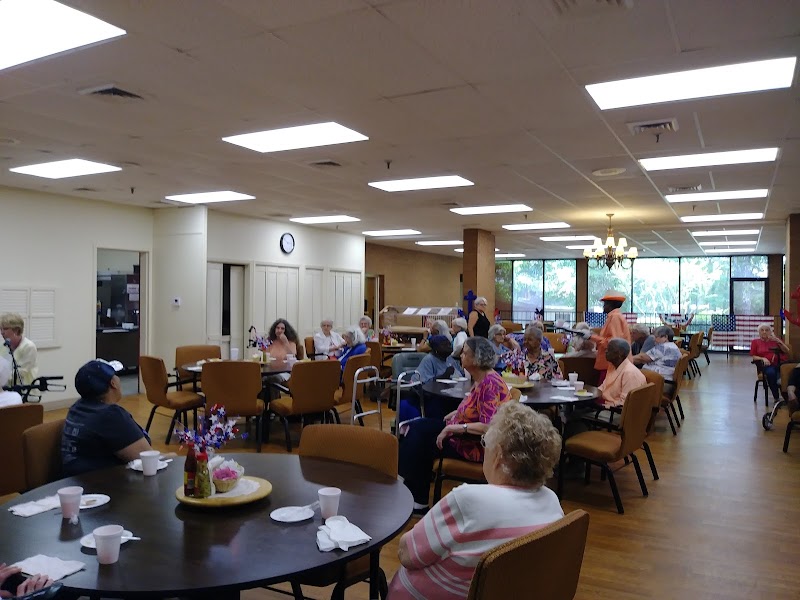
How is Nursing And Rehabilitation Center At Good Shepherd Staffed?

CMS rates NURSING AND REHABILITATION CENTER AT GOOD SHEPHERD's staffing level at 2 out of 5 stars, which is below average compared to other nursing homes. Staff turnover is 62%, which is 16 percentage points above the Arkansas average of 46%. High turnover can affect care consistency as new staff learn residents' individual needs. RN turnover specifically is 57%, which is notably high. RNs provide skilled clinical oversight, so turnover in this role can affect medical care quality.

What Have Inspectors Found at Nursing And Rehabilitation Center At Good Shepherd?

State health inspectors documented 35 deficiencies at NURSING AND REHABILITATION CENTER AT GOOD SHEPHERD during 2022 to 2024. These included: 35 with potential for harm.
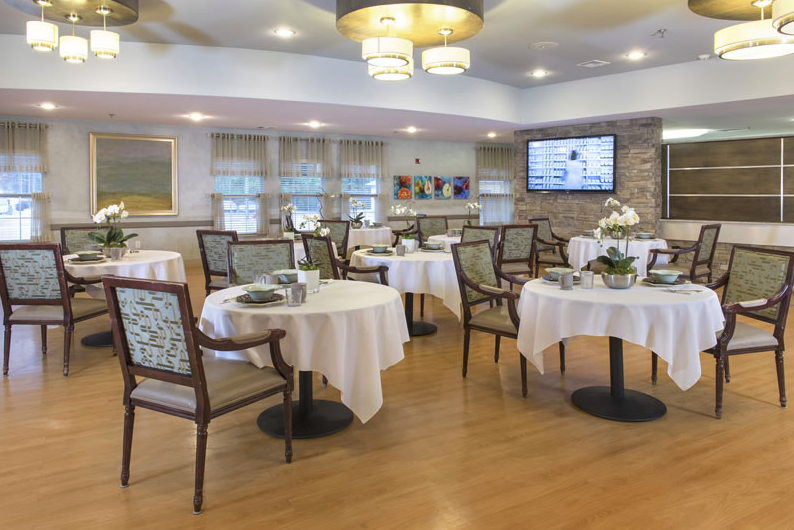
Who Owns and Operates Nursing And Rehabilitation Center At Good Shepherd?

NURSING AND REHABILITATION CENTER AT GOOD SHEPHERD is owned by a for-profit company. For-profit facilities operate as businesses with obligations to shareholders or private owners. The facility is operated by CENTRAL ARKANSAS NURSING CENTERS, a chain that manages multiple nursing homes. With 120 certified beds and approximately 95 residents (about 79% occupancy), it is a mid-sized facility located in LITTLE ROCK, Arkansas.
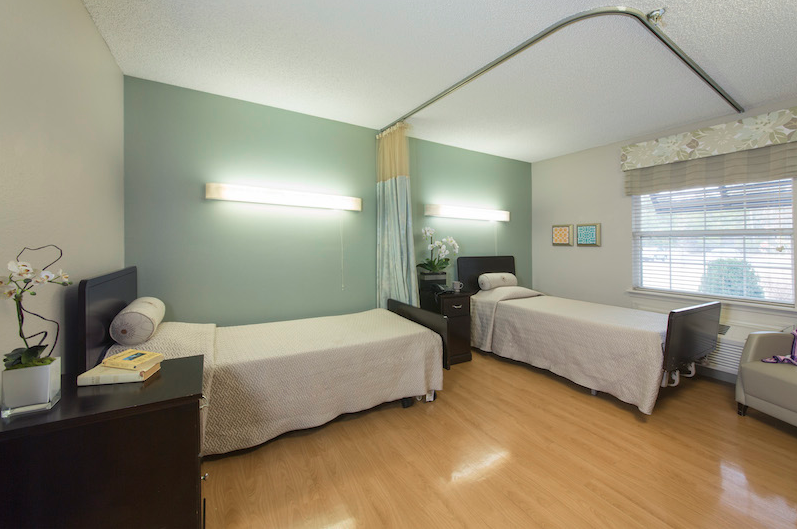
How Does Nursing And Rehabilitation Center At Good Shepherd Compare to Other Arkansas Nursing Homes?

Compared to the 100 nursing homes in Arkansas, NURSING AND REHABILITATION CENTER AT GOOD SHEPHERD's overall rating (2 stars) is below the state average of 3.1, staff turnover (62%) is significantly higher than the state average of 46%, and health inspection rating (1 stars) is much below the national benchmark.

What Should Families Ask When Visiting Nursing And Rehabilitation Center At Good Shepherd?

Based on this facility's data, families visiting should ask: "How do you ensure continuity of care given staff turnover, and what is your staff retention strategy?" "Can you walk me through typical staffing levels on day, evening, and night shifts?" "Can I visit during a mealtime to observe dining assistance and food quality?" "How do you handle medical emergencies, and what is your hospital transfer rate?" These questions are particularly relevant given the facility's high staff turnover rate and the below-average staffing rating.

Is Nursing And Rehabilitation Center At Good Shepherd Safe?

Based on CMS inspection data, NURSING AND REHABILITATION CENTER AT GOOD SHEPHERD has a clean safety record: no substantiated abuse findings (meaning no confirmed cases of resident harm), no Immediate Jeopardy citations (the most serious violation level indicating risk of serious injury or death), and is not on the Special Focus Facility watch list (a federal program monitoring the lowest-performing 1% of nursing homes). The facility has a 2-star overall rating and ranks #100 of 100 nursing homes in Arkansas. While no facility is perfect, families should still ask about staff-to-resident ratios and recent inspection results during their visit.

Do Nurses at Nursing And Rehabilitation Center At Good Shepherd Stick Around?

Staff turnover at NURSING AND REHABILITATION CENTER AT GOOD SHEPHERD is high. At 62%, the facility is 16 percentage points above the Arkansas average of 46%. Registered Nurse turnover is particularly concerning at 57%. RNs handle complex medical decisions and coordinate care — frequent RN changes can directly impact care quality. High turnover means new staff may not know residents' individual needs, medications, or preferences. It can also be disorienting for residents, especially those with dementia who rely on familiar faces. Families should ask: What is causing the turnover? What retention programs are in place? How do you ensure care continuity during staff transitions?

Was Nursing And Rehabilitation Center At Good Shepherd Ever Fined?

NURSING AND REHABILITATION CENTER AT GOOD SHEPHERD has no federal fines on record. CMS issues fines when nursing homes fail to meet care standards or don't correct problems found during inspections. The absence of fines suggests the facility has either maintained compliance or corrected any issues before penalties were assessed. This is a positive indicator, though families should still review recent inspection reports for the full picture.

Is Nursing And Rehabilitation Center At Good Shepherd on Any Federal Watch List?

NURSING AND REHABILITATION CENTER AT GOOD SHEPHERD is not on any federal watch list. The most significant is the Special Focus Facility (SFF) program, which identifies the bottom 1% of nursing homes nationally based on persistent, serious quality problems. Not being on this list means the facility has avoided the pattern of deficiencies that triggers enhanced federal oversight. This is a positive indicator, though families should still review the facility's inspection history directly.