THE BLOSSOMS AT CUMBERLAND REHAB & NURSING CENTER
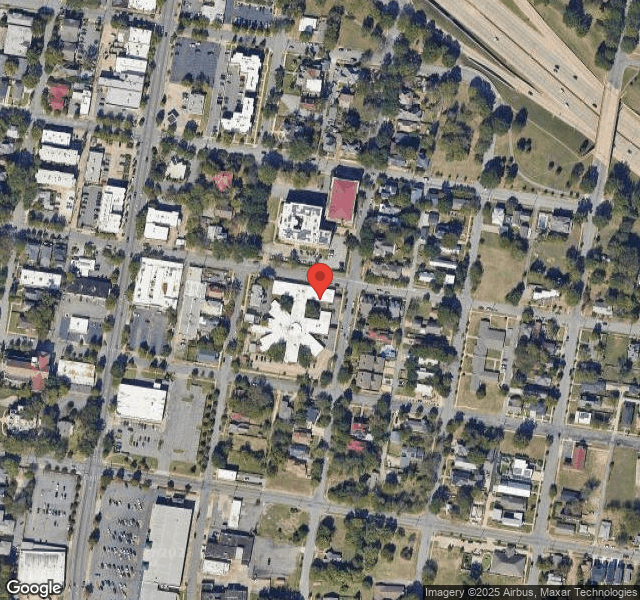
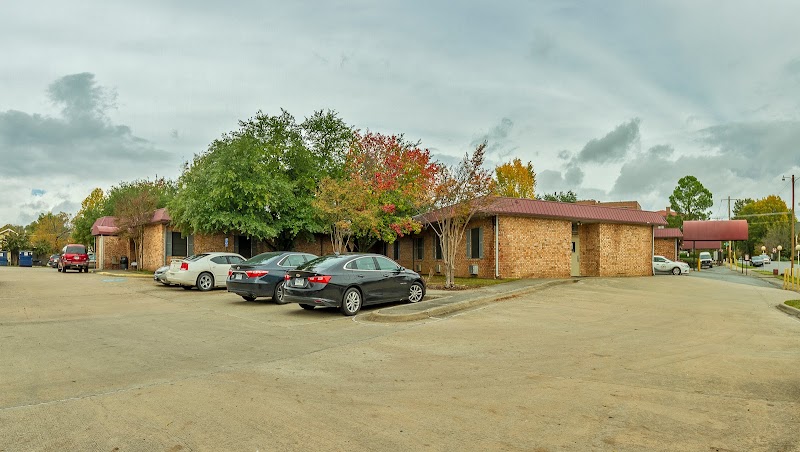
1516 CUMBERLAND ST, LITTLE ROCK, AR 72202 (501) 374-7565
For profit - Limited Liability company 120 Beds THE BLOSSOMS NURSING AND REHAB CENTER Data: November 2025
Trust Grade
5/100
#207 of 218 in AR
Last Inspection: January 2025

Within standard 12-15 month inspection cycle. Federal law requires annual inspections.

Overview

The Blossoms at Cumberland Rehab & Nursing Center has received a Trust Grade of F, indicating significant concerns about the quality of care provided. Ranking #207 out of 218 facilities in Arkansas places it in the bottom half of nursing homes in the state, and #19 out of 23 in Pulaski County means there are only a few local options that are better. While the facility is improving, having reduced issues from 16 in 2024 to 11 in 2025, it still faces serious challenges. Staffing is below average with a 70% turnover rate, which is concerning as it is much higher than the state average, suggesting instability in care. Notably, there were incidents of resident abuse and failure to ensure proper food safety and hygiene practices, which raises further red flags for families considering this facility.

Trust Score
F
5/100
In Arkansas
#207/218
Bottom 6%
Safety Record
High Risk
Review needed
Inspections
Getting Better
16 → 11 violations
Staff Stability
⚠ Watch
70% turnover. Very high, 22 points above average. Constant new faces learning your loved one's needs.
Penalties
○ Average
$35,420 in fines. Higher than 57% of Arkansas facilities. Some compliance issues.
Skilled Nurses
⚠ Watch
Each resident gets only 21 minutes of Registered Nurse (RN) attention daily — below average for Arkansas. Fewer RN minutes means fewer trained eyes watching for problems.
Violations
⚠ Watch
37 deficiencies on record. Higher than average. Multiple issues found across inspections.
★☆☆☆☆
1.0
Overall Rating
★★☆☆☆
2.0
Staff Levels
★★★☆☆
3.0
Care Quality
★☆☆☆☆
1.0
Inspection Score
Stable
2024: 16 issues
2025: 11 issues

The Good

  • Full Sprinkler Coverage · Fire safety systems throughout facility
  • No fines on record

Facility shows strength in fire safety.

The Bad

1-Star Overall Rating

Below Arkansas average (3.1)

Significant quality concerns identified by CMS

Staff Turnover: 70%

24pts above Arkansas avg (46%)

Frequent staff changes - ask about care continuity

Federal Fines: $35,420

Above median ($33,413)

Moderate penalties - review what triggered them

Chain: THE BLOSSOMS NURSING AND REHAB CENT

Part of a multi-facility chain

Ask about local staffing decisions and management

Staff turnover is very high (70%)

22 points above Arkansas average of 48%

The Ugly 37 deficiencies on record

1 actual harm
Mar 2025 1 deficiency 1 Harm
SERIOUS (H) 📢 Someone Reported This

A family member, employee, or ombudsman was alarmed enough to file a formal complaint

Actual Harm - a resident was hurt due to facility failures

Free from Abuse/Neglect (Tag F0600)

A resident was harmed · This affected multiple residents

**NOTE- TERMS IN BRACKETS HAVE BEEN EDITED TO PROTECT CONFIDENTIALITY** Based on observations, interviews, record review, and facility policy review, it was determined that the facility failed to prev...

Read full inspector narrative →
**NOTE- TERMS IN BRACKETS HAVE BEEN EDITED TO PROTECT CONFIDENTIALITY** Based on observations, interviews, record review, and facility policy review, it was determined that the facility failed to prevent resident abuse for 2 (Resident #1 and Resident #2) of 6 residents reviewed for abuse. The findings include: A review of a facility policy titled, Resident Rights, dated 04/2021, indicated, Federal and state laws guarantee certain basic rights to all residents of this facility. These rights include the resident's right to: c. be free from abuse, neglect. g. exercise his or her rights as a citizen of the facility. h. be supported by the facility in exercising his or her rights; A review of a facility policy titled, Resident [NAME] of Rights for Nursing Home Residents, dated 07/12/1988, indicated, 2. The right to a safe and clean environment. 10. The right to be free from physical or mental abuse A review of the facility's undated policy titled Abuse Prevention Program, indicated It is the policy of this facility to prevent resident abuse .VI. Protection of Residents. Residents who allegedly mistreat another resident will be immediately removed from contact with that resident. The accused resident's condition shall be immediately evaluated to determine the most suitable therapy, care approaches and placement, considering his or her safety, as well as the safety of the other residents and employees of the facility. VII. Prevention staff will identify residents with increased vulnerability .or who have needs ad behaviors that might lead to conflict. For the purposes of this policy. 1. Abuse: the willful infliction of injury resulting in physical harm, pain, mental anguish or deprivation by an individual. 4. Physical Abuse: Hitting, slapping, pinching, kicking, etc. 1. A review of the admission Record, indicated the facility admitted Resident #1 on 07/20/2023, with diagnoses that included transient cerebral ischemic attack (brief stroke like attack requiring immediate medical attention), cerebral infarction (interrupted blood flow to the brain causing brain tissue death), and malignant neoplasm of the prostate. The quarterly Minimum Data Set (MDS), with an Assessment Reference Date (ARD) of 01/23/2025, revealed Resident #1 had a Brief Interview for Menal Status (BIMS) score of 7, which indicated the resident had moderate cognitive impairment. Resident #1 was able to walk independently 150 feet and did not require the assistance of a wheelchair. Diagnoses included cancer and stroke. Resident #1 was 66 inches in height and weighed 117 pounds. Resident medications included an antidepressant and an antiplatelet (medication to prevent blood clotting). A review of Resident #1's Care Plan Report, revealed the resident was at risk for abnormal bleeding related to daily usage of antiplatelet and at increased risk for bruising and/or bleeding; was at increased risk for alteration in skin integrity related to cancer and antiplatelet medication; expressed maladaptive behavioral symptoms, related to blocked blood flow to the brain, that included inappropriate sexual behavior with female, urinating on the floor and spreading stool in bathroom. Interventions included monitor and report bleeding; protect skin from accidental injury, monitor skin daily for bruising or bleeding; admission to male secure unit, explain and remind resident of desired behaviors, psychiatric management. A review of Order Summary Report, revealed Resident #1 was admitted to the secured unit; was to be observed for signs and symptoms of bleeding/bruising every shift; and received an antiplatelet daily. A review of Resident Rights and Protection, dated 07/20/2023, indicated Resident #1 received resident rights and abuse protection information from the facility. A review of Consent for admission to Special Care Unit, signed 10/27/2023, by Resident #1's representative, indicated the care unit provided a supportive, quieter living environment, structured to be a warm, nurturing environment to meet physical, mental, and psychosocial needs. Protection from external stressors and expectations promotes enhanced function and improved quality of life for the resident with dementia. There can also be some risks to residing on the Special Care Unit. Residents on the unit may have inappropriate verbal or physical behaviors, at times including incidents of resident-to-resident altercations. Residents may wander into the personal space of others. A review of eInteract Change in Condition Evaluation, dated 02/11/2025, revealed Resident #1 was sent to the hospital for injuries related to resident to resident. A review of Interact SNF (skilled nursing facility) to Hospital Transfer Form, dated 02/10/2025, indicated Resident #1 was sent to the emergency room at 11:59 PM, for an altercation with resident, was alert and disoriented, and had no skin/wound care. Resident #1's medical record from [Hospital Name] indicated: a. CT head without contrast Result Date:2/21/2025 Interval increased density of bilateral subdural hematomas. On the right measures 1.2 cm in maximum diameter with mildly increased mass effect on the frontal lobe and stable 3mm left midline shift. b. CT angiogram head and neck with 3D reconstruction Result Date:2/21/2025 Non-contrast CT head: Large right convexity subdural hemorrhage has mildly increased in size with interval dependent hyper-density within the collection suggestive of acute on chronic subdural hemorrhage. Moderate left convexity subdural hygroma has also increased in size. Mild 4 mm midline shift to the left without evidence of descending trans tentorial herniation. Left lens subluxation is again noted. c. X-Ray chest AP portable Result Date:2/21/2025 Diffuse emphysematous changes in both lungs. Interval new-ill-defined patchy airspace opacities are seen in the right lower lung, may represent developing pneumonia/aspiration. d. X-Ray foot right AP lateral and oblique Result Date: 2/11/2025 Findings and Impressions: Revisualization of distal fibular and tibial fractures are seen. e. X-Ray hand left AP and lateral portable Result Date: 2/11/2025 Findings and Impression: Diffuse soft tissue swelling is seen throughout the dorsum of the hand and wrist. f. CT head without contrast Result date: 2/11/2025 Stable acute on chronic subdural hemorrhage along the right cerebral convexity with 4mm leftward midline shift. Redemonstration of trace subarachnoid hemorrhage along the right temporal sulci. Left frontal, premaxillary and periorbital soft tissue contusions with traumatic lens subluxation. g. X-Ray hand left PA lateral and oblique Result Date:2/11/2025 Dorsal soft tissue swelling h. ED ultrasound ocular Result Date: 2/11/2025 Lens dislodged; Left lens dislocation; left vitreous hemorrhage i. CT maxillofacial area with contrast Result Date:2/11/2025 Redemonstration of large soft tissue hematoma overlying the left orbit and extending to the frontal and pre maxillary regions. Mild stranding within the left intraconal and extraconal regio concerning for post-septal hemorrhage. Mild proptosis of the left orbit with partial dislocation of the lens. Subtle hyper-densities within left globe concerning for vitreous hemorrhage. Mild displaced left nasal bone fracture. Redemonstration of 1.4 cm mixed density extra-axial fluid collection along the right cerebral convexity. j. CT head without contrast Result date 2/11/2025 Significant subcutaneous soft tissue contusions over the left frontal, orbital, and pre maxillary regions with associated post-septal hemorrhage. There is a partial dislocation of the left lens. Scalp soft tissue contusion over the left parietal convexity. Mixed density subdural hemorrhage. This measures approximately 1.4 cm in maximum dimension and exerts mass effect upon the right cerebral hemisphere. There is approximately 4 mm of leftward midline shift without evidence of herniation. The subarachnoid hemorrhage is also seen along right temporal sulci. 2. A review of the admission Record, indicated the facility admitted Resident #2 with diagnoses that included Alzheimer's disease, adjustment disorder with disturbance of conduct, dementia with agitation, neurocognitive disorder due to known physiological condition with behavioral disturbance, hallucinations, and disorientation. The quarterly MDS, with an ARD of 01/08/2025, revealed Resident #2 had a BIMS score of 00, which indicated the resident had severe cognitive impairment. Resident #2 had physical and verbal behavior symptoms directed toward others, occurring 1 to 3 days, and other behavioral symptoms not directed toward others that occurred 1 to 3 days. Resident #2 was independent, walking 10 feet and required supervision or touch assistance to walk 150 feet. Active diagnoses included Alzheimer's disease, non-Alzheimer's dementia, adjustment disorder with disturbance of conduct, neurocognitive disorder due to known psychosocial condition with behavioral disturbance, hallucinations, and disorientation. Resident #2 had pain occasionally that rarely affected sleep or activities. Resident #2 was 67 inches in height and weighed 184 pounds. Resident #2 was taking an antipsychotic and antidepressant. A review of Care Plan Report, initiated 07/15/2024, revealed Resident #2 had maladaptive behavioral symptoms related to Alzheimer's dementia, neurocognitive disorder, and hallucinations, resident to resident altercation; used antipsychotic medications related to behavior management; used anti-anxiety medications. Interventions included: utilizing behavior management to promote and shape desired behavior, respectful conduct, no profanity or yelling, make effort to get along with peers; 02/11/2025 resident separated, and Resident # 1was sent via ambulance to the emergency room. A review of Order Summary Report, revealed Resident #2 was admitted to the secured unit on 12/03/2024; had [Brand Name extended-release medication used to treat dementia with agitation] had [Brand Name medication used to treat dementia with mild agitation]; and [Brand Name antidepressant] for neurocognitive disorder with behavioral disturbance and hallucinations. A review of Resident Rights and Protection, dated 07/02/2024, indicated Resident #2 received resident rights and abuse protection information from the facility. A review of Consent for admission to Special Care Unit. Dated 07/02/2024, by Resident #2's power of attorney (POA)/guardian, indicated the care unit provided a supportive, quieter living environment, structured to be a warm, nurturing environment to meet physical, mental, and psychosocial needs. Protection from external stressors and expectations promotes enhanced function and improved quality of life for the resident with dementia. There can also be some risks to residing on the Special Care Unit. Residents on the unit may have inappropriate verbal or physical behaviors, at times including incidents of resident-to-resident altercations. Residents may wander into the personal space of others. A review of psychiatric Progress Note and Psychiatric Periodic Evaluation, revealed Resident #2 was seen via telemedicine and in person by Psychiatric Mental Health Nurse Practitioner (PMHNP) on 08/02/2024, 08/06/2024, 09/03/2024, 10/15/2024, 12/02/2024, and 12/17/2024. A review of Trauma Screening, dated 02/24/2024, indicated Resident #2 had no screening indicators. Questions 3, 5, 7, 8, and 9 were contradictory to resident diagnoses and documented behaviors. A review of Progress Notes, dated 02/10/2025 at 11:45 PM, indicated Resident #2 attacked another resident (identified as Resident #1), punched Resident #1 4 to 5 times after Resident #1 entered Resident #2's room. During a police interview, Resident #2 stated [pronoun] was in my room and my hand hurts. A review of Progress Notes, dated 02/11/2025 at 4:19 AM, indicated Resident #2 was transferred via EMS to Geri Psych at [Hospital Name]. A review of Progress Notes, dated 02/11/2025 at 2:40 AM, indicated Resident #2 had a change in condition nursing observation and evaluation described as This resident physically attacked another resident. This resident has no injuries. Intervention and recommendation indicated resident was transferred to Geri psych at [Hospital Name]. A review of Progress Notes, dated 02/11/2025 at 4:19 AM, indicated Resident #2 was transferred by ambulance to Geri psych [Hospital Name] per physician order. A review of Progress Notes, dated 02/16/2025 at 5:30 AM, indicated Resident #2 was one on one (constant supervised observation by staff member) and exhibited no behaviors. A review of [City Name] Police Department Incident Report, incident number 2025-017726 dated 02/10/2025 at 11:45 PM, indicated the offence was Battery 2nd degree; weapon force was blunt object; victim Resident #1 with possible internal injury; aggravated assault/homicide category was other circumstances. Suspect identified as Resident #2, mentally afflicted. Narrative stated upon law enforcement arrival, Resident #1 was observed on their knees bleeding from the head, left eye was swollen shut, had dark bruising, cuts and abrasions throughout head area. EMS called to transport to [Hospital Name] for treatment. Resident #2 identified themselves as a federal judge and US Marshall and was [AGE] years old. Neither party were in a clear mental state to answer questions. [Hospital Name] staff advised Resident #1 was stable with a brain bleed and detached eye lens. A review of Licensed Practical Nurse (LPN) # 2 witness statement indicated LPN #2 arrived after the incident occurred and observed Resident #1 laying on floor against Resident #2's bed, surrounded by blood on floor, eye was swollen, laceration to back of head, and blood dripping from nose. Wet floor sign was on the ground, bloody and broken. Resident #2 was agitated and escorted out of the room to the dayroom. LPN #2 returned to Resident #1 and called 911. A review of Resident #2's statement indicated Resident #1 entered Resident #2's room and jumped on Resident #2 four times before Resident #2 pushed Resident #1 out of room. Resident #1 bent Resident #2's finger back and they started fighting, [pronoun] is pretty strong, and I was still trying to get help. We were finally broken up. A review of OLTC Witness Statement indicated Certified Nursing Assistant (CNA) #1 was entering 700 Hall for shift, walked down the hall and went into Resident #2's room and saw Resident #2 hit Resident #1 with a wet floor sign, grabbed Resident #2 to move [pronoun] from room. Resident #2 broke away and swung and hit Resident #1 again. Calmed Resident #2 and went and got LPN #2 to come and check Resident #1. A review of a facility policy titled Abuse, Neglect, and Exploitation, indicated, We are committed to the safety and well-being of all residents. We believe that the resident has the right to be free from verbal, sexual, physical, or mental and psychosocial abuse, neglect, misappropriation of property, and involuntary seclusion. The facility's goal is to prevent abuse through annual and ongoing in-service of staff, maintaining confidentiality of information, informants, or concerns regarding interactions with the residents, proactively addressing situations which may lead to abuse, providing thorough staff screening, training, and sufficient staff to effectively care for and monitor residents. Resident #2 had diagnoses of Alzheimer's disease, adjustment disorder with disturbance of conduct, dementia with agitation, mild neurocognitive disorder with behavioral disturbance, and hallucinations. Resident #2 had a Brief Interview of Mental Status (BIMS) score of 00 (severely cognitively impaired) per quarterly Minimum Data Set (MDS). The MDS indicated that Resident #2 had physical behavioral symptoms directed towards others that occurred for 1 to 3 days. Resident #2 had a history of being in prison due to attacking someone with a baseball bat, and [pronoun] family does not have anything to do with [pronoun] as he is suspected of molesting [pronoun] granddaughter. [Pronoun] is hard of hearing, and in Adult Protective Services (APS) custody. Review of Resident #2's Care Plan, initiated 07/15/2024, revealed the resident used antipsychotic medications related to behavior management. Interventions included to monitor/record occurrence of target behavior symptoms such as pacing, wandering, disrobing, inappropriate response to verbal communication, violence/aggression towards staff/others, and document per facility protocol. Monitor, document, and report as needed adverse reactions to anti-anxiety therapy. Unexpected side effects of anti-anxiety therapy: Mania, hostility, rage, aggressive or impulsive behavior, hallucinations. A review of Resident #2's Progress Note dated 2/11/2025 at 4:19 AM, indicated that Resident #2 had physically attacked another resident. Resident #2 was transferred to Geri-Psych at [Hospital Name] for evaluation. A review of Resident #1's Medical Records from [Hospital Name] Medical Center dated 2/11/2025, indicated Resident #1 was assaulted at a nursing facility with a wet floor sign. A brain scan revealed bleeding on the brain, swelling around the eye, left nasal bone fracture, leg fractures, and eye dislocation. A review of Resident #1's Event Note dated 2/20/2025 at 11:41 PM, revealed Resident #2 was attacked by another resident. Resident #2 was punched 4-5 times and had a laceration across the back of [pronoun] head. [Pronoun] left eye was grossly swollen, nose was bloody, and left hand was badly bruised, with a cut on the top. Resident #1 was disoriented and weak, but conscious and able to respond to verbal prompting. Not oriented to time, place or location. Pain level was very high but not rated due to disorientation. Resident #1 was transported to [Hospital Name] around 40 minutes after the incident During an interview on 2/25/25 at 12:02 PM, Family member #4 indicated that Resident #1 had transferred to another facility because Resident #1 was afraid to come back to Facility #5 where the resident had been attacked. During a phone interview on 2/25/2025 at 11:45 AM Certified Nursing Assistant (CNA) #1 indicated that he was the only CNA working on the 700 Hall when Resident #2 attacked Resident #1. The 700 Hall was a locked unit at the back of the facility. CNA #1 indicated that he was in another room helping with the heater. CNA #1 indicated that he was making rounds and that's when he observed Resident #2 attacking Resident #1. He indicated that Resident #2 had a wet floor sign striking Resident #1 with it. CNA #1 indicated that Resident #2 had to have grabbed the wet floor sign from the hall, and the sign was not far from Resident #2 ' s room. CNA #1 indicated that the wet floor signs are usually hidden. CNA #1 indicated that Resident #2 had behaviors when the resident felt angry. CNA #1 indicated that he believed Resident #2 had a military background, and some days all the resident talked about was the military. CNA #1 indicated that Resident #1 had attacked another resident before, and it's on file. CNA #1 indicated that Resident #1 roamed into other resident's rooms, and if he takes Resident #1 to the resident ' s room, resident stays 2-3 minutes. I did a double that night and she [The Administrator] sent me home that night. CNA #1 indicated that he was sent home after the incident, and the Administrator informed him that she would give him some protocols to follow the next time he was assigned to the unit. During an interview on 2/25/2025 at 12:30 PM, with Resident #2 while the resident was on one-on-one observation, a staff member was observed sitting outside of Resident #2 ' s door. Resident #2 was deaf, and this surveyor wrote out questions on blank computer paper. Resident #2 was able to answer the questions. Resident #2 indicated that a person came in the resident ' s room around 4:00 in the morning and shut the door. Resident #2 indicated that the person was kicking and choking Resident #2. Resident #2 indicated that the person got meaner and meaner and Resident #2 had to defend theirself. Resident #2 indicated that the wet floor sign was right outside the door. Resident #2 picked up a sign and popped the person with it. Resident #2 indicated that the person was small, but Resident #1 was very strong. Resident #2 indicated that the person bent their hand all the way back, and the person was really trying to hurt Resident #2. Resident #2 indicated that they [EMS] came and picked the person up in a stretcher and took the person out of Resident #2 ' s room. During an interview on 2/26/2025 at 2:32 PM, the Administrator indicated that on 2/10/2025, Resident #2 attacked Resident #1. The Administrator indicated that Resident #2 was placed on one-to-one observations to protect other residents. The Administrator indicated that Resident #2 would be one-to-one observation until the stop sign for Resident #2 ' s door comes, and the resident was evaluated by the provider. The Administrator indicated that she had reached out to the State Hospital for possible evaluation for Resident #2 During an interview on 2/26/2025 at 4:28 PM, LPN #2 indicated Resident #1 was kneeling by the bed on the night Resident #1 was attacked by Resident #2. LPN #2 indicated that Resident #2 was still in Resident 2 ' s room and CNA #1 was standing in front of Resident #2 keeping the resident from approaching Resident #1 again. LPN #2 indicated she told Resident #2 to get out of the room. LPN #2 and CNA #1 escorted Resident #2 to the common area where Resident #2 sat down in a chair. CNA #1 stayed with Resident #2, and LPN#2 stayed with Resident #1. LPN #2 indicated that she did not know if she saw the wet floor sign right away. She indicated that her attention was focused on Resident #1. LPN #2 indicated that Resident #2 had to have gone out of the room and grabbed the wet floor sign, and when she saw the sign, it was shattered and bloody. LPN #2 indicated Resident #1 was kneeling in a praying position beside Resident#2's bed and she ended up leaving Resident #1 there after she determined a level of consciousness and made sure Resident #1 could talk and was breathing. LPN #2 indicated that she did not really want to move Resident #1 because the resident was not in very good shape. LPN #2 indicated that she needed to go call the police, and after determining Resident #1 was okay for the moment right where the resident was CNA #1 stayed with Resident #2. LPN #2 indicated that she came out of the room and called 911 and got an ambulance. LPN #2 indicated that there's a reason Resident #2 was in the room by themself. LPN #2 indicated that Resident #2 had not had a roommate because of Resident #2 ' s behavior. LPN #2 indicated that she thought Resident # 1 and Resident #2 used to be roommates, but there was a lot of hostility. LPN #2 indicated that Resident #1 had dementia and was confused most of the time. LPN #2 indicated that Resident #1 and Resident #2 had never had any other interactions other than being roommates. LPN #2 indicated that Resident #1 and Resident #2 had to be separated when they were roommates, but she was not sure how long ago it was. LPN #2 indicated that Resident # 2 had been on one-to-one observations since the incident happened. LPN #2 indicated that she and CNA #1 were the only staff that witnessed the incident. During an interview on 3/04/2025 at 10:20 AM, CNA #1 indicated that he was responsible for 10-12 residents on average. CNA #1 indicated that when he first made it to the unit Resident #1 was standing by the door close to Resident #1's room. CNA #1 indicated that he was informed by the Administrator that he should have put Resident #1 in the resident ' s room when CNA #1saw Resident #1 wandering. CNA#1 indicated that he lets Resident #1 walk up and down the hall until the resident is tired. CNA #1 indicated that when he entered Resident #2's room that Resident #1 was swinging and hitting Resident #2 when he walked in, and Resident # 2 swung over him. CNA #1 indicated that Resident #2 hit Resident #1 with the wet floor sign while he was in the room. CNA #1 indicated that the wet floor sign broke into pieces, and he got the pieces and put them outside.
Jan 2025 10 deficiencies
CONCERN (D)

Potential for Harm - no one hurt, but risky conditions existed

Deficiency F0578 (Tag F0578)

Could have caused harm · This affected 1 resident

**NOTE- TERMS IN BRACKETS HAVE BEEN EDITED TO PROTECT CONFIDENTIALITY** Based on record review and interview, the facility failed to ensure residents' decisions as to whether they desired to have, or ...

Read full inspector narrative →
**NOTE- TERMS IN BRACKETS HAVE BEEN EDITED TO PROTECT CONFIDENTIALITY** Based on record review and interview, the facility failed to ensure residents' decisions as to whether they desired to have, or did have, an advance directive, were documented in a prominent part of the clinical record, to ensure their wishes were known regarding acceptance or rejection of any life-sustaining treatments in the event of their incapacitation for 1 (Resident # 30) of 1 sampled resident whose clinical records were reviewed for advance directive information. The findings are: 1. Resident #30 was admitted to the facility on [DATE] and had a diagnosis of respiratory failure with hypoxia, chronic respiratory failure with hypercapnia, cerebral palsy, anxiety disorder, and emphysema. The admission Minimum Data Set (MDS) with an Assessment Reference Date (ARD) of 12/05/2024 documented the resident scored 15 (13-15 indicates intact cognation) on the Brief Interview for Mental Status (BIMS). a. On 01/15/2025 at 9:45 AM, the Administrator (AD) provided a 2-page form for Resident #30, titled Physician Orders for Life-Sustaining Treatment (POLST), dated 11/29/2024, section D, was marked, Advance Directive dated (blank) available and reviewed. b. On 01/15/2025 at 9:45 AM, the AD provided a Resuscitation Designation Order dated 11/29/2024 for Resident #30. #2 was marked - I do have an Advance Directive, if yes, then select which of the following will be on file: Power of Attorney was selected. c. On 01/15/2025 at 9:45 AM, the AD provided a six-page document titled Iowa General Durable Power of Attorney, for Resident #30. The power of attorney was dated 08/24/2022. On the first page, second paragraph, it states, This power of attorney does not authorize the agent to make health-care decisions for you. d. On 01/16/2025 at 10:57 AM, this surveyor asked the AD to review Resident #30's durable power of attorney and see what the second paragraph said. The AD read the power of attorney ' s second paragraph out loud This power of attorney does not authorize the agent to make health-care decisions for you. This surveyor asked the AD if this durable power of attorney covered health care decisions. The AD indicated it did not. This surveyor asked the AD if Resident #30 would need an advance directive based on what she just read in the power of attorney. The AD indicated that Resident #30 would need an advance directive to indicate what the resident wanted or did not want. e. On 01/16/2025 at 12:19 PM, the Administrator provided a policy for advance directives titled Policies and Procedures Subject: Advance Directives, Revise date 11/01/2022. #1 on the first page states Upon admission, the resident will be provided with written information concerning the right to refuse or accept medical or surgical treatment and to formulate an advance directive if he or she chooses to do so.
CONCERN (D)

Potential for Harm - no one hurt, but risky conditions existed

Deficiency F0645 (Tag F0645)

Could have caused harm · This affected 1 resident

**NOTE- TERMS IN BRACKETS HAVE BEEN EDITED TO PROTECT CONFIDENTIALITY** Based on observation, interview, and record review the facility failed to coordinate assessments with the PASARR (Preadmission S...

Read full inspector narrative →
**NOTE- TERMS IN BRACKETS HAVE BEEN EDITED TO PROTECT CONFIDENTIALITY** Based on observation, interview, and record review the facility failed to coordinate assessments with the PASARR (Preadmission Screening and Resident Review) program by obtaining a copy of the completed Level II PASARR, so any recommendations could be incorporated into the resident's assessment, care planning and transition of care for 1 (Resident #7) of 1sample resident reviewed for PASARR. These are the findings: 1. Resident #7 was admitted to the facility on [DATE] and had diagnoses of schizoaffective disorder, auditory hallucinations, delusional disorders, unspecified mood [affective] disorder and anxiety disorder. The quarterly Minimum Data Set (MDS) with an Assessment Reference Date (ARD) 12/17/2024, documented that the resident scored 15 (13-15 indicating cognitively intact). a. Resident #7 ' s Care Plan with an initiated date of 9/19/2024, documented, Focus: Resident expresses maladaptive behavioral symptoms related to: A diagnosis of chronic mental illness (schizophrenia). The resident's problems/symptoms are manifested by hallucinations (auditory), the resident's problems/symptoms are manifested by delusions (irrational/bizarre thoughts). b. On 01/15/2025 at 9:45 AM, the Administrator (AD) provided a letter dated 08/28/2024, from the designated state agency, which indicated Resident has been approved for nursing home placement by OLTC (Office of Long-Term Care) and may enter nursing home of his/her choice, Attention Nursing Facilities: You Must contact [designated state agency] with the Client's admission Date in order to receive your client's completed PASRR evaluation. c. On 01/16/25 at 11:23 AM, the AD indicated they could not locate a completed Level II PASRR evaluation for Resident #7. d. On 01/6/25 at 12:18 PM, the AD indicated they did not have a policy for PASRRs.
CONCERN (D)

Potential for Harm - no one hurt, but risky conditions existed

ADL Care (Tag F0677)

Could have caused harm · This affected 1 resident

Based on observations, interviews, record review, and facility document review, it was determined the facility failed to ensure the resident received a bath/shower per the schedule to promote good hyg...

Read full inspector narrative →
Based on observations, interviews, record review, and facility document review, it was determined the facility failed to ensure the resident received a bath/shower per the schedule to promote good hygiene for 1 (Resident #44) of 18 sampled residents reviewed for assisting residents to perform activities of daily living (ADLs). Findings include: The admission Minimum Data Set (MDS), with an Assessment Reference Date (ARD) of 12/06/2024, revealed Resident #44 had a Brief Interview for Mental Status (BIMS) score of 15 which indicated the resident was cognitively intact. Diagnoses on the MDS included diabetes (abnormal blood sugar), seizure disorder (neurological condition), obesity, and an ulcer on the lower extremity. The resident was observed, and records were reviewed, for ADLs being completed. 1) On 01/14/2025 at 9:35 AM, Resident #44 stated that some residents were not getting showers frequently enough. Resident #44 stated residents needed a shower three times per week and it was only carried out once or twice per week. Resident #44 stated [pronoun] needed minimal assistance but still must have staff in attendance to go to the shower and complete the shower. 2) On 01/16/2025 at 3:28 PM, Licensed Practical Nurse (LPN) #3 was interviewed regarding the process for residents to have a shower or bath. LPN #3 stated the process for the resident hall was even-numbered rooms get a bath/shower on Monday, Wednesday, and Friday. The odd-numbered rooms get a bath/shower on Tuesday, Thursday, and Saturday. A-beds are the responsibility of the aides on the 7A-3P shift. B-beds are the responsibility of the aides on the 3P-11P shift. When LPN #3 was asked how a nurse would know if a resident did not get a bath or shower, they stated they would notice the resident was in the same clothes. An alert resident would notify the nurse that they did not get bathed. Since the responsibility of a bath/shower was up to the aide, a nurse would follow up with the aide, if needed. 3) On 01/16/2025 at 3:37 PM, ADL records were reviewed for Resident #44 from October 2024 to the present. According to the process mentioned by LPN#3, there were 43 opportunities for a bath/shower to be documented and a total of 9 areas blank, with no staff initials to indicate a bath/shower was completed. The dates with no staff initials were as follows: a. 10/03/2024 - Thursday b. 10/05/2024 - Saturday c. 10/26/2024 - Saturday d. 11/02/2024 - Saturday e. 11/05/2024 - Tuesday f. 12/05/2024 - Thursday g. 12/14/2024 - Saturday h. 01/04/2025 - Saturday i. 01/09/2024 - Thursday 4) On 01/16/2025 at 9:00 AM, LPN #3 was interviewed regarding the documentation for bathing/showering/ADLs. LPN #3 responded that the nurses do not have access to the documentation, and they are not able to review it. 5) On 01/16/2025 at 11:00 AM, the Director of Nursing (DON) was interviewed regarding the gaps in the documentation of the ADLs for the records from October 2024 to the present. The DON verified that a total of 9 days of documentation were missing over the review period, to indicate a bath/shower was completed. The DON stated it was important to see if a bath was done or not done. The DON also stated that it was important to see if there was an issue with giving a bath, or if there was something they needed to fix.
CONCERN (D) 📢 Someone Reported This

A family member, employee, or ombudsman was alarmed enough to file a formal complaint

Potential for Harm - no one hurt, but risky conditions existed

Quality of Care (Tag F0684)

Could have caused harm · This affected 1 resident

Based on interviews, record review, and policy review, the facility failed to ensure staff monitored the skin and applied ointment as ordered by the physician for 1 (Resident #36) of 1 sampled residen...

Read full inspector narrative →
Based on interviews, record review, and policy review, the facility failed to ensure staff monitored the skin and applied ointment as ordered by the physician for 1 (Resident #36) of 1 sampled resident reviewed for skin issues. The findings are: 1. Review of an Order Summary revealed Resident # 36 had diagnoses of spinal stenosis, coronary artery disease (CAD), neurogenic bladder, acute kidney failure. The quarterly Minimum Data Set (MDS) with an Assessment Reference Date (ARD) of 11/08/2024 documented that the resident scored 15 (13-15 indicates cognitively intact) on the Brief Interview for Mental Status (BIMS). a. On 01/15/2025 at 7:15 PM, review of a Physician's Order, dated 3/08/2024, stated: [brand name] external ointment (Emollient) Apply to bilateral lower extremities (BLE) topically one time a day for dry skin and apply to BLE topically as needed for dry skin. b. On 01/15/2025 at 7:30 PM, the Treatment Administration Record (TAR) report for January 2025 showed 3 missed days of [brand name] ointment not applied as ordered 01/7/2025, 01/11/2025 and 01/13/2025. c. On 01/16/25 at 8:35 AM, this surveyor interviewed the Treatment Nurse regarding missed treatments. The Treatment Nurse stated they were not aware of any missed treatment. d. On 01/16/25 at 8:40 AM, the surveyor interviewed the Administrator regarding residents not receiving treatments as ordered. The Administrator stated she was often made aware after this occurred, often with agency nurses. Attempted to provide treatments, it was often too late, the next day.
CONCERN (D)

Potential for Harm - no one hurt, but risky conditions existed

Accident Prevention (Tag F0689)

Could have caused harm · This affected 1 resident

Based on observations, interviews, record review, and facility document review, it was determined the facility failed to provide safety during the process of medication administration for one (Residen...

Read full inspector narrative →
Based on observations, interviews, record review, and facility document review, it was determined the facility failed to provide safety during the process of medication administration for one (Resident #44) of 18 sampled residents reviewed for being free of Accident Hazards/Supervision/Devices. The findings include: Review of an admission Minimum Data Set (MDS), with an Assessment Reference Date (ARD) of 12/06/2024, revealed Resident #44 had a Brief Interview for Mental Status (BIMS) score of 15 which indicated the resident was cognitively intact. Diagnoses on the MDS included diabetes (abnormal blood sugar), seizure disorder (neurological condition), obesity, and an ulcer on the lower extremity. The resident was observed, and their record reviewed, for safe medication practices. 1) On 01/05/2025 at 7:50 AM the medication pass process was observed for Resident #44: a. Licensed Practical Nurse (LPN) #3 had a cup with two medications in the cup. LPN #3 stated the medicines were [name brand anticonvulsant and nerve pain treatment medication] 50 mg and [Name brand combination pain relief medication] 10/325 mg - which were both handled as a controlled substance at the facility. LPN #3 was observed walking into Resident #44's room, gave the cup of medicines to Resident #44, and left the room prior to the resident taking the medications orally. b. Medication Technician (MT) #4 was observed to place thirteen medications into a cup, walk into the room, give the cup of medications to Resident #44, and leave the room prior to the resident taking the medications orally. c. Upon interview of LPN #3 and MT #4 regarding the process of medication pass, they agreed that leaving the medications with the resident to take unsupervised could lead to them pocketing the medications and causing self-harm or unintentional harm. 2) On 01/16/2025 at 10:15 AM, the Administrator provided a policy/procedure titled Checklist for completing proper steps in the administration of medications. One step in the body of the document stated, Observe the resident take the medication. 3) On 01/16/2025 at 11:00 AM, the Director of Nursing (DON) was interviewed regarding the process of administering medications. The DON stated the step listed in the facility policy, observe the resident take the medications, was present to ensure a resident did not take pills out of their mouth.
CONCERN (D) 📢 Someone Reported This

A family member, employee, or ombudsman was alarmed enough to file a formal complaint

Potential for Harm - no one hurt, but risky conditions existed

Pharmacy Services (Tag F0755)

Could have caused harm · This affected 1 resident

Based on interviews, record review, and facility document review, it was determined the facility failed to have a medication as ordered for treatment available for 1 (Resident #36) of 1 sample residen...

Read full inspector narrative →
Based on interviews, record review, and facility document review, it was determined the facility failed to have a medication as ordered for treatment available for 1 (Resident #36) of 1 sample resident who was reviewed for pain control. The findings are: 1.Review of an Order Summary revealed Resident #36 had diagnoses of spinal stenosis, coronary artery disease (CAD), and acute kidney failure. The quarterly Minimum Data Set (MDS) with an Assessment Reference Date (ARD) of 11/08/2024, indicated the resident scored 15 (13-15 indicates cognitively intact) on the Brief Interview for Mental Status (BIMS) and took opioid (pain) medications. a. On 01/15/25 at 2:15 PM, review of Progress Notes on 12/15/2024 10:33, - Medication Administration Note Text: [Narcotic pain medication] Oral Tablet 5-325 milligrams (MG) Give 1 tablet by mouth two times a day for pain awaiting delivery from pharmacy. On 12/14/2024 09:24, Medication Administration Note Text: [Narcotic pain medication] Oral Tablet 5-325 MG Give 1 tablet by mouth two times a day for pain awaiting delivery from pharmacy. On 12/12/2024 12:19, Medication Administration Note Text: [Narcotic pain medication] Oral Tablet 5-325 MG Give 1 tablet by mouth two times a day for pain, Pharmacy Pending. b. On 01/15/25 at 2:35pm, this surveyor interviewed Licensed Practical Nurse (LPN) # 3 and asked if the residents have not had any medication, especially pain medication available for administration. LPN #3 stated, Yes. It can take 1-2 days for delivery and staff calls the pharmacy for delivery. c. On 01/15/25 at 2:45pm, this surveyor received a policy provided from the Administrator titled Ordering and Receiving Medications from Non-Contracted Pharmacy which noted if medication is delayed, the nurse may order from Pharmacy and the facility will assume responsibility. d. On 01/16/25 at 8:40 am, this surveyor interviewed the Administrator regarding the residents not receiving medications as ordered. The Administrator stated she was often made aware after this occurred, often with Agency nurses, and medication was ordered as soon as possible.
CONCERN (D)

Potential for Harm - no one hurt, but risky conditions existed

Infection Control (Tag F0880)

Could have caused harm · This affected 1 resident

Based on observation, record review, interview, and facility policy review, it was determined the facility failed to ensure that staff performed hand hygiene when changing gloves when contaminated dur...

Read full inspector narrative →
Based on observation, record review, interview, and facility policy review, it was determined the facility failed to ensure that staff performed hand hygiene when changing gloves when contaminated during indwelling urinary irrigation catheter care for 1 (Resident #36) of 1 sampled resident reviewed for catheter care and failed to ensure staff performed hand hygiene when changing gloves during wound care for 1 (Resident #48) of 2 sampled residents observed for wound care. 1. Review of Resident # 36 ' s Order Summary revealed had diagnoses of coronary artery disease (CAD), neurogenic bladder, acute kidney failure. The quarterly Minimum Data Set (MDS) with an Assessment Reference Date (ARD) of 11/08/24, indicated that the resident scored 15 on the Brief Interview for Mental Status (BIMS) (13-15 indicates cognitively intact), and Resident #36 had a catheter (indwelling). a. On 01/15/2025 at 9:00 AM, this surveyor observed the Treatment Nurse irrigate indwelling urinary catheter with 60 cubic centimeters (cc) of normal saline. Gloves were changed correctly. Hand hygiene was not performed with glove changes. b. On 01/15/2025 at 9:15 AM, this surveyor interviewed the Treatment Nurse regarding what she should have done differently. The Treatment Nurse stated she should have performed hand hygiene. This surveyor asked what the reason for hand hygiene was. The Treatment Nurse stated the purpose was to prevent infection. c. On 01/15/2025 at 12:30 PM, this surveyor requested a hand hygiene/hand washing policy. d. On 01/15/2024 at 1:11PM, the Administrator stated they do not have a policy on hand hygiene/hand washing. Review of Resident #48 ' s significant Change Minimum Data Set (MDS) with an Assessment Reference Date (ARD) of 12/10/2024, indicated Resident #48 had diagnoses of non-Alzheimer's dementia, hemiplegia (not able to move one side of the body), gastrostomy (feeding tube going directly to the stomach or G-tube), and encephalopathy (change in how the brain functions). On 01/15/2025 at 9:00 AM, the Treatment Nurse was observed while changing the dressings for both the gastrostomy tube (G-tube) and the pressure ulcer to the left buttocks for Resident #48. Resident #48's room displayed Enhanced Barrier Precautions (EBP) signage. Steps in the process observed were as follows: 1) The nurse performed hand hygiene, donned gown and gloves, and removed the old G-tube dressing. 2) The nurse applied wound cleanser with 4x4 gauze. 3) The nurse took off dirty gloves and donned clean gloves without performing hand hygiene. 4) The nurse placed the new 4x4 gauze dressing around the G-tube and secured with tape. 5) The nurse removed the old dressing from the left buttocks, cleansed the area with wound cleanser, patted the area dry, and removed gown/gloves. 6) The nurse went into the corridor, performed hand hygiene, and donned new gloves and gown. 7) The nurse applied the new dressing to the buttocks. 8) The nurse changed gloves, without performing hand hygiene, and concluded Resident #48's care by repositioning the resident and restarting the tube feeding. On 01/16/2025 at 9:50 AM, the Administrator verified there was no hand hygiene policy. On 01/16/2025 at 11:55 AM, the Treatment Nurse was interviewed regarding hand hygiene for EBP, and the wound care performed on 01/15/2025 at 09:00 AM, for Resident #48. The Treatment Nurse stated the process should be to sanitize hands prior to donning a new pair of gloves, and that was not done consistently during the dressing change observations. The Treatment Nurse stated it was important to perform hand hygiene because it could help reduce the spread of infection.
CONCERN (E)

Potential for Harm - no one hurt, but risky conditions existed

Pressure Ulcer Prevention (Tag F0686)

Could have caused harm · This affected multiple residents

Based on record review, interview, and policy review the facility failed to ensure residents received wound care as per Physician's orders for 2 (Resident #2 and #48) of 2 sampled residents who were r...

Read full inspector narrative →
Based on record review, interview, and policy review the facility failed to ensure residents received wound care as per Physician's orders for 2 (Resident #2 and #48) of 2 sampled residents who were reviewed for pressure ulcer care. The findings include: 1.Review of an annual Minimum Data Set (MDS) with an Assessment Reference Date (ARD) of 12/20/2024, indicated Resident #2 had diagnoses of cancer, anoxic brain injury, and pressure ulcer stage 3, scored 3 (indicating severe impairment) on the Staff Assessment for Mental Status (SAMS), and had one stage 3 pressure ulcer. a. Review of a Care Plan that was updated 09/16/2024, indicated Resident #2 had a stage 3 pressure ulcer to the right heel and the goal of care was the resident would develop clean and intact skin by the review date. b. Review of a form titled Order Recap Report, dated Jan. 15, 2025, indicated Resident #2 had an order with a start date of 09/11/2024, and an end date of 01/08/2025, to cleanse pressure ulcer to right heel with [Name brand antiseptic] solution (topical antiseptic), apply [Narcotic pain medication] moistened gauze, and wrap with [name brand] wrap daily. c. Review of a Physician's Order dated 1/9/2025, indicated, Cleanse pressure ulcer to right heel with wound cleanser, apply silver alginate to wound bed, cover with gauze and wrap with [name brand] wrap. Change every other day and as needed (PRN) one time a day every Monday, Wednesday, Friday for wound management and as needed for missing/soiled dressing d. Review of Resident #2's November 2024, December 2024, and January 2025 Treatment Administration Records (TARs) did not show staff initials to indicate wound care was done as ordered on 11/02/2024, 11/03/2024, 11/05/2024, 11/10/2024, 11/16/2024, 11/17/2024, 11/17/2024, 11/19/2024, 11/23/2024, 11/29/2024, 11/30/2024, 12/02/2024, 12/03/2024, 12/07/2024, 12/11/2024, and 01/13/2025. e. On 01/16/25 at 9:10AM, the Treatment Nurse reviewed Resident #2's November 2024, December 2024 and January 2024 TARs in the electronic record and confirmed that wound care as per physician orders was not initialed as being done on 11/02/2024, 11/03/2024, 11/05/2024, 11/10/2024, 11/16/2024, 11/17/2024, 11/19/2024, 11/23/2024, 11/29/2024, 11/30/2024, 12/02/2024, 12/03/2024, 12/07/2024, 12/11/2024, and 01/13/2025. The Treatment Nurse stated that some of those dates were on the weekend and the floor nurses who are responsible for doing wound care might have forgotten to document. The Treatment Nurse confirmed the treatment record should have been initialed to verify the treatment was done and wound care orders should be followed for proper healing and to prevent infection. f. On 01/16/25 at 9:20 AM, the Director of Nursing reviewed the electronic record of Resident #2's TARs for November 2024, December 2024, and January 2025, and verified that wound care was not initialed as done as ordered on 11/02/2024, 11/03/2024, 11/05/2024, 11/10/2024, 11/16/2024, 11/17/2024, 11/19/2024,11/23/2024, 11/29/2024, 11/30/2024, 12/02/2024, 12/03/2024, 12/07/2024, 12/11/2024, and 1/13/2025. The Director of Nursing stated floor staff and agency staff sometimes are busy and forget to chart, but if it was not charted it was not done and it was important that wound care was done as ordered so wounds healed properly and timely. g. On 01/16/25 at 9:30 AM, the Administrator was asked for a policy on wound care. h. On 01/16/2025 at 9:40AM, the policy titled Wound and Pressure Ulcer Management Policy (revision date 11/01/2022), provided by the Administrator, indicated the organization is committed to providing a comprehensive wound management program and any resident with wounds receives treatment and services consistent with the resident's goals of treatment. 2. Review of a significant change Minimum Data Set (MDS) with an Assessment Reference Date (ARD) of 12/10/2024, indicated Resident #48 had diagnoses of non-Alzheimer's dementia, hemiplegia (not able to move one side of the body), gastrostomy (feeding tube going directly to the stomach or G-tube), and encephalopathy (change in how the brain functions). Review of the December 2024 Treatment Administration Record (TAR) report, updated12/06/2024, indicated Resident #48 needed treatment for a stage 2 pressure ulcer to the left gluteal cleft (left buttock). The verbiage on the TAR was as follows: Cleanse pressure ulcer to gluteal cleft with wound cleanser, pat dry, apply calcium alginate to wound bed. Cover with foam dressing Mon, Wed, Fri one time a day every Mon, Wed, Fri. As indicated on the TAR, the order started 12/06/2024. The TAR also indicated Resident #48 needed a daily dressing change to the gastrostomy site (G-Tube). The verbiage on the TAR was as follows: Cleanse G-Tube site with wound cleanser, pat dry, and cover with dressing daily. One time a day for tar. As indicated on the TAR, the order started 12/06/2024. A review of Resident #48 ' s January 2025 TAR did not show staff initials indicating wound care was done for the pressure ulcer dressing changes for 01/13/2025. In addition, the TAR did not show staff initials indicating wound care was done for the G-Tube on 01/05/2025, 01/07/2025, 01/11/2025, and 01/13/2025. A review of Resident #48 ' s December 2024 TAR did not have staff initials to indicate wound care was done for the pressure ulcer for 12/07/2024 and 12/27/2024. In addition, a review of the TAR did not show staff initials to indicate wound care was done for the G-tube for 12/07/2024, 12/22/2024, and 12/27/2024. On 01/16/2025 at 11:00 AM, The DON was interviewed regarding the dressing changes and missing documentation. The DON verified there should be initials in the blanks of the dressing changes, to indicate it was done. For December 2024, it was verified by the DON there was missing documentation for the pressure ulcer on 12/07/2024 and 12/27/2024. For December 2024, it was verified by DON there was missing documentation for the G-tube 12/07/2025, 12/22/2024, and 12/27/2024. For January 2025, it was verified by the DON there was missing documentation for the pressure ulcer on 01/13/2025. For January 2025, it was verified by the DON that there was missing documentation for the G-tube 01/05/2025, 01/07/2025, 01/11/2025, and 01/13/2025. It was stated by the DON that it was important for staff to document regarding why a dressing change was not being done so the facility could see if another shift needed to be responsible for the dressing change, and to see if the sites were clean, check for infection, or getting worse.
CONCERN (E)

Potential for Harm - no one hurt, but risky conditions existed

Menu Adequacy (Tag F0803)

Could have caused harm · This affected multiple residents

**NOTE- TERMS IN BRACKETS HAVE BEEN EDITED TO PROTECT CONFIDENTIALITY** Based on observation, record review, and interview, the facility failed to ensure meals were prepared and served according to th...

Read full inspector narrative →
**NOTE- TERMS IN BRACKETS HAVE BEEN EDITED TO PROTECT CONFIDENTIALITY** Based on observation, record review, and interview, the facility failed to ensure meals were prepared and served according to the planned written menu to meet the nutritional needs of the residents for 1 of 1 meal observed. The findings are: 1. The [DATE] lunch menu documented the residents who received pureed diets were to receive a #10 scoop (3 ounces) of oven herb roasted turkey, a #8 scoop (1/2 cup) of candied sweet potatoes, a #8 scoop (1/2 cup) of seasoned mixed vegetables and a #16 (1/4 cup ) of pureed dinner roll and for the residents on mechanical soft diets were to receive one dinner roll, a #8 scoop (4 ounces) which ground turkey would be 3 ounces plus one ounce of gravy for total of 4 ounces, and the residents on regular diets were to receive one dinner roll each. 2. On [DATE] 12:30 PM, the following observations were made during the noon meal service. a. On [DATE] at 12:30 PM, dietary cook (DC) #1 served no dinner roll or bread to the residents who received regular diets with their lunch meal, instead of one dinner roll to each resident who received regular diets. b. On [DATE] at 12:33 PM, DC #1 used a 2-ounce spoon to serve a single portion of ground turkey to the residents who required mechanical soft diets, instead of 3 ounces. There was no dinner roll served to the residents on mechanical soft diets, instead of one dinner roll. c. On [DATE] at 12:44 PM, DC #1 used a 2-ounce spoon to serve a single serving of pureed mixed vegetable and pureed sweet potatoes each to the residents on pureed diets, instead of 1/2 cup of pureed sweet potatoes and 1/2 cup of pureed mixed vegetables. There was no pureed dinner roll served to the residents on pureed diets, instead of 1/4 cup of pureed dinner roll. There were substitutes in place of the pureed bread not given. d. On [DATE] at 12:50 PM, DC #1 was interviewed and was asked what spoon size she had used in serving pureed turkey meat and mechanical soft meat and how many servings she gave to each resident. She stated she used a 2-ounce spoon and gave a serving each. e. On [DATE] at 12:53 PM, DC #2 was interviewed and was asked the reason residents on regular diets, mechanical soft diets and pureed diet were not served dinner rolls and he stated there was no reason, he forgot. DC #2 was interviewed and asked if he reviewed the menu before deciding on how much meat and vegetables to serve to the residents on mechanically soft diets and residents on pureed diets. He confirmed he did not review the menu.
CONCERN (F)

Potential for Harm - no one hurt, but risky conditions existed

Food Safety (Tag F0812)

Could have caused harm · This affected most or all residents

Based on observation, interview, record review, and facility policy review, the facility failed to ensure dented cans were promptly removed from stock; leftover meat products were used in a manner to ...

Read full inspector narrative →
Based on observation, interview, record review, and facility policy review, the facility failed to ensure dented cans were promptly removed from stock; leftover meat products were used in a manner to maintain food quality; surfaces were cleaned to provide a sanitary environment for food preparation, floors, dish washer and kitchen walls, door and frames were free of, debris, dirt, grease, rust, stains, wall tiles were replaced; food items stored in the freezer were covered or sealed properly; expired food items were promptly removed from stock; ice machine was maintained in clean and sanitary condition; and dietary staff washed their hands before handling clean equipment for 1 of 1 meal observed. The Findings are: 1. On 1/13/2025 at 1:05 PM, this surveyor observed a shelf on the bottom next to the two-door freezer in the pantry. The shelf had a sign that indicated dented cans go on that shelf. Other food product cans were stored above on different shelves in the pantry. The Dietary Manager (DM) was interviewed and was asked what she does if she had a dented can of food, she indicated kitchen staff put it on the shelf in the pantry and showed the surveyor the shelf in the pantry on the bottom that contained 20 dented cans. The DM was interviewed and was asked what happens to the dented cans if the provider gives them credit, or if she throws them away. The DM stated she normally just lets them sit there, our supplier does not give us credit for them and will not take them back. The DM then indicated she was not going to lie, she normally just let them sit there, unless she was short on stock and needed something, then the kitchen staff will use one of the dented can goods. 2. On 01/14.25 at 10:01 AM, there was a bag of leftover sausage on a shelf in the refrigerator. The DM was interviewed and was asked what the leftover meat items were for. She stated kitchen staff reheated them the next day and used them for mechanical soft diets. 3. On 01/14/25 at 10:10 AM, the following observations were made in the storage room: a. An opened box of crusts was on a shelf in the freezer. The box was not covered or sealed. b. A bag of potato chips was on a shelf and had an expiration date of 12/03/2024. 4. On 01/14/25 at 10:56 AM, the area in the ice machine panel where ice touches before dropping into the ice collector had wet pinkish, and black colors on it. The Dietary Manager was asked if she could wipe the area. The pinkish and black residue easily transferred to the tissue. She confirmed the ice machine panel had pinkish and black residue on it. The Dietary Manager was interviewed and was asked if she could describe what was observed and who used the ice from the ice machine and how often she cleaned it. The Dietary Manager stated kitchen staff used it to fill beverages served to the residents at mealtimes, and she cleaned it every month. 5. On 01/01/25 at 11:04 AM, Dietary [NAME] (DC) #1 removed a gallon of milk from the refrigerator and placed it on the counter, contaminating her hands. She used her contaminated gloved hands to pick up glasses by their rims and poured milk and placed them on the trays to be served to the residents for lunch. DC #1 was interviewed and was asked what she should have done after touching dirty objects and before handling clean equipment. DC #1 stated she should have washed her hands. 6. On 01/14/25 at 1:07 AM, Dietary [NAME] (DC) #2 used oven mitts to place a pan of oven roasted turkey in the oven. He then removed the mitts from his hands, and placed them below the counter, contaminating his hands. Without washing his hands, he picked up a clean blade and attached it to the base of the blender to be used in pureeing food items to be served to the residents on pureed diets. When DC #2 was about to place meat items into a blender, DC #2 was interviewed and was asked what he should have done after touching dirty objects and before handling clean equipment. DC #2 stated he should have washed his hands. 7. On 1/14/25 at 11:36 AM, the following observations were made in the kitchen areas: a. The wall by the door in the dishwashing machine leading to the dining room was cracked, exposing the sheet rock. b. The wall below the dish washing machine had sage color. c. The door frame in the dishwashing machine leading to the dining leading to the dining room was broken off at the bottom of the door, exposing the concert. d. There was a crack in the wall by the door in the dishwashing machine leading to the dining room, exposing the steel. e. The tile over the wall was broken off the wall, exposing the board. f. The overhead metal above the emergency window in the dishwashing machine had rusty stains. g. The inside of the vent hood above the dishwashing machine had rust stains. h. The panels across the ceiling in the dishwashing machine room had rust stains on them, and wood stand where dirty racks were kept was crumbled and had discoloration of rust stains. i. The 4 metal legs of the wood stand had discoloration of black and grayish colors on them. j. The wall below the hand washing sink had yellow stains on it. k. The floor by the deep fryer had thick buildup of grease on it. There was lint hanging from the edges of the deep fryer. l. The floor between the deep fryer and the oven had a buildup of greasy dry food stains settled on them. m. The back of the oven had brown stains. n. The wall below the 3-compartment sink was peeling off exposing the cement. o. The floor between the deep fryer and oven had thick buildup of grease on it. 8. On 01/14/25 at 12:06 PM, DC #1 opened the refrigerator door and removed a block of cheese slices and placed it on the counter, contaminating her hands. DC #1 untied the bread bag and placed it on the counter, which contaminated her hands. DC #1 removed slices of bread and placed them on plastic wrap laid on the counter. DC #1 removed a slice of cheese from a clear bag and when DC #1 was ready to place a slice of cheese on top of the bread to make a grill cheese sandwich to be served to the resident who asked for it, DC #1 was interviewed. DC #1 was asked what she should have done after touching dirty objects and before handling clean equipment. She stated she should have washed her hands. 9. A review of the facility policy titled Hand washing, not dated and provided by Dietary Manager indicated hands should be washed when entering the kitchen at the start of a shift and after engaging in other activities contaminating the hands.
Aug 2024 2 deficiencies
CONCERN (E) 📢 Someone Reported This

A family member, employee, or ombudsman was alarmed enough to file a formal complaint

Potential for Harm - no one hurt, but risky conditions existed

Pressure Ulcer Prevention (Tag F0686)

Could have caused harm · This affected multiple residents

Based on observation, interview, and record review, the facility failed to ensure residents skin treatments were completed to promote healing per physician's orders for 3 (Residents #2, #3, and #4) of...

Read full inspector narrative →
Based on observation, interview, and record review, the facility failed to ensure residents skin treatments were completed to promote healing per physician's orders for 3 (Residents #2, #3, and #4) of 4 sampled residents. The findings are: Review of an Order Summary Report revealed Resident #2 had a diagnosis of veinous insufficiency and chronic venous hypertension with ulcer of left lower extremity. An Annual Minimum Data Set (MDS) with an Assessment Reference Date (ARD) of 06/07/2024 documented a Brief Interview for Mental Status (BIMS) of 15 (13-15 indicates cognitive) and had two venous ulcers. Review of an Order Summary Report revealed Resident #2 had an order dated 08/02/2024 that indicated, Wound Care: wash all wounds on entire bi-lateral lower legs and feet with (antibacterial, antimicrobial skin cleanser), apply a thin layer of collagen gel to wounds, cover with pad and secure with woven gauze wrap, tape to secure and compression stockings to bilateral legs under (hook and loop) wrap every other day on Monday, Wednesday and Friday. Resident #2's Care Plan initiated 05/14/2024 documented staff were to perform wound care per physician's order. Review of Resident #2's Treatment Administration Record for June, July and August 2024, indicated 15 times treatment to lower extremities had not been documented as having been completed. On Wednesday, 08/21/2024 at 3:40 PM Resident #2 was asked if the treatment to their lower extremities had been completed that day. Resident #2 replied that it had not, they (nurses) get busy sometimes and it gets skipped. When questioned if treatments frequently were missed, Resident #2 confirmed they had been. Review of an Order Summary Report revealed Resident #3 had had diagnoses of acute pyelonephritis and hydronephrosis with ureteral stricture. A Quarterly MDS with ARD of 08/03/2024 documented a BIMS of 15 (cognitively intact) with no refusal of care behaviors, had a urinary catheter and an ostomy, and received scheduled pain medications with occasional pain rated at 5/10. Review of Resident #3's Physician's Orders revealed an order for, External Ointment (Emollient) Apply to bilateral lower extremities (BLE) topically one time a day for Dry Skin with an order date of 03/08/2024. Review of Resident #3's Care Plan revealed instruction to keep skin clean and dry, and to use lotion on dry skin. Review of Resident #3's Treatment Administration Record (TAR) for June, July and August 2024 indicated a total of 40 days the treatment to resident's lower legs had not been documented as being done. During rounding on 08/21/2024 at 10:09 AM, Resident #3 voiced concerns with his/her treatment not being completed consistently. Resident #3 reported concern about their lower legs becoming dry, flakey, and itchy again. Review of an Order Summary Report revealed Resident #4 had diagnoses of pressure-induced deep tissue damage of right heel, muscle wasting and atrophy, and dysphasia (resident unable to verbally communicate). The Quarterly MDS with an ARD of 06/21/24 documented a Staff Assessment of Mental Status (SAMS) of moderately impaired and indicated Resident #4ambulated in a wheelchair and had 1 unstageable deep tissue injury (DTI). Resident #4's August 2024 Physician Orders indicated, Cleanse unstageable pressure ulcer to right heel with dilute sodium hypochlorite, then apply dilute sodium hypochlorite moistened gauze and wrap with gauze wrap daily, change dressing to right heel wound daily and to offload heel using a pressure reducing boot. Resident #4's June, July and August 2024 TARs documented 25 times the treatment to right heel had not been documented as being done. Observation of Resident #4's dressing on 08/21/2024 did not indicate a date the dressing was placed. The dressing was soiled with a light brown substance that had soaked through the dressing. On 08/22/2024 at 12:30 PM, the Administrator was asked how agency staff is oriented. She provided 2 one-page orientation sheets, one for certified nursing assistants and one for licensed nurses. The Administrator stated this information was provided and the agency was orientated to the facility prior to beginning their shift. On 8/22/2024 at 12:50 PM the Director of Nursing (DON) (who had been at this position for approximately one month) was asked how agency staff was orientated. She confirmed they are given a one-page instruction sheet with computer log in, and that she didn't think it was much of an orientation. When questioned how staff is monitored to ensure tasks are being completed, she stated after shift, documentation is reviewed for completion and tasks are signed. When asked how appropriate staff are assigned to residents, she replied that the Administrator is in charge of staff scheduling at this time and that she tries to keep the same people working with the same residents for continuity of care. Review of the nursing one-page orientation sheet received from the Administrator 8/22/2024 at 12:30 PM revealed that all tasks are to be completed during the shift including documentation on the Medication Administration Record and Treatment Administration Record. The Wound and Pressure Ulcer Management Policy, obtained from the Administrator on 08/22/2024 at 1:55 PM, documented that treatments should be performed according to physicians orders.
CONCERN (E) 📢 Someone Reported This

A family member, employee, or ombudsman was alarmed enough to file a formal complaint

Potential for Harm - no one hurt, but risky conditions existed

Deficiency F0726 (Tag F0726)

Could have caused harm · This affected multiple residents

Based on observation, interview, and record review, the facility failed to ensure nursing staff were completing treatments per physician's orders for 3 (Residents #2, #3, and #4) of 4 sampled resident...

Read full inspector narrative →
Based on observation, interview, and record review, the facility failed to ensure nursing staff were completing treatments per physician's orders for 3 (Residents #2, #3, and #4) of 4 sampled residents. The findings are: 1. Review of an Order Summary Report revealed Resident #2 had diagnoses of veinous insufficiency and chronic venous hypertension with ulcer of left lower extremity. An Annual Minimum Data Set (MDS) with an Assessment Reference Date (ARD) of 06/07/2024 revealed a Brief Interview for Mental Status (BIMS) of 15 (13-15 indicates cognitive) and had 2 venous ulcers. Review of an Order Summary Report revealed Resident #2 had an August 2024 Physician's order that read, Wound Care: wash all wounds on entire bi-lateral lower legs and feet with (antibacterial, antimicrobial skin cleanser), apply a thin layer of collagen gel to wounds, cover with pad and secure with woven gauze wrap, tape to secure and compression stockings to bilateral legs under (hook and loop) wrap every other day on Monday, Wednesday and Friday. Resident #2's Care Plan, initiated 05/14/2024, documented staff were to perform wound care per the Physician's order. Review of the Treatment Administration Record for June, July, and August 2024 indicated 15 times treatment to Resident #2's lower extremities had not been documented as having been completed. 2. Review of an Order Summary Report revealed Resident #3 had diagnoses of acute pyelonephritis and hydronephrosis with ureteral stricture. A Quarterly MDS with ARD of 08/03/2024 documented a BIMS of 15 with no refusal of care behaviors, had a urinary catheter and an ostomy, and received scheduled pain medications with occasional pain rated at 5/10. Review of Resident #3's Order Summary Report revealed a Physician's orders that read, External Ointment (Emollient) Apply to bilateral lower extremities (BLE) topically one time a day for Dry Skin with an order date of 03/08/2024. Review of Resident #3's Care Plan documented staff were to keep skin clean and dry. Use lotion on dry skin. Review of Resident #3's Treatment Administration Record for June, July, and August 2024 indicated a total of 40 days the treatment to resident's lower legs had not been documented as being done. During rounding on 08/21/2024 at 10:09 AM, Resident #3 voiced concerns with treatments not being completed consistently. Resident #3 reported being concerned about their lower legs becoming dry, flakey, and itchy again. 3. Review of an Order Summary Report revealed Resident #4 had diagnoses of pressure-induces deep tissue damage of right heel, muscle wasting and atrophy and dysphasia (resident unable to verbally communicate). The Quarterly MDS with an ARD of 06/21/24 documented a Staff Assessment of Mental Status (SAMS) of 2, indicating moderate impairment, ambulated in a wheelchair, and had 1 unstageable deep tissue injury (DTI). Resident #4's August 2024 Physician Orders included an order that read, Cleanse unstageable pressure ulcer to right heel with dilute sodium hypochlorite, then apply dilute sodium hypochlorite moistened gauze and wrap with gauze wrap daily, change dressing to right heel wound daily and to offload heel using a pressure reducing boot. Resident #4's June, July and August 2024 Treatment Administration Records documented 25 times the treatment to right heel had not been documented as being done. On 08/21/2024 at 3:40 PM, Resident #2 was asked if ordered heel treatment had been completed that day, Resident #2 replied that it had not, they (nurses) get busy sometimes and it gets skipped. When questioned whether treatments frequently were not completed, Resident #2 confirmed they had been. On 08/22/2024 at 12:30 PM, the Administrator was asked how agency staff are oriented. She provided 2 one-page orientation sheets, one for certified nursing assistants and one for licensed nurses. The Administrator stated this information was provided and the agency was orientated to the facility prior to beginning their shift. On 8/22/2024 at 12:50 PM, the Director of Nursing (DON) was asked how agency staff was orientated. She confirmed they are given a one-page instruction sheet with computer log in, and that she didn't think it was much of an orientation. When questioned how staff is monitored to ensure tasks are being completed, she stated after shift, documentation is reviewed for completion and tasks are signed. When asked how appropriate staff are assigned to residents, she replied that the Administrator is in charge of staff scheduling at this time and that she tries to keep the same people working with the same residents for continuity of care. Review of the nursing one-page orientation sheet received from the Administrator 8/22/2024 at 12:30 PM documented that all tasks are to be completed during the shift including documentation on the Treatment Administration Record.
May 2024 1 deficiency
CONCERN (E) 📢 Someone Reported This

A family member, employee, or ombudsman was alarmed enough to file a formal complaint

Potential for Harm - no one hurt, but risky conditions existed

Safe Environment (Tag F0584)

Could have caused harm · This affected multiple residents

**NOTE- TERMS IN BRACKETS HAVE BEEN EDITED TO PROTECT CONFIDENTIALITY** Based on observation, interview and record review, the facility failed to provide a clean environment on 5 (100 Hall, 300 Hall, ...

Read full inspector narrative →
**NOTE- TERMS IN BRACKETS HAVE BEEN EDITED TO PROTECT CONFIDENTIALITY** Based on observation, interview and record review, the facility failed to provide a clean environment on 5 (100 Hall, 300 Hall, 500 Hall, 600 Hall, and 700 Hall) halls of 6 halls where residents resided. This failed practice had the potential to affect all 68 residents who reside in the facility. The findings are: On 04/30/2024 at 9:10 AM, during rounds the following observations were made in the resident rooms: A dark brown build up with a thick black substance was noted along the baseboards, and debris behind the door of resident rooms: 107, 109, 305, 508, 509, 601, 602, 607, 610, 707 and 711. The floors were sticky in Resident Rooms: 106, 108 and 712. Resident room [ROOM NUMBER] had a large amount of dark brown substance covering the bowl in the toilet and a wad of toilet tissue soaked in a yellow substance in the sink. Resident room [ROOM NUMBER] had a spot of dark brown substance on floor 1 inch in diameter and a one foot area of a smeared brown substance was noted next to where a resident was sitting in their wheelchair. room [ROOM NUMBER] had a used bandage lying on the floor next to bed B. room [ROOM NUMBER]'s bathroom had a strong odor and a brown smeared area 2 inches long on bed A's privacy curtain. On 05/01/2024 at 11:25 AM, during an interview with the Housekeeping Supervisor, the Surveyor asked if the facility performs any deep cleaning. The Housekeeping Supervisor commented that they do certain rooms every day. When asked how the housekeepers know which rooms to clean, the Housekeeping Supervisor stated they prepare a schedule for the housekeeping staff to follow each month. When asked how the Housekeeping Supervisor monitors to ensure rooms are getting deep cleaned, The Housekeeping Supervisor replied they review the check off sheets each housekeeper has on their cart. This Surveyor accompanied the Housekeeping Supervisor to several different resident rooms and was asked to describe the areas behind the doors. The Housekeeping Supervisor stated, 'It's dirty, I'll get this taken care of. On 05/01/2024 At 11:35 AM, the Housekeeping Supervisor provided a copy of the April 2024 Room of the Day Schedule and a copy of the check off sheet each housekeeper is to document on each day. On the schedule for April the rooms that were found to be dirty were on the schedule to have already been deep cleaned. When asked for a policy on cleaning on 05/01/2024 at 3:00 PM, the Administrator asked the Housekeeping Supervisor for one and was told they did not have one.
Feb 2024 13 deficiencies
CONCERN (D)

Potential for Harm - no one hurt, but risky conditions existed

Deficiency F0578 (Tag F0578)

Could have caused harm · This affected 1 resident

Based on record review and interview, the facility failed to ensure residents were provided with the opportunity to formulate Advance Directives other than code status, to enable them to make advance ...

Read full inspector narrative →
Based on record review and interview, the facility failed to ensure residents were provided with the opportunity to formulate Advance Directives other than code status, to enable them to make advance decisions regarding which measures should be provided or withheld in the event of their incapacitation for 1 (Resident #34) sampled resident. The findings are: 1. On 01/30/24 at 3:54 PM, the clinical records for Resident #34 contained no documentation to indicate Advance Directive information was provided allowing Resident #34 the opportunity to formulate an advance directive other than making decisions regarding code status. 2. A Physician Orders for Life-Sustaining Treatment (POLST) dated 08/19/2023 noted a family member was Resident #34's legal representative, and an Advance Directive was discussed and available and reviewed with the legal representative. No date for the Advance Directive was documented on the POLST. 3. On 02/02/24 at 11:17 AM, the Surveyor asked the Administrator and the Regional Manager if they had an Advance Directive for Resident #34 as indicated on the Resuscitation Designation Order. The Administrator stated, I don't know. The Surveyor asked if they had an Advance Directive in the admission packet. The Regional Manager stated, They should. The Regional Manager reported there was no Advance Directive for Resident #34, that the Social Worker was new and she shouldn't have checked that box on the POLST.
CONCERN (D)

Potential for Harm - no one hurt, but risky conditions existed

Deficiency F0583 (Tag F0583)

Could have caused harm · This affected 1 resident

Based on observation, interview, and record review, the facility failed to ensure the confidentiality of resident records on the secured unit, were kept private by not closing the electronic medicatio...

Read full inspector narrative →
Based on observation, interview, and record review, the facility failed to ensure the confidentiality of resident records on the secured unit, were kept private by not closing the electronic medication administration record when not in use. The findings are: 1. On 1/31/2024 at 08:46 AM, upon entering the 600 Hall a medication cart was in the hall. There was not a nurse around. The electronic Medication Administration Record was open on top of the medication cart with a resident's private information visible to anyone passing by. At 08:48 AM, Licensed Practical Nurse (LPN) #1 opened a door and walked out of a resident's room. 2. On 1/31/2024 at 08:53 AM, LPN #1 was asked, What should you do prior to leaving the medication cart? LPN #1 stated, Close the medication administration record. LPN #1 was asked, Why should the medication administration record be closed before leaving the medication cart? LPN #1 replied, The medication administration record should be closed because its HIPPA [Health Insurance Portability and Accountability Act]. LPN #1 was then asked, What could happen if the medication administration record is not closed? LPN #1 replied, Someone could get the resident's information. 3. On 2/2/2024 at 3:10 PM, the Director of Nursing (DON) was asked, What should the nurse do prior to leaving the medication cart? The DON stated, Close the medication administration record. The DON was asked, What could happen if the medication administration record is not closed? DON replied, Its HIPPA; we need to protect their information.
CONCERN (D)

Potential for Harm - no one hurt, but risky conditions existed

Transfer Notice (Tag F0623)

Could have caused harm · This affected 1 resident

**NOTE- TERMS IN BRACKETS HAVE BEEN EDITED TO PROTECT CONFIDENTIALITY** Based on record review and interview, the facility failed to ensure the Ombudsman was notified in writing of the resident's tran...

Read full inspector narrative →
**NOTE- TERMS IN BRACKETS HAVE BEEN EDITED TO PROTECT CONFIDENTIALITY** Based on record review and interview, the facility failed to ensure the Ombudsman was notified in writing of the resident's transfer to the hospital and/or discharge as required for 1 (Resident #323) of 10 (Residents #5, #8, #19, #30, #33, #37, 47, #68, #66 and #323) sampled residents who were transferred to the hospital from [DATE] to 2/2/24. The findings are: 1. Resident #323 had diagnoses of Type 2 Diabetes Mellitus with Hyperglycemia and Need for Assistance with Personal Care. a. A Health Status note dated 1/12/24 at 12:32 PM documented, .Assessed left foot, top half of foot at an[sic] horizontal angle noted extremely dark in color, faint papable [palpable] pulses. The fourth, and fifth metatarsals are necrotic in color, scant amount of red drainage moted to 5th toe with less than an size opening at site. Provider nurse in facility . b. A Nursing Progress Note dated 1/12/24 at 13:28 (1:28) PM documented, .[Provider Name] in the facility, and made aware of, stated to send resident to ED [Emergency Department] for admission . c. A Nursing Note dated 1/13/24 at 7:07 AM documented, .Resident out of facility. hospitalized . d. On 2/1/24 at 11:50 AM, the Administrator was asked, Who is responsible for notifying the Ombudsman of hospital transfers? She stated, We did the bed holds, but didn't know we had to notify the Ombudsman.
CONCERN (D) 📢 Someone Reported This

A family member, employee, or ombudsman was alarmed enough to file a formal complaint

Potential for Harm - no one hurt, but risky conditions existed

Quality of Care (Tag F0684)

Could have caused harm · This affected 1 resident

Based on record review and interview, the facility failed to ensure Resident #66 had an order for a treatment to the left wrist area and the bandage was changed to prevent infection. This failed pract...

Read full inspector narrative →
Based on record review and interview, the facility failed to ensure Resident #66 had an order for a treatment to the left wrist area and the bandage was changed to prevent infection. This failed practice had the potential to affect 14 residents who resided on 600 Hall. The findings are: 1. On 01/29/24 at 02:43 PM, Resident #66 had a bandage to the left lower arm dated 1/24 with initials. The bandage had a dark red substance the size of a half dollar dried on it. On 01/30/24 at 08:08 AM, Resident #66 was in the Dayroom, the bandage was still on left arm dated 1/24. On 01/31/24 at 08:53 AM, the Surveyor accompanied Licensed Practical Nurse (LPN) #1 room. LPN #1 was asked to look at the bandage on Resident #66's left wrist. LPN #1 stated, We had a treatment nurse yesterday and it was changed. The Surveyor asked about the date of 1/24 on the bandage. The LPN #1 stated, That is letting you know that it was done in January of 24. LPN #1 was asked how often the dressing is changed. LPN #1 stated, Every shift and when soiled. On 1/31/24 at 10:08 AM, LPN #3 was asked if she performed treatments on hall 600. LPN #3 stated, Not in a while. LPN #3 was asked if she was familiar with Resident #66. LPN #3 stated, Yes. LPN #3 was asked if she had put a bandage on Resident #66's wrist. LPN #3 stated, Yes last week sometime, I can't remember the day. I took off the old bandage and put on the new one dated and initialed it. LPN #3 was asked if a bandage had been put on with a date of 1/24 on it, what that would mean. LPN #3 stated, That would mean it was 1/24, the month and day, not the year. On 1/31/24, during record review the Physicians Orders did not address a treatment to the left wrist. On 2/2/24 at 10:15 AM, the Surveyor asked the Director of Nursing (DON) what should a nurse do before performing a treatment? The DON stated, Check the order. The DON was asked if a nurse should perform a treatment without an order. The DON stated, No they shouldn't. The DON was asked to locate an order to treat the left wrist. The DON stated, There isn't one and there should be.
CONCERN (D)

Potential for Harm - no one hurt, but risky conditions existed

Deficiency F0692 (Tag F0692)

Could have caused harm · This affected 1 resident

**NOTE- TERMS IN BRACKETS HAVE BEEN EDITED TO PROTECT CONFIDENTIALITY** Based on observations, record review and interview, the facility failed to ensure a Physician Ordered nutritional diet was serve...

Read full inspector narrative →
**NOTE- TERMS IN BRACKETS HAVE BEEN EDITED TO PROTECT CONFIDENTIALITY** Based on observations, record review and interview, the facility failed to ensure a Physician Ordered nutritional diet was served and the interdisciplinary team met timely for appropriate interventions and initiated new interventions when the resident's weight continued to decline in order to minimize further weight loss and maintain nutritional status to the extent possible for 1 (Resident #62) sampled resident. The findings are: 1.Resident #62 was admitted on [DATE] weighing 181.3 lbs (pounds). 2. On 10/20/2022, a Physicians Order documented general diet, regular texture, thin liquids consistency and fortified oatmeal. 3. On 01/29/24 at 12:17 PM, Resident #62 did not have any fortified foods or milk on his lunch tray. The tray card called for both. 4. 01/30/24 08:42 AM, Resident #62 received a pancake, oatmeal, and sausage. Certified Nursing Assistants (CNA) #2 and #3 were asked what the fortified food was for this meal. Neither CNA knew. CNA #3 went to the kitchen, came back and stated, It was oatmeal. Resident #62 did not eat his oatmeal. The Surveyor asked if they offered a different fortified food item. CNA #2 and CNA #3 stated, No. 5. On 01/31/24 at 8:07 AM, Resident #62 received breakfast. He did not receive milk on his tray. On 1/31/24 per record review, on 12/05/2023 Resident #62 weighed 166.5 lbs. On 01/05/2024, Resident #62 weighed 160 pounds, a 3.90 % weight loss. On 08/04/2023, Resident #62 weighed 189.5 lbs. On 01/05/2024, Resident #62 weighed 160 pounds, a 15.57 % loss. On 2/1/24, Resident #62's weight was 157.5 lbs, a 2.5 pound weight loss since 01/05/2024. 02/01/24 04:15 AM, the Director of Nursing (DON) was asked how often the weight meetings were held. The DON stated, Supposed to be weekly, but since I have been here, we have not. The DON was asked to see if she could locate any kind of weight intervention meeting or registered dietician recommendation for Resident #62. The DON could not locate any information. On 2/1/24 at 03:00 PM, the Nurse Consultant provided a policy and procedure titled, Residents Weights, which documented, .The Multidisciplinary team will strive to prevent, monitor, and intervene for undesirable weight loss for our residents . 3.In addition, the dietician will work with the multidisciplinary team on a plan to address weight loss. 4. The Dietitian will review residents monthly to follow individual weight trends over time. Negative trends will be evaluated by the treatment team whether the criteria for significant weight change have been met . Interventions: 1.e Nutrition and hydration needs of the resident .
CONCERN (D)

Potential for Harm - no one hurt, but risky conditions existed

Tube Feeding (Tag F0693)

Could have caused harm · This affected 1 resident

Based on observation, interview and record review, the facility failed to ensure medication and flushes via percutaneous endoscopic gastrostomy (PEG) were given via gravity for 1 (Resident #12) sample...

Read full inspector narrative →
Based on observation, interview and record review, the facility failed to ensure medication and flushes via percutaneous endoscopic gastrostomy (PEG) were given via gravity for 1 (Resident #12) sampled resident who had a PEG tube. The findings are: 1. On 01/31/24 at 08:16 AM, Licensed Practical Nurse (LPN) #2 prepared the following medications for Resident #12: Citalopram 20 milligrams (MG) 1 tablet, Gabapentin capsule 300 mg 1 capsule, ASA (aspirin) 81 mg chewable 1 tablet, Carboxymethyl cellulose sodium 0.5% 1 drop both eyes, Docusate Sodium Liquid 50 mg/5 ml (milliliters) give 10 millimeters, flush with 50 ml water AC (before meals) & PC (after meals). LPN #2 took the syringe and drew up 50 milliliters. LPN #2 used a syringe and pushed the water through the tube. LPN #2 drew up the diluted medications and pushed the medications through the tube. LPN #2 drew up 50 ml of water in the syringe and pushed the water through the tube. a. A Physicians order dated 6/6/2003 documented, Celexa Oral Tablet 20 MG (Citalopram Hydrobromide) Give 1 tablet via PEG-Tube in the morning. b. A Physicians order dated 1/29/202,4 documented Gabapentin Oral Capsule 300 MG Give 1 capsule via PEG Tube three times a day. c. A Physicians order dated 12/9/22, documented Aspirin Tablet Chewable 81 MG give 1 tablet via PEG-Tube in the morning. d. A Physicians order dated 11/17/2023, documented Carboxymethylcellulose Sod Ophthalmic Solution 0.5 % (Carboxymethylcellulose Sodium (Ophthalmic) instill 1 drop in both eyes three times a day. e. A Physicians order dated 12/8/2022 documented Docusate Sodium Liquid 50 MG/5ML Give 10 ml via PEG-Tube every morning and at bedtime. f. The Care Plan dated 12/13/2022 documented the feeding tube will be utilized in compliance with current clinical standards of practice and services provided to prevent complications to the extent possible for the resident. Infuse feeding as ordered on the POS (point of service). g. On 2/2/24 at 3:10PM, the Director of Nursing (DON) was asked to explain the procedure of how the medications were administered to the stomach via peg tube. The DON stated, By gravity with a syringe. The DON was asked is it ok to force the medications and flushes with the syringe? The DON stated, No. h. On 2/2/24 at 9:08 AM, the Nurse Consultant provided a policy and procedure titled, Medication Administration through an Enteral Tube which documented, .20. Administer medication by gravity flow . D. Pour diluted medication into the barrel of the syringe while holding the tubing slightly above the level of the insertion Open the clamp and deliver medication slowly .
CONCERN (E)

Potential for Harm - no one hurt, but risky conditions existed

ADL Care (Tag F0677)

Could have caused harm · This affected multiple residents

Based on observation, interview and record review, the facility failed to ensure 2 (Residents #23 and #66) of 14 residents who were dependent or required assistance of staff to perform facial hair rem...

Read full inspector narrative →
Based on observation, interview and record review, the facility failed to ensure 2 (Residents #23 and #66) of 14 residents who were dependent or required assistance of staff to perform facial hair removal to promote good hygiene and cleanliness. The findings are: 1. On 01/29/24 at 10:32 AM, Resident #23 was sitting in a wheelchair. Resident #23 had facial hair one inch long. Resident #23 was asked if she liked facial hair. She replied, No. a. On 01/30/24 at 08:12 AM, Resident #23 was in bed with one-inch-long facial hair noted. b. On 01/30/24 at 03:14 PM, Resident #23 was sitting in the Dayroom, one inch long facial hair was noted to the chin area. c. A Care Plan with an initiated date of 04/25/22 noted Resident #23 required cueing and supervision with possible assistance by (1) staff with bathing, personal hygiene, and oral care. d. On 1/30/24 at 3:15 PM, Certified Nursing Assistant (CNA) #1 was asked to accompany the Surveyor to Resident #23's room and look at her face and explain what she sees. CNA #1 stated, Its hairy. That's embarrassing for her. CNA#1 was asked should facial hair be on a woman's face. CNA #1 stated, No ma'am. The Surveyor asked who can shave residents? CNA #1 responded nurses and CNAs. 2. On 01/29/24 at 02:40 PM, Resident # 66 was sitting in the Dayroom in a wheelchair with facial hair 0.5 centimeters (cm) long. a. On 01/30/24 at 09:07 AM, Resident #66 was lying in bed with facial hair 0.5 cm long on the chin. b. On 01/30/24 at 03:12 PM, Resident #66 was in bed with 0.5 cm long facial hair covering a one inch by 3 inch area on the chin. c. A Care Plan with an initiated date of 08/23/23 noted Resident #66 required limited assistance of 1 staff with personal hygiene and bathing and, Please ensure I am shaved as needed. d. On 01/30/24 03:15 PM, the Surveyor accompanied CNA #1 to Resident #66's room and was asked to explain what she sees on Resident #66's face. CNA #1 stated, Its hairy too, that's embarrassing for her also. CNA #1 was asked should facial hair be on a woman's face. CNA #1 stated, Oh no. 3. On 2/2/24 at 3:10 PM, the Director of Nursing (DON) was asked how often facial care is provided to the females. The DON stated, When needed. The Surveyor asked who was responsible for making sure that facial hair is removed. The DON stated, CNAs. The Surveyor asked should facial hair be left on females? The DON stated, No it should not. The Surveyor asked the DON to explain why facial hair should be removed from females if they don't want it on their face. The DON stated, Its dignity and personal image.
CONCERN (E)

Potential for Harm - no one hurt, but risky conditions existed

Pharmacy Services (Tag F0755)

Could have caused harm · This affected multiple residents

Based on observation, interview, and record review, the facility failed to ensure controlled substances remaining count was accurate and drug records of controlled substances were maintained. The find...

Read full inspector narrative →
Based on observation, interview, and record review, the facility failed to ensure controlled substances remaining count was accurate and drug records of controlled substances were maintained. The findings are: 1. On 01/30/2024 at 04:06 PM, during observation of the medication cart for the 500 Hall with Licensed Practical Nurse (LPN) #5, Page 56 of the Controlled Substance Logbook documented an ending balance of 16 tablets of Lacosamide 100 mg (milligram) for Resident #41. Resident #41's bubble pack card of Lacosamide 100 mg tablets showed a remaining balance of 14. There were 2 tablets not accounted for at that time. 2. On 01/30/2024 at 04:11 PM, Page #61 of the Controlled Substance Logbook documented an ending balance of 52 tablets of Clonazepam 0.5 mg for Resident #51. Resident #51's bubble pack card showed a remaining balance of 51. There was 1 tablet not accounted for at that time. 3. On 01/30/2024 at 04:07 PM, the Surveyor observed LPN #5 sign out Lacosamide 100 mg tablet on two different lines, correcting the count for Resident #41's Lacosamide. LPN # 5 stated, I did not sign out the two pills I gave today. 4. On 01/30/2024 at 04:19 PM, the Surveyor asked LPN #5, What is the process for passing controlled substance medications? LPN # 5 stated, Read the MAR [Medication Administration Record], find it in the cart, and sign the book. The Surveyor asked, What is the reason for signing it out in the book? LPN # 5 replied, So the count can be correct. The Surveyor asked, What is the reason the count should be correct? LPN #5 stated, So residents can get medications, if it's not charted it's not done. 5. On 1/30/2024 at 4:55 PM, the Surveyor asked the Director of Nursing (DON), What is the process for administration of controlled substance medications? The DON replied, Make sure right name and route. Sign it out on paper or the laptop. The Surveyor asked, What is the importance of having a correct narcotic count? The DON stated, It is huge, if it's not correct no one can leave, and the staff must contact the DON until it is figured out. 6. On 02/02/2024 at 12:36 PM, Nursing Consultant #1 stated there was no policy concerning the documentation of administration of controlled substances.
CONCERN (E)

Potential for Harm - no one hurt, but risky conditions existed

Unnecessary Medications (Tag F0759)

Could have caused harm · This affected multiple residents

Based on observation, record review and interview, the facility failed to ensure physician orders were followed to maintain a medication error rate was less than 5%, for 3 (Resident #33 #69 and #323 )...

Read full inspector narrative →
Based on observation, record review and interview, the facility failed to ensure physician orders were followed to maintain a medication error rate was less than 5%, for 3 (Resident #33 #69 and #323 ) of 7 (Residents #9, #12, #33, #49, #62, #63 and #323) sampled residents observed during the medication pass. The medication error rate was 21.43%, based on observations of 28 medications administered for a total of 6 errors detected. The findings are: 1. Resident #33 a. A Physicians Order dated 12/5/23 documented Resident #33 was to receive Albuterol Sulfate HFA (hydrofluoroalkane) Aerosol Solution 2 puffs, inhale orally three times/day. b. The Medication Administration Record (MAR) documented the Albuterol Inhaler was to be administered at 4:00 to 6:00 AM; 11:00 AM to 1:00 PM; and 8:00 PM to 10:00 PM. c. On 1/29/24 at 11:54 AM, Licensed Practical Nurse (LPN) #1 prepared Resident #33's medication. The Albuterol Sulfate Inhaler was omitted from the medication pass. d. On 2/1/24 at 09:13 AM, Licensed Practical Nurse (LPN) #2 was asked if she gave Albuterol Sulfate 2 puffs to Resident #33. LPN #2 stated, No I missed that. LPN #2 was asked to explain why a physician ordered medication should be given. LPN #2 stated, If she didn't need the medication then the Doctor wouldn't have ordered it and if she needed it and didn't get it then her symptoms could get worse. She could get bad sick. 2. Resident #62 a. A Physicians Order dated 8/7/23 documented Resident #62 was to receive Regular Insulin per sliding scale. a. On 1/29/24 at 12:09 PM, LPN #1 stated, I do not have any insulin for [Resident #62]. I have searched the cart, med [medication] room and let the Administrator know. The Administrator says it's been ordered and on its way. At 12:40 PM, LPN #1 was at the medication cart and stated, Oh by the way, that insulin came in for [Resident #62] and I gave it. 3. Resident #323 a. A Physicians order dated 1/23/24 noted Resident #323 was to receive Insulin per sliding scale. a. LPN #2 did not administer this medication. 4. A Physicians order dated 07/29/23 noted Resident #323 was to receive Amlodipine Besylate 5 milligrams 1 tablet by mouth in the morning related to essential (primary) hypertension. Hold and notify MD [Medical Doctor] if SBP [systolic blood pressure] is less than or equal to 100, and/or DBP [diastolic blood pressure] is less than or greater than 60. a. Resident #323's diastolic blood pressure was 58. Medication Technician #1 gave Resident #323 the Amlodipine Besylate 5milligrams without clarifying if the diastolic blood pressure should be than 60, or greater than 60. 5. A Physicians Order dated 11/23/23 noted Resident #323 was to receive Ferrous Sulfate Oral Tablet 1 tablet by mouth in the morning for anemia. The order did not specify a dosage strength. a. Medication Technician #1 gave Resident #323 the Ferrous Sulfate without calling the Physician and clarifying the dosage strength. 6. A Physicians Order dated 1/23/24 documented Resident #323 was to receive Clopidogrel Bisulfate Oral Tablet 75 milligrams (used to prevent blood clotting) Give 1 tablet by mouth in the morning related to transient cerebral ischemic attack. a. On 1/31/24 at 07:28 AM, Medication Technician #1 prepared Resident #323's medication, she stated, This med is empty, I cannot give it. I'll get the nurse to order it from the pharmacy. b. On 2/1/24 at 09:30AM, Medication Technician #1 was asked if she ever gave the Clopidogrel. Medication Technician #1 stated, It didn't come in till after 12, so I didn't give it. Medication Technician #1 was asked if she knew if the Physician was notified about the omitted medication. Medication Technician #1 stated, I told the nurse, but I have no idea. Medication Technician #1 searched the record but could not find where the Physician was notified. Medication Technician #1 was asked to look in the electronic record for a strength on the Ferrous Sulfate. Medication Technician #1 confirmed that there was no strength for the Ferrous Sulfate and the order should have been clarified. 7. On 02/1/24 at 10:10 AM, the Director of Nursing (DON) and the Administrator were asked if nurses omitted giving medications during the observed medication pass what would that be called. The Administrator stated, An error. The DON stated, I wouldn't call it an error but a negative mark. 8. On 02/1/24 at 03:00 PM, the Nurse Consultant provided the policy and procedure titled, Medication Administration, which documented, .Medications shall be administered in a safe and timely manner, and as prescribed .3 Medications must be administered in accordance with the orders, including any required time frame. 4 Medications must be administered within 1 hour of their prescribed time, unless otherwise specified .
CONCERN (E)

Potential for Harm - no one hurt, but risky conditions existed

Deficiency F0761 (Tag F0761)

Could have caused harm · This affected multiple residents

**NOTE- TERMS IN BRACKETS HAVE BEEN EDITED TO PROTECT CONFIDENTIALITY** Based on observation, interview and record review, the facility failed to ensure that expired insulin vials were removed from th...

Read full inspector narrative →
**NOTE- TERMS IN BRACKETS HAVE BEEN EDITED TO PROTECT CONFIDENTIALITY** Based on observation, interview and record review, the facility failed to ensure that expired insulin vials were removed from the medication cart once the expiration date has been reached, the facility failed to ensure that controlled substances were properly removed once the seal to the medication had been broke to prevent the possible misappropriation of medication, the facility failed to ensure that medications were stored on the medication cart in original packaging to show the medication identifiers and expiration date. The findings are: 1. On [DATE] at 03:52 PM, observed a medication cart for the 500 Hall with LPN #5. In the top drawer of the medication cart was a medication cup of 12 white tablets, circular in shape. The tablets had an imprint of 44 137 and the medication cup was labeled Gas X. LPN #5 was unable to verify the identity of the pills. The medications were discarded by the Administrator. 2. On [DATE] at 04:03 PM, during reconciliation of controlled substances on the 500 Hall medication cart the following observation were made: i) A bubble pack card of Clonazepam (used to treat seizures, panic disorders, and anxiety) 1 milligram tablets with a puncture to bubble #19 exposing a blue tablet circular in shape with white tape applied to cover the bubble opening. There was a count of 19 tablets remaining. The pill in bubble #19 was the same color, size, and shape as the other tablets in the bubble pack. ii) A bubble pack card of Lorazepam (an antianxiety/sedative medication) 0.5 milligram tablets with a puncture to bubble #9 exposing a white tablet circular in shape with white tape applied to cover the entire opening which was holding the pill in the bubble pack. There was a count of 9 tablets remaining. The pill in bubble #9 was the same color, size, and shape as the other tablets in the bubble pack. 3. On [DATE] at 04:38 PM, the following observations were made on the 300/400 Hall medication cart with Registered Nurse (RN) #1: i) An open and punctured vial of Novolog Insulin 100 units/milliliter was in the drawer of the medication cart. The vial had an open date of [DATE]. ii) An open and punctured vial of Humulin R Insulin was in a drawer with an open date of 12/22. The Surveyor asked RN #1 how long insulin was good for once opened. RN #1 stated, I am not sure. 4. On [DATE] at 04:42 PM, during reconciliation of controlled substances on the 300/400 Hall medication cart, the following observation was made: i) A bubble pack card of Tramadol (pain medication) 50 milligram tablets with a puncture to bubble #20. The card had a total of 60 tablets remaining. The pill in bubble #20 was the same color, size, and shape as the other tablets in the bubble pack. ii) A bubble pack card of Lacosamide (anticonvulsant) 150 mg tablets with with a puncture to bubble #13. The card had a total of 46 tablets remaining. The pill in bubble #13 was the same color, size, and shape as the other tablets in the bubble pack. 5. On [DATE] at 04:54 PM, during reconciliation of controlled substances on the 100 Hall medication cart, a bubble pack card of Lorazepam (antianxiety medication) 0.5 milligram tablets was observed to have a puncture to bubble #1. The card had a total of 19 tablets remaining. The pill in bubble #1 was the same color, size, and shape as the other tablets in the bubble pack. 6. On [DATE] at 04:55 PM, the DON was asked, If a controlled substance card becomes compromised, what is your process? The DON replied, The nurses must come get me or call after hours or the weekend RN [Registered Nurse]. The Surveyor asked, What is the importance of inspecting the controlled substance card? The DON replied, Its huge. It could be the wrong medication. The Surveyor asked, How should medications be stored in the medication cart? The DON confirmed that pills should be in the original packaging and medicines in a dosage cup should be thrown out. The Surveyor asked, What should be done to a vial of insulin once opened? The DON replied, Vials need to be dated and removed once the expiration is reached. 7. On [DATE] at 11:53 PM, Resident #62 was in bed. There was a plastic cup sitting in front of the resident with a white grainy liquid with 3 undissolved pills (2 orange, 1 blue) in the bottom of the cup. Resident #62 stated, That's my morning meds [medications]. I didn't want them. The Licensed Practical Nurse (LPN) #1 was asked to come to Resident 62's room and identify the substance. LPN #1 stated, those are meds, but they aren't what I gave him. LPN #1 removed the medications and gave them to the Director of Nursing (DON). 8. On [DATE] at 08:46 AM, upon entering the 600 Hall Secured Unit the Surveyor observed a medication cup with 4 pills (1 orange and 3 white tablets) in it sitting unattended on top of the medication cart. There was not a nurse around. At 08:48 AM, LPN #1 walked out of a resident's room where the door had been shut. 9. On [DATE] at 08:53 AM, LPN #1 was asked, What should you do prior to leaving the medication cart? LPN #1 stated, Close the medication administration record and lock up the medications. LPN #1 was asked, Why should the medications be locked up, especially on a secured unit? LPN #1 replied Anybody could get them and take them. It could cause a possible death or cardiac arrest. 10. On [DATE] at 3:10 PM, the DON was asked what a nurse should do after medications are prepared. The DON said make sure the residents take them. The DON was asked if the medications are prepared, and the nurse had to step away from the cart what do you expect the nurse to do? The DON stated, Lock the meds [medications] in the cart first. 11. A policy provided the Nurse Consultant on [DATE] at 03:00 PM titled, Medication Administration stated, .9.The expiration/beyond use date on the medication label must be checked prior to administering . 16. During administration of medications, the medication cart will be kept closed and locked when out of sight of the medication nurse or aide . No medications are kept on top of the cart. The cart must be clearly visible to the personnel administering medications, and all outward sides must be inaccessible to residents or others passing by .
CONCERN (E)

Potential for Harm - no one hurt, but risky conditions existed

Infection Control (Tag F0880)

Could have caused harm · This affected multiple residents

Based on observation, record review, and interview, the facility failed to ensure a multi-resident use glucometer was disinfected after use to prevent potential spread of infection for 17 residents wh...

Read full inspector narrative →
Based on observation, record review, and interview, the facility failed to ensure a multi-resident use glucometer was disinfected after use to prevent potential spread of infection for 17 residents who had physician orders for capillary blood glucose (CBG) monitoring. On 1/29/23 at 11:54 AM, LPN #1 performed a glucose finger stick to Resident # 33. LPN #1 took an alcohol wipe and cleaned the glucose machine for approximately 1 minute then placed the machine in the 600-medication cart drawer. LPN #1 performed a glucose finger stick on Resident #62, then cleaned the glucose machine with an alcohol wipe for approximately 25 seconds then returned the machine to the 700-medication cart drawer. On 1/29/24 at 12:24 PM, LPN #1 performed a glucose finger stick on Resident #9. LPN #1 cleaned the glucose machine for 8 seconds then returned the machine to the 700-medication cart drawer. Resident #33 had a Physicians order dated 12/5/23 documented accuchecks BID notify MD [Medical Doctor] if less than 60 or greater than 250 two times a day. Resident #62 had a Physicians Orders dated 8/7/23 for sliding scale insulin subcutaneously 4 times per day (morning and 3 times per day) related to type 2 diabetes mellitus with unspecified complications. Resident #9 had a Physicians Orders dated 8/7/23 for sliding scale insulin subcutaneously 3 times per day related to type 2 diabetes mellitus with diabetic neuropathy. On 1/31/23 at 12:30 PM, LPN #1 was asked how long they cleaned the glucose machine. LPN #1 stated, I wiped it down all over. LPN #1 was asked how long the machine should have been left wet. LPN #1 stated, I'm not sure. LPN #1 was asked how many glucometer machines are on each cart. LPN #1 replied, One. On 2/2/24 at 02:40 PM, the Director of Nursing (DON) was asked how long the glucometer should be cleaned with wet contact. The DON stated, Wipe with an alcohol wipe 15-20 seconds, especially if there is blood on it. The DON was asked to explain what could happen by incorrectly cleaning the glucometer. The DON stated, Germs and spreading it from one patient to another patient. The DON was asked if alcohol was appropriate for cleaning the facilities machine. The DON stated, Yes. On 2/2/24 at 10:24 AM, the Administrator provided the Blood Glucose Monitoring System User Instruction Manual. Page 14 documented, .To minimize the risk of transmission of blood-borne pathogens, the cleaning and disinfection procedure should be performed as recommended . The meter should be cleaned and disinfected after use on each patient. The [Brand] multi Blood Glucose Monitoring System may only be used for testing multiple patients when Standard Precautions and the Manufacture's disinfection procedures are followed . The disinfectant wipes listed below have been shown to be safe for use with this meter: (Brand) Germicidal Wipes - contact time 1 minute; (Brand) Disinfectant towels and bleach - contact time 1 minute, (Brand) Germicidal Disposable Wipe - contact time 2 minutes, (Brand) - contact time 1- 2 minutes. A Policy titled, Obtaining Fingerstick Glucose Level Procedure, provided by the Administrator on 2/2/24 at 9:29 AM documented, .18 Clean and disinfect reusable equipment between uses according to the manufacturers instruction .
CONCERN (F) 📢 Someone Reported This

A family member, employee, or ombudsman was alarmed enough to file a formal complaint

Potential for Harm - no one hurt, but risky conditions existed

Deficiency F0726 (Tag F0726)

Could have caused harm · This affected most or all residents

Based on record review and interview, the facility failed to ensure licensed nursing staff demonstrated competency in the care of a resident who required weekly body audits, as evidenced by failure to...

Read full inspector narrative →
Based on record review and interview, the facility failed to ensure licensed nursing staff demonstrated competency in the care of a resident who required weekly body audits, as evidenced by failure to accurately perform weekly body audits resulting in the resident developing gangrene in the 4th and 5th toes on the left foot, which resulted in surgical amputations of the 4th and 5th toes on the (L) foot for 1 (Resident #323) of 1 sampled resident. The findings are: 1. Resident #323 had diagnoses of Type 2 Diabetes Mellitus with Hyperglycemia and Need for Personal Care. a. An Annual Minimum Data Set (MDS) with an Assessment Reference Date (ARD) of 1/13/24 documented the resident had no venous or arterial ulcers, no other ulcers, wounds and skin problems, and no skin and ulcer/injury treatments. b. A Care Plan initiated on 02/15/22 documented the resident had a focus problem of Diabetes Mellitus and an approach was inspect feet daily for open areas, sores, pressure areas, blisters, edema or redness . Refer to podiatrist/foot care nurse to monitor/document foot care needs and to cut long nails . [Resident #323] has an ADL [Activities of Daily Living] Self Care Performance Deficit r/t [related to] CVA [Cerebrovascular Accident] .BATHING: The resident is able to: Shower with physical assist x's [times] 1 . Weekly Skin Audits for 12/20/23, 12/27/23, 1/3/24, and 1/10/24 documented the following: 1. Does resident have loss of skin integrity? (This includes the skin under a brace or splint) 1. No .2. Does resident have a new loss of skin integrity? 1. No .3. Following resident's current skin care interventions . d. The December 2023 Medication Administration Record (MAR) documented, .Weekly skin audit Monday 11/7 at bedtime every Mon [Monday] -Start Date11/13/2023 1500 [3:00 PM] . The following dates had initials in the box: 12/4/23, 12/11/23, 12/18/23 and 12/25/23. e. The January 2024 MAR documented, .Weekly skin audit Monday 11/7 [11 PM to 7 AM] at bedtime every Mon -Start Date11/13/2023 1500 . The following dates were blank: 1/1/24, 1/15/24 and 1/22/24. The resident was in the hospital on 1/15/24 and 1/22/24. The following dates had initials in the box: 1/8/24 and 1/29/24. f. An SBAR (Situation Background Assessment Recommendation) Summary dated 1/12/24 at 13:33 (1:33 PM) documented, .Nursing observations, evaluation, and recommendations are: Resident c/o [complaint of] increased pain to L [left] foot. upon assessment, dark eschar with purulent drainage noted to 4th and 5th digits Primary Care Provider Feedback . MD [Medical Doctor] in facility and assessed resident, verbal orders to send resident to ED [Emergency Department] for eval [evaluation] and treat [treatment] . g. An OP (Operation) Note from the hospital dated 1/16/24 documented, . Procedure: Left transmetatarsal amputation . Findings: Left foot, 3, 4, 5 toes gangrene. Transmetatarsal amputation performed. Purulent necrotic tissue on the plantar fascia, fat pad, on the fourth and fifth flexor tendons, debrided to the heel and cultures sent, closed over a drain . If it fails to heal with antibiotics post-revascularization, he is at risk for below-knee amputation . h. A Nursing Progress Note dated 1/23/24 at 9:35 AM documented, .RES [Resident] RETURNED TO FACILITY PER [Ambulance Provider] STAFF ON STRETCHER .DRSG [dressing] INTACT D/T [due to] RECENT SURGERY OF PHALANGES AMPUTATION . i. On 1/31/24 at 9:16 AM, Licensed Practical Nursing (LPN) #1 was asked if she was oriented on how and when to perform the body audits. She stated, I had no orientation. I think they are done during the week, and they have someone else doing that. She was asked if she saw something out of the ordinary what would she do. She stated, I would report it to the supervisor. She was asked, If you were to do a body audit, how would you perform it? She stated, I would look at the patient from head to toe. At 11:15 AM, she was asked if she had ever worked with Resident #323? She stated, Yes, but not prior to [Resident #323] getting his toes amputated. I only started two weeks ago. j. On 1/31/24 at 11:22 AM, LPN #3 was asked if she had ever worked with Resident #323. She stated, Yes. She was asked, Can you tell me anything about [Resident 323's] wounds, if you were aware? She stated, Well we missed [Resident #323's] body audits. [Resident #323's] leg was always discolored, and [Resident #323] had to go get [Resident #323's] toes amputated. k. On 1/31/24 at 11:30 AM, the Administrator was asked if she investigated Resident #323's wounds. She stated, I talked to the two nurses who did the last two body audits. The last nurse admitted she did the body audit but did not look at the feet. She asked [Resident #323] about [Resident 323's] feet. l. On 2/2/24 at 4:44 PM, the Administrative Supervisor stated they did not have a policy on body audits.
CONCERN (F)

Potential for Harm - no one hurt, but risky conditions existed

Food Safety (Tag F0812)

Could have caused harm · This affected most or all residents

Based on observation and interview, the facility failed to ensure food items stored in the freezer had an open date to minimize the potential for food borne illness for residents who receive meals fro...

Read full inspector narrative →
Based on observation and interview, the facility failed to ensure food items stored in the freezer had an open date to minimize the potential for food borne illness for residents who receive meals from the facility kitchen. This failed practice had the potential to affect 73 residents (total census: 74) who received meals from the kitchen. The findings are: 1. On 01/29/24 at 10:40 AM, the following observations were made in the three-door freezer in the kitchen area, referred to as the meat freezer: a. One half case (1 bag) of chicken breast nuggets that had been opened, did not have an open date. b. The Dietary Manager (DM) was asked how many nuggets were in the bag. The DM said, Approximately seventy. c. An opened bag of cheese manicotti with a received date of 12/18/23, did not have an open date. d. The DM was asked how many cheese manicotti were in the bag? The DM stated, About twenty.
Nov 2022 3 deficiencies
CONCERN (D) 📢 Someone Reported This

A family member, employee, or ombudsman was alarmed enough to file a formal complaint

Potential for Harm - no one hurt, but risky conditions existed

Report Alleged Abuse (Tag F0609)

Could have caused harm · This affected 1 resident

Based on record review and interview the facility failed to report the results of all investigations to the to the State Survey Agency, within 5 working days for Resident #6. This had failed practice ...

Read full inspector narrative →
Based on record review and interview the facility failed to report the results of all investigations to the to the State Survey Agency, within 5 working days for Resident #6. This had failed practice had the potential to affect all 65 residents as documented on the Census sheet provided by the Administrator on 11/21/22 at 9:08 a.m. The findings are: Resident #6 had diagnoses of Cerebral Palsy, Epilepsy unspecified, and Major Depressive Disorder Recurrent. The Quarterly Minimum Data Set (MDS) with an Assessment Reference Date (ARD) of 10/06/22 documented a 15 (13-15 Indicates Cognitively Intact) on the Brief Interview for Mental Status and bed mobility, transfers, toilet use, and personal hygiene as extensive assistance of one person. The Care Plan Documented Resident #6 required extensive assist x(times) 1 staff with bed mobility, transfer, dressing, toileting, personal hygiene, and bathing. a. On 11/21/22 at 1:10 p.m., a review of R #6 an Arkansas Department of Health and Human Services Division of Medical Services (DMS) 762 documented an allegation of physical abuse occurred 11/02/22 and was reported to the Office of Long-Term Care (OLTC) on 11/02/22. The 762-completion date signed by the Administrator was dated 11/14/22. b. On 11/22/22 at 11:02 a.m., The Surveyor asked the Administrator, What is the time frame for the facility to report the findings on the DMS 762? The Administrator replied, Within 5 business days. The Surveyor asked, Why did it take the facility 12 days to send the DMS 762 findings to Office of Long-Term Care (OLTC) on an incident that happened on 11/02/22 for R #6 The Administrator replied, I don't remember it being 12 days I just counted my days wrong. The Surveyor asked, Who is responsible for ensure the DMS 762 report is submitted to the OLTC in a timely manner? The Administrator replied, the Administrator. c. On 11/22/22 at 3:08 p.m., The Abuse, Neglect, and Exploitation Policy and Procedure provided by the Administrator on 11/22/22 at 9:54 a.m. documented .the facility will report all alleged violations involving mistreatment, neglect or abuse to the Office of Long-Term Care, Family, Police, and Medical Doctor (MD). Suspicion or allegation of abuse shall be reported immediately, but not later than 2 hours after forming the suspicion, if the events that cause the suspicion result in serious bodily injury, or not later than 24 hours if the events that cause the suspicion do not result in serious bodily injury. The facility will investigate all allegations or suspicions of abuse. The final report will be completed and sent to the respective agencies. The procedure for investigation, results, and corrective action must be included in the report. All claims should immediately be investigated as per policies and procedures. Residents and family members will be informed of the complaint, the investigation, and actions taken .
CONCERN (E) 📢 Someone Reported This

A family member, employee, or ombudsman was alarmed enough to file a formal complaint

Potential for Harm - no one hurt, but risky conditions existed

Accident Prevention (Tag F0689)

Could have caused harm · This affected multiple residents

Based on observation, record review and interview the facility failed to ensure the resident environment remained free of accident hazards and failed to ensure chemicals were stored properly, in order...

Read full inspector narrative →
Based on observation, record review and interview the facility failed to ensure the resident environment remained free of accident hazards and failed to ensure chemicals were stored properly, in order to prevent harm or injury as evidenced by chemicals left accessible on the secured unit of 700 hall dining area. This had the potential to affect the 9 residents that are ambulatory by any means necessary on the 600 hall and 12 residents that are ambulatory by any means necessary on the 700 halls as documented on the list provided by the Administrator on 11/22/22 at 11:02 a.m. The findings are: a. On 11/21/22 at 11:25 a.m., upon entering the secured unit on 600 hall the medication cart was unlocked, unattended with 5 residents in proximity. b. On 11/21/22 at 11:44 a.m., in an unlocked cabinet on the secured unit of 700 hall dining area, a bottle of all-purpose cleaner liquid was available. c. On 11/21/22 at 11:45 a.m., a container of germicidal wipes was in an unlocked cabinet of the in the secured unit of 700 hall dining area was available. d. On 11/21/22 at 11:46 a.m., a bottle of disinfectant was hanging on the back of the door handle to the secured unit of 700 hall dining area. e. On 11/21/22 at 11:28 a.m. Licensed Practical Nurse (LPN) #1 returned to the medication cart, the Surveyor asked, LPN #1, Why should a medicine cart not be unlocked and unattended? She stated, I've lost the keys and went to search the nurse's station I didn't lock the cart because I can't find the keys, the residents could have gotten into it. The Surveyor asked LPN #1 Where should an unlocked medication cart be kept at? She stated, With me. f. On 11/21/22 at 12:02 p.m. The Surveyor asked Certified Nursing Assistant (CNA) #1 Why are chemicals supposed to be in a locked area? CNA #1 replied To keep residents safe. g. On 11/21/22 at 12:06 p.m. The Surveyor asked LPN #1, Why are chemicals supposed to be in a locked area? LPN #1 replied, To keep them out of danger, anything identifying keep out of reach of children is dangerous. h. On 11/22/22 at 11:02 a.m. The Surveyor asked the Administrator, Where should the unattended medication cart be stored when not in use? She replied, At each nurses station locked. The Surveyor asked, Why should the unattended medication cart be locked when not in use? She replied, So no one could go in it. The Surveyor asked, Who is responsible for ensuring the unattended medication cart is locked when not in use? She replied, The nurse who has it. The Surveyor asked, Why should the facility be free of chemicals such as disinfecting spray, germicidal wipes and multipurpose cleaner? She replied, You don't want the residents to get a hold of that. The Surveyor asked, Who is responsible for ensuring the facility be free of chemicals such as disinfecting spray, germicidal wipes and multipurpose cleaner? She replied, All staff members. The Surveyor asked, What are your expectations from your staff regarding following the facilities policy and procedures and the Centers for Medicare and Medicaid Services guidelines? She replied, That we follow them. i. On 11/22/22 at 4:10 p.m., a review of the Material Safety Data Sheet (MSDS) for the germicidal wipes provided by the Administrator on 11/22/22 at 10:13 a.m. documented .Causes serious eye irritation, drowsiness, or dizziness. May be harmful if swallowed, may be harmful if inhaled . j. On 11/22/22 at 4:18 p.m., a review of the Material Safety Data Sheet (MSDS) for the disinfectant mist provided by the Administrator on 11/22/22 at 10:13 a.m. documented .if in eyes, hold eye open and rinse slowly with water for 15-20 minutes. If swallowed call a Poison Control Center or doctor immediately. DO NOT induce vomiting. and KEEP OUT OF REACH OF CHILDREN . k. On 11/22/22 at 4:08 p.m., a review of the Material Safety Data Sheet (MSDS) provided by the Administrator on 11/22/22 at 10:13 a.m. for the all-purpose cleaner liquid documented .Safe handling eating, and drinking should be prohibited in the application area . l. On 11/22/22 at 4:30 p.m., the Storage of Medications Policy and Procedure provided by the Administrator on 11/22/22 at 9:55 a.m. documented .The nursing staff shall be responsible for maintaining medication storage in a safe manner. Carts used to transport drugs shall not be left unattended if open or otherwise potentially available to others . m. On 11/22/22 at 4:40 p.m., the Overview of Proper Chemical Use and Storage Education provided by the Administrator on 11/22/22 at 9:55 a.m. documented .Each housekeeping cart has a lockbox. All chemicals are to be stored in the lock box . n. On 11/22/22 at 4:50 p.m., The Resident Rights Policy and Procedure provided by the Administrator on 11/22/22 at 10:02 a.m. documented .The right to a safe, clean, homelike environment including but not limited to treatment and supports for daily living safely
CONCERN (E) 📢 Someone Reported This

A family member, employee, or ombudsman was alarmed enough to file a formal complaint

Potential for Harm - no one hurt, but risky conditions existed

Safe Environment (Tag F0921)

Could have caused harm · This affected multiple residents

**NOTE- TERMS IN BRACKETS HAVE BEEN EDITED TO PROTECT CONFIDENTIALITY** Based on observation, record review and interview the facility failed to ensure a safe, functional, sanitary, and comfortable en...

Read full inspector narrative →
**NOTE- TERMS IN BRACKETS HAVE BEEN EDITED TO PROTECT CONFIDENTIALITY** Based on observation, record review and interview the facility failed to ensure a safe, functional, sanitary, and comfortable environment for residents, as evidenced by damaged residential equipment and interior hazards. This had the potential to affect all 65 residents as documented on the Census sheet provided by the Administrator on 11/21/22 at 9:08 a.m. The findings are: a. On 11/21/22 rounds on all 5 halls documented the following at 9:14 a.m. [named] room the right arm of the w/c [wheelchair] was ripped with padding exposed, at 9:20 a.m. [named] room the left arm of the w/c was ripped with padding exposed, at 9:28 a.m. [Named] room the seat of the w/c was ripped, with plastic point sticking up. At 9:18 a.m. [named] room, the footboard had a 3-inch section that was broken off. At 9:30 a.m. [named] room the back wall of the w/c on the left side was split with padding exposed. At 11:30 a.m., [named] room privacy curtains hanging at an angle. At 11:31 a.m. [named] room the top of the w/c on the backside had a rip at the top, the left arm of the w/c was ripped with the padding exposed. At 11:32 a.m. [named] room had the arm rests on the right and left of the w/c missing, the bottom seat was ripped with the padding exposed. At 11:43 a.m. in the 700-hall dining room [ROOM NUMBER] electrical outlet without the cover plate. At 11:45 a.m., [named] room the right arm rest of the w/c was missing. At 11:48 a.m., [named] room had the right arm rest missing with 2 exposed screws. b. On 11/21/22 at 11:53 a.m. R #8 was sitting in a chair in his room. He did not respond to surveyors knock on his door. The Surveyor observed one ripped privacy curtain and one missing privacy curtain, 1 wall light fixer was broken with sharp edges, 2 electrical plug outlets were missing the plate covers, the bathroom was missing the toilet seat cover, the medicine cabinet had a broken door with metal object protruding outward, and the light above the cabinet was not secured and off skew with wiring exposed. Resident #8 had a diagnosis of Schizo-affective Disorder. The Quarterly Minimum Data Set with an Assessment Reference Date of 08/16/22 documented a 10 (8-10 indicates moderately impaired cognitive status) on the Brief Interview for Mental Status, severely impaired vision, bed mobility and transfers as limited assistance of one. Walks in room as independent. a. On 11/21/22 at 1:08 p.m. The care plan documented an intervention with a date of 5/18/22 .I need assistance with transfers/ambulation of one staff member please use a gait belt. Ensure resident is wearing appropriate footwear ambulating and a problem dated 5/18/22 has impaired visual function related to blindness assist with ambulation as needed. A problem dated 6/14/22 Resident had a behavioral problem he barricaded himself in the bathroom. b. On 11/21/22 at 1:55 p.m. The Surveyor asked Certified Nurse Assistant (CNA) #2, Where do you identify issues regarding wheelchairs? CNA #2 replied, In the Maintenance logbook it's usually at the nurses station. The Surveyor asked, Who is responsible for reporting things that need to be fixed? She replied, anybody, everybody. The Surveyor asked, Who is responsible for fixing the items reported? She replied Maintenance. c. On 11/21/22 at 2:01 p.m. The Surveyor asked Licensed Practical Nurse (LPN) #2, Where do you identify issues regarding wheelchairs? LPN #2 replied, I go to the Maintenance log. The Surveyor asked, Who is responsible for reporting things that need to be fixed? She replied, The CNA's come to me then I go to Maintenance. The Surveyor asked, Who is responsible for fixing the items reported? She replied, The Maintenance. Employee d. On 11/21/22 at 2:12 p.m. The Surveyor asked Housekeeping #1, Where do you identify issues regarding wheelchairs? Housekeeping #1 replied, Maintenance handles that. The Surveyor asked Housekeeping #1, Who is responsible for fixing the privacy curtains? She replied Maintenance. e. On 11/22/22 at 8:10 a.m. The Surveyor asked CNA #1, Who is responsible for monitoring resident room conditions? CNA #1 replied, We all are. The Surveyor asked, Who is responsible for reporting things that need to be fixed? He replied, I normally tell Maintenance. The Surveyor asked, What could happen if a room didn't have electrically outlet covers, or sharp objects and the resident is ambulatory and can't see very well? He replied, They could electrocute or hurt themselves. The Surveyor asked CNA #1, Why are privacy curtains important? He replied, Privacy. The Surveyor asked, Who is responsible for monitoring the privacy curtains? He replied, The CNA's and housekeeping. f. On 11/22/22 at 8:24 a.m. The Surveyor asked LPN #1 to look at [named] room, and asked, Why is it important that electrical outlet coverings be in place, broken light above the bed, the medicine cabinet broken, and the light fixture not secured? She replied, He could injure himself. The Surveyor asked, Who's responsible for reporting these issues? She replied, Anyone that see's it. g. On 11/22/22 at 8:27 a.m. The Surveyor asked LPN #3 What could happen with w/c [wheelchairs] that have rips, or tears in the armrest, the back, or the seat? LPN #3 replied Skin issues. The Surveyor asked LPN #3 Who reports issues identified with the w/c? She replied, Anybody can report it to the Director of Nursing. The Surveyor asked, LPN #3 Why are privacy curtains important? LPN #3 replied, Privacy. The Surveyor asked, Why is it important that electrical outlet coverings be in place, broken light above the bed, the medicine cabinet broken, and the light fixture not secured? She replied, He could hurt himself. h. On 11/22/22 at 8:34 a.m. The Surveyor asked the Maintenance Supervisor, Why is it important that electrical outlet coverings be in place? He replied, So he won't stick his finger in there. The Surveyor asked the Maintenance Supervisor to measure and describe the light fixture on the wall. He replied, It's aluminum it's sharp and it is 47 inches long and 2 inches wide. The Surveyor asked the Maintenance Supervisor To describe the medicine cabinet, he replied There is metal there that is sharp. The Surveyor asked Maintenance Supervisor to describe the light fixture in the bathroom, he stated It's not positioned correctly, and the wires are exposed. The Surveyor asked the Maintenance Supervisor about the privacy curtains, he replied, Housekeeping does the privacy curtains. The Surveyor asked the Maintenance Supervisor What does this represent to a resident who has vision and behavior problems? He replied, It's a danger. The Surveyor asked the Maintenance Supervisor Has anyone reported any of these issues to you? He replied no. i. On 11/22/22 at 11:02 a.m. The Surveyor asked the Administrator Why should resident's wheelchair backs, the seat of the wheelchairs, wheelchair cushions and the arm rests of resident wheelchairs be free of rips, cracks, and exposed foam stuffing? The Administrator replied, So it won't cause skin tears or injuries. The Surveyor asked the Administrator Who is responsible for ensuring resident's w/c, w/c cushions, and the arms of the w/c be free of rips, cracks, exposed stuffing, and exposed metal screws/rivets? She replied, Any staff can look, Maintenances required to fix them. The Surveyor asked the Administrator Why should footboards of resident's beds not be loose and proper working condition? She replied, It could be a hazard if it fell off. The Surveyor asked the Administrator Who is responsible for ensuring the footboards of resident's beds not be loose and in proper working condition? She replied, Maintenance. The Surveyor asked the Administrator Why should privacy curtains be clean and in good repair? She replied, For the cleanliness of the building and you don't want it to fall. The Surveyor asked the Administrator Who is responsible for ensuring resident's privacy curtains be clean and in good repair? She replied, Housekeeping and maintenance. The Surveyor asked the Administrator Why should the facility be free of sharp pointed metal items, and the light fixtures secured to the walls, and exposing wires on Hall 700, the secure unit? She replied, For the safety of the residents. The Surveyor asked the Administrator, Who is responsible for ensuring the facility be free of sharp pointed metal items, and the light fixtures secured to the walls, and exposing wires on Hall 700, the secure unit? She replied, Maintenance. The Surveyor asked, What are your expectations from your staff regarding following the facilities policy and procedures and the Centers for Medicare and Medicaid Services guidelines? She replied, That we follow them. j. On 11/22/22 at 4:50 p.m. The Resident Rights Policy and Procedure provided by the Administrator on 11/22/22 at 10:02 a.m. documented .The right to a safe, clean, homelike environment including but not limited to treatment and supports for daily living safely.
Nov 2022 7 deficiencies
CONCERN (E)

Potential for Harm - no one hurt, but risky conditions existed

Resident Rights (Tag F0550)

Could have caused harm · This affected multiple residents

Based on observation, interview and record review the facility failed to ensure privacy and dignity were maintained by providing a privacy bag for a foley catheter for 1 Resident (Resident #269) of th...

Read full inspector narrative →
Based on observation, interview and record review the facility failed to ensure privacy and dignity were maintained by providing a privacy bag for a foley catheter for 1 Resident (Resident #269) of the sampled residents. This failed practice had the potential to affect 2 Resident # 42 and R #269) residents with foley catheters according to the roster matrix provided by the Administrator on 10/31/22 at 11:04 AM. The findings are: Resident #269 admitted to facility on 10/27/22 with diagnoses of Alzheimer's Disease, DISPLACED INTERTROCHANTERIC FRACTURE OF RIGHT FEMUR, SUBSEQUENT ENCOUNTER FOR CLOSED FRACTURE WITH ROUTINE HEALING. ESSENTIAL (PRIMARY) HYPERTENSION. There is an Entry Minimum Data Set (MDS) with an Assessment Reference Date (ARD) of 10/27/22, the admission Minimum Data Set (MDS is in progress). 1. The 10/28/22 a Physician Order documented, Foley Catheter Size: 16f (French) Diagnosis: possible Renal Cancer with Associated Urinary Retention. Catheter Care: change foley catheter as needed for blockage, leaking or malfunctioning. Monitor Foley Catheter output every shift. 2. The Care Plan initiated on 11/2/22 documented, .Resident #269, has (Indwelling Catheter: Neurogenic bladder .) 3. On 10/31/22 at 11:13 AM, Resident #269 had a foley catheter not in a privacy bag hanging on the side of the bed that was seen while standing in the hallway. 4. On 11/1/22 at 9:40 AM, Resident #269 had a foley catheter that was not in a privacy bag hanging on the side of the bed that was seen while standing in the hallway. 5. On 11/2/22 at 8:30 AM, The Surveyor asked Certified Nursing Assistant (CNA) #1, Should a foley catheter be in a privacy bag? She stated, yes it should, and we put it in one today. The Surveyor asked, Why should it be in a cover? She stated, For dignity of the resident. 6. On 11/2/22 at 9:48 AM, The Surveyor asked CNA #2, Should a foley catheter be in a privacy bag? She stated, Yes it should. The Surveyor asked, Why should it be in a cover? She stated, For privacy and dignity of the resident. 7. On 11/2/22 at 10:10 AM, The Surveyor asked CNA #3, Should a foley catheter be in a privacy bag? She stated, yes it should. The Surveyor asked, Why should it be in a cover? She stated, For dignity of the resident. 8. On 11/2/22 at 10:30 AM, The Surveyor asked Licensed Practical Nurse (LPN #1), Should a foley catheter be in a privacy bag? She stated, Yes it should The Surveyor asked, Why should it be in a cover? She stated, For dignity and privacy of the resident. 9. On 11/2/22 at 10:45 AM, The Surveyor asked LPN #2, Should a foley catheter be in a privacy bag? She stated, yes it should The Surveyor asked, Why should it be in a cover? She stated, For the privacy of the resident. 10. On 11/2/22 at 2:10 PM, The Surveyor asked the Administrator, Should a foley catheter be in a privacy bag? She stated, Yes it should. The Surveyor asked, Why should it be in a cover? She stated, To protect the privacy and dignity of the resident. 11. On 11/2/22 at 12:26 PM, the Administrator provided a copy of the facilities policy on Dignity .Demeaning practices and standards of care that compromise dignity is prohibited. Staff shall promote dignity and assist residents as needed by: (e) Helping the resident to keep urinary catheter bag covered .
CONCERN (E)

Potential for Harm - no one hurt, but risky conditions existed

Deficiency F0578 (Tag F0578)

Could have caused harm · This affected multiple residents

**NOTE- TERMS IN BRACKETS HAVE BEEN EDITED TO PROTECT CONFIDENTIALITY** Resident #49 Based on observation, record review, and interview, the facility failed to ensure residents' decisions as to whethe...

Read full inspector narrative →
**NOTE- TERMS IN BRACKETS HAVE BEEN EDITED TO PROTECT CONFIDENTIALITY** Resident #49 Based on observation, record review, and interview, the facility failed to ensure residents' decisions as to whether they desired to have, or did have, an advanced directive, were documented in a prominent part of the clinical record to ensure their wishes were known regarding acceptance or rejection of any life-sustaining treatments in the event of their incapacitation for 2 (Resident #49 and Resident #52) sampled resident's. This failed practice had the potential to affect all 66 residents in the facility as documented on the Resident Census and Conditions of Residents which was provided by the Minimum Data Set (MDS) Nurse on [DATE] at 8:00 am. The findings are: 1. Resident #49 was admitted on [DATE] with a diagnoses of Altered Mental Status, Cerebral Infarction, Other Seizures, Cirrhosis of Liver, Schizophrenia, and Alcohol Abuse. The admission Minimum Data Set (MDS) with an Assessment Reference Date (ARD) of [DATE] documented a score of 06 (0-7 indicates Severe Impairment) on the Brief Interview for Mental Status (BIMS). The resident was independent with ambulation, transfer, and toileting. a. On [DATE] at 11:00 am, A Physician's Order dated [DATE] documented, Full Code. b. On [DATE] at 11:15 am, review of resident's health record Care Plan documented, . I have requested that Cardiopulmonary Resuscitation (CPR) measures ARE to be performed (FULL CODE STATUS) Date Initiated: [DATE] . c. On [DATE] at 11:30 am, review of resident's record documented a copy of the Residents Resuscitation Designation Order that had been scanned into the resident's documents, had the residents name on it and the rest of the form was blank. d. On [DATE] at 1:30 pm, The Surveyor asked the Administrator to provide a copy of Resident #49's Code Status Form information. e. On [DATE] at 2:00 pm, The Administrator stated, We don't have the code status form on R #49 and #52. We have sent both out today to the Physician to be signed. f. On [DATE] at 3:10 pm, The Surveyor asked the Director of Nursing (DON), When should advance directives be discussed with the resident? The DON stated, They should be discussed with the resident at admission. The Surveyor asked the DON, Why is it important that Advanced Directives are discussed with the resident when they are admitted ? The DON stated, It is important so that we know if the resident codes whether to resuscitate them or not and to know their wishes such as if they have a POA (Power of Attorney). Knowing this gives us consent for treatment they want. 2. Resident #52 was admitted to the facility on [DATE] and had a diagnosis of Cerebral Palsy, Seizure Disorder and Polyneuritis. The Quarterly Minimum Data Set (MDS) with and Assessment Reference Date (ARD) of [DATE] documented that she scored 15 (13-15 indicates cognitively intact) on the Brief Interview for Mental Status (BIMS), required extensive assistance with bed mobility, transfers, dressing, toileting, personal hygiene, and supervision with eating. a. A Physicians order dated [DATE] documented, . Order Summary: *** FULL CODE *** . b. The Care Plan with an initiation date of [DATE] documented, Focus: I have requested that CPR measures are to be performed (FULL CODE STATUS) . Goal: Staff will respect my wishes and rights in regard to my decision to have Cardiopulmonary Resuscitation (CPR) performed . c. On [DATE] at 11:03 AM, The Surveyor reviewed Resident #52's electronic record and there was no advanced directive information in electronic record. The form in the electronic record titled Resuscitation Designation Order with (Resident #52) name typed on it had not been completed, signed, or dated by the resident. d. On [DATE] 3:30 PM, The Surveyor asked the Administrator, Do you have any Advanced Directive information on (Resident #52). The Administrator stated, I will get that for you. e. On [DATE] at 11:45AM, The Surveyor asked the administrator, Were you able to find any Advanced Directive information on (Resident #52)? The Administrator stated, We are still working on that. 3. On [DATE] at 3:35 pm, the policy titled Advanced Directives (Revised Date [DATE]) provided by the Administrator documented, . Policy Statement: Advanced directives will be respected in accordance with state law and facility policy . Policy Interpretation and Implementation: 1. Upon admission, the resident will be provided with written information concerning the right to refuse or accept medical or surgical treatment and to formulate an advance directive if he or she chooses to do so .6. Prior to or upon admission of a resident, Social Services Director or designee will enquire of the resident, his/her family members and/or his or her legal representative, about the existence of any written advanced directives . 7. Information about whether the resident has executed an advanced directive shall be displayed prominently in the medical record .
CONCERN (E)

Potential for Harm - no one hurt, but risky conditions existed

Deficiency F0657 (Tag F0657)

Could have caused harm · This affected multiple residents

**NOTE- TERMS IN BRACKETS HAVE BEEN EDITED TO PROTECT CONFIDENTIALITY** Based on observation, record review, and interview, the facility failed to review and revise the care plan and reassess the effe...

Read full inspector narrative →
**NOTE- TERMS IN BRACKETS HAVE BEEN EDITED TO PROTECT CONFIDENTIALITY** Based on observation, record review, and interview, the facility failed to review and revise the care plan and reassess the effectiveness of interventions to meet the resident needs for 1 (Resident #2) of 5 sampled residents (resident #2, #5, #15, #46, and #58). This failed practice had the potential to affect 5 resident's that had falls in the last 120 days per list provided by Administrator 11/03/22 at 12:30pm. The findings are: Resident #2 had diagnoses of Anoxic Brain Damage Not Elsewhere Classified, unspecified Altered Mental Status, Epilepsy Unspecified, Not Intractable, Unspecified Abnormalities of Gait and Mobility. The Quarterly Minimum Data Set (MDS) with an Assessment Reference Date (ARD) of 9/22/22 documented a score of 03 (03 Indicates Severe Impairment) on the Staff Assessment for Mental Status (SAMS). The MDS documented resident required extensive assist of one person with toileting, bed mobility, transferring and ambulation on unit. a. On 11/2/22 at 10:00 am, a review of the resident's electronic health record (EHR) documented in progress note dated 7/7/22 at 1441 (2:41 PM) Resident was in floor in front of bedroom door . progress note date 2/13/22 at 1508 (3:08 PM) Called to rm [room] at 14:43 by Certified Nursing Assistant (CNA) and on entering observe resident sitting on the floor on his buttocks with wheelchair (w/c) behind him . Resident noted with regular socks. Assisted x2 [times] off the floor and place in bed. Non skidding socks applied to both feet . b. On 11/2/22 at 10:30 am, a review of the Resident's Care Plan dated 9/22/22 had a Focus of .has had an actual fall with no injury . 11/17/21 Actual Fall, 12/29/21 Actual Fall, 2/13/22 Actual Fall, 7/7/22 Actual fall .Goal . The resident will resume usual activities without further incident through the review date. Interventions. No interventions listed for falls on 2/13/22 and 7/7/22. c. On 11/2/22 at 1:30 pm, The Surveyor asked the MDS Nurse, When should a care plan be updated and revised? The MDS Nurse stated, Anytime there is a change with the resident. The Surveyor asked, If a resident had fall should that be reflected on the care plan? The MDS Nurse stated, Yes. The Surveyor asked the MDS Nurse, What should the care plan include for a fall? The MDS Nurse stated, It should have the interventions that were put in place. A Policy titled Care Plans, Comprehensive Person-Centered states, 13. Assessments of residents are ongoing and care plans are revised as information about the resident and the resident's conditions change. 14. The Interdisciplinary Team must review and update the care plan .
CONCERN (E)

Potential for Harm - no one hurt, but risky conditions existed

ADL Care (Tag F0677)

Could have caused harm · This affected multiple residents

Based on observation, interview, and record review the facility failed to ensure fingernails were clean, groomed, and free of chipped nail polish to promote good personal hygiene and grooming for 2 (R...

Read full inspector narrative →
Based on observation, interview, and record review the facility failed to ensure fingernails were clean, groomed, and free of chipped nail polish to promote good personal hygiene and grooming for 2 (Resident #15 and #31) sampled residents. This failed practice had the potential to affect 66 residents that lived in the facility and were dependent for nail care according to a list provided by Administrator on 11/02/22 at 3:35 PM. The findings are: 1. Resident #15 had a diagnosis of Stroke with Hemiplegia, Non-Alzheimer's Dementia, and End Stage Renal Disease. The Quarterly Minimum Data Set (MDS) with an Assessment Reference Date (ARD) of 9/27/22 documented the resident scored 3 (0-7 indicates severe impairment) on the Brief Interview Mental Status (BIMS), and required extensive assistance with bed mobility, transfer, dressing, eating, toileting, and personal hygiene. The Care Plan with an initiation date of 6/30/22 of documented, . Focus: I require extensive assist x 1 staff with bed mobility, transfer, dressing, toileting, personal hygiene, bathing, and locomotion. I am total dependent X 1 staff with eating and bathing . Interventions: . Please check my fingernail and toenail length and trim as needed unless I am diabetic . a. On 10/31/22 at 02:30 PM, Resident #15 was sitting in front of the nurse's station in a geriatric chair. Her fingernails appear ungroomed. The red fingernail polish on both hands was chipped and peeling. There was approximately 1/8th to 1/4 of inch nail growth where no polish was present on nails. b. On 11/02/22 at 08:54 AM, Resident #15 was sitting up in the wheelchair. Her fingernails were ungroomed. The red fingernail polish on both hands was chipped and peeling. There was an approximately 1/8th to 1/4 inch of nail growth where no polish was present on the nails. c. On 11/02/22 at 09:57 AM, The Surveyor asked Licensed Practical Nurse (LPN) #3 to accompany the surveyor to the therapy room where Resident #15 was sitting and asked, Can you describe (Resident #15's) fingernails? LPN #3 stated, They have been clipped, but the nail polish is chipped and coming off. The Surveyor asked LPN #3, Do (Resident #15's) nails appear neat and groomed? LPN #3 stated, No, the appearance of the nails does not look good because they are chipped. The Surveyor asked LPN #3, How much assistance does (Resident #15) need with Activities of Daily Living (ADL's)? LPN #3 stated, She needs 100% [percent] help with ADL's. She is total care. She is beginning to feed herself, but that is all she can do. The surveyor asked LPN #3, Who is responsible for fingernail care? LPN #3 stated, The lady in activities paints the resident's nails, but I am not sure how often she does them. The Surveyor asked LPN #3, Does (Resident #15) refuse nail care? LPN#3 stated, Sometimes she will refuse. The Surveyor asked LPN #3 Is it care planned that she refuses nail care? LPN #3 stated, I do not know if it has been care planned or not. 2. Resident #31 had diagnoses of Stroke with Hemiplegia, Diabetes Mellitus, and Aphasia. The admission Minimum Data Set (MDS) with and Assessment Reference Date (ARD) of 8/22/22 documented that that the Brief Interview for Mental Status should not be conducted as the resident is rarely/never understood, is dependent for personal hygiene, eating, requires extensive assistance with bed mobility, transfers, dressing and toileting. The Care Plan with and initiation date of 9/3/22 documented, . Focus: (Resident #31) has an ADL (Activities of Daily Living) self-care performance deficit r/t (related to) Hemiplegia . Interventions: . o BATHING/SHOWERING: Check nail length and trim and clean on bath day and as necessary. Report any changes to the nurse . a. On 11/01/22 at 08:49 AM, Resident #31 was lying in bed with her eyes closed. Her fingernails were ungroomed. They extended 1/8 to 1/4 inch past the end of the nail bed, were irregular shaped and there was a brown substance under some of them. b. On 11/02/22 at 08:47 AM, Resident #31 was lying in bed with her eyes closed. Her left hand was on her chest. Her fingernails were ungroomed. They extended 1/8 to 1/4 inch past the end of the nail bed and there was a brown substance under the nails. c. On 11/02/22 at 09:49 AM, The Surveyor asked Licensed Practical Nurse (LPN) #3 to accompany her to (Resident #31's) room and asked LPN #3, Can you describe Resident #31's fingernails? LPN #3 stated, They do need to be trimmed and cleaned. The Surveyor asked LPN #3, How much assistance does (Resident #31) need with Activities of Daily Living (ADL's)? LPN #3 stated, She is really total care. She cannot walk and needs assistance with everything. The Surveyor asked LPN #3 Who is responsible for fingernail care? LPN #3 stated, She is diabetic, so the nurses are responsible for fingernail care. The Surveyor asked LPN #3,How often should fingernail care be done? LPN #3 stated, As needed. The Surveyor asked LPN #3, Does (Resident #31) refuse nail care? LPN #3 stated, She will snatch her hand back, but I will come back and eventually she will let me cut them. I will get them done today. The surveyor asked LPN #3 Why is it important that a residents nails are kept cleaned and groomed? LPN #3 stated, Well for sanitation reasons, and they can get jagged which can be a safety issue. They need to be groomed so she does not cut or scratch her skin. Being a diabetic that would not be a good thing. d. On 11/02/22 at 10:43 AM, The Surveyor asked Certified Nursing Assistant (CNA) #5, Do you provide care to (Resident #31)? CNA #5 stated, Yes I do. The Surveyor asked CNA #5, How much assistance does (Resident #31) need with Activities of Daily Living (ADL's)? CNA #5 stated, (Resident #31) is total care. The Surveyor asked CNA #5, Who is responsible for fingernail care? CNA #5 stated, The majority of the time Activities does them, but if we see that they need done and they are not a diabetic we will do them. The Surveyor asked CNA #5, How often should fingernail care be done? CNA #5 stated, At least twice a week. The Surveyor asked CNA #5, Does (Resident #31) refuse nail care? CNA #5 stated, No she does not refuse. The Surveyor asked CNA #5, Why is it important that a residents nails are kept cleaned and groomed? CNA #5 stated, Well, first it looks nice and neat and to keep germs from under the nails. Most of the residents eat with their hands, so it is important they are clean. Also, to prevent skin tears. e. On 11/2/22 at 3:00 PM, the Surveyor asked the Director of Nursing (DON), Who is responsible for fingernail care? The DON stated, The Certified Nursing Assistants are responsible. The Surveyor asked the DON, How often should fingernail care be done? The DON stated, It should be done once per week and as needed. I have also been assigned nail care. I am to check them and make sure that nail care is being done. If it has not been done, I am to make sure it gets done. The Surveyor asked the DON, Why is it important that a residents nails are kept cleaned and groomed? The DON stated, It is important because of hygiene and infection risk. If the residents scratch themselves, it can cause breaks in the skin breaks, and could cause infections. f. On 11/3/22 at 8:10AM, The Surveyor asked the Administrator, Were you able to find a policy on Activities of Daily Living (ADL's) or nail care? The Administrator stated, No we do not have a policy on ADL's or nail care.
CONCERN (E)

Potential for Harm - no one hurt, but risky conditions existed

Quality of Care (Tag F0684)

Could have caused harm · This affected multiple residents

Based on observation, record review, and interview the facility failed to ensure a dressing to a wound was changed, on 1 Resident (R #63) of 5 (R #15, R #31, R #43, R #58, and R #63) with documented d...

Read full inspector narrative →
Based on observation, record review, and interview the facility failed to ensure a dressing to a wound was changed, on 1 Resident (R #63) of 5 (R #15, R #31, R #43, R #58, and R #63) with documented dressings to wounds, according to the list provided by the Administrator on 11/3/22 at 8:30 am. The findings are: 1.Resident #63 had diagnoses of RETT'S SYNDROME, EPILEPTIC SEIZURES RELATED TO EXTERNAL CAUSES, NOT INTRACTABLE, WITHOUT STATUS EPILEPTICUS, DRAVET SYNDROME, INTRACTABLE, WITH STATUS EPILEPTICUS. the Quarterly Minimum Data Set (MDS) with an Assessment Reference Date (ARD) on 8/17/22 documented the resident was moderately impaired on a Staff Assessment for Mental Status (SAMS). The Resident required extensive assistance for bed mobility, transfer and toileting dressing and eating. She needed physical help with the bathing activity. a. On 10/31/22 at 11:00 am, The Resident was noted to have a wrap dressing on left wrist area dated 10/28/22, and open abrasion on back of left hand. b. On 11/1/22 at 9:40 am, The Resident was in the Dining Room, the dressing on left wrist area remained unchanged dated 10/28/22. c. On 11/2/22 at 8:30 am, The Resident was up in Dining Room, the dressing on left wrist area remained unchanged dated 10/28/22. 2. Physician Orders: There are no orders for wound care . Open area to left wrist: clean with wound cleanser, pat dry, apply xeroform to wound bed, cover with dry dressing. one time a day every Monday (Mon), Wednesday (Wed), Friday (Fri) and as needed. 3. Resident #63's Care Plan dated 8/11/22 indicated resident has self-harm behaviors related to mental illness. 8/10/22: self-inflicted bite to left wrist 10/1/22--resident scratched and picked at skin due to Rett's Syndrome--had scratches on left arm Date Initiated: 8/11/2022 If resident was inflicting behaviors through next review date. Date Initiated: 8/11/2022 o Redirect resident by providing alternate activity when she attempted self-harming behaviors. Date Initiated: 8/22/2022 Certified Nursing Assistant (CNA) o Treatment to wound as per orders. Date Initiated: 08/11/2022 Progress notes: There was no notation in the nurses notes regarding any skin tear or wound. 4. On 11/2/22 at 10:30 am, The Surveyor Interviewed with Licensed Practical Nurse (LPN #1) Do you do wound care? She stated, not usually the nurse on 400/500 hall does if the treatment nurse is out. Is the Treatment nurse here? She stated, No, she's been out about a month. The Surveyor asked, How often are dressings to wounds or skin tears changed? She stated, Depending on the order. The Surveyor asked, Can you tell me why resident's dressing is dated 10/28/22 and she has an order for Monday, Wednesday, and Friday? She stated I guess it got overlooked. I usually do the dressing changes back here if needed, but I guess I didn't see it. 5. On 11/2/22 at 10:40 am, The Surveyor asked LPN #2 Do you do wound care? LPN #2 stated, No, the 400-hall nurse does. The Surveyor asked, Do you do the dressing changes on your hall if the 400-hall nurse doesn't get to it? She stated, Well she is supposed to do them. The Surveyor asked, How often are dressings to wounds or skin tears changed? She stated, depending on the order If you have a resident that the dressing is Mon., Wed., Fri., and you notice on Tuesday it wasn't changed, The Surveyor asked, What would you do? LPN #2 stated, I would remind the 400-hall nurse to do the wound care. 6. On 11/2/22 at 10:55 am, The Surveyor asked LPN #3, Do you do wound care? She stated, no, usually the nurse on 400 hall does the treatments, because she has a lighter load. How often are dressings to wounds or skin tears changed? She stated, depending on the order. The Surveyor asked, If you have a resident that the dressing is Mon., Wed., Fri., and you notice on Tuesday it wasn't changed, what would you do? The LPN stated, I would change the dressing. 7. On 11/3/22 at 10:20 am, The Surveyor asked LPN #4, Do you do wound care? No, the 400-hall nurse usually does. The Surveyor asked, Do you do the dressing changes on your hall if the 400-hall nurse doesn't get to it? She stated, Yes, I do. The Surveyor asked, How often are dressings to wounds or skin tears changed? She stated, depending on the order, depending on wound and the condition of the dressing. The Surveyor asked, If you have a resident that the dressing is Mon., Wed., Fri., and you notice on Tuesday it wasn't changed, what would you do? The LPN stated, I would change it.
CONCERN (E)

Potential for Harm - no one hurt, but risky conditions existed

Respiratory Care (Tag F0695)

Could have caused harm · This affected multiple residents

Based on observation, record review, and interview the facility failed to ensure oxygen was administered at the flow rate ordered by the physician to reduce the potential for respiratory complications...

Read full inspector narrative →
Based on observation, record review, and interview the facility failed to ensure oxygen was administered at the flow rate ordered by the physician to reduce the potential for respiratory complications for 1 (Resident #20) of 3 (Resident #16, R #20, R #26) sampled residents that had orders for oxygen therapy. This failed practice had the potential to affect 8 residents that had Physician Orders for oxygen therapy as documented on a list provided by the Administrator on 11/2/22 at 4:00 PM. The findings are: 1. Resident #20 had a diagnosis of End Stage Renal Failure, Respiratory Failure, Chronic Obstructive Pulmonary Disease and Bronchitis. The Quarterly Minimum Data Set (MDS) with an Assessment Reference Date (ARD) of 8/5/22 documented that the resident scored 15 (13-15 indicates Cognitively Intact) on the Brief Interview for Mental Status (BIMS), required limited assistance with personal hygiene, supervision with dressing, toileting, was independent with bed mobility, transfers, eating and received oxygen therapy. a. A Physicians Order dated 9/18/22 documented, . Oxygen at (2) L(Liters)/Min per Nasal Cannula to keep sats (saturations) above 90% [percent]. Call Medical Doctor MD if SATs <90 with 2L [liter] O2(oxygen) every 1hour as needed for Shortness of Breath related to CHRONIC OBSTRUCTIVE PULMONARY DISEASE WITH (ACUTE) EXACERBATION (J44.1); DYSPNEA, UNSPECIFIED (R06.00) maintain O2 sats above (90) . b. The Care Plan with an initiation date of 6/03/21 documented, . Focus: The resident has altered respiratory status/difficulty breathing r/t (related to) CHRONIC BRONCHITIS and anxiety . Goal: . (Resident #20) will have no complications related to SOB (Shortness of Breath) . Interventions: . OXYGEN SETTINGS: O2 (Oxygen) via (nasal prongs) @ [at] (2)L (Liters) (as needed) . c. On 10/31/22 at 1:21 PM, Resident #20 was sitting in his wheelchair in his room. He had oxygen in use at 4 liters per nasal canula. The Surveyor asked, Do you use your oxygen all the time? Resident #20 stated, I use it most of the time. d. On 11/01/22 at 8:44 AM, Resident #20 was sitting up on the bed. The Oxygen was in use at 3.5 liters per nasal cannula. e. On 11/02/22 at 9:00 AM, Resident #20 was in his room in his wheelchair with oxygen in use at 4 liters per nasal cannula. f. On 11/02/22 at 9:03 AM, The Surveyor asked Licensed Practical Nurse (LPN) #3 to accompany her to Resident #20's room and asked LPN #3, Can you look at (Resident #20) Oxygen Concentrator and tell me what his Oxygen flow rate is set at? LPN #3 looked at Resident #20 oxygen concentrator and stated, It is set at 4 liters. The Surveyor asked LPN #3, What should (Resident # 20's) oxygen flow rate be set at? LPN #3 stated, I will have to check the MAR (Medication Administrator Record) to make sure. LPN #3 looked at the electronic record and stated, It is supposed to be at 2 liters. The Surveyor asked LPN #3, Who is responsible for making sure the resident's oxygen is set at the correct flow rate? LPN #3 stated, The nurses are responsible. The Surveyor asked LPN #3, How often should the oxygen flow rate be checked? LPN #3 stated, It should be checked per shift. The Surveyor asked LPN #3, Should doctor's orders for oxygen flow rate be followed? LPN #3 stated, Of course, they should. He will play with it himself sometimes, and I have talked to him about that. I will go and correct it right now. The Surveyor asked LPN #3, Is it care planned that the resident adjusts his oxygen? LPN #3 stated, I am not sure if it is care planned. g. On 11/2/22 at 3:05 PM, the Surveyor asked the Director of Nursing (DON), Who is responsible for making sure the resident's oxygen is set at the correct flow rate? The DON stated, The nurses are responsible. The Surveyor asked the DON, How often should the nurse check the oxygen flow rate? The DON stated, They should check daily on each shift. The Surveyor asked the DON, Should Physicians Orders for oxygen flow rate be followed? The DON stated, Yes Physicians Orders should be followed. h. On 11/2/22 at 3:35 PM, the policy titled Oxygen Administration - Resident (Effective Date: 04/2021) documented, . Purpose: The purpose of this procedure is to provide guidelines for safe oxygen administration . Preparation: 1. Verify that there is a physician's order for this procedure. Review the physician's orders or facility protocol for oxygen administration .
CONCERN (E)

Potential for Harm - no one hurt, but risky conditions existed

Medication Errors (Tag F0758)

Could have caused harm · This affected multiple residents

Based on record review, and interview, the facility failed to ensure a Physician's Order for an Antidepressant dose reduction was implemented as ordered by the physician's in order to determine the lo...

Read full inspector narrative →
Based on record review, and interview, the facility failed to ensure a Physician's Order for an Antidepressant dose reduction was implemented as ordered by the physician's in order to determine the lowest effective dose and reduce the potential for adverse medication effects for 1 (Resident #48) of 15 (Residents #5, #8, #14, #15, #16, #20, #33, #42, #46, #48, #49, #51, #52, #58 and #269) sampled residents who had a physician's order for Antidepressant medication. This failed practice had the potential to affect 44 residents who had Physician's Orders for Antidepressant medication, according to a list provided by the Administrator on 11/02/22 at 3:35PM. The findings are: Resident #48 had diagnoses of Schizophrenia, Bipolar Type, Other Symptoms or Signs involving Appearance and Behavior, and Anxiety. The Quarterly Minimum Data Set (MDS) with an Assessment Reference Date (ARD) 8/16/22 documented that he scored 10 (8-12 indicates moderate impairment) on the Brief Interview for Mental Status (BIMS), required extensive assistance with dressing, personal hygiene, limited assistance with bed mobility, transfer, toileting, and eating. Resident #48 received Antipsychotic, Antianxiety, and Antidepressant Medication for 7 days out of the 7 days look back period. The MDS documented that there was no gradual dose reduction for the Antipsychotic Medication. a. A Physician's Order dated 6/7/22 documented, . Trazodone HCl [hydrochloride] Tablet 50 MG [Milligrams] Give 1 tablet by mouth at bedtime related to SCHIZOAFFECTIVE DISORDER, BIPOLAR TYPE (F25.0); OTHER SYMPTOMS AND SIGNS INVOLVING APPEARANCE AND BEHAVIOR (R46.89); INSOMNIA, UNSPECIFIED (G47.00) . b. The Care Plan that was initiated 5/18/22 documented, .Focus: (Resident #48) uses Psychotropic Medications . Goal: (Resident #48) will be/remain free of psychotropic drug related complications, including movement disorder, discomfort, hypotension, gait disturbance, constipation/impaction, or cognitive/behavioral impairment .Interventions: . Consult with pharmacy, Medical Doctor (MD) to consider dosage reduction when clinically appropriate at least quarterly . c. A Medical Director Report dated 9/20/22 signed by the Medical Director and dated 9/20/22 documented, . decrease Trazadone to 25MG po (per oral) q (each) hs (hour of sleep) . d. On 11/2/22 at 1:35PM, The Surveyor asked the Administrator, Can I speak to your Director of Nursing (DON)? The Administrator stated, She is the Interim DON and has only been here a week. I will do my best to answer any question you might have. The Surveyor asked the Administrator, What is Resident #48's current Physicians Order for Trazadone? The Administrator looked in the electronic record and stated, The order is for Trazadone 50 MG at bedtime. The Surveyor asked the Administrator, When was that order written? The Administrator stated, It was written in June of 2022. The Surveyor showed the Administrator the copy of the Medical Director Report dated 9/20/22 and asked, Can you tell me why this recommendation signed by the doctor on 9/20/22 to reduce the Trazadone to 25MG by mouth at bedtime was not carried out? The Administrator looked at the Medical Director Report and stated, I have no idea why it was not done. This is part of the reason previous Director of Nursing (DON) is no longer the DON. I will make sure it gets done now. I will also check to make sure all the other recommendations were done if there were orders for changes. e. On 11/2/22 at 3:08PM, The Surveyor asked the Director of Nursing (DON), How long have you been he Director of Nursing? The DON stated, I have been here a week as the Interim DON, but I had worked here since August 24th as a floor nurse before becoming the Interim DON. The Surveyor asked the DON, Should doctors recommendations to attempt a gradual dose reduction of a Psychotropic medication be implemented? The DON stated, Yes it should be done as soon as we know that the doctor wants to order the change. The Surveyor asked the DON, Why is it important that a recommendation for a gradual dose reduction be implemented as ordered? The DON stated, It would be per the doctor's orders, and it is in the best interest of the patient. f. On 11/2/22 at 3:35PM, The policy titled Psychotropic Medication (Revised date 11/2/22) provided by the Administrator documented, .Policy Statement: Psychotropic medications will be prescribed at the lowest possible dosage for the shortest period and are subject to gradual dose reduction and review . Policy Interpretation and Implementation: . The Attending Physician will identify, evaluate, and document, with input from other disciplines and consultants as needed, symptoms that may warrant the use of psychotropic medications. In addition, the interdisciplinary team may attempt a gradual dose reduction of psychotropic medications. If a gradual dose reduction may not be accomplished the interdisciplinary team will document the reason why in the resident's medical record .
Understanding Severity Codes (click to expand)
Life-Threatening (Immediate Jeopardy)
J - Isolated K - Pattern L - Widespread
Actual Harm
G - Isolated H - Pattern I - Widespread
Potential for Harm
D - Isolated E - Pattern F - Widespread
No Harm (Minor)
A - Isolated B - Pattern C - Widespread

Questions to Ask on Your Visit

  • "What safeguards are in place to prevent abuse and neglect?"
  • "Why is there high staff turnover? How do you retain staff?"
  • "Can I speak with families of current residents?"
  • "What's your RN coverage like on weekends and overnight?"

Our Honest Assessment

Strengths
  • • Licensed and certified facility. Meets minimum state requirements.
Concerns
  • • Multiple safety concerns identified: Federal abuse finding, 1 harm violation(s), $35,420 in fines. Review inspection reports carefully.
  • • 37 deficiencies on record, including 1 serious (caused harm) violation. Ask about corrective actions taken.
  • • $35,420 in fines. Higher than 94% of Arkansas facilities, suggesting repeated compliance issues.
  • • Grade F (5/100). Below average facility with significant concerns.
Bottom line: This facility has a substantiated abuse finding. Extreme caution advised. Explore alternatives.

About This Facility

What is The Blossoms At Cumberland Rehab & Nursing Center's CMS Rating?

CMS assigns THE BLOSSOMS AT CUMBERLAND REHAB & NURSING CENTER an overall rating of 1 out of 5 stars, which is considered much below average nationally. Within Arkansas, this rating places the facility higher than 0% of the state's 100 nursing homes. A rating at this level reflects concerns identified through health inspections, staffing assessments, or quality measures that families should carefully consider.
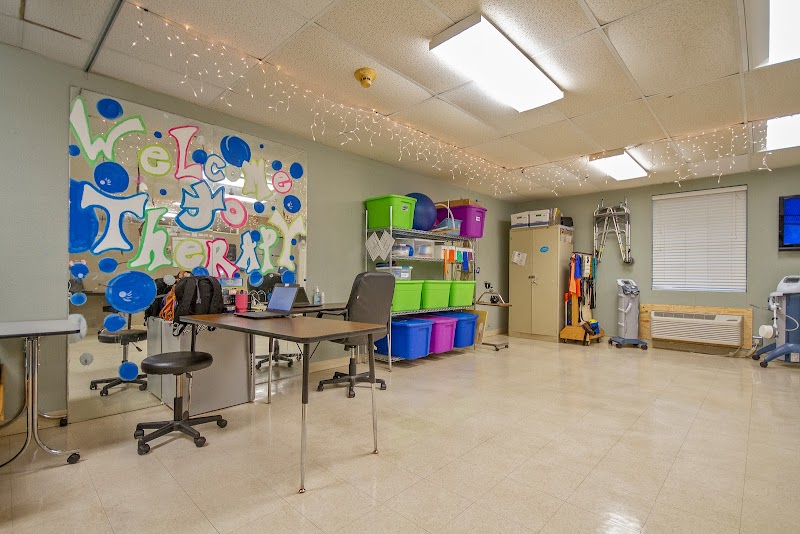
How is The Blossoms At Cumberland Rehab & Nursing Center Staffed?

CMS rates THE BLOSSOMS AT CUMBERLAND REHAB & NURSING CENTER's staffing level at 2 out of 5 stars, which is below average compared to other nursing homes. Staff turnover is 70%, which is 24 percentage points above the Arkansas average of 46%. High turnover can affect care consistency as new staff learn residents' individual needs. RN turnover specifically is 75%, which is notably high. RNs provide skilled clinical oversight, so turnover in this role can affect medical care quality.

What Have Inspectors Found at The Blossoms At Cumberland Rehab & Nursing Center?

State health inspectors documented 37 deficiencies at THE BLOSSOMS AT CUMBERLAND REHAB & NURSING CENTER during 2022 to 2025. These included: 1 that caused actual resident harm and 36 with potential for harm. Deficiencies causing actual harm indicate documented cases where residents experienced negative health consequences.
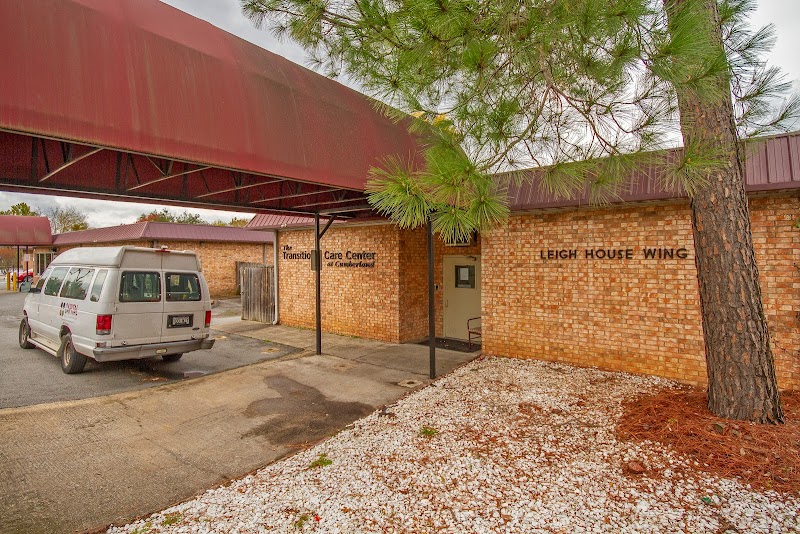
Who Owns and Operates The Blossoms At Cumberland Rehab & Nursing Center?

THE BLOSSOMS AT CUMBERLAND REHAB & NURSING CENTER is owned by a for-profit company. For-profit facilities operate as businesses with obligations to shareholders or private owners. The facility is operated by THE BLOSSOMS NURSING AND REHAB CENTER, a chain that manages multiple nursing homes. With 120 certified beds and approximately 68 residents (about 57% occupancy), it is a mid-sized facility located in LITTLE ROCK, Arkansas.
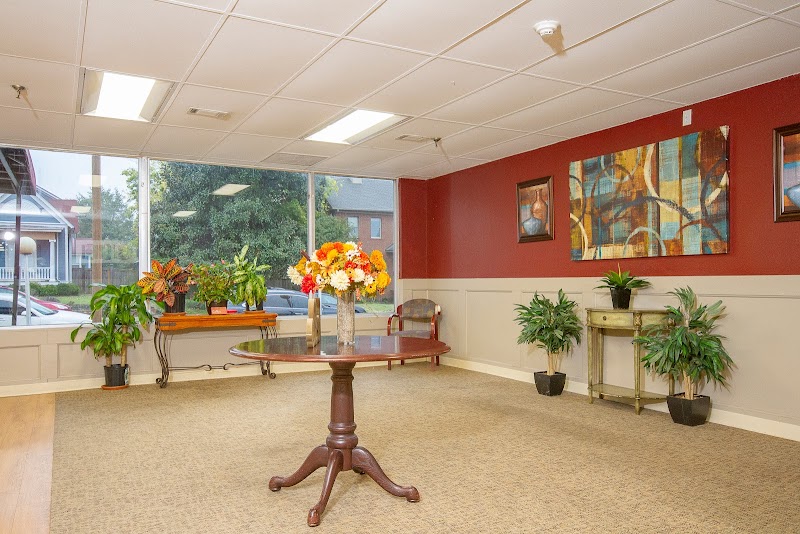
How Does The Blossoms At Cumberland Rehab & Nursing Center Compare to Other Arkansas Nursing Homes?

Compared to the 100 nursing homes in Arkansas, THE BLOSSOMS AT CUMBERLAND REHAB & NURSING CENTER's overall rating (1 stars) is below the state average of 3.1, staff turnover (70%) is significantly higher than the state average of 46%, and health inspection rating (1 stars) is much below the national benchmark.

What Should Families Ask When Visiting The Blossoms At Cumberland Rehab & Nursing Center?

Based on this facility's data, families visiting should ask: "What safeguards and monitoring systems are in place to protect residents from abuse or neglect?" "How do you ensure continuity of care given staff turnover, and what is your staff retention strategy?" "Can you walk me through typical staffing levels on day, evening, and night shifts?" "Can I visit during a mealtime to observe dining assistance and food quality?" These questions are particularly relevant given the substantiated abuse finding on record, the facility's high staff turnover rate, and the below-average staffing rating.

Is The Blossoms At Cumberland Rehab & Nursing Center Safe?

Based on CMS inspection data, THE BLOSSOMS AT CUMBERLAND REHAB & NURSING CENTER has documented safety concerns. The facility has 1 substantiated abuse finding (meaning confirmed case of resident harm by staff or other residents). The facility has a 1-star overall rating and ranks #100 of 100 nursing homes in Arkansas. Families considering this facility should ask detailed questions about what corrective actions have been taken since these incidents.

Do Nurses at The Blossoms At Cumberland Rehab & Nursing Center Stick Around?

Staff turnover at THE BLOSSOMS AT CUMBERLAND REHAB & NURSING CENTER is high. At 70%, the facility is 24 percentage points above the Arkansas average of 46%. Registered Nurse turnover is particularly concerning at 75%. RNs handle complex medical decisions and coordinate care — frequent RN changes can directly impact care quality. High turnover means new staff may not know residents' individual needs, medications, or preferences. It can also be disorienting for residents, especially those with dementia who rely on familiar faces. Families should ask: What is causing the turnover? What retention programs are in place? How do you ensure care continuity during staff transitions?

Was The Blossoms At Cumberland Rehab & Nursing Center Ever Fined?

THE BLOSSOMS AT CUMBERLAND REHAB & NURSING CENTER has been fined $35,420 across 1 penalty action. The Arkansas average is $33,433. While any fine indicates a compliance issue, fines under $50,000 are relatively common and typically reflect isolated problems that were subsequently corrected. Families should ask what specific issues led to these fines and confirm they've been resolved.

Is The Blossoms At Cumberland Rehab & Nursing Center on Any Federal Watch List?

THE BLOSSOMS AT CUMBERLAND REHAB & NURSING CENTER is not on any federal watch list. The most significant is the Special Focus Facility (SFF) program, which identifies the bottom 1% of nursing homes nationally based on persistent, serious quality problems. Not being on this list means the facility has avoided the pattern of deficiencies that triggers enhanced federal oversight. This is a positive indicator, though families should still review the facility's inspection history directly.