THE BLOSSOMS AT MIDTOWN REHAB & NURSING CENTER
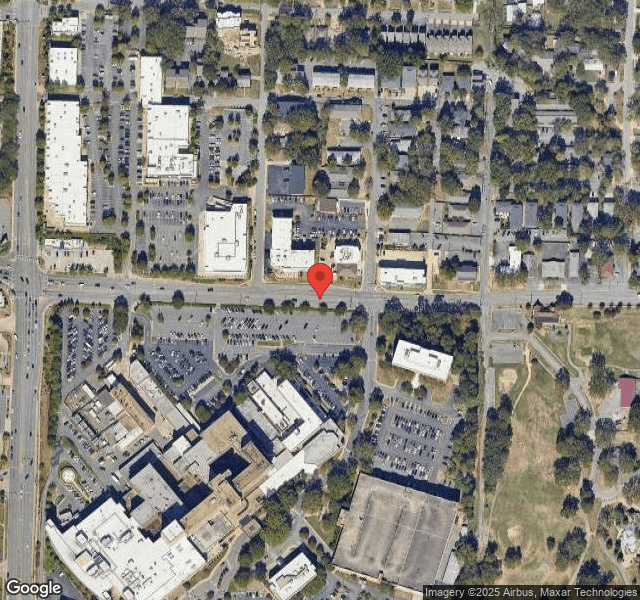

5720 WEST MARKHAM STREET, LITTLE ROCK, AR 72205 (501) 664-6200
For profit - Limited Liability company 154 Beds THE BLOSSOMS NURSING AND REHAB CENTER Data: November 2025
Trust Grade
45/100
#168 of 218 in AR
Last Inspection: May 2024

Within standard 12-15 month inspection cycle. Federal law requires annual inspections.

Overview

The Blossoms at Midtown Rehab & Nursing Center has a Trust Grade of D, indicating below-average quality and some concerns about care. They rank #168 of 218 facilities in Arkansas, placing them in the bottom half, and #15 of 23 in Pulaski County, meaning there are only a few local options that are better. The facility is improving, having reduced issues from 11 in 2024 to just 1 in 2025. Staffing is average with a 3/5 rating, but the turnover rate is concerning at 64%, higher than the state average of 50%. While they have good RN coverage, being better than 89% of Arkansas facilities, there have been incidents where dietary staff failed to wash their hands before handling food, risking foodborne illness, and issues with room maintenance and cleanliness that could affect residents' comfort. Overall, while there are strengths like the RN coverage, the high turnover and past food safety concerns are significant weaknesses to consider.

Trust Score
D
45/100
In Arkansas
#168/218
Bottom 23%
Safety Record
Low Risk
No red flags
Inspections
Getting Better
11 → 1 violations
Staff Stability
⚠ Watch
64% turnover. Above average. Higher turnover means staff may not know residents' routines.
Penalties
✓ Good
No fines on record. Clean compliance history, better than most Arkansas facilities.
Skilled Nurses
○ Average
Each resident gets 35 minutes of Registered Nurse (RN) attention daily — about average for Arkansas. RNs are the most trained staff who monitor for health changes.
Violations
⚠ Watch
29 deficiencies on record. Higher than average. Multiple issues found across inspections.
★★☆☆☆
2.0
Overall Rating
★★★☆☆
3.0
Staff Levels
★★☆☆☆
2.0
Care Quality
★★☆☆☆
2.0
Inspection Score
Stable
2024: 11 issues
2025: 1 issues

The Good

  • Full Sprinkler Coverage · Fire safety systems throughout facility
  • No fines on record

Facility shows strength in fire safety.

The Bad

2-Star Overall Rating

Below Arkansas average (3.1)

Below average - review inspection findings carefully

Staff Turnover: 64%

18pts above Arkansas avg (46%)

Frequent staff changes - ask about care continuity

Chain: THE BLOSSOMS NURSING AND REHAB CENT

Part of a multi-facility chain

Ask about local staffing decisions and management

Staff turnover is elevated (64%)

16 points above Arkansas average of 48%

The Ugly 29 deficiencies on record

Feb 2025 1 deficiency
CONCERN (E) 📢 Someone Reported This

A family member, employee, or ombudsman was alarmed enough to file a formal complaint

Potential for Harm - no one hurt, but risky conditions existed

Quality of Care (Tag F0684)

Could have caused harm · This affected multiple residents

**NOTE- TERMS IN BRACKETS HAVE BEEN EDITED TO PROTECT CONFIDENTIALITY** Based on interviews, record review, and facility policy review, it was determined the facility failed to ensure medications were...

Read full inspector narrative →
**NOTE- TERMS IN BRACKETS HAVE BEEN EDITED TO PROTECT CONFIDENTIALITY** Based on interviews, record review, and facility policy review, it was determined the facility failed to ensure medications were administered as ordered by the physician for 2 (Residents #2 and #4) of 3 residents reviewed for correct medication administration as ordered by the physician. The findings include: A review of a facility policy titled, Policies and Procedures: Subject: Medication Administration, revised on 11/25/2022, indicated that medications were to be administered as ordered, including the required time frame. 1. A review of the admission Record, indicated the facility admitted Resident #2 with diagnoses that included schizophrenia, bipolar disorder, major depressive disorder, and generalized anxiety disorder. The quarterly Minimum Data Set (MDS) with an Assessment Reference Date (ARD) of 01/10/2025, revealed Resident #2 had a Brief Interview for Mental Status (BIMS) score of 12, which indicated the resident had moderate cognitive impairment. Resident #2 was marked as taking antipsychotic and antianxiety medications. A review of Resident #2's Care Plan, initiated on 07/12/2023, revealed the resident was at risk for behavior problems related to schizophrenia and bipolar disorder. Interventions included: administer medications as ordered, monitor and document for side effects and effectiveness and reward the resident for appropriate behavior. A review of the Order Summary Report, revealed Resident #2 had an order for [second generation atypical antipsychotic medication name] 100 milligrams (mg), give 1.5 tablets by mouth two times a day. According to December 2024 Medication Administration Record (MAR), Resident #2 had an order for [second generation atypical antipsychotic medication name] 100 mg give 2 tablets by mouth at bedtime from 12/01/2024 until 12/16/2024. A new order was written for [second generation atypical antipsychotic medication name] 100 mg give 3 tablets by mouth at bedtime to start 12/17/2024. [Antimanic agent medication name] 300 mg, give 2 tablets to equal 600 mg by mouth at bedtime. A review of December 2024, Medication Administration Record, revealed Resident #2 had not received [second generation atypical antipsychotic medication name] 100 mg, 2 tablets at bedtime for the dates of 12/08/2024, 12/09/2024, and 12/10/2024, and was marked hold/see nurses notes, 12/11/2024, 12/12/2024, 12/13/2024, 12/15/2024, and 12/16/2024 were marked other/see nurses notes. On 12/17/2024, Resident #2 refused the medication and on 12/18/2024 the resident was hospitalized . Resident #2 had not received [anti-manic agent medication name] 300 mg (2 tablets to equal 600 mg) on 12/07/2024 and was marked other/see nurses notes and 12/08/2024 was marked hold/see nurses notes. Resident #2 refused [antimanic agent medication name] on 12/17/2024 and was marked hospitalized for 12/18/2024. A review of Progress Notes, revealed Resident #2 had the following notes written: ·12/07/2024: [antimanic medication name] 300 mg Give 2 tablets by mouth at bedtime . Out of medication at this time. This nurse will fax a refill form to the pharmacy. ·12/08/2024: Clozapine 100 mg, Give 2 tablets by mouth at bedtime, pharmacy. ·12/09/2024: Complete Blood Count (CBC) ordered per medical doctor this am to check levels before pharmacy can deliver meds. ·12/09/2024: [second generation atypical antipsychotic medication name]100 mg, Give 2 tablets by mouth at bedtime, waiting on lab results. ·12/10/2024: [second generation atypical antipsychotic medication name]100 mg, Give 2 tablets by mouth at bedtime, pharmacy. ·12/11/2024: [second generation atypical antipsychotic medication name]100 mg, Give 2 tablets by mouth at bedtime, pharmacy. ·12/12/2024: [second generation atypical antipsychotic medication name]100 mg, Give 2 tablets by mouth at bedtime, waiting on pharmacy. ·12/13/2024: [second generation atypical antipsychotic medication name]100 mg, Give 2 tablets by mouth at bedtime, waiting on pharmacy. ·12/15/2024: [second generation atypical antipsychotic medication name] 100 mg. Give 2 tablets by mouth at bedtime, pharmacy. ·12/16/2024: [second generation atypical antipsychotic medication name] 100 mg, Give 2 tablets by mouth at bedtime, pharmacy. ·12/17/2024: Pharmacy called for resident's [second generation atypical antipsychotic medication name] refill. Most recent CBC faxed to pharmacy. Awaiting call back. ·12/17/2024: received resident's [second generation atypical antipsychotic medication name] from pharmacy. ·12/17/2024: resident does not respond to verbal stimuli but has verbal response to physical stimuli. ·12/17/2024: refused all meds and nourishment. ·12/18/2024: resident was very confused and started yelling for help last evening, became combative, so disoriented, order to transfer. A review of the pharmacy manifest revealed Resident #2's [second generation atypical antipsychotic medication name] had been ordered from the facility on 12/10/2024 and was filled on 12/17/2024. A review of the Lab Results Report, revealed that Resident #2 had a CBC collected on 12/13/2024 at 7:30 AM and was reported on 12/14/2024 at 3:04 AM. A review of the hospital records, revealed that Resident #2 was admitted to the hospital on [DATE] and the reason for admission stated, after speaking with a nurse at the [Facility Name] and indicated that Resident #2 had not received [second generation atypical antipsychotic medication name] for several days as their pharmacy would not release it due to the resident not having a current absolute neutrophil count and that Resident #2 had been stable for a long period of time on the combination of [second generation atypical antipsychotic medication name] and [antimanic medication name], but that since Resident #2 had not received the [second generation atypical antipsychotic medication name] in the last week, the resident had grown increasingly psychotic and disorganized. During an observation on 02/10/2025 at 11:38 AM, Resident #2 was lying in bed with the head of bed slightly elevated talking and laughing with the nursing staff. Resident #2 was singing a different version of Happy Birthday. 2. A review of the admission Record, indicated the facility admitted Resident #4 with diagnoses that included discitis, cervical region, lumbago with sciatica, cord compression, acute respiratory failure and surgical aftercare following surgery on the nervous system. The admission Minimum Data Set (MDS) with an Assessment Reference Date (ARD) of 01/06/2025, revealed Resident #4 had a Brief Interview for Mental Status (BIMS) score of 14, which indicated the resident was cognitively intact. Resident #4 was marked as taking an antibiotic medication. A review of Resident #4's care plan, initiated on 01/14/2025 revealed the resident was on antibiotic therapy via peripherally inserted central catheter (PICC) to right upper extremity. Intervention included: administer antibiotic medications as ordered by physician and monitor/document side effects and effectiveness. A review of the Order Summary Report, revealed Resident #4 had an order for [glycopeptide antibiotic medication name] intravenous solution 1000 mg/200 milliliter (ml) intravenously twice a day. A review of Medication Administration Record, for February 2025 revealed Resident #4 had not received [glycopeptide antibiotic medication name] on 02/04/2025, 02/05/2025, 02/06/2025 and 02/10/2025. A review of Progress Notes, revealed Resident #4 had the following notes written: ·02/04/2025 [glycopeptide antibiotic medication name] intravenous solution 1750 mg/350 ml, unavailable. Called pharmacy to stat over. ·02/04/2025 resident did not receive afternoon antibiotic (ABT) due to being unavailable. Pharmacy notified and asked to stat over, pharmacy spoke with physician assistant and orders are to be sent over to lower the dose of antibiotic. ·02/04/2025 waiting on delivery from pharmacy ·02/05/2025 [glycopeptide antibiotic medication name] Intravenous Solution 1000mg/200ml no note written. ·02/06/2025 [glycopeptide antibiotic medication name] Intravenous Solution 1000mg/200ml, has to have a new PICC line tomorrow. ·02/10/2025 [glycopeptide antibiotic medication name] Intravenous Solution 1000mg/200ml, drug not available. During an interview on 02/10/2025 at 11:58 AM, Resident #4 stated, I was supposed to get my antibiotic at eight (8) this morning and I still haven't had it. Resident #4 confirmed that no one had spoken to him about why the medication had not been given. During an interview on 02/11/2025 at 11:50 AM, Licensed Practical Nurse (LPN) #1 confirmed that no intravenous (IV) antibiotic had been administered on 02/10/2025 due to not being able to locate the antibiotic and that the medication was searched for by LPN #1 and another LPN. During an interview on 02/11/2025 at 11:55 AM, LPN #2 confirmed that the medication had been searched for with LPN #1 and the antibiotic was unable to be located. During an interview on 02/11/2025 at 12:00 PM, the Administrator asked this surveyor to speak with the Regional Nurse Consultant, who was asked to review the documentation and confirmed per the MAR documentation and the progress notes that Resident #2 had not received [second generation atypical antipsychotic medication name] on 12/08/2024, 12/09/2024, 12/10/2024, 12/11/2024, 12/12/2024, 12/13/2024, 12/15/2024 and 12/16/2024 due to the medication not being available. The Regional Nurse Consultant agreed that [second generation atypical antipsychotic medication name] had been ordered on 12/10/2024 but was not delivered to the facility until 12/17/2024. During an interview on 02/11/2025 at 12:10 PM, the Regional Nurse Consultant explained that the antibiotic was not given to Resident #4 on 02/04/2025 due to the medication had been reduced and the facility was waiting for the medication to be delivered and on 02/05/2025 and 02/06/2025, Resident #4's PICC had malfunctioned, and a third-party vendor had to come in and re-insert a new PICC. He confirmed per the progress note and the MAR for 02/10/2025 that the antibiotic had not been administered due to the medication was unavailable. When asked what the importance of medications being administered as ordered, he stated, not getting their medications can lead to exacerbation of chronic medical conditions and we will have some things to look at concerning these issues.
Oct 2024 2 deficiencies
CONCERN (E) 📢 Someone Reported This

A family member, employee, or ombudsman was alarmed enough to file a formal complaint

Potential for Harm - no one hurt, but risky conditions existed

Deficiency F0602 (Tag F0602)

Could have caused harm · This affected multiple residents

Based on observations, interviews, record review, facility document review, and facility policy review, it was determined the facility failed to ensure residents were free from misappropriation of pro...

Read full inspector narrative →
Based on observations, interviews, record review, facility document review, and facility policy review, it was determined the facility failed to ensure residents were free from misappropriation of property for 4 (Resident #3, #4, #5, #7) of 15 residents reviewed for misappropriation of property. Findings include: A review of a facility policy titled, Abuse, Neglect, and Exploitation revised on 01/01/2024, indicated, Policy Statement: We are committed to the safety and well-being of all our residents. We believe that the resident has the right to be free from .misappropriation of property .The facility considers all the above to be abuse and uses the general term abuse to specify all .Investigation: 3. In the event of misappropriation, a thorough search of the building is conducted to determine possible misallocation of missing items. A Missing Item Form is completed, and missing items are analyzed for patterns, location and care givers . A review of a facility policy titled, Controlled Substances, revised on 01/31/2023, indicated, .Schedule II, III, IV, and V medications remaining in the facility after the resident has been discharged or the order discontinued, the charge nurse should surrender the narcotics to the DON/ADON [Director of Nursing/Assistant Director of Nursing]. Both the charge nurse and the DON/ADON should sign in the appropriate location in the narcotic book. The medications should be logged on the Arkansas Department of Health Report of Drugs Surrendered from and signed by both nurses. When possible, narcotic surrender should be completed when the pharmacy consultant is present to double check the medications. When narcotics are surrendered to the DON/ADON, they should be taken to or mailed to the ADH Pharmacy Services division immediately. These logs should be stored in a binder and reconciled when the completed form is returned from pharmacy services. A review of the Arkansas Department of Health Report of Loss of Controlled Substances form, indicated the facility, identified on 9/24/24 discontinued narcotics were not surrendered to Pharmacy Services and are unaccounted for .List of controlled substance lost. See attached . This form was signed by the Chief Nursing Officer [CNO] on 9/26/24. A review of the Arkansas Department of Health Report of Loss of Controlled Substances form identified 15 residents affected and 693 drugs that were discontinued and unaccounted for. Further review revealed the faxed form failed to be transmitted to the Pharmacy Division of ADH. During an interview on 10/21/2024 at 11:45 a.m , the CNO confirmed 693 drugs had been discontinued and had not been surrendered to the state. CNO confirmed the 693 missing narcotics had been reported to the Pharmacy Division of the Arkansas Department of Health [ADH] on 9/26/24. Upon review of listed missing narcotics, it was determined the fax failed to send to the Pharmacy Division of ADH. CNO verbalized the list would be faxed again today to ADH. The CNO provided successful fax confirmation on 10/21/24 at 1:32 p.m A review of the admission Record indicated the facility admitted Resident #3 with diagnoses that included Huntington's disease, protein calorie malnutrition, and adult failure to thrive. The significant change Minimum Data Set (MDS), with an Assessment Reference Date (ARD) of 10/16/2024, revealed Resident #3 had a Brief Interview for Mental Status (BIMS) score of 99, which indicated the resident was unable to finish the assessment. A review of Resident #3's Care Plan initiated on 04/23/2024, revealed the resident was at risk for pain and has PRN [as needed] order for opioids. Interventions included give medications as ordered, observe and documented the frequency and intensity of the pain symptoms, and observed/documented for side effects of pain medication. A review of physician orders revealed Resident #3 had morphine sulfate oral solution 20 mg/5 ml [20 milligrams/5 milliliters] give 0.5 ml via G-tube [gastrostomy tube-flexible plastic tube used for delivering nutrition and medication into the stomach from outside the abdominal wall] every 4 hours as needed for pain. A review of record of loss of controlled substances revealed Resident #3 had oxycodone 5 mg [milligram] quantity 26 missing. A review of the admission Record indicated the facility admitted Resident #5 with diagnoses that included type II diabetes mellitus with diabetic peripheral angiopathy [narrowing of the arteries restricting blood flow] with gangrene, bilateral above the knee amputation, and essential (primary) hypertension [high blood pressure] The quarterly Minimum Data Set (MDS), with an Assessment Reference Date (ARD) of 09/30/2024, revealed Resident #5 had a Brief Interview for Mental Status (BIMS) score of 14 which indicated the resident cognitively intact. A review of Resident #5's Care Plan, initiated on 11/30/2020, revealed the resident has chronic pain due to osteoarthritis and has and order for opioids for pain. Interventions included give medications as ordered, observed and document the frequency and intensity of the pain symptoms, and observe/ document the effectiveness or ineffectiveness of medications. A review of physician orders and medication administration record [MAR] revealed Resident #5 had Norco oral tablet 5-325 mg (hydrocodone-acetaminophen) 1 tablet by mouth every 6 hours as needed for pain. A review of Arkansas Department of Health Report of Loss of Controlled Substances form revealed Resident #5 had Hcd/APAP [hydrocodone/acetaminophen] 5/325 mg quantity 1 missing. A review of the narcotic book page 19 indicated Resident #5 had 32 tablets remaining of hydrocodone/acetaminophen 5/325 mg. The medication balance was transferred to page 29 of the narcotic book with a starting balance of 31 tablets indicating one tablet was unaccounted for. During an interview on 10/21/2024 at 1:20 p.m., Resident #5 confirmed taking opioid pain medication and denied any issues or concerns receiving the medication. A review of the admission record indicated the facility admitted Resident #4 with diagnoses that included acute and chronic respiratory failure, chronic lymphocytic leukemia of B-cell type not having achieved remission, chronic obstructive pulmonary disease with (acute) exacerbation, and osteoarthritis of hip and knee. The quarterly Minimum Data Set (MDS), with an Assessment Reference Date (ARD) of 07/30/2024, revealed Resident #4 had a Brief Interview for Mental Status (BIMS) score of 12 which indicated the resident was cognitively intact. A review of Resident #4's Care Plan initiated on 02/22/2023, revealed the resident was at risk for pain and had an order for opioids for pain. Interventions included give medications as ordered, observe/document for side effects, and monitor for effectiveness and adverse reactions. A review of physician orders and MAR revealed Resident #4 had Norco oral tablet 5-325 mg give 1 tablet by mouth every 4 hours as needed for pain/wound care starting on 9/3/24. A review of the record of loss of controlled substance revealed Resident #4 had Hcd/APAP [hydrocodone/acetaminophen] 5/325 mg quantity 42 missing. During an interview on 10/21/2024 at 1:02 p.m , Resident #4 confirmed taking opioid pain medication and denied any issues or concerns receiving the medication. A review of the admission record indicated the facility admitted Resident #7 with diagnoses that included acute and chronic respiratory failure, end stage renal disease, tracheostomy status [an opening in neck used for breathing], and dementia in other diseases. The quarterly Minimum Data Set (MDS), with an Assessment Reference Date (ARD) of 09/26/2024, revealed Resident #7 had a Brief Interview for Mental Status (BIMS) score of 8 which indicated the resident had moderate cognitive impairment. A review of Resident #7's Care Plan initiated on 01/04/2024, revealed the resident had anti-anxiety medications, at risk for a mood problem related to anxiety and risk for pain related to diagnosis. Interventions included administering medications as ordered, observe and documented the intensity and frequency of symptoms and monitor for safety. A review of physician orders revealed Resident #7 had clonazepam oral tablet 1 mg give 1 tablet by mouth one time a day for anxiety and tramadol oral tablet 50 mg give 1 tablet by mouth every 6 hours as needed for pain moderate 4-6. A review of the record of loss of controlled substance revealed Resident #7 had clonazepam 1 mg quantity 14 missing and tramadol 50 mg quantity 4 missing. A review of the narcotic book page 37 indicated Resident #7 had 14 tablets remaining of clonazepam 1 mg. Page 37 indicated the medication had been discontinued and had been surrendered with a count of 14 tablets. A review of narcotic book page 46 indicated Resident #7 had 4 tablets remaining of tramadol 50 mg. During an interview on 10/21/2024 at 1:15 p.m., Resident #4 confirmed taking pain medication and denied any issues or concerns receiving the medication.
CONCERN (E) 📢 Someone Reported This

A family member, employee, or ombudsman was alarmed enough to file a formal complaint

Potential for Harm - no one hurt, but risky conditions existed

Report Alleged Abuse (Tag F0609)

Could have caused harm · This affected multiple residents

Based on observations, interviews, record review, facility document review, and facility policy review, it was determined the facility failed to ensure allegations of misappropriation of property were...

Read full inspector narrative →
Based on observations, interviews, record review, facility document review, and facility policy review, it was determined the facility failed to ensure allegations of misappropriation of property were reported to the State Agency for 15 Resident, with 3 residents remaining on medications, (Resident #4, Resident #5, Resident #7) of 15 residents reviewed for abuse. Specifically, the facility failed to ensure alleged misappropriations of Resident #4, #5, #7 medications were reported. Findings include: A review of a facility policy titled, Abuse, Neglect, and Exploitation revised on 01/01/2024, indicated, Policy Statement: We are committed to the safety and well-being of all our residents. We believe that the resident has the right to be free from .misappropriation of property .The facility considers all the above to be abuse and uses the general term abuse to specify all .Reporting .3. The facility will report all alleged violations involving mistreatment, neglect, or abuse to the Office of Long-Term Care, Family, Police, and MD [medical doctor]. Suspicion or allegation of abuse shall be reported immediately, not later than 2 hours after forming the suspicion, if the events that cause the suspicion result in serious bodily injury, or not later than 24 hours if the events that cause the suspicion do not result in serious bodily injury . A review of a facility policy titled, Controlled Substances, revised on 01/31/2023, indicated, .Schedule II, III, IV, and V medications remaining in the facility after the resident has been discharged or the order discontinued, the charge nurse should surrender the narcotics to the DON/ADON [Director of Nursing/Assistant Director of Nursing]. Both the charge nurse and the DON/ADON should sign in the appropriate location in the narcotic book. The medications should be logged on the Arkansas Department of Health Report of Drugs Surrendered from and signed by both nurses. When possible, narcotic surrender should be completed when the pharmacy consultant is present to double check the medications. When narcotics are surrendered to DON/ADON, they should be taken to or mailed to the ADH Pharmacy Services division immediately. These logs should be stored in a binder and reconciled when the completed form is returned from pharmacy services. A review of the Arkansas Department of Health Report of Loss of Controlled Substances form indicated the facility, identified on 9/24/24 discontinued narcotics were not surrendered to Pharmacy Services and are unaccounted for .List of controlled substance lost. See attached . This form was signed by the Chief Nursing Officer [CNO] on 9/26/24. A review of the document attached to the Arkansas Department of Health Report of Loss of Controlled Substances form identified 15 residents affected and 693 drugs that were discontinued and unaccounted for. Further review revealed the faxed form failed to be transmitted to the Pharmacy Division of ADH. During an interview on 10/21/2024 at 11:4 a.m., the CNO confirmed that 693 drugs had been discontinued and had not been surrendered to the state. CNO confirmed the 693 missing narcotics had been reported to the Pharmacy Division of the Arkansas Department of Health [ADH] on 9/26/24. Upon review of listed missing narcotics, it was determined the fax failed to send to the Pharmacy Division of ADH. CNO verbalized the list would be faxed again today to ADH. The CNO provided successful fax confirmation on 10/21/24 at 1:32 p.m. During an interview with the CNO on 10/22/24 at 2:58 p.m., the CNO verbalized not reporting to the office of long-term care due to the medications had been discontinued and there were no negative outcomes for the residents. A review of the loss of controlled substance record submitted to ADH indicated Resident #4, R#5, R#7 still had current orders for the missing medications. A review of the admission record indicated the facility admitted Resident #4 with diagnoses that included acute and chronic respiratory failure, chronic lymphocytic leukemia of B-cell type not having achieved remission, chronic obstructive pulmonary disease with (acute) exacerbation, and osteoarthritis of hip and knee. The quarterly Minimum Data Set (MDS), with an Assessment Reference Date (ARD) of 07/30/2024, revealed Resident #4 had a Brief Interview for Mental Status (BIMS) score of 12 which indicated the resident was cognitively intact. A review of Resident #4's Care Plan initiated on 02/22/2023, revealed the resident was at risk for pain and had an order for opioids for pain. Interventions included give medications as ordered, observe/document for side effects, and monitor for effectiveness and adverse reactions. A review of physician orders and MAR revealed Resident #4 had Norco oral tablet 5-325 mg [milligram]give 1 tablet by mouth every 4 hours as needed for pain/wound care starting on 9/3/24. A review of the record of loss of controlled substance revealed Resident #4 had HCD/APAP [hydrocodone/acetaminophen] 5/325 mg quantity 42 missing. During an interview on 10/21/2024 at 1:02 p.m., Resident #4 confirmed taking opioid pain medication and denied any issues or concerns receiving the medication. A review of the admission Record indicated the facility admitted Resident #5 with diagnoses that included type II diabetes mellitus with diabetic peripheral angiopathy with gangrene, bilateral above the knee amputation, and essential (primary) hypertension. The quarterly Minimum Data Set (MDS), with an Assessment Reference Date (ARD) of 09/30/2024, revealed Resident #5 had a Brief Interview for Mental Status (BIMS) score of 14 which indicated the resident cognitively intact. A review of Resident #5's Care Plan initiated on 11/30/2020, revealed the resident has chronic pain due to osteoarthritis and has and order for opioids for pain. Interventions included give medications as ordered, observed and document the frequency and intensity of the pain symptoms, and observe/document the effectiveness or ineffectiveness of medications. A review of physician orders and medication administration record [MAR]revealed Resident #5 had Norco oral tablet 5-325 mg (hydrocodone-acetaminophen) 1 tablet by mouth every 6 hours as needed for pain. A review of the record of loss of controlled substance revealed Resident #5 had HCD/APAP [hydrocodone/acetaminophen] 5/235 mg quantity 1 missing. A review of the narcotic book page 19 indicated Resident #5 had 32 tablets remaining of hydrocodone/acetaminophen 5/325 mg. The medication balance was transferred to page 29 of the narcotic book with a starting balance of 31 tablets indicating one tablet was unaccounted for. During an interview on 10/21/2024 at 1:20 p.m., Resident #5 confirmed taking opioid pain medication and denied any issues or concerns receiving the medication. A review of the admission record indicated the facility admitted Resident #7 with diagnoses that included acute and chronic respiratory failure, end stage renal disease, tracheostomy status [an opening in neck used for breathing], and dementia in other diseases. The quarterly Minimum Data Set (MDS), with an Assessment Reference Date (ARD) of 09/26/2024, revealed Resident #7 had a Brief Interview for Mental Status (BIMS) score of 8 which indicated the resident had moderate cognitive impairment. A review of Resident #7's care plan initiated on 01/04/2024, revealed the resident had anti-anxiety medications, at risk for a mood problem related to anxiety and risk for pain related to diagnosis. Interventions included administering medications as ordered, observe and documented the intensity and frequency of symptoms and monitor for safety.
May 2024 9 deficiencies
CONCERN (D)

Potential for Harm - no one hurt, but risky conditions existed

Assessment Accuracy (Tag F0641)

Could have caused harm · This affected 1 resident

**NOTE- TERMS IN BRACKETS HAVE BEEN EDITED TO PROTECT CONFIDENTIALITY** Based on record review and interview, the facility failed to complete a discharge Minimum Data Set (MDS) assessment to accuratel...

Read full inspector narrative →
**NOTE- TERMS IN BRACKETS HAVE BEEN EDITED TO PROTECT CONFIDENTIALITY** Based on record review and interview, the facility failed to complete a discharge Minimum Data Set (MDS) assessment to accurately reflect the residents discharge status for 1 (Resident #95) sampled residents. This failed practice had the potential to affect 76 residents that were discharged in the last 90 days. The findings are: 1. Resident #95 had a diagnosis of fracture shaft of right tibia, arthritis, and seizure disorder. The admission MDS with an Assessment Reference Date (ARD) of 02/09/2024 documented that the resident scored 15 (13-15 indicates cognitively intact) on a Brief Interview for Mental Status (BIMS). a. On 05/08/2024 at 11:20 AM, the Surveyor reviewed Resident #95's Discharge Return Not Anticipated MDS with an ARD of 02/23/2024 that documented, . A2105 Discharge Status .04 .Short Term General Hospital (acute Hospital .) . b. A Physician's Order dated 02/23/2024 documented, .Discharge home with home health services Prescriber . c. On 05/08/2024 12:35 PM, the Surveyor asked the MDS Coordinator when did Resident #95 discharge. The MDS Coordinator looked in the electronic record and stated, the resident discharged on February 23 rd, 2023. The Surveyor asked where did Resident #95 discharge to when the resident left the faciity on n 02/23/2024. The MDS Coordinator looked in the electronic and stated, It documents that the resident discharged home. The Surveyor asked, Where does the Discharge Return Not Anticipated Minimum Data Set, dated [DATE] document that the resident discharged ? The MDS Coordinator looked in the electronic record and stated, To a short term acute hospital. The Surveyor asked if the MDS was accurate? The MDS Coordinator stated, Not according to the note. The Surveyor asked, why is it important that information on the MDS is accurate? The MDS Coordinator stated, The information is transmitted to the state. They need to know where the residents go, and it shows a safe discharge. d. On 05/8/2024 at 2:59 PM, the Administrator stated, We do not have a policy on Minimum Data Set Assessments we just follow the RAI (Resident Assessment Instrument) manual.
CONCERN (D)

Potential for Harm - no one hurt, but risky conditions existed

Deficiency F0657 (Tag F0657)

Could have caused harm · This affected 1 resident

Based on observation, interview, and record review the facility failed to review and revise the care plan to include oxygen therapy was in use to ensure appropriate coordination of care for 1 (Residen...

Read full inspector narrative →
Based on observation, interview, and record review the facility failed to review and revise the care plan to include oxygen therapy was in use to ensure appropriate coordination of care for 1 (Resident #71) sampled resident that had physician's orders for oxygen therapy. This failed practice had the potential to affect 55 residents that had physician's orders for oxygen therapy. The findings are: 1. Resident #71 had diagnoses of stroke, end stage renal disease and coronary artery disease. The admission Minimum Data Set (MDS) with an Assessment Reference Date of 03/12/2024 documented that the resident scored 00 (0-7 indicates severe cognitive impairment) on a Brief Interview for Mental Status (BIMS). a. A Physicians Order dated 05/01/2024 documented, .Oxygen at (3) L/Min (liters/minute) per Nasal Cannula as needed for Shortness of Breath maintain O2 sats [Saturations] above ( ) . b. On 05/05/2024 at 12:01 PM, Resident #71 was lying in bed with oxygen in use at 2.5 liters via nasal cannula. c. On 05/06/2024 at 08:41 AM, Resident #71 was lying in bed with eyes closed. Oxygen was in use at 2.5 liters per nasal cannula. d. On 05/08/2024 at 08:34 AM, Resident #71 was lying in bed. Oxygen was in use at 1.5 to 2 liters via nasal cannula. e. On 05/08/24 at 10:43 AM, the Surveyor reviewed the residents care plan with an initiation date of 03/13/2024 and it did not address that the resident was receiving oxygen therapy. f. On 05/08/2024 12:30 PM, the surveyor asked the MDS Coordinator, does (Resident #71) use oxygen therapy? The MDS Coordinator looked in the electronic record and stated, [Resident #71] does have an order for oxygen at three liters. The Surveyor asked, Does (Resident #71's) care plan address the use of oxygen? The MDS Coordinator stated, Let me see. After looking in the electronic record she stated, I do not see it on the care plan. The Surveyor asked, Should the care plan address the oxygen use by the resident? The MDS Coordinator stated, It should be if [Resident #71] is on it continuously. The nurses should let us know if the resident is using it continuously so we can update the care plan. The Surveyor asked, Why is it important that the care plan address the use of oxygen? The MDS Coordinator stated, So the nurses know what care the resident needs. There may be a new nurse who is unfamiliar with the resident. Nurses need to be able to look at the care plan and see exactly what care the resident needs. i. On 05/08/2024 at 2:59 PM, the Administrator stated, We do not have a policy on care plans we just follow the RAI (Resident Assessment Instrument) manual.
CONCERN (D) 📢 Someone Reported This

A family member, employee, or ombudsman was alarmed enough to file a formal complaint

Potential for Harm - no one hurt, but risky conditions existed

Pressure Ulcer Prevention (Tag F0686)

Could have caused harm · This affected 1 resident

Based on record review and interview, the facility failed to ensure 1 (Resident #199) received wound care as ordered by the physician to prevent wound infection and healing. This failed practice had t...

Read full inspector narrative →
Based on record review and interview, the facility failed to ensure 1 (Resident #199) received wound care as ordered by the physician to prevent wound infection and healing. This failed practice had the potential to affect 8 residents with pressure ulcer orders. The findings are: 1. Resident #199 had diagnoses of right lower amputated stump infection, type II diabetes mellitus, and acute kidney failure. The admission Minimum Data Set (MDS) with an Assessment Reference Date (ARD) of 01/15/2024 indicated a Brief Interview for Mental Status score of 12 (8-12 suggest moderate cognitive impairment). a. A Care Plan documented, .I have a pressure ulcer. Coccyx, Left heel .Date Initiated 01/11/2024 .Administer treatments as ordered and monitor for effectiveness . b. A Physicians Order dated 03/01/2024 documented, Apply [Povidone-iodine] to left heel and around left foot two times a day for wound care. c. On 05/08/2024 at 02:00 PM, the Surveyor observed the March Treatment Administration Record (TAR) and noted that there was no documentation that Resident #199 received the second application of Povidone-iodine to the left heel and around the left foot at 08:00 PM on March 15; March 17; March 19; and March 27th, 2024.
CONCERN (D)

Potential for Harm - no one hurt, but risky conditions existed

Accident Prevention (Tag F0689)

Could have caused harm · This affected 1 resident

**NOTE- TERMS IN BRACKETS HAVE BEEN EDITED TO PROTECT CONFIDENTIALITY** Based on observation and interview, the facility failed to ensure potentially hazardous items were stored in a secured manner fo...

Read full inspector narrative →
**NOTE- TERMS IN BRACKETS HAVE BEEN EDITED TO PROTECT CONFIDENTIALITY** Based on observation and interview, the facility failed to ensure potentially hazardous items were stored in a secured manner for 1 (Resident #38) of 1 sampled resident. The findings are: A review of Policy titled Accidents and Hazards Policy effective date 08/2021 stated, .The facility strives to ensure the resident environment remains as free of accident hazards as is possible and each resident receives adequate supervision and assistance devices to prevent accidents . A review of Resident #38's Care Plan shows the resident was admitted on [DATE] with diagnosis that included Unspecified Atrial Fibrillation (irregular and often very rapid heart rhythm), Type 2 Diabetes Mellitus without complications, Essential (Primary) Hypertension (high blood pressure). The Quarterly Minimum Data Set (MDS) with an Assessment Reference Date (ARD) of 04/16/2024 showed a Brief Interview for Mental Status (BIMS) of 12 (8 to 12 suggests moderate cognitive impairment). A review of Resident #38's Care Plan dated 05/01/2024 revealed the resident had a diagnosis of Dementia with Behavioral Disturbance. Interventions included staff will identify the immediate causes, and what triggers the risk factors related to Resident #38's Dementia disturbance. During an observation on 05/05/2024 at 11:16 AM, the Surveyor observed an 8.3 ounce aerosol can of citrus scent air freshener sitting on the nightstand in Resident #38's area of the room. Resident #38 indicated that staff on the night shift had bought it for him. During a concurrent observation and interview on 05/07/2024 at 11:36 AM, the Surveyor went into Resident #38's room and observed an 8.3 ounce aerosol can of citrus scent air freshener sitting on the night stand beside the residents bed. During an interview on 05/07/2024 at 11:54 AM, with the Social Service Director [SSD], regarding if she had knowledge of residents having aerosol air freshener in their rooms the SSD indicated that sometimes family members will bring items like that, that are not allowed, and that she did not know that a resident had any aerosol air freshener in their room. The Surveyor asked if it was okay for staff to bring aerosol air freshener to a resident. The SSD indicated that it was not okay, that residents are not supposed to have aerosol cans in their room. During an interview on 05/08/2024 at 12:28 PM, the Surveyor interviewed the Director of Nursing (DON) and showed him a picture of the aerosol air freshener sitting on the nightstand in Resident #38's room. The Surveyor asked if a resident was allowed to have an aerosol can in their room. The DON indicated that if they are care-planned they can have it. The Surveyor asked if it is safe sitting there on the nightstand? The DON stated, No, but if we try and take it away, he (resident) throws a fit.
CONCERN (E)

Potential for Harm - no one hurt, but risky conditions existed

Respiratory Care (Tag F0695)

Could have caused harm · This affected multiple residents

Based on observation, record review and interview, the facility failed to ensure oxygen was administered at the flow rate ordered by the physician to prevent respiratory complications for 2 (Residents...

Read full inspector narrative →
Based on observation, record review and interview, the facility failed to ensure oxygen was administered at the flow rate ordered by the physician to prevent respiratory complications for 2 (Residents #71 and #248) sampled residents. This failed practice had the potential to affect 57 residents that had physician orders for oxygen therapy. The findings are: 1. Resident #71 had diagnoses of stroke, end stage renal disease and coronary artery disease. The admission Minimum Data Set (MDS) with an Assessment Reference Date (ARD) of 3/12/2024 documented the resident scored 00 (0-7 indicates severe cognitive impairment) on a Brief Interview for Mental Status (BIMS). a. A Physicians Order dated 05/01/2024 documented, .Oxygen at (3) L/Min (Liters per minute) per Nasal Cannula as needed for Shortness of Breath maintain O2 [oxygen] sats [Saturations] above ( ) . b. On 05/05/2024 at 12:01 PM, Resident #71 was lying in bed with oxygen in use at 2.5 liters via nasal cannula. c. On 05/06/2024 at 08:41 AM, Resident #71 was lying in bed with eyes closed. Oxygen was in use at 2.5 liters per nasal cannula. d. On 05/08/2024 at 08:34 AM, Resident #71 was lying in bed. Oxygen was in use at 1.5-2 liters via nasal cannula. e. On 05/08/2024 at 08:38 AM, the Surveyor spoke with Licensed Practical Nurse (LPN) #2 regarding Resident #71's oxygen settings. LPN #2 accompanied the Surveyor to Resident #71's room and LPN #2 said the oxygen was on 2 liters. The Surveyor asked LPN #2, who checks the oxygen setting? LPN #2 stated, Nurses round and check oxygen setting. f. On 05/08/2024 at 08:42 AM, the Surveyor spoke with LPN #3, and asked, what do the residents orders state that the oxygen should be set at. LPN #3 looked in Resident #71's electronic record and stated, There are oxygen orders that state oxygen at 3 liters prn, and here is an order for oxygen at two liters. 2. Resident #248 had diagnoses of Cerebral Infarction, Anoxic brain injury, and Type II diabetes mellitus. The admission Minimum Data Set (MDS) with an Assessment Reference Date (ARD) of 01/19/2024 documented a Brief Interview for Mental Status Score of 00 (0-7 suggest severe cognitive impairment). a. A Care Plan (dated 01/30/2024) documented, I require oxygen therapy at times. I manipulate O2 settings at times . For residents who should be ambulatory, provide extension tubing or portable oxygen apparatus . b. A Physician Orders (dated, 03/13/2023) documented, .O2 at 8 liters per minute via Tracheostomy every shift . c. On 05/05/2024 at 09:30 AM, the Surveyor observed Resident #248 on 5 liters of oxygen via nasal cannula to the tracheostomy, a Yankauer (a suction device) with undated tubing was resting in the right bedside table drawer not in a bag. d. On 05/05/2024 at 02:00 PM, Resident #248 moved to another room. The Surveyor observed Resident #248's oxygen concentrator was set on 5 liters. e. On 05/06/2024 at 09:54 AM, the Surveyor observed Resident #248 resting quietly on 10 liters of oxygen. f. On 05/07/2024 at 08:25 AM, the Surveyor observed Resident #248's oxygen concentrator was set on 10 liters. g. On 05/07/2024 at 11:16 AM, LPN #6 was asked to verify Resident #248's oxygen order. LPN #6 showed the Surveyor in the computer that Resident 248's oxygen order was for 8 liters of oxygen. LPN #6 accompanied the Surveyor to Resident 248's room and told the Surveyor that Resident #248 was on 10 liters of oxygen, and it should be on 8 liters. h. On 05/07/2024 at 12:25 PM, during an interview with the DON the Surveyor asked, what staff members are responsible for checking oxygen settings, and why? The DON confirmed that the DON and Management Team round daily to make sure oxygen is on the appropriate level. Too much oxygen or too little would be a concern because staff should follow the doctor's order. i. On 05/07/2024 at 02:50 PM, the DON provided a policy titled Oxygen Administration-Resident documenting, .The purpose of this procedure is to provide guidelines for safe oxygen administration . The DON also provided an In-service Education Report (dated, 04/18/2024) documenting, .Daily O2 Management. Attention department heads, please round daily to ensure routine and PRN O2 orders are set as prescribed, Thanks .
CONCERN (E) 📢 Someone Reported This

A family member, employee, or ombudsman was alarmed enough to file a formal complaint

Potential for Harm - no one hurt, but risky conditions existed

Menu Adequacy (Tag F0803)

Could have caused harm · This affected multiple residents

Based on observation, record review, and interview, the facility failed to ensure meals were prepared and served according to the planned written menu to meet the nutritional needs of the residents fo...

Read full inspector narrative →
Based on observation, record review, and interview, the facility failed to ensure meals were prepared and served according to the planned written menu to meet the nutritional needs of the residents for 2 of 2 meals observed. This failed practice had the potential to affect 74 residents who received regular diets and 13 residents who received mechanical soft diets from 1 of 1 kitchen. The findings are: 1. The menu for the lunch meal documented that the residents who received regular diets were to receive 4 ounces of oven fried chicken and the residents who received mechanical soft diets were to receive 4 ounces of ground oven fried chicken. b. On 05/05/2024 at 12:52 PM, the following observations were made during the noon meal service on the 200 Hall. The Dietary Supervisor served 12 residents one fried chicken leg each. c. On 05/05/2024 at 01:37 PM, the following observations were made during the noon meal service on the 400 Hall. The Dietary Supervisor served one fried chicken leg to 7 residents who were on regular diets on the 400 Hall kitchenette. d. On 05/05/2024 at 02:06 PM, the Surveyor asked Dietary Employee (DE) #2 to weigh one fried chicken leg and one fried chicken thigh. He did and stated, One fried chicken leg weighed two ounces and one fried chicken thigh weighed two point three ounces. At 02:08 PM, the Dietary Supervisor and DE #2 stated, We should have given two each, instead of one chicken. The Surveyor asked DE #2 how many servings of chicken did you ground for the residents who required mechanical soft diets on the 400 Hall. DE #2 stated, I did seven thighs. A total of 11 servings were prepared for all residents on mechanical soft diets, instead of total of 13 servings per the number of residents documented on the universe provided by the Dietary Supervisor on 05/06/2024 at 12:24 PM. 2. The menu for breakfast documented that all residents who received regular diets, mechanical soft diets were to receive 6 ounces of oatmeal, scrambled eggs, and cheese. a. On 05/06/2024 at 07:50 AM, the 200 Hall DE #3 used a 4 ounce ladle spoon, (1/2 cup), to serve a single portion of oatmeal to the residents who received their meal from the kitchenette on the 200 Hall, instead of a 6 ounce (3/4 cup). At 08:15 AM, the Surveyor asked DE #3 what size spoon she used to serve oatmeal and how many servings she gave to each resident. DE #3 stated, I used a 4 ounce spoon, and I gave one serving to each resident. The Surveyor asked did you look for the portion size on the written menu before serving the breakfast meal. DE #3 stated, No. b. All residents were served scrambled eggs with no cheese, instead of scrambled eggs with cheese. 3. On 05/06/2024 at 07:58 AM DE #4 used a 4 ounce (1/2) cup ladle spoon to serve a single portion of oatmeal to all the residents from the steam table in the kitchenette on the 300 Hall. At 08:21 AM, the Surveyor asked DE #4 what size of spoon he used to serve the oatmeal and how many servings he gave to each resident. DE #4 stated, I used a 4 ounce spoon, and I gave one serving to each resident. The Surveyor asked, Did you looked for the portion size on the written menu? DE #4 stated, No, I did not. I looked at their tray cards because it has portion size on it. b. All residents were served scrambled eggs with no cheese, instead of 6 ounces of oatmeal. 4. On 05/06/2024 at 08:05 AM, the following observations were made during the breakfast meal service from the kitchenette on the 400 Hall: a. DE #5 used a 4 ounce spoon to serve a single portion of oatmeal to all residents on the 400 Hall instead of a 6 ounce spoon. b. All residents were served regular scrambled eggs, instead of scrambled eggs with cheese. c. On 05/06/2024 at 08:19 AM, the Surveyor asked DE #5 what size spoon she used to serve oatmeal and how many servings she gave to each resident. DE #5 stated, I used a 4 ounce spoon, and I gave one serving to each resident. The Surveyor asked, Did you look for the portion size on the written menu? DE #5 stated, No. 5. On 05/06/2024 at 08:31 AM, the Surveyor asked DE #2 for the reason scrambled eggs and cheese was not served to the residents. DE #2 stated, Because we don't have cheese, and we are waiting on the truck.
CONCERN (E)

Potential for Harm - no one hurt, but risky conditions existed

Deficiency F0804 (Tag F0804)

Could have caused harm · This affected multiple residents

Based on observation, record review and interview, the facility failed to ensure vegetables were not overcooked and were served in a method that maintained the appearance of food product and hot food ...

Read full inspector narrative →
Based on observation, record review and interview, the facility failed to ensure vegetables were not overcooked and were served in a method that maintained the appearance of food product and hot food items were served at temperatures that were acceptable to the residents to improve palatability and encouraged good nutritional intake during 1 of 2 meals observed. This failed practice had the potential to affect 20 residents who receive meal trays on the 200 Hall, 30 residents who receive meal trays on the 300 Hall, 39 residents who receive meal trays in their room on the 400 Hall. The findings are: 1. Review of Resident #41's Physicians Orders documented a diagnosis of Diabetes Mellitus Without Complications and an order for a general texture regular diet. a. The Annual Minimum Data Set (MDS) with an Assessment Reference Date (ARD) of 04/05/2024 showed a Brief Interview for Mental Status (BIMS) of 13 (13 to 15 suggests cognitively intact). b. On 05/05/24 at 11:05 AM, the Surveyor asked Resident #41 how the food was. Resident #41 stated, Not good, same thing three or four times a week. It's always cold. 2. Review of Resident #89's Physicians Orders revealed the resident had a diagnosis of multiple fractures of the pelvis and received a general diet, regular texture, and thin liquids. a. On 05/05/2024 at 11:22 AM, the Surveyor asked Resident #89 how the food was. Resident #89 stated, The food is never hot. Sausage is always cold at breakfast. 3. On 05/05/24 at 11:32 AM, the Surveyor asked Resident #551 how the food was. Resident #551 stated the vegetables were mushy. 4. On 05/05/2024 at 01:32 PM, the vegetable blend served to the residents was mushy. At 02:06 PM, the Surveyor asked Dietary Employee (DE) #2 to describe the appearance of the vegetable blend served to the residents for lunch. DE #2 stated, It was over cooked and mushy. 5. On 05/06/2024 at 07:50 AM, the temperature of the food items on the steam table on the 200 Hall kitchenette when checked and read by DE #3 with the following results: a. Scrambled eggs - 120 degrees Fahrenheit. b. Sausage - 120 degrees Fahrenheit. c. Gravy - 100 degrees Fahrenheit. d. Hashbrowns - 100 degrees Fahrenheit. 6. At 08:15 AM, the Surveyor asked DE #3 what should have been done when hot food items were not hot enough on the steam table before serving them to the residents. DE #3 stated, I should have reheated them.
CONCERN (E)

Potential for Harm - no one hurt, but risky conditions existed

Infection Control (Tag F0880)

Could have caused harm · This affected multiple residents

**NOTE- TERMS IN BRACKETS HAVE BEEN EDITED TO PROTECT CONFIDENTIALITY** Based on observation, interviews and policy review, the facility failed to ensure staff followed Enhanced Barrier Precautions (E...

Read full inspector narrative →
**NOTE- TERMS IN BRACKETS HAVE BEEN EDITED TO PROTECT CONFIDENTIALITY** Based on observation, interviews and policy review, the facility failed to ensure staff followed Enhanced Barrier Precautions (EBP) between resident rooms to prevent cross contamination. This failed practice had the potential to affect all 99 residents in the facility. Findings Include: On 05/05/2024 at 9:22 AM, the Surveyor observed CNA #4 come out of room [ROOM NUMBER] with gloves on and go straight into room [ROOM NUMBER]. Both rooms #423 and #427 had a sign showing Enhanced Barrier Precautions (EBP). On 05/05/2024 at 9:40 AM, the Surveyor spoke with CNA #4. The Surveyor asked CNA #4 what proper hand hygiene is when you are entering and exiting a room with EBP. CNA #4 indicated you are supposed to leave your gloves on when you carry trash out of a room. The Surveyor asked if it was proper hand hygiene to go from one room to another room with gloves on. CNA #4 stated, No. The Surveyor asked how long she had worked in the facility. CNA #4 indicated about 2 months, prior to that she worked in the hospital setting. On 05/07/2024 at 03:46 PM, the Surveyor spoke with the Director of Nursing (DON) regarding what is proper hand hygiene for a CNA that is coming out of a room marked EBP. The DON indicated if a CNA is going out of a room, they are to sanitize their hands before leaving the room. The Surveyor asked if CNAs were supposed to wear gloves out of a room? The DON stated No. The Surveyor asked how CNAs were supposed to carry trash out of a resident's room. The DON explained that you take off your gloves and grab the inside of the glove and hold the trash with the glove while your fingers are touching the inside of the glove. On 05/07/2024 at 4:33 PM, received a policy titled Enhanced Barrier Precautions dated 03/21/2024 documented, .Effective implementation of EPB require staff training on proper use of PPE and the availability of PPE with hand hygiene products at the point of care.EBP is to be continued for the duration of a resident's admission. 2. Resident #33's Care Plan noted the resident had Unspecified protein-calorie malnutrition and Gastrostomy Status (a surgical opening into the stomach that provides nutritional support). a. The Quarterly Minimum Data Set (MDS) with Assessment Reference Date (ARD) of 02/02/2024 indicated Resident #33 has a PEG (Percutaneous Endoscopic Gastrostomy/feeding tube) tube. a. A Physicians Order dated 04/30/2024 documented, .Follow Enhanced Barrier Precautions (This is not isolation) . b. On 05/08/2024, a review of Resident #33's Care Plan with an initiated date of 04/02/2024 revealed the resident required Enhanced Barrier Precautions feeding tube and wound and gloves and gowns were required prior to high-contact care. High-contact resident care activities: - Dressing - Bathing/showering - Transferring - Providing hygiene - Changing linens - Changing briefs or assisting with toileting - Device care or use: central line, urinary catheter, feeding tube, tracheostomy/ventilator . c. On 05/07/2024 at 01:05 PM, during medication pass the Surveyor observed Licensed Practical Nurse (LPN) # 1 prepare three 30 mL of tap water and told Surveyor she was going to give a Baclofen 0.5 milligram tablet via the PEG tube to Resident #33. The Surveyor observed Enhanced Precautions Signs outside of Resident #33's door. d. On 05/07/2024 at 01:12 PM, the Surveyor observed LPN #1, without Personal Protective Equipment (PPE), mixing crushed Baclofen in warm water and then LPN #1 checked for tube placement. The Assistant Director of Nursing (ADON) presented to bedside without PPE applied and offered to assist with the administration of the Baclofen and flushes. Gloves were worn. e. On 05/07/2024 at 01:15 PM, after LPN #1 and the ADON completed administration of the Baclofen, LPN #1 was asked if Resident #33 was on enhanced barrier precautions and what procedure should have been followed when administering medication via a PEG tube. LPN #1 confirmed Resident #33 was on Enhanced precautions and confirmed an isolation gown should have been worn when administering medication to prevent giving the resident germs. Gloves were worn, but no isolation gown was worn. f. On 05/07/2024 at 01:17 PM, during an interview the ADON was asked if staff are to wear PPE (isolation gown) when entering enhanced precautions room and why. The ADON said nurses go from room to room and could bring germs to residents due to an open area in the body. The ADON stated, Yes, they [staff] are expected to wear PPE when providing care to enhanced barrier precautions residents. g. On 05/07/2024 at 4:33 PM, the Nurse Consultant provided a policy titled, Enhanced Barrier Precautions, which documented, This facility will follow CDC's [Centers of Disease Control] updated guidance on enhanced barrier precautions (EBP) for all health care settings, including nursing homes. Policy Interpretation and Implementation The EBP requires gown and gloves during high-contact resident care activities that provide opportunities for transfer of MDRO's [Multi Drug Resistant Organisms] staff hands and clothing . For residents for whom EBP are indicated, EBP is employed when performing the following high-contact resident care activities .Device care or use: feeding tube .
CONCERN (F)

Potential for Harm - no one hurt, but risky conditions existed

Food Safety (Tag F0812)

Could have caused harm · This affected most or all residents

Based on observation, record review and interview, the facility to ensure foods stored in the refrigerator, freezer and storage room were covered, and sealed to maintain freshness and decrease the pot...

Read full inspector narrative →
Based on observation, record review and interview, the facility to ensure foods stored in the refrigerator, freezer and storage room were covered, and sealed to maintain freshness and decrease the potential for cross contamination; the ice machine and ice scoop holder were maintained in clean condition to prevent potential contamination of residents' food and beverages; dietary employees washed their hands or changed gloves before handling clean equipment or food items to minimize the potential for food borne illness for residents who received meals from 1 of 1 main kitchen. The failed practices had the potential to affect 20 residents who received meals from the kitchen on the 200 Hall; 30 residents who received meals from the kitchen on the 300 Hall; and 39 residents who received meals from the kitchen on the 400 Hall (total census of 97), as documented on a list provided by the Dietary Supervisor on 05/06/24 at 12:34 PM. The findings are: 1. On 05/05/2024 09:08 AM, the following observations were made in the kitchen area: a. There was water standing on the floor between the hand washing sink and the food preparation counter. b. An opened box of plain salt was on the shelf above the food preparation counter. The box was not covered. c. The ice machine panel and the area where the ice forms before dispensing into the ice collection area had wet black residue on them. The Surveyor asked the Dietary Supervisor to wipe out the wet black substances found on the panel and the area where ice forms. He wiped them off with tissue paper. The wet black substances easily transferred on the tissue papers. The Surveyor asked the Dietary Supervisor who uses ice from the ice machine and how often the ice machine is cleaned. He stated, We clean it once a month. That's the ice the Certified Nursing Assistants use to fill the water pitchers in residents rooms and the beverages served to the residents at mealtimes. 2. On 05/05/2024 at 09:17 AM, an opened resealable bag that contained shredded parmesan cheese was on a shelf in the refrigerator. The bag was not sealed. 3. On 05/05/2024 at 09:19 AM, the following observations were made in the walk-in freezer: a. Two of the two opened boxes of chocolate chip cookies were on a shelf. The boxes were not covered or sealed. There were no open dates on the boxes to identify when they were opened. b. An opened box of bread sticks. The box was not covered or sealed. c. An opened box of dough. The box was not covered or sealed. d. An opened box of hamburger patties. The box was not covered or sealed. 4. On 05/05/2024 at 09:40 AM, the following observations were made on a rack in the storage room: a. A dented can that contained mixed vegetables was on the rack to be used. b. A dented can of country season gravy was on the rack to be used. c. An opened bag of cornmeal was on a shelf in the storage room, exposing it to air or potential for pests. d. There was water leaking from the side of the ceiling light fixture to the floor. 5. On 05/05/2024 at 09:49 AM, the ice scoop holder located on the wall facing the ice machine had pink and wet brown residue at the bottom of it. The ice scoop was stored in the scoop holder, in direct contact with the residue. The Surveyor asked the Dietary Supervisor to wipe what was observed at the bottom of the scoop holder. He did so, and the pink and brown residue easily transferred to the tissue paper. He was asked how often they clean the ice scoop holder? He stated, We clean it once a week. 6. On 05/05/2024 at 09:52 AM, there was water standing on the floor in the dish washing machine. The area had a strong odor permeating from it. 7. On 05/05/2024 at 10:48 AM, Dietary Employee (DE) #1 picked up a can of soda from the counter and a bag from the floor and threw them away. Without washing her hands, she picked up clean eating utensils, by the end of the utensils that would go into the mouth and wrapped them in individual napkins for the residents to use at their lunch meal. The Surveyor asked DE #1 immediately what do the residents do with napkins? She stated, They use it to wipe their mouths when eating food. The Surveyor asked what should you have done after touching dirty objects or before handling clean equipment. DE #1 stated, I should have washed my hands. 8. On 05/05/2024 at 11:59 AM, there were dried food particles inside the blender bowl and on the blade to be used in pureeing the food items to be served to the residents who required pureed diets for lunch. DE #2 was about ready to scoop vegetables into the blender to be pureed. The Surveyor immediately asked DE #2 what was inside the blender bowl. DE #2 stated, That was yellow dried food particles. I will wash it. 9. On 05/05/2024 at 12:02 PM, DE #2 turned on the 3-compartment sinks hot water faucet and rinsed the blender bowl and blade. Afterwards he turned off the sink faucet with his bare hands, contaminating his hands. DE #2 did not use soap or sanitize the blender bowl and the blade. As DE #2 assembled the food preparation equipment and was about ready to use it in pureeing foods for the residents on pureed diets. The Surveyor asked DE#2 if he should sanitize the blender bowl and the blade before using them. He stated, Yes, I should have sanitized them. 10. On 05/05/24 at 01:27 PM, the ice scoop holder attached to the ice chest in the third-floor dining area had dark, crusty matter around two screws and dark specks of matter in the bottom of the scoop holder with the scoop lying in it. a. On 05/05/2024 at 01:29 PM, the Surveyor asked Licensed Practical Nurse (LPN) #4 to describe the area under the ice scoop. LPN # 4 stated, It looks to be dirty around the screws and needs to be wiped out. The Surveyor asked if this ice chest and scoop were being used. LPN #4 stated, Yes, it is being used. The Surveyor asked if the ice scoop was lying in a dirty scoop holder. LPN #4 stated, Yes, it is laying in a dirty holder. b. On 05/05/2024 at 01:31 PM, the Surveyor asked the Assistant Director of Nursing (ADON) who was responsible for cleaning the ice chests, scoops, and scoop holders. The ADON said the kitchen is responsible for cleaning the ice chests and confirmed the scoop holder had small black matter around the screws and on the bottom of the scoop holder where the scoop lays. c. On 05/05/2024 at 01:33 PM, the Director of Nursing (DON) confirmed the ice scoop holder was dirty. d. On 05/06/2024 at 04:00 PM, the Surveyor asked Certified Nursing Assistant (CNA) #1 how often the ice chests, scoops, and scoop holders were cleaned. CNA #1 stated, We clean them with an antibacterial wipe on the floor and as needed. e. On 05/06/2024 at 04:06 PM, the Surveyor asked CNA #2 who cleans the ice chests, scoops, and scoop holder. CNA #2 stated, I'm pretty sure the kitchen cleans them. I clean my own floor if it is needed. 11. A facility policy titled, Hand Washing provided by the Dietary Supervisor on 05/06/2024 at 11:37 AM included, .When to wash hands: a. When entering the kitchen at the start of a shift .After engaging in other activities that contaminate the hands .
Nov 2023 1 deficiency
CONCERN (F) 📢 Someone Reported This

A family member, employee, or ombudsman was alarmed enough to file a formal complaint

Potential for Harm - no one hurt, but risky conditions existed

Safe Environment (Tag F0921)

Could have caused harm · This affected most or all residents

**NOTE- TERMS IN BRACKETS HAVE BEEN EDITED TO PROTECT CONFIDENTIALITY** Based on observations, interviews, and policy review, the facility failed to ensure resident rooms were maintained in good repai...

Read full inspector narrative →
**NOTE- TERMS IN BRACKETS HAVE BEEN EDITED TO PROTECT CONFIDENTIALITY** Based on observations, interviews, and policy review, the facility failed to ensure resident rooms were maintained in good repair for 4 (Rooms 202, 301, 304 and 406) resident rooms, and resident rooms and hallways Heating, Ventilation, and Air Conditioning (HVAC) units were maintained in a clean and sanitary manner. The findings are: 1.On 11/21/2023 at 3:10 PM, damage to the wall behind the bed in room [ROOM NUMBER] was observed. There were two areas where the paint had been scraped away leaving a gouge in the drywall. 2. On 11/21/2023 at 3:44 PM, damage to the wall behind the bed in room [ROOM NUMBER] was observed. Several long vertical gouges measuring 12 to 18 inches in length, had removed the paint and parts of the drywall. 3. On 11/21/2023 at 3:53 PM, damage to the wall behind Bed A and Bed B in room [ROOM NUMBER] was observed. The paint and portions of the drywall had been removed in four areas. 4. On 11/21/2023 at 4:16 PM, there were three areas where white plaster had been applied to perform repairs on the brown walls in room [ROOM NUMBER]. The repairs had an unfinished appearance, had not been painted, and contrasted against the surrounding wall. 5. On 11/21/2023 at 4:34 PM, dark brown and black circular-shaped spots that had a slightly furry appearance were observed inside three HVAC vents in the hallways on the fourth floor of the facility. 6. On 11/21/2023 at 4:39 PM, dark brown and black circular-shaped spots that had a slightly furry appearance were observed inside four HVAC vents in the hallways on the third floor of the facility. There was an individual HVAC unit in room [ROOM NUMBER] that had dark brown and black circular-shaped spots with a slightly furry appearance in the vents providing air to the resident room. 7. On 11/21/2023 at 4:47 PM, dark brown and black circular-shaped spots that had a slightly furry appearance were observed inside three HVAC vents in the hallways on the second floor of the facility. In the hallway in front of room [ROOM NUMBER] on the second floor, water damage was observed in ten ceiling tiles. 8. On 11/22/2023 at 8:18 AM, the Maintenance Director observed the dark brown and black circular-shaped spots in the HVAC units on the fourth floor of the facility. When asked to describe or identify the substance, the Maintenance Director stated, It's something that's been festering for a while .when moisture sits in a place like that it can grow mildew, which can turn into mold. When asked about the damage to the walls in Rooms 202, 301, 304, and 406 the Maintenance Director stated, Yeah I'm aware of the damage, we just hired a guy who will be dealing with that. 9. On 11/22/2023 at 9:21 AM, the Administrator observed the dark brown and black circular-shaped spots in the HVAC units. When asked to describe or identify the substance, the Administrator stated, I did see some things that were concerning .I feel like it may have been dust or lint .we do have a machine we use to clean those vents. When asked about the damage to the walls in Rooms 202, 301, 304, and 406 the Administrator stated, Yes, we've hired an assistant for [Maintenance Director] who will be tasked with correcting those issues. 10. On 11/22/2023 at 09:25 AM, the Administrator reported the facility did not have a policy on the maintenance of the HVAC system. 11. On 11/22/2023 at 09:51 AM, the Maintenance Director reported the facility did not have a policy on the upkeep and repair of the building.
May 2023 8 deficiencies
CONCERN (D)

Potential for Harm - no one hurt, but risky conditions existed

Safe Environment (Tag F0584)

Could have caused harm · This affected 1 resident

**NOTE- TERMS IN BRACKETS HAVE BEEN EDITED TO PROTECT CONFIDENTIALITY** Based on observations and interview, the facility failed to clean the tube feeding pumps, poles, fall mat and floors for rooms #...

Read full inspector narrative →
**NOTE- TERMS IN BRACKETS HAVE BEEN EDITED TO PROTECT CONFIDENTIALITY** Based on observations and interview, the facility failed to clean the tube feeding pumps, poles, fall mat and floors for rooms #322, #326, #307, #312, which failed to provide a safe and homelike environment. The findings are: a. On 05/07/23 at 10:14 AM, in room [ROOM NUMBER], there was a pile of clothes and an adult brief with a brown substance lying on the floor. The bathroom floor had a black substance with footprints in it. b. On 05/07/23 at 10:25 AM, in room [ROOM NUMBER], there was a black substance on the bathroom floor. c. On 05/07/23 at 11:52 AM, in room [ROOM NUMBER], the tube feeding pump had a dried cream-colored substance on the stand and on the pole. d. On 05/07/23 at 12:11 PM, in room [ROOM NUMBER], the tube feeding pump and the pole had a dried cream-colored substance on them, and there were spatters on the fall pad on the floor. The resident's [family member] stated, Looks like it hasn't been cleaned. e. On 05/07/23 at 2:09 PM, in room [ROOM NUMBER], the tube feeding pump and the pole had a dried cream-colored substance on them. f. On 05/08/23 at 11:09 AM, in room [ROOM NUMBER], the tube feeding pump had a dried cream-colored substance on the stand and on the fall mat. g. On 05/09/23 at 10:30 AM, the Director of Nursing (DON) was informed of the dried substances on the feeding pumps, the stands, and the fall mat. The DON stated, He would take care of it.
CONCERN (D)

Potential for Harm - no one hurt, but risky conditions existed

Deficiency F0688 (Tag F0688)

Could have caused harm · This affected 1 resident

Based on observation, record review, and interview, the facility failed to ensure that devices were put in place in the hands to prevent further contracture and/or decline in Range of Motion (ROM), fo...

Read full inspector narrative →
Based on observation, record review, and interview, the facility failed to ensure that devices were put in place in the hands to prevent further contracture and/or decline in Range of Motion (ROM), for 1 (Resident #33) of 4 (#24, #25, #33, and #72) sampled residents with contractures. The findings are: 1. Resident #33 had diagnoses of contractures of the right and the left hand. The Quarterly Minimum Data Set (MDS) with an Assessment Reference Date (ARD) of 02/05/23 documented a Brief Interview of Mental Status of 00 (indicated severely cognitively impaired), was totally dependent in Activities of Daily Living skills with 1-2-person physical assist. a. The Physician's Order with a start date of 03/20/23 documented, Ensure rolled towels are in both hands each shift. b. On 05/08/23 at 11:17 AM, Resident #33 has a contracture on her right and left hand. She did not have a splint or rolled towels in either hand. c. On 05/10/23 at 7:50 AM, Resident #33 was sitting up in her bed and had rolled towels in both of her hands. d. On 05/10/23 at 12:57 PM, the Surveyor asked the Director of Nursing (DON), If a resident has contractures of their hands what would you do? The DON stated, First we would give pain medication, warm their hands before trying to stretch their fingers, clean inside their hands, make sure their nails are cut so they do not stick them into their hands, then we put a splint or rolled towel in them. The Surveyor asked, Why do you do this? The DON stated, So the contractures do not get worse. e. On 05/10/23 at 1:08 PM, the Surveyor asked the Assistant Director of Nursing (ADON), What do you do when a resident has contractures of their hands. The ADON stated, We put rolled towels in their hands. The Surveyor asked, Why do you put the rolled towels in their hands. The ADON stated, So they won't get worse. f. The facility policy titled, Mobility and Range of Motion, provided by the DON on 05/10/23 at 3:31 PM documented, .1. Residents will not experience an avoidable reduction in range of motion (ROM) 2. Residents with limited range of motion will receive treatment and services to Increase and/or prevent a further decrease in ROM. 3. Residents with limited mobility will receive appropriate services, equipment, and assistance to maintain or improve mobility unless reduction in mobility is unavoidable .
CONCERN (D)

Potential for Harm - no one hurt, but risky conditions existed

Menu Adequacy (Tag F0803)

Could have caused harm · This affected 1 resident

Based on observation, record review, and interview, the facility failed to ensure that meals were prepared and served according to the planned written menu to meet the nutritional needs of the residen...

Read full inspector narrative →
Based on observation, record review, and interview, the facility failed to ensure that meals were prepared and served according to the planned written menu to meet the nutritional needs of the residents for 2 of 2 meals observed. This failed practice had the potential to affect 5 residents who received pureed diets and 10 residents who received mechanical soft diets from 1 of 1 kitchen, according to a list provided by the Dietary Supervisor on 05/09/23 The findings are: a. The menu for lunch documented that the residents who received pureed diets were to receive a #16 scoop (¼ cup) of pureed yellow cake and pureed bread. The menu also specified for each resident on the mechanical soft diets to receive ground pork cutlet and for each resident on the pureed diets to receive pureed pork cutlet, pureed yellow cake, and pureed bread. b. On 05/07/23 at 2:26 PM, the residents on the 300 Hall who required pureed diets were served pureed chicken, pureed cream corn and mashed potatoes. There was no pureed dessert and pureed bread served to the residents on pureed diets. c. On 05/07/23 at 2:28 PM, the residents on the 400 Hall who received pureed diets were served pureed chicken, pureed cream corn, and mashed potatoes. There was no pureed dessert and pureed bread served to the residents on pureed diets. d. On 05/07/23 at 2:30 PM, the residents on the pureed and mechanical soft diets were served chicken instead of pork cutlet. e. On 05/07/23 at 2:36 PM, the Surveyor asked Dietary Employee (DE) #4 who assisted in serving the Noon meal on 400 Hall kitchenette the reason why the pureed bread and pureed cake were not served to the residents on pureed diets. He stated, We overlooked it. f. On 05/08/23 at 7:14 AM, the Surveyor asked Dietary Employee (DE) #2 the reason why the chicken was served to the residents on mechanical soft diets and the residents on pureed diets, instead of breaded pork cutlet. DE #2 stated, We only have one box of pork chops.
CONCERN (E)

Potential for Harm - no one hurt, but risky conditions existed

Deficiency F0757 (Tag F0757)

Could have caused harm · This affected multiple residents

**NOTE- TERMS IN BRACKETS HAVE BEEN EDITED TO PROTECT CONFIDENTIALITY** Based on record review and interview, the facility failed to ensure that a resident's drug regimen was free from unnecessary dru...

Read full inspector narrative →
**NOTE- TERMS IN BRACKETS HAVE BEEN EDITED TO PROTECT CONFIDENTIALITY** Based on record review and interview, the facility failed to ensure that a resident's drug regimen was free from unnecessary drugs for 1 (Resident #82) sample mix resident who was prescribed and received Antipsychotic Medication and Anti-Epileptic medication without adequate indications for its use. The findings are: 1. Resident #82 had diagnoses of Infection of Intervertebral Disc (Pyogenic), Anxiety Disorder and Depression. The admission 5-day Medicare Minimum Data Set (MDS) dated [DATE] documented the resident scored 12 (8-12 indicates moderately impaired) on a Brief Interview for Mental Status (BIMS). a. The State Designated Professional Associates document dated 04/04/23 documented Resident #82 was oriented, alert, and cooperative. State Designated Professional Associates documented that Resident #82 had no history or Diagnosis of Mental Illness. b. The Physician Order with a revision date of 04/04/23 documented, Trazodone HCl [Hydrochloride] Oral Tablet 100 MG [milligrams] (Trazodone HCl) Give 1 tablet by mouth at bedtime for Depression. c. The Physician Order with a revision date of 04/24/23 documented, Divalproex Sodium Oral Tablet Delayed Release 500 MG (Divalproex Sodium). Give 750 MG by mouth two times a day for Psychosis. Do not crush medication give with 250 MG to equal 750 MG BID [twice a day] for Psychosis. Divalproex Sodium is classified as an Anti-Epileptic. d. The Physician Order with a revision date of 05/08/23 documented, Venlafaxine HCl Oral Tablet 75 MG (Venlafaxine HCl) Give 3 capsule by mouth one time a day related to Depression, Unspecified (F32.A) 3 caps to Equal 225 MG. e. The Physician Order with a revision date of 05/09/23 documented, Aripiprazole Oral Tablet 10 MG (Aripiprazole) Give 1 tablet by mouth one time a day for Psychosis. Aripiprazole is classified as an Antipsychotic. f. The Physician Order with a revision date of 05/09/23 documented, Divalproex Sodium Oral Tablet Delayed Release 250 MG (Divalproex Sodium) Give 750 MG by mouth two times a day for psychosis. Do not crush medication. Give with 500 MG to equal 750 MG BID for Psychosis. g. On 05/08/23 at 7:45 PM, Resident #82's diagnosis was reviewed, and she did not have a documented diagnosis of Psychosis. h. On 05/09/23 at 9:10 AM, the Surveyor interviewed the DON (Director of Nursing) and asked him if Resident #82 had a Diagnosis of Psychosis. At that time the DON reviewed Resident #82's chart and stated, No the resident did not. The Surveyor asked if he knew why the Resident #82 was receiving Divalproex Sodium and Aripiprazole for Psychosis. The DON stated he I will review the chart. The Surveyor asked if there were any notes in the chart supporting why the resident was receiving Divalproex Sodium and Aripiprazole. The DON stated No. The Surveyor asked if the resident had any behavior related to the diagnosis of Psychosis. The DON stated No. The Surveyor asked if there was a Care Plan completed on the Medication use for Psychosis. The DON stated No. The DON did not know how or why the person added the Psychosis diagnosis when it was not in the chart came from to be added to the Medication Order. i. On 05/09/23 at 10:10 AM, the Surveyor asked the MDS Coordinator if Resident #82 had a Care Plan for Psychosis with medication use. The MDS Coordinator stated No. The Surveyor asked if Resident #82 had any behavior. The MDS Coordinator stated No. j. The facility policy titled, Psychotropic Medications, provided by the DON on 05/10/23 at 10:15 AM documented, Psychotropic medication will be prescribed at the lowest possible dosage for the shortest period and are subject to gradual dose reduction and review. Policy Interpretation and Implementation: Residents will only receive psychotropic medication when necessary to treat specific conditions for which they are indicated. The attending Physician and other staff will gather and document information to clarify a resident's behavior, mood, function, medical condition, specific symptoms, and risk to the resident and others.
CONCERN (E)

Potential for Harm - no one hurt, but risky conditions existed

Deficiency F0761 (Tag F0761)

Could have caused harm · This affected multiple residents

Based on observation, interview, and record review, the facility failed to ensure medication was secured by leaving it on a bedside table in a resident's room, for 1 (Resident #22) sampled resident. T...

Read full inspector narrative →
Based on observation, interview, and record review, the facility failed to ensure medication was secured by leaving it on a bedside table in a resident's room, for 1 (Resident #22) sampled resident. The failed practice had the potential to affect all 35 residents who reside on the 300 hall. The findings are: 1. Resident #22 had diagnoses of Acute and Chronic Respiratory Failure with Hypoxia, Metabolic Encephalopathy, Delirium due to known physiological condition. The admission Minimum Data Set (MDS) with and Assessment Reference Date (ARD) of 01/17/23 documented the resident scored 12 (8-12 indicates moderately impaired) on a Brief Interview for Mental Status (BIMS). a. The Physician Orders, with a revision date of 05/09/23 documented, can safely self-medicate oral inhalers for Resident #22. b. The Care Plan failed to document Resident #22 was assessed for self-administration of medication. c. On 05/07/23 at 11:07 AM, Resident #22 had medication on her bedside table. The medication was Wixela 100/50, an inhaler, and one bottle of Eye Drops Dorzol/Timol. d. On 05/07/23 at 12:51 PM, the medication was still on Resident #22's bedside table. She stated she does her own medication since she has been in the facility. e. On 05/07/23 at 2:33 PM, Resident #22 stated that the nurse left the medication at her bedside last night, and the nurse said she would be back to get it after she was finished with it. f. On 05/09/23 at 7:45 AM, during the Medication Administration pass, the nurse was administrating medication to Resident #22. She handed her the Wixela inhaler. Resident #22 tried to open it several times and was unable to open the lid to self-administer the medication. The Medication Nurse then opened the lid, loaded the inhaler, and handed it to her to use it. g. The facility policy titled, Policy and Procedures: Label/Storage of Drugs and Biologicals, was provided by the DON on 05/10/23 at 10:15 AM, documented, The facility shall store all drugs and biologicals in a safe, secure, and orderly manner. Policy Interpretation and Implementation: Medication will not be stored in the resident room unless the resident has been approved for self-administration of medication. If approved, the resident will be provided with a lockbox to safely store medications. Resident will not order and store medication without the DON (Director of Nursing) approval.
CONCERN (E)

Potential for Harm - no one hurt, but risky conditions existed

Deficiency F0805 (Tag F0805)

Could have caused harm · This affected multiple residents

Based on observation and interview, the facility failed to ensure that pureed food items were blended to a smooth, lump free consistency to minimize the risk of choking or other complications for thos...

Read full inspector narrative →
Based on observation and interview, the facility failed to ensure that pureed food items were blended to a smooth, lump free consistency to minimize the risk of choking or other complications for those residents who required pureed diets for 2 of 2 meals observed. The failed practice had the potential to affect 5 residents who received pureed diets as documented on the list Dietary Supervisor provided by the Food Service Supervisor on 09/08/22. The findings are: a. On 05/07/23 at 10:51 AM, Dietary Employee (DE) #2 used an 8 ounce (oz) serving spoon to place 4 servings of cream corn into a blender, added ¾ cup of thickener, pureed, and poured it into a pan. At 10:55 AM, she used an 8 oz serving spoon to put 4 more servings of cream corn into a blender and pureed it. At 10:59 AM, she poured the pureed cream corn into a different pan. The consistency of the cream corn was lumpy. b. On 05/07/23 at 11:47 AM, DE #2 used ½ portion of the 6-ounce spoon and placed 7 servings of diced chicken, broth, and thickener into a blender, pureed and poured it into 2 pans. At 11:49 AM, she added 5 more servings of diced chicken into a blender, added broth, pureed, and poured it into 2 pans. The consistency of the pureed chicken was gritty. c. On 05/07/23 at 12:49 PM, DE #2 pureed the bread to be served to the residents that were on pureed diets. She poured the pureed bread into 4 bowls. The consistency of the pureed bread was lumpy and there were pieces of bread visible in the mixture. d. On 05/07/23 at 1:16 PM, DE #2 placed 6 servings of cake into a blender and pureed it. At 1:17 PM she poured the pureed cake into 4 bowls. The consistency of the pureed cake was lumpy and there were pieces of cake visible in the mixture. e. On 05/07/23 at 2:00 PM, the Surveyor asked Certified Nursing Assistant (CNA) #3 on 400 Hall Dining Room to describe the consistency of the pureed food items to be served to the residents on pureed diets. She stated, Pureed cake looks like mechanical soft, pureed chicken was clumpy and the pureed corn had corn skins in it. f. On 05/07/23 at 2:07 PM, the Surveyor asked DE #4 to describe the consistency of the pureed food items served to the residents on pureed diets. DE #4 stated, Pureed chicken was more of mechanical soft diets, pureed corn was chunky. g. On 05/08/23 at 8:10 AM, the Surveyor asked DE #2 to describe the consistency of the pureed bread on top of the food cart in the kitchenette in the 300 Hall Dining Room. DE #2 stated, The pureed bread was to be served to the residents who received pureed diets. She stated, It was lumpy and a little loose.
CONCERN (E) 📢 Someone Reported This

A family member, employee, or ombudsman was alarmed enough to file a formal complaint

Potential for Harm - no one hurt, but risky conditions existed

Deficiency F0809 (Tag F0809)

Could have caused harm · This affected multiple residents

Based on observation, record review, and interview, the facility failed to ensure the residents' meals were consistently being served at regularly scheduled times, and failed to provide the residents ...

Read full inspector narrative →
Based on observation, record review, and interview, the facility failed to ensure the residents' meals were consistently being served at regularly scheduled times, and failed to provide the residents with a dependable eating schedule for 1 of 1 meal service observed. The failed practice had the potential to affect all 81 residents who received meals from the kitchen (total census: 81), according to the list provided by the. The findings are: 1. Resident #3 had diagnoses of Chronic Obstructive Pulmonary Disease (COPD), Type II Diabetes, and Acute Respiratory Failure. The Admission/Medicare-5-day Minimum Data (MDS) with an Assessment Reference Date (ARD) of 02/20/23 documented the resident scored a 12 (8-12 indicates Moderately Cognitively Impaired) on a Brief Interview for Mental Status (BIMS). Required set up only for eating. a. The Physician Order with a start date of 11/04/21 documented, General diet, Regular texture, thin liquids consistency. b. The Facility Mealtimes on 05/07/23 documented, 7:30 AM for breakfast, 12:30 PM for lunch, and 5:30 PM for dinner. c. On 05/07/23 at 12:57 PM, the Surveyor asked Resident #3 How are you doing? Resident #3 stated, Breakfast was served at 9:00 AM on Monday. d. On 05/07/23 at 1:47 PM, the first tray was served on the 300 Hall Dining Room. At 2:26 PM, the last resident was served on the 300 Hall. e. On 05/07/23 at 1:49 PM, the first lunch tray was served on the 400 Hall Dining Room. At 2:28 PM, the last resident was served on the 400 Hall. f. On 05/07/23 at 2:29 PM, the Surveyor asked the Dietary Supervisor the reason why it took over 1 hour and 58 minutes to serve lunch to the residents 400 Hall. The Dietary Supervisor stated, This was a period of almost 2 hours after the scheduled mealtime. The Surveyor asked the reason why it took over 1 hour and 56 minutes to serve lunch to the residents on the 300 Hall. The Dietary Supervisor stated, This was a period of almost 2 hours after the scheduled mealtime. It was just 2 staff in the kitchen. I am doing dishes, the person that supposed to do dishes did not come in today. g. On 05/08/23 at 7:54 AM, the Surveyor asked Certified Nursing Assistant (CNA) #1 what time they served meals. She stated, Usually they start at 7:15 AM. They start sometimes at 7:40 AM. h. On 05/08/23 at 7:58 AM, the Surveyor asked CNA #2 what time they served meals. She stated, They have good days. It depends if somebody in the kitchen didn't call in. i. On 05/11/23 at 9:55 AM, the Surveyor asked the Director of Nursing (DON), What time do residents receive their lunch trays? He stated, 7:30 AM, 12:30 PM and 5:30 PM. The Surveyor asked, Do the meals usually arrive on time? The DON stated, Yes, it's always on time except for breakfast on Monday Morning. The Surveyor asked, If a meal is served at 2:28 PM, would you say that it is late? He stated, Yes.
CONCERN (F)

Potential for Harm - no one hurt, but risky conditions existed

Food Safety (Tag F0812)

Could have caused harm · This affected most or all residents

**NOTE- TERMS IN BRACKETS HAVE BEEN EDITED TO PROTECT CONFIDENTIALITY** Based on observation, record review, and interview, the facility failed to ensure the dietary staff washed their hands and chang...

Read full inspector narrative →
**NOTE- TERMS IN BRACKETS HAVE BEEN EDITED TO PROTECT CONFIDENTIALITY** Based on observation, record review, and interview, the facility failed to ensure the dietary staff washed their hands and changed their gloves before handling food items to prevent the potential for cross contamination for the residents who received meals from 1 of 1 kitchen; Hot food items were not maintained at or above 135 degrees Fahrenheit on the steam table while awaiting service to prevent potential food borne illness for the residents who received meals from 1 of 1 kitchen. These failed practices had the potential to affect 81 residents who received meals from the Kitchen (Total Census: 81), according to the list provided by the Dietary Supervisor on 05/07/23 at 2:55 PM. The findings are: a. On 05/07/23 at 10:20 AM, Dietary Employee (DE) #1 opened the walk-in refrigerator. She removed the pitchers that contained the lemonade and placed them on the food cart by the dirty side of the dish washer. Without washing her hands, she picked up a pan from the shelf under the food preparation counter to be used in baking cake to be served to the residents for lunch. She placed it on the counter with her thumb inside it. b. On 05/07/23 at 10:47 AM, DE #1 was wearing mittens over her gloves. She removed the pans of cake from the oven and placed them on the counter. She removed the mittens and placed them on the counter. Without changing her gloves and washing her hands, she picked up the pan liners with her contaminated gloved hands and covered the cake to be served to the residents for lunch. c. On 05/07/23 at 10:48 AM, DE #2 removed a can of cream corn from the Storage Room and placed it on the counter. Without washing her hands, she picked up a clean blade and attached it to the base of the blender to be used in pureeing the food items to be served to the residents who received pureed diets. d. On 05/07/23 at 11:15 AM, a gallon of whole milk that had an expiration date of 05/05/23, and a gallon of 2 % [percent] milk that had an expiration date of 05/06/23 was on the food preparation counter in the kitchen. At 11:17 AM, DE #1 was ready to use the [NAME] to mix the icing. She was immediately stopped, and asked, What should you have done after touching dirty objects and before handing food items or clean equipment? She stated, Washed my hands. e. On 05/07/23 at 11:32 AM, DE #2 turned on the sink and washed the blender bowl. She used her bare hands to turn off the faucet, contaminating her hands. Without washing her hands, she picked a blade and attached it to the base of the blender. f. On 05/07/23 at 11:50 AM, the ice machine panel located in the kitchen had a pinkish substance on it. The Surveyor asked the Dietary Supervisor to wipe the panel of the inside of the ice machine. He used a tissue to wipe the panel, which had a pinkish slimy substance on it. The Surveyor asked the Dietary Supervisor to describe the residue that was on the tissue, who uses the ice machine, and how often was it cleaned. The Dietary Supervisor stated, Pinkish dirt and the CNAs. That's the ice machine the CNAs use for the water pitchers in the residents' rooms, and we cleaned it once a week. g. On 05/07/23 at 12:53 PM, DE #3 picked up a box of gloves, pulled the gloves out of the box and placed them on her hands, contaminating them. She picked up the cake slices and placed each slice in an individual bag to be served to the residents for lunch. h. On 05/07/23 at 2:05 PM, DE #2 was serving lunch from the kitchenette on the 300 Hall. She picked up the tray cards and placed them on the trays. Without washing her hands, she picked up the plates to be used in portioning the food items to be served to the residents for lunch with her fingers inside of them. i. On 05/08/23 at 8:14 AM, the Dietary Supervisor checked the temperatures of the hot food items that had been placed on the serving line on the steam table in preparation for the lunch meal service. The temperatures were: i. Sausage at 104 degrees Fahrenheit. ii. Pureed scrambled eggs at 124 degrees Fahrenheit. The above food items were not reheated before being served to the residents. j. The facility policy titled, Hand Washing, provided by the Dietary District Manager on 05/11/23 at 9:48 AM documented, When to wash hands: When entering the kitchen at the start of a shift. Before donning disposable gloves for working with food and after gloves are removed. After engaging in other activities that contaminate the hands.
Mar 2022 8 deficiencies
CONCERN (D)

Potential for Harm - no one hurt, but risky conditions existed

Respiratory Care (Tag F0695)

Could have caused harm · This affected 1 resident

**NOTE- TERMS IN BRACKETS HAVE BEEN EDITED TO PROTECT CONFIDENTIALITY** Based on observation, record review, and interview, the facility failed ensure a physician's order for oxygen was obtained to pr...

Read full inspector narrative →
**NOTE- TERMS IN BRACKETS HAVE BEEN EDITED TO PROTECT CONFIDENTIALITY** Based on observation, record review, and interview, the facility failed ensure a physician's order for oxygen was obtained to prevent potential respiratory complications for 1 (Resident #248) of 3 (Residents #246, 248, and 34) sampled residents on the third floor who received oxygen. This failed practice had the potential to affect 3 residents on the third floor who received oxygen as documented on a list provided by the Director of Nursing (DON) on 3/2/22 at 8:25 AM. The findings are: Resident #248 was admitted on [DATE] with a diagnosis of Chronic Obstructive Pulmonary Disease (COPD). The admission Minimum Data Set (MDS) with an Assessment Reference Date (ARD) of 2/24/22 was in progress. a. The February 2022 Physician Orders had no documented orders for oxygen use. b. The Medication Administration Record (MAR) for February 2022 did not document a Physician's Order for the use of oxygen. c. The Baseline Care Plan dated 2/18/22 had no documentation for oxygen use. e. On 02/28/22 at 10:10 AM, Resident #248 was lying in the bed with oxygen in use at 2 liters by nasal cannula. The tubing was dated 2/28. There was no oxygen sign posted on the door. f. On 02/28/22 at 02:58 PM, Resident #248 was lying in the bed with oxygen in use at 2 liters by nasal cannula. g. On 2/28/22 at 2:58 PM, Licensed Practical Nurse (LPN) #1 was asked, What is her oxygen rate? She answered, It's on 2 liters. h. On 3/1/22 at 2:30 PM, LPN #2 was asked, What is her oxygen supposed to be set on? She answered, I don't see an order for oxygen. She was asked, Should a resident have a physician's order for oxygen if they are receiving oxygen? She answered, Yes. i. A Policy titled Oxygen Administration - Resident provided by the Director of Nursing on 3/1/22 at 2:35 PM documented, . Verify that there is a Physician's Order for this procedure. Review the physician's orders or facility protocol for oxygen administration . j. On 3/1/22 at 2:35 PM, the Director of Nursing was asked, if a resident is receiving oxygen, should they have a Physician's Order for oxygen? She answered, Yes, they should have a physician's order for oxygen.
CONCERN (E)

Potential for Harm - no one hurt, but risky conditions existed

Transfer Notice (Tag F0623)

Could have caused harm · This affected multiple residents

4. Resident #294 had diagnoses of Essential Hypertension, Acute Cerebrovascular Insufficiency, Pressure Ulcer of Sacral Region, and Functional Quadriplegia. The Quarterly MDS with an ARD of 12/9/21 do...

Read full inspector narrative →
4. Resident #294 had diagnoses of Essential Hypertension, Acute Cerebrovascular Insufficiency, Pressure Ulcer of Sacral Region, and Functional Quadriplegia. The Quarterly MDS with an ARD of 12/9/21 documented the resident scored 0 (0-7 indicates severe impairment) on the BIMS. a. A Progress Note dated 1/6/22 documented, .Note Text: At 1647 [4:47 PM] this nurse spoke with [Physician Assistant] regarding res [resident] X-ray results of sacral wound. She stated to monitor res for s/sx [signs/symptoms] of infection for now and that a referral was in progress for res to visit a wound clinic and infection and disease control. Notified res assigned nurse and facility wound specialist . b. A Progress Note dated 1/6/22 at 17:36 [5:36 PM] documented: .Received T.O. [telephone order] per APRN [Advanced Practice Registered Nurse] to send res to ER [Emergency Room] related to X-ray results of possible osteomyelitis and MRI [Magnetic Resonance Imaging] needed to be obtained for further evaluation. Notified res daughter she voiced understanding. This nurse has explained to the daughter of res condition of all wounds when res returned from hospital and has updated and explained res wound condition to her several times since readmission. DON aware of transfer. Called in report to [Hospital] ED [Emergency Department] . Res exited facility on stretcher via MEMS at 1736 . c. On 3/2/22 at 10:00 AM, there was no documentation in the clinical record of written information of the transfer/discharge sent to resident's family and that the Ombudsman was notified. 5. Resident #28 had diagnosis of Neuromuscular Dysfunction of Bladder, Paraplegia, and Sepsis. The Quarterly MDS with an ARD of 2/24/22 documented the resident scored 15 (13-15 indicates cognitively intact) on the BIMS. a. A Progress Note dated 12/9/21 at 9:44 PM 'Note Text: .Resident very lethargic, unable to feed self, unable to make complete sentences, change in condition noted, VS:136/78, 76, 97.5, 20, 99% family requesting patient be sent to ER preferably [hospital] DON [and] MD, APN made aware, patient transferred to [The Medical Center] via MEMS . b. On 3/2/22 at 10:30 AM, there was no documentation in the clinical record of written information of the transfer/discharge sent to resident's family and that the Ombudsman was notified 6. On 02/28/22 at 01:41 PM, the Social Director was asked, Do you notify the resident and/or the representative in writing of the reason for transfer/discharge and send a copy of the notice to the Ombudsman? She answered, I do not do the hospital transfers. I only do the discharges from the facility. I think the Business Office Manager takes care of the hospital transfers. 7. On 2/28/22 at 2:00 PM, the Business Office Manager was asked, Do you notify the resident and/or the representative in writing of the reason for transfer/discharge to the hospital and send a copy of the notice to the Ombudsman? She stated, No. I don't know who does this but let me go ask and I will let you know. 8. On 02/28/22 at 02:32 PM, the Administrator stated We used to use a paper form and we filled it in with all the information, but now we have a User Defined Assessment that does not have all the required information. We will immediately go back to the hand-written form. And the Social Director notifies the Ombudsman of the discharges from the facility, but no one has been notifying the Ombudsman when someone goes to the hospital. But now we know. 9. A Policy titled Notice Before Transfer provided by the DON on 3/2/22 at 8:25 AM documented, .The resident and/or representative will be notified in writing of the following information . the reason for the transfer or discharge . A copy of the notice will be sent to the Office of the State Long Term Care Ombudsman routinely . 2. Resident #47 had diagnoses of COVID-19, and Acute Respiratory Failure with Hypoxia. The Quarterly MDS with an ARD of 1/12/22 documented the resident scored 12 (8 to 12 indicates moderately impaired) on a BIMS. a. Health Status Note Text documented, 1/17/2022 09:39 Resident #47 in acute respiratory distress . Her eyes are rolling back in her head. She is able to verbally respond and acknowledges difficulty breathing. She is able for a brief period to purse lip breathing. EMS notified. Resident to [Local Medical Center] for evaluation and further treatment. b. On 2/28/22 at 2:41 PM, the Nurse Consultant stated to this surveyor, We don't have the hospital transfer form for resident representatives. So, we are just going to have to take that one. 3. Resident #67 had diagnoses of Atherosclerotic Heart Disease, Acute Respiratory Failure, and Type 2 Diabetes Mellitus. The quarterly MDS with an ARD of 1/9/22 documented the resident scored 12 (8 to 12 indicates moderately impaired) on a BIMS. a. Nursing Note Text: documented, 1/9/2022 14:54 Resident complained of chest pain. He stated, 'It feels like a brick is sitting on my chest and it's hard for me to breath'. Dr notified. New order to send to Heart hospital for further evaluation. Dr notified of this matter. Resident sent via MEMS to heart hospital. b. On 2/28/22 at 2:41 PM, the nurse consultant stated to this surveyor, We don't have the hospital transfer form for resident representatives. So, we are just going to have to take that one. Based on record review and interview the facility failed to notify the resident and/or the representative in writing of the reason for transfer/discharge and send a copy of the notice to the Ombudsman for 5 (Residents #3, 67, 47, 294, and 28) of 12 (Resident #3, 67, 47, 294, 28, 29, 1, 93, 26, 30, 10, and 22) sampled residents who transferred to the hospital in the last 120 days. This failed practice had the potential to affect 77 residents who transferred to the hospital in the last 120 days as documented on a list provided by the Director of Nursing (DON) on 3/2/22 at 8:25 AM. The findings are: 1. Resident #3 had diagnoses of Dysphagia following Cerebrovascular Disease. The Quarterly Minimum Data Set (MDS) with an Assessment Reference Date (ARD) of 12/1/21 documented the resident scored 0 (0-7 indicates severely impaired) on the Brief Interview for Mental Status (BIMS). a. A Progress Note dated 2/5/22 documented, . Note Text: resident found in dining room, unresponsive to all stimuli, eyes rolled back, palpated thready carotid pulse, very shallow respirations. Called overhead page for nurse assistance STAT [immediately]. Blood sugar 135. Unable to capture Blood pressure at this time, Pulse100, Pulse Ox [oxygen level] 92, Applied face mask O2 [oxygen] r/t [related to] shallow respirations. Laid resident flat, able to palpate stronger pulse at this time. Pt [patient] lethargic, performed sternal rub. Resident then become slightly responsive to pain and able to keep eyes open. Pulse at this time 57, BP 160/98. Pt unable to follow simple commands compared to baseline, Pt unable to answer simple questions. MEMs [Emergency Medical Services] arrived @ [at] 1005, [10:05 am] transported patient out to [Local Medical Center], Pulse 50 at this time per tele monitor from paramedics. Notified DON and Daughter. Report called in to [Local Medical Center] charge nurse . b. On 02/28/22 at 01:15 PM, Resident #3's Electronic Medical Record was reviewed. There was no documentation of notification to the resident/representative in writing of the reason for transfer/discharge to the hospital or documentation of notification to the Ombudsman. c. On 2/28/22 at 2:15 PM, the DON provided a copy of a Bed Hold Policy for Resident #3 dated 2/5/22 and stated, I think this is what you are looking for. She was asked to provide a copy of the notification that was sent to the resident and/or the representative in writing of the reason for transfer/discharge to the hospital and a copy of the notice to the Ombudsman? She stated, Let me go see about that.
CONCERN (E)

Potential for Harm - no one hurt, but risky conditions existed

ADL Care (Tag F0677)

Could have caused harm · This affected multiple residents

**NOTE- TERMS IN BRACKETS HAVE BEEN EDITED TO PROTECT CONFIDENTIALITY** 2. Resident #29 with a diagnosis of Cerebral Infarction Due to Embolism of Unspecified Posterior Cerebral Artery, Hemiplegia, an...

Read full inspector narrative →
**NOTE- TERMS IN BRACKETS HAVE BEEN EDITED TO PROTECT CONFIDENTIALITY** 2. Resident #29 with a diagnosis of Cerebral Infarction Due to Embolism of Unspecified Posterior Cerebral Artery, Hemiplegia, and Need for Assistance with Personal Care. The Annual Minimum Data Set (MDS) with an Assessment Reference Date (ARD) of 12/22/21 documented the resident scored 00 (0-7 indicates severe impairment) on the Brief Interview for Mental Status, required extensive assistance from 2 plus staff members for personal hygiene, bed mobility, toileting and transferring. a. A Care Plan updated 2/17/21 documented, ADL: Resident requires assistance with ADL functions due to CVA [Cerebrovascular Accident] and reduced mobility . Grooming: Someone must assist the resident to groom self . b. On 03/01/22 at 08:30 AM, Resident #29 was lying in a hospital air bed. The resident's left hand was lying on the pillow and was flaccid. The resident's nails on the left-hand were 1/2-inch-long past end of his fingertips and with a brown substance under them. c. On 03/02/22 at 1:30 PM, per record review, the resident had Hospice care coming in the facility to perform Personal care daily (Monday thru Friday) and nurses approximately every other day to assess resident. LPN #3 was asked, Do the Hospice aides do the residents nail care? She stated, No they just give his bath, we do his nails, either me, or the aide or the treatment nurse does them. d. On 3/02/22 at 01:44 PM, the resident was lying in the bed. The resident's nails on his left hand were 1/2-inch-long past the end of his fingertips and with brown substance under them. LPN #3 was asked, Who is responsible for trimming the resident's nails? She stated, We are, unless the treatment nurse has to do it for some reason. She was asked to accompany the surveyor to the resident's room and looked at the resident's nails on both hands. She stated, Oh, they have probably not been trimmed because they are thick and possible due to he may have some issues related to his stroke and paralysis affecting this side. She then stated, We can trim them unless there is an issue, but I will get him an appointment with the Doctor to come look at them and see if they can be trimmed. e. On 03/02/22 at 01:50 PM, the Assistant Director of Nursing (ADON) #1 was asked, Who is responsible for the resident's nail care? She replied, The nurse or the aides, who are you talking about? The ADON was asked to accompany the surveyor to the resident's room and observed resident's nails on both hands. She stated, Oh those are too long we can trim them if the treatment nurse says its ok, let me call her. ADON #1 called the Treatment Nurse and questioned if they could trim resident's nails. The ADON #1 then stated, We will get them trimmed . f. On 03/2/22 at 01:55 PM, the DON came up when surveyor was asking the ADON questions. The DON was asked, Who is responsible for trimming nails? She replied, We have a lady that does them and she can do pretty nails. ADON explained to her The pretty nails are for the ones that want those, this resident is totally dependent for ADLS and can't make that decision for himself. The DON then looked at the resident's nails and stated, Oh, those are too long, and we need to get those trimmed, that could cause an injury to his own hand or something, thank goodness it is not contracted. Based on observation, record review, and interview the facility failed to ensure nail care was performed as part of the Activities of Daily Living (ADLs) to maintain good personal hygiene and grooming for 2 (Residents #252, and 29) of 21 (Resident #252, 10, 3, 153, 294, 62, 49, 34, 25, 29, 48, 93, 23, 28, 80, 26, 27, 66, 47, 11, and 78) sampled residents who required assistance with ADLs/nail care. This failed practice had the potential to affect 50 residents who required assistance with bathing and personal hygiene as documented on a list provided by the Director of Nursing (DON) on 3/2/22 at 8:25 AM. The findings are: 1. Resident #252 had a diagnosis of Wedge Compression Fracture T9-T10 [Thoracic] Vertebra. The admission Minimum Data Set (MDS) with an Assessment Reference Date (ARD) of 2/23/22 was still in progress. a. The Baseline Care Plan dated 2/17/22 documented, . Personal Hygiene - Support provided . 1-person physical assist . Bathing - support provided . 1-person physical assist . b. On 02/28/22 at 10:29 AM, Resident #252 was lying in bed with his bare feet uncovered. He stated, I haven't had a shower or bath since I've been here. I used to do my own nails at home I know they need it. His great toenails were thick, yellow, with black substance underneath. The toenails on the other toes were long, jagged, and uneven, and curved around the ends of his toes. c. On 03/01/22 at 09:36 AM, Resident #252 was lying in bed. He stated, I still haven't had a shower. His great toenails were thick, yellow, with black substance underneath. The other toenails were long, jagged, and uneven, and curved around the ends of his toes. d. The February 2022 bathing and personal hygiene form documented the resident was admitted on [DATE]. One bath was documented on Saturday, February 26 with one-person physical assist for bathing. On Saturday February 19, Tuesday February 22, and Thursday February 24, there was no documentation that bathing and personal hygiene were completed. There were no documented refusals of care on the form. e. The February 2022 Progress Notes had no documented refusals of care in the Progress Notes. f. A Policy titled Nail Care provided by the Director of Nursing (DON) on 3/2/22 at 8:25 AM documented, . It is the policy of the facility to provide personal hygiene needs and to promote health, safety, and the prevention of infection. This includes clean, smooth nails at a well-groomed safe length . Document on ADL worksheet or PCC [Point Click Care] . g. A Policy titled, Bathing provided by the DON on 3/2/22 at 8:25 AM documented, . To cleanse the skin and to promote circulation . Document in ADL worksheet or PCC . h. On 03/01/22 at 12:08 PM, Licensed Practical Nurse LPN #2 was asked, What are [Resident #252]'s shower days? She answered, Tuesday, Thursday and Saturday. She was asked, What shift does he receive his showers? She answered, We try to get it done on the day shift but if not, it happens on 3/11. She was asked, Does he ever refuse his showers? She answered, Not that I know of. She was asked, Who is responsible for documenting the ADLs? She answered, The Aides [Certified Nursing Assistants]. i. On 03/01/22 at 12:15 PM, the DON stated, Resident #252 refused his shower yesterday. He is very confused. He has been refusing his baths. She was asked, Are the refusals of care documented anywhere? She answered, No. She was asked, Who is responsible for documenting refusals of care? She answered, The CNAs are supposed to document it but, the nurses can also make a note.
CONCERN (E)

Potential for Harm - no one hurt, but risky conditions existed

Deficiency F0761 (Tag F0761)

Could have caused harm · This affected multiple residents

Based on observation and interviews, the facility failed to ensure over the counter medications/items, prescription drugs and outdated medications were stored in accordance with state law and accepted...

Read full inspector narrative →
Based on observation and interviews, the facility failed to ensure over the counter medications/items, prescription drugs and outdated medications were stored in accordance with state law and accepted principles of pharmacy laws and regulations on 1 (1st ) of 4 (1st, 2nd, 3rd, and 4th) floors in the facility. This failed practice had the potential to affect 23 residents who are self-mobile and resided in the facility, as documented on the list provided by the Director of Nursing (DON) on 03/02/22 at 08:16 AM. The findings are: 1. On 03/01/22 at 02:30 PM, there was an unlocked, unsecured medication cart in the conference room with the surveyors during the Annual Survey. There were medications in drawers 1, 2, and 3 as follows: In the 1st drawer there were over- the-counter medication as followed: 1 bottle of Melatonin 3mg [milligram] exp. [expiration date] 9/2023, 1 bottle of Acetaminophen 325 mg exp. 6/2022, 1 bottle of Loratadine 10mg exp. 4/2022, 1 bottle of Aspirin 81 mg exp. 11/2021, 1 bottle of Cetirizine Hydrochloride 10mg exp. 7/2021, 1 bottle of Vitamin D 25 mcg [microgram] exp. 6/2022, 1 bottle of Calcium 600mg with vitamin D 400 IU [international unit] exp. 4/2022, 1 bottle of Zinc 50mg exp. 8/2021, 1 bottle of Melatonin 5mg exp. Date 9/2023, 1 bottle of Famotidine 10mg exp. Date 6/2022, 1 bottle of Multivitamin exp. 5/2022, 1 bottle of Cranberry 450mg exp. 2/2021, 1 bottle of Geri-kot 8.6mg exp. 7/2022, 1 bottle of Vitamin D 5, 000IU exp. 3/2023, 1 bottle of Iron 65mg exp. 10/2021, 1 bottle of Vitamin C 500mg exp. 4/2022, 1 bottle of Sodium Bicarb. 5gr. [grain] exp. 6/2021, 1 bottle of Vitamin E 180mg exp. 6/2022, 1 bottle of Aspirin 325mg exp. 3/2021, 1 bottle of Vitamin B-12 100mcg exp. 9/2021, 1 bottle of Senna-plus exp. 8/2022, 1 bottle of Acidophilus 500mg exp. 6/2022, 1 bottle of Loperamide HCL (Hydrocholoride) 2mg exp. 9/2021, 1 bottle of Calcium Carbonate 500mg exp. 9/2021, 2 bottles of Fish oil 500mg exp. 2/2023 and exp. 7/2021, 4 glass bottles labeled Humulin R insulin, 1 glass bottle of Aplisol 5 units, 1 bottle of Stool Softener 100mg exp 4/2022, 1 bottle of Mucus Relief 20/400mg exp. 10/2023, 1 bottle of Vitamin D 400 IU exp. 6/2021, and 1 bottle of Aspirin 81 mg exp. 11/2022. The 2nd drawer of the medication cart contained the following: 1 bottle of Clear lax 17.9oz (ounce) exp. 5/023, 1 bottle of Fluticasone 50mcg nasal spray exp. 9/21/21, 1 bottle of Subacol syrup exp. 5/2021, 1 bottle of Nystatin Powder exp. 9/21/21, 1 Bottle of Geri Tussin DM (dextromethorphan and guaifenesin) 16oz exp. 11/2021, 1 Bottle of Antifungal Powder 3 oz. exp. 5/2022, 1 Bubble pack Metformin 500mg with 24 tablets exp. 8/9/21, 1Bubble pack Glucos/Chond plus MSM DS (Glucosamine Chondroitin plus Methylsulfonylmethane double strength) 20 tablets exp. 9/27/21, 1 Bubble pack Lisinopril 10 mg with 3 tablets exp. 3/20/21, 1 Bubble pack Promethazine 12.5mg with 16 tablets exp. 7/19/21, 1 Bubble pack Hydrochlorothiazide 12.5mg with 12 tablets exp. 8/22/21, and 1 Bubble pack of Hydrochlorothiazide 12.5mg with 7 tablets. 4 prefilled syringes of Sodium Chloride with expiration date 8/31/23. The 3rd drawer contained the following: 1 12 oz jar of Petroleum Jelly, half full and 1 15 oz. jar of Zinc Oxide, half full 2. On 03/02/22 at 08:25 AM the Maintenance Director was asked, Is the Conference Room on the first floor on the left-hand side of the hall ever locked? He replied, No, it is never locked. He was asked, Who has keys to the rooms on the first floor of the nursing facility? He stated, I have keys to the doors here, like the bathrooms, the DON the Human Resources (HR) but we never lock the conference room or the employee lounge. 3. On 03/02/22 at 08:45 AM, the DON was asked, Are there any medication that are stored in the nursing facility that are not locked up and secure? She replied, No, not that I am aware of. I know the door to the Central supply is locked because she keeps over the counter medication in there sometimes. The DON was asked, Who is responsible for medication storage and safety in the nursing facility? She replied, That would be nursing. She was asked, Is the Conference room on this floor on the left side of the hall ever locked? She replied, No, generally we never lock it, we don't lock it or the employee lounge. We lock my office, HR office, Business office, Administrator's office and like I said Central Supply. She was asked, How long has the medication cart been in the conference room? She replied, I don't know maybe when we started doing testing, I really can't remember. She was asked for a date when the medication cart was placed in the conference room. She could not provide a date. The DON asked the surveyor, Are their medications in it? The DON was asked to accompany the surveyor to the conference room. The DON and Nurse Consultant came into the conference room and looked at the unlocked/unsecure medication cart. The DON stated, Oh goodness, we are just going to take this whole cart. 4. A Policy titled, Storage of Medications provided by the DON on 03/02/22 at 9:19 AM documented, The facility shall store all drugs and biologicals in a safe and secure . and . #7. Compartments (including, but not limited to, drawers, cabinets, rooms, refrigerators, cars, and boxes.) containing drugs and biologicals shall be locked when not in use .
CONCERN (E)

Potential for Harm - no one hurt, but risky conditions existed

Menu Adequacy (Tag F0803)

Could have caused harm · This affected multiple residents

Based on observation, record review and interview the facility failed to ensure meals were prepared and served in accordance with the planned written menu and quantified recipes were consistently util...

Read full inspector narrative →
Based on observation, record review and interview the facility failed to ensure meals were prepared and served in accordance with the planned written menu and quantified recipes were consistently utilized for preparation of altered consistency diets to meet the nutritional needs of the residents for 2 of 2 meals observed. These failed practices had the potential to affect 12 residents on mechanical soft diets and 5 residents who received pureed diets, according to a list provided by the Dietary Supervisor on 3/2/2022. The findings are: 1. The menu extension Sunday 2/27/2022 for lunch specified for the residents on regular diets, to receive 3 ounces (oz) of Savory roast beef, residents on pureed diets and residents on mechanical soft diets to receive a #10 scoop (3 oz) of pureed Savory roast beef. The residents on regular diets to receive frosted peanut butter cake and residents on pureed diets to receive pureed frosted peanut butter cake, a #8 scoop (½ cup) of pureed vegetables a #8 scoop (½ cup) of mashed potatoes and a #16 scoop (¼ cup) of pureed dinner roll 2. Resident #66 has diagnoses of Gastrostomy, Intracerebral Hemorrhage, Dysphagia, Tracheostomy Status, and Anemia. The Quarterly Minimum Data Set (MDS) with an Assessment Reference Date (ARD) of 1/8/22 documented the resident score 12 (8-12 indicates moderately impaired) on the Brief Interview for Mental Status and requires extensive assist of one person with eating. a. A Physician order dated 6/22/21 documented resident was to receive pureed texture, honey consistency diet. b. On 2/27/22 at 1:00 PM, the resident was served a single portion of ground savory beef, instead of pureed savory beef, a single portion of pureed vegetables, and a serving of crumbled cake. There were no mashed potatoes served to the resident. The menu specified a #8 scoop (½ cup) of mashed potatoes with 1oz of sour cream. 3. On 2/27/22 at 12:50 PM, Dietary Employee #4, on the 400 Hall used a #16 scoop to serve a single portion of pureed vegetable to the residents and a #10 scoop (3/8 cup) to serve a single portion of mashed potatoes to the residents on pureed diets. Residents on pureed diets were served crumbled yellow cake. There was no pureed bread of any type served to the residents on pureed diets. 4. On 2/27/22 at 1:17 PM, on the 300 Hall, Dietary Employee #3 used a #16 scoop to serve a single portion of pureed vegetable blend, #10 scoop to serve mashed potatoes to the residents on pureed diets. The menu specified for ½ cup of pureed vegetable, ½ cup of mashed potatoes with sour cream, pureed frosted peanut butter cake and a #16 scoop (1/4) of pureed dinner roll. 5. On 2/27/22 at 3:28 PM, Dietary Employee #5 was asked to weigh the same amount of roast beef served to the residents on the 300 Hall for the lunch meal. She did and it weighed 1.9 oz. The roast beef from the 400 Hall Kitchenette weighed 2.7 oz. 6. The menu extension Sunday 2/27/2022 for the supper meal specified for the residents on pureed diets to receive a #12 scoop (1/3 cup) of pureed biscuit of pureed biscuit and a #8 scoop of butterscotch pudding. a. On 2/27/22 at 6:18 PM, Dietary Employee #6 was asked the reason the residents on pureed diets were not served biscuit or any type of bread stated, She stated, We forgot. We should have given them biscuit. They were supposed to have butterscotch pudding but, [Dietary Employee #5] pureed oatmeal pie. b. On 2/27/22 at 6:20 PM, Dietary Employee #5 was asked the reason biscuit or bread of any type and butterscotch pudding were not served to the residents on pureed diets. She stated, I didn't know they were supposed to get biscuit. We didn't do the bread. The menu said to give cookies. I pureed oatmeal pie. I should have given pudding. 7. On 2/28/2022 at 10:29 AM, Dietary Employee #1 was asked who sliced up the roast beef served at lunch meal on 2/27/2022. She stated, I did. She was asked how many big slices you sliced. She stated, I did 20 big slices, and the rest were small. They were hard to slice. 8. On 2/28/22 at 10:35 AM, Dietary Employee #3 was asked the reason frosted peanut butter cake was not prepared and the reason residents on pureed diets were served crumbled yellow cake. She stated, I didn't have peanut butter frosting. She was asked the reason residents on pureed diets didn't receive pureed dinner roll or bread. She stated, I forgot to do it.
CONCERN (E)

Potential for Harm - no one hurt, but risky conditions existed

Deficiency F0804 (Tag F0804)

Could have caused harm · This affected multiple residents

Based on observation, record review and interview, the facility failed to ensure food was prepared by methods that conserves nutritive value, flavor and appearance; to maintain palatability, attractiv...

Read full inspector narrative →
Based on observation, record review and interview, the facility failed to ensure food was prepared by methods that conserves nutritive value, flavor and appearance; to maintain palatability, attractiveness to encourage adequate nutritional intake for 1 of 2 meal observed on the 200 hall, 300 hall and 400 hall The failed practice had the potential to affect 15 residents who received meal trays in the room on the 200 hall, 27 residents who received meal trays in their rooms on the 300 Hall, and 39 residents who received meal trays in their rooms on the 400 hall, as documented on a list provided by the Assistant Dietary Supervisor on 3/2/2022. The findings are: 1. On 2/27/222 at 12:17 PM, a pan of mashed potatoes was on the steamtable. The appearance was dry. 2. On 02/27/22 at 12:32 PM, a pan of mashed potatoes was on the steamtable in the kitchenette on the 200 Hall. Dietary Employee #2 who was on the tray line on the 200 Hall serving lunch meal, was asked to describe the appearance of the mashed potatoes. He stated, It looked dried. 3. On 2/27/22 at 12:40 PM, a pan of mashed potatoes was on the steamtable in the kitchenette on the 300 Hall. Dietary Employee #3 who was on the tray line on the 300 Hall serving the lunch meal was asked to describe the appearance of the mashed potatoes. He stated, It looked dried. 4. On 2/27/22 at 12:48 PM, a pan of mashed potatoes was on the steamtable in the kitchenette on the 400 Hall. Dietary Employee #4, who was on the tray line on the 400 Hall serving the lunch meal was asked to describe the appearance of the mashed potatoes. He stated, It looked dried. 5. On 2/27/2022 at 1:47 PM, Dietary Employee #1 was asked to describe the appearance of the mashed potatoes. She stated, Mashed potatoes were dried. She was asked to describe the consistency of the pureed roast beef. She stated, Pureed meat was dried. You can see pieces of meat. We don't have good blender. 6. The facility recipe on French fry mashed potatoes documented under ingredients, French fries, butter, milk, salt, pepper and garlic powder (Optional). Steps: 1. Puree the French fries, adding melted butter and milk. Puree long enough till smooth and no lumps. When finished, add salt/pepper to taste and garlic powder (optional). 7. On 2/27/22 at 4:36 PM, Dietary Employee #6 used a #8 scoop (1/2 cup) to place 7 servings of French fries into a blender, added 3 cups of tap water and pureed the mixture. She poured the pureed fries into a pan. She covered the pan with foil and placed it in the oven to be served to the residents who received pureed diets for supper. At 4:43 PM Dietary Employee #6 was asked how much water did you use to puree the French fries? She stated, I used 3 cups of water. On 3/01/22 at 3:51 PM Dietary Employee #6 was asked how does fries pureed with water taste? She stated, It will take the taste away. 8. On 2/27/22 at 4:53 PM, Dietary Employee #5 placed 10 oatmeal cream pies into a blender, added 2 cartons of apple juice and pureed. At 04:59 PM, Dietary Employee #5 used a #8 scoop to scoop pureed oatmeal pies into 6 separate bowls to be served to the residents who received pureed diets for supper. The appearance was soupy. It was covered with oatmeal grains and white fillings. At 6:20 PM, Dietary Employee #5 was asked to describe the appearance of the pureed oatmeal pie. She stated, It was thin. It has the grains of oatmeal in it.
CONCERN (E)

Potential for Harm - no one hurt, but risky conditions existed

Deficiency F0805 (Tag F0805)

Could have caused harm · This affected multiple residents

Based on observation, record review, and interview, the facility failed to ensure pureed food items were blended to a smooth, lump free consistency to minimize the risk of choking or other complicatio...

Read full inspector narrative →
Based on observation, record review, and interview, the facility failed to ensure pureed food items were blended to a smooth, lump free consistency to minimize the risk of choking or other complications for residents who required pureed diets for 2 of 2 meals observed. This failed practice had the potential to affect 4 residents who received pureed diets, as documented on the list provided by the Dietary Supervisor on 3/2/2022. The findings are: 1. On 2/27/222 at 2:17 PM, a pan of pureed roast beef was on the steamtable in the kitchen. The consistency was dried and not smooth. There were pieces of meat visible in the mixture. At 2:09 PM Dietary Employee #4 was asked to describe the consistency of the pureed roast beef served to the residents. He stated, It doesn't look like pudding. It has meat in it. 2. On 2/27/2022 at 5:12 PM, Dietary Employee #6 used a #8 scoop (1/2 cup) to placed 7 servings of western omelet into a blender, added one cup of tap water and pureed. She poured the pureed ham and sausage western omelet into a pan. At 5:16 PM, Dietary Employee #6 used a #8 scoop to portion the pureed western omelet into 3 pans. The mixture of the pureed eggs with ham and sausage was lumpy, it was not smooth, and there were pieces of intact meats visible in the mixture. 3. On 2/27/22 at 6:18 PM, Dietary Employee #6 was asked to describe the consistency of the pureed ham and sausage. She stated, It was thick. I should have added some more liquid. There were pieces of ham and sausage in the mixture.
CONCERN (F)

Potential for Harm - no one hurt, but risky conditions existed

Food Safety (Tag F0812)

Could have caused harm · This affected most or all residents

Based on observation and interview, the facility failed to ensure leftover food items were used by its use-by date to retain food quality; foods stored in the freezer and refrigerator were covered, se...

Read full inspector narrative →
Based on observation and interview, the facility failed to ensure leftover food items were used by its use-by date to retain food quality; foods stored in the freezer and refrigerator were covered, sealed and dated; dairy product was free of discoloration; dietary staff washed their hands between dirty and clean tasks and before handling clean equipment or food items; 1 of 1 ice scoop holder was maintained in a clean and sanitary condition to prevent potential contamination of residents' beverages and hot foods were maintained at or above 135 degrees Fahrenheit on the steam table while awaiting service, to prevent potential food borne illness for residents who received meals from 1 of 1 kitchen. These failed practices had the potential to affect 81 residents who received meals from the kitchen (total census: 87), as documented on a list provided by the Dietary Supervisor on 3/2/2022. The findings are: 1. On 2/27/22 at 10:50 AM, a pan of scrambled eggs, boiled eggs, pan of pureed eggs, and a pan of sausage were on the utility cart. At 12:07 PM, Dietary Employee #1 was asked, What the leftover scrambled eggs, boiled, eggs, pureed eggs and sausage under the utility cart were for? She stated, Instead of throwing them away, we warm them up in the morning and use them for pureed. 2. On 2/27/22 10:54 AM, the following observations were made in the refrigerator: b. An open bag of turkey was on a shelf in the walk-in refrigerator. The bag was not sealed. c. An open bag of shredded cheese was stored on a shelf in the walk-in refrigerator. The shredded cheese had sage like color on it. Dietary Employee #1 was asked to describe the appearance of the cheese. She stated, It has mold. d. An open container with slices of tomatoes in it was stored on a shelf in the walk-in refrigerator. The slices of tomatoes were discolored. There was no date when the slices of tomatoes were stored. 3. A box of French toast stored on a shelf in the walk-in freezer had no date when it was delivered or when opened. a. An open box of chicken breast was stored on a shelf in the walk-in freezer. The box was not covered or sealed. b. An open box of chicken strips stored on a shelf in the walk-in freezer had no date when it was opened. c. An open box of pizza crust was on a shelf in the walk-in freezer. The box was not covered or sealed. d. An open box of pie crust was on a shelf in the walk-in freezer. The box was not covered or sealed. e. An open box of beef patties was on a shelf in the walk-in freezer. The box was not covered or sealed. f. A box of diced chicken was on a shelf in the walk-in freezer. There was no date on the box to indicate when it was opened or delivered. 4. On 2/27/22 at 10:57 AM, the ice scoop holder located on the wall opposite the ice machine had water standing in it. There was black residue settled at the bottom of the scoop holder. Dietary Employee #1 was asked, Who uses the ice from the ice machine. She stated, That's the ice the CNAs [Certified Nursing Assistants] use for the water pitchers in the residents' rooms. Dietary Employee #1 was asked how often you clean the scoop holder. She stated, We supposed to clean it every day, but it was screwed on the wall. We wipe it off every day with a towel. 5. On 2/27/22 at 11:20 AM, the following observations were made in the freezer: a. An open box of sausage was on a shelf in the freezer. The box was not covered or sealed. b. An open box of beef patties was on a shelf in the freezer. c. An open bag of dinner roll was on a shelf in the freezer. The bag was not sealed. 6. On 2/27/222 at 12:17 PM, Dietary Employee #1 checked the temperatures of the hot food items that had been placed on the serving line on the steam table in the kitchen in preparation for the lunch meal service. The temperature of the beef patties was 129 degrees Fahrenheit. The above food item was not reheated before being served to the residents. 7. On 2/27/22 at 12:32 PM, the temperature of the food items when checked and read on the steamtable by Dietary Employee #2 in the kitchenette on the 200 Hall was: Ground roast beef 128 Degrees Fahrenheit. The above food item was not reheated before being served to the residents. 8. On 2/27/22 at 2:22 PM, Dietary Employee #6 picked up a bottle of Sysco grill griddle cooking spray and sprayed the inside of a pan. Without washing her hands, she picked up gloves from the box and placed them on her hands, contaminated the gloves. She proceeded by using her contaminated gloved hands to mix ground ham and ground sausage together. She transferred the meat mixture into a pan and placed it in the oven to cook for the supper meal. 9. On 2/27/22 at 4:39 PM, Dietary Employee #6 picked up a bottle of Sysco grill Griddle cooking spray and sprayed inside a pan. She then, picked up the deep fryer baskets that contained French fries and emptied the fries into a pan. She picked up containers of onion powder and garlic powder and sprinkled them on the fries. Without washing her hands, she picked up gloves from the glove box and placed them on her hands, contaminating the gloves. She used the contaminated gloved hands to mix the fries. She covered the pan with foil and placed it in the oven to be served to the residents for the supper meal. 10. On 02/27/22 at 5:07 PM, Dietary Employee #6 picked up the water hose with her bare hand, used it to spray off leftover food items from the dishes, contaminating her hands. She placed dishes in a dirty rack and pushed it into the dish washing machine to wash and after the dishes stopped washing, Dietary Employee #6 moved to the clean side in the dishwasher area and without washing her hands picked up a clean blade and attached it to the base of the blender to be used in pureeing food items to be served to the residents on pureed diets for supper. When Dietary Employee #6 was about to put foods into a blender. She immediately was asked, What should you have done after touching dirty objects and before handling clean equipment or food items? She stated, I should have washed my hands. 11. The facility hand washing policy provided by the Dietary Supervisor on 3/2/2022 at 2:26 PM, under when to wash hands documented, During food preparation, as often is necessary to remove soil and contamination and to prevent cross contamination when changing tasks. After engaging in any other activity that contaminates the hands .
Understanding Severity Codes (click to expand)
Life-Threatening (Immediate Jeopardy)
J - Isolated K - Pattern L - Widespread
Actual Harm
G - Isolated H - Pattern I - Widespread
Potential for Harm
D - Isolated E - Pattern F - Widespread
No Harm (Minor)
A - Isolated B - Pattern C - Widespread

Questions to Ask on Your Visit

  • "Why is there high staff turnover? How do you retain staff?"
  • "Can I speak with families of current residents?"
  • "What's your RN coverage like on weekends and overnight?"

Our Honest Assessment

Strengths
  • • No major safety red flags. No abuse findings, life-threatening violations, or SFF status.
  • • No fines on record. Clean compliance history, better than most Arkansas facilities.
Concerns
  • • 29 deficiencies on record. Higher than average. Multiple issues found across inspections.
  • • Grade D (45/100). Below average facility with significant concerns.
  • • 64% turnover. Above average. Higher turnover means staff may not know residents' routines.
Bottom line: Trust Score of 45/100 indicates significant concerns. Thoroughly evaluate alternatives.

About This Facility

What is The Blossoms At Midtown Rehab & Nursing Center's CMS Rating?

CMS assigns THE BLOSSOMS AT MIDTOWN REHAB & NURSING CENTER an overall rating of 2 out of 5 stars, which is considered below average nationally. Within Arkansas, this rating places the facility higher than 0% of the state's 100 nursing homes. A rating at this level reflects concerns identified through health inspections, staffing assessments, or quality measures that families should carefully consider.
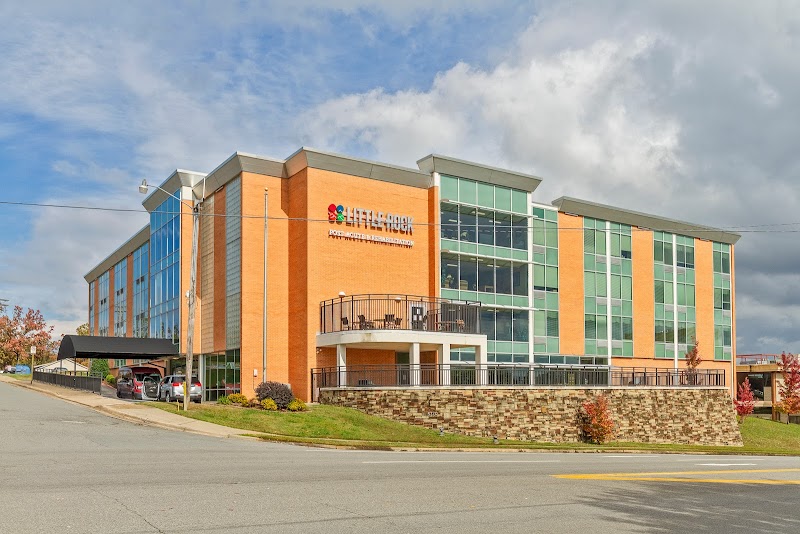
How is The Blossoms At Midtown Rehab & Nursing Center Staffed?

CMS rates THE BLOSSOMS AT MIDTOWN REHAB & NURSING CENTER's staffing level at 3 out of 5 stars, which is average compared to other nursing homes. Staff turnover is 64%, which is 18 percentage points above the Arkansas average of 46%. High turnover can affect care consistency as new staff learn residents' individual needs. RN turnover specifically is 69%, which is notably high. RNs provide skilled clinical oversight, so turnover in this role can affect medical care quality.

What Have Inspectors Found at The Blossoms At Midtown Rehab & Nursing Center?

State health inspectors documented 29 deficiencies at THE BLOSSOMS AT MIDTOWN REHAB & NURSING CENTER during 2022 to 2025. These included: 29 with potential for harm.
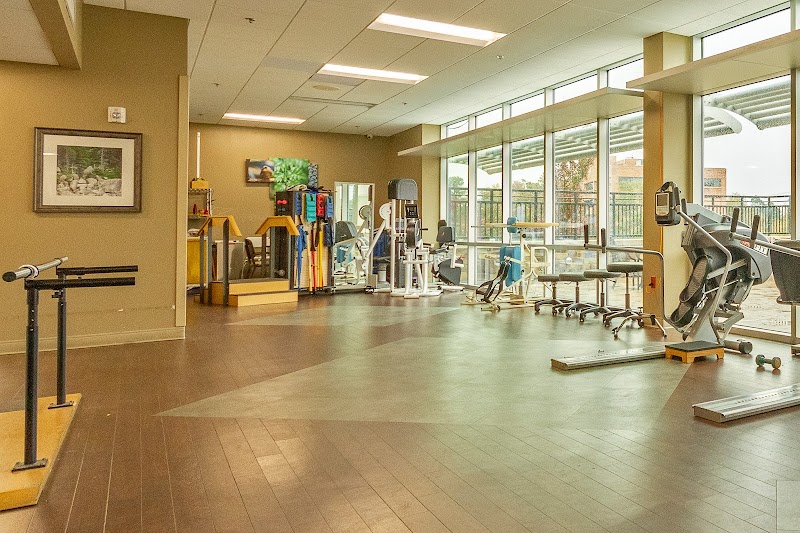
Who Owns and Operates The Blossoms At Midtown Rehab & Nursing Center?

THE BLOSSOMS AT MIDTOWN REHAB & NURSING CENTER is owned by a for-profit company. For-profit facilities operate as businesses with obligations to shareholders or private owners. The facility is operated by THE BLOSSOMS NURSING AND REHAB CENTER, a chain that manages multiple nursing homes. With 154 certified beds and approximately 85 residents (about 55% occupancy), it is a mid-sized facility located in LITTLE ROCK, Arkansas.

How Does The Blossoms At Midtown Rehab & Nursing Center Compare to Other Arkansas Nursing Homes?

Compared to the 100 nursing homes in Arkansas, THE BLOSSOMS AT MIDTOWN REHAB & NURSING CENTER's overall rating (2 stars) is below the state average of 3.1, staff turnover (64%) is significantly higher than the state average of 46%, and health inspection rating (2 stars) is below the national benchmark.

What Should Families Ask When Visiting The Blossoms At Midtown Rehab & Nursing Center?

Based on this facility's data, families visiting should ask: "How do you ensure continuity of care given staff turnover, and what is your staff retention strategy?" "Can I visit during a mealtime to observe dining assistance and food quality?" "How do you handle medical emergencies, and what is your hospital transfer rate?" "Can I speak with family members of current residents about their experience?" These questions are particularly relevant given the facility's high staff turnover rate.

Is The Blossoms At Midtown Rehab & Nursing Center Safe?

Based on CMS inspection data, THE BLOSSOMS AT MIDTOWN REHAB & NURSING CENTER has a clean safety record: no substantiated abuse findings (meaning no confirmed cases of resident harm), no Immediate Jeopardy citations (the most serious violation level indicating risk of serious injury or death), and is not on the Special Focus Facility watch list (a federal program monitoring the lowest-performing 1% of nursing homes). The facility has a 2-star overall rating and ranks #100 of 100 nursing homes in Arkansas. While no facility is perfect, families should still ask about staff-to-resident ratios and recent inspection results during their visit.

Do Nurses at The Blossoms At Midtown Rehab & Nursing Center Stick Around?

Staff turnover at THE BLOSSOMS AT MIDTOWN REHAB & NURSING CENTER is high. At 64%, the facility is 18 percentage points above the Arkansas average of 46%. Registered Nurse turnover is particularly concerning at 69%. RNs handle complex medical decisions and coordinate care — frequent RN changes can directly impact care quality. High turnover means new staff may not know residents' individual needs, medications, or preferences. It can also be disorienting for residents, especially those with dementia who rely on familiar faces. Families should ask: What is causing the turnover? What retention programs are in place? How do you ensure care continuity during staff transitions?

Was The Blossoms At Midtown Rehab & Nursing Center Ever Fined?

THE BLOSSOMS AT MIDTOWN REHAB & NURSING CENTER has no federal fines on record. CMS issues fines when nursing homes fail to meet care standards or don't correct problems found during inspections. The absence of fines suggests the facility has either maintained compliance or corrected any issues before penalties were assessed. This is a positive indicator, though families should still review recent inspection reports for the full picture.

Is The Blossoms At Midtown Rehab & Nursing Center on Any Federal Watch List?

THE BLOSSOMS AT MIDTOWN REHAB & NURSING CENTER is not on any federal watch list. The most significant is the Special Focus Facility (SFF) program, which identifies the bottom 1% of nursing homes nationally based on persistent, serious quality problems. Not being on this list means the facility has avoided the pattern of deficiencies that triggers enhanced federal oversight. This is a positive indicator, though families should still review the facility's inspection history directly.