THE BLOSSOMS AT WEST DIXON REHAB & NURSING CENTER
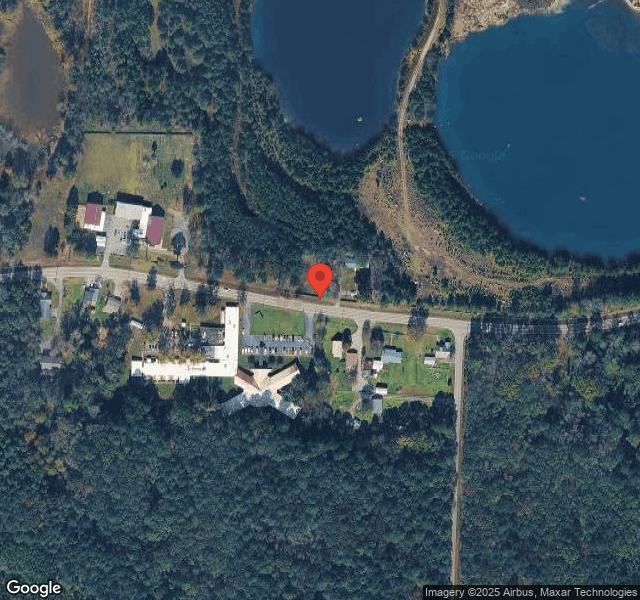
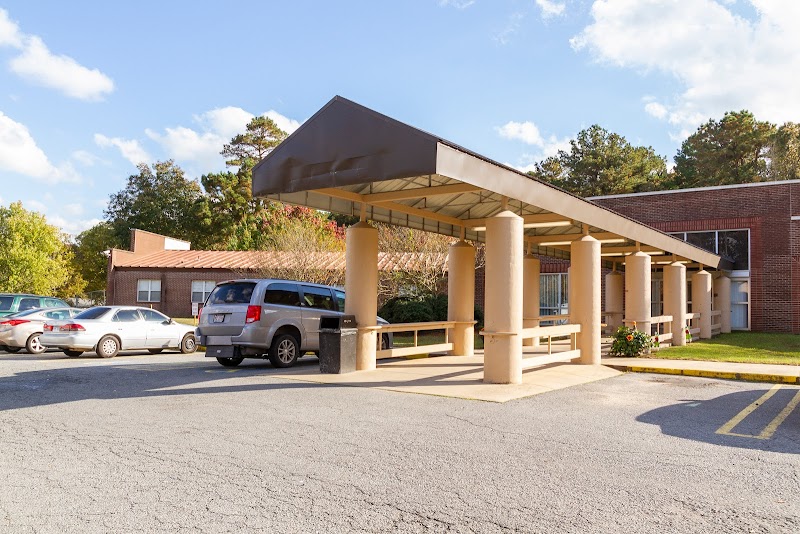
2821 W DIXON RD, LITTLE ROCK, AR 72206 (501) 888-4200
For profit - Limited Liability company 127 Beds THE BLOSSOMS NURSING AND REHAB CENTER Data: November 2025
Trust Grade
25/100
#211 of 218 in AR
Last Inspection: August 2024

Within standard 12-15 month inspection cycle. Federal law requires annual inspections.

Overview

The Blossoms at West Dixon Rehab & Nursing Center has received a Trust Grade of F, indicating significant concerns about their quality of care. They rank #211 out of 218 nursing homes in Arkansas, placing them in the bottom half of facilities in the state, and #20 out of 23 in Pulaski County, meaning only a few local options are worse. While the facility is improving, having reduced serious issues from 11 in 2024 to just 2 in 2025, staffing remains a concern with a turnover rate of 61%, which is above the state average. On a positive note, the facility has no fines on record, which is a good sign, and they have average RN coverage, ensuring some level of professional oversight. However, there have been serious concerns such as unsanitary conditions in food preparation areas, which could affect the health of multiple residents, highlighting both strengths and weaknesses in their care practices.

Trust Score
F
25/100
In Arkansas
#211/218
Bottom 4%
Safety Record
Moderate
Needs review
Inspections
Getting Better
11 → 2 violations
Staff Stability
⚠ Watch
61% turnover. Above average. Higher turnover means staff may not know residents' routines.
Penalties
✓ Good
No fines on record. Clean compliance history, better than most Arkansas facilities.
Skilled Nurses
⚠ Watch
Each resident gets only 16 minutes of Registered Nurse (RN) attention daily — below average for Arkansas. Fewer RN minutes means fewer trained eyes watching for problems.
Violations
⚠ Watch
52 deficiencies on record. Higher than average. Multiple issues found across inspections.
★☆☆☆☆
1.0
Overall Rating
★★☆☆☆
2.0
Staff Levels
★★★☆☆
3.0
Care Quality
★☆☆☆☆
1.0
Inspection Score
Stable
2024: 11 issues
2025: 2 issues

The Good

  • Full Sprinkler Coverage · Fire safety systems throughout facility
  • No fines on record

Facility shows strength in fire safety.

The Bad

1-Star Overall Rating

Below Arkansas average (3.1)

Significant quality concerns identified by CMS

Staff Turnover: 61%

14pts above Arkansas avg (46%)

Frequent staff changes - ask about care continuity

Chain: THE BLOSSOMS NURSING AND REHAB CENT

Part of a multi-facility chain

Ask about local staffing decisions and management

Staff turnover is elevated (61%)

13 points above Arkansas average of 48%

The Ugly 52 deficiencies on record

2 actual harm
Jul 2025 2 deficiencies
CONCERN (D) 📢 Someone Reported This

A family member, employee, or ombudsman was alarmed enough to file a formal complaint

Potential for Harm - no one hurt, but risky conditions existed

Resident Rights (Tag F0550)

Could have caused harm · This affected 1 resident

**NOTE- TERMS IN BRACKETS HAVE BEEN EDITED TO PROTECT CONFIDENTIALITY** Based on record review, interviews, and facility document review, the facility failed to ensure resident rights were protected f...

Read full inspector narrative →
**NOTE- TERMS IN BRACKETS HAVE BEEN EDITED TO PROTECT CONFIDENTIALITY** Based on record review, interviews, and facility document review, the facility failed to ensure resident rights were protected for one (Resident #7) of three residents reviewed. Specifically, the facility failed to ensure the resident's right of dignity and quality of life was maintained regarding activities of daily living care resulting in psychosocial distress; and failed to ensure Resident #7 was free from reprisal after the resident made a grievance. The findings include: A review of Resident #7’s admission Record revealed the facility admitted the resident on 09/27/2024, with diagnoses which included chronic kidney disease, type 2 diabetes, muscle weakness/paralysis of the left side, cognitive communication deficit, major depressive disorder, and history of homelessness. A review of Resident #7’s quarterly Minimum Data Set, with an Assessment Reference Date of 01/01/2025, revealed Resident #7 had a Brief Interview for Mental Status (BIMS) score of 8 which indicated the resident had moderate cognitive impairment. The MDS also indicated that Resident #7 had no behaviors, had an indwelling catheter, and was frequently incontinent of bowel. A review of a Progress Note for Resident #7 dated 02/18/2025, for BIMS completed by the Social Worker revealed a BIMS of 15. A review of Resident #7’s Care Plan Report, initiated 09/30/2024, revealed the resident had major depression with a goal to remain free from distress, anxiety, or sad mood. The Care Plan included interventions for medication and pharmacy review only. A review of a Grievance Form dated 02/18/2025, revealed it was assigned to the Registered Nurse (RN) Unit Manager to investigate. The resolved date of the grievance was 02/26/2025, with a summary statement of the resident’s grievance; Resident #7 put their call light on and informed Certified Nursing Assistant (CNA) #1 they needed to be changed. CNA #1 did not change the resident when Resident #7 wanted. The RN Unit Manager spoke with Resident #7 and CNA #1. Summary of conclusion: CNA #1 was making rounds and did not change Resident #7 as quickly as the resident would have liked. Action taken: CNA #1 was removed from the hall. Date resolved: 02/26/2025. A review of an updated Care Plan for Resident #7 initiated on the date the grievance was received, 02/25/2025 revealed that the facility amended Resident #7’s Care Plan to include, “expresses maladaptive behavioral symptoms related to calling, reporting false allegations to outside persons/entities stating [resident was] scared and fearful.” The goal was for Resident #7 to demonstrate an improvement or reduction in distressing behavioral symptoms in responding to behavior interventions. The Care Plan also included interventions to explain the desired behavior to Resident #7, that the resident was expected to behave respectfully and with maturity, review rules and expectations to improve judgement and self-control, utilize psychiatric management to psycho-active medications, provide support, and enhance “structure”, use behavior management techniques to promote and shape the desired behavior. Identify causal factors and work to reduce, minimize and/or treat the causal factors. Teach stress/anxiety, psychiatric symptom techniques to help resident cope with anger, poor ability to deal with frustration, impulsivity, hallucinations, and delusions. A review of Resident #7’s Progress Notes indicated no behaviors documented from date of admission [DATE] to discharge date on 03/18/2025. During an interview on 07/16/2025 at 12:27 PM, the Social Worker stated, the process for a grievance/complaint was that it was written on the Grievance/Complaint form when a resident was not getting something done, their needs met, or Activities of Daily Living (ADL) not met. The Social Worker stated he gave the grievance from Resident #7 to the RN Unit Manager the same day Resident #7 made the complaint on 02/18/2025, and then mentioned it again during the 02/19/2025, morning meeting. When it was completed, it got returned to him and stored in his book. Typically, the Social Worker liked the grievances returned within 24 hours. All completed complaints were brought to the Social Worker and reportables went to the Administrator. During an interview on 07/14/2025 at 2:00 PM, Resident #7’s Military Benefits Advanced Practice Nurse (MBAPN) stated, she came to visit the resident on 02/18/2025, and “found Resident #7 to be in dirty clothing, disheveled, and appearing to have lost weight.” Resident #7 reportedly had been asking to go outside and was not taken. The next week, Resident #7 was put on weekly visits, remained in poor condition, and missed appointments. As stated by the MBAPN, Resident #7 reported being fearful of leaving the facility. The resident stated they were not allowed to get out of bed, stayed in feces for hours as a punishment, and it was CNA #1 who was assigned to Resident #7. The MBAPN stated Resident #7 was cognitively intact and the Ombudsman had also been contacted. The MBAPN stated that on 02/25/2025, the Business Office Manager (BOM) stopped the MBAPN and the Military Benefits Therapist (MBT) and stated they were soliciting the resident. The MBAPN reported the incident to the Director of Nursing (DON). The MBAPN did locate another facility for Resident #7 to transfer to per Resident #7's request and confirmed the request by the resident. During an interview on 07/14/2025 at 4:01 PM, the MBT stated both herself and the MBAPN visited the facility on 02/25/2025. She stated, Resident #7 looked much thinner since her last visit made on 02/18/2025. The MBT stated, Resident #7 acted nervous, watched the door, looked uneasy, and guarded. Resident #7 looked emaciated and wanted to go outside and stated, “The facility won’t take me out; I just want some sunshine.” The MBT stated Resident #7 revealed CNA #1 had been rough with them, and the resident would get scolded when they attempted to get up to the bathroom unassisted. The MBT stated Resident #7 told her, “I get in trouble when I try to get up,” and that the resident was afraid of retaliation. During an interview on 07/15/2025 at 12:40 PM, Resident #7 stated, “The woman was very abusive and rude, her name was [CNA #1].” CNA #1 told the resident to wear a diaper and when CNA #1 provided perineal care, she was physically abusive. Resident #7 stated, “She [CNA #1] grabbed my sore hip and shook it. She let me know she was in charge, constantly yelling. Resident #7 continued, “I had to eat my meal with poop in my pants and wait all night to be changed.” Resident #7 stated they had trouble eating, but the meals did not appeal to them, and [the facility] never offered me anything different to eat. The resident continued, “Occasionally I got a [meal replacement shake] maybe once a week. Sometimes I got snacks if I asked for them; cookies or something like that.” During an interview on 07/16/2025 at 9:13 AM, the RN Unit Manager stated, “I believe it was a specific CNA who is not here anymore,” the RN unit manager identified the CNA as CNA #1. The RN Unit Manager recounted that Resident #7 stated CNA #1 did not change them, so Resident #7 did not want CNA #1’s care anymore. Resident #7 was assigned a different CNA from another hall. During a follow-up interview on 07/16/2025 at 10:57 AM, the RN Unit Manager stated Resident #7 did not get changed out of wet clothes in a timely manner. Resident #7 put their call light on, and CNA#1 told the resident they were going to have to wait. It was not as quick as Resident #7 wanted it to be or should have been, it was lunchtime. Resident #7 did not want the aide to care for them anymore. The RN Unit Manager stated, “We pulled another CNA from another hall to take care of Resident #7, I’m not sure if CNA #1 was suspended at that point.” The RN Unit Manager stated, “well if there’s meal trays out, that’s an infection control issue, but we have one aide out on the floor to assist with resident’s needs during meal pass. While a resident is eating, an aide cannot touch a meal tray and change a resident but the aide could have taken Resident #7 to the bathroom or shower room to change. The RN Unit Manager stated, “I wouldn’t expect Resident #7 to sit in wet clothes, [the resident] should have been changed.” The RN Unit Manager stated “If [the resident] told us they had to sit in in soiled clothes during lunch, that’s not acceptable. There are options to get residents changed.” The RN Unit Manager then stated, CNA#1 was no longer employed at the facility. During an interview on 07/16/2025 at 11:15 AM, the DON revealed that the Lead CNA told her Resident #7 did not want CNA #1 to be assigned to them anymore but would not say why. The DON stated “[Resident #7’s] original statement to me was they didn’t want CNA #1 to come back into their room; [Resident #7] denied it when we went back to talk.” The DON stated, “I wasn’t aware of this grievance from 02/18/2025, about the wet clothes.” Resident #7 did not like the way CNA #1 talked to them, and the Lead CNA was supposed to talk to CNA #1 about it. The DON stated Resident #7 made a lot of allegations, like even if something came up with door dash and due to Resident #7 changing their story when asked about the allegation of CNA#1 being verbally abusive and did not want her back in the room the resident’s care plan was updated to reflect Resident #7 made false allegations. A Review of a Care plan report dated 09/302024 to 03/31/2025 indicated the resident exhibited maladaptive behavioral symptoms related to calling and reporting false allegations to outside agencies stating the resident was scared and fearful and denied allegations to facility staff. Date initiated: 02/25/2025, same date as complaint received from the MBAPN to the facility. During a second interview on 07/16/2025 at 12:02 PM, the DON stated, “Yes, I was the one that updated the Care Plan for Resident #7 on 02/25/2025.” The update had nothing to do with the allegation; it was because of the back and forth with Resident #7 saying things. It was Resident #7’s roommate that stated, “they just do not like each other,” referring to Resident #7 and CNA #1. CNA #1 was moved off the hall. During an interview on 07/16/2025 at 1:20 PM, the Lead CNA stated all she could remember was the DON said CNA #1 had talked very rudely to Resident #7. The DON wanted the Lead CNA to send CNA #1 home, pending investigation. The Lead CNA did not recall any other complaints from Resident #7 and stated that Resident #7 was normally quiet. During an interview on 07/16/2025 at 2:11 PM, CNA #1 stated that the facility suspended them for nothing. CNA #1 said “One of the patients was afraid of me. I have never put my hands on a patient; I was dumbfounded.” CNA #1 was passing trays when Resident #7 called for CNA #1 to change them during mealtime. CNA #1 stated the facility was short-staffed and she was the only one around. CNA #1 stated, “The DON told [Lead CNA] to move me to another hall.” During an interview on 07/16/2025 at 2:36 PM, the Administrator stated that the Social Worker reported the next morning, in the morning meeting, any grievances from the day before. The grievance on 02/18/2025 regarding Resident #7 was that they had not been changed. The Administrator stated he was told Resident #7 had spilled something on his shirt, and that the resident told the lady passing out the trays [CNA #1]. The Administrator stated he did not recall if Resident #7 was changed at that time. He did not know if the resident had to eat while soiled and stated, “I can’t speak to that.” The Administrator confirmed Resident #7 no longer wanted CNA #1 to take care of them and was told it was a personality conflict. The facility started addressing it immediately. The Administrator stated, the resolution may be a few days down the road to make sure the solution worked. The Administrator stated the Military Benefit person called the facility and said Resident #7 was fearful and scared. An emotional assessment was performed for three days. The Administrator stated he was under the assumption another CNA was called to change [Resident #7] while CNA #1 continued to pass trays. The Administrator stated he did not know who put the revision into Resident #7’s Care Plan or why, regarding the false allegations. A review of an undated facility document, “Resident Rights/Civil Rights, Ref: CMS.GOV,” stated “You have the right to be treated with dignity and respect. You have the right to make a complaint to the staff of the SNF [Skilled Nursing Facility], or any other person, without fear of punishment. The SNF must resolve the dispute promptly By law, SNF’s must develop a plan of care (care plan) for each resident. You have the right to take part in the process.”
CONCERN (D) 📢 Someone Reported This

A family member, employee, or ombudsman was alarmed enough to file a formal complaint

Potential for Harm - no one hurt, but risky conditions existed

Deficiency F0563 (Tag F0563)

Could have caused harm · This affected 1 resident

Based on record review, interviews, and facility document review, it was determined that the facility failed to ensure unrestricted visitation for one (Resident #7) of three residents reviewed for vis...

Read full inspector narrative →
Based on record review, interviews, and facility document review, it was determined that the facility failed to ensure unrestricted visitation for one (Resident #7) of three residents reviewed for visitation rights. Specifically, a health care liaison was interrupted by the Director of Nursing (DON) and not allowed to complete an assessment of Resident #7 following a received transfer referral to an outside facility.The findings include: A review of Resident #7’s admission Record revealed the facility admitted the resident on 09/27/2024, with diagnoses which included chronic kidney disease, type 2 diabetes, muscle weakness/paralysis of the left side, cognitive communication deficit, major depressive disorder, and a history of homelessness. A review of Resident #7’s quarterly Minimum Data Set, with an Assessment Reference Date of 01/01/2025, revealed the resident had a Brief Interview for Mental Status (BIMS) score of 08, which indicated the resident had moderate cognitive impairment. A review of a Progress Note, dated 02/18/2025, revealed Resident #7 had a BIMS of 15, completed by the Social Worker. A review of Resident #7’s Care Plan Report, initiated on 09/30/2024, revealed the resident had major depression with a goal to remain free of distress, anxiety, or sad mood. The Care Plan also included interventions of medication and pharmacy review only. During an interview on 07/14/2025 at 2:59 PM, Resident #7’s Military Benefits Advanced Practice Nurse case manager stated a health care liaison from another facility attempted to visit with the resident and complete a needed resident assessment after receiving a transfer referral but was kicked out by the facility. During an interview on 07/15/2025 at 1:28 PM, the Health Care Liaison for Resident #7 stated, “yes, I did visit with Resident #7 on February 20, 2025, I do not recall the time of day.” The Health Care Liaison stated when she entered the facility, there was no sign-in sheet and no one at the door, so she went to the nurse’s station and a nurse directed her to Resident #7’s room. While in the room with Resident #7, a nurse came to get the Health Care Liaison out of the room and said the Administrator wanted to speak with her. The Health Care Liaison stated when she got to the front, a gentleman came out of the office and asked, “are you her?” He said, “you can’t just come in here and talk to our residents, you need to call first.” The Health Care Liaison stated she had called and spoken with the Business Office Manager (BOM) and told her a transfer referral for Resident #7 was received from the Social Worker. The Health Care Liaison stated the gentleman walked off and the BOM escorted her out. During an interview on 07/17/2025 at 9:58 AM, the Director of Nursing (DON) stated an aide came to her and said there was a lady questioning Resident #7. The DON went and introduced herself asking, “Did you stop by and let the administration office know you were here?” The DON asked the Health Care Liaison, Would you mind coming with me to the administration office.” The DON stated “I stepped out of the office. I do remember him [the Administrator] saying, ‘Did you let someone know you were coming?’ The Health Care Liaison said the BOM knew I was coming.” The DON then stated, “I walked away and do not know if she left on her own or was asked to leave.” During an interview on 07/16/2025 at 9:13 AM, the Registered Nurse (RN) Unit Manager stated, “I do not know who interrupted the visit, I want to say that it was the DON. We did have a change in DONs around that time,” The circumstances as to why the visit was cut short were they did not introduce themselves, and it was like they were poaching. The RN Unit Manager stated residents were allowed visitors and denied visitors if there was a safety issue. There was no reason the Health Care Liaison would not have been allowed to visit Resident #7. During an interview on 07/16/2025 at 12:41 PM, the Social Worker stated under the Resident Rights-Visitation policy, residents were allowed visitors at any time and the facility had no set visiting hours. The only time a visitor would not be allowed was if the resident refused or did not want any visitors. This would then be documented in their medical record. During an interview on 07/16/2025 at 1:36 PM, the BOM stated Resident #7 told her about wanting to go to another facility. The BOM stated the Health Care Liaison called, and the BOM let the Health Care Liaison know Resident #7 had possibly changed their mind, and to wait on the Social Worker to call back. The BOM stated Resident #7 was back and forth about going or not going to another facility. During an interview on 07/16/2025 at 2:36 PM, the Administrator stated as far as visitation, the Health Care Liaison came in and was assisted by staff to Resident #7’s room. The Administrator stated that residents were allowed to have visitors per their rights, unless of course there was an issue of safety to the resident. The Administrator did not recall the Health Care Liaison being told to leave. During an interview on 07/17/2025 at 8:45 AM, the Social Worker stated he had not withdrawn Resident #7’s transfer referral and had not told the Health Care Liaison not to come visit the resident. A review of an undated document titled, “Resident Rights/Civil Rights, Ref: CMS.GOV,” which is provided to the residents at admission indicated, as a resident of a skilled nursing facility (SNF), you have certain rights and protections under federal and state law. These laws help ensure you get the care and services you need. Visitors: You have the right to spend private time with visitors at any reasonable hour. Any person who gives you help with your health or legal services may see you at any reasonable time. This includes doctor, representative from the health department, and your Long-Term Care Ombudsman, among others. A review of the facility policy titled, “Resident Rights-Visitation” reviewed January 2024, indicated, the facility will provide immediate access to a resident by any entity or individual that provides health, social, legal, or other services to the resident, subject to the resident’s right to deny or withdraw consent at any time.
Aug 2024 11 deficiencies
CONCERN (D)

Potential for Harm - no one hurt, but risky conditions existed

Resident Rights (Tag F0550)

Could have caused harm · This affected 1 resident

Based on observation, record review, and interview, the facility failed to ensure an indwelling urinary catheter bag was covered to promote dignity for 1 (Resident #42) of 1 sampled resident who was r...

Read full inspector narrative →
Based on observation, record review, and interview, the facility failed to ensure an indwelling urinary catheter bag was covered to promote dignity for 1 (Resident #42) of 1 sampled resident who was reviewed for an indwelling catheter. The findings are: Resident #42's Order Summary dated 08/19/2024 was reviewed and indicated the resident had diagnoses of Alzheimer's disease and an obstruction in urine flow. The Order Summary indicated an order dated 07/24/2024 to change the [brand name] catheter tubing and bag as needed. An admission Minimum Data Set with an Assessment Reference Date of 07/31/2024 was reviewed and indicated Resident #42 had a Brief Interview for Mental Status score of 10, which indicated moderate confusion and for bladder and bowel appliances an indwelling catheter. A Care Plan dated 08/01/2024 was reviewed and indicated Resident #42 required a [brand name] catheter and a privacy bag. On 08/19/2024 at 8:53 AM, Resident #42 was sitting in a chair in the hallway with a catheter bag hooked on the right side of the chair. The contents of the catheter bag were visible, and a yellow liquid was observed inside the bag. On 08/22/2024 at 10:56 AM, Certified Nursing Assistant (CNA) #8 was interviewed and confirmed she knows how to care for residents by looking at their care plan. She confirmed no one should be able to see inside of the bag. A Resident Dignity policy, with an effective date of 04/2021 and provided by the Director of Nursing on 8/22/2024, was reviewed and indicated staff shall promote dignity by helping the resident to keep urinary catheter bags covered.
CONCERN (D)

Potential for Harm - no one hurt, but risky conditions existed

Assessment Accuracy (Tag F0641)

Could have caused harm · This affected 1 resident

**NOTE- TERMS IN BRACKETS HAVE BEEN EDITED TO PROTECT CONFIDENTIALITY** Based on record review, and interview, it was determined the facility failed to ensure the Minimum Data Set (MDS) accurately ref...

Read full inspector narrative →
**NOTE- TERMS IN BRACKETS HAVE BEEN EDITED TO PROTECT CONFIDENTIALITY** Based on record review, and interview, it was determined the facility failed to ensure the Minimum Data Set (MDS) accurately reflected on section O0110, Special Treatment, Procedures, and Programs the resident received dialysis on admission or while a resident for 1 (Resident #31) of 1 sampled resident. This failed practice had the potential to inaccurately represent Resident #31's health status, impacting his care plan, reimbursement levels, and the ability to properly identify necessary interventions. Findings include: Review of the Medical Diagnoses revealed Resident #31 had diagnoses of end stage renal disease, right lower lobe cancer, and type II diabetes mellitus. The admission Minimum Data Set (MDS) with an Assessment Reference Date (ARD) of 07/16/2024 indicated a Brief Interview for Mental Status (BIMs) score of 06 (0-7 indicates severely cognitively impaired). Section I8000 revealed an active diagnosis of dependence on renal dialysis. a. A review of the Progress Notes, dated 07/08/2024 revealed Resident #31 had a port to the right chest, and received dialysis on Monday, Wednesday, and Friday. b. A review of Resident #31's Care Plan, dated 07/11/2024, revealed the resident was at risk for fluid volume excess related to fluid accumulation since last dialysis treatment, and was to be monitored for fluctuations in weight. c. A review of the admission MDS, revealed under section O0110 J1, and J2 that Resident #31 was not on hemodialysis on admission, or while a resident. d. On 08/21/24 at 01:42 PM, the MDS Nurse was asked to check Resident #31's admission MDS dated [DATE], section O0110. The MDS Nurse confirmed that dialysis was forgotten on the MDS. The MDS Nurse was asked if she had a guide for coding to the MDS? The MDS Nurse revealed she uses the discharge summary from a resident's hospital stay, and the RAI (Resident Assessment Instrument) Manual. The Surveyor asked why is it important to code services like dialysis to the MDS? The MDS Nurse replied to ensure the residents were getting the proper plan of care it is important to code the MDS correctly. e. On 08/21/24 at 02:55 PM, the MDS Nurse provided O0110: Special Treatments, Procedures, and Programs, from the Resident Assessment Instrument (RAI) Manual, revealed documenting special treatments, procedures, and programs within a resident's 14 day look back period is important to ensure continuous appropriateness of procedures, treatments, or programs that residents receive. Staff should provide education and monitoring.
CONCERN (D)

Potential for Harm - no one hurt, but risky conditions existed

Accident Prevention (Tag F0689)

Could have caused harm · This affected 1 resident

Based on observation, record review, interview, and facility policy review, it was determined the facility failed to ensure an uncapped razor was not left unattended in a resident's room to prevent ac...

Read full inspector narrative →
Based on observation, record review, interview, and facility policy review, it was determined the facility failed to ensure an uncapped razor was not left unattended in a resident's room to prevent accidents or injuries for 1 (Resident #44) of 1 sampled resident reviewed. to prevent accidents or injuries. The findings are: Review of the Medical Diagnoses revealed Resident #44 with diagnoses of schizoaffective disorder, dementia, and stroke. The admission Minimum Data Set (MDS) with an Assessment Reference Date (ARD) 0f 02/28/2024 suggested a Brief Interview for Mental Status (BIMs) score of 4 (0-7 indicates severe cognitive impairment). Section GG 0130 indicated the resident was dependent for personal hygiene, and Section B1000 indicated the resident had impaired vision. a. Review of a facility policy titled, Shaving the Resident, (revised, October 2010) indicated after a resident is shaved the razor should be discarded in a designated sharps container labeled For Disposable Razors Only, located outside the resident rooms. b. Review of Resident 44's Care Plan, dated 03/28/2024, revealed the resident had complications related to impaired vision, with a change in the ability to perform activities of daily living. c. Review of Resident 44's Care Plan, dated 03/28/2024, revealed a self-care deficit related to weakness and cognitive deficit and Resident 44 was encouraged to use a call light for assistance, and staff to monitor for skin integrity and report cuts and scratches to the nurse. d. On 08/19/24 at 09:01 AM, the surveyor opened the door to Resident #44's room and observed an uncapped razor resting to the left of the in room sink on a brown napkin with a toothbrush and toothpaste. e. On 08/19/24 at 02:17 PM, an uncapped razor was observed resting to the left of the sink on a brown napkin with a toothbrush and toothpaste in Resident #44's room. f. On 08/20/24 at 08:52 AM, Resident #44 confirmed he had a razor in the room. g. During an interview with Licensed Practical Nurse (LPN) #4 on 08/21/24 at 10:30 AM, LPN #4 confirmed that residents should not have uncapped shaving razors in their room to prevent injuries. h. During an interview the Director of Nursing (DON) on 08/21/24 at 10:54 AM, the DON was asked the process for male residents to get shaven. The DON stated residents should be offered a shave on shower day. The DON was asked if a resident should have uncapped razors in their room. The DON replied, No, that residents could accidentally cut themselves with a razor, or another resident could take the razor and injure themselves.
CONCERN (D)

Potential for Harm - no one hurt, but risky conditions existed

Respiratory Care (Tag F0695)

Could have caused harm · This affected 1 resident

Based on observation, record review, interview, and facility policy review, it was determined the facility failed to ensure oxygen was set at the physician ordered rate for 1 (Resident #67) of 1 sampl...

Read full inspector narrative →
Based on observation, record review, interview, and facility policy review, it was determined the facility failed to ensure oxygen was set at the physician ordered rate for 1 (Resident #67) of 1 sampled resident with oxygen orders to prevent the potential for respiratory complications. Findings include: Review of Medical Diagnoses revealed Resident #67 had diagnoses of chronic obstructive pulmonary disease, acute respiratory failure, and pulmonary emphysema. The annual Minimum Data Set (MDS) with an Assessment Reference Date (ARD) of 05/24/2024 suggested a Brief Interview for Mental Status (BIMS) score of 12 (7-12 indicates moderately impaired). Section 0110 C1 indicates Resident #67 has been on oxygen while a resident. a. A review of Physician Order, dated, 07/03/2024, indicated Resident #67 receives oxygen at 2 liters as needed for shortness of breath. b. A review of the Care Plan, dated 06/08/2023, showed Resident #67 had chronic obstructive pulmonary disease and to give aerosol, bronchodilators, and oxygen 2 liters as needed per physician orders. c. On 08/19/24 at 07:43 AM, Resident #67 was observed resting in bed on 3 liters of oxygen by nasal cannula. Resident #67 said he/she is on 2 liters. d. On 08/19/24 at 01:25 PM, Resident #67 was observed wearing a nasal cannula with the concentrator set on 2.5 to 3 liters. A nebulizer with the mask stored was resting at Resident #67's feet. e. While checking Resident #67's oxygen on 08/20/24 at 09:00 AM, the concentrator was found to be on 2.5 to 3 liters. f. Licensed Practical Nurse (LPN) #4 accompanied Surveyor to Resident 67's room on 08/21/24 at 10:16 AM and confirmed the oxygen concentrator was set on 2.5-3 liters. LPN #4 pulled up the resident's orders and confirmed he was supposed to be on 2 liters as needed, and stated a concern for getting more oxygen than ordered is confusion, and a resident's body may not be capable of processing it, and it could make it harder to breath. g. During an interview on 08/21/24 at 10:50 AM, the Director of Nursing (DON) confirmed nursing should check each oxygen settings every shift while in a resident's room, because a few residents change their own oxygen and need checked behind, and not getting the ordered dose can affect their health including the heart rate. h. On 08/21/24 at 01:44 PM, the DON provided a policy titled, Oxygen Administration, the policy revealed unless otherwise ordered, oxygen flow should be started at the ordered rate.
CONCERN (D)

Potential for Harm - no one hurt, but risky conditions existed

Deficiency F0805 (Tag F0805)

Could have caused harm · This affected 1 resident

Based on observation, record review, and interview, the facility failed to ensure a mechanical soft diet was provided during the lunch meal service for 1 (Resident #7) of 1 sampled resident reviewed f...

Read full inspector narrative →
Based on observation, record review, and interview, the facility failed to ensure a mechanical soft diet was provided during the lunch meal service for 1 (Resident #7) of 1 sampled resident reviewed for a therapeutic diet. The findings are: Resident #7's Order Summary dated 08/21/2024 was reviewed and indicated a diagnosis of type two diabetes and an order dated 05/21/2024 for a mechanical soft texture diet. A quarterly Minimum Data Set with an Assessment Reference Date of 06/14/2024 was reviewed and indicated Resident #3 had a Brief Interview for Mental Status score of 9, which indicated moderately confused. A Care Plan dated 06/27/2024 was reviewed and had no indication that Resident #7 required a mechanical soft texture diet, or the resident did not have upper teeth or dentures. A Dietary Progress Note dated 05/20/2024 was reviewed and indicated Resident #7 was recommended to be offered a mechanical soft diet related to difficulty chewing. On 08/19/2024 at 10:26 AM, Resident #7 was observed lying in bed awake and stated, I need my top teeth fixed. Resident #7 stated the breakfast meal could not be eaten due to no top teeth. On 08/21/2024 at 12:50 PM, Resident #7 was observed lying in bed and the lunch meal tray was on the over bed table. Resident #7 stated the resident did not have any top teeth in and began crying. The lunch meal tray had a slice of meat loaf, not ground, covered with a brown sauce, macaroni and cheese, green peas and a cookie. On 08/21/2024 at 1:26 PM, the Dietary Manager was interviewed and asked for a list of foods considered to be mechanical soft. He confirmed for a mechanical soft diet, foods were placed in the blender and ground. He was asked about the lunch meal today and if those foods were okay for a person on a mechanical soft diet to eat. He stated the spreadsheet indicates which foods should be ground and he needed to look at his spreadsheet to answer the question. He was asked to provide a copy of the spreadsheet for the lunch meal served today. The Daily Spreadsheet Week 3 Wednesday provided by the Dietary Manager on 08/21/2024, with no date, was reviewed and indicated the meatloaf should be ground for a mechanical soft diet with gravy on top. A Therapeutic and Modified Diets policy, dated 05/25/2012 and provided by the Administrator on 08/22/2024, was reviewed and indicated therapeutic diets would be prepared and served according to physician orders using standardized recipes.
CONCERN (D)

Potential for Harm - no one hurt, but risky conditions existed

Deficiency F0883 (Tag F0883)

Could have caused harm · This affected 1 resident

Based on record review and interview, the facility failed to ensure a pneumococcal vaccine was provided for 1 (Resident #44) of 5 (Resident's #11, #44, #48, #80 and #81) sampled residents. reviewed fo...

Read full inspector narrative →
Based on record review and interview, the facility failed to ensure a pneumococcal vaccine was provided for 1 (Resident #44) of 5 (Resident's #11, #44, #48, #80 and #81) sampled residents. reviewed for immunizations. The findings are: Resident #44's Order Summary dated 08/22/2024 was reviewed and indicated the resident had diagnoses of dementia and an irregular heartbeat. An order dated 02/23/2024 indicated Resident #44 could receive Pneumovax (a pneumonia vaccine) unless contraindicated. An order dated 08/20/2024 indicated, may give pneumococcal vaccine unless contraindicated or refused, and one dose of Prevnar 20 - 0.5 milliliters (ml) was ordered to be administered intramuscular (IM). On 08/22/2024, Resident #44's immunization screen was reviewed and Prevnar 20 was listed as an immunization required under consent status. On 08/22/24 at 1:21 PM, the Infection Preventionist was interviewed and provided a copy of an immunization record from a website. The document was reviewed and did not indicate if the pneumonia vaccine was administered to Resident #44. She was unable to explain why the pneumonia vaccine had not been administered once consent was given on 02/23/2024. A Pneumococcal Vaccine policy, with an effective date of 03/2020, provided by the Administrator on 08/19/2024, was reviewed and indicated all residents would be offered pneumococcal vaccines to aid in preventing pneumonia/pneumococcal infections.
CONCERN (E)

Potential for Harm - no one hurt, but risky conditions existed

Menu Adequacy (Tag F0803)

Could have caused harm · This affected multiple residents

Based on observation, record review, and interview, the facility failed to ensure meals were prepared and served according to the planned written menu and the facility recipe to meet the nutritional n...

Read full inspector narrative →
Based on observation, record review, and interview, the facility failed to ensure meals were prepared and served according to the planned written menu and the facility recipe to meet the nutritional needs of the residents for 1 of 1 meal observed. The findings are: 1. A facility recipe for the fortified oatmeal indicated, for 24 resident's use: 8 cups =2 quarts of water. Whole milk 6 ounces. Rolled oats 6-1/2 cup. Non-fat dry milk 2-1/4 cup. Margarine 3/4 cup. [NAME] sugar 1-1/4 cup. Granulated sugar 1-1/4 cup. Whole milk 6 ounces. 2. On 8/19/24 at 8:10 AM, during the breakfast meal service. Dietary [NAME] (DC) #1 was asked how he prepared oatmeal. DC #1 stated, I used a bag of brown sugar and 2 sticks of butter. 3. On 8/19/2024, a facility breakfast menu indicated residents on pureed diets were to receive 1/2 cup of pureed grits, and a #16 scoop (1/4) cup of pureed coffee cake. a. On 8/19/24 at 8:49 AM, DC #1 served regular grits to the residents on pureed diets, instead of pureed grits. b. There was no pureed coffee cake served to the residents on pureed diets. d. On 8/19/24 at 12:29 PM, DC #1 was asked if residents on pureed diets should receive pureed coffee cake. DC #1 stated, They did not get it. I was in a rush. DC #1 was asked if residents on pureed diets should receive regular grits. DC #1 stated, We have never served pureed grits. DC #1 was asked if he looked at the menu before preparing pureed food items. DC #1 stated, No ma'am.
CONCERN (E)

Potential for Harm - no one hurt, but risky conditions existed

Deficiency F0804 (Tag F0804)

Could have caused harm · This affected multiple residents

Based on observation, record review, and interview, the facility failed to ensure the meals were prepared in a method that maintained nutritive value and taste that were acceptable to the residents to...

Read full inspector narrative →
Based on observation, record review, and interview, the facility failed to ensure the meals were prepared in a method that maintained nutritive value and taste that were acceptable to the residents to improve palatability and encourage good nutritional intake during 1 of 1 meal preparation observed. The findings are: 1. A facility titled recipe for pureed sausage not dated and provided by the Dietary Manager on 8/19/2024 at 11:30 AM, indicated for 7 residents, place 7 portions of prepared sausage in food processor with hot broth and blend to a smooth consistency. On 8/19/24 at 8:12 AM, Dietary [NAME] (DC) #1 placed 12 servings of sausage into a blender, added 2 cups of hot water from the coffee maker, instead of hot broth, added 6 tablespoons of thickener and pureed. 2. A facility titled recipe for pureed scrambled eggs not dated and provided by the Dietary Manager on 8/19/2024 at 11:30 AM, indicated for 7 residents, place four #8 scoop (1/2 cup) prepared scrambled eggs in food processor with hot milk and blend to a smooth consistency, adding a small amount of hot milk as needed. On 8/19/24 at 8:20 AM, DC #1 used a #12 scoop (1/3 cup) to place 4 servings of scrambled eggs with no ham into a blender, added 2 cups of hot water from the coffee maker, instead of hot milk, added 5 tablespoons of thickener and pureed. 3. On 8/18/24 at 9:15 AM, DC #1 was asked how scrambled eggs and sausage pureed with water taste. DC #1 stated, They will taste like nothing.
CONCERN (E) 📢 Someone Reported This

A family member, employee, or ombudsman was alarmed enough to file a formal complaint

Potential for Harm - no one hurt, but risky conditions existed

Food Safety (Tag F0812)

Could have caused harm · This affected multiple residents

Based on observation and interview, and facility policy review, the facility failed to ensure the kitchen air vent was cleaned to provide a sanitary environment for food preparation; the dish washer, ...

Read full inspector narrative →
Based on observation and interview, and facility policy review, the facility failed to ensure the kitchen air vent was cleaned to provide a sanitary environment for food preparation; the dish washer, and kitchen walls, the door frames and baseboards were free of chipped, debris, dirt, rust, stains, and wall tiles were replaced; leftover food items were used in manner to maintain food quality; food items stored in the freezer were covered or sealed to prevent potential food borne illness for residents who received meal trays from 1 of 1 kitchen; the ice machine on the 300 Hall was maintained in clean and sanitary condition; dietary staff washed their hands before handling clean equipment or food items to prevent potential food borne illness for residents who received meal trays from 1 of 1 kitchen; and manufacturer's instructions were followed to prevent potential for food spoilage and or bacteria growth. The failed practices had the potential to affect residents who received meals from 1 of 1 kitchen (total census: 85), as indicated on a list provided by the Dietary Manager. The findings are: 1.On 8/19/24 at 7:44 AM, an opened box of salt was on a spice rack in the kitchen. The box was not covered. 2. On 8/19/2024 at 7:45 AM, zip top bags dated 8/18/2024 that contained leftover pureed sausage and leftover pureed eggs were on the counter to be reheated and served to the residents who required pureed diets. Dietary [NAME] (DC) #1 was asked what the leftover pureed sausage and pureed eggs were for. DC #1 stated, They were both for the pureed diets. On 8/21/24 at 9:19 AM, during an interview the Dietary Manager stated, We don't use left over food for anything. We make it fresh every day. 2. On 8/18/24 at 7:48 AM, the following observations were made in the kitchen area: a. At the entrance door to the kitchen, the wall was chipped, exposing the concrete and was covered with a brown residue. b. The door frames leading to the kitchen, dish washing machine, and storage room were chipped, the chipped areas were covered with rust. c. The wall in the dishwashing machine room had black and rusty stains. d. The floor around the door frames leading to the storage room were chipped, the area had an accumulation of dirt and debris. e. The wall below the hand washing sink was chipped. The chipped areas were covered with a yellow/black matter. f. The wall below the window by the spice rack in the kitchen was chipped, exposing the concrete. The area exposed was covered with brown dirt. g. The legs of the preparation counter between the 3-door refrigerator and the stove were chipped and had black stains on them. h. The wall below the window in the storage room was chipped and was covered with black stain. i. The wall by the door in the storage room leading to the outside was chipped, exposing the concrete. The area that was chipped had a rust stain on it. j. The door leading to the outside, between a metal rack where clean pans were stored, and the 3-door refrigerator was chipped, exposing the wood. 3. On 8/19/24 at 8:06 AM, there was an opened box of biscuits on a shelf in the freezer. The box was not covered or sealed. 4. On 8/19/24 at 8:17 AM, Dietary [NAME] (DC) #1 turned on the 3 compartment sink faucet and washed the blender bowl, blade and the lid. After washing the food processor equipment and sanitizing them, he turned off the faucet with his bare hands, contaminating his hands. He picked up a clean blade and attached it to the blender to be used in pureeing food items to be served to the residents on pureed diets. DC #1 was asked what he should have done after touching dirty objects and before handling clean equipment. He stated, I should have washed my hands. 5. On 8/19/24 at 8:32 AM, DC #1 was on the tray line serving the breakfast meal. DC #1 picked up tray cards and placed them on the trays. Without washing his hands, he picked up plates to be used in portioning foods to be served to the residents for breakfast with his fingers inside the plates. DC #1 was asked what he should have done after touching dirty objects and before handling clean equipment. She stated, I should have washed my hands. 6. On 8/19/24 at 8:34 AM, the following observations were made in the 3-door freezer in the storage room: a. An opened box of sausage patties. The box was not covered or sealed. b. An opened box of breaded cod fish. The box was not covered or sealed. c. An opened box of chicken nuggets. The box was not covered or sealed. 7. On 8/19/24 at 8:44 AM, an opened box of vegetable blend was on shelf in the freezer. The box was not covered or sealed. 8. On 8/19/24 at 8:53 AM, a bottle of lemon juice on a rack in the storage room was opened and partially used. The Dietary Manager was asked what they use the lemon juice for. The Dietary Manager stated, We use it when we bake lemon chicken. The manufacturer specification on the bottle indicated, Refrigerate after opening. 9. On 8/19/24 at 8:59 AM, the back of the oven had brown carbon build up on it. There were brown stripes of residue on it. The cart where clean plates were stored on the clean side of the dish machine was chipped exposing the metal. 10. On 8/18/24 at 9:23 AM, the ice machine on the 300 Hall had wet black residue on the panel and around the area where ice formed before dropping into the ice collector. The areas were pointed out to the Maintenance Man and he was asked if the residue build up could be wiped off. He used a rag and wiped it off. The wet black residue easily transferred to the rag. At 9:28 AM, the Maintenance Man was asked how often they cleaned it. He stated, I just cleaned it two weeks ago. At 9:31 AM, the Dietary Manger was asked who used the ice from the ice machine. He stated, CNAs [Certified Nursing Assistants] use it for the water pitchers in the residents' rooms. 11. On 8/19/24 at 11:20 AM, DC #1 wiped his face with tissue paper and threw them away, contaminating his hands. Without washing his hands, he picked up a pan and placed it on the counter with his fingers inside the pan. When DC #1 was ready to transfer the cooked pasta into the pan. DC #1 was asked what he should have done after touching dirty objects and before handling clean equipment. He stated, I should have rewashed my hand. 12. A facility policy titled, Hand Washing not dated, indicated, hand washing was to perform at the start of a shift and after engaging in other activities that contaminate the hands.
CONCERN (E) 📢 Someone Reported This

A family member, employee, or ombudsman was alarmed enough to file a formal complaint

Potential for Harm - no one hurt, but risky conditions existed

Infection Control (Tag F0880)

Could have caused harm · This affected multiple residents

Based on observation, record review, and interview it was determined the facility failed to practice hand hygiene during meal service between 2 of 21 sampled residents. (Residents #76 and #83); failed...

Read full inspector narrative →
Based on observation, record review, and interview it was determined the facility failed to practice hand hygiene during meal service between 2 of 21 sampled residents. (Residents #76 and #83); failed to ensure proper hand hygiene during perineal care to prevent cross contamination for 1 (Resident #81) of 2 (Residents #34 and #81) sampled residents who were observed for bowel and bladder care during 1 of 1 observation; failed to ensure the tubing of an indwelling urinary catheter bag was not directly on the floor and the catheter bag drainage valve was in the protective plastic sleeve on the bag to decrease the potential for contamination for 1 (Resident #42) of 1 sampled residents who were reviewed for an indwelling catheter; and the facility failed to ensure the water management program was consistently implemented to monitor for legionella and other water-borne pathogens in 1 of 1 facility. The findings include: On 08/19/2024 at 09:35 AM, Certified Nursing Assistant (CNA) #3 was observed feeding Resident #76, and handling used napkins then walked over to Resident #83, picked up a napkin and assisted in removing eggs from Resident #83's face, and hands. CNA #3 then returned to Resident #76 and reached over Residents #76's left shoulder touched their left arm. On 08/16/2024 at 09:44 AM, CNA #3 confirmed that she did not perform hand hygiene between residents and there was a risk of cross contamination. The surveyor asked, what is the process staff follow when assisting between residents? CNA #3 replied their process was to sanitize hands between residents. On 08/21/24 at 12:11 PM, the Surveyor accompanied CNA #2 to Resident #81's room. The Surveyor observed CNA #2 using the right hand to pull out clean wipes, and wipe Resident #81's perineal area. The Surveyor asked CNA #2 if her right hand was the dirty hand and after confirming that it was CNA #2 was asked if she had any concerns using the right hand to pull out clean wipes and then wiping the perineal area with the right hand. CNA #2 replied that there is a concern for cross contamination and the right hand should not have been used to pull clean wipes from the package, and to clean the resident. During an interview with the Director of Nursing (DON) on 08/21/2024 at 11:05 AM, The DON confirmed that during perineal care, wipes should be used once going in one direction, and hand hygiene needs to be performed between clean and dirty tasks to prevent cross contamination. The DON stated that staff are expected to use alcohol gel or wash their hands between resident care. On 08/22/24 at 03:20 PM, the Administrator stated the facility did not have a policy for perineal care. Review of a provided Peri [Perineal] Care Audit, did not address cross contamination during peri care. 3. Resident #42's Order Summary dated 08/19/2024 was reviewed and indicated the resident had diagnoses of Alzheimer's disease and an obstruction in urine flow. The Order Summary indicated an order dated 07/24/2024 to change the [brand name] catheter tubing and bag as needed. An admission Minimum Data Set with an Assessment Reference Date of 07/31/2024 was reviewed and indicated Resident #42 had a Brief Interview for Mental Status score of 10, which indicated moderate confusion, and for bladder and bowel appliances, an indwelling catheter. A Care Plan dated 08/01/2024 was reviewed and indicated Resident #42 required a [brand name] catheter and catheter care per protocol. On 08/19/2024 at 8:53 AM, Resident #42 was sitting in a chair in the hallway with a catheter bag hooked on the right side of the chair. The catheter tubing was lying directly on the floor and the drainage valve was not in the protective sleeve on the bag but positioned down towards the floor. On 08/22/2024 at 10:56 AM, Certified Nursing Assistant (CNA) #8 was interviewed and stated she knows how to care for residents by looking at their care plan. She confirmed the tubing should not be positioned on the floor. An Infection Control policy, with a reviewed date of 01/2024 and provided by the Administrator on 08/19/2024. This document was reviewed and indicated that for the prevention of infection, staff would be educated to ensure they adhered to proper techniques and procedures. A Urinary Catheter Care policy, with an effective date of 04/2021 and provided by the Director of Nursing on 08/22/2024, was reviewed and indicated a closed drainage system should be maintained. It did not address placement of the catheter tubing. 4. On 08/19/2024 at 8:56 AM, the Midnight Census Report, dated 08/19/2024 and provided by the Director of Nursing, was reviewed and indicated the following rooms were empty on the 300, 400 and 500 Halls: 300, 411, 412, 503, 506, 507, 511, 513, 515, 517 and 519. On 08/22/2024 at 10:40 AM, the Administrator provided a binder which included the water management program. The information in the binder was reviewed and on page 14, it indicated control measures and corrective actions were to be completed by maintenance, housekeeping, or designee. Section Number 1 indicated the facility would conduct weekly water flushing on all identified key locations where the building may be at risk for the growth and spread of Legionella. There was a monthly log titled Weekly Water Run Flushing Log with the dates from January 2024 to August 2024. Each log identified which hall was flushed, but did not indicate the type of water outlet, such as a toilet or faucet, no dates were present on the columns to indicate which day of the week the flushing was performed. There were no temperature logs included to indicate if the water temperatures were checked. On 08/22/2024 at 11:40 AM, the Administrator was interviewed and asked who was responsible for completing the water management program. He stated the main maintenance guy quit two weeks ago and the assistant maintenance guy had not been employed at the facility long. On 08/22/2024 at 11:43 AM, the Assistant Maintenance Director was interviewed and when asked if he was familiar with the water management program, he replied he was not and he started working at the facility about six months ago. He added in his statement, the other maintenance guy had quit about 2 months ago. He was asked if he was included in the water management program, and he stated he was not. On 08/22/2024 at 11:50 AM, the Administrator was interviewed regarding the water management program. The Administrator confirmed the Maintenance Director, Regional Maintenance Consultant (no name provided) and the Administrator were included in the program. He confirmed the Regional Maintenance Consultant had monitored and documented the facility's water management program since the Maintenance Director left. The Administrator was asked if water temperatures were checked in resident rooms, and he confirmed he saw the maintenance guy checking them but did not know if/where he was documenting the information. He confirmed the Assistant Maintenance Director was not included in the water management program because he was new and needed training. He was asked to review the documentation on the Weekly Water Run Flushing Log in the Legionella Testing binder. He confirmed he could not tell which rooms on the halls were checked because no room was indicated on the log, only a hall. He confirmed he could not describe the date the flushing was performed on, or if the toilet and the water was flushed in the residents' rooms by looking at the documentation on the log because that information was not included. On 08/22/2024 at 1:03 PM, the Administrator provided Weekly Water Temp Log forms. The forms were reviewed, and the last form included dates with a month and day for July and August, but not the year. For the month of July on this form, the kitchen, an Assisted Living Facility (ALF), and halls 200, 300 and 400 were listed with documented water temperatures. There were no water temperatures documented for halls 100, 500 or 600 on this form for July and August. The forms did not include any water temperatures for the month of February 2024 or June 2024. There were no weekly water temperatures documented for the following weeks: January 28, 2024, to February 3, 2024; March 3, 2024, to March 9, 2024; March 10, 2024, to March 16, 2024; May 19, 2024, to May 25, 2024; May 26, 2024, to June 1, 2024, and June 30, 2024, to July 6, 2024. A Water Management Program policy, not dated and included in the binder for the water management program provided by the Administrator on 08/22/2024, was reviewed and indicated on page five, key elements of the water management program which included making sure the program was running as designated and all activities were documented. The program review section indicated the facility water management program would be reviewed by the Safety committee annually or when certain events occurred. There was no review date documented on the water management program.
CONCERN (E)

Potential for Harm - no one hurt, but risky conditions existed

Deficiency F0919 (Tag F0919)

Could have caused harm · This affected multiple residents

Based on observation, record review, interview, and facility policy review, it was determined the facility failed to provide a call light for 1 of 2 residents in a shared room, and failed to ensure a ...

Read full inspector narrative →
Based on observation, record review, interview, and facility policy review, it was determined the facility failed to provide a call light for 1 of 2 residents in a shared room, and failed to ensure a call light was in reach of 2 (Residents #40 and #66); failed to ensure the call light was in safe working condition for 1 (Resident 76) to ensure residents could communicate with staff, and prevent accidents, or injury during 1 of 1 observation. Findings include: 1. A review of Medical Diagnosis revealed Resident #40 had diagnoses of Alzheimer ' s, left eye blindness, and failure to thrive. A review of the Medical Diagnosis revealed Resident #66 diagnoses of schizophrenia, dementia, and anxiety. a. A review of a policy titled, Answer the Call light, (Revised, 10/2010) revealed the call light should be within easy reach of the resident. b. Review of an in-service Answering Call lights, dated 08/21/23, indicated, call lights must be on residents when they are in their room or lying in bed, and to ensure call lights are answered in a timely manner. c. Review of an in-service titled Call Lights, dated, 06/17/2024, indicated all nursing staff should respond promptly to call lights because it could have a critical means for pain, discomfort or emergencies. d. On 08/19/24 at 08:06 AM, Resident #40 was observed standing in his/her room on a rollator (a walker with wheels on the front two legs) and stated he/she recently fell on the sidewalk. One call light was observed in Resident #40's shared room, resting on the direct floor behind a brown recliner. e. Resident #44 was observed standing near the bed on 08/19/24 at 11:52 AM, with the right hand wrapped in gauze. Resident #40 revealed being right-handed and cannot even get to the call light. f. On 08/20/24 at 03:08 PM, the Surveyor observed Resident #40's call light resting directly on the floor behind a brown recliner. g. During an interview with Certified Nursing Assistant (CNA) #6 on 08/20/24 at 03:16 PM, CNA #6 was asked how Resident #40, and Resident #66, could call for help if they needed assistance. She checked and located the call light behind a brown recliner and said it should have been in reach of Resident #40 and on closer inspection CNA #6 revealed that there is only one call light in the room to share between Resident #40, and Resident #66. CNA #6 confirmed that there should be two call lights so both residents could call if they needed assistance. 2. A review of Medical Diagnosis revealed Resident #76 with diagnoses of respiratory failure, schizoaffective disorder, and anxiety. a. On 08/21/24 at 09:10 AM, Resident #76 was heard from the doorway, I need help changing my brief. I need help. Resident #76 was asked several times if the call light button was pressed. The Surveyor observed that the call light alarmed but did not light up above the doorway. b. On 08/21/24 at 09:12 AM, Licensed Practical Nurse (LPN) #7 was asked if the call light above Resident #76's room should light up when the call light is pushed, and LPN #7 said Yes, it should, so that staff can see the light and know that she needs help. c. During an interview with the Director of Nursing (DON) on 08/21/24 at 11:00 AM, the DON stated that call lights should be available and in reach of residents and confirmed that if a call light is not working properly, it should be added to the maintenance log. The Surveyor asked if there is a procedure for checking call lights to make sure they are working. The [NAME] stated that maintenance goes through and periodically checks to make sure call lights are working, but she cannot remember how often at this time. The Surveyor asked who was responsible for making sure call lights are in reach, or working for residents The DON said nursing, CNAs, and really all staff members are responsible because residents may need their call light to call for help, and to prevent falls. d. On 08/21/24 at 01:35 PM, the Administrator provided the Maintenance Repair Log, showing a call light check was done at the facility on 07/12/2024, revealing Resident #40's room had no cord.
Sept 2023 15 deficiencies
CONCERN (D) 📢 Someone Reported This

A family member, employee, or ombudsman was alarmed enough to file a formal complaint

Potential for Harm - no one hurt, but risky conditions existed

Report Alleged Abuse (Tag F0609)

Could have caused harm · This affected 1 resident

Based on interview and record review the facility failed to notify the State agency that 1 (Resident #2) of 1 (Resident #2) sampled residents with unknown injuries were reported to the Office of Long-...

Read full inspector narrative →
Based on interview and record review the facility failed to notify the State agency that 1 (Resident #2) of 1 (Resident #2) sampled residents with unknown injuries were reported to the Office of Long-term Care immediately or within 2 hours. The findings include: Review of the Quarterly Minimum Data Set [MDS] with an Assessment Reference Date [ARD] of 8/08/23/23 indicated that Resident #2 Cognitive Skills for Daily Decision Making was Severely Impaired. Review of a care plan initiated on 8/29/23 showed, the Resident was noted to have an injury to the eye and was unable to give details of incident. A witness statement dated 8/30/23 indicated that on Sunday 8/27/23 a CNA (Certified Nurse Assistant) informed the nurse that Resident #2 eye was black. An incident report dated 8/28/23 indicated that the Office of Long-Term Care was notified on 8/28/23 at approximately 9:45 AM. It stated, resident noted to have dark area under left eye, cause unknown. Resident takes daily aspirin. On 9/01/23 at 9:56 AM the surveyor asked the DON (Director of Nurses), When should injuries of unknown source be reported to the Office of Long-Term Care? She stated, If it's an injury some of them are within 2 hours. She was asked, When was the incident with Resident #2 identified? She stated, Nothing was reported to me that it happened over the weekend. She was asked, When was the incident reported to the Office of Long-Term Care? She stated, Monday I believe. On 9/01/23 at 10:16 AM the surveyor asked the ADON (Assistant Director of Nurse), When should injuries of unknown source be reported to the Office of Long-Term Care? She stated, Immediately. She was asked, When was the incident with Resident #2 identified? She stated, I believe it was identified over the weekend. On 9/01/23 at 10:36 AM the surveyor asked Nurse consultant #1, When was the incident with Resident #2 identified? She stated, On Sunday, it was reported to the administrator the next morning on 8/28/23. She was asked, Who was responsible for reporting the injury to the administrator and when should they have reported it? She stated, The nurse should have reported it on 8/27/23. She was asked, When was the incident reported to the Office of Long-Term Care? She stated, I think it was 9:30 AM on 8/28/23. ON 8/30/23 at 9:55 AM a policy titled, Abuse, Neglect, and Exploitation was received from Nurse Consultant #1. It showed, .All complaints, concerns or suspicions of abuse should be immediately reported to the administrator . The facility will report all alleged violations involving mistreatment, neglect, or abuse to the Office of Long-Term Care, family, police, and MD (Medical Doctor). Suspicion or allegation of abuse shall be reported immediately, but not later than 2 hours after forming suspicion, if the events that cause the suspicion result in serious bodily injury, or not later than 24 hours if the events that cause the suspicion do not result in serious bodily injury .
CONCERN (D)

Potential for Harm - no one hurt, but risky conditions existed

Quality of Care (Tag F0684)

Could have caused harm · This affected 1 resident

Based on observation, interview, and record review the facility failed to ensure wound care treatments and whirlpool baths were being performed according to physician orders for 1 (Resident #45) of 5 ...

Read full inspector narrative →
Based on observation, interview, and record review the facility failed to ensure wound care treatments and whirlpool baths were being performed according to physician orders for 1 (Resident #45) of 5 sampled residents (R#45, R#49, R#65, R#66, R# 76). The findings include: During an interview on 8/28/23 at 11:45 AM Resident #45 said, the wound dressings are not getting changed on the weekend and the wound will sometimes leak. The resident stated he does not always get the ordered whirlpool baths three times a week. Review of the physician's orders for wound care are as follows: a. whirlpool bath to be given every Monday, Wednesday, and Friday on the day shift with a start date of 7/31/23. b. Mupirocin ointment to the wound bed one time a day with a start date of 8/24/23. Review of the Treatment Administration Record (TAR) dated August 2023, showed on Saturday August 26, 2023, the Mupirocin ointment was not applied to the wound bed. Review of the TAR dated August 2023 showed an order to cleanse the wound and provided orders for the dressing to be completed one time a day with a start date of 8/24/23 and an end date of 8/28/23. There was no wound care documented as completed on Saturday 8/26/23. Review of the TAR dated August 2023 showed an order to cleanse the wound and provided orders for the dressing to be completed one time a day with a start date of 7/13/23 and an end date of 8/23/23. There was no documentation that wound care was provided on Saturday August 5 through Monday August 7, Saturday August 12, Tuesday August 15, or Saturday August 19 through Monday August 21. During an interview on 08/31/23 at 7:50 AM Licensed Practical Nurse [LPN] #1 said, the facility has a treatment nurse and if the treatment nurse is not working, the primary care nurse will complete the dressing changes. During an interview on 8/31/23 at 8:06 AM the treatment nurse said she was unaware of dressing changes not being completed on the weekends. During an interview on 8/31/2023 at 4:01 PM the Director of Nurses (DON) said, It is not appropriate to not perform wound care, whirlpool therapy, or give any medication as ordered by the physician.
CONCERN (D)

Potential for Harm - no one hurt, but risky conditions existed

Respiratory Care (Tag F0695)

Could have caused harm · This affected 1 resident

Based on observation, interview, and record review the facility failed to ensure 1 (Resident #4) of 4 (Resident #4, #15, #72, and #75) sampled residents oxygen tubing was kept in a storage bag when no...

Read full inspector narrative →
Based on observation, interview, and record review the facility failed to ensure 1 (Resident #4) of 4 (Resident #4, #15, #72, and #75) sampled residents oxygen tubing was kept in a storage bag when not in use. The findings were: A physician order for resident #4 dated 1/27/22 showed an order for oxygen at 2 liters by nasal cannula as needed for shortness of breath. A care plan for resident #4, initiated 7/13/20 showed, change oxygen tubing weekly on Sunday night shift, date and initial tubing and bag. On 8/28/23 02:45 PM observed the oxygen concentrator had oxygen tubing attached dated 8/28/23. The tubing was not on the resident, and it was not in a storage bag. On 8/29/23 at 1:34 PM observed the oxygen tubing on the oxygen concentrator. It was not in a storage bag. On 9/01/23 at 9:41 AM the surveyor asked LPN (Licensed Practical Nurse) #3 Where should oxygen tubing be stored if it's not being used? She stated, In a plastic bag on the oxygen tank. On 9/01/23 at 9:56 AM the surveyor asked the DON (Director of Nurse), Where should oxygen tubing be stored if it's not being used? She stated, In a zip lock bag.
CONCERN (D)

Potential for Harm - no one hurt, but risky conditions existed

Pharmacy Services (Tag F0755)

Could have caused harm · This affected 1 resident

Based on observation, and interview the facility failed to ensure that medications were not left in a resident's room for 1 resident (Resident #57) of 18 residents living in the 300 unit according to ...

Read full inspector narrative →
Based on observation, and interview the facility failed to ensure that medications were not left in a resident's room for 1 resident (Resident #57) of 18 residents living in the 300 unit according to a list provided by the Social Services Manager on 08/28/2023 at 10:54 AM. The findings are: 1. On 8/28/23 at 1:03 PM observed a large, pink pill on the bedside table in resident #57 room. Resident #57 said, I couldn't swallow it, when asked where the pill came from. 2. On 8/28/23 at 1:10 PM the surveyor asked if Licensed Practical Nurse (LPN) #1 could identify the large pink pill on resident #57's bedside table and explain their process for giving medications. LPN #1 said, that is Depakote. I will go get him another one. During the interview LPN #1 said, our process is to give residents their pill and to make sure they swallow them. Anyone could walk in here and take that pill. We have a few wanderers in the 300 unit. They can all come out of their room. 3. On 08/31/2023 at 03:25 PM Nurse Consultant #3 said, We do not have a medication storage, or medication administration policy. 4. 08/31/2023 at 04:01 PM The Director of Nursing [DON] confirmed the medication should not have been left on the overbed table.
CONCERN (D)

Potential for Harm - no one hurt, but risky conditions existed

Deficiency F0761 (Tag F0761)

Could have caused harm · This affected 1 resident

Based on observation, record review and interview, the facility failed to ensure the refrigerated narcotic medications were stored in a permanently affixed compartment to prevent the potential of misa...

Read full inspector narrative →
Based on observation, record review and interview, the facility failed to ensure the refrigerated narcotic medications were stored in a permanently affixed compartment to prevent the potential of misappropriation of resident property for 1 of 1 medication room observed. The findings are: 1. On 8/28/23 at 8:27 AM observed Licensed Practical Nurse (LPN) #1 remove a small gray lock box from the refrigerator in the medication room. The locked narcotic box contained a lorazepam 2mg/ml (milligram per milliliter), 22ml multi- dose vial, and 3 Ativan 2 mg/ml vials. 2. On 8/28/23 at 8:29 AM during an interview LPN #1, confirmed the narcotic box was not permanently affixed in the refrigerator. 4. On 8/31/2023 at 4:01 PM during an interview the Director of Nursing (DON) confirmed the narcotic box should be permanently affixed.
CONCERN (D)

Potential for Harm - no one hurt, but risky conditions existed

Laboratory Services (Tag F0770)

Could have caused harm · This affected 1 resident

**NOTE- TERMS IN BRACKETS HAVE BEEN EDITED TO PROTECT CONFIDENTIALITY** Based on observation, interview, and record review the facility failed to ensure they had a current Clinical laboratory Improvem...

Read full inspector narrative →
**NOTE- TERMS IN BRACKETS HAVE BEEN EDITED TO PROTECT CONFIDENTIALITY** Based on observation, interview, and record review the facility failed to ensure they had a current Clinical laboratory Improvement Amendment (CLIA) certification. This failed practice affected 84 residents according to an alphabetical list of residents provided by the Social Manager on [DATE] at 10:40 AM. The findings are: 1. Review of the CLIA certification in Medication room [ROOM NUMBER] showed the certification expired on [DATE]. 2. On [DATE] at 10:12 AM the Nurse Consultant provided a receipt showing that she paid CLIA laboratory fees on [DATE] at 10:06 AM. During the interview the nurse consultant said, I just went online and paid the fee. We are supposed to have it for the facility. 3. On [DATE] at 4:01 PM during an interview the DON said, It is not acceptable for the CLIA certification to not be current. It is DON's responsibility to make sure that it is current.
CONCERN (D)

Potential for Harm - no one hurt, but risky conditions existed

Deficiency F0919 (Tag F0919)

Could have caused harm · This affected 1 resident

Based on observation and interview the facility failed to ensure call lights were functioning. This failed practice affected 2 (Resident #57, and #68) of 18 residents living on the 300 unit according ...

Read full inspector narrative →
Based on observation and interview the facility failed to ensure call lights were functioning. This failed practice affected 2 (Resident #57, and #68) of 18 residents living on the 300 unit according to a list provided by the Social Manager on 08/28/2023 at 10:54. The findings are: On 08/28/23 at 12:24 PM observed the light above the door in resident #68's room, and the wall did not come on when the call light was pushed. There was no response from the staff. On 8/28/2023 at 12:49 PM the surveyor pushed the call light button firmly, three times and observed the light outside resident #68's door, and the wall did not come on. There was no alarm, and no response from staff. On 8/29/2023 at 9:36 AM the call light clamped to resident #68's bed, and the light above the door, and at the wall did not come on when the call light buttons were firmly pressed for the A and B bed. No alarm was heard, and staff did not respond. On 8/28/2023 at 1:03 PM observed the call light outside resident #57's door, and at the wall did not come on when pressing the call light button. Staff did not respond. On 8/28/2023 at 1:09 PM the surveyor pressed resident #57's call light button firmly, and the light did not come on outside the door, or at the wall. No alarm was heard, and there was no response from staff. Resident #57 demonstrated he knew how to use the call light. On 8/29/2023 at 2:03 PM Resident #57 the surveyor tested resident #57's call light and the light outside the door did not come on, and staff did not respond. On 8/30/2023 at 8:10 AM the Director of Nurses (DON) confirmed the call lights in Resident #68 and #57 rooms did not work.
CONCERN (E)

Potential for Harm - no one hurt, but risky conditions existed

Safe Environment (Tag F0584)

Could have caused harm · This affected multiple residents

**NOTE- TERMS IN BRACKETS HAVE BEEN EDITED TO PROTECT CONFIDENTIALITY** Based on observations, and interviews the facility failed to ensure the resident rooms, hallways, dining room, and bathrooms wer...

Read full inspector narrative →
**NOTE- TERMS IN BRACKETS HAVE BEEN EDITED TO PROTECT CONFIDENTIALITY** Based on observations, and interviews the facility failed to ensure the resident rooms, hallways, dining room, and bathrooms were maintained for 5 of 5 rooms observed (room [ROOM NUMBER], 109, 102, 300 and 302). The findings include: On 8/28/23 at 9:41 AM observed a ceiling tile in room [ROOM NUMBER] bathroom above the toilet that was bulging and had brown water spots extending one fourth of the length of the tile extending into corner of air vent. On 8/28/23 at 10:29 AM observed the door frame in the bathroom shared by room [ROOM NUMBER] and 109 was rusted with sharp jagged edges at the bottom where the frame meets the floor. There was paint peeling off the door frame at the bottom and the paint was bubbled about one fourth of the way up the door frame. On 8/28/23 at 12:34 PM observed the bathroom light switch was not working in room [ROOM NUMBER]. On 08/28/23 at 12:41 PM observed the dresser drawers in room [ROOM NUMBER] were crooked, and the top right drawer was missing. There were no personal items on the walls or in the room. The room lacks a homelike feeling. On 8/30/23 at 2:37 PM observed the handrails on hall 600 with broken plastic end pieces with sharp edges visible. The dining room on hall 500 had holes in the tile, paint peeling at the bottom of the doorframes, and the piano leg was broken and scratched. During an interview on 8/31/23 at 3:00 PM the Maintenance Director said, It's a lot for me to do by myself. The Maintenance Director said ceiling tiles and baseboards have been ordered. He noted there is a maintenance log in a book behind the nurse's desk where staff can write maintenance needs. He stated, I try to separate the major projects by hall starting with hall 600 because it needs so much done with the dining room and the smoking area. On 8/30/2023 at 8:07 AM the Director of Nurses (DON) confirmed the light switch in room [ROOM NUMBER] did not work and confirmed the dresser drawers were crooked, and one was missing. On 08/31/23 at 07:59 AM The Social Services Manager said, We have no policy on building maintenance.
CONCERN (E)

Potential for Harm - no one hurt, but risky conditions existed

ADL Care (Tag F0677)

Could have caused harm · This affected multiple residents

Based on observation, record review and interview, the facility failed to ensure Activities of daily Living (ADL) care including was provided regularly for 5 (Resident #20, #28 #36, #65 & #72) of 17 (...

Read full inspector narrative →
Based on observation, record review and interview, the facility failed to ensure Activities of daily Living (ADL) care including was provided regularly for 5 (Resident #20, #28 #36, #65 & #72) of 17 (Residents #1,#2,#4,#8, #10, #13, #14 R#19, R#20, R#25, R#28, R#36, R#48, R#63, R#67, R#72, & R#74) sampled residents. The findings include: 1. Review of Resident #36 Quarterly Minimum Data Set (MDS) with assessment reference date (ARD) of 7/20/23 noted a Staff Assessment for Mental Status (SAMS) showed memory problems and severely impaired cognitive skills for daily decision making. The resident required extensive assistance for hygiene with 1-person physical assist. a. On 8/28/23 at 9:39 AM observed Resident #36 fingernails were uneven in length and jagged, with sharp edges on the corners of the nails on both hands. Nails varied in length from approximately 1/4 - 1/2 inches or more in length past the tips of fingers. b. On 8/29/23 at 2:38 PM observed Resident #36 fingernails remained long and uneven. The Surveyor asked Resident #36 if she would like to have the nails trimmed. Resident # 36 answered, Yes and nodded her head. Certified Nurse Assistant (CNA) #5 entered the room at 2:39 PM and confirmed the fingernails were long and said if the resident is diabetic, the nurse will need to trim the fingernails. CNA #5 said the family usually cuts Resident #36 nails. c. On 8/30/23 at 10:13 AM observed Resident # 36 fingernails remained the same and were approximately 1/4 - 1/2 inch in length or more from tips of fingers. The left thumbnail, index finger, and 5th fingernails were more than 1/2 inches long past fingertips. The right thumbnail, index and middle fingernails were more than 1/2-inch-long past fingertips. Nails were uneven lengths with jagged edges, and sharp corners. d. On 8/31/23 at 8:52 AM CNA #2 confirmed Resident #36 fingernails were long and needed to be clipped. CNA#2 said if a resident is diabetic, the treatment nurse trims the nails, but if they are not diabetic the CNA's trim them on shower days. CNA #2 confirmed the residents shower day was yesterday. e. On 8/31/23 at 9:30 AM the Surveyor asked Licensed Practical Nurse (LPN) #2 who was responsible for Resident # 36 nailcare. LPN#2 answered, Any staff, but nurses if they are diabetic. 2. Review of Resident #20 Quarterly Minimum Data Set [MDS] with an ARD of 7/7/23 noted the resident scored 8 on a Brief Interview for Mental Status, which indicates severely impaired cognitive status and required extensive, two-plus persons physical assist with personal hygiene. a. Review of a care plan for Resident #20 for type 2 diabetes without complications, initiated on 11/15/19 noted an intervention to refer to podiatrist/foot care nurse to monitor and document foot care needs and to cut long nails. Review of a care plan for potential impairment to skin integrity, initiated on 10/13/17 noted an intervention to keep fingernails short. b. On 8/28/23 at 1:54 PM Resident #20 nails were long with a black substance underneath. c. On 8/29/23 at 9:15 AM Resident #20 nails were long with a black substance underneath. d. During an interview on 9/01/23 at 9:30 AM CNA #6 said the nurse would trim Resident #20 nails because he is diabetic. e. During an interview on 9/01/23 at 9:41 AM LPN #3, said the CNA was responsible for providing nail care to Resident #20 because, he's not diabetic. f. During an interview on 9/01/23 at 9:56 AM the DON (Director of Nurses), stated the nurses provide nail care for diabetic residents and the CNA provides nail care to the non-diabetics, and stated she is not sure if Resident #20 is diabetic. 3. Review of Resident #28 care plan initiated 4/28/23 for physical mobility noted the resident requires assistance with activities of daily living (ADL) due to a stroke. a. On 8/28/23 at 2:31 PM, observed Resident #28 had facial hair approximately 1/2 inch long. b. During an interview on 9/01/23 at 9:30 AM CNA #6 said the CNA is responsible for shaving residents. During an interview on 9/01/23 at 9:41 AM LPN #3, stated, Resident #28 is diabetic, so the nurses are responsible for shaving. She confirmed she had not cleaned and trimmed the resident's nails and had not shaved him. LPN #3 stated, I'll have to get the CNAs to remind me. During an interview on 9/01/23 at 11:09 AM CNA #8, stated, he gave Resident #28 a shower yesterday. 4. Review of a care plan for Resident #65 for ADL care, initiated on 6/09/23 showed, check and trim fingernails and toenails as needed, unless diabetic, then notify the nurse. a. On 8/28/23 at 1:42 PM observed Resident #65 nails were long with a black substance underneath. The resident's facial hair was approximately 1/2 inch long. Resident #65 stated, It's been a while since they shaved me. They were doing it every week or so. The resident said he has been trying to get his nails cut for over a month. b. During an interview on 9/01/23 at 9:41 AM LPN #3, said the CNA usually provides nail care and shaves Resident #65 on the designated bath days. c. During an interview on 9/01/23 at 11:09 AM CNA #8, confirmed he was responsible for shaving and providing nail care to Resident #65, and stated he got him on Tuesday. 5. During an interview on 8/28/23 at 11:29 AM, Resident #72 said he wanted a shower and said his fingernails and toenails need to be cut. a. During an interview on 8/30/23 at 11:44 AM resident #72, said he asked the CNA two times yesterday to provide nail care and shave him and stated he does not normally have a beard. Observed fingernails measured 3/4-1 cm past the fingertips and facial hair was 1-2 cm long. b. On 8/31/23 at 9:55 AM Resident #72 observed sitting at the bedside, clean shaven, Resident #72 said, They gave me a shower and shave yesterday. My nails are digging into my toes, and it hurts. The surveyor asked why his fingernails and toenails were not trimmed during his shower and resident said, I do not know. c. During an interview on 8/31/23 at 3:30 PM CNA #4 said, if a resident has diabetes, it is the nurse's responsibility for trimming fingernails and toenails. If they are not diabetics, then the CNA's can cut a resident's nail. d. On 8/31/23 at 4:01 PM during an interview the DON, said, if a resident has diabetes or is on anticoagulants the nurse should cut their nails if they need them. Anyone else can have their nails trimmed by the CNA's.
CONCERN (E)

Potential for Harm - no one hurt, but risky conditions existed

Accident Prevention (Tag F0689)

Could have caused harm · This affected multiple residents

Based on observation, interview, and record review the facility failed to ensure interventions were implemented for 1 (Resident #28) of 3 (Resident #68, #4, and #28) sampled residents who had an inter...

Read full inspector narrative →
Based on observation, interview, and record review the facility failed to ensure interventions were implemented for 1 (Resident #28) of 3 (Resident #68, #4, and #28) sampled residents who had an intervention for anti- rolled backs to wheelchair after a fall, and the facility failed to ensure a gait belt was used in a 2 person transfer for 1 (Resident #21) of 6 (Resident #11, #15, #20, #21, #49, and #76) sampled residents. The findings are: 1. Review of a care plan for Resident #28 for fall risk showed an intervention of anti-roll backs to the wheelchair initiated on 7/27/23. a. A review of an incident report dated 7/26/23 indicated that Resident #28 was found lying on the floor with feet under bed and head under wheelchair. Under the immediate action taken section the document showed, Antiroll back applied to wheelchair. b. On 8/30/23 at 11:59 AM there was no anti-roll back device observed on Resident #28 wheelchair. c. During an interview on 9/01/23 at 9:41 AM LPN (Licensed Practical Nurse) #3, stated, when a resident falls, interventions are put in place immediately and stated she was not aware Resident #28 had an order for an anti-roll back device. d. During an interview on 9/01/23 at 9:56 AM the DON (Director of Nurse), stated, when a resident falls the nurse on duty should put an immediate intervention in place, and another intervention should be added in a couple of days. She stated maintenance did not have any anti-roll backs to put on Resident #28 wheelchair. 2. On 8/29/23 at 8:30 AM observed Resident # 21 sitting up in wheelchair in doorway requesting to return to bed. CNA #3 and CNA #5 assisted Resident #21 to bed by pulling up on the resident's brief and sweatpants to stabilize and support the resident during the transfer. The surveyor asked CNA #5 if they used gait belts for transfers in the facility. CNA #5 said the gait belts are in restorative care and confirmed they are required for transfers. a. During an interview on 8/29/23 at 8:41 AM CNA #3 said some residents need gait belts when transferring residents. CNA #3 said she keeps her gait belt in her locker. b. On 8/31/23 at 9:30 AM LPN#2 confirmed the staff should use gait belts when transferring residents. Yes, to save the back and keep from injuring the patient. It's a safety option as well. c. On 08/31/23 at 09:45 AM the interim DON and Minimum Data Set (MDS) Coordinator #2 confirmed gait belts should be used for transfers.
CONCERN (E)

Potential for Harm - no one hurt, but risky conditions existed

Unnecessary Medications (Tag F0759)

Could have caused harm · This affected multiple residents

Based on observation, record review and interview, the facility failed to maintain a medication error rate of less than 5% to prevent potential complications during the medication pass. The findings a...

Read full inspector narrative →
Based on observation, record review and interview, the facility failed to maintain a medication error rate of less than 5% to prevent potential complications during the medication pass. The findings are: The facility had 36 opportunities for medication errors, with 2 errors. The team medication error rate was 5.56%. On 8/30/23 at 8:00 AM Licensed Practical Nurse (LPN) #3 did not administer Florastor 250mg to Resident #48. Review of August 2023 physician order for Resident #48 showed an order for Florastor 250 mg two times a day. On 8/31/23 at 2:35 PM LPN #3 was asked, Can you tell me why you didn't administer Florastor 250 mg when you did the medication pass on yesterday morning? She stated, I didn't know it was an over-the-counter medication. I was looking for a card. On 8/30/23 at 9:53 AM observed LPN #2 administer Resident #11's Advair 250/50 disc inhaler. LPN #2 then gave the rest of Resident #11's medications. LPN #2 did not have Resident #11 rinse her mouth after the Advair inhaler. On 8/30/23 at 9:53 AM LPN #2, said she was not aware the resident was supposed to rinse after Advair. LPN #2 pulled up the order and confirmed the resident should rinse her mouth after Advair administration. On 8/31/23 at 4:10 PM the Nurse Consultant provided a policy titled, Medication Administration. It documented, .If a drug is withheld, refused, or given at a time other than the scheduled time, the individual administering the medication shall initial and circle the MAR (medication administration record) space provided for that drug and dose .
CONCERN (E)

Potential for Harm - no one hurt, but risky conditions existed

Menu Adequacy (Tag F0803)

Could have caused harm · This affected multiple residents

Based on observation, record review, and interview, the facility failed to ensure that meals were prepared and served according to the planned written menu to meet the nutritional needs of the residen...

Read full inspector narrative →
Based on observation, record review, and interview, the facility failed to ensure that meals were prepared and served according to the planned written menu to meet the nutritional needs of the residents for 1 of 1 meal observed. This failed practice had the potential to affect 7 residents who received pureed diets from 1 of 1 kitchen, according to a list provided by the Dietary Supervisor on 08/29/2023 The findings are: 1. The menu for lunch showed that the residents who received pureed diets were to receive a #6 scoop (2/3 cup) of noodles, a #8 scoop (1/2 cup) of pureed vegetable blend, a #8 scoop (1/2 cup) of pureed meat sauce and a #16 scoop of pureed bread. 2. On 08/29 /23 at 01:17 PM, the following observations were made during the noon meal service. a. Dietary Employee (DE) #3 used #16 scoop (1/4 cup) to serve a single portion of noodles to the residents on pureed diets, instead of a #6 scoop (2/3 cup) of pureed spaghetti. b. DE #3 used a #12 scoop (1/3 cup) to serve a single portion of pureed vegetable blend, instead of a #8 scoop (1/2 cup). c. DE #3 used #12 scoop (1/3 cup) to serve a single portion of pureed meat sauce. The menu specified a #8 scoop (1/2 cup). d. There was no bread served to the residents on pureed diets. The pureed pears served to the residents on pureed diets were gritty, runny and was not smooth. e. On 08/28/23 at 02:00 PM The surveyor asked DE #3 the reason residents on pureed diets were not served pureed bread what size of scoops he used when serving pureed noodles, pureed vegetable blend, pureed meat sauce and how many servings he gave to each resident on pureed diets. He stated, I forgot to puree bread. I used the blue scoop (#16 scoop) to serve pureed noodles and gave one serving. I used the green scoop (#12 scoop) to serve pureed vegetable blend and pureed meat sauce and a gave a serving each.
CONCERN (E)

Potential for Harm - no one hurt, but risky conditions existed

Deficiency F0805 (Tag F0805)

Could have caused harm · This affected multiple residents

Based on observation and interview, the facility failed to ensure that pureed food items were blended to a smooth, lump free consistency to minimize the risk of choking or other complications for thos...

Read full inspector narrative →
Based on observation and interview, the facility failed to ensure that pureed food items were blended to a smooth, lump free consistency to minimize the risk of choking or other complications for those residents who required pureed diets for 2 of 2 meals observed. The failed practice had the potential to affect 7 residents who received pureed diets and 2 residents who received pureed meat only, as documented on the list Dietary Supervisor provided by the Food Service Supervisor on 08/29/2023 The findings are: 1. 08/28/23 at 12:12 PM Dietary Employee (DE) #3 used 4 oz spoon to place 9 servings of meat sauce into a blender and pureed. At 12:15 PM DE #3 poured the pureed meat sauce into a pan and placed it on the steam table. The consistency of the pureed meat sauce was gritty and was not smooth. There were pieces of meat visible in the mixture. 2. 08/28/23 12:19 PM DE #3 used a tong to place 9 servings of noodles into a blender and pureed. At 12:24 PM DE #3 placed the pureed noodles on the steam table. The consistency of the pureed noodles was thick. 3. On 08/28/2023 at 01:17 PM The pureed pears served to the residents on pureed diets were gritty, runny and were not smooth. 4. On 08/28/23 at 01:22 PM the surveyor asked the Regional Manger to describe the consistency of the pureed food items served to the residents on pureed diets. She stated, pureed meat was gritty, pureed noodles were too stiff and pureed pears was gritty and runny. 5. 08/29/23 11:23 AM pureed bread portioned into 7 bowls by the DE #2 to be served to the residents on pureed diets for lunch was lumpy. There were pieces of bread in the mixture. At 01:20 PM The surveyor asked the Dietary Supervisor to describe the consistency of the pureed bread served to the residents on pureed diets at the lunch meal. He stated, It was not pureed finely, you can still see breadcrumbs. It was not like pudding and was not smooth.
CONCERN (E)

Potential for Harm - no one hurt, but risky conditions existed

Infection Control (Tag F0880)

Could have caused harm · This affected multiple residents

Based on observation and interview the facility failed to prevent the potential for cross contamination in the facility laundry processing area. This failed practice had the potential to affect 84 res...

Read full inspector narrative →
Based on observation and interview the facility failed to prevent the potential for cross contamination in the facility laundry processing area. This failed practice had the potential to affect 84 residents who have their laundry done in the facility based on a list provided by the Nurse Consultant #1 on 9/1/23 at 07:54 AM. The findings are: During an interview on 8/31/23 at 1:47 PM with the Laundry Aide who stated after loading the contaminated laundry in the washing machine, she removes the gown and hangs it over the edge of one of the laundry containers. Observed the Laundry Aide pick up the dirty gown and moved it to the sink. The Laundry Aide confirmed the staff washed hands in the sink and stated there is not a special container to place the contaminated gown, it would go in the trash. On 8/31/23 at 1:50 PM observed the following in the laundry room: a wet blanket on the floor in the dirty area soaked with water that had been leaking from the washing machine. Observed a drink sitting on the table in the clean side of the laundry room, and an open coffee cup with lipstick marks on the rim sitting on top of a cart that was covered with a white sheet on the clean side of the laundry room. The folding table for the clean laundry had a large crack in the white plastic covering on the top folding surface approximately 12 inches long that had been taped down with black electrical tape that was coming unpeeled along the edges. There was another jagged piece missing with sharp edges from the white plastic covering with the raw wood showing approximately 4 inches x 2 inches. All around the edges of the folding table the plastic covering had broken off in areas and there were sharp, jagged edges exposing raw wood that was underneath. One of the top corners was raw wood showing in an area approximately 3 inches x 3 inches. During an interview on 8/31/23 at 2:10 PM the Housekeeping Supervisor confirmed the drinking cups should not be in the clean laundry area. On 8/31/23 at 3:33 PM The Nurse Consultant #1 provided a policy entitled SMS Housekeeping Laundry Procedures which documented, .Having clean laundry is more than just washing clothes; it is removing infectious materials and bacteria that is growing . Make sure to wear proper PPE before sorting laundry .
CONCERN (F)

Potential for Harm - no one hurt, but risky conditions existed

Food Safety (Tag F0812)

Could have caused harm · This affected most or all residents

illness, failed to ensure 1 of 2 ice machines, 2 of 2 ice chests were maintained in clean and sanitary condition. These failed practices had the potential to affect 18 residents who received ice on 30...

Read full inspector narrative →
illness, failed to ensure 1 of 2 ice machines, 2 of 2 ice chests were maintained in clean and sanitary condition. These failed practices had the potential to affect 18 residents who received ice on 300 hall and 31 who received ice 600 hall and 84 residents who received meals from the kitchen, as documented on a list provided by the Assistant Dietary Supervisor on 08/29 /2023 at 12:43 p.m. The findings are: 1. On 08/28/23 at 09:09 AM, the following observations were made on the food preparation counter. a. A can opener attached at the end of the food preparation counter had dried black matter on the blade. b. An opened box of cream of wheat was on the counter. The box was not covered. 2. On 08/28/23 at 09:12 AM, the following observations were made on a shelf in the refrigerator: a. An opened box of sausage. The box was not covered or sealed. b. An opened bag of lunch meat. The bag was not sealed. c. An opened packet of cheese slices. it was not sealed. 3. On 08/28/23 at 09:16 AM. The following observations were made on a shelf in the freezer. a. An opened box of chicken breasts fillet. The box was not covered or sealed. b. An opened box of pork patties. The box was not covered or sealed. c. An opened box of sausage links. The box was not covered. 4. On 08/28/23 at 09:29 AM an open box of broccoli on a shelf in the second door refrigerator. The box was not covered or sealed. 5. On 08/28/23 at 09:39 AM the following observations were made in the kitchen area. The floor beside the deep fryer had a mixture of food crumbs and grease on it. There were debris hanging down from the edges of the deep fryer. b. Wall tile in the kitchen leading to the hall was missing, exposing the wood. One area of the wall was chipped exposing the concert. c. The wall by the door close to the kitchen entrance door was chipped, exposing the fiber. d. The floor in front of the dish washing machine and floor leading to the kitchen had gaps and chipped. The area had an accumulation of dirt and debris. e. The wall across the dish washing machine room had an accumulation of sage color substance on it. The air vent had dirt and lint particles stuck to the slats. f. The door frames leading to the dishwashing machine and the kitchen were chipped, exposing the metals. g. The shelf below the food preparation counter where loaves of bread were stored had loose food crumbs and grease on it. h. The air vent above the food preparation counter had dirt stuck to the slats. 5. On 08/28/23 at 09:49 AM Dietary Employee (DE) #1 picked up the water hose with his bare hand, used it to spray leftover food from inside of the dishes, contaminating his hands. He placed the dirty dishes in the dirty racks and pushed the racks into the dish washing machine to wash. After the dishes stopped washing, he moved to the clean side of the dishwasher area and picked up clean dishes and placed them on the clean rack to be used in serving the noon meal to the residents. The Surveyor asked him what should you have done after touching dirty objects or before handling clean equipment? He stated, I should have washed my hands. 6. On 08/28/23 at 10:28 AM DE #2 opened the refrigerator and removed a box of nectar milk and placed it on the counter. Without washing her hands, she picked up glasses by their rims and poured beverages to be served to the residents for lunch. 8. On 08/28/23 at 10:32 AM the back of the ice machine in an open room on 300 Hall had wet black residue. The panel of the ice machine had black/pink residue on it. The 6 sections attached to the panel had wet black residue on them. The surveyor asked the Dietary Supervisor to wipe the interior surfaces. He did so and stated, It was sticky. The sticky residue easily transferred to the tissue. He was asked to wipe the panel and the sections of it. He did so, the black/pink residues easily transferred to the tissue. 9. On 08/28/23 at 10:37 AM the ice scoop holder in a room on 300 Hall, had buildup of yellow slimy residue and a piece of brown paper at the bottom of it. The ice scoop was in direct contact with the buildup of yellow slimy residue. The surveyor asked the Dietary Supervisor to describe the appearance of what was observed in the scoop holder. He stated, It was slimy and nasty. The ice scoop was used to get ice from the ice chest for the resident rooms. 10. On 08/28/23 at 10:45 AM the surveyor asked Certified Nursing Assistant #1 if she passed ice to the residents' rooms on 300 Hall this morning and what time. She stated, Yes. I put ice in their water pitchers at 9:30 AM this morning. She was asked how the ice scoop holder looked like when she removed the ice scoop to obtain ice. She stated, I didn't see anything there. She was asked how often do you clean the ice scoop holder. She stated, I don't, and I don't know who cleans it. 11. On 08/28/23 at 10:50 AM The ice scoop holder at the nurse's station on 600 Hall, where the ice chest that contained fresh ice where CNAs obtained ice use for the water pitchers in the residents' rooms, had buildup of wet black residue at the bottom of it. The ice scoop was in direct contact with the buildup of wet black residue. The surveyor asked Certified Nursing Assistant #2 to describe the appearance of what was observed in the scoop holder and how often they clean the scoop holder. She stated, It was nasty. They are supposed to clean it after each shift. 12. On 08/28/23 at 10:55 AM DE #3 opened the refrigerator and removed fresh tomatoes from a box and placed it on the cutting board. Without rinsing the tomatoes, DE #3 sliced the tomatoes and placed them on a plate. DE #3 covered the plate with a piece of plastic wrap and placed it on a shelf in the refrigerator to be served to the residents their lunch meal. The surveyor asked him what you should have done before processing fresh tomatoes. He stated, I should have rinsed them. 13. On 08/28/23 at 12:45 PM DE #4 left the tray line, removed gloves from the glove box and placed them on her hands, without washing her hands. DE #4 then turned on the stove, the same gloved hands to pick up slices of bread with cheese to be used in preparing grilled cheese to be served to the residents. She was asked what should you have done after touching dirty objects and before handling food items? She stated, I should have washed my hands. 14. The facility policy on hand washing provided by the Dietary Supervisor on 08/28/2023 at 12:43 PM showed, When to wash hands. a. When entering the kitchen at the start of a shift. b. After engaging in other activities that contaminate the hands.
Jun 2023 3 deficiencies 2 Harm
SERIOUS (H) 📢 Someone Reported This

A family member, employee, or ombudsman was alarmed enough to file a formal complaint

Actual Harm - a resident was hurt due to facility failures

Free from Abuse/Neglect (Tag F0600)

A resident was harmed · This affected multiple residents

Deficiency Text Not Available

Read full inspector narrative →
Deficiency Text Not Available
SERIOUS (H) 📢 Someone Reported This

A family member, employee, or ombudsman was alarmed enough to file a formal complaint

Actual Harm - a resident was hurt due to facility failures

Investigate Abuse (Tag F0610)

A resident was harmed · This affected multiple residents

Deficiency Text Not Available

Read full inspector narrative →
Deficiency Text Not Available
CONCERN (D) 📢 Someone Reported This

A family member, employee, or ombudsman was alarmed enough to file a formal complaint

Potential for Harm - no one hurt, but risky conditions existed

Report Alleged Abuse (Tag F0609)

Could have caused harm · This affected 1 resident

Deficiency Text Not Available

Read full inspector narrative →
Deficiency Text Not Available
Apr 2023 2 deficiencies
CONCERN (E) 📢 Someone Reported This

A family member, employee, or ombudsman was alarmed enough to file a formal complaint

Potential for Harm - no one hurt, but risky conditions existed

Safe Environment (Tag F0584)

Could have caused harm · This affected multiple residents

Based on observation, record review and interview, the facility failed to ensure housekeeping services-maintained showers in a sanitary manner to ensure a safe, clean, comfortable, and homelike enviro...

Read full inspector narrative →
Based on observation, record review and interview, the facility failed to ensure housekeeping services-maintained showers in a sanitary manner to ensure a safe, clean, comfortable, and homelike environment. This failed practice had the potential to affect 47 residents who received their showers in the 500 and 600 Hall Shower Rooms, as documented by lists provided by the Administrator on 04/05/23 at 12:52 p.m. The findings are: 1. On 04/05/23 at 6:30 a.m., the shower in the 500 Hall Shower Room had a pink, orange, and black furry substance on the lower walls near the baseboards. 2. On 04/05/23 at 11:05 a.m., the Surveyor and the Housekeeping Supervisor toured the 500 and 600 Hall Shower Rooms. The Shower Room on the 500 Hall no longer had the pink, orange, and black substance on the lower walls near the baseboards. There was a strong odor of bleach in the room. The Surveyor asked the Housekeeping Supervisor, Did you see the pink substance that was on the wall before they were cleaned? She answered, Yes. It looked like mold to me, but it's gone now. The 600 Hall Shower Room contained 2 showers. The shower on the left had a pink, orange, and black substance on the lower wall near the baseboards. The Surveyor asked, What is that on the wall? She took a spray bottle that was sitting on an open shelf near some towels and under an unlocked cabinet that contained personal care items. She sprayed the solution on the substance on the lower wall and wiped it off the wall with a towel. She stated, This pink substance shouldn't be on this wall. I gave the Nursing Staff a bottle of this cleaner for each shower room to spray on the walls after each shower. The label on the front of the bottle read,[Odor Control and Grease Solubilizer] - Drains, Grease Traps, Pet Odors, Restroom and Urinals - Liquid Enzyme Digester and Deodorant. The label on the back of the bottle read, . Harmful if swallowed .May cause an allergic skin reaction . May cause respiratory irritation . Inhalation: Call a Poison Control Center or doctor .Ingestion: .Contact a Poison Control Center or doctor . The Surveyor asked the Housekeeping Supervisor to provide the Material Safety Data Sheet (MSDS) for the [Odor Control and Grease Solubilizer]. The Surveyor asked, Where is the [Odor Control and Grease Solubilizer] stored? She answered, I keep it in locked up in my office. I'm not real sure where the Nursing Staff keeps their bottles. 3. On 04/05/23 at 11:38 a.m., the House Keeping Supervisor provided the MSDS for [Odor Control and Grease Solubilizer] which documented, Skin - see Physician if irritation occurs .Eyes - see Physician if irritation occurs .Inhalation - Remove to fresh air .Ingestion - Give several glasses of water to dilute material . 4. On 04/05/23 at 1:30 p.m., the Surveyor asked the Administrator, Should there be pink, orange and black furry substances in the showers on the lower parts of the walls near the baseboards? She answered, No. The Surveyor asked, What could be a negative outcome if bathrooms and showers are not kept clean? She answered, There could be health issues. Fungus. The Surveyor asked, How should chemicals be stored? She answered, They should be locked. The Surveyor asked, What could be a negative outcome if chemicals that say, 'contact poison control' are not stored safely? She answered, Poison to the residents. 5. The facility policy titled, SMS Housekeeping Restrooms provided by the Administrator on 04/05/23 at 1:33 p.m. documented, .Restrooms are a place where germs and bacteria run wild .Showers and Tub .Clean shower walls and doors with approved bathroom cleaning solution .Return all equipment to storage .
CONCERN (E) 📢 Someone Reported This

A family member, employee, or ombudsman was alarmed enough to file a formal complaint

Potential for Harm - no one hurt, but risky conditions existed

Accident Prevention (Tag F0689)

Could have caused harm · This affected multiple residents

Based on observation, record review and interview, the facility failed to ensure cleaning agents and chemicals were safely stored in the resident bathing area to prevent potential accidents. This fail...

Read full inspector narrative →
Based on observation, record review and interview, the facility failed to ensure cleaning agents and chemicals were safely stored in the resident bathing area to prevent potential accidents. This failed practice had the potential to affect 37 residents who received their showers in the 600 Hall Shower Room as documented on a list provided by the Administrator on 04/05/23 at 12:52 p.m. The findings are: 1. On 04/05/23 at 11:05 a.m., the Surveyor toured the 500 Hall and 600 Hall Shower Rooms with the Housekeeping Supervisor. The 600 Hall Shower Room had 2 showers. The shower on the left had a pink and orange furry substance on the lower wall near the baseboards. The Surveyor asked the Housekeeping Supervisor, What is that on the wall? She took a spray bottle that was sitting on top of an open shelf near some folded towels under an unlocked cabinet that contained personal care items. She sprayed the solution on the substance and wiped it off the wall with a dry towel. She stated, This substance shouldn't be on this wall. I gave the Nursing Staff a bottle of this cleaner for each shower room to spray on the walls after each shower. When she finished wiping the substance from the shower wall, she replaced the spray bottle on the open shelf under the cabinet. 2. On 04/05/23 at 11:10 a.m., the Surveyor asked the Housekeeping Supervisor, What is that in the bottle? She answered, This is our cleaning solution. The label on the front of the spray bottle read, [Odor Control and Grease Solubilizer] - Drains, Grease Traps, Pet Odors, Restroom and Urinals - Liquid Enzyme Digester and Deodorant. The label on the back of the bottle read, . Harmful if swallowed .May cause an allergic skin reaction . May cause respiratory irritation . Inhalation: Call a Poison Control Center or doctor .Ingestion: .Contact a Poison Control Center or doctor. 3. On 04/05/23 at 11:15 a.m., the Surveyor asked the Housekeeping Supervisor to provide the Material Safety Data Sheet (MSDS) for [Odor Control and Grease Solubilizer]. The Surveyor asked, Where is the [Odor Control and Grease Solubilizer] stored? She answered, I keep it in locked up in my office. I'm not real sure where the Nursing Staff keeps their bottles. 4. The MSDS Sheet for [Odor Control and Grease Solubilizer] provided by the Housekeeping Supervisor on 04/05/23 at 11:38 a.m. documented, .Skin - see Physician if irritation occurs .Eyes - see Physician if irritation occurs .Inhalation - Remove to fresh air .Ingestion - Give several glasses of water to dilute material . 5. On 04/05/23 at 1:30 p.m., the Surveyor asked the Administrator Should there be pink, orange and black furry substances in the showers on the lower parts of the walls near the baseboards? She answered, No. The Surveyor asked, What could be a negative outcome if bathrooms and showers are not kept clean? She answered, There could be health issues. Fungus. The Surveyor asked, How should chemicals be stored? She answered, They should be locked. The Surveyor asked, What could be a negative outcome if chemicals that say, 'contact poison control' are not stored safely? She answered, Poison to the residents. 6. The facility policy titled, Accidents and Hazards Policy provided by the Administrator on 04/05/23 at 1:00 p.m. documented, .The facility strives to ensure the resident environment remains free from accident hazards as is possible, and each resident receives adequate supervision and assistance devices to prevent accidents .
May 2022 19 deficiencies
CONCERN (D)

Potential for Harm - no one hurt, but risky conditions existed

Deficiency F0567 (Tag F0567)

Could have caused harm · This affected 1 resident

Based on interview and record review, the facility failed to ensure residents received access to personal funds over $50.00 in accordance with the facility's guidelines for 1 (Resident #30) of 19 (Res...

Read full inspector narrative →
Based on interview and record review, the facility failed to ensure residents received access to personal funds over $50.00 in accordance with the facility's guidelines for 1 (Resident #30) of 19 (Residents #7, 10, 11, 13, 17, 22, 27, 28, 30, 39, 48, 49, 50, 60, 61, 64, 66, 75 and 78) sampled residents who had trust funds with balances over $50.00 and managed by the facility. This failed practice had the potential to affect 65 residents who had their personal trust funds managed by the facility as documented on a list provided by the Business Office Manager on 05/23/22 at 4:30 PM. The findings are: Resident #30 diagnoses of Chronic Obstructive Pulmonary Disease, Anemia, Polyneuropathy and Disorder of Arteries Unspecified The Quarterly Minimum Data Set with an Assessment Reference Date of 3/19/22 documented the resident scored 15 (13-15 indicates cognitively intact) on a Brief Interview for Mental Status. a. On 05/23/22 at 12:15 PM, during a Resident Council meeting the residents were asked, Does anyone have a personal fund account where the facility manages your money? Resident #30 responded I do. Resident #30 was asked, Do you have problems getting money? Resident #30 responded, Sometimes, but it's an extraordinary situation because it's a larger amount of money. I will ask for $500. Told me I must spend it down. It will take me 3 weeks to get it. Because this person must sign, a check must be generated, then she must wait until someone from corporate has to generate it, then sign it, and then the Administrator must sign. I will just open a bank account next week. I must get an ID [identification]. b. On 05/25/22 at 2:33 PM, the BOM was asked about the process for the residents to access their resident trust funds. The BOM stated, We keep funds locked in the Social Service Director's [SSD] office in a lock box. We can give residents daily up to $50.00 and over $50.00, a check is generated and takes up to 72 hours. The BOM was asked about accessing funds on evenings and weekends. The BOM stated, There is a lock box in back in the weekend RN's [Registered Nurse's] office for access on the weekends. c. On 05/25/22 at 4:14 PM, Resident #30 was asked as he was leaving for an activity if this surveyor could speak to him regarding his trust the facility managed. He stated he did not wish to speak to any more people about his money. d. On 05/26/22 at 8:11 AM, the BOM was asked about the time of the current process for residents to obtain funds over $50.00. The BOM stated that it is taking at least a week right now because of all the signers quitting and not having people available to sign checks. The BOM stated it takes her 1 to 3 days to get the checks generated and printed . trying to get the check signed and cashed is what is slowing things down. The BOM stated right now only the Administrator and the corporate lady can sign checks and then HR [Human Resources] cashes them. The BOM asked how long total it is currently taking for residents to obtain over $50.00. The BOM stated, At least 5 days to a week. Resident #30 typically requests $500.00 a week or every two weeks but it depends on if there is someone to sign and cash the check. e. On 05/26/22 at 8:25 AM, the Administrator was asked about the signing and cashing process for residents to receive personal funds over $50.00. The Administrator stated, [BOM] brings him checks to sign and then they can be cashed. The Administrator was asked if he was aware of a delay in residents receiving personal funds due to checks not being signed or cashed due to the lack of persons that are comfortable signing. The Administrator stated he was not aware of any slow down to the process. He stated there has been turnover and he just started in January 2022, but he did not know it was affecting resident fund access. He was asked how many persons they have to sign checks. He stated he was not sure and would have to check but he believed it was himself, Consultant, and the Marketing Director. He was asked how many persons can cash checks. The Administrator stated that almost anyone can cash the check as long as the Division of Duties is followed and at least 3 different persons are involved. The Administrator stated typically SSD or Administrator cashes it. f. The Resident Funds Guideline, provided by the RN Consultant 0n 05/25/22 at 6:01 PM documented, .amounts over $50 will be available within 72 hours .
CONCERN (D)

Potential for Harm - no one hurt, but risky conditions existed

Deficiency F0576 (Tag F0576)

Could have caused harm · This affected 1 resident

Based on interview and record review, the facility failed to ensure mail reached residents unopened to maintain the resident's rights of privacy and was consistently provided on Saturdays to honor res...

Read full inspector narrative →
Based on interview and record review, the facility failed to ensure mail reached residents unopened to maintain the resident's rights of privacy and was consistently provided on Saturdays to honor resident rights and prevent potential delays in receipt of mail for residents. This failed practice had the potential to affect all 75 residents who resided in the facility as documented on the Resident Census and Conditions of Residents dated 5/23/22. The findings are: 1. On 5/25/22 at 11:22 AM, during a group interview 6 (Residents #28, 30, 50, 59, 64, and 70) alert and oriented residents were asked if they received mail at the facility. Five of the 6 residents said, Yes. The residents were asked if the mail was unopened when they received it and if they received mail on Saturdays. Their response was as follows: a. Resident #59 stated, Three weeks after I arrived, I got mail addressed to me in care of the Blossoms and it was opened. So, I took care of it and changed my address to my family. b. Residents #28, #30, #50 and #70 all agreed they do not get mail on Saturdays. c. On 5/25/22 at 3:34 PM, the Administrator was asked, Who is responsible for mail delivery to the residents? He said, Activities or Social would do it. He was asked if mail was delivered to residents on Saturdays and was unopened. The Administrator said, Not 100% [percent] sure. I've not noted it. He was asked if the mail should be delivered unopened and on the weekends. The Administrator replied, Yes. d. The facility policy titled Resident Rights provided by the Nurse Consultant on 5/25/22 at 5:06 PM documented, .Federal and state laws guarantee certain basic rights to all residents of this facility. These rights include the resident's right to: .cc. Access to a telephone, mail, and email.dd. Communicate in person and by mail, email and telephone with privacy .
CONCERN (D)

Potential for Harm - no one hurt, but risky conditions existed

Grievances (Tag F0585)

Could have caused harm · This affected 1 resident

Based on interview and record review, the facility failed to ensure residents were provided the right to voice grievances to the facility without discrimination or reprisal and without fear of discrim...

Read full inspector narrative →
Based on interview and record review, the facility failed to ensure residents were provided the right to voice grievances to the facility without discrimination or reprisal and without fear of discrimination or reprisal. This failed practice had the potential to affect all 75 residents who resided in the facility as documented on the Resident Census and Conditions of Residents provided by the Director of Nursing on 5/23/2022 at 12:24 PM. The findings are: 1. On 5/25/22 at 11:22 AM, during a group interview 6 (Residents #28, 30, 50, 59, 64, and 70) alert and oriented residents were asked, Do you feel a resident can complain about care without worrying that someone will 'get back' at them? All 6 residents said, No. b. Resident #59 stated, How can we feel comfortable with it if we complete the grievance form and it has our name on it and then it goes to the department heads with our names on it. We've talked to [Administrator] about it and he's supposed to be getting us a way for us to report concerns anonymously. c. On 5/25/22 at 3:36 PM, the Administrator was asked if it has been brought to his attention that any residents do not feel comfortable with the grievance process. The Administrator said, They wanted anonymous grievances, or one of them. I talked to with [Resident #59] about it and told him that all he had to do was let us know it was anonymous and we'd keep it that way. d. The facility policy titled Resident Rights provided by the Nurse Consultant on 5/25/22 at 5:06 PM documented, .Federal and state laws guarantee certain basic rights to all residents of this facility. These rights include the resident's right to: .U. Voice grievances to the facility without discrimination or reprisal and without fear or discrimination or reprisal .
CONCERN (D)

Potential for Harm - no one hurt, but risky conditions existed

Deficiency F0645 (Tag F0645)

Could have caused harm · This affected 1 resident

Based on interview and record review, the facility failed to ensure an updated determination evaluation and review was received after the 60 day expiration date for a resident with a mental disorder d...

Read full inspector narrative →
Based on interview and record review, the facility failed to ensure an updated determination evaluation and review was received after the 60 day expiration date for a resident with a mental disorder diagnosis to ensure the resident received care and services in the most integrated setting appropriate to their needs for 1 (Resident #17) of 11 (Residents #48, #61, #13, #7, #64, #279, #63, #78, #17, #60 and #28) sampled residents who required a PSARR (Preadmission Screening and Resident Review). The findings are: 1. Resident #17 had diagnoses of Schizophrenia and Alcohol Dependence with Alcohol Induced Disorder. The Quarterly Minimum Data Set with an Assessment Reference Date of 3/2/22 documented the resident scored 15 (13-15 indicates cognitively intact) on a Brief Interview for Mental Status. 2. The PASARR (Preadmission Screening and Resident Review) dated 11/15/21 documented, .[Resident #17] .has been approved for 60 (sixty) days of convulsant care/medical review by OLTC (Office of Long-Term Care) and may enter the nursing home of his/her choice . 3. On 05/25/22 at 2:47 PM, Nurse Consultant #2 was asked for the PASARR renewal for Resident #17. She stated, We did not have that PASARR for him, but we have requested it now. 4.On 5/25/22 at 2:21 PM, Nurse Consultant #1 was asked, Who is responsible for obtaining the PASARR renewals? She stated, The Social Worker usually . We have a new Social Worker now . 5. On 5/26/22 at 8:18 AM, Nurse Consultant #3 stated, We do not have a policy for the PASARRs .
CONCERN (D)

Potential for Harm - no one hurt, but risky conditions existed

Deficiency F0655 (Tag F0655)

Could have caused harm · This affected 1 resident

**NOTE- TERMS IN BRACKETS HAVE BEEN EDITED TO PROTECT CONFIDENTIALITY** Based on record review and interview, the facility failed to ensure a Baseline Plan of Care was developed within 48 hours of adm...

Read full inspector narrative →
**NOTE- TERMS IN BRACKETS HAVE BEEN EDITED TO PROTECT CONFIDENTIALITY** Based on record review and interview, the facility failed to ensure a Baseline Plan of Care was developed within 48 hours of admission to include the minimum healthcare information necessary to provide for the resident's care needs to promote continuity of care and minimize the potential for adverse events after admission for 1 (Resident #329) of 3 (Residents #280, #329 and #279) sampled residents who were admitted to the facility in the past 30 days. The findings are: 1. Resident #329 was admitted on [DATE] and had diagnoses of Hypertension, Burn of Unspecified Body Region, Pressure Ulcer of Right Buttock, Stage 2, Contracture of Muscle Left lower Leg, Anemia. a. The May 2022 Physician Orders documented, .Anticonvulsant Medication Use: Observe closely for significant side effects, drowsiness, ataxia (drunk walk), nystagmus, dizziness, blurred vision, nausea, rash, gum enlargement, jaundice . Cleanse wounds on right upper and lower gluteus with wound cleanser and pat dry, apply xeroform gauze to all areas, cover all with Mepilex drsng [dressing] avoiding tape or adhesive on graft tissue QOD [every other day] one time a day every Mon, Wed, Fri [Monday, Wednesday and Fridays] . OT [Occupational Therapy] splint order: patient to wear R [Right] UE [Upper Extremity] comfy grip orthotic up to 4 [four] hrs [hours] /day as tolerated .PT [Physical Therapy] OT and ST [Speech Therapy] to eval [evaluate] and tx [treat] as indicated .Transmission Based Contact/Droplet Isolation . every shift for Suspected or + [positive] COVID-19 for 14 Days start date 6/11/22 .Furosemide Tablet 40 MG [milligrams] Give 1 tablet by mouth two times a day for related to Essential (Primary) Hypertension . b. As of 05/25/22, there was not a Baseline Plan of Care in Resident #329's Electronic Health Record. c. On 5/25/22 at 10:44 AM, the Director of Nursing (DON) was asked for the Base Line Care Plan for Resident #329. She Stated, I fill out the assessments on the new admissions . She was asked, Where are your care planned interventions for [Resident #329's] catheter, pressure ulcers and Transmission Based Precautions, etcetera? Nurse Consultant #1 stated, You have to put the interventions in there for their Base Line Care Plan . that has to be done in 48 hours . The DON stated, I didn't do them. I am just now learning about this . d. The facility policy titled, Care Plan-Baseline, provided by RN Consultant #3 on 5/25/22 at 9:40 AM documented, A baseline plan of care to meet the resident's immediate needs shall be developed for each resident within forty-eight (48) hours of admission .1. To assure that the resident's immediate care needs are met and maintained, a baseline care plan will be developed .3. The baseline care plan will be used until the staff can conduct the comprehensive assessment and develop an interdisciplinary person - centered care plan .
CONCERN (D)

Potential for Harm - no one hurt, but risky conditions existed

Comprehensive Care Plan (Tag F0656)

Could have caused harm · This affected 1 resident

Based on observation, record review and interview, the facility failed to ensure the Comprehensive Care Plan was revised to include the necessary information/interventions to meet resident care needs ...

Read full inspector narrative →
Based on observation, record review and interview, the facility failed to ensure the Comprehensive Care Plan was revised to include the necessary information/interventions to meet resident care needs for upright positioning assistance when sitting in a wheelchair for 1 (Resident #10) of 26 (Resident #39, 48, 38, 54, 11, 23, 39, 17, 14, 48, 75, 279, 280, 66, 60, 5, 30, 10, 34, 66, 78, 7, 49 and 70) sampled residents who used a standard wheelchair. This failed practice had the potential to affect 41 residents who used a standard wheelchair according to a list provided by Nurse Consultant #2 on 05/23/22 at 9:00 AM. The findings are: Resident #10 had diagnoses of Unspecified Sequelae of Other Nontraumatic Intracranial Hemorrhage, Other Paralytic Syndrome following other Nontraumatic Intracranial Hemorrhage, Pain in Unspecified Shoulder and Unspecified Osteoarthritis, Unspecified Site. The Annual Minimum Data Set with an Assessment Reference Date of 02/08/22 documented the resident scored 8 (8-12 indicates moderately cognitively impaired) on a Brief Interview of Mental Status and required extensive physical assistance of one person for bed mobility, transfers, dressing and personal hygiene and limited physical assistance of one person for toilet use and had no range of motion impairment on both sides of her upper and lower extremities. a. The Plan of Care last updated on 5/18/21 did not address her positioning needs in her wheelchair. b. On 5/23/22 at 10:49 AM, Resident #10 was sitting up in low back wheelchair in her room with her head hyperextended over the back of the wheelchair and her bottom sliding toward the edge of seat. c. On 5/23/22 at 12:52 PM, Resident #10 was sitting up in low back wheelchair in the 500 Hall Dining Room at a table by herself with her head hyperextended over the back of the wheelchair and her bottom sliding toward the edge of the seat. d. On 5/25/22 at 10:46 AM, Licensed Practical Nurse (LPN) #1 was asked, Does [Resident #10] routinely use the low back wheelchair she is sitting in? She said, Yes. She was asked, Have you noticed she frequently has her head hyperextended over the back of the wheelchair? She said, Yes. She was asked, Have you told anyone? She said, No, but I will now and maybe be able to get her a high back wheelchair. e. On 5/25/22 at 10:40 AM, the Director of Nursing (DON) was asked, Who is responsible for completing the Care Plans? She said, I am. I haven't done this because I'm just now learning that I am the one responsible for this.
CONCERN (D)

Potential for Harm - no one hurt, but risky conditions existed

Quality of Care (Tag F0684)

Could have caused harm · This affected 1 resident

Based on observation, record review and interview, the facility failed to ensure a high back wheelchair was utilized to promote upright positioning needs for 1 (Resident #10) of 26 (Resident # 39, 48,...

Read full inspector narrative →
Based on observation, record review and interview, the facility failed to ensure a high back wheelchair was utilized to promote upright positioning needs for 1 (Resident #10) of 26 (Resident # 39, 48, 38, 54, 11, 23, 39, 17, 14, 48, 75, 279, 280, 66, 60, 5, 30, 10, 34, 66, 78, 7, 49, & 70) sampled residents who used a standard wheelchair. The findings are: Resident #10 had diagnoses of Unspecified Sequelae of Other Nontraumatic Intracranial Hemorrhage, Other Paralytic Syndrome following other Nontraumatic Intracranial Hemorrhage, Pain in Unspecified Shoulder and Unspecified Osteoarthritis, Unspecified Site. The Annual Minimum Data Set with an Assessment Reference Date of 02/08/22 documented the resident scored 8 (8-12 indicates moderately cognitively impaired) on a Brief Interview of Mental Status and required extensive physical assistance of one person for bed mobility, transfers, dressing and personal hygiene and limited physical assistance of one person for toilet use and had no range of motion impairment on both sides of her upper and lower extremities. a. The Plan of Care last updated on 5/18/21 did not address her positioning needs in her wheelchair. b. On 5/23/22 at 10:49 AM, Resident #10 was sitting up in low back wheelchair in her room with her head hyperextended over the back of the wheelchair and her bottom sliding toward the edge of seat. c. On 5/23/22 at 12:52 PM, Resident #10 was sitting up in low back wheelchair in the 500 Hall Dining Room at a table by herself with her head hyperextended over the back of the wheelchair and her bottom sliding toward the edge of the seat. d. On 5/25/22 at 10:46 AM, Licensed Practical Nurse (LPN) #1 was asked, Does [Resident #10] routinely use the low back wheelchair she is sitting in? She said, Yes. She was asked, Have you noticed she frequently has her head hyperextended over the back of the wheelchair? She said, Yes. She was asked, Have you told anyone? She said, No, but I will now and maybe be able to get her a high back wheelchair.
CONCERN (D)

Potential for Harm - no one hurt, but risky conditions existed

Respiratory Care (Tag F0695)

Could have caused harm · This affected 1 resident

Based on observation, record review and interview, the facility failed to ensure a nebulizer mask and tubing was properly stored when not in use to prevent potential infection for 1 (Resident #61) of ...

Read full inspector narrative →
Based on observation, record review and interview, the facility failed to ensure a nebulizer mask and tubing was properly stored when not in use to prevent potential infection for 1 (Resident #61) of 5 (Residents #27, #45, #61, #68 and #75) sampled residents who had physician orders for nebulizers. The findings are: Resident #61 had diagnoses of Generalized Anxiety Disorder, Chronic Obstructive Pulmonary Disease and Obstructive Sleep Apnea. The Quarterly Minimum Data Set with an Assessment Reference Date of 4/23/22 documented the resident was moderately impaired in cognitive skills for daily decision-making per a Staff Assessment for Mental Status and was independent with setup help only with bed mobility and toilet use, required supervision when walking in the corridor and limited physical assistance of one person with personal hygiene. a. The Physician's Order dated 04/06/22 documented, .Ipratropium-Albuterol Solution 0.5-2.5 (3) MG [milligrams]/3ML [milliliters] 1 vial inhale orally every 6 hours as needed for SOB [Shortness of Breath] . b. On 05/23/22 at 9:48 AM, Resident #61 was lying in bed fully clothed. A nebulizer mask was lying on top of his bedside table not bagged. c. On 05/24/22 at 8:25 AM, Resident #61 was lying in bed fully clothed. A nebulizer mask was lying on top of his bedside table not bagged. d. On 05/24/22 at 8:30 AM, Licensed Practical Nurse (LPN) #1 was asked, Where is [Resident #61's] nebulizer mask and tubing? She said, Laying on top of his bedside table. She was asked, Where should it be when not in use? She said, It should be bagged. She was asked, What could happen to [Resident #61] if it is not bagged when not in use? She said, Could get an infection. e. On 05/25/22 at 9:45 AM, Resident #61 was lying in bed. His nebulizer mask and tubing were hanging off the side of the bedside table in between the head of the bed and bedside table. f. The facility policy titled, Departmental (Respiratory Therapy) - Prevention of Infection, provided by Nurse Consultant #3 on 5/26/22 at 8:47 AM documented, Purpose: The purpose of this procedure is to guide prevention of infection associated with respiratory therapy tasks and equipment, including ventilators, among residents and staff .Steps in the Procedure: Infection Control Consideration Related to Medication Nebulizers/Continuous Aerosol: .7. Store the circuit in plastic bag, marked with date and resident's name, between uses .
CONCERN (E)

Potential for Harm - no one hurt, but risky conditions existed

Deficiency F0558 (Tag F0558)

Could have caused harm · This affected multiple residents

Based on observation, record review and interview, the facility failed to ensure call lights were placed within reach to allow residents to call for assistance if needed for 3 (Residents #48, #13 and ...

Read full inspector narrative →
Based on observation, record review and interview, the facility failed to ensure call lights were placed within reach to allow residents to call for assistance if needed for 3 (Residents #48, #13 and #22) of 3 sampled residents whose call was not within reach. These failed practices had the potential to affect all 75 residents in the facility according to the Census and Conditions of Residents provided by the Director of Nursing (DON) on 5/23/2022 at 12:24 PM. The findings are: 1. Resident #48 had diagnoses of Metabolic Encephalopathy, Chronic Kidney Disease, Stage III, and Chronic Obstructive Pulmonary Disease. The Annual Minimum Data Set (MDS) with an Assessment Reference Date (ARD) of 4/5/22 documented the resident scored 2 (0-7 indicates severely cognitively impaired) on a Brief Interview of Mental Status (BIMS) and was usually understood and usually understands others. a. On 5/25/22 at 10:48 AM, Resident #48 was lying in bed with his eyes closed. The call light was laying on floor next to the head of the bed. 2. Resident #13 had diagnoses of Metabolic Encephalopathy and Hypertensive Heart and Chronic Kidney Disease without Heart Failure. The Quarterly MDS with an ARD of 5/11/22 documented the resident scored 15 (13-15 indicates cognitively intact) on a BIMS and was understood and understands others. a. On 5/23/22 at 10:53 AM, Resident #13 was lying in bed with eyes closed. The call light was behind her bedside table at foot of bed. b. On 5/24/22 at 9:10 AM, Resident #13 was lying in bed with eyes closed. The call light was laying on top of her bedside table at the foot of the bed. c. On 5/24/22 at 9:15 AM, Licensed Practical Nurse (LPN) #1 was asked, Where is [Resident #13's] call light? She said, On top of her bedside table (pointing at bedside table at the foot of bed). She was asked, Could she use it if it was within her reach? She said, Oh yes, she can. 3. Resident #22 had diagnoses of Cerebral Infarction, Vascular Dementia with Behavior Disturbances, Coronary Atherosclerosis and Metabolic Encephalopathy. The Quarterly MDS with an ARD of 3/4/22 documented the resident scored 6 (0-7 indicates severely cognitively impaired) on a BIMS was understood and understands others. a. On 5/23/22 at 9:38 AM, Resident #22 was lying in bed. The call light was stuck behind the head of bed out of his reach. b. On 5/24/22 at 10:24 AM, Resident #22 was lying in bed. The call light was hanging down between side of bed and the bedside table not within his reach. c. On 5/24/22 at 10:28 AM, LPN #1 was asked, Where is [Resident #22's] call light? She said, Hanging down the side of his bed. She was asked, Is it within his reach? She said, No. She was asked, If it was in his reach, could he use it? She said, Yes, he could.
CONCERN (E)

Potential for Harm - no one hurt, but risky conditions existed

Deficiency F0578 (Tag F0578)

Could have caused harm · This affected multiple residents

Based on record review and interview, the facility failed to ensure resident decisions as to whether they desired to have, or did have, an Advanced Directive, to ensure their wishes were known regardi...

Read full inspector narrative →
Based on record review and interview, the facility failed to ensure resident decisions as to whether they desired to have, or did have, an Advanced Directive, to ensure their wishes were known regarding acceptance or rejection of any life-sustaining treatments in the event of their incapacitation for 2 (Residents #27 and #45) of 40 (Residents #5, #7, #9, #10, #13, #14, #17, #22, #24, #27, #28, #30, #31, #33, #34, #38, #39, #45 #48-#50 #54, #59, #61, #63, #64, #66, #68, #70, #74, #75, #77, #79, #279, #280, and #329) sampled whose clinical records were reviewed for Advanced Directive information. This failed practice had the potential to affect all 75 residents who resided in the facility as documented on the Resident Census and Conditions of Residents provided by the Director of Nursing (DON) on 05/23/22 at 12:05 PM. The findings are: 1. Resident #27 had diagnoses of Parkinson's Disease, Cerebral Infarction and Dysphagia. The Minimum Data Set with an Assessment Reference Date of 03/11/2022 documented the resident scored 12 (8-12 indicates moderately cognitively impaired) on a Brief Interview Mental Status. a. On 05/24/22 at 1:29 PM, Resident #27's clinical record did not contain an Advance Directive. b. On 05/25/22 at 10:38 AM, Nurse Consultant #1 was asked for Resident #27's Advanced Directives. She stated, She would look for them. At 11:07 AM, the Nurse Consultant #1 provided a Resuscitation Designation Order dated 6/24/21 that was not completed for the Advance Directive. She was asked why it wasn't completed. She stated, It just was not completed. 2. Resident #45 had diagnoses of Gastrostomy Management, Chronic Gastric Ulcer, and Non-Traumatic Subarachnoid Hemorrhage. The admission MDS with an ARD of 3/30/22 documented the resident was severely impaired in cognitive skills for daily decision-making per a Staff Assessment Mental Status. a. On 05/24/22 at 1:39 PM, Resident #45's clinical record did not contain an Advance Directive. b. On 05/25/22 at 10:38 AM, the Nurse Consultant #1 was asked for Resident #45's Advanced Directives. She stated, She would look for them. At 11:07 AM, the Nurse Consultant provided the Physicians Orders for Life Sustaining Treatment (POLST) dated 3/18/22. 3. The facility policy titled, Advanced Directives, provided by the Nurse Consultant on 05/25/22 at 5:50 PM documented, Upon admission the resident will be provided with written information concerning the right to refuse or accept medical or surgical treatment, and to formulate an advance directive if he or she chooses to do so.
CONCERN (E)

Potential for Harm - no one hurt, but risky conditions existed

Safe Environment (Tag F0584)

Could have caused harm · This affected multiple residents

**NOTE- TERMS IN BRACKETS HAVE BEEN EDITED TO PROTECT CONFIDENTIALITY** Based on observation and interview, the facility failed to ensure housekeeping and maintenance services were regularly provided ...

Read full inspector narrative →
**NOTE- TERMS IN BRACKETS HAVE BEEN EDITED TO PROTECT CONFIDENTIALITY** Based on observation and interview, the facility failed to ensure housekeeping and maintenance services were regularly provided to maintain an orderly, safe, and comfortable environment by failure to maintain floors in clean condition; linen in good condition; furniture and doors in resident rooms were in good repair and working order; and urinals were emptied on 2 (Halls 300 and 600) of 5 (Halls 100, 300, 400, 500 and 600). This failed practice had the potential to affect 75 residents in the facility according to the Census and Condition of Residents provided by the Director of Nursing on 5/23/2022 at 12:24 PM. The findings are: 1. On 5/23/22 at 9:54 AM the following observations were made on the 300 Hall: a. Resident room [ROOM NUMBER]-B, the resident was lying in bed with eyes closed, a hole approximately 6 inches in diameter was in the fitted sheet on the bed. The front of the top drawer of his bedside table was lying on top of the bedside table and the second drawer of the sink vanity was missing. b. Resident room [ROOM NUMBER]-B, the front of the top drawer was off of the bedside table. 2. On 5/24/22 at 9:00 AM, the following observations were made on the 300 Hall: a. Resident room [ROOM NUMBER]-B, the front of the top drawer of the bedside table and the second drawer on the sink vanity was missing. b. Resident room [ROOM NUMBER]-A, the resident was in his wheelchair in front of the sink vanity and his urinal was on the floor approximately 3 feet behind him with approximately 6 - 8 inches of amber color liquid spilled on the floor surrounding urinal. c. Resident room [ROOM NUMBER]-A and B, the towel dispenser on the left wall above the sink vanity was hanging by one side. d. Resident room [ROOM NUMBER]-A, the front of the top drawer was off of the bedside table. e. Resident room [ROOM NUMBER]-B, the front of the top drawer was off of the bedside table. 4. On 5/24/22 at 9:31 AM, the following observation was made on the 600 Hall: a. Resident room [ROOM NUMBER], there was a dirt buildup at the entrance into the doorway of the room and the closet door was all scuffed up. 5. On 5/24/22 at 2:39 PM, the following observation was made on the 600 Hall: a. Resident room [ROOM NUMBER]-A, there were scuffed areas and gash marks on the lower half of the room door. 3. On 5/25/22 at 10:46 AM, the following observations were made on the 300 Hall: a. Resident room [ROOM NUMBER]-B, the front of the top drawer of the bedside table and the second drawer on the sink vanity was missing. b. Resident room [ROOM NUMBER]-A, the front of top drawer was off of the bedside table. c. Resident room [ROOM NUMBER]-B, the resident was lying in bed with eyes closed and the front of the top drawer was off. 6. On 5/25/22 at 3:50 PM, the following observations were made on the 600 Hall: a. Resident room [ROOM NUMBER]-A, there were scuffed areas and gash marks on the lower half of the room door. b. Resident room [ROOM NUMBER], there was a dirt build up at the entrance into the doorway of the room and the closet door was scuffed. 7. On 5/24/22 at 9:00 AM, the Administrator was asked, Who is responsible for addressing broken furniture around the facility? He said, Sometimes I am made aware of these issues, and I let Maintenance know. He was then asked, Are you aware of broken furniture on the 300 Hall? He said, Not that I can remember but Maintenance will have a log of items that need fixed and should document on that log when it is fixed. 8. On 5/24/22 at 9:05 AM, the Maintenance Supervisor was asked, Are you aware of the broken furniture on the 300 Hall? He said, Yes, some of it. He was asked, Have you been addressing any of these? He said, I've only been here a few months and haven't had time to address all that is wrong in the facility.
CONCERN (E)

Potential for Harm - no one hurt, but risky conditions existed

Transfer Notice (Tag F0623)

Could have caused harm · This affected multiple residents

**NOTE- TERMS IN BRACKETS HAVE BEEN EDITED TO PROTECT CONFIDENTIALITY** Based on record review and interview, the facility failed to ensure the resident and resident's representative were notified in...

Read full inspector narrative →
**NOTE- TERMS IN BRACKETS HAVE BEEN EDITED TO PROTECT CONFIDENTIALITY** Based on record review and interview, the facility failed to ensure the resident and resident's representative were notified in writing of the reason for the transfer/discharge to the hospital in a language they understand and to send a copy of the notice to the ombudsman for 4 (Residents #11, 45, 48 and 79) of 11 (Residents #59, 11, 45, #28, #61, #50, #10, #68, #48, #79 and #39) sample residents who were transferred/discharged to the hospitals since 01/01/2022. The findings are: 1. Resident #11 had diagnosis of Acidosis, Acute Renal Failure, and Adrenal Gland Nodules. The Quarterly Minimum Data Set (MDS) with an Assessment Reference Date (ARD) of 5/12/22 documented the resident scored 15 (13-15 indicates cognitively intact) on a Brief Interview for Mental Status (BIMS). a. On 5/25/22 at 9:46 AM, the Director of Nursing (DON) stated, [Resident #11] just returned to the facility from the hospital on Saturday . She was admitted to the hospital on [DATE] . she went to the urologist, and he transferred her from there . b. The Discharge MDS with an ARD of 5/12/22 documented, Discharge with Return Anticipated. c. On 5/25/22 at 11:52 AM, the Nurse Consultant #1 was asked for the proof the resident or the resident's representative received the written proof of the facility's transfer required information. She stated, It is not there . 2. Resident #45 had diagnoses of Gastrostomy Management, Chronic Gastric Ulcer, and Non-Traumatic Subarachnoid Hemorrhage. The admission MDS with an ARD of 3/30/22 documented the resident was severely impaired in cognitive skills for daily decision-making per a Staff Assessment Mental Status. a. Resident #45 was admitted to the hospital on [DATE]. The Bed Hold document in Resident #45's clinical record dated 04/09/22 does not address the resident or resident representative was notified in writing of the reason for the transfer/discharge to the hospital in a language they understand or that the resident representative was contacted or that the Ombudsman was sent a copy. 3. Resident #48 had diagnoses of Schizophrenia, Unspecified, ST Elevation Myocardial Infarction of Unspecified Site and Epilepsy, Unspecified, Not Intractable, without Status Epilepticus. The Quarterly MDS with an ARD of 4/20/22 documented the resident scored 3 (0-7 indicates severely cognitively impaired) on a BIMS. a. The Progress Note dated 02/10/22 at 06:17 AM documented, A. Recommendations: Sent out to [Hospital] ER [Emergency Room] for eval [evaluation] and Tx b. As of 5/25/22 at 5:30 PM, Resident #48's Electronic Health Record (EHR) did not include documentation the resident or resident responsible party was notified in writing of the reason for the transfer/discharge to the hospital in a language they understand or that a copy was sent to the Ombudsman. c. On 5/25/22 at 3:00 PM, Nurse Consultant #1 was asked, Do you have documentation in writing in a language they can understand the reason for his transfer/discharge on [DATE] provided to the resident/representative/ombudsman? She said, I'll look. At 3:35 PM, Nurse Consultant #1 said, I can't find anything. The nurses are responsible to send the Notice of Bed Hold with the resident, but we have no proof this was done either. 4. Resident #79 had a diagnosis of Acute Respiratory Failure with Hypoxia, Anemia, Depression and Cutaneous Abscess of Buttocks. The Discharge MDS with an ARD of 4/6/22. The baseline care dated for 3/30/22 documented the resident was cognitively impaired, and not responsive. a. On 5/25/22 at 3:10 PM, Nurse Consultant #1 was asked for a copy of the notification sent to the resident's representative in writing of the reason for the transfer to the hospital on 4/6/22. Nurse Consultant #1 stated, It's not there. We don't have it. 5. The policy and procedure titled, Notice Before Transfer, provided by Nurse Consultant #1 on 5/25/22 at 1:49 PM documented, Policy Statement: Our facility shall provide a resident and/or the resident's representative (sponsor), with a written notice of an impending transfer or discharge. Policy Interpretation and Implementation .1. A resident, and/or his or her representative (sponsor), will be given notice of an impending transfer or discharge from our facility as soon as it is practical. 2. The resident and/or representative (sponsor) will be notified in writing of the following information: .a. The reason for the transfer or discharge; .d. The reason for the transfer; .6. a copy of the notice will be sent to the Office of the State Long-Term Care Ombudsman routinely .
CONCERN (E)

Potential for Harm - no one hurt, but risky conditions existed

Dental Services (Tag F0791)

Could have caused harm · This affected multiple residents

Based on observation, record review and interview, the facility failed to ensure a resident in need of dental services was scheduled a dental appointment to evaluate, diagnose, and treat dental condit...

Read full inspector narrative →
Based on observation, record review and interview, the facility failed to ensure a resident in need of dental services was scheduled a dental appointment to evaluate, diagnose, and treat dental conditions and to prevent potential dental pain or other complications for 1 (Resident #70) of 2 (Residents #61 and #70) sampled residents with dental concerns. The findings are: Resident #70 had diagnoses of Traumatic Head Injury, Personality Disorder with Mixed Anxiety and Depression Disorder, Muscle Wasting and Atrophy, and Let Sides Hemiparesis. The Modified Annual Minimum Data Set (MDS) with an Assessment Reference Date of 03/10/22 documented the resident scored 14 (13-15 indicates cognitively intact) on a Brief Interview Mental Status and required limited physical assistance with personal hygiene and did not have oral or dental problems. a. On 05/23/22 at 1:53 PM, Resident #70 was sitting in a wheelchair in the hallway. His teeth were rotten. He stated he had no pain and wanted to see a dentist. b. On 05/25/22 at 3:22 PM, Resident #70 was in his room sitting in his wheelchair. The Dental Hygienist was at the facility this morning. Resident #70 was asked if he was seen. He stated, No. He was asked, When was the last time you saw a dentist? He stated, A year ago. He was asked, Why haven't you been back to the dentist? He stated, I have been telling them here that I need to see the dentist, but I haven't gotten to see one yet. He was asked, When did you tell someone that you needed to see a dentist? He stated, Oh about a year now. c. On 05/26/22 at 10:45 AM, the Director of Nursing (DON) was asked if [Resident #70] had seen a dentist. She stated, I do not see a visit for dental in his record. I have only been here a month now. The MDS Coordinator probably can tell you if he has. d. On 05/26/22 at 10:55 AM, the MDS Coordinator was asked if [Resident #70] had seen a dentist for his rotten teeth. She stated, No, I have asked him, and he refused. She was asked for documentation of refusal. She stated, I did not document it. d. The facility policy and Procedure titled, Dental Services, provide by the Nurse Consultant #1 on 05/25/22 at 5:50 PM documented, Routine and emergency dental services are available to meet the resident's oral health services in accordance with the resident's evaluation and plan of care.
CONCERN (E)

Potential for Harm - no one hurt, but risky conditions existed

Menu Adequacy (Tag F0803)

Could have caused harm · This affected multiple residents

Based on observation, record review and interview, the facility failed to ensure meals were prepared and served in accordance with the planned written menu to meet the nutritional needs of the residen...

Read full inspector narrative →
Based on observation, record review and interview, the facility failed to ensure meals were prepared and served in accordance with the planned written menu to meet the nutritional needs of the residents for 2 of 2 meals observed. The failed practice had the potential to affect 4 residents who received pureed meals, 18 residents who received mechanical soft diets and 52 residents who received regular diets according to a list provided by Dietary Employee #1 on 5/25/2022 at 3:09 PM. The findings are: 1. The Menu Daily Spreadsheet Week 4 Wednesday specified for the residents on mechanical soft diets to receive a #10 scoop, which is equivalent to 3/8 cup or 3 to 4 ounces of ground deli with mayonnaise and ½ cup of soft, cooked hot vegetables. The residents on pureed diets were to receive a #10 scoop of pureed deli and a #8 scoop of pureed bread (2 slices). a. On 5/24/22 at 3:27 PM, Dietary Employee #3 placed 9 servings of ham (3 ounces each) into a blender, added 2/3 cup of mayonnaise, ground, and poured into a pan. At 3:32 PM, she placed 3 more servings of ham into a blender, ground, added ¼ cup of mayonnaise and ground. She poured the ground ham in the same pan for a total of 12 servings prepared and served to 18 residents on mechanical soft diets. b. On 5/25/2022 at 11:40 AM, Dietary Employee #3 was asked, How many residents do you have on mechanical soft diets? She stated, We have 19. She was asked, How many servings of ham did you prepare? She stated, I did 12 servings. The menu specified a #10 scoop which is equivalent to 3/8 cup or 3 to 4 ounces for each resident. c. On 5/24/2022 at 4:58 PM, there was no pureed bread prepared for the residents on pureed diets. d. On 5/24/2022 at 5:15 PM, the residents on pureed diets were served pureed ham, pureed stewed tomatoes, and pureed peanut butter cake. There was no pureed bread, or any other type of bread served to them. On 5/25/22 at 11:40 AM Dietary Employee #3 was asked the reason residents on pureed diets did not receive bread with their supper meal on 5/24/2022. She stated, I don't know. I guess I forgot. 2. The Menu Daily Spreadsheet Week 4 Wednesday 5/25/2022 specified for the residents on regular diets to receive 2 ounces of chicken parmesan and ¾ cup of spaghetti noodles each and residents on mechanical soft diets to receive a #8 scoop (4 oz) of ground chicken and a #8 scoop (4oz) of spaghetti noodles and residents on pureed diets to receive a #8 scoop of pureed chicken parmesan and a #6 scoop (2/3 cup) of pureed spaghetti. a. On 5/25/22 11:34 AM, the Dietary Manager was asked when she decided to change the lunch menu for today. Dietary Employee #1 stated they changed from Chicken Parmesan to Chicken [NAME] when [Dietary Employee #3] saw there were expiring chicken chunks and vegetables. Dietary Employee #1 stated she messaged the area manager and stated she was able to use the chicken chunks and vegetables to start fresh since Dietary Employee has only been here for not even 2 weeks. b. On 5/25/22 12:45 PM, Dietary Employee #2 used a #8 scoop which is equivalent to ½ cup to serve a single portion of chicken spaghetti to the residents on regular diets and residents on mechanical soft diets. The menu specified ¾ cup of spaghetti each for the residents on regular diets and a #8 scoop of ground chicken and a #8 scoop of spaghetti noodles for each resident on mechanical soft diets. c. On 5/25/22 at 12:47 PM, Dietary Employee #2 used a #12 scoop which is equivalent to 1/3 cup to serve a single portion of chicken spaghetti to the residents on pureed diets. The menu specified a #8 scoop of pureed chicken parmesan and a #6 scoop of pureed spaghetti which is equivalent to 2/3 cup for each resident. d. The menu for chicken spaghetti was not posted in the kitchen. e. During the resident Council meeting on 5/25/22 at 11:22 AM, Residents attending the meeting were asked, Which would you prefer Chicken [NAME] and Chicken Parmesan? Resident #28 stated, Chicken Parmesan get this weird chicken patty. Resident #30 stated, Chicken Parmesan with real chicken. Resident #59 stated, Chicken Parmesan haven't had it here. Resident #50 stated, Chicken Parmesan with real chicken. f. On 5/25/22 at 3:14 PM, Dietary Employee #1 was asked about the serving portion sizes. She stated that the kitchen staff do not know how to properly serve portions or how to determine how much to puree or make to obtain the correct amounts for residents. I am trying to work on training them, but they have not been following menus appropriately for a long time and need trained. She was asked for the chicken spaghetti menu. She pointed at the menu for chicken parmesan and stated, They should have used the portion sizes on this menu.
CONCERN (E)

Potential for Harm - no one hurt, but risky conditions existed

Deficiency F0805 (Tag F0805)

Could have caused harm · This affected multiple residents

Based on observation, record review and interview, the facility failed to ensure pureed food items were blended to a smooth, lump free consistency to minimize the risk of choking or other complication...

Read full inspector narrative →
Based on observation, record review and interview, the facility failed to ensure pureed food items were blended to a smooth, lump free consistency to minimize the risk of choking or other complications for residents who required pureed diets for 2 of 2 meals observed. This failed practice had the potential to affect 4 residents who received pureed diets as documented on a list provided by the Dietary Supervisor on 05/25/22 at 3:09 AM. The findings are: 1. Resident #34 had diagnoses of Type 2 Diabetes Mellitus with Cognitive Communication Deficiency, Hyperglycemia, Dysphagia and Oropharyngeal Phase Muscle Wasting and Atrophy. The admission Minimum Data with an Assessment Reference Date of 3/14/2022 documented the resident scored 12 (8-12 indicates moderately cognitively impaired) on a Brief Interview for Mental Status and required two plus persons physical assistance for eating. On 5/23/22 at 12:56 PM, Resident #34 was served pureed carrots, pureed pork, pureed rice, and pureed bread. The pureed food was almost solid in form. The rice looked like regular rice, the carrots and bread were thick, and the liquids were honey thick liquids. 2. On 5/24/22 at 3:08 PM, Dietary Employee #2 pureed ham and placed it in the refrigerator. The consistency of the pureed ham was not smooth. There were pieces of meat visible in the mixture. 3. On 5/25/22 at 8:03 AM, the following observations were made on the steamtable: a. A pan of pureed sausage was on the steamtable. The consistency of the pureed sausage was lumpy and was not smooth. There were pieces of sausage visible in the mixture. b. Pureed oatmeal was lumpy and not smooth. 4. On 5/25/22 at 11:29 PM, Dietary Employee #1 was asked to describe the consistency of the pureed ham served to the residents on pureed diets for supper meal last night. She stated, I didn't see it. She was asked to describe the consistency of pureed sausage and pureed oatmeal served to the residents for the breakfast meal this AM. She stated, It wasn't smooth? She was asked again about the texture of the pureed food items. She stated, It is not getting a smooth texture no matter how long they run it. I don't know what you want me to say. It was just not smooth.
CONCERN (E)

Potential for Harm - no one hurt, but risky conditions existed

Garbage Disposal (Tag F0814)

Could have caused harm · This affected multiple residents

Based on observation and interview, the facility failed to ensure garbage was properly contained within 2 of 2 garbage dumpsters to decrease the potential for pest infestation. This failed practice ha...

Read full inspector narrative →
Based on observation and interview, the facility failed to ensure garbage was properly contained within 2 of 2 garbage dumpsters to decrease the potential for pest infestation. This failed practice had the potential to affect all 75 residents who resided in the facility according to a list provided by the Dietary Employee #1 on 5/25/2022. The findings are: 1. On 5/24/22 at 2:38 PM, the lid to one dumpster behind the facility was not closed. There were loose orange juice cartons, grits, whole milk cartons, 4 gloves, plates, forks, and pieces of cardboard. The Area Manager stated, The trash was picked up sometime after breakfast because I took out the garbage from breakfast and it was clear, and the trash people make a mess. The Area Manager was asked, How often is garbage picked up? He stated, Regularly. 2. On 5/25/2022 at 3:59 PM, the Maintenance Supervisor was asked to measure the distance from where the 2 dumpsters were located outside to the kitchen. He measured the distance and stated, From the dumpster outside the kitchen measured 215 feet.
CONCERN (E)

Potential for Harm - no one hurt, but risky conditions existed

Deficiency F0886 (Tag F0886)

Could have caused harm · This affected multiple residents

**NOTE- TERMS IN BRACKETS HAVE BEEN EDITED TO PROTECT CONFIDENTIALITY** Based on record review and interview, the facility failed to ensure staff who were not up to date with COVID-19 vaccinations wer...

Read full inspector narrative →
**NOTE- TERMS IN BRACKETS HAVE BEEN EDITED TO PROTECT CONFIDENTIALITY** Based on record review and interview, the facility failed to ensure staff who were not up to date with COVID-19 vaccinations were tested for COVID-19 at the frequency specified by the Centers for Medicare and Medicaid Services (CMS) and the Centers for Disease Control and Prevention (CDC) to minimize the potential for spread of COVID-19 in 1 of 1 facility. The findings are: 1. The CMS memo QSO-20-38-NH dated 3/10/22 documented, [Up-to-Date] means a person has received all recommended COVID-19 vaccines, including any booster dose(s) when eligible . Routine testing of staff, who are not up to date, should be based on the extent of the virus in the community. Staff, who are up-to date, do not have to be routinely tested. For HCP [Healthcare Providers] who work in the facility infrequently, see the CDC's testing guidance. Facilities should use their community transmission level as the trigger for staff testing frequency 2. On 05/23/22 at 1:41 PM, the Infection Preventionist, Licensed practical Nurse (LPN) #2 was asked Do you perform COVID testing? She answered, Yes. Testing is twice a week for those that are not fully vaccinated. She was asked, Do you test the ones who have not received the booster? She answered, No, I've been told it's only the ones that are not fully vaccinated. She was asked, What determines how often you test? She said, The county rate. I think we are in the red right now. The Administrator lets me know. 3. On 5/24/22 at 10:39 AM, the Infection Preventionist was asked, Can you tell me again who is being tested for COVID? She said, The ones that are not fully vaccinated. I only have one. 4. On 5/24/22 at 2:48 PM, the Director of Nursing (DON) was asked, What does up to date for vaccination status mean? She answered, Fully vaccinated are those who have had the first and second dose of the Moderna or Pfizer or one dose of the [NAME]. She was then asked, What about the ones who have received the booster? She said, Up to date are ones that have received the booster. She was then asked, Who should be tested? She said, Ones that are not fully vaccinated. It was my understanding that it excludes the boosters. That it was not made mandatory. 5. The facility policy and procedure titled, Testing for COVID-19, provided by the Nurse Consultant on 5/24/22 at 3:19 PM documented .Routine testing of staff, who are not up to date, should be based on the extent of the virus in the community. Staff, who are up-to date, do not have to be routinely tested .The facility should test all staff, who are not up to date, at the frequency prescribed in the Routine Testing table based on the level of community 6. The Counties in Arkansas: Level of Community Transmission Rate document provided by the Nurse Consultant on 5/24/22 at 9:00 AM documented, .[NAME] County, AR [Arkansas] 5/23/2022 RED .
CONCERN (F)

Potential for Harm - no one hurt, but risky conditions existed

Food Safety (Tag F0812)

Could have caused harm · This affected most or all residents

Based on observation and interview, the facility failed to ensure an ice machine was maintained in clean and sanitary condition; expired food items were promptly removed/discarded by the expiration or...

Read full inspector narrative →
Based on observation and interview, the facility failed to ensure an ice machine was maintained in clean and sanitary condition; expired food items were promptly removed/discarded by the expiration or use by dates; dietary staff washed their hands before handling clean equipment or food items, kitchen equipment and storage was clean; and cold foods were maintained at or below 41 degrees Fahrenheit to prevent potential food borne illness for residents who received meals from 1 of 1 kitchen. This failed practice had the potential to affect 74 residents who received meals according to the list provided by the Dietary Supervisor dated 05/24/22022 at 3:09 PM (total census:75). The findings are: 1. On 5/23/22 at 10:14 AM, during the initial tour of the kitchen the following observations were made: a. There was pinkish and blackish substance on the corners of the internal curtain of an ice bin located in the Storage Room. Dietary Employee #1 (Dietary Manager) was asked to describe what she saw. She said, It's debris. On 5/26/2022 at 8:20 AM Dietary Employee #1 was asked, Who is responsible for cleaning the ice machine? She said, Maintenance. She was then asked, How often is it cleaned? She said, Twice a month or once a month, not sure what the policy is here. She was then asked, Has it been cleaned? She answered, Yes, we put an out of order sign on it. I broke it all the way down. She was asked, What is the ice used for? She said, For ice water and other beverages, and for ice baths for milk and juices. 2. On 5/24/22 at 2:41 PM, a box containing 2 bags of [Brand] Reduced Calorie Fudge Icing Mix was stored on a shelf in the refrigerator with an expiration date of 3/17/2022. 3. On 5/24/22 at 2:54 PM, the bottom shelf of the deep fryer had an accumulation of grease and caked-on food crumbs across the entire surface. The 4 pallets to the shelf of the deep fryer were covered in grease. The Dietary Supervisor was asked to describe the appearance of what was found on the bottom shelf of the deep fryer. She stated. We clean it every other day. 4. On 5/24/22 at 3:11 PM, Dietary Employee #3 wiped his hands on his sweatshirt. Without washing his hands, he picked up clean plates with his fingers touching the interior surfaces of the plates. 5. On 5/24/22 at 3:21 PM, Dietary Employee #4 picked up unwashed cucumbers from the original box. She peeled them with a hand peeler, diced them and placed them in a bowl to use for salad to be served to the residents for the supper meal. Dietary Employee #4 did not rinse cucumbers before and after peeling them. 6. On 5/24/22 at 4:25 PM, Dietary Employee #4 pulled on her mask. Without washing her hands, she picked up clean plates to be used in serving dessert with her fingers touching the interior surfaces of the plates. 7. On 5/24/22 at 4:49 PM, Dietary Employee #2 was wearing gloves on her hands when she untied a bag of bread. Without changing gloves and washing her hands, she removed slices of bread from the bag and placed them in a pan to be used for deli sandwiches for supper. 8. On 5/24/22 at 4:58 PM, the temperatures of the cold food items on pans of ice on the steamtable when tested and read on by Dietary Employee #4, were with the following results: a. Cucumber/tomato salad - 62 degrees Fahrenheit. b. Stewed tomatoes - 68.1 degrees Fahrenheit. c. Ground ham with cheese - 58.2 degrees Fahrenheit. d. Regular ham sandwiches - 61 degrees Fahrenheit. e. Pureed ham - 63.8 degrees Fahrenheit. f. Pureed stewed tomatoes - 67.6 degrees Fahrenheit. 9. On 5/24/22 at 5:07 PM, Dietary Employee #3 was on the tray line assisting with the supper meal. She picked up condiments and placed them on the trays. Without washing her hands, she picked up plates to be used in portioning food items to be served to the residents for supper and placed them on the trays with her thumb touching the interior surfaces of the plates. 10. On 5/25/22 at 11:37 AM, Dietary Employee #3 picked up a blender from the clean side of the dish washing machine and placed it on the shelf attached to the steamtable. The blender had leftover wet food remains in it. When she was ready to place chicken spaghetti into the blender. She immediately was stopped. She was asked to look inside the blender. She did so. She took the blender out and washed it. 11. The facility policy and procedure titled, Hand Washing, provided by the Dietary Manager on 05/25/22 at 3:09 AM documented, Employees will wash hands as frequently as needed throughout the day using proper hand Washing procedure . Hands and exposed portions of arms (or surrogate prosthetic devices) should be washed immediately before engaging in food preparation. When to wash hands: .After engaging in other activities that contaminate the hands .
MINOR (C)

Minor Issue - procedural, no safety impact

Deficiency F0577 (Tag F0577)

Minor procedural issue · This affected most or all residents

Based on observation, interview and record review, the facility failed to ensure residents and resident representatives/family had the right to examine the results of the most recent survey of the fac...

Read full inspector narrative →
Based on observation, interview and record review, the facility failed to ensure residents and resident representatives/family had the right to examine the results of the most recent survey of the facility and the past 3 years conducted by Federal or State surveyors and any plan of correction in effect with respect to the facility without asking for 6 (Residents #28, 30, 50, 59, 64 and 70) of 6 sample selected residents. The findings are: 1. Resident #28 with a Minimum Data Set (MDS) with an Assessment Reference Date (ARD) of 3/16/22 documented the resident scored 15 (13-15 indicates cognitively intact) on a Brief Interview for Mental Status (BIMS). 2. Resident #30 with a MDS with an ARD of 3/19/22 documented the resident scored 15 (13-15 indicates cognitively intact) on a BIMS. 3. Resident #50 with a MDS with an ARD of 4/6/22 documented the resident scored 9 (8-12 indicates moderately cognitively impaired) on a BIMS. 4. Resident #59 with a MDS with an ARD of 4/18/22 documented the resident scored 15 (13-15 indicates cognitively intact) on a BIMS. 5. Resident #64 with a MDS with an ARD of 3/18/22 documented the resident scored 15 (13-15 indicates cognitively intact) on a BIMS. 6. Resident #70 with a MDS with an ARD of 3/10/22 documented the resident scored 14 (13-15 indicates cognitively intact) on a BIMS. 7. On 05/25/22, during the Resident Council Meeting the residents were asked if the results of the State inspections were available for them to read. all 6 (Residents #28, 30, 50, 59, 64 and 70) present responded, No. 8. On 5/25/22 at 3:28 PM, the Activities Director was asked if the residents should have access to survey results. She said, Yes. She was asked if she had ever told the residents where the State inspection results binder was located. The Activities Director said, No. I assumed they already knew where it was. 9. On 5/25/22 at 3:32 PM, the Administrator was asked if he was aware that the residents did not know where the survey results were kept. He replied, No, I am not because they were supposed to be told during the resident council meeting. He was asked if the State Inspections binder should be available to the residents. The Administrator replied, Yes. 10. On 05/23/22 at 10:08 AM, the survey binder was in a plastic bin mounted on the wall at the entrance to the 500/600 Halls with facility surveys from 2019 through 2022.
Understanding Severity Codes (click to expand)
Life-Threatening (Immediate Jeopardy)
J - Isolated K - Pattern L - Widespread
Actual Harm
G - Isolated H - Pattern I - Widespread
Potential for Harm
D - Isolated E - Pattern F - Widespread
No Harm (Minor)
A - Isolated B - Pattern C - Widespread

Questions to Ask on Your Visit

  • "Why is there high staff turnover? How do you retain staff?"
  • "Can I speak with families of current residents?"
  • "What's your RN coverage like on weekends and overnight?"

Our Honest Assessment

Strengths
  • • No fines on record. Clean compliance history, better than most Arkansas facilities.
Concerns
  • • 52 deficiencies on record, including 2 serious (caused harm) violations. Ask about corrective actions taken.
  • • Grade F (25/100). Below average facility with significant concerns.
  • • 61% turnover. Above average. Higher turnover means staff may not know residents' routines.
Bottom line: Trust Score of 25/100 indicates significant concerns. Thoroughly evaluate alternatives.

About This Facility

What is The Blossoms At West Dixon Rehab & Nursing Center's CMS Rating?

CMS assigns THE BLOSSOMS AT WEST DIXON REHAB & NURSING CENTER an overall rating of 1 out of 5 stars, which is considered much below average nationally. Within Arkansas, this rating places the facility higher than 0% of the state's 100 nursing homes. A rating at this level reflects concerns identified through health inspections, staffing assessments, or quality measures that families should carefully consider.
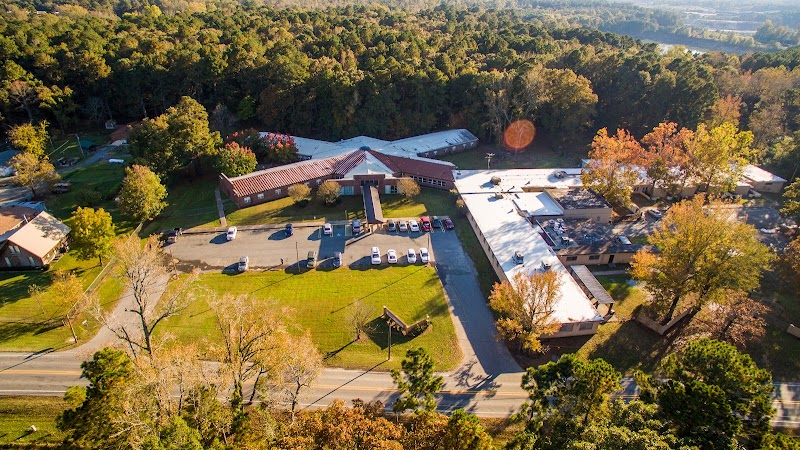
How is The Blossoms At West Dixon Rehab & Nursing Center Staffed?

CMS rates THE BLOSSOMS AT WEST DIXON REHAB & NURSING CENTER's staffing level at 2 out of 5 stars, which is below average compared to other nursing homes. Staff turnover is 61%, which is 14 percentage points above the Arkansas average of 46%. High turnover can affect care consistency as new staff learn residents' individual needs. RN turnover specifically is 83%, which is notably high. RNs provide skilled clinical oversight, so turnover in this role can affect medical care quality.

What Have Inspectors Found at The Blossoms At West Dixon Rehab & Nursing Center?

State health inspectors documented 52 deficiencies at THE BLOSSOMS AT WEST DIXON REHAB & NURSING CENTER during 2022 to 2025. These included: 2 that caused actual resident harm, 49 with potential for harm, and 1 minor or isolated issues. Deficiencies causing actual harm indicate documented cases where residents experienced negative health consequences.
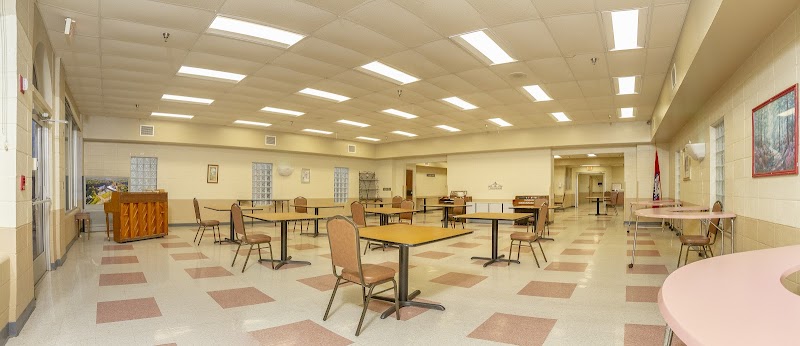
Who Owns and Operates The Blossoms At West Dixon Rehab & Nursing Center?

THE BLOSSOMS AT WEST DIXON REHAB & NURSING CENTER is owned by a for-profit company. For-profit facilities operate as businesses with obligations to shareholders or private owners. The facility is operated by THE BLOSSOMS NURSING AND REHAB CENTER, a chain that manages multiple nursing homes. With 127 certified beds and approximately 84 residents (about 66% occupancy), it is a mid-sized facility located in LITTLE ROCK, Arkansas.
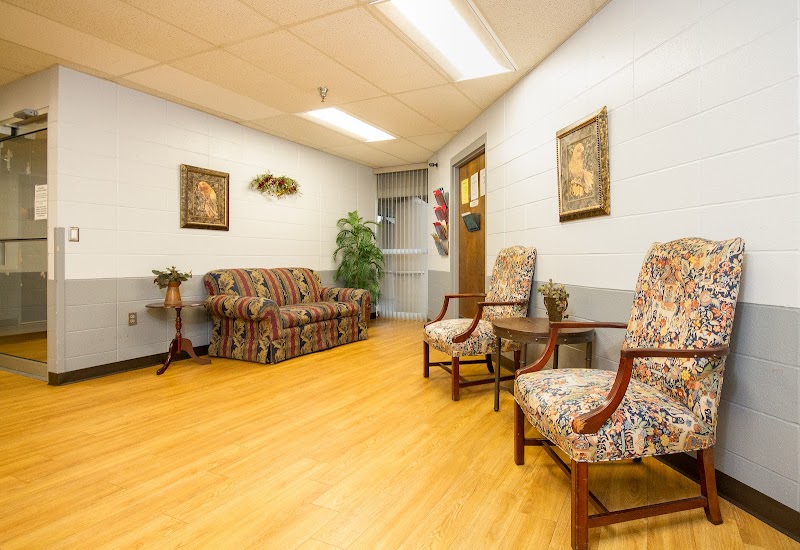
How Does The Blossoms At West Dixon Rehab & Nursing Center Compare to Other Arkansas Nursing Homes?

Compared to the 100 nursing homes in Arkansas, THE BLOSSOMS AT WEST DIXON REHAB & NURSING CENTER's overall rating (1 stars) is below the state average of 3.1, staff turnover (61%) is significantly higher than the state average of 46%, and health inspection rating (1 stars) is much below the national benchmark.

What Should Families Ask When Visiting The Blossoms At West Dixon Rehab & Nursing Center?

Based on this facility's data, families visiting should ask: "How do you ensure continuity of care given staff turnover, and what is your staff retention strategy?" "Can you walk me through typical staffing levels on day, evening, and night shifts?" "Can I visit during a mealtime to observe dining assistance and food quality?" "How do you handle medical emergencies, and what is your hospital transfer rate?" These questions are particularly relevant given the facility's high staff turnover rate and the below-average staffing rating.

Is The Blossoms At West Dixon Rehab & Nursing Center Safe?

Based on CMS inspection data, THE BLOSSOMS AT WEST DIXON REHAB & NURSING CENTER has a clean safety record: no substantiated abuse findings (meaning no confirmed cases of resident harm), no Immediate Jeopardy citations (the most serious violation level indicating risk of serious injury or death), and is not on the Special Focus Facility watch list (a federal program monitoring the lowest-performing 1% of nursing homes). The facility has a 1-star overall rating and ranks #100 of 100 nursing homes in Arkansas. While no facility is perfect, families should still ask about staff-to-resident ratios and recent inspection results during their visit.

Do Nurses at The Blossoms At West Dixon Rehab & Nursing Center Stick Around?

Staff turnover at THE BLOSSOMS AT WEST DIXON REHAB & NURSING CENTER is high. At 61%, the facility is 14 percentage points above the Arkansas average of 46%. Registered Nurse turnover is particularly concerning at 83%. RNs handle complex medical decisions and coordinate care — frequent RN changes can directly impact care quality. High turnover means new staff may not know residents' individual needs, medications, or preferences. It can also be disorienting for residents, especially those with dementia who rely on familiar faces. Families should ask: What is causing the turnover? What retention programs are in place? How do you ensure care continuity during staff transitions?

Was The Blossoms At West Dixon Rehab & Nursing Center Ever Fined?

THE BLOSSOMS AT WEST DIXON REHAB & NURSING CENTER has no federal fines on record. CMS issues fines when nursing homes fail to meet care standards or don't correct problems found during inspections. The absence of fines suggests the facility has either maintained compliance or corrected any issues before penalties were assessed. This is a positive indicator, though families should still review recent inspection reports for the full picture.

Is The Blossoms At West Dixon Rehab & Nursing Center on Any Federal Watch List?

THE BLOSSOMS AT WEST DIXON REHAB & NURSING CENTER is not on any federal watch list. The most significant is the Special Focus Facility (SFF) program, which identifies the bottom 1% of nursing homes nationally based on persistent, serious quality problems. Not being on this list means the facility has avoided the pattern of deficiencies that triggers enhanced federal oversight. This is a positive indicator, though families should still review the facility's inspection history directly.