THE BLOSSOMS AT WOODLAND HILLS REHAB & NURSING CEN
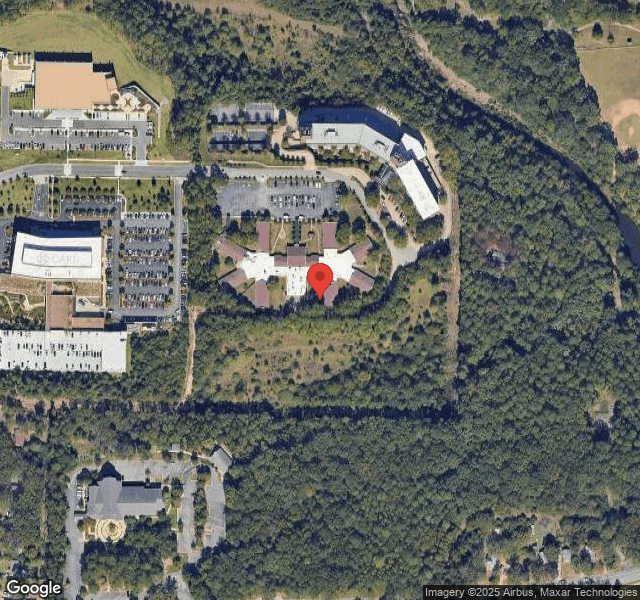
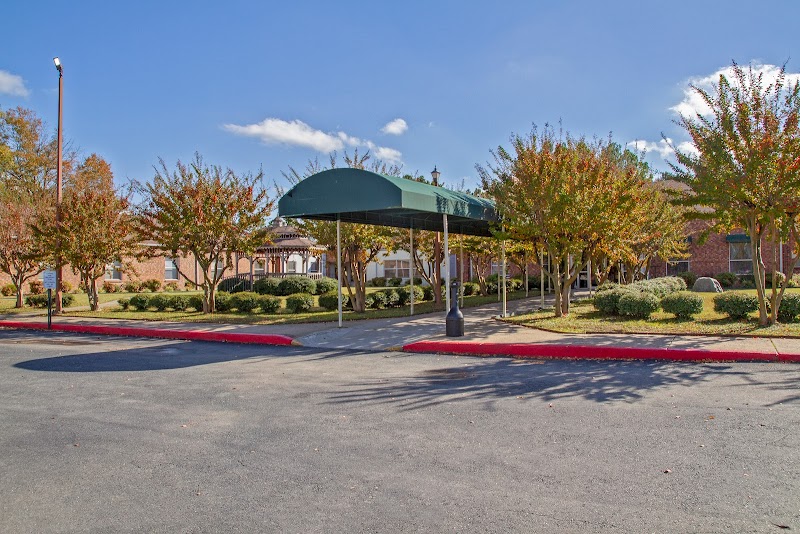
8701 RILEY DRIVE, LITTLE ROCK, AR 72205 (501) 224-2700
For profit - Limited Liability company 140 Beds THE BLOSSOMS NURSING AND REHAB CENTER Data: November 2025
Trust Grade
30/100
#213 of 218 in AR
Last Inspection: April 2025

Within standard 12-15 month inspection cycle. Federal law requires annual inspections.

Overview

The Blossoms at Woodland Hills Rehab & Nursing Center has received a Trust Grade of F, indicating significant concerns about the quality of care provided. With a state ranking of #213 out of 218 and a county ranking of #21 out of 23, this facility is in the bottom half of options available in Arkansas and Pulaski County. Although the overall trend is improving, with issues decreasing from 22 in 2024 to 7 in 2025, there are still serious weaknesses, including a high staff turnover rate of 77%, well above the state average. Specific incidents include a dietary aide handling food with bare hands, risking contamination, and a failure to provide timely care for residents, such as neglecting nail care and not responding promptly to call lights. On a positive note, the facility has not incurred any fines, and its quality measures rating is good at 4 out of 5 stars, indicating some strengths in resident care.

Trust Score
F
30/100
In Arkansas
#213/218
Bottom 3%
Safety Record
Low Risk
No red flags
Inspections
Getting Better
22 → 7 violations
Staff Stability
⚠ Watch
77% turnover. Very high, 29 points above average. Constant new faces learning your loved one's needs.
Penalties
✓ Good
No fines on record. Clean compliance history, better than most Arkansas facilities.
Skilled Nurses
⚠ Watch
Each resident gets only 23 minutes of Registered Nurse (RN) attention daily — below average for Arkansas. Fewer RN minutes means fewer trained eyes watching for problems.
Violations
⚠ Watch
34 deficiencies on record. Higher than average. Multiple issues found across inspections.
★☆☆☆☆
1.0
Overall Rating
★★☆☆☆
2.0
Staff Levels
★★★★☆
4.0
Care Quality
★☆☆☆☆
1.0
Inspection Score
Stable
2024: 22 issues
2025: 7 issues

The Good

  • 4-Star Quality Measures · Strong clinical quality outcomes
  • Full Sprinkler Coverage · Fire safety systems throughout facility
  • No fines on record

Facility shows strength in quality measures, fire safety.

The Bad

1-Star Overall Rating

Below Arkansas average (3.1)

Significant quality concerns identified by CMS

Staff Turnover: 77%

31pts above Arkansas avg (46%)

Frequent staff changes - ask about care continuity

Chain: THE BLOSSOMS NURSING AND REHAB CENT

Part of a multi-facility chain

Ask about local staffing decisions and management

Staff turnover is very high (77%)

29 points above Arkansas average of 48%

The Ugly 34 deficiencies on record

Jun 2025 1 deficiency
CONCERN (E) 📢 Someone Reported This

A family member, employee, or ombudsman was alarmed enough to file a formal complaint

Potential for Harm - no one hurt, but risky conditions existed

Quality of Care (Tag F0684)

Could have caused harm · This affected multiple residents

**NOTE- TERMS IN BRACKETS HAVE BEEN EDITED TO PROTECT CONFIDENTIALITY** Based on observations, interviews, and record reviews, the facility failed to provide nail care for one (Resident #6) of three r...

Read full inspector narrative →
**NOTE- TERMS IN BRACKETS HAVE BEEN EDITED TO PROTECT CONFIDENTIALITY** Based on observations, interviews, and record reviews, the facility failed to provide nail care for one (Resident #6) of three residents reviewed for nail care, and to ensure staff answered one (Resident #8) of four resident ' s call lights in a timely manner. The findings include: 1. A review of Resident #6 ' s Order Summary Report indicated the facility admitted the resident on 11/22/2024, with diagnosis which included type 2 diabetes mellitus without complications. Resident #6 ' s Order Summary Report also indicated the resident should be evaluated by a podiatrist and treated as needed. A review of Resident #6 ' s quarterly Minimum Data Set (MDS) with an Assessment Reference Date (ARD) of 05/30/2025, revealed the resident had a Brief Interview for Mental Status (BIMS) score of 12, which indicated moderate cognitive impairment. A review of Resident #6 ' s Care Plan initiated 12/03/2024, revealed the resident was independent with all activities of daily living, but required cueing at times. The Care Plan had interventions which included to check fingernails and toenails, trim as needed and to notify the nurse if the resident was a diabetic. During an interview on 06/26/2025 at 9:20 AM, Resident #6 indicated their toenails had not been cut since they were admitted on [DATE]. The resident stated when they took showers, the aides would tell the resident they used to cut toenails, but they did not anymore. Resident #6 indicated they were told by staff a week and a half ago they were going to cut the resident ' s nails. During an interview on 06/26/2025 at 9:20 AM, the Assistant Director of Nursing (ADON) indicated Resident #6 ' s toenails were clipped by the podiatrist, as needed. During an interview on 06/26/2025 at 9:46 AM, Licensed Practical Nurse (LPN) #1 stated the Certified Nursing Aides (CNAs) were responsible for cutting Resident #6's toenails, because the resident was not an active blood sugar check. During an observation on 06/26/2025 at 9:47 AM, CNA #3 removed both of Resident #6's socks. The resident ' s toenails were approximately 1/2 to 1 inch long. Some of the resident ' s toenails were curved and had sharp points on them. Resident #6's feet were dry with white flakes. CNA #3 stated the aides did not cut Resident #6's toenails, because the resident was diabetic. During an interview on 06/26/2025 at 9:48 AM, Resident #6 stated their toenails were sharp, and that they could only wear open-toed shoes because their toenails were too long to wear regular shoes. During a concurrent interview and observation on 06/26/2025 at 10:03 AM, the Administrator verified that the nurse or the podiatrist were responsible for cutting Resident #6's toenails. The Administrator confirmed Resident #6's toenails were long, curved, and needed to be clipped. During an interview on 06/26/2025 at 10:06 AM, the ADON revealed Resident #6 did not have any records on file indicating that the resident had seen the podiatrist since admission. During a concurrent interview and observation on 06/26/2025 at 1:29 PM, the Director of Nursing (DON) stated she did not know how often the staff provided nail care for Resident #6. The DON verified Resident #6's toenails were too thick for staff to cut them, and the resident needed to see a podiatrist. 2. During an observation on 06/18/2025 from 11:15 AM to 11:40 AM, this surveyor observed that Resident #8's call light was on. During an observation on 06/18/2025 at 12:15 PM, this surveyor observed that Resident #8's call light was on, and Licensed Practical Nurse (LPN) #1 was sitting at the nurse's desk. A review of Resident #8 ' s Order Summary Report indicated the facility re-admitted the resident on 09/02/2022, with diagnoses which included type 2 diabetes mellitus without complications. A review of Resident #8 ' s quarterly MDS with an ARD of 04/11/2025, revealed the resident had a BIMS score of 12, which indicated moderate cognitive impairment. A review of Resident # 8 ' s Care Plan, initiated 02/08/2022, revealed the resident was at risk for falls related to balance and unsteady gait. The Care Plan included interventions to ensure the call light was within reach and to encourage the resident to use the call light for assistance as they needed. Staff were to respond promptly to all requests for assistance from the resident. During an interview on 06/25/2025 at 11:58 AM, Resident #8 stated their call light had been on for 30 minutes. The resident indicated they told CNA #2 they were hurting, and CNA #2 told Resident #8 she could not put them in bed until after lunch. During an interview on 06/25/2025 at 12:24 PM, CNA #2 stated she could not answer Resident #8's call light, because she was on her lunch break. CNA #2 indicated she informed LPN #1 she was going on break. CNA #2 confirmed Resident #8 told her they wanted to get in bed, and CNA #2 asked the resident to wait until she returned from lunch. During an interview on 06/25/2025 at 1:07 PM, LPN #1 verified that CNA #2 told Resident #8 she was going on break. LPN #1 stated she did not realize Resident #8's call light had been going off for 30 minutes. LPN #1 indicated she was completing a medication pass on the C Hall, and did not realize there were no staff on the A Hall. During an interview on 06/26/2025 at 9:24 AM, Resident #8 stated it took staff a long time to answer the call lights. The resident indicated that sometimes the call lights never got answered, especially at night. During an interview on 06/26/2025 at 1:30 PM, the DON confirmed resident call lights should be answered immediately. During an interview on 06/26/2025 at 2:41 PM, the Administrator stated staff should not tell a resident to wait until they come back from break to be put in bed. The Administrator indicated the facility did not have a policy on call lights.
Apr 2025 6 deficiencies
CONCERN (D)

Potential for Harm - no one hurt, but risky conditions existed

Pharmacy Services (Tag F0755)

Could have caused harm · This affected 1 resident

Based on observation, record review, and interview, the facility failed to ensure three (3) syringes of [Name Brand Anti-anxiety medication] were documented in a narcotic book to maintain receipt and ...

Read full inspector narrative →
Based on observation, record review, and interview, the facility failed to ensure three (3) syringes of [Name Brand Anti-anxiety medication] were documented in a narcotic book to maintain receipt and accounting of a narcotic during 1 of 1 observation to prevent diversion for 1 (Resident #71) resident. The findings include: Review of Medical Diagnosis revealed Resident #71 had diagnoses of dementia, schizophrenia, and urinary retention. Review of Care Plan for Resident #71 dated 12/09/2024, indicated Resident #71 used antianxiety medication related to an agitation disorder. On 04/02/2025 3:15 PM, this surveyor accompanied the Unit Manager to the medication room outside the unit. The narcotic box was permanently affixed and contained antianxiety medication 2mg/ml (milligram/milliliter) x2 syringes and there was a bag labeled Resident #71 containing antianxiety medication 2mg/ml x3 syringes, dated 12/06/2024. The Unit Manager was asked to show where Resident #71's antianxiety medication was documented in the narcotic book. The Unit Manager was unable to locate the requested documentation. On 04/02/2025 at 3:20 PM, the Unit Manager walked to central supply where she was joined by the Director of Nursing (DON) in searching narcotic books for documentation on Resident #71's antianxiety medication. On 04/02/2025 at 3:30 PM, the DON stated Resident #71's antianxiety syringes were not documented in any of the narcotic books. The DON stated that when the medication was delivered nursing staff should have documented it right away. The DON stated it was unknown why the antianxiety medication was not in the narcotic books. The DON stated Resident #71 moved from C to E Hall and any narcotics should have been transferred from one narcotic book to another. The DON was accompanied back to the medication room where she removed Resident #71's antianxiety medication and stated that there was not a narcotic book page number written on the prescription label and it was never logged in. The DON stated it could have easily been diverted, because it was not documented in a narcotic book. On 04/03/2025 at 10:57 AM, the Administrator stated she was surprised to hear that Resident #71's antianxiety medication was not documented in a narcotic book. The administrator was asked for documentation that the antianxiety medication was signed for by a nursing staff member. This surveyor requested policies on medication storage, narcotics, and any nursing in-services on documenting medications. On 04/03/2025 at 11:59 AM, Licensed Practical Nurse (LPN) #6 was asked the process for receiving medications from the pharmacy. LPN #6 stated when the pharmacy brings medications, nursing staff look at the documentation to make sure it was the right medication dose and quantity. If the quantity was wrong that would be noted/corrected on the documentation, then the nurse that accepted it would write it in the narcotic book, if the medication was a narcotic. The medication would then be placed in locked storage. Review of a Pharmacy Manifest dated 12/6/2025, indicated Resident #71 received antianxiety medication 2mg/ml syringes x4. A review of Medication Administration Record for Resident #71 did not show a current order for antianxiety medication. Review of a policy titled Label/Store Drugs and Biologicals, dated 01/2024, revealed drugs and biologicals are to be stored in a safe, secure and sanitary manner. The policy did not address documentation of narcotics. Reviewed an in-service on Medication Storage, dated 4/2/25, revealed all narcotic medication was to be accurately logged in and stored according to policy.
CONCERN (D)

Potential for Harm - no one hurt, but risky conditions existed

Deficiency F0761 (Tag F0761)

Could have caused harm · This affected 1 resident

**NOTE- TERMS IN BRACKETS HAVE BEEN EDITED TO PROTECT CONFIDENTIALITY** Based on observation, record review, and interview, the facility failed to ensure that medications were locked away and stored i...

Read full inspector narrative →
**NOTE- TERMS IN BRACKETS HAVE BEEN EDITED TO PROTECT CONFIDENTIALITY** Based on observation, record review, and interview, the facility failed to ensure that medications were locked away and stored in a manner that prevented resident access for 1 of 1 observation of the central supply room. Specifically, a box of medications was found resting on a pallet in central supply and the doorknob was broken. The door was ajar and could not be closed. The facility failed to ensure 13 bottles of expired [name brand] supplemental feeding were removed from the supply shelf to prevent nursing staff from using them on residents with feeding tubes for 1 of 1 observation. The findings include: On [DATE] at 6:34 AM, the central supply door was observed as being propped open 4-6 inches by a broken inner doorknob. Paint outside the door appeared scuffed off in the area of the doorknob. In central supply an open box was observed resting on a pallet containing: a. Clear lax 17.9oz (ounce) bottles x5 b. Sleep aid 3mg (milligram) x3 250ct (count) c. Sleep aid 5mg x3 90ct d. Zinc 50mg x3 100ct e. Aspirin x1 36ct f. Acetaminophen 325mg x2 1000ct g. Vitamin D3 x3 25mcg 300ct h. Iron 325mg x2 200ct i. NSAID (nonsteroidal anti-inflammatory drugs) 200 mg x5 300ct j. Stool Softener 100mg x3 200ct k. Glucose Gel 15g (gram), 3 tubes l. Magnesium 400mg x1 120ct m. Antacid x2 750mg 96ct (1 bottle of antacid had been open) On [DATE] at 6:40 AM, the Administrator was asked to explain the process for storing the open box of medications. The Administrator identified the box of medications as over the counters and stated they should be stored locked at the nurse ' s station. The Administrator stated residents should not have access to this room with medications. The Administrator stated the damage to the wall outside central supply, at the inner doorknob level was new. The Administrator did not know the door could not be closed to central supply. The Administrator stated residents would have told nursing staff if they found the open box of medications. On [DATE] at 6:45 AM, the Director of Nursing (DON) was asked if the supplemental feeding, stored on the central supply room shelf, was in date for use. The DON confirmed that the supplemental feeding was available for use. The DON was asked about 13 bottles of [name brand] supplemental feeding. The DON confirmed an expiration date of 02/2025 and said it should have been returned. The Administrator stated maintenance should have been called to fix the central supply doorknob. On [DATE] at 7:00 AM, Registered Nurse (RN) #1 was asked the process for storing drugs in the medication room. RN #1 revealed medications should be behind a locked door, and she did not notice that the door was not closed all the way during her 12-hour shift. RN #1 stated a resident could have taken any of the medications that were left out in the open. RN #1 was unable to confirm if any residents were receiving the expired supplemental feeding. On [DATE] at 10:33 AM, the Medical Director confirmed he did not know medications were being stored in an open box resting on a pallet in central supply. The Medical Director said the concern would be diversion of the mediations. Review of a policy titled Label/Store Drugs and Biologicals, dated 01/2024, revealed drugs and biologicals are to be stored in a safe, secure and orderly manner. Drugs should be locked away when not in use, and out of date drugs should be returned to the pharmacy or destroyed. Review of an in-service titled Medication Storage, dated [DATE], revealed all narcotic medication is to be stored accurately, logged in and stored according to policy.
CONCERN (E)

Potential for Harm - no one hurt, but risky conditions existed

Resident Rights (Tag F0550)

Could have caused harm · This affected multiple residents

Based on observations, record review, and interviews, the facility failed to ensure that residents were living a dignified existence for two residents (Resident #6 and Resident #67) of two sampled res...

Read full inspector narrative →
Based on observations, record review, and interviews, the facility failed to ensure that residents were living a dignified existence for two residents (Resident #6 and Resident #67) of two sampled residents reviewed for dignity. The findings include: A review of the facility policy Resident Dignity effective on 04/2021, indicated that Each resident shall be cared for in a manner that promotes and enhances quality of life, dignity, respect, and individuality. A review of the facility policy Resident Rights effective on 04/2021, indicated that, These rights include the resident's right to a dignified existence. 1. A review of an admission Record indicated that Resident #67 was admitted with diagnoses that included stroke, cognitive communication deficit, and mood disorder. A review of the admission Minimum Data Set (MDS) with an Assessment Reference Date (ARD) of 01/20/2025, revealed Resident #67 had a Brief Interview for Mental Status (BIMS) score of 0, which indicated resident had severe cognitive impairment. A review of the Care Plan initiated on 01/29/2025, indicated Resident #67 takes clothes off and wears hospital gown. A review of Progress Notes revealed on 02/9/2025 at 11:47 AM, Care Plan Note: Resident #67 refuses to keep clothes or briefs on. Resident #67 lifts leg and places it on the wall. Resident #67 hits themselves and cries out and is unable to be redirected. Staff keep privacy curtain partially pulled to provide privacy and dignity to Resident #67. On 03/31/2025 at 8:30 AM, this surveyor observed staff passing trays on Unit D. Resident #67's door was open. This surveyor observed Resident #67 in bed, with the hospital gown removed, a blanket against the wall, and the resident was exposed to the hallway. No privacy curtain was observed to be hanging in the room. This surveyor attempted to interview Resident #67 who was not able to answer questions. On 03/31/2025 at 10:45 AM, this surveyor observed Resident #67 exposed from doorway of room with hospital gown removed and underneath [pronoun] head. No blanket was observed in the bed at this time. No privacy curtain was observed to be hanging in the room. On 04/01/2025 at 9:43 AM, this surveyor observed Resident #67 lying in bed, hospital gown removed, exposed from doorway of the room. A blanket was observed by the resident's feet in the bed. A full lift pad was observed underneath the resident from shoulders to the back of their knees. A male housekeeper cleaning the rooms on the unit walked past the room, with Resident #67 unclothed in clear view. No privacy curtain was observed to be hanging in the room. On 04/01/2025 at 2:20 PM, this surveyor observed Resident #67 exposed from the doorway of the room with hospital gown removed and lying in the bed, by the wall. A blanket was observed at the foot of bed. A full lift pad was observed underneath the resident from shoulders to the back of their knees and the resident ' s brief was pulled down, exposing the genital region. On 04/02/2025 at 9:40 AM, this surveyor observed Resident #67 exposed from the doorway of the room with hospital gown removed and lying underneath the resident ' s head. A pillow was in the floor, a blanket was observed at the foot of the bed, and the resident ' s brief was pulled down exposing the genital region. No privacy curtain was observed hanging in the room. A male housekeeper was observed to be cleaning rooms on the unit. 2. A review of an admission Record indicated Resident #6 was admitted to the facility with diagnoses that included type 2 diabetes, dementia, depressive disorder, and heart failure. A review of the admission Minimum Data Set (MDS) with an Assessment Reference Date (ARD) of March 10, 2025, indicated that Resident #6 had a Brief Interview for Mental Status (BIMS) score of 8, which indicates moderate cognitive impairment. A review of the Care Plan initiated on 03/24/2025, indicated Resident #6 required cuing and supervision with all activities of daily living related to cognitive loss, an intervention indicated they were able to choose clothing for the day and to assist/cue as needed. A review of the Document Survey Report indicated for Resident #6, was marked as independent or supervision on the lower body dressing task, for the month of March. On 04/01/2025 at 2:00 PM, during a concurrent interview and observation, Resident #6 was observed walking up and down the hallway on Unit D with a t-shirt on and a hospital gown over it. Resident #6 was not wearing pants. The resident ' s lower body and brief were exposed. Resident #6 asking Where are my pants? and attempted to cover [pronoun] exposed lower half by holding gown closed in the back while walking. Certified Nursing Assistant (CNA) #3 stated they were waiting on laundry to bring more pants. CNA #3 stated Resident #6 would take clothes off and on in their room making a mess of them. CNA #3 stated the night aide did not tell her in report that the resident was low on clothes. CNA #3 also stated when laundry delivered the resident ' s clothes she planned to dress the resident. CNA #3 stated she was not aware of any extra clothes in the laundry room to get for Resident #6. CNA #3 stated Resident #6 had been uncomfortable. On 04/01/25 at 2:15 PM, Resident #6 was observed walking up and down hallway with lower half exposed, using left hand to hold the back of the hospital gown closed. On 04/01/2025 at 2:20 PM, Resident #6 was observed knocking on the window of the unit doors, asking Where are my pants? Resident #6 was holding the back of the hospital gown and then sat in a chair. On 04/01/2025 at 2:30 PM, Resident #6 got out of the chair, held the back of the gown, and was observed knocking on the unit window again asking, Where are my pants? Resident #6 remained in this position for a few minutes before returning to the chair. This surveyor attempted to interview the resident, but the resident was not able to be directed. On 04/01/2025 at 2:30 PM, Resident #6 rose out of chair, held the back of the gown and knocked on the unit window asking about laundry. CNA #3 tied the second string on the back of the gown the resident was wearing. Resident #6 sat down in the chair. On 04/01/25 at 3:05 PM, during an interview, CNA #3 stated she was familiar with the residents on the secure unit. CNA #3 stated Resident #67 had not had a privacy curtain for a while. CNA #3 stated that they place the lift pad under Resident #67 to use when repositioning the resident. CNA #3 stated the resident had a full lift pad under them because the CNA could not leave to get a green pad to put under the resident due to CNA #3 was the only staff member on the unit. CNA #3 stated this was to help me pull [the resident] up for lunch when the restorative aide came back here for a minute. CNA #3 stated the negative outcome for the resident taking clothes off with no privacy curtain was dignity because it exposed the resident unknowingly to staff and other residents that walked by. CNA #3 stated the negative outcome for Resident #6 was that the resident was wandering around exposed, and that would be embarrassing. It was a dignity issue. CNA #3 stated, I did notice [the resident] trying to cover [pronoun] bottom. CNA #3 stated that she was going to get the nurse ' s attention to go to the laundry for Resident #6 and that the resident had been wearing a hospital gown since eleven that morning. On 04/02/2025 at 2:34 PM, during an interview, LPN #2 stated that Resident #67 was exposed from the doorway, and that could be embarrassing. LPN #2 stated there was no privacy curtain hanging in the resident ' s room. LPN #2 stated a resident should wear clothes to prevent them from being embarrassed, and for dignity. On 04/03/2025 at 12:15 PM, the Minimum Data Set Coordinator stated that Resident #67's behaviors of stripping off clothes could be a dignity issue if they were exposed from the doorway and a privacy curtain would be an intervention that could be added into the Care Plan to help. On 04/03/2025 at 12:30 PM, the Director of Nursing (DON) stated residents should not be exposed to other residents or staff and it could make them uncomfortable or embarrassed. The DON stated Resident #67 should have a privacy curtain hanging in the room to ensure that the resident did not expose themself related to behavior.
CONCERN (E)

Potential for Harm - no one hurt, but risky conditions existed

ADL Care (Tag F0677)

Could have caused harm · This affected multiple residents

Based on observation, record review, and interview, the facility failed to ensure activities of daily living (ADL) care such as facial hair removal, and nail care were completed for two (Resident #6 a...

Read full inspector narrative →
Based on observation, record review, and interview, the facility failed to ensure activities of daily living (ADL) care such as facial hair removal, and nail care were completed for two (Resident #6 and Resident #67) of five sampled residents reviewed for ADL care. The findings include: 1. A review of the admission Record indicated Resident #6 was admitted with diagnoses that included type 2 diabetes, dementia, depressive disorder, and heart failure. A review of the admission Minimum Data Set (MDS) with an Assessment Reference Date (ARD) of March 10, 2025, revealed Resident #6 had a Brief Interview for Mental Status (BIMS) score of 8 which indicated moderate cognitive impairment. A review of a Care Plan initiated on 03/24/2025, indicated that Resident #6 required cuing and supervision with all activities of daily living related to cognitive loss. Interventions indicated the resident was able to choose clothing for the day and to assist/cue as needed. A review of the Document Survey Report used to track behaviors, indicated Resident #6, for the month of March had one documented day for refusal of care on night shift on 3/11/2025, and for bath, given on Tuesday, Thursday, and Saturday; one refusal charted on 3/8/2025, was blank for 3/15/2024, and 3/29/2024, charted not applicable on 3/22/2025, and the rest were given. On 03/31/2025 at 9:00 AM, this surveyor observed Resident #6 wandering up and down the hallway on Unit D. The resident had facial hair across their upper lip that connected with facial hair that covered the length and width of Resident #6's chin. On 03/31/2025 at 1:00 PM, this surveyor observed Resident #6 wandering the hallway with no changes in facial hair. On 04/01/2025 at 9:00 AM, this surveyor observed Resident #6 wandering the hallway with no changes in facial hair. On 04/01/2025 at 2:30 PM, this surveyor observed Resident #6 wandering the hallway with no changes in facial hair. On 04/02/2025 at 9:30 AM, this surveyor observed Resident #6 wandering the hallway with no changes in facial hair. 2. A review of the admission Record indicated Resident #67 was admitted with diagnoses that included stroke, cognitive communication deficit, and mood disorder. A review of the admission Minimum Data Set (MDS) with an Assessment Reference Date (ARD) of 1/20/2025, revealed Resident #67 had a Brief Interview for Mental Status (BIMS) revealed a score of 0, which indicated the resident had severe cognitive impairment. Section GG revealed Resident #67 was dependent on staff for activities of daily living care. A review of the Care Plan, initiated on 2/5/2025, indicated Resident #67 required extensive assist x 2 staff with bed mobility, transfer, dressing, toileting, personal hygiene, bathing and required extensive assist x 1 staff with eating and locomotion; Interventions include: Please check my fingernail and toenail length and trim as needed unless I am diabetic. Please notify my nurse if I need my toenails trimmed and please give me my shower/bath as per my bath schedule and if needed give me a sponge bath on non-shower days. A review of the Documentation Survey Report used to track behaviors, indicated Resident #67's bath days were on Monday, Wednesday, and Friday and in March all days were marked not applicable except March 5th,10th, 26th, and 28th, which were marked as given. On 03/31/2025 at 8:30 AM, this surveyor observed Resident #67 hit themselves in the chest and abdomen and hit the side rails. Resident #67 ' s fingernails on the left hand were short, broken, and jagged, with all having sharp edges/points and matter that appeared to be food under them. On the right hand, nails were observed to be long, and jagged, having sharp edges and points and what appeared to be food matter underneath them. This surveyor observed Resident #67 eating food with their hands with staff supervising. On 03/31/2025 at 10:45 AM, this surveyor observed Resident #67 rubbing their facing, hitting themselves in the arms and on side rails. No changes to fingernails were observed. On 04/01/2025 at 9:40 AM, this surveyor observed Resident #67 using their left hand to scratch their right arm and chest, then started to hit the side rails, and crying out. No changes to fingernails were observed. On 04/01/2025 at 12:30 PM, this surveyor observed Resident #67 feeding themselves lunch with their hands, with staff supervising. On 04/02/2025 at 9:20 AM, this surveyor observed Resident #67 flailing their left hand back and forth hitting the side rails frantically. The resident was observed scratching themselves and crying out. No changes to fingernails were observed. On 04/02/2025 at 2:30 PM, this surveyor observed Resident #67 hitting themselves in the abdomen and scratching themselves. No changes to fingernails were observed. On 04/01/2025 at 9:32 AM, during an interview, Certified Nursing Assistant (CNA) #3 stated that activities of daily living care should be performed daily, as needed, and on bath days. CNA #3 stated the negative outcome for unkempt facial hair was hygiene, confidence and dignity. CNA #3 stated that the negative outcome for uncut nails was germs and hygiene. CNA #3 stated that it could affect confidence, for nails to be uncut and for facial hair to be not shaved. CNA #3 stated that Resident #6 and Resident #67 do not refuse bath days or trims for facial hair and nails. CNA #3 described Resident #6's facial hair as a goatee that needed to be shaved. CNA #3 described Resident #67's nails as long, broken, and uneven, with sharp edges or points, and food matter under them. CNA #3 continued stating Resident #67 hits themselves all the time, nails like this could cause them to hurt themselves. CNA #3 stated baths were usually done on Monday, Wednesday and Friday on the unit, and they should have been done yesterday. On 04/02/2025 at 2:30 PM, during an interview Licensed Practical Nurse (LPN #2) stated she was with an agency and had been back here the last two days. LPN #2 described Resident #6's facial hair as a goatee, and it needed trimmed. LPN #2 described Resident #67's nails as jagged, long, with sharp points, and needed trimmed. LPN #2 stated unkempt facial hair could be seen as embarrassing definitely a dignity issue. LPN #2 stated that nails were to be trimmed for hygiene and to prevent skin breakdown. LPN #2 stated that facial hair and nail care should be done as needed and on bath days. LPN#2 stated that uncut nails can cause skin breakdown, and facial hair could be seen as unkempt. On 04/02/2025 at 2:40 PM, during a concurrent interview and observation, CNA #3 stated that baths were not completed because CNA #3 was the only staff member on the unit. CNA #3 stated they planned to attempt to do baths tonight while floating until 7:00. This surveyor observed Resident #6 sitting in a chair with facial hair and no changes. On 04/03/2025 at 12:30 PM the Director of Nursing (DON) stated activities of daily living care such as nails and facial hair should be done on an as needed basis and on shower days. The DON stated negative outcomes for uncut nails could be hygiene or even scratching themselves. The DON stated negative outcomes for unkempt facial hair could be that it's embarrassing for residents. The DON stated that it could be seen as a dignity issue for facial hair to not be shaved. The DON stated activity of daily living care helped meet the needs of the resident.
CONCERN (E)

Potential for Harm - no one hurt, but risky conditions existed

Accident Prevention (Tag F0689)

Could have caused harm · This affected multiple residents

**NOTE- TERMS IN BRACKETS HAVE BEEN EDITED TO PROTECT CONFIDENTIALITY** Based on observation, record review, and interview, the facility failed to ensure cigarettes and lighters were properly stored, ...

Read full inspector narrative →
**NOTE- TERMS IN BRACKETS HAVE BEEN EDITED TO PROTECT CONFIDENTIALITY** Based on observation, record review, and interview, the facility failed to ensure cigarettes and lighters were properly stored, to prevent residents from having and using cigarettes and lighters without staff knowledge, on 1 of 1 observation, to prevent accidental burns and injury. This failed practice had the potential to affect 4 (Resident #29, #40, #61, and #84) of 18 sampled residents, reviewed for smoking tobacco or nicotine use to ensure safe interventions were in place. The facility also failed to ensure 1 resident (Resident #59) of 1 sampled resident was not in the smoking area with cigarettes and lighter stored in a personal cigarette case to prevent possible injury. The findings include: Review of Medical Diagnosis revealed Resident #84 had diagnoses that included seizure disorder and aphasia. Review of Resident #84 ' s admission Minimum Data Set (MDS) dated [DATE], revealed a Brief Interview of Mental Status (BIMS) score of 11, which indicated moderate cognitive impairment. Resident #84 was observed sitting in a specialty chair in the courtyard smoking area. Review of Medical Diagnosis revealed Resident #61 had diagnoses that included Huntington's disease and anxiety. Review of admission MDS dated [DATE], revealed Resident #61 had a BIMS of 15, which indicated no cognitive impairment. Resident #61 was observed sitting on the right side of the courtyard smoking area. Review of Care Plan revealed interventions for Resident #61 included storing smoking materials, including cigarettes and lighters, in the Administrator ' s office. Review of Medical Diagnosis revealed Resident #29 had diagnoses that included schizophrenia, stroke, and seizure disorder. Review of Resident #29 ' s quarterly MDS dated [DATE], revealed a BIMS of 11, which indicated moderate cognitive impairment. Resident #29 was observed sitting on the left side in the courtyard smoking area. Review of Care plan revealed interventions include must wear an apron to smoke and storing smoking materials including cigarettes and lighter, in a locked area of the Administrator ' s office, and the nurse's station. Review of facility policy titled Smoking Policy, dated 02/2024, revealed smoking privileges and restrictions should be documented in the care plan. All residents will require monitoring, and residents cannot keep smoking materials including cigarettes, tobacco, etcetera. The facility stores all smoking material and retains the right to confiscate smoking articles from residents not adhering to policy. Review of an in-service titled Resident Smoke Break, dated 1/20/25, revealed residents need to be timely for their assigned smoke breaks, but did not address storage of smoking materials. On 03/31/2025 at 1:14PM, the Activity Director (AD) was observed placing smoke aprons on residents. The AD was asked what the process was and how residents who wore a smoking apron were identified. The AD stated all residents were to wear an apron, and the residents were not given more than two (2) cigarettes at a time. On 03/31/25 at 1:24 PM, Resident #84 lifted [pronoun] right leg and a pack of [brand name] cigarettes was observed to be resting under Resident #84's upper thigh. Resident #69 said Resident #84 has had cigarettes on their person before and they were always smashed flat under [pronoun] leg. Certified Nursing Assistant (CNA) #3 and CNA #8 removed the cigarettes from the resident ' s possession and revealed 12 cigarettes were in the pack. On 03/31/2025 at 1:25 PM, during an interview, CNA #3 was asked to describe the events that just occurred. CNA #3 said she suspects a friend or relative brought Resident #84 cigarettes. CNA #8 stated residents were only given 2 cigarettes at a time with each smoke break. CNA #3 stated she did not have a concern with residents having cigarettes, but knowing they were bringing them in [the building] was a concern. CNA #3 said CNA #8 had a lighter and would light them. CNA #8 confirmed nobody was supposed to light their own cigarette. Resident #61 was observed reaching in the left pocket of the resident ' s jacket, pulled out a lighter, and lit a cigarette, after throwing aside the smoker's apron. This surveyor looked to the left and observed Resident #29 and Resident #84 lighting their own cigarettes. On 03/31/2025 at 1:26 PM, CNA #3, CNA #8, and the AD were observed talking to Residents #29, Resident #61, and Resident #84 while CNA #8 attempted to confiscate three (3) lighters. On 03/31/2025 at 1:27 PM, the Administrator was asked what concerns they had about residents having lighters and cigarettes on their person. The Administrator stated smokers had all signed a contract and should not have cigarettes or lighters. CNA #8 took possession of all the lighters and placed three (3) lighters in the Administrator ' s hand. The Administrator stated the facility and staff needed to monitor residents' cigarettes but also make sure residents smoke safely. The Administrator revealed that smoking materials were locked in her office, and the AD put cigarettes in a plastic bag for the day. The bags are locked up at the nurse ' s station and used during smoke breaks. On 03/31/2025 at 2:02 PM, review of a list titled, Residents Who Smoke revealed Resident #29, Resident #61, and Resident #84 were included. On 04/01/25 at 9:28 AM, Resident #84 revealed that [pronoun] saw an opportunity one (1) day ago to pick up a lighter while smoking outside and grabbed it. My brother chewed me out because I was going through lighters that he gave me and cigarettes. Resident #84 revealed family and friends gave [pronoun] cigarettes and lighters. The resident said [pronoun] did not remember being told [pronoun] could not keep cigarettes and lighters. On 04/01/25 at 9:38 AM, the MDS Nurse stated she was the C Hall nurse today and Resident #61 constantly comes back with stuff not allowed like fingernail clippers, cigarettes and lighters after going on family leave. Resident #61 did not like anyone in their room or space and got very mad when questioned. Resident #61 would sometimes slam doors. The MDS Nurse stated Resident #84's family does the same thing and puts things in drawers. The MDS Nurse stated she sometimes would ask about items and try to get things out that residents should not have like lighters and cigarettes. We have educated both families about this. On 04/01/2025 at 11:20 AM, the Medical Director said he was aware from time-to-time residents got cigarettes and lighters from family and friends. They are here for a reason, and confusion plays a part in their understanding. The Medical Director was not aware of any recent incidents and stated it was the facility policy that residents did not keep cigarettes or lighters. On 04/01/25 at 12:15 PM, during an interview, the Director of Nursing (DON) stated educating residents and families on not bringing in cigarettes and lighters was an ongoing battle. The facility had provided education during resident council, smoking contracts, and re-educated when they suspected a resident was smoking. The DON was asked when Resident #84 was assessed last for smoking and provided an Admission/readmission Nursing Evaluations Packet, dated 12/19/24, that revealed in VI. evaluation indicated Resident #84 was not a smoker. The DON stated she remembered that Resident #84 changed their mind about smoking after admission, and said Resident #84 should have been reassessed. The DON said she would like everyone to wear a smoker's apron and has ordered more of them. On 04/01/2025 at 12:38 AM, review of Resident #61 ' s Admission/readmission Nursing Evaluations Packet, dated 01/08/2025, revealed Resident #61 smoked and required supervision, and a smoker ' s apron. On 04/1/2025 at 2:40 PM, the [NAME] Director of Operations (RDO) said that smoking assessments were done quarterly. On 04/02/25 at 1:50 PM, this surveyor observed a yellow chair resting against the wall outside Resident #40's room. This Surveyor asked the RDO if Resident #40 was on 1:1, and if so, could she explain why. The RDO revealed that Resident #40 had been caught smoking in their personal room this morning, and the resident ' s father had been contacted for a 30-day discharge. The facility called the resident ' s dad because he was responsible for all the resident ' s decisions and had already been working on a place for Resident #40 to go. On 04/02/25 at 2:00 PM, the RDO provided a copy of a letter titled 30-Day Discharge Notice, dated 04/02/2025, which informed Resident #40 that due to smoking in their room on April 2, 2025, they were considered a danger to self and others and the decision was made to discharge Resident #40 from the facility. The facility had offered to assist in finding placement. Appeal information was included. On 04/02/25 at 3:35 PM, the Administrator provided evidence regarding the smoking area incident. Residents observed had BIMS of 11-15, and residents have rights. The Administrator provided additional evidence and stated that witness statements were taken from staff and residents, and residents said after smoking they planned to turn their lighters into the staff. The Administrator stated her evidence included the smoking in-service, employee handbook and resident rights policy, because residents have rights, and staff cannot search residents and their belongings without infringing on the resident's rights. On 04/03/25 at 9:15 AM, CNA #7 said most of the time she found things in resident rooms when she was getting their underwear from a drawer or something like that. CNA #8 stated that she looked at what was out in the room but did not look through personal belongings. On 04/03/25 at 9:25 AM, during smoke break, [a food delivery service] brought a [Brand name coffee shop] bag to Resident #40. CNA #8 observed cigarettes resting under the frozen [Brand name coffee shop] drink. CNA #8 confiscated cigarettes, and the Administrator was observed taking possession of the cigarettes. The Administrator confirmed residents were not allowed to have cigarettes or lighters on their person. On 04/01/2025 at 4:08 PM, in the facility's designated smoking area, Resident #59 was observed producing a small case approximately six (6) inches long, four (4) inches wide, and about two (2) inches thick. Resident #59 opened the case and pulled out a cigarette and lighter and proceeded to light and smoke the cigarette. On 04/01/2025 at 4:10 PM, the Administrator and RDO were notified of the incident. The Administrator and RDO were asked if they were aware Resident #59 had possession of the items. The Administrator stated that all residents were aware of the smoking policy and that no resident should be in possession of cigarettes or lighter. On 04/01/2025 at 4:28 PM, the Administrator confirmed that the resident agreed to give cigarettes and lighter over to be stored until designated smoking times.
CONCERN (F)

Potential for Harm - no one hurt, but risky conditions existed

Food Safety (Tag F0812)

Could have caused harm · This affected most or all residents

Based on observations and interviews, the facility failed to ensure that cross contamination did not occur during lunch service for one of one kitchen observed. The findings include: On 04/02/2025 at...

Read full inspector narrative →
Based on observations and interviews, the facility failed to ensure that cross contamination did not occur during lunch service for one of one kitchen observed. The findings include: On 04/02/2025 at 11:07 AM, this surveyor observed Dietary Aide (DA) #4 using bare hands to place four slices of cake in bags. DA #4 then placed the bagged cake slices in a stainless-steel bin. The Dietary Manager requested five (5) slices of cake for purees. With bare hands, DA #4 added 5 slices of cake to the stainless-steel container for puree. DA #4 was observed with cake coated on all ten fingertips. The Dietary Manager proceeded to use the cake for puree diets in the building. This surveyor observed the cake being served for all diets in the facility, during the lunch meal service. On 04/02/2025 at 11:10 AM, during an interview, DA #4 stated that this was their first time on days, and you do not touch food with bare hands. DA #4 stated they were unsure why. On 04/02/2025 at 11:45 AM, this surveyor observed the blade from the food processor fall into the pureed pasta. The Dietary Manager removed the blade and asked this surveyor if that could be cross contamination. On 04/02/2025 at 12:15 PM, this surveyor observed Dietary [NAME] (DC) #5 take three plates at a time out of the stack and place them on the line with bare hands. DC #5 then placed their whole ungloved hand in the middle of the plate. This surveyor observed this pattern throughout the lunch service while filling carts. On 04/03/2025 at 12:40 PM, during an interview, the Dietary Manager stated that touching food, touching plates, and a blade in puree was cross contamination which could cause foodborne illness in the residents. On 04/03/2025 at 1:05 PM, during an interview, DC #5 stated that the process was not to touch plates bare handed and to use the suction thing to prevent cross contamination. Then stated that a negative outcome could be sickness for the residents.
Dec 2024 5 deficiencies
CONCERN (D) 📢 Someone Reported This

A family member, employee, or ombudsman was alarmed enough to file a formal complaint

Potential for Harm - no one hurt, but risky conditions existed

ADL Care (Tag F0677)

Could have caused harm · This affected 1 resident

Based on observation, record review and interview the facility failed to ensure personal care including bathing and toenail care was provided for residents that required activity of daily living (ADL)...

Read full inspector narrative →
Based on observation, record review and interview the facility failed to ensure personal care including bathing and toenail care was provided for residents that required activity of daily living (ADL) assistance to promote good hygiene and prevent infections. This failed practice affected 1 sampled (Resident #11) resident of 2 sampled (Resident #10, and Resident #11) residents reviewed for personal care. The findings include: The medical diagnoses revealed Resident #11 with diagnoses of delusions, hallucinations, bipolar disorder, and anxiety. The admission Minimum Data Set (MDS), with an Assessment Reference Date (ARD) of 08/13/2024, suggest a Brief Interview for Mental Status (BIMS) score of 04 (0-7 indicates severe cognitive impairment). a. Review of a policy titled Care of Fingernails/Toenails, revised October 2010, revealed procedures were in place to clean the nail bed and trim nails to prevent infections. Nails that are too hard or thick to trim should be reported to the nurse supervisor, and unless permitted do not trim the nails of diabetics. b. Review of Resident #11's Care Plan, dated 08/28/2024, revealed Resident #11's nails were to be checked on bath day, and if they need trimmed it should be reported to the nurse. It was documented, Resident #11 needed the partial assistance of 1 staff member during bathing. c. A review of an In-Service taught by the Director of Nursing (DON), on 10/15/2024, revealed a skills fair was done that included Certified Nursing Assistant (CNA) skills check offs. d. On 12/02/2024 at 10:50 AM, Resident #11 was observed on the closed unit with feet in the air. Dry, white flaky skin on both arms and legs was observed. [NAME] flakes were resting in the bed from the knees to feet. The right and left great toenails were thick and extended an estimated 1/2 inch from the nail bed, curving over the front of the toe. The Surveyor observed Resident #11 had purple looking polish like substance on the top half of the toenails. The surveyor and asked if the resident liked to have nails polished. Resident #11 stated they liked polish, and my skin has stuff on it. When asked when the resident's last bed bath or shower was, Resident #11 did not know. e. On 12/03/2024 at 10:00 AM, Certified Nursing Assistant (CNA) #9 was asked if they have shower aids, and she confirmed they did. CNA #9 does not give showers on the closed unit. The CNA was asked what they would do if the shower aid went home, and a resident needed a bath. CNA #9 revealed that residents have personal care wipes at the bedside, and she would clean them up with a wipe. CNA #9 confirmed there was not a shower room on the closed unit. The Surveyor asked where a resident would go to get a shower. CNA #9 stated that she did not know. f. On 12/03/2024 at 9:20 AM, Resident #11 was observed resting in bed, arms and legs appeared dry, white, and flaky. The left and right great toes were extending well above the bed of the toenails. g. During an interview with the Administrator, on 12/03/2024 at 11:00 AM, the Administrator was asked to provide a bathing sheet for Resident #11 and a list of residents scheduled to see the podiatrist. h. On 12/03/2024 at 3:50 PM, the Administrator provided a bathing sheet showing 1 shower in the month of November 2024 and a podiatrist list that did not include Resident #11. The surveyor asked the Administrator how many baths or showers Resident #11 had received. The Administrator confirmed it looked like one (1) but was sure that was not correct. The Administrator stated the Director of Nursing, (DON) could better explain the shower sheet. i. During an interview with the DON, on 12/03/2024 at 3:33 PM, the DON stated that CNAs had stopped charting all the baths and showers. She did not know why but was letting staff go due to this practice. The DON stated she was certain Resident #11 was getting baths or showers. The DON accompanied the surveyor to the bedside. She stated Resident #11 should have been referred to the podiatrist list after inspecting the resident's feet. The surveyor asked if there was any risk to a resident with toenails extending well above the bed of the toenail. The DON stated if she were to walk on them, it might bother the top of the toes. The DON stated she could give the resident a bath right now and the resident's skin would look the same way tomorrow. The surveyor asked who was responsible for reporting toenails that needed clipped. The DON stated when a resident was bathed or showered the CNAs are responsible for letting someone know if someone needs to be seen for toenail care. The surveyor requested the facility policy and procedures for nail care. j. On 12/03/2024 at 4:10 PM, CNA #10 accompanied the surveyor to Resident #11's room. CNA #10 confirmed the resident's left and right great toenails are too long and needed to be clipped. CNA #10 also confirmed the resident's skin appeared dry. When asked what process CNAs follow when they find residents that need toenail care, CNA #10 said she would report it to the nurse and let them follow their procedure because the resident might be a diabetic. CNA #10 revealed she had never seen Resident #11's feet before, because she usually wears socks.
CONCERN (D) 📢 Someone Reported This

A family member, employee, or ombudsman was alarmed enough to file a formal complaint

Potential for Harm - no one hurt, but risky conditions existed

Accident Prevention (Tag F0689)

Could have caused harm · This affected 1 resident

Deficiency Text Not Available

Read full inspector narrative →
Deficiency Text Not Available
CONCERN (E) 📢 Someone Reported This

A family member, employee, or ombudsman was alarmed enough to file a formal complaint

Potential for Harm - no one hurt, but risky conditions existed

Safe Environment (Tag F0584)

Could have caused harm · This affected multiple residents

**NOTE- TERMS IN BRACKETS HAVE BEEN EDITED TO PROTECT CONFIDENTIALITY** Based on observations, record review, and interviews, the facility failed to provide a safe, clean, comfortable, and homelike en...

Read full inspector narrative →
**NOTE- TERMS IN BRACKETS HAVE BEEN EDITED TO PROTECT CONFIDENTIALITY** Based on observations, record review, and interviews, the facility failed to provide a safe, clean, comfortable, and homelike environment for 4 (Resident #1, Resident #2, Resident #3, Resident #4) of 4 sampled residents reviewed of physical environment. The findings are: 1) On 12/3/24 at 8:54 AM, the Surveyor observed the community shower room with one (1) door on E Hall, which had been left open. The surveyor entered the shower and observed the following: a. Several areas of the shower floors, walls, and edges with broken and/or missing tiles, with rough edges. b. The doorframe of the bathroom, in the shower room, was rusted out on both sides of the frame. It is not secured to the wall on either side. The frame moved back and forth. Rust was on the floor at the base of the frame, on both sides. c. Several holes in the tile baseboards around the showers with broken tiles, leaving large holes in the walls. d. The grout was black and brown between the tiles. 2) The Surveyor asked Certified Nursing Assistant (CNA) #8 if she could come into the shower room with surveyor. CNA #8 entered shower room [ROOM NUMBER] on E hall. The Surveyor interviewed CNA #8. CNA #8 said she was not aware the door had been left ajar until she saw this surveyor open the door. CNA #8 said I thought oh no. CNA #8 said the door should have been locked to prevent a resident from entering the room, because if a resident got in this room the resident could fall, and no one would know anything about it. CNA #8 said the doorknob was broken off on the inside so a resident would not be able to open it to get out, and a resident could get locked in there and we would not be able to find them. The Surveyor asked how long these missing tiles, cracks in the tiles, and broken edges had been that way. CNA #8 said she had been on leave since the first part of August and was just getting back, but they were not busted when she left. CNA #8 said she was concerned that if a wheelchair or shower bed rolled in the crack of missing tiles it could fall or tilt over causing a resident to fall. The Surveyor asked CNA #8 what concerns she had with the cabinet being opened and unlocked. CNA #8 said she was concerned about a resident getting the items in the cabinet and drinking them or getting them in their eyes because these items could hurt a resident if they drank them. 3) CNA #8 assisted this surveyor in identifying the items in the cabinet. The contents were: a. A perineal cleanser with a caution label showing it may cause eye irritation and keep out of reach of children. b. Five (5) deodorant sprays - with warning labels of do not use on broken skin, avoid contact with eyes, ask doctor before using if you have kidney disease, if swallowed, contact Poison Control Center right away. c. Twenty-four (24) bath cleansers for skin and hair - with labels with a caution statement for external us only, avoid contact with eyes. d. Two (2) silicone creams - with labels for external use only. e. Seven (7) tubes of skin protectant - with labels with a warning in case of ingestion contact a physician or Poison Control Center right away. f. Derma vera skin and hair - 2.5 gallons g. Nine (9) daily moisturizing lotion with/ aloe vera. h. One (1) clinical cleanse no -rinse - with a bold statement that showed for external use only. i. One (1) and 1/8 bottles of baby oil - with a label with bold print that showed for external use only and a safety tip to keep out of reach of children. j. One (1) bottle of conditioner. k. One (1) bottle of soothing lotion 32 oz. l. As identified by the CNA, 1/8 of a bottle of hair conditioner. m. Three (3) travel size cans of shaving cream. n. Two (2) 3.5 oz. containers of baby powder - with warning labels which included - for external use only; not for consumption; keep out of reach of children; avoid contact with eyes; Do not use on broken skin; Keep powder away from child ' s face to avoid inhalation. o. Antifungal powder - 1 contains Miconazole Nitrate 2.0% p. One (1) hand sanitizer wipe with a label that showed for external use only; Flammable; avoid contact with eyes; if skin becomes irritated contact doctor; if swallowed get medical attention or contact poison control right away. q. Twenty-four (24) blue razors were in the unlocked/unsecured cabinet and two (2) blue razors were lying on shower bed located in the room. r. Four (4) packages of adult washcloths wipes were in the unsecured cabinet. s. Two (2) boxes of vinyl gloves size medium were in the unsecured cabinet. t. Two (2) boxes of medium, two (2) boxes of large, and two (2) boxes of large latex gloves were in the unsecured cabinet. 4) The surveyor asked CNA #8 what the brown spot on the shower bed was. CNA #8 said it looked like dried up bowel movement (BM). CNA #8 said her concern with the dried brown substance was that it could be infectious. BM has germs in it. CNA #8 stated that it could be from a resident with clostridium-difficile and another resident smear it and then put their hands in their mouth and become sick due to the germs. CNA #8 said if a resident got one of the razors, they could play in the BM with it and cut themselves. The second shower bed, with a long blue foam lying on top, had a brown/black substance on the blue shower bed where the foam was lying. CNA #8 said, Now that looks like mold. The shower bed was noted to be frayed along the sides of the mesh. 5) The second shower room on Hall E had broken tiles along the outside corner of the shower stall, leaving sharp rough edges. The floor of the shower had missing and broken tiles in the shower floor where a resident would stand to shower, leaving sharp rough edges. The grout was black and brown between the tiles. 6) The shower room on Hall D contained shower stalls with missing tiles in the center of the shower floor, leaving sharp rough edges. The ceiling had two (2) large areas where it was peeling off, leaving particles on the floor. The grout was black and brown between the tiles. 7) On 12/2/24 at 11:32 AM, Resident #4's over-the-bed tabletop had large sections of the finish peeling off, leaving the pressed board exposed. The surveyor asked the resident how long the table had been like that. Resident #4 indicated it was not known. At the entrance to Resident #4's bathroom, the tiles were cracked and missing, leaving sharp edges. 8) On 12/3/24 at 11:00 AM, Resident #4's over-the-bed tabletop had large sections of the finish is peeling off, leaving the pressed board exposed. 9) On 12/3/24 at 1:50 PM, this surveyor and the Maintenance Supervisor made observations in shower room [ROOM NUMBER] on E hall. The Maintenance Supervisor said he was not aware of the shower room door needing a knob on the inside until today. The Maintenance Supervisor said the shower had been closed a couple of weeks to allow him time to do some repairs on the tiles. The Maintenance Supervisor said he was not aware the bathroom door was rusted out. The Maintenance Supervisor stated the staff had stopped using the Maintenance Request Log months ago. He stated needed repairs were not being written on the log anymore, but employees tell him things as he goes down the hall. He said he had started to make his own spreadsheet to keep up with things. The Maintenance Request Log, given to the surveyor by the Maintenance Supervisor identified numerous items not completed. 10) On 12/4/24 at 8:15 AM, the Surveyor and Administrator made observation rounds in the shower rooms. The Administrator said she had shut the shower room [ROOM NUMBER] on E Hall down in September or October to have the room repaired for a more therapeutic look. The Administrator said she wanted it painted, and the tiles repaired. The Administrator said she was concerned that the door was open on two (2) occasions, because a resident could get in the shower room alone. Residents could get a skin tear from the broken tiles. The Administrator said she was not aware of the doorframe of the bathroom being rusted and detached like that and the rusted-out doorframe had taken years to get that bad. It was not an overnight problem. 11) On 12/3/2024 at 10:02 AM., a surveyor observed an outlet under the sink in the shower room on D Hall pushed into the sheetrock with large holes on both sides. On 12/4/24 at 8:15 AM, during rounds the Administrator said she had told the Maintenance Supervisor to repair that outlet under the sink on Monday. An electrical cord was observed hanging from a fan above the sink. The outlet did not have a set/reset button on it to indicate it was a Ground Fault Circuit Interrupter outlet. The outlet was pushed into the wall on the right side with a large hole the length of the cover approximately 1 inch by 3 inches and a large gap on the other side approximately 1 inch by 1.5 inches.
CONCERN (E) 📢 Someone Reported This

A family member, employee, or ombudsman was alarmed enough to file a formal complaint

Potential for Harm - no one hurt, but risky conditions existed

Deficiency F0804 (Tag F0804)

Could have caused harm · This affected multiple residents

Deficiency Text Not Available

Read full inspector narrative →
Deficiency Text Not Available
CONCERN (E) 📢 Someone Reported This

A family member, employee, or ombudsman was alarmed enough to file a formal complaint

Potential for Harm - no one hurt, but risky conditions existed

Food Safety (Tag F0812)

Could have caused harm · This affected multiple residents

Based on observation, record review, interview, and facility policy review, the facility failed to ensure kitchen ceiling tiles, air vents, walls, storage racks, exhaustion fan, and garbage disposal w...

Read full inspector narrative →
Based on observation, record review, interview, and facility policy review, the facility failed to ensure kitchen ceiling tiles, air vents, walls, storage racks, exhaustion fan, and garbage disposal were cleaned, door frames were free of chips, and dietary staff thoroughly washed their hands and changed gloves when contaminated, before handling food and clean equipment for 2 of 2 meals observed. The findings are: 1. On 12/02/2024 at 9: 58 AM, the following observations were made in the kitchen: a. The ceiling vent, close to a rack where clean pans were stored, had rust and black stains on it. b. The ceiling tile between the steam table and the 3- compartment sink had rust over it. c. The metal support bracket, attached to the pole across the ceiling tiles from the area where a rack that contained clean pans were stored extending to the area leading to the dish machine room, had accumulations of sage and black colors on them. On 12/04/2024 8:35 AM, the Maintenance Supervisor was interviewed and asked to describe the appearance of the ceiling tiles he stated ceiling tiles had sage buildup. d. The wall leading to the dish washing machine and walls and ceiling tiles in the dish washing room had accumulation of a sage color. e. The door frames leading to the dish washing machine room had sage or gray colors and were chipped. The areas that were chipped showed exposed metal. f. The garbage disposal was not operational. There were leftover food items and black stains inside the disposal. There was strong odor permeating from the disposal. On 12/04/2024 at 8:35 AM, the Maintenance Supervisor was asked if the garbage disposal was working. He stated it stopped working for about three (3) weeks ago and that was the reason it looked like that. g. The bottom right side of frame leading to the dish machine room was rotted and exposing the cement. h. The door leading to A, B, C, and D halls from the kitchen had sage colors on them. The frames were chipped, and the areas that were chipped were exposing the metals. i. The wall above and below the dish washing machine, where the exhaustion fan was located on the clean side, had a mixture of brown and sage accumulation of grease build up on them. The edges of the exhaustion fan above the counter, where clean dish racks were kept drying, had greasy dust build up on it. j. The ceiling tile, above the ice machine was chipped, exposing the cement. k. The metal shelf, below the steam table, had buildup of rust on it and was bent. 2. On 12/02/2024 at 10:07 AM, Dietary Aide (DA) #2 pushed a utility cart from the dish washing machine room into the kitchen. Without washing his hands, he removed gloves from the glove box and placed them on his hands, contaminating the gloves. Without changing gloves and washing his hands, he picked plates, to be used in portioning food items to be served to the residents for lunch meal, and placed them on the plate warmer, with his fingers inside the plates. 3. On 12/02/2024 at 10:23 AM, Dietary [NAME] (DC) #1 removed a box of dinner rolls from the freezer and placed it on the counter. DC #1 turned on the hand washing sink faucet and washed his hands. After washing his hands, he turned the faucet off with his hands, contaminating his hands. Without washing his hands, DC#1 removed dinner rolls from the bag inside the box and placed them on the pans, to be baked and served to the residents for lunch meal. 4. On 12/02/2024 at 11:11 AM, the DC #1 turned on the food preparation sink and washed the blender blade, bowl, and lid with hot water. DC #1 did not use soap when washing the blade, bowl, and lid or sanitize them properly. DC #1 then attached the blade, which was not thoroughly washed, at the base of the blender, to be used in grounding food items to be served to the residents who required mechanical soft diets. As DC #1 prepared to place food items into the blender, DC #1 was asked what he should have done after touching dirty objects and before handling clean equipment, he stated he should have re-washed his hands. 5. A review of the facility policy titled, Hand Washing, not dated, provided by the Dietary Manager on 12/3/2024, indicated employees should wash their hands when entering the kitchen, at the start of a shift, and after engaging in other activities that contaminate the hands.
Feb 2024 16 deficiencies
CONCERN (D) 📢 Someone Reported This

A family member, employee, or ombudsman was alarmed enough to file a formal complaint

Potential for Harm - no one hurt, but risky conditions existed

Resident Rights (Tag F0550)

Could have caused harm · This affected 1 resident

Based on interview and record review, the facility failed to ensure that the resident rights were honored on room placement. This failed practice had the potential to affect all 66 residents that resi...

Read full inspector narrative →
Based on interview and record review, the facility failed to ensure that the resident rights were honored on room placement. This failed practice had the potential to affect all 66 residents that reside in the facility. The findings are: On 02/15/24 at 03:24 PM, Resident #14 was asked, How is everything going? Resident #14 stated, It's terrible now that they have changed rooms. Resident #14 was asked, What is going on with the roommate? Resident #14 stated, I can't play the TV, it's either too loud or something else. Resident #14 was asked, How is your roommate and how long have you been in the room? Resident #14 stated, The roommate is just hateful, and the change happened two weeks ago. Resident #14 was asked, Have you reported this to anyone? Resident #14 stated, I have told the social worker. They don't care. Resident #14 was asked, What did the Social Services Director do once you told her? Resident #14 stated, The Social Worker told my roommate what I said when I was not in the room. My roommate told me she knew what all I was saying. Resident #14 was asked, How does this situation make you feel? Resident #14 stated, Makes me feel bad they have took everything from me. Resident #14 was asked, How often do you go to your room? Resident #14 stated, I hate to go to that room. I stay up until I go to bed and that is in the evening late. Resident #14 was asked, Is there any other residents that you talk with and are friends with? Resident #14 stated, I talk to some in the dayroom. On 02/15/2024 at 04:18 PM, the Surveyor reached out to the Social Services Director (SSD) via telephone. The Surveyor asked the SSD, Has Resident #14 reached out to you concerning the relationship with the roommate? The SSD confirmed that the resident reached out the day after the move to the new room. The SSD was asked, Have you followed up with the resident or spoken with the direct resident staff concerning the situation? The SSD confirmed a followed up on the situation had not been done because the resident has not come back with anymore concerns following the first night. On 02/16/2024 at 09:10 AM, the Surveyor asked the Director of Nursing (DON), Have you been made aware of the relationship between Resident #14 and their roommate? The DON stated, I am not aware. The Surveyor asked, What is one thing that [Resident #14] likes to do? The DON replied, [Resident #14] watches a lot of TV. The DON confirmed that Resident #14 is out of the room all day and doesn't watch TV in the room anymore. On 02/16/2024 at 10:30 AM, the Administrator was asked for a policy on Resident Rights. No policy was provided.
CONCERN (D) 📢 Someone Reported This

A family member, employee, or ombudsman was alarmed enough to file a formal complaint

Potential for Harm - no one hurt, but risky conditions existed

Grievances (Tag F0585)

Could have caused harm · This affected 1 resident

Based on observation, interview, and record review, the facility failed to ensure grievances were filed and followed up on to meet the needs of the residents. This failed practice had the potential to...

Read full inspector narrative →
Based on observation, interview, and record review, the facility failed to ensure grievances were filed and followed up on to meet the needs of the residents. This failed practice had the potential to affect all 66 residents that reside in the facility. The findings are: On 02/15/24 at 03:24 PM, Resident #14 was asked, How is everything going? Resident #14 stated, It's terrible now that they have changed rooms. Resident #14 was asked, What is going on with the roommate? Resident #14 stated, I can't play the TV, it's either too loud or something else. Resident #14 was asked, How is the roommate and how long have you been in the room? Resident #14 stated, The roommate is just hateful, and the change happened two weeks ago. Resident #14 was asked, Have you reported this to anyone? Resident #14 stated, I have told the social worker. They don't care. Resident #14 was asked, What did the Social Services Director do once you told her? Resident #14 stated, The Social Worker told my roommate what I said when I was not in the room. My roommate told me she knew what all I was saying. Resident #14 was asked, How does this situation make you feel? Resident #14 stated, Makes me feel bad they have took everything from me. On 02/15/2024 at 03:55 PM, the Administrator provided the February grievances that had been in the SSD office but not placed on the form. Resident #14 did not have a grievance in the forms provided. On 02/15/2024 at 04:18 PM, the Surveyor reached out to the Social Services Director (SSD) via telephone. The Surveyor asked the SSD, Has [Resident #14] reached out to you concerning her relationship with the roommate? The SSD confirmed that the resident reached out the day after the move to the new room. The SSD was asked, Have you followed up with the resident or spoken with the direct resident staff concerning the situation? The SSD confirmed they have not followed up on the situation because the resident has not come back with anymore concerns following the first night. The Surveyor also asked the SSD if a grievance was filled out and the SSD confirmed there was not an official grievance report completed. On 02/15/2024 at 04:40 PM, the Administrator provided a policy titled, Grievances which documented, .All grievances and complaints filed with the facility will be investigated and corrective actions will be taken to resolve the grievance(s) .
CONCERN (D)

Potential for Harm - no one hurt, but risky conditions existed

Transfer Notice (Tag F0623)

Could have caused harm · This affected 1 resident

**NOTE- TERMS IN BRACKETS HAVE BEEN EDITED TO PROTECT CONFIDENTIALITY** Based on interview and record review, the facility failed to notify the Ombudsman as required for 1 (Resident #46) of 6 (Residen...

Read full inspector narrative →
**NOTE- TERMS IN BRACKETS HAVE BEEN EDITED TO PROTECT CONFIDENTIALITY** Based on interview and record review, the facility failed to notify the Ombudsman as required for 1 (Resident #46) of 6 (Residents #2, #5, #46, #72, #74, and #275) sampled residents who were transferred to the hospital in the last month. The findings are: 1. Resident #46 had a diagnosis of Bipolar disorder. a. The Nurse's Notes dated 12/21/2023 at 18:59 (6:59 PM) documented, Resident was sent out via EMS on a stretcher to St. [NAME] due to behavior issues . b. On 02/16/2024 at 10:51 AM, the Administrator provided a document titled Emergency Transfers from Facility with list of residents that was provided to the Ombudsman from 12/01/2023 to 12/31/2023. Resident #46 ' s name was not on the list. c. On 02/16/2024 at 11:17 AM, the Administrator was asked, Is Resident #46 listed on the [Emergency Transfers from Facility] form? The Administrator replied, There is no one by that date on here and even if it was the wrong date their name is not on here. The Social Services Director does the logs and emails them to the Ombudsman. If the resident is not on the list, then they definitely were not sent to the Ombudsman. d. On 02/16/2024 at 11:19 AM, the Administrator stated, There is no policy on Ombudsman notification of hospital transfer.
CONCERN (D)

Potential for Harm - no one hurt, but risky conditions existed

MDS Data Transmission (Tag F0640)

Could have caused harm · This affected 1 resident

**NOTE- TERMS IN BRACKETS HAVE BEEN EDITED TO PROTECT CONFIDENTIALITY** Based on record review and interview, the facility failed to ensure a Quarterly Minimum Data Set (MDS) was transmitted in a time...

Read full inspector narrative →
**NOTE- TERMS IN BRACKETS HAVE BEEN EDITED TO PROTECT CONFIDENTIALITY** Based on record review and interview, the facility failed to ensure a Quarterly Minimum Data Set (MDS) was transmitted in a timely manner to promote individualized care for 1 (Resident #33) of 66 (All Residents, Census: 66) residents. The findings are: 1. Resident #33 was admitted to the facility on [DATE]. a. A Quarterly MDS with an Assessment Reference Date (ARD) date of 12/15/23 had a Registered Nurse (RN) completion date of 12/29/23 in section Z0500, but a signature for Z0400, which is the signature of persons completing the assessment or entry / death reporting, was not added until 2/12/24. This MDS was accepted by CMS (Centers for Medicare and Medicaid Services) on 2/12/24. b. On 2/15/24 at 3:40 PM, the MDS Coordinator was asked to look at Resident #33's Quarterly MDS with an ARD of 12/15/23 and identify the date section Z0400 was signed. The MDS Coordinator confirmed it was 2/12/24, and that section Z0500 completion date was signed 12/29/23. The MDS Coordinator was asked, How many days is it [MDS] supposed to be submitted after the completion date? and stated, I think it's 7 days. The MDS Coordinator added, I can't do that part because I'm an LPN [Licensed Practical Nurse] so we can't submit. The MDS Coordinator was asked, Who submits them? and stated, [Name], the MDS Consultant or [Name], who is the Regional MDS Consultant. The MDS Coordinator was asked, How do they know when you've completed it? and stated, When I make sure it's all done and all green, it's a verify button that I click and that alerts them that it's complete and they double check it and complete it.
CONCERN (D)

Potential for Harm - no one hurt, but risky conditions existed

Deficiency F0657 (Tag F0657)

Could have caused harm · This affected 1 resident

Based on interview and record review, the facility failed to ensure care plans were reviewed and revised at least quarterly and/or when residents' care needs changed, as evidenced by failure to revise...

Read full inspector narrative →
Based on interview and record review, the facility failed to ensure care plans were reviewed and revised at least quarterly and/or when residents' care needs changed, as evidenced by failure to revise the plan of care to address the use of insulin, a high-risk medication, to ensure staff were aware of the necessary care, assessments and services required for 1 (Resident #24) of 1 sampled resident who had orders for insulin. The findings are: 1. Resident #24 had diagnoses of Long term (current) use of insulin and Type 1 diabetes mellitus with ketoacidosis without coma. a. A Quarterly Minimum Data Set (MDS) with as Assessment Reference Date (ARD) of 1/17/24 documented Resident #24 received insulin, a high-risk drug, injections 7 out of 7 days. b. The February 2024 Order Summary documented, . Insulin- Insulin Glargine Subcutaneous Solution 100 UNIT/ML (Insulin Glargine) . stat date 02/14/20; Inject 12 unit subcutaneously in the morning . Insulin Glargine . Inject 12 unit subcutaneously at bedtime . start date 02/08/20 . Insulin Lispro . Inject 11 units . before meals . start date 12/18/20 . c. A Care Plan with a completion date of 1/29/24 documented, .I have Diabetes Mellitus . Monitor/document/report PRN [as needed] any s/sx [signs/symptoms] of hyperglycemia: increased thirst and appetite, frequent urination, weight loss, fatigue . It did not address insulin or the side effects and/or adverse reactions to monitor Resident #24 for. d. On 2/16/24 at 12:14 PM, the Director of Nursing (DON) was asked, Who is responsible for revising a care plan? The DON stated, Any of us nursing can, but we try to let MDS do that part. If something comes up that I'm aware of, I'll add to it. The DON was asked, When should it be done? The DON stated, I know they do them quarterly and annually, or when there is a significant change in condition or if something is going on with the resident. The DON was asked, Should a high-risk medication such as Insulin be added to a care plan? The DON stated, Yes, I guess. If they have Diabetes Mellitus it should be one of the interventions. The DON was asked, What information regarding this medication should be added to the care plan? The DON stated, Side effects of what it can do. The DON was asked, How does the staff know what side effects / adverse reactions to monitor the resident for? The DON stated, The Care Plan.
CONCERN (D)

Potential for Harm - no one hurt, but risky conditions existed

ADL Care (Tag F0677)

Could have caused harm · This affected 1 resident

Based on observation, interview, and record review, the facility failed to ensure nail care was consistently provided to promote good grooming and personal hygiene for 1 (Resident #17) of 1 sampled re...

Read full inspector narrative →
Based on observation, interview, and record review, the facility failed to ensure nail care was consistently provided to promote good grooming and personal hygiene for 1 (Resident #17) of 1 sampled resident who required staff assistance with nail care. The findings are: 1. Resident #17 had diagnoses of Age-related physical disability and Unspecified lack of coordination. An admission Minimum Data Set (MDS) with an Assessment Reference Date (ARD) of 1/14/24 documented the resident had a Brief Interview for Mental Status (BIMS) score of 15 (13-15 indicates cognitively intact) and required partial/moderate assistance with shower/bathe self. a. A Care Plan with a completion date of 1/29/24 documented, I require moderate assist x 1 staff with bed mobility, transfer, dressing, toileting, bathing, and locomotion . Observe for my hygiene needs and render as needed each shift and prn [as needed] . b. A Documentation Survey Report for February 2024 documented Resident #17 had a shower / bathe self on 2/3/24, 2/6/24, 2/8/24, 2/10/24, 2/13/24 and 2/15/24. c. On 02/12/24 at 11:03 AM, Resident #17 was resting quietly in bed awake. The fingernails on both hands were greater than one quarter (1/4) inch in length. The toenails on both feet were greater than 1/4 inch in length and brittle. d. On 02/13/24 at 3:39 PM, Resident #17 was resting quietly in bed awake and the fingernails on both hands were greater than 1/4 inch in length. There were non-skid socks on both feet. e. On 02/15/24 at 7:43 AM, Resident #17 was resting quietly in bed and the toes on the left foot had jagged edges and the left great toenail was greater than 1/4 inch in length. f. On 02/15/24 at 7:52 AM, Certified Nursing Assistant (CNA) #2 was asked, Look at the resident's toenails and describe them for me? CNA #2 stated, They need to be clipped and they look like they may be diabetic, but I don't know if [Resident #17] is diabetic or not. CNA #2 was asked, Do you see any sharp edges? CNA #2 stated, Yes at the tips. CNA #2 was asked, Who is responsible for providing nail care to the residents? CNA #2 stated, The CNAs are, but if they are diabetic, the nurses do it. CNA #2 was asked, When is nail care done? CNA #2 stated, Majority of the time on bath days, but anytime we see them looking dirty or anything, we clean them. CNA #2 was asked, When are [Resident #17's] bath days? CNA #2 stated, Tuesdays, Thursdays and Saturdays. g. On 2/16/24 at 12:14 PM, the Director of Nursing (DON) was asked, Why should nail care be provided to the residents? The DON stated, We don't want them to scratch themselves or someone else or get food or dirt isn't under them. The DON was asked, When should this be done? The DON stated, As needed. The DON was asked, Who provides care to residents fingers or toenails? The DON stated, Nurses, CNAs and Podiatrist. The DON was asked, Who does the Podiatrist see? The DON stated, He sees everyone, even if they are part A and they need him, we will have him see them as well.
CONCERN (D)

Potential for Harm - no one hurt, but risky conditions existed

Deficiency F0688 (Tag F0688)

Could have caused harm · This affected 1 resident

**NOTE- TERMS IN BRACKETS HAVE BEEN EDITED TO PROTECT CONFIDENTIALITY** Based on observation, interview, and record review, the facility failed to ensure services were provided to minimize the potenti...

Read full inspector narrative →
**NOTE- TERMS IN BRACKETS HAVE BEEN EDITED TO PROTECT CONFIDENTIALITY** Based on observation, interview, and record review, the facility failed to ensure services were provided to minimize the potential for further decline in range of motion (ROM) for 1 (Resident #5) of 1 sampled resident who had limited range of motion. The findings are: 1. Resident #5 had diagnoses of Cerebral infarction unspecified, and Hemiplegia and hemiparesis following cerebral infarction affecting left non-dominant side 2. On 02/12/24 at 2:46 PM, Resident #5's left hand was in a fist like position and bent at the wrist. A hand splint was not in place. 3. On 02/13/24 at 09:17 AM, Resident #5 was in bed with no hand splint in place. 4. On 02/13/24 at 01:01PM, Resident #5 was in bed with hands in a fist like position. No splint present on left hand. 5. A Physician Order with order date 11/29/2023 documented, .left hand [NAME] grip splint to be worn at all times except during Adl's (activities of daily living) every shift . 6. A Care Plan initiated 02/12/2024 documented, Resident requires splint due to presence of contracture. left hand [NAME] grip splint to be worn at all times except during Adl's .Resident will maintain strength and joint integrity and to facilitate correct performance of passive and active movements to enhance flexibility of the joints. 7. On 2/14/24 at 08:31AM, LPN #2 was asked where Resident #5's splint was. LPN #2 stated, [Resident #5] don't want to wear it. Says it hurts her hand. LPN #2 was asked if it had been reported to anyone. LPN #2 stated, No. LPN #2 was asked to explain the need for a splint. LPN#2 stated, To prevent contractures. 8. 02/16/24 at 09:15 AM, the Director of Nurses (DON) was asked if Physicians orders were expected to be followed concerning splints or devices. The DON stated, Yes. The DON was asked if they were aware that Resident #5 wasn't wearing a splint. The DON stated, [Resident #5] refuses a lot. The DON was asked to explain the purpose of the splint and the outcome of it not being provided. The DON stated, It is for contractures; without it they will worsen. 9. On 2/15/24 at 12:52 PM, the Administrator reported that there was not a policy for handrolls/splints/devices.
CONCERN (D)

Potential for Harm - no one hurt, but risky conditions existed

Menu Adequacy (Tag F0803)

Could have caused harm · This affected 1 resident

Based on observation, record review, and interview, the facility failed to ensure meals were prepared and served according to the planned written menu to meet the nutritional needs of the residents fo...

Read full inspector narrative →
Based on observation, record review, and interview, the facility failed to ensure meals were prepared and served according to the planned written menu to meet the nutritional needs of the residents for 2 of 2 meals observed. This failed practice had the potential to affect 1 resident who received pureed diets from 1 of 1 kitchen. The findings are: 1. On 02/12/24, the menu for lunch documented the residents who received pureed diets were to receive a 4 ounce of pureed herbed breaded pork chop with gravy, 4 ounces scalloped potatoes, 2 ounces brown homestyle gravy, 4 ounces pureed carrots, 4 ounces vanilla pudding with topping, an 8 ounce glass of tea and an 8 ounce glass of coffee. a. On 02/12/24 at 01:08 PM, the resident on the pureed diet was served pureed breaded fried pork chops with gravy, fortified mashed potatoes, vanilla pudding, and tea. b. There was no pureed carrots served to the resident. The menu specified 4 ounces of pureed carrots. 2. On 02/13/24, the menu for the lunch meal documented the residents who received pureed diets were to receive pureed chicken tenders with puree sauce, 1 ounce barbeque sauce, 4 ounces homestyle pureed macaroni salad, 4 ounces pureed coleslaw, 1 2x2 pureed orange gelatin cake with topping, an 8 ounce glass of tea, and an 8 ounce glass of coffee. a. On 02/13/24 at 01:10 PM, the resident on the pureed diet was served double pureed fried chicken tender with sauce, fortified potatoes, pureed orange gelatin cake with topping, a 4 ounce carton of yogurt, and an 8 ounce glass of punch. There was no pureed macaroni salad and pureed coleslaw served to the resident on pureed diet. b. On 02/13/24 at 01:13 PM, the surveyor asked Dietary Employee (DE) #2 the reason the resident on a puree diet was not served any pureed vegetable at the lunch meal on 02/12/24 and if there was a reason the resident was not served pureed macaroni salad and pureed coleslaw. DE #2 stated, I was in a hurry, and I forgot.
CONCERN (D)

Potential for Harm - no one hurt, but risky conditions existed

Deficiency F0924 (Tag F0924)

Could have caused harm · This affected 1 resident

**NOTE- TERMS IN BRACKETS HAVE BEEN EDITED TO PROTECT CONFIDENTIALITY** Based on observation and interview, the facility failed to ensure handrails were in proper working order to prevent possible inj...

Read full inspector narrative →
**NOTE- TERMS IN BRACKETS HAVE BEEN EDITED TO PROTECT CONFIDENTIALITY** Based on observation and interview, the facility failed to ensure handrails were in proper working order to prevent possible injuries to residents, staff, and visitors. The findings are: On 02/13/24 at 11:50 PM, on hall B, on the ends of the handrails by room [ROOM NUMBER], 10, 11, and 12 were off and the metal was showing ½ inch out past the end. The top of the handrails between rooms [ROOM NUMBERS], was pulled apart from the metal rail exposing the metal. The door in room [ROOM NUMBER] had a 5inch by 3 inch area splintered on the entrance side of the door. On 2/13/24 at 12:10 PM, Maintenance was asked to round down Hall B to assess the handrails and asked to explain what was seen. Maintenance stated, I see the ends off of the handrails in several areas and the top part of the handrails are separated exposing the metal. Maintenance was asked to explain what could happen if the handrails remained broken. Maintenance stated, Someone could get cut and if they are on a blood thinner that would not be good, or they might get an infection from a cut. On 2/15/24 at 12:38 PM, the Administrator was asked what the purpose of siderails was. The Administrator stated, They are for people to secure mobility. The Administrator was asked to explain the purpose of properly fixed and unbroken side rails. The Administrator stated, Someone could be injured. On 2/15/24 at 12:52 PM, the Administrator stated, We have no policy on handrails.
CONCERN (E)

Potential for Harm - no one hurt, but risky conditions existed

Deficiency F0558 (Tag F0558)

Could have caused harm · This affected multiple residents

Based on observation, interview, and record review, the facility failed to ensure call lights were answered in a timely manner to ensure residents requests for assistance were addressed promptly for 2...

Read full inspector narrative →
Based on observation, interview, and record review, the facility failed to ensure call lights were answered in a timely manner to ensure residents requests for assistance were addressed promptly for 2 (Residents #24 and 41) of 2 sampled residents whose call lights were activated. The findings are: 1. Resident #41 had diagnoses of Type 2 diabetes mellitus without complications and Hypertension. A Quarterly Minimum Data Set (MDS) with an Assessment Reference Date (ARD) of 11/17/23 documented Resident #41 had a Brief Interview for Mental Status (BIMS) score of 13 (13-15 indicates cognitively intact) and did not receive oxygen (O2) while being a resident. a. A Care Plan with a completion date of 12/15/23 documented, .I have a dx [diagnosis] of Hypertension . monitor/document/report to MD [Medical Doctor] PRN [as needed] any s/sx [signs / symptoms] .difficulty breathing (Dyspnea) . b. A Progress Note dated 2/12/24 at 16:58 (4:58 PM) documented, .New order received for PRN oxygen at 2 liters via [by way of] nc [nasal cannula] . c. On 02/12/24 at 11:24 AM, the Surveyor was speaking with Resident #41 when the nasal cannula came out of Resident #41's nose and the Surveyor activated the call light for assistance. The Surveyor stepped outside of the resident's room and waited to see what time someone would come to assist the resident. The light on the wall in the room had a yellow hue. The light outside of the resident's room had a white hue. The Surveyor did not hear a sound coming from the call light on the wall at this time. At 11:28 AM, a staff member was in the hallway and entered another resident's room that did not have a call light on. At 11:28 AM, the Surveyor observed a staff member at the nurse's station. At 11:35 AM, the Surveyor was standing in the hallway and Resident #41's light remained activated. At 11:36 AM, Licensed Practical Nurse (LPN) #2 entered Resident #41's room and stated, I'm gonna have to go get you a concentrator. The light was activated for 12 minutes before a staff member went into the resident's room to address the resident's need. 2. Resident #24 had diagnoses of Partial traumatic amputation at elbow level, right arm and Acquired absence of left upper limb below elbow. A Modified Quarterly MDS with an ARD of 1/17/24 documented the resident had a BIMS score of 15 (13-15 indicates cognitively intact). a. A Care Plan with a completion date of 1/29/24 documented, .I am total dependent on x [times] 1 staff for personal hygiene, bathing, eating and locomotion. I require 2 person mechanical lift for transfers . b. On 02/14/24, at 5:47 AM, this Surveyor approached the nursing station for Halls E, F, G, and H, and there were two call lights activated at the nursing station, E12 was solid and H5 was flashing and there was an intermittent buzz coming from the nurse's station. This Surveyor walked down the E Hall towards the light, and it was E12. The Resident's door was open, and this Surveyor knocked and entered. The Resident was greeted and then asked how long had [Resident #24] light been on, and the resident stated, It's only been on about five minutes. He'll be down here in a little bit to take care of me. This Surveyor exited the resident's room and approached the nursing station and observed another person with navy blue pants on and a gray sweater with the hood on sitting opposite the nursing station looking down at a cellphone and the buzzing sound could be heard coming from the nursing station. This Surveyor entered the nursing station and two lights, E12 (solid) and H5 (flashing) were on. The staff member, who identified themselves as [Certified Nursing Assistant (CNA) #3] and said that they were assigned to H hall, then got up and walked away from the area. At 5:51 AM, CNA #3 entered room H5 and the light then went off outside that room. At 6:04 AM, CNA #5 entered Room E12 and stated, I'm making my way down to you [Resident #24]. The light outside the door went off and CNA #5 exited the room. (E12 call light had been on for 17 minutes while the Surveyor was in observance). At 6:38 AM, E12 call light came on again outside the door. At 6:46 AM, E12 call light went off and at 6:48 AM, CNA #5 was observed in the room looking through the resident's closet. (Call light was on 8 minutes). c. On 2/14/24 at 6:41 AM, CNA #3 was asked, Who is responsible for answering the call lights? CNA #3 stated, All CNAs. CNA #3 was asked, How do you know when the call lights are on? CNA #3 stated, You hear like a humming sound and there's a light at the top of the beginning of the halls and the rooms. CNA #3 was asked, How long should it take for a call light to be answered? CNA #3 stated, Depending on if you are already dealing with a resident, one to five minutes. If you're not doing anything, ASAP [as soon as possible]. CNA #3 was asked, If you are working with another resident and step out to get something and see another call light on and you go answer it, how long should it be before you go back to that resident to take care of the issue? CNA #3 stated, I wouldn't go in unless I'm going to answer it and take care of what they needed. CNA #3 was asked, If you leave a room and see a call light on, go to that room and let the resident know that you will be back shortly when you are done taking care of another resident and when you are done with resident care, should you go to the room that had the call light on or to another resident's room that does not have a call light on? CNA #3 stated, Go to the room that had the call light on. d. On 02/15/24 at 9:54 AM, LPN #4 was asked, How do you all know when a resident's call light is on? LPN #4 stated, Right above their room, it will be yellow. LPN #4 was asked, What is that faint buzzing sound I'm hearing here at the nursing station? LPN #4 stated, To be exact, I don't know but it sounds like the call light. LPN #4 was asked, What is that light at the top of the H hall? LPN #4 stated, That indicates that is a call light. e. On 02/16/24 at 12:14 PM, the Director of Nursing (DON) was asked, Who is responsible for answering call lights? The DON stated, Everyone. The DON was asked, When should they be answered? The DON stated, Within five to seven minutes but ASAP (as soon as possible). The DON was asked, When should a resident whose call light was answered concern / issue be taken care of? The DON stated, Immediately. The DON was asked, If a staff member is not busy and a call light is on, should they try to see if he/she can provide assistance to the resident? The DON stated, Yes. f. On 2/16/24 at 2:16 PM, the Administrator confirmed the facility did not have a policy on call lights.
CONCERN (E)

Potential for Harm - no one hurt, but risky conditions existed

Accident Prevention (Tag F0689)

Could have caused harm · This affected multiple residents

Based on observation, interview, and record review, the facility failed to ensure the smoking area outside of the dayroom for Halls E through H was safe to utilize for smoking for 1 (Resident #24) of ...

Read full inspector narrative →
Based on observation, interview, and record review, the facility failed to ensure the smoking area outside of the dayroom for Halls E through H was safe to utilize for smoking for 1 (Resident #24) of 7 (Residents #4, #7, #18, #24, #30, #38 and #43) sampled residents who utilized the smoking area outside of the dayroom for Halls E through H; the facility failed to ensure that nail trimmers were not stored in residents room or within easy reach of the resident or other residents to prevent possible harm. This failed practice affected 1 (Resident #4) of 14 (Residents #18, #38, #43, #12, #47, #46, #30, #14, #44, #33, #31, #7, #63) sampled residents who ambulate or self-propel in the facility. The findings are: 1. Resident #24 had diagnoses of Nicotine dependence, cigarettes, Partial traumatic amputation at elbow level, right arm, and Acquired absence of left upper limb below elbow. A Modified Quarterly Minimum Data Set (MDS) with an Assessment Reference Date (ARD) of 1/17/24 documented the resident scored 15 (13-15 indicates cognitively intact) on a Brief Interview for Mental Status (BIMS). a. A Care Plan with a completion date of 1/29/24 documented, .I choose to smoke; potential for injury . Close monitoring while smoking in the smoking area . b. On 02/12/24 at 1:33 PM, Resident #24 was waiting in the dayroom to go out to smoke. After all the other residents had their smoking aprons on and a Certified Nursing Assistant (CNA) (name not identified at this time) had issued each resident a cigarette, the CNA placed a smoking apron on Resident #24 and propelled the resident out to the smoking area, where a cigarette was placed in Resident #24's mouth, lit the cigarette, and held it so Resident #24 could smoke it. c. On 02/14/24 at 9:53 AM, Resident #24 was observed outside the dayroom in the smoking area for Halls E through H while a staff member was holding a lit cigarette to the resident's mouth to smoke. There was a smoking container that was full, and another resident was observed putting tissue paper in it. d. On 02/15/24 at 9:55 AM, Resident #24 was observed in the smoking area outside the dayroom for Halls E through H. There was a smoking container that had white tissue paper in it that was being used by residents to put used cigarette butts in after smoking. e. On 02/15/24 at 10:06 AM, Certified Nursing Assistant (CNA) #4 was asked, Tell me what could happen if a resident puts tissue paper in a container with used cigarette butts that smoke is coming from? and stated, I don't know, but if someone catches on fire, we do have a fire bag out here and you just have to pull it down. e. On 02/15/24 at 10:15 AM, Housekeeper (HK) #1 was asked, Are the receptacles that the cigarette butts are placed in ever emptied? and stated, Yes. HK #1 was asked, When is it done? and stated, Maybe between when their smoke breaks are over with. HK #1 was asked, Tell me what could happen if a resident puts tissue paper in a container with used cigarette butts that smoke is coming from? and stated, It could catch fire. f. A Smoking Policy provided by the Administrator on 2/12/24 documented, .Purpose: To provide a healthy and safe smoke environment as possible for all residents, staff, and visitors . PROCEDRE: .The resident will be educated as to safe smoking practices . 2. Resident #4 had a diagnosis of Chronic atrial fibrillation. A Quarterly MDS with an ARD of 12/18/2023 documented the resident was taking an anticoagulant. A care plan with date initiated of 10/11/2023 stated, .Check nail length and clean and/or trim on bath day as necessary. Report any changes to the nurse . On 02/12/2024 at 12:14 PM, 2 sets of nail trimmers were in Resident #4's room within easy reach of resident. On 02/13/2024 at 11:30 AM, 1 set of nail trimmers were in Resident #4's room in front of the TV on the dresser. On 02/14/2024 at 10:19 AM, 1 set of nail trimmers were on the dresser in front of the TV, at which time the Surveyor asked Resident #4, Do you clip your own fingernails? Resident #4 stated, Yes I do. On 02/14/2024 at 01:57 PM, CNA #5 was asked, Are you familiar with the care of Resident #4? CNA #5 Replied, Yes. The Surveyor then asked, Is [Resident #4] assessed to trim their own fingernails? CNA #5 replied, I don't know. CNA #5 was then asked, Are residents able to keep nail trimmers in their room? CNA #5 replied, No. The Surveyor asked, What is the reason for not having nail trimmers in the room? CNA #5 replied, For safety, they could be diabetic or pinch the skin and cause a skin break that could cause an infection, or another resident could get them cause harm to themselves unintentionally. On 02/14/2024 at 02:01 PM, Licensed Practical Nurse (LPN) #5 was asked, Are you familiar with the care of Resident #4? LPN #5 Replied, Yes The Surveyor then asked, Is [Resident #4] assessed to trim their own fingernails? LPN #5 replied, No. The LPN was then asked, Are residents able to keep nail trimmers in their room? LPN #5 replied, No, we don't give trimmers to them. The Surveyor asked LPN #5, What medication is [Resident #4] on that would be a reason not to have the trimmers in the room? LPN #5 stated, Eliquis and 81 mg Aspirin. The surveyor asked, What is the reason for not having nail trimmers in the room? LPN #5 replied, The resident could bleed. On 02/14/2024 at 02:09 PM, the Director of Nursing (DON) was asked, Are you familiar with the care of Resident #4? The DON Replied, Yes The Surveyor asked, Is Resident #4 assessed to trim their own fingernails? The DON replied, We don't perform a formal assessment, but she can trim her nails. The DON was then asked, Are residents able to keep nail trimmers in their room? The DON replied, We prefer them not to keep nail trimmers in their room. The Surveyor asked the DON, What medication is she on that would be a reason not to have the trimmers in the room? The DON stated, Blood Thinners. The Surveyor asked, What is the reason for not having nail trimmers in the room? The DON replied, The resident could bleed if they cut themselves. On 02/15/2024 at 12:15 PM, the administrator provided a policy titled Accidents and Hazards Policy that documented, .The facility strives to ensure the resident environment remains as free of accident hazards as is possible and each resident receives adequate supervision and assistance devices to prevent accidents .
CONCERN (E)

Potential for Harm - no one hurt, but risky conditions existed

Respiratory Care (Tag F0695)

Could have caused harm · This affected multiple residents

Based on observation, record review and interview, the facility failed to ensure oxygen was administered only under the direction of a Physician's order for 1 (Resident #41); proper signage was posted...

Read full inspector narrative →
Based on observation, record review and interview, the facility failed to ensure oxygen was administered only under the direction of a Physician's order for 1 (Resident #41); proper signage was posted outside the room pertaining to the use of oxygen for 2 (Residents #41 and #46); and the oxygen concentrator was free of debris for 1 (Resident #46) of 2 sampled residents who were receiving oxygen. The findings are: 1. Resident #41 had diagnoses of Type 2 Diabetes Mellitus Without Complications and Hypertension. A Quarterly Minimum Data Set (MDS) with an Assessment Reference Date (ARD) of 11/17/23 documented Resident #41 did not receive oxygen while a resident. a. A Care Plan with a completion date of 12/15/23 documented, .I have a dx [diagnosis] of Hypertension . monitor/document/report to MD [Medical Doctor] PRN [as needed] any s/sx [signs/symptoms] .difficulty breathing (Dyspnea) . b. A Progress Note dated 2/12/24 at 16:58 (4:58 PM) documented, .New order received for PRN oxygen at 2 liters via [by way of] nc [nasal cannula] . c. The February 2024 Order Summary did not contain a Physician's Order for O2 administration. d. On 2/16/24 at 2:16 PM, the February 2024 electronic Medication Administration Record (eMAR) did not contain documentation of oxygen administration. e. On 02/12/24 at 11:17 AM, Resident #41's door did not have an Oxygen in Use sign posted outside the door. Resident #41 was in the bathroom sitting in a wheelchair and a green portable oxygen tank was inside the room to the left of the door with a nasal cannula attached and it was draped over the tank. Certified Nursing Assistant (CNA) #2 propelled Resident #41 from the bathroom and placed the nasal cannula in the resident's nose. The oxygen tank was set at 3 liters per minute and the tubing was not dated. At 11:24 AM, the Surveyor was speaking with the resident and the nasal cannula came out of Resident #41's nose and the Surveyor activated the call light for assistance. At 11:36 AM, Licensed Practical Nurse (LPN) #2 entered the resident's room and stated, I'm gonna have to go get you a concentrator. She stated, They did your chest x-ray and I'm just waiting on your results. f. On 02/13/24 at 11:31 AM, Resident #41 was not in the room and the O2 concentrator was on and set at 2 liters per minute. g. On 2/13/24 at 3:34 PM, Resident #41's door was closed and there was no O2 signage posted outside the door. The concentrator was set at 2 liters per minute, and it was on. Resident #41 was not in the room at this time. h. On 02/14/24 at 9:48 AM, Resident #41 was not in the room. There was an O2 concentrator in the room and there was no signage posted outside the door. i. On 2/16/24 at 12:14 PM, the Director of Nursing (DON) was asked, Do you have standing orders for oxygen administration to residents? The DON stated, Not standing orders. Some of them do that have COPD [Chronic Obstructive Pulmonary Disease] or Asthma. The DON was asked, Why should the tubing/humidifier bottle be dated? The DON stated, To make sure that it hasn't been sitting too long. The DON was asked, What is the time frame for them to be changed? The DON stated, On Sundays, but sometimes the bottles are changed more often. The DON was asked, Why should oxygen be administered at the physician ordered flow rate? The DON stated, For safety. j. On 2/16/24 at 2:16 PM, the Administrator provided a list of all residents with Physician's orders for Oxygen and Resident #41 was not listed. 2. Resident #46 had a diagnosis of Acute Respiratory Failure with Hypoxia. A Quarterly MDS with an ARD of 11/15/2023 documented Resident #46 was receiving oxygen therapy while a resident and on admission. a. A Physicians order dated 09/07/2023 noted Resident #46 had an order for oxygen at 2 liters per minute via nasal cannula as needed for SOB (Shortness of Breath). b. On 02/12/2024 at 12:12 PM, an oxygen concentrator was in Resident #46's room. No oxygen signage was on the door. c. On 02/13/2024 at 08:54 AM, Resident #46 was on portable oxygen in the resident's room. No oxygen signage was on the door. d. On 02/14/2024 at 10:39 AM, the oxygen concentrator had a noticeable thick brown dried substance on the top right side. No oxygen signage was on the door. e. On 02/15/2024 at 02:55 PM, no oxygen signage was on Resident #46's door. The oxygen concentrator had a thick brown dried substance on top right side. f. On 02/15/2024 at 02:56 PM, the Surveyor asked LPN #4, What is in the room beside the [Resident #46's] bed? LPN #4 stated, An oxygen concentrator. The Surveyor asked, Can you describe the appearance of the concentrator? LPN #4 stated, It is dirty, unclean, not clean at all, and looks rigged up. The Surveyor asked, Should anything be placed outside the room? LPN #4 stated, There should be an Oxygen in Use sign on the door to show that oxygen is in use for safety and to prevent possible fire. g. On 02/15/2024 at 03:04 PM, the Surveyor asked the DON, What is in the room beside the residents bed? The DON stated, An oxygen concentrator. The Surveyor asked, Can you describe the appearance of the concentrator? The DON stated, There is something on it. They should be cleaning the oxygen concentrator on Sundays and when there is something visible on it. The Surveyor asked, Should anything be placed outside the room? The DON stated, There should be an Oxygen in Use sign on the door for safety. The staff is supposed to be checking that on rounds. h. On 02/15/2024 at 04:40 PM, the Administrator provided a policy titled, Oxygen Administration-Resident which stated, .Verify that there is a physician's order for this procedure. Review the physician's orders or facility protocol for oxygen administration . b. When oxygen is in a room, there must be signing on the door to indicate Oxygen In Use .
CONCERN (E)

Potential for Harm - no one hurt, but risky conditions existed

Deficiency F0761 (Tag F0761)

Could have caused harm · This affected multiple residents

Based on observation, record review and interview, the facility failed to ensure the refrigerated narcotic medications in the medication storage room across from the nursing station for Halls A, B, C ...

Read full inspector narrative →
Based on observation, record review and interview, the facility failed to ensure the refrigerated narcotic medications in the medication storage room across from the nursing station for Halls A, B, C and D were stored in a permanently affixed compartment for 1 of 1 medication storage room to prevent the potential of misappropriation of resident property, and failed to ensure no medication was remaining in the chamber of a nebulizer to decrease the potential for health complications 1 (Resident #226) of 1 sampled resident who had physician orders for an updraft treatment. The findings are: 1. On 02/15/24 at 2:18 PM, Licensed Practical Nurse (LPN) #2 and the Surveyor were in the medication storage room located across from the nursing station for Halls A, B, C and D. LPN #2 was asked what this room contained and after listing the items, LPN #2 stated, There's a narc [narcotic] box in the refrigerator. LPN #2 was asked, What's in the narc box? LPN #2 stated, Liquid narcs. LPN #2 asked if the Surveyor wanted to see it, and the Surveyor stated, Yes. LPN #2 unlocked the refrigerator lock, opened the door, picked up a metal box and sat it on top of the refrigerator. LPN #2 unlocked the metal box, and the following medications were inside: a. Resident #26 - Two Morphine Sulfate 100 mg [milligrams]/5 ml [milliliter] (20 mg/ml) 30 ml suspension bottles. b. Resident #26 - One, Lorazepam 2 mg/ml (30 ml bottle that was opened with a dropper in the top). c. Resident #26 - One, Lorazepam 2 mg/ml (30 ml bottle unopened). d. (Non-sampled Resident) - Two, Ativan 2mg/ml vials (blue caps in place). e. Stock Ativan - Two, 2 mg/ml vials (blue caps in place). 2. On 2/15/24 at 2:18 PM, LPN #2 was asked, Do you have any residents taking these meds [medications]? LPN #2 stated, No ma'am. LPN #2 was asked, Who does these meds go to after the resident is no longer taking them? LPN #2 stated, The DON [Director of Nursing]. LPN #2 was asked, When? LPN #2 stated, As soon as we can. LPN #2 was asked, Has the narc box ever been attached to anything in the refrigerator? LPN #2 stated, I've been here over a year, and I don't think so. 3. On 2/16/24 at 12:14 PM, the DON was asked, Should the black box in the medication refrigerator located on the A, B, C, D halls be permanently affixed to the inside? The DON stated, Yes. The DON was asked, Tell me why? The DON stated, At the risk of someone taking it. I was told to do that, but I've been trying to find the right kind of lock. 4. Resident #226 had a diagnosis of Atelectasis (a partial collapse of the lung causing shortness of breath) A Physicians Order dated 02/09/2024 documented, Budesonide Inhalation Suspension 0.5 MG/2ML (Budesonide (Inhalation)) 2 ml inhale orally two times a day for shortness of breath . A Care Plan dated 2/13/24 documented, [Resident #226] has altered respiratory status requiring respiratory inhalers . Administer medication/puffers as ordered . On 02/12/24 at 3:54 PM, Resident #226 was lying in bed. A nebulizer chamber was at the bedside with liquid in it. On 02/13/24 at 8:51 AM, Resident #226 was lying in bed. A nebulizer chamber with a light discolored liquid in it was at the bedside. On 02/13/24 at 1:51 PM, Resident #226 was lying in bed. A nebulizer chamber was at the bedside. There was a light discolored liquid with a faint odor in the nebulizer chamber. On 02/14/24 at 12:02 PM, LPN #1 was asked to accompany the Surveyor to Resident #226 ' s room to observe the nebulizer. LPN #1 was asked to check the chamber. LPN#1 stated, That's some of the med [medication] in there. LPN #1 was asked to remove the liquid with a syringe. 0.4 milliliter was removed from the chamber. LPN #1 stated, That must be from last night because I sit with her when I give her updraft. LPN #1 was asked, why is it important for all meds to be completely taken. LPN #1 stated, One. It could contaminate the next dose. Two. The resident can be overdosed, and Three. The resident doesn't get the full dose ordered. LPN #1 was asked if this was acceptable practice. LPN #1 stated, No. On 2/15/24 at 9:10 AM, the Director of Nursing (DON) was asked if she expected the nurses to completely administer medications. The DON stated, Yes, then clean it out. The DON was asked the importance of physician ordered medications to be completely given. The DON stated, If they need a med then it needs to be given completely to get the full effect of it. The DON was asked if leaving a partial dose not given, was ok. The DON stated, No.
CONCERN (E)

Potential for Harm - no one hurt, but risky conditions existed

Deficiency F0804 (Tag F0804)

Could have caused harm · This affected multiple residents

Based on observation, record review and interview, the facility failed to ensure meals were served at temperatures that were acceptable to the residents to improve palatability and encourage good nutr...

Read full inspector narrative →
Based on observation, record review and interview, the facility failed to ensure meals were served at temperatures that were acceptable to the residents to improve palatability and encourage good nutritional intake during 2 of 2 meals observed. The failed practice had the potential to affect 31 residents who received meal trays in their rooms on the A, B, and C, Hall, 18 residents who received their meal trays in the room on the D, E and F Hall (Back) Hall, as documented on a list provided by the Regional Dietary Manager. The findings are: 1. On 02/12/24 at 11:45 AM, the Surveyor asked Resident #44 how the food was, and was the hot food hot when it arrived to the room on a tray cart? Resident #44 stated, The food is ice cold. 2. On 02/13/24 at 08:15 AM, when the Surveyor entered Hall A the breakfast cart was on the hall. At 08:21 AM, Resident #56 received his tray. He had 3 pieces of bacon, pancake, and eggs (large portions). Certified Nursing Assistant (CNA) #1 sat the tray in front of him and left. CNA #1 did not take off the lid or open any condiments. At 08:35 AM, CNA #1 went in to assist the resident. Resident #56 stated that his food was cold. The Dietary Supervisor was asked to check the temperature of the food items on the tray. She did so, and the scrambled egg was 80 degrees Fahrenheit, and the pancake was 61 degrees Fahrenheit. 3. On 02/12/24 at 01:14 PM, an unheated food cart that contained 10 trays for the lunch meal for A- Hall was delivered to the nurses' station for A, B and C Halls by Dietary Employee (DE) #2. At 01:39 PM, immediately after the last resident received their tray in their room on C Hall, the temperatures of food items on a test tray from the food cart were checked and read by the Dietary Supervisor with the following, results: a. Ground breaded fried pork chops - 109 Degrees Fahrenheit. b. Scalloped potatoes - 113 Degrees Fahrenheit. c. Mixed vegetables - 99.8 Degrees Fahrenheit. 4. On 02/13/24 at 07:45 AM, an unheated food cart that contained 10 trays for the breakfast meal was delivered to the A hall by DE #4. At 08:20 AM, immediately after the last resident received their tray in their room on the A hall, the temperatures of food items on a test tray from the food cart were checked and read by the Dietary Supervisor with the following results: a. Scrambled eggs - 100 degrees Fahrenheit. b. Pancake - 70 degrees Fahrenheit. c. Sausage links - 80 degrees Fahrenheit. The Dietary Supervisor asked for new food trays from the kitchen. 5. On 02/13/24 at 07:55 AM, an unheated food cart that contained 20 trays for the breakfast meal were delivered to the B, C, and D Halls by DE #4. At 08:31 AM, immediately after the last resident received their tray in their room on the A hall, the temperatures of food items on a test tray from the food cart were checked and read by the Dietary Supervisor with the following results: a. Milk - 50 degrees Fahrenheit. b. Pancake - 88 degrees Fahrenheit. c. Scrambled eggs - 101 degrees Fahrenheit. d. Sausage links - 80 degrees Fahrenheit. e. Oatmeal - 100 degrees Fahrenheit. f. Ground sausage with gravy - 100 degrees Fahrenheit.
CONCERN (E)

Potential for Harm - no one hurt, but risky conditions existed

Safe Environment (Tag F0921)

Could have caused harm · This affected multiple residents

Based on observation, record review and interview, the facility failed to ensure the grounds of the smoking area outside of the dayroom for halls E through H was cleared of smoking remnants and the re...

Read full inspector narrative →
Based on observation, record review and interview, the facility failed to ensure the grounds of the smoking area outside of the dayroom for halls E through H was cleared of smoking remnants and the receptacles used to collect the smoking remnants were emptied after use to promote a clean and healthy environment for 1 (Resident #24) of 7 sampled residents who utilized the area outside of the dayroom to smoke as documented on a list provided by the Administrator; and failed to ensure a resident's environment was functional and sanitary for 1 (Resident #7) of 1 sampled resident who had a sheet with unknown substances wrapped around the plumbing under the sink. The findings are: 1. Resident #24 had diagnoses of Nicotine Dependence, Cigarettes, Partial Traumatic Amputation at Elbow Level, Right Arm and Acquired Absence of Left Upper Limb Below Elbow. A Modified Quarterly Minimum Data Set (MDS) with an Assessment Reference Date (ARD) of 1/17/24 documented the resident scored 15 (13-15 indicates cognitively intact) on a Brief Interview for Mental Status. a. A Care Plan with a completion date of 1/29/24 documented, .I choose to smoke; potential for injury . Close monitoring while smoking in the smoking area . b. On 02/12/24 at 1:33 PM, Resident #24 was waiting in the dayroom to go out to smoke. After all the other residents had their smoking aprons on and a Certified Nursing Assistant (CNA) had issued each resident a cigarette. The CNA placed a smoking apron on Resident #24 and propelled the resident out to the smoking area, where a cigarette was placed in Resident #24's mouth and the CNA held a lighter to the cigarette and lit it and held it so Resident #24 could smoke it. There were used cigarette butts in the smoking area on the concrete seating area and on the grounds. c. On 02/14/24 at 9:53 AM, Resident #24 was outside the dayroom for halls E through H and a staff member was holding a cigarette to Resident #24's mouth to allow the resident to smoke. There was a smoking container that was full, and another resident was observed putting tissue paper in it. There were cigarette butts on the ground around the bottom of the containers. There were several cigarette butts on the concrete area where the residents were sitting, and they were too numerous to count. d. On 02/15/24 at 9:40 AM, 13 residents were assisted to the smoking area outside the dayroom for halls E through H. The area had multiple (too many to count) cigarette butts on the ground, and a cigarette container had white paper inside it. e. On 02/15/24 at 10:06 AM, CNA #4 was asked, Who is responsible for cleaning the smoking area outside the dayroom between G and H halls? CNA #4 stated, I don't know. I've been here a month and I've never seen anyone come out here. CNA #4 looked to the right and stated, Maybe we are supposed to be cleaning it up because there's a broom over there, but I don't know. The Surveyor asked, Why should cigarette butts be picked up off the ground? CNA #4 stated, So nobody will pick it up and smoke it. f. On 02/15/24 at 10:15 AM, Housekeeper #1 was asked, Who is responsible for cleaning the smoking area outside the dayroom between G and H halls? Housekeeper #1 stated, Housekeeping. The Surveyor asked, Are the receptacles that the cigarette butts are placed in ever emptied? Housekeeper #1 stated, Yes. The Surveyor asked, When is it done? Housekeeper #1 stated, Maybe between when their smoke breaks are over with. The Surveyor asked, Tell me why cigarette butts should be picked up off the ground? Housekeeper #1 stated, Because to make it look presentable. It makes it look like don't nobody care. The Surveyor asked, What could happen if a resident picks up a cigarette butt? Housekeeper #1 stated, They can catch a disease, or they could smoke it. g. On 02/15/24 at 10:25 AM, the Housekeeping Supervisor was asked, Are the housekeepers responsible for cleaning the smoking areas? The Housekeeping Supervisor stated, They are responsible for cleaning the inside of the smoking area. The Surveyor asked, Please explain? The Housekeeping Supervisor stated, The dining area, the inside dayroom area is what we are responsible for cleaning. The outside cleaning is assigned to maintenance, which comes under ground keeping. Sometimes we go outside and help them clean. h. On 02/15/24 at 10:32 AM, Maintenance was asked, Is maintenance responsible for cleaning the smoking area? Maintenance stated, No. The Administrator stated she wanted nursing to clean the area because they are the ones who go out with the smokers. i. On 02/16/24 at 1:19 PM, the Administrator was asked, Who is responsible for cleaning the smoking area? The Administrator stated, On paper, maintenance is responsible for the smoking area. We have established it to be cleaned once a day in the morning by the Lead CNA and housekeeping. j. A Smoking Policy provided by the Administrator on 2/12/24 documented, .To provide a healthy and safe smoke environment as possible for all residents, staff, and visitors . PROCEDURE: .4. All smoking remnants will be discarded into an appropriate / approved receptacle by staff or under staff supervision . 2. The following observations were made in Resident #7's room: a. On 02/12/2024 at 12:04 PM, a sheet was wrapped around the plumbing under the sink, there was a brown and back dried substance on the fabric. b. On 02/14/2024 at 10:30 AM, a sheet remained around the plumbing below the sink with bath blankets on the floor. The sink faucet handles were rotated, and no water was produced. c. On 02/15/2024 at 02:40 PM, a sheet remained around the plumbing below the sink with bath blankets on the floor. The sink faucet handles were rotated, and no water was produced. d. On 02/15/2024 at 02:47 PM, Certified Nursing Assistant (CNA) #6 was asked, How is [Resident #7] able to wash their hands? CNA #6 stated, [Resident #7] would have to go to another room since [Resident #7's] sink is not working. The Surveyor asked, How long has the sink not worked? CNA #6 stated, For sure a couple days. e. On 02/15/2024 at 02:50 PM, Licensed Practical Nurse (LPN) #4 was asked, How is [Resident #7] supposed to wash their hands or brush their teeth? LPN #4 stated, Their sink is not working they will not be able to. The Surveyor asked, What is under the sink? LPN #4 stated, It appears to be some type of sheet and wrapped for leaking purposes. The Surveyor asked LPN #4 to describe the appearance. LPN #4 stated, Its dirty and nobody wants to look at that. I have not reported it to maintenance. f. On 02/15/2024 at 03:08 PM, the Surveyor asked the Maintenance Director, Can you turn on the residents sink? The Maintenance Director stated, The sink won't turn on. The Surveyor asked, Can you describe the appearance? The Maintenance Director stated, It appears to be wrapped in a sheet and the water is shut off. This is a mess. The Surveyor stated, Why is it important to fix the sink? The Maintenance Director stated, This is their home and it's not comfortable to them. g. On 02/15/2024 at 03:09 PM, the Surveyor asked the Director of Nursing (DON), Can you describe what you see under the sink? The DON stated, It is not providing a homelike environment. h. On 02/15/2024 at 4:40 PM, the Administrator stated there was no policy regarding the resident's environment.
CONCERN (F)

Potential for Harm - no one hurt, but risky conditions existed

Food Safety (Tag F0812)

Could have caused harm · This affected most or all residents

Based on observation and interview, the facility failed to ensure food items stored in the refrigerator and storage area were covered or sealed to maintain freshness and prevent potential cross contam...

Read full inspector narrative →
Based on observation and interview, the facility failed to ensure food items stored in the refrigerator and storage area were covered or sealed to maintain freshness and prevent potential cross contamination of food and beverages; expired food items were promptly removed/discarded by the expiration or use by dates; kitchen vents were cleaned to provide a sanitary environment for food preparation; floors, kitchen walls, door frames and baseboards were free of rotten wood, chipped floor tiles, debris, rust, and dirt; 2 of 2 ice scoop holders, and 1 of 2 ice machines were maintained in clean and sanitary condition to prevent food and beverages contamination; and hot food items were maintained at or above 135 degrees Fahrenheit while awaiting service to prevent potential food borne illness for residents who received meals from 1 of 1 kitchen. The failed practices had the potential to affect 62 residents who received food from the kitchen (total census 66), as documented on a list provided by the Dietary Supervisor. The findings are. 1. On 02/12/24 at11:02 AM, during the initial tour of the kitchen with the Dietary Supervisor, the following observations were made in the dry storage room: a. An opened package of 5 pound, 10 ounce box of corn meal mix was on a shelf. The package was not sealed. 2. On 02/12/24 at11:06 AM, the Walk in Refrigerator temperature was 40 degrees Fahrenheit and a piece of jewelry, a ring, was noted in the onion box. 3. On 02/12/24 at11:09 AM, the following observations were made in the freezer: a. An opened box of frozen dinner roll dough balls dated 10/25/2023 was on a shelf. The box was not covered, and the bag was not tied. b. An opened box of southern style biscuit dough was on a shelf. The box was not covered or sealed. 4. On 02/12/24 at 11:15 AM, an opened resealable plastic bag that contained an unsealed bag of brown gravy mix was on the counter, exposing it to air. 5. On 02/14/24 at 11:33 PM, an opened box of sausage was on a shelf in the refrigerator. The box was not covered or sealed. On 02/14/24 at 11:35 AM, the following observations were made in the walk-in freezer: a. An opened box of fish was on a shelf in the freezer. The box was not covered or sealed. b. An opened box of chocolate chip cookies was on a shelf in the freezer. The box was not covered or sealed. c. An opened box of polish sausage was on a shelf in the walk-in freezer. The box was not covered or sealed. 6. On 02/12/24 at 11:39 AM, the ice scoop holder by the ice machine in the kitchen had a wet black residue on it. The ice scoop was resting directly in contact with the black residue. The Surveyor asked the Dietary Supervisor to describe what was observed in the scoop holder. The Dietary Supervisor stated, That it is black in color. The Dietary Supervisor was asked who uses the ice from the ice machine and how often do you clean it? She stated, We use it to fill beverages served to the residents at mealtimes. They clean it after every meal. They probably didn't get to it. 7. On 02/12/24 11:48 AM, the following observations were made in the kitchen: a. The ceiling air vent by the 2-compartment sink had rust on it. The area around the air vent was chipped and peeled off, exposing the sheet rock. There were dust particles in the air vent and ceiling tile. b. The floor tiles leading to the Janitor's closet were missing, exposing the cement. c. The door frames leading to the dish washing machine room and the door frame leading to the A, B, and C Halls from the kitchen were rotten. d. The wall facing leading to the storage room was chipped, exposing the metal. 8. On 02/12/24 at 12:00 PM, the following observations were made in the storage room: a. Three of 3 boxes that contained 48, 4 ounce unopened honey thickened orange juice with an expiration date of 1/9/2024. b. Two of 2 unopened boxes that contained 48, 4 ounce honey thickened orange juice with an expiration date of 12/29/2023. c. An unopened box of apple juice with expiration date of 8/7/2022. 9. On 02/12/24 at 12:05 PM, the following observations were made in the kitchen: a. The ceiling air vent by the door leading to the storage room was chipped, exposing the sheet rock. b. The floor leading to the storage had smeared black matter on it. c. The metal wall between the walk-in freezer and the walk-in refrigerator has a drain attached to it. Water dripped from the faucet onto the metal wall before dripping in the drainage below the wall. The area of the metal wall where water touches, had 60 inches of wet rust on it that could be rubbed off with a finger. The baseboard on the wall leading to the freezer was loose and had brown stains on it. d. The baseboard on the wall leading to the walk-in refrigerator was loose. There was a sage color on the baseboard. 10. On 02/12/24 at 12:30 PM, the temperatures of the food items checked and read on the steam table by Dietary Employee (DE) #1 were as follows: a. Chicken nuggets - 103 degrees Fahrenheit. b. Mashed potatoes - 130 degrees Fahrenheit. c. Gravy - 125 degrees Fahrenheit. The above food items were not reheated before being served to the residents. 11. On 02/12/24 at 01:45 PM, the left inside corner of the ice machine opposite the nurses' station for the D, E, and F halls had a wet black residue on it. The Surveyor asked the Dietary Supervisor to wipe the area where the black residue was observed. She used a tissue to wipe the area inside of the ice machine which had a wet black residue on it that was easily transferred from the ice machine onto the tissue. The Surveyor asked the Dietary Supervisor to describe the residue observed inside the ice machine that showed on the tissue. The Dietary Supervisor stated, It is dirty and black in color. The Surveyor asked who uses the ice from the machine and how often do you clean it? She stated, I think the Maintenance Man cleans it. 12. On 02/12/24 at 01:47 PM, the ice scoop holder on the wall by the ice machine by the corner facing the nurse's station had a wet black residue on it. The ice scoop was resting directly in contact with the black residue. The Surveyor asked the Dietary Supervisor to describe what was observed in the scoop holder. The Dietary Supervisor stated, That is black in color. The Dietary Supervisor was asked who uses the ice from the ice machine and how often do you clean it? The Dietary Supervisor stated, That's the ice the CNAs [Certified Nursing Assistants] use to fill the water pitchers in the resident's rooms. 13. On 02/13/24 at 08:39 AM, the Surveyor asked the Maintenance Man how often do you clean the ice machine and the scoop holder? The Maintenance Man stated, I clean the ice machine quarterly. The nurses clean the scoop holder.
Jan 2024 1 deficiency
CONCERN (E) 📢 Someone Reported This

A family member, employee, or ombudsman was alarmed enough to file a formal complaint

Potential for Harm - no one hurt, but risky conditions existed

Deficiency F0761 (Tag F0761)

Could have caused harm · This affected multiple residents

Based on observation and interview, the facility failed to ensure medications were securely stored in 2 of 4 medication carts. This failed practice had the potential to affect 27 self-mobile residents...

Read full inspector narrative →
Based on observation and interview, the facility failed to ensure medications were securely stored in 2 of 4 medication carts. This failed practice had the potential to affect 27 self-mobile residents who resided in the facility on halls A through D and E through H, as documented on a list provided by the Director of Nursing (DON) on 01/09/2024 at 12:46 PM. The findings are: a. On 01/08/2024 at 12:35 PM, observed a medication cart located by the A through D halls nurses station unlocked and unattended by staff. Two residents were observed mobile and in the area of the medication cart. Licensed Practical Nurse (LPN) #1 was not in view of the medication cart. The Surveyor waited until LPN #1 returned to nurse's station. b. On 01/08/2024 at 12:45 PM, the Surveyor asked LPN #1 who was responsible for the medication cart being unlocked and unattended? LPN #1 stated, That is my cart, is it unlocked. I thought I locked it. The Surveyor asked what could happen if the medication cart is left unlocked and unattended by staff? LPN #1 replied, Residents could get in it and have access to the medicines. c. On 01/09/2024 at 07:25 AM, during rounds on halls E through H, the Surveyor observed a medication cart at the desk unlocked and unattended by any staff members. Seven residents were observed up and mobile around the desk area where the cart was located. The Surveyor waited and observed the medication cart unattended and unlocked until 8:20 AM. LPN #2 was observed moving a computer from another medication cart to the unattended medication cart. d. On 01/09/2024 at 8:20 AM, the Surveyor asked LPN #2 Whose cart is this? LPN #2 replied, This cart is for the residents on E hall. The Surveyor asked if the medication cart had medications on it for the residents to take. LPN #2 replied, Yes but no narcotics, they are all on the other cart for this area. I am not sure who left it unlocked, I just came in for the day shift. The Surveyor asked if it should be left unlocked and unattended, and who was responsible for the medication carts. LPN #2 replied, It should not be left unlocked, and the nurse for the halls is responsible for the medication carts and locking them. The Surveyor asked why the medication carts should be locked when unattended. LPN #2 stated, That if left unlocked and or unattended the residents could get in the cart take the medication, overdose, or staff could get in the cart and take the medications as well. e. On 01/09/2024 at 1:20 PM, the Surveyor asked the Director of Nursing (DON) who was responsible for assuring medication carts are locked when not attended in the facility? The DON replied, The floor nurses are responsible for locking the medication carts. The Surveyor asked, Should a medication cart ever be left unlocked and unattended? The DON replied, No, they should never be left unlocked unattended. The Surveyor asked should medication carts ever be left unlocked and unattended for fifty-five minutes? The DON stated, No they should never be unlocked unattended for that long. The residents could get in them and take the medications, the staff as well could get in the medicines. f. On 01/09/2024 at 12:46 PM, the Administrator stated, We don't have a policy that is specifically for medication safety storage for the medication carts. I asked [DON] and she looked and said we don't have one.
Feb 2023 2 deficiencies
CONCERN (D) 📢 Someone Reported This

A family member, employee, or ombudsman was alarmed enough to file a formal complaint

Potential for Harm - no one hurt, but risky conditions existed

Deficiency F0883 (Tag F0883)

Could have caused harm · This affected 1 resident

Based on interview, and record review, facility failed to ensure pneumococcal immunizations were administered to eligible residents and immunization records were tracked and documented accurately for ...

Read full inspector narrative →
Based on interview, and record review, facility failed to ensure pneumococcal immunizations were administered to eligible residents and immunization records were tracked and documented accurately for 1 (Resident #1) of 1 sampled resident who had signed consents upon admission for the pneumococcal vaccine to help protect against pneumococcal bacteria which can cause serious infections and is potentially fatal. The findings are: Resident #1 had diagnoses of Cerebral Infarction due to Unspecified Occlusion or Stenosis of Right Middle Cerebral Artery, Dysphagia following Cerebral Infarction, Muscle Wasting and Atrophy, and COVID (during stay). The admission Minimum Data Set (MDS) with an Assessment Reference Date (ARD) of 12/27/22 documented the resident scored 11 (8-12 indicates moderately cognitively impaired) on a Brief Interview of Mental Status (BIMS). The Pneumococcal Vaccine was not addressed. 1. The Physicians Order dated 12/23/22 documented, .May have PNEUMOVAX unless contraindicated per CDC [Centers for Disease Control and Prevention] recommendations . 2. The Consent for Vaccinations signed by Resident #1's daughter on 12/23/22 documented, .Yes, I wish to receive the pneumococcal vaccine . 3. On 02/10/23 at 11:30 am, the Surveyor asked the Director of Nursing (DON), What is the facility policy for receiving immunizations? She stated, We try to encourage each resident to get one to prevent infections. The Surveyor asked, How do you know if the resident is eligible for vaccines? She stated, The facility pays for influenza and the pneumococcal. The Pharmacy gives the COVID and bills insurance if the residents have insurance. The Surveyor asked if Resident #1 was eligible for the pneumococcal immunization. She stated, I don't know if he was eligible, but I want to say his family declined. The Surveyor asked if Resident #1 received the pneumococcal immunization. She stated, No.
CONCERN (D) 📢 Someone Reported This

A family member, employee, or ombudsman was alarmed enough to file a formal complaint

Potential for Harm - no one hurt, but risky conditions existed

Deficiency F0887 (Tag F0887)

Could have caused harm · This affected 1 resident

Based on interview, and record review, the facility failed to ensure COVID-19 vaccinations were provided to eligible residents and were documented accurately in the immunization records for 1 (Residen...

Read full inspector narrative →
Based on interview, and record review, the facility failed to ensure COVID-19 vaccinations were provided to eligible residents and were documented accurately in the immunization records for 1 (Resident #1) of 1 sampled resident. This failed practice had the potential to affect 10 residents who were admitted in the last 30 days as documented on the admission List provided by the Administrator on 02/08/23 at 11:09 am. The findings are: Resident #1 had diagnoses of Cerebral Infarction due to Unspecified Occlusion or Stenosis of Right Middle Cerebral Artery, Dysphagia following Cerebral Infarction, Muscle Wasting and Atrophy, and COVID (during stay). The admission Minimum Data Set (MDS) with an Assessment Reference Date (ARD) of 12/27/22 documented the resident scored 11 (8-12 indicates moderately cognitively impaired) on a Brief Interview of Mental Status (BIMS). a. The Consent for Vaccinations signed by Resident #1's family member on 12/23/22 documented, .I elect to receive the COVID-19 Vaccination when it becomes available to the facility in which I currently reside . b. On 02/10/23 at 11:30 am, the Surveyor asked the Director of Nursing (DON), What is the facility policy for receiving immunizations? She stated, We try to encourage each resident to get one to prevent infections. The Surveyor asked, How do you know if the resident is eligible for vaccines? She stated, The facility pays for Influenza and the Pneumococcal. The Pharmacy gives the COVID and bills insurance if the residents have insurance. The Surveyor asked if Resident #1 was eligible. She stated, I don't know if he was eligible, but I want to say his family declined. The Surveyor asked if Resident #1 received the COVID-19 vaccination. She stated, No. c. The facility policy and procedure titled, COVID-19 Vaccination Residents and Staff provided by the DON on 02/10/23 at 11:30 am documented, .Residents will be offered the COVID-19 vaccination as appropriate .
Feb 2023 1 deficiency
CONCERN (E) 📢 Someone Reported This

A family member, employee, or ombudsman was alarmed enough to file a formal complaint

Potential for Harm - no one hurt, but risky conditions existed

Unnecessary Medications (Tag F0759)

Could have caused harm · This affected multiple residents

Based on observation of the 8:00 AM medication pass on 02/03/23, record review, and interview, the facility failed to maintain a medication rate of less than 5% to prevent potential complications for ...

Read full inspector narrative →
Based on observation of the 8:00 AM medication pass on 02/03/23, record review, and interview, the facility failed to maintain a medication rate of less than 5% to prevent potential complications for 1 (Resident #4) of 3 residents observed during the medication pass. This failed practice had the potential to affect 8 residents who received 8:00 AM medications from Licensed Practical Nurse (LPN) #2 as documented on a list provided by the DON on 02/03/23 at 2:22 PM. The medication error rate was 15.38% based on the observation of 33 medications administered, and a total of 6 medications omitted. The findings are: 1. Resident #4 had a diagnosis of Alcoholic Cirrhosis of Liver with Ascites. a. The February 2023 Physician Orders documented, .Ascorbic Acid Tablet 250 mg [milligrams] give 1 tablet by mouth one time a day for wound healing . Order Date . 11/20/2022 . Fluticasone Propionate Nasal Suspension 50 MCG [microgram] . 1 spray in both nostrils one time a day for Rhinitis . Order Date . 01/27/2023 . Lactulose Oral Solution 20 GM [gram]/30 ML [milliliters] (Lactulose) Give 45 ml by mouth two times a day for abnormal labs . Order Date . 01/26/2023 . Arginaid one time a day for wound healing . Order Date . 11/20/2022 . Prostat one time a day for wound healing . Order Date . 11/20/2022 . Vitamin D3 Tablet 10 MCG (400 Unit) give 2 tablet by mouth one time a day for Vitamin deficiency to equal 800iu [International Unit] . Order Date . 12/23/2022 . None of the above medications were administered by LPN #2 during the 8:00 AM medication pass. b. On 02/03/23 at 10:30 AM, the Surveyor informed LPN #2 that she didn't administer Resident #4 his Arginaid for wound healing, Ascorbic Acid for wound healing, Fluticasone 1 spray in each nostril for rhinitis, Lactose 45 ml for abnormal labs, Prostat for wound healing, and Vitamin D3 when she gave Resident #4 his 8:00 AM medications this morning. c. On 2/03/23 at 1:15 PM, the Surveyor asked LPN #2, Can you tell me why you didn't administer [Resident #4] his Arginaid for wound healing, Ascorbic Acid for wound healing, Fluticasone 1 spray in each nostril for rhinitis, Lactose 45 ml (Milliliters) for abnormal labs, Prostat for wound healing, and Vitamin D3 when you gave him his medication this morning? She stated, The Arginaid, Lactulose, and Prostat he refuses. The Vitamin D3 and Fluticasone, I guess was an oversight on my part. I went back and gave it to him after you told me I didn't give it to him. The Surveyor asked LPN #2, How do you know if [Resident #4] was going to refuse any of his medications if the medication wasn't offered to him? She stated, Well from his previous history. The Surveyor asked LPN #2, Why is it important that a resident is given all of their medications? She stated, The doctor wrote a prescription for it that's why it's important. d. On 02/03/23 at 2:30 PM, the Surveyor asked the Director of Nursing (DON), Should medications that have been refused, but still ordered for the resident be offered with the medication pass? She stated, Yes. e. The facility policy titled, Medication Administration, provided by the DON on 02/03/23 at 3:05 PM documented, .Medications shall be administered in a safe and timely manner, and as prescribed .Medications must be administered in accordance with the orders, including any required time frame .Medications must be administered within (1) hour of their prescribed time, unless otherwise specified .If a drug is withheld, refused, or given at a time other than the scheduled time, the individual administering the medication shall initial and circle the MAR [Medication Administration Record] space provided for that drug and dose . The individual administering the medication must initial the resident's MAR on the appropriate line after giving each medication and before administering the next ones .
Dec 2022 2 deficiencies
CONCERN (D)

Potential for Harm - no one hurt, but risky conditions existed

Incontinence Care (Tag F0690)

Could have caused harm · This affected 1 resident

**NOTE- TERMS IN BRACKETS HAVE BEEN EDITED TO PROTECT CONFIDENTIALITY** Based on observation, record review, and interview, the facility failed to ensure the urinary catheter tubing was maintained in ...

Read full inspector narrative →
**NOTE- TERMS IN BRACKETS HAVE BEEN EDITED TO PROTECT CONFIDENTIALITY** Based on observation, record review, and interview, the facility failed to ensure the urinary catheter tubing was maintained in a position below the level of the bladder and there was a device secured to the tubing to prevent the tubing from coiling underneath the buttocks and stump to prevent the potential for further skin breakdown and/or obstructed urine flow for 1 (Resident #157) of 3 (Residents #47, #157 and #260) sampled residents who had catheters. This failed practice had the potential to affect 4 residents in the facility with catheters according to the list provided by the Administrator on 12/01/2022 at 8:50 AM. The findings are: 1. Resident #157 was admitted to the facility on [DATE] with diagnoses of Bilateral Above Knee Amputations, Sepsis and Stage IV Pressure Ulcer to the Right Buttocks. The admission 5-Day Minimum Data Set (MDS) with an Assessment Reference Date (ARD) of 11/28/2022 documented the resident scored 12 (8-12 indicates moderately cognitively impaired) on a Brief Interview Mental Status (BIMS). The MDS was still in progress. a. The Baseline Plan of Care with an initiated date of 11/30/22 documented, . I have a Condom Catheter . Assess skin under and around condom cath [catheter] for breakdown and report negative findings. The resident will be/remain free from catheter-related trauma through review date. Check tubing for kinks each shift and PRN [as needed] . b. On 11/30/22 at 1:44 PM, Resident #157 was lying in bed, Licensed Practical Nurse (LPN) #2 explained to the resident that she was going to do his wound care, and that the wound nurse was also here to assess his wound. When Resident #157 rolled over onto his left side, the catheter tubing was coiled under him. The Surveyor asked the Treatment Nurse if the resident needed a leg strap to prevent the catheter tubing from coiling under the resident to prevent the potential for further skin breakdown to his buttocks, and possibly irritation to his stump. She stated, Yes, I will get a leg strap because a stat-lock will not work for this particular catheter tubing. c. On 12/01/2022 at 10:48 AM, the Surveyor asked Certified Nursing Assistant (CNA) #1, What can be done to secure a resident's catheter tubing? She stated, Always make sure the tubing is straight, secure to leg using a leg strap, no kinks in tubing, make sure the bag is not too full, and make sure the bag is in a privacy bag. d. On 12/01/2022 at 10:50 AM, the Surveyor asked CNA #2, What can be done to secure a resident's catheter tubing? She stated, Keep the tubing straight, secure it with a leg strap. e. The facility policy titled, Urinary Catheter Care, provided by the Administrator on 12/01/2022 at 8:38 AM documented, .The Purpose of this procedure is to monitor the care of urinary catheters. Check the resident frequently to be sure . is not lying on the catheter and keep the catheter and tubing free of kinks .
CONCERN (E)

Potential for Harm - no one hurt, but risky conditions existed

Respiratory Care (Tag F0695)

Could have caused harm · This affected multiple residents

Based on observation, record review, and interview, the facility failed to ensure portable oxygen tanks were removed from a resident's room and placed in a secured locked area to prevent the potential...

Read full inspector narrative →
Based on observation, record review, and interview, the facility failed to ensure portable oxygen tanks were removed from a resident's room and placed in a secured locked area to prevent the potential of accidents and/or hazards for 1 (Resident #259) of 2 (Residents #259 and #260) sampled residents who had physicians orders for oxygen and failed to ensure an Ambu bag was at the bedside of a resident who relied on a tracheostomy to sustain life for 1 (Resident #260) of 2 (Residents #43 and #260) sampled residents who had a tracheostomy according to lists provided by the Director of Nursing (DON) on 11/30/22 at 2:00 PM. The findings are: 1. Resident #259 had diagnoses of Malignant Neoplasm of Prostate/Bone and Articular Cartilage, and Congestive Heart Failure. The Annual Minimum Data Set (MDS) with an Assessment Reference Date (ARD) of 11/21/22 documented the resident scored 14 (13-15 indicates cognitively intact) on a Brief Interview for Mental Status (BIMS) and received oxygen therapy. a. The Physician's Order dated 11/14/2022 documented, . O2 [oxygen] at 3L/min [liters per minute] via Nasal Cannula as needed for Shortness of Breath [SOB] . b. The Care Plan with an initiated date of 11/25/22 documented, . I am non-compliant with the proper storage of oxygen tubing, and I remove my oxygen tank from my wheelchair. After education . Educated me on not removing my oxygen tank from wheelchair . c. On 11/28/22 at 10:57 AM, Resident #259 was in sitting in his wheelchair in his room and was receiving O2 at 3 LPM (liters per minute) from wall oxygen. Two oxygen tanks were in the resident's room, one was leaning against the heater and one was in a portable oxygen cylinder cart next to the first tank. Both were unsecured. d. On 11/28/22 at 1:01 PM, Resident #259 was sitting in his chair with oxygen at 3 LPM per nasal cannula. The O2 tanks continued to be in the resident's room in the same place, not secured. e. On 11/28/22 at 3:10 PM, Resident #259 was sitting in his chair not wearing his oxygen. The O2 tanks continued to be in the resident's room in the same place, unsecured. f. On 11/29/22 at 8:14 AM, Resident #259 was sitting in his chair with oxygen at 3 LPM per nasal cannula. Both O2 tanks were still in the resident's room, one was leaning against the heater, and one was in a portable oxygen cylinder cart next to the first tank. Both were unsecured. g. On 11/29/22 at 8:20 AM, the Surveyor asked Licensed Practical Nurse (LPN) #1, Should oxygen tanks be left in a resident's room unsecured? She stated, No. The Surveyor asked, What could happen by leaving the tanks unsecured in a resident's room? LPN #1 stated, It could have fell over and caused a big catastrophe for the resident. h. On 12/1/22 at 9:20 AM, the Surveyor asked the DON, Should oxygen tanks be left in a resident's room unsecured? The DON stated, No ma'am. The Surveyor asked, What could happen by leaving the tanks unsecured in a resident's room? The DON stated, They could fall and combust. 2. Resident #260 had diagnoses of Cerebral Infarction, Type 2 Diabetes Mellitus, Acute Respiratory Failure and Tracheostomy Status. The Quarterly MDS with an ARD of 08/26/22 documented the resident was severely impaired in cognitive skills for daily decision-making per a Staff Assessment for Mental Status (SAMS) and received oxygen therapy and tracheostomy care. a. The Care Plan with an initiated date of 07/25/22 documented, . I have a tracheostomy r/t [related to] CVA [Cerebrovascular Accident] . OXYGEN SETTINGS Per MD [Medical Doctor] order . Suction as necessary . TUBE OUT PROCEDURES: Keep extra trach tube and obturator at bedside. If tube is coughed out, open stoma with hemostat. If tube cannot be reinserted, monitor/document for signs of respiratory distress. If able to breathe spontaneously, elevate HOB [head of bed] 45 degrees and stay with resident. Obtain medical help IMMEDIATELY . b. The Physicians Order dated 11/27/22 documented, .Tracheostomy: .Change Daily every day shift . c. On 11/28/22 at 10:48 AM, Resident #260 was lying in the bed with oxygen via a tracheostomy. There was no emergency tracheostomy equipment at bedside. d. On 11/29/22 at 8:30 AM, Resident #260 was lying in bed with oxygen via a tracheostomy. There was no emergency tracheostomy equipment at the bedside. The Surveyor asked LPN #1 to please locate the emergency tracheostomy equipment. The Ambu bag could not be located by LPN #1. e. On 11/29/22 at 8:35 AM, the Surveyor asked LPN #1, Should there be an Ambu bag at the bedside of a tracheostomy resident? She stated, Yes. The Surveyor asked, What could happen if there was an emergency, and the resident needed the assistance of resuscitation? She stated, We have three other tracheostomy patients, I would run get one of theirs. f. The [Company Name] Medical Services Inservice form provided by the Administrator on 11/29/22 at 10:35 AM titled, General Respiratory Therapy Tracheostomy Care & Suctioning documented, . Emergency Management Bedside Supply Requirements: Ambu Bag w/ [with] detachable facemask. Two spare tracheostomy tubes: one of the same size and one down size. Spare DIC [disposable inner cannula] inner cannula (if applicable). Suction Machine at bedside with canister/lid/tubing hooked up and ready for use. (One spare in building on crash cart). 14 French suction catheter kits. Velcro Neckband. Water soluble lubricant. Obturator. Tracheostomy Care Kit. Sterile Water . g. On 11/30/22 at 2:20 PM, the Surveyor asked the Regional Consultant for a policy on emergency tracheostomy equipment. h. On 11/30/22 at 2:55 PM, the Administrator stated, We do not have a policy on emergency equipment. We go by the inservice provided by [Company Name] Medical Services that I gave you yesterday. i. On 12/1/22 at 9:20 AM, the Surveyor asked the DON, Should there be an Ambu bag at the bedside of a tracheostomy resident? She stated, It is the best practice. The Surveyor asked, What could happen if there was an emergency, and the resident needed the assistance of resuscitation? She stated, We can't give resuscitation breaths without it.
Understanding Severity Codes (click to expand)
Life-Threatening (Immediate Jeopardy)
J - Isolated K - Pattern L - Widespread
Actual Harm
G - Isolated H - Pattern I - Widespread
Potential for Harm
D - Isolated E - Pattern F - Widespread
No Harm (Minor)
A - Isolated B - Pattern C - Widespread

Questions to Ask on Your Visit

  • "Why is there high staff turnover? How do you retain staff?"
  • "Can I speak with families of current residents?"
  • "What's your RN coverage like on weekends and overnight?"

Our Honest Assessment

Strengths
  • • No major safety red flags. No abuse findings, life-threatening violations, or SFF status.
  • • No fines on record. Clean compliance history, better than most Arkansas facilities.
Concerns
  • • 34 deficiencies on record. Higher than average. Multiple issues found across inspections.
  • • Grade F (30/100). Below average facility with significant concerns.
  • • 77% turnover. Very high, 29 points above average. Constant new faces learning your loved one's needs.
Bottom line: Trust Score of 30/100 indicates significant concerns. Thoroughly evaluate alternatives.

About This Facility

What is The Blossoms At Woodland Hills Rehab & Nursing Cen's CMS Rating?

CMS assigns THE BLOSSOMS AT WOODLAND HILLS REHAB & NURSING CEN an overall rating of 1 out of 5 stars, which is considered much below average nationally. Within Arkansas, this rating places the facility higher than 0% of the state's 100 nursing homes. A rating at this level reflects concerns identified through health inspections, staffing assessments, or quality measures that families should carefully consider.
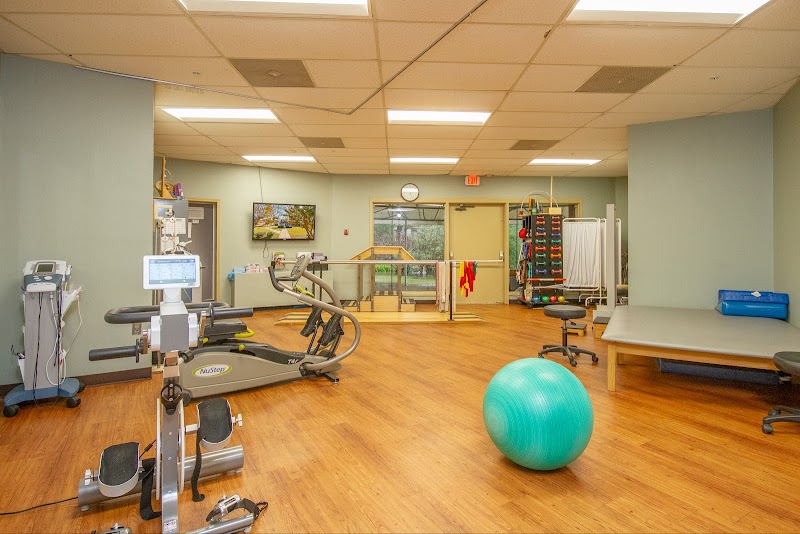
How is The Blossoms At Woodland Hills Rehab & Nursing Cen Staffed?

CMS rates THE BLOSSOMS AT WOODLAND HILLS REHAB & NURSING CEN's staffing level at 2 out of 5 stars, which is below average compared to other nursing homes. Staff turnover is 77%, which is 31 percentage points above the Arkansas average of 46%. High turnover can affect care consistency as new staff learn residents' individual needs. RN turnover specifically is 58%, which is notably high. RNs provide skilled clinical oversight, so turnover in this role can affect medical care quality.

What Have Inspectors Found at The Blossoms At Woodland Hills Rehab & Nursing Cen?

State health inspectors documented 34 deficiencies at THE BLOSSOMS AT WOODLAND HILLS REHAB & NURSING CEN during 2022 to 2025. These included: 34 with potential for harm.
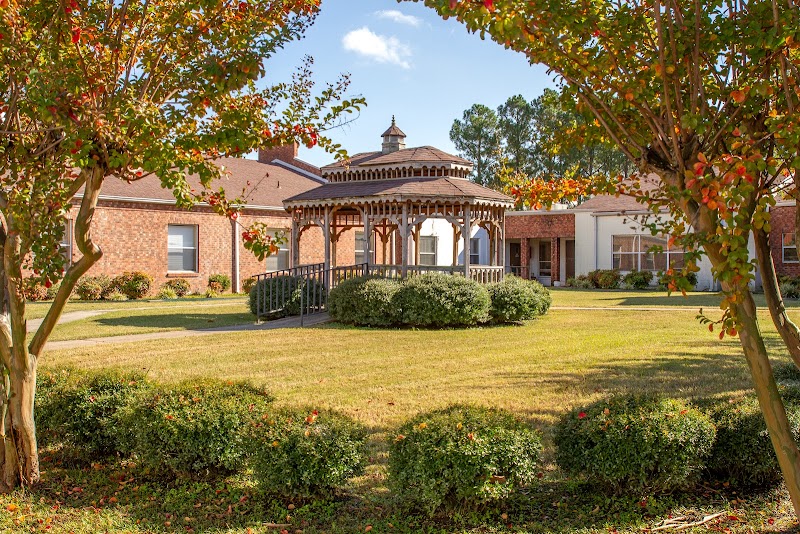
Who Owns and Operates The Blossoms At Woodland Hills Rehab & Nursing Cen?

THE BLOSSOMS AT WOODLAND HILLS REHAB & NURSING CEN is owned by a for-profit company. For-profit facilities operate as businesses with obligations to shareholders or private owners. The facility is operated by THE BLOSSOMS NURSING AND REHAB CENTER, a chain that manages multiple nursing homes. With 140 certified beds and approximately 79 residents (about 56% occupancy), it is a mid-sized facility located in LITTLE ROCK, Arkansas.
How Does The Blossoms At Woodland Hills Rehab & Nursing Cen Compare to Other Arkansas Nursing Homes?

Compared to the 100 nursing homes in Arkansas, THE BLOSSOMS AT WOODLAND HILLS REHAB & NURSING CEN's overall rating (1 stars) is below the state average of 3.1, staff turnover (77%) is significantly higher than the state average of 46%, and health inspection rating (1 stars) is much below the national benchmark.

What Should Families Ask When Visiting The Blossoms At Woodland Hills Rehab & Nursing Cen?

Based on this facility's data, families visiting should ask: "How do you ensure continuity of care given staff turnover, and what is your staff retention strategy?" "Can you walk me through typical staffing levels on day, evening, and night shifts?" "Can I visit during a mealtime to observe dining assistance and food quality?" "How do you handle medical emergencies, and what is your hospital transfer rate?" These questions are particularly relevant given the facility's high staff turnover rate and the below-average staffing rating.

Is The Blossoms At Woodland Hills Rehab & Nursing Cen Safe?

Based on CMS inspection data, THE BLOSSOMS AT WOODLAND HILLS REHAB & NURSING CEN has a clean safety record: no substantiated abuse findings (meaning no confirmed cases of resident harm), no Immediate Jeopardy citations (the most serious violation level indicating risk of serious injury or death), and is not on the Special Focus Facility watch list (a federal program monitoring the lowest-performing 1% of nursing homes). The facility has a 1-star overall rating and ranks #100 of 100 nursing homes in Arkansas. While no facility is perfect, families should still ask about staff-to-resident ratios and recent inspection results during their visit.

Do Nurses at The Blossoms At Woodland Hills Rehab & Nursing Cen Stick Around?

Staff turnover at THE BLOSSOMS AT WOODLAND HILLS REHAB & NURSING CEN is high. At 77%, the facility is 31 percentage points above the Arkansas average of 46%. Registered Nurse turnover is particularly concerning at 58%. RNs handle complex medical decisions and coordinate care — frequent RN changes can directly impact care quality. High turnover means new staff may not know residents' individual needs, medications, or preferences. It can also be disorienting for residents, especially those with dementia who rely on familiar faces. Families should ask: What is causing the turnover? What retention programs are in place? How do you ensure care continuity during staff transitions?

Was The Blossoms At Woodland Hills Rehab & Nursing Cen Ever Fined?

THE BLOSSOMS AT WOODLAND HILLS REHAB & NURSING CEN has no federal fines on record. CMS issues fines when nursing homes fail to meet care standards or don't correct problems found during inspections. The absence of fines suggests the facility has either maintained compliance or corrected any issues before penalties were assessed. This is a positive indicator, though families should still review recent inspection reports for the full picture.

Is The Blossoms At Woodland Hills Rehab & Nursing Cen on Any Federal Watch List?

THE BLOSSOMS AT WOODLAND HILLS REHAB & NURSING CEN is not on any federal watch list. The most significant is the Special Focus Facility (SFF) program, which identifies the bottom 1% of nursing homes nationally based on persistent, serious quality problems. Not being on this list means the facility has avoided the pattern of deficiencies that triggers enhanced federal oversight. This is a positive indicator, though families should still review the facility's inspection history directly.