THE GREEN HOUSE COTTAGES OF POPLAR GROVE

7801 KANIS RD, LITTLE ROCK, AR 72204 (501) 404-0500
For profit - Limited Liability company 120 Beds SOUTHERN ADMINISTRATIVE SERVICES Data: November 2025
Trust Grade
50/100
#172 of 218 in AR
Last Inspection: October 2024

Within standard 12-15 month inspection cycle. Federal law requires annual inspections.

Overview

The Green House Cottages of Poplar Grove has a Trust Grade of C, which means it is average and falls in the middle of the pack among nursing homes. It ranks #172 out of 218 facilities in Arkansas, placing it in the bottom half of the state's offerings, and #16 out of 23 in Pulaski County, indicating only a few local options are better. The facility is improving, as it went from 7 issues in 2024 to just 1 in 2025, although it still has a concerning staffing situation with 52% turnover, which is average, but it does have a 4 out of 5 star rating for staffing, suggesting some stability. While the absence of fines is a positive sign, there are concerning incidents, such as staff not washing their hands when serving meals, which poses infection risks, and issues with food safety and menu adherence that could impact residents' health. Overall, the facility shows both strengths and weaknesses, making it important for families to weigh these factors carefully.

Trust Score
C
50/100
In Arkansas
#172/218
Bottom 22%
Safety Record
Low Risk
No red flags
Inspections
Getting Better
7 → 1 violations
Staff Stability
⚠ Watch
52% turnover. Above average. Higher turnover means staff may not know residents' routines.
Penalties
✓ Good
No fines on record. Clean compliance history, better than most Arkansas facilities.
Skilled Nurses
⚠ Watch
Each resident gets only 20 minutes of Registered Nurse (RN) attention daily — below average for Arkansas. Fewer RN minutes means fewer trained eyes watching for problems.
Violations
⚠ Watch
34 deficiencies on record. Higher than average. Multiple issues found across inspections.
★★☆☆☆
2.0
Overall Rating
★★★★☆
4.0
Staff Levels
★★★☆☆
3.0
Care Quality
★★☆☆☆
2.0
Inspection Score
Stable
2024: 7 issues
2025: 1 issues

The Good

  • 4-Star Staffing Rating · Above-average nurse staffing levels
  • Full Sprinkler Coverage · Fire safety systems throughout facility
  • No fines on record

Facility shows strength in staffing levels, fire safety.

The Bad

2-Star Overall Rating

Below Arkansas average (3.1)

Below average - review inspection findings carefully

Staff Turnover: 52%

Near Arkansas avg (46%)

Higher turnover may affect care consistency

Chain: SOUTHERN ADMINISTRATIVE SERVICES

Part of a multi-facility chain

Ask about local staffing decisions and management

The Ugly 34 deficiencies on record

May 2025 1 deficiency
CONCERN (D) 📢 Someone Reported This

A family member, employee, or ombudsman was alarmed enough to file a formal complaint

Potential for Harm - no one hurt, but risky conditions existed

Quality of Care (Tag F0684)

Could have caused harm · This affected 1 resident

Based on observations, interviews, record review, facility policy review, it was determined that the facility failed to ensure care planned fall interventions were implemented for one (Resident #1) of...

Read full inspector narrative →
Based on observations, interviews, record review, facility policy review, it was determined that the facility failed to ensure care planned fall interventions were implemented for one (Resident #1) of three residents reviewed for quality of care. It was also determined that the facility failed to notify Resident #1's guardian that the resident refused to take ordered medication more than two times in a row. The findings include: A review of a facility policy titled, Fall Guidelines, Section General Resident Care Plan Documentation Guidelines, List new intervention developed for each fall with date of implementation. The policy indicated the charge nurse duties included update the care plan with new interventions and the Director of Nurses (DON) or designee duties included In-service staff of interventions in place to prevent injury. A review of the Minimum Data Set (MDS) with an Assessment Reference Date (ARD) of 04/24/2025, indicated Resident #1 had diagnoses which included: unspecified dementia, depression, type 2 diabetes mellitus with hyperglycemia and diabetic neuropathy, hyperlipidemia and hypertension. A Brief Interview of Mental Status (BIMS) score of 13 was coded, indicating the resident was cognitively intact. Section GG [Functional Abilities], within the MDS, indicated, the resident was independent in eating, oral hygiene, upper and lower dressing, putting on/taking off footwear and personal hygiene. It was also revealed within Section GG, that the resident required supervision assistance with toileting hygiene and shower/bathe self. The MDS indicated the resident was independent to roll left and right, sit to lying, lying to sitting on side of bed, sit to stand, chair/bed to chair transfer, toilet transfer, tub/shower transfer, walk ten (10) feet, and walk 50 feet with two (2) turns. The resident required, supervision assistance to walk 150 feet. The number of falls since the prior assessment revealed two (2) falls with no injury. A review of Resident #1's Care Plan Report, indicated the resident was at risk for falls, related to other abnormalities of gait and mobility. The report revealed the resident had an actual fall with no injury on 01/29/2024, an intervention initiated on 01/29/2024 included fall mat to side of bed. The report indicated the resident had an actual fall on 02/04/2025, an intervention initiated on 02/04/2025 included Call Don't Fall signage placed in room for visual que. A review of Progress Note, dated 03/10/2025, indicated Resident #1 had suffered an unwitnessed fall. No interventions were initiated with this fall. During an observation on 05/07/2025 at 10:49 AM, this surveyor observed Resident #1 room. This surveyor did not note any fall mats on the floor, and there was not a Call Don't Fall sign posted in the resident ' s room. During an observation on 05/08/2025 at 07:40 AM, this surveyor observed Resident #1 room. This surveyor did not note any fall mats on the floor, and there was not a Call Don't Fall sign posted in the resident ' s room. During an interview on 05/08/2025 at 08:29 AM, LPN #1 verified there was not a fall mat in Resident #1's room and there was not a Call Don't Fall sign posted in Resident #1's room. During an interview, on 05/08/2025 at 08:34 AM, the Director Of Nursing (DON) indicated there was not a fall mat in Resident #1's room and there was not a Call Don't Fall sign posted in Resident #1's room. A review of a facility policy titled Resident Rights and Responsibilities indicated, If a Resident/Elder is adjudged incapacitated under the laws of the State, the right of the Resident/Elder will be exercised by the individual appointed under State law to act on the Resident/Elder's behalf. The policy stated, Appropriate nursing facility staff will provide the Resident/Elder or the Resident'/Elder's Health Insurance Portability and Accountability Act (HIPPA) authorized representative with information about his or her health status. The policy further stated, The reasons the Resident/Elder refuses treatment will be assessed, and alternate treatment will be offered. The nursing facility will attempt to clarify and educate the Resident/Elder as to the consequences of refusal. A review of In the Matter of [Resident #1], an Incapacitated Person; Order for the appointment of guardian of the person and estate dated 10/09/2023, granted (Resident #1's Guardian) as Appointment of Guardianship of Resident #1. A review of Progress Note dated 03/27/2025 at 6:23 AM, indicated that Resident #1's Guardian was notified that the resident had been refusing insulin for the past two (2) weeks. The note indicated the APRN was notified and spoke with the Guardian. The note indicated the Guardian requested to be notified when the resident refused two (2) times in a row. During an interview on 05/07/2025 at 5:10 PM, with Resident #1's Guardian, via telephone call, it was revealed the guardian was called earlier this date [05/07/2025] by a nurse from the facility and reported that Resident #1 had refused medication for nerve pain, and a multivitamin. The Guardian reported being called one (1) time before today, and stated the facility reported the resident's sugar was high. The Guardian reported during the call a request was made for the facility to place notice in the resident's file to contact the guardian if the resident refused to take [pronoun] ordered medication. A review of a facility policy titled, Specific Medication Administration Procedures indicated if a resident refuses medication, research refusals for possibility of dry mouth, resident reluctance, development of swallowing difficulty. No research implementation as to possibility of dry mouth, resident reluctance, development of swallowing difficulty found in Resident #1 ' s review of records. A review of Medication Administration Record (MAR) March 2025, for Resident #1, revealed the following: a. Order dated 04/25/2023 [Name Brand Non-Steroidal Anti-Inflammatory Medication] oral tablet delayed release 81 mg one (1) tablet by mouth one (1) time a day, for heart health. The resident refused 21 out of 31 doses. b. Order dated 04/24/2023 [Generic HMG-CoA Reductase Inhibitor] (a medication used to treat high cholesterol levels) 40 mg give one (1) tablet by mouth at bedtime for hyperlipidemia (high levels of fat in the blood). The resident refused 15 out of 31 doses. c. Order dated 04/25/2023 [Generic Anti-depressant] (medication to treat depression) oral tablet 10 mg give one (1) tablet by mouth one (1) time a day for depression. The resident refused 21 out of 31 doses. d. Order dated 12/11/2023 [Generic Diuretic] (a medication used to help reduce the amount of water buildup in the body) oral tablet 25 mg give one (1) tablet by mouth one (1) time a day for hypertension (high blood pressure). The resident refused 21 out of 31 doses. e. Order dated 10/25/2024 [Generic Vasodilator] (a medication used to relax blood vessels) oral tablet 100 mg give one (1) tablet by mouth every twelve (12) hours for hypertension (high blood pressure). The resident refused 21 out of 31 morning doses. The resident refused 16 out of 31 evening doses. f. Order dated 02/09/2024 [Generic Combination Hormone] subcutaneous suspension (70-30) (a medication used to help control blood sugar levels) 100 unit/ml Inject 35 unit subcutaneously one (1) time a day for diabetes mellitus (a disease that results in too much sugar in the blood). The resident refused 15 out of 31 doses. g. Order dated 04/24/2023 [Generic Fast-acting Hormone] injection solution (a medication used to lower blood sugar levels) 100 unit/ml inject as per sliding scale. NOTIFY MD IF BLOOD SUGAR IS BELOW 60 OR GREATER THAN 400, subcutaneously before meals for diabetes mellitus (a disease that results in too much sugar in the blood). 6:30 AM: The resident refused 13 out of 27 doses. 11:30 AM: The resident refused 19 out of 29 doses. 4:30 PM: The resident refused 20 out of 28 doses. Fingerstick Blood Sugar on 03/10/2025 at 11:30 AM, 506 mg dl. h. Order dated 02/07/2024 [Generic Anti-ulcer Medication] (a medication used to treat and prevent stomach ulcers) oral tablet one (1) gram give one (1) tablet by mouth four (4) times a day for Gastroesophageal Reflux Disease [GERD] (a disease that allows stomach acid to irritate and damage the food pipe lining). 8:00 AM: The resident refused 21 out of 31 doses. 12:00 PM: The resident refused 23 out of 31 doses. 4:00 PM: The resident refused 10 out of 31 doses. 8:00 PM: The resident refused 16 out of 31 doses i. Order dated 02/08/2024 [Generic Combination Hormone] subcutaneous suspension (70-30) (a medication used to lower blood sugar levels) 100 unit/ml Inject 20 unit subcutaneously in the evening for diabetes mellitus (a disease that results in too much sugar in the blood). The resident refused 23 out of 31 doses. j. Order dated 04/24/2023 [Generic Fast-acting Hormone] injection solution (a medication used to lower blood sugar levels) 100 unit/ml Inject as per sliding scale subcutaneously at bedtime for diabetes mellitus (a disease that results in too much sugar in the blood). The resident refused 13 out of 28 doses. k. Order dated 12/11/2023 [Name Brand Anticonvulsant] (a medication that blocks pain from nerve damage in the body) oral capsule 300 mg give one (1) capsule by mouth every twelve (12) hours for nerve pain. The resident refused 20 out of 31 morning doses. The resident refused 13 out of 31 evening doses. A review of the Medication Administration Record (MAR) April 2025, for Resident #1, revealed the following: a. Order dated 04/25/2023 [Name Brand Non-Steroidal Anti-inflammatory Drug] oral tablet delayed release 81 mg give one (1) tablet by mouth one (1) time a day for heart health. The resident refused 12 out of 30 doses. b. Order dated 04/24/2023 [Generic HMG-CoA Reductase Inhibitor] (a medication used to treat high cholesterol levels) tablet 40 mg give one (1) tablet by mouth at bedtime for hyperlipidemia (high levels of fat in the blood). The resident refused 18 out of 30 doses. c. Order dated 04/25/2023 [Generic Antidepressant] (medication to treat depression) oral tablet 10 mg give one (1) tablet by mouth one (1) time a day for depression. The resident refused 19 out of 30 doses. d. Order dated 12/11/2023 [Generic Diuretic] (a medication used to help reduce the amount of water buildup in the body) oral tablet 25 mg give one (1) tablet by mouth one (1) time a day for hypertension (high blood pressure). The resident refused 16 out of 30 doses. e. Order dated 10/25/2024 [Generic Vasodilator] (a medication used to relax blood vessels) oral tablet 100 mg by mouth every 12 hours for hypertension (high blood pressure). The resident refused 14 out of 30 morning doses. The resident refused 18 out of 30 evening doses. f. Order dated 02/09/2024 [Generic Combination Hormone] subcutaneous suspension (70-30) (a medication used to help control blood sugar levels) 100 unit/ml Inject 35 unit subcutaneously one (1) time a day for diabetes mellitus (a disease that results in too much sugar in the blood). The resident refused 12 out of 30 doses. g. Order dated 04/24/2023 [Generic Fast-acting Hormone] injection solution (a medication used to lower blood sugar levels) 100 unit/ml inject as per sliding scale. NOTIFY MD IF BLOOD SUGAR IS BELOW 60 OR GREATER THAN 400, subcutaneously before meals for diabetes mellitus (a disease that results in too much sugar in the blood). 6:30 AM: The resident refused 13 out of 27 doses. 11:30 AM: The resident refused 21 out of 30 doses. 4:30 PM: The resident refused 20 out of 30 doses. Finger Stick Blood Sugar on 04/16/2025 at 11:30 AM, 470 mg dl. h. Order dated 02/08/2024 [Generic Combination Hormone] subcutaneous suspension (70-30) (a medication used to lower blood sugar levels) 100 unit/ml Inject 20 unit subcutaneously in the evening for diabetes mellitus (a disease that results in too much sugar in the blood). The resident refused 20 out of 30 doses. i. Order dated 04/24/2023 [Generic Fast-acting Hormone] injection solution (a medication used to lower blood sugar levels) 100 unit/ml Inject as per sliding scale subcutaneously at bedtime for diabetes mellitus (a disease that results in too much sugar in the blood). The resident refused 11 out of 29 doses. j. Order dated 02/07/2024 [Generic Anti-ulcer medication] (a medication used to treat and prevent stomach ulcers) oral tablet 1 (1) gram give one (1) tablet by mouth four (4) times a day for Gastroesophageal Reflux Disease [GERD] (a disease that allows stomach acid to irritate and damage the food pipe lining). 8:00 AM: The resident refused 13 out of 30 doses. 12:00 PM: The resident refused 22 out of 30 doses. 4:00 PM: The resident refused 10 out of 29 doses. 8:00 PM; The resident refused 17 out of 30 doses. k. Order dated 12/11/2023 [Generic Anticonvulsant] (a medication that blocks pain from nerve damage in the body) oral capsule 300 mg give one (1) capsule by mouth every 12 hours for nerve pain. The resident refused 12 out of 30 morning doses. The resident refused 18 out of 30 evening doses. A review of the Medication Administration Record (MAR) May 2025, for Resident #1, revealed the following: a. Order dated 04/25/2023 [Name Brand Non-Steroidal Anti-inflammatory Drug] oral tablet delayed release 81 mg give one (1) tablet by mouth one (1) time a day for heart health. The resident refused 4 out of 7 doses. b. Order dated 04/24/2023 [Generic HMG-CoA Reductase Inhibitor] (a medication used to treat high cholesterol levels) tablet 40 mg give one (1) tablet by mouth at bedtime for hyperlipidemia (high levels of fat in the blood). The resident refused 4 out of 7 doses. c. Order dated 04/25/2023 [Generic Antidepressant] (medication to treat depression) oral tablet 10 mg give one (1) tablet by mouth one (1) time a day for depression. The resident refused 5 out of 7 doses. d. Order dated 12/11/2023 [Generic Diuretic] (a medication used to help reduce the amount of water in the body) oral tablet 25 mg give one (1) tablet by mouth one (1) time a day for hypertension (high blood pressure). The resident refused 4 out of 7 doses. e. Order dated 10/25/2024 [Generic Vasodilator] (a medication used to relax blood vessels) oral tablet 100 mg by mouth every 12 hours for hypertension (high blood pressure). The resident refused 4 out of 7 morning doses. The resident refused 5 out of 7 evening doses. f. Order dated 02/09/2024 [Generic Combination Hormone] subcutaneous suspension (70-30) (a medication used to help control blood sugar levels) 100 unit/ml Inject 35 unit subcutaneously one (1) time a day for diabetes mellitus (a disease that results in too much sugar in the blood). The resident refused 1 out of 8 doses. g. Order dated 04/24/2023 [Generic Fast-acting Hormone] injection solution (a medication used to lower blood sugar levels) 100 unit/ml inject as per sliding scale, subcutaneously before meals for diabetes mellitus (a disease that results in too much sugar in the blood). 6:30 AM: The resident refused 1 out of 8 doses. 11:30 AM: The resident refused 4 out of 6 doses. 4:30 PM: The resident refused 4 out of 7 doses. h. Order dated 02/07/2024 [Generic Antiulcer Medication] (a medication used to treat and prevent stomach ulcers) oral tablet one (1) gram give one (1) tablet by mouth four (4) times a day for Gastroesophageal Reflux Disease [GERD] (a disease that allows stomach acid to irritate and damage the food pipe lining). 8:00 AM: The resident refused 5 out of 7 doses. 12:00 PM: The resident refused 3 out of 7 doses. 4:00 PM: The resident refused 4 out of 7 doses. 8:00 PM: The resident refused 4 out of 7 doses. i. Order dated 02/08/2024 [Generic Combination Hormone] subcutaneous suspension (70-30) (a medication used to lower blood sugar levels) 100 unit/ml Inject 20 unit subcutaneously in the evening for diabetes mellitus (a disease that results in too much sugar in the blood). The resident refused 4 out of 7 doses. j. Order dated 04/24/2023 [Generic Fast-acting Hormone] (a medication used to lower blood sugar levels) solution 100 unit/ml Inject as per sliding scale subcutaneously at bedtime for diabetes mellitus (a disease that results in too much sugar in the blood). The resident refused 3 out of 7 doses. k. Order dated 12/11/2023 [Name Brand Anticonvulsant] (a medication that blocks pain from nerve damage in the body) oral capsule 300 mg give one (1) capsule by mouth every twelve (12) hours for nerve pain. The resident refused 4 out of 7 morning doses. The resident refused 4 out of 7 evening doses. During an observation on 05/08/2025 at 8:00 AM, this surveyor observed LPN #1 during Resident #1's medication administration. The LPN explained all medications and uses of medications clearly to the resident and allowed the resident time to ask questions. The resident had placed their Guardian on speaker phone, during the administration visit. The resident refused their multivitamin and [Generic Anti-ulcer medication]. The resident did accept [Name Brand Anticonvulsant] (a medication that blocks pain from nerve damage in the body), [Generic Antidepressant] (medication to treat depression), [Generic Vasodilator] (a medication used to relax blood vessels), and [Generic Diuretic] (a medication used to help reduce the amount of water in the body) During an interview on 05/08/2025 at 12:50 PM, with the Advanced Practice Registered Nurse (APRN), she indicated she was aware Resident #1 did refuse medications at times. The APRN indicated if the Guardian had requested to receive notification when the resident refused medications, then the Guardian should have been notified every time the resident refused a medication. She indicated it was important for a resident to receive the ordered medications, due to the hazards possible to the resident's well-being if they did not take the medications. During an interview on 05/08/2025 at 1:30 PM, with the Director of Nursing (DON), she reported if a resident refused medication, she expected the nurses to educate the resident on the importance of medication compliance, then come back at a later time to try again. She then indicated she expected the nurses to report the occurrence to the APRN or the on call APRN. She indicated a guardian should be notified of medication refusals every time a resident refused a medication. The DON reported she did think the staff were contacting the guardian every time the resident refused a medication but was unable to find the documentation supporting that they had contacted the guardian. During an interview on 05/08/2025 at 2:44 PM, with the Administrator, he revealed that he was aware Resident #1 did refuse to take medications at times. He reported that it was important a resident received the ordered medications, without interruption, to keep the resident healthy and doing well. The Administrator indicated, if a guardian asked to be notified when the resident refused to take medication, the guardian should be notified every time the resident refused.
Oct 2024 6 deficiencies
CONCERN (D)

Potential for Harm - no one hurt, but risky conditions existed

Comprehensive Care Plan (Tag F0656)

Could have caused harm · This affected 1 resident

**NOTE- TERMS IN BRACKETS HAVE BEEN EDITED TO PROTECT CONFIDENTIALITY** Based on observation, record review, and interview, it was determined that the facility failed to ensure that a comprehensive ca...

Read full inspector narrative →
**NOTE- TERMS IN BRACKETS HAVE BEEN EDITED TO PROTECT CONFIDENTIALITY** Based on observation, record review, and interview, it was determined that the facility failed to ensure that a comprehensive care plan addressed pain for 1 of 1 sampled resident (Resident #58) reviewed for pain management to ensure appropriate interventions were in place. The Findings include: Review of Resident #58's Care Plan revealed diagnoses of cancer, inability to use legs, and type II diabetes. Review of an admission Minimum Data Set (MDS) with an Assessment Reference Date (ARD) of 09/06/2024 suggest a Brief Interview for Mental Status (BIMS) score of 15 (13-15 indicates cognitively intact) Section J0100 a. suggested resident was on scheduled pain medication, section J0200 showed pain assessment interview should be conducted, J0300 indicated pain was present, J0410 indicated Resident #58 had occasional pain, and section J0510 on the MDS suggested pain occasionally affects Resident #58's sleep. A review of Physician Orders, dated 09/05/2024, revealed that pain should be evaluated every shift, and a scheduled pain medication should be given every 8 hours. A review of Physician Orders, dated 09/17/2024, revealed an opioid pain medication was scheduled 1 tablet every 6 hours as needed for pain. A review of Physician Orders, dated 09/25/2024, revealed an opioid pain patch should be applied every three days at bedtime for pain. During an interview with Shahbaz #8 on 10/03/24 at 11:46 PM, Shahbaz #8 revealed Resident #58 had spinal cancer and frequently complained of back pain. During an interview on 10/03/24 at 3:25 PM, MDS Nurse #2 confirmed the MDS dated [DATE] showed Resident #58 received scheduled pain medication and confirmed the Shahbaz would look in the care plan to find interventions. MDS Nurse #2 looked in the computer records and stated she was not seeing pain on Resident #58's care plan but pain should be, and MDS Nurse #2 or the other MDS Nurse #3 were responsible for addressing pain on the care plan because the MDS looks at the resident as a whole and it is important that things make it from the MDS to the care plan to ensure residents get the care they need. MDS Nurse #2 confirmed that the Resident Assessment Instrument (RAI) manual is used as a guide for the MDS. The Surveyor asked MDS Nurse #2 to provide documentation from the RAI manual showing where the process was missed with care planning. On 10/03/24 at 3:45 PM, MDS Nurse #2 reported, she could not find anything in the RAI manual, but by documenting yes on Care Area Assessment (CAA) Worksheet it should carry over to the care plan
CONCERN (D)

Potential for Harm - no one hurt, but risky conditions existed

Respiratory Care (Tag F0695)

Could have caused harm · This affected 1 resident

Based on observation, record review, and interview the facility failed to ensure oxygen was administered at the flow rate ordered by the physician to reduce the potential for respiratory complications...

Read full inspector narrative →
Based on observation, record review, and interview the facility failed to ensure oxygen was administered at the flow rate ordered by the physician to reduce the potential for respiratory complications for 1 (Resident #2) of 2 sampled residents that were reviewed for respiratory therapy. The findings are: Review of a Quarterly Minimum Data Set (MDS) with an Assessment Reference Date (ARD) of 6/27/24 indicated Resident #2 had diagnoses of chronic obstructive pulmonary disease, stroke, dementia and functional quadriplegia (loss of movement in all four limbs), scored 3 (0-7 indicates severe impairment) on the Brief Interview for Mental Status (BIMS) and received oxygen therapy. A Review of a Physician's order, dated 06/14/2022 indicated, May have Oxygen 2-3 LPM [liters per minute] Via N/C [Nasal Cannula] as needed every shift for Shortness of breath and/or pulse ox [oximetry] [oxygen level] < [less than] 90%. Review of a Care Plan with a revision date of 01/18/2024 indicated Resident #2 received oxygen therapy at 2 liters per nasal cannula as needed with the goal being the resident would have no signs or symptoms of poor oxygen absorption. A task/intervention included staff to observe the oxygen flow rate matched the ordered amount when oxygen was in use. On 9/30/2024 at 12:31 PM, Resident #2 was observed lying in bed, with O2 at 1.5 liters/minute via NC. On 10/01/2024 at 11:00 AM, Resident #2 was observed lying in bed with O2 at 1.5 liters/minute via NC. On 10/01/2024 at 5:45 PM, Resident #2 was observed lying in bed with O2 at 1.5 liters/minute per NC. On 10/02/2024 at 2:24 PM, the surveyor asked Licensed Practical Nurse (LPN) #1 to accompany the surveyor to Resident #2's room to observe oxygen therapy administration. Upon interview LPN #1 stated that the oxygen flow rate was 1.5 liter/minute and should be at 2L for resident #2. LPN #1 adjusted the flowmeter to 2 Liters per minute at that time. LPN #1 stated the process for ensuring flow rates of oxygen are correct is up to the LPN to check the provider orders. LPN #1 stated that the flow rate should had been checked earlier that day. LPN #1 stated Resident #2 was able to pull the nasal cannula off at times but was not able to get out of bed and adjust the oxygen rate. On 10/2/24 at 5:50 PM, an interview of LPN #1 was conducted. LPN #1 stated that provider orders are checked every shift by the LPN. LPN#1 stated the rate could have been accidentally turned down to 1.5 liters/minute when the tubing was being changed on 9/29/2024 but should be at 2 liters/minute. LPN #1 stated the dating of the tubing change was verified this morning and the rate was verified to be at 2 liters/minute, but it must have been looked at incorrectly. LPN #1 stated they could not speak for any incorrect flow rates on 9/30/24 or 10/1/24 because they did not work that day, nor could they speak for any night shift. In addition, LPN #1 stated verification of rates for medications and therapies is important because the order is written to maximize health/life. On 10/3/2024 at 2:30 PM, the Director of Nurses (DON) was interviewed. The DON stated the process for ensuring orders are accurate depends on the order written: for instance, if it is a daily order, it should be checked every day, if it is a monthly order, it is to be checked once per month. The person responsible for checking orders is the licensed nurse. Continuous oxygen would be checked every shift (day shift and night shift). The DON stated it is important for physician orders to be followed as written because it is a physicians' order. On 10/3/2024 at 3:10 PM, the DON was asked for a policy regarding verifying physician orders on oxygen therapy. On 10/4/2024 at 8:33 AM, the policy titled Handling of Oxygen and Flammable Gas OLTC Reg.321 (undated) provided by the Director of Nurses did not address the verification of Oxygen therapy orders.
CONCERN (D)

Potential for Harm - no one hurt, but risky conditions existed

Food Safety (Tag F0812)

Could have caused harm · This affected 1 resident

Based on observation and facility policy review, the facility failed to ensure expired food items were promptly removed/discarded on or before the expiration or use by date to prevent the growth of ba...

Read full inspector narrative →
Based on observation and facility policy review, the facility failed to ensure expired food items were promptly removed/discarded on or before the expiration or use by date to prevent the growth of bacteria, and to ensure food stored in the freezer were appropriately dated. The findings are: On 09/30/24 at 9:56 AM, a clear, unsealed, package of hot dogs dated 9/12/24 was stored in the door of the refrigerator, located in the pantry of Cottage 6. The Dietary Manager (DM) immediately removed the hot dogs and said these are not good and should have been used or removed 7 days after being opened because they can cause someone to get sick. On 09/30/24 at 10:52 AM, While checking the freezer in Building 1 (Dogwood), 2 frozen apple pies were observed without received dates. DM stated, frozen pies should have a received date so staff can tell when they arrived or need to be thrown out. On 10/03/24 at 12:31 PM DM provided a policy titled Storage of Food and Beverages Brought by Visitors; it does not cover opened prepackaged meat items. On 10/03/24 at 2:06 PM, DM provided a policy titled Food and Nutrition Services; it does not cover opened prepackaged meat items.
CONCERN (D)

Potential for Harm - no one hurt, but risky conditions existed

Infection Control (Tag F0880)

Could have caused harm · This affected 1 resident

Based on observation, record review, interview, and facility policy review, it was determined that the facility failed to ensure proper hand hygiene was performed appropriately with peri care to preve...

Read full inspector narrative →
Based on observation, record review, interview, and facility policy review, it was determined that the facility failed to ensure proper hand hygiene was performed appropriately with peri care to prevent cross contamination, and the spread of infection. This failed practice affected 1 sampled (Resident #270) resident requiring assistance for incontinence care, with the potential to affect 2 sampled (Resident #58, Resident #270) residents reviewed for bowel and bladder. Findings include: Review of Medical Diagnoses Report revealed Resident #270 had a diagnoses of subdural hemorrhage, respiratory failure, and type II diabetes. Review of an admission Minimum Data Set (MDS) with an Assessment Reference Date (ARD) of 09/21/2024 indicated a Brief Interview for Mental Status (BIMS) score of 13 (13-15 indicates cognitively intact). Resident #270 required moderate assistance with meals and personal hygiene, and total assistance for toileting, bathing, and dressing the lower body. On 10/01/24 at 09:25 AM, Shahbaz #5 was observed removing Resident #270's wet brief after rolling down the front with the right hand, and then removed wipes without performing hand hygiene. Resident #270 urinated during care on 3 clean wipes held over the perineal area, and then wipes were used to wipe the perineal area in a circular motion multiple times before Shahbaz #5 changed gloves. Shahbaz #4 wiped Resident #270's perineal area including wiping the buttocks then pulling up Resident #270's clean pants and placing a lift pad under Resident #270 without performing hand hygiene. On 10/01/24 at 09:45 AM, Shahbaz #4 confirmed that she assisted in wiping Resident #270's buttocks and stated she did not change gloves or perform hand hygiene during incontinence care, or when dressing resident and placing a lift pad under Resident #270. Shahbaz #5 confirmed that after resident urinated the same wipe was used to wipe off the perineal area, before changing gloves. Shahbaz #4 stated there was a concern for cross contamination by not providing proper hand hygiene. On 10/02/24 at 08:56 AM, During an interview with Director of Nursing (DON), DON stated she expects staff to wipe residents one time in one direction, then use a clean wipe in another area, Hand hygiene should be done prior to going from dirty to clean in the resident's environment to prevent cross contamination and the spread of germs. Surveyor requested in-services, and procedures and policies on peri care. Review of an in-service titled Peri Care, dated 07/10/2024, revealed staff were expected to wear gloves, roll down and remove residents brief, and to change gloves when soiled. All staff were to change their gloves when changing from the front to the back. When state was in the building always use 2 people, one for clean and one for dirty. Staff were expected to swipe with 1 wipe front to back.
CONCERN (E)

Potential for Harm - no one hurt, but risky conditions existed

Accident Prevention (Tag F0689)

Could have caused harm · This affected multiple residents

Based on observation, record review, interview, and facility policy review, it was determined that the facility failed to ensure the rear casters of the mechanical lift were not locked with lifting an...

Read full inspector narrative →
Based on observation, record review, interview, and facility policy review, it was determined that the facility failed to ensure the rear casters of the mechanical lift were not locked with lifting and lowering resident to prevent accidents and injuries affecting 1 sampled (Resident #270) of 4 sampled residents reviewed for accidents. The facility failed to ensure the residents environment was free of accidents and hazards for 1 sampled (Resident #48) of 4 sampled residents reviewed for accidents and hazards. The Findings include: Review of Resident #270's Care Plan revealed diagnoses of subdural hemorrhage, respiratory failure, and type II diabetes. The admission Minimum Data Set (MDS) with an Assessment Reference Date (ARD) of 09/21/2024 indicated a Brief Interview for Mental Status (BIMS) score of 13 (13-15 indicates cognitively intact). Resident#270 required total assistance for toileting, bathing, and dressing the lower body. Review of Resident #270's Care Plan, dated 09/19/2024, revealed resident was dependent on helpers, was unable to provide any effort for toileting and required the assistance of 2 helpers. Review of an in-service titled Mechanical Lift Usage Instructions and Training for All Staff, dated 07/12/24, revealed the mechanical lift was for safe movement of residents. The in-service did not address use of the rear casters/wheels while raising or lowering a resident. On 10/01/24 at 9:25 AM, Shahbaz #4 was observed rolling a mechanical lift under Resident #270's bed with the legs in the open position, rear casters were locked, and Resident #270 was raised up from the bed. A wheelchair was rolled between the open legs, rear casters/wheels were locked, and Resident #270 was lowered into a wheelchair. During an interview with Shahbaz #4 on 10/01/24 at 09:39 AM, Shahbaz #4 stated they locked the rear wheels when lifting and lowering Resident #270 with the mechanical lift so the lift did not roll away, because it could injure the resident. Shabaz #5 said the wheels are locked so it does not move while lifting and lowering residents to prevent tipping. On 10/02/24 at 08:53 AM, Director of Nursing (DON) was asked the process for lifting and lowering a resident with a lift. DON stated, the legs of the mechanical lift should be open, and the rear wheels should be locked so that it cannot move and cause an injury to the resident. The Surveyor requested a copy of mechanical lift in-services, and the mechanical lift user guide. On 10/02/24 at 09:41 AM, The Administrator provided the portable lift owner's manual and page 31 revealed, when lifting and moving a resident, the rear casters/wheels of the mechanical lift should not be locked to avoid the resident and lift from tipping and endangering the resident. On 10/01/24 at 8:53 AM, surveyor observed an unsecured oxygen tank sitting inside a black bag in the bathroom propped up on the vanity. On 10/01/24 at 1:41 PM, surveyor observed an unsecured oxygen tank sitting inside a black bag in the bathroom propped up on the vanity. On 10/02/24 at 8:58 AM, surveyor observed an unsecured oxygen tank sitting inside a black bag in bathroom propped up on the vanity. On 10/02/24 at 8:59 AM, Resident #48 stated they does not use oxygen and had asked staff to take the oxygen tank out of their bathroom several times, but the staff had not taken it out and it needed to go in the room for oxygen tanks. On 10/02/24 at 9:01 AM, Licensed Practical Nurse (LPN) #1, informed the surveyor the tank should not be in the bathroom, and it should be in the oxygen room. LPN #1 said her concern was if the tank fell over it could blow up. On 10/02/24 at 9:08 AM, a review of Resident #48's Physician Orders reflected Resident #48 did not have an order for oxygen. Resident #48 was not care planned for oxygen and Resident #48's MDS does not indicate they used oxygen. On 10/04/24 at 8:33 AM, the Director of Nursing (DON) provided the policy Handling of Oxygen and Flammable Gas which states oxygen cylinders will be stored in a designated ventilated area, stored in a safe manner to prevent cylinder from fall over. On 10/04/24 at 8:28 AM, the Assistant Director of Nursing (ADON)/Infection Preventionist (IP) stated the oxygen cylinders should be stored in the supply closet in the canister holder, and they cannot be on the floor due to safety. The oxygen cylinders could fall over and cause a combustion. On 10/04/24 at 8:34 AM, the DON stated oxygen cylinders should be stored in the supply closet in cylinder holders because they could fall over and cause a flammable hazard, and they should not be stored in a bathroom.
CONCERN (E)

Potential for Harm - no one hurt, but risky conditions existed

Deficiency F0761 (Tag F0761)

Could have caused harm · This affected multiple residents

Based on observation, interview, and facility policy review, the facility failed to ensure that pills were properly stored in the acceptable package or bottle to prevent mediation errors in Building 1...

Read full inspector narrative →
Based on observation, interview, and facility policy review, the facility failed to ensure that pills were properly stored in the acceptable package or bottle to prevent mediation errors in Building 1 and failed to ensure a thermometer and temperatures were being monitored in the narcotic refrigerator in Building 4 to ensure medications were stored at an appropriate temperature. Findings include: On 10/02/24 at 8:46 AM, While checking the medication cart in building #1, two loose, round, tan pills and residue of pills were found inside the top drawer of the cabinet, in the far-right corner. Licensed Practical Nurse, (LPN) #6 stated they looked like a supplement, and she would waste the pills. Surveyor asked if someone had to be notified prior to wasting, or if they had a process, and LPN #6 replied, Yes, I would tell the Director of Nursing (DON). LPN #6 stated that it was not appropriate to store loose pills, and she would expect to find pills in an identifiable bottle to protect residents. On 10/02/24 at 8:50 AM, DON arrived and placed the two intact pills in a plastic bag for further inspection, and disposed of the two-round, tan-colored pills. On 10/02/24 at 8:52 AM, DON stated pills should be stored in the proper container and slot because staff could mistakenly administer medication that was not meant for a patient. She reported that nursing was educated every day on medication storage, and the policy was to store medications in their package or bottle. DON confirmed nursing and med techs are responsible for the medication carts, but ultimately nursing was responsible. On 10/03/24 at 8:10 AM, LPN #1 accompanied the surveyor to the medication storage area in Building #4. When asked the temperature of the refrigerator LPN #1 stated that there was no thermometer. She stated the available Ozempic 2 mg (milligram)/3 ml (milliliter) pen and Lorazepam 29.75 ml bottle should be stored at 36-46 degrees Fahrenheit Surveyor asked if she could confirm the temperature of the refrigerator right now and LPN #1 said, Honestly, no I cannot tell you the temperature because there is not a thermometer in the refrigerator. LPN #1 confirmed it was important to make sure the medications were stored at the right temperature, so it would not break down. On 10/03/24 at 8:20 AM, DON was asked who was responsible for checking the narcotic refrigerator temperatures, and where is that documented. DON stated that nurses are responsible to check the temperature every night, and a temperature log was not kept. DON revealed maintenance defrosted the refrigerator on Saturday and may have forgotten to place the thermometer back in the refrigerator. DON confirmed that medications must be at a certain temperature if required. On 10/03/24 at 8:39 AM, Nurse Consultant #7 provided a policy titled Pharmaceutical Services, which revealed medication storage areas are checked monthly for proper storage, expired medications, and cleanliness. Drugs and biologicals are expected to be labeled and stored in accordance to accepted professional principles, in compartments under proper temperature controls. On 10/03/24 at 9:10 AM, DON provided an in-service titled Nursing, dated 05/06/2024, which revealed nursing was responsible for making sure medications were stored properly and were not to be taken from its original package or bottle. Medications were not to be stored in carts or cabinets without proper labeling.
Apr 2024 1 deficiency
CONCERN (E) 📢 Someone Reported This

A family member, employee, or ombudsman was alarmed enough to file a formal complaint

Potential for Harm - no one hurt, but risky conditions existed

Safe Environment (Tag F0584)

Could have caused harm · This affected multiple residents

Based on observation, interview, record review, and facility policy review, the facility failed to maintain an orderly, uncluttered environment for 1 (Resident #3) of 3 sampled residents. The finding...

Read full inspector narrative →
Based on observation, interview, record review, and facility policy review, the facility failed to maintain an orderly, uncluttered environment for 1 (Resident #3) of 3 sampled residents. The findings include: Resident #3 had diagnoses of hepatic failure, cirrhosis of liver, and heart failure. The quarterly Minimum Data Set (MDS) with an Assessment Reference Date (ARD) of 01/25/2024 documented a Brief Interview for Mental Status (BIMS) score of 13 (13-15 indicates cognitively intact). On 04/30/2023 at 09:15 AM, the following observations were made in Resident #3 ' s bathroom: 1. Two wheelchairs and one shower chair in the shower stall. Clothing and blankets were stacked on top of the chairs. 2. The toilet had a raised seat extender. On top of the raised seat extender was the bath basin used for bed baths, draining water from the basin into the toilet. 3. The bathroom sink had several wet wash clothes drying on the sink. On 04/30/2024 at 9:30 AM, Resident #3 was asked, Are they providing good care for you? Resident #3 responded, I have had colon cancer with treatments of chemotherapy, causing my gallbladder and liver to fail. My mind is very sharp, and I can make my needs known. I would like to get up out of bed, shower, and wear my own clothes. Resident #3 was asked, Do they get you up and provide showers? Resident #3 stated, I usually get a bed bath, the bathroom is too cluttered. The Surveyor asked, Have you asked the facility to unclutter the bathroom? Resident #3 stated, I have asked them to move some of the equipment out of the bathroom, one of those wheelchairs is not mine. On 04/30/2024 at 10:23 AM, Certified Nursing Assistant (CNA) #1 was asked, Can Resident #3 let [his/her] needs be known? CNA #1 stated, [Resident #3] calls on the call light, cannot get up, and we help [him/her] when [he/she] calls us. The Surveyor asked, Does the facility get [him/her] up and offer showers? CNA #1 responded, [Resident #3] only wants bed baths, and we cannot get in the shower because the room has too much equipment. On 04/30/2024 at 5:15 PM, the Administrator was asked, Are you aware that Resident #3 cannot access their shower or toilet due to clutter and storage in the bathroom? The Administrator stated, The Resident has refused to get out of bed, according to the staff. However, the bathroom should have been cleaned out without all this clutter. We can move equipment out and she has a niece that can remove some items out of the bathroom. A facility policy titled, Housekeeping and Maintenance read in part, .Rooms will be cleaned and put in order daily. If the resident chooses to keep his own room, the room will be regularly observed to ensure a clean, orderly room.
Dec 2023 2 deficiencies
CONCERN (D) 📢 Someone Reported This

A family member, employee, or ombudsman was alarmed enough to file a formal complaint

Potential for Harm - no one hurt, but risky conditions existed

ADL Care (Tag F0677)

Could have caused harm · This affected 1 resident

Based on observation, record review and interview, the facility failed to ensure fingernails were regularly trimmed to maintain good hygiene and grooming for 1 Resident #4 sampled residents who requir...

Read full inspector narrative →
Based on observation, record review and interview, the facility failed to ensure fingernails were regularly trimmed to maintain good hygiene and grooming for 1 Resident #4 sampled residents who required staff assistance with nail care. The findings are: 1. Resident #4 had diagnoses of Primary Generalized Arthritis and Need for Assistance with Personal Care. a. A Quarterly Minimum Data Set (MDS) with an Assessment Reference Date (ARD) of 11/14/23 documented the Resident scored 08 (08-12 indicates moderately impaired) on the Brief Interview for Mental Status (BIMS) and required substantial / maximal assistance with personal hygiene / Activity of Daily Living (ADL)s except eating. b. A Care Plan, last completed on 12/06/23, documented the Resident had an Activities of Daily Living (ADL) self-care performance deficit related to weakness and Arthritis and her nails were to be checked for length and trimmed as necessary. c. On 12/27/23 at 12:09 PM, Resident #4 was sitting up in her chair, visiting with family. At 12:16 PM, Certified Nursing Assistant (CNA) #6 brought in the Resident's lunch meal and as she was setting it up, the Resident said, my fingernails are too long, look at them (and she raised both hands with the palms facing her so surveyor could see her nails). I've almost clawed myself several times. Resident's fingernails were approximately greater than a quarter inch in length and the edges were jagged. d. On 12/27/23 at 3:02 PM, the Resident's Progress Notes were reviewed for 11/01/23 to 12/27/23 and there was no documentation that the Resident refused nail care. e. On 12/28/23 at 8:52 AM, the Surveyor asked the Resident if her nails could be looked at and she held out her hands and her nails were approximately greater than a quarter inch in length and the edges were jagged. The Resident stated no one has taken care of her nails. f. On 12/28/23 at 10:08 AM, the DON provided a copy of the Resident's ADLs for 12/01/23 to 12/28/23. There was no documentation for the 7AM to 3PM (7/3) shift of 3 PM to 11 PM (3/11) shift that the Resident refused personal hygiene care as denoted by RR= (Resident Refused). g. On 12/28/23 at 2:24 PM, CNA #6 confirmed the CNAs were responsible for providing nail care to Resident's and if a Resident refused, she reported and charted it. The Surveyor asked CNA #6 to describe Resident #4 ' s nails. She described the Resident's nails as clean but needed to be filed and shaped. She stated she wouldn't try to trim them because of how the resident's skin is, and she was concerned about snipping her skin. She also pointed to the edges of the Resident's nails and said she would try filing them instead of cutting them. h. On 12/28/23 at 3:10 PM, CNA #7 was interviewed, and said she didn't know what to do if a Resident refused nail care because she hadn't had any to say no when offered. CNA #7 was asked if Resident #7 ever requested to have her nails trimmed and she stated, Yes we just tried to do that, and she threw the nail file at us. i. On 12/29/23 at 10:45 AM, DON was asked for a policy on ADL care. At 11:03 AM, the DON informed the Team Coordinator there is no policy for ADL care.
CONCERN (F) 📢 Someone Reported This

A family member, employee, or ombudsman was alarmed enough to file a formal complaint

Potential for Harm - no one hurt, but risky conditions existed

Food Safety (Tag F0812)

Could have caused harm · This affected most or all residents

Based on observation, interview and record review, the facility failed to ensure staff washed their hands when serving meals, follow the menu and ensure the menu was posted. The findings are: On 12/27...

Read full inspector narrative →
Based on observation, interview and record review, the facility failed to ensure staff washed their hands when serving meals, follow the menu and ensure the menu was posted. The findings are: On 12/27/23 at 12:27 PM, Certified Nurse Aid (CNA) #1 was observed running her hands down her braids without washing her hands. She passed lunch trays without washing her hands between residents. A Fall/Winter menu for 12/28/23 documented that the residents should have gravy, and a choice of cereal for breakfast. On 12/28/23 at 8:38 AM, the residents were not served gravy for breakfast, and the menu was not posted. The Surveyor asked CNA #3 in Cottage 3 Can you tell me why the residents were served gravy with their breakfast? She stated, I don't know. On 12/28/23 at 8:43 AM, the residents were not served gravy, or cereal for breakfast, and the menu was not posted in Cottage #3. CNA #5 was asked, Can you tell me why the residents are not served gravy, or cereal, and why the menu is not posted? She stated, They didn't send any gravy, and we're out of milk. The Surveyor asked, Can you tell me why the menu is not posted? She stated, I don't know. On 12/28/23 at 8:51 AM, the menu was not posted in Cottage #9. The Surveyor asked CNA #9 Can you tell me why the menu is not posted? She stated, I'm not sure. On 12/28 23 at 8:46 AM CNA #9 was serving the residents breakfast in Cottage #10. The residents were not served gravy and there was no menu posted. CNA #9 was asked, Can you tell me why the residents are not served gravy for breakfast, and why the menu is not posted? She stated, They didn't send the gravy. She was asked, Can you tell me why the menu is not posted? She stated, I don't know. On 12/28/23 at 12:30 PM, the Surveyor asked CNA #3, Can you tell me why the menu is not posted where the residents can see it? She stated, I have no clue. I've asked them to do it. They are supposed to put it on the board, but we don't have a board. The Surveyor asked, Should you touch your hair without washing your hands when passing out meal trays? She stated, no. On 12/28/23 at 1:50 PM, the Surveyor asked the dietary manager, Can you tell me why the residents didn't receive gravy with their breakfast this morning? She stated, The cooks are supposed to make the gravy. She was asked, Can you tell me why some of the cottages didn't have milk this morning? She stated, I'm not sure because we have milk. She was asked, Who's responsible for posting the menu so the residents are able to see it? She stated, The cooks and aids are responsible for putting up the menu. On 12/28/23 at 2:21 PM the Surveyor asked CNA #2, Should you touch your hair without washing your hands when passing out meal trays? She stated, No ma'am, you should always wash your hands. She was asked, Can you tell me why the menu is not posted where the residents can see it? She stated, Most of them have them in their room. On 12/28/23 at 2:37 PM the surveyor asked CNA #4, Can you tell me why the menu is not posted where the residents can see it? She stated, I don't know. She was asked, Should you touch your hair without washing your hands when passing out meal trays? She stated, No. On 12/28/23 at 2:44 PM the Surveyor asked CNA #4, Should you touch your hair without washing your hands when passing out meal trays? She stated, no. On 12/28/23 at 3:10 PM, the Surveyor asked the Director of Nurse (DON), who is responsible for posting the menu? She stated, Dietary manager. She was asked, Can you tell me why the menu is not posted where the residents can see it? She stated, I didn't know it wasn't.
Oct 2023 13 deficiencies
CONCERN (D)

Potential for Harm - no one hurt, but risky conditions existed

Comprehensive Care Plan (Tag F0656)

Could have caused harm · This affected 1 resident

Based on record review and interview, the facility failed to ensure a comprehensive care plan was developed to address diabetic fingernail care for 1 (Resident #310) of 1 sampled resident. The finding...

Read full inspector narrative →
Based on record review and interview, the facility failed to ensure a comprehensive care plan was developed to address diabetic fingernail care for 1 (Resident #310) of 1 sampled resident. The findings are: Resident #310's October 2023 Physician Orders did not address diabetic nail care. The Care Plan with an initiated date of 09/17/23 did not address diabetic fingernail care or interventions. On 10/16/23 at 11:22 AM, observed Resident #310 sitting at the dining table. Resident #310's fingernails were ½ inches in length beyond the tip of the finger. The Surveyor asked if he liked his fingernails long. Resident #310 stated, No, I've asked them to cut them and they say they don't have fingernail clippers, that's what upsets me, they don't stock fingernail clippers or toothpicks. On 10/19/23 at 1:24 PM, the Director of Nursing (DON) confirmed a resident who is diabetic should have an order for diabetic nail care and that there was no documentation of fingernail care for Resident #310. On 10/19/23 at 1:25 PM, the Minimum Data Set (MDS) Coordinator confirmed she is the one who updates the care plans, and that fingernail care should be on the care plan.
CONCERN (E)

Potential for Harm - no one hurt, but risky conditions existed

Deficiency F0658 (Tag F0658)

Could have caused harm · This affected multiple residents

Based on observation, interview and record review, the facility failed to ensure physician orders were followed; glucometers were cleaned before and after each use; hand hygiene was performed between ...

Read full inspector narrative →
Based on observation, interview and record review, the facility failed to ensure physician orders were followed; glucometers were cleaned before and after each use; hand hygiene was performed between residents; medication cart was not left unlocked and with medications on top, and the computer screen was closed when out of the line of sight of the nurse. during medication pass. The findings are: 1. Resident #106: A Physician's Order with a start date of 10/09/23 noted Resident #106 was to receive Lispro Insulin per sliding scale with meals. On 10/18/23 at 12:36 PM, during observation of the noon medication pass, observed Licensed Practical Nurse (LPN) #6 preparing to perform a finger stick glucose test on Resident #106. LPN #6 performed the finger stick. The glucometer was not cleaned prior to or after being used. LPN #6 then administered Glargine Insulin (a long-acting insulin) instead of Lispro Insulin (a rapid acting insulin) as documented on the physician orders for a sliding scale blood sugar of 278. LPN #6 then documented on Resident #106's Medication Administration Record (MAR) 8 units of Lispro insulin Lispro was administered. 2. Resident #311: A Physician's Order with a start date of 10/06/23 noted Resident #311 was to receive Diclofenac Sodium External Gel 1 % topically every 6 hours for pain to affected area by using the supplied ruler to measure the appropriate dose. On 10/18/23 at 12:51 PM, observed LPN #6 don gloves, squeeze an unmeasured amount of gel from Diclofenac Sodium Topical Gel 1% tube into her gloved hands, rubbing them together. She then rubbed Resident #311's left shoulder, left hand, left knee, right shoulder, and right hand. No ruler or other measurement of gel was used. 3. On 10/18/23 at 12:10 PM, observed LPN #6 perform a finger stick glucose test on Resident #312. The glucometer was returned to the top of the medication cart without being cleaned prior to or after use. 4. On 10/18/23 at 11:28 AM, LPN #6 walked away from the medication cart. On top of the medication cart was one uncovered, clear plastic medication cup containing a thick yellow liquid and 3 blister pack cards of Eliquis and Levothyroxine. The medication cart was out of the line of site of LPN #6. 5. On 10/18/23 at 12:10 PM, LPN #6 walked away from the medication cart and entered a resident's room. The medication cart was unlocked with 3 boxes of artificial tears sitting on top of the cart. 6. On 10/18/23 at 12:36 PM, LPN #6 entered a resident's room to administer medications leaving the medication cart in the hall unlocked and out of her line of site. 7. On 10/18/23 at 11:52 AM, observed LPN #6 perform a finger stick glucose test on Resident #80. LPN #6 LPN #6 placed the glucometer and supplies on the table in the sitting area. No hand hygiene was performed before donning gloves. LPN #6 picked the glucometer up from the table and placed it on the pants leg of Resident #80, performed the finger stick then removed her gloves. LPN #6 returned the glucometer to the medication cart without it being cleaned. LPN #6 did not perform hand hygiene after removing her gloves or prior to preparing and administering Resident #80 ' s medication. 8. On 10/18/23 at 11:41 AM, observed LPN #6 leave the medication cart unattended. The screen on the laptop on the cart was left open and Resident #67's date of birth and medications could be viewed easily. 9. On 10/18/23 at 12:54 PM, during an interview LPN #6 confirmed glucometers should be cleaned after each use with an alcohol pad; she did not clean the glucometer after each use today; hands should be cleaned after every resident and after removing gloves; the medication cart should be locked with no medications or keys on left on top and the computer screen should be closed when the medication cart is left unattended. 10. On 10/20/23 at 11:13 AM, during an interview the Infection Control Preventionist (ICP) confirmed glucometers should be cleaned with a [named] anti-germicidal after every blood sugar stick by the nurse to prevent cross contamination and because it's blood. The ICP also confirmed hand hygiene should be performed between each patient and before and after giving medications to protect the patient from infection and prevent cross contamination. 11. On 10/20/23 at 11:26 AM, during an interview the Director of Nursing (DON) confirmed the nurse should clean the glucometers with [Named] anti-germicidal in between every use and after you are done with medication pass. The DON also confirmed hand hygiene should be performed in between every patient and between medication passes to prevent cross contamination. 12. A facility policy titled, Preparation and General Guidelines, revised 01/2018, provided by the DON on 10/19/23 at 3:26 PM showed, Policy Medications are administered as prescribed in accordance with good nursing principles and practices . Procedure 4. Five rights - right resident, right drug, right dose, right route, and right time, are applied for each medication being administered. A triple check of these 5 rights is recommended at three steps in the process of preparation of a medication for administration (l) when the medication is selected. (2) when the dose is removed from the container, and finally (3) just after the dose is prepared and the medication put away . 13. A facility policy titled, Hand Hygiene, provided by the DON on 10/19/23 at 3:36 PM documented, Guidance: All staff will perform proper hand hygiene procedures to prevent the spread of infection to other personnel, residents, and visitors . Guidelines: .l. Staff will perform hand hygiene when indicated, using proper technique consistent with accepted standards of practice. 2. Hand hygiene is indicated and will be performed under the conditions listed in, but not limited to, the attached hand hygiene table. 3. Alcohol-based hand rub with 60 to 95% alcohol is the preferred method for cleaning hands in most clinical situations. Wash hands with soap and water whenever they are visibly dirty, before eating, and after using the restroom . Hand Hygiene Table Condition .Between resident contact . After handling contaminated objects . Before preparing or handling medications . After handling items potentially contaminated with blood, body fluids, secretions, or excretions . 14. On 10/20/23 at 10:35 AM, a review of the facility instructions for cleaning glucometers provided by the DON on 10/19/23 at 3:26 PM documented, .Use two disposable wipes for each cleaning and disinfecting procedure . Gently wipe the surface area of the test strip port making sure that no fluid enters the port .
CONCERN (E)

Potential for Harm - no one hurt, but risky conditions existed

ADL Care (Tag F0677)

Could have caused harm · This affected multiple residents

Based on observation, interview and record review, the facility failed to provide necessary services to maintain grooming, personal hygiene, and nail care for 1 (Residents #310) of 1 sampled residents...

Read full inspector narrative →
Based on observation, interview and record review, the facility failed to provide necessary services to maintain grooming, personal hygiene, and nail care for 1 (Residents #310) of 1 sampled residents who required assistance for nail care. The findings are: Resident #310: Resident #310's October 2023 Physician Orders did not address diabetic fingernail care. The Care Plan with an initiated date of 09/17/23 did not address diabetic fingernail care or interventions. On 10/16/23 at 11:22 AM, observed Resident #310 sitting at the dining table. Resident #310's fingernails were ½ inches in length beyond the end of the fingertip. The Surveyor asked if he liked his fingernails long. Resident #310 stated, No, I've asked them to cut them and they say they don't have fingernail clippers, that's what upsets me, they don't stock fingernail clippers or toothpicks. On 10/19/23 at 10:19 AM, the Surveyor asked Certified Nursing Assistant (CNA) #16 who clips Resident #310's fingernails? CNA #16 stated, [Resident #310] is a diabetic, so that would be the nurse. On 10/19/23 at 1:24 PM, the Director of Nursing (DON) confirmed a resident who is diabetic should have an order for diabetic nail care and that there was no documentation of fingernail care for Resident #310. On 10/19/23 at 1:25 PM, the Minimum Data Set (MDS) Coordinator confirmed she is the one who updates the care plans, and that fingernail care should be on the care plan.
CONCERN (E)

Potential for Harm - no one hurt, but risky conditions existed

Deficiency F0679 (Tag F0679)

Could have caused harm · This affected multiple residents

Based on observation, interview and record review, the facility failed to ensure a resident centered activities program was provided daily in each cottage. The findings are: On 10/16/23 at 10:40 AM, ...

Read full inspector narrative →
Based on observation, interview and record review, the facility failed to ensure a resident centered activities program was provided daily in each cottage. The findings are: On 10/16/23 at 10:40 AM, observed Certified Nursing Assistant (CNA) #8 interacting with the residents in Cottage 8. The Surveyor asked about the morning activity. He stated, We don't usually have activities. There is a schedule, but the Activity Director doesn't come over here to lead or instruct the staff. On 10/19/23 at 10:15 AM, entered Cottage 3 and was greeted by Shahbaz #11. The Surveyor asked about the morning activities. She stated, We didn't have one this morning. The Activity Calendar on the wall noted Exercise was at 10:00, Coffee/Chat at 10:30. On 10/19/23 at 10:23 AM, entered Cottage 2 and was greeted by Shahbaz, #12. The Surveyor asked what activity had taken place this morning. She stated, I don't think we had one this morning. On 10/19/23 at 10:30 AM, entered Cottage 1. The Surveyor asked if an activity was conducted this morning. She stated no, most everybody is in therapy. On 10/19/23 at 10:45 AM, entered Cottage 9 and encountered Shahbaz #13. The Surveyor asked if an activity had taken place this morning. She stated, None this morning. On 10/19/23 at 11:00 AM, the Surveyor asked the Activity Director to describe how activities were to be provided in the cottages. She stated, The goal is for me to make the calendar and provide the supplies. The cottage staff are supposed to actually do the activities. The Surveyor asked who monitors whether the activities actually take place. The Activity Director stated, That would be the CNA's and me. The Surveyor informed the Activity Director that no activities were held in Cottage 1, Cottage 2, Cottage 3, or Cottage 9 this morning. She stated, Then I need to go talk to them right now. The Surveyor informed the Activity Director that no activities took place on Monday in Cottages 8 and 9. She stated, Now I know I did some activities on Monday. We painted pumpkins in Cottage 9. No wait, I was off on Monday, that was Tuesday. On 10/19/23 at 12:04 PM, entered Cottage 4, the Surveyor asked CNA #14 if there were morning activities this morning. CNA #14 stated, We didn't have any this morning. On 10/19/23 at 12:24 PM, The Activity Director said each cottage has a Department Head assigned to it. The Surveyor asked if the Department Head reviews the activity calendar and ensures that a plan for completion is in place. The Activity Director stated she could not answer that and said that the activities in Cottage 5 are self-directed, that a game of dominoes is always going on. Resident #42 spoke up and stated, This is our home, we are always doing something. On 10/19/23 at 12:33 PM, entered Cottage 6. CNA #5 reported that no activities were held this morning. On 10/19/23 at 12:38 PM, entered Cottage 7. CNA #15 denied that activities were held this morning. On 10/19/23 at 12:45 PM, entered Cottage 8. Licensed Practical Nurse (LPN) #1 was uncertain as to whether activities were held this morning. She stated, I think they usually just put on a movie or play some music. A review of the facility policy titled, Activity Programs, documented, Activities. The nursing facility provides an ongoing program of Resident/Elder activities/meaningful engagements Activities will be varied in nature and should be designed to meet the individual needs, interests, and limitations of Residents/Elders in accordance with the Resident/Elder's comprehensive assessment and in conjunction with the Resident/Elder's requests. This includes all Residents/Elders that are bedfast, ambulatory and disabled. These activities should provide meaningful engagement, mental, social and spiritual stimulation . On 10/20/23 at 10:30 AM, the Surveyor asked the Administrator to describe his concept of the facilities activity program. He stated, The general plan is that the activities go along with the culture of each cottage. Some cottages are more active than others. The Surveyor asked if it is his expectation that an activity of some type is to be held in each cottage each morning. The Administrator stated, Yes, but these will vary depending on the residents in each cottage, what they might want to do.
CONCERN (E)

Potential for Harm - no one hurt, but risky conditions existed

Unnecessary Medications (Tag F0759)

Could have caused harm · This affected multiple residents

Based on observation, interview and record review, the facility failed to maintain a medication error rate of less than 5% during the medication pass. The findings are: During the medication pass obs...

Read full inspector narrative →
Based on observation, interview and record review, the facility failed to maintain a medication error rate of less than 5% during the medication pass. The findings are: During the medication pass observation there were 28 opportunities with 2 errors for a 7.14% error rate. 1. Resident #106: On 10/18/23 at 12:36 PM, during observation of the noon medication pass, Licensed Practical Nurse (LPN) #6 administered Glargine Insulin (a long-acting insulin) instead of Lispro Insulin (a rapid acting insulin) as documented on the physician orders for a blood sugar of 278. LPN #6 documented on Resident#106's Medication Administration Record (MAR) 8 units of Lispro insulin was administered. A review of Resident #106's Physicians Orders dated 10/09/23 noted Resident #206 was to receive Lispro Insulin per sliding scale subcutaneously. 2. Resident #311: A Physician's Order with a start date of 10/06/23 noted Resident #311 was to receive Diclofenac Sodium External Gel 1 % topically every 6 hours for pain to affected area by using the supplied ruler to measure the appropriate dose. On 10/18/23 at 12:51 PM, observed LPN #6 don gloves, squeeze an unmeasured amount of gel from Diclofenac Sodium Topical Gel 1% tube into her gloved hands, rubbing them together. She then rubbed Resident #311's left shoulder, left hand, left knee, right shoulder, and right hand. No ruler or other measurement of gel was used. On 10/20/23 at 11:13 AM, the Infection Control Preventionist (ICP) confirmed physician orders should be followed. On 10/20/23 at 11:26 AM, the Director of Nursing (DON) stated the facility has to follow physician orders. A facility policy titled, Preparation and General Guidelines, revised 01/2018, provided by the DON on 10/19/23 at 3:26 PM documented, .Medication Administration-General Guidelines Policy Medications are administered as prescribed . 4) Five rights - right resident, right drug, right dose, right route, and right time, are applied for each medication being administered. A triple check of these 5 Rights is recommended at three steps in the process of preparation of a medication for administration (l) when the medication is selected. (2) when the dose is removed from the container, and finally (3) just after the dose is prepared and the medication put away.
CONCERN (E)

Potential for Harm - no one hurt, but risky conditions existed

Deficiency F0760 (Tag F0760)

Could have caused harm · This affected multiple residents

Based on observation, interview and record review, the facility failed to ensure physician's orders were followed to prevent significant medication errors for 2 (Residents #80 and #106) of 2 sampled r...

Read full inspector narrative →
Based on observation, interview and record review, the facility failed to ensure physician's orders were followed to prevent significant medication errors for 2 (Residents #80 and #106) of 2 sampled residents observed during medication pass. The findings are: 1. Resident #106: On 10/18/23 at 12:36 PM, during observation of the noon medication pass, Licensed Practical Nurse (LPN) #6 administered Glargine Insulin (a long acting insulin) instead of Lispro Insulin (a rapid acting insulin) as documented on the physician orders for a blood sugar of 278. LPN #6 documented on Resident#106's Medication Administration Record (MAR) 8 units of Lispro insulin was administered. A review of Resident #106's Physicians Orders dated 10/09/23 noted Resident #206 was to receive Lispro Insulin per sliding scale subcutaneously. On 10/20/23 at 11:13 AM, the Infection Control Preventionist (ICP) confirmed physician orders should be followed. On 10/20/23 at 11:26 AM, the Director of Nursing (DON) stated the facility has to follow physician orders. 2. Resident #80: On 10/17/23 at 3:28 PM, review of Resident #80's October 2023 MAR showed on 10/1/23 at 12:00 PM, a blood glucose reading of 186. A 4 with initials was documented in the 12:00 administration box. A 4 means vitals outside of parameters for administration per the MAR. A Physicians Order dated 08/04/23 noted Resident #80 was to receive Humalog insulin per sliding scale. Per the sliding scale Resident #80 was to receive 2 units of insulin for a blood sugar in the range of 150 - 200. On 10/18/23 at 11:13 AM, the Surveyor asked LPN #5 what Chart Code 4 means on the MAR. LPN #5 stated, It means vitals outside of perimeter. The Surveyor asked why insulin wasn ' t administered as ordered per the sliding scale on 10/01/23 for Resident #80. LPN #5 stated, I don't know why I didn't. On 10/20/23 at 11:26 AM, the Surveyor asked the DON what Chart Code 4 means on Resident #80's October MAR on 10/01/23 at 12:00 PM. The DON stated, Vitals outside parameter for administration. The Surveyor asked what Resident #80's blood glucose reading was for 10/01/23 at 12:00 PM. The DON stated, One eighty six. The Surveyor asked how many units of insulin the nurse should administer with a blood sugar of 186. The DON stated, According to the order, [Resident #80] should have gotten two units. 3. A facility policy titled, Preparation and General Guidelines, revised 01/2018, provided by the DON on 10/19/23 at 3:26 PM documented, .Medication Administration-General Guidelines Policy Medications are administered as prescribed . 4) Five rights - right resident, right drug, right dose, right route, and right time, are applied for each medication being administered. A triple check of these 5 Rights is recommended at three steps in the process of preparation of a medication for administration (l) when the medication is selected. (2) when the dose is removed from the container, and finally (3) just after the dose is prepared and the medication put away .
CONCERN (E)

Potential for Harm - no one hurt, but risky conditions existed

Deficiency F0761 (Tag F0761)

Could have caused harm · This affected multiple residents

Based on observation, interview and record review, the facility failed to ensure expired medications were removed from the medication storage rooms and medication carts. The findings are: On 10/19/23 ...

Read full inspector narrative →
Based on observation, interview and record review, the facility failed to ensure expired medications were removed from the medication storage rooms and medication carts. The findings are: On 10/19/23 at 8:53 AM, observed in the medication storage closet in Cottage 2 medication cards with medication on the floor. The storage bins contained medications and medical supplies mixed together in the same bins. Observed the following in the Medication Cart located in the common area in Cottage 1: a. Pharmacy bottle with a resident's name written in black marker with red capsules inside. Licensed Practical Nurse (LPN) #7 said, The resident's family brought them from home, we found them in the resident's room, and we cannot read what it says on the label. An expiration date of 10/17/23 was written on the bottle. On 10/19/23 at 9:44 AM, observed the following in Cottage #2's Medication Storage Room. a. Seven containers of diabetic tube feedings with an expiration date 7/24/2023. b. Twelve Heparin vials with an expiration date of 2002. c. Two containers of stool softener with an expiration date of 1/24/2023. On 10/19/23 at 9:44 AM, observed the following in Medication Cart #2: a. One Vitamin D3 soft gels with an expiration date of 7/2023. b. One Vitamin E 180 milligrams soft gels expiration date 9/2023. c. One Famotidine 10 milligram tablet with an expiration date of 9/2023. On 10/19/23 at 1:59 PM, observed the following in Cottage #5's Medication Storage Closet: a. 5% Dextrose 1000 milliliters IV fluid expiration date 9/2023. b. One 0.9% Sodium Chloride 250 milliliters expiration date 8/2023. c. Two Povidone-Iodine pads expiration date 11/25/22 and 8/6/22023. On 10/19/23 at 1:59 PM, observed the following in Cottage #5 Laundry Room Refrigerator: a. Xiidra (an eye drop) 0.2 milliliters with an expiration date of 7/2021. On 10/19/23 at 12:23 PM, the Surveyor asked how expired medications are disposed of. LPN #2 said, The nurses tear the tops off to be shredded and the medications go into the shorts. On 10/20/23 at 10:26 AM, the Director of Nursing (DON) stated over the counter medications and supplies are stored inside the medication closets. The nurses check the expiration dates and labels. Only the nurses and licensed staff have keys to the medications and narcotics.
CONCERN (E) 📢 Someone Reported This

A family member, employee, or ombudsman was alarmed enough to file a formal complaint

Potential for Harm - no one hurt, but risky conditions existed

Menu Adequacy (Tag F0803)

Could have caused harm · This affected multiple residents

Based on observation, record review and interview, the facility failed to ensure meals were prepared and served according to the planned written menu and facility quantified recipe for super calorie w...

Read full inspector narrative →
Based on observation, record review and interview, the facility failed to ensure meals were prepared and served according to the planned written menu and facility quantified recipe for super calorie was followed to meet the nutritional needs of the residents for 1 of 1 meal observed. This failed practice had the potential to affect 7 residents who received meals in Cottage #3, 2 residents who received pureed diets and 2 residents who received super calorie foods in Cottage #10. The findings are: On 10/16/23, the menu for the noon meal documented for the residents on pureed diets were to receive 6 ounces (3/4 cup) of beef enchilada casserole and ½ cup of chuckwagon corn. A facility quantified recipe for super calorie diet for 2 servings documented, 1 cup of nonfat dry milk, 1/2 cup plus 3 tablespoons of whole milk. Mix dry milk and milk. Bring together to a low boil. Add ¾ cup of oatmeal to milk mixture. [NAME] until thickened, stirring frequently. Add 3 tablespoons of brown sugar and 3 tablespoons of butter and stir to distribute evenly. Cottage #3: On 10/16/23 at 12:29 PM, the following observations were made during the noon meal service: a. Certified Nursing Assistant (CNA #1) #1 used a #8 scoop (1/2 cup) to serve a single portion of beef enchilada casserole to the residents, instead of 6 ounces (3/4 cup). b. CNA #1 used a #12 scoop (1/3 cup) to serve a single portion of chuckwagon corn to the residents, instead of a #8 scoop (1/2 cup). On 10/16/23 at 12:47 PM, the Surveyor asked CNA #1 what scoop sizes she used to serve the lunch meal to the residents. She stated, I used the scoops inside the food pans. The Surveyor asked how many servings she gave to each resident. She stated, I gave one serving each. On 10/17/23, the menu for the breakfast meal documented the residents on pureed diets were to receive a #8 scoop (1/2 cup) of pureed hot cereal and a cup of milk. The residents on super calorie were to receive one cup of super cereal. On 10/17/23 at 8:14 AM, the following observations were made during the breakfast meal service: a. The residents on pureed diets were served pureed eggs and pureed sausage with bread and water. There was no cereal and milk served to them. b. The residents on super caloric were served regular oatmeal. c. On 10/17/23 at 8:39 AM, the Surveyor asked CNA #3 the reason the residents on pureed diets did not receive cereal. She stated, They don't like oatmeal and we give them more of what they like. d. On 10/17/23 at 8:42 AM, the Surveyor asked CNA #3 how she prepared the oatmeal. She stated, I just used water and regular sugar.
CONCERN (E) 📢 Someone Reported This

A family member, employee, or ombudsman was alarmed enough to file a formal complaint

Potential for Harm - no one hurt, but risky conditions existed

Deficiency F0804 (Tag F0804)

Could have caused harm · This affected multiple residents

Based on observation, record review and interview, the facility failed to ensure meals were served in a method that maintained the appearance and nutritive value of pureed foods that were acceptable t...

Read full inspector narrative →
Based on observation, record review and interview, the facility failed to ensure meals were served in a method that maintained the appearance and nutritive value of pureed foods that were acceptable to the residents to improve palatability and encourage good nutritional intake during 1 of 1 meal observed. This failed practice had the potential to affect 2 residents who receive meal trays in the Cottage #10, as documented on a list provided by Dietary Supervisor on 10/17/23 at 10:58 AM. The findings are: Cottage #10: On 10/17/23, the facility quantified recipe for sausage link or patties for 2 servings documented, 2 per 1 serving. Add ½ cup of water or stock and 1½ teaspoon of food thickener. Prepare according to regular recipe. Prepare slurry. Process until smooth adding 1 ounce slurry per portion. On 10/17/23 at 7:50 AM, Certified Nursing Assistant (CNA) #3 poured a cup of tap water on top of the sausage and bread inside of the blender and pureed. At 7:51 AM, CNA #3 poured the pureed sausage with bread and water into 2 divided plates. The water was separated from the meat mixture. On 10/17/23, the facility quantified recipe for scrambled eggs for 2 servings documented, Use 2¼ cup of scrambled eggs, add 2 teaspoon of food thickener. Prepare according to regular recipe. Add 1 teaspoon of food thickener per egg and blend until smooth consistency. Mixture should be thick enough to hold its shape. The pureed eggs served to the residents on pureed diets were not formed and the water was separated from the pureed eggs served to the residents on pureed diets. On 10/17/23 at 8:26 AM, the Surveyor asked the Dietary Supervisor to describe the appearance of the pureed food items served to the residents on pureed diets. She stated, Water was separated from both pureed sausage and pureed eggs. On 10/17/23 at 8:42 AM, the Surveyor asked CNA #3 how much water she used to puree the sausage with bread and scrambled eggs. She stated, I used a cup of water to puree the sausage with bread and some amount of water to puree scrambled eggs. The Surveyor asked how the foods would taste pureed with water. She stated, They will not taste good.
CONCERN (E) 📢 Someone Reported This

A family member, employee, or ombudsman was alarmed enough to file a formal complaint

Potential for Harm - no one hurt, but risky conditions existed

Deficiency F0805 (Tag F0805)

Could have caused harm · This affected multiple residents

Based on observation and interview, the facility failed to ensure pureed food items were blended to a smooth, lump-free consistency to minimize the risk of choking or other complications for residents...

Read full inspector narrative →
Based on observation and interview, the facility failed to ensure pureed food items were blended to a smooth, lump-free consistency to minimize the risk of choking or other complications for residents who required pureed diets for 2 of 2 meals observed. This failed practice had the potential to affect 6 residents who received pureed diets as provided by the Dietary Supervisor on 10/16/23 at 10:58 AM. The findings are: Cottage #10: On 10/16/23 at 12:05 PM, Certified Nursing Assistant (CNA) #1 used a 2 ounce spoon to place 4 servings of chuckwagon corn with lots of juice into a blender, added 6 tablespoons of thickener and pureed. At 12:07 PM, CNA #1 poured the pureed chuckwagon corn into 2 divided plates. The consistency of the pureed chuckwagon corn was thick, with pieces of corn skin visible and was not smooth. On 10/16/23 at 12:11 PM, CNA #1 used a 6 ounce spoon to place 3 servings of beef enchilada casserole into a blender, added water and pureed. At 12:13 PM, CNA #1 poured the pureed beef enchilada casserole into 2 divided plates. The consistency of the beef enchilada casserole was lumpy and not smooth. There were pieces of meat visible in the mixture. On 10/16/23 at 12:53 PM, the Surveyor asked the Dietary Supervisor to describe the consistency of the pureed food items served to the residents on pureed diets. She stated, Pureed beef enchilada is between mechanical soft and pureed. Pureed should be like pudding. You can see corn kernels in the pureed corn. It's too thick and has too much thickener. On 10/16/23 at 12:54 PM, the Surveyor asked CNA #2 who was assisting a resident with her lunch meal to describe the consistency of the pureed food items served to the residents on pureed diets. She stated, Pureed beef enchilada should have been a little smoother, it should have been fine like pudding. Pureed corn has corn kernels in it and is thick. On 10/17/23 at 7:50 AM, CNA #3 poured a cup of tap water on the sausage and bread inside the blender and pureed. At 7:51 AM, CNA #3 poured the sausage with bread and water into 2 divided plates. The consistency of the pureed sausage with bread and water was lumpy and not smooth. There were pieces of meat visible in the mixture. The water was separated from the meat mixture. On 10/17/23 at 8:14 AM, the pureed eggs served to the residents on pureed diets were not formed. On 10/17/23 at 8:26 AM, the Surveyor asked the Dietary Supervisor to describe the consistency of the pureed food items served to the residents on pureed diets. She stated, Pureed sausage was not smooth at all, it looks like mechanical soft, both the pureed sausage and pureed eggs. On 10/17/23 at 9:12 AM, the Surveyor asked CNA #3 to describe the consistency of the pureed food items served to the residents. She stated, They were watery and not smooth. The pureed sausage with bread looks like mechanical soft. Cottage # 9: On 10/18/23 at 11:53 AM, CNA #10 placed 4 servings of corn bread into a blender, added milk and pureed. At 11:57 AM, CNA #10 poured the pureed cornbread into 3 bowls. The consistency of the pureed cornbread was lumpy and was not smooth. There were pieces of cornbread crumbs in the mixture. On 10/18/23 at 12:09 PM CNA #10 placed 6 servings of ham and beans into a blender and pureed. At 12:13 PM, CNA #10 poured the pureed ham and beans into 4 bowls. The consistency of the pureed ham and bean was lumpy. There were pieces of beans skins visible in the mixture. On 10/18/23 at 12:15 PM CNA #10 used a 4 ounce spoon to place 4 servings of turnip greens into a blender and pureed. At 12:16 PM, CNA #10 poured the pureed greens into 4 bowls. The consistency of the pureed green was runny and was not smooth. Pieces of greens were still visible in the mixture. On 10/18/23 at 12:18 PM, the Surveyor asked the Dietary Supervisor to describe the consistency of the pureed food items served to the residents. She stated, The cornbread has crumbs. Pureed beans and pureed greens and cornbread needed to be pureed some more.
CONCERN (E)

Potential for Harm - no one hurt, but risky conditions existed

Garbage Disposal (Tag F0814)

Could have caused harm · This affected multiple residents

Based on observation, interview, and record review, the facility failed to ensure the lids on 2 of 2 garbage dumpsters were closed and contained to decrease the potential for pest infestation. The fin...

Read full inspector narrative →
Based on observation, interview, and record review, the facility failed to ensure the lids on 2 of 2 garbage dumpsters were closed and contained to decrease the potential for pest infestation. The findings are: On 10/17/23 at 7:43 AM, and 10:16 AM, observed two trash dumpsters inside the facility property with the lids open, overflowing with white trash bags. The gate to the fence enclosing the trash dumpsters was open. There were multiple white bags of trash piled on the ground. On 10/17/23 at 10:52 AM, the Administrator stated the trash company was supposed to run yesterday, but the truck broke down and they are trying to get someone out today. On 10/20/23 at 10:25 AM, the Surveyor asked the Maintenance Supervisor who was responsible for ensuring the trash is contained and not on the ground around the trash dumpsters. The Maintenance Supervisor stated, My assistant. A facility policy titled, Housekeeping and Maintenance, provided by the Director of Nursing (DON) on 10/20/23 at 9:27 AM documented, .Garbage will be kept in approved containers with tight-fitting covers; the containers must be thoroughly cleaned as needed. Garbage or rubbish and trash will be disposed of by approved methods. Garbage areas will be kept clean .
CONCERN (E)

Potential for Harm - no one hurt, but risky conditions existed

Infection Control (Tag F0880)

Could have caused harm · This affected multiple residents

Based on observation, record review, and interview, the facility failed to ensure a multi-use glucometer was disinfected after each resident for 2 (Residents #106 and #312) and failed to ensure staff ...

Read full inspector narrative →
Based on observation, record review, and interview, the facility failed to ensure a multi-use glucometer was disinfected after each resident for 2 (Residents #106 and #312) and failed to ensure staff performed hand hygiene during the administration of medication for 4 (Residents #67, #80, #106 and #312) sampled residents who were observed during medication pass. The findings are: On 10/18/23 at 11:47 AM, observed LPN #6 preparing medications for Resident #67. LPN #6 did not perform hand hygiene prior to beginning medication preparation or after administration. On 10/18/23 at 11:52 AM, observed LPN #6 preparing to perform a finger stick glucose test for Resident #80. LPN #6 LPN #6 placed the glucometer and supplies on the table in the sitting area of the cottage while donning gloves. No hand hygiene was performed before donning gloves. LPN #6 picked the glucometer up from the table and placed it on Resident #80's pants leg. LPN #6 performed the finger stick then removed the gloves. Glucometer was returned to the medication cart without being cleaned. LPN #6 did not perform hand hygiene after gloves were removed. LPN #6 then prepared medication for Resident #80. LPN #6 did not perform hand hygiene prior to beginning medication preparation or after administration. On 10/18/23 at 12:10 PM, observed LPN #6 perform a finger stick glucose test for Resident #312. The glucometer was not cleaned prior to or after being used on Resident #312. The glucometer was returned to the top of the medication cart. On 10/18/23 at 12:36 PM, observed LPN #6 perform a finger stick glucose test for Resident #106. The glucometer was not cleaned prior to or after being used on Resident #106. On 10/18/23 at 12:54 PM, during an interview LPN #6 confirmed glucometers should be cleaned after each use with an alcohol pad and she did not clean the glucometer after each use today. She also confirmed hands should be cleaned after every resident and after removing gloves. On 10/20/23 at 11:13 AM, during an interview the Infection Control Preventionist (ICP) confirmed glucometers should be cleaned with an antimicrobial wipe after every blood sugar stick. The ICP also confirmed hand hygiene should be performed between each patient and before and after giving medications to protect the patient from infection and prevent cross contamination. On 10/20/23 at 11:26 AM, during an interview the Director of Nursing (DON) confirmed the nurse should clean the glucometers in between every use and after you are done with medication pass with an antimicrobial wipe. The DON also confirmed hand hygiene should be performed in between every patient and between medication passes to prevent cross contamination. A facility policy titled, Hand Hygiene, provided by the DON on 10/19/23 at 3:36 PM documented, Guidance: All staff will perform proper hand hygiene procedures to prevent the spread of infection to other personnel, residents, and visitors . Guidelines: .l. Staff will perform hand hygiene when indicated, using proper technique consistent with accepted standards of practice. 2. Hand hygiene is indicated and will be performed under the conditions listed in, but not limited to, the attached hand hygiene table. 3. Alcohol-based hand rub with 60 to 95% alcohol is the preferred method for cleaning hands in most clinical situations. Wash hands with soap and water whenever they are visibly dirty, before eating, and after using the restroom . Hand Hygiene Table Condition .Between resident contact . After handling contaminated objects . Before preparing or handling medications . After handling items potentially contaminated with blood, body fluids, secretions, or excretions . On 10/20/23 at 10:35 AM, a review of the facility instructions for cleaning glucometers provided by the DON on 10/19/23 at 3:26 PM documented, .Use two disposable wipes for each cleaning and disinfecting procedure . Gently wipe the surface area of the test strip port making sure that no fluid enters the port .
CONCERN (F) 📢 Someone Reported This

A family member, employee, or ombudsman was alarmed enough to file a formal complaint

Potential for Harm - no one hurt, but risky conditions existed

Food Safety (Tag F0812)

Could have caused harm · This affected most or all residents

Based on observation, record review and interview, the facility failed to ensure foods stored in the freezer, refrigerator and dry storage area were covered, sealed and dated to minimize the potential...

Read full inspector narrative →
Based on observation, record review and interview, the facility failed to ensure foods stored in the freezer, refrigerator and dry storage area were covered, sealed and dated to minimize the potential for food borne illness for residents who received meals from 1 of 1 kitchen; expired dairy products and food items were promptly removed / discarded on or before the expiration or use by date to prevent the growth of bacteria; dietary staff washed their hands between dirty and clean tasks and before handling clean equipment or contamination; 5 of 10 ice machines and 7 of 10 ice scoop holders were maintained in a clean and sanitary condition to prevent potential contamination of residents' beverages for residents who received meals from 10 of 10 kitchens; Hot food items were maintained at above 135 degrees Fahrenheit on the steam table while awaiting service to prevent potential food borne illness for residents who received meals from the kitchen in Cottages #3, #5, #6, #8 and #10, and hand hygiene was maintained during food service to minimize the risk of food borne illness in Cottages #3 and #8. These failed practices had the potential to affect 4 residents in Cottage #1, 11 residents in Cottage #2, 13 residents in Cottage #3, 14 residents in Cottage #4, 12 residents in Cottage #5, 13 residents in Cottage #6, 14 residents in Cottage #7, 12 residents on Cottage #8, 7 residents in Cottage #9, and 11 residents in Cottage #10 who received meal trays from the cottage kitchens, (Total census: 107), as documented on a list provided by the Dietary Supervisor. The findings are: 1. Cottage 1: On 10/16/23 at 11:24 AM, the ice scoop holder on top of the ice machine had light gray matter in it. The ice scoop was resting directly in contact with a black residue. The Surveyor asked the Dietary Supervisor to wipe the wet black residue. She did, and the wet black residue easily transferred to the paper towel. The Surveyor asked the Dietary Supervisor to describe what was observed in the scoop holder. She stated, It was lightly brown. The Surveyor asked the Dietary Supervisor how often the ice scoop holder was cleaned and who used the ice from the machine. She stated, The CNAs [Certified Nursing Assistants] use it to fill the water pitchers in the residents' rooms and to fill beverages served to the residents at mealtimes. 2. Cottage 2: On 10/16/23 at 11:28 AM, the following spices in the cabinet above the food preparation counter did not have an opened date on them: a. An opened box of iodized salt was not covered, and no date of when it was opened. b. Greek seasoning. c. Ground cumin. d. Ground cinnamon. e. Basil leaves. f. Lemon pepper seasoning salt. g. Ground glove. h. Ground nutmeg. i. Ground poultry seasoning. j. Ground thyme. k. Garlic powder. l. 2 Mediterranean style oregano leaves. m. 2 ground all spices. n. Poultry seasoning. o. Ground black pepper. p. Light Chili powder. q. Ground white pepper. r. Grated parmesan cheese. On 10/16/23 at 11:36 AM, the scoop holder on top of the ice machine had an accumulation of wet black/grayish residue around the area where the ice scoop was resting. The ice scoop was resting directly in contact with the black/grayish residue. The Surveyor asked the Dietary Supervisor to wipe the wet black/grayish residue. She did, and the wet black/grayish residue easily transferred to the paper towel. The Surveyor asked the Dietary Supervisor to describe what was observed in the scoop holder. She stated, It was wet black/grayish matter. The Surveyor asked how often the ice scoop holder was cleaned and who used the ice from the machine. She stated, The CNAs use it to fill the water pitchers in the residents' rooms and to fill beverages served to the residents at mealtimes. We clean it once a week. The Surveyor asked if it looked like it had been cleaned once a week. She stated, No. On 10/16/23 at 11:40 AM, an opened bag of pancake mix was on a shelf in the dry storage room. The bag was not dated. On 10/16/23 at 3:59 PM, a CNA placed one corndog into a blender, ground and poured it into a bowl. She covered the bowl with foil and placed it in the oven. On 10/16/23 at 4:03 PM, CNA #4 put her apron on, contaminating her hands. Without washing her hands, she placed gloves on her hands contaminating the gloves. At 4:05 PM, she picked up a banana, peeled off the skin, and diced it with a knife. She then used her contaminated gloved hands to pick up the diced banana. As she was ready to transfer it into a bowl, the Surveyor immediately asked her what she should of done after touching dirty objects and before handling food items or clean equipment. She stated, I should have washed my hands. 3. Cottage #3: On 10/16/23 at 11:46 AM, the following spices in the cabinet above the food preparation counter did not have an opened date on them: a. An opened box of iodized salt was not covered. b. Ground white pepper. c. Ground cinnamon. d. Ground nutmeg. e. Italian seasoning. f. Ground thyme. g. Mediterranean style oregano leaves. h. Poultry seasoning. i. 2 French Mustard. On 10/16/23 at 11:48 AM, the following observations were made on a shelf in the refrigerator in the kitchen. a. An opened bottle of ginger ale with no opened date. b. An opened bottle of grape jelly with no opened date. On 10/16/23 at 11:51 AM, the left inside of ice machine in the dry storage room had accumulation of black, gray, and rust residue on it. The Surveyor asked the Dietary Supervisor to wipe the wet black residue. She did, and the wet black residue easily transferred to the paper towel. The Surveyor asked the Dietary Supervisor to describe what was on the left corner of the ice machine, how often the ice machine was cleaned and who used the ice from the machine. She stated, They were black/gray and rust. The CNAs use it to fill the water pitchers in the residents' rooms and to fill beverages served to the residents at mealtimes. They are supposed to clean it once a week. The Surveyor asked if it looked like it had been cleaned once a week. She stated, No. On 10/16/23 at 11:56 AM, a bag of instant nonfat milk was on a shelf in the storage room with an expiration date of 8/23/2023. On 10/16/23 12:26 PM, observed CNA #17's hair was hanging out 12 inches and not contained while serving lunch. On 10/16/23 12:29 PM, observed CNA #17 without a hairnet on dishing plates of food while CNA #18 passed the trays to residents. On 10/16/23 12:35 PM, observed CNA #17's hair was hanging out 12 inches and not contained while dishing plates of food for the residents. On 10/20/23 at 10:36 AM, the Surveyor asked the Infection Control Preventionist (ICP) why staff's hair should be contained while preparing and serving the residents food. The ICP stated, For infection control and to prevent contamination. A facility policy titled, Infection Control Program, provided by the Director of Nursing (DON) on 10/20/23 at 9:27 AM documented, . IV. Personal Hygiene A. Proper attire for food handlers should include a hair covering all hair (hair nets) . 4. Cottage #4: On 10/16/23 at 11:58 AM, the following spices in the cabinet above the food preparation counter did not have an opened date on them: a. Ground black pepper. b. Paprika. c. Basil leaves. d. Mediterranean style oregano leaves. e. Ground white pepper. f. Ground cayenne pepper. g. Onion powder. h. Garlic powder. i. Lemon pepper. j. Ground nutmeg. k. Celery seed. l. Rosemary. m. Yellow mustard. n. Bottle of hot sauce. o. Poultry seasoning. p. Ground cinnamon. On 10/16/23 at 11:59 AM, the following observations were made on a shelf in the kitchen refrigerator: a. An opened bottle of ginger ale with no date when it was opened. b. An opened bottle of grape jelly with no date when it was opened. On 10/16/23 at 1:21 PM, the following observations were made in the freezer: a. Two containers of vanilla ice cream had ice cycles on them. The Surveyor asked the Dietary Supervisor to describe the appearance of the ice cream. She stated, They have frostbite. b. An opened ziplock bag of bacon was on a shelf. The bag was not sealed. On 10/16/23 at 1:23 PM, an opened bag of pancake mix was on a shelf in the storage room with no open date. 5. Cottage #5 On 10/16/23 at 10:11 AM, the ice machine in the storage room had a wet black residue on the inside of the left side corner of the panel. The Surveyor asked the Dietary Supervisor to wipe the residue. She did, and the wet black residue easily transferred to the paper towel. The Surveyor asked how often the ice machine was cleaned and who used the ice from the machine. She stated, The CNAs used it to fill the water pitchers in the residents' rooms and to fill beverages served to the residents at mealtimes. They are supposed to clean it once a week. The Surveyor asked if it looked like it had been cleaned once a week. She stated, No. On 10/16/23 at 10:12 AM, the scoop holder on top of the ice machine in the storage room had a wet black residue around the area where ice scoop was resting. The ice scoop was resting directly in contact with the black residue. The Surveyor asked the Dietary Supervisor to wipe the wet black residue. She did, and the wet black residue easily transferred to the paper towel. The Surveyor asked how often the ice scoop holder was cleaned and who used the ice from the machine. She stated, The CNAs use it to fill the water pitchers in the residents' rooms and to fill beverages served to the residents at mealtimes. We clean it once a week. The Surveyor asked if it looked like it had been cleaned once a week. She stated, No. On 10/16/23 at 10:16 AM, the following observations were made on a shelf in the refrigerator: a. An opened ziplock bag of sausage patties. The bag was not sealed. b. An opened ziplock bag of slices of cheese. The bag was not sealed. On 10/16/23 at 10:20 AM, observed an opened bag of chicken tenders on a shelf in the freezer. The bag was not sealed. On 10/16/23 at 10:21 AM, the following observations were made on a rack in the storage room: a. An opened bag of cornflakes. The bag was not sealed and did not have an opened date. b. An opened box of cream of wheat. The box was not covered and did not have an opened date. On 10/16/23 at 10:23 AM, the following spices in the cabinet above the food preparation counter did not have an opened date: a. A container of sugar free syrup b. A container of grated parmesans cheese c. 2 Lemon pepper seasoning salt d. Italian seasoning e. Ground black pepper f. Mediterranean style oregano leaves g. Ground paprika h. Ground gloves i. Ground thyme j. [NAME] leaves k. Basil leaves l. Baking powder with an expiration date of 9/11/2023. On 10/18/23 at 8:27 AM, CNA #7 placed 4 servings of sausage links into a blender, ground and poured into a pan on the steam table. The temperature of the ground sausage links when checked on the steam table by the Dietary Supervisor was 100 degrees Fahrenheit. The meat was not reheated before being served to the residents. 6. Cottage #6: 1. On 10/16/23 at 10:31 AM, the following spices inside a cabinet above the food preparation counter did not have an opened date: a. Ground black pepper b. Ground cayenne pepper c. Ground celery seed d. Ground celery salt e. Ground rosemary f. Ground nutmeg g. ground Mediterranean style seasoning h. Rubbed sage i. Chili powder j. ground dill seed k. Ground poultry seasoning l. Lemon pepper seasoning salt m. Ground thyme n. Ground cinnamon o. Ground allspice p. Ground cumin q. Ground gloves r. Onion powder s. Bottle of white vinegar On 10/16/23 at 10:37 An opened zip lock bag that contained crescent was on a shelf in the refrigerator. The bag was not sealed. There was no date of when it was opened. On 10/16/23 at 10:38 AM, an opened box of tortillas was in the freezer. The box was not covered and the bag inside the box was not sealed. On 10/16/23 at 10:39 AM, the ice machine in the storage room had wet black residue inside the left and right-side corners of the panel. The Surveyor asked the Dietary Supervisor to wipe the residue. She did, and the wet black residue easily transferred to the paper towel. The Surveyor asked how often the ice machine was cleaned and who used the ice from the machine. She stated, The CNAs used it to fill the water pitchers in the residents' rooms and to fill beverages served to the residents at mealtimes. They are supposed to clean it once a week. The Surveyor asked if it looked like it had been cleaned once a week. She stated, No. On 10/16/23 at 10:42 AM, an opened zip lock bag of breaded chicken patties was on a shelf in the freezer. The bag was not sealed. On 10/16/23 at 12:33 PM, the temperatures of the food items on the steam table when checked by the Dietary supervisor were: a. Beef Enchilada casserole - 115 degrees Fahrenheit. b. Chuckwagon Corn - 115 degrees Fahrenheit. On 10/18/23 at 8:10 AM, CNA #5 turned on the faucet and washed her hands. She turned off the faucet with her bare hands contaminating her hands. She removed gloves from a drawer and placed them on her hands, contaminating the gloves. Without changing gloves and washing her hands she picked up a clean blade and attached it to the base of the blender to be used in grounding foods to be served to the residents who required mechanical soft diets for breakfast. On 10/18/23 at 8:13 AM, the temperatures of the food items when checked on the plates by the Dietary Supervisor were: a. Ground sausage - 110 degrees Fahrenheit. b. Scrambled eggs - 120 degrees Fahrenheit. 7. Cottage #7: On 10/16/23 at 10:47 AM, the following spices in the cabinet above the food preparation counter did not have an opened date: a. Garlic powder. b. Mediterranean style oregano leaves. c. Fancy Spanish paprika. d. Light chili powder. e. Ground black pepper. f. Grated parmesans cheese. g. 2 Lemon pepper seasoning salt. h. Italian seasoning. i. Ground black pepper. j. Ground poultry seasoning. k. Ground nutmeg. l. Ground mustard. m. Ground Cumin. n. Ground cinnamon. o. Ground white pepper. p. Basil leaves. q. Baking powder with an expiration date of 9/11/2023. r. A box of iodized salt. s. A bottle of pure lemon extract. On 10/16/23 at 10:51 AM, the inside of the ice machine had wet black residue on both corners of the panel. The Surveyor asked the Dietary Supervisor to wipe the wet black residue. She did, and the wet black residue easily transferred to the paper towel. The Surveyor asked how often the ice machine was cleaned and who used the ice from the machine. She stated, The CNAs used it to fill the water pitchers in the residents' rooms and to fill beverages served to the residents at mealtimes. They are supposed to clean it once a week. The Surveyor asked if it looked like it had been cleaned once a week. She stated, No. On 10/16/23 at 10:52 AM, the scoop holder on top of the ice machine had a wet black residue around the area where the ice scoop was resting. The ice scoop was resting directly in contact with the black residue. The Surveyor asked the Dietary Supervisor to wipe the wet black residue. She did, and the wet black residue easily transferred to the paper towel. The Surveyor asked how often the ice scoop holder was cleaned. She stated, We clean it once a week. The Surveyor asked if it looked like it had been cleaned once a week. She stated, No. On 10/16/23 at 12:35 AM, the temperature of the food when checked on the steam table by the Dietary Supervisor was: a. Beef Enchilada casserole - 120 degrees Fahrenheit. 8. Cottage #8: On 10/16/23 at 10:55 AM, the following spices in the cabinet above the food preparation counter did not have an opened date: a. Basil leaves. b. Lemon pepper seasoning salt c. Ground thyme. d. Garlic powder. e. 2 Mediterranean style oregano leaves. f. Two ground all spices. g. Poultry seasoning. h. Fancy Spanish paprika. i. Light Chili powder. j. Ground black pepper. k. Grated parmesans cheese. l. 2 Lemon pepper seasoning salt. m. Italian seasoning. n. Ground black pepper. o. Ground poultry seasoning. p. Ground nutmeg. q. Onion powder. r. Ground mustard. s. Ground cumin. t. Chili powder. u. [NAME] leaves. v. Grated parmesan cheese. w. Ground cinnamon. x. Rubbed sage. y. Ground white pepper. z. Celery salt. On 10/16/23 at 11:08 AM, the scoop holder on top of the ice machine had a wet black residue around the area where ice scoop was resting. The ice scoop was resting directly in contact with the black residue. The Surveyor asked the Dietary Supervisor to wipe the wet black residue. She did, and the wet black residue easily transferred to the paper towel. The Surveyor asked the Dietary Supervisor to describe what was observed in the scoop holder. She stated, It was wet black dirt. The Surveyor asked how often the ice scoop holder was cleaned and who used the ice from the machine. She stated, The CNAs used it to fill the water pitchers in the residents' rooms and to fill beverages served to the residents at mealtimes. We clean it once a week. The Surveyor asked if it looked like it had been cleaned once a week. She stated, No. On 10/16/23 at 11:59 AM, observed CNA #8 periodically remove his phone from his pocket to check the screen while passing out the lunch plates. CNA #8 did not sanitize his hands at any time during the process. On 10/16/23 at 12:14 PM, observed CNA #8 move between residents, alternately feeding one or the other, and at the same time monitoring his phone on the table in front of him. At no time were hands washed or sanitized. On 10/16/23 at 12:19 PM, observed CNA's #7 and #8 passing out plated desserts. moving from one resident to the next, placing their hands on wheelchair handles, a resident's shoulder, and the table. At no time were hands sanitized. On multiple occasions CNA #8 used his hands to move his waist long braids over his shoulder and to his back without sanitizing his hands after. On 10/18/23 at 8:34 AM, CNA #8 was in the kitchen with 24 inch long braids hanging down with no hair restraint. The Surveyor asked the reason he was not wearing a hair net. He stated, I couldn't find the hair net. On 10/18/23 at 8:39 AM, CNA #9 placed 5 servings of sausage links into a blender and ground. At 8:40 AM, she poured the ground sausage links into a pan on the steam table. At 8:42 AM, the temperatures of the foods when checked on the steam table by the Dietary Supervisor were: a. Ground sausage - 98 degrees Fahrenheit. b. Sausage links - 100 degrees Fahrenheit. The above food items were not reheated before being served. On 10/18/23 at 12:11 PM, observed CNA #8 in the kitchen with braids hanging to the waist not contained in a hairnet filling plates and serving the plates. CNA #8 did not sanitize or wash his hands during the meal service. 9. Cottage #9: On 10/16/23 at 12:21 PM, the temperatures of the food items when checked on the heating element by the Dietary Supervisor was: a. Beef enchilada - 124 degrees Fahrenheit. On 10/17/23 at 3:35 PM, an opened bottle of mayonnaise was on a shelf in the refrigerator. The bottle was not dated. On 10/17/23 at 3:38 PM, an opened box of crisp rice was on a shelf in the storage room. The box was not dated. On 10/17/23 at 3:40 PM, the following spices in the cabinet above the food preparation counter did not have an opened date: a. 3 containers of lemon and pepper seasoning salt. b. Ground thyme. c. Ground celery salt. d. Ground nutmeg. e. Chili powder. f. Yellow mustard. g. Poultry seasoning. h. Ground Italian seasoning. i. Fancy Spanish paprika. j. Basil leaves. k. Ground white pepper. l. Garlic powder. m. Vanilla flavoring. n. Grated parmesan cheese. o. An opened jar of grape jelly with an opened date of 10/04/2023. The manufacturer specification on the bottle documented, Refrigerate after opening. On 10/18/23 at 11:58 AM, CNA #10 after touching a gallon of milk, picked up a piece of cornbread with her hand and placed it into the blender to be pureed and served it to the residents who required pureed diets. 10. Cottage 10: On 10/16/23 at 11:15 AM, the following spices in the cabinet above the food preparation counter did not have an opened date: a. Basil leaves. b. An opened box of iodized salt was not covered and did not have an opened date. c. An opened bag of brown sugar was not sealed and did not have an opened date. On 10/16/23 at 10:18 AM, the following observations were made on a shelf in the dry storage room: a. An opened box that contained a bag of crisp rice was on a shelf. The box was not covered, and the bag was not sealed. There was no opened date. b. A bag of instant dry milk with an expiration date of 8/23/2023. On 10/17/23 at 7:56 AM, CNA #3 turned off the sink faucet, contaminating her hands. Without washing her hands, she attached the blade to the base of the blender to be used in pureeing food items to be served to the residents on pureed diets. The Surveyor immediately asked CNA #3 what she should you have done after touching dirty objects before touching clean equipment. She stated, Washed my hands. On 10/17/23 at 8:13 AM, the temperatures of the pureed food items when checked by the Dietary Supervisor in divided plates were: a. Pureed eggs - 119 degrees Fahrenheit. b. Pureed sausage with bread and water - 116 degrees Fahrenheit. The above food items were not reheated before being served to the residents.
Oct 2023 1 deficiency
CONCERN (E) 📢 Someone Reported This

A family member, employee, or ombudsman was alarmed enough to file a formal complaint

Potential for Harm - no one hurt, but risky conditions existed

Report Alleged Abuse (Tag F0609)

Could have caused harm · This affected multiple residents

Based on interview and record review, the facility failed to ensure an elopement was immediately reported to the state agency for 1 (Residents #1) of 1 case mix resident who had eloped from the facili...

Read full inspector narrative →
Based on interview and record review, the facility failed to ensure an elopement was immediately reported to the state agency for 1 (Residents #1) of 1 case mix resident who had eloped from the facility. The findings are: Resident #1: A review of a Care Plan initiated on 8/27/23 noted Resident #1 was an elopement risk/wanderer related to attempts to leave the facility, and was to be observed for any changes in wandering or exit seeking behaviors. A review of the Incident Report dated 10/01/23 documented, .Date incident was reported to OLTC [Office of Long Term Care]: 10/01/23 at 10:30 PM .On 9/30/23 at approximately 0647 [6:47 AM] it was reported to the Administrator that [Resident #1] was not in her room. Family and Local authorities immediately notified, and an investigation immediately started . Resident returned to facility with no signs or symptoms of any acute distress at approximately 4:04 PM on 9/30/23. Driver and vehicle not seen. Resident sent to ER [Emergency Room] for evaluation . A review of a Witness Statement dated 09/30/23 at 6:00 AM from Certified Nursing Assistant (CNA) #1 documented, .At 4:00 AM I was doing my 2-hour rounds and [Resident #1] was in her room awake and watching TV. Around 6:00 AM the nurse and I went into [Resident #1] room and the window was open. [Resident #1] was wearing a blue robe when last seen . The Police Department Incident Report indicated that a missing person report was taken on 9/30/23 at 7:26 AM and that a call was received by the facility on 9/30/23 at 2:00 PM, letting them know that Resident #1 had called the facility. On 10/03/23 at 1:45 PM, the Director of Nursing (DON) said the facility does not have a policy on when to report to the Office of Long-Term Care. The Surveyor asked, When were you made aware that [Resident #1] had eloped? She stated, That morning around 6:45 AM or 7:00 AM. The Surveyor asked, If a resident elopes from the facility when should it be reported to the Office of Long-Term Care? She stated, Within 2 hours. On 10/03/23 at 1:55 PM, the Surveyor asked the Administrator, When were you made aware that [Resident #1] had eloped? He stated, We didn't consider it an elopement. We considered it an abduction. The Surveyor asked, If a resident elopes, or is abducted from the facility when should it be reported to the Office of Long-Term Care? He stated, Elopement within 2 hours, an abduction within 24 hours. The Administrator confirmed the report was completed the following day, but not within 24 hours. A policy titled, Reporting of Alleged Violations, provided by the Administrator on 10/03/23 at 1:52 PM showed, .Ensure that all alleged violations involving abuse, neglect, exploitation, including injuries of unknown source and misappropriation of resident property, are reported immediately, but not later than 2 hours after the allegation is made, if the events that cause the allegation involve abuse or result in serious bodily injury, or not later than 24 hours if the events that cause the allegation do not involve abuse and do not result in serious bodily injury, to the administrator of the facility and to other officials (including to the State Survey Agency and adult protective services where state law provides for jurisdiction long-term care facilities) in accordance with State law through established procedures . What has changed in reporting? Report any allegation of abuse or serious bodily injury to the Office of Long Term Care (OLTC) within (2) hours. Report any allegation that is not abuse or serious bodily injury to (OLTC) within 24 hours on weekends and holidays.
Apr 2023 1 deficiency
CONCERN (E) 📢 Someone Reported This

A family member, employee, or ombudsman was alarmed enough to file a formal complaint

Potential for Harm - no one hurt, but risky conditions existed

ADL Care (Tag F0677)

Could have caused harm · This affected multiple residents

Based on observation, record review, and interview, the facility failed to provide baths or showers to 2 (Residents #2, and #7) sampled residents who were unable to independently perform the task to m...

Read full inspector narrative →
Based on observation, record review, and interview, the facility failed to provide baths or showers to 2 (Residents #2, and #7) sampled residents who were unable to independently perform the task to maintain good grooming and personal hygiene. This failed practice had the potential to affect 20 residents in #1 and #2 cottages who were assisted or dependent for bathing, as documented on a list provided by the Director of Nursing on 04/19/23 at 11:57 a.m. The findings are: 1. Resident #2 had diagnoses of Chondrocalcinosis of left knee and Unstageable pressure ulcer. The admission Minimum Data Set (MDS) with an Assessment Reference Date (ARD) of 03/10/23 documented a score of 14 (13-15 indicates cognitively intact) on the Brief Interview for Mental Status (BIMS). She required transferred once or twice with 2-person assistance during the lookback period. There was no bathing documented during the lookback period. There was no documented refusal of care. a. The Care Plan dated 03/03/23 documented, Bathing: Requires partial/moderate assist x 2 staff with bathing . b. The Documentation Survey Report dated March 2023 provided by the Assistant Director of Nursing (ADON) on 04/19/23 at 10:00 a.m. documented the letters NA on March 1, 3, 6, 10, 15, 17, 20, 22, 24, 29, and 31. There was no documentation that the resident bathed themself, staff provided oversight, or the type of bath given. c. On 04/19/23 at 9:10 a.m., the Surveyor asked Resident #2, How often do you get a bath? She answered, I went two weeks without one but last week I got a bed bath, and I got a shower yesterday. 2. Resident #7 had a diagnosis of Osteomyelitis. The admission MDS with an ARD of 03/06/23 documented a score of 7 (0-7 indicates severely cognitively impaired) on the BIMS. He required total assistance from one staff member for bathing. There was no documented refusal of care. a. The Care Plan dated 2/10/23 documented, Bathing: . requires total assistance x2 staff with bathing . b. The Documentation Survey Report dated March 2023 provided by the ADON on 04/19/23 at 10:00 a.m. showed no documentation that the resident bathed themself, staff provided oversight, or the type of bath given on March 10, 20, 22, 24, 27, 29 and 31. The bathing documentation provided by the ADON for April 3rd [third] showed no documentation that the resident bathed themself, staff provided oversight, or the type of bath given. 3. On 04/19/23 at 9:14 a.m., the Surveyor asked Licensed Practical Nurse (LPN) #1, How often do the residents get showers? She answered, Three days a week. It depends on what room number. 4. On 04/19/23 at 9:20 a.m., the Surveyor asked Certified Nursing Assistant (CNA) #1 How often do the residents get a shower? She answered, Three days a week. Some are Monday, Wednesday, Friday and some are Tuesday, Thursday, Saturday. 5. On 04/19/23 at 9:22 a.m., the Surveyor asked CNA #2, How often do the residents get a shower? She answered, Some are Monday, Wednesday, Friday and some are Tuesday, Thursday, Saturday. 6. On 04/19/23 at 11:25 a.m., the Surveyor showed the DON the bath documentation for Resident #2. The Surveyor asked, Did this resident receive a bath or shower during the month of March? She answered, I can't tell by looking at this. She was in the hospital from March the second or third until the eighth or ninth, so I am not sure what those initials mean. The Surveyor asked, The options are to put a number for self-performance, a number for staff support, and a letter for type of bath. The month of March has 'NA, NA, NA' documented. What does NA mean? She answered, I just don't know. I'm still learning this system. The Surveyor asked, Could NA mean 'not applicable? She answered, I don't know what it means. She was shown the bath documentation for Resident #7. The Surveyor asked, Did this resident receive a bath or shower between March 18 and April 5th [fifth]? She answered, There are a lot of blanks and if it was not documented it was not done. Looking at this, it appears that he did not get a shower during that time. 7. The facility policy titled, Skills Checklist: Full Bed Bath, provided by the DON on 04/19/23 at 12:14 p.m. documented, . Full Bed Bath . Gather supplies . Procedure . Post procedure . document . Shower . Gather supplies . Procedure . Post Procedure . document .
Mar 2023 1 deficiency
CONCERN (E) 📢 Someone Reported This

A family member, employee, or ombudsman was alarmed enough to file a formal complaint

Potential for Harm - no one hurt, but risky conditions existed

Accident Prevention (Tag F0689)

Could have caused harm · This affected multiple residents

Based on observation, interview, and record review, the facility failed to ensure the resident's environment was as free from accident hazards as possible, as evidenced by failure to ensure medication...

Read full inspector narrative →
Based on observation, interview, and record review, the facility failed to ensure the resident's environment was as free from accident hazards as possible, as evidenced by failure to ensure medication was properly stored in a secure location to prevent unsupervised access that could result in accidental ingestion for 1 (Resident #3) of 1 sampled resident who resided in Cottage #1 who was ambulatory. The findings are: 1. On 03/06/23 at 9:33 PM, the Surveyor entered Cottage #1. Certified Nursing Assistants (CNA) #1 and #2 were in the staff sitting area. There were 51 cards and/or bottles of medications out on the Dining Room table. The Surveyor asked CNA #1, Where is the nurse? She stated, She's in another cottage. 2. Resident #3 had a diagnosis of Anxiety Disorder. The admission Minimum Data Set (MDS) with an Assessment Reference Date of 02/23/23 documented the resident scored 15 (13-15 indicates cognitively intact) on a Brief Interview for Mental Status (BIMS) and required limited physical assistance of one person with transfers and locomotion on the unit. 3. On 03/06/23 at 9:35 AM, Resident #3 was walking out of her room using her walker. The Surveyor asked, Where are you going? Resident #3 stated, I'm looking for my son. I think he's in one of those rooms down there. 4. On 03/06/23 at 10:10 PM, the Surveyor asked Licensed Practical Nurse (LPN) #1, Why are there medications out on the table not secured? She stated, I just got them from the pharmacy, and I had to go finish my meds [medications] in House 2. The Surveyor asked, Why were the medications left out unsupervised while you were in another cottage? She stated, I should have put them in the closet. The Surveyor asked, Why is it important that medications are always secured? She stated, So no one gets in them, CNA or resident. The Surveyor asked, How many residents in this cottage are able to ambulate? She stated, Resident #3 is the only one. 5. On 03/08/23 at 11:55 AM, the Surveyor asked LPN #2, What should you do with the medications when they are delivered from the pharmacy? She stated, Put them up as soon as possible. The Surveyor asked, What could happen if medications are left out on the table unsecured? She stated, Somebody could get ahold of them. Another resident or staff. 6. On 03/08/23 at 1:55 PM, the Surveyor asked the Director of Nursing (DON), What should the nurse do with the medications when they are delivered from the pharmacy? She stated, All medications need to be locked in the cabinet, or they need to be locked in the cabinet until the nurse is able to distribute it to whatever cottage it needs to go to. The Surveyor asked, What could happen if medications are left out on the table unsecured? She stated, They can be taken by an elder, employee, or a family member. 7. On 3/08/23 at 2:25 PM, the Surveyor asked the Infection Control Nurse, What should you do with the medications when they are delivered from the pharmacy? He stated, Lock them up in the cabinet of whoever meds they are. The Surveyor asked, What could happen if medications are left out on the table unsecured? She stated, They could be stolen, or ingested. A lot of wrong could happen in that case. 8. On 03/08/23 at 2:49 PM, the Surveyor asked the Administrator, What should the nurses do with the medications when they are delivered from the pharmacy? He stated, Check them, then lock them up. The Surveyor asked, What could happen if medications are left out on the table unsecured? He stated, Someone could die, or someone could take them. 9. A form provided by the DON on 03/08/23 at 10:59 AM documented, .Storage of drugs. All drugs and biologicals are stored in locked compartments under proper temperature controls. Only authorized personnel are permitted to have access to the medication keys .
Jan 2023 1 deficiency
CONCERN (E) 📢 Someone Reported This

A family member, employee, or ombudsman was alarmed enough to file a formal complaint

Potential for Harm - no one hurt, but risky conditions existed

Accident Prevention (Tag F0689)

Could have caused harm · This affected multiple residents

Based on interview, and record review, the facility failed to ensure staff followed up on X-Ray results, and on a resident who was sent to the emergency room within a timely manner for 1 (Resident 1) ...

Read full inspector narrative →
Based on interview, and record review, the facility failed to ensure staff followed up on X-Ray results, and on a resident who was sent to the emergency room within a timely manner for 1 (Resident 1) of 3 (Residents #1, #2 and #3) sampled residents who had a fall with an injury in the last 30 days. The findings are: 1. Resident #1 had diagnoses of Pain in Right Hip, Unspecified Fall, and Unspecified Dislocation of Right Hip. The admission Minimum Data Set (MDS) with an Assessment Reference Date (ARD) of 01/06/22 documented the resident scored 15 (13-15 indicates cognitively intact) on a Brief Interview for Mental Status (BIMS) and required extensive one-person physical assistance with transfers and was frequently incontinent of bowel and bladder. a. The Care Plan with a revision date of 11/02/22 documented, .[Resident #1] is at risk for falls r/t [related to] 11/10/2022 fall without injury .Encourage elder to call for help before transferring . keep personal items within reach . b. The Incident Report dated 12/30/22 at 1:50 PM documented, .Nursing description: CNA [Certified Nursing Assistant] called this nurse at 1340 [1:40 PM] hrs [hours] from another cottage that resident was on the floor. On arrival, resident was found lying on her right side in a fetal position with her shoes on, in her shower area. Her head against the wall, feet towards the toilet bowl, and her back against the shower chair. Resident Description: I was trying to use the bathroom. I promise I will do better next time. My right hip hurts right now . Agencies/People Notified . Nurse Practitioner/ Health Care Provider 12/30/2022 14:31 [2:31 PM] . c. The Radiology Report dated 12/30/22 documented, .Examination Date: 12/30/2022 18:58 [6:58PM] .Reported Date: 12/20/22 19:31 [7:31 PM] .Impression: 1. Acute dislocated femoral component of the right hip arthroplasty . d. The Nurses Note dated 01/02/23 at 8:16 PM documented that Resident #1 went to the hospital by (Ambulance Service). e. The Nurses Note dated 1/06/23 at 4:59 PM documented, .Daughter has called and said that she is canceling elder's surgery scheduled for 1/09/23. She said that elder did not want to do the surgery . f. On 1/19/23 at 9:37 AM, this Surveyor asked the staff person who answered the phone at [Mobile Radiology Clinic] for her name. She stated, I would rather not give out my name. The Surveyor asked, When was the Facility notified of the X-Ray results for [Resident #1]? She stated, We contacted the facility the same day. Nobody was able to be reached by phone until 1/02/23. g. On 1/19/23 at 1:40 PM, the Surveyor asked Resident #1, How did you fall? She stated, I was in the bathroom taking my clothes down. The Surveyor asked, Were you in any pain when you had the fall? She stated, I wasn't in any pain, but my shoulder was hurting before I had the fall due to previous falls. The Surveyor asked, How long did it take for the nurse to come help you after the fall? She stated, Five to ten minutes for the nurse. They get busy, and it's hard to get their attention. h. On 01/19/23 at 3:07 PM, the Surveyor asked the Director of Nursing (DON), When were you notified of the X-Ray results for [Resident #1]? She stated, I wasn't, it was Monday when I looked at the results and saw it was an acute dislocation. That's when I notified the nurse to call the provider. The Surveyor asked, Can you tell me why the facility did not send her to the hospital before 01/02/23 if she had a fall on 12/30/22? She stated, Because she didn't complain of pain. I'm sorry she did complain of pain. That's why the X-Ray was ordered. She didn't have any pain while we were waiting for the results. The Surveyor asked, If she had a stat X-Ray why didn't the facility call to get the results? She stated, There isn't a reason the nurse didn't call. LPN [Licensed Practical Nurse] #1 said the results weren't ready before her shift ended and she informed the oncoming nurse. i. On 01/19/23 at 3:25 PM, the Surveyor asked the Executive Director, When were you notified of the X-Ray results for [Resident #1]? He stated, I was notified Monday. The Surveyor asked, Can you tell me why the facility didn't send [Resident #1] to the hospital before 01/02/23 if she had a fall on 12/30/22? He stated, I do not. The DON noticed it, she saw the results and sent her Monday. The Surveyor asked, If [Resident #1] had a stat X-Ray why didn't the facility call to get the results? He stated, Usually they give us the results, but since then I did a plan of correction. I did an in-service on the weekend RN [Registered Nurse]. j. On 01/19/23 at 3:50 PM, an Inservice Education Report dated 01/05/23 was provided by the Executive Director that documented, .Labs are to be monitored/check at the beginning of your shift, between your shift and at the end of your shift to address abnormal values or results. Failure to address abnormalities will result in disciplinary actions . k. On 1/19/23 at 4:04 PM, during a telephone interview with LPN #1, the surveyor asked, When were you notified of the X-Ray results for [Resident #1]? She stated, I was notified when I returned to work. After she had the fall. I was off for a few days. The Surveyor asked, Can you tell me why you didn't check the X-Ray results before you got off work? She stated, The results didn't come in before I left, and I gave report to the night nurse [LPN #2]. I told her that [Resident #1] had a fall, and that I did an incident report. I honestly don't remember [Mobile Radiology Clinic] calling me.
Aug 2022 7 deficiencies
CONCERN (D)

Potential for Harm - no one hurt, but risky conditions existed

Deficiency F0561 (Tag F0561)

Could have caused harm · This affected 1 resident

Based on observation, interview, and record review the facility failed to ensure 1 (Resident #36) of 20 (Resident #31, #35, #4, #85, #14, #73, #84, #47, #52, #36, #51, #82, #309, #27, #49, #76, #25, #...

Read full inspector narrative →
Based on observation, interview, and record review the facility failed to ensure 1 (Resident #36) of 20 (Resident #31, #35, #4, #85, #14, #73, #84, #47, #52, #36, #51, #82, #309, #27, #49, #76, #25, #2, #63, and #22) sampled residents who required staff assistance to get out of bed was assisted out of bed for breakfast. The findings are: 1. Resident #36 had a diagnosis of UNSPECIFIED SEVERE PROTEIN-CALORIE MALNUTRITION. Modification of Quarterly Minimum Data Set (MDS) with an Assessment Reference Date (ARD) of 5/28/22 documented the resident scored a 11 (8-12 moderately impaired) on a Brief Mental Status (BIMS); required extensive one-person physical assistance with bed mobility, transfers, dressing, and toilet use. Frequently incontinent of urine. A care plan with an initiated date 12/02/21 documented, .The resident ENJOYS WATCHING TV [Television], RELIGIOUS ACT, EATING MEALS AT THE TABLE .Personal Hygiene: The resident requires limited assistance with one staff for personal hygiene .Toileting: Requires extensive assist 1 staff with toileting .Transfers: Transfers: Requires x2 staff with Hoyer Lift for transfers .AMBULATION: Resident # 36 is unable to ambulate . a. On 8/01/22 at 10:34 AM, Resident #36 was in bed. She stated, I asked them to get me up for breakfast and they didn't say anything. I haven't had breakfast in bed in I don't know when. b. On 8/01/22 at 10:38 AM, the Surveyor asked Certified Nursing Assistant (CNA) #1, Why didn't you get Resident #36 up for breakfast? She stated, I was the only one here. c. On 8/04/22 at 2:50 PM, the Surveyor asked CNA #2, If a resident asks you to get them up for breakfast should you get them up? She stated, Yes ma'am. d. On 8/04/22 at 2:55 PM, the Surveyor asked CNA #3, If a resident asks you to get them up for breakfast should you get them up? She stated, Yes, get them up. If I need help, I tell the cook, nurse or call someone for help. The Surveyor asked, Do the cooks help get residents out of the bed? She stated, No they don't really have to. They don't do patient care. e. On 8/05/22 at 11:07 AM, the Surveyor asked the Assistant Director of Nursing (ADON), When should Resident #36 get out of bed? She stated, She gets up every morning. The Surveyor asked, How many people does it take to get her up? She stated, Two. The Surveyor asked, How can staff get her up if she's the only CNA in the building? She stated, We have a lead CNA that helps, and the nurses help too. The Surveyor asked, If a resident requests to get up for breakfast should they be able to get up? She stated, Yes. On 8/05/22 at 11:16 AM, the Surveyor asked the Director of Nursing (DON), When should Resident #36 get out of bed? She stated, She's up for meals and activities and lays down when she's tired. The Surveyor asked, How many people does it take to get her up? She stated, I would have to look at her stuff. I'm not sure what level she's at right now. The Surveyor asked, How can staff get her up if she's the only one CNA in the building? She stated, She would have to get the cook, the nurse, or a CNA from another cottage. The Surveyor asked, If a resident requests to get up for breakfast should they be able to get up? She stated, Yes.
CONCERN (E)

Potential for Harm - no one hurt, but risky conditions existed

Deficiency F0657 (Tag F0657)

Could have caused harm · This affected multiple residents

**NOTE- TERMS IN BRACKETS HAVE BEEN EDITED TO PROTECT CONFIDENTIALITY** Based on observation, interview, and record review the facility failed to review and revise the care plan to include that the re...

Read full inspector narrative →
**NOTE- TERMS IN BRACKETS HAVE BEEN EDITED TO PROTECT CONFIDENTIALITY** Based on observation, interview, and record review the facility failed to review and revise the care plan to include that the resident had a Foley Catheter and history of Urinary Tract Infection to ensure appropriate coordination of care for 1 (Resident #25) of 3 (Resident #2, #25, and #68) sampled resident that had a Foley Catheter and 7 (Resident #2, #10, #25, #27, #52, #73, and #91) sampled residents that had a Urinary Tract Infection in the past 4 months. The failed practice had the potential to affect 5 residents that had Foley Catheters according to a list provided by the Assistant Director of Nursing on 8/04/22 at 2:10 PM and 29 residents that had a Urinary Tract Infection in the past 4 months according to a list provided by the Assistant Director of Nursing on 8/5/22 at 9:45 AM. The findings are: 1. Resident #25 had diagnoses of Parkinson Disease, Acute Encephalopathy, and Infection and Inflammatory Reaction due to Indwelling Urethral Catheter. The 5-day Minimum Data Set (MDS) with an Assessment Reference Date (ARD) of 7/19/22 documented that the resident scored 10 (8-12 indicates moderate impairment) on the Brief Interview for Mental Status, had an indwelling Foley Catheter and had a Urinary Tract Infection in the past 30 days. a. A physician's order dated 5/20/22 documented, Cephalexin Capsule 250 MG [Milligrams] Give 1 capsule by mouth every 8 hours for infection for 3 Days. b. A physician's order dated 7/5/22 documented, . Ciprofloxacin HCl [Hydrochloride] Tablet 500 MG Give 1 tablet by mouth every 12 hours for UTI [Urinary Tract Infection] for 7 Days . c. A physician's order dated 7/22/22 documented, . Order Summary: Change Foley Catheter 16 FR [French] every night shift every 7 day(s) AND as needed for occlusion . d. Resident #25's care plan with a revision date of 7/22/22 did not address that the resident had an indwelling Foley Catheter or that the resident had a history of Urinary Tract Infection. e. On 8/01/22 at 10:15 AM, Resident #25 was sitting up in bed. A Foley catheter was suspended from the right side of the bed frame with lemon colored liquid in the tubing. f. On 8/02/22 at 09:53 AM, Resident #25 was lying in bed. A Foley Catheter was suspended from the right side of the bed frame. The tubing is free from kinks. The Surveyor asked Resident #25, How long have you had a catheter? Resident #25 stated, I have had the catheter a long time. The Surveyor asked, Have you had a urinary tract infection recently? I don't think I have had an infection in a while. g. On 8/04/22 at 09:35 AM, Resident #25 was sitting up in bed watching television. A Foley catheter was suspended from the right side of the bed frame. The tubing was not kinked. There was light amber urine in the Foley catheter bag. h. On 8/04/22 at 01:25 PM, the Surveyor asked the Minimum Data Set (MDS) Coordinator, Does (Resident # 25) have a Foley Catheter? The MDS Coordinator looked in electronic record and stated, When she first admitted to the facility, she was not admitted with a Foley Catheter, but she has one now. The Surveyor asked, Does (Residents #25's) care plan address that she has a Foley Catheter? The MDS Coordinator looked in the electronic record and stated, It does not look like it does. The Surveyor asked, Should (Resident #25's) care plan address that she has a Foley Catheter? The MDS Coordinator stated, If she has one, it should be reflected in the care plan. The Surveyor asked, Why is it important that a residents Foley catheter is addressed in their care plan? The MDS Coordinator stated, So the staff will know the resident has a Foley catheter and it will also appear on the [NAME] for the aides to know that the Foley Catheter is part of her care. The Surveyor asked, Does (Resident #25) have a history of urinary tract infections? The MDS Coordination looked in the electronic record and stated, Yes she had a diagnosis of Urinary tract infection on 5/20/22 when she admitted back from the hospital. The Surveyor asked, Does (Residents #25's) care plan address that she has a history of urinary tract infections? The MDS Coordinator looked in the electronic record and stated, It is not addressed on the care Plan. The Surveyor asked, Should (Resident #25's) care plan address that she has a history of urinary tract infections? The MDS Coordinator stated, Yes it should have been addressed in the care plan., Why is it important to address the fact a resident has a history of urinary tract infections in their care plan? The MDS Coordinator stated, It is important because it is part of her care. i. On 8/4/22 at 01:45 PM, The Surveyor asked the Assistant Director of Nursing (ADON) if the facility had a policy on care plans. j. On 8/4/22 at 02:10 PM, the ADON stated, We do not have a policy on care plans.
CONCERN (E)

Potential for Harm - no one hurt, but risky conditions existed

ADL Care (Tag F0677)

Could have caused harm · This affected multiple residents

Based on observation, record review and interview the facility failed to ensure nail care was given to promote good personal hygiene and cleanliness for 3 (Resident #35, #4, #85) of 32 sampled Residen...

Read full inspector narrative →
Based on observation, record review and interview the facility failed to ensure nail care was given to promote good personal hygiene and cleanliness for 3 (Resident #35, #4, #85) of 32 sampled Residents (#2, #4, #10, #13, #16, #25, #27, #28, #31, #35, #36, #40, #42, #46, #47, #49, #50, #51, #52, #58, #59, #68, #76, #80, #81, #82, #85, #91,#92, #101, #309) who were dependent for nail care according to the list given by the Assistant Director of Nursing [ADON] on 08/04/2022 at 2:10 PM, and failed to ensure that a shave had been given for 1 (Resident #35) of 7 sampled residents (#6, #13, #28, #35, #52, #85, #30) who were dependent for shaving according to the list given by the Assistant Director of Nursing (ADON) on 08/05/22 at 9:46 am. The findings are: 1. Resident #85 had diagnoses of Parkinson's Disease, Cerebrovascular Disease. The Minimum Data Set [MDS] with an Assessment [ARD] of 07/17/2022 documented a Brief Interview Mental Status of 12 (indicated cognition moderately impaired), required limited to extensive assistance with activities of daily living self-performance skills with one-person physical assist. a. On 08/02/22 at 01:18 PM, Resident was in bed HOB [head of bed] up alert oriented, glasses on. Fingernails long extending greater than 1/4 inch over the end of the finger tips, a few of them with brown substance under them. Asked resident do you like your nails dirty? He stated, No, they need cutting, they used to be longer than this. b. On 08/02/22 at 03:12 PM, Fingernails still long and dirty, had not been cleaned or cut. c. On 08/03/22 at 10:20 AM, the resident was in bed dozing but awakes at knock on door. The Surveyor asked, did you get your nails cut and trimmed yet? The resident stated, No. At 10:35 AM, Certified Nursing Assistant [CNA] # 4 was informed the Resident would like his nails clipped and cleaned. d. The Plan of Care documented, Nail Care: Check nail length and trim and clean as necessary. PERSONAL HYGIENE/ORAL CARE: He needs limited assistance from 1 staff. 2. Resident #4 had diagnoses of Osteoarthritis, and Pain. The Quarterly MDS with an ARD of 07/13/22 documented a BIMS of 11 (indicated cognition moderately impaired, required extensive to total assistance with ADLs [Activities of Daily Living] with 1-2-person physical assist. a. On 08/03/22 at 10:42 AM, The Resident stated, My fingernails are too long, the fingers that are curved press into my hand somewhat, they used to keep them cut, but they haven't been but in a while. The fingernails extended, greater than 1/4 inch over the end of the fingers. At 10:56 AM, Informed Certified Nursing Assistant (CNA) #4 that resident wanted her nails trimmed. b. On 08/05/22 at 10:50 AM, the Surveyor asked Staff, when should resident's fingernails be trimmed or cleaned? At 10:50 AM, the ADON stated, The nurses do the diabetics nails on Sundays and shower days. The CNAs on shower days and any day needed. At 11:05 am CNA #5 stated, Do nails when needed, and on shower days. At 11:12 am CNA #4 stated, The Sunday nurses do the diabetic nails. CNA's do the non-diabetic nails when needed and on shower days. c. The Plan of Care dated 07/31/22 documented, Resident has an ADL self-care performance deficit r/t [related to] generalized weakness/ functional limitation H Personal Hygiene: The resident requires extensive assistance with personal hygiene x's 1. c. On 08/04/22 the ADON [Assistant Director of Nursing] stated, There was no policy for nail care. 3. Resident #35 had diagnosis of Pain. The Quarterly MDS with an ARD of 05/28/22 documented a BIMS of 12 (indicated cognition moderately impaired, required limited to extensive assistance with ADL's with 1-2-person physical assist. a. On 08/02/22 03:47 PM, the Surveyor asked, do you get you baths when scheduled? He stated, Yes, I had one yesterday and will get another tomorrow. The resident has moderate number of gray hairs on face. When asked are you growing a beard, or do you need a shave? He stated, I will get a bath tomorrow and I will get one. b. On 08/03/22 at 2:10 PM, the resident was sitting up on the bedside alert oriented. The resident still had not been shaved. When asked did you not get your shave when you got your bath? He stated, No. When asked why? He stated, I don't know. c. On 08/05/22 at 10:50 AM, the Surveyor asked Staff, when a Resident should be shaved? At 10:50 AM The ADON stated, Shave when needed, and on shower days. At 11:05 AM CNA #5 stated, When needed, and on shower days. At 11:12 AM CNA #4 stated, On shower days and whenever they need one. d. The Plan of Care documented, Resident has an ADL self-care performance deficit r/t [related to] CVA [Cerebral Vascular Accident], reduced mobility, hx [history] of right hip total Arthroplasty, Generalized weakness and left wrist contracture. Personal Hygiene: requires extensive assistance with personal hygiene X 1 staff.
CONCERN (E)

Potential for Harm - no one hurt, but risky conditions existed

Deficiency F0760 (Tag F0760)

Could have caused harm · This affected multiple residents

Based on observation, interview, and record review, the facility failed to follow the physician's orders to ensure that residents were free of significant medication error for 1 (Resident #19) of 2 re...

Read full inspector narrative →
Based on observation, interview, and record review, the facility failed to follow the physician's orders to ensure that residents were free of significant medication error for 1 (Resident #19) of 2 residents observed during medication passes on 8/3/22. This failed practice had the potential to affect 1 resident on Insulin Glargine Solution that resides in Cottage 10, per a list provided by the Assistant Director of Nurses (ADON) on 8/5/22. The findings are: Resident #19 had a diagnosis of Type 2 Diabetes, she had an order with a start date of 5/14/19, Insulin Glargine Solution 100 UNIT/ML [milliliters] Inject 20 units subcutaneously one time a day for diabetes Notify MD [Medical Doctor] if greater than 400 or less than 60 a. On 8/3/22 at 8:28 am, while observing morning medication pass with LPN#1, R#19 did not receive a scheduled dose of Insulin Glargine 20 units scheduled for 8:00 am. b. On 8/3/22 at 9:10 am, The Surveyor asked R#19, did you receive your insulin this morning? He asked at 6 am? Surveyor stated not your 8 am dose. He stated, No I didn't. c. On 8/4/22 at 11:23 am, The Surveyor asked LPN#1, what time did you give R#19's 8am dose of insulin? She stated, No I didn't give it, because the bottle was broken. I called the Doctor and had the insulin put on hold because it was in the insurance window and couldn't be replaced. d. On 8/5/22 at 7:15 am, the Surveyor asked the ADON, should insulin be put on hold for three days, for a broken bottle of insulin? She stated No, it shouldn't be put on hold for 3 days, I ordered the insulin once the nurse let me know about the bottle being broken.
CONCERN (E)

Potential for Harm - no one hurt, but risky conditions existed

Deficiency F0761 (Tag F0761)

Could have caused harm · This affected multiple residents

**NOTE- TERMS IN BRACKETS HAVE BEEN EDITED TO PROTECT CONFIDENTIALITY** Based on observation, record review, and interview, the facility failed to ensure that expired meds were not in the medication c...

Read full inspector narrative →
**NOTE- TERMS IN BRACKETS HAVE BEEN EDITED TO PROTECT CONFIDENTIALITY** Based on observation, record review, and interview, the facility failed to ensure that expired meds were not in the medication closet nor in the resident's medication storage cabinets in the resident's room. The findings are: 1. On 08/03/22 at 11:43 AM, Cottage #10 was observed for stock medications and resident medications with the assistance of Licensed Practical Nurse [LPN]. a. On 08/03/22 at 11:45 AM in room [ROOM NUMBER]-A, Resident #1 had 3/4 bottle of stool softener that expired on 3/22. b. On 08/03/22 at 11:50 AM in room [ROOM NUMBER]-A, Resident #4 had Bisacodyl suppositories (Box of 12) 10 left that expired on 1/2022. c. On 08/03/22 at 11:05 AM in room [ROOM NUMBER]-A, There was Miralax 8.3 oz [ounce]. bottle (bottle almost empty) that had expired on 2/20. Stool softener, 250 soft gels that had expired on 12/21 (less than 1/2 bottle left). There was 1 bottle with no manufacturer label on bottle, had written in marker Tylenol 500 mg [milligrams]. d. On 08/03/22 All of the expired medications were discarded in the trash per Licensed Practical Nurse (LPN) #1. e. On 08/03/22 at 11:30 AM, the medication closet was opened per LPN #2. There was a Stock 30 oz. bottle of Pro-Stat Sugar Free that had expired on12/2021 with only a small amount left in bottle, and Vitamin C 500 mg bottle of 200 tablets, with only a few left in the bottle. The Vitamin C bottle showed, Expired 2/22. f. On 08/05/22 at 10:50 AM, the Assistant Director of Nursing [ADON] was asked, Who is responsible for checking for expired medications in the cottages and the resident's medication cabinets in their rooms? She stated, The nurses are responsible to check their cottages and resident rooms.
CONCERN (F)

Potential for Harm - no one hurt, but risky conditions existed

Food Safety (Tag F0812)

Could have caused harm · This affected most or all residents

Based on observation and interview, the facility failed to ensure foods in the refrigerator/freezer were tightly closed, dated, and stored to allow adequate air circulation, food stored on shelves in ...

Read full inspector narrative →
Based on observation and interview, the facility failed to ensure foods in the refrigerator/freezer were tightly closed, dated, and stored to allow adequate air circulation, food stored on shelves in the dry storage were tightly sealed, clean utensils were used when accessing bulk ice, leftovers were used within 7 days or discarded, and staff properly washed hands with soap and water during meal preparation to minimize the potential for food borne illness. The failed practice had the potential to affect 102 residents who received meals and ice from the kitchens. The findings are: 1. On 08/01/22, the following observations were made in Cottage One: a. On 08/01/22 at 9:20 AM, A one-gallon clear pitcher of orange juice, and a rectangular container of cubed watermelon was stored in the front refrigerator with no date. b. On 08/01/22 at 09:25 AM, The ice scoop holder had blackish gritty substance at the bottom near the drain cap. Dietary employee #1 was asked to describe what she saw, and she said, It's a gray substance. When asked how often the scoop and holder are cleaned the dietary employee #1 said, Once a week, usually on Sundays. c. On 08/01/22 at 09:29 AM, there was a zipped locked bag of leftover green beans stored in the storeroom refrigerator with no date. d. On 08/01/22 at 09:30 AM, there was a zipped locked bag of 13 dinner rolls, a bag of sliced zucchini, a bag of corn nuggets, and a bag of Italian Vegetables with no dates stored in the storeroom freezer. e. On 08/01/22 at 09:39 AM, There was an opened box of crispy rice cereal stored on the shelf in storeroom. The dietary employee #1 was asked how food should be stored once opened and she said, They should put tightly closed. We usually put them in a zipped locked bag. 2. On 08/01/22 The following observations were made in Cottage Two: a. On 08/01/22 09:48 AM, There was a bag of peas and carrots, and a bag of whole kernel corn with no date stored on the top shelf in the storeroom's freezer. On the third shelf there was an opened bag of diced chicken with no date, and a bag of French fries that were open with no date. b. On 08/01/22 at 09:52 AM, The front refrigerator had an Out of order sign on the front of it. The dietary employee #1 was asked if the refrigerator was out of service and she said, Yes. Inside there was a zipped locked bag of cubed fresh melons with no date. Dietary employee #1 said, That's an employee food. It's not for the residents. 3. On 08/01/22 The following observations were made in Cottage Three: 08/01/22 at 10:13 AM there was a 16-ounce bag of corn chips stored on a shelf in the storeroom that was open. Inside of the storeroom's freezer there was a bag of Italian Vegetables, a bag of broccoli, a bag of corn, and a bag containing 13 chicken strips not dated. 4. On 08/01/22 The following observations were made in Cottage Four: a. On 08/01/22 at 10:46 AM, There was a container with a baked chicken leg and thigh with no date stored in the kitchen's front refrigerator. The inside fan covering of the front refrigerator had a buildup of blackish debris. The ice scoop holder had blackish gritty substance at the bottom near the drain cap. 5. On 08/01/22 The following observations were made in Cottage Five: 08/01/22 at 11:15 AM, The front refrigerator in the kitchen was out of order. The ice scoop holder had blackish gritty substance at the bottom near the drain cap. There was a bag of spinach in the storeroom's freezer with no date. 6. On 08/01/22 at 11:35 AM, The following observations were made in Cottage Six: The ice scoop holder had blackish gritty substance at the bottom near the drain cap. 7. On 08/01/22 at 11:58 AM, The following observation were made in Cottage Seven: There was a sandwich half, a bowl of fruit salad on a plate and covered with foil with no date, and a container of gravy, and a container of pears with a date of 7/21/22. The ice scoop holder had blackish gritty substance at the bottom near the drain cap. There was a bag of carrots, and a bag of Italian vegetables with no date stored in the storeroom freezer. 8. On 08/01/22 at 12:33 PM, The following observations were made in Cottage Eight: There was a 4-quart container about half full stored in the front refrigerator with no date. The ice scoop holder had blackish gritty substance at the bottom near the drain cap. 9. On 08/01/22 at 12:48 PM, The following observations were made in Cottage Nine: There was a zipped logged bag with five boneless, skinless chicken breasts with no date. 10. On 08/01/22 at 1:00 PM, The following observations were made in Cottage Ten: The refrigerator in the storeroom was out of service so all food items were stored in the refrigerator in the kitchen. On the top shelf there was five one-gallon pitchers of prepared juice leaving no room in between them and less than ¼ of an inch on the sides to allow for air circulation. On the second shelf food item were shelved directly touching with no room for air circulation between items or around items. On the bottom shelf breakfast meats were stacked on top of one another and on the shelled eggs cracking two eggs. 11. On 08/03/22 at 11:28 AM, During meal preparation observations in cottage five, the ice scoop holder had slimy blackish gritty substance at the bottom near the drain cap. Dietary employee #4 said, Oh I'm embarrassed. She took the holder and hand washed it along with two soiled black crocks, and a black serving tray in the sink near the dish machine. At 11:33 AM, dietary employee #4 did not wash hands after washing the soiled dishes before touching clean plates.
CONCERN (F)

Potential for Harm - no one hurt, but risky conditions existed

Room Equipment (Tag F0908)

Could have caused harm · This affected most or all residents

Based on observation and interview, the facility failed to ensure dietary equipment was consistently maintained in working order to allow for meal preparation in the cottages. This failed practice had...

Read full inspector narrative →
Based on observation and interview, the facility failed to ensure dietary equipment was consistently maintained in working order to allow for meal preparation in the cottages. This failed practice had the potential to affect 102 residents who received meals in the cottage kitchens according to the diet list provided by the dietary manager on 8/1/22. The findings are: 1. On 08/01/22 at 9:52 AM, during the initial kitchen rounds of cottage two, the refrigerator located in the kitchen had an Out of order sign on the door. Dietary #1 was asked if the refrigerator was out of service and she said, Yes. 2. On 08/01/22 at 11:15 AM, The refrigerator located in the kitchen of cottage five had an Out of order sign on it. 3. On 08/01/22 at 11:35 AM, The refrigerator located in the kitchen and the freezer in the storeroom of cottage six had an Out of order sign on it. 4. On 08/01/22 at 12:33 AM, The dish machine in cottage eight was out of working order and dishes were washed in the sink. 5. On 08/01/22 at 1:00 AM, The dish machine, ice machine, and the storeroom's freezer and refrigerator of cottage 10 were out of working order. 6. On 08/02/22 at 9:34 AM, Resident #22 who live in cottage six was asked, Do you have any concerns about your care at the facility? Resident #22 stated, There is one thing I would like your help with. Only one refrigerator in our building is working. We are supposed to have two. The freezer is not working. The stove is not working. We would like to be able to have ice cream or sherbet in this hot weather. I did get some ice cream last week and I had to drink it because it was so melted. 7. On 08/02/22 at 10:34 AM, During meal preparation observations in cottage 10 kitchen, the dietary employee #2 pushed a cart of food into the kitchen of cottage 10. Dietary employee #2 was asked if she had to cook food for her cottage in cottage 10 and if so why? Dietary employee #2 said, The oven part, yeah, like my cakes, and rolls. Meatloaf too. My oven doesn't work in cottage one. Dietary Employee was asked, How long has the oven been out of order? Dietary employee #2 said, I've only been here 90 days. Has it been out since you have been here? Dietary employee said, I used to cook over here in this cottage. I've been over at the other cottage [Dogwood] about three weeks and it [oven] hasn't been working. 8. On 08/02/22 at 10:49 AM, When asked how long the dish machine, ice machine, storeroom refrigerator, and freezer had not been working, Dietary Employee #3 said, I don't know. Dietary Employee #2 said, I know the freezer stopped working around Mothers' Day in May. So, about two months. 9. On 08/02/22 at 11:33 AM, Dietary employee #1 was asked how long the non-working equipment in cottage 10 had been out of order and she said, The freezer about two months. The ice machine probably longer than that so three or four months. The refrigerator, I'm not sure. It's all been out at least a couple of months. When the dietary employee #1 was about oven in cottage one she said, I started in October, and I know it was messed up when I started. Dietary Employee #1 was asked, What is the process for reporting equipment issues? Dietary employee #1 said, When someone first reports something to me, I immediately tell the Maintenance Employee. Then I have the cook write it in the maintenance log near the time clock by the administration building. Then I also put it on the agenda for the morning meetings. It's up to maintenance then. They hand it from there. Dietary Employee was asked, Is the administrator aware the equipment is out of order? Dietary employee #1 said, Yes. Dietary Employee #1 was asked, What kind of challenges or concerns does this create? Dietary employee #1 said, A lot. Sometimes we have to change the menu if there's a lot to put in the ovens. Dietary Employee was asked if transporting the food in between the cottage caused an issue with maintaining food temperatures and dietary employee #1 said, They sometimes have to reheat items in the microwave. 10. On 08/03/22 at 2:42 PM, R# 43 [cottage six] said, Can I say something, our washing machine is broken, our stove is broken so we can't do anything but fry food, and one of our ice machines is broken. 11. On 08/04/22 at 9:03 AM, the Maintenance Director was asked, What is the process for reporting broken dietary equipment in the cottages? The Maintenance Director replied, The staff in the cottages call me and tell me what's wrong. There's a maintenance log near the time clock but they don't use it. I go and diagnose the problem and get working on it. How long does it usually take to get a piece of equipment repaired? It depends on the problem. I usually get it fix soon after they tell me. Are you aware there are several ovens not working? Yes, I fixed six, seven and three yesterday. How long had they been out of service? What's today? August? I'd say since the end of July. Are you saying since July 31st? No, probably somewhere in the last week of July. They all had the same issue. Are you aware of the refrigerators and freezers that are broken in the cottages? Yes. I must get quotes on repair costs and complete a credit expense report and send it to my administrator. He submits it to the corporate office, and it has to get approved. How long have the refrigerators and freezers been out of service? I'm going to say the majority of them since mid-July. We've been working on them for a while. We just decided in mid-July to get new ones. 12. On 08/04/22 at 2:00 PM, The Assistant Administrator was asked if she was aware of the dietary equipment in the cottages that were broken. She said, Yes. We are and we've been working on it. Assistant Administrator was asked, What is the cause for the delay in the repairs? The Assistant Administrator said, We started noticing our parts were not coming in around the first of April. We realized that there were some outstanding invoices that had to be paid. The administrator said, Our HR [Human Resource] director used to send the invoices into corporate for payment. She left in May. Assistant Administrator asked, When did you realize there were outstanding invoices? Assistant administrator replied, 2 ½ to 3 weeks ago. The invoices got paid, the parts came in and [maintenance directory] fixed the ovens. All ovens got fixed yesterday except the one in cottage one. Assistant Administrator was asked, When did the parts for the ovens come in? The assistant administrator said, Tuesday. Assistant Administrator was asked, Is it possible that all or some of the dietary equipment have been broken since April? The Assistant Administrator said, Possibly, depending on payments. So, I'd say since May. We had to get [request] the [outstanding] statements, and invoices. Then last week we got the invoices and statements and sent them to the corporate office. I asked them to put a rush on approvals and payments so we can get parts ordered.
Understanding Severity Codes (click to expand)
Life-Threatening (Immediate Jeopardy)
J - Isolated K - Pattern L - Widespread
Actual Harm
G - Isolated H - Pattern I - Widespread
Potential for Harm
D - Isolated E - Pattern F - Widespread
No Harm (Minor)
A - Isolated B - Pattern C - Widespread

Questions to Ask on Your Visit

  • "Can I speak with families of current residents?"
  • "What's your RN coverage like on weekends and overnight?"

Our Honest Assessment

Strengths
  • • No major safety red flags. No abuse findings, life-threatening violations, or SFF status.
  • • No fines on record. Clean compliance history, better than most Arkansas facilities.
Concerns
  • • 34 deficiencies on record. Higher than average. Multiple issues found across inspections.
  • • Grade C (50/100). Below average facility with significant concerns.
Bottom line: Mixed indicators with Trust Score of 50/100. Visit in person and ask pointed questions.

About This Facility

What is The Green House Cottages Of Poplar Grove's CMS Rating?

CMS assigns THE GREEN HOUSE COTTAGES OF POPLAR GROVE an overall rating of 2 out of 5 stars, which is considered below average nationally. Within Arkansas, this rating places the facility higher than 0% of the state's 100 nursing homes. A rating at this level reflects concerns identified through health inspections, staffing assessments, or quality measures that families should carefully consider.
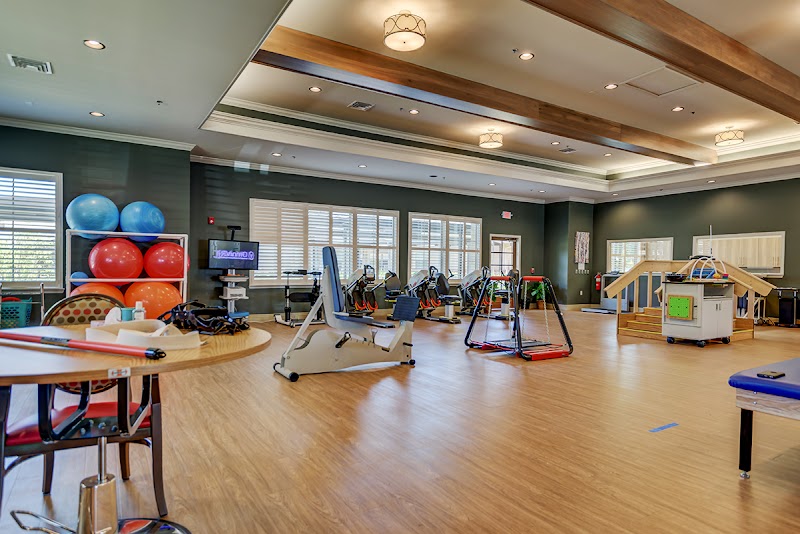
How is The Green House Cottages Of Poplar Grove Staffed?

CMS rates THE GREEN HOUSE COTTAGES OF POPLAR GROVE's staffing level at 4 out of 5 stars, which is above average compared to other nursing homes. Staff turnover is 52%, compared to the Arkansas average of 46%. RN turnover specifically is 58%, which is notably high. RNs provide skilled clinical oversight, so turnover in this role can affect medical care quality.

What Have Inspectors Found at The Green House Cottages Of Poplar Grove?

State health inspectors documented 34 deficiencies at THE GREEN HOUSE COTTAGES OF POPLAR GROVE during 2022 to 2025. These included: 34 with potential for harm.

Who Owns and Operates The Green House Cottages Of Poplar Grove?

THE GREEN HOUSE COTTAGES OF POPLAR GROVE is owned by a for-profit company. For-profit facilities operate as businesses with obligations to shareholders or private owners. The facility is operated by SOUTHERN ADMINISTRATIVE SERVICES, a chain that manages multiple nursing homes. With 120 certified beds and approximately 105 residents (about 88% occupancy), it is a mid-sized facility located in LITTLE ROCK, Arkansas.

How Does The Green House Cottages Of Poplar Grove Compare to Other Arkansas Nursing Homes?

Compared to the 100 nursing homes in Arkansas, THE GREEN HOUSE COTTAGES OF POPLAR GROVE's overall rating (2 stars) is below the state average of 3.1, staff turnover (52%) is near the state average of 46%, and health inspection rating (2 stars) is below the national benchmark.

What Should Families Ask When Visiting The Green House Cottages Of Poplar Grove?

Based on this facility's data, families visiting should ask: "Can I visit during a mealtime to observe dining assistance and food quality?" "How do you handle medical emergencies, and what is your hospital transfer rate?" "Can I speak with family members of current residents about their experience?"

Is The Green House Cottages Of Poplar Grove Safe?

Based on CMS inspection data, THE GREEN HOUSE COTTAGES OF POPLAR GROVE has a clean safety record: no substantiated abuse findings (meaning no confirmed cases of resident harm), no Immediate Jeopardy citations (the most serious violation level indicating risk of serious injury or death), and is not on the Special Focus Facility watch list (a federal program monitoring the lowest-performing 1% of nursing homes). The facility has a 2-star overall rating and ranks #100 of 100 nursing homes in Arkansas. While no facility is perfect, families should still ask about staff-to-resident ratios and recent inspection results during their visit.

Do Nurses at The Green House Cottages Of Poplar Grove Stick Around?

THE GREEN HOUSE COTTAGES OF POPLAR GROVE has a staff turnover rate of 52%, which is 6 percentage points above the Arkansas average of 46%. Moderate turnover is common in nursing homes, but families should still ask about staff tenure and how the facility maintains care continuity when employees leave.

Was The Green House Cottages Of Poplar Grove Ever Fined?

THE GREEN HOUSE COTTAGES OF POPLAR GROVE has no federal fines on record. CMS issues fines when nursing homes fail to meet care standards or don't correct problems found during inspections. The absence of fines suggests the facility has either maintained compliance or corrected any issues before penalties were assessed. This is a positive indicator, though families should still review recent inspection reports for the full picture.

Is The Green House Cottages Of Poplar Grove on Any Federal Watch List?

THE GREEN HOUSE COTTAGES OF POPLAR GROVE is not on any federal watch list. The most significant is the Special Focus Facility (SFF) program, which identifies the bottom 1% of nursing homes nationally based on persistent, serious quality problems. Not being on this list means the facility has avoided the pattern of deficiencies that triggers enhanced federal oversight. This is a positive indicator, though families should still review the facility's inspection history directly.