THE SPRINGS OF BARROW
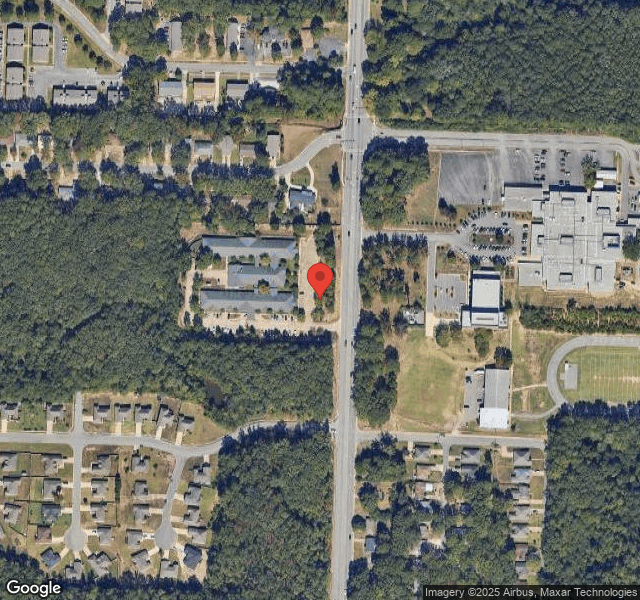
2600 JOHN BARROW ROAD, LITTLE ROCK, AR 72204 (501) 224-4173
For profit - Limited Liability company 139 Beds THE SPRINGS ARKANSAS Data: November 2025
Trust Grade
58/100
#130 of 218 in AR
Last Inspection: September 2024

Within standard 12-15 month inspection cycle. Federal law requires annual inspections.

Overview

The Springs of Barrow has a Trust Grade of C, meaning it is average and sits in the middle of the pack for nursing homes. It ranks #130 out of 218 facilities in Arkansas, placing it in the bottom half, and #11 out of 23 in Pulaski County, indicating that only a few local options are better. The facility's trend is stable, as it reported four issues in both 2024 and 2025, without improvement or decline. Staffing is a concern, with a rating of 3 out of 5 stars and a high turnover rate of 61%, which is above the state average of 50%. Additionally, there have been fines totaling $10,190, which is average but suggests some compliance issues. However, the nursing home does have some strengths, including excellent quality measures, rated 5 out of 5 stars. Unfortunately, there have been specific incidents that raise concerns, such as a dietary aide contaminating clean plates without washing hands, and the ice machine showing unsanitary conditions. Additionally, the facility failed to ensure proper cleanliness in resident bathrooms and common areas, as indicated by dirty toilets and unclean trash cans. Overall, while there are notable strengths, families should weigh these concerns carefully when considering The Springs of Barrow for their loved ones.

Trust Score
C
58/100
In Arkansas
#130/218
Bottom 41%
Safety Record
Low Risk
No red flags
Inspections
Holding Steady
4 → 4 violations
Staff Stability
⚠ Watch
61% turnover. Above average. Higher turnover means staff may not know residents' routines.
Penalties
⚠ Watch
$10,190 in fines. Higher than 81% of Arkansas facilities, suggesting repeated compliance issues.
Skilled Nurses
⚠ Watch
Each resident gets only 11 minutes of Registered Nurse (RN) attention daily — below average for Arkansas. Fewer RN minutes means fewer trained eyes watching for problems.
Violations
⚠ Watch
20 deficiencies on record. Higher than average. Multiple issues found across inspections.
★★★☆☆
3.0
Overall Rating
★★★☆☆
3.0
Staff Levels
★★★★★
5.0
Care Quality
★★☆☆☆
2.0
Inspection Score
Stable
2024: 4 issues
2025: 4 issues

The Good

  • 5-Star Quality Measures · Strong clinical quality outcomes
  • Full Sprinkler Coverage · Fire safety systems throughout facility
  • No fines on record

Facility shows strength in quality measures, fire safety.

The Bad

3-Star Overall Rating

Near Arkansas average (3.1)

Meets federal standards, typical of most facilities

Staff Turnover: 61%

15pts above Arkansas avg (46%)

Frequent staff changes - ask about care continuity

Federal Fines: $10,190

Below median ($33,413)

Minor penalties assessed

Chain: THE SPRINGS ARKANSAS

Part of a multi-facility chain

Ask about local staffing decisions and management

Staff turnover is elevated (61%)

13 points above Arkansas average of 48%

The Ugly 20 deficiencies on record

Jan 2025 4 deficiencies
CONCERN (D) 📢 Someone Reported This

A family member, employee, or ombudsman was alarmed enough to file a formal complaint

Potential for Harm - no one hurt, but risky conditions existed

Notification of Changes (Tag F0580)

Could have caused harm · This affected 1 resident

Based on interview, record review and facility policy review, the facility failed to ensure a resident's emergency contact was notified of a change in a resident's plan of care for 1 (Resident #5) of ...

Read full inspector narrative →
Based on interview, record review and facility policy review, the facility failed to ensure a resident's emergency contact was notified of a change in a resident's plan of care for 1 (Resident #5) of 1 sampled resident reviewed for plan of care changes. The findings are: On 01/07/2024, Resident #5's emergency contact was exiting the resident's room. This surveyor asked her about the resident's care at the facility and she stated she had called the facility earlier and was told there was a fall mat in place. She asked this surveyor to look in the room and see if a fall mat was in place. This surveyor entered the resident's room and there was no fall mat in place. Resident #5's Medical Diagnosis Screen was reviewed and indicated the resident had a fracture of the neck of the right femur (a break in the thigh bone) and a brain condition with causes the progressive decline in memory, thinking, learning and organizing skills (Alzheimer's disease). A quarterly Minimum Data Set (MDS) with an Assessment Reference Date (ARD) of 01/05/2025 was reviewed and indicated Resident #5 had a Staff Assessment for Mental Status (SAMS) score of 3, which indicated severe cognitive impairment. A Plan of Care, dated 11/04/2024, was reviewed and indicated Resident #5 had an actual fall with an intervention for staff to check range of motion and scheduled pain medication. An established patient visit note, dated 12/20/2024 at 23:59 (11:59 PM), was reviewed and indicated Resident #5 was seen due to readmission. The fall risk section of the note indicated a plan of treatment which included implementation of safety measures with a low bed and a floor mat. A Nursing Incident and Accident follow up note, dated 12/31/2024 at 11:51 AM, was reviewed and indicated a fall mat was initially placed as an intervention to prevent injury, but after therapy evaluation the mat was removed. Resident #5's Progress Notes were reviewed from 12/30/2024 through 01/07/2025, and there was no documentation which revealed Resident #5's emergency contact, or any other person was notified of a decision to remove the resident's fall mat. On 01/08/2025 at 3:43 PM, the Director of Nursing (DON) was interviewed and stated after Resident #5 returned to the facility the immediate intervention was to put a fall mat bedside the resident's bed. She stated the facility held weekly interdisciplinary team (IDT) fall meetings and per her note dated 12/31/2024, the fall mat was not appropriate because Resident #5 was mobile and there was a concern the resident would trip over the fall mat. She stated the emergency contact should have been notified of the change by someone from the interdisciplinary team. A Change in a resident's condition or status policy, dated as revised February 2021, was reviewed and indicated the facility promptly notifies the resident, attending physician and the resident representative of changes in the resident's medical/mental condition and/or status such as changes in level of care and resident rights.
CONCERN (D) 📢 Someone Reported This

A family member, employee, or ombudsman was alarmed enough to file a formal complaint

Potential for Harm - no one hurt, but risky conditions existed

Quality of Care (Tag F0684)

Could have caused harm · This affected 1 resident

**NOTE- TERMS IN BRACKETS HAVE BEEN EDITED TO PROTECT CONFIDENTIALITY** Based on interviews, record review, and facility document review, it was determined the facility failed to provide needed care o...

Read full inspector narrative →
**NOTE- TERMS IN BRACKETS HAVE BEEN EDITED TO PROTECT CONFIDENTIALITY** Based on interviews, record review, and facility document review, it was determined the facility failed to provide needed care or services resulting in an actual decline in one resident's physical well-being (Resident #1) of 3 sampled residents reviewed for Quality of Care. Findings include: Review of an admission Minimum Data Set (MDS), with an Assessment Reference Date (ARD) of 11/14/2024, revealed Resident #1 had Brief Interview for Mental Status (BIMS) score of 13 which indicated the resident was cognitively intact. Other diagnoses on the MDS included hypertension (high blood pressure), end-stage renal disease (kidney disease) and hemiplegia (not being able to move one side of the body). Resident #1 ' s medical record was reviewed for accuracy of medications. 1)A review of Resident #1's hospital and facility records revealed the following. a. 11/04/2024 - The Discharge (DC) Summary from the hospital stay ending on 11/04/2024, for admission to the Nursing facility has this medication listed - [Name brand angiotensin-converting enzyme inhibitor] 40 milligrams (mg) tab take one tablet by mouth every day for high blood pressure. [Name brand angiotensin-converting enzyme inhibitor] was one medication in a list of medications recommended for Resident #1 to continue by the discharging hospital. b. 11/08/2024 - The DC Summary from a hospital procedure, admission date 11/07/2024, and discharge date [DATE], had a note Medication(s) stopped/held - [Name brand angiotensin-converting enzyme inhibitor] (this medicine is to be resumed upon discharge). c. 11/12/2024 - The Medication Reconciliation Report from a procedure performed on 11/12/2024, has listed [name brand angiotensin-converting enzyme inhibitor] 40mg tab - take one tablet by mouth every day for high blood pressure. d. A review of the November 2024 Administration Record, and the December 2024 Administration Record, demonstrated that Resident #1 did not receive [name brand angiotensin-converting enzyme inhibitor] from 11/04/2024 (admission to facility) through 12/23/2024, when Resident #1 was being admitted to the hospital for a hypertensive (high blood pressure) emergency. e. A review of the [name brand angiotensin-converting enzyme inhibitor] order report demonstrated Resident #1 did not have [name brand angiotensin-converting enzyme inhibitor] ordered from the time of admission to the facility (11/4/2024) until 12/23/2024, when Resident #1 was being admitted to the hospital for hypertensive (high blood pressure) emergency. f. A review of the hospital History and Physical (H&P) from 12/24/2024, revealed the following information from the hospital provider. Within the Assessment and Plan of Care, it states the resident told the provider that they used to take [name brand angiotensin-converting enzyme inhibitor] but had not gotten any at the nursing home. Also, it stated Resident #1 would be started on [name brand angiotensin-converting enzyme inhibitor] moving forward. The first issue on the H&P problem list was hypertensive emergency, requiring an Intensive Care Unit (ICU) admission. 2)On 01/07/2025 at 2:16 PM, the admission Nurse and LPN #1 were interviewed regarding the process for 1) determining what medications residents are to receive and 2) determining who reviews for medication accuracy. Both nurses responded the process for residents coming to a facility was as follows. a. Facility receives the Discharge (DC) medication list b. Nurse managers put the medication list into the queue which is the electronic platform where orders wait to be reviewed by the floor nurse c. Floor nurse double checks and confirms each medication is in the queue. d. admission nurse does the match back process to confirm the correct medications are on the Medication Administration Record (MAR). This process is where the discharge medications/orders are resubmitted by the admission Nurse to ensure it matches the original order. The admission Nurse also stated this process provided a third set of eyes on the orders. Both nurses stated that they started the last step because a medication got missed about a month ago. 3) On 01/08/2025 at 10:15 AM, the admission Nurse and LPN #1 were interviewed regarding the process for orders and document review after someone has gone to the hospital/doctor appointment/dental visit, etc. The admission Nurse stated that it was their responsibility (admission Nurse) to review the documents and then follow up with any orders. 4) On 01/08/2025 at 1:50 PM, an interview with the Director of Nursing (DON) was conducted, included, but not limited to, acquiring orders for a new resident and verification of the orders. a. What is the process regarding orders for a new resident? The Discharge (DC) orders come with the resident, and one nurse puts admission orders in. The orders are reviewed with the provider within 24 hours. The floor nurse reviews, and another nurse reviews for a double check. The admissions nurse receives the admission orders and checks the orders again, against the paperwork provided. b. What is the process regarding documents and/or orders for a resident that has gone to the hospital, doctor appointment, dental appointment, etc.? If someone goes to an appointment, the transport personnel give the papers to a nurse or department head for processing. c. Who communicates with the provider if there is an order that is recommended for the resident? Prior to December 2024, the Medical Director would be contacted by the nurse or Department Heads. A Nurse Practitioner (NP) was hired in the early part of December. Since the early part of December 2024, the NP is notified by the nurse and/or department heads. With the addition of the NP, Clinical meetings are now conducted daily, and any new orders can be reviewed at that time for accuracy/resolution. 5) On 01/08/2025 at 2:20PM, the Administrator provided a procedure document titled Reconciliation of Medications on Admission. The body of the document listed the steps in the procedure, which include: 1) Listing all medications from the discharge summary and 2) Reviewing the list carefully to determine if there are discrepancies/conflicts. 6) On 01/08/2025 at 3:15 PM, the DON was interviewed again and stated there was not an additional policy to address orders/medication orders when a resident returns to the facility. The DON was asked why it is important for Medication Reconciliation be completed accurately. The DON answered for the health and safety of the resident and that incorrect medications and/or missing medications are not good.
CONCERN (D) 📢 Someone Reported This

A family member, employee, or ombudsman was alarmed enough to file a formal complaint

Potential for Harm - no one hurt, but risky conditions existed

Infection Control (Tag F0880)

Could have caused harm · This affected 1 resident

Based on observation, interview, record review, and facility policy review, the facility failed to ensure enhanced barrier precautions (EBP) were consistently implemented during resident care activiti...

Read full inspector narrative →
Based on observation, interview, record review, and facility policy review, the facility failed to ensure enhanced barrier precautions (EBP) were consistently implemented during resident care activities for 1 (Resident #4) of 1 sampled resident reviewed for enhanced barrier precautions. The findings are: On 01/07/2024 at 12:15 PM, Certified Nursing Assistant (CNA) #2 and CNA #3 were in Resident #4's room to provide incontinence care. Both CNAs put on gloves prior to the start of the high-contact care activity but did not put on a gown. There was a sign on the wall outside the Resident #4's room under the resident's name which was reviewed and indicated the resident was on EBP and staff must wear gloves and a gown for high-contact resident care activities and changing briefs was included on the list. Resident #4 was incontinent of bowel and CNA #2 and CNA #3 completed this high contact care activity and only used gloves. Both CNAs were interviewed and asked if the resident was on EBP. CNA #3 stated she was sure Resident #4 was, and CNA #2 indicated he did not know. CNA #3 confirmed neither she nor CNA #2 wore a gown while providing incontinent care to Resident #4. Resident #4's Medical Diagnosis Screen was reviewed and indicated a diagnosis of gastrostomy status (a surgical opening into the stomach for nutritional support). A review of Resident #4's Order Summary Report indicated the resident received continuous enteral (a form of nutrition delivered into the digestive system as a liquid) feeding and was on EBP related to a percutaneous endoscopic gastrostomy (PEG) tube. A review of Resident #4's Plan of Care dated 11/27/2024, indicated Resident #4 had a self-care performance deficit in activities of daily living (ADL) and required total assistance with bathing/showers, extensive to total assistance of one staff member with toilet use and was at risk for skin breakdown due to incontinence of bowel and bladder. An Enhanced Barrier Precautions policy, copyright 2024, The Compliance Store, LLC (limited liability company), was reviewed and indicated EBP referred to an infection control intervention to reduce transmission of multidrug-resistant organisms in which employees use gown and gloves during high contact resident care activities. The policy indicated an order for EBP would be obtained for residents with wounds and/or medical devices such as a feeding tube.
CONCERN (E) 📢 Someone Reported This

A family member, employee, or ombudsman was alarmed enough to file a formal complaint

Potential for Harm - no one hurt, but risky conditions existed

Safe Environment (Tag F0921)

Could have caused harm · This affected multiple residents

**NOTE- TERMS IN BRACKETS HAVE BEEN EDITED TO PROTECT CONFIDENTIALITY** Based on observations, interviews, and facility policy review, the facility failed to ensure a trash can was cleansed and had a ...

Read full inspector narrative →
**NOTE- TERMS IN BRACKETS HAVE BEEN EDITED TO PROTECT CONFIDENTIALITY** Based on observations, interviews, and facility policy review, the facility failed to ensure a trash can was cleansed and had a liner inside and the inside of a resident's toilet bowl was clean for 1 (Resident #4) of 3 whose rooms were reviewed for cleanliness; failed to ensure walls and baseboards were cleansed in the hallways of the facility; failed to ensure cigarette butts were removed from the grounds of a smoking area and shower rooms were maintained in a clean and sanitary condition for 3 of 4 showers in the facility. The findings are: On 01/06/2024, initial rounds were conducted at the facility and the following observations were made: 1. At the end of hall 100, the base boards and lower walls to the right of the doorway upon entrance had brown stains and a brown unknown substance on the floor. 2. Resident #4's trash can had no liner and there were gloves, debris and stains in the bottom of the trash can. There was a brown ring inside the toilet bowl in the Resident #4's bathroom. 3. On hall 400, between rooms [ROOM NUMBERS], there was a How to view resident care plan in [program name] sign on the wall with brown stains on and around the sign. 4. The baseboards between rooms [ROOM NUMBERS] had brown stains on it. 5. The female shower room, for halls 100 and 200, had black stains on the grout between the tiles on the floor, and the lower walls of two shower stalls and a trash can with no liner half full of a discolored liquid with dark sediment in the bottom. 6. The male shower room, for halls 100 and 200, had black stains on the grout lines between the tiles on the floor, and walls of the two shower stalls. One shower stall had a pair of black boots with debris on them and a dustpan with brown, black and white stains on it on the floor of the shower stall. On 01/07/2025 at 12:05 PM, the smoking area for the secured unit was observed and there were several used cigarette butts and ashes on the concrete slab. On 01/07/2025 at 1:00 PM, the toilet bowl in Resident #4's bathroom continued to have a brown ring inside and toilet paper. On 01/08/2025 at 1:47 PM, the trash can in Resident #4's room did not have a liner and there was a brown stain and debris in the bottom of the trash can. Certified Nursing Assistant (CNA) #4 placed a clean trash liner in the trash can without cleaning the inside first. He was interviewed and stated housekeeping was responsible for cleaning the inside of the trash can. On 01/08/2025 at 2:52 PM, the Laundry/Housekeeping Supervisor (LHS) was interviewed and stated he was responsible for cleaning the shower rooms every day. He stated he used a disinfectant [brand name]. He stated Maintenance swept the [cigarette] butts early each morning and before he (Maintenance) left for the day. He stated housekeeping cleaned the walls and railings in the hallways every other day. He stated housekeeping was responsible for cleaning the resident's rooms, including the floor, toilet, sink, trash can and putting a liner in the resident's trash can every day. On 01/08/2025 at 3:04 PM, LHS was asked to remove the liner from Resident #4's trash can and describe what he observed. He stated there was old trash and dirt on the bottom of the trash can and there were brown and black discolorations inside the trash can. On 01/08/2025 at 3:06 PM, LHS entered the men's shower room on the locked unit and described the smell upon entrance as old water. He described the color between the tiles on the floor as black. He stated there was dirt on the lower tiles of the shower wall and described the color as black. On 01/08/2025 at 3:11 PM, LHS opened the janitor's closet leading to Hall 100 and there was a cleaning system set up on the wall with a brand name one step disinfectant solution inside. LHS stated a bottle could be placed under the spout of the cleaning system and filled with the cleaning solution. He stated the cleaning solution was diluted and ready to use and required a 3-second sit, which he explained as once the solution was sprayed on something, it would sit for 3 seconds before being removed. He stated the disinfectant was supposed to work on mold and mildew. On 01/08/2025 at 4:04 PM, the Maintenance Director (MD) was interviewed, and stated staff were expected to pick up after themselves in the smoking area and staff with the residents in the smoking were expected to pick up after the residents. He stated the responsibility of removing cigarette butts from the grounds was a shared duty, which he did rounds once a day, but he did not indicate who else shared the responsibility. He stated cigarette butts should be removed from the grounds because it gave a bad appearance. A Daily cleaning procedures (DCP) policy, not dated, provided by the Administrator on 01/08/2025, was reviewed and indicated the waste basket should be disinfected and a can liner inserted. The restroom required supplies such as toilet paper, paper towels and soap be restocked, trash emptied, toilet area disinfected. The policy did not specify cleaning of the walls or baseboards in the hallways outside resident rooms. The [name brand] One-Step Disinfectant manufacture's guidelines, not dated and provided by the Administrator on 01/08/2025, was reviewed and indicated this product is a concentrated hospital use disinfectant cleaner which it's uses include inhibiting the growth of mold and mildew and odors when used as directed. The directions indicated the original container label should be referred to for use directions. For Fungi, the contact time indicated 3 minutes, but did not specify mold or mildew contact time.
Sept 2024 4 deficiencies
CONCERN (D)

Potential for Harm - no one hurt, but risky conditions existed

Deficiency F0761 (Tag F0761)

Could have caused harm · This affected 1 resident

Based on observation, record review, interview, and facility policy review, the facility failed to ensure clear, legible medication labels were on narcotics to prevent medication errors, and misapprop...

Read full inspector narrative →
Based on observation, record review, interview, and facility policy review, the facility failed to ensure clear, legible medication labels were on narcotics to prevent medication errors, and misappropriation of resident medications in the 100 Hall/200 Hall Medication Room. Findings include: 1. A review of a policy titled, Storage of Medications, revised November 2020, revealed nursing staff are responsible for the medication storage area. Medications are stored separately from food and are labeled accordingly. 2. On 09/10/24 at 01:00 PM, Licensed Practical Nurse (LPN) #3 opened the refrigerated narcotic box and verified there were four bottles of anti-anxiety medication belonging to Resident #61 and three belonging to three non-sampled residents, and one unidentified bottle of medication in a plastic bag marked 102, with a completely faded out label and a red C. LPN #3 confirmed that she was not sure of the process, but the unidentified medication should be given to the Director of Nursing (DON), because it could disappear, and nobody would know where it was. 3. On 09/10/2024 at 01:30 PM, Registered Nurse (RN) #4 located narcotic page 102, and verified the unidentified bottle of medication was an anti-anxiety medication belonging to a non-sampled resident. 4. On 09/10/24 at 01:35 PM, RN #4 stated another nurse was asked to contact the pharmacy for a new label about 2 weeks ago. The pharmacy verified they had not sent out a replacement label. RN #4 confirmed that when a label is faded nursing is supposed to have the pharmacy print a label, because there was a risk the faded label could have resulted in someone getting the wrong mediation. 5. During an interview with the Assistant Director of Nursing (ADON) on 09/11/24 at 02:15 PM, the ADON stated that if a medication label is worn and cannot be read, staff are expected to notify the DON or the ADON, and to call the pharmacy to request a new label, because someone could be given the wrong medication, or the medication could be taken.
CONCERN (E)

Potential for Harm - no one hurt, but risky conditions existed

Safe Environment (Tag F0584)

Could have caused harm · This affected multiple residents

Based on observations, record review, and interviews, the facility failed to provide a safe, clean, comfortable, and homelike environment for 5 (Residents #2, #13, #14, #33, and #65) of 5 sampled resi...

Read full inspector narrative →
Based on observations, record review, and interviews, the facility failed to provide a safe, clean, comfortable, and homelike environment for 5 (Residents #2, #13, #14, #33, and #65) of 5 sampled residents residing on the 300 Hall. The findings are: 1. On 9/09/24 at 10:40 AM, the Surveyor observed: a) Resident #2's bathroom floor was dirty and sticky, causing the surveyor's shoes to stick to the floor. b) The bathroom door had several brown smears on the inside and outside of the door. c) Resident #2's feeding pole had a brownish-white hard-dried substance dried to the pole, the pole's electrical cord, and the base of pole. d) Several areas of the resident's wardrobe had the finish missing and the rough particle board was exposed. e) The over the bed table had a large chunk out of the top right corner, leaving rough particle board exposed. 2. On 9/9/24 at 1:00 PM, the Surveyor observed: a) Resident #2's bathroom floor was dirty and sticky; causing the surveyor's shoes to stick to the floor. b) Resident #2's bathroom door was sticky to touch and had several brown smears on the door. c) Resident #2's bathroom floor had black, yellow, and orange stains on the floor under the sink and around the toilet. d) Resident #2's feeding pole had a thick dried brownish-white substance on the pole, the pole's electrical cord, and on the base of the pole. e) The two wardrobes in Resident #2's room had several areas of rough particle board exposed. f) The over the bed table in Resident #2's room, had a large chunk of finish missing from the top right corner, leaving rough particle board exposed and a sharp plastic corner sticking up where the top finish had broken off. 3. On 9/10/24 at 2:00 PM, the Surveyor observed: a) Resident #2's bathroom door had several brown smears on the door, above and below the door handle. The surveyor's shoes were sticking to the floor. b) Resident #2's bathroom floor had black, yellow, and orange stains on the floor under the sink and around the commode. c) Resident #2's feeding pole had a brownish-white substance dried to the pole, the pole's electrical cord, and the base of the pole. d) The two wardrobes in the room had several areas of rough particle board exposed. e) The over the bed table had a large chunk of finish missing from the top right corner, leaving rough particle board exposed and a sharp plastic corner sticking up where the top finish had broken off. 4. On 9/11/24 at 12:07 PM, the Surveyor observed: a) A large brown stain on the privacy curtain. b) Resident #2's feeding pole had a brownish-white substance dried to the pole, the pole's electrical cord, and the base of the pole. c) The two wardrobes, in the room, had several areas of rough pressed board exposed. d) The over the bed table had a large chunk of finish missing from the top right corner, leaving rough particle board exposed and a sharp plastic corner sticking up where the top finish had broken off. e) Resident #2's bathroom floor had black, yellow, and orange stains on the floor under the sink and around the toilet. The surveyor's shoes were sticking to the floor. 5. On 9/09/24 at 11:12 AM, the Surveyor observed: a) Resident #13's bathroom had a foul musty odor, and the floors were dirty with a black substance. b) The trim atop the wainscoting (wood paneling) was missing along the wall where the headboards of the beds were positioned, leaving a rough edge exposed. 6. On 9/09/24 at 1:42 PM, the Surveyor observed: a) Resident #13's bedroom had a strong, nauseating odor in the room. b) The trim atop the wainscoting was missing along the wall where the headboards of the beds were located, leaving a rough edge exposed. c) The bedroom floors were dirty with a black substance around the baseboards. 7. On 9/10/24 at 1:02 PM, the Surveyor observed: a) Resident #13's bathroom had a large area of black substance on the center of the floor. b) Resident #13's room had a musty odor. c) The trim atop the wainscoting was missing along the wall where the headboards of the beds were positioned, leaving a rough edge exposed. d) The bedroom floors were dirty with a black substance around the baseboards in the room. 8. On 9/11/24 at 12:17 PM, the Surveyor observed: a) Resident #13's room had a strong urine odor in the room. b) The bedroom floors were dirty with a black substance around the baseboards in the room. c) Resident #13's bathroom had a large area of black substance on the center of the floor. 9. On 9/11/2024 at 3:30 PM, while making rounds with the Administrator the Surveyor observed the Administrator attempt to open the Resident #13's bathroom door. The door stuck and the Administrator had to jerk the door open. The Administrator said the door would need to be sanded down at the top. 10. On 9/09/24 at 10:50 AM, the Surveyor observed: a) Resident #14's bathroom door was difficult to open. The roommate yelled out that the door sticks and is hard to open sometimes, just pull it hard. 11. On 9/09/24 at 10:59 AM, the Surveyor observed: a) Resident #14's bedroom had a strong odor of feces in the room. b) Resident #14's footboard had a large hole in the fiberglass facing covering the outside of the footboard. The Surveyor could put her open hand over the hole, and it did not cover the hole. c) Resident #14's bathroom had a toilet plunger sitting inside a clear plastic bag. The contents inside the bag were visible. The handle of the plunger and the suction cup had a dark brown clumpy substance on them. The plunger was sitting to the left side of the toilet under the toilet tissue roll and a clear plastic bag with a urinal inside was hanging from the handrail. 12. On 9/09/24 at 1:01 PM, the Surveyor observed: a) Resident #14's bedroom had a strong odor of feces in the room. b) Resident #14's footboard had a large hole in the fiberglass facing covering the outside of the footboard. The Surveyor could put her open hand over the hole, and it did not cover the hole. c) Resident #14's bathroom had a toilet plunger sitting inside a clear plastic bag. The contents of the bag were visible. The handle of the plunger and the suction cup had a dark brown clumpy substance on them. The plunger was sitting to the left side of the toilet under the toilet tissue roll and a clear plastic bag with a urinal inside was hanging from the handrail. 13. On 9/10/24 at 1:17 PM, the Surveyor observed: a) Resident #14's room had a strong odor of feces in the room. Resident #14's footboard had a large hole in the fiberglass facing covering the outside of the footboard. The Surveyor could put her open hand over the hole, and it did not cover the hole. b) Resident #14's bathroom had a toilet plunger sitting inside a clear plastic bag. The handle of the plunger and the suction cup had a dark brown clumpy substance on them. The plunger was sitting to the left side of the toilet under the toilet tissue roll. 14. On 9/09/24 at 9:52 AM, the Surveyor observed: a) Resident #33's privacy curtain had dark brown smears over the lower portion of the curtain. b) The privacy curtain had a dark lumpy brown particle near the bottom of the curtain. c) Resident #33's floor, near the dresser, had a dark brown spot on the floor tiles. d) Resident #33's bathroom had paint and dry wall peeling from the wall on the right side of the commode and behind the commode, causing the baseboard to peel away from the wall. The baseboard had a buildup of a yellow substance along the top of the baseboard. e) Resident #33's bathroom floor had dark orange spots on the floor tiles. f) The Surveyor observed a gap between the base of the commode and the tiles around the base of the commode on the right side, exposing the concrete slab. This allowed for urine to pool and get under the tile. g) The seams of 12 tiles in the bathroom around the commode and out into the bathroom floor were outlined with dark brown lines. h) Resident #33's wardrobe had the finish peeling off, leaving the particle board exposed. The particle board had several areas chipped off and the drawers were not working properly. 15. On 09/10/24 at 9:33 AM, the Surveyor observed: a) Resident #33's privacy curtain had dark brown smears over the lower portion of the curtain. b) The curtain had a dark lumpy brown particle near the bottom of the curtain. c) The floor in Resident #33's room near the dresser had a dark brown spot on the floor. d) Resident #33's bathroom had paint and dry wall peeling from the wall on the right side of the commode and behind the commode, causing the baseboard to peel away from the wall. The baseboard had a buildup of a yellow substance along the top of the baseboard. e) The floor in the bathroom had dark orange spots on the floor tiles. f) The Surveyor observed a gap between the base of the commode and the tiles around the base of the commode on the right side exposing the concrete slab. This allowed for urine to pool and get under the tile. g) The seams of 12 tiles in the bathroom around the commode and out into the bathroom were outlined with dark brown lines. h) Resident #33's wardrobe had the finish peeling off, leaving the particle board exposed and chipped off, the drawers were not working properly. 16. On 9/11/24 at 12:23 PM, the Surveyor observed: a) Resident #33's privacy curtain had dark brown smears over the lower portion of the curtain. b) The privacy curtain had a dark lumpy brown particle near the bottom of the curtain. c) Resident #33's floor, near the dresser, had a dark brown spot on the floor tiles. d) Resident #33's bathroom had paint and dry wall peeling from the wall on the right side of the commode and behind the commode, causing the baseboard to peel away from the wall. The baseboard had a buildup of a yellow substance along the top of the baseboard. e) The floor in Resident #33's the bathroom had dark orange spots on the floor tiles. f) The Surveyor observed a gap between the base of the commode and the tiles around the base of the commode on the right side exposing the concrete slab. This allowed for urine to pool and get under the tile. g) The seams of 12 tiles in the bathroom floor, around the commode and out into the floor were outlined with dark brown lines. h) Resident #33's wardrobe had the finish peeling off, leaving the particle board exposed and chipped off, the drawers are not working properly. 17. On 9/9/24 at 11:05 AM, the Surveyor observed Resident #65's bedroom had a strong urine odor in the room. 18. On 9/9/24 at 1:38 PM, the Surveyor observed Resident #65's bedroom had a strong odor of urine in the room. 19. On 9/10/24 at 12:55 PM, the Surveyor observed: a) Resident #65's bedroom had a black buildup along the edge of baseboards on the floor around the bedroom and bathroom. b) The commode in Resident #65's bathroom had a yellowish/orange substance on the base of toilet and the floor around toilet. c) Seven floor tiles under the sink and around the base of the commode had black stains on them. 20. On 9/11/24 at 12:12 PM, the Surveyor observed: a) Resident #65's bedroom had a black buildup on the floor along the edge of baseboards around the bedroom and the bathroom. b) The commode in Resident #65's bathroom had a yellowish/orange substance on the base of the toilet and the floor around the toilet. c) Seven floor tiles under the sink and around the base of the commode had black stains on them. d) The two wardrobes in the room had broken door hinges. e) The drawers on Resident #65's nightstand were broken and hanging crossways of the nightstand. 21. On 9/11/2024 at 2:15 PM, the Surveyor conducted an interview with Certified Nurse Aide (CNA) #5 the CNA confirmed the substance on Resident #2's feeding pole, the electrical wire and the base of the pole, was dried milk and said the nurses were responsible for cleaning the tube feeding poles. CNA #5 had concerns of a resident getting scratched on the rough boards of the over-the-bed table. 22. On 9/11/2024 at 2:30 PM, CNA #6 said the drawers were not in working order on the wardrobe due to being warped from water and the said it looks like it is coming apart. CNA #6 said Resident #33 ' s privacy curtain had food, toothpaste and as she pointed to a brown particle on the curtain, she said I don't know what that is. CNA #6 said the room smelled like urine, mildew, and the wall behind the toilet looked like mildew and the floor is sticky 23. On 9/11/2023 at 2:40 PM, Licensed Practical Nurse (LPN) #7 said Resident #2 ' s room smelled musty and had a smell of urine. LPN #7 said the rough wood on the over-the-bed table could cause a cut to a resident and it could contain bacteria. 24. On 9/11/2024 at 3:00 PM, Housekeeping Supervisor (HKS) #9 said the floors are sticky because someone is using something they should not be using in their mop water. HKS #9 looked in the Resident #14 ' s bathroom and said he did not know why that dirty plunger had been left in the bathroom but that he would get it. HKS #9 said the odor in Resident #14's room smelled like urine and boo-boo. 25. On 9/11/2024 at 3:33 PM, the Administrator and the Surveyor were walking down the hallway and observed the plunger in the clear plastic bag with dark brown clumps and yellowish liquid on the handle and on the suction cup of the plunger sitting in Resident #14's bedroom beside the wardrobe. The Administrator informed the Surveyor he knew he needed to replace some wardrobes but wasn't sure exactly when they would be replaced. The Administrator identified the orange spots on the floors to be rust. 26. On 9/11/2024 at 3:38 PM, the Assistant Director of Nursing (ADON) gave the Survey Team a Floors policy. The policy was dated 2001 Med-Pass with a revised date of December 2009. The Policy Statement indicates the floors should be maintained in a clean, safe, and sanitary manner. Item 1. Indicates all floors shall be mopped/cleaned/vacuumed daily in accordance with our established procedures.
CONCERN (E)

Potential for Harm - no one hurt, but risky conditions existed

Accident Prevention (Tag F0689)

Could have caused harm · This affected multiple residents

Based on observation, interview, and facility policy review, the facility failed to ensure the storage closet and the janitor's closet near the dining area, and the water heater closet off the 100 Hal...

Read full inspector narrative →
Based on observation, interview, and facility policy review, the facility failed to ensure the storage closet and the janitor's closet near the dining area, and the water heater closet off the 100 Hall were locked to ensure residents did not have access to equipment that could result in accidents or injuries. Findings include: 1. A review of a policy titled, Maintenance Service, dated December 2009, revealed maintenance was responsible for the safe maintenance of the facility and keeping it free of hazards. 2. On 09/09/2024 at 09:48 AM, the Surveyor opened a set of white double doors revealing the heating and cooling equipment. 3. On 09/09/2024 at 09:49 AM, the Storage Closet was opened revealing a large metal cabinet with coiling wires hanging down on the right-hand side, and on the left side was a bucket with 4 inches of gray fluid resting under a humidifier. 4. On 09/09/2024 at 09:51 AM, the Surveyor observed a slightly opened door marked, water heater, located off the 100 Hall, the doors were opened revealing the hot water system. 5. During an interview with the Maintenance Supervisor on 09/09/2024 at 02:15 PM, the Maintenance Supervisor stated the batteries in the keypad locks were dead, and the doors should require a key to be unlocked. He confirmed residents should not have access to the hot water heaters, electrical, and equipment, because they could get hurt.
CONCERN (F)

Potential for Harm - no one hurt, but risky conditions existed

Food Safety (Tag F0812)

Could have caused harm · This affected most or all residents

Based on observation, interview, and faculty policy review, the facility failed to ensure dietary staff washed their hands and changed gloves when contaminated; the ice machine was maintained in a cle...

Read full inspector narrative →
Based on observation, interview, and faculty policy review, the facility failed to ensure dietary staff washed their hands and changed gloves when contaminated; the ice machine was maintained in a clean and sanitary condition; opened food items in the refrigerator and freezer were sealed or covered to maintain freshness and prevent potential cross-contamination; expired dressing products were promptly removed/discarded on or before the expiration or use by date to prevent the growth of bacteria; cold beverages were held at 41 degrees Fahrenheit to maintain the quality of food items and beverages. The findings are: 1. On 9/9/24 at 9:28 AM, Dietary Aide (DA) #1 picked up his phone and placed it in his pocket, contaminating his hands. Without washing his hands, DA #1 picked up clean plates from the dish racks and placed them on the plate warmer to be used in portioning food items for lunch. 2. On 9/9/24 at 9:53 AM, the ice machine in the kitchen had a wet, pink, and slimy residue on the panel. It was pointed out to the Dietary District Manager and asked if the residue build up could be wiped off. She used tissue paper and wiped it off. The pink slimy residue easily transferred to the tissue. DA #1 was asked who used the ice from the ice machine and how often they cleaned it. DA #1 stated, CNAs (Certified Nursing Assistants) use it to fill beverages served to the residents at mealtimes and they use it for the water pitchers in the residents' rooms. I don't know how they clean it. On 9/10/24 at 10:09 AM, Dietary [NAME] (DC) #2 was asked how often they cleaned the ice machine. DC #2 stated, Once a every week. 3. On 9/9/24 10:09 AM, DA #1 turned on the hand washing sink, washed his hands, turned off the hand washing faucet with his bare hands, contaminating his hands, and then used his contaminated hands to pick up clean plates and place them on the plate warmer to be used in portioning food items to be served to the residents for supper. 4. On 9/9/24 at 10:15 AM, an opened box of sausage was on a shelf in the refrigerator. The box was not covered or sealed. 5. On 9/9/24 at 10:18 AM, the following observations were made on a shelf in the freezer: a. An opened box of steak fritters. The box was not covered or sealed. b. An opened box of corndogs. The box was not covered or sealed. 6. On 9/9/24 at 10:45 AM, the following observations were on a shelf in the - Medication Room between the 100 Hall and the 200 Hall: a. Two bags of potato chips with an expiration date of 8/27/2024. b. An opened bottle of tea. The manufacturer specification on the bottle indicated to keep refrigerated. 7. On 9/9/24 at 11:09 AM, DA #1 removed a carton of milk from the refrigerator and gave it to a staff member, contaminating his hands. Without washing his hands, DA #1 then picked up utensils from the area and wrapped them in napkins for the supper meal. DA #1 was asked what he should have done after touching dirty objects and before handling clean equipment? DA #1 stated, I should have washed my hands. 8. On 9/9/24 at 11:54 AM, DA #1 walked into the kitchen and placed a bag that contained packages of cream cheese on the counter. Without washing his hands, DA #1 picked up clean eating utensils by the tip of the utensils and wrapped them in individual napkins for the residents to use at their noon meal. Dietary Aide DA #1 stated he should have washed his hands. 9. On 9/9/24 at 1:00 PM, Dietary [NAME] (DC) #2 wore gloves when he opened two bags of shredded cabbage and emptied them into a pan. Then, using his gloved hands, he smoothed the shredded cabbage, shredded carrots and shredded red cabbage evenly in the pan. DC #2 poured dressing over the slaw, mixed it with a spoon, covered the pan with saran wrap and placed it on a shelf in the walk-in refrigerator to be served to the residents at their supper meal. DC #2 was asked what she should have done after touching dirty objects and before handling food items. DC #2 stated she should have washed her hands. 10. On 9/10/24 at 8:05 AM, the Dietary Manager was asked to check the temperature of the leftover cartons of strawberry shake and cartons of apple juice that she was about to put in the refrigerator. DC #2 did and stated the apple juice was 51 degrees, and the strawberry shake was 50 degrees. They are supposed to be 41 degrees. The manufacturers specification on the cartons of strawberry indicated, store frozen, thaw under refrigerator. After thawing keep refrigerated and use within 14 days. 11. A review of a facility policy titled, QRT (Quick Reference Tool) Hand Washing, initiated on 9/1/2021 indicated, wash your hands as often as possible. Before starting to work with food utensils or equipment, and as often as needed during food preparation and when changing tasks.
Nov 2023 7 deficiencies
CONCERN (D)

Potential for Harm - no one hurt, but risky conditions existed

ADL Care (Tag F0677)

Could have caused harm · This affected 1 resident

Based on observation, interview and record review the facility failed to provide nail care for 1 sampled resident (#57) dependent upon staff for nail care to prevent infection, injury and promote good...

Read full inspector narrative →
Based on observation, interview and record review the facility failed to provide nail care for 1 sampled resident (#57) dependent upon staff for nail care to prevent infection, injury and promote good hygiene. This failed practice had the potential to affect 5 case mix residents (R#32, R#49, R#57, R#60 and R#72) on hall 100 dependent upon staff for nail care based on a list provided by the Administrator on 11/2/23 at 2:46 PM. The findings are: Resident #57 had a diagnosis of HEMIPLEGIA AND HEMIPARESIS FOLLOWING CEREBRAL INFARCTION AFFECTING RIGHT DOMINANT SIDE. A Quarterly Minimum Data Set (MDS) with an assessment review date (ARD) of 8/1/23 documented a Brief Interview for Mental Status Score of (BIMS) of 12 (8-12 moderate cognitive impairment) requiring extensive assistance with 1 person support for personal hygiene and total dependence for transfers with 2-person support. a. A Care Plan with an initiation date of 4/20/23 documented, .I have an ADL [Activities of Daily Living] self-care performance deficit r/t (related to) Hemiparesis following Cerebral Infarction . and .I will be clean and well-groomed daily throughout review date . b. On 10/30/23 at 11:05 AM, the Surveyor observed Resident #57's fingernails were approximately ¼ - ½ inches long past tips of fingers on both hands with light brown substance visible underneath nails. The Surveyor asked Resident #57 if she liked her nails the way they were. Resident #57 answered, I would like to have them trimmed and am hoping they will do it tomorrow since that's bath day. c. On 10/31/23 at 09:40 AM, Resident #57 had returned from shower and was lying in bed. Fingernails and toenails remained ¼ - ½ inches long. The Surveyor asked Resident #57 if she would allow staff to trim her fingernails and toenails. Resident #57 answered, Yes, I would like to have them cut, and I need to brush my teeth. d. On 10/31/23 at 10:02 AM, the Surveyor asked CNA #3 who was responsible for doing Resident #57 nail care. CNA #3 answered, Treatment or shower team. The Surveyor asked how often resident nail care is done. CNA #3 answered, When necessary, like now. The Surveyor asked CNA #3 to observe Resident #57 toenails and to see if they needed to be trimmed. CNA #3 answered, Yes, they need to be trimmed. Sometimes they refuse. CNA #3 asked Resident #57 Do you want your nails done and trimmed? Resident #57 answered, Yes. The Surveyor asked CNA #3 what could happen if nail care is not provided to residents on a regular basis. CNA#3 answered, She could cut herself and hurt her toes getting caught up in the sheets. The Surveyor asked CNA#3 to observe Resident # 57's fingernails. CNA #3 answered, Yeah, she refuses those. e. On 11/01/23 at 09:33 AM, Resident #57 was lying in bed awake. The Surveyor asked Resident #57 if her nail care had been done. Resident #57 answered, My fingernails got done, but my toenails were not done. I guess they ran out of time. The Surveyor observed nails on both hands. Right hand was holding a carrot, but the nails were clean and trimmed. Left hand nails were clean and trimmed. The Surveyor observed Resident #57's toenails and they remained approximately 1/4-inch past tips of toes on both great toes. There were jagged edges and some sharp corners observed on toenails, both feet. f. On 11/3/23 at 10:10 AM The Surveyor asked the DON who is responsible for nail care, why it's important and what can happen if it isn't done on a regular basis. The DON answered, The (Certified Nurse Assistants) CNA's usually get it done on bath days unless it's a Diabetic. Then the Nurses do them to keep them from getting ingrown toenails or scratching themselves. If they scratch themselves, it could become an infection control issue. g. On 11/02/23 at 02:46 PM, the Administrator provided documentation entitled, Policy Nail Care which documented, .3. Routine cleaning and inspection of nails will be provided during [Activities of Daily Living] ADL care on an ongoing basis. 4. Routine nail care, to include trimming, and filing, will be provided on a regular schedule (such as weekly on Wednesday 3-11 shift). 6.Nails should be kept smooth to avoid skin injury .
CONCERN (D)

Potential for Harm - no one hurt, but risky conditions existed

Respiratory Care (Tag F0695)

Could have caused harm · This affected 1 resident

**NOTE- TERMS IN BRACKETS HAVE BEEN EDITED TO PROTECT CONFIDENTIALITY** Based on Observation, Interview and Record Review, the facility failed to ensure that oxygen was administered at the rate ordere...

Read full inspector narrative →
**NOTE- TERMS IN BRACKETS HAVE BEEN EDITED TO PROTECT CONFIDENTIALITY** Based on Observation, Interview and Record Review, the facility failed to ensure that oxygen was administered at the rate ordered, equipment was assessed and maintained to prevent respiratory complications and infections by not securing humidifier bottle with tubing to concentrator, positioning nasal cannula correctly, and changing contaminated tubing, for 1 sampled resident (R#16). This failed practice had the potential to affect 3 residents on hall 100 who were receiving oxygen therapy per physician orders. The findings are: Resident #16 had a diagnosis of Chronic Obstructive Pulmonary Disease (COPD), unspecified. A Quarterly Minimum Data Set (MDS) documented a Brief Mental Status Score of 8 (8-12 moderate cognitive impairment) requiring assistance with 1-person physical support for bed mobility, transfer, and toileting. Section O under special procedures and treatments documented, Yes for oxygen therapy. a. A Physicians order dated 9/21/23 documented Oxygen 2L [liters] via NC [nasal cannula] PRN [as needed] for SOB [shortness of breath] as needed for Shortness of Breath b. A Care Plan dated 5/5/21 documented, .I have altered respiratory status/difficulty breathing r/t COPD . and .Change, date and initial oxygen tubing/bottle and place in a re-sealable storage bag every Sunday night shift . and Oxygen Settings: O2 @ [at] 2L via NC PRN . c. On 11/01/23 at 09:38 AM, the Surveyor observed Resident #16 Lying in bed asleep leaning to the right side of the bed. The nasal canula (n/c) prongs were under the chin and resting on the neck. The flow meter on the concentrator was set at 1.5 Liters/Minute. The Humidifier bottle was not dated and dangling from the concentrator by clear tubing. The top of the tubing that the humidifier bottle was dangling from had a bend in the tubing restricting the air flow through the tubing into the bottle of water. The humidifier bottle was suspended in the air and approximately 3 inches from the floor. The tubing attached to the humidifier bottle to the resident was lying on the floor. d. On 11/01/23 at 02:57 PM, Resident #16 was lying in bed asleep leaning to right side of bed. The Surveyor observed the nasal cannula prongs remained under the chin and resting on neck. The flow meter was set at 1.5 Liters. The humidifier bottle was not dated and dangled from the clear tubing attached to the concentrator. The top of the tubing, from which the humidifier bottle was dangling, had a bend restricting the air flow through the tubing into the bottle of water. The tubing attached to the humidifier bottle to the resident was lying on the floor. e. On 11/01/23 at 04:17 PM, two Surveyors walked into room [ROOM NUMBER]. Resident #16 was lying in bed asleep leaning to the right side of bed. The nasal cannula prongs remained under chin and resting on the neck. The flow meter was set at 1.5 Liters. The humidifier bottle remained undated and dangling in the air by the clear tubing from concentrator, with the bend at the top of the clear tubing. The tubing attached to the humidifier bottle to the resident was lying on the floor. f. On 11/01/23 at 04:18 PM, the Surveyor asked Licensed Practical Nurse (LPN #1) if the humidifier bottle should be dangling from the concentrator like that. LPN#1 answered, No as she picked up the humidifier bottle and secured it to the concentrator. The Surveyor asked what could happen if the tubing was left kinked like that. LPN #1 answered, Water could get in the cannula or it could get clamped off. It should have been holstered. g. On 11/01/23 at 04:19 PM, the Surveyor accompanied the Assistant Director of Nursing (ADON) into Resident #16's room and asked how often oxygen administration is checked for Resident #16. The ADON answered, We have to watch it frequently The Surveyor asked the ADON what could happen if the tubing stayed kinked and the humidifier bottle was left dangling from the concentrator. The ADON answered, If it was kinked badly, she's not getting as much air, but it looks like she's still getting air because the water is still bubbling. h. On 11/01/23 at 04:28 AM, the Director of Nursing (DON) informed the Surveyors in the conference room that Resident #16's oxygen saturation was 98% and her Pulse Rate was 72. i. On 11/02/23 06:45 AM, the Surveyor observed the DON walk into Resident #16 's room and reholstered the humidifier bottle that was dangling in the air approximately 3 inches from the floor with the tubing kinked at the top where it was attached to the concentrator. Resident #16 was asleep in bed receiving oxygen via nasal cannula. j. On 11/03/23 at 10:10 AM, the Surveyor asked the DON when oxygen tubing was found on the floor, what should be done and why. The DON answered, Get new tubing. If it been on the floor, there are germs on the floor from the bottom of your shoes. The Surveyor asked why that was an issue. The DON answered, Infection Control. k. On 11/02/23 at 2:46 PM, the Administrator provided documentation entitled, Oxygen Administration which documented, .Oxygen is administered under orders of a physician . and Staff shall monitor for complications associated with the use of oxygen and take precautions to prevent them . and Change oxygen tubing and mask/cannula weekly and as needed if it becomes soiled or contaminated . Change humidifier bottle when empty or at a minimum once a week .
CONCERN (D)

Potential for Harm - no one hurt, but risky conditions existed

Deficiency F0919 (Tag F0919)

Could have caused harm · This affected 1 resident

Based on Observation and Interview the facility failed to ensure that call lights were within reach for 1 sampled resident (R#16). This failed practice had the potential to affect 80 residents based o...

Read full inspector narrative →
Based on Observation and Interview the facility failed to ensure that call lights were within reach for 1 sampled resident (R#16). This failed practice had the potential to affect 80 residents based on a resident matrix provided by the Administrator on 10/30/23 at 10:39 AM. The findings are: a. On 10/30/23 at 01:41 PM, the Surveyor observed the call light lying on the floor next to Resident #16s bed, out of her reach. The Surveyor asked Resident #16 if she could find her call light. Resident #16 answered, No, where is it? b. On 10/30/23 at 02:28 PM, the Surveyor observed the call light lying on floor in the same spot next to Resident #16's bed, out of her reach. Resident #16 was lying awake in bed. c. On 10/30/23 at 03:32 PM, the Surveyor observed the call light lying on floor in the same position, next to Resident #16's bed out of her reach. Resident #16 was lying in bed asleep. d. On 10/30/23 at 03:58 PM, Resident #16 was lying awake in bed watching TV. The Surveyor observed the call light remained on the floor in the same position, out of Resident #16's reach. The Surveyor asked Certified Nurse Assistant (CNA) #5 if Resident #16 was cognitive enough to use her call light. She answered, Yes. and picked the call light from the floor and handed it to Resident #16. e. On 11/1/23 at 10:47 AM, the Surveyor asked the Social Worker if it was important for a resident to be able to reach her call light. The Social Worker answered, Yes Ma'am, absolutely. The Surveyor asked the Social Worker what could happen if call lights were left out of reach. The Social Worker answered, If assistance was needed, she wouldn't be able to contact staff. f. On 11/3/23 at 10:10 AM, the Surveyor asked the Director of Nursing who was responsible for making sure call lights were within residents reach and how often they should be checked. The DON answered, Everybody and anybody that walks into the room. They should be checked several times a day every time anyone enters a room it should be done.
CONCERN (E)

Potential for Harm - no one hurt, but risky conditions existed

Deficiency F0726 (Tag F0726)

Could have caused harm · This affected multiple residents

**NOTE- TERMS IN BRACKETS HAVE BEEN EDITED TO PROTECT CONFIDENTIALITY** Resident #63's diagnosis showed osteomyelitis of the vertebra to the lumbar region with a start date of 10/24/23. Resident #63's...

Read full inspector narrative →
**NOTE- TERMS IN BRACKETS HAVE BEEN EDITED TO PROTECT CONFIDENTIALITY** Resident #63's diagnosis showed osteomyelitis of the vertebra to the lumbar region with a start date of 10/24/23. Resident #63's physician's order summary dated 11/2/23 showed, flush peripherally inserted central catheter [PICC] line before and after each medication administration using SASH [Saline-Administration-Saline-Heparin] method (10cc NS, Aspirate for blood, 10cc NS, 10cc Heparin). every 1 hour as needed for PICC Flush-Medication Administration Flush PICC line before and after each medication administration using SASH method (10cc NS, Aspirate for blood, 10cc NS, 10cc Heparin). Start Date: 10/24/2023. On 11/01/23 at 01:36 PM, the Surveyor observed the DON administer Intravenous [IV] Vancomycin 1.25 grams [G]/250 milliliters [mL] to Resident #63 via PICC line. The DON performed hand hygiene then removed the green cap from the port and cleansed it with an alcohol wipe, allowed it to dry, then attached a 10mL syringe of normal saline [NS] to the port, opened the clamp and then flushed with 5mL of NS, aspirated for blood return then continued to flush with the remaining 5mL of NS. The DON then removed the syringe and cleansed the port with an alcohol pad, allowed it to dry. The primed line of vancomycin was then attached to the port and the pump was programmed at 125mL/hour [hr] at 2 hours to infuse 250mL. Hand hygiene was performed. Upon completion, the DON stated, we use the SASH method. The surveyor asked the DON, what is the SASH method? The DON stated, we clean the port with an alcohol swab then let it dry, attach the NS and open the clamp, then push 10mL of NS, clean the port with an alcohol swab, let it dry, then push 10mL of heparin, clean the port and let it dry, then we attach the line for administration or place a green cap and close the clamp. On 11/01/23 at 03:41 PM, the Surveyor observed the DON perform hand hygiene then remove the line from the port, cleanse the port with an alcohol wipe, allowed it to dry. The DON then attached a 10mL syringe of NS to the port and flushed, the syringe was then removed and cleansed with an alcohol wipe, allowed to dry. The DON then attached a 5mL syringe of heparin and flushed with a push/stop method, the syringe was removed then the port cleansed with an alcohol swab and allowed to dry. A 2nd 5mL syringe of heparin was then attached and the line was flushed with a push/stop method, the clamp was closed, the syringe was removed, and the port cleansed with an alcohol pad, allowed to dry. A green cap was then placed on the port. Hand hygiene was performed. The DON followed the facility policy but failed to follow the Physician's Order. A Policy titled Flushing Peripheral and Central Vascular Access (ALLCARE Pharmacy and Procedures Manual) provided by the Administrator on 11/2/23 at 2:43 PM showed, .All vascular access devices used for intermittent medication administration will be flushed using the S-A-S-H or S-A-S technique . A Policy titled Intravenous Therapy [Date Implemented: 6/23 (Copyright 2022 The Compliance Store, LLC)] provided by the DON on 11/2/23 at 11:17 AM showed, .IV Push: Review and verify practitioner's order for infusion solution or medication, dose, frequency, and route of administration . On 11/03/23 at 12:44 pm the DON was asked: How do you determine the competency needed to meet each resident's needs each day and during emergencies? The DON stated, I want to watch someone before I just let them go do something, I want to know without a doubt they know what they are doing. The Surveyor asked: How often is this reassessed? The DON stated, I'm on the halls all the time, watching and making sure staff is doing what they need to do. I'm there to help them if they need it. The surveyor asked: How do you assure that staff are appropriately assigned to meet the needs of residents and are implementing care-planned approaches for each resident on each shift and unit? The DON stated, We have meetings every day, I round on everything. I walk around this building; I don't know how many times a day. The surveyor asked: Do you use temporary/contract staff? The DON stated, We do have some agency. The surveyor asked: How do you ensure these staff are competent and have the knowledge and skills to care for residents? The DON stated, The same way I do my permanent staff, by observing them before they actually do a skill, I want to make sure they know how to do something before doing it. The surveyor asked: What type of education or training is provided upon hire? The DON stated, We go over skills in orientation, I want to know that they know how to do everything. The surveyor asked: How often does CNAs and nurses receive training/education to get their skills updated, and what areas are covered? The DON stated, I do in-services all the time, covering everything. Nursing skills or any skills needed to do their job. The facility Assessment Tool provided by the administrator on 10/30/23 at 11:00 am documented.Purpose The purpose of the assessment is to determine what resources are necessary to care for residents competently during both day-to-day operations and emergencies .Overview of the Assessment Tool .3. Facility resources needed to provide competent care for residents, including staff, staffing plan, staff training/education and competencies, education and training .Staff training/education and competencies .All employees complete training and competencies on the following upon hire (* and completed annually) .Clinical Services: .infection control .hand hygiene .All nurses .Annual in-service training for nurses is designed to ensure continue competencies .medication administration .wound care, oxygen use, IVs .Nurse aides are required to complete . At a minimum, the following competencies are evaluated for topic selection .nail and hair care .using mechanic lifts, hand washing and infection control (hand hygiene . A. On 10/31/23 at 09:40 AM Surveyor observed Certified Nursing Assistant (CNA) #1 cleaning liquid that had spilled onto the floor, cleaning bedside table, then handling lifesavers and chapstick, and emptying trash in room [ROOM NUMBER] with the same pair of gloves. The sheets were changed for Resident #57 wearing the same set of gloves. There were 2 baby dolls sitting on the windowsill and CNA #1 knocked the dolls onto the floor while she was closing the blinds. She picked them up and placed them in a chair and placed the chair on Bed A's side of the room. At 09:42 AM CNA #4 entered room [ROOM NUMBER] pushing Resident #57 on a shower gurney and asked CNA #1 to assist with transferring from gurney to chair using mechanical lift. CNA #1 assisted with the transfer without removing dirty gloves or sanitizing. CNA #4 moved the chair with the dolls, and they fell onto the floor as she was making room to remove the shower gurney and place the lift and wheelchair into position. She picked them up and placed them back into the chair after accidentally kicking one. After completing the transfer using hoyer the mechanical lift, CNA #4 removed gloves, and sanitized hands prior to leaving resident room. Neither CNA #1 nor CNA #2 wiped the dolls or cleaned them after picking them off of the floor. The Surveyor asked CNA #1 if she changed gloves between resident care. CNA #1 answered, No this is only my 4th day here. I just started last week. The Surveyor asked CNA #1 what could happen if gloves were not changed and hands were not sanitized between residents. The CNA #1 answered, Infection Control and walked out of the room. The Surveyor remained in the room. Resident #57 told the Surveyor that she had soiled her brief. The Surveyor pushed the call light. At 0:950 AM CNA #1 returned to the room and attempted to change Resident #57's soiled brief by herself. She raised the bed into the highest position, left Resident #57 lying on her side, and left the room at 0953 AM. At 09:56 AM CNA #1 reentered the room with CNA #2. CNA #1 left the room again to gather lift supplies. CNA #2 lowered the bed stating I'm going to let you down. You are scaring me being high up like this CNA #2 left the room to get plastic bags for trash and soiled brief. CNA #2 re-entered Resident #57's room at 10:00 AM with supplies for incontinent care and plastic bags. Resident #57 asked to have her teeth brushed. CNA #2 answered, I'm waiting on her to get back so we can change you and transfer you into your wheelchair, then we'll get your teeth brushed and wipe that face. 10:02 AM, CNA #1 returned with CNA #3. CNA #1 and #2 donned gloves and changed Resident #57's soiled brief. CNA #1 threw the wet brief onto the bed and picked it up after CNA #2 told her to put it in the plastic bag. At 10:13 AM, CNA #1 and #2 and #3 attempted to lift Resident #57 out of bed to transfer to chair using mechanical lift. The battery was dead, and the lift would not work. CNA #1 stated, Oh my God, I grabbed the wrong one. At 10:15 AM CNA #3 left the room to get a different battery to replace the one on the lift. CNA #3 returned and replaced the battery. The lift still did not work. CNA #3 left again to find another lift. At 10:19 AM CNA #3 returned with a different lift that worked and Resident #57 was transferred to chair. CNA #3 and CNA #2 operated the lift while CNA #1 stood behind resident's wheelchair. At 10:28 AM Resident #57 had to be re-lifted and repositioned in chair. Resident #57 stated she was uncomfortable, getting tired, and wanted to brush her teeth. CNA #1 left the room at 10:37 AM to gather supplies to brush teeth as there were no toothbrushes or cups in room. CNA #2 left room to get nail care clippers. CNA #3 gathered oral care items and placed them on bedside table. CNA #3 sent CNA #2 out of the room to get another cup for resident to spit in as she had only brought on. CNA #3 removed gloves and sanitized hands and prompted CNA #1 to put water into one of the cups so resident could brush her teeth. At 10:40 AM Surveyor left room. B. On 11/02/23 at 07:28 AM the Surveyor observed the LPN #2 walk away from the medication cart in hall 200, leaving it unlocked, from 7:28 AM - 7:35 AM for a total of 7 minutes. The Surveyor stayed beside the cart and asked LPN #2 upon returning what could happen if medication cart was left unattended in the hallway. LPN #2 answered, It won't lock. The lock has been messed up on this cart. I've told them to fix it multiple times. LPN #2 pushed the lock in. The surveyor pulled on the drawer, and it was locked. The Surveyor asked the LPN if she was able to get back into the cart to finish the medication pass. LPN #2 unlocked the drawer and stated, I thought I had pushed it in all the way, but I guess I didn't. The lock is working, I guess they fixed it. On 11/02/23 at 07:53 AM the Surveyor asked the Director of Nursing (DON) what could happen if the medication cart was left unattended and unlocked. The DON answered, It's a safety thing, any resident or anybody else could get into it. On 11/02/23 at 12:32 PM the Administrator provided documentation entitled, Administering Medications which documented, .19. During administration of medications, the medication cart is kept closed and locked when out of sight of the medication nurse or aide .The cart must be clearly visible to the personnel administering medications, and all outward sides must be inaccessible to residents or others passing by . C. On 11/01/23 LPN#3 informed surveyors Resident #60 was pre-medicated for wound care. At 09:44 AM the Surveyor accompanied LPN #3 and CNA #3 to observe wound care for Resident #60 stage 2 pressure ulcer on coccyx. There were no paper towels in the restroom for staff to wash hands. LPN #3 sent CNA #3 to get paper towels from another resident room. The Surveyor observed as LPN #3 prepared wound care supplies on bedside table transferring supplies from wound supply cart. LPN #3 was wearing 2 bracelets that were uncovered by the glove she was wearing. One bracelet had multiple charms dangling which came into contact with wound care supplies in wound care supply drawer, bedside table, and multiple contaminated areas throughout the process. Resident #60 had a wet brief that was touching wound care areas throughout the procedure. LPN #3 ran out of gloves and had to send CNA #3 to get another box during the procedure. Resident #60 was rolled onto his left side facing the wall and CNA #3 during the wound care procedure. LPN #3 removed the bandage with gloved hands and there was a copious amount of serous purulent drainage. The Surveyor asked LPN #3 the size and depth of the wound. LPN #3 took a sterile Q tip and inserted it onto the wound and answered, 0.3. LPN #3 did not measure the length or width of the stage 2 pressure ulcer. The Surveyor asked if the wound had gotten better or worse since being in the facility. LPN #3 and CNA #3 answered, he came back from the hospital, and it was worse. That's why I got the orders changed. He is non-compliant with turning. LPN #2 stated to Resident #60, You didn't turn every 2 hours like I told you to, and it has gotten worse. Resident #60 stated, Oh, Oh God, Oh. The Surveyor asked LPN #3 how often the wound was measured. The LPN #3 answered, I'm going to halt the wound care procedure because he's in pain and I've been told to stop if residents say they are in pain. The Surveyor asked the LPN #3 if the resident should be asked if he wanted to halt the procedure, and what her next step would be. She stated, I'm going to put the dressing on and halt the procedure. The LPN #3 asked Resident #60 if he wanted her to continue and put the meta honey onto the wound. Resident #60 stated, Go ahead and finish. The Surveyor asked how the wound would heal if the meta honey was not placed on the wound. LPN #3 asked the Surveyor, How am I supposed to apply the meta honey without hurting him by poking into the wound with the Qtip. The Surveyor asked LPN #3 what she thought would be best to do. LPN #3 answered, I'll just pour it on and proceeded to pour a scant amount of the meta honey onto part of the wound. The bandage was placed over part of the wound and dated with initials. The adhesive was sticking to part of the excoriated skin, and Resident #60 had a small Bowel Movement (BM) visible. The Surveyor asked the LPN #3 and the CNA #3 if they had noticed the BM prior to adhering the bandage. CNA #3 answered, Yes I see it. We will clean it The Surveyor asked the LPN #3 and CNA #3 what could have been done differently during the procedure. The LPN #3 stated, I would not wear my bracelet during wound care The CNA #3 answered, I would make sure we had all the supplies in the room, and that I would have made sure the wet brief didn't touch the parts that we had cleaned. The Surveyor asked why those things were issues. The LPN #3 answered, Infection Control. Based on observation, record review and interview the facility failed to demonstrate competent direct care staffing to provide nursing and related services, to assure resident safety and to maintain the highest practicable physical, mental, and psychosocial well-being for 20 (#16, #27, #31, #32, #33, #39, #45, #49, #53, #57, #59, #62, #63, #64, #65, #69, #72, #71, #73, #182) sampled residents. This had the potential to affect all residents listed on the Resident Matrix provided by the administrator on 10/30/23 at 09:35 am. The findings are:
CONCERN (E)

Potential for Harm - no one hurt, but risky conditions existed

Menu Adequacy (Tag F0803)

Could have caused harm · This affected multiple residents

Based on observation, record review and interview, the facility failed to ensure meals were. prepared and served in accordance with the planned written menu were consistently utilized for preparation ...

Read full inspector narrative →
Based on observation, record review and interview, the facility failed to ensure meals were. prepared and served in accordance with the planned written menu were consistently utilized for preparation of altered consistency diets to meet the nutritional needs of the residents for 1 of 1 meal observed. These failed practices had the potential to affect 20 residents who received mechanical soft diets and 5 residents who received pureed diets from the kitchen according to a list provided by the Dietary Supervisor on 10/31/2023 at 02:05 PM. The findings are: 1. The 2023 menu for noon meal specified for the residents on mechanical soft diets to receive ground baked chicken pasta and for the residents on pureed diets to receive a #6 dip (2/3 cup) of pureed baked chicken pasta and pureed buttered dinner roll each. 2. On 10/30/23 at 10:10 AM Dietary Employee (DE) #1 used a 10 scoop to place 5 servings of chicken spaghetti into a blender and puree. At 10:12 AM DE #1 poured the pureed spaghetti into a pan. She covered the pan with foil and placed it in the oven to be served to the residents who required pureed diets, instead of a #6 dip as specified on the menu. At 12:41 PM Dietary Employee (DE) #1 used a #10 scoop (3/8 cup) to serve a single portion of pureed baked chicken pasta to 4 residents on pureed diets, instead of a #6 dip (2/3 cup) At 12:59 PM The surveyor asked the Dietary Employee (DE) #1 what scoop size you used to scoop baked chicken spaghetti into a blender. How many servings did you prepare? DE #1 stated, I used #10 scoop, and I did 5 servings. She again was asked what scoop size you served pureed baked chicken spaghetti with and how many servings you gave to each resident who required pureed diets. DE #1 stated, I used #10 scoop and gave one serving each. 3. On 10/30/23 at 12:16 PM Dietary Employee (DE) #1 Served regular baked chicken cubes pasta to the residents on mechanical soft diets, instead of ground baked chicken pasta. At 12:59 The surveyor asked DE #1 the reason residents on mechanical soft diets were served baked chicken cubes pasta. She stated, I thought they will have the same chicken as the ones on regular diets. c. On 10/30/23 at 12:51 PM The kitchen ran out of pureed bread. d. On 10/30/23 at 12:56 PM a resident was sitting in a blue Geri chair at the feed table in the dining room being assisted by Certified Nursing Assistant #1. The Tray card read: Regular Pureed Enhanced diet with Mildly Thick (2) Nectar-Like. Magic Cup L/D, House Shake TID. The resident was served ½ cup of pureed baked chicken spaghetti, ½ cup of pureed cut green beans, ½ cup of banana bread ½ cup of fortified mashed potatoes, a carton of thick and easy, a carton of cranberry Juice, a carton vanilla mighty shake. There was no substitute served to the resident in place of the pureed bread.
CONCERN (E)

Potential for Harm - no one hurt, but risky conditions existed

Deficiency F0804 (Tag F0804)

Could have caused harm · This affected multiple residents

Based on observation, record review and interview, the facility failed to ensure meals were served in a method that maintained the appearance that were acceptable to the residents to improve palatabil...

Read full inspector narrative →
Based on observation, record review and interview, the facility failed to ensure meals were served in a method that maintained the appearance that were acceptable to the residents to improve palatability and encourage good nutritional intake during 1 of 1 meal observed. This failed practice had the potential to affect 79 residents who receive meal trays from 1 of 1 kitchen, their rooms on the as documented on a list provided by the Dietary Supervisor #1 on 010/31/2023 at 02:05 PM. The findings are: 1. On 10/30/23 at 11:14 AM, The Surveyor asked Resident #52 how is the food, and how does it taste. She stated, The food is no good. I ask for different things to eat and I don't like it either. We have the same thing every day. It's not like I made it at home, and I just don't like the food. 2. On 10/30/23 at 11:20 AM, the Surveyor asked Resident #74 how is the food and how does it taste. He stated, I don't like the food. They feed us dog food here. 3. On 10/31/2023 at 01:44 PM, the Surveyor asked Certified Nursing Assistant #4 who was assisting residents with their noon meal in the dining room, to describe the appearance of food items served to the residents on mechanical soft diets and residents on regular diets. She stated, Stuffing was like clay, ground pork chops were dry, will need gravy and apple crisp was hard to cut. 4. On 10/31/23 at 01:46 PM, the Surveyor asked Certified Nursing Assistant #1 who was assisting residents with their noon meal in the dining room, to describe the appearance of food items served to the residents on mechanical soft diets and residents on regular diets. She stated, Pork chops were a little dry. Stuffing was dry, it looks like it was left in the oven a little longer. 5. On 10/31/23 at 01:47 PM, a test tray consisting of regular pork chop, brussels sprouts, cut green beans, ground pork chops and stuffing were obtained by the Dietary Supervisor. The Surveyor asked the Dietary Supervisor about the appearance of the food items. He tested them and stated, Brussels sprouts were mushy, stuffing was gummy and ground pork chops were dry. The Registered Dietitian tested the food items and stated, Stuffing was gummy, brussels sprouts was kind of mushy, ground regular pork chops were dry, and could need gravy.
CONCERN (E)

Potential for Harm - no one hurt, but risky conditions existed

Infection Control (Tag F0880)

Could have caused harm · This affected multiple residents

Based on observation and interview the facility failed to ensure a suprapubic urinary catheter bag did not come into contact with the floor for 1 sampled resident (Resident #60) on hall 100 and failed...

Read full inspector narrative →
Based on observation and interview the facility failed to ensure a suprapubic urinary catheter bag did not come into contact with the floor for 1 sampled resident (Resident #60) on hall 100 and failed to ensure proper wound care was performed for 1 sampled resident (Resident #60) to prevent potential cross contamination and infection. This failed practice had the potential to effect 2 residents (Resident #60) and 1 non sampled resident on hall 100 with urinary catheters based on a list of residents on hall 100 with foley catheters and 1 sampled resident with wounds provided by the facility Chief Executive Officer (CEO). The findings are: On 10/31/23 at 04:18 PM, the Surveyor observed R#60 lying in bed awake. The suprapubic catheter bag was touching the floor and was hooked to the bed rail between the wall and the bed. The bed was in the lowest position. On 11/01/23 at 09:42 AM, the Surveyor observed Resident #60's suprapubic foley catheter bag resting directly on the floor between the wall and the bed. The bag was not hooked to the bed rail. On 11/03/23 at 09:32 AM Resident #60 was lying in bed asleep. The Surveyor observed Resident #60's foley catheter bag resting on the floor. The bag was hooked to the bed rail facing the room, and the bed was in the lowest position. On 11/03/23 at 10:10 AM, The Surveyor accompanied the Director of Nursing (DON) to Resident #60 room and asked who is responsible for making sure catheter bags and tubing do not come in contact with the floor. The DON repositioned the bag and answered, It's not supposed to be on the floor. Everyone that comes in here is responsible for making sure it's not. The Surveyor asked the DON what could happen if catheter bags were left lying on the floor, or tubing comes into contact with the floor. The DON answered, It can be an infection issue The Surveyor asked the DON how often catheter bags are checked and how to prevent this from happening in the future. The DON answered, Check multiple times a day. I come in several times a day myself. More need to be done to educate staff. On 11/2/23 at 2:45 PM the Administrator provided documentation entitled, Infection Prevention and Control Program which documented, .This facility has established and maintains an infection prevention and control program designed to provide a safe, sanitary, and comfortable environment and to help prevent the development and transmission of communicable diseases and infections a per accepted national standards and guidelines . and .2. All staff are responsible for following all policies and procedures related to the program . On 11/01/23, Licensed Practical Nurse (LPN) #3 informed the surveyors Resident #60 was pre-medicated for wound care. At 09:44 AM, the Surveyor accompanied LPN #3 and Certified Nursing Assistant (CNA) #3 to observe wound care for Resident #60's stage 2 pressure ulcer on the coccyx. There were no paper towels in the restroom for staff to wash their hands. LPN #3 sent CNA #3 to get paper towels from another resident room. The Surveyor observed as LPN #3 prepared wound care supplies on the bedside table transferring supplies from wound supply cart. LPN #3 was wearing 2 bracelets that were uncovered by the glove she was wearing. One bracelet had multiple charms dangling which came into contact with wound care supplies in wound care supply drawer, bedside table, and multiple contaminated areas throughout the process. Resident #60 had a wet brief that was touching wound care areas throughout the procedure. LPN #3 ran out of gloves and had to send Licensed Practical Nurse Licensed Practical Nurse to get another box during the procedure. R#60 was rolled onto his left side facing the wall and CNA #3 during the wound care procedure. LPN#3 removed the bandage with gloved hands and there was a copious amount of serous purulent drainage. The Surveyor asked LPN #3 the size and depth of the wound. LPN #3 took a sterile q tip and inserted it onto the wound and answered, 0.3 LPN #3 did not measure the length or width of the stage 2 pressure ulcer. The Surveyor asked if the wound had gotten better or worse since being in the facility. LPN #3 and CNA #3 answered, he came back from the hospital, and it was worse. That's why I got the orders changed. He is non-compliant with turning LPN #2 stated to Resident #60, You didn't turn every two hours like I told you to, and it has gotten worse. Resident #60 stated, Oh, Oh God, Oh. The Surveyor asked LPN #3 how often the wound was measured. LPN #3 answered, I'm going to halt the wound care procedure because he's in pain and I've been told to stop if residents say they are in pain. The Surveyor asked LPN #3 if the resident should be asked if he wanted to halt the procedure, and what her next step would be. She stated, I'm going to put the dressing on and halt the procedure. LPN #3 asked Resident #60 if he wanted her to continue and put the meta honey onto the wound. Resident #60 stated, Go ahead and finish. The Surveyor asked how the wound would heal if the meta honey was not placed on the wound. LPN #3 asked the Surveyor, How am I supposed to apply the meta honey without hurting him by poking it into the wound with the q-tip The Surveyor asked LPN #3 what she thought would be the best to do. LPN #3 answered, I'll just pour it on., and proceeded to pour a scant amount of the meta honey onto part of the wound. The bandage was placed over part of the wound and dated with initials. The adhesive was sticking to part of the excoriated skin, and Resident #60 had a small BM (bowel movement) visible. The Surveyor asked LPN #3 and CNA #3 if they had noticed the BM prior to adhering the bandage. CNA #3 answered, Yes I see it. We will clean it. The Surveyor asked e LPN #3 and CNA #3 what could have been done differently during the procedure. LPN#3 stated, I would not wear my bracelet during wound care. CNA #3 answered, I would make sure we had all the supplies in the room, and I would have made sure the wet brief didn't touch the parts that we had cleaned. The Surveyor asked why those things were issues. LPN #3 answered, Infection Control.
Aug 2023 1 deficiency
CONCERN (D) 📢 Someone Reported This

A family member, employee, or ombudsman was alarmed enough to file a formal complaint

Potential for Harm - no one hurt, but risky conditions existed

Deficiency F0578 (Tag F0578)

Could have caused harm · This affected 1 resident

**NOTE- TERMS IN BRACKETS HAVE BEEN EDITED TO PROTECT CONFIDENTIALITY** Based on record review and interview the facility failed to follow the Advanced Directive and obtain physician orders regarding ...

Read full inspector narrative →
**NOTE- TERMS IN BRACKETS HAVE BEEN EDITED TO PROTECT CONFIDENTIALITY** Based on record review and interview the facility failed to follow the Advanced Directive and obtain physician orders regarding cardiopulmonary resuscitation (CPR) for 1 (Resident #2) of 3 (Resident #1, #2, and #3) sampled residents which resulted in a hospital admission. The findings included: 1. Review of Order Summary Report dated [DATE], showed Resident #2 was admitted to the facility on [DATE] with the following diagnoses Functional Quadriplegia, Hydrocephalus, Tracheostomy and Encephalopathy Unspecified. 2. Review of the facility's Consent for Treatment and Authorization for Care dated [DATE] and completed the day before Resident #2 was admitted showed the responsible party signed the following: a. Yes, to the Acknowledgement of Advance Directive Discussion. b. Yes, I have executed an Advance Directive. I do not want CPR. 3. Review of Resident #2's Hospital Visit Summary/Patient Care Order Sheet dated [DATE] through [DATE] showed resuscitation status as of [DATE] as DNR (do not resuscitate), no intubation, and no Advanced Cardiovascular Life Support (ACLS). 4. Review of facility's Progress Notes dated [DATE] at 6:03 PM showed CNA [Certified Nurse Assistant] reported to this nurse resident was on the floor. Upon entering the room found resident on floor unresponsive. Alerted administrator and DON [Director of Nursing]. Resident was transported to [named hospital] via stretcher and emergency personnel. Responsible party was notified. 5. Review of Witness Statements (DMS-762) dated [DATE] showed the following: a. Licensed Practical Nurse (LPN) #1stated .this nurse notice resident on the floor. This nurse, alone with 3 other nurses and 2 CNAs .transferred resident to bed.The Infection Preventionist Nurse started to suction resident. Resident became unresponsive. CPR was initiated immediately and continued until EMS [emergency medical services] arrived and took over. b. LPN #2 stated Nurse was called to assist with getting resident off the floor.We proceeded to do CPR until EMS came . 6. Review of a Cardiology consult dated [DATE] showed Resident #2 was admitted from an outside hospital with respiratory arrest from a suspected mucus plugging. 7. Review of facility's policy titled Advance Directives provided by the Administrator on [DATE] at 9:13 AM, showed the following: a. Policy Statement: Advance directives will be respected in accordance with state law and facility policy. b. Policy interpretation and implantation: Number 20: The director of nursing services or designee will notify the attending physician of advance directive so that appropriate orders can be documented in the resident 's medical record and plan of care. 8. During record review of Resident #2's Order Summary Report, showed code status as DNR with an active date of [DATE] with no physician orders regarding CPR noted prior to this date or the incident date of [DATE]. 9. During an interview with the Administrator on [DATE] at 9:02 AM he stated they initiated CPR on the resident because they did not have a DNR order from the physician. The incident occurred 7 days after the family member imitated the facility advance directive. The Surveyor asked were the facility staff aware of the family's wishes and hospital documentation reflecting a note to withhold CPR? He stated the physician did not see the resident in time to provide a DNR order.
Jun 2023 1 deficiency
CONCERN (E) 📢 Someone Reported This

A family member, employee, or ombudsman was alarmed enough to file a formal complaint

Potential for Harm - no one hurt, but risky conditions existed

ADL Care (Tag F0677)

Could have caused harm · This affected multiple residents

Based on observation, interview and record review, the facility failed to provide necessary services to maintain grooming, and personal hygiene for 2 (Residents #3 and #4) of 5 sampled residents. The ...

Read full inspector narrative →
Based on observation, interview and record review, the facility failed to provide necessary services to maintain grooming, and personal hygiene for 2 (Residents #3 and #4) of 5 sampled residents. The findings are: Resident #3 had a diagnosis of kidney failure and respiratory failure. The Quarterly Minimum Data Set (MDS) with an Assessment Reference Date (ARD) of 5/24/2023 documented the resident scored 13 (13-15 cognitively intact) on the Brief Interview for Mental Status (BIMS), was dependent on staff for bathing. A care plan with a revision date of 2/27/2023 documented .I have an activity of daily living self-care (ADL) performance deficit .The resident requires extensive assistance of staff for bathing, nail care, and personal hygiene. On 6/27/2023 at 2:22 p.m., The Surveyor asked Resident #3 how often do you receive showers/baths? Resident #3 replied, one time a week. A task ADL bathing document dated 5/30/2023 through 6/26/2023 documented on 6/24/2023 not applicable for bathing. There was no documentation why the resident did not receive a bath/shower. Resident #4 had a diagnosis of pressure ulcer to sacral and colostomy. The Quarterly MDS with an ARD of 3/15/2023 documented the resident scored 15 on the BIMS and required supervision of one staff for bathing. A care plan with a revision date of 2/6/2023 documented .I have an ADL self-care performance deficit .Resident requires supervision / set up with bathing . A task ADL bathing document dated 5/31/2023 through 6/26/2023 revealed Resident #4 did not get a bath/shower on. 6/7/2023, 6/12/23, 6/14/23. There was no bathing documented between 6/21/21 and 6/26/23. On 6/27/2023 at 2:35 p.m., the Surveyor asked Certified Nursing Assistant (CNA) #2, when are residents showered/bathed? CNA #2 replied, even rooms gets baths/showers on Monday, Wednesday, and Fridays, (M, W, F) and odd rooms get baths/showers on Tuesday, Thursday, and Saturdays, (T, TH, Sat.) on days and evening shifts, but most are done on day shift. The Surveyor asked CNA #2, who is responsible for ensuring residents get baths/showers? CNA #2 replied, we have shower aides, if no shower aides, we do our own showers. The Surveyor asked, where is this charted? CNA #2 replied, we chart in PCC (point click care). On 6/28/2023 at 9:55 a.m., the Surveyor asked the Director of Nursing (DON), how often are the residents showered? The DON replied, scheduled three times a week on day shift. The Surveyor asked, do you have a shower team? The DON replied, yes, sometimes; and if not, the CNAs are responsible for showers. On 6/28/2023 at 11:37 a.m., the Surveyor asked the DON, how do the CNA's know which residents are scheduled for showers on that day? The DON replied, it triggers in the Point of Care, on the CNA side of the electronic medical record. There should be an alert to notify that the resident is scheduled for a shower, and they know that even rooms are M, W, F, and odd rooms are T, TH, Sat. On 6/28/2023 at 11:45 a.m., the Surveyor asked CNA #1 how often are residents showered? CNA #1 replied, even rooms are M, W, F, and odd rooms are T, TH, Sat. The Surveyor asked, who is responsible for ensuring residents are getting showers? CNA #1 replied, we are responsible, on the shower day, it will pop up on the computer and tells us who gets a shower. The Surveyor asked, where are showers documented? CNA #1 replied, in the Point of Care in the computer. The Surveyor asked, who is responsible for documenting residents showers after they are done? CNA #1 replied, we document after we do them. The Surveyor asked, what does not applicable mean? CNA #1 replied, they didn't get it. On 6/28/2023 at 12:07 p.m., the Surveyor asked the Staffing Coordinator (SC), how often are residents showered? The SC replied, three times a week and as needed. The Surveyor asked, who is responsible for ensuring residents are getting showers? The SC replied, I'm first in line, all showers are done on day shift. The Surveyor asked, how do the CNAs know who is to be showered? The SC replied, it triggers in the Kiosk and that's part of their daily charting. The Surveyor asked, where are showers documented? The SC replied, CNA's document in the Point of Care in the computer. The Surveyor asked, who is responsible for documenting residents showers after they are done? The SC replied, whoever does them. On 6/28/2023 at 12:57 p.m., the Surveyor asked the Administrator, what are your expectations from your staff regarding following the facilities policies and procedures and the Centers for Medicare and Medicaid Centers (CMS) guidelines? The Administrator replied, that they follow it to the letter. A policy provided by the DON on 6/28/2023 at 10:57 a.m. documented .Bath, Shower/Tub .the purpose of this procedure are to promote cleanliness, provide comfort to the resident and to observe the condition of the resident's skin .stay with the resident throughout the bath .Documentation .the date and time the shower/tub bath was performed .if the resident refused the shower/tub bath, the reason(s) why and the intervention taken . Reporting .notify the supervisor if the resident refuses the shower/tub bath .report other information in accordance with facility policy and professional standards of practice .
Apr 2023 2 deficiencies
CONCERN (E)

Potential for Harm - no one hurt, but risky conditions existed

Notification of Changes (Tag F0580)

Could have caused harm · This affected multiple residents

Based on observation, record review, and interview, the facility failed to ensure the resident's Physician and Personal Representative were notified of change in resident condition for 4 (Resident #25...

Read full inspector narrative →
Based on observation, record review, and interview, the facility failed to ensure the resident's Physician and Personal Representative were notified of change in resident condition for 4 (Resident #25, #26, #34 and #223) of 4 sampled residents, who tested positive for COVID-19 on 04/07/23. This failed practice had the potential to affect 72 residents who reside in the facility according to the Resident Census and Conditions of Residents, provided by the Administrator on 04/10/23. The findings are: On 04/10/23 at 10:40 am., The Assistant Administrator provided the Surveyors a list 4 residents names and the dates they tested positive for COVID-19. 1.Resident #25 had diagnoses of Alzheimer's Disease, Chronic Obstructive Pulmonary Disease, and Contact with Exposure to Other Viral Communicable Diseases. The Quarterly Minimum Data Set (MDS) with an Assessment Reference Date (ARD) of 03/24/23 documented a Staff Assessment for Mental Status (SAMS) of 3 (indicates severely impaired in cognitive skills for daily decision-making). a. Resident #25 tested positive for COVID-19 on 04/07/23 according to a list provided by the Assistant Administrator on 04/10/23 at 10:40am. b. The Record Review completed on 04/12/23 showed no notification to Resident #25's Representative regarding the change in his Health Status. The Late Entry Note created by Infection Preventionist/Licensed Practical Nurse (IP/LPN) #1 on 04/11/23 at 3:23pm [15:23] with an effective date of 04/07/23 at 3:20pm [15:20] documented, Tried to make contact with family about the resident testing positive for COVID-19. Left message. 2. Resident #26 had diagnoses of Multiple Sclerosis, COVID-19, and Cerebral Infarction. The Significant Change/Medicare 5-Day MDS with an ARD of 03/06/23 documented a Brief Interview for Mental Status (BIMS) of 10 (08-12 indicates moderately impaired). a. Resident #26 was tested positive for COVID-19 on 04/07/23 according to a list provided by the Assistant Administrator on 04/10/23 at 10:40am. b. The Record Review completed on 04/12/23 showed no notification to Resident #26's Representative regarding the change in his Health Status. The Late Entry Note created by IP/LPN #1 on 04/11/23 at 3:27pm, [15:27] with an effective date of 04/07/23 at 3:25pm [15:25] documented, Called and left message for the resident's Social Worker regarding the resident testing positive for COVID-19. 3. Resident #34 had diagnoses of Dysphagia, Oropharyngeal Phase, Essential (Primary) Hypertension. The Quarterly MDS with an ARD of 02/10/23 documented a BIMS of 13 (13-15 indicates cognitively intact). a. Resident #34 tested positive for COVID-19 on 04/07/23 according to a list provided by the Assistant Administrator on 04/10/23 at 10:40am. b. The Record Review completed on 04/12/23 showed no notification to Resident #34's Representative regarding the change in his Health Status. The Late Entry Note created by IP/LPN #1 on 04/11/23 at 3:24pm [15:24] effective date for 04/07/23 at 3:23pm [15:23] stated Called and left message about resident being positive for COVID-19. 4.Resident #223 had diagnoses of Unspecified Dementia with other Behavioral Disturbance, Hypertension and COVID-19. The admission MDS with an ARD of 04/11/23 documented the resident scored 2 (indicates Moderately Impaired) SAMS; needs limited assist of one person for toileting, extensive assist of one person for personal hygiene, and supervision with ambulation. a. On 04/11/23 at 11:20 am., a review of Resident #223's Electronic Health Record (EHR), Physician Order dated 04/07/23 stated, .Droplet Isolation due to COVID-19 every shift for 11 Days . Care Plan documents Focus . Isolation Precautions: Droplet Isolations r/t [related to] COVID-19 Date Initiated: 04/07/23 . b. On 04/11/23 at 2:45pm., the Surveyor was provided Resident #223's COVID-19 Rapid testing form dated 04/07/23 which documented positive results. c. On 04/11/23 at 3:00 pm., the Surveyor was unable to locate the Progress Note in the EHR on 04/07/23 documenting communication of Resident #223's change in condition COVID-19 positive relayed to her Physician, her Representative or her family. d. On 04/12/23 at 10:05 am., the Surveyor requested a copy of the Progress Note for 04/07/23 that documented communication to Resident #223's Physician and Representative/Family regarding her testing positive for COVID-19 from Assistant Director of Nursing (ADON). e. On 04/12/23 at 11:24 am., the Surveyor was provided a copy of the Progress Note/General Note for Resident #223 that documented Late entry created date 04/12/23 at 11:14:02, effective date 04/07/23 at 11:11:00 by Infection IP/LPN #1 [nurses name] stating .Attempted to call [named family member], in regard to the resident being positive. Left message to call back facility . f. On 04/12/23 at 12:00 pm., the Surveyor reviewed Resident #223's EHR and noted a Progress Note/General Note that documented the Late Entry created date 04/12/23 at 11:18:44, effective date 04/11/23 14:15:00 by IP/LPN #1 [nurses name] stating, .Attempted to reach residents daughter on the phone to confirm COVID-19 positive notification. Left message to call back facility . g. On 04/12/23 at 3:30 pm., the Surveyor asked the DON, Should the resident's Physician be notified when one of his residents test positive for COVID-19? She replied, yes. The Surveyor asked, Should the communication with the Physician and the resident's family be documented in the resident's EHR? She replied, Yes. The Surveyor asked, Is there documentation in Resident #223's EHR stating the Physician was notified of the resident testing positive for COVID-19 on 04/07/23? She replied, No, we do have orders for the isolation though. The Surveyor asked, Why should the communication between the resident's Physician and the family be documented in the resident's EHR? She replied, So we know what is going on with the resident and who did the contacting and who was contacted. 5. On 04/12/23 at 3:00 pm., the Surveyor asked the Director of Nursing (DON), Who is responsible for notifying a residents family of the resident testing positive for COVID-19? She replied, The nurses, whoever does the test. The Surveyor asked, Should the family of a resident that has tested positive for COVID-19 be notified by the facility? She replied, Yes. The Surveyor asked, Why should family be notified of the resident testing positive for COVID-19? She replied, They have a right to know of a change in condition of the resident. The Surveyor asked, Is a resident testing positive for COVID-19 considered a change in condition? She replied, Yes, it is. 6. On 04/12/23 at 3:15 pm., the Surveyor asked IP/LPN #1 Who is responsible for notifying family of a resident having a COVID-19 positive test? She replied, Ultimately it is me, I am the one that notifies the family members of the residents test results. The Surveyor asked, What about on the weekends? She replied, It is still me; the nurse would let me know and I would be the one to tell the families. The Surveyor asked, Should the family of a resident that has tested positive for COVID-19 be notified by the facility? She replied, Yes. The Surveyor asked, What could a family member not being notified of a positive COVID-19 test result cause? She replied, The family will be upset, and they expect us to take care of their family members and they should be notified of changes. The Surveyor asked, Is resident testing positive for COVID-19 considered a change in the resident's condition that the family should be notified of? She replied, Yes, it is we should notify the family anytime the resident falls, or has new orders, change in medications, testing, behaviors, if the go or come back from the hospital. 7. The facility policy titled, Change in a Resident's Condition or Status, provided by the DON documented, 1. the nurse will notify the resident's attending Physician or Physician on call when there has been a(an): d. Significant change in the resident's physical/emotional/mental condition . and .4. Nurse will notify the resident's representative when: there is a significant change in the resident's physical, mental or psychosocial status .
CONCERN (E)

Potential for Harm - no one hurt, but risky conditions existed

Safe Environment (Tag F0584)

Could have caused harm · This affected multiple residents

Based on observation, record review, and interview, the facility failed to maintain clean, intact floor tiles in 1 (Resident #19) sampled resident's bathroom, and the facility failed to remove dust an...

Read full inspector narrative →
Based on observation, record review, and interview, the facility failed to maintain clean, intact floor tiles in 1 (Resident #19) sampled resident's bathroom, and the facility failed to remove dust and cobwebs from the ceiling and ceiling fans in the Main Dining Room to ensure a clean and sanitary environment. This failed practice had the potential to affect 23 residents who reside on the 100 Hall, and the potential to affect 5 (#12, #19, #45 #64, #65) residents who receive their meals in the Main Dining Room, as documented on lists provided by the Administrator on 04/11/23 at 3:44 PM. The findings are: 1. On 04/10/23 at 1:05 PM., there were 11 residents in the Main Dining Room eating their lunch. There were dust particles adhering to the popcorn texture on the ceiling. There were two ceiling fans located in the center of the Dining Room, and one of the fans was turned on. The ceiling fan that was turned off had a layer of dust that was thicker on the edges of the blades at approximately 1/4 inch thick. The ceiling fan that was turned on had a layer of dust on the light globes and there was a layer of dust on the edges of the blades at approximately ¼ inch thick. There was a cobweb hanging from the ceiling over the table that was approximately 9 inches long. a. On 04/10/23 at 1:15 PM., the Surveyor asked Licensed Practical Nurse (LPN) #1 What is on those ceiling fans? He looked at the fans for approximately 20 seconds and did not answer. The Surveyor asked, Does it look like dust? He answered, Yeah. He was shown the cobweb hanging from the ceiling and the Surveyor asked, What is that? He answered, That is a spiderweb. The Surveyor asked, What could happen if dust or webs are not cleaned from the ceiling and the fans? He answered, They could fall in the food and contaminate the food. The Surveyor asked, Who is responsible for cleaning the ceiling fans? He answered, Maintenance. b. On 04/10/23 at 1:17 PM., the Administrator approached the Surveyor and stated, We are going to get on that dust right after lunch. When the fans are moving, we don't pay much attention to the dust. 2. Resident #19 had a diagnosis of Dementia. The Quarterly Minimum Data Set (MDS) with an Assessment Reference Date (ARD) of 02/22/23 documented a score of 15 (11-15 indicates cognitively intact) on the Brief Interview for Mental Status (BIMS). He was independent for walking, locomotion, and toilet use. He was always continent of bladder and bowels. a. On 04/10/23 at 11:15 AM., Resident #19's bathroom floor was wet with no Wet Floor sign present. There was a broken tile in front of the toilet, and a tan colored substance on the floor tiles surrounding it. b. On 04/11/23 at 7:23 AM., Resident #19's bathroom floor had a broken tile in front of the toilet and a tan colored substance on the floor tiles surrounding it. The Surveyor asked Certified Nursing Assistant (CNA) #1What do you see in this bathroom? She answered, It's in bad shape. The floor needs stripping. The tile is coming up. It smells bad. The Surveyor asked, Would you want to use that bathroom? She answered, No ma'am. c. On 04/11/23 at 7:25 AM., The Housekeeping Supervisor approached the Surveyor and stated, That is the one I'm going to strip today, but that tile needs to be replaced. 3. On 04/13/23 at 8:10 AM., the Surveyor asked the Administrator, Should there be tan stains on the tiles in the bathrooms? She answered, No. The Surveyor asked, Should there be broken tiles on the bathroom floors? She answered, No those should be replaced. The Surveyor asked, What could be the negative outcome from having broken tiles on the bathroom floors? She answered, It could be a tripping hazard. The Surveyor asked, Should there be an accumulation of dust on ceiling fans or cobwebs hanging from the ceiling in the Dining Room? She answered, No. The Surveyor asked, What could be the negative outcome from having an accumulation of dust on the ceiling fans or cobwebs hanging from the ceiling in the Dining Room? She answered, It could fall on a resident or on the ground. The Surveyor asked, Could it fall in the food? She answered, Yes. 4. The facility policy titled, Cleaning and Disinfecting of Environmental Surfaces, provided by the Administrator on 04/11/23 at 3:45 PM documented, . Noncritical environmental surfaces include . floors . Environmental surfaces will be disinfected (or cleaned) on a regular basis (e.g., . when surfaces are visibly soiled) . Horizontal surfaces will be wet dusted regularly .
Jan 2023 1 deficiency
CONCERN (F) 📢 Someone Reported This

A family member, employee, or ombudsman was alarmed enough to file a formal complaint

Potential for Harm - no one hurt, but risky conditions existed

Food Safety (Tag F0812)

Could have caused harm · This affected most or all residents

Based on observation and interview, the facility failed to ensure food items stored in the freezer were sealed and dated, staff clothes did not touch food while serving food and staff wore hair net or...

Read full inspector narrative →
Based on observation and interview, the facility failed to ensure food items stored in the freezer were sealed and dated, staff clothes did not touch food while serving food and staff wore hair net or cap to confine hair while in food preparation areas to minimize the potential for contaminating food items for residents who received meals from 1 of 1 kitchen. These failed practices had the potential to affect 74 residents who received meals from the kitchen as documented on the List provided by the Administrator on 1/30/23. The findings are: 1. On 1/30/23 at 11:55 AM., the Regional Dietary Consultant provided a policy that documented .Manual: Food and Nutrition Services .Issued 9/1/2021 . Standard: All employees wear approved attire for the performance of their duties. Guidelines: 1. All staff members will have their hair off the shoulders, confined in a hair net or cap . Another policy documented . Cleaning and Sanitizing . Issued 9/1/2021 . Standard: Food contact surfaces are properly cleaned and sanitized before and after use, in order to help prevent food-borne illness . Employees must wear a hair restraint in food preparation areas . 4. Clothes are used for cleaning and sanitizing food contact surfaces . 2. On 1/30/23 at 9:54 AM., Dietary Employee (DE)#1 had a cap on with no hair net to confine his hair. He had sideburns approximately 2 inches long, and not confined with a hair net. He had hair hanging out from the back of his cap approximately 2 inches long and was not confined with a hair net. DE #1 and the Surveyor entered the walk-in freezer. There was ice on the floor approximately 4 feet wide by 3 feet wide and 3-4 inches thick. The ice dripped water and icicles on boxes of food that were not sealed or secure. The Surveyor asked, why is that ice there? He said, it has been dripping for a while. They work on it but it never gets fixed. There was a 12 to 14-pound ham that sat on an open box with ice particles on the inside of the wrapper that covered the ham. The Surveyor asked, does that look freezer burned to you? He said, yes. The ice dripped along the back wall of the freezer. 3. On 1/30/23 at 9:55 AM., there was a bag of meat that was not sealed in the freezer. The entire bag had ice particles stuck on the inside on the food. The Surveyor asked, does that look freezer burned to you? He said, yes. An open bag of rolls and biscuits was not sealed, there were ice particles on the inside of the bag. The Surveyor asked, does that look freezer burned to you? He said, yes. There was a bag of potatoes with ice particles on the inside of the bag. The Surveyor asked, does that look freezer burned to you? He said, yes it looks like it was thawed out and put back in the freezer. 4. On 1/30/23 at 10:30 AM., the Surveyor asked the Administrator and the Maintenance Director about the ice in the walk-in freezer. They said they, have had a company working on it, but it still has not resolved the issue. The Administrator said, they (dietary staff) need to store the food on the sides of the freezer and not in the back of the ice. The Director of Operations (DO) came into the conference room. He asked the Surveyor, if we throw the food out will you not write it? The Surveyor said, I must go by my observations. The DO said, do you know how much the CMP (Civil Money Penalties) are? The Surveyor explained, we must follow state and federal regulations. 5. On 1/30/23 at 10:55 AM., the DE #1 wore a cap while he scrubbed the griddle. He did not wear a hair net to confine his sideburns or the back of his hair. 6. On 1/30/23 at 11:25 AM., the Nurse Consultant came in the conference room with the Surveyor. She asked the Surveyor, if we throw the food out will you not write it? The Surveyor explained, we must follow state and federal regulations. 7. On 1/30/23 at 11:55 AM., DE #3 washed his hands and started preparing plates on the serving line. DE #3 leaned over the steam table to prepare plates. The right corner of his scrub shirt touched the food on the plate. DE #3 continued to serve plates. 8. On 1/30/23 at 12:05 PM., the Surveyor ask the Regional Dietary Consultant, can staff wear a cap instead of a hair net? She said, I have told him he needs to wear a hair net. 9. On 1/30/23 at 12:05 PM., the Surveyor ask the Administrator, should food in the freezer have ice particles and boxes be covered in wet ice? She said, no. The Surveyor asked, why? She said, sanitation. The Surveyor asked, should bags in the freezer be sealed? She said, yes. The Surveyor asked, are hair nets to be worn in the kitchen? She said, yes. The Surveyor asked, should hair be confined by hairnets if wearing a cap? She said, yes.
Understanding Severity Codes (click to expand)
Life-Threatening (Immediate Jeopardy)
J - Isolated K - Pattern L - Widespread
Actual Harm
G - Isolated H - Pattern I - Widespread
Potential for Harm
D - Isolated E - Pattern F - Widespread
No Harm (Minor)
A - Isolated B - Pattern C - Widespread

Questions to Ask on Your Visit

  • "Why is there high staff turnover? How do you retain staff?"
  • "Can I speak with families of current residents?"
  • "What's your RN coverage like on weekends and overnight?"

Our Honest Assessment

Strengths
  • • No major safety red flags. No abuse findings, life-threatening violations, or SFF status.
Concerns
  • • 20 deficiencies on record. Higher than average. Multiple issues found across inspections.
  • • $10,190 in fines. Above average for Arkansas. Some compliance problems on record.
  • • Grade C (58/100). Below average facility with significant concerns.
  • • 61% turnover. Above average. Higher turnover means staff may not know residents' routines.
Bottom line: Mixed indicators with Trust Score of 58/100. Visit in person and ask pointed questions.

About This Facility

What is The Springs Of Barrow's CMS Rating?

CMS assigns THE SPRINGS OF BARROW an overall rating of 3 out of 5 stars, which is considered average nationally. Within Arkansas, this rating places the facility higher than 0% of the state's 100 nursing homes. This mid-range rating indicates the facility meets federal standards but may have areas for improvement.

How is The Springs Of Barrow Staffed?

CMS rates THE SPRINGS OF BARROW's staffing level at 3 out of 5 stars, which is average compared to other nursing homes. Staff turnover is 61%, which is 15 percentage points above the Arkansas average of 46%. High turnover can affect care consistency as new staff learn residents' individual needs.

What Have Inspectors Found at The Springs Of Barrow?

State health inspectors documented 20 deficiencies at THE SPRINGS OF BARROW during 2023 to 2025. These included: 20 with potential for harm.

Who Owns and Operates The Springs Of Barrow?

THE SPRINGS OF BARROW is owned by a for-profit company. For-profit facilities operate as businesses with obligations to shareholders or private owners. The facility is operated by THE SPRINGS ARKANSAS, a chain that manages multiple nursing homes. With 139 certified beds and approximately 92 residents (about 66% occupancy), it is a mid-sized facility located in LITTLE ROCK, Arkansas.

How Does The Springs Of Barrow Compare to Other Arkansas Nursing Homes?

Compared to the 100 nursing homes in Arkansas, THE SPRINGS OF BARROW's overall rating (3 stars) is below the state average of 3.1, staff turnover (61%) is significantly higher than the state average of 46%, and health inspection rating (2 stars) is below the national benchmark.

What Should Families Ask When Visiting The Springs Of Barrow?

Based on this facility's data, families visiting should ask: "How do you ensure continuity of care given staff turnover, and what is your staff retention strategy?" "Can I visit during a mealtime to observe dining assistance and food quality?" "How do you handle medical emergencies, and what is your hospital transfer rate?" "Can I speak with family members of current residents about their experience?" These questions are particularly relevant given the facility's high staff turnover rate.

Is The Springs Of Barrow Safe?

Based on CMS inspection data, THE SPRINGS OF BARROW has a clean safety record: no substantiated abuse findings (meaning no confirmed cases of resident harm), no Immediate Jeopardy citations (the most serious violation level indicating risk of serious injury or death), and is not on the Special Focus Facility watch list (a federal program monitoring the lowest-performing 1% of nursing homes). The facility has a 3-star overall rating and ranks #100 of 100 nursing homes in Arkansas. While no facility is perfect, families should still ask about staff-to-resident ratios and recent inspection results during their visit.

Do Nurses at The Springs Of Barrow Stick Around?

Staff turnover at THE SPRINGS OF BARROW is high. At 61%, the facility is 15 percentage points above the Arkansas average of 46%. High turnover means new staff may not know residents' individual needs, medications, or preferences. It can also be disorienting for residents, especially those with dementia who rely on familiar faces. Families should ask: What is causing the turnover? What retention programs are in place? How do you ensure care continuity during staff transitions?

Was The Springs Of Barrow Ever Fined?

THE SPRINGS OF BARROW has been fined $10,190 across 1 penalty action. This is below the Arkansas average of $33,181. While any fine indicates a compliance issue, fines under $50,000 are relatively common and typically reflect isolated problems that were subsequently corrected. Families should ask what specific issues led to these fines and confirm they've been resolved.

Is The Springs Of Barrow on Any Federal Watch List?

THE SPRINGS OF BARROW is not on any federal watch list. The most significant is the Special Focus Facility (SFF) program, which identifies the bottom 1% of nursing homes nationally based on persistent, serious quality problems. Not being on this list means the facility has avoided the pattern of deficiencies that triggers enhanced federal oversight. This is a positive indicator, though families should still review the facility's inspection history directly.