ARKANSAS STATE VETERANS HOME AT NORTH LITTLE ROCK
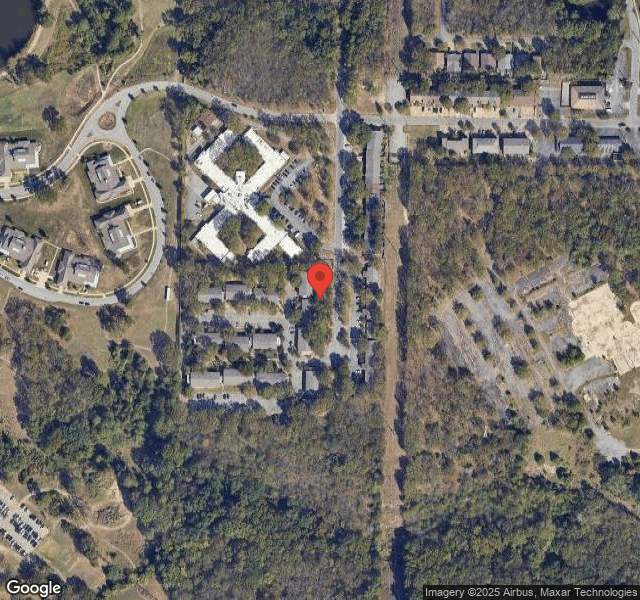
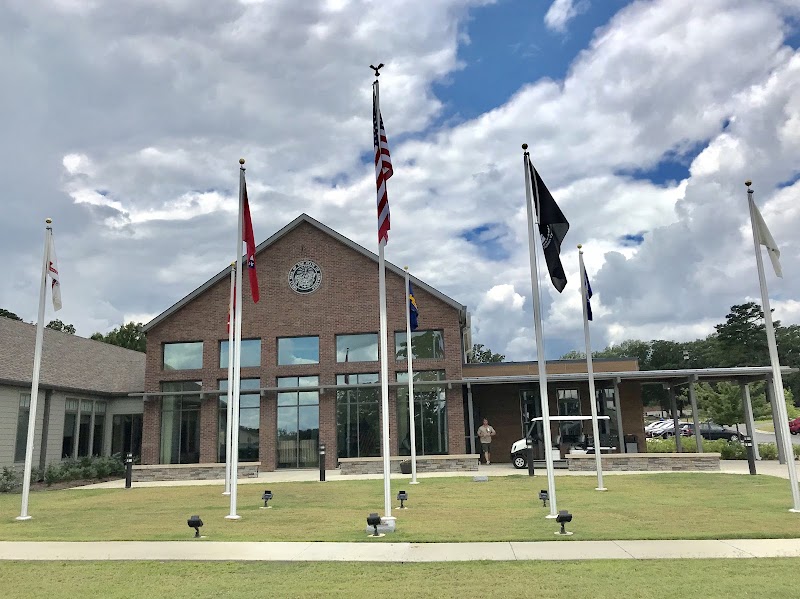
2401 JOHN ASHLEY DRIVE, NORTH LITTLE ROCK, AR 72114 (501) 683-2382
Government - State 96 Beds Independent Data: November 2025
Trust Grade
80/100
#2 of 218 in AR
Last Inspection: May 2025

Inspected within the last 6 months. Data reflects current conditions.

Overview

The Arkansas State Veterans Home at North Little Rock has a Trust Grade of B+, which means it is above average and recommended for families considering care options. It ranks #2 out of 218 facilities in Arkansas, placing it in the top tier of available homes. The facility is improving, having reduced reported issues from 11 in 2024 to none in 2025. While staffing received a good rating of 4 out of 5 stars, the 60% turnover rate is concerning, as it is higher than the state average. Families should note that although there are no fines on record, there were some issues identified, such as expired food items not being properly discarded and a resident not having access to their call light, which could impact their ability to call for help. Overall, while there are strengths in care quality and safety, these specific incidents highlight areas needing attention.

Trust Score
B+
80/100
In Arkansas
#2/218
Top 1%
Safety Record
Low Risk
No red flags
Inspections
Getting Better
11 → 0 violations
Staff Stability
⚠ Watch
60% turnover. Above average. Higher turnover means staff may not know residents' routines.
Penalties
✓ Good
No fines on record. Clean compliance history, better than most Arkansas facilities.
Skilled Nurses
○ Average
Each resident gets 33 minutes of Registered Nurse (RN) attention daily — about average for Arkansas. RNs are the most trained staff who monitor for health changes.
Violations
⚠ Watch
17 deficiencies on record. Higher than average. Multiple issues found across inspections.
★★★★★
5.0
Overall Rating
★★★★☆
4.0
Staff Levels
★★★★★
5.0
Care Quality
★★★★★
5.0
Inspection Score
Stable
2024: 11 issues
2025: 0 issues

The Good

  • 4-Star Staffing Rating · Above-average nurse staffing levels
  • 5-Star Quality Measures · Strong clinical quality outcomes
  • Full Sprinkler Coverage · Fire safety systems throughout facility
  • No fines on record

Facility shows strength in staffing levels, quality measures, fire safety.

The Bad

Staff Turnover: 60%

14pts above Arkansas avg (46%)

Frequent staff changes - ask about care continuity

Staff turnover is elevated (60%)

12 points above Arkansas average of 48%

The Ugly 17 deficiencies on record

Feb 2024 11 deficiencies
CONCERN (D)

Potential for Harm - no one hurt, but risky conditions existed

Quality of Care (Tag F0684)

Could have caused harm · This affected 1 resident

Based on observation, interview and record review, the facility failed to ensure that 1 Resident #3 in Cottage 1 had a change of condition or a e- interact completed when the resident was sent to the ...

Read full inspector narrative →
Based on observation, interview and record review, the facility failed to ensure that 1 Resident #3 in Cottage 1 had a change of condition or a e- interact completed when the resident was sent to the hospital. The findings are: 1. On 2/20/24 at 10:03 AM, surveyor noted a large hematoma to head with staples and dried blood on back of Resident #3's head. The Resident was unable to inform the nurse what happened. 2. On 2/21/24 at 11:28 AM, surveyor noted a large hematoma with staples to back of Resident #3's head. 3. On 2/21/24 at 1:56 PM, surveyor noted while performing record review resident had no change of condition or e-interact form completed only a note that triggered off the incident and accident form that had been done. 4. On 2/21/24 at 3:48 PM, surveyor interviewed Licensed Practical Nurse (LPN)#1, what should be completed when a resident has a change in their health. LPN#1 confirmed, a change of condition form or an e-interact form. Why is it important to fill this form out. LPN#1 confirmed, to let upper management and family know and the patient could get worse and suffer more from complications. 5. On 2/21/24 at 3:58 PM, surveyor interviewed Director of Nursing (DON), what should be completed if a resident has a change in their health, or needs to go to the hospital? The DON confirmed, get an order from doctor, notify the family, and do a nurses note. The surveyor asked what negative outcome can happen if documentation or change of condition form not done. The DON confirmed, lack of communication to the family and the next shift. They need to know what is going on with the resident. 6. On 2/21/24 at 4:54 PM, surveyor asked Administrator for a policy on change of condition and was informed they do not have a policy.
CONCERN (D)

Potential for Harm - no one hurt, but risky conditions existed

Pressure Ulcer Prevention (Tag F0686)

Could have caused harm · This affected 1 resident

Based on observations, interview and record reviews, the facility failed to accurately complete weekly nursing assessment (body audit) by failing to document redness to the buttock of 1 sampled Reside...

Read full inspector narrative →
Based on observations, interview and record reviews, the facility failed to accurately complete weekly nursing assessment (body audit) by failing to document redness to the buttock of 1 sampled Resident (#44) of 8 Residents in Homes 5 and 6 who skin audit completed by Licensed Practical Nurse (LPN) #2. This failed practice had the potential to cause further skin breakdown to Resident 44. The Findings are: According to Quarterly Minimum Data Set with Assessment Reference Date of 12/19/23 documented Resident #44 had a Brief Interview of Mental Status of 15 (13-15 cognitively intact) and was frequently incontinent of bowel and bladder. Care plan document that Resident #44 had Activity of Daily Living self-care performance deficit related to Amputation right below knee and required limited assistance with personal hygiene and oral care. On 02/22/24 10:00 AM, Surveyor observed Resident #44 lying on right and Certified Nursing Assistants (CNA) #5 and #6 pulling up the Resident's pants. The Surveyor observed intact redden skin to Resident #44 bilateral buttock cheeks, seam of buttock, and back of both upper thighs. On 02/22/24 at 10:33 AM, the Surveyor asked CNA #5 when the brief was removed from Resident #44 what did you see? CNA #5 stated, Red bottom, look like he had went again he does that sometime. The Surveyor asked CNA #5 how long has Resident #44 had redness to his buttock? CNA #5 stated, Three months it got pretty bad then it got better. The Surveyor asked CNA #5 has the redness ever gone away? CNA #5 stated, no. The Surveyor asked CNA #5 have you reported it to the nurse? CNA #5 stated, oh yeah. On 02/22/24 at 10:55 AM, the Surveyor asked LPN #2 who does Resident #44 skin audit? LPN stated Me. The Surveyor asked LPN #2 has any of the aides reported that Resident #44 had redness to his buttock? LPN stated, Yes but if it's not a wound I just tell them to put cream on them. Surveyor asked LPN #2 to read the definition of stage 1 on the weekly progress notes. The Surveyor asked do you think the redness should have been addressed on the skin assessment? LPN #2 stated Yes ma'am it should have, thank you for bringing that to my attention. On 02/22/24 at 04:26 PM, the Surveyor asked the Director of Nursing (DON) should redden intact skin be addressed on skin assessments? The DON stated, yes. The Surveyor asked the DON, what could be a negative outcome? The DON stated, further skin breakdown. On 02/23/24 at 12:37 PM, a policy was provided to the Surveyor titled Pressure Ulcer Risk Assessment documented Because a resident at risk can develop a pressure ulcer within 2 to 6 hours of the onset of pressure, the at-risk resident needs to be identified and have interventions implemented promptly to attempt to prevent pressure ulcers. The admission evaluation helps define those care approaches. Documentation the following information should be recorded in the resident's medical record: 6. The condition of the resident's skin (i.e., the size and location of any red or tender areas).
CONCERN (D)

Potential for Harm - no one hurt, but risky conditions existed

Incontinence Care (Tag F0690)

Could have caused harm · This affected 1 resident

Based on observations, interviews, and record review the facility failed to ensure that 1 sampled (Resident #44) of 5 Residents receiving incontinence care in Home 6 received proper incontinence care ...

Read full inspector narrative →
Based on observations, interviews, and record review the facility failed to ensure that 1 sampled (Resident #44) of 5 Residents receiving incontinence care in Home 6 received proper incontinence care . This failed practice had the potential to cause skin breakdown, poor hygiene, and/or infection. The Findings are: According to Quarterly Minimum Data Set with Assessment Reference Date of 12/19/23 documented Resident 44 had a Brief Interview of Mental Status of 15 (13-15 indicates cognitively intact) and was frequently incontinent of bowel and bladder. Care plan document that Resident 44 had Activity of Daily Living self-care performance deficit related to Amputation right below knee and required limited assistance with personal hygiene and oral care. On 02/22/24 10:00 AM, Surveyor observed Resident 44 lying on right and Certified Nursing Assistants (CNA) #5 and #6 pulling up the Resident's pants. The Surveyor received consent from Resident 44 to see his buttock and requested the 2 CNAs to expose the Resident's buttock. The Surveyor observed stool in the seam of buttock and between left and scrotum. The Surveyor observed CNA #5 wipe remaining stool with right hand and reach to grab a wipe from the pack with right hand until complete. On 02/22/24 at 10:33 AM, the Surveyor asked CNA #5, When I entered Resident 44's room where were you all in the perineal care process? CNA #5 stated, We were finished. The Surveyor asked CNA #5 when the brief was removed what did you see? CNA #5 stated, Red bottom, look like he had went again he does that sometime. The Surveyor asked CNA #5, what about the stool that is between his left leg and scrotum? CNA #5 stated, We did miss that. The Surveyor asked CNA #5 is it standard practice to grab wipes from the pack with dirty gloves? CNA #5 stated No. The Surveyor asked CNA #5, what is standard practice? CNA stated, To reach with the clean hand or change gloves if they have something on them. The Surveyor asked CNA #5, did you use standard practice? CNA #5 stated, No ma'am. On 02/22/24 at 04:26 PM, the Surveyor asked the Director of Nursing (DON) after perineal care is complete should the Resident have stool remaining on the anus and scrotum? The DON stated No. The Surveyor asked the DON, what issue could that cause? The DON stated infection, skin breakdown. On 02/23/24 at 10:55 AM, the Surveyor was provided with a policy titled Perineal Care that documented Purpose: the purpose of this procedure are to provide cleanliness and comfort to the resident, to prevent infection and skin irritation, and to observe the resident's skin condition. h. wash and rinse the rectal thoroughly, including the area under the scrotum, the anus, and the buttocks.
CONCERN (D)

Potential for Harm - no one hurt, but risky conditions existed

Respiratory Care (Tag F0695)

Could have caused harm · This affected 1 resident

**NOTE- TERMS IN BRACKETS HAVE BEEN EDITED TO PROTECT CONFIDENTIALITY** Based on observation, interviews and record review, the facility failed to ensure an order for 1 (Resident #56) of 5 sampled res...

Read full inspector narrative →
**NOTE- TERMS IN BRACKETS HAVE BEEN EDITED TO PROTECT CONFIDENTIALITY** Based on observation, interviews and record review, the facility failed to ensure an order for 1 (Resident #56) of 5 sampled residents who had physician orders for nebulizers received medication as ordered, and the facility failed to ensure supervision of nebulizer treatments for 1 ( Resident #56) who had nebulizer treatments and the facility failed to ensure inhaler was put in storage bag when not in use for 1 ( Resident #56) who had physician orders for inhalers. On 02/20/24 at 10:45 AM, Licensed Practical Nurse LPN #6 was standing outside of room [ROOM NUMBER] with door shut. The surveyor entered the room and Resident (#56 had a nebulizer mask on face and nebulizer machine running. After Resident #56 completed nebulizer treatment they took mask off and laid it down on table. Surveyor observed inhaler laying on bedside table. Resident #56 stated I keep that there in case I need it. On 02/21/24 at 11:08 AM, the surveyor asked Resident #56 if an updraft treatment was given this morning. Resident #56 stated no. The surveyor noted inhaler laying on bedside table next to Resident #56. The surveyor asked LPN #6 if updraft had been administered? LPN #6 stated' no. The Surveyor asked to see the Medication Administration Record (MAR). Review of the Medication Administration Record (MAR) showed LPN #6 had initialed that she had administered updraft to resident. The surveyor asked LPN (#6), did you give this updraft, LP N (#6) confirmed No I did not give it. Resident (#56) had a diagnosis of ACUTE RESPIRATORY FAILURE WITH HYPERCAPNIA, CHRONIC OBSTRUCTIVE PULMONARY DISEASE WITH (ACUTE) EXACERBATION. A Quarterly Quarterly Minimum Data Set (MDS) Target Date: 01-18-24 notes Brief Interview for Mental Status (BIMs) is 13 An February 2024 physician order documented, . Ventolin HFA Aerosol Solution 108 MCG/ACT (Albuterol Sulfate HFA) 2 puff inhale orally every 6 hours as needed for SOB related to OBSTRUCTIVE SLEEP APNEA (WAIT AT LEAST 1 MINUTE BETWEEN PUFFS) .Albuterol Sulfate HFA Aerosol Solution 108 (90 Base) MCG/ACT 2 puffs every 6 hours for SOB) as ordered. Monitor for effectiveness and side effects .Has CHRONIC OBSTRUCTIVE PULMONARY DISEASE WITH (ACUTE) EXACERBATION . A Care Plan with a revision on 3/01/23 documented, . Has altered respiratory status/difficulty breathing r/t SLEEP APNEA, UNSPECIFIED, CHRONIC OBSTRUCTIVE PULMONARY DISEASE WITH (ACUTE) EXACERBATION. 1.Administer medication/puffers (1.Ipratropium-Albuterol Solution 0.5-2.5 (3) MG/3ML PRN every 6 hours for wheezing, 2. Budesonide-Formoterol Fumarate Aerosol 160-4.5 MCG/ACT 2 puffs BID,3. Tiotropium Bromide Monohydrate Aerosol Solution 2.5 MCG/ACT 2 puffs @ bedtime, 4.Albuterol Sulfate HFA Aerosol Solution 108 (90 Base) MCG/ACT 2 puffs every 6 hours for SOB) as ordered. Monitor for effectiveness and side effects.Has CHRONIC OBSTRUCTIVE PULMONARY DISEASE WITH (ACUTE) EXACERBATION. 1.Give aerosol or bronchodilators (1 Ipratropium-Albuterol Solution 0.5-2.5 (3) MG/3ML PRN every 6 hours for wheezing, 2. Budesonide-Formoterol Fumarate Aerosol 160-4.5 MCG/ACT 2 puffs BID,3. Tiotropium Bromide Monohydrate Aerosol Solution 2.5 MCG/ACT 2 puffs @ bedtime, 4.Albuterol Sulfate HFA Aerosol Solution 108 (90 Base) MCG/ACT 2 puffs every 6 hours for SOB) as ordered. On 2/23/24 at 12:17 PM during interview, the surveyor asked LPN# 7 should a resident be left alone to administer a nebulizer? LPN #6 said no. The surveyor asked should a resident have a self-administration assessment to administer their own nebulizer treatments? LPN #6 said no. The surveyor asked are inhalers supposed to be left in a resident's room? LPN #6 said no. 2 On 2/23/24 at 9:47 AM during interview, the surveyor asked the director of Nursing (DON) should a resident be left alone to administer a nebulizer? The DON said no. The surveyor asked should a resident have a self-administration assessment to administer their own medication? The DON said they should have an assessment done. The surveyor asked can you show me if this resident has a self-administration assessment? The DON said no he doesn't. The survey asked should inhalers be left at bedside? The DON said no. .
CONCERN (E) 📢 Someone Reported This

A family member, employee, or ombudsman was alarmed enough to file a formal complaint

Potential for Harm - no one hurt, but risky conditions existed

Deficiency F0558 (Tag F0558)

Could have caused harm · This affected multiple residents

Based on observation, interview and record review, the facility to ensure a call light was in reach for 1 Resident #49. The findings are: Resident #49 diagnoses showed Dementia and Macular degenerati...

Read full inspector narrative →
Based on observation, interview and record review, the facility to ensure a call light was in reach for 1 Resident #49. The findings are: Resident #49 diagnoses showed Dementia and Macular degeneration. The Minimum Data Set (MDS) with an Assessment Reference Date (ARD) of 2/15/24 showed a Staff Assessment of Mental Status (SAMS) documenting short- and long-term memory problems. The Resident requires substantial/maximum assistance with toileting and personal hygiene. The Resident is dependent on staff to put on or take off footwear. The care plan showed Resident #49 had an ADL (Activities of Daily Living) self-care performance deficit related to dementia. Staff are to encourage the resident to use the bell to call for assistance. On 02/20/24 at 11:26 AM, the Surveyor observed no call light in Resident #49's room. On 02/20/24 at 2:41 PM, the Surveyor observed no call light in Resident #49's room. On 02/21/24 at 11:09 AM, the Surveyor observed no call light in Resident #49's room. On 02/21/24 at 11:10 AM, the Surveyor asked Certified Nursing Assistant (CNA) #13 where is the resident's call light? CNA #13 said, they are all demented and can't use a call light. We keep all the residents up front and keep an eye on them. The Surveyor asked, what about when they are in bed or laying down? CNA #13 said, they don't know to use a call light, so why would they need one? On 02/23/24 at 12:47 PM, the Surveyor asked the Director of Nursing (DON) should every resident have a call light within reach? The DON said yes, but Hero House 8 is special because these veterans are wanderers and elopement risks. They tend to pick things up and set them down where they are. The home workers make rounds more often and they tend to stay up in the day area together. We also use pendant lights instead of regular call lights, so we find the pendants everywhere. A document titled provided by the DON on 2/23/24 at 4:03 PM titled, Answering the Call Light showed, .be sure the call light is within easy reach of the resident .
CONCERN (E)

Potential for Harm - no one hurt, but risky conditions existed

Deficiency F0577 (Tag F0577)

Could have caused harm · This affected multiple residents

Based on observation and interview, the facility failed to ensure the 2023 survey results were located in the State Survey Binder, if. This failed practice had the potential to affect all sampled resi...

Read full inspector narrative →
Based on observation and interview, the facility failed to ensure the 2023 survey results were located in the State Survey Binder, if. This failed practice had the potential to affect all sampled residents who chose to read the State Survey Binder. The findings are: On 02/20/24 at 02:07 PM, the Surveyor observed the State Survey Binder in Hero House #7 with the most recent survey in the book being a complaint on 9/22/2022. The most recent recertification survey was dated 12/09/2022. On 12/20/24 at 02:43 PM, the Surveyor did not observe a State Survey Binder in Hero House #8 readily available to residents and visitors. On 02/21/24 at 04:32 PM, the Surveyor asked the Administrator should each Hero House have a State Survey Binder readily available, and with the most current survey information, for residents and visitors to read? The Administrator said yes. The Administrator confirmed the most recent copy of the survey was not in the binder for Hero House #7 and the survey binder in Hero House #8 was not readily available. A document provided by the Director of Nurses on 2/22/24 at 11:15 a.m. titled, Resident Rights showed, .Federal and state laws guarantee certain basic rights to all residents of the facility. These rights include the resident's right to .examine survey results .
CONCERN (E)

Potential for Harm - no one hurt, but risky conditions existed

ADL Care (Tag F0677)

Could have caused harm · This affected multiple residents

Based on observation, interview, and record review the facility failed to ensure that 4 Resident's # 3, #26, #30, #75) of 19 sample mix residents had their nails cleaned and trimmed to promote good hy...

Read full inspector narrative →
Based on observation, interview, and record review the facility failed to ensure that 4 Resident's # 3, #26, #30, #75) of 19 sample mix residents had their nails cleaned and trimmed to promote good hygiene, cleanliness, and a sense of wellbeing. The findings are: On 02/20/2024 at 10:04 AM, surveyor observed Resident (#3) in room with ¼ inch nails on both hands with dark brown substance under jagged nails. On 2/20/2024 at 11:28 AM, surveyor observed Resident (#3) in room. Resident had long ¼ inch nails on both hands with brown substance under jagged nails on both hands. On 2/21/2024 at 10:04 AM, surveyor observed Resident (#3) in room. Resident had long ¼ inch nails on both hands with brown substance under jagged nails on both hands. On 2/21/2024 at 3:45 PM, surveyor interviewed Certified Nursing Assistant (CNA) (#3) and asked how often is nail care performed. CNA #3 confirmed, on their shower days if needed. Who is responsible for making sure nail care is completed. CNA #3 confirmed, the CNAs are. The surveyor asked what negative outcome can occur from nails being left with brown substance under them and jagged. CNA #3 confirmed infection, the resident could cut themselves. On 2/21/24 at 3:48 PM, surveyor interviewed CNA (#4), asked how often is nailcare provided. CNA #4 confirmed, on their shower days. Who is responsible for making sure nailcare is completed. CNA#4 confirmed, the CNAs are. The surveyor asked what negative outcome can happen if nails are left with brown substance and jagged. CNA#4 confirmed infection or a skin tear. On 2/21/24 at 3:52 PM, surveyor interviewed Director of Nursing (DON), How often is nail care provided. DON confirmed, on the residents scheduled bath day or as needed. Who is responsible for making sure nailcare is completed. DON confirmed, for non- diabetic residents the CAN ' s are and for diabetic residents the licensed nurses are responsible. What negative outcome could occur if nails are left with brown substance and jagged. Infection or they could hang them on something and tear their nail off. Resident #26 had diagnoses of: legal blindness, ABNORMALITIES OF GAIT AND MOBILITY, , HEMIPLEGIA AND HEMIPARESIS FOLLOWING CEREBROVASCULAR DISEASE AFFECTING RIGHT DOMINANT SIDE. A Quarterly MDS with target date 1-22-24 notes Brief Interview for Mental Status (BIMs) is 15. A Care Plan with a revision on 11-28-23 showed: .Has an alteration in ADL functions due to (d/t) Right (R) hemiparesis & legally blind r/t history/of cerebrovascular disease; poor muscle tone; limited Range of Motion (ROM) to (R) arm and leg; occasional episodes of bowel and bladder incontinence. Offer and assist as indicated with showers or baths (every) shift and prn, reporting to his nurse of any changes in his skin integrity. Staff will file nails and clean as needed and as allowed by resident. Staff will encourage residents to allow staff to help with care when needed. LPN (Licensed Practical Nurse)/RN (Registered Nurse) will trim nails as needed and allowed by resident . On 02/20/24 at 10:19 AM, the surveyor observed Resident #26 ' s nails were jagged and had dark brown substance underneath nails on both hands. Interviewed CNA #3 on 2/21/24 at 3:00 PM; How often is nail care performed? After showers. Who performs nail care? CNAs. What is the negative outcome of having dirty or jagged nails? Infection or could cut themselves. Interviewed CNA #4 on 2/21/24 at 3:45 PM; How often is nail care performed? After showers. Who performs nail care? The CNAs do unless they are diabetic then the nurses do them. What is the negative outcome of having dirty or jagged nails? Infections or skin tears. Interviewed DON on 2/21/24 at 3:52 PM How often is nail care performed? During baths and as needed. Who performs nail care? non-diabetic- CNAs and diabetics-nurses. What is the negative outcome of having dirty or jagged nails? Hanging on something or rip their nails off. Resident # 30 diagnoses showed type 2 diabetes mellitus, hemiplegia and hemiparesis following cerebrovascular disease affecting the right dominant side. The MDS with an ARD of 1/10/24 showed a BIMS of 15 (13 to 15 points indicates cognitive intactness). The resident required supervision or touch assistance with personal hygiene. Physician's Order Summary showed a start date of 6/21/22 to provide diabetic nail care every day shift every Tuesday for nail care. The care plan showed the Resident has an Activities of Daily Living (ADL) self-care performance deficit related to (r/t) generalized weakness and unsteady gait at times. Staff will file nails and clean as needed and as allowed by the resident. LPN/ RN will trim nails as needed and allowed by resident. Check nail length and trim and clean on bath day and as necessary. Report any changes to the nurse. Diabetic nail care to be provided weekly by licensed staff. Review of Progress Notes dated 1/22/24 through 2/22/24 showed no nail care or refusals of nail care from resident. On 02/20/24 at 02:09 PM, the Surveyor observed Resident # 30 fingernails 1/4-inch past the nail bed with dark matter under the nail. On 02/21/24 at 04:21 PM, the Surveyor observed Resident's fingernails with dark matter under the nail which was 1/4 inch past the nail. On 02/22/24 at 11:23 AM, the Surveyor observed Resident's fingernails 1/4-inch past the nail bed with dark matter under the nail. On 02/22/24 at 2:25 PM, the Surveyor asked Resident #30 Do you like your nails the way they are? Resident #30 said no, I would like them to be clean and cut down. On 02/22/24 at 02:27 PM, the Surveyor asked the CNA #7 Who is responsible for trimming and cleaning the resident's fingernails? CNA #7 stated the resident is diabetic and it is up to the nurses. On 02/22/24 at 02:31 PM, the Surveyor asked LPN #5 who is responsible for trimming and cleaning Resident #30 ' s fingernails? LPN #5 said the resident is diabetic, so the nurses are. The Surveyor asked, can you describe the Resident's fingernails? LPN #5 said they are long and dirty underneath. The Surveyor asked, can you show me the Resident's order for diabetic nail care? LPN #5 said they don't have one. The Surveyor asked, Can you show me the order for diabetic nail care? LPN #5 said diabetic nail care every Tuesday on dayshift. The Surveyor asked where do you chart that nail care is complete? LPN #5 s said we don't. On 02/22/24 at 02:37 PM, the DON confirmed the Resident's nails were long and dirty and there is an order for diabetic nail care every Tuesday on dayshift. A document provided by the DON on 2/23/24 at 11:30 a.m. titled, Care of Fingernails/Toenails showed, .review the resident's care plan to assess for any special needs of the resident . On 02/20/2024 at 10:04 AM, surveyor observed Resident #75 in room with 1/4-inch nails on both hands with dark brown substance under jagged nails. On 2/20/2024 at 11:28 AM, surveyor observed Resident (#75) in room. Resident had long 1/4 inch nails on both hands with brown substance under jagged nails on both hands. On 2/21/2024 at 10:04 AM, surveyor observed Resident #75 in room. Resident had long ¼ inch nails on both hands with brown substance under jagged nails on both hands. On 2/21/24 at 3:48 PM, surveyor interviewed CNA #4, and asked how often is nailcare provided. CNA #4 confirmed, on their shower days. The surveyor asked who is responsible for making sure nailcare is completed. CNA #4 confirmed, the CNAs are. The surveyor asked what negative outcome can happen if nails are left with brown substance and jagged. CNA #4 confirmed. Infection or a skin tear. On 2/21/24 at 3:52 PM, surveyor interviewed DON, how often is nail care provided. DON confirmed, on the residents scheduled bath day or as needed. Who is responsible for making sure nailcare is completed. DON confirmed, for non- diabetic residents the CNAs are and for diabetic residents the licensed nurses are responsible. What negative outcome could occur if nails are left with brown substance and jagged. Infection or they could hang them on something and tear their nail off.
CONCERN (E) 📢 Someone Reported This

A family member, employee, or ombudsman was alarmed enough to file a formal complaint

Potential for Harm - no one hurt, but risky conditions existed

Accident Prevention (Tag F0689)

Could have caused harm · This affected multiple residents

Based on record review, interview, and observation, the facility failed to ensure an accident/hazard free environment was provided for 3 (#8, #45 and #56) residents in the case mix. This failed practi...

Read full inspector narrative →
Based on record review, interview, and observation, the facility failed to ensure an accident/hazard free environment was provided for 3 (#8, #45 and #56) residents in the case mix. This failed practice had the potential to affect 3 (#8, #49, #47) sampled ambulatory residents who resided in Unit 8. The facility also failed to ensure the residents were free of potential accidents and hazards, as evidenced by failure to ensure that all the end clips were in place on the Hoyer lift. This failed practice had the potential to affect 2 residents, (#26, and #59), of 2 sampled residents who reside in Cottage 1 and are dependent on a Hoyer Lift to transfer. The findings are: Resident (#8) had Diagnoses: Unspecified dementia, severe, with other behavioral disturbance, Dementia in other diseases classified elsewhere, severe, with agitation. On the Quarterly Minimum Data Set (MDS) with an assessment reference date (ARD) of December 21, 2023, the resident is identified as (Moderately Impaired) on the Staff Assessment for Mental Status. On 2/20/24 at 12:15 AM, the light fixture in Resident #8 ' s room is noted to be hanging from wires, with a glass globe and exposed wires. This fixture is on the wall directly in front of you as you enter the room. On 2/20/24 at 12:15 AM, the toilet tissue holder in Resident #8 ' s bathroom with the broken bracket protruding out into the room. The towel bar in the bathroom was broken with the broken bracket protruding out into the room. On 02/21/24 11:57 AM, the light fixture in resident #8 ' s room is noted to be hanging from wires, with a glass globe and exposed wires. This fixture is on the wall directly in front of you as you enter the room. On 2/21/24 at 11:57 AM, the toilet tissue holder in Resident #8 ' s bathrooms with the broken bracket protruding out into the room. The towel bar in the bathroom is broken with the broken bracket protruding out into the room. On 2/22/24 at 11:00 AM, the light fixture in Resident #8 ' s room is noted to be hanging from wires, with a glass globe and exposed wires. This fixture is on the wall directly in front of you as you enter the room. On 2/22/24 at 11:00 AM, the toilet tissue holder in Resident #8 ' s bathroom with the broken bracket protruding out into the room. The towel bar in the bathroom is broken with the broken bracket protruding out into the room. On 2/21/24 at @ 11:03 AM, the surveyor observed 2 Certified Nursing Assistants (CNA), #1 and #2, use a Hoyer lift to transfer Resident #26 from the wheelchair to the bed using a Hoyer lift that had a missing clip on the ends on both sides of the lift on opposite ends. a. On 2/21/24 at @11:18 AM, the surveyor interviewed certified nursing assistant, #1, CNA #1 and asked what should you look at on this lift before you use it on a resident. CNA #1 confirmed, you should make sure everything is working properly on the lift and the battery is charged, also make sure the lift pad is in good shape. The Surveyor asked should you use the lift with missing clips? CNA #1 confirmed, said no ma'am you shouldn't. What negative outcome could happen. CNA #1 confirmed, staff or resident could be hurt from it. b. On 2/21/24 @ at 11:23 AM, surveyor interviewed CNA #2, and asked what should you look at on the lift before you begin to use it on a resident? CNA#2 confirmed, make sure it is locked and the battery is charged. Should you use the lift if it has missing clips. CNA #2 confirmed, no, we should not ever use it with missing clips. What negative outcome could occur is you use a lift with clips missing. CNA#2 confirmed, it wouldn't hold the resident correctly and the resident could fall. c. On 2/21/24 @ at 12:52 PM, the Manufactures Guidelines for Hoyer Lift 600 was provided to surveyor by the Administrator . Page 29 . Resident (#45) had diagnoses of Unspecified dementia, unspecified severity, without behavioral disturbance, Psychotic disturbance, Mood disturbance, and Anxiety. The MDS with an ARD of 1/18/24 documented the resident scored a 1 on the Brief Interview for Mental Status (BIMS) which is severe cognitive impairment. 02/20/24 11:46 AM, Surveyor found the following items in Resident #45 ' s bathroom, sitting on his vanity: Zinc Oxide Paste Skin Protectant, with instructions for accidental ingestion, get medical help or contact a Poison Control Center right away. Shave gel with directions to keep away from children. Shave Foam regular, with warning that intentional misuse by deliberately inhaling the contents can be harmful or fatal. Keep away from children. contents . Propane. Full-body wash and Peri-cleanser, with caution may cause eye irritation. Avoid contact with eyes. Keep away from children. Foot repair cream, with caution to keep out of reach of children, avoid contact with eyes. In case of accidental ingestion, get medical help or contact Poison Control. On 02/21/24 at 1:00 AM, items still sitting on vanity in resident #45 ' s bathroom. On 2/21/24 at 9:30 AM, items listed above are still sitting on vanity in resident #45 ' s bathroom. On 2/22/24 at 11:00 AM Items listed above are still in resident #45 ' s bathroom. 4. On 02/20/24 at 10:45 AM, the Surveyor note observed 1 knife with pointed end and 2 pairs of sharp pointed scissors in container on bedside table that belonged to Resident #56. a. On 02/20/24 at 11:14 AM, the Surveyor observed 1 knife with pointed end and two 2 sharp pointed scissors on bedside table of Resident #56. b. On 02/21/24 at 10:00 AM, the Surveyor observed 1 knife with pointed end and two 2 sharp pointed scissors on bedside table of Resident #56. c. On 2/22/24 at 10:50 AM, the surveyor observed 1 knife with pointed end on bedside table of Resident #56. d. Resident #56 had a diagnosis of DEMENTIA, SEVERITY, WITHOUT BEHAVIORAL DISTURBANCE, PSYCHOTIC DISTURBANCE, MOOD DISTURBANCE, AND ANXIETY. e. A Quarterly Minimum Data Set (MDS) Target Date: with an ARD OF 01-18-24 notes a Brief Interview for Mental Status (BIMs) is 13. f. A Care Plan with a revision date of 3/01/23 documented, . Has potential for impaired cognitive function or impaired thought processes related to DEMENTIA, SEVERITY, WITHOUT BEHAVIORAL DISTURBANCE, PSYCHOTIC DISTURBANCE, MOOD DISTURBANCE, AND ANXIETY. 1. Cue, reorient and supervise as needed. 2. Keep resident routine consistent and try to provide consistent care givers as much as possible in order to decrease confusion . Has depression, mood problem, and PTSD. 1. Administer medications as ordered. Monitor/document for side effects and effectiveness. 2. Monitor/document/report PRN any signs and symptoms of depression, including: hopelessness, anxiety, sadness, insomnia, anorexia, verbalizing, negative statements, repetitive anxious or health-related complaints, tearfulness. On 2/22/24 at 3:19 PM, the Surveyor interviewed the DON. Surveyor interviewed Director of Nursing (DON). The DON was asked where the e-cylinders should be stored. She stated, In the O2 room in the garage. When asked if the supply closet containing razors, zinc and cleaning-cloths should be locked. She stated Yes, so the resident doesn't get one and try to shave themselves or someone else or cut themselves or someone else. When asked if the residents with dementia or Alzheimer's should have shaving cream/gel items in their rooms. The DON stated, Not if it says keep away from children. On 2/23/24 at 10:54 PM, the DON provided the Storage of Medication policy which states The facility shall store all drugs and biologicals in a safe, secure, and orderly manner.
CONCERN (E)

Potential for Harm - no one hurt, but risky conditions existed

Deficiency F0805 (Tag F0805)

Could have caused harm · This affected multiple residents

Based on observation and interview, the facility failed to ensure pureed food items were blended to a smooth, lump-free consistency to minimize the risk of choking or other complications for residents...

Read full inspector narrative →
Based on observation and interview, the facility failed to ensure pureed food items were blended to a smooth, lump-free consistency to minimize the risk of choking or other complications for residents who required pureed diets for 1 of 1 meal observed. This failed practice had the potential to affect 1 resident who received a puree diet. The findings are: 1. On 02/22/24 12:37 PM, Certified Nursing Assistant (CNA) #11 placed a serving of corn into a blender, added milk and pureed. At 12:42 PM, she poured the pureed corn on a divided plate on the counter. The consistency of the corn was runny, not formed and not smooth. There were pieces of corn skin visible in the mixture. 2. On 02/22/24 at 12:52 PM, CNA #11 deboned servings of fried chicken and placed them into a blender, added gravy and pureed. At 12:56 PM, CNA #11 poured the pureed chicken in a divided plate. The consistency of the purees chicken was gritty and not smooth. There were pieces of chicken visible in the mixture. 3. On 02/22/24 at 01:03 PM, CNA #11 placed one serving of cornbread into a blender, added milk and pureed. At 01:06 PM, she poured the pureed cornbread onto a divided plate. The consistency of the pureed cornbread was gritty and not smooth. 4. On 02/22/24 at 01:33 PM, the Surveyor asked Certified Nursing Assistant (CNA) #11 to describe the consistency of the pureed food items served to the resident on a pureed diet. She stated, Pureed fried chicken was gritty. Pureed beans were lumpy. Pureed corn has skin in it and pureed corn bread was lumpy.
CONCERN (E) 📢 Someone Reported This

A family member, employee, or ombudsman was alarmed enough to file a formal complaint

Potential for Harm - no one hurt, but risky conditions existed

Safe Environment (Tag F0921)

Could have caused harm · This affected multiple residents

Based on observation and interview, the facility failed to ensure a safe environment for 7 residents (#8, #11, 30, #32, #45, #47, #49) sampled residents living in Units 7&8. The findings are: 1) On 0...

Read full inspector narrative →
Based on observation and interview, the facility failed to ensure a safe environment for 7 residents (#8, #11, 30, #32, #45, #47, #49) sampled residents living in Units 7&8. The findings are: 1) On 02/22/24 11:51 AM, the Surveyor surveyed cottages 7 and 8: a) Cottage 7 laundry room - chemical cabinet unlocked: a large amount of lint buildup was behind dryer, the lint pipe was not connected, releasing lint into the area behind the washer and dryer. Dirt, large white items, and a purple cigarette lighter were behind the washer, which sits beside the dryer. b) Cottage 8 laundry room - A significant amount of lint build-up was found on the floor and up the wall behind the dryer and washer. A camouflaged 912 bag was hanging over the back of the dryer. A magnifying screen was lying on the dryer. A broomlike handle, dirty mop head, brown cloth, brown stick were found behind the washer and dryer. 2) On 2/20/24 11:46 AM, Cottage 8 - Storage area unlocked with an e-cylinder sitting in just inside the doorway of the room with boxes, walkers, IV (intravenous) poles, accessible to all residents. 3) On 2/21/24 12:15 AM, Cottage 8 - Storage area unlocked with e-cylinder sitting in just inside the doorway of the room with boxes, IV poles, accessible to all residents. 4) On 02/22/24 11:00 AM, Surveyor asked CNA #7 who cleans behind the washer and dryer, CNA #7 stated, The night shift. The surveyor asked CNA #7 why it is important to keep that area clean. CNA #7 stated, To keep it from starting a fire. 5) On 2/23/24 at 2:00 PM, the Surveyor interviewed the Administrator. The Surveyor asked who should clean behind the washer and dryers. The administrator stated, The home staff. The Surveyor asked why is it important to clean behind these. The Administrator stated, To remove the lint and it is a fire hazard. The Surveyor asked how often it was cleaned. The Administrator stated, Weekly, or as needed. 6) On 2/23/24 at 2:46 PM, received a policy from Director of Nursing titled Safety and Supervision of Residents , The policy states that Our facility strives to make the environment as free from accident hazards as possible. Resident safety and supervision and assistance to prevent accidents are facility-wide priorities.
CONCERN (F)

Potential for Harm - no one hurt, but risky conditions existed

Food Safety (Tag F0812)

Could have caused harm · This affected most or all residents

Based on observation, record review and interview, the facility failed to ensure foods stored in the freezer, refrigerator and dry storage area were covered, sealed and dated to minimize contamination...

Read full inspector narrative →
Based on observation, record review and interview, the facility failed to ensure foods stored in the freezer, refrigerator and dry storage area were covered, sealed and dated to minimize contamination for food borne illness for residents who received meals from 1 of 1 kitchen; expired dairy products and food items were promptly removed / discarded on or before the expiration or use by date to prevent the growth of bacteria; dietary staff washed their hands between dirty and clean tasks and before handling clean equipment or contamination; meals from 8 of 8 kitchens; Hot food items were maintained at above 135 degrees Fahrenheit on the counter while awaiting service to prevent potential food borne illness for residents who received meals from the kitchen in Heroes Home #1, Heroes Home #2, Heroes Home #3, Heroes Home #4, Heroes Home #5 Heroes Home #6 Heroes Home #7 and #8, and hand hygiene was maintained during food service to minimize the risk of food borne illness in Heroes #4 and #6. These failed practices had the potential to affect 12 residents Heroes Home #1, 11 residents on Heroes Home #2, 12 residents on Heroes Home #3, 12 residents on Heroes Home #4, 12 residents on Heroes Home #5, 6 residents on Heroes Home #6 11 Residents on Heroes Home #7, 7 residents on Heroes Home #8, who received meal trays from the Heroes Homes kitchens, (Total census: 88), as documented on a list provided Dietary Supervisor on 02/22/24 04:00 PM. The findings are: On 02/21/24 at 04:09 AM, the following was observed: a. A bag of hamburger buns that contained 12 counts of buns was on the counter in the kitchen. There was no received date on the bag. b. A spout to the pitcher in the refrigerator that contained strawberry lemonade was not covered. c. A zip lock in that contained slices of ham was in the refrigerator compartment. There was no date on the bag to indicate when it was stored. d. A bag of tortilla chips in the snack rack on the counter had expiration date of 02/19/24. e. A container of parsley flakes in the cabinet above the counter had expiration date of 02/11/24. f. An opened soy sauce was in the cabinet above the counter. The manufacturer specification on the bottle documented, Refrigerator after opening. On 02/21/24 04:22 PM, The following observations were made in the storage room: a. A bag of community coffee was on a shelf in the storage room. There was no received date on the bag. b. An opened bag of cornflakes was on a shelf in the storage room. The bag was not sealed. c. An opened bag of bite site tortilla chips was on a shelf in the storage room. The bag was not sealed. d. An opened box of baking soda was in the cabinet. The box was not covered. On 02/21/24 at 04:42 PM, the following observations were made in the refrigerator in Heros Home #2: a. Two cartons of liquid eggs on a shelf in the refrigerator had expiration date of 02/09/24. b. An opened box of salt was in the cabinet. The box was not covered. On 02/21/24 04:46 PM, the following observations were made in the storage room. a. A cup of Greek yogurt in the refrigerator has no received date on it. b. A bag of hamburger bun on the rack in the storage room with 5 counts of bun had expiration date of 02/09/2024. c. A bag of hot dog buns on a rack in the storage room with 12 counts of buns had expiration date of 02/02/2024. d. Four bags of tortilla chips on a shelf in the storage room with an expiration date of 02/19/2024. e. One bag of tortilla chips on a shelf in the storage room has expiration date of 02/10/2024. f. 02/21/24 04:59 PM, an opened and of brown sugar was on a shelf. The bag was not sealed. On 02/21/24 at 04:59 PM, the following observations were made in the refrigerator in Heros Home #3. a. A pitcher that contained sweet tea was dated 02/21/24 on a shelf. The spout to the pitcher was not covered, exposing tea for cross contamination. b. An opened plastic bag that contained slices of cheese was in an opened bag on a shelf. Neither bag was sealed. c. An opened garlic powered container was in the cabinet. The container was not covered, exposing the garlic to air. d. An opened container of lemon pepper season salt in the cabinet above the counter. The container was not sealed. 2. On 02/21/24 at 05:06 PM, the following observation was made in the storage room. a. An open box of cereal had an open inside bag, that contained raisin that was placed inside an open plastic bag, exposing it to air. The surveyor asked Dietary Employee (DE) #14, the Universal worker (UW), if there were pests, would they be able to crawl into the cereal bag? (DE) #14 stated, yes. On 02/21/24 at 05:17 PM, the following observations were made in in freezer in the kitchen of Heroes Home #4. a. An opened plastic bag of dinner roll was in freezer compartment. The bag was not sealed. b. An opened bag of hamburger buns was on a shelf. The bag was not sealed. c. There were 3 individual packets of French dressing on a shelf in the storage room with an expiration date of 02/07/2024. 3. On 02/22/24 at 11:16 AM, Certified Nursing Assistant (CNA) #15 touched the cabinet with her gloves on then went to handle food. The Surveyor asked what should you have done after touching the dirty objects and before handling food items? She stated, Washed my hands. 4. On 02/23/24 at 11:20 AM, CNA #15 was wearing mittens on her hands when she opened the oven, she picked up a bowl; from the cabinet with her mitten thumb inside the bowl while she placed 2 servings of fried fish inside the bowl to be ground and served to the residents who required mechanical soft diets. She was asked what should have been done after touching dirty objects and before handling clean equipment? She stated, Washed my hands. The following observations were in Heroes Home #7 On 02/22/2024 at 08:12 AM A carton of French vanilla yogurt on a shelf in the refrigerator has expiration date 02/13/2024. a. An opened container of black pepper was in the cabinet. The container was not covered. On 02/22/2024 at 08:25 AM, the following observations were made in the storage room: a. An opened bag of coffee filter with coffee was on a shelf in the storage room. The bag was not sealed. There was no opened date on the bag. The following observations were made in Heroes Home #6. On 02/22/2024 at 12:16 PM, the Food items on a plate to be served to the residents when checked and read by the CNA #11. was a Chopped chicken 109 degrees Fahrenheit. On 02/22/24 at 12:25 PM, CNA #11 was wearing gloves on her hands when she turned on the faucet and washed the blender bowl, with hot water and no soap. She did not sanitize the equipment. then used tissue paper to the inside of the blender bowl and the blade and blade with hot water and did not sanitize the process. She turned off the faucet with her gloved hand. She used the same glove to attach the blade at the base of the blender to be used in pureeing food items to be served to the resident on a puree diet. When CNA #11 was ready to use the blender, the surveyor asked was soap used to wash the pureed equipment. She stated, No soap was used. The Surveyor asked how dishes are supposed to be dried. CNA #11 stated, Dishes are to be air dried. The Surveyor asked how equipment should have been washed. She stated, The equipment needed to be re-washed. She then placed the equipment in the dishwasher between each food item that required to be pureed. On 02/22/24 PM at 12:30 PM, CNA was picking up food plates to serve to the residents with her thumb inside the plates. On 02/22/24 12:51 PM, CNA #5 was wearing gloves on her hands when she opened the cabinet. Without changing gloves and washing her hands, she removed plates from the cabinet and placed them on the counter to be used in portioning desserts for lunch with her contaminated gloves finger touching inside the plates. At 1:59 PM, Surveyor asked CNA # 5 what should you have done after touching dirty objects and before handling clean equipment? CNA #5 stated, I should have washed my hands. On 02/22/24 12:52 PM, CNA #11 with gloves on her hands, opened the oven and removed a pan of chicken and placed it on the counter. Without changing gloves and washing her hands, she deboned and placed the chicken into a blender, added gravy and pureed. On 02/22/24 12:54 PM, CNA #6 with gloves on her hands, removed a spatula from the drawer. She held on to the foil pan as she cut the cheesecake and contaminated the glove. Without changing gloves and washing her hands, she used her contaminated gloved hand to push slices of cheesecake into individual plates to be served to the residents for lunch. On 02/22/2024 at 08:50 AM, the following observations were made in the refrigerator and the kitchen area of Heros Home #5. a. The temperature of the refrigerator was 48 degrees. The surveyor asked the UW #17, cook aide, to check the internal temperature of the milk in the refrigerator. She did so and it was 51 degrees Fahrenheit, and she threw it away. b. A gallon of whole milk on a shelf in the refrigerator had an expiration date of 02/19/2024. c. An opened plastic bag that contained 25 counts of biscuits in the freezer compartment. The bag was not sealed. On 02/22/2023 09:05 AM, the following observations were made in the storage room. a. An opened box that contained 10 counts of tea bags was on a shelf. The box was not covered. b. A packet of powder cheese sauce was on a shelf in the storage room. The packet was not fully sealed. c. A bag of bread was on a shelf in the storage room with no received date on the bag. d. An opened hamburger bun was on a shelf in the storage room with no opening date on the bag. e. An opened box of cream of wheat. The box was not covered. f. An opened bottle of soy sauce in the cabinet. The manufacture' specification on the bottle documented, Refrigerate after opening for quality. The following observations were made in Heroes Home #8. On 02/22/2024 at 09:37 AM, the refrigerator temperature was 47 degrees Fahrenheit. The surveyor asked the Certified Nursing Assistant CNA # 8, cook aide to check the internal temperature of the milk. The milk was 46-degree Fahrenheit. The surveyor asked CNA, cook aide do you consider milk to be a cold food item? CNA #8, cook aide stated, Yes, the temperature was too high. The Surveyor asked CNA #8 do you think the milk temperature was ok? CNA#8 stated, No, I have to discard it. A pitcher of cranberry Juice was on a shelf in the refrigerator. The spout to the pitcher was not covered, there was no date on the pitcher to indicate when it was stored. An opened packet of Salami was in the refrigerator compartment with an expiration date of 2/13/2024. The bag was not sealed. An opened plastic bag that contained 27 Frozen Dinner Rolls was in the refrigerator compartment. The bag was not sealed. The following observations were made in the storage room. a. An opened 2.5 pounds bag of cookies was on a shelf in the storage room with an expiration date of 01/13/2024. b. An opened 24 ounces bag of fried onions was on a shelf in the storage room. The bag was not sealed. c. An opened gallon of white distilled vinegar on a shelf in the storage room has no date when opened. d. An opened gallon of imitation vanilla extract was on a shelf in the storage room with no date on the gallon to indicate when it was stored. e. An opened gallon of sweet and BBQ sauce was on a shelf in the storage room with no date when opened on the gallon. A facility Dietary Checklist documented, All items in the refrigerator and freezer is dated and labeled (Identify what it is) Hands are washed before and after using gloves. Hands are washed when going from one task and after finishing a task. Hands are washed when going from on task to another. The following observations were made on 02/20/24 at10:50 AM in Cottage 8: Refrigerator in storage area:5 -4oz cups of yogurt expired as of January 27, 2024 (3 peach & 2 raspberry). Opened can of lemon lime can open with straw in it not labeled or dated. Large jar of Maraschino Cherries opened 11/30/23. No expiration date, open bag of plain potato chips not labeled. Bag of 10 - 1 oz containers of cream cheese dated 10/23/23. Pantry - bag of hamburger buns - 12 count - expired 2/15/24, 2 packages of 2 count buns expired 2/9/24. 18 count of Italian dressing pouches and 1 French dressing expired 10/3/2023. Cabinets: Toaster stored on shelf in pantry covered with breadcrumbs. Slow cooker dusty. Slow cooker dried substance running down cooker - stored in pantry. Dried orange colored substance on blade of hand chopper stored on shelf in pantry. Outside of refrigerator door, rust areas noted. Utensil drawer - Dark brown spots in scoop and in bottom of drawer. 3 other scoops with dried particles in them. Cheese shredder blade has a rusty color substance dried on it. The coating inside 3 pots were noted to be peeling off. Refrigerator in kitchen area of home rolls not dated in freezer. Garlic bread expired; Potato wedges expired. Sweet corn batter not sealed. Pie crust expired 1/24, Okra expired 11/2023, Eggs noted stored on 2nd shelf above refrigerator drawer where bags of cheese is stored. Coleslaw expired; skips were noted on the temp log for the refrigerators. 8 residents live in this home. Lunch today was Pork loin, greens, cornbread, and sweet potato casserole. On 02/20/24, dressing no dates, bacon and turkey stored in same drawer as eggs. Toaster covered in breadcrumbs. kitchen cabinets covered in tacky substance running down them. Upon entering kitchen surveyor in cottage 1 noted in dried pantry no open date on curry vegetables, unsealed fruit punch powder not dated or sealed. Also noted large flour tub without date on it. Dried storage area's refrigerator and freezer: refrigerator temperature - 44 degrees and freezer temperature-5 degrees Kitchen refrigerator and freezer: In the storage area of refrigerator noted shredded brown, mushy lettuce dated 2/1/24 also large head of lettuce that was brown dated 2/9/24. Noted also in storage area of refrigerator two mushy tomatoes date received 2/9/24. Shredded cheese with no receive date. Refrigerator temperature- 44 degrees and freezer temperature- 5 degrees
Jun 2023 1 deficiency
CONCERN (E) 📢 Someone Reported This

A family member, employee, or ombudsman was alarmed enough to file a formal complaint

Potential for Harm - no one hurt, but risky conditions existed

Accident Prevention (Tag F0689)

Could have caused harm · This affected multiple residents

**NOTE- TERMS IN BRACKETS HAVE BEEN EDITED TO PROTECT CONFIDENTIALITY** Based on interview, and record review, the facility failed to ensure resident safety by failing to initiate and implement measur...

Read full inspector narrative →
**NOTE- TERMS IN BRACKETS HAVE BEEN EDITED TO PROTECT CONFIDENTIALITY** Based on interview, and record review, the facility failed to ensure resident safety by failing to initiate and implement measures to prevent elopement after at risk behaviors were identified for 1 (Resident #1) of 3 (Residents #1, #2 and #3) sampled residents who were reviewed for elopement risk. The findings are: Resident #1 had a diagnosis of Unspecified Dementia, Unspecified Severity, with other Behavioral Disturbance. The Quarterly Minimum Data Set (MDS) with an Assessment Reference Date (ARD) of 05/09/23 documented the resident scored 15 (13-15 indicates cognitively intact) on a Brief Interview for Mental Status (BIMS) and had no recent behaviors or wandering. a. A Comprehensive Plan of Care with a revision date of 12/29/22 documented, .has potential to be verbally and physically aggressive towards staff r/t [related to] Anger, Dementia, poor impulse control . also calls 911 occasionally, stating that the facility was keeping him against his will . The Care Plan did not address/contain interventions and/or problem areas related to elopement. b. A Wandering Risk assessment dated [DATE] indicated Resident #1 was at moderate risk for wandering with no known history of wandering. c. A Provider Progress Note by the Advanced Practice Registered Nurse (APRN) dated 05/16/23 at 1:03 PM documented, .Note Text: 5/16/23 Veteran reports contacting his attorney today. Reports his attorney will be active attempting to get a hearing while utilizing letters from [local medical facility] and [primary physician] attempting to go home. Veteran indicates he will let [primary physician] or / & I know if we are needed. Emotional support provided and reiterated to follow policies while he is a resident at [Facility]. Veteran agrees to follow policies. 05/15/23 Veteran has reportedly had behavioral disturbances demanding to go home over the weekend. [Name], son has chosen not to allow Veteran to leave [Facility]. Veteran agrees to mental health consult as well as indicates no further outburst while attempting elopement. [Primary Physician], DON [Director of Nursing] and I have met and agree on current treatments. 05/09/23 Veteran reports seeing [Physician] @ [at] [local medical facility] Neuro-Psych. Reports this MD [Medical Doctor] will be writing a letter stating Veteran is safe to go home and encouraged another psychiatric evaluation if need. d. On 06/01/23 at 10:22 AM, Resident #1 stated his son has guardianship over him which he has been trying to revoke and that he has letters from 2 different doctors saying he does not have dementia and he can go home. He reported he left the facility because he wanted to go home and take pictures of damage that has occurred to his house so he can present it to the court. He stated he had asked multiple times to be taken there but no one would take him. He also stated he had asked his son to go back to his home and he [his son] said No. e. On 06/01/23 at 12:36 PM, and at 2:34 PM, the DON stated Resident #1 had a BIMS of 15, but his son has guardianship of him, and he has been trying to go to court to remove his son from guardian. She reported that residents can move freely about the campus if they are not in Home 8. Home 8 is secured for the residents that are at risk of wandering. The DON reported on May 27, 2023, Resident #1 was attending a memorial picnic and activities the facility had on the campus and upon conclusion of the activities, Resident #1 had not returned to his [facility] home. She reported he walked to the [Veterans Home/medical facility] campus, got on a VA [Veterans Administration] bus and was found at a local bus station by local police and was returned to the facility. She stated that since he had letters from [Physician] and [local medical facility], he understood he could go home. The APRN had explained to him that he would have to go to court to get the guardianship removed before he could leave. At 3:55 PM, the DON was asked if any intervention was put in place after Resident #1 was demanding to go home over the weekend prior to 05/15/23, on 05/13-14/23, to prevent him from eloping or trying to leave the facility to go home. She stated that the staff did watch him that night and he did not try to leave the facility. She did not provide any documentation of elopement interventions put in place prior to 05/27/23 after he had left the facility. f. On 06/01/23 at 4:18 PM, the Surveyor asked the Administrator if an intervention was put in place to prevent the resident from leaving the facility after he had verbalized on 05/13/23 that he was going home. The Administrator stated, We just explained to him that he couldn't leave because of the guardianship. He was fine after that. He didn't mention it again. g. On 06/01/23 at 4:23 PM, Registered Nurse (RN) Supervisor who was on duty the weekend of 05/13/23 and 05/27/23 stated on 05/13/23 Resident #1 had stated he was going to leave the facility to go home since he had letters from a doctor. He was upset after she told him he could not just leave the facility. The RN Supervisor stated she had staff watch him to make sure he was ok and did not leave. The Surveyor asked if any interventions were put in place to prevent him from leaving the facility. The RN Supervisor stated they had watched him for a couple of hours, after that he was ok and didn't try to leave, so they stopped watching. On 05/27/23, the RN Supervisor reported Resident #1 had attended the Memorial Day activities, and after all the residents had gone back to their homes, it was discovered that Resident #1 was not in his home. The staff looked around the VA campus for him, while she notified his son and administration. h. A facility policy titled, Wandering, Unsafe Resident, provided by the Administrator on 06/01/23 at 4:04 PM documented, Policy Statement The facility will strive to prevent unsafe wandering while maintaining the least restrictive environment for residents who are at risk for elopement. Policy Interpretation and Implementation . 1. The staff will identify residents who are at risk for harm because of unsafe wandering (including elopement) . 3. The resident's care plan will indicate the resident is at risk for elopement or other safety issues. Interventions to try to maintain safety, such as a detailed monitoring plan will be included .
Dec 2022 5 deficiencies
CONCERN (D)

Potential for Harm - no one hurt, but risky conditions existed

Resident Rights (Tag F0550)

Could have caused harm · This affected 1 resident

**NOTE- TERMS IN BRACKETS HAVE BEEN EDITED TO PROTECT CONFIDENTIALITY** Based on record review, interviews, and policy review, it was determined the facility failed to provide an environment that prom...

Read full inspector narrative →
**NOTE- TERMS IN BRACKETS HAVE BEEN EDITED TO PROTECT CONFIDENTIALITY** Based on record review, interviews, and policy review, it was determined the facility failed to provide an environment that promoted maintenance or enhancement of the resident's quality of life for 4 (Residents #36, #12, #51, and #27) of four residents reviewed for dignity. Specifically, the facility failed to ensure Resident #51, a resident with known behaviors, did not inappropriately expose their genitalia during meal service and failed to keep Resident #51 out of other residents' rooms to promote privacy and dignity. Findings included: Review of a facility policy titled, Dignity, revised February 2021, revealed, Each resident shall be cared for in a manner that promotes and enhances his or her sense of well-being, level of satisfaction with life, and feelings of self-worth and self-esteem. Residents are treated with dignity and respect at all times. The policy also indicated residents were, e. provided with a dignified dining experience. Additionally, the policy indicated, Staff are expected to promote dignity and assist residents [by] promptly responding to a resident's request for toileting assistance. 1. A review of an admission Record revealed Resident #51 had diagnoses including Alzheimer's disease, anxiety disorder, insomnia, and other recurrent depressive disorders. A review of a quarterly Minimum Data Set (MDS), dated [DATE], revealed Resident #51 scored 3 on a Brief Interview for Mental Status (BIMS), which indicated severe cognitive impairment. The MDS did not indicate the resident exhibited wandering behavior. A review of a care plan, dated as initiated 05/10/2021, revealed Resident #51 moved items to different locations often and would take items that belonged to other residents and wander into other residents' rooms. A planned intervention dated 12/07/2022 indicated staff were to re-direct the resident when the behavior was observed. Further review of the care plan indicated the resident had impaired cognitive function or impaired thought processes. A review of Progress Notes indicated that on 09/30/2022 at 11:41 AM, Resident #51 had increased confusion with wandering and insomnia. During an interview on 12/06/2022 at 3:34 PM, Resident #12 stated Resident #51 kept confusing Resident #12's room for Resident #51's room for the last year and came into Resident #12's room often. Resident #12 stated Resident #51 would come into Resident #12's room without knocking, and on one occasion, Resident #51 had entered the resident's room and had Resident #12's watch in their hand. Resident #12 stated that on a different occasion, Resident #12 found Resident #51 in Resident #12's bathroom, brushing their teeth with Resident #12's toothbrush. Resident #12 stated Resident #51 also had behaviors of standing up at the dining room table during meal service, unzipping their pants, and stating that they needed to go pee pee and had asked Resident #12 to help Resident #51 to the bathroom. Resident #12 stated the facility staff were aware of Resident #51's behaviors but due to the resident's sickness, there was nothing the facility could do. Resident #12 stated, We don't get any consideration. Review of a quarterly Minimum Data Set (MDS), dated [DATE], revealed Resident #12 scored 15 on a Brief Interview for Mental Status (BIMS), which indicated the resident was cognitively intact. During an interview on 12/06/2022 at 4:12 PM, Resident #36 stated Resident #51 would go into Resident #36's room and that this was a constant thing. Resident #36 stated they had reported Resident #51 to the Director of Nursing (DON) on 12/02/2022, and the DON told Resident #36 she would look into it. Resident #36 stated Resident #51 had urinated in a glass at the dining room table and had also urinated in the trash can in the kitchen. A review of an annual MDS, dated [DATE], revealed Resident #36 scored 15 on a BIMS, which indicated the resident was cognitively intact. During an interview on 12/06/2022 at 4:31 PM, Resident #27 stated Resident #51 had previously exposed their genitals while eating at the communal dining room table with other residents present. Resident #27 stated Resident #51 was at the dining room table, emptied a water glass, then urinated in the glass. Resident #27 indicated Resident #51 would often urinate in the trash cans in the kitchen. Resident #27 stated they had notified a certified nursing assistant of Resident #51's behaviors. Resident #27 stated Resident #51 had been in Resident #27's bedroom on three occasions and would stand in the room and stare at Resident #27. On one occasion, around 4:20 AM, Resident #27 woke up and Resident #51 was in Resident #27's room next to the resident's bed. Resident #27 stated Resident #51 had been in other resident rooms, and Resident #27 was surprised there had not been a physical altercation. Resident #27 stated Resident #51 had never done anything physical to Resident #27, and Resident #27 was not fearful of the resident, but felt Resident #51 needed to be relocated to a different Hero Home. A review of an admission MDS, dated [DATE], revealed Resident #27 scored 15 on a BIMS, which indicated the resident was cognitively intact. A review of grievance logs dated from January 2022 to December 2022 revealed no documented grievances regarding any of the residents' concerns with Resident #51's behaviors. During an interview on 12/08/2022 at 1:53 PM, Universal Worker (UW) #6 stated the previous week, approximately 11/30/2022, she was in the kitchen while UW #11 was near the dining room table, and Resident #51 was about to urinate in one of the cups at the dining table. UW #6 stated other residents were present at the table during the incident. UW #6 stated UW #11 escorted Resident #51 back to the resident's room. UW #6 stated she did not report the incident to any other staff and was not sure if UW #11 had or not. UW #6 stated Resident #51 wandered into other residents' rooms and had been for the last two months. UW #6 stated Residents #12, #36, and #27 had voiced complaints about Resident #51's behaviors. UW #6 stated the nurse was aware that the resident had been wandering into other residents' rooms. UW #6 stated she had not reported the behavior to anyone. UW #11 was not present during the survey and was unavailable for interview. During an interview on 12/08/2022 at 2:14 PM, Licensed Practical Nurse (LPN) #7 stated she had not witnessed Resident #51 going into other residents' rooms but was aware of the behavior. LPN #7 stated she was not aware of the resident ever exposing themself at the dining room table. During an interview on 12/09/2022 at 3:25 PM, the Director of Nursing (DON) stated she was aware Resident #51 had a behavior of wandering and had been resistive to care. The DON stated the resident's care plan should have been updated before 12/07/2022 regarding re-directing the resident. The DON stated she was unaware of Resident #51 exposing themself at the dining room table and indicated staff should have reported the incident to the Registered Nurse (RN) Supervisor and to the DON as well. The DON stated she was aware the resident wandered, and she did have a resident call her to tell her Resident #51 had been in their room, and staff removed the resident from the other resident's room. The DON stated residents who resided in the Hero Home should not be subjected to Resident #51's behaviors, and staff should always be monitoring Resident #51. During an interview on 12/09/2022 at 3:55 PM, the Administrator stated he was not aware of Resident #51 having behaviors and indicated staff should redirect the resident or try alternatives such as STOP signs in front of the other residents' doors. The Administrator stated the resident could also be moved to Hero Home #8, which was designated as the dementia home. The Administrator stated he was not aware of Resident #51 exposing themself at the dining room table and indicated staff should have reported this to the DON and then to the Administrator. The Administrator acknowledged he was aware the resident wandered into other residents' rooms, but no one had verbalized any complaints related to Resident #51. The Administrator stated residents who resided in the Hero Home should not be subjected to Resident #51's behaviors, and they should try to find Resident #51 a better placement.
CONCERN (D)

Potential for Harm - no one hurt, but risky conditions existed

Report Alleged Abuse (Tag F0609)

Could have caused harm · This affected 1 resident

**NOTE- TERMS IN BRACKETS HAVE BEEN EDITED TO PROTECT CONFIDENTIALITY** Based on observations, interviews, record review, and facility policy review, the facility failed to ensure an allegation of abu...

Read full inspector narrative →
**NOTE- TERMS IN BRACKETS HAVE BEEN EDITED TO PROTECT CONFIDENTIALITY** Based on observations, interviews, record review, and facility policy review, the facility failed to ensure an allegation of abuse was reported to the state survey agency (SSA) within the required timeframe for 1 (Resident #51) of 1 sampled resident reviewed for abuse. Findings included: Review of a facility policy titled, Abuse Prevention, revised 07/20/2020, revealed, 11. The facility will ensure that all allegations of abuse, neglect, exploitation, mistreatment, including injuries of unknown origin and misappropriation or suspicion of a crime against a resident are reported immediately; the administrator or designee will make an initial report to the local police department as applicable and to the state licensing agency not more than 2 hours after the allegation is made if the events that caused the allegation involve abuse or result in serious bodily injury. 12. The administrator or designee will report to the state licensing agency within 24 hours if the events that caused the allegation do not involve abuse and do not result in serious bodily injury. A review of an admission Record revealed Resident #51 had diagnoses including Alzheimer's disease, anxiety disorder, insomnia, and other recurrent depressive disorders. A review of a quarterly Minimum Data Set (MDS), dated [DATE], revealed Resident #51 scored 3 on a Brief Interview for Mental Status (BIMS), which indicated severe cognitive impairment. The MDS did not indicate that the resident exhibited wandering behavior. A review of a care plan, dated as initiated 05/10/2021, revealed Resident #51 moved items to different locations often and would take items that belonged to other residents and would wander into other residents' rooms. An intervention added to the care plan on 12/07/2022 indicated staff were to re-direct the resident when the behavior was observed. Further review of the care plan indicated the resident had impaired cognitive function or impaired thought processes. A review of Progress Notes, dated 07/10/2022 at 4:18 PM, revealed Registered Nurse (RN) #9 documented that Resident #51 was hit by another resident after entering the other resident's room. No injuries were noted. A family member was notified of the incident, and the family member stated Resident #51 would get confused and forget where their room was located. The other resident involved in this altercation no longer resided in the facility at the time of the survey. A review of a Resident to Resident incident revealed that on 07/10/2022 at 1:15 PM, RN #9 documented she was informed that Resident #51 had wandered into another resident's room, and the other resident hit Resident #51 in the face. Resident #51 was assessed, and there were no injuries noted to the resident's face. Resident #51 denied any pain. During an interview on 12/06/2022 at 3:34 PM, Resident #12 verbalized complaints regarding Resident #51 coming into their room on numerous occasions without permission. Resident #12 stated Resident #51 had gone into another resident's room and stole candy from the resident. Resident #12 stated they thought the other resident had hit Resident #51, which resulted in the other resident being moved to a different Hero Home. A review of a quarterly Minimum Data Set (MDS), dated [DATE], revealed Resident #12 scored 15 on a Brief Interview for Mental Status (BIMS), which indicated the resident was cognitively intact. During an interview on 12/06/2022 at 4:12 PM, Resident #36 verbalized complaints regarding Resident #51 coming into their room on numerous occasions without permission. A review of an annual Minimum Data Set (MDS), dated [DATE], revealed Resident #36 scored 15 on a Brief Interview for Mental Status (BIMS), which indicated the resident was cognitively intact. During an interview on 12/06/2022 at 4:31 PM, Resident #27 verbalized complaints regarding Resident #51 coming into their room on numerous occasions without permission. Resident #27 stated that Resident #51 had been in other residents' rooms and Resident #27 indicated they thought another resident had knocked Resident #51 out for entering their room, which resulted in the other resident being moved to another Hero Home. A review of an admission Minimum Data Set (MDS), dated [DATE], revealed Resident #27 scored 15 on a Brief Interview for Mental Status (BIMS), which indicated the resident was cognitively intact. During an interview on 12/07/2022 at 3:24 PM, the report to the state agency, regarding the resident-to-resident abuse incident that occurred on 07/10/2022, was requested from the Administrator and the Director of Nursing (DON). Both stated the facility did not do a reportable for resident-to-resident abuse if it did not result in injury. The facility only completed an Incident and Accident (I&A) report and notified the physician and family. During an interview on 12/08/2022 at 12:50 PM, Licensed Practical Nurse (LPN) #3 stated he would assume that if a resident punched another resident, it would be a form of abuse, no matter who hit whom, and he would need to report the incident to the RN Supervisor and the DON. During an interview on 12/08/2022 at 1:29 PM, Universal Worker (UW) #4 stated if a resident punched another resident, that was considered physical abuse and would be reported to the immediate supervisor, who handled the incident from there. During an interview on 12/08/2022 at 1:46 PM, UW #5 stated if a resident punched another resident, it would be a form of abuse and would be reported to the nurse. If the nurse was not available, then the incident would be reported to the DON. UW #5 denied being aware of any abuse incidents related to Resident #51. During an interview on 12/08/2022 at 1:53 PM, UW #6 stated if a resident punched another resident, it would be a form of abuse and would be reported to the nurse and her supervisor. UW #6 stated she was not aware of any abuse related to Resident #51. During an interview on 12/08/2022 at 2:14 PM, LPN #7 stated if a resident punched another resident, it would be a form of abuse and would be reported to the DON. LPN #7 stated she had heard there was an altercation between Resident #51 and another resident but was not able to recall any details related to the incident, except that she did not believe Resident #51 was the aggressor. During an interview on 12/08/2022 at 2:48 PM, UW #8 stated if a resident punched another resident, it would be a form of abuse and would be reported to the nurse in the Hero Home. A telephone interview was attempted on 12/09/2022 at 1:19 PM with RN #9, who was no longer employed at the facility. However, the phone number provided had been disconnected. During an interview on 12/09/2022 at 3:25 PM, the DON stated if a resident punched another resident, it would be a form of abuse, and staff would report the allegation to the RN Supervisor, the DON, and the Administrator. The DON stated the Administrator was responsible for reporting any allegations of abuse to the state agency. The DON stated the facility did not report allegations of resident-to-resident abuse if it did not result in injury, because that was part of the state guidelines. The DON stated, If there is no injury, we don't have to do a reportable. We do interventions, in-service the staff, and notify the family. During an interview on 12/09/2022 at 3:55 PM, the Administrator stated if a resident punched another resident, it would be a form of abuse, but it was not reportable unless there was an injury. The Administrator stated he should report allegations of abuse within two hours of notification of the allegation to the state agency. The Administrator stated he did not report the allegation of abuse regarding Resident #51 that occurred on 07/10/2022 because it was not a state regulation to report.
CONCERN (D)

Potential for Harm - no one hurt, but risky conditions existed

ADL Care (Tag F0677)

Could have caused harm · This affected 1 resident

**NOTE- TERMS IN BRACKETS HAVE BEEN EDITED TO PROTECT CONFIDENTIALITY** Based on observations, interviews, record review, and facility policy review, the facility failed to ensure a resident who requi...

Read full inspector narrative →
**NOTE- TERMS IN BRACKETS HAVE BEEN EDITED TO PROTECT CONFIDENTIALITY** Based on observations, interviews, record review, and facility policy review, the facility failed to ensure a resident who required extensive assistance with personal hygiene was regularly offered trimming of nails to maintain good grooming and hygiene for 1 (Resident #40) of 1 sampled resident reviewed for activities of daily living (ADLs). Findings included: Review of a facility policy titled, Activities of Daily Living (ADL) Supporting, revised March 2016, revealed, 2. Appropriate care and services will be provided for residents who are unable to carry out ADLs independently, with the consent of the resident and in accordance with the plan of care, including appropriate support and assistance with: a. hygiene (bathing, dressing, grooming, and oral care). A review of an admission Record revealed Resident #40 had diagnoses including Parkinson's disease, type 2 diabetes mellitus, other recurrent depressive disorders, and unspecified dementia. A review of a quarterly Minimum Data Set (MDS), dated [DATE], revealed Resident #40 scored 13 on a Brief Interview for Mental Status (BIMS), which indicated the resident was cognitively intact. Further review indicated the resident required limited assistance of one person for personal hygiene. A review of a care plan, dated as initiated 01/09/2019, revealed Resident #40 had an alteration in ADL function related to Parkinson's disease and dementia. Interventions included that staff would file the resident's nails and clean them as needed and as allowed by the resident and encourage the resident to allow staff to help with care when needed. Additionally, the resident's nails were to be trimmed by a Licensed Practical Nurse (LPN) or Registered Nurse (RN) as needed and as allowed by the resident. During a concurrent observation and interview on 12/06/2022 at 2:49 PM, Resident #40 was sitting in a recliner in their room. The resident stated, One of my nails was broken off and kind of hanging, and I just had to cut it. The resident's fingernails were approximately ¼-inch long and had black debris underneath them. The resident stated they would like for someone to trim the nails and that the resident's family member sometimes had to come to the facility to trim them. During a concurrent observation and interview on 12/08/2022 at 12:09 PM, Resident #40 was sitting in a recliner in their room. The resident's nails had the same appearance as noted on 12/06/2022. The resident showed the surveyor the right ring fingernail and stated the nail got so long that the nail broke, was jagged, and could cut something. The nail had a visibly jagged edge. Black debris was still noted underneath all the resident's fingernails. During an interview on 12/08/2022 at 12:23 PM, Universal Worker (UW) #1, who was an agency employee, stated the UW was responsible for providing Resident #40 with nail care. UW #1 also stated, If I see something dirty, I clean it right then. UW #1 entered Resident #40's room and observed the resident's fingernails. She stated the resident's nails needed to be cleaned and acknowledged the fingernails were long and jagged. During an interview on 12/08/2022 at 12:37 PM, UW #2 stated the UW was responsible for providing Resident #40 with nail care. UW #2 then stated the UW was responsible for cleaning the resident's nails, but the nurse was responsible for trimming the nails because the resident was diabetic. She stated nail care should be provided any time the resident got a bath or when needed. During an interview on 12/08/2022 at 12:50 PM, Licensed Practical Nurse (LPN) #3 stated Resident #40 was not a diabetic so the UW was responsible for providing nail care, but that nurses could also provide the care. LPN #3 stated the resident's family member had also trimmed the resident's nails. According to the resident's admission Record, the resident was diabetic. During an interview on 12/08/2022 at 12:37 PM, UW #4, an agency employee, stated she did not know who was responsible for providing nail care to Resident #40. During a telephone interview on 12/09/2022 at 9:57 AM, Resident #40's family member stated LPN #3 should be cutting the resident's nails, and staff had also advised the family member that LPN #3 was responsible for the resident's nail care. The family member stated they had observed Resident #40's nails to be long and chipped, and the resident had scratched themself. The family member stated they had to come to the facility to clip the resident's nails because of the resident scratching themself. During an interview on 12/09/2022 at 3:25 PM, the Director of Nursing (DON) stated if a resident was diabetic, the nurse was responsible for trimming the resident's nails. She stated staff should look at the resident's nails every time the resident received a bath and clip and/or file them as needed. The DON stated this should be done at least once weekly. The DON stated if a staff member saw a resident with long, jagged fingernails, it should be addressed, regardless of what shift it was observed on. During an interview on 12/09/2022 at 3:55 PM, the Administrator stated the UWs were responsible for providing nail care, and if a staff member saw a resident with long, jagged fingernails, they should address it.
CONCERN (D)

Potential for Harm - no one hurt, but risky conditions existed

Medication Errors (Tag F0758)

Could have caused harm · This affected 1 resident

**NOTE- TERMS IN BRACKETS HAVE BEEN EDITED TO PROTECT CONFIDENTIALITY** Based on record review, interview, and facility policy review, the facility failed to ensure a physician documented a clinical r...

Read full inspector narrative →
**NOTE- TERMS IN BRACKETS HAVE BEEN EDITED TO PROTECT CONFIDENTIALITY** Based on record review, interview, and facility policy review, the facility failed to ensure a physician documented a clinical rationale for continuing a psychotropic medication ordered on an as-needed (PRN) basis beyond 14 days and indicated a duration on the PRN order for 1 (Resident #60) of 5 residents reviewed for unnecessary medications. Findings included: Review of a facility policy titled, Antipsychotic Medication Use, revised 12/2016, revealed, 14. The need to continue PRN orders for psychotropic medications beyond 14 days requires that the practitioner document the rationale for the extended order. The duration of the PRN order will be indicated in the order. A review of a quarterly Minimum Data Set (MDS), dated [DATE], revealed Resident #60 scored 10 on a Brief Interview for Mental Status (BIMS), which indicated moderate cognitive impairment. The MDS indicated the resident received an antianxiety medication on one day during the seven-day assessment period. A review of a care plan, dated as initiated 05/18/2022, revealed Resident #60 had diagnoses of bipolar disorder, other recurrent depressive disorders, and anxiety disorder. Resident #60 had behaviors which included getting upset when they did not get their way, throwing themselves on the floor, refusing care, and crying when upset. The facility developed interventions, which included providing medications as ordered, encouraging positive behaviors, working with mental health, and giving the resident space when they were upset. A review of an Order Summary Report revealed Resident #60 had a physician's order dated 09/15/2022 for Ativan (an antianxiety medication) 0.5 milligrams (mg), one tablet by mouth every six hours as needed for severe anxiety and agitation. There was no duration or stop date on the order. A review of the November 2022 Medication Administration Record (MAR) for Resident #60 revealed the resident received the PRN Ativan on 24 out of 30 days. A review of the December 2022 MAR for Resident #60 revealed the resident received the PRN Ativan on six out of seven days between 12/01/2022 and 12/07/2022. During an interview on 12/08/2022 at 2:14 PM, Licensed Practical Nurse (LPN) #7 stated Resident #60 received the Ativan daily due to the resident crying and being restless and agitated. LPN #7 stated there was no end/stop date for the as-needed medication, and it could be given every six hours. LPN #7 was not aware if psychotropics should have a stop/end date. During an interview on 12/09/2022 at 3:25 PM, the Director of Nursing (DON) stated she was unaware how often the resident received the Ativan but was aware the resident received it due to crying spells. The DON stated PRN psychotropics should only be scheduled for 14 days and then should be revisited by the doctor. The DON stated the orders were written at the discretion of the medical doctor (MD) or the advanced practice nurse (APN) and how long they decided to continue the medication. The DON was asked to provide documentation by the MD or APN as to the rationale for continuing the medication. At the time of exit, no recent documentation was provided to demonstrate the physician had evaluated and determined that continued use of the PRN medication was necessary for Resident #60.
CONCERN (D)

Potential for Harm - no one hurt, but risky conditions existed

Infection Control (Tag F0880)

Could have caused harm · This affected 1 resident

Based on observation, record review, and interview, the facility failed to ensure a Licensed Practical Nurse (LPN) washed her hands and/or changed gloves and followed universal precautions and clean t...

Read full inspector narrative →
Based on observation, record review, and interview, the facility failed to ensure a Licensed Practical Nurse (LPN) washed her hands and/or changed gloves and followed universal precautions and clean technique during an enteral feeding to prevent the potential spread of infection for 1 (Resident #1) of 2 (Residents #1 and #17) who received enteral feedings by the LPN. This failed practice had the potential to affect 2 residents who required enteral feedings in Cottage 2. The findings are: Resident #1 had diagnoses of Malnutrition, Traumatic Brain Injury and Peripheral Vascular Disease. The admission Minimum Data Set (MDS) with an Assessment Reference Date (ARD) of 09/21/22 documented the resident scored 14 (13-15 indicates cognitively intact) on a Brief Interview for Mental Status (BIMS), was totally dependent on feeding, and was always continent of bowel and bladder. a. On 12/7/22 at 3:26 PM, LPN #10 was standing in front of Resident #1. She poured Glucerna from the carton into a 60cc (cubic centimeter) syringe with no gloves on. LPN #10 then poured 120cc's of Glucerna into the resident's feeding tube using a 60cc syringe. Still not wearing gloves or washing her hands, LPN #10 drew up 40cc's of water into the barrel of the 60cc syringe and flushed Resident #1's G-tube (Gastrostomy tube.) LPN #10 then clamped the G-tube with her bare hands. She then placed the used syringe into a bag and hung it up. The bag was not dated. LPN #10 immediately went to her medication cart and typed on her laptop. Without washing her hands, she got a medication cup out of the cart and got the keys out of the drawer in the cart and knocked on the resident's door across the hall. LPN #10 then removed medication pill packs from a locked cabinet in the resident's room and removed the medications from the pill packs and handed them to the resident in the medication cup with her unwashed hands. The resident swallowed the pills and handed the cup back to the nurse. The Surveyor asked LPN #1, What is the process for administering Glucerna to a resident through a G tube? LPN #10 stated, I checked the physician orders to make sure it's the correct medication. I make sure I crushed the medications properly and put a little Glucerna in a cup with the medications, then I go into the resident's room, and I flush the G- tube with water. Then I put my medication in the G-tube and then I put my Glucerna in then I flush it with water. I then put my supplies away back in the cart. The Surveyor asked, When do you wash your hands when administering an enteral feeding? She said, Wash my hands before and after I am done. The Surveyor asked, Did you wash your hands when you finished administering the Glucerna through [Resident #1's] G tube? LPN#10 stated, No I didn't. The Surveyor asked, Should you have been wearing gloves when you administered the tube feeding? She stated, Yes. The Surveyor asked, Did you wear gloves when you were administering his Glucerna? She stated, No. The Surveyor asked, What is the potential negative outcome from not washing your hands, or wearing gloves during feeding and washing or using hand sanitizer on your hands after the feeding? She stated, Cross contamination and infection. b. On 12/9/22 at 1:35 PM, the Surveyor asked the Director of Nursing (DON), What is your expectation of your staff when administering enteral feedings? She stated, That they wash their hands and wear gloves. The Surveyor asked, Should they wash their hands when going to take care of another resident such as administering their medication? She stated, Absolutely they should always wash their hands or sanitize between residents to prevent infections, cross contamination. c. On 12/9/22 at 1:50 PM, the Surveyor asked the Administrator, What is your expectation of your staff when administering enteral feedings? He stated, That they wash their hands and wear gloves. The Surveyor asked, Should they wash their hands when going to take care of another resident such as administering their medication? He stated, Absolutely they should always wash their hands or sanitize between residents to prevent infections, cross contamination. I am also a nurse and hold my staff to high standards.
Understanding Severity Codes (click to expand)
Life-Threatening (Immediate Jeopardy)
J - Isolated K - Pattern L - Widespread
Actual Harm
G - Isolated H - Pattern I - Widespread
Potential for Harm
D - Isolated E - Pattern F - Widespread
No Harm (Minor)
A - Isolated B - Pattern C - Widespread

Questions to Ask on Your Visit

  • "Why is there high staff turnover? How do you retain staff?"
  • "Can I speak with families of current residents?"
  • "What's your RN coverage like on weekends and overnight?"

Our Honest Assessment

Strengths
  • • Grade B+ (80/100). Above average facility, better than most options in Arkansas.
  • • No major safety red flags. No abuse findings, life-threatening violations, or SFF status.
  • • No fines on record. Clean compliance history, better than most Arkansas facilities.
Concerns
  • • 17 deficiencies on record. Higher than average. Multiple issues found across inspections.
  • • 60% turnover. Above average. Higher turnover means staff may not know residents' routines.
Bottom line: Generally positive indicators. Standard due diligence and a personal visit recommended.

About This Facility

What is Arkansas State Veterans Home At North Little Rock's CMS Rating?

CMS assigns ARKANSAS STATE VETERANS HOME AT NORTH LITTLE ROCK an overall rating of 5 out of 5 stars, which is considered much above average nationally. Within Arkansas, this rating places the facility higher than 99% of the state's 100 nursing homes. This rating reflects solid performance across the metrics CMS uses to evaluate nursing home quality.
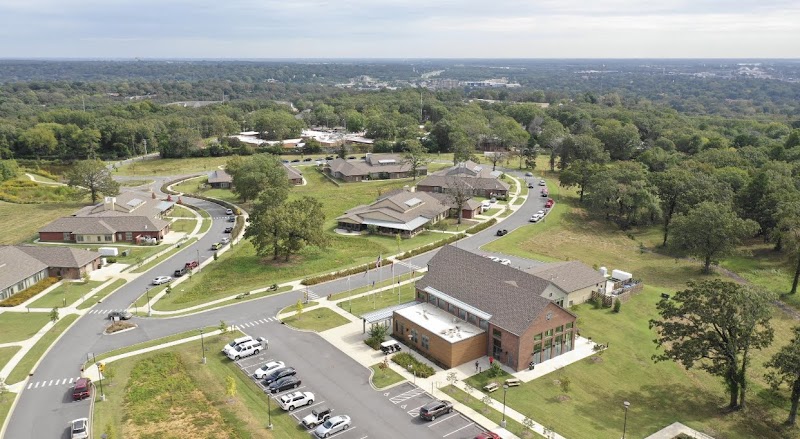
How is Arkansas State Veterans Home At North Little Rock Staffed?

CMS rates ARKANSAS STATE VETERANS HOME AT NORTH LITTLE ROCK's staffing level at 4 out of 5 stars, which is above average compared to other nursing homes. Staff turnover is 60%, which is 14 percentage points above the Arkansas average of 46%. High turnover can affect care consistency as new staff learn residents' individual needs.

What Have Inspectors Found at Arkansas State Veterans Home At North Little Rock?

State health inspectors documented 17 deficiencies at ARKANSAS STATE VETERANS HOME AT NORTH LITTLE ROCK during 2022 to 2024. These included: 17 with potential for harm.
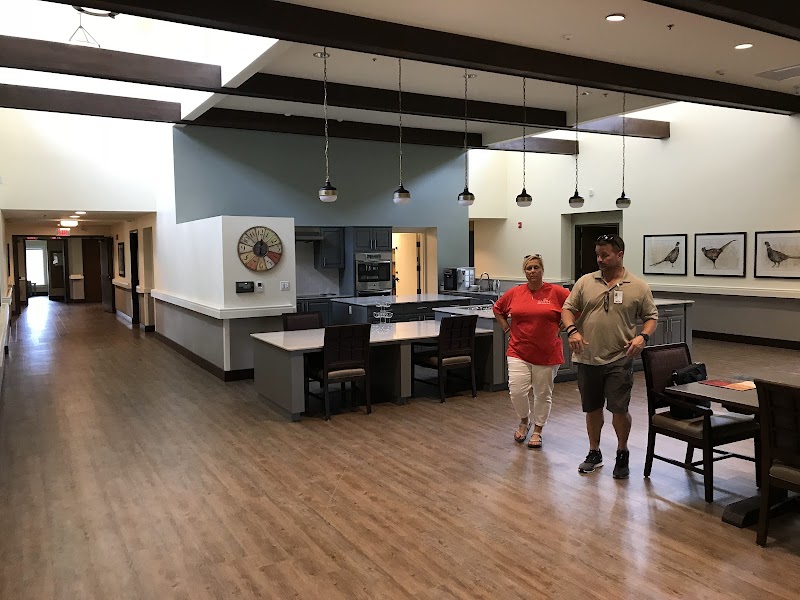
Who Owns and Operates Arkansas State Veterans Home At North Little Rock?

ARKANSAS STATE VETERANS HOME AT NORTH LITTLE ROCK is owned by a government entity. Government-operated facilities are typically run by state, county, or municipal agencies. The facility operates independently rather than as part of a larger chain. With 96 certified beds and approximately 81 residents (about 84% occupancy), it is a smaller facility located in NORTH LITTLE ROCK, Arkansas.
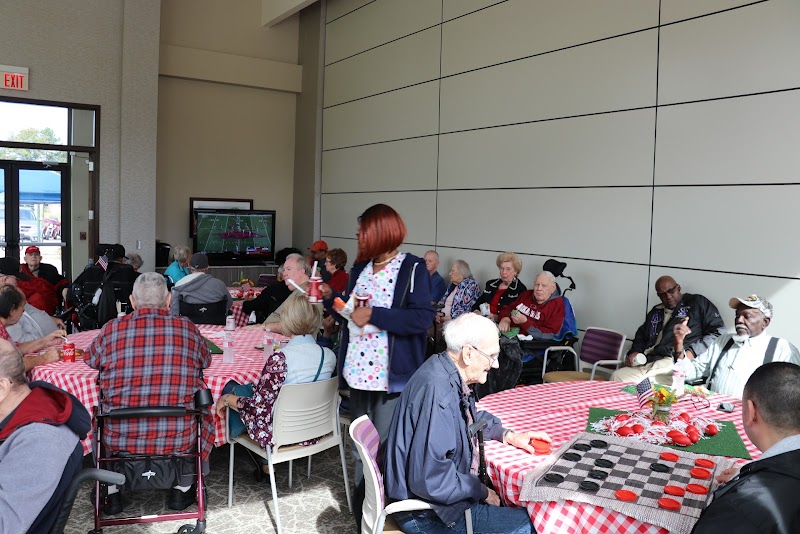
How Does Arkansas State Veterans Home At North Little Rock Compare to Other Arkansas Nursing Homes?

Compared to the 100 nursing homes in Arkansas, ARKANSAS STATE VETERANS HOME AT NORTH LITTLE ROCK's overall rating (5 stars) is above the state average of 3.2, staff turnover (60%) is significantly higher than the state average of 46%, and health inspection rating (5 stars) is much above the national benchmark.

What Should Families Ask When Visiting Arkansas State Veterans Home At North Little Rock?

Based on this facility's data, families visiting should ask: "How do you ensure continuity of care given staff turnover, and what is your staff retention strategy?" "Can I visit during a mealtime to observe dining assistance and food quality?" "How do you handle medical emergencies, and what is your hospital transfer rate?" "Can I speak with family members of current residents about their experience?" These questions are particularly relevant given the facility's high staff turnover rate.

Is Arkansas State Veterans Home At North Little Rock Safe?

Based on CMS inspection data, ARKANSAS STATE VETERANS HOME AT NORTH LITTLE ROCK has a clean safety record: no substantiated abuse findings (meaning no confirmed cases of resident harm), no Immediate Jeopardy citations (the most serious violation level indicating risk of serious injury or death), and is not on the Special Focus Facility watch list (a federal program monitoring the lowest-performing 1% of nursing homes). The facility has a 5-star overall rating and ranks #1 of 100 nursing homes in Arkansas. While no facility is perfect, families should still ask about staff-to-resident ratios and recent inspection results during their visit.

Do Nurses at Arkansas State Veterans Home At North Little Rock Stick Around?

Staff turnover at ARKANSAS STATE VETERANS HOME AT NORTH LITTLE ROCK is high. At 60%, the facility is 14 percentage points above the Arkansas average of 46%. High turnover means new staff may not know residents' individual needs, medications, or preferences. It can also be disorienting for residents, especially those with dementia who rely on familiar faces. Families should ask: What is causing the turnover? What retention programs are in place? How do you ensure care continuity during staff transitions?

Was Arkansas State Veterans Home At North Little Rock Ever Fined?

ARKANSAS STATE VETERANS HOME AT NORTH LITTLE ROCK has no federal fines on record. CMS issues fines when nursing homes fail to meet care standards or don't correct problems found during inspections. The absence of fines suggests the facility has either maintained compliance or corrected any issues before penalties were assessed. This is a positive indicator, though families should still review recent inspection reports for the full picture.

Is Arkansas State Veterans Home At North Little Rock on Any Federal Watch List?

ARKANSAS STATE VETERANS HOME AT NORTH LITTLE ROCK is not on any federal watch list. The most significant is the Special Focus Facility (SFF) program, which identifies the bottom 1% of nursing homes nationally based on persistent, serious quality problems. Not being on this list means the facility has avoided the pattern of deficiencies that triggers enhanced federal oversight. This is a positive indicator, though families should still review the facility's inspection history directly.