THE SPRINGS OF PINNACLE MOUNTAIN
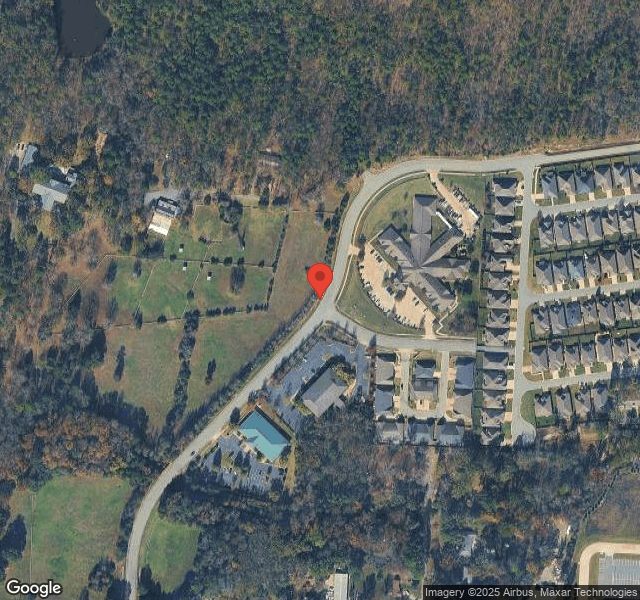
6411 VALLEY RANCH DRIVE, LITTLE ROCK, AR 72223 (501) 868-8857
For profit - Limited Liability company 73 Beds THE SPRINGS ARKANSAS Data: November 2025 2 Immediate Jeopardy citations
Trust Grade
4/100
#214 of 218 in AR
Last Inspection: September 2024

Within standard 12-15 month inspection cycle. Federal law requires annual inspections.

Overview

The Springs of Pinnacle Mountain has received a Trust Grade of F, indicating significant concerns and poor overall performance. Ranking #214 out of 218 facilities in Arkansas places it in the bottom half of the state, and #22 of 23 in Pulaski County means there is almost no local competition that ranks lower. The facility is reportedly improving, as the number of issues found decreased from 5 in 2024 to 3 in 2025. Staffing is a weakness, with a below-average rating of 2/5 stars and a high turnover rate of 69%, significantly above the state average of 50%. Additionally, the facility has faced $16,046 in fines, which is concerning, as this amount is higher than 87% of Arkansas facilities. Specific incidents raise serious concerns, such as a failure to provide adequate supervision during fire watch, which created immediate jeopardy for residents due to non-functioning fire safety systems. Another significant finding involved a resident not receiving their prescribed pain medication on schedule, which could impact their well-being. While there are some strengths like an average level of RN coverage, the facility's numerous deficiencies suggest families should proceed with caution when considering it for their loved ones.

Trust Score
F
4/100
In Arkansas
#214/218
Bottom 2%
Safety Record
High Risk
Review needed
Inspections
Getting Better
5 → 3 violations
Staff Stability
⚠ Watch
69% turnover. Above average. Higher turnover means staff may not know residents' routines.
Penalties
⚠ Watch
$16,046 in fines. Higher than 81% of Arkansas facilities, suggesting repeated compliance issues.
Skilled Nurses
⚠ Watch
Each resident gets only 22 minutes of Registered Nurse (RN) attention daily — below average for Arkansas. Fewer RN minutes means fewer trained eyes watching for problems.
Violations
⚠ Watch
38 deficiencies on record. Higher than average. Multiple issues found across inspections.
★☆☆☆☆
1.0
Overall Rating
★★☆☆☆
2.0
Staff Levels
★★★☆☆
3.0
Care Quality
★☆☆☆☆
1.0
Inspection Score
Stable
2024: 5 issues
2025: 3 issues

The Good

  • Full Sprinkler Coverage · Fire safety systems throughout facility
  • No fines on record

Facility shows strength in fire safety.

The Bad

1-Star Overall Rating

Below Arkansas average (3.1)

Significant quality concerns identified by CMS

Staff Turnover: 69%

23pts above Arkansas avg (46%)

Frequent staff changes - ask about care continuity

Federal Fines: $16,046

Below median ($33,413)

Minor penalties assessed

Chain: THE SPRINGS ARKANSAS

Part of a multi-facility chain

Ask about local staffing decisions and management

Staff turnover is elevated (69%)

21 points above Arkansas average of 48%

The Ugly 38 deficiencies on record

2 life-threatening 1 actual harm
Jul 2025 1 deficiency
CONCERN (D) 📢 Someone Reported This

A family member, employee, or ombudsman was alarmed enough to file a formal complaint

Potential for Harm - no one hurt, but risky conditions existed

Quality of Care (Tag F0684)

Could have caused harm · This affected 1 resident

Based on record review, interview, and facility policy review, the facility failed to ensure dietary orders were followed for one (Resident #1) of three residents.The findings include: A review of Res...

Read full inspector narrative →
Based on record review, interview, and facility policy review, the facility failed to ensure dietary orders were followed for one (Resident #1) of three residents.The findings include: A review of Resident #1's admission Record indicated the facility admitted the resident on 06/25/2025, with diagnoses which included a partial intestinal obstruction, a non-cancerous growth or tumor of the pancreas, abnormal heart rhythm, and swelling of both lower limbs. A review of Resident #1’s 5-day Minimum Data Set (MDS) with an Assessment Reference Date of 06/27/2025, revealed the resident had a Brief Interview for Mental Status score of 15, which indicated intact cognition. The remainder of the MDS, including functional abilities, health conditions, and medications, was not completed. A review of Resident #1’s Hospital Discharge records indicated the resident had the following procedures performed: on 06/03/2025 – Whipple Procedure (a complex abdominal surgery primarily used to treat tumors in the head of the pancreas) and a hernia repair. On 06/16/2025 – a medical procedure where a thin, flexible tube with a camera is used to examine the esophagus, stomach, and the first part of the small intestine (EGD). On 06/18/2025 -an EGD with placement of a percutaneous endoscopic gastrostomy (PEG) tube. The resident’s Hospital Discharge Record also indicated Resident #1 was not to perform any heavy lifting and was to have a clear liquid diet, with sips of liquids, and tube feedings of a prescribed formula at 20 milliliters (ml) per hour and to increase the rate by 10 ml every six to eight hours, until a rate of 61 ml per hour was reached. A review of Resident #1's Physician Orders indicated an order for a clear liquid diet and a nausea medication to be given as needed every eight hours, dated 06/25/2025. The resident’s Physician Orders revealed an enteral feed order to run at 20 ml an hour, via pump continuously with water flushes of 45 ml an hour, and to increase by 10 ml every 6 to 8 hours until a goal of 61 ml, if tolerated, dated 06/26/2025. Resident #1’s Physician Orders also indicated a chest x-ray for blood in sputum, dated 06/29/2025. During an observation on 07/03/2025 at 3:45 PM, this surveyor observed dietary communication slips, “Tray Card Slip” for Resident #1, which revealed a clear liquid diet for 06/25/2025, and a clear liquid diet/texture on 06/26/2025. A review of Resident #1's Care Plan initiated 06/27/2025, indicated the resident required extensive assistance with Activities of Daily Living, with an intervention that directed staff to encourage the resident to use their call light and request assistance. The resident’s Care Plan also instructed staff to serve the residents diet as ordered by the physician. Resident #1’s Care Plan did not address the resident’s PEG tube status or feeding. A review of Resident #1’s Advanced Practice Registered Nurse (APRN) Progress Notes dated 06/26/2025, indicated the resident had experienced delayed gastric emptying following their Whipple Procedure. The APRN assessment included 4+ edema to both lower extremities (A 4+ edema rating scale indicates a very deep indentation (8mm or greater) that takes 2-3 minutes to rebound after pressure is applied, according to a medical resource. This is considered the most severe grade of pitting edema), flank swelling, abdominal pain, nausea, and bloating. The APRN’s physical assessment indicated Resident #1 had clear lungs, even unlabored respirations, hyperactive bowel sounds, flank swelling, rounded abdomen, and pain of abdomen with palpitation. A review of Resident #1’s APRN Progress notes dated 06/27/2025, indicated the resident reported nausea, and the resident had accidentally been given a regular tray, with a cheeseburger and fries. Resident #1 had consumed a portion of it and appeared uncomfortable. The nausea was treated with anti-nausea medication and the resident was re-educated on following the clear liquid diet and tube feedings, as ordered. A review of Resident #1's Progress Notes dated 06/29/2025 at 6:43 AM, revealed Registered Nurse (RN) #3 indicated bloody vomitus was observed in a basin, in the resident’s room. The APRN was notified, and a chest x-ray was ordered. The chest x-ray results revealed lungs being clear with no acute cardiopulmonary concerns. A review of Resident #1’s Skilled Nursing Note, dated 06/29/2025 at 11:23 PM, revealed RN #3 indicated the resident was receiving nutrition via PEG tube on a feeding pump. Resident #1’s Skilled Nursing Note also revealed RN #3 documented that the resident had no pain, no respiratory issues, was not receiving oxygen, and had no swelling. A review of Resident #1’s Medication Administration Record (MAR) for June of 2025, indicated the resident’s tube feeding was ordered and started on 06/26/2025 at 1:10 PM. Resident #1’s MAR also revealed the resident’s anti-nausea medication was given twice during their stay: on 06/27/2025 at 12:58 PM, and again on 06/30/2025 at 3:24 AM. A review of Resident #1's Progress Notes dated 06/30/2025, indicated that RN #3 reported the resident was found unresponsive at 5:15 AM, cardiopulmonary resuscitation was initiated, and emergency medical services were called. The paramedics pronounced Resident #1’s time of death at 5:30 AM. During an interview on 07/03/2025 at 9:52 AM, Licensed Practical Nurse (LPN) #3 revealed nurses wrote the residents diets on a pink slip, that was then given to kitchen staff and managers. When asked if LPN #3 knew why Resident #1 received a cheeseburger and fries while being on a clear liquid diet, she stated, I believe they got that, but don't know why. During a telephone interview on 07/03/2025 at 9:54 AM, an RN who worked under the surgeon who performed the Whipple Procedure stated Resident #1 had called on 06/26/2025 at 12:45 PM, due to not having received their tube feeding since entering the facility on 06/25/2025. RN #4 stated, I called the facility at 1:06 PM, and spoke with the nurse and was told the facility had just received the order for the tube feeding. The RN could not remember the nurse she spoke with at the facility. The RN went on to say, It's my understanding they [the facility] had given the resident a regular tray with a cheeseburger, and they [the resident] were only supposed to be getting clear liquids and their tube feeding. During an interview on 07/03/2025 at 12:00 PM, the Treatment Nurse revealed she did not realize the meal Resident #1 received was not part of their diet, until she investigated it. The Treatment Nurse explained the process of ensuring residents received the correct diet order was whoever placed the trays on the meal cart were supposed to double check the diet orders to ensure they matched the food. The Certified Nursing Assistants (CNAs) then compared the diet orders with the food, before the meal was given to the resident. The Treatment Nurse stated, [Resident #1] had the meal in their room and part of [Resident #1’s] cheeseburger was missing when I noticed the food on tray off to the side. The resident complained of nausea, and I was going to see if we could get [Resident #1] something for nausea. The Nurse Practitioner told me the resident was on a clear liquid diet. The charge nurse and I confirmed the resident was eating a cheeseburger. During a telephone interview on 07/02/2025 at 3:21 PM, Resident #1's family member reported the resident called their surgeon's nurse on Friday 06/27/2025 and informed her of not being fed for two days. The family member stated the surgeon's nurse had called the facility concerning Resident #1 not being fed and that the facility had given Resident #1 a cheeseburger and fries that same day. The family member also reported Resident #1 had told the family, they had been vomiting since having received the regular tray for lunch. Per the family member, family had visited Resident #1 on Sunday 06/29/2025 and found the resident with dried blood on their face, in their nose, on their clothes, and on their bed linens. The staff had told the family the dried blood was due to oxygen the resident was receiving, which had dried out the nasal passages and caused the dried blood. The family member reported Resident #1 had bloody vomit in the trash can in their room. Resident #1 was not nauseated or vomiting during their visit, due to having received nausea medication. The family member reported the APRN informed the family that the resident had a bowel blockage. During a telephone interview on 07/03/2025 at 10:04 AM, RN #3 reported during the beginning of their shift on 06/29/2025, they had witnessed sputum mixed with blood in a bath basin in Resident #1’s room. When asked if RN #3 had completed a Change of Condition assessment, they reported they had not and instead notified the APRN and received an order for a chest x-ray. During an interview on 07/03/2025 at 10:56 AM, Certified Nursing Assistant (CNA) #6 reported that on Saturday 06/28/2025, they witnessed Resident #1 vomiting and described it as being dark green and did not observe anything bright red that looked like blood. CNA #6 went on to say the CNA from the previous shift had reported to them that Resident #1 had been vomiting all day, and it continued through CNA #6's shift. During an interview on 07/03/2025 at 11:42 AM, RN #7 confirmed giving Resident #1 anti-nausea medication due to the resident being nauseated. During an interview on 07/03/2025 at 12:40 PM, the ADON reported they were notified on 06/26/2025 that Resident #1 had received and eaten a regular tray. She explained that when the facility received the referral on the resident, the diet order was correct. When the resident was admitted , the pink slip was filled out and given to dietary to make the meal cards. The meal cards were then placed on the resident’s trays for mealtimes. The ADON revealed that an investigation was completed in which she checked the orders that stated, clear liquids, but dietary on their orders stated, regular but clear liquid only. The first line said regular. The ADON explained, We don't know how our orders got sent to their orders and read like that on their side. When asked if she had been aware of the resident having nausea and vomiting up blood, the ADON stated, No. I did not know that [Resident #1] was having nausea, vomiting, and bleeding for all of those days, until I came into work on Monday 06/30/2025 and [Resident #1] had passed. There was hearsay that the resident had blood in the vomit. During an interview on 07/03/25 at 1:58 PM, the APRN indicated they had not witnessed Resident #1 vomiting blood, but confirmed the resident had 4+ swelling to both lower extremities, and that the resident had informed her of having gained 40 pounds during their time in the hospital. The APRN stated she assumed it was improving, since the resident was taking a diuretic. The APRN went on to relate the call she received from RN #3 about having noticed a small amount of blood in Resident #1’s sputum and confirmed a chest x-ray had been ordered at that time. She stated the x-ray did not indicate Resident #1 had a respiratory issue. The APRN then reported she was not notified of Resident #1 vomiting blood, and that if she had, she would have given an order for them to be transferred to the hospital. After the results of the chest x-ray, the next time the APRN was notified of any condition change was 06/30/2025, when Resident #1 had expired. During an interview on 07/03/2025 at 3:04 PM, the DON confirmed they had been notified of Resident #1 having eaten a regular diet, when there was a mishap with the diet order. The DON reported that the APRN assessed the resident after they ate the cheeseburger and fries. The process of ensuring the residents received the correct diet order was by the referral that came with the hospital paperwork, and the facility either continued to follow the hospital paperwork, or the provider did a medication reconciliation. The DON explained there was a discrepancy between the two systems they had, one said, clear thin and the dietary systems said, Regular clear liquids only. The DON stated they would train staff on distribution of the wrong tray and provide ongoing training. In addition, the DON said he was planning on retraining staff on assessment and documentation. During an interview on 07/03/2025 at 3:25 PM, the Administrator explained the diet order was what was completed first, with a diet slip for the Electronic Medical Record System and was communicated to dietary. He explained that it was a mistake that happened. The Administrator revealed the dietary system showed Resident #1 on a regular diet and clear liquid stating, They should have seen the sheet with the order, prior to giving them out. During an interview on 07/03/2025 at 4:15 PM, the Dietary Manager (DM) confirmed Resident #1 was given food that was not part of their diet, one time on 06/26/2025. The DM explained that the cook read on the ticket that Resident #1 had a regular diet. She explained that a nurse informed the DM that the resident was eating a cheeseburger. The DM reported that whoever touched the ticket in the beginning placed the food on the plate. Then the dietary aides placed the drinks and ice cream on the trays, filled up the hall carts, and then placed the carts on the halls. The DM explained that the CNAs ensured the food dietary placed on the trays was correct and then took it to the resident. The DM reported that in-services were completed with most of her staff and CNAs to ensure to read each part of the ticket, so the incident would not happen again. During an interview on 07/03/2025 at 4:50 PM, the Dietary Manager (DM) stated, I'm not allowed to change the information in the system, but I compare the information to the information on [the electronic medical record system]. The DM verified that she thought the regular option on the system was in reference to the type of diet such as no added salt, or diabetic diet, and not the consistency of the meal. During an interview on 07/07/2025 at 6:09 PM, [NAME] #1 revealed that the tray goes from the cook to the dietary aides in the kitchen, and then to the CNAs. She reported that if the CNAs noticed something different, they were to let dietary know. [NAME] #1 reported that Resident #1’s diet information was written down and stated, I saw regular, and the aide did not see clear liquid after that and that is how it got done. A review of a facility policy titled, Change of residents condition, with a revision date of February 2025, indicated, The nurse will notify the residents attending physician when there has been .a significant change in the resident's condition, need to alter the resident's treatment .
Apr 2025 2 deficiencies 1 Harm
SERIOUS (G) 📢 Someone Reported This

A family member, employee, or ombudsman was alarmed enough to file a formal complaint

Actual Harm - a resident was hurt due to facility failures

Deficiency F0697 (Tag F0697)

A resident was harmed · This affected 1 resident

Based on observation, record review, and interview, it was determined that the facility failed to consistently give prescription pain medication every four (4) hours, as scheduled, for one (1) (Reside...

Read full inspector narrative →
Based on observation, record review, and interview, it was determined that the facility failed to consistently give prescription pain medication every four (4) hours, as scheduled, for one (1) (Resident #4) of five residents reviewed for medication review. The findings are: A review of an admission Record indicated Resident #4 was admitted to the facility with diagnoses that included: fracture to right ankle, chronic pain syndrome, anxiety disorder, bipolar disorder and borderline personality disorder. The quarterly Minimum Data Set (MDS) with Assessment Reference Date (ARD) of 01/14/2025, revealed Resident #4 had a Brief Interview for Mental Status (BIMS) score of 15, which indicated the resident was cognitively intact for their daily decision making. Review of Resident #4's Care Plan initiated 01/17/2025, revealed the resident was on pain medication therapy. Interventions included Warning: Addiction, abuse, and misuse, and to reduce the risk for respiratory depression, proper dosing and titration of [Name Brand Combination Opioid/Pain Medication], were essential. On 04/21/2025 at 3:30 PM, this surveyor observed Resident #4 seated at a table in the common area, with a small circulating fan blowing toward them. Resident # 4's hair was wet, and [Resident #4] was observed wiping sweat from their face. Resident #4 said, My hair is soaking wet from sweat, I am so hot, and I am hurting bad. I asked one of the nurses for my pain medication but was told that I didn't have any left. On 04/21/2025 at 3:45 PM, the Director of Nursing (DON), assisted by Licensed Practical Nurse (LPN) #,1 showed this surveyor the medication card from the locked narcotic box of the nurse's medication cart. There was not any medication left on the card. The Controlled Substance Log book (page 78) for Resident # 4's [Name Brand Opioid] documented the last pill given was on 04/20/2025 at 6:07 PM, leaving an ending count of 0. LPN #1 said the pharmacy said we will need a Prior Authorization (PA) to get more. On 04/21/2025 at 4:09 PM, (Pharmacy Name) was called. Pharmacist #7 was asked if Resident #4's [Name Brand Opioid] would need a PA. Pharmacist #7 said, I don't know, let me check . After verifying, Pharmacist #7 said yes, it needed a PA. The facility was responsible for getting one. A review of Resident #4's Order Summary for the month of 04/2025, revealed an order dated 03/31/2025 [Name Brand Combination Opioid/Pain Medication] Oral Tablet 7.5-325 milligram (mg) give one (1) tablet by mouth, four (4) times a day related to chronic pain syndrome. A review of a Medication Administration Record (MAR), for the month of April 2025, revealed the scheduled dose for 04/20/2025 at 5:00 PM, was checked as given. The scheduled dose for 04/20/2025 at 9:00 PM, was not checked as given, by the nurse on duty. A review of Resident #4 ' s Medication Administration Record for the month of April 2025, revealed: The scheduled dose for 04/21/2025 at 9:00 AM, was not checked as given, by the nurse on duty. The scheduled dose for 04/21/2025 at 1:00 PM, was not checked as given, by the nurse on duty. The scheduled dose for 04/21/2025 at 5:00 PM, was not checked as given, by the nurse on duty. The scheduled dose for 04/21/2025 at 9:00 PM, was checked as given, by the nurse on duty. A review of the Controlled Substance Log book (page 78) for Resident #4's [Name Brand Opioid], documented on 04/21/2025, a scheduled dose of medication was given at 9:00 PM, which was over twenty-four (24) hours since the last scheduled dose was given. During an interview on 04/22/2025 at 8:56 AM, LPN #3 said the nurses are responsible for notifying the doctor of new prescriptions. When I get to the blue section on the card, where there are 8 pills left, I will notify the doctor for refills, or if it's controlled, I will print off a prescription and send it to the doctor for signature. I don't know who is responsible for getting a PA for medication, I guess the doctor or pharmacy would be, I've never had to do that. During an interview on 04/22/2025 at 09:00 AM, LPN #1 said, the last time I gave Resident #4's pain medication, there were 12 pills left. I usually order them when pills are in the blue section. During an interview on 04/22/2025 at 9:21 AM, the Medical Director said, the pain management doctor, the Advance Practice Registered Nurse (APRN) or I are responsible for refilling medications. Typically, we get a call from one of the nurses. During an interview on 04/23/2025 at 9:49 AM, the DON said Resident #4's medication was ordered two (2) days prior to running out, by one of the night nurses. The medication needed a PA, which went through yesterday, and a new prescription was obtained at that time. The reason the facility did not take some medication from the emergency box was the box did not have the correct dosage in it. The Assistant Director of Nurses who was seated in the DON ' s office said, I believe Resident # 4 has a diagnosis of cirrhosis of the liver, and doubling up on the dosage would be giving too much (name brand acetaminophen). Review of a facility policy titled Administering Medications revised April 2019 indicated Medications are administered in accordance with prescriber orders, including any required time frame.
CONCERN (D) 📢 Someone Reported This

A family member, employee, or ombudsman was alarmed enough to file a formal complaint

Potential for Harm - no one hurt, but risky conditions existed

Report Alleged Abuse (Tag F0609)

Could have caused harm · This affected 1 resident

**NOTE- TERMS IN BRACKETS HAVE BEEN EDITED TO PROTECT CONFIDENTIALITY** Based on observation, interview, record review, facility document and policy review, it was determined that the facility failed ...

Read full inspector narrative →
**NOTE- TERMS IN BRACKETS HAVE BEEN EDITED TO PROTECT CONFIDENTIALITY** Based on observation, interview, record review, facility document and policy review, it was determined that the facility failed to report an abuse allegation to proper authorities for 1 (Resident #1) of 5 residents, reviewed for abuse and neglect. The findings include: A review of the facility's undated policy titled Abuse, Neglect, and Misappropriation, indicated facility must notify local law enforcement agencies. A review of the admission Record Face Sheet, indicated Resident #1 was admitted to the facility on [DATE], with diagnoses that included type II diabetes mellitus, cognitive communication deficit, schizophrenia, and bipolar disorder. The quarterly Minimum Data Set (MDS), with an Assessment Reference Date (ARD) of 04/01/2025, revealed Resident #1 had a Brief Interview for Mental Status (BIMS) score of 15, which indicated the resident was cognitively intact. On 04/21/2025 at 12:45PM, a review of the facility's internal investigation report, involving abuse allegations from Resident #1 against Medical Assistant - Certified (MA-C) #5, revealed the facility reported the incident to law enforcement and there were no negative findings. The investigation packet did not contain the police report, so a request was made to the local police records department for the incident report on 04/21/2025 at 1:09PM. On 04/21/2025 at 3:38PM, an employee with the local police record department responded with an email stating that no records were found on the resident named in the allegation. On 04/22/2025 at 8:00AM, a copy of the police report was requested from the Administrator. On 04/23/2025 at 9:01AM, the Administrator confirmed that there was not a police report filed with the investigation, and when the call was initially made to the police department to report the incident, a message was left with the incident information. The Administrator went home for the day and the police had not arrived prior to the Administrator ' s leaving. The internal investigation was completed, and a follow-up on the police report had not been conducted. On 04/23/2025 at 9:35AM, the Director of Nursing (DON) was asked if police were notified regarding the abuse allegations. The DON stated that the Administrator had indicated that the police had been contacted. The DON confirmed that follow-up was not thought of, to ensure the report had been given to police.
Sept 2024 5 deficiencies
CONCERN (D)

Potential for Harm - no one hurt, but risky conditions existed

Deficiency F0697 (Tag F0697)

Could have caused harm · This affected 1 resident

Based on observations, interviews, and record review, it was determined the facility failed to administer scheduled pain medication for 1 of 1 (Resident #19) reviewed for pain. The findings are: Revi...

Read full inspector narrative →
Based on observations, interviews, and record review, it was determined the facility failed to administer scheduled pain medication for 1 of 1 (Resident #19) reviewed for pain. The findings are: Review of a facility policy titled, Administering Medications, indicated medications are administered according with the prescriber orders. Medications are administered in accordance with prescriber's orders, and within the required time frame. Medication administration times are determined by resident need and benefit, and not for staff convenience. Medications are administered within one hour of their prescribed time. A review of an Order Summary Report indicated that Resident #19 had a diagnoses of low back pain, unspecified, and polyarthritis. Resident #19 had an order for Hydrocodone- Acetaminophen (Pain) 10-325 mg scheduled four times a day with a start date of 08/28/2024. The quarterly Minimum Data Set (MDS) with an Assessment Reference Date (ARD) of 08/14/2024, revealed Resident #19 had a Brief Interview for Mental Status (BIMS) score of 15, which indicated the resident was cognitively intact. The assessment indicated Resident #19 was on a scheduled pain medication regimen. Review of Resident #19's Care Plan revised on 06/21/2024, revealed the resident will have adequate relief of pain or ability to cope with incompletely relieved pain. Intervention included to administer scheduled pain medications as ordered. A review of Resident #19's demographic record indicated Resident #19 is scheduled to receive Hydrocodone at 9:00 AM, 1:00 PM, 5:00 PM, and at 9:00 PM. It indicated that she received Hydrocodone 10-325 mg on 09/23/2024 at 10:50 AM. On 09/23/2024 at 10:50 AM, during interview, Resident #19 indicated she's been waiting over an hour for her pain medicine. She indicated she asked the nurse for her medication, and she usually has the medication by this time. Resident #19 was observed clenching her face. On 9/23/24 at 10:52 AM, Registered Nurse #8 walked in Resident #19's room with a pill in a cup. When she walked out of the room Registered Nurse #8 confirmed it was a Hydrocodone in the cup. She indicated Resident #19's pain medication was administered late because she looked at it wrong. On 09/25/24 at 10:45 AM Resident #19 indicated she gets her pain meds on time mostly, but she does gets them late sometimes. During an interview on 09/26/2024 at 11:22 AM, the Director of Nursing (DON) indicated if a pain medication is scheduled at 9:00 AM it should be given on schedule at 9:00 AM. He indicated the medications can be given 1 hour before and 1 hour after the scheduled time. He indicated that pain medication should be given on time to regulate pain.
CONCERN (E)

Potential for Harm - no one hurt, but risky conditions existed

Deficiency F0558 (Tag F0558)

Could have caused harm · This affected multiple residents

Based on observation, record review, and interview, it was determined the facility failed to ensure reasonable accommodation of resident needs were provided for 2 (Residents #11,and #26) of 16 sampled...

Read full inspector narrative →
Based on observation, record review, and interview, it was determined the facility failed to ensure reasonable accommodation of resident needs were provided for 2 (Residents #11,and #26) of 16 sampled residents. The findings are: Resident #11 had a score of 00 on the Brief Interview for Mental Status (BIMS) per a quarterly Minimum Data Set (MDS) with an Assessment Reference Date (ARD) of 8/22/2024. Additionally, Resident #11 was identified as being non-ambulatory, dependent on staff for all activities of daily living, and non-verbal. During an observation on 9/23/2024 at 10:20 AM, Resident #11 did not have a call light in reach. Resident was sitting in chair in front of tv and call light was on the floor behind resident's chair. During an observation on 9/25/2024 at 1:10 PM, Resident #11 and Resident #26, who were roommates, were in their room sitting in chairs with no call lights within the resident's reach. Both call lights were laying in the floor behind their chairs. On 9/25/2024 at 1:13 PM, Certified Nursing Assistant (CNA) #6 said staff should make sure residents have the call light within reach before leaving the room so residents can notify staff if they need assistance. On 9/26/2024 at 10:01 AM, the Medical Assistant-Certified (MA-C) #7 said staff should make sure the resident has the call light in reach because they may have an emergency or need something. On 9/26/2024 at 10:04 AM, Licensed Practical Nurse (LPN) #5 said staff should make sure a resident has the call light and bed remote within reach because a resident could experience choking or need assistance. On 9/26/2024 at 7:50 AM, the Administrator provided (Quality Assurance) QA meeting minutes which contained Call Light Monitoring Tool which was issued and signed by staff regarding call light placement and answering of call lights.
CONCERN (E)

Potential for Harm - no one hurt, but risky conditions existed

Deficiency F0578 (Tag F0578)

Could have caused harm · This affected multiple residents

Based on interview and record review, it was determined the facility failed to formulate an advance directive, and document if formulation of an advanced directive was refused for 2 of 2 (Resident #13...

Read full inspector narrative →
Based on interview and record review, it was determined the facility failed to formulate an advance directive, and document if formulation of an advanced directive was refused for 2 of 2 (Resident #13, and Resident #23) residents reviewed for advance directives. The findings are: A review of a facility policy titled, Advance Directives, revised December 2016, indicated the resident will be provided information concerning an advance directive upon admission. Information about whether the resident has executed an advance directive should be in medical records. The advance directives should be reviewed annually with the resident to ensure the directives are still the wishes of the resident. 1. A review of an Order Summary Report indicated Resident #13 had a diagnosis of Epilepsy. a. The quarterly Minimum Data (MDS) with an Assessment Reference Date (ARD) of 08/30/2024 revealed Resident #13 had a Brief Interview for Mental Status (BIMS) score of 15, which indicated the resident was cognitively intact. b. On 09/24/24 at 10:00 AM, an advance directive was not available for review in Resident #13 's clinical record. c. On 09/24/24 at 10:19 AM, the Assistant Director of Nurse (ADON) indicated she could not find the advance directive in the electronic clinical record for Resident #13. d. On 09/24/24 at 11:00 AM, during interview Resident #13 could not recall being asked to formulate an advance directive. e. On 09/25/24 at 2:45 PM, the ADON indicated that Resident #13 did not have an acknowledgement of an advance directive, or an advance directive in the medical records. She indicated that an advance directive should be completed upon admission. 2. A review of an Order Summary Report indicated Resident #23 had a diagnosis of Alzheimer's disease with late onset. a. The quarterly Minimum Data (MDS) with an Assessment Reference Date (ARD) of 09/24/2024 revealed Resident #13 had a Brief Interview for Mental Status (BIMS) score of 12, which indicated the resident was moderate cognitive impairment. b. On 09/23/24 at 2:01 PM an advance directive was not available for review in Resident #23 's clinical record. c. On 09/24/24 at 2:20 PM, during interview Resident #23 could not recall being asked to formulate an advance directive. d. During an interview on 09/25/24 at 2:46 PM, the ADON indicated that Resident #23 did not have an acknowledgement of an advance directive, or an advance directive in the medical records. She indicated an advance directive should be completed upon admission. e. During an interview on 09/26/2024 at 11:22 AM, the Director of Nursing (DON) indicated that an advance directive should be formulated upon admission and documented if refused.
CONCERN (E) 📢 Someone Reported This

A family member, employee, or ombudsman was alarmed enough to file a formal complaint

Potential for Harm - no one hurt, but risky conditions existed

Safe Environment (Tag F0584)

Could have caused harm · This affected multiple residents

Based on observations, interviews, and facility policy review, the facility failed to keep resident's personal wheelchairs in good repair without holes, tears, and rips to prevent injuries for 3 (Resi...

Read full inspector narrative →
Based on observations, interviews, and facility policy review, the facility failed to keep resident's personal wheelchairs in good repair without holes, tears, and rips to prevent injuries for 3 (Residents #34, #43, and #45) reviewed for equipment safety. Findings include: A review of a facility policy titled, Maintenance Service, revised on 12/01/2009, indicated services would be provided to all areas of the building, grounds and equipment and maintenance personnel would follow safety regulations to ensure the safety and well-being of all concerned. During an observation on 09/23/2024 at 10:44 AM, the left arm rest on the wheelchair of Resident #43 was noted to be torn, the vinyl/leather turned up and the foam underneath showing. The right arm rest of the wheelchair had a tear/hole in the vinyl and was turned up around the edges. During an observation on 09/23/2024 10:45 AM, the back rest of the wheelchair along the edge, for Resident #45 was vinyl/leather was noted to be cracking and peeling, revealing the soft material underneath. During an observation on 09/25/24 at 9:42 AM, the right and left arm rest of Resident #34's wheelchair was noted to have the vinyl/leather torn and turned up. During a concurrent observation and interview on 09/25/2024 at 9:50 AM, (Certified Nursing Assistant) CNA #3 was shown Resident #34, #43 and #45's wheelchairs with the torn, raised areas and cracked and peeling vinyl/leather. CNA #3 confirmed the torn places could be a hazard and cause skin tears and would be difficult to clean those areas. CNA #3 was asked if the wheelchairs had been reported as needing repair, and CNA# 3 was unaware of any reporting of the wheelchairs. CNA #3 reported there was a maintenance book at the front desk of the facility to list any repairs that were needed and the wheelchairs would be added to the maintenance book. During a concurrent observation and interview on 09/25/2024 at 11:10 AM, the surveyor and Director of Nursing (DON) examined the wheelchairs of Resident #34, #43 and #45. The DON confirmed the torn vinyl/leather could lead to skin tears and would be difficult to clean. The DON was asked how maintenance would know what needed to be repaired, and stated the maintenance request book was located at the front nurse's station and the maintenance supervisor would then have the request in order to address the repairs that needed to be done. During an interview on 09/26/2024 at 9:55 AM, Maintenance confirmed that no one had reported any wheelchairs that needed to be repaired.
CONCERN (F)

Potential for Harm - no one hurt, but risky conditions existed

Food Safety (Tag F0812)

Could have caused harm · This affected most or all residents

Based on observation, interview, and record review, it was determined the facility failed to ensure food preparations were separate from soiled areas of the kitchen, to ensure kitchen equipment was cl...

Read full inspector narrative →
Based on observation, interview, and record review, it was determined the facility failed to ensure food preparations were separate from soiled areas of the kitchen, to ensure kitchen equipment was cleaned before storage, and that hand sanitation was performed during meal service. The findings are: On 9/25/2024 at 11:14 AM, while observing the [NAME] puree the lunch meal that consisted of chicken, broccoli, noodles, and garlic herb biscuits, the right side of a sink that was 10 inches away from food blender had several inches of brown liquid with chunks of what appeared to be noodles and broccoli floating in it. On 9/25/2024 at 11:28 AM, the [NAME] was observed draining noodles in a colander on the clean, left side of the sink prior to pureeing them. On 9/25/2024 at 11:59 AM, the [NAME] rinsed the colander out in the left side of the sink and hung it on a rack located directly above the sink, without washing and sanitizing it first. On 9/26/2024 at 8:17 AM, the surveyor asked the Dietary Manager (DM) if food preparation should be performed next to a dirty sink. The DM stated no, the facility has been having issues with the garbage disposal not working properly but maintenance made the repair yesterday evening, on 9/25/2024. The surveyor asked the DM why clean food prep area should not be next to a dirty sink and DM said it could cause cross contamination. On 9/26/2024 at 8:22 AM, during an interview the District Dietary Manager (DDM) confirmed seeing the [NAME] drain noodles in the clean (left) side of sink, rinse it out and hang it back up. On 9/26/2024 at 8:30 AM, spoke with [NAME] about pureeing foods next to dirty sink and the colander not being washed and sanitized after use. Asked [NAME] why the foods should not be prepared next to a dirty sink and why colander needed to be sanitized after use and before storage and [NAME] stated to keep from contaminating foods. On 9/26/2024 at 8:45 AM,, the policies and in-services were provided from the District Dietary Manager (DDM). The in-services were on kitchen cleaning and storing foods and food quality and puree. On 09/23/2024 at 1:13 PM, residents were observed being served lunch in the 300-hall dining room by the CNA. During the tray delivery and set up of the lunch tray, CNA #1, had long braids that were not tied back and kept touching the tables and chairs in the dining room while the trays were being served. The braids were touched with hands by CNA #1 to move them out of the way or head was flipped to the side to move the braids back. After serving the trays, CNA #1 sat down at a table and began to assist a resident with eating without sanitizing hands. CNA #1 touched clothing and the arms of the table, then would go back to feeding the resident without sanitizing hands. CNA #2 was observed picking up a resident's hamburger bun with un-sanitized bare hands, placed condiments and vegetables on the hamburger bun, put it back together and handed the hamburger to the resident to eat. During an interview on 09/23/2024 at 1:29 PM, CNA #1 confirmed that hands should have been sanitized before starting to serve the residents and hair should have been tied back to prevent it from touching the surrounding areas while lunch trays were being served and feeding the residents. CNA #1 also confirmed hands should have been sanitized after touching clothing or anything unclean. During an interview on 09/26/2024 at 10:07 AM . CNA #2 was asked how the hamburger should have been handled while preparing it for the resident to eat. CNA #2 confirmed eating utensils could have been used to keep the food from being touched and that hands should be sanitized after each tray was passed and before starting to assist residents to eat. A review of Handwashing/Hand Hygiene Policy indicated that the facility considers hand hygiene the primary means to prevent the spread of infections and that an alcohol-based hand rub should be used before and after handling food and before and after assisting a resident with meals.
Oct 2023 7 deficiencies
CONCERN (D)

Potential for Harm - no one hurt, but risky conditions existed

Deficiency F0657 (Tag F0657)

Could have caused harm · This affected 1 resident

Based on interview and record review, the facility failed to notify a family member of a Care Plan meeting for one (Resident #1) of 18 (Residents #1, #6, #12, #21, #29, #32, #33, #40, #41, #44, #47, #...

Read full inspector narrative →
Based on interview and record review, the facility failed to notify a family member of a Care Plan meeting for one (Resident #1) of 18 (Residents #1, #6, #12, #21, #29, #32, #33, #40, #41, #44, #47, #51, #64, #66, #67, #69, #73 and #276) sampled residents. The findings are: Review of the Quarterly Minimum Data Set (MDS) with an Assessment Reference Date (ARD) of 08/28/23 documented the resident was severely cognitively impaired. Review of a Care Plan with a revision date of 04/24/21 noted Resident #1 was severely impaired in cognitive function related to diagnosis of Alzheimer's disease and needs assistance with all decision making. During an interview on 10/02/23 at 3:28 PM, Resident #1's family member stated, I have never come to a care plan meeting. I've never received any notification or been offered to come to a care plan meeting. During an interview on 10/04/23 at 9:15 AM, the Social Services Director said a letter is mailed out about a week and a half before the meeting and the family member is called to remind them. The Social Services Director said a template is used to generate the letters, and the letters are not saved and scanned to the system, but a progress note is entered in the resident ' s chart noting the family members were notified. During an interview on 10/04/23 at 9:23 AM, the MDS Coordinator said most families do not attend the care plan meeting, so a phone call is made, and the care plan is reviewed, and a progress note is made. The MDS Coordinator confirmed there was no progress note for Resident #1. On 10/04/23 at 10:07 AM, the MDS Coordinator provided a list of family members contacted for upcoming care plan meetings scheduled for notification on 08/23/23. This list did not include Resident #1. Review of the Progress Notes dated 04/01/23 through 10/04/23, there was no documentation regarding a care plan meeting. A facility policy titled, Care Planning-Interdisciplinary Team (Revised March 2022), provided by Nurse Consultant #2 documented, Policy Statement The interdisciplinary team is responsible for the development of resident care plans. Policy Interpretation and Implementation . 3. The IDT includes but is not limited to: .e. to the extent practicable, the resident and/or the resident's representative; .4. The resident, the resident's family and/or the resident's legal representative/ guardian or surrogate are encouraged to participate in the development of and revisions to the resident's care plan. 5. Care plan meetings are scheduled at the best time for the day for the resident and family when possible. If it is determined that participation of the resident or representative is not practicable for development of the care plan, an explanation is documented in the medical record .
CONCERN (E)

Potential for Harm - no one hurt, but risky conditions existed

Menu Adequacy (Tag F0803)

Could have caused harm · This affected multiple residents

Based on observation, record review, and interview, the facility failed to ensure meals were prepared and served according to the planned written menu to meet the nutritional needs of the residents fo...

Read full inspector narrative →
Based on observation, record review, and interview, the facility failed to ensure meals were prepared and served according to the planned written menu to meet the nutritional needs of the residents for 2 of 2 meals observed. This failed practice had the potential to affect 4 residents who received pureed diets, 12 residents who received mechanical soft diets, and 57 residents who received regular diets from 1 of 1 kitchen according to a list provided by the Dietary District Manager on 10/03/23 at 12:04 PM. findings are: 1. The menu for the lunch meal on 10/02/23 documented all diets were to receive strawberry shortcake and residents on regular diets were to receive 3 ounces of herb roasted chicken and residents on pureed diets were to receive pureed dinner roll. 2. On 10/02/23 at 1:10 PM, the residents on regular diets were served one small herb roasted chicken thigh each. At 1:44 PM, the Surveyor asked the Dietary District Manger to weigh the same amount of baked chicken served to the residents for lunch. She did so and stated, It weighed 1.9 ounces, instead of 3 ounces as per the menu. 3. On 10/02/23 at 1:17 PM, all residents were served peach halves, instead of strawberry shortcake. 4. On 10/02/23 at 1:24 PM, residents on pureed diets were served pureed noodles, pureed chicken, and pureed brussels sprouts. There was no pureed bread served to the residents who required pureed diets. Pureed peaches were served, instead of strawberry shortcake. At 1:45 PM, the Surveyor asked Dietary Employee (DE) #2 the reason residents on pureed diets did not receive bread. He stated, I forgot it. 5. The menu for the supper meal documented the residents who received pureed diets were to receive a #6 dip (2/3 cup) of pureed Swiss cheeseburger/bun, a #12 dip (1/3 cup) pureed soft, cooked vegetable, a #12 dip (1/3 cup) of pureed green pea salad and all diets were to receive pudding parfait. a. On 10/02/23 at 5:10 PM, 5:31 PM, and 6:18 PM, DE #3 used a #16 scoop (1/4 cup) to serve a single portion of pureed hamburger patties, single portion of mashed potatoes and a single portion of carrots. b. Pureed hamburger buns were not served to the residents on pureed diets. Pureed peas were not served to 3 residents on pureed diets. The residents were served regular pudding, instead of pureed pudding parfait. c. On 10/02/23 at 6:29 PM, the Surveyor asked Dietary Employee (DE) #3 the reason the rest of the residents on pureed diets did not receive pureed pea salad. She stated, I forgot. The Surveyor asked the reason bread or buns were not served to the residents who required pureed diets. She stated, I forgot to do it.
CONCERN (E)

Potential for Harm - no one hurt, but risky conditions existed

Deficiency F0804 (Tag F0804)

Could have caused harm · This affected multiple residents

Based on observation, and interview, the facility failed to ensure meals were served in a method that maintained the appearance, nutritive value, cold product, and hot food items at temperatures that ...

Read full inspector narrative →
Based on observation, and interview, the facility failed to ensure meals were served in a method that maintained the appearance, nutritive value, cold product, and hot food items at temperatures that were acceptable to the residents to improve palatability and encourage good nutritional intake during 1 of 1 meal observed. This failed practice had the potential to affect 24 residents who received meal trays in their rooms on the 100 Hall, 5 residents who received meal trays in their rooms on the 200 Hall, 20 residents who received meal trays on the 300 Hall, 23 residents who received meal trays on the 400 Hall, as documented on a list provided by the Administrator on 10/03/23 at 11:40 AM. The findings are: 1. On 10/02/23 at 11:22 AM, the Surveyor asked Resident #6 if the food being served was satisfactory. Resident #6 reported that the food was good but was sometimes cold. The Surveyor asked if food being served cold was a frequent occurrence. Resident #6 stated, Sometimes. 2. On 10/02/23 at 12:14 PM, the Surveyor asked Resident #73 if the food being served was satisfactory. Resident #73 stated the food was delivered to the room cold. The Surveyor asked if food being served cold was a frequent occurrence. Resident #73 confirmed that it occurred at almost every meal. 3. A facility recipe for pureed buttered egg noodles documented, For 5 servings use ½ cup of water, ½ teaspoon of chicken base, 2 ½ cups of buttered eggs noodles and 2 tablespoons of melted margarine. If product needs thinning, gradually add an appropriate amount of liquid (not water) to achieve a smooth pudding or soft mashed potato consistency. a. On 10/02/23 at 11:56 AM, the Dietary Supervisor pureed noodles with ½ cup of water, she poured it into a pan and placed it on the steam table. b. On 10/02/23 at 1:10 PM, the noodles served to the residents were mushy and sticky. At 1:35 PM, the Surveyor asked the Dietary Supervisor and Dietary District Manager to describe the taste of pureed noodles and the appearance of noodles served to the residents on regular and mechanical soft diets. They both tasted pureed noodles and stated, It was bland, it does not have any seasoning to it. The Dietary Supervisor stated, Regular noodles looked gummy and stuck together. At 1:45 PM, The Surveyor asked Dietary Employee (DE) #2 about the appearance of the noodles and pureed food items served to the residents for lunch. DE #2 stated, Noodles were mushy, stuck together. I cooked it with too much water. 4. On 10/02/23 at 1:14 AM, an unheated food cart that contained 23 trays for lunch was delivered to the 400 Hall by DE #1. At 1:29 PM, immediately after the last resident was served in their room, the temperature of the food items on the tray used as test tray were taken and read by the District Dietary Manager with the following results: a. Baked chicken - 109 degrees Fahrenheit. b. Brussels sprouts - 102 degrees Fahrenheit. c. Noodles - 107 degrees Fahrenheit. 5. On 10/03/23 at 7:45 AM, an unheated food cart that contained 23 trays for breakfast was delivered to the 400 Hall by DE #4. At 7:54 PM, immediately after the last resident was served in their room, the temperature of the food items on the tray used as test tray were taken and read by the Dietary District Manager with the following results: a. Milk 51 - degrees Fahrenheit. b. Pureed sausage - 97 degrees Fahrenheit. c. Pureed eggs - 81 degrees. d. Scrambled eggs -100 degrees Fahrenheit. e. Sausage - 100 degrees Fahrenheit. f. Oatmeal - 114 degrees Fahrenheit.
CONCERN (E)

Potential for Harm - no one hurt, but risky conditions existed

Deficiency F0805 (Tag F0805)

Could have caused harm · This affected multiple residents

Based on observation and interview, the facility failed to ensure pureed food items were blended to a smooth, lump free consistency to minimize the risk of choking or other complications for those res...

Read full inspector narrative →
Based on observation and interview, the facility failed to ensure pureed food items were blended to a smooth, lump free consistency to minimize the risk of choking or other complications for those residents who required pureed diets for 2 of 2 meals observed. The failed practice had the potential to affect 4 residents who received pureed diets as documented on a list provided by the Dietary District Manager on 10/03/23. The findings are: 1. On 10/02/23 at 12:07 PM, the following observations were made on the steam table: a. A pan of pureed brussels sprouts. The consistency of the pureed brussels sprouts was runny, not formed and was not smooth. There were pieces of brussels sprouts in the mixture. b. A pan pf pureed baked herb roasted chicken. The consistency was runny, not formed and not smooth. There were pieces of chicken visible in the mixture. At 1:35 PM, the Surveyor asked the Dietary Supervisor and the Dietary District Manger to describe the consistency of the pureed food items served to the residents on pureed diets. The Dietary Supervisor stated, Pureed brussels sprouts was too thin, has lumps and not smooth. Pureed chicken was thin and has pieces of chicken in it. The Dietary District Manger stated, Pureed brussels sprouts doesn't look like pureed. It is too thin, has lumps. It should have been a little thicker. Pureed baked chicken was too thin not the right consistency of pureed, it was not smooth and looks like oatmeal. c. On 10/02/23 at 1:45 PM, the Surveyor asked Dietary Employee (DE) #2 to describe the consistency of the pureed food items served to the residents for lunch. DE #2 stated, Pureed meat was thin, had pieces of chicken in it and was not smooth. I should have pureed it a little longer. Pureed Brussels sprouts had pieces of vegetables in it and was not smooth and was too thin. 2. On 10/02/23 at 4:20 PM, DE #3 used a 6 ounce spoon to place 3 servings of carrots into a blender and pureed. She poured the pureed carrots into a pan and placed it on the steam table. The consistency of the pureed carrots was not smooth. There were still pieces of carrots in the mixture. 3. On 10/02/23 at 4:25 PM, DE #3 placed 5 servings of beef patties into a blender, added broth and pureed. At 4:27 PM, she poured the pureed meat into a pan and placed it on the steam table. The consistency of the pureed meat was not smooth. Pieces of meat were still visible in the mixture. 4. On 10/02/23 at 4:30 PM, DE #3 used a 4 ounce spoon to place 6 servings of pea salad into a blender, added broth and pureed. At 4:32 PM, she poured the pureed green pea salad in a pan and placed it on ice. The consistency of the pureed pea salad was lumpy and not smooth. There were pieces of peas and cheese in the mixture. 5. On 10/02/23 at 6:30 PM, the Surveyor asked the Dietary District Manger to describe the consistency of the pureed food items served to the residents on pureed diets. She stated, They all have lumps.
CONCERN (E)

Potential for Harm - no one hurt, but risky conditions existed

Deficiency F0919 (Tag F0919)

Could have caused harm · This affected multiple residents

Based on observation, interview, and record review, the facility failed to ensure call devices were in reach for 1 (Resident #65) of 6 (Residents #10, #21, #24, #49, #69 and #71) sampled residents who...

Read full inspector narrative →
Based on observation, interview, and record review, the facility failed to ensure call devices were in reach for 1 (Resident #65) of 6 (Residents #10, #21, #24, #49, #69 and #71) sampled residents who were bedbound as documented on a list provided by the Director of Nursing (DON) on 10/05/23 at 9:27 AM. The findings are: On 10/02/23 at 10:20 AM, Resident #65 was lying in bed with the call device lying on the floor by the head of the bed. The Surveyor asked if he was able to get out of bed unassisted. Resident #65 indicated that he could not. On 10/02/23 at 3:34 PM, Resident #65 was lying in bed. The call device was lying on the floor by the head of the bed. On 10/03/23 at 9:28 AM and 12:57 PM, Resident #65 was lying in bed. The call device was lying on the floor by the head of the bed. On 10/04/23 at 3:22 PM, Resident #65 was lying in bed. The call device was lying on the floor by the head of the bed. Resident #65 was unable to locate the call device. On 10/04/23 at 3:28 PM, CNA #3 picked the call device up from the floor and attached it to the bed near Resident #65, and confirmed the resident did not usually move the call light from where it was placed and confirmed the resident had fallen previously. On 10/04/23 at 3:38 PM, the DON confirmed Resident #65 should have the call device available. A Care Plan with a revision date of 08/22/23 noted Resident #65 was at risk for falls and was to be encouraged to use his call light or ask for assistance as needed. A facility policy titled, Answering the Call Light, with a revised date of March 2021, provided by the DON on 10/05/23 at 9:21 AM documented, Purpose The purpose of this procedure is to ensure timely responses to the resident's requests and needs. General Guidelines .4. When the resident is in bed or confined to a chair be sure the call light is within easy reach of the resident .
CONCERN (E)

Potential for Harm - no one hurt, but risky conditions existed

Safe Environment (Tag F0921)

Could have caused harm · This affected multiple residents

**NOTE- TERMS IN BRACKETS HAVE BEEN EDITED TO PROTECT CONFIDENTIALITY** Based on observation, interview, and policy review, the facility failed to ensure access hatches located in resident rooms were ...

Read full inspector narrative →
**NOTE- TERMS IN BRACKETS HAVE BEEN EDITED TO PROTECT CONFIDENTIALITY** Based on observation, interview, and policy review, the facility failed to ensure access hatches located in resident rooms were secured in 1 (Resident room [ROOM NUMBER]) of 12 (Resident Rooms #301, #302, #303, #304, #305, #306, #308, #309, #310, #311, #312 and #314) Resident Rooms on the 300 Hall. The findings are: On 10/02/23 at 3:13 PM, 10/3/23 at 9:20 AM, and 10/4/23 at 3:31 PM observed in room [ROOM NUMBER] a gray access hatch that was partly opened above a resident bed. There was a white pipe with a valve surrounded by a fibrous yellow material behind the hatch. Two residents were in the room. During interview on 10/04/23 at 3:35 PM, the Maintenance Director confirmed the pipe and valve in room [ROOM NUMBER] was the insulated water shut-off for the sprinkler system. On 10/05/23 at 10:51 AM Nurse Consultant #2 provided a document titled, Preventative Maintenance Program. It documented, .The Maintenance Director shall assess all aspects of the physical plant to determine if Preventive Maintenance (PM) is required. Required PM may be determined from manufacturer's recommendations, maintenance requests, grand rounds, life safety requirements, or experience .
CONCERN (F)

Potential for Harm - no one hurt, but risky conditions existed

Food Safety (Tag F0812)

Could have caused harm · This affected most or all residents

Based on observation and interview, the facility failed to ensure foods stored in the refrigerator, freezer and dry storage area were covered, sealed and dated to minimize the potential for food borne...

Read full inspector narrative →
Based on observation and interview, the facility failed to ensure foods stored in the refrigerator, freezer and dry storage area were covered, sealed and dated to minimize the potential for food borne illness for residents who received meals from 1 of 1 kitchen; leftover food items were used in a manner to maintain food quality; expired food items were promptly removed from stock to prevent potential food borne illness; dietary staff washed their hands before handling clean equipment or food items to prevent potential food borne illness; 1 of 1 ice machine was maintained in clean condition; hot food items were at temperature that was acceptable to the residents to improve palatability; and floor and kitchen appliances and were maintained in clean sanitary conditions to prevent the potential food borne illnesses for residents who received meals from 1 of 1 kitchen.; These failed practices had the potential to affect 73 residents who received meals from the kitchen (Total Census: 76), as documented on a list provided by the Dietary District Manager on 10/03/23. The findings are: 1. On10/02/23 at 9:35 AM, an opened metal container of fruit punch was on a cart by the refrigerator. Dietary Employee (DE) #1 stated, I just made it. 2. On 10/02/23 at 10:07 AM, the panel of the ice machine in the kitchen had wet black residue on it. The Surveyor asked the Dietary District Manger to wipe the area. The wet black residue easily transferred to the tissue. She stated, It was black matter. The Surveyor asked the Dietary District Manager who uses the ice from the ice machine and how often do you clean it. She stated, That's the ice the CNAs [Certified Nursing Assistants] use for the water pitchers in the residents' rooms and we use it in the kitchen to fill beverages served to the residents' at mealtimes. The maintenance man cleans once a month. The kitchen staff is supposed to clean it daily. 3. On 10/02/23 at 10:09 AM, DE #1 unplugged a plate warmer and pushed it towards the clean side of the dish washing machine. Holding onto a box of gloves, he removed gloves from the box contaminating the gloves. Without changing gloves and washing his hands, he picked up plates and placed them on the plate warmer with his fingers inside the plates. At 12:15 PM, the Surveyor asked DE #1 what should you have done after touching dirty objects and before handing clean equipment. He stated, I should have washed my hands. 4. On 10/02/23 at 10:13 AM, the following observations were made on a shelf in the refrigerator: a. A carton of nectar thick milk with an expiration date of 9/14/2023. b. Two cartons of 2% milk with an expiration date of 09/07/2023. c. Six bowls of coleslaw dated 09/25/2023. The Dietary District Manger confirmed leftover food items could be kept up to 3 days. 5. On 10/02/23 at 10:17 AM, four pallets attached to the deep fryer were in the closed cabinet below the deep fryer. The pallets had grease built up on them. The floor between the deep fryer and the oven had an accumulation of grease on it. The body of the deep fryer and the oven had greasy food crumbs on them. 6. On 10/02/23 at 10:29 AM, the following observations were made on a shelf in the walk-in refrigerator: a. An opened ziplock bag of tarter tots. The bag was not sealed. b. An opened ziplock bag of ham. The bag was not sealed. c. An opened bag of cheese. The bag was not sealed. d. A box with 24 cartons of whole milk with an expiration date of 09/27/2023. e. A box with 24 cartons of 2% milk with an expiration date of 09/27/2023. f. An opened box of sausage links. The box was not covered or sealed. g. An opened box of bacon. The box was not covered or sealed. 7. On 10/02/23 at 10:31 AM, the following observations were made on a shelf in the walk-in freezer: a. An opened box of okra. The box was not covered and the bag inside the box was not sealed. b. An opened box of mixed vegetables. The box was not covered or sealed. c. An opened box of chicken thighs. The bag was not sealed. d. An opened box of beef patties. The box was not covered or sealed. e. An opened box of biscuits. The box was not covered or sealed. 8. On10/02/23 at 10:37 AM, the following observations were made on a shelf in the dry storage room: a. An opened box of graham crackers. The box was not covered or sealed. b. A bag of refried beans with an expiration date of 07/02/2023. c. An opened bag of all-purpose flour. The bag was not sealed, exposing the flour to air. d. An opened bag of confectioner sugar. The bag was not sealed. e. An opened bag of regular sugar. The bag was not sealed. 9. On 10/02/23 at 11:19 AM, the following observations were made on a shelf in the refrigerator in the Unit ' s Medication Room: a. Two cartons of 2% milk with an expiration date of 7/26/2023. b. A container of leftover vegetable soup with no name on the container or date when received or opened. 10. On 10/02/23 at 11:26 AM, DE #1 pushed a cart with tray covers on it towards a rack. Without washing his hands, he picked up glasses by their rims and placed them on the trays to be used in serving beverages to the residents for lunch. 11. On 10/02/23 at 11:39 AM, DE #2 was wearing gloves on his hands. He opened the door to the dry storage room, he removed a bag of bread, united the bag, and placed it on the counter, contaminating his gloves. Without changing and washing his hands, he removed slices of bread from the bag and placed them on the cutting board. He sliced the bread and placed it into a pan to be served to the residents for lunch. 12. On 10/02/23 at 11:45 AM, observed 3 ziplock bags on a shelf in the refrigerator containing scrambled eggs, sausage, and bacon. The Surveyor asked DE #2 what was in the ziplock bags on the shelf. He stated, They are leftover scrambled eggs, sausage, and bacon from this morning. The Surveyor asked what they are used for. He stated, We use them for pureed diets the next morning. 13. On 10/02/23 at 12:07 PM, the temperature of the pureed noodles on the steam table when checked by DE #2 was 105 degrees Fahrenheit. The food item was not reheated before being served to the residents. 14. On 10/02/23 at 4:22 PM, DE #3 washed the blender bowl, blade and lid in the food preparation sink with soap and hot water and rinsed them off with hot water. She did not sanitize any of the equipment. When she was ready to use it to puree food items to be served to the residents for lunch. The Surveyor asked what she should do after rinsing washed equipment that encounters food. She stated, Sanitize them. 15. On 10/02/23 at 5:01 PM, DE #3 turned on the hand washing sink faucet and washed her hands. She then turned off the faucet contaminating her hands. She removed gloves from the box and placed them on her hands, contaminating the gloves. She united bags of hamburger buns, picked up tray cards and placed them on top of the shelf above the steam table and used a knife to cut open packages of cheese. She used the same gloved hands to remove buns from the bag, open the buns and placed them on the plates. She removed slices of cheese from the package with the same gloved hands and placed them on the buns to prepare cheeseburgers to be served to the residents for supper. The Surveyor asked DE #3 what should you have done after touching dirty objects and before handling equipment. She stated, Washed my hands. 16. The facility policy titled, Hand Washing, provided by the Dietary District Manager on 11/03/23 at 12:35 PM documented, .4. When to wash your hand. Wash your hands as often as possible. It is important to wash your hands. ∙Before starting to work with food, utensils, or equipment. ∙Before putting on gloves . ∙As often as needed during food preparation and when changing tasks.
May 2023 2 deficiencies
CONCERN (D) 📢 Someone Reported This

A family member, employee, or ombudsman was alarmed enough to file a formal complaint

Potential for Harm - no one hurt, but risky conditions existed

Grievances (Tag F0585)

Could have caused harm · This affected 1 resident

**NOTE- TERMS IN BRACKETS HAVE BEEN EDITED TO PROTECT CONFIDENTIALITY** Based on record review, and interview, the facility failed to ensure the Ombudsman and residents with concerns and complaints re...

Read full inspector narrative →
**NOTE- TERMS IN BRACKETS HAVE BEEN EDITED TO PROTECT CONFIDENTIALITY** Based on record review, and interview, the facility failed to ensure the Ombudsman and residents with concerns and complaints regarding late medication administration in the facility were allowed to be voiced through grievances as part of the process of Resident Rights for 1 (Resident #1) of 3 (#1, #2, #3) sampled residents. This failed practice had the potential to affect 62 residents who resided in the facility, according to the Resident Census and Conditions of Residents form provided by the Director of Nursing (DON) on 05/22/23. The findings are: 1. Resident #1 was admitted on [DATE] with diagnoses of Type 2 Diabetes Mellitus, Idiopathic Peripheral Autonomic Neuropathy, Pure Hyperglyceridemia, Mixed Hyperlipidemia, Sleep Disorder, Long Term use of Insulin. The Quarterly Minimum Data Set (MDS) with an Assessment Reference Date of 03/17/23 documented a score of 15 (13-15 indicates cognitively intact) on the Brief Interview for Mental Status) BIMS. a. The Grievance log dated April 23 and May 23 did not document a grievance from Resident #1 or the Ombudsman. b. On 05/22/23 at 10:27 AM, the Surveyor asked Resident #1, How often do you receive your medication late on Saturday night? She stated, Practically every Saturday. Usually, I get my eight o'clock meds at nine-thirty. I'm on Amitriptyline which keeps me up. I'm supposed to get it at eight o'clock. A few Saturdays ago, it was after midnight. The Surveyor asked, Who was the nurse? Resident #1 stated, On one occasion when I had key shift nurse. I called the Ombudsman that night I got it around twelve twenty in the morning. Not sure of the nurses' name but she was through shift key. I talked to the DON about it, but I still get them late. The Surveyor asked, Did you file a grievance? Resident #1 stated, The DON did it for me. The Surveyor asked, Was it in April or May? Resident #1 stated, It was the end of the month so April. c. On 05/22/23 at 12:59 PM, the Surveyor asked the Ombudsman, Did you report to anyone in the facility the concern that Resident #1 called you with on Saturday 04/29/23 about not receiving her 8:00 PM medication until after midnight? The Ombudsman stated, Yes. I talked to some nurses on Sunday when I went to the facility, and then I talked to the DON about it on Monday when I went back. She told me a nurse called in and they had to get an agency nurse and the nurse got there around 8. Resident text me at 11:15 PM on Saturday April 29th and said she still hadn't gotten her meds. I talked to the resident again just before 12 AM and she still hadn't gotten them. d. On 05/22/23 at 1:30 PM, the Surveyor asked the DON, What residents have complained to you about receiving their medications outside of the two-hour window? The DON stated, I only had 1 resident [Resident #1] and I followed up with that nurse. The Surveyor asked, Did you write a grievance? The DON stated, I did not write a grievance on that, I should have. The Surveyor asked, Did you speak with the Ombudsman on Monday May 1, 2023, about a resident contacting her on Saturday night April 29, 2023, about the resident not receiving 8:00 PM medications until after 12:00 AM? The DON stated, Yes, that is the weekend I'm referring to. The Surveyor asked, Did you file a grievance? The DON stated, No, I just spoke with the nurse about it. I didn't do a grievance though. The Surveyor asked, Why? The DON stated, Because it was the weekend and Social Services was off that weekend. I should have done it Monday. e. On 05/23/23 at 11:36 AM, the Surveyor asked the Administrator, If the resident or Ombudsman complain should a grievance be filed? The Administrator stated, Yes. We look at every grievance and resolution and file it. I take a look at it and decide if it is resolved or not and talk with the resident directly. The Surveyor asked, If a resident makes a complaint on the weekend should the grievance still be filed even if social services is off for the weekend? The Administrator stated, Every grievance is to be filed regardless of what day or time it. f. The facility policy titled, Grievance/Complaints Filing, provided by the DON on 05/23/23 documented, .Policy Statement .Residents and their representatives have the right to file grievances, either orally or in writing, to the facility staff or to the agency designated to hear grievances (e.g., the State Ombudsman). The administrator and staff will make prompt efforts to resolve grievances to the satisfaction of the resident and/or representative .Policy Interpretation and Implementation . 1. Any resident, family member, or appointed resident representative may file a grievance or complaint concerning care, treatment, behavior of other residents, staff members, theft of property, or any other concerns regarding his or her stay at the facility. Grievances also may be voiced or filed regarding care that has not been furnished. 2. Residents, family and resident representatives have the right to voice or file grievances without discrimination or reprisal in any form, and without fear of discrimination or reprisal. 3. All grievances, complaints or recommendations stemming from resident or family groups concerning issues of resident care in the facility will be considered. Actions on such issues will be responded to in writing, including a rationale for the response 5. Grievances and/or complaints may be submitted orally or in writing and may be filed anonymously .8. Upon receipt of a grievance and/or complaint, the grievance officer will review and investigate the allegations and submit a written report of such findings to the administrator within five (5) working days of receiving the grievance and/or complaint . 10. The grievance officer, administrator and staff will take immediate action to prevent further potential violations of resident rights while the alleged violation is being investigated . 11. The administrator will review the findings with grievance officer to determine what corrective actions, if any, need to be taken . 12. The resident, or person filing the grievance and/or complaint on behalf of the resident, will be informed (verbally and in writing) of the findings of the investigation and the actions that will be taken to correct any identified problems . 14. The results of all grievances files, investigated and reported will be maintained on file for a minimum of three years form the issuance of the grievance decision .
CONCERN (E) 📢 Someone Reported This

A family member, employee, or ombudsman was alarmed enough to file a formal complaint

Potential for Harm - no one hurt, but risky conditions existed

Quality of Care (Tag F0684)

Could have caused harm · This affected multiple residents

**NOTE- TERMS IN BRACKETS HAVE BEEN EDITED TO PROTECT CONFIDENTIALITY** Based on observation, record review, and interview, the facility failed to ensure residents were given physician prescribed medi...

Read full inspector narrative →
**NOTE- TERMS IN BRACKETS HAVE BEEN EDITED TO PROTECT CONFIDENTIALITY** Based on observation, record review, and interview, the facility failed to ensure residents were given physician prescribed medications within the timeframe they were ordered for 3 (Residents #1, #2, #3) of 3 (#1, #2, #3) sample mix residents. The finding are: 1. Resident #1 was admitted on [DATE] with a diagnoses of Type 2 Diabetes Mellitus, Idiopathic Peripheral Autonomic Neuropathy, Sleep Disorder, Long Term use of Insulin, Mood Disorder due to know Physiological Condition. The Quarterly Minimum Data Set (MDS) with an Assessment Reference Date (ARD) of 03/17/23 documented a score of 15 (13-15 indicates cognitively intact) on the Brief Interview Mental Status (BIMS). 2. Resident #2 was admitted on [DATE] with diagnoses of Type 2 Diabetes Mellitus, Mild Protein Calorie Malnutrition, Hypertensive Heart and Chronic Kidney Disease with Heart Failure and with Stage 5 Chronic Kidney Disease, or End Stage Renal Disease, Gastro Esophageal Reflux Disease, Acute Kidney Failure, Abnormal Weight Loss, and Glaucoma. The Significant Change MDS with an ARD of 03/13/23 documented a score of 15 (13-15 indicates cognitively intact) on the BIMS. 3. Resident #3 was admitted on [DATE] with diagnoses of Type 2 Diabetes Mellitus, Atherosclerotic Heart Disease of Native Coronary Artery, and Hypertension. The Quarterly MDS with an ARD of 03/30/23 documented a score of 15 (13-15 indicates cognitively intact) on the BIMS. 4. On 05/20/23 at 9:26 PM, the Surveyor entered the facility, and immediately looked down each hallway to see if the nursing staff were passing 8:00 PM medications. The Surveyor observed a nurse on the 200 Hallway with her medication cart, looking up the residents on the computer and popping out medications from the residents' medication card. 5. On 05/20/23 at 9:30 PM, the Surveyor asked Licensed Practical Nurse #1 (LPN #1), What hallway do you usually work? LPN #1 stated, I'm agency, so I kind of float. The Surveyor asked, What time frame should 8:00 PM medications be given in? LPN #1 stated, I've got a two-hour window. An hour before and an hour after. The Surveyor asked, How often are medications passed outside of that time frame? LPN #1 stated, Maybe if something happens and you got an emergency or something or a new admit. The Surveyor asked, Should they be passed within the two-hour time fame? LPN #1 stated, Yes. The Surveyor asked, Have you or do you have any knowledge of a nurse passing 8:00 PM medications after 12:00 AM? LPN #1 stated, Not at midnight. The Surveyor asked, Should they be passed within the two-hour time frame? LPN #1 stated, No, it should be within that time. The Surveyor asked, Which residents that you are caring for are currently overdue for their 8:00 PM medications? LPN #1 stated, The ones in the pink (LPN showed the Surveyor her computer desktop with residents listed and ten (10) out of fifteen (15) residents were shown in the pink/overdue). The Surveyor asked, Why are they over the two-hour time frame? LPN #1 stated, I had some behaviors on the lock down unit. 6. On 05/20/23 at 9:36 PM, the Surveyor asked LPN #2, What hallway do you usually work? LPN #2 stated, I do one hundred (100) and some two hundred (200). The Surveyor asked, What time frame should 8:00 PM medications be given? LPN #2 stated, We've got a two-hour window. One hour before and one hour after. The Surveyor asked, How often are medications passed outside of that time frame? LPN #2 stated, It happens sometimes when you have to wait for medicine. The Surveyor asked, How often do you have to wait for medication to be delivered? LPN #2 stated, It doesn't happen often. The Surveyor asked, Have you or do you have any knowledge of a nurse passing 8:00 PM medications after 12:00 AM? LPN #2 stated, We use a lot of agencies. When we have an agency nurse they just aren't as familiar. We've had incidence lately where it has happened. 7. On 05/22/23 at 10:27 AM, the Surveyor asked Resident #1, How often do you receive your medication late on Saturday night? Resident #1 stated, Practically every Saturday. Usually, I get my 8:00 PM at 9:30 PM. I'm on Amitriptyline which keeps me up. I supposed to get it at 8:00 PM. A few Saturdays ago, it was after midnight. The Surveyor asked, Did you report it? Resident #1 stated, Yes, on one occasion when I had a Agency nurse. I called the Ombudsman the night I got it at around 12:20 AM. The Surveyor asked, Who was the nurse? Resident #1 stated, Not sure they [nurse] name, but she was through Agency. I talked to [name] Director of Nursing (DON) about it, but I still get them late. 8. On 05/22/23 at 10:35 AM, the Surveyor asked Resident #2, How often do you receive your medication late on Saturday night? Resident #2 stated, I believe the nurse brought me mine around 10:00 PM. That is commonplace. The Surveyor asked, Have you ever received your 8:00 PM medication at 12:00 AM? Resident #2 stated, No, they have never been that late. 9. On 05/22/23 at 10:56 AM, the Surveyor asked Resident #3, How often do you receive your medication late on Saturday night? Resident #3 stated, It's often late. I've had to be woken up several times for them to give it to me. The Surveyor asked, Have you ever received your 8:00 PM medication at 12:00 AM? Resident #3 stated, No, not that late but I believe it's been close. 10. On 05/22/23 at 12:58 PM, the DON provided the Surveyor with an In-Service Education Report dated 05/22/23 that documented, .Topic: Medication should sure be administered in a timely manner. Medication can be given one hour before or after scheduled time. Medication must be signed off on the MAR/TAR (Medication Administration Record/Treatment Administration Record) in a timely manner as well. Please sign all medication when administered to the patient. Failure to complete medication pass or sign off medication will result in disciplinary actions- up to possible termination . 11. On 05/22/23 at 12:58 PM, the DON provided the Surveyor with a Medication Administration Audit Report for Resident #1. The report showed the following medications were administered outside the 2-hour requirement for Resident #1 on 04/29/23: a. Acidophilus was scheduled for 8:00 PM and was documented as provided at 12:02 AM. b. Insulin Glargine Solution was scheduled for 8:00 PM and was documented as provided at 12:02 AM. c. Amitriptyline was scheduled for 8:00 PM and was documented as provided at 12:02 AM. d. Atorvastatin was scheduled for 8:00 PM and was documented as provided at 12:02 AM. e. Melatonin was scheduled for 8:00 PM and was documented as provided at 12:02 AM. f. Eliquis was scheduled for 8:00 PM and was documented as provided at 12:02 AM. g. Accucheck for blood glucose was scheduled for 8:00 PM and was documented as provided at 12:02 AM. h. Gabapentin was scheduled for 8:00 PM and was documented as provided at 12:02 AM. 12. On 05/22/23 at 12:59 PM, the Surveyor asked the Ombudsman, Did you report to anyone in the facility the concern that Resident #1 called you with on Saturday 04/29/23 about not receiving her 8:00 PM medication until after midnight? The Ombudsman stated, Yes. I talked to some nurses on Sunday when I went to the facility, and then I talked to the DON about it on Monday when I went back. She told me a nurse called in and they had to get an agency nurse and the nurse got there around eight (08). Resident text me at 11:15 PM on Saturday April 29th and said she still hadn't gotten her meds. I talked to the resident again just before 12 AM and she still hadn't gotten them. 13. On 05/22/23 at 1:30 PM, the Surveyor asked the DON, What time frame should residents receive their 8:00 PM medications? The DON stated, They have a two-hour window. One hour before and one hour after. The Surveyor asked, What residents have complained to you about receiving their medications outside of the two-hour window? She stated, I only had 1 resident [Resident #1] and I followed up with that nurse. The Surveyor asked, Did you speak with the Ombudsman on Monday May 1, 2023, about a resident contacting her on Saturday night April 29, 2023, about the resident not receiving 8:00 PM medications until after 12:00 AM? The DON stated, Yes, that is the weekend I'm referring to. 14. The facility policy titled, Administering Medications, was provided by the DON on 05/23/23 documented, . Medications are administered in a safe and timely manner, and as prescribed . 3. Staffing schedules are arranged to ensure that medications are administered without unnecessary interruptions . 4. Medications are administered in accordance with prescriber orders, including any required time frame . Medication administration times are determined by resident need and benefit, not staff convenience. Factors that are considered include: a. enhancing optimal therapeutic effect of the medication; b. preventing potential medication or food interventions; and c. honoring resident choices and preferences, consistent with his or her care plan . 7. Medications are administered within one (1) hour of their prescribed time, unless otherwise specified (for example, before and after meal orders) . 22. The individual administering the medication initials the residents MAR on the appropriate line after giving each medication and before administering the next ones . 23. As required or indicated for a medication, the individual administering the medication records in the resident's medical record: a. the date and time the medication was administered; b. the dosage; c. the route of administration; d. the injection site (if applicable); e. any complaints or symptoms for which the drug was administered; f. any results achieved and when those results were observed; and g. the signature and title of the person administering the drug .
Feb 2023 7 deficiencies
CONCERN (E) 📢 Someone Reported This

A family member, employee, or ombudsman was alarmed enough to file a formal complaint

Potential for Harm - no one hurt, but risky conditions existed

Grievances (Tag F0585)

Could have caused harm · This affected multiple residents

Based on record review and interview, the facility failed to ensure prompt efforts were made to resolve a grievance regarding dietary requests and missing items, to promote resident rights for 1 (Resi...

Read full inspector narrative →
Based on record review and interview, the facility failed to ensure prompt efforts were made to resolve a grievance regarding dietary requests and missing items, to promote resident rights for 1 (Resident #1) of 6 (Resident #1, R #2, R #3, R #4, R, #5, and R #6) sample mix residents. This failed practice had the potential to affect 80 residents who reside in the facility, as documented on the Roster Matrix provided by the Administrator on 1/31/23. The findings are: 1.Resident #1 had a diagnosis of Diabetes Mellitus. The Quarterly Minimum Data Set (MDS) with an Assessment Reference Date (ARD) of 12/22/22 documented the resident scored 15 (13-15 indicated cognitively intact) on the Brief Interview for Mental Status (BIMS), required extensive assist for bed mobility, dressing, and personal hygiene, required set up help for eating. a. A Physician Order with a start date of 11/4/21 documented .regular .enhanced foods, regular texture, regular consistency . b. A Physician Order with a start date of 8/18/22 documented .provide a snack of his choosing after supper/at bedtime .one time a day related to mild protein calorie malnutrition . c. A Care Plan with an initiated date of 8/27/21 documented .the resident has diabetes mellitus .offer substitutes for food not eaten . d. On 1/31/2023 at 11:05 a.m., the Administrator provided a copy of the Grievance Log dated November 2022 with no resolution for R #1 grievance filed on 11/21/22. e. On 2/1/2023 at 7:30 a.m. a review of R #1's Inventory Personal Effects sheet dated 6/8/22 with no personal effects listed. f. On 2/1/2023 at 8:40 a.m., the grievances were requested from the Administrator via [by way of] email. The Administrator replied to the email .as soon as my Social Services Director makes it in, I will get those to you . g. On 2/1/2023 at 10:00 a.m., the grievances were received from the Administrator via email and reviewed. R #1 filed a grievance on 11/21/22 with the following concerns and no resolution: i. Resident #1 wanted 2 eggs and 10 pieces of bacon every morning. ii.Resident #1 wanted a peanut butter and jelly sandwich for late night snack every day between 6-9 pm. iii. Resident #1 was missing two pair of sweatpants and 3 or 4 sweatshirts. h. On 2/3/23 at 9:53 a.m., the Surveyor asked House Keeping Supervisor (HKS) #1, what do you do for resident's missing/lost clothes? HKS #1 stated, we'll look for them and return. The Surveyor asked HKS #1, how have the issues with R #1 missing clothes/items been resolved? HKS #1 stated, R #1 has one thing missing, a pair of denim jeans .I have to go to each room and look, if we can't find them, we will replace them, but we usually have thirty days. i. On 2/3/23 at 10:58 a.m., the Surveyor asked R #1, has the facility found your clothes? R #1 stated, most of them, a pair of jeans are still gone. The Surveyor asked R #1, you filed a grievance in November of 2022 with no resolution, how did that make you feel? R #1 stated, disrespected. j. On 2/3/23 at 1:43 p.m., the Surveyor asked the Director of Nursing (DON), what is a grievance? The DON stated, when someone has a concern that they want addressed? The Surveyor asked the DON, who can file a grievance? The DON stated, anybody. The Surveyor asked the DON, who is responsible for grievances? The DON stated, anyone can write one, but usually social or the administrator. The Surveyor asked the DON, what is the time frame for addressing grievances? The DON stated, I'm not positive. The Surveyor asked the DON, why was R #1 grievance dated 11/21/2022 for missing items and food preferences not addressed? The DON stated, I'm not aware of it. The Surveyor asked the DON, what are your expectations from your staff regarding following the facilities policy and procedures and the Centers for Medicare and Medicaid Services (CMS) guidelines? The DON stated, I expect them to follow them. k. On 2/3/23 at 2:12 p.m., the Surveyor asked the Social Worker (SW), what is a grievance. The SW stated, a complaint or concern. The Surveyor asked the SW, who can file a grievance. The SW stated, anybody. The Surveyor asked the SW, who is responsible for grievances? The SW stated, me and the Administrator. The Surveyor asked the SW, what is the time frame for addressing grievances? The SW stated, five days. The Surveyor asked the SW, why was R #1 grievance dated 11/21/22 for missing items and food preferences not addressed? The SW stated, I don't know. The Surveyor asked the SW, should it have already been completed? The SW stated, yes, I just got my book caught up, it's an ongoing concern with this R #1 (man). The Surveyor asked the SW, when did you complete this? The SW stated, just now. The Surveyor asked the SW, did you complete this after the surveyor entered the facility? The SW did not answer the question. l. On 2/3/23 at 2:59 p.m., the Surveyor asked the Administrator, what is a grievance? The Administrator stated, an issue a resident has with some performance of the facility. The Surveyor asked the Administrator, who can file a grievance? The Administrator stated, anyone. The Surveyor asked the Administrator, who is responsible for grievances? The Administrator stated, the social worker and falls to me. The Surveyor asked the Administrator, what is the time frame for addressing grievances? The Administrator stated, shoot for ten days. The Surveyor asked the Administrator, why was R #1 grievance dated 11/21/2022 for missing items and food preferences not addressed? The Administrator stated, I don't know why R #1 wasn't resolved. The Surveyor asked the Administrator, what are your expectations from your staff regarding following the facilities policy and procedures and the CMS guidelines? The Administrator stated, they should be followed. m. A policy provided by the Administrator on 2/3/23 at 9:55 a.m. documented .Grievances/Complaints Filing .Residents .have the right to file grievances, either orally or in writing, to the facility staff or to the agency designated to hear grievances .the administrator and staff will make prompt efforts to resolve grievances to the satisfaction of the resident and/or representative .any resident, family member, or appointed resident representative may file a grievance or complaint concerning care, treatment, behavior of other residents, staff members, theft of property, or any other concerns regarding his or her stay at the facility .grievances also may be voiced or filed regarding care that has not been furnished .all grievances, complaints or recommendations stemming from resident or family groups concerning issues of resident care in the facility will be considered .actions on such issues will be responded to in writing , including a rationale for the response .upon receipt of a grievance and/or complaint, the grievance officer will review and investigate the allegations and submit a written report of such findings to the administrator within five (5) working days of receiving the grievance and/or complaint .the grievance officer will coordinate actions with the appropriate state and federal agencies, depending on the nature of the allegations .all alleged violations of neglect, abuse and/or misappropriation of property will be reported and investigated under guidelines for reporting abuse, neglect and misappropriation of property, as per state law .the grievance officer, administrator and staff will take immediate action to prevent further potential violations of resident rights while the alleged violation is being investigated .the administrator will review the findings with grievance officer to determine what corrective actions, if any, need to be taken .the resident, or person filing the grievance and/or complaint on behalf of the resident, will be informed (verbally and in writing) of the findings of the investigation and the actions that will be taken to correct any identified problems .a written summary of the investigation will also be provided to the resident and a copy will be filed in the business office . n. A policy provided by the Administrator on 2/3/23 at 9:55 a.m. documented .Resident Rights .employees shall treat all residents with kindness, respect, and dignity .federal and state laws guarantee certain basic rights to all residents of this facility .these rights include the resident's right to .voice grievances to the facility, or other agency that hears grievances, without discrimination or reprisal and without fear of discrimination or reprisal .have the facility respond to his or her grievances .
CONCERN (E) 📢 Someone Reported This

A family member, employee, or ombudsman was alarmed enough to file a formal complaint

Potential for Harm - no one hurt, but risky conditions existed

Quality of Care (Tag F0684)

Could have caused harm · This affected multiple residents

Based on observation, interview, and record review, the facility failed to ensure residents received physician ordered skin treatments to promote healing and to prevent possible infection for 1 (Resid...

Read full inspector narrative →
Based on observation, interview, and record review, the facility failed to ensure residents received physician ordered skin treatments to promote healing and to prevent possible infection for 1 (Resident #1) of 6 (Resident #1, R #2, R #3, R #4, R, #5, and R #6) sample mix residents. The findings are: Resident #1 had diagnoses of Xerosis Cutis and Pruritus. The Quarterly Minimum Data Set (MDS) with an Assessment Reference Date (ARD) of 12/22/2022 documented the resident scored 15 (13-15 cognitively intact) on the Brief Interview for Mental Status (BIMS), required extensive assist for bed mobility, dressing, and personal hygiene, and required set up help for eating. 1. A Physician Order with a start date of 6/29/2022 documented .Clobetasol Propionate Cream 0.05 % [percent] apply to affected areas topically every day and night shift related to pruritus . a. On 2/1/2023 at 8:34 a.m., review of R #1 December 2022 Medication Administration Record (MAR) revealed Clobetasol Propionate Cream 0.05% was not administered on the 7/P-7/A shift on the night of 12/14/2022. b. On 2/1/2023 at 9:16 a.m., review of R #1 January MAR revealed Clobetasol Propionate Cream 0.05% was not administered on the 7/A-7/P shift on 1/20/2023; and was not administered on the 7/P-7/A shift on the night of 1/31/2023. 2. A Physician Order with a start date of 10/28/2022 documented . [named] Lotion 0.5-0.5 % (Camphor-Menthol) apply to affected areas topically every day and night shift for itching . a. On 2/1/2023 at 8:34 a.m., review of R #1 December 2022 Treatment Administration Record (TAR) revealed [named] Lotion treatment was not administered on the 7/A-7P shift on days: 12/3, 12/4, 12/6, 12/7, 12/10, 12/12, 12/14, 12/19, 12/20, 12/21, 12/22, 12/23, 12/26, 12/27, 12/28, 12/30, and 12/31/2022; and was not administered on the 7/P-7/A shift on the nights of 12/15, 12/18, and 12/24/2022. b. On 2/1/2023 at 9:16 a.m., review of R #1 January 2023 TAR revealed [named] Lotion treatment was not administered on the 7/A-7/P shift on days: 1/2, 1/4, 1/5, 1/6, 1/9, 1/10, 1/11, 1/12, 1/13, 1/14, 1/15, 1/17, 1/18, 1/19, 1/20, 1/22, 1/23, and 1/24/2023; and was not administered on the 7/P-7/A shift on the nights of 1/22, 1/23, and 1/24/2023. 3. On 2/3/2023 at 10:44 a.m., R #1 was in the room in bed scratching his right forearm with his left hand. R #1's right forearm had white, dried skin. The Surveyor asked R #1, do you get your lotion treatments twice a day? R #1 stated, it's a hit or miss situation, I get it sometimes and sometimes I don't. 4. On 2/3/2023 at 11:15 a.m., the Surveyor asked Licensed Practical Nurse (LPN) #1, where are skin treatments documented? LPN #1 stated, on the TAR. The Surveyor asked LPN #1, can you tell me why R #1 [named] lotion was not administered on the days with no documentation on the TAR. LPN #1 stated, I do not know. 5. On 2/3/2023 at 1:48 p.m., the Surveyor asked the Director of Nursing (DON), who is responsible for ensuring resident's medications and skin ointments are administered? The DON stated, the nurses. The Surveyor asked the DON, what are your expectations from your staff regarding following the facility policy and procedures and the Centers for Medicare and Medicaid Services (CMS) guidelines. The DON stated, I expect them to follow them. 6. On 2/3/2023 at 2:59 p.m., the Surveyor asked the Administrator, who is responsible for ensuring resident's medications and skin ointments are administered? The Administrator stated, the treatment nurse. The Surveyor asked the Administrator, what are your expectations from your staff regarding following the facility policy and procedures and the CMS guidelines? The Administrator stated, they should be followed. 7. A policy provided by the Administrator on 2/3/2023 at 9:55 a.m. documented .Administering Medication .medications are administered in a safe and timely manner, and as prescribed .medications are administered in accordance with prescriber orders, including any required time frame .topical medications used in treatments are recorded on the resident's treatment record (TAR) .
CONCERN (E) 📢 Someone Reported This

A family member, employee, or ombudsman was alarmed enough to file a formal complaint

Potential for Harm - no one hurt, but risky conditions existed

Accident Prevention (Tag F0689)

Could have caused harm · This affected multiple residents

Based on observation, record review, and interview, the facility failed to ensure the environment was as free of accidents and hazards as possible, as evidenced by failure to ensure razors, nose hair ...

Read full inspector narrative →
Based on observation, record review, and interview, the facility failed to ensure the environment was as free of accidents and hazards as possible, as evidenced by failure to ensure razors, nose hair trimmers, disinfectant wipes, and ointments were contained or locked up, to prevent the potential injury and/or accident to residents. This failed practice had the potential to affect 11 cognitively impaired residents who ambulate by any means on 100 Hall and 400 Hall, according to a list provided by the Director of Nursing (DON) on 2/3/2023 at 2:42 p.m. The findings are: a. On 2/2/2023 at 10:25 a.m., a tube of Dimethicone Skin Protectant, with a warning on the label stated .avoid contact with eyes .keep out of reach of children .in case of accidental ingestion, contact a Physician or Poison Control Center right away . was on a bedside table in [named] room and not contained or locked up. A plastic container of [named] Germicidal Disposable wipes with a warning on the label stated .keep out of reach of children. Avoid contact with eyes and clothing . was on the floor in [named] room and was not contained or locked up. b. On 2/2/2023 at 1:20 p.m., a razor and a nose hair trimmer were on the sink in [named] room and not contained or locked up c. On 2/3/2023 at 10:14 a.m., a razor and a nose hair trimmer were on the sink in [named] room and not contained or locked up. d. On 2/3/2023 10:37 a.m., the Surveyor asked Certified Nursing Assistant (CNA) #1, what are the ointment and (Named) wipes used for? CNA #1 stated, the (Named) wipes we use to wipe off the tables, and the ointment is a barrier cream, put on the resident's bottom. The Surveyor asked CNA #1, where are these items supposed to be stored? CNA #1 stated, in the supply closet or in the nurse's cart locked up. The Surveyor asked CNA #1, why should these items not be left out? CNA #1 stated, it could be potentially dangerous to the resident's, no telling what's in them. The Surveyor asked CNA #1, who is responsible for ensuring these items are put up and stored properly? CNA #1 stated, the nursing staff. e. On 2/3/2023 at 11:04 a.m., the Surveyor asked Licensed Practical Nurse (LPN) #1, what are the ointment and (Named) wipes used for? LPN #1 stated, it's a barrier cream and the wipes are for sanitizing surfaces. The Surveyor asked LPN #1, where are these items supposed to be stored? LPN #1 stated, in a lock box in a cart, or in the CNA supply closet. The Surveyor asked LPN #1, why should these items not be left out? LPN #1 stated, because they can be harmful if the residents ingest it, if it says, keep out of reach of children, it contains harmful chemicals. The Surveyor asked LPN #1, who is responsible for ensuring these items are put up and stored properly? LPN #1 stated, all staff. f. A Safety Data Sheet . [named] Germicidal Disposable Wipe .provided by the DON on 2/3/2023 at 1:46 p.m., page 3 documented, .use as a disinfectant on hard, non-porous surfaces .use only according to label directions .is a violation of Federal law to use this product in a manner inconsistent to label directions . page 5 documented, .avoid prolonged contact with eyes . page 7 documented, .inhalation of vapors in high concentrations may cause irritation of upper respiratory tract .swallowing the free liquid may cause gastrointestinal irritation, nausea, vomiting, and diarrhea . g. On 2/3/2023 at 1:48 p.m., the Surveyor asked the DON, where are razors, nose trimmers, Dimethicone ointment, and (Named) Germicidal wipes supposed to be stored? The DON stated, in a locked box on the linen or closet. The Surveyor asked the DON, why should these items be stored/contained away from residents? The DON stated, we wouldn't want the resident to cut themselves, and we wouldn't want them exposed to a harmful chemical. The Surveyor asked the DON, what are your expectations from your staff regarding following the facilities policy and procedures, and the Centers for Medicare and Medicaid Services (CMS) guidelines? The DON stated, I expect them to follow them. h. On 2/3/2023 at 2:59 p.m., the Surveyor asked the Administrator, where are razors, nose trimmers, Dimethicone ointment, and (Named) Germicidal wipes supposed to be stored? The Administrator stated, behind a locked door. The Surveyor asked the Administrator, why should these items be stored/contained away from residents? The Administrator stated, for resident's safety. The Surveyor asked the Administrator, what are your expectations from your staff regarding following the facilities policy and procedures and the CMS guidelines? The Administrator stated, they should
CONCERN (E) 📢 Someone Reported This

A family member, employee, or ombudsman was alarmed enough to file a formal complaint

Potential for Harm - no one hurt, but risky conditions existed

Respiratory Care (Tag F0695)

Could have caused harm · This affected multiple residents

Based on observation, record review, and interview, the facility failed to ensure oxygen was consistently administered at the flow rate ordered by the physician and the facility failed to ensure oxyge...

Read full inspector narrative →
Based on observation, record review, and interview, the facility failed to ensure oxygen was consistently administered at the flow rate ordered by the physician and the facility failed to ensure oxygen concentrator humidifier bottles were changed consistently to minimize the potential for hypoxia or other respiratory complications for 1 (Residents #2) of 6 (Resident #1, R #2, R #3, R #4, R, #5, and R #6) sample mix residents. The findings are: 1.Resident #2 had diagnoses of Chronic Obstructive Pulmonary Disease (COPD), Sepsis with Septic Shock, and Abnormal Weight Loss. The Significant Change Minimum Data Set (MDS) with an Assessment Reference Date (ARD) of 1/16/2023 documented the resident scored 1 (0-7 indicated severe impairment) on the Brief Interview for Mental Status (BIMS), required extensive assist for bed mobility, transfer, dressing, eating, and personal hygiene, and was total assist for toilet use, and was always incontinent of bowel and bladder. a. A Physician Order with a start date of 4/24/2022 documented, .change, date, and initial tubing and bottle and place in Ziplock bag every week on Sunday .every night shift . b. A Physician Order with a start date of 12/1/2022 documented, .02 (oxygen) @ (at) 3L (liters) via NC (nasal cannula) PRN (as needed) .every day and night shift . c. The Care Plan with a revision date of 12/20/2022 documented, .the resident has altered respiratory status/difficulty breathing related to history of COPD with oxygen dependence .02 @ 3L via NC PRN .oxygen as per Physician Orders .change tubing and date weekly . d. The January 2023 Medication Administration Record (MAR) and Treatment Administrator Record (TAR) for R #2 was reviewed on 2/1/2023 at 12:35 p.m. and revealed the facility documented R #2 oxygen humidifier bottle was changed/dated/initialed tubing/bottle (02) on 1/15/2023, 1/22/2023, and 1/29/2023. e. On 1/31/2023 at 9:50 a.m., R #2 was in bed with oxygen on and running at 2.5 liters per minute via Nasal Cannula. The oxygen humidifier bottle was dated 1/16/2023. f. On 2/2/2023 at 1:15 p.m., R #2 was in bed with oxygen on and running at 2.5 liters per minute with Nasal Cannula in hand. The oxygen humidifier bottle was dated 1/16/2023. g. On 2/3/2023 at 10:11 a.m., R #2 was in bed with oxygen on and running at 2.5 liters per minute via nasal cannula. h. On 2/3/2023 at 11:08 a.m., the Surveyor asked Licensed Practical Nurse (LPN) #1, what is R #2's oxygen running at? LPN #1 stated, 2.5 liters per minute. The Surveyor asked LPN #1, what is it supposed to be on? LPN #1 stated, varies, 2-3 liters per minute, I'd have to check. The Surveyor asked LPN #1, when are oxygen humidifier bottles changed? LPN #1 stated, on Sunday night and PRN (as needed). The Surveyor asked LPN #1, who is responsible for changing the oxygen humidifier bottles and ensuring the resident's oxygen is running at the correct rate? LPN #1 stated, nurses. i. On 2/3/2023 at 11:14 a.m., the Surveyor asked LPN #1 to look at R #2's Physician Orders. The Surveyor asked LPN #1, what rate is R #2's oxygen supposed to be running at? LPN #1 stated, 3 liters per minute via nasal cannula and as needed. j. On 2/3/2023 at 1:48 p.m., the Surveyor asked the Director of Nursing (DON), who is responsible for ensuring residents oxygen is running at the prescribed rate? The DON stated, the nurses. The Surveyor asked the DON, who is responsible for ensuring oxygen humidifier bottles are changed? The DON stated, the nurses, on Sunday every week. The Surveyor asked the DON, what are your expectations from your staff regarding following the facilities policy and procedures and the Centers for Medicare and Medicaid Services (CMS) guidelines? The DON stated, I expect them to follow them. k. On 2/3/2023 at 2:59 p.m., the Surveyor asked the Administrator, who is responsible for ensuring residents oxygen is running at the prescribed rate? The Administrator stated, the nurse. The Surveyor asked the Administrator, who is responsible for ensuring oxygen humidifier bottles are changed? The Administrator stated, I don't know. The Surveyor asked the Administrator, what are your expectations from your staff regarding following the facilities policy and procedures and the CMS guidelines? The Administrator stated, they should be followed. l. On 2/3/23 at 9:55 a.m., the Administrator provided a policy titled, .Oxygen Administration .the purpose of this procedure is to provide guidelines for safe oxygen administration .verify that there is a Physician's Order .review the Physician's Order .review the resident's care plan .place appropriate oxygen device on the resident .adjust the oxygen delivery device so that it is comfortable for the resident and the proper flow of oxygen is being administered .check the mask, tank, humidifying jar, etc., to be sure they are in good working order and are securely fastened .observed the resident upon setup and periodically thereafter to be sure oxygen is being tolerated .periodically re-check water level in humidifying jar .after completing the oxygen setup or adjustment, the following information should be recorded in the resident's medical record .the rate of oxygen flow, route, and rationale .the frequency and duration of the treatment .the reason for PRN (as needed) administration .how the resident tolerated the procedure, the reason (s) why and the intervention taken .
CONCERN (E) 📢 Someone Reported This

A family member, employee, or ombudsman was alarmed enough to file a formal complaint

Potential for Harm - no one hurt, but risky conditions existed

Deficiency F0806 (Tag F0806)

Could have caused harm · This affected multiple residents

Based on observation, interview, and record review, the facility failed to ensure residents food preferences were honored; failed to ensure residents received condiments during meals; and failed to en...

Read full inspector narrative →
Based on observation, interview, and record review, the facility failed to ensure residents food preferences were honored; failed to ensure residents received condiments during meals; and failed to ensure residents were provided silverware during meal service for 3 (Resident #1, R #5, and R #6) of 6 (Resident #1, R #2, R #3, R #4, R, #5, and R #6) sample mix residents. The findings are: 1.Resident #1 had a diagnosis of Protein-Calorie Malnutrition. The Quarterly Minimum Data Set (MDS) with an Assessment Reference Date (ARD) of 12/22/22 documented the resident scored 15 (13-15 indicated cognitively intact) on the Brief Interview for Mental Status (BIMS), required extensive assist for bed mobility, dressing, and personal hygiene, required set up help for eating. a. On 2/3/23 at 10:19 a.m., R #1 was in bed with bedside table over the bed with a breakfast meal tray. The meal tray card documented . [named bran cereal], extra bacon, and two fried eggs . There was no [named bran cereal] on R #1 breakfast meal tray. The Surveyor asked R #1, how many pieces of bacon did you receive? R #1 stated, about 3 or 4. R #1 stated, I got oatmeal, and I don't like oatmeal. 2.Resident #5 had a diagnosis of Poly-Osteoarthritis. The Quarterly MDS with an ARD of 7/11/22 documented the resident scored 15 (13-15 indicated cognitively intact) on the BIMS, required supervision for eating, and was on a therapeutic diet. a. On 2/2/23 at 12:52 p.m., R #5 was in the room in bed eating lunch. R #5 called out to the Surveyors who were in the hallway. R #5 was struggling to cut a piece of meat with gravy with a fork. R #5 was not served a knife with lunch. The Surveyor asked R #5, did you ask for a knife? R #5 stated in a changed demeanor voice, you don't ask for anything around here, the breakfast was cold this morning, we are paying for this, we are getting dog food. R #5 meal tray card documented ice cream. R #5 did not receive ice cream during lunch. 3. Resident #6 had a diagnosis of type two Diabetes Mellitus. The Annual MDS with and ARD of 12/21/22 revealed the resident scored 15 (13-15 indicated cognitively intact) on the BIMS, required limited assist of one person to physical assist with eating, had an impairment on one side to the upper extremity, and was on a therapeutic diet. a. On 2/2/23 at 1:04 p.m., R #6 was sitting up in bed eating lunch. R #6 called out to the Surveyors who were in the hallway. R #6 was eating a piece of dry meat in between two pieces of dry wheat bread. The Surveyor asked R #6, do you like eating plain sandwiches? R #6 stated, I asked Dietary Employee #3 to get me something to put on dry sandwich, like ketchup. There was no dessert on R #6's meal tray. R #6 stated, I asked Dietary Employee #3 to bring me some. R #6 did not receive any dessert for lunch. 4. On 2/3/23 a 1:48 p.m., the Surveyor asked the Director of Nursing (DON), who is responsible for ensuring residents receive meal preferences? The DON stated, the Dietary Manager should get preferences and the Certified Nursing Assistants (CNA's) should make sure the tray matches the tickets. The Surveyor asked the DON, why should residents receive condiments and silverware, especially when they ask for them? The DON stated, so they are independently able to eat their meal and the condiments to add flavor to their meal. The Surveyor asked the DON, what are your expectations from your staff regarding following the facility policy and procedures and the Centers for Medicare and Medicaid Services (CMS) guidelines? The DON stated, I expect them to follow them. 5. On 2/3/23 at 2:32 p.m., the Surveyor asked Dietary Employee #1, who is responsible for ensuring residents receive meal preferences? Dietary Employee #1 stated, the dietary manager. The Surveyor asked Dietary Employee #1, why should residents receive condiments and silverware, especially when they ask for them? Dietary #1 stated, because our job is to provide residents with a homelike environment and honor their preferences. The Surveyor asked Dietary #1, what are your expectations from your staff regarding following the facility policy and procedures and the CMS guidelines? Dietary #1 stated, compliance. 6. On 2/3/23 at 2:59 p.m., the Surveyor asked the Administrator, who is responsible for ensuring residents receive meal preferences? The Administrator stated, the Dietary Manager. The Surveyor asked the Administrator, why should residents receive condiments and silverware, especially when they ask for them? The Administrator stated, for their rights and homelike environment. The Surveyor asked the Administrator, what are your expectations from your staff regarding following the facility policy and procedures and the CMS guidelines? The Administrator stated, they should be followed. 7. A policy provided by the Administrator on 2/3/2023 at 9:55 a.m. revealed .employees shall treat all residents with kindness, respect, and dignity .equal access to quality care, regardless of source of payment .
CONCERN (E) 📢 Someone Reported This

A family member, employee, or ombudsman was alarmed enough to file a formal complaint

Potential for Harm - no one hurt, but risky conditions existed

Deficiency F0808 (Tag F0808)

Could have caused harm · This affected multiple residents

Based on observation, interview, and record review, the facility failed to ensure residents received physician ordered supplements to help promote and maintain weight for 1 (Resident #1) of 3 (R #1, R...

Read full inspector narrative →
Based on observation, interview, and record review, the facility failed to ensure residents received physician ordered supplements to help promote and maintain weight for 1 (Resident #1) of 3 (R #1, R #2, and R #3) sample mix residents. The findings are: 1.Resident #1 had a diagnosis of Protein-Calorie Malnutrition. The Quarterly Minimum Data Set (MDS) with an Assessment Reference Date (ARD) of 12/22/22 documented the resident scored 15 (13-15 indicated cognitively intact) on the Brief Interview for Mental Status (BIMS), required extensive assist for bed mobility, dressing, and personal hygiene, required set up help for eating. a. A Physician Order with a start date of 7/8/2022 documented, .Med Pass 2.0 four times a day .120 ml (milliliters) . b. A Physician Order with a start date of 8/18/2022 documented, .provide a snack of his choosing after supper/at bedtime .one time a day related to mild protein calorie malnutrition . c. A review of R #1's Dietary Quarterly signed and dated for 12/15/2022 documented .regular enhanced food .supplement .health shake with meals . d. A review of R #1 Medication Administration Record (MAR) Treatment Administration Record (TAR) dated December 2022 showed R #1 did not receive 1 received Med Pass 2.0 on 12/24/2022 at 2100 [9:00 p.m.]; and did not receive a snack of choice on 12/24/2022 after supper at bedtime. e. A review of R #1 MAR and TAR dated January 2023 showed R #1 did not receive Med Pass 2.0 on 1/20/2023 at 1700 [5:00 p.m]. f. On 2/3/2023 at 10:19 a.m., R #1 was in bed with the breakfast tray on the bedside table over bed. R #1's breakfast meal tray card documented health shake-1 carton. There wasn't any health shake with R #1's breakfast tray. The Surveyor asked R #1, did you get a health shake with breakfast this morning? R #1 stated, I did not get one today, but I have gotten them before. g. On 2/3/2023 at 1:48 p.m., the Surveyor asked the Director of Nursing (DON), who is responsible for ensuring residents receive house shakes, supplements, and snacks? The DON stated, the Dietary Manager should make sure, if the ticket says it, the Certified Nursing Assistant (CNA) should monitor it and go to the kitchen and get one. The Surveyor asked the DON, why is it important for residents to receive physician ordered house shakes, supplements, and snacks? The DON stated, so their nutritional needs are met. The Surveyor asked the DON, what are your expectations from your staff regarding following the facility policy and procedures and the Centers for Medicare and Medicaid Services (CMS) guidelines? The DON stated, I expect them to follow them. h. On 2/3/2023 at 2:32 p.m., the Surveyor asked Dietary #1, who is responsible for ensuring residents receive house shakes, supplements, and snacks? Dietary #1 stated, Dietary Manager and Dietary Employees. The Surveyor asked Dietary #1, why is it important for residents to receive physician ordered house shakes, supplements, and snacks? Dietary #1 stated, because some residents need nutritional assistance. The Surveyor asked Dietary #1, what are your expectations from your staff regarding following the facility policy and procedures and the CMS guidelines? Dietary #1 stated, compliance. i. On 2/3/2023 at 2:59 p.m., the Surveyor asked the Administrator, who was responsible for ensuring residents received house shakes, supplements, and snacks. The Administrator stated, the Dietary Manager. The Surveyor asked the Administrator, why is it important for residents to receive physician ordered house shakes, supplements, and snacks? The Administrator stated, in order to meet their protein and caloric needs. The Surveyor asked the Administrator, what are your expectations from your staff regarding following the facility policy and procedures and the CMS guidelines? The Administrator stated, they should be followed.
CONCERN (F) 📢 Someone Reported This

A family member, employee, or ombudsman was alarmed enough to file a formal complaint

Potential for Harm - no one hurt, but risky conditions existed

Food Safety (Tag F0812)

Could have caused harm · This affected most or all residents

Based on observation and interview, the facility failed to ensure food was labeled and dated; failed to ensure food was covered while sitting out in the open; failed to ensure kitchen confined hair in...

Read full inspector narrative →
Based on observation and interview, the facility failed to ensure food was labeled and dated; failed to ensure food was covered while sitting out in the open; failed to ensure kitchen confined hair in a hair net/cap to prevent potential food-borne illness and possible cross contamination and infections. This had the potential to affect 79 residents who received meals from the kitchen according to a list provided by the Administrator on 2/3/23 at 9:55 a.m. The findings are: a. On 2/2/23 at 4:01 p.m., Dietary Employee #2 prepared food in the kitchen with 6 inches of hair hanging down and exposed, on the left side and right side of the face and not confined in a hair net or cap. Dietary Employee #3 was in the kitchen with the crown of head to the base of the neck, approximately eight inches, of hair exposed and not confined to a hair net or cap. b. On 2/2/23 at 4:05 p.m. a metal pan that contained hot dogs was on the steam table and not covered. Three metal pans that contained puree food was on the steam table and not covered. Dietary Employee #2 moved around the food and in the kitchen with approximately six inches of hair on the left side and the right side of face, exposed and not contained in a hair net or cap. c. On 2/2/23 at 4:07 p.m., the Surveyor asked Dietary Employee #2, what is in the metal pans on the steam table? Dietary Employee #2 stated, puree beef stew, bread, and vegetables. Dietary Employee #2 moved throughout the kitchen with approximately six inches of hair exposed on the left side and right side of face and not confined in a hair net or cap. d. On 2/2/23 at 4:12 p.m., Dietary Employee #2 was in the kitchen, walking from the sink to a counter next to the refrigerator, approximately 20 feet, with six inches of hair exposed and hanging down on the left side and right side of the face, not confined to a hair net or cap. e. On 2/2/23 at 4:19 p.m., a metal pan that contained hot dogs, puree vegetables, puree beef stew, and puree bread was on the steam table not covered and exposed food to the open air. Dietary Employee #3 maneuvered around the kitchen with the crown of head to the base of the neck, approximately eight inches of hair exposed and not confined to a hair net or cap. f. On 2/2/23 at 4:23 p.m., a metal pan that contained 29 baked cookies was on top of a grey plastic bin uncovered and exposed food to the open air. g. On 2/2/23 at 4:24 p.m., eleven bowels of fruit were in the refrigerator not labeled or dated. The Surveyor asked Dietary Employee #1, should those be labeled and dated? Dietary Employee #1 stated, it should be, it should have been discarded. h. On 2/2/23 at 4:28 p.m., Dietary Employee #2 exited the dry storage area in the kitchen with approximately six inches of hair exposed and hanging on the left side and right side of face. and not confined to a hair net or cap. i. On 2/2/23 at 4:29 p.m., a metal pan with baked cookies was on top of a grey plastic bin uncovered and exposed food to the open air. j. On 2/2/23 at 4:30 p.m., a clear plastic bag that contained seven slices of bread was on the counter with no label and not dated. k. On 2/2/23 at 4:35 p.m., a metal pan that contained hot dogs, a metal pan that contained pureed vegetables, a metal pan that contained pureed bread, and a metal pan that containedpureed beef stew were on the steam table not covered and exposed to the open air. l. On 2/2/23 at 4:38 p.m., Dietary Employee #4 placed tator tots in a metal pan and placed on the steam table. Dietary #4 did not cover the tator tots and left them exposed to the open air. m. On 2/2/23 at 4:46 p.m., Dietary Employee #2 walked around the kitchen with six inches of hair exposed and hanging down on the left side and right side of the face. Dietary #2's hair was not cofined in a hair net or cap. n. On 2/2/23 at 4:48 p.m., Dietary Employee #2 checked the temperature of the food on the steam table. Dietary #2's hair was exposed and hanging down approximately six inches on the left side and right side of the face. Dietary Employee #2's hair was not confined in a hair net or cap. o. On 2/2/23 at 5:03 p.m., three bowels of pureed cookies were on a plastic tray on the counter not covered and exposed to the open air. p. On 2/2/23 at 5:10 p.m., Dietary Employee #2 and Dietary Employee #3 were on either side of the steam table around the uncovered food. Dietary Employee #2 had six inches of hair exposed and hanging down on the left side and right side of the face. Dietary Employee #3 had the crown of head to the base of the neck, approximately eight inches, of hair exposed and not confined to a hair net or cap. q. On 2/2/23 at 5:12 p.m., Dietary Employee #2 dished out food onto a plate with six inches of hair exposed and hanging down on the left side and right side of the face. Dietary Employee #2 hair was not confined in a hair net or cap. Dietary Employee #2 placed the plate of food on top of the steam table, Dietary Employee #3 took the plate of food and placed on a room tray. Dietary Employee #3 had the crown of head to the base of the neck, approximately eight inches, of hair exposed and was not confined to a hair net or cap. r. On 2/3/23 at 1:48 p.m., the Surveyor asked the Director of Nursing (DON), why should food be labeled and dated when stored? The DON stated, so they don't spoil. The Surveyor asked the DON, why should staff hair be covered with a hair net and confined when working in the kitchen? The DON stated, so it doesn't fall in the food. The Surveyor asked the DON, what are your expectations from your staff regarding following the facilities policy and procedures and the Centers for Medicare and Medicaid Services (CMS) guidelines? The DON stated, I expect them to follow them. s. On 2/3/23 at 2:32 p.m., the Surveyor asked Dietary Employee #1, why should food be labeled and dated when stored? Dietary Employee #1 stated, to prevent the service of food that could harm a resident by allergy and dated to prevent bacterial growth and ensure we're serving fresh food at all times. The Surveyor asked Dietary Employee #1, why should staff hair be covered with a hair net and confined when working in the kitchen? Dietary Employee #1 stated, to prevent physical contamination of the food. The Surveyor asked Dietary Employee #1, what are your expectations from your staff regarding following the facilities policy and procedures and the CMS guidelines? Dietary Employee #1 stated, compliance. t. On 2/3/23 at 2:49 p.m., the Surveyor asked the Administrator, why should food be labeled and dated when stored? The Administrator stated, for safety. The Surveyor asked the Administrator, why should staff hair be covered with a hair net and confined when working in the kitchen? The Administrator stated, so non-food related items can fall into it. The Surveyor asked the Administrator, what are your expectations from your staff regarding following the facilities policy and procedures and the CMS guidelines? The Administrator stated, they should be followed. u. A policy provided by Dietary Employee #1 documented, .Food and Nutrition Services .Staff Attire .all employees wear approved attire for the performance of their duties .all staff members will have their hair off the shoulders .confined in a hair net or cap . v. A policy provided by Dietary Employee #1 documented, .Safe Food Handling .all foods are prepared in accordance with the Food and Drug Administration (FDA) Food Code .dining services staff will be responsible for food preparation procedures that avoid contamination by potentially harmful physical, biological, and chemical contamination .all foods will be stored wrapped or in covered containers, labeled and dated .
Jan 2023 2 deficiencies 2 IJ (2 affecting multiple)
CRITICAL (K) 📢 Someone Reported This

A family member, employee, or ombudsman was alarmed enough to file a formal complaint

Immediate Jeopardy (IJ) - the most serious Medicare violation

Accident Prevention (Tag F0689)

Someone could have died · This affected multiple residents

Based on observation, record review and interview, the facility failed to provide adequate supervision to prevent potential accidents and/or elopement during Fire Watch periods as evidenced by fire do...

Read full inspector narrative →
Based on observation, record review and interview, the facility failed to provide adequate supervision to prevent potential accidents and/or elopement during Fire Watch periods as evidenced by fire doors propped open, the front entry door open, supply room storage room door propped open, magnetic lock to the secured unit not functioning, magnetic lock to the exit doors not functioning; and failure to ensure written policy and procedures were followed during Fire Watch periods due to sprinkler system/fire alarm systems not in working condition to prevent potential injuries to residents; and the facility failed to ensure that staff members performing fire watch were trained on fire watch procedures and what to do in the event of a fire to prevent potential injuries to residents, and the facility failed to ensure all staff members were trained on what to do in the event of a fire to prevent potential injuries to residents. The failed practice resulted in Immediate Jeopardy, which caused or could have caused serious harm and/or injury to affect all 80 residents who resided in the facility, as documented on the Midnight Census Report provided by the Administrator on 1/10/23 at 9:15 a.m. The facility Administrator was notified of the Immediate Jeopardy on 1/10/23 at 12:00 p.m. The findings are: 1. On 1/10/23 at 8:00 a.m., the Surveyor entered facility through the front entrance. The front door was standing open. There were no staff members present. A sign on the door documented, Please pull door closed. 2. On 1/10/23 at 8:05 a.m., the fire doors on the 100 Hall were propped open with folded cardboard, preventing closure. The fire doors on the 200 Hall were propped open with a chair on the right-side door and a Personal Protective Equipment (PPE) cart on the left side door preventing closure. 3. On 1/10/23 at 8:15 a.m., the Surveyor entered the double doors of the 300 Hall secured Dementia unit without entering a code on the code pad. After rounding on the hall, the Surveyor asked Certified Nursing Assistant (CNA) #2 for the code to exit the hall. She stated, You can just push the door. 4. On 1/10/23 at 8:27 a.m., the fire doors on the 400 Hall were propped open with folded cardboard preventing closure. The door of a storage room containing personal care items was propped open with a metal weight. 5. On 1/10/23 at 8:30 a.m., the Administrator stated, We are going through a renovation and then right before Christmas we had some pipes burst and flood the building. We never ran out of water. The pipes that burst were to the sprinkler system. The Surveyor asked, are the sprinklers working now? He answered, no we are doing fire watches. The Surveyor asked the Administrator to provide documentation of the fire watches. 6. On 1/10/23 at 9:15 a.m., the Surveyor asked the Administrator, have you notified Office of Long-Term Care (OLTC) of the issues with the sprinklers? He answered, No. From what I understand, we only have to notify the office for loss of water that affects the residents. The Surveyor asked, would this be considered an unusual occurrence? He answered, it is unusual. The Surveyor asked, what is the procedure for fire watches? He answered, we have a designated staff member who is assigned every shift who does not have any other duties assigned. They make rounds every 15 minutes and fill in the log. The Surveyor asked, who is assigned today? He answered, Hospitality Assistant #1. The Surveyor asked, why are all the fire doors propped open? He answered, because the alarm system is deactivated while the sprinklers are turned off. They kept notifying the fire department. The Surveyor asked, how is your dementia unit monitored to prevent elopement? He answered, the staff member who is assigned fire watches also watches the door to the unit. And the staff is also diligent. The Surveyor asked, is there a log for that door? He answered, It's all part of the fire watch. 7. On 1/10/23 at 9:40 a.m., The Facility Emergency Preparedness program which was provided by the Administrator on 1/10/23 at 9:15 a.m. showed, the Loss of Utilities Action Plan, In the event of extended interruptions, contact the local fire department as per the fire watch procedures. The Fire Watch policy documented, If the fire alarm system or sprinkler system goes out of service, a fire watch will be conducted immediately following the procedures below . In the event the fire alarm system goes out of service for more than 4 hours in a 24-hour period, call the authorities having jurisdiction . State Department of Health . Local Fire Department . State Fire Marshall Office . A fire watch is a temporary measure . by one or more trained individuals for controlling and identifying fire hazards, detecting early signs of unwanted fires, . and notifying the fire department . Staff will be designated for the sole purpose of fire watch (this is the only dedicated job they can have during this time) to physically inspect and complete 15 minute rounds and record findings .Every 15 minutes someone must physically inspect all spaces . including opening all locked and secured rooms . If the fire alarm system is not operating/sounding, then the code phrase 'Code F' will be communicated through the facility among staff, residents, and visitors . Upon initiation of a fire watch, this facility will adhere to a strict no smoking policy on or around the own properties - including outdoors, parking lot, or any other area on the owned property . 8. On 1/10/23 at 9:50 a.m., an observation of the fire alarm panel read, Silenced. The Surveyor asked Hospitality Assistant #1, have you been trained on fire watch? She answered, not really. I was told to go around every 15 minutes to look for fire and mark it on this sheet. The Surveyor asked, do you have any other duties when you are assigned to the fire watch? She answered, I pass ice and answer call lights. If someone needs something I let the nurse know. The Surveyor asked, do you know what Code F means? She answered, no. The Surveyor asked, do any residents in this facility smoke? She answered, yes. Some do. They have a smoking schedule. They smoke outside of the 400-hall end door. 9. A Fire Watch Log Sheet provided by the Administrator on 1/10/23 at 9:55 a.m. documented, The Fire Watch Log Sheet is to be maintained at the facility until the re-establishment of fire alarm service. The form did not include monitoring of the secure unit doors or exit doors for elopement. 10. On 1/10/23 at 10:15 a.m., the Surveyor asked the Administrator, have your staff who are assigned to fire watches been trained or in-serviced? He answered, No. Just verbal instructions. As you can see, I started the fire watches in the middle of the night. We have an in-service on January 27th, and this will be included in that training. The Surveyor asked, when are the sprinkler systems due to be repaired? He answered, International Fire Protection told me it could be anywhere between a week and a half and three weeks. They are waiting on a part. 11. On 1/10/23 at 10:30 a.m. the Surveyor asked Licensed Practical Nurse (LPN) #2, have you ever done fire watches here? She answered, no. The Surveyor asked, what do you do if there is a fire? She answered, the alarm will go off and the doors close. We secure the area and get a fire extinguisher. 12. On 1/10/23 at 10:35 a.m., the Surveyor asked Housekeeping Staff #1, have you ever done fire watches here? She answered, no. The Surveyor asked, what do you do if there is a fire? She answered, I'm new here. I know what you do at a hospital but I'm not sure what to do here. 13. On 1/10/23 at 10:40 a.m., the Surveyor asked CNA #1, have you ever done fire watches here? She answered, Yes. The Surveyor asked, what were you trained to do? She answered, check the red box and it tells us where the fire is. We evacuate the residents. Call over the phone Fire at such-and-such area. 14. On 1/10/23 at 10:45 a.m., the Surveyor asked LPN #1 have you ever done fire watches here? She answered, No. The Surveyor asked, what do you do if there is a fire? She answered, if the alarm goes off, check the board. Call code red over the intercom and say what area. But our phones are out at the nurse's station so we would have to call from some other phone. Get the fire extinguisher and check rooms and close the doors. The Surveyor asked, since your sprinklers aren't working and your alarm system isn't working, what do you do if there is a fire now? She answered, that's a good question. the Surveyor asked, do any residents here smoke? Yes. Outside the 400-Hall door. 15. On 1/10/23 at 1:10 p.m., the Life Safety Code Surveyor made fire watch rounds with Hospitality Assistant #1. On the 100 Hall there were 8 doors locked before room [named] and 2 locked doors by [named] rooms. She did not open those locked doors or check those rooms and check for fire. On 200 Hall 7 doors before [named] room were locked, 3 with codec pads, the rest had locks that required a key. She did not open those locked doors or check those rooms and check for fire. Room by [named] had a lock. Room by [named] was locked with a code pad. She did not open those doors and check those rooms for fire. On the 300 Hall outside the secured unit there were 2 rooms with keypads. She did not open those locked doors and check for fire. On the secured unit by the nurse station there were 2 rooms with locked doors, 1 with a code pad and 1 with a key. She did not open those locked doors and check for fire. On the 400 Hall there were 3 doors with code pads, 4 with locks, a mechanical room by [named], and a storage room by [named room] that were locked. She did not open those locked doors and check the rooms for fire. A male staff member in green scrubs was sitting outside the 400 Hall exit door smoking. It was noted the door to the storage supply room that contained care items on the 400 Hall was still propped open with the metal weight. The Surveyor asked, do you open all the locked doors? She answered, Yes. She walked past a locked door and without opening it she stated, I think that is a bathroom. The Surveyor asked, do you have keys to the locked doors? She answered, no. 16. On 1/10/23 at 3:00 p.m., the facility front door was standing open. Two staff members walked toward the door and exited the building, closing the door behind them. 17. On 1/10/23 at 3:55 p.m., the Surveyor asked the Administrator, have you notified OLTC (The Office of Long-Term Care) of the issues with the sprinkler system and fire alarms? He stated, I am writing a letter now and will send it to the office via email. I will copy all the information from the letter and paste it on a 7734 form and send to the office. 18. A Policy titled, Administrator provided by the Administrator on 1/11/23 at 7:55 a.m. documented, A licensed administrator is responsible for the day-to-day functions of the facility . The administrator is responsible for, but not limited to: . implementing established . policies and procedures necessary to remain in compliance with current laws, regulations and guidelines governing long term care facilities . 19. A Policy titled Hazardous Areas, Devices and Equipment, provided by the Administrator on 1/11/23 at 7:55 a.m. documented, All hazardous areas, devices, and equipment in the facility will be identified and addressed appropriately to ensure resident safety and mitigate accident hazards to the extent possible . Any element of the resident environment that has the potential to cause injury and that is accessible to a vulnerable resident is considered hazardous . Interventions will be accompanied by communication with staff and leadership, residents, family, and visitors . 20. On 1/11/23 at 8:35 a.m., the Surveyor asked CNA #3, who takes the residents to smoke? She answered, It's not assigned. Anyone can do it. The Surveyor asked, have you been told about any changes to the smoking activities today? She answered, No. 21. On 1/11/23 at 8:38 a.m., the Surveyor asked CNA #4, who takes the residents to smoke? She answered, It's not assigned. Anyone can do it. The Surveyor asked, have you been told about any changes to the smoking activities today? She answered, No. 22. On 1/11/23 at 9:10 a.m., the Surveyor asked the Administrator, should OLTC be notified in the event of any unusual occurrence? He answered, Yes ma'am. The Surveyor asked, should fire doors be propped open in a manner that would require more than one motion to close the door? He answered, Absolutely not. The Surveyor asked, what could happen? He answered, In the event of a fire, the doors may not close and there could be injury or loss of life. The Surveyor asked, should storage rooms containing care items be propped open and not monitored by staff? He answered, absolutely not. The Surveyor asked, what could happen? He answered, A resident could go in there and be harmed if they ingested a chemical or care item. The Surveyor asked, should there be a process in place to monitor exit doors and the secured unit doors in the event of the magnetic locks not functioning? He answered, Yes. The Surveyor asked, what could happen? He answered, There could be an elopement. The Surveyor asked, should the facility follow their own policy and procedures? He answered, Yes. The Surveyor asked, should staff members be adequately trained on all new and existing processes? He answered, Yes. The Surveyor asked, what could happen if they were not trained? He answered, It could lead to the injury of a resident. 23. The Immediate Jeopardy was removed on 1/10/23 at 3:55 p.m. when the facility implemented the following Plan of Removal: Step #1: Corrective Action: Upon notification to the facility on 1/10/2023, the administrator notified [state] Department of Health by a letter of notice transmitted through email before 5:00pm (end of business) of the non-functioning fire alarm and sprinkler system. Upon notification to the facility on 1/10/2023, at 12:45 p.m., the facility administrator verified that all fire doors could be easily and quickly closed in the event of a fire, the front entry door was closed, supply room storage door was closed, and at 1:30 pm, an employee was stationed at the secured unit entrance for monitoring access and egress to the 300 Hall unit. At 1:45 p.m., Administrator immediately begin reeducation on 1/10/2023 on the following: fire watch procedures and what to do in the event of a fire. All staff received education on emergency preparedness including what to do in the event of a fire on hire during orientation and required quarterly fire drills. Step #2: Identification of others with the potential to be affected: Administrator made fire watch rounds at 1:00 p.m. on 1/10/2023 with no negative findings. Census rounds also completed at 1:05 p.m. by Administrator on 1/10/2023 to ensure all residents are accounted for with no negative findings. Step #3: To ensure deficient practice does not occur: On 1/10/2023, at 4:15 p.m. the Administrator reeducated staff on fire watch procedures and what to do in the event of a fire as well as educating staff on q (every) 15-minute census rounds. Step 4: Monitoring: Administrator/designee will monitor staff preforming fire watches and q 15 min census rounds and verify documentation daily until fire alarm and sprinkler system in good working order. Administrator will also maintain weekly contact with [fire department] until repairs are completed. Step 5: QA: Administrator/designee will present findings to the monthly QA committee x (times)1 quarter for further review and recommendations.
CRITICAL (K) 📢 Someone Reported This

A family member, employee, or ombudsman was alarmed enough to file a formal complaint

Immediate Jeopardy (IJ) - the most serious Medicare violation

Administration (Tag F0835)

Someone could have died · This affected multiple residents

Based on observation, record review and interview the facility failed to administer in a manner that enables it to use its resources effectively and efficiently to attain or maintain the highest pract...

Read full inspector narrative →
Based on observation, record review and interview the facility failed to administer in a manner that enables it to use its resources effectively and efficiently to attain or maintain the highest practicable physical, mental, and psychosocial well-being of each resident as evidenced by the failure to notify the Office of Long-Term Care (OLTC) of the non-functioning fire alarm and sprinkler system. The failed practice resulted in Immediate Jeopardy, which caused or could have caused serious harm and/or injury to affect all 80 residents who resided in the facility, as documented on the Midnight Census Report which was provided by the Administrator on 1/10/23 at 9:15 a.m. The facility Administrator was notified of the Immediate Jeopardy on 1/10/23 at 12:00 p.m. The findings are: 1. On 1/10/23 at 8:00 a.m., the Surveyor entered facility through front entrance. The front door was standing open. There were no staff members present. A sign on the door documented, Please pull door closed. 2. On 1/10/23 at 8:05 a.m., the fire doors on the 100 Hall were propped open with folded cardboard, preventing closure. The fire doors on the 200 Hall were propped open with a chair on the right-side door and a Personal Protective Equipment (PPE) cart on the left side door preventing closure. 3. On 1/10/23 at 8:15 a.m., the Surveyor entered the double doors of the 300 Hall secured dementia unit without entering a code on the code pad. After rounding on the hall, the Surveyor asked Certified Nursing Assistant (CNA) #2 for the code to exit the hall. She stated, You can just push the door. 4. On 1/10/23 at 8:27 a.m., the fire doors on the 400 Hall were propped open with folded cardboard preventing closure. The door to a storage room that contained personal care items was propped open with metal weight. 5. On 1/10/23 at 8:30 a.m., the Administrator stated, We are going through a renovation and then right before Christmas we had some pipes burst and flood the building. We never ran out of water. The pipes that burst were to the sprinkler system. The Surveyor asked, are the sprinklers working now? He answered, no we are doing fire watches. The Surveyor asked him to provide documentation of the fire watches. 6. On 1/10/23 at 9:15 a.m., the Surveyor asked the Administrator, have you notified OLTC of the issues with the sprinklers? He answered, No. From what I understand, we only have to notify the office for loss of water that affects the residents. The Surveyor asked, would this be considered an unusual occurrence? He answered, It is unusual. The Surveyor asked, what is the procedure for fire watches? He answered, we have a designated staff member who is assigned every shift who does not have any other duties assigned. They make rounds every 15 minutes and fill in the log. The Surveyor asked, who is assigned today? He answered, Hospitality Assistant #1. The Surveyor asked, why are all the fire doors propped open? He answered, because the alarm system is deactivated while the sprinklers are turned off. They kept notifying the fire department. The Surveyor asked, how is your dementia unit monitored to prevent elopement? He answered, the staff member who is assigned fire watches also watches the door to the unit. And the staff is also diligent. The Surveyor asked, is there a log for that door? He answered, It's all part of the fire watch. 7. On 1/10/23 at 9:40 a.m., The Facility Emergency Preparedness program which was provided by the Administrator on 1/10/23 at 9:15 a.m. showed, The Loss of Utilities Action Plan, documented, In the event of extended interruptions, contact the local fire department as per the fire watch procedures. The Fire Watch policy documented, If the fire alarm system or sprinkler system goes out of service, a fire watch will be conducted immediately following the procedures below . In the event the fire alarm system goes out of service for more than 4 hours in a 24-hour period, call the authorities having jurisdiction . State Department of Health . Local Fire Department . State Fire Marshall Office . A fire watch is a temporary measure . by one or more trained individuals for controlling and identifying fire hazards, detecting early signs of unwanted fires, . and notifying the fire department . Staff will be designated for the sole purpose of fire watch (this is the only dedicated job they can have during this time) to physically inspect and complete 15 minute rounds and record findings .Every 15 minutes someone must physically inspect all spaces . including opening all locked and secured rooms . If the fire alarm system is not operating/sounding, then the code phrase 'Code F' will be communicated through the facility among staff, residents, and visitors . Upon initiation of a fire watch, this facility will adhere to a strict no smoking policy on or around the own properties - including outdoors, parking lot, or any other area on the owned property . 8. On 1/10/23 at 9:50 a.m., An observation of the fire alarm panel read, Silenced. The Surveyor asked Hospitality Assistant #1, have you been trained on fire watch? She answered, Not really. I was told to go around every 15 minutes to look for fire and mark it on this sheet. The Surveyor asked, do you have any other duties when you are assigned to the fire watch? She answered, I pass ice and answer call lights. If someone needs something I let the nurse know. The Surveyor asked, do you know what Code F means? She answered, No. The Surveyor asked, do any residents in this facility smoke? She answered, Yes. Some do. They have a smoking schedule. They smoke outside of the 400-Hall end door. 9. A Fire Watch Log Sheet provided by the Administrator on 1/10/23 at 9:55 a.m. documented, The Fire Watch Log Sheet is to be maintained at the facility until the re-establishment of fire alarm service . The form did not include monitoring of the secure unit doors or exit doors for elopement. 10. On 1/10/23 at 10:15 a.m., the Surveyor asked, have your staff who are assigned to fire watches been trained or in-serviced? He answered, No. Just verbal instructions. As you can see, I started the fire watches in the middle of the night. We have an in-service on January 27th, and this will be included in that training. The Surveyor asked, when are the sprinkler systems due to be repaired? International Fire Protection told me it could be anywhere between a week and a half and three weeks. They are waiting on a part. 11. On 1/10/23 at 10:30 a.m. the Surveyor asked Licensed Practical Nurse (LPN) #2 have you ever done fire watches here? She answered, No. The Surveyor asked, what do you do if there is a fire? She answered, the alarm will go off and the doors close. We secure the area and get a fire extinguisher. 12. On 1/10/23 at 10:35 a.m., the Surveyor asked Housekeeping Staff #1, have you ever done fire watches here? She answered, No. The Surveyor asked, what do you do if there is a fire? She answered, I'm new here. I know what you do at a hospital but I'm not sure what to do here. 13. On 1/10/23 at 10:40 a.m., the Surveyor asked CNA #1, have you ever done fire watches here? She answered, Yes. The Surveyor asked, what were you trained to do? She answered, check the red box and it tells us where the fire is. We evacuate the residents. Call over the phone Fire at such-and-such area. 14. On 1/10/23 at 10:45 a.m., the Surveyor asked LPN #1, have you ever done fire watches here? She answered, No. the Surveyor asked, what do you do if there is a fire? She answered, If the alarm goes off, check the board. Call code red over the intercom and say what area. But our phones are out at the nurse's station so we would have to call from some other phone. Get the fire extinguisher and check rooms and close the doors. The Surveyor asked, since your sprinklers aren't working and your alarm system isn't working, what do you do if there is a fire now? She answered, that's a good question. The Surveyor asked, do any residents here smoke? Yes. Outside the 400-Hall door. 15. On 1/10/23 at 1:10 p.m., the Life Safety Code Surveyor made fire watch rounds with Hospitality Assistant #1. On the 100 hall there were 8 doors locked before (named room) and 2 locked doors by [named] rooms. She did not open those locked doors or check those rooms and check for fire. On 200 Hall there were 7 doors before [named] room locked, 3 with codec pads, the rest had locks that required a key. She did not open those locked doors or check those rooms and check for fire. Room by [named] had a lock. Room by [named room] was locked with a code pad. She did not open those doors and check those rooms and check for fire. On the 300 Hall outside the secured unit there were 2 rooms with keypads. She did not open those locked doors and check those rooms and check for fire. On the secured unit by the nurse station 2 rooms with locked doors, 1 with code pad and 1 with a key. She did not open those locked doors and check those rooms and check for fire. On the 400 Hall there were 3 doors with code pads, 4 with locks, a mechanical room by [named room], and a storage room by [named room] that were locked. She did not open those locked doors and check the rooms for fire. A male staff member in green scrubs was observed sitting outside the 400 Hall exit door smoking. On the 400 Hall, the door to the storage supply area that contained care items was still propped open with the metal weight. The Surveyor asked, do you open all the locked doors? She answered, Yes. She walked past a locked door and without opening it she stated, I think that is a bathroom. The Surveyor asked, do you have keys to the locked doors? She answered, No. 16. On 1/10/23 at 3:00 p.m., the facility front door was standing open. Two staff members walked toward the door and exited the building and closed the door behind them. 17. On 1/10/23 at 3:55 p.m., the Surveyor asked the Administrator, have you notified OLTC (The Office of Long-Term Care) of the issues with the sprinkler system and fire alarms? He stated, I am writing a letter now and will send it to the office via email. I will copy all the information from the letter and paste it on a 7734 form and send to the office. 18. A Policy titled, Administrator provided by the Administrator on 1/11/23 at 7:55 a.m. documented, A licensed administrator is responsible for the day-to-day functions of the facility . The administrator is responsible for, but not limited to: . implementing established . policies and procedures necessary to remain in compliance with current laws, regulations and guidelines governing long term care facilities . 19. A Policy titled Hazardous Areas, Devices and Equipment, provided by the Administrator on 1/11/23 at 7:55 a.m. documented, All hazardous areas, devices, and equipment in the facility will be identified and addressed appropriately to ensure resident safety and mitigate accident hazards to the extent possible . Any element of the resident environment that has the potential to cause injury and that is accessible to a vulnerable resident is considered hazardous . Interventions will be accompanied by communication with staff and leadership, residents, family, and visitors . 20. On 1/11/23 at 8:35 a.m., the Surveyor asked CNA #3, who takes the residents to smoke? She answered, it's not assigned. Anyone can do it. The Surveyor asked, have you been told about any changes to the smoking activities today? She answered, no. 21. On 1/11/23 at 8:38 a.m., the Surveyor asked CNA #4, , who takes the residents to smoke? She answered, it's not assigned. Anyone can do it. The Surveyor asked, have you been told about any changes to the smoking activities today? She answered, no. 22. On 1/11/23 at 9:10 a.m., the Surveyor asked the Administrator, should OLTC be notified in the event of any unusual occurrence? He answered, Yes ma'am. The Surveyor asked, should fire doors be propped open in a manner that would require more than one motion to close the door? He answered, Absolutely not. The Surveyor asked, what could happen? He answered, In the event of a fire, the doors may not close and there could be injury or loss of life. The Surveyor asked, should storage rooms containing care items be propped open and not monitored by staff? He answered, Absolutely not. The Surveyor asked, what could happen? He answered, A resident could go in there and be harmed if they ingested a chemical or care item. The Surveyor asked, should there be a process in place to monitor exit doors and the secured unit doors in the event of the magnetic locks not functioning? He answered, Yes. The Surveyor asked, what could happen? He answered, There could be an elopement. The Surveyor asked, should the facility follow their own policy and procedures? He answered, Yes. The Surveyor asked, should staff members be adequately trained on all new and existing processes? He answered, Yes. The Surveyor asked, what could happen if they were not trained? He answered, it could lead to the injury of a resident. 23.The Immediate Jeopardy was removed on 1/10/23 at 3:55 p.m. when the facility implemented the following Plan of Removal: Step #1: Corrective Action: Upon notification to the facility on 1/10/2023, the administrator notified the Department of Health by a letter of notice transmitted through email before 5:00 p.m. (end of business) of the non-functioning fire alarm and sprinkler system. Upon notification to the facility on 1/10/2023, at 12:45 p.m., the facility administrator verified that all fire doors could be easily and quickly closed in the event of a fire, the front entry door was closed, supply room storage door was closed, and at 1:30 p.m., an employee was stationed at the secured unit entrance for monitoring access and egress to the 300 Hall unit. At 1:45 p.m., Administrator immediately begin reeducation on 1/10/2023 on the following: fire watch procedures and what to do in the event of a fire. All staff received education on emergency preparedness including what to do in the event of a fire on hire during orientation and required quarterly fire drills. Step #2: Identification of others with the potential to be affected: Administrator made fire watch rounds at 1:00 p.m. on 1/10/2023 with no negative findings. Census rounds also completed at 1:05 p.m. by Administrator on 1/10/2023 to ensure all residents are accounted for with no negative findings. Step #3: To ensure deficient practice does not occur: On 1/10/2023, at 4:15 p.m. the Administrator reeducated staff on fire watch procedures and what to do in the event of a fire as well as educating staff on q (every) 15-minute census rounds. Step 4: Monitoring: Administrator/designee will monitor staff preforming fire watches and q 15 min census rounds and verify documentation daily until fire alarm and sprinkler system in good working order. Administrator will also maintain weekly contact with [fire department] until repairs are completed. Step 5: QA: Administrator/designee will present findings to the monthly QA committee x (times)1 quarter for further review and recommendations.
Aug 2022 12 deficiencies
CONCERN (D)

Potential for Harm - no one hurt, but risky conditions existed

ADL Care (Tag F0677)

Could have caused harm · This affected 1 resident

Based on observation, record review and interview, the facility failed to ensure residents fingernails were clean and trimmed to promote good personal hygiene and grooming for 1 (Resident #26) of the ...

Read full inspector narrative →
Based on observation, record review and interview, the facility failed to ensure residents fingernails were clean and trimmed to promote good personal hygiene and grooming for 1 (Resident #26) of the 22 (Residents #27, #58, #71, #26, #39, #32, #80, #181, #49, #76, #11, #232, #33, #231, #28, #34, #17, #50, #35, #63, #29, and #64) sampled residents who were dependent for nail care. The findings are: Resident #26 had diagnoses of Hemiplegia and Hemiparesis following Cerebral Infarction Affecting Right Dominate Side and Diabetes Mellitus with Diabetic Polyneuropathy. The Annual Minimum Data Set with an Assessment Reference Date of 06/08/22 documented the resident scored 13 (13-15 indicates cognitively intact) on a Brief Interview for Mental Status and required extensive physical assistance of one person for personal hygiene. a. The Care Plan with an initiated date of 06/20/22 documented, .The resident has Diabetes Mellitus . Diabetic Toe Nail Care to be provided by Licensed Staff . The Care Plan did not address fingernail care. b. The Nail Care Task document in the Medical Record documented Resident #26 had nail care service provided on 7/31/22 at 7:00 AM. There were no refusals of nail care identified. c. On 08/01/22 at 10:40 AM, Resident #26 was in the Main Dining Room, her fingernails were ½ inch long with a brown substance under the fingernails. Resident #26 said she has been waiting for [LPN #3], a nurse to cut the nails. d. On 08/03/22 at 11:00 AM, the Surveyor asked the Director of Nursing, Who completes nail care for diabetics? She stated, The floor nurses. e. On 08/04/22 10:56 AM, the Surveyor asked Certified Nursing Assistant (CNA) #2, Who cuts the diabetic resident's fingernails? She stated, Nurses. f. On 08/04/22 at 10:58 AM, the Surveyor asked Licensed Practical Nurse (LPN) #3, Has [Resident #26] asked you trim her fingernails? She stated, No, but I did it yesterday. g. The facility policy titled, Fingernails/Toenails, Care of, provided by the Chief Nurse Officer on 8/4/22 at 12:04 PM documented, .The purposes of this procedure are to clean the nail bed, to keep nails trimmed, and to prevent infections . General Guidelines 1. Nail care includes daily cleaning and regular trimming . 3. Unless otherwise permitted, do not trim the nails of diabetic residents or residents with circulatory impairments. 4. Trimmed and smooth nails prevent the resident from accidentally scratching and injuring his or her skin . Reporting 1. Notify the supervisor if the resident refuses the care .
CONCERN (E)

Potential for Harm - no one hurt, but risky conditions existed

Comprehensive Assessments (Tag F0636)

Could have caused harm · This affected multiple residents

**NOTE- TERMS IN BRACKETS HAVE BEEN EDITED TO PROTECT CONFIDENTIALITY** 2. Resident #11 was admitted on [DATE] with the diagnoses of Altered Mental Status, Major Depressive Disorder, Type 2 Diabetes M...

Read full inspector narrative →
**NOTE- TERMS IN BRACKETS HAVE BEEN EDITED TO PROTECT CONFIDENTIALITY** 2. Resident #11 was admitted on [DATE] with the diagnoses of Altered Mental Status, Major Depressive Disorder, Type 2 Diabetes Mellitus, Obstructive Sleep Apnea, Morbid (Severe) Obesity due to Excess Calories, Pressure Ulcer OF Sacral Region, Unstageable, Unspecified Convulsions, Colostomy Status and Bipolar Disorder. The Entry MDS was dated 07/19/2022. The admission MDS with an ARD of 07/26/2022 was incomplete and in progress as of 8/05/2022. a. On 08/04/2022 at 8:16 AM, the Surveyor asked the MDS Consultant Was the admission MDS completed timely? She stated No, its three days late. Based on record review and interview, the facility failed to ensure an admission Minimum Data Set (MDS) was completed within 14 calendar days of admission to facilitate the ability to develop an individualized plan of care for 2 (Residents #181 and #11) of 2 sampled residents who were admitted to the facility within the last 30 days. The findings are: 1. Resident #181 was admitted on [DATE] with diagnoses of Acute Respiratory Failure with Hypoxia, Sepsis, Unspecified Protein Calorie Malnutrition, Fracture of Sacrum, and other Seizures. The Entry MDS documented the resident was admitted on [DATE]. The admission MDS with an Assessment Reference Date (ARD) of 7/25/22 was incomplete as of 08/04/22. a. On 8/04/22 at 9:15 AM, the Surveyor asked the Regional MDS Consultant, When does the Resident Assessment Instrument Manual document an admission MDS must be completed? She stated, By the 14th day of stay. The Surveyor asked her to review Resident #181's MDS status. After she reviewed the MDS the Surveyor asked, Was it completed timely? She stated, No, it's three days late.
CONCERN (E)

Potential for Harm - no one hurt, but risky conditions existed

Comprehensive Care Plan (Tag F0656)

Could have caused harm · This affected multiple residents

2. Resident #50 had the diagnoses of Dysphagia and Cerebrovascular Disease. The Annual MDS with an ARD of 6/24/22 documented the resident scored 0 (0-7 indicates severely cognitively impaired) on a Br...

Read full inspector narrative →
2. Resident #50 had the diagnoses of Dysphagia and Cerebrovascular Disease. The Annual MDS with an ARD of 6/24/22 documented the resident scored 0 (0-7 indicates severely cognitively impaired) on a Brief Interview for Mental Status and did not receive oxygen therapy. a. The Physician's Order dated 5/10/22 documented, .Albuterol Sulfate Nebulization Solution .1 dose inhale orally via nebulizer every 6 hours . b. The Care Plan with a revision date of 07/20/22 documented, .Give medications as ordered by the physician. Observe for side effects and effectiveness. The Care Plan did not address nebulizer treatments. c. On 8/4/22 at 9:16 AM, the Surveyor asked the MDS Consultant, Should nebulizer treatments be on the Care Plan? She stated, Yes. d. On 8/4/22 at 11:32 AM, the surveyor asked the Director of Nursing (DON), Should nebulizer treatments be on the Care Plan? She stated, I'm unaware if they should be or not. I'd have to find out for you. 3. The Quality Assurance and Performance Improvement (QAPI) report provided by the MDS Consultant on 08/04/22 at 9:55 AM documented, .Care Plans - It was identified around 04/14/2022 that care plans were not being completed timely due to not having an MDS Coordinator . The findings for Resident #58 and Resident #50 above did not identify the care plan was late, it alleges they were not comprehensive. Based on observation, record review and interview, the facility failed to ensure the Comprehensive Care Plan was developed and implemented to address tracheostomy care for 1 (Resident #58) of 2 (Residents #58 and #50) sampled residents with tracheostomies and nebulizer treatments for 1 (Resident #50) of 4 (Residents #1, #29, #32 and #50) sampled residents with physician orders for nebulizer treatments. The findings are: 1. Resident #58 had a diagnosis of Encounter for Attention to Tracheostomy. The Quarterly Minimum Data Set (MDS) with an Assessment Reference Date of 06/21/22 documented the resident was moderately impaired in cognitive skills for daily decision-making per a Staff Assessment for Mental Status (SAMS) and received oxygen therapy, suctioning and tracheostomy care. a. The Care Plan with a revision date of 07/20/22 documented, .He has a tracheostomy r/t [related to] ICH [Intracerebral Hemorrhage] . Ensure that trach ties/fastening device are secure. Check respiratory rate and observe depth and quality q [every] shift/as ordered. O2 [Oxygen] as ordered . See orders Observe for restlessness, agitation, confusion, increased heart rate (Tachycardia), and bradycardia. Suction as needed/per physician orders . The care plan does not address tracheostomy care or the risk factors to be considered to provide quality of care and services. b. On 08/01/22 at 10:20 AM, Resident #58 was lying in bed on his back. The tracheostomy collar was clean with the inner canula of the tracheostomy hanging off a pump stand. c. On 08/02/22 at 7:14 AM, Resident #58 was lying in bed on his back. The tracheostomy collar was clean with no drainage. d. On 08/03/22 at 7:49 AM, Resident #58 was lying in bed on his back. The tracheostomy collar was clean with no drainage. e. As of 08/02/22 at 8:13 PM, the Physician Orders did not address tracheostomy care, suctioning or oxygen therapy. f. On 08/04/22 at 9:18 AM, the Surveyor asked the Regional MDS Consultant, Should someone with a tracheostomy have a Care Plan identifying the type of care required and what to do if it [tracheostomy] is removed or dislodged? She stated, Absolutely. The Surveyor asked, Does [Resident #58's] Care Plan address those issues? After review of Resident #58's Care Plan, she stated, No, no it doesn't.
CONCERN (E)

Potential for Harm - no one hurt, but risky conditions existed

Deficiency F0676 (Tag F0676)

Could have caused harm · This affected multiple residents

Based on observation and interview, the facility failed to ensure assistance with meals was provided in a timely manner to meet the needs of the residents who required assistance with eating for 1 of ...

Read full inspector narrative →
Based on observation and interview, the facility failed to ensure assistance with meals was provided in a timely manner to meet the needs of the residents who required assistance with eating for 1 of 1 meal observed. The findings are: On 8/1/22 at 12:33 PM, Certified Nursing Assistant (CNA) #1 was monitoring residents who were in the Dining Room. CNA #1 delivered a tray to each of the six residents sitting at the assist table. CNA #1 completed the setup of the tray upon delivery, including removal of all food coverings. During this time, CNA #1 delivered trays to 5 other residents who elected to have their meal in the Dining Room and required no assistance with eating. At approximately 12:40 PM, a resident who was sitting at the assist table attempted to drink her tomato juice and proceeded to pour the juice into her lap. She then placed her bowl of pasta to her lips in an attempt to obtain a bite, which resulted in the food falling out into her lap as well. The Surveyor asked the resident if she was hungry. The resident stated, . Yes, I am . Another resident began to hurriedly consume her ice cream. The other residents at the table were left with their tray, as their food cooled. At 12:55 PM, two CNA's who had completed their duties on their hall and were assigned to the Dining Room entered to assist with feeding. CNA #4 immediately began to feed the resident who was already demonstrating her ability to feed herself. While she continued to assist this resident the others who had been waiting for 22 minutes continued to look on unable to feed themselves. During the waiting time, CNA #1 continued to pass out trays, obtain milkshakes for residents who were to receive a supplement at lunch and monitor resident safety. On 8/4/22 at 8:43 AM, the Surveyor asked the Director of Nursing (DON) how long a resident should expect to wait for assistance to be provided once their meal is placed in front of them. She stated, .Of course if there was an emergency, they might have to wait . If not, I'd say no longer than a minute . The Surveyor asked the DON what issues could arise if a resident is forced to wait for an extended period of time. She stated, .Well, the food is going to get cold .
CONCERN (E)

Potential for Harm - no one hurt, but risky conditions existed

Tube Feeding (Tag F0693)

Could have caused harm · This affected multiple residents

Based on observation, record review and interview, the facility failed to ensure placement of a Percutaneous Enteral Gastric (PEG)Tube was checked before medication administration according to standar...

Read full inspector narrative →
Based on observation, record review and interview, the facility failed to ensure placement of a Percutaneous Enteral Gastric (PEG)Tube was checked before medication administration according to standards of practice to prevent possible complications for 1 (Resident #29) of 3 (Resident #29, 58, and 64) sampled residents who had physician orders for tube feedings. The findings are: Resident #29 had diagnoses of Persistent Vegetative State, Traumatic Brain Injury, and Dysphagia. The Quarterly Minimum Data Set with an Assessment Reference Date of 6/13/22 documented the resident required a tube feeding tube and received 51% (percent) or more total calories and 501 cc/day (cubic centimeters per day) or more fluid intake through the feeding tube. The Brief Interview for Mental Status (BIMS) and/or the Staff Assessment for Mental Status of the MDS was not completed. a. The August 2022 Physician's Order documented, .Verify feeding tube placement via auscultation using 15cc of air AND/OR aspiration (IF GREATER THAN 100CC RESIDUAL NOTIFY PROVIDER) before each use (feeding, flushes, bolus, medication administration) .Order Date 11/16/2021 . Flush feeding tube with 60mL [milliliters] of water before and after medication administration. May use gravity or slow push . Order Date 03/07/2022 . b. The Care Plan with an initiated date of 12/12/21 documented, .The resident requires tube feeding . The resident will remain free of side effects or complications related to tube feeding through review date . Check for tube placement prior to any feeding or flushes. Check for gastric contents/residual volume as ordered per physician . The resident is dependent with tube feeding and water flushes. See MD [Medical Doctor] orders for current feeding orders . c. On 08/03/22 at 9:34 AM, Licensed Practical Nurse (LPN) #1 checked placement by putting approximately 10 ml of water in the piston syringe and let it flow per gravity while auscultating with a stethoscope on the resident's abdomen. She stated, I heard bubbling. She then put his medications in per gravity and put approximately 30 ml of water in a cup twice to ensure medications were all given. The Surveyor asked, How much flush did you use? She stated, 240 Milliliters. 4. On 8/4/22 at 10:08 AM, the Surveyor asked LPN # 2, How do you check placement for a gastric tube? She stated, We install about 15 cc of air and listen to the abdomen through a stethoscope. The Surveyor asked, Why is that important? She stated, To make sure my feeds and meds [medications] are going in the right spot. You want them in the stomach and not any place else. 5. On 8/4/22 at 10:20 AM, the Surveyor asked LPN #3, How do you check placement for a gastric tube? She stated, We can check residual by pulling on the plunger of a piston syringe or by listening to air enter the stomach with a stethoscope. The Surveyor asked, Why is that important? She stated, To make sure it is going in the right area. 6. On 8/4/22 at 11:32 AM, the Surveyor asked the Director of Nursing, Why is it important to check gastric tube placement? She stated, Because giving meds or feedings through there and if it's going into the wrong place, it could cause multiple problems, such as infection, pain, not getting necessary meds for problems such as blood pressure meds, then that could cause abnormal vital signs. 7. The facility policy titled, Administering Medications through an Enteral Tube, provided by Chief Nursing Officer on 08/04/22 documented, .Steps in the Procedure . 6. Verify placement of feeding tube .
CONCERN (E)

Potential for Harm - no one hurt, but risky conditions existed

Respiratory Care (Tag F0695)

Could have caused harm · This affected multiple residents

Based on observation, record review and interview, the facility failed to ensure a nebulizer mask and tubing was properly stored when not in use and the mask/tubing were changed weekly for 2 (Resident...

Read full inspector narrative →
Based on observation, record review and interview, the facility failed to ensure a nebulizer mask and tubing was properly stored when not in use and the mask/tubing were changed weekly for 2 (Residents #29 and #50) of 4 (Residents #1, #29, #32 and #50) sampled residents who had physician orders for respiratory treatments; failed to ensure the humidifier bottle was changed weekly for 1 (Resident #63) of 7 (Residents #11, #29, #33, #35, #63, #80 and #181) sampled residents who had physician orders for oxygen therapy; and failed to ensure a suction catheter (Yaunker) was properly stored in a clean dry space for 1 (Resident #29) of 2 (Residents #29 and #58) sampled residents who had physician orders for suctioning to prevent the potential for cross contamination and respiratory infections The findings are: 1. Resident #29 had diagnoses of Persistent Vegetative State, Traumatic Brain Injury, and Dysphagia. The Quarterly Minimum Data Set (MDS) with an Assessment Reference Date (ARD) of 6/13/22 documented the resident received oxygen therapy, suctioning and tracheostomy care. The Brief Interview for Mental Status (BIMS) and/or the Staff Assessment for Mental Status of the MDS was not completed. a. The Care Plan dated 11/16/21 documented, .The resident has a tracheostomy . Oxygen settings: O2 [Oxygen] per MD [Medical Doctor] order .Suction as needed/per physician orders . The resident has altered respiratory status/difficulty breathing .Oxygen Settings: O2 per MD order . b. The Physician's Order dated 12/1/22 documented, .Suction tracheostomy as needed for patency or to keep airway open . c. On 08/01/22 at 11:20 PM, Resident #29 was lying in bed, a nebulizer mask and yaunker suction catheter was lying in the drawer of his bedside table, uncovered. 2. Resident #63 had diagnoses of Heart Failure, Atrial Fibrillation and Chronic Obstructive Pulmonary Disease. The admission MDS with an ARD of 6/25/22 documented the resident scored a 5 (0-7 indicates severely cognitively impaired) on a BIMS and did not receive oxygen therapy. a. The Physician's Orders dated 06/21/22 documented, .Change, date and initial tubing and bottle and place in Ziplock bag every week on Sunday . Oxygen every 1 hours as needed for shortness of breath Oxygen at 2-3 Liters/Nasal Cannula as needed . b. The Care Plan with a revision date of 07/24/22 documented, .The resident has altered respiratory status/difficulty breathing r/t [related to] PNA [pneumonia] OXYGEN SETTINGS: O2 via nasal cannula per MD order . c. On 08/01/22 at 2:36 PM, Resident #63 was lying in bed not wearing his oxygen, his tubing was in a bag on the concentrator, the oxygen humidifier bottle was dated 7/18/22. 3. Resident #50 had the diagnoses of Dysphagia and Cerebrovascular Disease. The Annual MDS with an ARD of 6/24/22 documented the resident scored 0 (0-7 indicates severely cognitively impaired) on a Brief Interview for Mental Status and did not receive oxygen therapy. a. The Physician's Order dated 5/10/22 documented, .Albuterol Sulfate Nebulization Solution .1 dose inhale orally via nebulizer every 6 hours . b. The Care Plan with a revision date of 07/20/22 documented, .Give medications as ordered by the physician. Observe for side effects and effectiveness. The Care Plan did not address nebulizer treatments . c. On 08/01/22 at 11:05 AM, Resident #50 was sitting in his wheelchair in his room, a nebulizer mask and tubing were lying on the bedside table, uncovered. The mask was dated 7/24/22. d. On 08/02/27 at 12:43 PM, the Surveyor asked Licensed Practical Nurse (LPN) #1 to accompany the surveyor into Resident #50's room and was shown the nebulizer mask lying on the bedside table, not in a bag with the date of 7/18/22. The Surveyor asked, What do you see wrong here on the table? She stated, Oh Jesus! I need to replace the mask and tubing because it's out of date. The Surveyor asked, Should it be in a bag? She stated, Yes ma'am. e. On 8/4/22 at 10:08 AM, the Surveyor asked LPN #2, Where should you store nebulizer masks when not in use? She stated, In a bag, and I put them in a drawer. The Surveyor asked, Why is it important to store them in a bag and change the set up weekly? She stated, So it keeps it clean. f. On 8/4/22 at 10:20 AM, the Surveyor asked LPN #3, Where should you store nebulizer masks when not in use? She stated, In a plastic/Ziplock bag. The Surveyor asked, Why is it important to store correctly and change the set up weekly? She stated, To keep it clean because it can get contaminated from being on the resident's face. g. On 8/4/22 at 11:32 AM, the Surveyor asked the Director of Nursing, Where should nebulizer masks be stored when not in use? She stated, In a drawer or on the bedside table in a plastic bag. h. The facility policy titled, Administering Medications through a Small Volume (Handheld) Nebulizer, provided by the Chief Nursing Officer on 08/04/22 at 12:15 PM documented, .The purpose of this procedure is to safely and aseptically administer aerosolized particles of medication into the resident's airway . 29. When equipment is completely dry, store in a plastic bag with the resident's name and date on it. 30. Change equipment and tubing every seven days, or according to facility protocol. 3l. Disinfect outside of the compressor between residents, according to manufacturer's instructions . i. The facility policy titled, Suctioning the Upper Airway (Oral Pharyngeal Suctioning), provided by the Registered Nurse Consultant on 8/4/22 at 1:30 PM documented, .The purpose of this procedure is to clear the upper airway of mucous secretions and prevent the development of respiratory distress . 1. Verify that there is a physician's order for this procedure. Review the physician's orders or facility protocol for suctioning . 2. Review the resident's care plan to assess for any special needs of the resident .Equipment and Supplies . 4. Yaunker or open-tipped catheter . 27. Place catheter in clean, dry area .
CONCERN (E)

Potential for Harm - no one hurt, but risky conditions existed

Medication Errors (Tag F0758)

Could have caused harm · This affected multiple residents

**NOTE- TERMS IN BRACKETS HAVE BEEN EDITED TO PROTECT CONFIDENTIALITY** 2. Resident #64 had a diagnosis of Alzheimer's Disease and Anxiety Disorder, Unspecified. The Quarterly MDS with an ARDS of 7/5/...

Read full inspector narrative →
**NOTE- TERMS IN BRACKETS HAVE BEEN EDITED TO PROTECT CONFIDENTIALITY** 2. Resident #64 had a diagnosis of Alzheimer's Disease and Anxiety Disorder, Unspecified. The Quarterly MDS with an ARDS of 7/5/22 documented the resident was severely impaired in cognitive skills for daily decision-making per a Staff Assessment for Mental Status (SAMS) and received an antipsychotic and an antianxiety medication 7 days of the 7 day look back period and receives hospice care. a. The Care Plan with a revision date of 05/18/22 documented, .The resident uses anti-anxiety medications r/t Anxiety disorder on Hospice . Administer ANTI-ANXIETY medications as ordered by physician. Observe for side effects and effectiveness . Order: Ativan Solution 2 MG/ML . b. The August 2022 Physician Orders documented, .Ativan Solution 2 MG/ML (Lorazepam) Give 0.25 ml sublingually every 2 hours as needed for Pain . Order Date 05/23/2022 . Ativan Tablet 1 MG (LORazepam) Give 1 tablet by mouth two times a day related to ANXIETY DISORDER, UNSPECIFIED . Order Date 06/17/2022 . Lorazepam Tablet 0.5 mg Give 0.5 mg by mouth every 4 hours as needed for agitation/anxiety related to Anxiety Disorder . c. On 08/03/22 at 2:30 PM, the Surveyor requested a physician's justification/risk versus benefit report from the Director of Nursing (DON). d. On 08/04/22 at 8:43 AM, the DON provided a justification dated 8/3/22 at 3:08 PM. e. On 08/04/22 at 9:30 AM, the Surveyor requested documentation from the DON related to the PRN Psychotropic drug use. f. The Hospice Physician Order dated 8/4/22 at 10:02 AM provided by the CNO on 08/04/22 at 10:52 AM documented, Continue PRN Lorazepam for increased anxiety and agitation per Hospice Medical Doctor recommendation. g. The facility policy titled, Antipsychotic Medication Use, provided by the CNO on 08/04/22 at 12:04 PM documented, .Residents will not receive PRN doses of psychotropic medications unless that medication is necessary to treat a specific condition that is documented in the clinical record. The need to continue PRN orders for psychotropic medications beyond 14 days requires that the Practitioner document the rationale for the extended order. The duration of the PRN order will be indicated in the order . Based on record review and interview, the facility failed to ensure an anti-anxiety medication ordered on an as needed (PRN) basis was limited to a 14-day period in the absence of a documented re-evaluation by the physician that included a rationale for continuing the medication and indicated a duration for the PRN order to minimize the potential for adverse consequences for 2 (Resident #76 and #64) of 4 (Residents #27, #33, #64 and #76) sampled residents who received Ativan on a PRN basis as documented on a list provided by the Chief Nursing Officer (CNO) on 08/04/22 at 12:04 PM. The findings are: 1. Resident #76 had diagnoses of Unspecified Psychosis not due to a Substance or Known Physiological Condition, Altered Mental Status and Generalized Anxiety. The Quarterly Minimum Data Set (MDS) with an Assessment Reference Date (ARD) of 06/23/22 documented the resident scored 6 (0-7 indicates severely cognitively impaired) on a Brief Interview for Mental Status (BIMS) and received an antipsychotic and an antianxiety medication 7 days of the 7 day look back period. a. The Pharmacy MMR (Medication Regimen Review) - Antipsychotics dated 6/23/22 at 20:17 (8:17 PM) documented, .D. Physician Recommendations Recommendation: Please consider a gradual dose reduction or tapering the dose of this medication in an effort to determine optimal dose or if it may be unnecessary for this resident. If you feel that this medication is necessary to maintain or improve this resident's function and quality of life, please provide this evidence in your progress notes and/or in the space provided . Pharmacist Notes: Please also clarify diagnosis indicating antipsychotic therapy . Physician's Response 1. Response 1. Continue current medication regimen with no changes A1. Clinical rationale and/or documentation for continued need (risk vs. benefit): No changes, Stable on current dosage dx [diagnosis]- Dementia with behavior disturbance [Name], Physician Assistant [e-SIGNED] 06/29/2022 . DON [Director of Nursing]/Designee Response . 1. MD Response received and accepted . [Name] Clinical Consultant [e-SIGNED] 06/29/2022 . b. The Care Plan with a revision date of 07/20/22 documented, .The resident receives antipsychotic medication (seroquel) . Administer Anti-Psychotic medications as ordered by physician. Observe for side effects and effectiveness . Administer Seroquel Tablet 200 MG [milligrams] per MD [Medical Doctor] order . Pharmacy Consultant to review medication regimen monthly and report any concerns The resident uses anti-anxiety medications r/t [related to] anxiety disorder . Administer ANTI-ANXIETY medications as ordered by physician. Observe for side effects and effectiveness . Administer Ativan Solution 2 MG/ML [milligrams per milliliter] per MD order . c. The Pharmacy MMR - Nursing Recommendation dated 07/27/2022 at 13:07 (1:07 PM) documented, .Medication Regimen Review . Possible missed documentation Please see physician response to assessment on 6/23 for Pharmacy MRR Antipsychotics and update the diagnosis for Seroquel to Dementia with behavior disturbance . [Name] Pharmacist [e-SIGNED] 07/24/2022 . DON/Designee Response . recomm. [recommendation] reviewed [Name] Assistant Director of Nursing [e-SIGNED] 07/29/2022 On 7/29/22 the DON documented recommendation reviewed. d. The August 22 Physician Orders documented, .Ativan Solution 2 MG/ML (Lorazepam) *Controlled Drug* Give 0.5 ml sublingually two times a day for anxiety/agitation related to Generalized Anxiety Disorder . Order Date 07/19/22 . Give 0.5 ml sublingually every 6 hours as needed for anxiety/agitation related to Generalized Anxiety Disorder . Order Date 07/19/22 . Seroquel Tablet 200 MG (Quetiapine Fumarate) Give 200 mg by mouth two times a day for mood related to Altered Mental Status, Unspecified . Order Date 07/29/22 . e. The August 2022 Medication Administration Record documented, .Ativan Solution 2 MG/ML (LORazepam) Give 0.5 ml sublingually every 6 hours as needed for anxiety/agitation related to GENERALIZED ANXIETY DISORDER . Start Date 07/19/22 . Ativan was given on 08/02/22 at 6:34 AM and 1:21 PM . f. The Hospice Medical Doctor documented on 08/03/22, .The PRN was Needed .
CONCERN (E)

Potential for Harm - no one hurt, but risky conditions existed

Deficiency F0761 (Tag F0761)

Could have caused harm · This affected multiple residents

Based on observation, interview and record review, the facility failed to ensure medications were not left in a resident's room unattended on the Secure Unit to prevent potential tampering or access b...

Read full inspector narrative →
Based on observation, interview and record review, the facility failed to ensure medications were not left in a resident's room unattended on the Secure Unit to prevent potential tampering or access by cognitively impaired, self-mobile residents for 1 (Resident #50) of 1 sampled resident who had arthritis cream on the bedside table. The findings are: Resident #50 had the diagnoses of Dysphagia and Cerebrovascular Disease. The Annual Minimum Data Set with an Assessment Reference Date of 6/24/22 documented the resident scored 0 (0-7 indicates severely cognitively impaired) on a Brief Interview for Mental Status. 1. As of 08/02/22 at 1:25 PM the Physician Orders did not address over-the-counter (OTC) arthritis cream. 2. On 08/01/22 at 11:05 AM, Resident #50 was in the Dining Room with staff, a tube of arthritis cream was sitting on the bedside table in her room. 3. On 8/2/22 at 12:45 PM, the Surveyor asked Licensed Practical Nurse (LPN) #1 to accompany the Surveyor into Resident #50's room. The Surveyor asked her to look at the medication on the side table and asked, What is this medication doing here? She stated, I don't know why this is in here. This shouldn't be here, might be that the family brought it in. She took the medication from the room. 4. On 8/4/22 at 10:08 AM, the Surveyor asked LPN #2, Where should OTC medications be stored? She stated, In the medication cart. The Surveyor asked, Why is it important to keep them locked/under supervision? She stated, Because other residents might take them. 5. On 8/4/22 at 10:20 AM, the Surveyor asked LPN #3, Where should OTC medications be stored? She stated, In the med cart or med room, locked. The Surveyor asked, Why is it important to keep them locked/under supervision? She stated, For resident safety. 6. The facility policy titled, Storage of Medications, received from the Chief Nursing Officer on 8/4/22 documented, .The facility stores all drugs and biologicals in a safe, secure, and orderly manner . 1. Drugs and biologicals used in the facility are stored in locked compartments . 3. The nursing staff is responsible for maintaining medication storage .
CONCERN (E)

Potential for Harm - no one hurt, but risky conditions existed

Menu Adequacy (Tag F0803)

Could have caused harm · This affected multiple residents

Based on observation and interview, the facility failed to ensure meals were prepared and served in accordance with the planned, written menu for serving pureed diets to meet the nutritional needs of ...

Read full inspector narrative →
Based on observation and interview, the facility failed to ensure meals were prepared and served in accordance with the planned, written menu for serving pureed diets to meet the nutritional needs of the residents. The failed practice had the ability to affect 5 residents who received a pureed diet according to a list provided by the Chief Nursing Officer on 8/4/22 at 12:02 PM. The findings are: 1. On 8/1/22, the lunch menu for the residents receiving a pureed diet called for Hamburger on a Bun, Pureed Ranch Pasta Salad, Vegetable Juice, Watermelon, Choice of Beverage, and pureed carrots. Five pureed trays were observed as they were served from the kitchen. The trays contained pureed hamburger patty, pureed bread, pureed buttered pasta, tomato juice and magic dessert. 2. On 8/4/22 at 12:45 PM, the Surveyor asked the Dietary Manager if the pureed diet was supposed to have watermelon at lunch on Monday, 8/1/22. She stated, .They didn't? . I guess we just didn't puree any . The Surveyor asked about the absence of the carrots which were called for on the menu. She stated, .I guess we just missed that . The Surveyor asked about the missing Ranch pasta salad the Dietary Manager reported that the kitchen did not have pasta salad.
CONCERN (E)

Potential for Harm - no one hurt, but risky conditions existed

Deficiency F0808 (Tag F0808)

Could have caused harm · This affected multiple residents

Based on observation, record review and interview the facility failed to ensure residents received enhanced foods in the appropriate form and/or the appropriate nutritive content as prescribed by a ph...

Read full inspector narrative →
Based on observation, record review and interview the facility failed to ensure residents received enhanced foods in the appropriate form and/or the appropriate nutritive content as prescribed by a physician, and/or assessed by the interdisciplinary team to support the resident's treatment, plan of care, in accordance with his/her goals and preferences. The findings are: 1. On 8/1/22 at 12:40 PM a resident who had an order for a Regular-enhanced food diet, Mechanical soft texture, thin consistency was served a hamburger on a bun with lettuce and tomato, chips, and cubed watermelon. The menu calls for the resident to receive ground meat, ranch pasta salad, vegetable juice and the enhanced food item, which was a slice of American cheese. 2. On 8/2/22 at approximately 12:30 PM, the residents did not have the enhanced food item of the day (an extra serving of butter) on their lunch tray. 3. On 8/4/22 at approximately 1:15 PM, the Dietary Manager was asked for a menu of the daily enhanced items which were to be added to the regular menu. She stated, .There really isn't a list. We just pick something out that goes with what is being served . We always have super cereal at breakfast . 4. On 8/5/22 at 9:10 AM, the Surveyor asked the Director of Nursing what the problem could be if a resident who was ordered to receive an enhanced diet and the food item was not placed on the tray. She stated, .If they don't actually receive the extra calories, then we won't actually know if the plan is working. It would defeat the purpose . The Surveyor asked what the potential harm was if a resident who was ordered to receive a mechanical soft diet, but actually received a regular diet. She stated, .They could choke or aspirate .
CONCERN (F)

Potential for Harm - no one hurt, but risky conditions existed

Deficiency F0570 (Tag F0570)

Could have caused harm · This affected most or all residents

Based on record review and interview, the facility failed to ensure a Surety Bond met/exceeded the trust fund account, assuring the security of all personal resident funds deposited in the Trust Fund ...

Read full inspector narrative →
Based on record review and interview, the facility failed to ensure a Surety Bond met/exceeded the trust fund account, assuring the security of all personal resident funds deposited in the Trust Fund Account managed by the facility to prevent financial loss in 1 of 1 facility. This failed practice had the potential to affect the 61 residents who had individual Trust Fund Accounts maintained by the facility according to information provided by the Business Office Consultant on 8/3/22 at 3:00 PM. The findings are: 1. On 8/2/22 at approximately 8:30 AM, the Administrator provided a copy of the surety bond effective 07/01/22 - 07/01/23 in the amount of $60,000. The review of the bank statement for June 2022 revealed a balance on June 1, 2022, in the amount of $75,105.61. 2. On 8/4/22 at approximately 10:45 AM, the Surveyor asked the Business Office Consultant if the amount of the surety bond should be large enough to cover the balance of the trust account. She stated, .Let me look that up to be certain .
CONCERN (F)

Potential for Harm - no one hurt, but risky conditions existed

Deficiency F0658 (Tag F0658)

Could have caused harm · This affected most or all residents

**NOTE- TERMS IN BRACKETS HAVE BEEN EDITED TO PROTECT CONFIDENTIALITY** 2. Resident #29 had diagnoses of Persistent Vegetative State, Traumatic Brain Injury, and Dysphagia. The Quarterly Minimum Data ...

Read full inspector narrative →
**NOTE- TERMS IN BRACKETS HAVE BEEN EDITED TO PROTECT CONFIDENTIALITY** 2. Resident #29 had diagnoses of Persistent Vegetative State, Traumatic Brain Injury, and Dysphagia. The Quarterly Minimum Data Set (MDS) with an Assessment Reference Date (ARD) of 6/13/22 documented the resident received oxygen therapy, suctioning and tracheostomy care. The Brief Interview for Mental Status (BIMS) and/or the Staff Assessment for Mental Status of the MDS was not completed. a. The Care Plan dated 11/16/21 that documented, .The resident has a tracheostomy . Oxygen settings: O2 [Oxygen] per MD [Medical Doctor] order . Suction as needed/per physician orders . The resident has altered respiratory status/difficulty breathing . Oxygen Settings: O2 per MD order . b. The Physician's Order dated 12/1/22 documented, .Suction tracheostomy as needed for patency or to keep airway open . Check Oxygen Saturation every shift . There was no order for oxygen. c. On 8/1/22 at 11:30 AM, Resident #29 was lying in bed with oxygen at 6 liters per minute via trach. d. On 8/4/22 at 10:08 AM, the Surveyor asked LPN #2, Should there be orders from the primary care provider when a resident comes back from the hospital with new orders? LPN #2 asked, What do you mean? The Surveyor asked, Can you just go by the orders on the hospital paperwork? She stated, Oh no, most of the time we call the Nurse Practitioner [NP] and go over the orders from the hospital. 3. On 8/4/22 at 10:20 AM, the Surveyor asked LPN #3, Should there be orders from the primary care provider when a resident comes back from the hospital with new orders? She stated, We always call the NP or the doctor because usually the hospital goes by their old records they have, so it may not be accurate. 4. On 8/4/22 at 11:32 AM, the Surveyor asked the DON, Should nurses go by the hospital paperwork for the orders when a resident comes back from the hospital? She stated, They should verify with the MD or NP the new orders. Any orders that come from the hospital should be verified by the physician. Based on observation, record review and interview, the facility failed to ensure physician orders for respiratory care, to include tracheostomy care and tracheal suctioning were documented and administered as ordered by a physician and failed to ensure the Comprehensive Care Plan documented tracheostomy care and the signs and risk factors to be monitored for the tracheostomy for 1 (Resident #58) of the 2 (Residents #58 and #29) sampled residents who had tracheostomies and failed to ensure physician oxygen orders were documented and administered as ordered by a physician for oxygen therapy for 1 (Resident #29) of 7 (Residents #11, #29, #33, #35, #63, #80 and #181) sampled residents who received oxygen therapy. The findings are: 1. Resident #58 had a diagnosis of Encounter For Attention To Tracheostomy. The Quarterly Minimum Data Set (MDS) with an Assessment Reference Date (ARD) of 06/21/22 documented the resident was moderately impaired in cognitive skills for daily decision-making per a Staff Assessment for Mental Status (SAMS) and received oxygen therapy, suctioning and tracheostomy care. a. The [Specialty] Hospital History and Physical dated 3/16/22 documented, .continued tracheostomy weaning . b. The Progress Note dated 3/18/2022 documented, .12:15 PM . Resident arrived VIA [Ambulance] from [Specialty Hospital] Healthcare, resident arrived on 3L [liters] via Trach, PEG [Percutaneous Endoscopic Gastrotomy] patent and discharge orders . c. The Progress Note dated 3/19/2022 documented, .10:49 [AM] Resident is continually pulling at his trach mask and attempting to remove his brief . d. The Progress Note dated 5/03/2022 documented, .03:32 [AM] Approx [approximately] 0230 [2:30 AM] this nurse making walking rounds and noted resident laying in bed with trach dislodged from throat and laying at the foot of the bed. His trach is Shiley size 8 cuffed. At this time size 8 would not fit, size 6 would not fit but was finally able to secure a shiley size 4 uncuffed trach without any issues. Resident trying to pull size 4 trach out immediately after it was secured. Spoke with DON [Director of Nursing] and APRN [Advanced Practice Registered Nurse] and d/t [due to] resident's refusal to leave trach in he was sent to [Hospital] ER [Emergency Room] to have the size 8 cuffed replaced. [Ambulance] called for transfer to [Hospital] and left with resident @ [at] 0314 [3:14 AM] . e. The Progress Note dated 5/0322 documented, .05:20 [AM] . Resident returned from [Hospital] ER [Emergency Room] at this time with no new orders. Size 8 cuffed trach noted midline and patent. Moderate amount of thin clear secretions. Able to expel sputum on his own. O2 [oxygen saturation level) 99% [percent] O2/2L [liters] via trach. No respiratory distress noted . f. The Progress Note dated 5/04/2022 documented, .19:18 [7:18 PM] . resident pulled out his trach at approximately 1430 [2:30 PM] this nurse was not able to put the trach back in but was able to put in a 8 cuffless fenestrated trach in. notified doctor that was in the facility and he stated that's fine if he stops breathing after 5mins you can send him out after several minutes the resident showed no signs of distress or any labored breathing, continued to monitor throughout shift for any changes which there were none . g. The Progress Note dated 5/15/22 documented, .06:18 [AM] . At approximately 0515 [5:15 AM], this nurse and CNA [Certified Nursing Assistant] observed resident laying supine in bed with tracheostomy in trash can. This nurse placed a [NAME] Size 8 with disposable inner cannulas. Resident is tolerated new tracheostomy without any adverse effects. Will continue with current POC [Plan of Care] . h. The ER Post Discharge Orders dated 5/16/22 documented, .Trach care: clean and replace trach tube, suction secretions, care for the skin around stoma . i. The Progress Note dated 5/22/22 documented, .19:11 [7:11 PM] . resident attempted multiple times to try and take out his trach. he was able to remove the inner cannula and hide it, another cannula was put in and resident left the trach alone. he attempted to stand up in his wheelchair multiple times redirections sometimes was effective and sometimes was not. he shows no signs of distress or any pain . j. The Progress Note dated 5/23/22 documented, .18:10 [6:10 PM] . resident pulled out his trach this nurse was able to put in a 4 inner cannula received order to send to hospital. resident showed no signs of respiratory distress or pain upon placing and monitoring the inner cannula [ambulance] arrived . k. The Progress Note dated 5/24/22 documented, .08:30 [AM] . This resident pulled out his trach, unable to replace. Order received to send to ER [Emergency Room] for tx [treatment] . l. The ER Post Discharge Orders dated 5/24/22 documented, .Trach care: clean trach opening, clean or change tube . m. The May 2022 Medication admission Record (MAR) documented, .send resident out to hospital due to pulling out trach one time only for pulled out trach for 1 Day . Date initialed 05/23/22 . send resident to [Hospital] due to pulling out trach one time only for pulling out trach for 1 Day . Date initialed 05/04/22 . A review of MAR's and Treatment Administration Records (TAR) from March 2022 to August 2022 did not address trach care, oxygen, or suctioning. n. The Progress Note dated 6/22/2022 documented, .18:40 AM . resident had to be sent to the hospital via [ambulance] @ [at] approx [approximately] 0747 [7:45 AM] this morning. The resident has pulled out their trach tube once again. The resident also got combative with staff when trying to assess the situation and the residents O2 [oxygen] sat [saturation]. I was able to obtain the vital which was 91% [percent] . o. The Progress Note dated 06/27/22 documented, .06:26 [AM] . at 2 am Resident was found to have pulled out his trach, attempted to put trach back in with failed attempts, resident transported via mems to Baptist hospital to have trach put back in. Resident returned via mems with new trach and an introducer in case he takes it out again we can easily replace it . p. The Physician Progress Note dated 7/19/22 documented .Admit History - Reason for admission for this Stay [Resident #58] . was hospitalized at [Hospital] following a left anterior thalamus hemorrhage and required intubation on 1/2/22 . At [Specialty Hospital] pt. [patient] was able to be downsized to a size 6 trach and weaned down to 21% [percent] oxygen via T-piece . Once stable, pt. has transferred to [Facility] for skilled therapies and cont. [continued] care . ASSESSMENT AND PLAN . 2. Acute respiratory failure: - trach in place - suction PRN, - humidified trach collar in place . q. The Care Plan with a revision date of 07/20/ documented, .He has a tracheostomy r/t [related to] ICH [Intracerebral Hemorrhage] . Check respiratory rate and observe depth and quality q [every] shift/as ordered. O2 [Oxygen] as ordered. See orders Observe for restlessness, agitation, confusion, increased heart rate (Tachycardia), and bradycardia. Suction as needed/per physician orders . He has a behavior problem. He will pull his trach and feeding tube out. He will pull O2 off trach. He refuses showers often. Resistant to care often with interventions Administer medications per physician orders . The Care Plan did not address tracheostomy care and signs and risk factors. r. The Physician Orders dated 07/26/22 documented, .Pt. [patient] needs f/u [follow up] apt. [appointment] with Pulmonology appointment with to evaluate if trach can be removed. Trach [Tracheostomy] was placed at [Specialty Hospital] . The Physician Orders did not address the Tracheostomy or tracheostomy care, oxygen, or suctioning. s. On 08/01/22 at 10:20 AM, Resident #58 was lying in bed on his back. The tracheostomy collar was clean with the inner canula of the tracheostomy hanging off a pump stand. t. On 08/02/22 at 7:14 AM, Resident #58 was lying in bed on his back. The tracheostomy collar was clean with no drainage. u. On 08/03/22 at 7:49 AM, Resident #58 was lying in bed on his back. The tracheostomy collar was clean with no drainage. v. On 08/03/22 at 9:07 AM, the Surveyor asked Licensed Practical Nurse (LPN) #5, Who performs trach care? He stated, Nurses. The Surveyor asked, Is there an order for trach care? He stated, No. The Surveyor asked, Is there an order for suctioning? He stated, No. The Surveyor asked, Is there an order for oxygen? He stated No. The Surveyor asked, Where is your documentation for the ongoing assessment of respiratory status and response at? He stated, It should be in the progress notes. The Surveyor asked, Is it there? After LPN #5 reviewed the progress notes, he stated, No. The Surveyor asked, Is there documentation about the tracheostomy site in the progress notes? He stated, No. The Surveyor asked, Who provides supervision of the trach care you provide? He stated No one. The Surveyor asked, Have you received training on tracheostomy care? He stated, Yes, from [Hospital] The Surveyor asked, When? He Stated, I can't remember. The Surveyor asked, Are you going to provide trach care for [Resident #58]? He stated, No, because it's clean. w. On 08/03/22 at 9:23 AM, the Surveyor asked the DON, How many tracheostomies do you have in the building? She stated, I've only been here 2 weeks. I think it's three. The Surveyor asked, Should there be orders for tracheostomy care and suctioning? She stated, Yes definitely. The Surveyor asked the DON to review Resident #58's orders and identify the date. She stated, I'm not seeing either of them. x. On 08/04/22 at 10:14 AM, the Surveyor asked LPN #2, How long have you worked at this facility? She stated, 4 years. have you ever worked on the 100 hall. She stated, No. The Surveyor asked, Why is it important to provide tracheostomy care? She stated, To ensure their airway is maintained. The Surveyor asked, Should there be a physician's order for tracheostomy care? She stated, Yes. The Surveyor asked, Should tracheostomy care be documented? She stated, Of course. The Surveyor asked, Where would tracheostomy care be documented at? She stated, The MAR. y. On 08/04/22 at 10:24 AM, the Surveyor asked LPN #2 How long have you worked at this facility? She stated, 5 to 6 years. The Surveyor asked, Why is it important to provide tracheostomy care? She stated, It's open access to the body that can get an infection. The Surveyor asked, Should there be a physician order for tracheostomy care? She stated, Absolutely. The Surveyor asked, Should tracheostomy care be documented? She stated, Yes. The Surveyor asked, Where would tracheostomy care be documented at? She stated, The MAR. The Surveyor asked, Do you work on the 100 Hall? She stated, Yes. The Surveyor asked, Have you ever provided [Resident #58] with tracheostomy care? She stated, Yes. The Surveyor asked, Did you ever document you did? After thinking a minute, she stated, Come to think of it, no. z. The facility policy titled, Tracheostomy Care, provided by the Nurse Consultant on 08/03/22 at 2:30 PM documented, .The purpose of this procedure is to guide tracheostomy care and the cleaning of reusable tracheostomy cannulas . Check physician order . Document the procedure condition of the site, and the resident's response .
Understanding Severity Codes (click to expand)
Life-Threatening (Immediate Jeopardy)
J - Isolated K - Pattern L - Widespread
Actual Harm
G - Isolated H - Pattern I - Widespread
Potential for Harm
D - Isolated E - Pattern F - Widespread
No Harm (Minor)
A - Isolated B - Pattern C - Widespread

Questions to Ask on Your Visit

  • "What changes have you made since the serious inspection findings?"
  • "Why is there high staff turnover? How do you retain staff?"
  • "Can I speak with families of current residents?"
  • "What's your RN coverage like on weekends and overnight?"

Our Honest Assessment

Strengths
  • • Licensed and certified facility. Meets minimum state requirements.
Concerns
  • • Multiple safety concerns identified: 2 life-threatening violation(s), 1 harm violation(s), Payment denial on record. Review inspection reports carefully.
  • • 38 deficiencies on record, including 2 critical (life-threatening) violations. These warrant careful review before choosing this facility.
  • • $16,046 in fines. Above average for Arkansas. Some compliance problems on record.
  • • Grade F (4/100). Below average facility with significant concerns.
Bottom line: Trust Score of 4/100 indicates significant concerns. Thoroughly evaluate alternatives.

About This Facility

What is The Springs Of Pinnacle Mountain's CMS Rating?

CMS assigns THE SPRINGS OF PINNACLE MOUNTAIN an overall rating of 1 out of 5 stars, which is considered much below average nationally. Within Arkansas, this rating places the facility higher than 0% of the state's 100 nursing homes. A rating at this level reflects concerns identified through health inspections, staffing assessments, or quality measures that families should carefully consider.
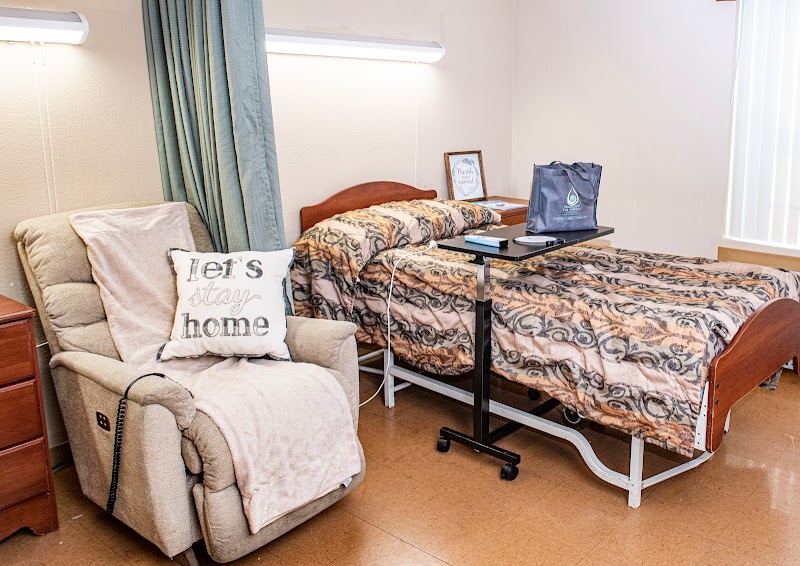
How is The Springs Of Pinnacle Mountain Staffed?

CMS rates THE SPRINGS OF PINNACLE MOUNTAIN's staffing level at 2 out of 5 stars, which is below average compared to other nursing homes. Staff turnover is 69%, which is 23 percentage points above the Arkansas average of 46%. High turnover can affect care consistency as new staff learn residents' individual needs. RN turnover specifically is 67%, which is notably high. RNs provide skilled clinical oversight, so turnover in this role can affect medical care quality.

What Have Inspectors Found at The Springs Of Pinnacle Mountain?

State health inspectors documented 38 deficiencies at THE SPRINGS OF PINNACLE MOUNTAIN during 2022 to 2025. These included: 2 Immediate Jeopardy (the most serious level, indicating potential for serious harm or death), 1 that caused actual resident harm, and 35 with potential for harm. Immediate Jeopardy findings are rare and represent the most serious regulatory concerns. They require immediate corrective action.
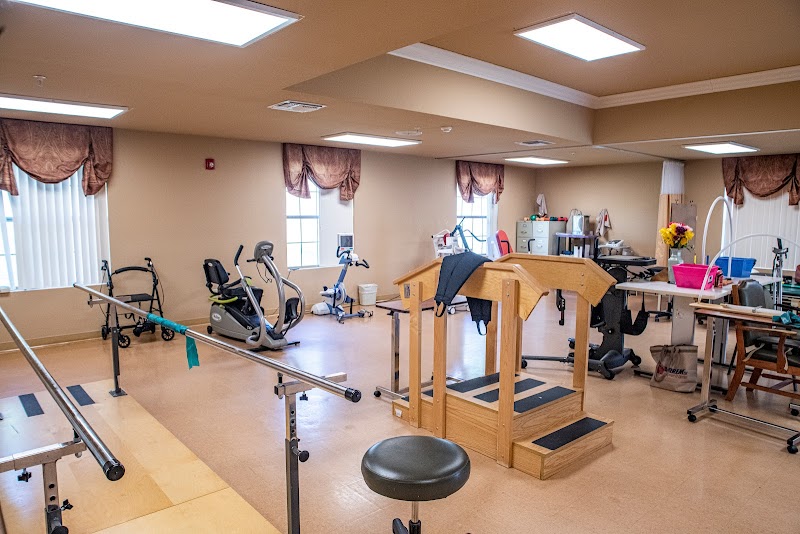
Who Owns and Operates The Springs Of Pinnacle Mountain?

THE SPRINGS OF PINNACLE MOUNTAIN is owned by a for-profit company. For-profit facilities operate as businesses with obligations to shareholders or private owners. The facility is operated by THE SPRINGS ARKANSAS, a chain that manages multiple nursing homes. With 73 certified beds and approximately 89 residents (about 122% occupancy), it is a smaller facility located in LITTLE ROCK, Arkansas.
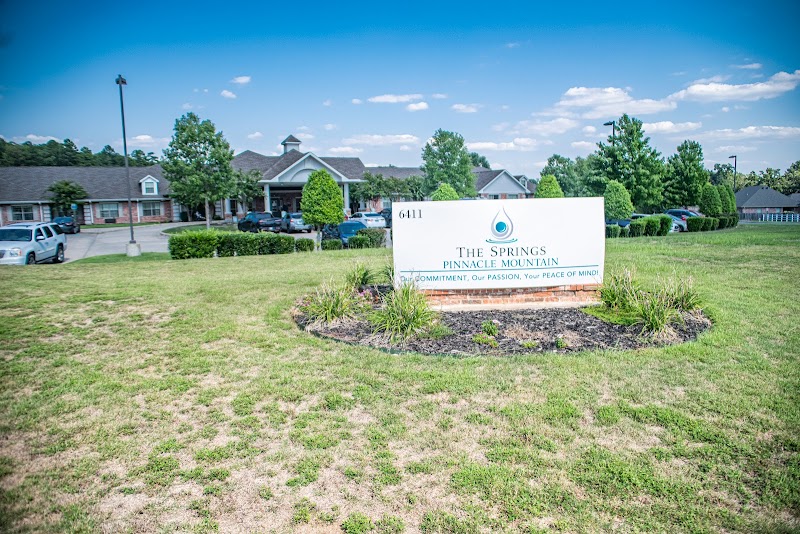
How Does The Springs Of Pinnacle Mountain Compare to Other Arkansas Nursing Homes?

Compared to the 100 nursing homes in Arkansas, THE SPRINGS OF PINNACLE MOUNTAIN's overall rating (1 stars) is below the state average of 3.1, staff turnover (69%) is significantly higher than the state average of 46%, and health inspection rating (1 stars) is much below the national benchmark.

What Should Families Ask When Visiting The Springs Of Pinnacle Mountain?

Based on this facility's data, families visiting should ask: "What changes have been made since the serious inspection findings, and how are you preventing similar issues?" "How do you ensure continuity of care given staff turnover, and what is your staff retention strategy?" "Can you walk me through typical staffing levels on day, evening, and night shifts?" "Can I visit during a mealtime to observe dining assistance and food quality?" These questions are particularly relevant given the facility's Immediate Jeopardy citations, the facility's high staff turnover rate, and the below-average staffing rating.

Is The Springs Of Pinnacle Mountain Safe?

Based on CMS inspection data, THE SPRINGS OF PINNACLE MOUNTAIN has documented safety concerns. Inspectors have issued 2 Immediate Jeopardy citations (the most serious violation level indicating risk of serious injury or death). The facility has a 1-star overall rating and ranks #100 of 100 nursing homes in Arkansas. Families considering this facility should ask detailed questions about what corrective actions have been taken since these incidents.

Do Nurses at The Springs Of Pinnacle Mountain Stick Around?

Staff turnover at THE SPRINGS OF PINNACLE MOUNTAIN is high. At 69%, the facility is 23 percentage points above the Arkansas average of 46%. Registered Nurse turnover is particularly concerning at 67%. RNs handle complex medical decisions and coordinate care — frequent RN changes can directly impact care quality. High turnover means new staff may not know residents' individual needs, medications, or preferences. It can also be disorienting for residents, especially those with dementia who rely on familiar faces. Families should ask: What is causing the turnover? What retention programs are in place? How do you ensure care continuity during staff transitions?

Was The Springs Of Pinnacle Mountain Ever Fined?

THE SPRINGS OF PINNACLE MOUNTAIN has been fined $16,046 across 1 penalty action. This is below the Arkansas average of $33,239. While any fine indicates a compliance issue, fines under $50,000 are relatively common and typically reflect isolated problems that were subsequently corrected. Families should ask what specific issues led to these fines and confirm they've been resolved.

Is The Springs Of Pinnacle Mountain on Any Federal Watch List?

THE SPRINGS OF PINNACLE MOUNTAIN is not on any federal watch list. The most significant is the Special Focus Facility (SFF) program, which identifies the bottom 1% of nursing homes nationally based on persistent, serious quality problems. Not being on this list means the facility has avoided the pattern of deficiencies that triggers enhanced federal oversight. This is a positive indicator, though families should still review the facility's inspection history directly.