THE SPRINGS MAGNOLIA

2642 NORTH DUDNEY ROAD, MAGNOLIA, AR 71753 (870) 234-7000
For profit - Limited Liability company 140 Beds THE SPRINGS ARKANSAS Data: November 2025
Trust Grade
55/100
#129 of 218 in AR
Last Inspection: June 2024

Within standard 12-15 month inspection cycle. Federal law requires annual inspections.

Overview

The Springs Magnolia has a Trust Grade of C, which means it is average and in the middle of the pack among nursing homes. It ranks #129 out of 218 facilities in Arkansas, placing it in the bottom half, and #3 out of 3 in Columbia County, indicating that only one local facility is rated higher. The facility is improving, with the number of identified issues decreasing from 6 in 2024 to 2 in 2025. Staffing is also a positive aspect, with a rating of 3 out of 5 stars and a turnover rate of 41%, which is below the state average. However, the facility has had some concerning incidents, such as failing to promptly evaluate nutritional interventions for residents experiencing severe weight loss and not ensuring medications were safely stored, which raises potential safety issues. Overall, while there are strengths in staffing and an improving trend, families should be aware of the recent deficiencies noted during inspections.

Trust Score
C
55/100
In Arkansas
#129/218
Bottom 41%
Safety Record
Moderate
Needs review
Inspections
Getting Better
6 → 2 violations
Staff Stability
○ Average
41% turnover. Near Arkansas's 48% average. Typical for the industry.
Penalties
✓ Good
No fines on record. Clean compliance history, better than most Arkansas facilities.
Skilled Nurses
⚠ Watch
Each resident gets only 17 minutes of Registered Nurse (RN) attention daily — below average for Arkansas. Fewer RN minutes means fewer trained eyes watching for problems.
Violations
⚠ Watch
31 deficiencies on record. Higher than average. Multiple issues found across inspections.
★★★☆☆
3.0
Overall Rating
★★★☆☆
3.0
Staff Levels
★★★☆☆
3.0
Care Quality
★★★☆☆
3.0
Inspection Score
Stable
2024: 6 issues
2025: 2 issues

The Good

  • Full Sprinkler Coverage · Fire safety systems throughout facility
  • No fines on record
  • Staff turnover below average (41%)

    7 points below Arkansas average of 48%

Facility shows strength in fire safety.

The Bad

3-Star Overall Rating

Near Arkansas average (3.1)

Meets federal standards, typical of most facilities

Staff Turnover: 41%

Near Arkansas avg (46%)

Typical for the industry

Chain: THE SPRINGS ARKANSAS

Part of a multi-facility chain

Ask about local staffing decisions and management

The Ugly 31 deficiencies on record

1 actual harm
Jun 2025 2 deficiencies
CONCERN (D) 📢 Someone Reported This

A family member, employee, or ombudsman was alarmed enough to file a formal complaint

Potential for Harm - no one hurt, but risky conditions existed

Incontinence Care (Tag F0690)

Could have caused harm · This affected 1 resident

Based on observation, record review, interviews, and facility policy review, it was determined the facility did not ensure incontinence care was provided in a manner that promoted cleanliness, prevent...

Read full inspector narrative →
Based on observation, record review, interviews, and facility policy review, it was determined the facility did not ensure incontinence care was provided in a manner that promoted cleanliness, prevented odor, and/or infections for one (Resident #1) of one resident, observed for incontinence care technique and hygiene care. The findings include: During an observation on 06/17/2025 at 8:30 AM, this surveyor observed Certified Nursing Assistant (CNA) #1 assist Resident #1, who had been incontinent of bladder, onto the toilet. The resident ' s pants and wheelchair were visibly wet. CNA #1 provided incontinence care from behind Resident #1, but did not clean the resident ' s entire perineal area, buttocks, or thighs, prior to application of a new brief. CNA #1 placed Resident #1 back into the visibly wet wheelchair, without cleaning it. A review of Resident #1 ' s admission Minimum Data Set (MDS), with an Assessment Reference Date of 04/08/2025, revealed the resident had a Brief Interview of Mental Status score of 08, which indicated moderate cognitive impairment. The MDS also revealed Resident #1 was frequently incontinent of bowel and bladder, was dependent for toileting and required substantial to maximum assistance for transfers. A review of Resident #1 ' s Care Plan Report, initiated 04/14/2025, revealed the resident had bladder incontinence related to dementia. Interventions included to clean the perineal area with each incontinence episode, establish voiding patterns, and to limit fluids two to three hours prior to bedtime. During a phone interview on 06/16/2025 at 9:55 AM, Resident #1 ' s family member stated the facility was not providing incontinence care in a timely manner, and when they visited Resident #1, the resident was sitting in urine. The family member stated staff did provide care when requested, but felt the resident needed a bath. During an interview on 06/17/2025 at 8:47 AM, CNA #1 stated she did not clean every area on Resident #1 that had been touched by urine. During an interview on 06/18/2025 at 9:02 AM, the Director of Nursing (DON) stated if the resident's pants were wet, the wetness would transfer to the wheelchair and if not cleaned, it would cause an odor. This surveyor showed the DON a picture taken of Resident #1 ' s wet pants. After a review of the picture, the DON stated that the resident's perineal area, buttocks, and thigh should have been cleaned. The DON stated that it was not possible to properly clean the entire genital area from behind the resident. During an interview on 06/18/2025 at 9:28 AM, the Administrator stated proper incontinence care could not be done from behind the resident. A review of policy titled Perineal Care, noted the purpose of this procedure was to provide cleanliness and comfort to the resident, to prevent infection and skin irritation, and to observe the resident's skin condition.
CONCERN (D) 📢 Someone Reported This

A family member, employee, or ombudsman was alarmed enough to file a formal complaint

Potential for Harm - no one hurt, but risky conditions existed

Infection Control (Tag F0880)

Could have caused harm · This affected 1 resident

Based on observation, interview, record review, and facility policy review, it was determined the facility did not ensure proper hand hygiene and infection control procedures were used while incontine...

Read full inspector narrative →
Based on observation, interview, record review, and facility policy review, it was determined the facility did not ensure proper hand hygiene and infection control procedures were used while incontinence care was being provided to one (Resident #1) of one resident observed for incontinence care technique and hygiene care. The findings include: During an observation on 06/17/2025 at 8:30 AM, this surveyor observed Certified Nursing Assistant (CNA) #1 pushing Resident #1 in a wheelchair to the resident's bathroom to assist with toileting. This surveyor noted CNA #1 did not use hand hygiene prior to or after assisting Resident #1 with toileting. After providing care to Resident #1, CNA #1 retrieved a pair of pants from the resident's closet, without changing gloves or performing hand hygiene. CNA #1 did not like the choice of pants and returned to the closet to get a second pair of pants, still wearing the same dirty gloves. The CNA then removed Resident #1 ' s wet pants and discarded them onto the floor. CNA #1 assisted the resident with dressing, adjusted the resident's jacket, and placed the resident ' s feet on the footrest of the wheelchair, touching the resident's socks with the same contaminated gloves. Resident #1 was offered hand hygiene, which was accepted and performed. A review of Resident #1 ' s admission Minimum Data Set, (MDS)with an Assessment Reference Date of 04/08/2025, revealed the resident had a Brief Interview of Mental Status score of 8, which indicated moderate cognitive impairment. The MDS also revealed Resident #1 was frequently incontinent of bowel and bladder. A review of Resident #1 ' s Care Plan Report, initiated 04/14/2025, revealed the resident had bladder incontinence related to dementia. The care plan indicated that Resident #1 required total assistance of 1 staff with toileting. During an interview on 06/17/2025 at 8:47 AM, CNA #1 confirmed she did not remove her dirty gloves prior to opening the cabinet, removing Resident #1 ' s clothing, placing clothing on the resident, or adjusting the resident's clothing. CNA #1 stated staff were educated to place wet or soiled clothing in trash bags for infection control purposes, as opposed to depositing the items on the floor, but she did not have any trash bags. During an interview on 06/18/2025 at 9:02 AM, the Director of Nursing (DON) stated staff were instructed to use trash bags for soiled or wet clothing, to prevent cross contamination. The DON stated staff should not touch the resident ' s closet doors, resident's clean clothing, their wheelchair, or clothing the residents while wearing dirty gloves, because that would be an infection control issue. During an interview on 06/18/2025 at 9:28 AM, the Administrator stated staff were instructed to place soiled or wet clothing into a trash bag for infection control, to prevent cross contamination and odor. The Administrator stated staff should not touch the resident ' s closet doors, the resident's clean clothing, their wheelchair, or clothing the residents were wearing with dirty gloves, because that would be cross contamination. A review of a policy titled Handwashing/Hand Hygiene, indicated the facility considers hand hygiene the primary means to prevent the spread of infections. All personnel shall follow the handwashing/hand hygiene procedures to help prevent the spread of infections to other personnel, residents, and visitors. Hand hygiene should be used in the following situations: Before and after direct contact with residents, after contact with blood or bodily fluids, after contact with objects in the immediate vicinity of the residents, and after removing gloves.
Jun 2024 5 deficiencies
CONCERN (D)

Potential for Harm - no one hurt, but risky conditions existed

PASARR Coordination (Tag F0644)

Could have caused harm · This affected 1 resident

Based on observations, interviews, and facility policy review, the facility failed to notify the proper state authority when they became aware of a new diagnosis of mental illness for 1 (Resident #53)...

Read full inspector narrative →
Based on observations, interviews, and facility policy review, the facility failed to notify the proper state authority when they became aware of a new diagnosis of mental illness for 1 (Resident #53) sampled Resident. The findings include: Review of the Medical Diagnosis section in the facility computer software system revealed Resident #53 had a diagnosis of bipolar disorder, entered into the system on 06/12/2023, and anxiety disorder. Review of the Quarterly Minimum Data Set with an Assessment Reference Date of 05/28/2024 revealed Resident #53 was unable to complete the Brief Interview of Mental Status and had a diagnosis of bipolar disorder. Review of a Care Plan for Resident #53, revision date 03/05/2024, documented Resident #53 had the potential for nutritional deficits related to vitamin deficiency, diabetes mellitus type 2, bipolar disorder, anxiety, and dementia. On 06/18/2024 at 1:20 PM, the Surveyor was provided Resident #53's Level 1 Preadmission Screen for major mental Conditions/Intellectual Disabilities and Related Conditions dated 07/22/2022 that documented Resident #53 did not have a diagnosis or history of mental illness. On 06/18/2024 at 1:21 PM, during an interview, the Administrator voiced that Resident #53 did not have the diagnosis of bipolar upon admission. On 06/18/2024 at 2:15 PM, during an interview, the Administrator voiced that the proper state authority was not notified that Resident #53 had a new diagnosis of bipolar because the screening process was used, and the Resident did not have a Geri-psych (geriatric psychiatry) stay. On 06/18/2024 at 2:18 PM, the Surveyor called the [State Designated Professional Associates] to get clarification. The [State Designated Professional Associates] informed the Surveyor if the Resident received the diagnosis after October 2023 there was no need to submit a new application, but if the Resident received the diagnosis before October 2023 a new application should have been submitted. On 06/19/2024 at 03:37 PM, the Administrator provided documentation that the facility did not have a policy on Pre-admission Screening and Resident Review (PASARR).
CONCERN (D)

Potential for Harm - no one hurt, but risky conditions existed

Accident Prevention (Tag F0689)

Could have caused harm · This affected 1 resident

Based on observation, interviews, and facility policy review, the facility failed to ensure the treatment cart used to store medication was locked when unattended by staff. The findings include: On 0...

Read full inspector narrative →
Based on observation, interviews, and facility policy review, the facility failed to ensure the treatment cart used to store medication was locked when unattended by staff. The findings include: On 06/19/2024 at 3:07 PM, the Surveyor observed an unattended unlocked treatment cart on the secured unit in the facility. On 06/19/2024 at 3:08 PM, during an interview, Licensed Practical Nurse (LPN) #7 voiced the treatment cart did not lock and the medication on the cart could be potentially harmful if a resident gained access to them. On 06/19/2024 at 3:20 PM, the Administrator voiced the treatment cart should be locked to ensure the residents do not get into the cart and get the medications and it was more likely to occur on the secure unit. On 06/19/2024 at 3:37 PM, review of a policy titled, Safety and Supervision of Residents, that documented, Our facility strives to make the environment as free from accident hazards as possible. Resident safety and supervision and assistance to prevent accidents are facility-wide priorities .
CONCERN (D)

Potential for Harm - no one hurt, but risky conditions existed

Infection Control (Tag F0880)

Could have caused harm · This affected 1 resident

Based on observation, record review and interview, the facility failed to ensure staff provided proper hand hygiene while providing incontinent care to 1 (Resident #61) to prevent the risk of cross co...

Read full inspector narrative →
Based on observation, record review and interview, the facility failed to ensure staff provided proper hand hygiene while providing incontinent care to 1 (Resident #61) to prevent the risk of cross contamination. The findings are: 1. On 06/19/2024 at 2:10 PM, the Surveyor observed Certified Nursing Assistant (CNA) #6 performing hand hygiene and putting on gloves. CNA #6 pulled down the front of Resident #61's brief and reached the right hand into the bag of clean wipes and wiped the front of Resident #61's peri area with the right hand. 2. On 06/19/2024 at 2:15 PM, during the observation, Resident #61 was turned onto the left side by CNA #5. CNA #6 changed gloves and performed hand hygiene. CNA #6 then continued to use the right hand to get clean wipes from a clear bag, and wipe stool from the resident using the same right hand. CNA #6 was observed twice reaching into the clean bag of wipes with the left hand, then place the wipe into the right hand and wipe the resident while resting the left hand on Resident #61's right hip without changing gloves or performing hand hygiene. 3. On 06/19/2024 at 2:25 PM, while interviewing CNA #6 on the procedure for maintaining a clean hand and dirty hand while performing peri-care, CNA #6 said the left hand was her clean hand. CNA #6 confirmed the right hand was used to get clean wipes out of a clear bag, and the buttocks and stool was wiped using the right hand. 4. On 06/19/2024 at 2:35 PM, during an interview, the Director of Nursing (DON) was asked if staff was expected to use a clean hand and dirty hand technique when providing peri-care, and why. The DON confirmed staff should not use the same hand to get clean wipes, as the hand used to wipe a resident's buttocks to prevent cross contamination. The DON told the Surveyor the staff had been in-serviced on peri-care. The DON was asked to provide the peri-care policy and the in-services. 5. On 06/19/2024 at 3:00 PM, review of an in-service provided by the DON titled, Pericare (perineal care), UTI's, catheter care, privacy bags, leg bands documented, .proper steps of pericare .Pericare Tips .Infection Control, Cross Contamination and Dignity to Observe while checking off CNAs .Did CNA's remember to change gloves at appropriate times during care? After handling dirty items, before using clean items? . The in-service was signed by CNA #5. Review of the policy titled, Perineal Care documented, .Purpose the purposes of this procedure are to provide cleanliness and comfort to the resident, to prevent infections and skin irritation, and to observe the resident's skin condition . 6. On 06/19/2024 at 3:37 PM, review of a policy provided by the Administrator titled, Handwashing/Hand Hygiene documented, .Policy Statement This facility considers hand hygiene the primary means to prevent the spread of infections. Policy Interpretation and Implementation 1. All personnel shall be trained and regularly in-serviced on the importance of hand hygiene in preventing the transmission of healthcare-associated infections. 2. All personnel shall follow the handwashing/hand hygiene procedures to help prevent the spread of infections to other personnel, residents, and visitors .
CONCERN (E)

Potential for Harm - no one hurt, but risky conditions existed

Deficiency F0761 (Tag F0761)

Could have caused harm · This affected multiple residents

Based on observation, record review, and interview, the facility failed to ensure 2 (Residents #23 and #49) did not have medications stored at the bedside. The findings are: 1. Review of Resident #23...

Read full inspector narrative →
Based on observation, record review, and interview, the facility failed to ensure 2 (Residents #23 and #49) did not have medications stored at the bedside. The findings are: 1. Review of Resident #23's Medical Diagnosis sheet revealed the resident had diagnoses of heart failure, chronic kidney disease, and type II diabetes mellitus. a. Review of the admission Minimum Data Set (MDS) with an Assessment Reference Date (ARD) of 05/16/2024 revealed a Brief Interview for Mental Status (BIMS) score of 11 (8-12 indicates moderate cognitive impairment). b. On 06/17/2024 at 11:12 AM, the Surveyor observed Resident #23 with a 32 ounce open bottle of 0.91% alcohol sitting on the floor, on the left side of the bed. Resident #23 confirmed, I brought the alcohol from home to rub on my knee. c. On 06/17/2024 at 11:30 AM, the Surveyor observed a 32 ounce bottle of 0.91% alcohol was resting on the floor to the right of Resident #23's feet. d. On 06/17/2024 at 12:58 PM, during a concurrent observation and interview, Licensed Practical Nurse (LPN) #1 accompanied the Surveyor to Resident #23's room. During an interview, LPN #1 asked if 0.91% alcohol was found in the drawer and the Surveyor pointed out the 32 ounce bottle of alcohol resting on resident's floor near resident's shoes at the edge of the bed. The Surveyor asked if it was standard practice to store alcohol in a resident's room and LPN #1 said no, because anyone could get their hands on it. 2. Review of Resident #49's Medical Diagnosis sheet revealed the resident had diagnoses of heart failure, type 2 diabetes mellitus, and anxiety. a. Review of the Quarterly MDS with an ARD of 05/24/2024 revealed a BIMS score of 12 (8-12 indicates moderate cognitive impairment). b. Review of the Physicians Order (dated, 02/19/2024) revealed an order for Enulose Solution one time a day for constipation. c. Review of the Physicians Order (dated, 03/08/2024) Juven Oral Packet (Nutritional Supplements) one time a day. d. On 06/17/2024 at 11:51 AM, Resident #49 was observed in bed with a clear cup containing about an inch of orange fluid and a straw. The Surveyor noted a powdery substance or film around the inside of the cup of orange fluid and Resident #49 told the Surveyor it was some of the resident's medication. e. On 06/17/2024 at 12:14 PM, during a concurrent observation and interview, Licensed Practical Nurse (LPN) #2 identified a cup of orange drink at Resident #49's bedside as Juven and Lactulose. The Surveyor asked LPN #2 if it is standard practice to leave medications at the bedside. LPN #2 said it is not standard practice, and that she had left to go change out some oxygen. The Surveyor asked if there was any reason she would not want to leave a cup of medication at the bedside. LPN #2 said, Someone else could have gotten it and consumed it. e. On 06/18/2024 at 02:44 PM, the Administrator provided a document confirming the facility does not have any residents with self-administration rights. f. On 06/18/2024 at 02:48 PM, review of a policy provided by the Administrator titled, Storage of Medications documenting, .The facility stores all drugs and biologicals in a safe, secure, and orderly manner. Policy Interpretation and Implementation . 1. Drugs and biologicals used in the facility are stored in locked compartments under proper temperature, light and humidity controls . 3. The nursing staff is responsible for maintaining medication storage and preparation areas in a clean, safe, and sanitary manner . g. On 06/18/2024 at 02:48 PM, review of a policy provided by the Administrator titled, Self-Administration Medications documenting .Policy heading Residents have the right to self-administer medications if the interdisciplinary team has determined that it is clinically appropriate and safe for the resident to do so. Policy Interpretation and Implementation . Any medications found at the bedside that are not authorized for self-administration are turned over to the nurse in charge for return to the family or responsible party. h. On 06/19/2024 at 10:32 AM, during an interview, the Director of Nursing (DON) was asked if it is standard practice for staff to leave medications in resident rooms at the bedside. The DON confirmed medications should not be left at the bedside because anyone could possibly take the medication.
CONCERN (E)

Potential for Harm - no one hurt, but risky conditions existed

Food Safety (Tag F0812)

Could have caused harm · This affected multiple residents

Based on observation, record review and interview, the facility failed to ensure canned goods were dent free and cleaning supplies were not setting on the puree prep table while food was being prepare...

Read full inspector narrative →
Based on observation, record review and interview, the facility failed to ensure canned goods were dent free and cleaning supplies were not setting on the puree prep table while food was being prepared. The findings are: 1. On 06/17/2024 at 10:33 AM, the Surveyor observed one 7 pound can of vanilla pudding had a dent next to the top seal. 2. On 06/18/2024 at 10:50 AM, the Surveyor observed a red bucket containing greyish colored water with small bubbles on the surface was sitting in the top right corner of the puree prep table. There were food items on the tabletop with the red bucket. Dietary Aide #8 was pureeing food with the red bucket on the tabletop. The Dietary Manager confirmed the bucket contained sanitizer and water for cleaning the tabletops, and the bucket should be on a bottom shelf below food items. 3. On 06/18/2024 at 11:03 AM, during an interview, the Dietary Manager confirmed food items in cans are to be dent free and to be placed on the dented can shelf. 4. On 06/18/2024 at 1:57 PM, review of the policy provided by the Administrator for Safe Storage of Food showed, .9. All packaged and canned food items will be kept clean, dry and properly sealed .Toxic Materials will not be stored with food .
Feb 2024 1 deficiency
CONCERN (D) 📢 Someone Reported This

A family member, employee, or ombudsman was alarmed enough to file a formal complaint

Potential for Harm - no one hurt, but risky conditions existed

Deficiency F0726 (Tag F0726)

Could have caused harm · This affected 1 resident

**NOTE- TERMS IN BRACKETS HAVE BEEN EDITED TO PROTECT CONFIDENTIALITY** Based on observation, interview and record review, the facility failed to follow a Resident ' s care plan concerning transfer, r...

Read full inspector narrative →
**NOTE- TERMS IN BRACKETS HAVE BEEN EDITED TO PROTECT CONFIDENTIALITY** Based on observation, interview and record review, the facility failed to follow a Resident ' s care plan concerning transfer, resulting in a fall for one (Resident (R) #1) of three (R #1, #2 and #3) sampled residents. The findings are: R #1 had diagnoses of End stage renal disease and Dependence on dialysis. The Quarterly minimum data set [MDS] with an assessment reference date [ARD] of 01/04/24 documented a brief interview of mental status [BIMS] of 14 (13-15 indicates cognitively intact). The admission MDS with an ARD of 10/04/2023 documented Resident #1 was dependent on staff for transfers. R#1's care plan initiated 09/28/2023 documented, .Transfers: The resident requires mechanical lift/staff assistance for transfers resident is totally dependent on staff for transfers .Resident requires 2 person assist with transfers. An in-service dated 03/24/2023 which included .Transferring: Gait Belt, Mechanical Lift, Sit to Stand lift was signed by Certified Nursing Assistant (CNA) #1 and CNA #2 as having attended. On 02/13/2024 at 8:55 AM, CNA #1 was interviewed and asked to explain the events that happened 01/29/2023 that led to R#1's fall. She stated, I went and gave (R#1) a bed bath and got resident ready for dialysis, the battery in the (Mechanical) lift was dead and didn't work. I then undressed (doffed PPE (Personal Protective equipment) because resident had Covid at the time). I went to get another battery, [NAME], transport, was coming down the hall and I asked him to come and help me transfer (R #1) to the wheelchair since the battery did not work. When we went to transfer, his leg gave out and then we lowered the resident to the floor. We lifted her (R #1) up in the wheelchair, I finished getting (R #1) ready and went down the hall to report it to the nurse. I didn't see her, I got busy, and it slipped my mind. CNA #1 was then asked if it was normal practice to transfer the resident without using the lift and she confirmed, no it was not normal. CNA #1 was asked if she was familiar with R #1's plan of care, she confirmed that she was, but they were in a hurry that morning because she needed to go to dialysis. On 02/13/2024 at 9:02 AM CNA #2 was interviewed and asked to explain the events that happened on 01/29/2024 that led to R #1's fall. CNA #2 stated, I was getting things together to take two residents to dialysis. I had just finished getting another resident ready and was coming down the hall and CNA #1 said she needed a hand to get (R#1) out of bed and into wheelchair. R #1 was dressed and ready to get up. We sat R #1 up on the side of the bed, went to stand (R #1) up and pivot from bed to wheelchair. My foot slipped and the transfer was not going well so we sat (R #1) on the floor between the bed and wheelchair. When asked if he was familiar with R#1's care plan, he stated I did know she was a lift transfer, but she had stand pivoted in the past. On 02/13/2024 at 9:40 AM, the surveyor asked R #1 to explain what happened the day of the fall. R #1 stated, Instead of getting the lift and using it, (CNA #1 and #2) stood me up and turned me around to get me in my wheelchair. CNA #2's foot slipped, and I went down. They tried to ease me down, and they did part of the way, but then I fell. On 02/13/2024 at 11:50 AM, the Director of Nursing [DON] was asked, How do you ensure staff competencies? She replied, I do frequent check offs, recently did a check off on lift transfers in December. I do check offs on new hires and yearly on staff. She was asked, Do CNA's have access to resident ' s care plans? The DON responded, Yes.
Sept 2023 2 deficiencies
CONCERN (E) 📢 Someone Reported This

A family member, employee, or ombudsman was alarmed enough to file a formal complaint

Potential for Harm - no one hurt, but risky conditions existed

Deficiency F0602 (Tag F0602)

Could have caused harm · This affected multiple residents

Based on interview and record review, the facility failed to ensure receipts were filed for charges imposed by the facility for 6 (Residents #1, #5, #6, #7, #8 and #9) of 6 case mix residents. The fin...

Read full inspector narrative →
Based on interview and record review, the facility failed to ensure receipts were filed for charges imposed by the facility for 6 (Residents #1, #5, #6, #7, #8 and #9) of 6 case mix residents. The findings are: 1. On 09/14/23 at 11:36 AM, Resident #1's Quarterly Trust Fund Statement for June 2023 to September 2023 noted Resident #1 spent $220.00 on 06/06/23, $75.00 on 06/09/23, $150.00 on 06/20/23, $150.00 on 07/14/23, $200.00 on 07/14/23, $50.00 on 08/02/23 (Total $845.00) on Personal Needs Items. No receipts were available for the above withdrawals. 2. On 09/14/23 at 11:40 AM, Resident 5's Quarterly Trust Fund Statement for June 2023 to September 2023 noted Resident #5 spent $150.00 on 06/06/23, $70.00 on 06/20/23, $75.00 on 06/23/23, $100.00 on 07/03/23, and $100.00 on 07/14/23 (Total of $495.00) on Personal Needs Items. No receipts were available for the above withdrawals. 3. On 09/14/23 at 11:50 A.M. Resident #6's Quarterly Trust Fund Statement for June 2023 to September 2023 noted Resident #6 spent $75.00 on 06/09/23, $70.00 on 06/16/23, $100.00 on 07/11/23, $200.00 on 07/14/23, $250.00 on 07/18/23 and $100.00 on 07/21/23 (Total of $795.00) for Personal Needs Items. No receipts were available for the above withdrawals. 4. On 09/14/23 at 12:38 PM, Resident #7's Quarterly Trust Fund Statement for June 2023 to September 2023 noted Resident #7 spent $700.00 on 06/27/23, $250.00 on 06/30/23, $1500.00 on 07/06/23 and $250.00 on 07/17/23 (Total $2700.00) on Personal Needs Items. No receipts were available for the above withdrawals. 5. On 09/14/23 at 12:45 PM, Resident #8's Quarterly Trust Fund Statement for June 2023 to September 2023 noted Resident #8 spent $250.00 on 06/27/23 and $100.00 on 07/11/23 (Total $350.00) for Personal Needs Items. No receipts were available for the above withdrawals. 6. On 09/14/23 at 1:00 PM, Resident #9's Quarterly Trust Fund Statement for June 2023 to September 2023 noted on 07/11/23 Resident #9 spent $100.00 on Personal Needs Items. No receipts were available for the above withdrawal. 7. On 09/14/23 at 12:20 PM, the Administrator was unable to produce receipts for the Personal Needs Items and stated she could not say what the money was spent on for Residents #1, #5, #6, #7, #8 and #9. 8. The facility policy titled, Accounting and Records of Resident Funds, provided by the Administrator on 09/14/23 at 2:33 PM documented, Policy Statement Our facility maintains accounting records of resident funds on deposit with the facility. Policy Interpretation and Implementation .2. Individual accounting ledgers are maintained in accordance with generally accepted accounting principles and include: .d. the date and amount of each deposit and withdrawal; e. the name of the person who accepted or withdrew funds; f. the balance after each transaction; g. receipts for charges imposed by the facility .
CONCERN (E) 📢 Someone Reported This

A family member, employee, or ombudsman was alarmed enough to file a formal complaint

Potential for Harm - no one hurt, but risky conditions existed

Investigate Abuse (Tag F0610)

Could have caused harm · This affected multiple residents

Based on an interview and record review, the facility failed to thoroughly investigate for misappropriation of funds for 6 (Residents #1, #5, #6, #7, #8 and #9) of 6 case mix residents after the facil...

Read full inspector narrative →
Based on an interview and record review, the facility failed to thoroughly investigate for misappropriation of funds for 6 (Residents #1, #5, #6, #7, #8 and #9) of 6 case mix residents after the facility's Business Office Manager was identified as stealing funds from resident accounts. The findings are: 1. On 09/13/23 at 1:39 PM, the Regional Business Office Manager stated the facility had identified that the facility Business Office Manager was using the residents debit cards and getting cash and buying items online. This affected two residents and a report was completed on both and was sent to the Office of Long Term Care. The police have an ongoing investigation. 2. On 09/14/23 at 11:34 AM, the Surveyor asked the Administrator if a complete audit was done after the misappropriation of funds was identified. She stated she was told a complete audit was done by the Regional Business Office Manager and that she audited the credit card users, and trust funds. 3. On 09/14/23 at 11:43 AM, the Regional Business Office Manager stated that after the incident they did a review for each transaction that was put into the computer. We used the documents we could find in the office. She stated there were only a few receipts. She had no documentation of a thorough investigation of the trust fund. 4. On 09/14/23 at 12:20 PM, the administrator stated she could not say what the money was spent on. She was unable to produce receipts to show who spent the money and what it was spent on. 5. On 09/14/23 at 11:36 AM, Resident #1's Quarterly Trust Fund Statement for June 2023 to September 2023 noted Resident #1 spent $220.00 on 06/06/23, $75.00 on 06/09/23, $150.00 on 06/20/23, $150.00 on 07/14/23, $200.00 on 07/14/23, $50.00 on 08/02/23 (Total $845.00) on Personal Needs Items. No receipts were available for the above withdrawals. 6. On 09/14/23 at 11:40 AM, Resident 5's Quarterly Trust Fund Statement for June 2023 to September 2023 noted Resident #5 spent $150.00 on 06/06/23, $70.00 on 06/20/23, $75.00 on 06/23/23, $100.00 on 07/03/23, and $100.00 on 07/14/23 (Total of $495.00) on Personal Needs Items. No receipts were available for the above withdrawals. 7. On 09/14/23 at 11:50 A.M. Resident 6's Quarterly Trust Fund Statement for June 2023 to September 2023 noted Resident #6 spent $75.00 on 06/09/23, $70.00 on 06/16/23, $100.00 on 07/11/23, $200.00 on 07/14/23, $250.00 on 07/18/23 and $100.00 on 07/21/23 (Total of $795.00) for Personal Needs Items. No receipts were available for the above withdrawals. 8. On 09/14/23 at 12:38 PM, Resident #7's Quarterly Trust Fund Statement for June 2023 to September 2023 noted Resident #7 spent $700.00 on 06/27/23, $250.00 on 06/30/23, $1500.00 on 07/06/23 and $250.00 on 07/17/23 (Total $2700.00) on Personal Needs Items. No receipts were available for the above withdrawals. 9. On 09/14/23 at 12:45 PM, Resident #8's Quarterly Trust Fund Statement for June 2023 to September 2023 noted Resident #8 spent $250.00 on 06/27/23 and $100.00 on 07/11/23 (Total S350.00) for Personal Needs Items. No receipts were available for the above withdrawals. 10. On 09/14/23 at 1:00 PM, Resident #9's Quarterly Trust Fund Statement for June 2023 to September 2023 noted on 07/11/23 Resident #9 spent $100.00 on Personal Needs Items. No receipts were available for the above withdrawal. 11. The facility policy titled, Abuse, Neglect, Exploitation or Misappropriation - Reporting and Investigating, provided by the Administrator on 09/14/23 at 2:35 PM documented, Policy Statement: All report of resident abuse ., neglect, exploitation, or theft/misappropriation of resident property are reported to local, state and federal agencies . and thoroughly investigated by facility management. Findings of all investigations are documented and reported . Investigating Allegations 1. All allegations are thoroughly investigated. The administrator initiates investigations . 3. The administrator provides supporting documents and evidence related to the alleged incident to the individual in charge of the investigation . 7. The individual conducting the investigation as a minimum: . l. documents the investigation completely and thoroughly .
Jun 2023 8 deficiencies
CONCERN (D)

Potential for Harm - no one hurt, but risky conditions existed

Deficiency F0578 (Tag F0578)

Could have caused harm · This affected 1 resident

**NOTE- TERMS IN BRACKETS HAVE BEEN EDITED TO PROTECT CONFIDENTIALITY** Based on record review and interview, the facility failed to ensure advanced directive information was accurately documented in ...

Read full inspector narrative →
**NOTE- TERMS IN BRACKETS HAVE BEEN EDITED TO PROTECT CONFIDENTIALITY** Based on record review and interview, the facility failed to ensure advanced directive information was accurately documented in the medical record to ensure the resident's wishes would be carried out in the event of cardiopulmonary arrest for 1 resident (Resident #30) of 3 (#30, #31 and #224) sampled residents that were admitted in the last 3 months and had signed a document stating Do Not Resuscitate (DNR). This failed practice had the potential to affect all 6 residents in the facility as documented on list provided by Director of Nursing (DON) on [DATE] at 3:26 PM. The findings are: 1. Resident #30 was admitted on [DATE] and had diagnoses of Heart Failure, Depression and Diabetes Mellitus. The Minimum Data Set (MDS) with an Assessment Reference Date (ARD) of [DATE] documented a score of 15 (13-15 indicates cognitively Intact) on the Brief Interview for Mental Status (BIMS). a. Resident #30's Resuscitation Designation Order dated [DATE] documented, I do not want CPR [Cardiopulmonary Resuscitation]. Signed by the resident's family and the Physician. b. The Physicians Order dated [DATE] documented, CPR. c. On [DATE] at 2:20 PM, the Surveyor asked the DON, Should the resident choice for CPR/code status per the signed residents document match the residents EHR profile area and Care Plan, and that the Physicians Order? DON stated, Yes the resident's profile should match the orders and the document the resident has signed in regard to their wishes for DNR/CPR. The Surveyor asked, Why should they match? The DON stated, If they don't match that could cause issues, if the resident is not breathing, we would start CPR. The Surveyor asked, If the resident has signed a form stating DNR in April, should the profile and order reflect that on [DATE]? The DON stated, Yes it should. The Surveyor asked, Does the facility have any other system they use for the staff to be aware of the resident's choice regarding full code or a DNR status? The DON replied, No we do not, just the Care Plan and the record. d. The facility policy titled, Advance Directives, provided by the DON on [DATE] at 3:26 PM, documented, .Advance directives will be respected in accordance with state law and facility policy . and .#10. The Plan of Care for the resident will be consistent with his or her documented treatment preferences and/or advance directive .
CONCERN (E)

Potential for Harm - no one hurt, but risky conditions existed

Deficiency F0692 (Tag F0692)

Could have caused harm · This affected multiple residents

Based on observation, interview, and record review, the facility failed to ensure water was accessible and provided based on physician orders for 1 (Resident #10) of 2 (#10 and #63) sampled residents....

Read full inspector narrative →
Based on observation, interview, and record review, the facility failed to ensure water was accessible and provided based on physician orders for 1 (Resident #10) of 2 (#10 and #63) sampled residents. This failed practice had the potential to affect 2 residents who are on Therapeutic Orders for hydration according to a list provided by the Administrator on 06/08/23 at 9:14 AM. The findings are: 1. Resident #10 Minimum Data Set with an Assessment Reference Date of 3/15/23 documented no issues with swallowing. 2. The Care Plan with an initiation date of 06/15/22 documented, Offer water routinely as directed and PRN [as needed] during care, btw [between] meals and at night while awake. 3. The Physician Order with a start date of 04/21/23 documented, Encourage fluid intake q [every] hour due to increased BUN [Blood Urea Nitrogen]. 4. On 06/05/23 at 10:59 AM, Resident #10 was lying in his bed. There was no water pitcher at his bedside. 5. On 06/05/23 at 2:45 PM, Resident #10 was lying in his bed. There was no water pitcher at his bedside. 6. On 06/06/23 at 8:01 AM, there was no water pitcher at Resident #10's bedside. 7. On 06/07/23 at 8:10 AM, Resident #10 was sitting on the side of the bed eating his breakfast. There was no water pitcher in his room or water on his tray. 8. On 06/07/23 at 10:11 AM, the Surveyor asked Certified Nurse Assistant (CNA) #2, Why Resident #10 did not have a water pitcher in his room? CNA #2 stated, Because when we put one in his room, the resident will throw it against the wall or pour the water out. The Surveyor asked, How often was water offered? CNA #2 stated When we pass ice. The Surveyor asked how often they passed ice. CNA #2 stated, Every 2 hours. The Surveyor asked if she was aware that the resident was supposed to be offered water every hour. CNA #2 said Yes. The Surveyor asked, So you know the resident was supposed to be offered water every hour, but you only offer water when passing ice. CNA #2 stated, Well if the resident is standing up. The Surveyor asked what the outcome was of not getting enough water. CNA #2 stated, Dehydration. 9. There was no documentation of Resident #10 pouring out water or refusing a water pitcher. 10. On 06/07/23 at 10:16 AM, the Surveyor asked Licensed Practical Nurse (LPN) #2, Why Resident #10 did not have a water pitcher in his room? LPN #2 stated, I'm not aware he doesn't have one. LPN #2 accompanied the surveyor to Resident 10's room to locate the water pitcher. LPN #2 stated, He doesn't have one in here. The Surveyor asked how often Resident #10 was supposed to be offered water. LPN #2 stated, Every hour. The Surveyor asked if she had made sure he got water every hour. LPN #2 stated, I try to give him something. The Surveyor asked why she was supposed to give him water every hour. LPN #2 stated, His creatine. The Surveyor asked, What could happen if Resident #10 did not receive water as ordered? LPN #2 stated, Kidney failure. 11. On 06/07/23 at 12:50 PM, the Surveyor asked the Director of Nursing (DON) what Offer water routinely as directed (from the care plan) meant. The DON stated, To follow MD [Medical Doctor] Orders. The Surveyor asked if she expected the nurses to follow the Physicians Orders. The DON stated, Yes. The Surveyor asked, How often do the staff pass water? The DON stated, Once every 8 hours. The Surveyor asked, What could happen to a resident whose BUN was 82 and did not receive water per Physicians Orders? The DON stated, Dehydration. 12. The facility policy titled, Hydration-Clinical Protocol, provided the Administrator on 06/08/23 at 9:14 AM documented, . Treatment/Management 2. The staff will provide supportive measures such as supplemental fluids .
CONCERN (E)

Potential for Harm - no one hurt, but risky conditions existed

Respiratory Care (Tag F0695)

Could have caused harm · This affected multiple residents

**NOTE- TERMS IN BRACKETS HAVE BEEN EDITED TO PROTECT CONFIDENTIALITY** Based on observation, record review, and interview, the facility failed to ensure posting of cautionary and safety signs for res...

Read full inspector narrative →
**NOTE- TERMS IN BRACKETS HAVE BEEN EDITED TO PROTECT CONFIDENTIALITY** Based on observation, record review, and interview, the facility failed to ensure posting of cautionary and safety signs for resident rooms indicating the use of oxygen in the facility for 2 (Residents #3 and #33) of 4 (#3, #33, #38 and #60) sampled residents who use oxygen, as documented on lists provided by the Director of Nursing (DON) on 06/07/23 at 3:26 PM. The findings are: 1. Resident #3 was readmitted on [DATE] and had a diagnosis of Fracture of the left femur. The Quarterly Minimum Data Set (MDS) with an Assessment Reference Date (ARD) 04/18/23 documented the resident scored 12 (8-12 indicates moderate impairment) on the Brief Interview for Mental Status (BIMS). a. The Physician Order with a start date of 01/20/23 documented, Oxygen two liters per minute every 1 hour as needed for Shortness of Breath Oxygen @ [at] 2 Liters PRN [as needed] may remove per self for ADL's [Activities of Daily Living] . b. On 06/05/23 at 10:11 AM, Resident #3 was lying in her bed alert and awake, with her oxygen on per nasal canula and the setting was one and half liters per minute. The Surveyor was unable to locate Oxygen in Use signage on the doorway or in the entrance to her room. c. On 06/06/23 at 11:00 AM, the Surveyor observed the front entrance to the nursing facility, and was unable to locate a no Smoking, Non-Smoking Facility, or No Smoking Oxygen in use signage on the front door entrance. The Surveyor observed the doorway entrance coming into the facility from the smoking area and was unable to locate a No Smoking in facility sign on the doorway entrance doors. d. On 06/07/23 at 8:10 AM, Resident #3 was in her room lying in bed with her oxygen on per nasal canula. The Signage that said, No Smoking, Oxygen in Use was not located on doorway. 2. Resident #33 with an admission date of 08/03/21 had a diagnosis of Alzheimer's early onset. The Quarterly MDS with an ARD of 05/09/23 documented the resident scored 14 (13-15 indicates cognitively intact) on a BIMS and required supervision/setup assist with eating and toileting. a. The Physician Order with an order date of 05/30/23 documented, .O2 @ 2 LPM via n/c [nasal canula] at bedtime for supplemental . b. The Medication Administration Record documented Resident #33 using oxygen on June 2nd [second], 3rd [third], and 6th [sixth] 2023. c. On 06/07/23 at 2:00 PM, the Surveyor Resident #33 in his room sitting in his chair. The Surveyor asked, Do you use your oxygen? Resident stated, I used it a few nights, but it didn't really help. d. On 06/07/23 at 2:10 PM, the Surveyor asked Licensed Practical Nurse (LPN)#1, Who is responsible for oxygen setup in the nursing facility? LPN #1 replied, The nurses are, we get the concentrator and set it up for the resident when we get the orders. The Surveyor asked, Does the nursing facility have any no smoking signs at the entrances of the facility or stating Oxygen in use in the nursing facility? LPN #1 replied, No, not that I know of, I really have not ever noticed any. The Surveyor asked, Should there always be a sign stating Oxygen in Use on the door to the resident's room, if the resident is using Oxygen? LPN #1 replied, Yes, there should. e. On 06/07/23 at 2:20 PM, the Surveyor asked the Director of Nursing (DON), Who is responsible for oxygen setup in the nursing facility? The DON stated, The nurses. The Surveyor asked, Does that include the signage for the door showing Oxygen in use? The DON stated, Yes. The Surveyor asked, Does the nursing facility have any no smoking signs at the entrances of the facility or signs stating oxygen in use? The DON stated, No. The Surveyor asked, Should there always be a sign stating Oxygen in use on the door to the resident's room, if the resident is using Oxygen? The DON stated, Yes. f. The facility policy titled Oxygen Administration, provided by the DON on 06/07/23 at 3:26 PM, documented, .Steps in the procedure . and . #2. Place an Oxygen in Use sign on the outside of the room entrance door .
CONCERN (E)

Potential for Harm - no one hurt, but risky conditions existed

Deficiency F0761 (Tag F0761)

Could have caused harm · This affected multiple residents

Based on observation and interview, the facility failed to ensure the narcotics that had been discontinued were properly stored and locked in a permanently affixed compartment prior to being sent back...

Read full inspector narrative →
Based on observation and interview, the facility failed to ensure the narcotics that had been discontinued were properly stored and locked in a permanently affixed compartment prior to being sent back to the state for destruction. The failed practice has the potential to affect all ambulatory residents in the facility. a. On 06/08/23 the Surveyor asked the Director of Nursing (DON), Where do you store the discontinued narcotics before returning them to the State? She reached under her desk and pulled a paste board box out and handed it to the Surveyor. Inside the box was a bottle of clear liquid labeled Hydrocodone 7.5mg/325mg (milligrams) with a resident's name on it. There were 5 ounces of liquid in the bottle. The Surveyor asked, Do you have a cabinet, safe or file cabinet to store the narcotics in before they are sent in? The DON stated, No. The Surveyor asked, Do you know where the previous DON stored the narcotics? The DON stated, No, I don't. The Surveyor asked, How many keys are there to this office? The DON stated, I'm not sure the Administrator has one. The Surveyor asked, Does Maintenance have a master key? The DON stated, I'm not sure. b. Review of the policy titled, Storage of Medications, last revised in November 2020 revealed, scheduled drugs are stored in separately locked, permanently affixed compartments.
CONCERN (E)

Potential for Harm - no one hurt, but risky conditions existed

Menu Adequacy (Tag F0803)

Could have caused harm · This affected multiple residents

Based on observation, record review, and interview, the facility failed to ensure meals were prepared and served according to the planned written menu to meet the nutritional needs of the residents fo...

Read full inspector narrative →
Based on observation, record review, and interview, the facility failed to ensure meals were prepared and served according to the planned written menu to meet the nutritional needs of the residents for 1 of 1 meal observed. This failed practice had the potential to affect 12 residents who received mechanical soft diets, and 6 residents who received pureed diets from the kitchen according to a list provided by the Dietary Supervisor on 06/06/23. The findings are: a. The facility menu for lunch l provided by the Dietary Supervisor on 06/06/23 at 8:00 AM, documented that each resident who received mechanical soft diets were to receive a #10 scoop (3 ounces) of herb roasted chicken and the residents who received pureed diets received 4 ounces (1/2 cup) of creamy garlic noodles. b. On 06/05/22 at 10:29 AM, Dietary Employee (DE) #1 placed 11 servings of fried chicken tenders into a blender instead of 24 chicken tenders. She grounded them, poured them into a pan and placed the pan in the oven. At 11:58 AM, DE #1 used a #10 scoop (3 ounce) and served a half (½) a portion of ground chicken tenders, but not the full 3-ounce portion per the menu. c. On 06/05/23 at 11:05 AM, DE #2 used a #8 scoop placed 4 servings of peach halves into a blender and pureed them. She poured the pureed peach halves into 6 bowls. d. During the noon meal preparation on 06/05/23, there were no noodles prepared for the residents that were on pureed diets. At 11:55 AM, the residents on the pureed diets were served mashed potatoes. The Surveyor asked the Dietary Supervisor the reason why the residents on pureed diets were not served noodles. The Dietary Supervisor stated, It's hard to puree noodles. e. The Manufacture Specification on the box of chicken tenders Nutrition Facts, provided by the Dietary Supervisor on 06/06/23 at 8:00 AM documented, Serving size: 2 Pieces.
CONCERN (E)

Potential for Harm - no one hurt, but risky conditions existed

Deficiency F0805 (Tag F0805)

Could have caused harm · This affected multiple residents

Based on observation and interview, the facility failed to ensure the pureed food items were blended to a smooth, lump free consistency to minimize the risk of choking or other complications for resid...

Read full inspector narrative →
Based on observation and interview, the facility failed to ensure the pureed food items were blended to a smooth, lump free consistency to minimize the risk of choking or other complications for residents who required pureed diets for 1 of 1 meal observed. The failed practice had the potential to affect 6 residents who received pureed diets as documented on the list provided by the Food Service Supervisor on 06/06/23. The findings are: 1. On 06/05/23 at 10:36 AM, Dietary Employee (DE) #1 pureed the chicken tenders and the baked chicken to be served to the residents on pureed diets. At 10:48 AM, the consistency of the pureed chicken was lumpy. 2. On 06/05/23 at 11:49 AM, DE #3 pureed the hamburger patties from the grill with a temperature of 133 degrees Fahrenheit. The consistency of the pureed hamburger patties was runny and lumpy, with pieces of meat visible in the mixture. 3. On 06/05/23 at 11:55 AM, the pureed bread was served to the residents on pureed diets. The consistency of the pureed bread was lumpy. The Surveyor asked DE #3 to describe the consistency of the pureed hamburger patties and the pureed bread. DE #3 stated, They are supposed to be smooth and not lumpy. 4. On 06/05/23 at 12:21 PM, Certified Nursing Assistant (CNA) #1 was assisting the residents in the unit Dining Room. The Surveyor asked CNA #1 to describe the consistency of the pureed diets served to the residents. CNA #1 stated, Pureed foods are supposed to be like baby food, smooth and not lumpy. The pureed bread was lumpy with unidentified strings in it. Those black things in the pureed cut green beans look like black pepper.
CONCERN (E)

Potential for Harm - no one hurt, but risky conditions existed

Deficiency F0919 (Tag F0919)

Could have caused harm · This affected multiple residents

Based on observation, record review, and interview, the facility failed to ensure that the call light system on the 200 Hall was functioning properly for 1 resident (Resident #54) of 3 (#6, #54 and #6...

Read full inspector narrative →
Based on observation, record review, and interview, the facility failed to ensure that the call light system on the 200 Hall was functioning properly for 1 resident (Resident #54) of 3 (#6, #54 and #62) sampled residents who were able to use a call light indicated by a list provided by the Administrator on 06/08/23 at 9:14 AM. This failed practice had the potential to affect 14 residents who reside in 200 Hall. The findings are: a. On 06/05/23 at 2:52 PM, the Surveyor entered Resident #54's room. He asked the Surveyor to get him something to drink. The Surveyor instructed him to push his call light. Resident #54 stated, I've been pushing it. He pushed the call light in front of the Surveyor, and it did not work. Certified Nurse Assistant (CNA) #2 was alerted. She went into the room and attempted to get the call light to work and stated, It's not working, I'll fix it. b. On 06/06/23 at 8:08 AM, the Surveyor entered Resident #54's room. The Surveyor asked Resident #54 to push the call light and it did not work. CNA #2 was notified, and she moved the non-working light to the other bed in the room. c. On 06/06/23 at 9:11 AM, the call light in Resident #54's room on the other bed, was still not working. The Surveyor asked CNA #2 if she had left the non-working call light in the room she stated, Yes. The Surveyor asked how she could make sure that the non-working call light would not be put back on Residents #54's side for him to use. CNA #2 stated, When I'm here I'll check it often. The Surveyor asked how she could ensure it didn't get switched when she wasn't working or that a resident got moved to the other bed. CNA #2 stated, Before I get off, I'll let the nurse know to watch it. The Surveyor asked if there was anyone else who could be notified to get it fixed. CNA #2 stated, I can put it on a piece of paper like a Maintenance slip. The Surveyor asked if she turned in a Maintenance slip on 06/05/23 when she was alerted that the call light did not work. CNA #2 stated, No. d. On 06/06/23 at 9:30 AM, Maintenance Employee #1 entered Resident #54's room and attempted to fix the non-working light. At 9:45 AM, he replaced the non-working call light with a new call light. e. On 06/07/23 at 12:56 PM, the Surveyor asked the Director of Nursing (DON) what she expected the staff to do if there was a call light not working. The DON stated, Do 15-minute checks. The Surveyor asked if 15-minute checks were forever, The DON stated, I'll tell Maintenance Employee # by the Maintenance Logbook. The DON stated, We keep a sheet of the 15-minute checks. The Surveyor asked if she was aware of the call light not functioning on 200 Hall on 06/06/23 and 06/07/23 and if so, could she provide the 15-minute checks. The DON stated, I was not aware. f. The facility policy titled, Answering the Call Light, provided by the Administrator on 06/08/23 at 9:14 AM documented, Purpose: The purpose of the procedure is to ensure timely responses to the resident's requests and needs . .General Guidelines: #7. Report all defective call lights to the nurse supervisor promptly .
CONCERN (F)

Potential for Harm - no one hurt, but risky conditions existed

Food Safety (Tag F0812)

Could have caused harm · This affected most or all residents

Based on observation and interview, the facility failed to ensure food items stored in the refrigerator were covered and dated, dietary staff washed their hands when contaminated to decrease the poten...

Read full inspector narrative →
Based on observation and interview, the facility failed to ensure food items stored in the refrigerator were covered and dated, dietary staff washed their hands when contaminated to decrease the potential for food borne illness for residents receiving food from 1 of 1 kitchen, 2 of 2 ice machine were maintained in a clean and sanitary condition and dietary staff washed their hands before handling clean equipment or food items to prevent potential food borne illness for residents who received meals from 1 of 1 kitchen. The failed practices had the potential to affect 71 residents who received meals from the kitchen (total census: 72) as documented on a list provided by the Dietary Supervisor on 06/06/23 at 8:00 AM. The findings are: 1. On 06/05/23 at 9:34 AM, an opened box of sausage was stored on a shelf in the walk-in refrigerator with no open date on the box. 2. On 06/05/23 at 9:40 AM, the following food items were stored on a shelf in the walk-in freezer with no open dates. a. A box of mixed vegetables b. A box of biscuits c. A box of pancakes d. A box of beef patties e. There were 9 glasses of water on the tray without lids on them. 3. On 06/05/23 at 9:45 AM, a pan of baked chicken covered in foil dated 05/19/23 was on the shelf in the walk-in refrigerator. The Surveyor asked the Dietary Supervisor, What was in the pan? The Dietary Supervisor stated, It was leftover baked chicken from 05/19/23. The Surveyor asked how long leftover food should be kept in the refrigerator. The Dietary Supervisor stated, About 5 to 7 days. 4. On 06/05/23 at 9:54 AM, the top panels of the 2 of 2 ice machines in a room between the Dining Room and the Dietary Supervisor's office had a wet black/brown residue on them. The Surveyor asked the Dietary Supervisor to wipe off the black/brown residue on the panel with a paper towel. She did so, and the black/brown substance easily transferred to the paper towel. The Dietary Employee Supervisor stated, It had black/brown residue. The Surveyor asked, Who used the ice from the ice machine and how often do you clean ice machine? She The Dietary Supervisor stated, We use it to fill beverages served to the residents at meals. The CNAs also use it for the water pitchers in the residents' rooms. We clean it once a week. 5. On 06/05/23 at 9:58 AM, the following spices were stored on a shelf above the food preparation counter with no open dates on them. a. Two containers of garlic salt. b. A container of black pepper. c. A container of lemon pepper. d. A container of cinnamon. e. A container of ground oregano. f. A container of beef base and a container of seasoning salt. 6. On 06/05/23 at 10:06 AM, a 13-ounce bag of lightly salted restaurant style chips was on a shelf in the Storage Room and had an expiration date of 05/22/23. 7. On 06/05/23 at 10:16 AM, Dietary Employee (DE) #1 turned on the hand washing sink faucet and washed her hands. After washing her hands, she turned off the sink faucet with her hands, contaminating them. She picked up a clean pan from under the counter, placed it on the counter, and touched the inside of it. DE #1 transferred the baked chicken into the pan and placed it in the oven to be served to the residents for lunch. At 10:22 AM, she turned on the stove. Without washing her hands, she picked up a pan from under the counter and placed it on the counter with her fingers inside it. She then placed the hamburger patties in the pan and placed them in the oven to be served to the residents who did not like chicken for lunch. 8. On 06/05/23 at 10:34 AM, DE #1 turned on the sink faucet and obtained water in a container. After obtaining the water, she turned the water faucet off with her bare hands. Without washing her hands, she picked up a clean blade and attached it to the base of the blender to be used in pureeing food items to be served to the residents on pureed diets. She placed 3 fried chicken tenders into a blender with a tong. At 10:36 AM, she placed the gloves on her hands, contaminating them. She deboned 5 servings of baked chicken, placed them into a blender, removed the gloves and threw them away. DE #1 untied a bag of bread that was on the counter, contaminating her hands. Without washing her hands, she removed 4 slices of bread from the bag, placed them into a blender, added cream soup to chicken and pureed them. On 06/05/23 10:48 AM, DE #1 turned on the sink faucet and washed her hands. After washing her hands, she turned off the faucet with her hands, contaminating them. She picked a clean pan from under the steam table and placed it on the counter with her fingers touching the inside of it. She poured the pureed chicken into a pan and placed it in the oven to be served to the residents who received pureed diets. The Surveyor asked DE #1, What should you have done after touching dirt object and before handling clean equipment? DE #1 stated, Washed my hands. 9. On 06/05/23 at 11:08 AM, DE #1 was wearing gloves on her hands when she went into the walk-in refrigerator. At 11:10 AM, she walked out of the walk-in refrigerator with a slice of cheese in her gloved hand. She placed the slice of cheese on top of the mashed potatoes in a pan on the counter. As she was about to mix it in with the mashed potatoes, the Surveyor immediately stopped her and asked, Should you have used the same glove that you wore when you went into the refrigerator to remove cheese? DE #1 stated, I should have changed gloves. 10. The facility policy titled, Hand washing, provided by the Dietary Supervisor documented, Wash your hands as often as possible. It is important to wash your hands. Before starting to work with food, utensils, or equipment. Before putting on gloves. As often as needed during food preparation and when changing tasks.
Nov 2022 1 deficiency
CONCERN (E) 📢 Someone Reported This

A family member, employee, or ombudsman was alarmed enough to file a formal complaint

Potential for Harm - no one hurt, but risky conditions existed

ADL Care (Tag F0677)

Could have caused harm · This affected multiple residents

Based on observation, record review, and interview the facility failed to ensure that the Residents' fingernails and toenails were groomed and clipped to promote good hygiene for 1 (Resident #3) of 5 ...

Read full inspector narrative →
Based on observation, record review, and interview the facility failed to ensure that the Residents' fingernails and toenails were groomed and clipped to promote good hygiene for 1 (Resident #3) of 5 sample residents (R #1, R #2, R #3, R #4, and R #5) who were dependent for nail care according to the list presented by the Administrator on 11/17/2022 at 4:07 PM. The findings are: 1. Resident # 3 had diagnoses of Acute Respiratory Distress, Tracheostomy Status, and Intercranial Bleeding. The Quarterly Minimum Data Set [MDS] with a Brief Interview Mental Status [BIMS] documented a score of 11 (Indicated Moderately Impaired Cognition), was independent in Activities of Daily Living self-performance skills. 2. The Plan of Care dated 06/14/22 documented, Nail Care, check nail length and clean, and trim as necessary. a. On 11/14/22 at 12:35 PM, The Resident was sitting in his room, alert and oriented. He wore sandals with bare feet. His toenails were extremely long, the great toenail on the left foot was greater than 1/4 inches long and pointed. The Surveyor asked, Do you need those cut? He stated, Yes, and I need these cut too, holding his hands out for the fingernails to be seen. The fingernails were long, greater than 1/4 inch over the end of the nails. The Surveyor asked, Have you asked someone to cut them? He stated, Yes, one of the workers back here. The Resident resided on the Secure Unit. 3. On 11/16/22 at 10:30 AM, The Surveyor asked the Direct Care workers, How often should a resident's fingernails and toenails be cut?: a. At 10 :30 AM, Certified Nursing Assistant (CNA)#1 stated, When needed, especially on bath or shower days. b. At 10:40 AM, CNA #2 stated, On bath days and whenever they need it. c. At 11:10 AM, CNA #3 stated, Whenever they need to be cut, look at them every day. d. At 11:30 AM, CNA #4 stated, When they get their baths, but if they are diabetic, the nurses have to cut them 4. On 11/16/22 at 12:30 PM, The Resident was sitting in his room and walked in the hall with the Surveyor. The fingernails and toenails still had not been cut. 5. On 11/17/22 at 8:40 AM, The Resident's fingernails nor toenails had been cut nor trimmed. The Administrator was shown the Resident's nails. 6. On 11/18/22 at 4:07 PM, The Care of Toenails and Fingernails Policy given by the Administrator documented, The purpose of this procedure is to clean the nail bed, to keep nails trimmed and to prevent infection. Nail care includes daily cleaning and regular trimming.
Mar 2022 12 deficiencies 1 Harm
SERIOUS (H)

Actual Harm - a resident was hurt due to facility failures

Deficiency F0692 (Tag F0692)

A resident was harmed · This affected multiple residents

**NOTE- TERMS IN BRACKETS HAVE BEEN EDITED TO PROTECT CONFIDENTIALITY** Based on observation, record review and interview, the facility failed to ensure nutritional interventions ordered by the physic...

Read full inspector narrative →
**NOTE- TERMS IN BRACKETS HAVE BEEN EDITED TO PROTECT CONFIDENTIALITY** Based on observation, record review and interview, the facility failed to ensure nutritional interventions ordered by the physician or recommended by the Registered Dietitian (RD) were promptly evaluated by the Interdisciplinary Team for appropriateness, developed and initiated, and the RD was promptly consulted for further nutritional recommendations when the resident's weight continued to decline from month to month, in order to minimize further weight loss and maintain nutritional status to the extent possible for 2 (Resident #62 and #64) of 28 (Resident #1, #3, #7, #11, #14, #18, #20, #22, #23, #25, #28, #36, #37, #41, #43, #47, #49, #51, #52, #62, #63, #64, #67, #74, #129, #234, #235, and #239) sampled resident who had experienced a severe weight loss over the last 6 months and failed to ensure a physician order for double portion during meals was implemented to prevent further weight loss for 1 (Resident #49) of 1 sampled resident who was at risk for weight loss. These failed practices resulted in a pattern of actual harm for Resident #62 who experienced a severe weight loss of 12.32% in a 6-month period and Resident #64 who experienced a severe weight loss of 13.01% in a 6-month period, and had the potential to cause more than minimal harm for 37 residents who had experienced significant weight losses, according to a list provided by the Administrator on 3/21/22 at 11:00 a.m. The findings are: 1. Resident #62 had diagnoses of Non-Alzheimer's Dementia, Heart Failure, and End Stage Renal Failure. The Quarterly Minimum Data Set (MDS) with an Assessment Reference Date (ARD) of 1/26/22 documented the resident scored 6 (0-7 indicates severe impairment) on the Brief Interview for Mental Status (BIMS) and was independent with eating requiring set up only. The MDS documented the resident had no difficulty with swallowing and no significant weight loss. a. A Physician's Order dated 10/21/21 documented, . Regular diet Regular texture, Regular consistency . b. The RD recommendation report dated 11/29/21 2:46 pm, in the electronic record documented, . Resident reviewed due to weight and readmit. NKFA (No Know Food Allergies). Dx [diagnoses] of significance Pleural Effusion, Hypothyroidism, Idiopathic Aseptic Necrosis of L [left] femur, unspec (unspecified) Psychosis not due to a substance or known physiological condition, CHF, [Congestive Heart Failure] Gastrointestinal Hemorrhage, Post Cholecystectomy, Major Depressive Disorder, Aphasia, HTN [Hypertension], Dementia without behavioral disturbance, Personal hx [History] of Pulmonary Embolism, Macular Degeneration . Meds [Medication] of significance are Amlodipine Besylate, Lisinopril, Toprol XL, Protonix, Potassium Cl, Spironolactone, Furosemide, Cyclobenzaprine HCl, vit [Vitamin] E, Risperidone, Ocular vitamins, Namenda, Mirtazapine, Lipitor, Levothyroxine Sodium, Donepezil HCl, and Celexa. Resident is on a regular diet. Current wt. (weight) 196.2 lbs [pounds] 11/22/21, down 3.2 lbs in 1 week (1.63%), down 11.4 lbs in 1 mo (5.49%), down 12.6 lbs in 3 mo (6.03%), down 10.2 lbs since admit (4.94%). No significant wt changes x [times] 1 week, 3 mo [month], admit, but significant wt loss x 1 mo. Ht [height] 64.5 in. BMI [body mass index] 33.2. Labs 10/27/21 Hgb [hemoglobin] 8.4 low, Hct [hematocrit] 30.5 low, Co2 [carbon dioxide] 31 high, Ca [Calcium] 8.4 low. Resident noted to have a bruise to R [right] outer forearm per weekly wound note. Unintended wt loss related to increased energy needs AEB (as evidenced by) significant wt loss. Goals: 1) Maintain wt. 2) No significant wt changes. 3) PO [by mouth] intake 50-75 or greater. 4) Maintain skin integrity. Rec [Recommendation] 1) Consider starting ice cream with meals BID [two times daily] unless weight loss is desired by resident with goal weight . B Nursing Recommendations B. Nursing Response RD recommendations have been reviewed and considered? 1. Yes 2. Physician/Clinician notified of recommendation 1. Yes 3. Date and time of notification: 12/31/2021 at 10:00 [a.m.] .6. Family/significant other notification (Blank) 7. Response or action to recommendation: start ice cream bid unless patient attempting to lose weight . C. Dietary Response: 1. RD recommendations have been reviewed and considered? 3. NA [not applicable] . e-SIGNED] Signed Date 02/09/2022 . c. The RD Recommendations report dated 12/30/21 at 3:04 p.m., in the electronic record documented, . Resident reviewed due to weight. Meds [medications] of significance are the same from 11/29/21 date. Resident is on a regular diet. No skin issues per weekly skin check form. No new labs available for review at this time. Current wt. 197.2 lbs 12/27/21, up 2 lbs in 1 week (1.02%), down 6 lbs in 1 mo (2.95%), down 16.2 lbs in 3 mo (7.59%), down 9.2 lbs since admit (4.46%). No significant wt. changes x 1 week, 1 mo, admit, but significant wt loss x 3 mo. Goals 1) Maintain wt. 2) No significant wt changes 3) PO intake 50-75% or greater 4) Maintain skin integrity. Rec 1) Consider starting 2.0 calorie supplement 90 ml BID . d. On 12/30/2021 at 8:21 p.m., the RD Assessment and Recommendation Report in the Electronic record documented, . 5 RD Assessment and Recommendations .rec 1) Consider starting 2.0 calorie supplement 90 ml BID ----please see progress note for complete details . B. Nursing Recommendations B. Nursing Response 1. RD recommendations have been reviewed and considered? 3. NA 2. Physician/Clinician notified of recommendations? 3. NA . C. Dietary Response 1. RD recommendations have been reviewed and considered? 3. NA . Director of Nursing [e-SIGNED] Signed Date 03/09/2022 . e. The RD Recommendation dated 1/26/22 at 10:12 a.m., in the electronic record documented, . Resident reviewed due to quarterly, weight, and recent dx [diagnosis]. NKFA [no know food allergies]. Recent dx of COVID 19, so wt loss and decreased appetite may occur. Meds of significance are unchanged. Resident is on a regular diet. Current wt 194.8 lb 1/5/22, down 2.4 lb in 1 week (1.22%), no wt change x 1 mo, down 18.6 lb in 3 mo (8.72%), down 11.6 lb since admit (5.62%). No significant wt changes x 1 week, 1 mo, admit, but significant wt loss x 3 mo. Ht 64.5 in. BMI 32.9. No new labs available for review at this time. No skin issues per weekly skin check form. Unintended wt loss related to increased energy needs AEB significant wt loss. Goals 1) Maintain wt 2) No significant wt changes 3) PO intake 50-75% or greater 4) Maintain skin integrity. Rec 1) consider starting snacks BID or super donut with one meal daily . f. The RD Assessment and Recommendation dated 1/26/22 at 2:14 p.m., in the Electronic record documented, . 5 RD Assessment and Recommendations .rec 1) consider starting snacks BID or super donut with one meal daily ----please see progress note for complete details . B. Nursing Recommendations B. Nursing Response 1. RD recommendations have been reviewed and considered? 3. NA 2. Physician/Clinician notified of recommendations? 3. NA . C. Dietary Response 1. RD recommendations have been reviewed and considered? 3. NA . Director of Nursing [e-SIGNED] Signed Date 03/09/2022 . g. A CMP (Complete Metabolic Profile) and a CBC with Diff (Complete Blood Count with Differential) dated 1/28/22 in the resident's electronic record documented, . Albumin 3.3 (normal 3.5 -5.2) . Total Protein 5.5 (normal 6.4 -8.3), . Hemoglobin 7.4 (normal 11.2 15.7) . Hematocrit 27.9 (normal 34.1 - 44.9) . h. The Care Plan revised on 2/15/22 documented, .Resident has potential for nutritional deficits . Goal: Resident will receive adequate nutrition as evidenced by weight stable . Interventions: RD [Registered Dietician] to evaluate and make diet change recommendations PRN [as needed] . i. The RD Recommendation Report dated 2/28/22 at 11:38 a.m., documented, .Resident reviewed due to weight. Meds of significance added was Ferrous Sulfate. Resident is on a regular diet. No skin issues per weekly skin check form. Labs 2/14/22 Hgb 7.3 low, Hct 27.7 low, iron 14 low; 1/28/22 vit D 28.4 low, Alb [Albumin] 3.3 low, Cl [Chloride] 108 high, T. pro [total protein] 5.5 low, Na [Sodium] 147 high, HDL [high density lipoprotein (cholesterol)] 34 low. Current wt. 188 lb 2/2/22, down 6.8 lbs in 1 mo (3.49%), down 11.6 lbs in 3 mo (5.81%), down 19 lbs in 6 mo (9.18%). No significant wt. changes x 1, 3, 6 mo. Wt trending down x 1, 6 mo. Goals 1) Maintain wt 2) No significant wt changes 3) PO intake 50-75% or greater 4) Maintain skin integrity. Rec 1) Consider starting Medpass 90 ml BID or house shake with one meal daily . j. The RD Assessment and Recommendation Report dated 2/28/22 at 3:35 p.m., in the electronic record documented, . 5. RD Assessment and Recommendations .Rec 1) Consider starting Medpass 90 ml BID or house shake with one meal daily ----please see progress note for complete details . B. Nursing Recommendations B. Nursing Response 1. RD recommendations have been reviewed and considered? 1. Yes 2. Physician/Clinician notified of recommendations? 1. Yes . 3. Date and time of Physician/clinician notification of recommendations: 3:14:22 00:00 [12:00 a.m.] 4. Name of Physician/clinician notified: agree with recommendations 5. Date and time of family notification: 3/14/2022 00:00 6. Family/significant other notified: spoke with son 7. Response to action: Agree with recommendation C. Dietary Response 1. RD recommendations have been reviewed and considered? 1. Yes . 2. Response and Action to RD recommendation: agree . Director of Nursing [e-SIGNED] Signed Date 03/14/2022 . k. On 03/04/2022, the resident weighed 185 pounds. The weight on 09/06/2021, was 211.0 lbs. This was a 12.32% loss in 6 months. Total loss of 26 lbs. l. On 3/15/22 at 8:45 AM, Resident #62 was sitting up in her room with oxygen in use at 2 liters per nasal cannula. The resident had eaten her breakfast of eggs, grits, juice, toast, bacon, and water. The resident ate approximately 50% of the meal served. There were no supplements on the tray. m. On 03/16/22 at 09:29 AM, the weight record in the chart documented the resident was being weighted weekly until 1/5/22. After that date, weights were documented monthly. According to the monthly weights the resident continued to have weight loss after 1/5/22. The monthly weights for Resident #62 for the past 6 months in the medical record documented, . 9/6/21- 211 lbs, 10/05/21- 213.4 lbs, 11/8/21- 199.6 lbs, 12/6/21- 194.8 lbs, 1/5/22- 194.8 lbs, 2/2/22- 188.0 lbs, 3/4/22- 185 lbs . n. On 03/17/22 at 08:57 AM, Certified Nursing Assistant (CNA) #5 was asked, Are you familiar with [Resident #62]'s care? CNA #5 stated, Yes. CNA #5 was asked, How is [Resident #62's] appetite? CNA #5 stated, She eats 25% -50% of her meals. We encourage her, but she will only eat what she wants. CNA #5 was asked, Does she have any kind of supplements with her meals? CNA #5 stated, No. CNA #5 was asked, Does she have any particular foods that she likes? CNA #5 stated, She eats a variety of foods. CNA #5 was asked, If the resident does not like the meal that is served what do you do? CNA #5 stated, I get her something else. There is always an alternate and we can get other things besides the alternate. She usually does not want anything else though. CNA #5 was asked, Does the resident get snacks in between meals? CNA #5 stated She gets offered snacks but does not want them. Her son brings her snacks such as candy and cookies, cheese bits and she will eat some of those. o. On 3/17/22 at 9:25 AM, the tray card for R #62 provided by the Dietary Manager (DM) documented, . Regular diet . There were no special instructions or supplements listed on the card. p. On 3/17/22 at 9:27 AM, the Dietary Manager (DM) was asked, Has [Resident #62] lost weight recently? The DM stated, Not in the last couple of months. The DM was asked, has [R#62] had an overall weight loss? The DM stated, Yes she has. I think she was in the hospital with COVID in January. The DM was asked, How do you know what interventions to put in place if a resident has weight loss? The DM stated, The RD makes recommendations. Dietary provides the fortified foods and Ensure with the meals. The DM was asked, Was the Registered Dietitians recommendation for 11/29/21 to consider starting ice cream bid for [Resident #62] carried out? The DM stated, No it was not. I am normally on top of that. The DM was asked, Was the Registered Dietitians recommendation for 2 Cal Supplement 90 ml BID in 12/30/21 carried out? The DM stated, That would be a nursing recommendation. The Dietary Manager was asked, Was the RD recommendation on 1/26/22 to consider starting snacks BID or Super Donut carried out? The DM stated, Let me look and make sure. The DM was asked, How are the residents' weights monitored? The DM stated, We have a weekly meeting and discuss weight loss. The DM was asked, Who attends the meetings? The DM stated, Therapy, nursing, dietary and the MDS coordinator attend the meetings. The DM was asked, Do you notify the residents family of weight loss? The DM stated, Yes we let the family know. q. On 3/17/22 at 10:05 AM, the DM returned and stated, The orders for the RD recommendations were not put into PCC (electronic medical record software program), so they were not carried out. The DM was asked, Who is responsible for putting the orders in the electronic record? The DM stated, Nursing is responsible for putting them in. The Director of Nursing would put them into PCC and then it is passed on to me. r. On 03/17/22 at 11:20 AM, the Director of Nursing (DON) was asked, How are residents weights monitored? The DON stated, The residents get monthly weights. There are some that get weekly or biweekly weights depending if they are skilled, new admissions or on their condition. The DON was asked, Who is involved in monitoring resident's weights? The DON stated, Our clinical management team which consists of restorative aide who get the weights, myself, the MDS Coordinator, Speech Therapy, ADON (Assistant Director of Nursing), Treatment Nurse, and DM. The DON was asked, Do you have routine meetings to discuss changes in resident's weights? The DON stated, We try to meet weekly on Wednesdays or Thursdays. The DON was asked, Who is responsible for following up on the RD recommendations? The DON stated, Nursing is responsible for following up. The DON was asked, Has [Resident #62] lost weight? The DON stated, Yes. The DON was asked Has she lost a significant amount of weight? The DON stated Yes. The DON was asked, When [Resident #62] had COVID in January, did she go to the hospital? The DON stated, She stayed in the facility when she had COVID. The DON was asked, Why was the RD recommendation in November to add ice cream with meals BID not implemented? The DON stated, I do not know why it was not carried out. The Nurse Consultant stated, We went from paper assessments to electronic assessment in November [2021]. Let me look and I will tell you the exact date. It was on 11/11/21 and that resulted in nursing having a problem keeping up with the RD recommendations because there was no alert that a dietary recommendation had been made and were in the record. Prior to this the Dietitian handed the facility a paper report. The Nurse consultant was asked, When did you first discover this was a problem? The Nurse Consultant stated, We thought when we first made the change it might cause some problems, but we identified the full extent of the problem about a month ago. and we did a PIP (Performance Improvement Plan) then. The Nurse Consultant was asked to provide me a copy of this plan. The DON was asked why the recommendation was made on 2/28/22 by the RD to implement Med Pass 90ML BID or house shakes with one meal not implemented until 3/15/22. The Nurse Consultant stated, When we discovered that we had a problem with not addressing the recommendations, we asked the RD to re-evaluate the residents needs and make new recommendations. We did not want to put too many interventions in place at once. The DON was asked, Did you document that you discussed this with the RD? The DON stated, No I did not document that. The DON was asked How quickly should the RD recommendation be followed up on? She stated, I am trying to monitor everyday now for any recommendations. The Nurse consultant stated, We try to have them addressed with the doctor within 48-72 hours and the order should be in place within a week of when we receive the consolidated report. s. On 3/17/22 at 12:52 PM, Resident #62 was weighed by the Restorative Aide and her weight was 181 lbs. This showed an additional 4lb weight loss in 13 days and a 14.22% weight loss since 9/5/21, identifying an overall weight loss of 30 lbs. t. On 3/18/22 at 10:55 AM, the Restorative Aide was asked, Do you do the residents' weights? The Restorative Aide stated, Yes, Ma'am. The Restorative Aide was asked, Who do you give weights to when you have finished doing them? The Restorative Aide stated, I give to the nurses on each hall the weekly and daily weights. I do dialysis residents' weights every day and I do the weekly weights on Monday. The Restorative Aide was asked, Who do you give the monthly weights to? The Restorative Aide stated, I give them to the DON. The Restorative Aide was asked, Do you re-weigh the resident if you have a big difference in the previous weight? The Restorative Aide stated, Yes. The Restorative Aide was asked, Who enters the weights into the medical record? The Restorative Aide stated, I put the weights into the computer. The DON will enter them sometimes if I am busy. The DON will then call me to the office and tell me if we need to add anyone to the weekly weights. The Restorative Aide was asked, Do you have group meetings to talk about the resident's weights? The Restorative Aide stated, Yes. We usually have the meetings on Wednesdays. The Restorative Aide was asked, Who attends the meetings? The Restorative Aide stated, Me, the DON, Therapy and MDS. The Restorative Aide was asked, What do you discuss at the meeting? The Restorative Aide stated, We look at the weights from previous weeks. We may change to monthly, but if still down we keep weekly. The Restorative Aide was asked, Do you ever get told to add people to weekly weights at that meeting? She stated, Yes. The Restorative Aide was asked Have you noticed any residents has been losing weight? The Restorative Aide stated [Resident #62]'s weight did go down. It was weekly for a while. When it came up, we changed it back to monthly. 2. Resident #64 had diagnosis of Diabetes Mellitus, End Stage Renal Disease, Bipolar Disorder, and Schizophrenia. The Quarterly Minimum Data Set (MDS) with an Assessment Reference Date (ARD) of 1/27/22 documented the resident scored 15 (13-15 indicates cognitively intact) on the BIMS, was independent with eating and required set up assistance only, had no documented swallowing difficulty and no documented weight loss. a. The Care Plan revised on 2/15/22 documented, Resident is at risk for altered nutritional status r/t [related to] her disease process REGULAR DIET . The resident will maintain present weight +/- [plus or minus] 5 lbs . b. The Physicians Order dated 3/14/22 documented, . REGULAR diet, REGULAR texture, REGULAR consistency, . ice cream with lunch and dinner . c. The monthly weights in the resident's electronic record documented . 9/1/21- 316.8 lbs, 10/5/21- 320.4 lbs, 11/8/21- 334.0 lbs, 12/3/21- 293.3 lbs, 1/5/22- 280.4 lbs, 2/2/22- 282.4 lbs, 3/4/22- 275.6 lbs, and 3/1722- 272.9 lbs. On 03/04/2022, the resident weighed 275.6 pounds. On 09/01/2021, the resident weighed 316.8 lbs. which is a -13.01% Loss in 6 months. Loss of 41.2 lbs in 6 months. d. The RD Recommendation Note dated 12/30/21 at 3:15 pm, in the electronic record documented, . Resident reviewed due to weight. Meds of significance are Novolog (SS) (Sliding Scale), Metformin HCl, Melatonin, Glycolax, MVI-minerals, Depakote, Culturelle, Levemir, Latuda, Celexa, Docusate sodium, Gabapentin, Vit D3, Atorvastatin calcium, Neurontin, Lisinopril, Norvasc, Calcium+D. Resident is on a regular diet. Also receives HS (Hour of Sleep) snack. Current wt (weight) 293.2 lbs 12/3/21, down 40.8 lbs in 1 mo (month) (12.22%), down 23.6 lbs in 3 mo (7.45%), down 14.4 lbs in 6 mo (4.68%). No significant wt changes x 3, 6 mo, but significant wt loss x 1 mo. Wt trending down x 3 mo. No new labs available for review at this time. No skin issues per weekly skin check form. Goals 1) Maintain wt 2) No significant wt changes 3) PO intake 50-75% or greater 4) Maintain skin integrity. Rec 1) Consider starting 2.0 calorie supplement 90 ml BID or house shake with one meal daily . e. The RD Assessment and Recommendation Note dated 12/30/21 at 9:55 p.m. documented, . 5. RD Assessment and Recommendations: Rec 1) Consider starting 2.0 calorie supplement 90 ml BID or house shake with one meal daily ----please see progress note for complete details . B. Nursing Recommendations B. Nursing Response 1. RD recommendations have been reviewed and considered? 3. NA . 2. Physician/Clinician has been notified of recommendations? 3.NA C. Dietary Response 1. RD recommendations have been reviewed and considered? 3. NA . Director of Nursing [e-SIGNED] Signed Date 03/09/2022 . f. The RD Recommendation Note dated 1/26/22 at 9:59 a.m., in the electronic record documented, . Resident reviewed due to quarterly and monthly weight. NKFA (No Known Food Allergies). Dx (Diagnosis) of significance are Type 2 DM, [Diabetes Mellitus] Edema, Bipolar Disorder, age-related Osteoporosis, Vit B12 deficiency Anemia, Hypokalemia, Constipation, Schizophrenia, CKD [Chronic Kidney Disease] stage 3, and GERD [Gastroesophageal Reflex Disease]. Meds of significance are the same from 12/30/21. Resident is on a regular diet. Also receives HS snack. Current wt 280.4 lb 1/5/22, down 12.8 lb in 1 mo (4.37%), down 40 lb in 3 mo (12.48%), down 29.8 lb in 6 mo (9.61%). No significant wt changes x 1, 6 mo, but significant wt loss x 3 mo. Wt trending down x 1, 6 mo. Ht 69 in. BMI (Body Mass Index) 41.4. No new labs available for review at this time except for valproic acid level. No skin issues per weekly skin check form. Unintended wt loss related to increased energy needs AEB (As Evidenced By) significant wt loss, wt trending down. Goals 1) Maintain wt 2) No significant wt changes 3) PO intake 50-75% or greater 4) Maintain skin integrity. Rec 1) Consider starting ice cream with meals BID . g. On 1/26/22 at 12:53 p.m., an RD Assessment and Recommendation note documented, . 5. RD Assessment and Recommendation: Rec 1) Consider starting ice cream with meals BID ----please see progress note for complete details .B. Nursing Recommendation B. Nursing Response 1. RD recommendations have been reviewed and considered? 3. NA . 2. Physician/Clinician notified of recommendations? . 3. NA . C. Dietary Response 1. RD recommendations have been reviewed and considered? . 3. NA . Director of Nursing [e-SIGNED] Signed Date 03/09/2022 . h. On 2/28/22 at 11:57, the RD Recommendation Note in the electronic record documented, .Resident reviewed due to weight. Meds of significance are the same as 12/30/21. Resident is on a regular diet. Also receives HS snack. Current wt 282.4 lbs 2/2/22, up 2 lbs in 1 mo (0.71%), down 51.6 lbs in 3 mo (15.45%), down 24.6 lbs in 6 mo (8.01%). No significant wt changes x 1, 6 mo, but significant wt loss x 3 mo. Wt trending down x 6 mo. No new labs available for review at this time. No skin issues per weekly skin check form. Goals: 1) Maintain wt 2) No significant wt changes 3) PO intake 50-75% or greater 4) Maintain skin integrity. Rec 1) determine if resident is wanting/trying to lose weight 2) If not trying to lose weight consider starting ice cream with meals BID and super donut once daily . i. The RD Assessment and Recommendation Note dated 2/28/22 at 3:53 pm, in the electronic record documented, . 5. RD Assessment and Recommendations: Rec 1) determine if resident is wanting/trying to lose weight 2) If not trying to lose weight consider starting ice cream with meals BID and super donut once daily -----please see progress note for complete details . B. Nursing Recommendations B. Nursing Response 1. RD recommendations have been reviewed and considered? .1. Yes . 2. Physician. /Clinician notified of recommendations. 1. Yes . 3. Date and time of clinician notification: 03/14/2022 00:00 .5. Date and time of family notification: 03/14/2022 00:00 . 6. Family/Significant other notified: Resident is own person .7. Response or actions to recommendations: Clarify if wanting to lose weight, if not agree with recommendations (Advanced Practice Nurse Practitioner) only starting on ice cream with meals BID . Director of Nursing [e-SIGNED] Signed Date 03/14/2022 . j. On 03/15/22 at 08:56 AM, Resident #64 was sitting up in the bed eating breakfast of fried egg, grits, juice, toast, bacon, water. Resident ate only few bits, drank about 60 ml apple juice, and drank 240ml water. k. On 03/15/22 at 1:44 PM, Resident #64 was lying in the bed. Her lunch tray was on the bedside table. It had chicken leg, corn bread, greens and pinto beans, water, and tea. The resident had eaten about 10% of diet served. There was no ice cream on the tray. The resident was asked, Why did you eat so little of your lunch. Do you not like what was served? The resident stated, I just do not have much appetite. The resident was asked, Have you lost any weight? The resident stated, Yes. I think I have lost weight recently. l. On 3/17/22 the resident was weighted by the Restorative Aide and weighted 272.9. This was an additional weight loss of 2.7 lbs in 13 days. Total Loss of 43.9 lbs since 9/1/21. m. On 03/18/22 at 9:05AM, the resident was lying in the bed. Her breakfast tray was on her bed side table. She had grits, scrambled eggs, sausage, toast, jelly, coffee, and apple juice. She had eaten approximately 1/2 of sausage patty, few bites of eggs, few bites of toast and approximately 30ml of the apple juice. [Resident #64] was asked, Are you trying to lose weight? [Resident #64] stated, No. I just do not have any appetite. [Resident #64] was asked, How long have you not had any appetite? [Resident #64] stated, For a good little while. n. On 03/18/22 at 09:35 AM, Resident #64 was asked, Would you eat a donut if they gave it to you? [Resident #64] stated, Yes I like donuts. [Resident #64] was asked, Would you eat ice cream if they gave it to you? Ms. [NAME] [Resident #64] stated, Yes. [Resident #64] was asked, Have they given you any ice cream to eat recently? [Resident #64] stated, No they have not given me any ice cream recently . o. On 3/18/22 at 10:08 AM, the tray card provided by the Dietary Manager (DM) for Resident #64 documented, . Regular diet . Lunch . Ice Cream Vanilla . Dinner *MIGHTY SHAKE, . Van (Vanilla) Ice Cream . Special Instructions .Lunch: Double portions per resident . Dinner: Double portions per resident . p. On 3/18/22 at 10:55 AM, the Restorative Aide was asked, has [Resident #64] been losing weight? The Restorative Aide stated, Yes her weight has been going down. She has been made a weekly weight now. q. On 3/18/22 at 12:25 PM, the DM was asked, When did you receive the orders for ice cream and Might Shake on [Resident #64]? The DM stated, I received orders on 3/18/22 on [R#64] for ice cream bid and mighty shake . r. On 3/21/22 at 3:25 PM, the Medical Director was asked, Were you aware that [R#64] had a significant weight loss over the last 6 months? He stated, No, ma'am. He was asked, Should the facility notify you when a resident has a significant weight loss? He stated, Yes, ma'am. s. On 3/21/22 at 3:40 PM, the Registered Dietician was asked, Were you aware that [R#64] had a significant weight loss over the last 6 months? She stated, Yes ma'am. In December [2021] she went down from 334 lbs to 292 lbs. I recommended 2.0 cal or house shake twice daily on December 30, 2021. In January [2022] she continued to lose weight and I recommended ice cream with meals and if not trying to lose weight add super donut and ice cream twice a day. On 3/18/22 I recommended an appetite stimulant. She was asked, What should the facility do when you recommend nutritional recommendations? She stated, Tell the physician and he gives the orders. 3. Resident #49 had diagnoses of Malnutrition (protein or calorie) or at risk for malnutrition, Heart Failure, Gastroesophageal Reflux Disease (GERD) Seizure Disorder or Epilepsy, and Depression (other than bipolar). The Annual Minimum Data Set (MDS) with an Assessment Reference Date (ARD) of 12/8/2021 documented the resident scored 14 (13-15 indicates cognitively intact) on the Brief Interview for Mental Status (BIMS), required extensive assistance for eating with one-person physical assist and had no documented swallowing disorder. a. A Physician's Order dated 7/8/2021 documented, Regular diet texture consistency for double portions for all meals. b. A Registered Dietician Note dated 2/28/22 documented, .Resident reviewed due to skin issues. NKA. [No known allergies] Dx of significance are: COVID 19, Encephalopathy, Heart Failure, [Unspecified] Protein-Calorie Malnutrition, Aphasia, Dementia with Behavioral Disturbance, Constipation, Alcohol use, Vitamin Deficiency, Catatonic Disorder, Seizures, GERD, Recurrent Depressive Disorder, Hypokalemia, [Unspecified] Psychosis not due to a substance or known physiological condition. Resident is on a regular diet. Also receives 2.0 calorie supplement BID (started 3/14/22), double portions with meals. Meds [medication] of significance are Vitamin C (started 3/15/22), MVI [Multivitamin] (started 3/15/22), Risperidone, Protonic, Benzonatate, Clonazepam, Vit D3, Namenda, Thiamine HCl, Lactulose, Folic Acid, Donepezil HCl, Divalproex Sodium. Resident noted to have a DTI [Deep Tissue Injury] to R [right] heel deteriorated, skin tear to L [left] shin, stage 1 to lateral R foot identified 3/15/22, DTI to dorsum R foot no change, DTI to R foot 5th digit, skin tear to R trochanter with Tx [treatment] in place per weekly wound note. Meal intake average ~ [about] 57% per task reports. No new labs available for review at this time except for valproic acid level. Current wt. [weight] 150.4 lbs. 3/17/22, up 2.7 lbs. in 2 weeks (1.83%), down 26.8 lbs. in 3 mo. (15.12%), down 41.4 lbs. in 6 mo. (21.58%). No significant wt. change x [times] 2 weeks, but significant wt. loss x 3, 6 mo. Ht [height] 75 in. BMI [body mass index] 18.8. Estimated needs: 1915-2257 kcal (28-33 kcal/kg [kilocalorie per kilogram]), 68-82 g
CONCERN (D)

Potential for Harm - no one hurt, but risky conditions existed

Deficiency F0604 (Tag F0604)

Could have caused harm · This affected 1 resident

Based on observation, record review and interview, the facility failed to ensure the quarterly evaluation for the use of restraints was conducted to assure continued use was clinically justified for 1...

Read full inspector narrative →
Based on observation, record review and interview, the facility failed to ensure the quarterly evaluation for the use of restraints was conducted to assure continued use was clinically justified for 1 (Resident #51) of 1 sampled resident who was restrained with a seat belt and use hand mittens. The findings are: Resident [R] #51 had diagnoses of Hemiplegia, Benign Neoplasm of the Liver, Dysphagia, Gastrostomy tube, Anxiety and Contracture of Right Hand. The Quarterly Minimum Data Set (MDS) with an assessment reference date (ARD) of 11/12/21 documented the resident was severely impaired in cognitive skills for daily decision making per the Staff assessment for mental status, received 51% or more total calories and 501 cubic centimeters/day or more of fluid intake via a feeding tube and had no documented use of restraints. a. The Physician orders dated 8/12/19 documented, . Nurse to remove soft mitts to bilateral hands and check skin integrity q [every] shift and prn [as needed] used as a limb restraint . ½ side rails on both sides of bed daily when in bed. Assess and reposition every 2 hours . b. The Physician orders dated 12/4/19 documented, . Clarification order on 8/12/2019; 1/2 Side rails to be used on both sides of bed . c. The Restraint Evaluation dated 4/24/21 documented, has bolster mattress, fall mat/fall mat alarm, continued side rail uses to prevent injury by falling out of bed . d. The Restraint Evaluation dated 8/19/21 documented .explanation for which restraints use is proposed: ½ side rails on both sides of bed are required to prevent injury from falling out of bed. Bilateral soft hand mitts to be on both hands to prevent self-inflicted injury to fingers . e. Physician orders dated 11/7/21 documented, . May be up in wheelchair with assist, proper safety devices in place. Trunk Restraint/Vest check every 30 mins [minutes]; release q2hr [every 2 hours] x [times] 10 min and prn [as needed] for adl's [activity of daily living] every shift for special kid rock wheelchair . f. The Restraint Evaluation dated 12/04/21 documented, Reason for use of physician restraints .agitated behavior, sliding our of chair/wheelchair, climbs out of bed, bites and chews fingers . Still at risk for sliding out of bed, chewing on fingers, and sliding out of wheelchair . g. The Care Plan with a revision date of 2/8/22 documented, . The resident uses physical restraint: Trunk Restraint when in W/C [wheelchair] enables her to be OOB [out of bed] safely when in W/C. Padded 1/2 side rails on both sides of bed. Bilateral soft hand mitts. At risk for altered skin integrity, entrapment, and contractures . Evaluate the resident's restraint use (Quarterly): Evaluate/record continuing risks/benefits of restraint, alternatives to restraint, need for ongoing use, reason for restraint use . Evaluate the resident's restraint use of Trunk Restraint, 1/2 side rails to both sides of bed, Bilateral soft hand mitts: Evaluate/record continuing risks/benefits of restraint, alternatives to restraint, need for ongoing use, reason for restraint use . h. On 03/14/22 at 12:12 PM, the resident was lying in the bed with eyes open. Resident had soft mittens on both hands and was not vocal. There was a side rail on the bed. i. On 03/15/22 at 09:59 AM, the resident was lying in the bed with her eyes open. The resident had soft mittens on both hands. There was a side rail on the bed. j. On 3/21/22 at 10:10 AM, the Administrator was asked for a copy of the Incident and Accident (I & A) reports on Resident 51 for the last 6 months. k. On 3/21/22 at 10:23 AM, the Incident report dated 3/13/22 at 21:15 provided by the Director of Nursing documented, . Incident Description: 400 hall CNA [Certified Nursing Assistant] stated, While assisting CNA with cleaning resident, I removed her hand mittens and noticed it had rubbed a spot on her arm, that was open and bleeding . Predisposing Physiological Factors . Fragile skin . l. On 03/21/22 at 10:40 PM, Licensed Practical Nurse (LPN) #1 was asked, How often are resident's mittens taken off? She stated, She soils them a lot, so they are for sure taken off and changed then, She was asked, Why does resident use mittens? She stated, She gnaws on fingers, and they have had to amputate part of her fingers. She also bites her lip. I know the facility talked to the mom and she will not let us do anything but the mittens. She was asked, Does resident have any other kind of restraints? She stated, She has a belt while up in the wheelchair to stop her from falling out of the chair. It is a specially made wheelchair. She would fall if she did not have it. The family are also aware this is used. She was asked, Does she have side rails? She stated, She has a half side rail and even with that she will get her legs out of the bed. The family have also agreed to this. m. On 03/21/22 at 01:01 PM, the Director of Nursing (DON) was asked, Does [R #51] have restraints? She stated, Yes she does have bilateral hand mittens. She was asked, Does [R #51] have a restraint when she is up in the chair? She stated, Yes she does have a harness when she is up in her chair. She was asked, Does resident have a side rail on her bed? She stated, Yes, she does. She was asked, How often are residents that have restraints reevaluated to ensure the use of specific restraint is appropriate? She stated, That should be done quarterly unless there is a change in condition and that might be more often. She was asked, Who is responsible for re-evaluating the resident for the appropriate use of restraints? She stated, Nursing is responsible for doing the re-evaluation. She was asked, Can you tell me when resident was last evaluated for the use of trunk restraint and soft mittens? She stated, Looks like it was 12/4/2019. All three are documented on that evaluation. She was asked, Can you tell me when the resident was last evaluated for the use of side rails? She stated, It looks like she was evaluated on 4/24/21 for side rails. She was asked, How often are resident's mittens removed to inspect her skin? She stated, It is ordered to be done every shift and PRN. She was asked, has the use of mittens caused any accidental injury to the resident recently? She stated, Yes, she did recently have an I & A for an abrasion she had on her forearm.
CONCERN (D)

Potential for Harm - no one hurt, but risky conditions existed

Assessment Accuracy (Tag F0641)

Could have caused harm · This affected 1 resident

2. Resident #129 had diagnoses of Non-Alzheimer's Dementia, Cardiomegaly, and Anxiety. The Quarterly Minimum Data Set (MDS) with an Assessment Reference Date (ARD) of 11/26/21 documented the resident ...

Read full inspector narrative →
2. Resident #129 had diagnoses of Non-Alzheimer's Dementia, Cardiomegaly, and Anxiety. The Quarterly Minimum Data Set (MDS) with an Assessment Reference Date (ARD) of 11/26/21 documented the resident was severely impaired in cognitive skills for daily decision making per the Staff Assessment for Mental Status (SAMS). The MDS did not document the resident was receiving hospice services. a. A physician's order dated 9/13/21 documented, .Admit to [Hospice Services] for Long Term Care DX [diagnosis]: Dementia . b. The Care Plan with a revision date of 12/30/21 documented, . have elected Hospice Services r/t [related to] Dx Dementia . Work cooperatively with hospice team to ensure the resident's spiritual, emotional, intellectual, physical and social needs are met . c. On 03/21/22 at 03:45 PM, the MDS Coordinator was asked, Is [Resident #129] receiving Hospice Services? The MDS coordinator looked in the electronic record and stated, Yes. The MDS coordinator was asked, When did [Resident #129] start on Hospice Services? The MDS Coordinator stated, The date on the order is 9/13/21. The MDS Coordinator was asked, Does the MDS with an ARD of 11/26/21 document that the resident is receiving Hospice Services? The MDS Coordinator stated, No it does not. The MDS Coordinator was asked, Should it document that she is receiving hospice services? The MDS Coordinator stated, Yes Ma'am it should. The MDS Coordinator was asked, 'Why is it important that the information on the MDS is accurate? The MDS Coordinator stated, It is important because it is the way to communicate and coordinate care between the facility staff and the Hospice team. Based on record review, and interview, the facility failed to ensure the Minimum Data Set (MDS) was completed accurately for 2 (Residents #51, and #129) sampled residents as evidenced by not coding one resident who received Hospice Services (R #129), and one resident (R #51) who had restraints in use. The findings are: 1. Resident [R #51] had diagnoses of Hemiplegia, Benign Neoplasm of the Liver, Dysphagia, Gastrostomy tube, Anxiety and Contracture of Right Hand. The Quarterly Minimum Data Set (MDS) with an assessment reference date (ARD) of 11/12/21 documented the resident was severely impaired in cognitive skills for daily decision making per the Staff assessment for mental status, received 51% or more total calories and 501 cubic centimeters/day or more of fluid intake via a feeding tube and had no documented use of restraints. a. The Physician orders dated 8/12/19 documented, . Nurse to remove soft mitts to bilateral hands and check skin integrity q [every] shift and prn [as needed] used as a limb restraint . ½ side rails on both sides of bed daily when in bed. Assess and reposition every 2 hours . b. The Physician orders dated 12/4/19 documented, . Clarification order on 8/12/2019; 1/2 Side rails to be used on both sides of bed . c. Physician orders dated 11/7/21 documented, . May be up in wheelchair with assist, proper safety devices in place. Trunk Restraint/Vest check every 30 mins [minutes]; release q2hr [every 2 hours] x [times] 10 min and prn for adl's [activity of daily living] every shift for special kid rock wheelchair . d. The Care Plan with a revision date of 2/8/22 documented, . The resident uses physical restraint: Trunk Restraint when in W/C [wheelchair] enables her to be OOB [out of bed] safely when in W/C. Padded 1/2 side rails on both sides of bed. Bilateral soft hand mitts. At risk for altered skin integrity, entrapment, and contractures . Evaluate the resident's restraint use (Quarterly): Evaluate/record continuing risks/benefits of restraint, alternatives to restraint, need for ongoing use, reason for restraint use . Evaluate the resident's restraint use of Trunk Restraint, 1/2 side rails to both sides of bed, Bilateral soft hand mitts: Evaluate/record continuing risks/benefits of restraint, alternatives to restraint, need for ongoing use, reason for restraint use . e. On 03/14/22 at 12:12 PM, the resident was lying in the bed with eyes open. Resident has soft mittens on both hands and is not vocal. There is a side rail on the bed. f. On 03/15/22 at 09:59 AM, the resident was lying in the bed with her eyes open. The resident has soft mittens on both hands. There is a side rail on the bed. g. On 3/21/22 at 4:55 pm, the MDS Coordinator was asked, Does the resident have orders for restraints? She stated, Yes. She was asked, Does the MDS with ARD on 11/12/21 document she has restraints? She stated, No. She was asked, Should it document that she has restraints? She stated, Yes.
CONCERN (D)

Potential for Harm - no one hurt, but risky conditions existed

Deficiency F0687 (Tag F0687)

Could have caused harm · This affected 1 resident

Based on observation, record review and interviews, the facility failed to ensure toenail care was provided to promote good foot care for 2 (Residents #49, and #229) sampled residents who were depende...

Read full inspector narrative →
Based on observation, record review and interviews, the facility failed to ensure toenail care was provided to promote good foot care for 2 (Residents #49, and #229) sampled residents who were dependent on staff for nail care. The findings are: 1. Resident #49 had diagnosis of Alcohol persisting Dementia, Heart Failure, Alcohol Abuse, and Chronic Pain Syndrome . An Annual Minimum Data Set (MDS) with an Assessment Reference Date (ARD) of 12/8/21 documented the resident scored 14 (13-15 indicates cognitively intact) on a Brief Interview for Mental Status (BIMS) and was totally dependent on 1-2 persons for bed mobility, transfers, dressing, toilet use, hygiene, bathing and eating. a. The Care Plan revised on 12/23/21 documented, Resident will be clean and well-groomed daily throughout review date b. On 3/14/22 at 2:25 pm, the was lying in the bed and his toenails were greater than ¼ inch over the tips of the toes, and dry skin noted to the feet. c. On 3/15/22 at 10:13 am, the resident was lying in the bed, the toenails were long and soiled. 2. Resident #229 had diagnoses of Non-traumatic intracerebral Hemorrhage, Acute/Chronic Respiratory Failure, and Severe Protein Malnutrition. A Quarterly Minimum Data Set (MDS) with an Assessment Reference Date (ARD) of 3/1/22 documented the resident was severely impaired in cognitive skills for daily decision making on a Staff Assessment for Mental status (SAMS) and was totally dependent on 2 plus people for bed mobility, transfers, toilet use, hygiene, and bathing. a. The care plan revised on 3/17/22 documented, Resident will be clean and well-groomed daily throughout review date . b. On 3/14/22 at 2:40 pm, the resident's toenails were greater than ¼ inch over the tip of the toes and had brown debris underneath the nails. The resident had extensive dryness to his feet. c. On 3/15/22 at 10:13 am, the resident was lying in the bed, the toenails were long with brown debris underneath the toenails. 3. On 3/16/22 at 2:00 pm, Certified Nursing Assistant (CNA) #1, was asked, Who is responsible for trimming the resident's nails? She stated, The CNAs, unless they are diabetic and then the nurses will trim their nails. 4. On 3/18/22 at 3:15 pm, the Director of Nursing was asked, Who is responsible for trimming the Resident's nails? She stated, The CNA's, usually the shower aides' trim nails when residents are bathed. If they are diabetic, then the weekend RN will trim their nails.
CONCERN (D)

Potential for Harm - no one hurt, but risky conditions existed

Deficiency F0883 (Tag F0883)

Could have caused harm · This affected 1 resident

Based on record review and interview the facility failed to ensure Pneumococcal and Influenza vaccinations were administered promptly, to minimize the risk of residents acquiring, transmitting, or exp...

Read full inspector narrative →
Based on record review and interview the facility failed to ensure Pneumococcal and Influenza vaccinations were administered promptly, to minimize the risk of residents acquiring, transmitting, or experiencing complications from the Pneumococcal or Influenza infection for 1 (Resident #229) of 7 (Residents #33, 43, 68, 70, 71, 229, and 231) sampled residents whose immunizations were reviewed. This failed practice had the potential to affect 22 residents admitted to the facility in November 2021, as documented on the Pneumonia/Influenza list provided the Director of Nursing (DON) on 3/21/22. The findings are: 1. Resident [R #229] had diagnoses of Acute and Chronic Respiratory Failure with Hypoxia, Dysphagia following Nontraumatic Intracerebral Hemorrhage, and Tracheostomy Status. The Entry Minimum Data Set (MDS) with and Assessment Reference Date (ARD) of 11/24/21 documented the resident was severely impaired in cognitive skills for daily decision making per the staff assessment for mental status (SAMS). a. A Release -Influenza Vaccine form dated and signed November 23, 2021, documented, . Yes, I wish to receive the influenza vaccination . A Release -Pneumococcal Vaccine form dated November 23, 2021, documented, . Yes, I wish to receive the Pneumococcal vaccination . b. On 3/15/22 at 3:00 p.m. the Administrator was asked, Why has [R #229] not received a pneumococcal or Influenza vaccination? She stated, I'm checking into why he hasn't received the pneumococcal or Influenza vaccination. c. On 3/16/22 at 7:45 a.m., the Administrator was asked, Have you found out why he has not received his flu or pneumonia vaccine? She stated, He received both of them yesterday. d. On 3/16/22 at 9:15 a.m., the Director of Nursing (DON) was asked, Why hadn't the resident received both vaccines before 3/15/22? She stated, I've been trying to reach his POA [Power of Attorney] for three months for her to sign consent forms for the vaccine. Yesterday is when I realized his Responsible Party (wife) signed the flu and pneumococcal consent forms when he was admitted to the facility. The DON was asked, Should the pneumococcal and/or Influenza vaccination be administered in a timely manner? The DON stated, Yes.
CONCERN (E)

Potential for Harm - no one hurt, but risky conditions existed

PASARR Coordination (Tag F0644)

Could have caused harm · This affected multiple residents

Based on observation, record review and interview, the facility failed to ensure a referral was made to the appropriate state designated authority for a level II Pre-admission Screening and Resident R...

Read full inspector narrative →
Based on observation, record review and interview, the facility failed to ensure a referral was made to the appropriate state designated authority for a level II Pre-admission Screening and Resident Review (PASARR) evaluation after a resident was identified after admission with newly evident or possibly serious Mental Diagnosis, Intellectual Disability, or related disorder for 1 (Resident #3) and failed to coordinate assessments with the PASARR program by obtaining a copy of the completed Level II PASARR to promote continuity of care for 1 (Resident #70) of 43 (R#3, #5, #7, #8, #9, #11, #13, #14, #16, #20, #22, #23, #24, #25, #30, #33, #34, #37, #39, #40, #41, #45, #47, #48, #49, #51, #52, #54, #56, #57, #59, #62, #63, #64, #66, #68, #70, #71, #72, #74, #129, #234, and #235) sampled residents who had mental health diagnoses requiring PASARR screening and had the potential to affect 54 residents according to a list provided by the Administrator on 3/21/22 at 6:00PM. The findings are: 1. Resident #3 had diagnoses of Seizure Disorder, Traumatic Brain Injury, Anxiety Disorder, Psychotics Disorder, and Psychosis. The Quarterly Minimum Data Set (MDS) with an Assessment Reference Date (ARD) of 2/10/21 documented the resident was severely impaired in cognitive skills for daily decision making per the Staff Assessment for Mental Status (SAMS). The resident had no documented behaviors and received an Antipsychotic, Antianxiety, and Antidepressant medication for 7 days out of the 7 days look back period. a. The Care Plan with a revision date of 3/14/22 documented, . I am usually disruptive during most scheduled activities d/t [due to] my Dx [diagnosed] Brain Injury, Psychosis, & [and] Anxiety . Provide me with 1:1 programming at least X's [times] 3 per week . b. As of 03/16/22 at 07:15 AM, there was no PASARR (Preadmission Screening and Resident Review) in Resident #3's electronic record. c. On 03/16/22 at 03:00 PM, the Business Office Manager (BOM), was asked, Do you have a PASARR on [Resident #3]? The BOM stated, I will look and see. d. On 3/16/22 at 3:30 PM, the BOM stated, [Resident #3] does not have a PASARR. The resident was admitted to the facility in 2006 and from what I can tell he got the diagnosis in 2013. I have called [State Designated Authority] and I was told that he was not in the system. The BOM was asked, Does Resident #3 have any mental health diagnosis that would require the facility to complete a PASARR on the resident? The BOM stated, Yes. The BOM was asked, Why is it important that a resident with mental health diagnosis have a PASARR completed? The BOM stated, To make sure the resident is safe in the facility and to see if the resident might require other services that may need to be provided by the facility or outside of the facility. 2. Resident #70 had diagnoses Bipolar Disorder and Major Depression. The Annual Minimum Data Set (MDS) with an Assessment Reference Date ARD of 2/2/22 documented the resident scored 15 (13-15 indicates cognitively intact) on the Brief Interview for Mental Status (BIMS) The MDS documented she received antipsychotic, and antianxiety, medication for 7 days out of 7 days look back period. a. As of 03/14/22 at 11:27 PM, there was no PASARR in the resident's electronic record. b. On 03/17/22 at 08:05 AM, the Administrator was asked, Do you have a copy of the PASARR on [R#70]? The Administrator stated, I will check on that for you. c. On 3/17/22 at 8:30 AM, the Administrator gave the surveyor a copy of the letter dated 1/15/2020 from (The State Designated Authority) that documented, . re: (Resident #70) . has been approved for nursing home placement by OLTC (Office of Long-Term Care) and may enter the nursing home of his/her choice . ATTENTION NURSING FACILITIES . You MUST contact (State Designated Authority) the Clients admission Date in order to receive your clients completed PASARR evaluation . The Administrator was asked, do you have a copy of the resident's completed PASARR evaluation? The Administrator stated, I will check for you. d. On 3/17/22 at 12:55 PM, the Business Office Manager (BOM), was asked, 'Were you able to get the completed PASARR on [Resident #70]? The BOM stated, [Resident #70] came to us from [Facility #2] I contacted [Facility #2] and they stated that they did not have it. They told me she had come to them from the [Facility #3]. I contacted the [Facility #3] and they stated that they did not have the PASARR, so I emailed (The state designated authority). (The state designated authority) notified me if we wanted a copy of it, they would send us an invoice and then we could send a check to get a copy of the PASARR . 3. The form titled PASARR Guidelines provided by the BOM on 3/18/22 at 3:15 PM, documented, . III. Procedure a. Any new admission that is applying to Medicaid Certified Nursing Facility that has a diagnosis of: i. mental Illness. ii. Intellectual disability (Mental Retardation) and/or Developmental Disability. iii. or if the individual is considered to be homicidal and/or suicidal (a danger to self or others.) b. The PASARR process starts with: i. Complete the 703 form ii. Complete the 787 form iii. in addition to the above: d. PASARR is not based on specific diagnosis codes or medications prescribed but an overview of the client's presentation, behaviors, diagnosis and treatment history .
CONCERN (E)

Potential for Harm - no one hurt, but risky conditions existed

Deficiency F0657 (Tag F0657)

Could have caused harm · This affected multiple residents

**NOTE- TERMS IN BRACKETS HAVE BEEN EDITED TO PROTECT CONFIDENTIALITY** 6. Resident #70 has diagnoses of Renal Insufficiency, Chronic Obstructive Pulmonary Disease (COPD), and Obstructive Uropathy. Th...

Read full inspector narrative →
**NOTE- TERMS IN BRACKETS HAVE BEEN EDITED TO PROTECT CONFIDENTIALITY** 6. Resident #70 has diagnoses of Renal Insufficiency, Chronic Obstructive Pulmonary Disease (COPD), and Obstructive Uropathy. The Annual MDS with an ARD of 2/2/22 documented the resident scored 15 (13-15 indicates cognitively intact) on the BIMS and was dependent for toileting, and bathing, was always incontinent of bowel and bladder The MDS did not document the resident had a Urinary Tract Infection (UTI) in the past 30 days. a. A Physician Order dated 1/27/22 documented, Cefuroxime Axetil Tablet 250 MG [milligram] Give 2 tablet by mouth two times a day for UTI for 5 Days . b. The hospital discharge records dated 1/27/22 documented, .Assessment: You have the following problems UTI, Sepsis, Dehydration, Acute Kidney Injury, and COPD (Chronic Obstructive Pulmonary Disease). c. A Skilled Note dated 1/27/2022 at 19:30, documented, .Additional comments: Resident continues skilled . related to diagnosis of UTI/Dehydration . d. On 03/21/22 at 03:35 PM, the MDS Coordinator and asked, What were [Resident #70's] admission diagnoses when she admitted to the hospital on [DATE]? The MDS Coordinator looked at the hospital records in the electronic record and stated, She was admitted for UTI, Sepsis, Dehydration and COPD. The MDS Coordinator was asked, Should the resident's care plan with a revision date of 2/16/22 have been updated to reflect the resident had a UTI or was at risk for a UTI related to hospital diagnosis? The MDS Coordinator stated, I am not familiar with this resident to know if the care plan should have been updated. The MDS Coordinator was asked, Why is it important that the resident's care plan is updated when a resident develops a new condition such as a UTI? The MDS Coordinator stated, The care plan is a communication tool so where there is a change the staff caring for the resident can be made aware of new interventions. Based on record review and interviews, the facility failed to ensure care plan meetings were held and residents and families were invited to the Care Plan meetings to participate in treatment options for 2 of 2 (Residents #14, and #49) residents. The facility also failed to ensure the care plan was reviewed and revised to include the resident had a diagnosis of a Urinary Tract infection to ensure co-ordination of care for 1 (Resident #70) of 13 (Residents #1, #2, #10, #23 #31, #38, #43, #49, #52, #63, #64 #70, and #234) sampled residents who had a Urinary Tract Infection in the past 90 days. The findings are: 1. Resident #49 had diagnoses of Heart Failure and Dementia. The 5-day Minimum Data Set (MDS) with an assessment reference date (ARD) of 1/8/22 documented the resident scored 5 (0-7 indicates severely impaired) on the Brief Interview for Mental Status. On 3/15/22 at 10:15 am, the resident's daughter was asked if she had been invited to or attended a care plan meeting. She stated she had never been notified or invited to a Care Plan meeting for her dad. She stated she is notified of changes but never discussed plans for his care. The resident's record had no documentation of Care Plan meetings since his admission on [DATE]. 2. Resident #14 had diagnoses of Depression and Anemia. The Quarterly MDS with an ARD on 3/3/22 documented the resident was severely impaired in cognitive skills for daily decision making per the staff assessment for mental status. On 3/15/22 at 1:49 pm, the resident's mother was asked if she had been invited to, or attended a care plan meeting, she stated she didn't know anything about Care Plan meetings, that she is called for medication changes and gets the automatic calls about COVID but nothing talking about his care. The resident's record had no documentation of Care Plan meetings since his admission on [DATE]. 3. On 3/17/21 at 1:07 pm, the Social Director was asked, Has the facility been holding care plan meetings? She stated, Yes we have. She was asked who should attend the care plan meetings? She stated, Well it should be the whole team, Social, Director of Nursing, Dietary, MDS, Activity, Business Office Manager if there are any issues, the Treatment nurse if the resident has a wound and Therapy if the resident is receiving therapy also the resident or their representative. She was asked, Can you tell me when the last care plan meeting was held for [R#14 and R#49]? She stated, Well no one will come to the meetings, the family doesn't answer the phone and myself and the MDS person are the only ones that attend. I give everyone a schedule, but they don't come. The Social Director was asked to look and see when the last care plan meeting was held for any resident in the facility. At 3:05 pm, the Social Director was asked, Did you find out when the last care plan meeting was held for these residents? She stated, Well we are having one now She was asked, Prior to today when was the last care plan meeting?' she stated, I haven't had one since I started in August [2021]. 4. On 3/17/22 at 4:00 pm, the Director of Nursing was asked, Are you aware that care plan meetings are not being held? She stated, No, I know she schedules them for all day long, but we have told her we can't be tied up in meetings all day long, that the meetings need to be spread out. 5. On 3/18/22 at 10:30 am, the Administrator was asked, Are you aware that care plan meetings are not being held? She stated, I wasn't until yesterday, that is being corrected immediately. She was asked, Can you explain why there have been no care plan meetings? She stated, Our Social Director is new, but I don't know why she hasn't had the meetings.
CONCERN (E)

Potential for Harm - no one hurt, but risky conditions existed

ADL Care (Tag F0677)

Could have caused harm · This affected multiple residents

6. Resident #70 had diagnoses of Renal Insufficiency, Chronic Obstructive Pulmonary Disease, and Obstructive Uropathy, The Annual Minimum Data Set (MDS) with an Assessment Reference Date (ARD) of 2/2/...

Read full inspector narrative →
6. Resident #70 had diagnoses of Renal Insufficiency, Chronic Obstructive Pulmonary Disease, and Obstructive Uropathy, The Annual Minimum Data Set (MDS) with an Assessment Reference Date (ARD) of 2/2/22 documented the resident scored 15 (13-15 indicates cognitively intact) on the Brief Interview for Mental Status (BIMS) was totally dependent on 1 person for bathing and required extensive assistance of one person for personal hygiene. a. The care plan with a revision date of 2/16/22 documented, . The resident has an ADL self-care performance deficit . Resident will be clean and well-groomed daily throughout review date . Nail Care: Check nail length and trim and clean as necessary . b. On 03/15/22 at 11:25 AM, Resident #70 was lying in the bed. The resident stated, I break off my fingernails, so they do not get too long. I do not remember when they were last cut. The resident's fingernails were long, extending between 1/8 to 1/4 inch past the end of the nail bed. Some nails were jagged and there was a brown colored substance under some of the nails. c. On 03/16/22 at 02:00 PM, the resident was lying in the bed. She had finished her lunch. The resident was asked, Did you get a bath or a shower today? The resident stated, I got a shower today. It felt nice. I usually hurt so bad it bothers me to go to the shower and they give me what they call a bed bath. Today, I had a good day. The resident was asked, Did they clean and cut your nails while you were in the shower? The resident held out her nails and stated, they are a little cleaner, but they did not cut them. The resident's fingernails had less dark substance under them, but they were still long with lengths varying between 1/8 to a 1/4 inch past the end of the nail bed and some of the nails remain jagged in appearance. d. On 03/21/22 at 10:20 AM, CNA #2 was asked, Are you familiar with [Resident #70] care? CNA #2 stated, Yes. I have taken care of her, but not very often. CNA #2 was asked, How much assistance does she need with Activities of Daily Living (ADL)? CNA #2 stated, She needs quite a lot of care, but she can help with some of her care. CNA #2 was asked, Does [Resident #70] refuse care? CNA #2 stated, Yes. She will refuse. CNA #2 was asked, What specifically does she refuse? CNA #2 stated, She will refuse her bath. CNA #2 was asked, Has she ever refused fingernail care? CNA #2 stated, No. CNA #2 was asked, Who is responsible for providing nail care? CNA #2 stated, The CNA's and the shower aide. CNA #2 was asked, How often should nail care be done? CNA #2 stated, Weekly. CNA #2 was asked, What could happen if nails are not clean and have jagged edges. CNA #2 stated, The resident could scratch themselves. e. On 03/21/22 at 10:30 AM, Licensed Practical Nurse (LPN) #1 was asked, Are you familiar with [Resident #70] care? LPN stated, Yes. LPN #1 was asked, How much assistance does she need with Activities of Daily Living (ADL)? LPN #1 stated, She can feed herself; they have to get her up in a wheelchair with a lift. Staff have to bath her and do incontinent care. LPN #1 was asked, Does [Resident #70] refuse care? LPN #1 stated, Yes. Like this morning she refused to go to the shower, and she had soiled herself. She said she hurt too much to go. I had already given her a pain pill. LPN #1 was asked, Has she ever refused fingernail care? LPN #1 stated, Not that I am aware of. LPN #1 was asked, Who is responsible for providing nail care? LPN #1 stated, The CNA when the resident gets a shower, the nurses do the diabetics. LPN #1 was asked, How often should nail care be done? LPN #1 stated, Diabetics are done weekly. The other residents we just watch and do as needed. LPN #1 was asked, What could happen if nails are not clean and have jagged edges. LPN #1 stated, The resident could scratch themselves if the nails have jagged edges and cause an infection. If the nails are not clean, they could rub their eyes and cause an infection. f. On 03/21/22 at 01:11 PM the Director of Nursing (DON) was asked Are you familiar with [Resident #70's] care? The DON stated, Yes. The DON was asked, How much assistance does she need with Activities of Daily Living (ADL)? The DON stated, She is dependent for incontinent care, transfers, shower, she can help with bed mobility, and dressing. She is independent with eating, drinking and locomotion in her wheelchair. The DON was asked, Does [Resident #70's] refuse care? The DON stated, Yes. The DON was asked, What specifically does she refuse? The DON stated, She refuses showers pretty often. The DON was asked, Has she ever refused fingernail care? The DON stated, With our last treatment nurse she did, but with the new treatment nurse she has let her do the nails. The DON was asked Who is responsible for providing nail care? The DON stated, If they are not diabetic any CNA can provide the care. The DON was asked, How often should nail care be done? The DON stated, At least weekly and more often if needed. The DON was asked, What could happen if nails are not clean and have jagged edges? The DON stated, The patient could get an injury and if the nails are not clean, the resident could get an infection. Based on observation, record review and interviews, the facility failed to ensure shaves were provided and soiled clothes were changed for 1 (Resident #49) and nail care was provided to promote good personal hygiene for 4 (Residents #49, #229, #51, and #70) sampled residents who were dependent on staff for personal hygiene. The findings are: 1. Resident #49 had diagnosis of Alcohol persisting Dementia, Heart Failure, Alcohol Abuse, and Chronic Pain Syndrome . An Annual Minimum Data Set (MDS) with an Assessment Reference Date (ARD) of 12/8/21 documented the resident scored 14 (13-15 indicates cognitively intact) on a Brief Interview for Mental Status (BIMS) and was totally dependent on 1-2 persons for bed mobility, transfers, dressing, toilet use, hygiene, bathing and eating. a. The Care Plan revised on 12/23/21 documented, Resident will be clean and well-groomed daily throughout review date b. On 3/14/22 at 2:25 pm, the resident was lying in the bed and his fingernails were greater than 1/4 inch over the fingertips with brown debris underneath them. c. On 3/15/22 at 10:13 am, the resident was lying in the bed, whiskers was on his cheeks and chin, the fingernails and toenails were long and soiled. The resident had on a gown with scrambled eggs on his gown. d. On 3/16/22 at 3:00 pm, the resident's fingernails were 1/4 inch over the fingertips with brown debris underneath them. 2. Resident #229 had diagnoses of Non-traumatic intracerebral Hemorrhage, Acute/Chronic Respiratory Failure, and Severe Protein Malnutrition. A Quarterly Minimum Data Set (MDS) with an Assessment Reference Date (ARD) of 3/1/22 documented the resident was severely impaired in cognitive skills for daily decision making on a Staff Assessment for Mental status (SAMS) and was totally dependent on 2 plus people for bed mobility, transfers, toilet use, hygiene, and bathing. a. The care plan revised on 3/17/22 documented, Resident will be clean and well-groomed daily throughout review date . b. On 3/14/22 at 2:40 pm, the resident's nails were greater than 1/4 inch over the fingertips with brown debris underneath the fingernails. c. On 3/15/22 at 10:13 am, the resident was lying in the bed, the resident's fingernails were greater than 1/4 inch over the fingertips with brown debris underneath the fingernails. 3. Resident #51 had diagnoses of Total Encephalopathy, Contracture unspecified joint, and Anxiety disorder. A Quarterly Minimum Data Set (MDS) with an Assessment Reference Date (ARD) of 11/12/21 documented the resident was severely impaired in cognitive skills for daily decision making per the SAMS and was totally dependent on 2 plus people for bed mobility, transfers, toilet use, and required 1 person assistance for hygiene, and bathing. a. The Care Plan revised on 3/21/22 documented, The resident has an ADL self-care performance deficit r/t [related to] spastic Hemiplegia . Resident will be clean and well-groomed daily throughout review date . b. On 3/2/22 at 3:30 pm, the resident was lying in the bed. The staff was asked to remove mittens from the resident's hands to observe a break in the skin noted on an Incident and Accident report. The resident's nails ranged from ¼ to ¾ of an inch over her fingertips with brown debris caked under the nails. c. On 3/21/22 at 3:00 pm, CNA #4 (shower aide), was asked, Who is responsible for trimming the resident's nails? She stated, We try to do them when we give showers. She was asked, How often should their nails be trimmed? She stated, Every shower day. She was asked, When is the last time [R #51]'s nails were trimmed? She stated, I trimmed them last Tuesday (3/15/22). CNA #4 accompanied the surveyor to the resident's room to look at the resident's nails. The CNA then stated, I must have gotten her mixed up with another resident, I will trim them right now. 4. On 3/16/22 at 2:00 pm, Certified Nursing Assistant (CNA) #1, was asked, Who is responsible for trimming the resident's nails? She stated, The CNAs, unless they are diabetic and then the nurses will trim their nails. 5. On 3/18/22 at 3:15 pm, the Director of Nursing was asked, Who is responsible for trimming the Resident's nails? She stated, The CNA's usually the shower aides' trim nails when residents are bathed. If they are diabetic, then the weekend RN will trim their nails.
CONCERN (E)

Potential for Harm - no one hurt, but risky conditions existed

Medication Errors (Tag F0758)

Could have caused harm · This affected multiple residents

Based on record review and interview, the facility failed to ensure a resident receiving an antipsychotic medication, received gradual dose reduction (GDR) attempt, in the absence of a physician's doc...

Read full inspector narrative →
Based on record review and interview, the facility failed to ensure a resident receiving an antipsychotic medication, received gradual dose reduction (GDR) attempt, in the absence of a physician's documented evaluation of the specific risks-versus-benefits of continuing the medication without a GDR attempt, in order to taper the resident to the smallest effective dose and minimize the potential for adverse drug effects for 2 (Residents #14, and #20) of 26 (Residents #41, #36, #25, #3, #10, #70, #38, #74, #62, #37, #2, #34, #16, #48, #48, #7, #71, #72, #64, #13, #234, #23, #40, #47, #235, and #52) sampled residents who had a physician's order for an antipsychotic. The failed practice had the potential to affect 29 residents who had a physician's order for an Antipsychotic medication, as documented on a list provided by the Administrator on 3/21/22 at 3:35 p.m. The findings are: 1. Resident #14 diagnoses of Autistic Disorder, Profound Intellectual Disability, Impulse Disorder, Hearing Loss Bilateral, Absolute Glaucoma Severe. An Annual Minimum Data Set with an Assessment Reference Date of 12/1/21 documented the resident was severely impaired in cognitive skills for daily decision making per a Staff Assessment for Mental status (SAMS) and received the Antipsychotic medication 7 out of the past 7 days. a. A Pharmacy MRR [Medication Regimen Review] form dated 1/31/22 documented, . This resident is currently receiving the following psychoactive meds: Anxiolytic, Lorazepam 0.5mg [milligram] BID [two times daily] for anxiety, Venlafaxine 75mg bid, Trazodone 100mg QHS [every bedtime], Depakote DR [Delayed Release] 500mg bid and DR 375mg midday, Quetiapine 100mg tid, Paroxetine 60mg daily, Risperdal Consta 25mg IM [intramuscular] Q [every] 14 days, Lamictal 200 mg bid, Carbamazepine 200mg bid with dx of impulse control disorder, insomnia, and recurrent depressive disorder. *Paxil, trazodone, and venlafaxine may be viewed as duplicate therapy* b. As of 3/16/22, the MRR documented the resident has been receiving Quetiapine 100mg three times a day since 11/23/2020 with no attempt at a dose reduction. 2. Resident #20 had diagnoses of Parkinson's disease, Dementia without behavior disturbances, Essential Hypertension, and Anxiety Disorder. A Quarterly Minimum Data Set with an Assessment Reference Date of 12/14/21 documented the resident was severely impaired in cognitive skills for daily decision making per a Staff Assessment for Mental status (SAMS) and received the Antipsychotic medication 7 out of the past 7 days. a. A Pharmacy MRR form dated 1/31/22 documented, . This resident has been receiving the following medication(s): Risperidone 0.25mg qid [four times a day] since September 2020 and Lexapro 5mg daily since March/2021 . .Physician's Response 1. Continue current medication regimen with no changes A1. Clinical rationale and/or documentation for continued need (risk vs. benefit): Patient stable on current dosing . b. As of 3/16/22, the MRR documented the resident had been receiving Risperidone 0.25mg four times a day since 9/3/2020 with no attempts at a dose reduction or any documented behaviors. 3. On 3/16/22 at 2:25 p.m. the Director of Nursing (DON) was asked, Who monitors to make sure the doctor provides a reason for continuing a narcotic? She stated, The pharmacist handles the GDR's [Gradual Dose Reductions] and then I review them. She was asked, Should the doctor write out a risk versus benefits, when continuing an antipsychotic? She stated, I thought we were covered as long as the doctor wrote physician chose to continue current therapy. 4. On 3/16/22 at 3:00 pm, the Administrator was asked for their policy on psychotropic medications. She stated, We don't have a policy on psychotropic medications.
CONCERN (E)

Potential for Harm - no one hurt, but risky conditions existed

Deficiency F0805 (Tag F0805)

Could have caused harm · This affected multiple residents

Based on observation, record review, and interview, the facility failed to ensure pureed food items were blended to a smooth, lump free consistency to minimize the risk of choking or other complicatio...

Read full inspector narrative →
Based on observation, record review, and interview, the facility failed to ensure pureed food items were blended to a smooth, lump free consistency to minimize the risk of choking or other complications for residents who required pureed diets for 2 of 2 meals observed. This failed practice had the potential to affect 9 residents who received pureed diets, as documented on the list provided by the Dietary Supervisor on 3/19/2022. The findings are: 1. On 3/16/22 at 4:20 PM, Dietary Employee #1 poured pureed cornbread into a pan and placed it in the oven. The consistency was gritty and not smooth. 2. On 3/16/22 at 5:29 PM, Dietary Employee used a #6 scoop to place 8 servings of chicken salad and 8 slices of bread into a blender, added broth and pureed. At 5:39 PM Dietary Employee #1 poured the pureed salad into a pan and placed it on ice. The consistency was lumpy and not smooth. There were pieces of meat in the mixture. 3. On 3/17/22 at 8:13 AM, a pan of pureed sausage was on the steam table. The consistency was gritty and not smooth. There were pieces of meat in the mixture. 4. On 3/17/22 at 1:57 PM, Dietary Employee #3 was asked to describe the consistency of pureed food items served to the residents on pureed diets for lunch. She stated, Pureed fried chicken could have been pureed a little longer because it has pieces of chicken skin in it. Pureed mashed potatoes has pieces of pimentos visible in it. It could have been pureed in with the potatoes. 5. On 3/17/22 at 1:59 PM, Dietary Employee #1 was asked to describe the consistency of the pureed food items served to the residents for supper meal on 3/16/2022. She stated, Pureed chicken salad was lumpy and a little running. It supposed be like pudding. Pureed Italian pasta salad was thick and not smooth. There were pieces of noodles in it. Pureed bread was thick and not moist. It had lumps in it.
MINOR (B)

Minor Issue - procedural, no safety impact

Deficiency F0569 (Tag F0569)

Minor procedural issue · This affected multiple residents

Based on record review and interview, the facility failed to ensure residents who received Medicaid benefits were notified when the amount in their trust fund account was within $200.00 of the Supplem...

Read full inspector narrative →
Based on record review and interview, the facility failed to ensure residents who received Medicaid benefits were notified when the amount in their trust fund account was within $200.00 of the Supplemental Security Income (SSI) resource limit to prevent possible loss of Medicaid eligibility for 16 (Residents #30, 56, 74, 10, 67, 51, 11, 12, 68, 59, 45, 39, 19, 31, 20 and 49) of 16 sampled residents who had Medicaid coverage and had trust funds managed by the facility. These failed practices had the potential to affect 56 residents who had trust funds managed by the facility, as documented on lists received from the Administrator on 3/14/2022 at 12:25 pm. The findings are: A form titled, . Trial Balance [Healthcare Facility] the Resident Fund Management Service Balance as of 3/14/22 provided by the Administrator on 3/14/22 at 12:25 PM documented, a total of 14 resident accounts that were over the $2,000.00 resource limit and two resident accounts that were above the $200.00 of the resource limit allowance. a. On 3/17/2022 Business Office Manager (BOM), was asked, When and how do you notify each resident that receives Medicaid benefits, when the amount in the resident's account reaches $200 less than the SSI/ Medicaid resource limit and what is the resident limit? She stated, Account can't go over $ 2000.00. I'll call the family and talk about ways to spend the amount down. Most of the exceeding money came from stimulus checks received last year. Resident with Trust Funds receive a quarterly statement of their account. She was asked, If the balance is within, or approaching, $2000.00 of the maximum a Medicaid recipient can have in cash assets, how is the resident and/or family member notified? She stated, I'll call the family let them know and see if can spend down. She was asked, There are several residents that have amounts that exceed the limit and 2 that are 200.00 less than the resource limit. Where is it documented that the residents were notified of their balances, and may I have a copy of the written notifications? She stated, I keep that information in my head. She was asked, Should you send the resident/representative a written notice explaining the balance and the resident may lose eligibility for Medicaid or SSI if their balance exceeds the 2000.00 limit? The BOM stated, Yes, ma'am.
MINOR (B)

Minor Issue - procedural, no safety impact

Deficiency F0661 (Tag F0661)

Minor procedural issue · This affected multiple residents

Based on record review and interview, the facility failed to ensure a discharge summary had documentation that included a recapitulation of the resident's stay for 1 (Resident #79) of 1 sampled reside...

Read full inspector narrative →
Based on record review and interview, the facility failed to ensure a discharge summary had documentation that included a recapitulation of the resident's stay for 1 (Resident #79) of 1 sampled resident who was discharged in the past 60 days. This failed practice had the potential to affect the 21 residents who were discharged in the past 60 days, as documented on a list provided by the Director of Nursing (DON) on 3/21/22. The findings are: Resident #79 had a diagnosis of Hypertension. The Minimum Data Set with an assessment reference date of 1/28/22 documented discharge assessment-return not anticipated. a. On 3/21/22 at 12:45 p.m., the Director of Nursing was asked, Who is responsible for completing the discharge summary and where is it documented? Who is responsible for documenting discharge information and where should it be documented? Who is responsible for communicating information to the receiving facility and where should it be documented? The DON stated, The Nurse to the three questions. She also stated, The discharge summary should be under the assessment tab. All documentation should be in the medical record. The DON was asked, Was there a discharge summary completed for [Resident #79]? While looking in the resident electronic medical record, the DON stated, Oops, I don't see one. There was no discharge summary in the medical record. b. On 3/21/22 at 12:55 p.m., the DON was asked, Should a discharge summary that included a recapitulation of the resident's stay? She stated, I don't see why this should be needed. She went to another facility. We sent her personal items and medications. She was asked, Did you document that her personal items and medications were sent with the resident? She stated, It should had been documented in the nurse's notes. There was no documentation listed in the medical record concerning the resident stay or discharge information.
Understanding Severity Codes (click to expand)
Life-Threatening (Immediate Jeopardy)
J - Isolated K - Pattern L - Widespread
Actual Harm
G - Isolated H - Pattern I - Widespread
Potential for Harm
D - Isolated E - Pattern F - Widespread
No Harm (Minor)
A - Isolated B - Pattern C - Widespread

Questions to Ask on Your Visit

  • "Can I speak with families of current residents?"
  • "What's your RN coverage like on weekends and overnight?"

Our Honest Assessment

Strengths
  • • No fines on record. Clean compliance history, better than most Arkansas facilities.
  • • 41% turnover. Below Arkansas's 48% average. Good staff retention means consistent care.
Concerns
  • • 31 deficiencies on record, including 1 serious (caused harm) violation. Ask about corrective actions taken.
  • • Grade C (55/100). Below average facility with significant concerns.
Bottom line: Mixed indicators with Trust Score of 55/100. Visit in person and ask pointed questions.

About This Facility

What is The Springs Magnolia's CMS Rating?

CMS assigns THE SPRINGS MAGNOLIA an overall rating of 3 out of 5 stars, which is considered average nationally. Within Arkansas, this rating places the facility higher than 0% of the state's 100 nursing homes. This mid-range rating indicates the facility meets federal standards but may have areas for improvement.
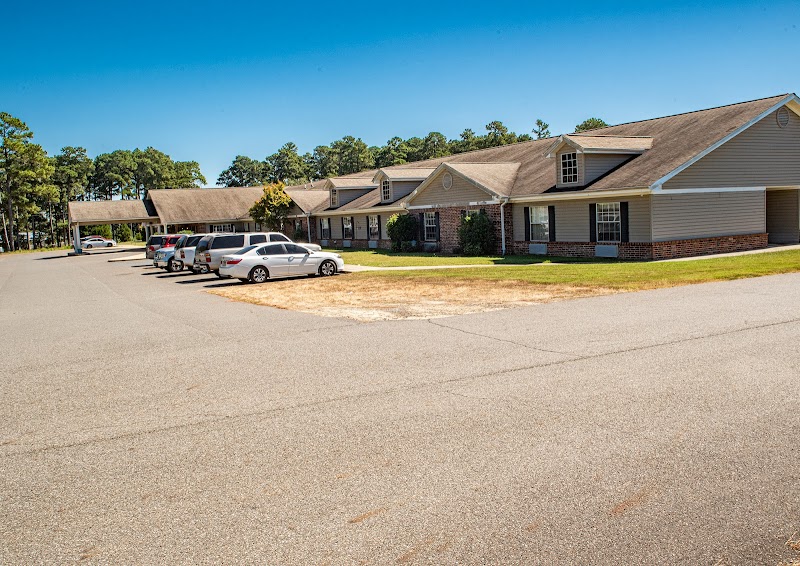
How is The Springs Magnolia Staffed?

CMS rates THE SPRINGS MAGNOLIA's staffing level at 3 out of 5 stars, which is average compared to other nursing homes. Staff turnover is 41%, compared to the Arkansas average of 46%. This relatively stable workforce can support continuity of care.

What Have Inspectors Found at The Springs Magnolia?

State health inspectors documented 31 deficiencies at THE SPRINGS MAGNOLIA during 2022 to 2025. These included: 1 that caused actual resident harm, 28 with potential for harm, and 2 minor or isolated issues. Deficiencies causing actual harm indicate documented cases where residents experienced negative health consequences.
Who Owns and Operates The Springs Magnolia?

THE SPRINGS MAGNOLIA is owned by a for-profit company. For-profit facilities operate as businesses with obligations to shareholders or private owners. The facility is operated by THE SPRINGS ARKANSAS, a chain that manages multiple nursing homes. With 140 certified beds and approximately 81 residents (about 58% occupancy), it is a mid-sized facility located in MAGNOLIA, Arkansas.
How Does The Springs Magnolia Compare to Other Arkansas Nursing Homes?

Compared to the 100 nursing homes in Arkansas, THE SPRINGS MAGNOLIA's overall rating (3 stars) is below the state average of 3.1, staff turnover (41%) is near the state average of 46%, and health inspection rating (3 stars) is at the national benchmark.

What Should Families Ask When Visiting The Springs Magnolia?

Based on this facility's data, families visiting should ask: "Can I visit during a mealtime to observe dining assistance and food quality?" "How do you handle medical emergencies, and what is your hospital transfer rate?" "Can I speak with family members of current residents about their experience?"

Is The Springs Magnolia Safe?

Based on CMS inspection data, THE SPRINGS MAGNOLIA has a clean safety record: no substantiated abuse findings (meaning no confirmed cases of resident harm), no Immediate Jeopardy citations (the most serious violation level indicating risk of serious injury or death), and is not on the Special Focus Facility watch list (a federal program monitoring the lowest-performing 1% of nursing homes). The facility has a 3-star overall rating and ranks #100 of 100 nursing homes in Arkansas. While no facility is perfect, families should still ask about staff-to-resident ratios and recent inspection results during their visit.

Do Nurses at The Springs Magnolia Stick Around?

THE SPRINGS MAGNOLIA has a staff turnover rate of 41%, which is about average for Arkansas nursing homes (state average: 46%). Moderate turnover is common in nursing homes, but families should still ask about staff tenure and how the facility maintains care continuity when employees leave.

Was The Springs Magnolia Ever Fined?

THE SPRINGS MAGNOLIA has no federal fines on record. CMS issues fines when nursing homes fail to meet care standards or don't correct problems found during inspections. The absence of fines suggests the facility has either maintained compliance or corrected any issues before penalties were assessed. This is a positive indicator, though families should still review recent inspection reports for the full picture.

Is The Springs Magnolia on Any Federal Watch List?

THE SPRINGS MAGNOLIA is not on any federal watch list. The most significant is the Special Focus Facility (SFF) program, which identifies the bottom 1% of nursing homes nationally based on persistent, serious quality problems. Not being on this list means the facility has avoided the pattern of deficiencies that triggers enhanced federal oversight. This is a positive indicator, though families should still review the facility's inspection history directly.